
Health
Uganda has until 2030 to end Open Defecation as Ntaro’s PhD Examines Kabale’s Progress

Silhouettes slip along narrow paths, farmers heading to their gardens, women balancing yellow jerrycans on their hips, children in oversized sweaters hurrying to school, and herders steering cattle toward open pasture, each movement part of a choreography older than memory. This is a quiet ritual in Kabale’s terraced hills, moments before the sun lifts.
The quiet procession to ahakashaka, or omukishaka, often sees figures moving quickly along familiar footpaths in the half-light, as children and adults walk with the urgency of habit. It is not a stroll but often a small, hurried run before daylight exposes what should be private.
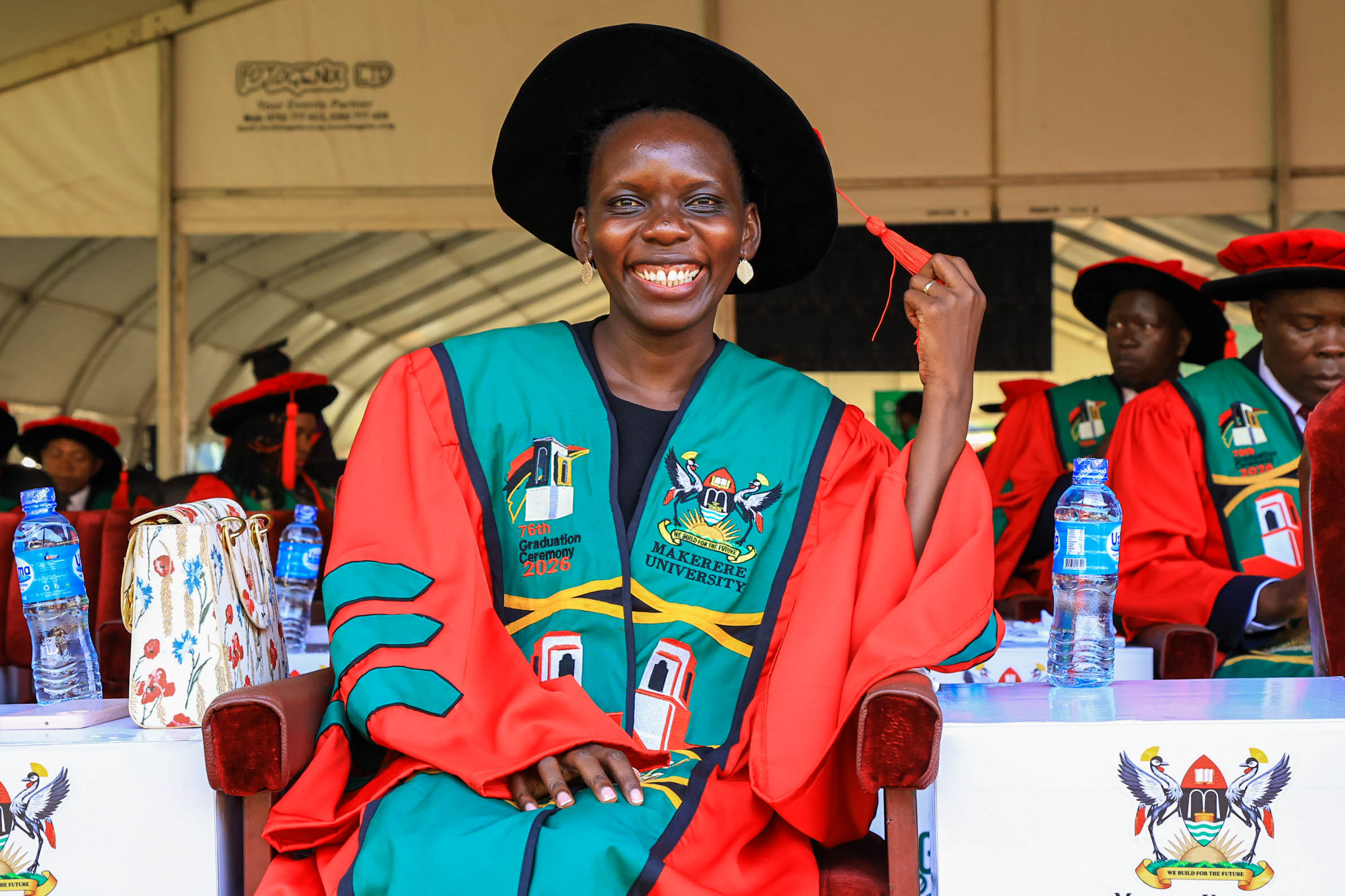
It is February 2026, and the century-old Makerere University is celebrating its 76th Graduation Ceremony. The world paces and races toward artificial intelligence and digital revolutions. But some families still begin their day by rushing to the bushes for relief and concealment, while others engaged in economic activities such as gardening and grazing have no sanitation option other than using their surroundings to respond to the nature call!
The deadline to end open defecation is 2030. The science is settled, and the commitments are written into Sustainable Development Goal 6. Yet in parts of Kabale, only a small fraction of households is truly open defecation free.
In his PhD research, Dr. Moses Ntaro did not start with global targets or conference declarations. He began where the morning run ends, at the edge of the compounds, behind banana stems, along worn paths leading to Omukishaka. He asked whether students, equipped not with bricks but with conversation, follow-up, and persistence, could help communities replace that dash with something quieter: a door that closes.
What he found is both hopeful and unsettling. Change is possible. But dignity, like sunrise, should not require a run. And with 2030 approaching, time is no longer generous.
The Question That Would Not Let Him Go
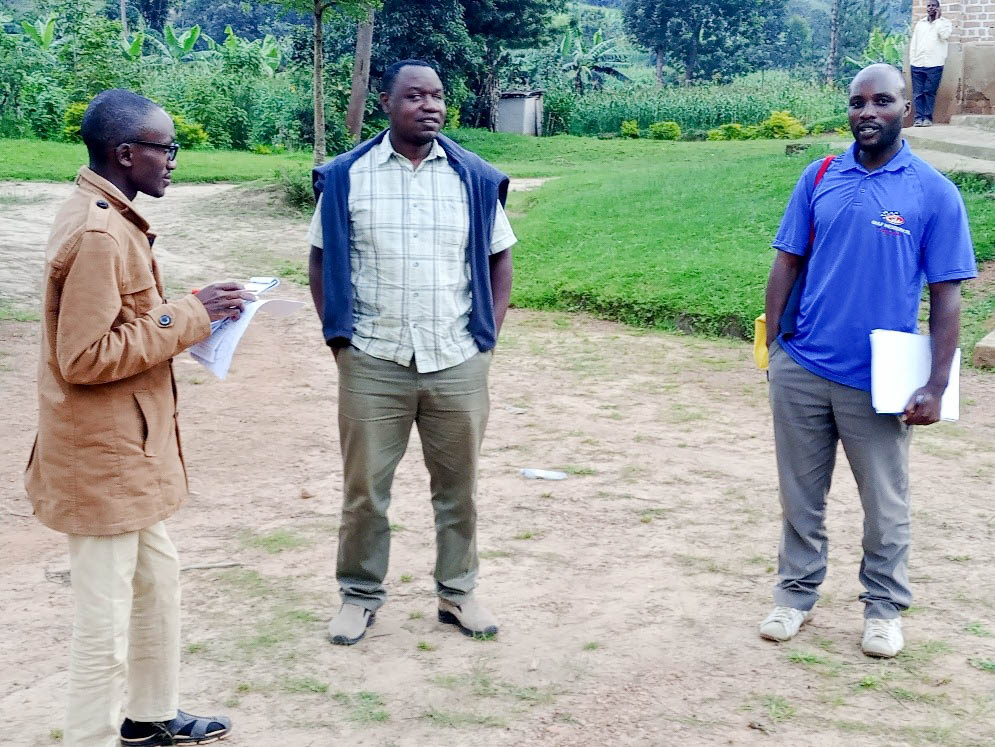
Ntaro did not encounter open defecation as a statistic. While on foot and serving as Assistant Coordinator of Community-Based Education at Mbarara University of Science and Technology (MUST), he learned while supervising students placed in rural communities across southwestern Uganda. They walked villages together, conducted transect walks… and they observed.
“In my role as academic coordinator,” he explains, “students always took me on transect walks within the villages to show me how high open defecation practice was. The effect was evident in the high prevalence of intestinal infections we saw in health facility records.”
The link between sanitation and disease was not theoretical but visible in clinic registers. Diarrhea, intestinal worms, recurring infections among children, and more were all visible in the clinic registers.
Nineteen years ago, in 2007, Uganda adopted Community-Led Total Sanitation (CLTS), a strategy designed to trigger collective behavior change and eliminate open defecation. Progress, however, remained uneven. That same year, Ntaro was working as an Environmental Health Officer with the Water and Sanitation Development Facility under the Ministry of Water and Environment. He was three years away from completing his Environmental Health degree at Makerere University School of Public Health.
And so, the question emerged, to Ntaro, that, ‘If students are already embedded in these communities through COBERS placements, why are we not intentionally harnessing them to accelerate sanitation change?’
That question became his PhD.
This is a Crisis That Should No Longer Exist
Globally, more than 350 million people still practice open defecation. Sub-Saharan Africa carries a disproportionate share. SDG 6, specifically Target 6.2, commits the world to ending open defecation and ensuring universal access to safe sanitation and hygiene by 2030. It prioritizes women, girls, and vulnerable populations. It speaks of dignity, of safely managed services, and of disease prevention.
We are four years away from that deadline. And in rural Kabale District, somewhere in southwestern Uganda, Ntaro’s research found that only 3 percent of households were truly open defecation-free.
Yes, three percent. His 2025 BMC Public Health study examined 492 residents. The average age was 49. Nearly 30 percent had no formal education. Most were women, the custodians of household hygiene and child health.
The determinants of Open Defecation Free (ODF) status were deeply behavioral.
Male-headed households had higher odds of being ODF. Households with clean compounds, clean latrine holes, and consistent handwashing practices were significantly more likely to sustain sanitation improvements.
Sanitation, Ntaro realized, is not only infrastructure but also power, memory, habit, and social expectation.
“Factors associated with ODF status were not just economic,” he notes. “They were behavioral and contextual.”
Why It Feels So Wrong to Still Discuss This
Talking about open defecation in 2026 feels unsettling for three reasons. First, it feels like a failure of basic dignity.
Think of an era of global connectivity and rapid technological advancement, and hundreds of millions still lack privacy. For women and girls, this exposes them to harassment, exploitation, and fear. Sanitation is not just about disease but safety.
Second, it feels like an avoidable health crisis. One gram of feces can contain millions of viruses, bacteria, and parasites. Open defecation directly fuels cholera, typhoid, diarrhea, and environmental enteropathy, a silent contributor to child malnutrition and stunting. The science is settled, and yet the practice persists.
Third, it feels like a poverty trap. Illness leads to lost productivity; lost productivity deepens poverty, and poverty limits investment in sanitation. The cycle continues.
“Open defecation is not simply a sanitation issue,” Ntaro says. “It is linked to poverty, nutrition, and broader development.”
Testing a Different Approach
Ntaro’s doctoral thesis, “Effect of Student Community Engagement on Open Defecation-Free Status,” tested whether health profession students could effectively facilitate Community-Led Total Sanitation.
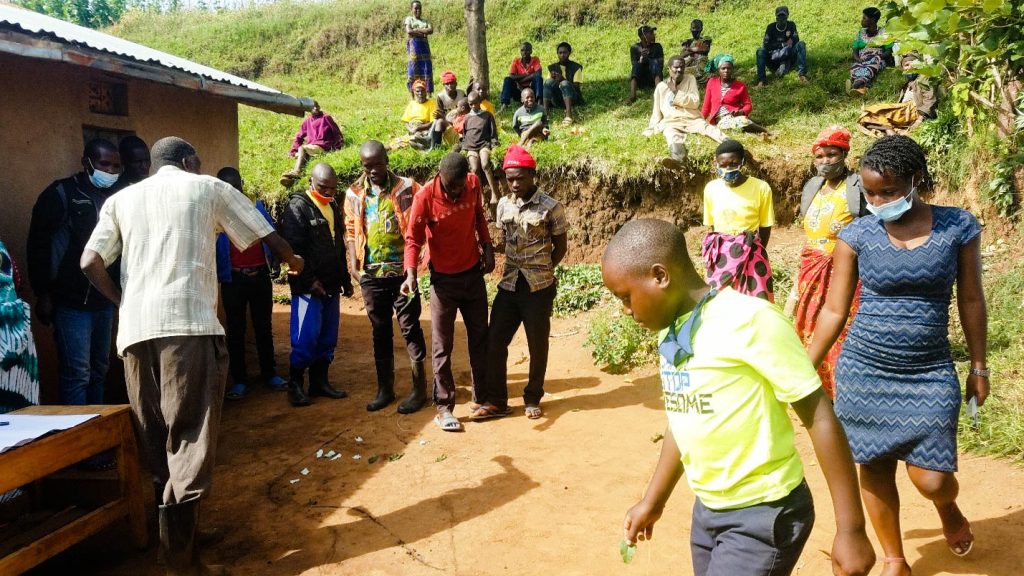
In some villages, traditional Health Extension Workers led the sanitation process. In others, trained students facilitated it under the COBERS (Community-Based Education, Research, and Service) model, which places medical trainees in community health facilities to learn through real-world practice, bridging classroom theory with primary care and public health work in rural settings.
Through this model, students led triggering, follow-ups, and community engagement. Open defecation declined. More households achieved Open Defecation Free status. And the cost per household was lower than in traditional approaches.
“Students were more effective,” Ntaro explains. “More households became open defecation-free compared to the traditional approach. And they were a cheaper human resource.”
But cost was not the real breakthrough. Presence was. Students stayed for weeks. They returned to check on latrines. They built trust. They kept coming back. Because sustainability, Ntaro argues, is not built in a single visit. It is built in repetition.
“There is a need for continued follow-ups and continued student engagement if long-term impact is to be realized.”
Change cannot be declared once and forgotten.
Behavior… and Not Just Bricks
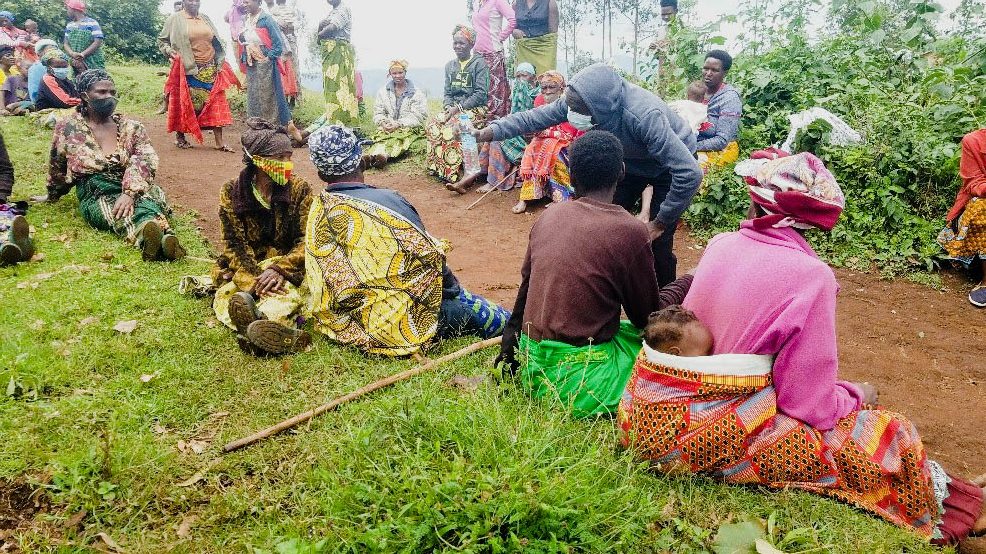
Using the RANAS framework, Ntaro found that households that remembered to wash hands and kept latrines clean were far more likely to sustain Open Defecation Free status. In sanitation, behavior leaves evidence.
“Behavioral change interventions that empower communities,” he recommends, “such as CLTSH, should be strengthened to increase households with ODF status.”
In other words, building latrines is not enough, but communities must believe in them.
The Defense and the Countdown
On December 11, 2025, Ntaro defended his PhD. Examiners pressed him on scale and sustainability. Could student engagement be institutionalized? Could universities be embedded in district sanitation planning?
His answer was pragmatic: “Yes, but community-based education must be included in planning and budgeting.”
Four years remain to meet SDG 6.2. Four years to end open defecation and turn dignity from promise into practice. In 2026, this conversation should feel outdated. Instead, it remains urgent.
The Slow Work of Restoration
In Kabale, progress does not look dramatic. It looks like a latrine door closing firmly behind someone, a handwashing station with water and soap, a compound swept clean. It looks like a child who does not fall ill this month. Public health victories are often quiet.
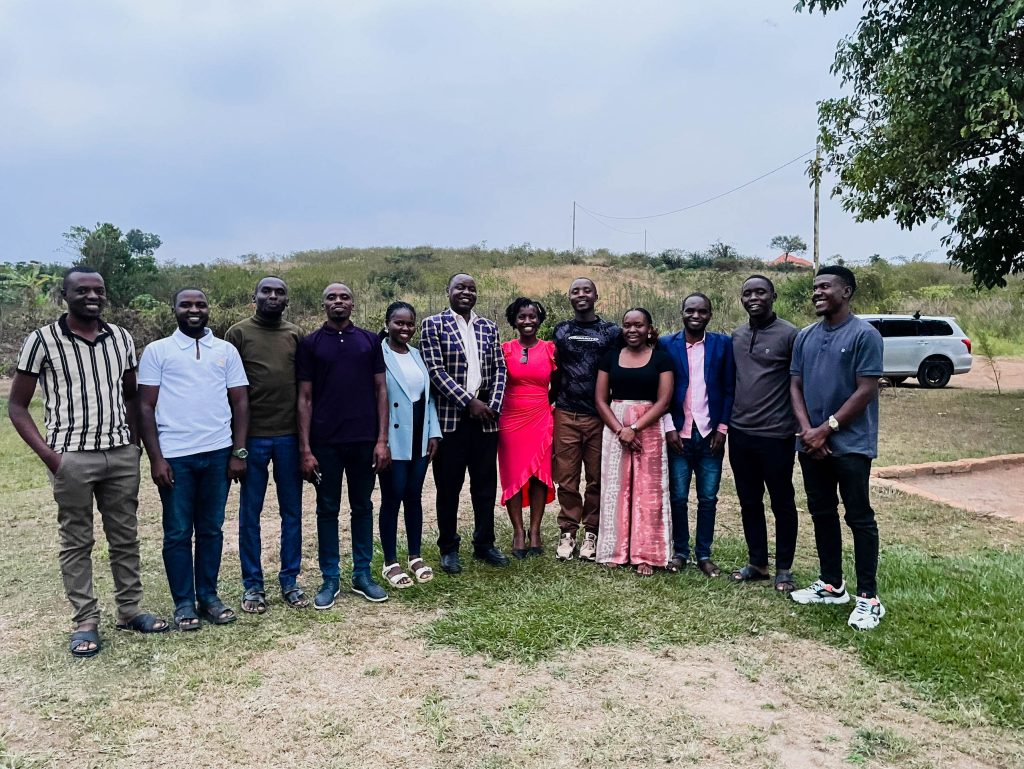
As Makerere University approaches its 76th Graduation Ceremony, Dr. Ntaro Moses stands among its PhD graduands not with theory alone, but with evidence that change can be accelerated by reimagining who leads it. Students, he shows, are not only learners. They are the workforce, facilitators, and bridges between policy and path.
The hills of Kabale still wake under mist. But in more compounds now, privacy exists where bushes once stood open. Dignity is not restored in headlines, but one household at a time.
And with 2030 approaching, Ntaro’s work leaves a final, unavoidable question: if we already know how to end open defecation, if we already have the tools, the evidence, and the people, what, exactly, are we waiting for?

— Makerere University School of Public Health Communications Office, Graduation Profiles Series, 76th Graduation Ceremony

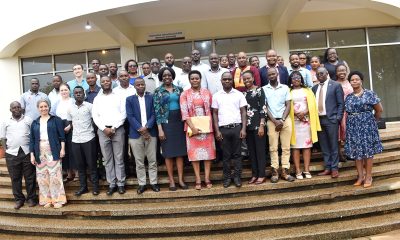



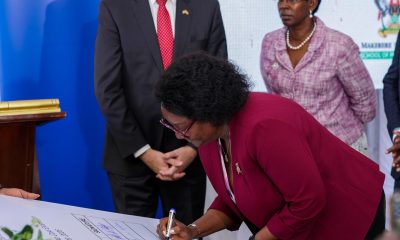

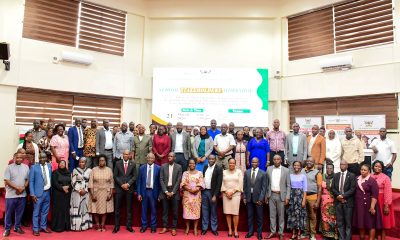

Fifteen years after a sustained investment of over $100 million, Makerere University has transitioned Uganda’s digital health systems and assets to the Ministry of Health, marking a fundamental shift from externally supported interventions to full national ownership.
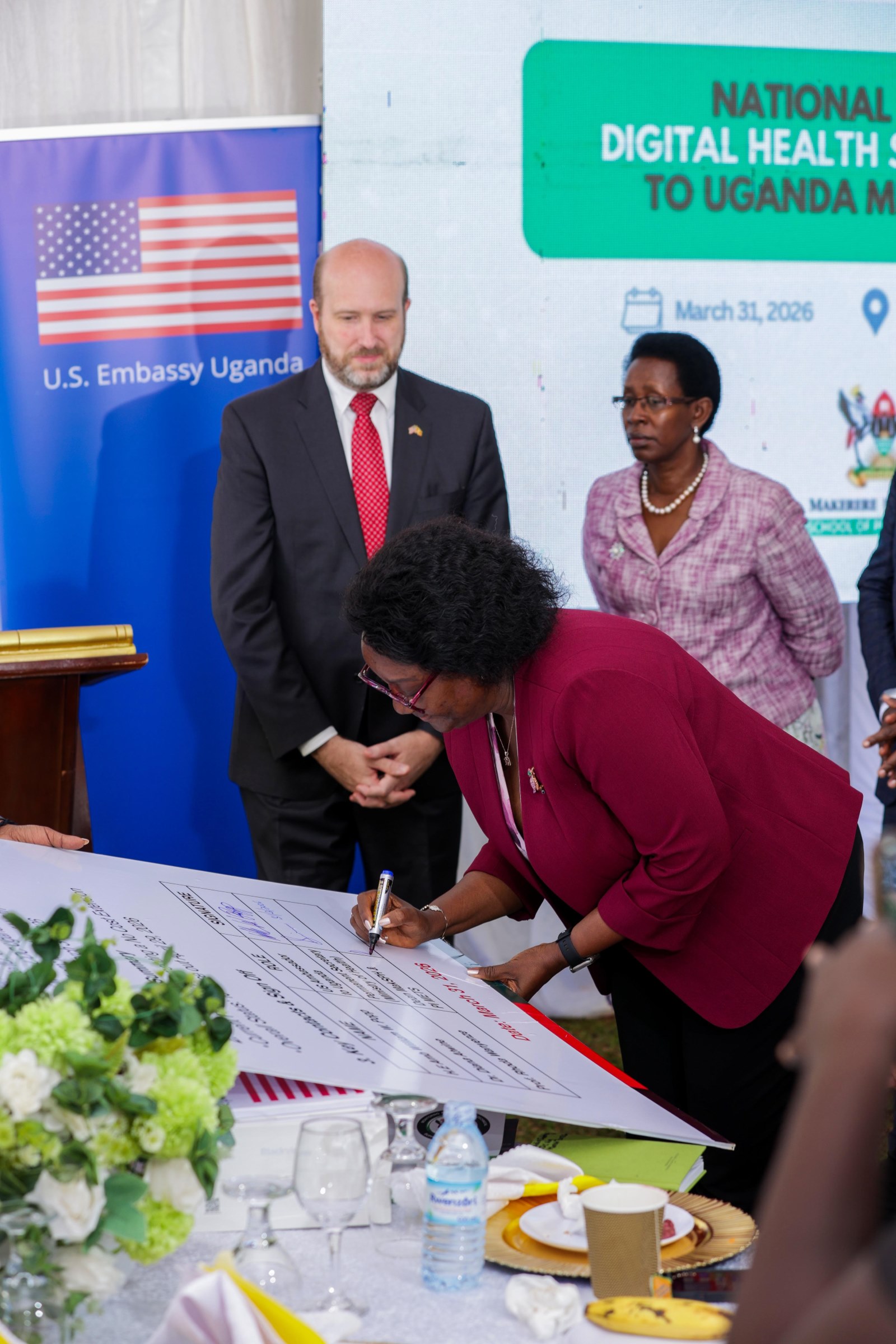
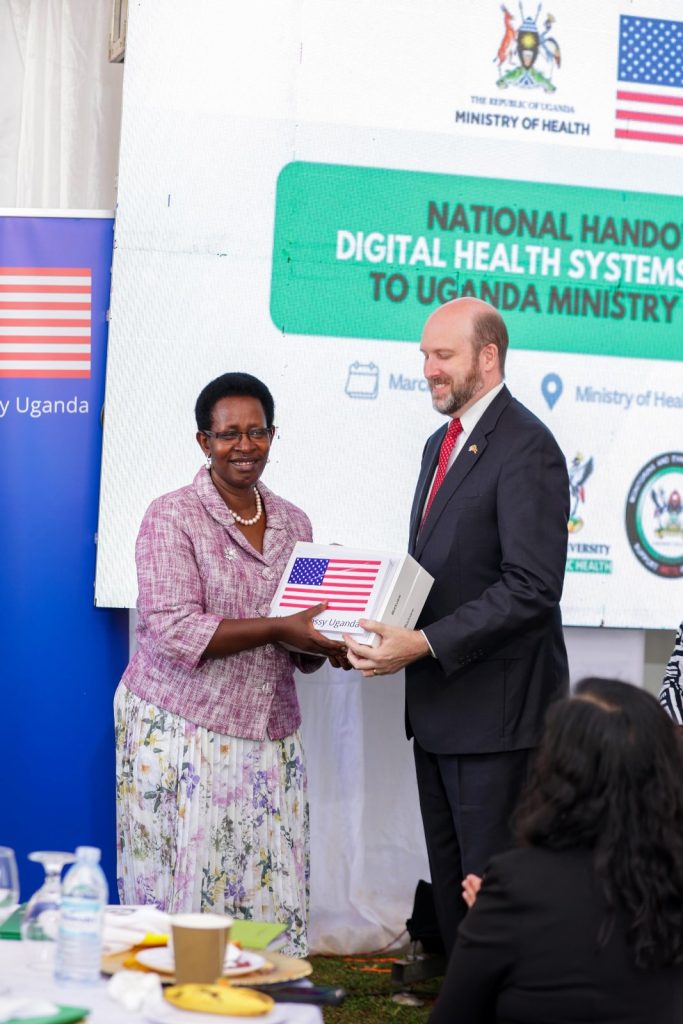
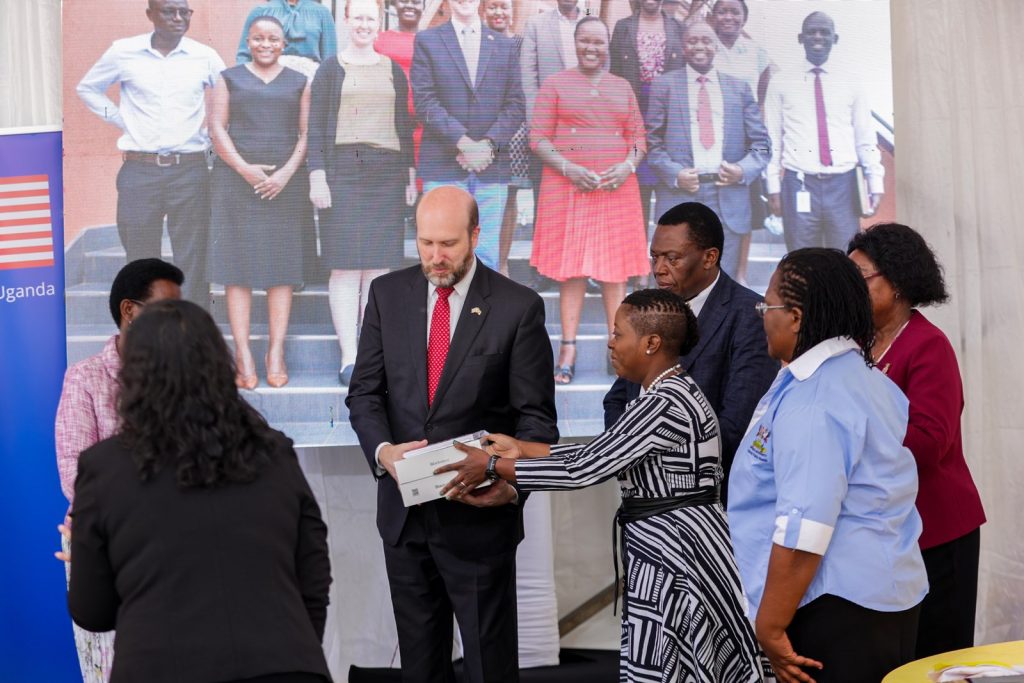
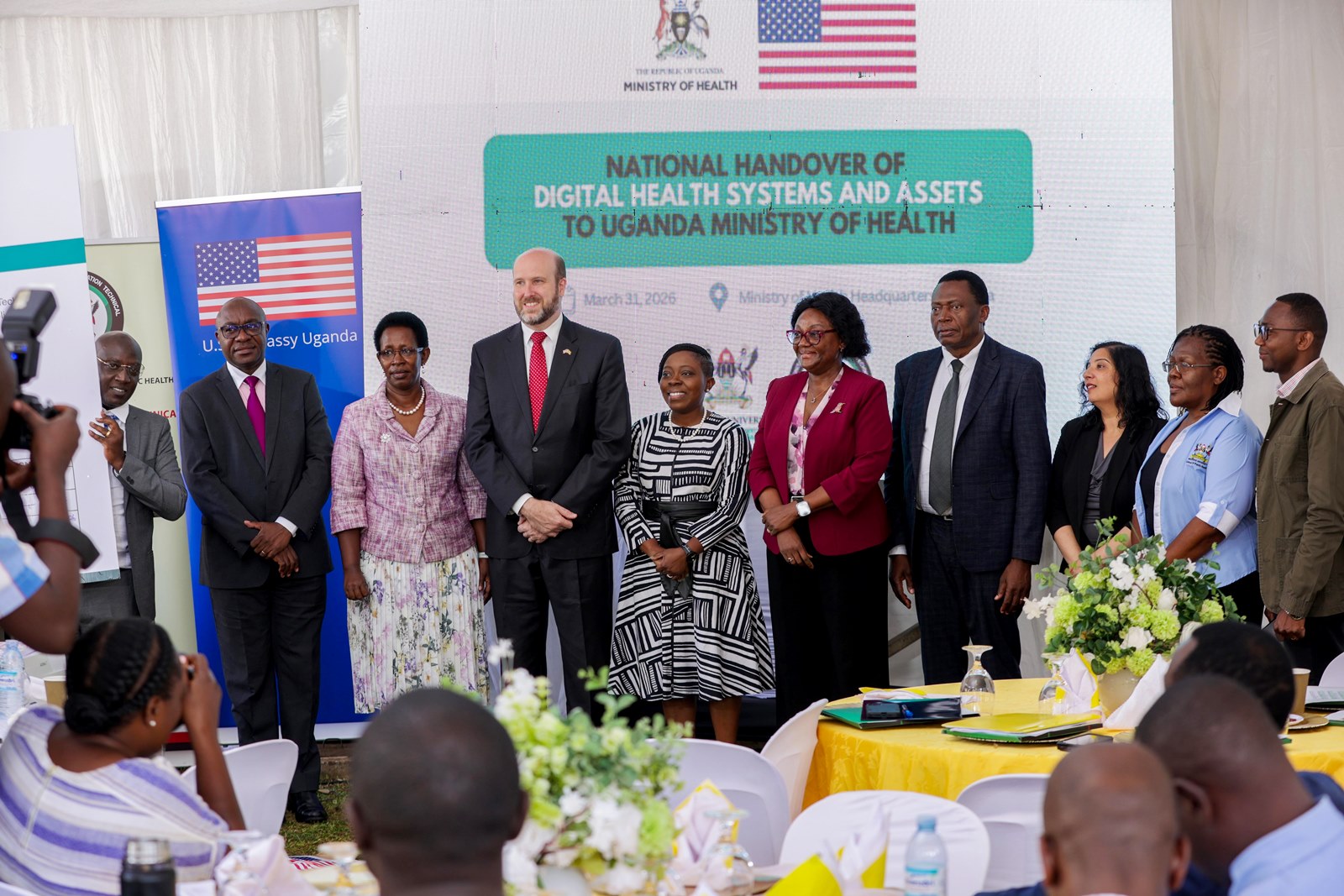
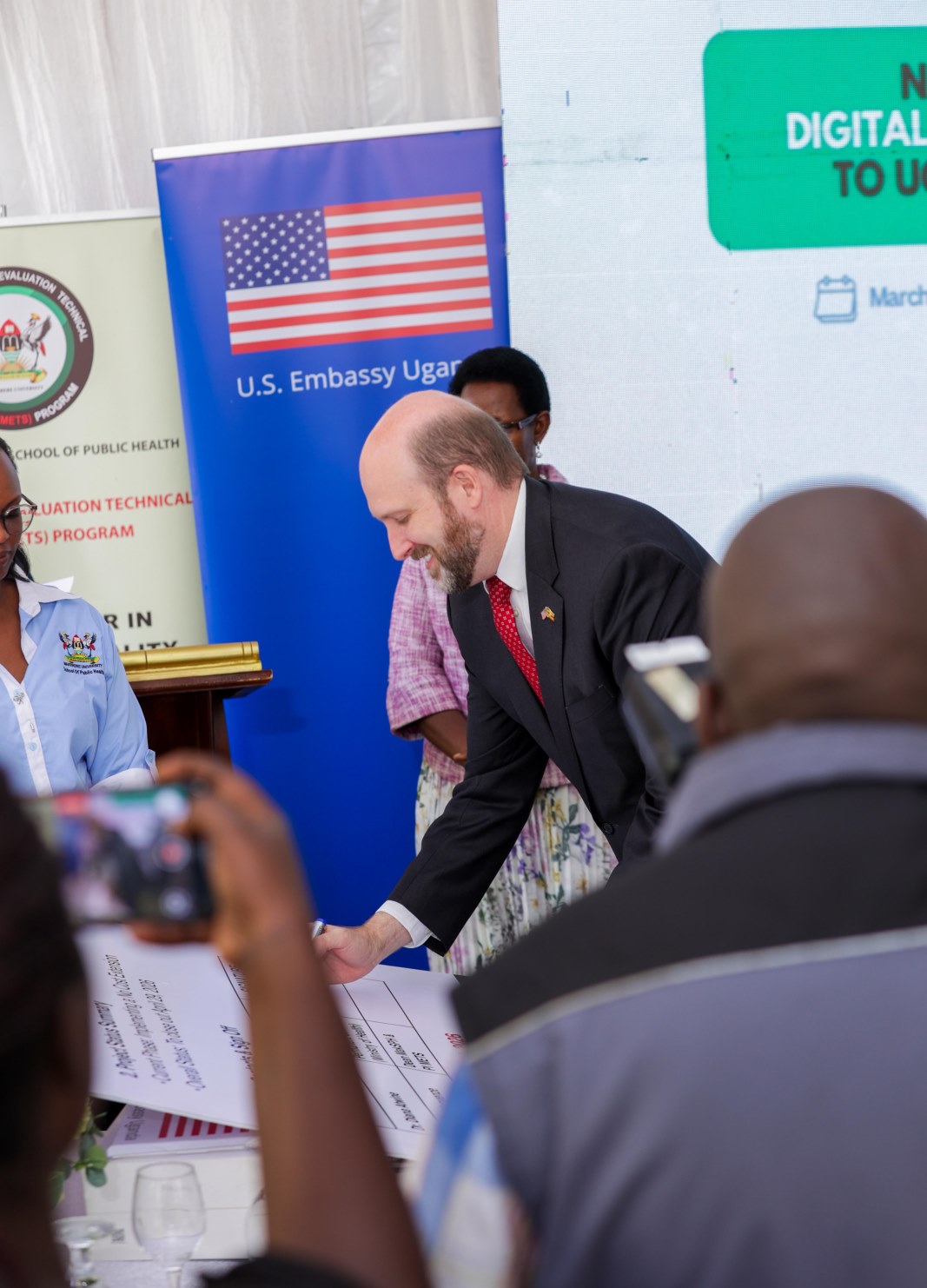
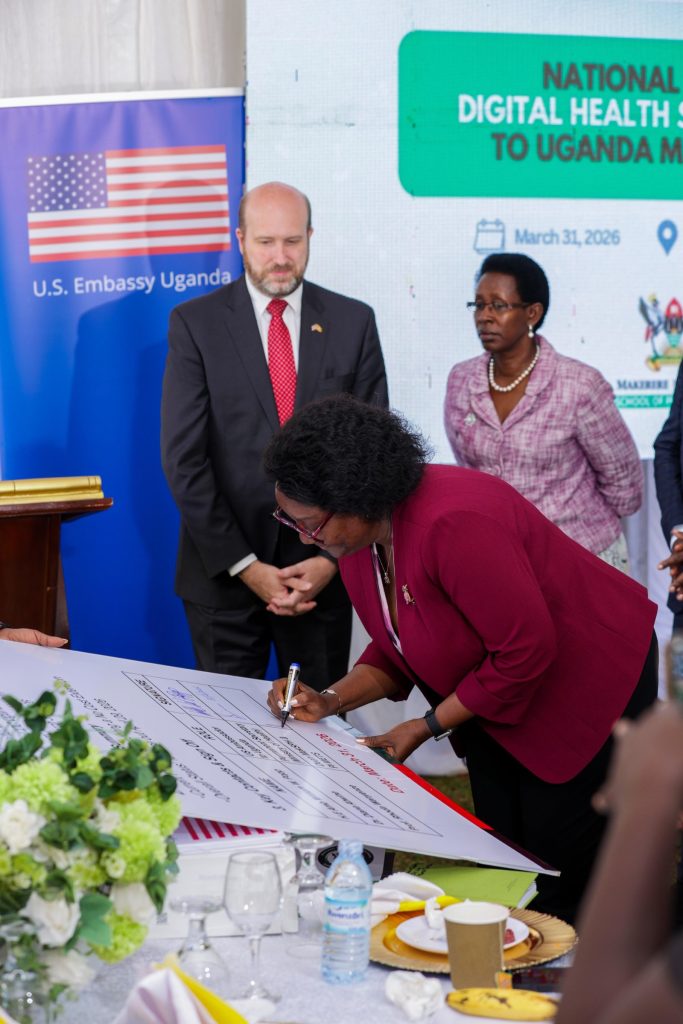
On 31 March 2026, a handover ceremony at Uganda’s Ministry of Health marked the closing of one chapter in Uganda’s digital health journey and the beginning of another, one in which systems built over 15 years through the Makerere University School of Public Health Monitoring and Evaluation Technical Support (MakSPH-METS) Program now sit firmly within government hands.
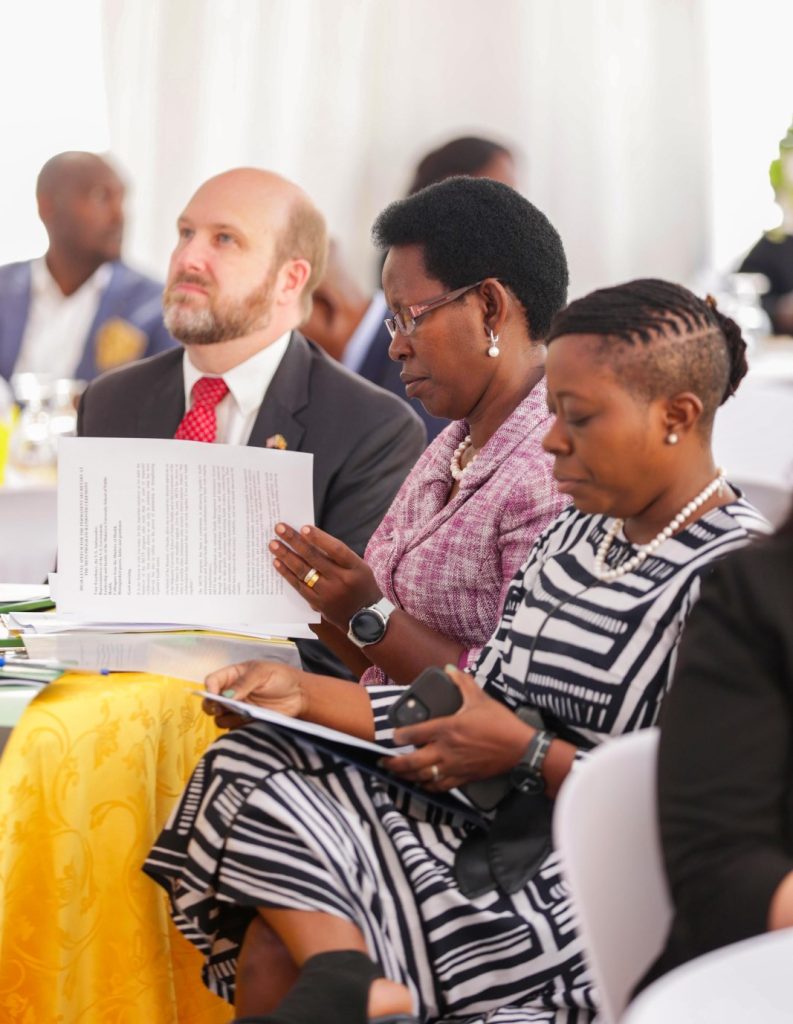
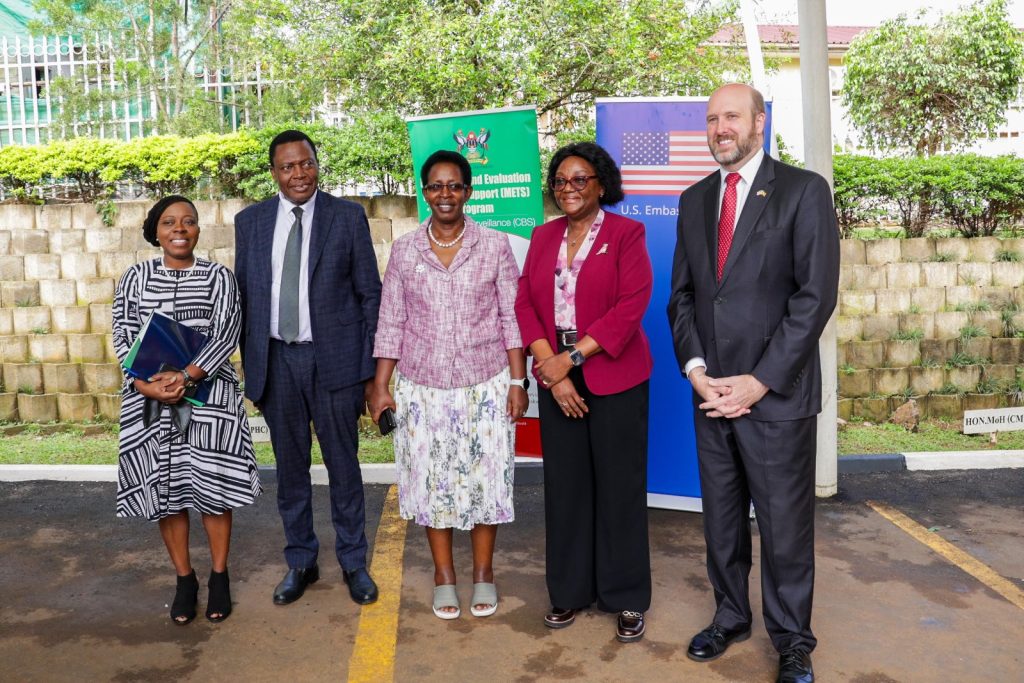
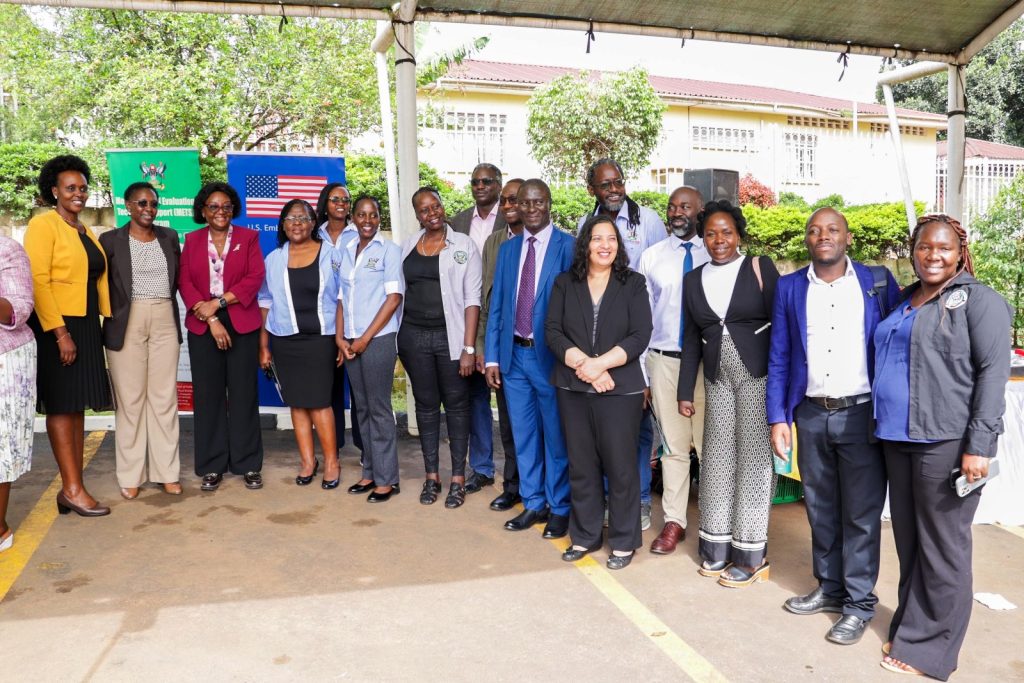
The national handover event brought together a cross-section of Uganda’s health leadership, academia, and development partners, led by the U.S. Ambassador to Uganda, H.E. William W. Popp; the Permanent Secretary, Dr. Diana Atwine; and the Director General of Health Services, Dr. Charles Olaro. They were joined by the CDC Country Director, Dr. Mary A. Boyd, senior government officials, implementing and development partners, technical teams, and the media. At the center of that moment was Makerere University School of Public Health, an institution that, over more than 70 years, has built its reputation as one of the region’s most enduring public health research and training hubs, working hand in hand with ministries of health, districts, referral hospitals, and partners to turn evidence into public systems that last.
Back in time, Uganda had made important gains in HIV control, but behind those gains were structural weaknesses that could not be ignored: fragmented data monitoring and evaluation systems, parallel reporting channels, weak digital integration, limited surveillance responsiveness, constrained oversight in decentralized structures, and uneven quality assurance across the HIV continuum of care. The problem was not simply that data existed in too many places but it was that the health system could not always use that data quickly enough, coherently enough, or at sufficient scale to guide action.
The MakSPH-METS program was designed as a response to that reality, build the backbone of a data-driven health system, supported through three successive grants totaling US$103.8 million by the United States Government through Centers for Disease Control and Prevention (CDC) and the President’s Emergency Plan for AIDS Relief (PEPFAR).
The program, rather than working around government systems, worked inside them with a deliberate and system-wide focus to strengthen health information systems, expand surveillance, improve governance and accountability, institutionalize quality improvement, and build the workforce needed to run all of it.
That choice to work within the Ministry of Health structures and across decentralized systems made all the difference. It meant the investment was not in parallel projects, but in national architecture, and over time, that architecture began to take shape.
Reporting through DHIS2 (District Health Information System 2), the world’s largest open-source health management information system platform improved from 58 percent in 2020 to 98 percent in 2025. DHIS2 is a flexible, web-based tool used to collect, manage, and analyze both aggregate and individual-level data.
Also, tracked through the MakSPH-METS program, electronic medical record coverage rose to a high of 86 percent in 2024 from 50 percent in 2020, and reached 100 percent in high-volume sites. Additionally, a functional National Data Warehouse came into place. Across the country, 1,300 health facilities implemented HIV case-based surveillance, 1,084 facilities implemented HIV recency surveillance, and 300 sites established all-cause mortality surveillance. Six regional referral hospitals were implementing integrated surveillance for severe acute respiratory infections, influenza-like illness, acute febrile illness, and SARS, popular for Severe Acute Respiratory Syndrome, which is a viral respiratory illness caused by the SARS-associated coronavirus. At the governance level, 10 regional referral hospitals and 65 CDC-supported districts were trained and supported in planning and oversight, while regional referral hospital capacity scores improved from 58 percent in 2021 to 79 percent in 2024.
These are strong statistics. But the deeper story is that Uganda moved from fragmented systems to a more integrated, data-driven public health response. What had once been separate reporting streams, paper-heavy workflows, and delayed visibility became a system able to provide more timely access to data, better accuracy, stronger dashboards, and more confident decision-making. Health workers could access patient information faster. Today, district leaders are able to review performance data more accurately, national programmes can respond more strategically and data is no longer just collected, but used.
The transition also touched the practical side of care, including laboratory systems, patient records, commodity tracking, quality improvement, and outbreak intelligence.
Dr. Alice Namale, Executive Director of MakSPH-METS Program, was careful during the handover not to let the digital systems overshadow the broader institutional gains. MakSPH-METS, she noted, had “improved regional referral capacity and the district health team capacity to manage programs,” and those systems were now being leveraged by disease programs beyond HIV. She also captured the spirit of the team behind the work, saying the staff had adapted through a changing landscape. “For us, it was never business as usual. We had to continuously adapt as the landscape kept changing, and the team delivered with grace and professionalism,” Dr. Namale said.
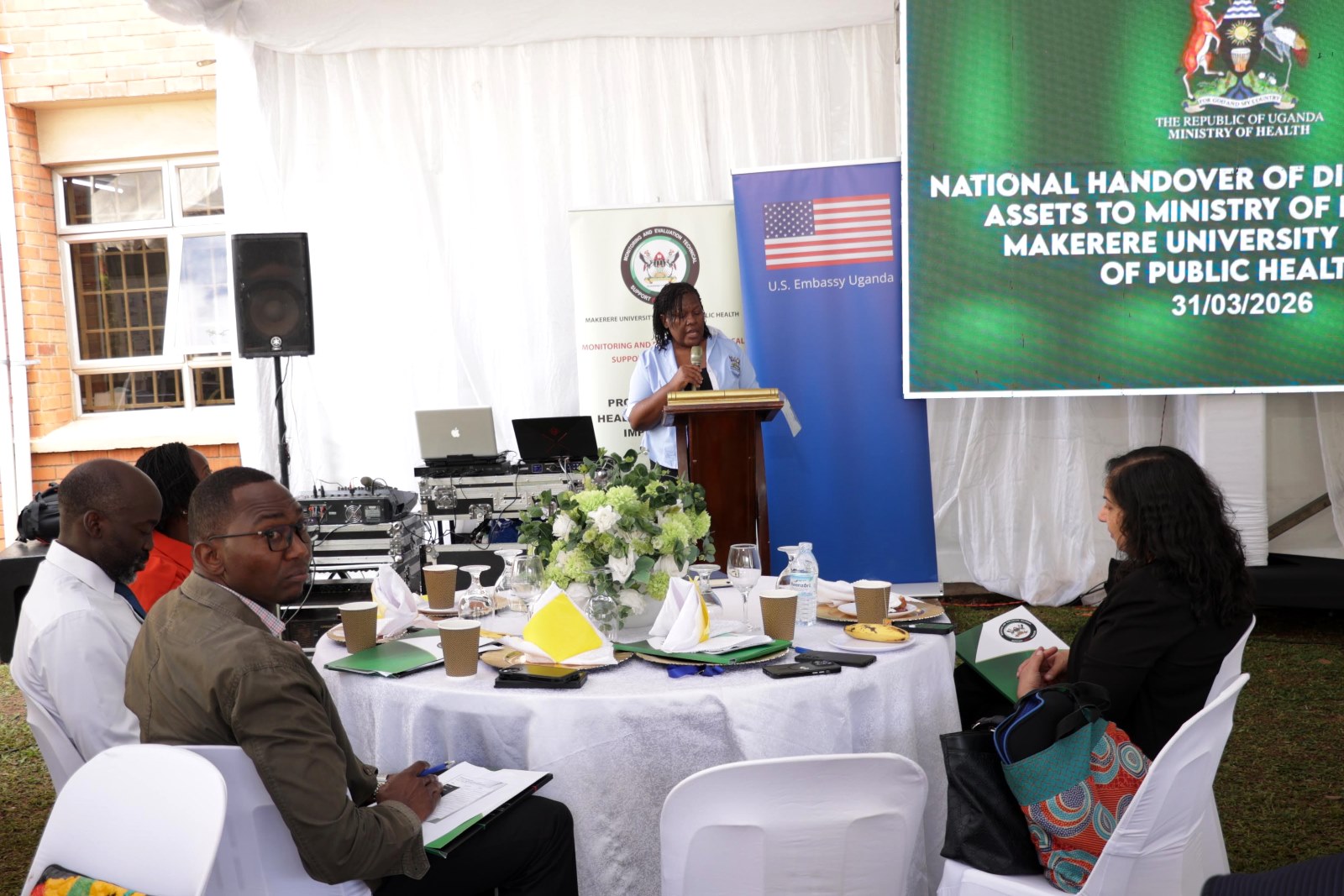
Adding that; “We have strengthened systems and built capacity across the health sector, and these gains are now supporting not just HIV programs, but broader health services.”
That wider view matters that the systems handed over were not only about HIV reporting but they included platforms for electronic medical records, HIV case-based surveillance, stock monitoring, quality improvement, early infant diagnosis, viral load reporting, PEPFAR reporting, DREAMS tracking tool for tracking adolescents and young people data, outbreak and respiratory illness surveillance, ICT asset tracking, and e-learning platforms. In plain terms, these are the tools that allow clinicians to see results faster, managers to monitor performance more clearly, districts to respond to outbreaks sooner, and national leaders to plan with greater confidence.
The Ministry of Health now boasts of 16 such systems that have been fully developed and handed over, including UgandaEMR repositories, DREAMS Tracker, PREV Tracker, the HIV CBS dashboard, the Weekly Stock Status System, OpenHIM for health information exchange, EMR metrics, eIDSR, a platform for documenting patient level data on acute illnesses like pandemics, the QI database for visualising facility data on continuous improvement, EID and viral load dashboards, TB eCBSS, PIRS that supports PEPFAR indicator reporting beyond the DHIS2, and the SURGE Dashboard, a power BI based reporting platform.
This handover included 725 servers, more than 4,700 computing devices, solar systems for nearly 800 facilities, connectivity equipment for more than 1,300 sites, video conferencing systems, and network upgrades for regional referral hospitals. Those investments, valued at about US$9.3 million in ICT infrastructure alone, helped kick-start Uganda’s digitalization journey in practical terms: power, devices, connectivity, storage, and the ability to sustain real-time data exchange across facilities.
For the Ministry of Health, the significance of this transition is both strategic and immediate. Dr. Charles Olaro, Director General of Health Services, put it plainly that “Data is the lifeblood of decision-making,” and it provides “the raw materials for accountability.” In a sector where financing, human resources, commodities, and performance all depend on credible information, that was not a ceremonial line, but was a statement of what national ownership now requires.

“As a Ministry, we are focused on how this can support sustainable national ownership that is built to last, while strengthening resilient health systems. We look forward to leveraging these gains as part of our national digitalization roadmap, ensuring they continue to support and improve our systems moving forward,” said Dr. Olaro.
Dr. Diana Atwine, Permanent Secretary at the country’s Ministry of Health, spoke with equal clarity about what comes next. She described the handover as both a celebration of “tangible milestones of growth” and a call to responsibility. Uganda, she said, is not going back to paper-heavy systems. “We are not going to start again. We are just moving ahead.” At the same time, she was firm that ownership must come with inventory, verification, deployment, maintenance, and continued investment in people.
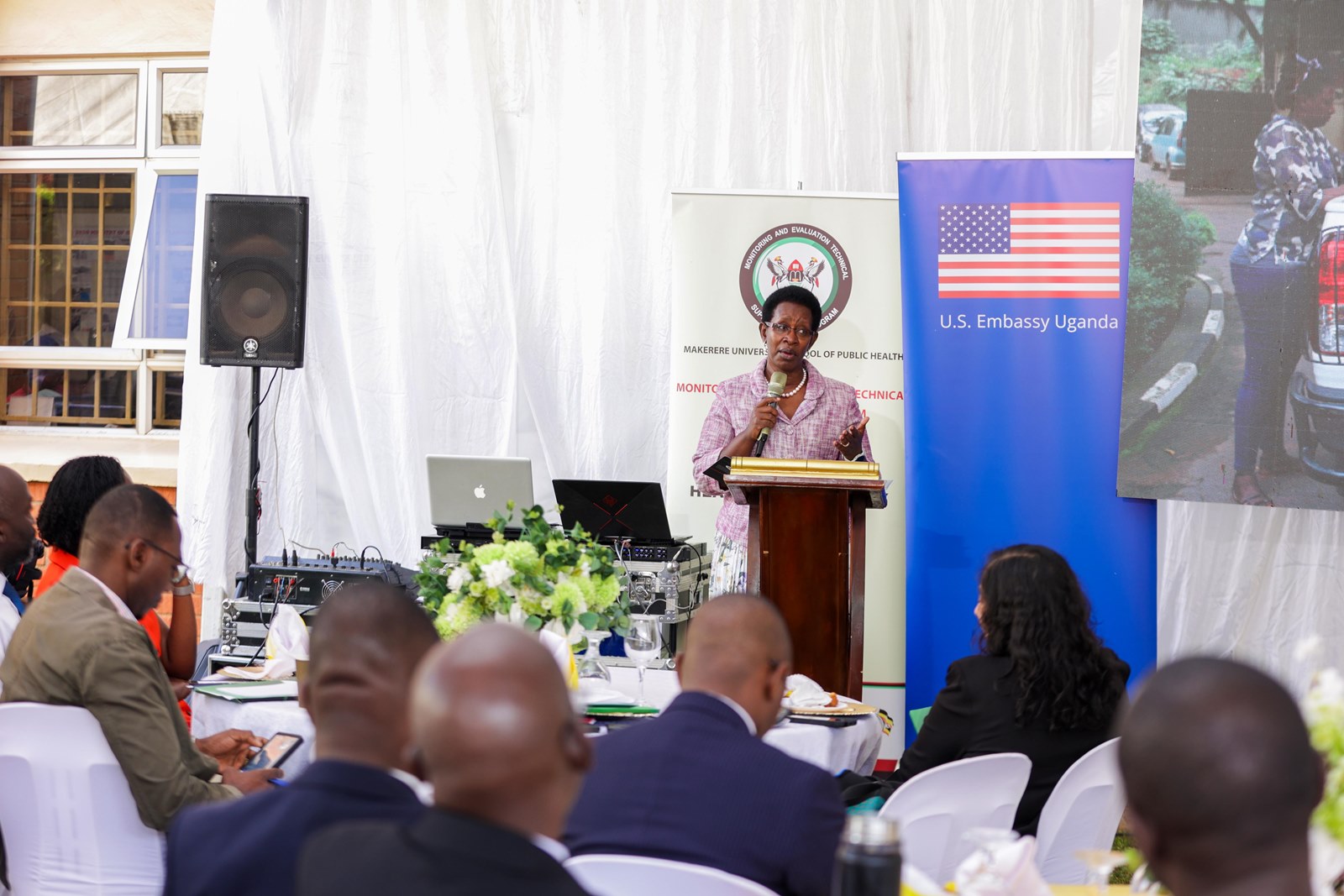
Calling the digital systems and assets “this treasure,” she urged districts and hospitals to take care of it, and made a broader plea that Uganda government should not lose the skilled workforce developed through the partnership, especially the technical teams that established these systems under the program. “This is the cream of the cream,” she said, arguing that the country should find ways to retain this talent as digital systems expand.
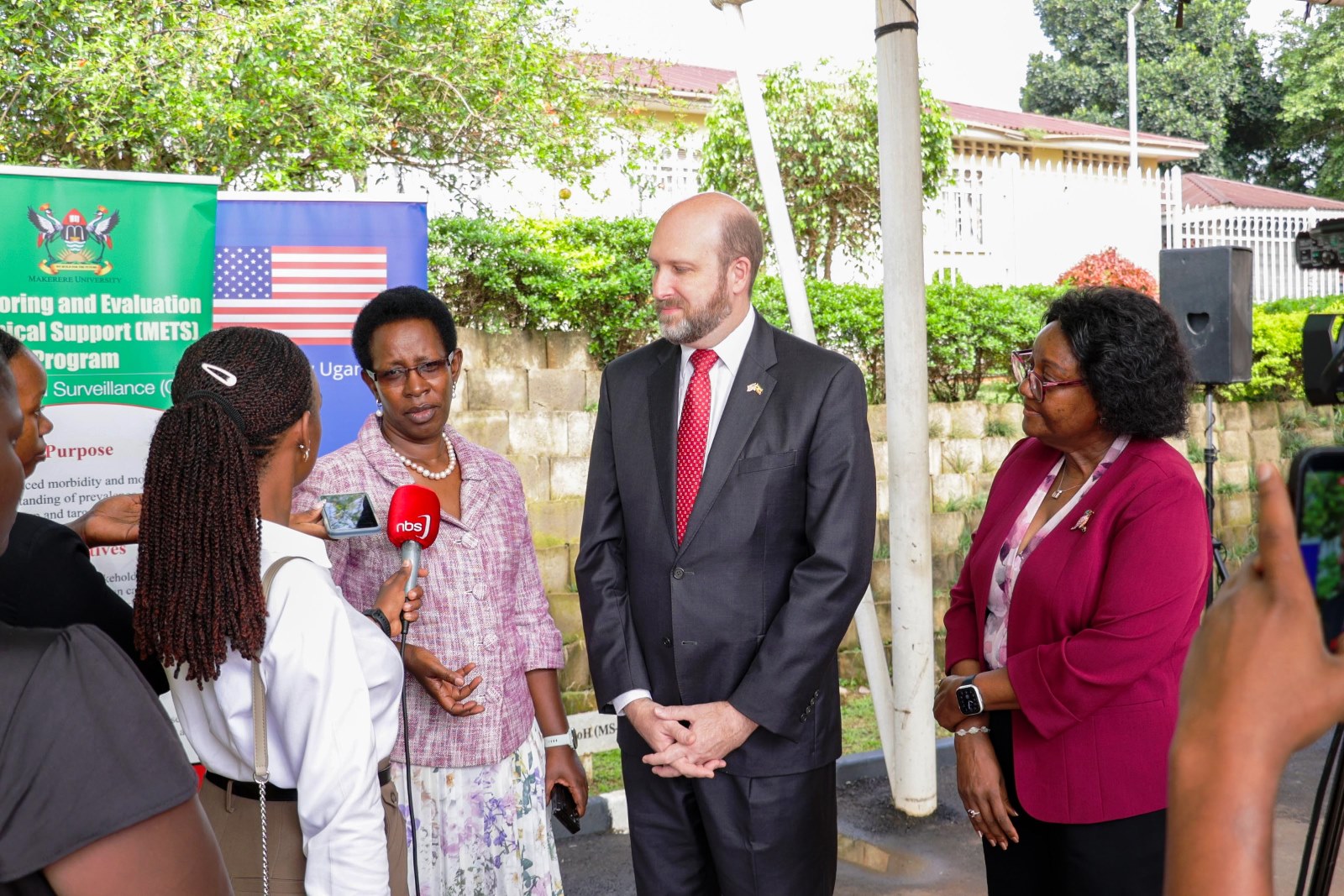
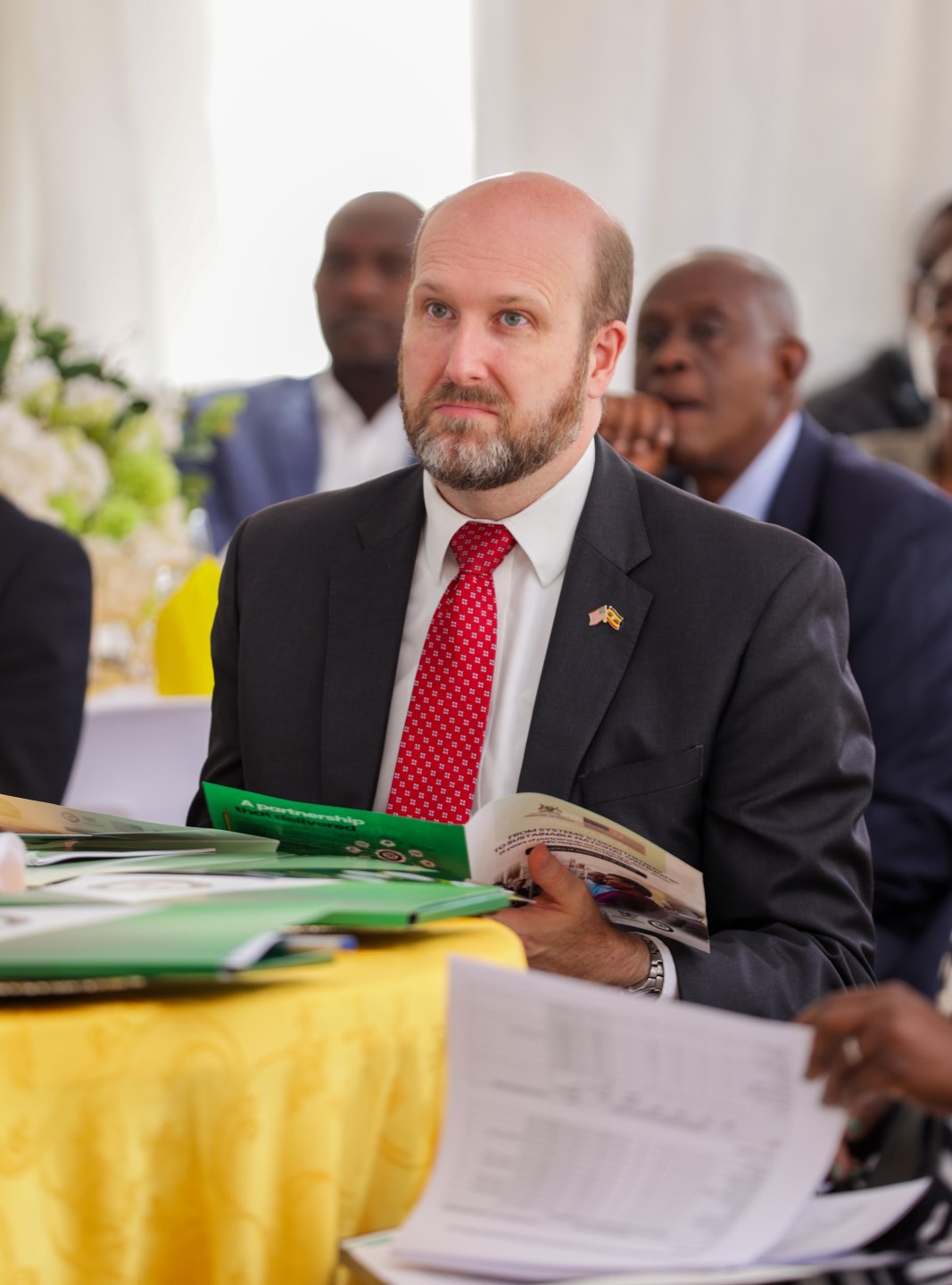
On his part, the U.S. Ambassador to Uganda, William W. Popp, framed the handover in similar terms, as a move from project implementation to self-reliance. He described it as “a new phase in national ownership and sustained self-reliance,” and linked it to the December 2025 U.S.-Uganda health memorandum of understanding, which set out a broader vision of government-led delivery, accountability, and stronger national systems. He stressed that foreign assistance, when delivered with discipline and accountability, should build lasting national capacity. In his words, the handover symbolizes a stronger Ugandan health system that benefits Uganda, the region, and the wider world.
For Makerere University School of Public Health, the moment was deeply consistent with its long institutional identity. The School began in the 1950s as preventive medicine, grew into one of sub-Saharan Africa’s earliest public health institutions, and has remained closely linked to the Ministry of Health through teaching, service, research, and workforce development.
Emphasizing the Ministry’s continued reliance on national expertise and long-standing institutional partnerships, the Permanent Secretary underscored the critical role of the Makerere University School of Public Health in sustaining and advancing Uganda’s health systems:
“We are still going to work with you… because you are our important resource in the country. You have the skill, you have the experience—and above all, you are Ugandans,” Dr. Diana Atwine said emphatically.
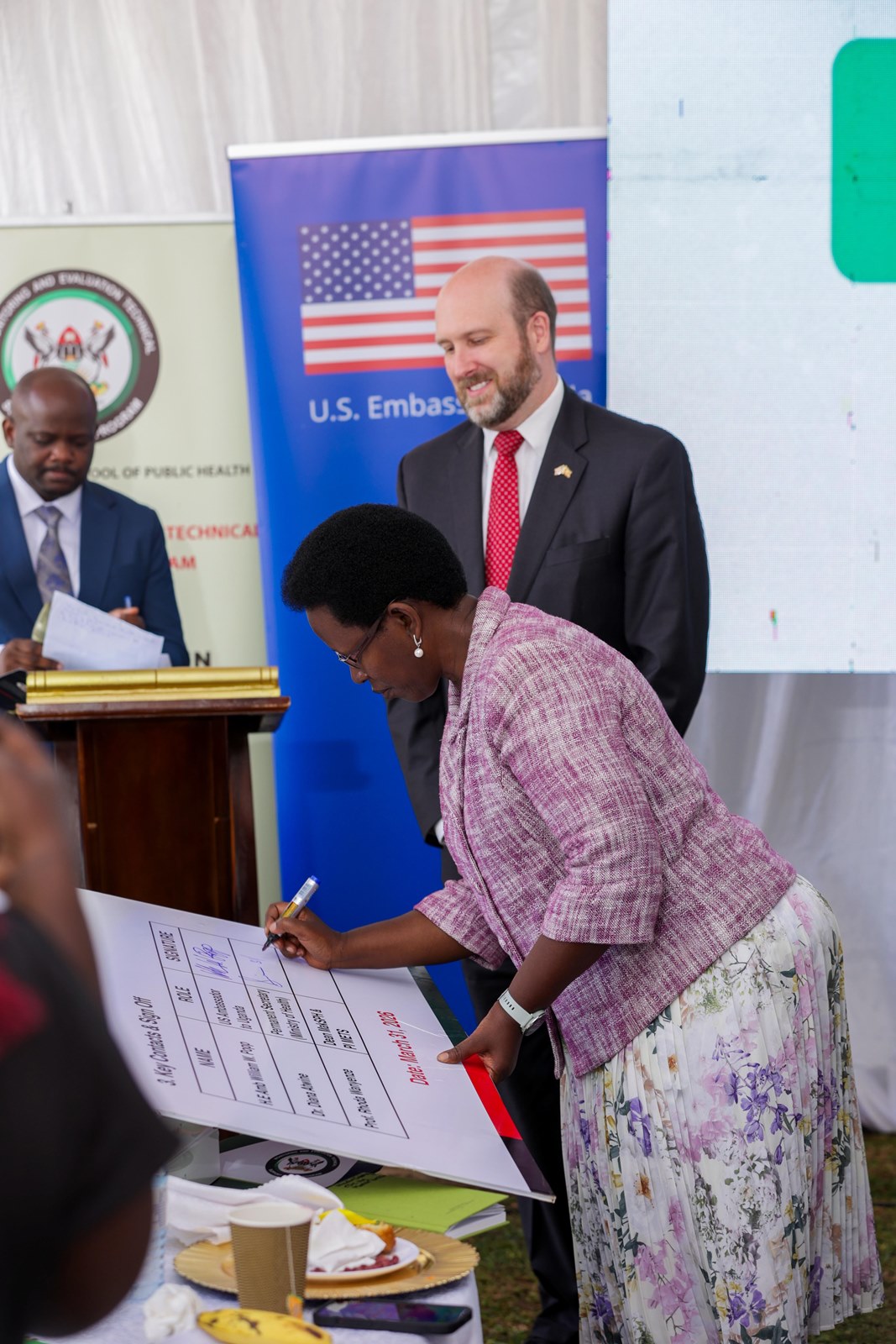
Her remarks stresses not only MakSPH’s technical capacity, but also the trust it has built over years of collaboration with government positioning the School of Public Health as the Ministry of Health’s strategic partner in driving nationally owned, sustainable health system improvements.
MakSPH has worked across more than 25 countries in Africa in recent years, trained thousands of public health professionals, and sustained long-term partnerships with organizations including CDC, NIH, the Global Fund, Johns Hopkins, WHO, the UN agencies and others. Its own strategic direction emphasizes community engagement, policy influence, partnership, and translating research into practical public good.
That is why Prof. Rhoda Wanyenze, Dean of MakSPH and Principal Investigator of METS, described the handover not as an ending, but as a transition. “As an academic institution, we are always exploring—looking for innovative, creative ways of doing things. We test them, and then work with key actors to take them over, scale them up, and sustain them,” she said. Later, she added, “This is not the end. This is the beginning of a new phase.”
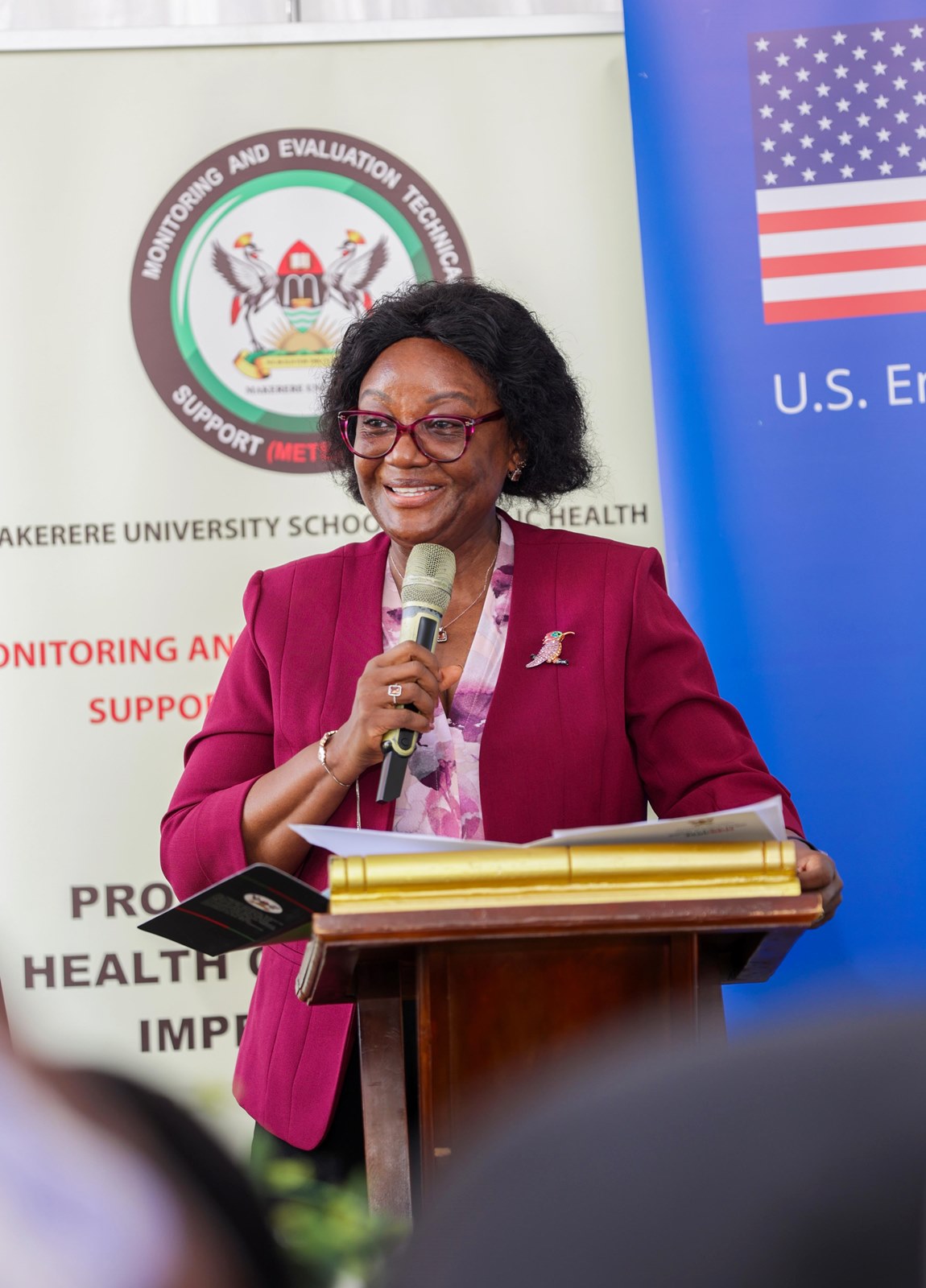
For Wanyenze, that philosophy has always been intentional. “This is not our data, this is not our house, this is Ministry of Health,” she emphasized, an approach that places national ownership at the center from the very beginning. The School’s role, then, is not to hold systems, but to build them, prove them, and let them go when they are ready to stand.
And when that happens, she argues, it is not a loss but success. “When what we have contributed to is taken over, sustained, and continues to grow—that is success.”
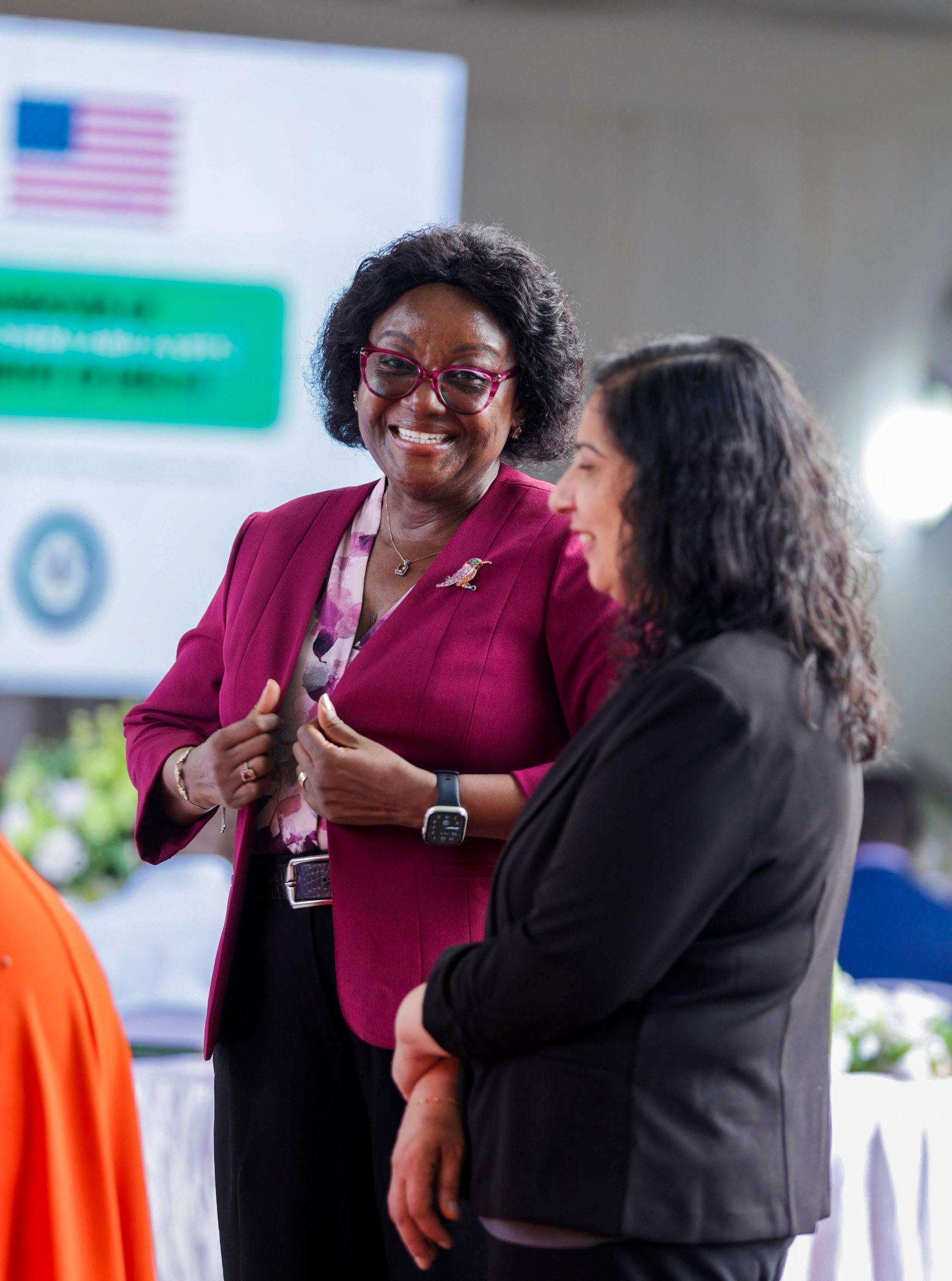
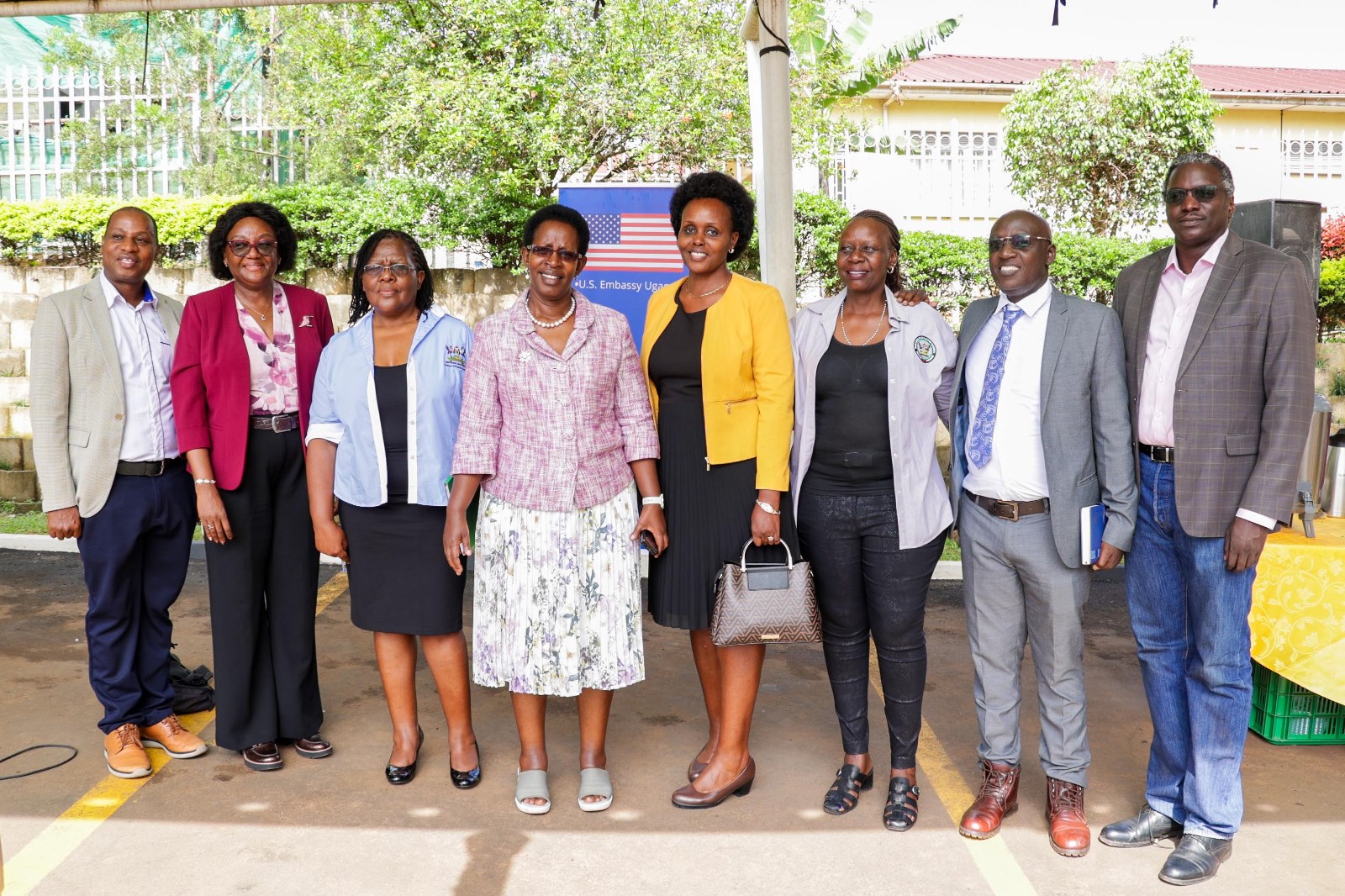
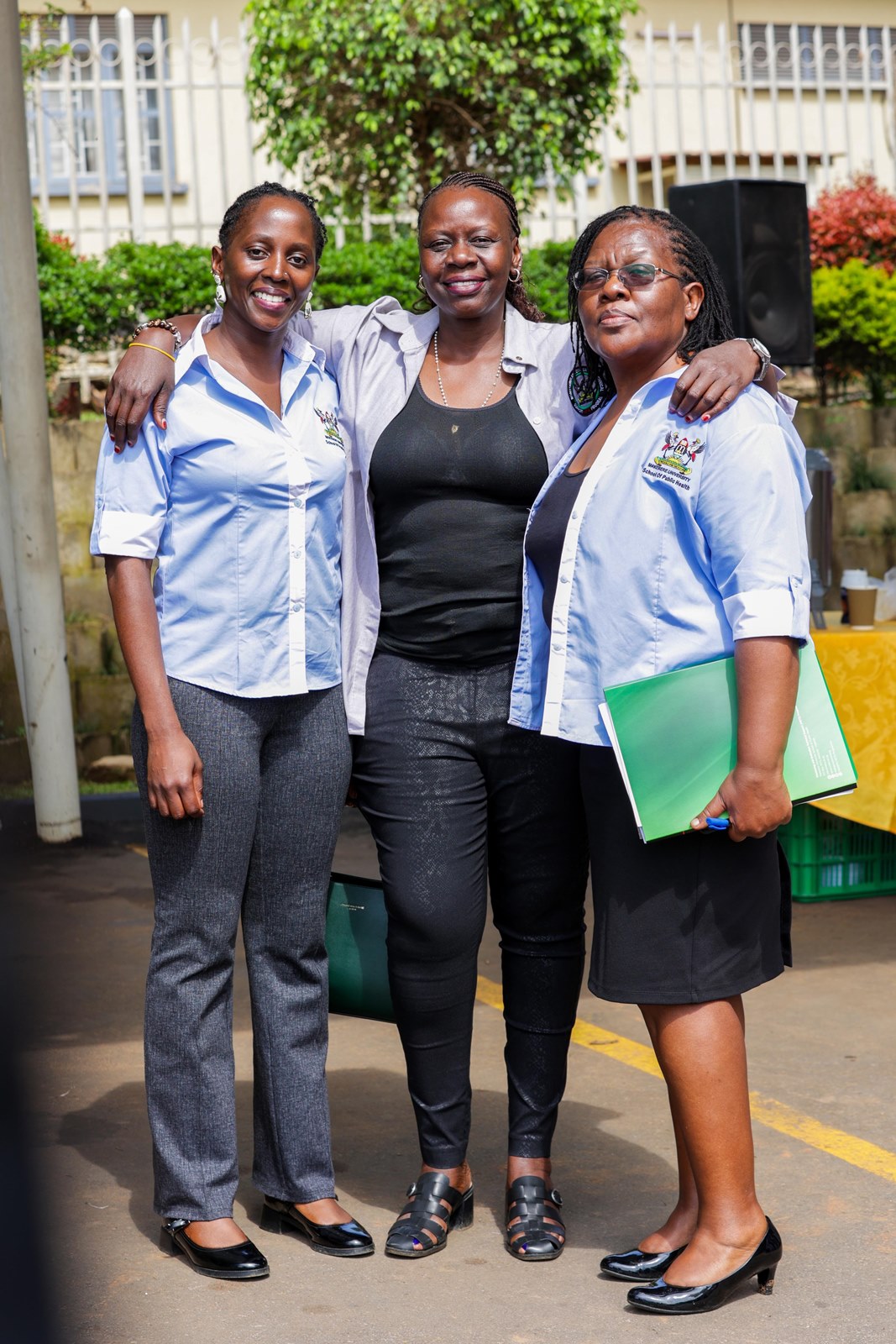
For years, much of Uganda’s health system operated with limited visibility, records stacked in paper files, data delayed, and decisions often made without a clear picture of what was happening on the ground. That is what makes this moment different.
After more than 15 years of investment and collaboration, Uganda is now taking over a digital health infrastructure built not just to collect data, but to actually use it, making information more timely, accessible, and practical for decision-making. The handover of the Monitoring and Evaluation Technical Support (MakSPH-METS) programme assets and systems marks more than a transfer of equipment or platforms; it reflects a shift toward a system that can better generate and use its own data.
In the end, the legacy of MakSPH-METS is not only the hardware, but something less visible and more important: a stronger ability to make informed decisions, knowing where the burden lies, where gaps remain, where stockouts occur, where patients are lost, and where progress is being made.




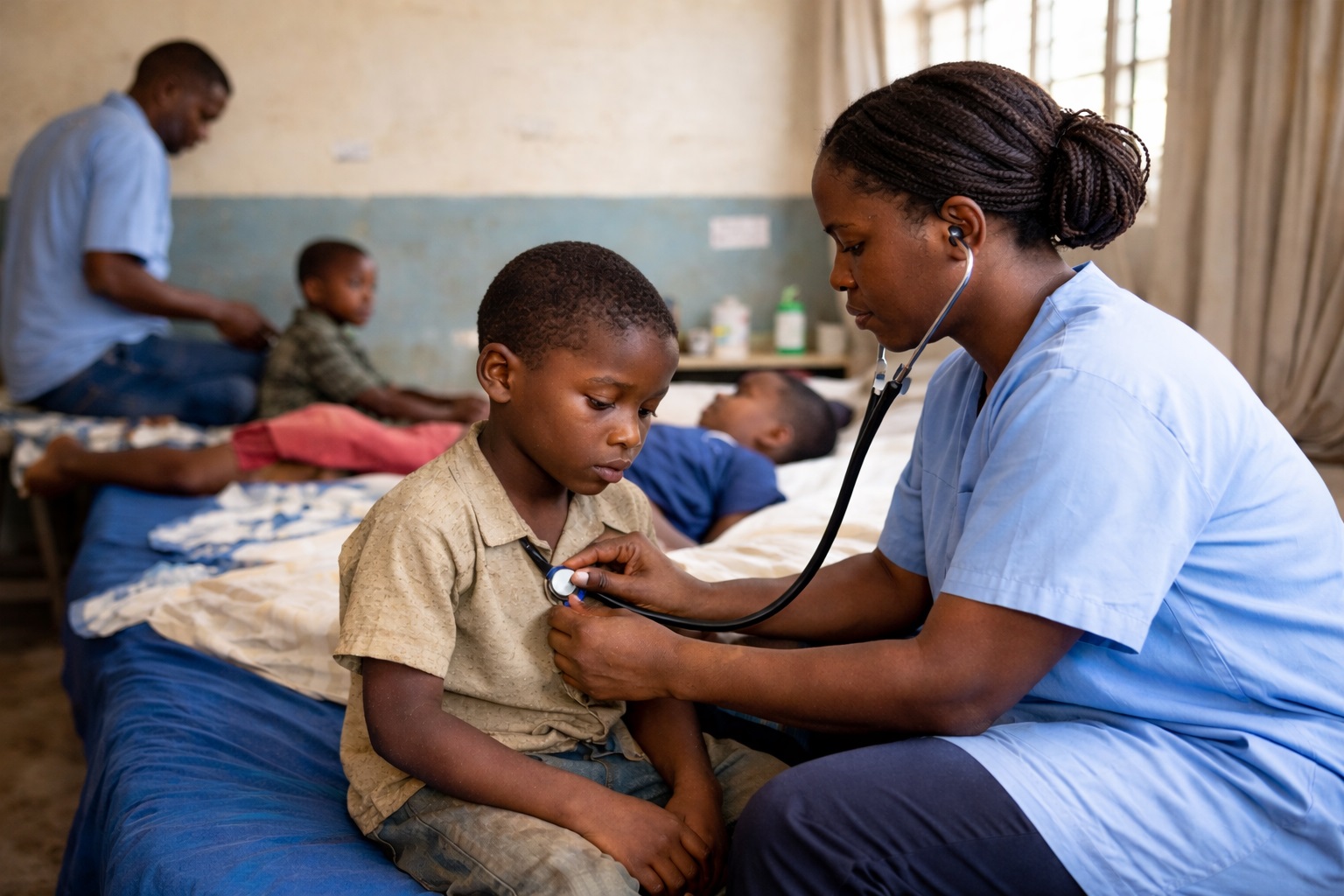
In Uganda, children arrive at health facilities every day with fever, cough, injuries or routine illnesses. What health workers rarely recognise is that some of these children are already living with alcohol or other substance use disorders, conditions that complicate diagnosis, delay treatment, and quietly undermine children’s health, development, and long-term wellbeing.
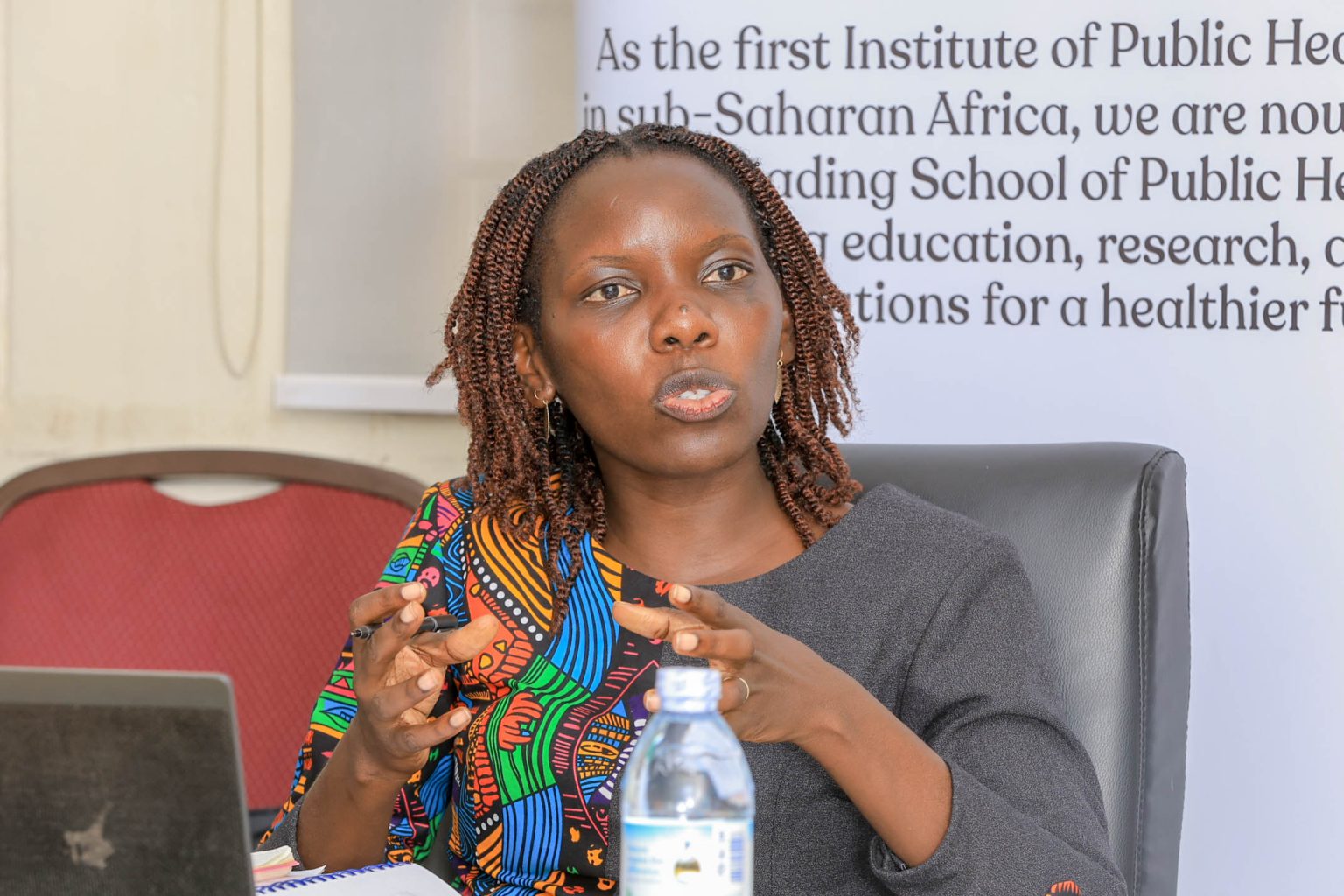
This hidden reality was uncovered by Dr. Harriet Aber Odonga during her doctoral research at Makerere University School of Public Health (MakSPH). Her PhD study, titled “Substance Use among Children in Mbale, Uganda: Health System Landscape and Support Structures,” examined how Uganda’s health system detects and responds to substance use among children aged six to 17 years.
The findings revealed a problem far more widespread than many health workers and caregivers assumed. Nearly one in four children attending health facilities showed signs of alcohol or other substance use problems, with alcohol the most common substance. In the study, a child was classified as having a “probable” substance use disorder when responses to a standard screening questionnaire indicated harmful or dependent patterns of use requiring further clinical assessment.
The discovery adds urgency to an already serious public health challenge. Globally, alcohol and other substance use is responsible for one in five deaths and contributes to more than 200 disease and injury conditions, according to WHO. Across Africa, alcohol alone accounts for 6.4 per cent of all deaths and 4.7 per cent of disability-adjusted life years. In Uganda, alcohol use disorder affects roughly 7.1 per cent of the population and contributes to about 7% of all deaths, while research among young people shows that alcohol exposure often begins early in life.
Despite these risks, most policy and research attention has historically focused on adults and older adolescents. Much less is known about children who begin experimenting with alcohol and other substances earlier in their childhood, a gap Aber set out to examine by studying how Uganda’s health system identifies and responds to substance use among children.
A research question begins
Aber’s interest in the subject began unexpectedly. “I remember seeing a notice calling for PhD students to research child alcohol use,” Dr. Aber recounted. “The phrase struck me immediately. I could not believe that children were drinking alcohol. That moment sparked my curiosity, so I began reviewing the literature on the subject in Uganda. During that search, I came across a study documenting alcohol use among children as young as five years old. That finding was deeply unsettling and raised many questions for me.”
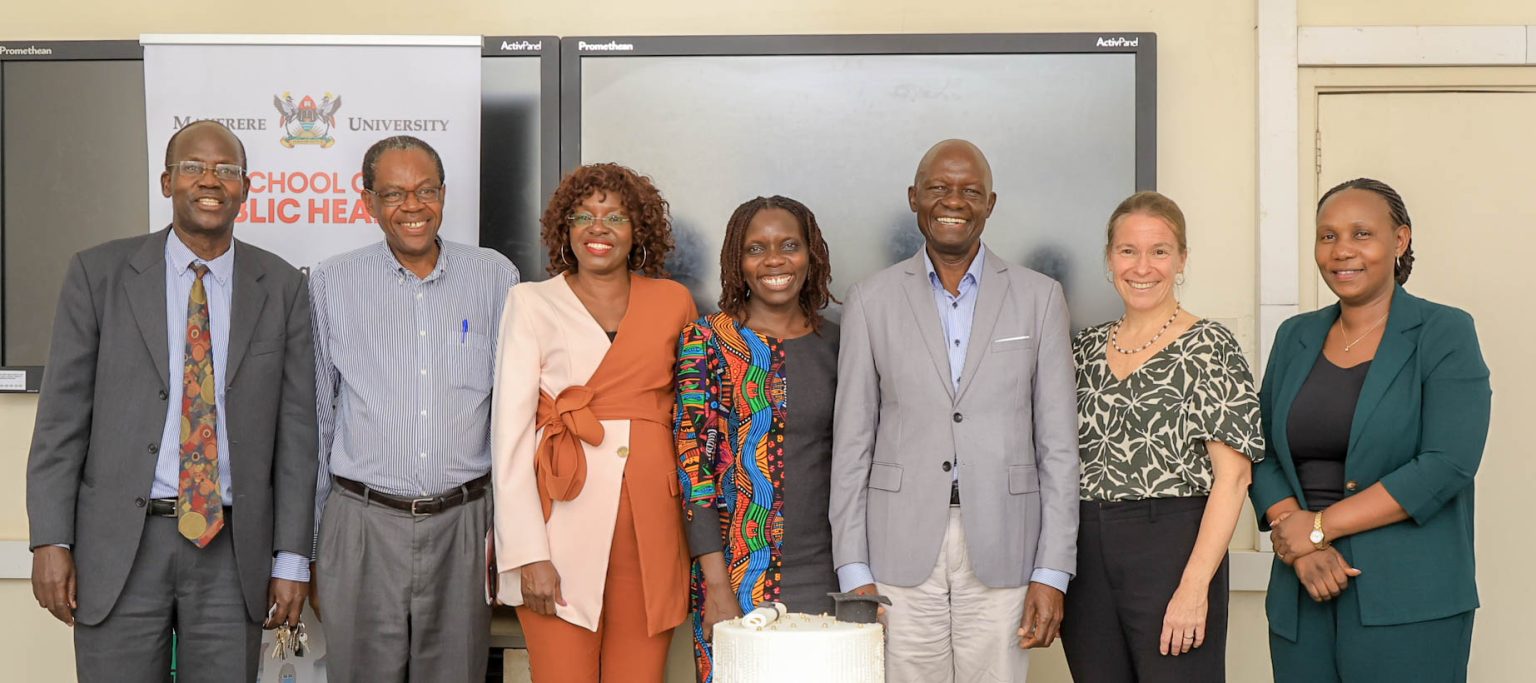
With a longstanding interest in child health, Aber saw the research as an opportunity to investigate a problem that had received little systematic attention. What began as disbelief developed into a doctoral investigation examining how Uganda’s health system identifies and responds to substance use among children. She began her doctoral studies in 2021 at MakSPH under the supervision of Dr. Juliet N. Babirye, Prof. Fred Nuwaha, and Prof. Ingunn Marie S. Engebretsen from the University of Bergen, Norway. She defended her thesis on October 25, 2025, before graduating during Makerere University’s 76th graduation ceremony on February 25, 2026.
Investigating the health system response
Aber’s study examined four key questions. It measured how common substance use disorders are among children visiting health facilities. It assessed whether health facilities are equipped to screen and manage these cases. It evaluated whether screening tools are acceptable to children, caregivers, and health workers. It also examined how families seek help when children begin using substances.
To answer these questions, the research used a mixed-methods design combining quantitative surveys and qualitative interviews. Aber collected data from 834 children attending health facilities in Mbale District, assessed 54 health facilities in the district to determine their readiness to screen and manage substance use disorders, and interviewed health workers, caregivers, and children to understand experiences of care and barriers to seeking help. Additional surveys involving 602 children and 355 caregivers examined help-seeking patterns and support structures.
Quantitative data were analysed to estimate prevalence and identify associated risk factors, while qualitative interviews provided insight into how families, communities and health workers respond when children begin using substances.
What the research found
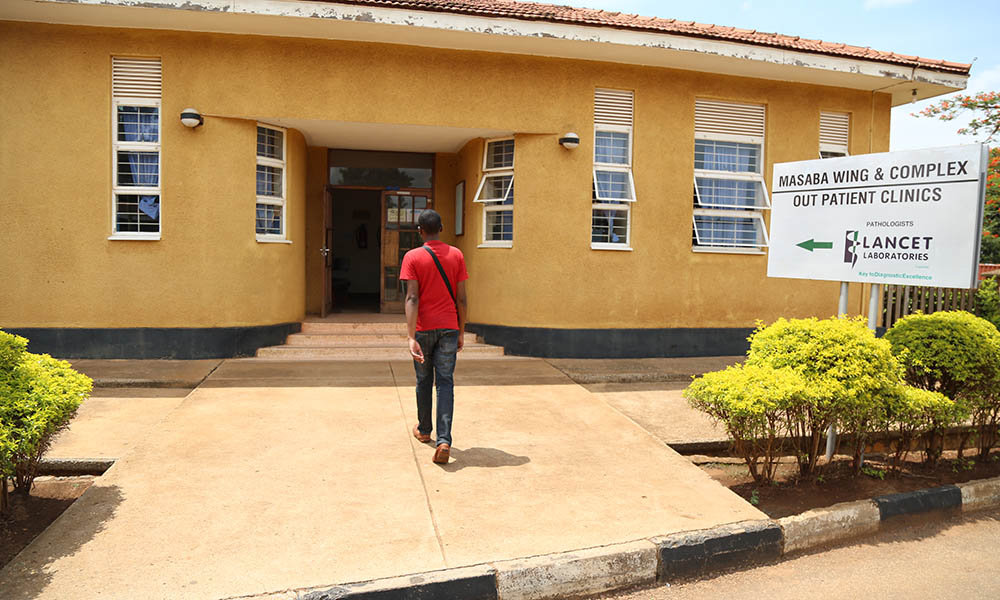
Data collected between 2023 and 2024 across health facilities in Mbale District in Eastern Uganda showed that substance use among children was far more common than many health workers and caregivers assumed. Alcohol use disorder emerged as the most prevalent form of substance use disorder among children in the study. The analysis also showed that children were significantly more likely to use substances if they were exposed to peer or sibling use, lived in lower-income households, or experienced strained relationships with caregivers.
The research also revealed major health system gaps. Only 19 of the 54 health facilities assessed, representing 35 per cent, met the minimum readiness criteria required to screen, diagnose or manage substance use disorders. Many facilities lacked trained staff, standardised screening guidelines, and clear referral pathways for specialised care.
Aber explained that substance use often goes undetected because it is rarely the primary reason children visit health facilities. “Substance use is hidden,” she asserted, reflecting on evidence from her doctoral study. “While health workers are treating other illnesses, some children coming to these facilities are already struggling with alcohol or other substances.”
She added that early substance use can have lasting consequences for children’s development. “Risk was higher among children exposed to peer or sibling substance use, lower household income, lower caregiver education, and strained child-caregiver relationships. The public should be concerned because early substance use affects brain development, mental health, education completion, and long-term well-being.”
Families often navigate the problem alone
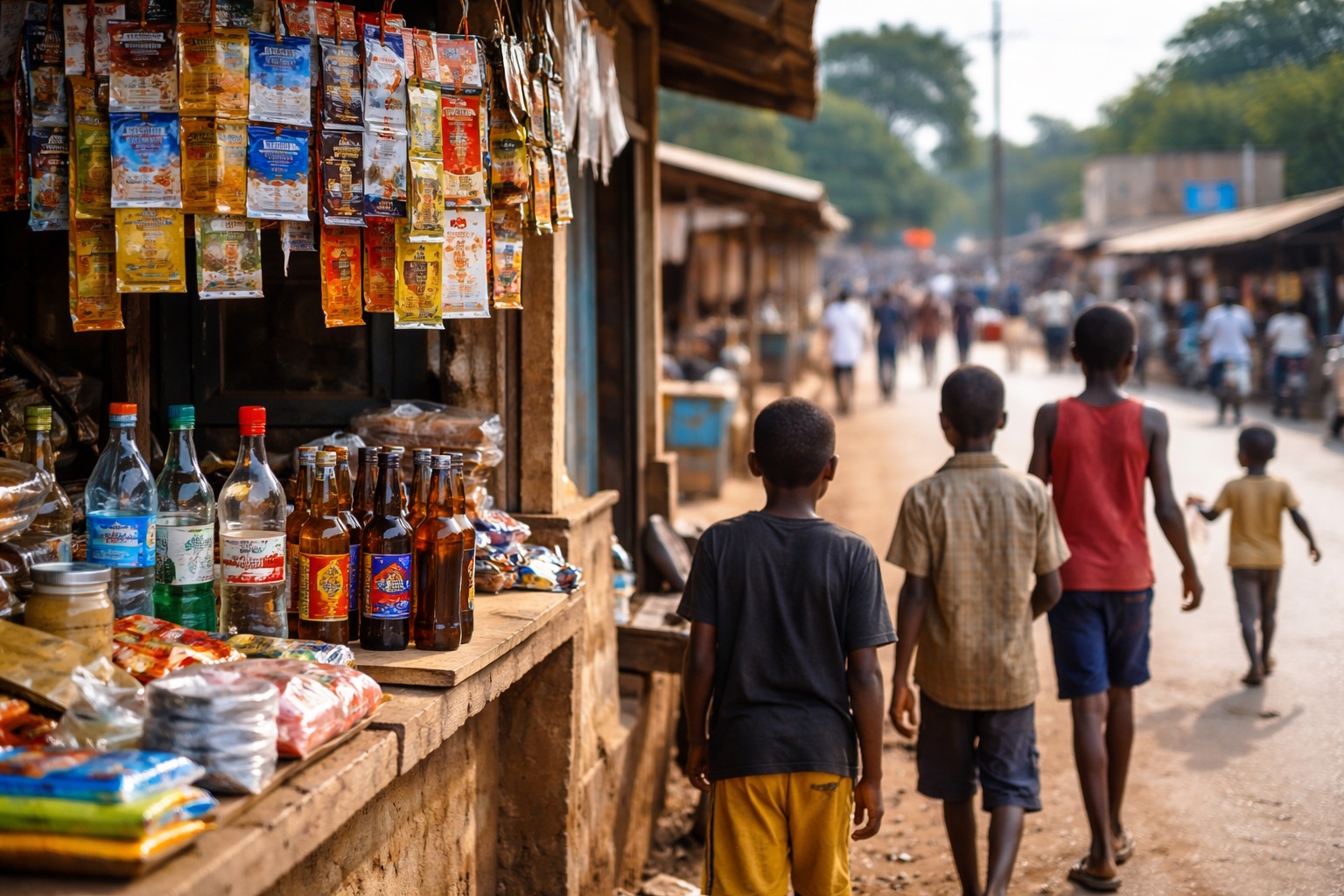
Her research also examined how families and communities respond when children begin using substances. She found formal help-seeking to be rare. Many caregivers relied on informal networks, including relatives, teachers, religious leaders, and local authorities. Health services were seldom the first point of support.
Meanwhile, punitive responses such as discipline or punishment were sometimes used by caregivers attempting to stop the behaviour of substance use among children, but these responses rarely addressed the broader social and family pressures influencing the vice.
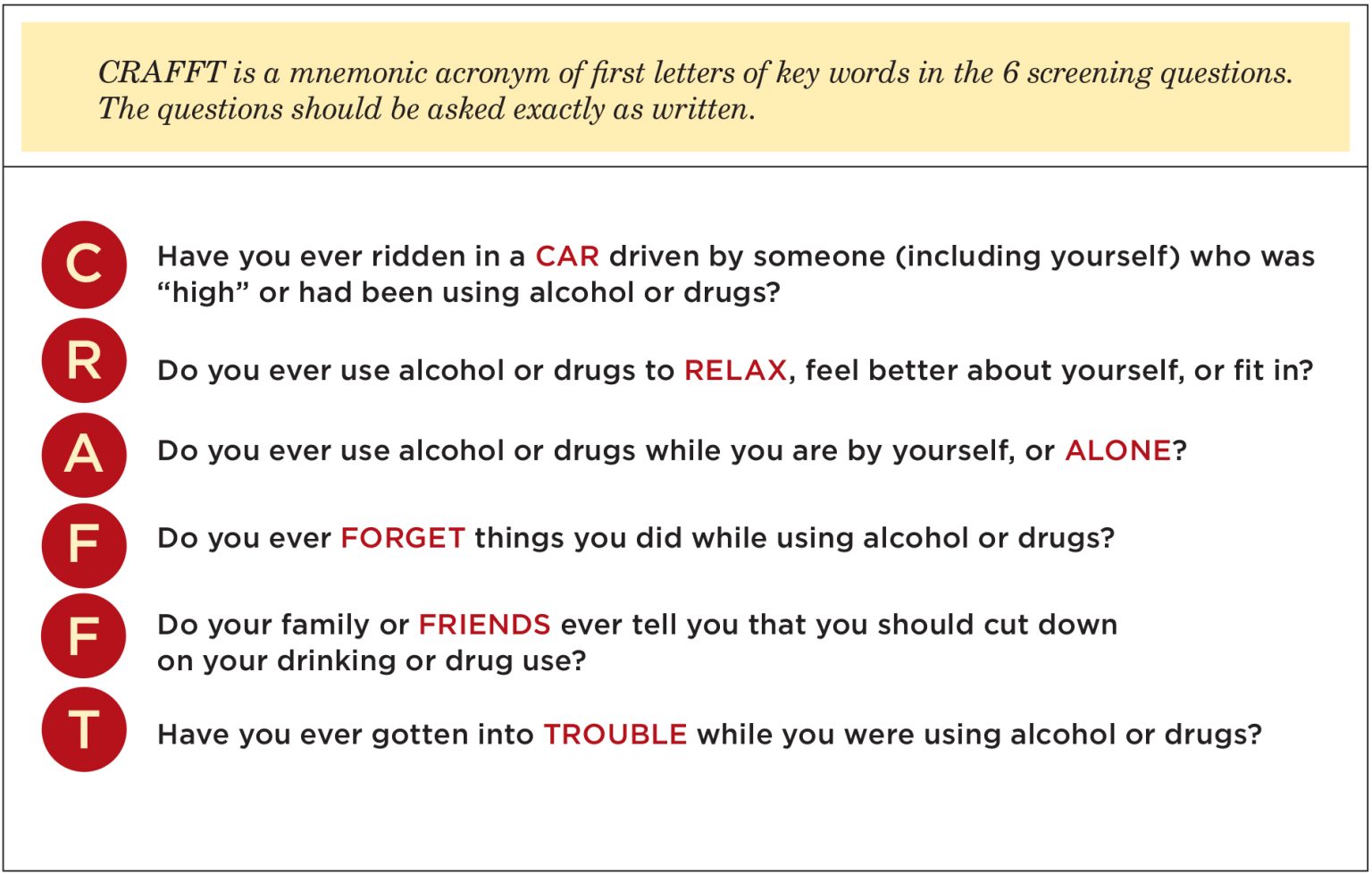
One encouraging finding emerged from her study’s assessment of early detection tools. Aber evaluated the use of the CRAFFT screening tool, a short set of structured questions used by health workers to identify whether a child may be using alcohol or other substances. Children, caregivers, and health workers generally found the questions from the tool easy to understand and acceptable to use. In the study, over 85 per cent of children reported the questions were easy to answer, and nearly nine in ten caregivers were comfortable with the screening process.
These findings, however, suggest that routine early detection could be integrated into primary healthcare within the communities. “If policymakers were to act on one finding from my research, I would prioritise integrating routine, age-appropriate substance use screening into primary healthcare,” Aber argued. “With proper training and referral systems, health workers can identify early risk and support children before the problem escalates.”
Training across nutrition, public health and health systems
Aber’s approach to the problem reflects a research journey shaped by training across multiple areas of child and public health. She first studied Food Science and Technology at Kyambogo University, graduating in 2011, before specialising in Nutrition during her Master of Public Health at Makerere University, graduating in 2015, before embarking on her doctoral training in Public Health at the School, completing in 2025 to graduate at Makerere University 76th Congregation.

Before beginning her PhD, she worked on nutrition research and later coordinated studies examining climate risks, anticipatory humanitarian action and community health systems. This background shaped how she approached substance use among children, not as an isolated behavioural problem but as an issue influenced by broader health and social conditions.
“I do not see child substance use as a problem with a single cause,” she noted. “It is influenced by biological, psychological, social, and system-level factors. My nutrition training helped me appreciate how substance use intersects with broader child health concerns such as mental health, family stress, and even food insecurity.” These pressures are visible in her research site in Mbale, where environmental shocks, economic hardship, and family instability persistently shape daily life. Recurrent landslides and livelihood disruptions place strain on households, and adolescents facing stress or instability may turn to substances as a coping mechanism, she holds.
From evidence to solutions
Completing her PhD has now shifted Aber’s perspective from documenting problems to identifying solutions for social impact. “Completing my PhD shifted my perspective from simply generating evidence to actively providing solutions,” she observed. “Child health challenges such as substance use, nutrition, and climate-related risks are interconnected. As a researcher, I have become more systems-focused, and as an advocate, I feel a stronger responsibility to ensure evidence informs policies that improve children’s wellbeing.”

For Aber, that responsibility extends to the families whose experiences informed the research. Parents, teachers, and health workers often notice behavioural changes first, even when they feel unprepared to respond. Listening without judgment, recognising warning signs, and linking children to appropriate support can make a significant difference, she noted, especially in a context where formal services remain limited.
Her research ultimately sends a clear message for Uganda’s health system. Children affected by substance use are already present in communities and health facilities. Detecting the problem earlier, strengthening screening systems, and equipping frontline health workers with appropriate tools could significantly improve outcomes for vulnerable children.
Behind the research journey stood a wide network of support, including MakSPH supervisors and doctoral committee, the TREAT consortium, the MakSPH PhD forum, the Health Development Centre secretariat, study participants, research assistants, family and friends, and funding support from the Government of Uganda through the Makerere University Research and Innovations Fund (MAKRIF) and the Norwegian Research Council, all of whom she remains grateful.
Aber’s research ultimately points to a critical gap in Uganda’s health system. Children affected by substance use are already present but remain largely invisible. Without routine screening, trained health workers, and clear referral systems, opportunities for early intervention are often missed. Addressing this gap, as indicated by her study, goes beyond clinical care. It requires strengthening how the health system recognises and responds to emerging risks that affect children’s long-term health and development.

By Carol Kasujja and Zaam Ssali
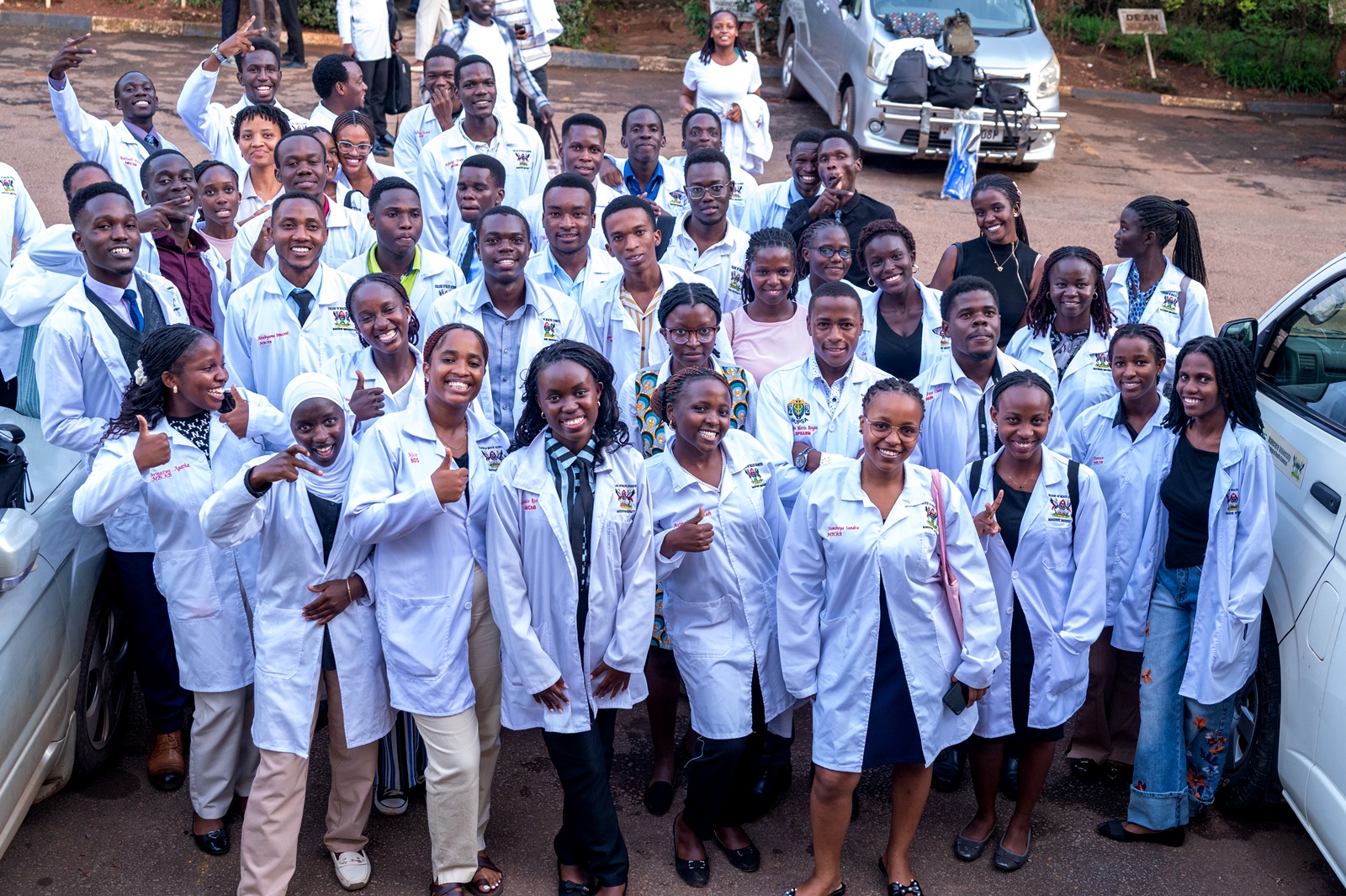
Medical students at Makerere University have been urged to wear the white coat with humility as they begin their journey in the medical profession.
The call was made during the White Coat Ceremony held on Thursday at the Makerere University College of Health Sciences in Mulago.
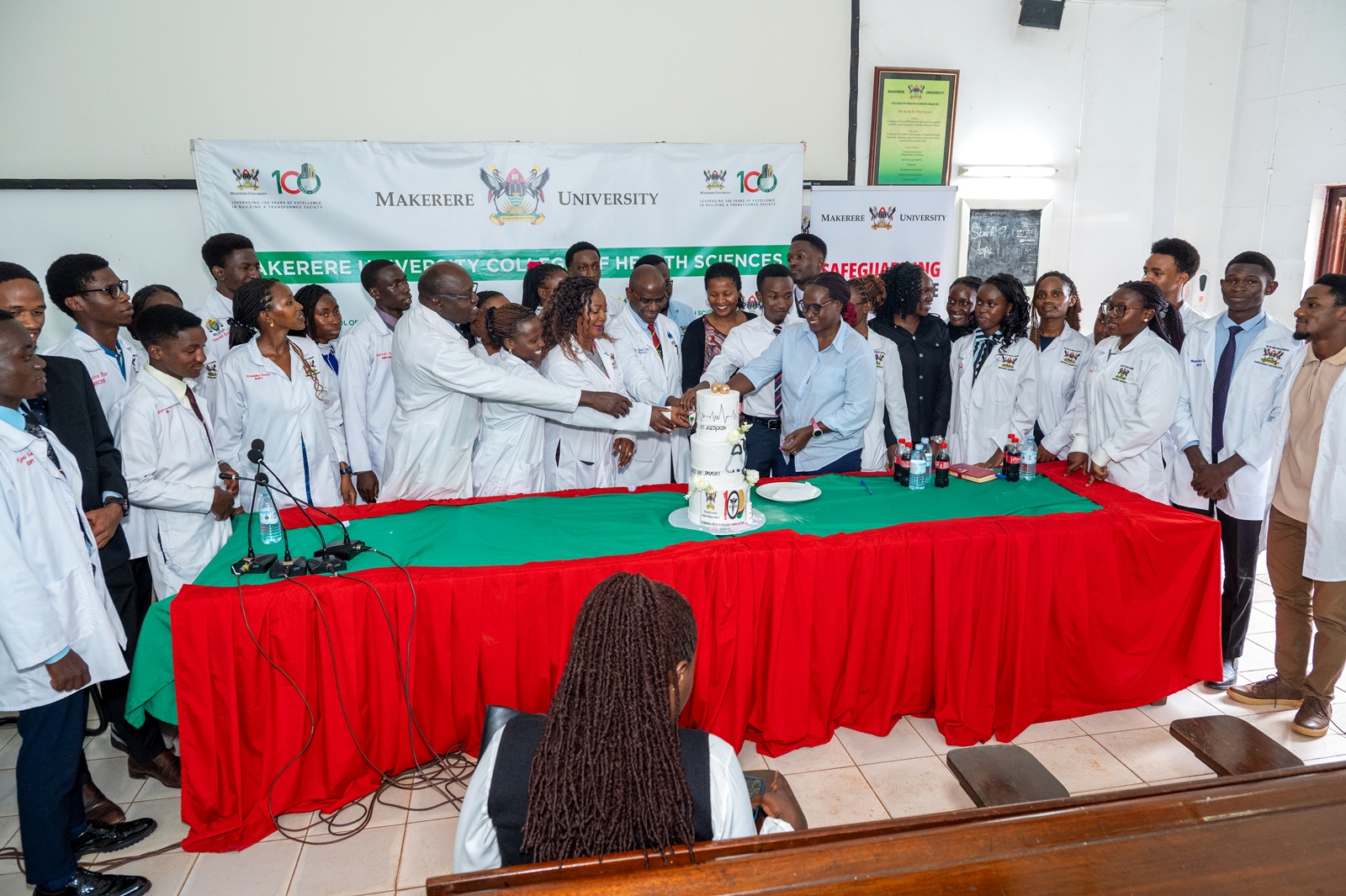
The White Coat Ceremony marks the beginning of a new journey in healthcare and symbolises professionalism, compassion and excellence. It represents not only the mastery of medical knowledge but also a promise to always place patients at the centre of care. It is a commitment to listen, advocate, heal, and treat every individual with dignity and respect.
“We would have given you a suit, but the symbol of the white coat reminds you that you are here to work. White signifies purity in service. You are in medical school because you are among the best, and you have some of the best lecturers,” said Bruce Kirenga, the Principal of the College of Health Sciences.
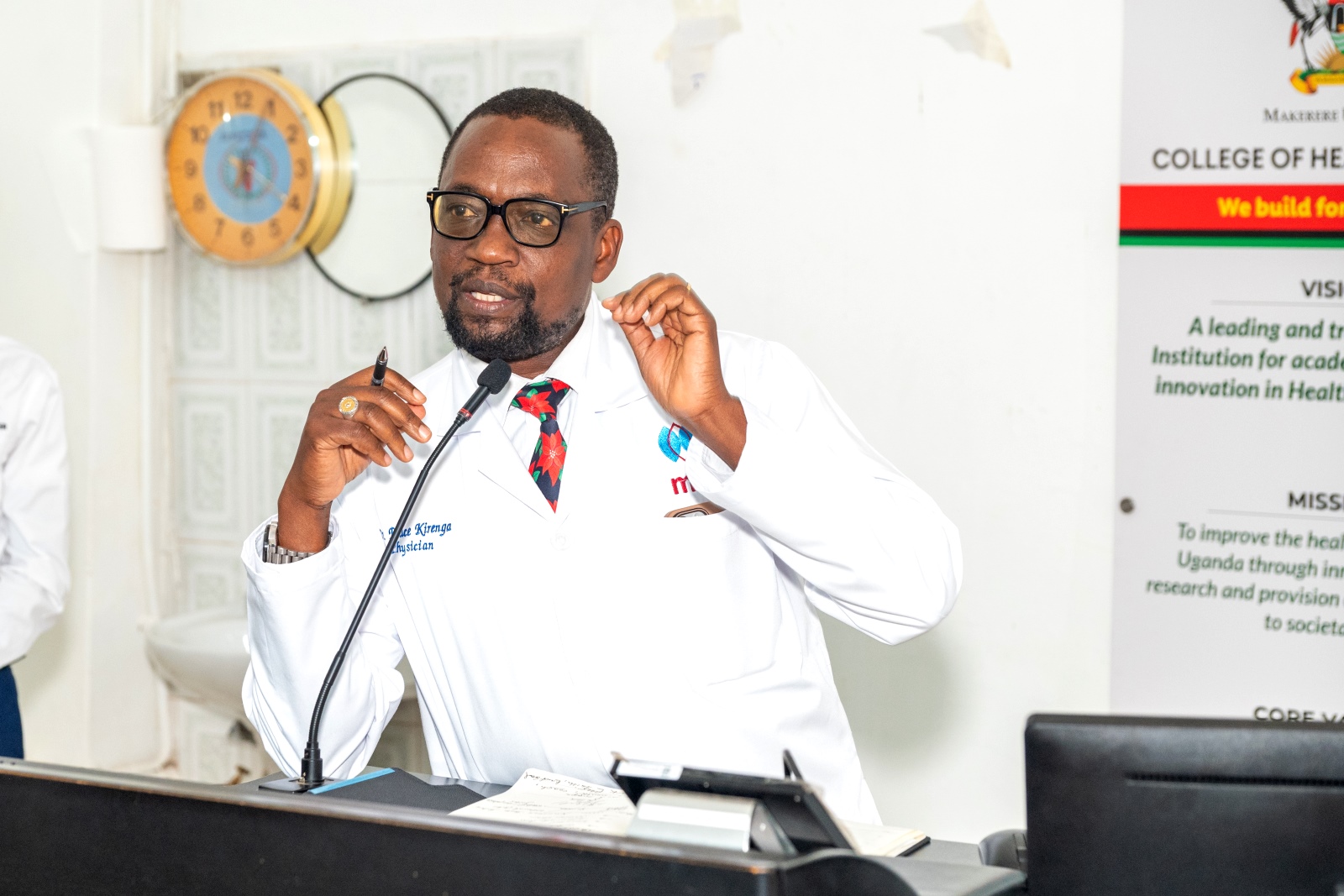
Prof Kirenga lauded the students for their dedication to a path dedicated to preserving lives and urged the students to serve with dedication and protect the image of health workers.
“These days, you can use Artificial Intelligence to generate entire coursework, but when it comes to practice, remember the university has an AI policy and you must use it responsibly. In medicine, you take responsibility for your decisions. AI may make life easier, but you must learn and use your hands. Go where the patients are,” he noted.
Prof Kirenga also reminded the students that a medical career offers different paths, including research, teaching, clinical care, and administration.
“As first-year medical students, support each other. Find peers to share your struggles with, especially those in your year. Get mentors and coaches. It took me 26 years to become a Principal, so find mentors who can guide you,” he advised.
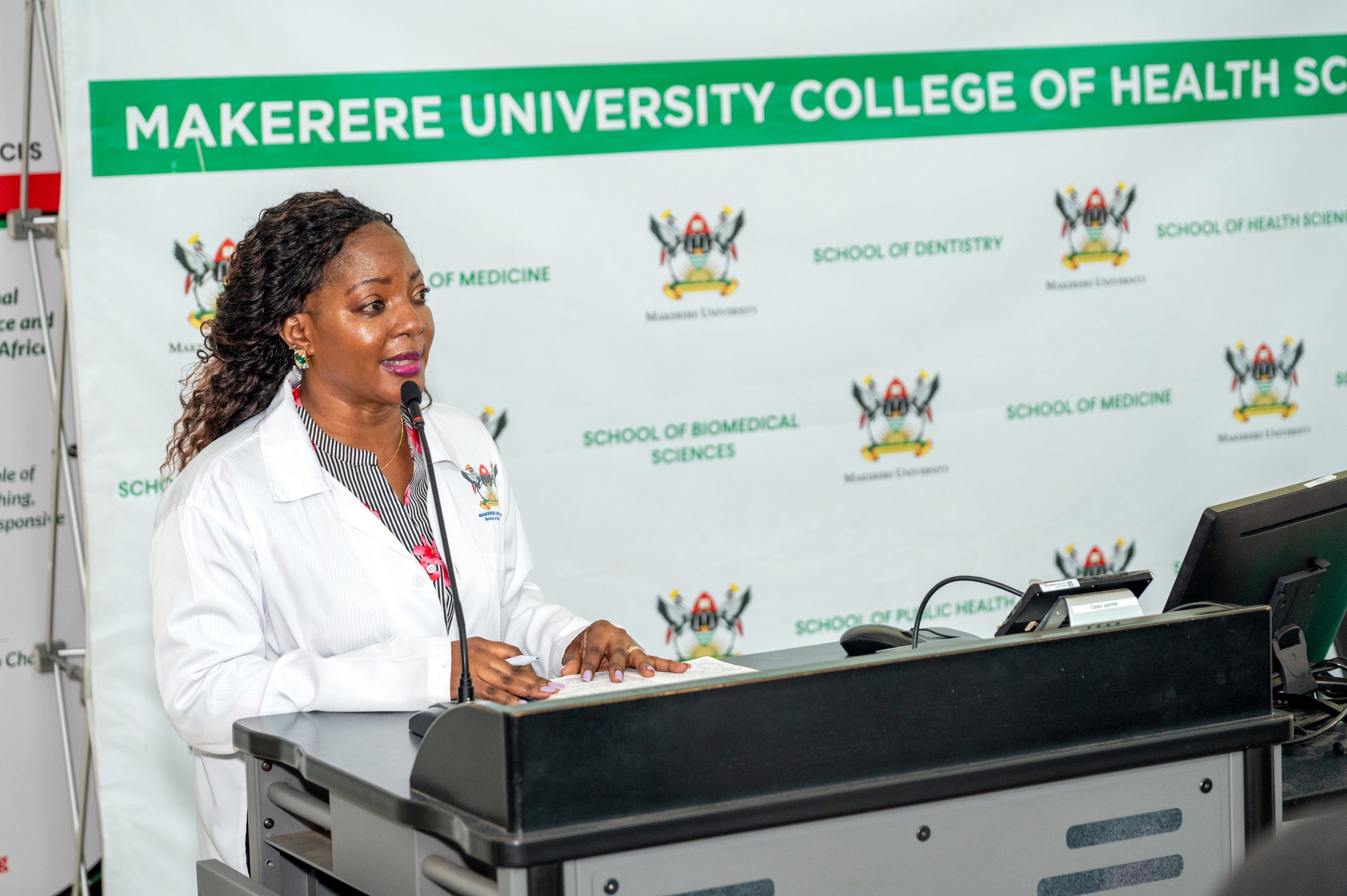
Speaking at the event, Sabrina Kitaka, a senior lecturer at the medical school, urged students to uphold the values expected of someone putting on the white coat by being humble and making sure that they connect with their patients.
“Wearing a white coat is a symbol of your commitment to a profession full of honour. This moment is like a rite of passage, from adolescence into adulthood. Joining this noble profession does not make you more important than other students. Be humble,” Dr Kitaka said.
She also encouraged the students to show kindness and compassion to their patients.
Addressing the students, Dr Idro Richard, the Deputy Principal at the College of Health Sciences, called upon the students to always make sure that they keep patients secrets.
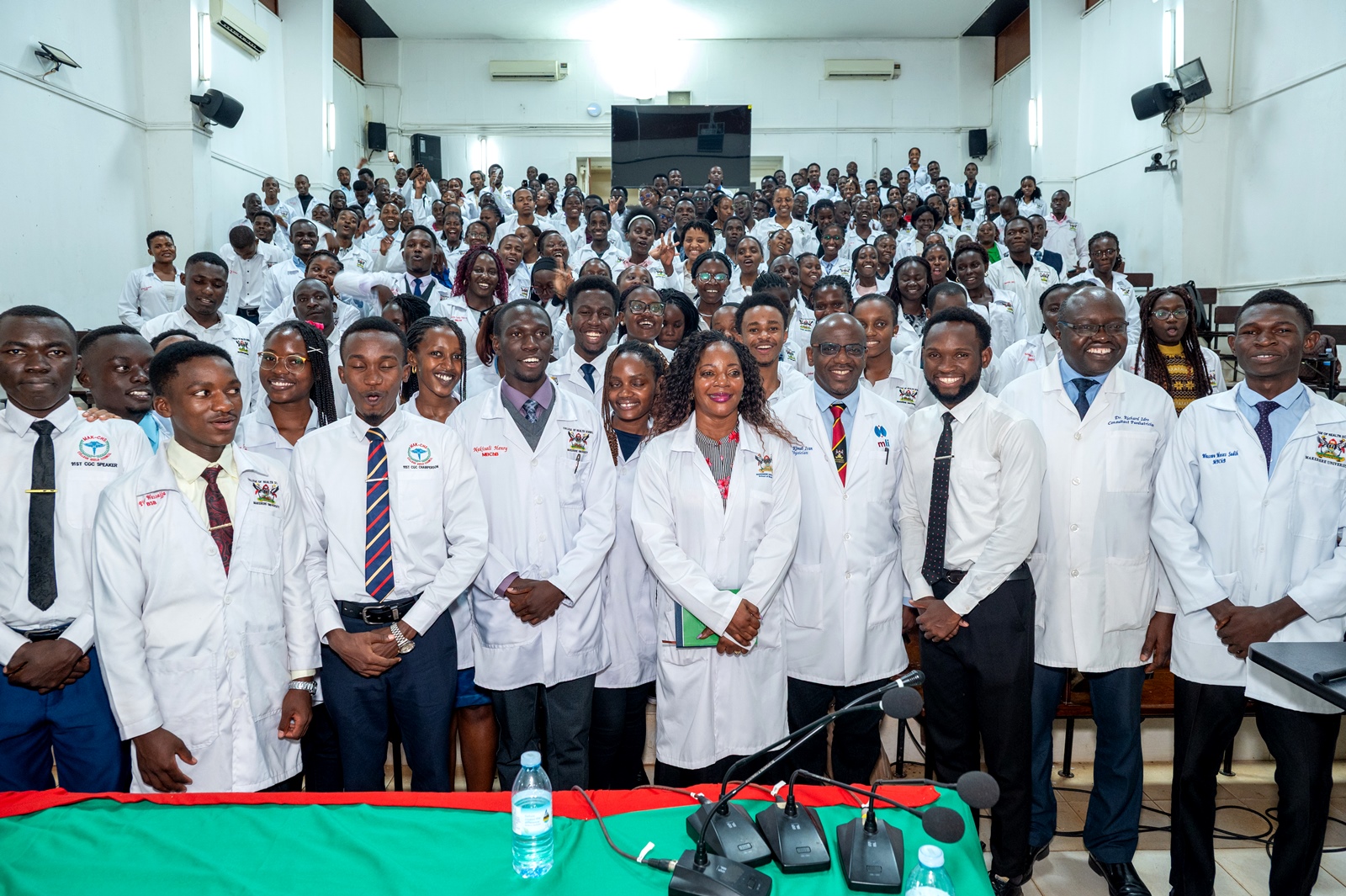
“People will come to you and share secrets they have never shared even with their closest family members, do not share people’s pains. If one of you makes a mistake the public will blame all the fraternity so handle your patients with dignity. Always place yourself in the life of those patients when you are in the ward,” Dr Idro, said.
Dr Idro reminded the students to always think of their safety while on the ward by avoiding open shoes.
“Be smart for your own safety, always wear closed shoes, a needle can fall and hurt your legs when you are wearing open shoes. Maintain the excellence you had when you joined and avoid doing life alone,” Dr Idro said.
He further advised the students to always create time and have fun because it is not all about medicine
“Have an open mind, have some fun and also learn other things like soft skills, write, sell and travel. You are in the best School with the best teachers do not allow mediocrity. Avoid cheating, laziness, drugs and betting,” Dr Idro, noted.
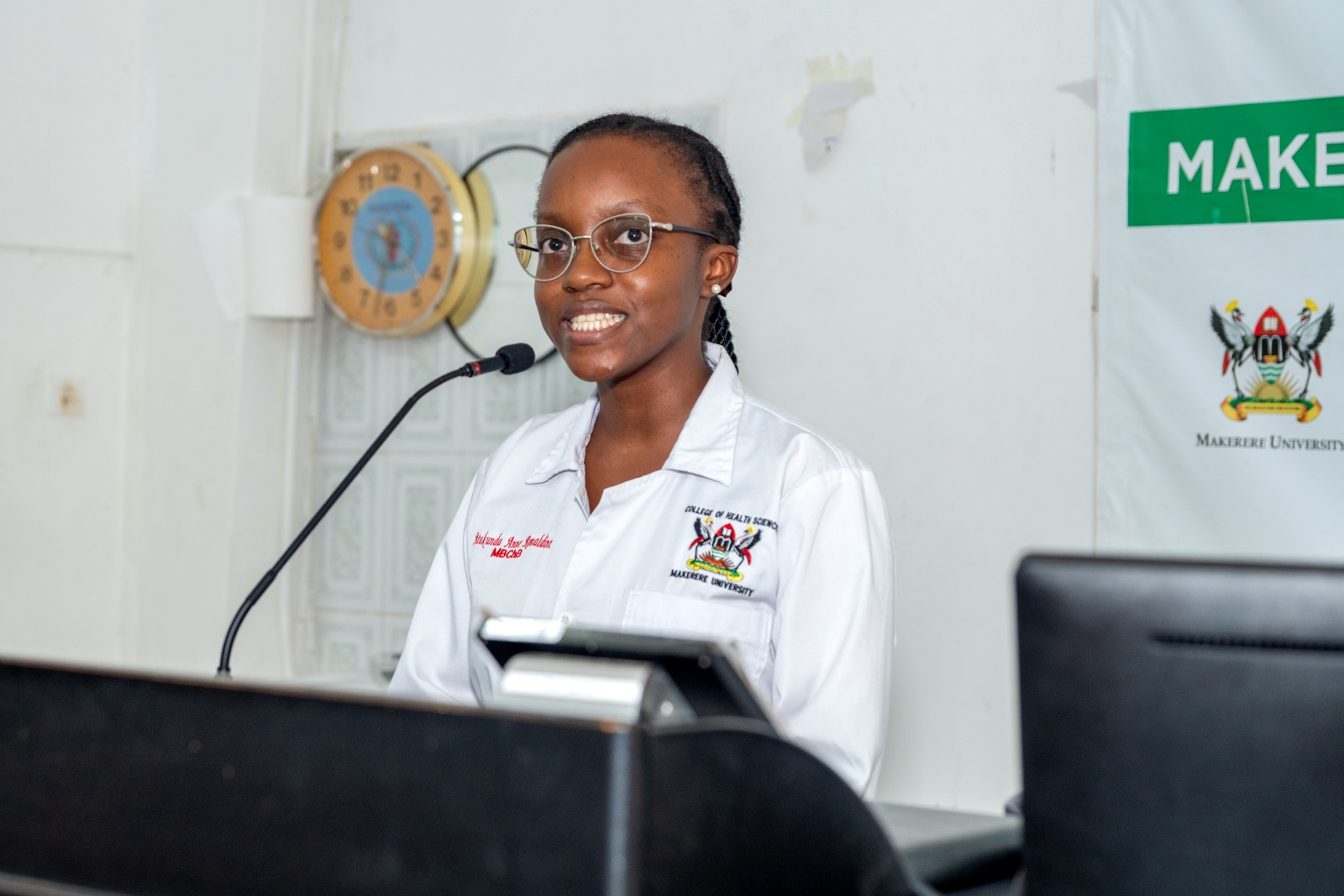
In her speech, Anne Atukunda Ronaldine, the chairperson of the Makerere University Medical Students Association (MUMSA), told the first years that they are privileged to join the College as it celebrates a century of excellence.
“Be your brother’s keeper. You will make it together if you work together as a class. Do not avoid your lectures. Medical school is a lot of work, but it gives back,” Atukunda said.
During the ceremony, the College of Health Sciences safeguarding and inclusion champions encouraged students to speak up and report any form of harassment, abuse, or unsafe situations, noting that safeguarding is everyone’s responsibility.
The champions reminded students that creating a safe learning environment requires respect for one another, responsible behavior, and the courage to raise concerns when something is not right. They also urged the new students to support their peers and make use of the available safeguarding channels whenever they feel unsafe or witness misconduct.
The Champions also called upon their peers to support students with disabilities so that no one is left behind. It was a proud moment for many first-year students to finally see themselves wearing white coats, as it was a dream come true for many. The event concluded with a cake-cutting ceremony and a dinner.
-

 General5 days ago
Application for Admission to Graduate Programmes 2026/27
-

 General1 week ago
Custodians and Wardens trained on Fire prevention in Halls of Residence
-
 Education2 weeks ago
Makerere University Charts New Future with the unveiling of the Open, Distance and E‑Learning Building and Strategic Plan
-
 Education2 weeks ago
Mak CEES Hosts Kiswahili Primary School Orientation Workshop to Boost Language Teaching Quality
-

 Agriculture & Environment2 weeks ago
Inaugural Schools Environmental Conference Rallies Young Learners to Champion Environmental Sustainability