
Research
Consolidating Early Career Academics Programme (CECAP II) Fellows Hold Progress Reporting Workshop

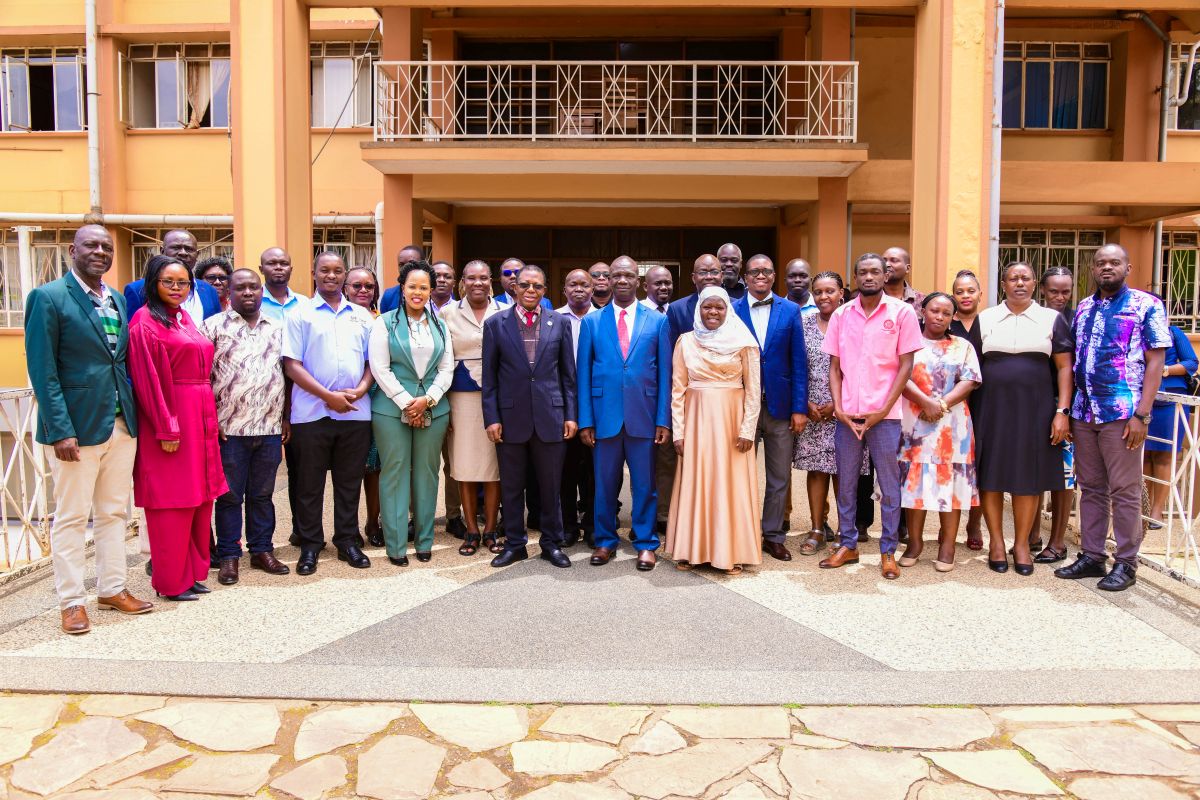
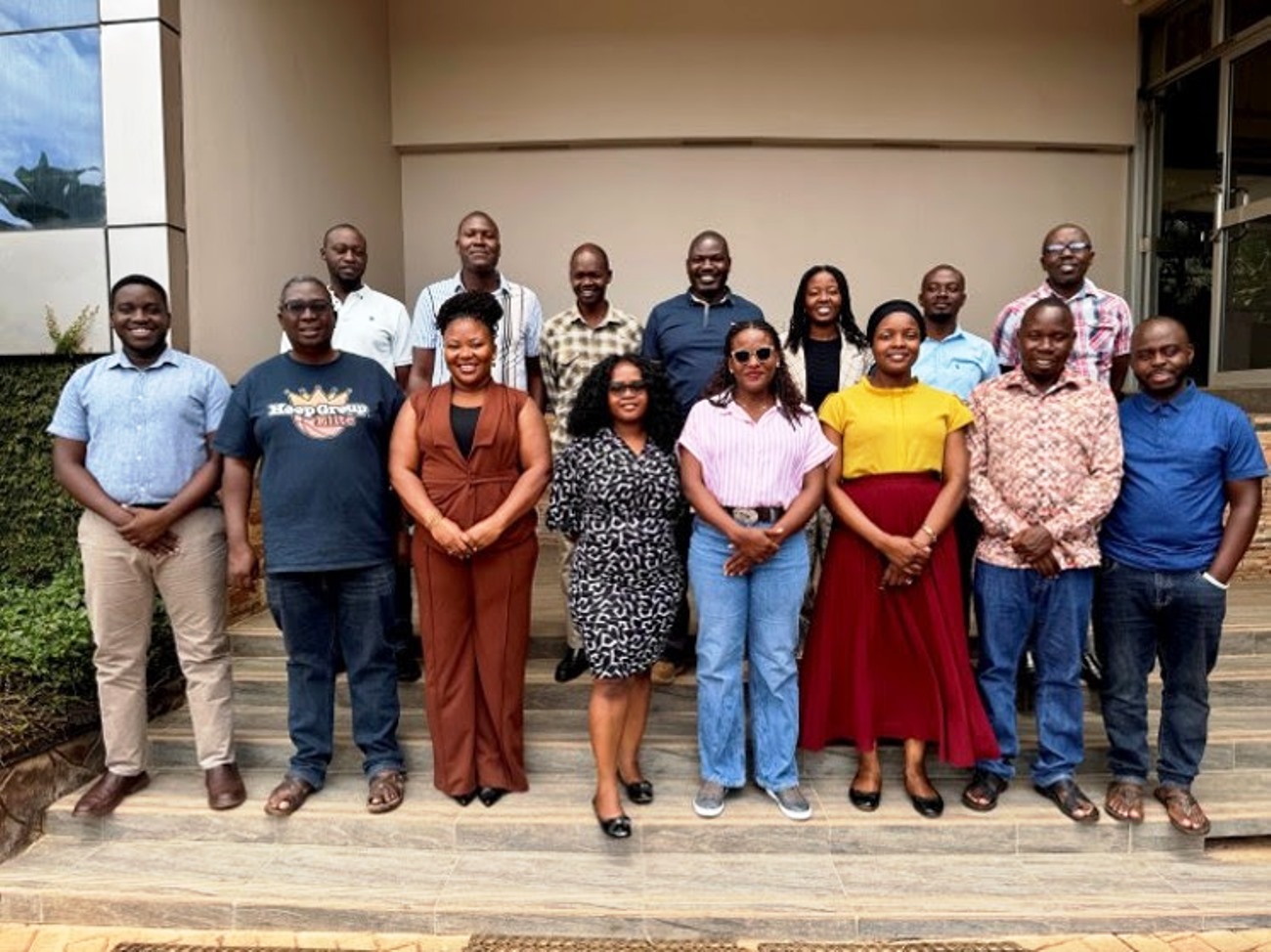
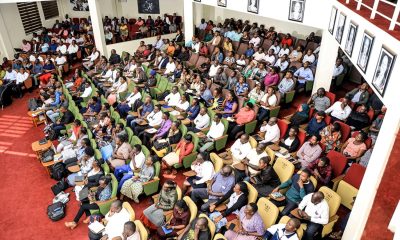
The Directorate of Research, Innovations and Partnerships (DRIP) successfully hosted the Consolidating Early Career Academics Programme (CECAP II) Fellows’ Progress Reporting Workshop on 19th March 2026 at the Conference Room, Level 4, Senate Building. CECAP II programme is supported by the Carnegie Corporation of New York.
The workshop brought together fellows, coordinators, and key stakeholders to review progress, share experiences, and strengthen collaboration under the CECAP II programme.
The Project Coordinator, Prof. Buyinza Mukadasi emphasized the importance of continuous monitoring, mentorship, and knowledge sharing among early career academics.
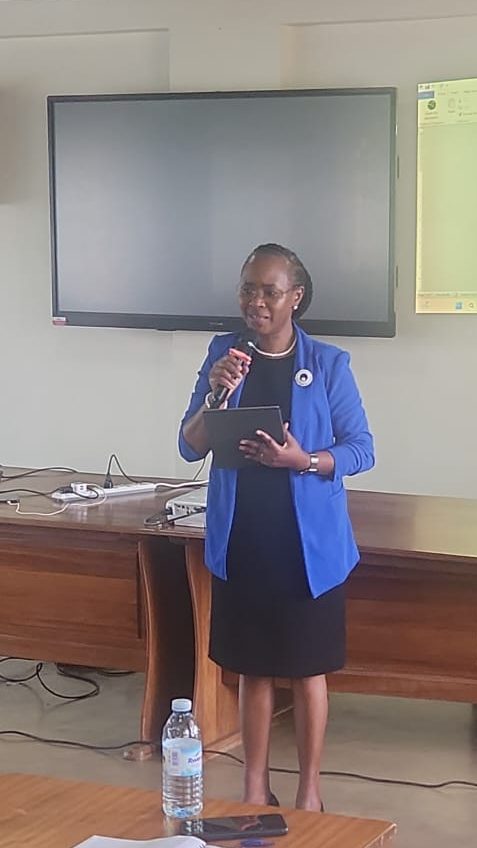
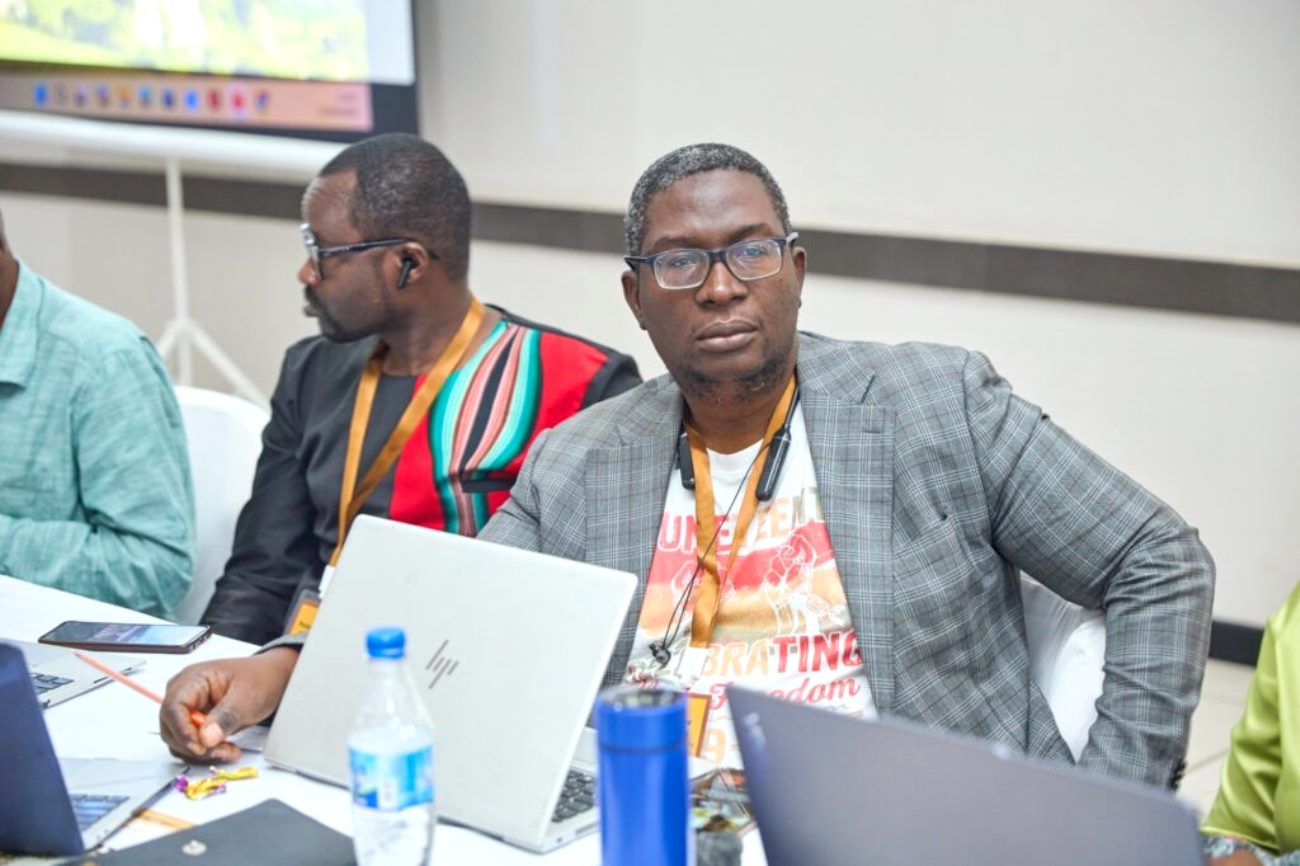
The highlight of the workshop was the presentation of progress reports by the fellows. Participants showcased the status of their research and academic development projects, demonstrating notable progress, innovation, and impact across diverse thematic areas.
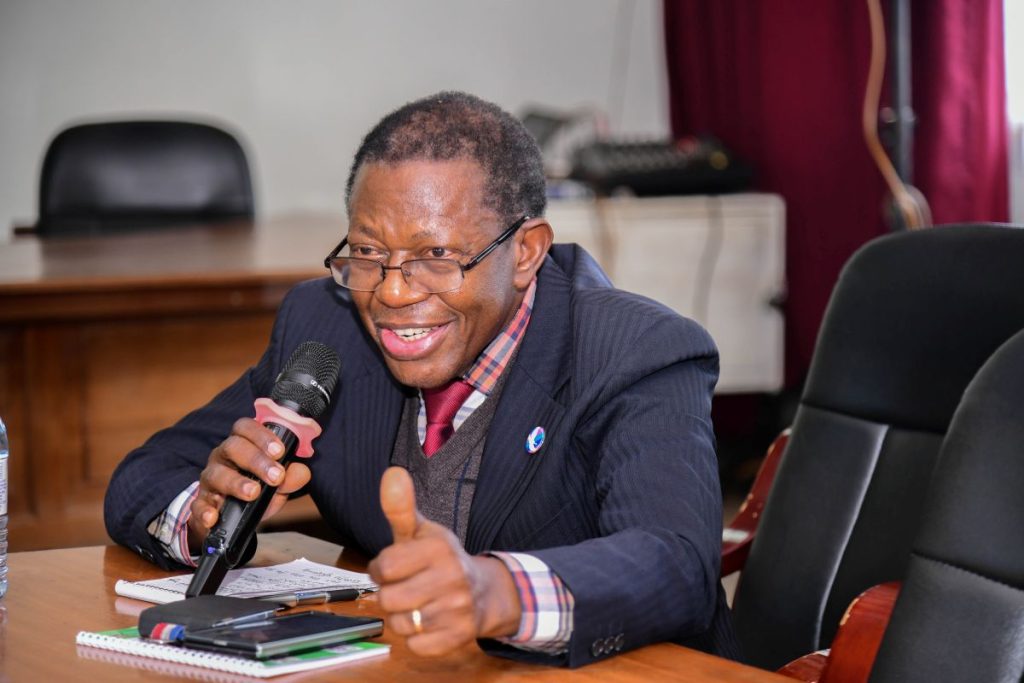
The presentations reflected dedication, improved research capacity, and a strong commitment to excellence. Participants engaged in constructive dialogue, exchanged insights, and provided feedback aimed at enhancing the quality and outcomes of ongoing projects.
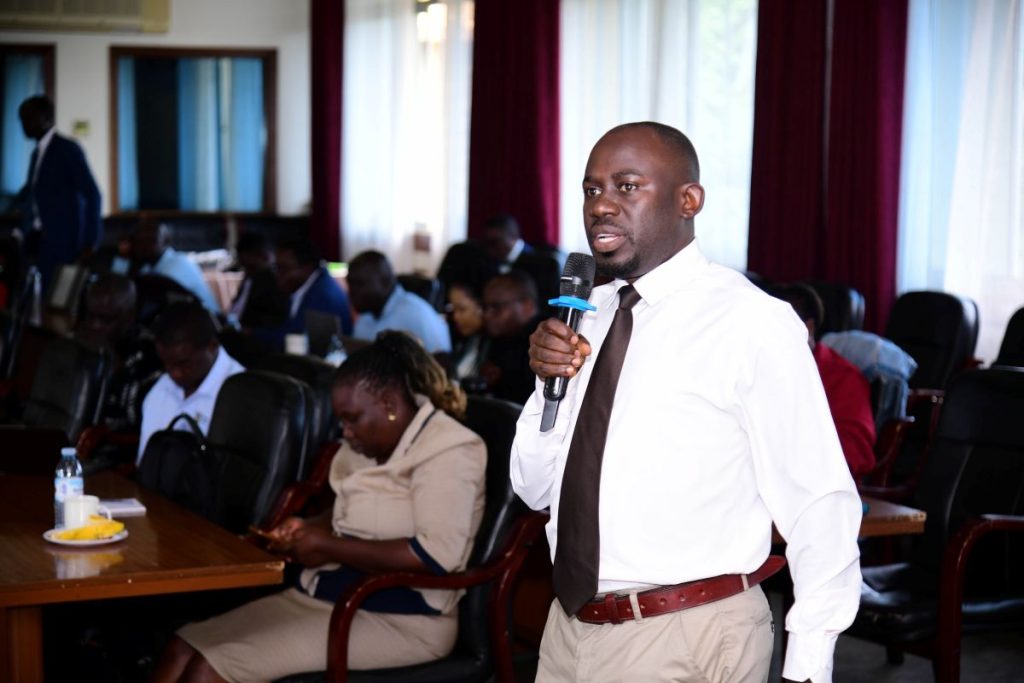
The workshop concluded with closing remarks, with participants commending the high standard of presentations and the productive nature of the discussions.
Overall, the CECAP II Fellows’ Progress Reporting Workshop provided a valuable platform for reflection, peer learning, and strategic alignment, further reinforcing Makerere University’s commitment to advancing research excellence and nurturing early career academics in Uganda.
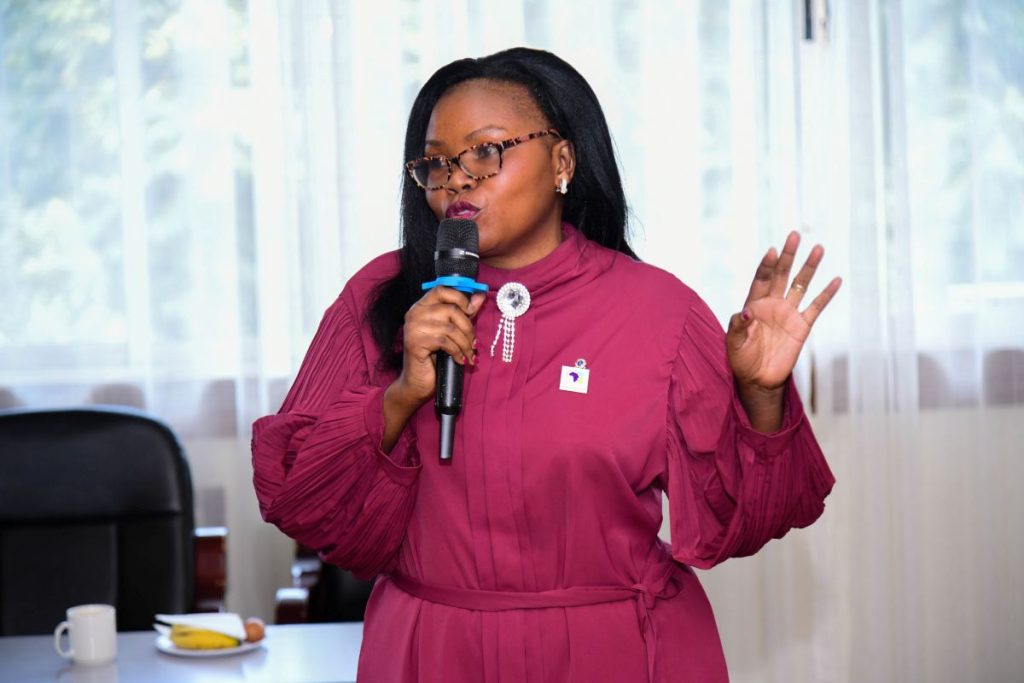
The workshop was attended by the Chairperson, Prof. Sarah Ssali, and led by the Principal Investigator Prof. Buyinza Mukadasi. The session was moderated by Charles Lwanga Mukasa and representatives from partner public universities, including Prof. Kwetegyeka (Kyambogo University), Prof. Batwala Vincent (MUST), Prof. Komakech Daniel (Gulu University), and Prof. Samson Rwehweire (Busitema University).






Research
CARTA Fellow Tamale on Building Systems, Shaping Policy and Transforming Lives beyond the PhD

-
 Humanities & Social Sciences1 week ago
French Embassy Presents Four Makerere Scholars with Academic Palms
-
 General2 weeks ago
Makerere Hosts EU Uganda Research and Study Fair
-
 Health2 weeks ago
Makerere Public Health Showcases EU Funded Research
-
 General1 week ago
Job Opportunities: NETOMA Study
-
 General1 week ago
Makerere University and Xiangtan University Advance Strategic Partnership in Chemical Engineering