
Education
School Stakeholders’ Exhibition: Graduate Students partner with schools to simplify the new Competence Based Curriculum

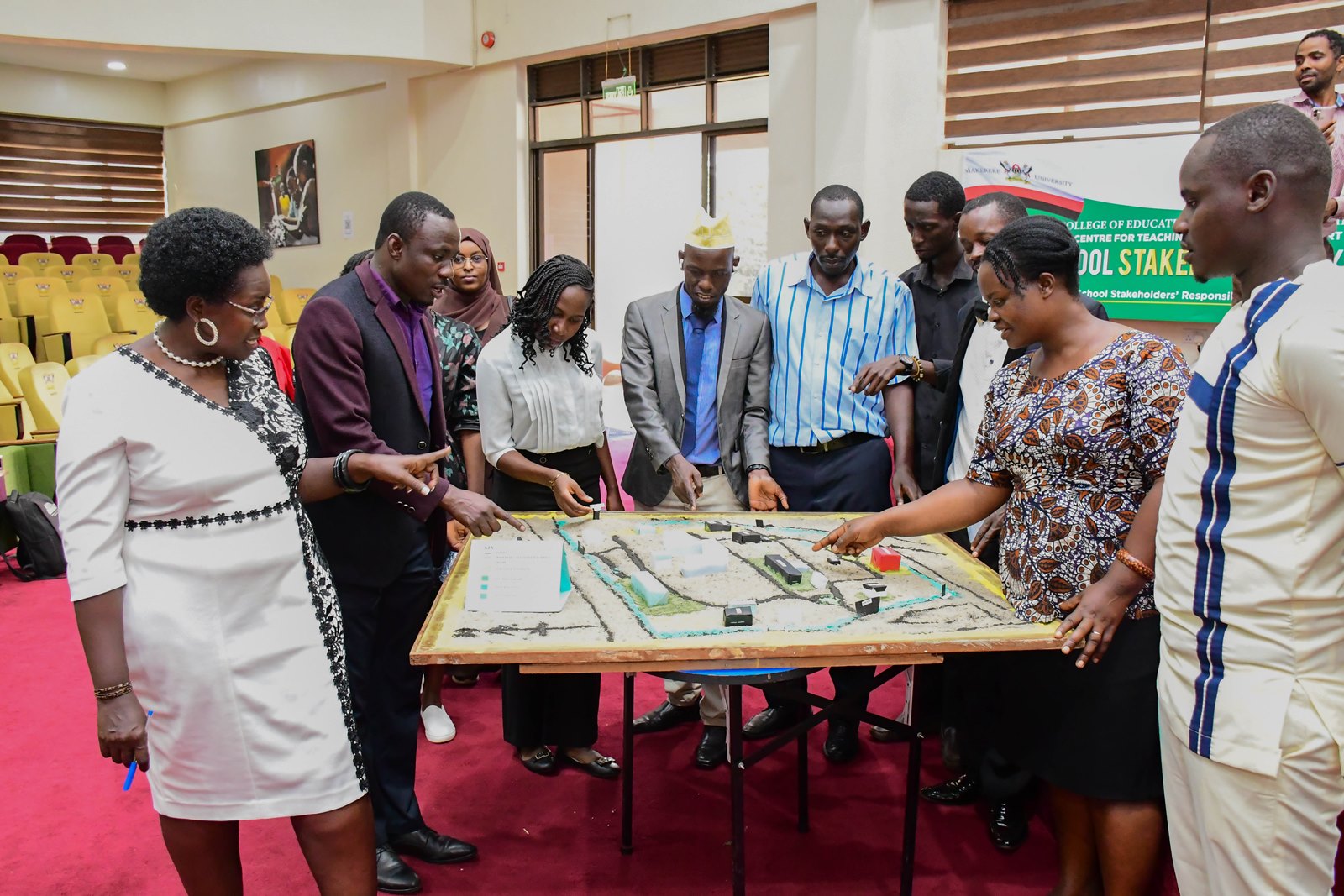
Makerere University, on Thursday 26th March 2026, hosted the School Stakeholders’ Exhibition, bringing together learners, teachers, researchers, and education policymakers to demonstrate how Uganda’s Competence Based Curriculum (CBC) can be implemented through experiential learning and real-life situations.
The Exhibition was championed by graduate students from the College of Education and External Studies (CEES) and the College of Humanities and Social Sciences (CHUSS) guided by Dr. Anne Ampaire, a Lecturer of Educational Psychology at Makerere University.
With Dr. Anne Ampaire’s close supervision, the graduate students studying the Master of Early Childhood Education, Postgraduate Diploma in Education, and the Master of Education-Educational Psychology, teamed up with various schools and learners, to showcase the possibilities of taking classroom content into real-life situations.
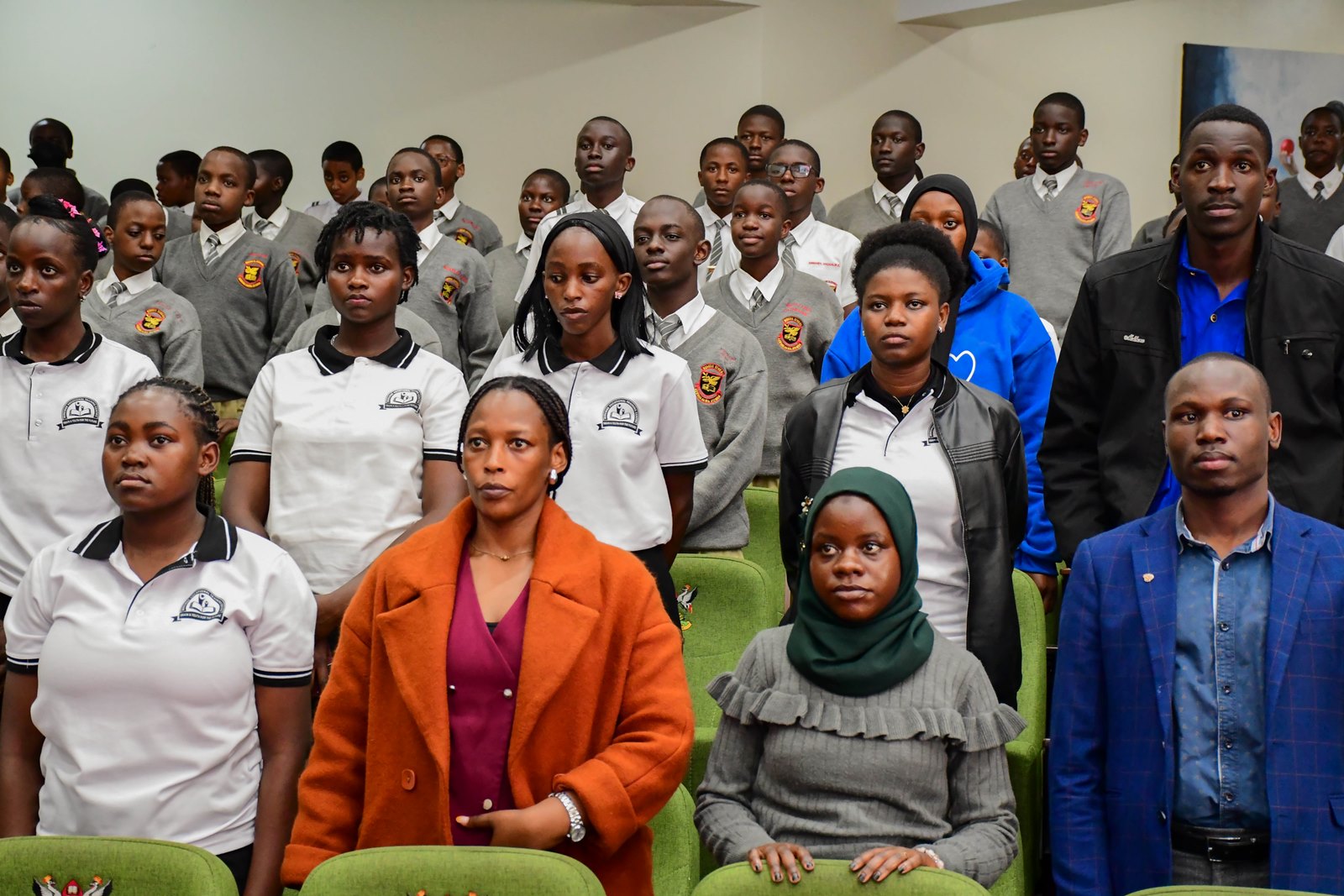
For instance, at the pre-primary level, students in kindergaten and nursery schools (Two to Eight years) participated in the Early Childhood Development (ECD) sessions guided by their teachers, and graduate students pursuing the Master of Early Childhood Education at Makerere University.
Themed, School Stakeholders’ Responsibilities in Shaping Minds for Productive Life, the exhibition attracted pre-primary, primary and secondary school learners, university students, educators and stakeholders in the education sector.
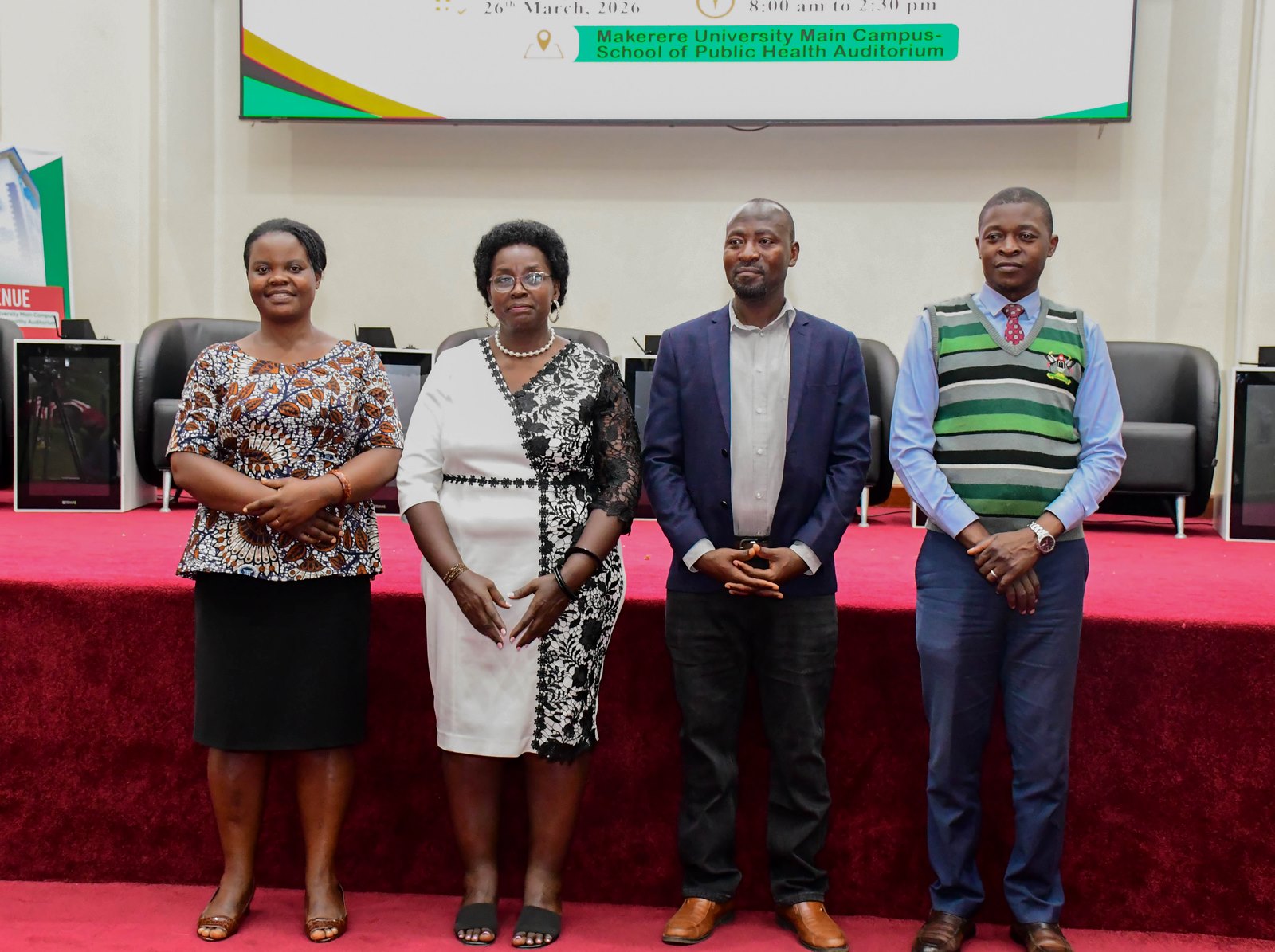
The following university officials graced the School Stakeholders’ Exhibition: The Principal of CEES-Prof. Anthony Mugagga, the Dean, School of Psychology-Dr. Martin Baluku, and the Head of the Department of Educational, Social and Organisational Psychology-Dr. Richard Balikoowa, Dr. Naomi Namanya-School of Psychology, and Ms. Ritah Namisango-Public Relations and Communication Specialist, who moderated the proceedings.
Education is no longer confined within classroom walls
Dr. Anne Ampaire, a Lecturer of Educational Psychology, welcomed the participants to the Exhibition, an initiative designed to connect theory with practice through stakeholder collaboration.
“Why is it important for Makerere University academic staff and students, to engage with headteachers, teachers, administrators, and learners from pre-primary, primary, and secondary levels? The answer lies in collaboration and shared responsibility, to effectively implement the Competence Based Curriculum,” she emphasised.
Dr. Ampaire explained that the Competence Based Curriculum represents a major shift in education delivery. “Education today is no longer confined to classrooms, not even the transmission of knowledge from teacher to the learners is adequate. The new Competence Based Curriculum focuses on developing competencies that prepare learners for a rapidly changing world,” she stated.
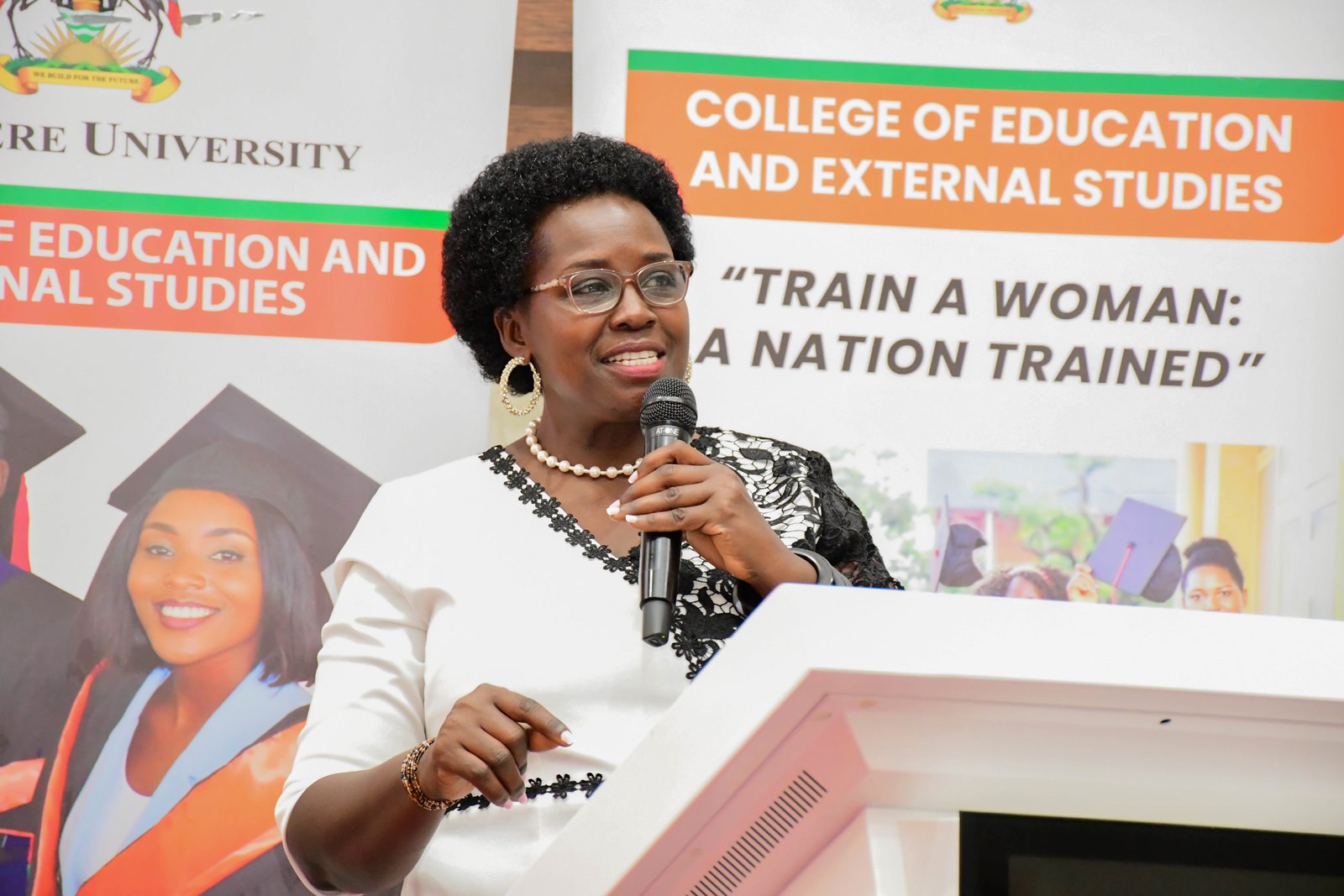
She highlighted the key competencies promoted under Competence Based Curriculum (CBC), including critical thinking, creativity, communication, and problem-solving. “With CBC, the learner is at the centre of this transformation, actively engaged in a learner-centred learning environment,” she added.
CBC grounded in psychology and experiential learning
Dr. Ampaire explained that the exhibition is rooted in educational psychology and field-based research conducted by Makerere University graduate students. “This work is grounded in early childhood education, psychology of learning, human development, and instructional science,” she said.
According to Dr. Ampaire, the School Stakeholders’ Exhibition re-affirms that learning is shaped by the environment and interaction. “The environment continuously shapes learning,” she stressed.
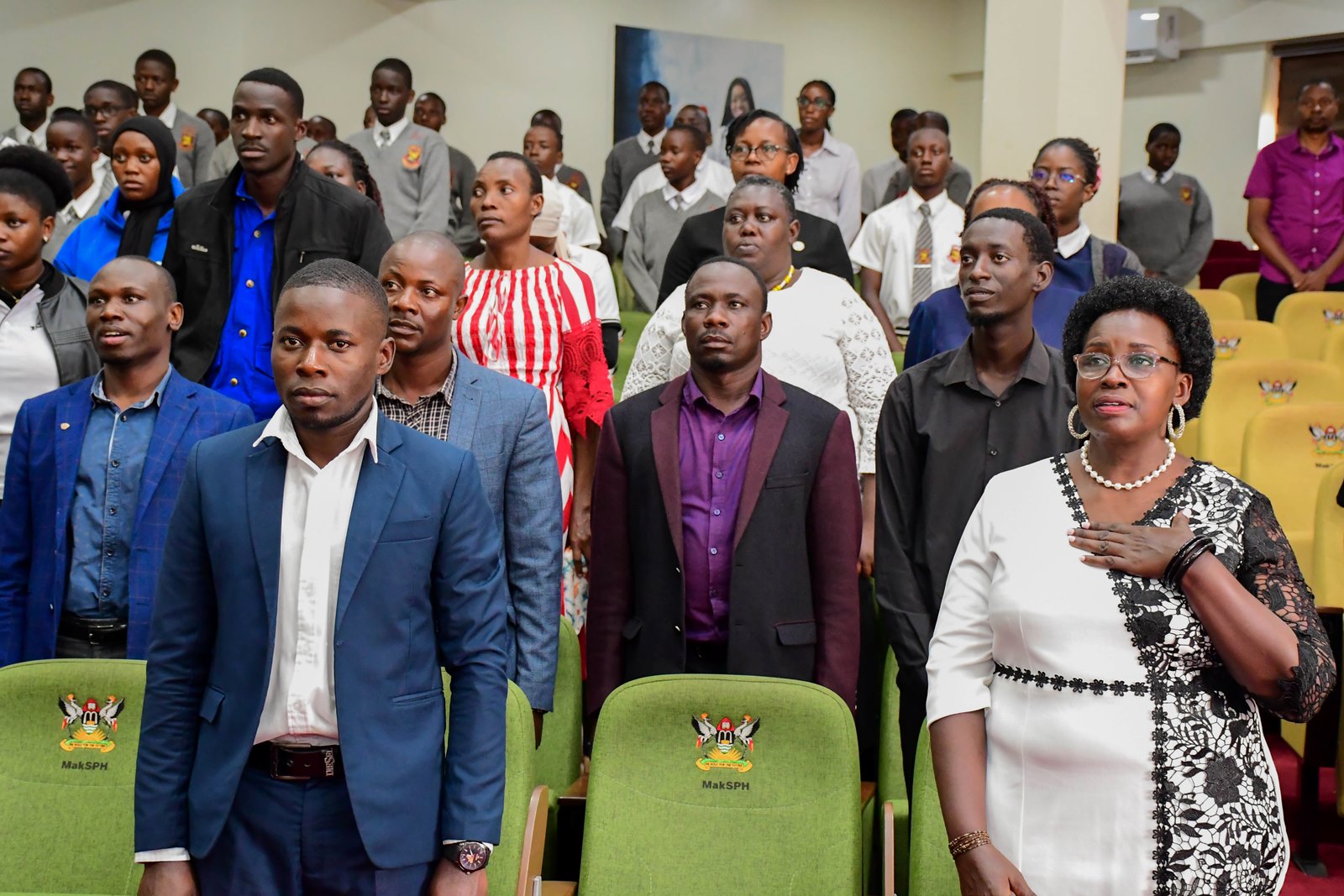
She emphasised that modern education is collaborative. “What I know, what you know, and what others know-when combined-form a stronger system. That is the direction education is taking,” she said.
Dr. Ampaire challenged traditional teaching models. “Gone are the days of teacher-centred learning where the teacher is the sole authority. Today’s learning model recognises that none of us knows it all,” she said.
Roleplays, drama, and cultural performances
A major highlight of the exhibition was a series of interactive performances by learners from different schools, who used drama, storytelling, and traditional dances to demonstrate CBC principles in action.
Pre-primary and primary learners guided by teachers and graduate students, staged roleplays reflecting everyday life situations, including family interactions, classroom discipline, peer pressure, and decision-making. The performances illustrated both positive and negative behaviours, with learners demonstrating how better choices could be made in real-life situations.
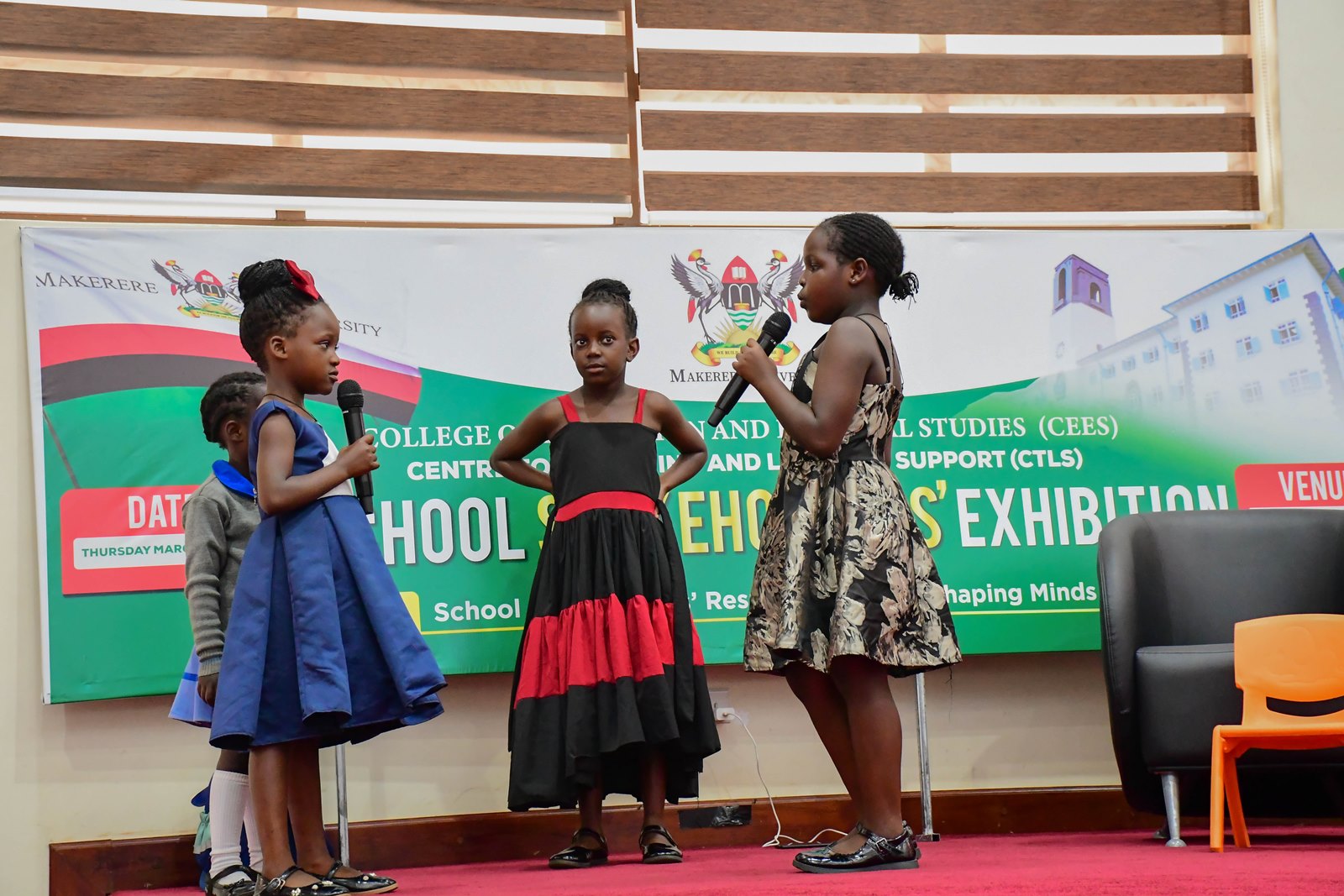
In one roleplay, a home setting illustrated the importance of parental attention and emotional bonding, showing how children respond better when given quality time and encouragement.
Another skit focused on classroom discipline, where learners acted out cases of dishonesty and conflict, later resolving them through dialogue, counselling, and cooperation between teachers and parents.
A nutrition-based performance demonstrated how diet affects learning outcomes, contrasting healthy meals such as fruits, eggs, and yoghurt with unhealthy options such as soda and processed snacks.
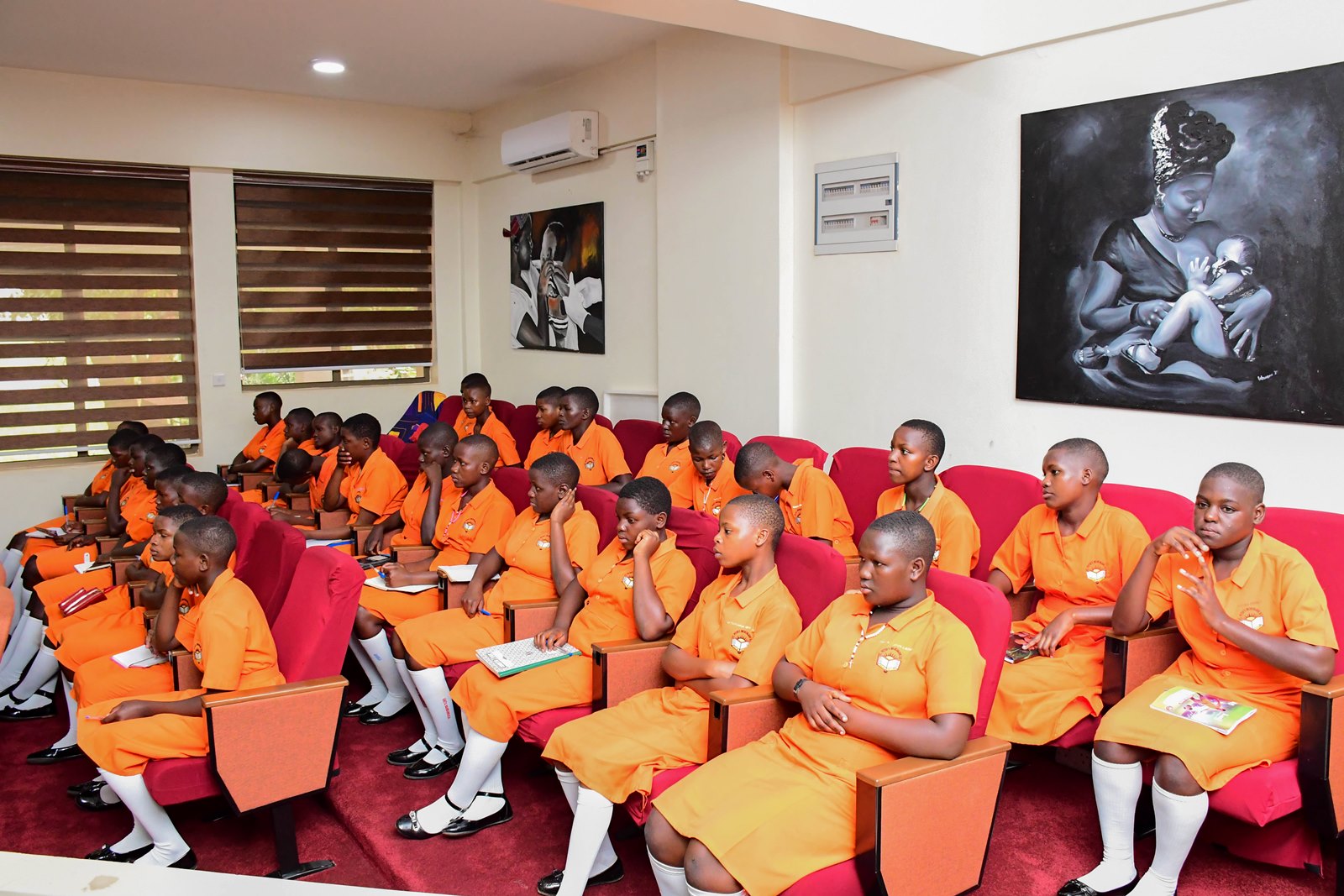
The exhibition also featured vibrant traditional dances performed by learners to cultural songs. The performances showcased unity in diversity and reinforced messages of identity, discipline, and teamwork.
We must be our brother’s keeper
Dr. Richard Balikoowa, the Head, Department of Educational, Social and Organisational Psychology, emphasised the importance of positive psychology in child development. “Human beings are dynamic and grow through stages of confusion, chaos, compromise, and change,” he said.
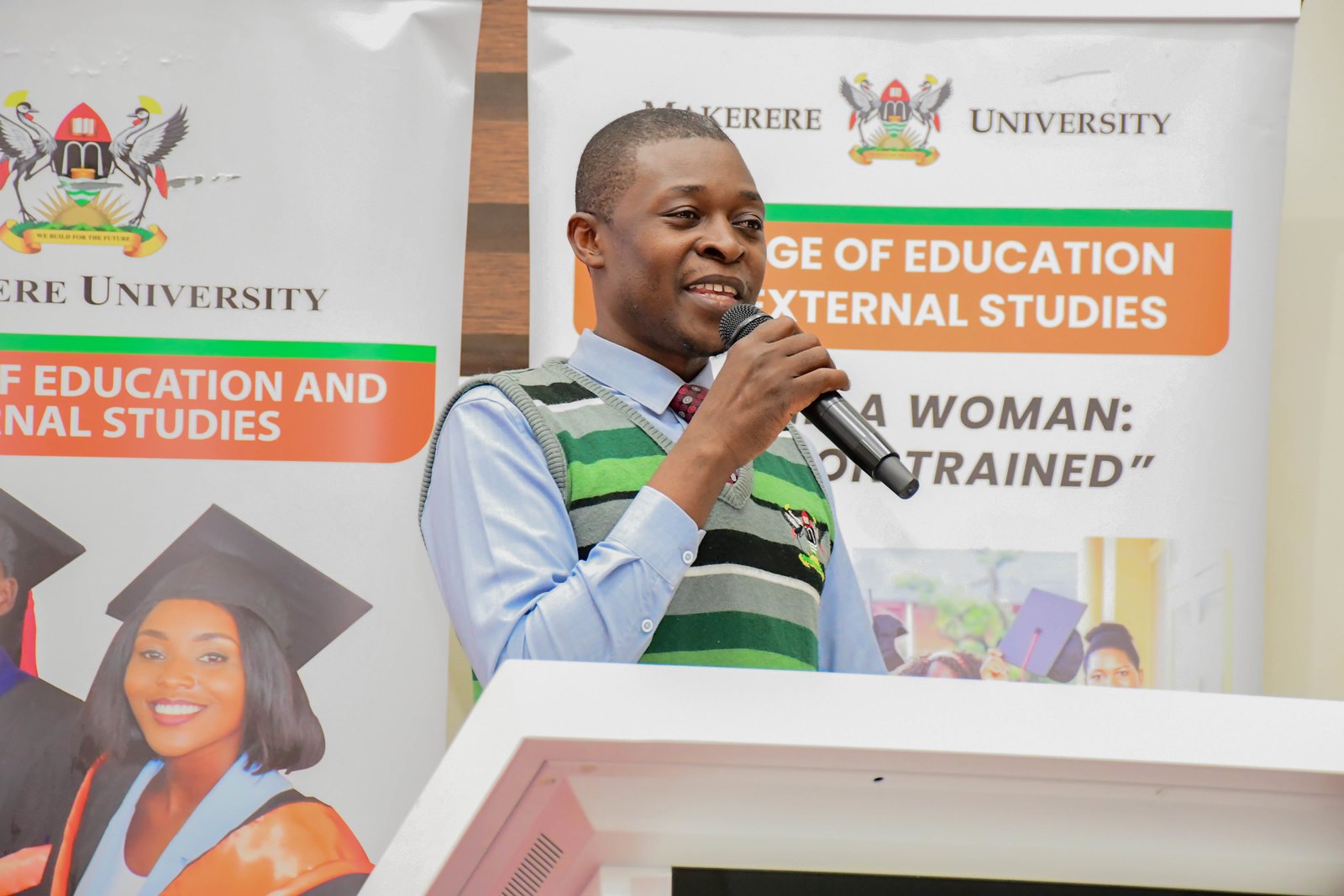
He urged educators to focus on constructive discipline approaches. “We should strengthen desired behaviour through positive reinforcement and carefully guide correction without harming the child’s wellbeing,” he said.
Identify formation and long-term development
The Dean of the School of Psychology, Dr. Martin M. Baluku, emphasised identity formation and long-term development. He stressed the role of both teachers and learners in shaping future outcomes. “As teachers, we have a responsibility to shape minds and identities. At the same time, learners must actively shape themselves,” he said.
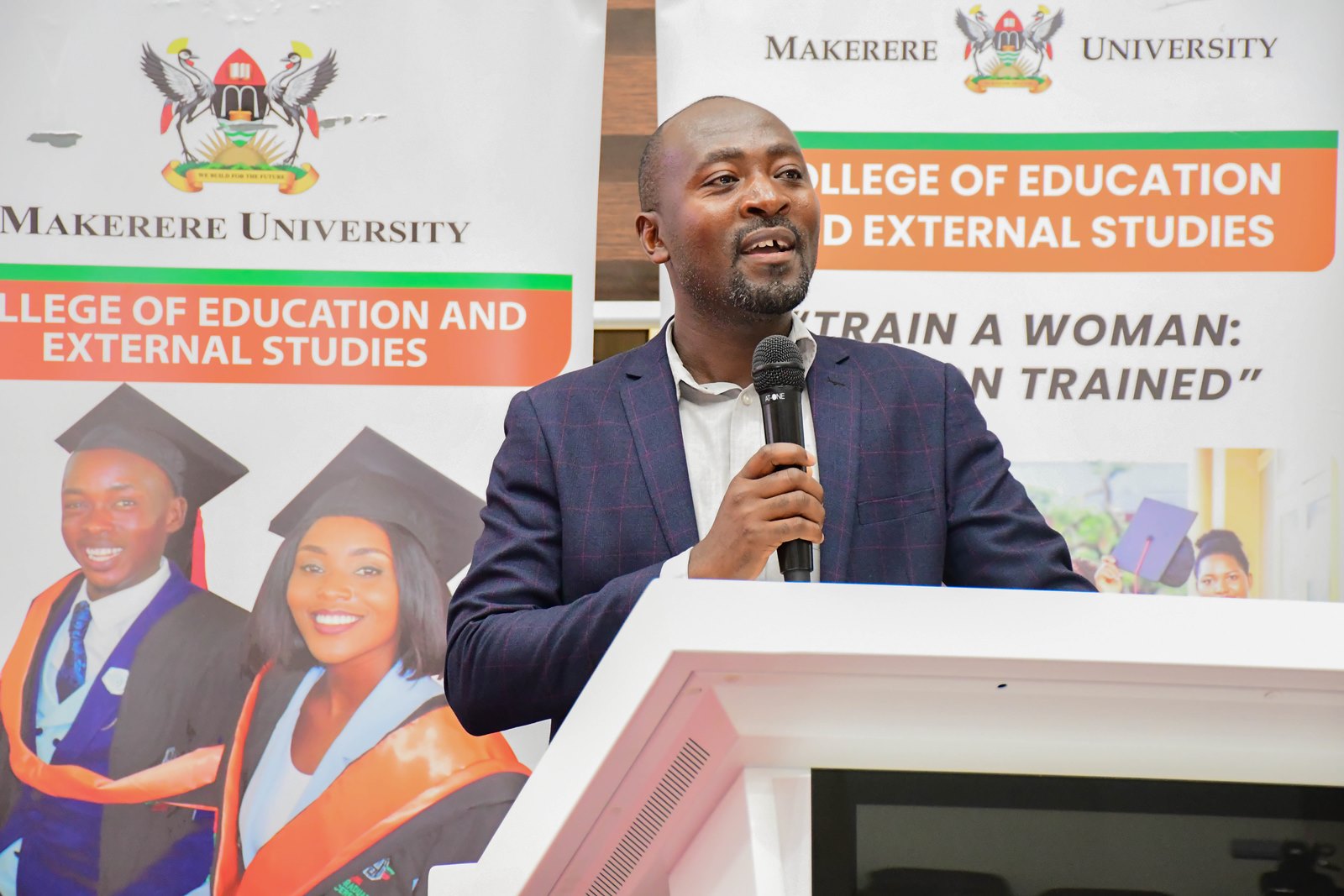
He called upon students to remain focused on their aspirations. “If you want to join Makerere University in future, you must work hard and take your studies seriously,” he said.
CBC is a bold and necessary reform
Dr. Ampaire described the Competence Based Curriculum (CBC) as a major transformation in Uganda’s education system. “CBC is a bold and necessary step. Education is no longer confined within classroom walls. Learning is everywhere. We should prioritize project-based learning and contextual education. A banana plantation is a laboratory. A craft workshop is a laboratory. Learners must connect classroom knowledge to real-life experiences,” she said.
Schools must embrace practical learning
The Principal of CEES, Prof. Anthony Mugagga, praised the initiative and urged schools to fully adopt CBC approaches. “Many schools are still struggling with how to implement the Competence Based Curriculum,” he stated.
He emphasised that learning must be practical and reflective of real life. “When a child observes behaviour, they may internalise it. That is why learning experiences must be carefully guided,” he said.
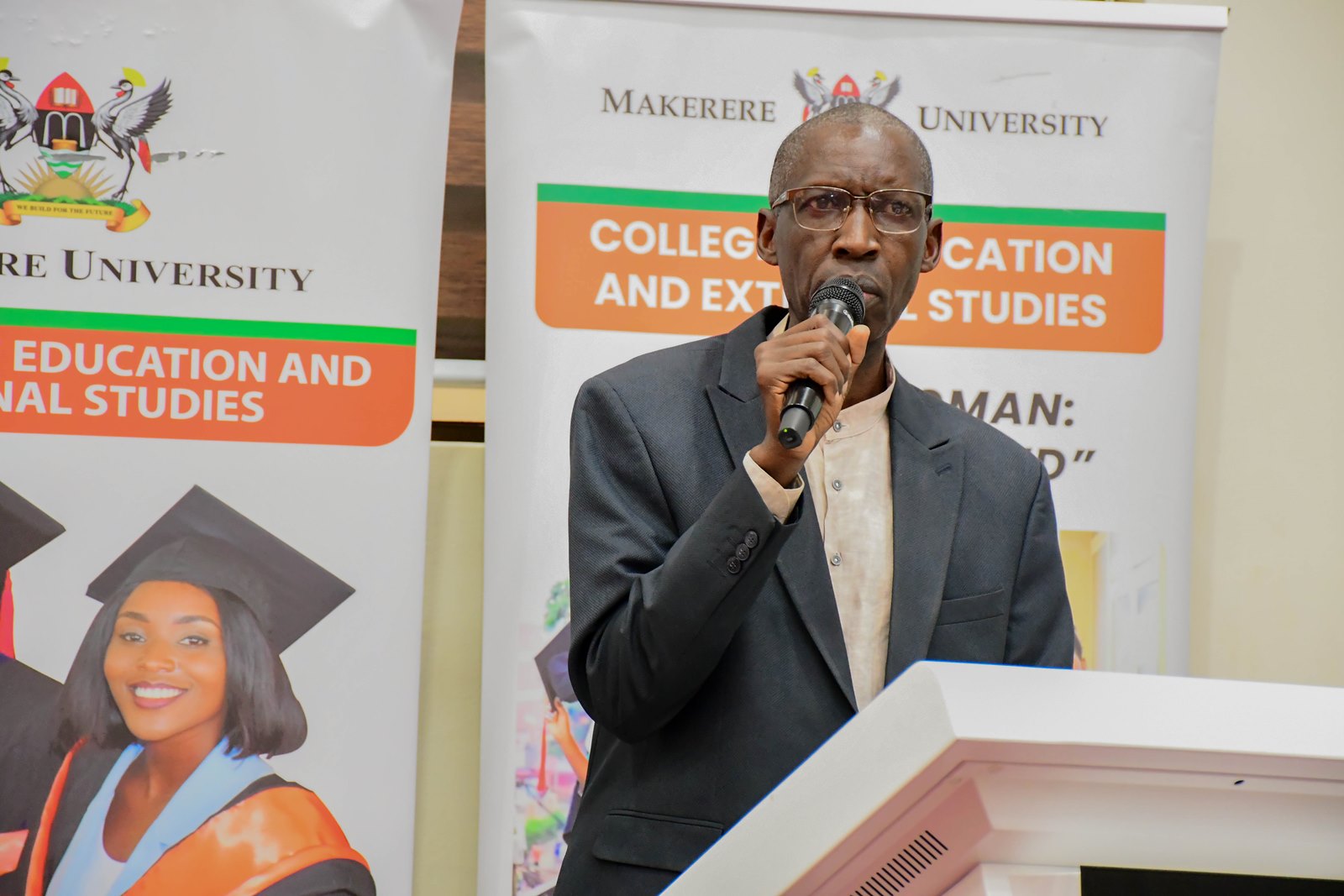
Prof. Mugagga urged learners to value time and education. “When faced with challenges at school and you feel like giving up, remember those other Ugandans who wish to be at school, but they are not able, due to lack of school fees,” he advised.
“Being at school is a golden opportunity that you need to utilize to become a better person. I encourage you to be hard-working, focused,disciplined and resilient as you pursue your studies,” he added.
Sharing his experience, Prof. Mugagga disclosed that he was once a student, who faced challenges, but he did not give up.
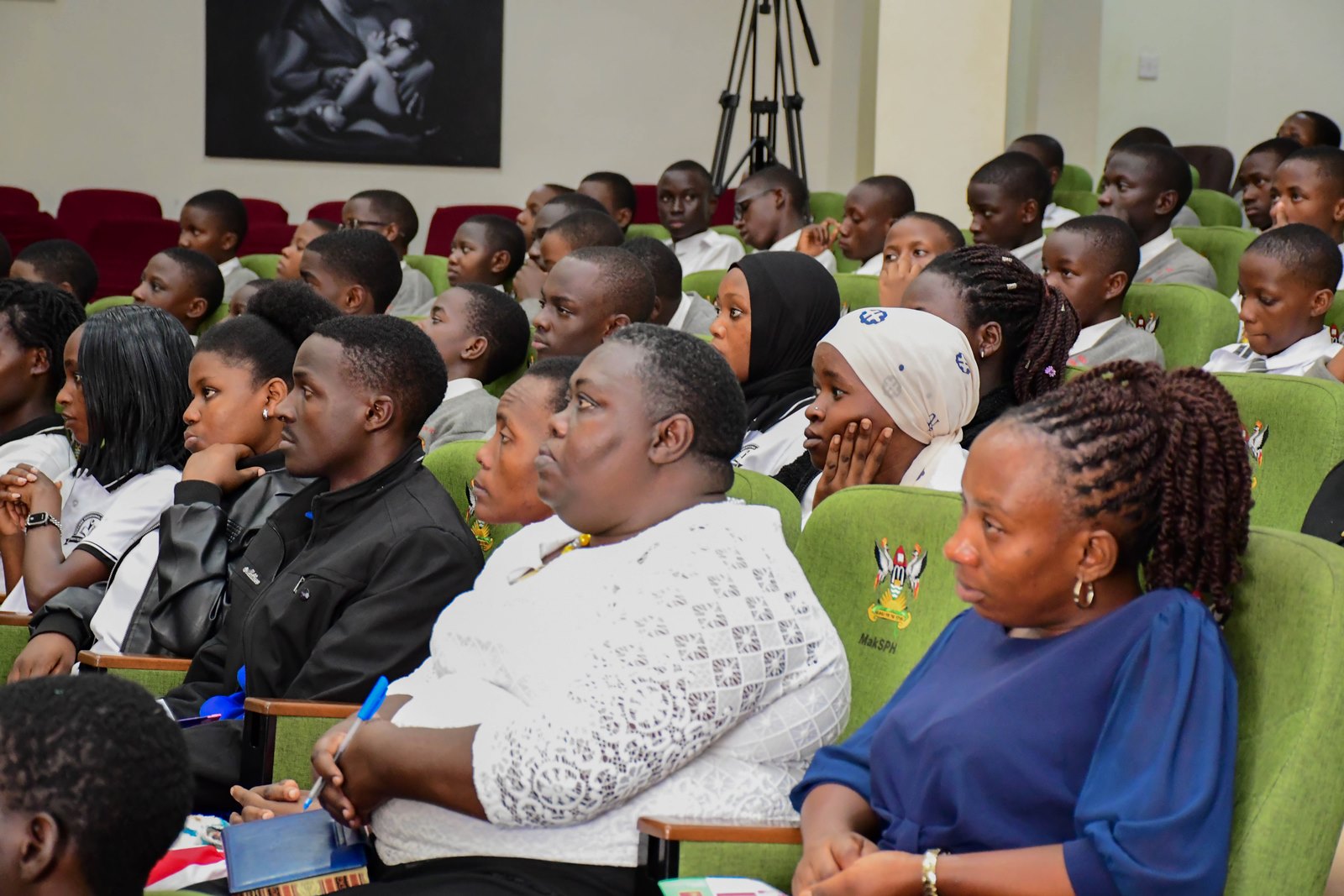
Prof. Mugagga informed the participants that he was a seminarian, and when his chances of becoming a priest did not materialize, he focused on other career paths within the education sector, rising up to the rank of Professor at Makerere University, and with ability to stand in front of the learners, to share words of wisdom and inspiration.
Stakeholders encouraged to support learner centred education
The exhibition concluded with a strong call for collaboration among parents, teachers, policymakers, and communities to support learner-centred education. Stakeholders agreed that the Competence Based Curriculum can only succeed if all actors work together to create supportive, practical, and inclusive learning environments that prepare learners for real-life challenges.
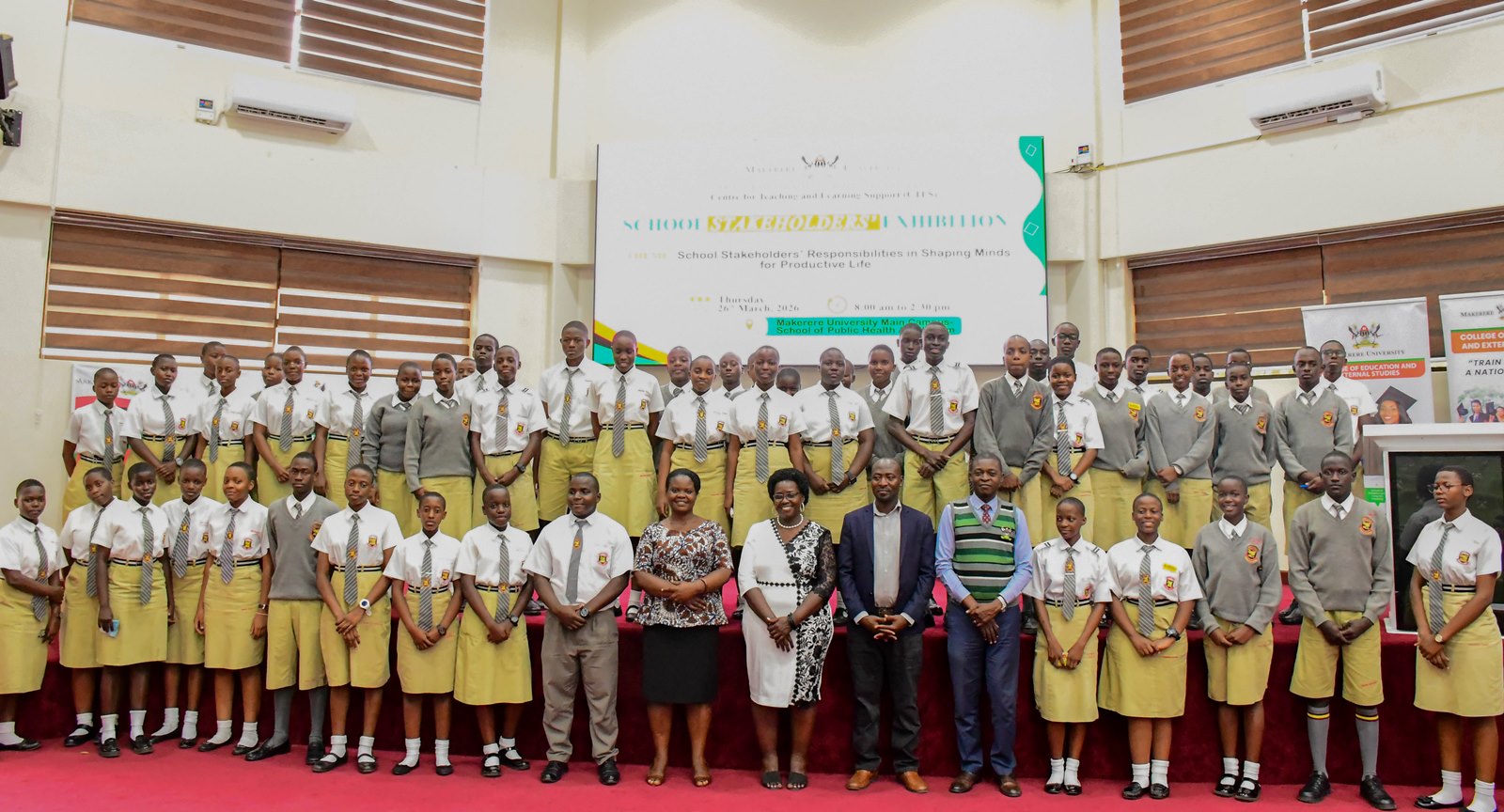
Schools that participated in the exhibition
Some of the schools that participated in the exhibition include: Mengo Senior Secondary School, Mirembe G. Vocational Training Centre-Zana, Garfield Nursery and Primary School-Gayaza, Tephies Kindergarten School Nagalabi-Budo, Raayat Islamic Primary School.








Education
CEES 2026 Students Orientation: Newly Admitted Students tipped on Integrity, Academic Excellence, Safety and Responsible AI usage
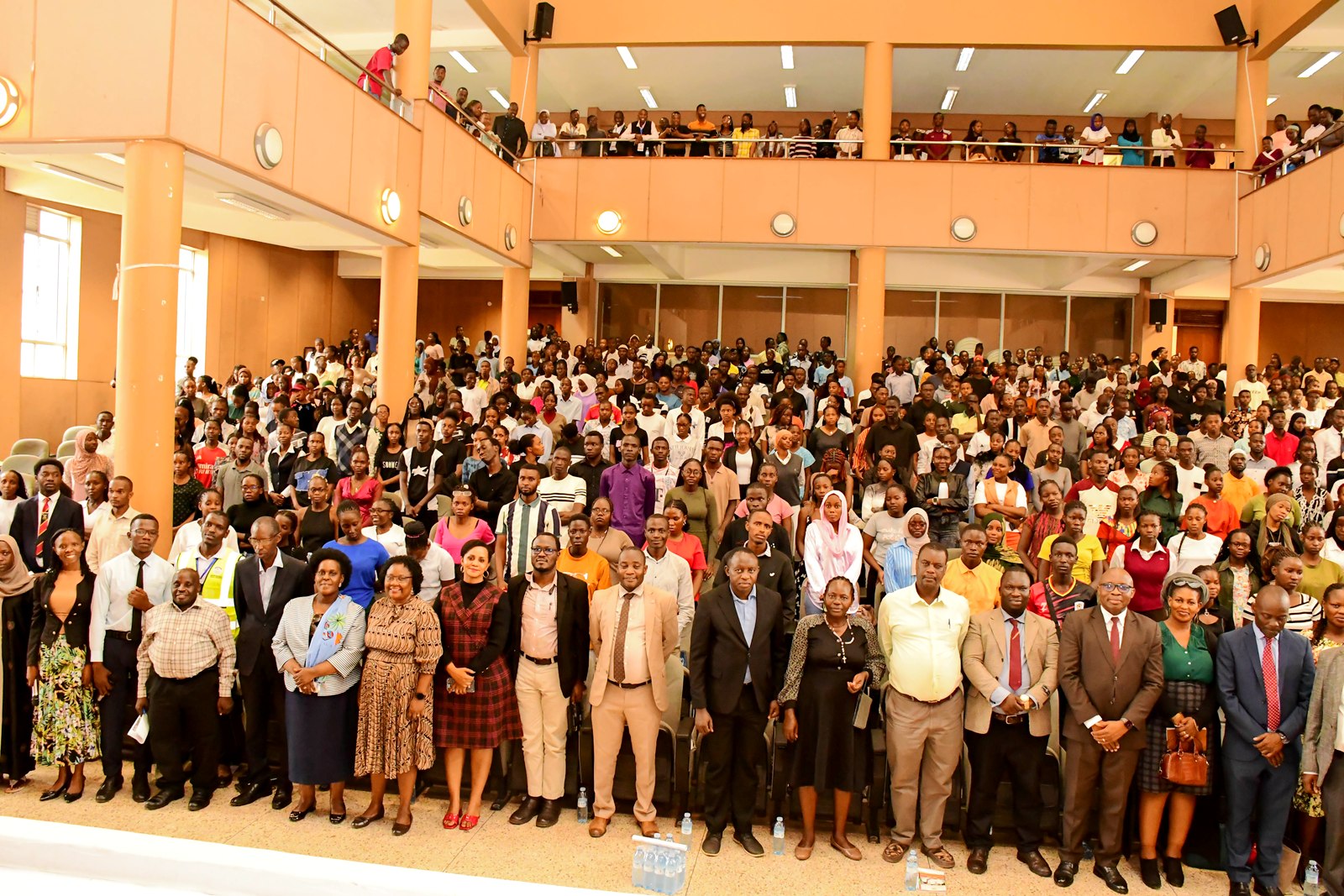
On 6th August 2026, the first year students admitted to the various undergraduate academic programmes at the College of Education and External Studies (CEES) convened at the Makerere University Yusuf Lule Central Teaching Facility Auditorium for a specialized orientation session with the College leadership, selected University Officials, staff and student leaders.
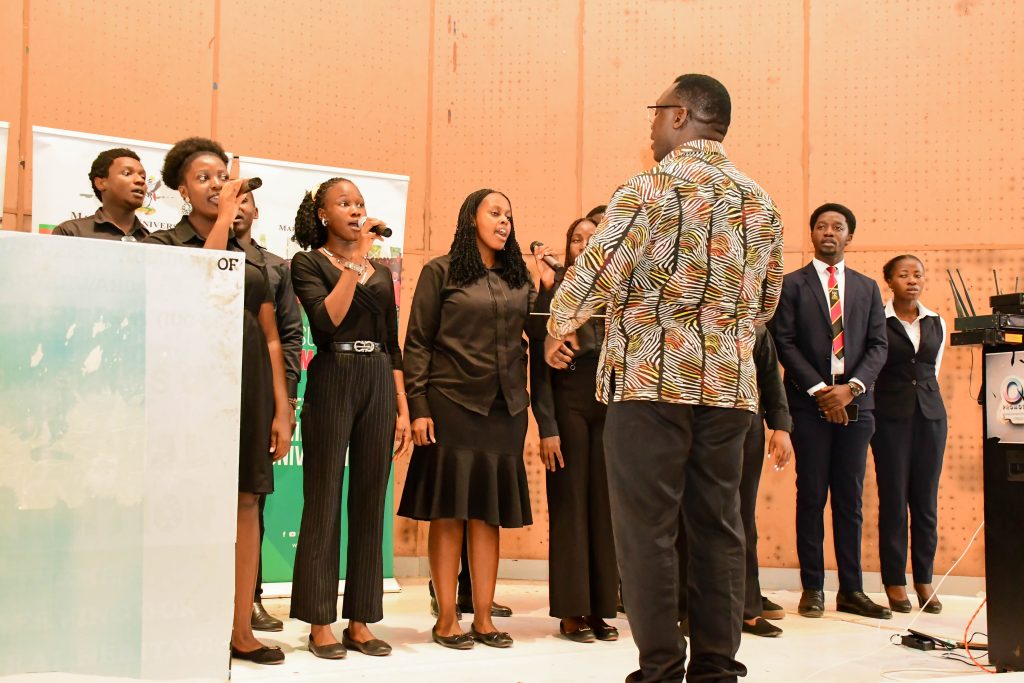
Bringing together over 900 first year students, the colourful orientation session organized by the Office of the Principal, in collaboration with the College Registrar, College Communication Office, and the Student leaders, kicked off with the singing of the Anthems. The first year students were impressed by the vocals courtesy of the College of Education and External Studies Choir.
The interactive orientation session, which involved interludes of respecting the Makerere University Culture (with the entire audience speaking with energy, Eeh, Makerere Oyee!) was aimed at equipping the newly admitted students with the essential knowledge to transition into University life, guidance to successfully navigate their academic journey, and developing a deeper sense of belonging and love for the College of Education and External Studies (CEES).
The orientation focused on promoting academic excellence, responsible conduct, personal well-being, financial management, digital learning, safeguarding, and effective utilization of university resources to support students’ growth and development.

The orientation programme featured presentations from university administrators, academic leaders, student representatives, and support service providers including the College Principal-Prof. Anthony Muwagga Mugagga, Deputy Principal-Prof. Ronald Bisaso, Dean-School of Distance and Lifelong Learning- Dr. Harriet Nabushawo, Dean-School of Education- Assoc. Prof. Mathias Mulumba, the Director of IODeL-Dr. Godfrey Mayende, the Manager-Makerere University Counselling and Guidance Centre Dr. Henry Nsubuga, the College Chairperson-Mr. Anthony Bakashaba, and among other members of staff and student leaders.
Commitment to Academic Excellence and Responsible Conduct
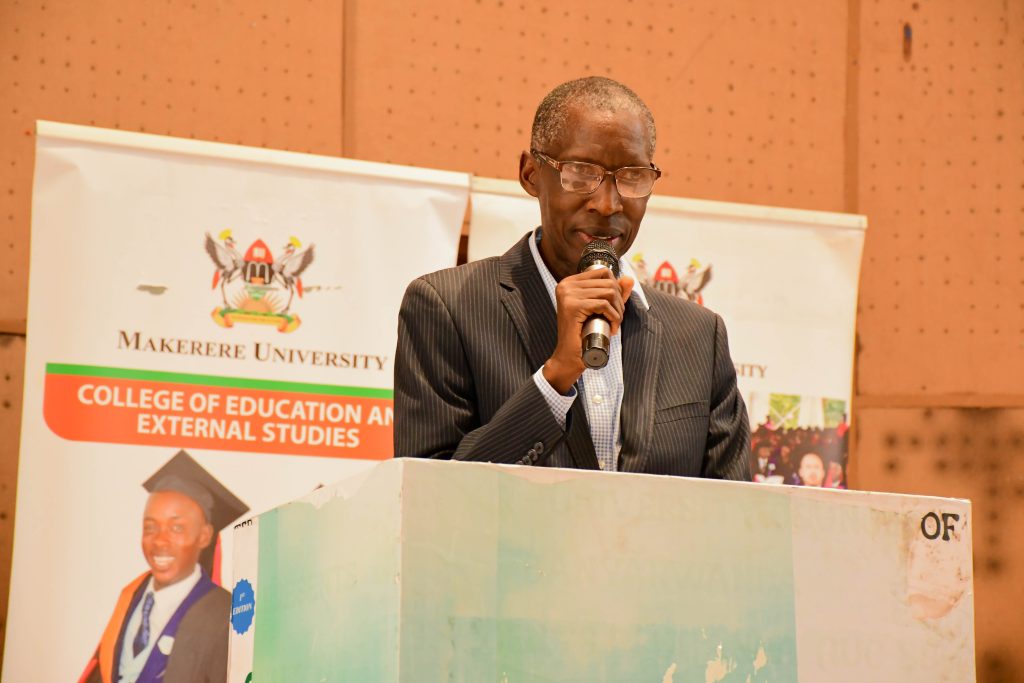
Opening the engagement, the Principal, College Principal, Prof. Anthony Muwagga Mugagga, congratulated the first-year students upon being admitted to Makerere University, and specifically to the College of Education and External Studies. He highlighted that the College consists of three (3) Schools namely: The School of Education, the School of Distance and Lifelong Learning, and the East African School of Higher Education Studies and Development.
Recalling the lived experiences from his youthful days as a student, and his various attempts in different academic disciplines such as religious studies, economics, philosophy, education, he informed the students that they had made the right choice to study education.
“I am a professor of education. I have served as a teacher, education policy specialist, and rose up to the rank of Professor. I am the College Principal. I am here to re-assure you that you have made the right decision to study education,” he said.
The Principal encouraged the first-year students to embrace their academic journey with determination and utilize their stay to effectively tap into the opportunities available at Makerere University.
“Prioritize your studies, maintain healthy relationships, and avoid behaviours that could compromise your safety, well-being, and academic progress,” Prof. Muwagga Mugagga guided.
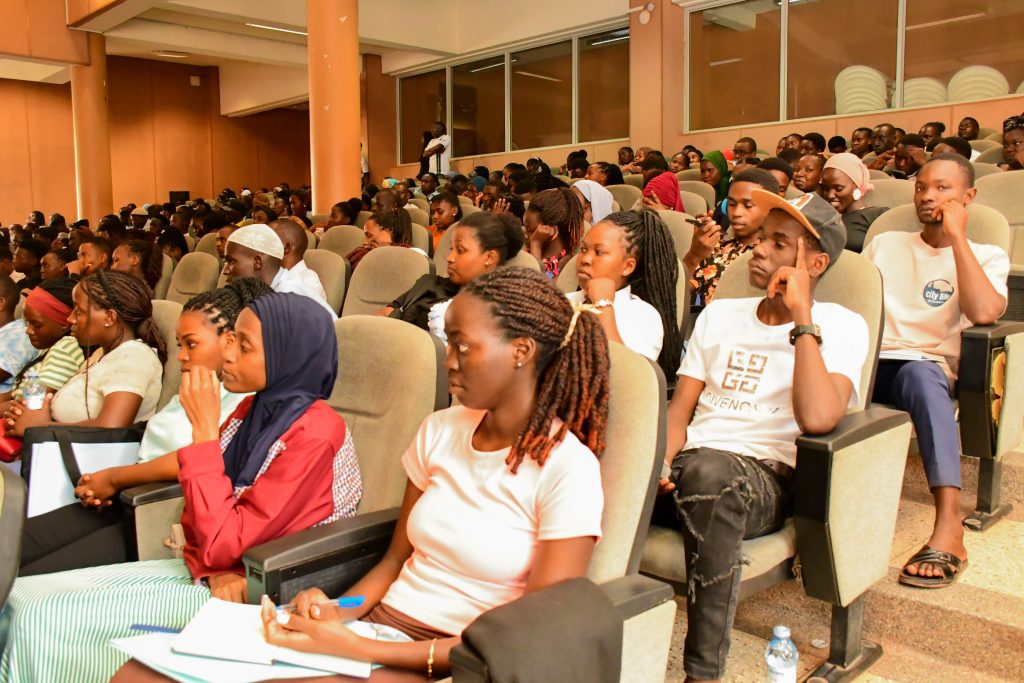
He advised the students to attend lectures consistently, actively participate in class, establish professional relationships with lecturers, and familiarize themselves with university policies and support services.
He called upon the students to manage their finances responsibly by prioritizing essential needs, such as tuition and academic requirements, and exploring available work-study opportunities when faced with financial challenges.
Prof. Muwagga Mugagga reminded students to understand their rights and responsibilities as members of the university community and to uphold the values and standards that guide life at Makerere University.
Striving for Excellence and Time Management
The Deputy Principal, Prof. Ronald Bisaso implored the students to remain focused on their academic goals, adhere to university policies, and to use their freedom wisely throughout their university journey.
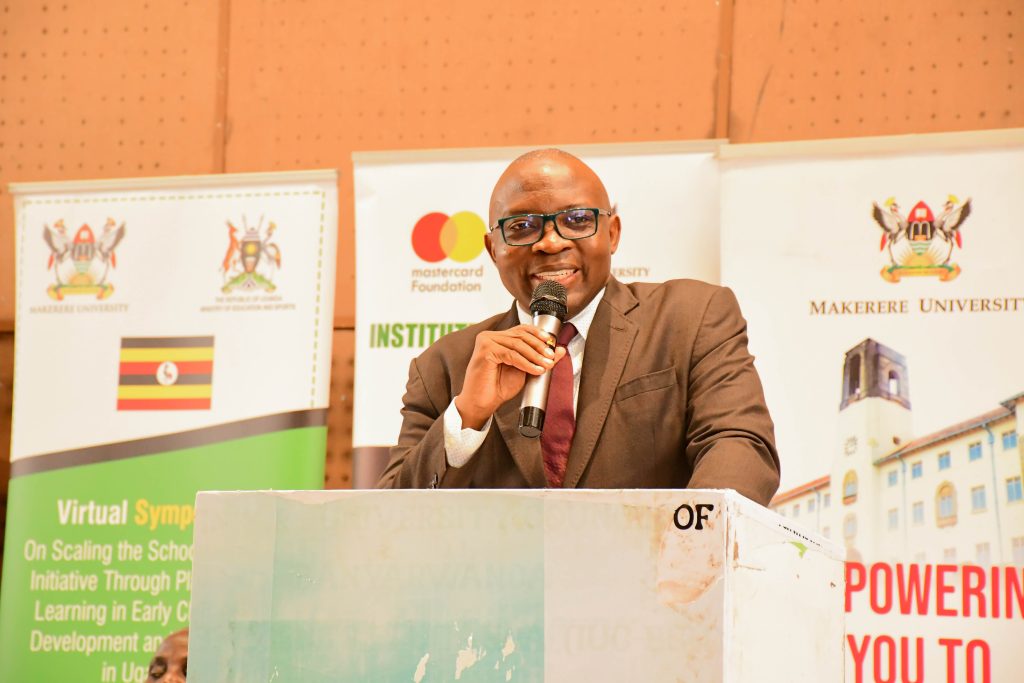
Prof. Bisaso also tipped the students on professionalism, the standards and right set of values that society expects from prospective teachers and educators. He encouraged the students to dress appropriately and make reference to authentic online platforms that describe the dress code for official, business, and casual engagements.
“Students’ conduct and appearance contribute significantly to the professional image they project within the university and the wider community,” he noted.
Academic Success and Professional Conduct
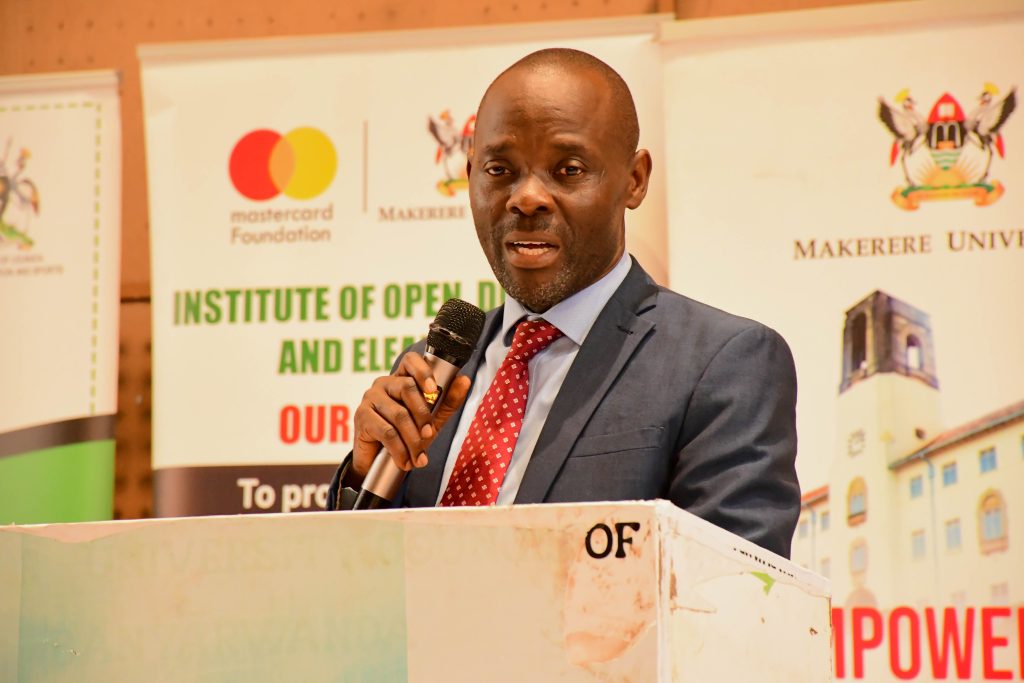
The Dean of the School of Education, Associate Professor Mathias Mulumba Bwanika articulated that the transition to the Competency-Based Education, which implies that the student/learner takes responsibility for his or her studies.
“Schools and institutions in Uganda shifted from a content-based curriculum to the competency-based one. The teacher guides, but the student takes full responsibility for his or her learning,” he remarked.
To excel under the competency-based mode of delivery, Associate Professor Mulumba Bwanika urged the students to value time, plan their schedules, form discussion groups, and tap into the benefits of group learning, including innovation, creativity, and reading ahead of their lecturers.
Associate Professor Mulumba Bwanika reminded the students to uphold high standards of professionalism by following the professional code of conduct for teachers. He tipped the students on personal hygiene, respectful behaviour, character and development.
The Dean of the School of Education, emphasized the importance of cultivating habits that promote academic success. “If you want to succeed in a university setting, you need to consult the student leaders and staff, embrace group learning, and read consistently.”
Embracing Learning Opportunities Beyond the Classroom
The Dean, School of Distance and Lifelong Learning, Dr Harriet Nabushawo reaffirmed Makerere University’s commitment to producing knowledgeable, skilled, and socially responsible graduates.
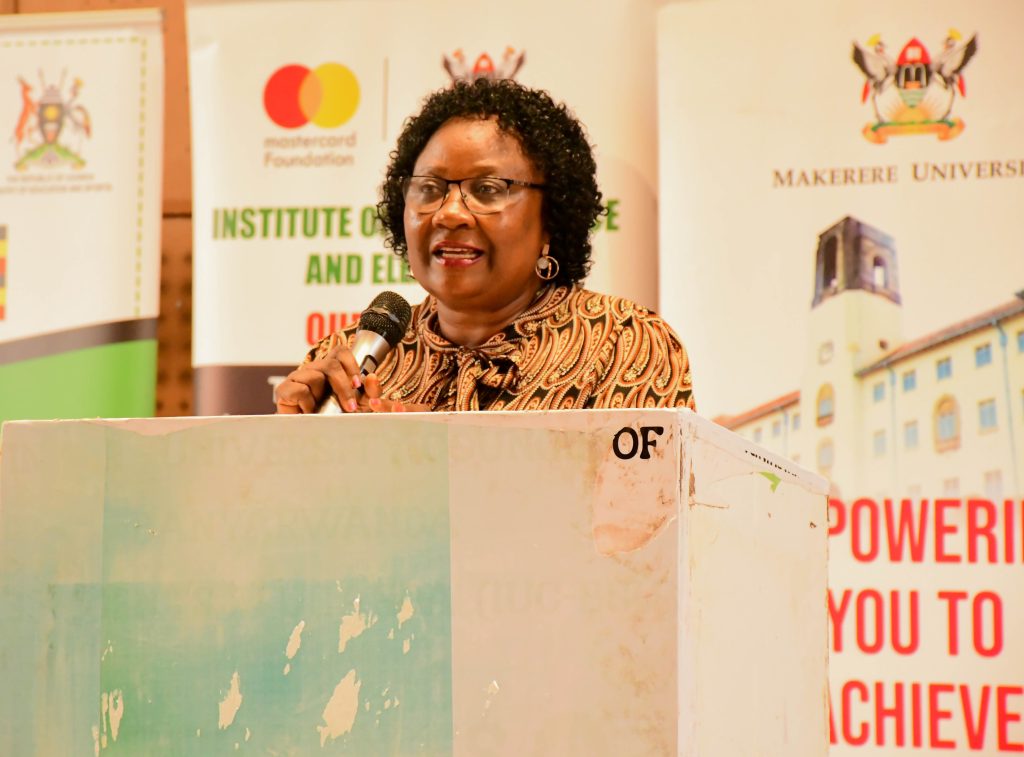
She implored the students to take ownership of their learning, remain organized and disciplined, and develop habits that promote academic excellence and lifelong growth.
Dr Nabushawo highlighted opportunities beyond classroom learning, including research, innovation, leadership, teamwork, and community engagement, noting that these experiences help students develop professional competencies, problem-solving abilities, communication skills, and teamwork.
She rallied students to actively participate in university programmes and collaborative learning experiences to broaden their perspectives and prepare themselves for meaningful contributions to society.
Effective Digital Learning and Responsible Use of Artificial Intelligence (AI)
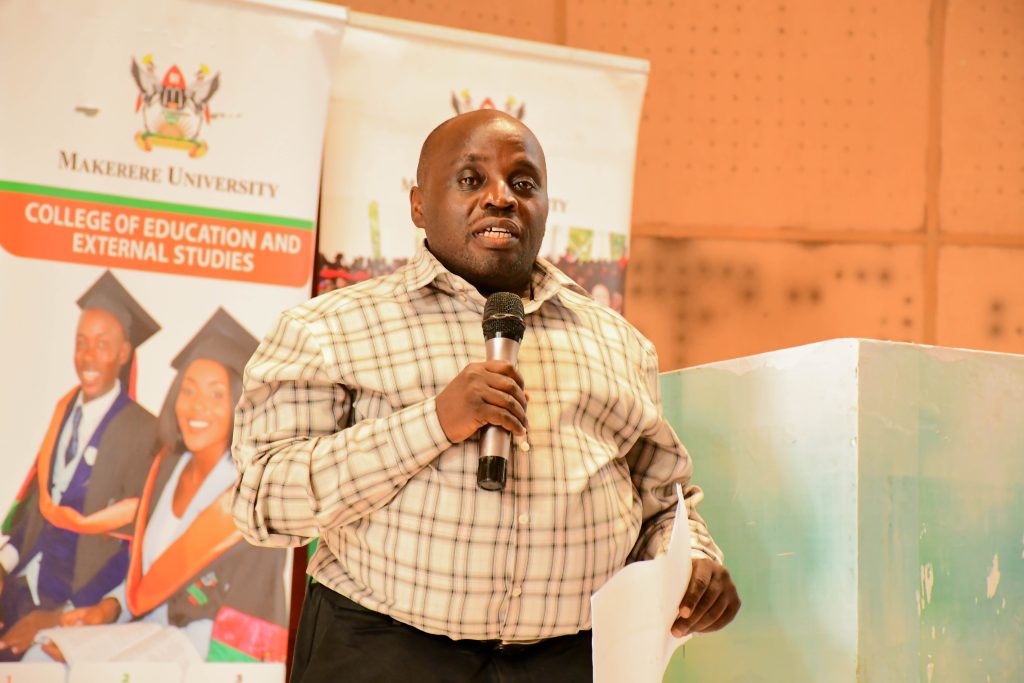
Dr Godfrey Mayende, the Deputy Director of the Institute of Open, Distance and eLearning (IODeL), advised students to embrace digital learning as an important component of their academic journey.
He urged students to regularly access the Makerere University E-Learning Environment (MUELE), participate in online discussions, check university communication platforms, and seek support when they encounter academic challenges.
Highlighting the growing role of Artificial Intelligence (AI) in higher education, Dr Mayende encouraged students to use AI responsibly as a learning companion for understanding concepts, generating ideas, improving writing, summarizing notes, and practising academic tasks.
He emphasized the importance of ethical use of technology, independent thinking, and academic integrity in preparing students for future professional environments.
“Use artificial intelligence wisely. AI should not corrupt your personal knowledge. AI should not replace human thinking,” he guided.
Prioritize Mental Health and Seek Support Early
In his remarks, the Manager-Makerere University Counselling and Guidance Centre, Mr. Henry Nsubuga called upon the students to prioritize their wellbeing, utilize their time as an opportunity for personal growth, resilience building, and professional development.
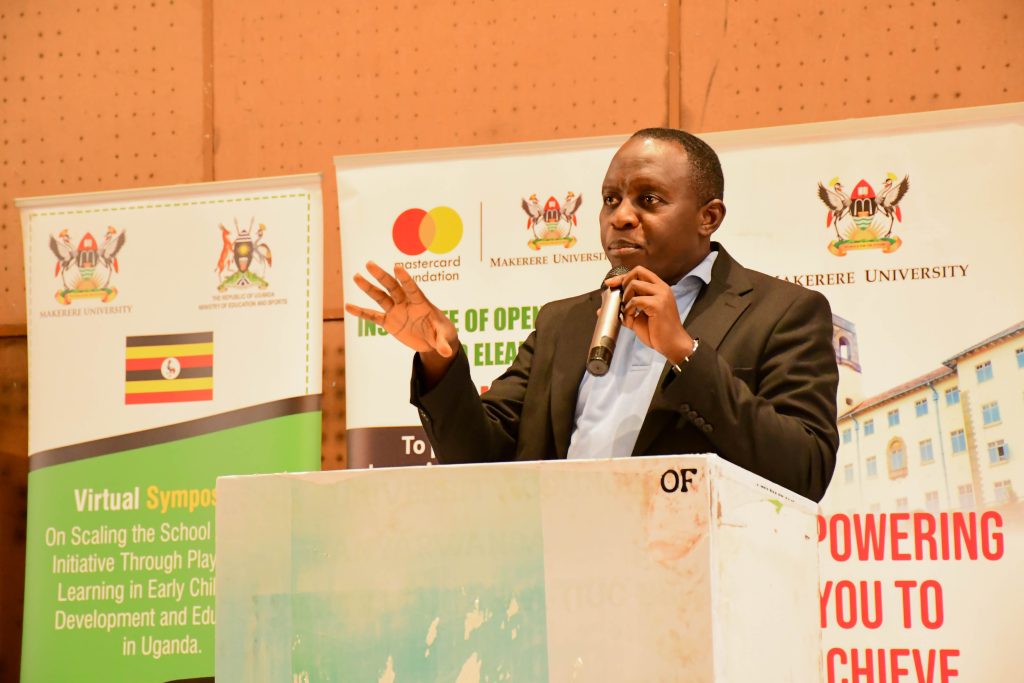
Mr. Nsubuga disclosed that Mental Health is one of the biggest challenges affecting the wellbeing of humans. He therefore advised students experiencing mental health issues to always seek professional counselling and guidance services, stressing that early access to support contributes to a successful, healthy, and a fulfilling university experience.
He appealed to students to support members within the University community who could be dealing with mental health issues due to pressures from home, workload, retakes, hunger, financial difficulties, painful relationships, poor performance in class, anxiety, drug and substance abuse, loss of loved ones, neglect and discrimination, by referring them to the Makerere University Counselling and Guidance Centre.
Ensuring a Safe University Environment
Dr Michael Walimbwa, a Staff Safeguarding Champion at CEES accompanied by Ms. Agnes Nambuya and the Student Safeguarding Champions at CEES presented some of the safeguarding tips and principles.
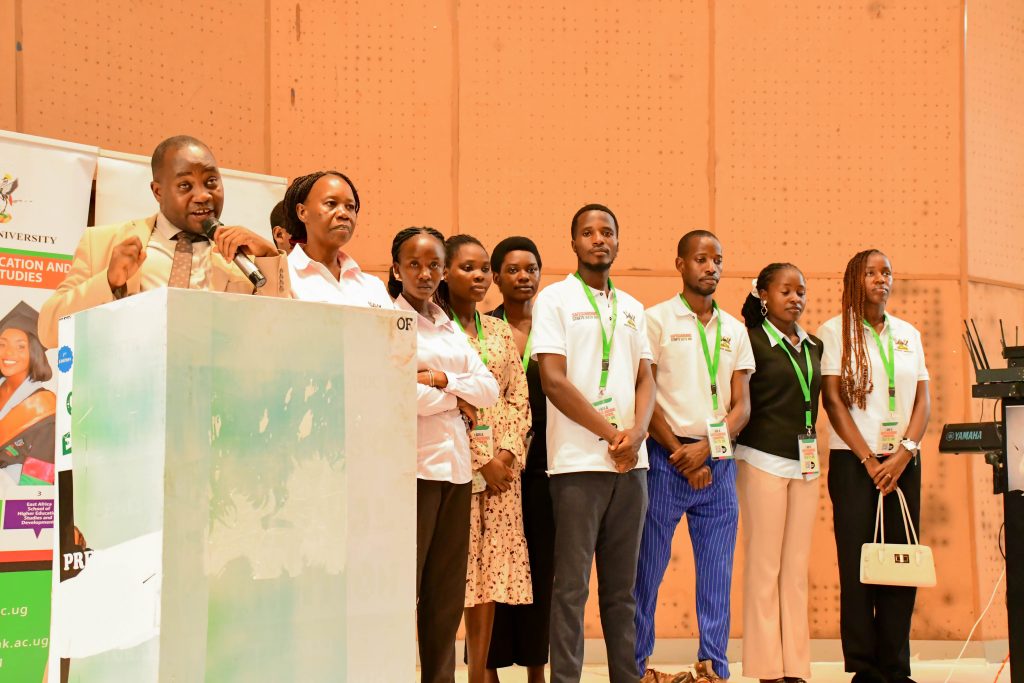
The Staff Safeguarding Champions at CEES namely Dr Michael Walimba and Ms Agnes Nambuya accompanied by the CEES Student Safeguarding Champions sensitized the first year students on the concept of safeguarding.
“Safeguarding is about protecting members of Makerere University from harassment, neglect, and any behavior that threatens safety,” explained Dr Walimbwa.
Dr Walimbwa reminded the students that creating a safe university environment is a collective responsibility. He challenged students to report any cases of harassment, misconduct, or situations affecting their well-being through established university safeguarding channels, including safeguarding champions, academic leaders, and reporting platforms.
Academic Procedures and Policies
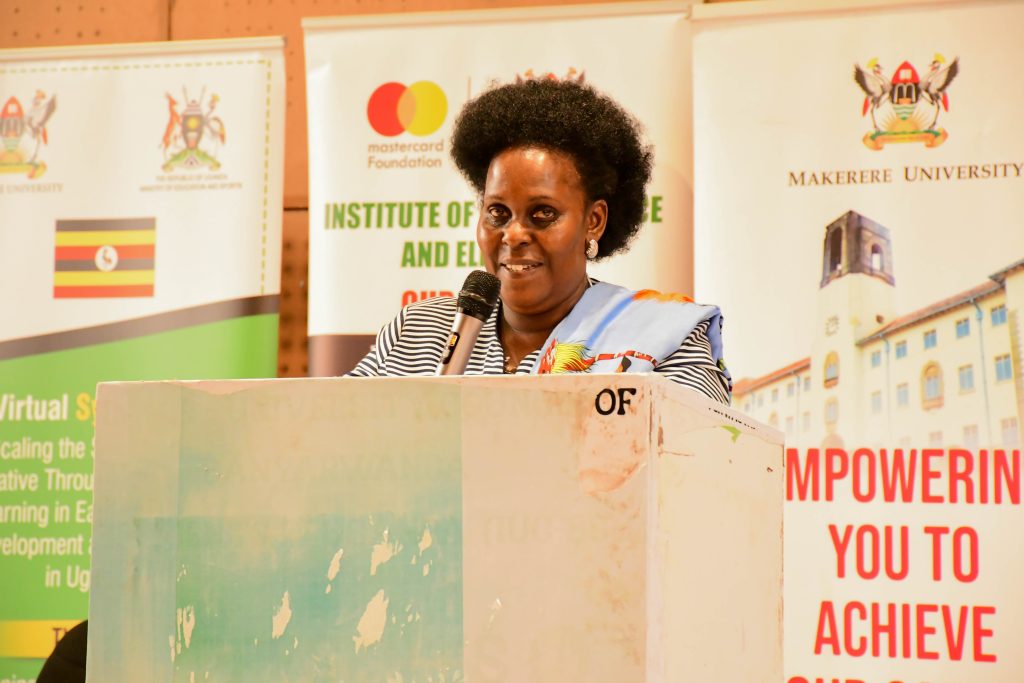
During the CEES Orientation, the Office of the College Registrar was effectively represented by Mrs. Joanna Kayaga Kiwana-College Registrar, Ms. Molly Nantongo-School of Education Registrar, and Mr. Sanderson Acati-Registrar at the East African School of Higher Education Studies and Development.
Mrs Kayaga Kiwana outlined some of the key academic policies and regulations to guide the first year students during the course of study. She advised the students to follow the respective timetables and ensure that they are in the right place at the right time. She equally emphasized the need to follow the registration procedures and guidelines, and stressed the need to provide authentic information during the documentation and registration process.
Mrs Kayaga Kiwana outlined some of the key academic policies and regulations to guide the first year students during the course of study. She advised the students to follow the respective timetables and ensure that they are in the right place at the right time. She equally emphasized the need to follow the registration procedures and guidelines, and stressed the need to provide authentic information during the documentation and registration process.
Financial Discipline and Timely Fees Payment
The College Bursar, Mr. Stephen Kayima and the Accountant-Mr. Godfrey Wasikye underscored the need to follow the University financial procedures and ensure timely payment of tuition and other University fees.
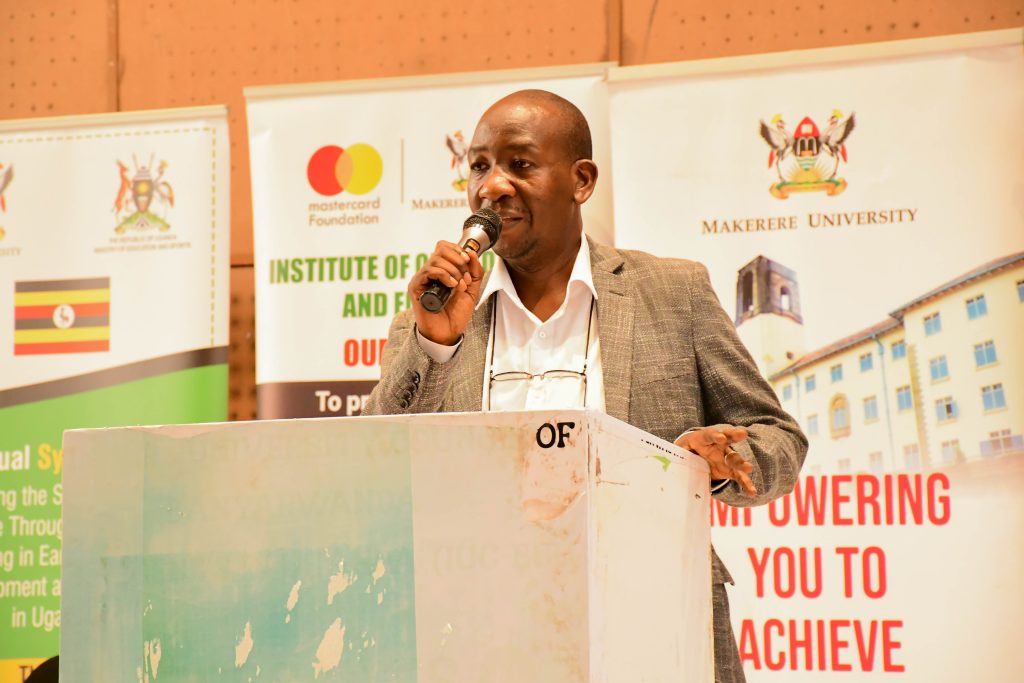
Mr. Kayima emphasized that all tuition and functional fees should be paid through the official university payment system using a Payment Registration Number (PRN), cautioning students against relying on unofficial payment channels.
Mr. Kayima urged students to prioritize tuition payments within the stipulated timelines to maintain uninterrupted access to university services and academic activities.
Library Support Services and Promoting a Reading Culture
Ms Frascesca Musimenta, from the CEES Library, encouraged students to develop a culture of reading, conduct research, and utilize library services throughout their academic journey.
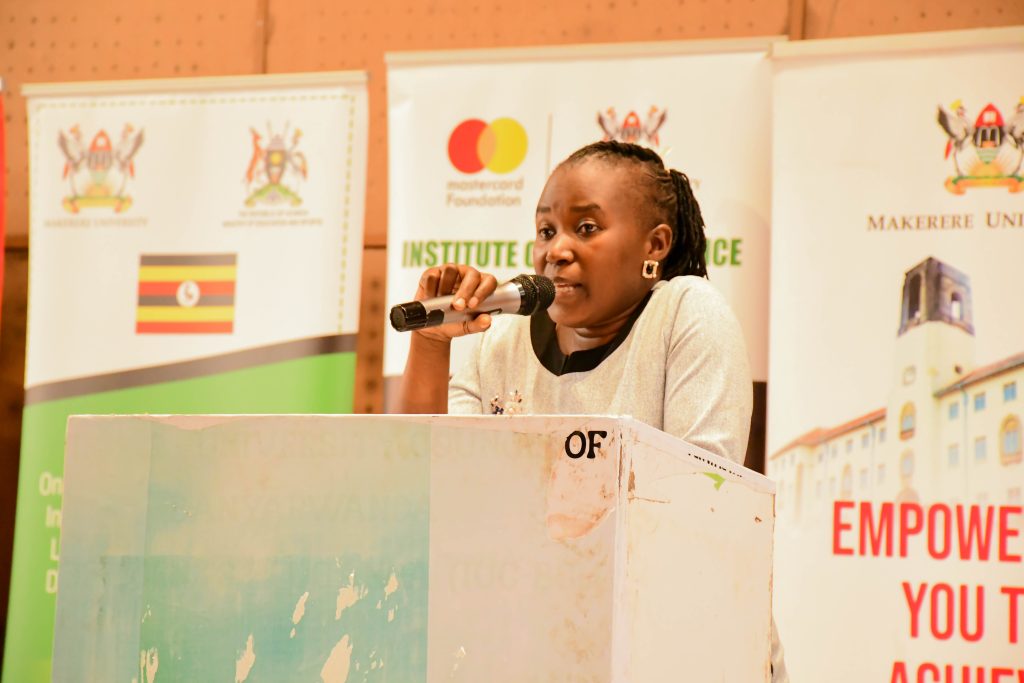
She highlighted the role of the university library in supporting learning through access to books, journals, research materials, and study spaces, encouraging students to take advantage of these resources.
Balancing Academics with Campus Engagement
The 92nd Guild Minister for Academic Affairs, Makerere University, Hon. Neena Elsie Kalazani, congratulated the first-year students upon their admission and advised them to approach their studies with commitment and discipline.
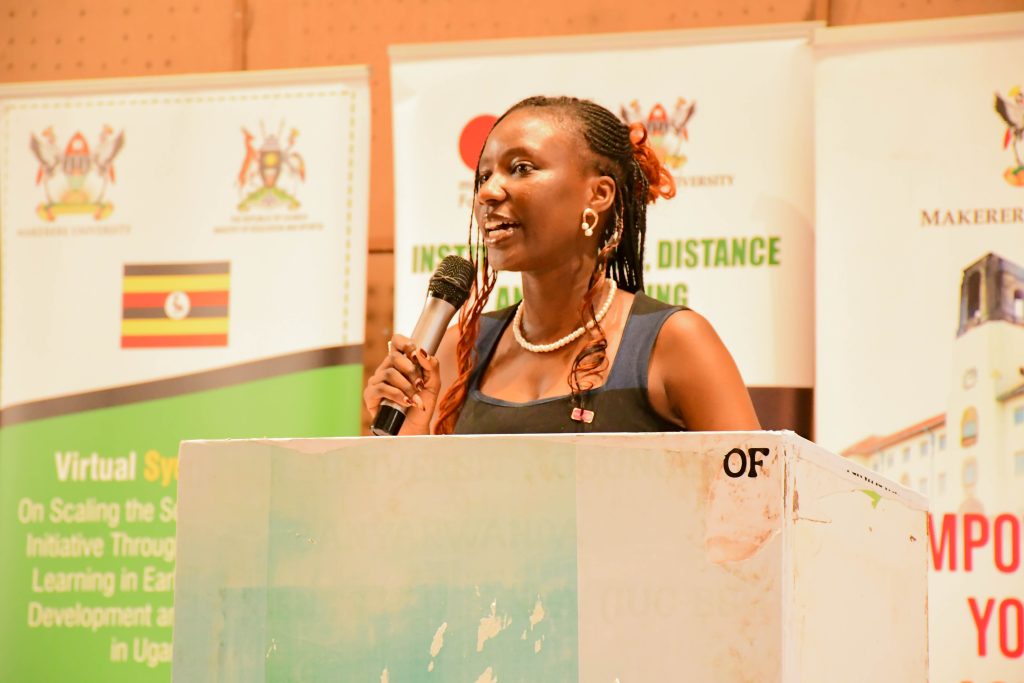
She urged students to attend lectures consistently, complete coursework on time, read beyond classroom requirements, and strive for academic excellence.
Beyond academics, Hon. Neena Kalazani encouraged students to participate in clubs, associations, and leadership opportunities, noting that such engagements help develop leadership skills, build networks, and create a more enriching university experience.
She called upon students to embrace the wider Makerere community and balance academic excellence with active participation in campus life.
The orientation program concluded with student leaders presenting the various clubs and associations within the College, encouraging first-year students to actively participate in co-curricular activities that promote leadership, teamwork, networking, and personal development.
The engagement provided students with essential guidance on navigating university life, emphasizing academic excellence, responsible conduct, personal well-being, and effective utilization of available university resources.
The Orientation session was moderated by Ms. Ritah Namisango, Principal Communication Officer at Makerere University, and Hon. Peter Kisakye, the Speaker, Makerere Education Students Association (MESA). Ms. Namisango acknowledged the College Chairperson, Mr. Anthony Bakashaba and his entire student leadership team for the selfless service exhibited during the orientation activities lined up at the College (Monday 3rd to Friday 7th August 2026). She also recognized the CEES Choir led by Dr Benon Kigozi for participating in the College Orientation.
Education
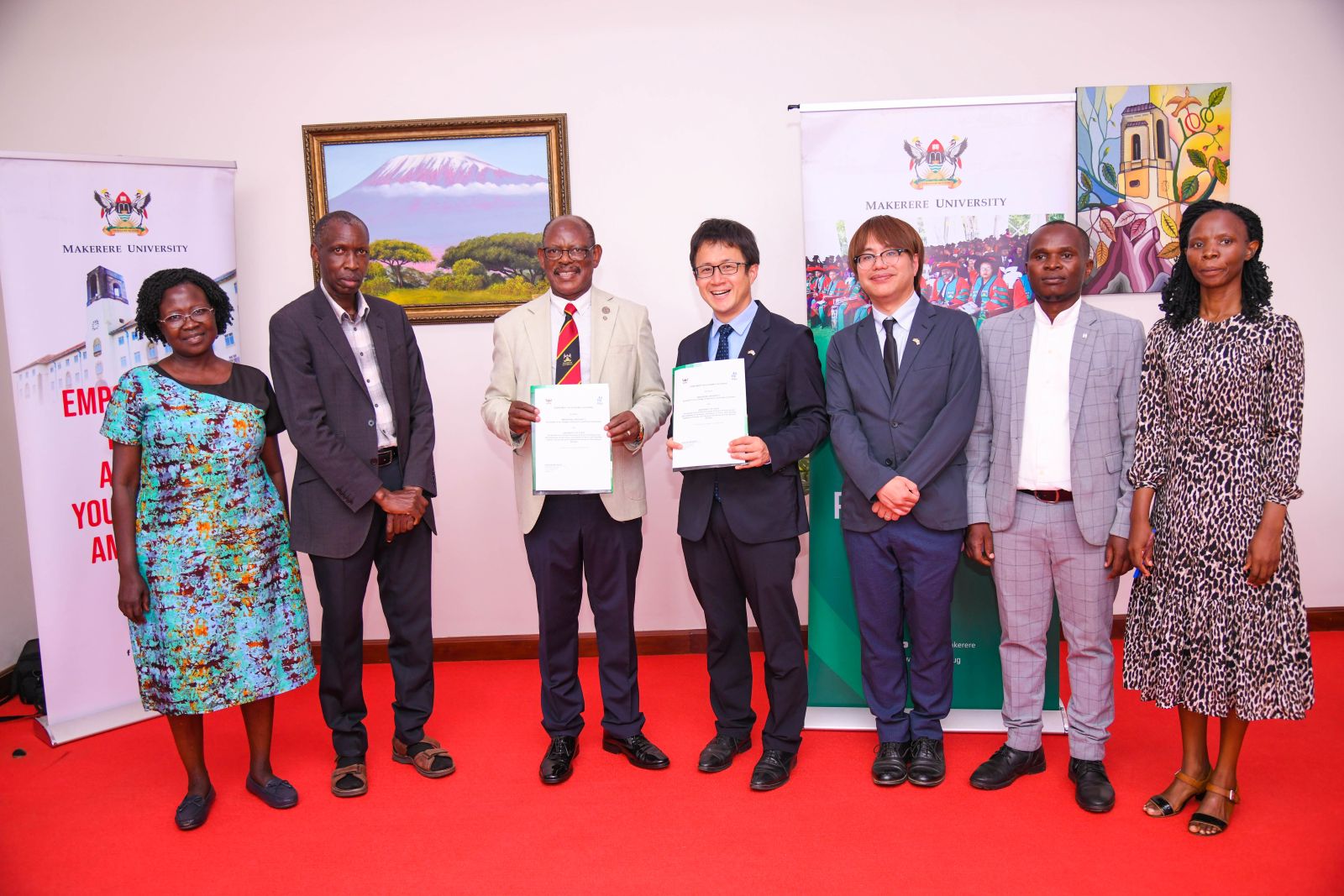
Makerere University Signs MoU with Fukui University to enhance Research, Teacher Development and STEM Education

-
 General2 weeks ago
Statement on Concerns Circulating Regarding a Member of Academic Staff
-
 General7 days ago
Timothy Khabusi: From Barefoot Walks to shaping Uganda’s Eye health Future
-
 General2 weeks ago
Beyond Map Size: Africa’s Agency Should Not Be Funded by Other People
-
 General2 weeks ago
Press Statement: Incident Involving Death of a Student at Makerere University
-

 Health1 week ago
Uganda’s HIV Treatment Gains Bring the Youth Gap into Focus