Connect with us

Health

Mak Transitions $100 Million Digital Health Systems Assets to Health Ministry

Published

on

Fifteen years after a sustained investment of over $100 million, Makerere University has transitioned Uganda’s digital health systems and assets to the Ministry of Health, marking a fundamental shift from externally supported interventions to full national ownership.

On 31 March 2026, a handover ceremony at Uganda’s Ministry of Health marked the closing of one chapter in Uganda’s digital health journey and the beginning of another, one in which systems built over 15 years through the Makerere University School of Public Health Monitoring and Evaluation Technical Support (MakSPH-METS) Program now sit firmly within government hands.

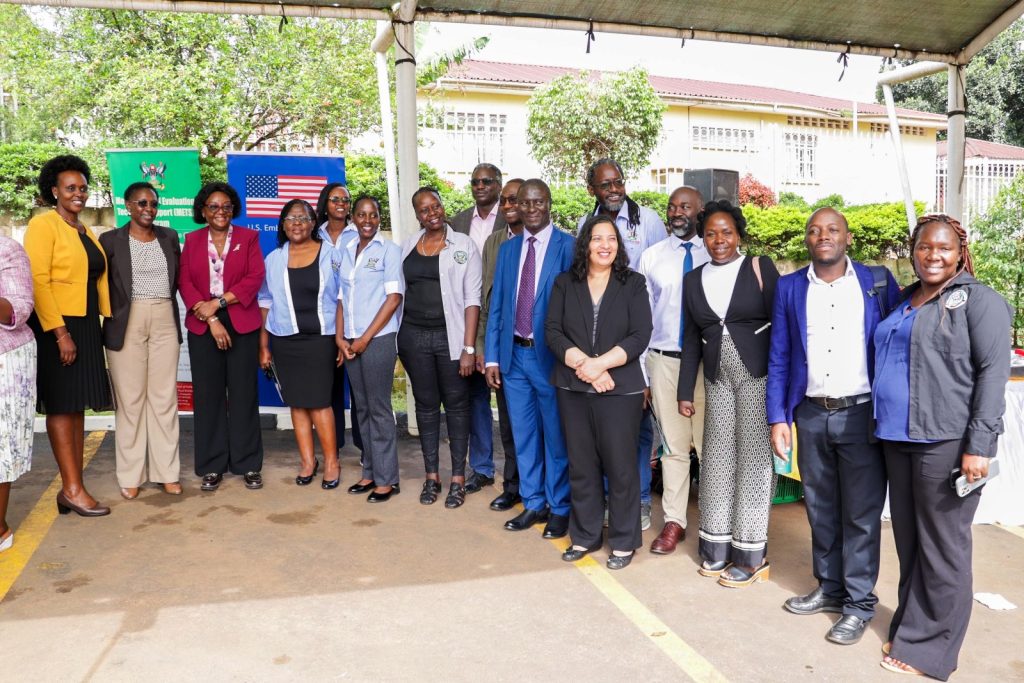
The national handover event brought together a cross-section of Uganda’s health leadership, academia, and development partners, led by the U.S. Ambassador to Uganda, H.E. William W. Popp; the Permanent Secretary, Dr. Diana Atwine; and the Director General of Health Services, Dr. Charles Olaro. They were joined by the CDC Country Director, Dr. Mary A. Boyd, senior government officials, implementing and development partners, technical teams, and the media. At the center of that moment was Makerere University School of Public Health, an institution that, over more than 70 years, has built its reputation as one of the region’s most enduring public health research and training hubs, working hand in hand with ministries of health, districts, referral hospitals, and partners to turn evidence into public systems that last.
Back in time, Uganda had made important gains in HIV control, but behind those gains were structural weaknesses that could not be ignored: fragmented data monitoring and evaluation systems, parallel reporting channels, weak digital integration, limited surveillance responsiveness, constrained oversight in decentralized structures, and uneven quality assurance across the HIV continuum of care. The problem was not simply that data existed in too many places but it was that the health system could not always use that data quickly enough, coherently enough, or at sufficient scale to guide action.

The MakSPH-METS program was designed as a response to that reality, build the backbone of a data-driven health system, supported through three successive grants totaling US$103.8 million by the United States Government through Centers for Disease Control and Prevention (CDC) and the President’s Emergency Plan for AIDS Relief (PEPFAR).

The program, rather than working around government systems, worked inside them with a deliberate and system-wide focus to strengthen health information systems, expand surveillance, improve governance and accountability, institutionalize quality improvement, and build the workforce needed to run all of it.

That choice to work within the Ministry of Health structures and across decentralized systems made all the difference. It meant the investment was not in parallel projects, but in national architecture, and over time, that architecture began to take shape.
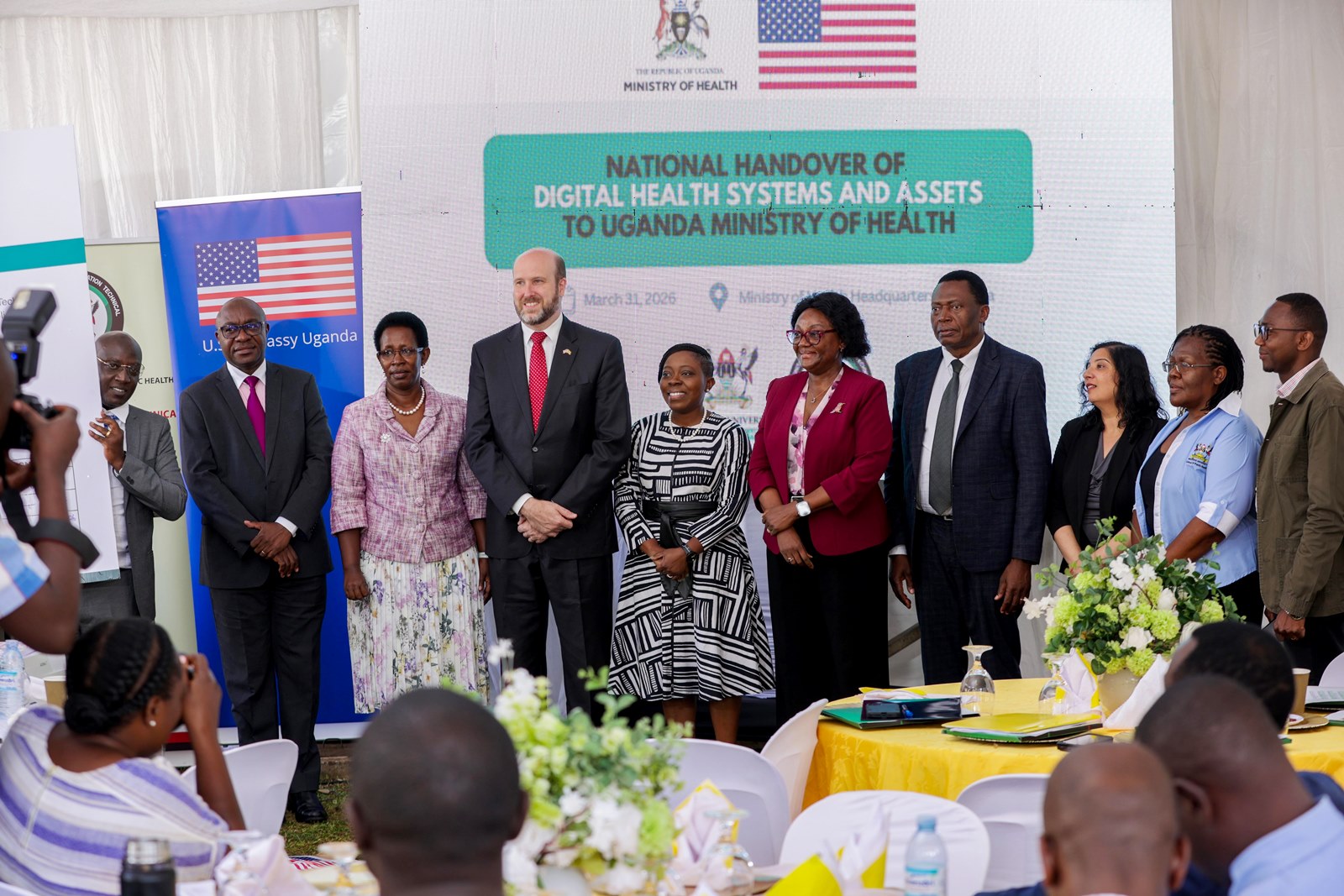
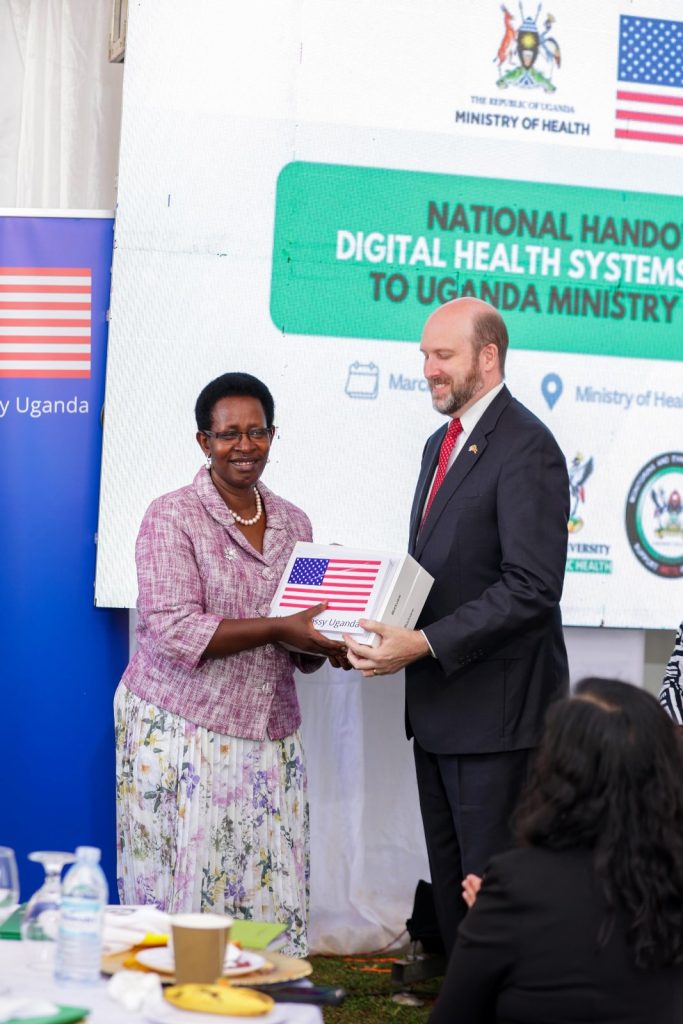
Transition of Uganda’s digital health systems and assets built over 15 years through the Makerere University School of Public Health Monitoring and Evaluation Technical Support (MakSPH-METS) Program with funding from the U.S. Government to the Ministry of Health (MoH), 31st March 2026, MoH Headquarters, Kampala Uganda, East Africa.

Reporting through DHIS2 (District Health Information System 2), the world’s largest open-source health management information system platform improved from 58 percent in 2020 to 98 percent in 2025. DHIS2 is a flexible, web-based tool used to collect, manage, and analyze both aggregate and individual-level data.

Also, tracked through the MakSPH-METS program, electronic medical record coverage rose to a high of 86 percent in 2024 from 50 percent in 2020, and reached 100 percent in high-volume sites. Additionally, a functional National Data Warehouse came into place. Across the country, 1,300 health facilities implemented HIV case-based surveillance, 1,084 facilities implemented HIV recency surveillance, and 300 sites established all-cause mortality surveillance. Six regional referral hospitals were implementing integrated surveillance for severe acute respiratory infections, influenza-like illness, acute febrile illness, and SARS, popular for Severe Acute Respiratory Syndrome, which is a viral respiratory illness caused by the SARS-associated coronavirus. At the governance level, 10 regional referral hospitals and 65 CDC-supported districts were trained and supported in planning and oversight, while regional referral hospital capacity scores improved from 58 percent in 2021 to 79 percent in 2024.

These are strong statistics. But the deeper story is that Uganda moved from fragmented systems to a more integrated, data-driven public health response. What had once been separate reporting streams, paper-heavy workflows, and delayed visibility became a system able to provide more timely access to data, better accuracy, stronger dashboards, and more confident decision-making. Health workers could access patient information faster. Today, district leaders are able to review performance data more accurately, national programmes can respond more strategically and data is no longer just collected, but used.

The transition also touched the practical side of care, including laboratory systems, patient records, commodity tracking, quality improvement, and outbreak intelligence.

Dr. Alice Namale, Executive Director of MakSPH-METS Program, was careful during the handover not to let the digital systems overshadow the broader institutional gains. MakSPH-METS, she noted, had “improved regional referral capacity and the district health team capacity to manage programs,” and those systems were now being leveraged by disease programs beyond HIV. She also captured the spirit of the team behind the work, saying the staff had adapted through a changing landscape. “For us, it was never business as usual. We had to continuously adapt as the landscape kept changing, and the team delivered with grace and professionalism,” Dr. Namale said.
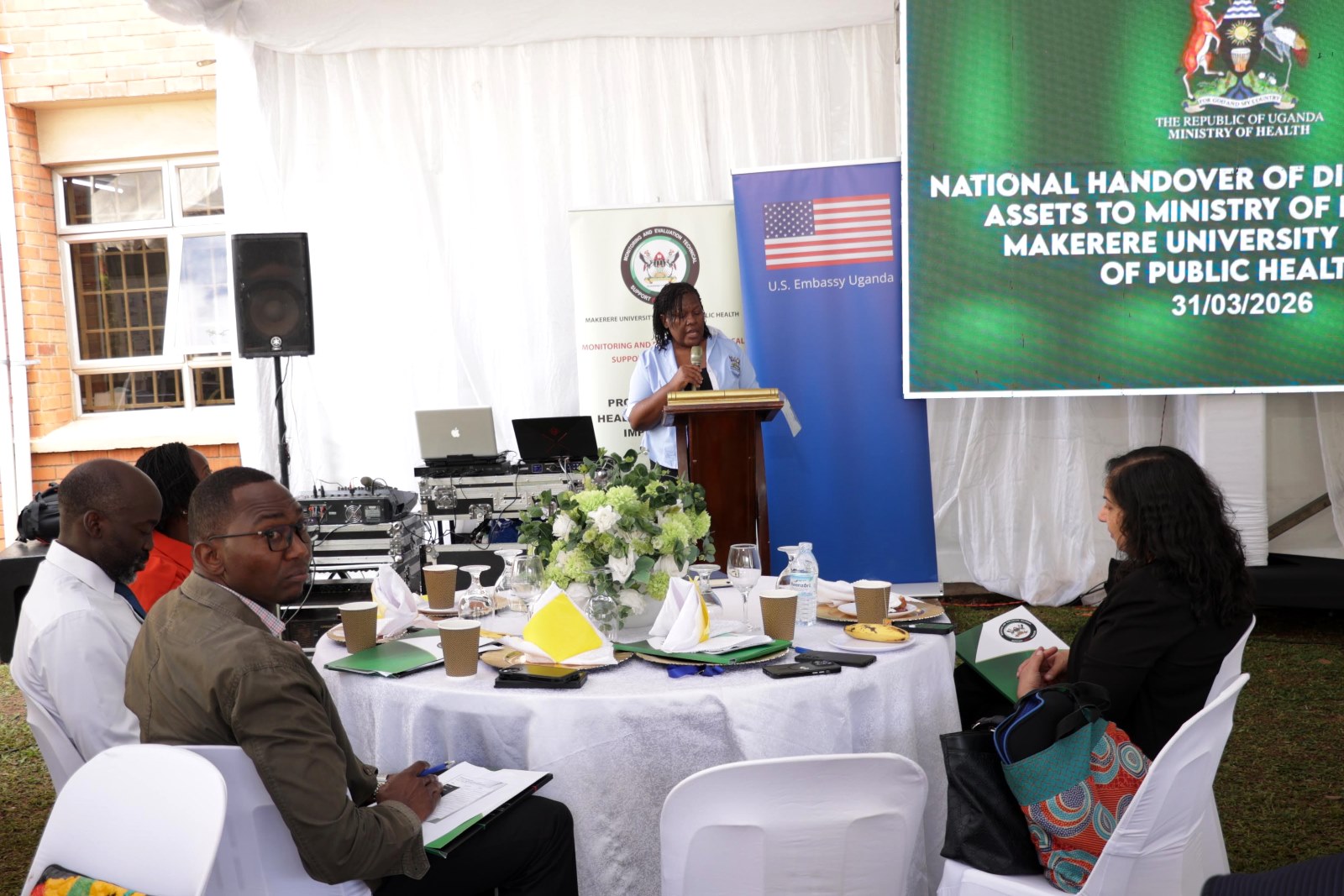
Dr. Alice Namale, Executive Director of MakSPH-METS Program speaks during the handover ceremony on Tuesday. Transition of Uganda’s digital health systems and assets built over 15 years through the Makerere University School of Public Health Monitoring and Evaluation Technical Support (MakSPH-METS) Program with funding from the U.S. Government to the Ministry of Health (MoH), 31st March 2026, MoH Headquarters, Kampala Uganda, East Africa.
Dr. Alice Namale, Executive Director of MakSPH-METS Program speaks during the handover ceremony on Tuesday.

Adding that; “We have strengthened systems and built capacity across the health sector, and these gains are now supporting not just HIV programs, but broader health services.”

That wider view matters that the systems handed over were not only about HIV reporting but they included platforms for electronic medical records, HIV case-based surveillance, stock monitoring, quality improvement, early infant diagnosis, viral load reporting, PEPFAR reporting, DREAMS tracking tool for tracking adolescents and young people data, outbreak and respiratory illness surveillance, ICT asset tracking, and e-learning platforms. In plain terms, these are the tools that allow clinicians to see results faster, managers to monitor performance more clearly, districts to respond to outbreaks sooner, and national leaders to plan with greater confidence.

The Ministry of Health now boasts of 16 such systems that have been fully developed and handed over, including UgandaEMR repositories, DREAMS Tracker, PREV Tracker, the HIV CBS dashboard, the Weekly Stock Status System, OpenHIM for health information exchange, EMR metrics, eIDSR, a platform for documenting patient level data on acute illnesses like pandemics, the QI database for visualising facility data on continuous improvement, EID and viral load dashboards, TB eCBSS, PIRS that supports PEPFAR indicator reporting beyond the DHIS2, and the SURGE Dashboard, a power BI based reporting platform.

This handover included 725 servers, more than 4,700 computing devices, solar systems for nearly 800 facilities, connectivity equipment for more than 1,300 sites, video conferencing systems, and network upgrades for regional referral hospitals. Those investments, valued at about US$9.3 million in ICT infrastructure alone, helped kick-start Uganda’s digitalization journey in practical terms: power, devices, connectivity, storage, and the ability to sustain real-time data exchange across facilities.

For the Ministry of Health, the significance of this transition is both strategic and immediate. Dr. Charles Olaro, Director General of Health Services, put it plainly that “Data is the lifeblood of decision-making,” and it provides “the raw materials for accountability.” In a sector where financing, human resources, commodities, and performance all depend on credible information, that was not a ceremonial line, but was a statement of what national ownership now requires.

Dr. Charles Olaro, Director General of Health Services delivers his remarks at the ceremony on Tuesday this week. Transition of Uganda’s digital health systems and assets built over 15 years through the Makerere University School of Public Health Monitoring and Evaluation Technical Support (MakSPH-METS) Program with funding from the U.S. Government to the Ministry of Health (MoH), 31st March 2026, MoH Headquarters, Kampala Uganda, East Africa.
Dr. Charles Olaro, Director General of Health Services delivers his remarks at the ceremony on Tuesday this week.

“As a Ministry, we are focused on how this can support sustainable national ownership that is built to last, while strengthening resilient health systems. We look forward to leveraging these gains as part of our national digitalization roadmap, ensuring they continue to support and improve our systems moving forward,” said Dr. Olaro.

Dr. Diana Atwine, Permanent Secretary at the country’s Ministry of Health, spoke with equal clarity about what comes next. She described the handover as both a celebration of “tangible milestones of growth” and a call to responsibility. Uganda, she said, is not going back to paper-heavy systems. “We are not going to start again. We are just moving ahead.” At the same time, she was firm that ownership must come with inventory, verification, deployment, maintenance, and continued investment in people.
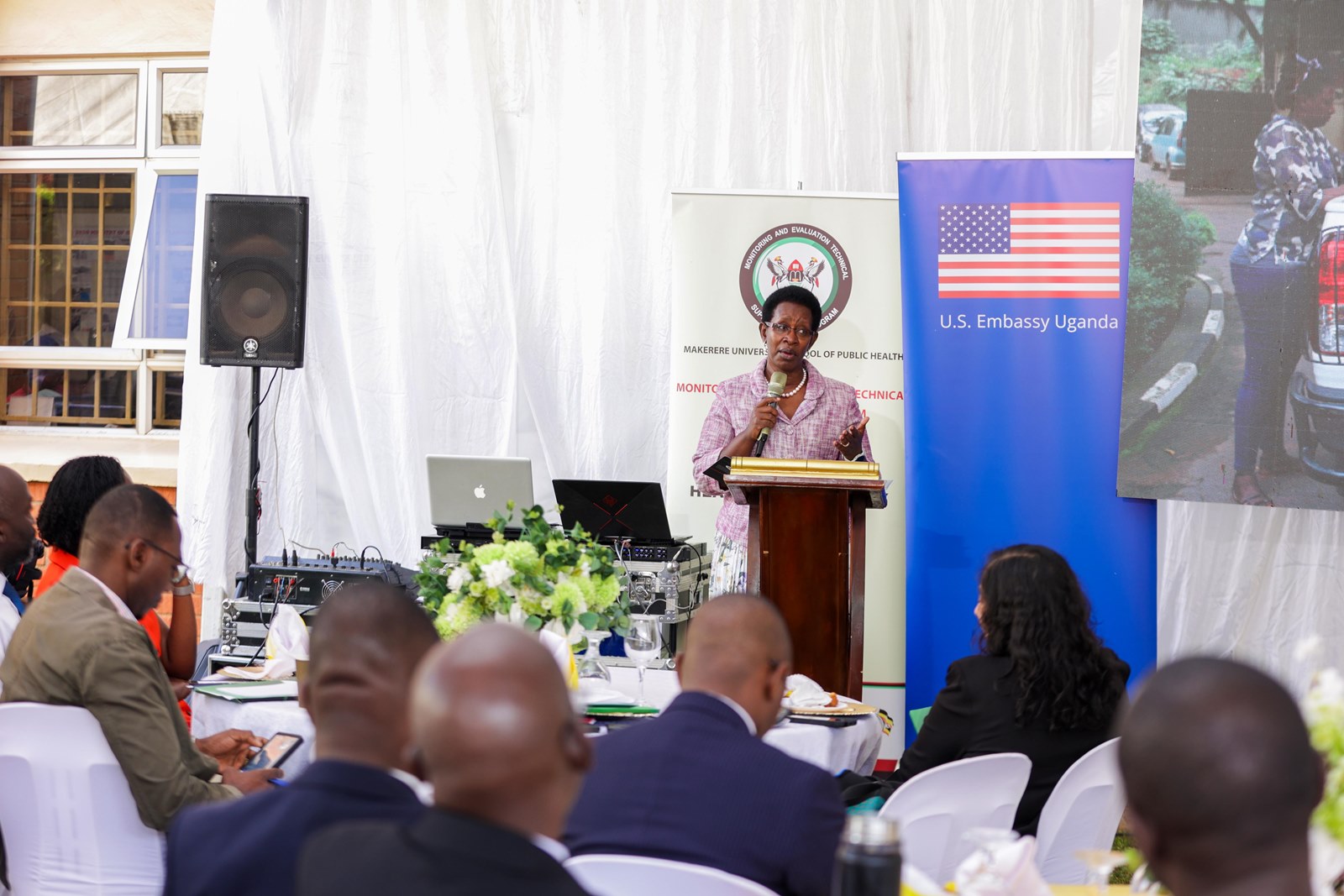
Dr. Diana Atwine, Permanent Secretary at the country’s Ministry of Health delivering her remarks. Transition of Uganda’s digital health systems and assets built over 15 years through the Makerere University School of Public Health Monitoring and Evaluation Technical Support (MakSPH-METS) Program with funding from the U.S. Government to the Ministry of Health (MoH), 31st March 2026, MoH Headquarters, Kampala Uganda, East Africa.
Dr. Diana Atwine, Permanent Secretary at the country’s Ministry of Health delivering her remarks.

Calling the digital systems and assets “this treasure,” she urged districts and hospitals to take care of it, and made a broader plea that Uganda government should not lose the skilled workforce developed through the partnership, especially the technical teams that established these systems under the program. “This is the cream of the cream,” she said, arguing that the country should find ways to retain this talent as digital systems expand.
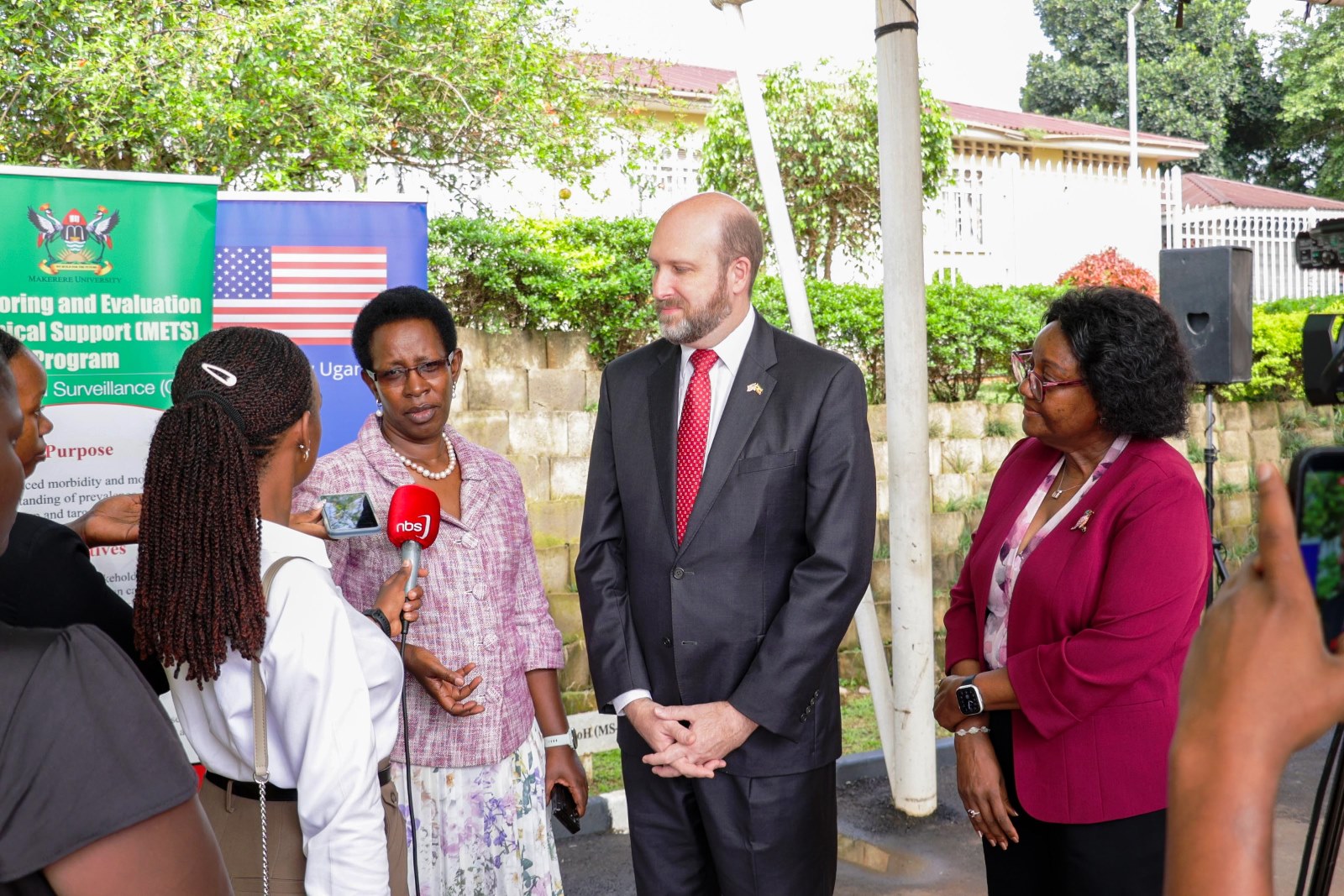
Dr. Diana Atwine, Permanent Secretary at the country’s Ministry of Health speaks to journalists at the Ministry of Health in company of the U.S. Ambassador to Uganda, William W. Popp and Prof. Rhoda Wanyenze, Dean of MakSPH and Principal Investigator of METS. Transition of Uganda’s digital health systems and assets built over 15 years through the Makerere University School of Public Health Monitoring and Evaluation Technical Support (MakSPH-METS) Program with funding from the U.S. Government to the Ministry of Health (MoH), 31st March 2026, MoH Headquarters, Kampala Uganda, East Africa.
Dr. Diana Atwine, Permanent Secretary at the country’s Ministry of Health speaks to journalists at the Ministry of Health in company of the U.S. Ambassador to Uganda, William W. Popp and Prof. Rhoda Wanyenze, Dean of MakSPH and Principal Investigator of METS.

On his part, the U.S. Ambassador to Uganda, William W. Popp, framed the handover in similar terms, as a move from project implementation to self-reliance. He described it as “a new phase in national ownership and sustained self-reliance,” and linked it to the December 2025 U.S.-Uganda health memorandum of understanding, which set out a broader vision of government-led delivery, accountability, and stronger national systems. He stressed that foreign assistance, when delivered with discipline and accountability, should build lasting national capacity. In his words, the handover symbolizes a stronger Ugandan health system that benefits Uganda, the region, and the wider world.
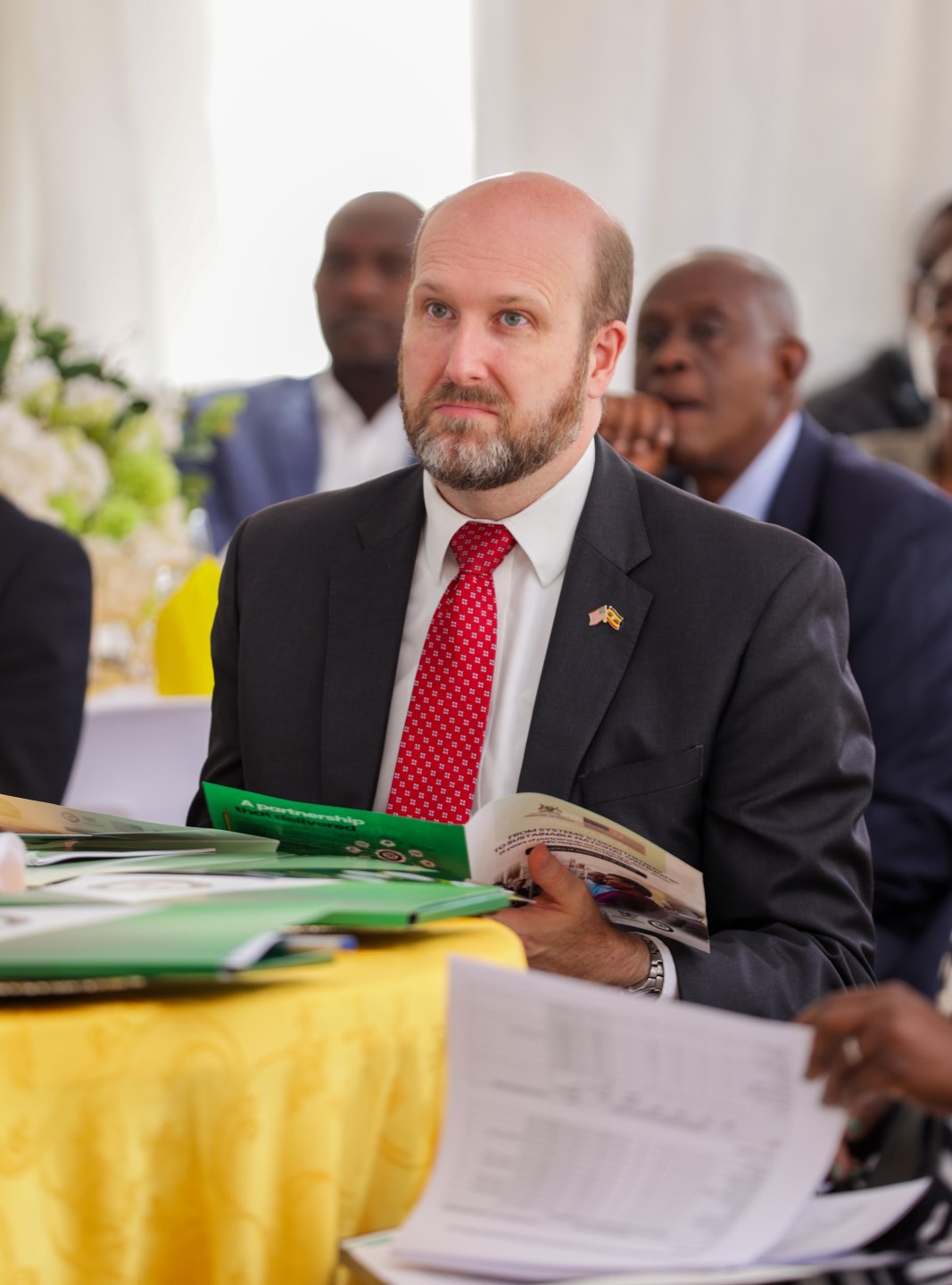
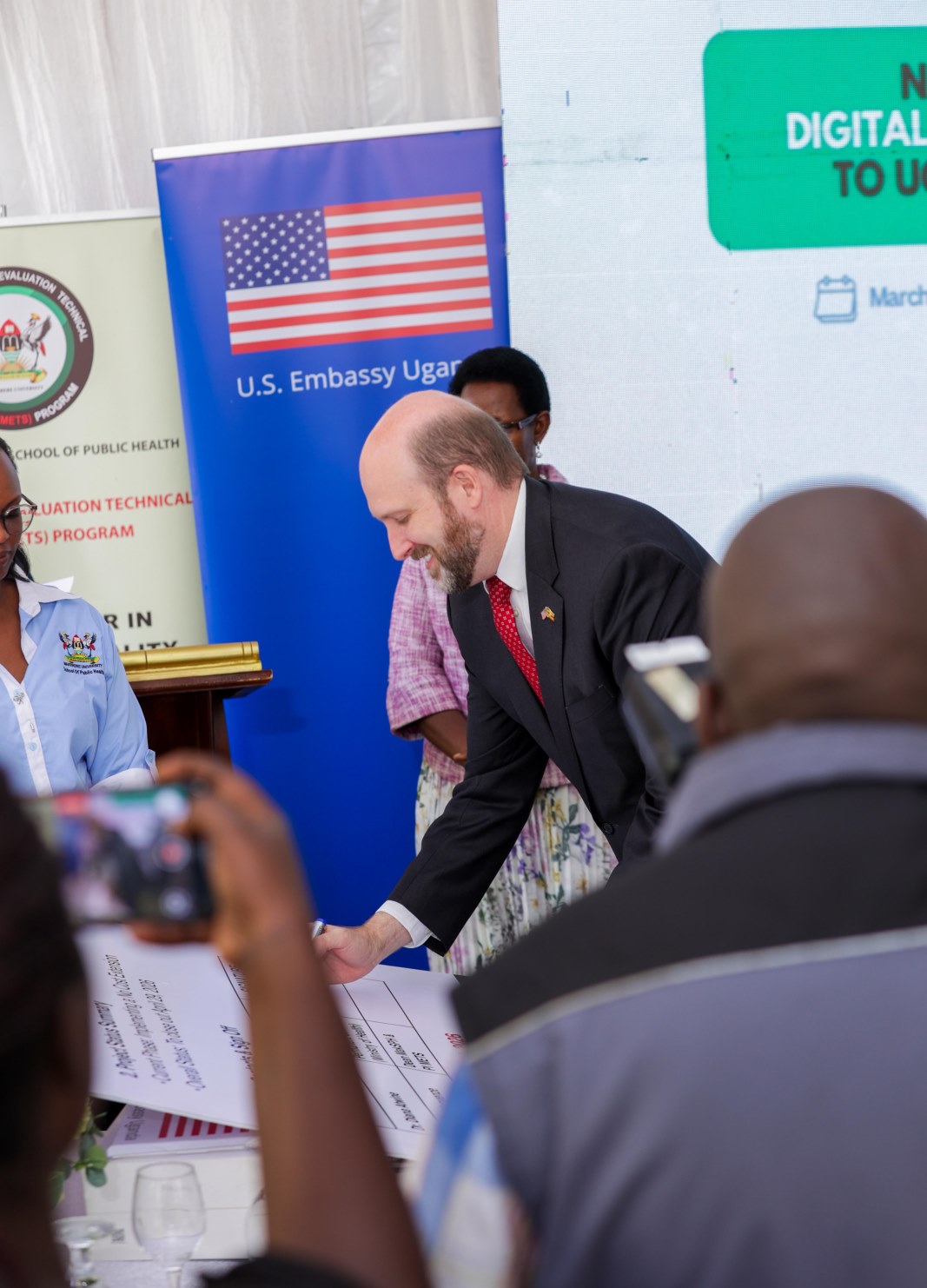
U.S. Ambassador to Uganda, William W. Popp during the handover ceremony. Transition of Uganda’s digital health systems and assets built over 15 years through the Makerere University School of Public Health Monitoring and Evaluation Technical Support (MakSPH-METS) Program with funding from the U.S. Government to the Ministry of Health (MoH), 31st March 2026, MoH Headquarters, Kampala Uganda, East Africa.
U.S. Ambassador to Uganda, William W. Popp during the handover ceremony.

For Makerere University School of Public Health, the moment was deeply consistent with its long institutional identity. The School began in the 1950s as preventive medicine, grew into one of sub-Saharan Africa’s earliest public health institutions, and has remained closely linked to the Ministry of Health through teaching, service, research, and workforce development.

Emphasizing the Ministry’s continued reliance on national expertise and long-standing institutional partnerships, the Permanent Secretary underscored the critical role of the Makerere University School of Public Health in sustaining and advancing Uganda’s health systems:

“We are still going to work with you… because you are our important resource in the country. You have the skill, you have the experience—and above all, you are Ugandans,” Dr. Diana Atwine said emphatically.
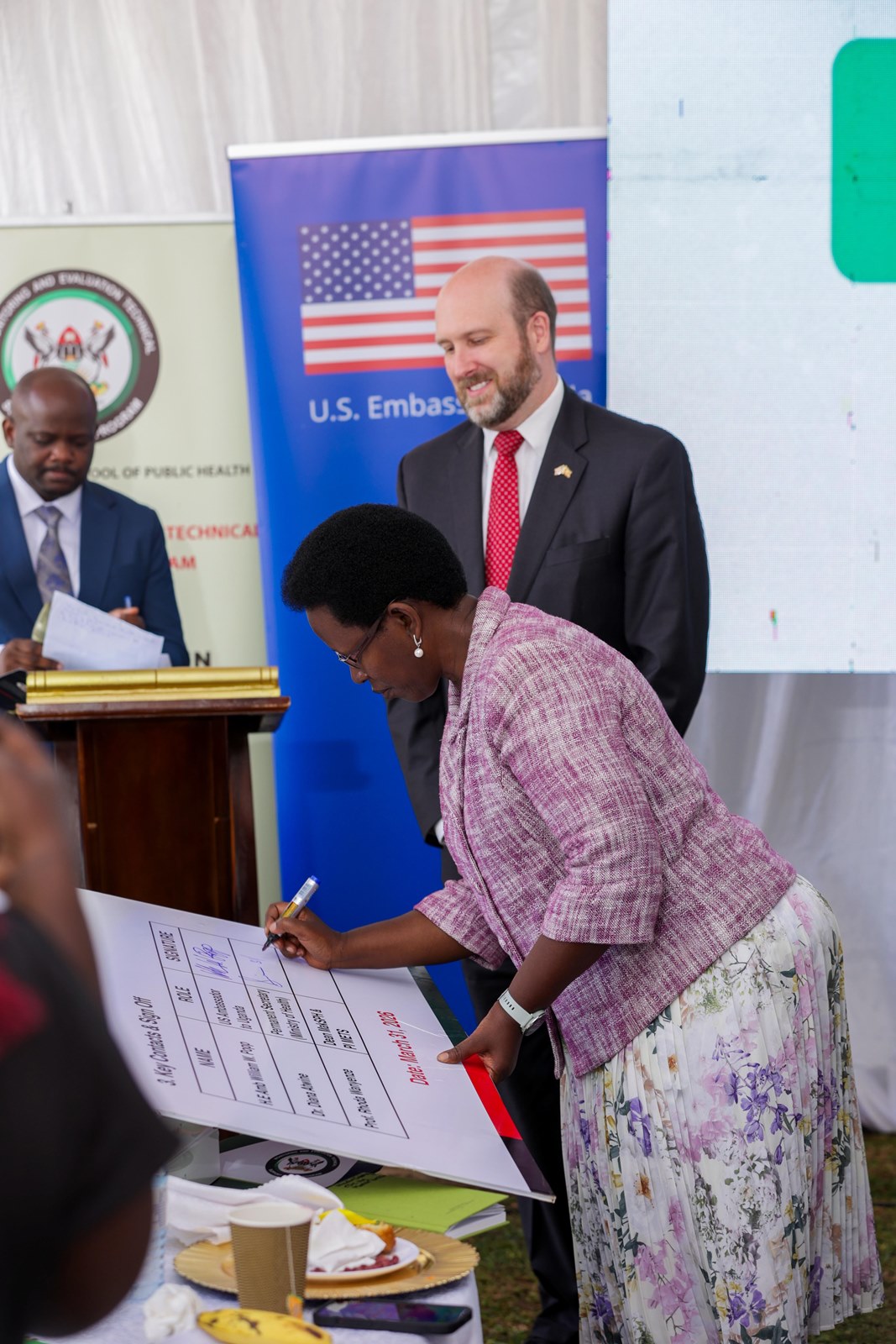
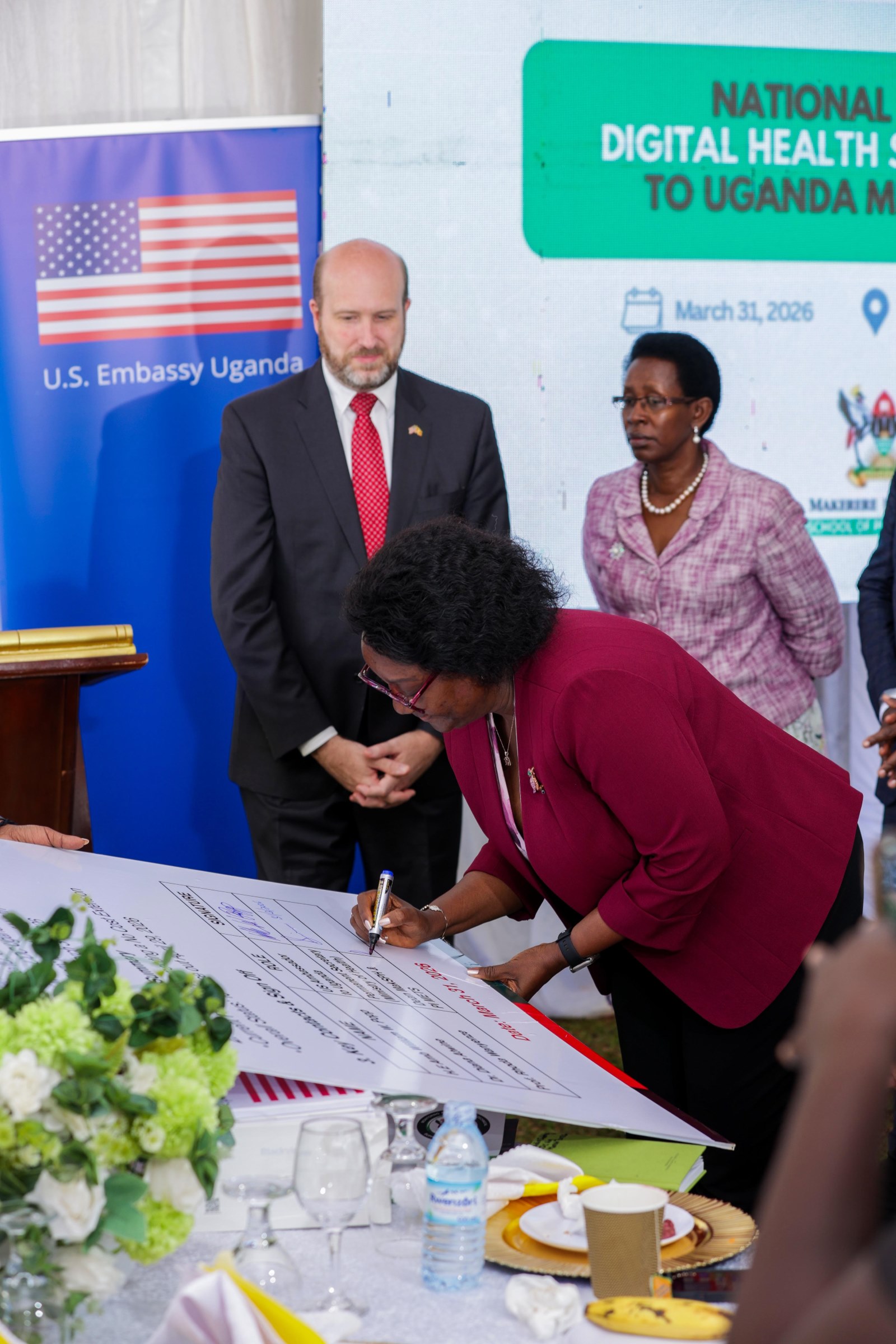
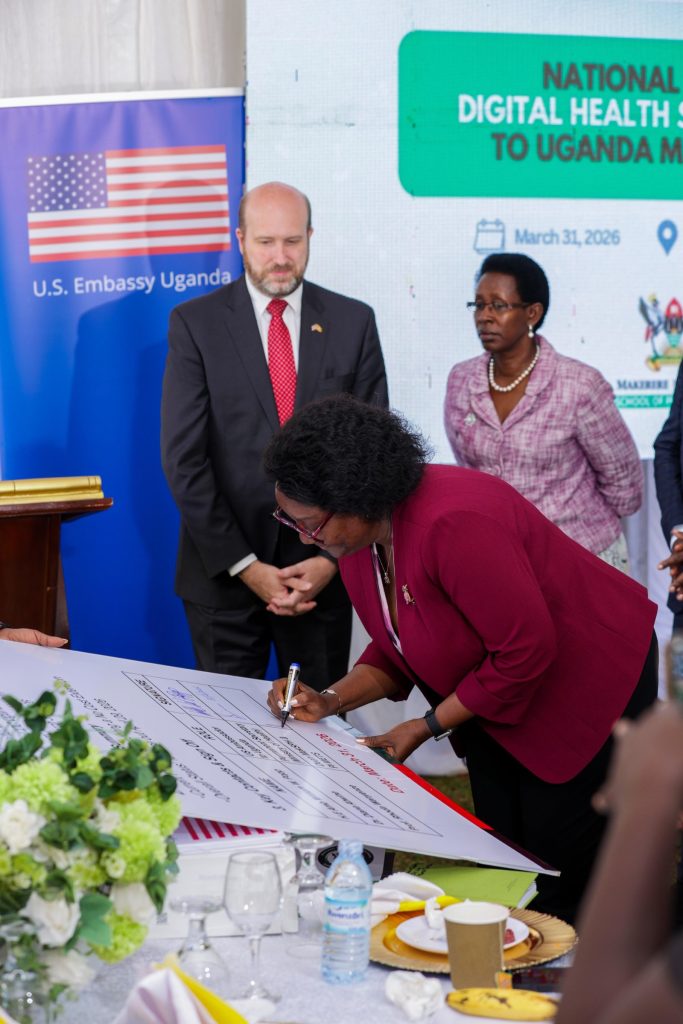
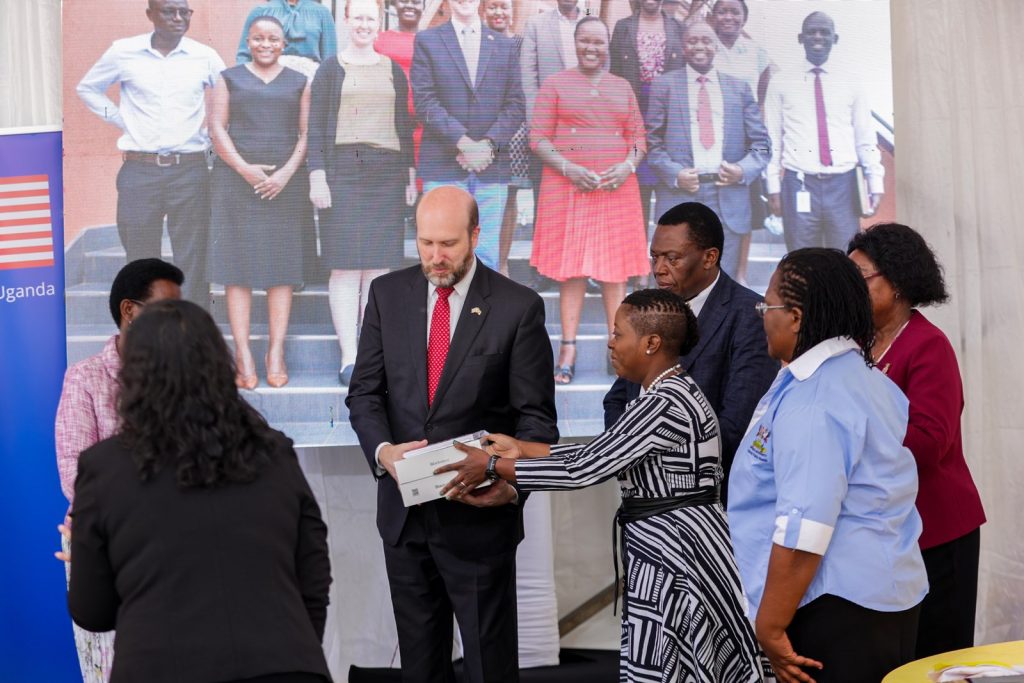
Dr. Diana Atwine, the Permanent Secretary signs to receive the digital health systems and assets. Transition of Uganda’s digital health systems and assets built over 15 years through the Makerere University School of Public Health Monitoring and Evaluation Technical Support (MakSPH-METS) Program with funding from the U.S. Government to the Ministry of Health (MoH), 31st March 2026, MoH Headquarters, Kampala Uganda, East Africa.
Dr. Diana Atwine, the Permanent Secretary signs to receive the digital health systems and assets.

Her remarks stresses not only MakSPH’s technical capacity, but also the trust it has built over years of collaboration with government positioning the School of Public Health as the Ministry of Health’s strategic partner in driving nationally owned, sustainable health system improvements.

MakSPH has worked across more than 25 countries in Africa in recent years, trained thousands of public health professionals, and sustained long-term partnerships with organizations including CDC, NIH, the Global Fund, Johns Hopkins, WHO, the UN agencies and others. Its own strategic direction emphasizes community engagement, policy influence, partnership, and translating research into practical public good.

That is why Prof. Rhoda Wanyenze, Dean of MakSPH and Principal Investigator of METS, described the handover not as an ending, but as a transition. “As an academic institution, we are always exploring—looking for innovative, creative ways of doing things. We test them, and then work with key actors to take them over, scale them up, and sustain them,” she said. Later, she added, “This is not the end. This is the beginning of a new phase.”
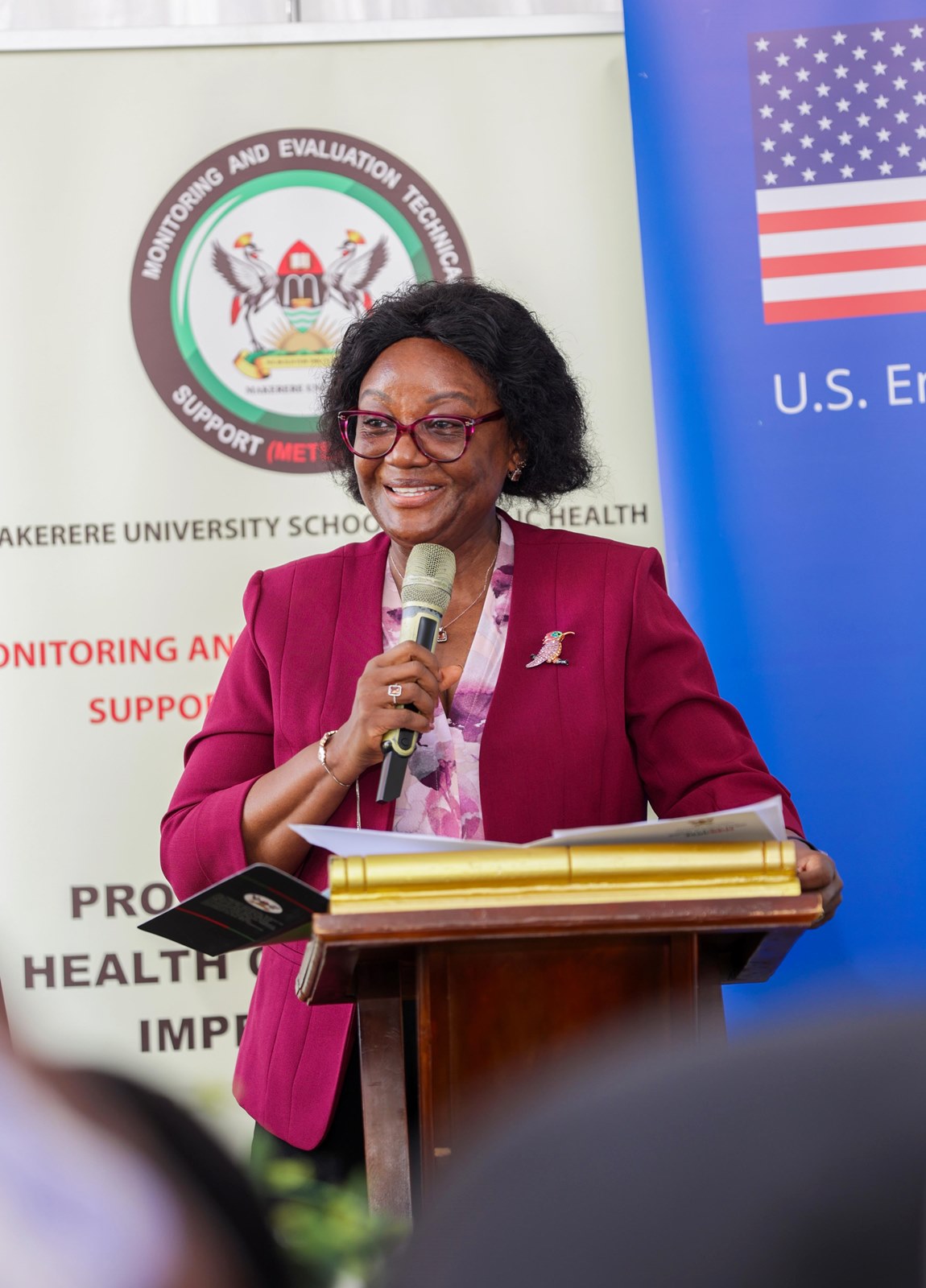
Prof. Rhoda Wanyenze, Dean of MakSPH and Principal Investigator of METS speaking at the handover of the systems and assets. Transition of Uganda’s digital health systems and assets built over 15 years through the Makerere University School of Public Health Monitoring and Evaluation Technical Support (MakSPH-METS) Program with funding from the U.S. Government to the Ministry of Health (MoH), 31st March 2026, MoH Headquarters, Kampala Uganda, East Africa.
Prof. Rhoda Wanyenze, Dean of MakSPH and Principal Investigator of METS speaking at the handover of the systems and assets.

For Wanyenze, that philosophy has always been intentional. “This is not our data, this is not our house, this is Ministry of Health,” she emphasized, an approach that places national ownership at the center from the very beginning. The School’s role, then, is not to hold systems, but to build them, prove them, and let them go when they are ready to stand.

And when that happens, she argues, it is not a loss but success. “When what we have contributed to is taken over, sustained, and continues to grow—that is success.”
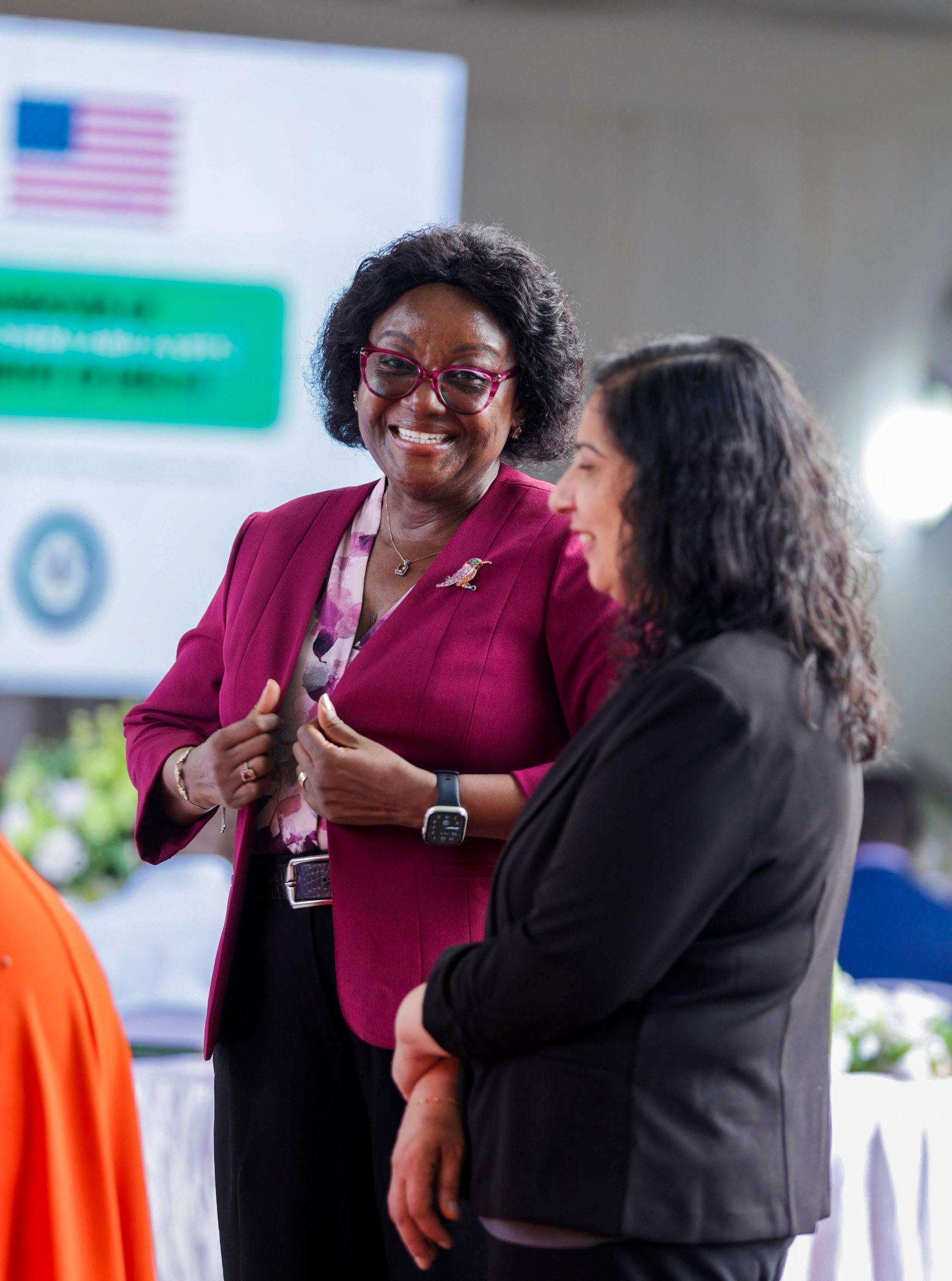
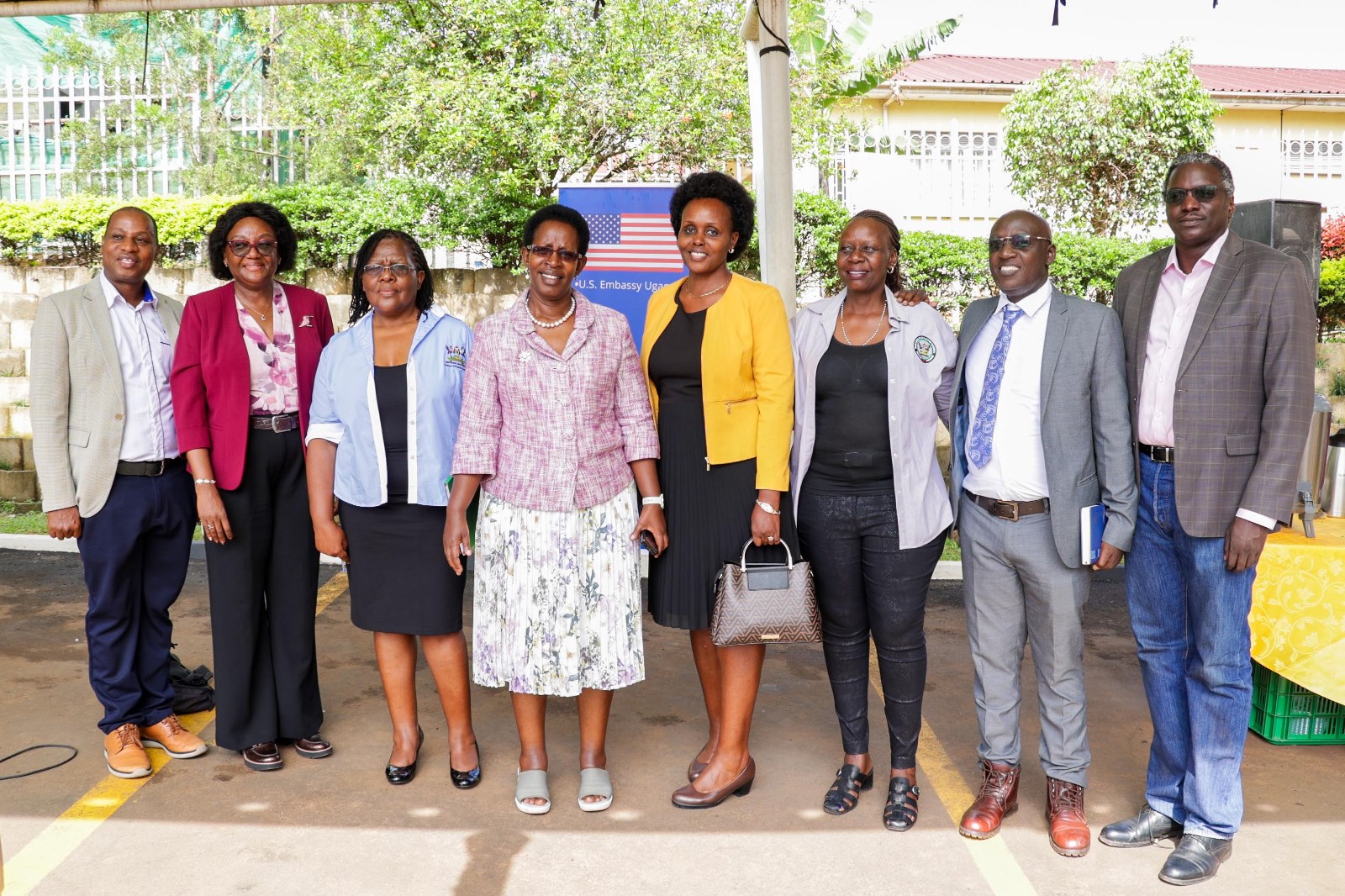
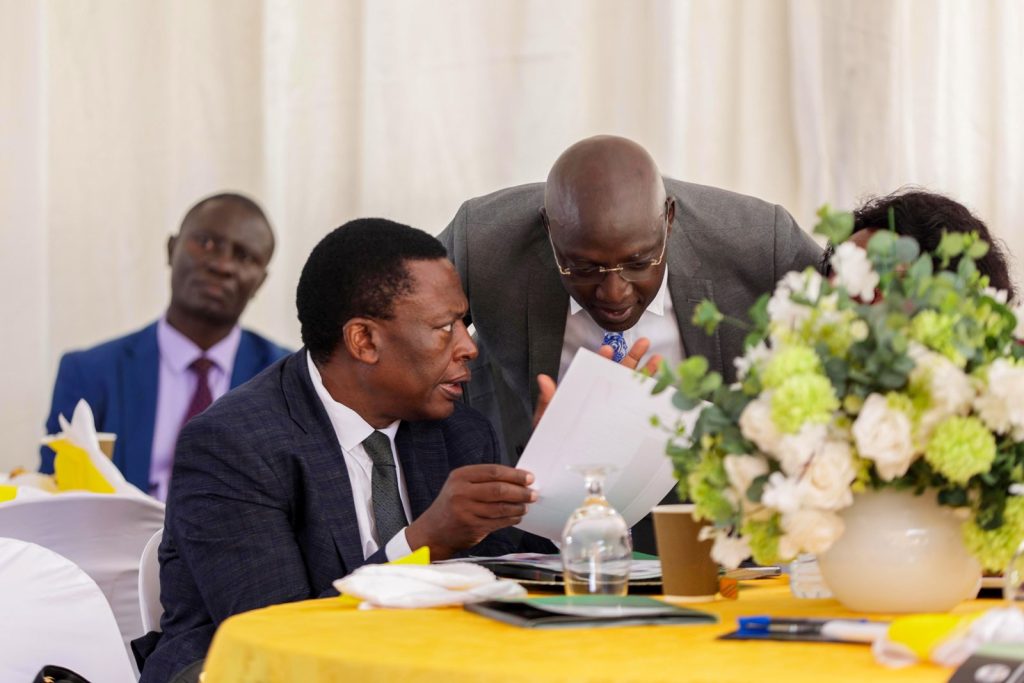
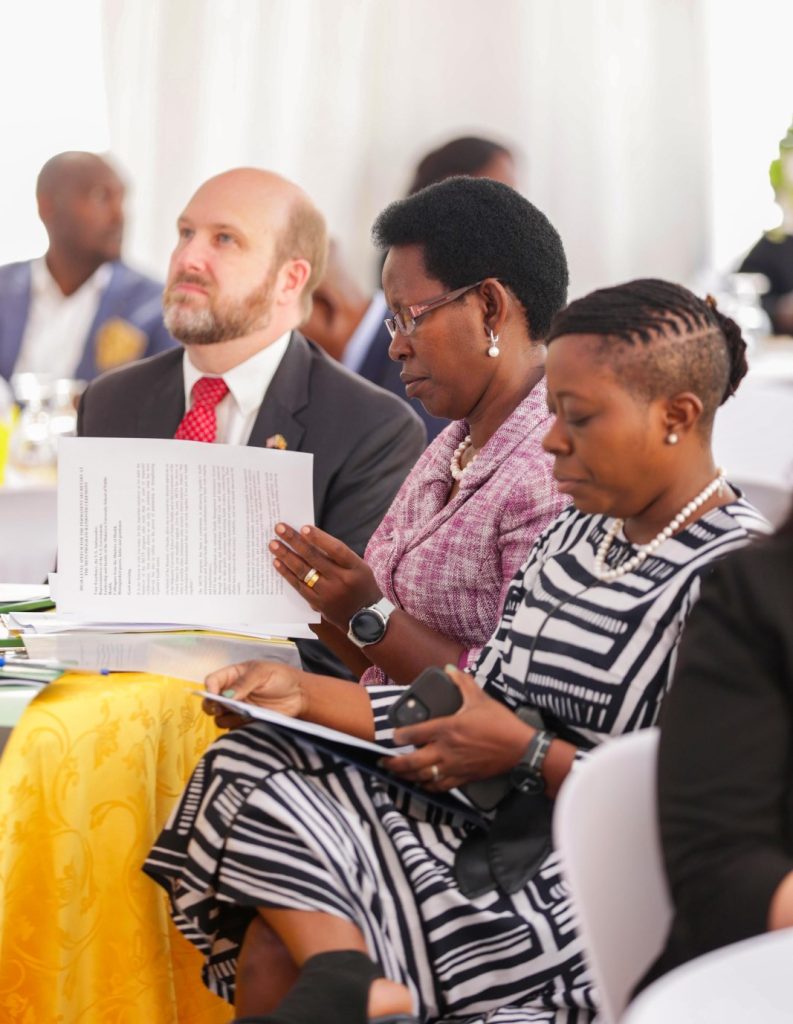
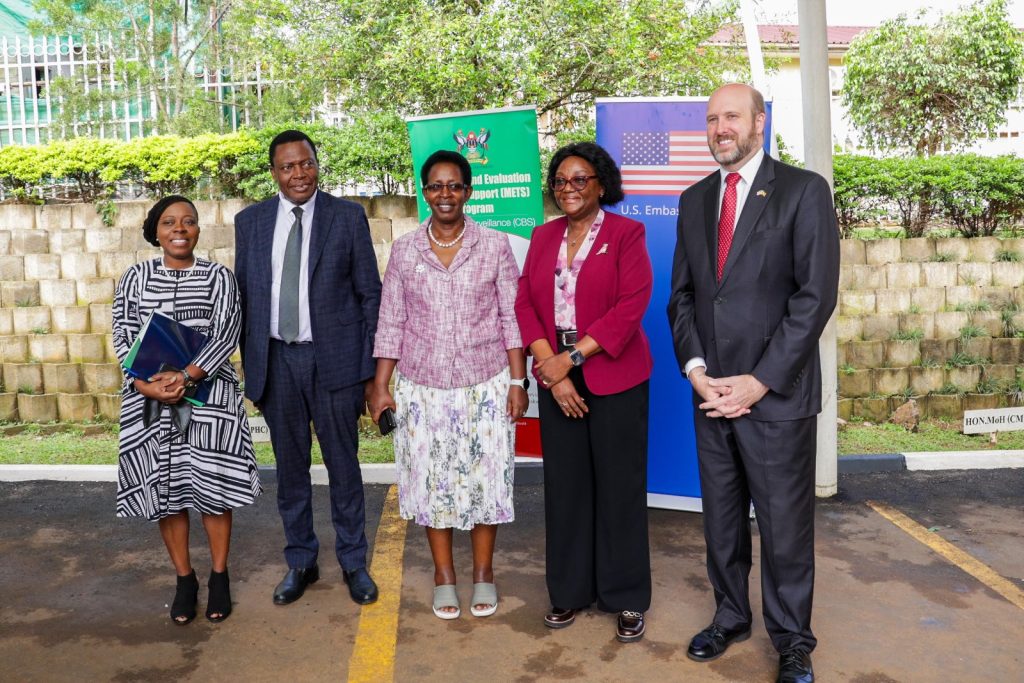
Transition of Uganda’s digital health systems and assets built over 15 years through the Makerere University School of Public Health Monitoring and Evaluation Technical Support (MakSPH-METS) Program with funding from the U.S. Government to the Ministry of Health (MoH), 31st March 2026, MoH Headquarters, Kampala Uganda, East Africa.


Prof. Rhoda Wanyenze, Dean of MakSPH and Principal Investigator of METS signs to transition the digital health systems and assets to the Ministry of Health on 31st March 2026. Transition of Uganda’s digital health systems and assets built over 15 years through the Makerere University School of Public Health Monitoring and Evaluation Technical Support (MakSPH-METS) Program with funding from the U.S. Government to the Ministry of Health (MoH), 31st March 2026, MoH Headquarters, Kampala Uganda, East Africa.
Prof. Rhoda Wanyenze, Dean of MakSPH and Principal Investigator of METS signs to transition the digital health systems and assets to the Ministry of Health on 31st March 2026.

For years, much of Uganda’s health system operated with limited visibility, records stacked in paper files, data delayed, and decisions often made without a clear picture of what was happening on the ground. That is what makes this moment different.

After more than 15 years of investment and collaboration, Uganda is now taking over a digital health infrastructure built not just to collect data, but to actually use it, making information more timely, accessible, and practical for decision-making. The handover of the Monitoring and Evaluation Technical Support (MakSPH-METS) programme assets and systems marks more than a transfer of equipment or platforms; it reflects a shift toward a system that can better generate and use its own data.

In the end, the legacy of MakSPH-METS is not only the hardware, but something less visible and more important: a stronger ability to make informed decisions, knowing where the burden lies, where gaps remain, where stockouts occur, where patients are lost, and where progress is being made.
View on MakSPH

Davidson Ndyabahika

Health

Makerere University’s role in empowering Uganda’s Vital Statistics for CRVS Reform

Published

on

MUCHAP has demonstrated how academic research frameworks can be integrated into national systems to strengthen Civil Registration and Vital Statistics (CRVS). Makerere University, Kampala Uganda, East Africa. Photo: Nano Banana 2

By Dan Kajungu

In many low- and middle-income countries, mortality data remains a critical gap in public health planning, often leaving a significant portion of the population “invisible” in official records. In Uganda, where national death registration completeness has historically hovered around a mere 20%, Makerere University Centre for Health and Population Research (MUCHAP) is leading a transformative initiative. By leveraging the infrastructure of the Health and Demographic Surveillance System (HDSS), MUCHAP has demonstrated how academic research frameworks can be integrated into national systems to strengthen Civil Registration and Vital Statistics (CRVS).

A Bridge between research and governance

The core of this success lies in the collaboration between Makerere University’s infrastructure and government agencies, specifically the National Identification and Registration Authority (NIRA). This partnership, supported by the Uganda National Public Health Institute (UNPHI) and international partners like the Bloomberg Philanthropies Data for Health Initiative at the CDC Foundation, aimed at aligning local death recording practices with the legal requirements of the Registration of Persons Act (ROPA) 2015.

By utilizing the existing MUCHAP Iganga Mayuge HDSS platform, which has monitored births and deaths in the Iganga and Mayuge districts since 2005, the project demonstrated the use of a decentralized notification process. This model utilises Village Health Teams (VHTs) who already serve as HDSS scouts and part of the Ministry of Health systems as official death notifiers. These VHTs assist households in completing official NIRA notification forms at the household/community level, which are then verified by local leaders and submitted to District Registration Offices.

Impact: From 20% to over 70% completeness

The results of this collaboration have been profound. In the pilot sub counties in the districts of Iganga and Mayuge, death registration completeness reached 73–79%, a dramatic improvement over the prevailing national estimates. During the study period, 2,992 deaths were officially registered within the national CRVS system.

Key drivers of this success included:

  • Reduced barriers: Decentralization brought the registration process closer to home, with an average travel distance of only 4–5 km for notification, compared to the significant distances previously required to reach district offices.
  • Cost savings: Families reported that the community-based process eliminated unofficial fees and high transportation costs, facilitating essential cultural and legal tasks like property inheritance and appointing heirs.
  • Advanced surveillance: The project proved that local health personnel could successfully conduct verbal autopsies (VA) in non-HDSS settings, providing critical data on causes of death that were previously unavailable for home-based deaths.

Sustainability and future potential

The MUCHAP-IMHDSS model is designed for long-term sustainability and national scalability. By embedding these tasks within the routine activities of VHTs and local leaders, the process becomes streamlined and cost-effective over time. The project also highlights that community sensitization is vital to maintaining trust and ensuring high participation rates, particularly in rural areas.

Looking forward, this initiative serves as a scalable blueprint for the rest of Uganda and other low-resource settings. Future engagements are expected to focus on:

  1. National scale-up: Applying the lessons learned from Iganga and Mayuge to the entire country to close the mortality surveillance data gap.
  2. Integration with health systems: Linking the CRVS data with broader health information systems to enhance pandemic preparedness and routine public health actions.
  3. Regional leadership: Aligning with the Africa CDC’s initiative to strengthen mortality surveillance across the continent, positioning Uganda’s university-led model as a regional gold standard.

The HDSS-CRVS integration Project Leader Dr. Dan Kajungu who is the Executive Director of MUCHAP emphasised that “through this work, Makerere University has again proved that academic infrastructure is not just for research, but a vital engine for building resilient national governance and health systems”. This work was disseminated at the 2026 CRVS Research Forum in Bangkok, Thailand and can be accessed at https://shorturl.at/8JLTd

Dan Kajungu Msc PhD is the Executive Director MUCHAP

Mak Editor

Continue Reading

Health

World Malaria Day 2026: Makerere scientists have found the countdown clock for when Ugandan children will die from malaria: The question is whether anyone is listening

Published

on

Makerere University scientists have found the countdown clock for when Ugandan children will die from malaria: The question is whether anyone is listening. Photo: Nano Banana 2, Kampala Uganda, East Africa.

On a day when the world declares it can and must end malaria, new research from Eastern Uganda shows climate change is working against us and that the evidence to fight back exists right here at home

Special Feature | World Malaria Day, 25 April 2026

By Health and Science Correspondent

Today, 25 April 2026, Uganda joins the rest of the world in marking World Malaria Day under the global theme: “Driven to End Malaria: Now We Can. Now We Must.” It is a rallying cry rooted in genuine optimism. Since 2000, 2.3 billion malaria cases and 14 million deaths have been averted globally. Forty-seven countries have been certified malaria-free, and between 2000 and 2024, the number of malaria-endemic countries fell sharply from 108 to 80.

Uganda is not one of those success stories, not yet. Malaria is endemic in 96% of Uganda, accounting for 29.1% of outpatient visits and 39.5% of hospital admissions, with over 17,556 estimated malaria deaths annually, the highest burden falling on children under five years of age. And on this World Malaria Day, a new alarm has been sounded from the heart of one of Uganda’s most malaria-burdened communities, not by foreign researchers, not by a distant global health organisation, but by scientists at Makerere University, drawing on two decades of data they have collected in the villages of Iganga and Mayuge in Eastern Uganda.

Their message is urgent: climate change is silently and measurably worsening Uganda’s malaria crisis. But this is the equally important half of the story. They have now identified the precise conditions under which children die, and exactly how long in advance those deaths can be predicted. Uganda has, for the first time, a scientifically validated early warning system for climate-driven malaria mortality. Whether the country chooses to use it is now a question of political will, not scientific capacity.

The study and the platform that made it possible

Published in BMC Public Health in August 2025, the study — “Climate-driven malaria mortality among children in malaria-endemic areas of Uganda” — was led by Dan Kajungu of Makerere University‘s Centre for Health and Population Research (MUCHAP). It analysed 14 years of weekly malaria death data from January 2008 to December 2022 matched against climate variables, using a sophisticated time-series statistical approach called the Distributed Lag Non-linear Model.

The data came from the Iganga Mayuge Health and Demographic Surveillance Site (IMHDSS), the population research platform that Makerere University has operated continuously since 2005. The IMHDSS population cohort collects data from 65 villages located within an area of 155 square kilometres, monitoring a population of close to 100,000 people. The site has 23 health facilities, including two general hospitals, and a bimodal tropical climate with rainfall seasons from March to May and September to November.

What makes the IMHDSS extraordinary and what made this study possible is its method of capturing deaths. Rather than relying on hospital registers that miss the majority of rural deaths, malaria deaths were identified using verbal autopsies and the InterVA algorithm, a probabilistic tool that uses verbal autopsy questionnaires and Bayesian statistical techniques to estimate the probabilities of various causes of death based on signs and symptoms reported by bereaved families. Three different WHO verbal autopsy tools are used, tailored for neonates, children, and adults respectively.

In other words, when a child dies in a village in Iganga, the IMHDSS knows about it. It interviews the family. It determines why the child died. And it has been doing this, without interruption, for twenty years. The result is a dataset that is both scientifically rare and profoundly Ugandan, generated here, about us, by our own researchers.

A total of 858 malaria-related deaths were recorded in the Iganga-Mayuge districts between 2008 and 2022. Of these, 53% were among males and 47% females. The vast majority, about 73% occurred among children under five years of age, while the fewest deaths occurred among those aged 15 to 49 years. Males exhibited higher mortality proportions across all age groups, except among the elderly.

Eight hundred and fifty-eight deaths. Each one a child or adult with a name, a family, a community. Each one counted.

The finding that changes everything: Uganda now has a malaria early warning system

The scientific heart of this study, the finding that every health planner, every district malaria coordinator, and every Minister of Health in Uganda should understand is this: the researchers have identified the exact temperature and rainfall thresholds at which malaria deaths among children rise, and how many weeks in advance those deaths can be predicted.

The study found an increased mortality risk across all ages at a lag of 11 to 12 weeks following exposure to rainfall above 646 mm. Higher risks of malaria mortality were also observed at a lag of 5 to 11 weeks when temperatures ranged between 25.2°C and 29.9°C. Critically, the relative risk of malaria mortality in children under five years and children aged between 5 and 14 years was more sensitive to temperature than to rainfall.

Read that again, slowly. When temperatures in Eastern Uganda climb into the range of 25.2°C to 29.9°C, children begin dying of malaria five to eleven weeks later. When extreme rainfall events exceed 646 mm, deaths rise eleven to twelve weeks after that exposure. Uganda’s meteorological service measures temperature and rainfall continuously. Uganda’s health system manages malaria interventions. These two systems have never been formally connected, but the science to connect them now exists.

This is what a malaria early warning system looks like. Not a foreign technology imported at great expense. Not a satellite system requiring international expertise to interpret. A Ugandan scientific finding, produced from Ugandan data, that tells Ugandan health authorities: when you see these weather conditions, stock your health centres, distribute your bed nets, deploy your community health workers, and prepare, because the deaths are coming in six to twelve weeks if you do not act.

On this World Malaria Day, when the global community declares that ending malaria is now possible, Uganda has precisely this tool in its hands. The only question is whether it will use it.

Climate change is not a future threat, it is already killing children

The global theme for World Malaria Day 2026 carries urgency partly because climate change, conflict, and humanitarian crises continue to drive malaria resurgence and disrupt essential services. The Makerere study puts specific, local flesh on that global warning.

Malaria is climate-sensitive, changes in temperature, rainfall patterns, and relative humidity affect the dynamics and intensity of malaria transmission by influencing the habitats of mosquitoes and parasites and their biological growth cycle. Climate remains an indirect cause of malaria mortality by affecting parasite development during periods of high rainfall and temperatures, leading to increased transmission, morbidity, and severe malaria outcomes.

The malaria parasite Plasmodium falciparum, the species responsible for almost all malaria deaths in Uganda requires specific temperature ranges to complete its development inside the Anopheles mosquito. Too cold, and development slows or stops. Too hot, and it also stops. But within the range that Eastern Uganda increasingly inhabits, and will inhabit more frequently as global temperatures rise, the parasite thrives, multiplies, and kills.

The World Malaria Report 2025 warns that drug resistance is now confirmed in four African countries including Uganda, where artemisinin partial resistance has been detected. Insecticide resistance to pyrethroids – the main chemical on bed nets is now confirmed in 48 out of 53 reporting countries. As the tools Uganda currently relies on including bed nets, indoor spraying, artemisinin-based drugs face mounting biological resistance, the importance of climate-informed prevention strategies grows exponentially. Deploying interventions at exactly the right time, guided by weather data, becomes not just efficient but essential.

The children most at risk: a finding that demands a policy response

Among the study’s most striking findings is the specific vulnerability of school-age boys. A group almost entirely absent from Uganda’s current malaria prevention architecture.

Male children aged between 5 and 14 years were found to be more vulnerable to temperature-related malaria mortality compared to females in that age group and compared to children under five years. Rainfall did not have a significant association with malaria mortality in children.

Uganda’s National Malaria Control Programme, like most in sub-Saharan Africa, has historically concentrated resources on two priority groups: children under five and pregnant women. These groups are undeniably vulnerable and deserve protection. But this study shows that school-age boys are dying from temperature-driven malaria at rates that demand their inclusion in prevention strategies.

School-aged children between 5 and 14 years have higher malaria prevalence, with 70% carrying the malaria parasite asymptomatically in high transmission settings. They carry the parasite silently, sustaining transmission in their communities, and they die when temperatures rise, particularly the boys, who in rural Uganda spend more time outdoors, sleep less consistently under nets, and receive less parental health supervision than their sisters as they grow older.

The study’s area is itself among the most heavily burdened in Uganda. The Iganga-Mayuge area has a malaria prevalence rate of 39.4% in children under five years old, making it one of the areas in Uganda most severely impacted by malaria, and the disease is the leading cause of mortality in children there. In such a high-transmission setting, the combination of asymptomatic carriage, temperature-driven transmission spikes, and inadequate prevention coverage for school-age children is a formula for preventable death.

On World Malaria Day 2026, as Uganda declares its commitment to ending malaria, the national malaria strategy must be updated to reflect this evidence. School-based distribution of insecticide-treated nets, school health programmes that include malaria education and early symptom recognition, and targeted community outreach for families with boys aged 5 to 14 are not optional additions, they are evidence-based necessities.

The platform: Makerere‘s IMHDSS as a national asset for malaria elimination

None of the findings in this study would have been possible without the IMHDSS and on World Malaria Day, it is worth being explicit about what that platform represents for Uganda’s future.

The IMHDSS platform has measured various indicators about coverage and uptake of national interventions including the coverage and utilisation of immunisation and vaccines, mosquito nets for malaria vector control, household income improvement, and family planning, and other behaviour change interventions at community level, strengthening the evaluation of burden of disease at the subnational level.

For malaria specifically, the IMHDSS has now produced the most granular mortality data in Uganda’s history capturing not just how many children die, but exactly which weather conditions preceded those deaths, which sex and age group is most vulnerable, and what the biological and epidemiological mechanisms are that connect climate to the grave. This is the kind of intelligence that a National Malaria Control Programme needs to move from reactive crisis management to proactive, evidence-driven prevention.

Scarcity of quality data remains a key development bottleneck in low and middle-income countries, and the Iganga-Mayuge HDSS represents a Makerere University platform for research and research training with a population-based cohort that longitudinally generates data for evidence-based decisions and policy.

Uganda’s malaria elimination goal, to bring mortality to zero will not be achieved by effort and goodwill alone. It requires data. It requires the kind of longitudinal, community-level, cause-of-death data that only a platform like the IMHDSS can generate. And it requires the institutional will to connect that data to the decisions that determine whether children live or die.

What must happen now

The global call on World Malaria Day 2026 is clear: “Now We Can. Now We Must.” For Uganda, the Makerere climate-malaria study translates that call into three specific and achievable actions.

First, the Ministry of Health and Uganda National Meteorological Authority must establish a formal, operational malaria early warning system. One that uses real-time weather monitoring to trigger predetermined health system responses when temperature and rainfall thresholds identified by this research are breached. The science is ready. The infrastructure for meteorological monitoring exists. What is needed is the institutional bridge between them.

Second, Uganda’s National Malaria Control Programme must extend its prevention focus to include school-age children, particularly boys aged 5 to 14, in all high-transmission areas. Bed net campaigns must reach schools, not just health centres and antenatal clinics. Community health workers must be equipped to identify and treat malaria in this age group as a priority.

Third, and most fundamentally, the Government of Uganda must formally recognise and domestically resource the IMHDSS as national public health infrastructure. The 2024 global malaria funding of US$3.9 billion was less than half of the US$9.3 billion target, leaving a projected shortfall of US$5.4 billion that leaves the response dangerously under-resourced. In a world where international health financing is under historic pressure, Uganda cannot afford to have its most powerful evidence-generation platform dependent entirely on foreign philanthropy. The IMHDSS is a Ugandan asset. It must be funded as one.

Today, children in Iganga and Mayuge are alive who might not be, because the research generated by the IMHDSS informed the malaria interventions that reached their communities. Today, Makerere scientists have given Uganda a tool, a climate-based early warning system for malaria deaths that no other country in East Africa currently possesses.

Now we can. Now we must.

The evidence is there. The science is done. The only thing Uganda needs now is the will to act on it.

“Climate-driven malaria mortality among children in malaria-endemic areas of Uganda” is published open-access in BMC Public Health, Volume 25, Article 2825, August 2025. Full text available at: https://link.springer.com/article/10.1186/s12889-025-23678-0

The Iganga Mayuge Health and Demographic Surveillance Site (IMHDSS) is operated by MUCHAP, Makerere University. Contact: info@muchap.mak.ac.ug or dkajungu@muchap.mak.ac.ug| Tel: +256 772 207127 (Dr. Dan Kajungu)

Mak Editor

Continue Reading

Health

Research probes link between maize farming and malaria risk in Uganda

Published

on

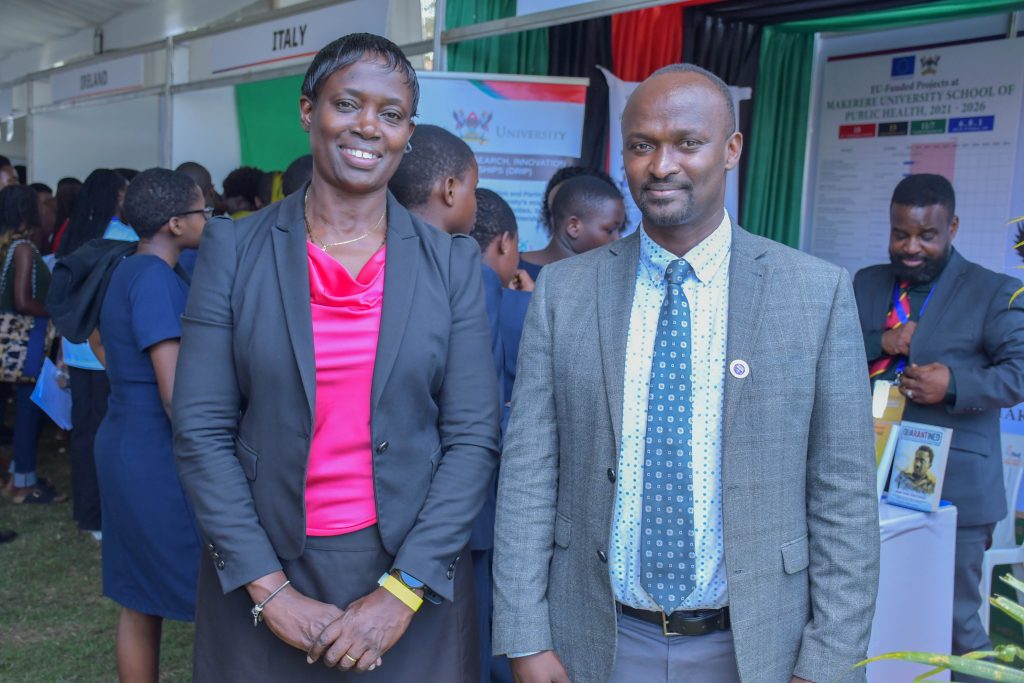
Assoc. Prof. David Musoke, Dr. Paul Mulumba and Dr. Kevin Deane with participants at the Stakeholders' Workshop on 15th April 2026. Stakeholders’ workshop on the social determinants of malaria led by Assoc. Prof. David Musoke of Makerere University and Dr. Kevin Deane of The Open University presented ongoing and previous findings, April 15, 2026, at MakSPH’s Resilient Africa Network, Plot 30, Upper Kololo Terrace, Kampala Uganda, East Africa.

A joint study between Makerere University School of Public Health (MakSPH) and The Open University, UK, is investigating a possible link between maize cultivation and malaria risk in Uganda, as evidence increasingly points to livelihoods and everyday economic activities as key drivers of transmission of the disease.

The research initiative was advanced during a stakeholders’ workshop held on April 15, 2026, at MakSPH’s Resilient Africa Network in Kololo, where a team led by Assoc. Prof. David Musoke of Makerere University and Dr. Kevin Deane of The Open University presented ongoing and previous findings on the social determinants of malaria. The meeting brought together academics, policymakers, and practitioners to examine how agricultural practices, particularly maize farming, may be shaping malaria patterns in both rural and urban settings in Uganda.

The work builds on a growing body of research linking malaria to economic activity. One such study, led by the two researchers and published in Global Public Health in December 2025, found that livelihood activities such as farming, livestock keeping, and night-time work significantly influence malaria exposure. The study identified agriculture, especially maize cultivation near homes, as a key factor associated with increased mosquito density and heightened infection risk.

Stakeholders’ workshop on the social determinants of malaria led by Assoc. Prof. David Musoke of Makerere University and Dr. Kevin Deane of The Open University presented ongoing and previous findings, April 15, 2026, at MakSPH’s Resilient Africa Network, Plot 30, Upper Kololo Terrace, Kampala Uganda, East Africa.
Assoc. Prof. David Musoke presents research findings on how livelihoods, including maize cultivation near homes, may influence malaria exposure during a stakeholder workshop at the Resilient Africa Network, Kololo, on April 15, 2026.

At the workshop, Dr. Musoke said the new inquiry reflects a broader shift in how malaria is understood, outlining how livelihoods, particularly agriculture, shape exposure through multiple pathways, from crop production and water use to the timing of daily activities that coincide with peak mosquito biting hours. These patterns, he argued, extend risk beyond what conventional interventions, such as insecticide-treated nets and indoor spraying, are designed to address.

Uganda remains one of the countries most affected by malaria, with the disease accounting for a significant share of outpatient visits, hospital admissions, and deaths. It is consistently ranked among the leading causes of illness and mortality, particularly among children under five and pregnant women. Despite sustained investment in prevention and treatment, including widespread distribution of insecticide-treated nets and indoor residual spraying, transmission remains high in many parts of the country. This persistence has increasingly drawn attention to factors beyond conventional interventions, including the role of livelihoods, environment, and everyday exposure to mosquitoes.

Maize grown close to homes, with damp ground conditions, may increase exposure to malaria in rural communities. Stakeholders’ workshop on the social determinants of malaria led by Assoc. Prof. David Musoke of Makerere University and Dr. Kevin Deane of The Open University presented ongoing and previous findings, April 15, 2026, at MakSPH’s Resilient Africa Network, Plot 30, Upper Kololo Terrace, Kampala Uganda, East Africa.
Maize grown close to homes, with damp ground conditions, may increase exposure to malaria in rural communities.

“As researchers, our role is to generate evidence, and that evidence should inform decision-making,” Dr. Musoke said. “We do not work in isolation. What we hear from stakeholders matters. We are bringing together different sectors, disciplines, and institutions because this work is still in progress, and we intend to build it collaboratively. Increasingly, research requires not just academics, but policymakers, implementers, and communities to be part of the process.”

The collaboration with The Open University has been central. Dr. Deane said the idea of examining the relationship between maize and malaria emerged from several years of joint research on social determinants with MakSPH. He pointed to a gap in malaria research, which has largely focused on biomedical and indoor interventions, while overlooking the role of livelihoods and outdoor exposure.

Assoc. Prof. David Musoke (left), Dr. Paul Mulumba (centre), a Health Inspector in Wakiso District, and Dr. Kevin Deane (right) share insights during the workshop at the Resilient Africa Network, Kololo, on April 15, 2026. Stakeholders’ workshop on the social determinants of malaria led by Assoc. Prof. David Musoke of Makerere University and Dr. Kevin Deane of The Open University presented ongoing and previous findings, April 15, 2026, at MakSPH’s Resilient Africa Network, Plot 30, Upper Kololo Terrace, Kampala Uganda, East Africa.
Assoc. Prof. David Musoke (left), Dr. Paul Mulumba (centre), a Health Inspector in Wakiso District, and Dr. Kevin Deane (right) share insights during the workshop at the Resilient Africa Network, Kololo, on April 15, 2026.

“We cannot continue relying solely on bed nets, spraying, and treatment,” Dr. Deane said. “These remain essential, but they are not sufficient for elimination. There is significant outdoor malaria transmission, particularly among adults, and that is linked to how people live and work.”

He added that maize presents a complex case. As one of Uganda’s most widely grown staple crops, it is central to both food security and household income, making it impractical to separate farming from living spaces. This, he said, underscores the need to better understand the relationship and develop responses grounded in evidence and local realities.

Evidence presented during the workshop drew on both community experiences and existing scientific literature. Prior qualitative research by the team found that mosquito populations increase during maize growing seasons, particularly in the evenings. Scientific studies also show that maize pollen can enhance mosquito survival and longevity, potentially increasing their capacity to transmit malaria.

Dr. Kevin Deane of The Open University emphasised the need to move beyond conventional malaria interventions to better understand how livelihoods and everyday activities shape exposure during the stakeholder workshop in Kololo, Kampala, on April 15, 2026. Stakeholders’ workshop on the social determinants of malaria led by Assoc. Prof. David Musoke of Makerere University and Dr. Kevin Deane of The Open University presented ongoing and previous findings, April 15, 2026, at MakSPH’s Resilient Africa Network, Plot 30, Upper Kololo Terrace, Kampala Uganda, East Africa.
Dr. Kevin Deane of The Open University emphasised the need to move beyond conventional malaria interventions to better understand how livelihoods and everyday activities shape exposure during the stakeholder workshop in Kololo, Kampala, on April 15, 2026.

Previous work in Wakiso district further situates maize within a wider set of risk factors. Findings show that agriculture, including crop production and animal husbandry, can create conditions that support mosquito breeding through stagnant water, water storage practices, and environmental changes. These risks are compounded by outdoor activities in the early morning and evening, when exposure is highest. The research also points to the growing role of urban agriculture, which is bringing crop cultivation and potential mosquito habitats closer to residential spaces, altering traditional patterns of transmission.

Ms. Doreen Nabwire Wamboka, in-charge at Namayumba Epicentre Health Centre III in Wakiso District, said the discussions challenged long-held assumptions that malaria is a “well-understood” condition.

“I used to think malaria had been fully researched, that we already knew what we needed to know,” she noted. “I now see that what has been studied is the conventional side of it. There are emerging factors we have not paid attention to. This work is opening up new ways of thinking, even about things we take for granted, like the crops we grow around our homes. We treat malaria as ordinary, yet it is still one of the most common conditions. Understanding these connections could change how we approach the disease.”

Ms. Doreen Nabwire Wamboka, In-charge at Namayumba Epicentre Health Centre III in Wakiso District, engages in a co-creation session as a fellow participant looks on during the stakeholder workshop in Kololo on April 15, 2026, underscoring the need for collaborative approaches to design interventions to tackle malaria. Stakeholders’ workshop on the social determinants of malaria led by Assoc. Prof. David Musoke of Makerere University and Dr. Kevin Deane of The Open University presented ongoing and previous findings, April 15, 2026, at MakSPH’s Resilient Africa Network, Plot 30, Upper Kololo Terrace, Kampala Uganda, East Africa.
Ms. Doreen Nabwire Wamboka, In-charge at Namayumba Epicentre Health Centre III in Wakiso District, engages in a co-creation session as a fellow participant looks on during the stakeholder workshop in Kololo on April 15, 2026, underscoring the need for collaborative approaches to design interventions to tackle malaria.

The initiative will now combine spatial analysis, entomological studies, and community-based research to better understand how maize cultivation influences malaria risk. It will also involve farmers and other stakeholders in shaping potential interventions, reflecting a broader shift toward co-produced solutions.

The workshop, funded by The Open University, marked an important step in refining this research agenda. As the work progresses, its findings could inform policy and practice not only in Uganda, but also in other malaria-endemic countries where maize is widely cultivated. For now, the research signals a shift from isolated interventions to a more integrated understanding of how livelihoods and environments drive malaria transmission.

View on MakSPH

John Okeya

Continue Reading

Trending