
Engineering, Art & Tech
Civil Engineering Students Witness Borehole Drilling at Kasozi Health Centre III

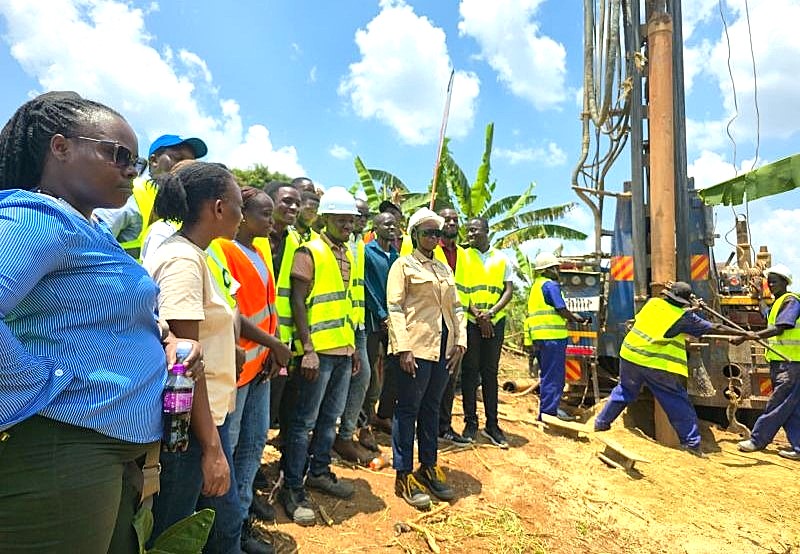
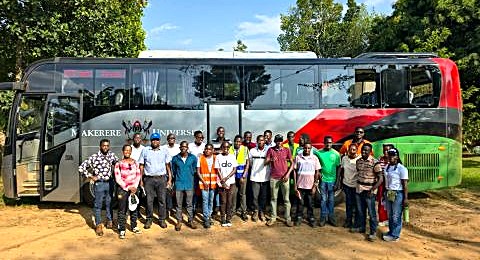
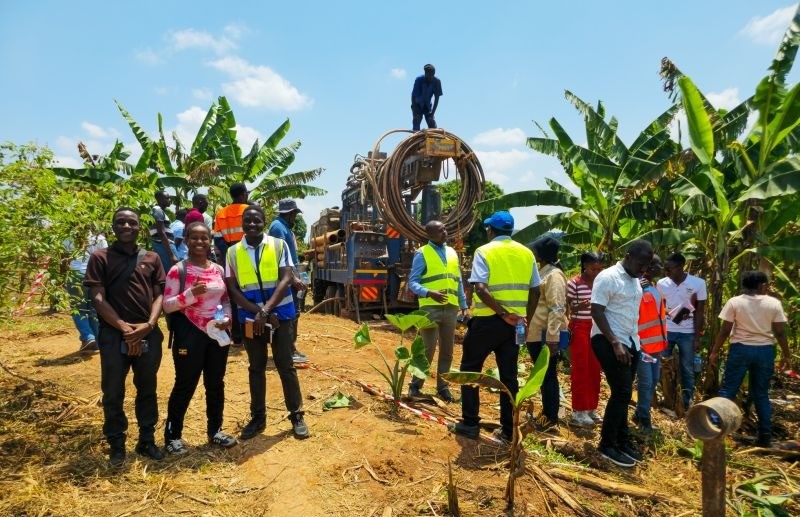
Year 4 Civil Engineering students at the College of Engineering, Design, Art and Technology recently stepped beyond the classroom and into the field, visiting Kasozi Health Centre III inWakiso District to witness the drilling of a new borehole. This is a transformative project set to address the center’s persistent water supply challenges. For both staff and patients, this infrastructure promises a more reliable and sustainable resource.
For the students, the experience was more than just observation. It was a vivid demonstration of how theoretical knowledge in hydraulics and soil mechanics translates into practical solutions for real-world problems.
From Data Collection to Community Impact
This milestone was the culmination of months of collaboration. The Rotary Club of Kiwenda first identified the need for a borehole and mapped out the most strategic location for drilling. Earlier, as part of the WALLACE project facilitated by Engineers Without Borders – EastAfrica, a multidisciplinary team of our students collected site data at the health center. Their insights directly informed the borehole’s placement, allowing them to see their academic work evolve into a tangible community asset.
CEDAT extend our sincere gratitude to the Rotary Club of Kiwenda for funding and organizing this vital project, and for inviting our students to witness the drilling. Special thanks also go to Engineers Without Borders – East Africa for providing such an impactful learning opportunity through the WALLACE project. This initiative highlights the power of partnerships in bridging the gap between education and meaningful action, empowering students to contribute to solutions that improve lives.

Engineering, Art & Tech
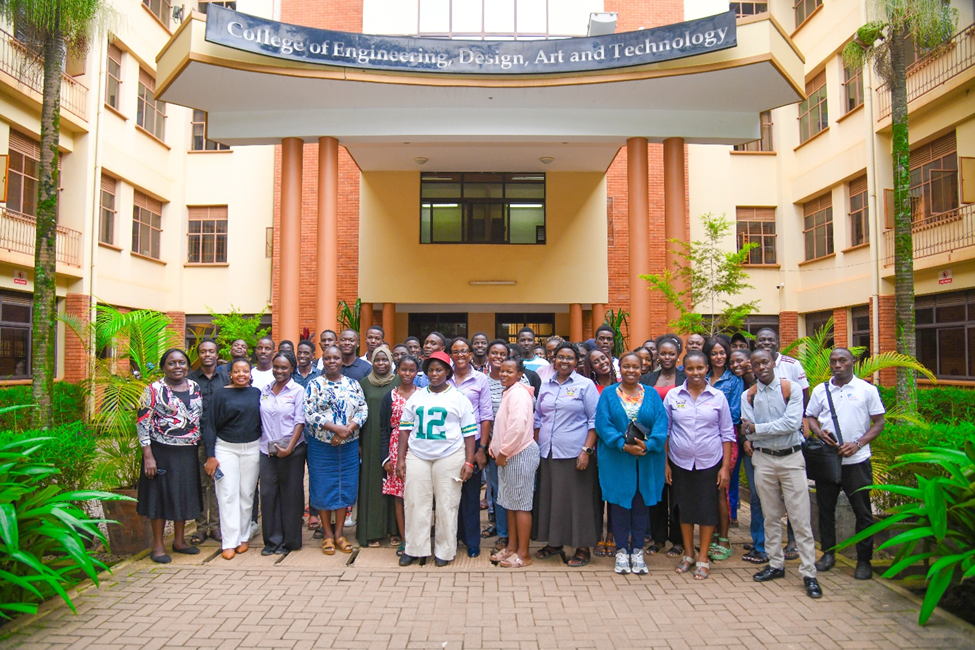
CEDAT Staff and Students Urged to Embrace Gender Equality and Promote Safe University Environments

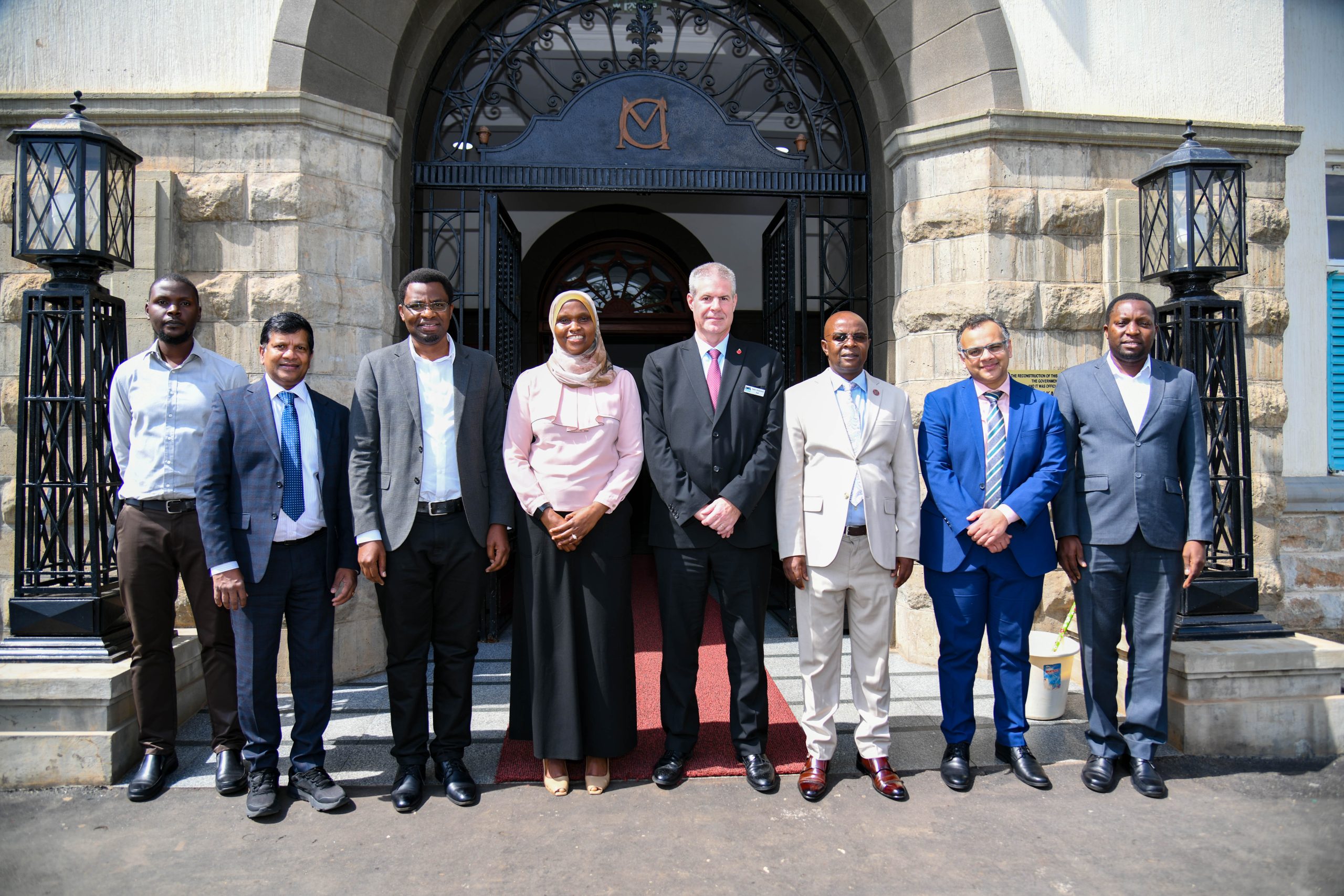
Prof. Edward Bbaale, Acting Deputy Vice Chancellor for Finance and Administration at Makerere University, on November 10 2026 welcomed a delegation from the International Water Association (IWA), led by Mr. Keith Robertson, the Learning and Events Director at International Water Association (IWA). Mr. Robertson, in his remarks, highlighted their visit to Makerere University as a fact-finding mission regarding the potential establishment of a new regional IWA office in Africa to support the continent in solving challenges relating to water.
The International Water Association is a leading global nonprofit organisation and knowledge hub for the water and sanitation sector. Connecting more than 10,000 individual members and 500 corporate entities across 140 plus countries, the association bridges the gap between scientific research and practical engineering to solve global water crises, improve sanitation, and secure clean water systems. Currently, IWA is evaluating potential host cities in Africa; Makerere University in Kampala is the first they have visited out of their three countries and venues earmarked.
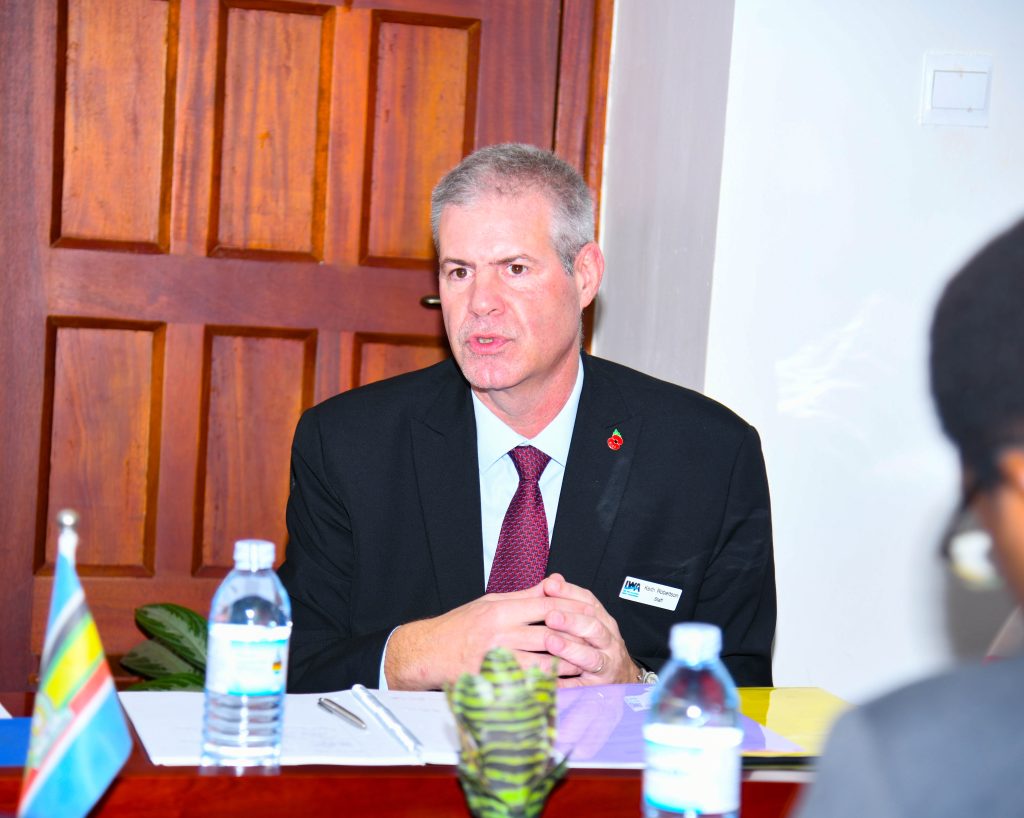
This meeting held at Makerere Main Administrative Building, was attended by university leadership, faculty from College of Engineering, Design, Art and Technology (CEDAT), and representatives from the National Water and Sewerage Corporation (NWSC). Discussions explored possibilities of the yet to be established office bridging the gap between academic research and practical application in the water sector not only in Uganda but also on the continent.
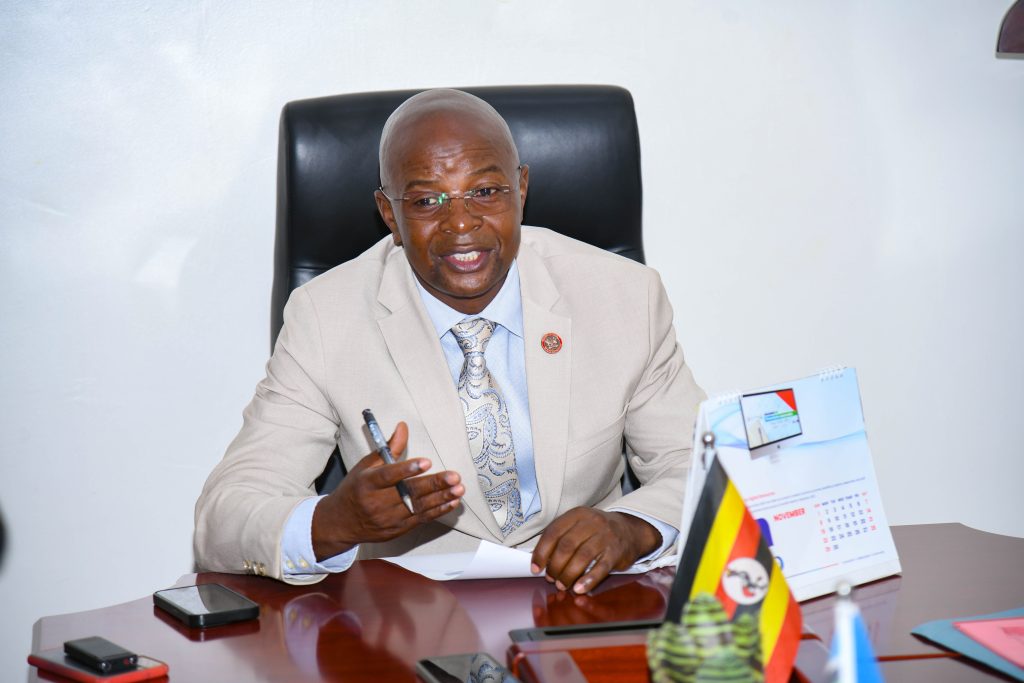
On behalf of University Management, Prof. Edward Bbaale underscored this engagement that focused on possible Water and Sanitation advancement partnership as one that aligns well with the strategic direction of the University.
Projected Impact of a Kampala-Based IWA Office
Dr Philip Nyenje, Head of Department, Civil and Environmental Engineering (DCEE), expressed optimism about the collaboration, saying, “this is a very good opportunity for us to grow our interest in the sector of water and sanitation.”
In addition, Dr Seith Mugume, a Senior Lecturer at DCEE, noted that the regional office would unlock research and innovation opportunities in the real world for our students and also provide incentives for them to pursue projects within local research and innovation angles.
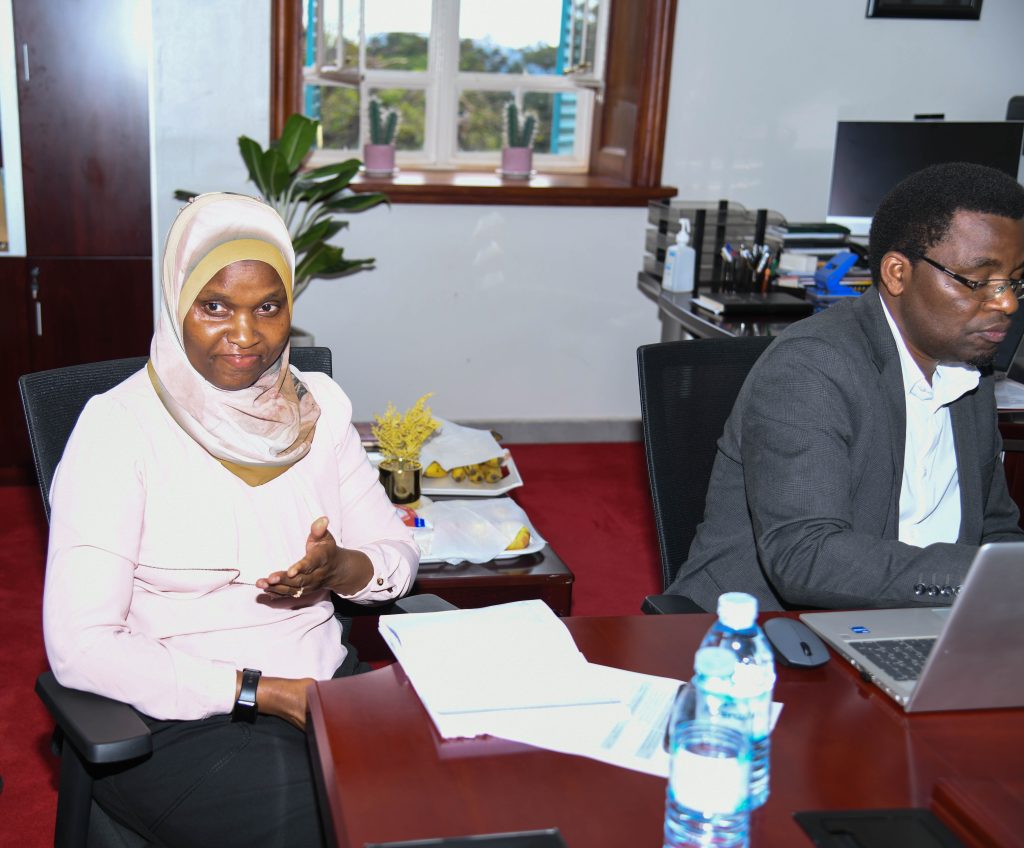
Eng. Zainab Mpakiraba, Acting Senior Manager at NWSC framed Kampala as a very unique venue for the centre and highlighted Makerere as one of the core academic partners for the regional Eastern and Southern Africa hub of the Global Sanitation Graduate School. Eng. Mpakiraba further endorsed Makerere, saying that, as a top-notch university in Uganda and in the region, when it leads on any aspect, it is able to pull most of the other universities.
Makerere’s Strategic Initiatives and Activities so far in the Area of Water
Dr Nyenje noted that his Department has a very strong base in water and sanitation, covering disciplines like water resources, environmental, structural, and highway engineering. Dr. Mugume added that they are conducting research on “modeling of water resource systems, hydrological and hydraulic modeling,” “water quality management,” and “fecal sludge management, sanitation in low-income and peri-urban areas.”
The two also mentioned that the department has introduced a “master’s in sanitation, and also a postgraduate program… a diploma in sanitation” to address growing interest in the sector.
All these strategies have been made possible through good will and funding from the Government of Uganda, strategic partnerships, and International Collaborations that have positioned Makerere as a key player in the region.
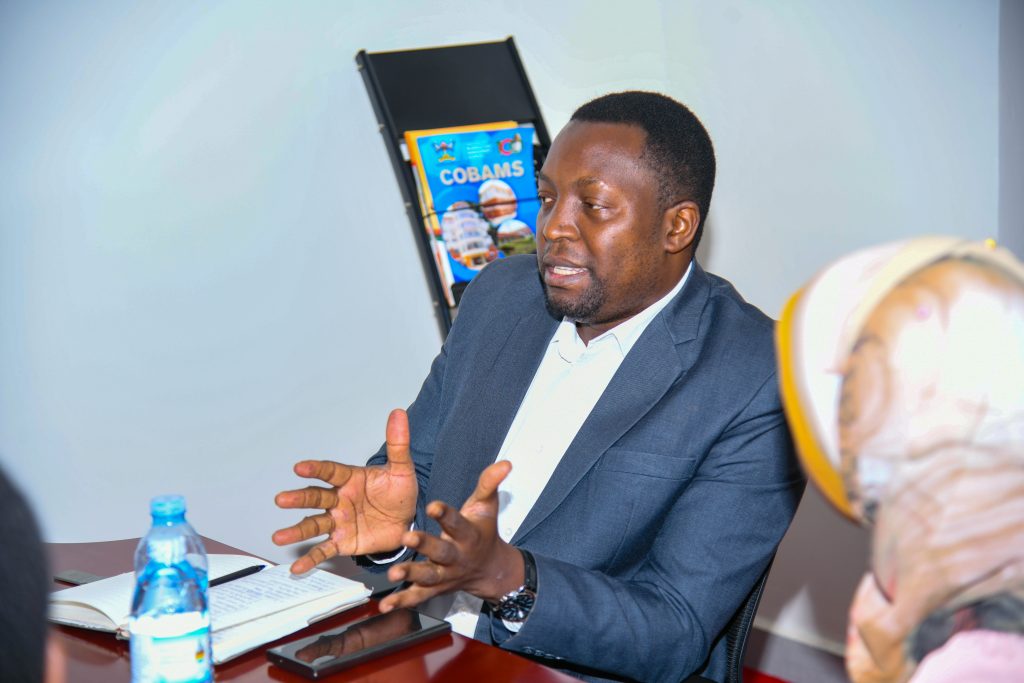
Concluding the session, Prof. Edward Bbaale reaffirmed Makerere’s ability to run this Office when established as the University has human resources in multidisciplinary research, global credibility and working relationships with many organisations and institutions on the continent and far.
Engineering, Art & Tech
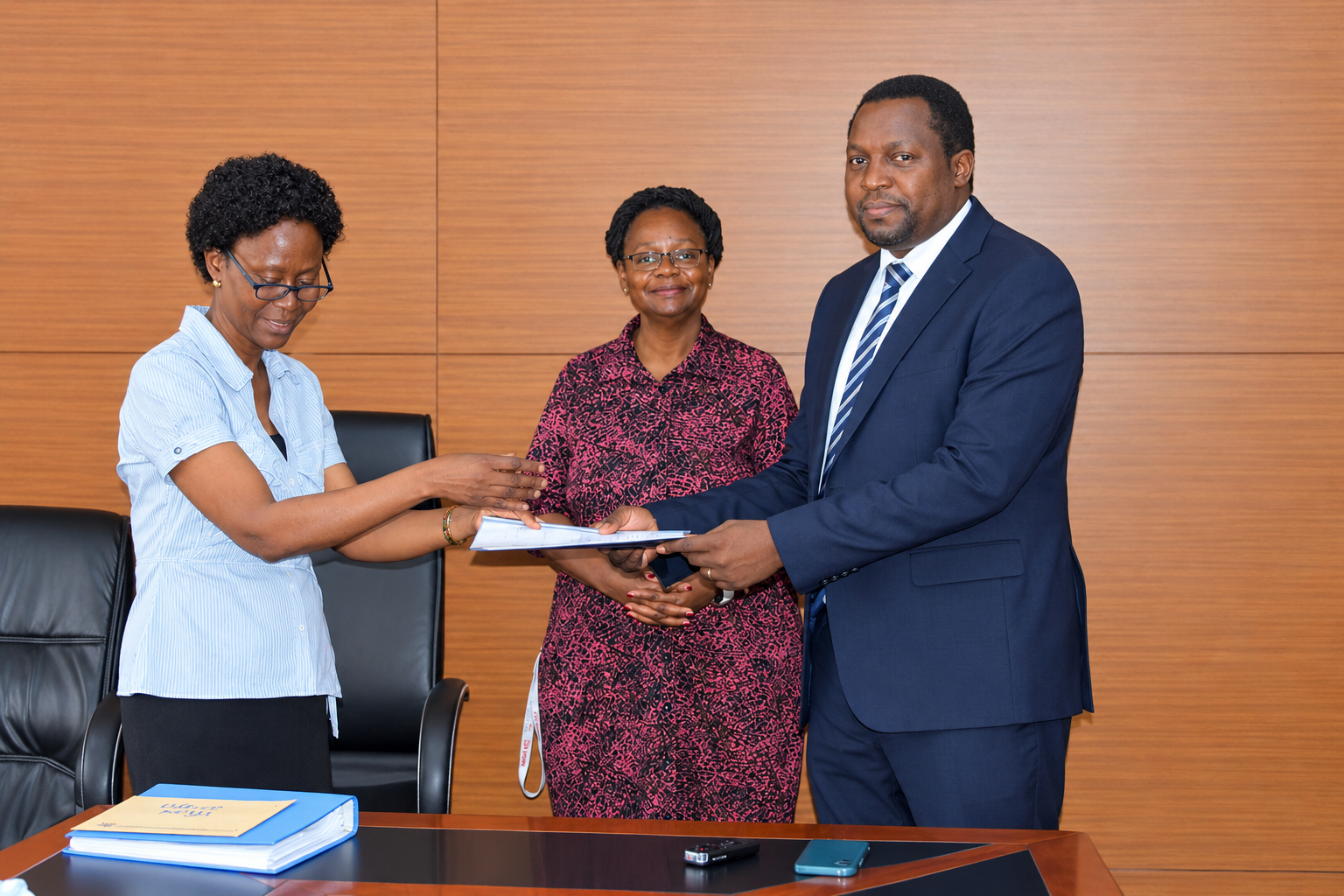
Dr. Philip Nyenje Takes Over as Head of Civil and Environmental Engineering Department
-
 Agriculture & Environment2 weeks ago
Why RUFORUM’s 22nd AGM in Zambia matters for Africa’s next generation
-
 Health2 weeks ago
From Store to Patient: Keeping Uganda’s Medicines Within Reach as Funding Shifts
-
 Agriculture & Environment2 weeks ago
Makerere Launches Programme to Strengthen Resilience of Vulnerable Communities to Climate Change
-
 General2 weeks ago
Makerere GENDIG International Conference Calls for Gender-Inclusive Digital Transformation
-

 Health1 week ago
MakSPH Job Opportunity: 30 Research Assistants