Connect with us

Agriculture & Environment

CPUg Project Equips Waste Management Personnel with Essential Skills

Published

on

 *****The two-day training, hosted by the College of Agricultural and Environmental Sciences (CAES) at Makerere University, was conducted under the auspices of the APPEAR Collaborative Research Project, ‘Clean and Prosperous Uganda – Fecal Sludge and Solid Waste Management for Improved Livelihoods (CPUg).

The challenge of waste management in Uganda

 Fecal Sludge Management (FSM) and Solid Waste Management (SWM) are essential for building healthy, resilient communities. However, in many parts of Uganda, these systems remain underdeveloped, leaving communities exposed to a wide range of complex challenges.

Improper handling and disposal of fecal sludge and solid waste pose both immediate and long-term public health risks, including the spread of waterborne diseases like cholera, typhoid, and dysentery. When human waste is not safely contained, treated, or disposed of, pathogens can contaminate water, food, and soil, disproportionately affecting vulnerable groups such as children and residents of informal settlements.
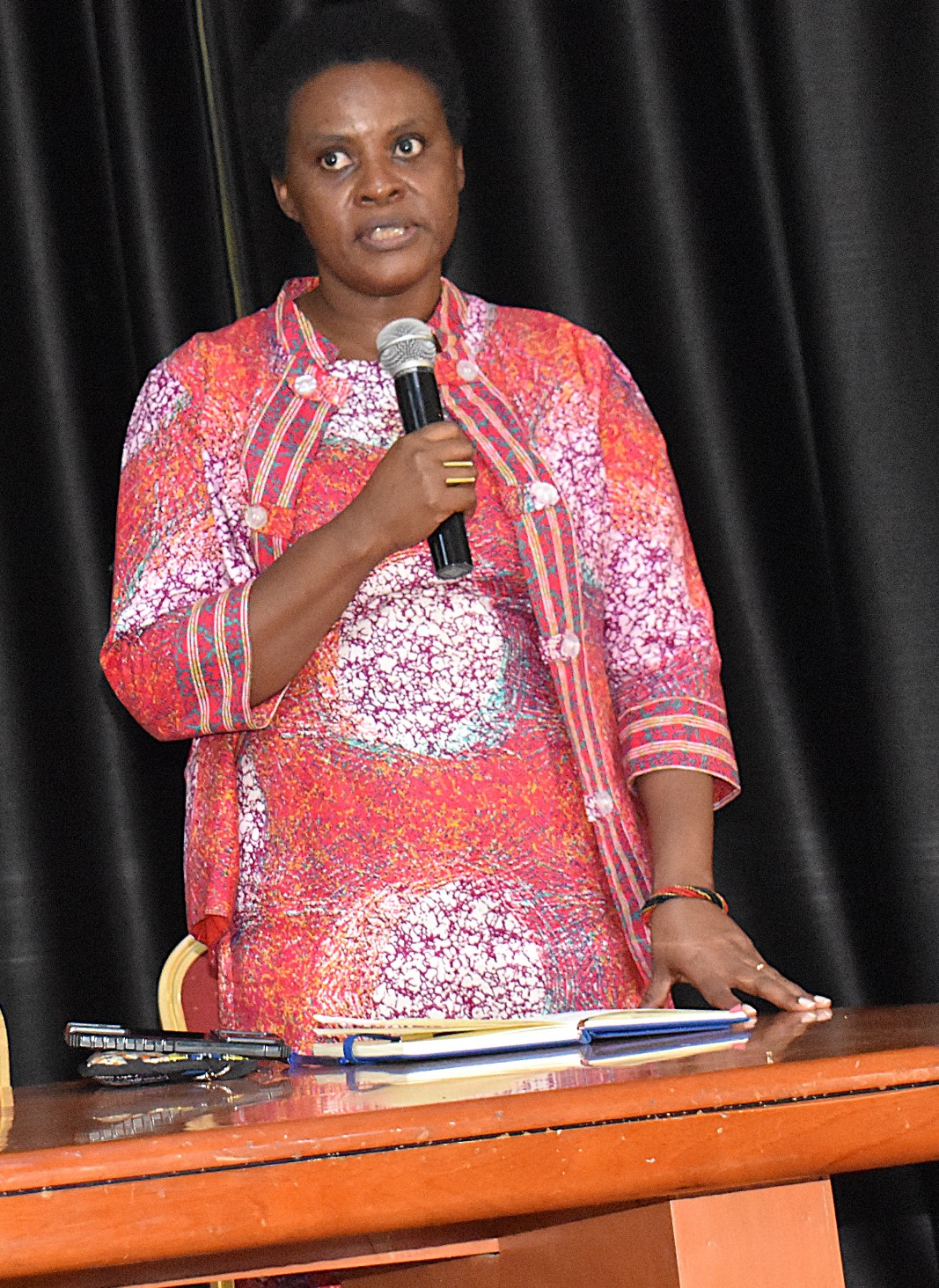
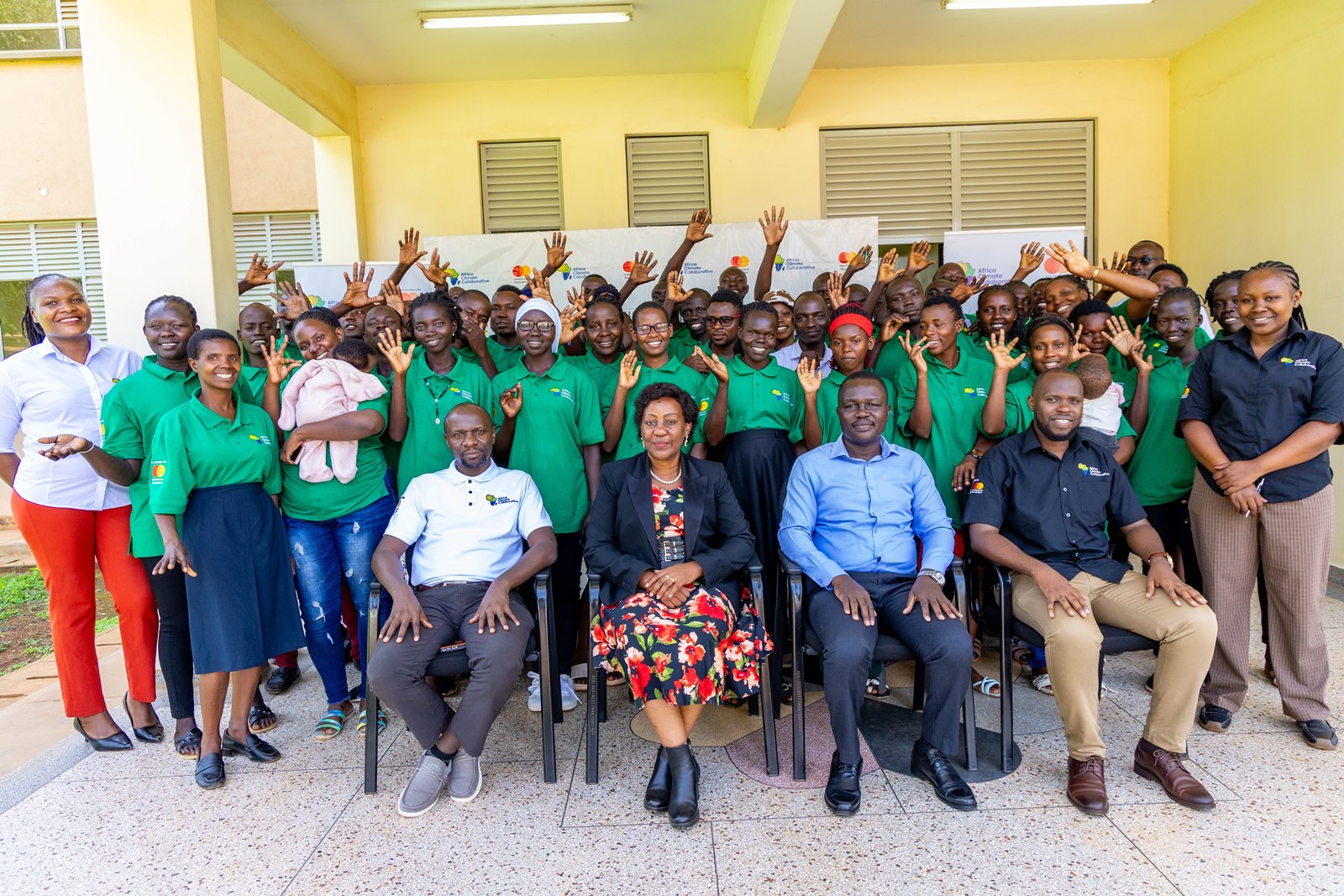
Prof. Jeninah Karungi Tumutegyereize, the PI of the project welcoming participants to the workshop. College of Agricultural and Environmental Sciences (CAES) in collaboration with the Uganda Red Cross Society, Mbarara University of Science and Technology, and Vienna University of Technology, Austria, comprehensive two-day training on Integrated Fecal Sludge and Solid Waste Management, 30th-31st March 2026, School of Food Technology, Nutrition and Bioengineering Conference Hall, Makerere University, Kampala Uganda, East Africa.
Prof. Jeninah Karungi Tumutegyereize, the PI of the project welcoming participants to the workshop.

Environmentally, unmanaged waste degrades ecosystems, pollutes rivers and wetlands, and contributes to greenhouse gas emissions. Open dumping clogs drainage systems, heightening urban flood risks and facilitating disease transmission. Non-biodegradable materials, including plastics, can persist for decades, blocking waterways, harming wildlife, and weakening communities’ resilience to climate change.

 The economic consequences are equally profound. Inefficient waste management undermines productivity by driving up healthcare costs, lowering property values, and limiting tourism and investment opportunities. Informal waste collection systems, often the only coping mechanism for many urban residents, fail to provide adequate protection for workers.
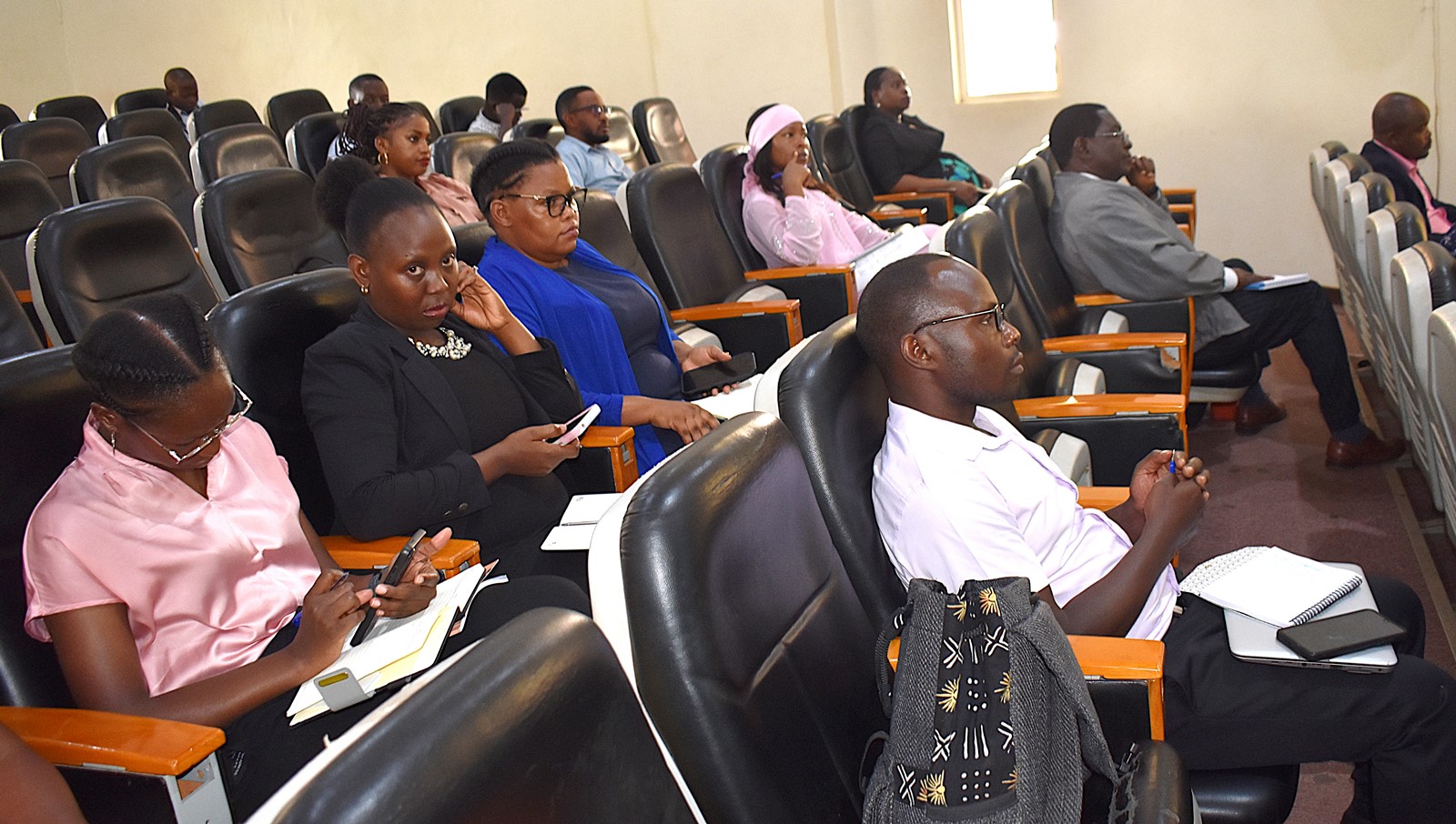
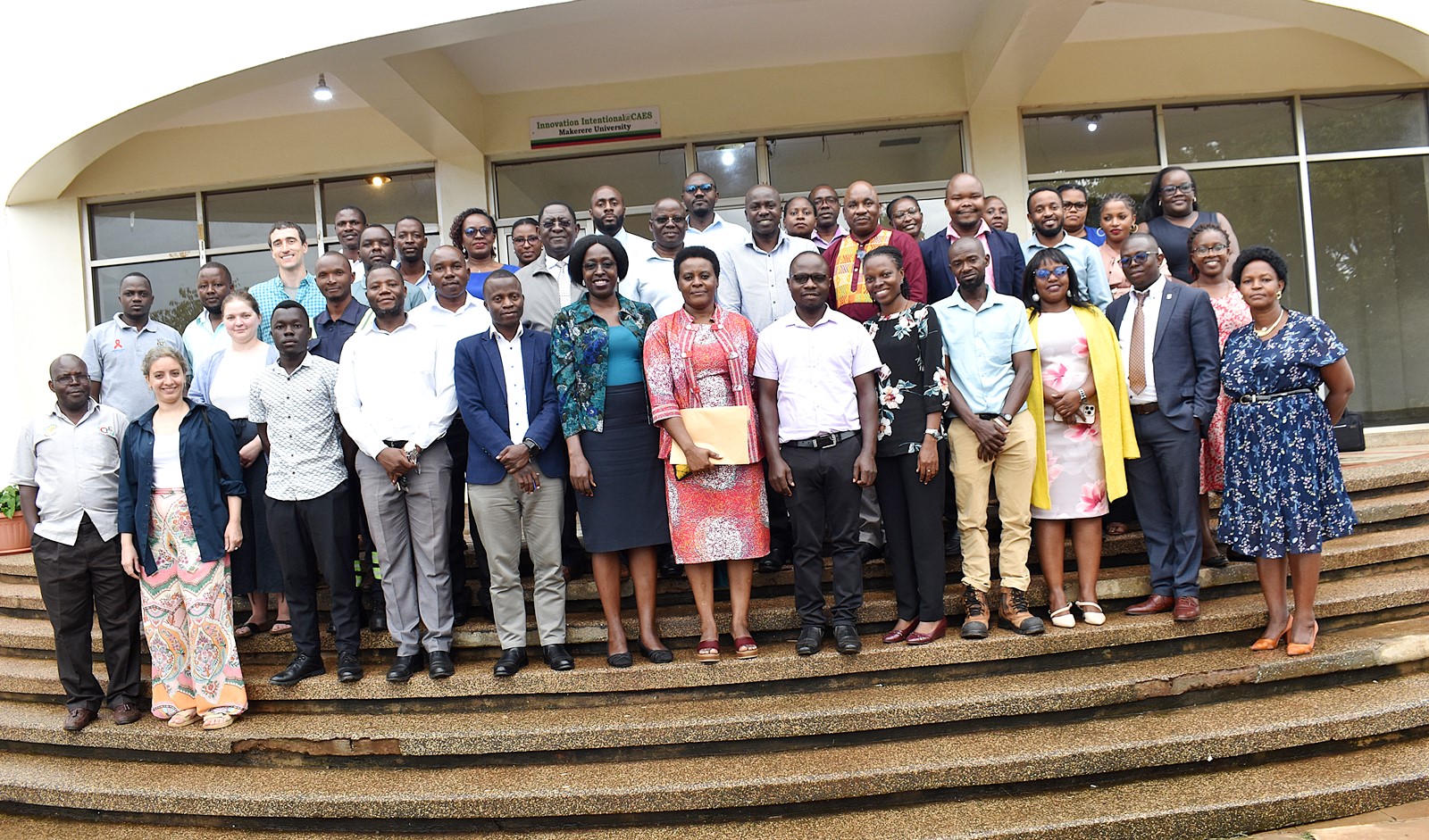
Participants from various segments of the waste management value chain during the training session. College of Agricultural and Environmental Sciences (CAES) in collaboration with the Uganda Red Cross Society, Mbarara University of Science and Technology, and Vienna University of Technology, Austria, comprehensive two-day training on Integrated Fecal Sludge and Solid Waste Management, 30th-31st March 2026, School of Food Technology, Nutrition and Bioengineering Conference Hall, Makerere University, Kampala Uganda, East Africa.
Participants from various segments of the waste management value chain during the training session.

Given these intertwined health, environmental, and economic impacts, the burden of fecal sludge and solid waste in Uganda is not merely a municipal concern but a pressing national development issue. Urgent attention is required to invest in modern FSM and SWM infrastructure, promote behavioral change, and implement regulatory frameworks that ensure safe, sustainable, and inclusive waste management solutions. Without such interventions, the compounded risks to human well-being, ecosystems, and economic growth will continue to escalate.

Addressing the Challenge through the CPUg Project

The Clean and Prosperous Uganda – Fecal Sludge and Solid Waste Management for Improved Livelihoods (CPUg) Project, a collaborative initiative between the CAES, the Institute of Water Quality and Resource Management at Vienna University of Technology in Austria, the Department of Environmental and Livelihood Support Systems at Mbarara University of Science and Technology (MUST), and the Uganda Red Cross Society, seeks to tackle Uganda’s most pressing challenges in waste management.
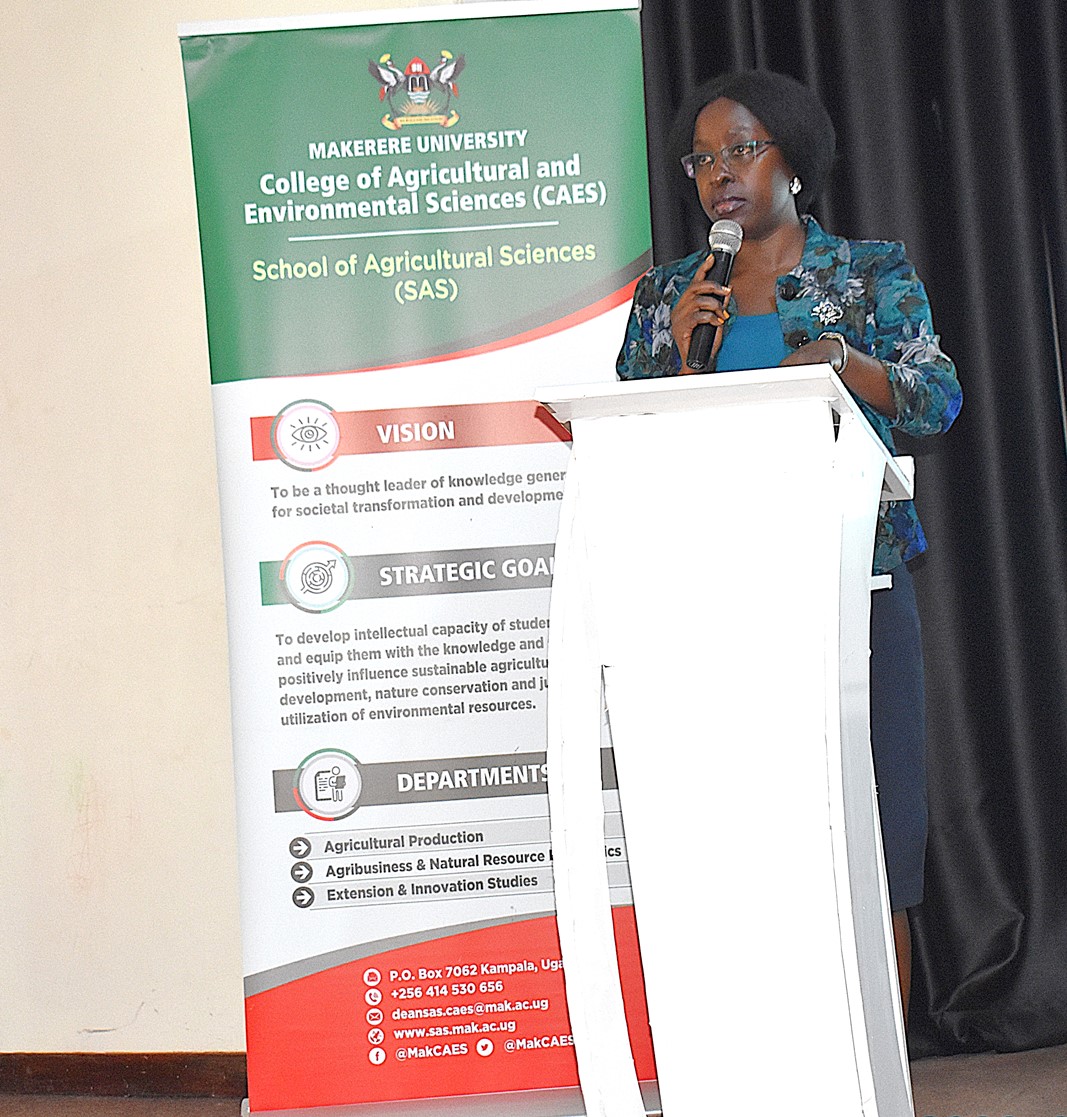
Dr. Mildred Ochwo Ssemakula represented the Principal of the CAES. College of Agricultural and Environmental Sciences (CAES) in collaboration with the Uganda Red Cross Society, Mbarara University of Science and Technology, and Vienna University of Technology, Austria, comprehensive two-day training on Integrated Fecal Sludge and Solid Waste Management, 30th-31st March 2026, School of Food Technology, Nutrition and Bioengineering Conference Hall, Makerere University, Kampala Uganda, East Africa.
Dr. Mildred Ochwo Ssemakula represented the Principal of the CAES.

The project set out to explore circularity concepts, test a variety of techniques for utilizing dried fecal sludge, analyze plastic recovery from existing composting plants, and evaluate the social and economic viability of improved FSM and SWM and their influencing factors on regional communities. Supported under the Austrian Partnership Programme in Higher Education and Research for Development (APPEAR), the project aims to examine how best to optimize and integrate FSM and SWM in rural settings in Wakiso District, refugee settlements in Arua District, and Uganda in general.

In addition to the technical aspects, the socio-economic viability of improved fecal sludge and solid waste management is being evaluated in terms of affordability, perceptions, and the willingness to accept and utilize these products. The project aims to contribute towards reshaping Uganda’s landscape through integrated solutions, scientific rigor, and inclusive community engagement. It stands as a model for integrated development.
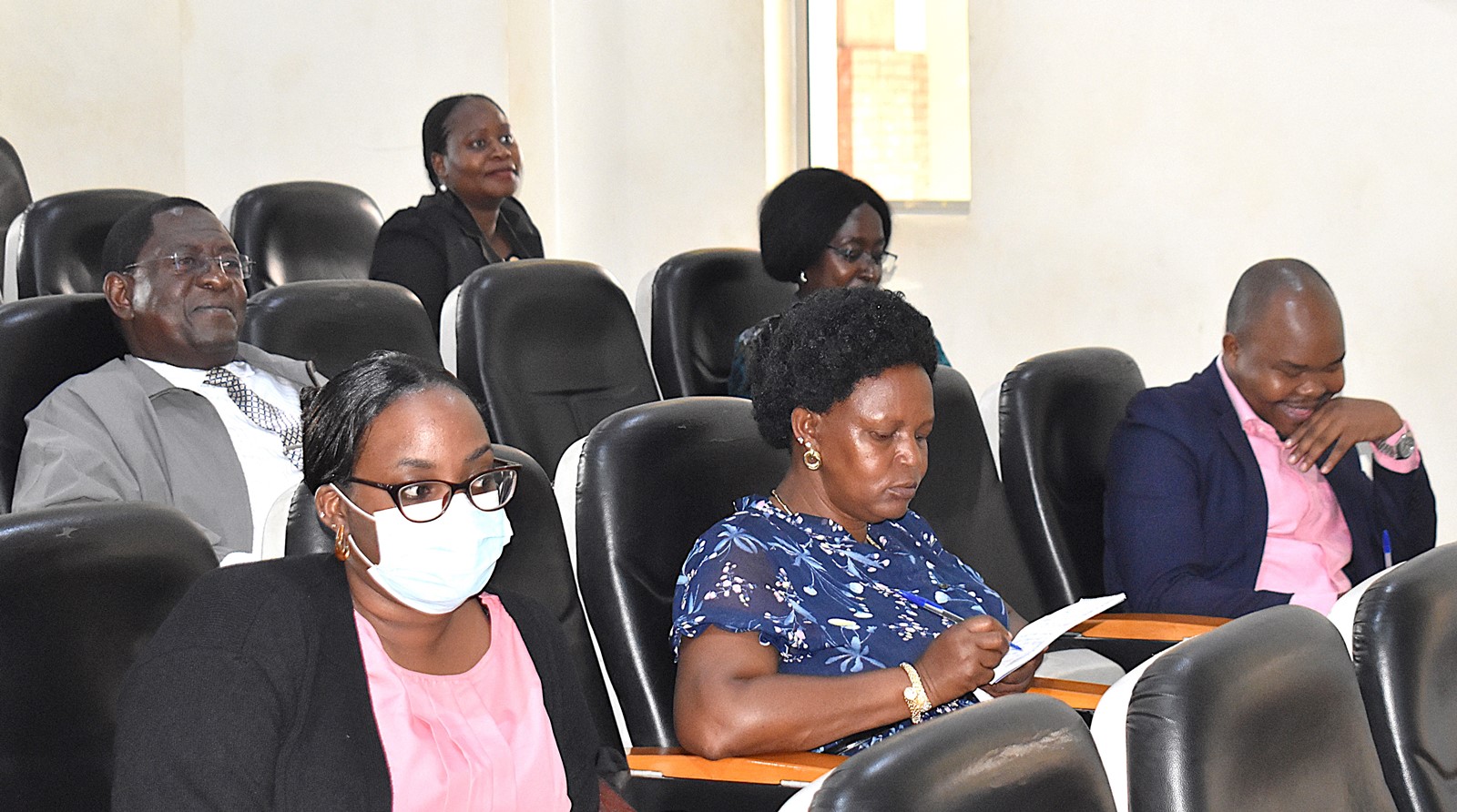
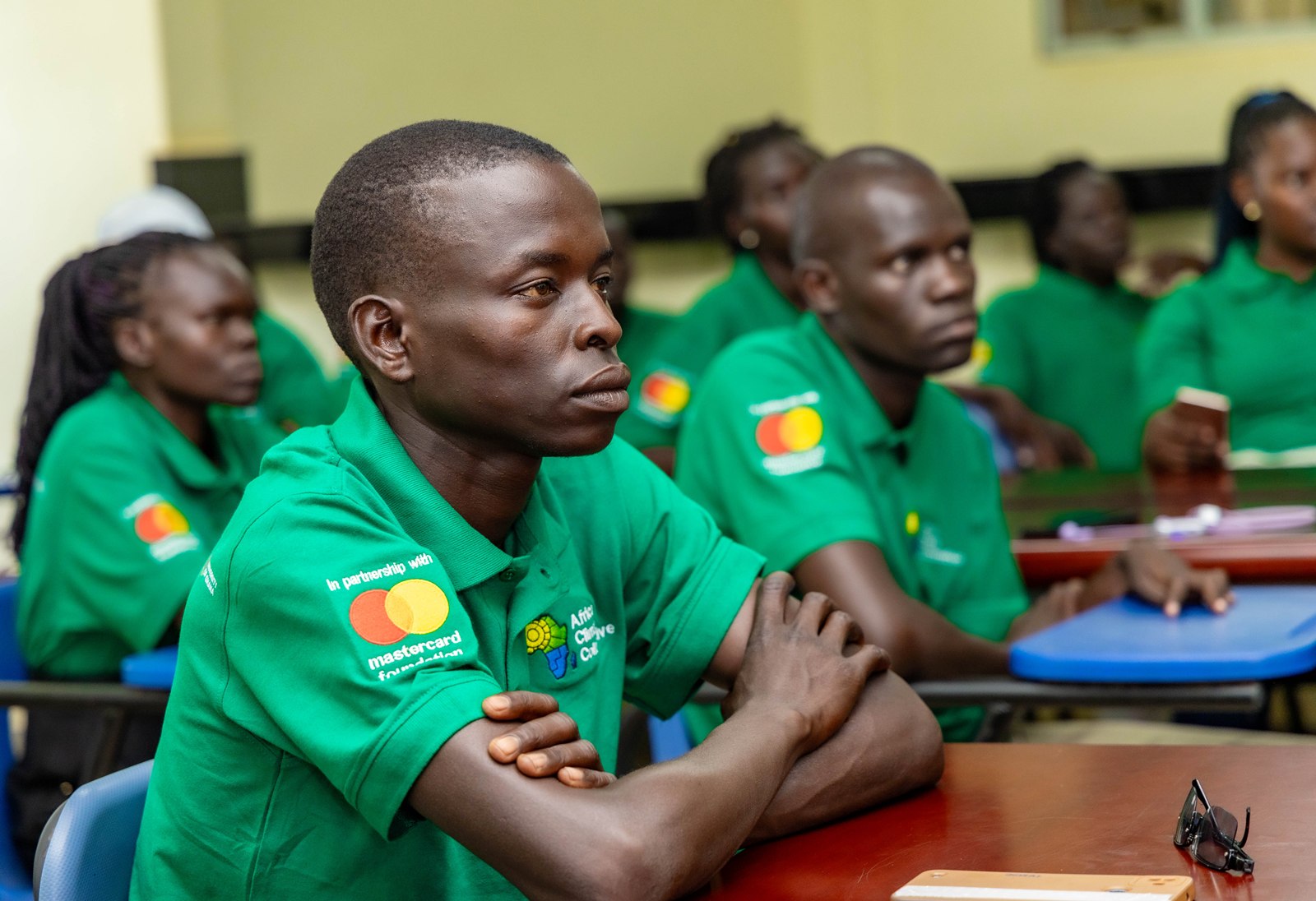
Participants follow proceedings. College of Agricultural and Environmental Sciences (CAES) in collaboration with the Uganda Red Cross Society, Mbarara University of Science and Technology, and Vienna University of Technology, Austria, comprehensive two-day training on Integrated Fecal Sludge and Solid Waste Management, 30th-31st March 2026, School of Food Technology, Nutrition and Bioengineering Conference Hall, Makerere University, Kampala Uganda, East Africa.
Participants follow proceedings.

It is coordinated by Prof. Jeninah Karungi Tumutegyereize from the Department of Crop Science and Horticulture at CAES, Makerere University.

Two-Day Training on Integrated Fecal Sludge and Solid Waste Management

The College of Agricultural and Environmental Sciences at Makerere University, in collaboration with the Uganda Red Cross Society, Mbarara University of Science and Technology, and Vienna University of Technology, Austria, held a comprehensive two-day training on Integrated Fecal Sludge and Solid Waste Management.
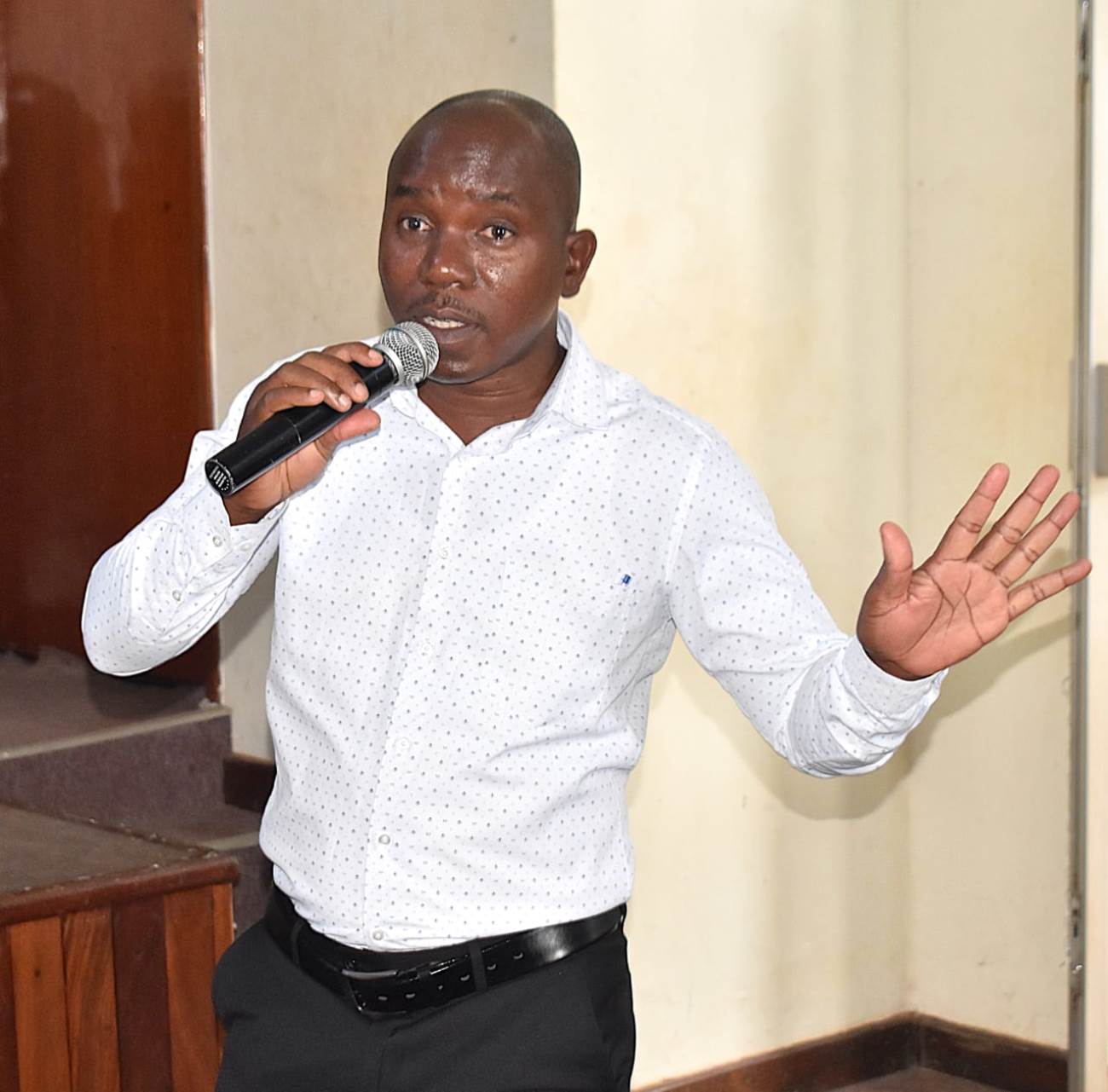
Mr. Grace Kyagaba from the Uganda Red Cross Society shared insights on various aspects of Fecal Sludge Management. College of Agricultural and Environmental Sciences (CAES) in collaboration with the Uganda Red Cross Society, Mbarara University of Science and Technology, and Vienna University of Technology, Austria, comprehensive two-day training on Integrated Fecal Sludge and Solid Waste Management, 30th-31st March 2026, School of Food Technology, Nutrition and Bioengineering Conference Hall, Makerere University, Kampala Uganda, East Africa.
Mr. Grace Kyagaba from the Uganda Red Cross Society shared insights on various aspects of Fecal Sludge Management.

The training, conducted on 30th-31st March 2026, at Makerere University was officially opened by the Principal of CAES, represented by Dr. Mildred Ochwo Ssemakula, Head of the Department of Crop Science and Horticulture. Participants included representatives from academia, the private sector, municipal authorities, service providers, and farmers.
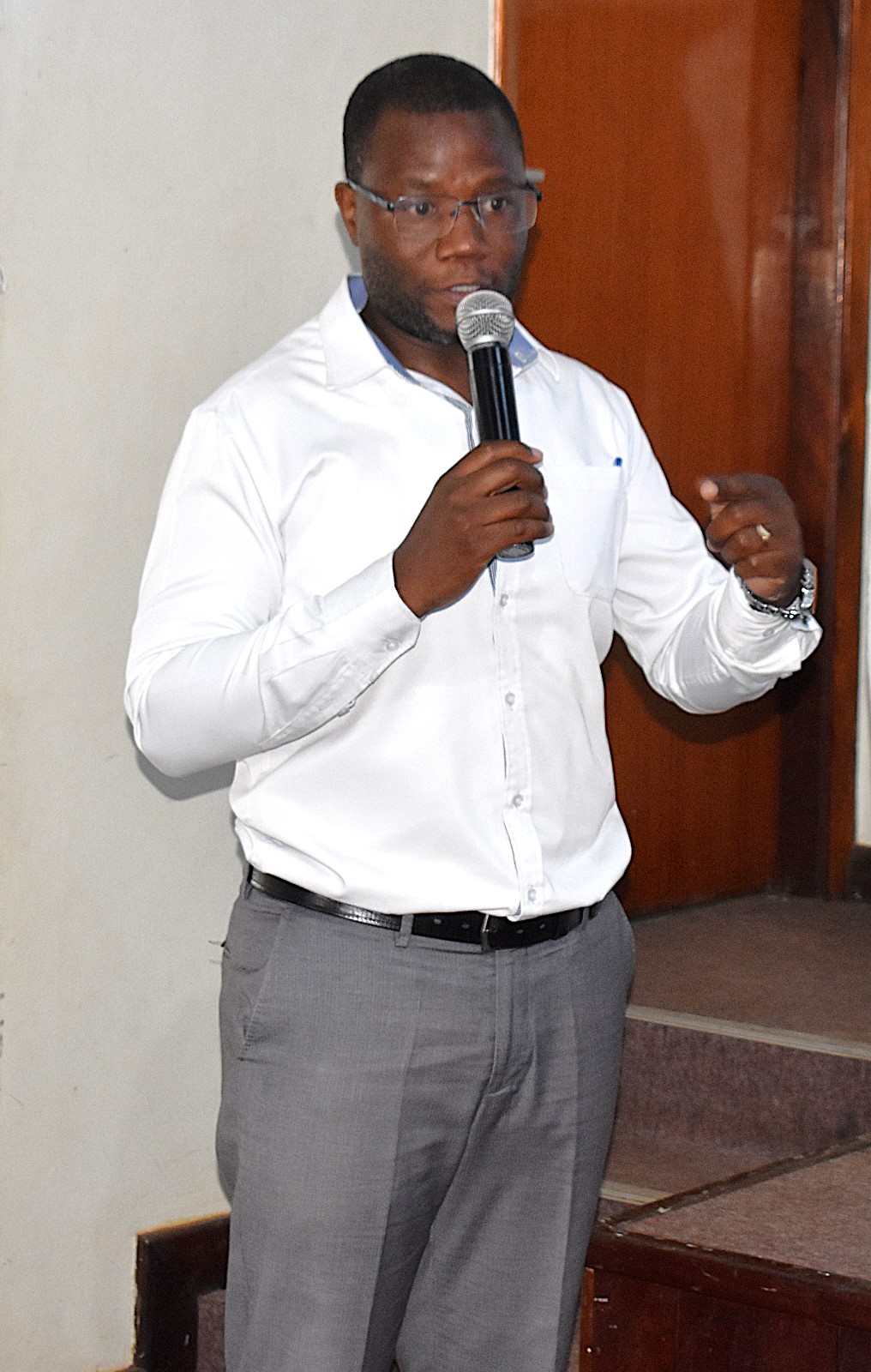
Mr. Medard Kakuru, a PhD student at the CAES presented his work on the Circular Economy Approach to Sanitation. College of Agricultural and Environmental Sciences (CAES) in collaboration with the Uganda Red Cross Society, Mbarara University of Science and Technology, and Vienna University of Technology, Austria, comprehensive two-day training on Integrated Fecal Sludge and Solid Waste Management, 30th-31st March 2026, School of Food Technology, Nutrition and Bioengineering Conference Hall, Makerere University, Kampala Uganda, East Africa.
Mr. Medard Kakuru, a PhD student at the CAES presented his work on the Circular Economy Approach to Sanitation.

The training programme aimed to equip personnel across the waste management value chain with the knowledge and skills to transform fecal sludge and solid waste into valuable, sustainable agricultural and economic resources. It covered topics such as occupational safety, waste management infrastructure, processing and post-treatment methods, composting, carbonization, material flow analysis, service gaps, and economic considerations in Greater Kampala. Participants were also trained in specialized software tools designed to enhance efficiency and manage waste-to-resource processes, promoting both environmental sustainability and economic viability.

Particular emphasis was placed on shifting perceptions of fecal sludge-based products among end users, mainly subsistence and commercial farmers.
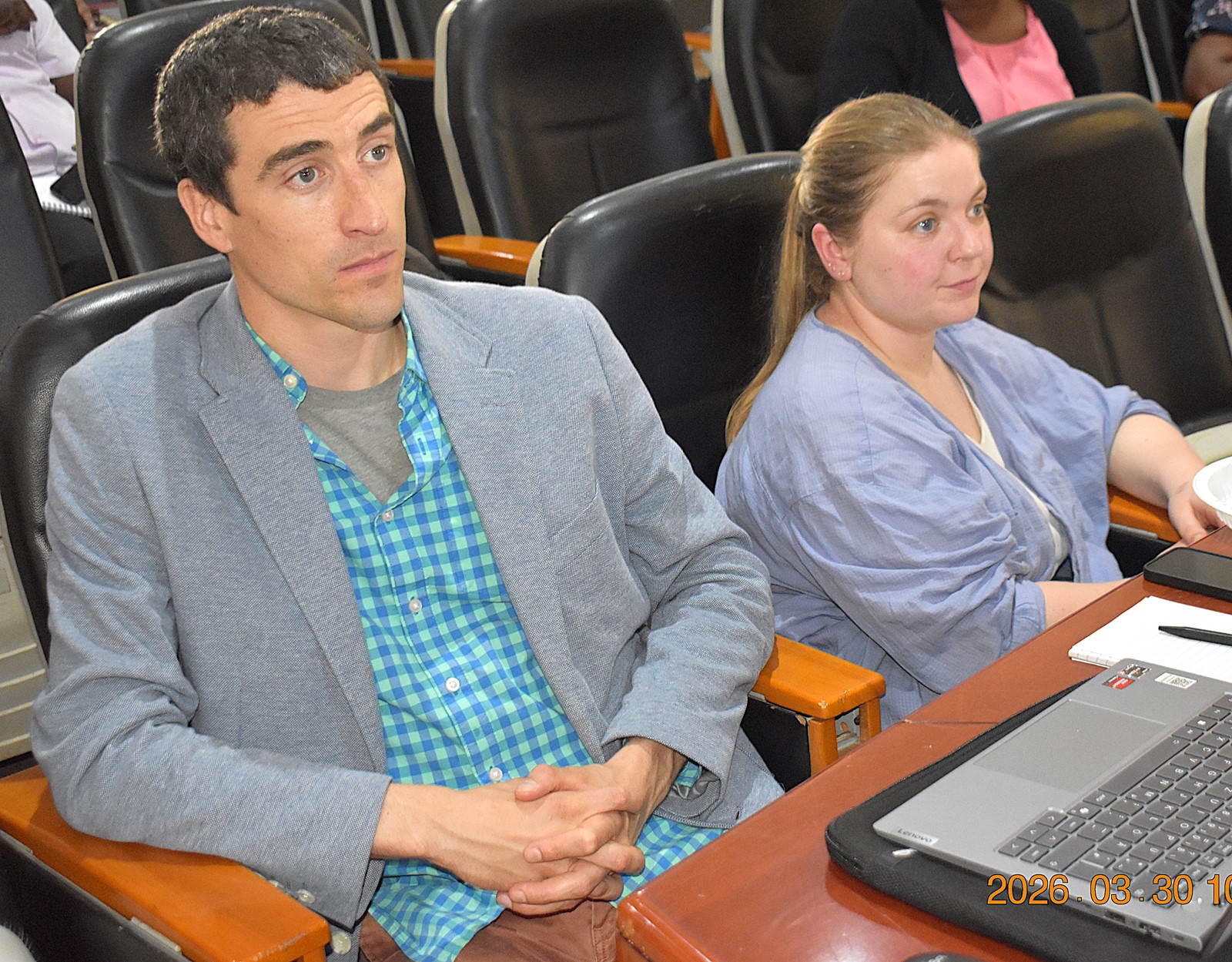
Mr. Richard David Le, and Ms. Sara Neuburg, PhD students at Vienna University of Technology in Austria delivered presentations on integrated fecal sludge management and material flow analysis. College of Agricultural and Environmental Sciences (CAES) in collaboration with the Uganda Red Cross Society, Mbarara University of Science and Technology, and Vienna University of Technology, Austria, comprehensive two-day training on Integrated Fecal Sludge and Solid Waste Management, 30th-31st March 2026, School of Food Technology, Nutrition and Bioengineering Conference Hall, Makerere University, Kampala Uganda, East Africa.
Mr. Richard David Le, and Ms. Sara Neuburg, PhD students at Vienna University of Technology in Austria delivered presentations on integrated fecal sludge management and material flow analysis.

Emerging Issues from the Training

  1. Weak fecal sludge management systems: Existing systems, particularly in refugee settlements, are inadequate.
  2. Public health risks: Improper sludge handling continues to threaten health – only 44% of fecal sludge is safely managed.
  3. Limited technical capacity: Practitioners need more training in safe handling and reuse technologies.
  4. Low adoption of resource recovery: Sludge-to-product innovations are underutilized.
  5. Environmental pollution: Untreated sludge contaminates soil, water, and surrounding ecosystems.
  6. Poor integration with agriculture: Opportunities for nutrient recycling are not fully exploited.
  7. Inadequate equipment: PPE, emptying tools, and treatment facilities are scarce.
  8. Low composting standards in Uganda: Composting often follows non-scientific methods.
  9. Behavioral and hygiene gaps: Handwashing and proper waste disposal practices remain weak.
  10. Underdeveloped waste-based value chains: Compost, briquettes, and fertilizers are not economically leveraged.
  11. High reliance on on-site sanitation: Sewer network coverage is below 10% in Greater Kampala.
  12. Insufficient emptying and collection services: Services are limited and costly.
  13. Limited private sector engagement: Public investment and private participation are inadequate.
  14. Treatment capacity and cost recovery challenges: Facilities are strained and revenue mechanisms weak.
  15. Low willingness or ability to pay: Users are reluctant or unable to afford improved services.
  16. Negative perceptions of fecal sludge products: Public attitudes hinder adoption.
  17. Regulatory and equity barriers: Awareness is limited, regulations are burdensome, and access is unequal.
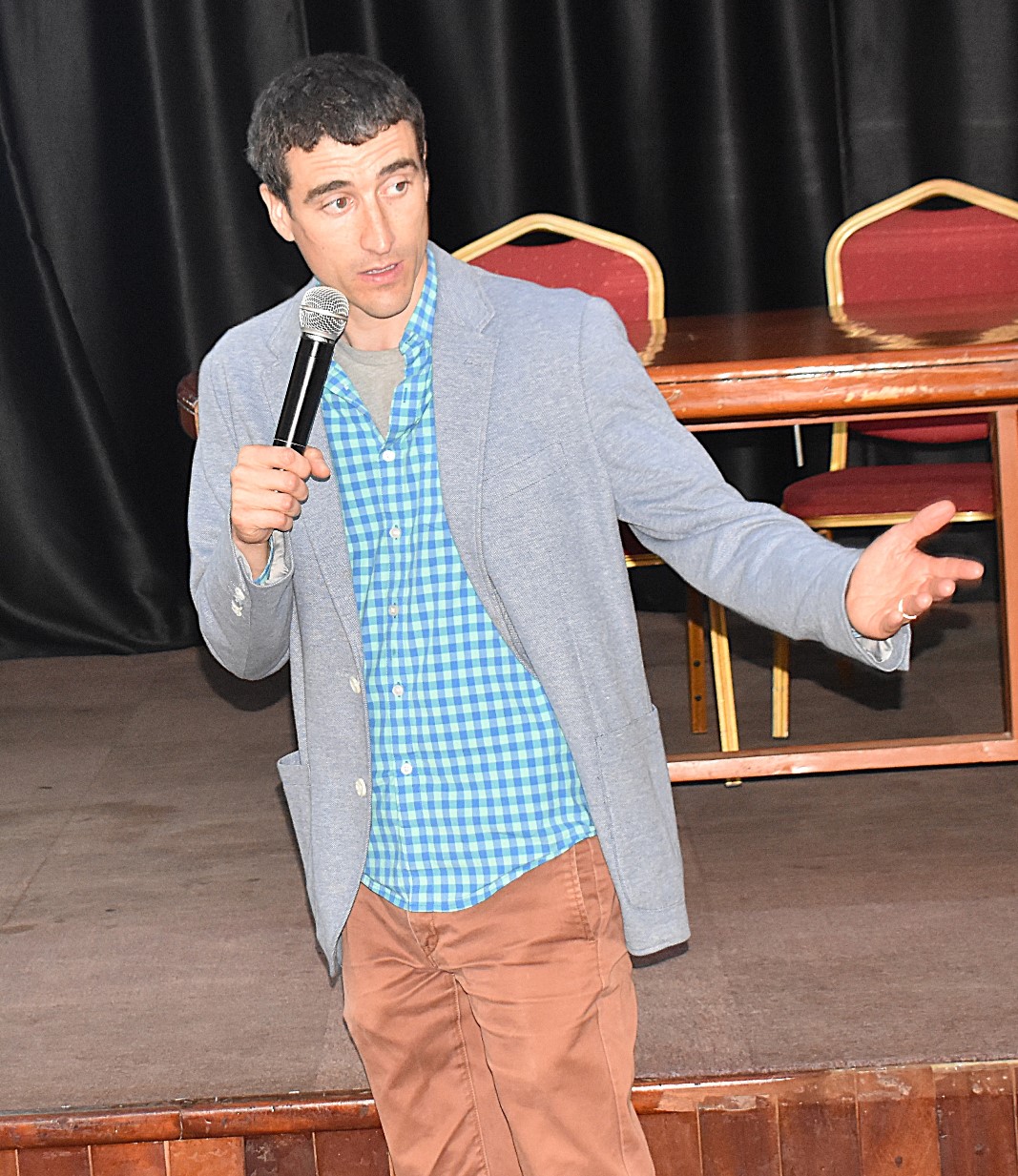
Mr. Richard David Le delivered a presentation on Integrated Fecal Sludge Management. College of Agricultural and Environmental Sciences (CAES) in collaboration with the Uganda Red Cross Society, Mbarara University of Science and Technology, and Vienna University of Technology, Austria, comprehensive two-day training on Integrated Fecal Sludge and Solid Waste Management, 30th-31st March 2026, School of Food Technology, Nutrition and Bioengineering Conference Hall, Makerere University, Kampala Uganda, East Africa.
Mr. Richard David Le delivered a presentation on Integrated Fecal Sludge Management.

Way Forward

Effective waste management is essential for public health, yet remains a significant challenge in Uganda, with few households able to empty their on-site sanitation facilities due to high costs. Experts emphasize the need for increased investment and prioritization of operator safety. Rigorous safety protocols and training are critical to safeguarding workers and ensuring sustainable operations.
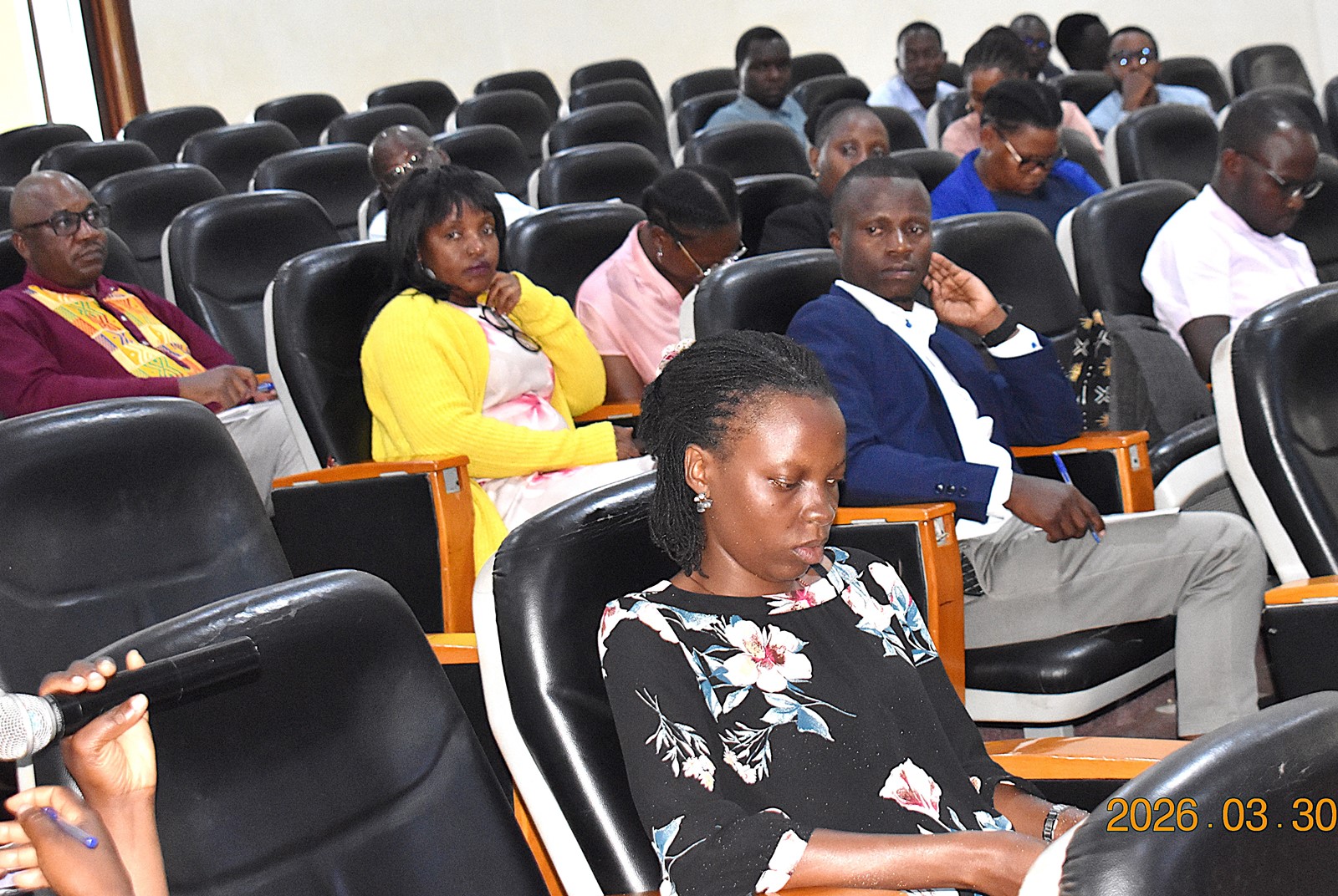
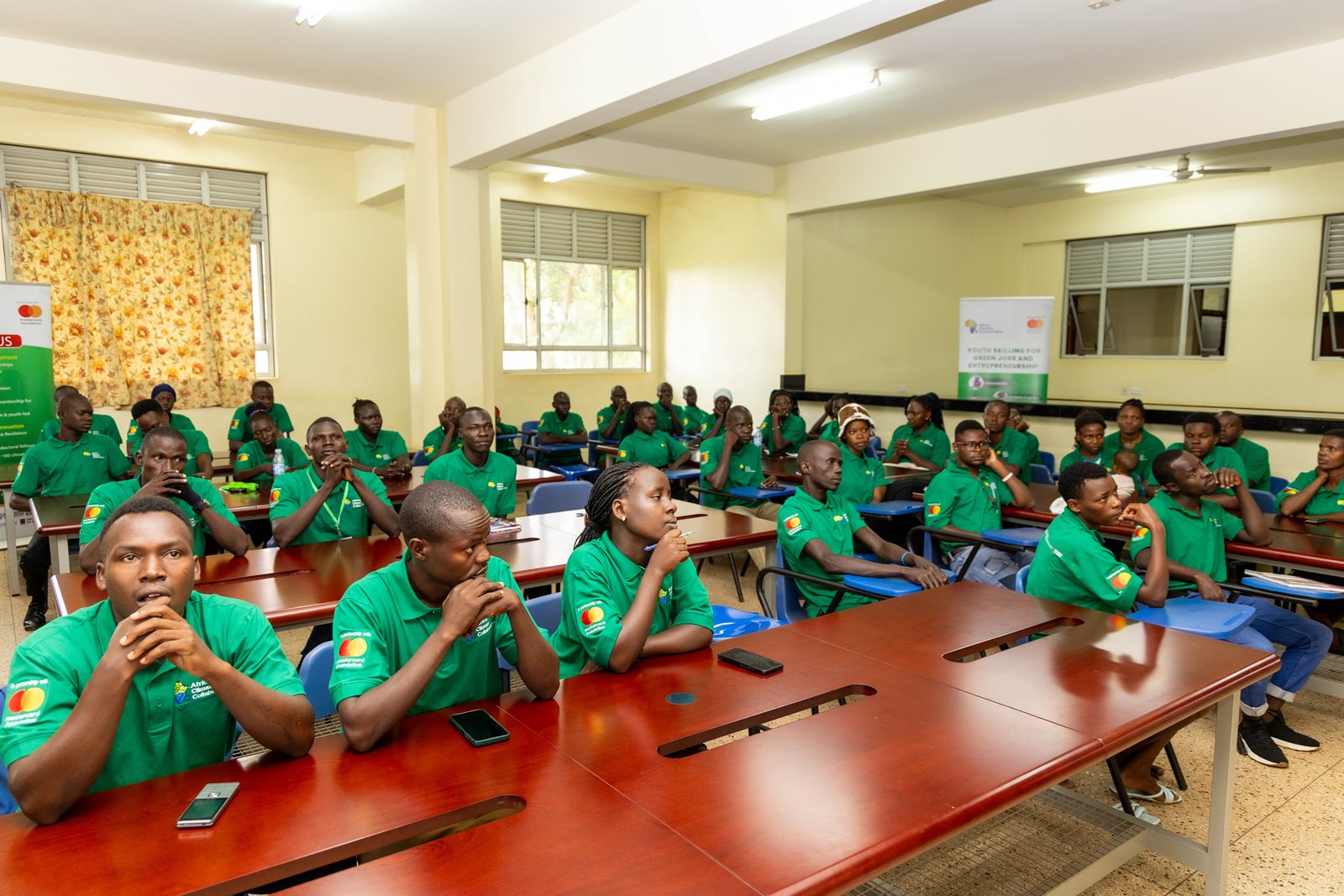
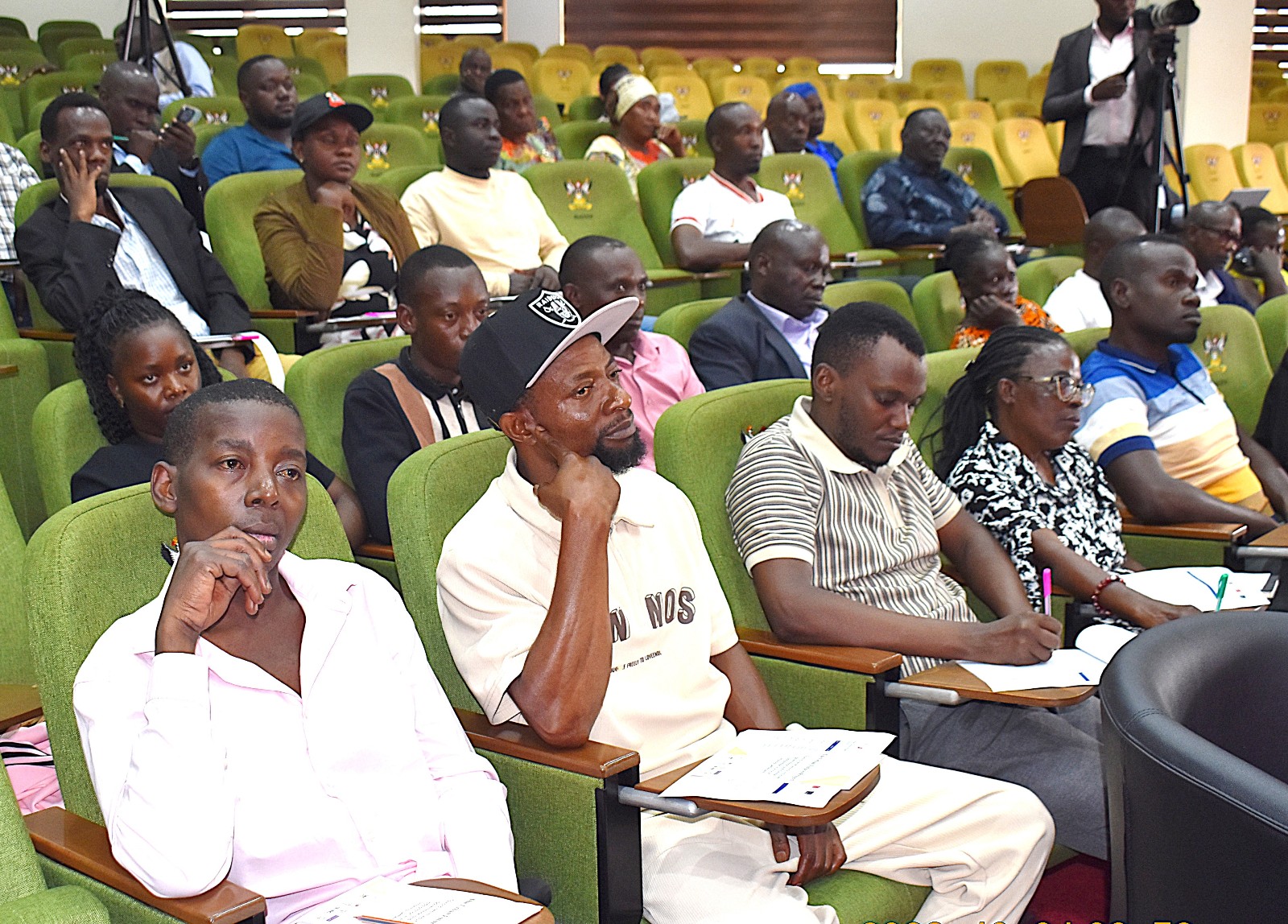
Part of the audience at the training. College of Agricultural and Environmental Sciences (CAES) in collaboration with the Uganda Red Cross Society, Mbarara University of Science and Technology, and Vienna University of Technology, Austria, comprehensive two-day training on Integrated Fecal Sludge and Solid Waste Management, 30th-31st March 2026, School of Food Technology, Nutrition and Bioengineering Conference Hall, Makerere University, Kampala Uganda, East Africa.
Part of the audience at the training.

Remarks by the CAES Leadership

On behalf of the Principal of CAES, Dr. Mildred Ochwo Ssemakula underscored Uganda’s immense potential to benefit from effective fecal sludge and solid waste management. “In an agriculture-dependent country, converting waste into organic fertilizer and other resources can significantly enhance productivity and generate substantial economic benefits. At the CAES, we are proud to collaborate and support initiatives like CPUg through innovative research and capacity-building programmes that directly address Uganda’s environmental challenges. I extend my sincere gratitude to the researchers and partners for their unwavering commitment to advancing research and environmental management. Makerere University highly values these collaborations, and together, we form a powerful coalition driving positive change in Uganda’s development.”
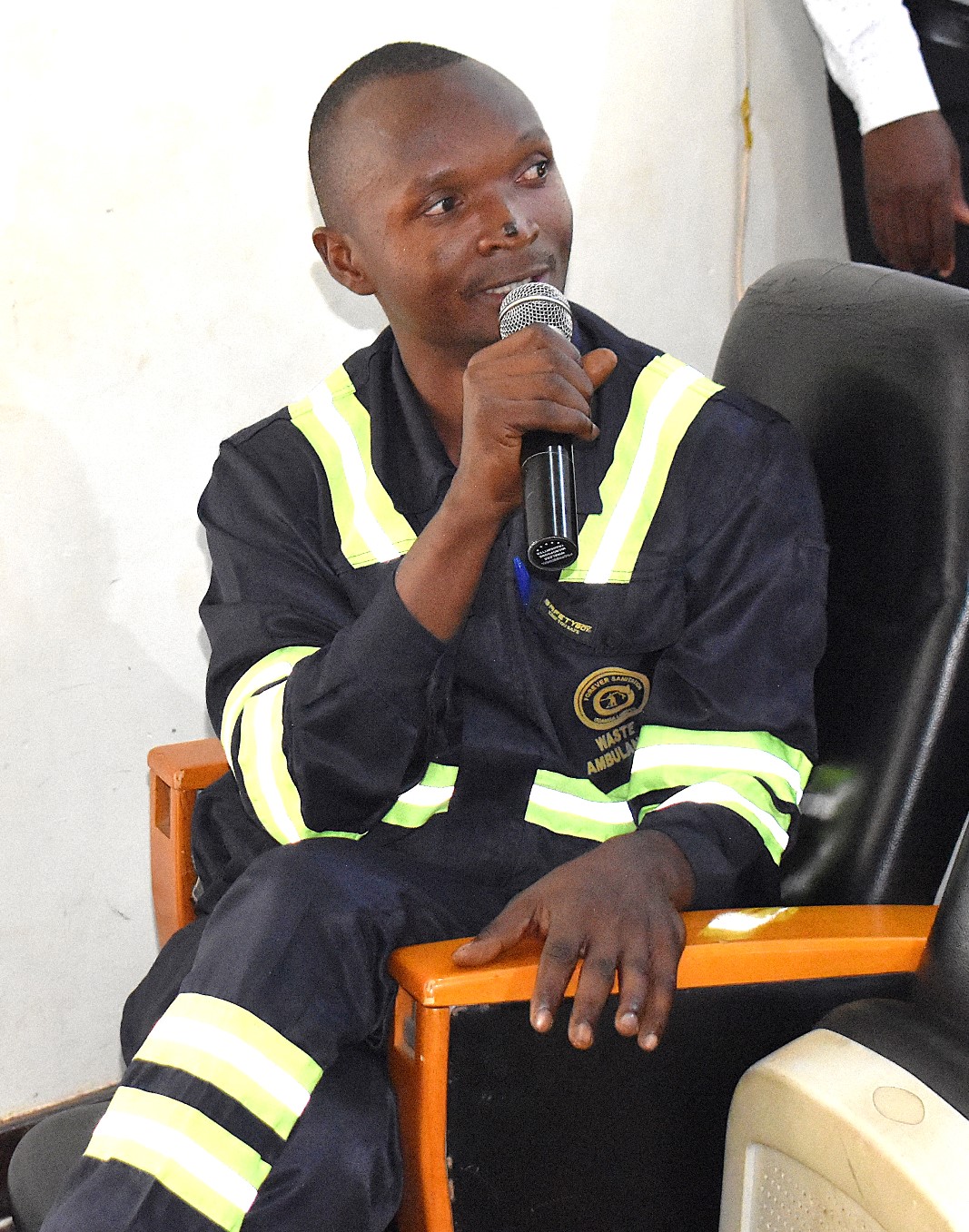
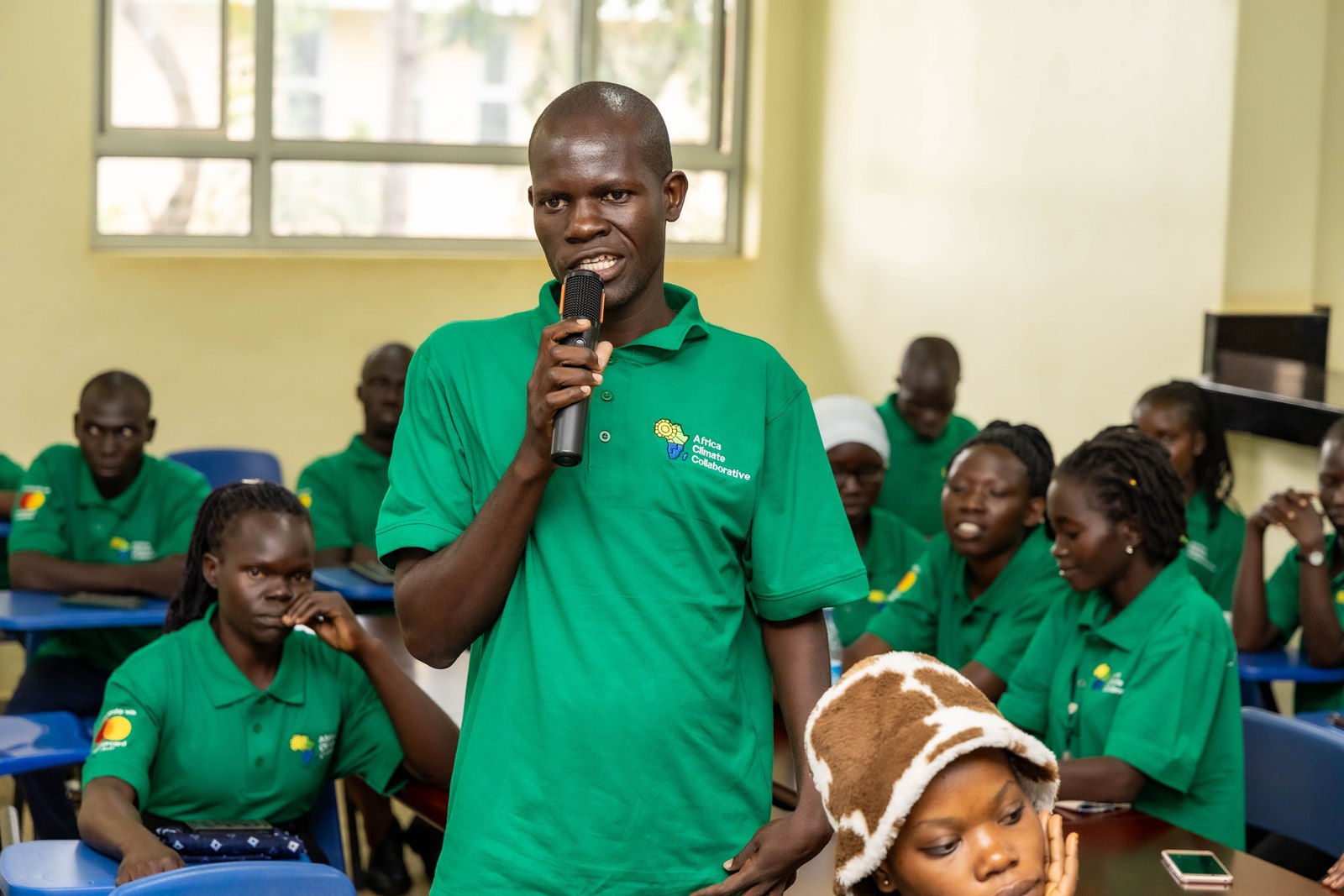
A waste management operator sharing valuable insights during the training session. College of Agricultural and Environmental Sciences (CAES) in collaboration with the Uganda Red Cross Society, Mbarara University of Science and Technology, and Vienna University of Technology, Austria, comprehensive two-day training on Integrated Fecal Sludge and Solid Waste Management, 30th-31st March 2026, School of Food Technology, Nutrition and Bioengineering Conference Hall, Makerere University, Kampala Uganda, East Africa.
A waste management operator sharing valuable insights during the training session.

The CPUg project has contributed to capacity-building by training five PhD students, three from Makerere University and two from Vienna University of Technology, as well as three MSc students from Makerere University. The results are expected to improve knowledge in waste management and strengthen stakeholder capacity across the waste management value chain.

Pictorial of the training:

https://drive.google.com/drive/folders/1B9nUVHhQEsFncLJR3rlHN0Dd2-f7BStR?usp=sharing

Hasifa Kabejja

Agriculture & Environment

Master’s Scholars Engage Lwengo and Rakai Communities to Inform Research Conceptualisation

Published

on

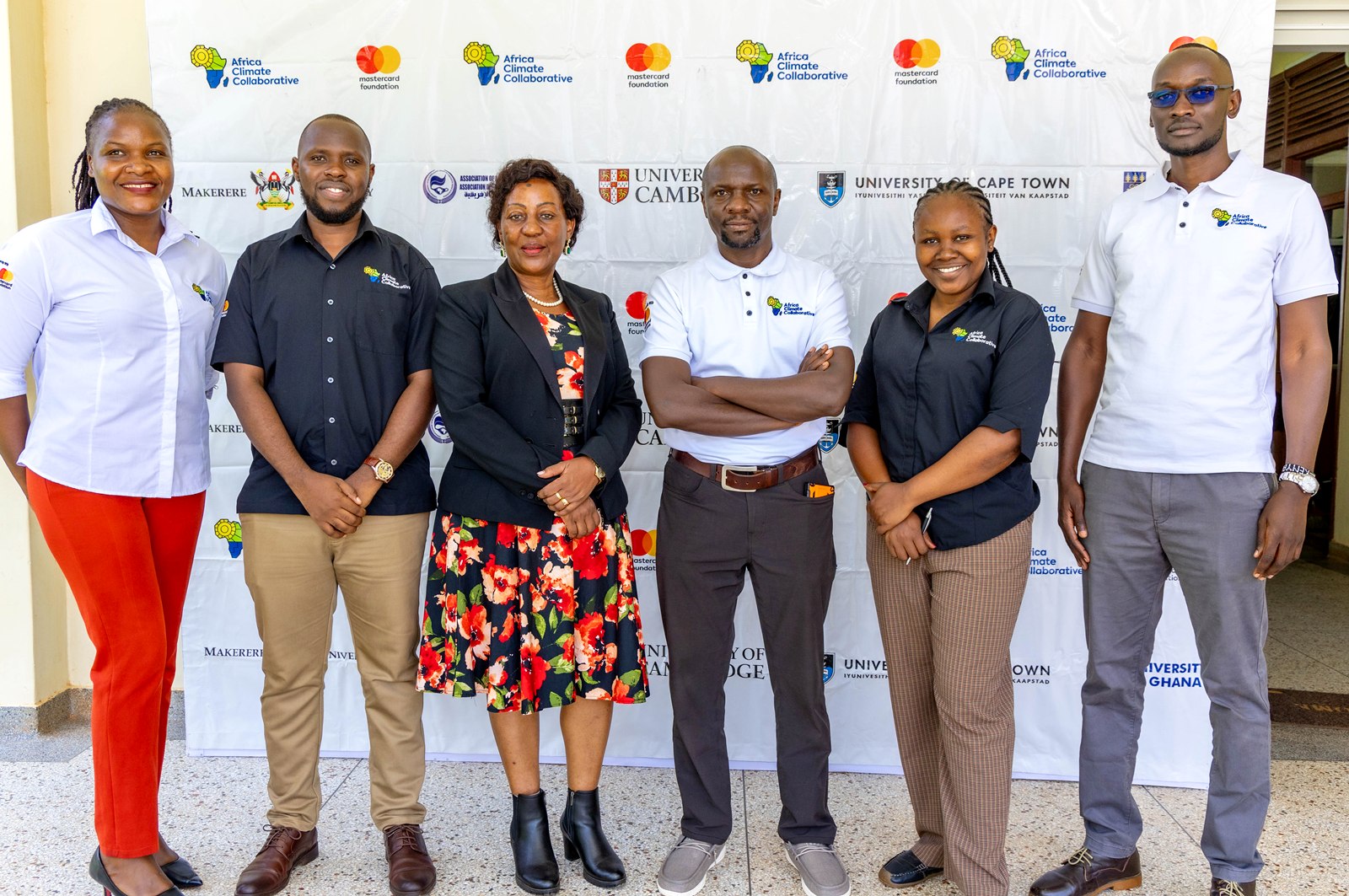
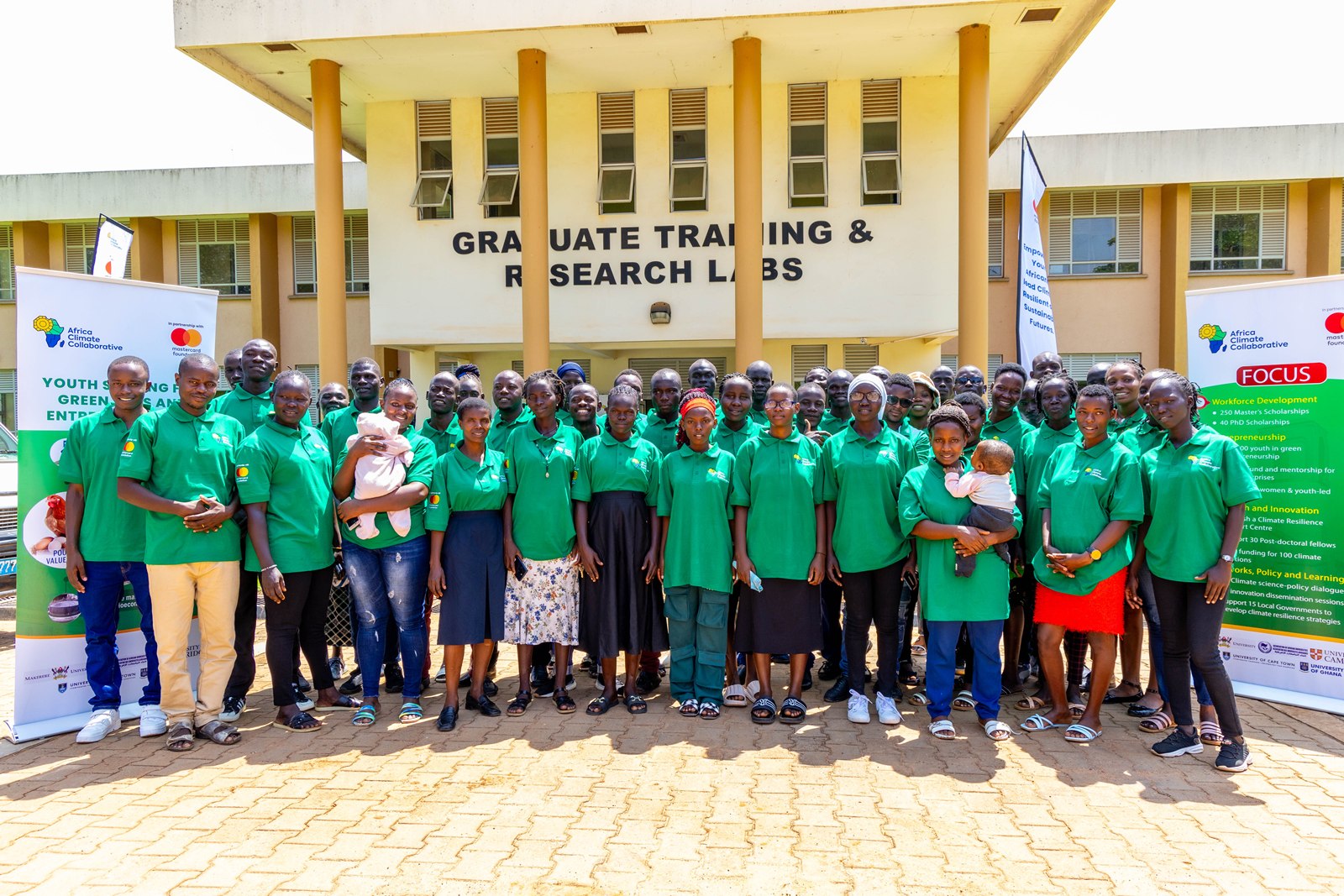
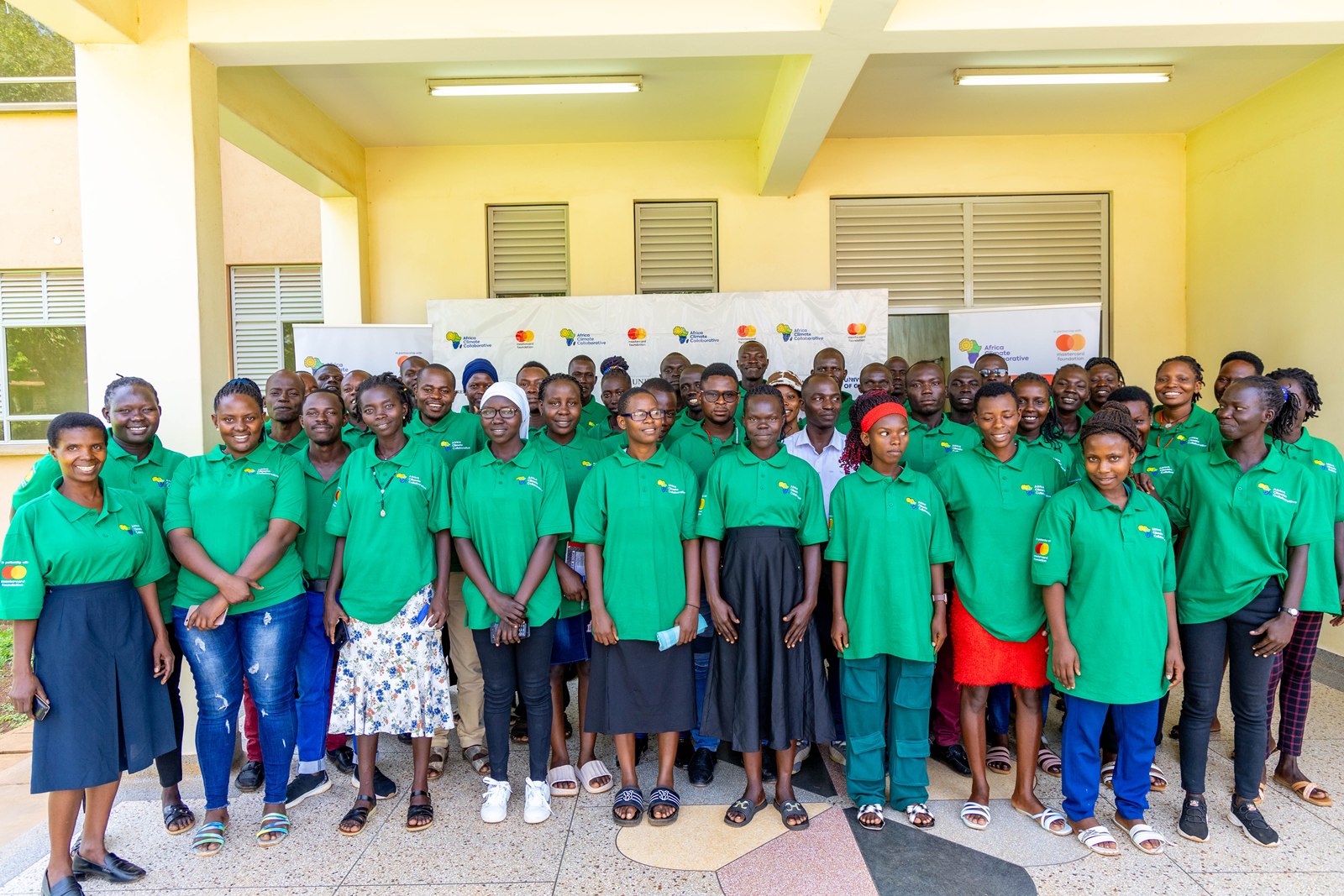
Prof. Isa Kabenge (Centre in white) with Masters Scholars under ACC and Officials at the Rakai District Local Government Administration Block during the reconnaissance visit held 5th-6th June 2026. Makerere University Master's Scholars under the Africa Climate Collaborative (ACC), an initiative supported by the Mastercard Foundation, reconnaissance visit to Lwengo and Rakai districts in preparation of their academic research engagements, 5th-6th June 2026, Uganda, East Africa.

By Myres Ndyabawe

Makerere University Master’s Scholars under the Africa Climate Collaborative (ACC), an initiative supported by the Mastercard Foundation, undertook a reconnaissance visit to Lwengo and Rakai districts in preparation of their academic research engagements.

The visit was intended to ensure that the research is informed by local realities, priorities, and perspectives, thereby enabling the scholars to undertake work that is responsive to and aligned with the needs of the communities it seeks to serve.

Accompanied by members of the ACC Program Delivery Team, Scholars engaged district technical staff, farmer cooperative representatives, and community members before visiting selected farmers across the two districts.  

Makerere University Master's Scholars under the Africa Climate Collaborative (ACC), an initiative supported by the Mastercard Foundation, reconnaissance visit to Lwengo and Rakai districts in preparation of their academic research engagements, 5th-6th June 2026, Uganda, East Africa.

These interactions provided an opportunity to gain first-hand insights into the climate change-related challenges affecting local livelihoods and communities, thereby helping to inform the design and implementation of their research activities.

Lwengo District Agricultural Officer, Peter Bamwesigye welcomed the Africa Climate Collaborative staff and the Scholars in the district, pledging support for all initiatives that will be implemented in the district under the Africa Climate Collaborative.

“We want such good news and welcome such interventions that transform our communities.  As a district, we believe the research conducted by the students will bring innovations that will improve the lives of the people we serve.” Bamwesigye said.

Community Challenges Requiring Research and Innovation

Richard Ayesiga, the manager of Kyazanga Farmers’ Cooperative Society, which brings together 1,088 farmers, noted that prolonged dry spells and limited knowledge on climate resilience have reduced farmer productivity in the area, urging students to provide solutions to farmers through their research.

Makerere University Master's Scholars under the Africa Climate Collaborative (ACC), an initiative supported by the Mastercard Foundation, reconnaissance visit to Lwengo and Rakai districts in preparation of their academic research engagements, 5th-6th June 2026, Uganda, East Africa.

In Rakai District, the Senior Agricultural Officer, Ivan Bwow, led the team on a field visit to Lake Kijjanebalola. He explained that the proliferation of invasive water weeds has disrupted fishing activities and restricted access to the lake by other users, adversely affecting livelihoods, food security, and household incomes in surrounding communities.

He further observed that some parts of Rakai District are affected by saline water, which limits the viability of irrigation. This challenge has contributed to increased encroachment on swamps and wetlands as communities search for alternative sources of water and productive land, placing additional pressure on fragile ecosystems.

The other challenges that were noted across the two districts include;

  1. Poor waste management
  2. Plastic pollution
  3. Crop pests and diseases
  4. Mis-use of artificial fertilizer that has affected soil health.
Makerere University Master's Scholars under the Africa Climate Collaborative (ACC), an initiative supported by the Mastercard Foundation, reconnaissance visit to Lwengo and Rakai districts in preparation of their academic research engagements, 5th-6th June 2026, Uganda, East Africa.

Research and Innovation to Inform Climate Solutions

Research is a core requirement for the attainment of a Master’s degree at Makerere University. The Scholars, who receive comprehensive scholarships under the ACC to pursue Master’s degrees in various disciplines, are expected to undertake research in Lwengo and Rakai districts during their second year of study.

During the engagement, participants raised concerns about the common practice of researchers collecting data from communities without returning to share the findings and recommendations.

Makerere University Master's Scholars under the Africa Climate Collaborative (ACC), an initiative supported by the Mastercard Foundation, reconnaissance visit to Lwengo and Rakai districts in preparation of their academic research engagements, 5th-6th June 2026, Uganda, East Africa.

Responding to these concerns on behalf of ACC, Mr. Antonny Tugaineyo, Principal Coordinator of the Climate Resilience Support Centre (CRSC), reassured stakeholders that the Program is committed to ensuring that research findings are disseminated to local communities and relevant stakeholders.

 He noted that the evidence generated will be used to inform policy development, strengthen decision-making, and support innovative solutions to climate-related challenges affecting Lwengo and Rakai districts.

“The fourth pillar of the Africa Climate Collaborative is Networks, Policy and Learning. Our work does not end with conducting research. We are committed to engaging stakeholders at all levels to ensure that the knowledge generated benefits the communities that contribute to and participate in the research process,” Mr. Tugaineyo said.

Mak Editor

Continue Reading

Agriculture & Environment

Policy Brief: Strengthening Climate Resilience and Livelihoods in Uganda’s Refugee and Host Communities

Published

on

Makerere-Cambridge project Communities of Hosts and Refugees Transitioning to Climate Resilience (CHART-CR) Workshop Participants, Kikuube district. The Communities of Hosts and Refugees Transitioning to Climate Resilience (CHART-CR) through workshops project focused on the interlinked dimensions of climate variability, food security, livelihoods, and water availability across diverse ecological contexts, including lowland refugee-hosting areas and mountainous, flood-prone regions through collaborative partnership between Makerere University Kampala Uganda, East Africa, University of Cambridge, and Cambridge-Africa Programme, with financial support from the Mastercard Foundation and Cambridge-Africa.

Uganda’s refugee-hosting and vulnerable communities in Kyangwali (Kikuube district, part of former greater Hoima district) and Kasese district face severe risks from climate change, population pressure, and resource dependence, undermining livelihoods, food security, and water, sanitation, and hygiene (WASH) outcomes. The Makerere-Cambridge project Communities of Hosts and Refugees Transitioning to Climate Resilience (CHART-CR) engaged communities through participatory research to identify adaptive practices, infrastructure gaps, and actionable strategies to address these issues.

Our findings are that integrated interventions including community training hubs for capacity building, climate-resilient infrastructure, and participatory resource governance can strengthen resilience, protect livelihoods, prevent potential conflicts, and support sustainable development.

More information: https://chart-cr.org/.

Key Messages for Policy

  • In Hoima District: Erratic rainfall patterns and prolonged dry spells are significantly affecting agricultural productivity and water availability, thereby threatening food security among refugees and vulnerable host communities.
  • In Kasese District: Frequent floods and landslides are causing widespread disruption to agriculture, damaging infrastructure, and compromising food security and WASH services, especially for refugees and vulnerable host populations.
  • Strengthening climate resilience requires combining infrastructure investments, community training, participatory governance, and livelihood support to address interconnected risks in food security, water, and sanitation.
  • Refugee and host communities already demonstrate adaptive practices such as soil conservation, intercropping, and water-efficient farming which can be scaled and reinforced through participatory learning platforms.
  • Women and children bear the brunt of water collection and household labor; inclusive strategies and equitable decision-making in WASH, agriculture, and resource management enhance both resilience and social equity.
  • Investments in climate-resilient infrastructure, integrated community hubs for knowledge exchange and capacity building, and participatory governance could strengthen adaptive capacity, secure livelihoods, prevent societal conflicts between communities and protect health, education, and sustainable development outcomes.

1. Background

Uganda hosts one of Africa’s largest refugee populations under a progressive policy framework that promotes inclusion and self-reliance. Within this context, Kyangwali Refugee Settlement in Hoima District accommodates approximately 155,000 residents, of whom 99.7% are refugees. Women and children constitute nearly 80% of the population, underscoring significant demographic vulnerabilities. Increasing population density, coupled with declining land availability per household, has intensified pressure on natural resources. This has contributed to environmental degradation and heightened exposure to recurrent droughts, thereby constraining agricultural productivity, worsening food insecurity, and increasing dependence on humanitarian assistance. The host communities suffer from the same environmental changes, and the fact that the refugee and host communities are managed separately add to suspiciousness between them that might lead to rising tensions and potential conflicts.

Similarly, Kasese District has an estimated 750,000 people who rely heavily on rain-fed subsistence agriculture, with over 85% of the population dependent on this livelihood system. The district is highly susceptible to climate-related hazards, including recurrent flooding, landslides, and droughts. These risks are particularly pronounced along River Nyamwamba and within the Kilembe mining areas, where environmental instability continues to undermine water and sanitation, infrastructure, disrupt livelihoods, and pose significant public health challenges. The convergence of climate variability, rapid population growth, and high dependence on natural resources creates a complex and reinforcing cycle of vulnerability affecting both refugee and host communities.

A section of river Nyamwamba, Kasese district. The Communities of Hosts and Refugees Transitioning to Climate Resilience (CHART-CR) through workshops project focused on the interlinked dimensions of climate variability, food security, livelihoods, and water availability across diverse ecological contexts, including lowland refugee-hosting areas and mountainous, flood-prone regions through collaborative partnership between Makerere University Kampala Uganda, East Africa, University of Cambridge, and Cambridge-Africa Programme, with financial support from the Mastercard Foundation and Cambridge-Africa.
A section of river Nyamwamba, Kasese district.

2. Methodology

The project Communities of Hosts and Refugees Transitioning to Climate Resilience (CHART-CR) through workshops was designed to generate evidence to these challenges and inform integrated policy and programming. The project focused on the interlinked dimensions of climate variability, food security, livelihoods, and water availability across diverse ecological contexts, including lowland refugee-hosting areas and mountainous, flood-prone regions. Implementation was undertaken through a collaborative partnership between Makerere University, the University of Cambridge, and the Cambridge-Africa Programme, with financial support from the Mastercard Foundation and Cambridge-Africa.

Workshop participants, Kasese district. The Communities of Hosts and Refugees Transitioning to Climate Resilience (CHART-CR) through workshops project focused on the interlinked dimensions of climate variability, food security, livelihoods, and water availability across diverse ecological contexts, including lowland refugee-hosting areas and mountainous, flood-prone regions through collaborative partnership between Makerere University Kampala Uganda, East Africa, University of Cambridge, and Cambridge-Africa Programme, with financial support from the Mastercard Foundation and Cambridge-Africa.
Workshop participants, Kasese district.

The CHART-CR Project adopted a participatory and inclusive research approach, engaging stakeholders comprising refugees, host community members, representatives from the Office of the Prime Minister (OPM), and local government officials. Stakeholder selection prioritized gender balance, age diversity, and the inclusion of marginalized groups, including women, older persons, and persons with disabilities. Data collection employed included workshop discussions, focus group discussions, key informant interviews and field observations. This approach enabled the systematic capture of community perspectives alongside expert insights, generating context-specific, actionable evidence to inform policy and interventions aimed at strengthening climate resilience, food security, WASH systems, and sustainable livelihoods.

Workshop participants sharing climate change challenges, Kikuube district. The Communities of Hosts and Refugees Transitioning to Climate Resilience (CHART-CR) through workshops project focused on the interlinked dimensions of climate variability, food security, livelihoods, and water availability across diverse ecological contexts, including lowland refugee-hosting areas and mountainous, flood-prone regions through collaborative partnership between Makerere University Kampala Uganda, East Africa, University of Cambridge, and Cambridge-Africa Programme, with financial support from the Mastercard Foundation and Cambridge-Africa.
Workshop participants sharing climate change challenges, Kikuube district.

Workshop participants sharing floods, and water related challenges, Kasese district. The Communities of Hosts and Refugees Transitioning to Climate Resilience (CHART-CR) through workshops project focused on the interlinked dimensions of climate variability, food security, livelihoods, and water availability across diverse ecological contexts, including lowland refugee-hosting areas and mountainous, flood-prone regions through collaborative partnership between Makerere University Kampala Uganda, East Africa, University of Cambridge, and Cambridge-Africa Programme, with financial support from the Mastercard Foundation and Cambridge-Africa.
Workshop participants sharing floods, and water related challenges, Kasese district.

3. Climate Variability and Environmental Pressures Key Policy Issues

In Kyangwali, rainfall patterns have become increasingly erratic, with delayed rainy seasons and prolonged dry spells disrupting traditional planting and harvest cycles and significantly reducing yields. Deforestation associated with refugee settlement expansion has reduced soil moisture retention, biodiversity, and microclimate regulation, further undermining agricultural productivity.

Sweet potato garden destroyed by drought in Kyangwali settlement scheme. The Communities of Hosts and Refugees Transitioning to Climate Resilience (CHART-CR) through workshops project focused on the interlinked dimensions of climate variability, food security, livelihoods, and water availability across diverse ecological contexts, including lowland refugee-hosting areas and mountainous, flood-prone regions through collaborative partnership between Makerere University Kampala Uganda, East Africa, University of Cambridge, and Cambridge-Africa Programme, with financial support from the Mastercard Foundation and Cambridge-Africa.
Sweet potato garden destroyed by drought in Kyangwali settlement scheme.

In Kasese, floods from River Nyamwamba and recurring droughts threaten homes, crops, and infrastructure, displacing households and reducing agricultural yields. Both districts experience environmental degradation that exacerbates vulnerability to climate shocks.

Section of houses which were destroyed by river Nyamwamba floods in Kasese district. The Communities of Hosts and Refugees Transitioning to Climate Resilience (CHART-CR) through workshops project focused on the interlinked dimensions of climate variability, food security, livelihoods, and water availability across diverse ecological contexts, including lowland refugee-hosting areas and mountainous, flood-prone regions through collaborative partnership between Makerere University Kampala Uganda, East Africa, University of Cambridge, and Cambridge-Africa Programme, with financial support from the Mastercard Foundation and Cambridge-Africa.
Section of houses which were destroyed by river Nyamwamba floods in Kasese district.

Food Security and Livelihood Constraints

Shrinking per capita land provision, declining seed quality, limited access to farm inputs, and weak storage infrastructure constrain crop diversification and household self-reliance in both districts. Post-harvest losses and limited market access reduce household income, heightening vulnerability. Refugee-host interactions, including land rental, knowledge exchange, and market engagement, enhance resilience but might also create perceptions of inequality due to differences in institutional support.

Water Access and availability Challenges

Communities face water scarcity and contamination from communal usage, poor sanitation, and agricultural runoff. Women and children bear the primary burden of water collection, often traveling long distances, which reduces labor productivity and school attendance. In Kasese district, low latrine coverage, open defecation, and inadequate waste management increase exposure to waterborne diseases. Floods and landslides on Kasese further compromise water quality and availability and thus increase health risks.

Boys fetching water from river Nyamwamba, Kasese district. The Communities of Hosts and Refugees Transitioning to Climate Resilience (CHART-CR) through workshops project focused on the interlinked dimensions of climate variability, food security, livelihoods, and water availability across diverse ecological contexts, including lowland refugee-hosting areas and mountainous, flood-prone regions through collaborative partnership between Makerere University Kampala Uganda, East Africa, University of Cambridge, and Cambridge-Africa Programme, with financial support from the Mastercard Foundation and Cambridge-Africa.
Boys fetching water from river Nyamwamba, Kasese district.
Girl fetching water from river Nyamwamba, Kasese district. The Communities of Hosts and Refugees Transitioning to Climate Resilience (CHART-CR) through workshops project focused on the interlinked dimensions of climate variability, food security, livelihoods, and water availability across diverse ecological contexts, including lowland refugee-hosting areas and mountainous, flood-prone regions through collaborative partnership between Makerere University Kampala Uganda, East Africa, University of Cambridge, and Cambridge-Africa Programme, with financial support from the Mastercard Foundation and Cambridge-Africa.
Girl fetching water from river Nyamwamba, Kasese district.


Adaptive Capacities

Despite these challenges, communities demonstrate strong local knowledge and adaptive practices, including informal water management, soil conservation, intercropping, and water-efficient farming techniques. Participatory approaches, joint training in climate-smart agriculture, and collaborative livelihood initiatives foster social cohesion and knowledge sharing between refugees and host communities. Existing leadership structures, community awareness, and partial infrastructure provide a foundation for scaling resilience interventions.

4. Conclusions and Policy Directions

Climate variability, population pressure, and resource dependence significantly undermine livelihoods, food security, and Water Sanitation and Hygiene (WASH) outcomes in Kyangwali and Kasese. Communities possess valuable experiential knowledge, adaptive practices, and social cohesion; however, structural constraints including weak infrastructure, limited financing, low technical capacity, and fragmented coordination – limit the effectiveness of local strategies.

To strengthen resilience, integrated interventions are required that bridge humanitarian response and long-term development, institutionalize participatory and gender-sensitive approaches, build human, social, and institutional capital, and align local priorities with technical expertise and policy frameworks. Key policy measures include:

  • Establish and strengthen integrated community resilience centers that serve as hubs for capacity building, knowledge exchange, and practical training in climate-smart agriculture, environmental conservation, food storage, water management, and market access. These centers should also promote inclusive learning, skills development, and cooperative enterprises that support both refugee and host communities in developing sustainable livelihoods.
  • Invest in Climate-Resilient Infrastructure: Upgrade WASH systems, construct protected wells, boreholes, piped water networks, and communal storage facilities, and restore riverbanks through tree planting and drainage maintenance to reduce soil erosion and contamination.
  • Promote Community-Led Resource Governance: Support participatory water, sanitation, and agricultural management, including monitoring systems for adaptive learning, equitable resource allocation, and gender-sensitive decision-making.

These combined strategies will enhance adaptive capacity, secure sustainable development outcomes, and protect livelihoods, food security, health, and education for Uganda’s most vulnerable populations.

5. Call to Action

The experiences and lessons learnt from Hoima (Kyangwali Refugee Settlement and adjacent host communities) and Kasese (refugee and host communities living around River Nyamwamba) under the CHART-CR project highlight the urgent need for integrated, locally informed, and coordinated resilience strategies. By aligning technical expertise, policy frameworks, and community knowledge, stakeholders can enhance adaptive capacity, secure sustainable development outcomes, and protect livelihoods, food security, health, and education for Uganda’s most vulnerable populations. Further details about the CHART-CR project, its research, and outcomes can be accessed at https://chart-cr.org/

About the Authors

Dr. Gabriel Karubanga Lecturer, Makerere University, Uganda. The Communities of Hosts and Refugees Transitioning to Climate Resilience (CHART-CR) through workshops project focused on the interlinked dimensions of climate variability, food security, livelihoods, and water availability across diverse ecological contexts, including lowland refugee-hosting areas and mountainous, flood-prone regions through collaborative partnership between Makerere University Kampala Uganda, East Africa, University of Cambridge, and Cambridge-Africa Programme, with financial support from the Mastercard Foundation and Cambridge-Africa. Dr. Gabriel Karubanga Lecturer, Makerere University, UgandaDr. Irit Katz, Assoc. Prof. of Architecture, University of Cambridge, UK. The Communities of Hosts and Refugees Transitioning to Climate Resilience (CHART-CR) through workshops project focused on the interlinked dimensions of climate variability, food security, livelihoods, and water availability across diverse ecological contexts, including lowland refugee-hosting areas and mountainous, flood-prone regions through collaborative partnership between Makerere University Kampala Uganda, East Africa, University of Cambridge, and Cambridge-Africa Programme, with financial support from the Mastercard Foundation and Cambridge-Africa. Dr Irit Katz, Assoc. Prof. of Architecture, University of Cambridge, UKMr. Frank Mafumo, PhD student, Makerere University, Uganda. The Communities of Hosts and Refugees Transitioning to Climate Resilience (CHART-CR) through workshops project focused on the interlinked dimensions of climate variability, food security, livelihoods, and water availability across diverse ecological contexts, including lowland refugee-hosting areas and mountainous, flood-prone regions through collaborative partnership between Makerere University Kampala Uganda, East Africa, University of Cambridge, and Cambridge-Africa Programme, with financial support from the Mastercard Foundation and Cambridge-Africa. Mr. Frank Mafumo, PhD student, Makerere University, Uganda

Important Contacts

  1. Dr. Gabriel Karubanga, Lecturer, Department of Extension and Innovation Studies, College of Agricultural and Environmental Sciences, Makerere University, P.O. Box 7062, Kampala, Uganda. Tel. +256782929971; email: gabriel.karubanga@mak.ac.ug
  2. Dr Irit Katz, Associate Professor of Architecture and Urban Studies, Department of Architecture, University of Cambridge; email: ik300@cam.ac.uk
  3. Mr. Frank Mafumo, PhD student, Department of Extension and Innovation Studies, College of Agricultural and Environmental Sciences, Makerere University, P.O. Box 7062, Kampala, Uganda. Tel. +256774171519; email: mafumofrank2020@gmail.com

Download Policy brief

View on CAES

Mak Editor

Continue Reading

Agriculture & Environment

Prof. Isa Kabenge Officially Hands Over Leadership of DABE to Prof. Joshua Wanyama

Published

on

Prof. Isa Kabenge handing over the office keys to Prof. Joshua Wanyama. Prof. Isa Kabenge has officially hands over leadership of the Department of Agricultural and Biosystems Engineering (DABE) on 4th June 2026, School of Food Technology, Nutrition and Bioengineering Conference Hall, College of Agricultural and Environmental Sciences (CAES), Makerere University, Kampala Uganda, East Africa.

Prof. Isa Kabenge has officially handed over leadership of the Department of Agricultural and Biosystems Engineering (DABE) at the College of Agricultural and Environmental Sciences (CAES), Makerere University to Prof. Joshua Wanyama. Prof. Kabenge has served as Head of Department since 2021, providing four years of leadership marked by institutional growth, strengthened partnerships, and expanded academic output. Prof. Wanyama will serve as Head of Department for a four-year term, effective 6th May 2026.

The handover ceremony, held in the Conference Hall of the School of Food Technology, Nutrition and Bioengineering (SFTNB) on 4th June 2026, was attended by key university officials and members of staff from the department. These included the Director of Human Resources, Makerere University, represented by the CAES Principal Human Resource Officer, Mr. Julius Lebo; the Dean of SFTNB, Dr. Julia Kigozi; and the Head of Internal Audit, represented by the College Bursar, Ms. Susan Kyamulabi.

Prof. Kabenge presenting his handover report. Prof. Isa Kabenge has officially hands over leadership of the Department of Agricultural and Biosystems Engineering (DABE) on 4th June 2026, School of Food Technology, Nutrition and Bioengineering Conference Hall, College of Agricultural and Environmental Sciences (CAES), Makerere University, Kampala Uganda, East Africa.
Prof. Kabenge presenting his handover report.

Remarks and Appreciation by the Dean 

In her remarks, Dr. Julia Kigozi commended Prof. Kabenge for his dedicated service and exemplary leadership. She appreciated him for the cordial working relationship, professionalism, and steadfast commitment to institutional development. She particularly acknowledged his efforts in initiating and strengthening partnerships with both local and international partners, which have significantly enhanced the department’s academic and research profile.

 Dr. Kigozi congratulated Prof. Wanyama on his appointment and expressed confidence that he would build on the accomplishments of his predecessor.

Some members of staff from DABE at the handover ceremony. Prof. Isa Kabenge has officially hands over leadership of the Department of Agricultural and Biosystems Engineering (DABE) on 4th June 2026, School of Food Technology, Nutrition and Bioengineering Conference Hall, College of Agricultural and Environmental Sciences (CAES), Makerere University, Kampala Uganda, East Africa.
Some members of staff from DABE at the handover ceremony.

Reflections from Prof. Kabenge

Prof. Kabenge expressed gratitude to the University Management, as well as the staff of DABE, for entrusting him with the responsibility of leading the department over the past four years. He also acknowledged the support extended to him by the College and School leadership throughout his tenure.

“My time in office coincided with particularly challenging circumstances, including the COVID-19 pandemic and staff shortages. Despite these difficulties, I commend the resilience, dedication, and teamwork demonstrated by staff, which enabled the department to continue progressing. This experience has affirmed that DABE has an exceptional team with immense potential that can be leveraged to elevate the department to even greater heights,” he said. “It has been an honour to serve as Head of Department. As I step down, I do so with full confidence in the direction the department is taking.”

The Dean of the School of Food Technology, Nutrition and Bioengineering, Dr. Julia Kigozi delivering her remarks. Prof. Isa Kabenge has officially hands over leadership of the Department of Agricultural and Biosystems Engineering (DABE) on 4th June 2026, School of Food Technology, Nutrition and Bioengineering Conference Hall, College of Agricultural and Environmental Sciences (CAES), Makerere University, Kampala Uganda, East Africa.
The Dean of the School of Food Technology, Nutrition and Bioengineering, Dr. Julia Kigozi delivering her remarks.

 Prof. Kabenge encouraged staff to continue strengthening the culture of collaboration that has become a hallmark of the department, emphasizing the importance of interdisciplinary engagement. “Many of the issues the department addresses, such as water security and climate-smart agriculture, are complex and require diverse expertise and collaborative approaches,” he noted.

 Prof. Kabenge pledged to continue supporting the department, particularly in the areas of research and collaboration.

Achievements registered

The overarching goal of DABE is to remain a leading center of excellence in agro-production and food systems within the region and across East Africa. The Department currently hosts approximately 315 students and offers a range of academic programmes, including the Bachelor of Science in Agricultural Engineering, Bachelor of Science in Water and Irrigation Engineering, Bachelor of Science in Bioprocessing Engineering, Master of Science in Agricultural Engineering, and a PhD in Agricultural Engineering.

The incoming Head, Prof. Joshua Wanyama delivering his remarks at the ceremony. Prof. Isa Kabenge has officially hands over leadership of the Department of Agricultural and Biosystems Engineering (DABE) on 4th June 2026, School of Food Technology, Nutrition and Bioengineering Conference Hall, College of Agricultural and Environmental Sciences (CAES), Makerere University, Kampala Uganda, East Africa.
The incoming Head, Prof. Joshua Wanyama delivering his remarks at the ceremony.

Strengthened Research Profile

Prof. Kabenge leaves office at a time when the department has established a strong research profile, with academic staff producing more than 40 publications annually. Research within the department spans a wide range of thematic areas, including soil, water and irrigation engineering; bioprocess engineering; food processing, preservation and bio-based materials; nanotechnology and bioprocessing technologies for agriculture; artificial intelligence and engineering modelling; and power and machinery for sustainable agriculture. This growing research output has been complemented by an expanding network of collaborations that has strengthened the department’s capacity for innovation, knowledge exchange, and practical impact.

Infrastructure and Capacity Building

In addition, DABE has developed several practical training and research facilities, including a fabrication workshop at the Makerere University Agricultural Research Institute Kabanyolo (MUARIK), aquaculture ponds, irrigation demonstration and experimental systems, post-harvest handling facilities such as refractive window dryers and hybrid solar dryers, and a water science laboratory currently under development. Many of these facilities have been established through research projects funded by both local and international partners.

The Department also hosts the Africa Water Quality Testing Fellowship, a capacity-building programme implemented in partnership with the Aquaya Institute. The fellowship trains students and early-career professionals in water quality monitoring, testing, and management through classroom instruction, laboratory practice, and field-based research. It aims to strengthen Africa’s water workforce, improve access to reliable water quality data, and support safer drinking water systems. The programme is part of a five-year regional initiative (2021-2026) operating through universities in Uganda, Ghana, and Ethiopia.

The Principal Human Resource Officer of CAES, Mr. Julius Lebo presided over the ceremony. Prof. Isa Kabenge has officially hands over leadership of the Department of Agricultural and Biosystems Engineering (DABE) on 4th June 2026, School of Food Technology, Nutrition and Bioengineering Conference Hall, College of Agricultural and Environmental Sciences (CAES), Makerere University, Kampala Uganda, East Africa.
The Principal Human Resource Officer of CAES, Mr. Julius Lebo presided over the ceremony.

Welcoming the New Head

Prof. Kabenge congratulated Prof. Wanyama on his appointment and encouraged him to sustain and further strengthen the department’s local and international partnerships. He specifically encouraged the revival of visiting professorships and deeper engagement with the department’s expanding and well-connected alumni network.

Remarks by the University Officials and Incoming Head

The Director of Human Resources, represented by Mr. Julius Lebo, commended the outgoing head for his dedicated service and welcomed the incoming head, appreciating his willingness to take on the leadership role.

Similarly, the College Bursar, Ms. Susan Kyamulabi, praised Prof. Kabenge for his professionalism, strong administrative organization, and prudent management of departmental funds.

In his remarks, Prof. Joshua Wanyama expressed gratitude to University Management for his appointment, and to Prof. Kabenge, for his exemplary servant leadership and mentorship. He acknowledged the department’s steady growth under the outgoing head and thanked staff for entrusting him with the responsibility to lead them.

The College Bursar, Ms. Susan Kyamulabi. Prof. Isa Kabenge has officially hands over leadership of the Department of Agricultural and Biosystems Engineering (DABE) on 4th June 2026, School of Food Technology, Nutrition and Bioengineering Conference Hall, College of Agricultural and Environmental Sciences (CAES), Makerere University, Kampala Uganda, East Africa.
The College Bursar, Ms. Susan Kyamulabi.

“I pledge my full commitment to serve. DABE is known for excellence and delivery, and I intend to uphold and strengthen that legacy. We shall continue working as a team to pursue excellence and further develop our department,” he said.

Brief about Prof. Joshua Wanyama

Prof. Joshua Wanyama is a Ugandan academic and Agricultural and Biosystems Engineer serving as an Associate Professor in the Department of Agricultural and Biosystems Engineering at Makerere University. He holds a PhD in Bioscience Engineering from Katholieke Universiteit Leuven (Belgium), a Master of Science in Water Science and Engineering from IHE Delft Institute for Water Education (Netherlands), and a Bachelor of Science in Agricultural Engineering from Makerere University.

With over twenty years of experience in teaching, research, and academic mentorship, he specializes in irrigation engineering, water resources management, watershed systems, and climate-smart agriculture. His work focuses on advancing sustainable agricultural water systems and strengthening climate resilience in Uganda and the wider region.

Members of staff from DABE together with the Dean of the SFTNB, Dr Julia Kigozi, the College HR and Bursar, and the outgoing and incoming heads at the handover ceremony. Prof. Isa Kabenge has officially hands over leadership of the Department of Agricultural and Biosystems Engineering (DABE) on 4th June 2026, School of Food Technology, Nutrition and Bioengineering Conference Hall, College of Agricultural and Environmental Sciences (CAES), Makerere University, Kampala Uganda, East Africa.
Members of staff from DABE together with the Dean of the SFTNB, Dr Julia Kigozi, the College HR and Bursar, and the outgoing and incoming heads at the handover ceremony.

He has supervised several undergraduate and postgraduate students, contributed to curriculum development, and served as an external examiner for a number of universities across Africa. He is a registered professional engineer and an active member of professional bodies including the Uganda Institution of Professional Engineers and the American Society of Agricultural and Biological Engineers.

In recognition of his academic excellence, he was named among the top-performing mid-career researchers and lecturers at the College of Agricultural and Environmental Sciences (CAES) in the 2025 Vice Chancellor’s Research Excellence Awards.

Pictorial of the handover ceremony:

https://drive.google.com/drive/folders/1RjIS9_8mPM5HVr7UAFP7ik43kkpj-WOY?usp=sharing

Hasifa Kabejja

Continue Reading

Trending