
Agriculture & Environment
Mak-CAES Trains Small-Scale Processors on Soybean Value Addition & Product Development

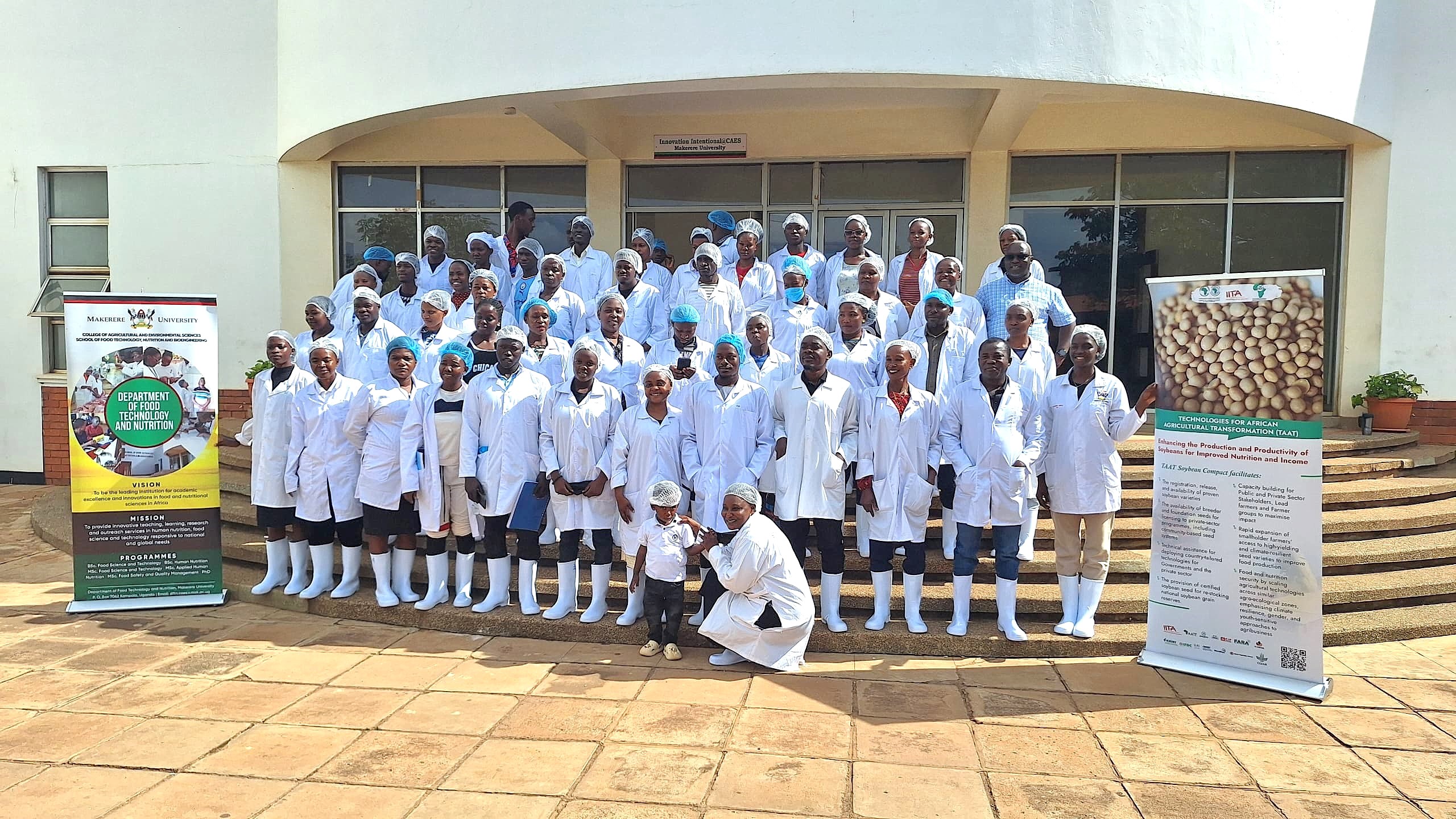
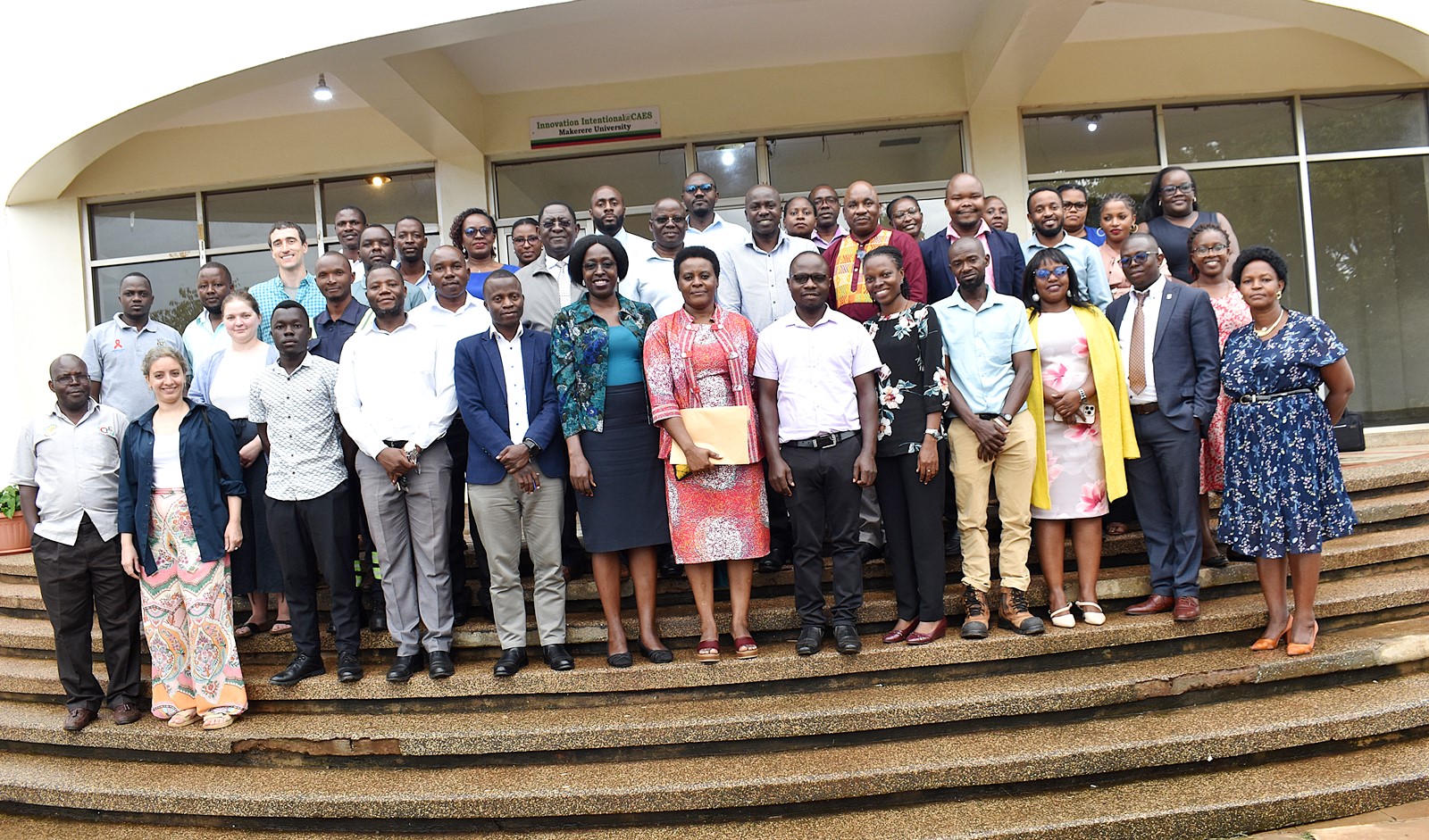
The Department of Food Technology and Nutrition (DFTN), Makerere University, in collaboration with Smart Foods Uganda Ltd, successfully conducted a five-day intensive training on soybean value addition and product development from 24th to 28th November 2025. The training was implemented with support from IITA Uganda under the Training for African Agricultural Transformation (TAAT) Soy Compact Project, aimed at strengthening agro-processing capacities and promoting soybean utilization for improved nutrition and livelihoods.
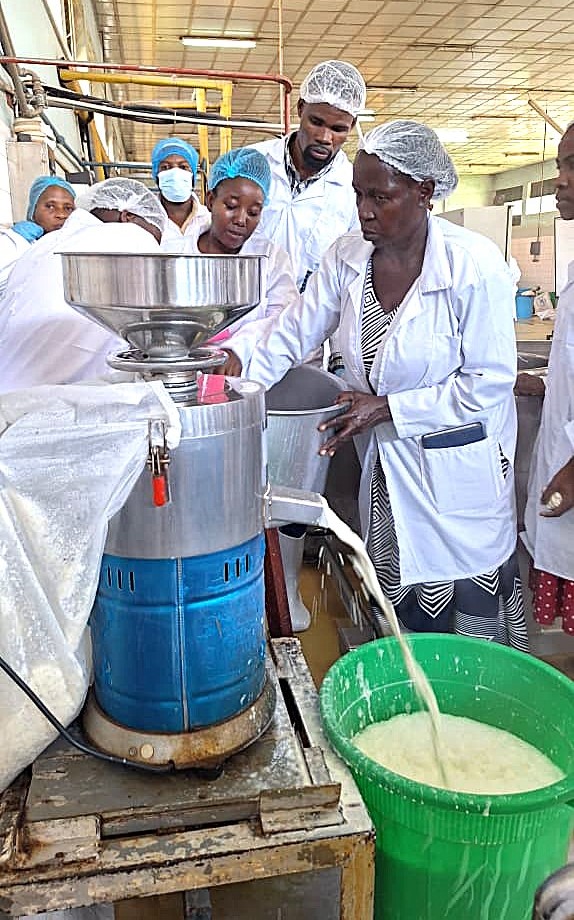
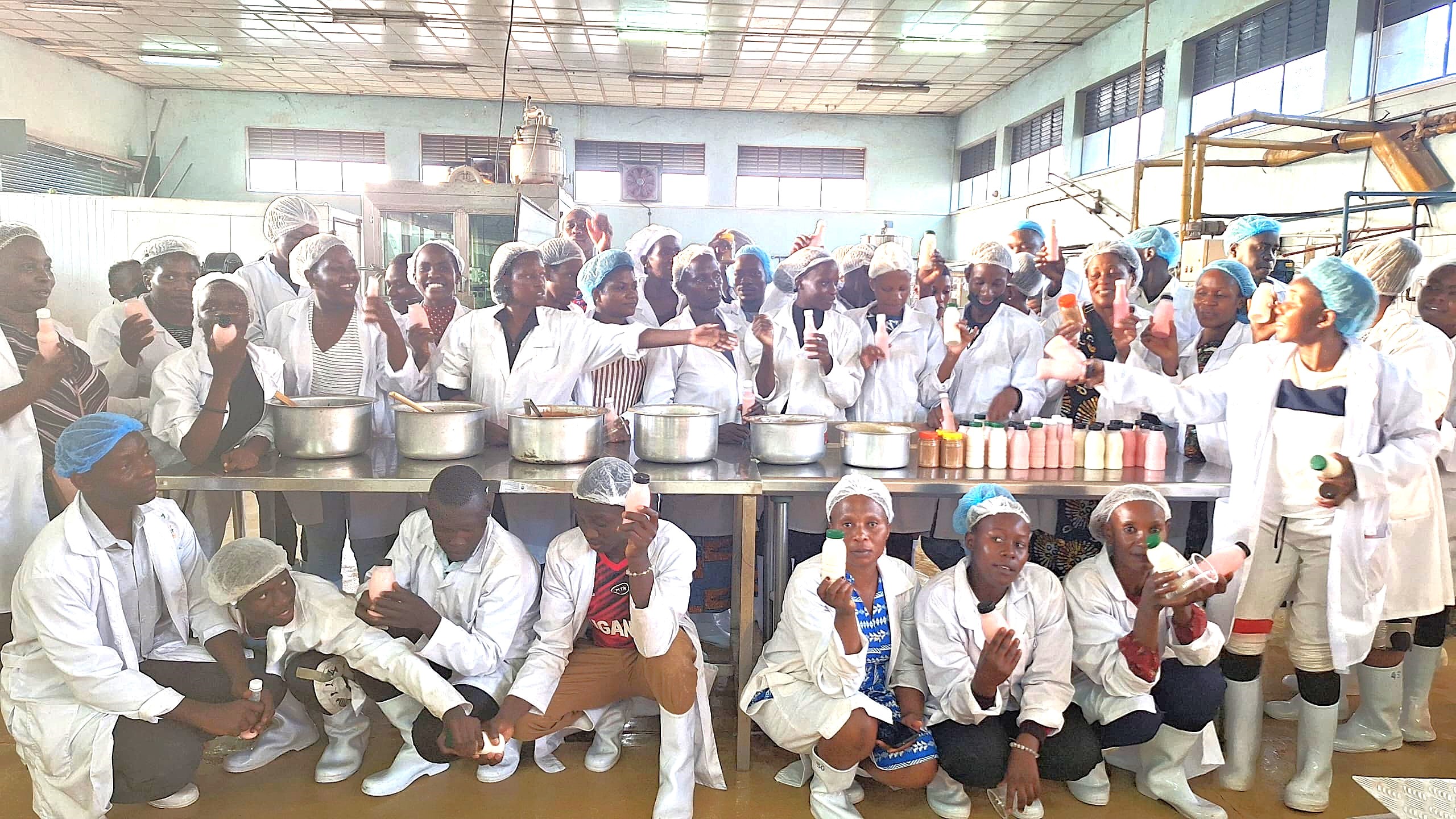
The training program was highly practical and skills-oriented, featuring extensive hands-on sessions designed to equip participants with applicable processing and product development competencies. Most of the practical activities were hosted at Makerere University’s Food Technology and Business Incubation Centre (FTBIC). Participants also benefited from an industry exposure and experiential learning session at Smart Foods Uganda Ltd in Bweyogerere, where they gained first-hand insights into commercial-scale soybean processing operations, quality control systems, and product marketing strategies.

Key thematic areas and technologies covered during the training included soybean nutrition and associated health benefits; assessment of quality attributes of soybeans and soy-based products; application of Good Hygiene Practices (GHP) and Good Manufacturing Practices (GMP); and processing of high-quality soy products. Practical sessions focused on the production of soymilk, tofu, soy yoghurt, soy flour, and soy coffee, as well as the formulation of soy-fortified composite porridge flours. Participants were also trained in the development of various soy-based bakery products, including bread, mandazi, daddies, and baghia. In addition, sessions on marketing, branding and positioning of soy products, as well as UNBS certification requirements and documentation, were conducted to enhance market readiness and regulatory compliance.

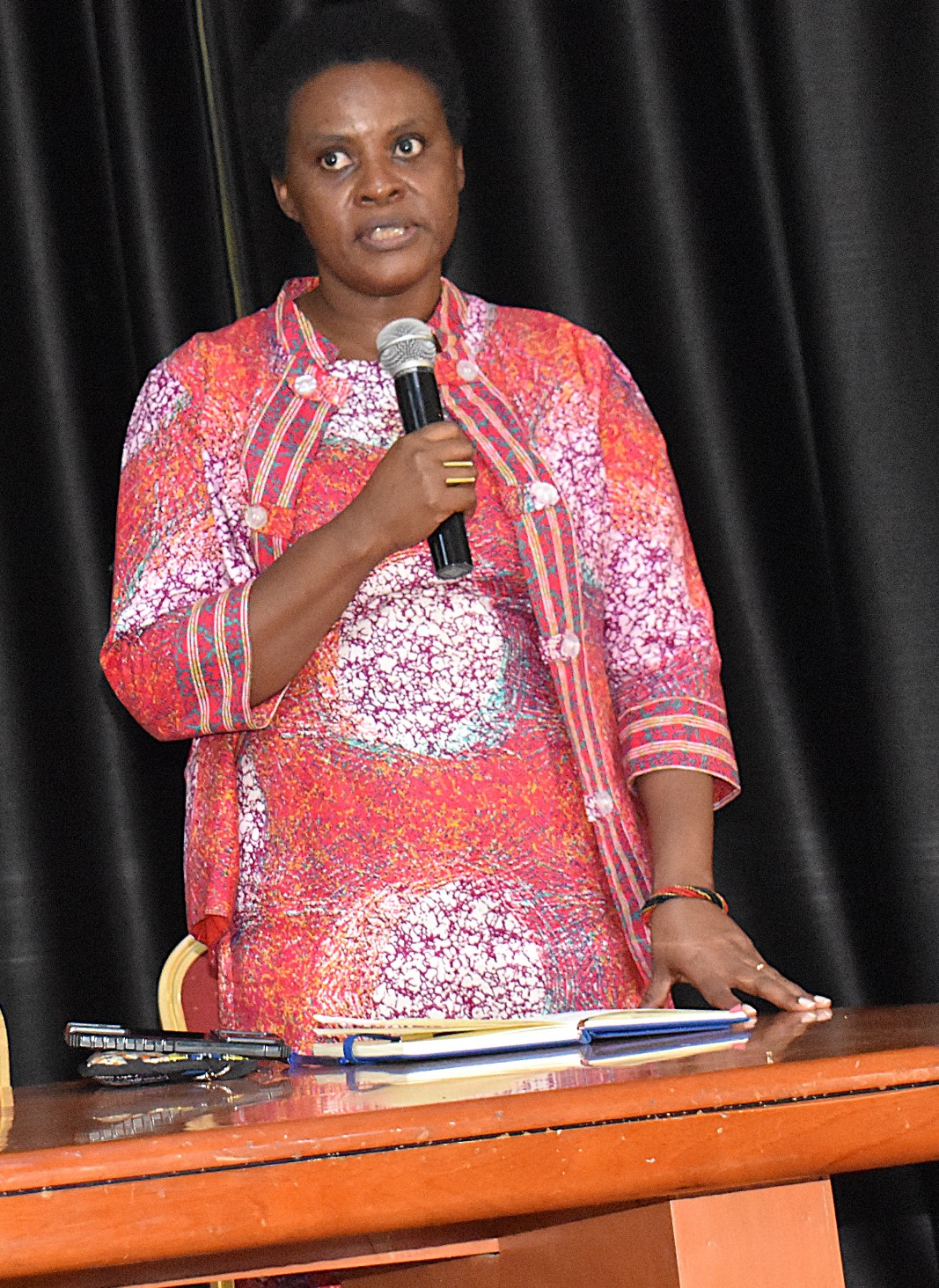
The training attracted a total of 57 participants, comprising small-scale soybean processors and graduating university students, thereby fostering knowledge exchange between academia and industry. Overall, the training contributed significantly to building technical capacity in soybean value addition, promoting entrepreneurship, and supporting the development of nutritious, market-oriented soy-based products in Uganda. The School of Food Technology, Nutrition, and Bioengineering, under the leadership of Dr. Julia Kigozi (Dean), conducts periodical trainings for agro-processors across the country to enhance technical capacity, improve product quality, and promote the adoption of modern, safe, and sustainable food processing practices. These trainings are designed to equip agro-processors with practical skills in food safety, quality assurance, value addition, post-harvest handling, nutrition, and bioengineering innovations, thereby enabling them to meet national and international standards. Through this outreach, the School contributes to strengthening agro-industrial development, reducing post-harvest losses, supporting entrepreneurship, and improving food and nutrition security while fostering stronger linkages between academia, industry, and communities.


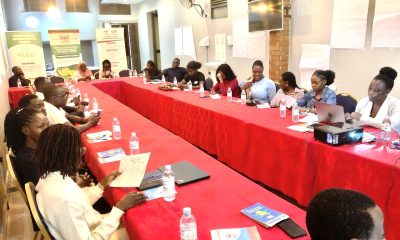






*****The two-day training, hosted by the College of Agricultural and Environmental Sciences (CAES) at Makerere University, was conducted under the auspices of the APPEAR Collaborative Research Project, ‘Clean and Prosperous Uganda – Fecal Sludge and Solid Waste Management for Improved Livelihoods (CPUg).
The challenge of waste management in Uganda
Fecal Sludge Management (FSM) and Solid Waste Management (SWM) are essential for building healthy, resilient communities. However, in many parts of Uganda, these systems remain underdeveloped, leaving communities exposed to a wide range of complex challenges.
Improper handling and disposal of fecal sludge and solid waste pose both immediate and long-term public health risks, including the spread of waterborne diseases like cholera, typhoid, and dysentery. When human waste is not safely contained, treated, or disposed of, pathogens can contaminate water, food, and soil, disproportionately affecting vulnerable groups such as children and residents of informal settlements.
Environmentally, unmanaged waste degrades ecosystems, pollutes rivers and wetlands, and contributes to greenhouse gas emissions. Open dumping clogs drainage systems, heightening urban flood risks and facilitating disease transmission. Non-biodegradable materials, including plastics, can persist for decades, blocking waterways, harming wildlife, and weakening communities’ resilience to climate change.
The economic consequences are equally profound. Inefficient waste management undermines productivity by driving up healthcare costs, lowering property values, and limiting tourism and investment opportunities. Informal waste collection systems, often the only coping mechanism for many urban residents, fail to provide adequate protection for workers.
Given these intertwined health, environmental, and economic impacts, the burden of fecal sludge and solid waste in Uganda is not merely a municipal concern but a pressing national development issue. Urgent attention is required to invest in modern FSM and SWM infrastructure, promote behavioral change, and implement regulatory frameworks that ensure safe, sustainable, and inclusive waste management solutions. Without such interventions, the compounded risks to human well-being, ecosystems, and economic growth will continue to escalate.
Addressing the Challenge through the CPUg Project
The Clean and Prosperous Uganda – Fecal Sludge and Solid Waste Management for Improved Livelihoods (CPUg) Project, a collaborative initiative between the CAES, the Institute of Water Quality and Resource Management at Vienna University of Technology in Austria, the Department of Environmental and Livelihood Support Systems at Mbarara University of Science and Technology (MUST), and the Uganda Red Cross Society, seeks to tackle Uganda’s most pressing challenges in waste management.
The project set out to explore circularity concepts, test a variety of techniques for utilizing dried fecal sludge, analyze plastic recovery from existing composting plants, and evaluate the social and economic viability of improved FSM and SWM and their influencing factors on regional communities. Supported under the Austrian Partnership Programme in Higher Education and Research for Development (APPEAR), the project aims to examine how best to optimize and integrate FSM and SWM in rural settings in Wakiso District, refugee settlements in Arua District, and Uganda in general.
In addition to the technical aspects, the socio-economic viability of improved fecal sludge and solid waste management is being evaluated in terms of affordability, perceptions, and the willingness to accept and utilize these products. The project aims to contribute towards reshaping Uganda’s landscape through integrated solutions, scientific rigor, and inclusive community engagement. It stands as a model for integrated development.
It is coordinated by Prof. Jeninah Karungi Tumutegyereize from the Department of Crop Science and Horticulture at CAES, Makerere University.
Two-Day Training on Integrated Fecal Sludge and Solid Waste Management
The College of Agricultural and Environmental Sciences at Makerere University, in collaboration with the Uganda Red Cross Society, Mbarara University of Science and Technology, and Vienna University of Technology, Austria, held a comprehensive two-day training on Integrated Fecal Sludge and Solid Waste Management.
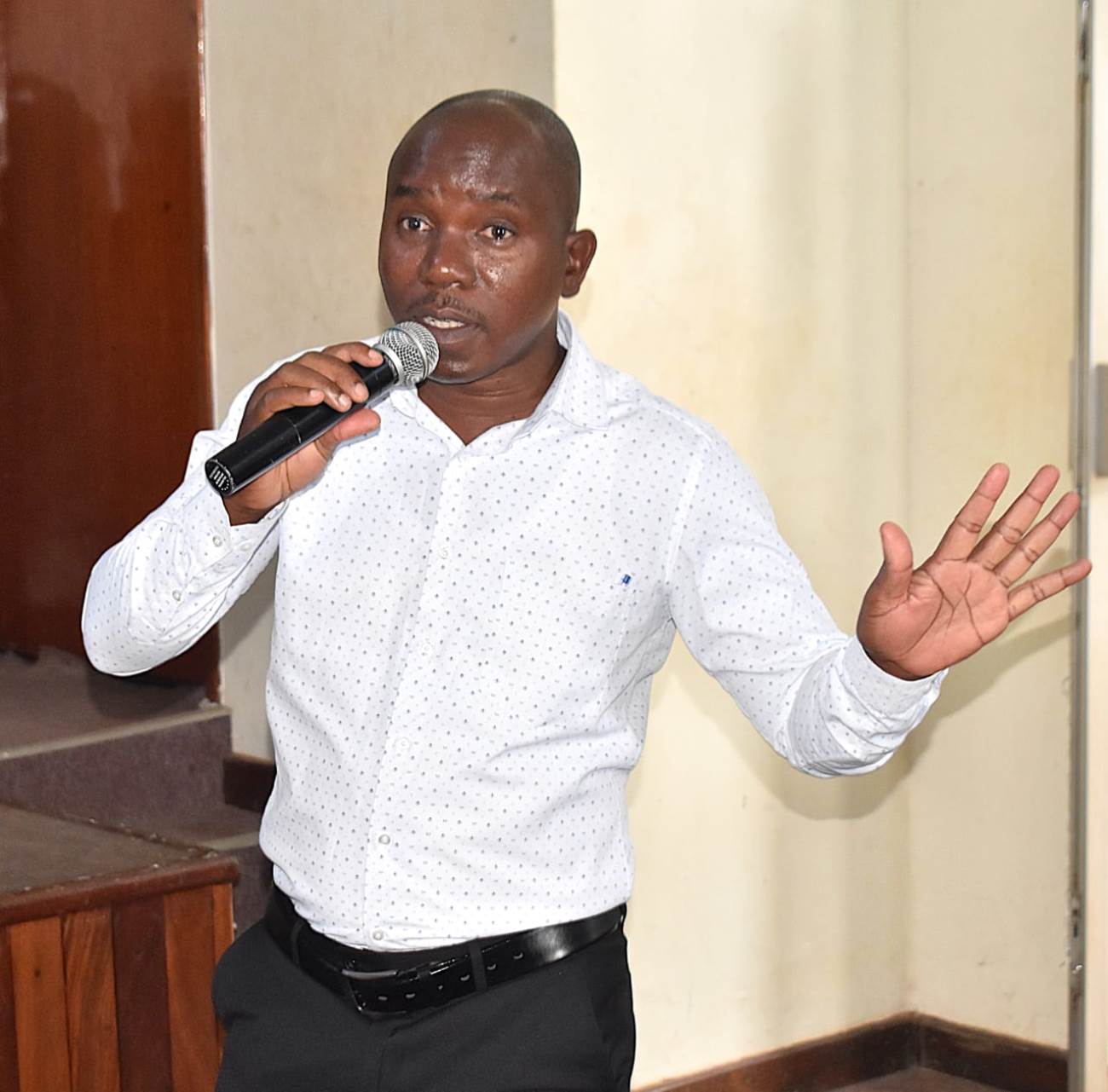
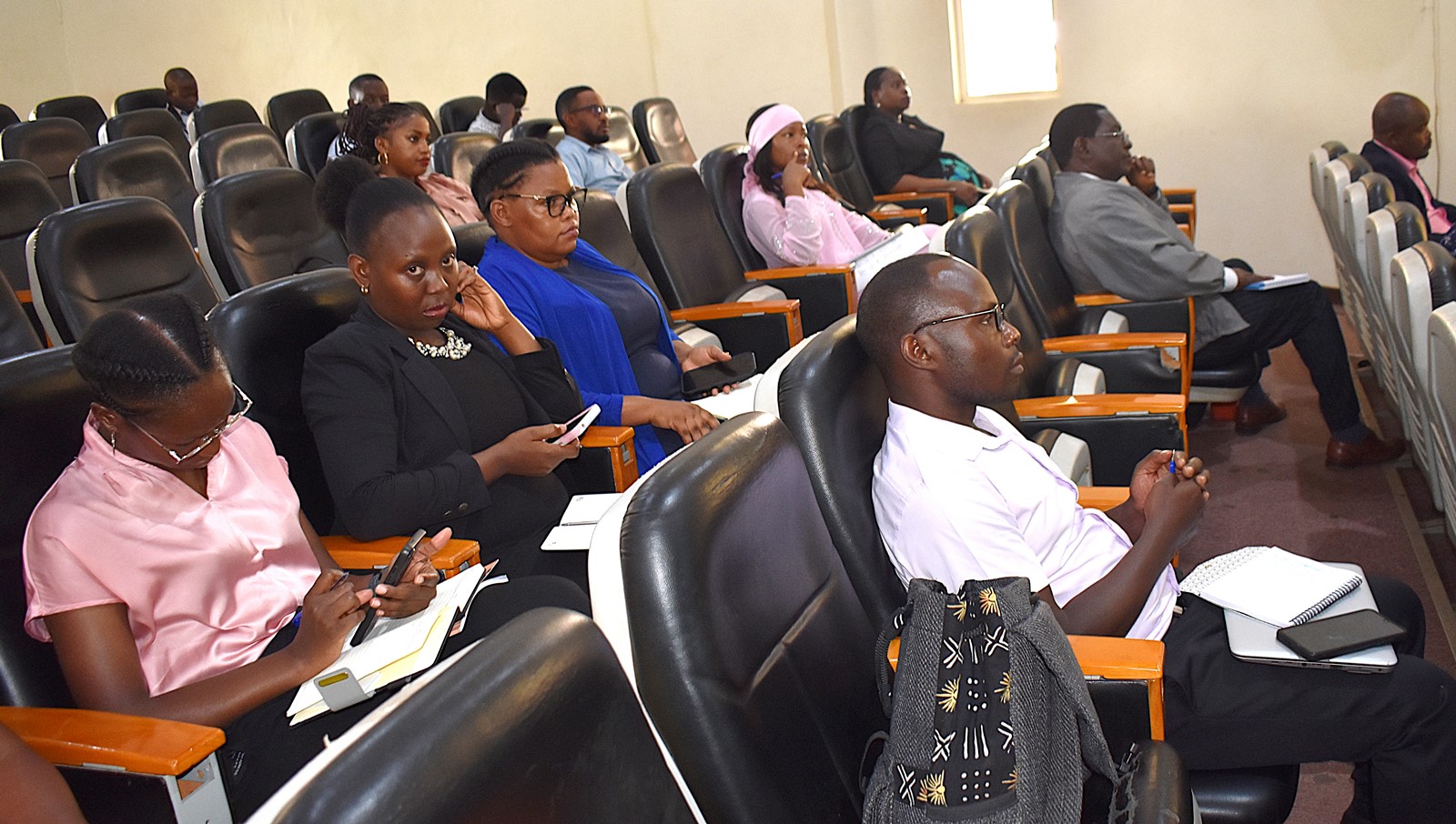
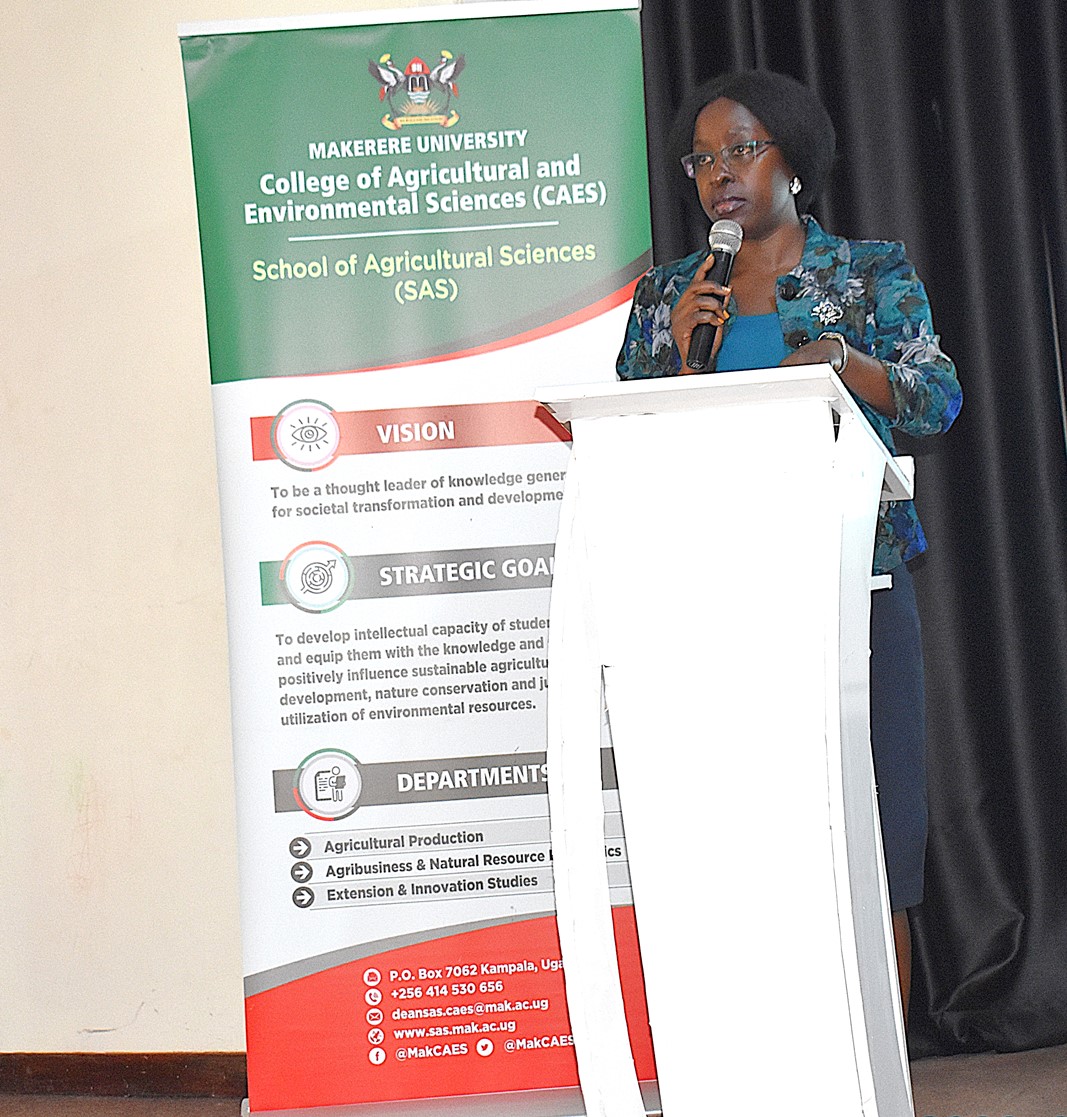
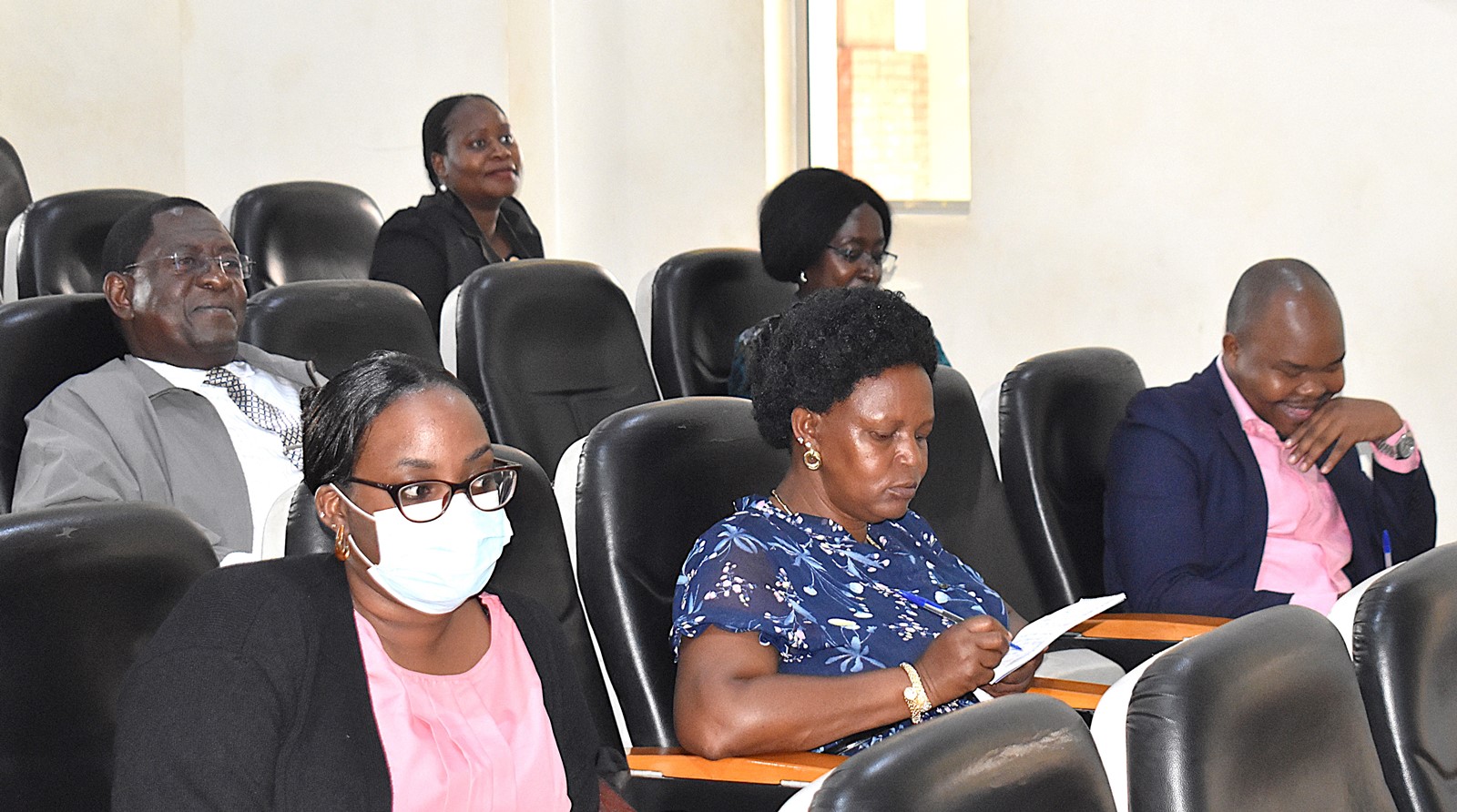
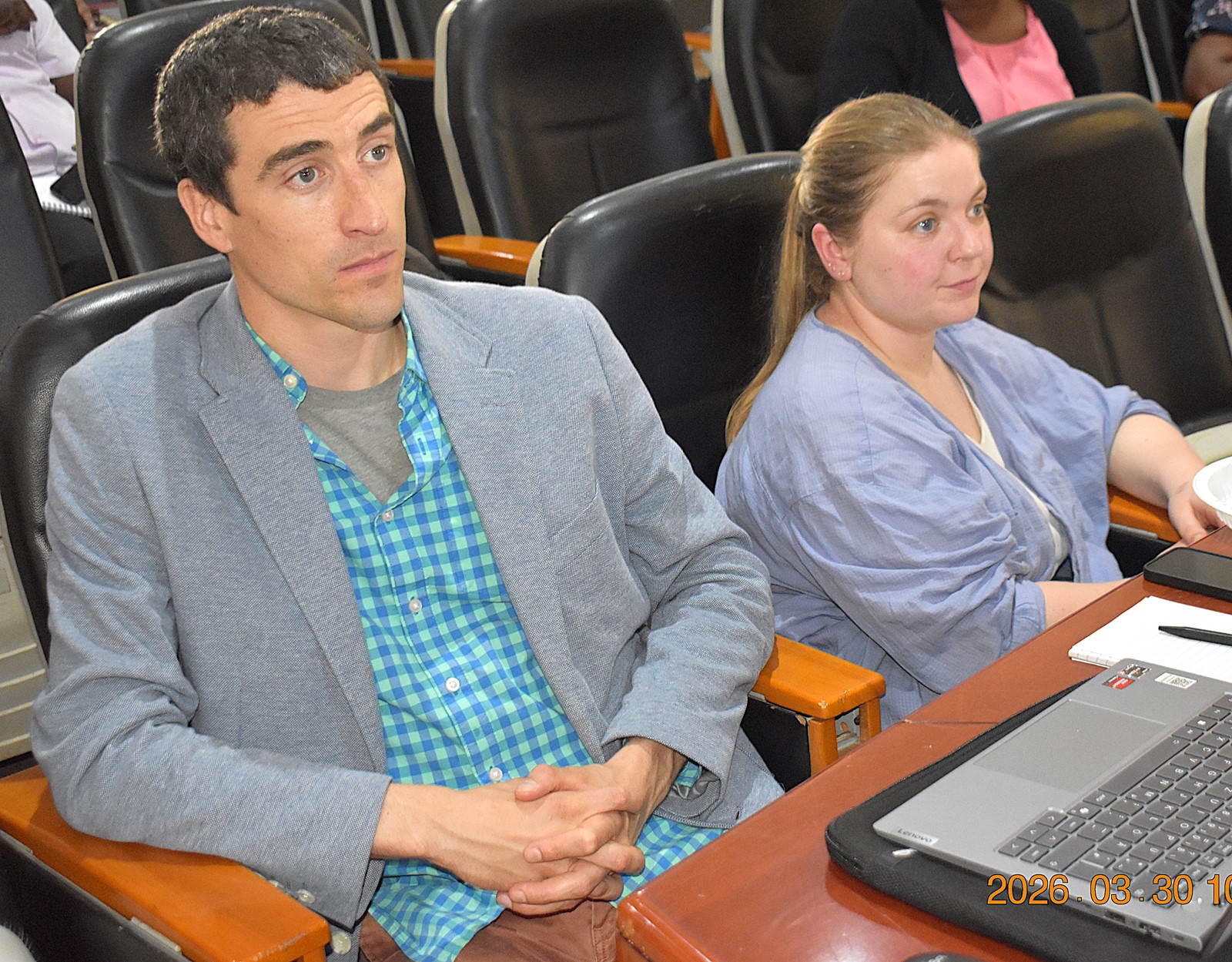
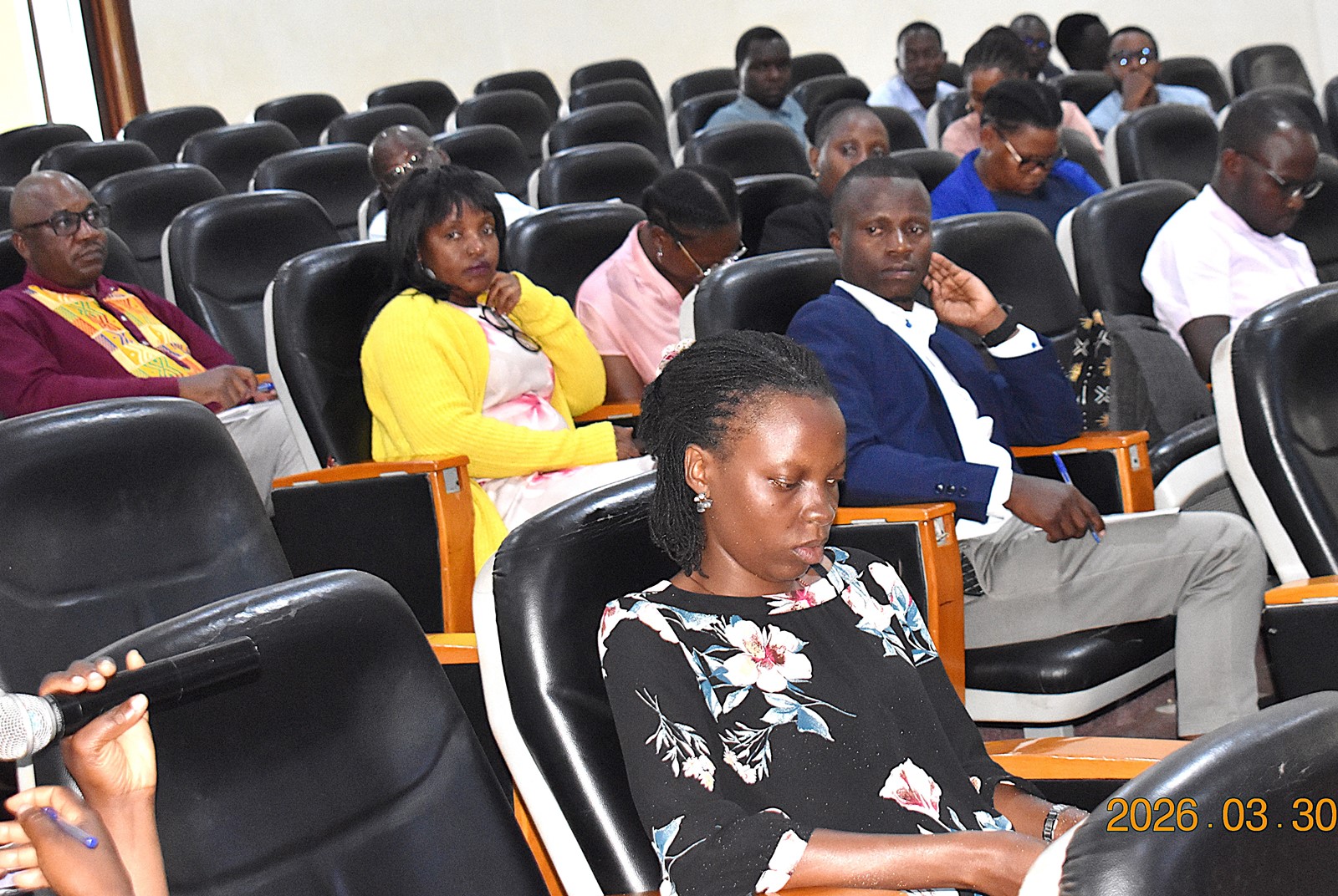
The training, conducted on 30th-31st March 2026, at Makerere University was officially opened by the Principal of CAES, represented by Dr. Mildred Ochwo Ssemakula, Head of the Department of Crop Science and Horticulture. Participants included representatives from academia, the private sector, municipal authorities, service providers, and farmers.
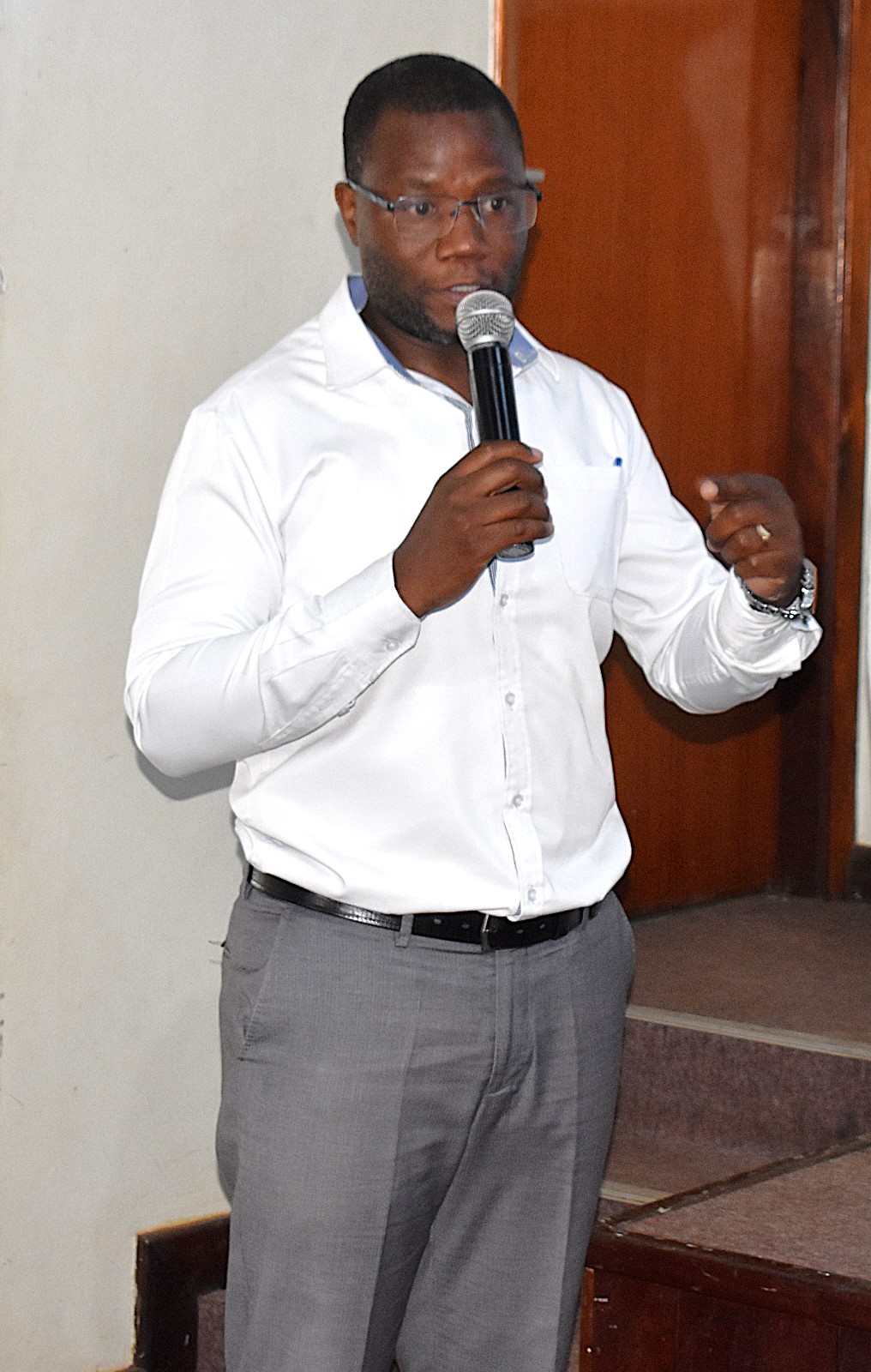
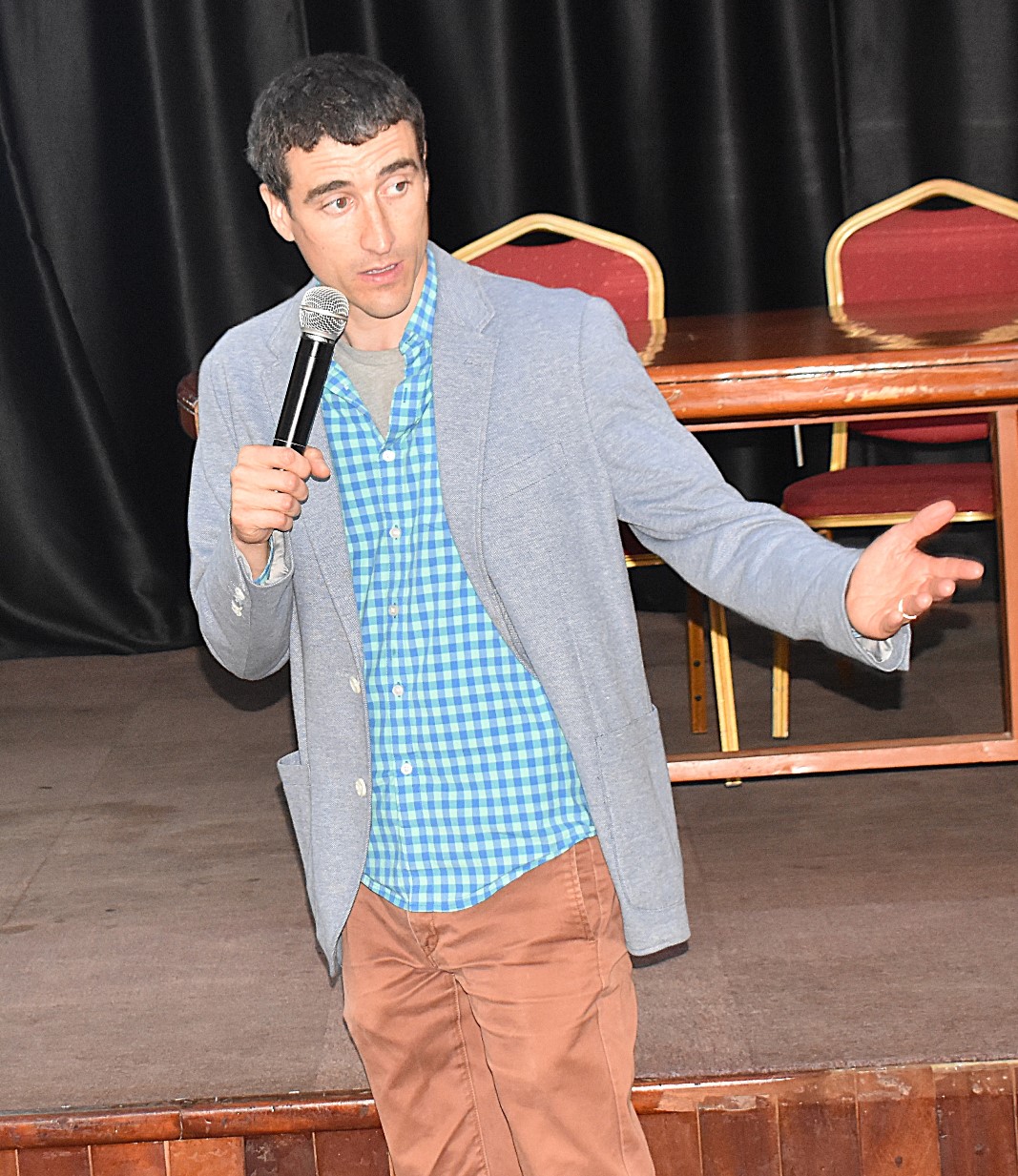
The training programme aimed to equip personnel across the waste management value chain with the knowledge and skills to transform fecal sludge and solid waste into valuable, sustainable agricultural and economic resources. It covered topics such as occupational safety, waste management infrastructure, processing and post-treatment methods, composting, carbonization, material flow analysis, service gaps, and economic considerations in Greater Kampala. Participants were also trained in specialized software tools designed to enhance efficiency and manage waste-to-resource processes, promoting both environmental sustainability and economic viability.
Particular emphasis was placed on shifting perceptions of fecal sludge-based products among end users, mainly subsistence and commercial farmers.
Emerging Issues from the Training
- Weak fecal sludge management systems: Existing systems, particularly in refugee settlements, are inadequate.
- Public health risks: Improper sludge handling continues to threaten health – only 44% of fecal sludge is safely managed.
- Limited technical capacity: Practitioners need more training in safe handling and reuse technologies.
- Low adoption of resource recovery: Sludge-to-product innovations are underutilized.
- Environmental pollution: Untreated sludge contaminates soil, water, and surrounding ecosystems.
- Poor integration with agriculture: Opportunities for nutrient recycling are not fully exploited.
- Inadequate equipment: PPE, emptying tools, and treatment facilities are scarce.
- Low composting standards in Uganda: Composting often follows non-scientific methods.
- Behavioral and hygiene gaps: Handwashing and proper waste disposal practices remain weak.
- Underdeveloped waste-based value chains: Compost, briquettes, and fertilizers are not economically leveraged.
- High reliance on on-site sanitation: Sewer network coverage is below 10% in Greater Kampala.
- Insufficient emptying and collection services: Services are limited and costly.
- Limited private sector engagement: Public investment and private participation are inadequate.
- Treatment capacity and cost recovery challenges: Facilities are strained and revenue mechanisms weak.
- Low willingness or ability to pay: Users are reluctant or unable to afford improved services.
- Negative perceptions of fecal sludge products: Public attitudes hinder adoption.
- Regulatory and equity barriers: Awareness is limited, regulations are burdensome, and access is unequal.
Way Forward
Effective waste management is essential for public health, yet remains a significant challenge in Uganda, with few households able to empty their on-site sanitation facilities due to high costs. Experts emphasize the need for increased investment and prioritization of operator safety. Rigorous safety protocols and training are critical to safeguarding workers and ensuring sustainable operations.
Remarks by the CAES Leadership
On behalf of the Principal of CAES, Dr. Mildred Ochwo Ssemakula underscored Uganda’s immense potential to benefit from effective fecal sludge and solid waste management. “In an agriculture-dependent country, converting waste into organic fertilizer and other resources can significantly enhance productivity and generate substantial economic benefits. At the CAES, we are proud to collaborate and support initiatives like CPUg through innovative research and capacity-building programmes that directly address Uganda’s environmental challenges. I extend my sincere gratitude to the researchers and partners for their unwavering commitment to advancing research and environmental management. Makerere University highly values these collaborations, and together, we form a powerful coalition driving positive change in Uganda’s development.”
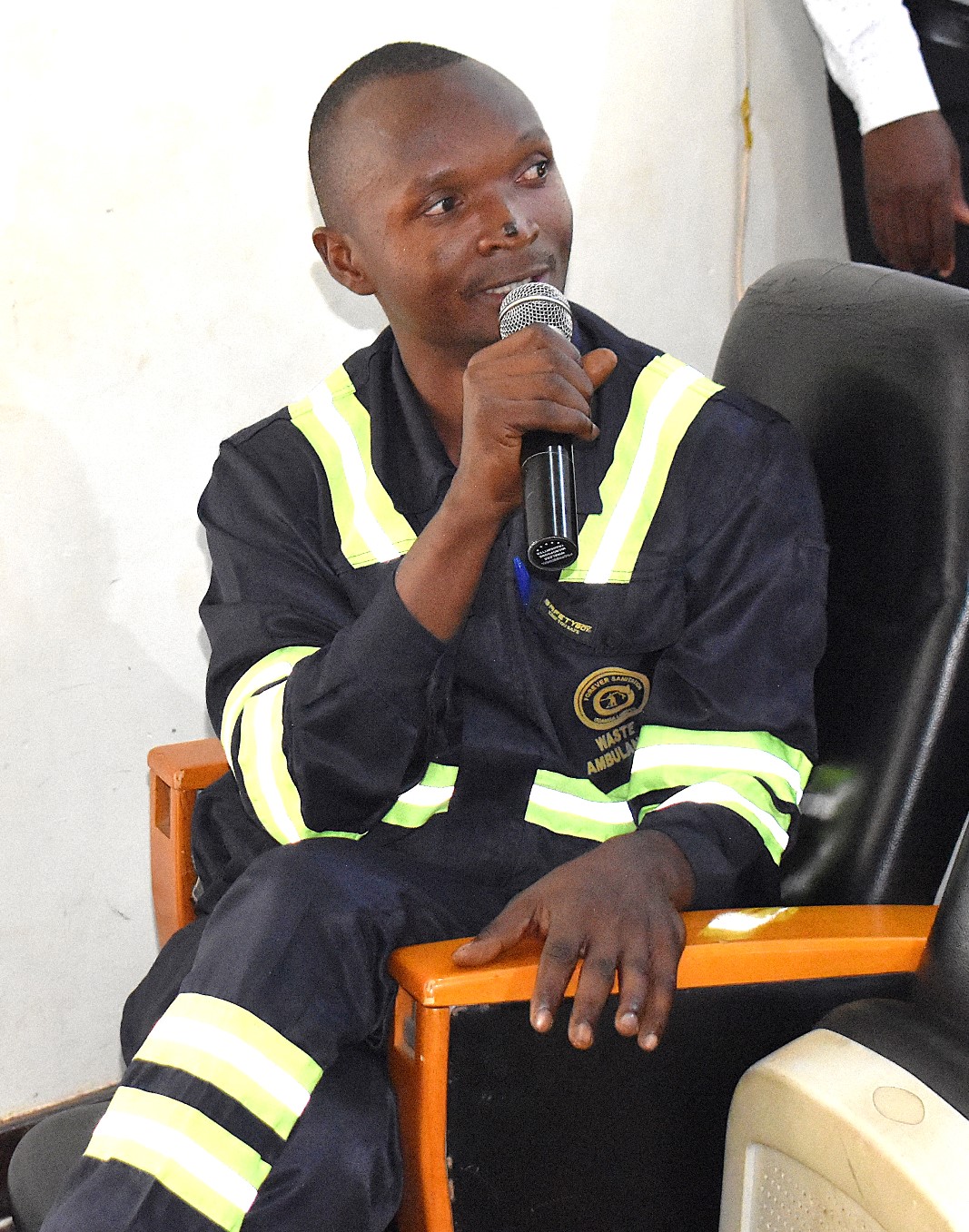
The CPUg project has contributed to capacity-building by training five PhD students, three from Makerere University and two from Vienna University of Technology, as well as three MSc students from Makerere University. The results are expected to improve knowledge in waste management and strengthen stakeholder capacity across the waste management value chain.
Pictorial of the training:
https://drive.google.com/drive/folders/1B9nUVHhQEsFncLJR3rlHN0Dd2-f7BStR?usp=sharing
Agriculture & Environment
RUFS Project Team Enhances Capacity of Smallholder Farmers in Mbale City in Financial Management & Communication
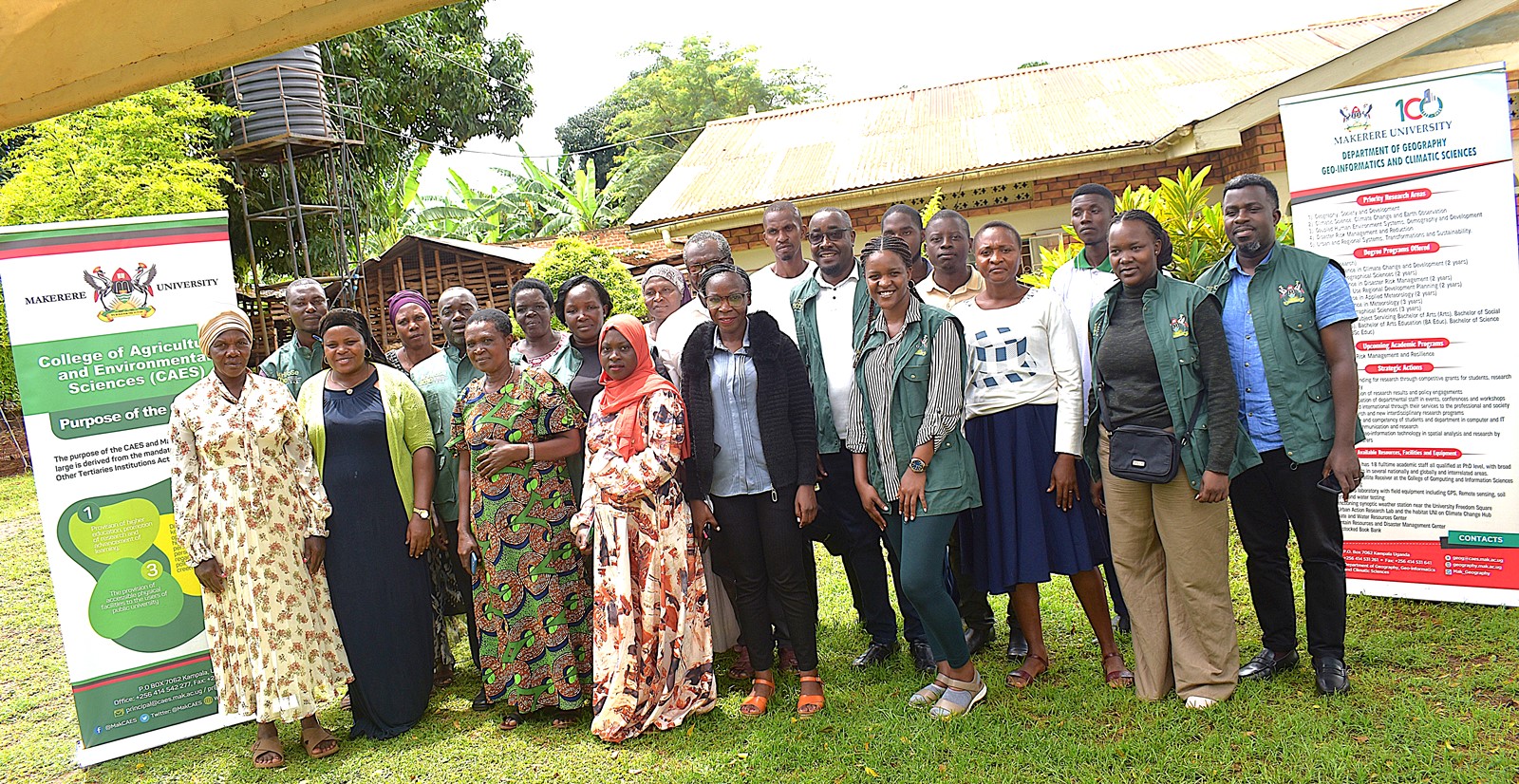
Achieving lasting and sustainable success in agriculture goes far beyond planting and harvesting. It requires a diverse skill set, including financial literacy to manage budgets and make sound investment decisions, as well as effective record-keeping to track performance, inform operations, and identify opportunities for improvement. Equally important is strategic communication, which enables farmers to market their products, build brand visibility, and enhance profitability.
A strong understanding of group dynamics is also essential in helping farmers foster collaboration within cooperatives, community initiatives, and peer networks. By integrating these competencies, agricultural entrepreneurs can maximize productivity, optimize resource use, and build resilient enterprises capable of adapting to evolving environmental, economic, and social conditions.
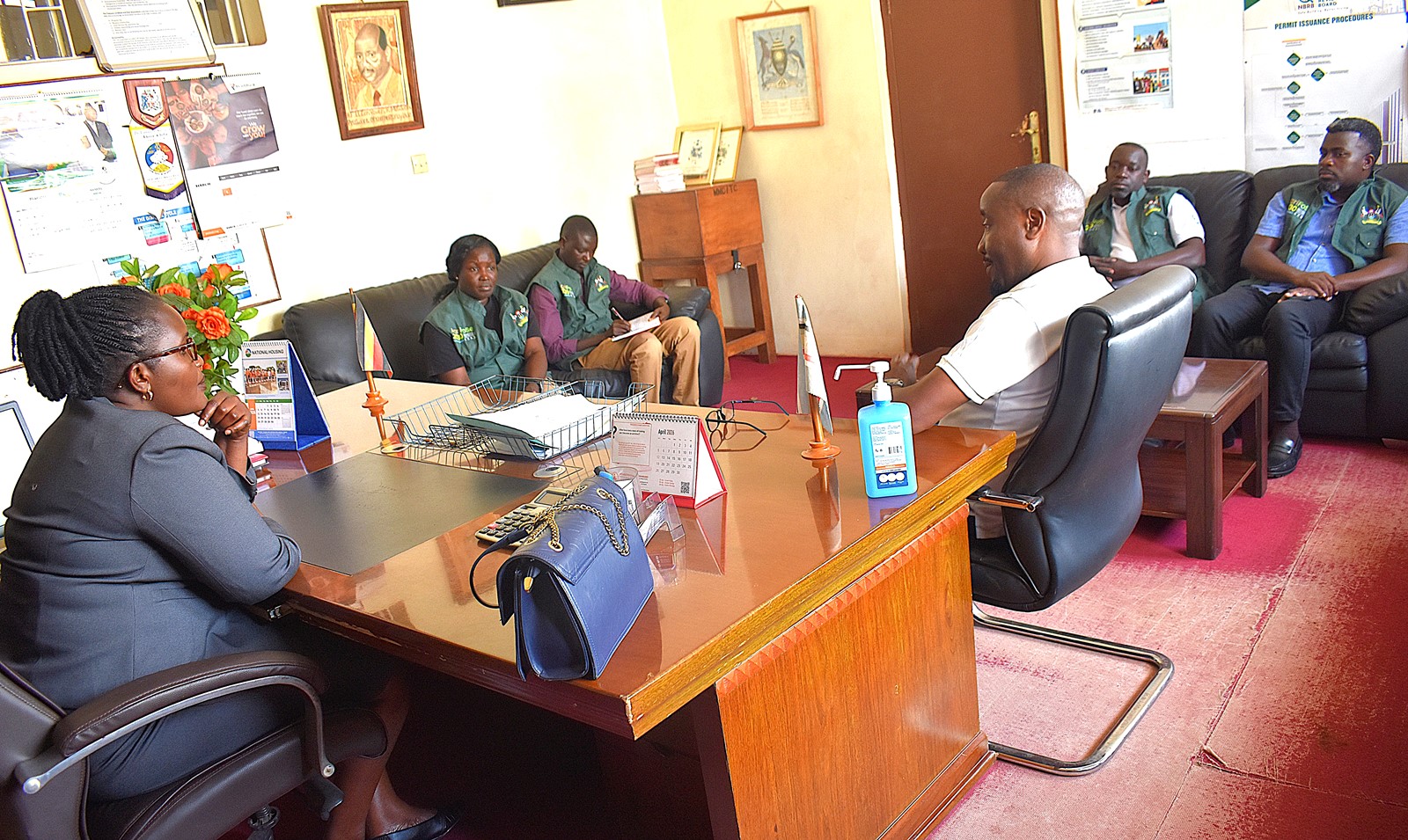
Despite the vital role urban farmers play in ensuring food security, many still lack the technical knowledge and skills needed to optimize productivity. This gap limits output and undermines the profitability, efficiency, and long-term sustainability of their farming enterprises.
Addressing the Skills Gap Through Phase II of the RUFS Project
Phase II of the Resilient Urban Food Systems (RUFS) Project aims to address these challenges. Through hands-on training programmes in Mbale City and Kasese Municipality, the initiative seeks to equip urban farmers with practical knowledge, modern techniques, and adaptive strategies to improve productivity.
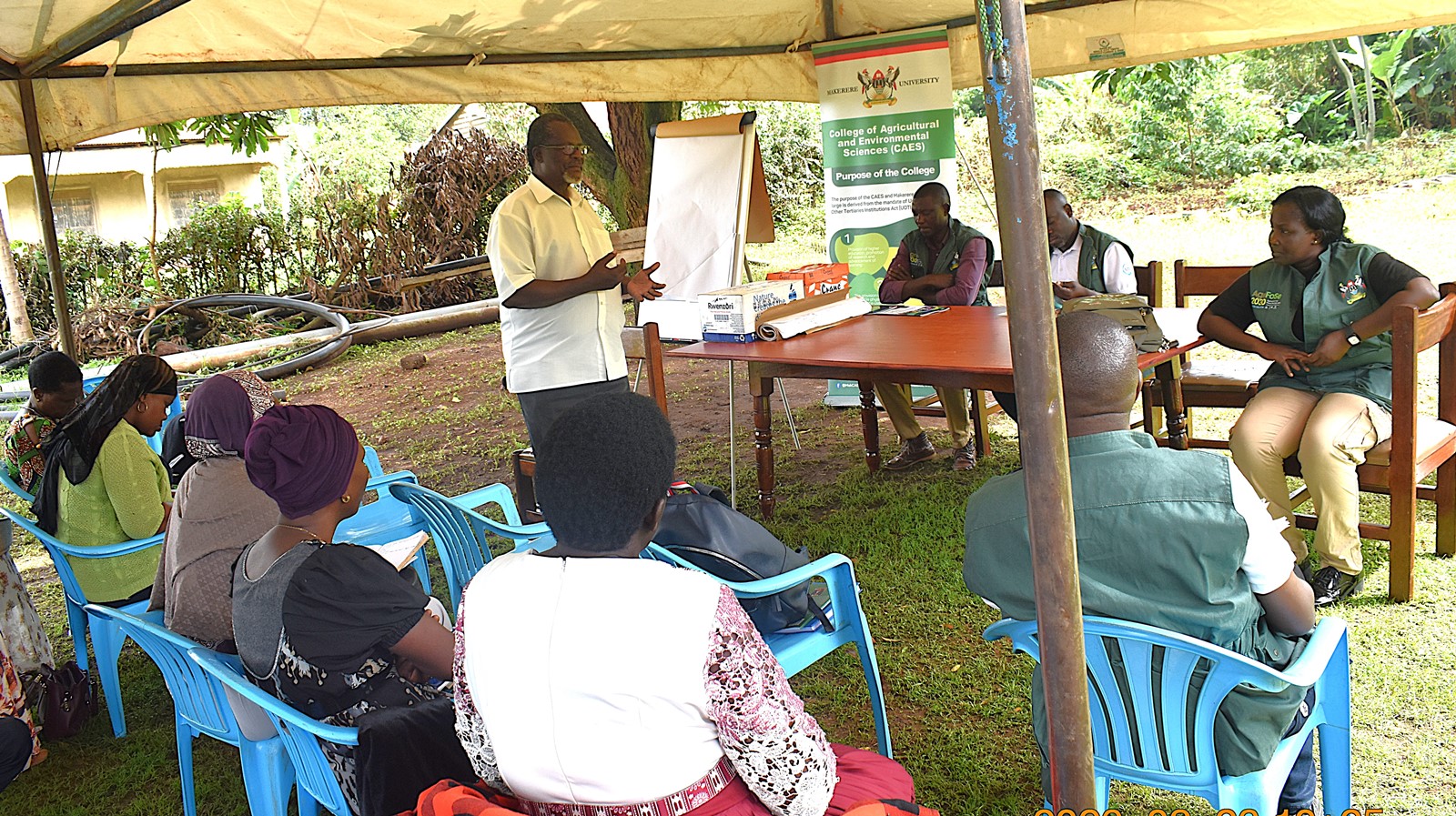
Led by Prof. Frank Mugagga from the Department of Geography, Geo-Informatics, and Climate Sciences at the College of Agricultural and Environmental Sciences (CAES), Makerere University, and supported by the AgriFoSe2030 Programme, the project focuses on strengthening urban food systems to withstand climate-related shocks such as floods and droughts. By promoting climate-smart agricultural practices, the initiative empowers farmers to sustain productive, profitable, and resilient operations, ultimately improving livelihoods and contributing to stable urban food supplies.
Training Sessions in Mbale City
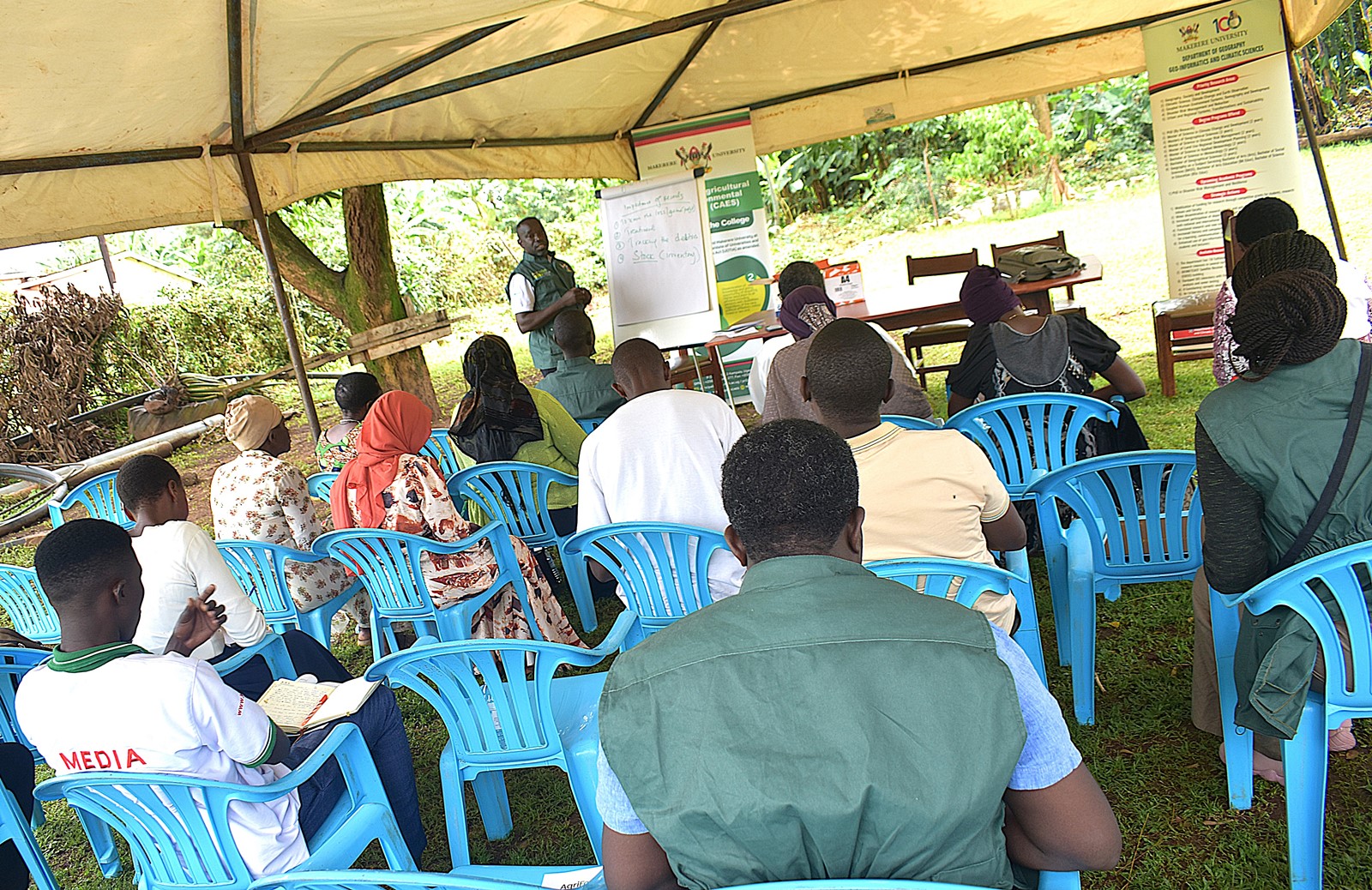
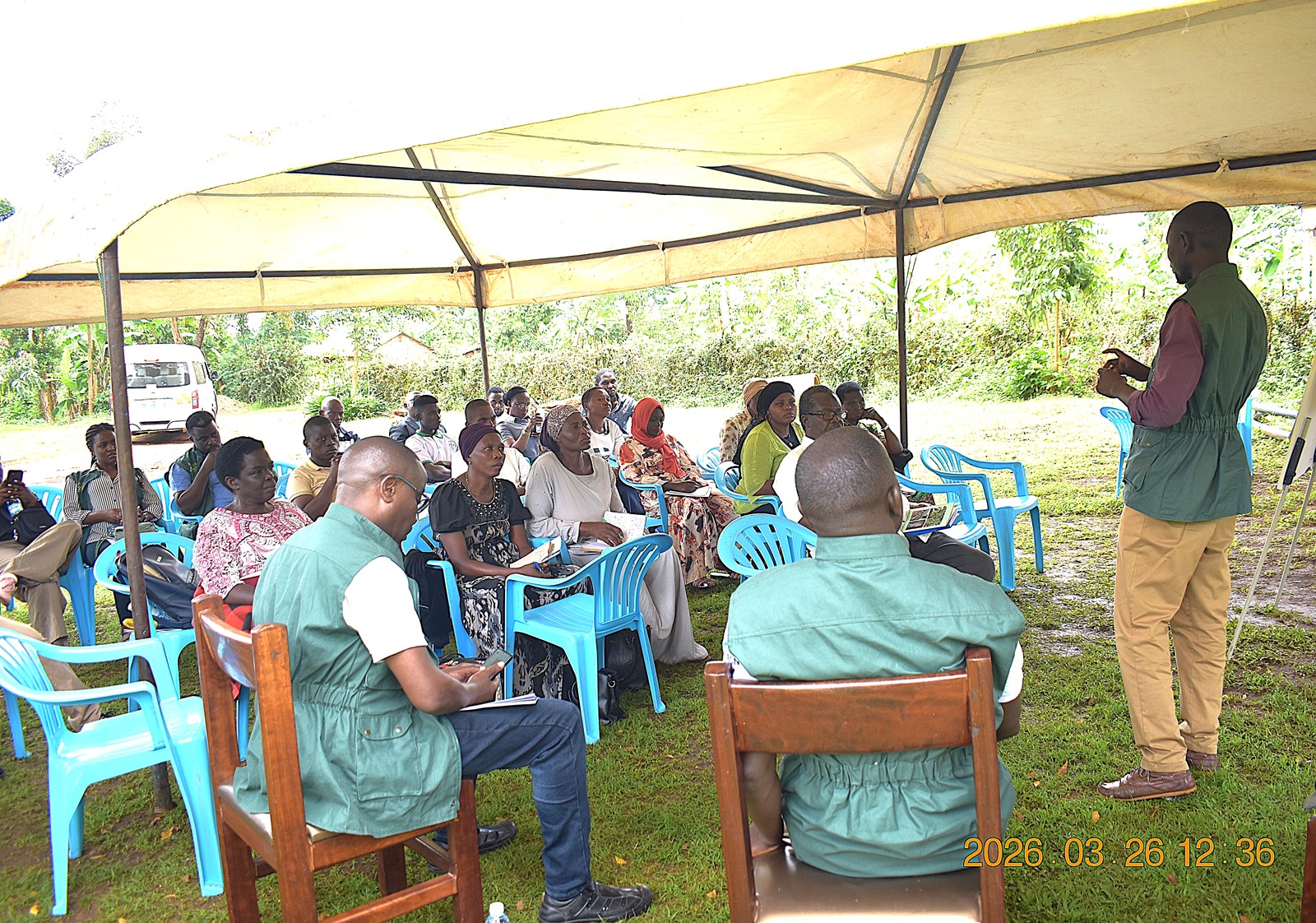
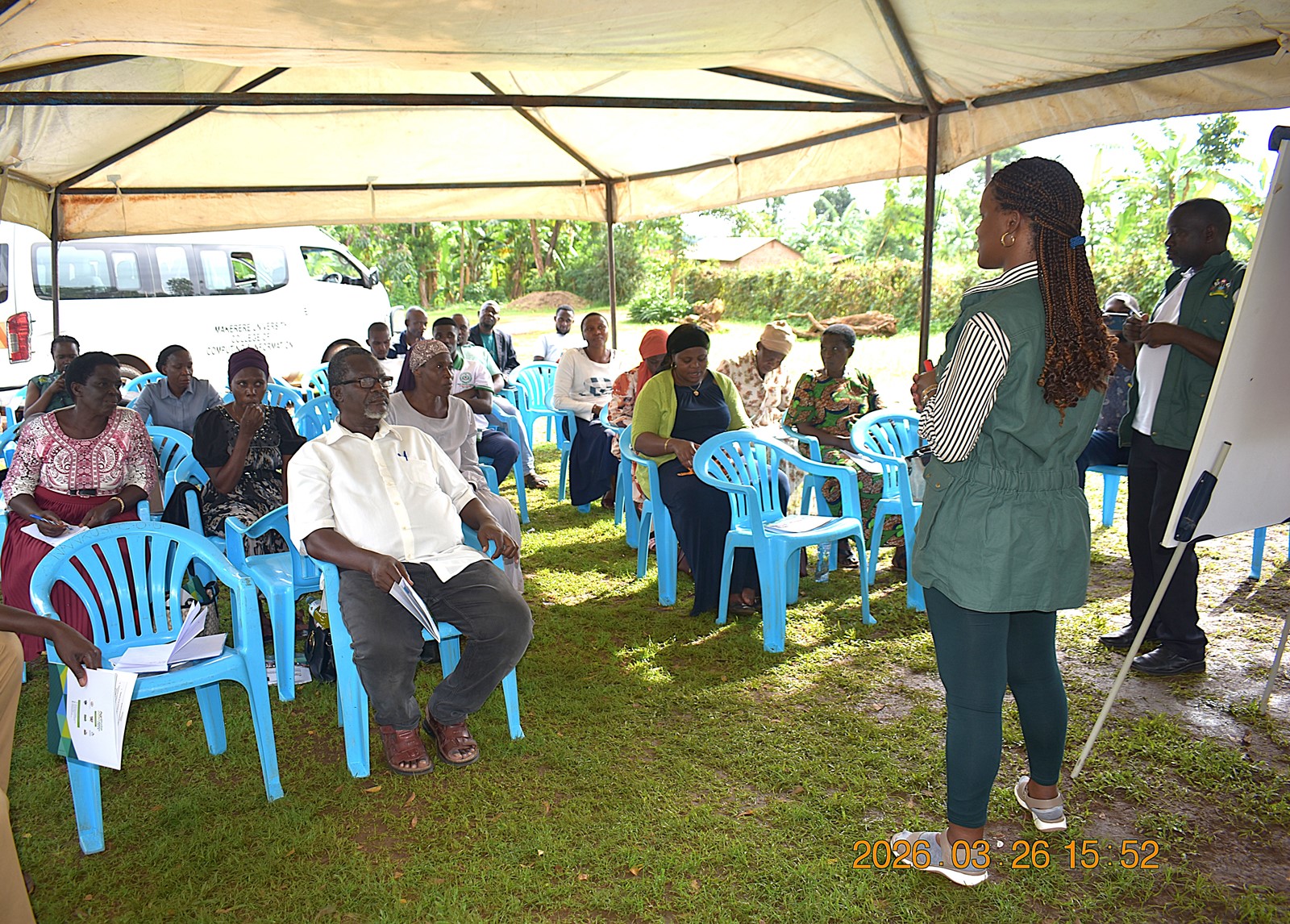
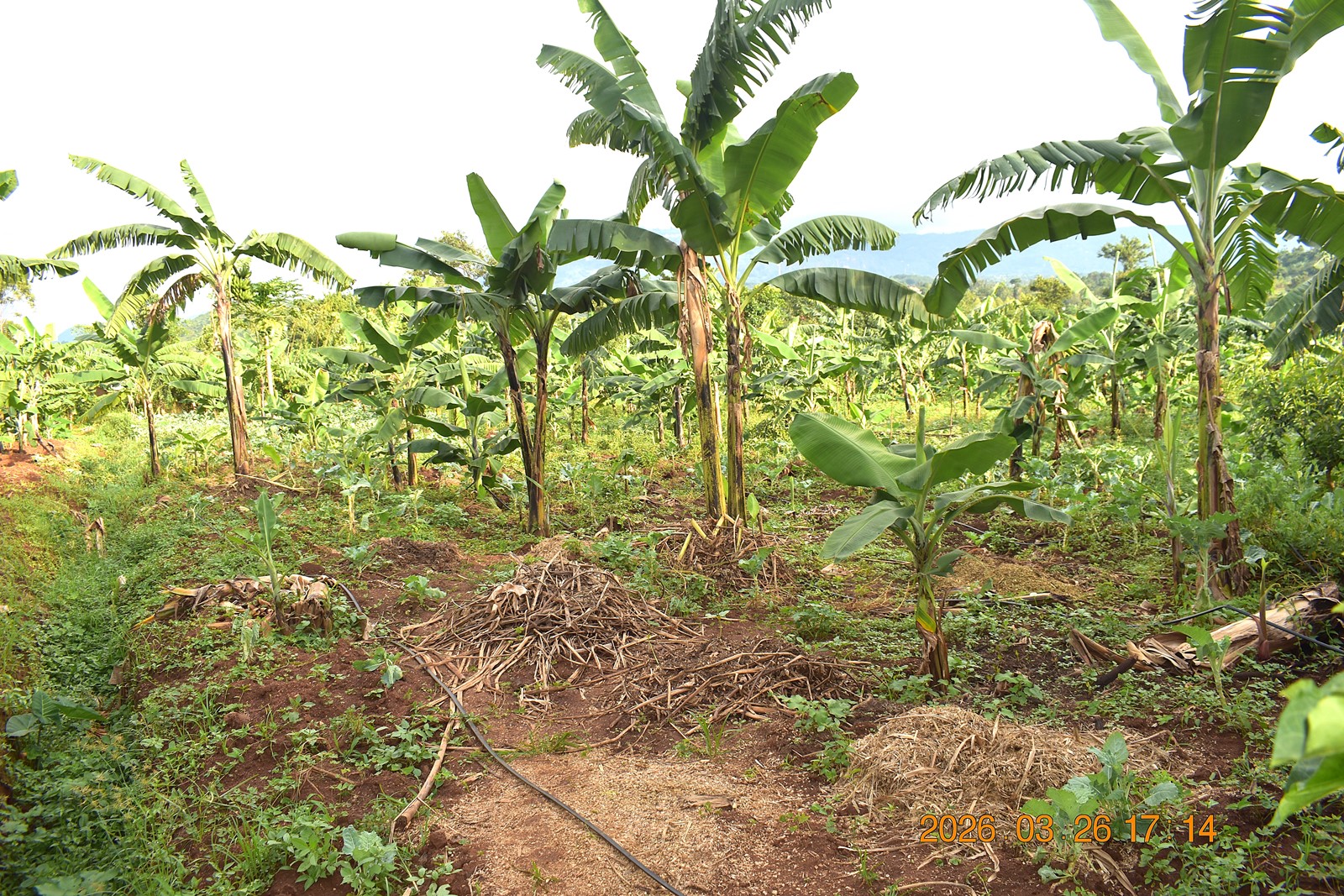
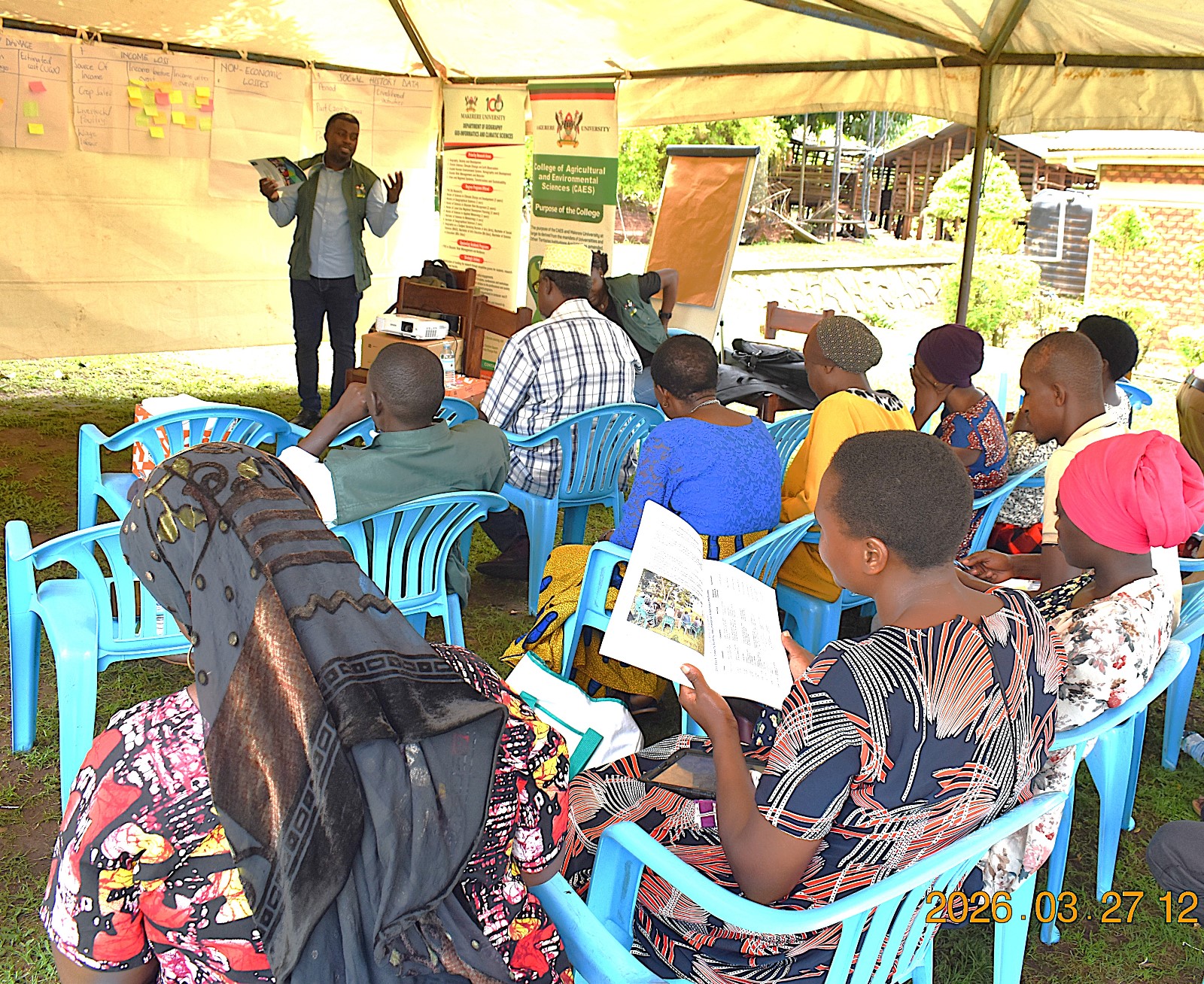
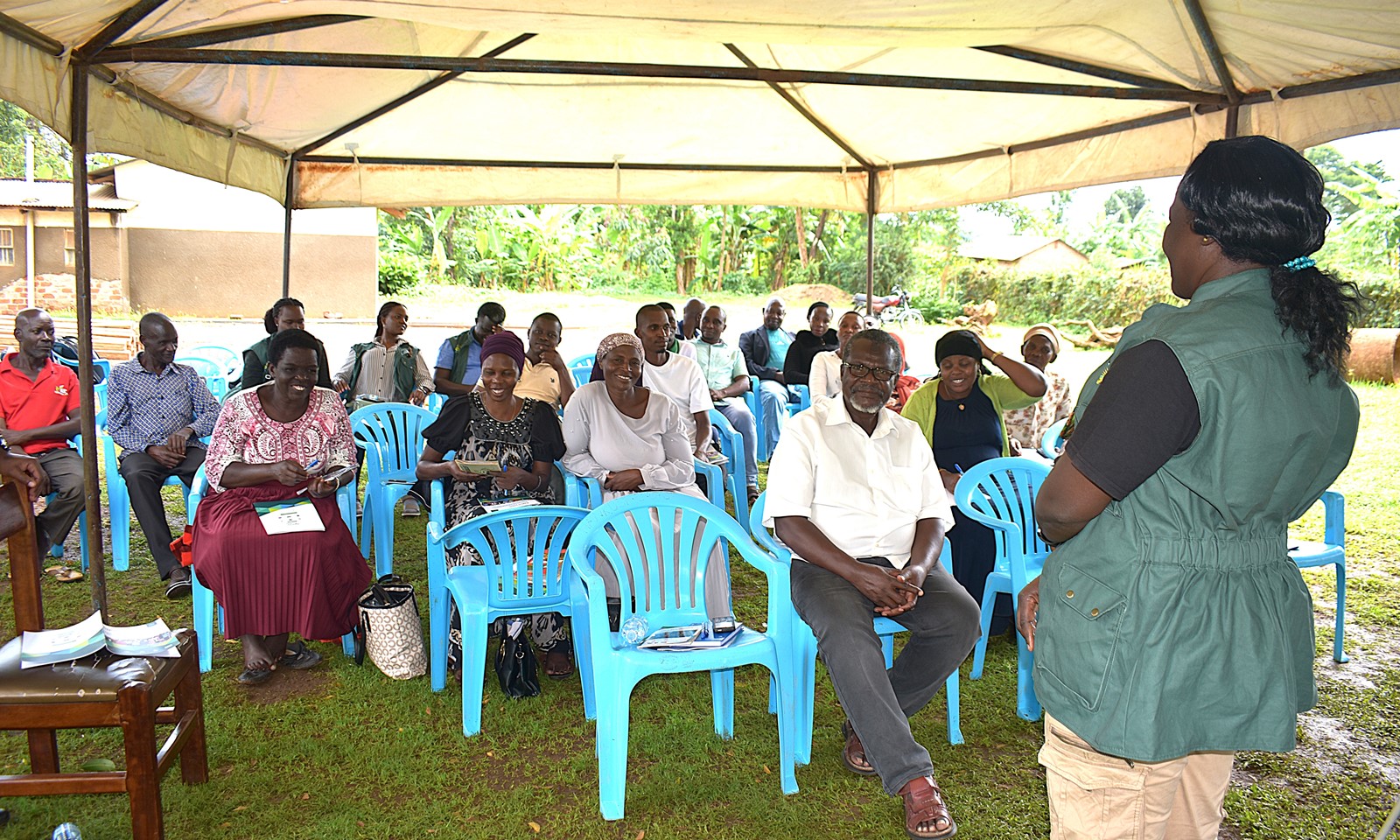
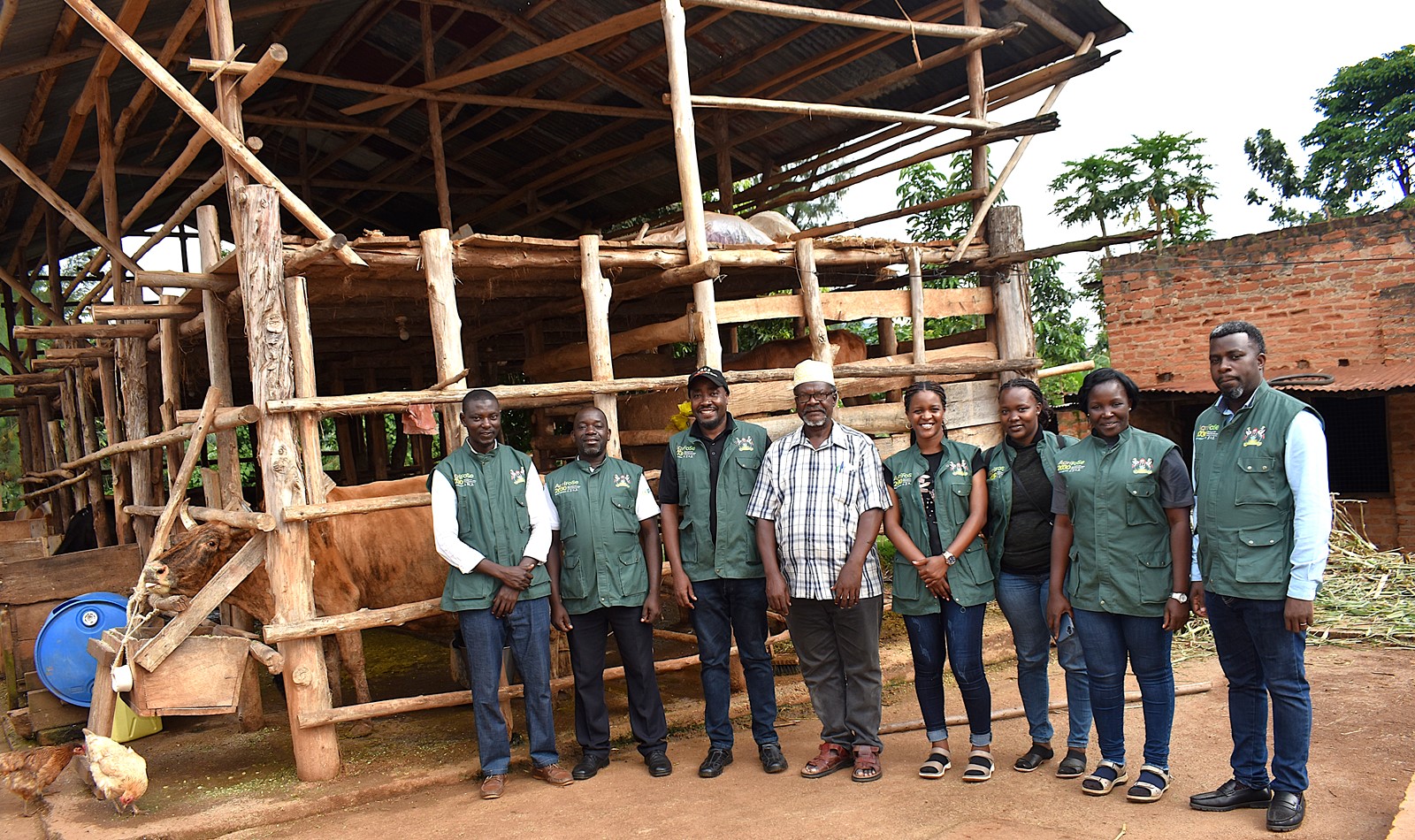
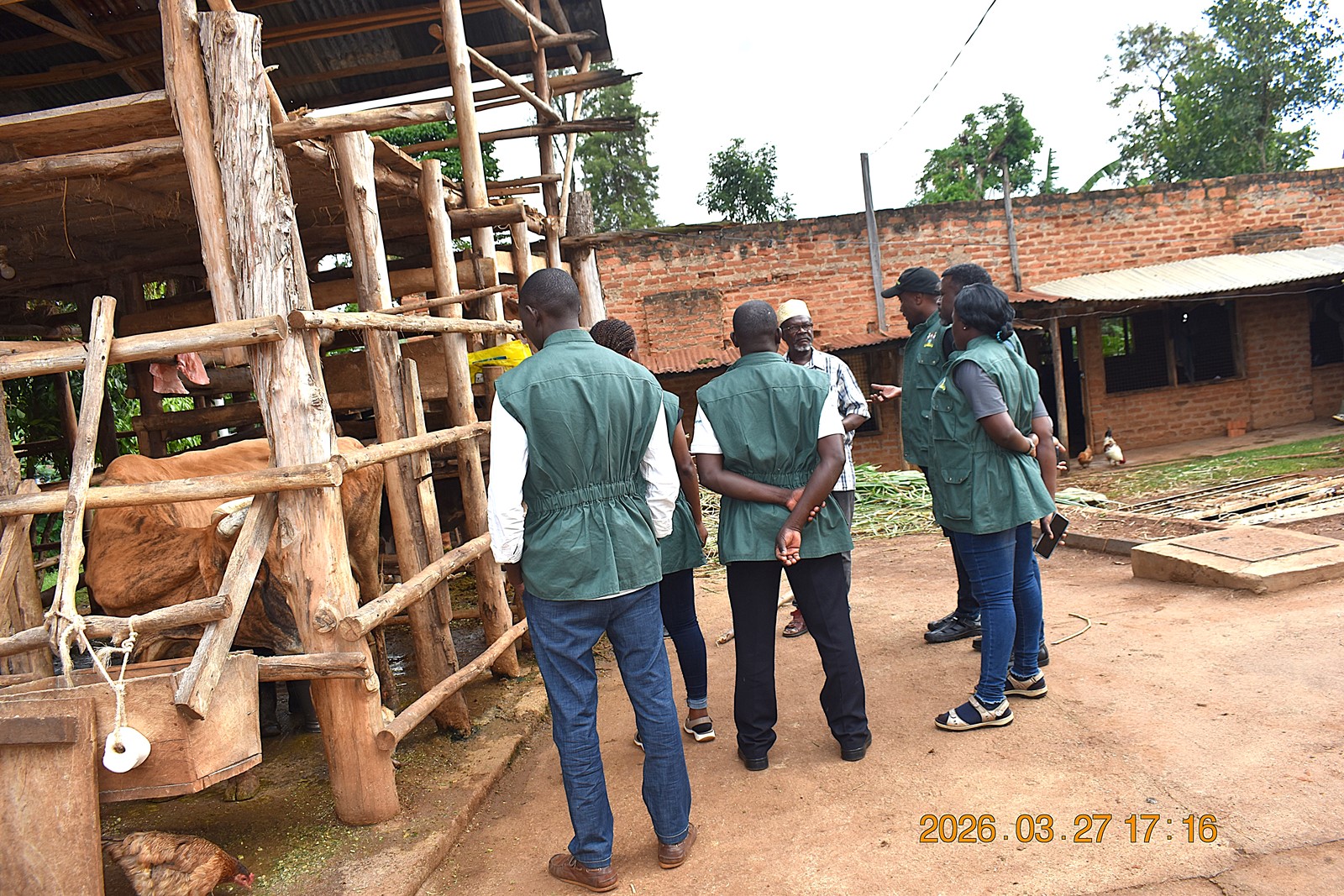
To enhance their skills, the RUFS Project team held training sessions for smallholder farmers in Mbale City on 26th-27th March 2026. Hosted at the home of Hajji Siraji Kamulegeya, a mixed farmer in Nankusi Cell, Northern Division in Mbale City, the training provided a community-centered setting that encouraged active participation and peer learning.
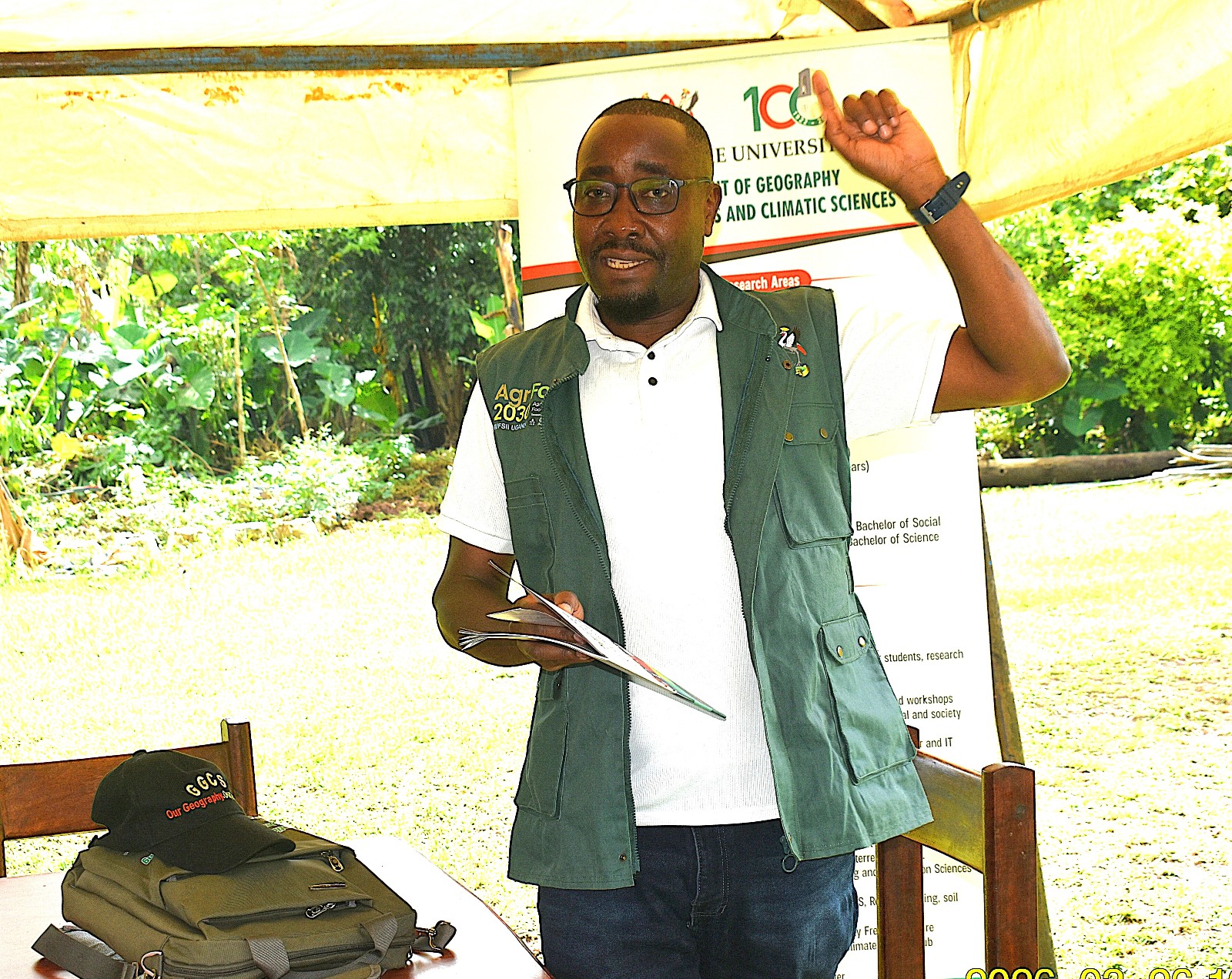
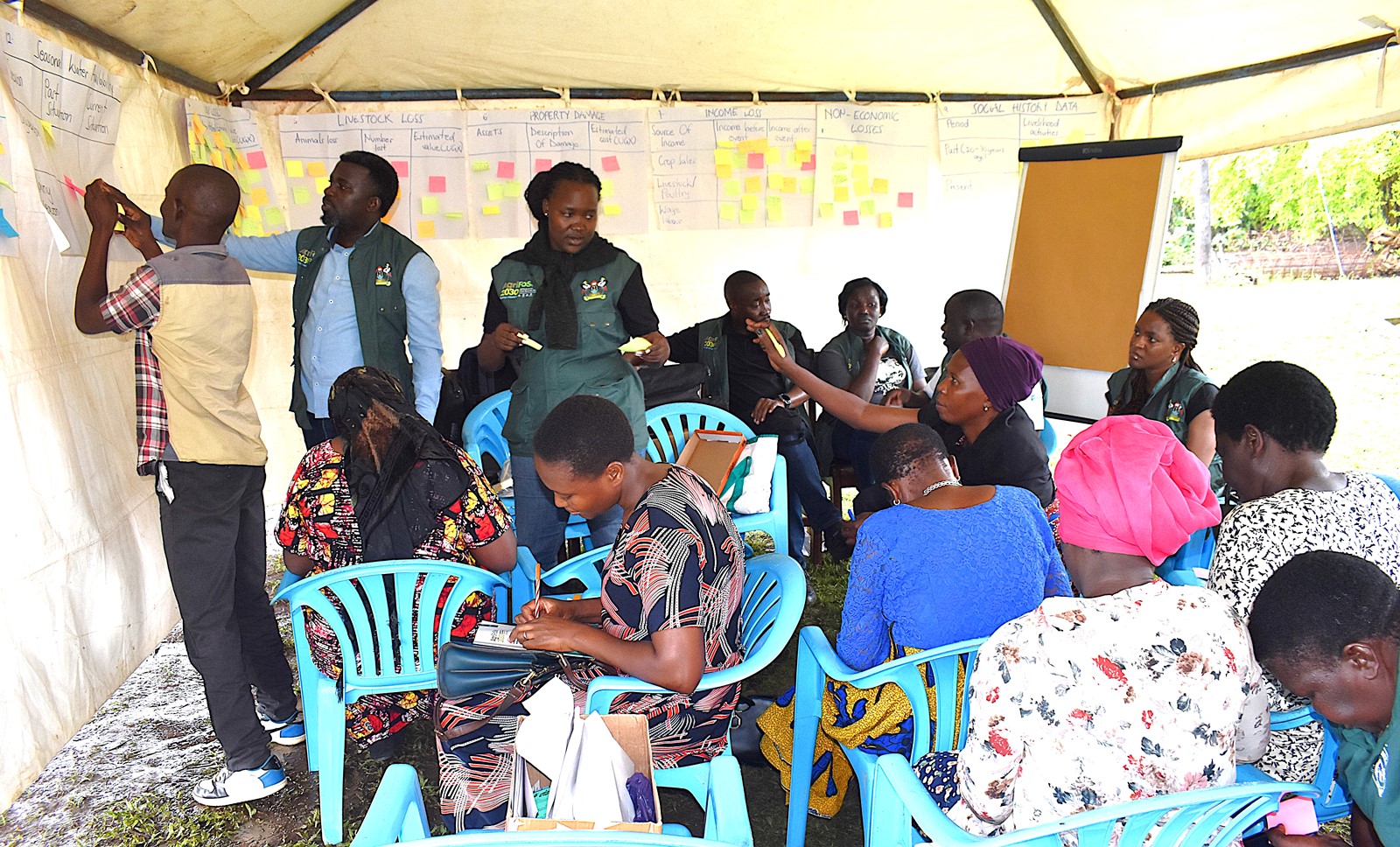
A total of 25 farmers attended the training, which aimed to strengthen financial literacy and enhance overall farm management practices. The sessions covered essential topics such as effective bookkeeping, farmer group dynamics, systematic documentation of farm activities, and the strategic use of media to share knowledge and promote agricultural products and services.
Farmers actively engaged in the discussions, openly sharing their experiences and the challenges they encounter. Many confessed that they did not maintain proper financial records, citing limited knowledge of record-keeping practices, the busy schedules, and, in some cases, low motivation to adopt structured documentation systems.
Training in Financial Management
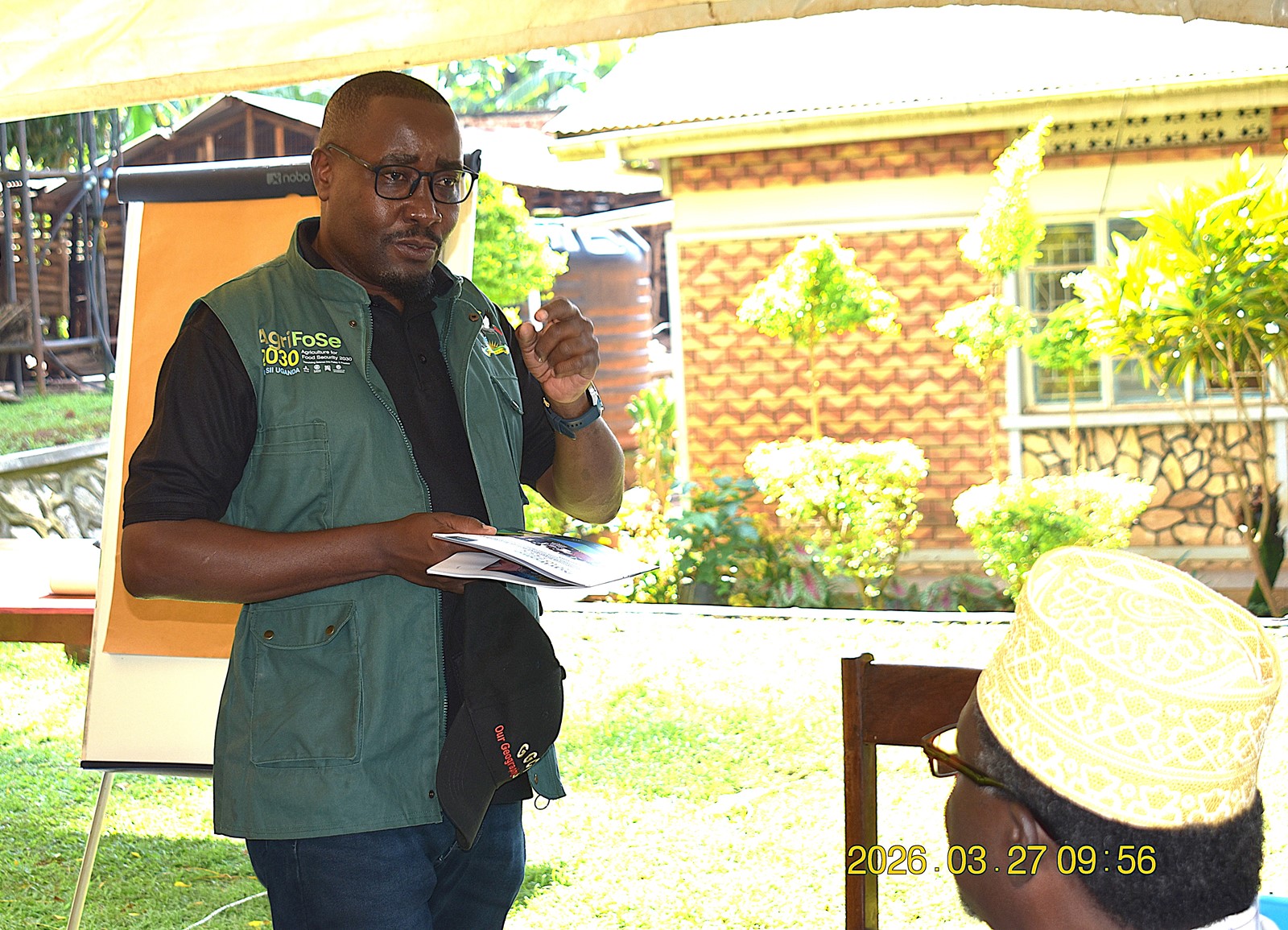
In a comprehensive training session focused on bookkeeping, Mr. Mbowa Henry from AidEnvironment, also a member of the RUFS Project, emphasized the critical importance of maintaining accurate, consistent, and systematically organized financial records. He noted that proper record-keeping not only improves financial management but also strengthens farm management and promotes long-term economic sustainability of farming enterprises.
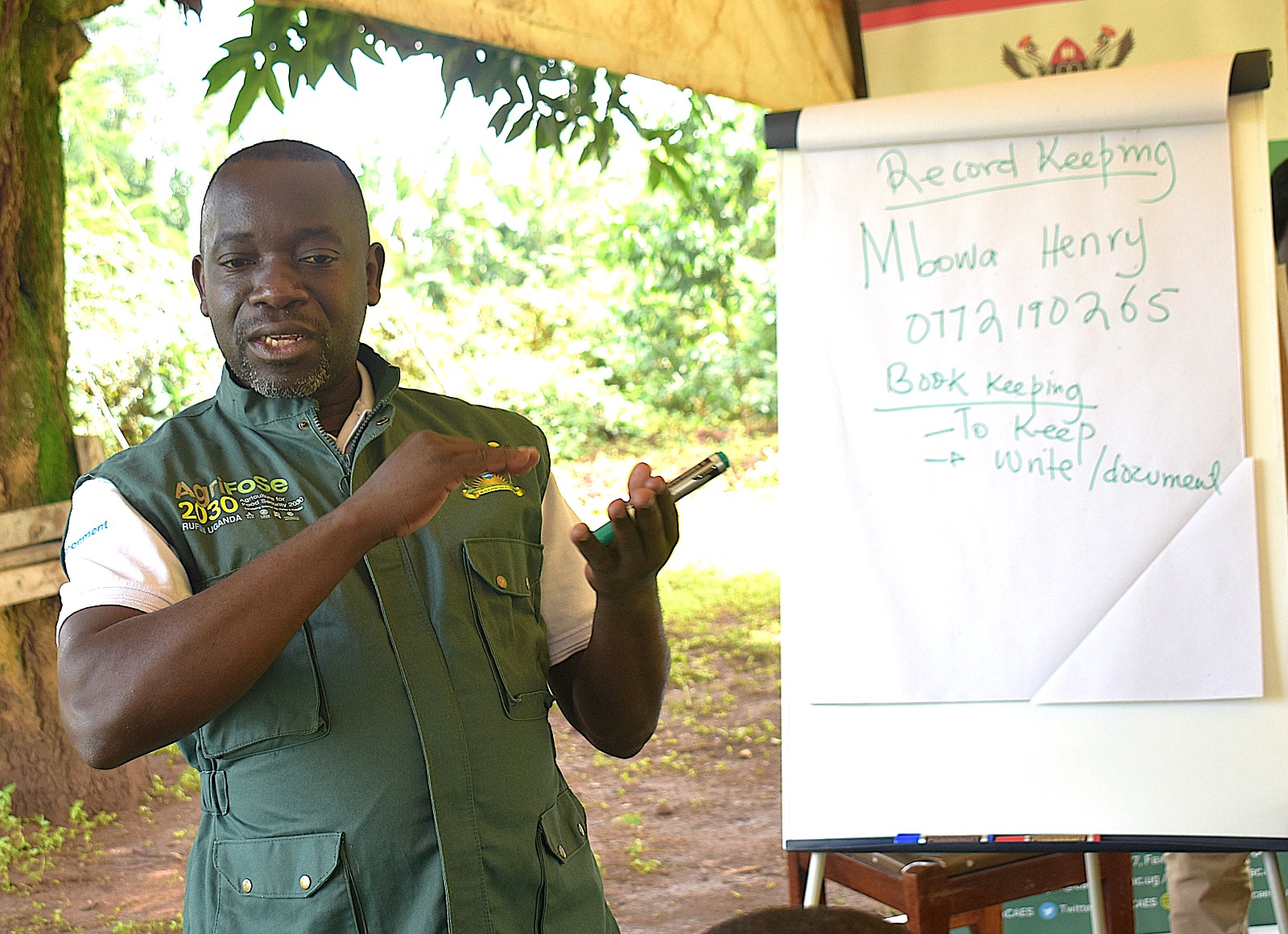
He introduced the farmers to the core components of an effective record-keeping system, including cashbooks, receipt books, expenditure registers, and bank records, tools essential for monitoring income, tracking expenses, and evaluating overall performance.
He encouraged the participants to actively apply the knowledge acquired, stressing that consistent adoption of these practices would empower them to optimize their farm operations, enhance productivity, and secure sustainable financial growth for their agricultural ventures.
Managing Farmer Group Dynamics
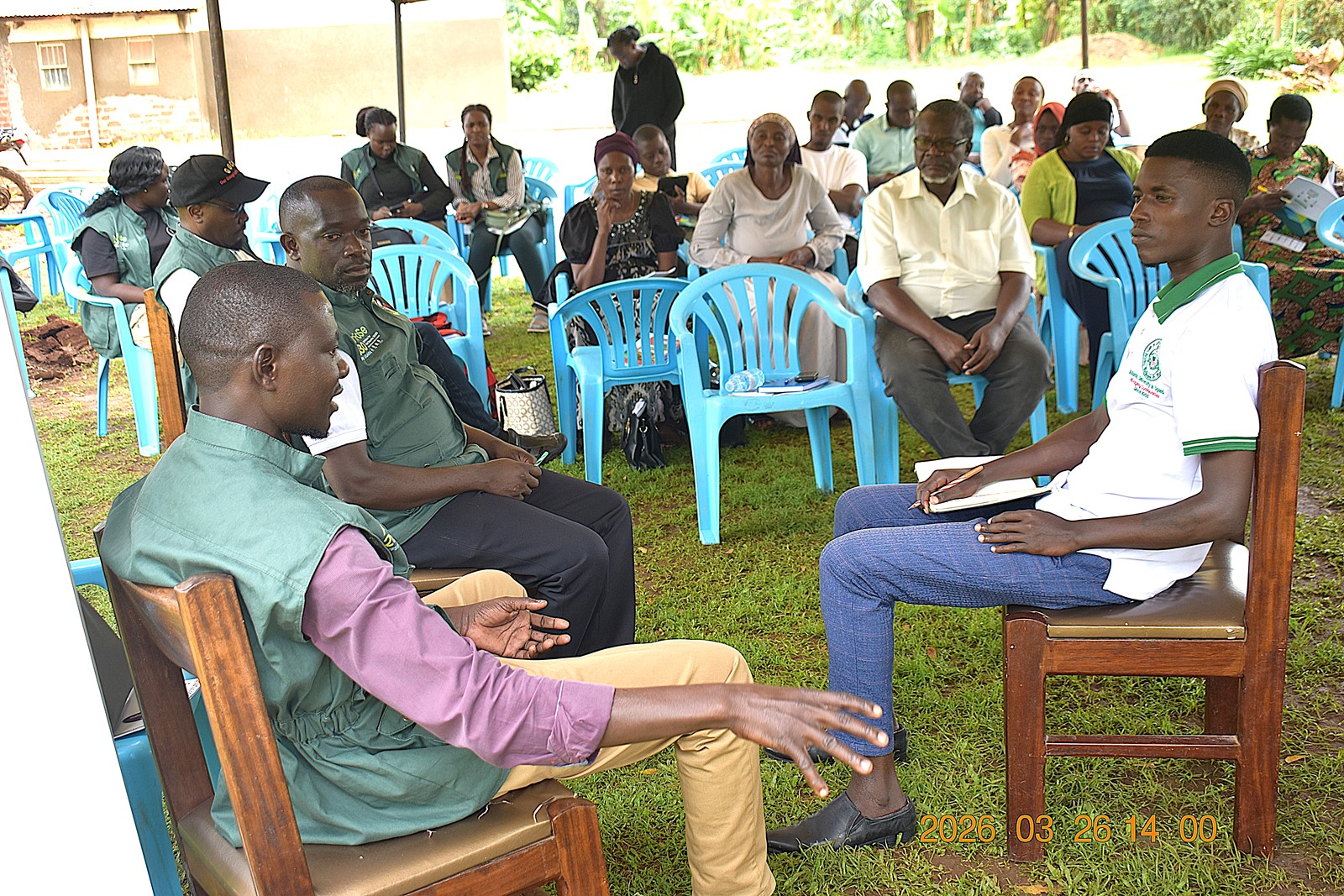
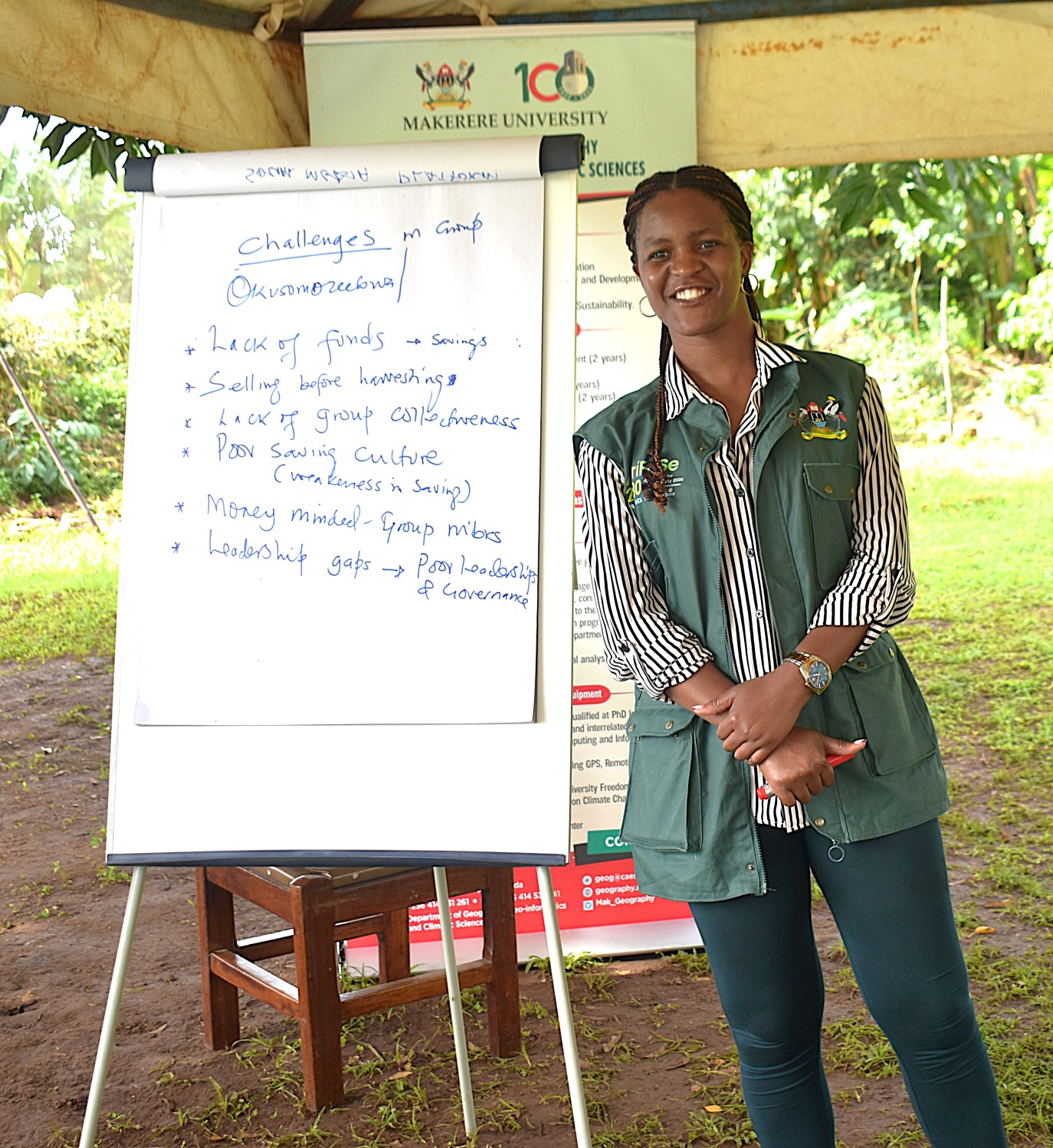
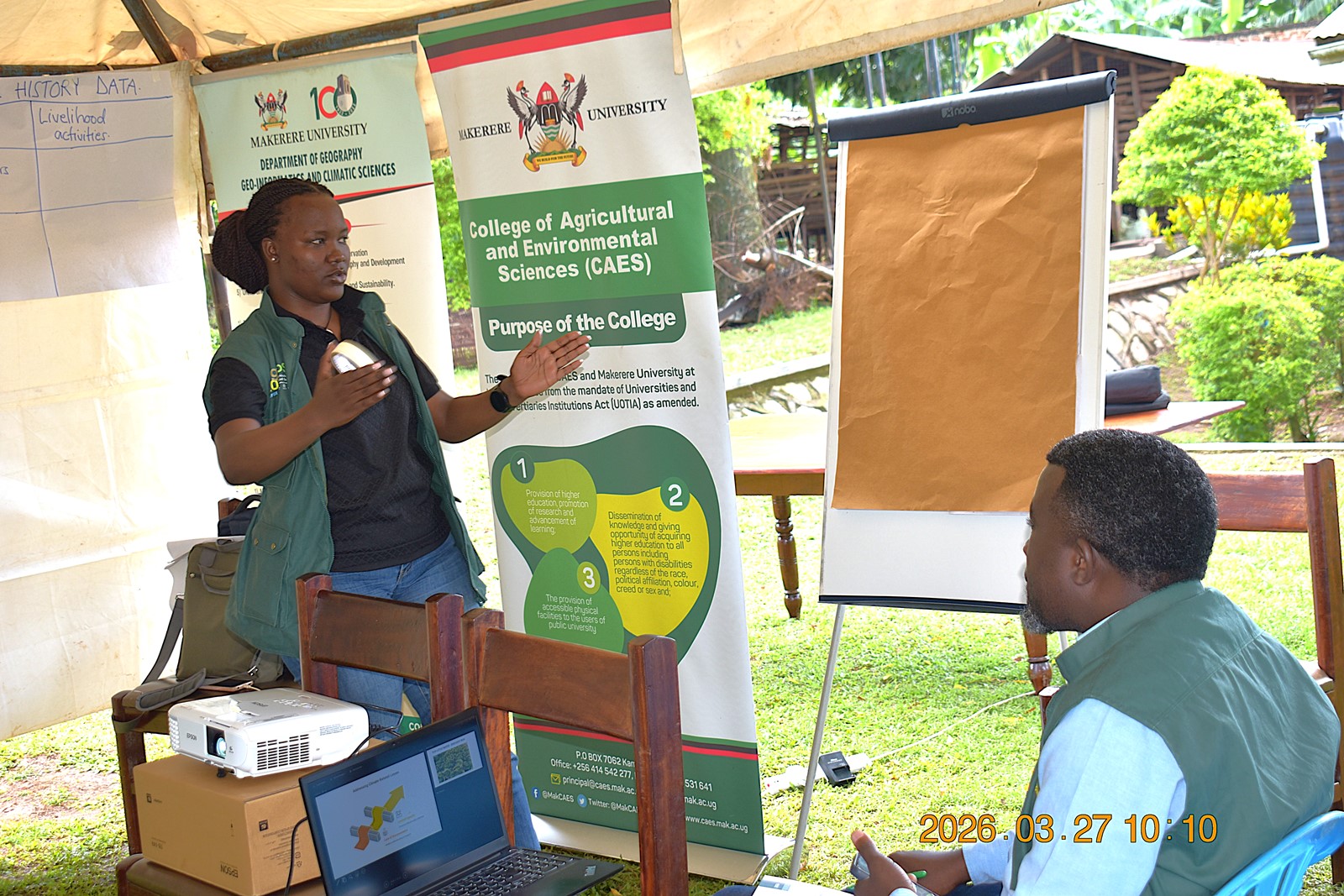
In addition to financial skills, the RUFS Project team, led by Mr. Mbowa and Ms. Ritah Pavin Nakanjako, provided guidance on farmer group dynamics. Discussions centered on common challenges affecting collective farming and strategies to address them. Key challenges identified included the lack of shared goals, conflicting individual interests, weak saving culture, leadership gaps, unregistered or family-centered groups, low participation in group activities, uncoordinated initiatives, politicking, and limited financial management skills, all of which hinder the success of farmer groups. The trainers emphasized the importance of unity, clear objectives, and structured collaboration in strengthening group performance.
Climate Change Risks
Another significant topic of discussion was climate change and its devastating effects, as well as the social and hydrological histories, emphasizing the urgent need for adaptive strategies in agriculture. The Elgon region, which spans Eastern Uganda’s highlands and the foothills of Mount Elgon, is particularly vulnerable to extreme rainfall, flash floods, and landslides due to its steep terrain, heavy seasonal rains, and densely settled, erosion-prone slopes. Over the decades, such disasters, most notably in 1997-2004, 2010, 2018, 2022, and 2023, have resulted in displacement, destroyed livelihoods, damaged infrastructure, increased food insecurity, and heightened health risks.
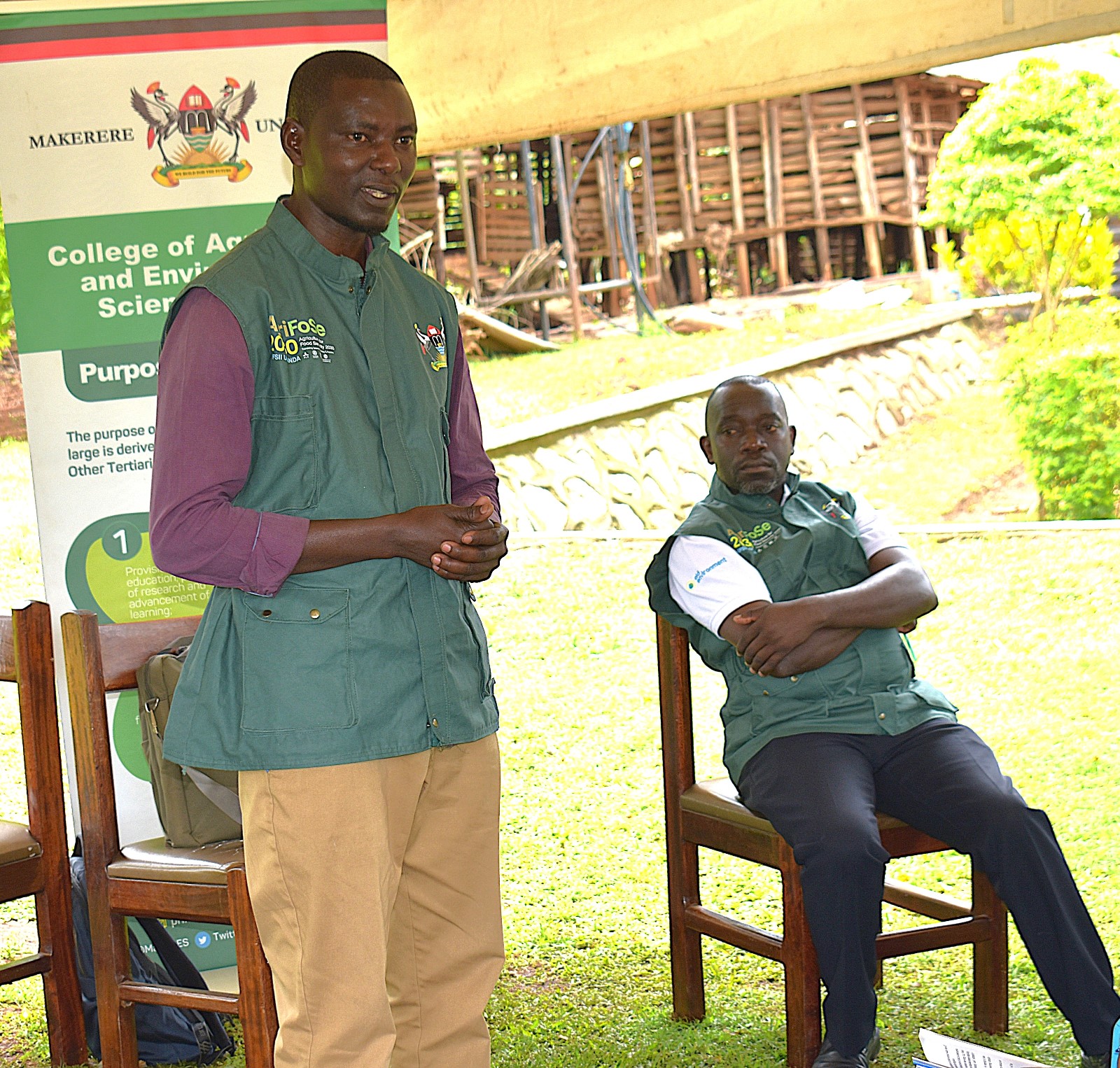
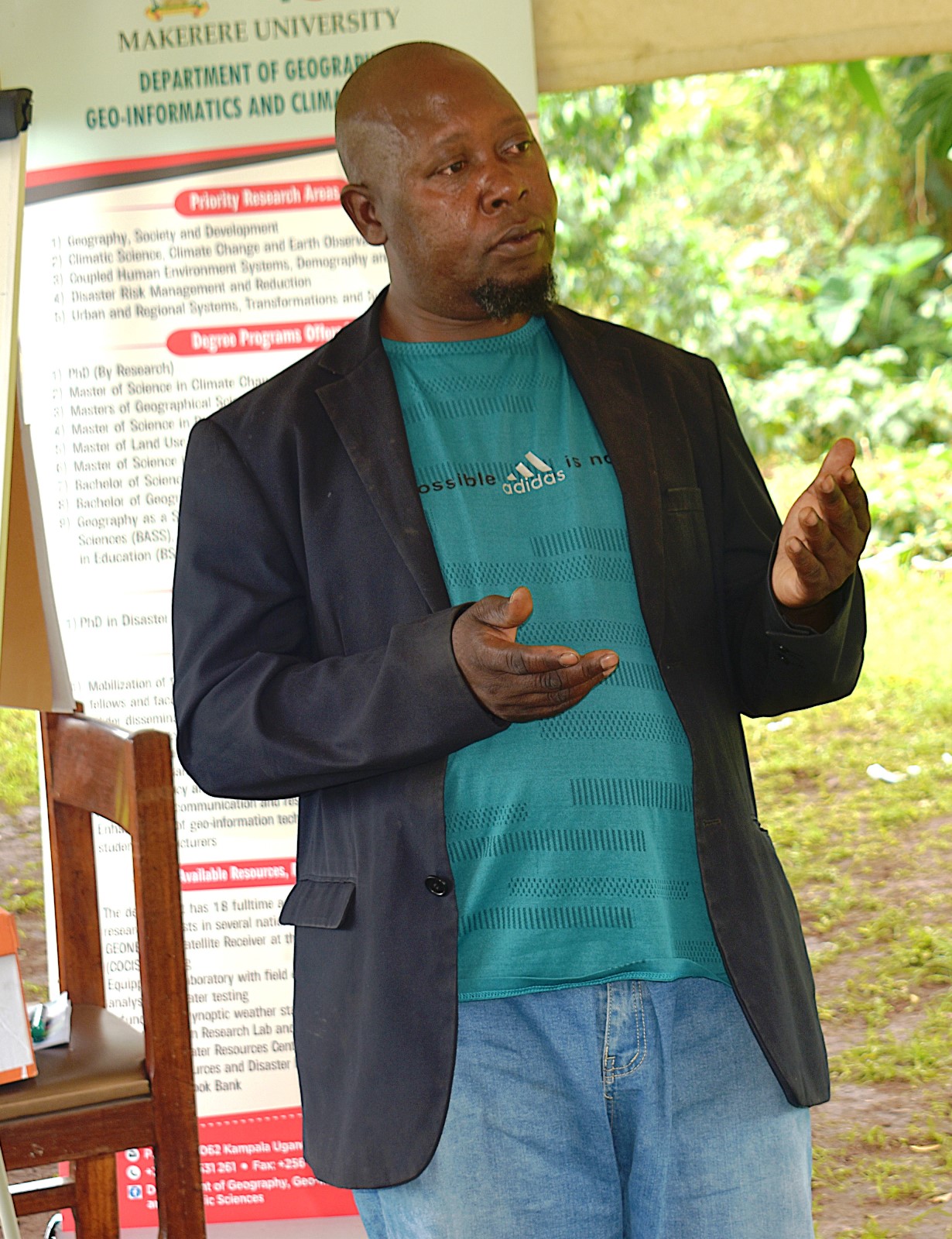
During the training, farmers shared firsthand accounts of the devastating impacts of recurrent floods in the region. Facilitated by Mr. David Luswata, a Masters student supported by the project, and Ms. Patricia Kiggundu, a member of the project, the sessions offered a collaborative platform for participants to explore long-term, sustainable solutions aimed at reducing both the risks and economic losses associated with climate variability. As part of his Masters research on flood risk management among smallholder farmers in Mbale City, Mr. David Luswata engaged the farmers on the impact of floods on crops, livestock, property and livelihoods.
Documentation and Knowledge Sharing
The training also emphasized the critical role of documentation in effective farm management and knowledge sharing. Mr. Juma Wephukulu, a member of the RUFS Project and Chairperson of the Mbale City Food Systems Platform, offered detailed guidance on essential practices for recording day-to-day agricultural activities. Drawing from his own experience, Mr. Wephukulu authored a book chronicling his farming journey. Supported by RUFS, the publication serves as an educational guide and an inspirational resource, equipping other farmers with practical insights, strategies, and motivation to enhance productivity and resilience.
Communication and Media Engagement
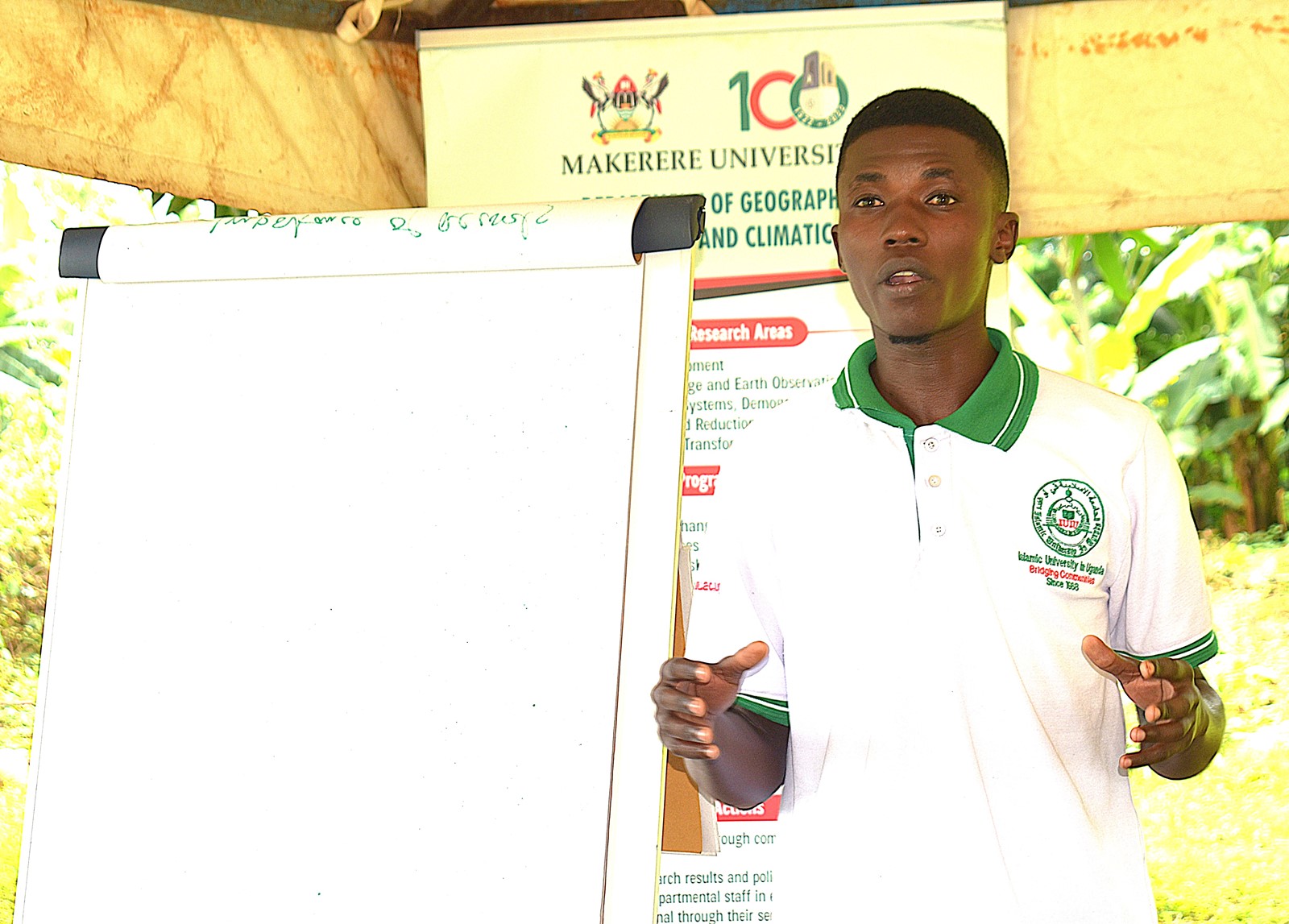
Another distinctive feature of the training was its focus on communication and media engagement. Farmers were encouraged to leverage media platforms to amplify their voices and share their experiences with wider audiences. Mr. Wataba Shaban, a talk-show host at IUIU FM in Mbale City, led a simulated radio talk-show session, demonstrating effective techniques for communicating agricultural issues and providing participants with practical skills for public engagement.
Community Perspectives
Many of the factors driving climate change are the result of human activity, frequently stemming from unsustainable agricultural practices and improper construction methods. Representing the farming community, Hajji Siraji Kamulegeya called for more educational programmes and capacity-building initiatives to deepen understanding of the causes of climate change and strategies for mitigating its impact. He expressed gratitude to the funders and the project team for the interventions.
Addressing the participants, Mr. Munowa Hassan, LC1 Chairman of Nankusi Cell in Northern City Division, Mbale City appreciated Makerere University for its numerous initiatives aimed at empowering farmers and enhancing food security. He called for the expansion of such projects.
Action Planning
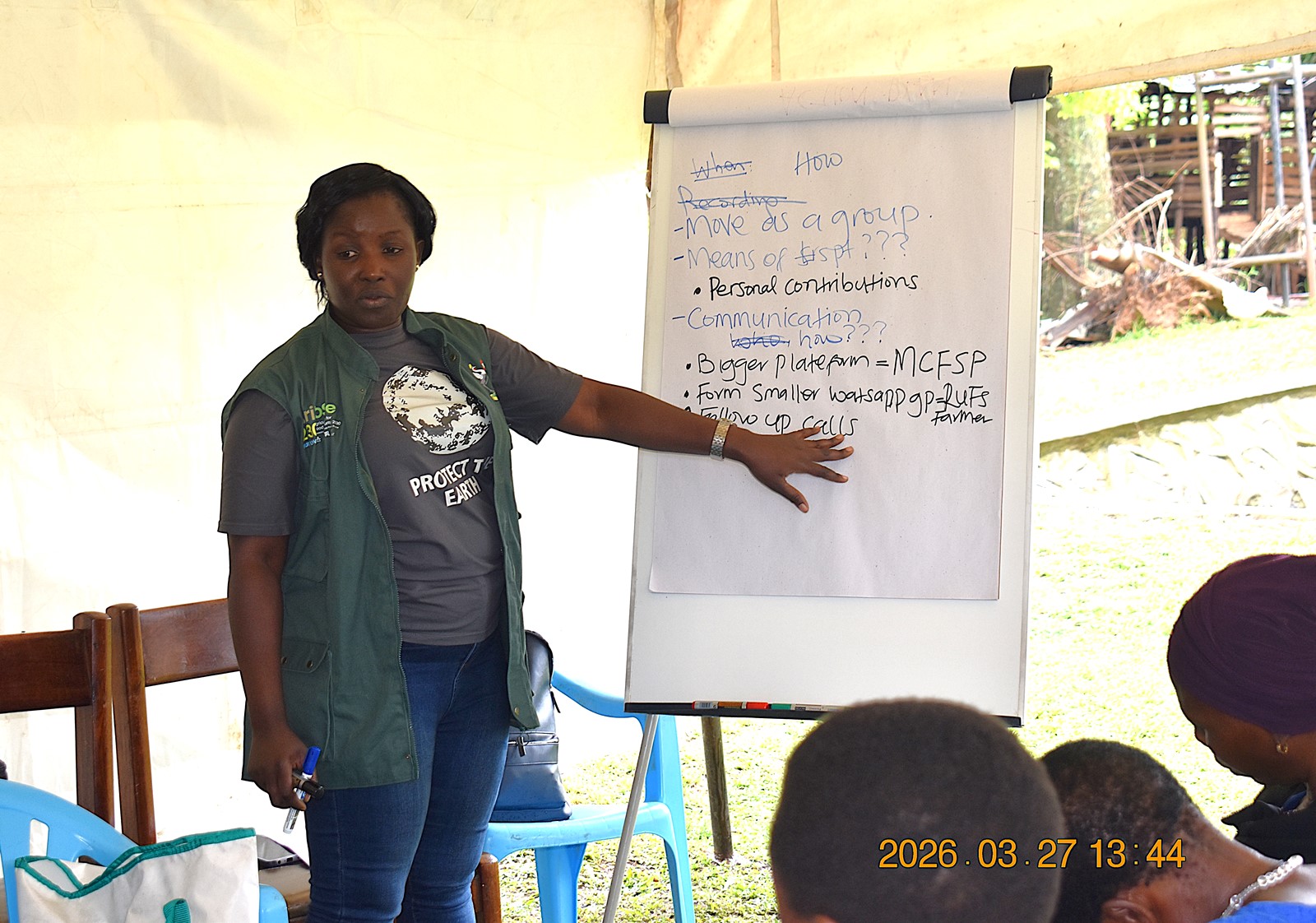
To translate knowledge into action, participants collectively developed a concrete action plan and a monitoring and evaluation framework to track progress, measure outcomes, and make necessary adjustments to achieve the desired impact.
A similar training will be conducted in Kasese Municipality.
Pictorial of the training:
https://drive.google.com/drive/folders/1OLgem3m5Lnnq5b0Nm4giPKcBnZPsZrEF?usp=sharing
More about the RUFS trainings: https://news.mak.ac.ug/2025/10/rufs-project-team-trains-smallholder-farmers-in-mbale-city-in-smart-agronomic-practices/
More photos
Agriculture & Environment
Empowering Marginalized Youth for Climate Justice: A Participatory Action Research Project

The Youth for Climate Justice (Y4CJ) project is a groundbreaking initiative that amplifies the voices and agency of marginalized youth in the global South and North. The mission of the project is to foster sustainable and effective climate activism among young people from diverse backgrounds, while prioritizing their well-being and social justice.
Building Partnerships for Climate Action
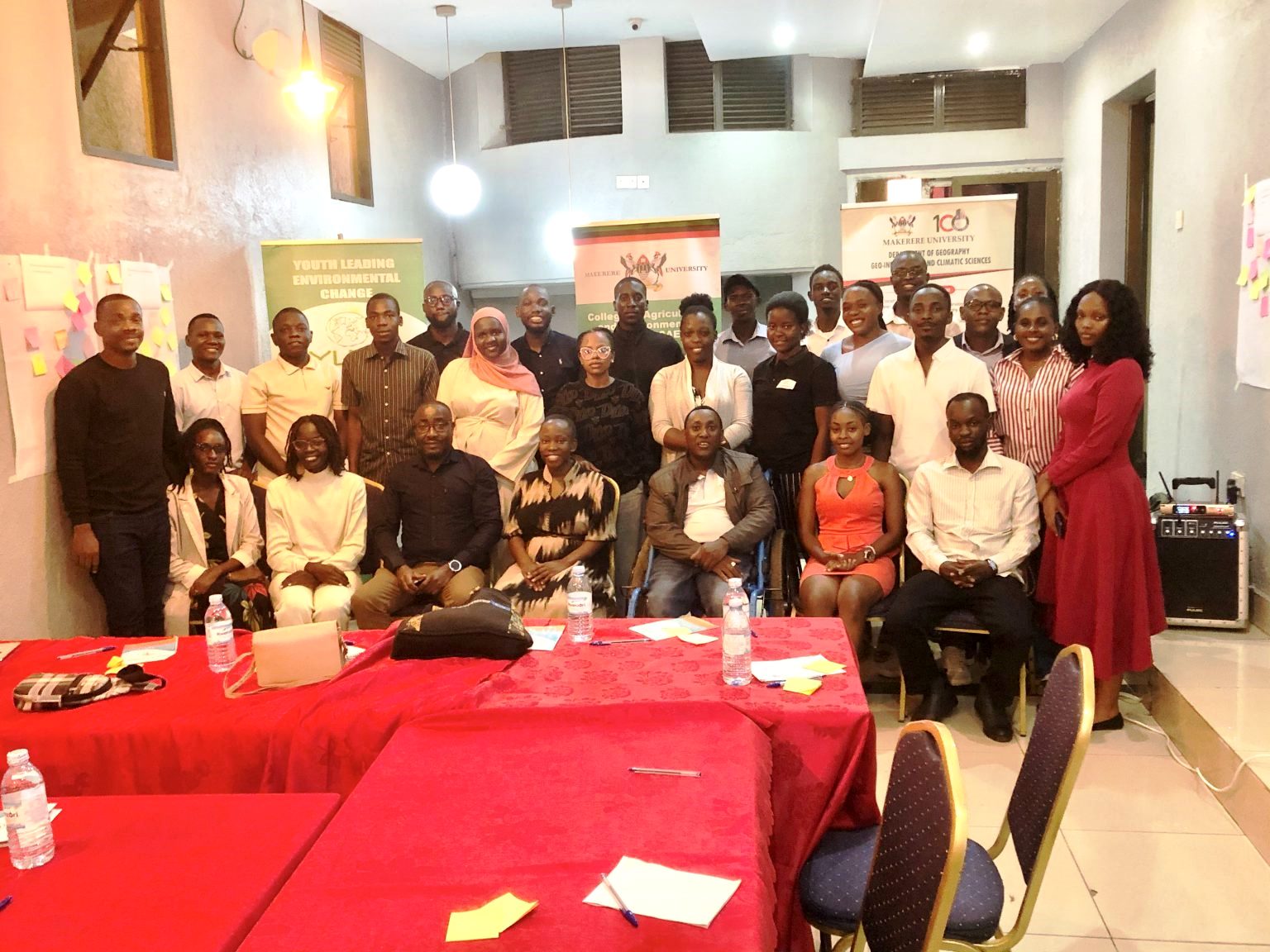
Through a collaborative approach, the project partners with the youth, key stakeholders, and academics to co-create knowledge and strategies that empower marginalized youth to take ownership of climate action. The partnerships are built on trust, respect, and a shared commitment to social and environmental justice.
Countries of Focus
The project centers on empowering marginalized youth across diverse regions, specifically focusing on: Brazil, Haiti, South Africa, Uganda (representing the global South); and Canada, and United Kingdom (representing the global North). By engaging youth from both the global South and North, the project will foster an inclusive and intersectional approach to climate activism, recognizing the unique challenges and opportunities faced by marginalized youth in different socio-economic and cultural contexts.
Purpose and Project Objectives
The main purpose of the project is to establish partnerships with youth, key stakeholders and academics to understand and create better conditions for marginalized youth’s meaningful and sustained involvement in climate action, through climate activism. This includes ensuring the sustainability and effectiveness of their activism without compromising their own well-being in the process.
The Youth4CJ project has two specific objectives:
- To develop sustainable partnerships between academic and non-academic partners to generate capacity and understanding of the factors that facilitate or constrain marginalized youths’ sustained involvement in climate activism.
- To partner with youth as collaborators and co-researchers using participatory methods to identify, understand, and address local climate challenges faced by marginalized youth.
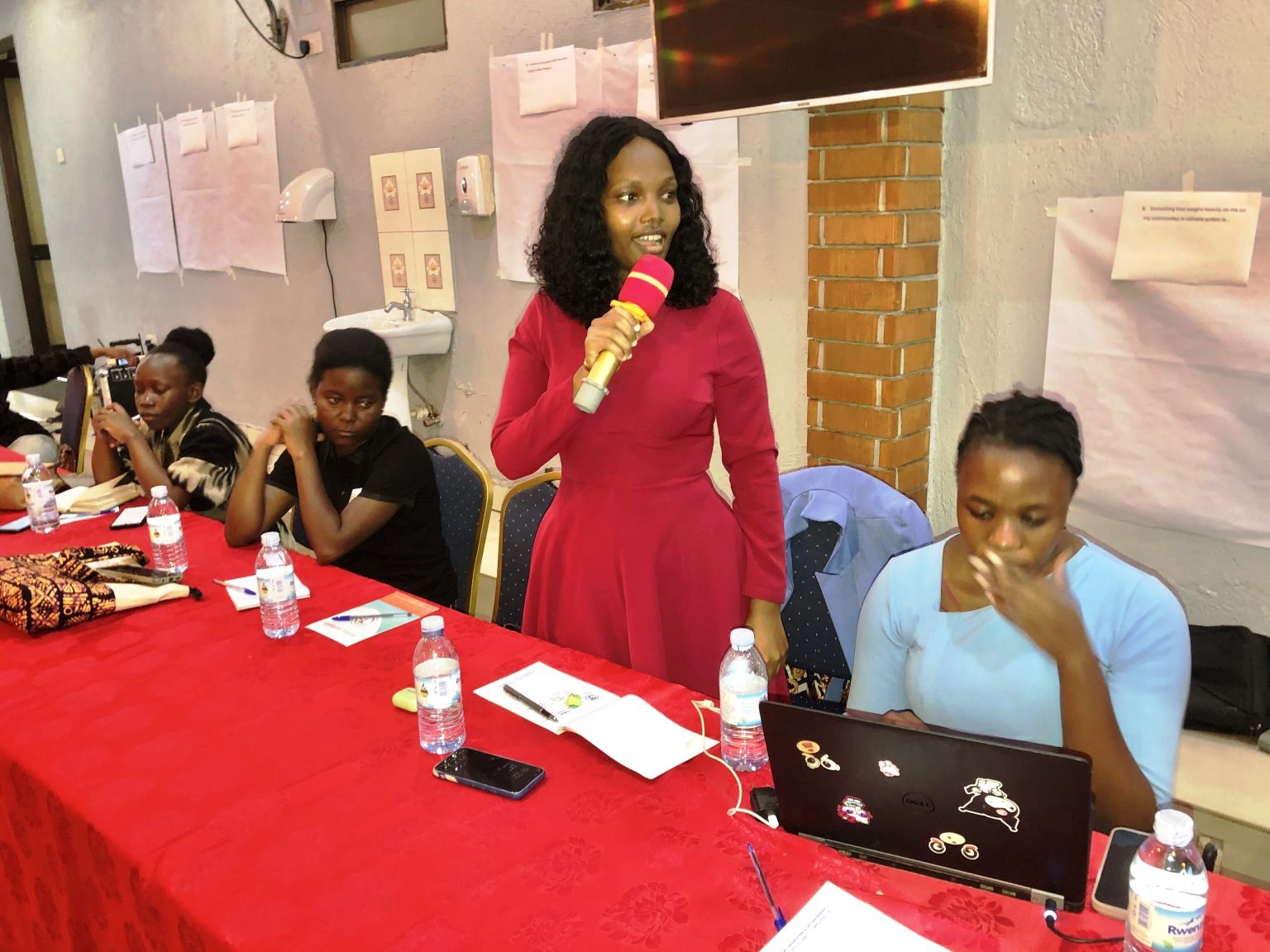
Project Activities
The main activities of the project will include:
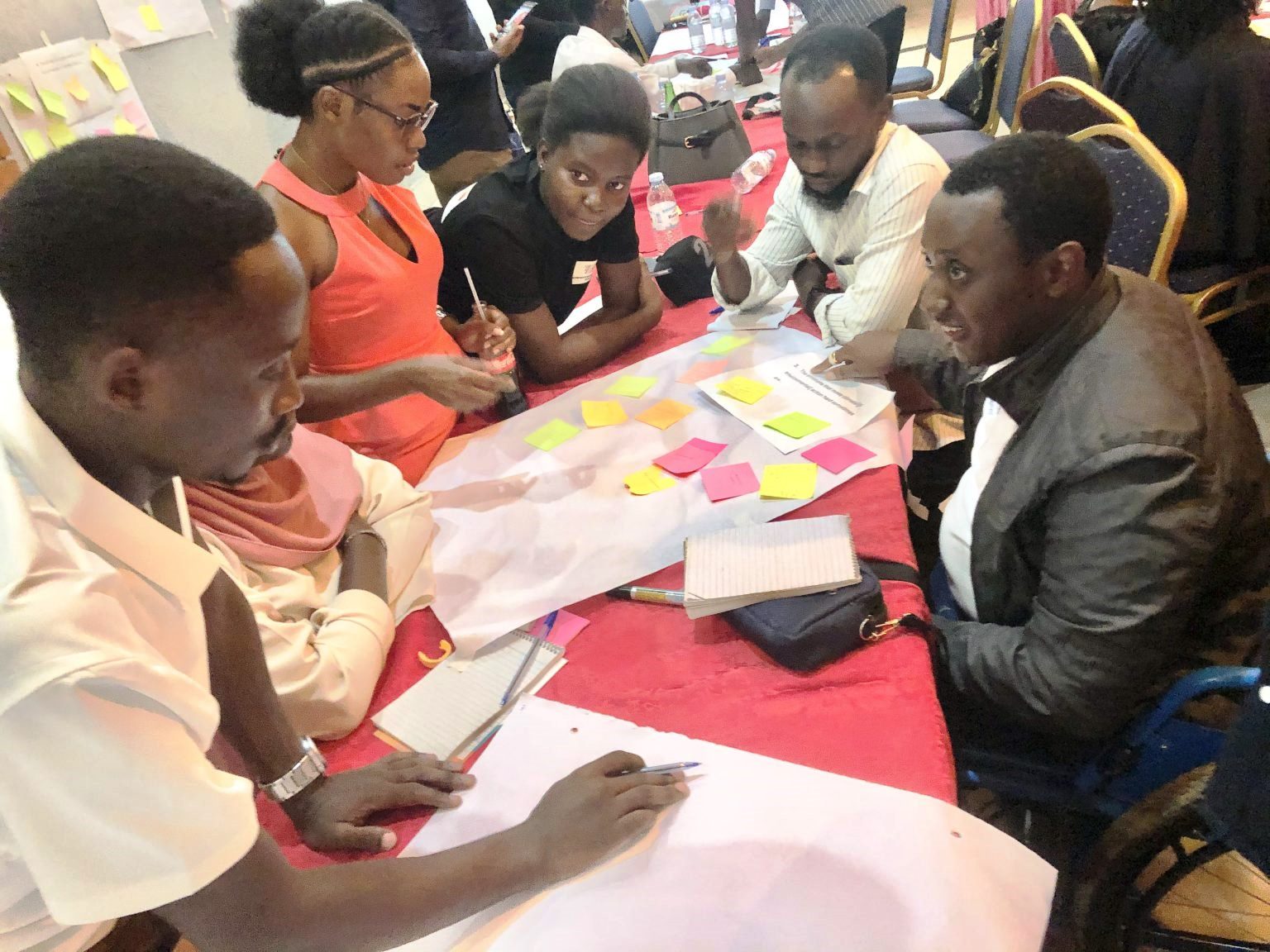
- Participatory Workshops to identify youth challenges and barriers to climate action/activism through Group Level Assessment (GLA)
- Action Project to address the barriers identified in a collaborative way through youth Participatory Action Research (yPAR)
- Group Discussion to understand experiences and learning from action project
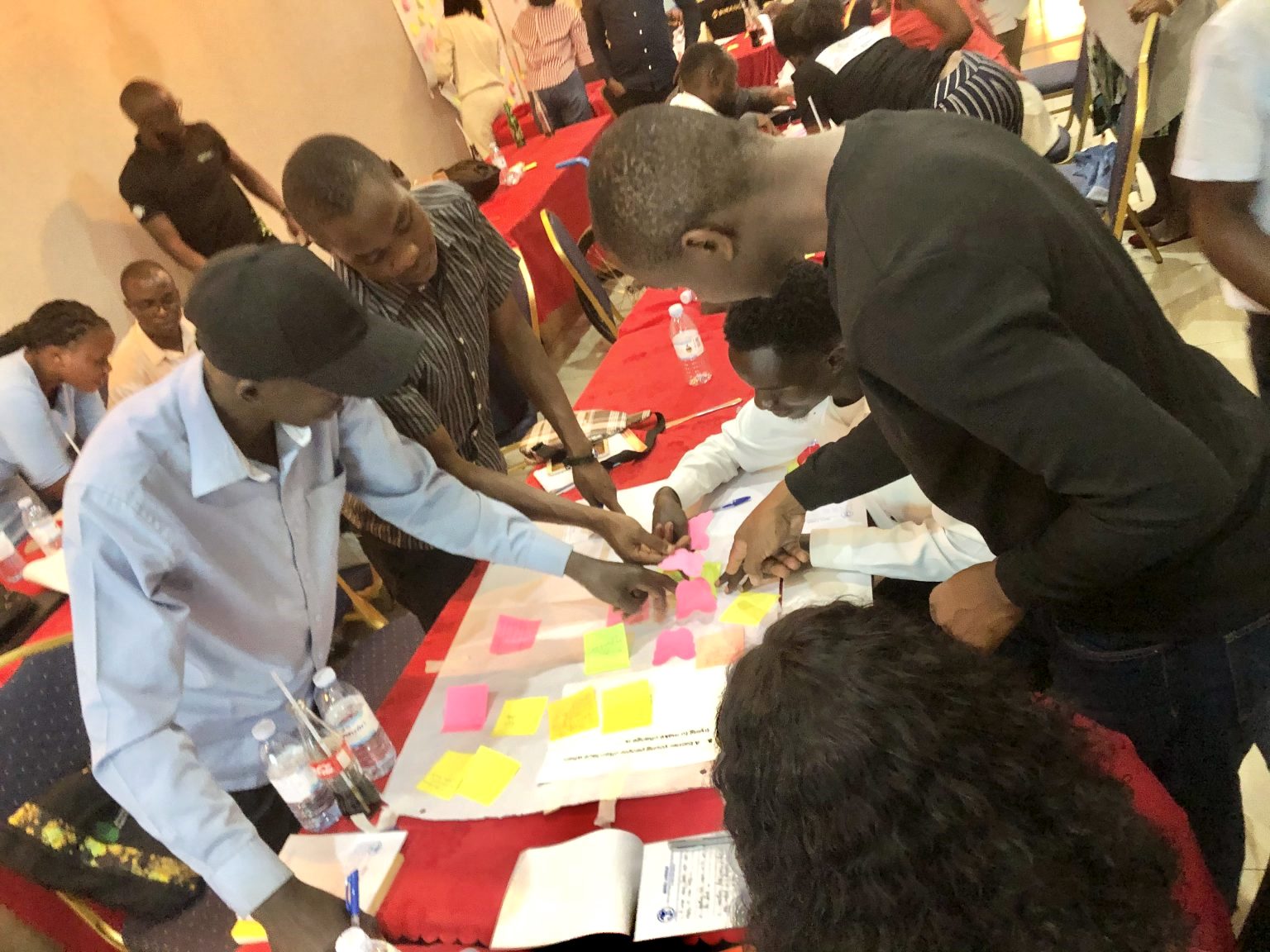
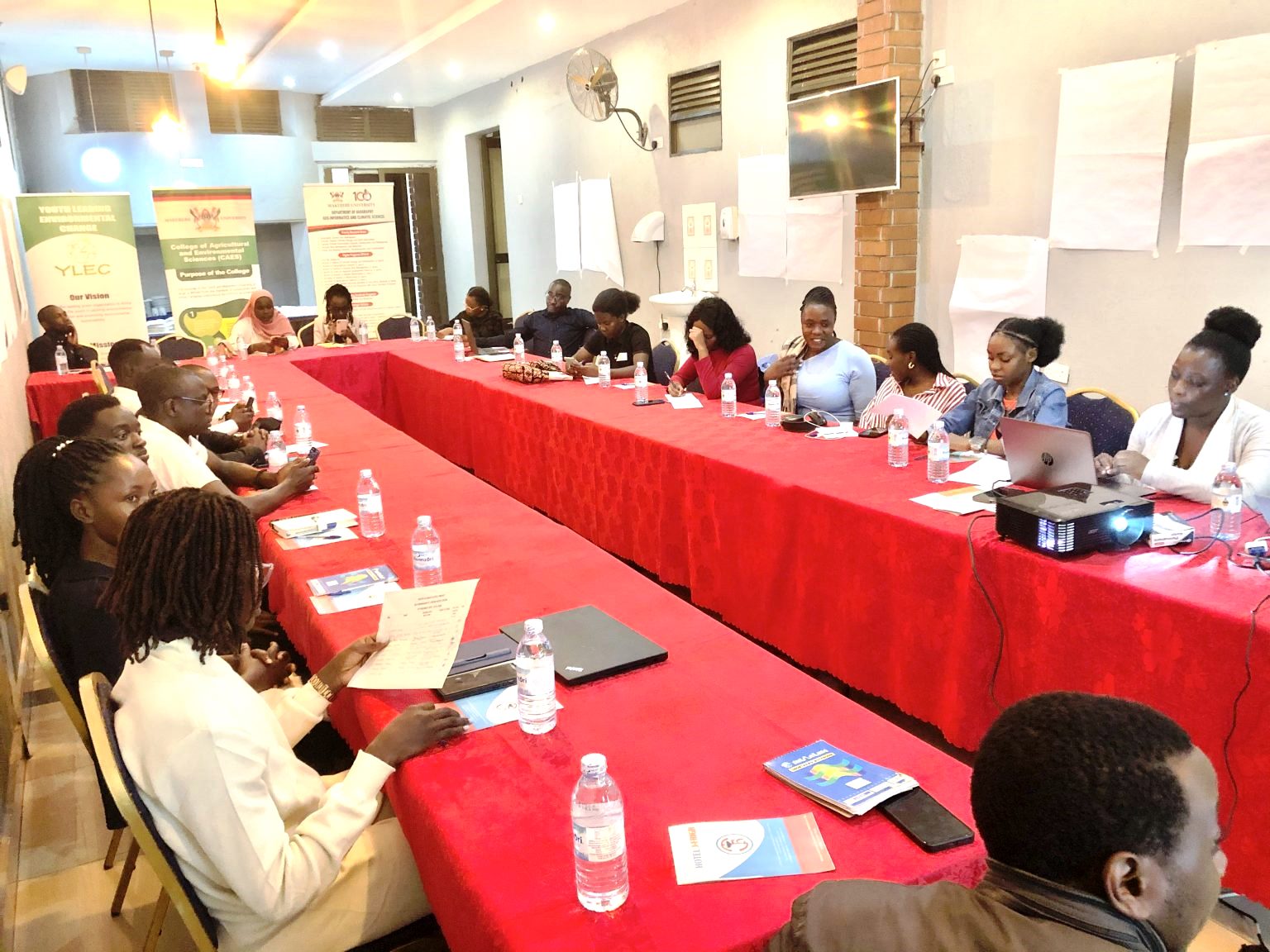
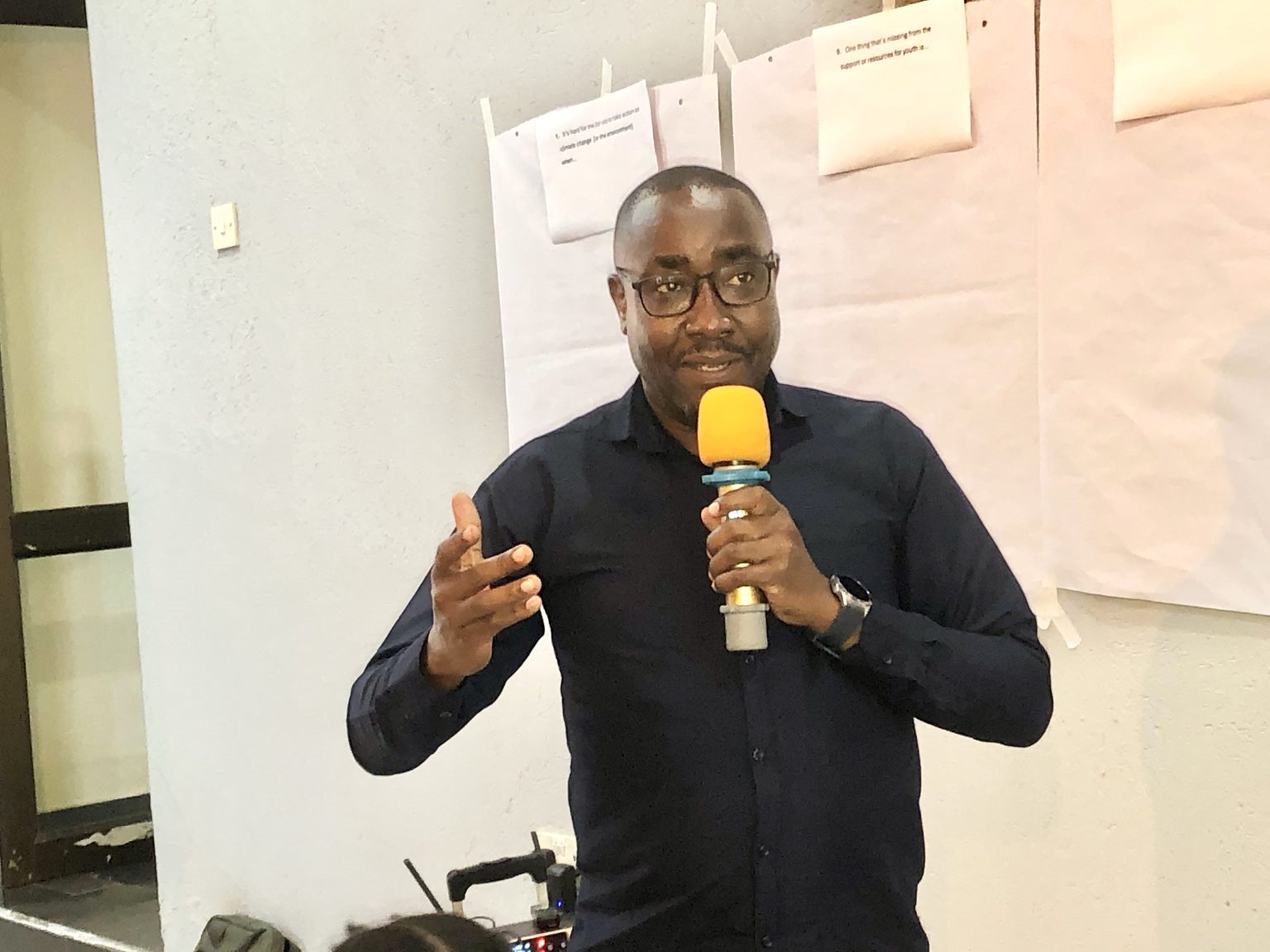
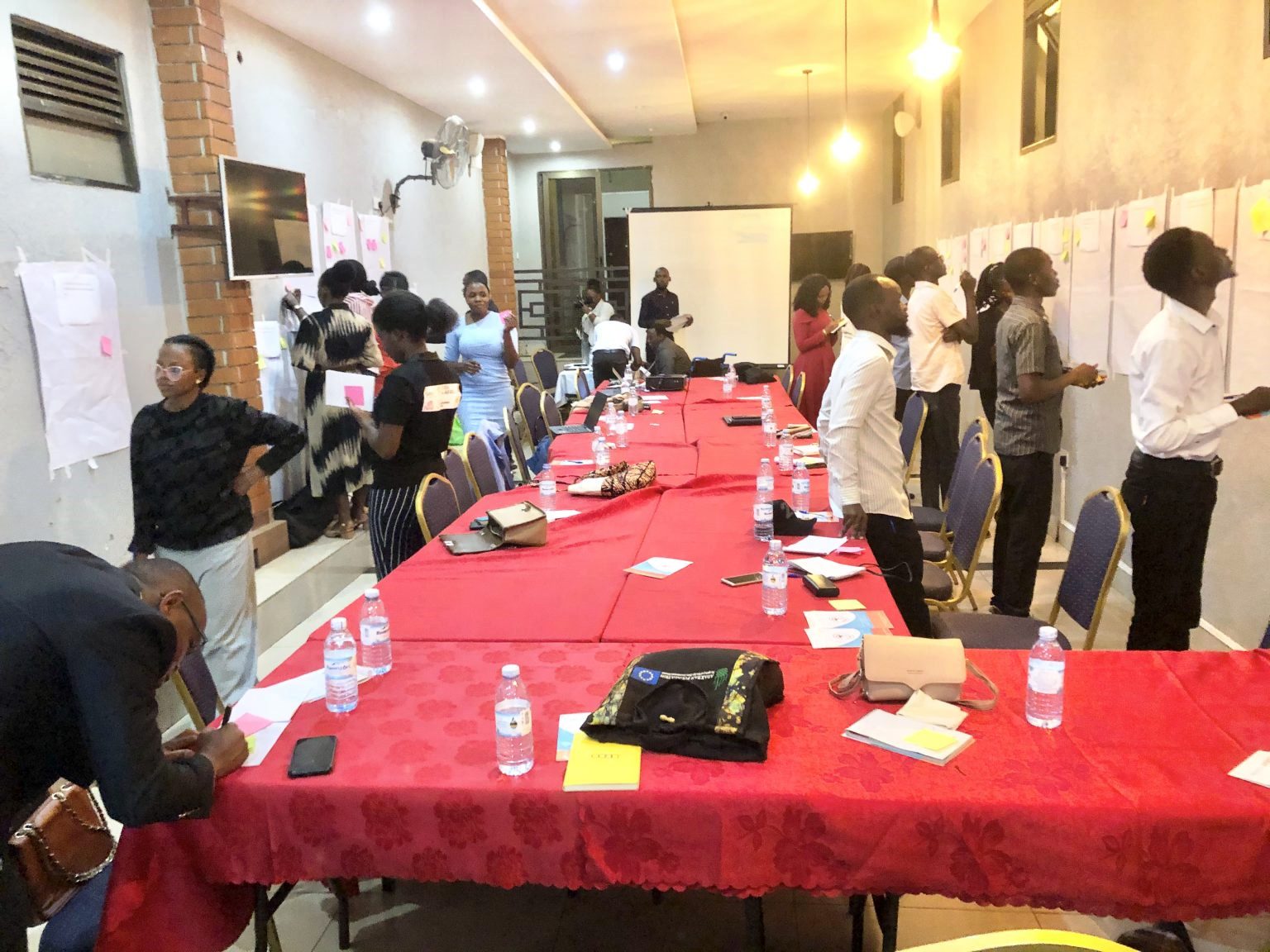
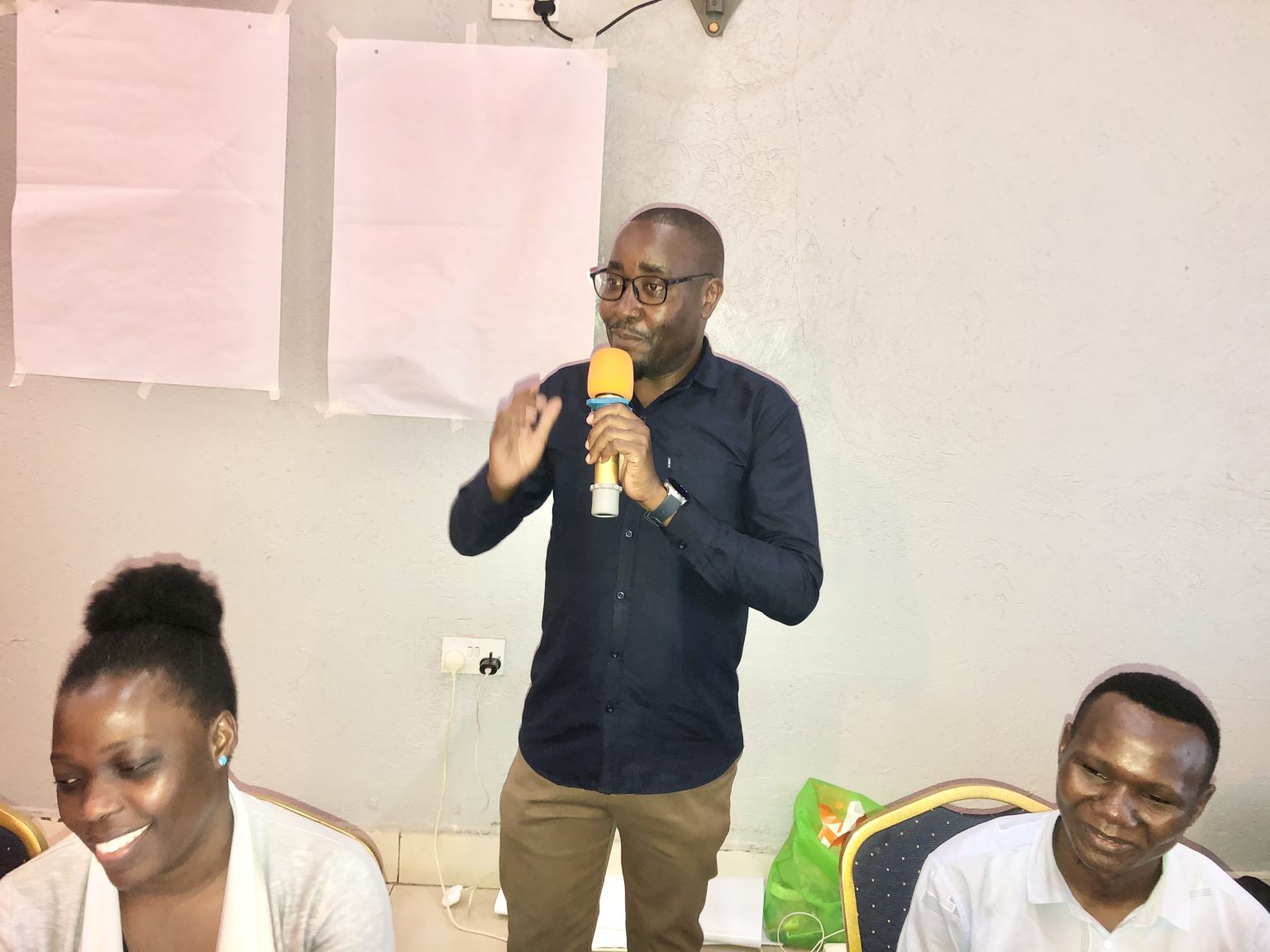
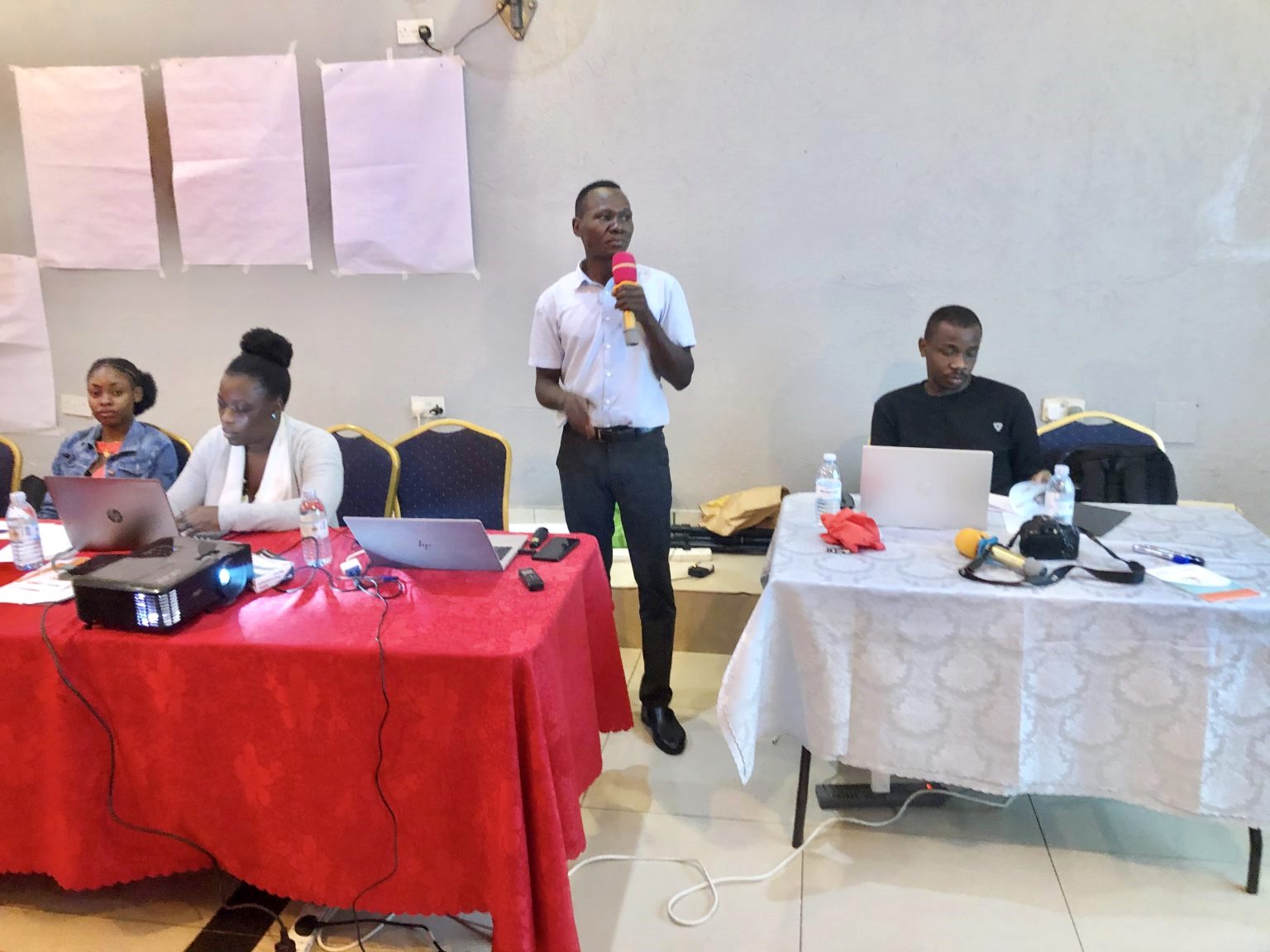
Under the leadership of Professor Frank Mugagga, Co-Principal Investigator and Uganda Country Lead, the project convened a strategic, one-day workshop dedicated to empowering marginalized youth in climate justice. The event was held on Friday, March 13th, 2026, at JFrigh Hotel Makerere – Kikoni. The workshop marked a significant milestone in advancing youth agency, advocacy, and social transformation in the fight against climate change.
Issues Arising from The Workshop
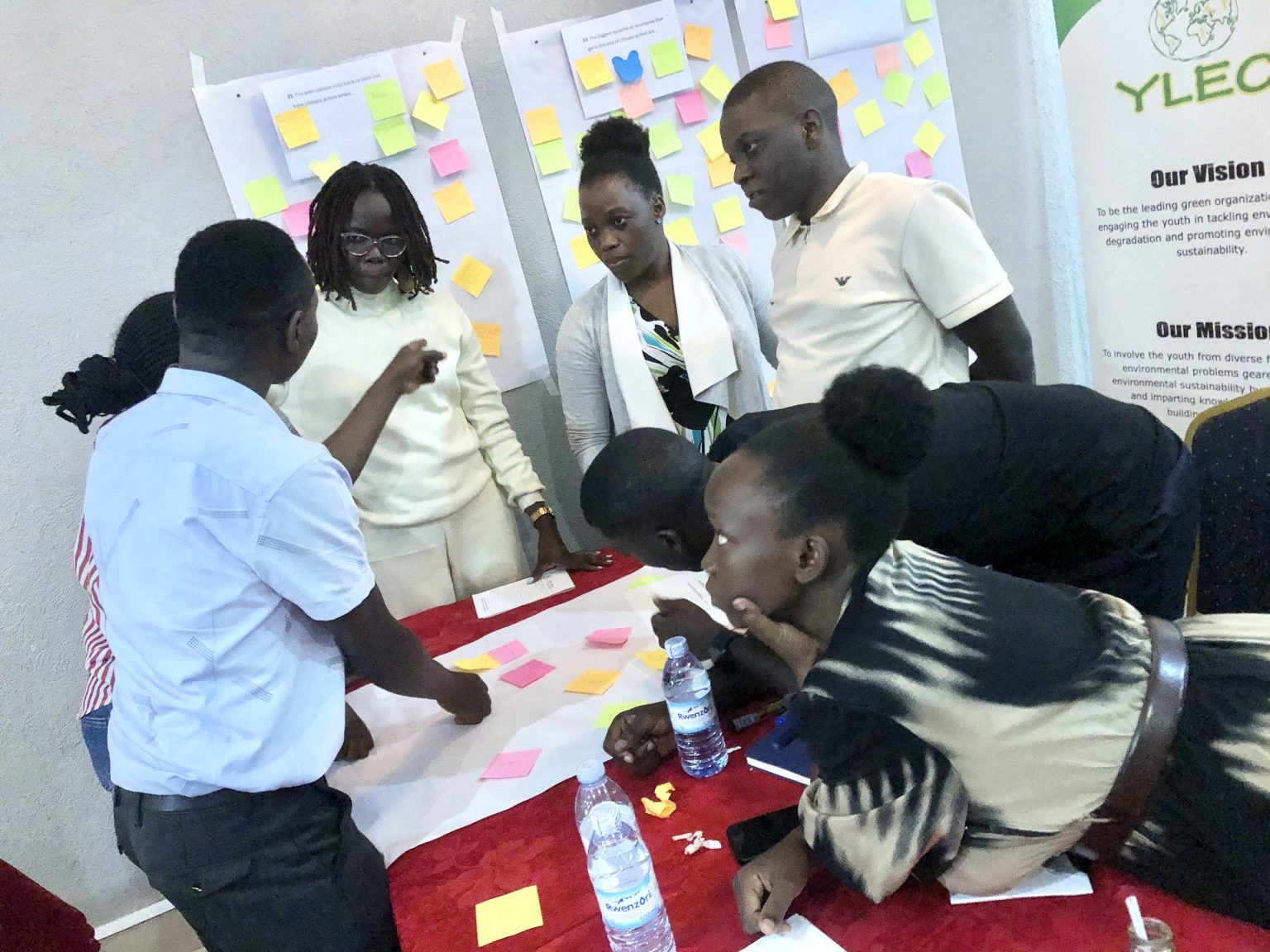
The workshop employed an GLA methodology, where youth responded to several pre-written prompts on issues relating to climate activism in the Ugandan context, to come up with common themes. The participants identified four key challenges (common emerging themes) shaping climate action and activism. These included; limited funding, knowledge gaps, weak or unclear policies, and systemic barriers. Across discussions, these issues were reinforced by concerns about inadequate government support, restrictive funding requirements, exclusion of certain group, and the mental health strain associated with sustained activism.
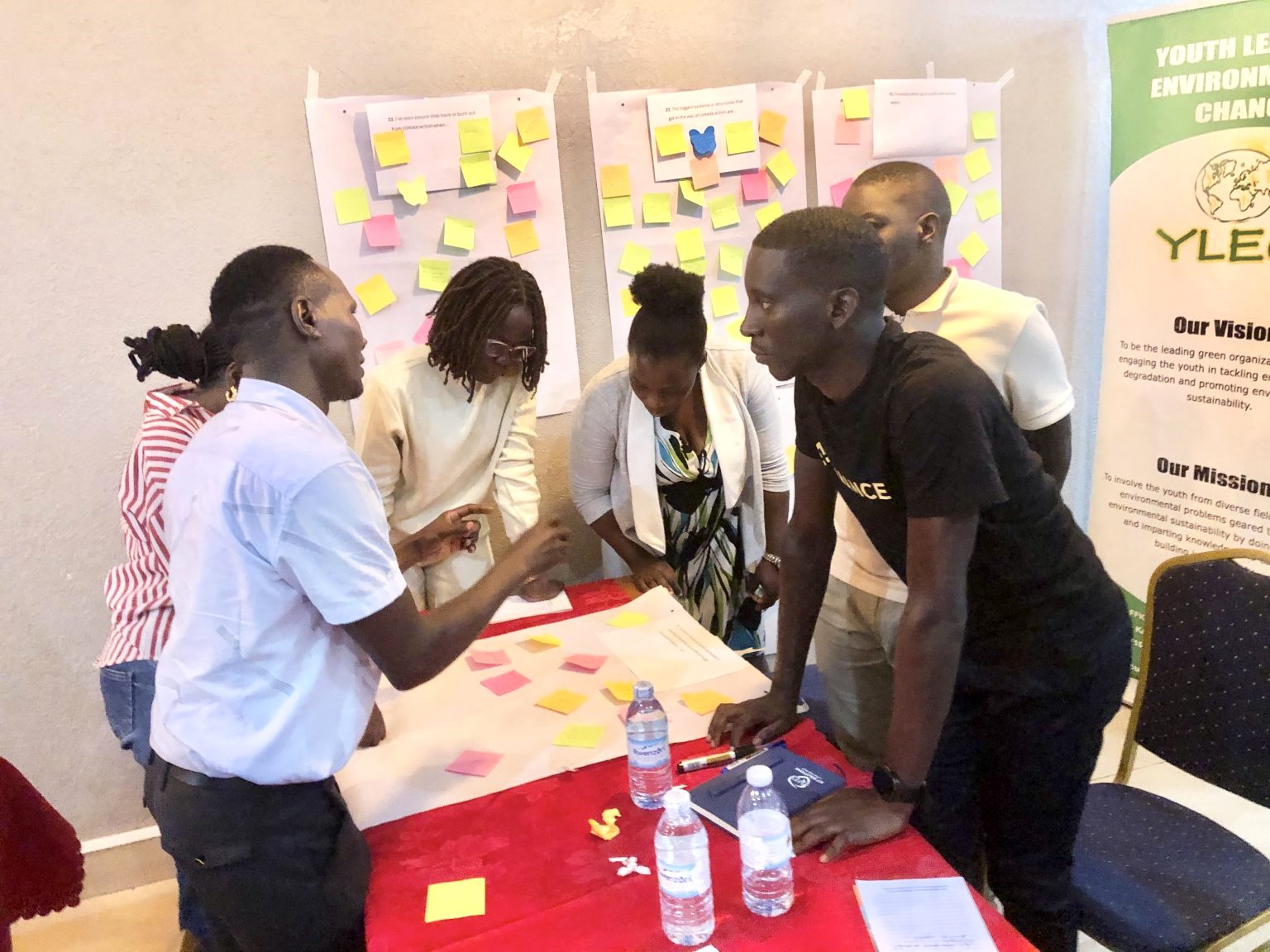
To address these challenges, participants proposed practical and collaborative solutions. These include improving access to funding by easing eligibility criteria, increasing government support, strengthening climate education and awareness at community level, and reforming policies to ensure clarity, relevance, and effective implementation. Emphasis was also placed on building strong partnerships among youth groups, government institutions, and local communities.
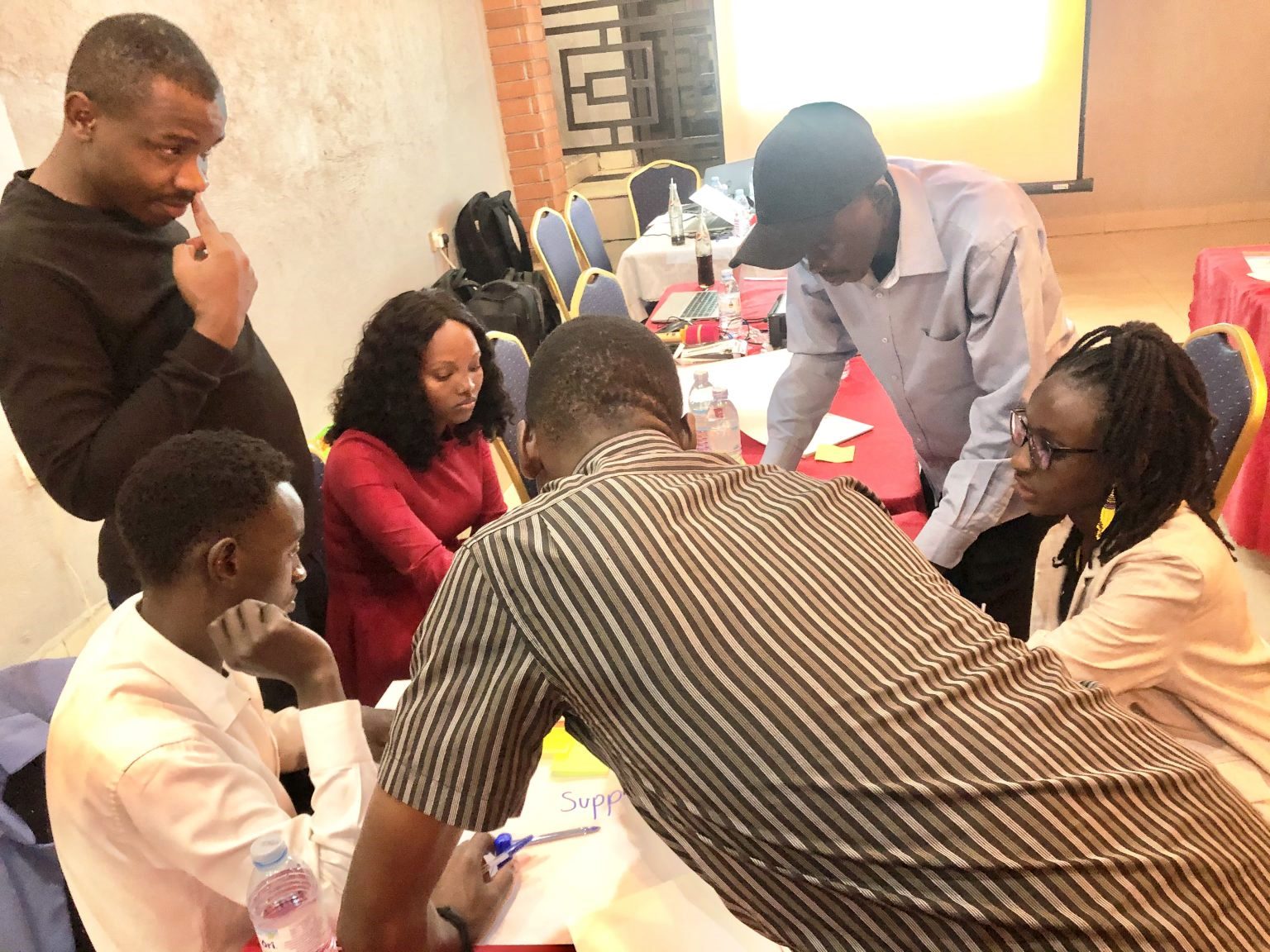
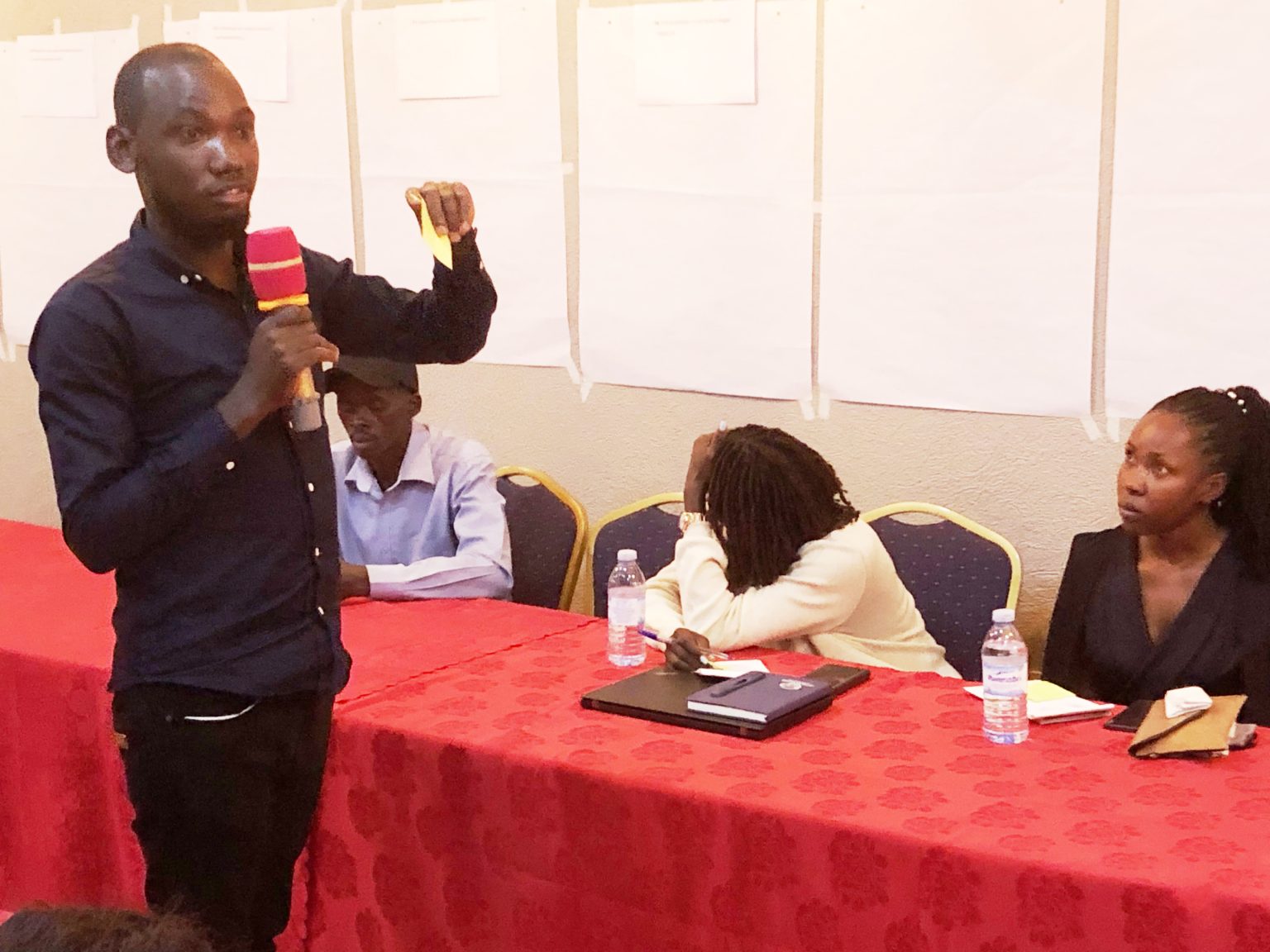
Lastly, the youth also highlighted a need for inclusivity, mentorship, and collective action to better equip and empower young people to lead impactful and sustainable climate initiatives.
-

 General2 weeks ago
Application for Admission to Graduate Programmes 2026/27
-
 General1 week ago
Mastercard Foundation Scholars Program at Makerere University Celebrates the Last Cohort of Phase One Graduates
-
 Agriculture & Environment1 week ago
CPUg Project Equips Waste Management Personnel with Essential Skills
-
 Veterinary & Biosecurity2 weeks ago
From Classroom to Cattle Farms: Makerere Unleashes 100+ Job Creators in Bold Skills Revolution
-
 Health2 weeks ago
Mak Transitions $100 Million Digital Health Systems Assets to Health Ministry