
Agriculture & Environment
RUFS Project Team Trains Smallholder Farmers in Mbale City in Smart Agronomic Practices

Overview
Following stakeholder engagements in Mbale City and Kasese Municipality to introduce Phase II of the Resilient Urban Food Systems (RUFS) Project, it became evident that farmers in both regions face a range of challenges that significantly impact agricultural productivity. Among the most pressing issues are frequent floods, landslides, waterlogging, and prolonged periods of drought, all of which threaten food security and the livelihoods of smallholder farmers.
In response, the RUFS Project team has designed a series of targeted interventions aimed at addressing these climate-related challenges. Central to these efforts is the provision of specialized training to enhance farmers’ capacity to adapt and thrive in the face of environmental stressors. Through these trainings, smallholder farmers in Mbale City and Kasese Municipality will be equipped with practical knowledge and skills in climate-smart agronomic practices that promote sustainability and resilience. Smart Agronomic Practices, as promoted in the training, focus on techniques that improve yield while conserving natural resources. This includes composting, pest control using natural extracts, crop rotation, intercropping, and the adoption of drought-resistant crop varieties. By prioritizing ecological balance and resource efficiency, the RUFS project aims to protect urban communities from the effects of climate change, price volatility, and food insecurity.
Training on smart agronomic practices in Mbale City
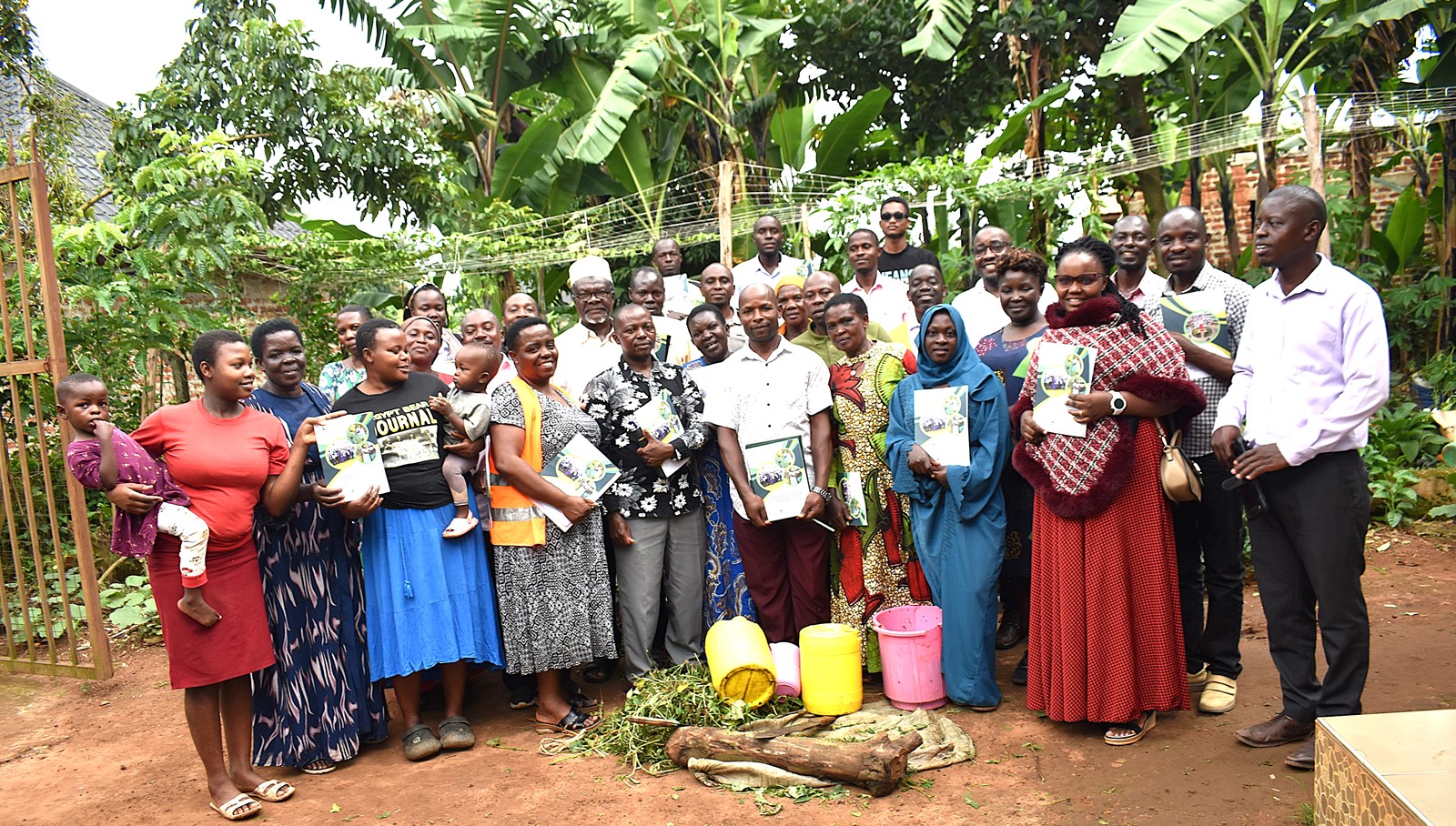
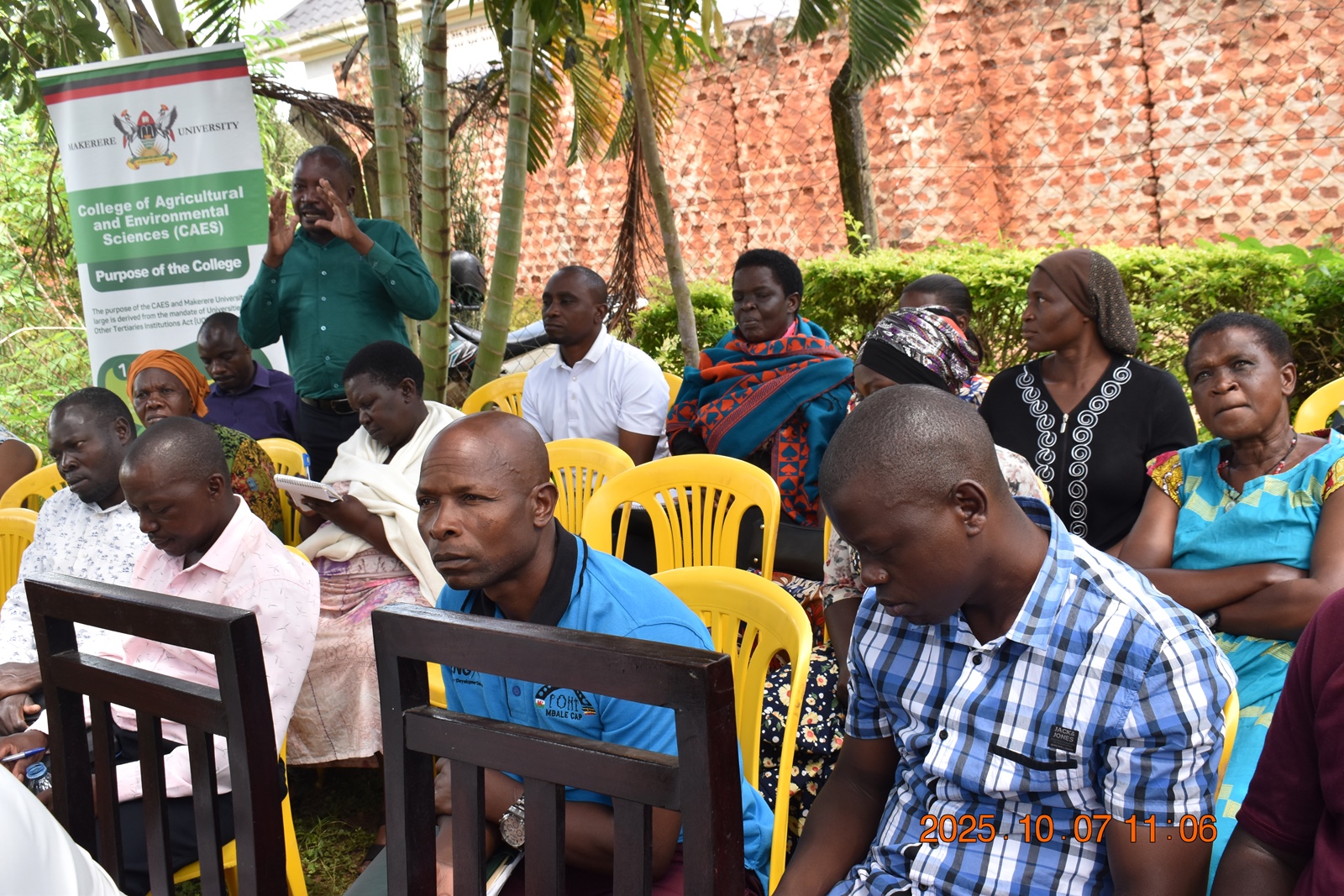
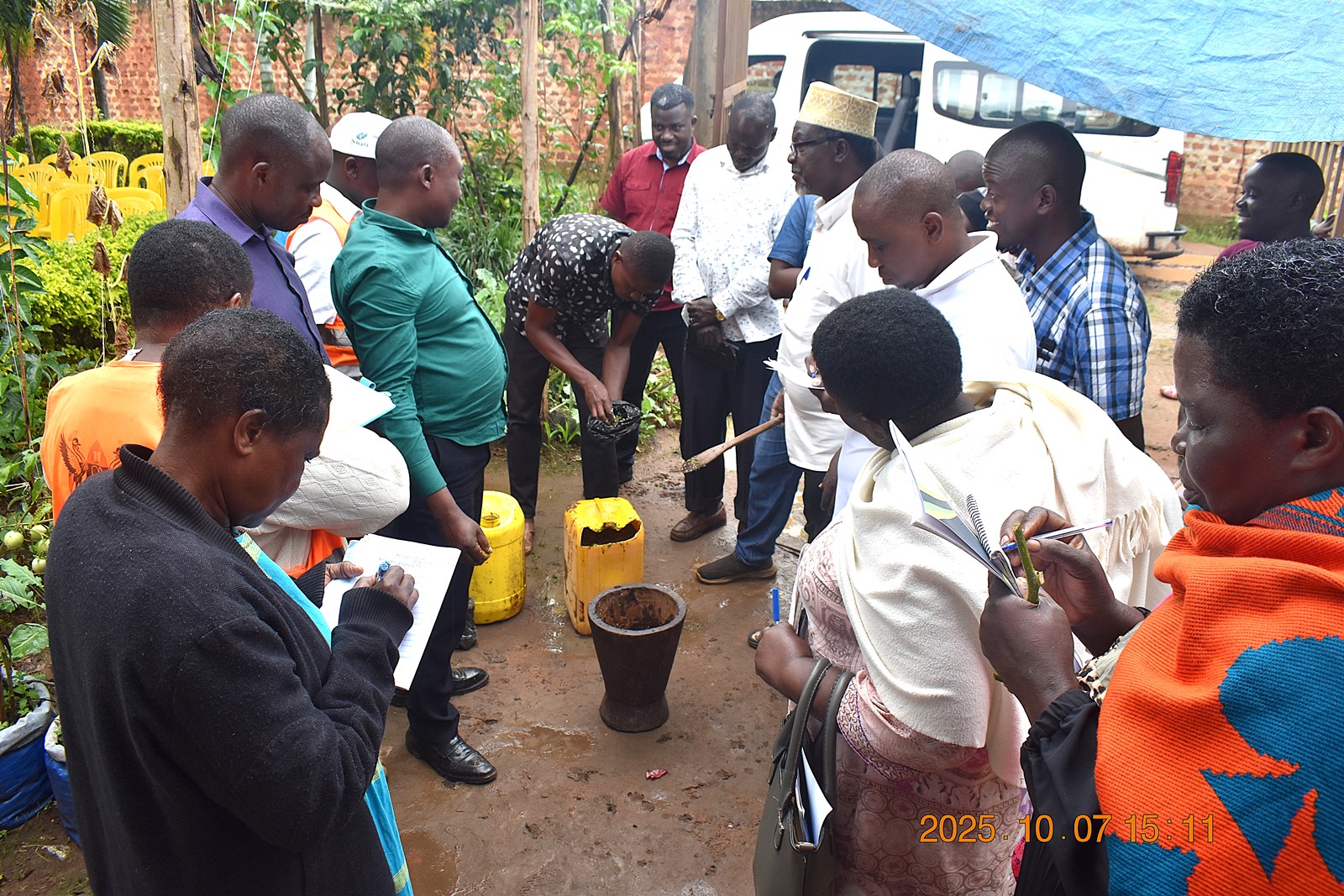
As part of this initiative, over 20 smallholder farmers in Mbale City recently received extensive training on Smart Agronomic Practices. The training, conducted from 6th to 7th October 2025 at Emilna Royal Mixed Farm in Industrial City Division, Mbale City, forms part of a broader strategy to strengthen urban food systems by empowering farmers with sustainable, adaptive, and cost-effective farming techniques tailored to the realities of a changing climate.
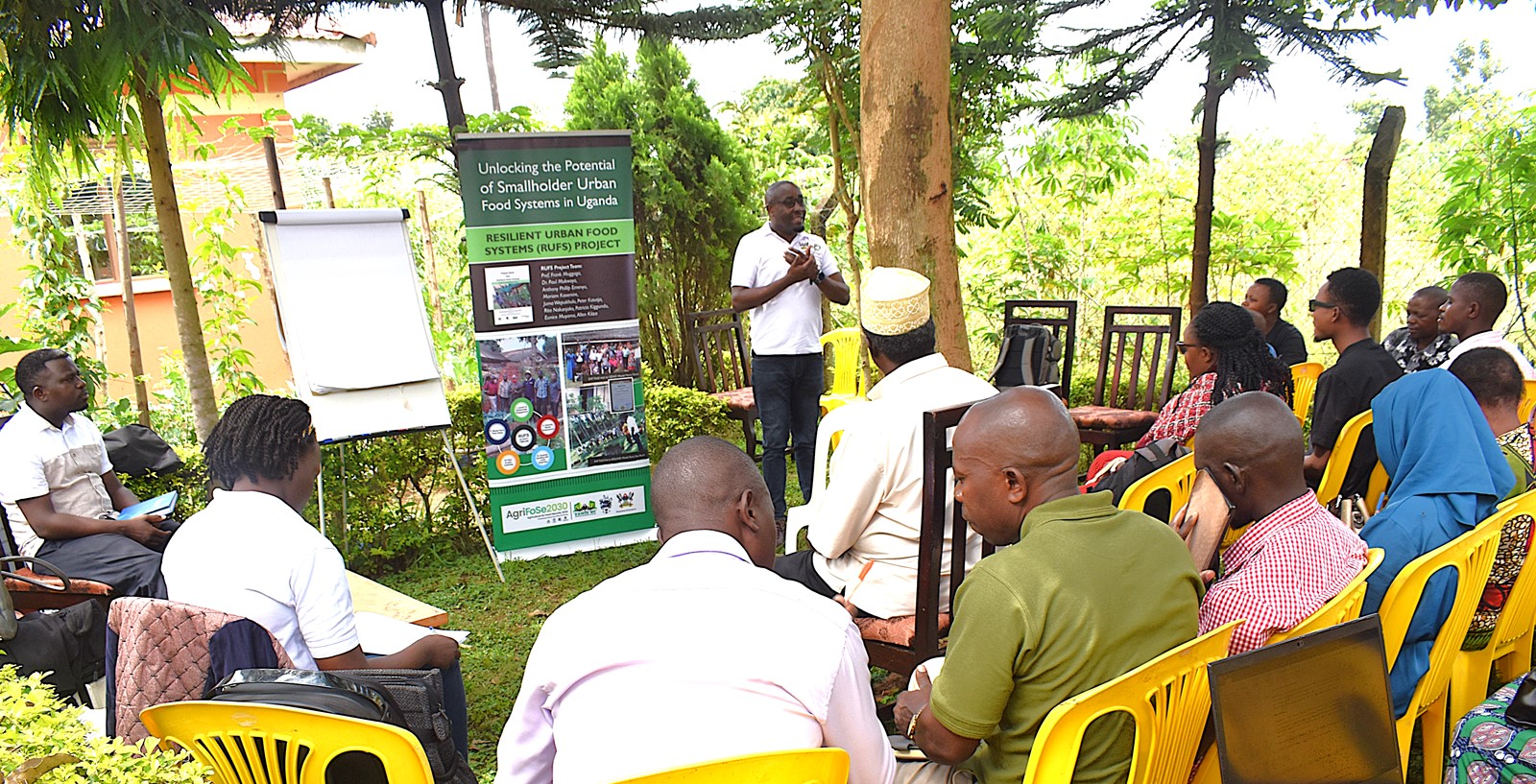
Led by Prof. Frank Mugagga from the Department of Geography, Geo-Informatics, and Climatic Sciences at Makerere University, and funded through the AgriFoSe2030 Programme, the RUFS project aims to create a ripple effect of knowledge transfer, particularly in informal and peri-urban communities where agriculture remains both a livelihood and a cornerstone for food security. Phase II of the RUFS project sets out to: 1) Strengthen flood and drought resilience in urban communities through strengthened stakeholder collaboration in Mbale and Kasese, 2) Raise community awareness on climate risks and equip residents with preventive and adaptive skills, 3) Integrate indigenous and local knowledge into policy and planning for more context-relevant decision-making, and 4) Co-develop knowledge with both state and non-state actors to promote inclusive and evidence-based decisions.
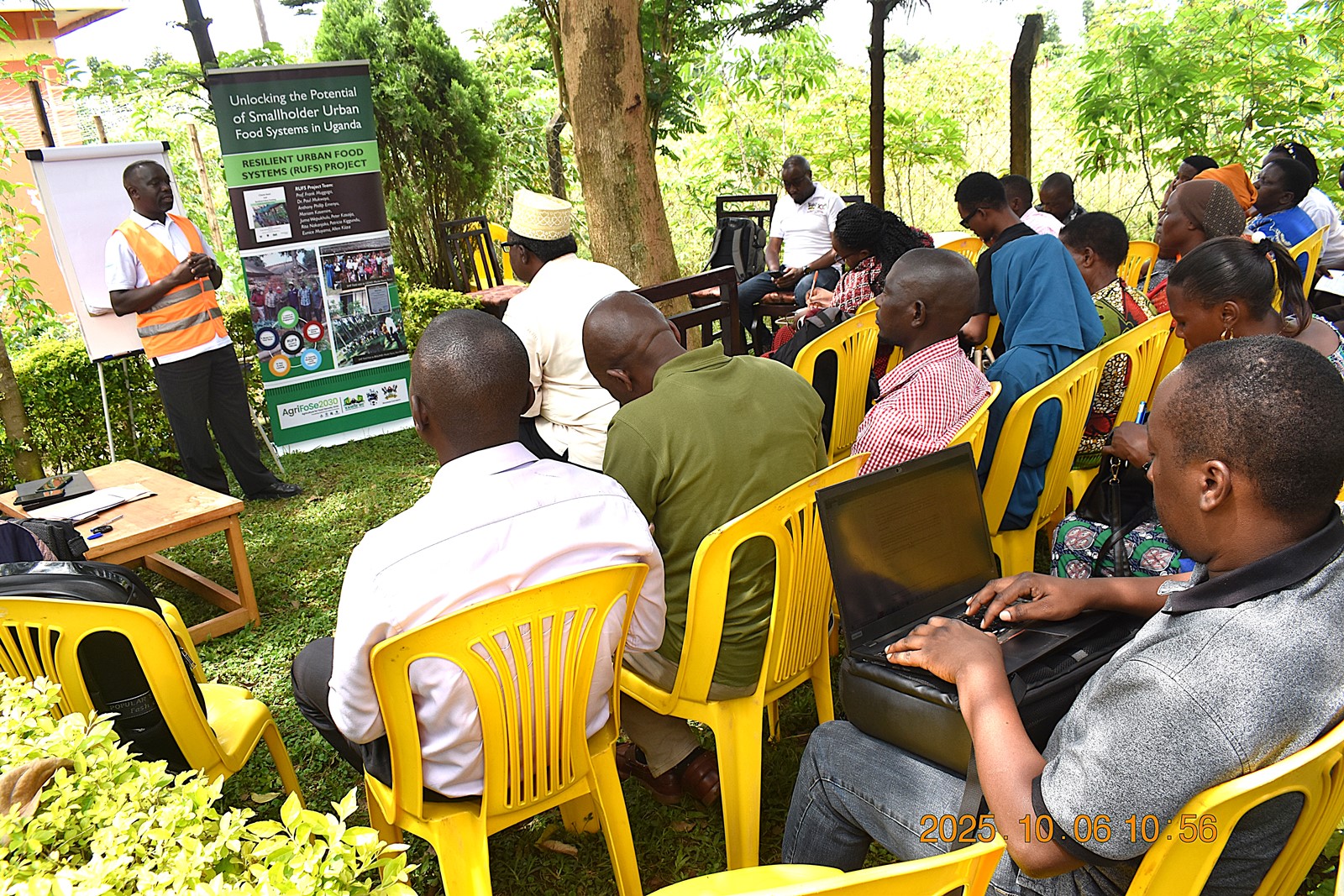
Training in the production of organic fertilizers and pesticides
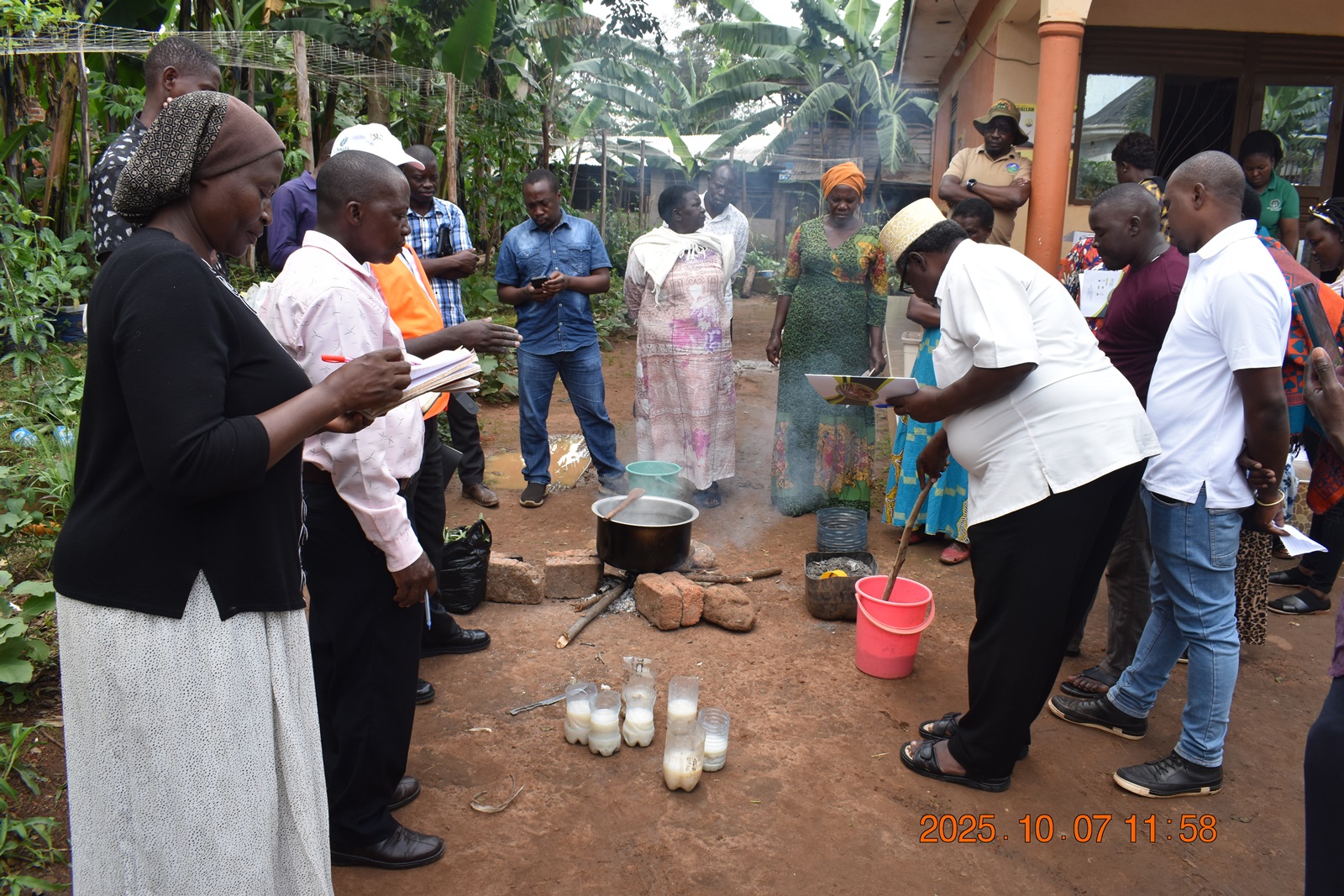
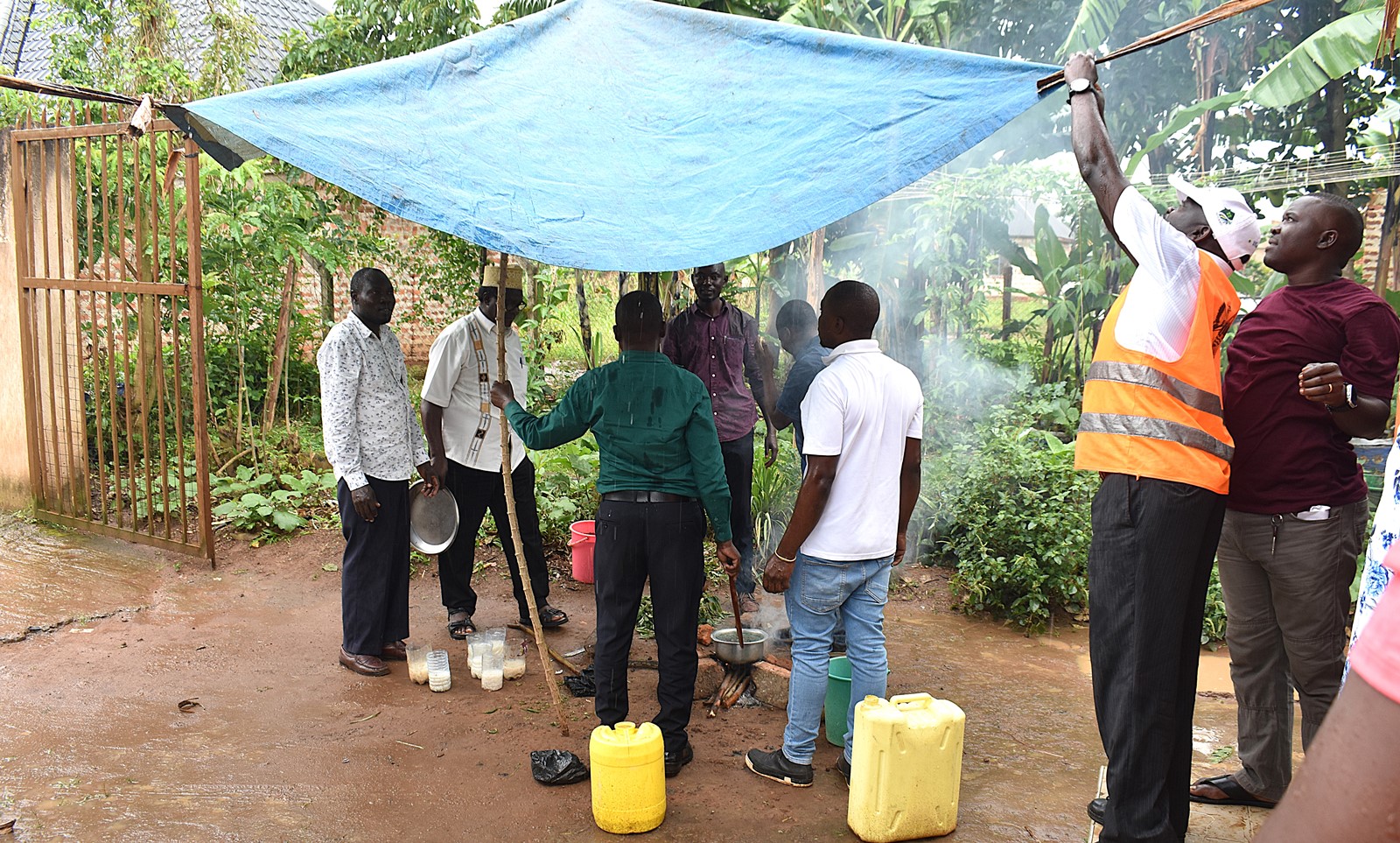
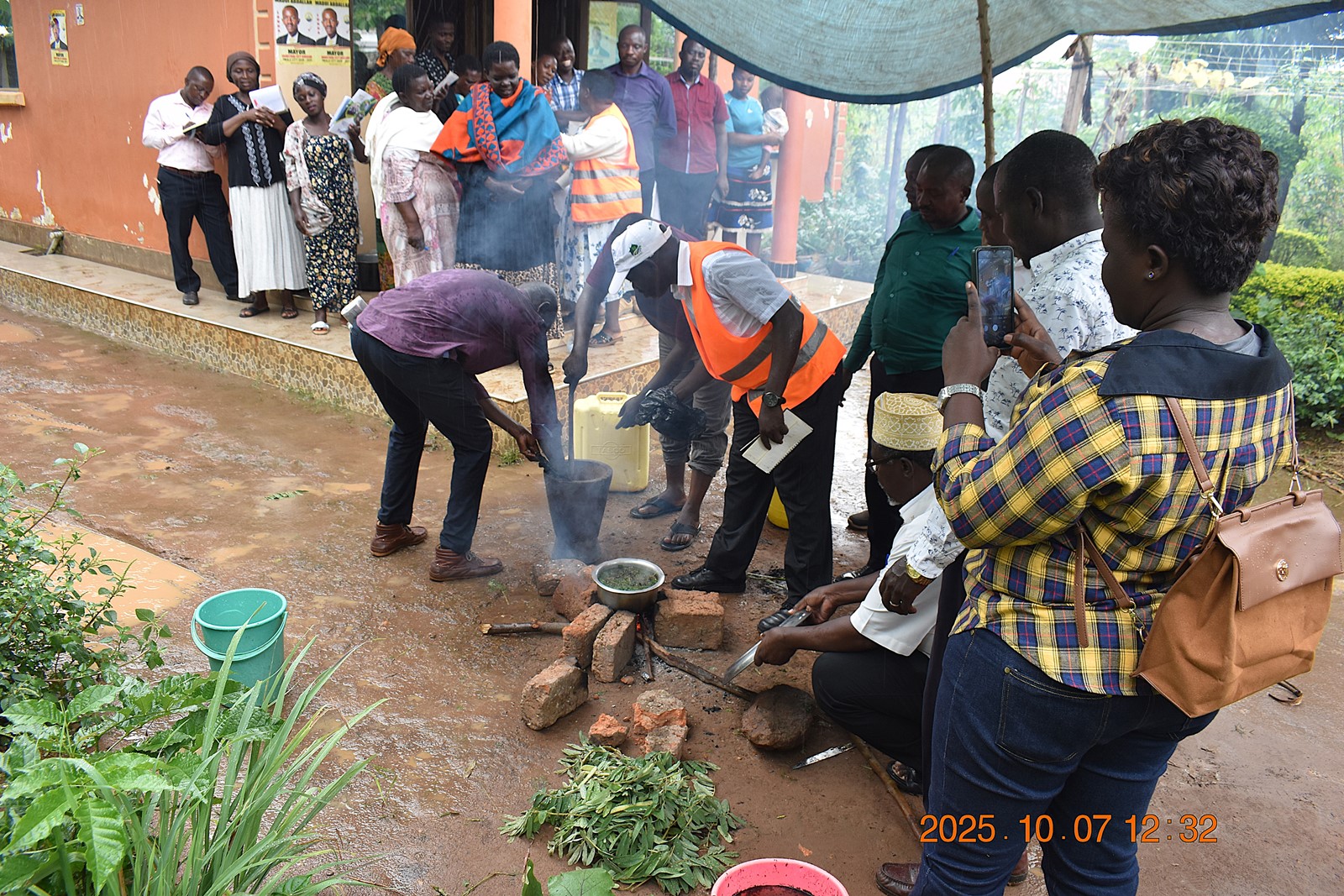
During the two-day training, farmers were introduced to practical techniques for producing organic fertilizers and pesticides using affordable, locally available materials. Emilna Royal Mixed Farm, the training venue, and home of one of the project beneficiaries, Ms. Emily Namalwa, served as a practical learning hub where theory met practice. Led by Mr. Henry Stanley Mbowa, Head of Research at AidEnvironment and a member of the RUFS Project, and backed by the Mbale City technical team, the hands-on sessions demystified the process of creating environmentally friendly agricultural inputs such as compost and bio-pesticides.
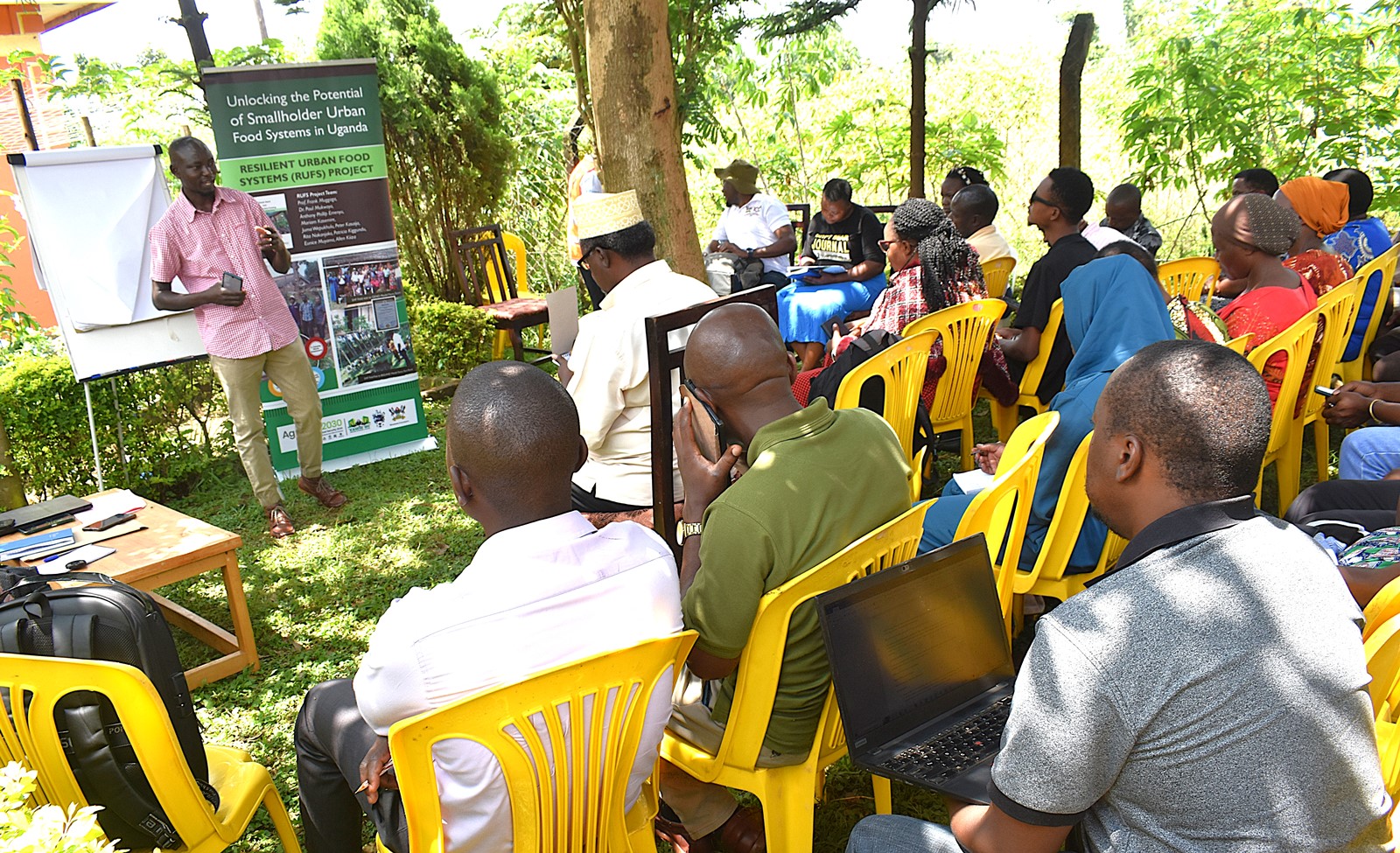
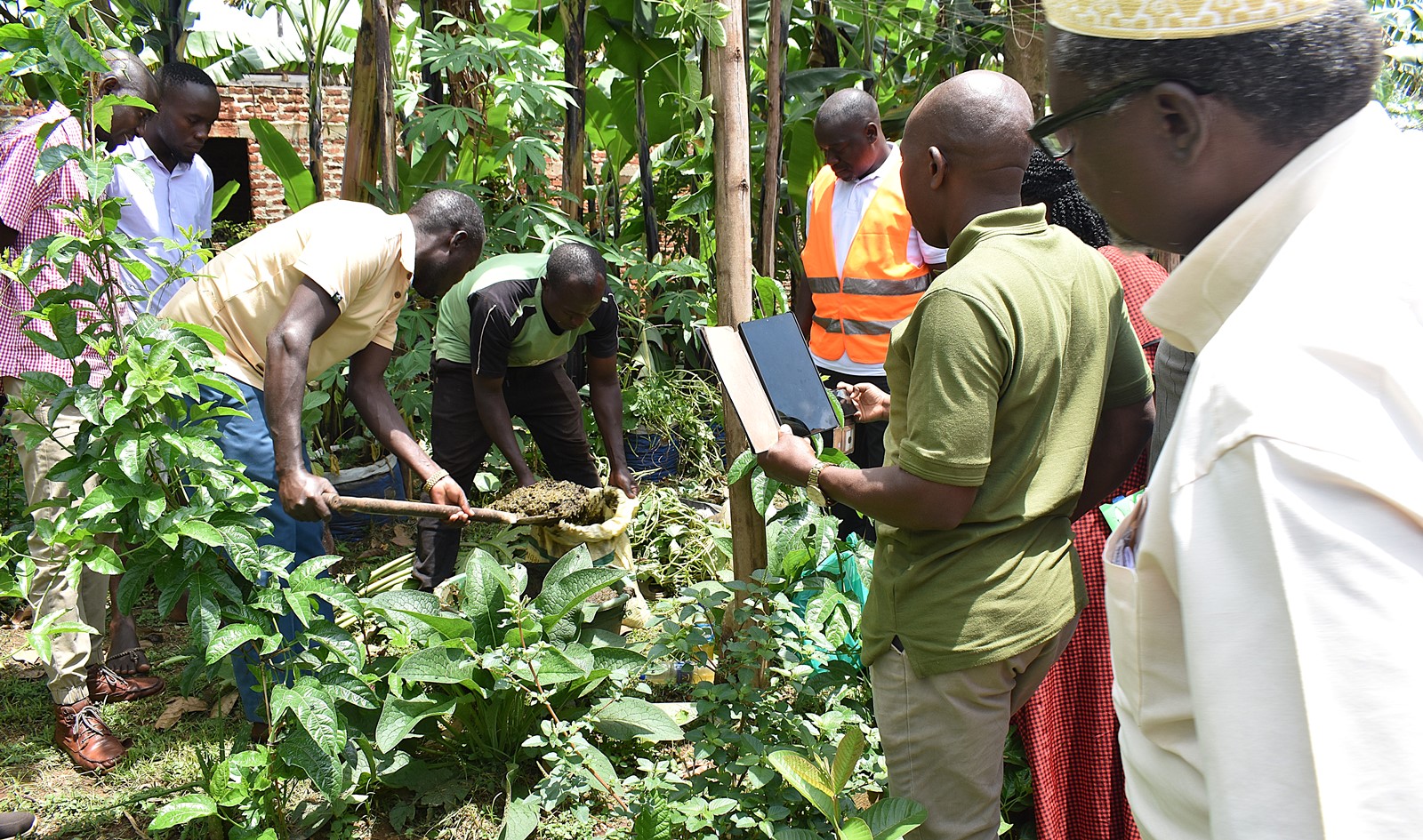
Step by step, the enthusiastic farmers were trained to formulate effective organic fertilizers and pesticides using locally available materials such as cow dung, animal and human urine, ash, onions, pawpaw leaves, pepper, tobacco, luwoko (Phytolacca dodecandra), and muluuku (Tephrosia vogelii). These natural alternatives provide a sustainable response to the rising cost and environmental impact of synthetic inputs. They not only enhance soil health and increase crop productivity, but also reduce chemical residues in food, promoting safer and more resilient farming practices.
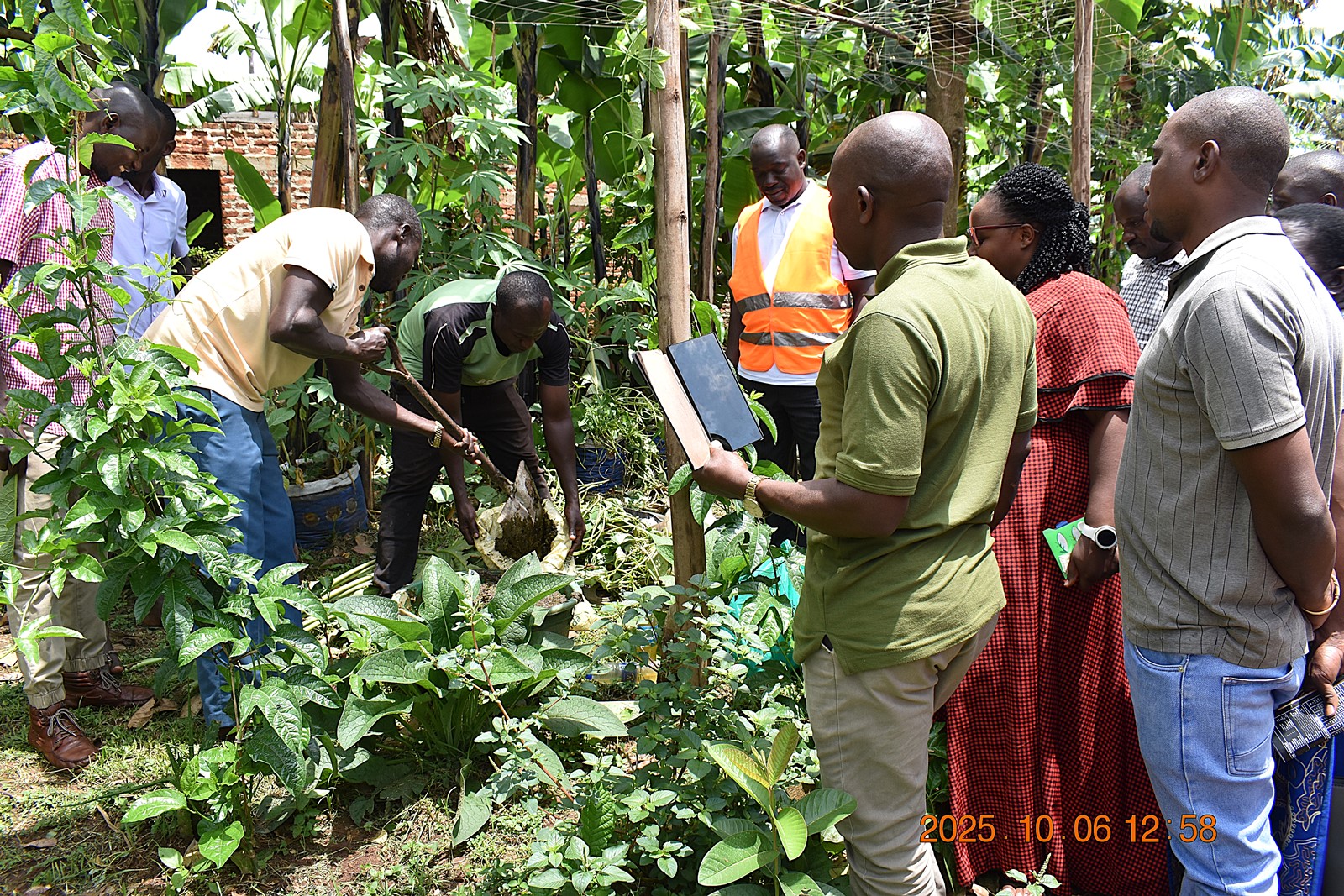
While conducting the hands-on sessions, Mr. Mbowa emphasized that these solutions are not only effective but scalable. “These are techniques that require no expensive inputs. Farmers can adopt them right away using the resources they already have at their disposal,” he said.
As part of the training, Mr. Whepukulu Juma, a dedicated urban farmer and President of the Mbale City Food Systems Platform, briefed the farmers on the critical steps and best practices for preparing a food nursery bed. Drawing from his experience, Mr. Whepukulu highlighted the significance of proper soil preparation, emphasizing soil health and nutrient management as foundational to successful seedling development. He also stressed the importance of selecting high-quality seeds suited to local conditions and demonstrated effective maintenance techniques such as regular watering, timely weeding, and shading to protect young seedlings from excessive sun or rain.
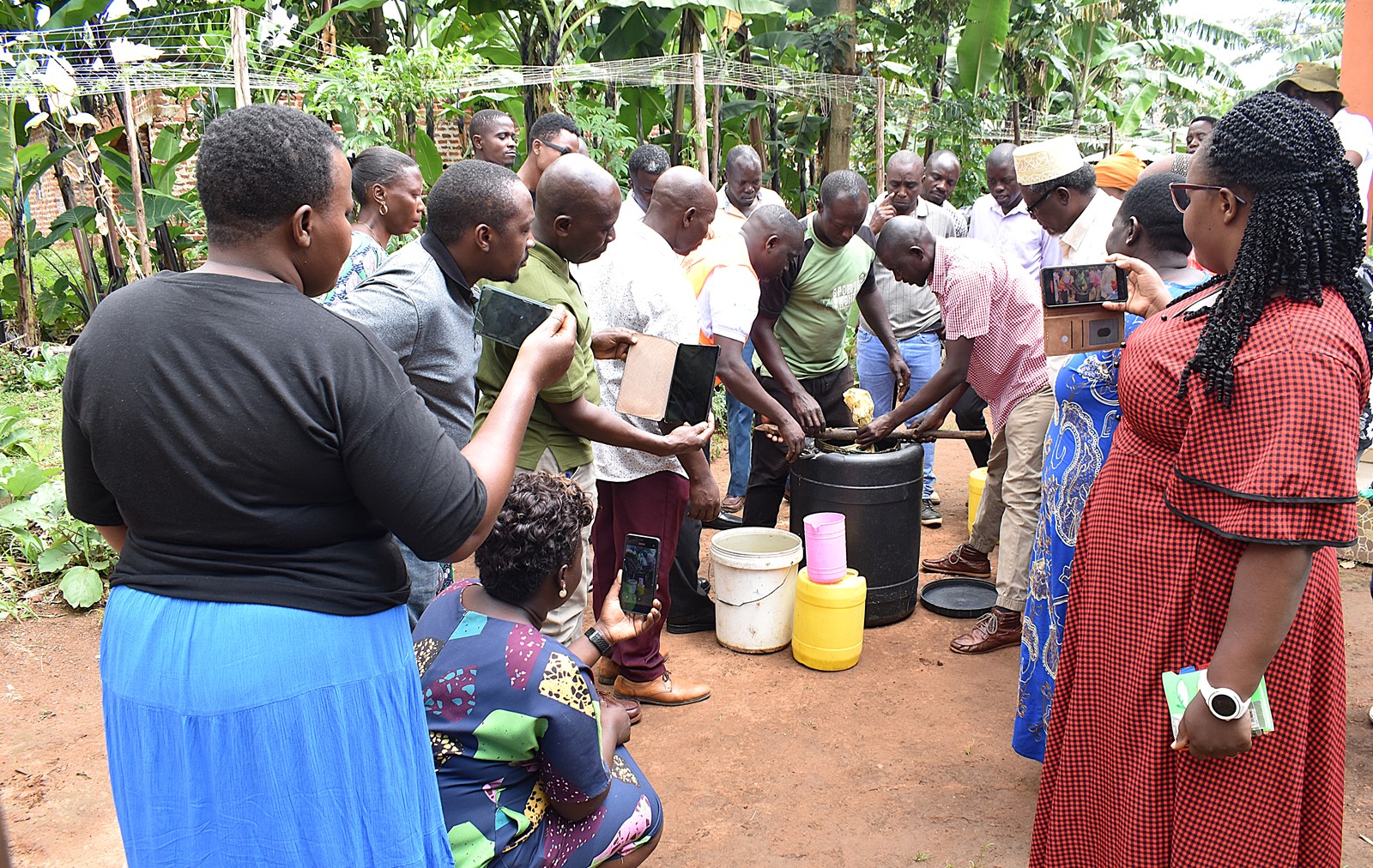
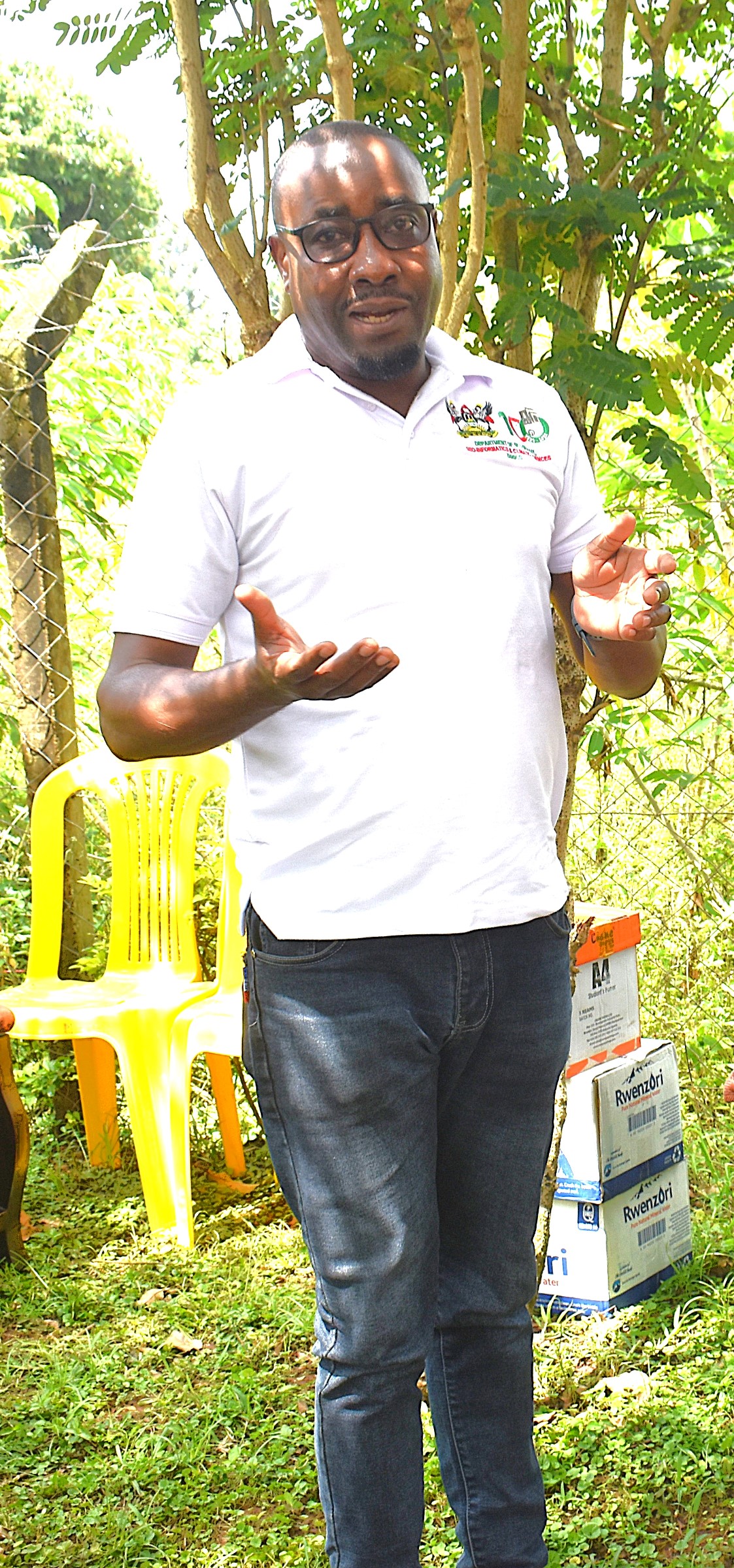
According to Prof. Mugagga, the trainings that will be conducted over the next 18 months are a response to the urgent need for cities to reimagine their food systems amid rapid urbanization. “Urban agriculture is no longer an option, it is a necessity. Our goal is to empower smallholder farmers with knowledge that makes their practices not only productive but also sustainable and adaptive to climate stress,” Prof. Mugagga stated.
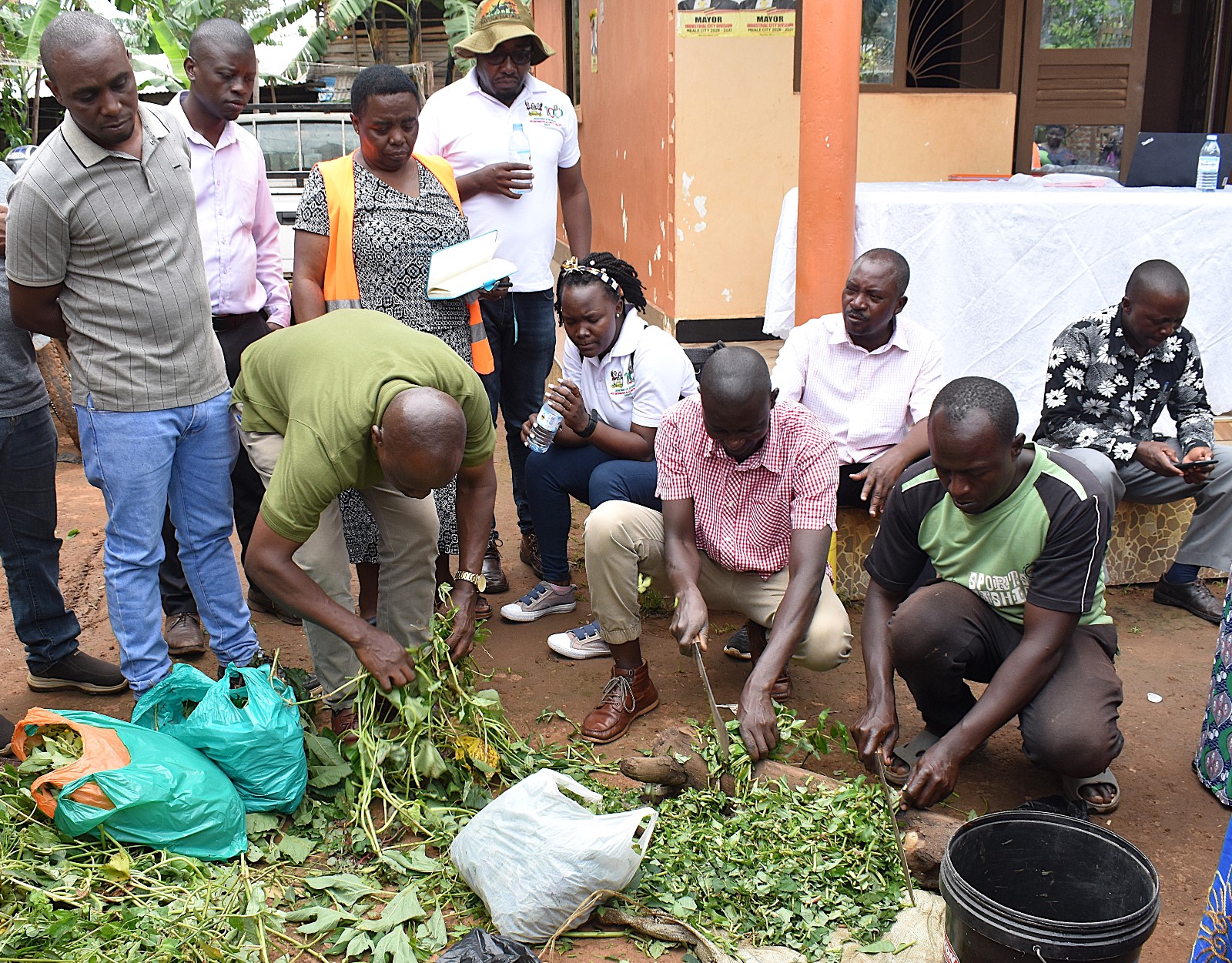
Farmers’ views on the Training
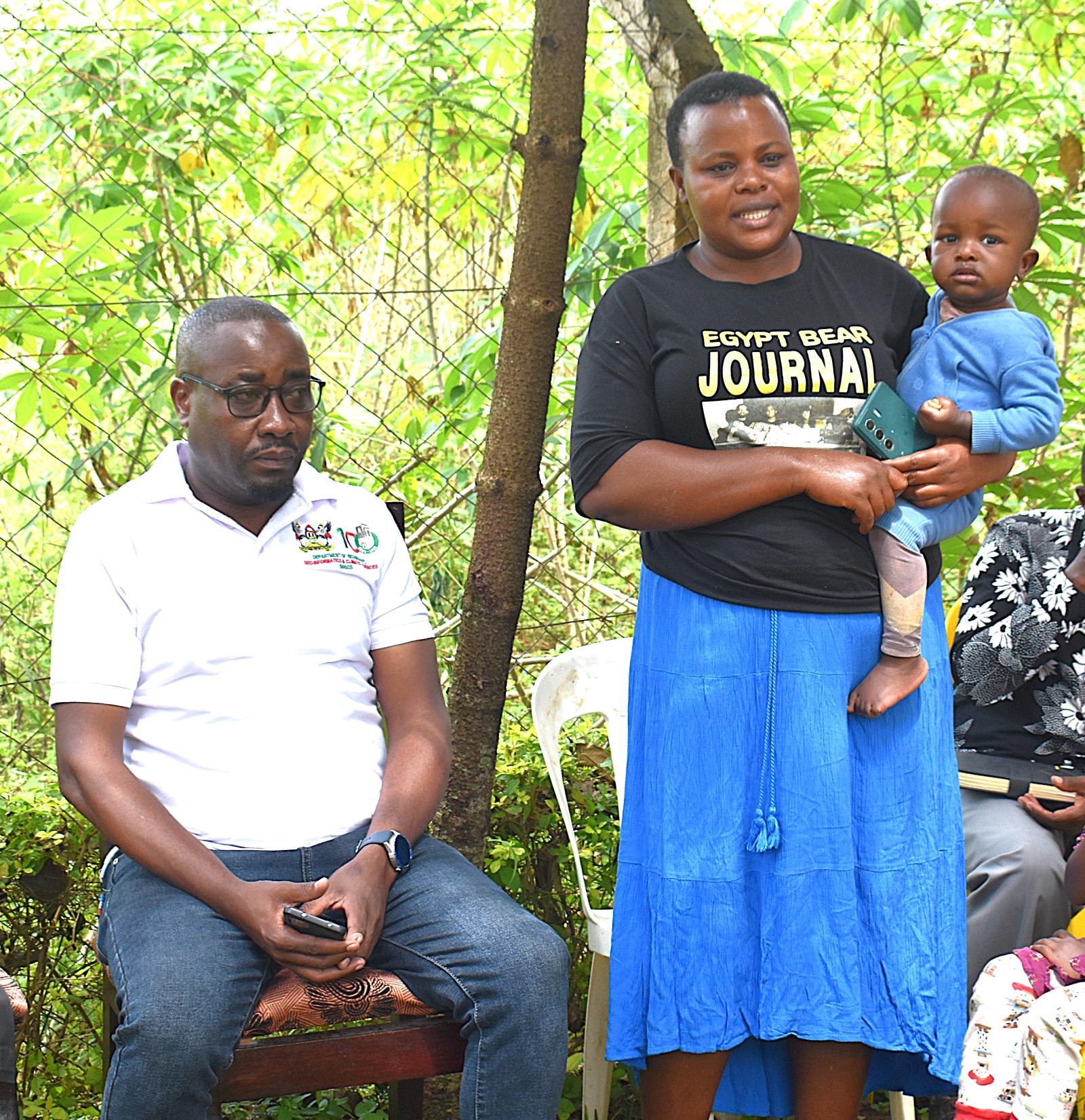
- Ms. Emily Namalwa, an urban farmer and proprietor of Emilna Royal Mixed Farm, expressed appreciation for the training. Her farm, located within Mbale City, produces a wide range of crops including tomatoes, sukuma wiki (collard greens), eggplants, matooke (plantains), and passion fruit, alongside poultry farming.
- Reflecting on the impact of the training, Ms. Namalwa said: “This has been eye-opening. I have learned that many of the resources we need to feed and protect our crops are readily available in our surroundings. What we once considered as waste can actually be transformed into valuable inputs for farming. This approach not only reduces costs but also promotes sustainability.”
- She further narrated how the RUFS training reshaped her perspective on land use for farming: “Before this, I focused solely on cultivating coffee on a one-acre piece of land located far from my home. I never imagined that I could turn the small 100 by 100 plot around my house into a productive farm. Thanks to the training on urban agriculture, I now understand how to make the most of even limited space for food production.”
- Citing the benefits, Ms. Namalwa expressed gratitude for the continued support RUFS extends to smallholder farmers. “RUFS has given us the knowledge and tools to make urban farming not just possible, but profitable. I am truly grateful for their efforts in empowering farmers like me in Mbale City.”
- According to Mr. Mudoma Cassim, Chairman of the Nabuyonga Horticulture Farmers’ Association in Industrial City Division, Busamaga, Mbale, the training provided by the RUFS project was both timely and impactful. “For a long time, our farmers have heavily depended on inorganic fertilizers purchased from commercial outlets. Unfortunately, these fertilizers are not only expensive but also contribute to the degradation of soil health over time, leading to reduced productivity in the long run. The training we received on the production and use of organic fertilizers and pesticides has opened our eyes to a more sustainable and cost-effective alternative. By learning how to produce organic fertilizers and pesticides locally, we can significantly reduce the cost of inputs while improving soil fertility and overall yields.”
- “I would like to extend my sincere gratitude to the RUFS project team and their funders for this valuable initiative. It is my earnest appeal that such trainings continue, not only on the production of organic fertilizers and pesticides but also on other important aspects of sustainable farming practices. Additionally, I humbly request that the project considers supporting farmer groups like ours with irrigation equipment, such as spray pumps. This would greatly enhance our capacity to maintain consistent production even during dry spells, ensuring food security and stable incomes for our members.”
- Mr. Ssenkoto Julius, a dedicated farmer from Industrial City, Masaba in Mbale District, is equally grateful for the support provided by the RUFS Project. He specifically commended the hands-on training he received on producing organic fertilizers and pesticides using locally available materials, a skill he believes is not only cost-effective but also environmentally sustainable. “I primarily grow tomatoes, but I also cultivate sukuma wiki (collard greens),” he stated. “The knowledge imparted during the training was incredibly valuable. I have already begun applying the organic methods on my farm, and I am keen to observe the difference in performance between these natural products and the conventional ones purchased from agro-shops.” Mr. Ssenkoto also appealed to the RUFS Project to consider extending similar training opportunities in animal husbandry. “Many of us are mixed farmers,” he explained. “Equipping us with skills in livestock management would greatly enhance our productivity and improve our livelihoods.”
- Ms. Nekesa Josephine, a horticulture farmer from Northern City in Nkoma, Mbale District, appreciated the RUFS Project team for the training, highlighting its potential to transform farming practices in the region. “I am truly grateful for this opportunity. The training has opened my eyes to more sustainable and cost-effective methods of farming. I have already started experimenting with the production of organic fertilizer using cow dung, a practice I had not considered seriously before. If it proves successful, it will greatly reduce our dependence on expensive chemical fertilizers bought from agro-vet shops, which many of us struggle to afford. This kind of knowledge is not only practical but empowering, especially for smallholder farmers like myself. I sincerely hope that these trainings can be scaled up and extended to cover livestock management. Training in animal husbandry would go a long way in helping us improve both crop and animal productivity, ultimately boosting our incomes and food security.
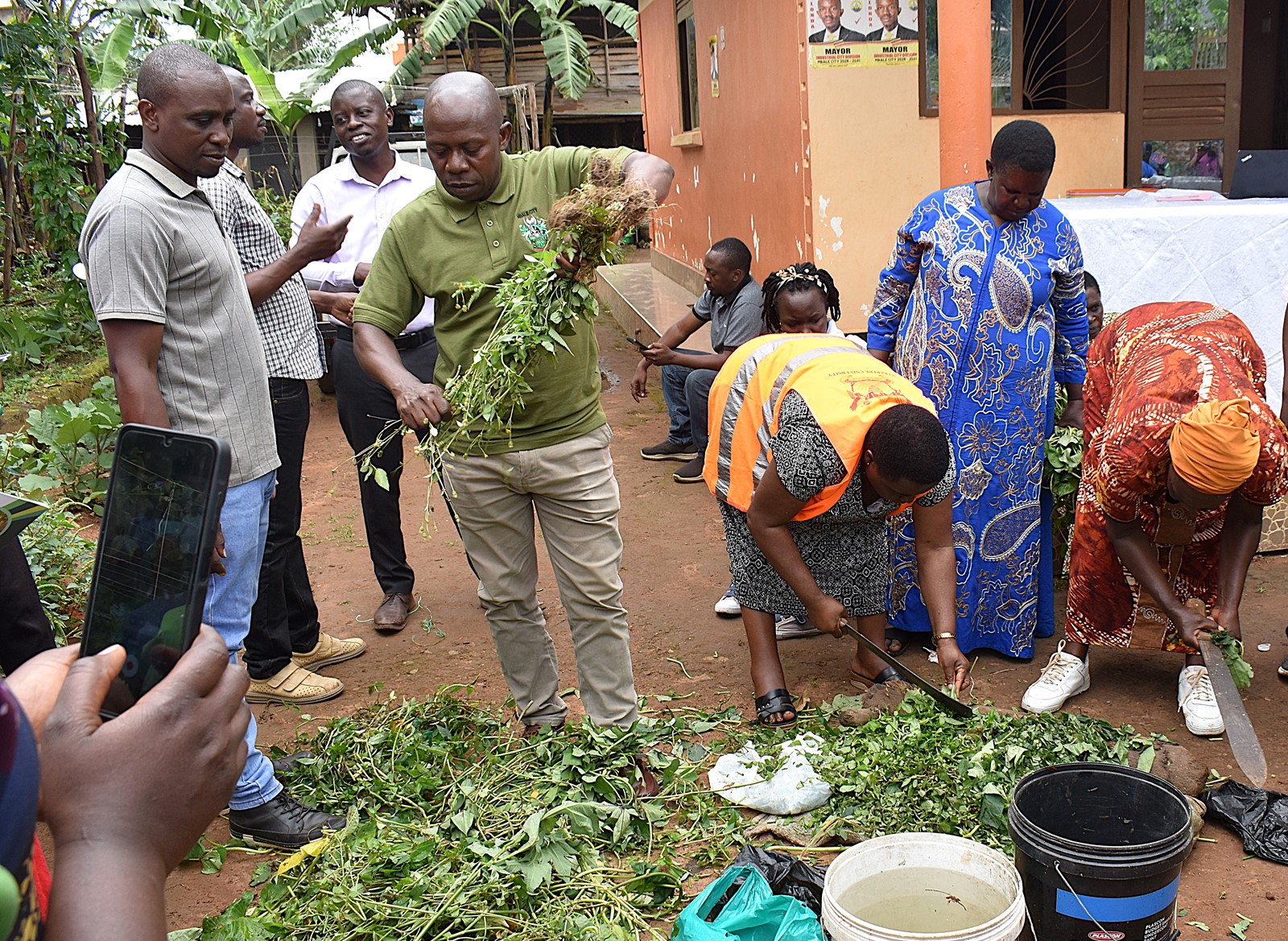
During the training programme, participants were tasked to document the current status of their farms and agricultural activities. Coordinated by Mr. Peter Kasaija, a member of the RUFS Project, the exercise was intended to support monitoring and assessment of the impact of the RUFS Project initiatives.
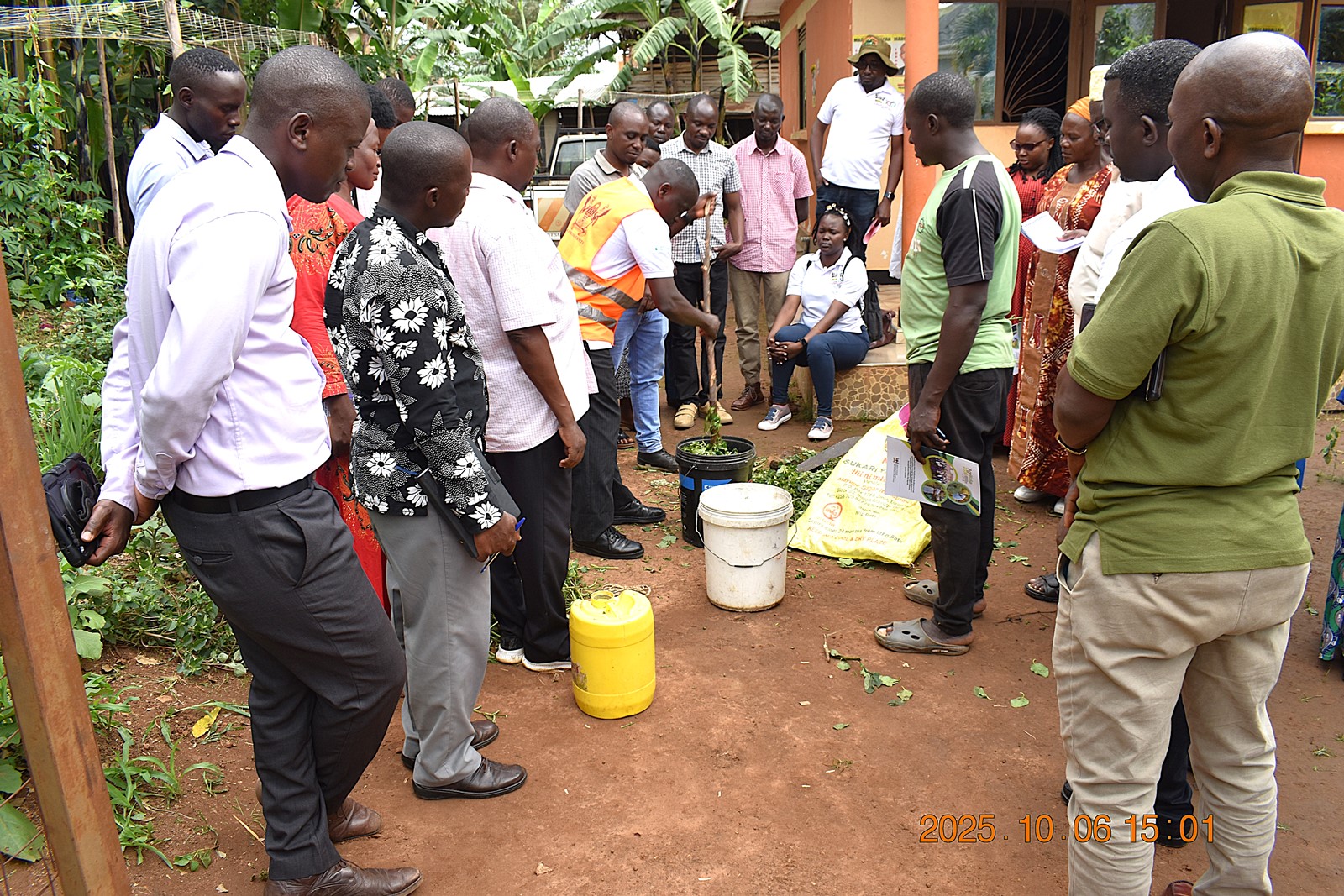
The team will hold a similar engagement in Kasese Municipality from 12th-15th October 2025.
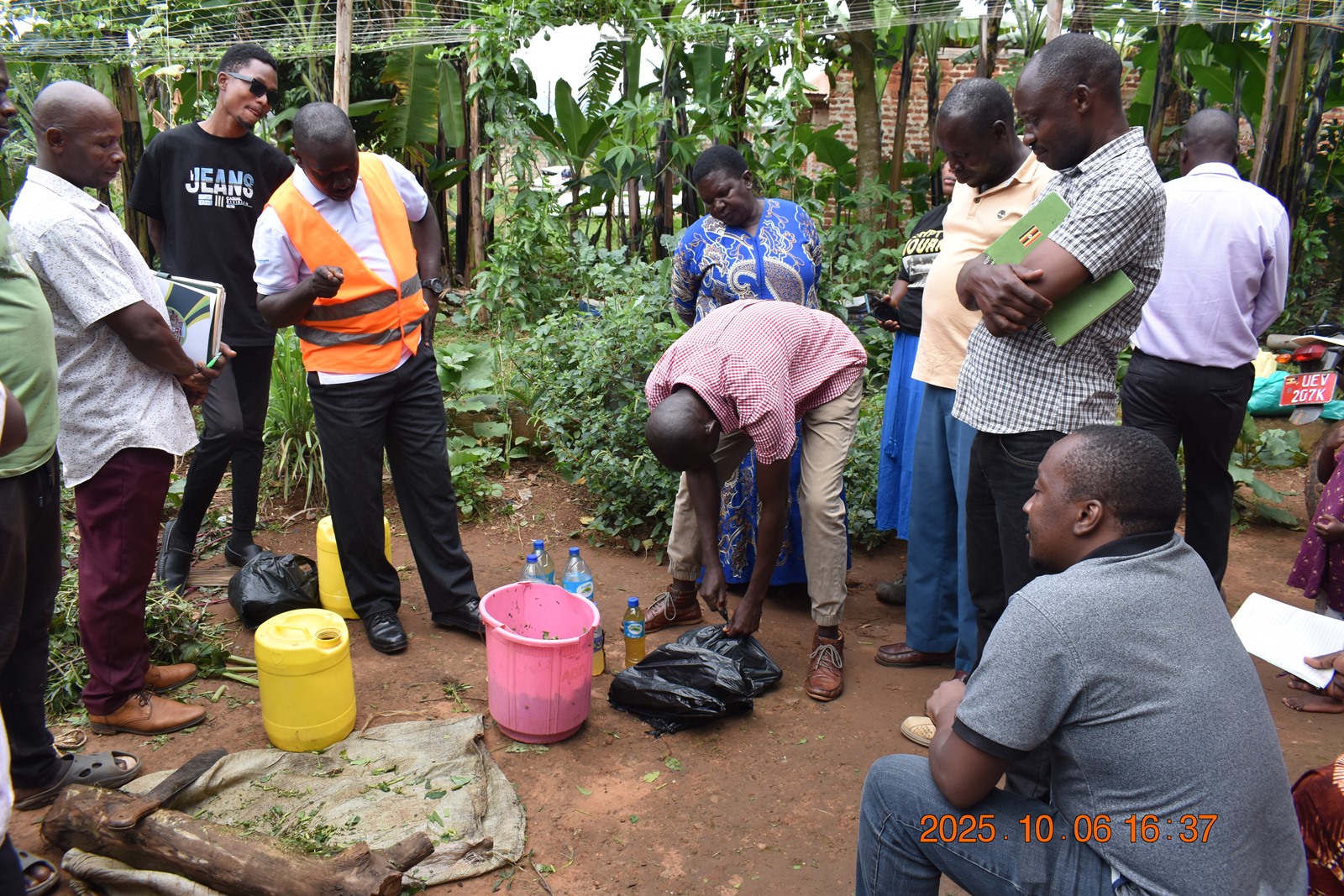
More photos from the training
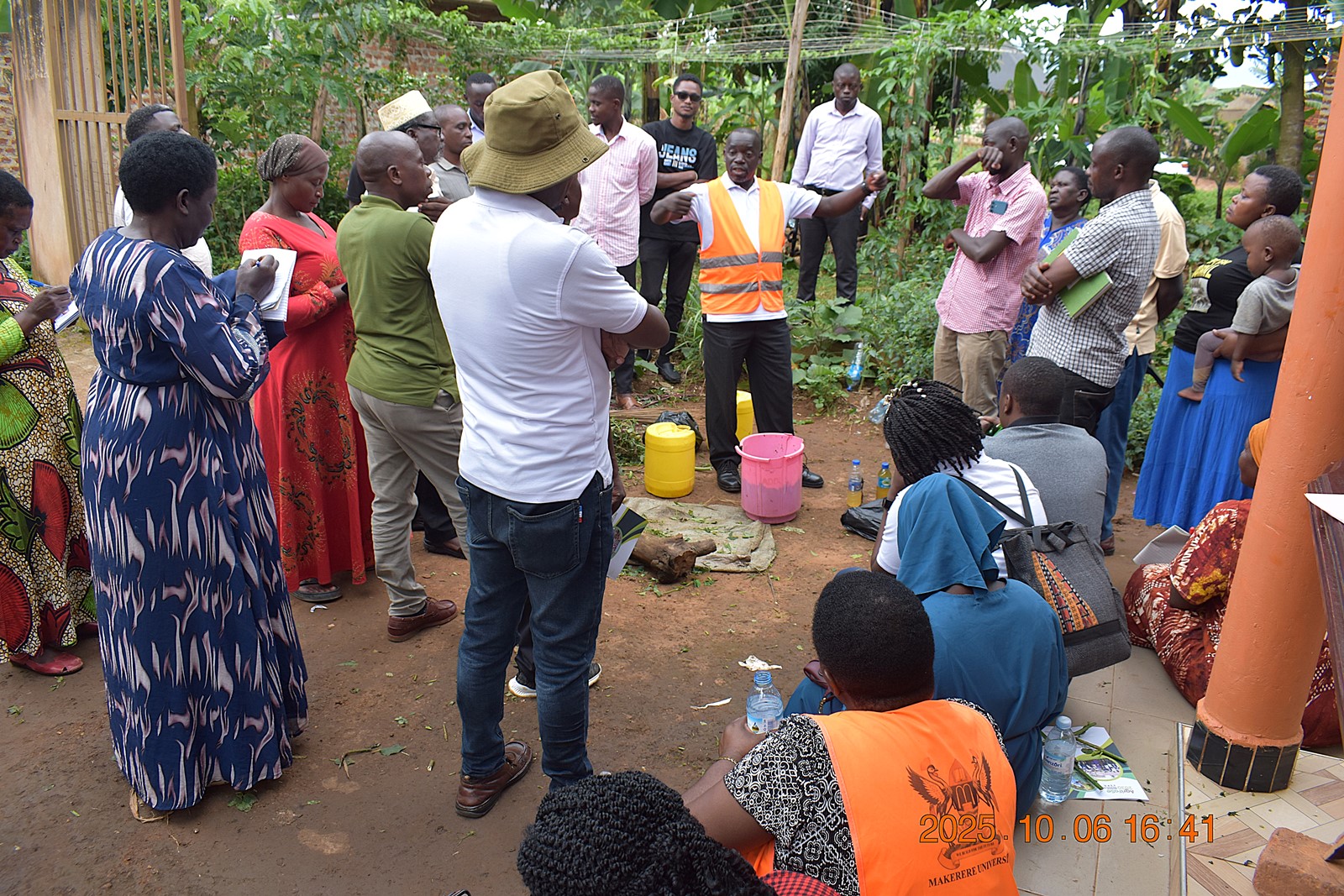
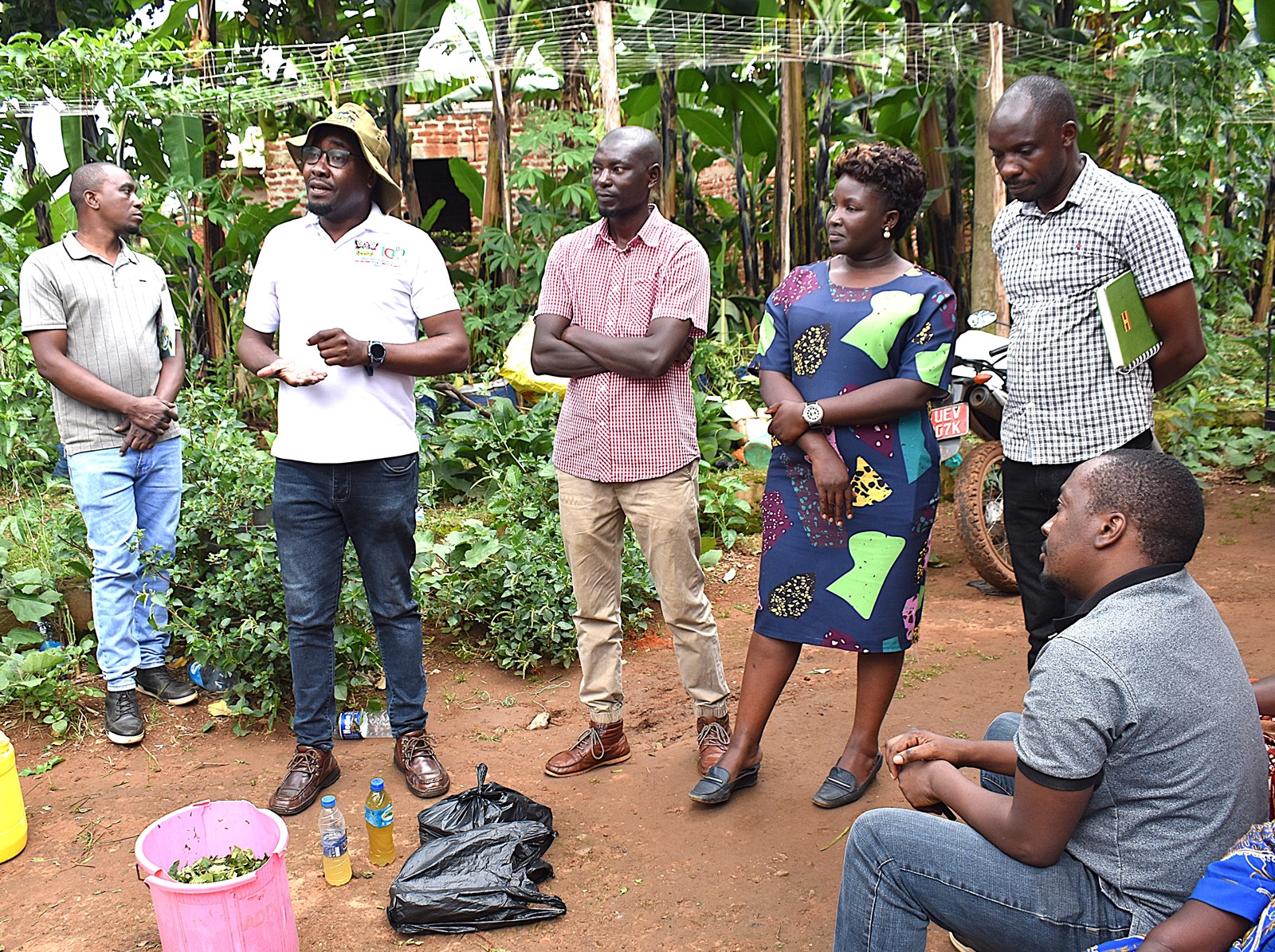
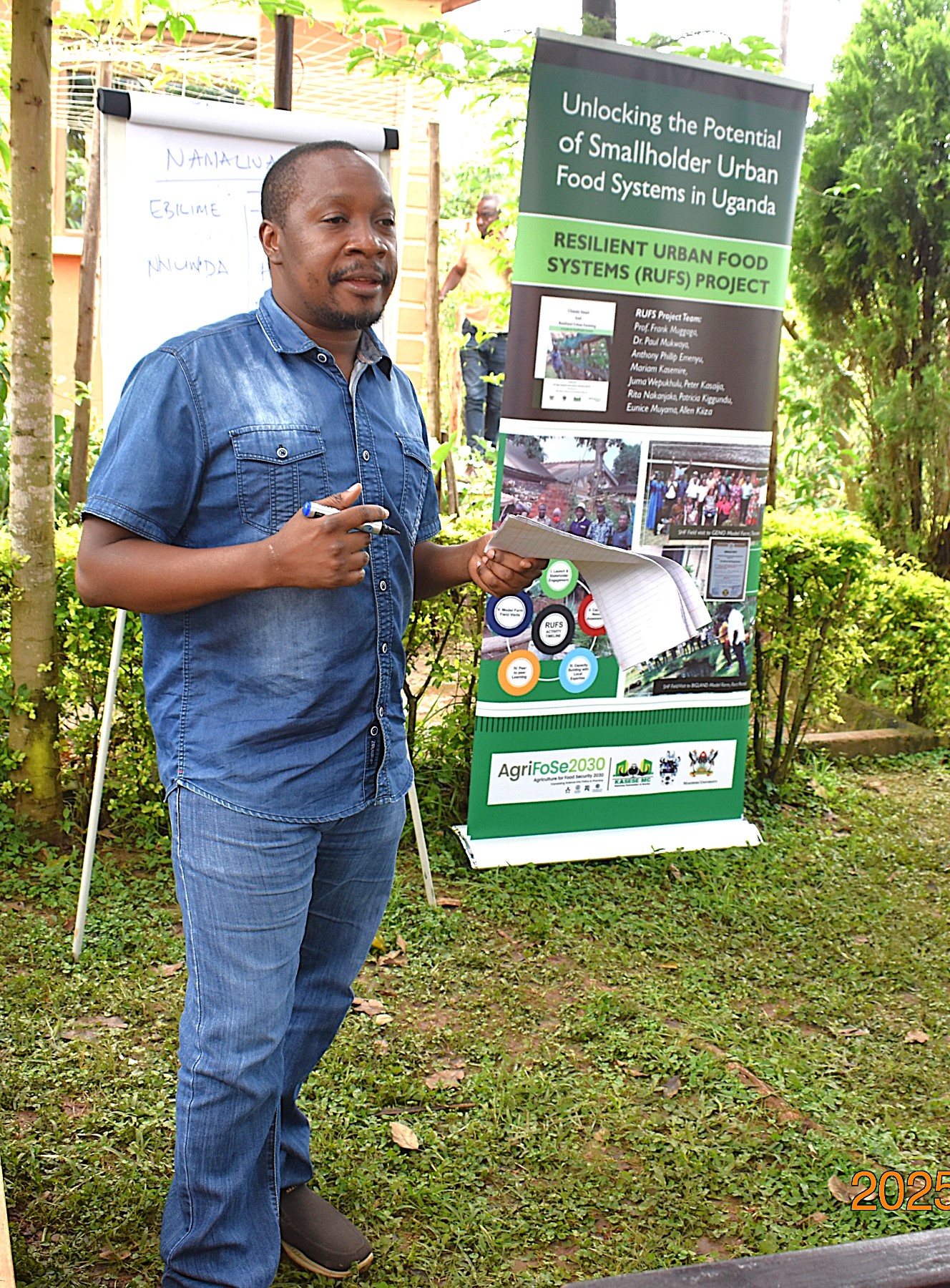
Pictorial on the training:https://drive.google.com/drive/folders/17NeSVJvLn6wJjtzodL25XtN5arnXXNdz?usp=sharing




Agriculture & Environment
Makerere University Welcomes 50 Youth Skilling Program trainees under the Africa Climate Collaborative, Supported by Mastercard Foundation

By Damali Mukhaye
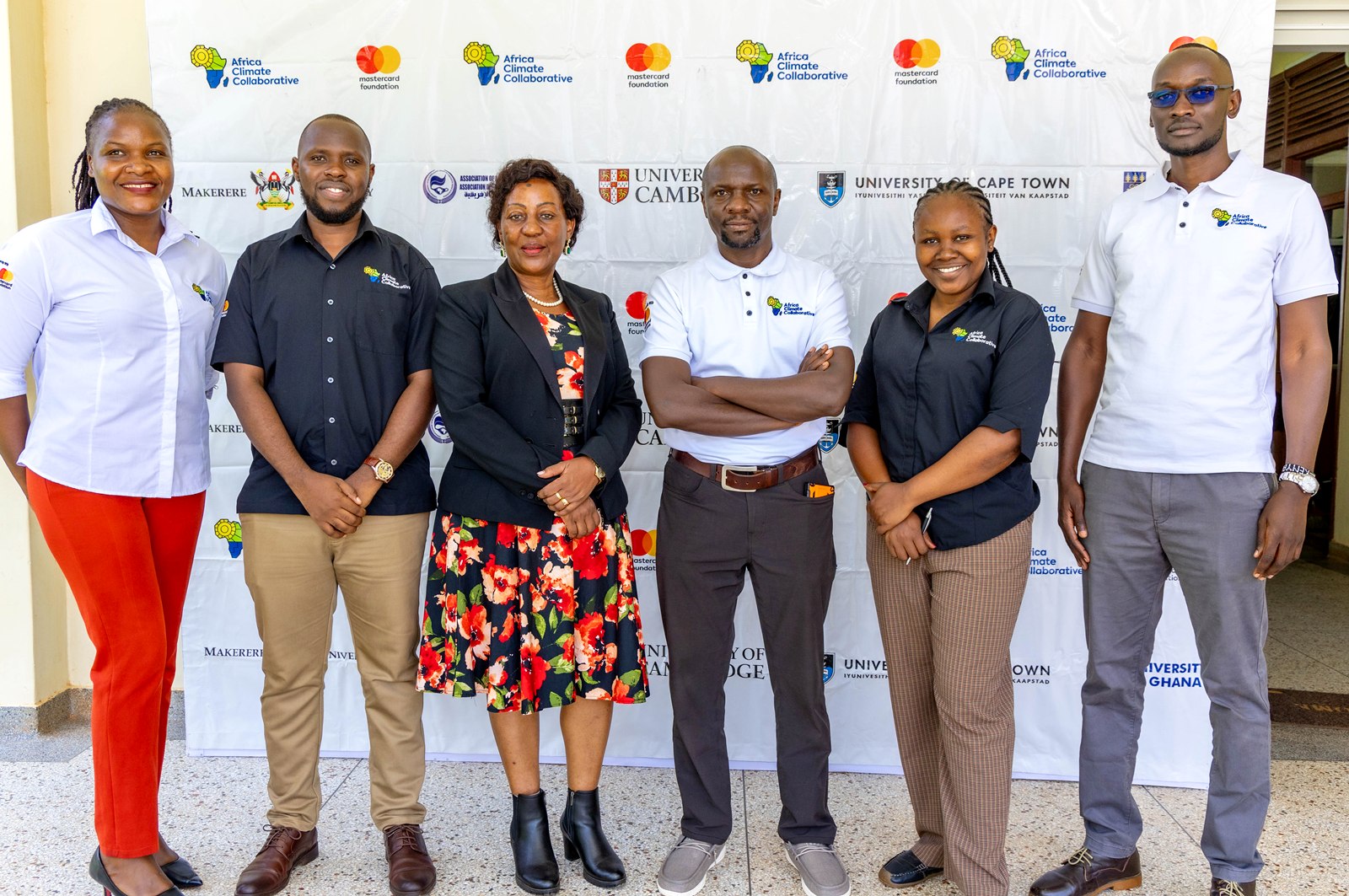
Laughter, excitement and renewed hope filled the Makerere University Agricultural Research Institute Kabanyolo (MUARIK) on 28th September 2026, as 50 young people who had previously been left out of employment, education and training opportunities gathered to begin their journey under the Africa Climate Collaborative (ACC) Youth Skilling Program.
The youth, selected from Lwengo, Rakai and Yumbe districts, are the first cohort under the Africa Climate Collaborative Youth Skilling Program at Makerere University, an initiative supported by the Mastercard Foundation.
Speaking during the day two orientation at MUARIK, the Program Director, Prof. Gorettie Nabanoga, said the youth will undergo a 10-week residential training programme at MUARIK, followed by a three-month industrial attachment with various organisations.
The youth will thereafter be assessed by the Uganda Vocational and Technical Assessment Board (UVTAB) and will receive government-recognised certificates upon successful completion of the program.
Prof. Nabanoga told the participants that the program was not designed to benefit them alone, urging them to think about how they would use the skills acquired to transform the lives of others in their communities.
“The bigger question is going to be, who is going to benefit because you came here? Don’t think about yourself. Who else?” Prof Nabanoga asked.
She challenged the youth to see themselves as future trainers who would pass on the knowledge and skills they acquire to other young people once they return to their communities.
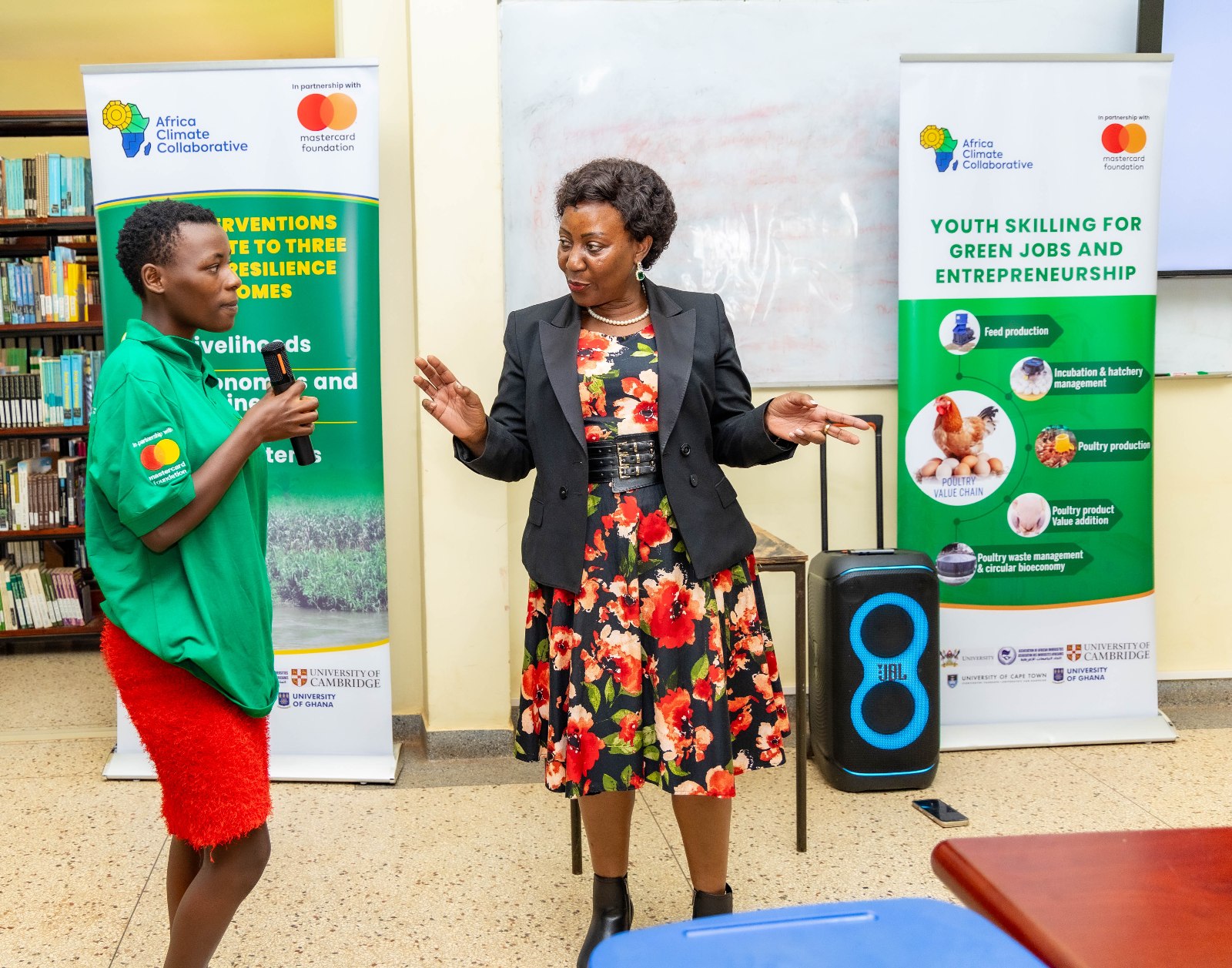
“The reason you’re here is for us to skill you so that you can go back and skill others. We call you trainers of trainers,” Prof. Nabanoga said.
She encouraged the participants to approach the training with a learning mindset and focus on the skills they could take back home and use to create opportunities for others.
“As you interact, don’t ask what we are going to teach you. But just ask, what are you going to learn for you to be able to go and impact others? What skill are you picking and taking away for you to be able to impact others?” she said.
The Youth Skilling Program is part of Africa Climate Collaborative’s wider eight-year plan to equip 500 young people with practical skills and opportunities that can contribute to employment, entrepreneurship and community development.
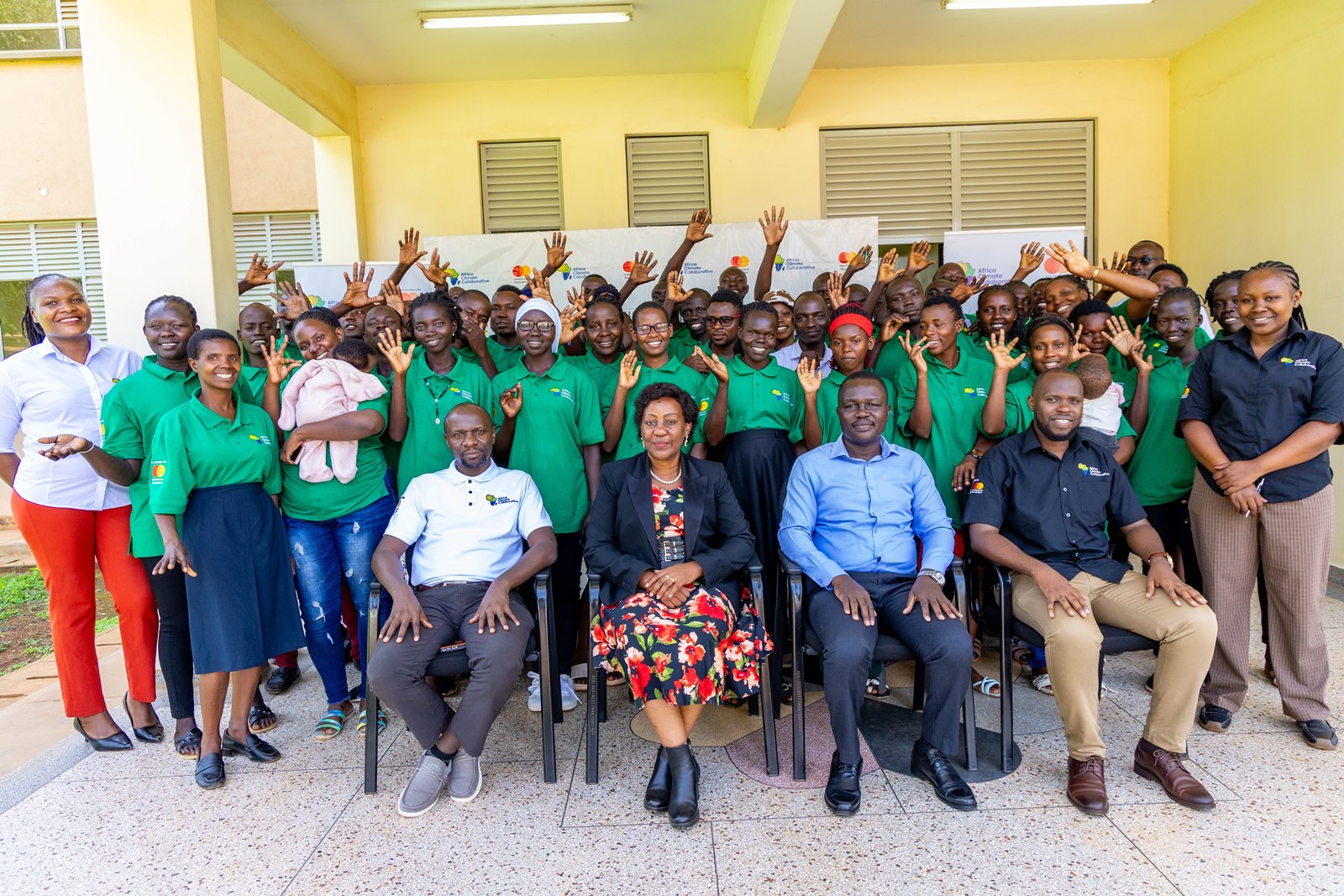
Prof. Nabanoga said the 50 participants in the first cohort represent only a fraction of the program’s wider target and challenged them to set the pace for the cohorts that will follow.
The programme also seeks to create a multiplier effect, with each trained youth expected to share their knowledge and skills with others.
She said the ultimate goal is to see the skills translate into businesses, jobs and further training opportunities for other young people.
A section of youth to be supported to start own businesses
Beyond the initial training, Africa Climate Collaborative plans to support young people with promising innovations to develop and scale their ideas.
Out of the 500-youth targeted, 200 will receive support to develop innovations, while 100 will receive further support to establish and scale enterprises in their communities.
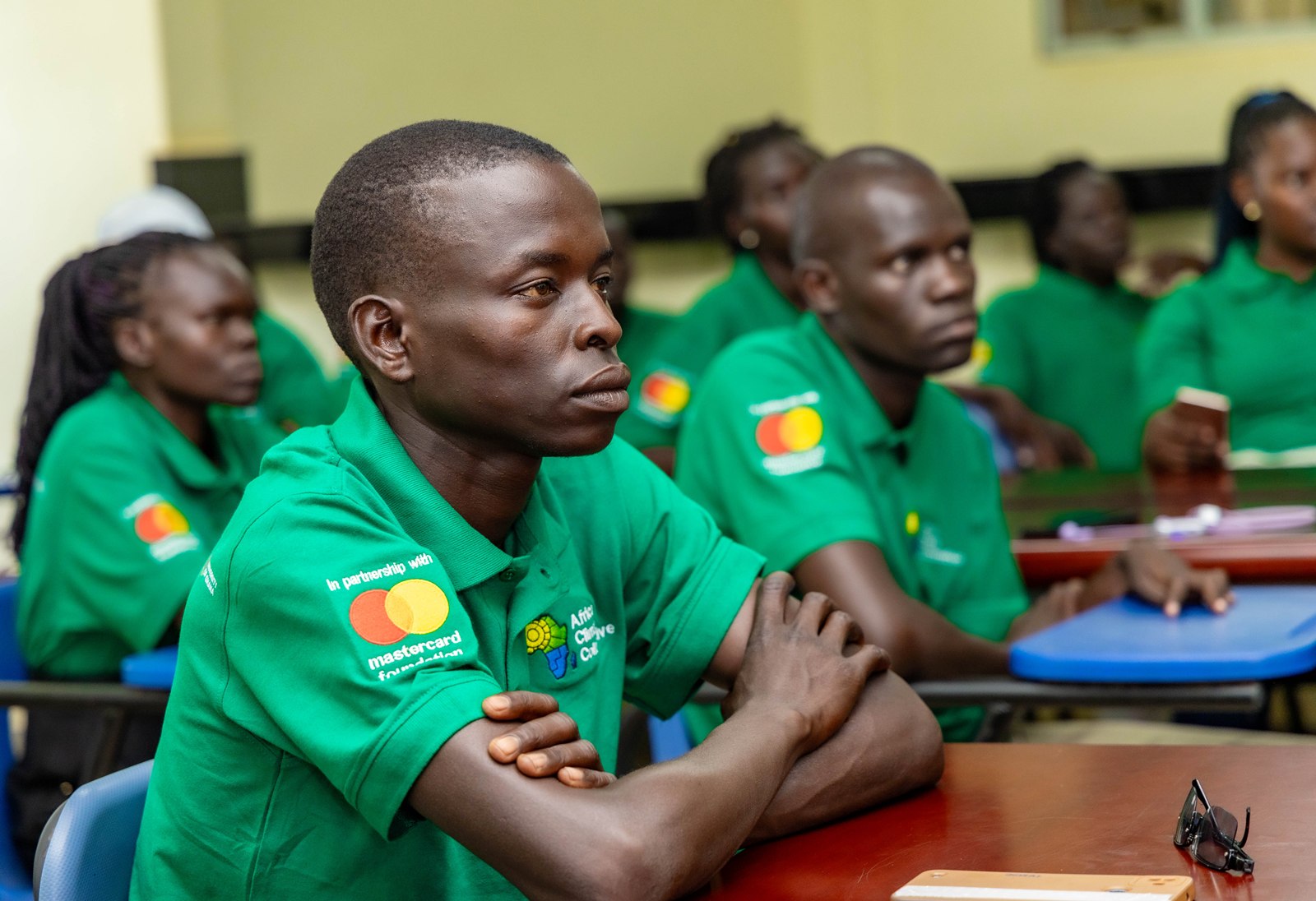
For the first cohort, 20 of the best-performing youth with promising innovations will receive support to grow their businesses, while 10 will receive additional support to accelerate and scale their enterprises.
The youths were urged to embrace innovation and strive to develop solutions that can be replicated and scaled.
“I would want to see that the first cohort give me the biggest number of the good innovations that are scalable,” she said.
The Director MUARIK Urged Youth to Turn Skills into Enterprises and Jobs
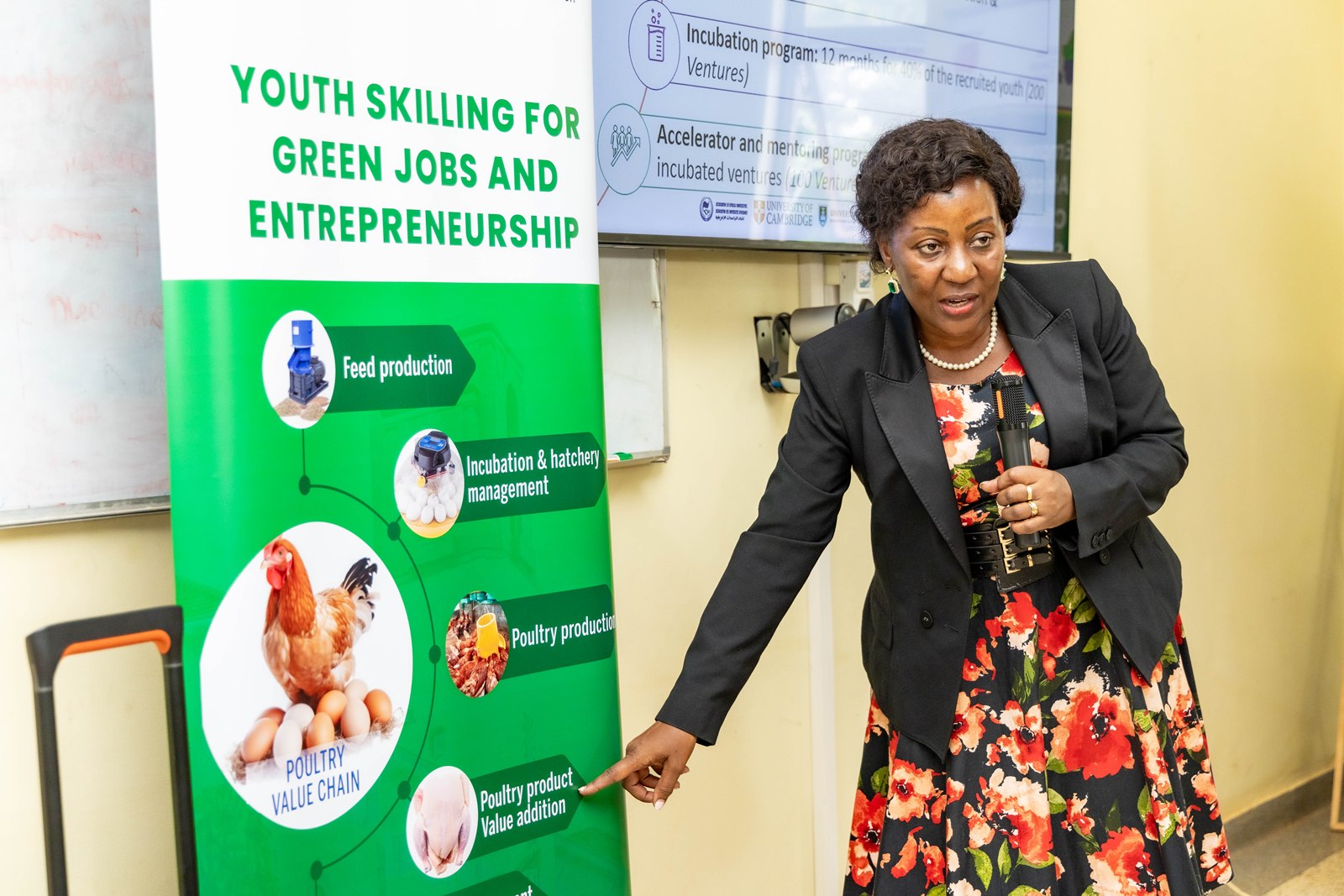
The Director of the Makerere University Agricultural Research Institute Kabanyolo (MUARIK), whose remarks were delivered by the Director of the Continuing Agricultural Education Centre (CAEC), Dr Christopher Mawa, said the program would equip young people with practical skills in green entrepreneurship, beginning with the poultry value chain, and described MUARIK as more than a farm but a centre for practical learning, research, innovation and enterprise development.
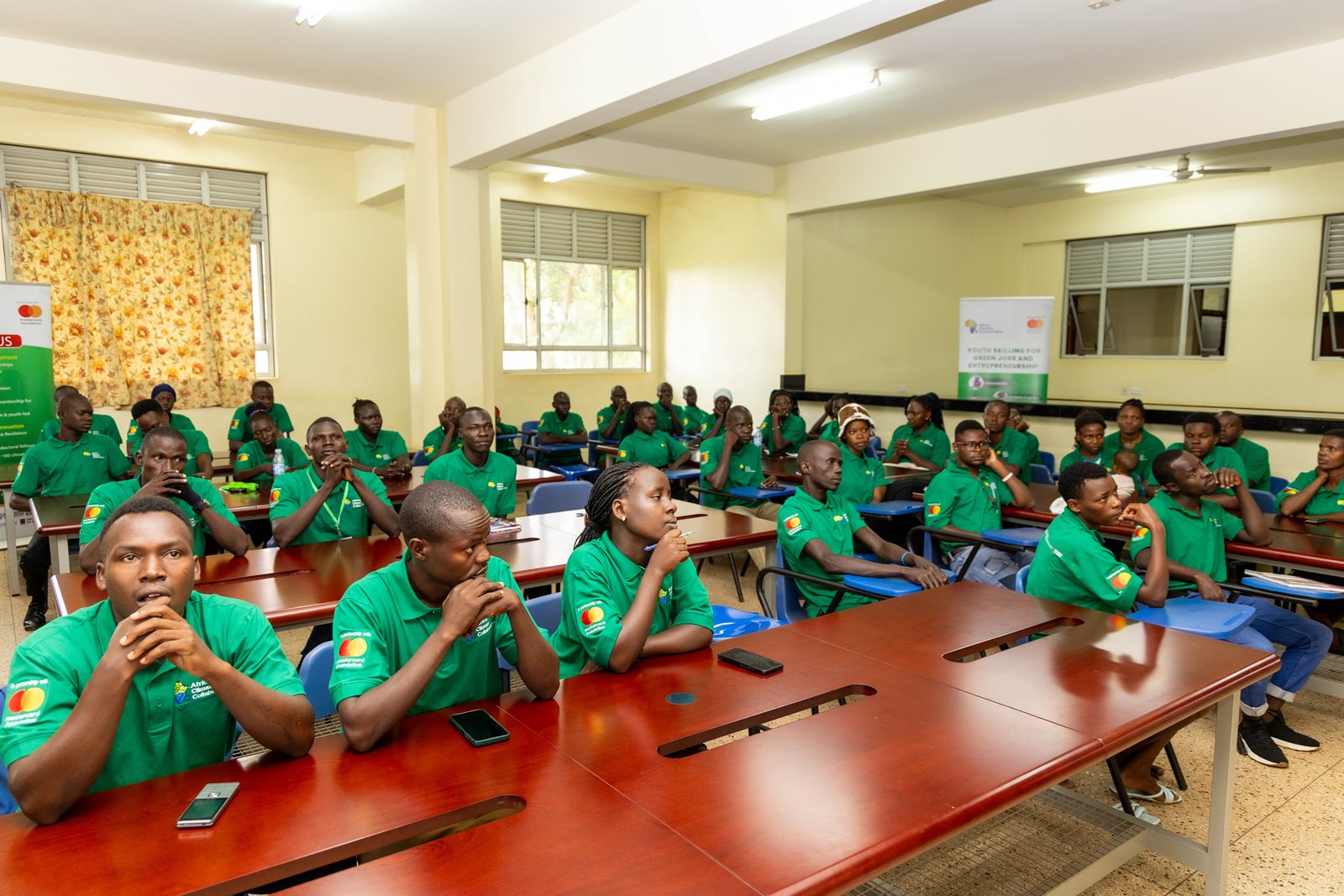
He encouraged the participants to take advantage of the wider learning opportunities available at the institute, including crop production, livestock enterprises, pasture and feed production, farm mechanisation, value addition, agribusiness and environmental management.
“As you begin your training, I encourage you to regard the whole of MUARIK as your classroom,” he said.
Dr Mawa urged the youth to focus on applying the skills they acquire to create enterprises, employment opportunities and solutions within their communities.
“Do not therefore come here simply to complete a three-month course. Come with the mindset of acquiring skills that you can apply. Ask questions. Observe carefully. Participate actively. Learn from the trainers and from one another. Most importantly, begin to ask yourself: “How can I turn what I am learning here into an enterprise, employment opportunity or solution for my community?”.
Agriculture & Environment
After 10 Years Out of Education, Africa Climate Collaborative at Makerere University Opens a New Chapter for Okello
By Damali Mukhaye
For Alex Okello John Amoya, a refugee from Zone 5, Bidi-Bidi Refugee settlement, stepping onto the Makerere University Agricultural Institute Kabanyolo (MUARIK) was more than the beginning of a training programme. It was the fulfilment of his childhood dream that had remained out of reach for more than a decade.
As a young boy, Okello dreamed of studying at Makerere University and even remembers singing a song with other children about whether they would ever make it to the university.
Little did Okello know then that the words would follow him into adulthood.
After completing Senior Four (O’level) at Kanyara Secondary School in Morobo County, South Sudan in 2015, the 33-year-old youth could not proceed to Senior Six (A’ level) and university due to financial difficulties.
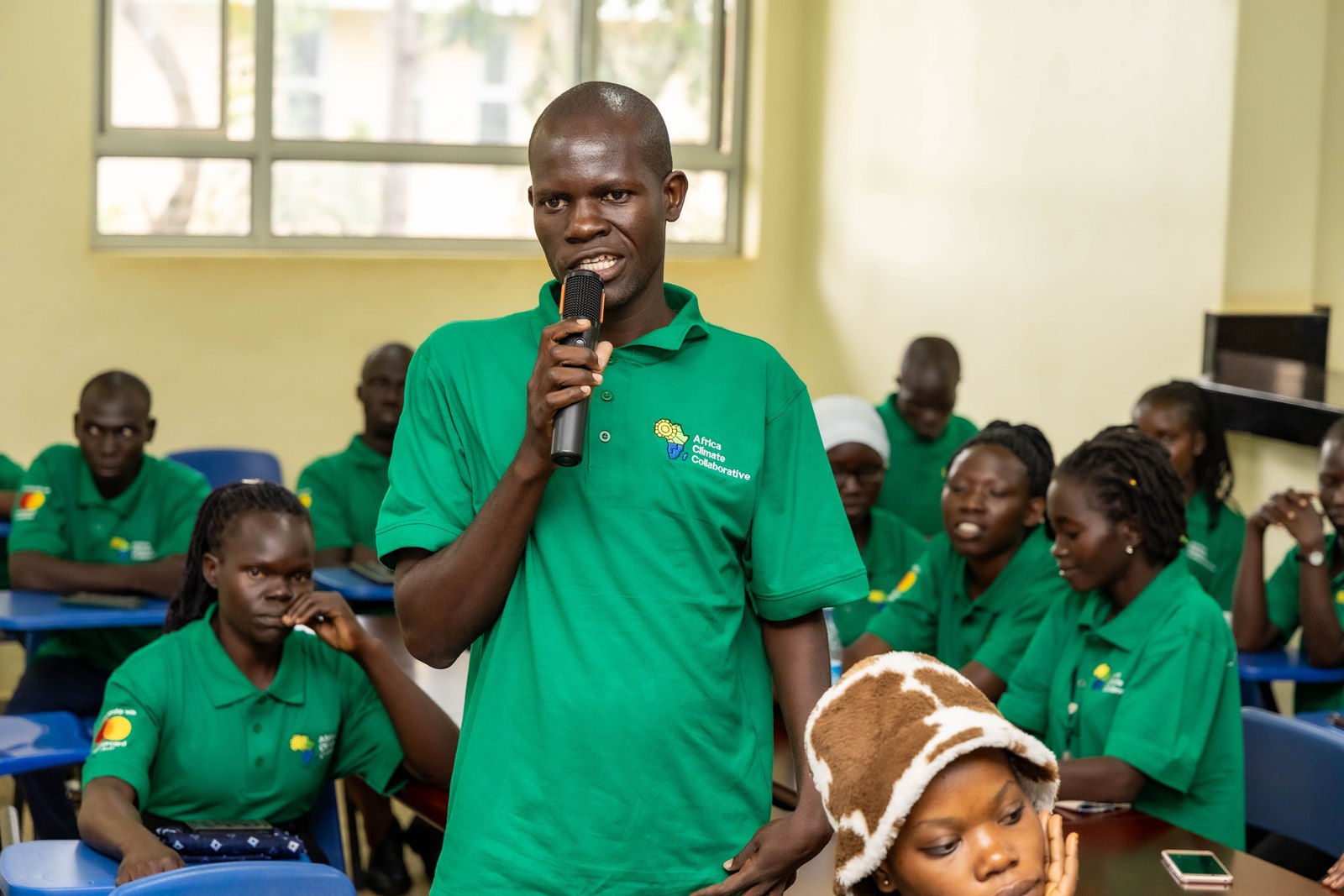
For the last 10 years, Okello has been trying different opportunities, but the dream of studying at Makerere remained out of reach, as he did not succeed in getting any scholarship to enable him to progress with his dream.
“My parents could not take me to university. Between secondary school, college and where I am now, it took more than 10 years. I tried different opportunities, but they could not work,” Okello said.
Now, at a stage in life when he had almost resigned himself to the possibility that the dream might never come true, Okello has finally set foot at the university, not as the student he once imagined becoming, but as one of 50 young people selected for the first cohort of the Africa Climate Collaborative Youth Skilling Program.
Okello’s dream, which he once sang about, finally became a reality on 28th September 2026, when he reported to Makerere University Agricultural Research Institute (MUARIK), where he and his other 49 counterparts from Lwengo, Rakai and Yumbe will undergo a 10-week residential training programme, followed by a three-month industrial attachment with various organisations.
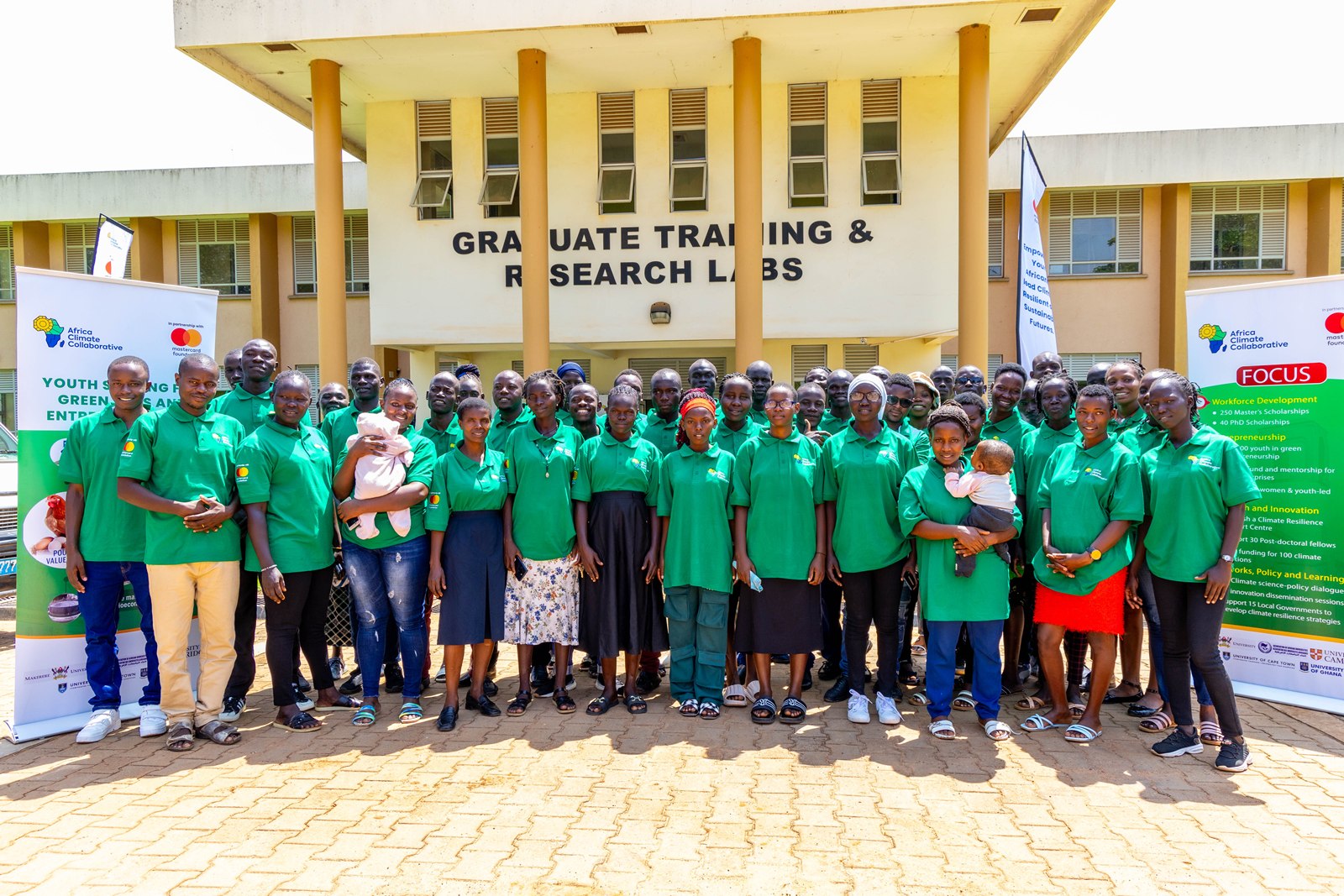
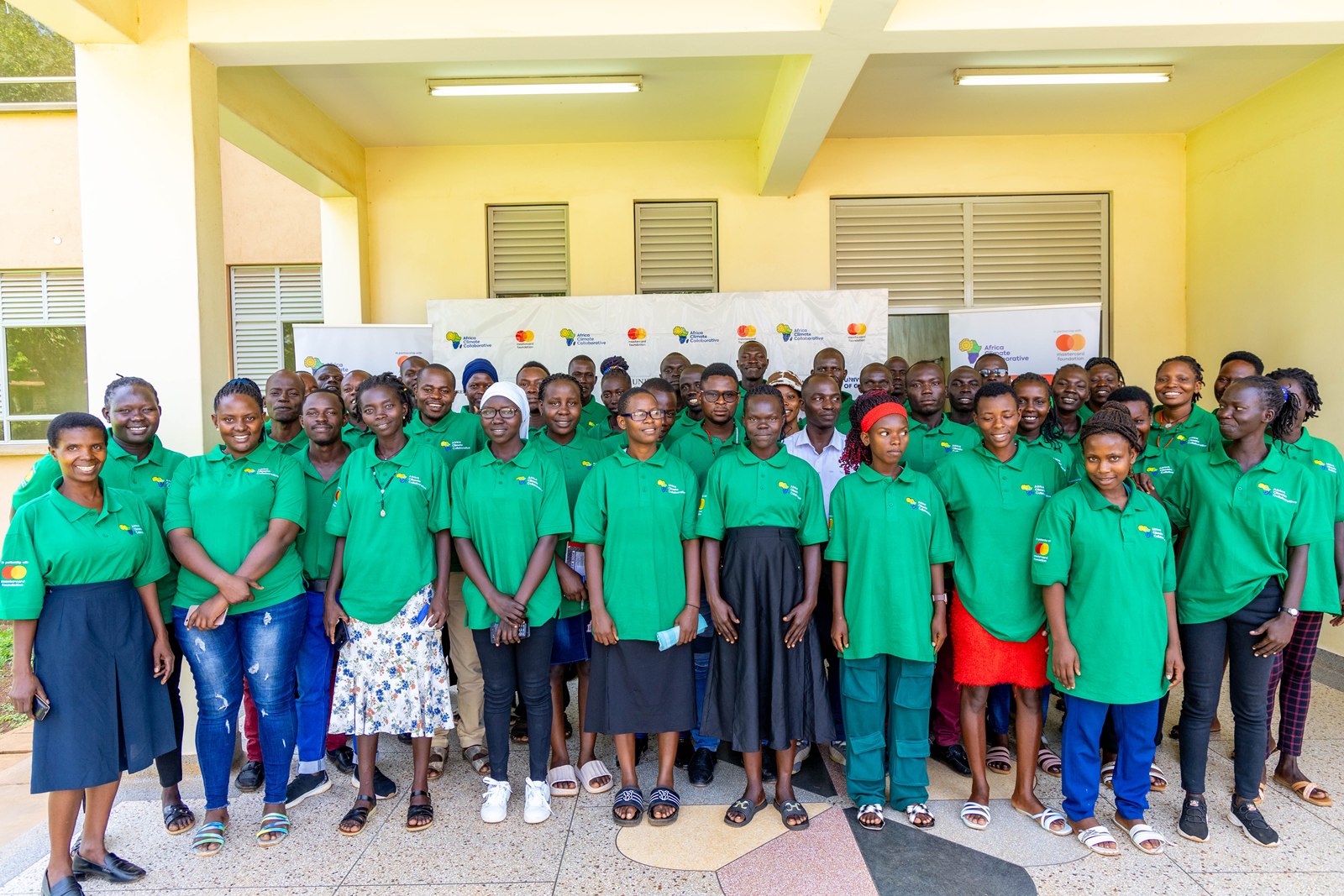
The 50 youth, who are the first cohort of the Africa Climate Collaborative Youth Skilling Program at Makerere University, an Initiative supported by Mastercard Foundation will thereafter be assessed by the Uganda Vocational and Technical Assessment Board (UVTAB) and will receive government-recognised certificates upon successful completion of the programme.
The program, supported by the Mastercard Foundation, is providing the participants with practical skills and competences relevant for them to pursue employment, entrepreneurship and other livelihood opportunities.
For Okello, the opportunity has given him new meaning to a dream he had almost given up on.
“I used to dream of reaching Makerere when I was young. Today, that dream has come to pass. I really appreciate all the partners that made it possible for us to be here. I am very sure that this opportunity is here to change my life,” he said.
His dream now extends beyond acquiring skills. Okello plans to return to his community in Yumbe and establish a poultry enterprise specialising in egg production. He sees an opportunity in the limited local supply of eggs, which he says are currently transported from distant areas.
“My dream is to start a poultry business that can supply eggs within my neighbourhood. The eggs supplied there come from far, so I believe this business can make it easier for people to access them while also creating employment opportunities for me and others,” he said.
But Okello hopes the impact of the training will go beyond his own livelihood.
“I also aim to pass the information and knowledge I will receive in this program to others and empower them so that they can also stand on their own. I expect to learn the skills I need and make sure I implement them when I go back,” he said.
A chance to start again
For Jessica Kila-Edward, from Zone 5 of Bidi Bidi Refugee Settlement in Yumbe District, the program represents another kind of new beginning for her.
Jessica completed Senior Four during the COVID-19 period, after which opportunities for further education or employment proved difficult to find.
“Since I completed Senior Four during the Corona season, I had nothing to do. What I could do was farming, but I could not even manage things. Things were really rough for me,” she recounted.
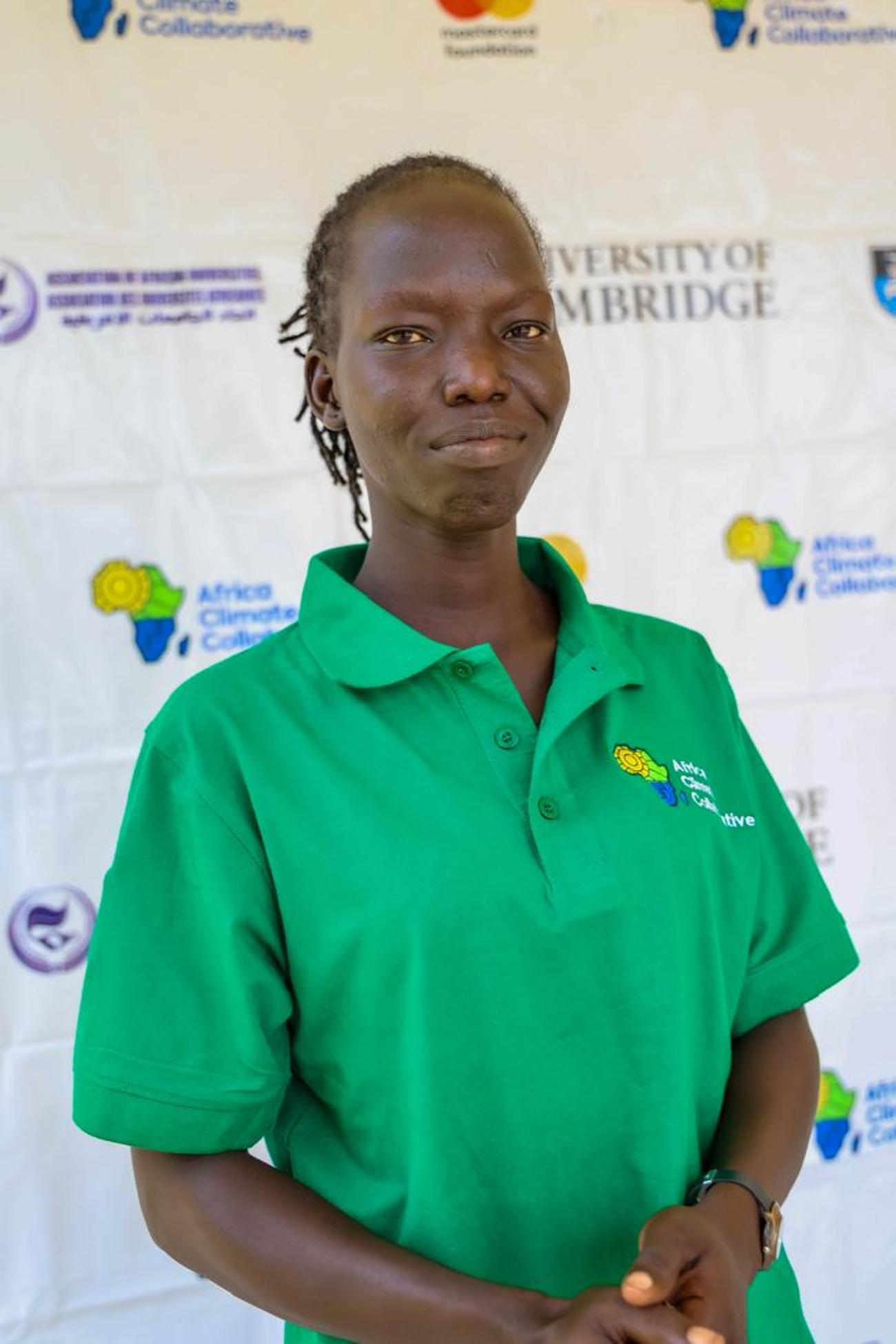
When she learnt about the Africa Climate Collaborative Youth Skilling Program between June and July 2026, Jessica was determined to secure a place.
“I tried all the possible ways to make sure I was part of it, and luckily enough, I succeeded,” she said.
She now hopes to return to her community with skills that will enable her to become a change-maker and support other young people facing similar challenges.
“I am no longer going to be the same person I used to be in the village. I am looking forward to becoming a change-maker in my community and working with other young people who are also crying for opportunities like this,” she said.
Turning skills into income
For Carlos Magimbi from Lwengo District, the program presents an opportunity to strengthen his already existing business in poultry farming while improving his livelihood.
He hopes to use the knowledge gained during the training to support other young people in his community and improve his own income.
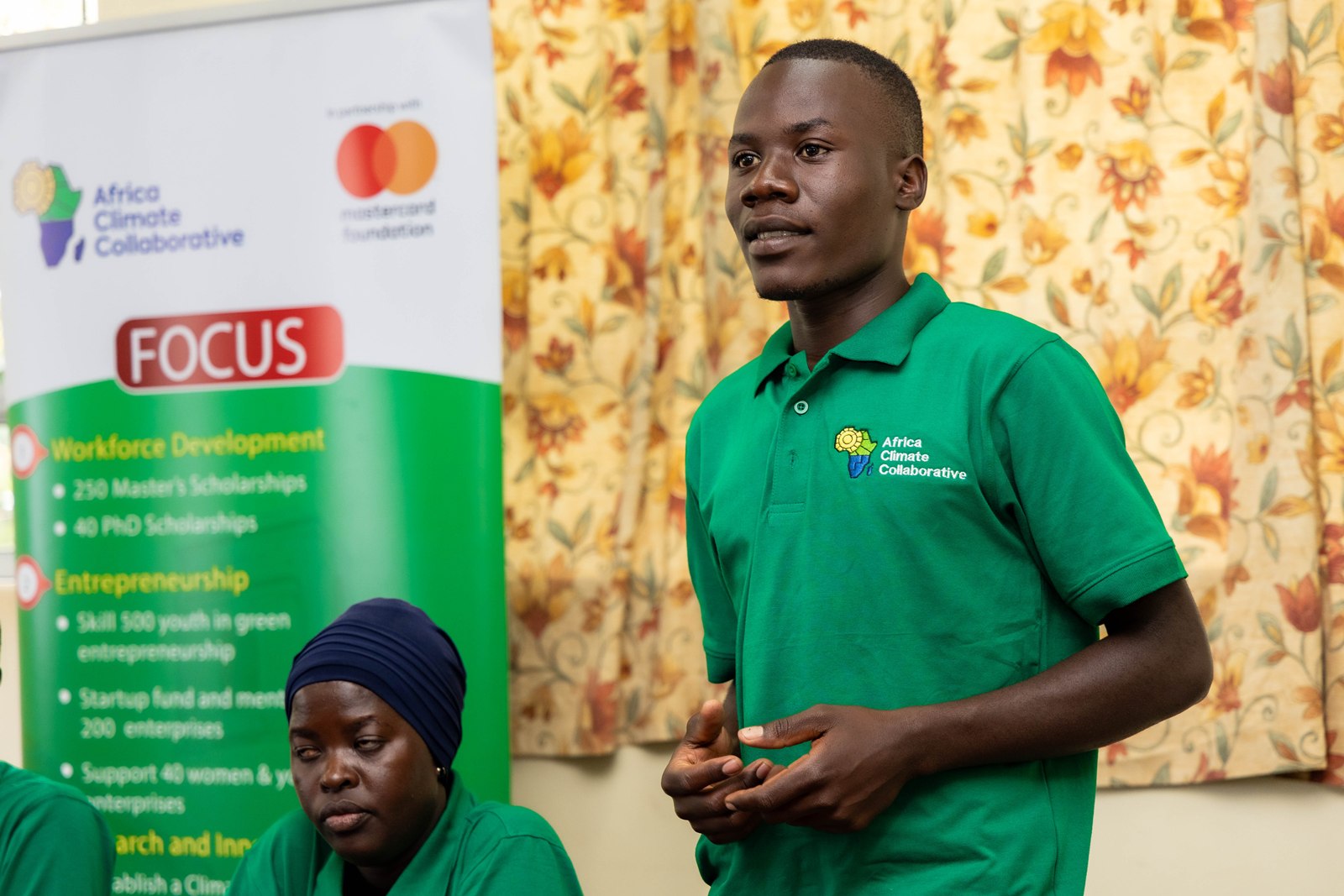
“After obtaining the skills from this training, I expect to go back to my community and share them with my fellow youth. I also hope the skills will help me transform my income and improve my life,” Magimbi said.
One of his immediate interests is improving poultry feed production. He says poor-quality feed has affected his birds and hopes the training will equip him with the skills to produce better feed himself. “I am expected to master the techniques, especially because I have been facing a problem with feed. The feed on the market is sometimes of poor quality. I hope that through this training, I can learn how to make my own feed and improve the yields of my birds,” he said.
Agriculture & Environment
Mak’s Urban Action Lab Develops Community-Specific Maps to Improve Risk Management in Kampala’s Informal Settlements
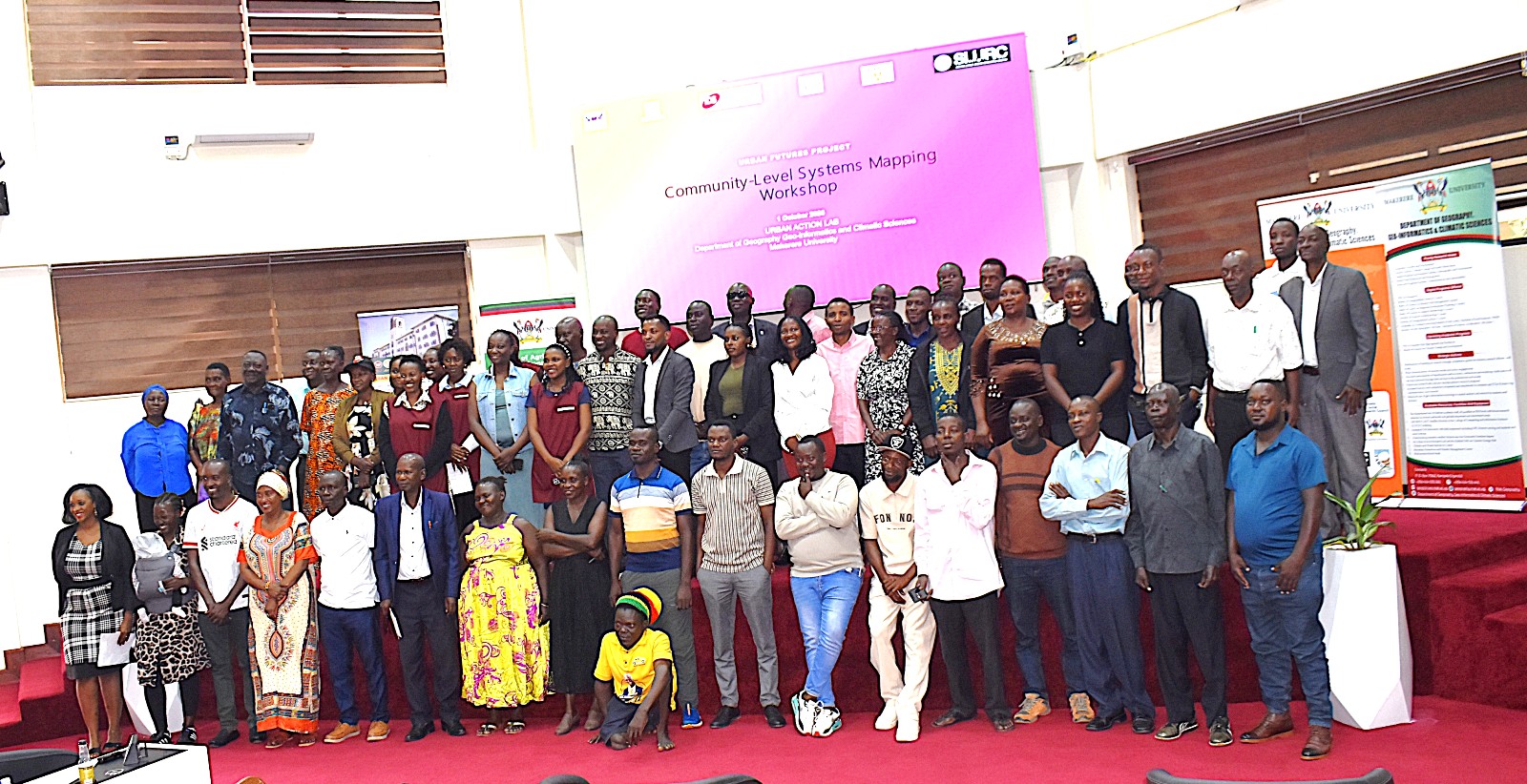
In Kampala’s informal settlements, waste, flooding, poor drainage and health risks are closely intertwined. Poor disposal of waste can obstruct stormwater flows, worsening flooding, while stagnant water and blocked drainage can affect health, mobility and livelihoods.
Understanding these connections is at the centre of a community-led systems-mapping process being undertaken through the Urban Futures Project to examine how urban risks emerge, interact and can be addressed.
On 1st October 2026, Makerere University through the Urban Action Lab, convened a community-level systems-mapping workshop to develop a shared understanding of how solid waste, drainage, flooding, climate vulnerability, health, and livelihoods interact within Kampala’s informal settlements.
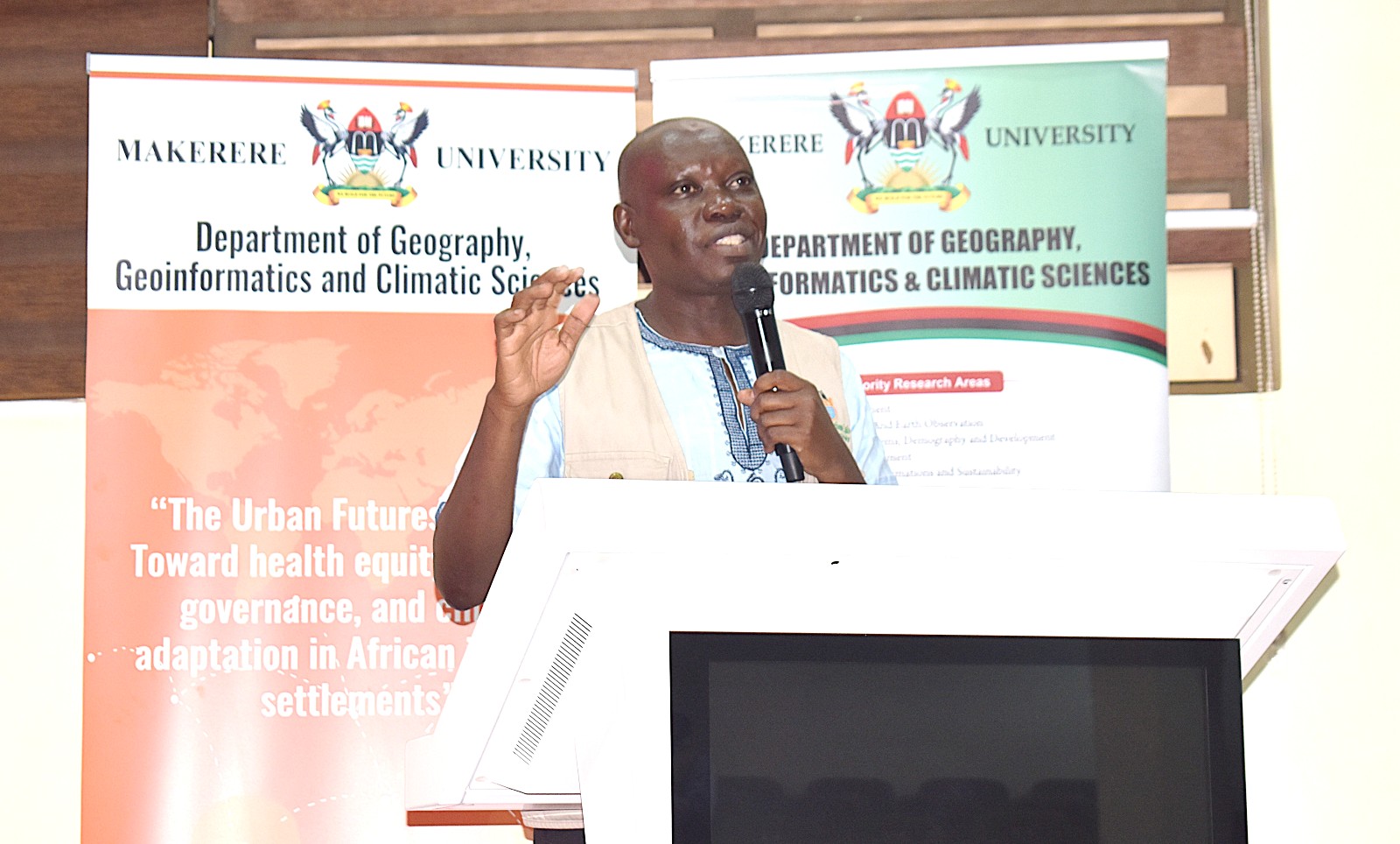
Rather than examining these challenges in isolation, the exercise explored their interconnections as part of a wider urban system, recognizing that changes in one area can influence outcomes in another.
Putting Community Knowledge at the Centre
Led by Dr. Paul Mukwaya Isolo, Coordinator of the Urban Action Lab, the workshop sought to develop a community-led map of urban risks grounded in the experiences and perspectives of people living and working in informal settlements.
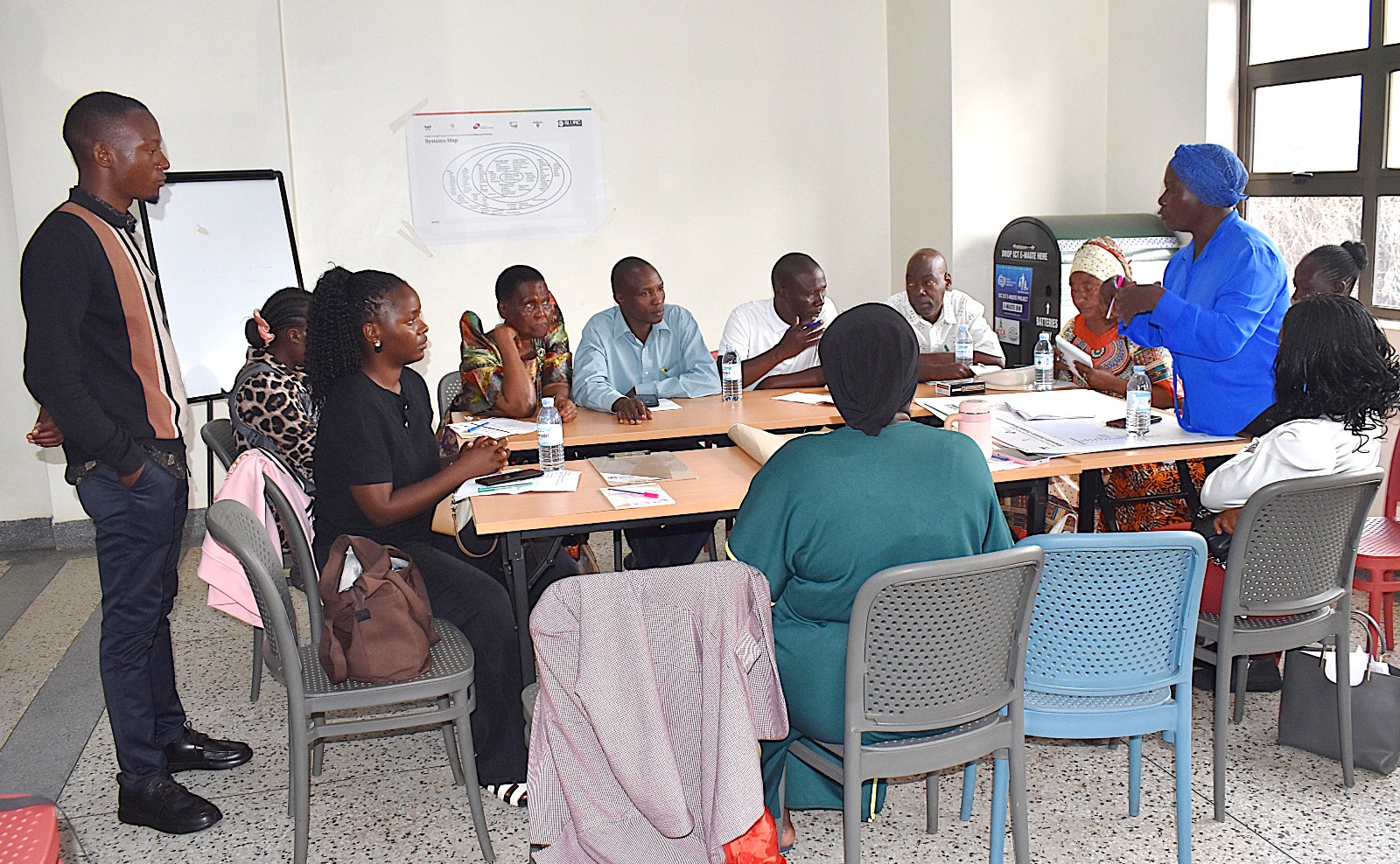
Residents and community leaders from Kampala suburbs, including Kabalagala, Bwaise, Makerere Kivulu and Acholi Quarters, led the process of examining how waste accumulates and moves through their communities, identifying areas vulnerable to flooding, assessing who is most affected and documenting local responses. They also mapped the roles and influence of institutions, service providers, community groups and other actors whose decisions and actions shape these interconnected urban systems, helping to identify key challenges, existing responses and opportunities for community-led action.
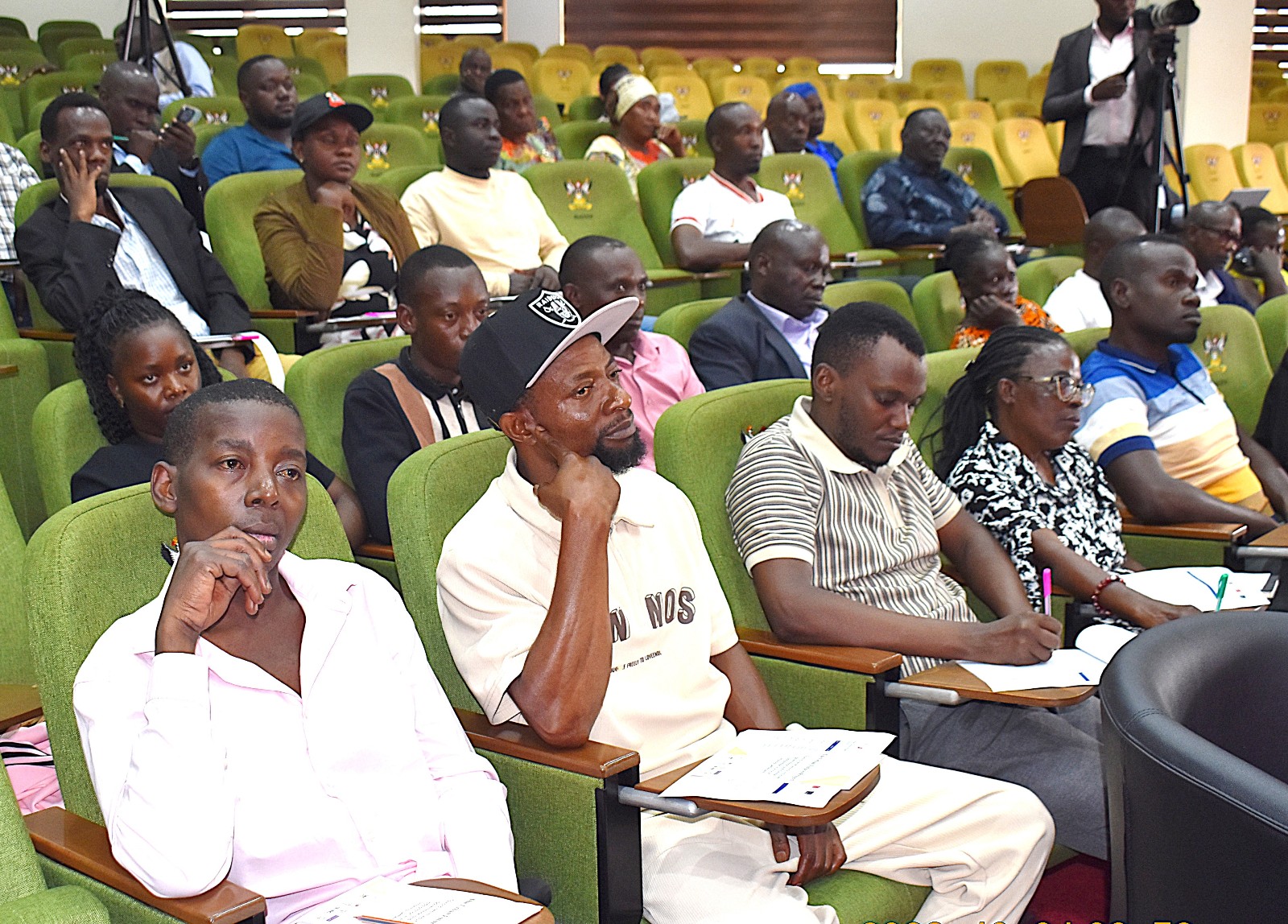
The approach recognizes residents as key sources of knowledge about the risks affecting their neighbourhoods. Their lived experience provides insight into where hazards occur, how they disrupt daily life, which groups are most affected and how communities respond. Bringing this knowledge into the mapping process helps ensure that urban risks are understood from the community level and that potential responses build on existing local capacities, priorities and solutions.
Tracing the Waste Management Journey
A key part of the exercise was mapping the movement of solid waste-from generation and sorting through collection, transportation, disposal and recycling-to identify gaps in the waste-management chain that can heighten urban risks.
Participants examined how poorly managed waste can enter drainage channels and waterways, contributing to blocked drainage, flooding and other environmental and public-health risks. They also mapped the roles of informal waste handlers, private service providers, public institutions and communities, highlighting how different actors contribute to the movement and management of waste.
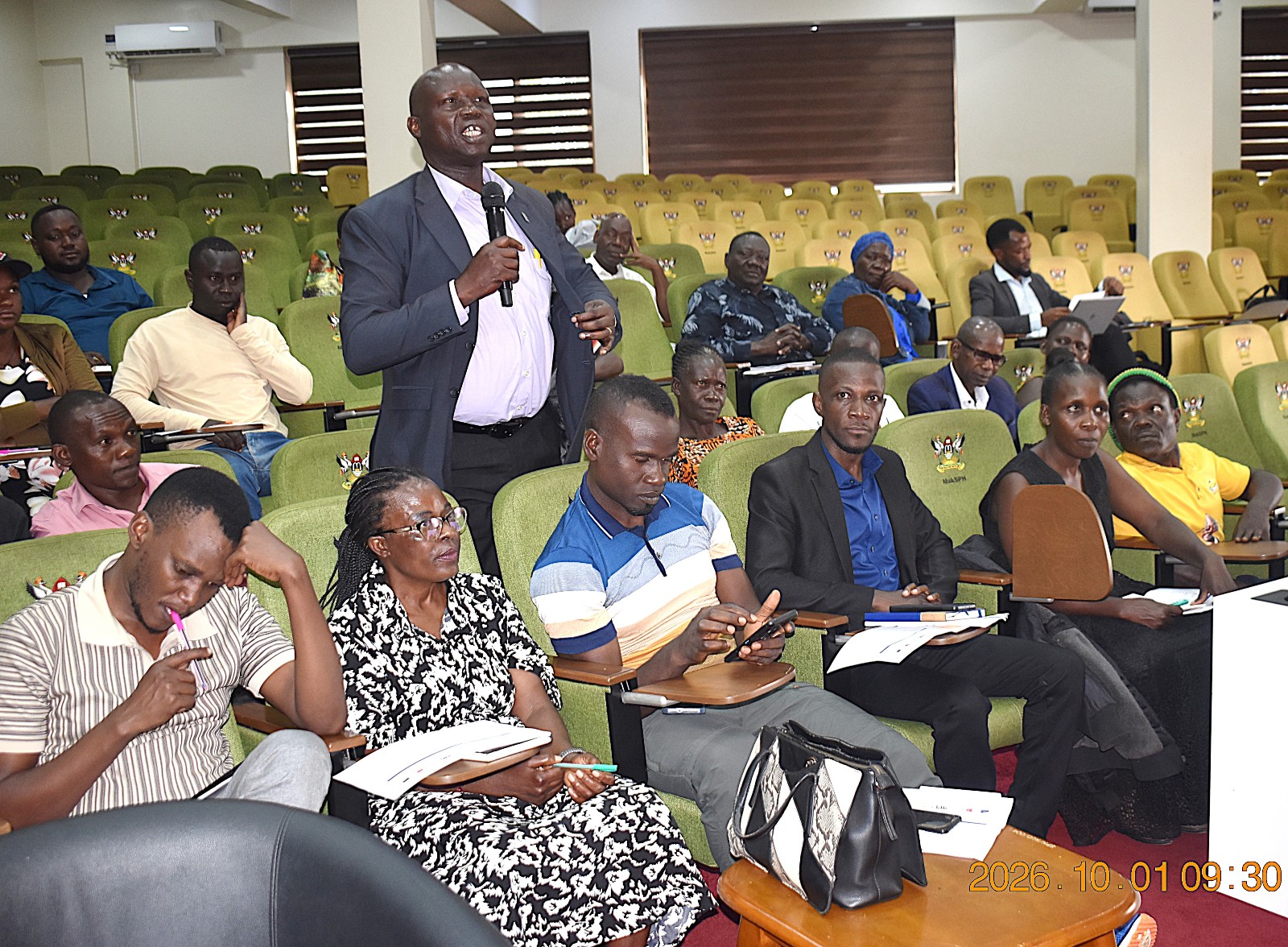
By viewing waste management as part of a wider urban system, the exercise sought to identify opportunities to strengthen waste management services, reduce environmental and public-health risks, and build on existing recycling and resource-recovery practices.
Linking Drainage, Flooding and Livelihoods
The workshop further explored how waste management, drainage and flooding interact within informal settlements.
Participants examined how waste entering drainage channels and culverts can obstruct stormwater flows, increasing the risk of flooding during heavy rainfall, particularly in areas with limited drainage capacity. The flooding can disrupt movement, damage property and businesses, limit access to markets and services, and disrupt livelihoods.
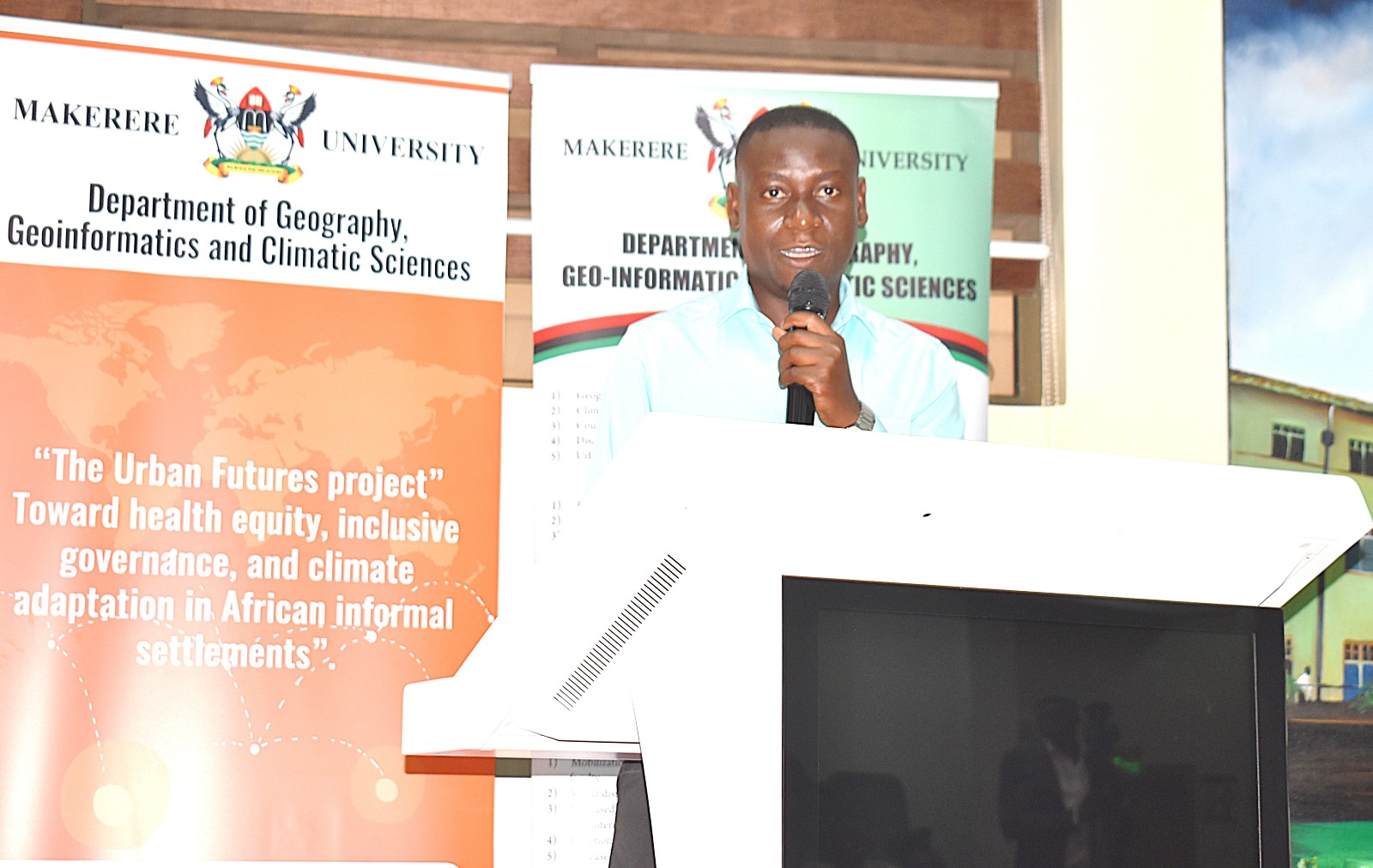
By mapping these connections, participants sought to identify priority risks and inform practical measures to reduce flooding and its effects on livelihoods, while building safer and more resilient communities.
Building on existing community responses
Participants also documented community responses to flooding, waste and other urban pressures, including local practices for managing waste, clearing drainage, coping with floods and protecting livelihoods. The exercise highlighted community knowledge and existing capacities that can inform future, locally driven interventions.
Supporting locally informed urban resilience
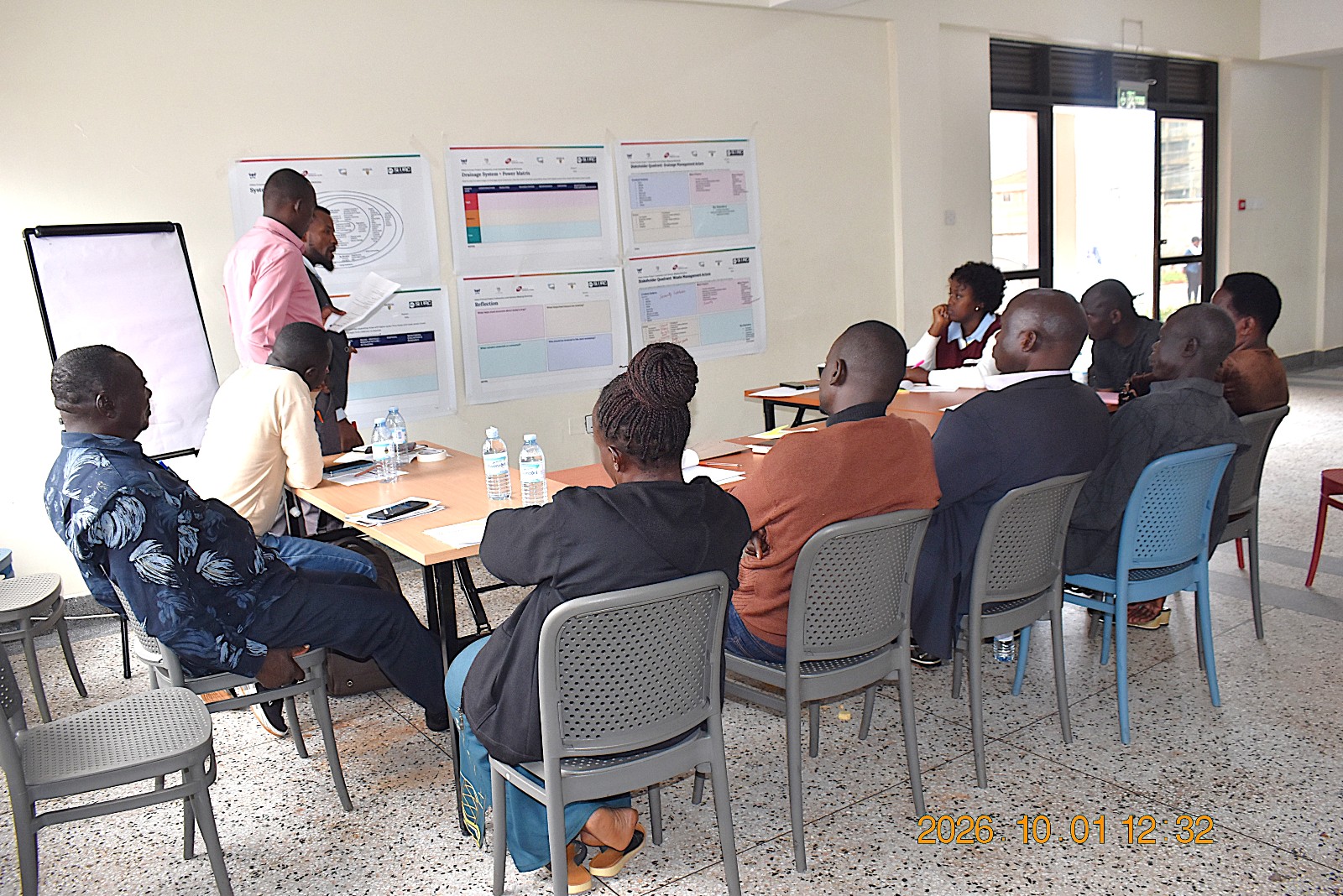
The systems-mapping workshop forms part of broader efforts under the Urban Futures Project to advance health equity, inclusive governance and climate adaptation in African informal settlements.
Through the Urban Action Lab, Makerere University is combining research with community knowledge to examine complex urban challenges from the perspective of the people who experience them.
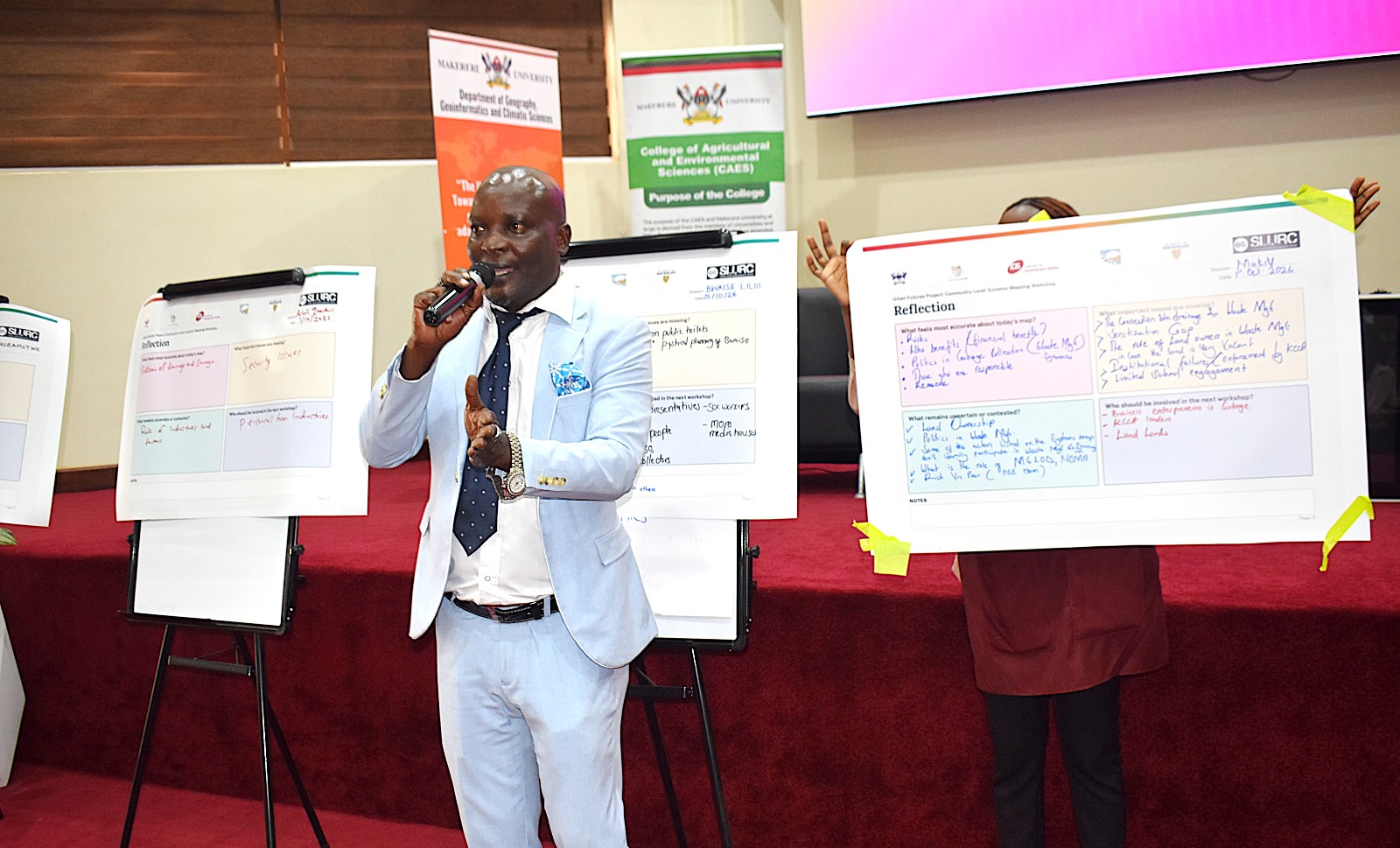
Rather than beginning with predetermined solutions, the process starts by identifying the risks, relationships, actors, vulnerabilities and responses that shape everyday life within informal settlements.
The resulting shared understanding can help communities, researchers, policymakers and other stakeholders identify where action is needed, who needs to be involved and how community knowledge can contribute to healthier, more inclusive and climate-resilient informal settlements in Kampala.
Details about the Urban Futures Project launched on 6th March 2025: https://news.mak.ac.ug/2025/03/mak-launches-urban-futures-project-unveils-handbook-on-urban-heat-management/
-
 General2 weeks ago
Statement on Concerns Circulating Regarding a Member of Academic Staff
-
 General1 week ago
Timothy Khabusi: From Barefoot Walks to shaping Uganda’s Eye health Future
-
 General2 weeks ago
Beyond Map Size: Africa’s Agency Should Not Be Funded by Other People
-
 Health1 week ago
Uganda’s HIV Treatment Gains Bring the Youth Gap into Focus
-
 Agriculture & Environment1 week ago
Makerere University Welcomes 50 Youth Skilling Program trainees under the Africa Climate Collaborative, Supported by Mastercard Foundation