Research
“Start with Ethics”: Makerere Webinar Rallies Researchers to Prioritize Ethical Approval from Day One
Published
2 months agoon
By
Mak Editor
By Moses Lutaaya
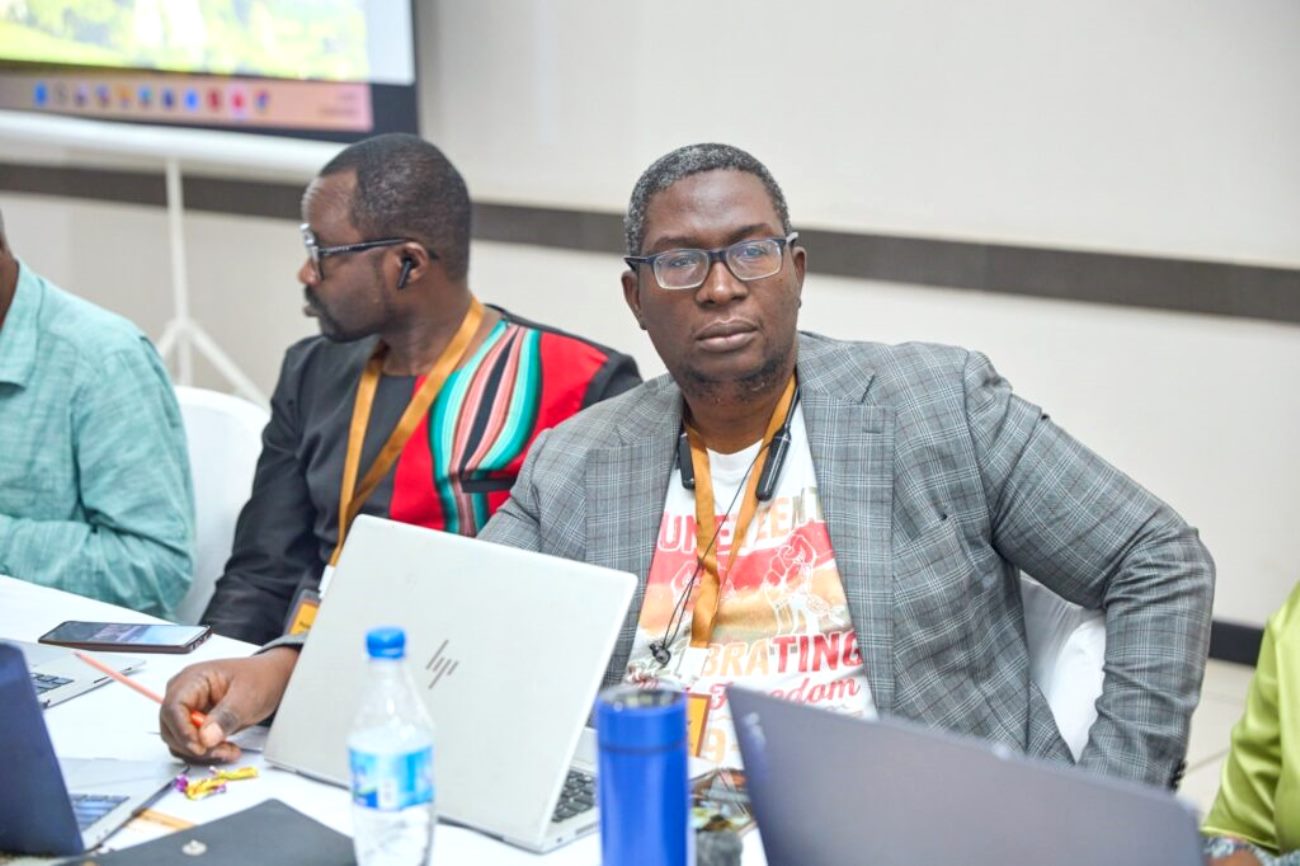
Kampala — A high-level webinar hosted by the Directorate of Research, Innovations and Partnerships in collaboration with the Directorate of Graduate Training at Makerere University has reinforced the urgent need for early engagement with research ethics, drawing over 500 participants in attendance and close to 980 registrations to discuss ethical approval processes and responsible research conduct.
Delivering the closing remarks, Deputy Vice Chancellor (Academic Affairs), Prof. Sarah Ssali, emphasized that research ethics is not merely an administrative requirement but the very cornerstone of academic excellence and integrity.
“Research ethics is not something you come to at the end of your study—it is the foundation upon which credible and impactful research is built,” Prof. Ssali said. “From proposal development to dissemination, every stage must reflect ethical responsibility.”
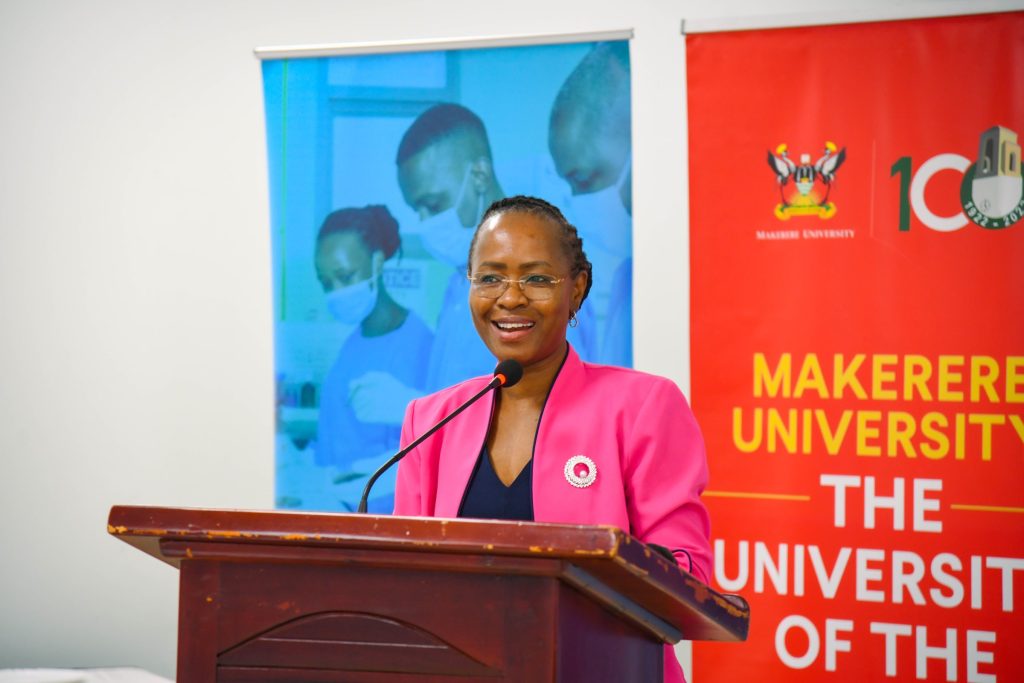
She urged graduate students to take full ownership of ethical responsibility by embedding ethical considerations throughout the research process. Cautioning against misconduct, she added: “Shortcuts such as falsification of data or unethical practices will not only compromise your work but will also attract serious academic and disciplinary consequences.”
Prof. Ssali further encouraged researchers to actively seek guidance from supervisors and Research Ethics Committees (RECs), reaffirming the university’s commitment to building a robust culture of responsible, transparent, and credible research.
Earlier, Dr. Hellen Opolot, the Assistant Executive Secretary and Head of the Division of Research Management and Quality Assurance at the Uganda National Council for Science and Technology, delivered a comprehensive presentation on research misconduct and its far-reaching implications.
“Research misconduct goes beyond fabrication, falsification, and plagiarism,” Dr. Opolot explained. “We are also seeing practices such as ghost authorship, lack of ethical approval, selective reporting, and data manipulation, all of which undermine the integrity of research.”
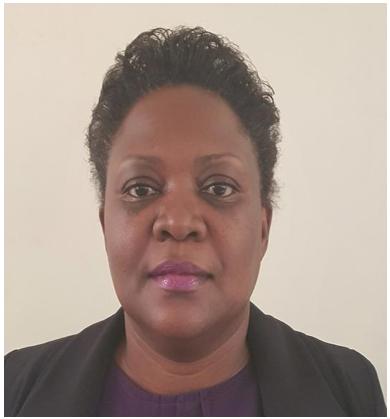
She noted that pressures to publish, competition for funding, weak supervision, and limited training in ethics often drive such misconduct.
“These practices damage institutional reputations, erode public trust, and weaken the credibility of academic qualifications,” she warned. “They can lead to loss of funding, broken partnerships, and even affect national development because the knowledge produced becomes unreliable.”
Dr. Opolot called for stronger enforcement mechanisms, continuous ethics training, and strict alignment with national regulatory frameworks to safeguard research quality.
In his opening remarks, Director of Research, Innovations and Partnerships, Prof. Robert Wamala, underscored the need to address ethics at the very beginning of the research journey.
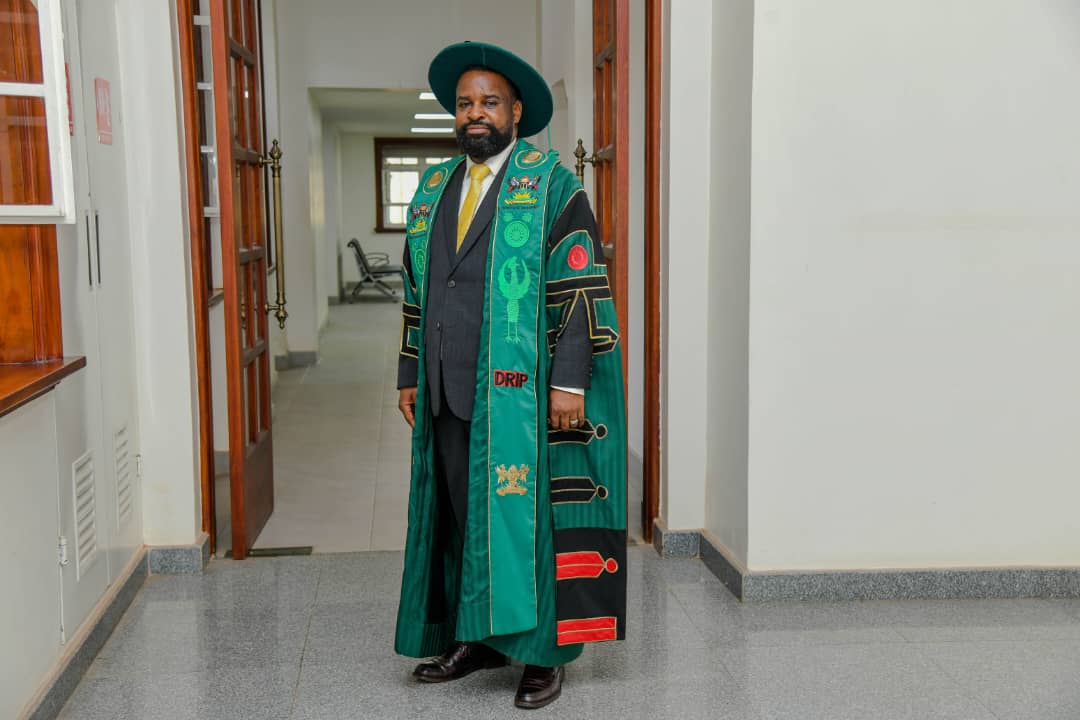
“Many students treat ethical approval as a last-stage requirement, and that is where the problem begins,” Prof. Wamala said. “Ethics must come first if we are to produce credible and impactful research.”
He urged researchers to engage RECs early, noting that ethical compliance is critical for protecting participants’ rights and ensuring globally acceptable research outputs. He also highlighted institutional support systems available to guide researchers through the ethical approval process.
Prof. Julius Kikooma, Director of Graduate Training, emphasized that ethical compliance is central to the university’s research agenda.
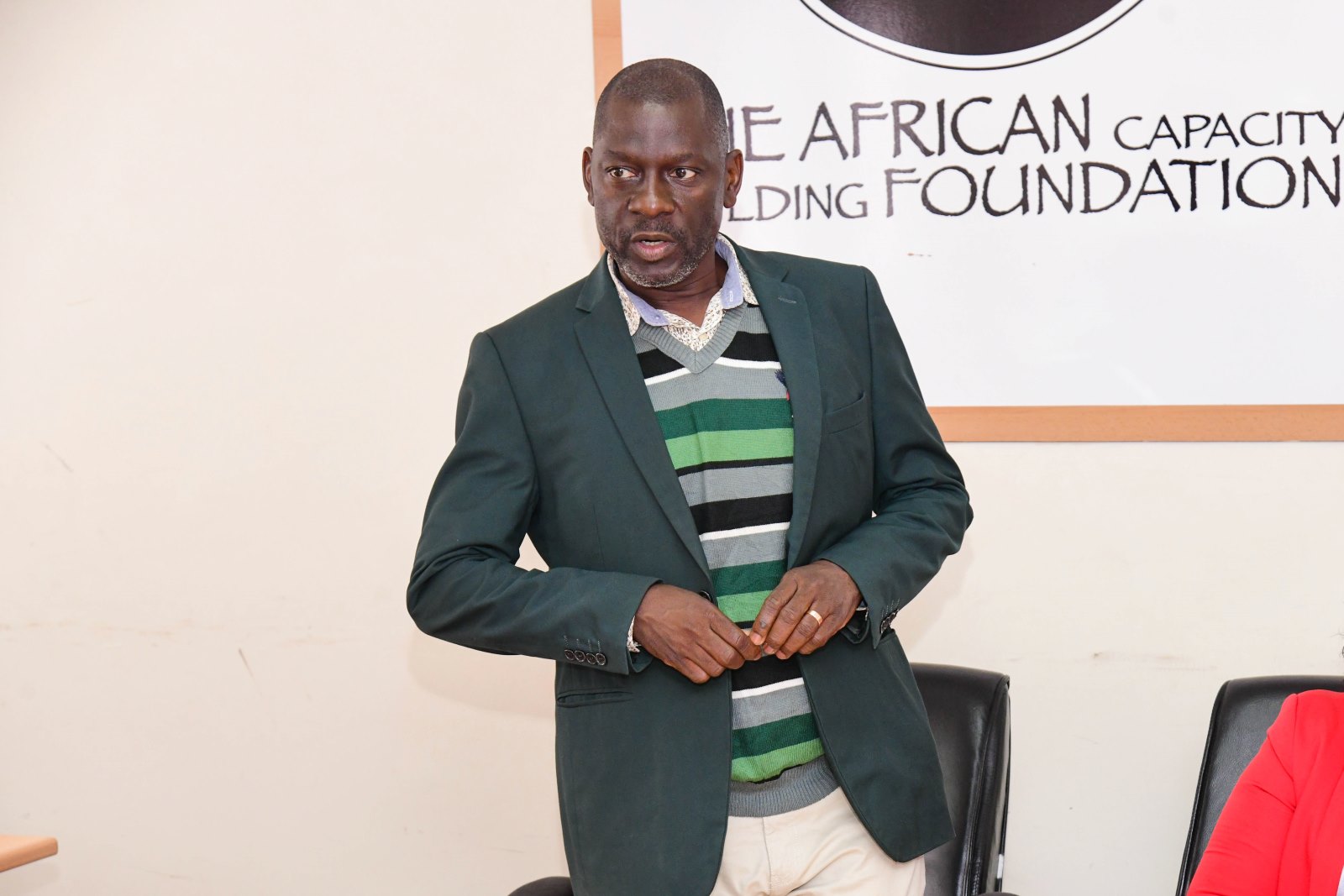
“Ethical clearance is not optional—it is a requirement,” Prof. Kikooma stated. “Without it, students cannot defend their research or graduate. This is clearly stipulated in our Graduate Handbook and institutional policies.”
He also pointed to emerging ethical challenges, particularly in the use of artificial intelligence, calling for responsible and informed application of new technologies in research.
From the Research Ethics Committee perspective, Prof. Stella Neema the Chair MAKSS-REC explained that ethical approval is mandatory for studies involving human participants, personal data, sensitive topics, or vulnerable groups.
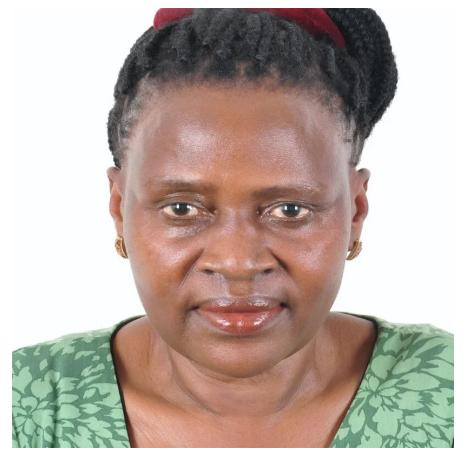
“There is no retrospective approval,” she stressed. “Researchers must obtain ethical clearance before they begin data collection. That is non-negotiable.”
She encouraged researchers to consult RECs for guidance, especially where exemptions may apply, emphasizing adherence to ethical standards to protect participants and maintain research integrity.
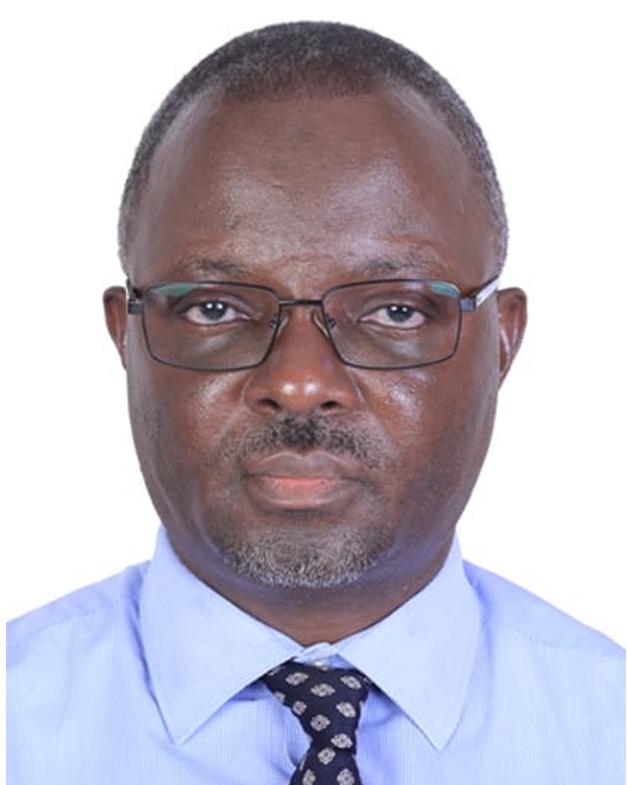
Dr. Daniel Waiswa, representing the College of Agricultural and Environmental Sciences Research Ethics Committee (CAES REC), highlighted the broader value of ethical research.
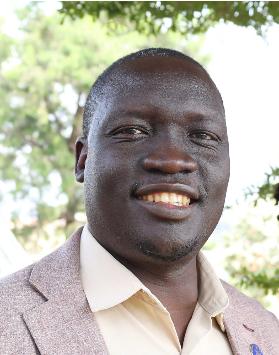
“Ethics ensures protection of participants, promotes valid and reliable findings, and sustains public trust,” Dr. Waiswa noted. “Principles such as informed consent, confidentiality, fairness, and minimizing harm are essential if research is to have real societal impact.”
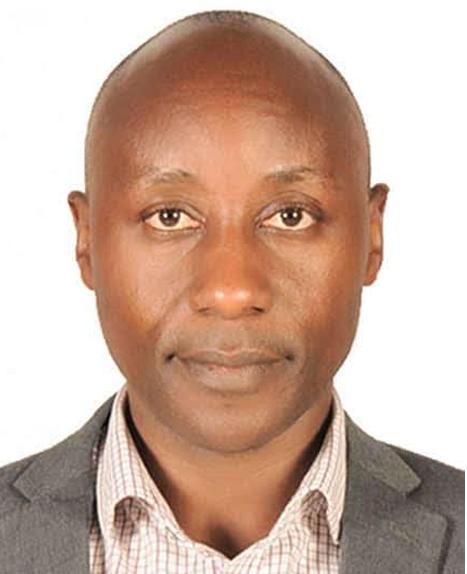
The webinar also brought together several Research Ethics Committee Chairpersons, including Dr. Paul Kutyabami, Dr. Moses Ocan, and Dr. Eddie Walakira, among others—reflecting a strong, coordinated commitment to strengthening ethical research oversight across institutions. Overall, the engagement delivered a unified message: ethical approval is not a procedural hurdle but a fundamental pillar of quality research. Participants were urged to “start with ethics” to ensure their work meets the highest standards of integrity, credibility, and societal relevance.

You may like
-
Makerere University Rolls Out Thesis Completion Grants to Accelerate PhD Research and Strengthen National Policy Impact
-
Makerere University Charts Course for Responsible AI Adoption in Research Management
-
CHS Quality Assurance Guide Book
-
Makerere University Pushes for Stronger Support for Research Ethics Committees amid Growing Research Demands
-
Makerere Challenges PhD Students to Turn Research Into Solutions as Advanced Research Methods Training Ends
-
CAES Engagement with Mak Senior Management: VC Calls for Expansion of PhD Training to Accelerate Development in Africa
Research
Makerere University Rolls Out Thesis Completion Grants to Accelerate PhD Research and Strengthen National Policy Impact
Published
2 weeks agoon
June 10, 2026By
Mak Editor
By Moses Lutaaya
KAMPALA — The Directorate of Graduate Training at Makerere University has launched a thesis completion grant aimed at supporting PhD students to complete their research, improve completion rates, and align academic work with Uganda’s national development priorities.
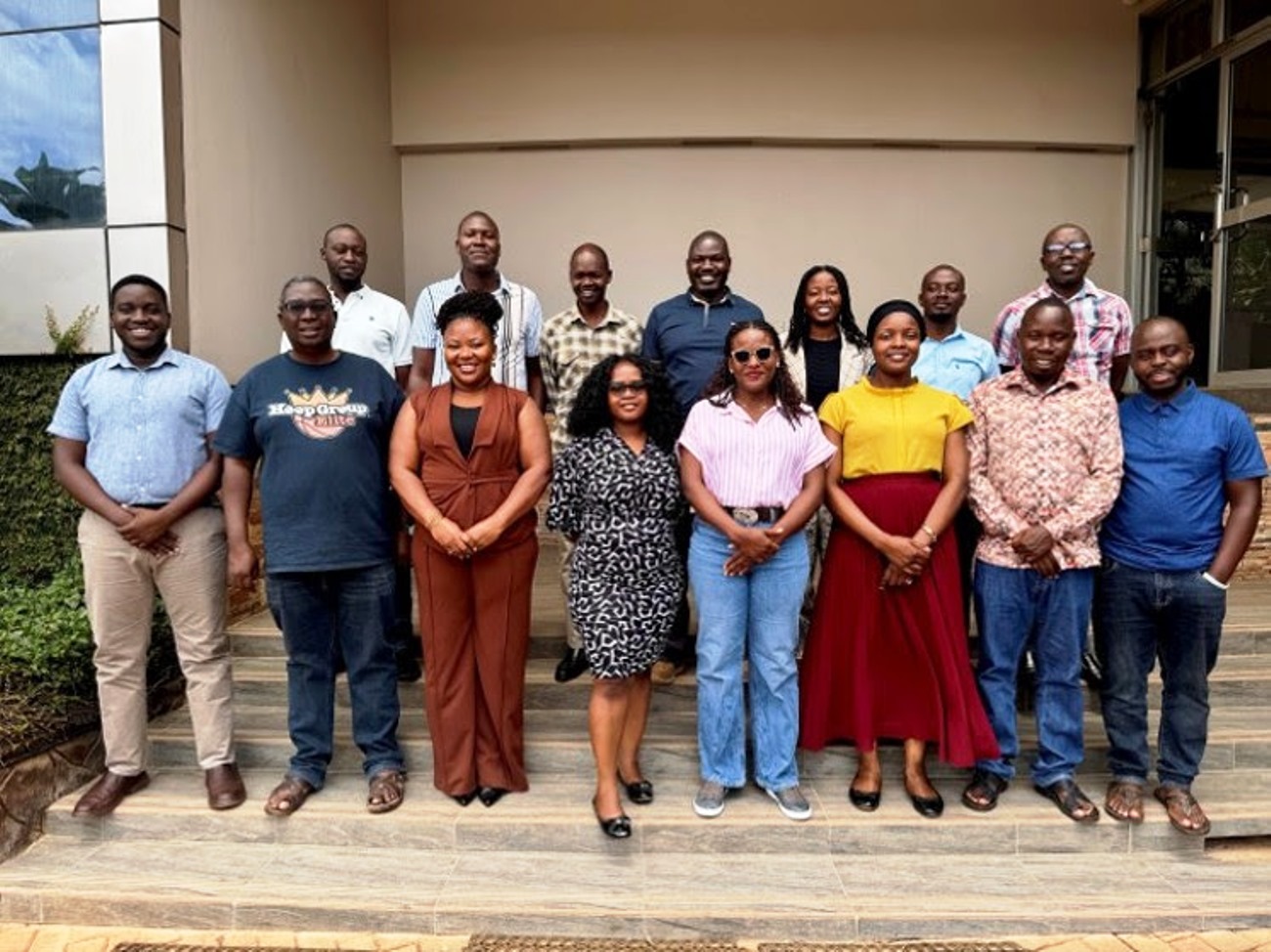
This was on Monday 8th June, 2026 at Telepresence hall at the Senate Building, Makerere University, where beneficiaries met with leadership of the Directorate Graduate Training.
Speaking at the rollout, Prof. Julius Kikooma said the initiative responds to long-standing funding gaps in doctoral training, which have historically left many researchers struggling to complete their studies.
“For quite a while, Makerere University, just like other institutions in the country, was predominantly supported by development partners when it comes to research support, because by nature research is very resource intensive,” Prof. Kikooma said.
He explained that much of the earlier support for PhD training came from development partners such as SIDA, which enabled many candidates to complete their studies. However, he noted that this support gradually ended around 2018–2019, leaving a significant gap in research funding.

“Around 2018–2019, that support came to an end. And so the gap became much more visible,” he said, adding that the university could not reverse its commitment to training PhD-level staff despite the financial constraints.
Prof. Kikooma said the university has since been working to mobilize internal resources to support doctoral students, noting that the new grant is intended to assist candidates who are already at advanced stages of their research.
“We thought it would be important that there is some money available which can help as you progress, even though we may not be able to shoulder the whole financial burden of your PhD research,” he said.
He emphasized that the fund is small but strategically targeted at critical activities such as fieldwork, data collection, and limited publication support. “The budget is very small, but we are convinced that there can be some progress based on that support,” he added.
Prof. Kikooma further said that beneficiaries will be required to implement their thesis completion activities or work within six months, submit a progress report after three months, and adhere to strict monitoring arrangements to ensure accountability and timely completion of their Doctoral studies.

“We are going to come up with a roadmap and follow you up just to make sure you don’t go off track,” he said, stressing that the funds are public resources that must be used within defined timelines.
He also underscored the importance of aligning research with national priorities and ensuring that doctoral work contributes beyond academia.
“Those days are gone now where research has no connection with any national interest,” he said. “The research that we do here must be clear and aligned with national priorities.”
He added that the university now expects PhD candidates to extract policy-relevant outputs from their research to contribute to national decision-making processes.
“We expect that from your work you extract something that can lead to a conversation around national issues and policy direction,” he said.

In a related address, Phillip Mawejje, the Principal accountant at the Directorate of Graduate Training confirmed that 18 PhD candidates had benefited from the revised grant following a budget review process.
“It is more than 10. We managed to facilitate 18 this time around based on your budgets,” Mawejje said, adding that all beneficiaries had received their funds or should immediately report any delays.
He instructed recipients to consult Dr. Nestor Mugabe to work with the revised budgets in line with the disbursed amounts.
“As I speak now, I believe all of you have the money. If you have not received it, please let us know,” he said.
Mawejje emphasized strict accountability requirements, noting that beneficiaries must account for the funds within 60 working days or earlier, depending on the nature of their research activities.
“We will need accountability for that money because this is public funds, and our instructions require that you account for the funds within 60 working days or less,” he said.

He added that while extensions may be considered in cases of ongoing research, progress reports must be provided to justify continued use of the funds.
“It is either earlier or within 60 days. If your work takes longer due to unavoidable circumstances, please give us progress reports,” he said.
He also announced that once the PhD candidates complete their studies, the university will organize a dissemination workshop to allow them to present their findings and demonstrate their contribution to society and the economy.
“We will conduct a workshop and then you come and disseminate your findings and how impactful it is to society and the economy,” he said.
The initiative is part of Makerere University’s broader effort to improve doctoral completion rates, strengthen research output, and ensure that academic work contributes directly to Uganda’s development agenda amid declining external research funding.
Research
Makerere University Charts Course for Responsible AI Adoption in Research Management
Published
2 weeks agoon
June 10, 2026By
Mak Editor
By Moses Lutaaya
KAMPALA, Uganda, June 10, 2026 — Makerere University has reaffirmed its commitment to embracing Artificial Intelligence (AI) as a catalyst for research excellence, innovation and institutional efficiency, while calling for robust safeguards to protect research integrity and academic quality.
The call was made during an online webinar on “Adoption of Artificial Intelligence (AI) in Research Management at Makerere University“, held on Thursday, June 4, 2026, from 3:30 p.m. to 5:30 p.m. (EAT) via the Zoom platform. The webinar attracted members of University Management, academic staff, researchers, graduate coordinators, members of Research Ethics Committees, students and development partners interested in understanding the growing role of AI in research and higher education.
The webinar was organized by the Directorate of Research, Innovation and Partnerships (DRIP) in collaboration with the Alliance for African Partnership (AAP), the U.S. Embassy in Uganda, the Great Lakes Centre for United States Studies at Makerere University, the Directorate of Graduate Training, the Makerere University Writing Centre and the Makerere University Research and Innovation Fund.
Opening the engagement, the Director of Research, Innovation and Partnerships, Prof. Robert Wamala, described AI as a transformative force that is reshaping the global research landscape and changing the way universities conduct research administration and scholarly work.
“Artificial Intelligence is increasingly transforming the global research ecosystem and redefining how universities undertake research administration, knowledge production, scholarly communication and innovation management,” Prof. Wamala said.
He noted that AI is creating new possibilities for universities, from literature mapping and proposal development to research integrity checks and administrative automation.
“From literature mapping and proposal development to research integrity checks and administrative automation, AI presents significant opportunities for enhancing efficiency, productivity and evidence-based decision-making within higher education institutions,” he explained.
Prof. Wamala said Makerere University recognizes the growing importance of digital transformation and the need to prepare researchers, administrators and graduate training systems to effectively harness emerging technologies responsibly and ethically.
“This webinar therefore provides an important platform for dialogue, learning and reflection on how AI can support research management while safeguarding research integrity and academic excellence,” he added.
The highlight of the webinar was a presentation by international AI consultant Dr. Vivek Mohindra on the adoption of Artificial Intelligence in research management. During his presentation, Dr. Mohindra shared global perspectives on how AI is transforming research administration, scholarly communication, grant management and institutional operations across universities worldwide.
He explained that AI is increasingly being used to support literature reviews, proposal development, data management, academic writing and administrative efficiency, enabling researchers and institutions to make better-informed decisions and improve productivity.
Dr. Mohindra encouraged universities to embrace AI as a tool that enhances human capabilities while maintaining academic oversight and professional judgment. He also emphasized the importance of responsible AI adoption, cautioning institutions against practices that could compromise research integrity, confidentiality and intellectual property rights.
His presentation sparked an engaging discussion among participants, who raised questions on the ethical use of AI in academic writing, disclosure of AI-assisted editing, data privacy concerns and the use of secure AI platforms for research purposes. Participants also sought guidance on how universities can develop policies and systems that support innovation while safeguarding scholarly standards.
In his remarks, the Director of Graduate Training, Prof. Julius Kikooma, emphasized the need to prepare graduate students and supervisors for a rapidly evolving digital research environment. He noted that AI is already influencing how research is conducted and communicated and called for continuous training to equip researchers with the skills needed to use emerging technologies responsibly.
Prof. Kikooma stressed the importance of maintaining originality, critical thinking and ethical scholarship even as researchers increasingly adopt AI-powered tools. He also highlighted the need to strengthen mentorship, research ethics training and scholarly writing support to ensure that technological advances contribute positively to research quality and graduate education.
Closing the webinar, the Deputy Vice Chancellor (Academic Affairs), Prof. Sarah Ssali, thanked participants for their active engagement and commended the organizers and partners for convening what she described as a timely and important discussion.
She paid tribute to the Directorate of Research, Innovation and Partnerships, the Alliance for African Partnership, the U.S. Embassy in Uganda, the Great Lakes Centre for United States Studies, the Directorate of Graduate Training and the Makerere University Writing Centre for supporting initiatives aimed at strengthening research excellence and innovation at the University.
Prof. Ssali also applauded Dr. Mohindra for sharing practical insights on how AI is transforming research administration, scholarly writing, grants management, research integrity and institutional efficiency around the world.
“The discussions today have clearly demonstrated that AI is no longer a distant concept but an emerging reality that universities must thoughtfully engage with,” Prof. Ssali said.
She noted that as Makerere University continues to position itself as a research-led institution, it must embrace technologies that improve productivity, collaboration and knowledge generation while ensuring their responsible and accountable use.
“As Makerere University continues to position itself as a research-led institution, we must embrace technologies that enhance productivity, efficiency, collaboration and knowledge generation while ensuring responsible, ethical and accountable use of AI tools,” she said.
Prof. Ssali observed that the webinar had also highlighted the need for stronger institutional policies, enhanced digital capacity, effective research integrity systems and continuous training to guide AI adoption.
“Today’s engagement reminds us of the need to strengthen institutional policies, digital capacity, research integrity systems and continuous training to ensure that AI adoption supports rather than undermines academic quality and scholarly rigor,” she added.
She encouraged academic units, researchers, graduate students and administrators to continue exploring innovative ways through which AI can support teaching, learning, research management and community impact. The webinar concluded with a shared commitment among participants to continue engaging on AI governance, responsible adoption and digital transformation as Makerere University advances its vision of becoming a leading research-led university that leverages emerging technologies to address societal challenges and generate impactful knowledge.
Research
Makerere Challenges PhD Students to Turn Research Into Solutions as Advanced Research Methods Training Ends
Published
4 weeks agoon
May 25, 2026By
Mak Editor
By Moses Lutaaya
The Director of Graduate Training at Makerere University, Prof. Julius Kikooma, has challenged PhD students to ensure that their research directly contributes to solving Uganda’s pressing societal challenges, saying postgraduate research must move beyond academic theory to real-world transformation.
Prof. Kikooma made the remarks on Monday, May 25, 2026, during the closure of a 10-day PhD cross-cutting training in Advanced Research Methods held at the Main Library Room 24/7 at Makerere University. The blended training, which started on May 11, attracted more than 250 PhD students physically and online from different colleges and schools across the university.
The training was organized by the Directorate of Graduate Training and supported by iCARTA as part of Makerere’s efforts to strengthen doctoral education and research capacity.
In his closing remarks, Prof. Kikooma praised the team of facilitators led by Prof. Stella Neema and Prof. Christopher Mugimu, among others for not only teaching technical research content but also mentoring students into becoming the next generation of impactful researchers.
“I think they are also mentors. They have been mentoring you into the role of the next generation of researchers,” Prof. Kikooma said, noting that the facilitators had given students a framework for thinking critically about research and understanding what the university expects from doctoral scholars.
He emphasized that Makerere University is intentional about producing graduates whose research contributes solutions rather than adding to society’s challenges.

“What we do here should reassure the nation that the products from Makerere University are contributing to solutions. They are not adding to problems but adding to solutions,” he said.
According to Prof. Kikooma, the knowledge and tools acquired during the intensive training should not merely help students earn degrees, but should prepare them to generate insights, innovations and evidence-based solutions for communities and policymakers.
“At this point there are many things happening which still don’t have proper answers and do not have people spending sufficient time to study them. We expect your studies to become part of what the country will use to solve some of the problems,” he added.
Prof. Kikooma revealed that the Directorate of Graduate Training has adopted the theme “Postgraduate Research for Transformation,” aimed at ensuring that all doctoral research connects to broader societal needs.
“Gone are the days where you engage in research and knowledge creation for the sake of knowledge. Your work must translate into innovative solutions and insights that help policy makers make better decisions,” he said.
He further explained that the Directorate’s role goes beyond coordinating academic programmes to intentionally exposing students to cross-cutting competencies such as critical thinking, interdisciplinary, communication skills and problem-solving.
The Advanced Research Methods course is one of the mandatory PhD cross-cutting courses at Makerere University alongside Philosophy of Methods and Scholarly Writing. The courses are undertaken during the first year of the PhD journey, either in semester one or semester two.
Prof. Kikooma said the cross-cutting nature of the course is designed to help students appreciate that modern societal challenges cannot be solved through isolated disciplines.
“The issues that will lead to solutions do not come in compartments. That is why these courses are called cross-cutting,” he said.

He commended the interdisciplinary approach used by facilitators drawn from different academic backgrounds, saying it equips researchers with broader perspectives needed to address complex societal issues.
He also urged students to ensure their research becomes meaningful beyond the thesis by producing outputs capable of engaging policymakers, communities and other stakeholders.
“We have redefined the outputs that need to come out of your research beyond the thesis,” he explained. “Your research should count in different ways.”
In a message that resonated strongly with the participants, Prof. Kikooma encouraged the PhD students to become creators of opportunities instead of job seekers.
“You create problems when you leave the university with the mentality of looking for a job. All these things should translate into defining opportunities for yourselves and for others,” he said.
He acknowledged that the blended and learner-centered approach may have been challenging for some students, but said it was intentionally designed to build resilience required during the demanding PhD journey.
“As you go forward, make sure your research counts and that you become part of the solution,” he concluded.
Speaking after the training, Prof. Stella Neema, an Associate Professor of Medical Anthropology in the Department of Sociology and Anthropology at Makerere University’s College of Humanities and Social Sciences, described the course as highly transformative for participants from different academic traditions.

“This course was blended. We had people online and others physically present in this big classroom. Initially, participants from different paradigms were not talking much to each other,” Prof. Neema said.
She explained that by the end of the training, students who were quantitatively oriented had developed appreciation for qualitative approaches and vice versa.
“The positivists and interpretive scholars have learned from each other. They learned designing research tools, citations, and also how to protect human research participants through ethics training,” she said.
Prof. Neema added that the course exposed students to practical ethical challenges in research and strengthened their commitment to complete their doctoral studies successfully.
“They admitted to us that they are going to use what they have learned to further their research processes. Many told us they are determined to complete their PhDs on time,” she noted.
She further said the training aligns well with Makerere University’s strategic agenda as a research-led institution and supports Uganda’s national development agenda through innovation, industrialization and scientific problem-solving.
“This research training is like a springboard for Uganda’s areas of investigation and national development,” Prof. Neema said.
The Advanced Research Methods training is part of Makerere University’s broader strategy to strengthen doctoral research excellence, interdisciplinary scholarship and transformative innovation aimed at addressing national and global challenges.
Trending
-
Agriculture & Environment2 weeks agoPolicy Brief: Strengthening Climate Resilience and Livelihoods in Uganda’s Refugee and Host Communities
-
General2 weeks agoCHS Quality Assurance Guide Book
-
Law6 days agoMakerere hosts Chief Justices of Zambia and Uganda
-
Agriculture & Environment1 week agoMaster’s Scholars Engage Lwengo and Rakai Communities to Inform Research Conceptualisation
-
Research2 weeks agoMakerere University Rolls Out Thesis Completion Grants to Accelerate PhD Research and Strengthen National Policy Impact