
General
Meet Sedrick Nuwagaba, a Mastercard Foundation Scholars Program Alumni Contributing to Uganda’s Oil & Gas Industry

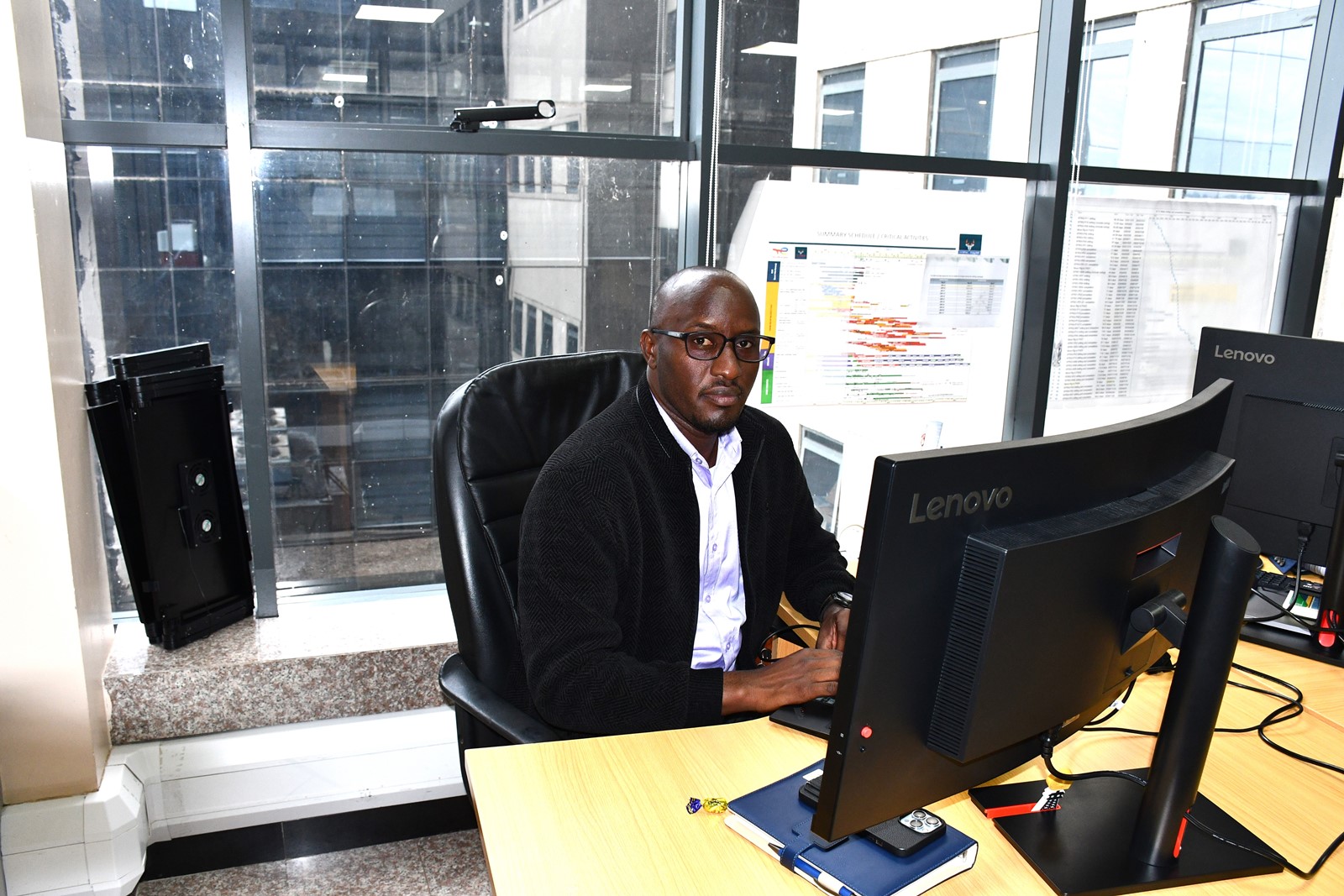
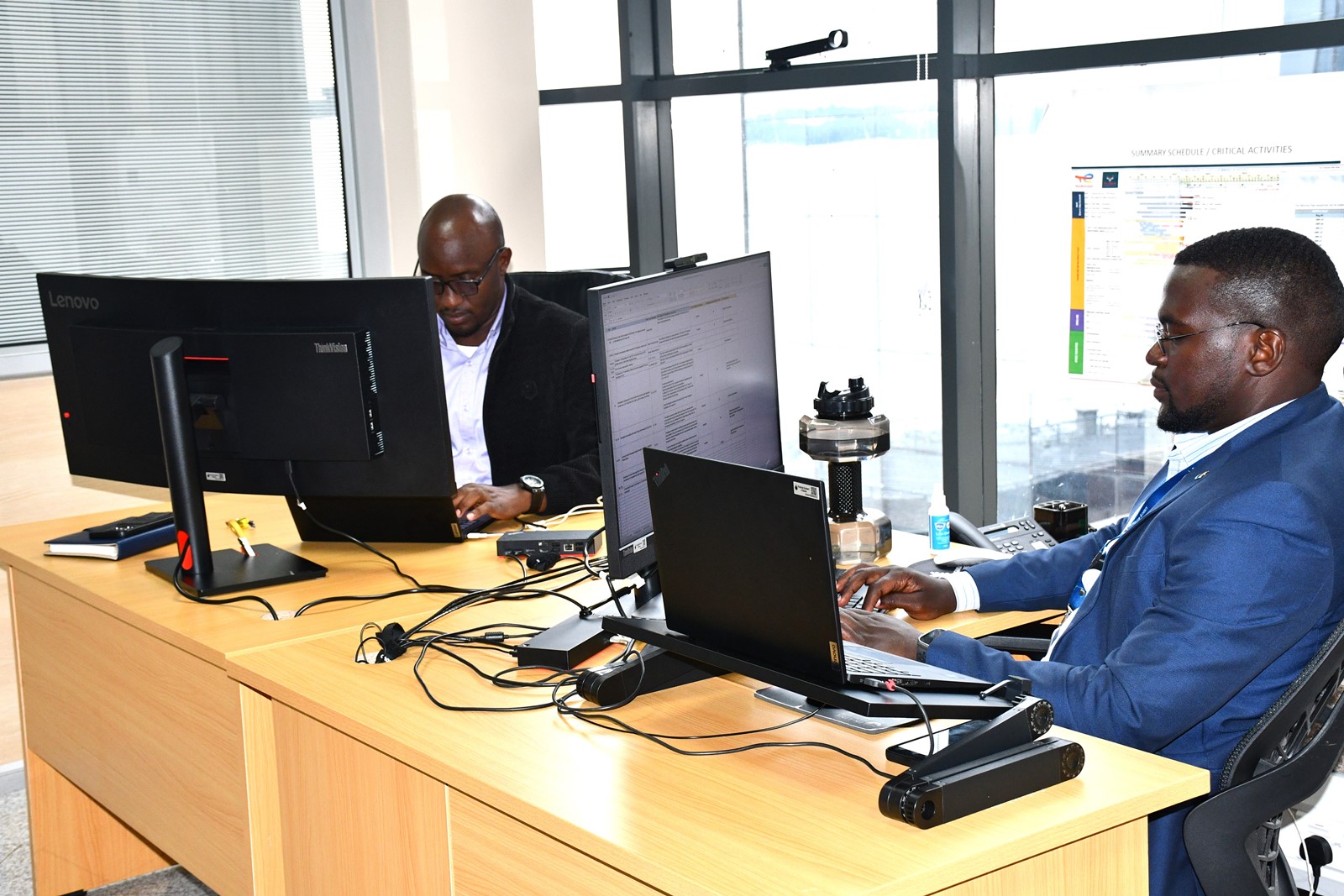
Sedrick Nuwagaba, a 35-year-old petroleum engineer, is actively contributing his expertise to the Petroleum Authority of Uganda, which regulates the oil and gas sector. He obtained his Bachelor of Science in Petroleum Geoscience and Production from Makerere University in 2021, an opportunity he accessed through the Mastercard Foundation Scholars Program. Sedrick’s educational qualifications and professional responsibilities exemplify his commitment to advancing Uganda’s oil and gas sector.
Who is Sedrick Nuwagaba?
Sedrick was born on February 1, 1990, in Kashari, located within the Mbarara district of Western Uganda. He spent his early childhood in a large family, where he faced many challenges that shaped his resilient character. By the age of 14, Sedrick had become the primary breadwinner for his immediate family, comprising his mother and two sisters. His unwavering commitment to their well-being remains evident to this day.
To support his family during these formative years, Sedrick took on a variety of jobs in his community. These early experiences cultivated in him resilience and tenacity, qualities that have significantly contributed to his success as a petroleum engineer.
Following these family challenges, Sedrick and his immediate family relocated from Kashari to a new area in what is now Lyantonde district, where they continue to reside. His journey not only reflects personal growth but also underscores a steadfast commitment to uplifting those around him.
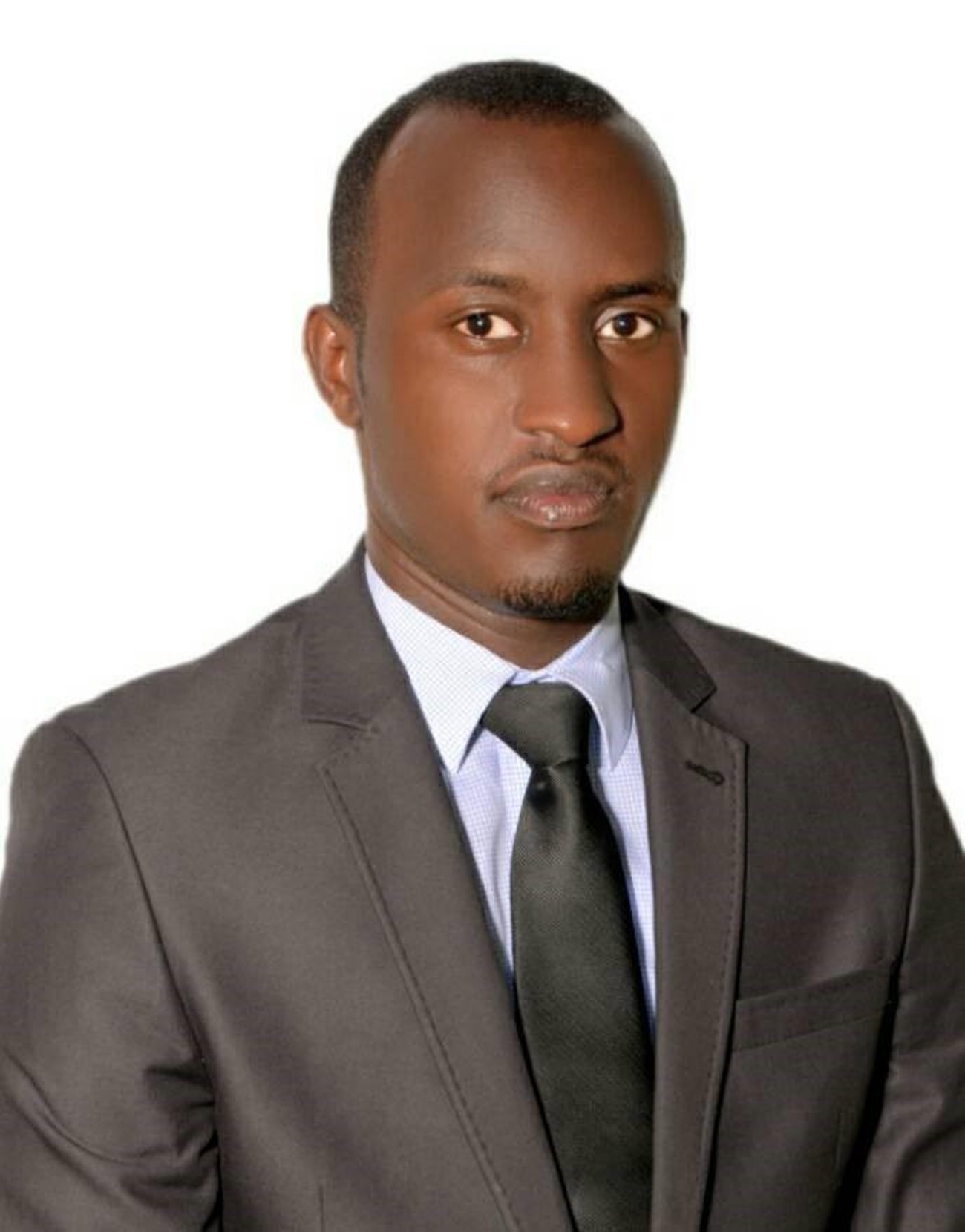
Early Education
The implementation of Universal Primary Education (UPE) in Uganda in 1997 was a pivotal development for Sedrick, facilitating his enrollment at St. Martin Lyantonde Primary School at the age of seven, which was conveniently located near his residence. Sedrick expresses deep appreciation for this initiative, commenting, “Without UPE, I might not have had the opportunity to pursue my education. It truly opened the door for me to attend school and engage in learning.” Despite confronting considerable challenges, including a lack of necessities such as food, Sedrick distinguished himself academically. He achieved top candidate status among UPE schools in his district, earning an impressive seven aggregates in the Primary Leaving Examinations—a remarkable accomplishment given the adversities he faced.
Pursuing Secondary Education
Sedrick faced significant challenges after earning 7 points in the Primary Leaving Examinations, as he was unable to secure a bursary. At that time, alternative arrangements for Universal Secondary Education were limited, which made it difficult for him to continue his education. However, demonstrating remarkable resilience, Sedrick sought work at 14 to fund his secondary education. Through his determination and resourcefulness, he enrolled at Victoria Western College, a small private school in his area, where he attended for three years, reaching Form 3.
Although financial barriers hindered his progress to Form 4, Sedrick’s journey shows his dedication to education and his ability to overcome adversity. Fortunately, his elder half-brother, a businessman in the neighbouring town of Mbarara, reached out and helped him enrol in Form 4 at Kashari Secondary School in Mbarara in 2007.
Embarking on a Journey to Iraq in Search of Opportunity
In 2008, facing difficulties in pursuing his education, Sedrick made the brave decision to take up a security job during the conflict in Iraq between 2003 and 2011. At that time, many young Ugandans were recruited to provide buffer security support to the U.S. military in Iraq. During his time in Iraq, Sedrick not only earned a stable income to support his family but also cared for his mother and funded his two sisters’ education, ultimately improving their lives. Unfortunately, his contract ended in 2010, and he had to return to Uganda to write the next chapter of his life.
Joining the Mastercard Foundation Scholars Program at Makerere University
Upon returning to Uganda after his experience in the Iraq War, Sedrick recognised that education was the key to transforming his life. With a determined mindset, he committed himself to his studies, understanding the long-lasting impact they could have on his future. Thanks to his perseverance and the relationships he had built, Sedrick obtained a bursary from a religious organisation, enabling him to resume his high school education six years after his last time in school.
In 2015, he completed his high school education at Namirembe Hillside, where he studied Physics, Mathematics, and Chemistry. With 15 points in his final exams, he was admitted to the Bachelor of Science in Petroleum Geoscience and Production program, supported by the Mastercard Foundation Scholars Program at Makerere University.
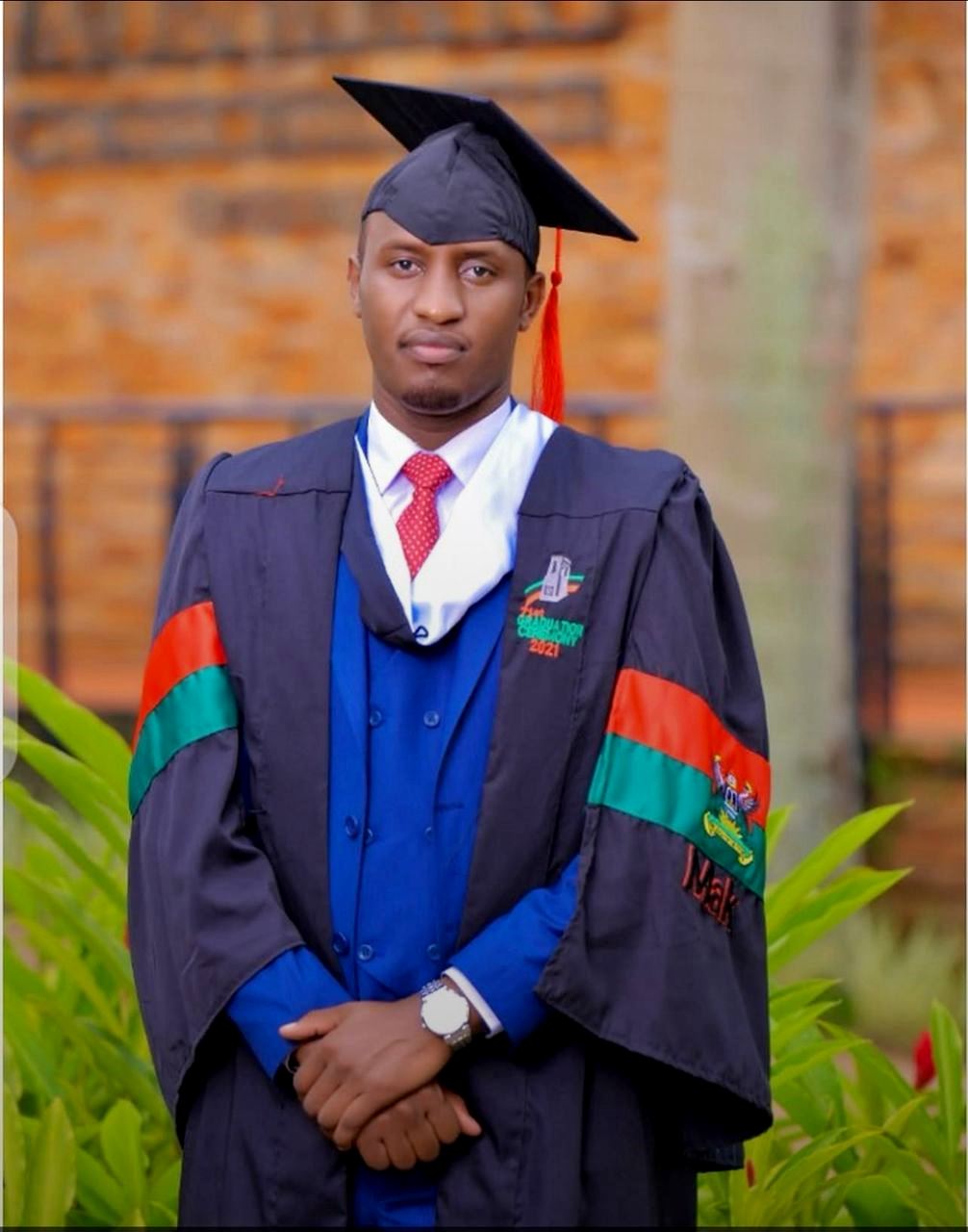
“Participating in the Mastercard Foundation Scholars Program at Makerere University significantly changed my life. For the first time, I was free from the constant worries about necessities like food and shelter. The Mastercard Foundation Scholars Program provided me with a supportive environment that allowed me to focus on my education and personal growth,” Sedrick shared.
Life After Makerere University
In 2020, after graduating, Sedrick had the opportunity to intern at the Uganda National Oil Company (UNOC) in the Reservoir Engineering section. During his internship, he demonstrated exceptional dedication and expertise in the oil and gas sector. His performance led to his promotion to a Graduate Trainee, which provided him with valuable experiential learning and expanded his exposure within the industry. This experience ultimately paved the way for his recruitment as a Petroleum Engineer at the Petroleum Authority of Uganda, where he now contributes to the regulation of petroleum exploration activities in the country.
Impact on the Community
Upon graduating from university, Sedrick took a proactive approach that set him apart from his peers. He launched Kleanerman, a social venture project designed to have a positive impact on his community. This initiative provides valuable short-term, on-demand domestic services—such as home cleaning, laundry, and babysitting—catering to the needs of busy city residents. Through Kleanerman, Sedrick has successfully created employment opportunities for several young men and women in his community of Kanyanya, fostering both economic growth and personal development.
Due to his own challenges during his educational journey, he has developed a deep commitment to helping other young people facing difficulties with school expenses. To date, he has successfully supported seven young individuals in his Lyantonde community, guiding them from primary through secondary education. His long-term goal is to establish a charitable organisation dedicated to providing young people facing barriers to education with the resources they need to access quality education.
Looking into the Future
Sedrick is dedicated to making a meaningful impact in Uganda’s oil and gas sector. He, along with his colleagues, is focused on ensuring that Uganda achieves its inaugural oil production by 2026.
“Each day, our collective efforts are directed toward successfully introducing Uganda’s first oil into the market by the end of 2026, and expanding the country’s petroleum resource base by discovering more oil reserves,” Sedrick states with evident pride. He is also committed to advancing his career in the oil and gas industry. From his earnings, he has enrolled for a Master’s degree in Petroleum Geosciences at Makerere University to deepen his skills and expertise in the sector.
Message to his fellow young people
Sedrick urges the current Mastercard Foundation Scholars enrolled in the Mastercard Foundation Scholars Program at Makerere University, as well as those at other universities, to make the most of the support provided by the Mastercard Foundation Scholars Program. He emphasises the importance of engaging in capacity-building sessions, skill development programs, mentorship opportunities, and psychosocial support. Sedrick asserts that this comprehensive support framework has been instrumental in transforming his life and shaping who he is today.
He references a quotation that has become a guiding principle in his life: “Until death, all defeat is psychological.” Through this quotation, he seeks to inspire his peers to persevere, emphasising the notion that individuals can always recover and succeed despite the myriad challenges they may encounter in their initial endeavours.
Words of Gratitude
“The impact of the Mastercard Foundation Scholars Program on my life is profound and transformative. I am sincerely grateful to the Mastercard Foundation Scholars Program at Makerere University and to the Mastercard Foundation as a whole. It is my hope and prayer that the Foundation continues to make a positive difference in the lives of numerous young individuals, particularly within the African continent.” Sedrick emphasises.
His supervisor speaks out
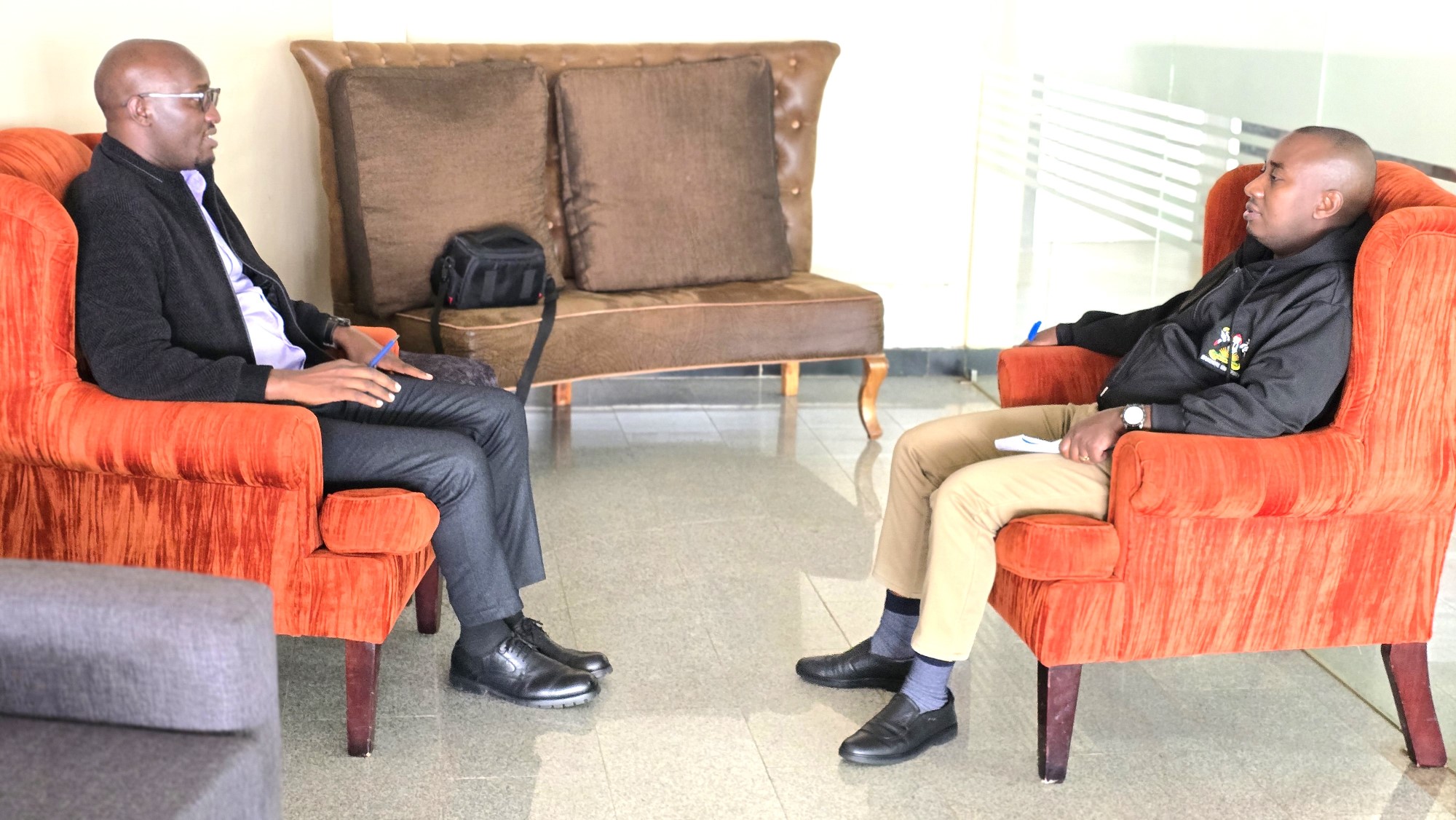
Sedrick’s immediate supervisor, Mr Derrick Katusiime, the Senior Petroleum Engineer in the Directorate of Exploration at the Petroleum Authority of Uganda, was full of praise for him both at work and outside.
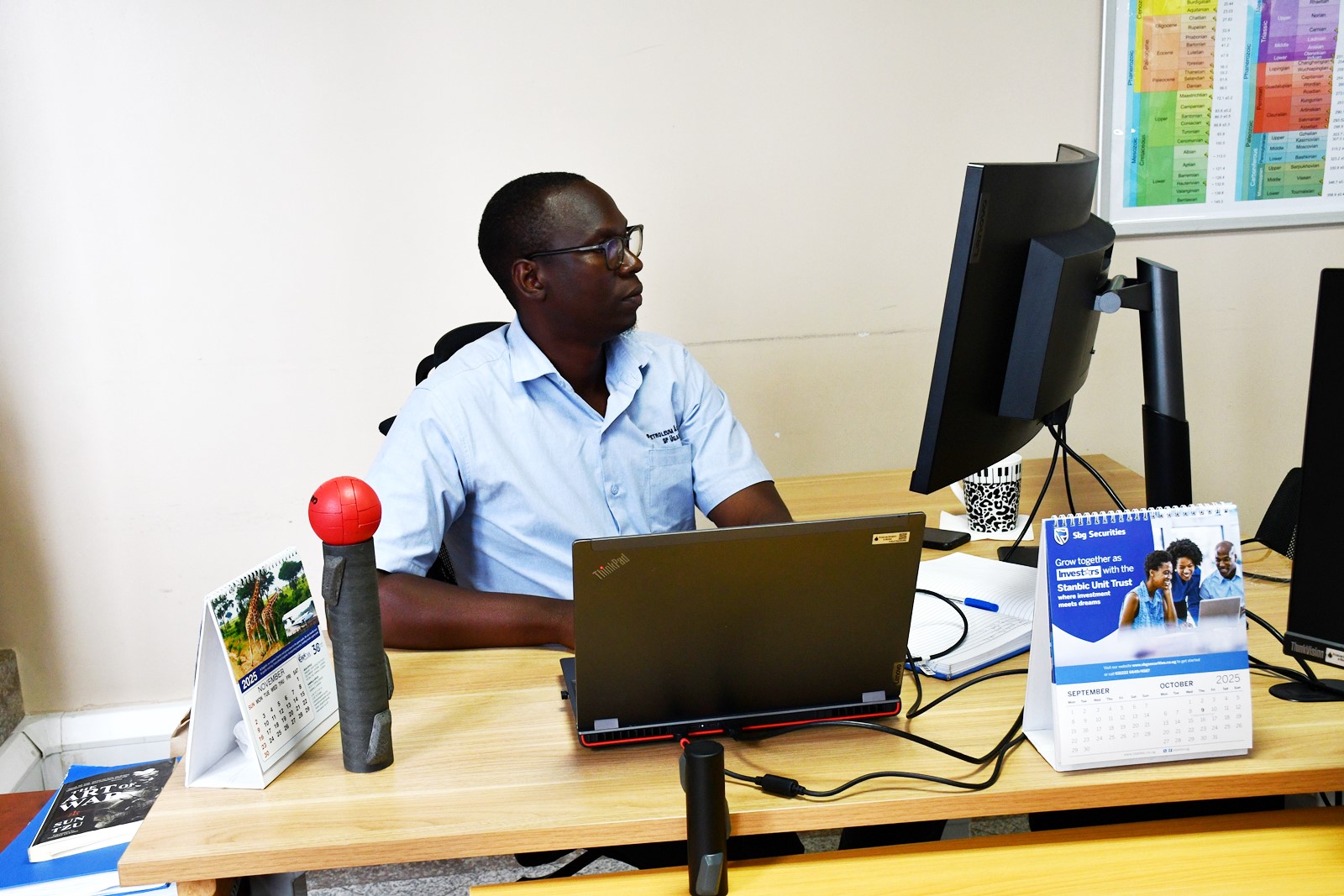
“Sedrick is very sociable and gets along well with everyone here at work, and his technical skills in just two years are impressive,” Mr. Katusiime pointed out.
Mr Katusiime further revealed that Sedrick champions values of integrity, active listening, and being an excellent team player. He goes the extra mile to complete tasks, takes on multiple responsibilities, and demonstrates humility and eagerness to learn.
Bernard Buteera is the Principal Communications Officer, Mastercard Foundation Scholars Program at Makerere University.



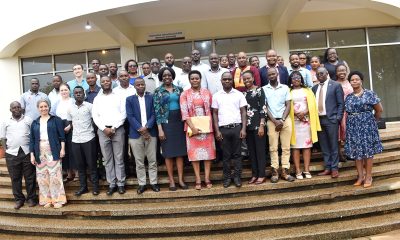

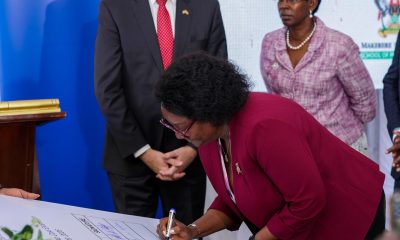

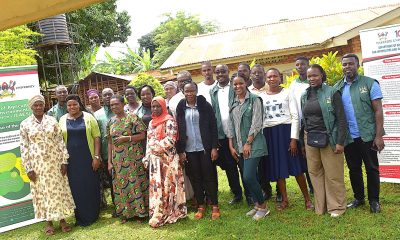


Pupils, parents and authorities at Bwera Primary School in Kabale District were filled with joy as the Mastercard Foundation Scholars Program at Makerere University, in partnership with dfcu Bank, handed over a four-classroom block to the school.
Speaking during the commissioning ceremony, one of the parents, Saison Tumukuratire, expressed gratitude for the support.
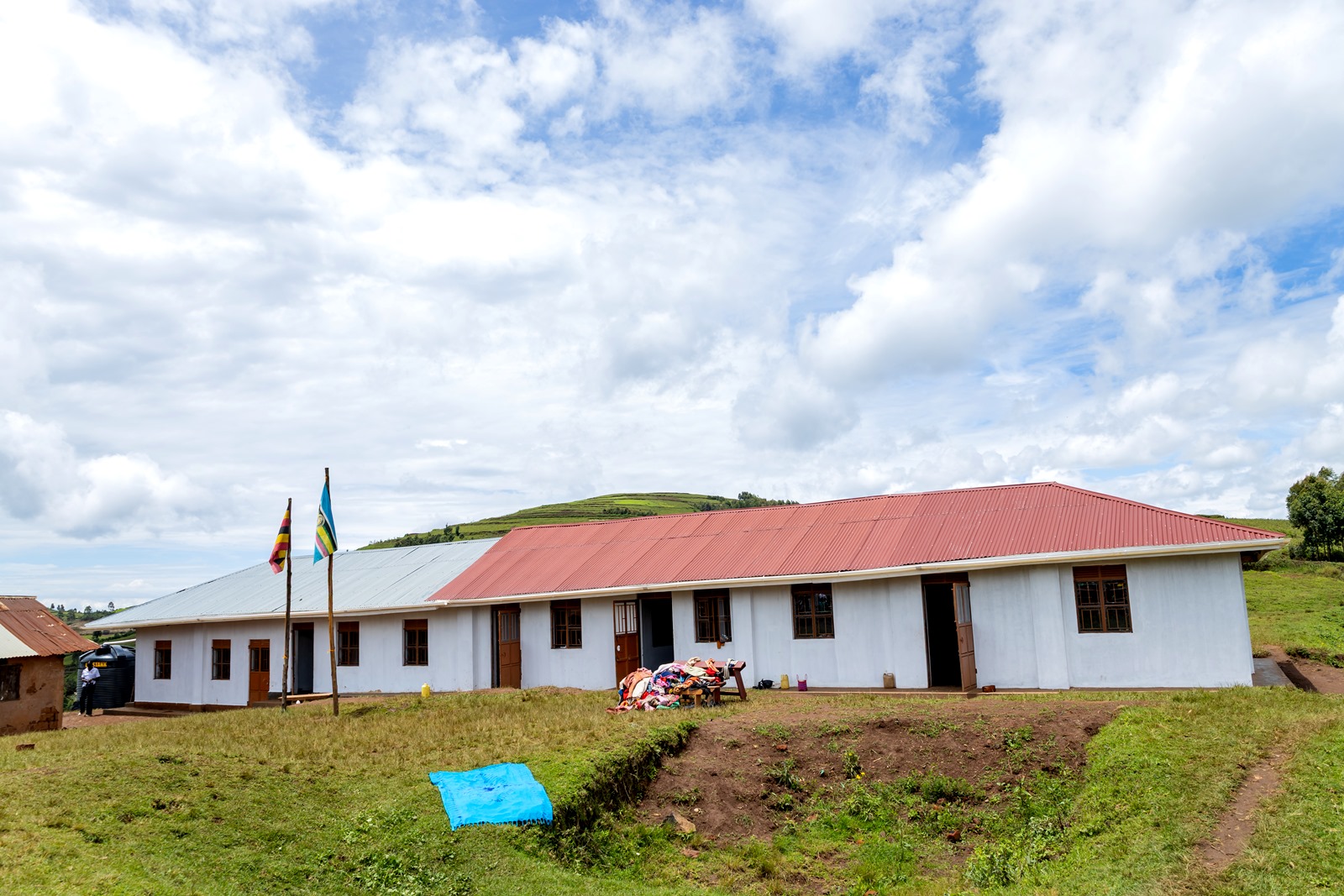
“We thank God for this gesture. Our children can now attend classes without interruptions caused by rain. Previously, whenever it rained, lessons would stop. The old building was on the verge of collapsing, had no windows, and the floor was dusty,” she said.
Uganda has made significant progress in expanding access to education through Universal Primary Education (UPE); bringing millions of children into school. However, in hard-to-reach communities, physical access and the quality of learning environments continue to shape how effectively that opportunity translates into consistent attendance and meaningful outcomes.
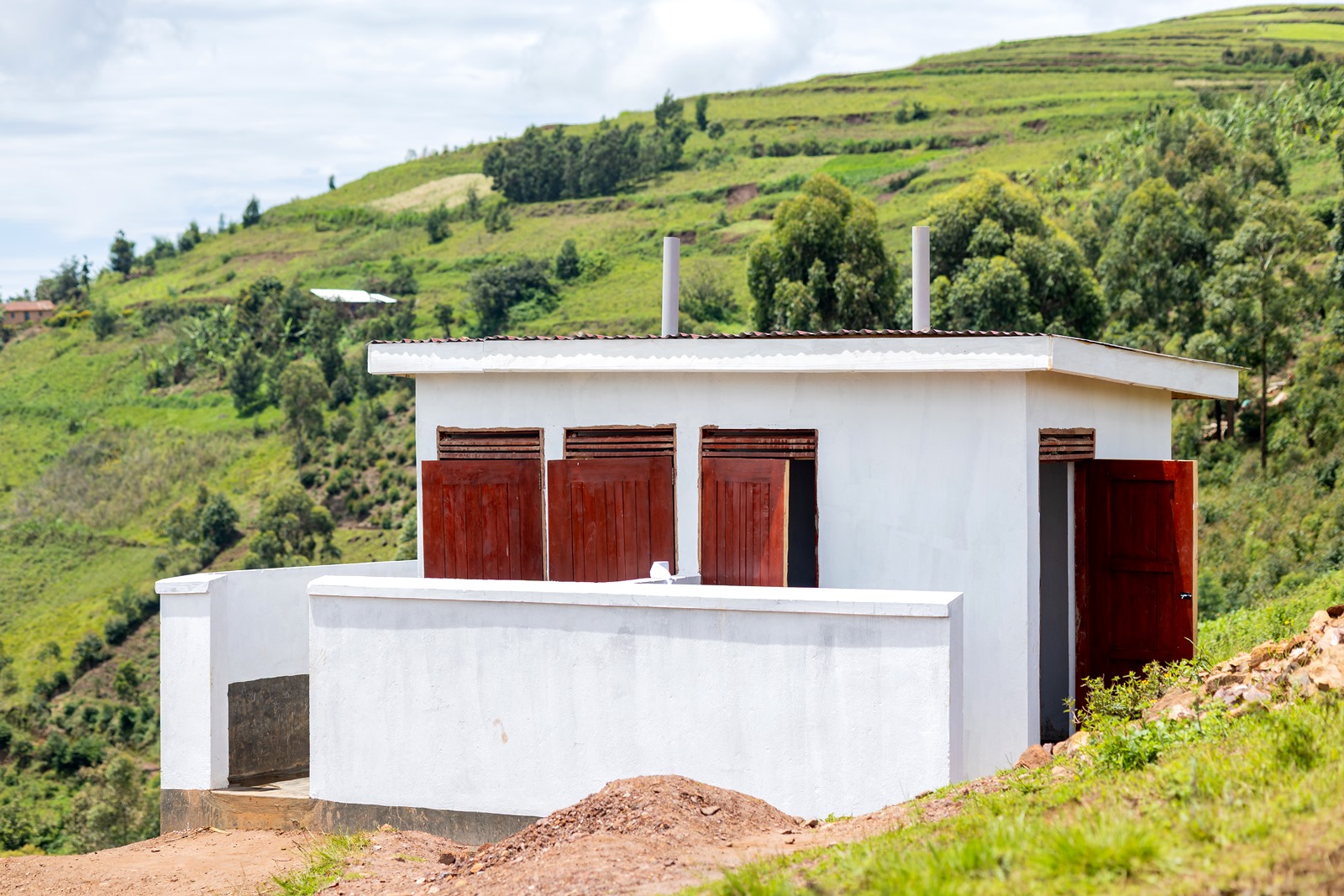
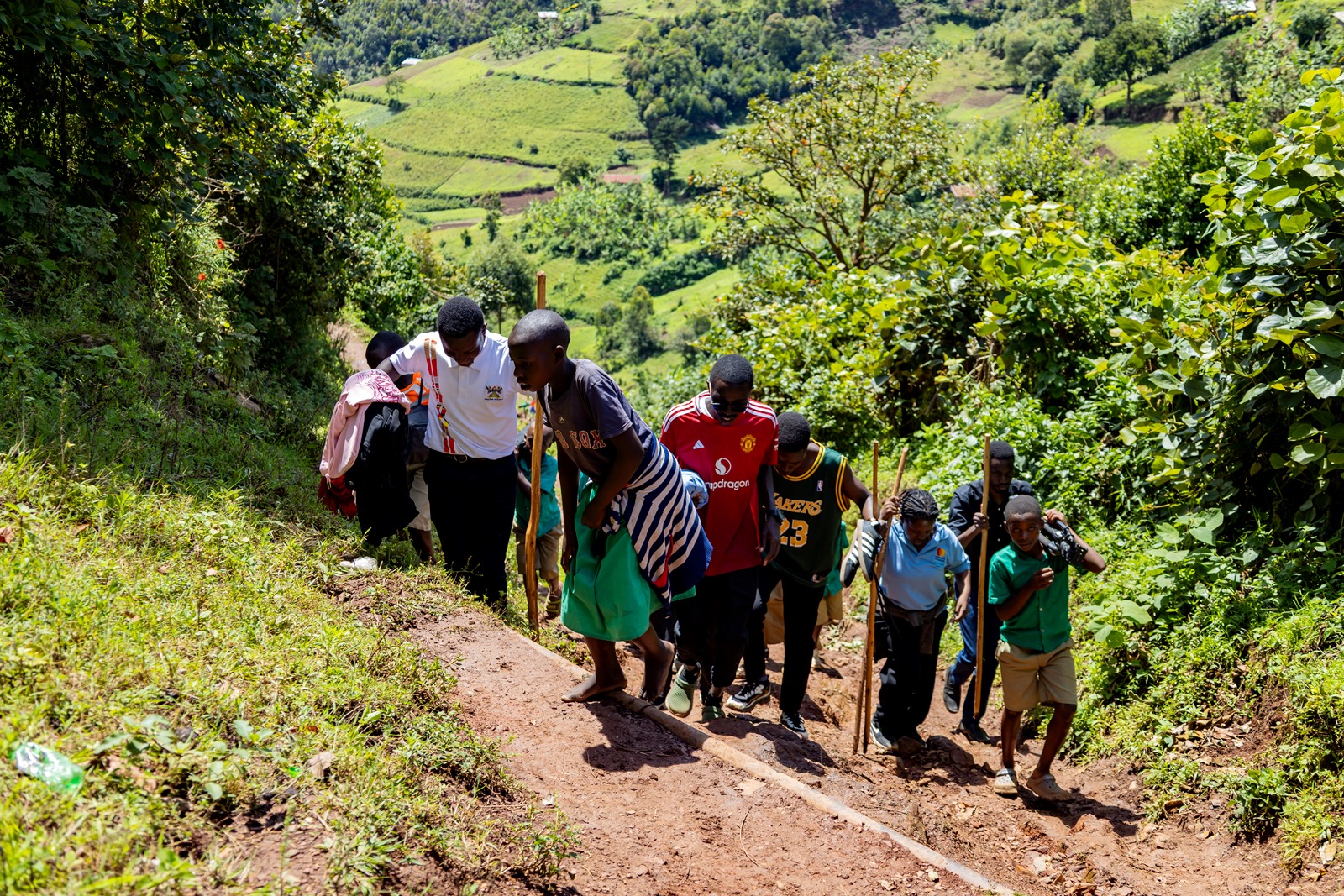
Bwera Primary School, a government-aided institution located in the remote and hard to reach village in Kahama Sub-County, has an enrollment of 275 pupils. For decades, the school has faced significant challenges related to access and infrastructure.
With no road access and limited infrastructure, the school has long struggled to provide a conducive environment for learning. Efforts to improve facilities have often been constrained by high transportation costs and logistical barriers; with some contractors previously declining to take on construction work due to the difficulty of accessing the site.
“The school structures are not sufficient for our learners, and we do not have a single staff house. We are deeply grateful to the Mastercard Foundation Scholars Program and dfcu Bank for coming to our rescue after the school’s plight was highlighted in the media,” Edson Bikorwomuhangi, the headteacher, said.
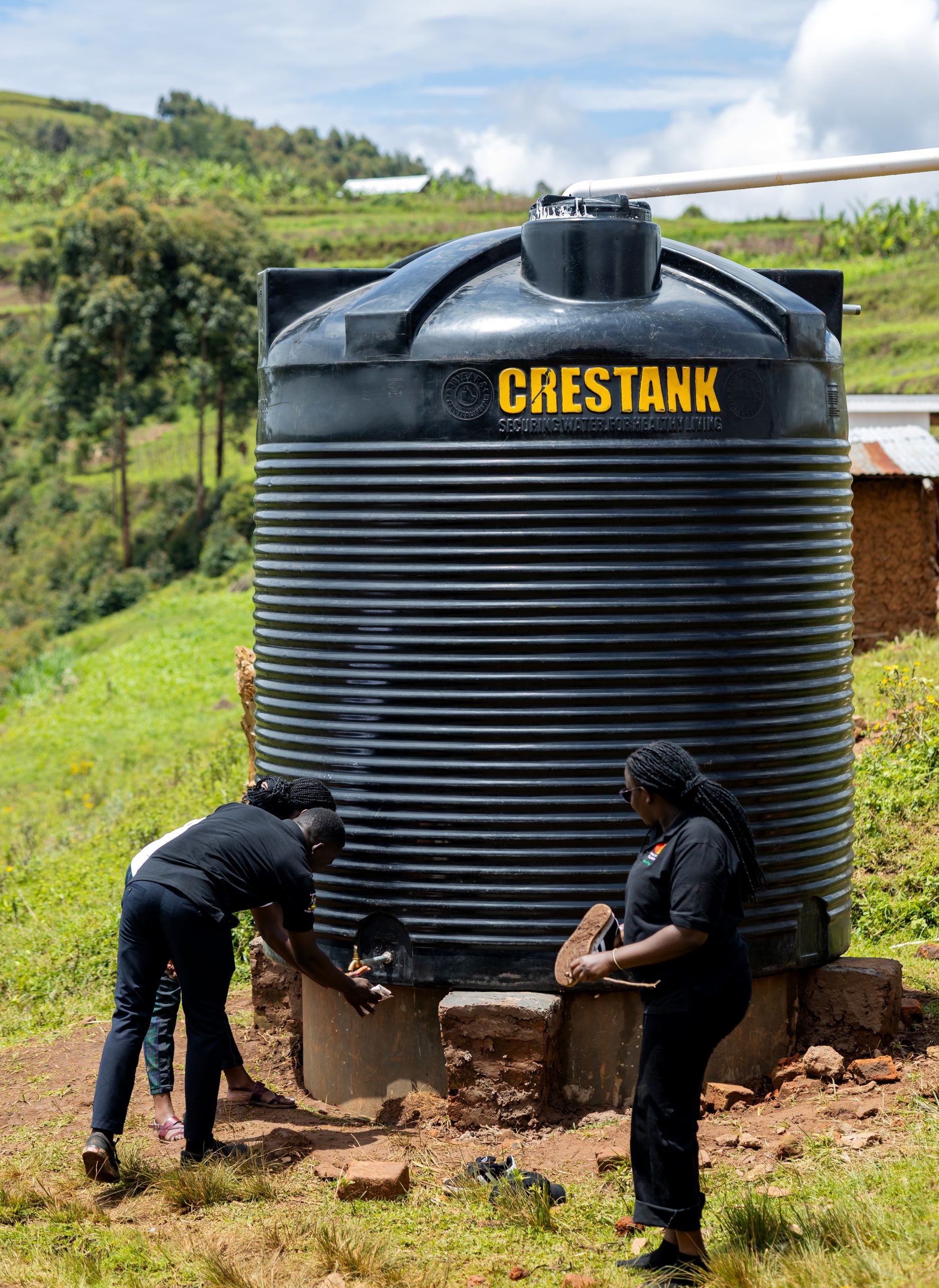
On Wednesday, April 1, 2026, the Mastercard Foundation Scholars Program at Makerere University and dfcu Bank officially handed over the new facilities. These include a four-classroom block equipped with 60 bench desks, a four-stance modern pit latrine, and a 10,000-litre rainwater harvesting system.
The new infrastructure is expected to significantly improve the learning environment and support better educational outcomes for the pupils.
Since 2014, Mastercard Foundation Scholars at Makerere University and alumni have contributed to communities across Uganda by constructing classrooms, providing clean water and supporting vulnerable communities.
Speaking at the event, Mr. Nelson Dumba, the Chairperson of the Scholars giveback Committee, noted that the event was not about commissioning structures, it is about celebrating impact, partnership and the power of giving back.
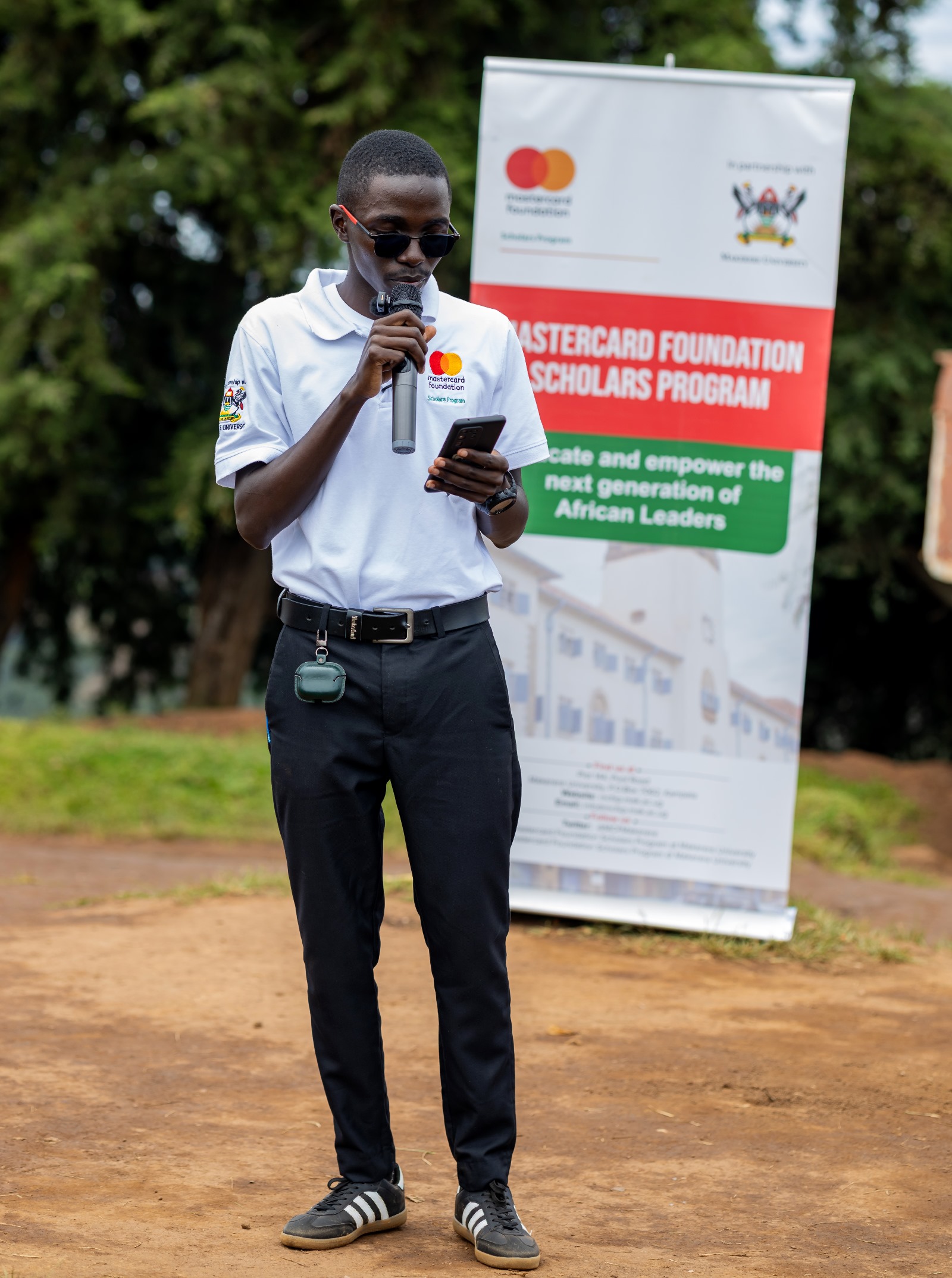
“As scholars we are deeply aware that we are beneficiaries of opportunity, and because we have been given a chance, we carry a responsibility to extend that opportunity to others and contribute meaningfully to the communities that shape us,” Mr. Dumba, said.
Mr. Dumba called upon the Bwera community to take ownership, protect the property, and ensure that it continues to serve generations to come.
“To the pupils of Bwera Primary, this investment is for you, use it well, take care of it and believe in your dreams. You are capable of achieving better outcomes,” Mr. Ddumba, said.
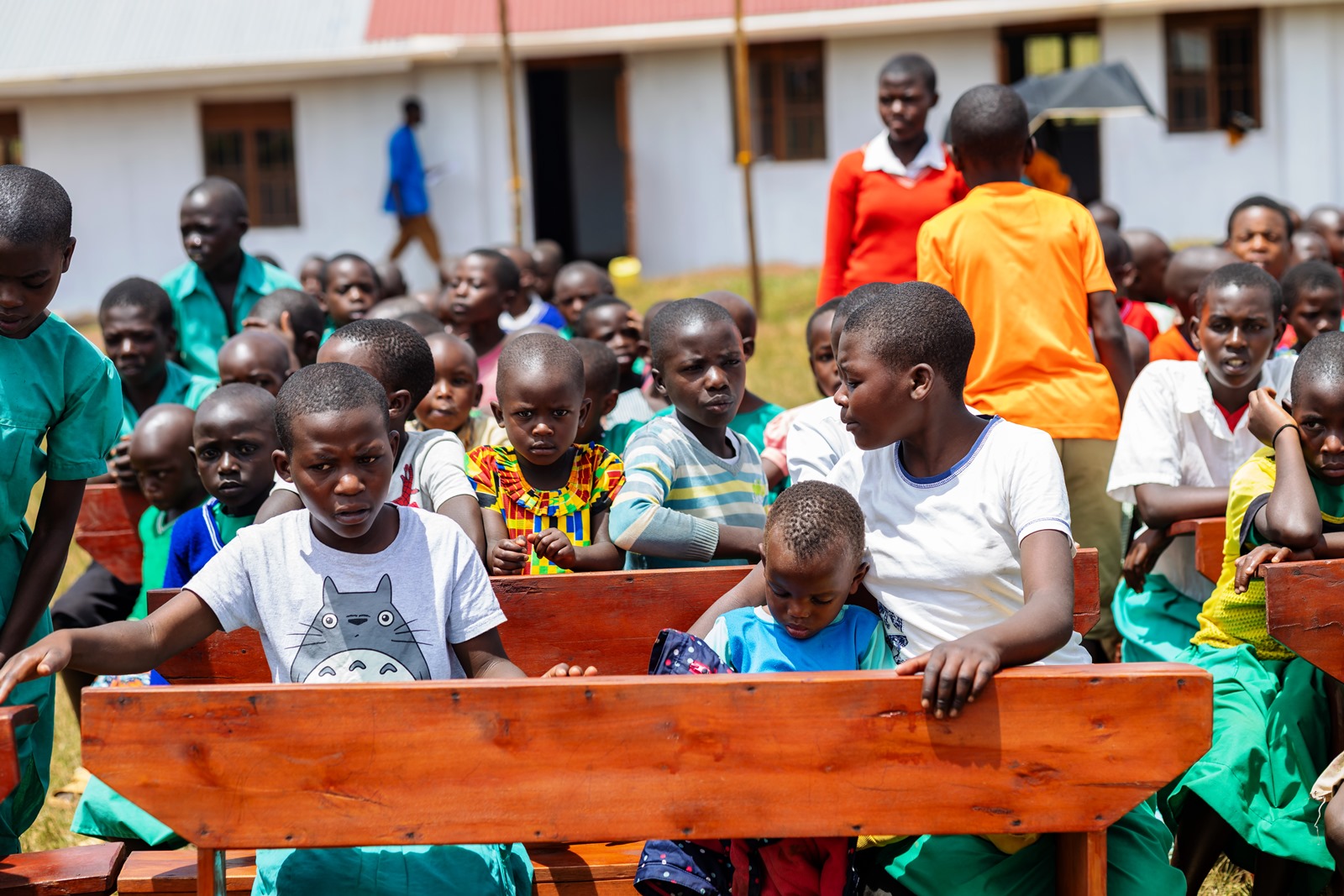
One of the central pillar of the Scholars Program is community service and giveback, grounded in the belief that leadership is best demonstrated through service to others.The Scholars Program is not only about access to education, it is about transformation and impact.
In her speech, Ms. Jolly Okumu, the Program Operation Lead of the Mastercard Foundation Scholars Program at Makerere University, noted that through mentorship and structured engagement, Mastercard Foundation Scholars are encouraged to initiate community-driven projects, improve livelihoods, promote inclusion and foster sustainable development.
“Today is not just about handing over infrastructure, it is a celebration of partnership, shared purpose and our collective commitment to improving learning environment for young people. It reflects our belief that when institutions and communities come together, we can create lasting impact and open up greater possibilities for the next generation,” Ms Okumu, said.
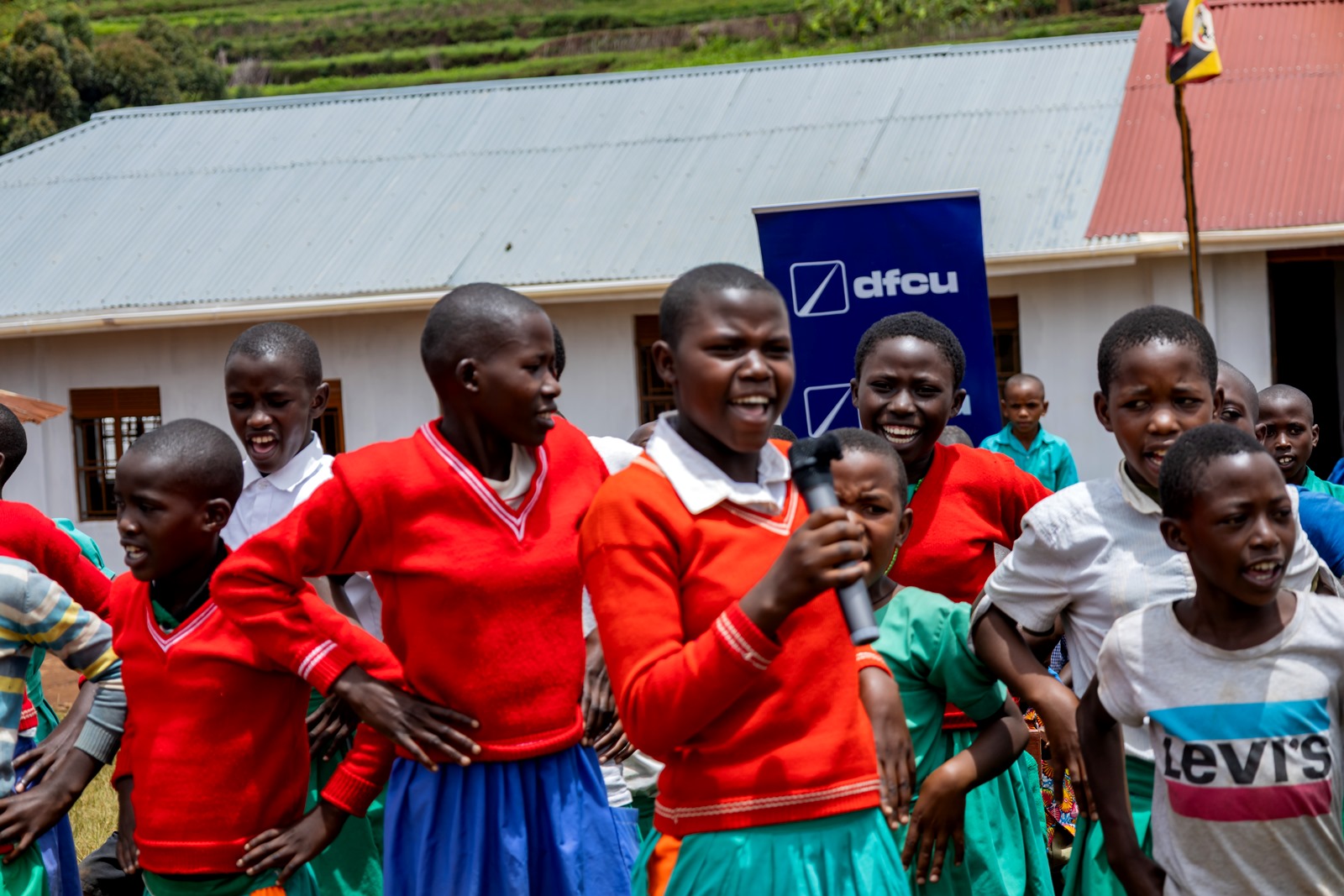
Ms Okumu extended special appreciation to the Jane Goodall Institute for providing a 10,000 litre water tank and dfcu Bank for a financial contribution of UGX 20Million used to renovate two classrooms and purchase desks.
“As we officially hand over this project, we hope these improved facilities will provide a safe environment and a space conducive for learning. Our Scholars are not just beneficiaries, they are committed to building a stronger and more inclusive communities,” Ms. Okumu, noted.
Speaking on behalf of dfcu Bank, Ms Helena Mayanja, the Head of Corporate Affairs and Sustainability, noted that the giveback project reflects the Bank’s commitment to elevate education, financial literacy and health in intended communities.
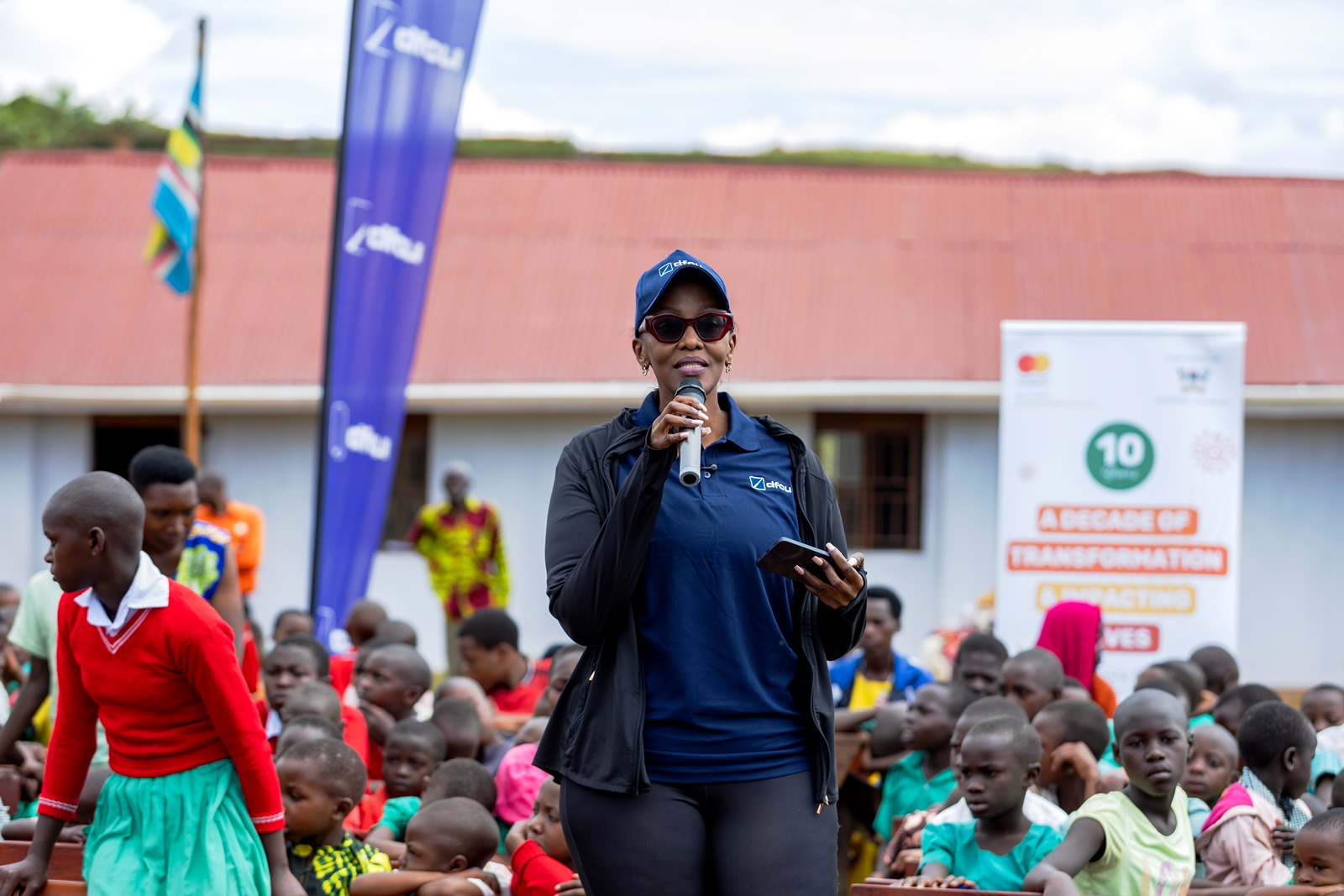
“The journey to the school itself reflects the realities these children face every day. Improving infrastructure in such communities is essential to ensuring that access to education translates into real learning outcomes,” she said.
dfcu Bank has various partnerships and programs targeting vulnerable and hard to reach communities which are aimed at elevating financial literacy, health and education.
Kabale District Education Officer, Mr. Moses Tumwijukye Bwengye welcomed the development, noting that previous efforts to upgrade the school had failed due to inaccessibility.
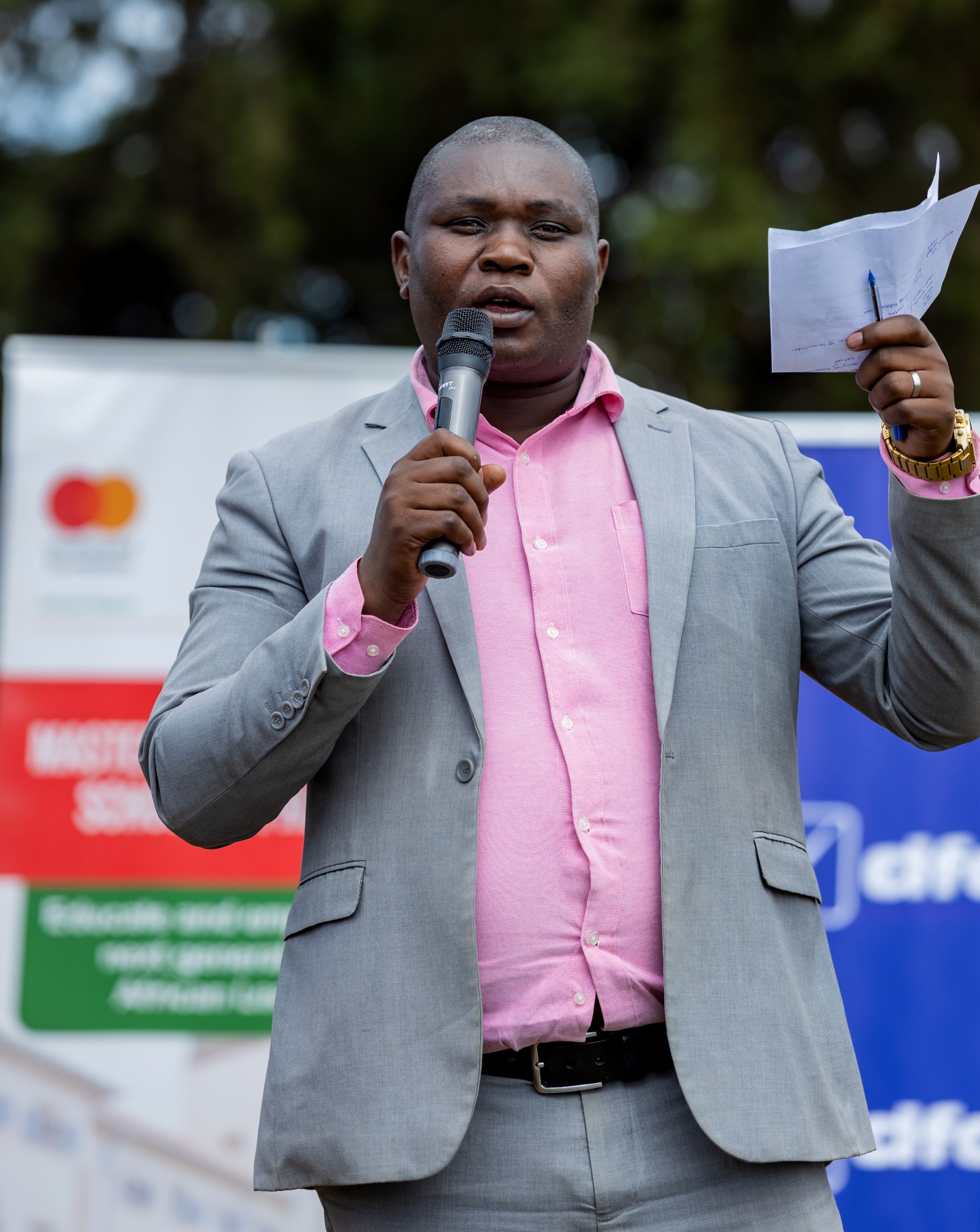
“We thank our partners for renovating this classroom, with these projects, results are going to change because now the learning is conducive. Before contractors were unable to take on the work because of the terrain. Partnerships like this are important in unlocking development in hard-to-reach communities and improving education outcomes,” Mr. Tumwijukye, said.
Parents speak out
Evidence Tumwebaza, who has a child in Primary One noted that the infrastructures are going to help them improve the school’s sanitation.
“The tank is big and I am happy that my child will now study in a conducive environment and will have clean water for drinking,” Tumwebaza, said.
Ann Turyasima, a parent and former pupil said that the project is going to help pupils to stop carrying water from a long distance.
“These pupils have been moving from down the valley to go and fetch water for the school but now everything is here. They can now concentrate in school.”
General
Mastercard Foundation Scholars Program at Makerere University Celebrates the Last Cohort of Phase One Graduates
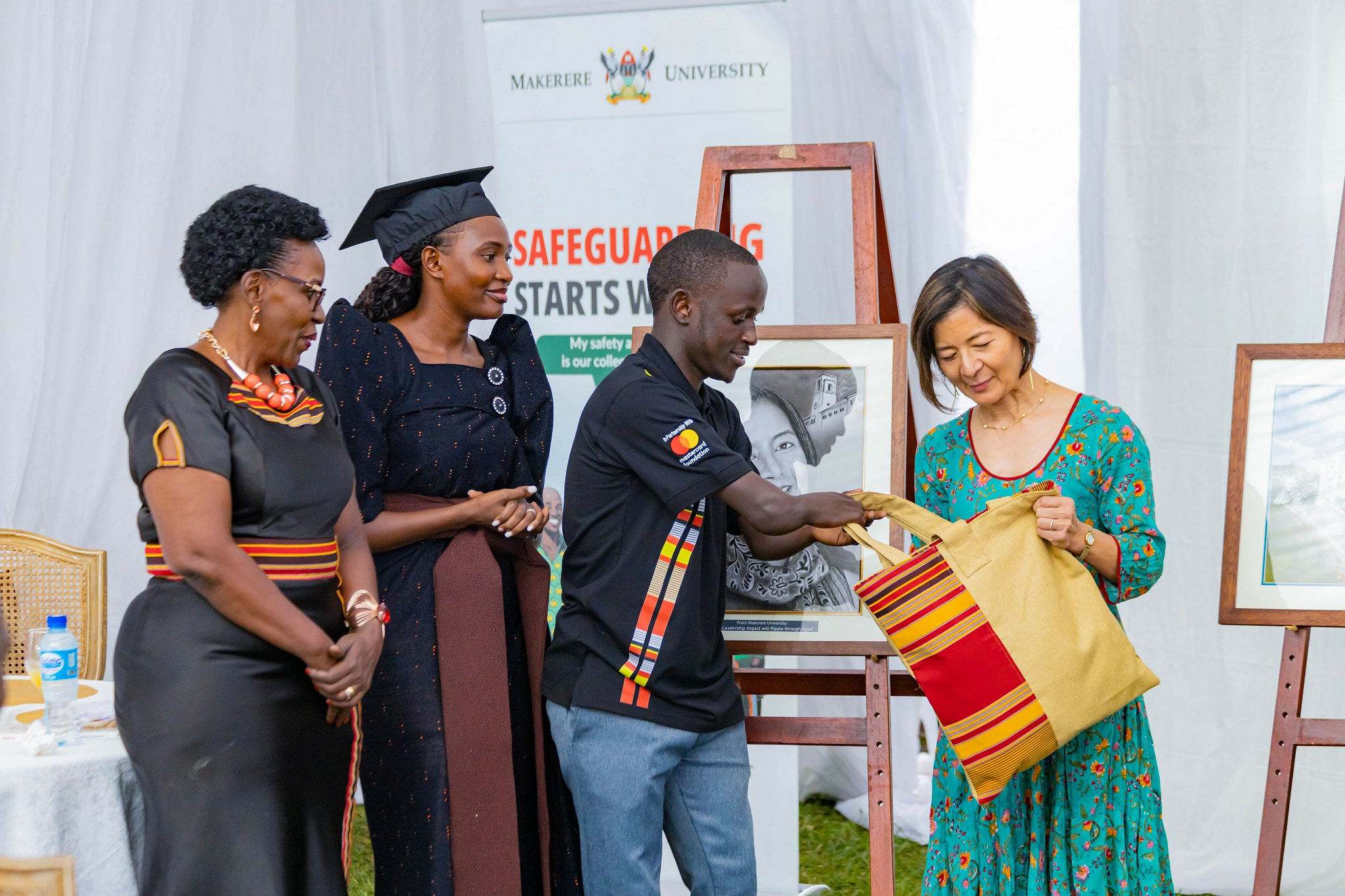
At the just-concluded 76th Graduation Ceremony at Makerere University, which took place between 24th and 27th February 2026, the Mastercard Foundation Scholars Program at Makerere University celebrated the graduation of the final Cohort of 10 Mastercard Foundation Scholars from the first phase of the Mastercard Foundation Scholars Program (2013-2023). This brings the total number of graduates from Phase One to 974 out of the 1,032 Mastercard Foundation Scholars recruited.
Who are these 10 graduates, and what are their dreams and aspirations?
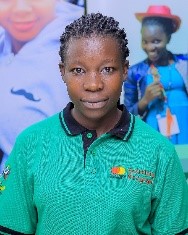
ACOLA Jackline graduated with a Bachelor of Science in Conservation Biology from the College of Natural Sciences. Her passion for nature and commitment to addressing environmental issues, including degradation, pollution, and the unsustainable exploitation of natural resources, have motivated her to pursue a career in conservation. As a conservation biologist, Jackline’s primary objective is to ensure that natural resources and the environment are preserved in their pristine state. She is dedicated to promoting sustainable resource utilisation and advocating for eco-friendly business practices. To achieve this, she plans to implement comprehensive conservation education initiatives for the general public.
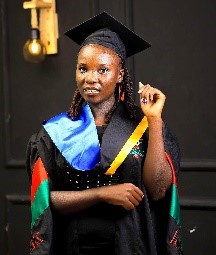
AJIAMBO Eunice graduated with a Bachelor of Commerce. She is motivated and detail-oriented, with a strong academic foundation in accounting, taxation, finance, and business management. Her programme provided her with practical knowledge and analytical skills relevant to today’s dynamic commercial environment. During her academic journey, she developed a strong interest in taxation and financial compliance. She undertook coursework and case studies that enhanced her understanding of corporate taxation, value-added tax, financial reporting, and business decision-making. These experiences strengthened her ability to analyse financial information, interpret regulations, and apply commercial principles effectively. Eunice aspires to build a professional career in finance and taxation, with a focus on tax advisory, revenue administration, and corporate finance. She is passionate about ethical business practices and believes that effective financial management and tax compliance are essential for sustainable economic growth.
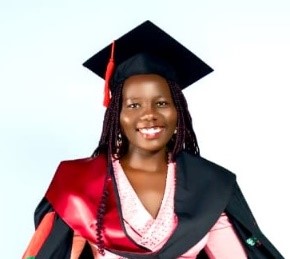
Dr. AKITE Flowrence graduated with a Bachelor of Veterinary Medicine, a testament to resilience and support. Losing her father at a young age could have derailed her aspirations, but instead, it fueled her determination to succeed. Throughout her academic career, she received encouragement and assistance from generous individuals who recognised her outstanding academic achievements. As a Mastercard Foundation Scholar, she not only excelled academically but also actively engaged in her community, treating animals as she gained experience as a vet student. In her hometown of Dokolo, Northern Uganda, she has played a vital role in treating animals and enhancing the health and welfare of local livestock.

AUMA Barbra attained a Bachelor of Arts with Education, representing a significant milestone in her educational journey. Hailing from a modest family of eight children, she faced numerous challenges on her path to higher education, particularly after her father, a security guard, was unable to fund her university tuition following her Senior Six. Consequently, her graduation not only signifies a personal accomplishment but also embodies a remarkable triumph over adversity. Her academic excellence earned her a place in the Mastercard Foundation Scholars Program at Makerere University, a pivotal opportunity that enabled her to pursue her dreams. Barbra is particularly dedicated to advocating for girls’ education.
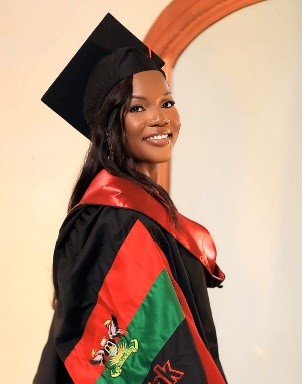
Dr. BABALANDA Immaculate is a dedicated veterinary professional who recently completed her Bachelor of Veterinary Medicine. Throughout her studies, she maintained a strong focus on animal health, food safety, and sustainable livestock systems. Passionate about agricultural innovation, she founded the Green Grub Revolution Project, which promotes black soldier fly larvae as a sustainable, cost-effective alternative to traditional poultry feed. Her work focuses on bridging the gap between scientific research and grassroots community needs. Currently, through her Fellowship at the International Livestock Research Institute (ILRI-Nairobi), Immaculate is strengthening her research and leadership in one health and climate-smart livestock production. She envisions a career at the intersection of veterinary medicine and agricultural innovation, where she can scale sustainable feed alternatives and contribute to resilient food systems across Africa.
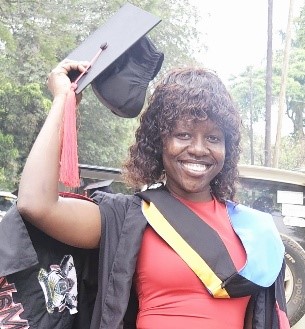
MAZAPKWE Vicky proudly earned her Bachelor of Business Administration, showcasing the remarkable outcomes of determination and resilience in overcoming adversity. Having lost both parents at a young age, pursuing higher education seemed an unattainable dream. However, with her auntie’s unwavering support, she successfully completed her primary and secondary education. Her dedication and academic excellence earned her a place in the Mastercard Foundation Scholars Program, paving the way for her academic journey at Makerere University. Now equipped with her degree, Vicky has set her sights on becoming a successful businesswoman while nurturing her passion for storytelling as a film writer and director. She is grateful for the opportunities provided by the Mastercard Foundation Scholars Program, which not only empowered her but also inspired her to launch a project that supports orphans in her community.

NAMATOVU Noeline graduated with a Bachelor of Business Administration. A daughter of a single mother, her graduation is both a joy and big relief to her mother.
After the loss of her father, she received invaluable support from a priest, a friend of her late dad.
“The priest took me to school and covered my fees until I completed Senior Six. Although he couldn’t help with university expenses, it motivated me to seek a scholarship, and the Mastercard Foundation Scholars Program at Makerere University enabled me to pursue my university education.” Namatovu shares. Initially aspiring to be a doctor, she found the sciences challenging and shifted her focus to accounting, where she plans to major and pursue professional qualifications. Her achievements have inspired young people in her community.
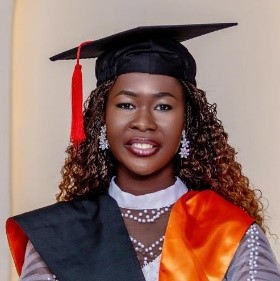
NAMIYINGO Christine graduated with a Bachelor of Arts with Education, majoring in Economics. Her academic journey has been challenging, particularly given her experience with bipolar disorder; however, she is grateful for the support she has received from the Mastercard Foundation Scholars Program team at Makerere University. She is keen to pursue a Master of Business Administration (MBA) to strengthen her expertise in Business Management and realise her aspiration of becoming an entrepreneur. Beyond her academic pursuits, Christine is deeply committed to her faith, which she considers a significant factor in her success. She is also dedicated to assisting those in need, guided by a belief that acts of generosity are rewarded. Inspired by accomplished individuals, she actively seeks mentorship to foster her personal development.

NAMONGIN Alice is a dedicated development practitioner, climate justice advocate, and youth leader from Uganda’s Karamoja region. As a Mastercard Foundation Scholar at Makerere University, she earned a Bachelor of Science in Business Statistics, with a focus on research and social entrepreneurship. She founded the Nurture HER Initiative, a youth-led venture that promotes climate resilience and girls’ education in Indigenous communities. She has trained over 70 Indigenous youth volunteers, supported climate education in schools, and promoted sustainable solutions. With interests in climate policy, entrepreneurship, and community solutions, Alice aspires to influence policies that prioritise Indigenous knowledge and youth participation. She enjoys mentoring young girls, public speaking, and using storytelling to drive social change.
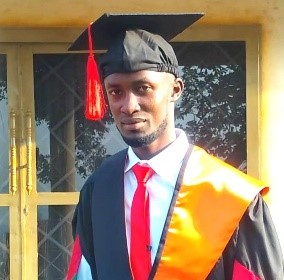
NVIRI Robert graduated with a Bachelor of Arts with Education. Throughout his academic career, he has demonstrated a strong commitment to education, leadership, and community development. His enthusiasm for teaching and empowering his peers has motivated him to pursue a career dedicated to improving Uganda’s education system, focusing on integrating modern teaching methodologies and digital tools to enrich the learning experience. Robert aspires to become a transformative educator who inspires students to engage in critical and creative thinking. He is particularly passionate about improving access to education for under-served communities and firmly believes in education’s capacity to foster social change. In addition to his academic endeavours, Robert has actively tutored children facing social and economic barriers and organised mentorship programmes for young people, thereby reinforcing his dedication to community service.
How did the Mastercard Foundation Scholars Program journey start at Makerere University? The Program Director, Prof. Justine Namaalwa, shares the highlights.
Phase One of the Mastercard Foundation Scholars Program (2013-2023)
In 2013, Makerere University entered into a transformative partnership with the Mastercard Foundation to nurture the next generation of leaders in Africa. This initiative is designed to empower young people to drive positive change in their lives, their communities, and across the continent. The Mastercard Foundation Scholars Program places strong emphasis on enabling young people to shape new narratives and pursue meaningful aspirations.
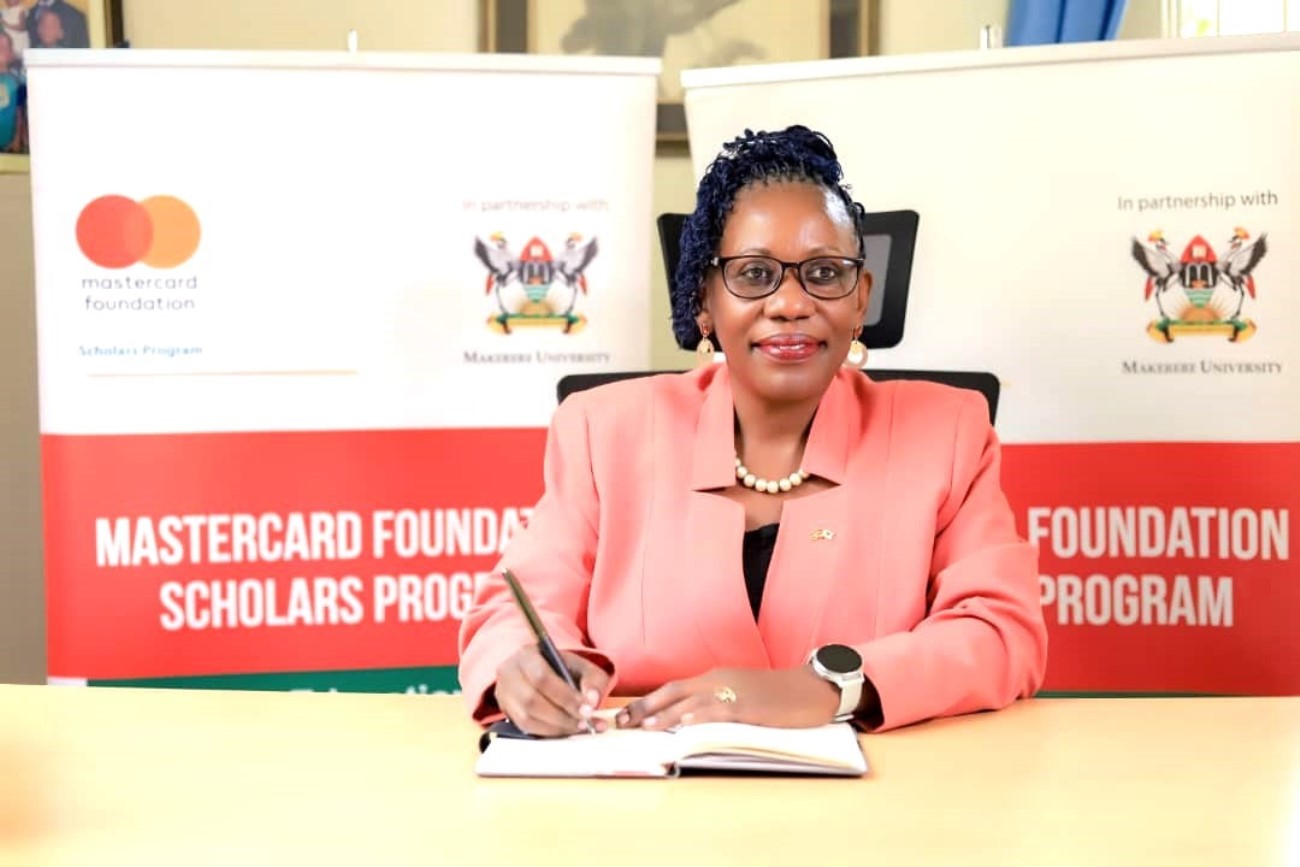
Through this collaboration, Makerere University has successfully implemented two phases of the Mastercard Foundation Scholars Program. The first phase of the Mastercard Foundation Scholars Program was implemented from 2013 to 2023. Under this phase, 1,032 Mastercard Foundation Scholars were recruited and educated at Makerere University, of which 974 graduated and are contributing in various capacities within their communities.
Phase Two of the Mastercard Foundation Scholars Program (2023-2034)
In December 2023, the partnership was renewed, and the second phase of the Mastercard Foundation Scholars Program is currently being implemented at Makerere University and will run through 2034. Building on the first phase, the University is committed to fostering inclusion and ensuring equitable access in this phase. To support this goal, specific scholarship quotas have been established for the following groups:
- Refugees and Internally Displaced Persons (25% of the Scholarships)
- Young People living in Refugee-Hosting Communities (5% of the Scholarships)
- Young People from Underrepresented Ethnic Groups in Uganda (5% of the Scholarships)Young People Living with Disabilities (25% of the Scholarships)
- International Students (10% of the Scholarships)
- Other Ugandan Nationals facing financial barriers to pursuing University Education (30% of the Scholarships)
What has been the individual impact of Phase One graduates of the Mastercard Foundation Scholars Program?
To date, 974 Mastercard Foundation Scholars have graduated, proudly joining the Makerere University Alumni community.
Notably, 48% of these Mastercard Foundation Scholars Program Alumni have secured formal employment, demonstrating successful integration into the workforce. Furthermore, 18% have launched their own businesses, not only creating jobs for themselves but also generating opportunities for other young people and driving local economic transformation. The Mastercard Foundation Scholars Entrepreneurship Fund (SEF) supported 46 ventures by the end of 2025, proving that start-ups are indeed a crucial solution to combating youth unemployment.
In addition, 8% of the Mastercard Foundation Scholars Program Alumni are gaining essential work experience through internships facilitated by Transition Partners. Meanwhile, 5% are pursuing further study in Master’s, Postgraduate Diploma, and PhD programmes, reflecting their commitment to personal and professional growth.
In total, 72% of the Mastercard Foundation Scholars Program Alumni are actively engaged in productive employment or entrepreneurship. This data clearly shows that investing in young people generates tangible economic and social returns.
The remaining 12% are part of other young people in Uganda with university degrees who are facing challenges entering the world of work. These young people need support and systems to translate their career navigation journeys into meaningful engagements.
What has been the impact on the Communities?
Communities have greatly benefited from the Mastercard Foundation Scholars’ Give Back initiatives, including the establishment of safe water sources, the construction of classrooms, and the planting of trees for environmental protection. These efforts reflect a commitment to empowering young people, positively impacting communities, and showcasing the potential of African universities for a sustainable future. Mastercard Foundation Scholars and Alumni implement one impact project each year on the Annual Day of Service, which allows them to showcase skills in organisation, mobilisation, and teamwork. Since 2014, Mastercard Foundation Scholars have implemented various community projects, as highlighted below.
- In 2023, Achukudu Primary School in Napak District made significant strides by constructing a two-room classroom block, complete with desks and benches, enhancing the learning environment for its students.
- In 2022, St. Katherine Primary School in Agago District contributed to its community by building a two-room classroom block alongside a new pit latrine, improving facilities for both students and staff.
- In 2021, the Bulamwaki community in Iganga District saw valuable initiatives: a borehole was completed, and 56 jerrycans were donated to local women, promoting access to clean water.
- In 2020, Mastercard Foundation Scholars made a positive impact in the Kyangwali Refugee Settlement in Kikuube by providing essential COVID-19 protective materials, distributing sanitary pads, promoting tree planting, and offering career guidance to the community.
- In 2019, efforts at Salama School for the Blind in Mukono included planting trees and erecting a protective fence around the school, creating a safer and more welcoming environment for students. At Kibaale Primary School in Mityana, activities included general cleaning, tree planting, and the completion of a two-room teacher’s residence.
- In 2018, Mastercard Foundation Scholars donated learning materials, nappies, and food items, supported feeding activities and carried out general cleaning at Kampala School for children living with disabilities.in Kampala.
- In 2017, Mastercard Foundation Scholars constructed and renovated classroom blocks, dug a rubbish pit, and cleared a community well at Muzinda Primary School, and raised awareness on hygiene at Mbuya Gizaza Community in Nakawa. Additionally, they built a wooden classroom, renovated a latrine, cleaned the area, and planted trees at St. Charles Lwanga Primary School in Mukono.
- In 2015, Mastercard Foundation Scholars planted trees, undertook general cleaning, painted the buildings, and carried out electrical installations and repairs at Kireka School of Children with Special Needs in Kampala.
- In 2014, the first cohort of Mastercard Foundation Scholars dug a rubbish pit and a borehole trench, washed children’s clothes, supported feeding activities, carried out general cleaning and compound slashing, and donated foodstuffs, nappies and laundry detergents to Mercy Child Care Centre in Wakiso.
Giving back to the community has been, and continues to be, a core aspect of the Mastercard Foundation Scholars Program, which fosters a culture of giving through individual and group initiatives. As Nelson Mandela rightly puts it:
“What counts in life is not the mere fact that we have lived. It is what difference we have made to the lives of others that will determine the significance of the life we lead”. He also championed community service, noting that “we can all do more to reach out, take care, and serve the well-being of others”.
Bernard Buteera is the Principal Communications and Public Relations Officer of the Mastercard Foundation Scholars Programme at Makerere University.

-

 General1 week ago
Application for Admission to Graduate Programmes 2026/27
-
 General2 weeks ago
Custodians and Wardens trained on Fire prevention in Halls of Residence
-
 Education2 weeks ago
Makerere University Charts New Future with the unveiling of the Open, Distance and E‑Learning Building and Strategic Plan
-
 General6 days ago
Mastercard Foundation Scholars Program at Makerere University Celebrates the Last Cohort of Phase One Graduates
-
 General2 weeks ago
Celebrating a Life of Loyal and Distinguished Service