
Agriculture & Environment
CAES Freshers Urged to Embrace University Life with Purpose and Focus

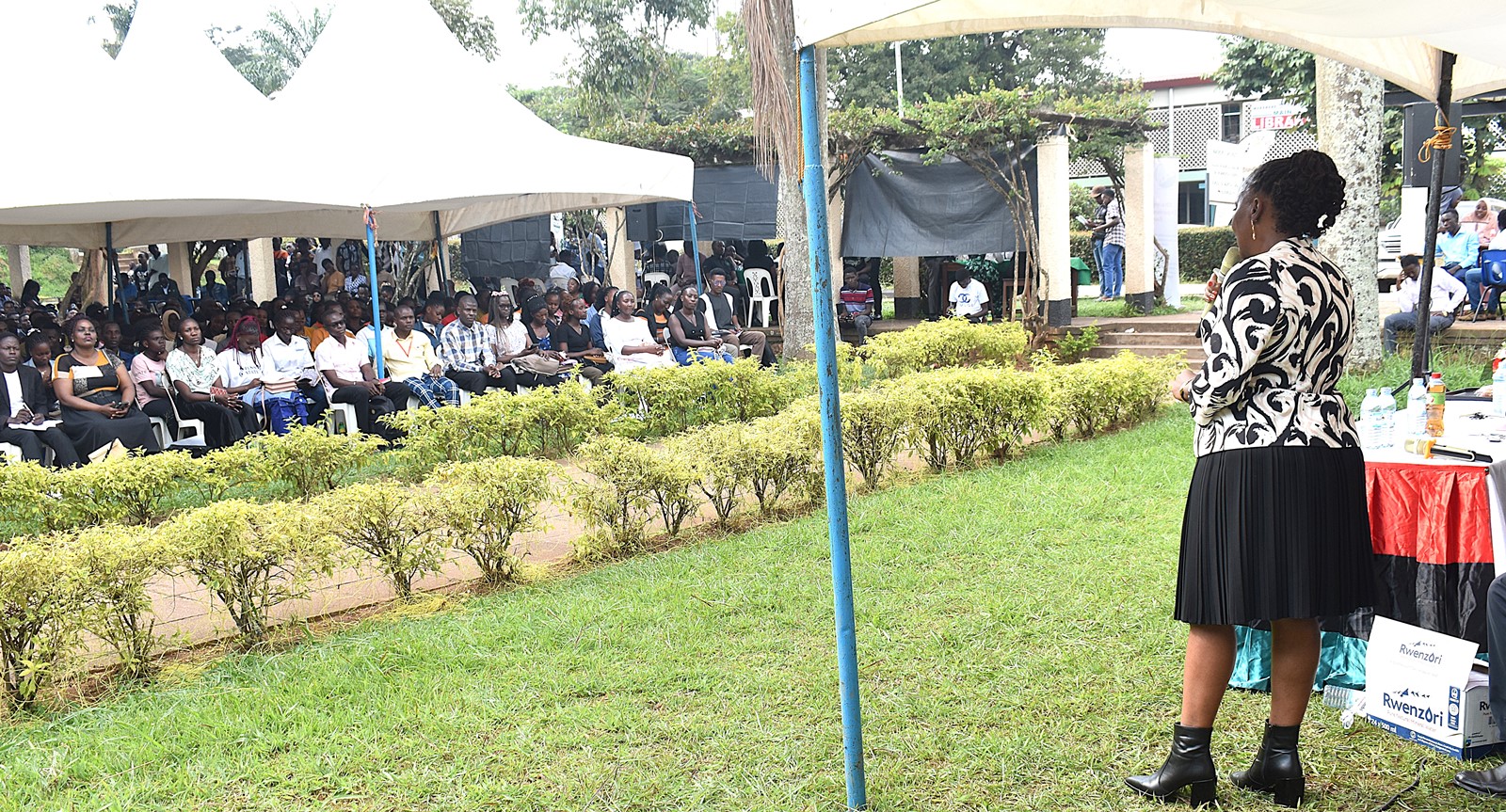
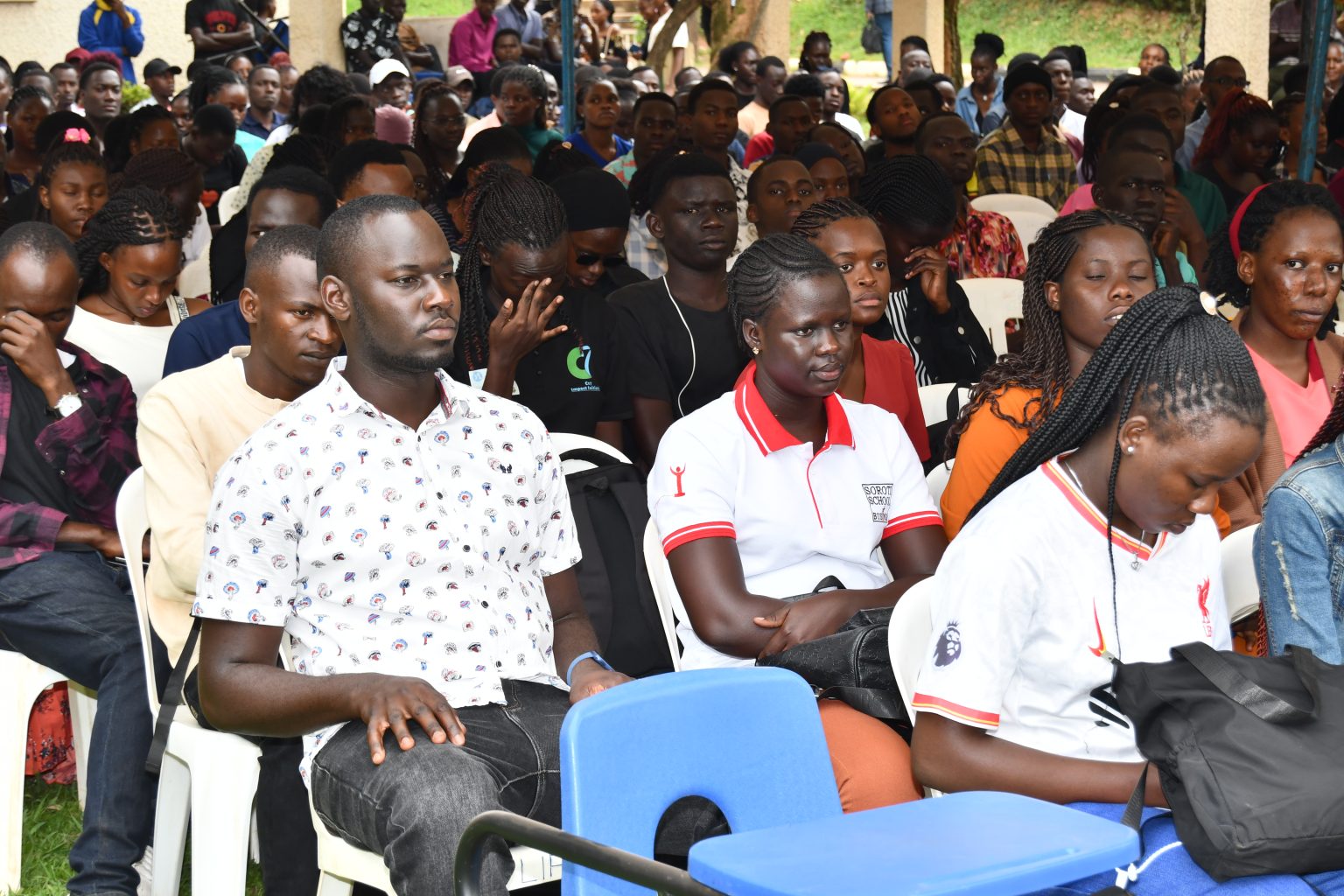
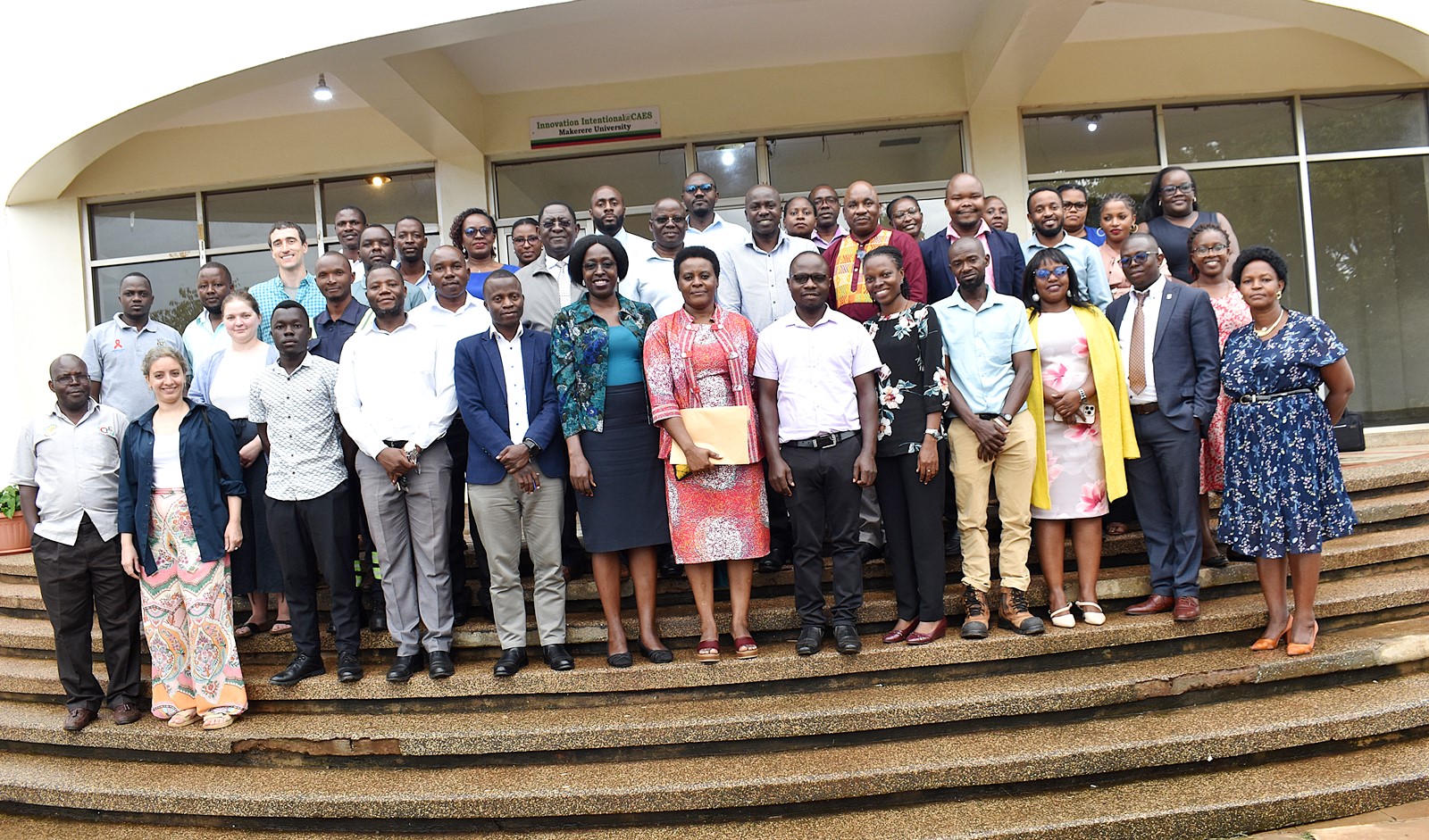
First Year students admitted to the College of Agricultural and Environmental Sciences (CAES), Makerere University have been cautioned to approach University life with clear purpose and focus.
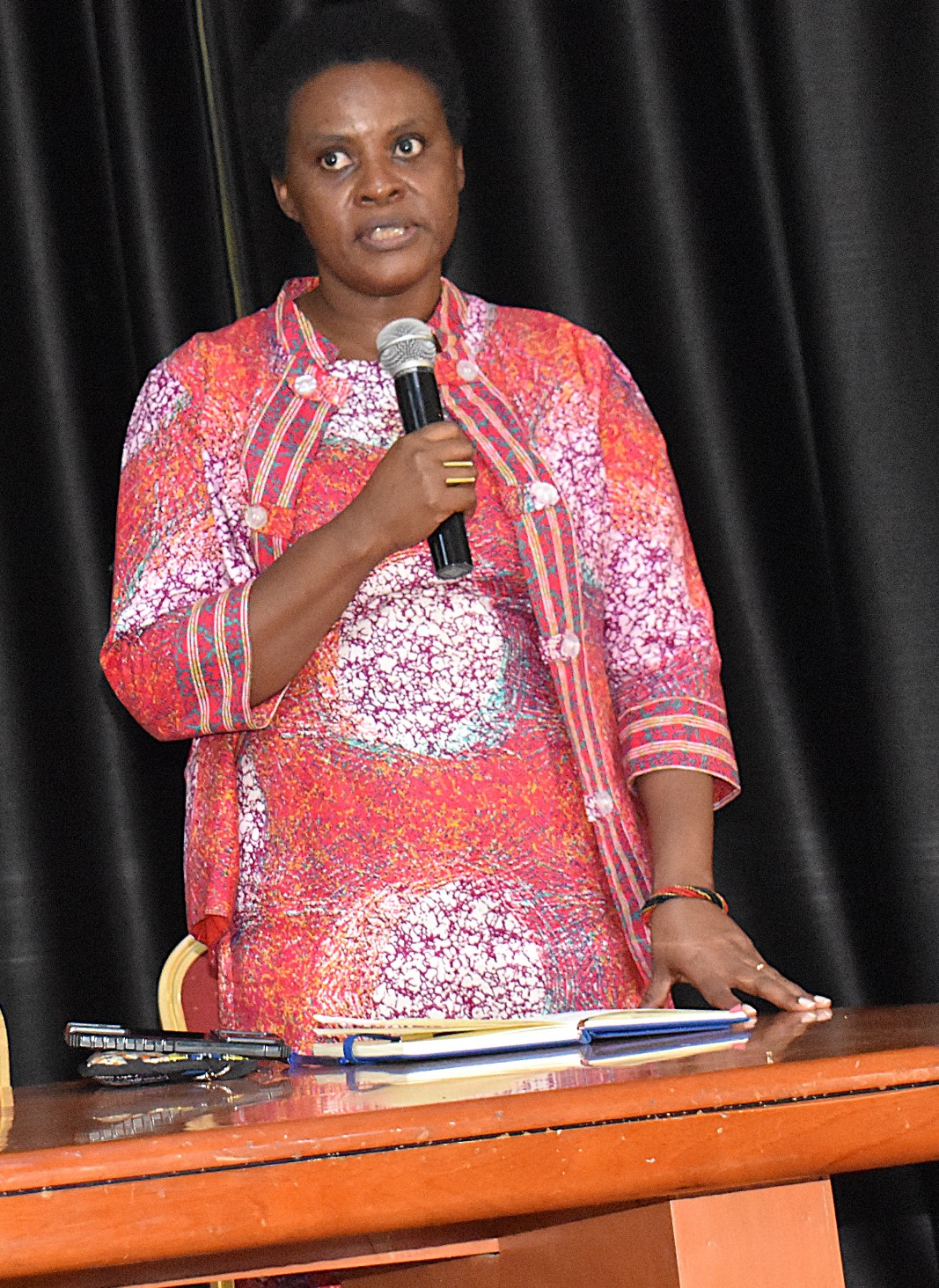
Speaking at the College orientation on 7th August 2025, CAES Principal, Prof. Gorettie Nabanoga urged the students to set goals from the start of their academic journey and to work diligently to achieve them. “University life offers tremendous opportunities, but it also comes with freedoms that can easily lead you off course,” she warned. “Set your academic and personal goals early – understand why you are here, what you want to accomplish, and how you intend to achieve it.”
She encouraged the students to take full advantage of the academic resources, mentorship programmes, and practical training opportunities offered by the College, while also warning them about the distractions that often derail student focus. “Social life is part of the experience, but never let it overshadow your purpose.”

Prof. Nabanoga highlighted the college’s commitment to nurturing future leaders in agriculture, environmental sciences, food technology, and related disciplines. “You join CAES at a critical time when global challenges like climate change, food security, and sustainability demand your innovation and passion. At CAES, we are committed to empowering our students to become job creators and leaders in the agricultural sector.”
The event featured addresses from other key college and University administrators, academic leaders, and representatives from the student guild, who all echoed the importance of intentionality, discipline, and resilience throughout the university journey.
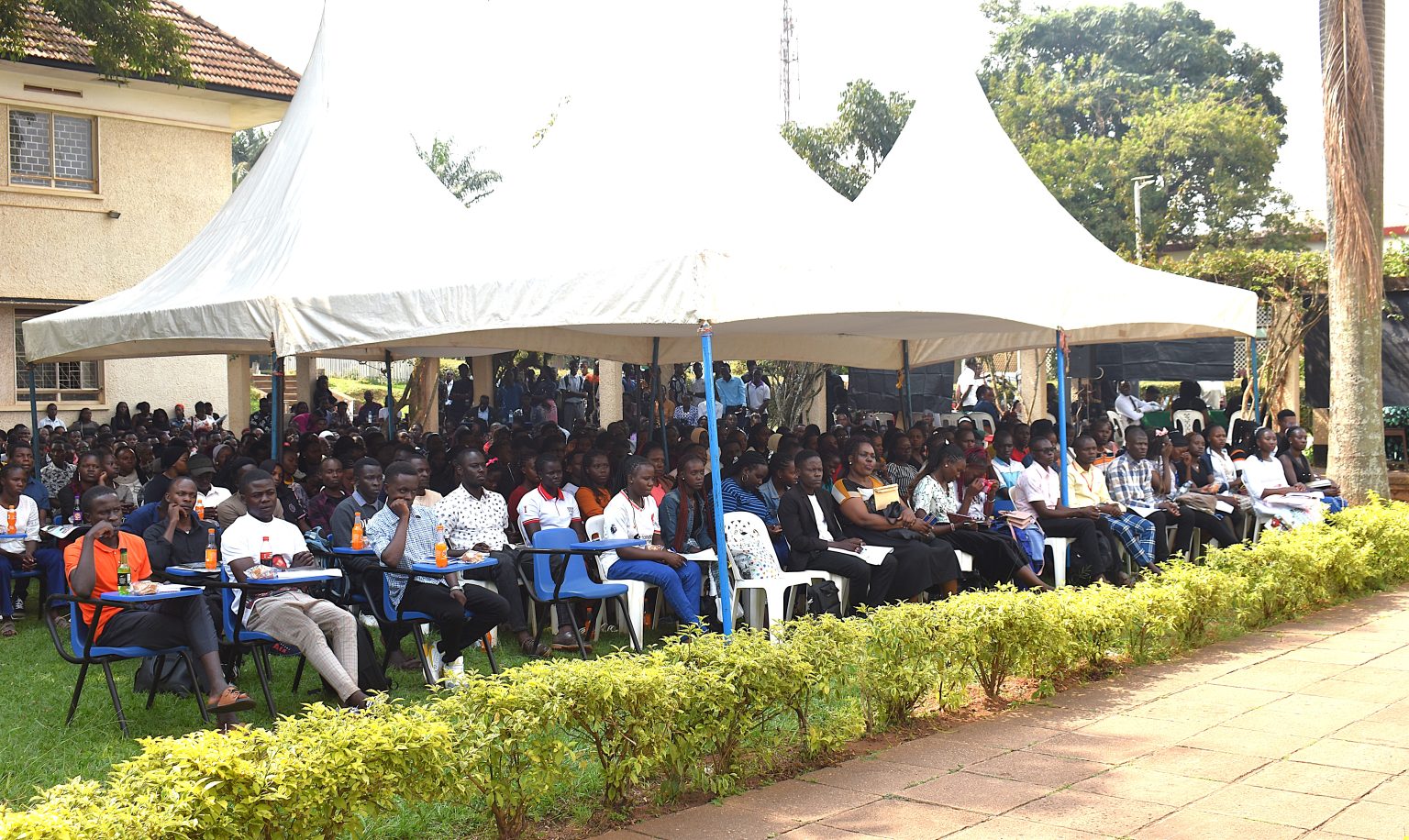
In his remarks, the Deputy Principal of the College, Prof. Yazidhi Bamutaze welcomed the First Year students, commending them for joining a College committed to academic excellence and societal impact. “You are fortunate to be part of a college that has carefully designed its academic programmes to align with real-world development pathways,” he said. “Our core mission revolves around the production of knowledge that responds to both local and global needs.”
He emphasized the College’s pivotal role in nurturing critical human capital, likening it to a factory that refines raw talent into highly skilled graduates. “We see ourselves as a knowledge production hub, taking in inputs in the form of students and transforming them into outputs ready to meet the demands of the competitive global market.”
Prof. Bamutaze reiterated the College’s commitment to ensuring that every student receives the support, training, and exposure needed to thrive both academically and professionally. “We are dedicated to ensuring that the entire academic journey is seamless and impactful.
During the orientation programme, the Deans of the schools at CAES introduced the students to the academic programmes offered within their units. In addition to the school-specific briefings, the students received information about the University’s academic structure and operations. This included guidance on essential processes such as registration and examination procedures. They were also introduced to a wide range of support services and institutional policies designed to enhance their academic experience and overall well-being. These included the University’s ICT support systems, library resources, the structure and timelines for fee payments, and key regulatory frameworks such as the Anti-Sexual Harassment Policy and the Safeguarding Policy.
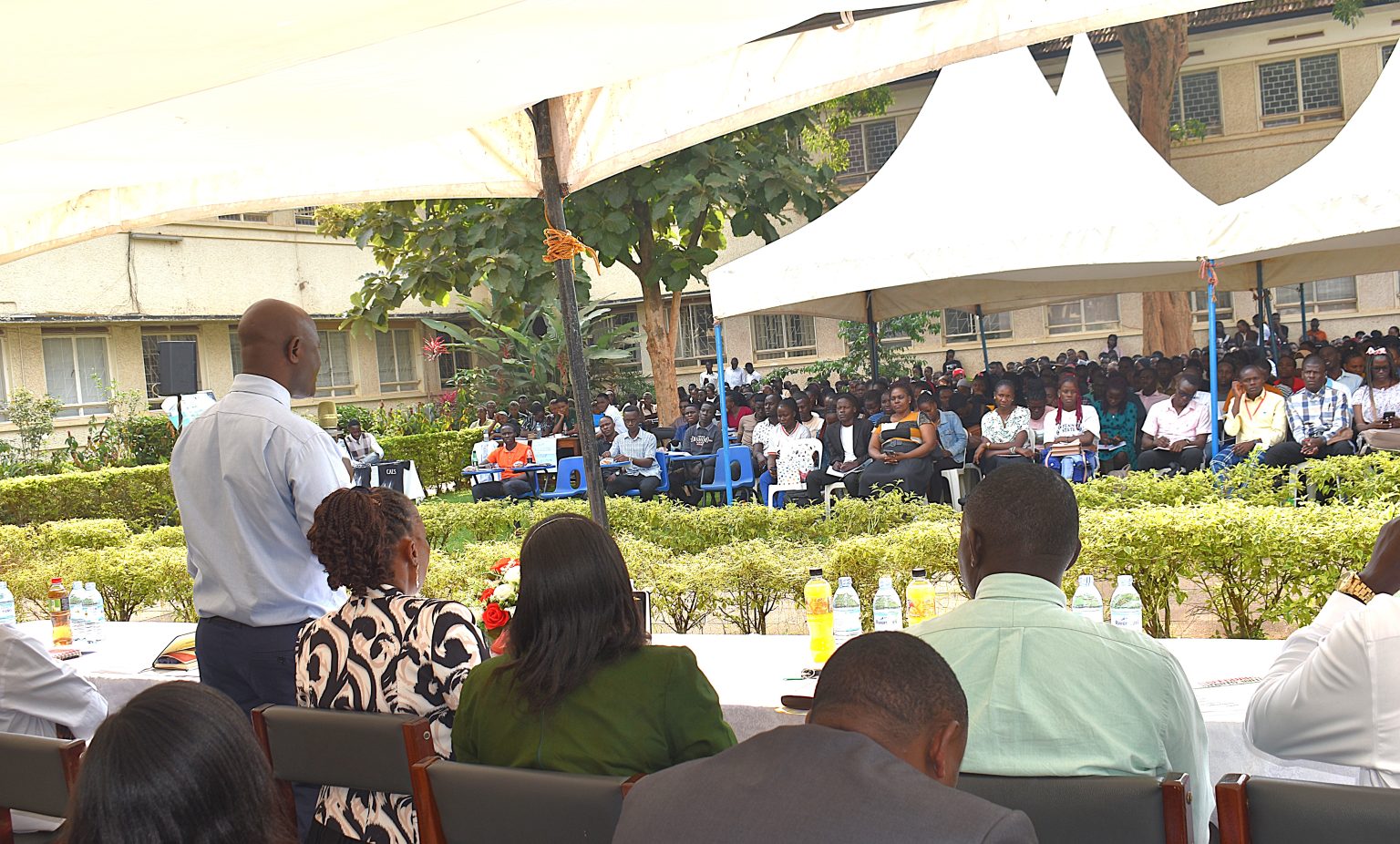
Furthermore, students were informed about the availability of counselling and guidance services, which play a vital role in supporting mental health and personal development. The session also emphasized the University’s commitment to student welfare, aiming to foster a safe, inclusive, and supportive learning environments to stand out wherever they go.
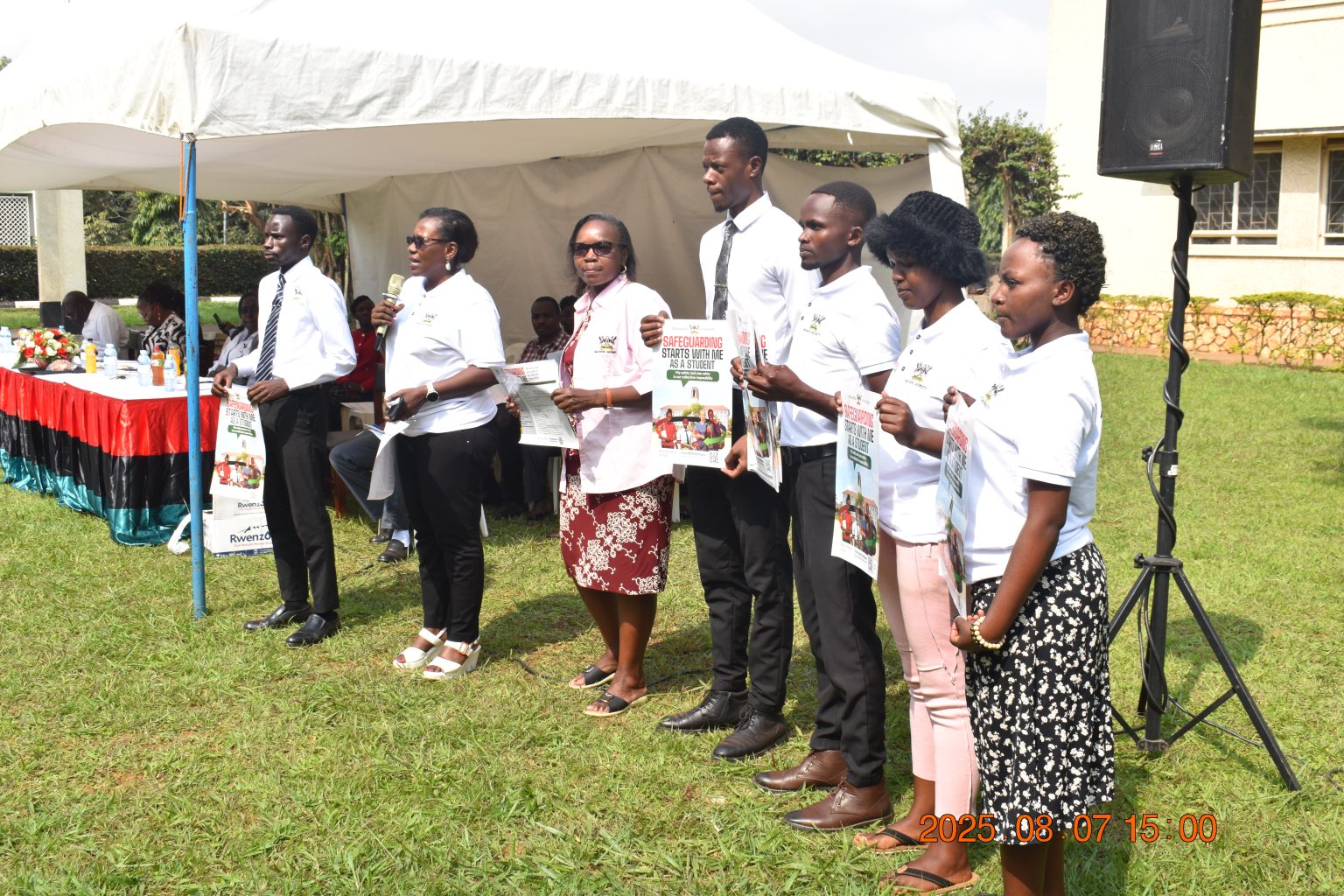
Briefing students on the University’s Safeguarding Policy, Prof. Justine Namaalwa emphasized the importance of creating an inclusive and respectful learning environment, strongly cautioning against all forms of discrimination, particularly against persons with disabilities. She reaffirmed the University’s commitment to protecting the dignity, rights, and well-being of every individual, in line with the safeguarding principles of equity, non-discrimination, and accountability.

As an integral component of the orientation programme, the students toured the college facilities to familiarise with the various resources and spaces available, including classrooms, laboratories, the library, recreational areas, and administrative offices.




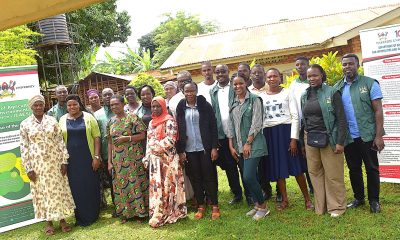

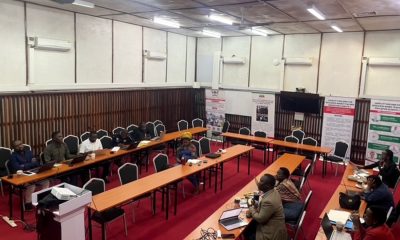

*****The two-day training, hosted by the College of Agricultural and Environmental Sciences (CAES) at Makerere University, was conducted under the auspices of the APPEAR Collaborative Research Project, ‘Clean and Prosperous Uganda – Fecal Sludge and Solid Waste Management for Improved Livelihoods (CPUg).
The challenge of waste management in Uganda
Fecal Sludge Management (FSM) and Solid Waste Management (SWM) are essential for building healthy, resilient communities. However, in many parts of Uganda, these systems remain underdeveloped, leaving communities exposed to a wide range of complex challenges.
Improper handling and disposal of fecal sludge and solid waste pose both immediate and long-term public health risks, including the spread of waterborne diseases like cholera, typhoid, and dysentery. When human waste is not safely contained, treated, or disposed of, pathogens can contaminate water, food, and soil, disproportionately affecting vulnerable groups such as children and residents of informal settlements.
Environmentally, unmanaged waste degrades ecosystems, pollutes rivers and wetlands, and contributes to greenhouse gas emissions. Open dumping clogs drainage systems, heightening urban flood risks and facilitating disease transmission. Non-biodegradable materials, including plastics, can persist for decades, blocking waterways, harming wildlife, and weakening communities’ resilience to climate change.
The economic consequences are equally profound. Inefficient waste management undermines productivity by driving up healthcare costs, lowering property values, and limiting tourism and investment opportunities. Informal waste collection systems, often the only coping mechanism for many urban residents, fail to provide adequate protection for workers.
Given these intertwined health, environmental, and economic impacts, the burden of fecal sludge and solid waste in Uganda is not merely a municipal concern but a pressing national development issue. Urgent attention is required to invest in modern FSM and SWM infrastructure, promote behavioral change, and implement regulatory frameworks that ensure safe, sustainable, and inclusive waste management solutions. Without such interventions, the compounded risks to human well-being, ecosystems, and economic growth will continue to escalate.
Addressing the Challenge through the CPUg Project
The Clean and Prosperous Uganda – Fecal Sludge and Solid Waste Management for Improved Livelihoods (CPUg) Project, a collaborative initiative between the CAES, the Institute of Water Quality and Resource Management at Vienna University of Technology in Austria, the Department of Environmental and Livelihood Support Systems at Mbarara University of Science and Technology (MUST), and the Uganda Red Cross Society, seeks to tackle Uganda’s most pressing challenges in waste management.
The project set out to explore circularity concepts, test a variety of techniques for utilizing dried fecal sludge, analyze plastic recovery from existing composting plants, and evaluate the social and economic viability of improved FSM and SWM and their influencing factors on regional communities. Supported under the Austrian Partnership Programme in Higher Education and Research for Development (APPEAR), the project aims to examine how best to optimize and integrate FSM and SWM in rural settings in Wakiso District, refugee settlements in Arua District, and Uganda in general.
In addition to the technical aspects, the socio-economic viability of improved fecal sludge and solid waste management is being evaluated in terms of affordability, perceptions, and the willingness to accept and utilize these products. The project aims to contribute towards reshaping Uganda’s landscape through integrated solutions, scientific rigor, and inclusive community engagement. It stands as a model for integrated development.
It is coordinated by Prof. Jeninah Karungi Tumutegyereize from the Department of Crop Science and Horticulture at CAES, Makerere University.
Two-Day Training on Integrated Fecal Sludge and Solid Waste Management
The College of Agricultural and Environmental Sciences at Makerere University, in collaboration with the Uganda Red Cross Society, Mbarara University of Science and Technology, and Vienna University of Technology, Austria, held a comprehensive two-day training on Integrated Fecal Sludge and Solid Waste Management.
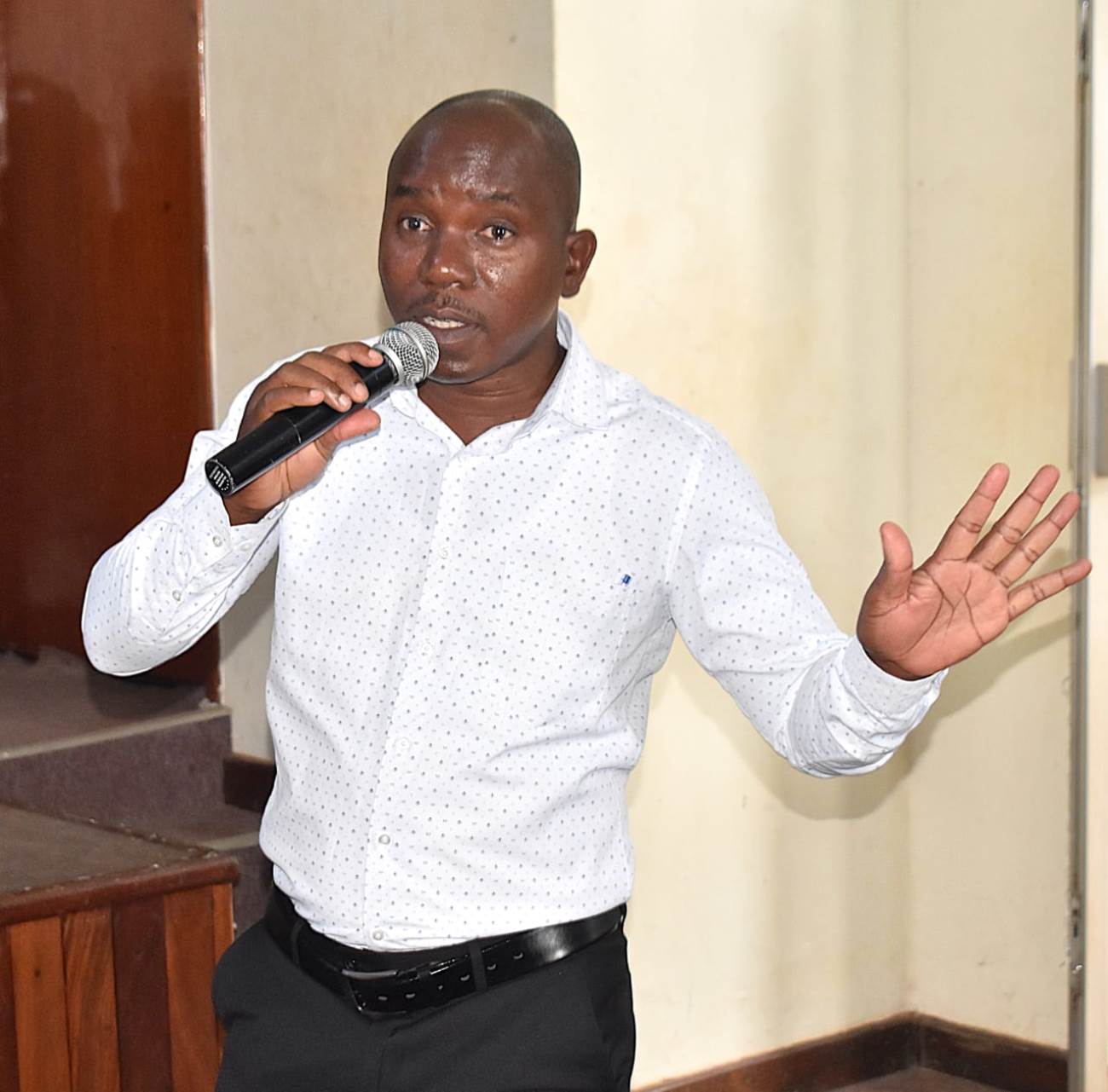
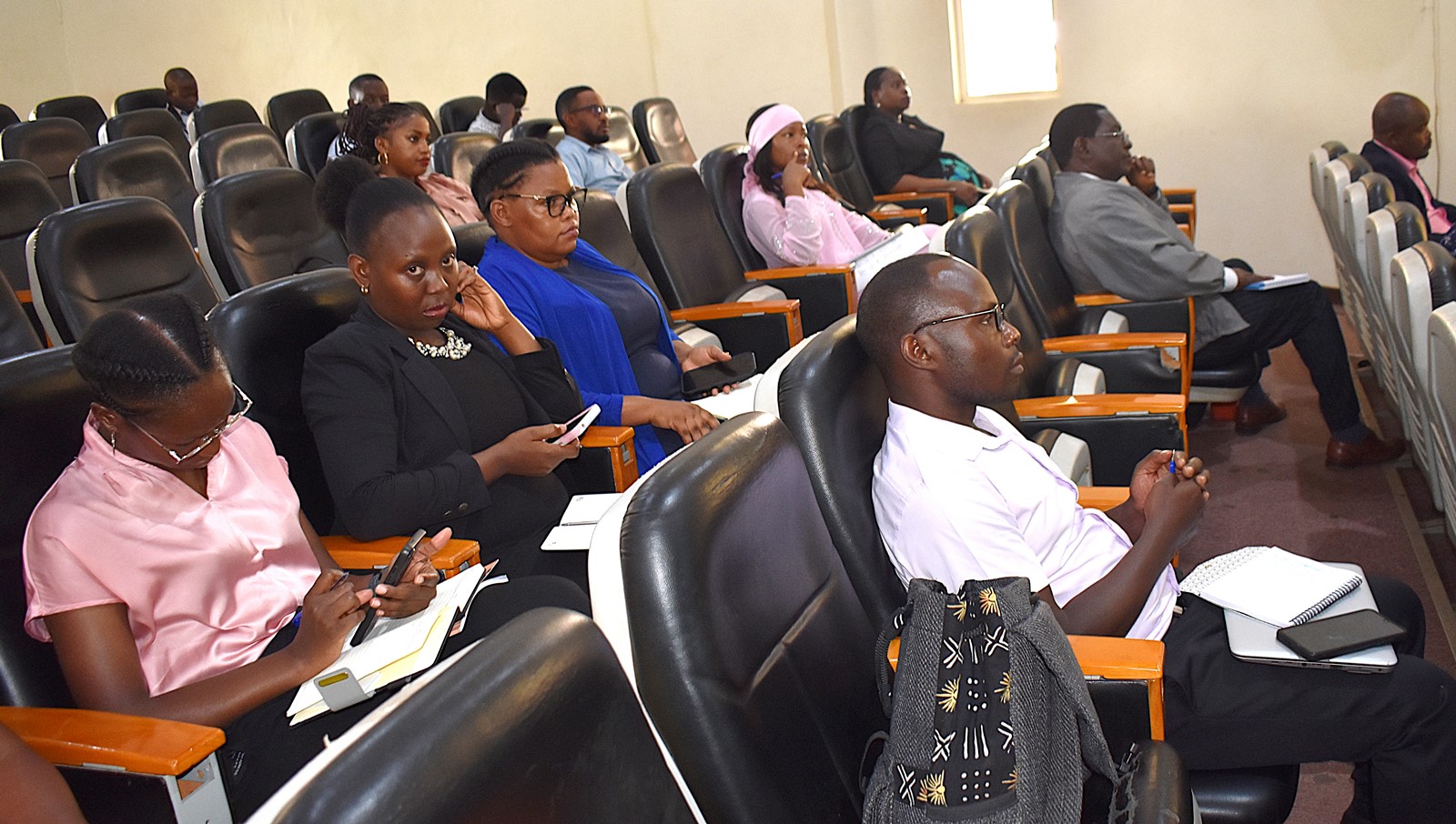
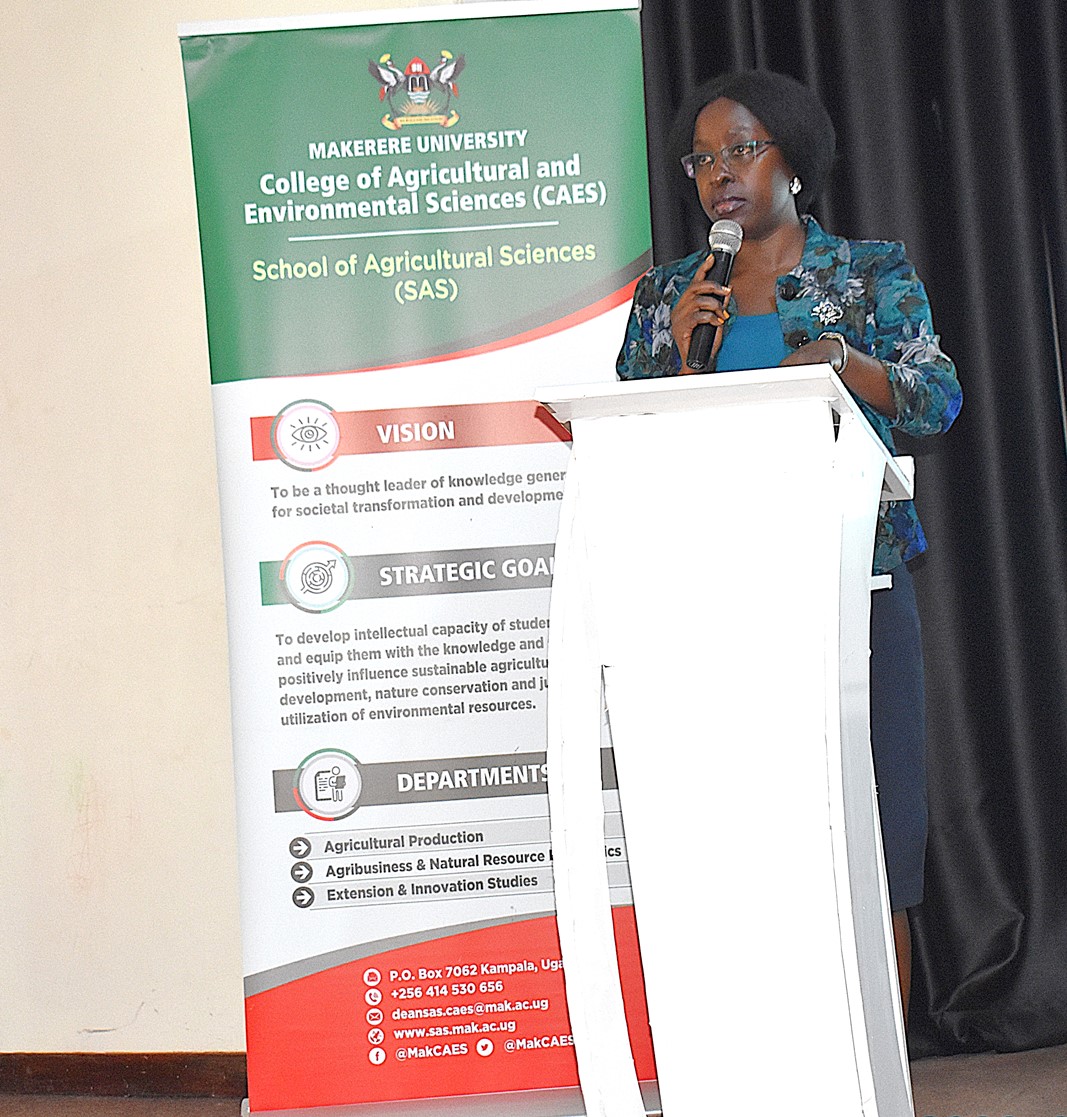
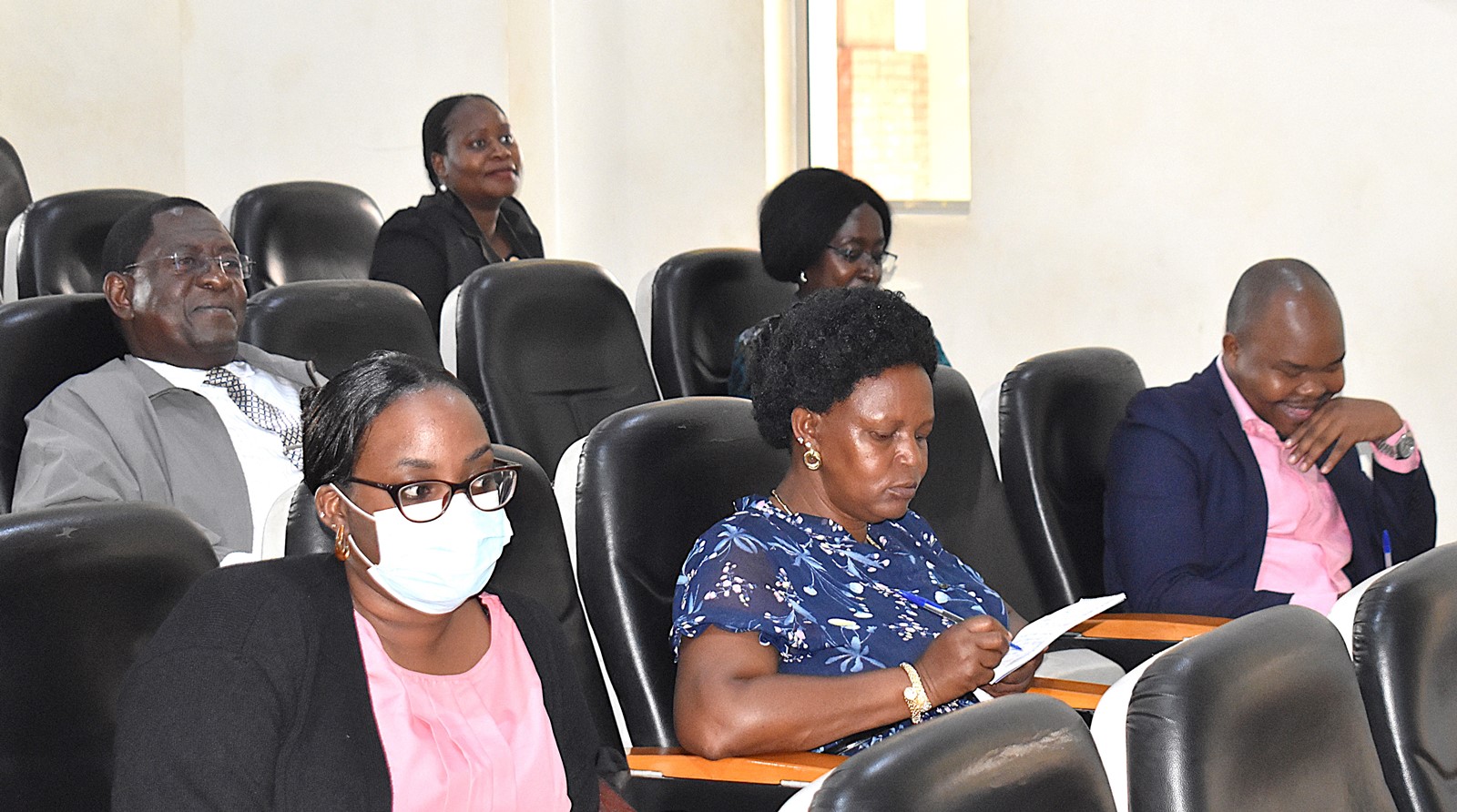
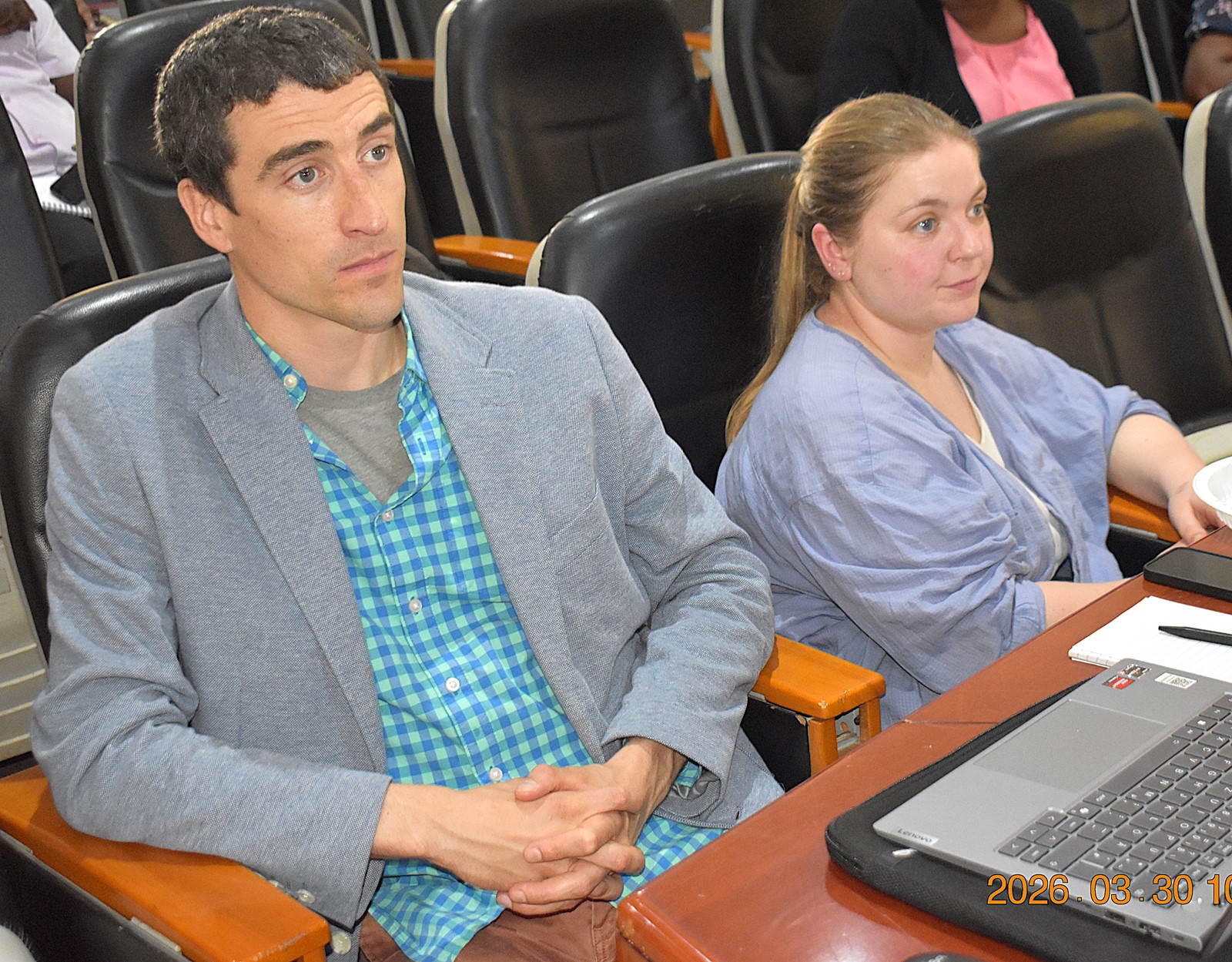
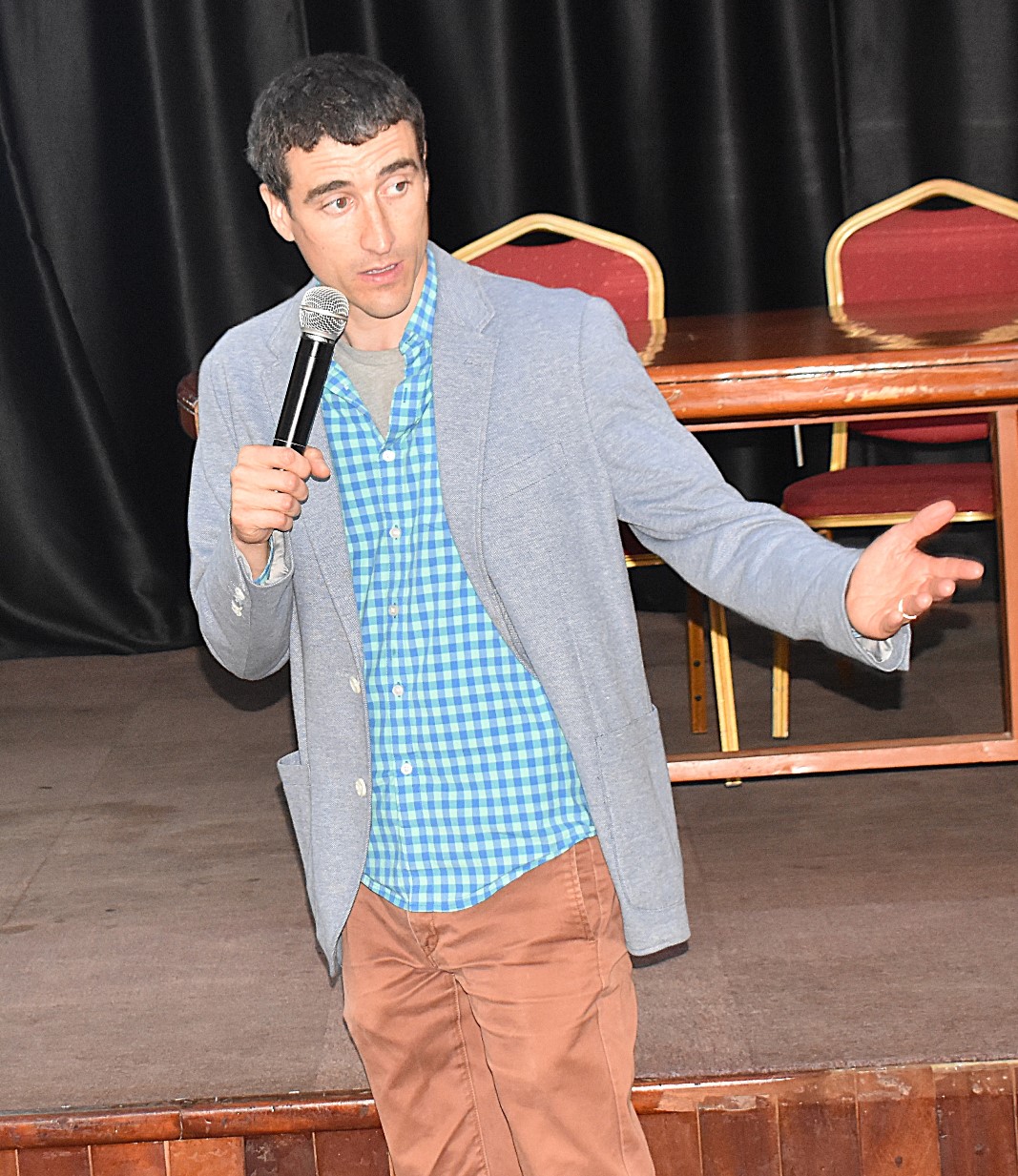
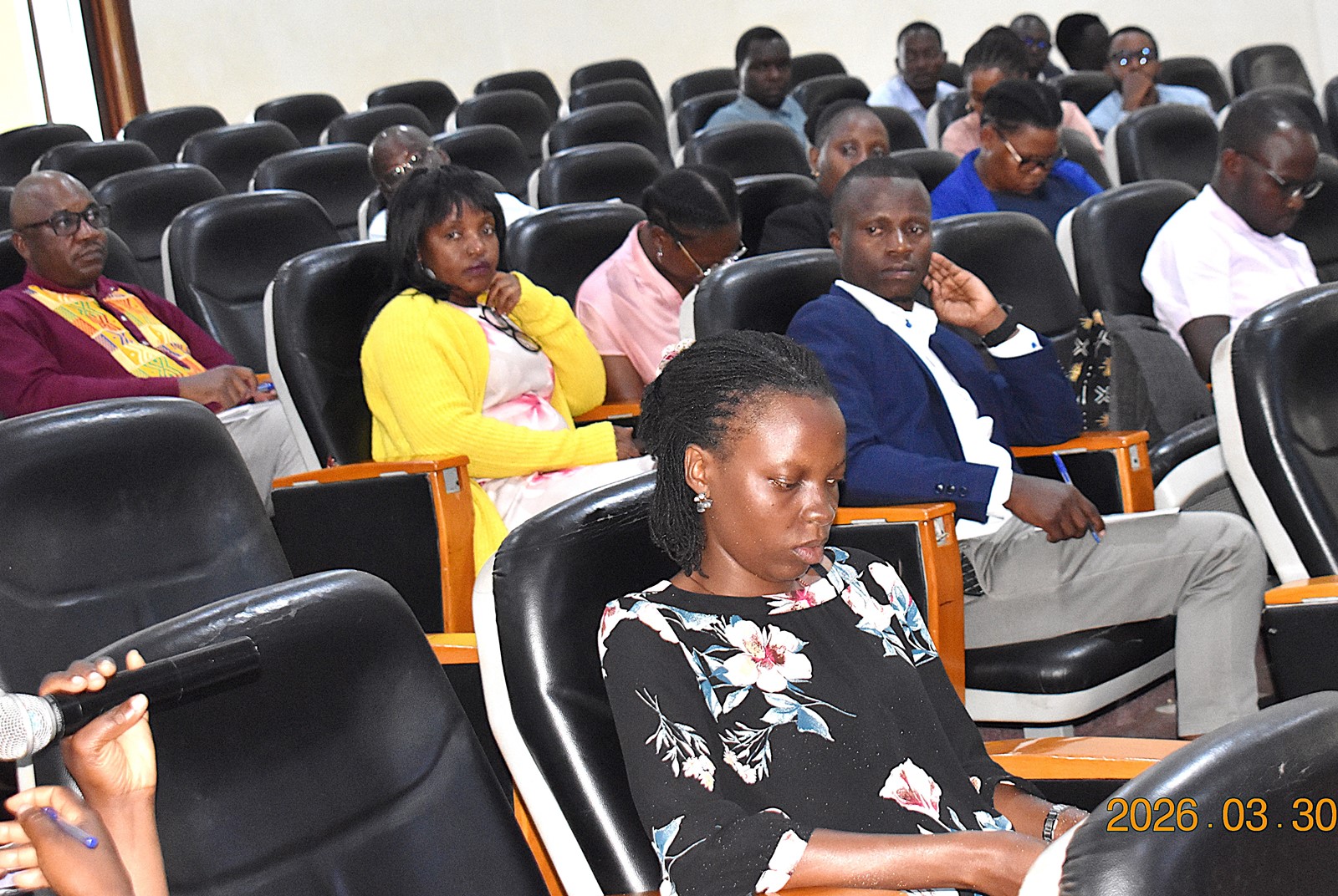
The training, conducted on 30th-31st March 2026, at Makerere University was officially opened by the Principal of CAES, represented by Dr. Mildred Ochwo Ssemakula, Head of the Department of Crop Science and Horticulture. Participants included representatives from academia, the private sector, municipal authorities, service providers, and farmers.
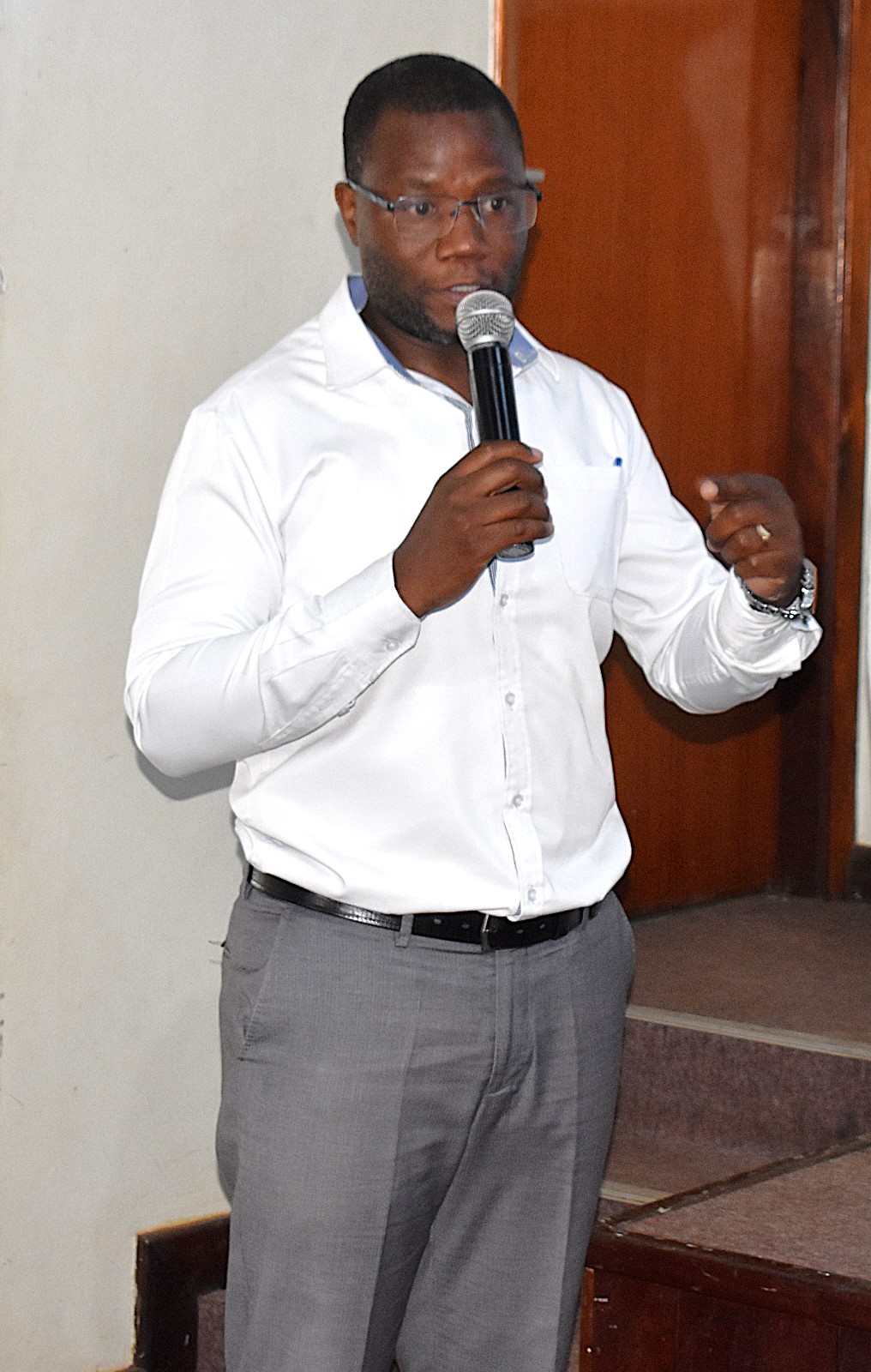
The training programme aimed to equip personnel across the waste management value chain with the knowledge and skills to transform fecal sludge and solid waste into valuable, sustainable agricultural and economic resources. It covered topics such as occupational safety, waste management infrastructure, processing and post-treatment methods, composting, carbonization, material flow analysis, service gaps, and economic considerations in Greater Kampala. Participants were also trained in specialized software tools designed to enhance efficiency and manage waste-to-resource processes, promoting both environmental sustainability and economic viability.
Particular emphasis was placed on shifting perceptions of fecal sludge-based products among end users, mainly subsistence and commercial farmers.
Emerging Issues from the Training
- Weak fecal sludge management systems: Existing systems, particularly in refugee settlements, are inadequate.
- Public health risks: Improper sludge handling continues to threaten health – only 44% of fecal sludge is safely managed.
- Limited technical capacity: Practitioners need more training in safe handling and reuse technologies.
- Low adoption of resource recovery: Sludge-to-product innovations are underutilized.
- Environmental pollution: Untreated sludge contaminates soil, water, and surrounding ecosystems.
- Poor integration with agriculture: Opportunities for nutrient recycling are not fully exploited.
- Inadequate equipment: PPE, emptying tools, and treatment facilities are scarce.
- Low composting standards in Uganda: Composting often follows non-scientific methods.
- Behavioral and hygiene gaps: Handwashing and proper waste disposal practices remain weak.
- Underdeveloped waste-based value chains: Compost, briquettes, and fertilizers are not economically leveraged.
- High reliance on on-site sanitation: Sewer network coverage is below 10% in Greater Kampala.
- Insufficient emptying and collection services: Services are limited and costly.
- Limited private sector engagement: Public investment and private participation are inadequate.
- Treatment capacity and cost recovery challenges: Facilities are strained and revenue mechanisms weak.
- Low willingness or ability to pay: Users are reluctant or unable to afford improved services.
- Negative perceptions of fecal sludge products: Public attitudes hinder adoption.
- Regulatory and equity barriers: Awareness is limited, regulations are burdensome, and access is unequal.
Way Forward
Effective waste management is essential for public health, yet remains a significant challenge in Uganda, with few households able to empty their on-site sanitation facilities due to high costs. Experts emphasize the need for increased investment and prioritization of operator safety. Rigorous safety protocols and training are critical to safeguarding workers and ensuring sustainable operations.
Remarks by the CAES Leadership
On behalf of the Principal of CAES, Dr. Mildred Ochwo Ssemakula underscored Uganda’s immense potential to benefit from effective fecal sludge and solid waste management. “In an agriculture-dependent country, converting waste into organic fertilizer and other resources can significantly enhance productivity and generate substantial economic benefits. At the CAES, we are proud to collaborate and support initiatives like CPUg through innovative research and capacity-building programmes that directly address Uganda’s environmental challenges. I extend my sincere gratitude to the researchers and partners for their unwavering commitment to advancing research and environmental management. Makerere University highly values these collaborations, and together, we form a powerful coalition driving positive change in Uganda’s development.”
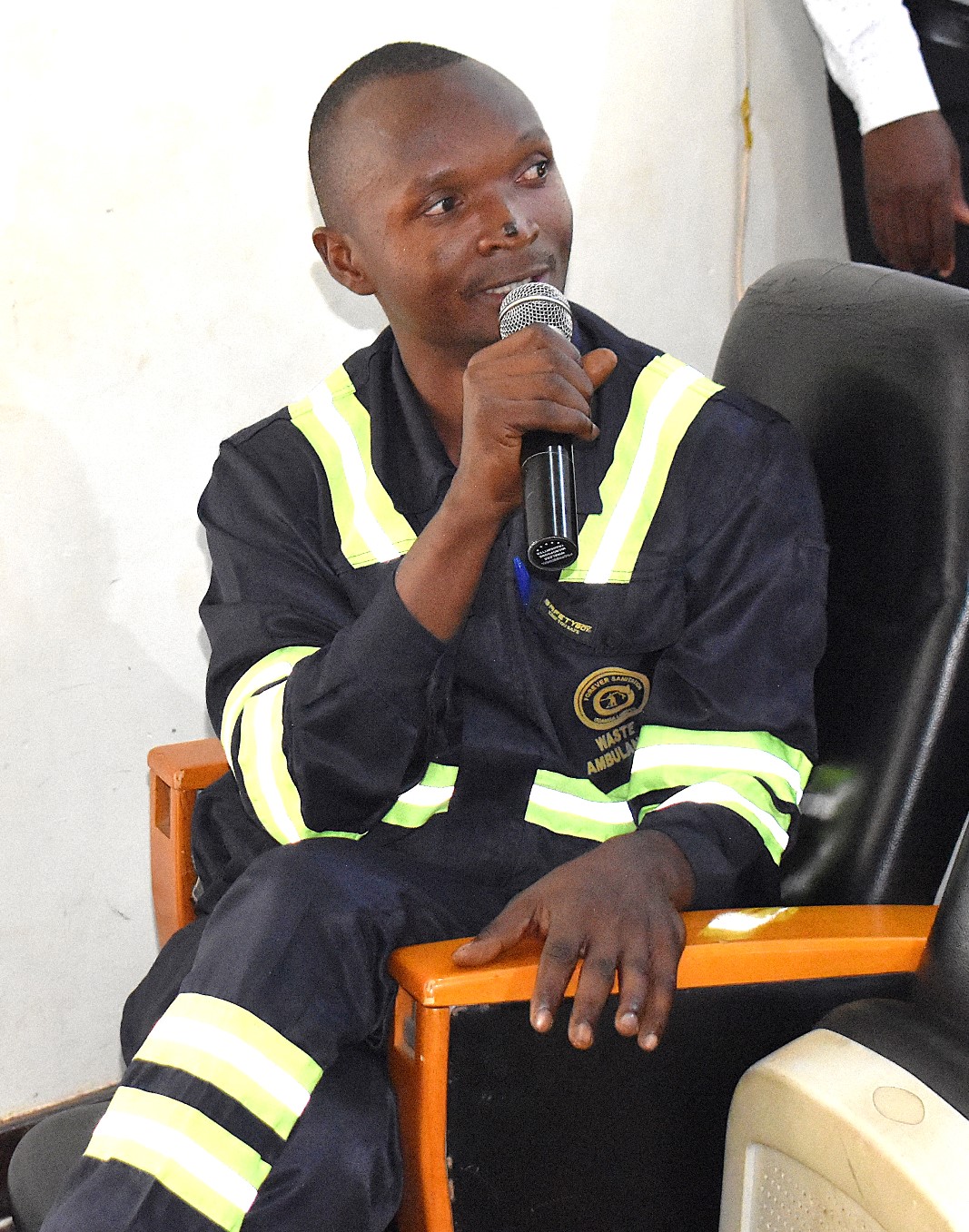
The CPUg project has contributed to capacity-building by training five PhD students, three from Makerere University and two from Vienna University of Technology, as well as three MSc students from Makerere University. The results are expected to improve knowledge in waste management and strengthen stakeholder capacity across the waste management value chain.
Pictorial of the training:
https://drive.google.com/drive/folders/1B9nUVHhQEsFncLJR3rlHN0Dd2-f7BStR?usp=sharing
Agriculture & Environment
RUFS Project Team Enhances Capacity of Smallholder Farmers in Mbale City in Financial Management & Communication
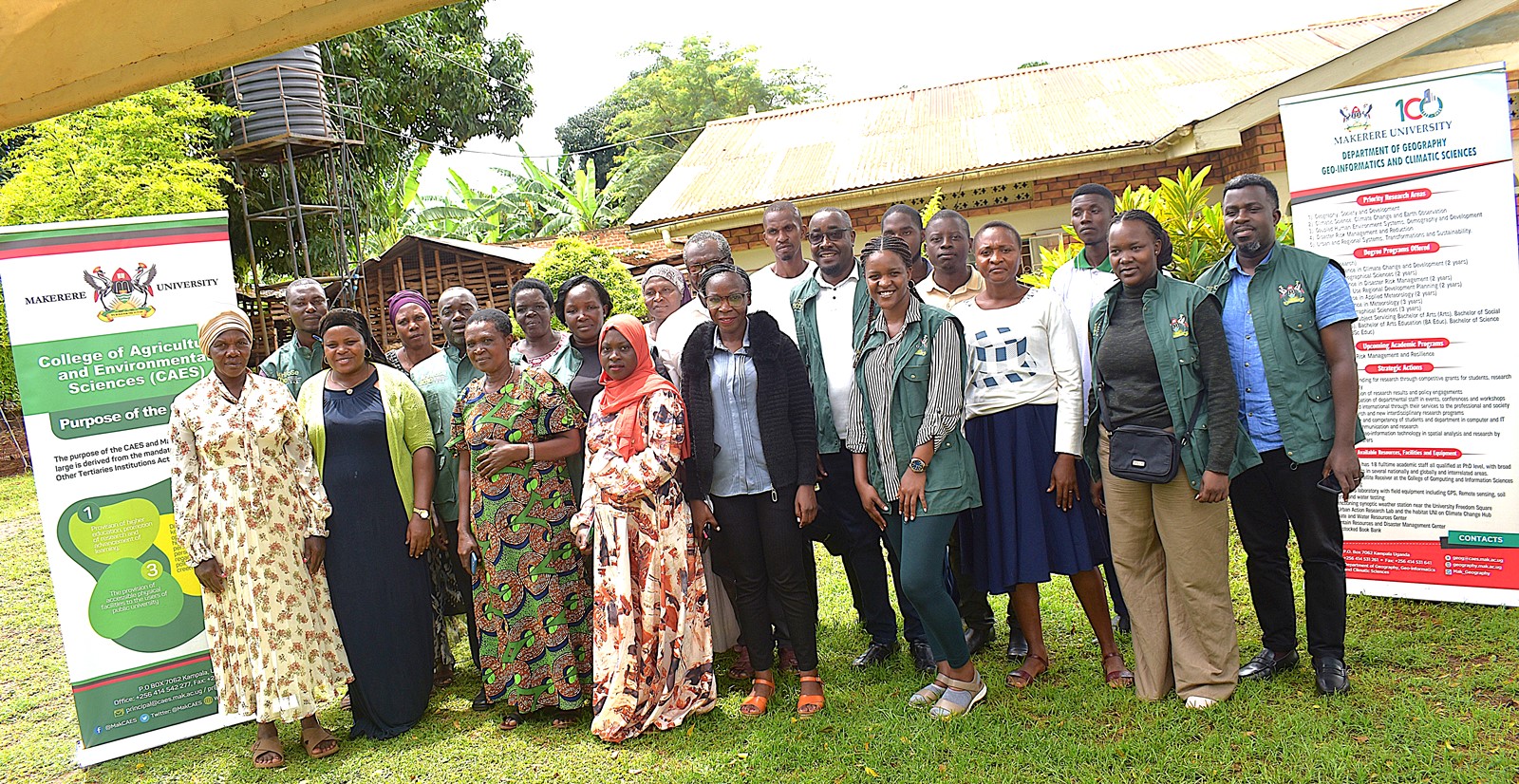
Achieving lasting and sustainable success in agriculture goes far beyond planting and harvesting. It requires a diverse skill set, including financial literacy to manage budgets and make sound investment decisions, as well as effective record-keeping to track performance, inform operations, and identify opportunities for improvement. Equally important is strategic communication, which enables farmers to market their products, build brand visibility, and enhance profitability.
A strong understanding of group dynamics is also essential in helping farmers foster collaboration within cooperatives, community initiatives, and peer networks. By integrating these competencies, agricultural entrepreneurs can maximize productivity, optimize resource use, and build resilient enterprises capable of adapting to evolving environmental, economic, and social conditions.
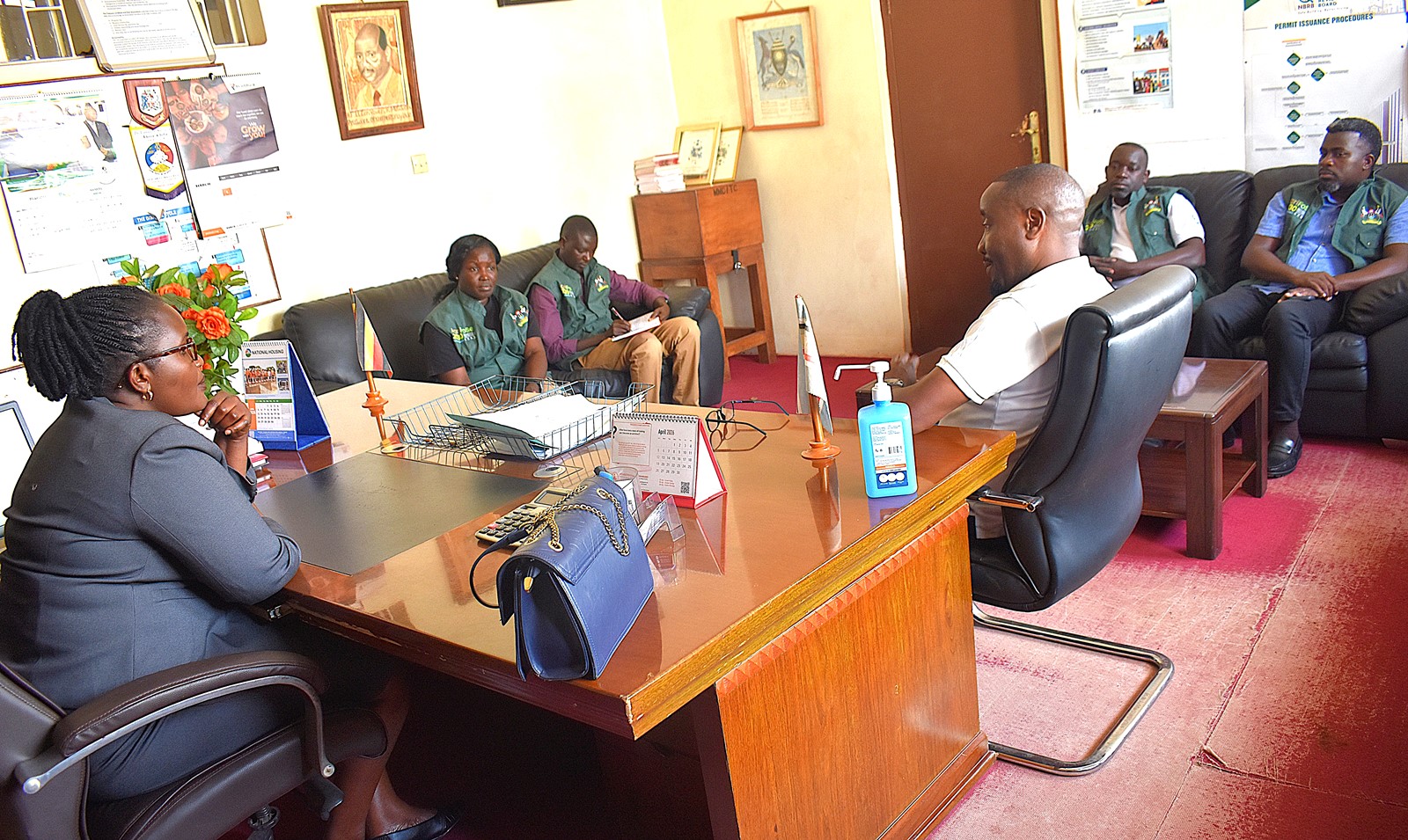
Despite the vital role urban farmers play in ensuring food security, many still lack the technical knowledge and skills needed to optimize productivity. This gap limits output and undermines the profitability, efficiency, and long-term sustainability of their farming enterprises.
Addressing the Skills Gap Through Phase II of the RUFS Project
Phase II of the Resilient Urban Food Systems (RUFS) Project aims to address these challenges. Through hands-on training programmes in Mbale City and Kasese Municipality, the initiative seeks to equip urban farmers with practical knowledge, modern techniques, and adaptive strategies to improve productivity.
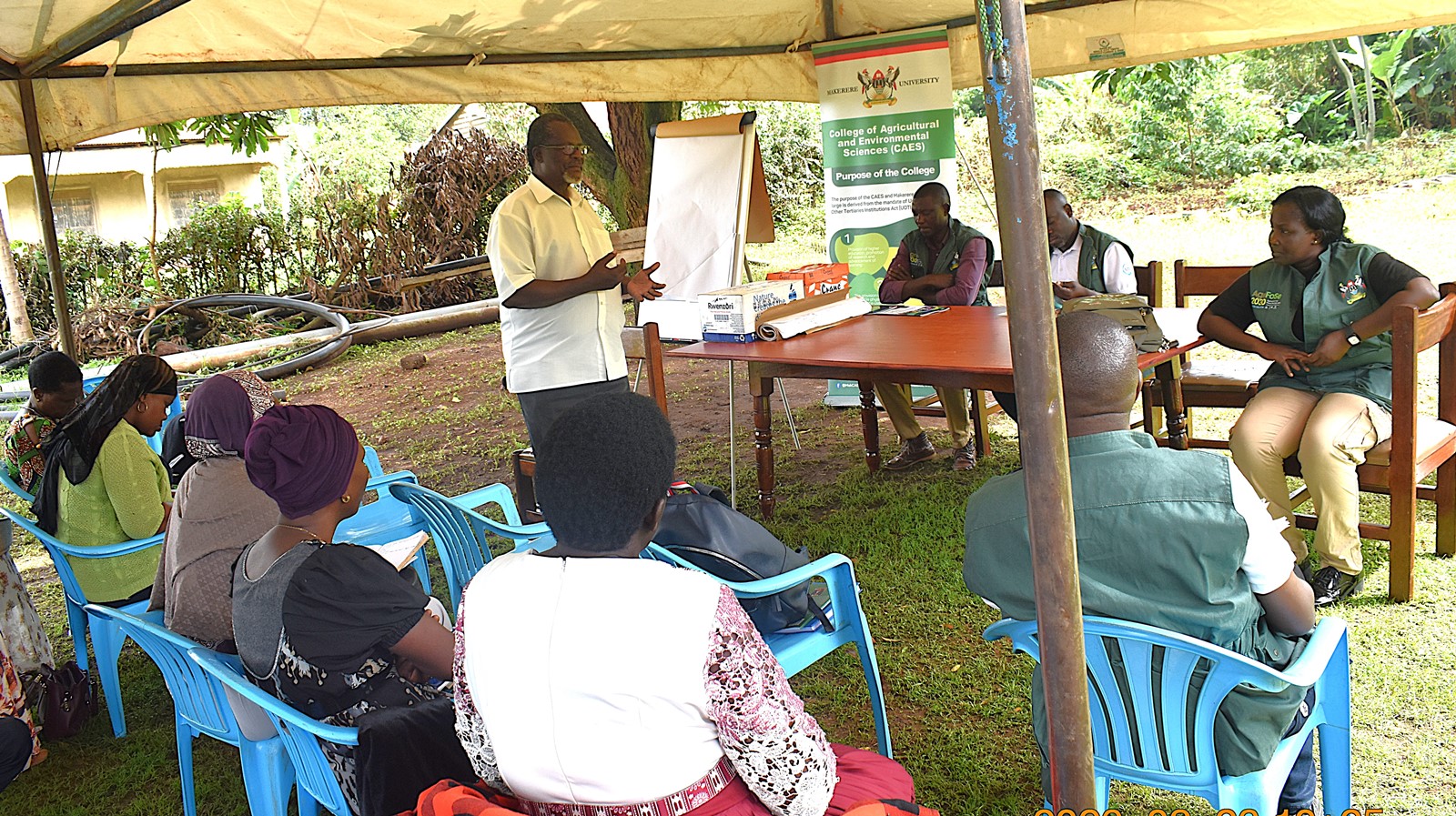
Led by Prof. Frank Mugagga from the Department of Geography, Geo-Informatics, and Climate Sciences at the College of Agricultural and Environmental Sciences (CAES), Makerere University, and supported by the AgriFoSe2030 Programme, the project focuses on strengthening urban food systems to withstand climate-related shocks such as floods and droughts. By promoting climate-smart agricultural practices, the initiative empowers farmers to sustain productive, profitable, and resilient operations, ultimately improving livelihoods and contributing to stable urban food supplies.
Training Sessions in Mbale City
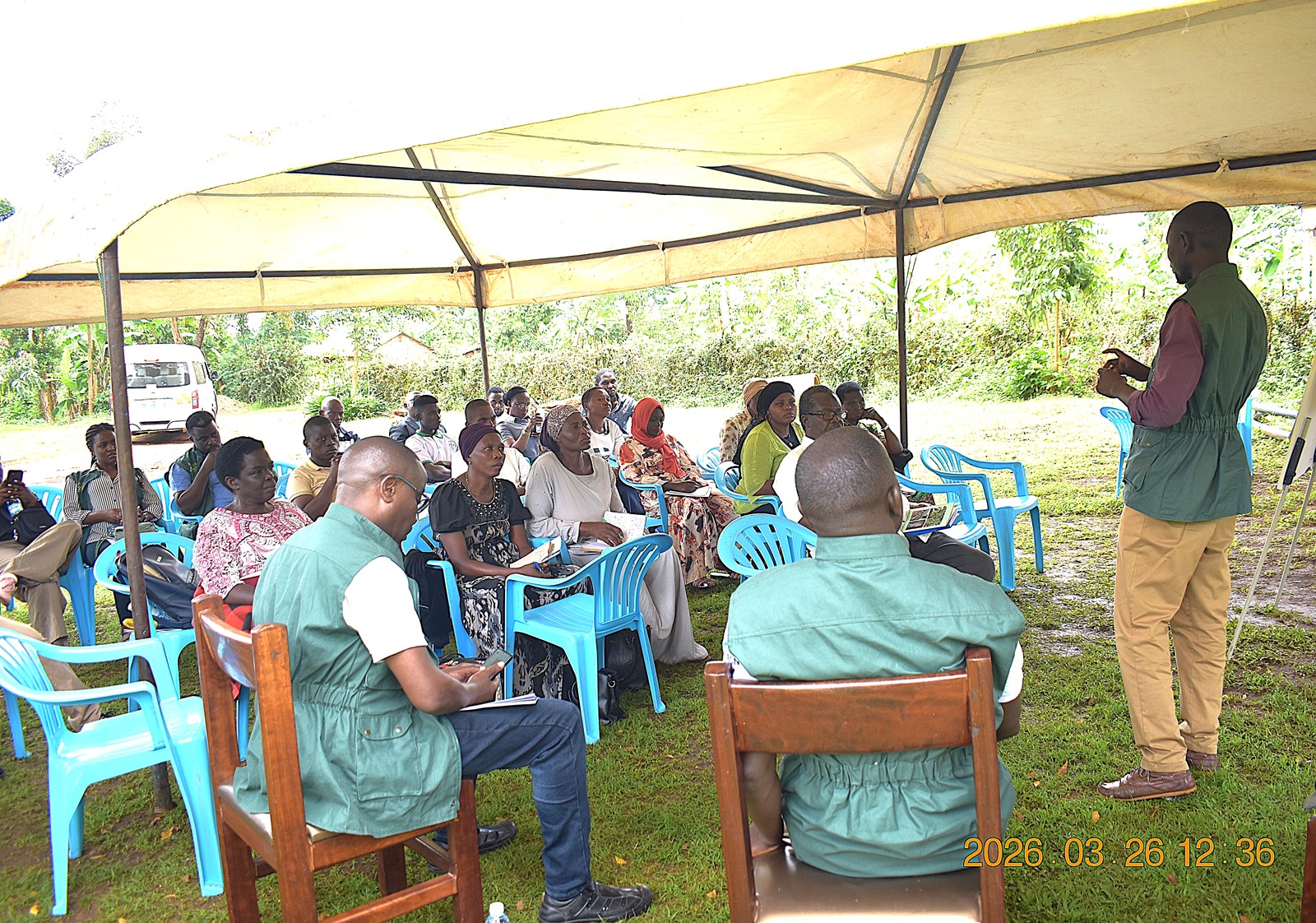
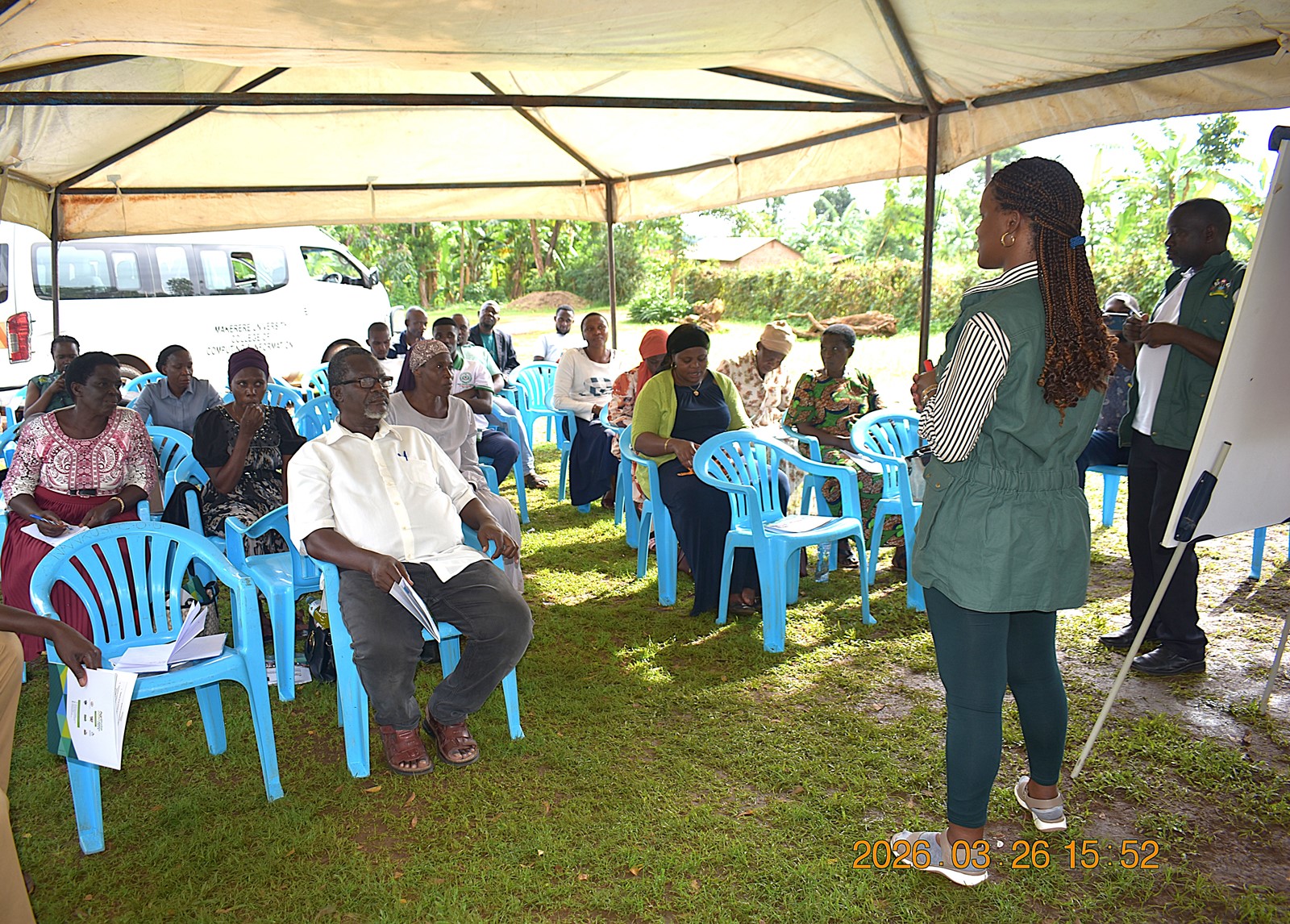
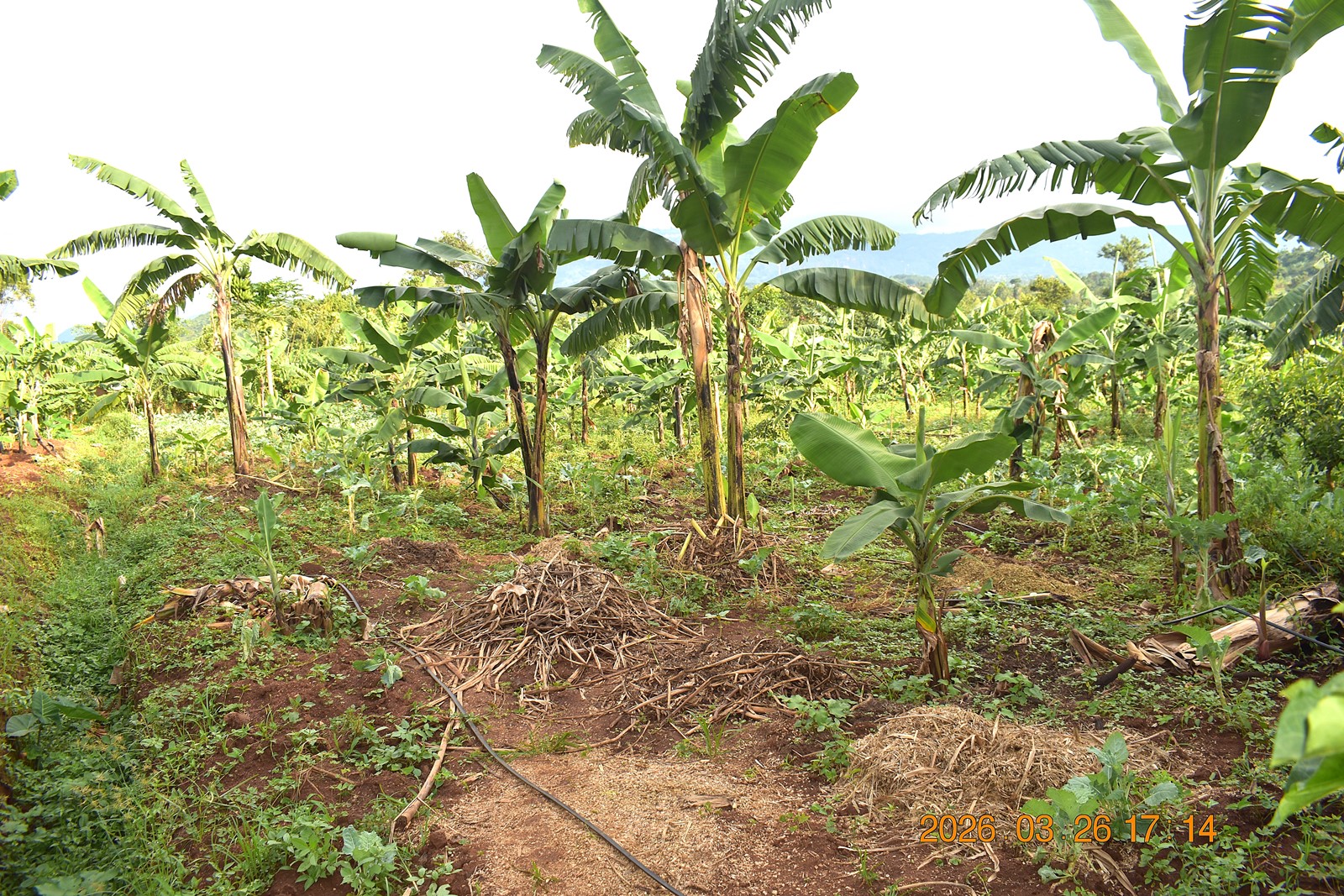
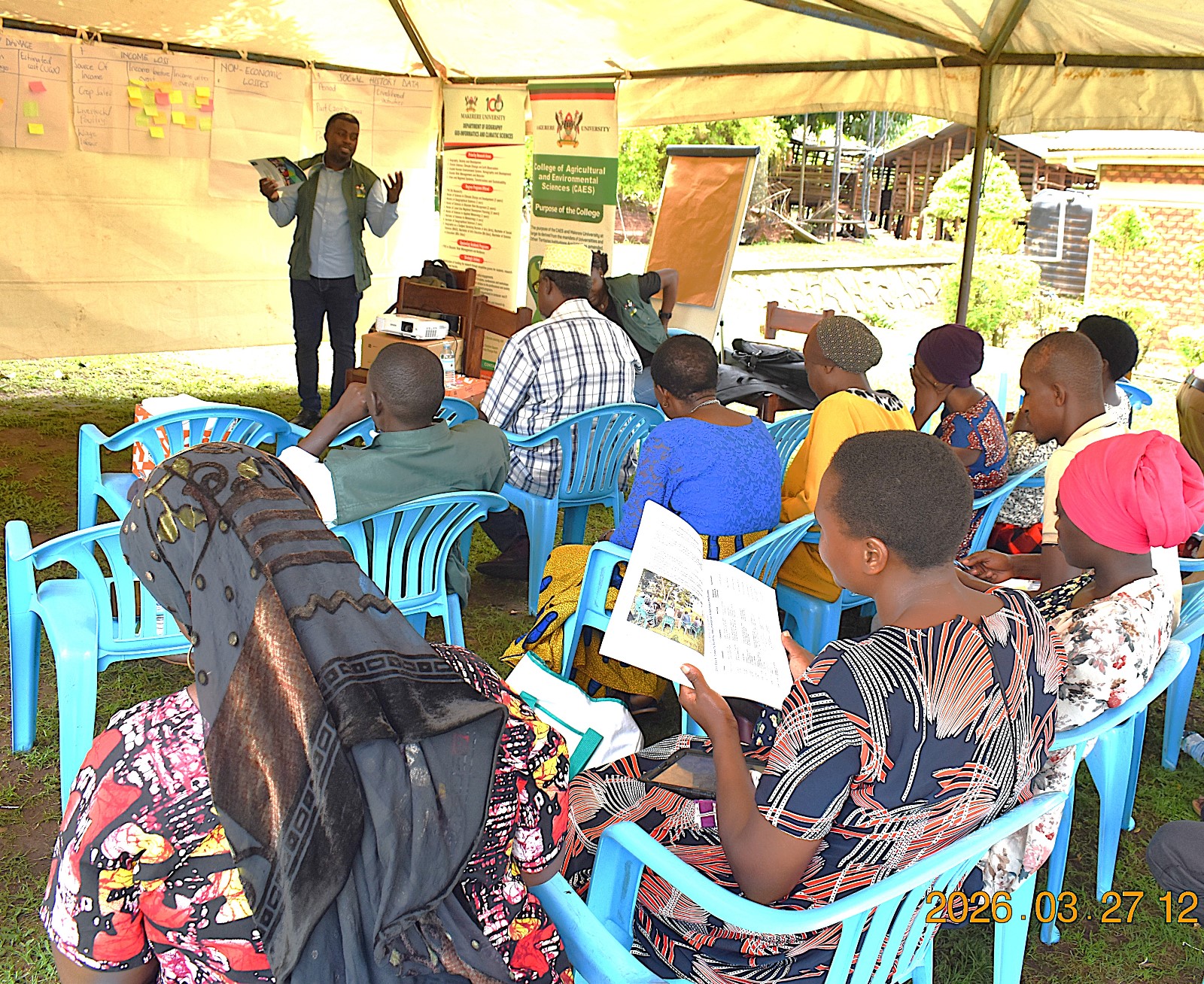
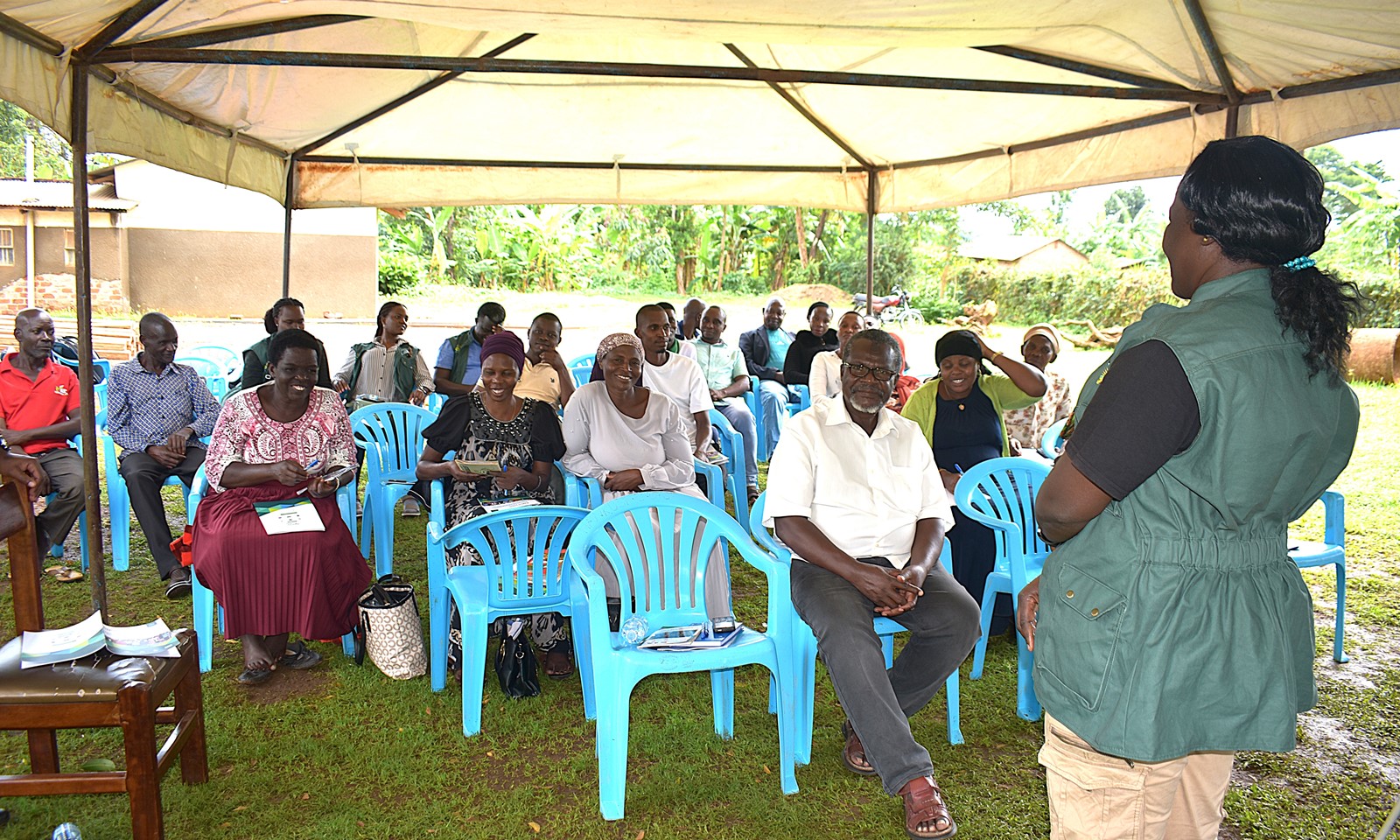
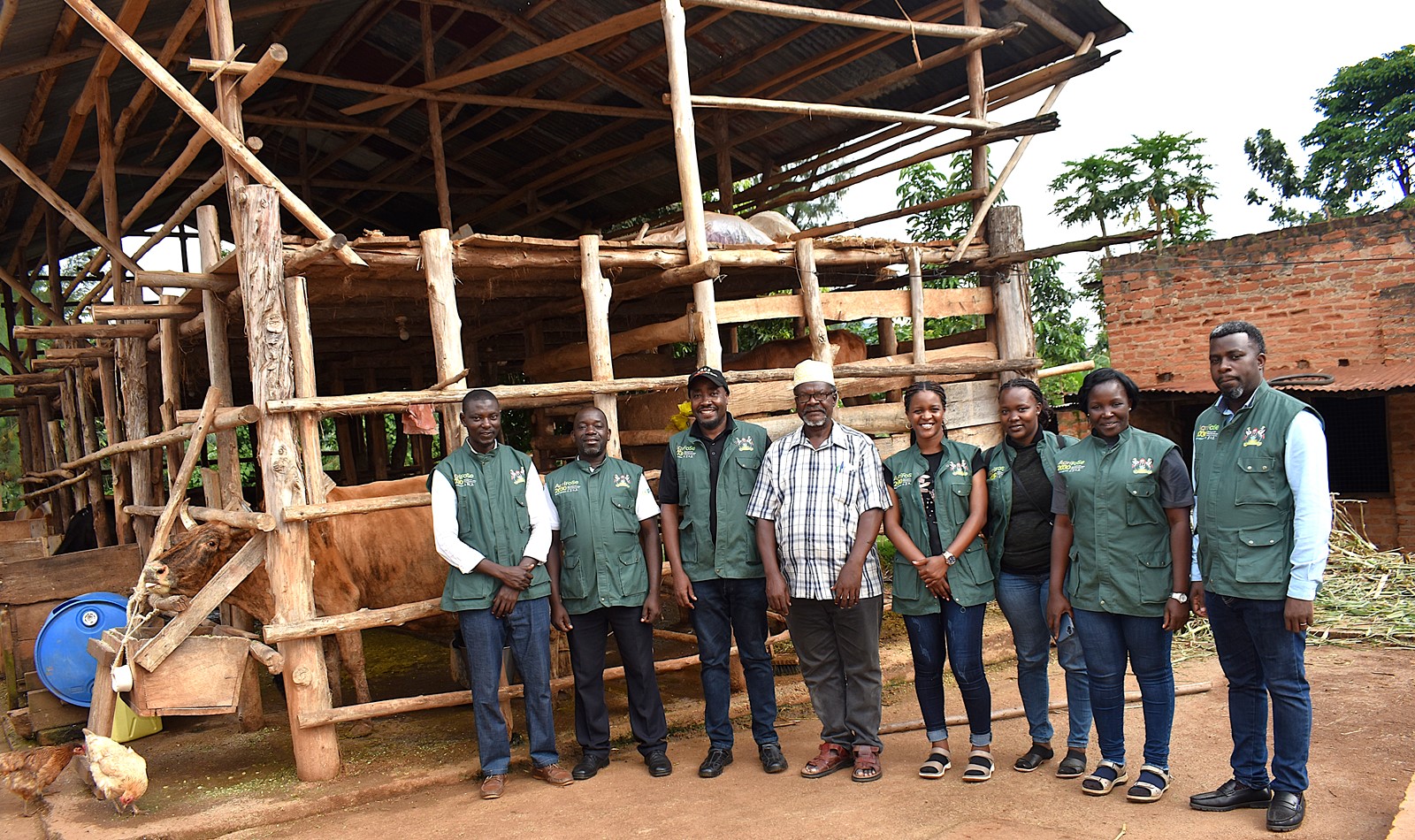
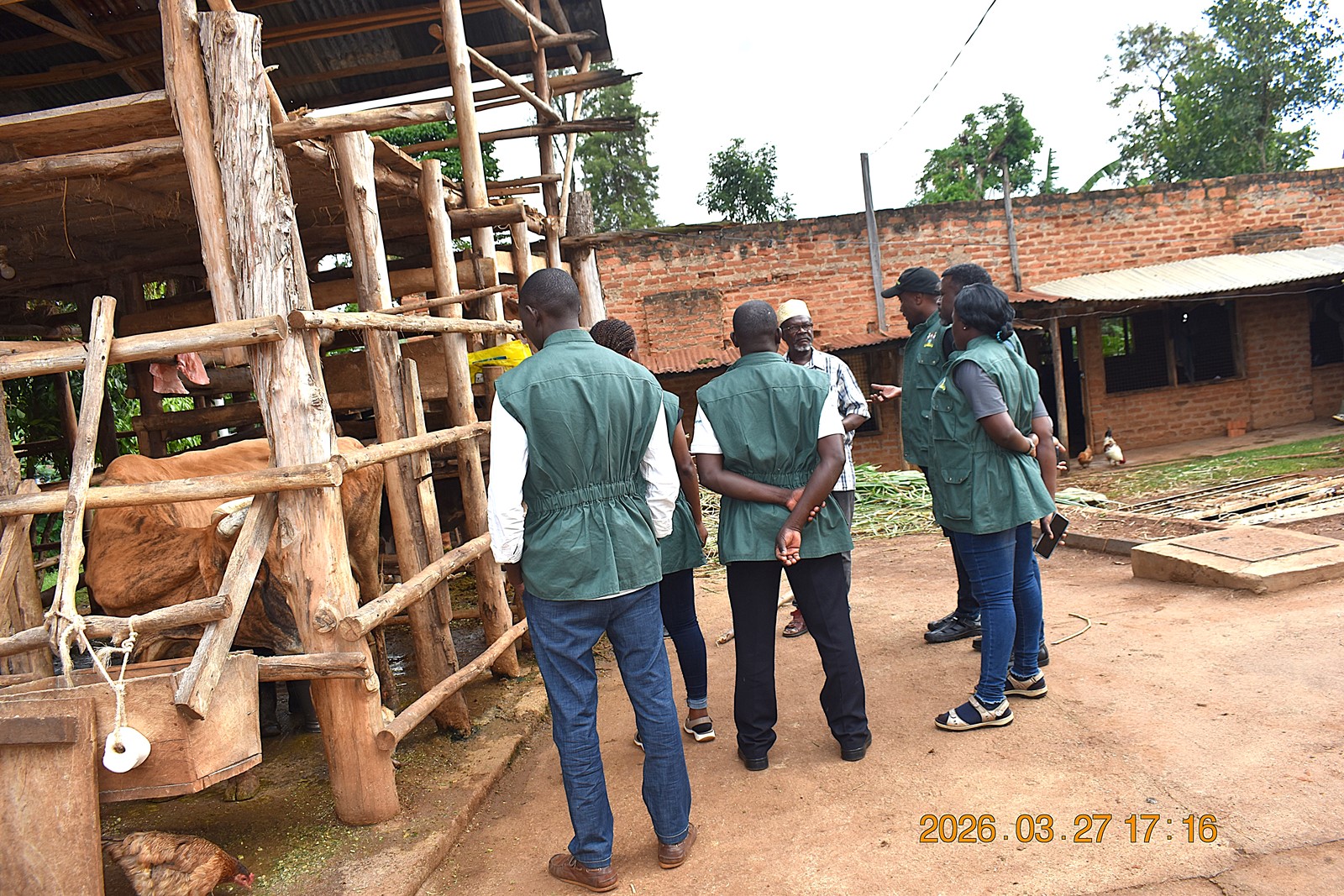
To enhance their skills, the RUFS Project team held training sessions for smallholder farmers in Mbale City on 26th-27th March 2026. Hosted at the home of Hajji Siraji Kamulegeya, a mixed farmer in Nankusi Cell, Northern Division in Mbale City, the training provided a community-centered setting that encouraged active participation and peer learning.
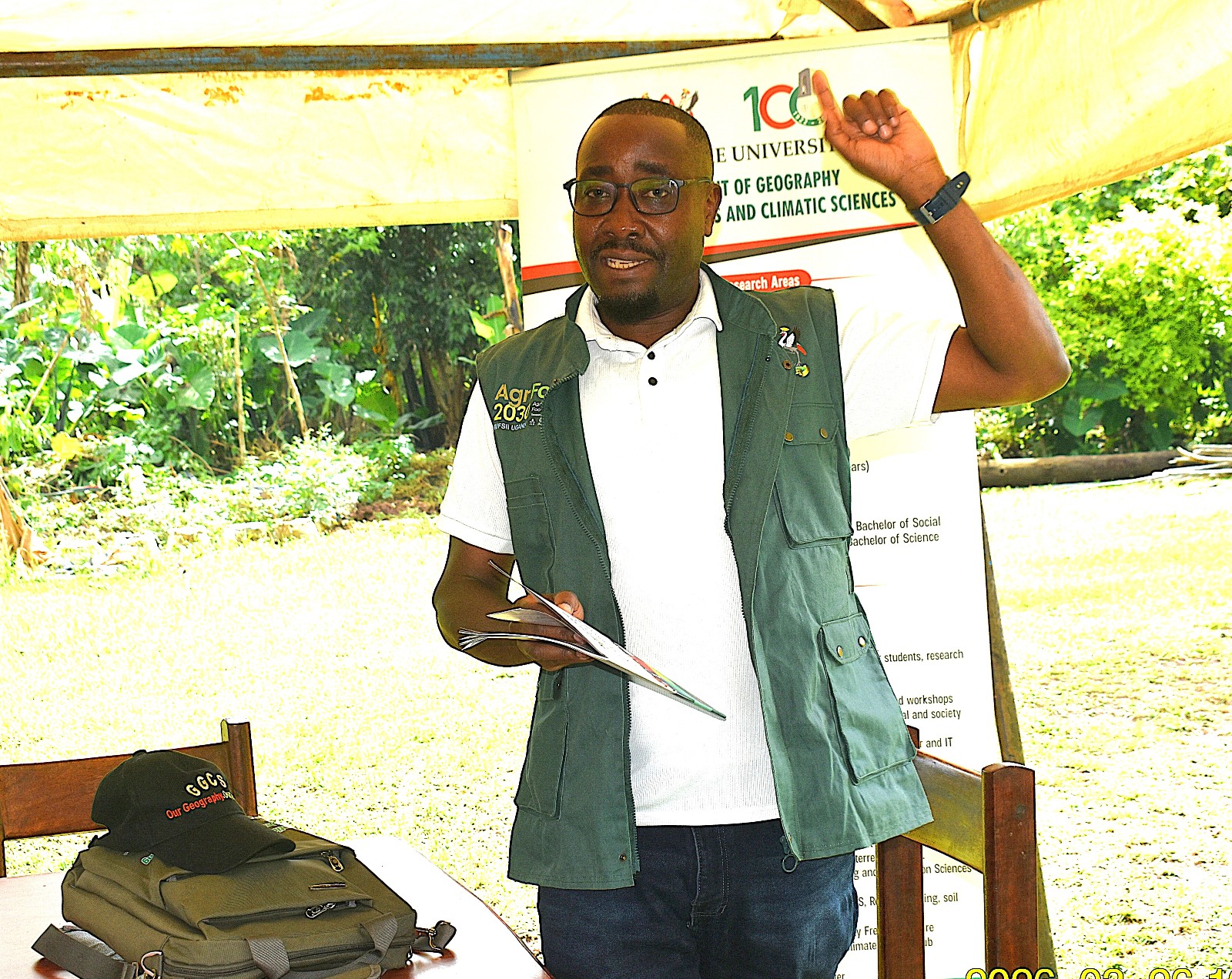
A total of 25 farmers attended the training, which aimed to strengthen financial literacy and enhance overall farm management practices. The sessions covered essential topics such as effective bookkeeping, farmer group dynamics, systematic documentation of farm activities, and the strategic use of media to share knowledge and promote agricultural products and services.
Farmers actively engaged in the discussions, openly sharing their experiences and the challenges they encounter. Many confessed that they did not maintain proper financial records, citing limited knowledge of record-keeping practices, the busy schedules, and, in some cases, low motivation to adopt structured documentation systems.
Training in Financial Management
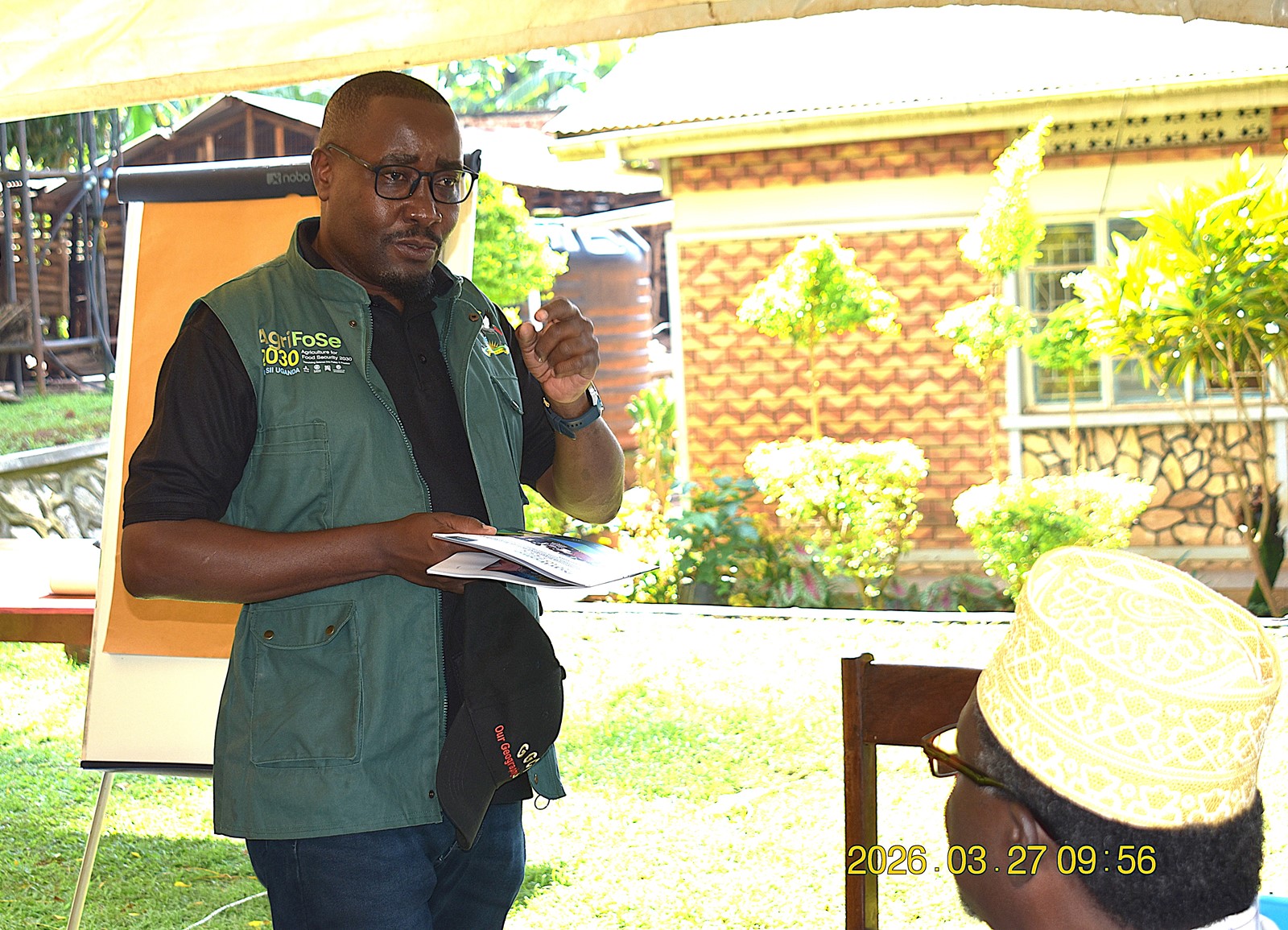
In a comprehensive training session focused on bookkeeping, Mr. Mbowa Henry from AidEnvironment, also a member of the RUFS Project, emphasized the critical importance of maintaining accurate, consistent, and systematically organized financial records. He noted that proper record-keeping not only improves financial management but also strengthens farm management and promotes long-term economic sustainability of farming enterprises.
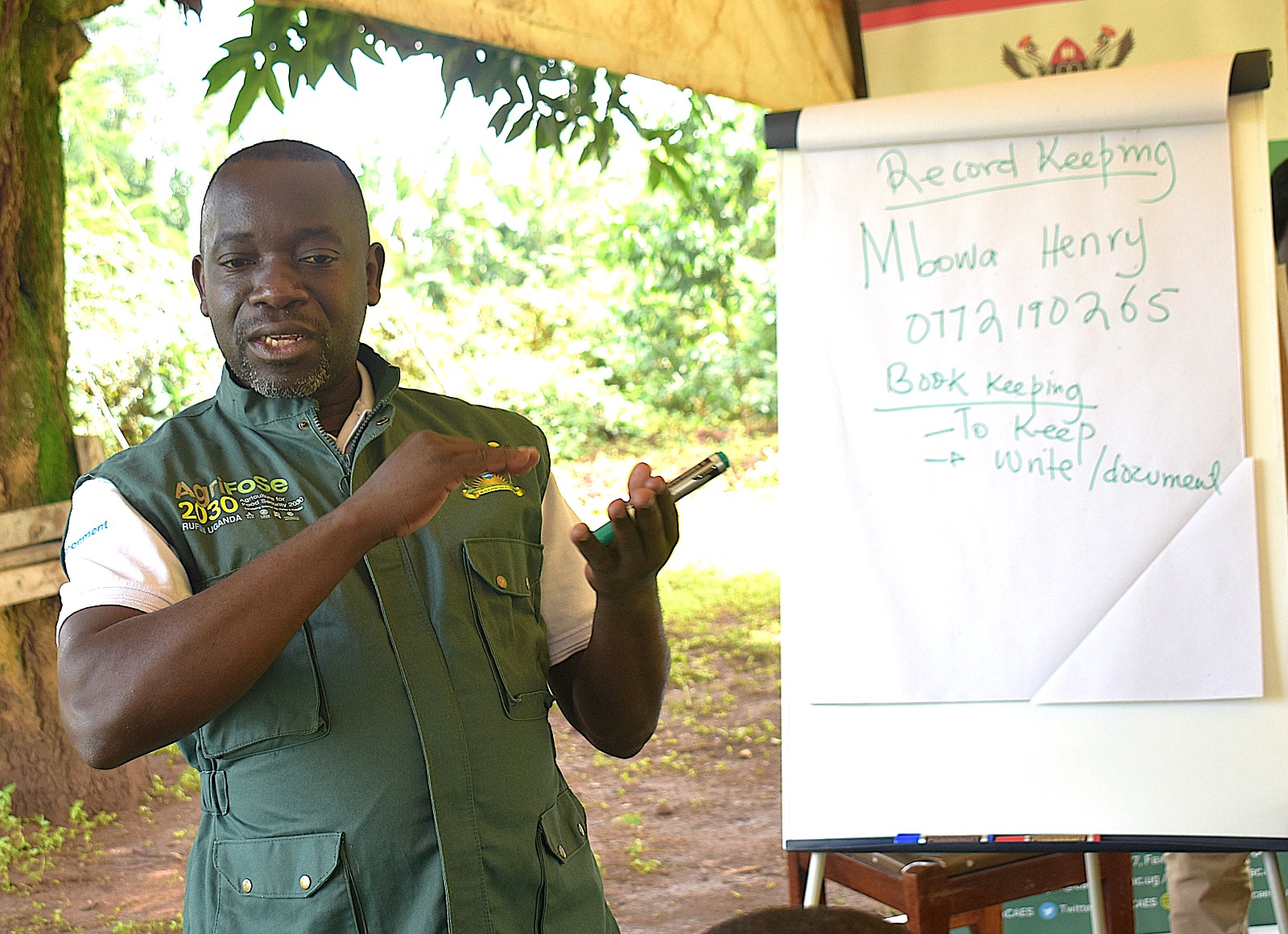
He introduced the farmers to the core components of an effective record-keeping system, including cashbooks, receipt books, expenditure registers, and bank records, tools essential for monitoring income, tracking expenses, and evaluating overall performance.
He encouraged the participants to actively apply the knowledge acquired, stressing that consistent adoption of these practices would empower them to optimize their farm operations, enhance productivity, and secure sustainable financial growth for their agricultural ventures.
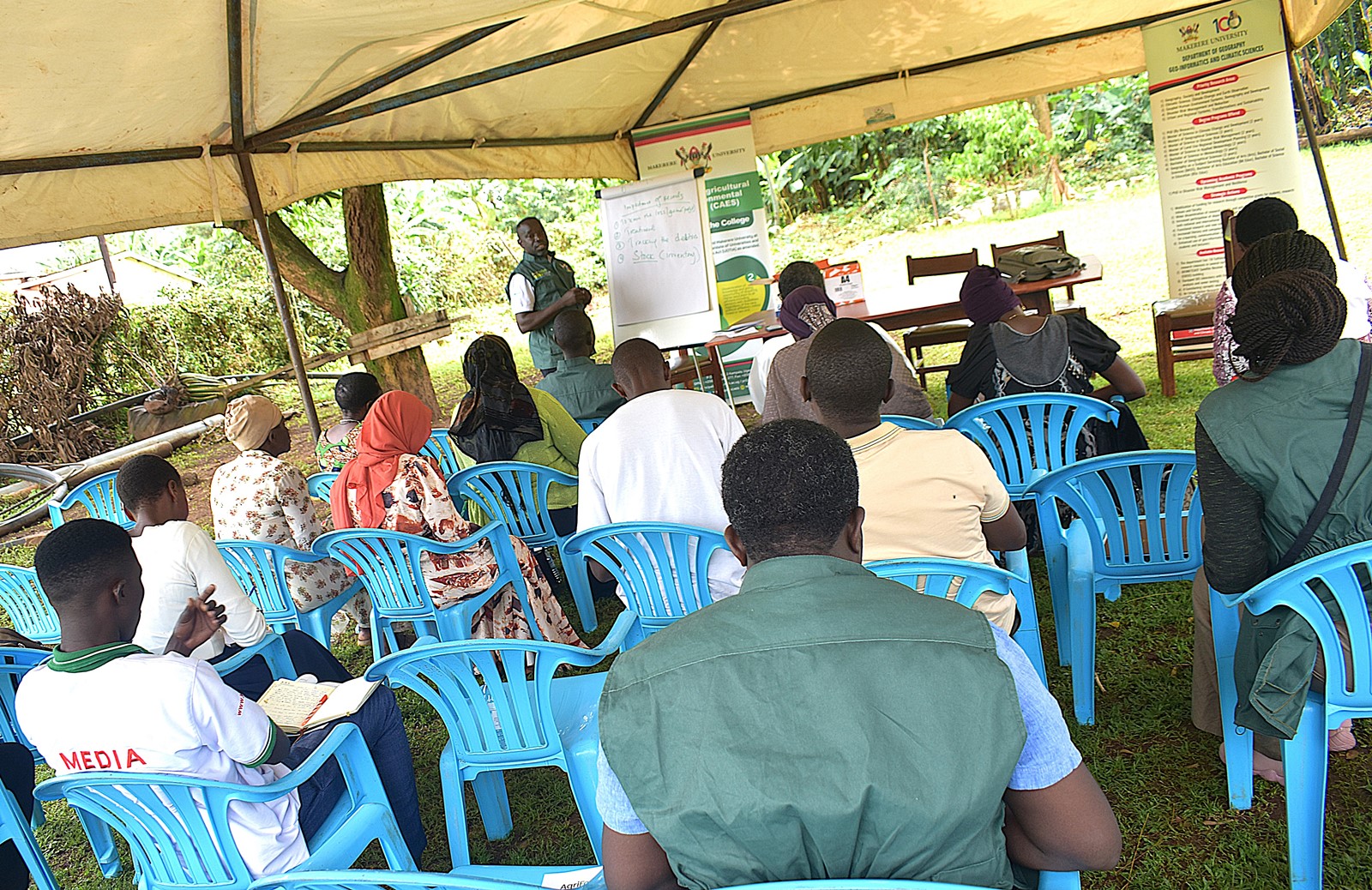
Managing Farmer Group Dynamics
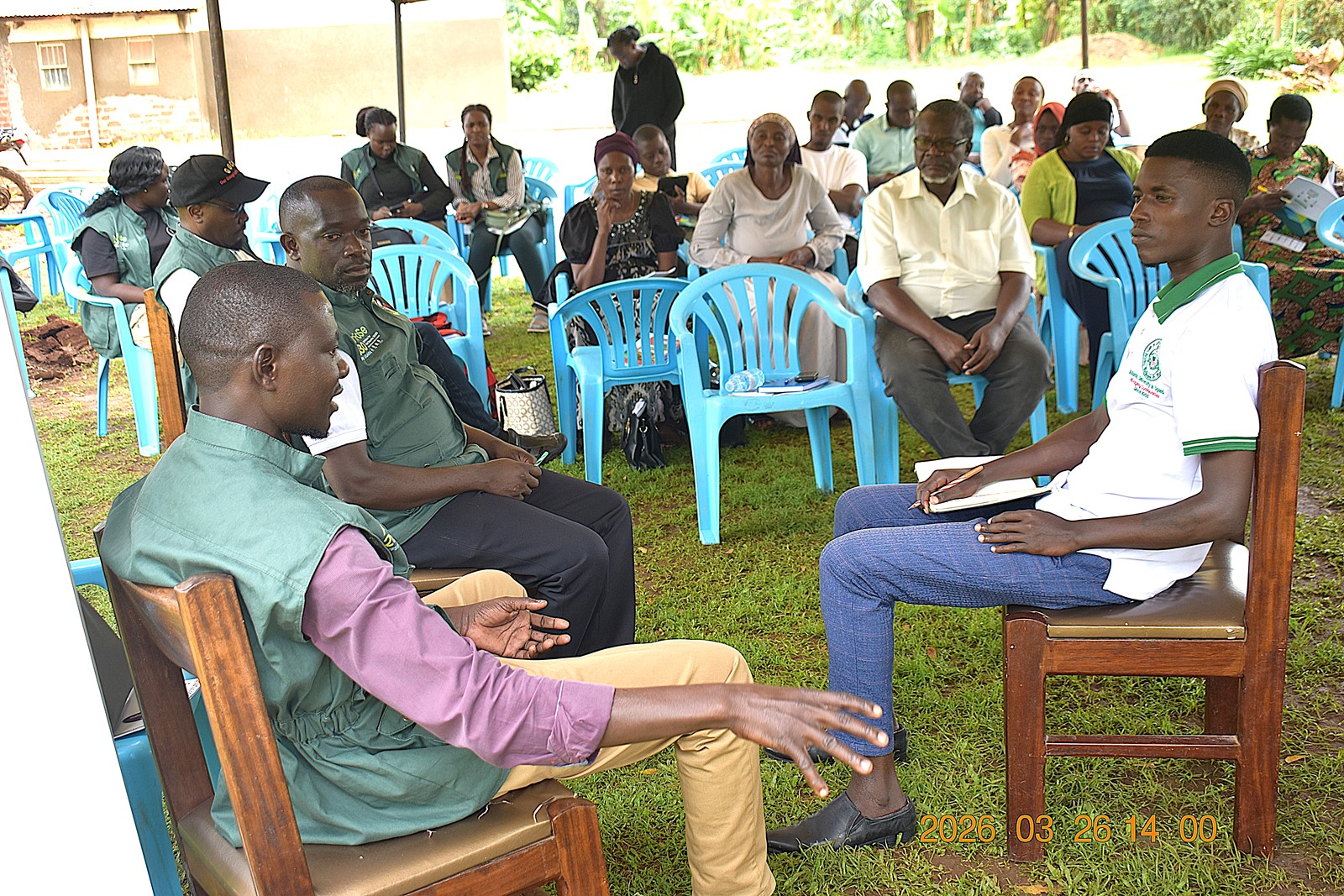
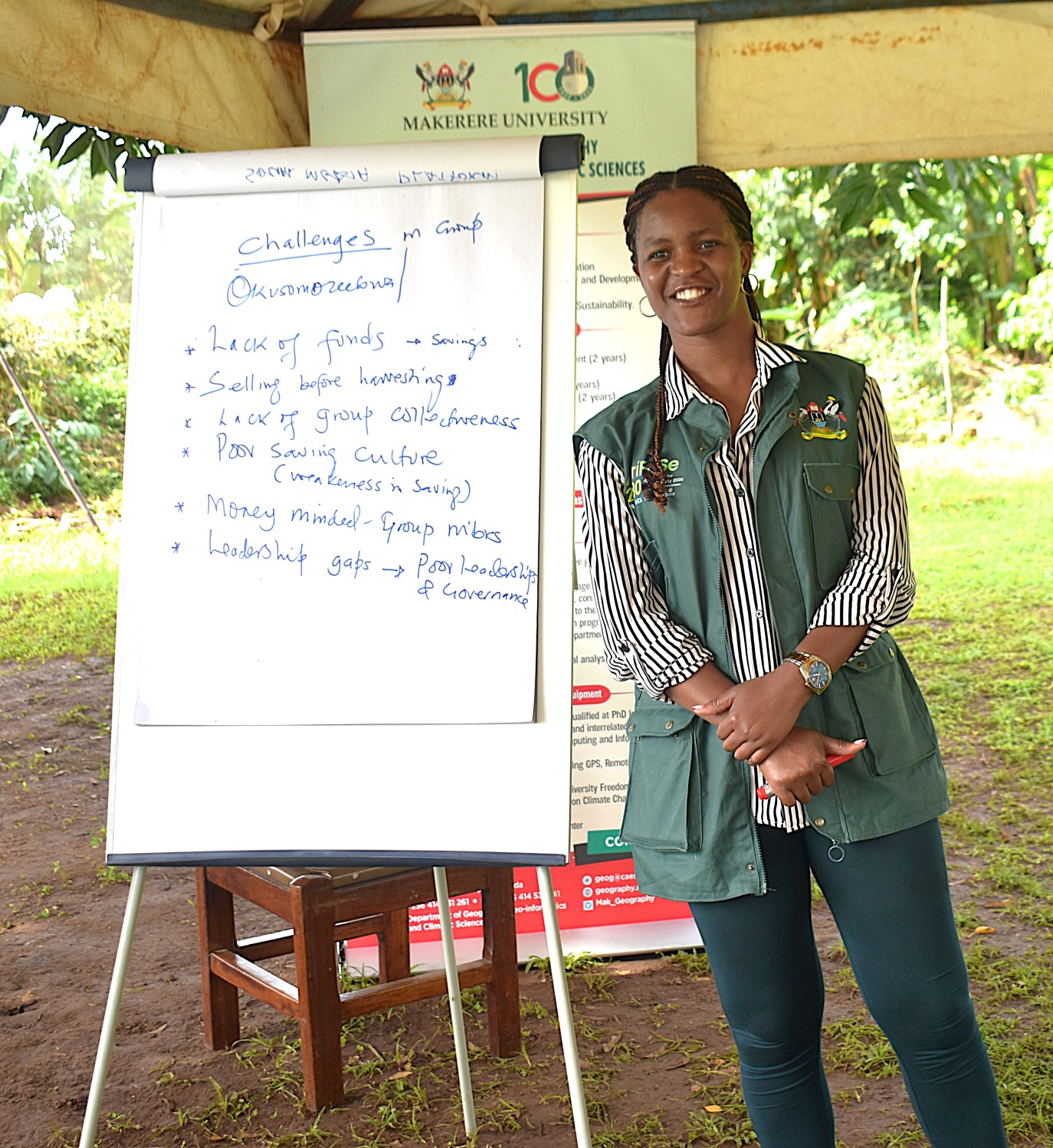
In addition to financial skills, the RUFS Project team, led by Mr. Mbowa and Ms. Ritah Pavin Nakanjako, provided guidance on farmer group dynamics. Discussions centered on common challenges affecting collective farming and strategies to address them. Key challenges identified included the lack of shared goals, conflicting individual interests, weak saving culture, leadership gaps, unregistered or family-centered groups, low participation in group activities, uncoordinated initiatives, politicking, and limited financial management skills, all of which hinder the success of farmer groups. The trainers emphasized the importance of unity, clear objectives, and structured collaboration in strengthening group performance.
Climate Change Risks
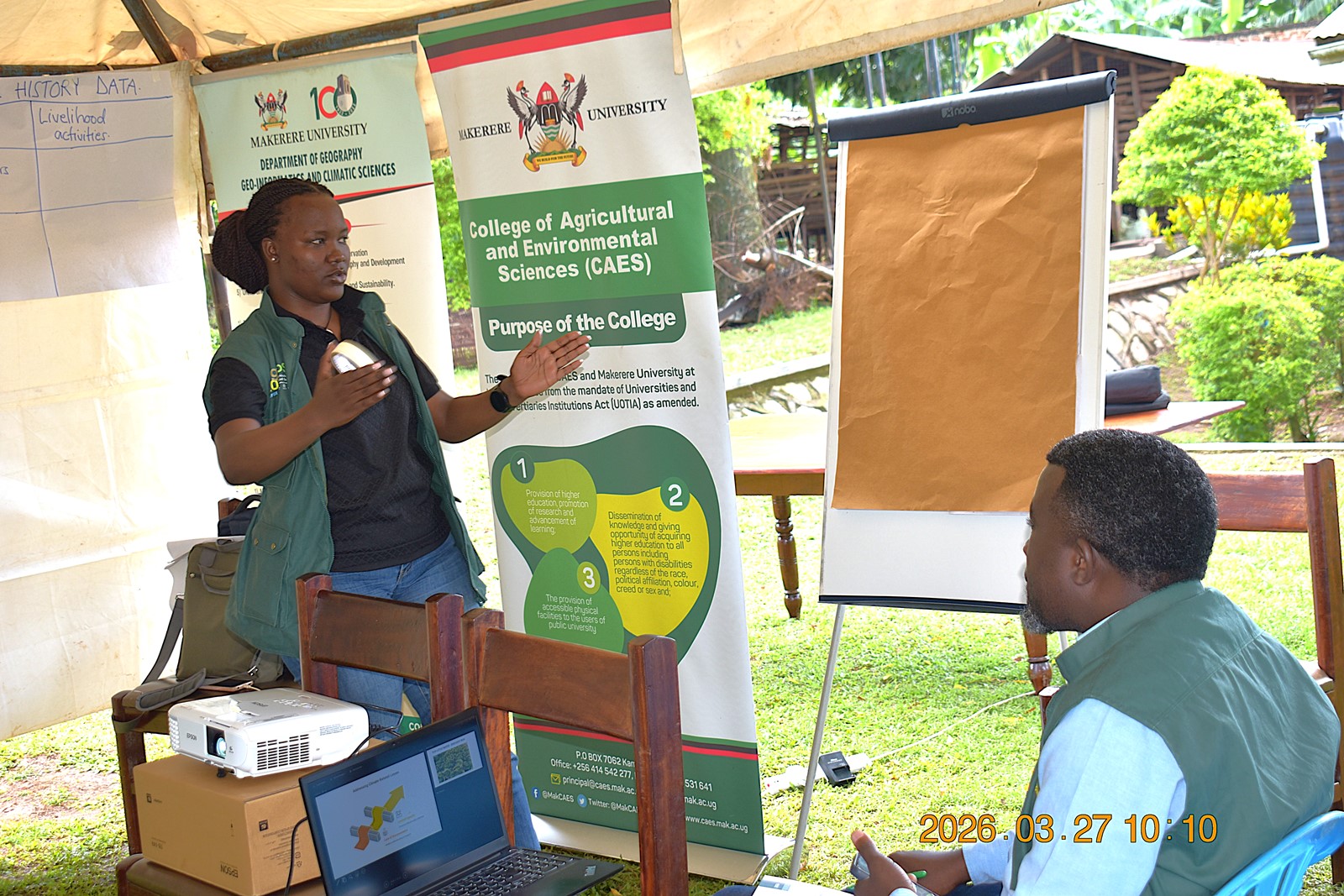
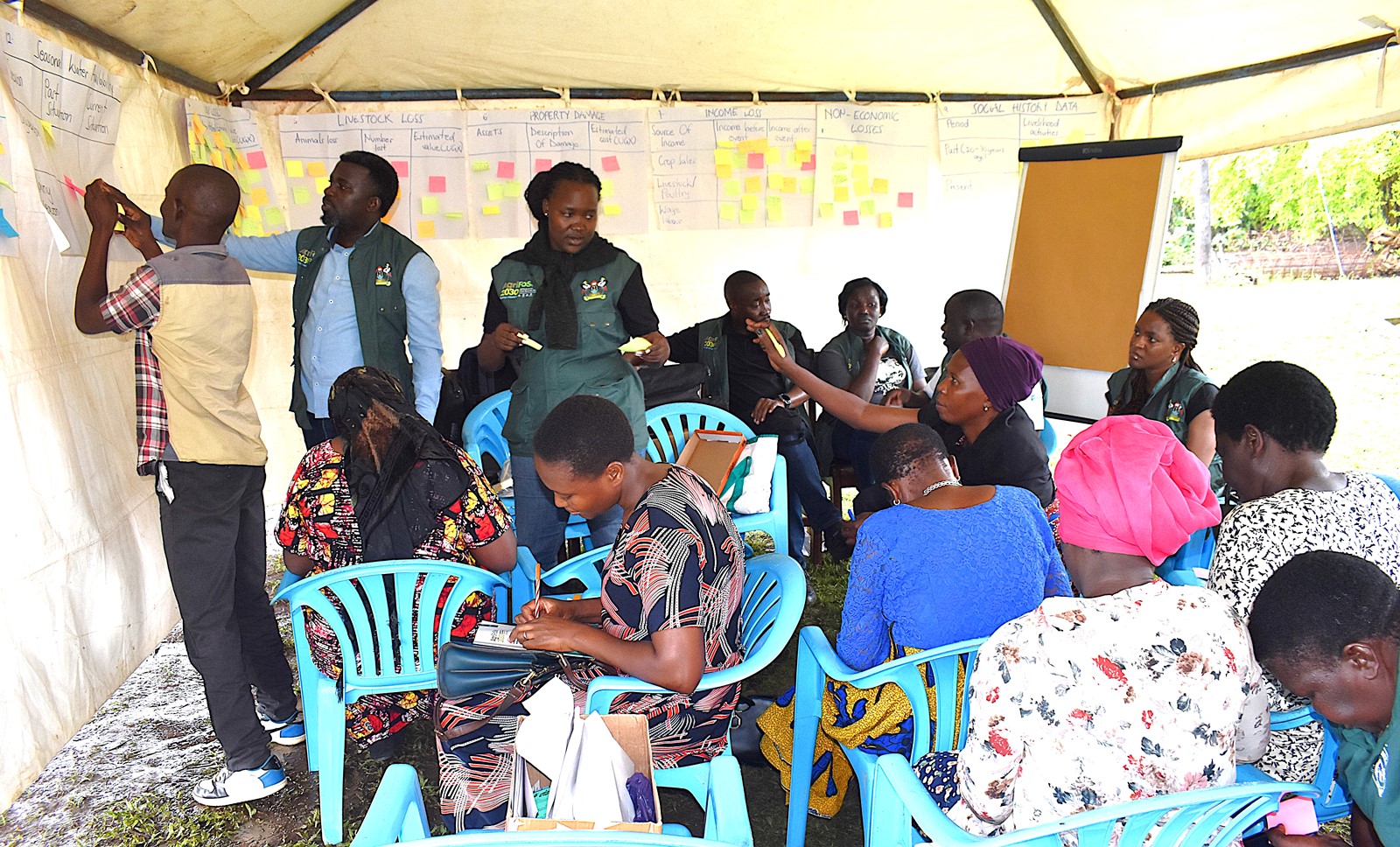
Another significant topic of discussion was climate change and its devastating effects, as well as the social and hydrological histories, emphasizing the urgent need for adaptive strategies in agriculture. The Elgon region, which spans Eastern Uganda’s highlands and the foothills of Mount Elgon, is particularly vulnerable to extreme rainfall, flash floods, and landslides due to its steep terrain, heavy seasonal rains, and densely settled, erosion-prone slopes. Over the decades, such disasters, most notably in 1997-2004, 2010, 2018, 2022, and 2023, have resulted in displacement, destroyed livelihoods, damaged infrastructure, increased food insecurity, and heightened health risks.
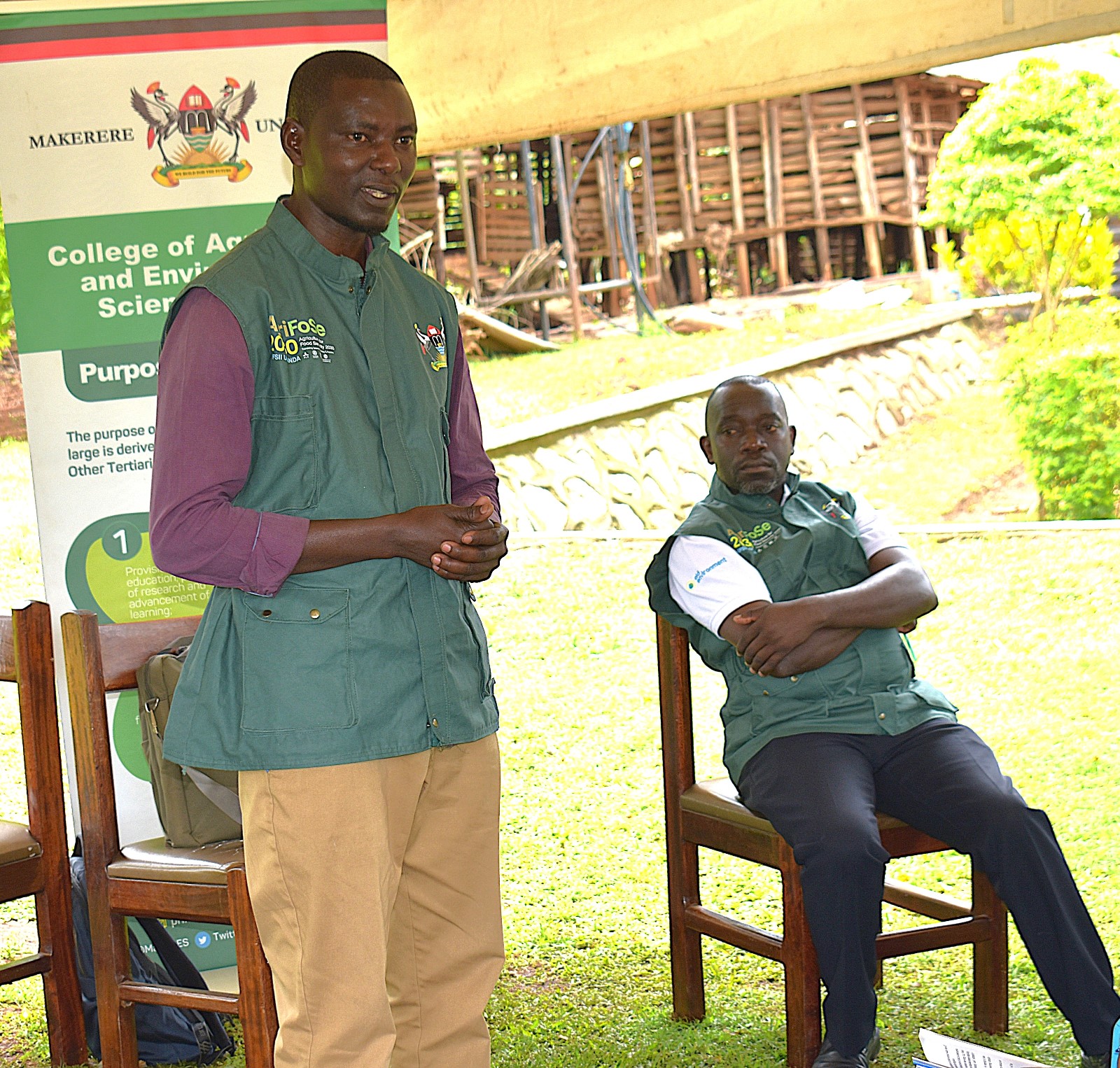
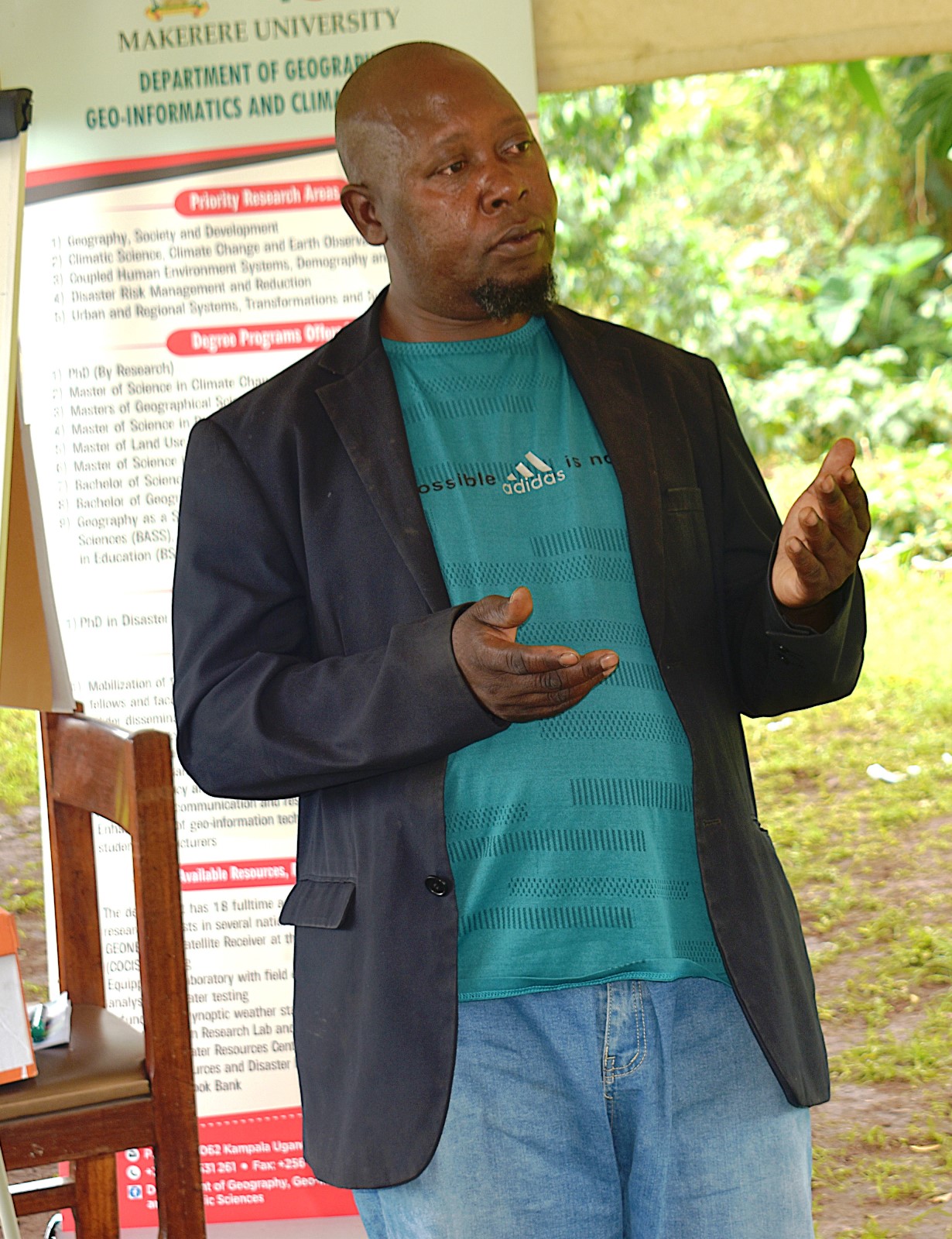
During the training, farmers shared firsthand accounts of the devastating impacts of recurrent floods in the region. Facilitated by Mr. David Luswata, a Masters student supported by the project, and Ms. Patricia Kiggundu, a member of the project, the sessions offered a collaborative platform for participants to explore long-term, sustainable solutions aimed at reducing both the risks and economic losses associated with climate variability. As part of his Masters research on flood risk management among smallholder farmers in Mbale City, Mr. David Luswata engaged the farmers on the impact of floods on crops, livestock, property and livelihoods.
Documentation and Knowledge Sharing
The training also emphasized the critical role of documentation in effective farm management and knowledge sharing. Mr. Juma Wephukulu, a member of the RUFS Project and Chairperson of the Mbale City Food Systems Platform, offered detailed guidance on essential practices for recording day-to-day agricultural activities. Drawing from his own experience, Mr. Wephukulu authored a book chronicling his farming journey. Supported by RUFS, the publication serves as an educational guide and an inspirational resource, equipping other farmers with practical insights, strategies, and motivation to enhance productivity and resilience.
Communication and Media Engagement
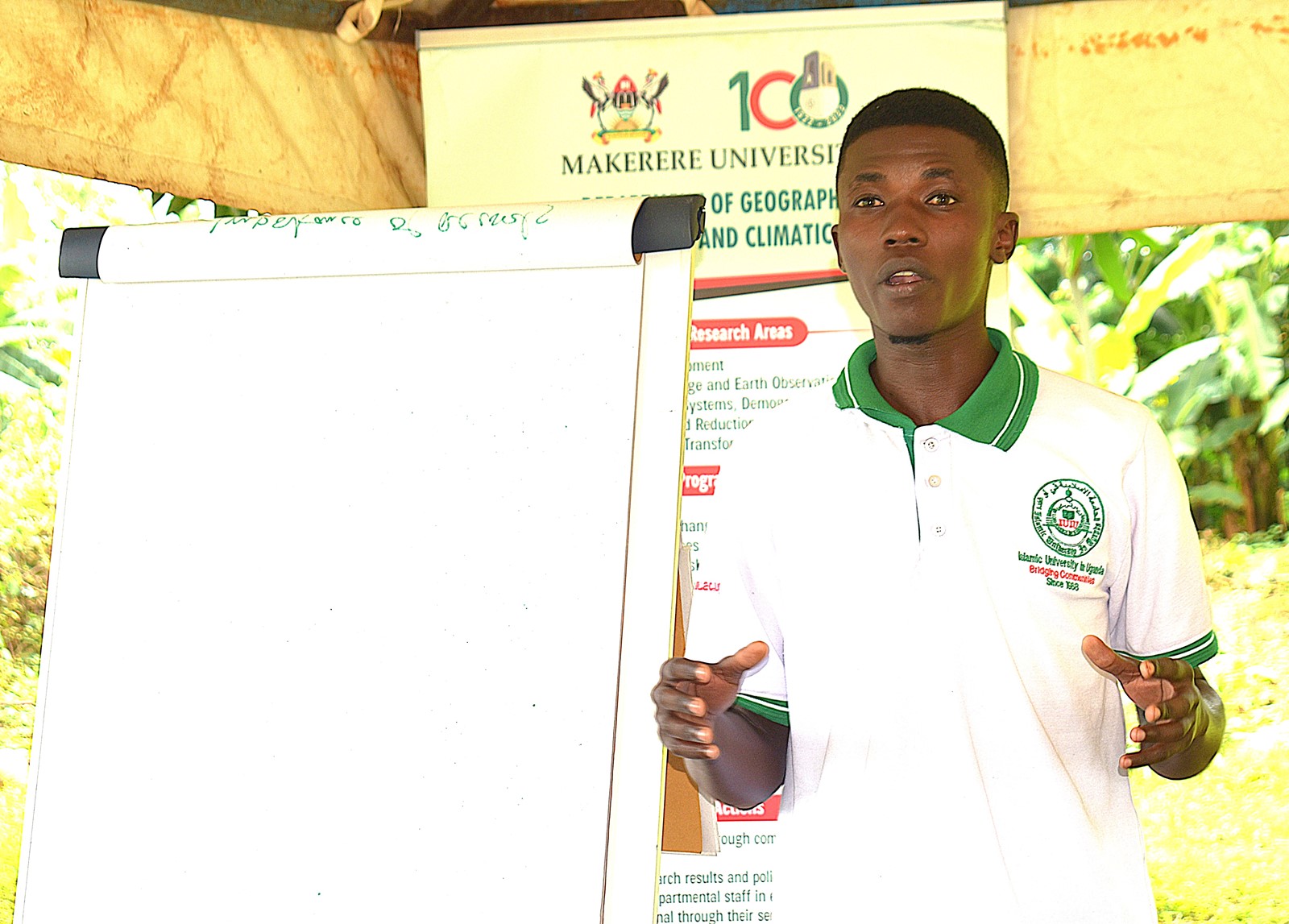
Another distinctive feature of the training was its focus on communication and media engagement. Farmers were encouraged to leverage media platforms to amplify their voices and share their experiences with wider audiences. Mr. Wataba Shaban, a talk-show host at IUIU FM in Mbale City, led a simulated radio talk-show session, demonstrating effective techniques for communicating agricultural issues and providing participants with practical skills for public engagement.
Community Perspectives
Many of the factors driving climate change are the result of human activity, frequently stemming from unsustainable agricultural practices and improper construction methods. Representing the farming community, Hajji Siraji Kamulegeya called for more educational programmes and capacity-building initiatives to deepen understanding of the causes of climate change and strategies for mitigating its impact. He expressed gratitude to the funders and the project team for the interventions.
Addressing the participants, Mr. Munowa Hassan, LC1 Chairman of Nankusi Cell in Northern City Division, Mbale City appreciated Makerere University for its numerous initiatives aimed at empowering farmers and enhancing food security. He called for the expansion of such projects.
Action Planning
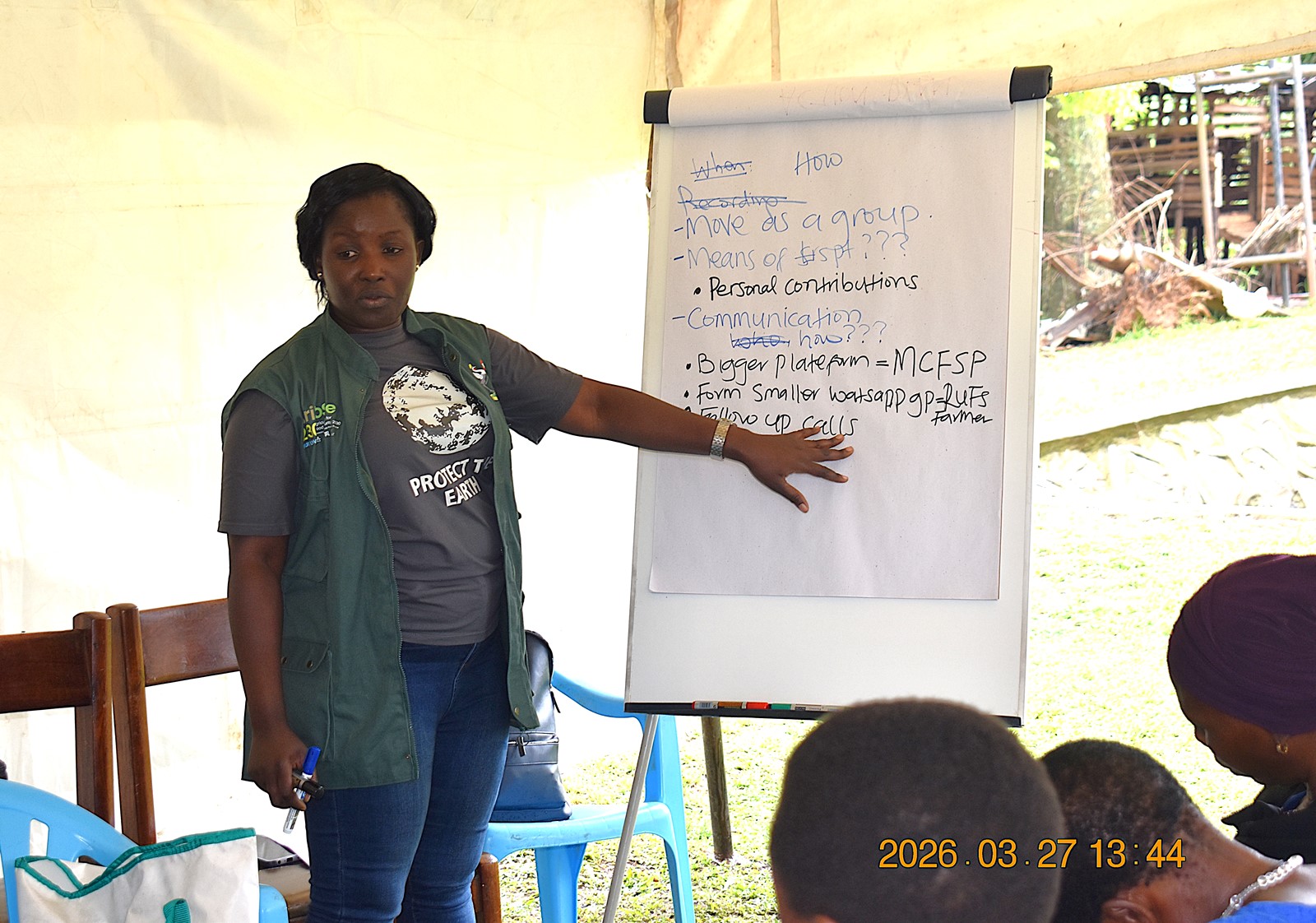
To translate knowledge into action, participants collectively developed a concrete action plan and a monitoring and evaluation framework to track progress, measure outcomes, and make necessary adjustments to achieve the desired impact.
A similar training will be conducted in Kasese Municipality.
Pictorial of the training:
https://drive.google.com/drive/folders/1OLgem3m5Lnnq5b0Nm4giPKcBnZPsZrEF?usp=sharing
More about the RUFS trainings: https://news.mak.ac.ug/2025/10/rufs-project-team-trains-smallholder-farmers-in-mbale-city-in-smart-agronomic-practices/
More photos
Agriculture & Environment
Environmental Officers from Eastern Uganda Retooled on Valuation and Accounting of Natural Resources

March 26, 2026 – Soroti, Uganda
Environmental and natural resource officers from Eastern Uganda have undergone intensive training on economic valuation, evaluation, and accounting of natural resources, in a move aimed at strengthening evidence-based environmental management at district level.
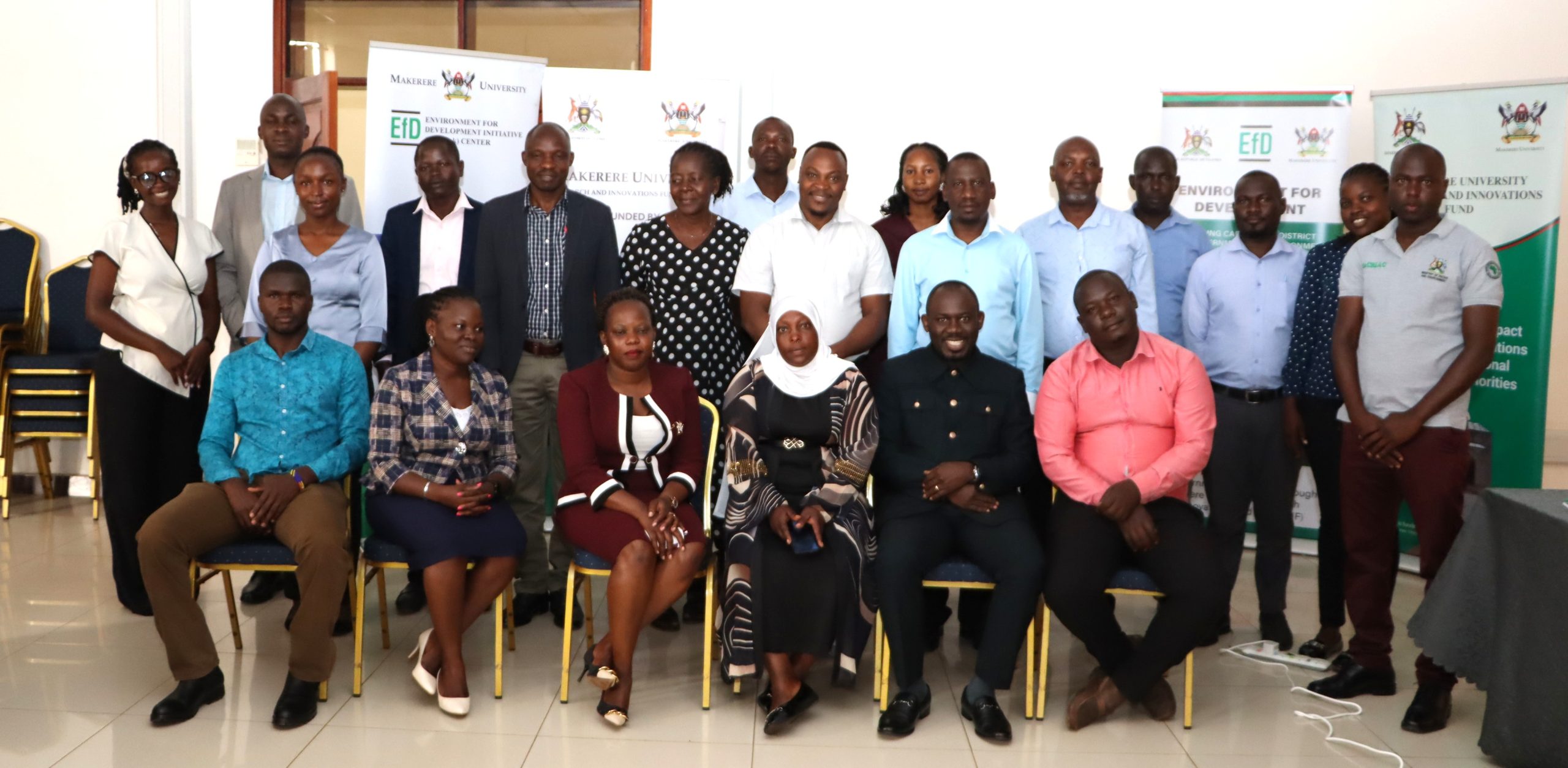
The training, held at Jasmine Hotel in Soroti, brought together district environmental officers, forestry officers, agricultural officers, planners and natural resource managers from at ten districts, including Palisa, Butebo, Busia, Bukedea, Jinja, Mbale, Kapchorwa, Iganga, and Soroti.
Organised by Environment for Development (EfD) Uganda and funded by the Government of Uganda through the Makerere University Research and Innovations Fund (Mak-RIF), the capacity-building initiative seeks to equip local government officers with practical tools to better manage natural resources amid growing environmental pressures.

Speaking at the opening of the training, Dr. Peter Babyenda, representing the EfD Centre Director and Principal Investigator Prof. Edward Bbaale, emphasized the importance of continuous skills development among environmental practitioners.
He noted that while many officers already possess foundational knowledge, refresher training is essential in a rapidly evolving field. “Capacity building is critical. We must keep reminding ourselves and sharing experiences so that we remain relevant and effective in our roles,” he said.
The training focused on key areas including environmental valuation and evaluation, environmental accounting, and climate change mitigation and adaptation. According to Babyenda, the programme was informed by a prior survey that revealed significant skills gaps among district officers, particularly in valuing natural resources such as wetlands and forests.
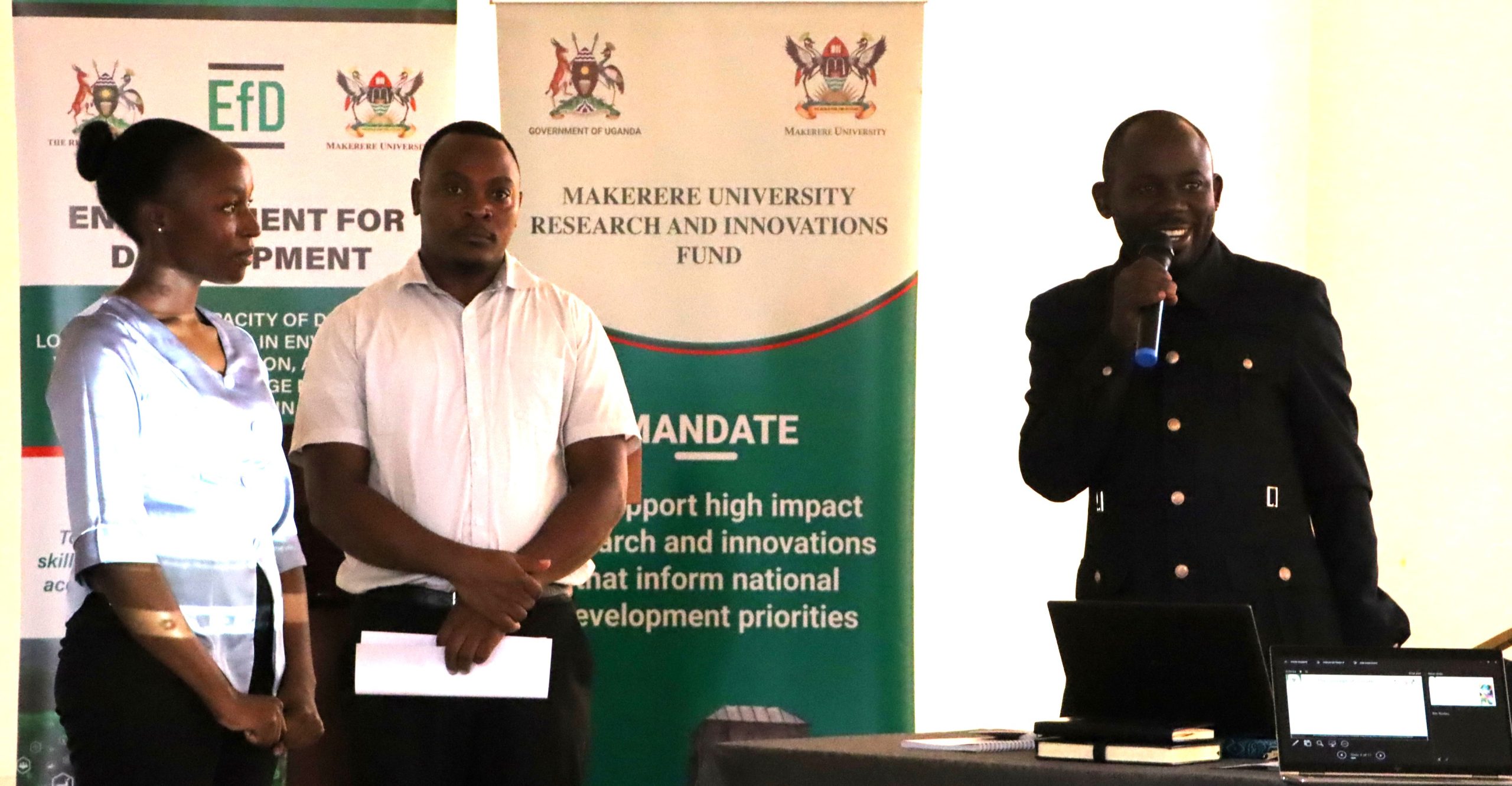
Babyenda stressed that the ability to quantify the economic value of natural resources is crucial for informed decision-making. “If districts can assess and assign value to resources like swamps and forests, it strengthens national planning and ensures these resources are not undervalued or degraded,” he said.
He further highlighted the importance of cost-benefit analysis in guiding policy decisions. “When policymakers ask for alternatives to resource exploitation, officers must be equipped to present evidence-based scenarios that balance conservation and development,” he explained.
The training also introduced participants to emerging concepts such as circular economy practices, where waste is transformed into valuable resources. Dr. Babyenda cited examples of innovations in waste management, including the conversion of human waste into energy and organic fertilizer.
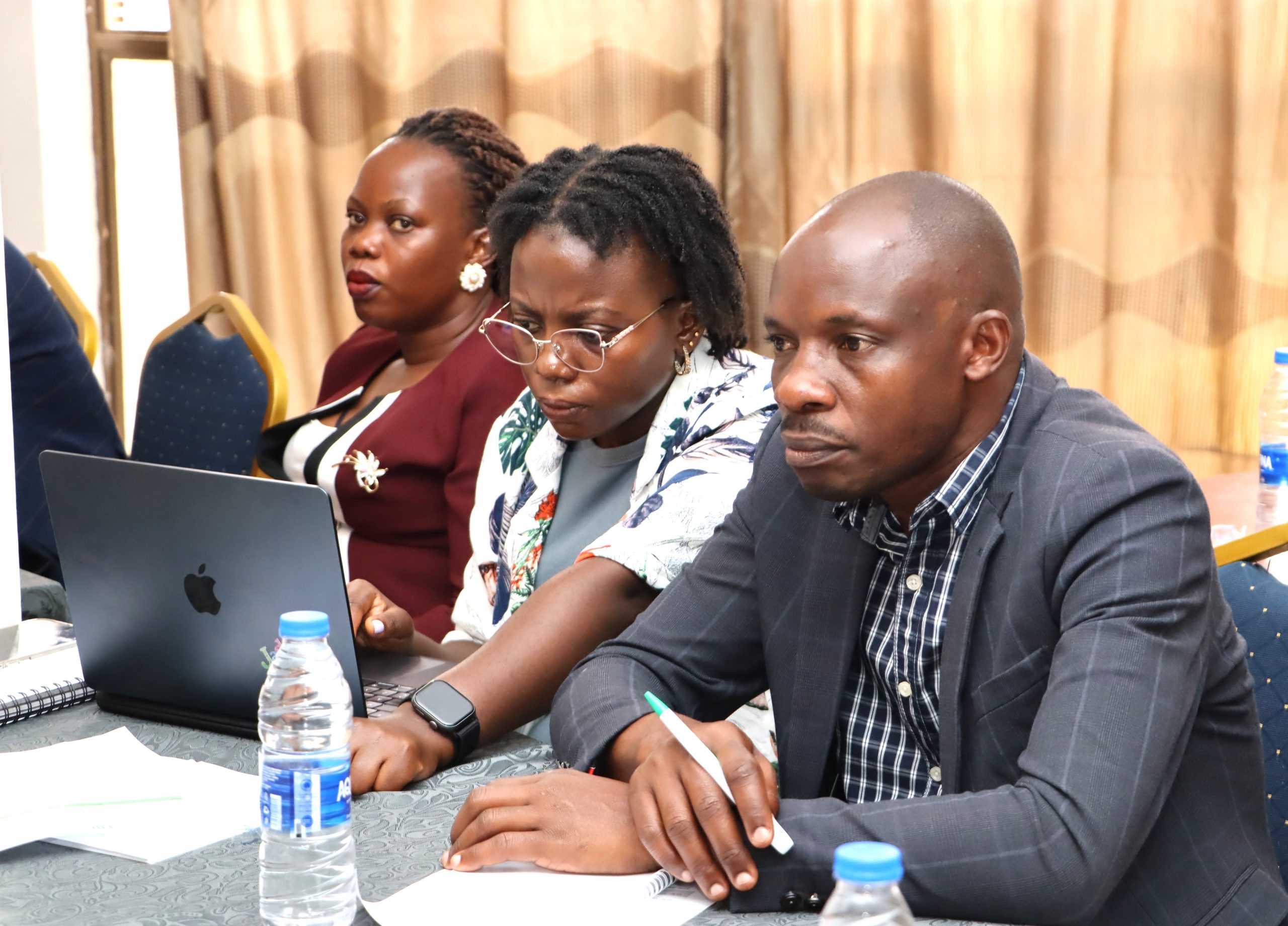
“Gone are the days when waste was simply discarded. Today, every form of waste has value from energy generation to carbon credit opportunities,” he noted, urging officers to embrace such innovations in their districts.
Participants were also being encouraged to leverage their new skills to attract funding for local environmental projects, including climate financing opportunities. Small grants, he noted, can support community-driven solutions to environmental challenges.
In addition, the programme underscored the role of district officers in generating data for national development frameworks. Accurate environmental data, including biodiversity indicators, is increasingly critical for Uganda’s reporting on Sustainable Development Goals (SDGs) and national planning instruments such as the National Development Plan IV (NDP IV).
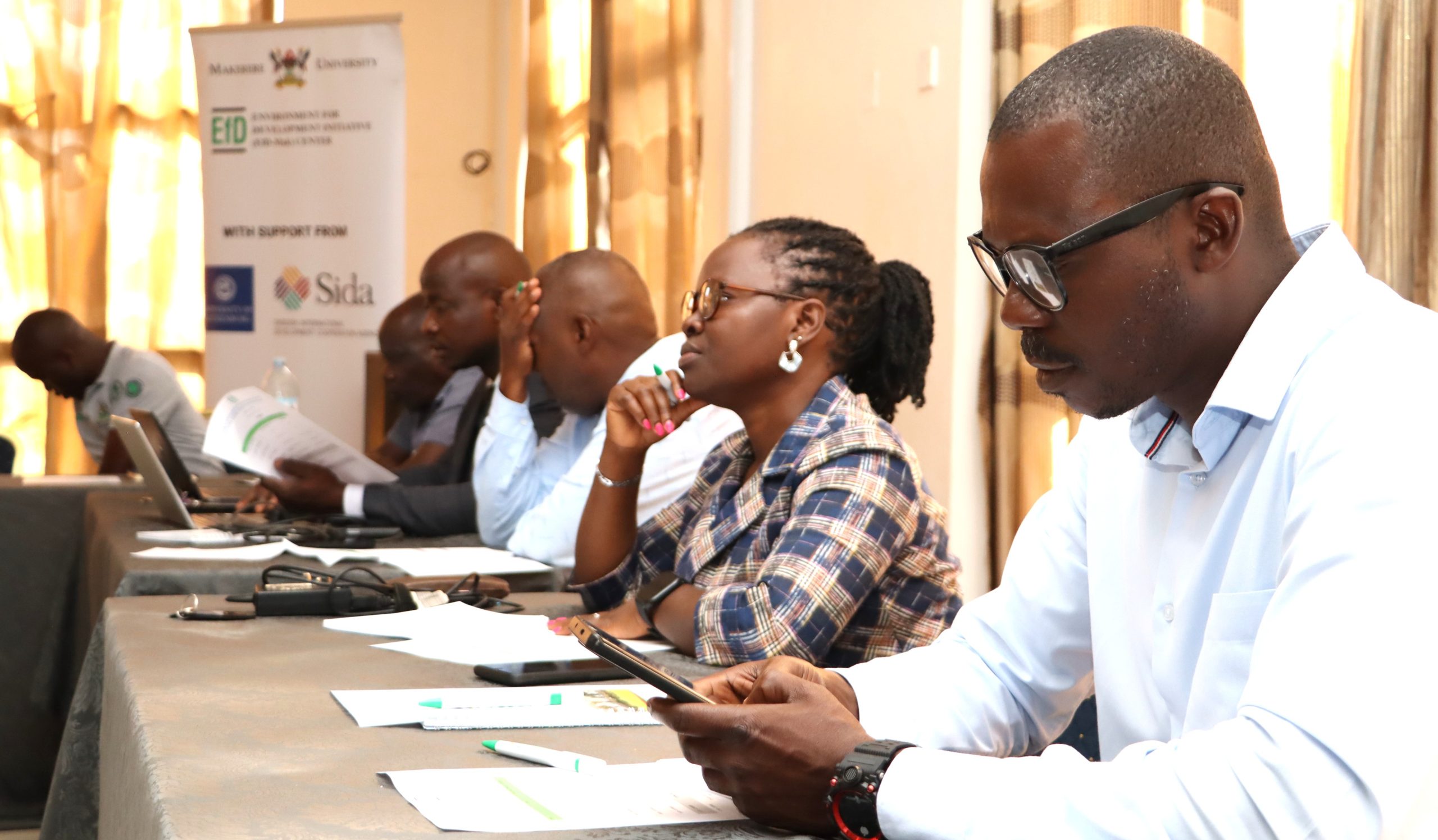
“We cannot develop national indices like biodiversity indicators without your input. You are central to data collection and reporting,” Dr. Babyenda said.
He urged participants to act as change agents by sharing knowledge gained from the training with colleagues in their respective districts. “When you go back, ensure that this knowledge is cascaded. Let us leave here transformed and ready to make an impact,” he said.
The training in Soroti marks the final session in a series that has been conducted in various regions across the country, including Jinja, Masaka, Entebbe, and Arua. Babyenda expressed hope that additional funding will be secured to extend similar capacity-building initiatives to more districts.
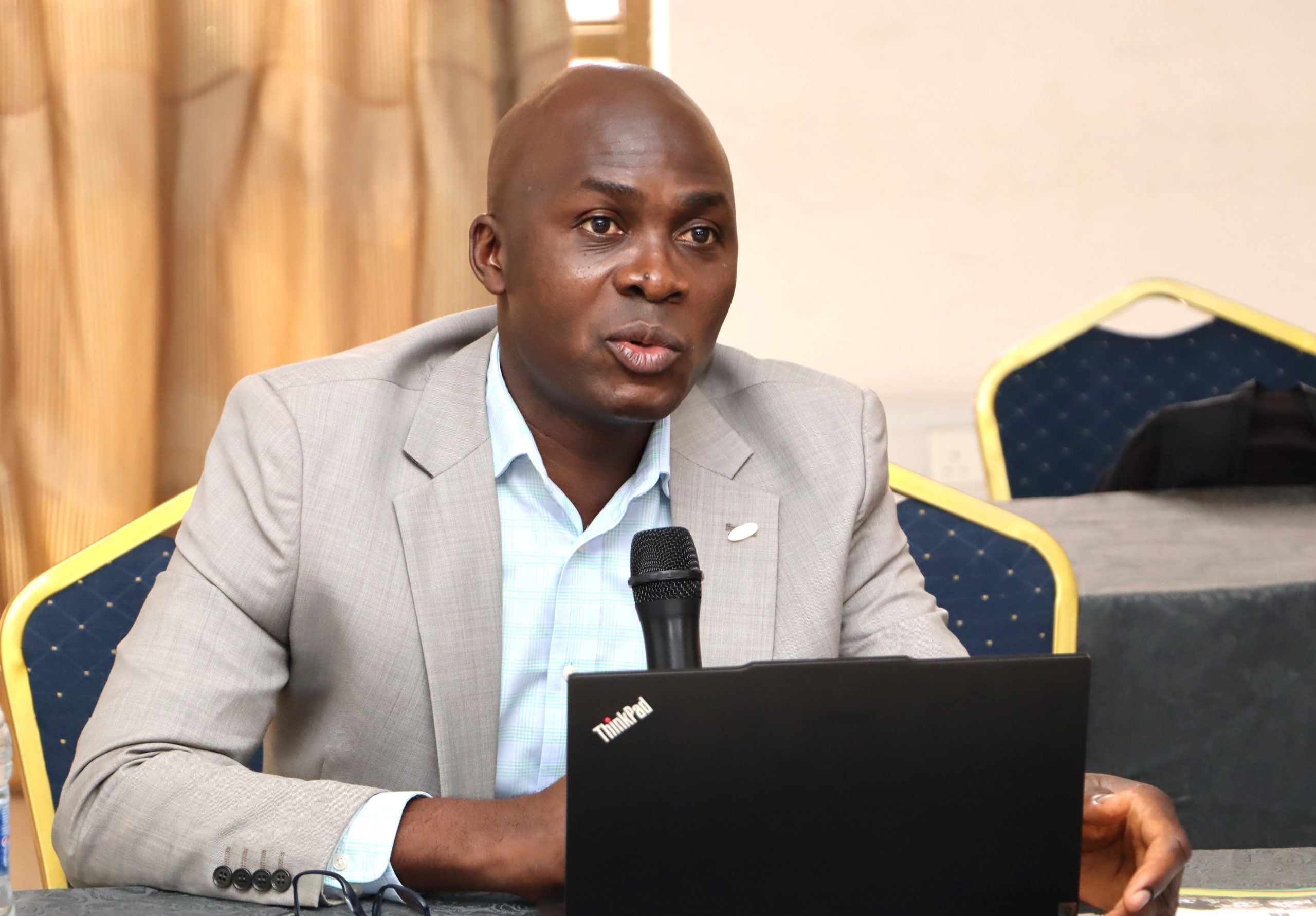
Facilitators at the training include Dr. Nick Kilimani, who led a sessions on environmental accounting, and Ms. Alice Nalweera, who covered climate change mitigation and adaptation strategies.
As environmental challenges intensify due to population growth and increased demand for natural resources, experts say such trainings are essential in promoting sustainable resource use while supporting local economic development.
Environment at the Center of Uganda’s Development Agenda
Environmental economist Dr. Peter Babyenda has called for stronger efforts to value and protect Uganda’s natural resources, warning that failure to do so could undermine the country’s long-term development.
Presenting on Environmental valuation and evaluation Dr. Babyenda emphasized that the environment—defined as both living and non-living surroundings remains the backbone of economic activity and human survival.
He noted that the environment provides essential resources such as water, minerals, forests, and oil, which support livelihoods and national growth. Uganda’s recent gains in gold exports and ongoing oil developments, he said, demonstrate the economic importance of natural resources.
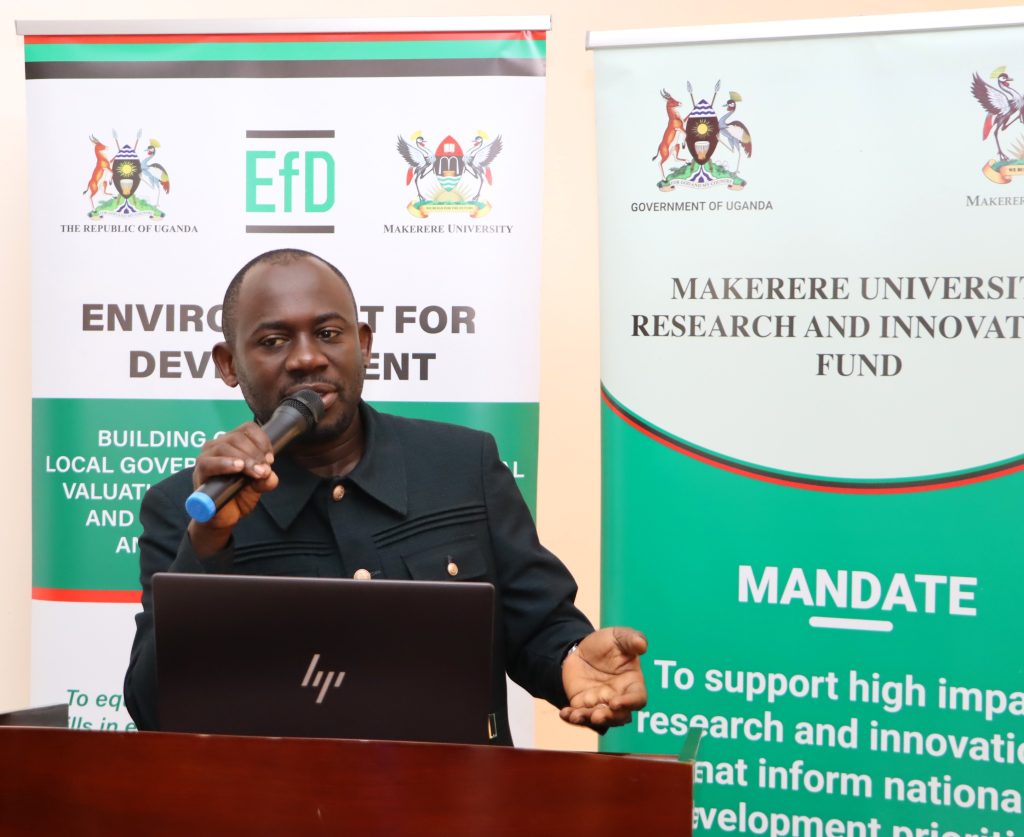
“The environment sustains life, supplies resources, and even determines the quality of life,” he explained, adding that areas with clean water, forests, and scenic beauty often command higher land values.
Dr. Babyenda pointed out that many people prefer living in well-preserved environments, citing high property prices near water bodies like Lake Victoria as evidence of nature’s economic value.
Poverty and Environmental Degradation
However, he stressed that poverty remains a major driver of environmental destruction. Communities often resort to deforestation and unsustainable farming practices in search of survival. “You cannot stop someone from cutting a tree for charcoal when they have nothing to eat,” he said.
Participants highlighted key environmental challenges in eastern Uganda, including poor agricultural practices, deforestation, climate change, landslides in highland areas, and flooding in low-lying regions. Many of these, he noted, are largely human-induced.
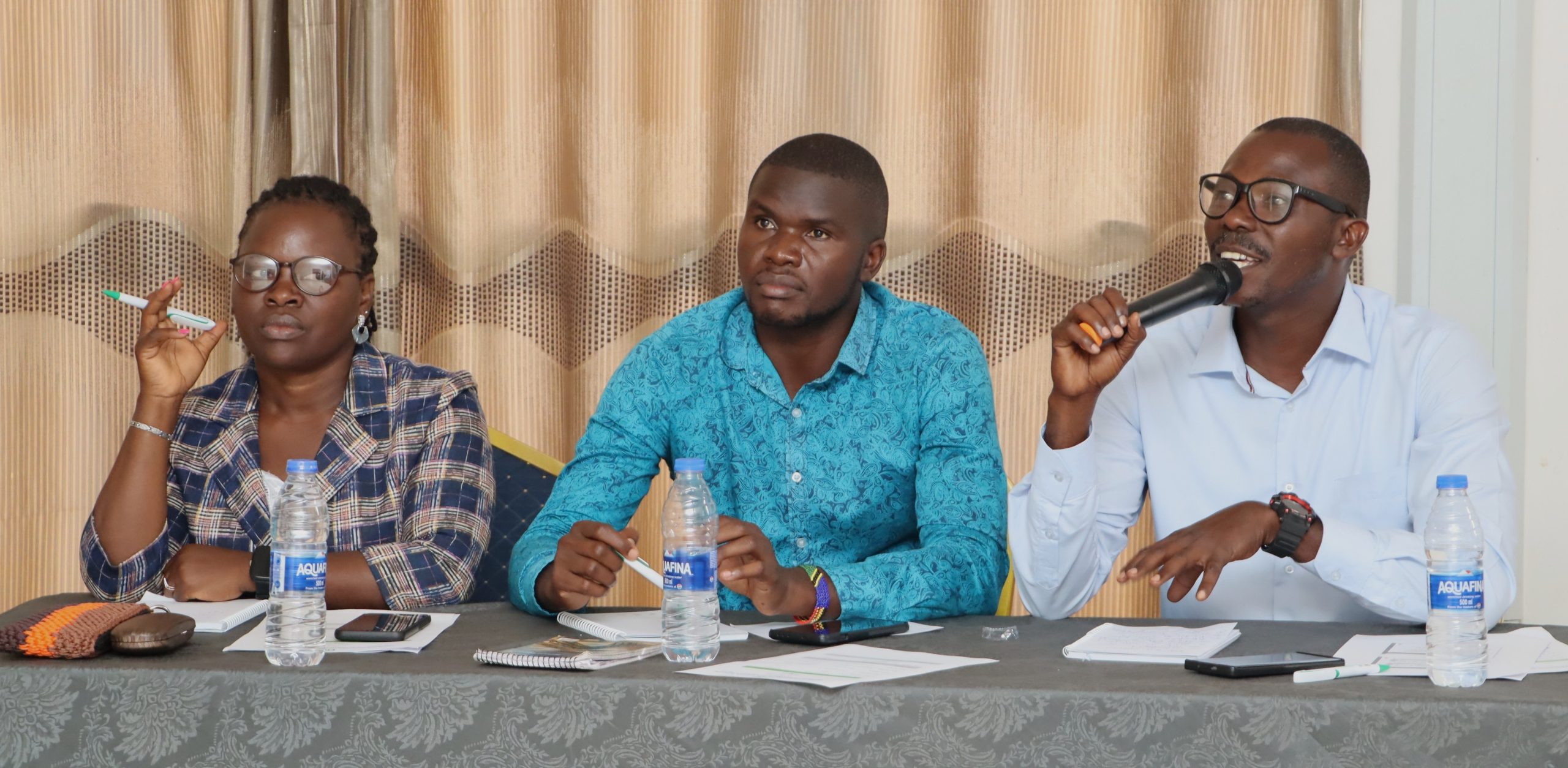
Beyond economic benefits, Dr. Babyenda underscored the importance of ecosystem services, including cultural and spiritual values. He explained that many communities derive identity, medicine, and traditions from natural resources.
Natural systems also support agriculture through soil fertility and pollination. He warned that misuse of chemicals could threaten pollinators like bees, potentially affecting food production.
With Uganda’s rising population, demand for land, food, and energy is increasing, placing pressure on forests, wetlands, and wildlife. Expanding agriculture, urbanization, and illegal logging are among the key threats.
Dr. Babyenda also noted emerging global policies requiring environmental accountability, such as traceability in coffee production to ensure crops are not grown on deforested land.
Why Environmental Valuation Matters
A central theme of the presentation was environmental valuation, the process of assigning monetary value to natural resources.
Dr. Babyenda explained that valuation helps policymakers make informed decisions, especially when balancing conservation with development. For instance, a forest may generate more long-term economic benefits than short-term gains from clearing it for agriculture.
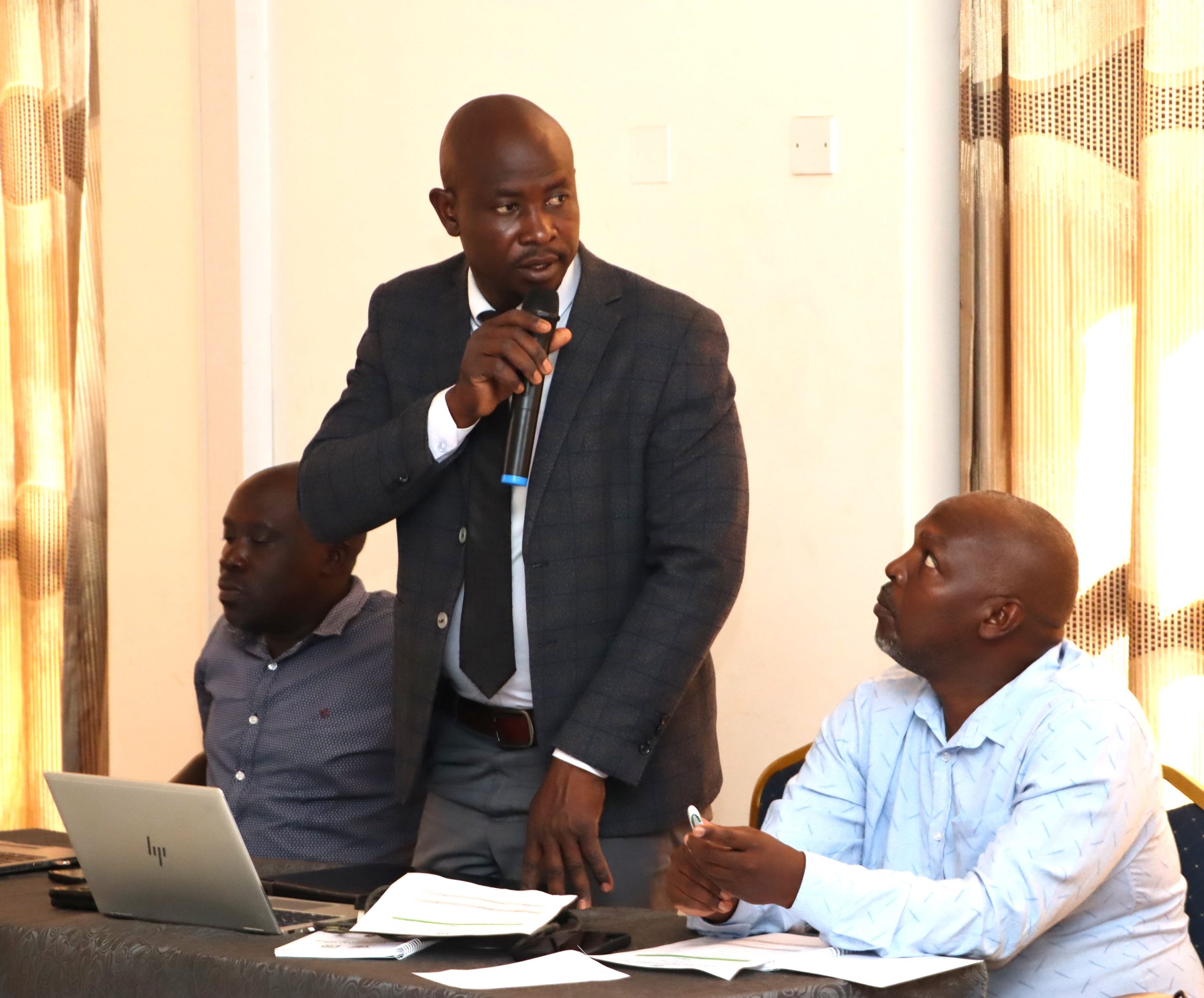
He introduced key valuation methods such as Willingness to Pay (How much individuals would pay to access or preserve environmental resources) and Willingness to Accept: (Compensation required for losing environmental benefits).
These approaches, he said, can help quantify both direct uses like timber and tourism and indirect or non-use values, such as preserving resources for future generations.
Dr. Babyenda urged environmental officers to document and report risks proactively, noting that failure to act early often leads to severe consequences when disasters occur.
He cited Uganda’s policy framework, including Vision 2040 and environmental laws, as critical tools for sustainable management. However, he stressed that implementation requires proper data, budgeting and justification.
“Once you know the value of something, you are more likely to protect it,” he said.
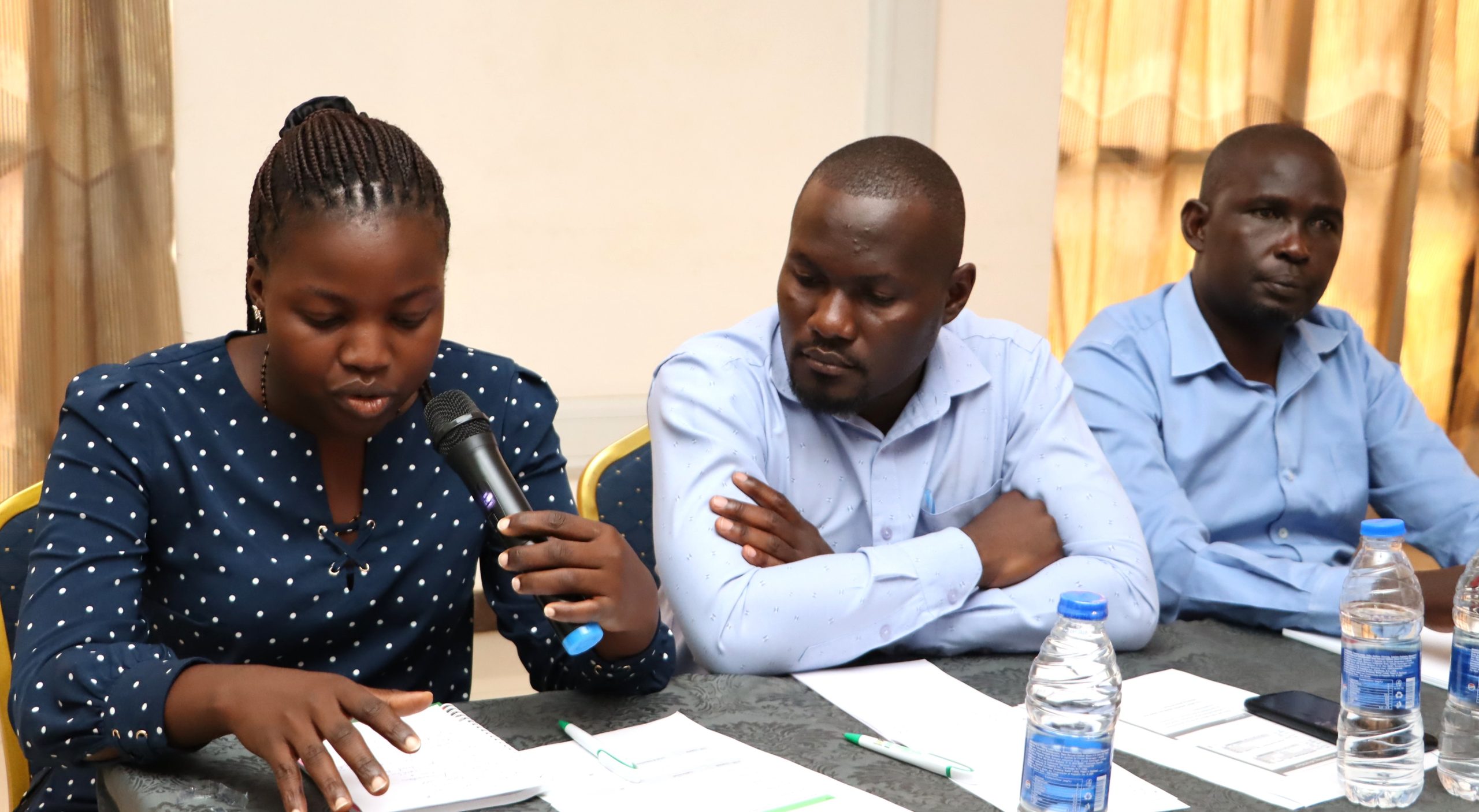
The presentation concluded with a call for collective responsibility in safeguarding Uganda’s biodiversity, which includes forests, wetlands, savannahs, and national parks.
Dr. Babyenda encouraged innovation in land use, better planning, and increased investment in environmental protection, warning that the country’s future depends on how well it manages its natural wealth.
“Development and environmental protection must go hand in hand,” he said.
Environmental Accounting Key to Sustainable Development
Environmental accounting is critical for Uganda’s sustainable development, with district-level officers playing a pivotal role in safeguarding natural resources, according to environmental expert Dr. Nicholas Kilimani.
Presentation to technical officers, Dr. Kilimani emphasized that environmental management is no longer an auxiliary function but a central component of national development. “The environment in which we live affects the economy, human health and our livelihoods,” he said, warning that failure to account for natural resources could have far-reaching consequences
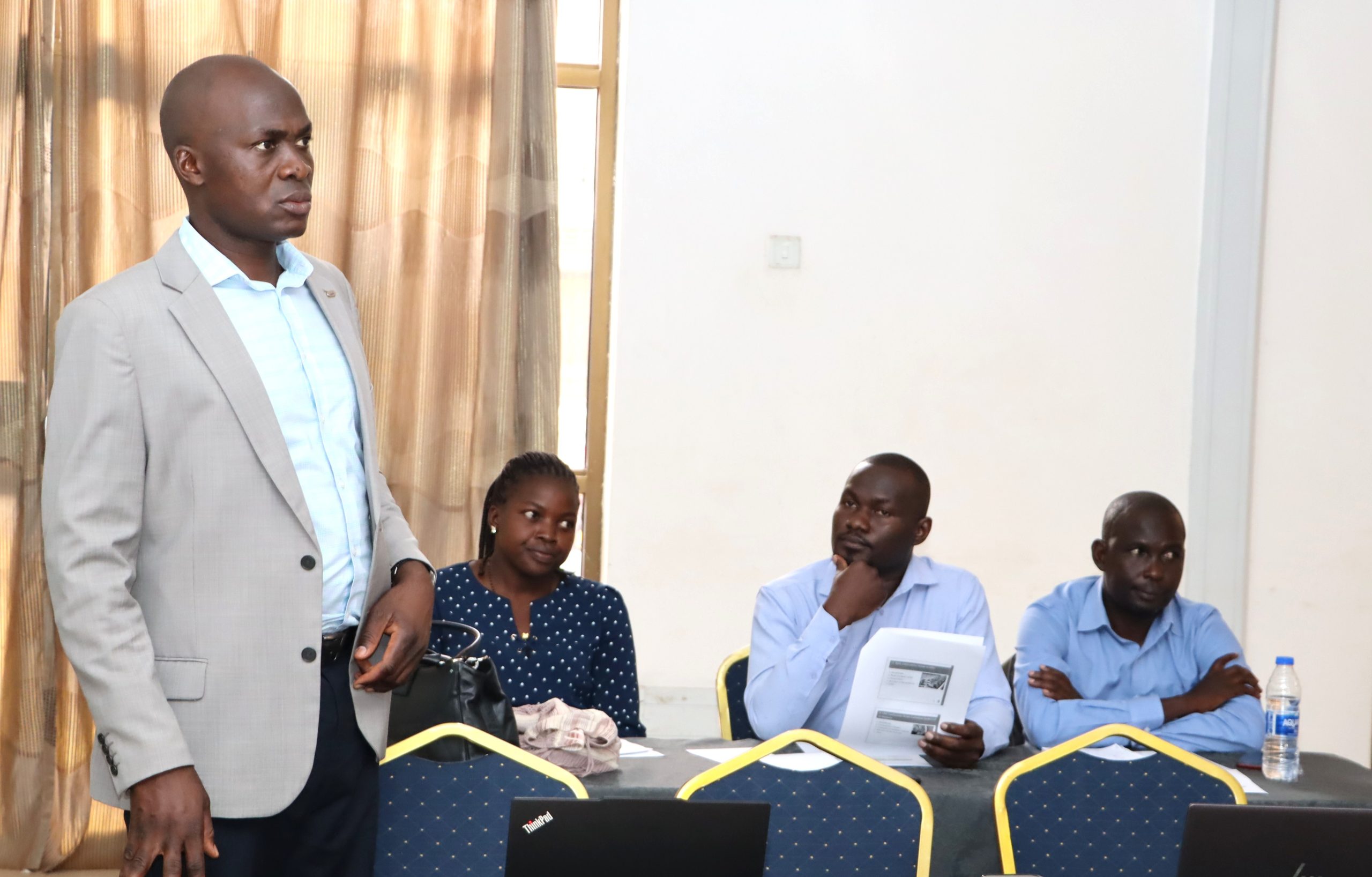
Dr. Kilimani highlighted the connection between ecological health and economic outcomes. “When forests are cleared or wetlands polluted, agricultural yields fall, water resources degrade, and diseases increase. This affects the economy in ways that conventional indicators like GDP often fail to capture,” he explained.
He cited examples such as unsustainable fish harvesting, pollution from industrial effluents, and deforestation, which can reduce Uganda’s revenue from exports and compromise public health. “If investors pollute water resources, fish stocks die, and we lose both income and markets,” he said, stressing the need for vigilant oversight by environmental officers.
Understanding Environmental Accounting
Central to Dr. Kilimani’s message was the United Nations System of Environmental-Economic Accounting (SEEA), a framework designed to integrate environmental data with economic indicators.
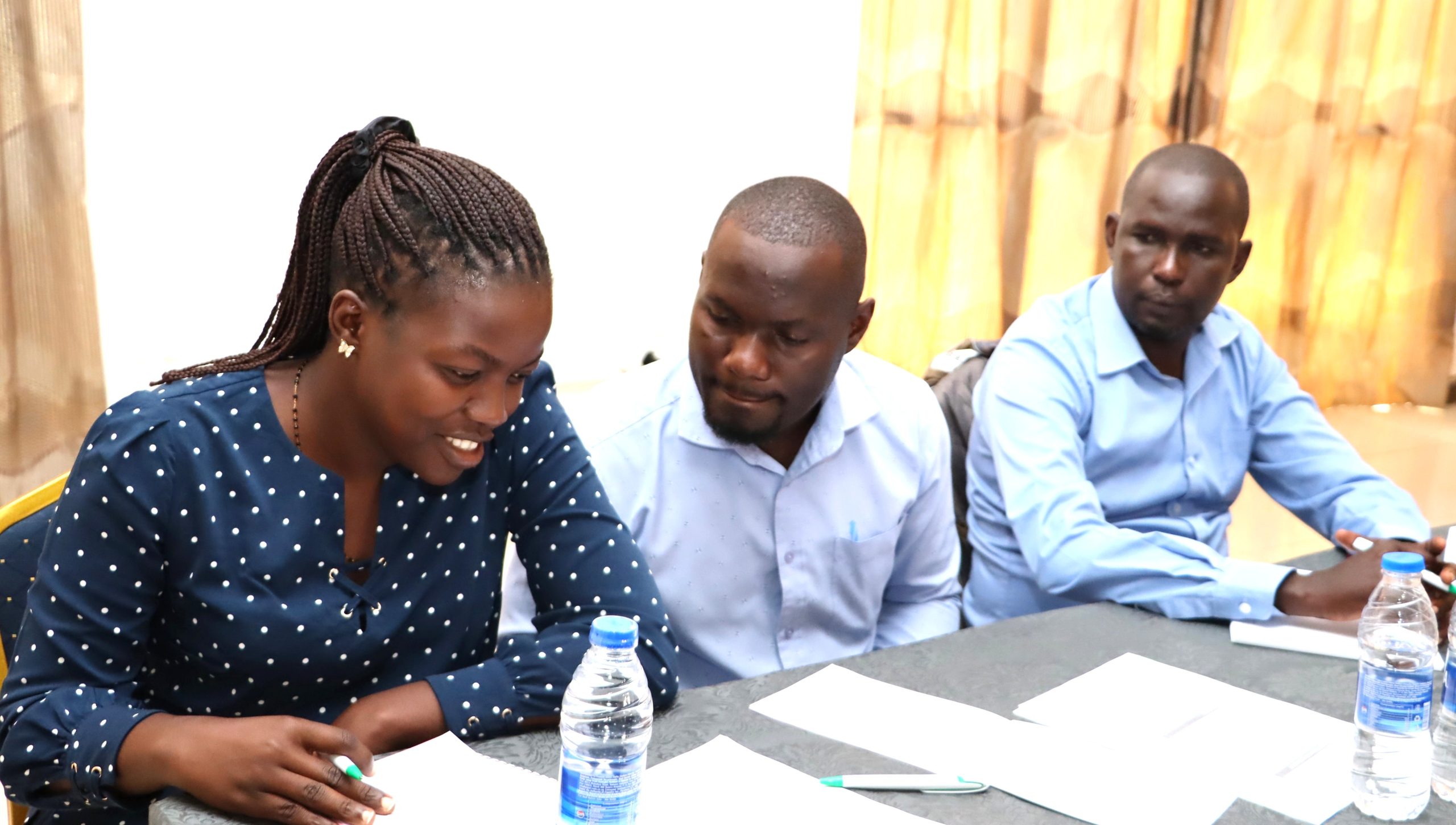
“This system allows us to track resources like water, forests, fish, and energy, showing both their contribution to the economy and how human activity affects them,” he said. By combining social, economic, and environmental data, policymakers and technical officers can develop evidence-based interventions and set sustainable extraction and pollution limits.
Dr. Kilimani also emphasized ecosystem accounting, which captures the benefits of natural systems beyond direct economic output. Forests, rivers, and urban parks provide services such as recreation, water purification, disease regulation, and stress relief. “These services contribute to human well-being and quality of life, even if they are not directly traded in the market,” he explained.
He stressed that understanding and communicating these services is crucial when interacting with policymakers and community leaders, including mayors and district officials, to ensure that development decisions do not compromise environmental integrity.
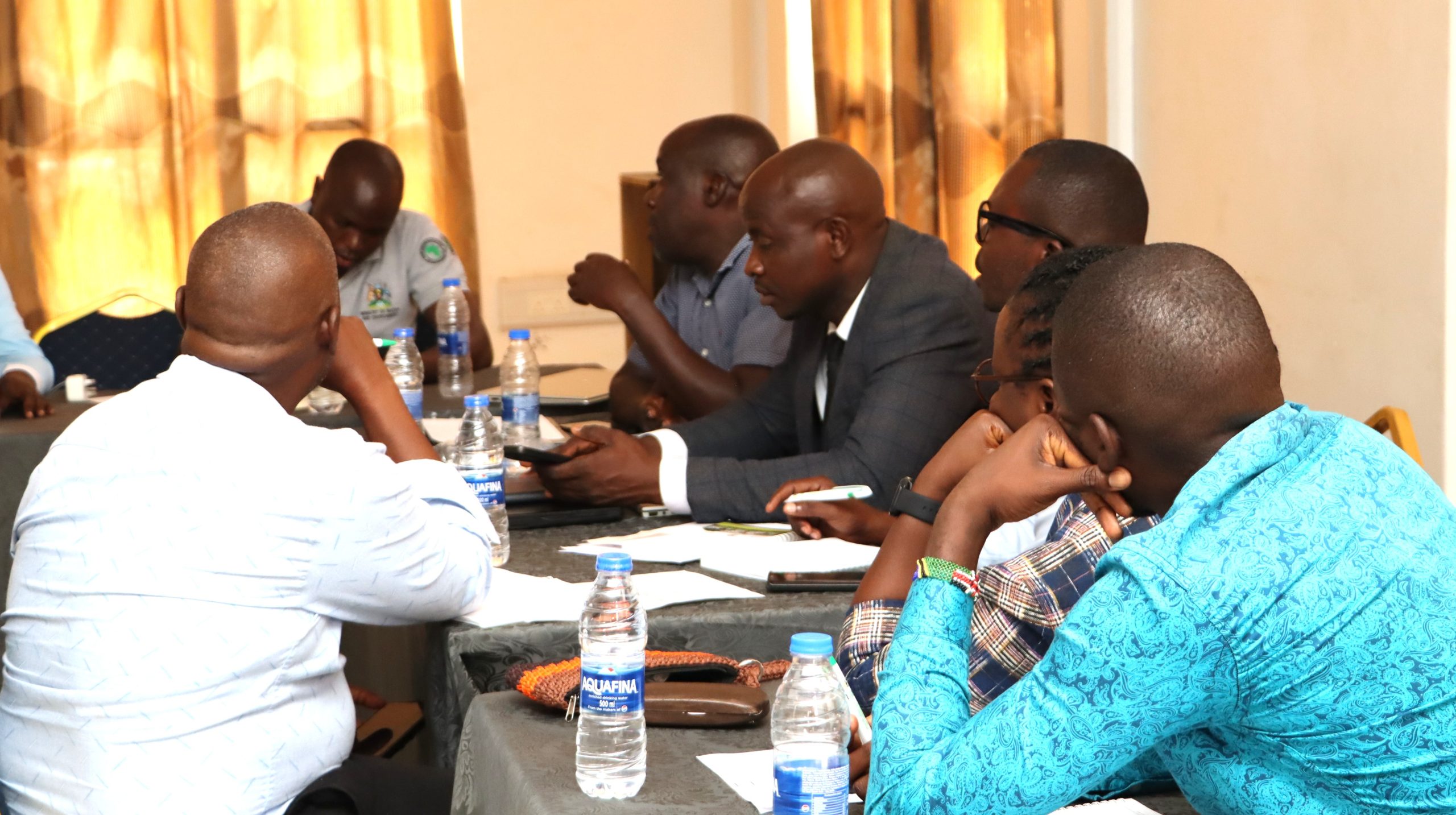
Concluding his presentation, Dr. Kilimani urged environmental officers to strengthen their monitoring and reporting systems, emphasizing that accountability and proper documentation are essential. “You are the gatekeepers of Uganda’s natural wealth. Proper environmental accounting ensures that resources are used sustainably, benefiting both the economy and the people,” he said.
He further emphasized that environmental protection and development must go hand in hand, warning that neglecting natural resources today could lead to irreversible losses tomorrow.
Climate Change Adaptation and Mitigation: Practical Solutions Urged for Districts
Climate change is no longer a distant threat, but a reality already affecting Uganda, with unpredictable rains, crop failures, floods, and droughts impacting communities, says Alice Nalweera, an environmental expert.
Speaking to district officers, Nalweera emphasized the need for practical action in policies, plans and budgets to address both the causes and effects of climate change. “We are already experiencing the impacts. Delayed rains, extreme heat, and changing planting seasons are clear signs that climate change is here,” she said.
Nalweera distinguished between weather – the short-term state of the atmosphere and climate, which refers to long-term patterns over at least 30 years. She cited local experiences in districts such as Bulisa, where traditional planting indicators have become unreliable due to shifting rainfall patterns.
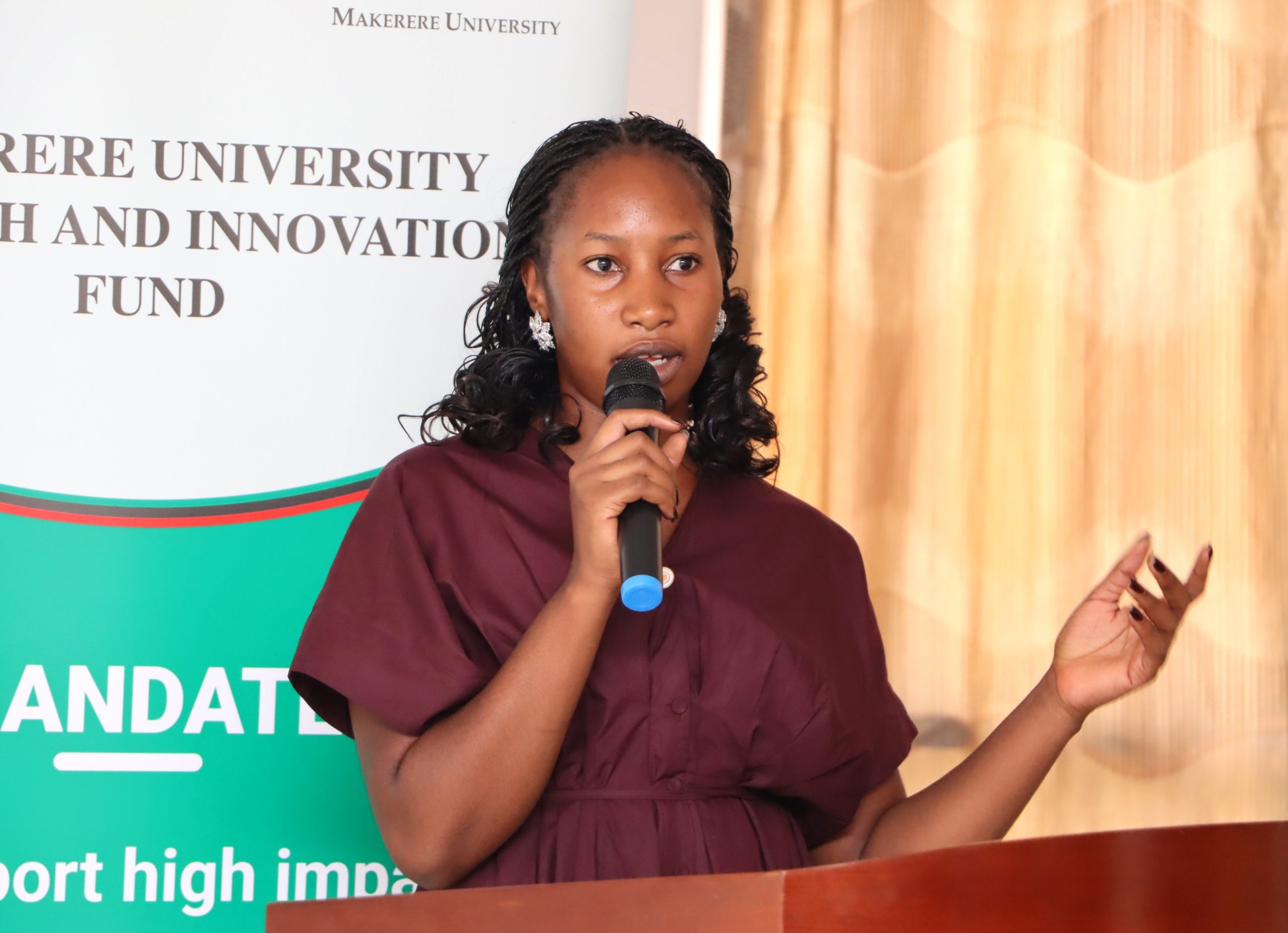
Human activities, including deforestation, industrialization, methane emissions from livestock, transport, and resource extraction, have compounded natural factors, contributing to rising temperatures, land degradation, loss of biodiversity, food insecurity, and increased vulnerability to diseases.
Mitigation and Adaptation Approaches
To address climate change, Nalweera outlined two main strategies. Mitigation tackles the root causes by reducing greenhouse gas emissions, conserving forests, creating carbon sinks, and promoting energy-efficient technologies while Adaptation focuses on adjusting to the impacts, including the use of drought-resistant crops, resilient infrastructure, early warning systems for disasters and climate-smart agriculture.
“Uganda is moving toward adaptation because climate change is already a reality. Adaptation reduces vulnerability, enhances resilience, and supports sustainable livelihoods,” she said.

Nalweera highlighted climate-smart agriculture as a key tool for both adaptation and mitigation. Techniques such as agroforestry, improved composting, energy recovery from waste, and drought-resistant crops help communities maintain productivity while reducing environmental impact.
“Through climate-smart agriculture, farmers can increase productivity, protect the environment, reduce greenhouse gas emissions, and improve household incomes,” she said.
The session concluded with participatory exercises, where officers were encouraged to reflect on climate changes in their districts, identify local adaptation measures, and propose policy interventions. Nalweera stressed the importance of integrating climate risks into district development plans to ensure that communities are prepared for both current and future impacts of climate change.
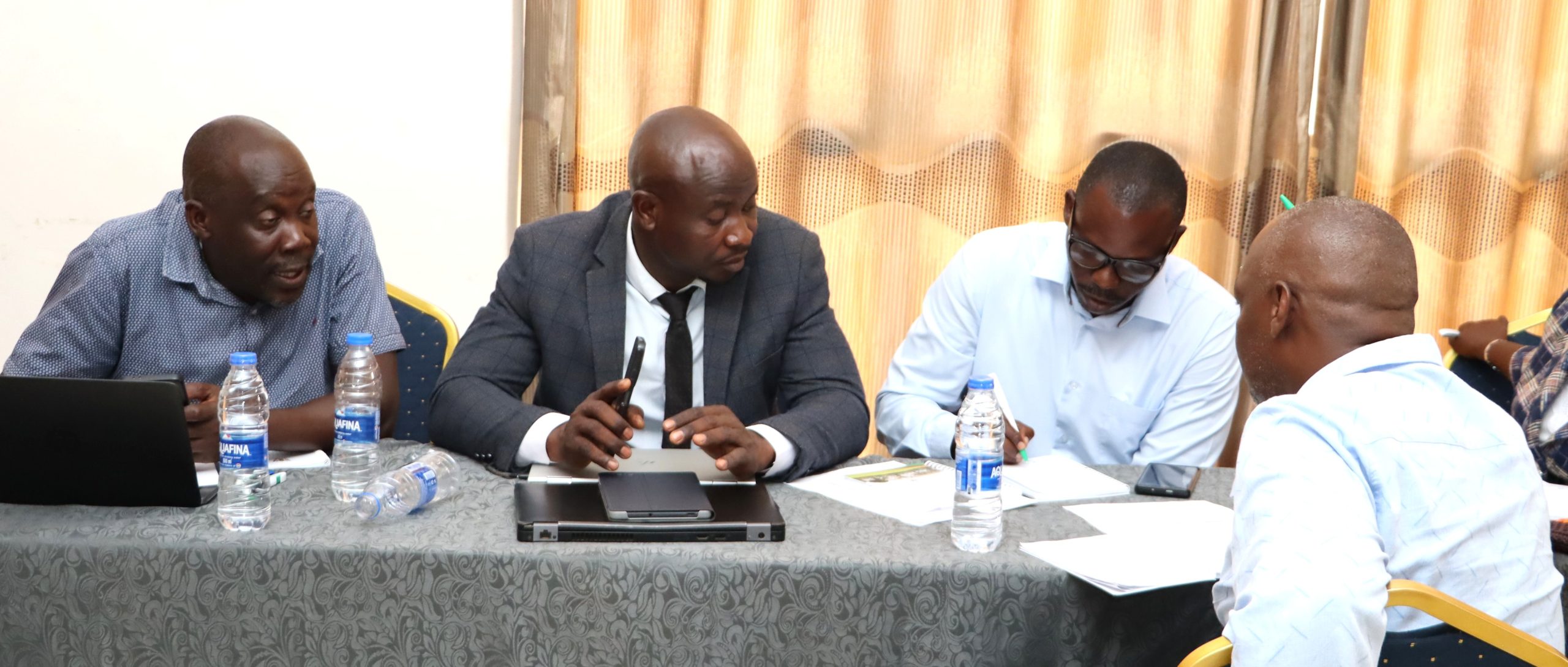
“Adaptation and mitigation must go hand in hand. Practical solutions, community engagement and informed policy decisions are key to safeguarding livelihoods, enhancing resilience, and promoting sustainable development,” she said.
District Officers Laud Training
District environmental officers praised the training highlighting the relevance of the training to their day-to-day responsibilities and the need to integrate environmental considerations into district development planning.
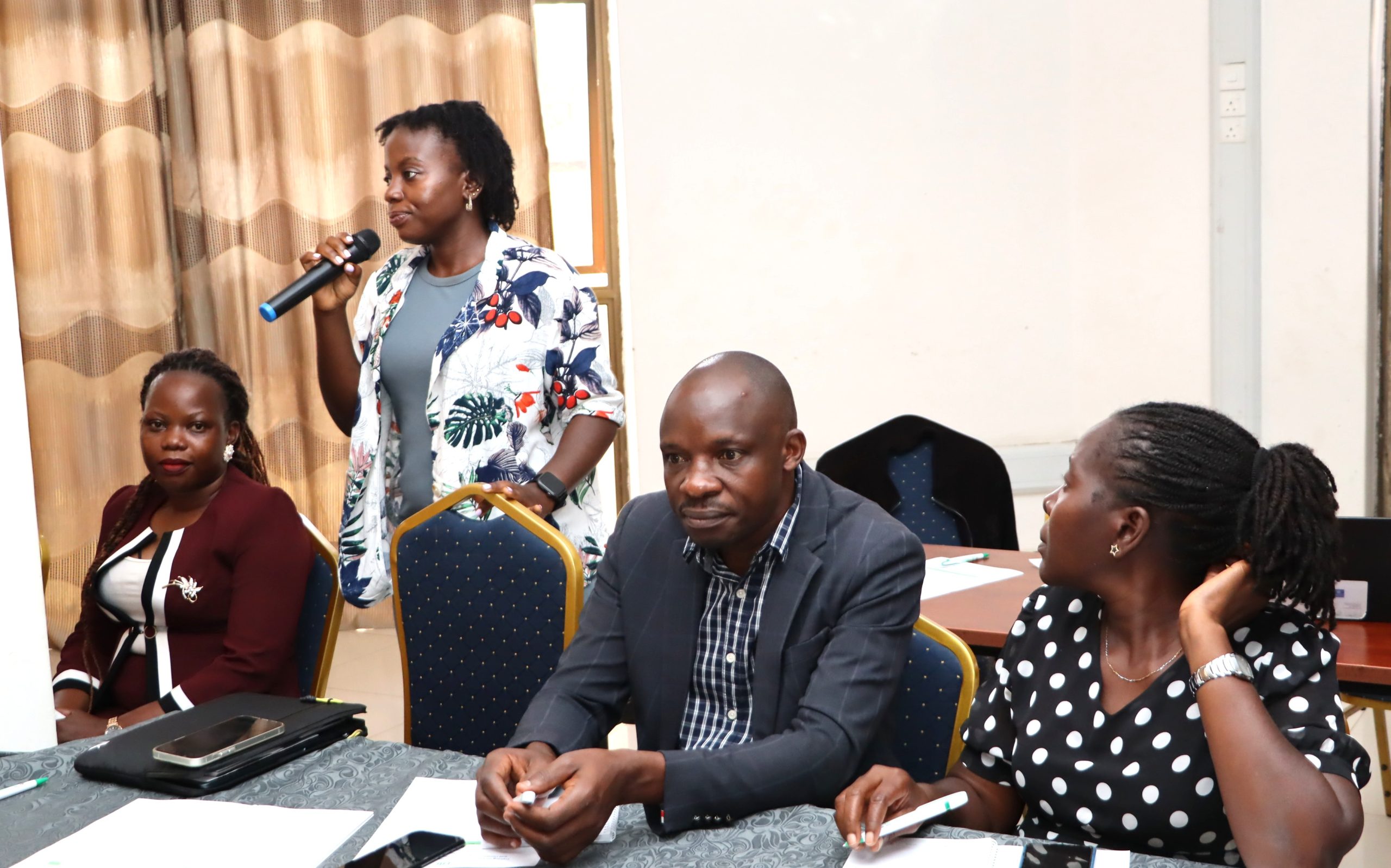
Nakayenze Anna, Head of Natural Resources in Mbale District, noted, “This training has been very beneficial. It has highlighted the government’s commitment to integrating environmental reporting into our frameworks. For local governments, we now understand the importance of having the right data to inform reporting and service delivery. The challenge, however, remains in building capacity to collect and manage such data across sectors. This training is an opportunity to rethink our structures and strengthen environmental management at the district level.”
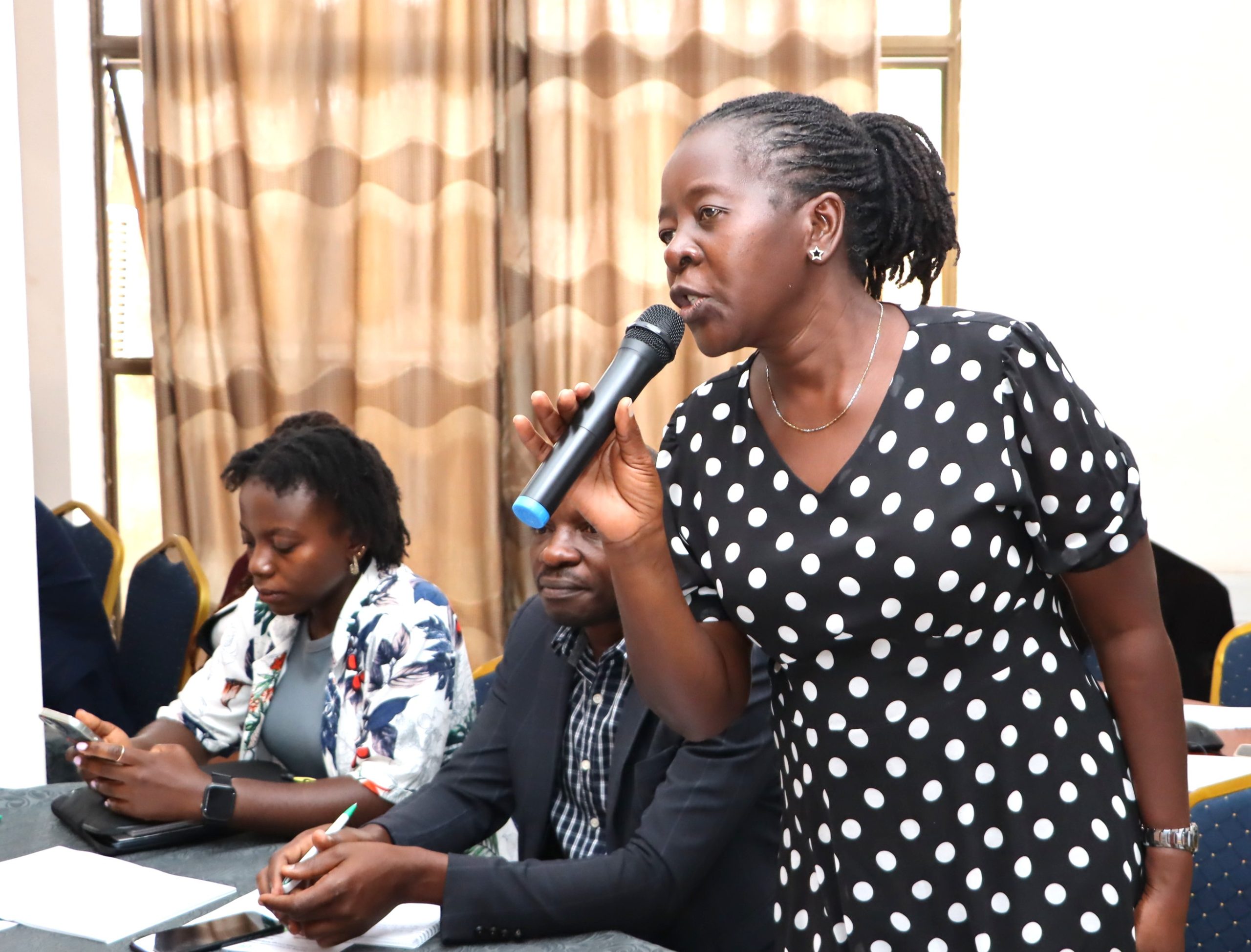
Similarly, Maganda Moses, Principal Environment Officer from Jinja District, emphasized the need to attach economic value to natural resources. “We have forests, wetlands, and Lake Victoria, but for a long time, we haven’t attached economic value to these resources. This training has shown us the importance of valuing natural resources to convince policymakers and funders to support their protection. Local governments must step forward to mobilize resources to safeguard these critical assets,” he said.
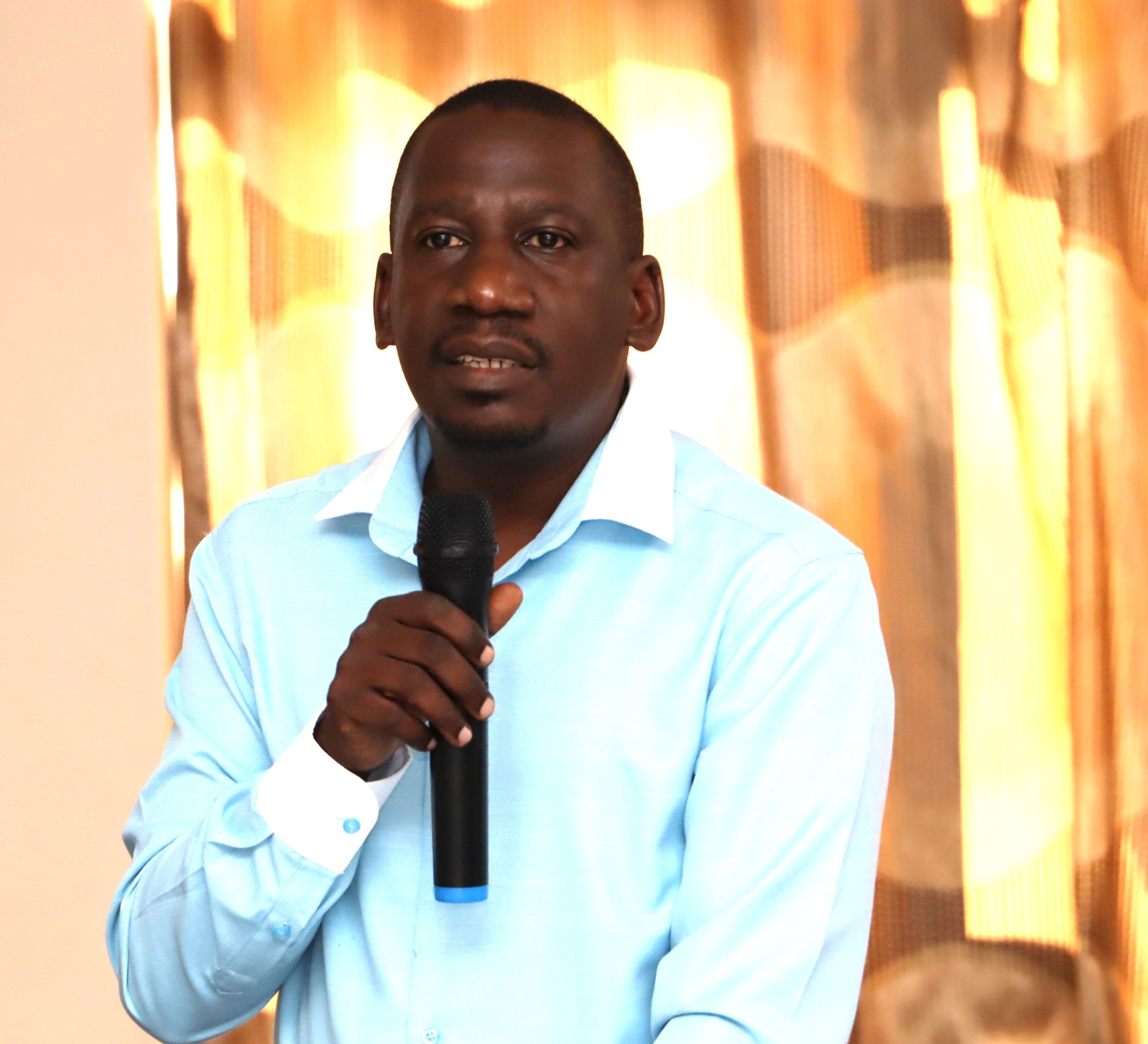
In Kapchorwa District, Chelimo Salim, Environmental officer, reflected on applying the knowledge in the field. “We have learned about environmental evaluation, valuation, and climate change mitigation and adaptation. I will take this knowledge back to Kapchorwa to encourage communities to conserve the environment, plant trees and protect wetlands,” he said.
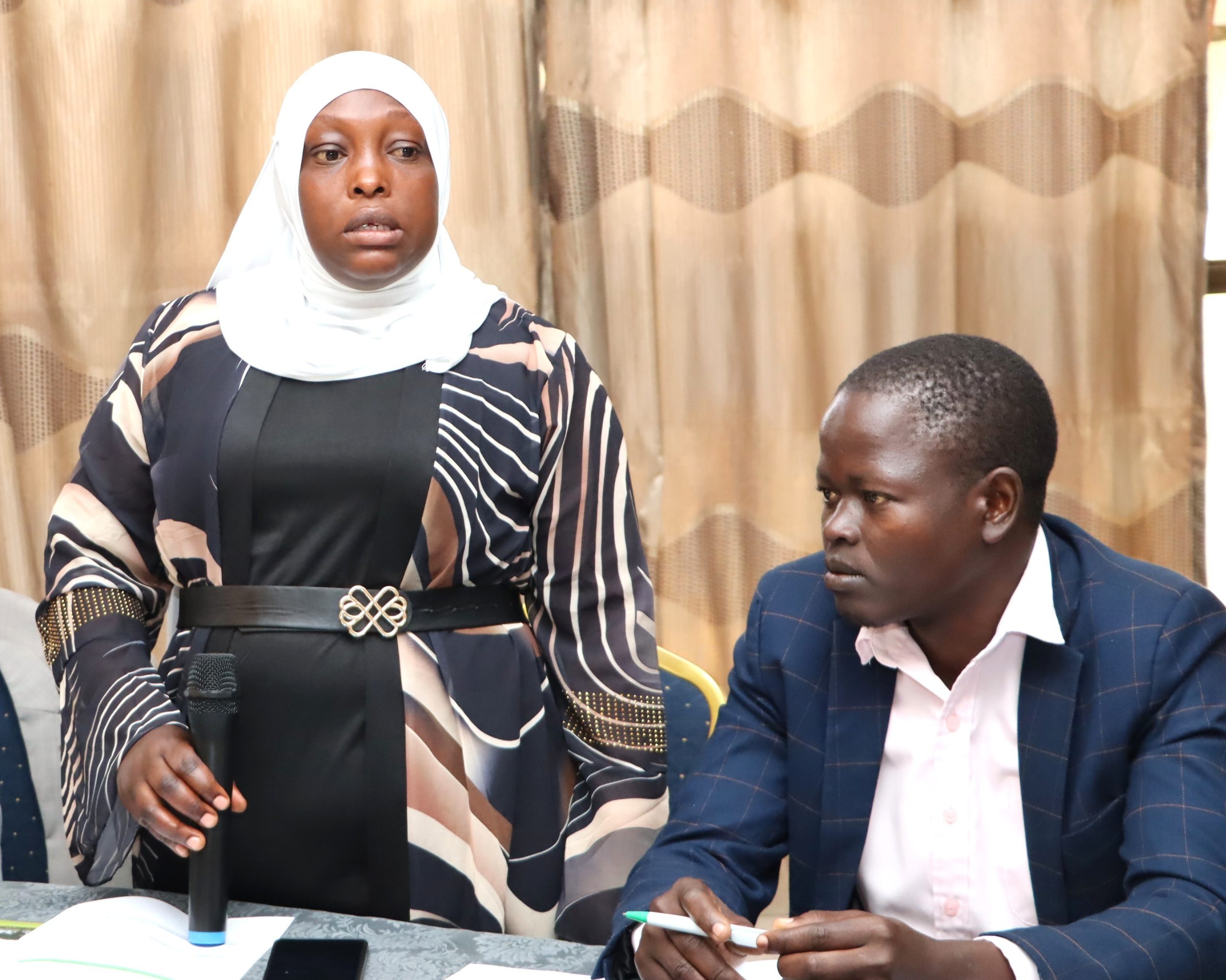
Florence, District Environment Officer in Iganga, also appreciated the practical approach of the training. “I have learned more about adaptation responses to climate change. The training was very appropriate, though I wish it could have been a little longer to allow more in-depth learning,” she said.
Edwin Masheta, a Planner in Iganga District, added that the training clarified the distinction between weather and climate. “Communities often confuse weather with climate change. This training has given me a long-term perspective, particularly on mitigation and adaptation measures. While adaptive behaviors are still limited in many communities, I believe initiatives like this will drive meaningful change at the local level,” he said.
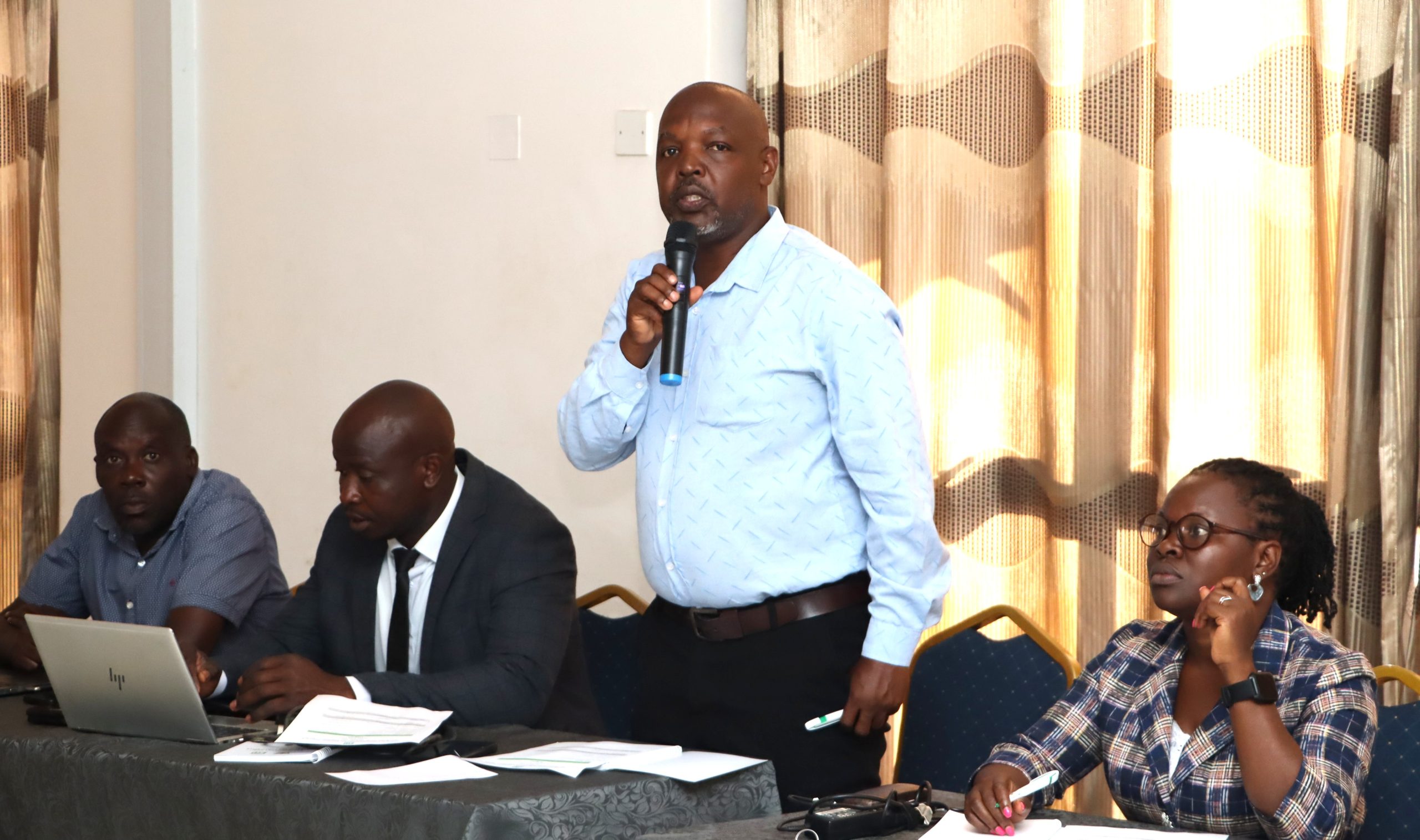
Participants agreed that the training will inform their future planning and implementation of environmental policies, emphasizing the need for more structured capacity-building initiatives to strengthen local government roles in environmental governance.
End
-

 General6 days ago
Application for Admission to Graduate Programmes 2026/27
-
 General1 week ago
Custodians and Wardens trained on Fire prevention in Halls of Residence
-
 Education2 weeks ago
Makerere University Charts New Future with the unveiling of the Open, Distance and E‑Learning Building and Strategic Plan
-

 General4 days ago
Mastercard Foundation Scholars Program at Makerere University Celebrates the Last Cohort of Phase One Graduates
-
 Education2 weeks ago
Mak CEES Hosts Kiswahili Primary School Orientation Workshop to Boost Language Teaching Quality