
Business & Management
EfD-Mak, GRO Foundation & BoU Hold High-Level Roundtable on Green and SDG-Linked Financing


Makerere University on Wednesday hosted a high-level policy dialogue bringing together researchers from the Environment for Development (EfD-Mak) Centre, representatives from the Green Gas + Reforestation +Offset (GRO) and Bank of Uganda, to explore alternative financing mechanisms for climate action and sustainable development.
The roundtable, held ahead of the Tumusiime-Mutebile Annual Public Lecture, focused on “Building Capacity and Market Readiness for Green and SDG-Linked Financing Mechanisms through Private Sector Mobilisation Towards Achieving the 10-Fold Economic Transformation (ATMS).”
Discussions highlighted Uganda’s urgent need to expand climate financing, build capacity among financial institutions, and strengthen evidence-based policymaking as climate shocks increasingly affect productivity and inflation.
Partnership With GRO Will Build Capacity for Climate Finance Access – Peter Babyenda
EfD-Mak Policy Engagement Specialist and Research Fellow Peter Babyenda said the centre is implementing an Inclusive Green Economy capacity-building program, with this year’s focus on climate-smart agriculture—an area that requires substantial financing for farmers and enterprises.
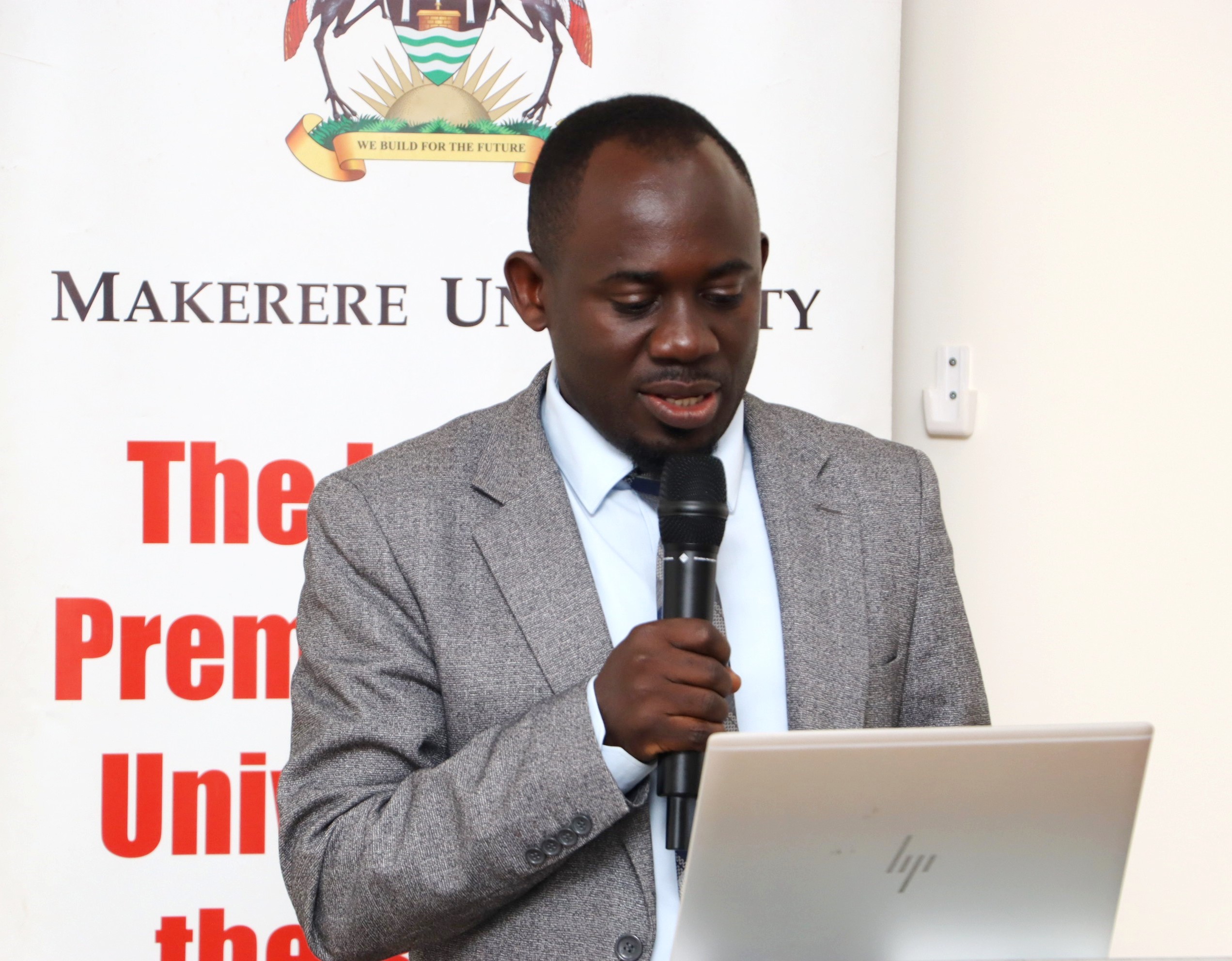
“For you to promote climate-smart agriculture, you need people who can provide finances for farmers to buy the technologies,” he said.
Babyenda explained that EfD-Mak’s collaboration with GRO is aimed at equipping the private sector and financial institutions with the capacity to mobilize and access climate finance, especially for climate-smart investments.
He added that EfD-Mak has recently partnered with the Ministry of Finance to provide evidence for climate action and stands ready to support GRO through stakeholder linkages, technical training and policy research.

“This roundtable is the start of our collaboration with GRO,” he noted, emphasizing that both institutions are aligned in scaling capacity and readiness for climate financing.
Uganda Must Mobilize Private Capital to Meet Climate and Growth Goals– Prof. Bbaale
Delivering the keynote address, Prof. Edward Bbaale, Principal of CoBAMS and Director of EfD-Mak Centre, warned that abnormal weather patterns such as the extreme heat recorded in November underscore Uganda’s growing climate vulnerability.
“When 26th November feels like January or July, then something is not working well with our environment,” Bbaale said.
He stressed that Uganda’s ambition to achieve a ten-fold economic transformation requires a financing ecosystem that supports sustainability, innovation and private sector participation. He noted that Uganda needs US$228 billion to implement its Nationally Determined Contributions (NDCs), yet climate finance access remains constrained.

“The question is not whether we can participate in the global green financing momentum, but how quickly and effectively we can mobilize the private sector and strengthen institutional capacity,” he said.
Bbaale Reaffirms EfD-Mak’s Readiness to Build Capacity and Partner Across Sectors
Prof. Bbaale placed strong emphasis on capacity building as a cornerstone of Uganda’s transition to a green economy. He highlighted EfD-Mak’s ongoing regional program that trains senior civil servants from five East African countries on using fiscal policy to spur green transformation.
“At the EfD-Mak Centre we believe that knowledge, evidence and partnerships are essential ingredients for real transformation,” he said. “We are ready to collaborate with government, with GRO, with international partners to build the capacity needed to advance climate-responsive and SDG-aligned economic planning.”
He underscored that Makerere University has become more open to partnerships and is pursuing a research-led, innovation-driven agenda, adding that such collaboration is central to the university’s strategic plan.

“Makerere is now more collaborative than ever before. As a research-led university, our success depends on partnerships, knowledge-sharing and internationalisation,” he said.
Bbaale Stresses Need for Evidence to Guide Policy, Fiscal and Monetary Decisions
Bbaale highlighted that researchers must generate real-time evidence to support government and financial sector decisions, especially as climate shocks begin to influence macroeconomic indicators such as inflation.
He noted that changing weather patterns have altered harvest cycles, with crops maturing earlier and reducing food availability—factors that directly affect inflation and complicate the Bank of Uganda’s monetary policy operations.
“If the environment is hitting output and therefore inflation, then monetary policy must speak to environmental shocks,” he said.
Bbaale also pointed to the critical need for natural capital accounting, fiscal policy reforms, and institutional strengthening to enable Uganda to unlock climate finance and achieve sustainable economic growth.
Prof. Bbaale urged participants to use the roundtable to diagnose gaps in market readiness, strengthen networks, and advance financial innovations that complement public funding.

“Let us approach today not just as an event, but as part of a broader national commitment to building resilient, green and inclusive economies,” he said.
He encouraged active engagement throughout the session and assured stakeholders that EfD-Mak would continue to support national, regional and global climate initiatives—including the Coalition of Finance Ministers for Climate Action, where Uganda currently serves as co-chair.
GRO Foundation Pledges to Mobilise $1 Billion Annually as Uganda Ramps Up Green and SDG-Linked Financing
Executive Director of the GRO Foundation Laban Joshua Musinguzi, announced that the organisation is committing to mobilising US$1 billion every year for the next five years to support Uganda’s climate finance ambitions, alternative financing mechanisms and the country’s broader goal of economic transformation.
Musinguzi described the session as both a tribute to the legacy of the late Governor Emmanuel Tumusiime-Mutebile and a call to accelerate Uganda’s readiness for innovative and market-based climate finance.
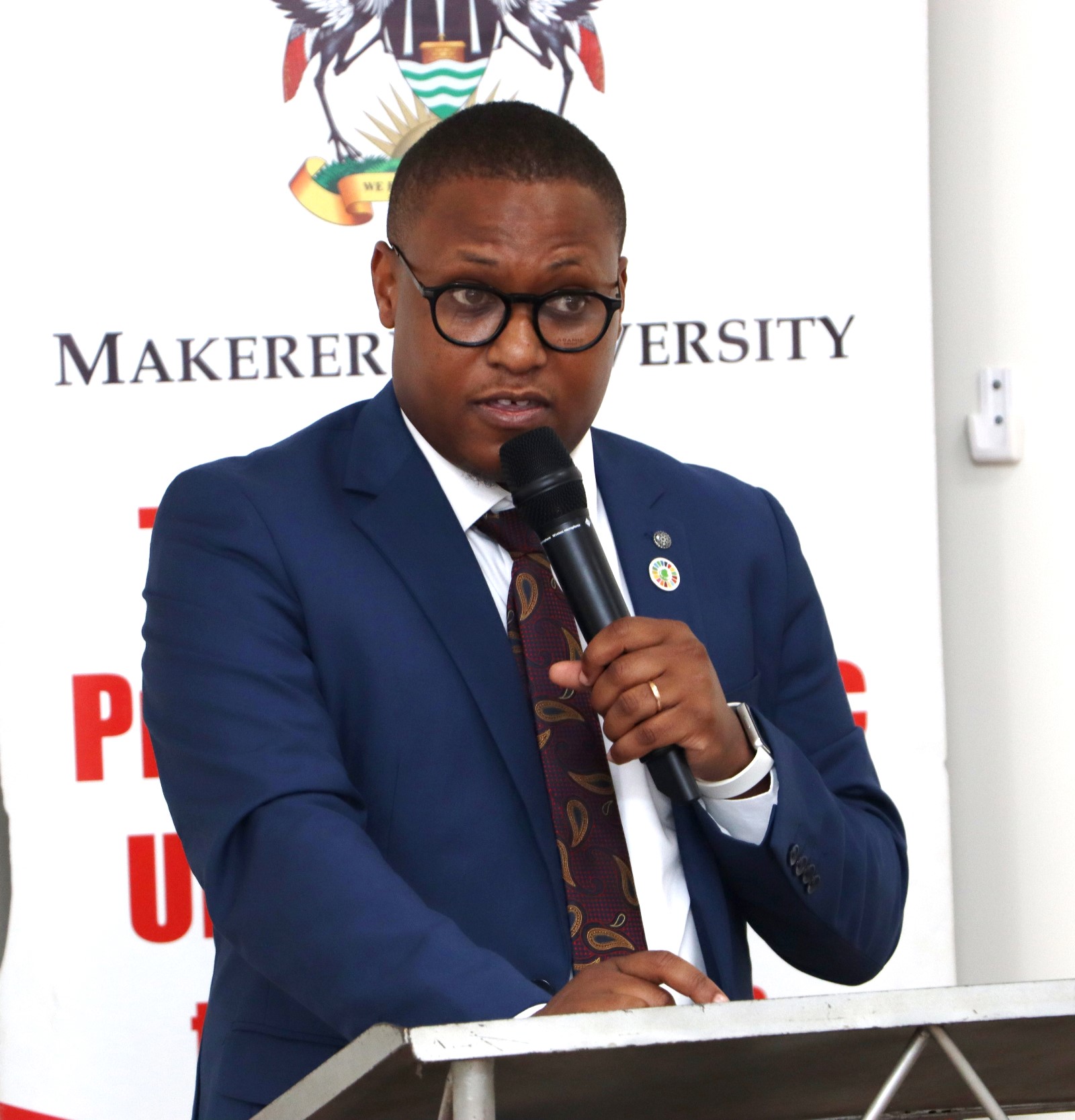
He opened his remarks by honouring the late Mutebile as a pioneer of macroeconomic stability, institutional reforms and private-sector-led growth.
“Today is memorable because we are here to honour a legacy and inspire the future,” he said. “Mutebile’s vision for resilient financial ecosystems still runs in the blood of young economists and statisticians. I am one of them—I studied here, so I am back home.”
He added that Mutebile’s emphasis on private sector participation remains central to Uganda’s ability to mobilise the financing needed for green growth.
Mr. Musinguzi explained that the GRO Foundation—Greenhouse Gas Reforestation Offsets is a social enterprise committed to alleviating poverty by unlocking climate finance through innovative financial instruments.
“We unlock climate finance by creating financial instruments,” he said.
“These include green bonds, carbon certificates, sustainability bonds and commodity-backed bonds.”
He highlighted that GRO is an “interesting space open to disruptive technology,” and reaffirmed the foundation’s willingness to deepen its partnership with Makerere’s EfD-Mak Centre, financial institutions and government agencies.

The foundation works under the “Fantastic Four framework”—forestation and deforestation, food security, water security, education and skilling, and green jobs—with the current engagement at Makerere falling under the education and skilling pillar.
Musinguzi said Uganda aims to transform its economy to US$500 billion by 2040, but global shifts are demanding new sources of capital, including green financing, SDG-linked financing and capital markets.
“COP30 reinforced alternative financing as key for developing economies,” he said, adding that Uganda made commitments at the global climate conference to accelerate green bonds and SDG-linked bonds.
Uganda is currently implementing five climate finance strategies—among them the green taxonomy and the climate financing vehicle but Musinguzi stressed that implementation now matters more than awareness.
“We are in the last phase of the SDG agenda. We have no time for awareness—we have time for implementation,” he said.
Gaps in Uganda’s Readiness: ESG Integration Still Below 20%
Musinguzi outlined several gaps affecting Uganda’s readiness to access global climate finance: Only 30–40 financial institutions have internal ESG reporting frameworks; Less than 20% of climate risk guidelines have been integrated into credit products; Commercial banks lack clarity on what qualifies as a “green loan” and that Uganda’s regulatory frameworks have not evolved at the pace of technological disruption
He added that Uganda’s first carbon revenue—about US$40 million took nearly a decade to materialise, underscoring how delays in documentation, data and compliance slow financing.
“We must demonstrate institutional capacity through monitoring, reporting and evaluation systems to unlock financing,” he said.“We must be ready for this money.”
GRO’s Track Record: $1.5 Billion Already Mobilised, New Target of $10 Billion
Musinguzi reported that GRO has already mobilised US$1.5 billion, a commitment made at COP Azerbaijan and later presented during Uganda’s National SDG Conference and the Ministry of Water and Environment’s annual reports.
For 2025–2026, the foundation has set a more ambitious target: “We aim to mobilise US$10 billion next financial year.” He emphasised that when GRO says “mobilise,” it means actualinflow, not mere pledges.

“We mobilise, not promise,” he said. “By the time we call it mobilising, we have already brought the money into the country.”
These funds will support Climate finance business windows, Carbon certification schemes (100 million certificates already registered), Private-public-community partnership models and Clean energy, food security, waste management and youth skilling programmes
Concluding his remarks, Musinguzi urged policymakers, academia, financial institutions and development actors to treat climate finance readiness as a national priority.
“The conversation begins here,” he said. “If not now, then when? And if not us, then who?”
He reaffirmed GRO Foundation’s commitment: “We are ready to mobilise US$1 billion every year for Uganda for the next five years.”
Bank of Uganda Positions Sustainability at Core of Financial Sector Reform
The Bank of Uganda (BoU) has intensified efforts to embed sustainability and Environmental, Social and Governance (ESG) standards across the country’s financial system, describing sustainable development as a “strategic imperative” for Uganda’s long-term economic resilience.
Prisca Ampumuza Rwamare, BoU’s Director of Strategy and Innovation, said Uganda cannot achieve its development goals or meet global commitments without a stable, forward-looking financial sector that is prepared for climate shocks, demographic shifts and resource pressures.
“Sustainable development is no longer optional. It is central to building long-term economic resilience,” Ampumuza said, noting that Mutebile himself consistently emphasised the impact of financial institutions on society.
She revealed that the Bank has redefined its purpose and mission under the 2022–2027 strategic plan to reflect its commitment to socioeconomic transformation. “We had to rethink our business model and strategy,” she said. BoU has integrated sustainability into monetary policy operations, financial stability oversight, payment systems modernisation and risk management frameworks.
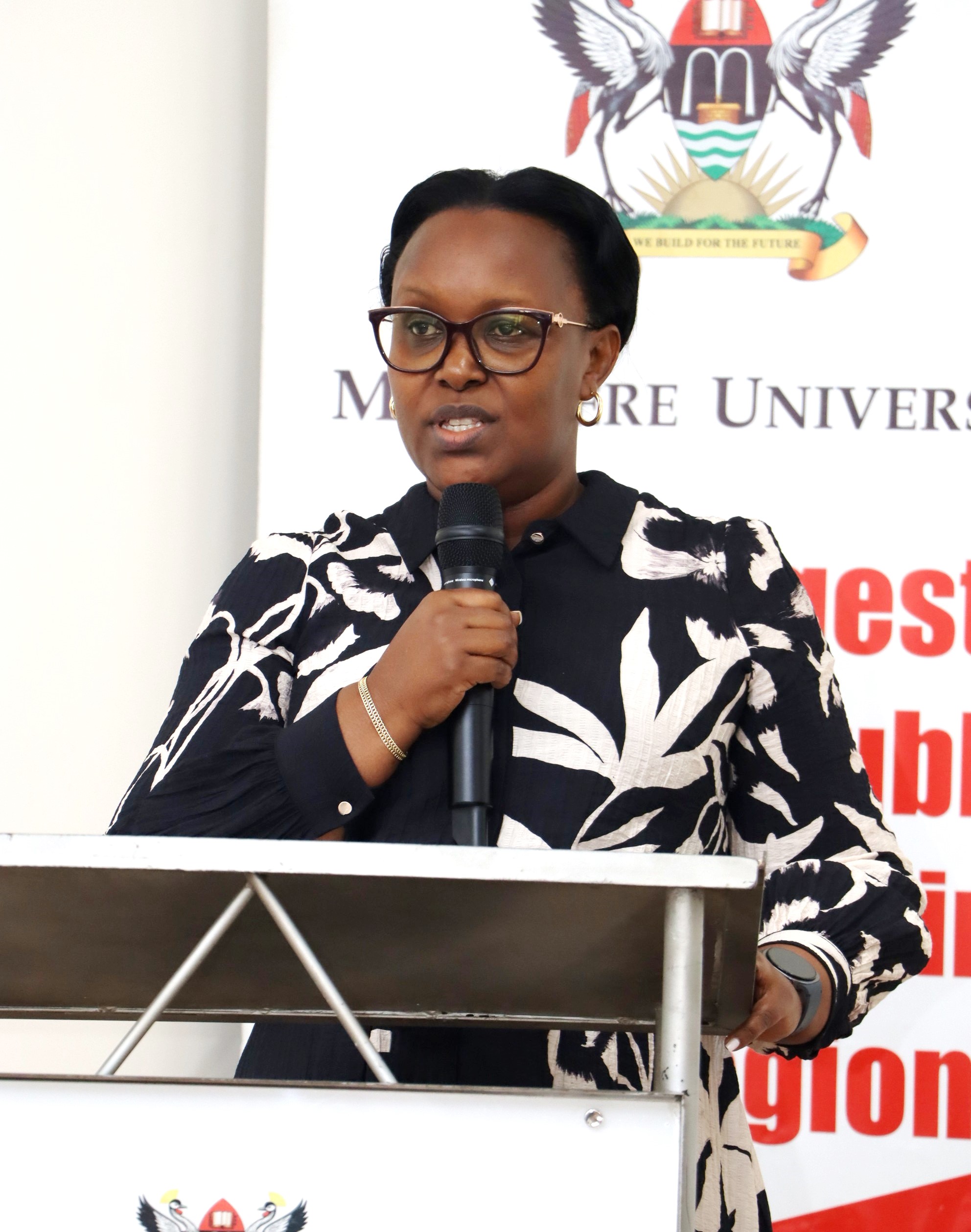
The central bank has also signed up for the Sustainability Standards Certification Initiative and revised its corporate social responsibility policy to align with ESG priorities.
Ampumuza highlighted several regulatory steps already underway. In partnership with the Uganda Bankers Association, BoU co-developed an ESG framework for the banking sector, launched in June 2024, with commercial banks now reporting quarterly on progress. BoU has also issued guidelines for managing climate-related financial risks and is reviewing its micro- and macro-prudential supervisory tools to enforce ESG compliance.
A key concern, she said, is preventing “greenwashing” in the financial sector. “We take this very seriously,” she noted, warning against superficial sustainability claims that do not reflect real environmental or social impact.
Innovation, Culture Shift and Collaboration Critical
According to Ampumuza, sustainable finance cannot be achieved through policy updates or digital systems alone. She stressed the need for institutional culture change, data-driven supervision and innovative solutions. That week she said the Bank launched an ambitious Innovation Strategy to support this transformation.
She noted that BoU is undergoing a culture change programme to empower its young workforce over 100 newly recruited staff to champion SDGs and sustainable finance within a traditionally cautious institution.
BoU is also collaborating with international partners including the World Bank, IMF, IFC and the global Network for Greening the Financial System (NGFS) to strengthen policy frameworks and build capacity.
Despite progress, Ampumuza said banks continue to struggle with implementing sustainable finance principles due to capacity gaps, absence of baseline ESG data and limited availability of bankable green projects. She revealed that BoU, the Uganda Bankers Association and the Institute of Bankers recently completed a curriculum on sustainable finance to support sector-wide training.
Ampumuza concluded that sustainability is now fully integrated into BoU’s internal operations. A dedicated department and ESG coordination division have been established, and all projects across currency management, logistics and infrastructure must demonstrate compliance with environmental and social standards. “If this is replicated across the banking sector, we will make significant impact,” she said.
Participants Chart Path to Green and SDG-Linked Financing
A panel, moderated by Canary Mugume, comprising Dr. Peter Babyenda, a climate finance economist from Makerere University, Ms. Elizabeth Mwerinde, Head of Commercial Banking at Ecobank, and Dr. John Sseruyange, an environmental economist at Makerere University examined Uganda’s readiness for green and SDG-linked financing, with a special focus on institutional perspectives and market preparedness.

The discussion underscored that sustainable development is no longer optional for Uganda—it is a strategic imperative for economic transformation. Global financial shifts are creating new opportunities through green finance networks, SDG-linked instruments, and carbon markets. Yet, while Uganda’s macroeconomic fundamentals are strong, the greening component of its economy remains weak.
Speakers emphasized the strategic role of diverse actors in mobilizing green finance. Academia, the private sector, financial institutions, and government all share responsibility, but partnerships must also reach beyond traditional stakeholders to include religious and cultural leaders who can influence public awareness and mindsets. The private sector, in particular, was identified as the engine for Uganda’s ambitious economic transformation.

Despite the potential, persistent challenges remain. Low institutional awareness, limited readiness among financial institutions, and the absence of a strong pipeline of bankable green projects hinder progress. Critical data gaps were highlighted, with Uganda possessing “data sets, not databases,” and research outputs were said to insufficiently inform policy and decision-making.
Panelists stressed the need for evidence-based approaches: different sectors require tailored policy instruments, and academia and think tanks have a vital role in guiding government policies, investment design, and risk assessment. Institutions must deepen their understanding of green financing mechanisms, climate risks, and ESG compliance, while reporting standards and transparency must be strengthened across all levels of the financial system.
Innovations and ongoing initiatives offer a glimpse of progress. The launch of a Sustainable Finance Curriculum for financial institutions and platforms like the monthly “Carbon Tuesdays” at Kati Kati are building capacity and creating space for innovative ideas on carbon markets and climate finance. Meanwhile, the government’s deliberate role in shaping regulatory frameworks and deploying policy instruments—including incentives, guarantees, blended finance, and public-private partnerships—was highlighted as essential.
Mobilizing private capital was presented not as a replacement for public finance, but as a critical complement, expanding Uganda’s financing capacity. The country’s credibility, transparency, and demonstrated ability to manage large-scale investments are key to attracting private investors, alongside a clear pipeline of viable instruments.

The roundtable concluded with a call for a renewed strategy: Uganda must return to the drawing board, scale up bankable green projects, and strengthen institutional capacity. Success, panelists agreed, will depend on partnerships, credible data, strong governance, and unified commitment across sectors—a holistic approach to greening Uganda’s economy and advancing sustainable development.
Jane Anyango is the Communication Officer, EfD-Mak Centre








Agriculture & Environment
Environmental Officers from Eastern Uganda Retooled on Valuation and Accounting of Natural Resources
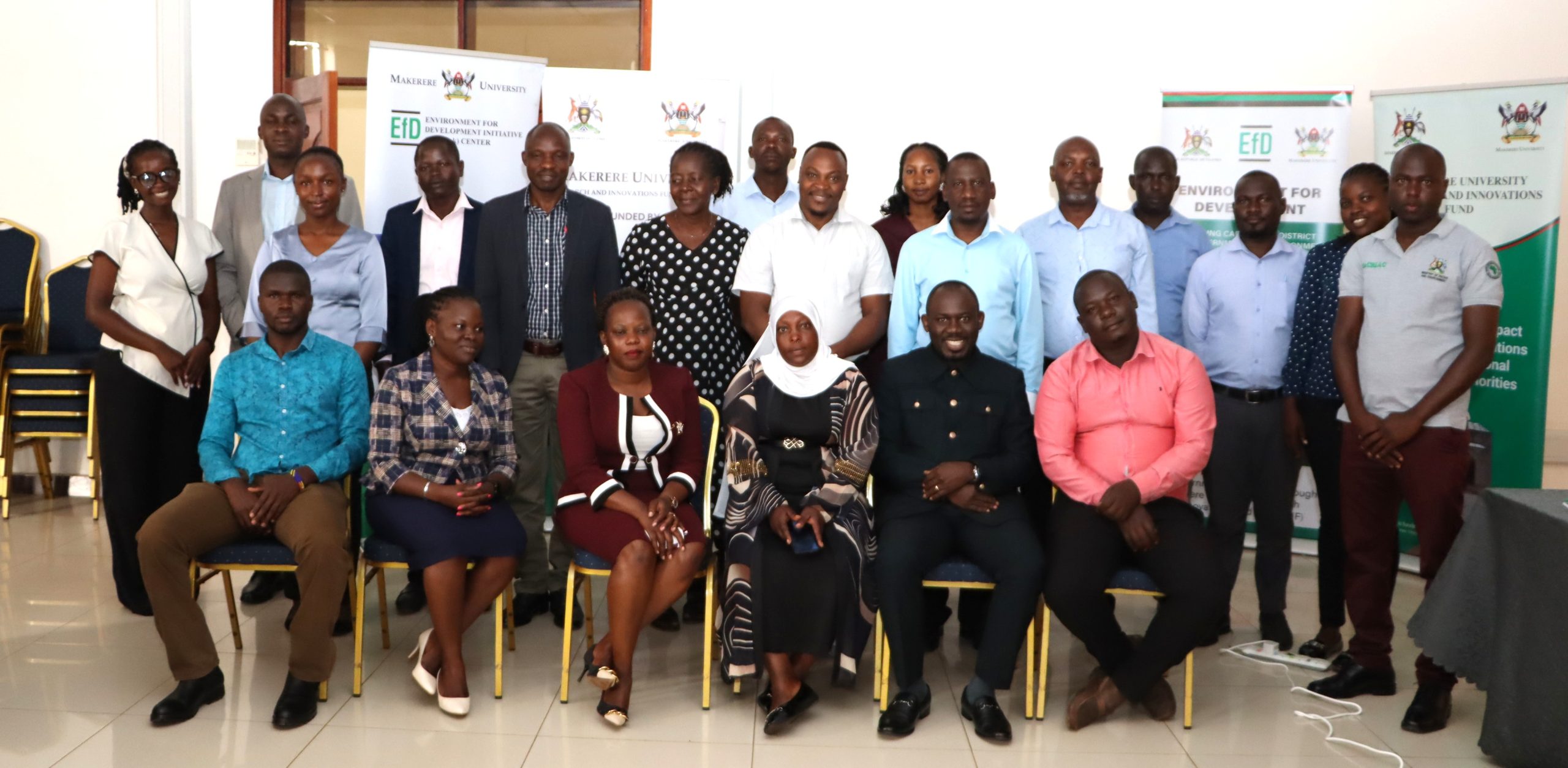
March 26, 2026 – Soroti, Uganda
Environmental and natural resource officers from Eastern Uganda have undergone intensive training on economic valuation, evaluation, and accounting of natural resources, in a move aimed at strengthening evidence-based environmental management at district level.
The training, held at Jasmine Hotel in Soroti, brought together district environmental officers, forestry officers, agricultural officers, planners and natural resource managers from at ten districts, including Palisa, Butebo, Busia, Bukedea, Jinja, Mbale, Kapchorwa, Iganga, and Soroti.
Organised by Environment for Development (EfD) Uganda and funded by the Government of Uganda through the Makerere University Research and Innovations Fund (Mak-RIF), the capacity-building initiative seeks to equip local government officers with practical tools to better manage natural resources amid growing environmental pressures.

Speaking at the opening of the training, Dr. Peter Babyenda, representing the EfD Centre Director and Principal Investigator Prof. Edward Bbaale, emphasized the importance of continuous skills development among environmental practitioners.
He noted that while many officers already possess foundational knowledge, refresher training is essential in a rapidly evolving field. “Capacity building is critical. We must keep reminding ourselves and sharing experiences so that we remain relevant and effective in our roles,” he said.
The training focused on key areas including environmental valuation and evaluation, environmental accounting, and climate change mitigation and adaptation. According to Babyenda, the programme was informed by a prior survey that revealed significant skills gaps among district officers, particularly in valuing natural resources such as wetlands and forests.
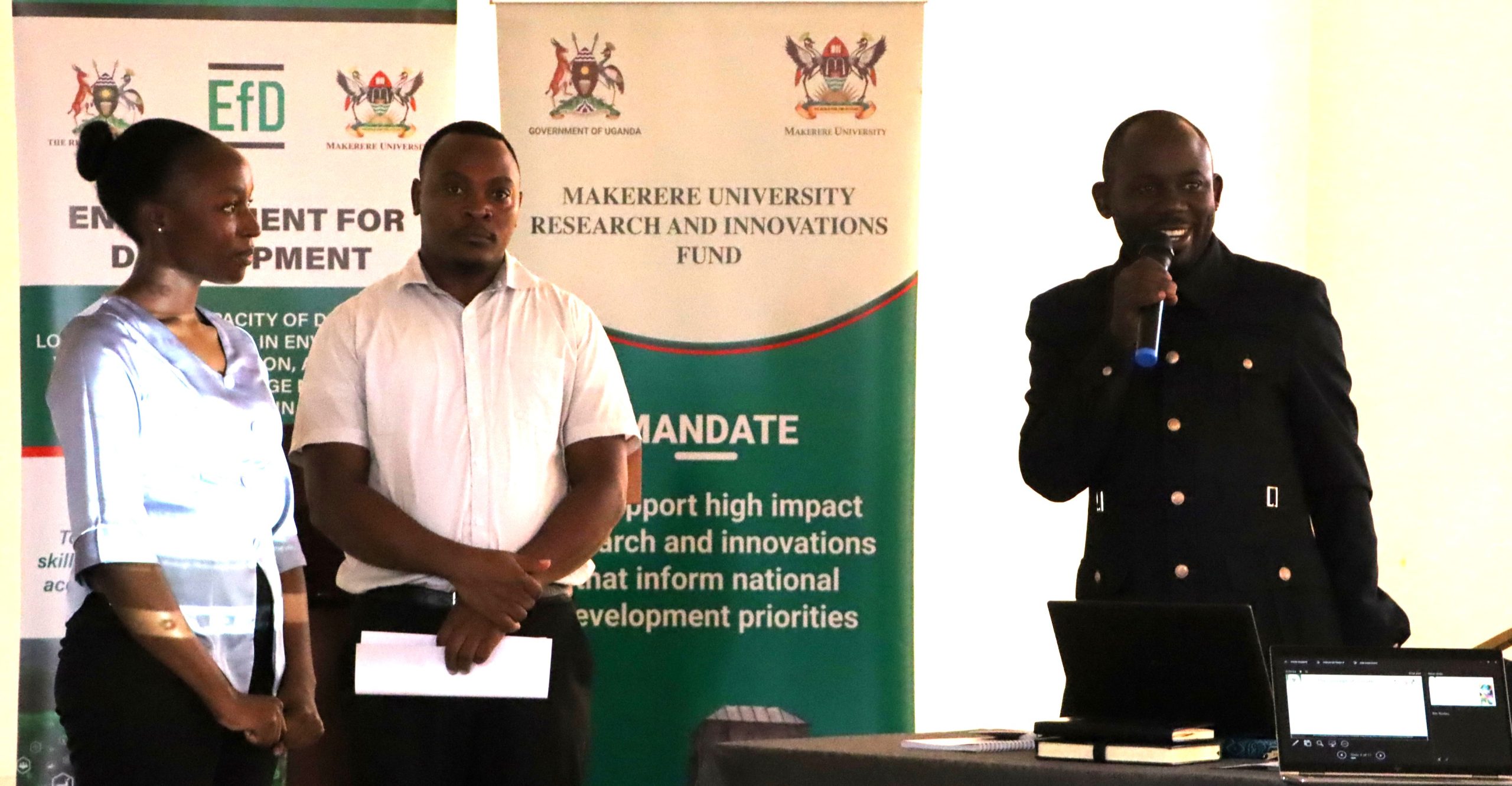
Babyenda stressed that the ability to quantify the economic value of natural resources is crucial for informed decision-making. “If districts can assess and assign value to resources like swamps and forests, it strengthens national planning and ensures these resources are not undervalued or degraded,” he said.
He further highlighted the importance of cost-benefit analysis in guiding policy decisions. “When policymakers ask for alternatives to resource exploitation, officers must be equipped to present evidence-based scenarios that balance conservation and development,” he explained.
The training also introduced participants to emerging concepts such as circular economy practices, where waste is transformed into valuable resources. Dr. Babyenda cited examples of innovations in waste management, including the conversion of human waste into energy and organic fertilizer.
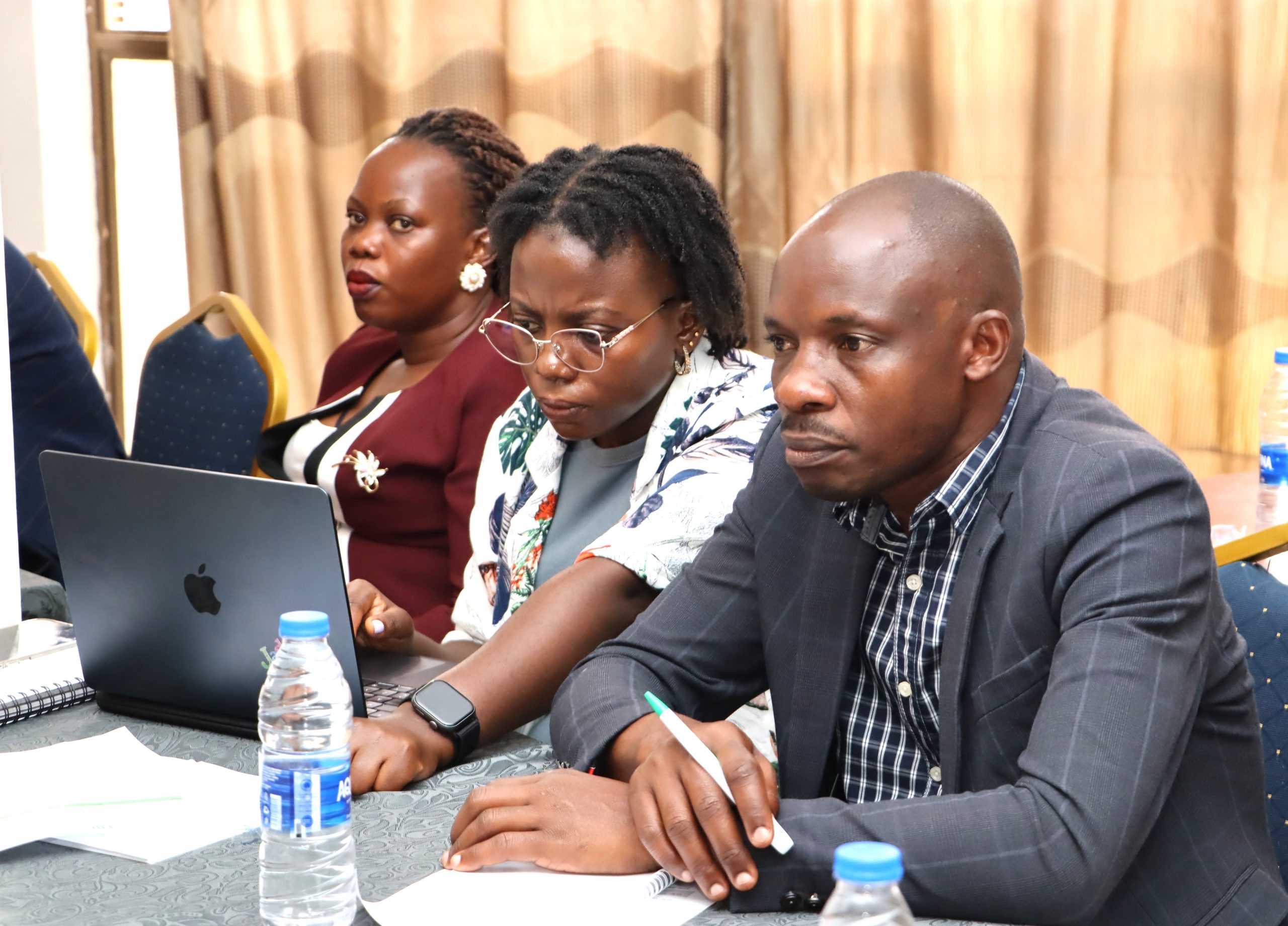
“Gone are the days when waste was simply discarded. Today, every form of waste has value from energy generation to carbon credit opportunities,” he noted, urging officers to embrace such innovations in their districts.
Participants were also being encouraged to leverage their new skills to attract funding for local environmental projects, including climate financing opportunities. Small grants, he noted, can support community-driven solutions to environmental challenges.
In addition, the programme underscored the role of district officers in generating data for national development frameworks. Accurate environmental data, including biodiversity indicators, is increasingly critical for Uganda’s reporting on Sustainable Development Goals (SDGs) and national planning instruments such as the National Development Plan IV (NDP IV).
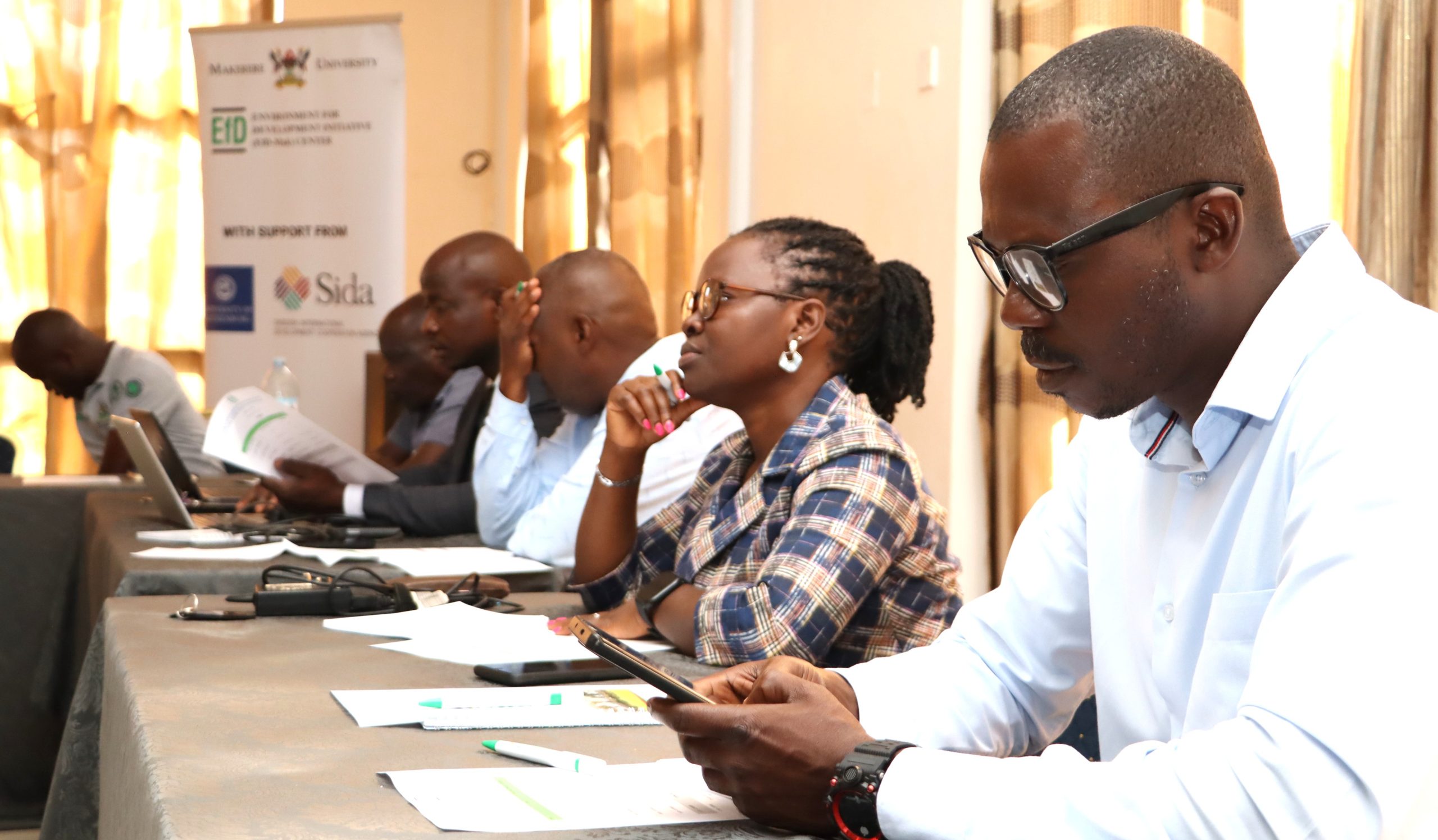
“We cannot develop national indices like biodiversity indicators without your input. You are central to data collection and reporting,” Dr. Babyenda said.
He urged participants to act as change agents by sharing knowledge gained from the training with colleagues in their respective districts. “When you go back, ensure that this knowledge is cascaded. Let us leave here transformed and ready to make an impact,” he said.
The training in Soroti marks the final session in a series that has been conducted in various regions across the country, including Jinja, Masaka, Entebbe, and Arua. Babyenda expressed hope that additional funding will be secured to extend similar capacity-building initiatives to more districts.
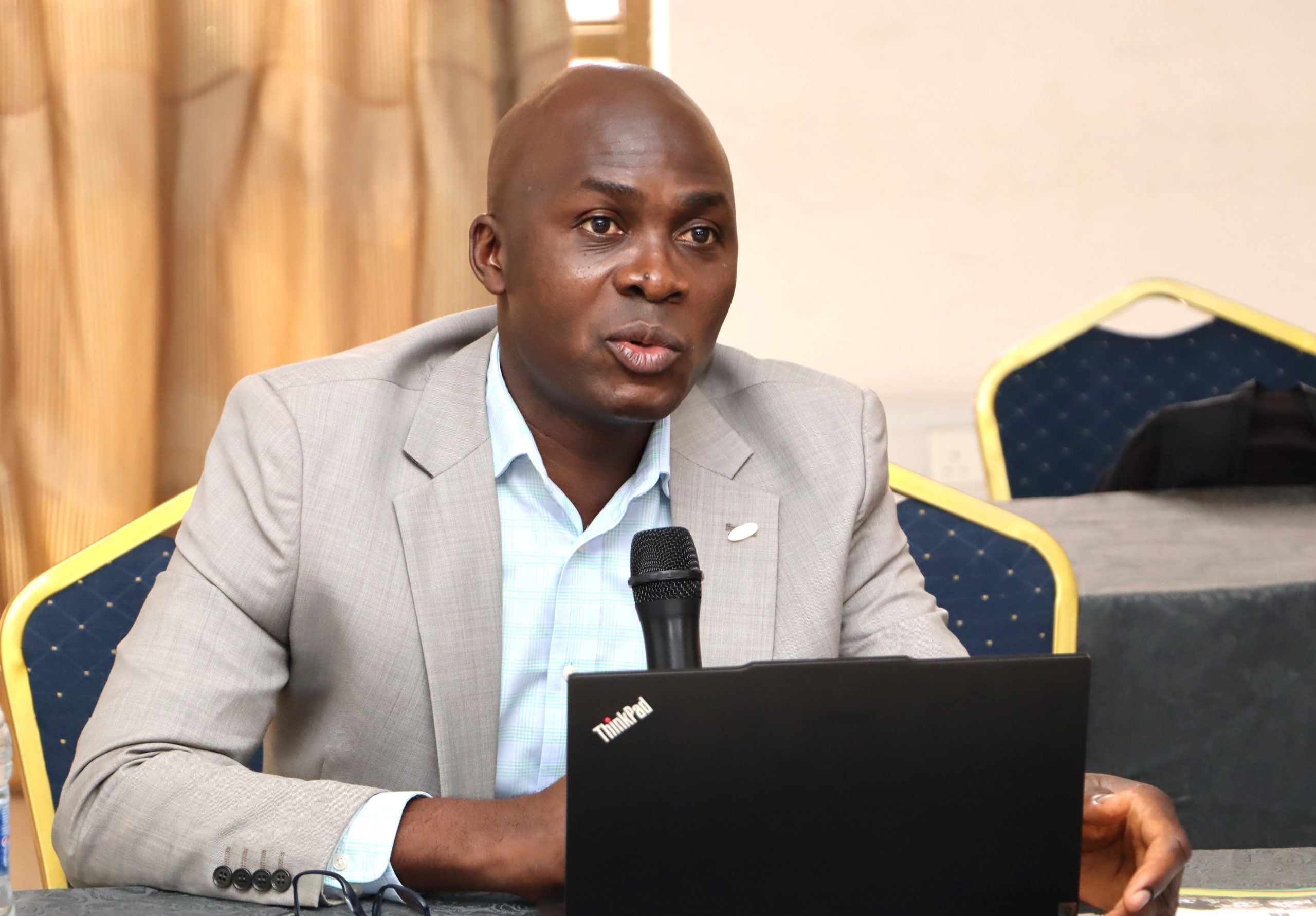
Facilitators at the training include Dr. Nick Kilimani, who led a sessions on environmental accounting, and Ms. Alice Nalweera, who covered climate change mitigation and adaptation strategies.
As environmental challenges intensify due to population growth and increased demand for natural resources, experts say such trainings are essential in promoting sustainable resource use while supporting local economic development.
Environment at the Center of Uganda’s Development Agenda
Environmental economist Dr. Peter Babyenda has called for stronger efforts to value and protect Uganda’s natural resources, warning that failure to do so could undermine the country’s long-term development.
Presenting on Environmental valuation and evaluation Dr. Babyenda emphasized that the environment—defined as both living and non-living surroundings remains the backbone of economic activity and human survival.
He noted that the environment provides essential resources such as water, minerals, forests, and oil, which support livelihoods and national growth. Uganda’s recent gains in gold exports and ongoing oil developments, he said, demonstrate the economic importance of natural resources.
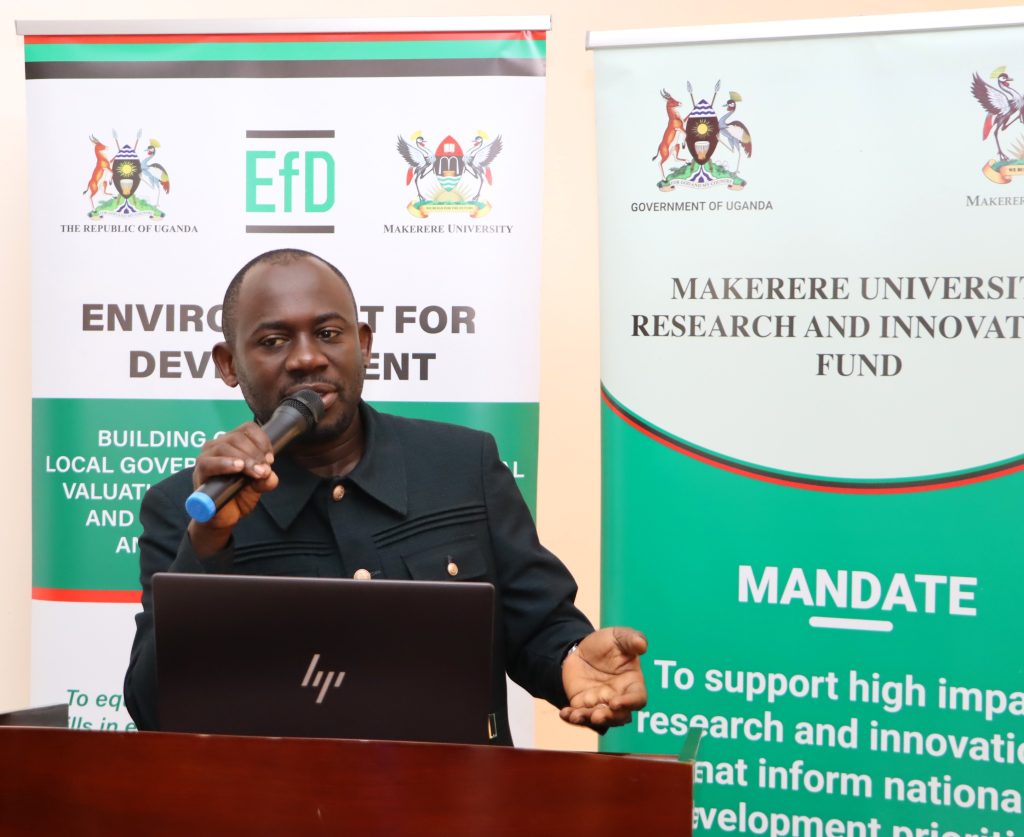
“The environment sustains life, supplies resources, and even determines the quality of life,” he explained, adding that areas with clean water, forests, and scenic beauty often command higher land values.
Dr. Babyenda pointed out that many people prefer living in well-preserved environments, citing high property prices near water bodies like Lake Victoria as evidence of nature’s economic value.
Poverty and Environmental Degradation
However, he stressed that poverty remains a major driver of environmental destruction. Communities often resort to deforestation and unsustainable farming practices in search of survival. “You cannot stop someone from cutting a tree for charcoal when they have nothing to eat,” he said.
Participants highlighted key environmental challenges in eastern Uganda, including poor agricultural practices, deforestation, climate change, landslides in highland areas, and flooding in low-lying regions. Many of these, he noted, are largely human-induced.
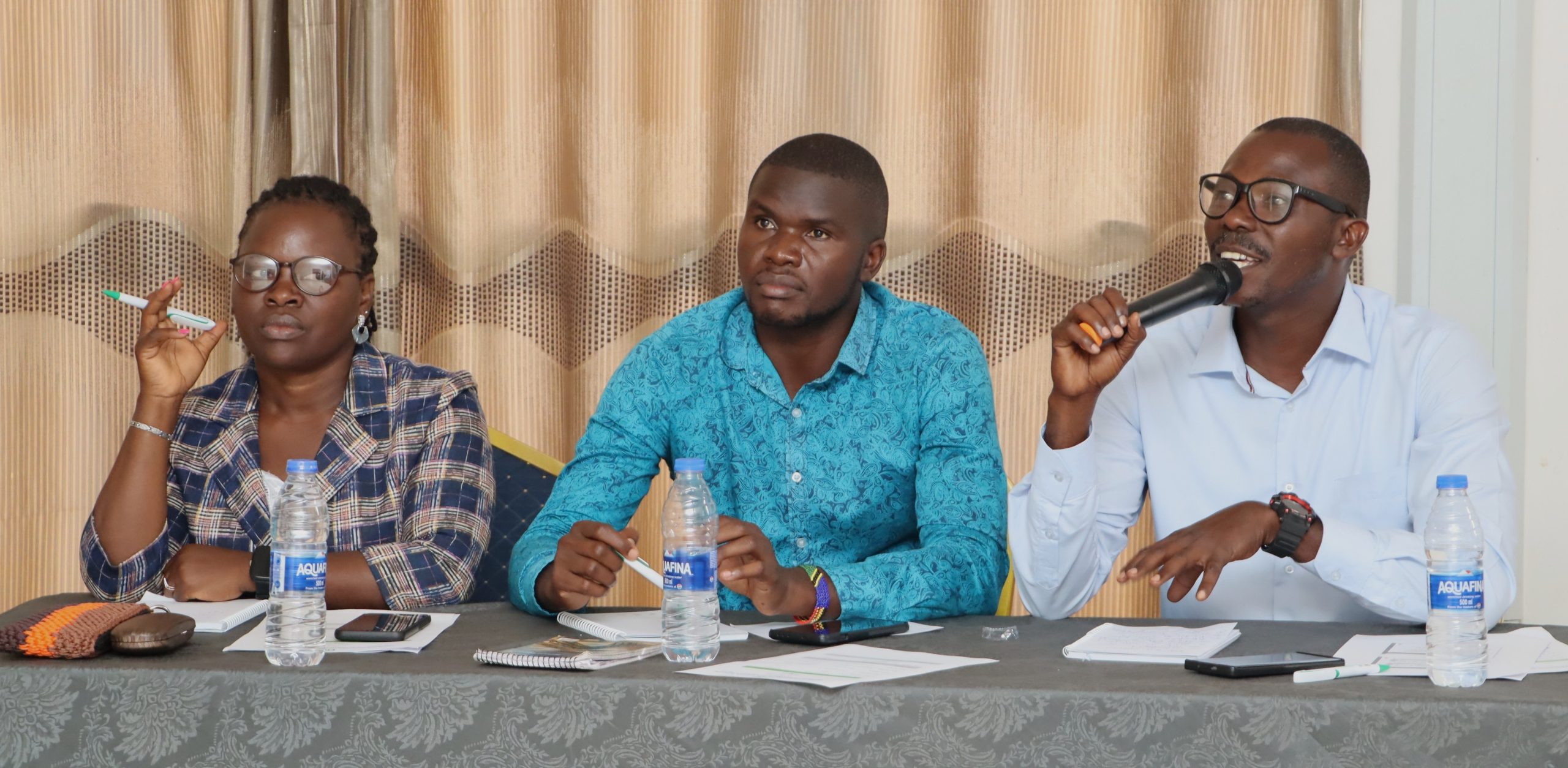
Beyond economic benefits, Dr. Babyenda underscored the importance of ecosystem services, including cultural and spiritual values. He explained that many communities derive identity, medicine, and traditions from natural resources.
Natural systems also support agriculture through soil fertility and pollination. He warned that misuse of chemicals could threaten pollinators like bees, potentially affecting food production.
With Uganda’s rising population, demand for land, food, and energy is increasing, placing pressure on forests, wetlands, and wildlife. Expanding agriculture, urbanization, and illegal logging are among the key threats.
Dr. Babyenda also noted emerging global policies requiring environmental accountability, such as traceability in coffee production to ensure crops are not grown on deforested land.
Why Environmental Valuation Matters
A central theme of the presentation was environmental valuation, the process of assigning monetary value to natural resources.
Dr. Babyenda explained that valuation helps policymakers make informed decisions, especially when balancing conservation with development. For instance, a forest may generate more long-term economic benefits than short-term gains from clearing it for agriculture.
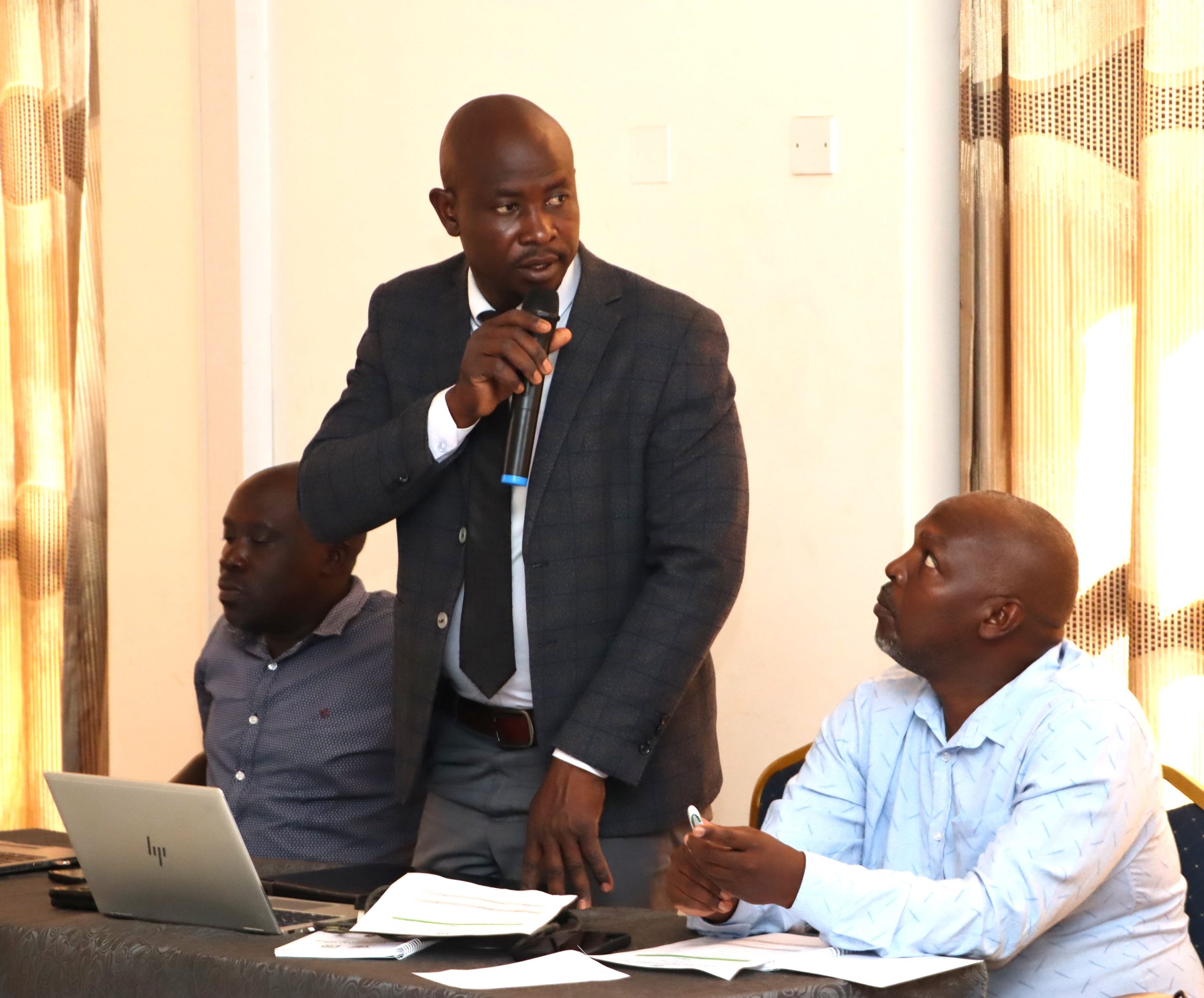
He introduced key valuation methods such as Willingness to Pay (How much individuals would pay to access or preserve environmental resources) and Willingness to Accept: (Compensation required for losing environmental benefits).
These approaches, he said, can help quantify both direct uses like timber and tourism and indirect or non-use values, such as preserving resources for future generations.
Dr. Babyenda urged environmental officers to document and report risks proactively, noting that failure to act early often leads to severe consequences when disasters occur.
He cited Uganda’s policy framework, including Vision 2040 and environmental laws, as critical tools for sustainable management. However, he stressed that implementation requires proper data, budgeting and justification.
“Once you know the value of something, you are more likely to protect it,” he said.
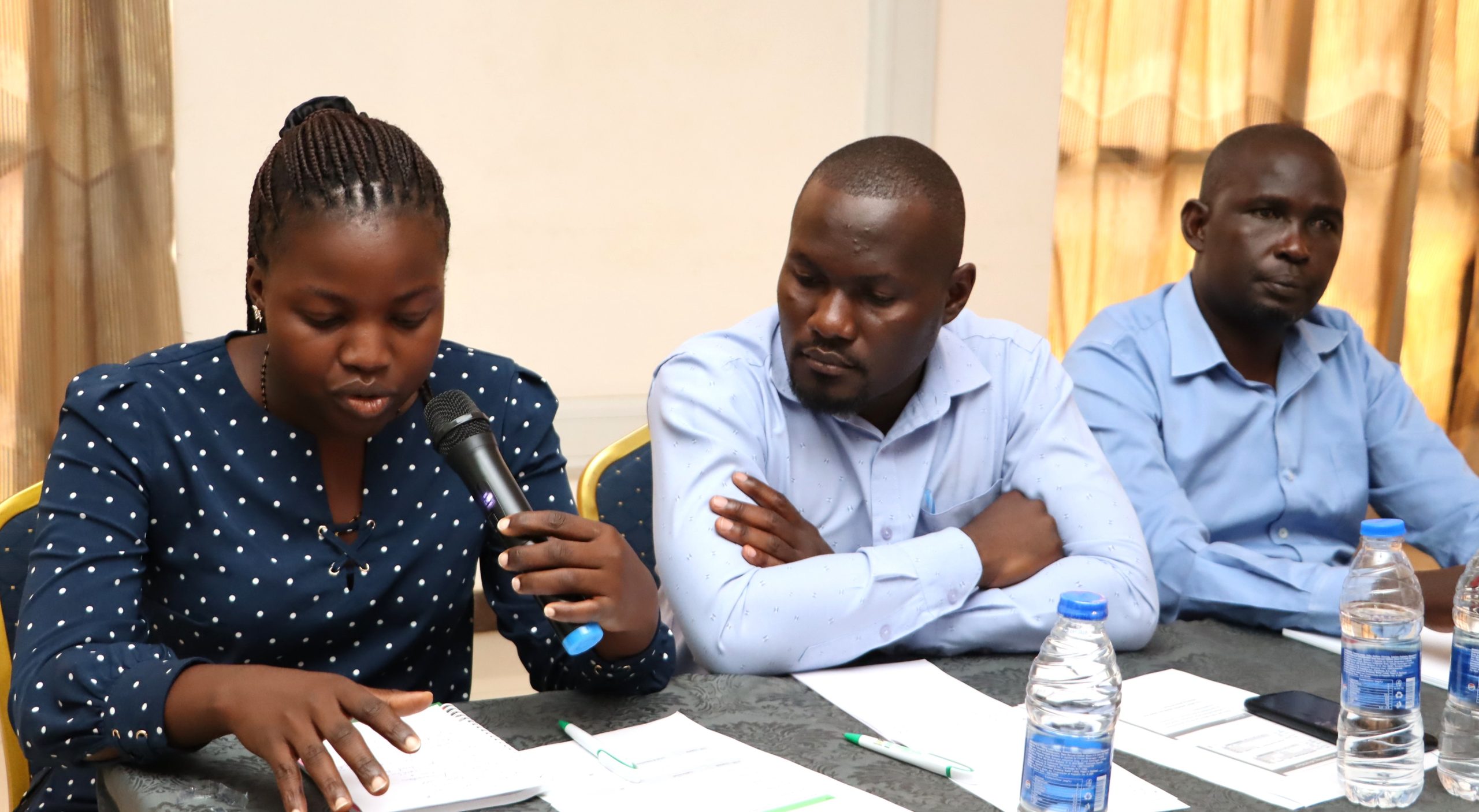
The presentation concluded with a call for collective responsibility in safeguarding Uganda’s biodiversity, which includes forests, wetlands, savannahs, and national parks.
Dr. Babyenda encouraged innovation in land use, better planning, and increased investment in environmental protection, warning that the country’s future depends on how well it manages its natural wealth.
“Development and environmental protection must go hand in hand,” he said.
Environmental Accounting Key to Sustainable Development
Environmental accounting is critical for Uganda’s sustainable development, with district-level officers playing a pivotal role in safeguarding natural resources, according to environmental expert Dr. Nicholas Kilimani.
Presentation to technical officers, Dr. Kilimani emphasized that environmental management is no longer an auxiliary function but a central component of national development. “The environment in which we live affects the economy, human health and our livelihoods,” he said, warning that failure to account for natural resources could have far-reaching consequences
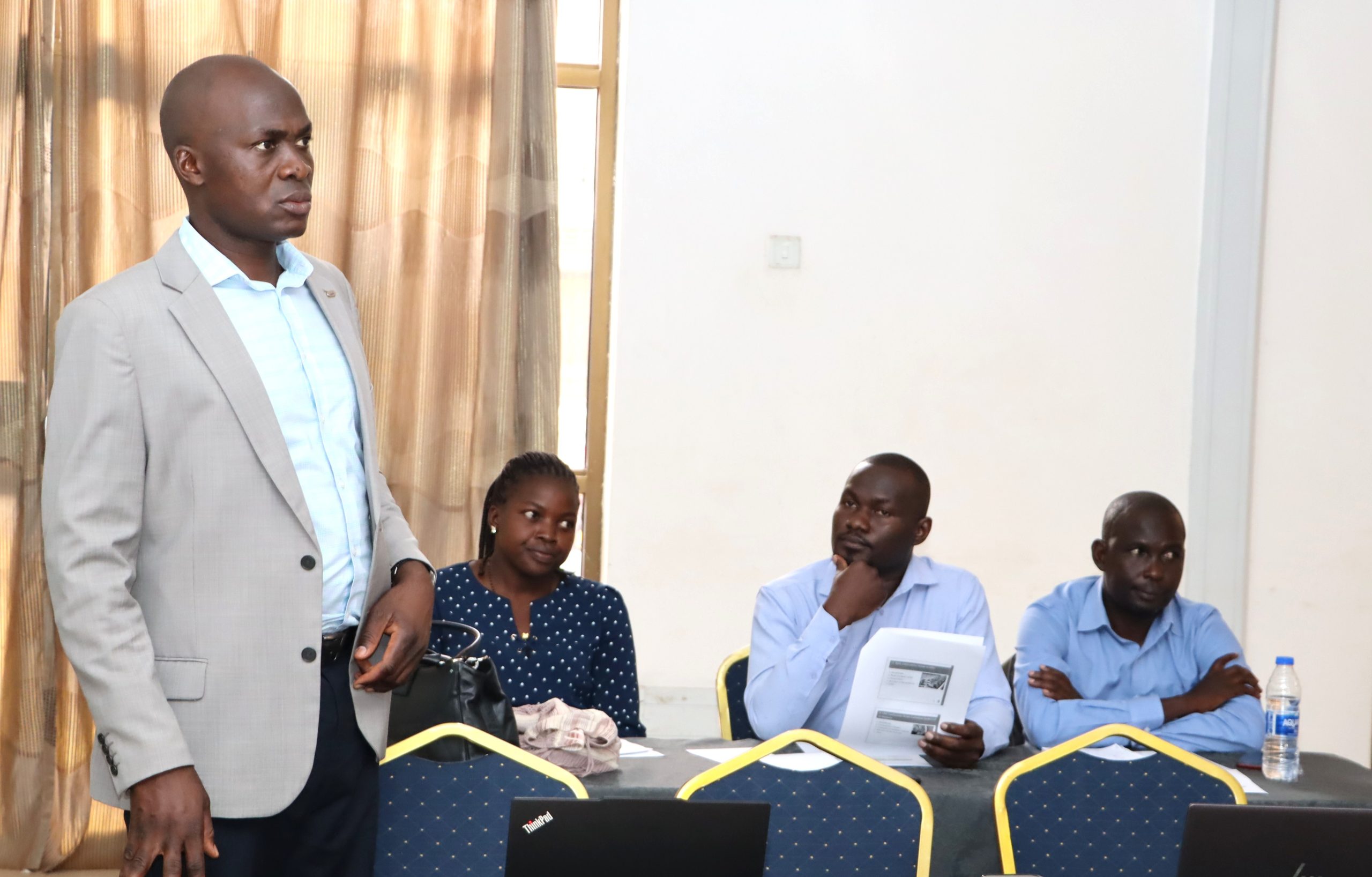
Dr. Kilimani highlighted the connection between ecological health and economic outcomes. “When forests are cleared or wetlands polluted, agricultural yields fall, water resources degrade, and diseases increase. This affects the economy in ways that conventional indicators like GDP often fail to capture,” he explained.
He cited examples such as unsustainable fish harvesting, pollution from industrial effluents, and deforestation, which can reduce Uganda’s revenue from exports and compromise public health. “If investors pollute water resources, fish stocks die, and we lose both income and markets,” he said, stressing the need for vigilant oversight by environmental officers.
Understanding Environmental Accounting
Central to Dr. Kilimani’s message was the United Nations System of Environmental-Economic Accounting (SEEA), a framework designed to integrate environmental data with economic indicators.

“This system allows us to track resources like water, forests, fish, and energy, showing both their contribution to the economy and how human activity affects them,” he said. By combining social, economic, and environmental data, policymakers and technical officers can develop evidence-based interventions and set sustainable extraction and pollution limits.
Dr. Kilimani also emphasized ecosystem accounting, which captures the benefits of natural systems beyond direct economic output. Forests, rivers, and urban parks provide services such as recreation, water purification, disease regulation, and stress relief. “These services contribute to human well-being and quality of life, even if they are not directly traded in the market,” he explained.
He stressed that understanding and communicating these services is crucial when interacting with policymakers and community leaders, including mayors and district officials, to ensure that development decisions do not compromise environmental integrity.
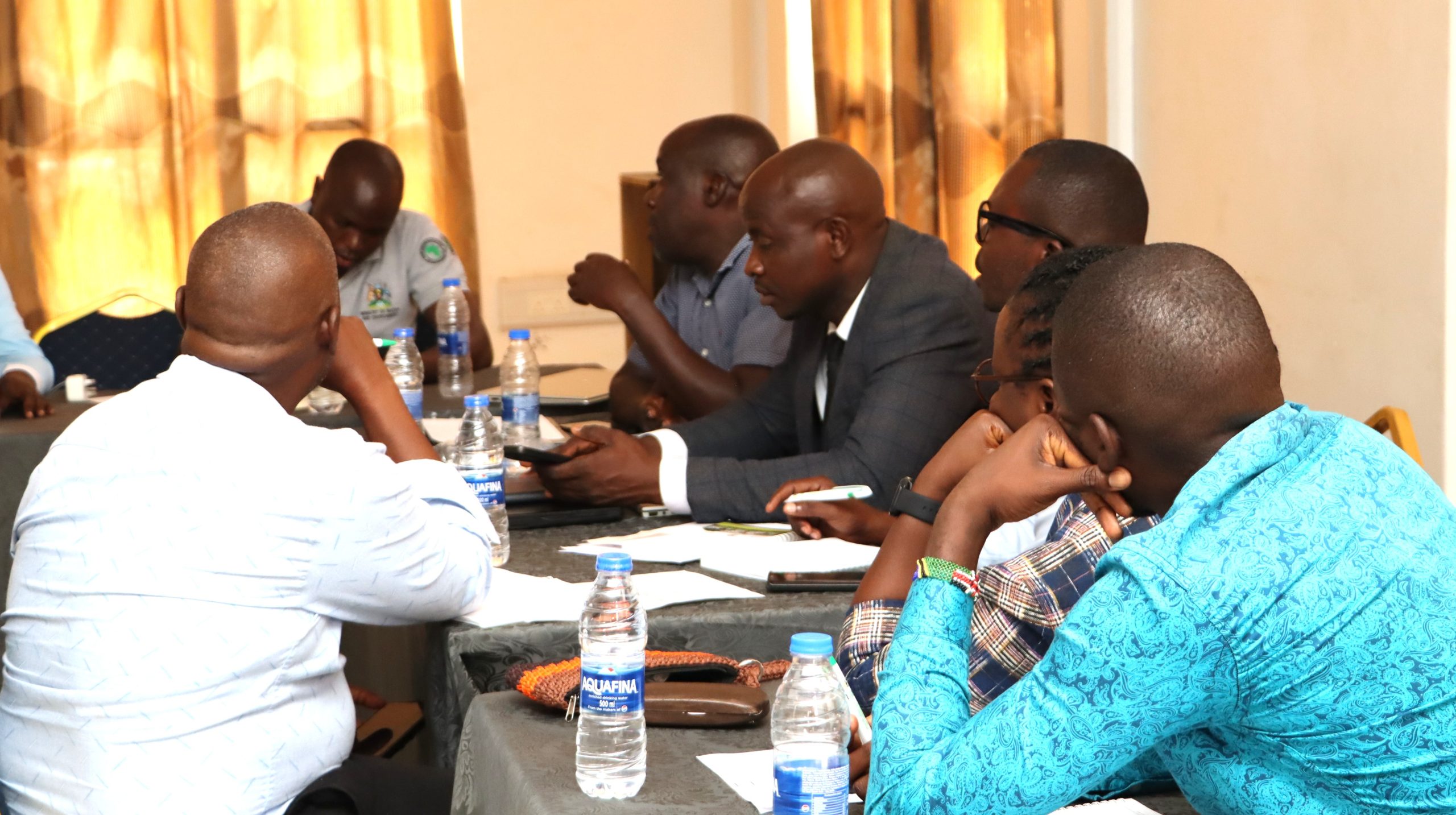
Concluding his presentation, Dr. Kilimani urged environmental officers to strengthen their monitoring and reporting systems, emphasizing that accountability and proper documentation are essential. “You are the gatekeepers of Uganda’s natural wealth. Proper environmental accounting ensures that resources are used sustainably, benefiting both the economy and the people,” he said.
He further emphasized that environmental protection and development must go hand in hand, warning that neglecting natural resources today could lead to irreversible losses tomorrow.
Climate Change Adaptation and Mitigation: Practical Solutions Urged for Districts
Climate change is no longer a distant threat, but a reality already affecting Uganda, with unpredictable rains, crop failures, floods, and droughts impacting communities, says Alice Nalweera, an environmental expert.
Speaking to district officers, Nalweera emphasized the need for practical action in policies, plans and budgets to address both the causes and effects of climate change. “We are already experiencing the impacts. Delayed rains, extreme heat, and changing planting seasons are clear signs that climate change is here,” she said.
Nalweera distinguished between weather – the short-term state of the atmosphere and climate, which refers to long-term patterns over at least 30 years. She cited local experiences in districts such as Bulisa, where traditional planting indicators have become unreliable due to shifting rainfall patterns.
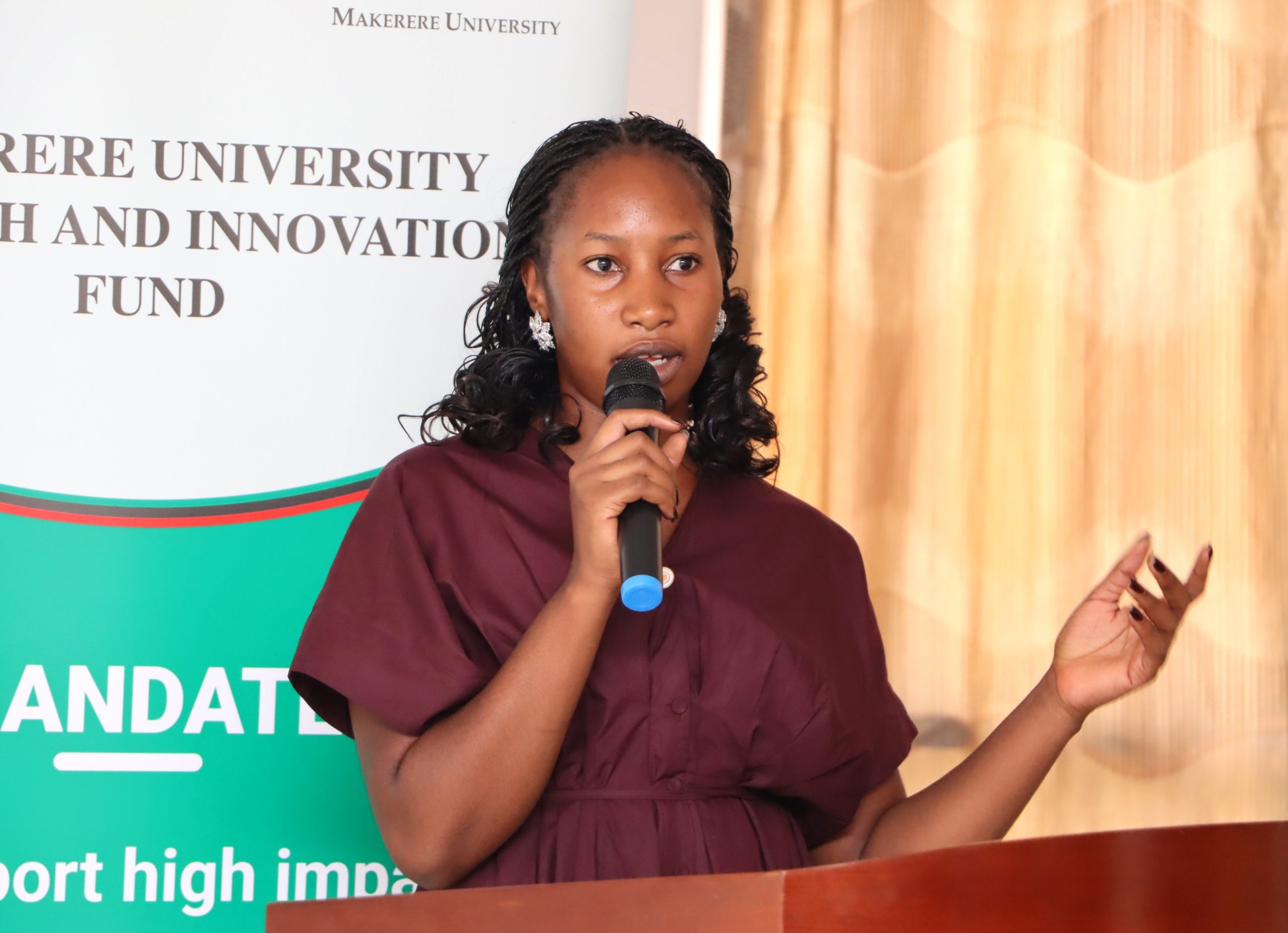
Human activities, including deforestation, industrialization, methane emissions from livestock, transport, and resource extraction, have compounded natural factors, contributing to rising temperatures, land degradation, loss of biodiversity, food insecurity, and increased vulnerability to diseases.
Mitigation and Adaptation Approaches
To address climate change, Nalweera outlined two main strategies. Mitigation tackles the root causes by reducing greenhouse gas emissions, conserving forests, creating carbon sinks, and promoting energy-efficient technologies while Adaptation focuses on adjusting to the impacts, including the use of drought-resistant crops, resilient infrastructure, early warning systems for disasters and climate-smart agriculture.
“Uganda is moving toward adaptation because climate change is already a reality. Adaptation reduces vulnerability, enhances resilience, and supports sustainable livelihoods,” she said.

Nalweera highlighted climate-smart agriculture as a key tool for both adaptation and mitigation. Techniques such as agroforestry, improved composting, energy recovery from waste, and drought-resistant crops help communities maintain productivity while reducing environmental impact.
“Through climate-smart agriculture, farmers can increase productivity, protect the environment, reduce greenhouse gas emissions, and improve household incomes,” she said.
The session concluded with participatory exercises, where officers were encouraged to reflect on climate changes in their districts, identify local adaptation measures, and propose policy interventions. Nalweera stressed the importance of integrating climate risks into district development plans to ensure that communities are prepared for both current and future impacts of climate change.
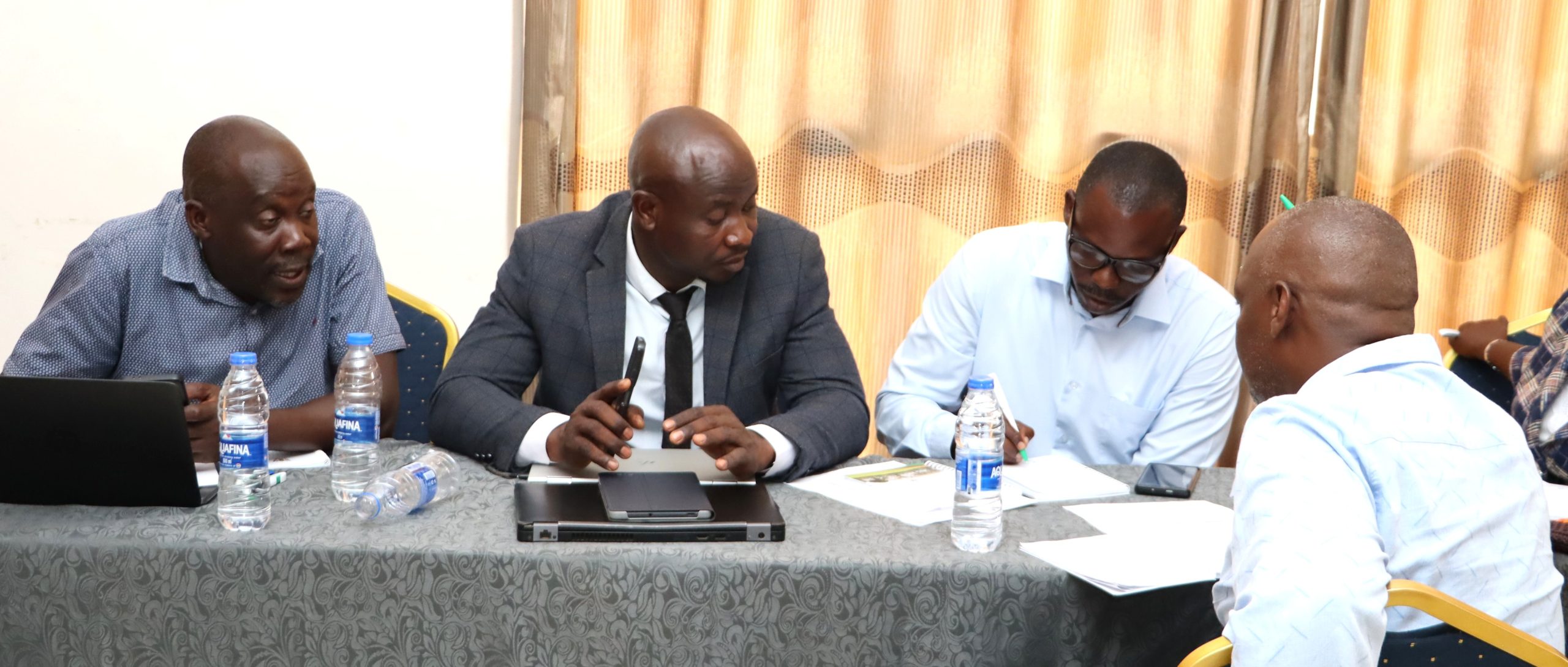
“Adaptation and mitigation must go hand in hand. Practical solutions, community engagement and informed policy decisions are key to safeguarding livelihoods, enhancing resilience, and promoting sustainable development,” she said.
District Officers Laud Training
District environmental officers praised the training highlighting the relevance of the training to their day-to-day responsibilities and the need to integrate environmental considerations into district development planning.
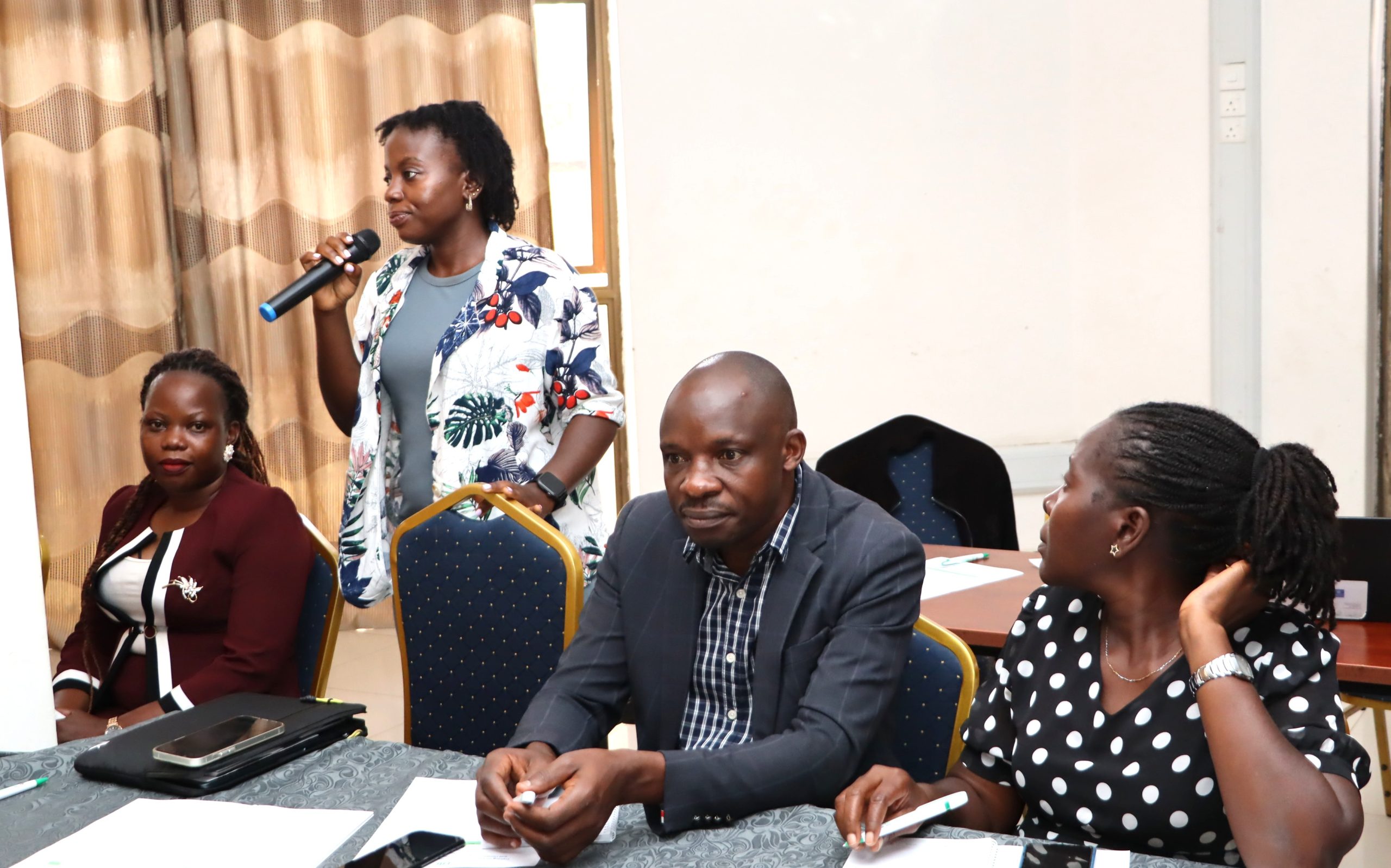
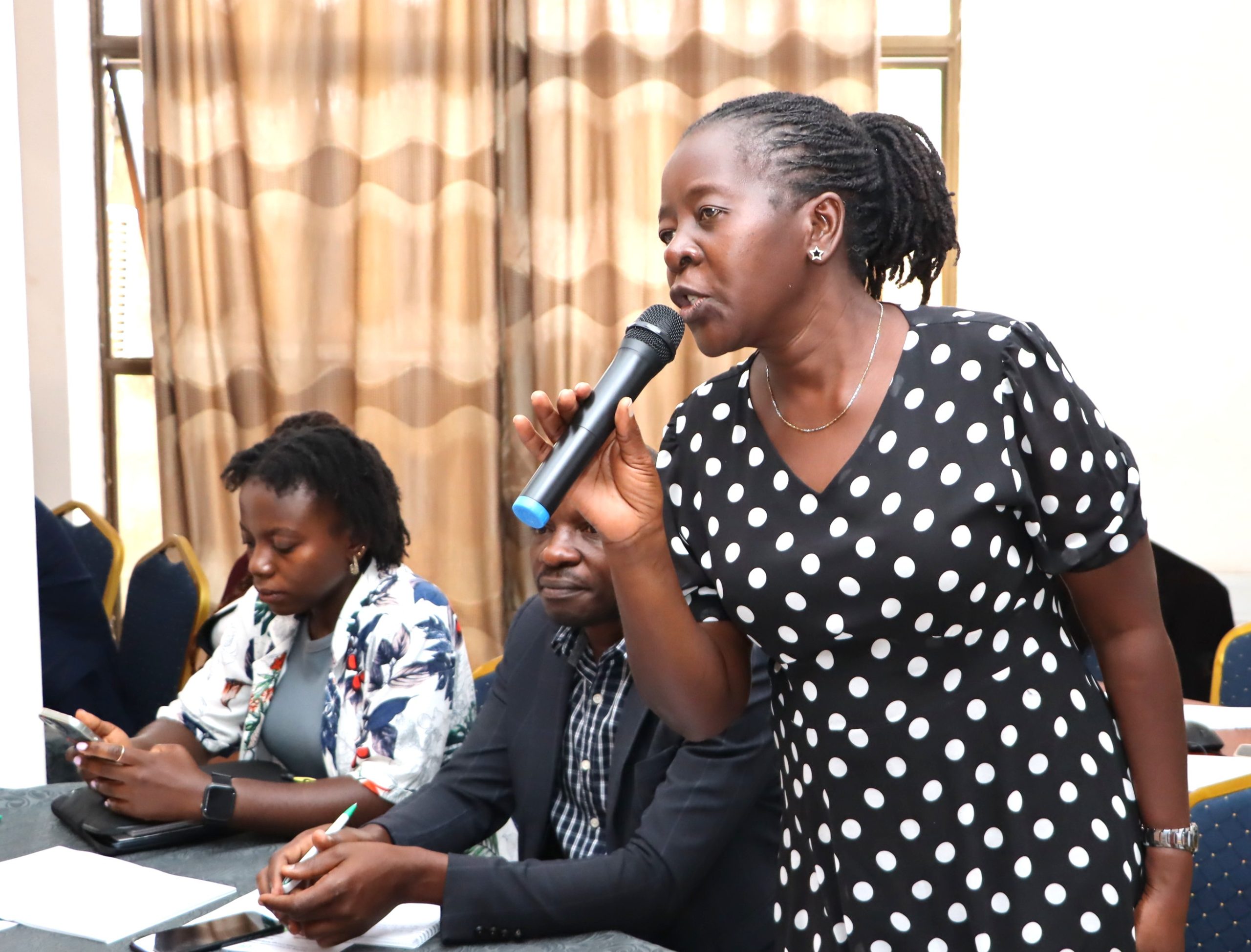
Nakayenze Anna, Head of Natural Resources in Mbale District, noted, “This training has been very beneficial. It has highlighted the government’s commitment to integrating environmental reporting into our frameworks. For local governments, we now understand the importance of having the right data to inform reporting and service delivery. The challenge, however, remains in building capacity to collect and manage such data across sectors. This training is an opportunity to rethink our structures and strengthen environmental management at the district level.”
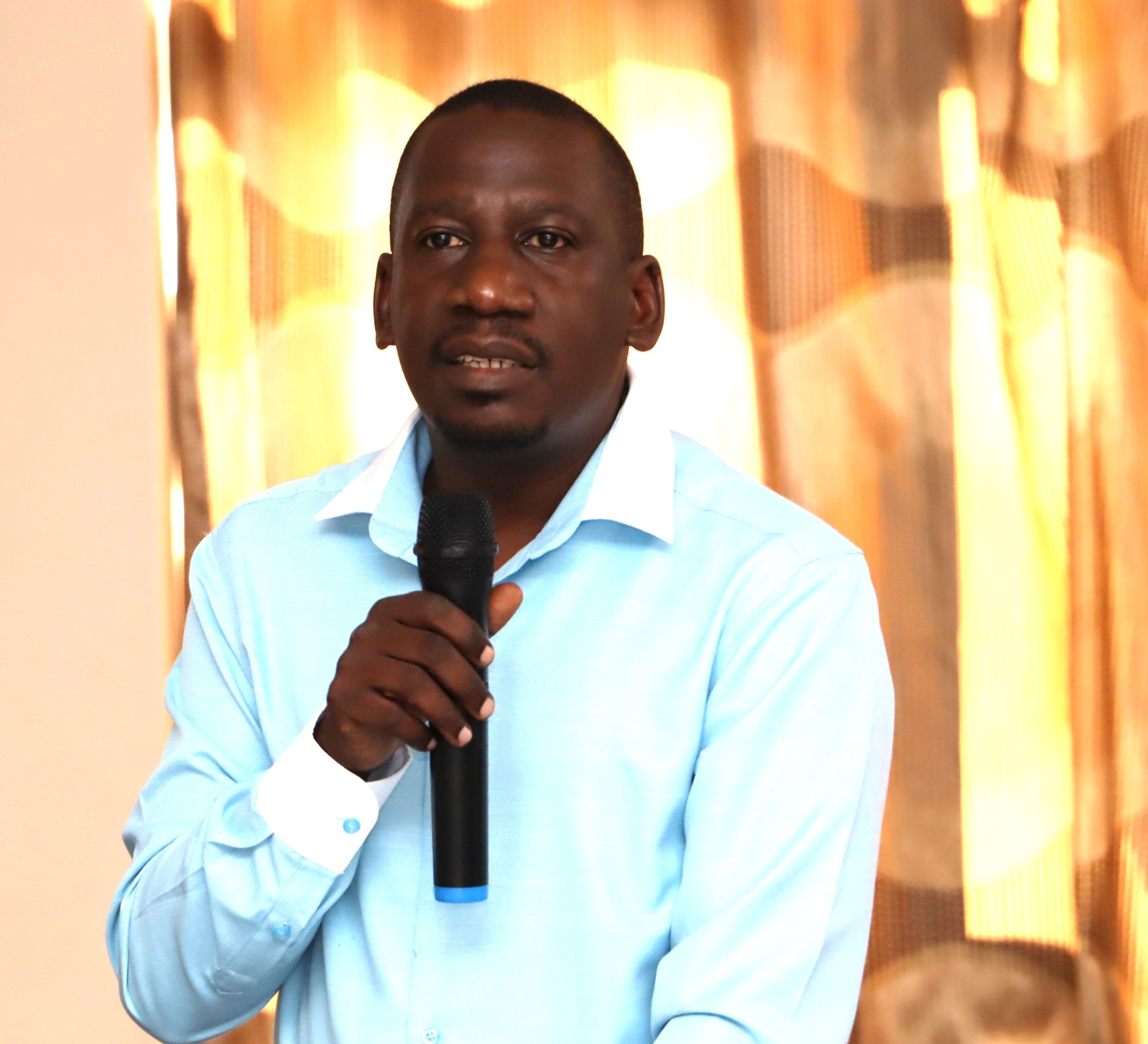
Similarly, Maganda Moses, Principal Environment Officer from Jinja District, emphasized the need to attach economic value to natural resources. “We have forests, wetlands, and Lake Victoria, but for a long time, we haven’t attached economic value to these resources. This training has shown us the importance of valuing natural resources to convince policymakers and funders to support their protection. Local governments must step forward to mobilize resources to safeguard these critical assets,” he said.
In Kapchorwa District, Chelimo Salim, Environmental officer, reflected on applying the knowledge in the field. “We have learned about environmental evaluation, valuation, and climate change mitigation and adaptation. I will take this knowledge back to Kapchorwa to encourage communities to conserve the environment, plant trees and protect wetlands,” he said.
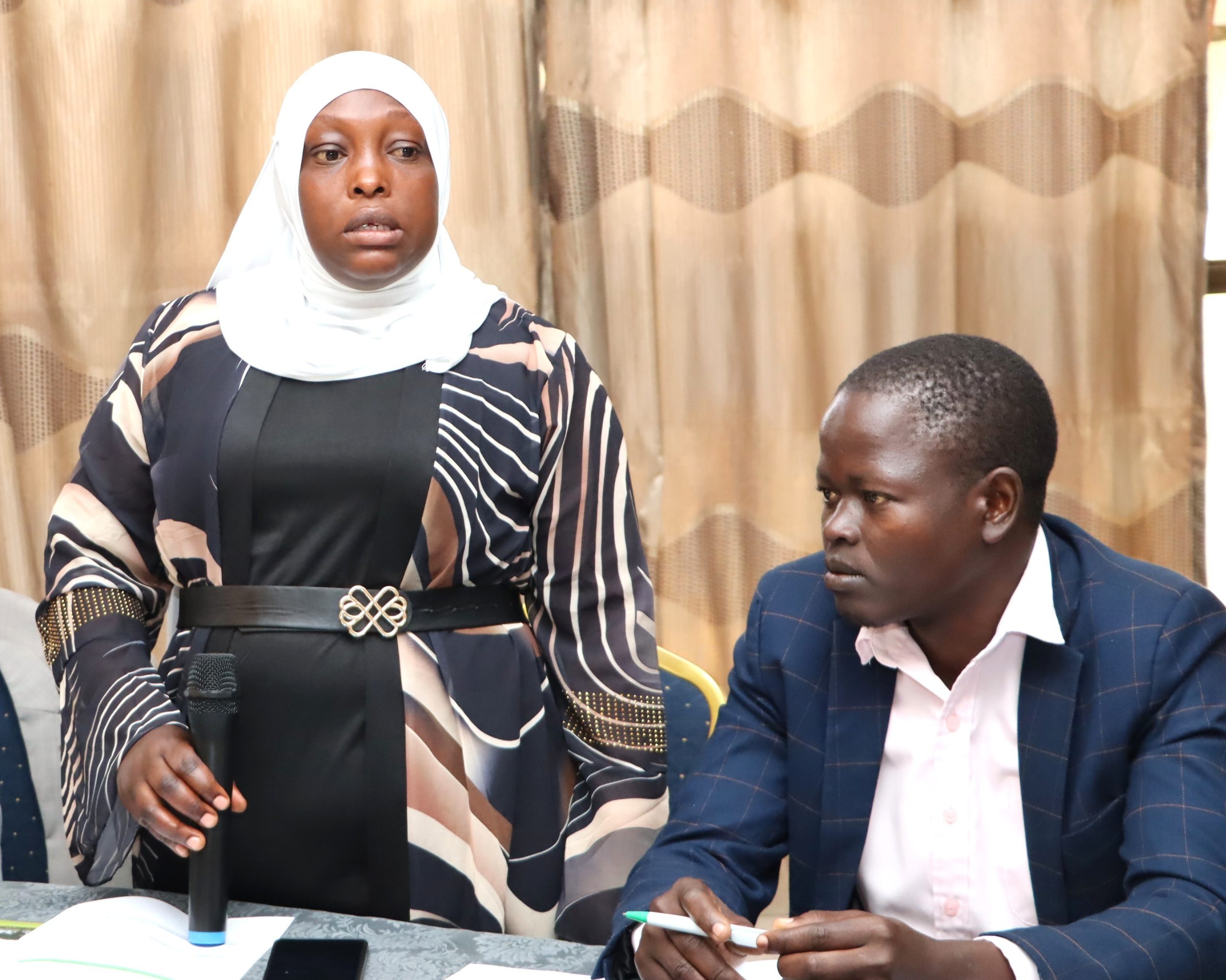
Florence, District Environment Officer in Iganga, also appreciated the practical approach of the training. “I have learned more about adaptation responses to climate change. The training was very appropriate, though I wish it could have been a little longer to allow more in-depth learning,” she said.
Edwin Masheta, a Planner in Iganga District, added that the training clarified the distinction between weather and climate. “Communities often confuse weather with climate change. This training has given me a long-term perspective, particularly on mitigation and adaptation measures. While adaptive behaviors are still limited in many communities, I believe initiatives like this will drive meaningful change at the local level,” he said.
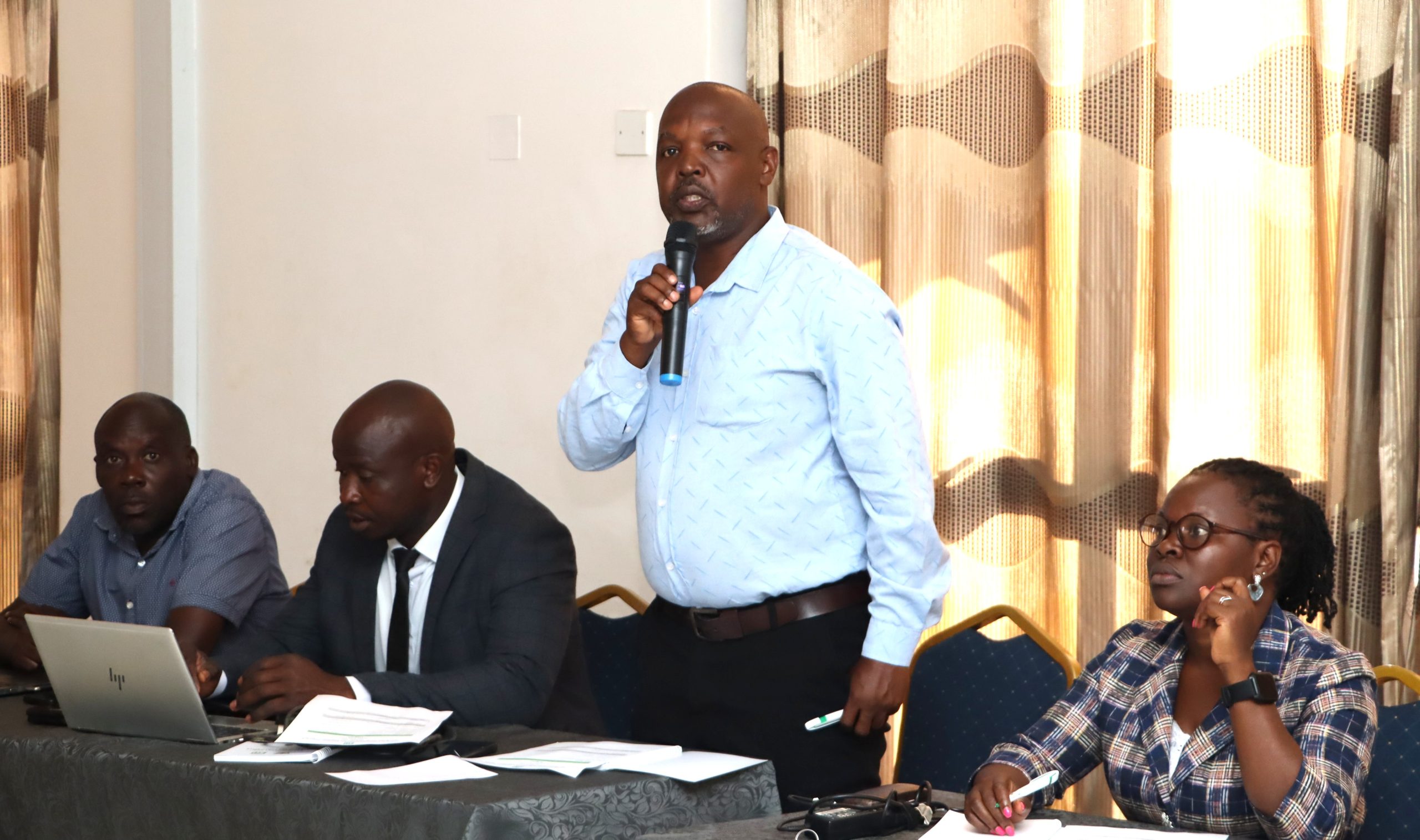
Participants agreed that the training will inform their future planning and implementation of environmental policies, emphasizing the need for more structured capacity-building initiatives to strengthen local government roles in environmental governance.
End
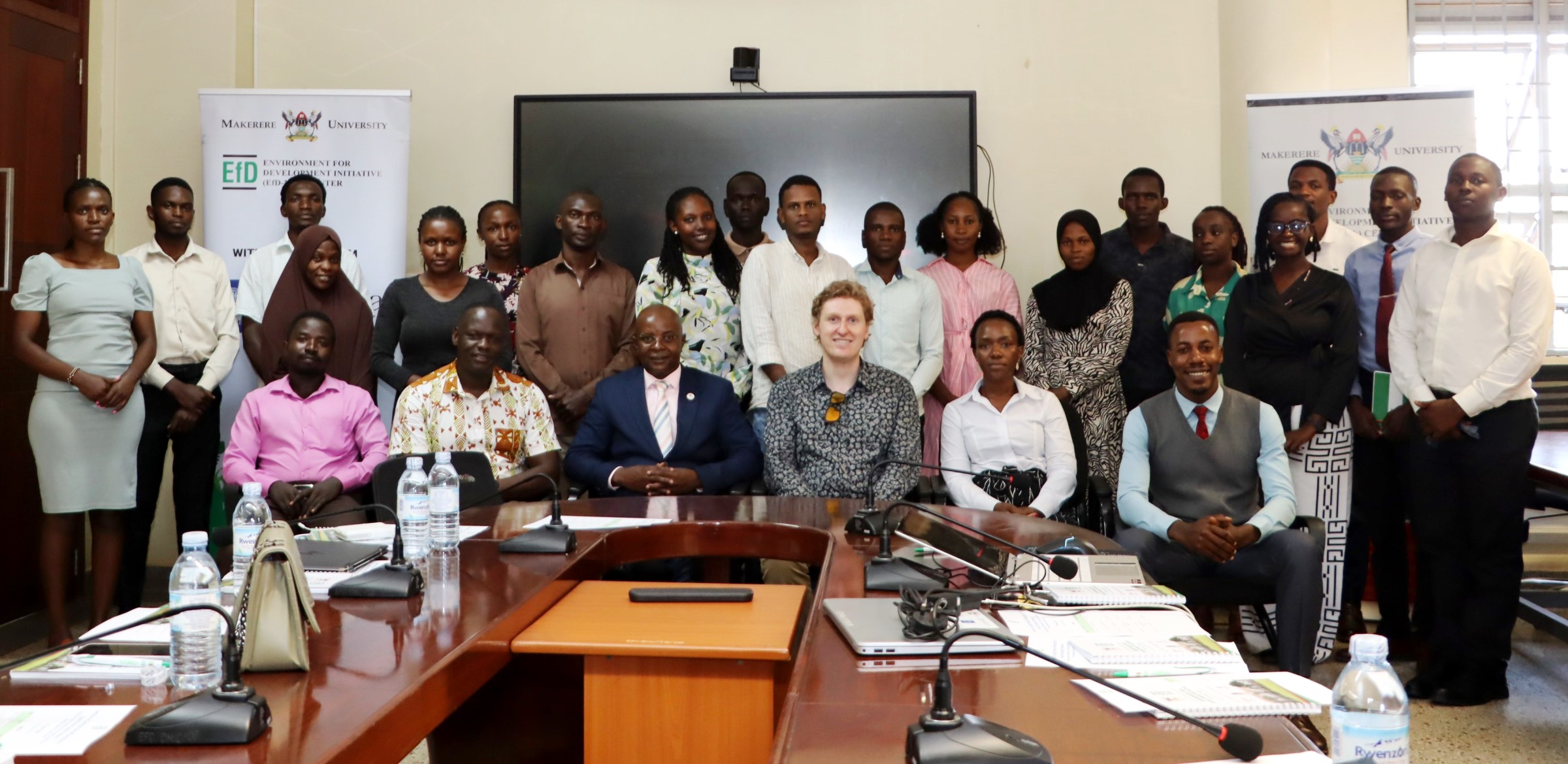
Study Finds Farmers Prefer Boundary Tree Planting, Challenging Conventional Afforestation Programs
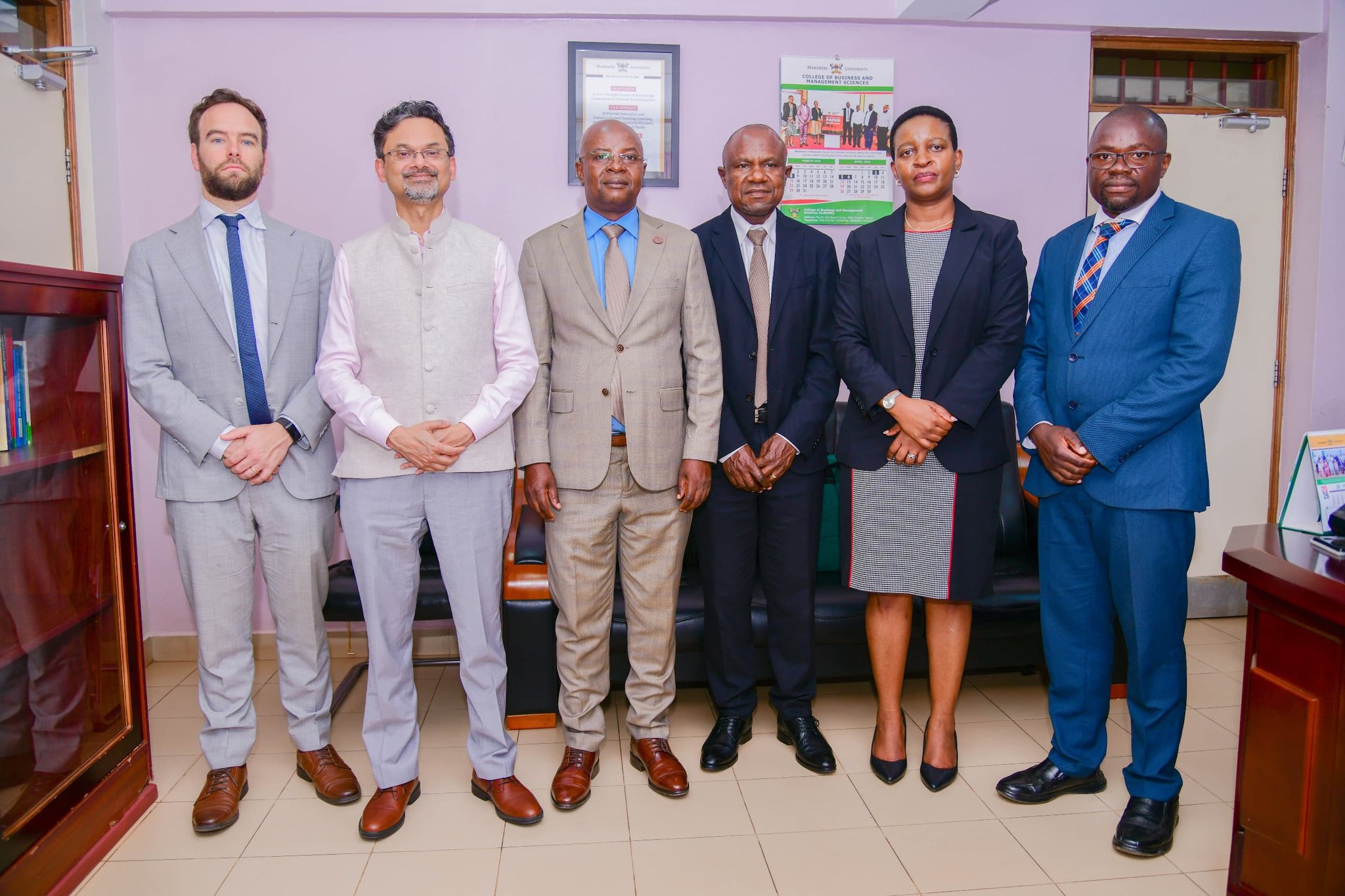
UK-based Duke University Postdoctoral Scholar Dr. Danny Tobin has highlighted the crucial role of farmers’ preferences in shaping successful tree-planting programs. Speaking at Makerere University’s Environment for Development (EfD) Centre, Tobin presented findings from a study on smallholder farmers in southern India, exploring why they choose certain tree species and planting systems within an NGO-led afforestation program.
The study titled, “Guiding Private Afforestation to raise public-Goods Provision : Exploring Farmers preferences for trees within an NGO Tree planting program in Southern India” was presented to a research seminar at Makerere University on March 9, 2026.
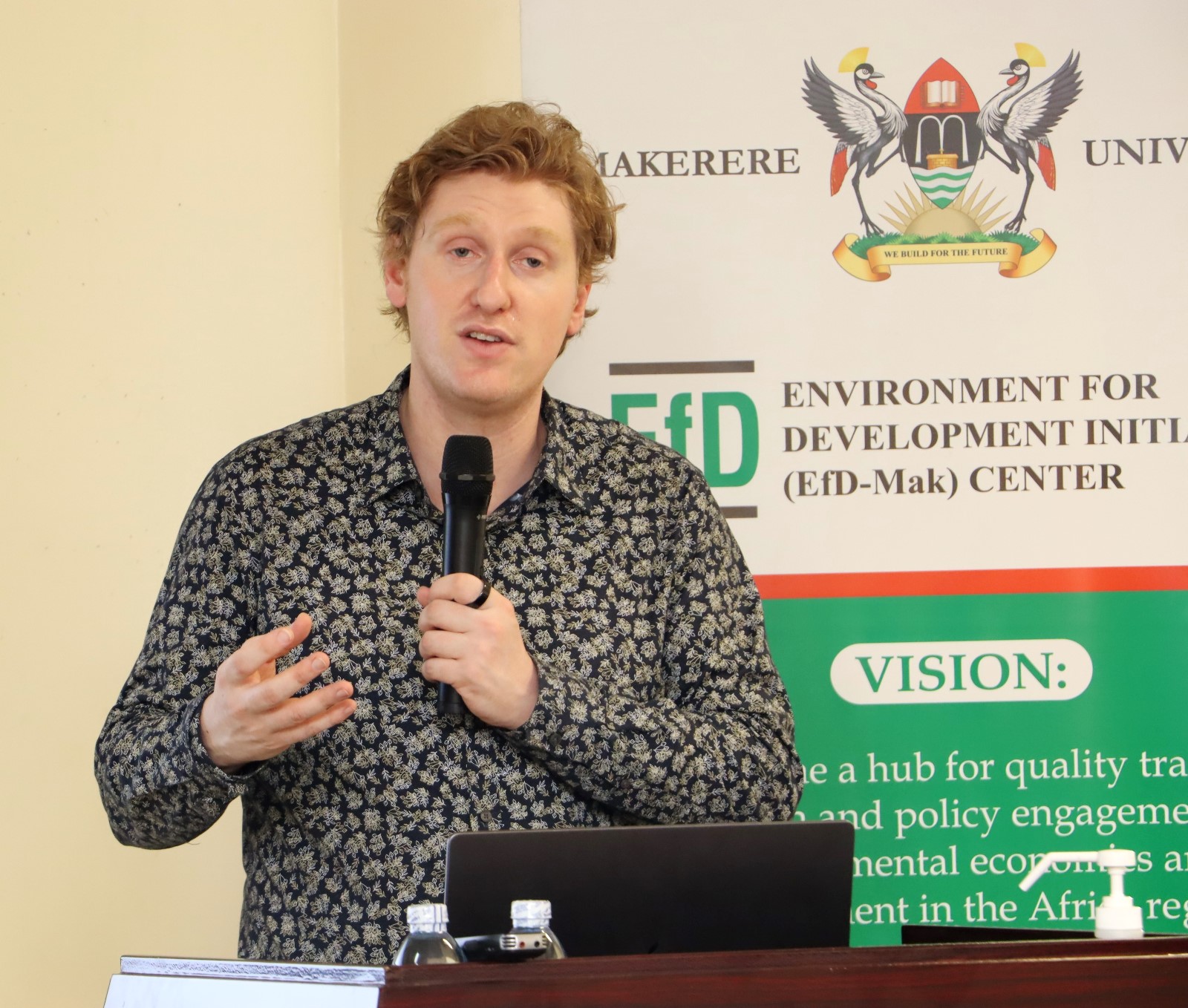
Dr. Tobin presented what drives communities to take up different kinds of tree species, and even the planting system that they use, either planting on the boundary, intercropping, or cluster planting these different trees, either forest trees, timber trees, or the fruit and medicinal plants.
The study revealed that smallholder farmers strongly prefer planting trees along farm boundaries rather than within their crop fields, a finding that could significantly reshape the design of afforestation and agroforestry programs aimed at addressing climate change and biodiversity loss. The research examined how farmers make decisions about tree planting on private agricultural land and found that preferences vary widely depending on farmers’ economic conditions, farming practices, and environmental challenges. The study emphasizes that tree-planting initiatives must be carefully designed to align with farmers’ priorities if they are to deliver both environmental and livelihood benefits.
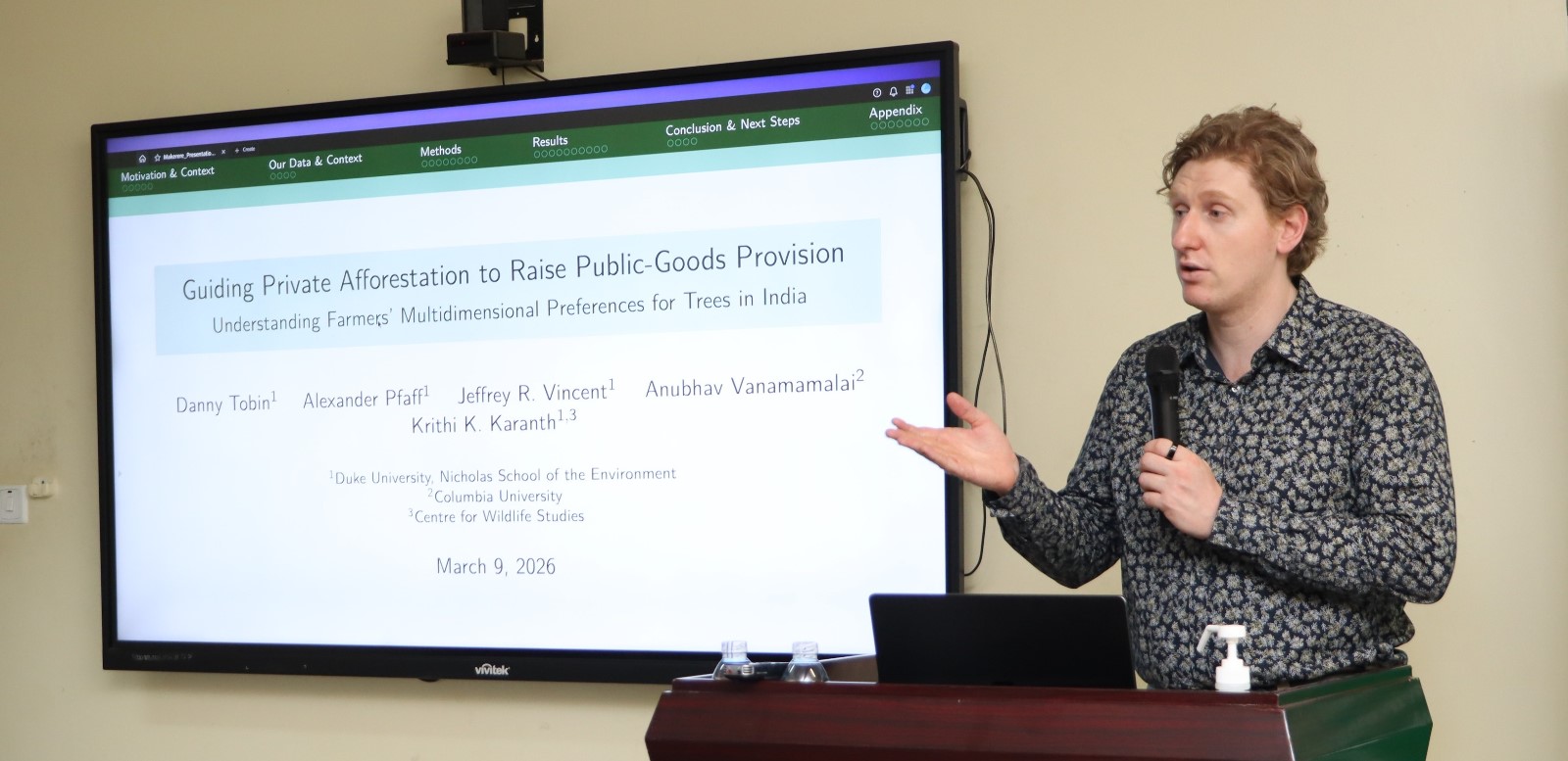
The research focused on smallholder farmers living within five kilometers of two protected areas in the southern Indian state of Karnataka. Using a structured survey method known as a discrete choice experiment, the study collected responses from 400 farmers who were presented with different tree-planting options, including timber, fruit, mixed species, and medicinal trees arranged in various planting patterns such as farm boundaries, intercropping within fields, or clustered plots. The results showed a clear preference for planting timber trees along farm boundaries, which farmers viewed as the least disruptive to crop production and farm management.
According to the study findings, most farmers were willing to adopt boundary planting even without financial incentives. In contrast, options that required planting trees within crop fields such as fruit intercropping or clustered mixed-species plantations generally required compensation to encourage adoption. Programs that aimed to create dense clusters of mixed trees to support biodiversity would require the highest level of incentives, as these arrangements compete directly with agricultural land use.

The study also identified several factors that influence farmers’ willingness to plant trees. Farmers with better resources such as higher income levels, irrigation systems, and higher education were generally more willing to adopt tree planting. Conversely, farmers with smaller land holdings, lower incomes, and harsher environmental conditions were less likely to adopt tree planting options. These results highlight how economic capacity and farm productivity shape decisions about integrating trees into agricultural landscapes.
Another important finding relates to human-wildlife conflict, a major challenge for farmers living near protected areas. The study found that farmers experiencing frequent wildlife damage were significantly less interested in planting fruit trees along their farm boundaries because fruit trees could attract animals such as elephants and wild boar. Instead, these farmers preferred timber trees, which they believed might help shield crops from wildlife intrusion.
Despite the overall preference for boundary planting, the research also revealed a surprising opportunity for biodiversity-focused interventions. About one-third of the farmers surveyed indicated that they would be willing to plant fruit trees inside their fields through intercropping or orchard-style arrangements without requiring compensation. This group represents a key target for programs seeking to increase tree cover and habitat connectivity in agricultural landscapes.
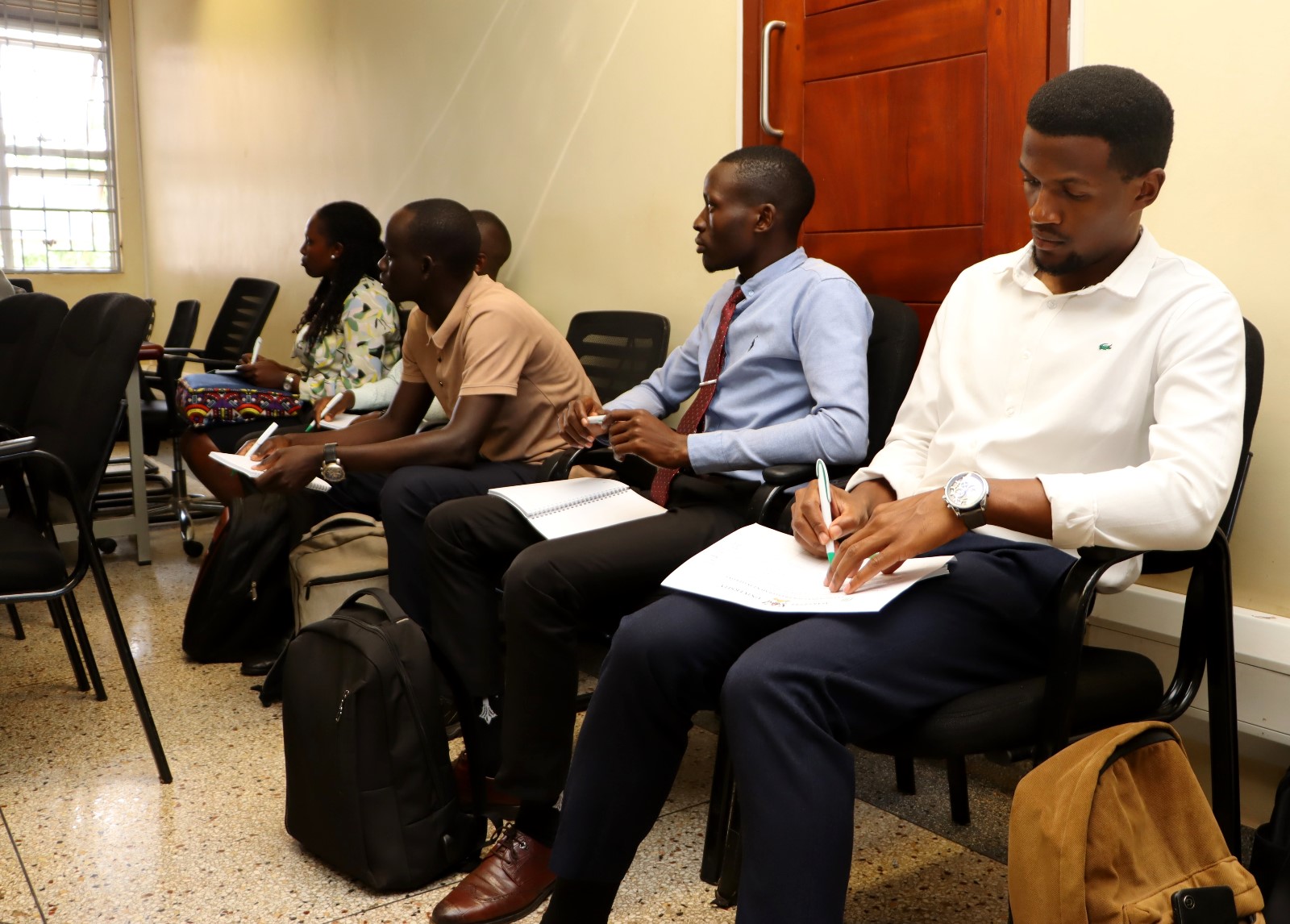
Based on these findings, the study recommends that afforestation programs avoid rigid, one-size-fits-all approaches. Instead of targeting farmers based on observable characteristics such as age, income, or land size which the study found to be unreliable predictors of preferences the research suggests offering farmers a menu of tree-planting options. This flexible approach would allow farmers to choose arrangements that best fit their land, resources, and risk tolerance while still contributing to environmental goals.
The study concludes that successful tree-planting programs must balance environmental objectives with farmers’ economic realities. By incorporating farmers’ preferences into program design and offering flexible participation options, policymakers and environmental organizations can increase adoption rates, improve tree survival, and enhance the long-term benefits of afforestation initiatives for both rural livelihoods and the environment.
In his welcome remarks the Director EfD Makerere Centre, Prof. Edward Bbaale, underscored the importance of aligning environmental programs with farmers’ needs if afforestation initiatives are to succeed.
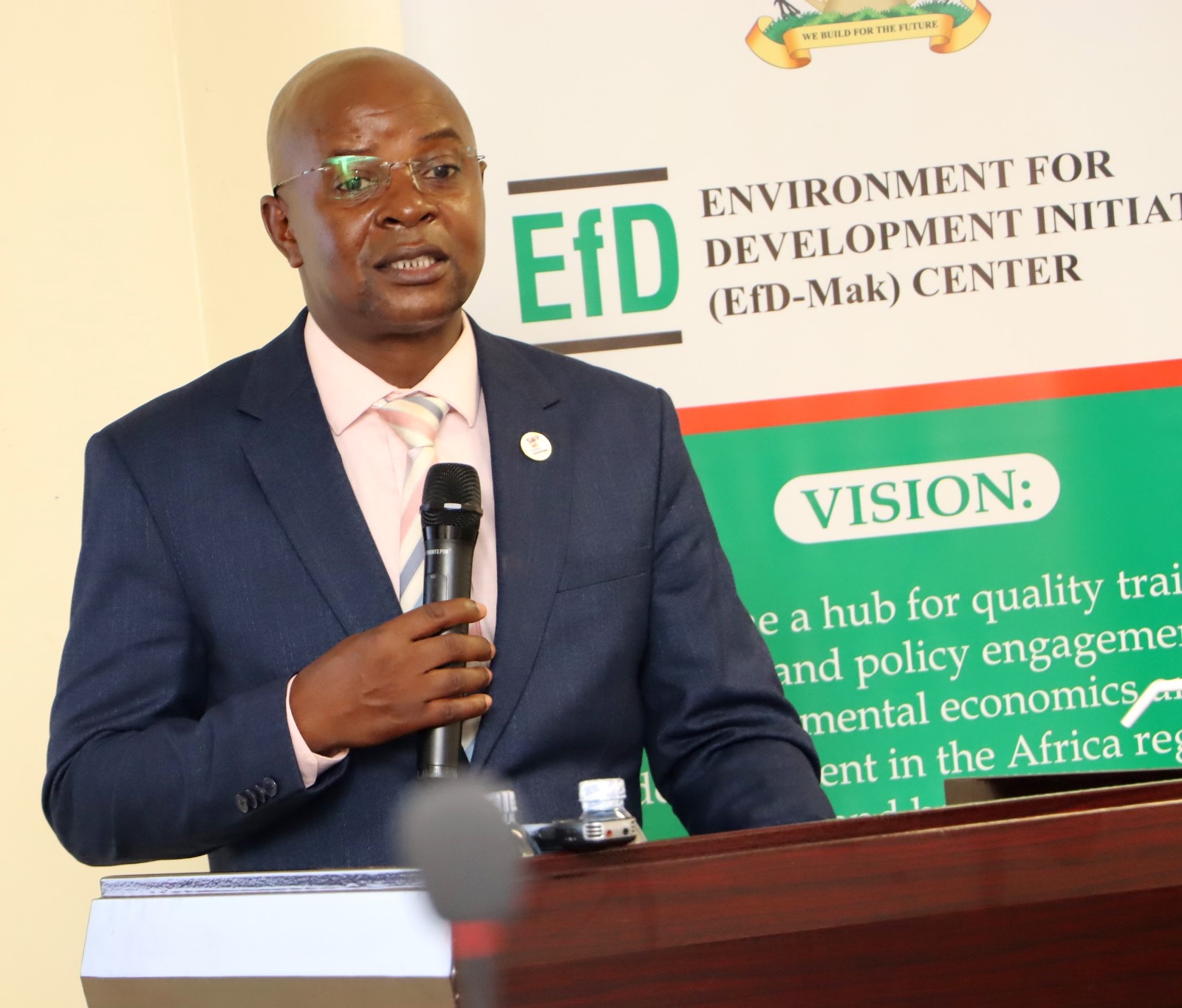
Prof. Bbaale said the EfD committed to rigorous research at the intersection of environment, natural resources, and economic development. He noted that the centre regularly organizes research seminars to create a platform for scholars, policymakers, and practitioners to exchange ideas, present ongoing research, and engage in constructive academic dialogue on pressing development challenges.
Welcoming Dr. Tobin to the seminar, Bbaale highlighted the longstanding collaboration between the EfD Mak Centre and Jeffrey Vincent, Professor of Forest Economics and Management at the Nicholas School of the Environment at Duke University. He explained that the partnership has produced important research on forestry, land use, and rural livelihoods over the past several years.
He pointed to a recent joint study conducted under the leadership of Patrick Byakagaba, a Senior Research Fellow at the EfD MakCentre, which examines the livelihood impacts of forest plantations on state-owned land. The research, titled Differential Livelihood Impacts of Eucalyptus and Pine Plantations on State-Owned Land, has been accepted for publication in the Journal of Forest Economics, marking what Prof. Bbaale described as the culmination of more than four years of collaborative work involving data collection and analysis.
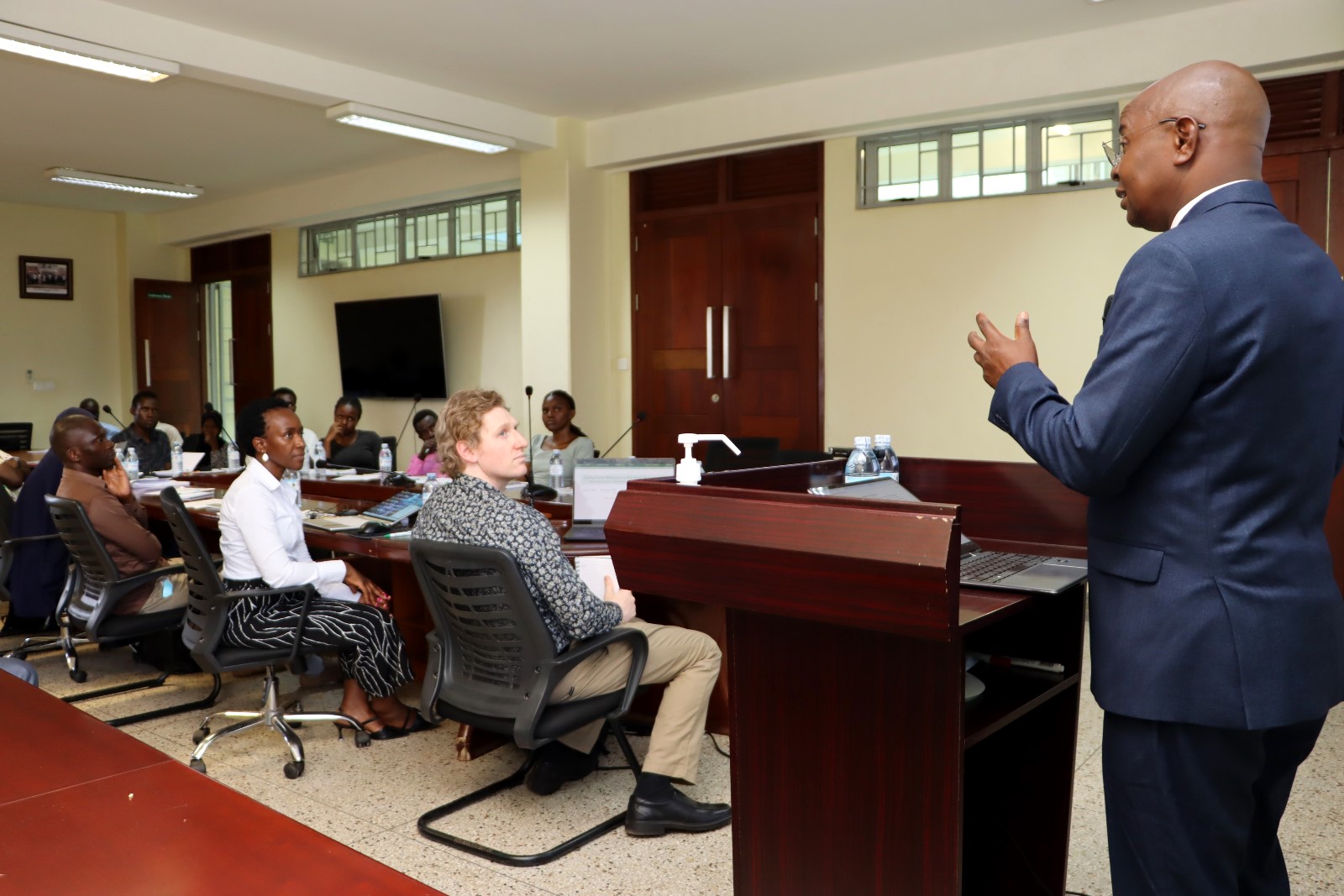
According to Bbaale, the seminar by Dr. Tobin builds on this strong partnership and reflects the growing collaboration between Makerere researchers and international scholars. He said the study being presented was co-authored with Prof. Vincent and addresses an issue of growing global and regional importance—how tree-planting programs can be designed to meet both environmental goals and the livelihood needs of farmers.
“The topic is highly relevant, not only to the global agenda on climate change mitigation and landscape restoration, but also to policy discussions taking place in Africa and Uganda in particular,” Prof. Bbaale said. He explained that as countries expand afforestation and reforestation initiatives, it is essential to understand farmers’ incentives, preferences, and livelihood realities to ensure that such programs achieve their intended ecological and social outcomes.
He noted that research like Dr. Tobin’s provides valuable insights into how private land-use decisions can be guided to generate both private benefits for farmers and broader public goods such as carbon sequestration, biodiversity conservation, and improved ecosystem services.
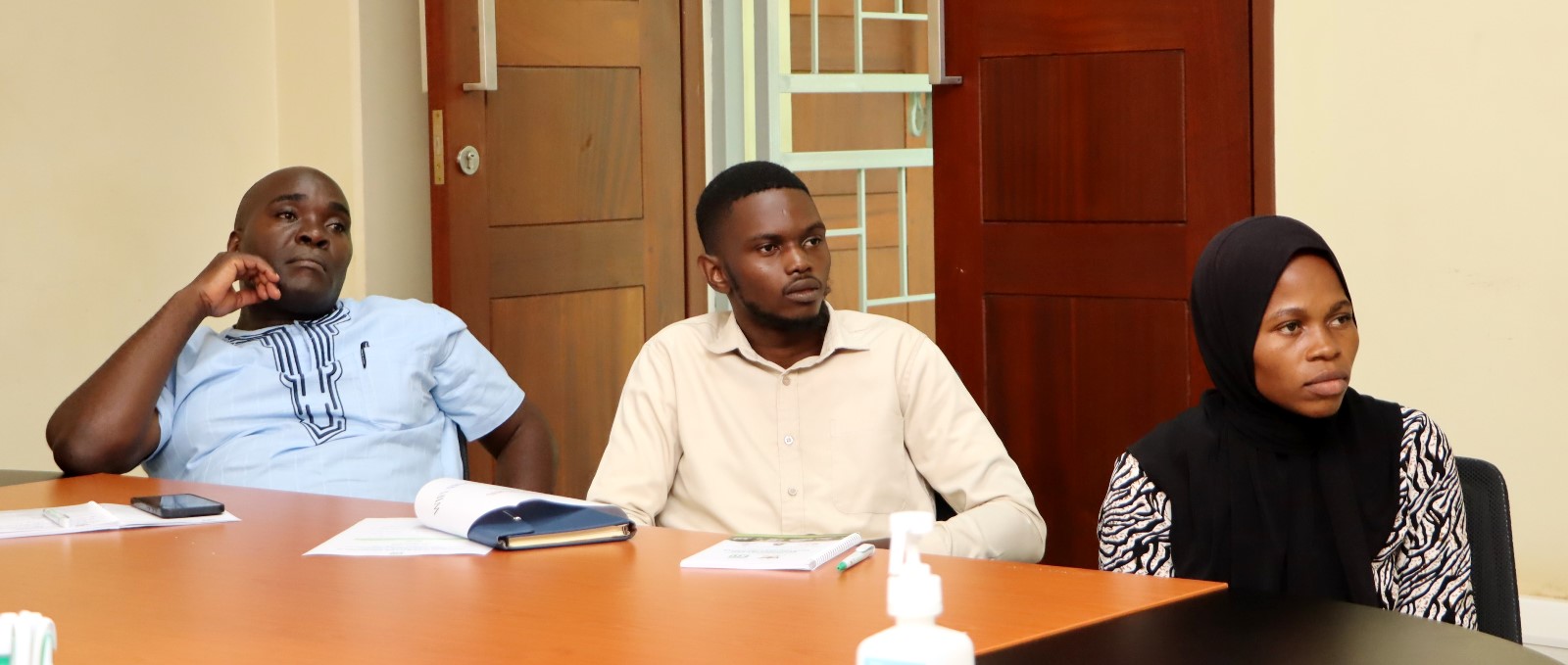
Prof. Bbaale also emphasized that the seminar reflects Makerere University’s growing focus on internationalization and research partnerships as the institution strengthens its position as a research-led university. He said collaborations with global institutions such as Duke University are critical for advancing knowledge, producing impactful research, and addressing complex environmental and development challenges.
He welcomed Dr. Tobin’s visit to Uganda as an important opportunity for knowledge exchange and engagement with students and researchers at the university. Prof. Bbaale concluded by expressing appreciation for the continued collaboration with Duke University scholars and said the centre looked forward to further joint research initiatives in the future.
Call for Stronger Research–Private Sector Linkages in Environmental Conservation
The Deputy Director of the EfD Mak Centre, Dr. Alice Turinawe, emphasized the need for stronger collaboration between researchers, the private sector, and other stakeholders to ensure that environmental conservation research translates into practical solutions.
Speaking during the closing session, Dr. Turinawe thanked participants for their active engagement and highlighted the importance of sharing research widely so that it can be improved through feedback and dialogue. She noted that meaningful environmental solutions emerge when research findings are openly discussed and refined by diverse stakeholders.
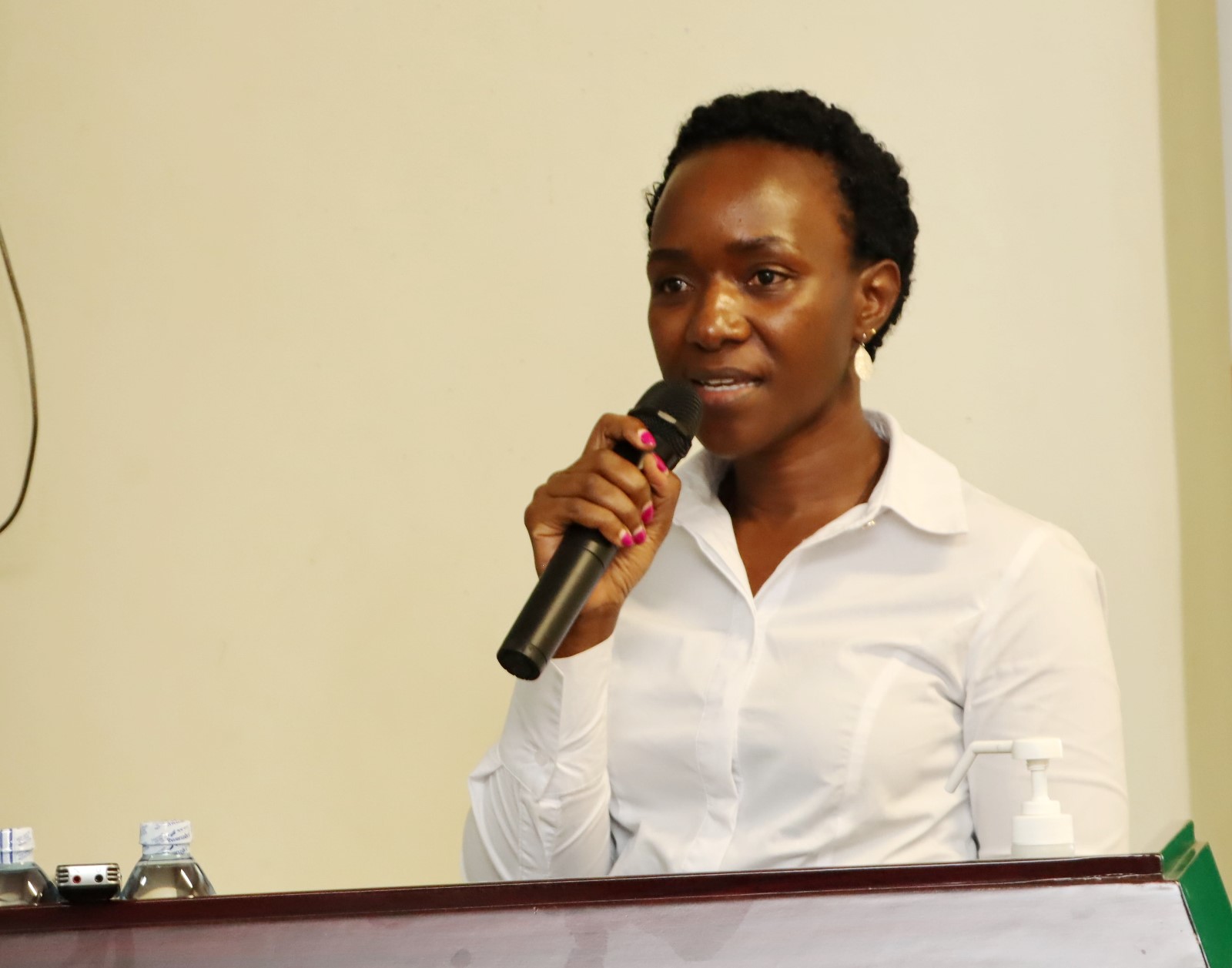
Dr. Turinawe also commended the seminar presentation by visiting researcher Dr. Tobin, which explored conservation approaches and partnerships with farmers. She said the presentation underscored the importance of examining both private and public benefits in environmental interventions. According to her, such partnerships are essential for ensuring that conservation initiatives are both economically viable and socially beneficial.
She stressed that the EfD Mak Centre places strong emphasis on research that bridges the gap between academic work and real-world application. “One of our key goals is to ensure that the research conducted in our offices and in the field is connected to the private sector and other stakeholders who can implement the findings,” she said.
Dr. Turinawe further encouraged researchers to ensure that their findings are disseminated widely through platforms that can influence policy, development programs, and community practices. She noted that the impact of research depends largely on how effectively the results are shared and utilized.

She concluded by appreciating the scholars and participants who attended the seminar despite their busy academic schedules, noting that their engagement keeps the centre’s research community vibrant and productive.
The EfD Mak Centre, based at Makerere University, focuses on generating evidence to support environmental and natural resource policy decisions. The centre brings together academia, policymakers, and practitioners to strengthen the use of economic evidence in addressing environmental challenges.
Practical and Policy-Relevant Insights Appreciated
Overall, participants noted that the seminar provided both practical and policy-relevant insights into understanding farmers’ preferences, improving tree-planting programs,and supporting sustainable environmental and economic outcomes.
EfD-Mak Centre Manager Gyaviira Ssewankambo said the study offered valuable insights into what motivates farmers to adopt different tree species such as forest trees, timber varieties, and medicinal plants. He explained that the research also addressed challenges faced by farmers, including the risks posed by wildlife. In some cases, farmers living near game parks avoid planting fruit trees for fear that animals such as elephants could destroy their crops. According to Ssewankambo, these experiences mirror situations in communities near protected areas in Uganda, suggesting that lessons from India could help shape local strategies for promoting afforestation.
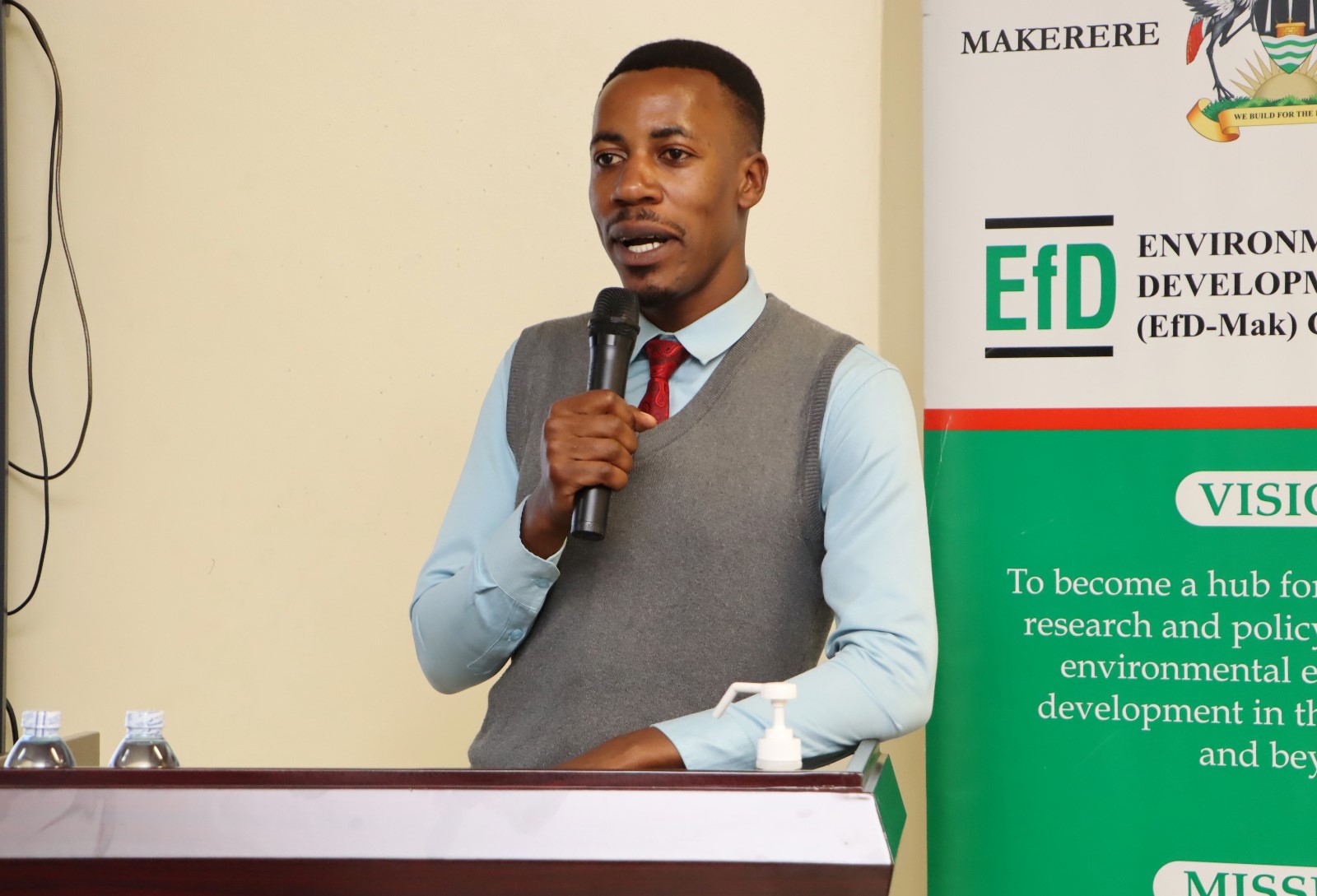
“Dr. Danny Tobin presented a very insightful study from India about forestry—what drives communities to take up different tree species, and the planting systems they use, whether on boundaries, intercropping, or cluster planting. We hope our Ugandan community can learn lessons, especially on issues like wildlife affecting fruit tree planting near game parks.”
He added that the study also examined the economic trade-offs farmers face when allocating land to trees rather than crops. While tree planting offers environmental and long-term economic benefits, farmers must weigh these gains against the immediate need for space to grow food crops. Ssewankambo expressed optimism that once the research is fully completed, it could provide important lessons for Uganda, just as EfD previously drew inspiration from forestry experiences in Nepal.
For Joab Wamani, an assistant lecturer at the School of Economics, the seminar was particularly valuable for its methodological insights. He noted that beyond the presentation’s clear communication, the research design and conceptualisation stood out. Wamani said the way the study framed its research questions and selected methods offered important learning points for researchers seeking to conduct rigorous environmental economics studies.
“His slides were clear and inspiring, but what really interested me was the research design—the way he conceptualised the topic, developed his research questions, and chose his methods. That was the main knowledge I took away.”
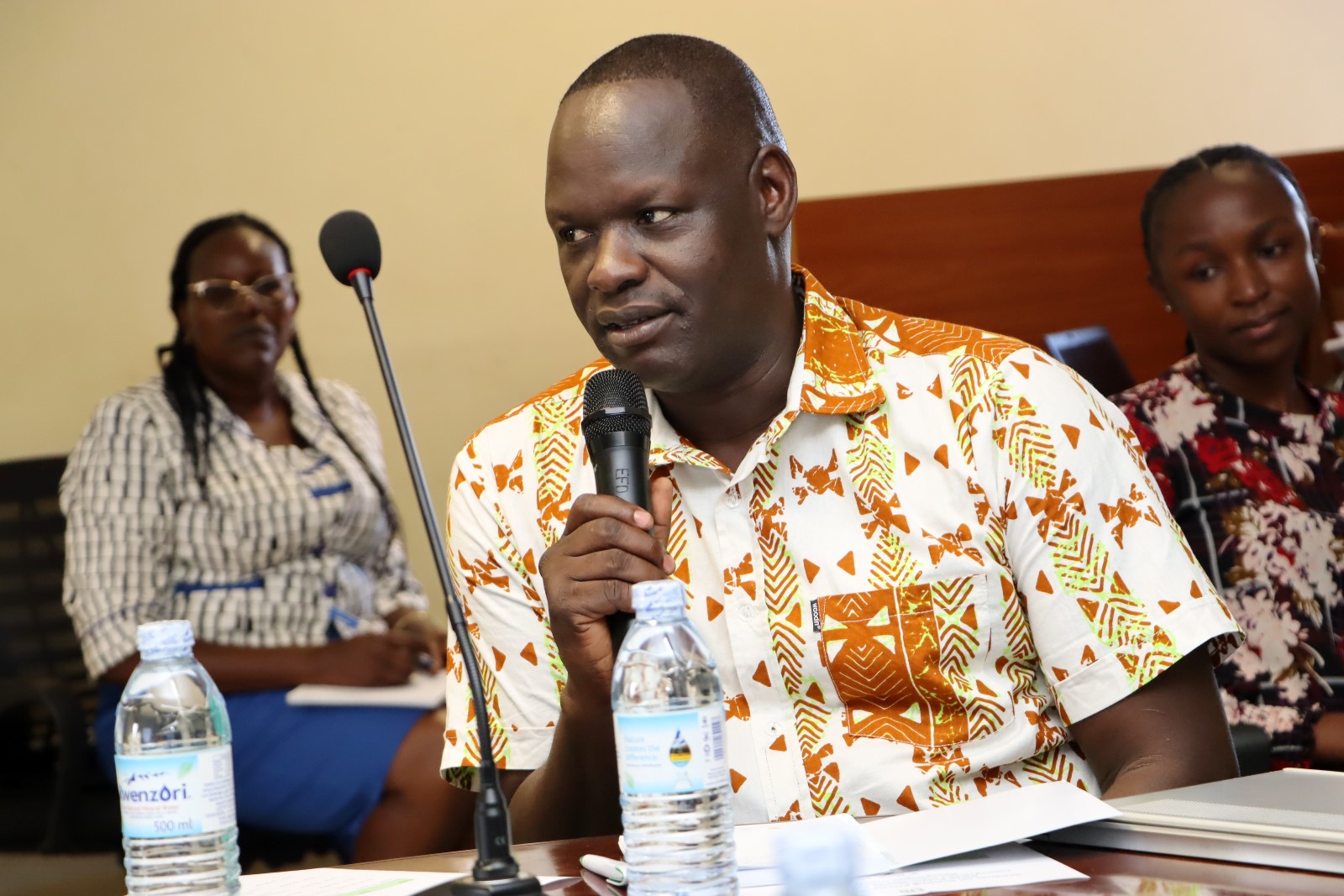
Students who attended the seminar also reflected on practical lessons for farming and environmental management. Nyeko Francis, a Master’s student in Economic and Investment Modelling, said the discussion encouraged him to view tree planting as a routine agricultural activity rather than something done only for environmental protection.
“I learned that tree planting can be normalised like any other crop activity. For example, planting mangoes or oranges in a designated area can be planned and managed like a crop garden. Tree planting is more than just protecting boundaries—it can be integrated into regular farming for better yield.”
Similarly, doctoral student Mansur Sewali, a development economist specialising in economic policy and planning, said the seminar highlighted the broader benefits of afforestation. While tree planting brings direct returns to farmers, he noted that the environmental benefits extend to society as a whole, illustrating the connection between private investment and public good.
“Despite tree planting benefiting the individual farmer, these benefits can also pass on to society at large. That was the key point I took from the seminar.”
EfD research fellow Aisha Nanyiti emphasised the importance of incentives in promoting tree planting. She explained that countries like Uganda, where forests are rapidly being depleted, can benefit from policies that encourage farmers to adopt sustainable practices. Nanyiti said the study showed that many farmers prefer planting trees along farm boundaries, though some also favour intercropping trees with other crops. She added that continuous training and community sensitisation are essential to ensure both the adoption and survival of trees.
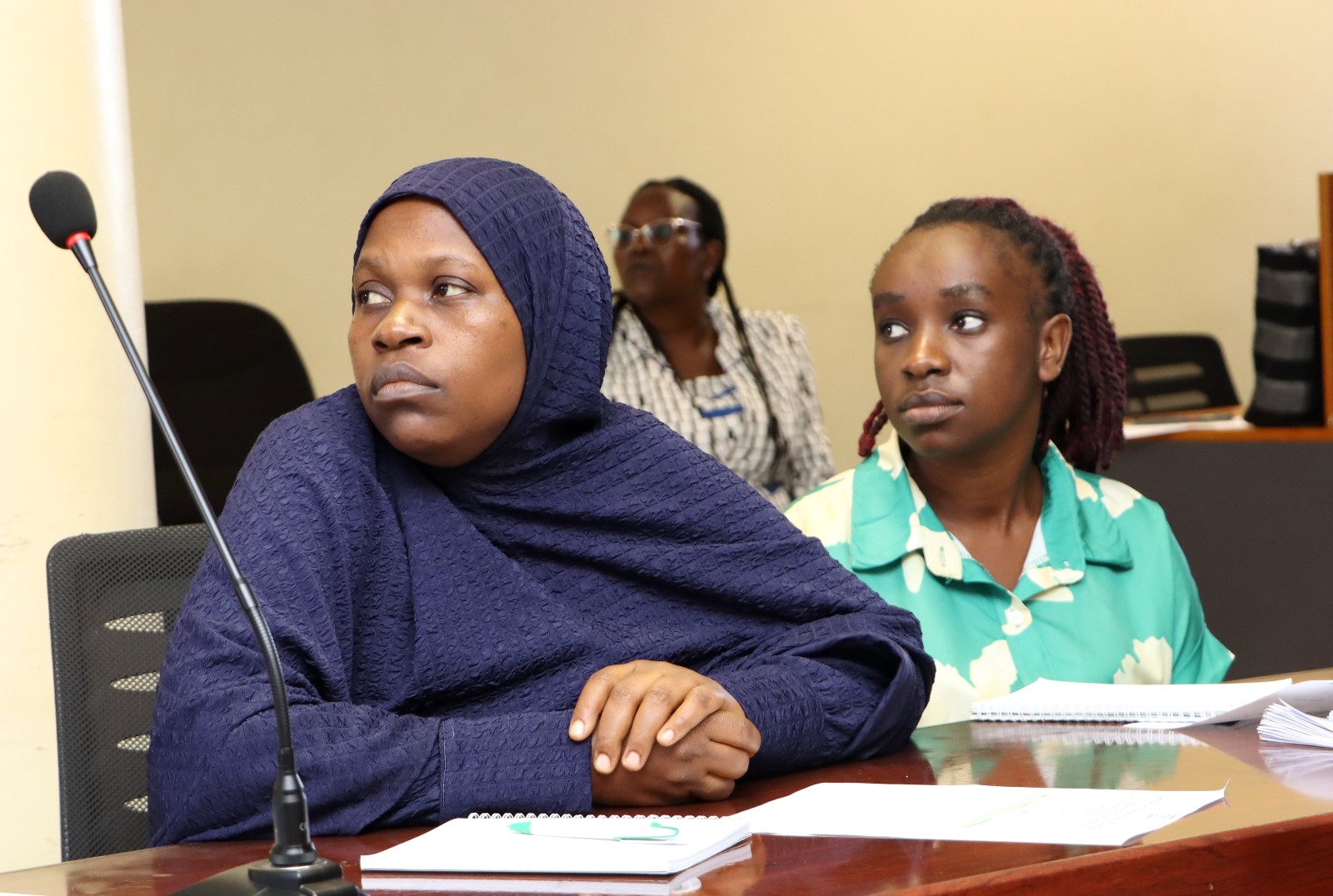
“Farmers in India appreciated planting trees along boundaries and in intercropping systems. The key takeaway is that incentivising farmers is essential for adoption, but ongoing training and community sensitisation are equally important to ensure tree survival and environmental restoration.”
Another student, Nichirange Edida, said the seminar reinforced the importance of tree planting in addressing climate change and environmental conservation. He noted that boundary planting and intercropping allow farmers to maintain crop production while also protecting the environment. Inspired by the discussion, Edida said he hopes to apply these practices in his own farming activities.
“This seminar taught me how farmers can address climate change through planting trees, especially on boundaries and through intercropping. It conserves the environment while allowing farmers to grow fruit and timber trees. I believe I can apply this in my own farming.”
Jane Anyango is the Communication Officer, EfD-Mak Centre
-

 General1 week ago
Application for Admission to Graduate Programmes 2026/27
-
 General2 weeks ago
Custodians and Wardens trained on Fire prevention in Halls of Residence
-
 Education2 weeks ago
Makerere University Charts New Future with the unveiling of the Open, Distance and E‑Learning Building and Strategic Plan
-

 General6 days ago
Mastercard Foundation Scholars Program at Makerere University Celebrates the Last Cohort of Phase One Graduates
-
 General2 weeks ago
Celebrating a Life of Loyal and Distinguished Service