
Computing & IS
Mak Computer Science Student Wins Africa Innovation Fellowship Award in South Africa

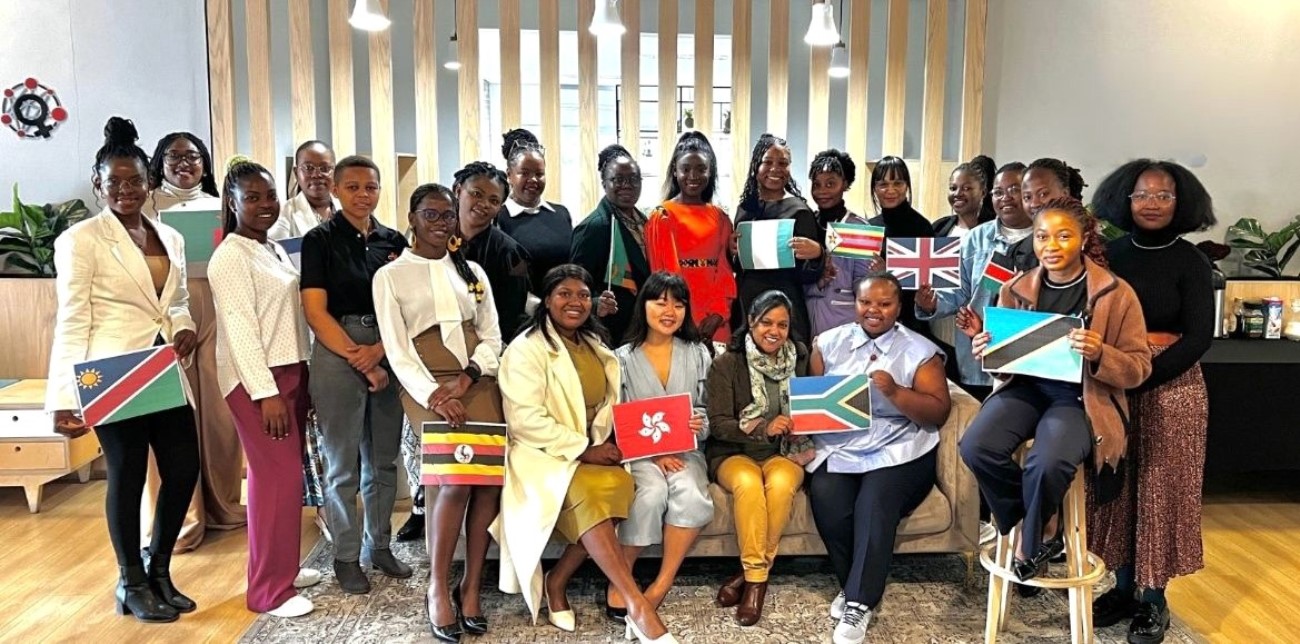
Kampala, Uganda — Christine Kikome, a finalist in the Bachelor of Science in Computer Science program at Makerere University’s College of Computing and Information Sciences (CoCIS), has emerged as the Best Pitch Winner at the prestigious Africa Innovation Fellowship (AIF) bootcamp in Johannesburg, South Africa. Kikome walked away with a prize of R10,000 (South African Rands) for her pioneering project FloralIntel – a digital health and education platform that uses artificial intelligence to identify medicinal plants and preserve indigenous knowledge.
The AIF, organized by South Africa-based WomHub in partnership with the Royal Academy of Engineering, brings together top women entrepreneurs from across Africa to showcase their innovative ventures. Kikome was selected for her outstanding pitch and impactful innovation.
The Selection Criteria
Kikome first learned about the Africa Innovation Fellowship through Mr. Marvin Galiwango, her lecturer, who encouraged her to apply following a research project in her second-year Machine Learning course. The project had developed into a functional prototype that used AI to identify medicinal plants.
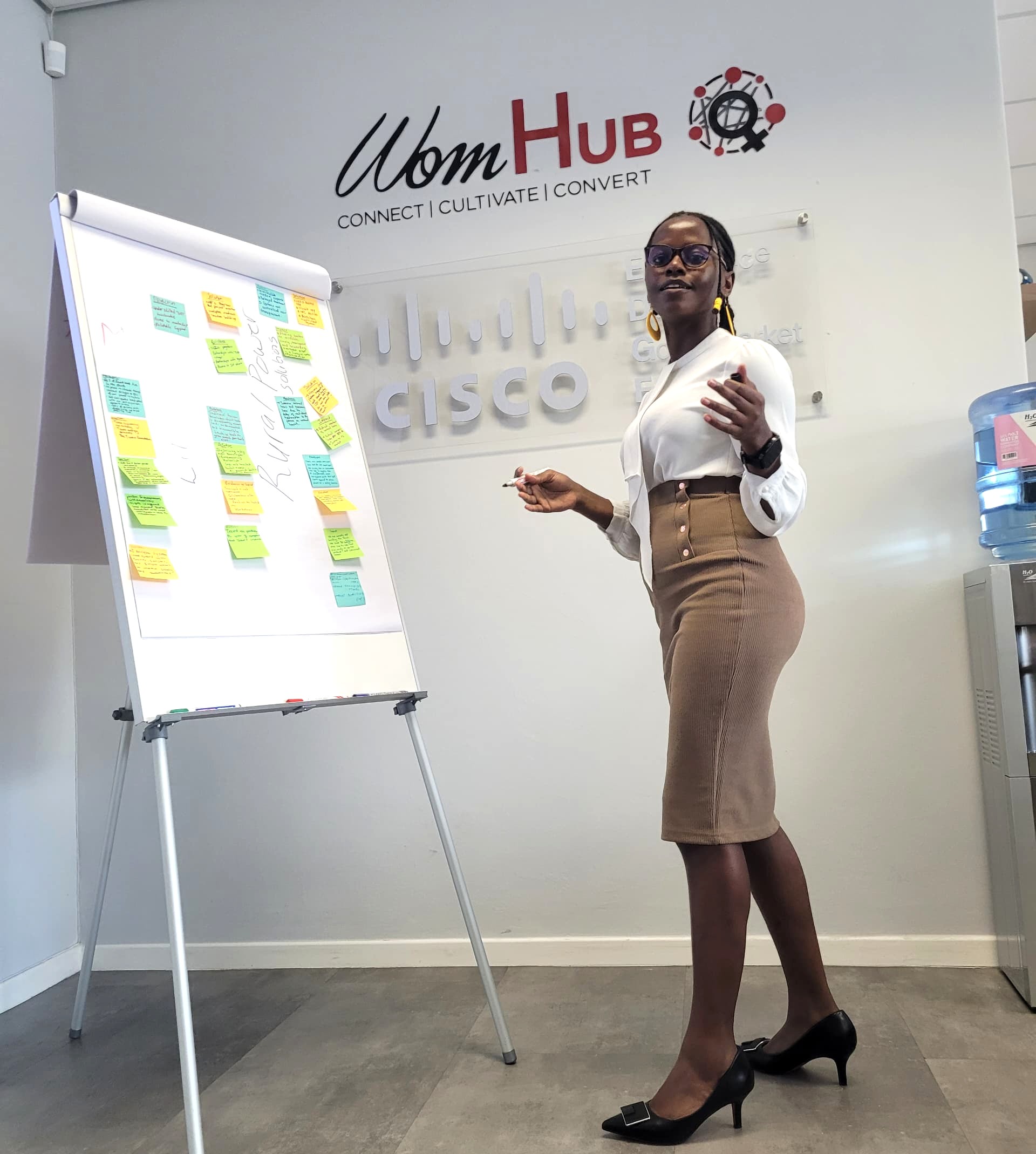
With an already working Minimum Viable Product, Kikome applied and successfully navigated a rigorous selection process, including interviews that ran from August to December last year. She was chosen among the top 25 women-led startups on the continent.
The eight-month fellowship began virtually in January, following onboarding in December. Participants attended monthly sessions, with the program culminating in a physical bootcamp in Johannesburg from July 19. During the bootcamp, entrepreneurs received training in business leadership, personal branding, and pitching. Kikome impressed investors and judges on the final day, winning the Best Pitch Award and the accompanying R10,000 prize.
What Kikome Did to Emerge Winner
Kikome’s winning venture, FloralIntel, began as a course project during her undergraduate studies. Along with fellow Computer Science students Geofrey Okumu and Emmanuel Wagisha, and Gerald Obote, a final-year Biotechnologist from the College of Natural Sciences (CoNAS). The group developed a web-based application that integrates computer vision and machine learning to identify and classify traditional medicinal plants. The platform also connects users with certified herbalists, while preserving indigenous knowledge in digital format.
The innovation addresses the gap between traditional herbal medicine and modern healthcare, enabling accessibility and education for users interested in herbal treatment.
What’s Next for FloralIntel?
With a working prototype in place, Kikome’s next step is to scale FloralIntel into a mobile application and expand its reach across the continent. She plans to apply for more fellowships and seek further grants, including support from the Makerere University Innovation Hub.
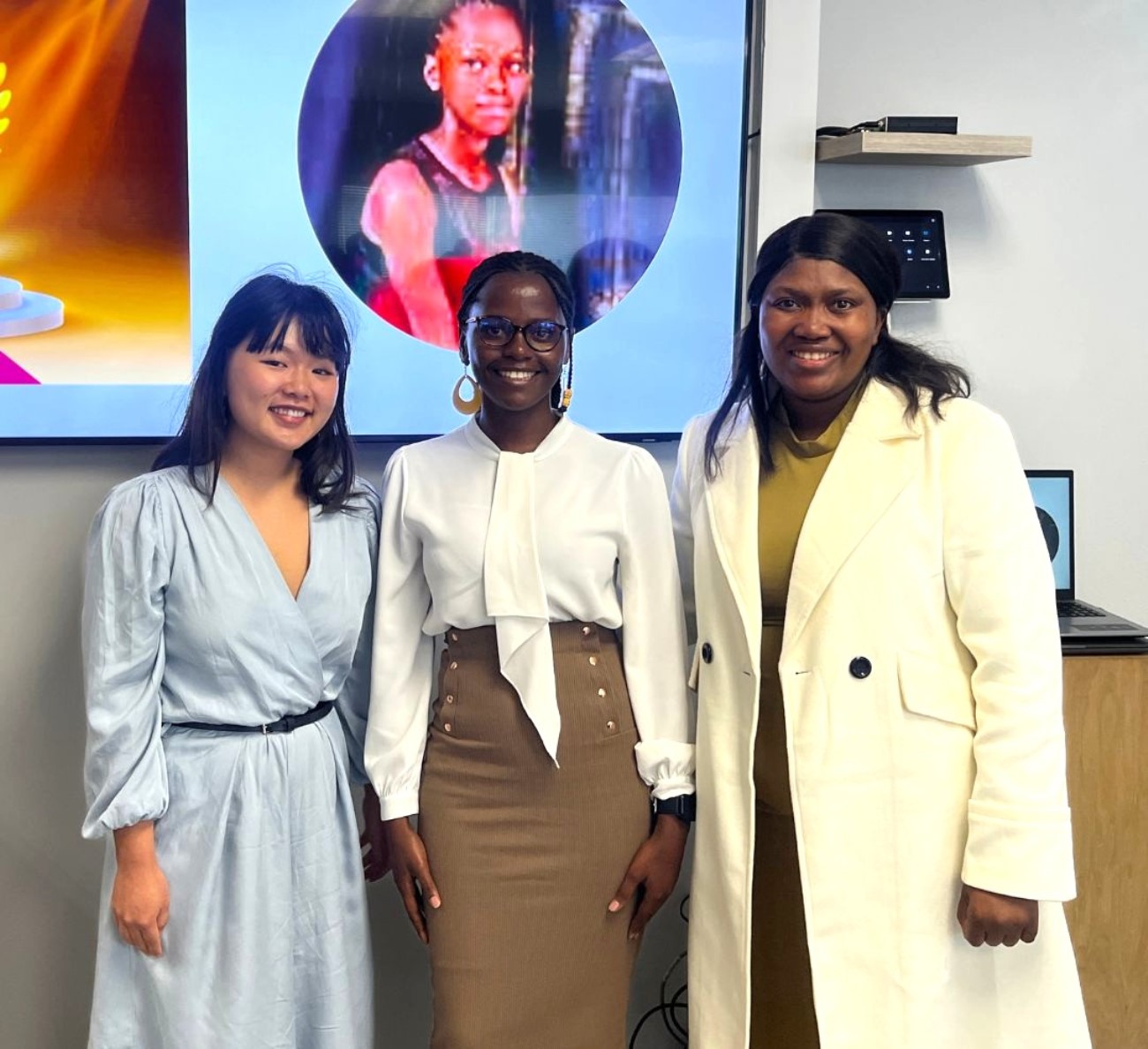
“I want FloralIntel to educate the younger generation on herbal knowledge something that can save time, money, and lives,” she explained.
Unique Advantages of FloralIntel
FloralIntel stands out for its multifaceted approach to bridging traditional knowledge and modern technology. One of its most impactful features is the digitization of indigenous knowledge, creating a centralized digital database that preserves and documents traditional herbal practices—knowledge that has long been passed down orally and risks being lost. The platform also enables users to identify medicinal plants through a photo-based recognition system, which instantly provides details such as the botanical name, therapeutic uses, and instructions for application.
To ensure safety and credibility, Kikome envisions collaborating with institutions like the National Drug Authority (NDA) and Uganda Registration Services Bureau (URSB) to onboard verified herbalists who can offer both products and consultations through the platform.
Additionally, FloralIntel serves as a learning tool, offering educational content on herbal medicine, disease management, and daily updates on emerging health trends empowering users with accessible, trusted, and practical health knowledge.
Funding and Appreciation: What the Award Means to Kikome
All travel and accommodation costs for the South Africa bootcamp were fully covered by WomHub, with Kikome only covering her visa expenses. She credits her success to the foundational support provided by the CoCIS RISE Fund, which helped transition FloralIntel from a research concept into a viable prototype.
“This milestone would not have been possible without the foundational support of the COCIS RISE Fund, your mentorship, and Makerere University’s belief in student-led innovation,” Kikome wrote in a thank-you note. This recognition is not just mine, it is a win for the College and a testament to what is possible when academia, research, and innovation are aligned.”
To Makerere University, she expressed deep gratitude for the continuous support from lecturers and administrators. She appreciated Mr. Marvin Ggaliwango and other lecturers who mentored her throughout her academic journey as well as Dr. John Ngubiri the College Coordinator for RISE Funds.
“This award showcases Makerere’s commitment to homegrown innovations that address African challenges,” she added.
Kikome describes the win as a “powerful affirmation” of her passion for building tech-driven solutions that merge traditional knowledge with modern innovations. She also sees it as a demonstration of leadership potential.
“I’ve always wanted to be a leader from class representative to Guild Tribunal member. Founding FloralIntel and leading it to this achievement reaffirms that drive,” she noted.
To fellow students, especially young women, Kikome offers a message of empowerment: “Don’t hide your potential. You’re too visible to be broke.” She urged students to step out of their comfort zones and face challenges head-on.
To student leaders, she emphasized the need for collaboration. “Without teamwork among leaders, it’s hard to achieve meaningful impact on those we lead,” she warned.

Fighting the Odds – Surviving Three Brain Surgeries
Born to Mr. and Mrs. Musooka Drake in Kawanda, Wakiso District, Christine Kikome’s journey has been marked by resilience.
Kikome extended heartfelt thanks to her father, whom she described as her “core supporter.” Despite coming from a humble background, her father never discouraged her ambitions and, even supported her in identifying herbal plants from his knowledge and experience
Diagnosed with a brain tumor at the age of five, she underwent three surgeries – two at Mulago Hospital and one at Mengo Hospital. During her recovery, her grandmother encouraged her to use herbal remedies – an experience that later inspired FloralIntel.
Educated primarily on scholarships, Kikome attended Life Day and Boarding Primary School in Seeta-Bajjo, and Code High School for secondary education, majoring in PCM (Physics, Chemistry, Mathematics) at A-level.
She initially joined Makerere on private sponsorship for a BSc in Software Engineering, but later secured a government scholarship post-COVID for a BSc in Computer Science.
Reflecting on her personal journey, Kikome candidly shared her experiences growing up overcoming low self-esteem, and battling stereotypes that discouraged educating girls.
“I was often told I wasn’t beautiful, that I would disappoint my father if he invested in me because many girls drop off with pregnancies,” she recalls. “But I pushed through, got first grade in Senior Four, and proved my worth.”
She describes herself as passionate about leadership, innovation, and community impact. Though sometimes perceived as tough, she says she is a warm, encouraging person who brings positivity to those around her.
“I’ve always wanted to be seen for my brains – not my looks. And now I know, it’s not about your size, it’s about what you bring to the table.”
Kikome’s story is one of triumph over adversity, turning childhood medical challenges, stereotypes and socio-economic hardships into a source of inspiration and innovation.
Through FloralIntel, she aims not only to preserve Africa’s indigenous medicinal knowledge but also to prove that with resilience, mentorship and a supportive academic ecosystem, young innovators especially women, can change the future of health and technology in Africa.








Computing & IS
Makerere Launches Scholarly Guide, Calls for Increased Research, Publication and Innovation in Africa
VC Emphasizes Research as Key to Africa’s Global Integration
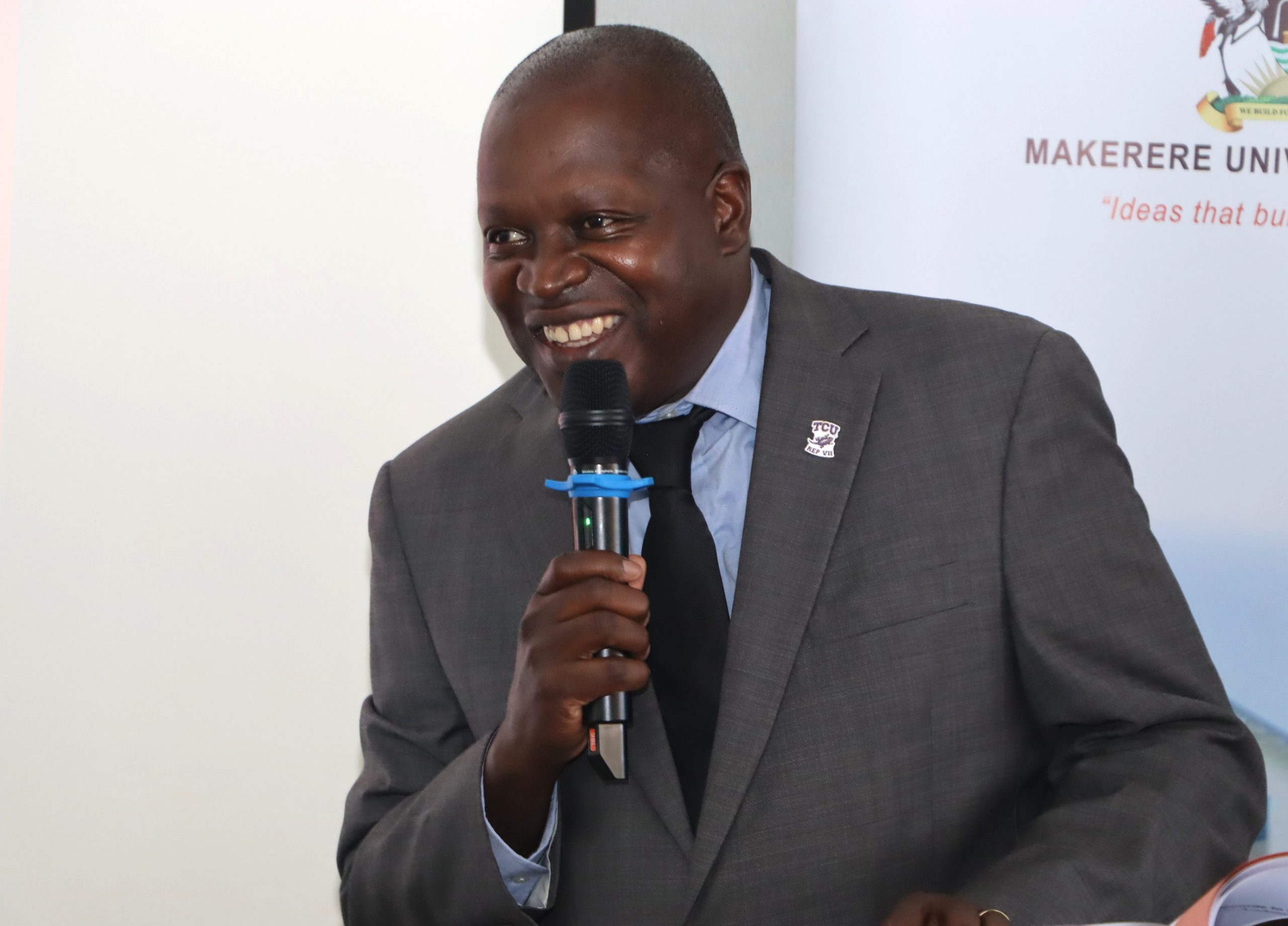
Makerere University Vice Chancellor, Prof. Barnabas Nawangwe, has urged universities across Africa to invest in research, publication, and innovation as a pathway to greater participation in the global knowledge economy.
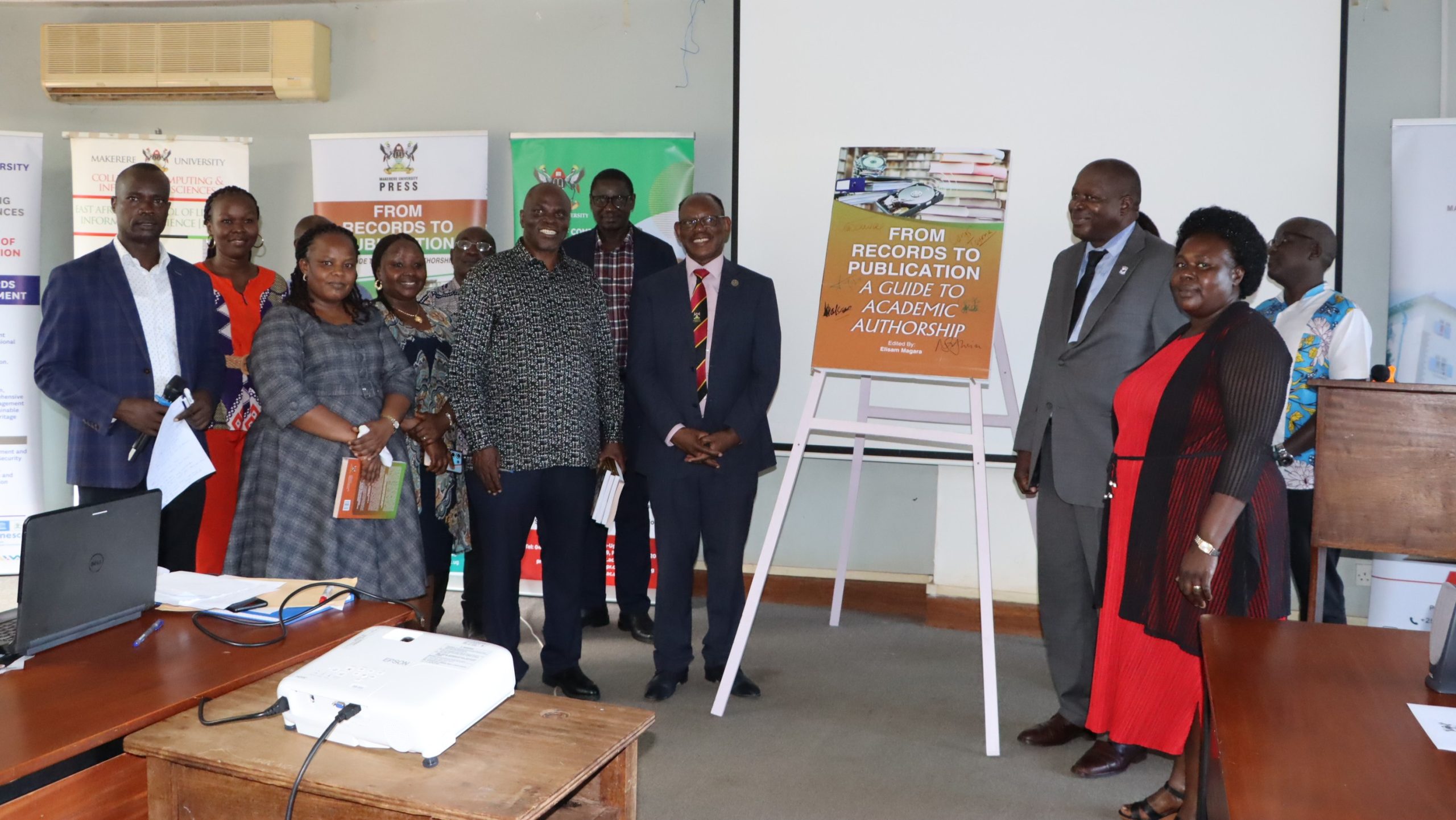
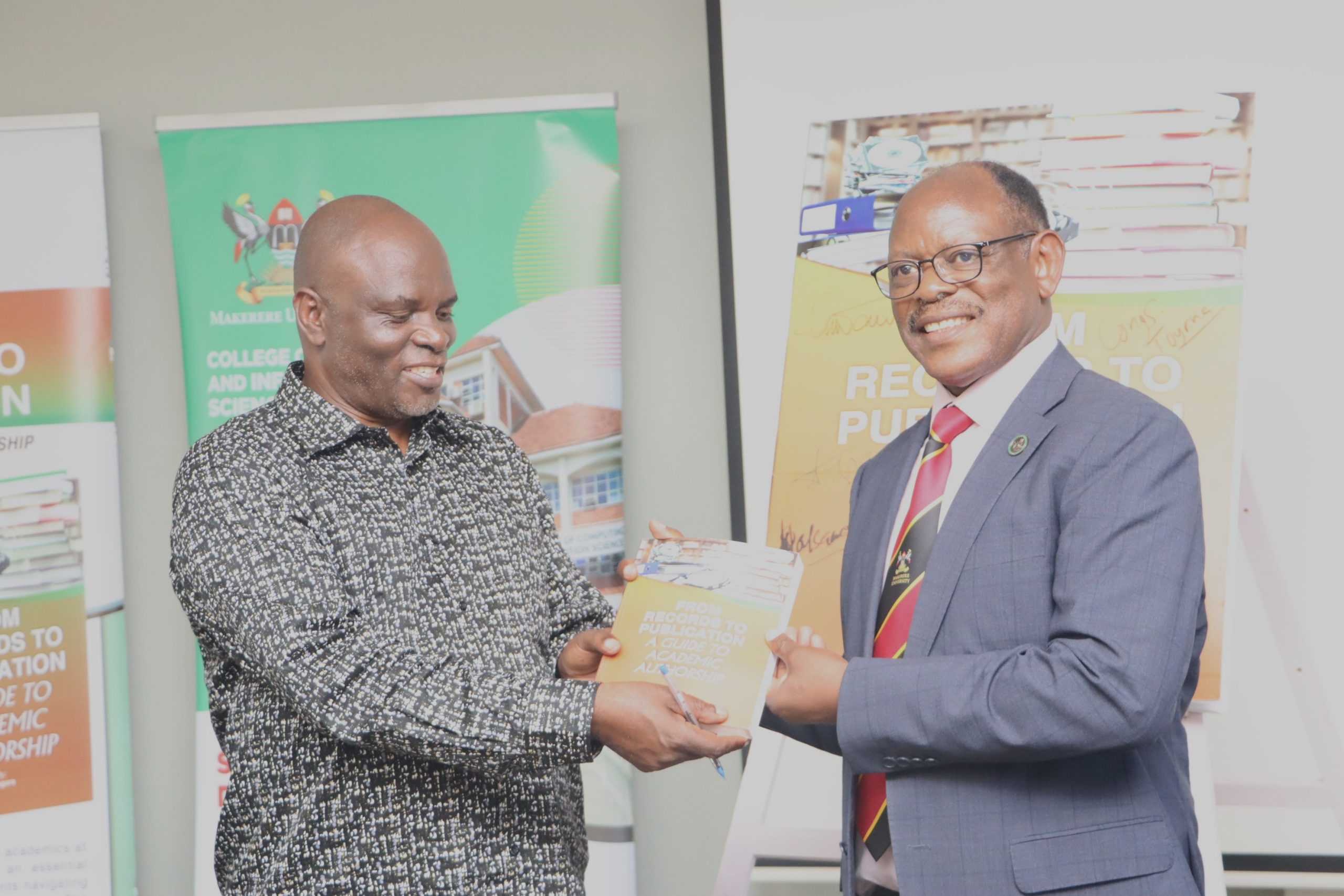
Speaking at the launch of From Records to Publication: A Guide to Academic Authorship, edited by Prof. Elisam Magara of the East African School of Library and Information Sciences, Prof. Nawangwe highlighted Africa’s low contribution to global scholarship. “Although Africa accounts for 15 percent of the world’s population, it produces only 3 percent of global research publications,” he said.
“There are historical reasons for this,” the Vice Chancellor continued, referencing centuries of slavery and colonialism. “You cannot brush away 600 years of subjugation. And we Africans have not even written enough about that. If we want to move Africa back into the global community, we must invest in research, publication, and innovation.”

He cited China as an example, noting how the country’s investment in research and education has translated into economic and global influence. “When we say China is the factor of the world, it is not that people just wake up and begin making things. They invest in education, in publication, in research. If we want to transform Africa, we must do the same.”
Prof. Nawangwe highlighted Makerere’s progress, revealing that annual peer-reviewed publications have grown from about 500 a decade ago, to 700, and now exceed 2,000. He acknowledged that the university still trails South African institutions, partly because they operate numerous local journals that absorb significant volumes of research. “We are not fully utilising the brand of Makerere University Press,” he said, pledging support to strengthen the press and scale up journal production.

He also reaffirmed the university’s strategy to reduce excessive undergraduate enrolment and expand graduate training to boost research output. “Let us create time for professors to do research and supervise more graduate students,” he said.
Commending Professor Magara and his team for producing the authorship guide, Prof. Nawangwe described the book as an essential handbook for Master’s and PhD students, early-career researchers, and universities across the region striving to become research-led. “This is at the heart of the university. If we invest in research and publication, we secure our future,” he said.
Book Recommended as Mandatory Guide by College Principal
Makerere University’s Principal of the College of Computing and Information Sciences, Prof. Tonny Oyana, called for the newly launched volume to be adopted as a mandatory guide for graduate students and newly appointed lecturers. “This is not a bad book for our first-year PhD students to start with,” he said. “Even those who are hired as junior lecturers still need mentorship. If I were the Vice Chancellor, I would put this book as required reading for every new hire.”
Prof. Oyana reflected on his personal contribution to the book, revealing that administrative responsibilities nearly forced him to withdraw. “Because of the work that I do, I was about to give up,” he admitted. “But Professor Magara was persistent. He came back to me and gave me more time.”
He credited a PhD student, Caroline Ilako, for assisting with library research and literature reviews, saying, “She did a wonderful job. We went back and forth through revisions, but finally we produced the work.”
On the quality of the book, Prof. Oyana said, “When you pick up a book, look at how it is laid out. The quick judgment tells you about the quality. This is well put together. We are beginning to show quality comparable to Western presses.”
He also challenged traditional notions of “publish or perish,” noting, “As scholarship evolves, those who evaluate scholarship must also adjust. Impact, innovation, and tangible products are increasingly valued alongside journal articles.”
Editor Highlights Research-Based Approach
Prof. Elisam Magara, the book’s editor, explained that the guide is designed to support scholars from the moment they conceive a research idea to the point their work is published and read. “I looked at the books we were using and asked myself: which kind of book can truly guide students? We needed a clear guide from the time a scholar thinks of writing up to the time the book is read,” he said.

He detailed the rigorous editorial process that began in 2022, including international calls for contributions, peer review of abstracts, writeshops for feedback, and multiple rounds of chapter reviews. “Don’t write and keep,” he advised. “Your book must have impact. It must reach the public and be used.”
Prof. Magara also acknowledged the sabbatical granted by the Vice-Chancellor, which enabled him to balance teaching and editorial responsibilities. “This book is meant not just for Makerere but for scholars across the region and beyond,” he said.
Mak Press Outlines Rigorous Publishing Process
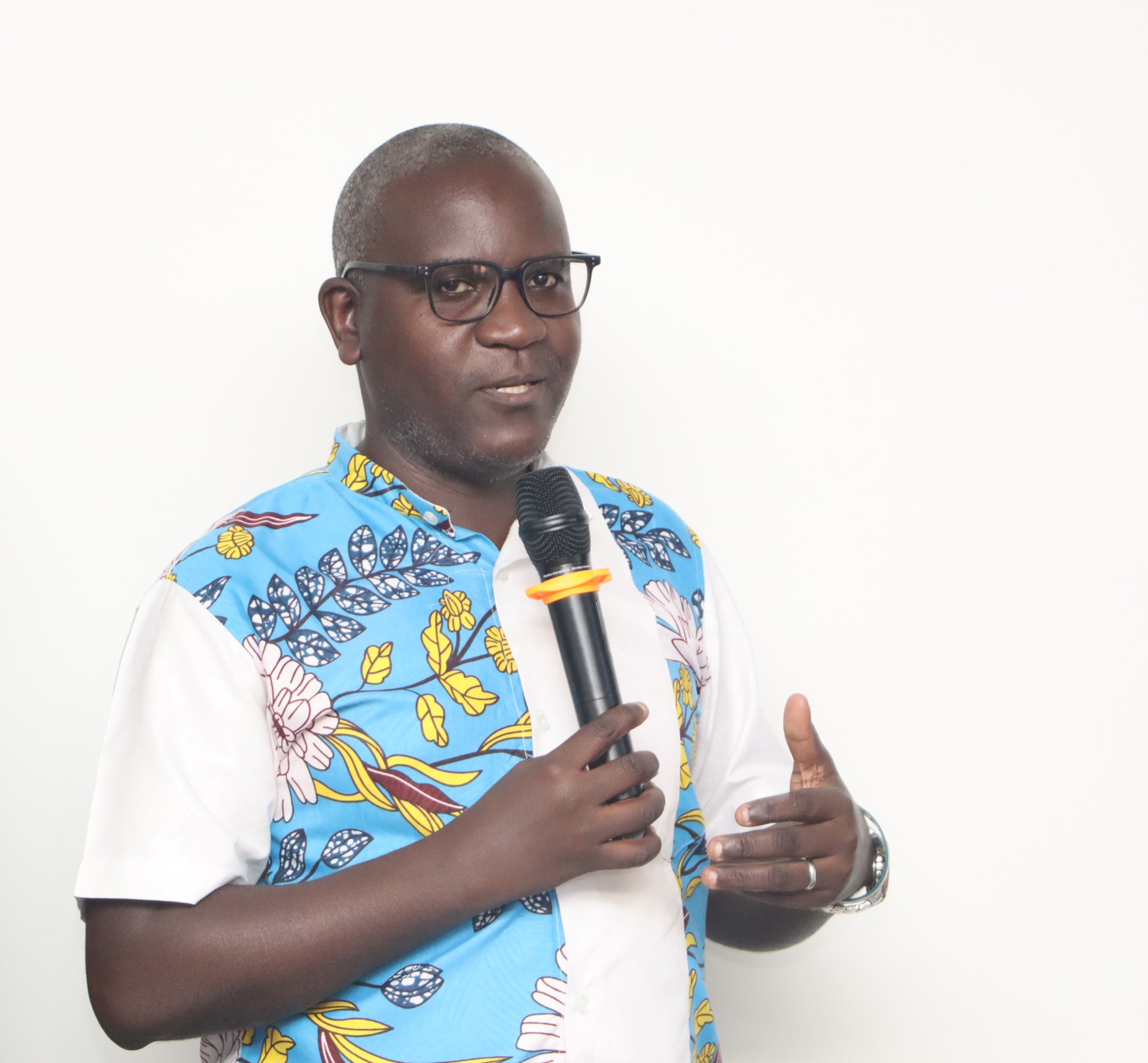
Dr. Isaac Tibasima, representing the Managing Director of Makerere University Press, explained the publication pathway. “Once you bring your manuscript to the press, we take it through evaluation, external peer review, revisions, copy-editing, typesetting, and pre-press review before printing,” he said.
He also highlighted the press’s efforts to strengthen college-based journals. “We will not run the journals, but they will be published under the imprint of Makerere University. If we produce consistent issues, we can then move toward global indexing,” Dr. Tibasima said.
All new journals and articles now carry Digital Object Identifiers (DOIs) to enhance discoverability, while past publications are being retroactively assigned DOIs. “We are not there yet, but we are moving there, and we are intentional about getting there,” he added.
School Leaders Celebrate Scholarship and Mentorship
In welcome remarks, Dr. Sarah Kaddu, Dean of the School, said, “This event is a celebration of scholarship, intellectual discipline, and the journey of knowledge creation. This book speaks directly to one of the most critical challenges facing scholars—transforming research records into publishable work.”
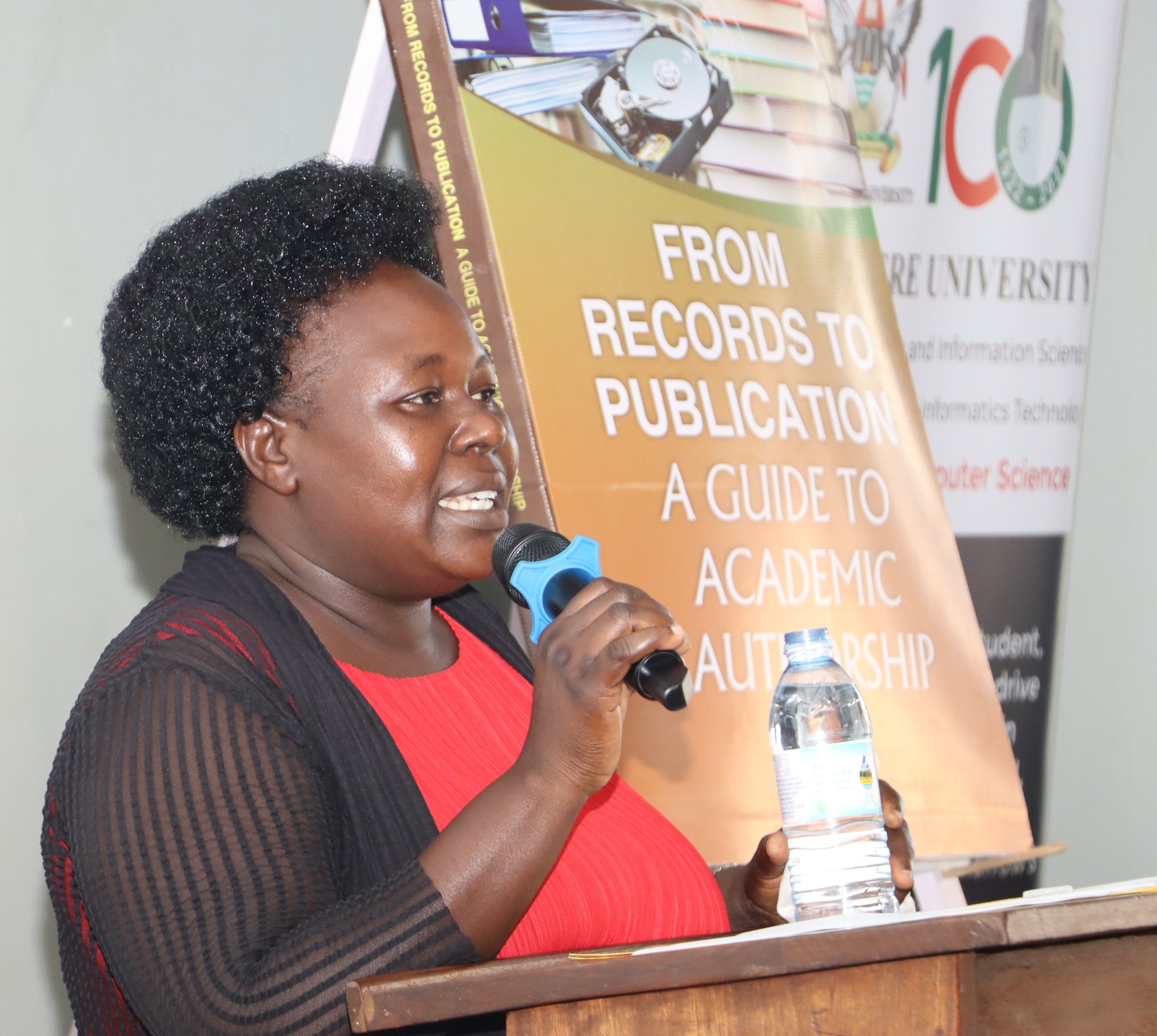
Dr. Sylvia Namujuzi, Head of the Department of Records and Archives Management, added, “This book is timely. It responds to real challenges faced by early-career researchers, postgraduate students, and even seasoned academics—questions of structure, authorship ethics, citation, collaboration, and navigating the publication ecosystem.”
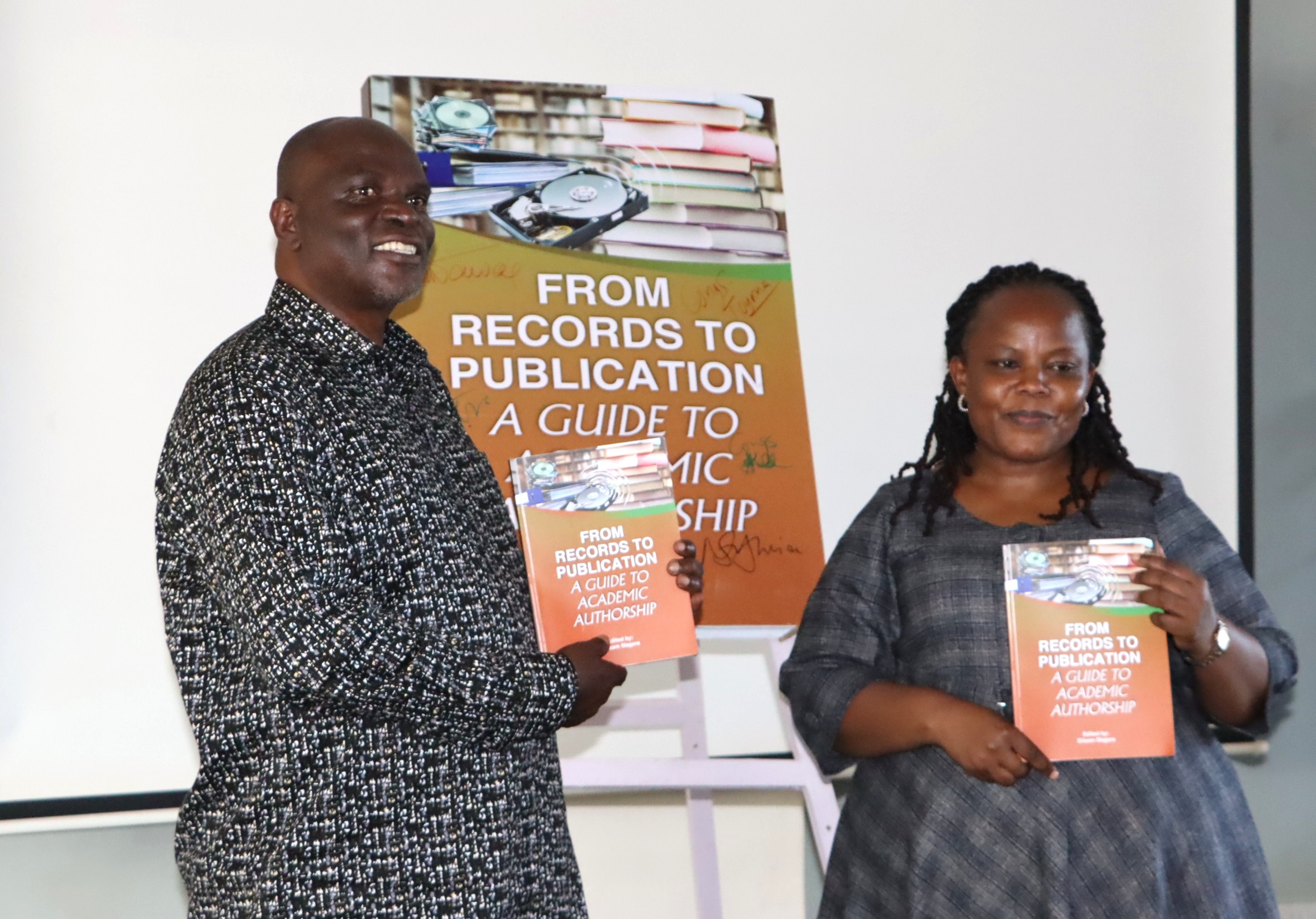
She concluded: “Well-managed records are not endpoints; they are the beginning of inquiry, reflection, and publication. This guide demonstrates that pathway.”
Book Outline
- Introduction: Publication Journey. (Prof. Elisam Magara)
PART I: Foundations of Academic Authorship.
- Conceptual Foundations of Academic Authorship
Elisam Magara and Joseph Kiplangat.
- Archives as a Source of Information for Academic Writing
David Luyombya, Sylivia Namujuzi and Francis Ekwaro
- The place of Oral History in Contemporary Writing
Elisam Magara, James Nkanshah-Obrempong and Nthan Nzyoka Joshua
- Managing Ethical Dilemmas in Academic Writing
Maria Tsvere, Tsitsi Kanonge and Joselin Chigwada
- The Role of Copyright and Neighbouring Rights in Protecting Works of Authors and Publishers in Uganda
Ronald Kakungulu Mayambala
PART II: Managing the Publication Process
- A Manuscript: From Inception to Publication
Sarah Mirembe Kyankya
- Managing Co-Authorship in Academic Writing
Gankhanani Moffat Moyo
- Managing Illustrations and Visual Artworks in Academic Writing
Bob Magara Rutatugirwa
- Tapping into Open Access Platforms for Gainful Authorship
George Muganga
- Managing the Costs in Academic Authorship
Aloysius Rukundo
- The Important Translation in Publication
Monica Mweseli
- Citations and Referencing in Academic Writing
Clement Lutaaya Nabutto, Namujuzi Sylivia, and Daviv Luyombya, Makerere University
- Referencing Management Software In Academic Writing
Odeke Moses Osamai and Constant Okello-Obura
- Compliance with International Bibliographic Control Standards in Academic Authorship
Elisam Magara and Dniel Osinde
PART III: Secondary Services in Academic Writing
- Journal Impact Factor and its Role when Submitting a Publication Article
Tonny J. Oyana and Caroline Ilako
- Managing Mentorship Programmes for Scholarly Writing
Diyoshak Rhoda Danladi and Elisam Magara
Report by
Jane Anyango, Principal Communication Officer CoCIS
Ritah Atukwatse, Journalism and Communication Student (2nd Year)
Fred Kanwagi, Journalism and Communication Student (3rd Year)

Computing & IS
Makerere University and SoonPay Sign Landmark MoU to Champion Blockchain Innovation and Financial Inclusion Across Africa


On Saturday 6th December 2025, Makerere University entered into a ground-breaking partnership with the U.S.-based fintech company SoonPay, marking a major breakthrough in Uganda’s push to integrate emerging technologies into research, innovations, higher education and national development.
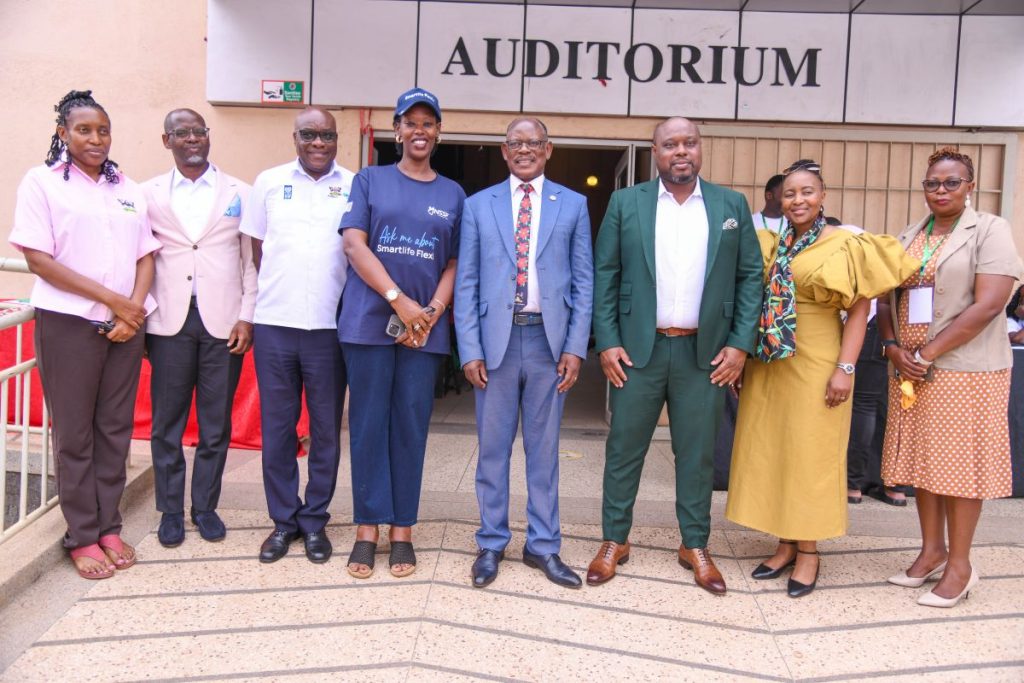
The Memorandum of Understanding was signed by the Vice Chancellor of Makerere University, Prof. Barnabas Nawangwe and Mr. Frantz Morency, Chief Executive Officer of SoonPay L.L.C, during the Makerere University Financial Innovation Day, a high-energy event that brought together over 800 students, faculty, industry partners, and technology leaders.
The MoU institutionalizes the collaboration of Makerere University through the Makerere University Technology and Innovation Centre and SoonPay LLC. The signing ceremony was witnessed by Dr. Cathy Ikiror Mbidde-Manager of Makerere University Technology and Innovation Centre and Ms. Vuyani Jones-Blockchain Infrastructure Manager.
Organized by the Makerere University Technology and Innovation Centre (MUTIC) in partnership with SoonPay, the event ran under the theme “Innovation and Financial Inclusion for a Secure Future.” It featured keynote speeches, panel discussions, live demonstrations, and the signing of a Memorandum of Understanding (MoU) that will usher in a new era of blockchain training, research, and innovation at Uganda’s premier university.
The event was supported by several partners, including the National Social Security Fund (NSSF), the Uganda Blockchain Association, the National Planning Authority (NPA), Prudential Uganda, and other technology and financial sector stakeholders.
A Strategic Partnership to Transform Africa’s Digital Landscape
The newly signed MoU between Makerere University and SoonPay is expected to unlock a broad set of opportunities for students and academic staff. These include blockchain education and certification, joint research projects, internships and apprenticeships, the development of new financial inclusion tools, and the integration of emerging technologies into existing academic programs.
SoonPay’s entry into Uganda is part of a larger vision to expand blockchain-driven solutions across Africa—a continent its executives say has historically been excluded from global technological revolutions.

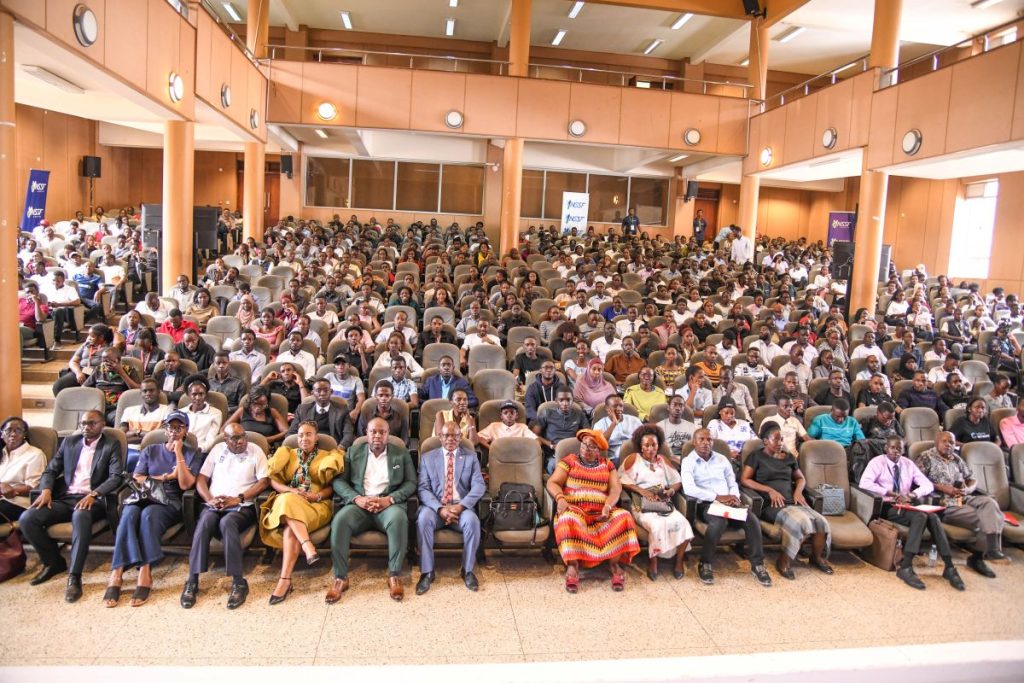
Impressed by the overwhelming numbers of students who filled the Yusuf Lule Central Teaching Facility Auditorium to the brim, the Vice Chancellor, said: “Dear students, by choosing to stay on campus, on a Saturday, and after completing your examinations, you have demonstrated your willingness to learn and embrace the blockchain technology as well as emerging technologies in general.”
Stating that blockchain technology is the future for Africa, the Vice Chancellor challenged the students to take charge of Africa’s digital transformation.
“You are the people to emancipate Africa from marginalization,” he declared. “What will liberate our continent is not politics—we have done too much of that. It is education, research, innovation, and technology.”
Prof. Nawangwe delivered a sweeping historical reflection, tracing Africa’s technological setbacks to the destruction of its civilization over several centuries.
“For 400 years, Africans were taken away as slaves. For another 200 years before that, our lands, knowledge systems, and technologies were disrupted,” he said. “This represents around 600 years of destruction and marginalization of African civilization.”
He urged students not to miss the opportunity that modern technologies such as blockchain and artificial intelligence present.
“We are lucky to be living in an era where Africa is free,” the Vice Chancellor said. “My hope is that we do not wait another 600 years to take advantage of this freedom. The most important resource we have is not minerals; it is human resources—you, the youth.”
Prof. Nawangwe reminded students that Makerere’s reputation as the “intellectual capital of Africa” places immense responsibility on their shoulders.
“You are among the very few Ugandans privileged to study at Makerere University. University graduates are not supposed to wait for jobs—you are the ones expected to create them,” he said.
Why Blockchain? Transparency, efficiency, and global competitiveness
The Vice Chancellor highlighted the transformative potential of blockchain technology, especially in improving financial systems—a sector he described as the backbone of any modern economy.
“Without efficient financial systems, nothing else works,” he said. “Blockchain offers transparency, reduces fraud, and minimizes corruption. If applied properly, it could transform how we manage finances, education, and even our natural resources, including the oil that Uganda is about to exploit.”
He added that Makerere’s students are already demonstrating global competitiveness in innovation, winning international competitions and creating products across multiple disciplines.
“The brains are here,” he said. “What we need is exposure to opportunities and technologies that will help you turn your ideas into impactful solutions.”
In a passionate keynote address, SoonPay CEO, Mr. Frantz Morency underscored why his company chose Uganda as its launchpad for blockchain adoption in Africa.
“As the Professor said, we have been excluded for more than 400 years,” he stated. “Even though we’re an American company, we know our roots. Look around the SoonPay team—you will see yourselves. We chose Uganda intentionally.”
Mr. Morency pointed to Africa’s dismal participation in the global blockchain economy. “In the U.S., blockchain generates $2.6 billion—61.7 percent of the world’s share. The rest of the world generates $1.6 billion. And Africa, just $14 million, or 0.33 percent,” he said. “That is unacceptable.”
He attributed the gap not to a lack of interest among young Africans, but to a lack of opportunity. “You want to learn—what you lacked was opportunity,” he said. “With the support of Professor Nawangwe, Dr. Cathy Ikiror Mbidde, and Dr. Margaret Nagwovuma, SoonPay wants to bridge that gap in education, technology, and economic opportunity.”
Mr. Morency also shared his personal journey, connecting his Haitian background to the aspirations of African youth.
“Many of you may see me as ‘the guy in the green suit,’ but I come from a small island—Haiti,” he said. “My mother never finished first grade; my father never finished second grade. What they gave me was integrity, work ethic, and the determination to seize opportunities when they came.”
He urged students not to seek opportunities abroad out of desperation, but to build meaningful careers in Africa. “Africa does not need to lose its talent. Why can’t you build here? Why can’t businesses, innovation, and prosperity thrive here?” he said. “Educate yourselves. Build. Create. Grow.”
A milestone for Makerere and Africa
Dr. Cathy Ikiror Mbidde, Head of the Makerere University Technology and Innovation Centre (MUTIC), described the event as a “major milestone” in the institution’s evolution.
“We are here to witness one of the key emerging technologies and to reflect on how universities can embrace such milestones,” she said. “Everyone has a role to play in transforming our lives through research, ideas, and projects.”
She thanked SoonPay for choosing Makerere University, noting that students had been “instrumental” in pushing for blockchain education.
“You have been constantly asking questions, pushing us, and showing deep curiosity about blockchain. Today, we finally have answers,” she told the students.
Beyond the speeches, the event showcased SoonPay’s blockchain infrastructure, student-led innovations, and a roadmap for integrating digital finance tools into university programs. Partners such as NSSF emphasized the importance of preparing young people for a digital future.
With the MoU now in force, Makerere University is positioning itself as a regional hub for blockchain education, research, and innovation. The partnership with SoonPay aims not only to train students but to shape Uganda’s—and Africa’s—next generation of tech leaders.
-

 General6 days ago
Application for Admission to Graduate Programmes 2026/27
-

 General1 week ago
Custodians and Wardens trained on Fire prevention in Halls of Residence
-
 Education2 weeks ago
Makerere University Charts New Future with the unveiling of the Open, Distance and E‑Learning Building and Strategic Plan
-

 General4 days ago
Mastercard Foundation Scholars Program at Makerere University Celebrates the Last Cohort of Phase One Graduates
-
 Education2 weeks ago
Mak CEES Hosts Kiswahili Primary School Orientation Workshop to Boost Language Teaching Quality