
Education
Makerere University Strengthens Management of Mental Health and Psychosocial challenges in Schools

By Ritah Namisango and Meeme Monica
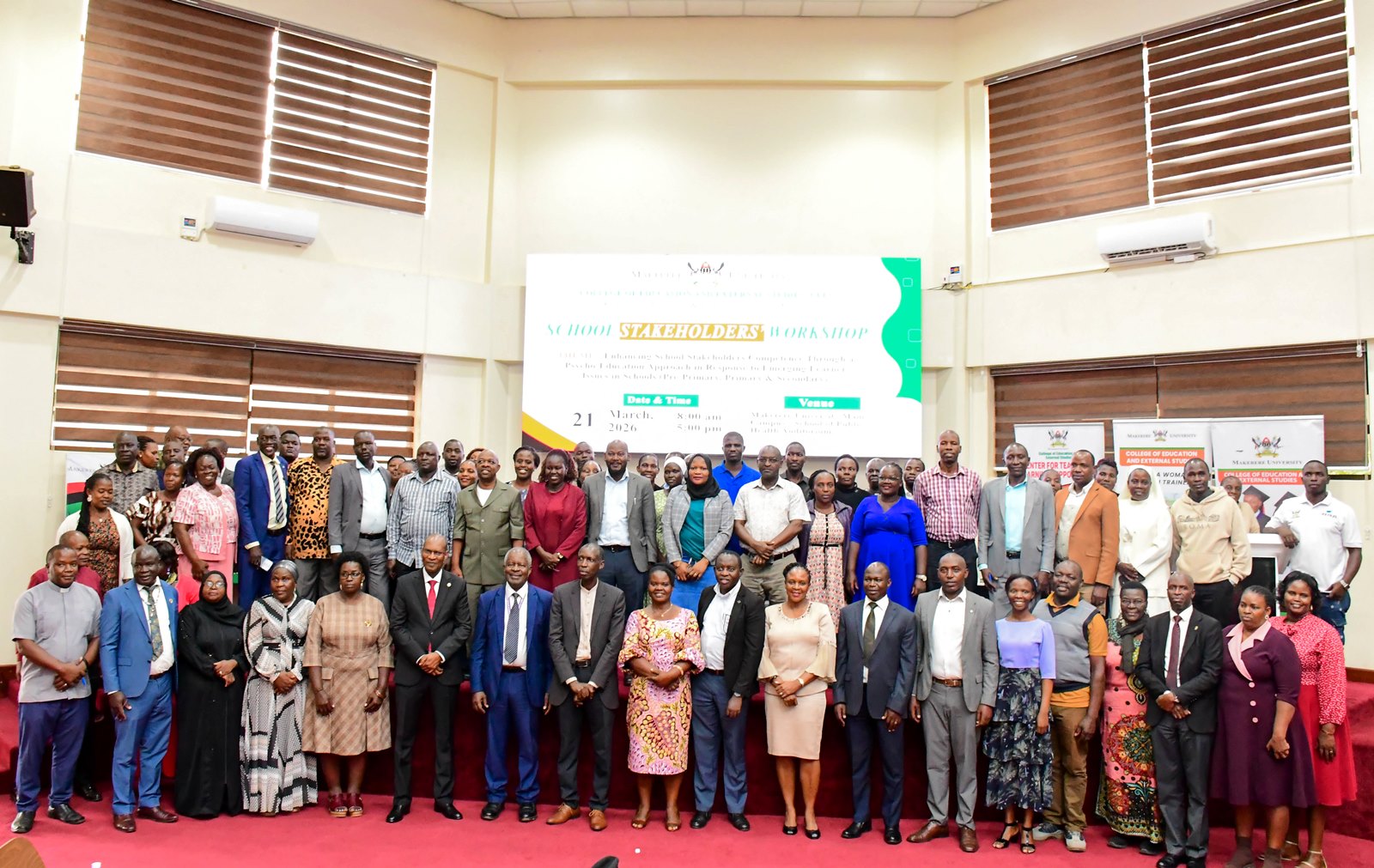
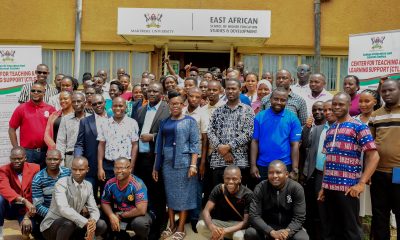
On Saturday 21st March 2026, teachers, head-teachers and administrators convened at Makerere University to participate in the School Stakeholders’ Workshop aimed at strengthening their capacity to address students’ mental health and psychosocial challenges.
Hosted by the Centre for Teaching and Learning Support (CTLS) under the College of Education and External Studies (CEES), the School Stakeholders’ Workshop, brought onboard participants involved in the delivery of education services at the different levels; pre-primary, primary and secondary schools.
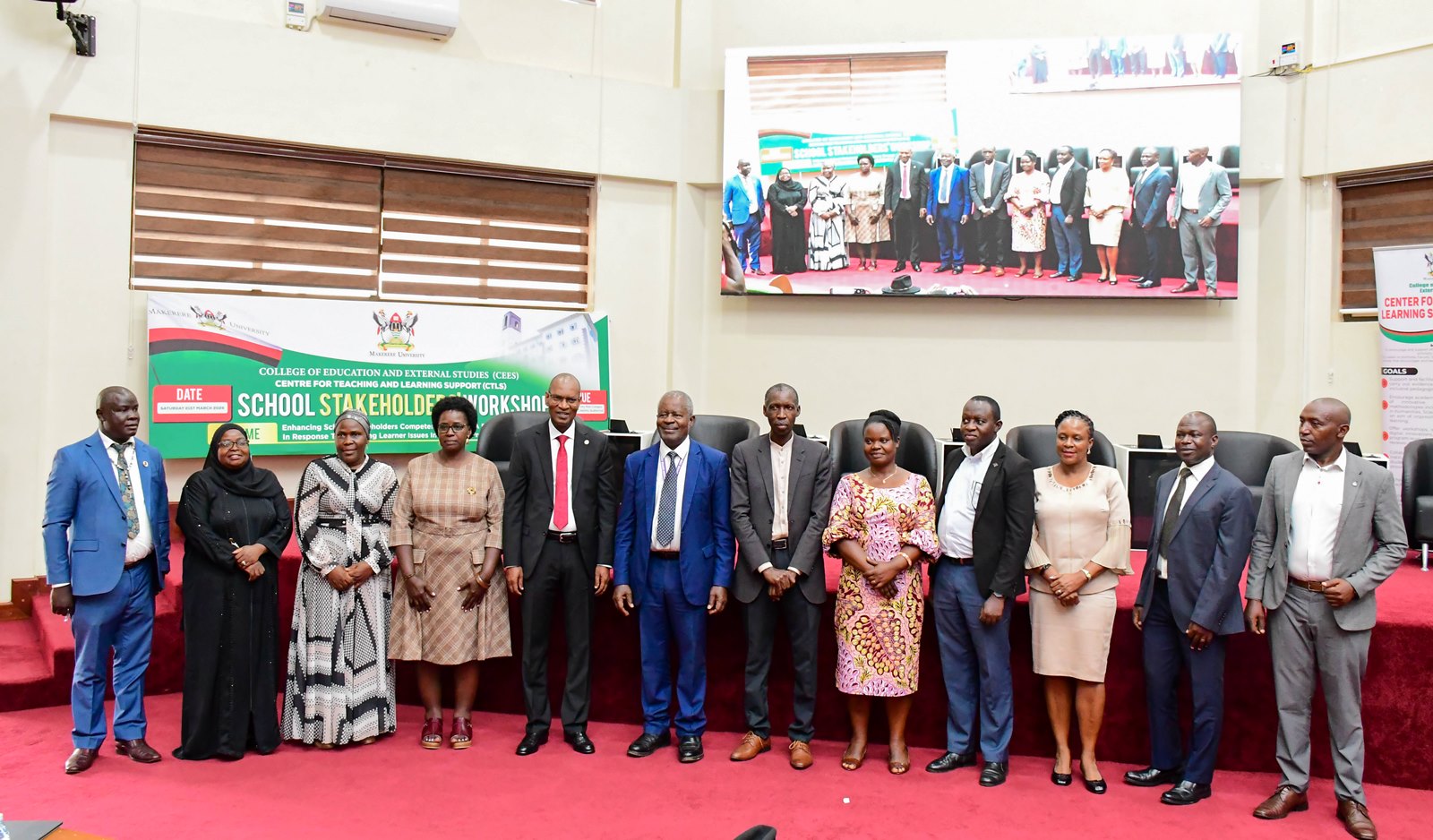
Some of the key stakeholders included representatives from the Ministry of Education and Sports, the Principal of the College of Education and External Studies-Prof. Anthony Muwagga Mugagga, the Keynote Speaker- Rev. Prof. Dr. Sam Luboga, Chairperson of the Education Service Commission, the Association of Secondary School Head teachers in Uganda, and Dr. Henry Nsubuga, the Manager of Makerere University Counselling and Guidance Centre.
Mental Prevalence in Uganda
According to statistics, Uganda ranks among the top six countries in Africa with 14 million cases of mental disorders, including a depression rate of 4.6% and anxiety rate of 2.9% (Uganda Association of Psychiatrists 2025, WHO 2017).
Mental health issues in Schools
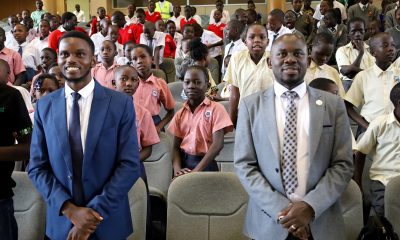
During the School Stakeholders’ Workshop, several participants revealed that a number of learners and teachers were grappling with mental health issues and psychosocial challenges. Citing the cases reported in the media, the participants noted that mental health issues, stress, depression and substance abuse were on the rise, and in some instances leading to suicide.
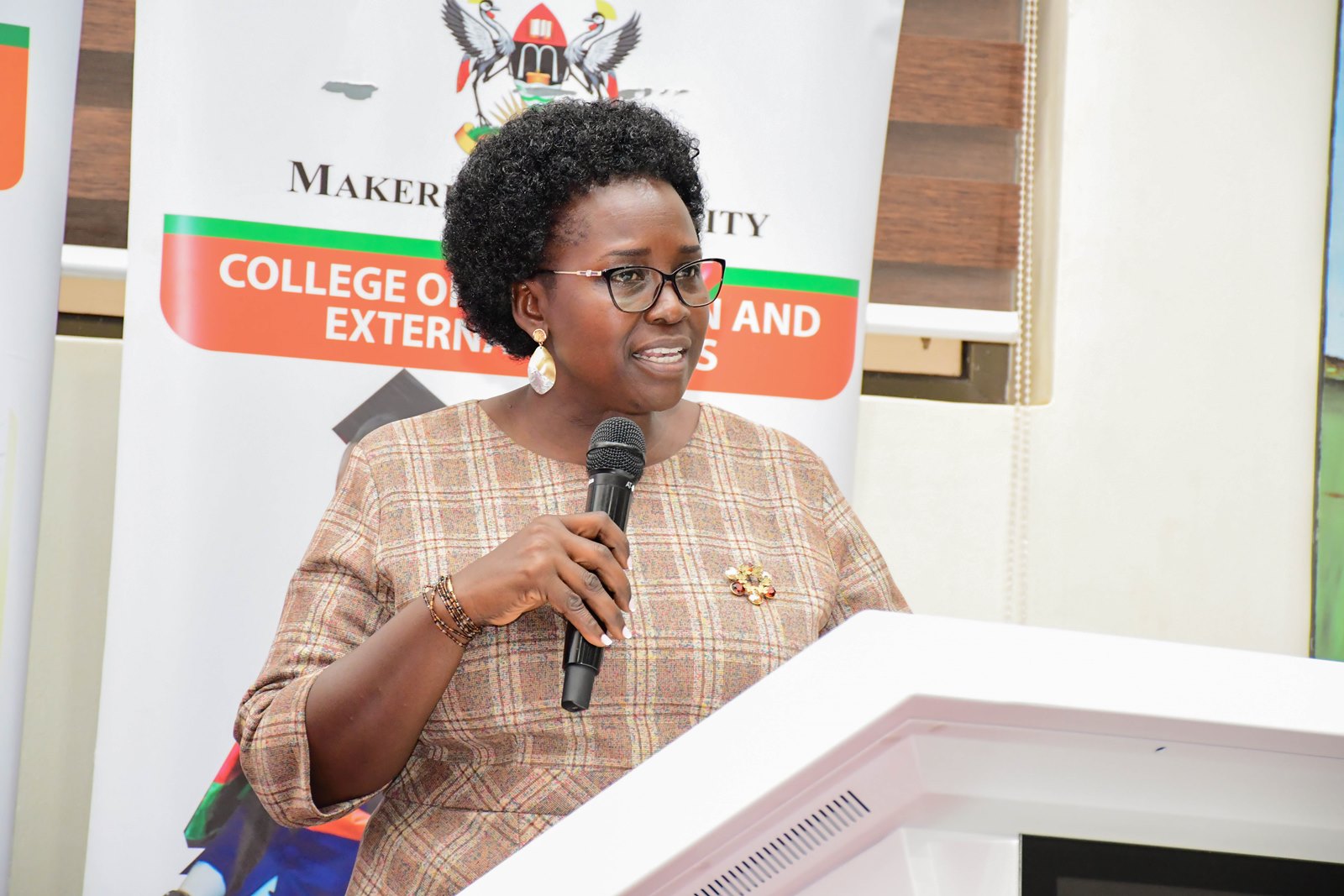
Drawing on findings from a recent study, Dr. Anne Ampaire, a Lecturer of Educational Psychology at Makerere University, revealed critical gaps in schools’ ability to respond to complex learner needs such as mental health, bullying, emotional instability, and psychosocial distress. She noted that while 68% of stakeholders reported having some form of training, it was largely limited to peer support and insufficient to address emerging challenges. Dr. Ampaire reported that major gaps were identified in the guidance and counselling (55%) and referral systems (15%).
Topics lined up to build the capacity of School Stakeholders
Informed by the research findings, Dr. Anne Ampaire, the Principal Investigator and her team, introduced the participants to the following topics:
- Overview of Learners’ Mental Health and Psychosocial Challenges -Dr. Anne Ampaire
- Mental Health Literacy and Self Care-Dr. Naomi Namanya
- Mental Health and Counselling: Lived Experiences in Schools-Dr. Henry Nsubuga
- School Community Referral and Support Systems-Bro. Dr. Augustine Mugabo
- Career Pathways and Self-management-Dr. Naomi Namanya
- Crisis and Anger Management-Dr. Anne Ampaire and Dr. Timothy Tebenkana
- Managing Bullying and School Based Violence-Dr. Wilber Karugahe
- Basic Psychosocial Support Services-Dr. Anne Ampaire
Timely intervention and Understanding Mental Health
The Principal. College of Education and External Studies, Prof. Anthony Muwagga Mugagga, commended Dr. Anne Ampaire, the Principal Investigator, Bro. Dr. Augustine Mugabo, Dr. Naomi Namanya, and Dr. Timothy Tebenkana for partnering with the Centre for Teaching and Learning Support headed by Dr. Dorothy Sebbowa Kyagaba, to organize the School Stakeholders’ Workshop.
The Principal observed that the School Stakeholders’ Workshop was a timely intervention, to empower participants with the required knowledge and skills to manage the mental health issues and psychosocial challenges affecting both the learners and teachers.
Prof. Mugagga disclosed that the problem of mental health was complex, affecting parents and guardians as well. He proposed that engagements on mental health and psychosocial management should bring on board parents and the families of the affected learners.
Prof. Mugagga explained that sometimes teachers, use verbal attacks or abusive statements, that affect the mental health of struggling learners. He mentioned that negative remarks from teachers, could be complicating the mental health challenges such learners could be dealing with both at the school and in the home setting.
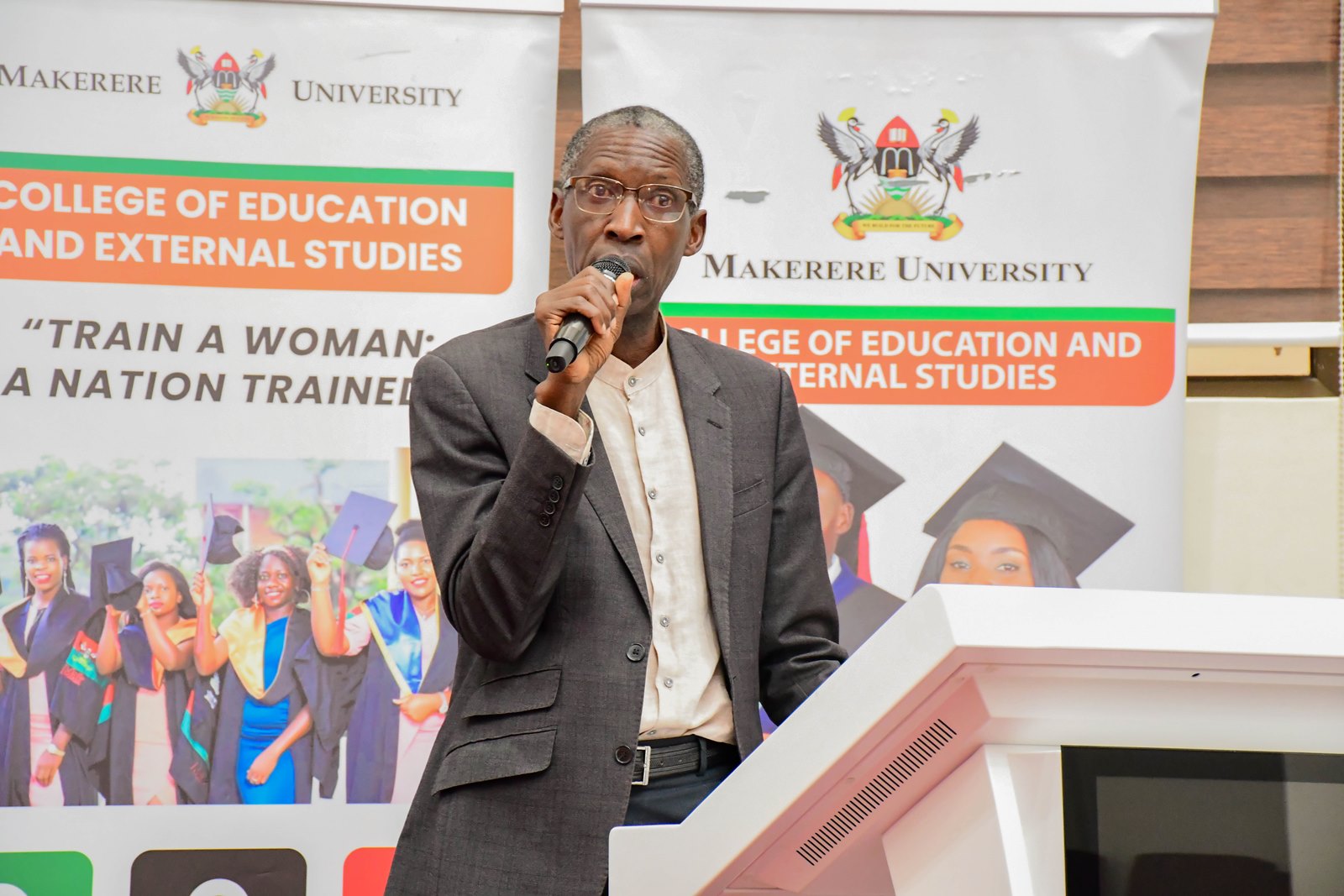
To elaborate, Prof. Mugagga shared a personal account of one of his children, who had failed to get good grades because of abusive statements from a teacher. However, when they transferred the child to another school, the child excelled and was among the best students. In a discussion, the child revealed that they were able to excel because at the new school, the teachers were a source of encouragement and support. She pointed out that there is a particular teacher who always mentioned her name in class, an act that made her feel valued, alert, and inspired her to work hard.
Prof. Mugagga informed the participants that he used a personal story to illustrate how empathetic teachers and supportive school environments can transform learners’ outcomes.
Prof. Mugagga, a parent and teacher by profession, called upon the participants, to understand and appreciate that the learners are different, and appealed to teachers to use words that uplift the learners.
Enhancement of Counselling Structures
Expressing concern over the growing pressures faced by both teachers and learners, such as academic stress, depression, anxiety, and cases of suicide, the Deputy Vice Chancellor (Academic Affairs), Prof. Sarah Ssali called upon school administrators and teachers to enhance the provision of counselling services by qualified personnel.
In a speech read by Prof. Mugagga, the Deputy Vice Chancellor (Academic Affairs) emphasized that Makerere University undertakes research in order to come up with strategies aimed at solving problems that affect communities and society in general. She therefore commended the College of Education and External Studies, the Centre for Teaching and Learning Support, and the School of Psychology, for developing the Psycho-Educational Model, that seeks to address challenges in schools.
Proactive and Sustainable School Mental Health Systems
Dr. Anne Ampaire, underscored the urgent need for schools to shift from reactive responses to proactive sustainable systems that safeguard learners’ mental health.
Dr. Ampaire emphasized that mental health challenges are systemic, affecting not only learners but also teachers and support staff. She called for a coordinated, holistic school approach involving both teaching and non-teaching staff, including matrons and security personnel.
She cautioned that without timely intervention, more learners risk dropping out or being exposed to harmful environments.
Mission of the Centre for Teaching and Learning Support (CTLS)
Reflecting on CTLS’ mission of promoting learner-centered teaching and supporting both professional development and community outreach, Dr. Dorothy Sebbowa Kyagaba, highlighted that the workshop provided a key platform for strengthening stakeholder competencies through a psycho-educational approach.
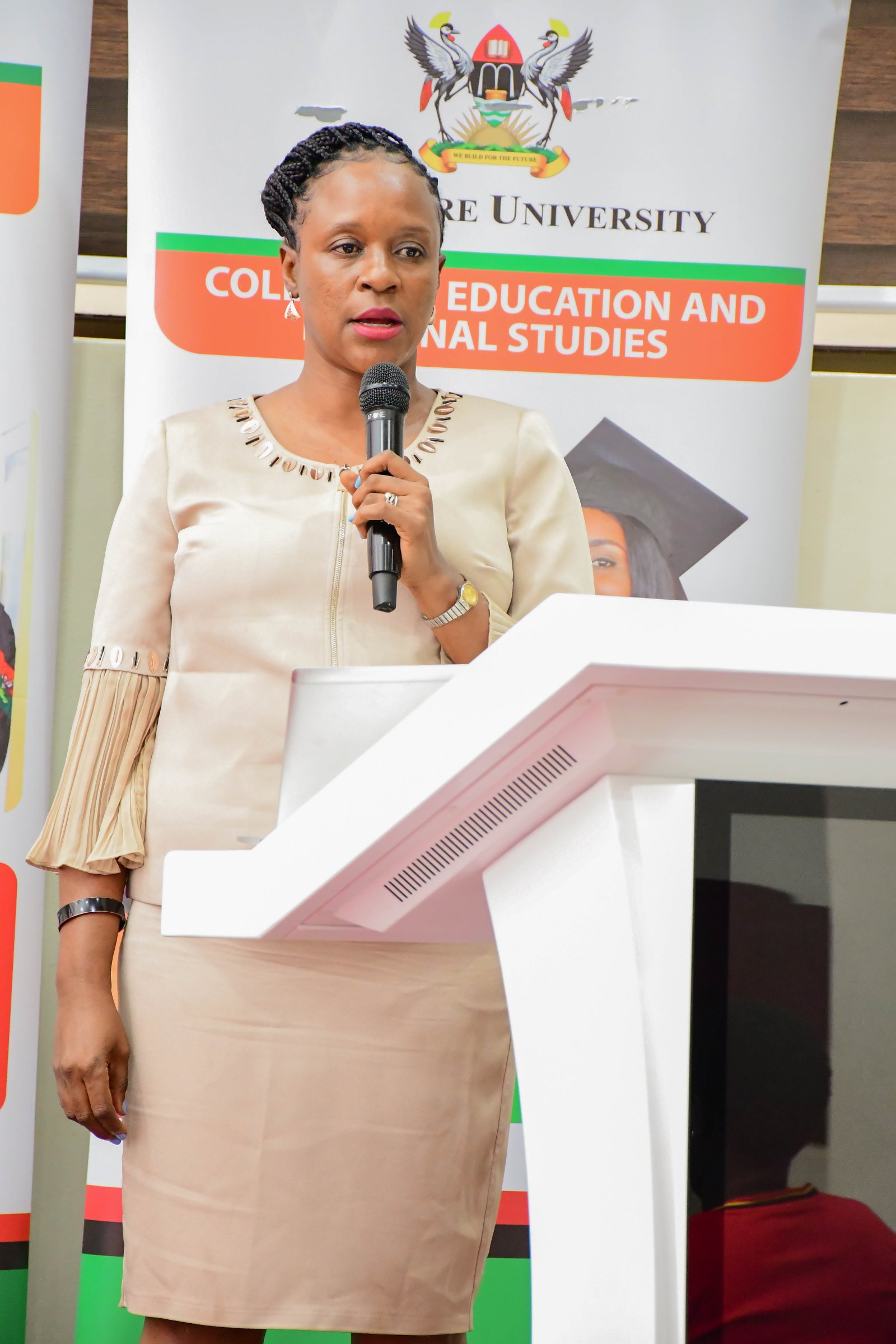
She emphasized the critical role of school stakeholders in providing counselling support, helping learners navigate depression, anger, and career-related challenges, while strengthening family-school-community partnerships.
Holistic Support Strategies to prevent Mental Health Challenges
In the keynote address, the Chairperson, Education Service Commission, Rev. Prof. Dr. Sam Luboga, described learner mental health as a critical determinant of academic success and long-term well-being. He pointed to the complex challenges facing students today, including academic pressure, family instability, social media influence, substance abuse, and gender-based violence.
He urged educators to adopt the following strategies to mitigate the gap between learners and the administration, and to prevent mental health challenges:
- Spot Warning Signs – Watch out for withdrawal, irritability, absenteeism, and declining grades to identify struggling students early.
- Keep Communication Open – Regular check-ups and mentoring create safe spaces for students to share challenges and build resilience.
- Use Collaborative Support – Teams of teachers, counselors, and administrators provide comprehensive student support.
- Maintain Professional Boundaries – Uphold ethics and transparency while nurturing student development.
- Set Expectations and Model Success – High standards and mentorship inspire students to reach their potential.
- Celebrate Achievements and Involve Families – Recognize student success and engage families to reinforce motivation.
- Support Holistic Well-Being – Encourage physical activity and cater to diverse learning styles to help all students thrive.
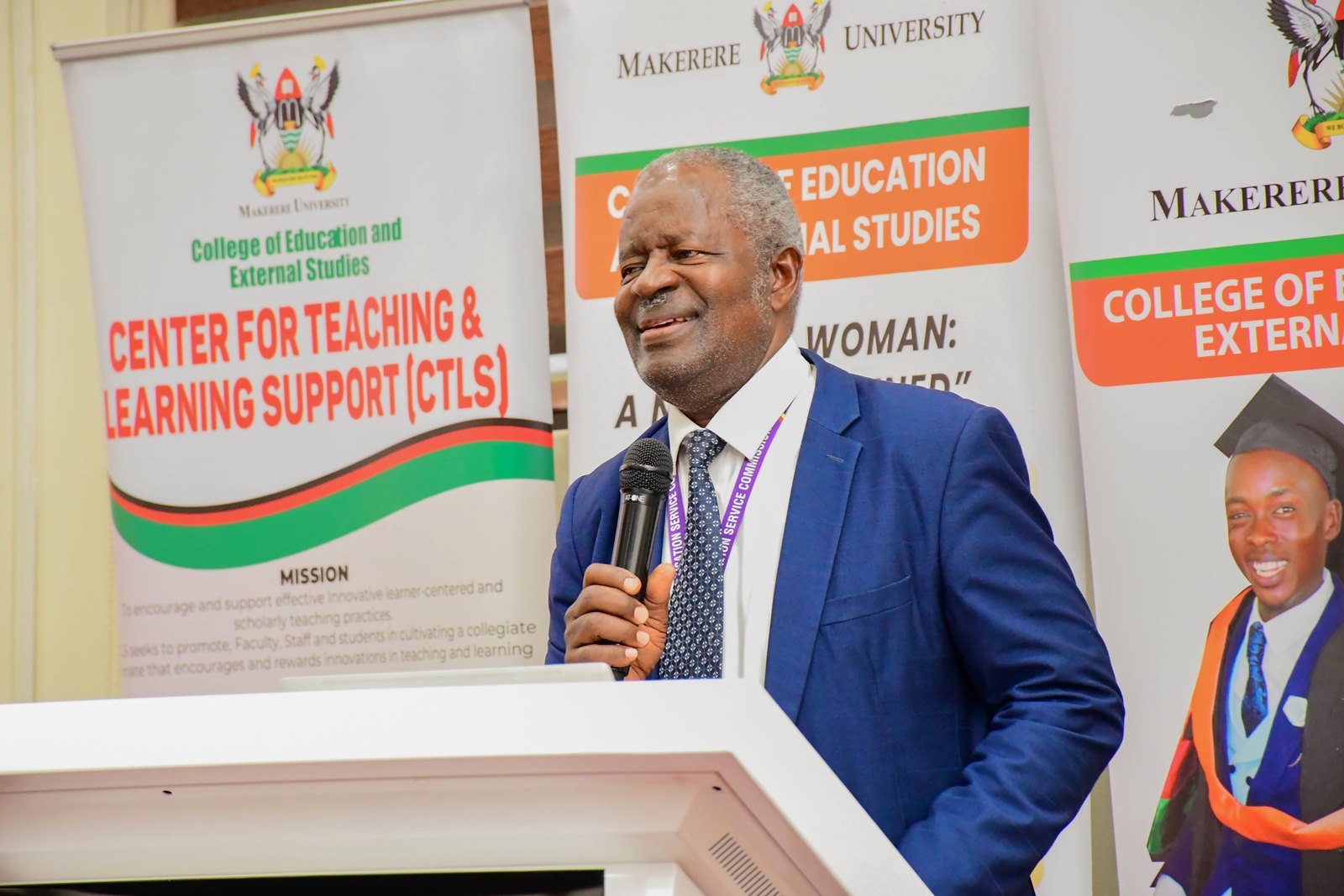
He advised educators to commit themselves fully to their students’ development, recognizing that their role extends beyond instruction to shaping resilient, well-rounded, and successful individuals.
Structured Referral Systems and Learners’ Wellbeing
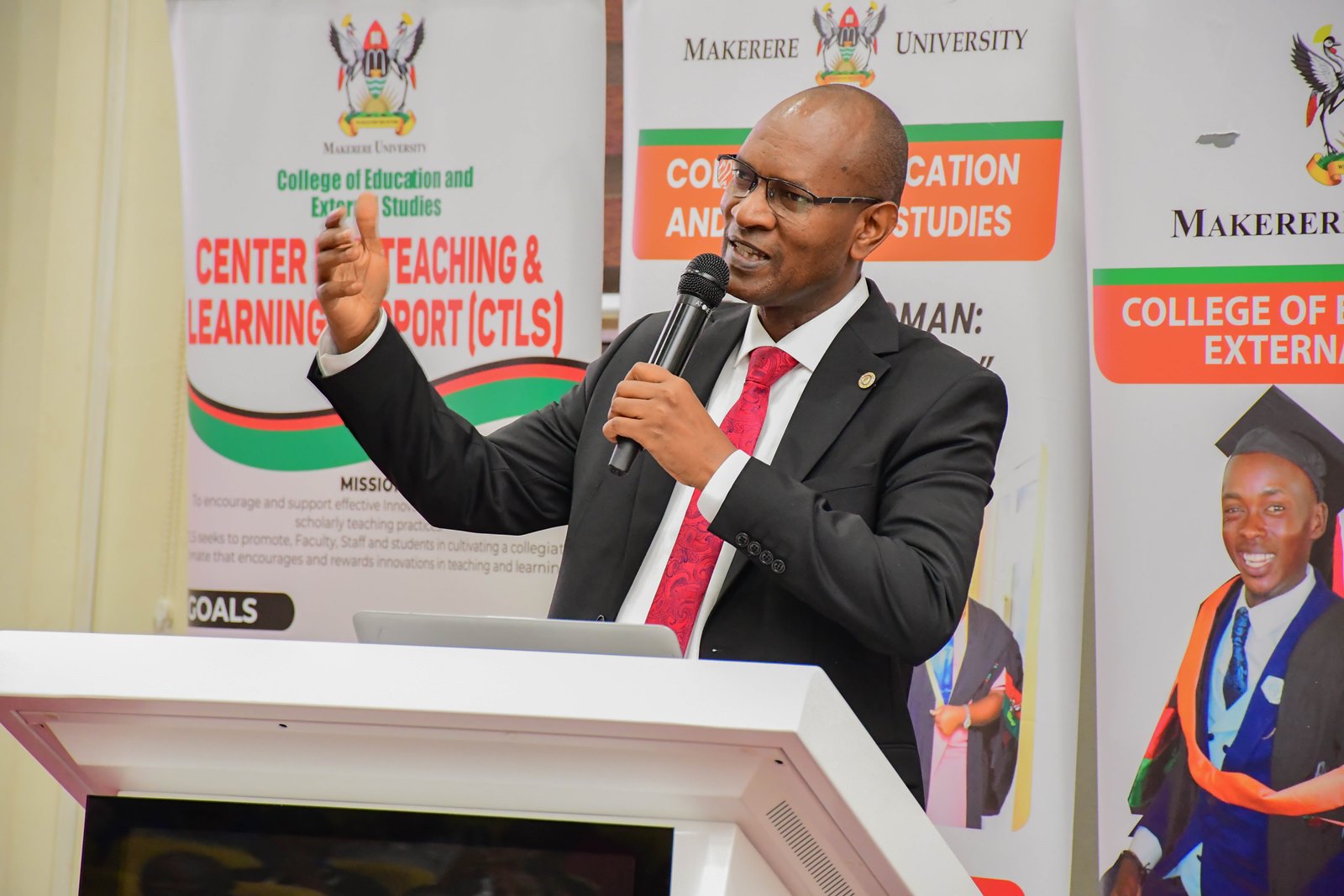
Dr. Augustine Mugabo, Co-Principal Investigator, emphasized that the well-being of the learner strengthens the entire education system.
“Increasing emotional distress, behavioral challenges, and school dropouts are often linked to unaddressed social and psychological issues rather than academic failure alone,” he noted.
Dr. Mugabo identified gaps such as limited counselling services, lack of referral training, and weak collaboration with professional support systems, advocating for a structured, multi-level referral model that connects schools with parents and mental health professionals.
Career Pathways and Self-Management
Dr. Naomi Namanya articulated that forcing students to study subjects that they do not like or are not in position to manage contributes to mental health challenges. Dr. Namanya explained that some teachers and parents dictate to learners on the choice of subjects and/or academic disciplines.
She urged teachers and parents to dialogue with learners on their interests, career aspirations and choices. “The learner has a very important role in the decision of his or her career path,” she said.
Making reference to the ongoing narrative of sciences versus humanities disciplines, some learners who desire to study courses within the humanities disciplines are being stressed.
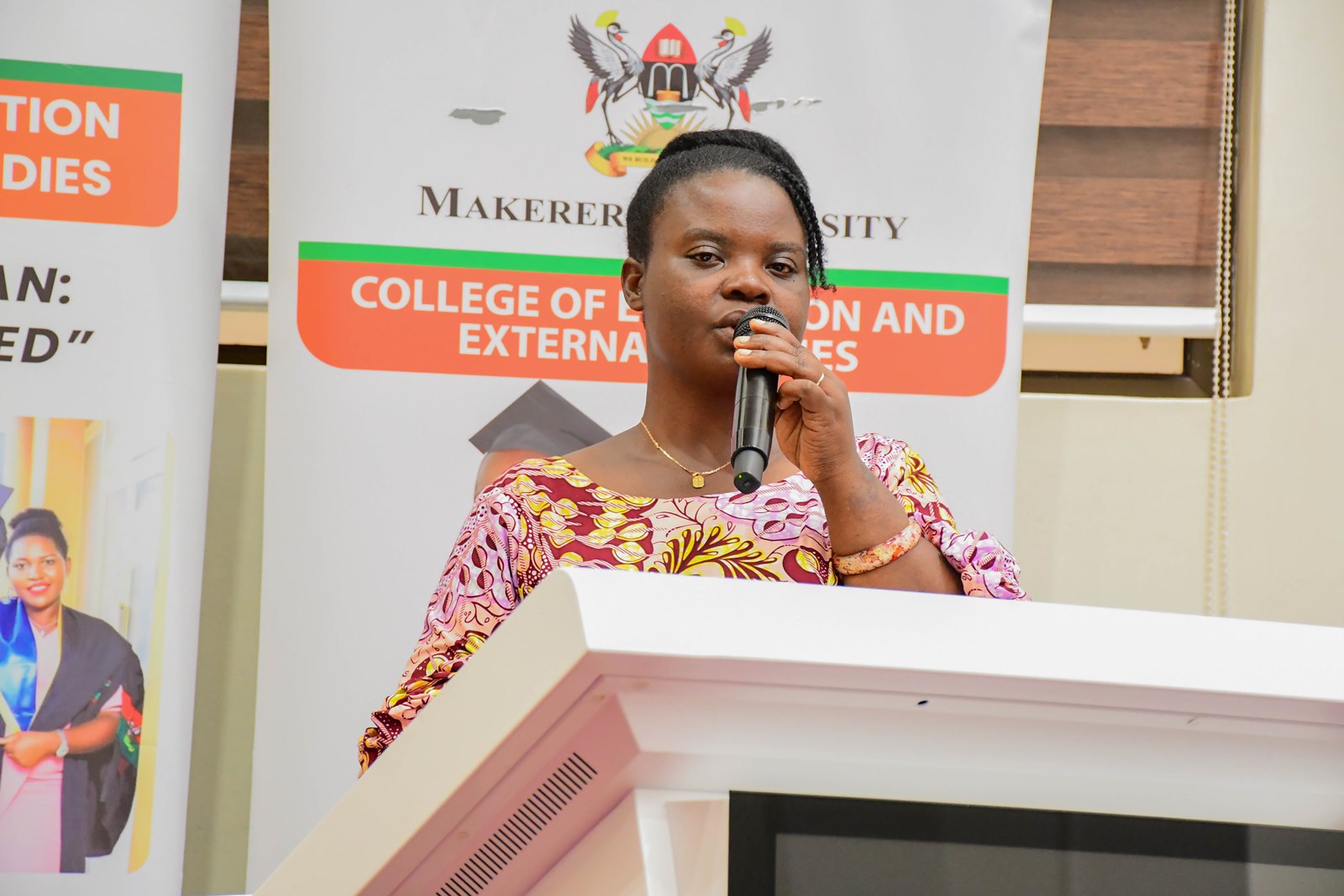
In support of Dr. Namanya’s argument, Dr. Henry Nsubuga revealed to the participants, that some of the students undertaking subjects within the humanities and social sciences disciplines feel neglected and excluded. Some of them disclosed that during Career Days/Fairs or important academic briefings, the speakers focus on sciences, and at times, there is no expert to talk to them.
Compassionate Counselling, Listening and Mental Health Well being
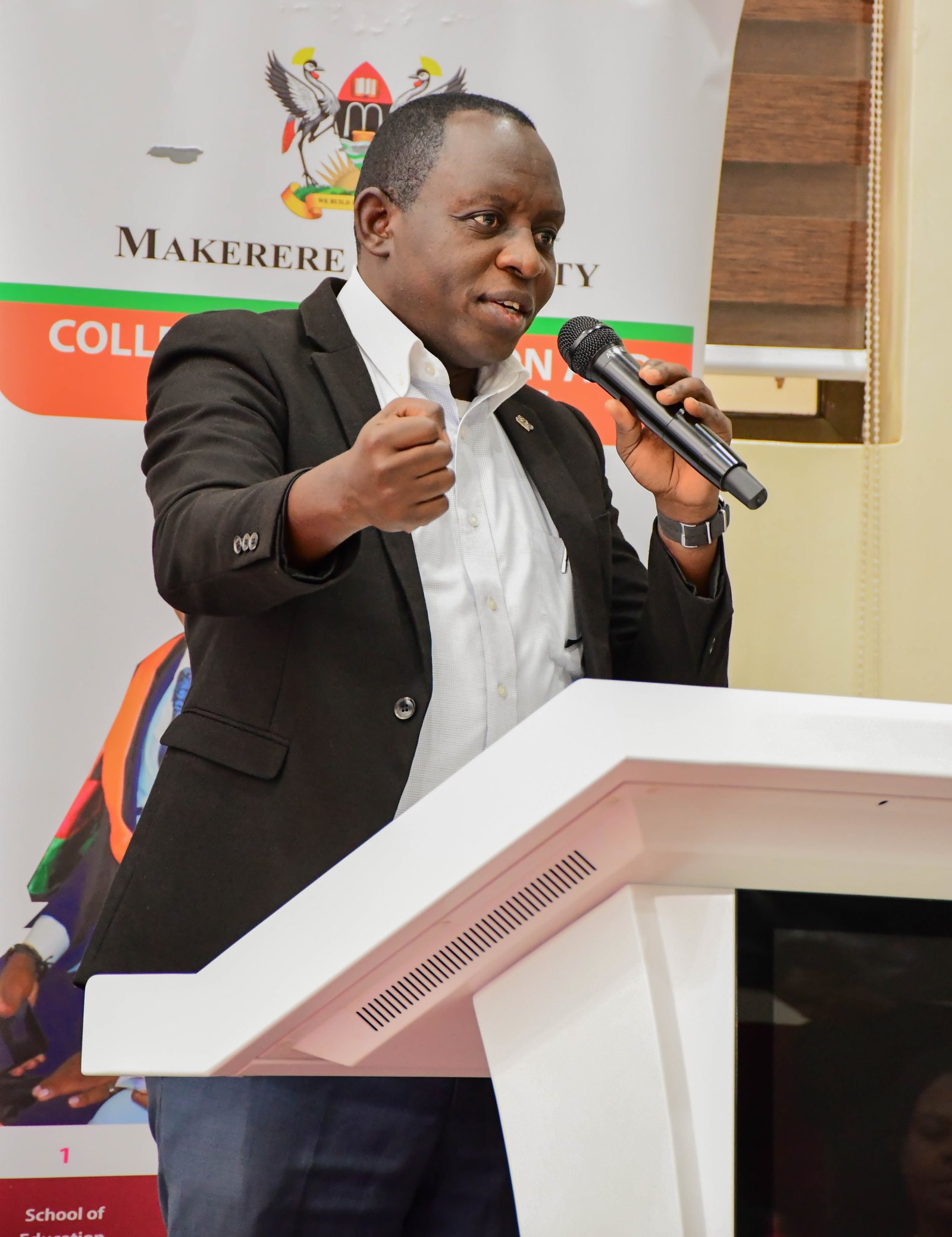
Dr. Henry Nsubuga, the Director, Makerere University Counselling and Guidance Centre, highlighted that mental health remains a neglected aspect of well-being despite its central role in shaping behavior and outcomes.
“Many learners carry hidden trauma, which significantly affects their performance and emotional stability, he said, stressing the importance of listening and compassionate support.
He pointed out systemic challenges, including weak collaboration among stakeholders, lack of trust in counselling systems, and ethical concerns, calling for more supportive and inclusive school environments.
Managing Bullying and School-Based Violence
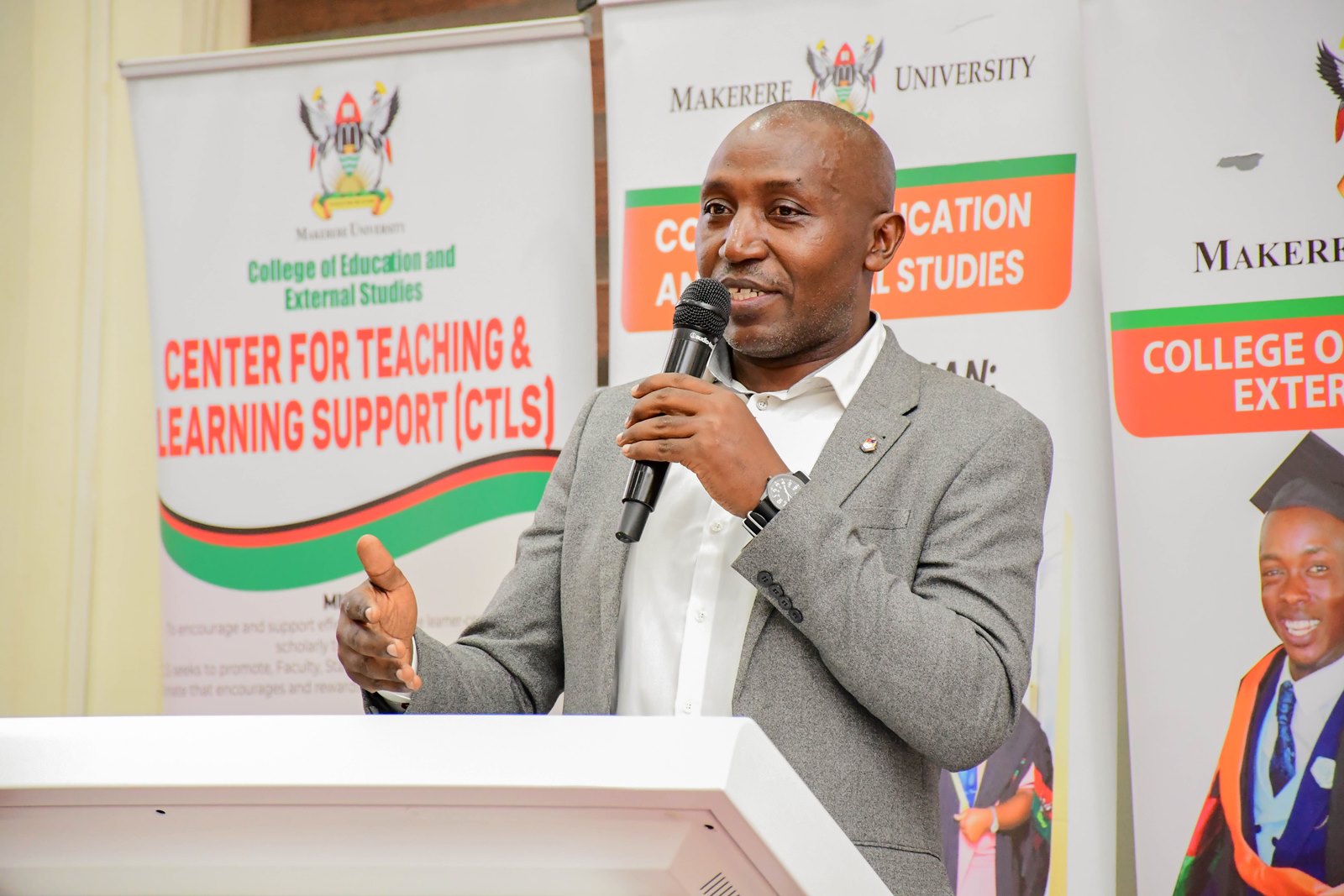
Dr. Wilber Karugahe, a Counselling Psychologist, highlighted various forms of violence, particularly psychological bullying and cyberbullying, which have severe long-term effects, including depression, substance abuse, and criminal behavior.
“No learner should be subjected to bullying. Therefore, schools and stakeholders should prioritize preventive strategies against this vice,” he said.
He advocated for prevention, early detection, and interventions such as Counselling and Cognitive Behavioral Therapy.
Anger and Crisis Management
Dr. Anne Ampaire, explained that anger is a natural and normal human emotion experienced across all age groups, but becomes harmful when it is expressed in unhealthy or aggressive ways.
“Anger can range from mild irritation to extreme intensity, and if not properly managed, it can lead to serious consequences such as violence, self-harm, or suicide,” she noted.
She emphasized that individuals express anger differently through emotional, physical, and behavioral signs, often influenced by stress, lack of proper sleep, and mental exhaustion, particularly in highly demanding school environments.
She highlighted that even young children experience emotional struggles, stressing the importance of guiding emotional development from early childhood through activities such as storytelling and emotional expression, while adolescents require structured support due to hormonal and identity challenges.
She recommended practical strategies such as teaching emotional awareness, using calming techniques such as deep breathing and counting to ten, and creating safe spaces within schools for both learners and teachers to manage stress. She advocated for better preparedness through holistic approaches that include proper rest, nutrition, physical activity, and reduced reliance on medication.
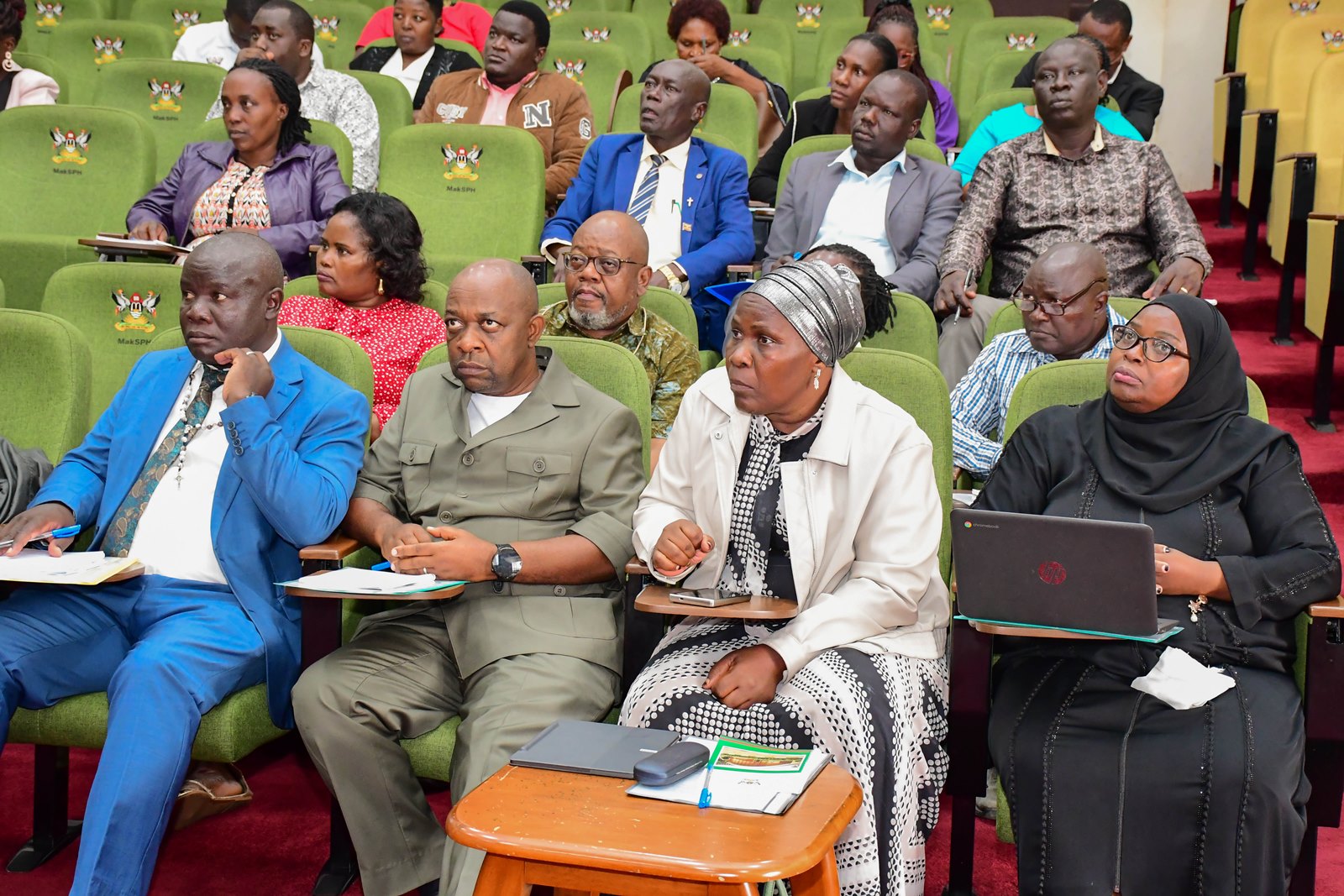
She urged schools to strengthen crisis preparedness systems, train staff effectively, and promote collaboration among educators, parents, and professionals to support emotional well-being and safe learning environments.
Way forward
During the discussion segment moderated by Dr. Timothy Tebenkana, participants emphasized the influence of home environments on learner well-being and called for stronger parental involvement. They highlighted the need for empathy, listening, discipline, improved handling of sensitive cases, and addressing systemic challenges such as academic bias and unhealthy competition among learners.
The workshop reaffirmed the importance of collaborative, structured, and proactive approaches to mental health in schools. Participants were encouraged to apply the knowledge gained to strengthen support systems within their institutions and contribute to creating safer and more responsive learning environments across Uganda.








Education
DACE Launches Research Seminar Series to Strengthen Co-Authorship and Scholarly Engagement
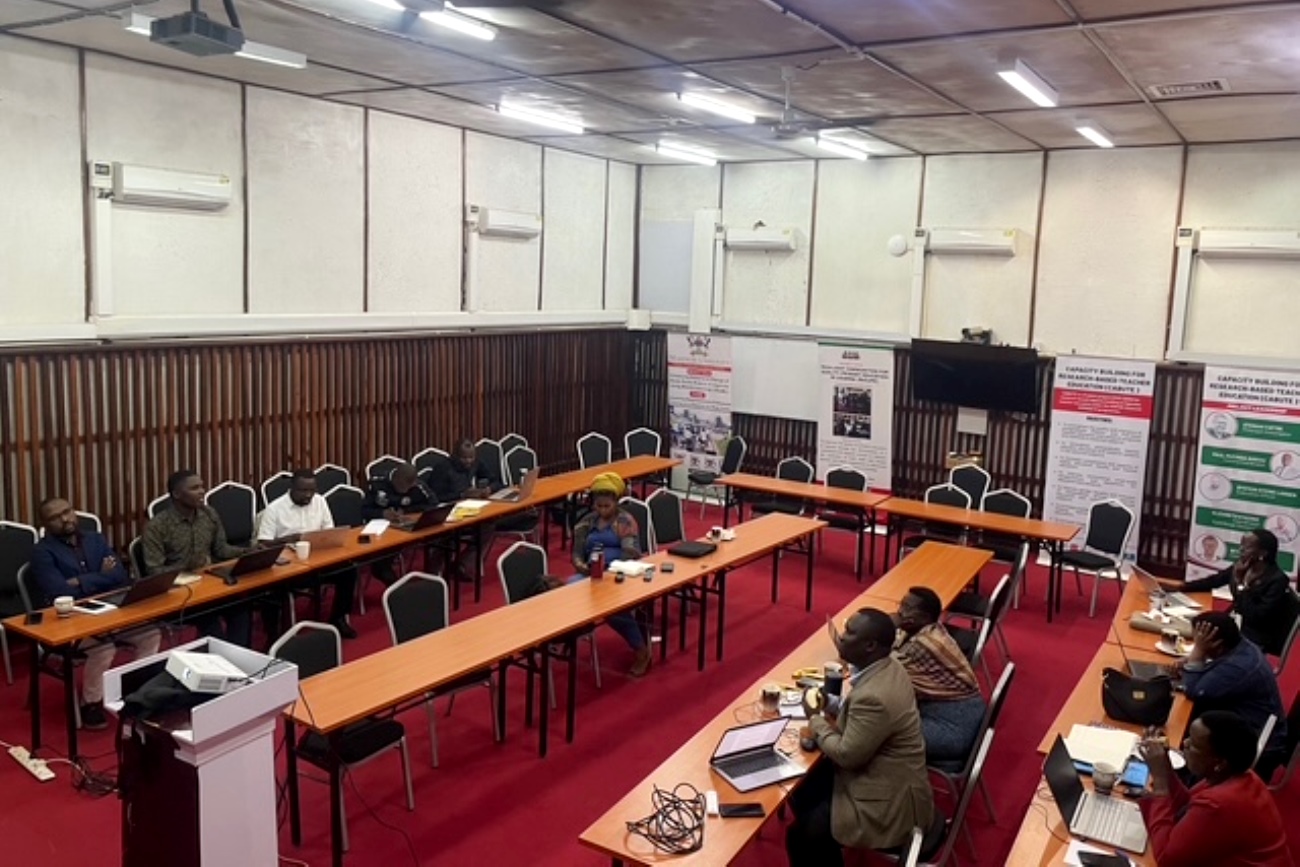
The Department of Adult and Community Education (DACE), under the School of Distance and Lifelong Learning at the College of Education and External Studies (CEES), Makerere University, has launched a bi-weekly research seminar series aimed at strengthening scholarly engagement and promoting co-authorship among staff and students.
The initiative forms part of the Department’s broader strategy to develop and operationalise its research agenda, with the goal of repositioning Adult and Community Education within national and global academic discourse.
According to the Head of Department and staff members, limited public understanding of Adult and Community Education continues to constrain its visibility and impact, particularly in relation to its contribution to lifelong learning, community transformation, and national development. The research seminar series is therefore intended to enhance knowledge production, increase publications, and promote evidence-based engagement in the field.
The seminars, held every Tuesday, are coordinated by Dr. Karembe Ahimbibisibwe and Dr. Kellen Aganyira, following their nomination by the Departmental Academic Board.
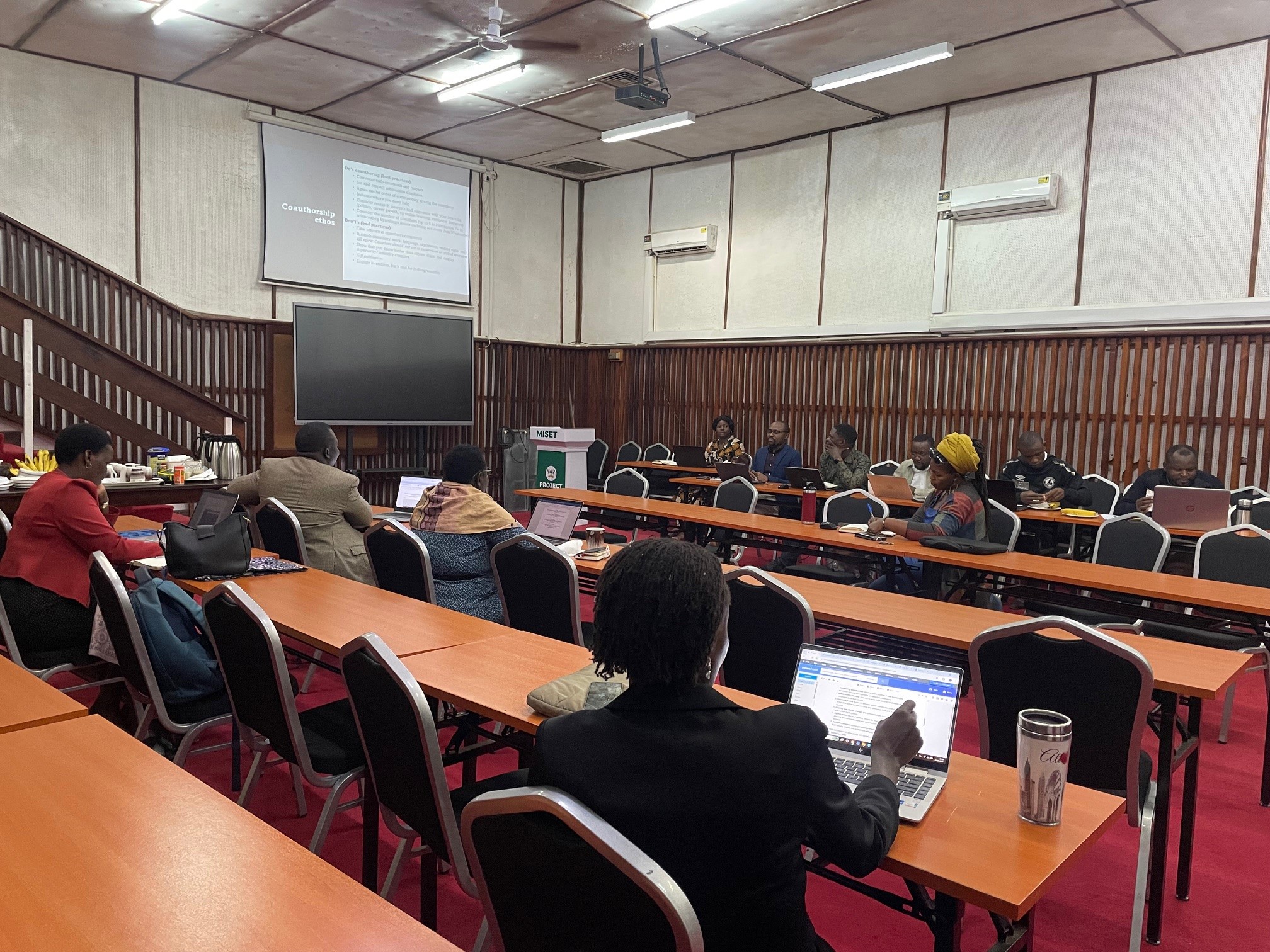
The inaugural session, held on Tuesday, 24th March 2026, focused on the theme: “Understanding Co-Authorship in Academic Practice.”
The seminar brought together academic staff, PhD students, and recent graduates of the Master of Adult and Community Education (MACE) programme to reflect on collaborative research and scholarly writing.
Participants engaged with key aspects of co-authorship, including contribution, collaboration processes, and the role of joint writing in enhancing academic productivity and mentorship.
“Co-authorship is not just about writing together—it is about building shared thinking, mentorship, and a collective scholarly identity,” noted one of the facilitators during the session.
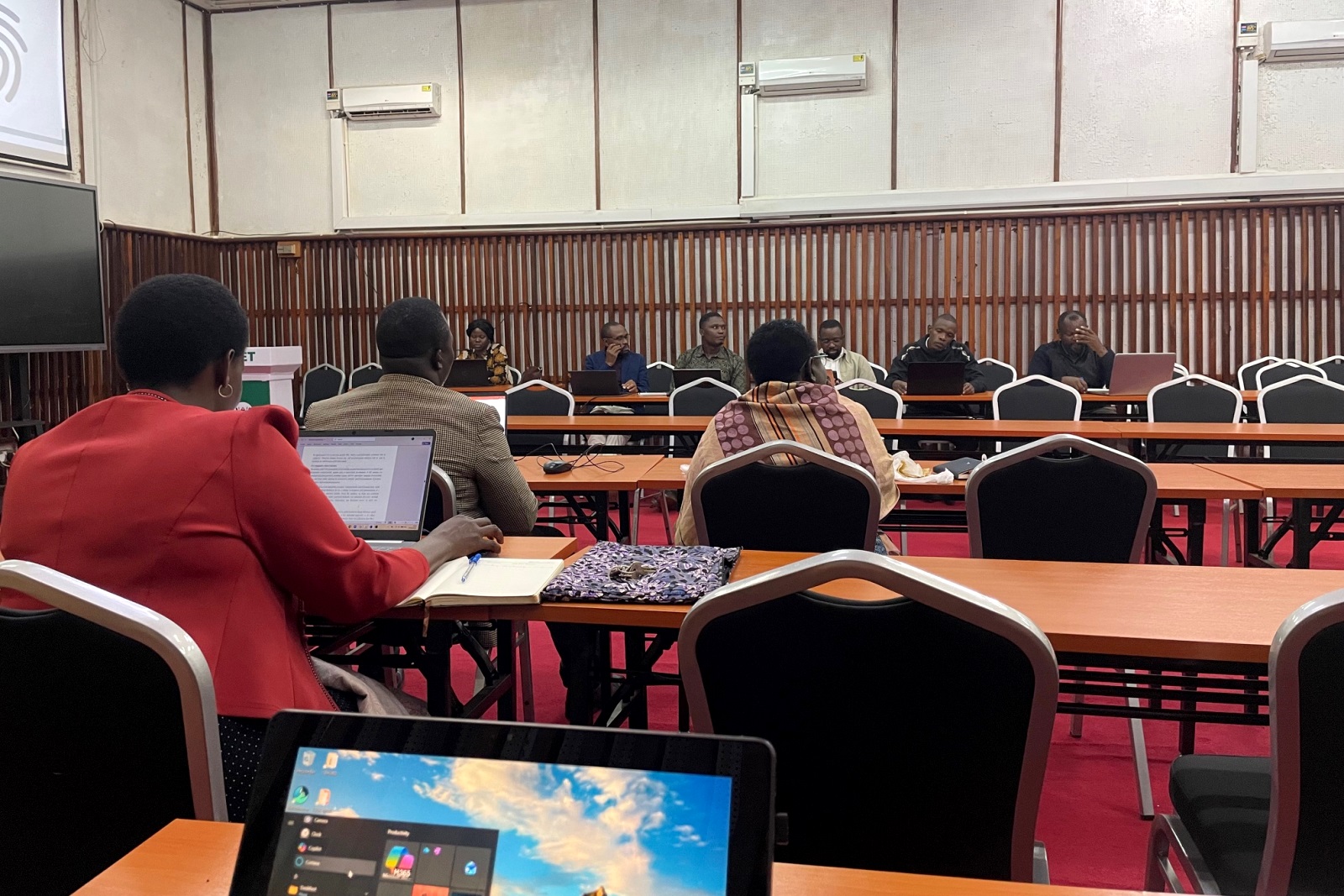
As part of the seminar, participants were required to prepare structured abstracts outlining their research focus, theoretical grounding, methodology, and anticipated contribution to scholarship or policy. The session included presentations of draft ideas, followed by peer feedback.
This practical approach enabled participants to move beyond conceptual discussions and actively engage in the process of developing publishable work.
A participant described the experience as transformative. “The seminar has helped me refine my research idea and think more clearly about collaboration. The feedback from colleagues is both constructive and motivating.”
The Department has prioritised inclusive participation by involving graduate students and recent alumni, with plans to expand the initiative to all postgraduate learners in order to strengthen research capacity across academic levels.
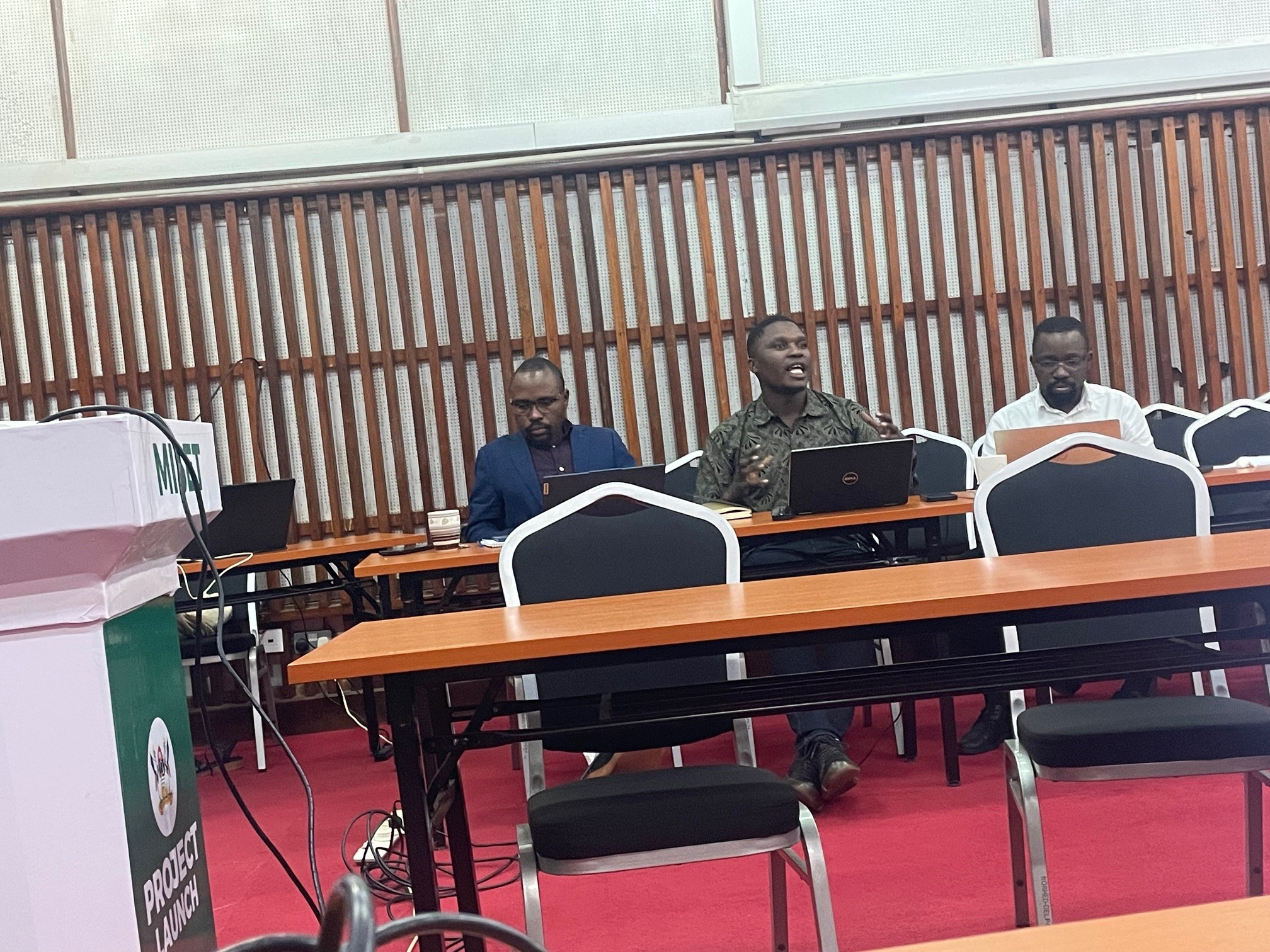
Speaking during the seminar, the Acting Head of Department, Dr. Joseph Watuleke, commended staff and students for embracing the initiative and called for sustained commitment to building a research culture. “This seminar series represents a deliberate step toward strengthening our research culture and increasing our contribution to knowledge and development,” said Dr. Watuleke.
Dr. Watuleke noted that the initiative aligns with the strategic direction of the Principal, CEES, Prof. Anthony Muwagga Mugagga, who has consistently emphasized the importance of research in repositioning academic units within the University.
“The Principal has continually guided us to reclaim our intellectual space and strengthen our contribution to Adult and Community Education. This initiative is part of that broader vision of enhancing research visibility and academic leadership.”
The Department envisions the seminar series as a platform for fostering collaborative research, increasing scholarly publications, and building a vibrant academic community within the College of Education and External Studies (CEES).
Education
Makerere University Charts New Future with the unveiling of the Open, Distance and E‑Learning Building and Strategic Plan

By Harriet Musinguzi, CEDAT
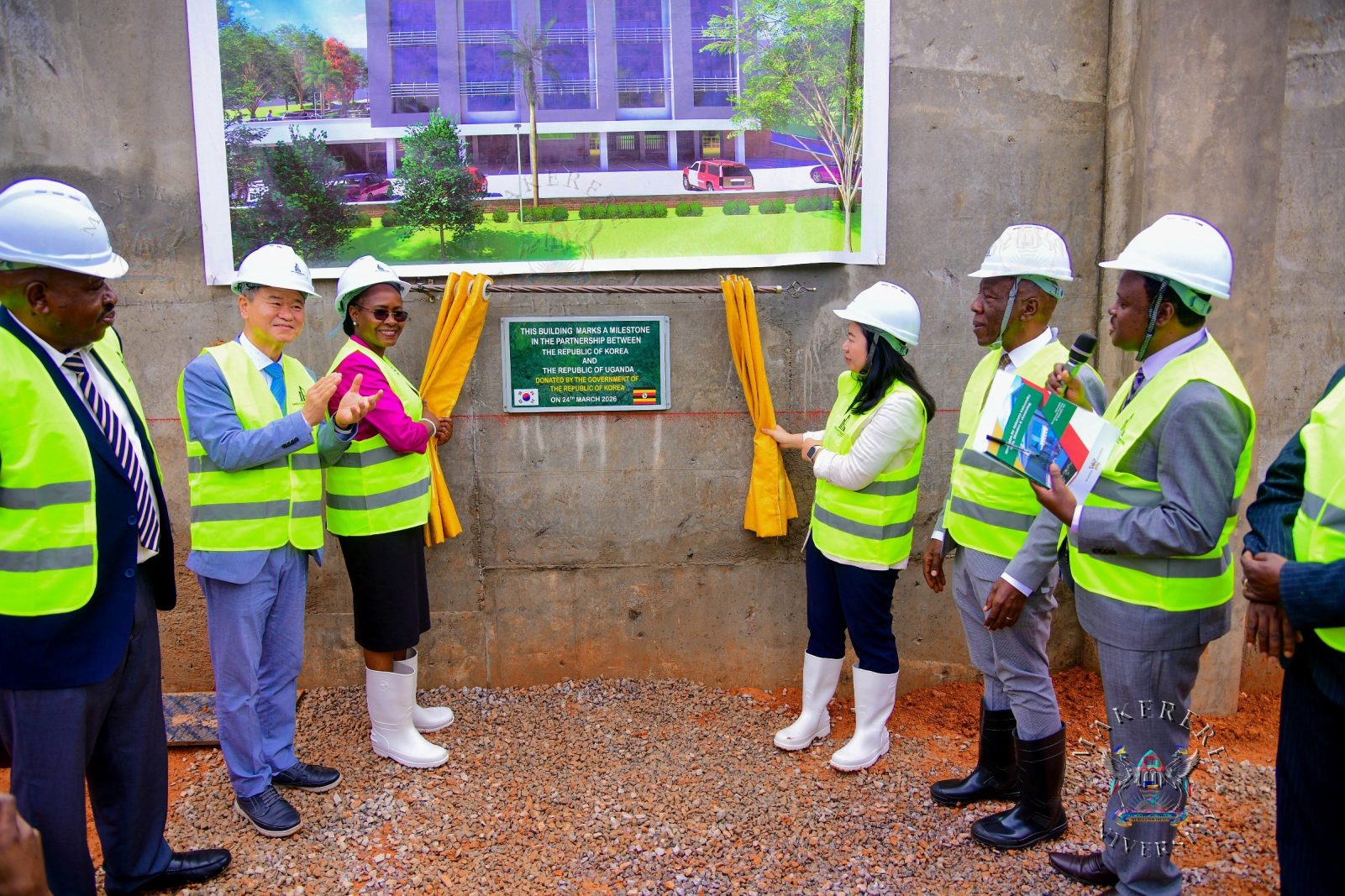
Makerere University has embarked on a transformative journey in higher education with the official launch of its Open, Distance and E‑Learning (ODeL) Strategic Plan and the laying of the foundation stone for a new ODeL facility at the College of Engineering, Design, Art and Technology (CEDAT). The event, attended by dignitaries, university leaders, and international partners, marked a milestone in Uganda’s quest to harness digital technology for accessible, innovative, and inclusive education.
Presiding over the ceremony, Ms. Jihee Ahn, Country Director of the Korea International Cooperation Agency (KOICA), underscored the spirit of collaboration that has defined the project. She praised the collective efforts of Korean partners, Makerere’s project management team, and the construction and consulting teams.
Quoting an African proverb, she reminded the audience that “a single stick cannot make fire”, emphasizing that the success of the initiative lies in shared purpose and unity. Drawing from Korean wisdom, she added, “a journey of a thousand miles begins with a single step,” noting that this launch is the first step toward positioning Makerere as a leader in open and distance education across Africa.
“This new building will not be just a physical structure but a driving force that advances our shared vision,” Ms. Ahn said. “KOICA looks forward to continued cooperation with Makerere University and all partners as we move forward together.” she added.
Representing the University Council Chairperson Dr. Lorna Magara, Dr. Silas Ngabirano highlighted the broader significance of the ODeL project. He described it as a turning point in bridging the gap between traditional teaching methods and modern learning needs. “This project is more than just providing technology,” he said. “It’s about enhancing capacity for our students, faculty, and staff. It’s about making education more accessible and affordable, fostering innovation, creativity, and lifelong learning.” He urged staff and students to embrace the opportunities offered by online distance learning, reaffirming the Council’s commitment to supporting initiatives that expand access to higher education.
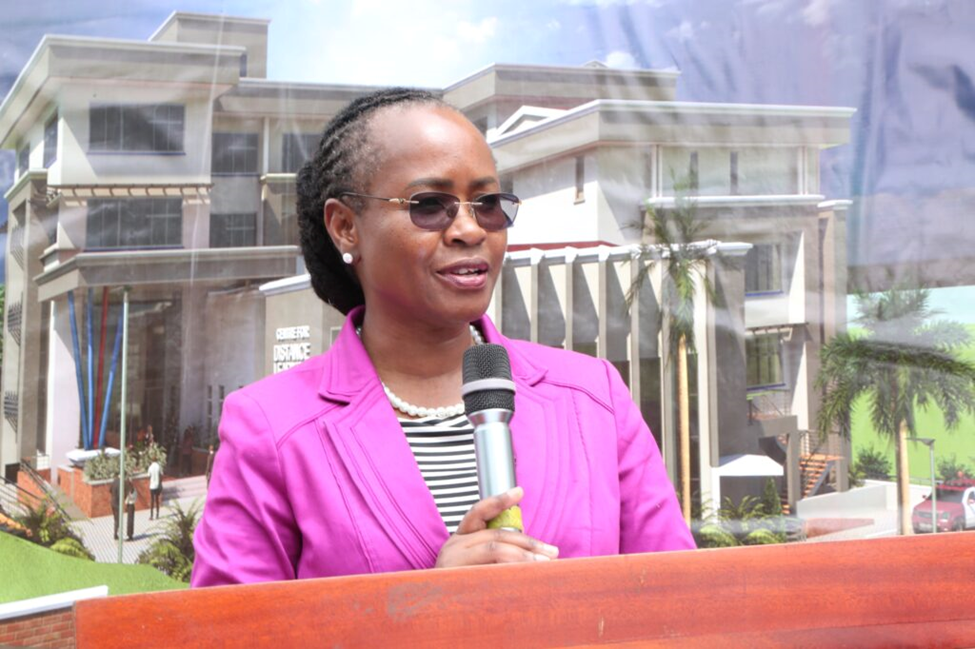
The Vice Chancellor, Prof. Barnabas Nawangwe, represented by Deputy Vice Chancellor for Academic Affairs Prof. Sarah Ssali, emphasized that e‑learning is a central pillar in Makerere’s Strategic Plan (2026–2030). She noted that the initiative aligns with Uganda’s National Development Plan IV, which prioritizes digital transformation by 2030.
“ODeL provides opportunities for students inside and outside Uganda to engage in learning, access cutting-edge research, and participate in innovation and entrepreneurship,” he said. “Now that ODeL is getting a home, there is no excuse for not delivering.”
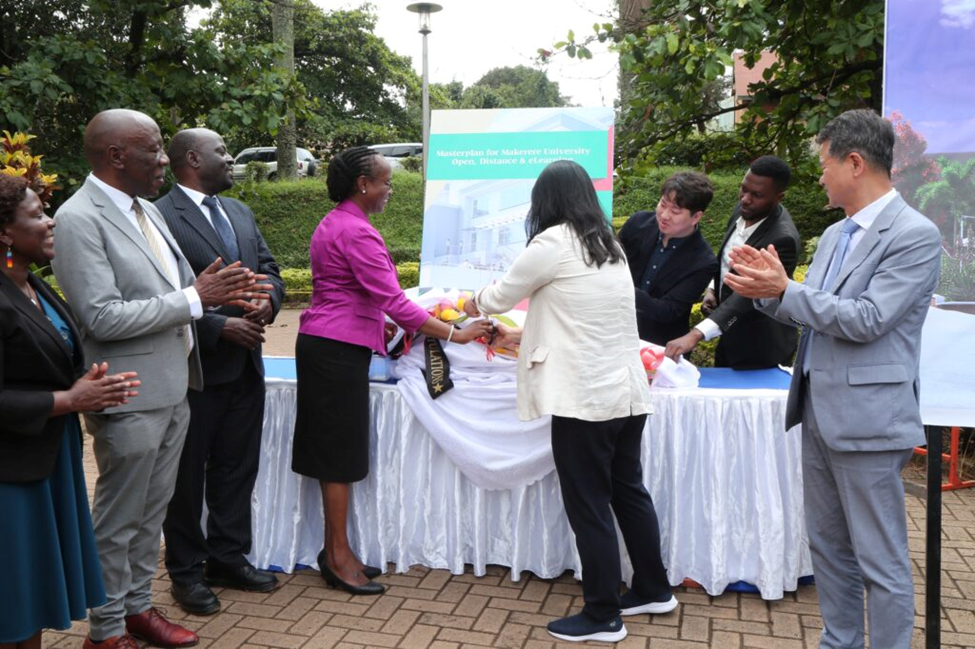
Prof. Nawangwe expressed gratitude to KOICA and the people of Korea for the US$12.2 milliongrant, describing it as a testament to Makerere’s reputation as a center of academic excellence and innovation. He also acknowledged the support of Uganda’s Ministry of Education and Sports and the Ministry of Finance, Planning and Economic Development.
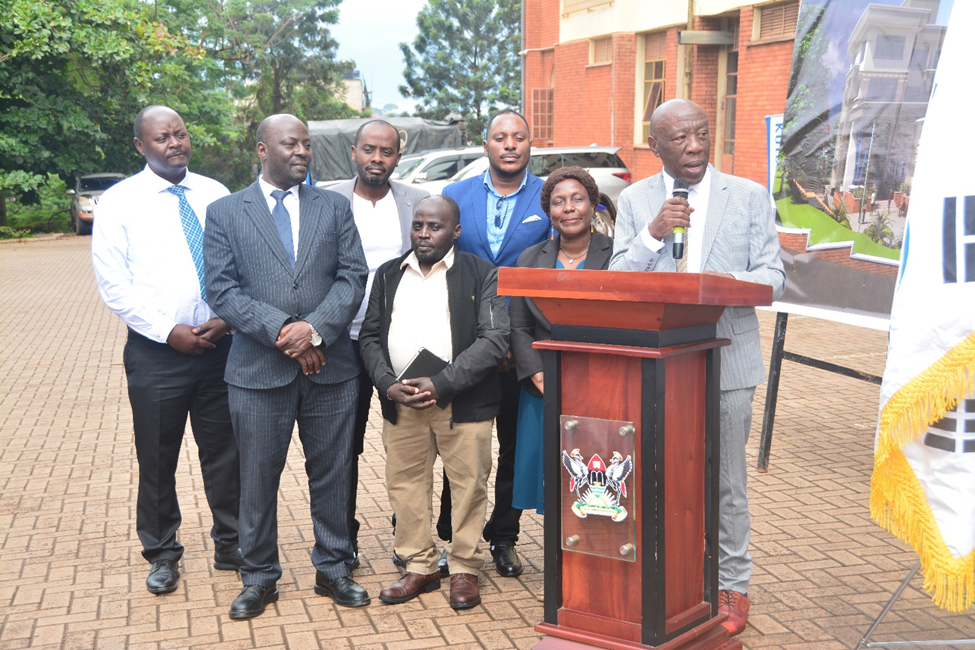
The Principal Investigator, Prof. Henry Alinaitwe, outlined three core components of the project: the development of the ODeL Masterplan, the enhancement of e‑learning infrastructure through a state‑of‑the‑art facility and modern equipment, and capacity building to equip staff with the skills needed to create high‑quality digital content. He explained that the construction, valued at USD 3.7 million, is being undertaken by SMS Construction Ltd, with designs developed by ArchForum Consultants Ltd, and is scheduled for completion by September 29, 2027.
Prof. Henry Alinaitwe explained that the ODeL Masterplan was developed through a highly consultative process, engaging numerous Makerere University staff and working closely with project consultants to ensure inclusivity and relevance. He expressed deep appreciation to the implementing partners, the Korea National Open University (KNOU) and the Korea Institute ofDevelopment Strategy (KDS) for their invaluable support in making the initiative a success.
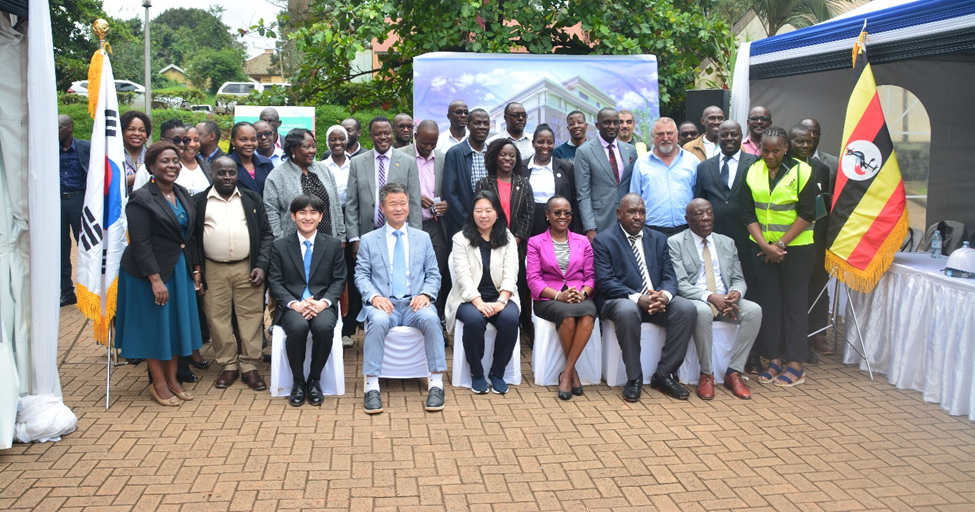
Prof. Alinaitwe also commended the Makerere University Council for approving the allocation of space and committing to maintain the building and systems once operational. He recognized the dedication of the project implementation team, which includes Dr. Venny Nakazibwe(Co‑PI), Prof. Paul Muyinda, Dr. Godfrey Mayende, Mr. Samuel Mugabi, Mr. Alex Mwebaze, Dr. Kenneth Ssemwogerere, and Dr. Lydia Mazzi Ndandiko, for their tireless efforts in managing the project. He further acknowledged KOICA Country Director Ms. Jihee Ahn for expanding the scope of the project beyond the College of Engineering, Design, Art and Technology (CEDAT) to encompass
Written by Musinguzi Harriet, Principal Communication Officer, College of Engineering, Design, Art and Technology.
Education
Mak CEES Hosts Kiswahili Primary School Orientation Workshop to Boost Language Teaching Quality
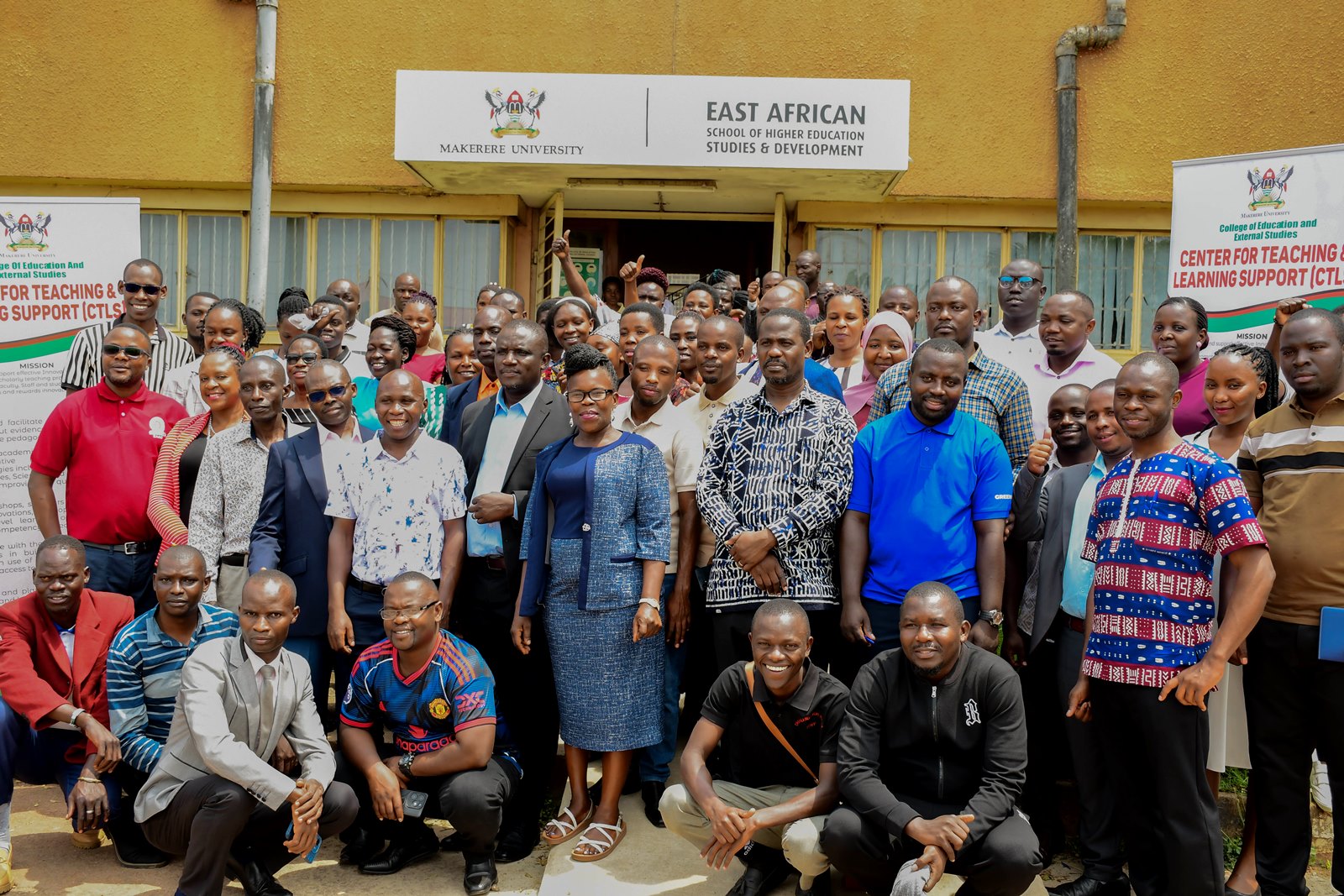
On Saturday 14th March 2026, the Center for Teaching and Learning Support, based at the College of Education and External Studies (CEES), Makerere University, hosted the Kiswahili Primary School Orientation Workshop, aimed at strengthening skills in content and delivery, enhancing assessment competencies, and improving the understanding of the Kiswahili curriculum.
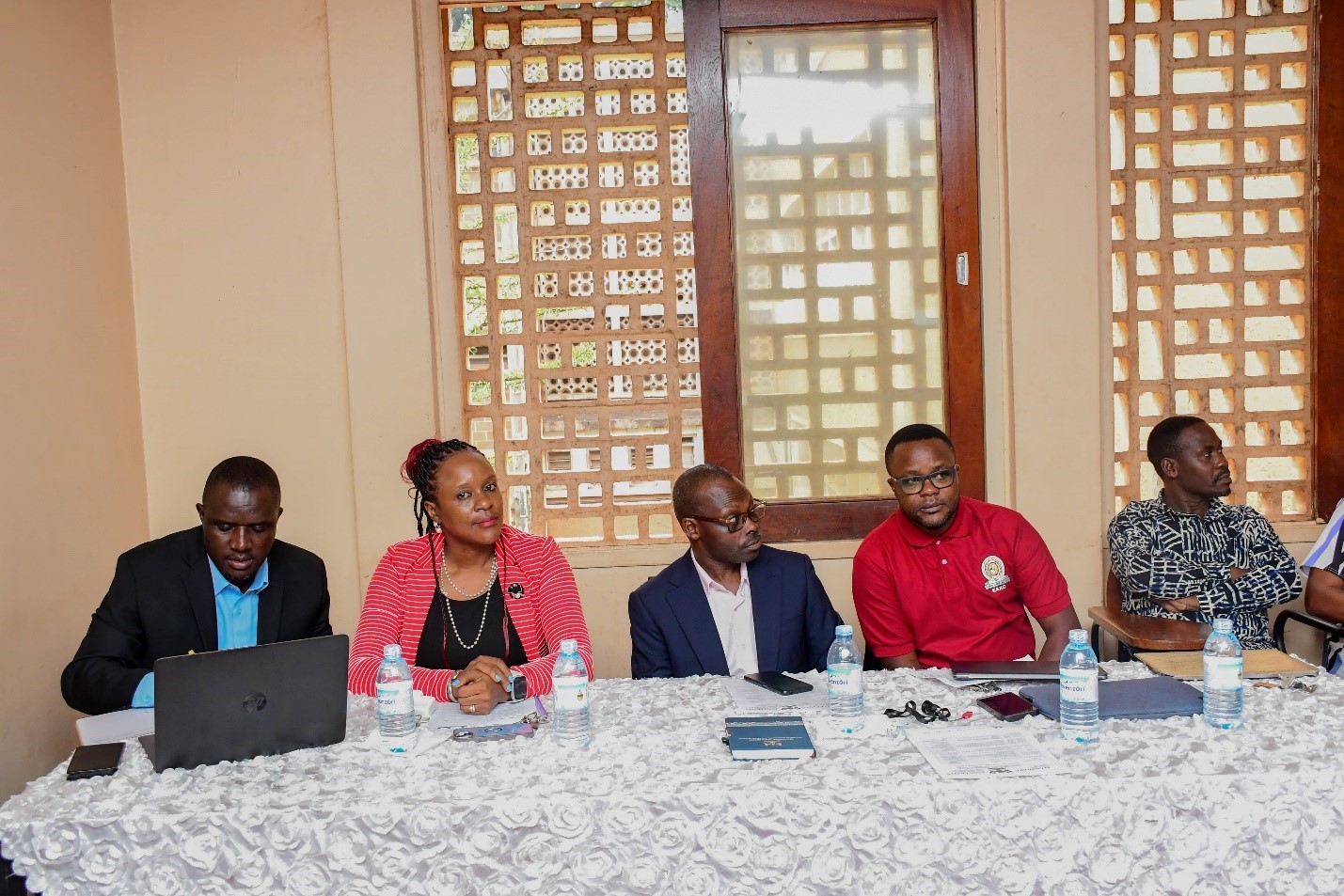
This initiative brought together Kiswahili primary teachers from across the country, affiliated with the umbrella association, CHAWAKISHUMU, with the objective of fostering high-quality Kiswahili teaching in primary schools across Uganda through professional collaboration, resource sharing, and cultural integration.
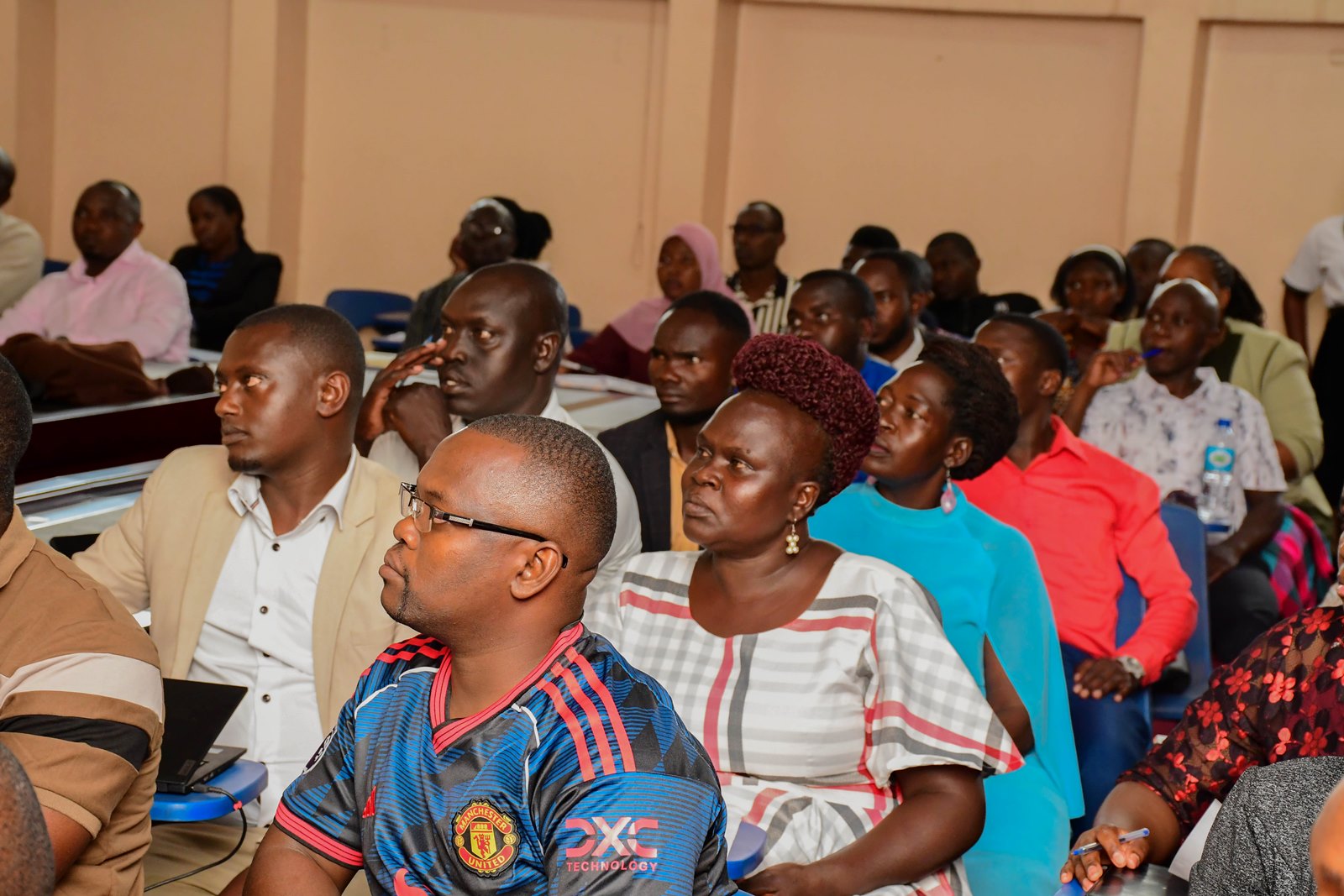
During the capacity-building workshop, participants listened to the following presentations delivered by experts in the discipline: Kiswahili Curriculum Content by Dr. Boaz Mutungi and Kiswahili Curriculum Delivery by Mr. Micah Bamugyeya. At the end of each presentation, participants engaged in plenary discussions managed by Mr. Joseph Tusingwiire and Dr. Caesar Jjingo, respectively.
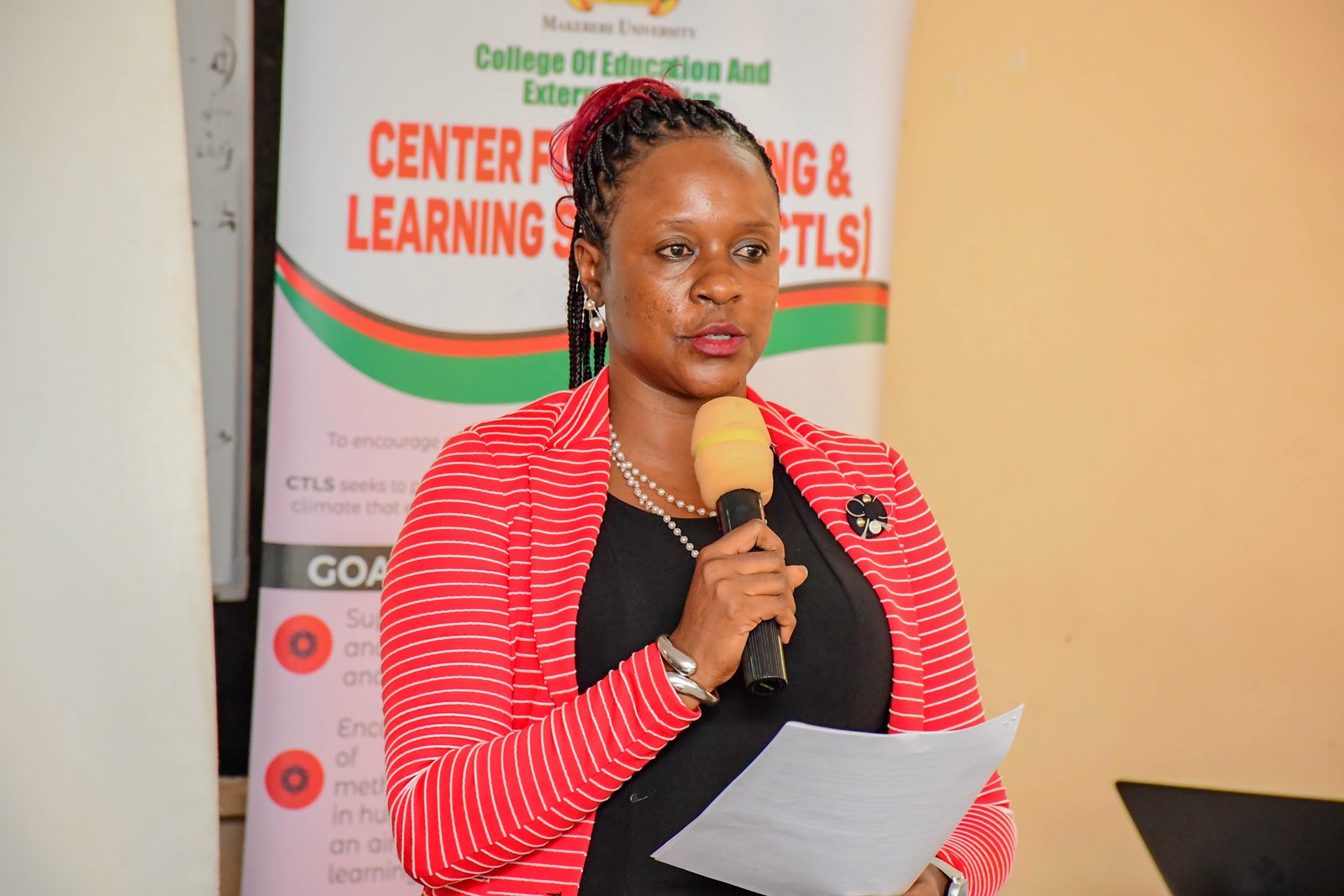
Delivering the opening remarks on behalf of Prof. Anthony Muwagga Mugagga, the Principal of the College of Education and External Studies, Dr. Dorothy Ssebowa Kyagaba welcomed the participants to the capacity-building workshop, aimed at redefining the teaching and speaking of Swahili in primary schools and Uganda at large.
“The purpose of this workshop is to learn, reflect, and share insights on Kiswahili curriculum delivery and assessment at primary, secondary, and university levels,” Dr. Kyagaba said.
Dr. Kyagaba stated that a memorandum of understanding was signed between the College of Education and External Studies and CHAWAKISHUMU to collaborate on building the capacity and professional development of Kiswahili teachers, research, and innovation of Kiswahili pedagogy.
Highlighting the mandate of the Centre for Teaching and Learning Support, Dr. Kyagaba articulated its commitment to undertaking innovative approaches through learner-centered and activity-based pedagogical practices.
Dr. Kyagaba reiterated the importance of Kiswahili teachers’ role in helping learners develop language skills, deliver content clearly, and assess learning effectively. She expressed confidence that the facilitators’ expertise and Kiswahili teachers’ shared experiences will improve understanding of the Kiswahili curriculum and strengthen skills in content delivery and assessment competencies.
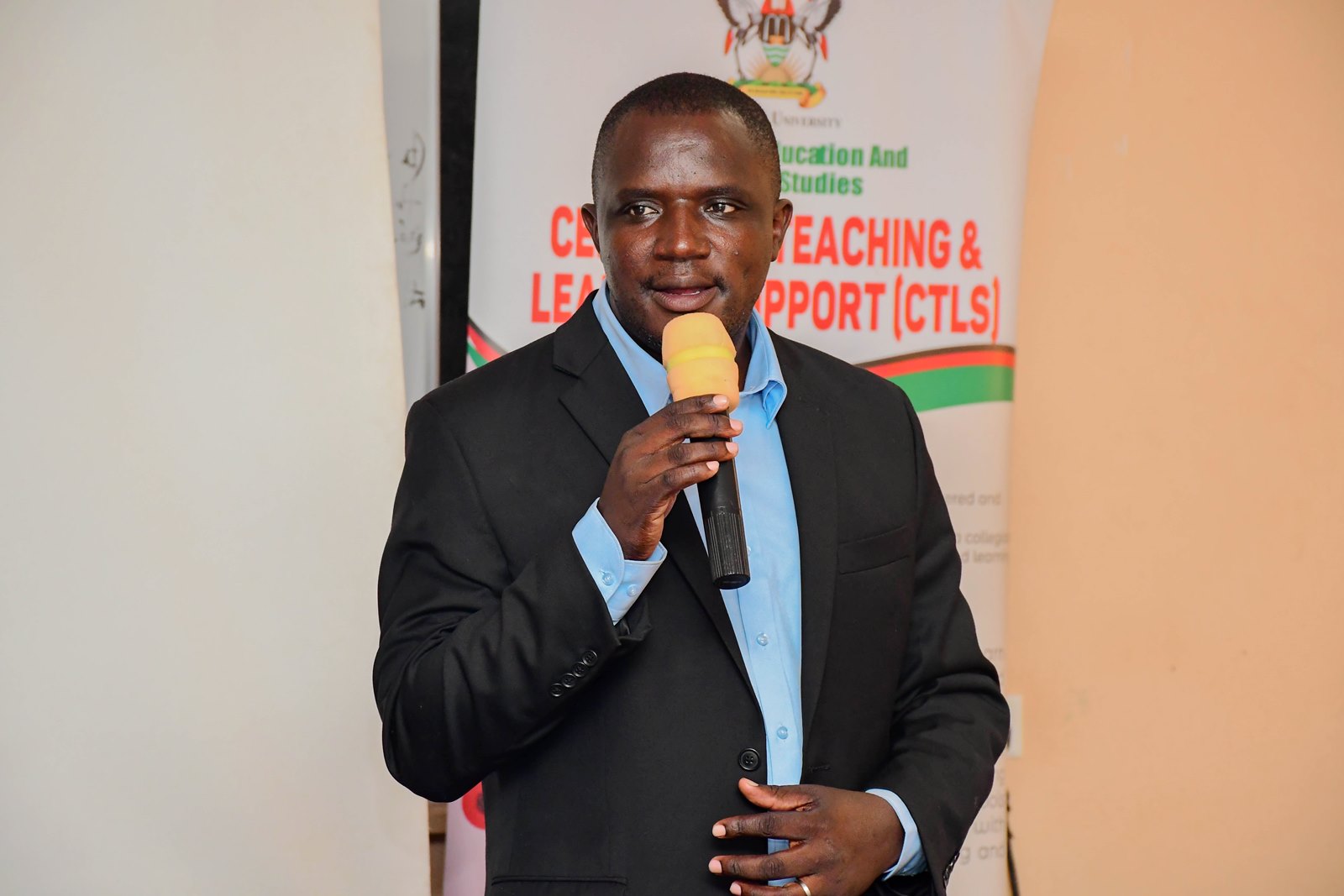
The National President of Chama Cha Walimu Wa Kiswahili Shule Za Msingi Nchini Uganda (CHAWAKISHUMU), Mr. Joseph Tusingwiire, explained that the association is an inclusive organisation, uniting primary, secondary, and university educators.
According to Mr. Tusingwiire, CHAWAKISHUMU exists to promote high-quality Swahili teaching in primary schools in Uganda through professional collaboration, resource sharing, and cultural integration.
In pursuit of this vision, the association, since its inception in 2012, has undertaken several activities, including the successful organisation of national Swahili music, dance, and drama concerts, showcasing students’ skills in the language through debates and poems
Mr. Tusingwiire called upon Swahili teachers to seize opportunities including participating in workshops, training abroad, and the provision of translation services. He stressed that CHAWAKISHUMU aims to create more opportunities for its members. He called upon teachers to work together to promote Swahili and equally tap into its benefits.
Mr. Tusingwiire acknowledged the government’s rollout of Swahili in secondary schools as a positive development. However, he noted that its impact is limited because the subject is not compulsory up to Senior Four. He therefore urged the government to extend the rollout to primary schools, emphasizing that this would provide learners with a strong foundation in Kiswahili before they progress to secondary education.
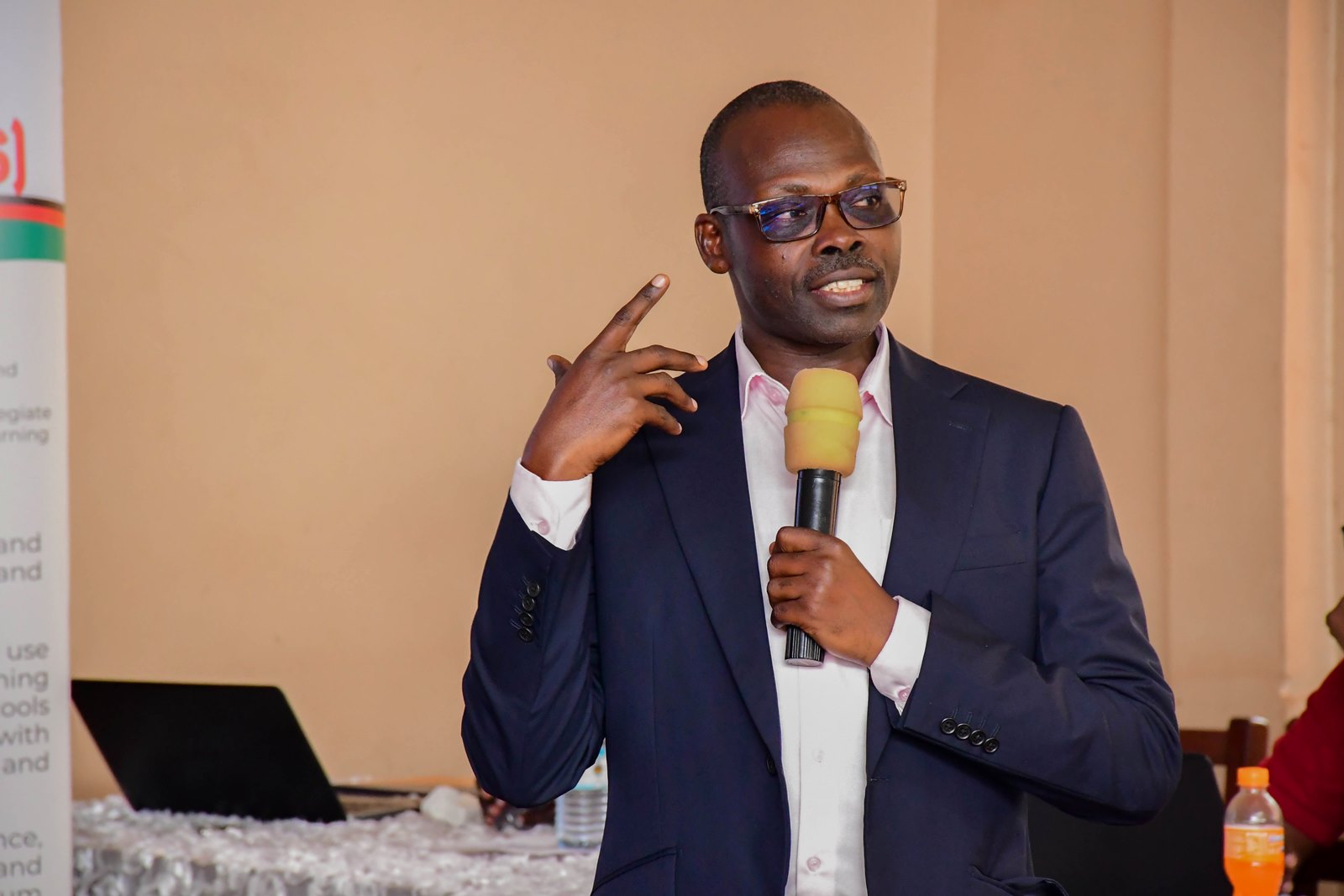
In his presentation on Kiswahili Curriculum Content, Dr. Boaz Mutungi revealed that the focus is on equipping learners with practical language skills rather than just grades. “Ours is not about grades but about a learner exhibiting four critical skills in language learning. These include writing, reading, speaking, and listening,” he said.
The curriculum content revolves around the four key areas namely, reading, writing, listening and speaking, with writing being the highest order. Dr. Mutungi stressed the importance of proper pronunciation, urging students to mind about the pronunciation as they deliver their skills.
The methodologies employed in the curriculum are centred on strengthening these fundamental language fields. He noted that, focusing on these core areas, learners will develop a strong foundation in Swahili, enabling them to communicate effectively. He revealed that the National Curriculum Development Centre (NCDC) is emphasizing this approach to language learning, prioritising practical application over mere academic achievement.
In his presentation, Mr. Micah Bamugyeya highlighted concerns over the delivery of the Kiswahili curriculum, citing that most schools are not prioritising the subject because it is not examinable.
He suggested that this structural issue can be addressed by re-evaluating the subject’s importance in the school curriculum. Mr. Bamugyeya stressed that the lack of emphasis on Kiswahili affects the quality of teaching and learning, urging stakeholders to take action to rectify the situation and ensure the subject receives the necessary support.
Participants called upon school leaders to engage the Uganda National Examinations Board (UNEB) to include Swahili on the list of examinable subjects. “Students have been studying Swahili, and UNEB doesn’t examine them. This is a gap that UNEB should address,” Dr. Nelson Nsereko noted.
The workshop achieved a significant milestone in enhancing Kiswahili teaching in Uganda, with participants aligning on promoting practical language skills and addressing challenges like the low priority given to the subject in some schools. It also enhanced plans for capacity-building workshops, certification programs, and curriculum review.
-

 Law1 week ago
Pre-Entry Examination for Admission to the Bachelor of Laws for 2026/2027 AY
-
 Research2 weeks ago
Makerere Strengthens Research Ethics as Leaders Call for Reforms in Governance, Integrity, and Student Support
-
 General2 weeks ago
Makerere Hosts Transformative Careers Fair, Bridging Students to the Future of Work
-

 General2 weeks ago
Career Expo 2026 Concludes as Students Gain Industry Insights, Career Guidance, and Networking Opportunities
-

 General2 weeks ago
A Night of Memory, Medicine, and Makerere Pride