Connect with us

Business & Management

VC Opens Training for MoKCC Officials on Safeguards in Procurement

Published

on

The Vice Chancellor of Makerere University, Prof. Barnabas Nawangwe, has officially opened a one-week training for Ministry of Kampala Capital City and Metropolitan Affairs (MoKCC&MA) officials on Integrating and Managing Environmental, Social, Health and Safety (ESHS) Safeguards in Procurement.

The training, conducted by the Public Investment Management (PIM) Centre of Excellence, is funded by the World Bank and brings together officials from KCCA, metropolitan and municipal authorities under the Greater Kampala Metropolitan Area (GKMA) programme, alongside officials from central government ministries and agencies.

Opening the training, Prof. Nawangwe emphasized that safeguarding is a critical pillar of sustainable development and accountable public service delivery.

“If we get things wrong in Kampala, we affect the entire country. Everything done in this city must be well planned, socially responsible, and environmentally sound,” Prof. Nawangwe said.

Drawing from his professional background as an architect, the Vice Chancellor underscored the importance of environmental, social, and safety safeguards, noting that failure to address these issues at planning and procurement stages can lead to loss of life, stalled projects, and massive financial waste. He cited international examples where projects were halted or countries faced global pressure due to neglect of environmental and social considerations.

Prof. Barnabas Nawangwe. One-week training for Ministry of Kampala Capital City and Metropolitan Affairs (MoKCC&MA) officials on Integrating and Managing Environmental, Social, Health and Safety (ESHS) Safeguards in Procurement conducted by the Public Investment Management (PIM) Centre of Excellence officially opened by the Vice Chancellor Prof. Barnabas Nawangwe,10th February 2026, College of Business and Management Sciences, Makerere University, Kampala Uganda, East Africa.

Prof. Nawangwe commended the World Bank for its continued partnership with Makerere University, particularly in supporting the establishment and growth of the PIM Centre of Excellence, which he described as one of the University’s flagship initiatives with visible national impact.

“I see the work of the PIM Centre in government processes, in reports, and even in Development Committee meetings. That is real impact,” he noted, adding that strengthening in-country capacity through Makerere reduces reliance on costly external consultants.

He reaffirmed Makerere University’s commitment to supporting government through research, training, and policy-relevant knowledge, stressing that continuous professional development is essential in a rapidly changing world.

The Under Secretary, Ministry of Kampala Capital City and Metropolitan Affairs, Ms. Monica Edemachu Ejua, welcomed the training, describing it as timely and necessary given the challenges faced during project implementation, particularly in road construction.

Ms. Ejua, revealed that the training was informed by real and painful experiences, including fatal accidents on construction sites, some of which could have been avoided with stronger environmental and social safeguards.

“Environmental, social, and health and safety issues must never be downplayed. These considerations must begin at procurement planning, not at implementation,” she said.

She highlighted that procurement officers, engineers, planners, accountants, and administrators must all understand safeguards, noting that infrastructure development is inherently multidisciplinary.

“Development must be a blessing to communities—not a burden,” she added.

Ms. Ejua praised Makerere University for hosting the training and the World Bank for supporting government efforts to build institutional capacity, adding that learning does not end at graduation.

World Bank: Strong Country Systems Are Key to Development Impact

Presenting on behalf of the World Bank, Ms. Christine Kasedde, a Senior Environmental Specialist, explained that the training is part of a broader effort to strengthen country systems for managing environmental and social risks in development projects.

She noted that while the World Bank has committed over USD 4 billion to projects in Uganda, weak safeguards and capacity constraints have affected implementation and disbursement.

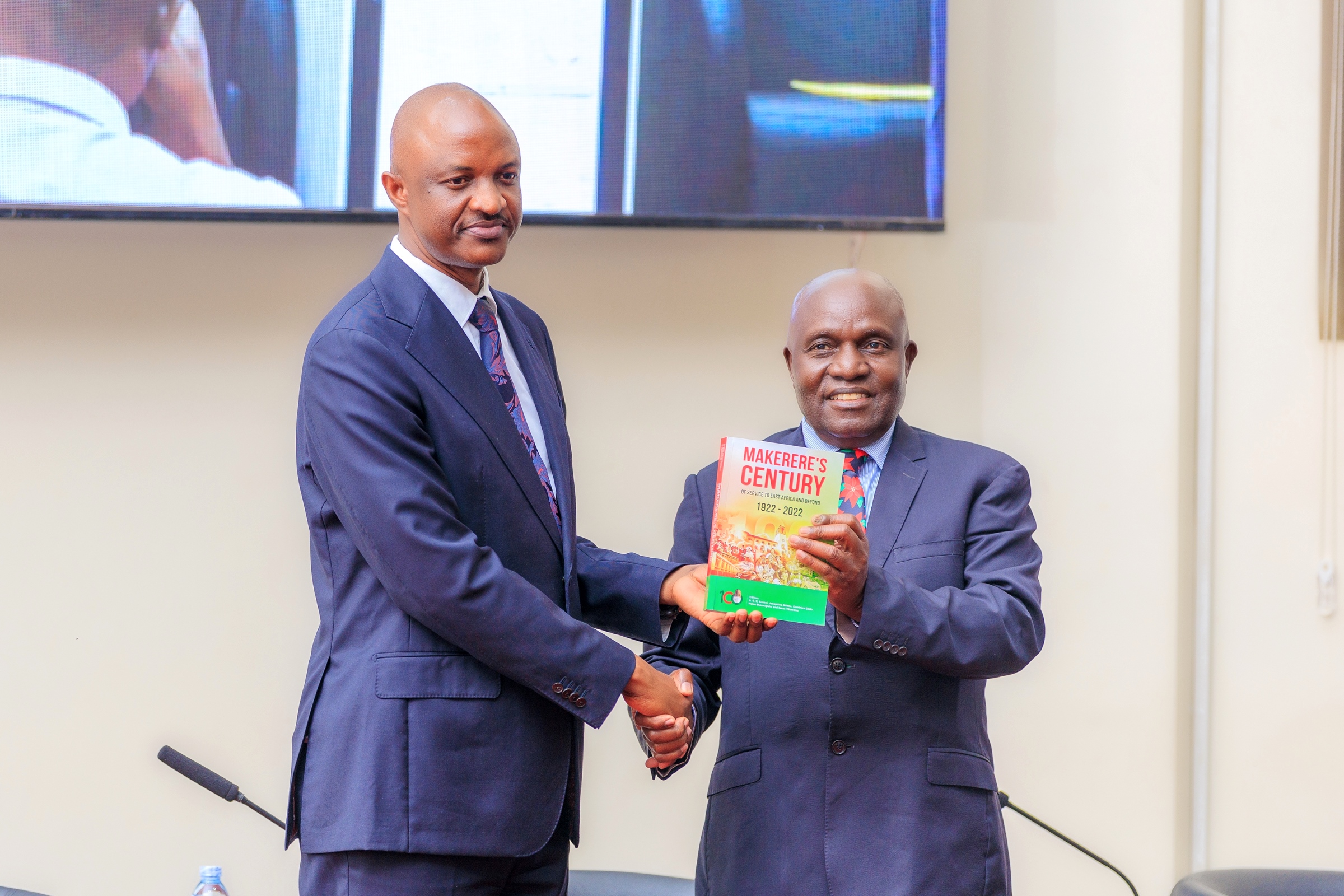
Prof. Barnabas Nawangwe (Left) and World Bank's Ms. Christine Kasedde (Right). One-week training for Ministry of Kampala Capital City and Metropolitan Affairs (MoKCC&MA) officials on Integrating and Managing Environmental, Social, Health and Safety (ESHS) Safeguards in Procurement conducted by the Public Investment Management (PIM) Centre of Excellence officially opened by the Vice Chancellor Prof. Barnabas Nawangwe,10th February 2026, College of Business and Management Sciences, Makerere University, Kampala Uganda, East Africa.

“Environmental and social safeguards are legally binding commitments. When they are not addressed properly, issues escalate to the highest levels of government,” Ms. Kasedde explained.

She outlined how the collaboration with Makerere University has led to the development of several short professional courses across CoBAMS, the College of Agricultural and Environmental Sciences (CAES), and the College of Humanities and Social Sciences (CHUSS). These courses address gaps in social risk management, environmental sustainability, health and safety, climate risk, and procurement.

Ms. Kasedde also revealed that the partnership has culminated in the establishment of an Environmental and Social Sustainability Centre at Makerere University, which will serve as a hub for training, research, advisory services, and independent assessments.

Procurement as a Tool for Sustainable Development

Representing the Public Procurement and Disposal of Public Assets Authority (PPDA), Ms. Mercy Kyoshabire, Director for Procurement and Disposal Capacity Building, emphasized that public procurement accounts for over 60 percent of government expenditure and must therefore be leveraged as a tool for sustainable development.

She reminded participants that environmental, health, and social safeguards have been embedded in standard bidding documents since 2019, urging procurement professionals to integrate sustainability throughout the procurement cycle.

“Sustainability is about the three Ps—People, Profit, and Planet. Procurement decisions made today should not compromise future generations,” she said.

Ms. Kyoshabire reaffirmed PPDA’s commitment to collaboration and capacity building, particularly with centres of excellence such as Makerere University.

A Model of Interdisciplinary Collaboration

The training also drew strong support from the Principal of CAES, represented by Dr. Patrick Byakagaba and, Principal CHUSS, Prof. Helen Nkabala, who emphasized Makerere University’s shift away from siloed approaches toward interdisciplinary collaboration in addressing national development challenges.

Prof. Edward Bbaale. One-week training for Ministry of Kampala Capital City and Metropolitan Affairs (MoKCC&MA) officials on Integrating and Managing Environmental, Social, Health and Safety (ESHS) Safeguards in Procurement conducted by the Public Investment Management (PIM) Centre of Excellence officially opened by the Vice Chancellor Prof. Barnabas Nawangwe,10th February 2026, College of Business and Management Sciences, Makerere University, Kampala Uganda, East Africa.

Prof. Edward Bbaale, Principal Investigator of the PIM Centre of Excellence, noted that the training responds to critical gaps identified at the pre-investment and procurement stages of public projects, particularly as Uganda pursues an ambitious growth agenda amid climate and social risks. Dr. John Sseruyange, the manager of PIM Centre of Excellence said, the week-long training is expected to strengthen the capacity of KCCA and GKMA implementing entities to integrate and manage environmental, social, health, and safety safeguards across the procurement and project implementation cycle, ultimately improving service delivery and protecting communities.


Betty Kyakuwa
Betty Kyakuwa

Business & Management

Thirty Public Officers Certified in Integrated Regulatory Cost-Benefit Analysis

Published

on

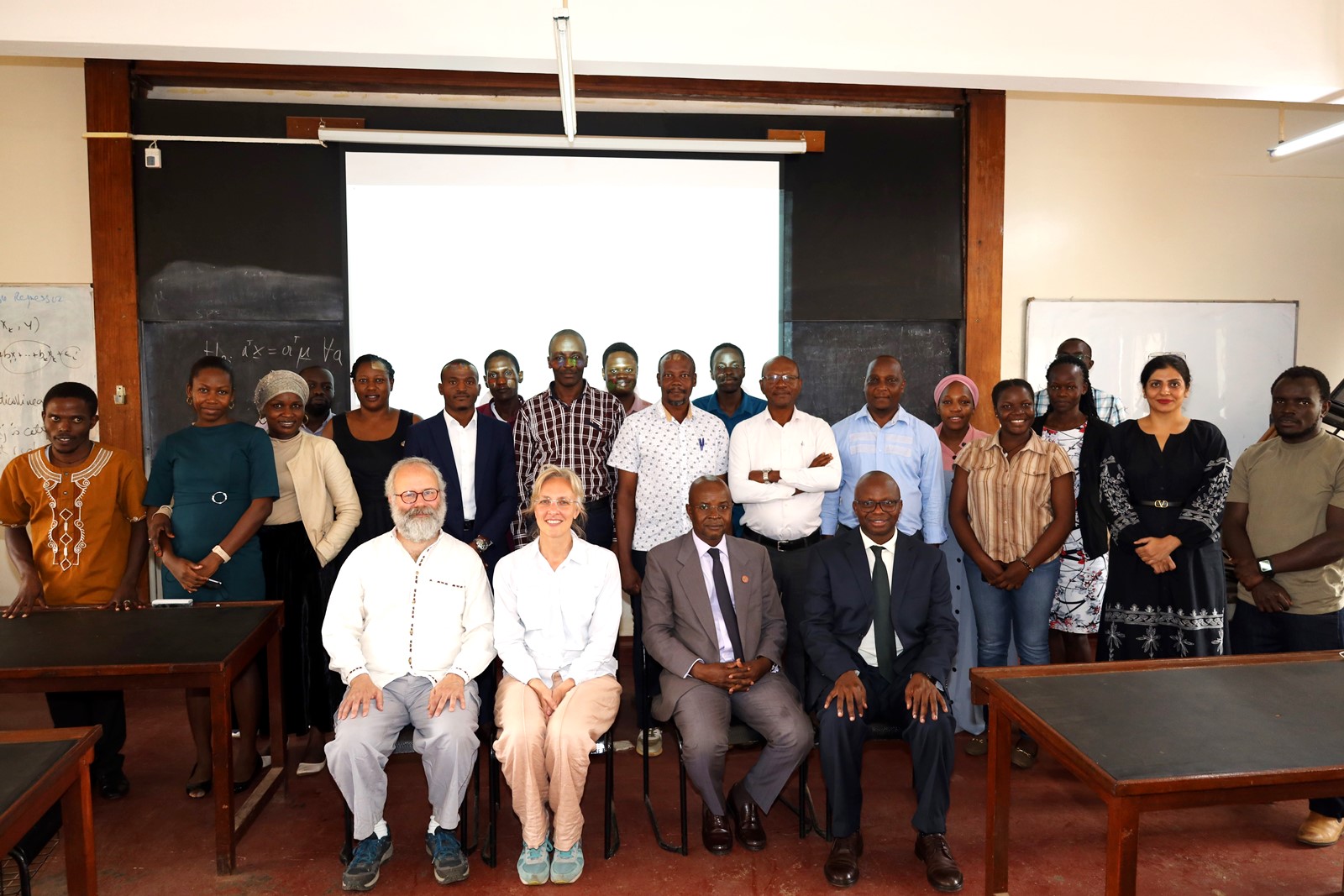
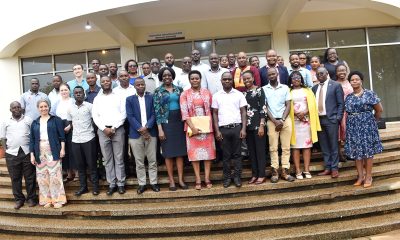
Commissioner Paul Patrick Mwanja, Prof. Edward Bbaale, Officials and Participants in a group photo after the training. Ministry of Finance, Planning and Economic Development (MoFPED), in partnership with the Public Investment Management Centre of Excellence (PIM CoE), Makerere University, Kampala in collaboration with the Infrastructure and Social Services Department (ISSD) and the National Planning Authority (NPA), successful completion of two-week intensive training in the Certificate of Financial Implications (CFI) – Integrated Regulatory Cost-Benefit Analysis (IRCBA). 27th February 2026, Pearl on the Nile Hotel, Jinja, Uganda, East Africa.

Thirty public officers from various Ministries, Departments and Agencies (MDAs) have successfully completed a two-week intensive training in Integrated Regulatory Cost-Benefit Analysis (IRCBA), culminating in the award of certificates at a closing ceremony held on 27th February 2026 at the Pearl on the Nile Hotel in Jinja.

The training was jointly organized by the Public Investment Management Centre of Excellence at Makerere University and the Ministry of Finance, Planning and Economic Development (MoFPED), in collaboration with the Infrastructure and Social Services Department (ISSD) and the National Planning Authority (NPA). It focused on operationalizing the Revised Guidelines for the Issuance of Certificates of Financial Implication (CFIs), which came into effect on 1st July 2025.

A Strategic Reform for Fiscal Credibility

In closing remarks delivered on by Commissioner Paul Patrick Mwanja behalf of the Permanent Secretary/Secretary to the Treasury, participants were commended for undertaking the training during a demanding budget cycle, when many MDAs are simultaneously preparing the FY 2026/27 Budget, executing the FY 2025/26 Budget, and implementing the National Development Plan IV and the Tenfold Growth Strategy.

Commissioner Mwanja presents a certificate to one of the participants Kayemba Jonah Fred. Ministry of Finance, Planning and Economic Development (MoFPED), in partnership with the Public Investment Management Centre of Excellence (PIM CoE), Makerere University, Kampala in collaboration with the Infrastructure and Social Services Department (ISSD) and the National Planning Authority (NPA), successful completion of two-week intensive training in the Certificate of Financial Implications (CFI) – Integrated Regulatory Cost-Benefit Analysis (IRCBA). 27th February 2026, Pearl on the Nile Hotel, Jinja, Uganda, East Africa.
Commissioner Mwanja presents a certificate to one of the participants Kayemba Jonah Fred.

The PS/ST emphasized that the revised Guidelines mark a significant shift toward a more transparent, data-driven, consultative, and analytically rigorous approach to evaluating policy and legislative proposals. Participants were equipped to assess fiscal implications, evaluate economic and socio-economic impacts, analyze distributional effects, and address uncertainty using structured analytical tools.

They were reminded that training alone is not sufficient, the real test lies in consistent application. As members of the third cohort, they were challenged to serve as reform ambassadors, championing evidence-based policymaking and strengthening analytical standards across government.

Bridging Academia and Public Service

Delivering the official closing remarks, the Director of the PIM Centre of Excellence, Prof. Edward Bbaale, commended participants for their active engagement and unwavering commitment throughout the training.

He described the programme as both timely and strategic, designed to equip officers with practical tools to prepare robust Statements of Financial Implication (SFIs) that support credible issuance of CFIs. He noted that strong financial analysis enhances fiscal discipline, policy coherence, and the overall quality of legislation and public policy in Uganda.

Prof. Bbaale underscored the longstanding partnership between Makerere University and the Ministry of Finance, highlighting how it continues to bridge academia and public service by combining analytical rigor with practical policy experience. He emphasized that the collaborative model — bringing together faculty from the College of Business and Management Sciences and practitioners from Government, reflects the core vision of the PIM Centre of Excellence: strengthening national systems through evidence-based policymaking.

Commissioner Mwanja presents a certificate to one of the participants Nanyonga Elizabeth Kutesa. In the background is Prof. Edward Bbaale. Ministry of Finance, Planning and Economic Development (MoFPED), in partnership with the Public Investment Management Centre of Excellence (PIM CoE), Makerere University, Kampala in collaboration with the Infrastructure and Social Services Department (ISSD) and the National Planning Authority (NPA), successful completion of two-week intensive training in the Certificate of Financial Implications (CFI) – Integrated Regulatory Cost-Benefit Analysis (IRCBA). 27th February 2026, Pearl on the Nile Hotel, Jinja, Uganda, East Africa.
Commissioner Mwanja presents a certificate to one of the participants Nanyonga Elizabeth Kutesa. In the background is Prof. Edward Bbaale.

During the two weeks, participants gained hands-on experience in applying cost-benefit analysis across four critical dimensions: budgetary analysis, socio-economic analysis, distributive impacts, and risk assessment. Prof. Bbaale encouraged them to return to their institutions as agents of transformation, improving evaluation frameworks, strengthening regulatory decisions, and ensuring that public interventions deliver value for money and long-term development impact.

He also reaffirmed the Centre’s broader mandate beyond training, noting its recent support to the revision of Development Committee Guidelines, assessment of public investment performance since NDP I, and hosting of the Second Public Investment Management Conference in August 2025.”

Building from “Zero Kilometre”

Earlier, the Manager of the PIM Centre of Excellence highlighted the practical approach adopted during the training. Participants began with blank Excel sheets and built analytical models from scratch, likened to the engineering concept of starting at “zero kilometre,” where construction begins from the very starting point and progresses step by step.

The interactive sessions enabled participants from diverse disciplines, including policy analysts, planners and statisticians, to interrogate assumptions, refine costing approaches, and debate implementation and enforcement frameworks. Their sector-specific insights enriched the learning process and strengthened the analytical models developed.

The Manager noted that excellence is not about knowing everything, but about bringing together the right expertise. Facilitators from MoFPED, NPA, the Office of the President, and Makerere University ensured that theory remained grounded in practical government realities.

Participants Applaud Practical and Engaging Sessions

Speaking on behalf of the cohort, a participant described the training as highly engaging and transformative. The combination of theory and practical application, coupled with patient facilitation, allowed officers from varied professional backgrounds to learn from one another.

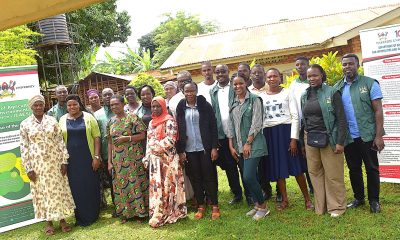
Ministry of Finance, Planning and Economic Development (MoFPED), in partnership with the Public Investment Management Centre of Excellence (PIM CoE), Makerere University, Kampala in collaboration with the Infrastructure and Social Services Department (ISSD) and the National Planning Authority (NPA), successful completion of two-week intensive training in the Certificate of Financial Implications (CFI) – Integrated Regulatory Cost-Benefit Analysis (IRCBA). 27th February 2026, Pearl on the Nile Hotel, Jinja, Uganda, East Africa.
Some of the Participants that took part in the training.

The participant highlighted the final day’s discussions as the most impactful, expressing confidence that the knowledge gained would enhance policy analysis and improve the quality of programmes and projects across MDAs.

Certificates Awarded

The ceremony concluded with the award of certificates to all 30 participants in recognition of their successful completion of the IRCBA training. The certification marks another milestone in Government’s effort to build a critical mass of experts capable of institutionalizing rigorous financial and economic analysis in public policy processes.

As the workshop was formally declared closed, participants were encouraged to apply their newly acquired skills consistently, mentor colleagues, and contribute to strengthening fiscal governance across Government.

The PIM Centre of Excellence reaffirmed its commitment to continuous research, policy advisory support, and capacity building as Uganda advances toward more credible, transparent, and sustainable public decision-making.

Betty Kyakuwa
Betty Kyakuwa

Continue Reading

Business & Management

Botswana Delegation Visits Makerere’s Public Investment Management Centre to Study Sustainable Training Model

Published

on

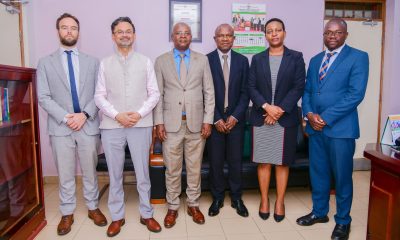
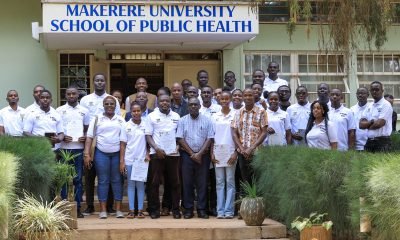
Prof. Eria Hisali (R) with members of the delegation and officials. Delegation from Botswana’s public investments sector visits Makerere University’s Public Investment Management Centre of Excellence to benchmark its sustainable training model and draw lessons from Uganda’s well-established Public Investment Management (PIM) framework 25th February 2026, Yusuf Lule Central Teaching Facility, Kampala Uganda, East Africa.

Kampala, Uganda – 25 February 2026

A delegation from Botswana’s public investments sector on 25th February 2026 visited Makerere University’s Public Investment Management Centre of Excellence to benchmark its sustainable training model and draw lessons from Uganda’s well-established Public Investment Management (PIM) framework.

The team, composed of specialists in public investments, is exploring ways to strengthen capacity within Botswana’s public sector institutions. The delegation underscored the importance of structured and sustainable capacity-building programmes, noting that effective public investment management is central to driving national development and ensuring value for money in public projects.

During the engagement, the Botswana team sought to understand the Centre’s operational model, including how it designs and delivers training programmes that remain impactful over time. Particular interest was placed on the Centre’s approach to sustainable training delivery, the documentation of challenges and successes, and mechanisms used to ensure that public officers acquire long-term, practical skills that translate into improved project planning, appraisal, and implementation.

The visiting delegation commended Uganda’s commitment to institutionalizing PIM training and emphasized that cross-country learning is vital for strengthening public financial management systems across Africa. They observed that Uganda’s experience offers practical insights into building a resilient and responsive PIM framework anchored in continuous professional development.

As part of their recommendations, the delegation proposed the introduction of a hybrid training model to enhance accessibility for international participants. Under this approach, the theoretical components of PIM courses would be delivered online, allowing participants to engage remotely from Botswana and other countries. This would then be followed by in-person sessions in Uganda focused on hands-on, experiential learning at the Centre.

According to the delegation, such a model would significantly reduce travel costs and time while preserving the value of face-to-face practical training. The hybrid approach would also provide flexibility for busy public officers, enabling them to balance professional responsibilities with structured learning.

The visit further strengthened regional collaboration and reaffirmed the role of Uganda’s Public Investment Management Centre of Excellence as a hub for capacity development in public investment management across the continent.

Betty Kyakuwa
Betty Kyakuwa

Continue Reading

Business & Management

Celebrating Academic Excellence: CoBAMS Presents 975 Graduands at Mak 76th Graduation Ceremony

Published

on

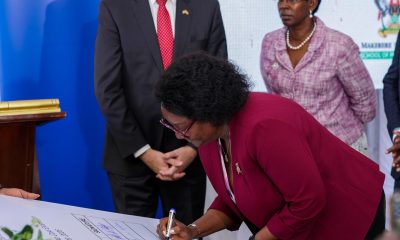
CoBAMS PhD graduands at the 76th graduation Ceremony on 26th February 2026. 76th Graduation Ceremony, Day 3, College of Business and Management Sciences (CoBAMS). Commencement Speaker-Dr. Patricia Adongo Ojangole, Managing Director, Uganda Development Bank Limited. 26th February 2026, Freedom Square, Makerere University, Kampala Uganda, East Africa.

26th February 2026– The third day of Makerere University’s 76th Graduation Ceremony, held on 26th February 2026, underscored the University’s central role in shaping economic thought, business leadership, and public policy in Uganda and beyond. On this day, the College of Business and Management Sciences (CoBAMS) together with Makerere University Business School (MUBS) presented their graduands for the conferment of degrees and award of diplomas.

CoBAMS Graduation Statistics

The Principal of CoBAMS, Prof. Edward Bbaale reading the names of PhD Graduands at the 76th Graduation Ceremony. 76th Graduation Ceremony, Day 3, College of Business and Management Sciences (CoBAMS). Commencement Speaker-Dr. Patricia Adongo Ojangole, Managing Director, Uganda Development Bank Limited. 26th February 2026, Freedom Square, Makerere University, Kampala Uganda, East Africa.
The Principal of CoBAMS, Prof. Edward Bbaale reading the names of PhD Graduands at the 76th Graduation Ceremony.

Across the University, a total of 9,295 graduands will be presented during the 76th graduation ceremony (24th to 27th February 2026). The College of Business and Management Sciences presented 975 graduands, comprising 14 Doctor of Philosophy (PhD) degrees, 334 Master’s degrees, 2 Postgraduate Diplomas, and 625 Bachelor’s degrees. This robust academic profile reflects the College’s sustained investment in advanced research, graduate training, and industry-relevant programmes designed to equip graduates with analytical competence, ethical grounding, and leadership capacity required to contribute meaningfully to economic transformation, institutional development, and enterprise growth at national, regional, and global levels.

Prof. Nawangwe emphasized that CoBAMS remains a key pillar in advancing the University’s research agenda. Through strategic partnerships with government ministries, the business community, and the private sector, the College has produced over 60 high-quality research outputs under the CoBAMS Working Paper Series, many of which have been published in internationally recognized peer-reviewed journals. These outputs he said are aligned with the UN Sustainable Development Goals (SDGs), Uganda’s 10-fold National Economic Growth Strategy, and the University’s Strategic Plan, reinforcing CoBAMS’ role in driving evidence-based development.

The Vice Chancellor commended the College for its five dynamic research centres—Entrepreneurship and Innovation; Statistics and Demography; Public Investment Management; the Environment for Development Initiative; and the Centre of Excellence for Africa Climate-Sensitive Macroeconomic Modelling—which collectively form the backbone of the College’s research enterprise. Through these centres, he noted CoBAMS continues to advance high-level scholarship, foster interdisciplinary collaboration, and deepen policy engagement, firmly positioning itself at the forefront of national and regional economic discourse.

In his message to the graduands, Prof. Nawangwe tasked them to become job creators, who are ready to turn challenges into opportunities. He encouraged them to remain proud ambassadors of Makerere University, upholding integrity and excellence, and to utilize their knowledge to transform communities and nations.

“You are all graduating with disciplines that are needed by society. We have equipped you with the knowledge and skills that will make you employable or create your own businesses and employ others. Do not despair. If you cannot find employment, reflect on the immense opportunities around you and raise to the occasion as an entrepreneur,” Prof. Nawangwe stated.

The Guest of Honour, Hon. Janet Kataaha Museveni, First Lady and Minister of Education & Sports, praised Makerere University for its transformative impact on lives and Uganda’s future. 76th Graduation Ceremony, Day 3, College of Business and Management Sciences (CoBAMS). Commencement Speaker-Dr. Patricia Adongo Ojangole, Managing Director, Uganda Development Bank Limited. 26th February 2026, Freedom Square, Makerere University, Kampala Uganda, East Africa.
The Guest of Honour, Hon. Janet Kataaha Museveni, First Lady and Minister of Education & Sports, praised Makerere University for its transformative impact on lives and Uganda’s future.

Addressing the congregation, the Guest of Honour, Hon. Janet Kataaha Museveni, First Lady and Minister of Education and Sports commended Makerere University for its pivotal role in transforming lives and shaping Uganda’s future. She congratulated the graduands upon reaching a significant academic milestone and reflected on the broader purpose of higher education in developing both knowledge and character.

She highlighted the success of the Emerging Leaders Programme, launched at Makerere University as a deliberate initiative to cultivate a generation of leaders grounded in values, integrity, and service. Founded on the conviction that higher education must shape both mind and character, the programme equips young people to navigate real-world challenges. She noted that 20 graduates from the inaugural cohort of the Emerging Leaders Programme were being celebrated at the 76th graduation.

“We recognised that our young people face real challenges such as moral decay, violence, addiction, exploitation and sometimes a loss of purpose and direction. The Emerging Leaders Programme was a deliberate commitment to raise a generation of leaders grounded in values, integrity and service to others. Today, 20 graduates represent the early visible fruit of that vision. They have deliberately chosen to build their lives on a foundation of strong moral values and servant leadership,” the Minister said.

The Minister urged graduands to view their achievements not as an end, but as a commissioning. She called upon them to lead with courage, humility, and responsibility, emphasizing that the world needs graduates who embody not just skills and knowledge, but character, integrity, and service. She reminded graduates that as they step into society, they carry the promise of a new Uganda, one where talent, ambition, and knowledge are matched by integrity, purpose, and service,” she exhorted, celebrating the role of higher education in nurturing both excellence and character.

76th Graduation Ceremony, Day 3, College of Business and Management Sciences (CoBAMS). Commencement Speaker-Dr. Patricia Adongo Ojangole, Managing Director, Uganda Development Bank Limited. 26th February 2026, Freedom Square, Makerere University, Kampala Uganda, East Africa.
The commencement speaker, Dr. Patricia Ojangole, Managing Director of Uganda Development Bank addressing the 76th Makerere University congregation.

Delivering the commencement address, Dr. Patricia Ojangole, Managing Director of Uganda Development Bank and a proud Makerere University alumnus, lauded the University for equipping graduates with a strong intellectual foundation and the confidence to navigate the complexities of the modern world. She recognized the sacrifices of parents, guardians, and relatives, noting that behind every graduand lies a story of perseverance, encouragement, and unwavering support.

Dr. Ojangole urged the graduands to look beyond traditional employment, highlighting the vast opportunities for entrepreneurship and innovation in today’s digitally connected and globally integrated Uganda. She reminded them that the skills, exposure, and knowledge they possess, position them to create solutions, build enterprises, and drive economic and social transformation.

She emphasized lifelong learning, adaptability, and the cultivation of emotional intelligence and leadership as essential tools for sustained success, noting that the most effective leaders inspire and empower others. Above all, she urged the graduates to guard their integrity, develop strong networks, and remain resilient in the face of setbacks, framing every challenge as an opportunity to strengthen character.

“Learning does not end with this degree. The world of work is constantly evolving—technology advances, markets shift, and customer needs change. Those who stop learning quickly fall behind. Graduates must develop skills in artificial intelligence, data literacy, analytical thinking, forecasting, and strategic planning, while also cultivating emotional intelligence and leadership. These abilities are essential in the 21st-century workplace, where people follow leaders who inspire. Lifelong learning, adaptability, curiosity, and a willingness to embrace change are no longer optional—they are the new currency of corporate and business success,” she submitted.

The Chancellor Makerere university, Hon. Dr. Crispus Kiyonga presenting his remarks at the 76th congregation. 76th Graduation Ceremony, Day 3, College of Business and Management Sciences (CoBAMS). Commencement Speaker-Dr. Patricia Adongo Ojangole, Managing Director, Uganda Development Bank Limited. 26th February 2026, Freedom Square, Makerere University, Kampala Uganda, East Africa.
The Chancellor Makerere University, Hon. Dr. Crispus Kiyonga presenting his remarks at the 76th congregation.

The Makerere University Chancellor, Dr. Crispus Kiyonga urged graduates to view their time at Makerere not only as an academic journey, but as an opportunity to engage with the world around them. He encouraged them to identify opportunities within their communities and the nation at large, highlighting that while some may secure government or private sector jobs, others will need to create their own paths through entrepreneurship.

“Beyond pursuing your courses, seize the opportunities at the university to broaden your knowledge of the world, your country, and the communities in which you live. Be attentive to the opportunities around you—those you can leverage to engage in meaningful and viable activities that bring prosperity,” the Chancellor advised.

The Chancellor Makerere university, confers the Doctor of Letters (Honoris Causa), of Makerere University upon Dr. Japheth Buleetwa Katto. 76th Graduation Ceremony, Day 3, College of Business and Management Sciences (CoBAMS). Commencement Speaker-Dr. Patricia Adongo Ojangole, Managing Director, Uganda Development Bank Limited. 26th February 2026, Freedom Square, Makerere University, Kampala Uganda, East Africa.
The Chancellor Makerere University, confers the Doctor of Letters (Honoris Causa), of Makerere University upon Dr. Japheth Buleetwa Katto.

A key highlight of the day was the conferment of the Doctor of Letters (Honoris Causa), of Makerere University upon Dr. Japheth Buleetwa Katto, recognizing him as an Honorary Scholar of Makerere University. A distinguished professional with remarkable achievements, Dr. Katto has made significant contributions to Uganda, the East African region, and beyond, particularly in advancing the accountancy discipline and strengthening the capital markets industry. His work has played a transformative role in Uganda’s social and economic development while also influencing the accountancy profession on a global scale.

Dr. Japheth Buleetwa Katto delivering his acceptance speech for the Doctor of Letters (Honoris Causa) at the 76th graduation. 76th Graduation Ceremony, Day 3, College of Business and Management Sciences (CoBAMS). Commencement Speaker-Dr. Patricia Adongo Ojangole, Managing Director, Uganda Development Bank Limited. 26th February 2026, Freedom Square, Makerere University, Kampala Uganda, East Africa.
Dr. Japheth Buleetwa Katto delivering his acceptance speech for the Doctor of Letters (Honoris Causa) at the 76th graduation.

Accepting the Honorary Doctorate Doctorate, Mr. Japheth Buleetwa Katto expressed deep gratitude to Makerere University and those who supported his journey. Reflecting on fifty years in corporate governance and finance, he emphasized a key lesson: integrity, diligence, and ethical leadership are always noticed, and the rewards of sowing excellence will inevitably follow, even if it takes decades.

“This recognition comes as a surprise and brings with it an important lesson, I wish to share with everyone here: people are always watching. They notice when you choose integrity over shortcuts, when you champion good governance even when it is unpopular. They see not only the good, but also the bad and the ugly. We must never forget the eternal law of the harvest: we reap what we sow. If you sow excellence, diligence, and ethics, the harvest—though it may take decades—will always find you,” Dr. Katto said.

Addressing the graduands, Mr. Japheth Buleetwa Katto urged them to embrace the unexpected, recognize that integrity is their greatest strength, and harness the power of networking. He reflected on his own journey, crediting teachers, mentors, colleagues, and family for their support, and encouraged the new graduates to always strive to make a positive impact in everything they do.

View on CoBAMS

Ritah Namisango
Ritah Namisango

Continue Reading

Trending