
General
Strengthening Global Partnerships to Advance Research, Innovation, and Graduate Training: Makerere University Hosts Delegation from the University of Warwick

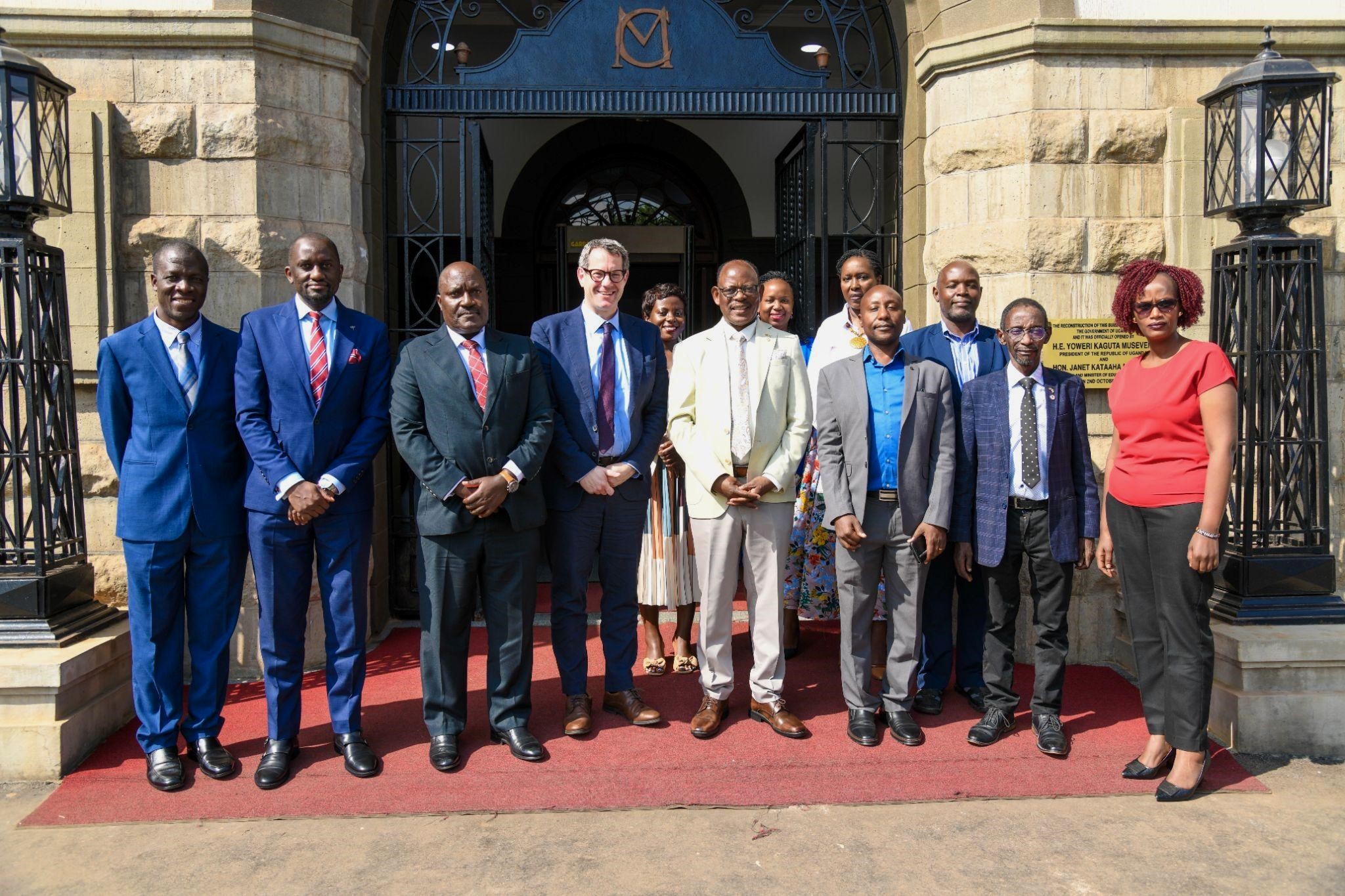
Makerere University continues to deepen its global engagement agenda through strategic partnerships that enhance research, innovation, and graduate training. On Friday, 13th February, 2025, during a recent engagement with a delegation from the University of Warwick (UK), university leaders, researchers, and administrators explored potential collaborations to address pressing development challenges and strengthen institutional capacity.
Expanding Collaboration in Research and Innovation
Welcoming the delegation, Prof. Fred Masagazi-Masaazi, Chairperson of the Makerere University Research and Innovations Fund (Mak-RIF) Grants Management Committee, emphasized the growing dialogue between Makerere University and the University of Warwick. He noted that ongoing discussions are focused on resource mobilization to support research and innovation, as well as building sustainable academic exchanges for both staff and students.
Dr. Roy Mayega, Mak-RIF Coordinator, together with Mrs. Phoebe Lutaaya Kamya, Deputy Coordinator, and members of the Mak-RIF team, highlighted the Fund’s role in catalyzing collaborative research and strengthening partnerships that translate research into societal impact.
Mr. Simon Kizito, Deputy University Secretary, outlined key areas identified for collaboration, including joint research and innovation initiatives, benchmarking visits across disciplines such as law, science, and ICT, and student exchanges designed to strengthen applied research skills. He also pointed to opportunities for training Makerere staff in specialized areas such as tropical diseases and innovation ecosystems, drawing lessons from Warwick’s strong linkages with industry partners located within its campus.
Makerere’s Strategic Priorities and Global Role
In his remarks, the Vice Chancellor underscored the longstanding relationship between Makerere University and the University of Warwick, dating back to the early 1980s, initially through staff training and more recently through collaborative research.
He highlighted Makerere’s historic contribution to leadership development across Africa and beyond, and the University’s continued growth following faculty rebuilding efforts in the 1980s, which have strengthened its research capacity. Today, Makerere has over 1,300 academic staff, more than 1,000 of whom hold PhDs, positioning the institution to play a leading role in knowledge production.
The Vice Chancellor also outlined major thematic areas where partnerships are critical:
- Climate change and food security: Researchers at the College of Agricultural and Environmental Sciences (CAES) are developing drought-resistant and high-yield seed varieties to address changing weather patterns and food insecurity.
- Public health and infectious diseases: Uganda faces frequent outbreaks of diseases such as Ebola and Marburg, and Makerere has built strong capacity in outbreak response and tropical medicine. The University’s medical school and the Infectious Diseases Institute (IDI) continue to play a pivotal role in research and treatment.
- Peace and conflict studies: Through initiatives such as the Rotary Peace Centre, Makerere contributes to training global leaders in conflict resolution.
- Climate-sensitive macroeconomic modelling: Makerere recently hosted a conference in collaboration with the Ministry of Finance, Planning and Economic Development to advocate for climate-responsive macroeconomic modelling and to plan for the establishment of a Centre of Excellence in this field.
- Innovation and technology: The University’s innovation ecosystem has produced notable outputs, including Africa’s first electric vehicle and ongoing work to expand incubation facilities to enable students to graduate with viable enterprises.
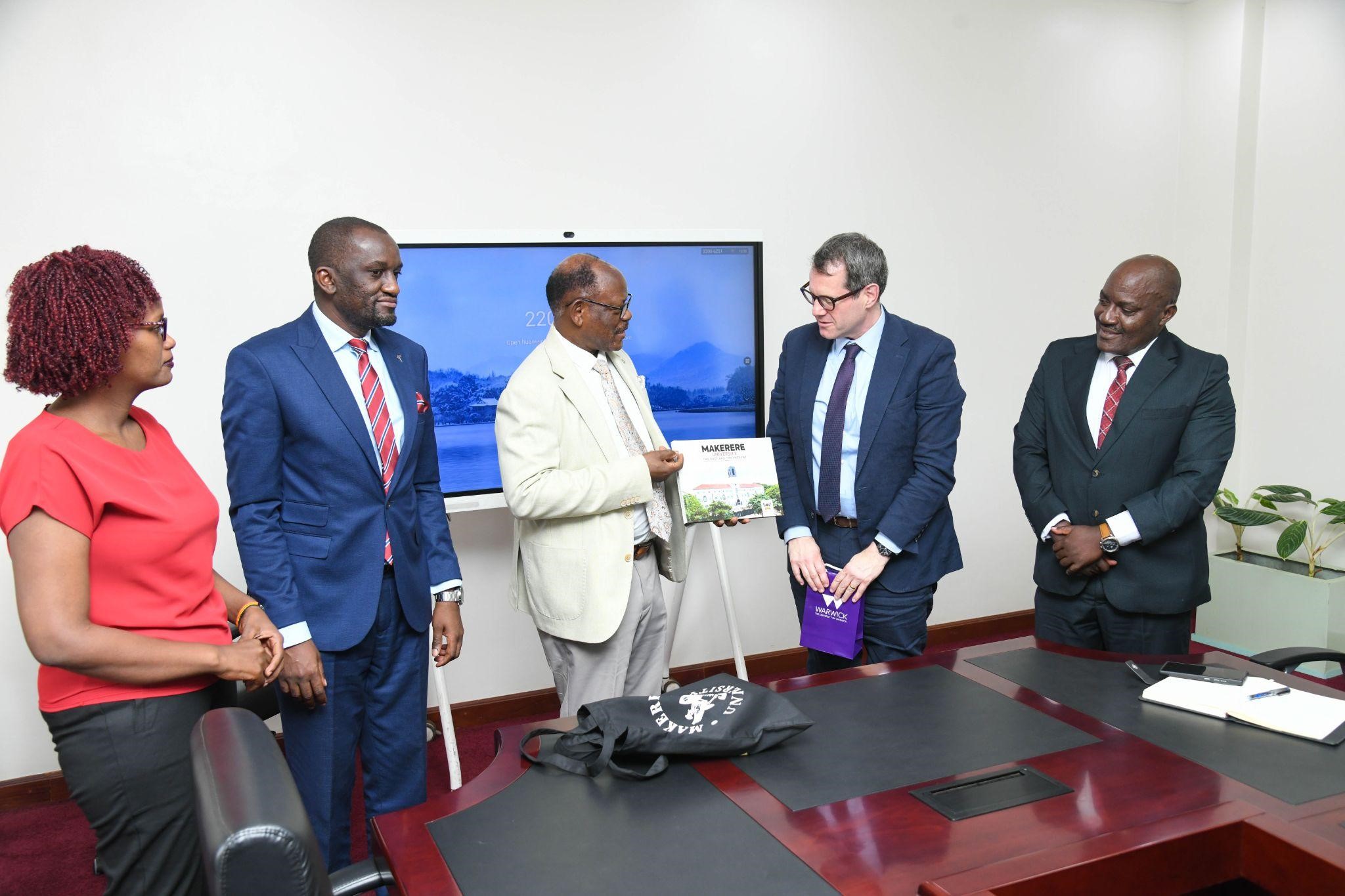
The Vice Chancellor emphasized that addressing youth unemployment remains a central priority, noting that innovation, entrepreneurship, and graduate training are essential to building stable societies.
He further stressed the importance of expanding graduate education. Africa currently produces a small proportion of global research output, and increasing PhD and Master’s training supported by international partnerships remains critical to accelerating knowledge production and development outcomes.
Internationalization and Shared Learning
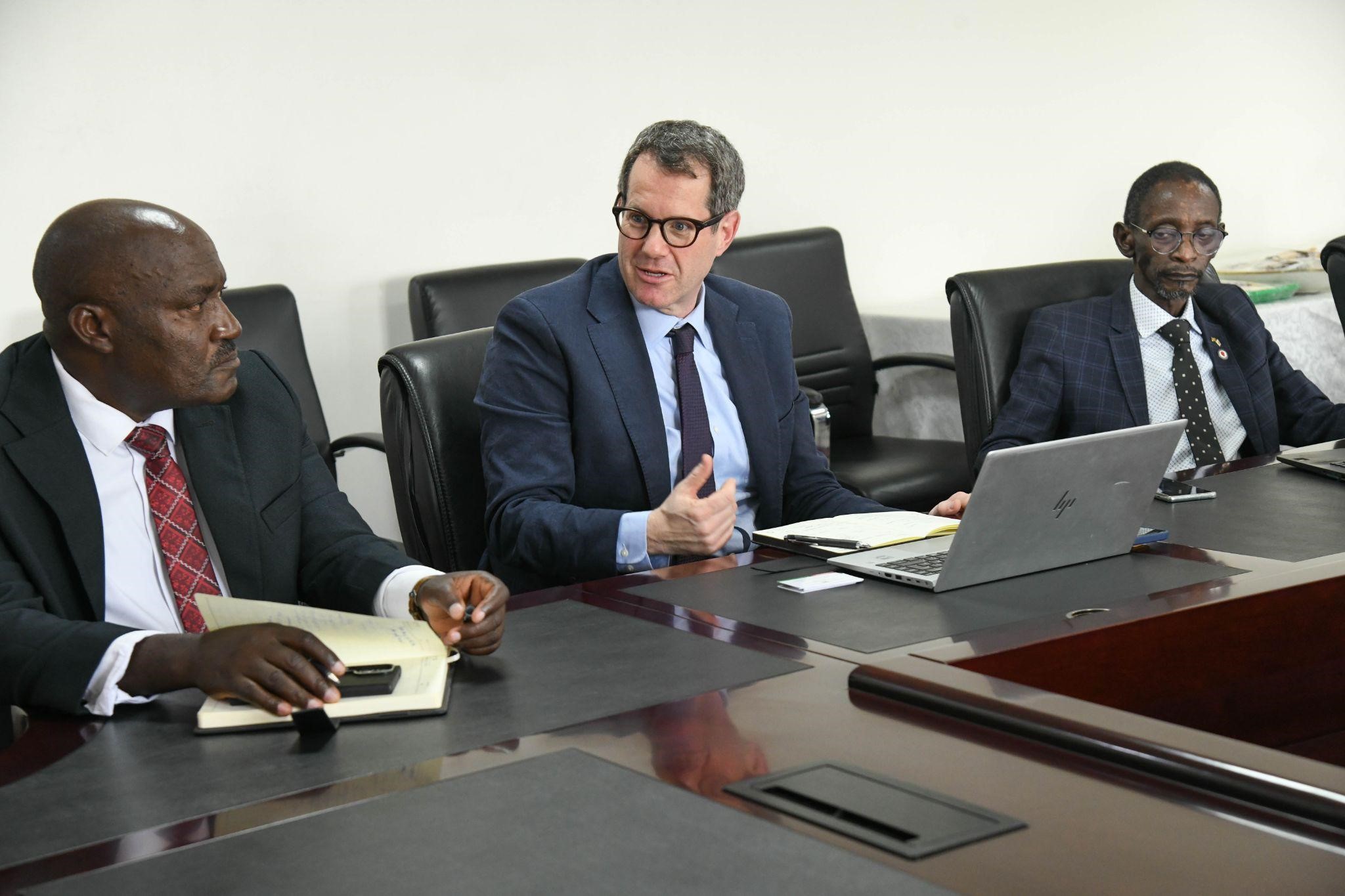
Speaking on behalf of the University of Warwick, Professor Daniel Branch, Deputy Vice Chancellor, reflected on Warwick’s own institutional journey, noting that its growth has been driven by a strong focus on internationalization, innovation, and research. He expressed Warwick’s commitment to building productive partnerships with African universities, including Makerere, to advance joint research, training, and innovation.
Professor Branch also highlighted the importance of university-industry linkages, citing examples such as collaborations with major manufacturing firms that provide practical training opportunities and inform curriculum development.
Showcasing Research and Innovation at CEDAT
A second session of the engagement was held at the College of Engineering, Design, Art and Technology (CEDAT), where academic leaders and researchers presented ongoing work across multiple disciplines.
Presentations included:
- Development of a solar water pump through reverse engineering (Dr. Edmund Tumusiime)
- Crane Cloud, a locally developed cloud-computing platform (team from the College of Computing and Information Sciences)
- Profiling gaseous emissions associated with burnt bricks (Dr. Nathan)
- Integration of centralized grid and decentralized renewable off-grid systems: a techno-economic analysis (Dr. Abubaker Waswa)
- Innovation and digitalization pathways for affordable housing in Sub-Saharan Africa (Prof. Stephen Mukiibi)
The session was attended by CEDAT leadership, including the Principal, Prof. Moses Musinguzi, as well as deans and heads of department from engineering, built environment, and industrial and fine arts. The day’s activities were concluded with a tour of Makerere University’s Innovation Hub.
The engagement reaffirmed Makerere University’s commitment to building strong, mutually beneficial partnerships that accelerate research, strengthen graduate training, and drive innovation. As global challenges such as climate change, public health threats, and youth unemployment intensify, collaboration among universities remains essential to developing scalable, evidence-based solutions.
Through partnerships such as the one Makerere University and the University of Warwick hope to activate through a Memorandum of Understanding in the near future, Makerere continues to position itself as a leading research-intensive university dedicated to transforming society through knowledge, innovation, and global cooperation.
Caroline Kainomugisha is the Communications Officer, Advancement Office, Makerere University.







General
RIMS Implementation to End Supervision Delays, Enhance Transparency, Close Gaps and Boost Research Excellence at Makerere University

By Moses Lutaaya
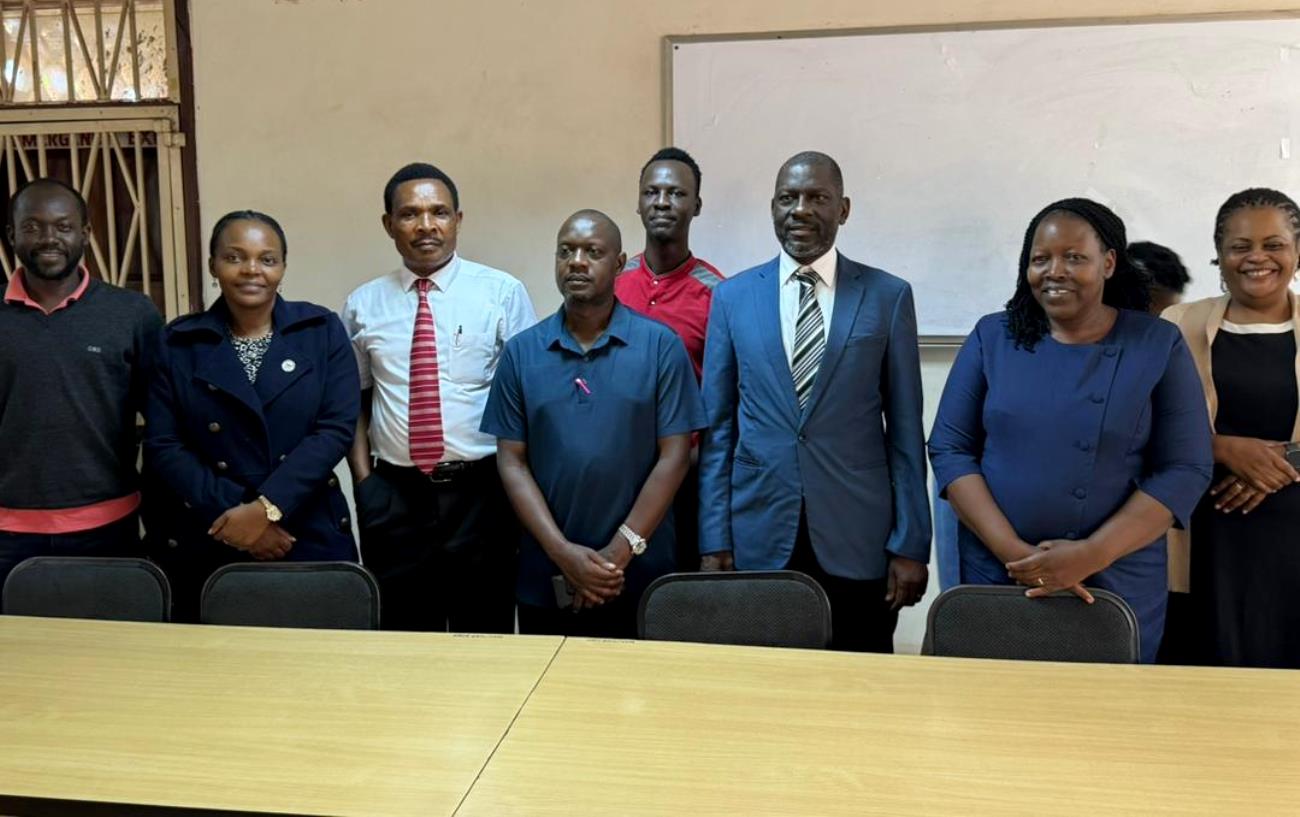
Kampala, Uganda — 27th March 2026: Makerere University has intensified its push toward digital transformation in graduate education with the implementation of the Research Information Management System (RIMS), a platform expected to end supervision delays, enhance transparency, close long-standing gaps, and boost research excellence.
Leading this shift, the Director of Graduate Training at Makerere University, Prof. Julius Kikooma, emphasized that the initiative is part of ongoing collaboration with academic units.
“Our visit to the Institute of Gender and Development Studies is part of continuous engagement to strengthen graduate training,” Prof. Kikooma said. “RIMS is not just about technology—it is about improving how students and supervisors work together, how progress is tracked, and how the university ensures quality and timely completion.”
He noted that the university is already making strides in graduate output, citing a recent milestone of over 200 PhD graduates, with 40 percent female representation—an indicator of progress toward gender equity.
“We want to push that to 50 percent,” he said. “RIMS will help us get there by providing data, improving coordination, and addressing inefficiencies in supervision and monitoring.”
Prof. Kikooma emphasized that the system will also support the university’s broader goals, including internationalization and improved research productivity, by streamlining application, supervision, and reporting processes.
“With digitization now fully underway, we cannot go back,” he said. “RIMS will allow supervisors to track student performance in real time, and management will be able to access accurate reports at the click of a button.”
He added that adoption of the system is mandatory for all academic staff, noting that it will become a key tool for measuring performance and institutional accountability.
Building on this vision, Prof. Ruth Nsibirano, Director of the Institute of Gender and Development Studies, highlighted how RIMS will directly address supervision gaps that have historically affected graduate completion.
“I’m very certain RIMS is going to bridge the gap between supervisors and supervisees,” she said. “It will ensure constant updates, structured engagement, and clear records of progress for every student.”
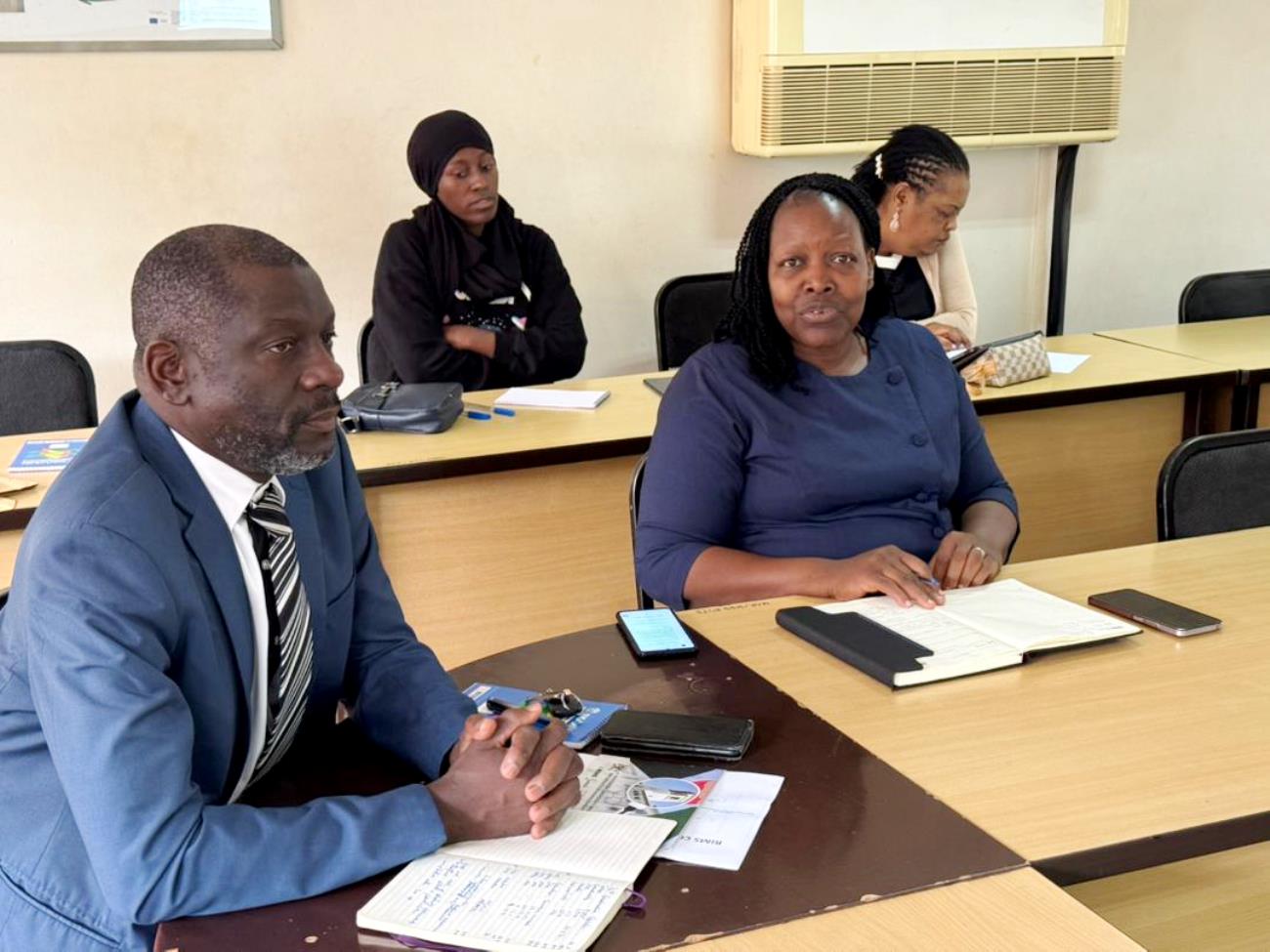
Prof. Nsibirano explained that one of the major challenges in the past has been the lack of visibility in supervision, where both students and supervisors operated without clear documentation of their interactions.
“Knowledge of what was happening was often missing because supervisors and students remained distant,” she said. “Now, there will be records showing when supervision took place, what was discussed, and who has not been responsive.”
She noted that this transparency will significantly improve efficiency and reduce delays on both sides.
“Both students and supervisors will know that their work is being tracked,” she said. “This awareness alone will improve accountability and reduce unnecessary delays.”
However, she cautioned that while RIMS will strengthen supervision systems, financial challenges facing graduate students remain a critical issue.
“We must also address the reality of limited financial support,” she said. “Even with strong systems, students still need resources to complete their studies.”
Prof. Nsibirano expressed confidence that both staff and students are ready to adopt the digital platform, noting that familiarity with technology is no longer a major barrier.
At the operational level, Dr. Julius Mugisa, Coordinator of Graduate Studies at the Institute, underscored the practical impact RIMS will have on day-to-day supervision.
“In fact, it is a very good system. It will facilitate easy supervision,” Dr. Mugisa said. “Previously, you could send comments to a student and wait five weeks without a response. Now, the system will clearly show who is delaying and who is not.”
He emphasized that the transparency of RIMS will eliminate guesswork and misunderstandings by ensuring that all supervision activities are recorded and accessible.
“There will be clear evidence of engagement—comments, timelines, and responses,” he said. “This removes the blame game and helps everyone focus on progress.”
Dr. Mugisa dismissed concerns that increased monitoring might intimidate supervisors, instead framing it as a positive step toward professionalism.
“We are here to do our work for the university,” he said. “The system is not about punishment—it is about improving efficiency and ensuring that responsibilities are fulfilled.”
He added that the accountability introduced by RIMS will encourage timely feedback and active participation from both supervisors and students.
“When you know the system is tracking progress, it helps you stay on course,” he said. “Monitoring is important, and it benefits everyone.”
Dr. Mugisa also noted that improved supervision and faster feedback could enhance Makerere University’s attractiveness to prospective graduate students.
“Students want assurance that their work will be reviewed on time,” he said. “With RIMS, that confidence will increase, and more students will be encouraged to enroll.”
As Makerere University continues to implement RIMS across its academic units, leaders believe the system will mark a turning point in graduate education—driving efficiency, strengthening accountability, closing supervision gaps, and positioning the institution as a leader in research excellence in Africa.
-

 Law2 weeks ago
Pre-Entry Examination for Admission to the Bachelor of Laws for 2026/2027 AY
-

 General13 hours ago
Application for Admission to Graduate Programmes 2026/27
-

 Research2 weeks ago
Makerere Strengthens Research Ethics as Leaders Call for Reforms in Governance, Integrity, and Student Support
-
 General2 weeks ago
CHUSS students shine at the Annual safeguarding contest
-

 Education6 days ago
Makerere University Charts New Future with the unveiling of the Open, Distance and E‑Learning Building and Strategic Plan