
Business & Management
EfD Uganda Marks 2025 Milestones, Sets Strategic Path for 2025–2029


Kampala, Uganda – December 19, 2025 — The Environment for Development (EfD) Uganda Centre at Makerere University has taken stock of its 2025 achievements and outlined its strategic direction for 2025–2029, with a strong focus on energy transition, climate change, and sustainable natural resource management.
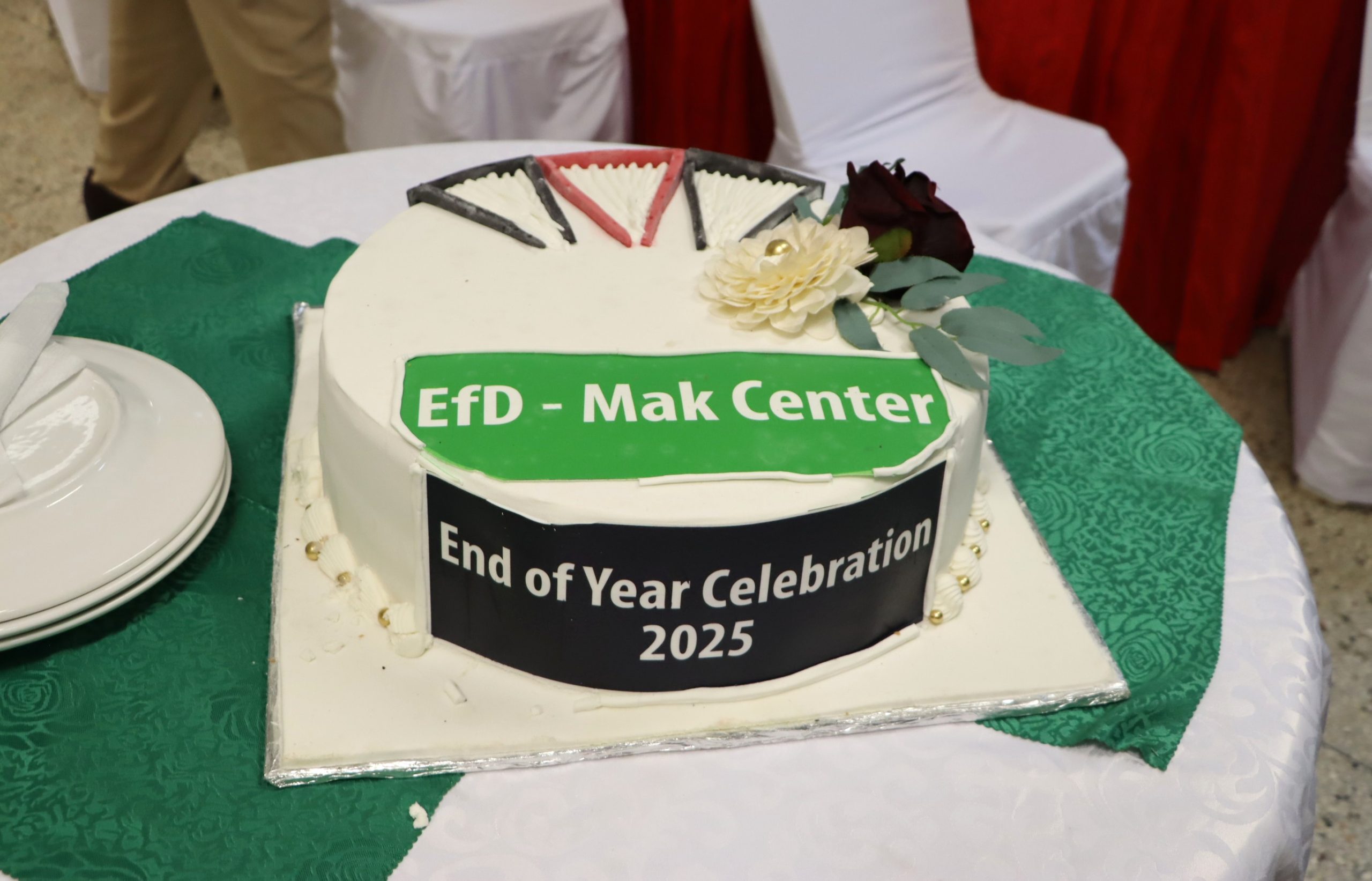
The reflections were shared during the Centre’s annual end-of-year celebration, which brought together members of the EfD Steering Committee, deans from the School of Economics and the School of Agricultural Sciences, government officials, private sector actors, civil society organisations, researchers, and students.
Interdisciplinary Foundation Strengthens Impact
Addressing stakeholders, EfD Uganda Director, Professor Edward Bbaale, highlighted the Centre’s progress in institutional development, research, policy engagement, and capacity building. While acknowledging challenges encountered during the year, he noted that these provided valuable lessons as the Centre transitions into a new strategic phase under the EfD Strategic Plan (2025–2029).
Prof. Bbaale underscored the Centre’s unique positioning within Makerere University, noting that it is jointly anchored in the School of Economics and the School of Agricultural Sciences. This interdisciplinary foundation, he said, enables EfD Uganda to address complex development challenges such as energy transition, climate change, water resources, forestry, biodiversity, and agriculture from a holistic perspective.
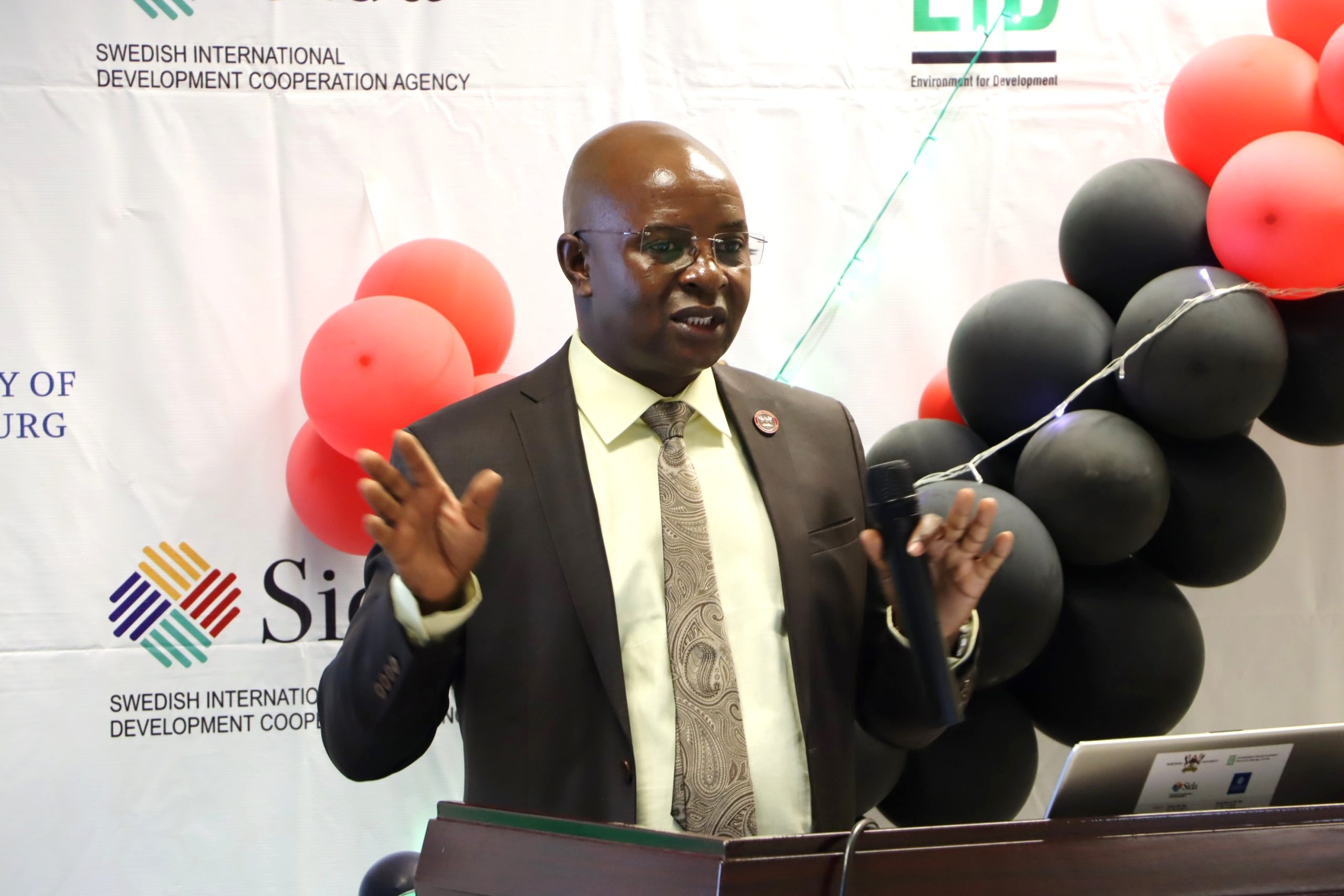
“This approach aligns with Makerere University’s policy on research institutes and reflects global trends that increasingly demand cross-disciplinary collaboration,” he said.
He further highlighted existing academic synergies, with PhD students in Economics and Agricultural Economics sharing coursework, and announced the launch of a Master of Science in Environment and Natural Resource Economics, recently approved by the National Council for Higher Education. The programme, jointly developed by faculty from both schools, is expected to strengthen training in environmental economics and natural resource management.
Strategic Direction for 2025–2029
Prof. Bbaale unveiled the Centre’s strategic plan for 2025–2029, anchored on six thematic areas: energy transition; climate change adaptation and mitigation; climate-smart agriculture; water resources management; forestry and biodiversity; and environmental quality.

He noted that climate change remains a cross-cutting issue across all themes, adding that EfD Uganda will continue to work closely with stakeholders to ensure its research informs national policy and practical interventions.
Over the next five years, the Centre’s research will focus on land use and biodiversity conservation, climate-smart agriculture, climate change adaptation and mitigation, and energy transition-areas expected to generate evidence-based solutions for Uganda and the wider region.

Key stakeholders identified for collaboration include the National Planning Authority, the Ministry of Finance, Planning and Economic Development (Climate Finance Unit), the Ministry of Agriculture, Animal Industry and Fisheries, the Ministry of Water and Environment, the Ministry of Energy and Mineral Development, and district local governments.
Major Achievements in 2025
Prof. Bbaale reported that the Centre concentrated its efforts on the three pillars of Makerere University: research, policy engagement, and training.
Policy Engagement
The Centre organised two high-level dialogues on climate-smart agriculture and a policy dialogue on e-mobility under the Inclusive Green Economy (IGE) programme.
“We chose e-mobility because it is a green mode of transport,” Prof. Bbaale said. “Through the IGE programme, we worked with senior civil servants and policymakers to explore how Uganda can transition to a greener economy.”

The programme also facilitated cross-country peer learning among Ethiopia, Tanzania, Kenya, Rwanda, and Uganda. He cited Rwanda’s rapid electrification of motorcycles through taxation and subsidies, and Tanzania’s success in universal rural electrification, as key lessons.
Capacity Building
The Centre conducted more than ten training sessions for fellows, researchers, policymakers, and graduate students. It also recruited a funded postdoctoral fellow Dr. Gemeda Olani Akuma. from Ethiopia, to work on natural capital issues.
“Postdoctoral fellows are critical to knowledge generation,” Prof. Bbaale noted. “If Makerere strengthens its postdoctoral programme, our research output will more than triple.”
He referenced benchmarking visits to South African universities with strong postdoctoral systems, noting that Makerere is steadily moving toward becoming a research-led institution.
New Projects and Institutional Growth
EfD Uganda launched five new projects and expanded its institutional partnerships during the year. These included Sida-funded initiatives, a consultancy with GIZ, the Centre’s first MakRIF-funded project, and grants from the Gates Foundation and the Carnegie Corporation.
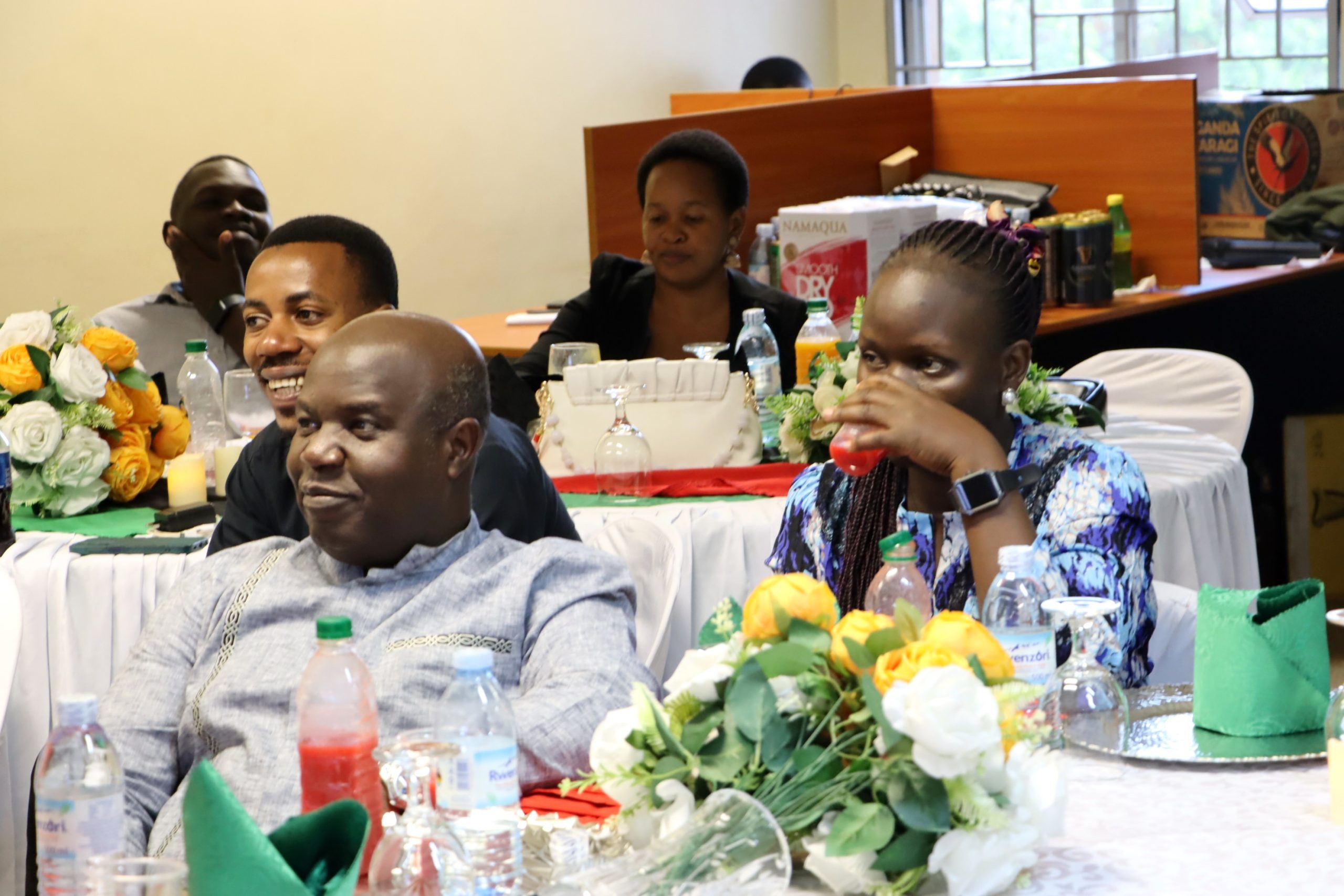
In institutional development, the Centre inaugurated 13 new advisory board members, strengthening governance and oversight. Prof. Bbaale also introduced the Centre’s core staff, praising their dedication and commitment to capacity building, including the mentorship of interns and teaching assistants some of whom have since joined institutions such as the Bank of Uganda.
Strengthening National and International Engagement
The Centre deepened collaboration with national institutions, including the National Planning Authority, the Ministry of Finance, Parliament, and the National Water and Sewerage Corporation. Among ongoing initiatives is a study aimed at improving bill payments at the utility to unlock new investments and service improvements.
EfD Uganda is also working with district local governments to build capacity in environmental valuation and natural capital accounting, supported by MakRIF funding from the Government of Uganda.. Trainings were conducted for districts in central Uganda and in Fort Portal.

At the international level, the Centre hosted visiting scholars, including Prof. Edwin Mchapondwa from the University of Cape Town, who trained government officials on community-based conservation, and Prof. Mark Purdon from the University of Montreal, who launched a book on carbon markets.
EfD’s Natural Capital Accounting Model Adopted by Government
A major highlight was the development of a natural capital accounting model, supported by GIZ and now adopted by the Ministry of Water and Environment. The Excel-based MoneyCap model, developed in collaboration with the Ministry of Finance, UBOS, and the National Planning Authority, supports policy assessment by comparing investment scenarios in natural capital.
“This places us at another level,” Prof. Bbaale said, noting that the model aligns with global climate finance discourse and Africa’s emerging coalition of finance ministers for climate action.

Prof. Bbaale warned that Uganda’s agriculture sector must urgently adapt to climate realities, citing erratic rainfall and rising temperatures. He stressed that climate-smart agriculture is critical to safeguarding livelihoods and food security.
The Centre also celebrated the graduation of a new cohort of Inclusive Green Economy Fellows, supported by Sida, and announced five new grants, including a Carnegie-funded project on household and SME energy efficiency and a grant for climate-sensitive macroeconomic modelling and the Makerere Research and Innovation Fund (MakRIF) from the Government of Uganda
Commitment to Policy-Relevant Research
In his concluding remarks, Prof. Bbaale reaffirmed EfD Uganda’s mission to generate research that delivers practical solutions for policymakers and communities.

“Our work asks a fundamental question: how much natural capital are we depleting in the pursuit of growth?” he said. “That is the frontier we are working on.”
He thanked the Centre’s team for their dedication and contributions throughout the year.
Centre Reaffirms Commitment to Collaboration
Dr. Peter Babyenda, Policy Engagement Specialist, reaffirmed EfD Uganda’s commitment to collaboration with policymakers, academia, civil society, and the media.
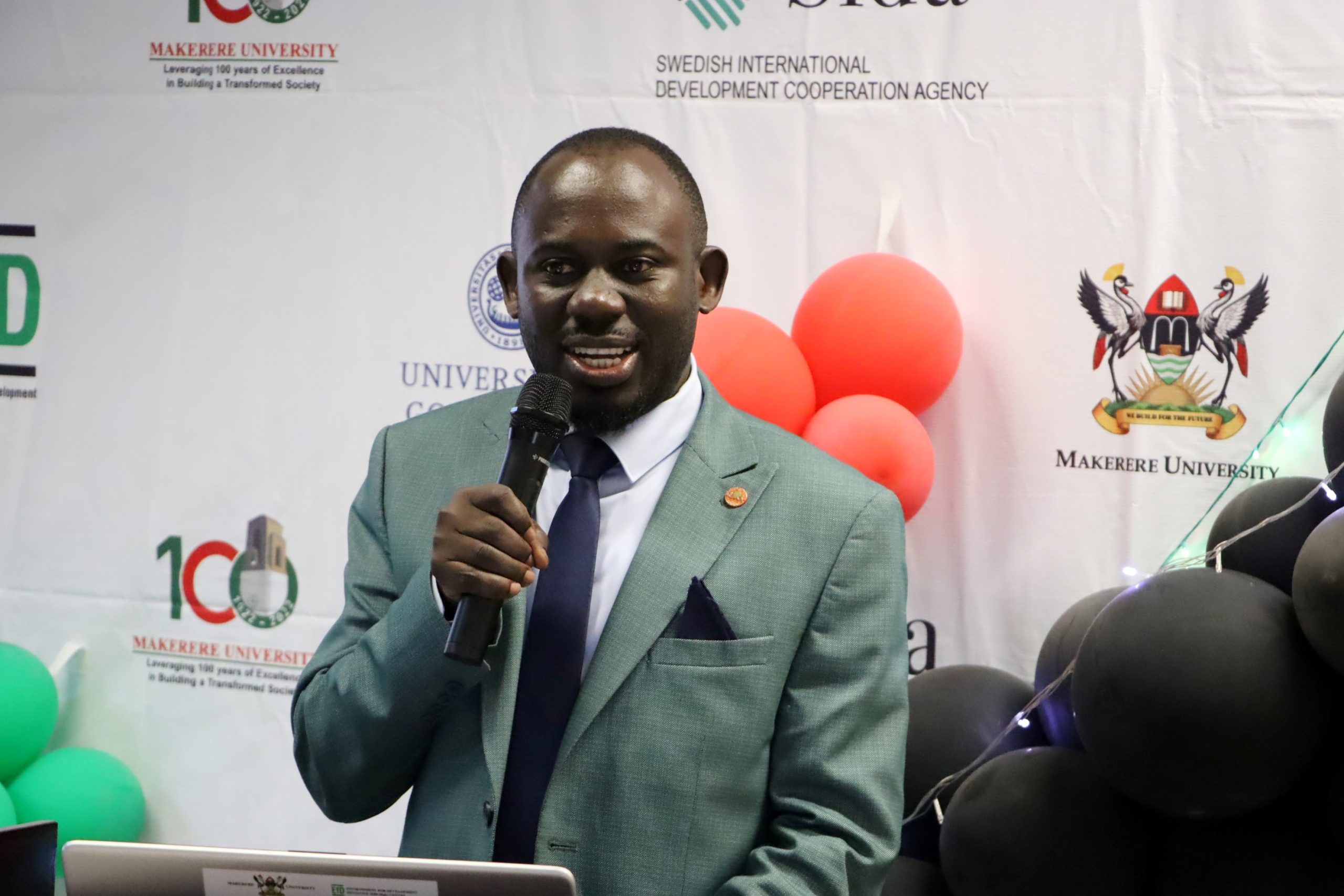
“Policy engagement includes working with the media,” Dr. Babyenda said. “We remain open to partnerships and invite stakeholders to engage with us.”
He thanked participants for attending the annual reflection event and encouraged continued networking.
Jane Anyango is the Communication Officer, EfD-Mak Centre






Business & Management
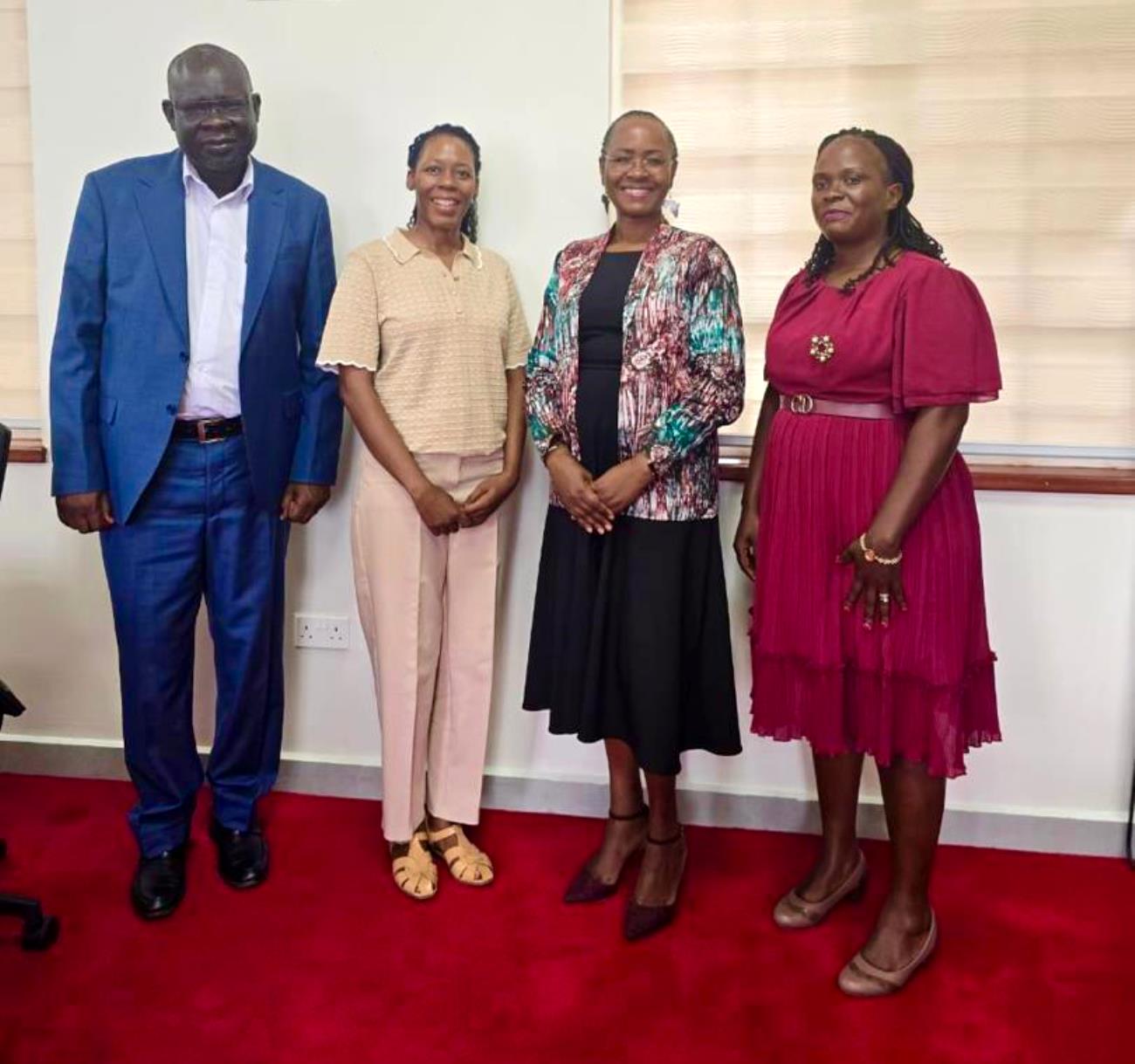
Cementing the Mak-UNISA partnership: Prof. Sarah Ssali meets Dr. Sizile Makola

Business & Management
Call For Applications: Student Mobility – University of Padova, Italy (Oct 2026-Jan 2027)

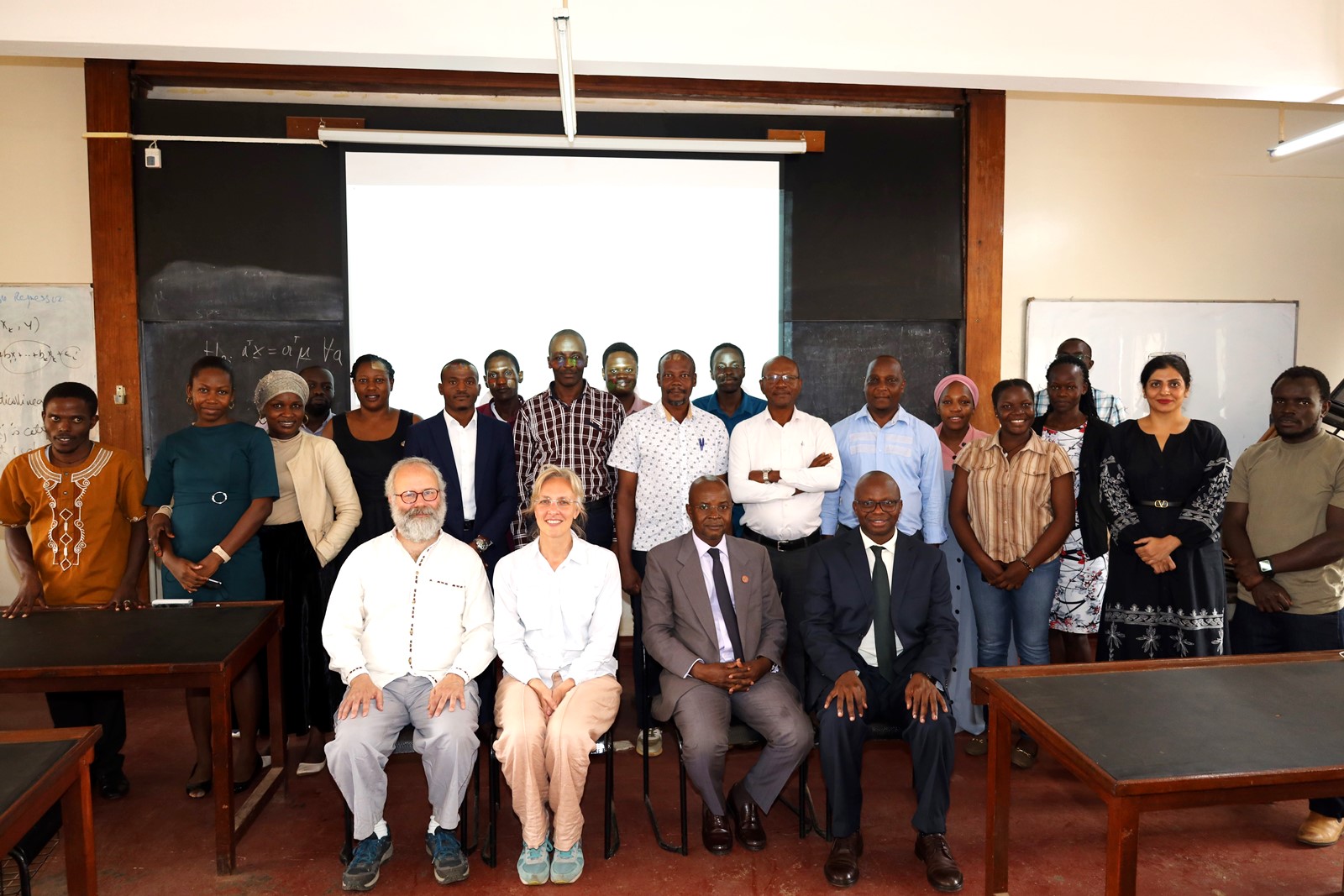
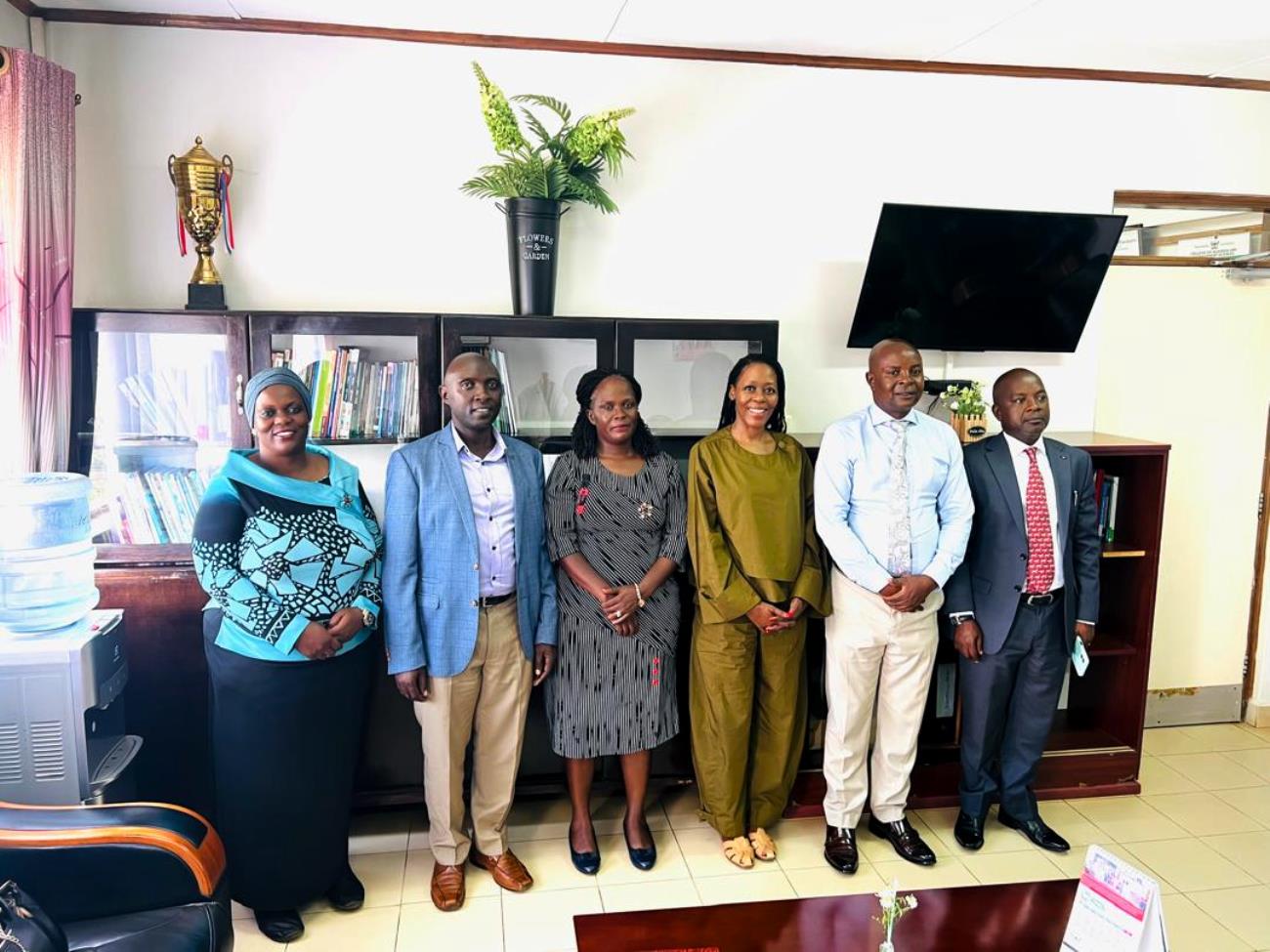
On Wednesday 8th April 2026 the Principal of the College of Business and Management Sciences (CoBAMS), Prof. Edward Bbaale received and welcomed, Dr. Sizile Makola, a Senior Lecturer in Human Resource Management from the University of South Africa (UNISA), to the College and Makerere University.
The interaction meeting held in the Office of the Principal brought onboard the following members of staff from the Department of Marketing and Management, School of Business: Dr. Jude Mugarura, Dr. Zaina Nakabuye, Dr. Agnes Sansa, and Dr. Anthony Tibaingana.
Dr.Sizile Makola is visiting Makerere University for two (2) weeks to cement the MoU between Makerere University and UNISA and to finalise her comparative studies with staff from the department of marketing and management on behalf of Makerere University for the Ugandan context.
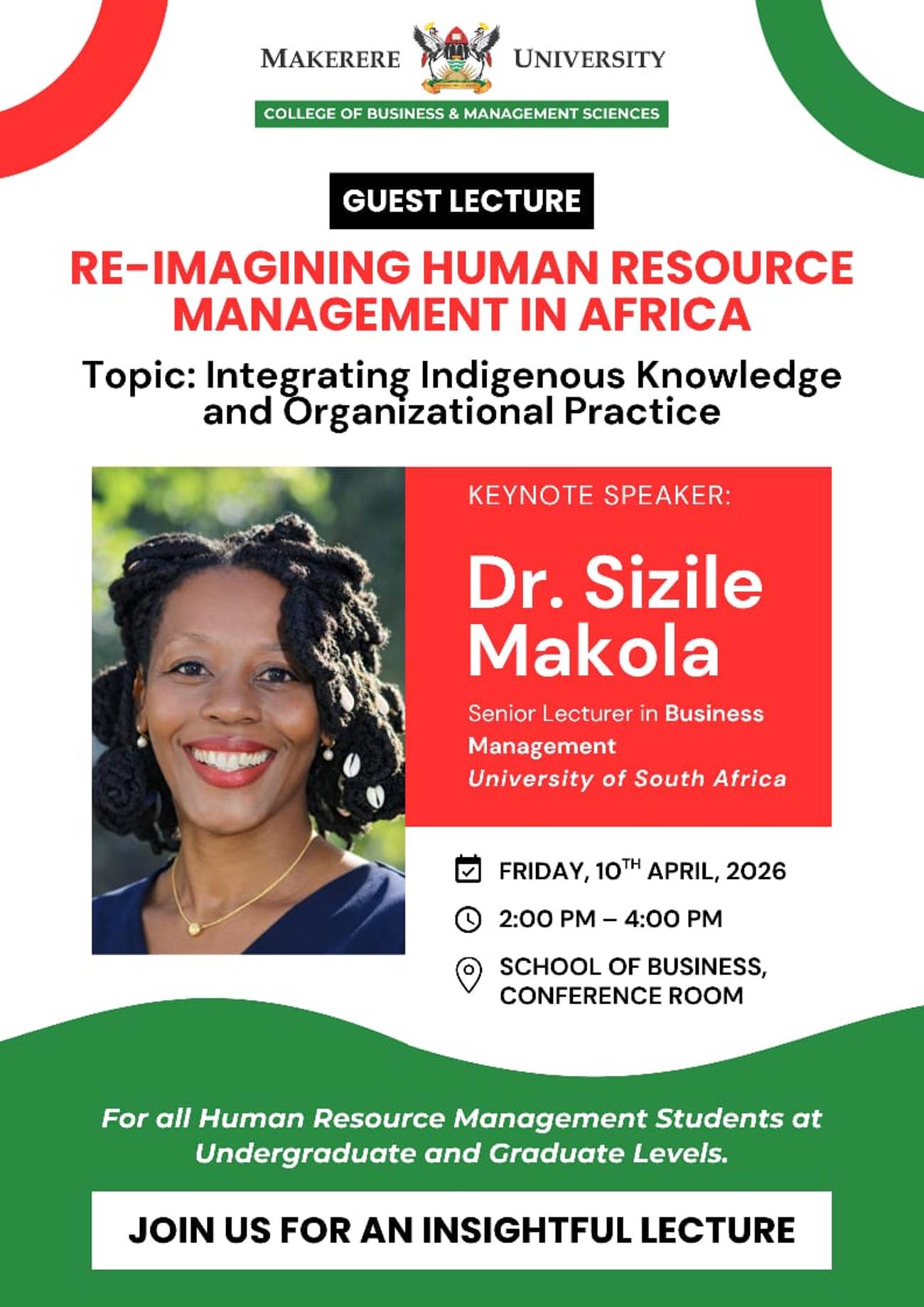
Dr. Makola is scheduled to deliver an interactive guest lecture to undergraduate and postgraduate human resource management students on Friday 10th April 2026 from 2:00pm to 4:00pm in the School of Business, Conference Hall.
-
 Law3 days ago
Pre-Entry Examination for Admission to the Bachelor of Laws for 2026/2027 AY
-
 Health2 days ago
Course Announcement: Certificate in Water, Sanitation and Hygiene (CWASH) – 2026
-
 Agriculture & Environment2 weeks ago
CPUg Project Equips Waste Management Personnel with Essential Skills
-

 General6 days ago
Call for Participants: 2026 Hainan International Youth Cultural Exchange Program
-

 General1 week ago
New Classroom Block brings Relief to Bwera Primary School