
Natural Sciences
Mak Study Reveals Key Factors Undermining Performance in Biology

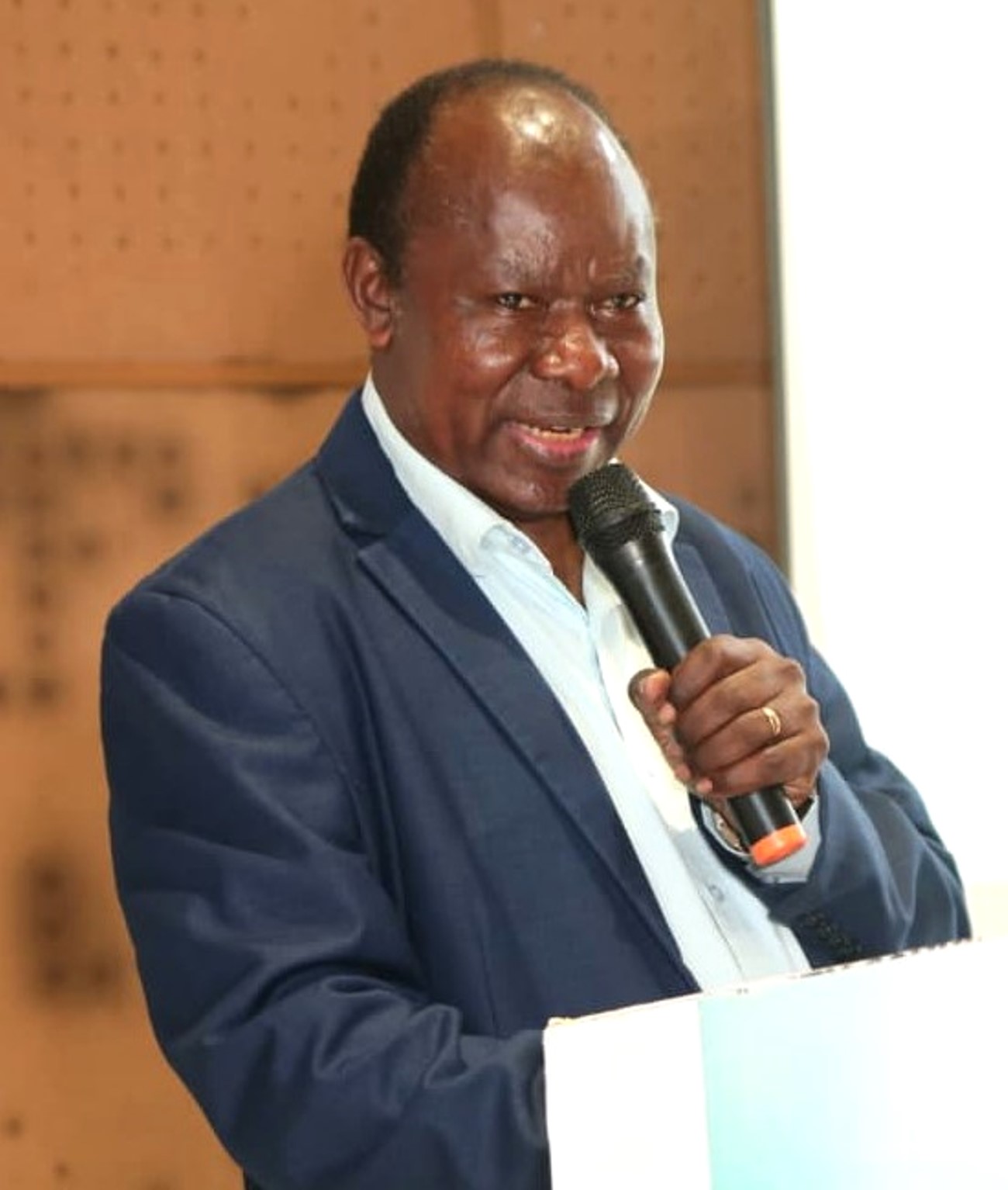
A nationwide study led by Prof. Fredrick Jones Muyodi has revealed multiple factors contributing to poor performance in Biology in Uganda’s national examinations, with the Northern and Eastern regions being the most affected. The study highlights significant gaps in practical learning, digital access, and teaching methods, underscoring an urgent need for educational reforms.
Factors that prompted the study
Launched in 2023, the study was undertaken in response to growing concerns over the long-term decline in Biology performance in the Uganda Advanced Certificate of Education (UACE) examinations.
An earlier analysis conducted by the School of Biosciences at the College of Natural Sciences (CONAS), Makerere University, revealed that since the late 1970s, performance in Biology at the UACE level had consistently fallen below expectations. Over time, the situation worsened, as reflected in the annual examination results released by the Uganda National Examinations Board (UNEB).
In 2018, for example, only one student out of 13,061 candidates scored an “A” in Biology, while just 38% scored at least an “E”. Although 2019 saw a slight increase, overall results remained far below national standards, a trend that persisted into the post-COVID-19 era.
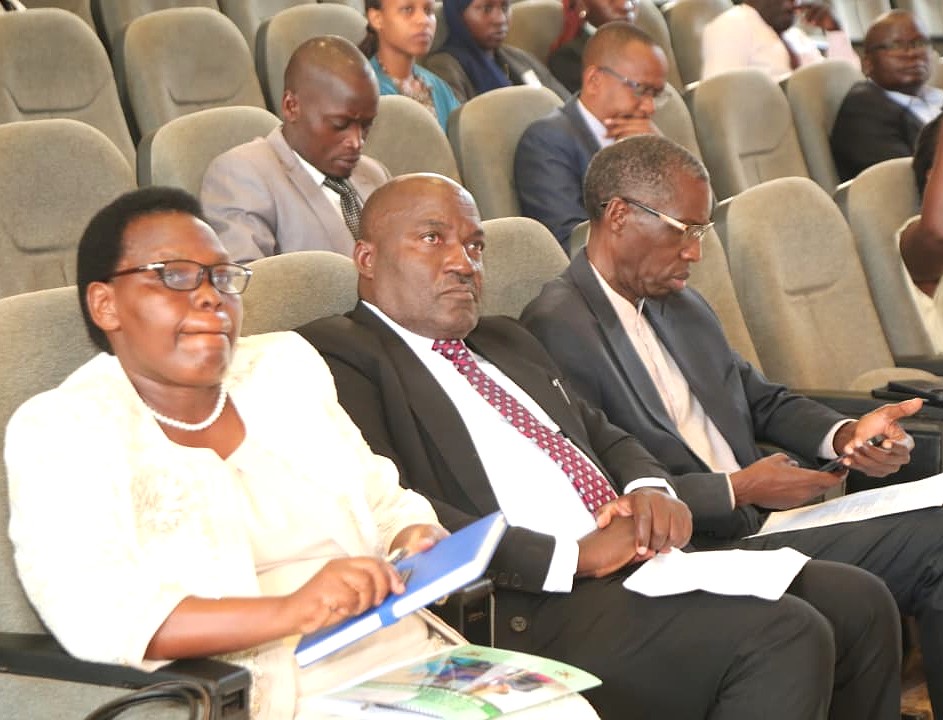
Poor performance in Biology has serious implications, as the subject underpins 70–100% of academic and research work across the College of Natural Sciences, the College of Health Sciences (CHS), the College of Veterinary Medicine, Animal Resources and Biosecurity (COVAB), and the College of Agricultural and Environmental Sciences (CAES). Weak results affect student progression and threaten Uganda’s life sciences ecosystem, impacting key sectors and government ministries.
In response, Makerere University, through the School of Biosciences at CoNAS in collaboration with the College of Education and External Studies (CEES), launched a study to investigate and address the problem. Funded by the University’s Research and Innovations Fund (MakRIF), the study examined teacher qualifications, curriculum depth, laboratory infrastructure, and student attitudes towards the subject.
Dissemination of the Study Findings
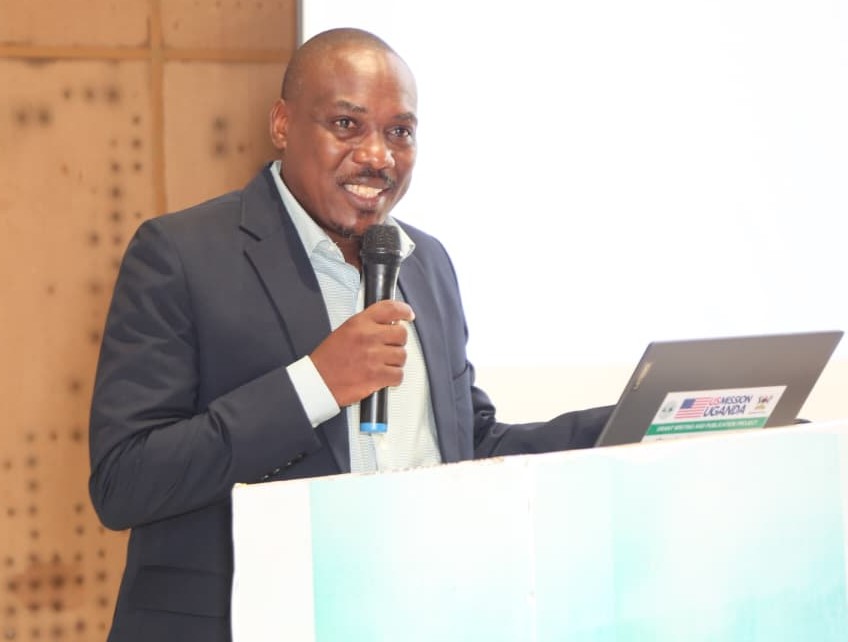
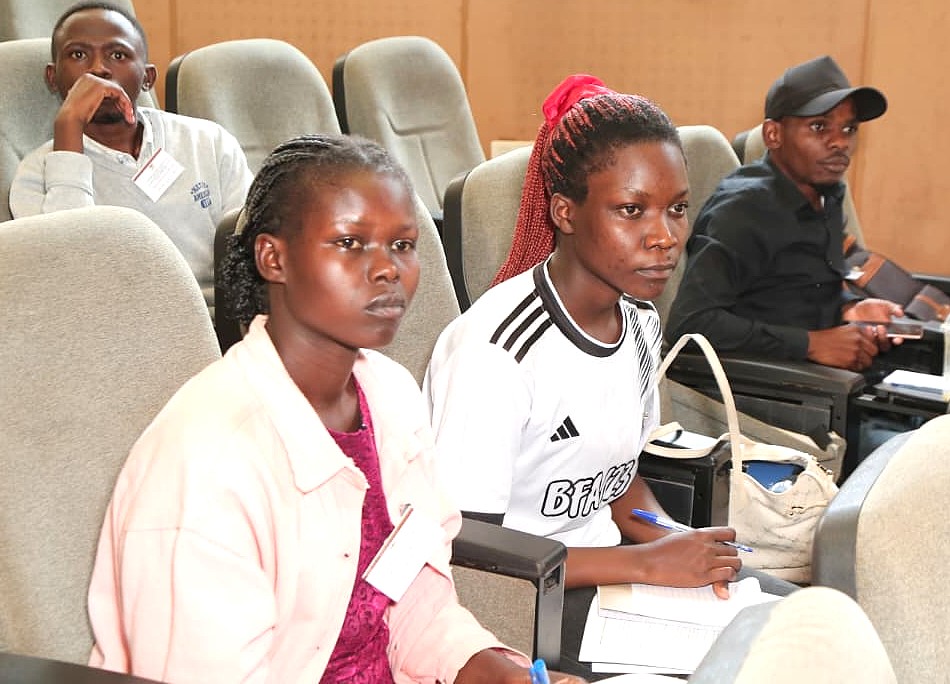
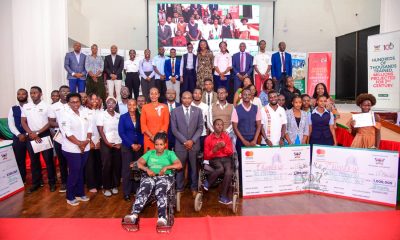
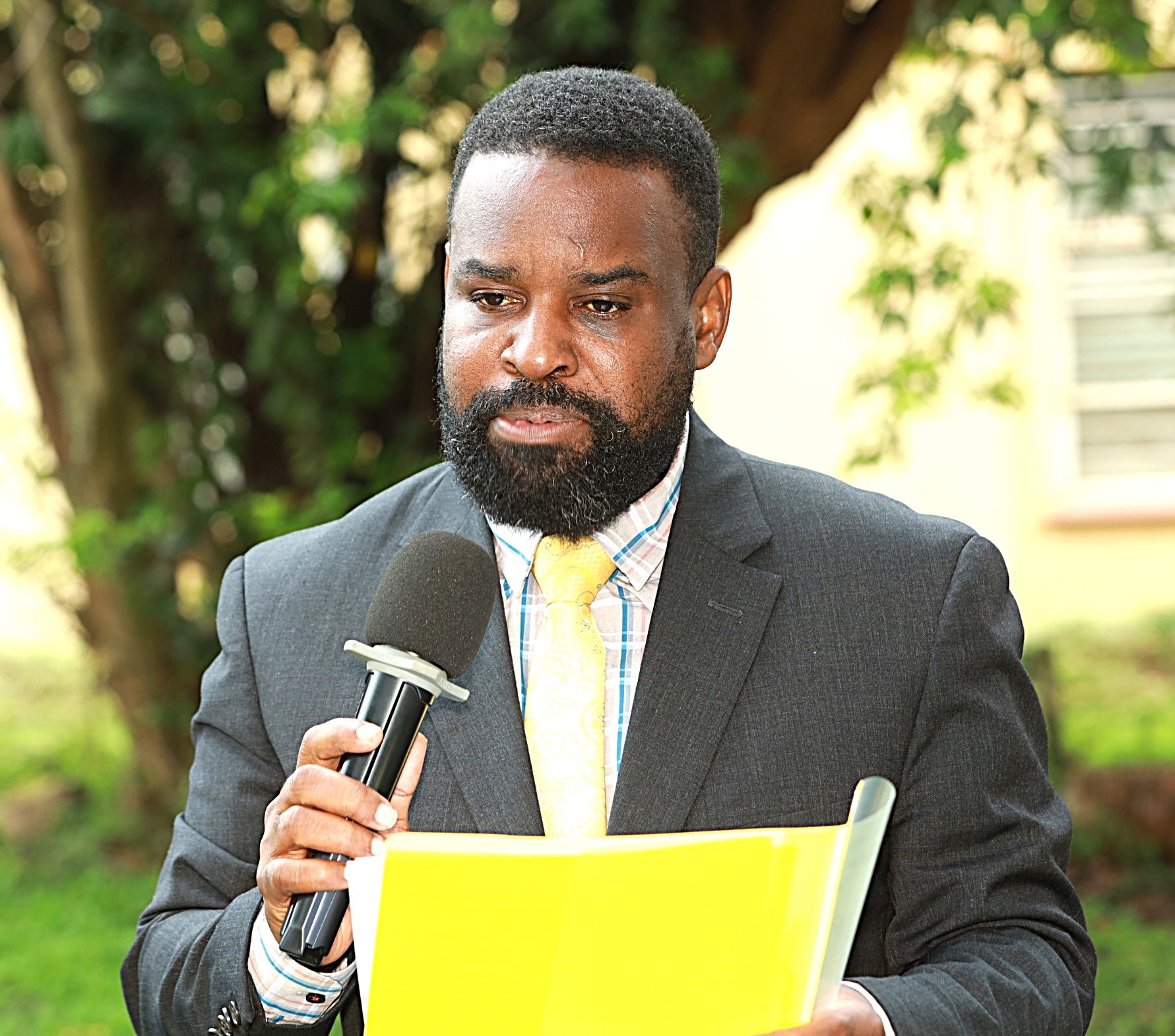
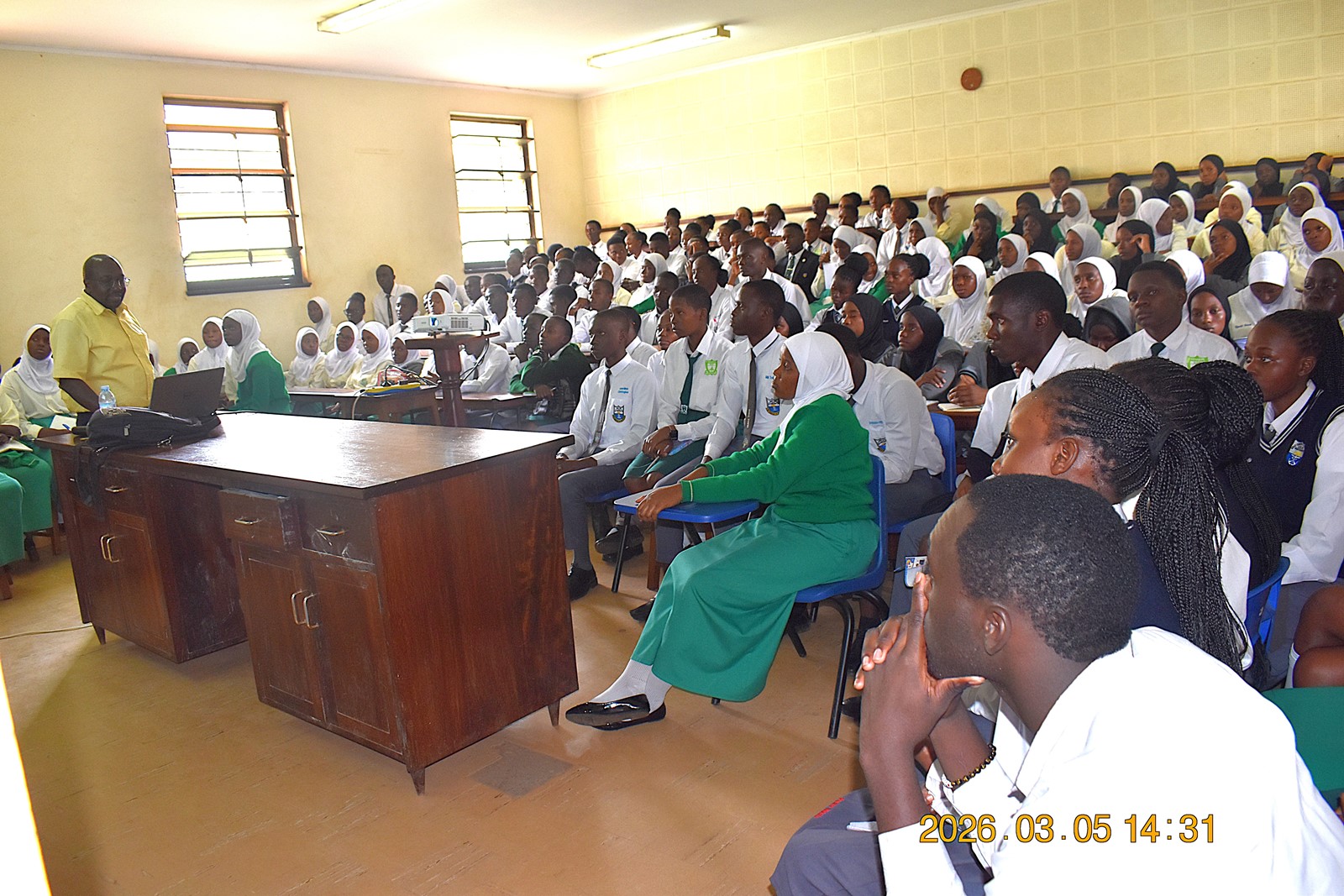
The project team presented their findings to stakeholders at a workshop held on 19th March 2026 at Makerere University. The event was attended by the Commissioner for Secondary Education at the Ministry of Education and Sports, Mrs. Juliet Atuhairwe Muzoora, alongside senior leaders from Makerere University.
Factors undermining performance in Biology
Guided by the socio-ecological model, the project team interviewed 5,000 participants, including teachers, students, parents, school administrators, and curriculum experts, across 100 districts nationwide. Key challenges identified include:
- Inadequate practical learning – Many schools lack functional laboratories, leaving students unable to connect concepts to real-life applications.
- Limited digital access – Poor internet connectivity and lack of digital learning tools hinder modern science education.
- Ineffective teaching methods – Overreliance on lectures weakens conceptual understanding.
- Gender disparities – Lower confidence and limited participation of female students in practical work.
- Negative community perceptions – Low motivation resulting from societal attitudes toward Biology.
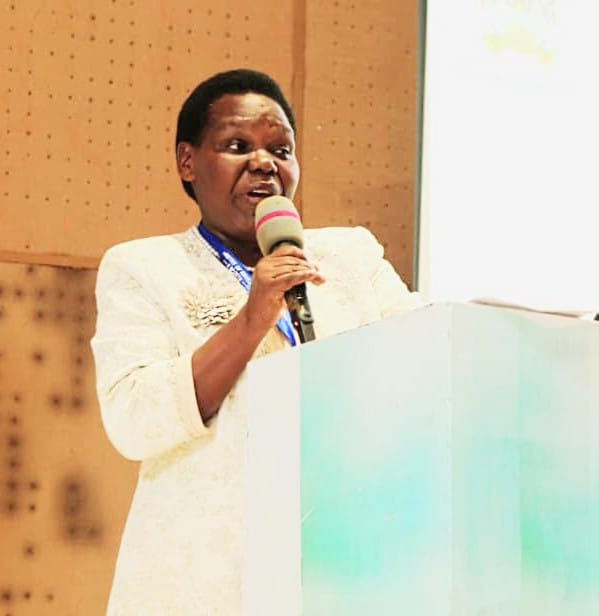
Recommendations for Improvement
Despite a notable improvement in the 2025 Uganda Advanced Certificate of Education (UACE) examinations, the project team recommends a series of strategic interventions:
- Expansion of practical learning through fieldwork and project-based activities, with government support to fund hands-on initiatives.
- Investing in digital infrastructure, prioritizing internet access and online resources for underserved schools.
- Upgrading laboratories with modern equipment and increasing technical support to create conducive learning environments.
- Strengthening teacher development through continuous professional development programs promoting inquiry-based teaching.
- Aligning curriculum and assessments by fostering collaboration between the NCDC and UNEB to ensure coherence between instruction and exams.
- Enhancing student engagement through mentorship programs, academic clubs, and career guidance initiatives.
- Promoting gender equity in science education through targeted interventions.
The project team emphasizes that these interventions are essential for developing a generation of Biology students well-equipped to meet the demands of higher education and scientific careers. They advocate for coordinated action among government agencies, schools, and communities to reverse current trends and strengthen science education nationwide.
To further support efforts to improve performance in Biology, the team is seeking additional funding to pilot interventions in the most affected regions, particularly Northern and Eastern Uganda, and to establish a monitoring and evaluation framework to track progress and ensure lasting impact.
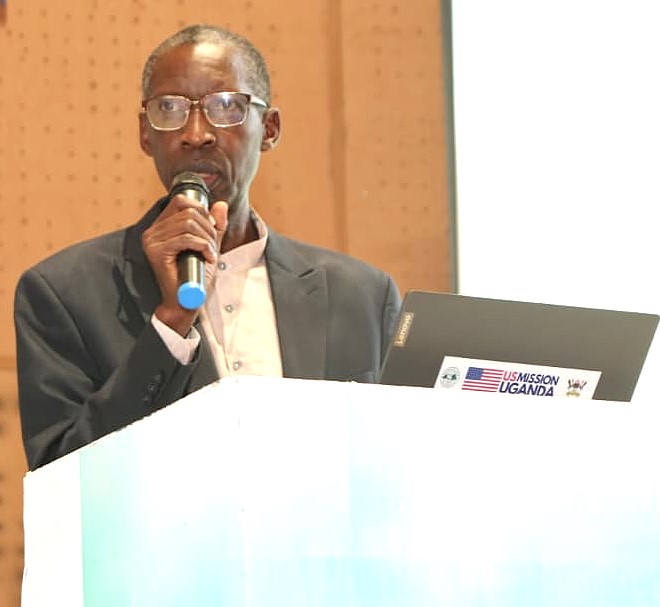
Remarks by the Commissioner for Secondary Education
Addressing participants at the dissemination workshop, the Commissioner for Secondary Education at the Ministry of Education and Sports, Mrs. Juliet Atuhairwe Muzoora, commended the research team for the initiative, highlighting its potential to improve performance in Biology. She called for the expansion of the initiative to cover other science disciplines.
Mrs. Muzoora expressed concern over the increasing monetization of academic activities, particularly seminars, warning that such practices threaten the core objectives of the programme. She further cautioned against the circulation of inappropriate and substandard pamphlets, noting that these undermine the quality of education.
She appealed to Makerere University to expand its school outreach programmes to reach all regions of the country, including the underserved and hard-to-reach areas.
Emphasizing the importance of the study, Mrs. Muzoora committed to arrange a meeting for the team to present their findings to the Ministry’s Senior Management team. “The findings of the study will inform policy adjustments that will enable us to improve performance in the sciences,” she noted.
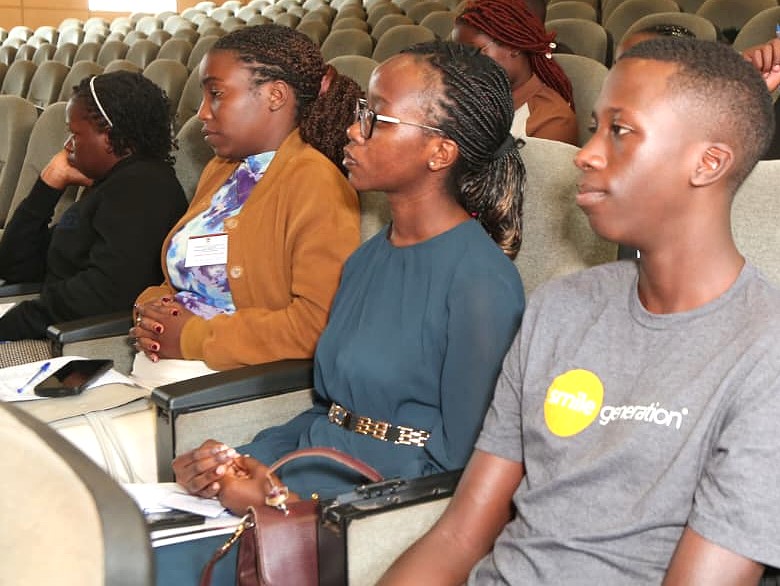
Re-aligning A’ Level Subject Combinations and Leveraging Local Resources for Experiential Learning
In his presentation, Prof. Winston Tumps Ireeta, Deputy Vice Chancellor in charge Finance and Administration (DVCFA) and Principal of the College of Natural Sciences (CoNAS), emphasized the importance of targeted interventions in improving student performance, particularly in Biology and other science disciplines. Drawing attention to the medical field, he stressed the urgent need to review and realign Advanced Level subject combinations to correspond with the evolving requirements of various professional disciplines.
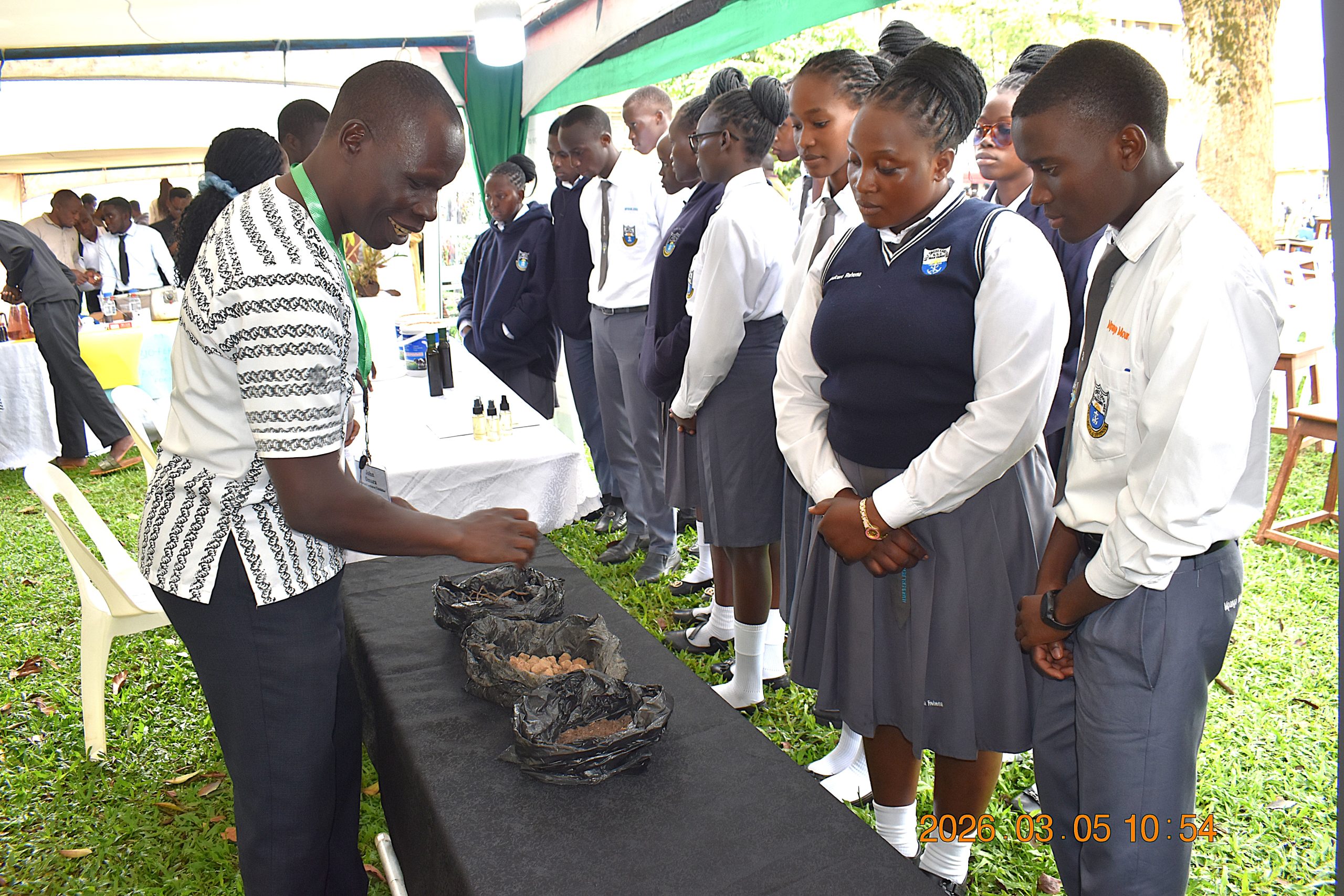
Drawing on insights from secondary school teachers at the CoNAS Science exhibition held from 5th–7th March 2026, Prof. Ireeta expressed concern over the limited adoption of experiential learning. He implored school administrators to leverage locally available materials to enhance hands-on learning. He expressed gratitude to the Government of Uganda for its continued support toward academic and research programmes at the University.
Re-aligning the Competence-based Curriculum
Prof. Anthony Muwagga Mugagga, the Principal of the College of Education and External Studies at Makerere University, highlighted the need to clearly define and systematically map out the modes of instruction under the Competence-based Curriculum. He emphasized that clarity in instructional approaches is essential for ensuring consistency, effectiveness, and measurable learning outcomes across institutions. He appreciated the MakRIF for the financial and technical support extended to the project, noting that such partnerships are instrumental in driving educational innovation and reform.
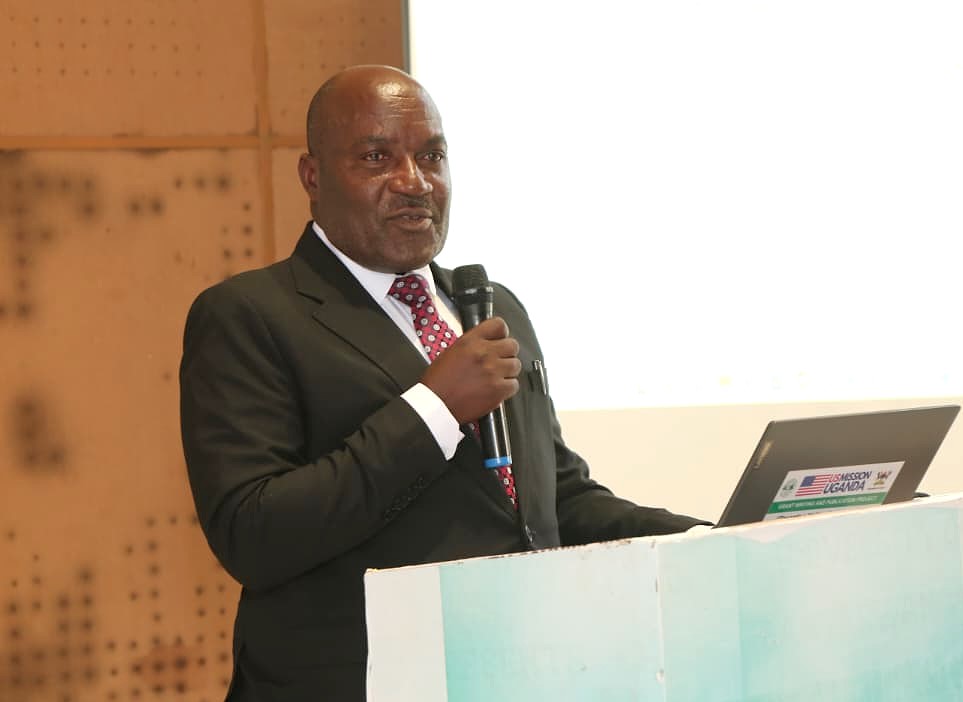
Remarks from the Chair, MakRIF
The Chairperson of the MakRIF, Prof. Fred Masagazi Masaazi, underscored the significance and far-reaching impact of the initiative, noting that the project scored 92% in the vetting process. He informed participants that the MakRIF remains committed to supporting ideas and initiatives that have a tangible and measurable effect on student learning outcomes.
“The focus on enhancing the teaching and learning of Biology is both timely and essential. Strengthening Biology education not only equips students with critical scientific knowledge but also lays a solid foundation for the country’s broader educational and developmental objectives. By prioritizing initiatives that nurture scientific understanding, the MakRIF seeks to contribute meaningfully to shaping a generation of learners capable of driving innovation, research, and sustainable development.”
Remarks by the representative from UNEB
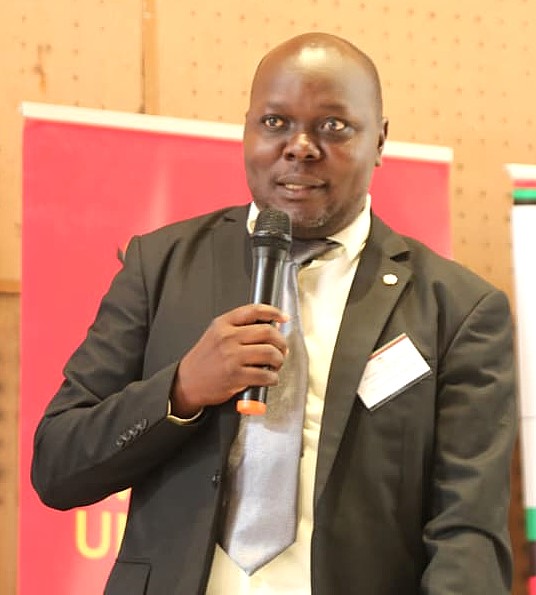
In response to concerns regarding the gaps in curriculum development and assessment processes, Dr. Jimmy Okello reassured participants that the Uganda National Examinations Board (UNEB) works closely with the National Curriculum Development Centre (NCDC) to uphold quality across all stages of curriculum design and assessment.
He, however, acknowledged the need to further align curriculum with assessment frameworks for better learning outcomes. Dr. Okello stressed the importance of continuous professional development and retooling to enable teachers to respond effectively to evolving educational demands. He highlighted the challenge of sustaining quality education amid rising student enrolment, emphasizing the need for deliberate measures to ensure standards are maintained.
The need to enhance experiential learning and the mismatch between student enrolment and the learning infrastructure
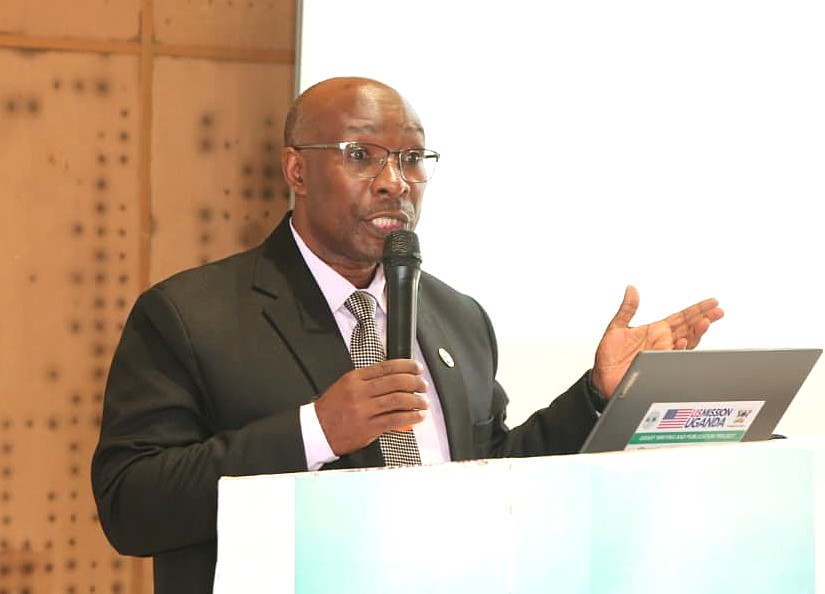
Drawing on his experiences from visits to various schools, Prof. Arthur Tugume, Dean of the School of Biosciences, expressed concern over the rapidly increasing number of students enrolling in science disciplines. “This surge has significantly outpaced the available support infrastructure and human resources, ultimately compromising the quality of teaching and learning,” he noted. He highlighted the importance of formalizing seminars as a core component of the learning process and advocated for closer collaboration with research institutions to provide students with opportunities for hands-on experiences and real-world exposure. Additionally, he pointed out a critical mismatch between the current course content and the requirements of a competence-based curriculum, stressing the need for alignment.
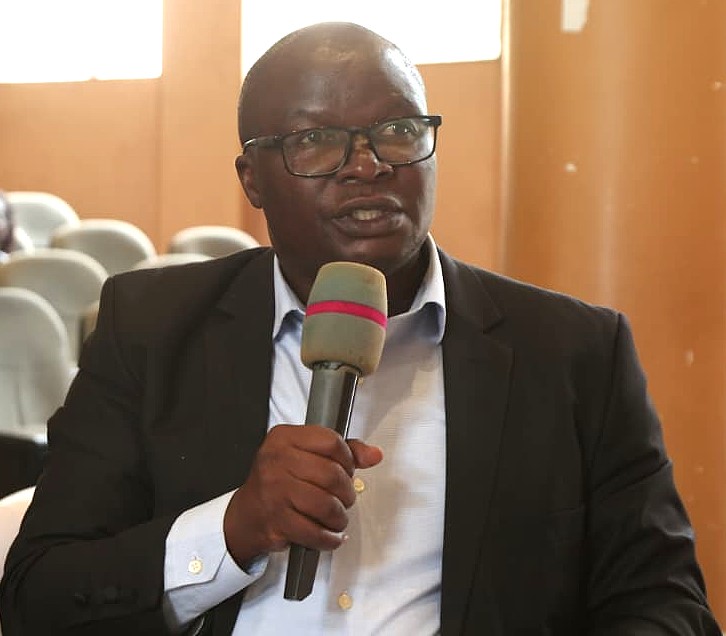
In response to the presentations, Dr. Godfrey Kawooya Kubiriza, Head of the Department of Zoology, Entomology, and Fisheries Sciences at CoNAS, Makerere University, called for a streamlined assessment process to ensure fairness for all students. He expressed concern over disproportionate grading practices, noting that allocating 40% of the total marks to a single question disadvantages students.
The workshop was moderated by Dr. Edward Kansiime (Co-PI) and member of staff in the Department of Science, Technology and Vocational Education at CEES, Makerere University.
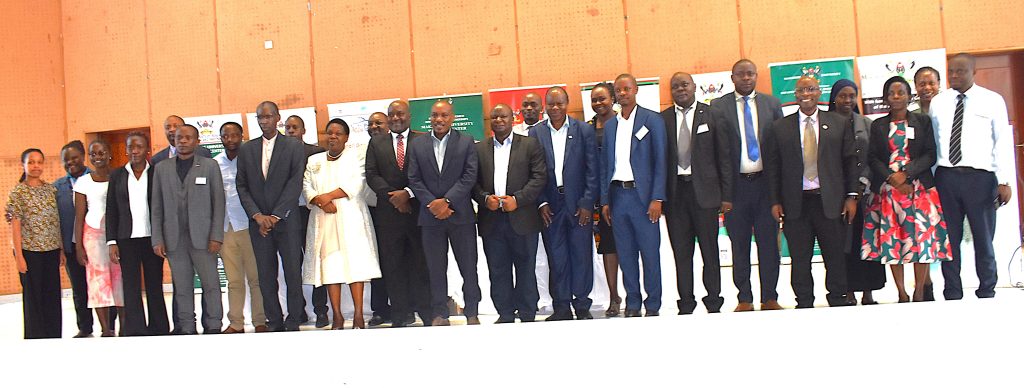
The Project Team
- Prof. Fredrick Jones Muyodi – PI (Department of Zoology, Entomology and Fisheries Sciences, CoNAS, Makerere University)
- Assoc. Prof. Josephine Esaete – Co-PI (Department of Science, Technology and Vocational Education, CEES, Makerere University)
- Assoc. Prof. Arthur Tugume (Dean, School of Biosciences, Makerere University)
- Dr. Godfrey Kubiriza (Head, Department of Zoology, Entomology and Fisheries Sciences, CoNAS, Makerere University)
- Dr. John Joseph Kisakye (Department of Zoology, Entomology and Fisheries Sciences, CoNAS, Makerere University)
- Assoc. Prof. Eric Sande (Department of Zoology, Entomology and Fisheries Sciences, CoNAS, Makerere University)
- Dr. Edward Kansiime – Co-PI, (Department of Science, Technology and Vocational Education, CEES, Makerere University)
- Dr. John Sentongo (Department of Science, Technology and Vocational Education, CEES, Makerere University)
- Dr. Levi Masereka (Department of Science, Technology and Vocational Education, CEES, Makerere University)
- Dr. Reymick Oketch (Department of Science, Technology and Vocational Education, CEES, Makerere University)
- Dr. Joel Isanga (Department of Biochemistry and Systems Biology, CoNAS, Makerere University)
- Dr. Rosemary Nalwanga (Department of Zoology, Entomology and Fisheries Sciences, CoNAS, Makerere University)
- Ms. Caroline Nakafeero (Department of Zoology, Entomology and Fisheries Sciences, CoNAS, Makerere University)
- Mr. Ambrose (School of Public Health)





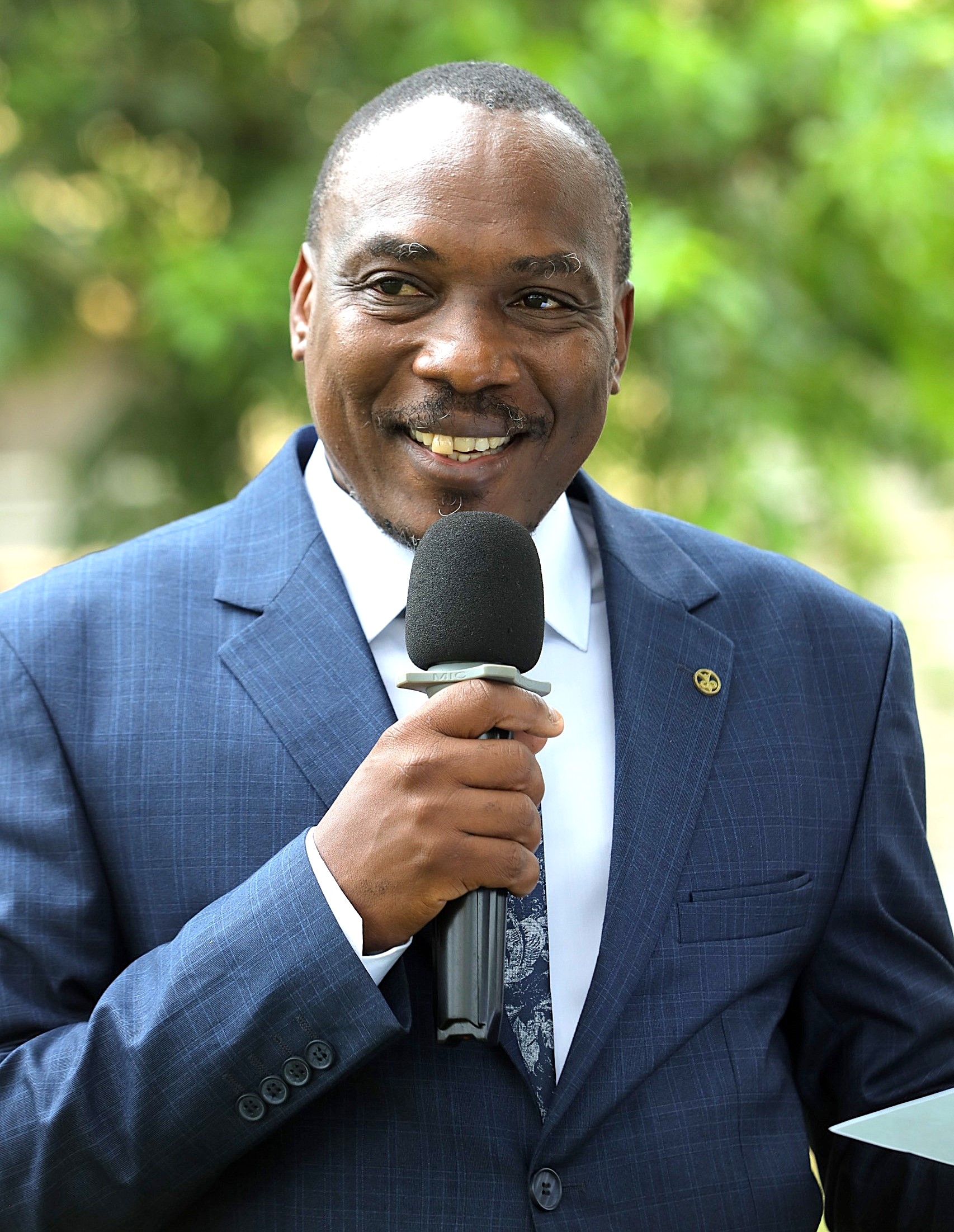
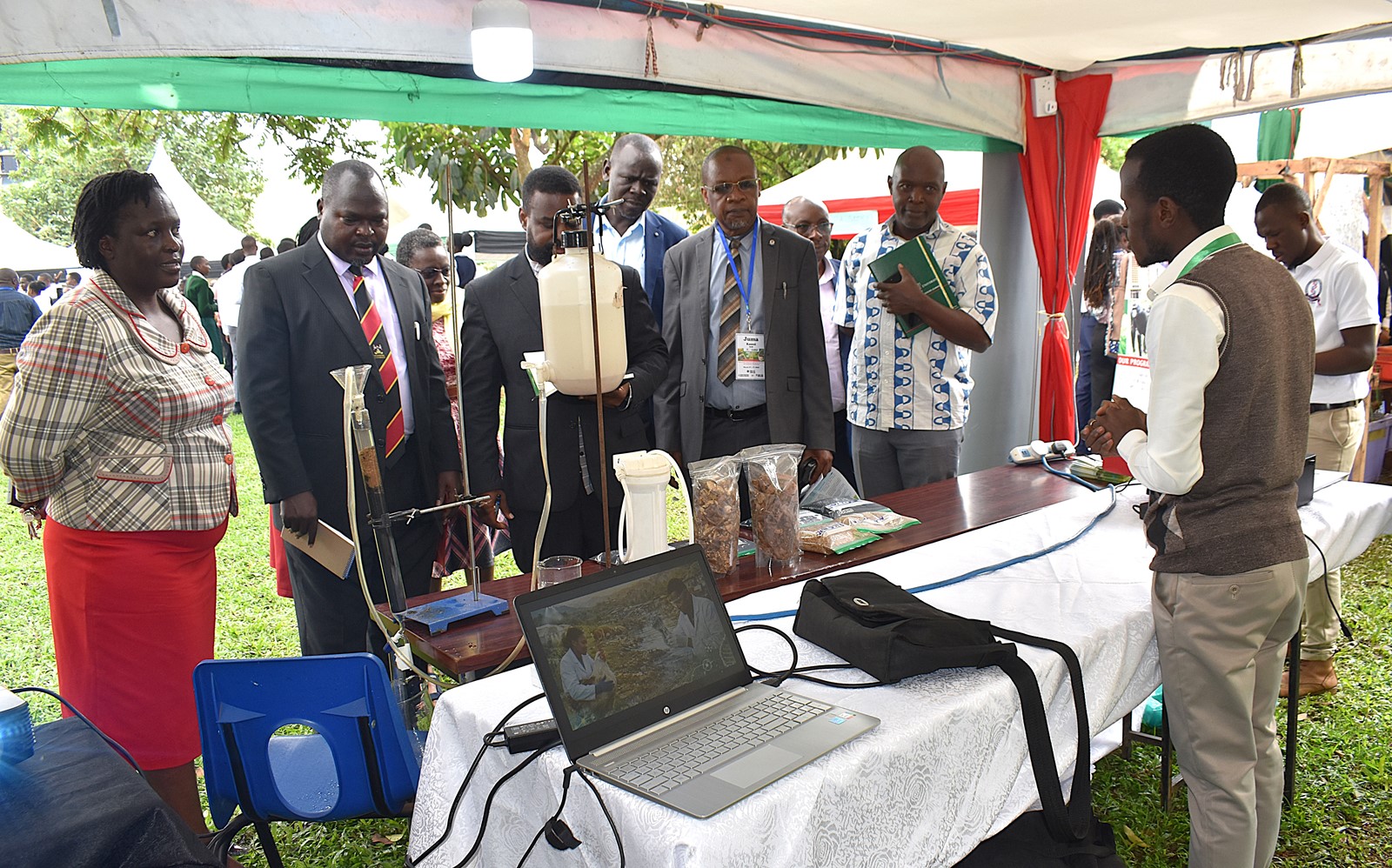
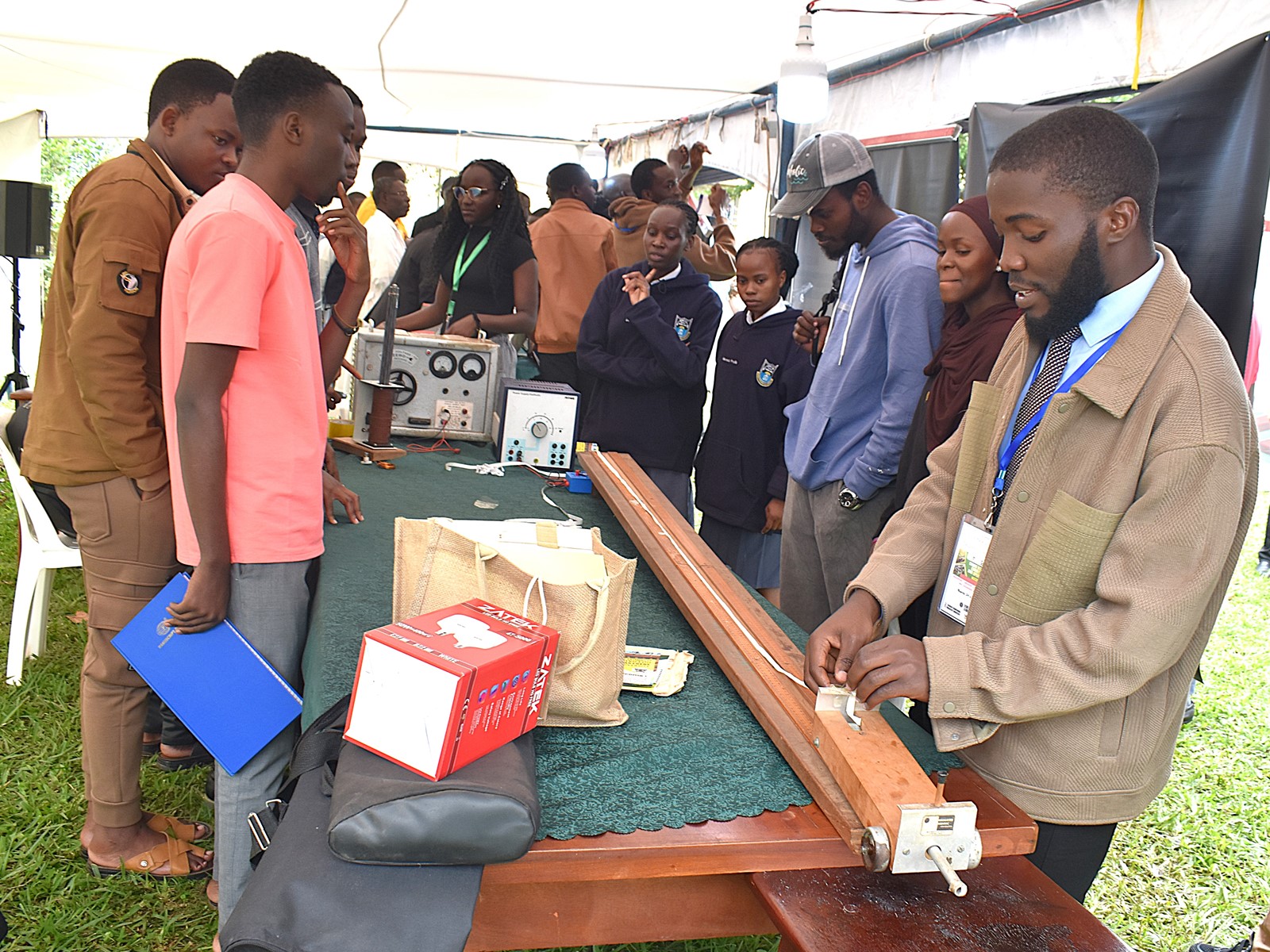
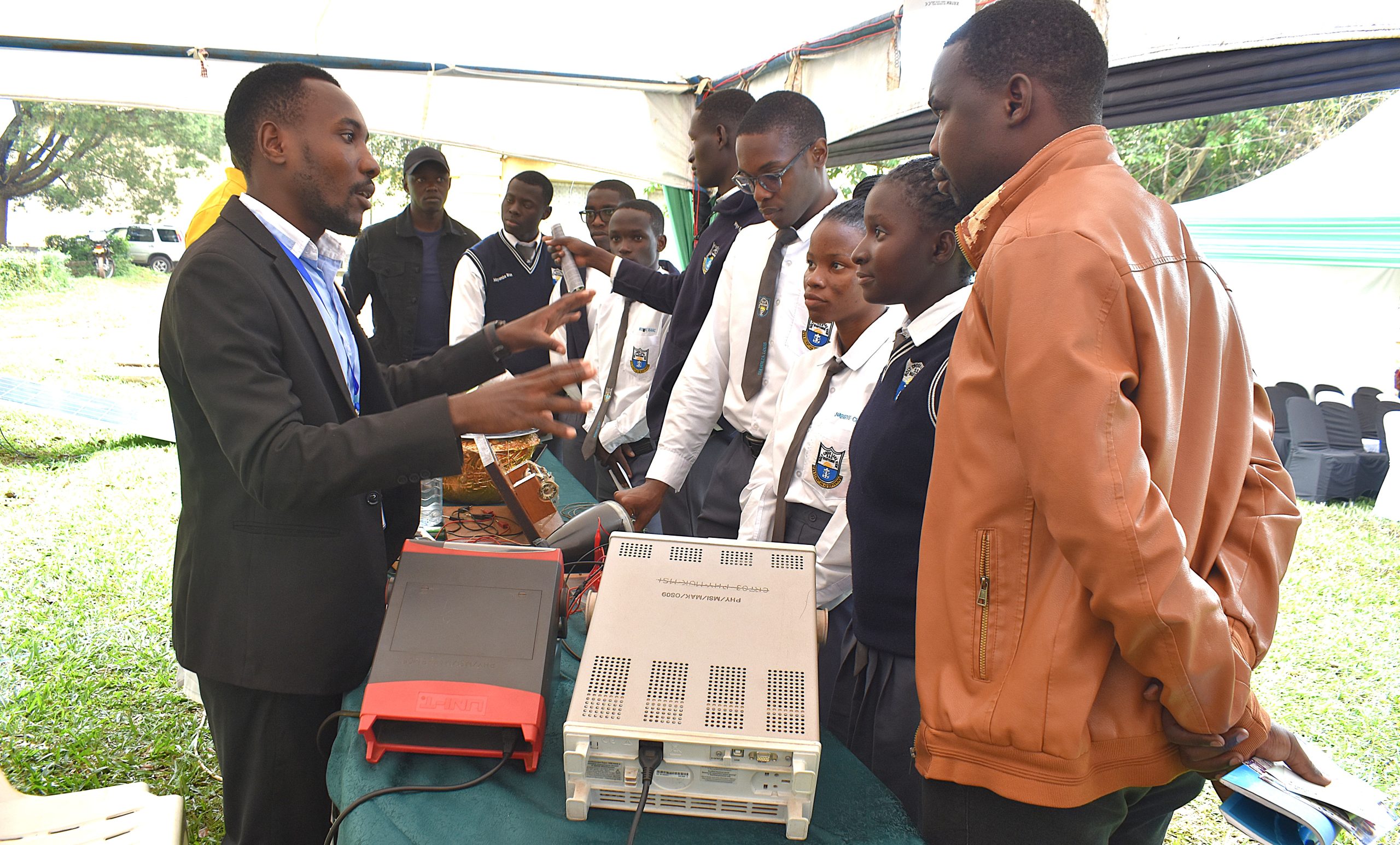
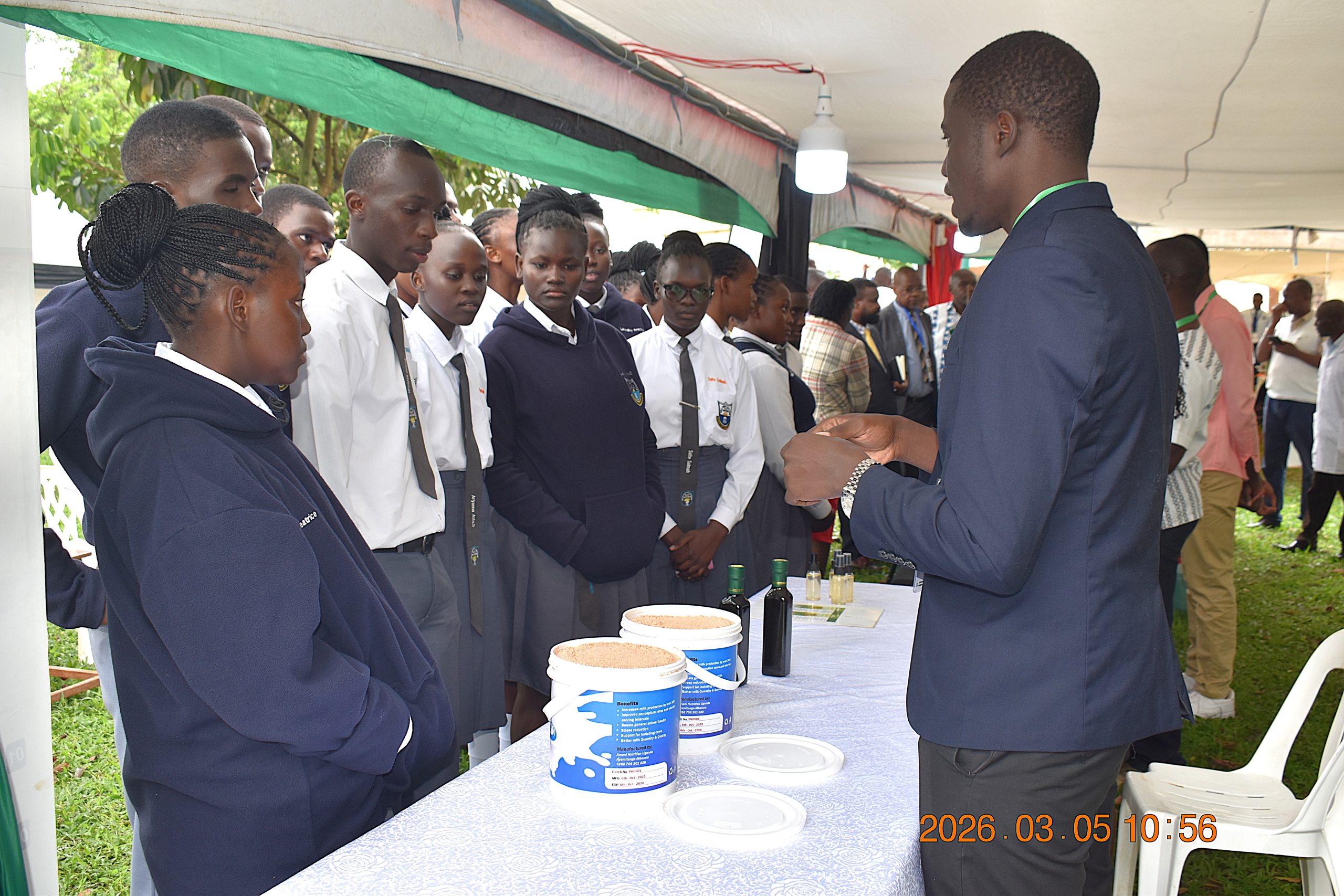
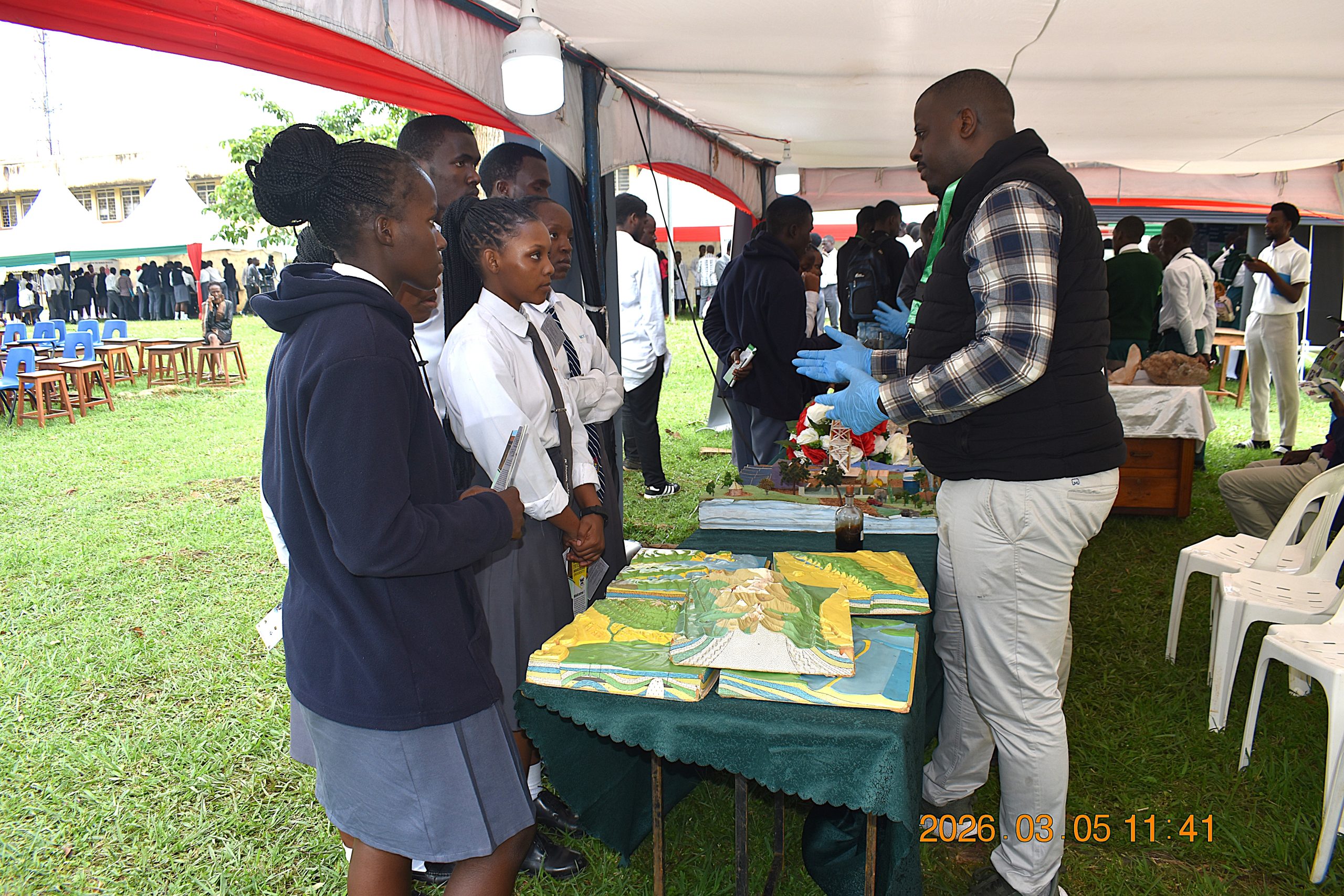
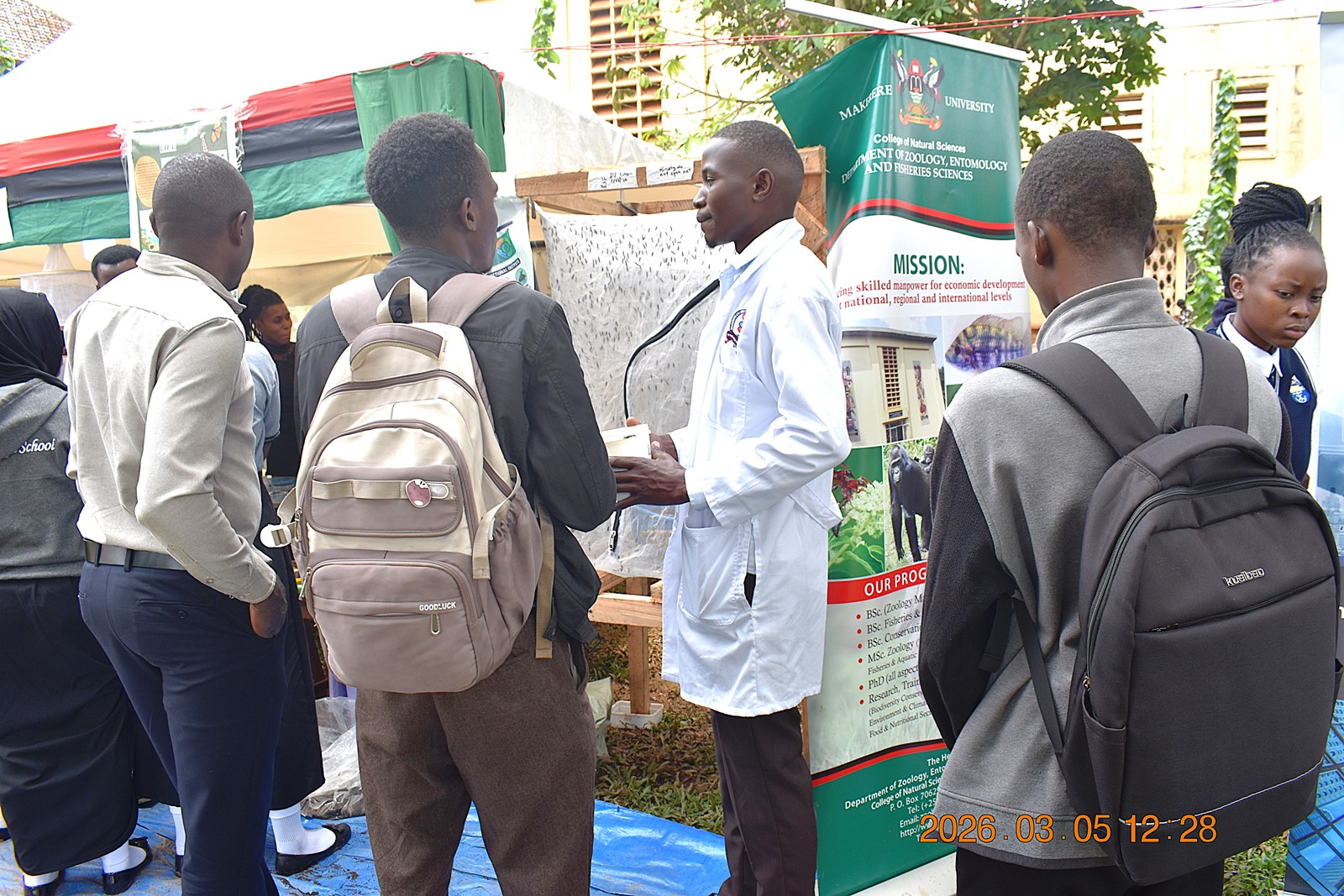
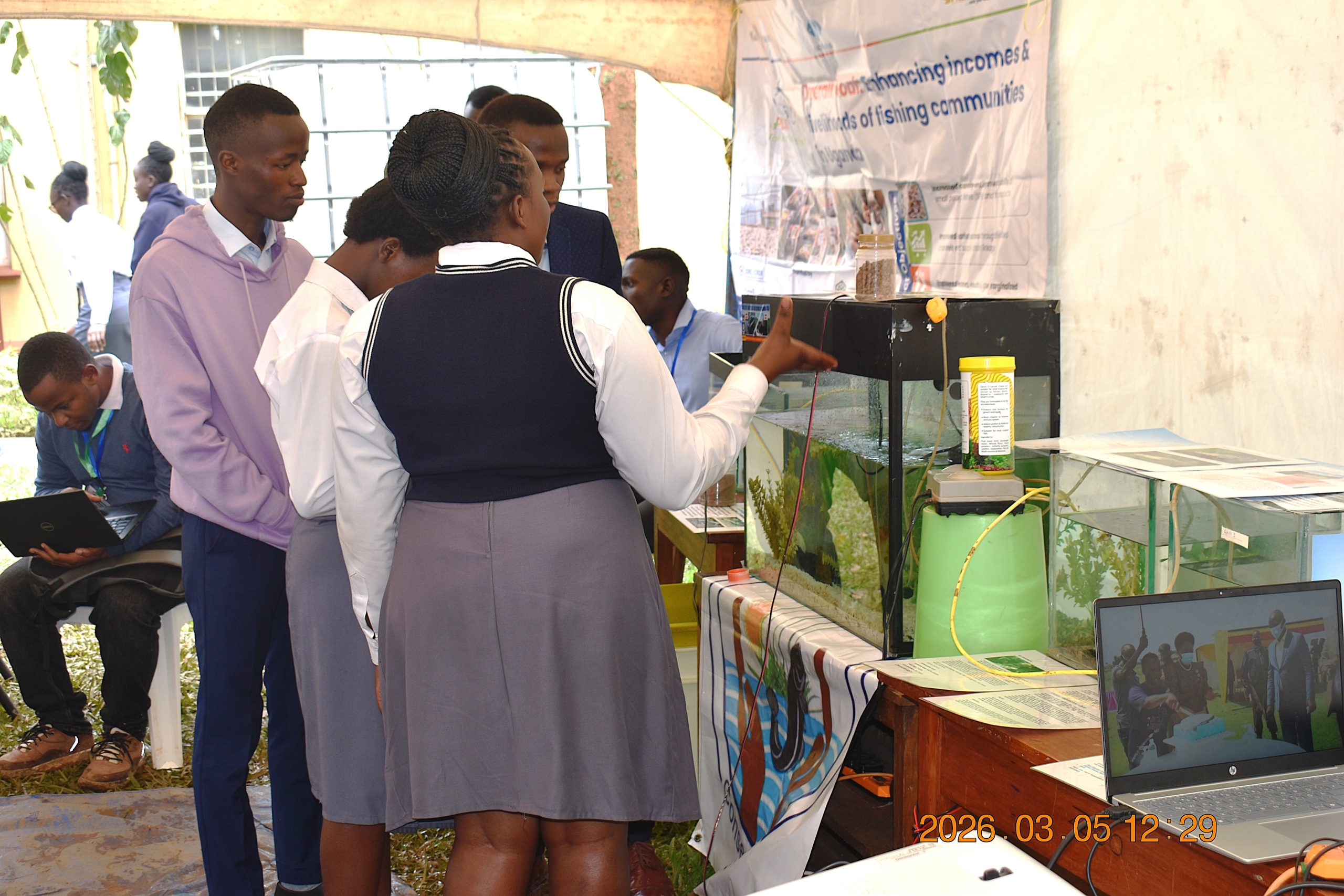
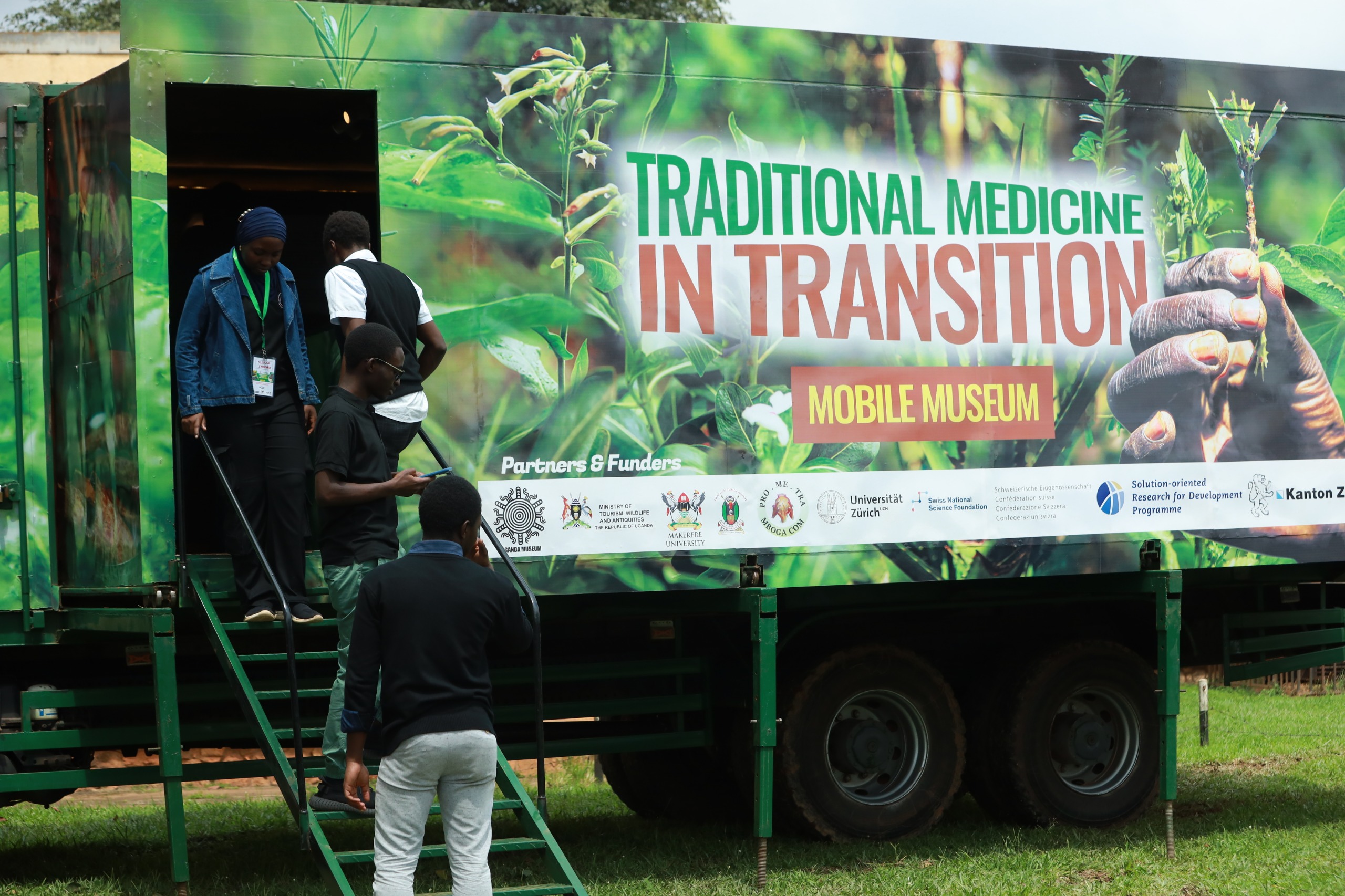
The College of Natural Sciences (CoNAS) at Makerere University successfully held its first Annual Science Exhibition from Thursday, 5th March to Saturday, 7th March 2026, at the Science Quadrangle within the college premises. The three-day event, officially opened by the Director of Research, Innovation, and Partnerships (DRIP) at Makerere University, Prof. Robert Wamala, attracted students, researchers, educators, and members of the public eager to explore groundbreaking scientific research and innovative solutions emerging from the institution.
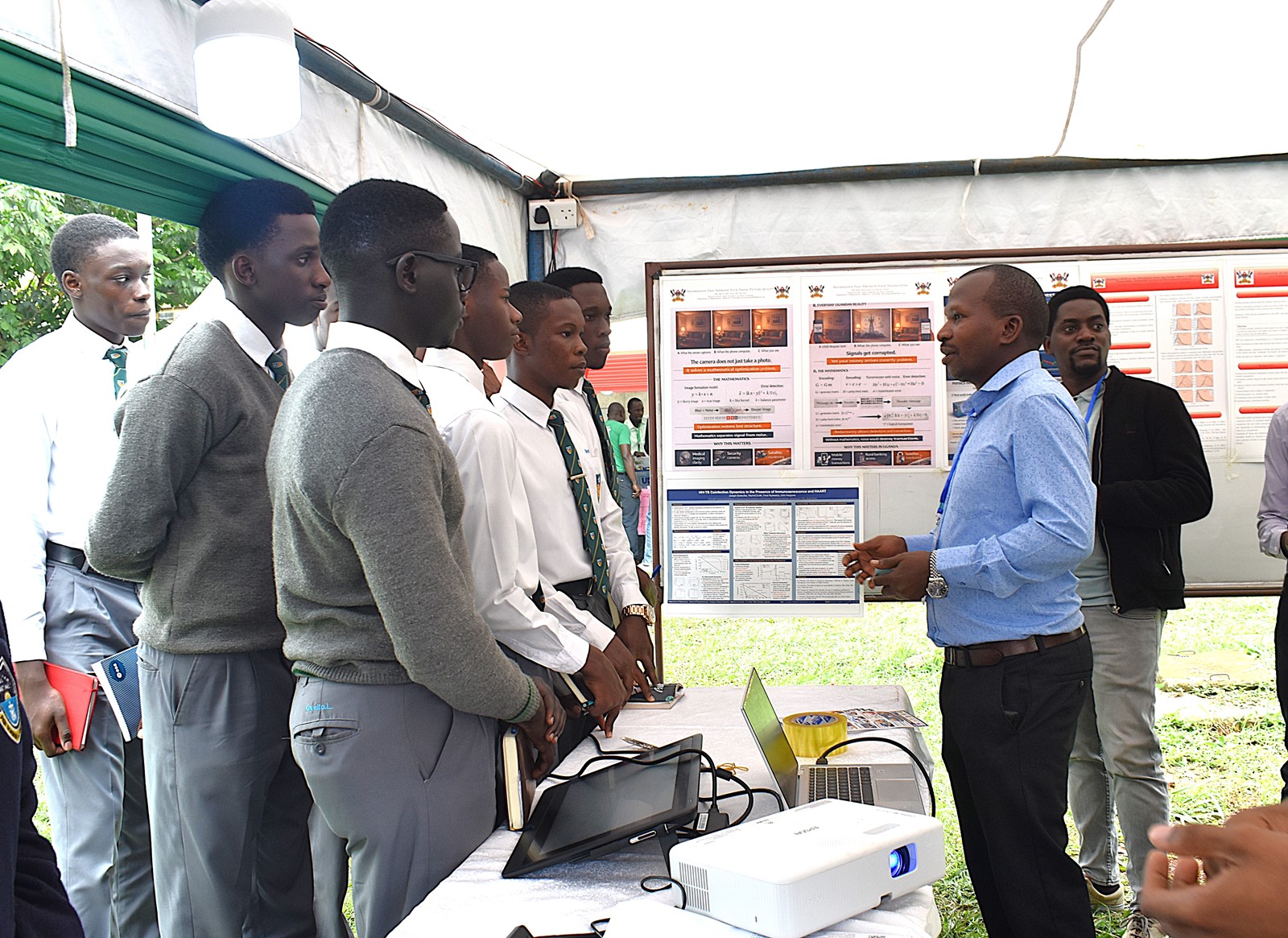
Held under the theme- Empowering Competent Learners for Innovation and Sustainable Development – the exhibition provided a platform for showcasing research breakthroughs and innovations developed within the college. The event allowed participants to interact with scientists, experience live demonstrations, and gain insight into how scientific discoveries are translated into solutions for real-world challenges.
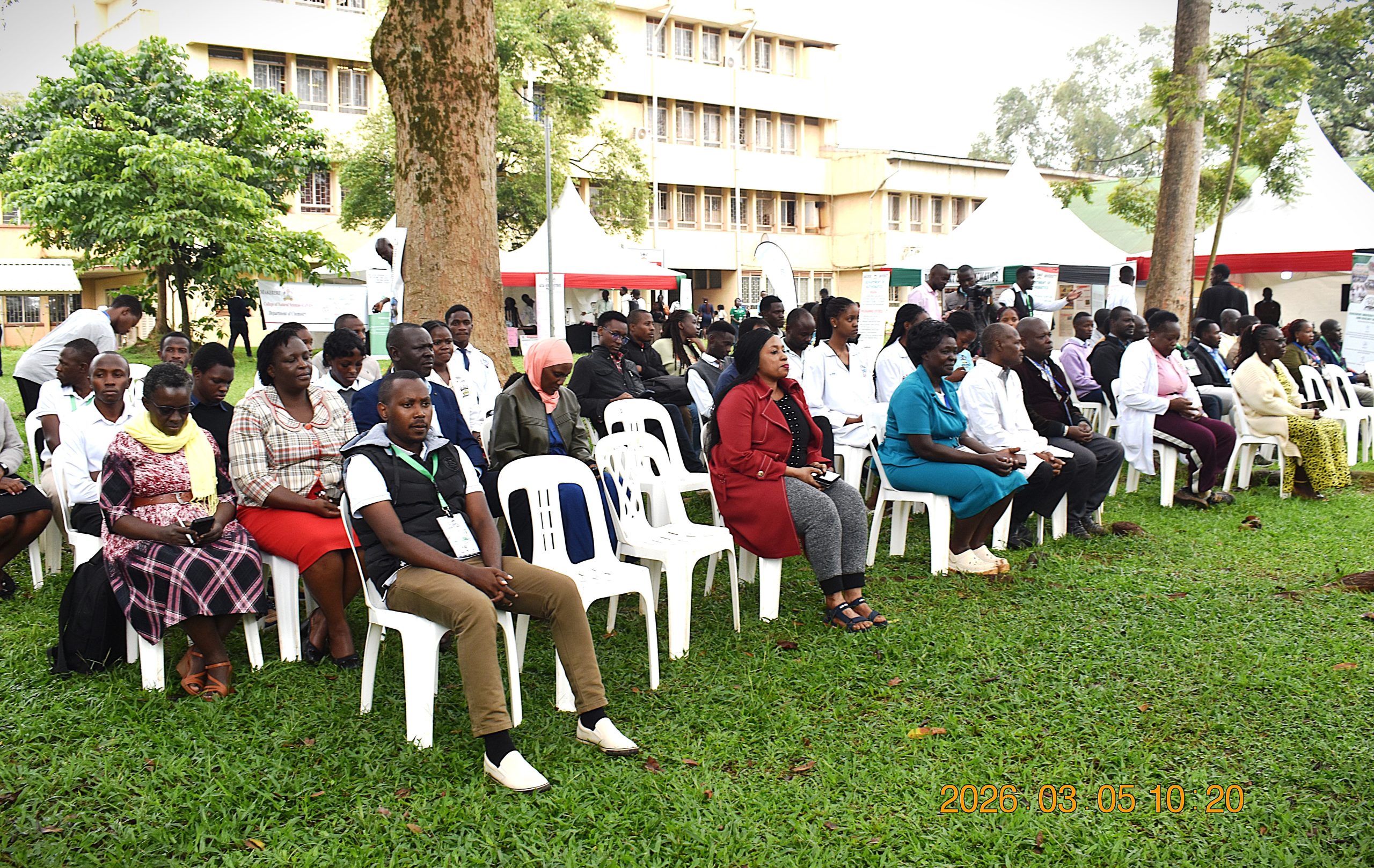
Showcasing Research and Innovation
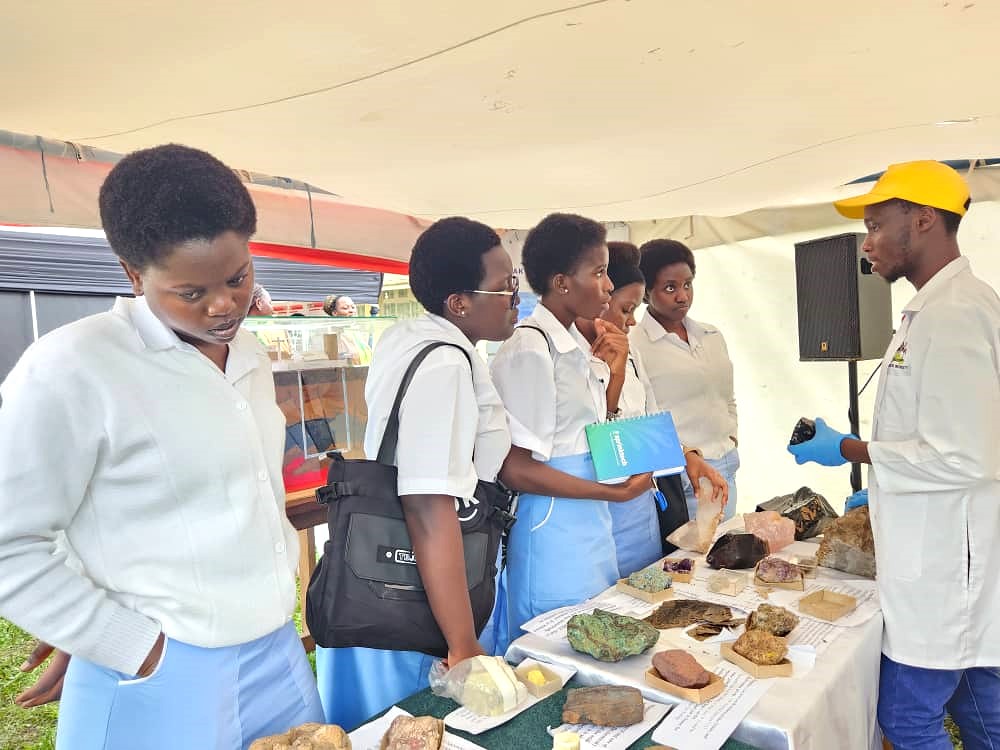
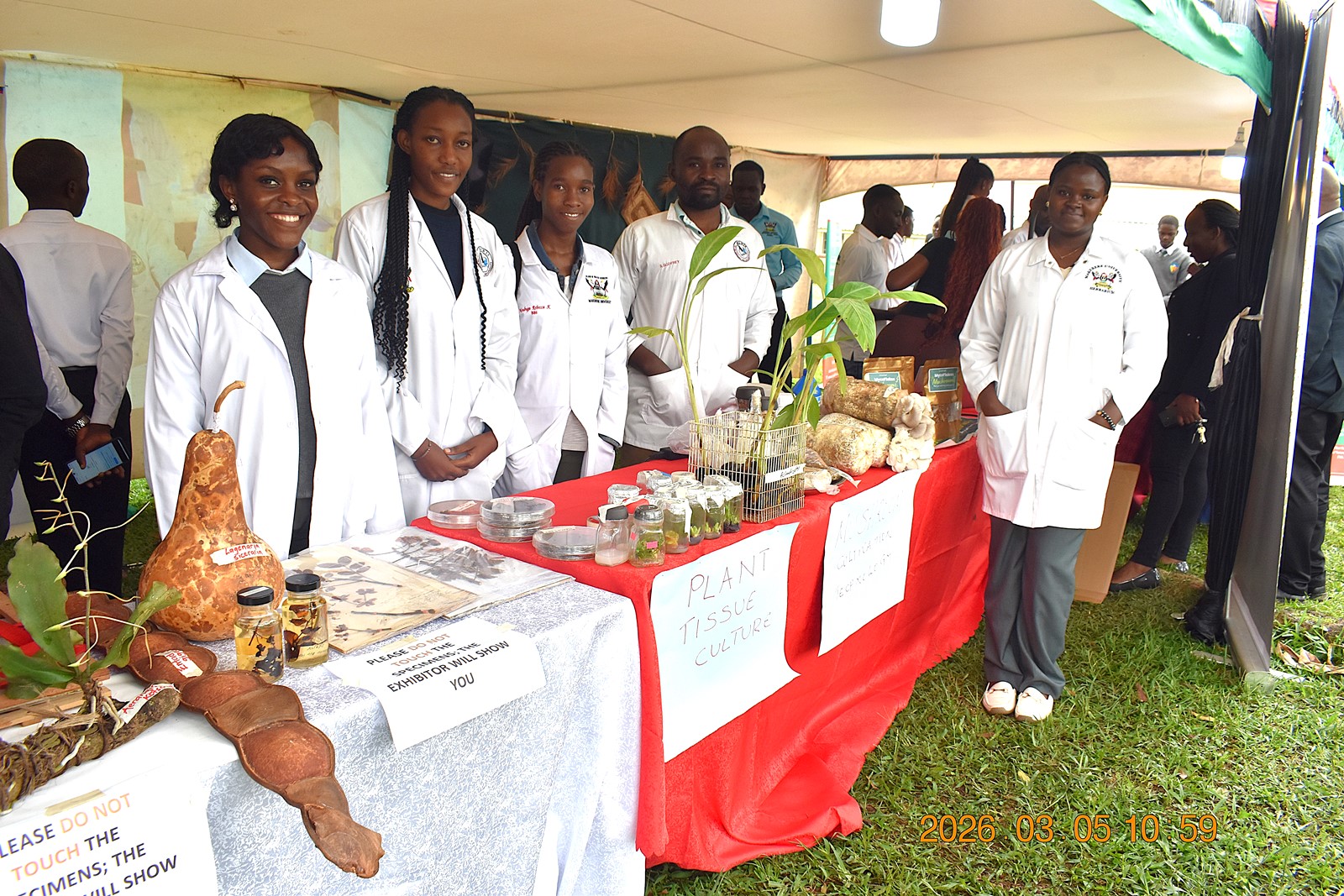
A key highlight of the exhibition was the presentation of cutting-edge research and innovations from the college’s eight departments: Department of Chemistry, Department of Geology and Petroleum Studies, Department of Mathematics, Department of Physics, Department of Biochemistry and Systems Biology, Department of Plant Sciences, Microbiology and Biotechnology, Department of Zoology, Entomology and Fisheries Sciences, and the Department of Exercise and Sports Science.
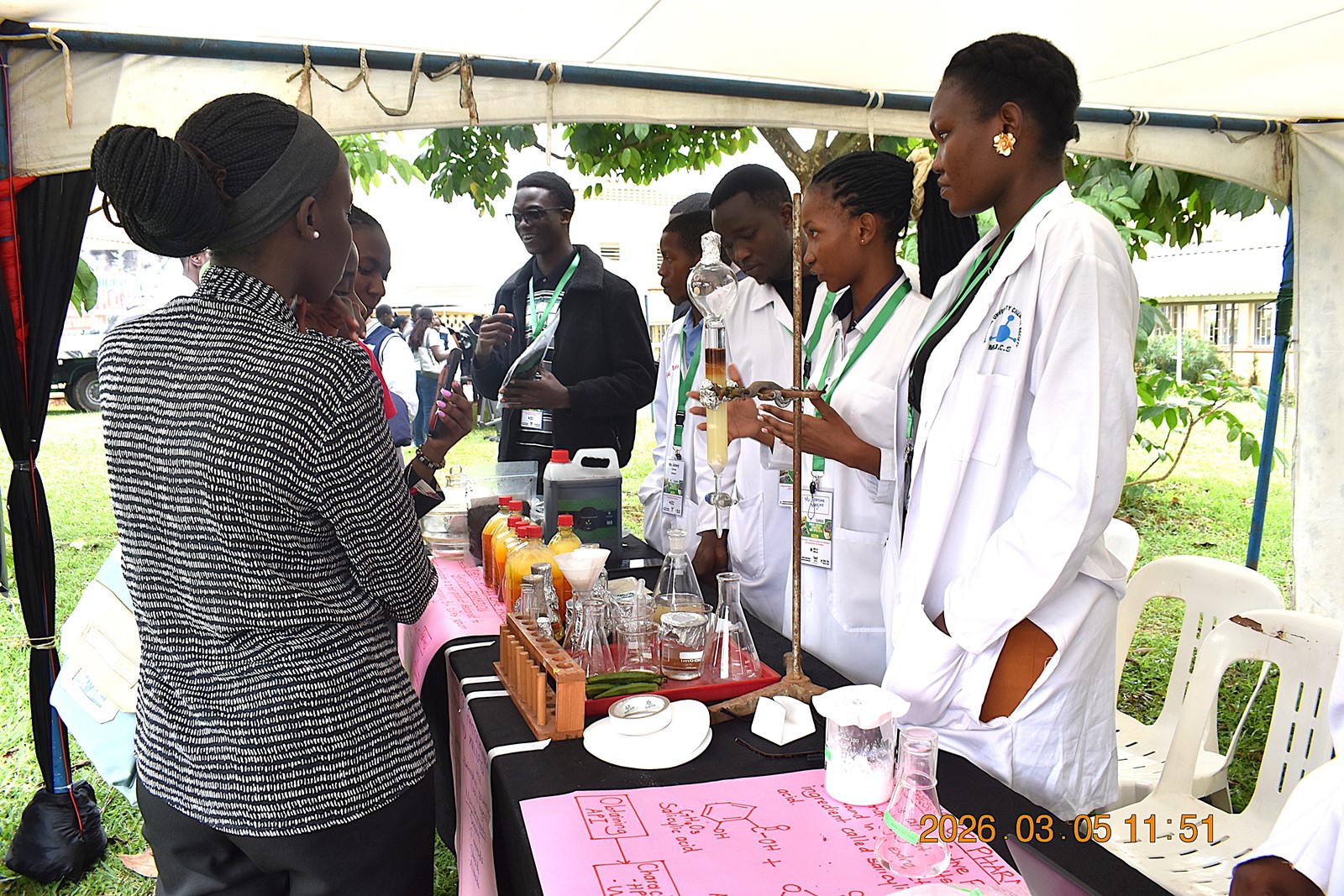
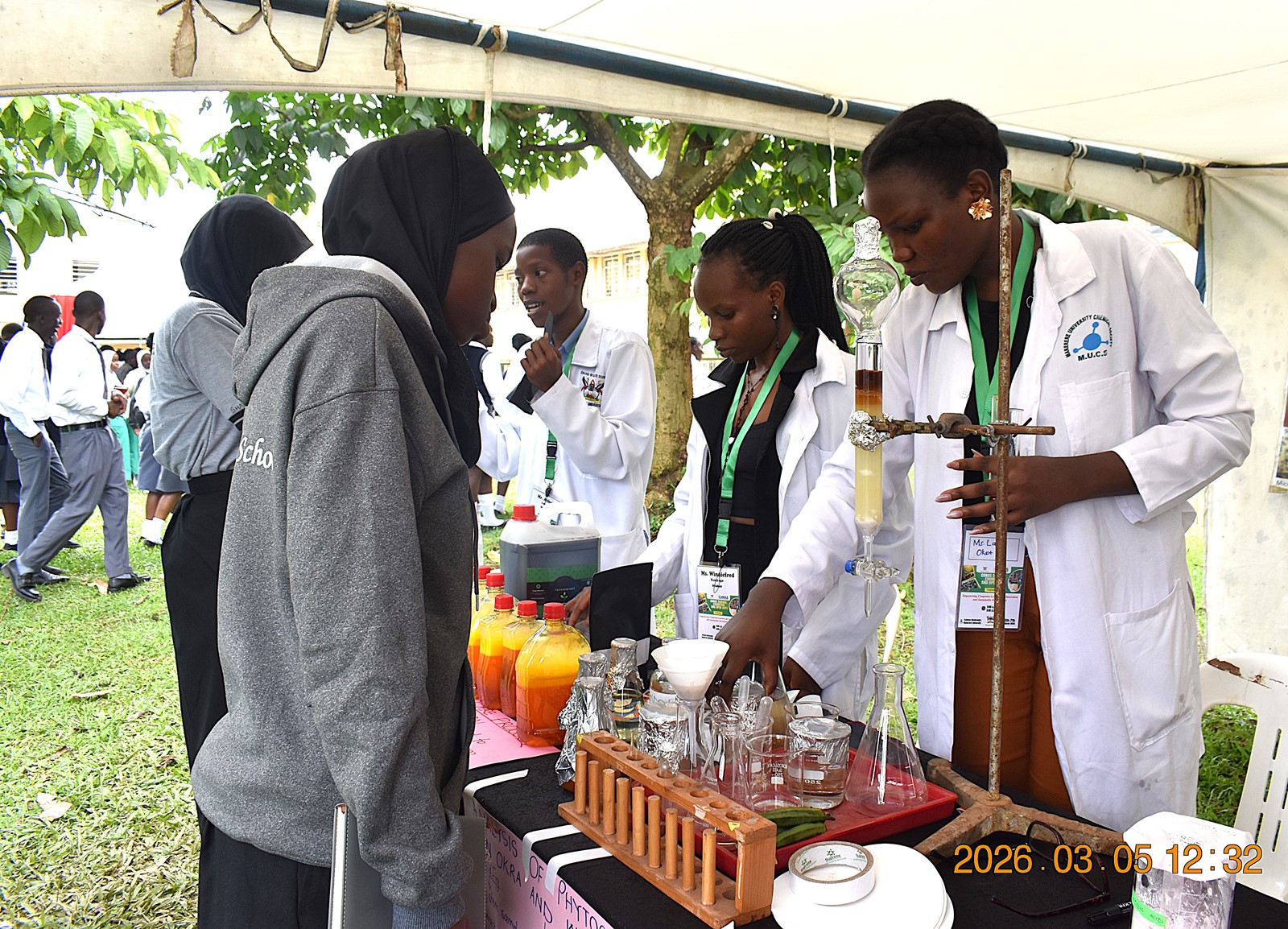
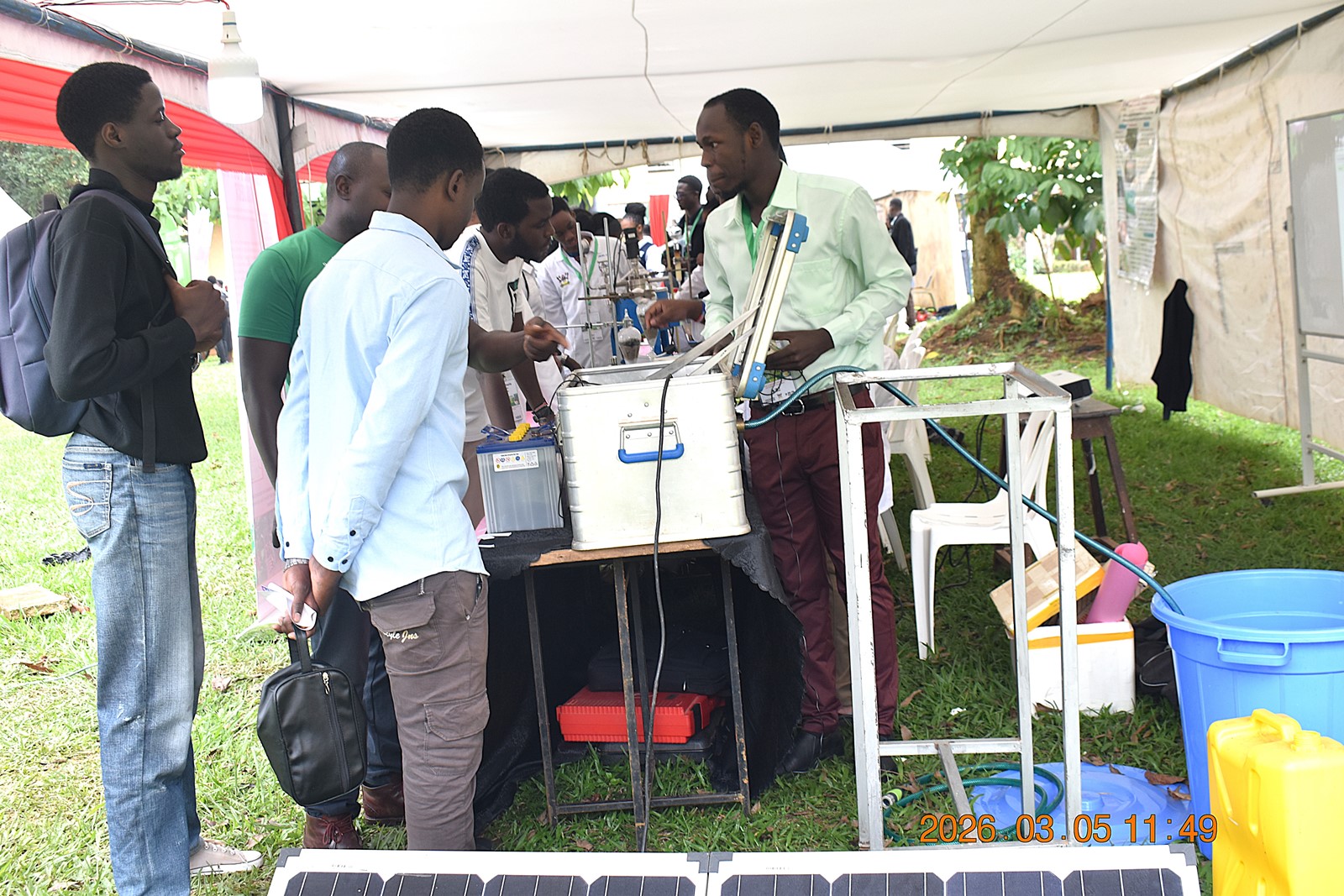
Through interactive displays and presentations, researchers and students shared projects that demonstrate the practical application of science in addressing societal needs. Many of these innovations highlighted the role of scientific knowledge in supporting industry, improving public health, strengthening environmental conservation, and contributing to economic development.
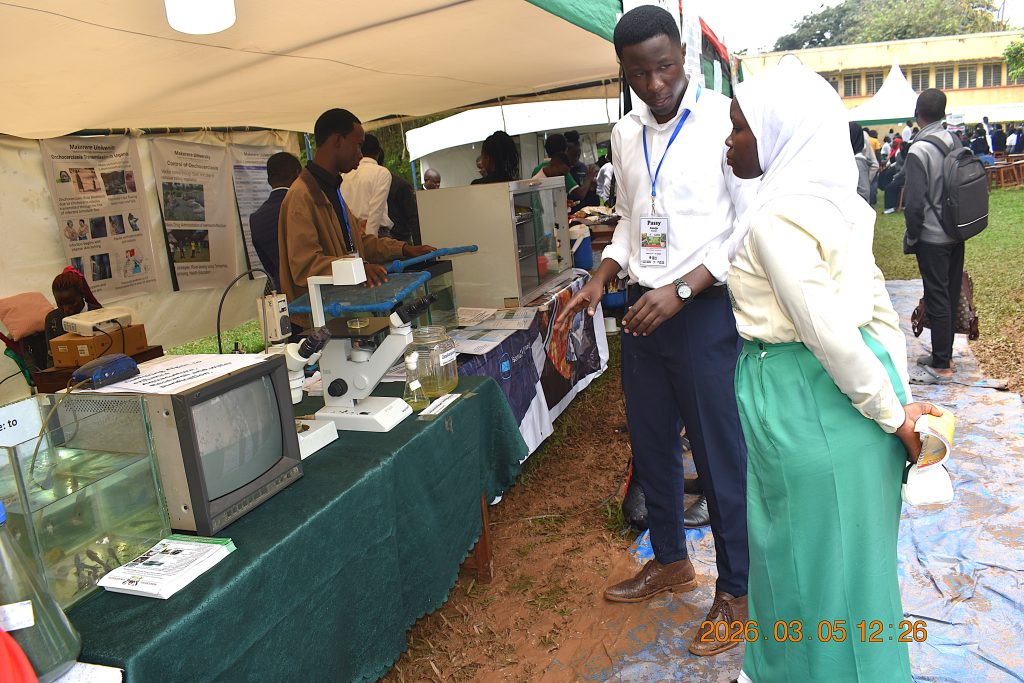
Visitors engaged directly with researchers and innovators, learning about the scientific processes behind the projects and the potential impact of the work being carried out at the university. The exhibition also emphasized the importance of interdisciplinary collaboration in the natural sciences, showing how combined expertise can generate new approaches to complex challenges.
Projects Showcased
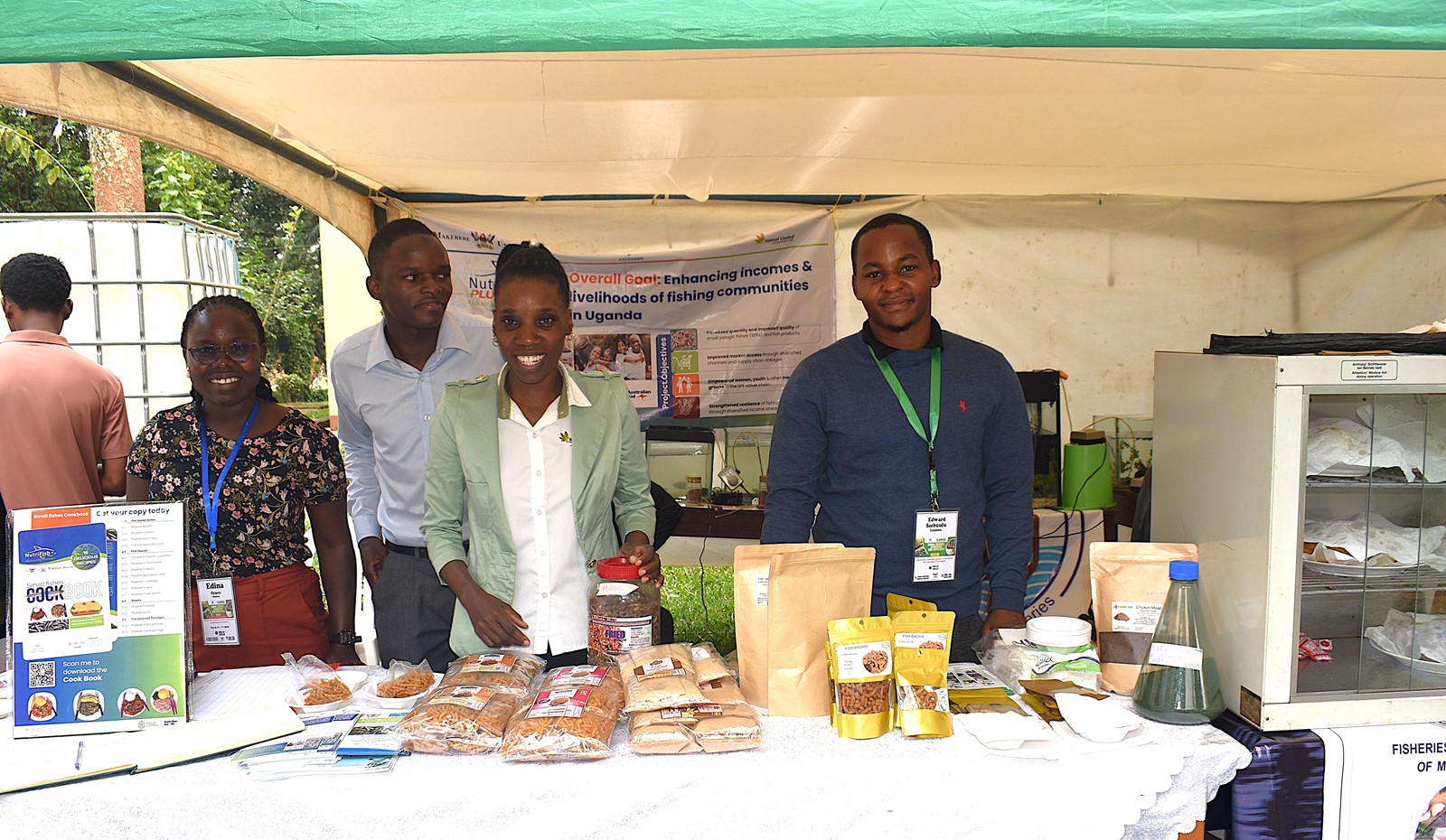
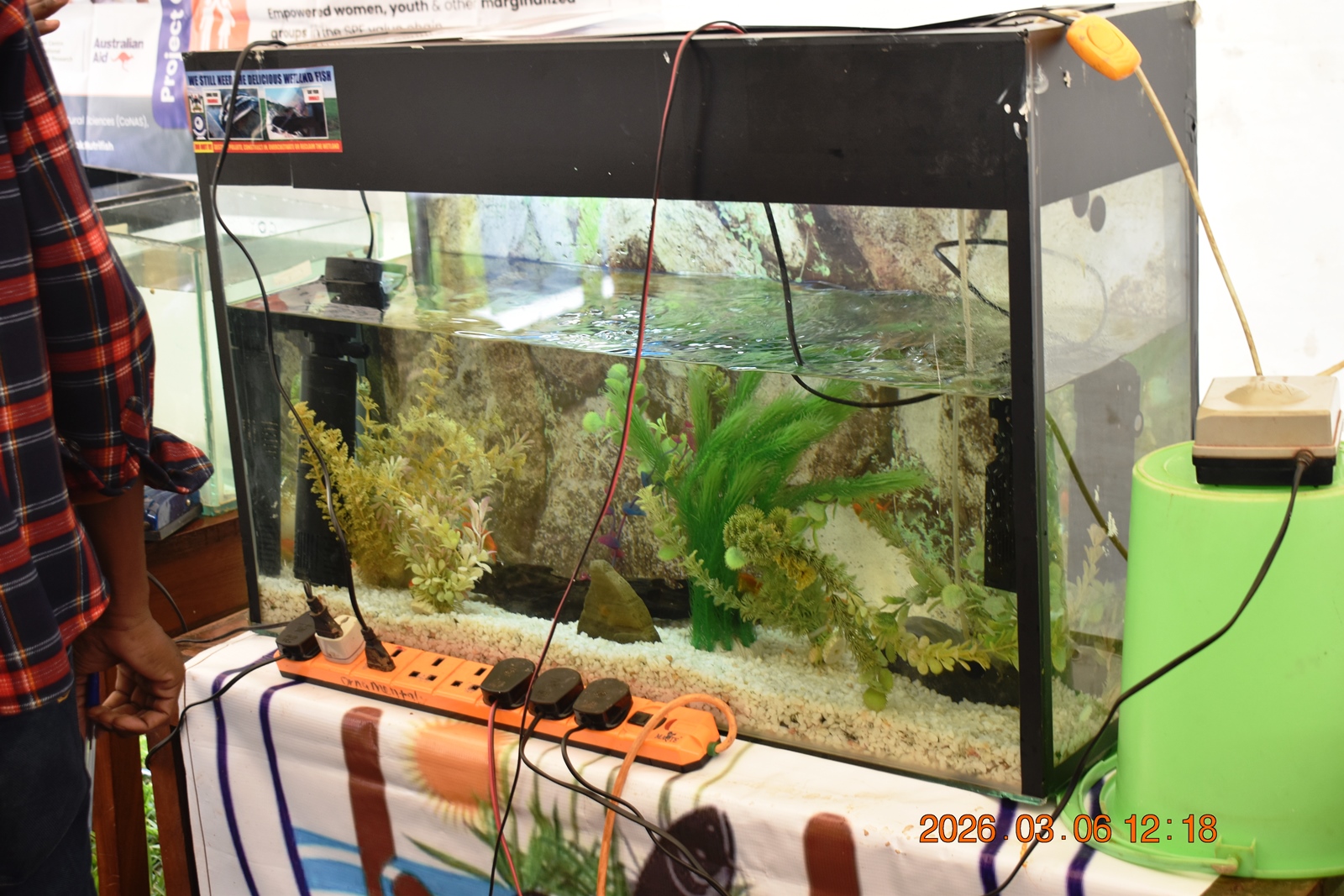
In the fisheries and aquatic sciences field, the exhibition featured products and initiatives from the NutriFish and INNOECOFOOD projects, alongside research in algae cultivation aimed at advancing aquaculture and improving water purification. Aquaponics systems, ornamental fish projects, and initiatives focused on value addition within the fisheries sector were also presented.
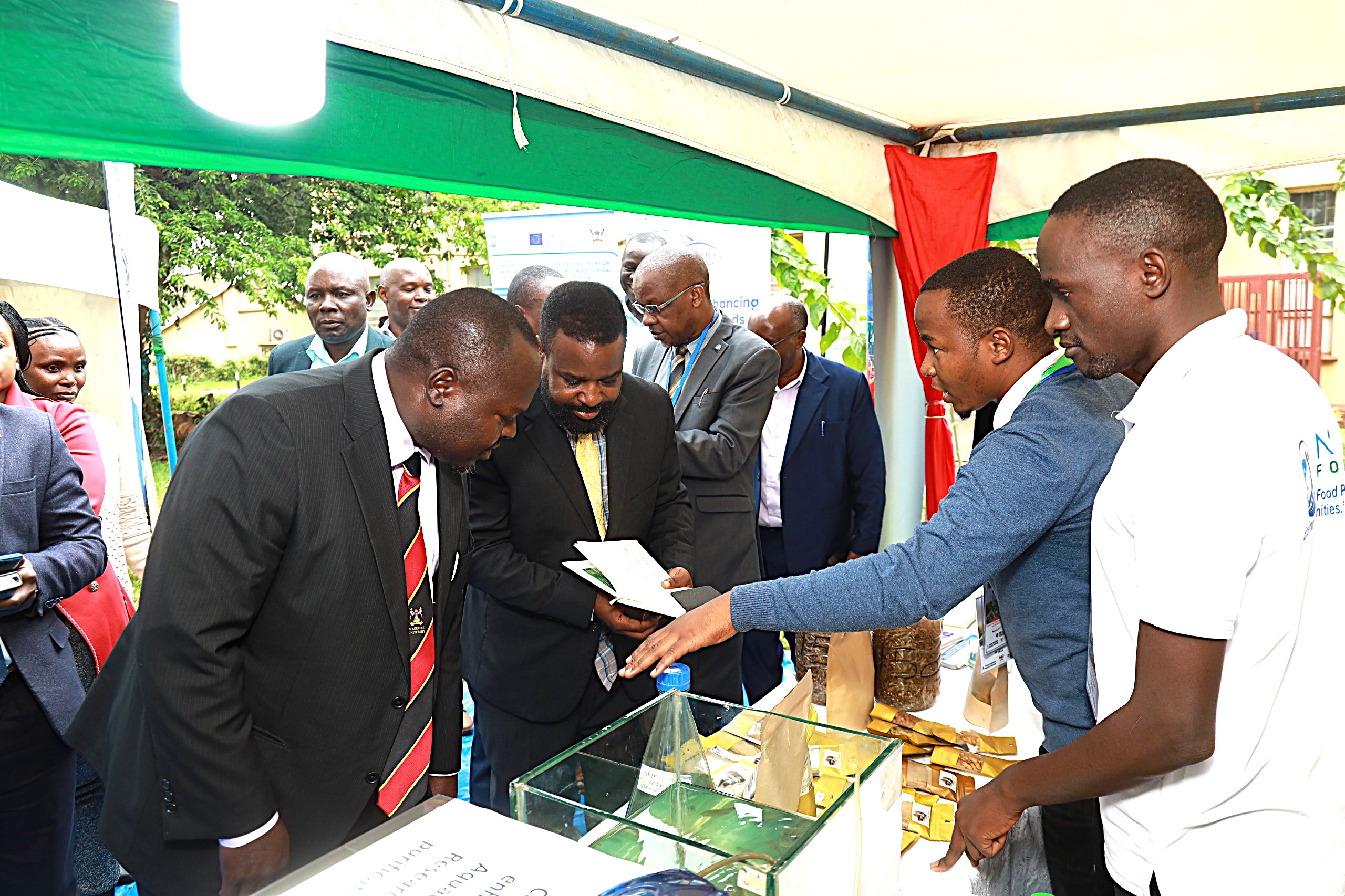
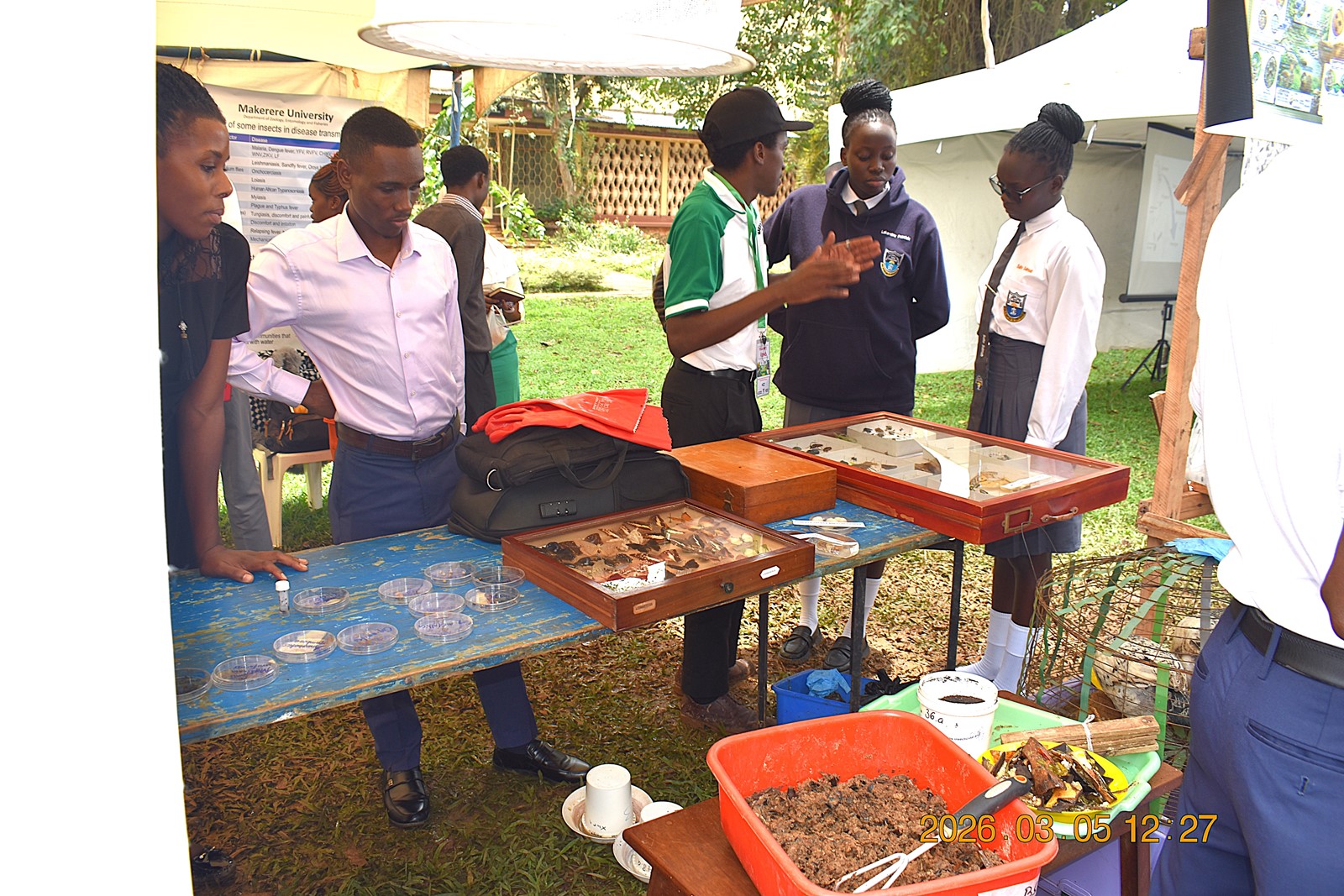
Within the biological and life sciences, notable projects included research in medical entomology, applications of FTIR spectrometry, and innovations in plant tissue culture and mushroom cultivation technologies. The Makerere University Herbarium was also featured, along with studies demonstrating the use of plant extracts to inhibit the growth of aflatoxin-producing fungi.
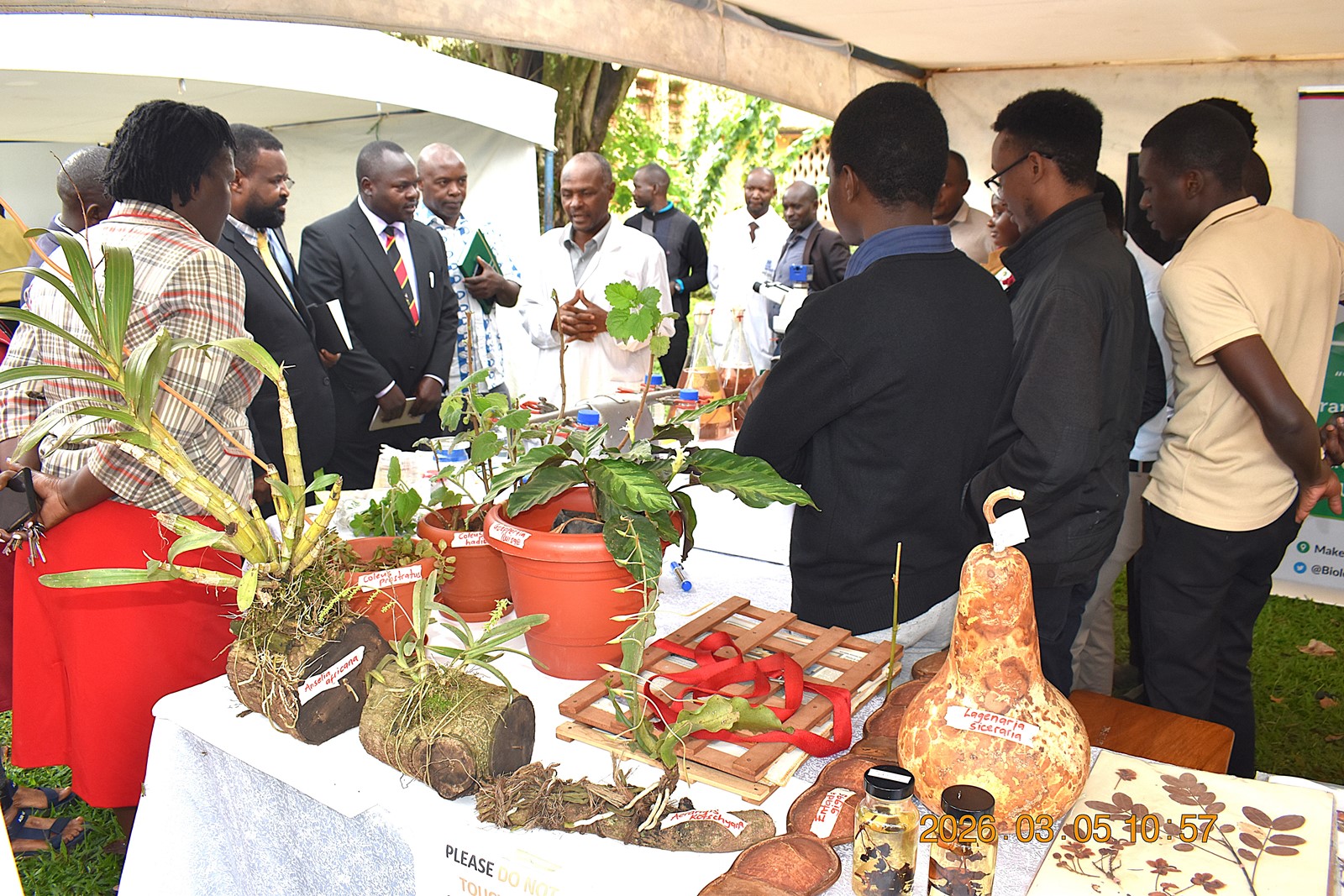
The agricultural biotechnology and environmental sustainability section highlighted the development of biofertilizers and biopesticides, as well as innovations in biogas production, organic tea cultivation, and the formulation of shampoos and hair-growth products derived from natural sources.
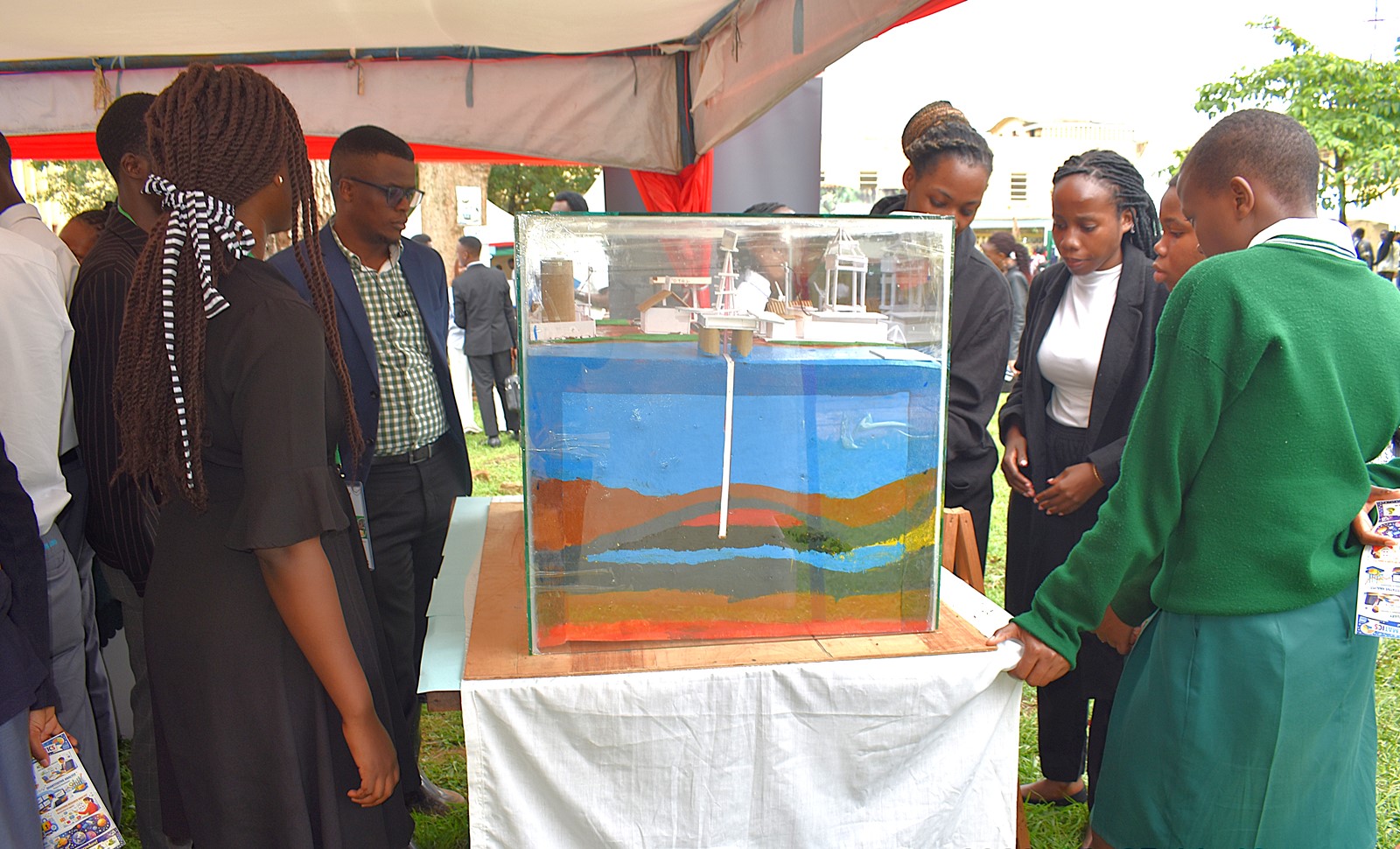
In the field of physical sciences and technological innovation, researchers presented solar water purification technologies, the development of an energy geoscience model, and interdisciplinary applications linking mathematics, data science, finance, and biology.
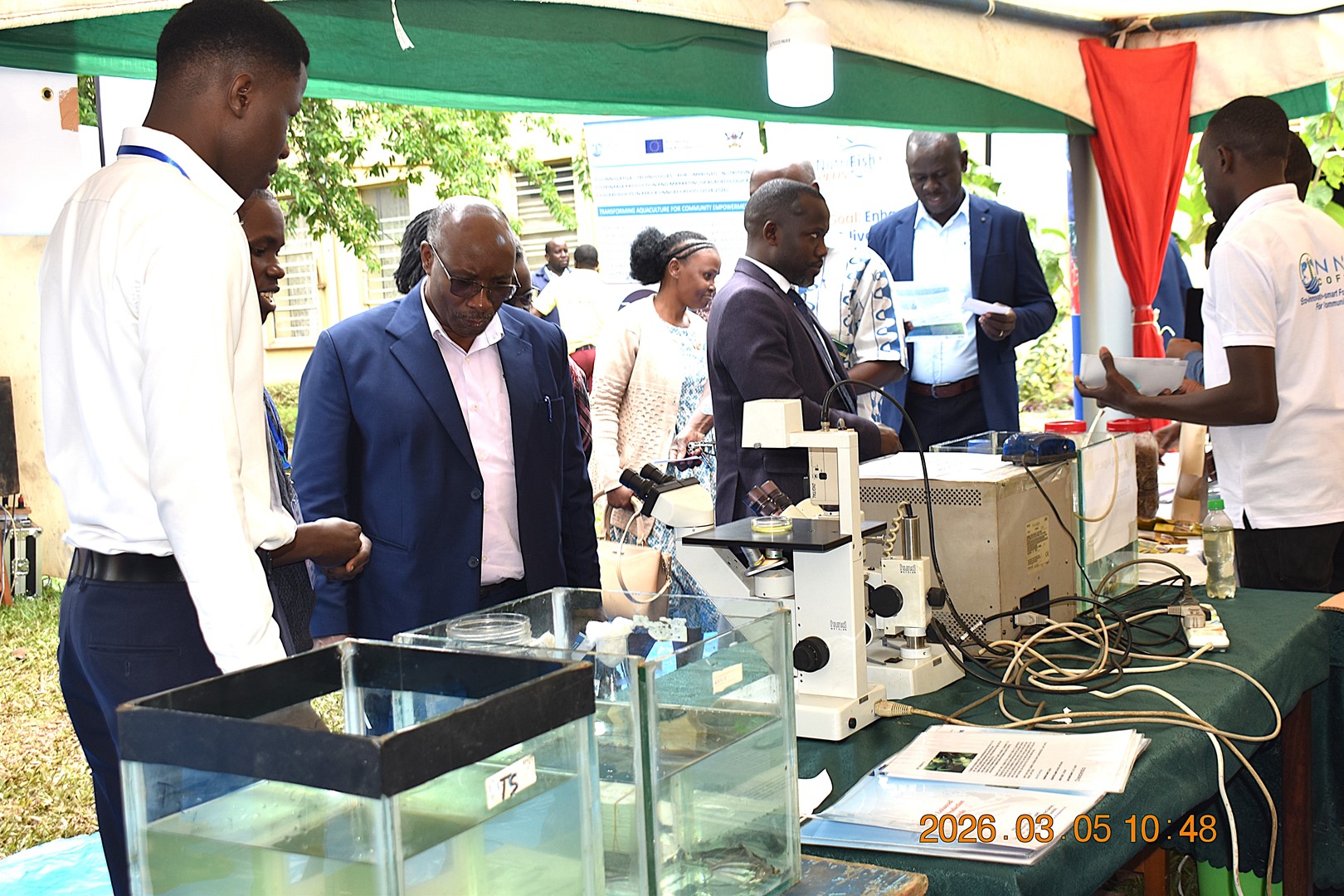
Traditional knowledge and community-centered innovations were also represented through projects in traditional medicine and cultural astronomy. Practical sustainability solutions were showcased as well, including the development of affordable solar cookers designed for use in educational institutions.
Inspiring Future Scientists through Career Guidance
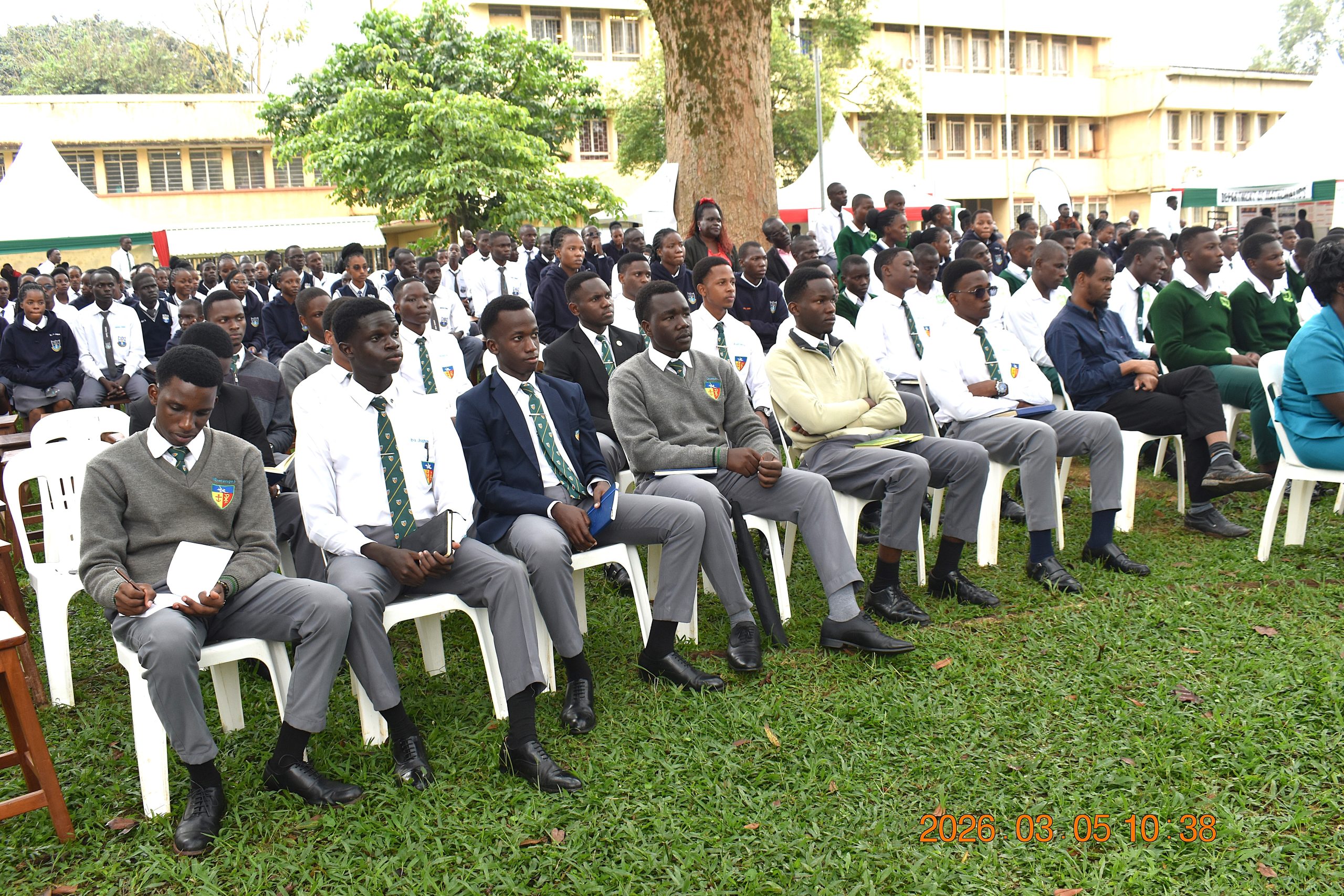
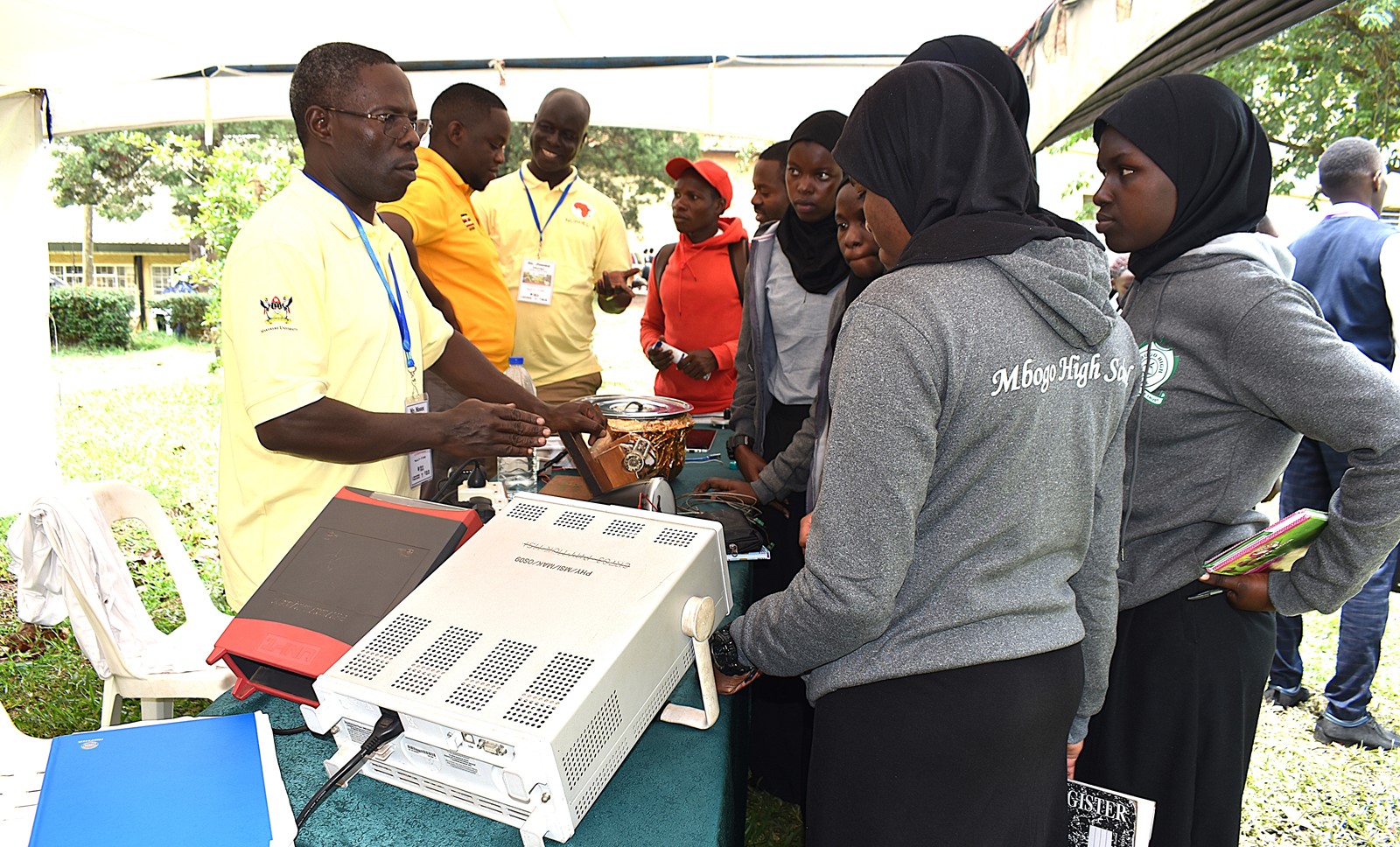
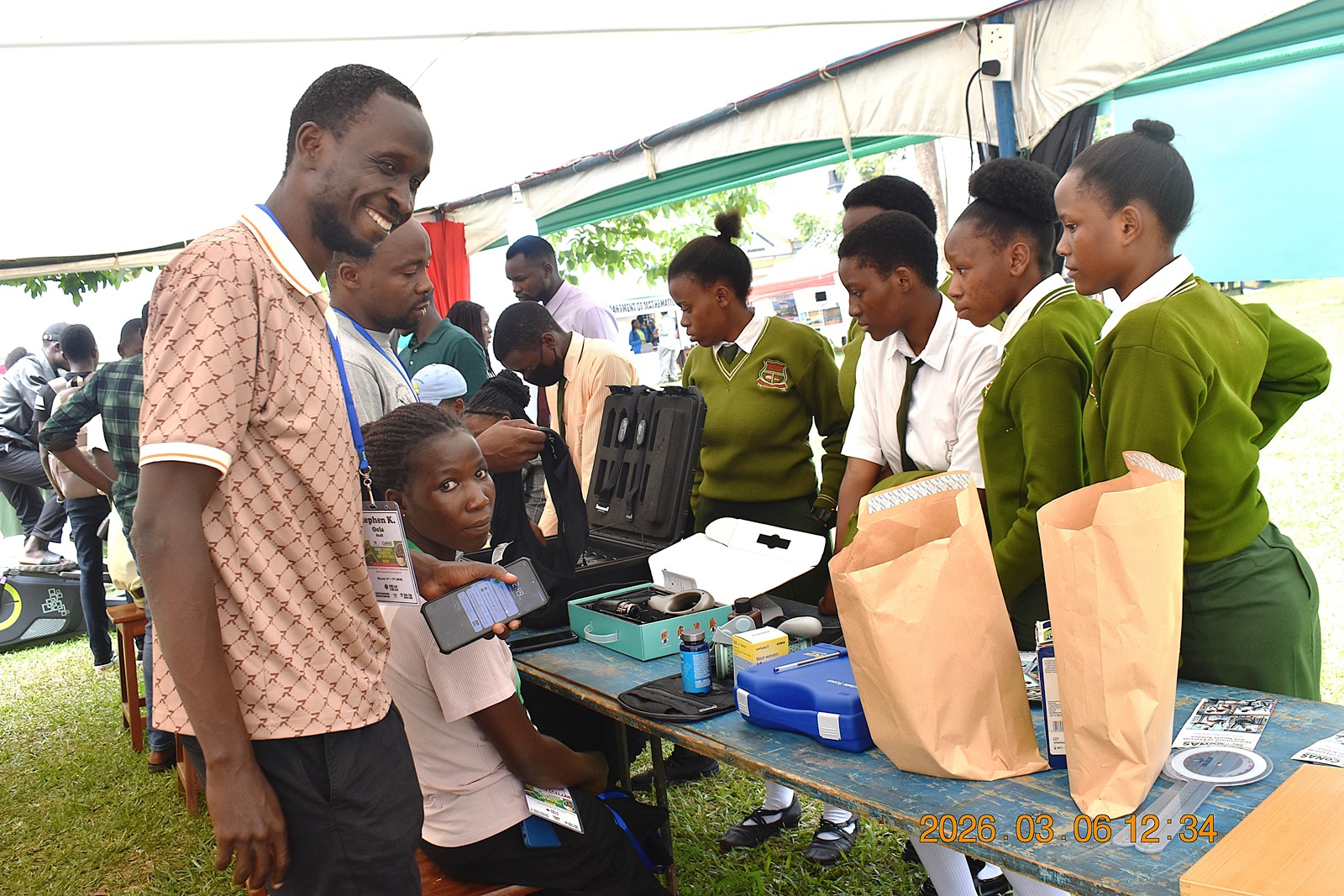
Another key component of the exhibition was career guidance for secondary school students studying sciences. Nine secondary schools took part in the activity, including Holy Cross Lake View S.S.S (Jinja), Namilyango College, Namakwa S.S, Mbogo High School, Kawanda S.S, Nabisunsa Girls Secondary School, Mariam High School, Bukasa High School, and Samson Memorial High School.
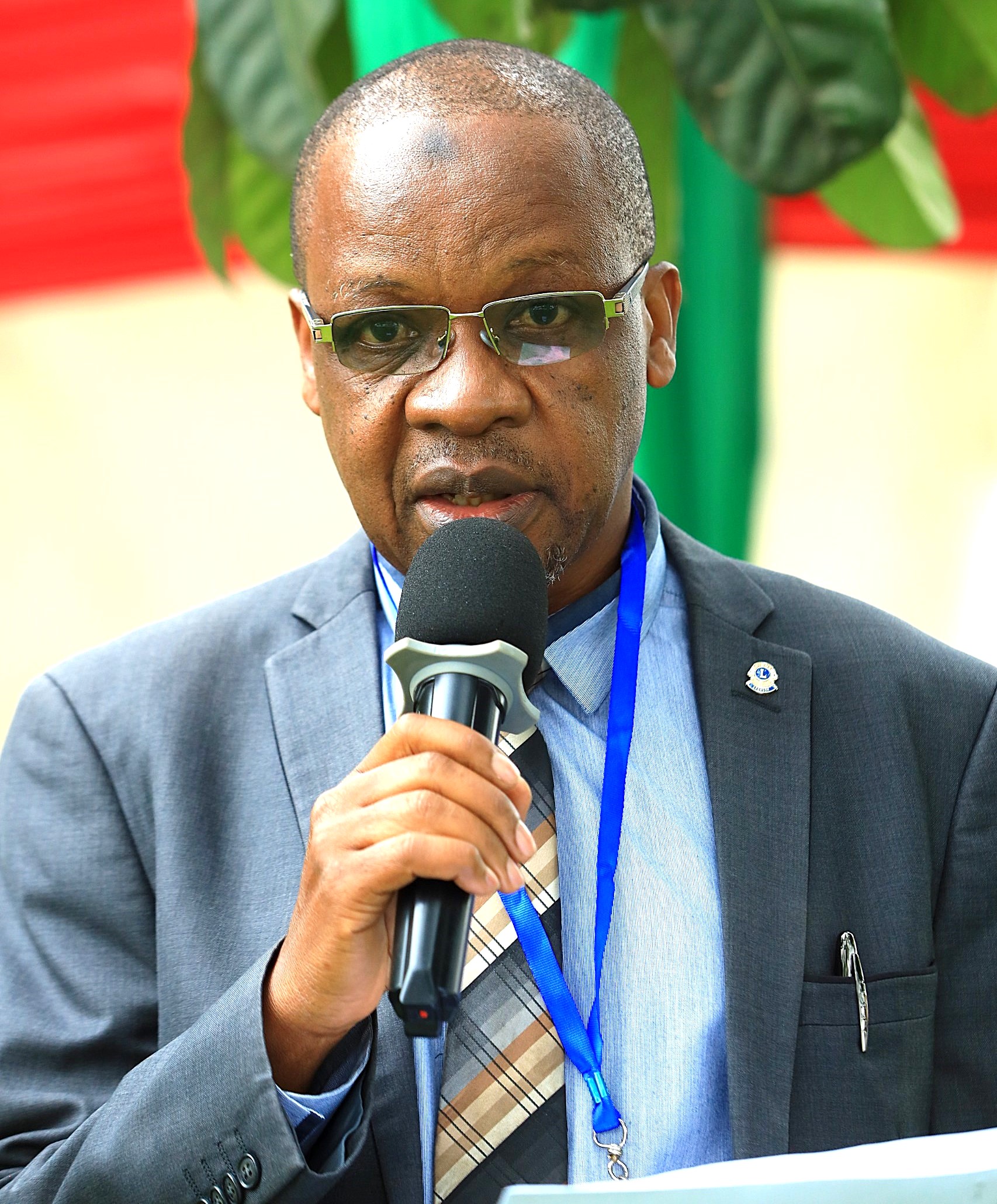
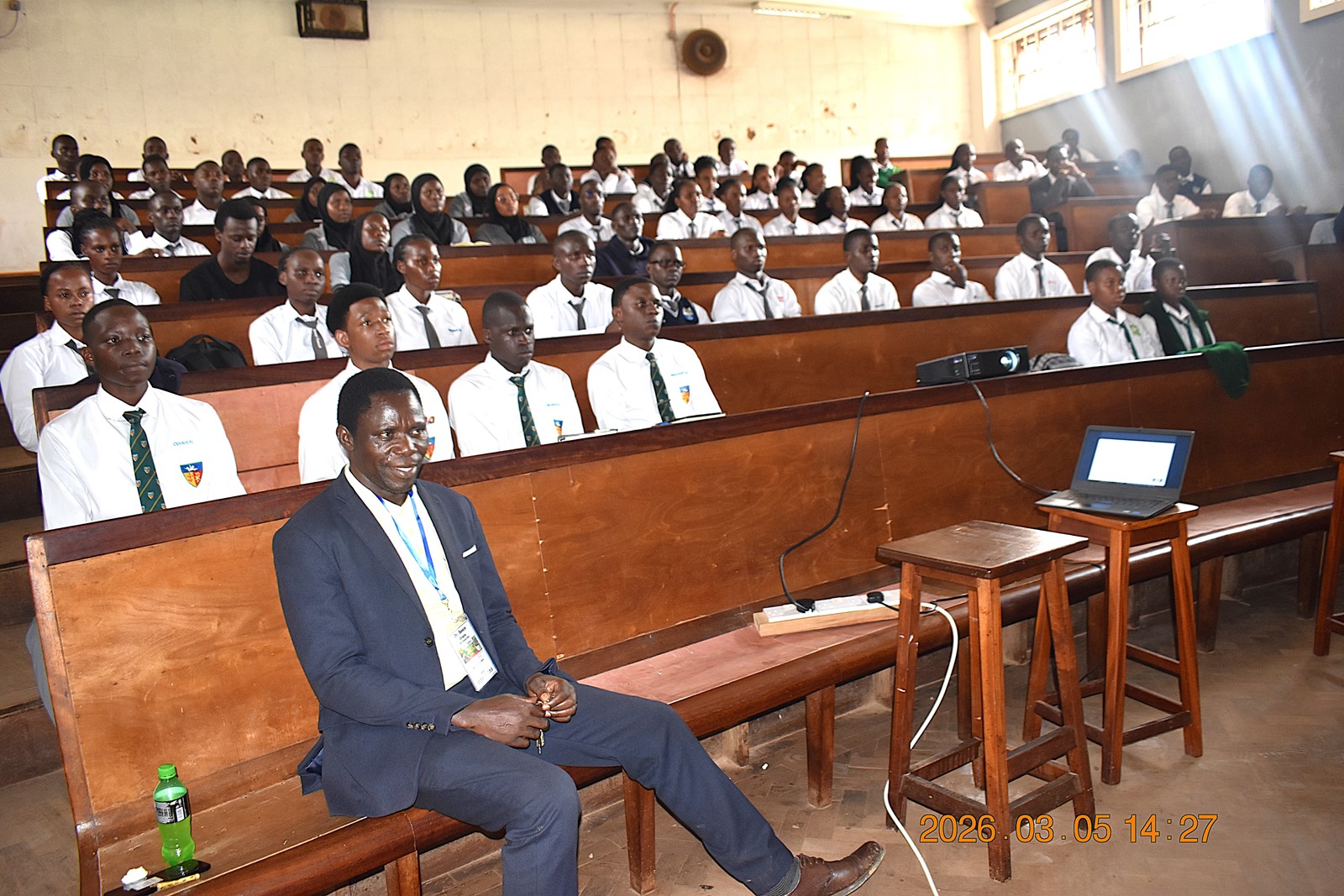
Through guided tours, mentorship sessions, and interactive discussions, the students engaged with scientists and university lecturers who provided insights into academic pathways and career prospects in the sciences. The sessions were designed to inspire young learners and help them understand the relevance of science in everyday life and national development.
Science teachers at the event noted that such initiatives are essential in motivating students to pursue careers in science, technology, engineering, and mathematics (STEM). “By witnessing real-world applications of research and innovation, the students are able to see how scientific ideas can evolve into practical solutions that benefit society.”
Remarks by the Director of Research, Innovation and Partnerships at Makerere
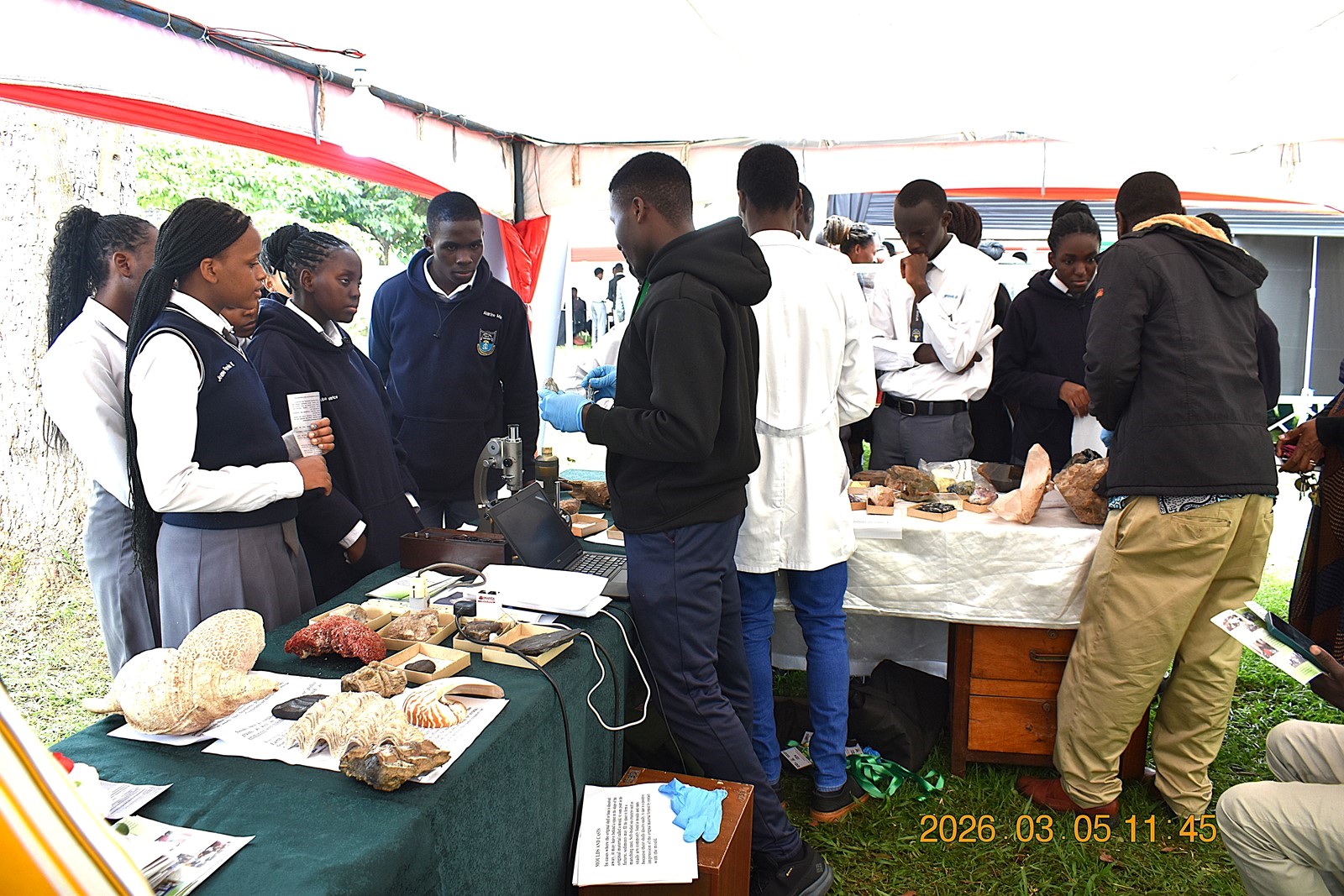
In his remarks, Prof. Robert Wamala emphasized the critical role of scientific research and innovation in driving sustainable development and national transformation. He commended the College of Natural Sciences for creating a platform that not only showcases scientific achievements but also inspires the next generation of scientists.
“The inaugural science exhibition reflects Makerere University’s continued commitment to promoting research, innovation, and academic excellence. By creating opportunities for collaboration between students, researchers, educators, and the wider community, the event strengthens the university’s role as a hub for scientific discovery and knowledge dissemination. I commend the leadership of CoNAS, the Organizing Committee, the researchers and students who have prepared the exhibits, and all partners who have supported the initiative. Your dedication to promoting scientific engagement and community outreach is highly appreciated.”
Remarks by the Principal of CoNAS
Addressing the participants, the Acting Deputy Vice Chancellor in charge of Finance and Administration, also Principal of CoNAS at Makerere University, Prof. Winston Tumps Ireeta, underscored the significance of the event in fostering scientific innovation and equipping students with the guidance needed to make well informed career decisions. “The idea to launch the Annual Science Exhibition was conceived in response to the growing demand from schools nationwide for structured career guidance opportunities for their students. Through this exhibition, we aim not only to ignite curiosity and creativity in young minds but also to provide them with practical insights and exposure that will empower them to make informed and confident choices about their future careers in science and related fields.”
Appreciation from the Organizing Committee
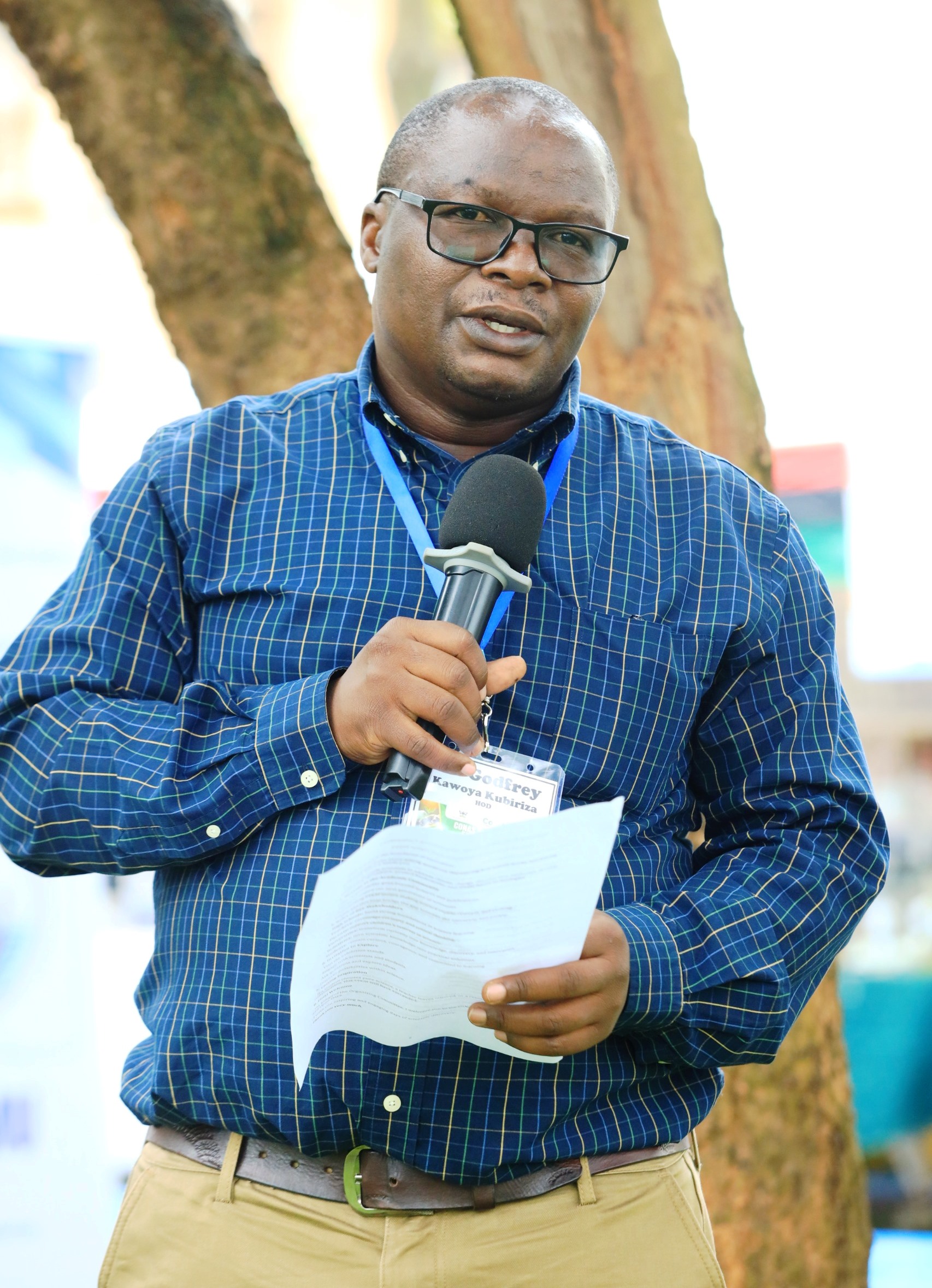
On behalf of the Organizing Committee, Dr. Godfrey Kawooya Kubiriza, Head of the Department of Zoology, Entomology, and Fisheries Sciences at CoNAS, expressed gratitude to the College and University Management for supporting the initiative. He noted that the initiative would significantly complement ongoing efforts to dispel misconceptions surrounding the Bachelor of Science programme, enhance performance in Biology, and foster scientific discovery.
Dr. Kubiriza expressed optimism that the exhibition would become an annual event, offering a broader platform for scientists and students to showcase their work and inspire innovation across Uganda and beyond.
He expressed gratitude to Prof. Juma Kasozi, Deputy Principal of CoNAS, for his steadfast guidance, and to the members of the organizing committee for their dedication in making the event a success.
Participants praised the event for its educational value, interactive nature, and its contribution to building a stronger culture of scientific curiosity and innovation among young learners and researchers.
The event was moderated by Mr. David Kisitu, IT Officer at CoNAS, in liaison with the Dr Godfrey Kawooya Kubiriza, Chair of the Organizing Committee, and Dr Joel Isanga, Lecturer in the Department of Biochemistry and Systems Biology.

Natural Sciences
Makerere University Researchers Awarded UCIF Grant to Tackle Maize Contamination with Innovative Plant-Based Fungicide
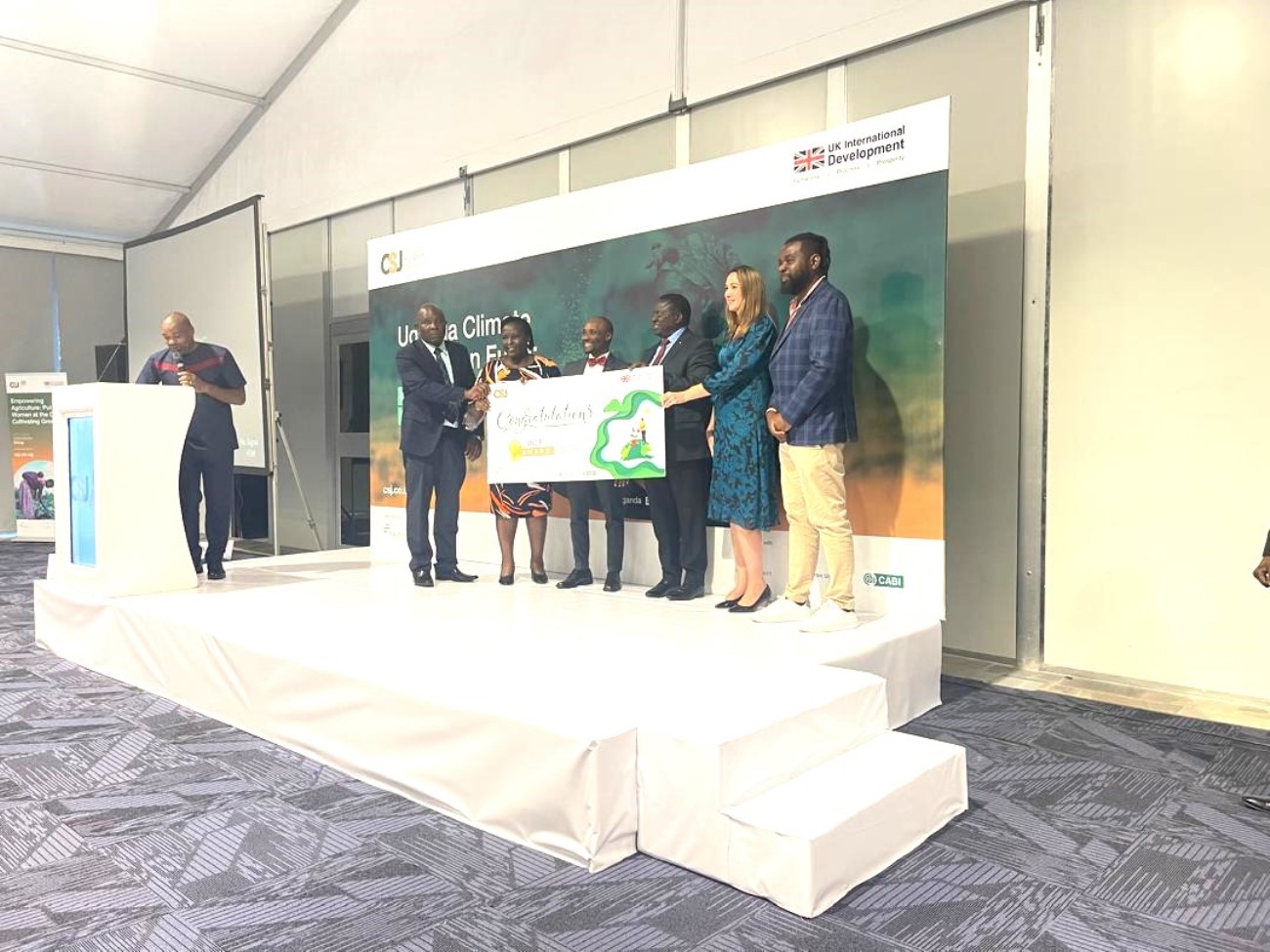
In a significant stride towards ensuring food safety and agricultural resilience, a team of researchers from Makerere University has been awarded the prestigious Uganda Climate Innovation Fund (UCIF) to support the development of a groundbreaking solution to maize contamination.
Maize, a staple food for millions of Ugandans, has long been threatened by Aspergillus fungi, which produce aflatoxins, highly toxic compounds that pose serious risks to human health, livestock, and the nation’s agricultural productivity. Recognizing the urgency of this challenge, the research team from the Department of Plant Sciences, Microbiology, and Biotechnology at the College of Natural Sciences (CoNAS), Makerere University, is pioneering the development of a plant-based organic fungicide aimed at significantly reducing Aspergillus growth and aflatoxin contamination in maize.
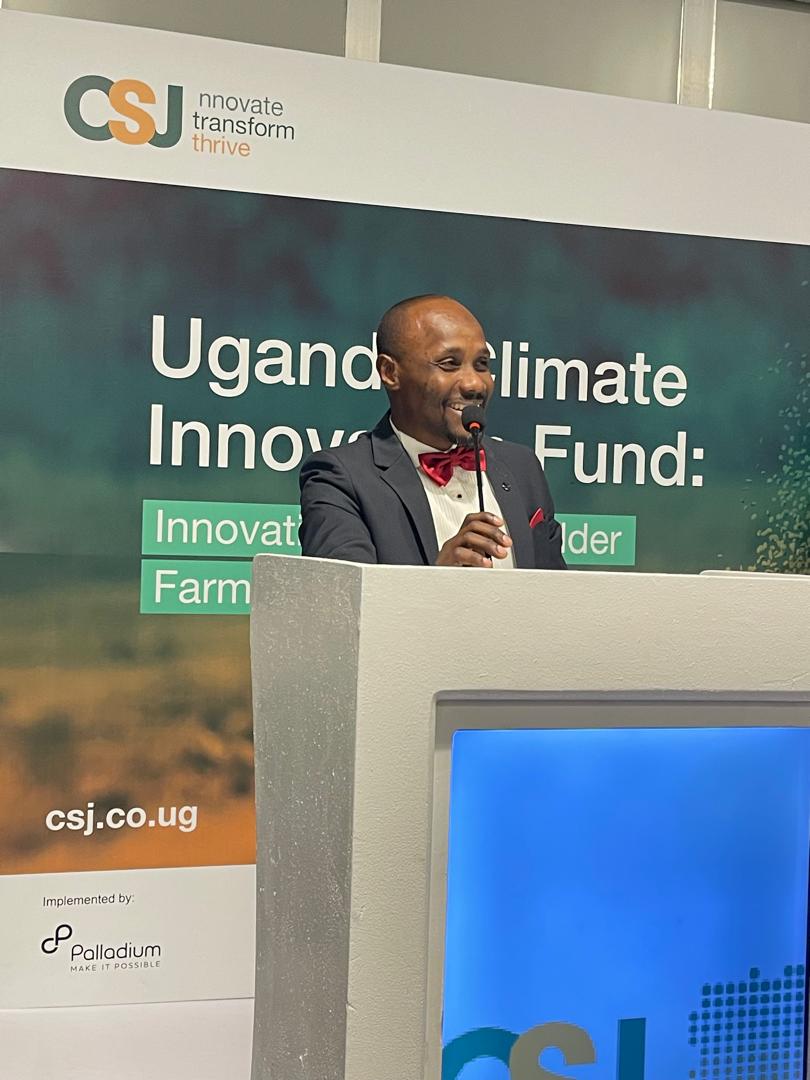
The initiative is spearheaded by Dr. Abubakar Sadik Mustafa (Principal Investigator), with major contributions from co-innovators Dr. Jamilu E. Ssenku, Dr. Patience Tugume, Mr. Frank Kalungi, and Mr. John Okello. The team officially received the UCIF award on 26 February 2026 at an event held at Kampala Serena Hotel.
“This recognition underscores the importance of locally-driven scientific innovation in safeguarding our food systems,” said Dr. Mustafa upon receiving the award. “Our goal is to deliver an environmentally friendly solution that not only protects maize but also contributes to public health and supports sustainable livelihoods for smallholder farmers.”
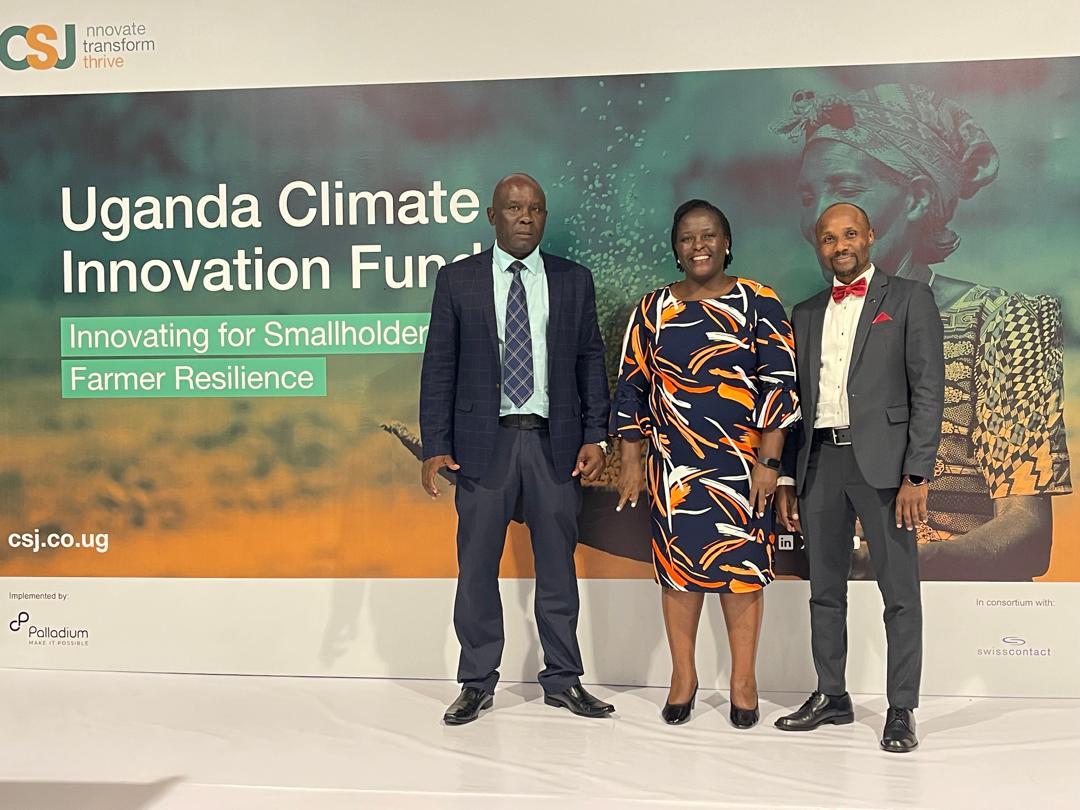
The UCIF grant, funded by the UK Foreign, Commonwealth & Development Office (FCDO) under the Climate Smart Jobs initiative, is implemented by Palladium in collaboration with Stanbic Bank, Swissconnect, and CABI. The programme seeks to advance solutions that address the dual challenges of climate change and economic development by supporting innovations that foster sustainable agricultural practices, reduce environmental risks, and create climate-smart employment opportunities.
This breakthrough aligns closely with the global Sustainable Development Goals (SDGs), particularly those targeting good health and well-being (SDG 3), zero hunger (SDG 2), and climate action (SDG 13). By developing a natural, plant-based fungicide, the Makerere University team hopes to offer a scalable solution that mitigates food contamination risks while promoting environmentally sustainable farming practices across Uganda.
Natural Sciences
Mak 76th Graduation Ceremony: CoNAS Presents 16 PhDs & Best Performing Male Student in the Sciences
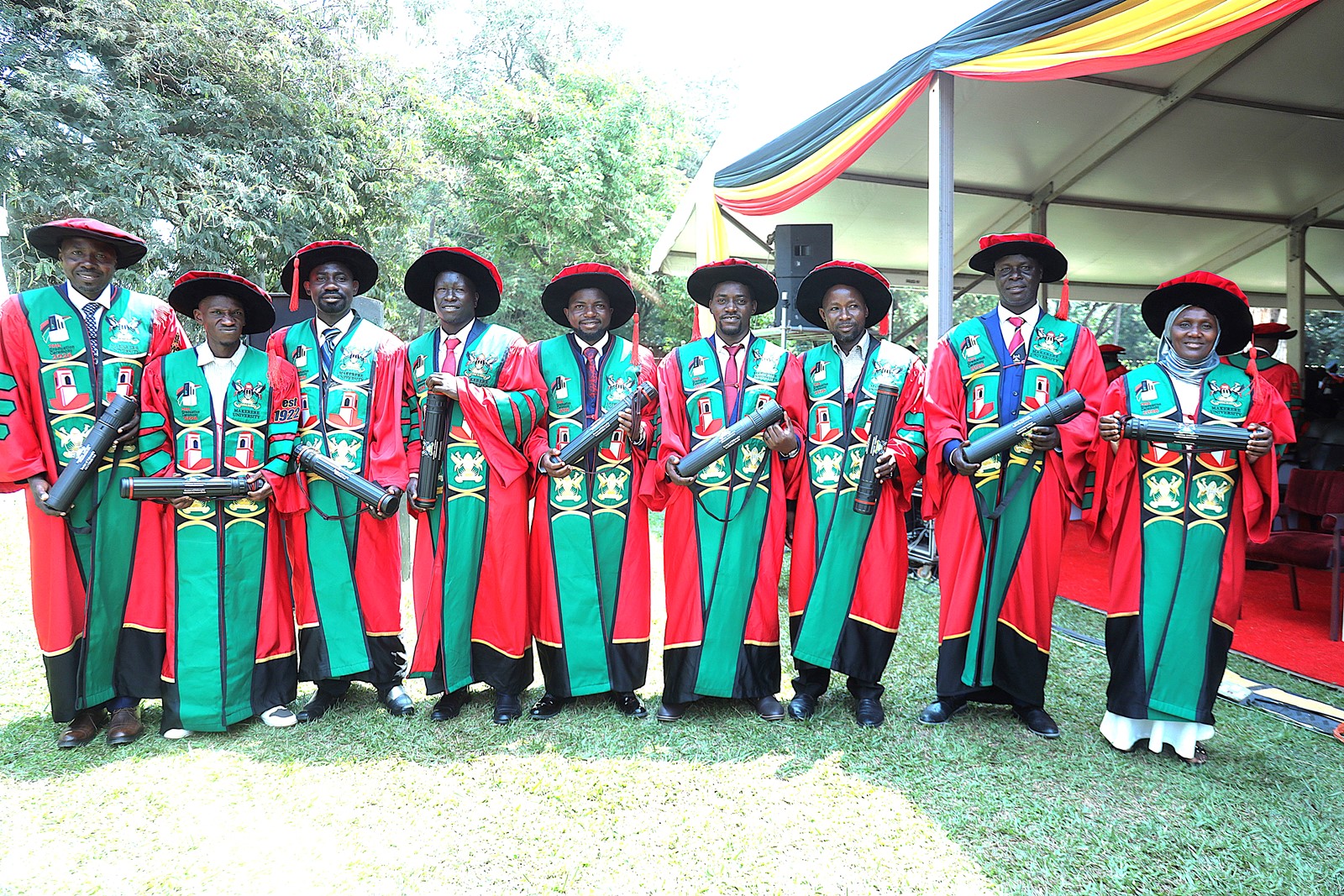
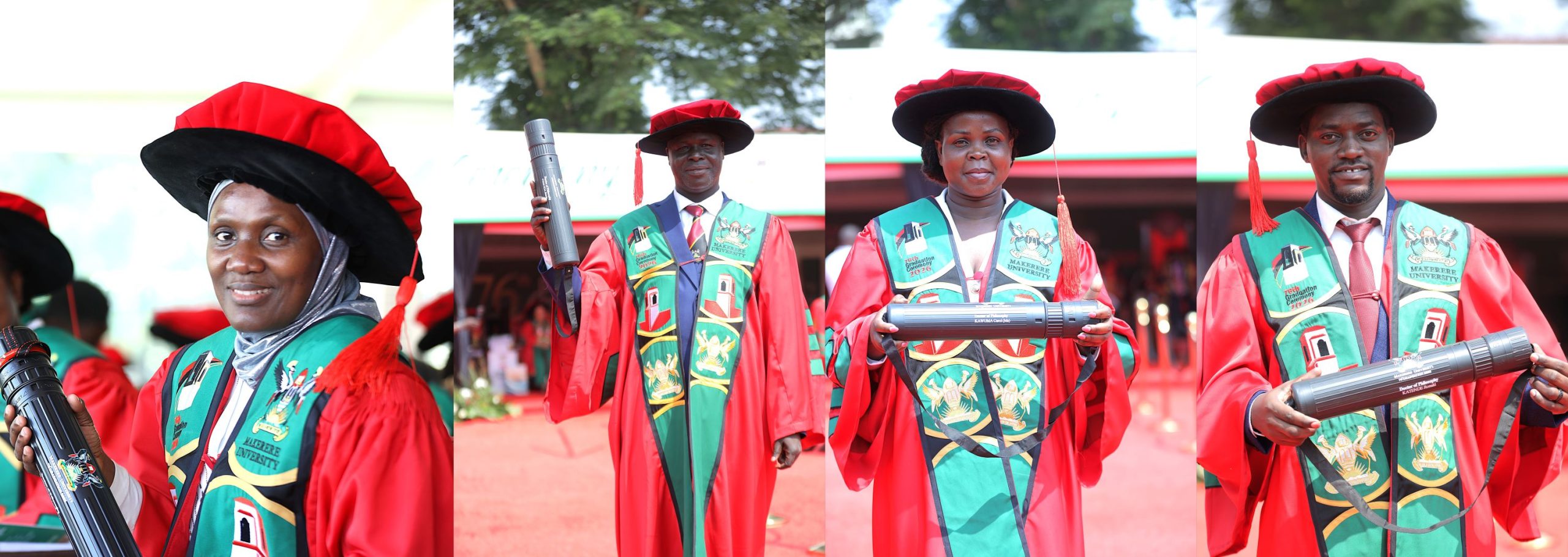
The College of Natural Sciences (CoNAS) presented 269 students for the award of degrees of Makerere University at the 76th graduation ceremony. Of these, 16 graduated with PhDs (4 female and 12 male), 83 with Masters (27 female and 56 male), and 170 with Bachelor’s degrees (45 female and 125 male). The College also presented the Best Performing male student in the sciences. Simon Mungudit graduated with a CGPA of 4.76 in the Bachelor of Science in Petroleum Geoscience and Production. The PhD graduates included; AfazalI Zabibu, a Lecturer at the College of Business and Management Sciences (CoBAMS); Akuyenze Paul, Kawuma Carol, Mutiso Duncan Chalo, Nabiyonga Lydia, and Osinde Cyprian (Plant Sciences, Microbiology and Biotechnology); Batte Hebert, Katende Ronald, and Namugera Frank (Mathematics), Chaciga Jimmy, Tusiime Swaleh, and Komaketch Ignatius (Physics), Kinyua Mbuci, Sekandi Peter, and Shehu Zaccheus (Chemistry), and Nakiyende Herbert (Zoology, Entomology, and Fisheries Sciences).
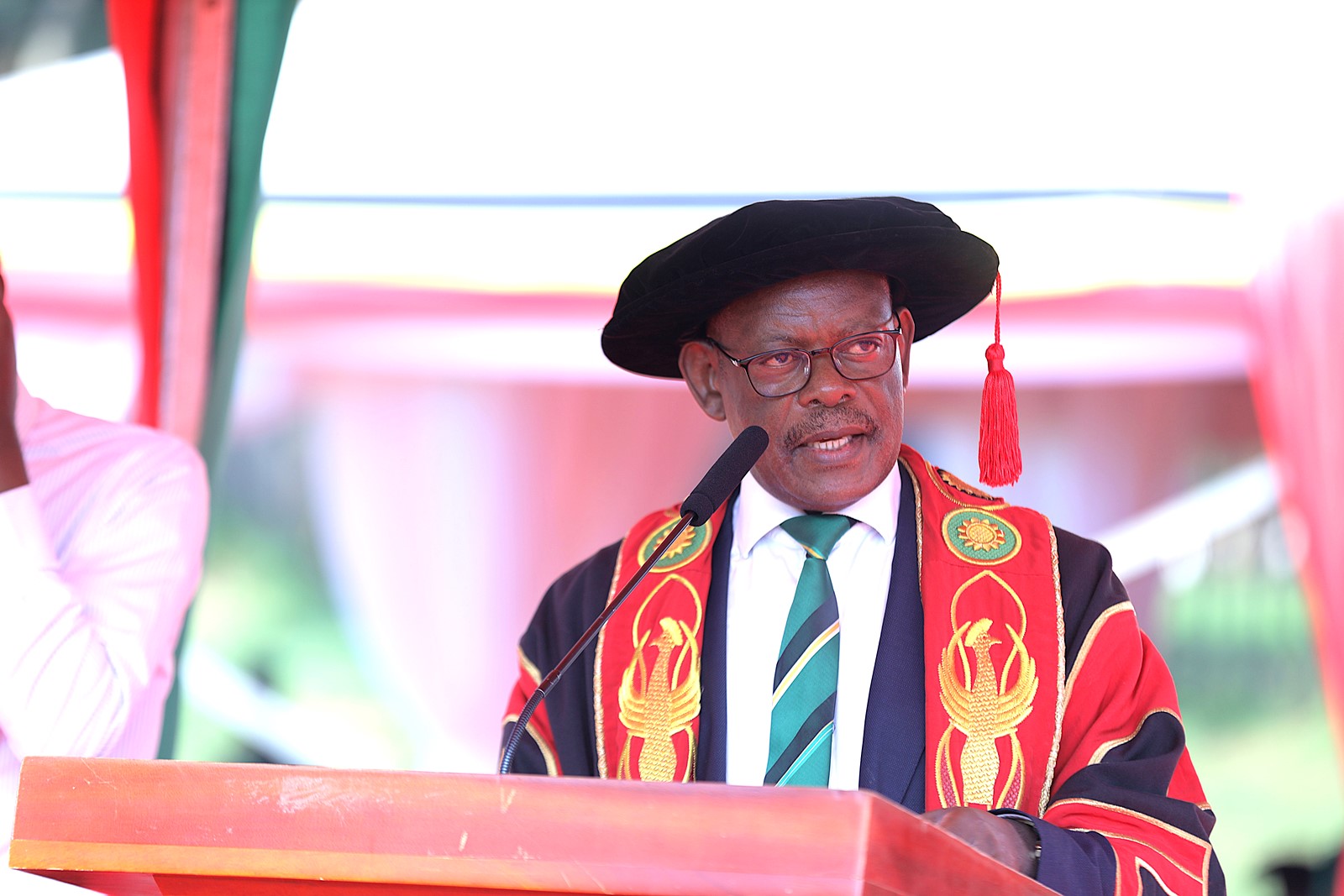
On the second day of the four-day graduation ceremony, which began on 24th February 2026, three colleges presented students for the award of degrees and diplomas of Makerere University. These included CoNAS, the College of Health Sciences (CHS), and the College of Veterinary Medicine, Animal Resources and Biosecurity (COVAB).
Overall graduation Statistics
During the course of the 76th graduation ceremony, a total of 9,295 students will graduate with degrees and diplomas of Makerere University. Of these, 4,262 (46%) are female and 5,033 (54%) are male. A total of 213 students will graduate with PhDs, the highest number in the history of the University. 2,503 will graduate with Masters degrees; 6,343 with Bachelor’s degrees; 206 with postgraduate diplomas, and 30 with Diplomas.
Postgraduates constituted 31.4% of the total number of graduands.
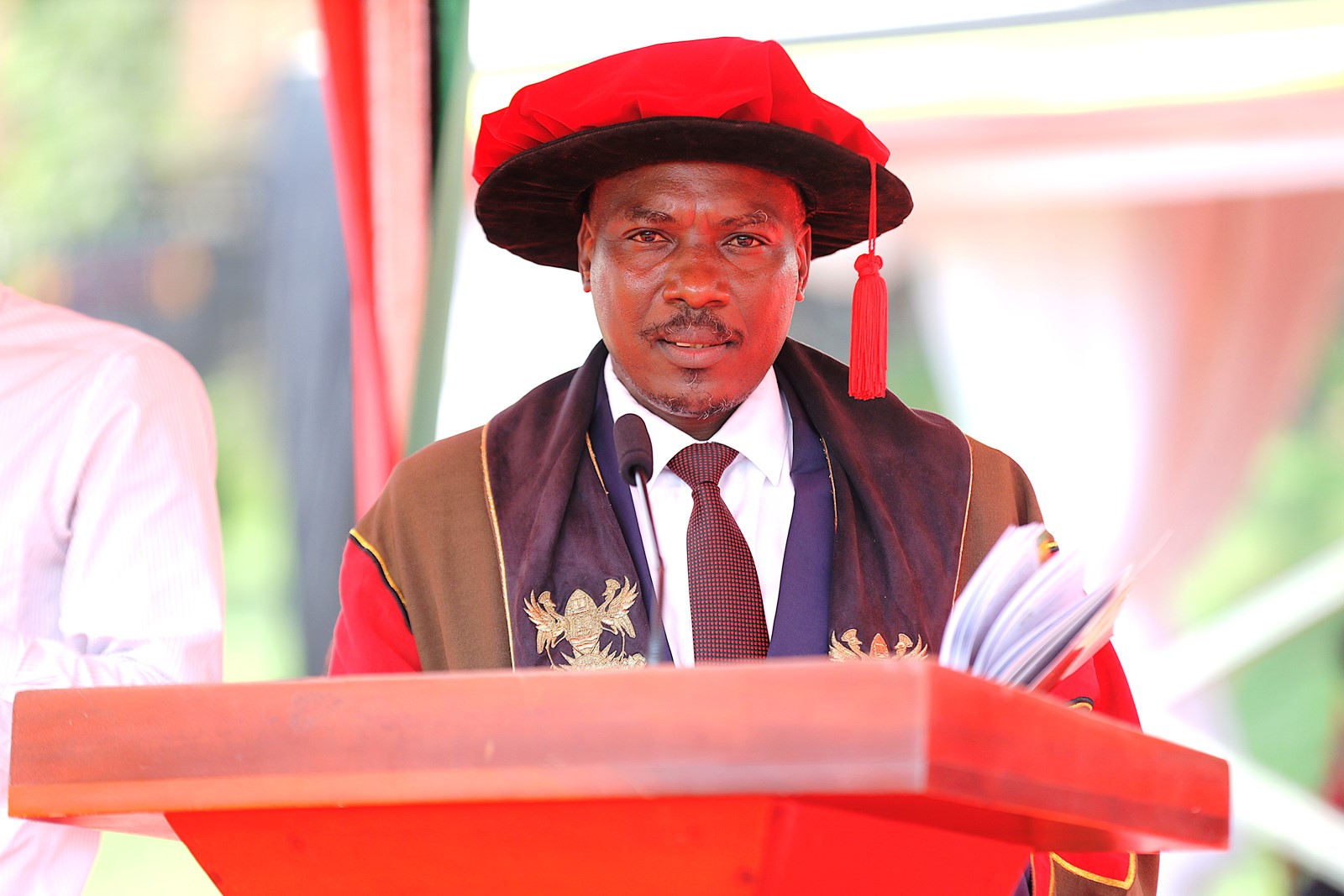
Vice Chancellor’s Remarks
In his remarks, Vice Chancellor Prof. Barnabas Nawangwe commended CoNAS for its transformative research initiatives that are positively impacting communities, highlighting the NutriFishPlus Project, INNOECOFOOD Project, and a project to conserve medicinal plants in Eastern Uganda. Funded by the International Development Research Centre (IDRC) and Australian Centre for International Agricultural Research (ACIAR) under the Cultivate Africa’s Future Fund Phase II, the NutriFishPlus seeks to scale up fish processing technologies and empower fishing communities in Uganda.
The EU-funded INNOECOFOOD Project is transforming food production in Uganda. Through eco-innovative, climate-smart systems, the project aims to improve nutrition, protect the environment, and create jobs- especially for youth and women. Central to this effort are solar- and wind-powered ECOHUBs. These innovative centres use AI and IoT technology to support sustainable fish farming, monitor water quality, reduce losses, and increase yields.
Meanwhile, researchers from the Department of Plant Sciences, Microbiology, and Biotechnology, under the leadership of Dr. Patience Tugume, are spearheading efforts to conserve medicinal plants in Namutumba District. To date, 174 plant species have been documented, with ongoing assessments of threats from unsustainable harvesting. These plants play a vital role in treating malaria, diabetes, hypertension, and certain cancers.
Efforts to Transform Makerere into a Research-led University
In his address, the Vice Chancellor reaffirmed the University Management’s commitment to transforming Makerere into a research-led institution. He expressed gratitude to the Government of Uganda for securing a USD 162 million loan from the Korea Exim Bank to support critical infrastructure development at the University. The funding will facilitate the construction of new facilities for the School of Medicine, School of Dentistry, School of Engineering, the Science and Technology Centre, and the completion of the School of Computing and Information Sciences- an unprecedented development in the University’s history.
The Vice Chancellor further highlighted the pivotal role of the Makerere University Technology and Innovations Centre (MUTIC) in advancing incubation and commercialization. “The Centre offers mentorship, business development training, intellectual property support, and industry linkages to help transform research outputs into viable enterprises.” To date, eleven spin-off companies have been established by students and staff, while the University’s Innovation Pod (UniPod) has incubated more than 100 projects in the past year. The short-term target is to establish 50 spin-off companies annually, with plans to double that number in the long term.
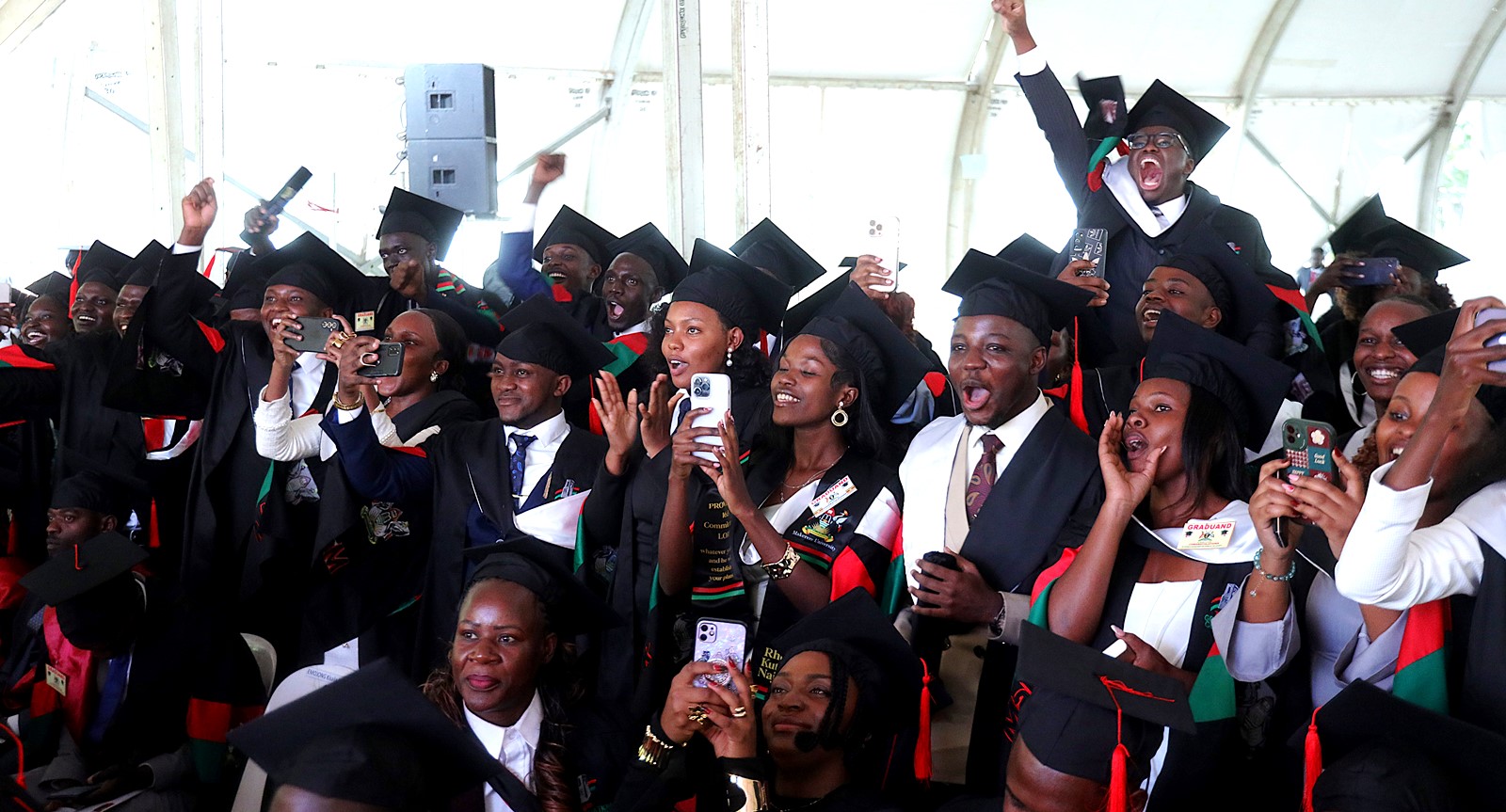
Prof. Nawangwe acknowledged the government’s contribution through the Makerere University Research and Innovations Fund (MakRIF). Through this initiative, the government has supported over 1,400 high-impact research and innovation projects, and facilitated the training of more than 200 PhD students.
In partnership with the Science, Technology and Innovation Secretariat in the Office of the President, the University has also introduced awards to recognize outstanding researchers and innovators. These include the Research Excellence and Innovation Commercialization Awards. “The Innovation Commercialization Award underscores the institution’s commitment to translating research into practical products, services, and technologies that address real-world challenges and support national development,” the Vice Chancellor noted.
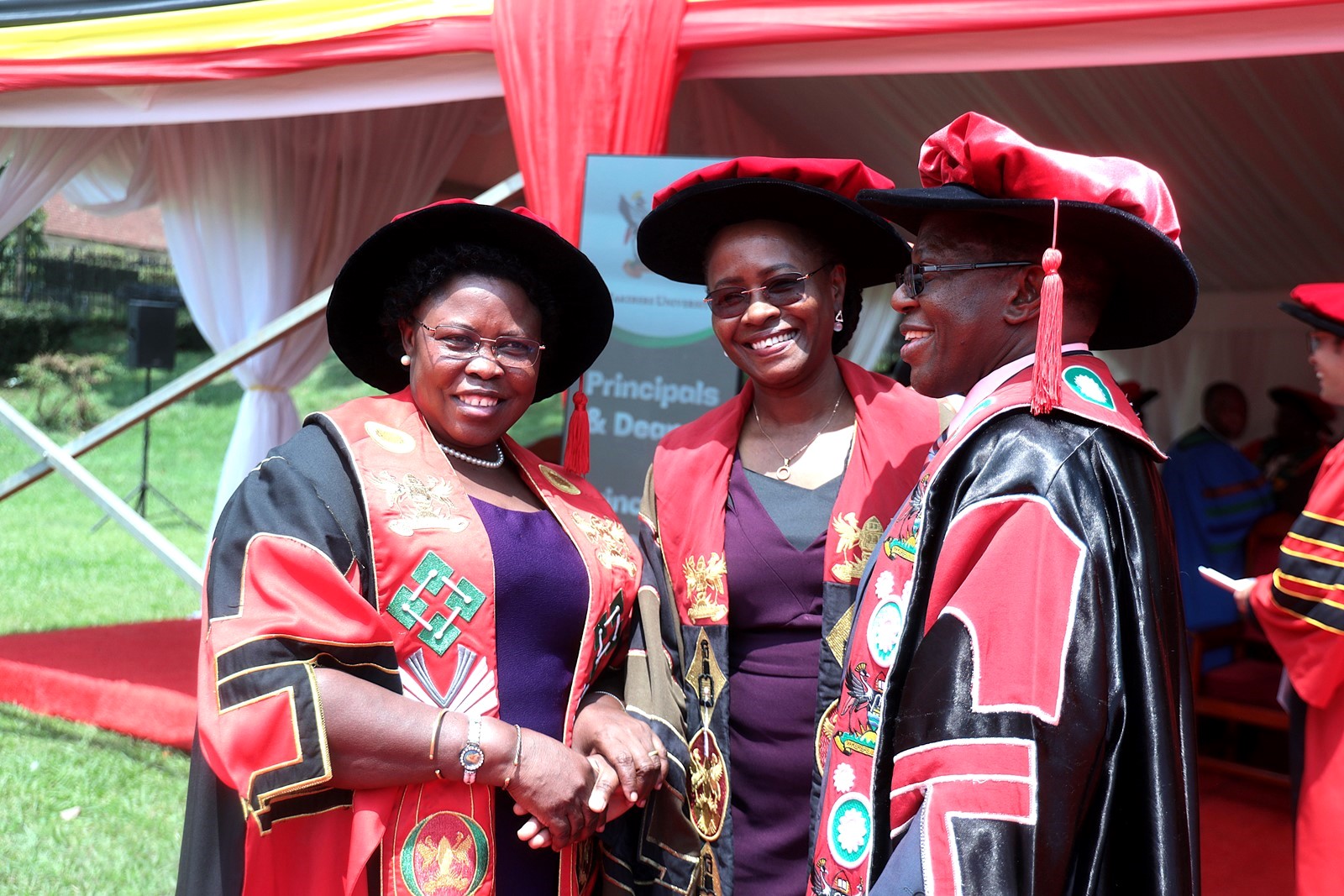
Vice Chancellor’s Message to the graduates and Appreciation to the Partners
The Vice Chancellor urged the graduates to uphold dignity, humility and diligence as they leave the gates of Makerere University, and begin the next chapter of their lives. “As you step out of the gates of Makerere, remain proud of your alma mater and serve as good ambassadors wherever you go. Use the knowledge acquired from one of the world’s leading universities to improve yourselves, your families, communities, country, and humanity at large.”
He equally appreciated the parents and guardians for supporting the students, and the development partners who have extended research funding to the university over the years. These include the Mastercard Foundation, the European Union, NORAD, Sida, IDRC, KOICA, DAAD, NIH, CDC, USAID, the Wellcome Trust, KfW, IUCEA, RUFORUM, ARUA, the PLUS Alliance, WUN, AAUN, AAP, the Madhvani Foundation, and the Government of Uganda through the Higher Education Students Financing Board. “We are equally grateful to the Embassy of China, the Chinese Chamber of Commerce, various Government Ministries, State House, private sector players, and many other partners whose generous support continues to advance our mission.”
Remarks by the Chancellor
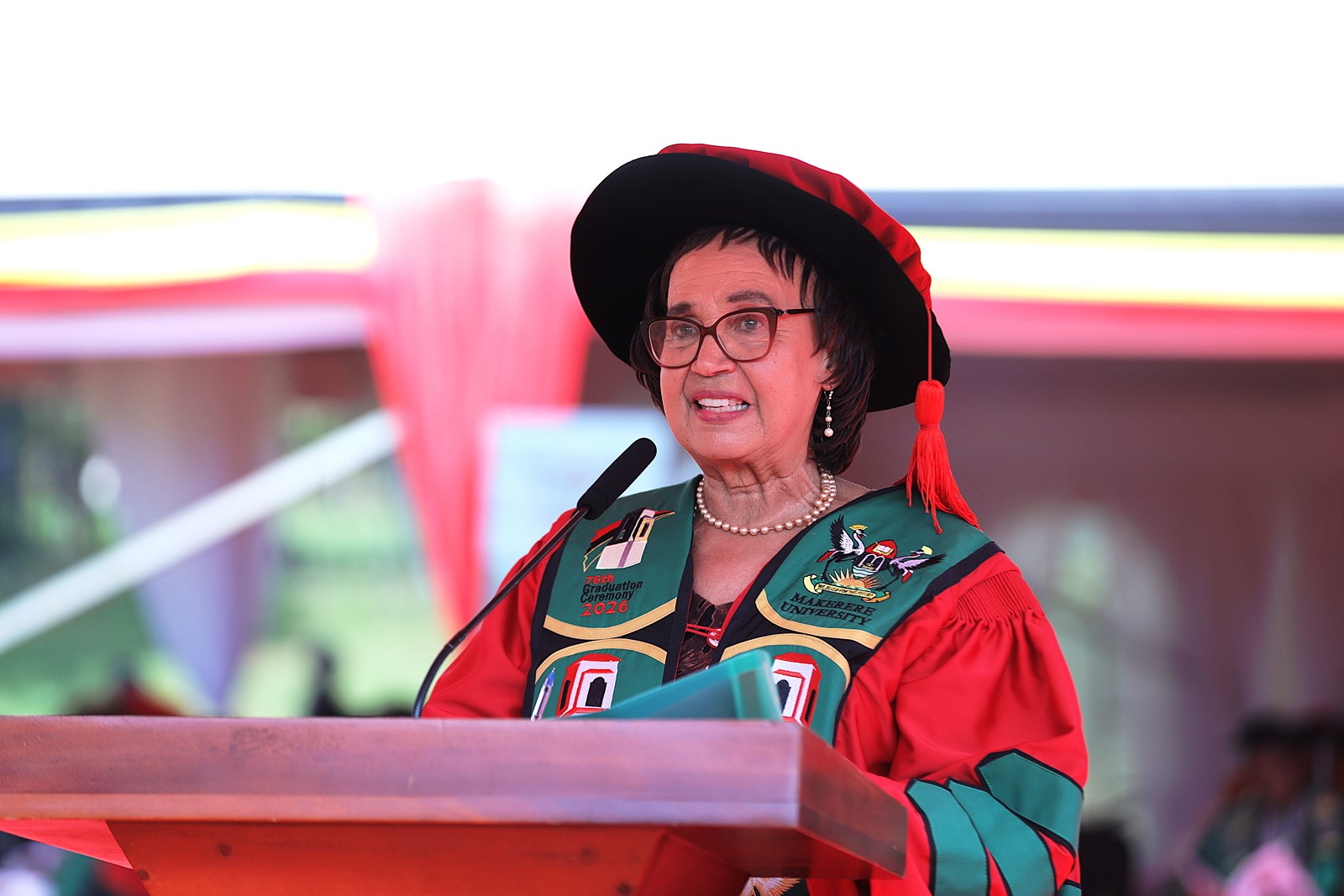
Makerere University Chancellor, Hon. Dr. Crispus Kiyonga congratulated the graduands on their achievement and commended the staff, parents, and partners for their invaluable support. He expressed gratitude to the Government for its steadfast commitment to advancing research through the annual UGX30 billion allocation to the Makerere University Research and Innovations Fund.
He underscored the University’s contribution to Uganda’s Fourth National Development Plan (NDP IV) through advancements in science, technology, and innovation, and encouraged graduates to embrace entrepreneurship amidst an increasingly competitive job market. He further called for enhanced research funding, stronger private sector collaboration, and deeper community engagement to accelerate national development.
The Minister of Education and Sports
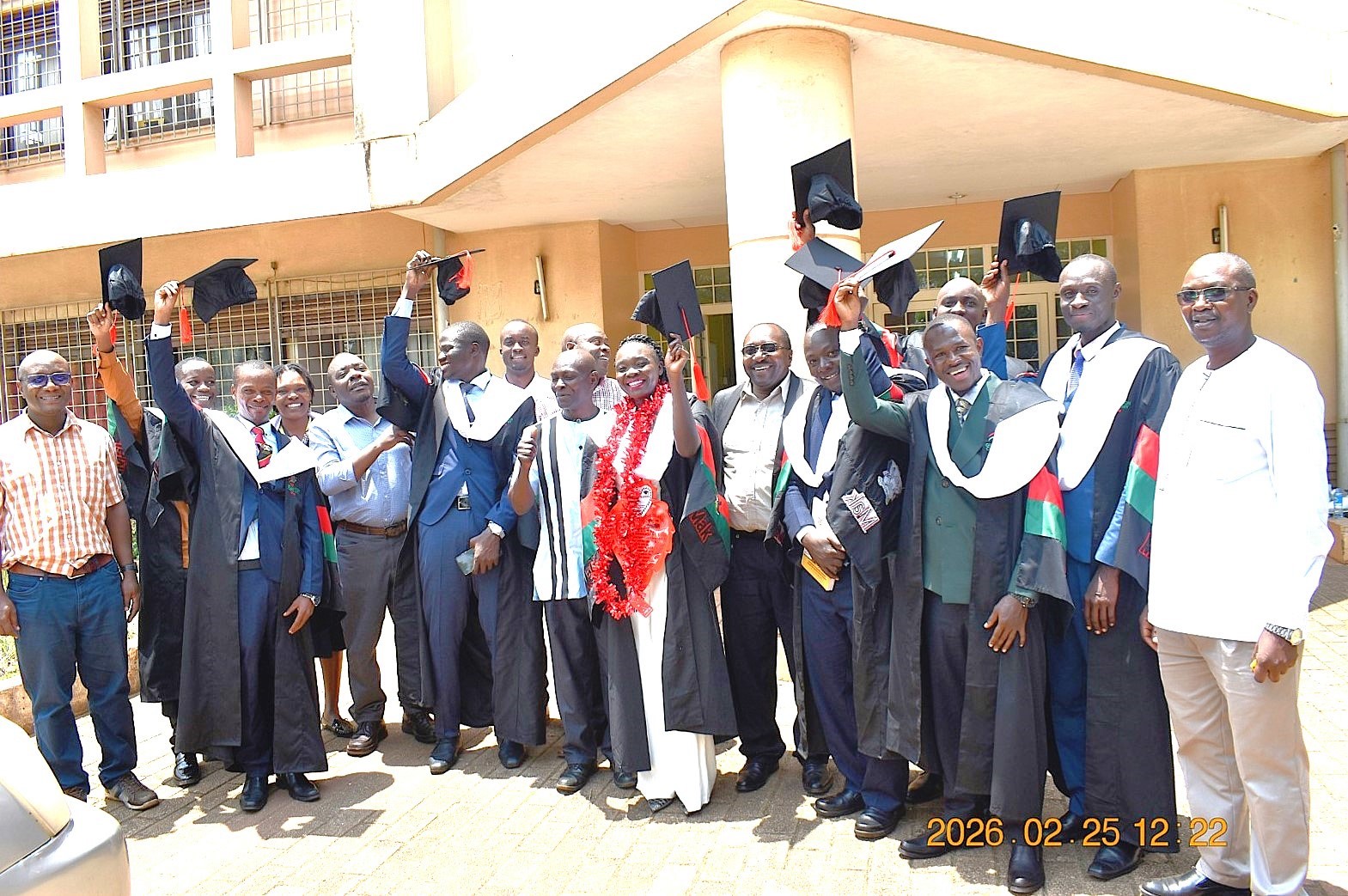
In her remarks, the Minister of Education and Sports, Hon. Janet Kataaha Museveni, represented by the Minister of State for Primary Education, Hon. Dr. Joyce Moriku Kaducu commended Makerere University for its pivotal role in driving national development. She highlighted the University’s contribution to knowledge generation and societal transformation. “The impressive number of PhD graduates this time round is testimony to the robust research output and academic excellence.” The Minister emphasized the importance of maintaining and enhancing academic standards, urging the University Administration to rigorously implement and uphold quality assurance measures that guarantee continued excellence of its programmes and global competitiveness of its graduates.
Implementing the Competence-based Education and Training
The Minister reiterated a key directive for all institutions of higher learning to prepare for the full implementation of Competence-Based Education and Training by July 2027. “This reform represents more than a policy shift. It signals a fundamental transformation in how graduates are prepared, with greater emphasis on practical skills, innovation, and problem-solving.” She urged the Vice Chancellor and his team to lead in curriculum reform, staff development, and infrastructure enhancement to ensure the successful rollout of competence-based education.
The Minister further urged the university management to ensure that all satellite campuses are fully accredited and that their programmes meet the same standards and relevance as those offered at the main campus.
Commencement Lecture by Dr. Maggie Kigozi
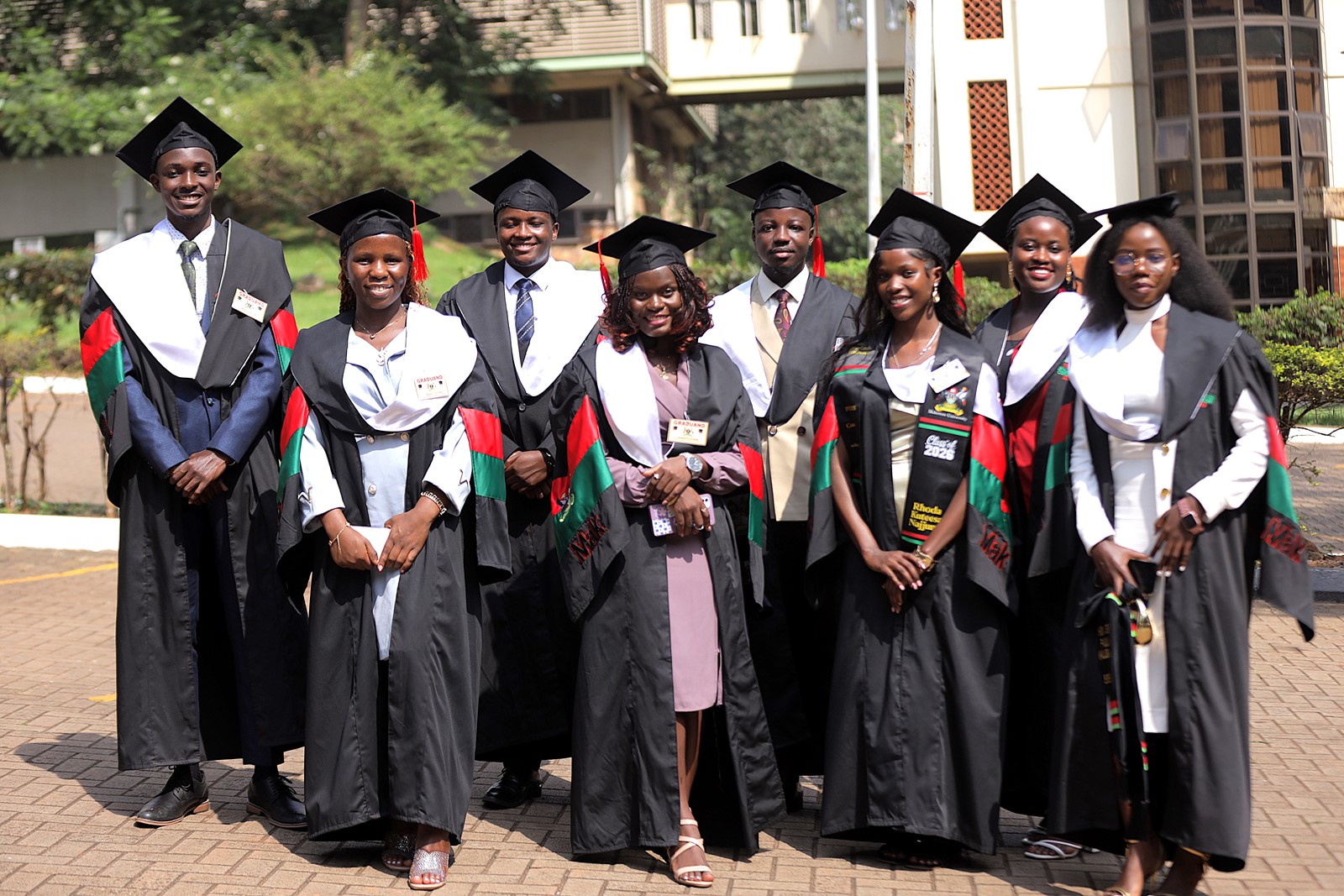
At the ceremony, distinguished alumnus, and Chair of the Makerere University Endowment Fund, Dr. Maggie Kigozi delivered a compelling commencement lecture, reflecting on her journey since earning her first degree in 1976. She shared three guiding messages for the new alumni as they embark on their professional paths.
Dr. Kigozi emphasized that power comes with responsibility, urging graduates entering the health and life sciences to combine their expertise with ethical leadership and financial literacy to create sustainable, compassionate practices. She highlighted the global opportunities that a Makerere degree offers, explaining how her education empowered her to make meaningful contributions across Uganda, Kenya, and Zambia.
She also encouraged the graduates to view failure as a stepping stone to excellence, noting that mistakes are not setbacks, but lessons. She underscored the importance of balance, reminding graduates to manage their personal and professional responsibilities realistically.
Research Excellence Awards
During the graduation ceremony, Makerere University recognized the top researchers and innovators from the 10 Colleges. At CoNAS, Mr. Omara Timothy from the Department of Chemistry scooped the Overall Top Research and Early Career Researcher Awards, whereas Dr Godwin Anywar from the Department of Plant Sciences, Microbiology, and Biotechnology won the Mid-Career Researcher Award.
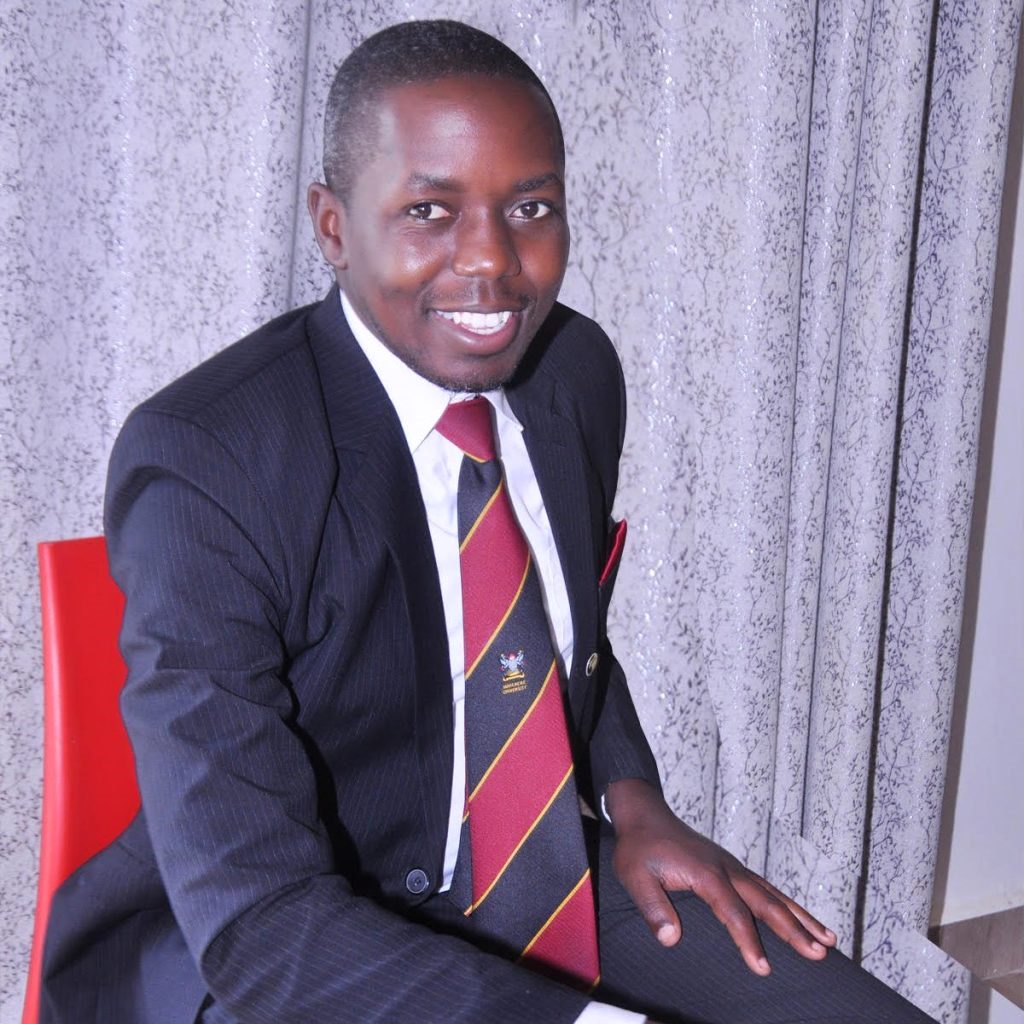
More about Simon Mungudit, the best performing male science student – https://cns.mak.ac.ug/simon-mungudit-maks-best-male-science-student-this-year-rising-star-in-petroleum-geoscience/
-
 Law5 days ago
Pre-Entry Examination for Admission to the Bachelor of Laws for 2026/2027 AY
-

 Health2 weeks ago
82% Stressed: Uncovering the Hidden Mental Health Burden Among Kampala’s Taxi Drivers
-
 General2 weeks ago
Makerere University and International Partners Sign MoU for the 9th Kampala Geopolitics Conference
-
 General1 week ago
Call For Applications for Masters Research Support: Drug Safety in Uganda
-
 Research7 days ago
Makerere Strengthens Research Ethics as Leaders Call for Reforms in Governance, Integrity, and Student Support