
Agriculture & Environment
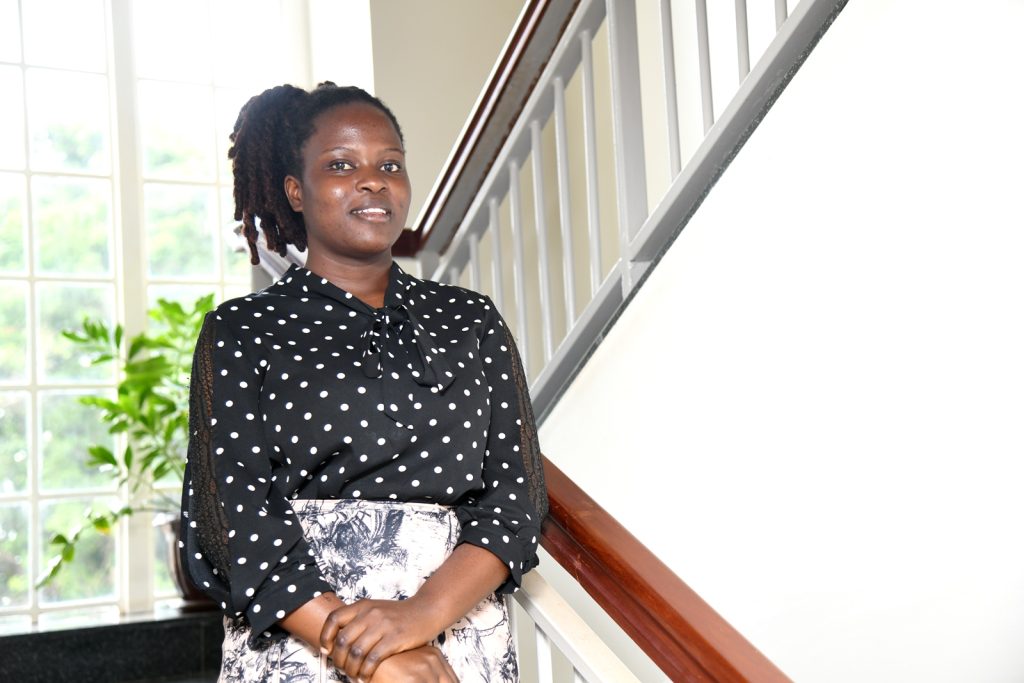
From Adversity to Excellence: The Inspiring Journey of Makerere’s Best Science Student, Esther Ziribaggwa


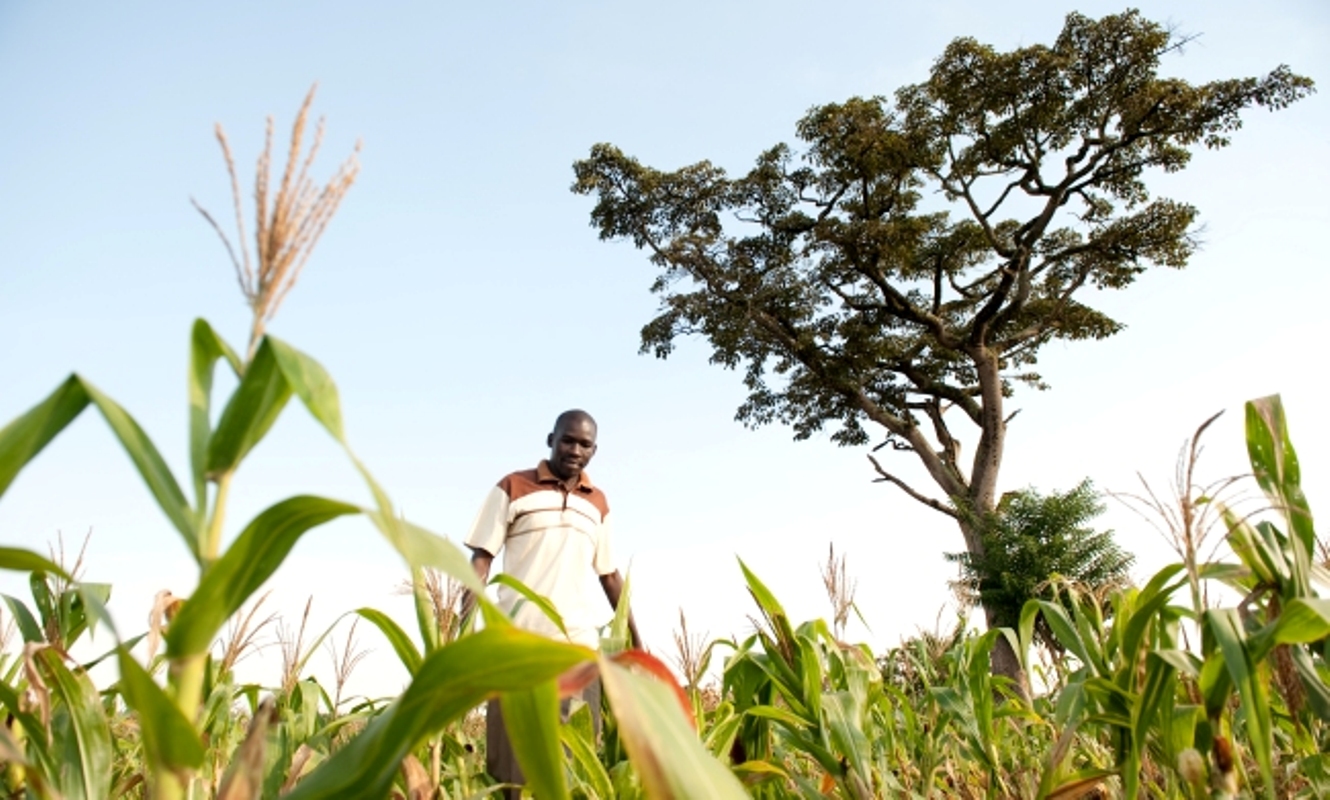
Growing up in Nkonge Village, Kyampisi Sub County in Mukono District, Esther Ziribaggwa learned early the meaning of resilience.
Born to Mr. Musisi Godfrey, a farmer, and Ms. Babirye Resty, a market vendor in Seeta, Mukono District, her journey from humble beginnings to becoming Makerere University’s top-performing student in the Sciences is a testament to her determination, hard work, and unwavering faith. She attained a CGPA of 4.77 in the Bachelor of Agricultural and Rural Innovation, a programme taught at the College of Agricultural and Environmental Sciences (CAES). She will be graduating from Makerere University on 24th February 2026, the first day of the 76th graduation ceremony.
Educational Journey and Navigating the Financial Hurdles to remain in School
Ziribaggwa’s journey to academic excellence has not been smooth. But her parents’ sacrifices laid the foundation for her dreams, even as life presented relentless challenges.
She began her education at Frobel Day and Boarding Primary School and later joined Seeta Boarding Primary School, where she excelled with 9 aggregates in her Primary Leaving Examinations. However, the transition to secondary school presented challenges that tested her resolve.
She joined Mpoma Royal College in Mukono District alongside her sister, who had scored 12 aggregates. Shortly after starting Senior One, their father fell seriously ill, requiring an intestinal surgery, and could not continue to work. With the family unable to pay school fees, both sisters dropped out for a year. It was only through the compassion of the school bursar and the then Head Teacher, Ms. Namazzi Connie, who reduced their fees from 800,000 to 380,000 Uganda Shillings, that Ziribaggwa and her sister were able to return. “The year out of school was a huge setback,” she recalls, “but I focused on catching up. I knew I couldn’t waste this second chance.” Her perseverance paid off. Despite the lost year, she completed her O’ Level with 25 aggregates in eight subjects.
Her A’ Level years were marked by similar challenges. Due to financial constraints, Ziribaggwa attended three different schools. She initially enrolled at Seat of Wisdom Boarding School in Kayunga but was forced to leave when her family could no longer afford the fees. At the time, her father, the family’s sole breadwinner, had undergone a second operation and was unable to work. Her mother, a market vendor, stepped in to support her education and transferred her to Paul Mukasa Day and Boarding Secondary School in Mukono District as a day student. However, the long daily commute was exhausting, leading to a final transfer to Godmark High School in Mukono District where she completed her A’ Level in 2019 with 15 points in Geography, Economics, Agriculture, and Subsidiary Mathematics.
After completing secondary school, Ziribaggwa waited two years before joining university due to financial constraints. Although she had been admitted under the private sponsorship scheme to pursue a Bachelor of Statistics, she was unable to raise the required tuition. Following the outbreak of COVID-19 and the subsequent lockdown, an opportunity arose for her to obtain government sponsorship. At the time, there were no Senior Six leavers, prompting Makerere University to invite applications from candidates who had completed Senior Six within a specified period. The cut-off points across programmes were lowered, enabling her to secure government sponsorship to pursue a Bachelor of Agricultural and Rural Innovation.
Appreciation
She is deeply grateful to the Almighty, her parents, and everyone who supported her educational journey. She is specifically thankful to the Government of Uganda for sponsoring her university education, and to Ms. Namazzi Connie, her O-Level Head Teacher, for subsidizing her school fees. She is also grateful to all her lecturers at CAES and Jesus is King Ministry under the Makerere University Christian Union.
Message of Resilience to Fellow Students
To the students navigating similar challenges, Ziribaggwa shares a message of encouragement. “Never let your situation break you. There’s always going to be challenges, sometimes pushing you to what feels like a point of no return. But those moments should not define your future – they are a test of your resilience. Strive to outgrow them and become a better person, even when the journey feels impossible.”
Career and Aspirations
Ziribaggwa currently works in the extension division of Slow Food Uganda, an agricultural organization based in Mukono District, where her work focuses on women and youth. Although her dream was to become a medical doctor, her love for agriculture has grown over time and does not regret taking on this path. She aspires to become a Senior Agricultural Officer in the country, with the goal of improving farming conditions, particularly in the rural communities. Growing up in a farming community exposed her to many challenges faced by farmers, including unpredictable weather conditions that necessitate irrigation support, and improper use of agrochemical inputs, which pose risks to both soil quality and human health.
Ziribaggwa hopes to pursue further studies in crop and soil science. She draws inspiration from exemplary leaders like Hon. Rebecca Kadaga, former Speaker of the Parliament of Uganda, and First Deputy Prime Minister and Minister for East African Community Affairs. “I have always admired her for being hardworking, resilient, and eloquent,” she says, seeking to emulate these qualities in her own journey.










Agriculture & Environment
Inaugural Schools Environmental Conference Rallies Young Learners to Champion Environmental Sustainability

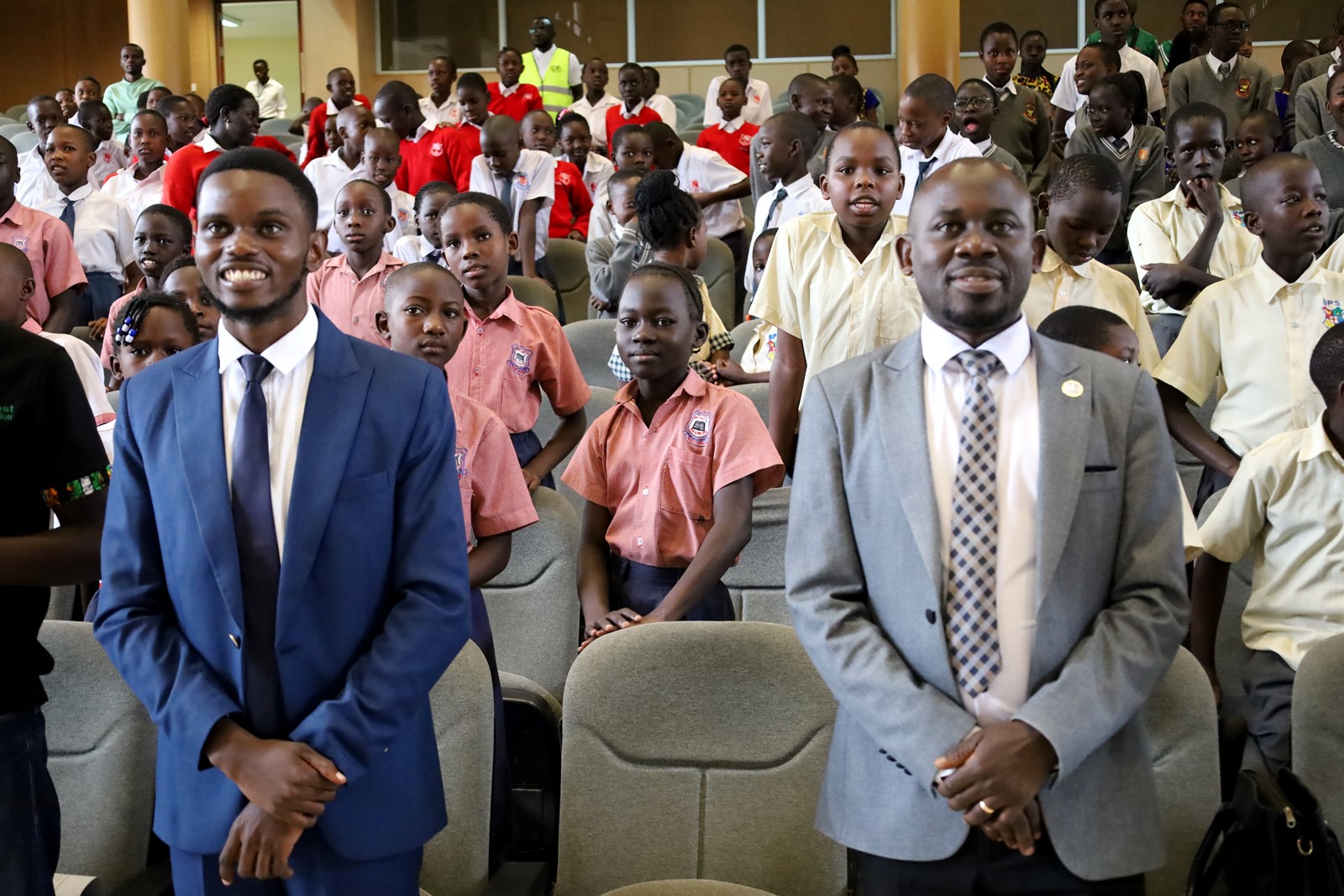
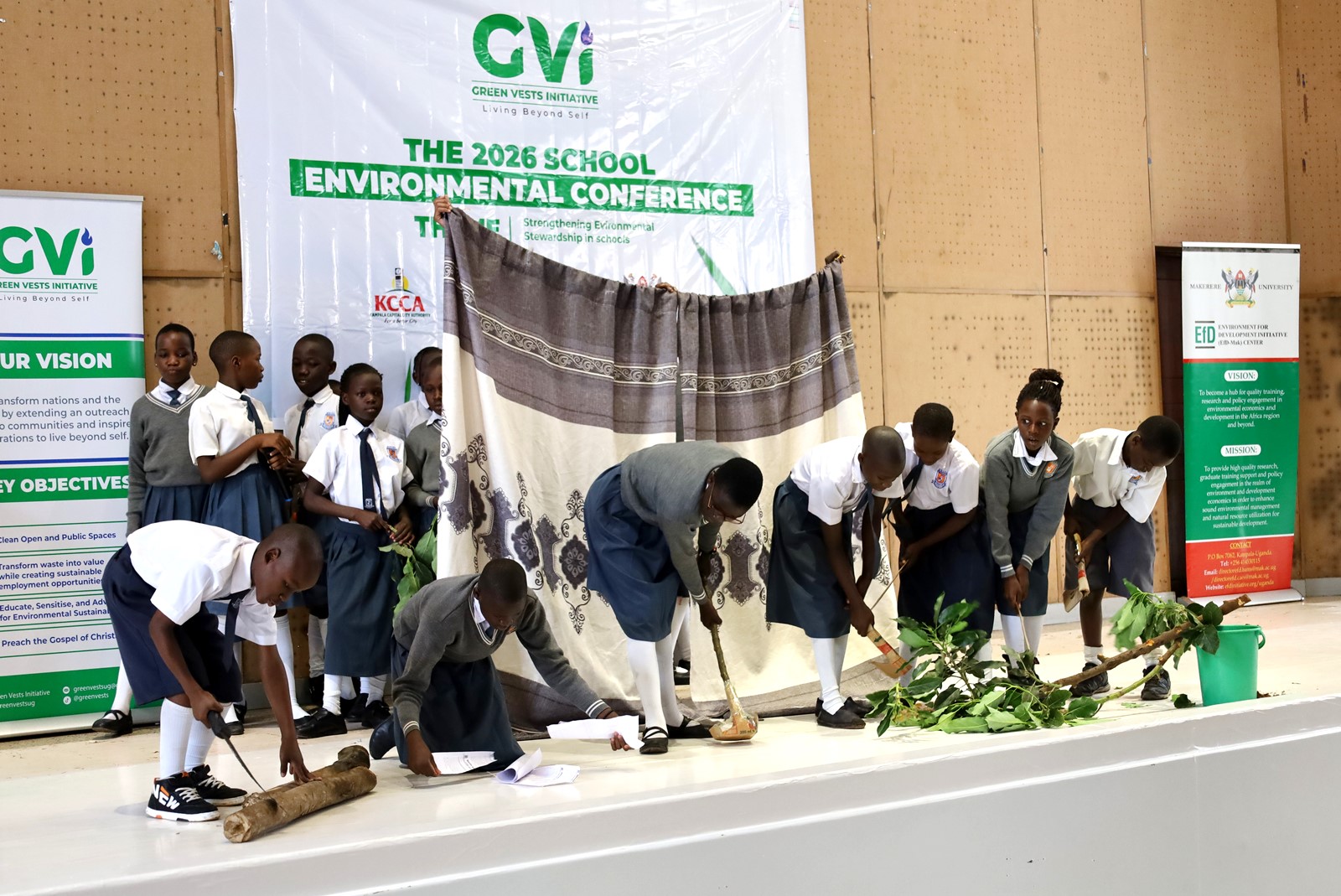
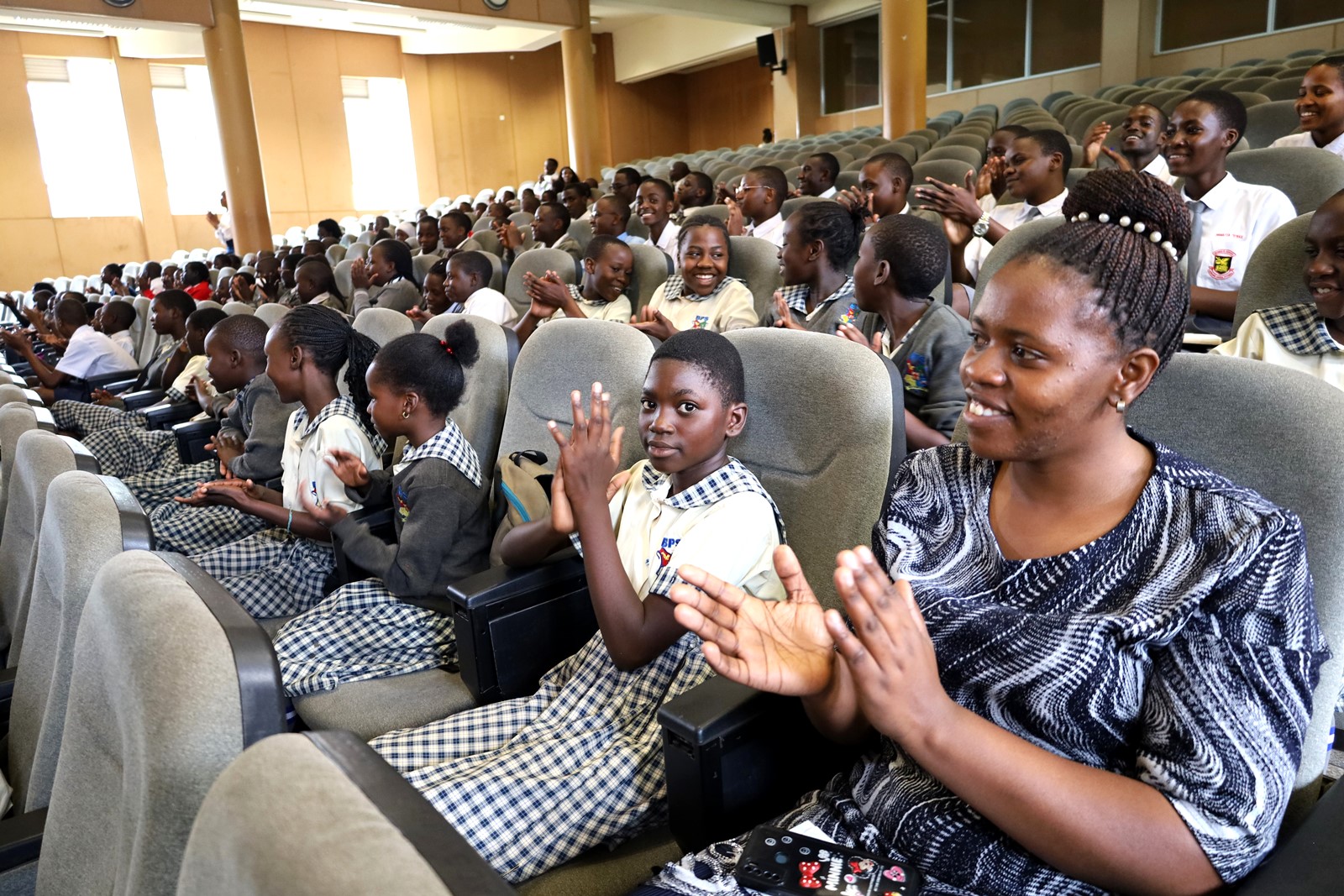
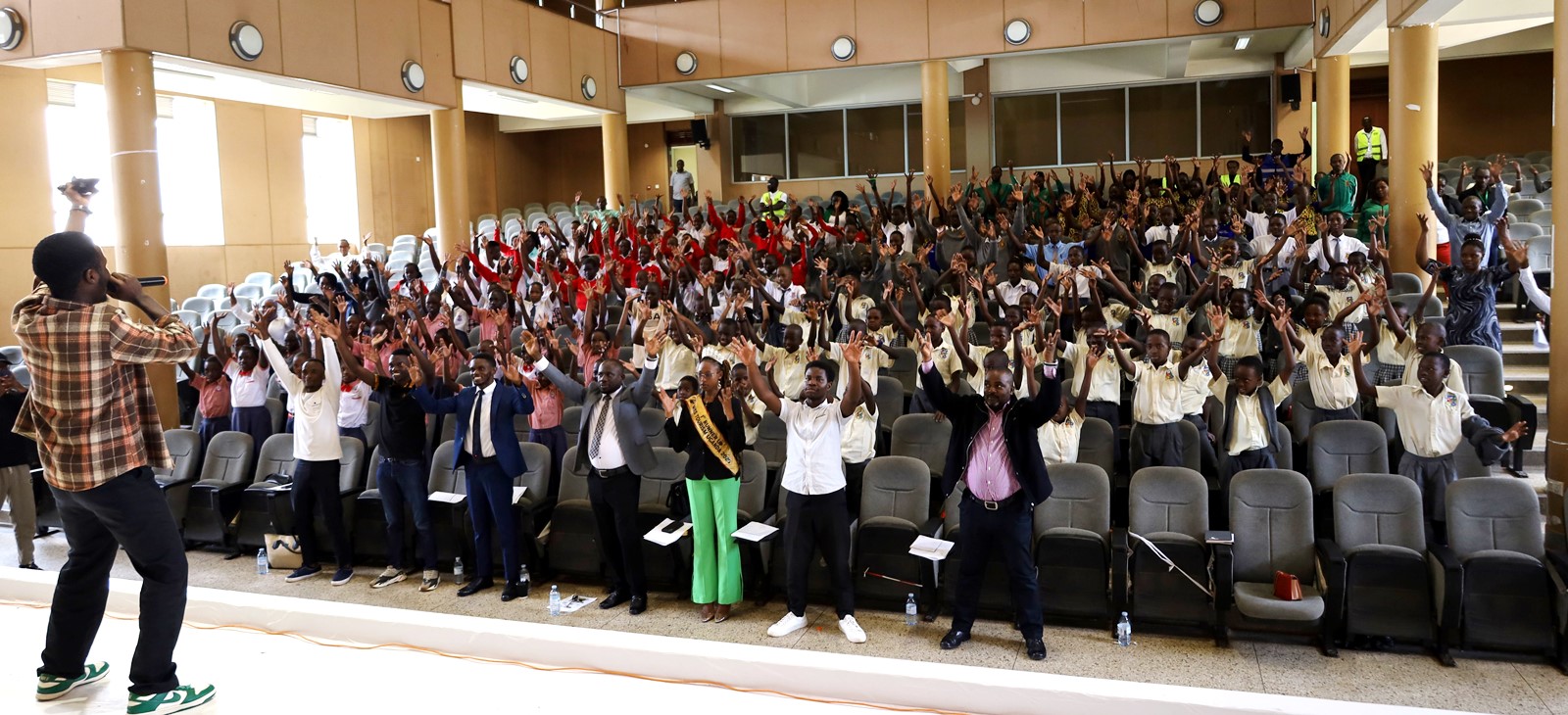
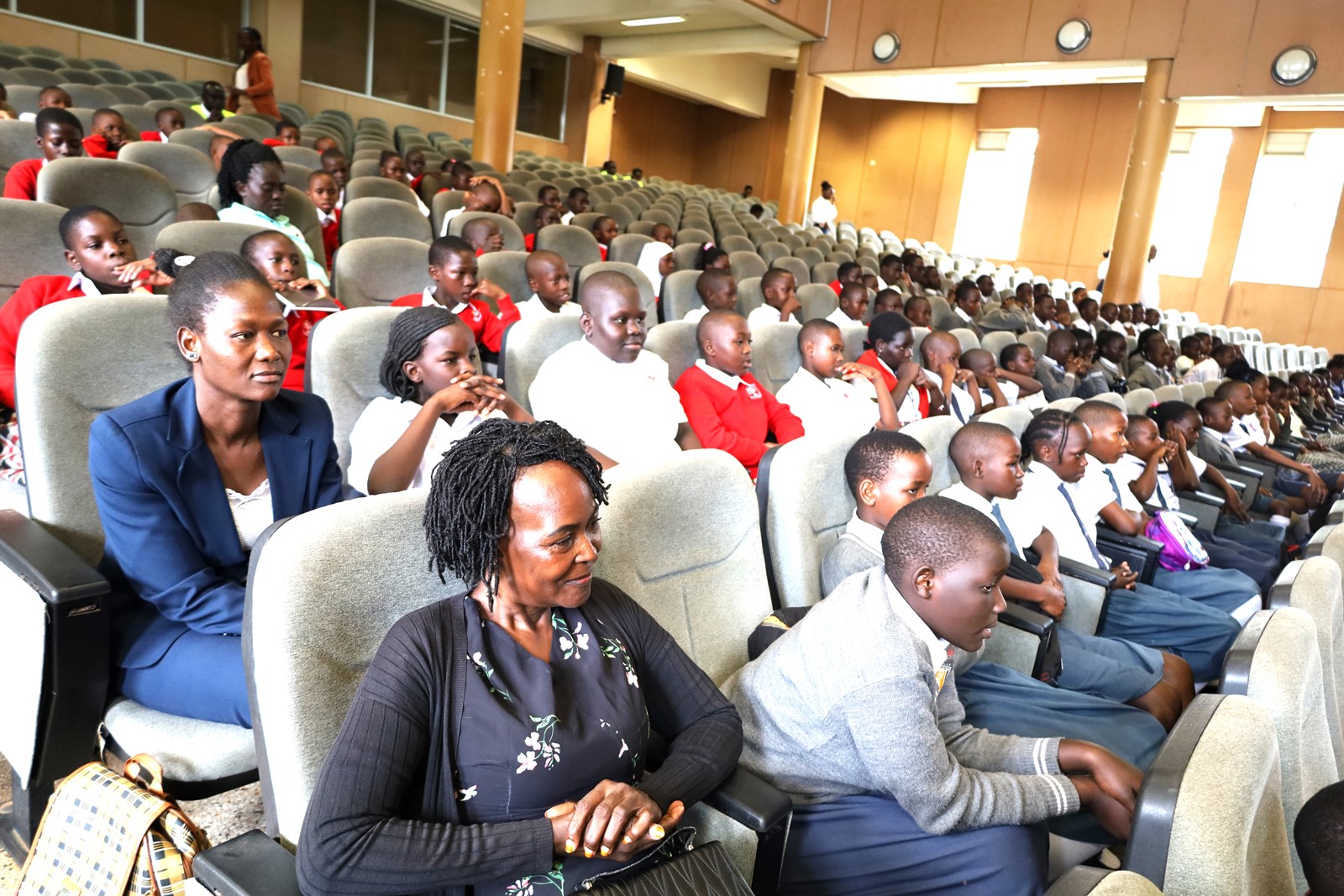
Kampala, March 20, 2026 : More than 250 primary school pupils have been rallied to take an active role in environmental protection during the Inaugural Schools Environmental Conference hosted at Makerere University.
Organised by the Environment for Development (EfD) Uganda in partnership with the Green Vests Initiative, the National Environment Management Authority (NEMA), and the Kampala Capital City Authority (KCCA), the conference aimed to promote environmental awareness and responsible stewardship among learners.
The half-day event brought together Primary Five to Primary Seven pupils and their teachers for a series of educational sessions and interactive activities under the theme “Strengthening Environmental Stewardship in Schools.”
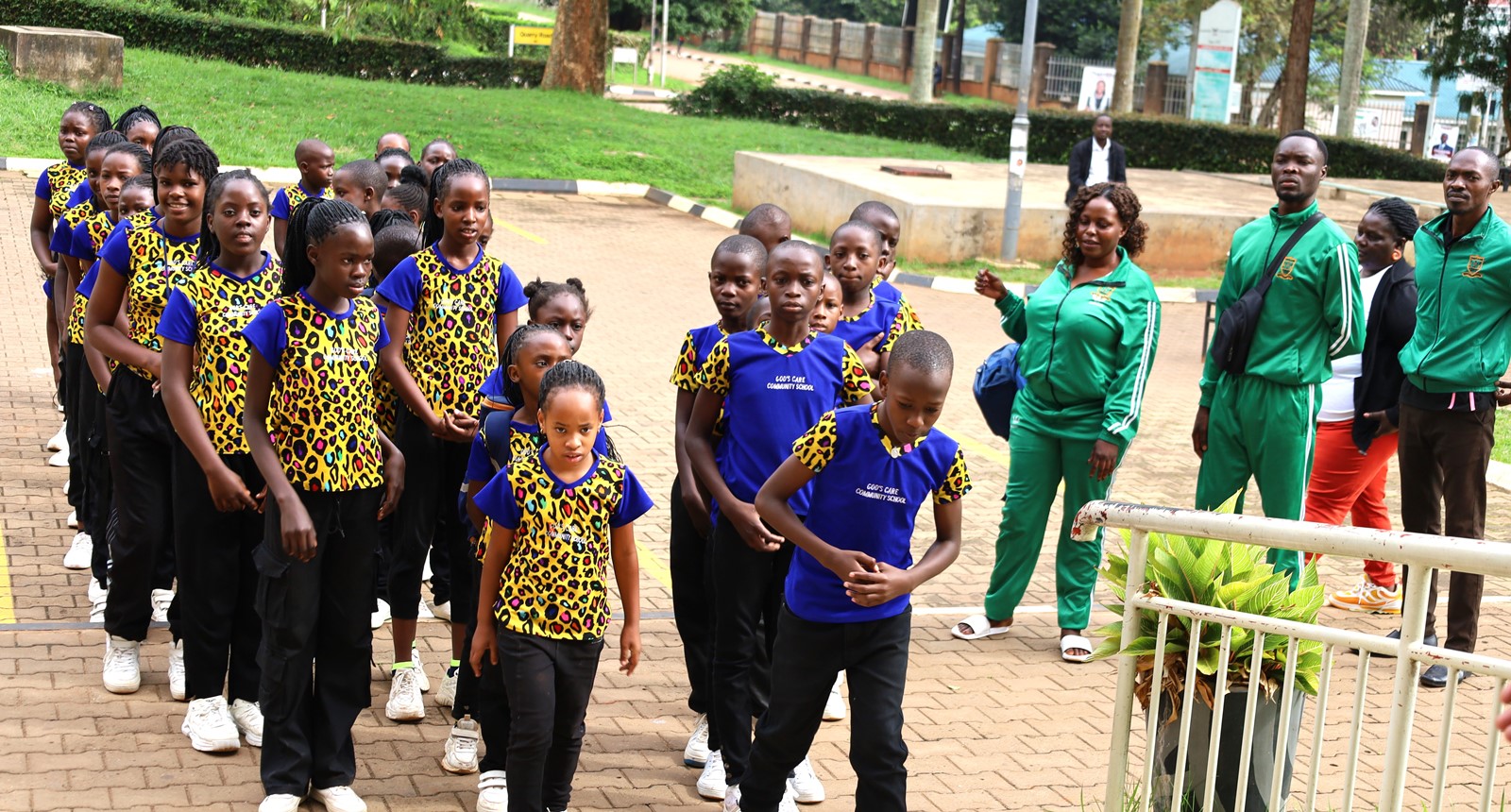
The initiative reflects a broader commitment to nurturing environmental responsibility from an early age, complementing EfD’s traditional focus on policy engagement and research. The programme included keynote remarks, environmental education sessions, and interactive activities designed to inspire pupils to take practical steps in protecting their environment.
Schools Key in the Fight Against Environmental Crisis
Schools must take a leading role in shaping environmentally responsible citizens if Uganda is to effectively address climate change and environmental degradation, a policy engagement specialist said.
Representing the College Principal and Director of the Environment for Development (EfD) Mak Centre, Dr. Peter Babyenda described schools as critical platforms for promoting environmental stewardship and influencing long-term behavioural change.
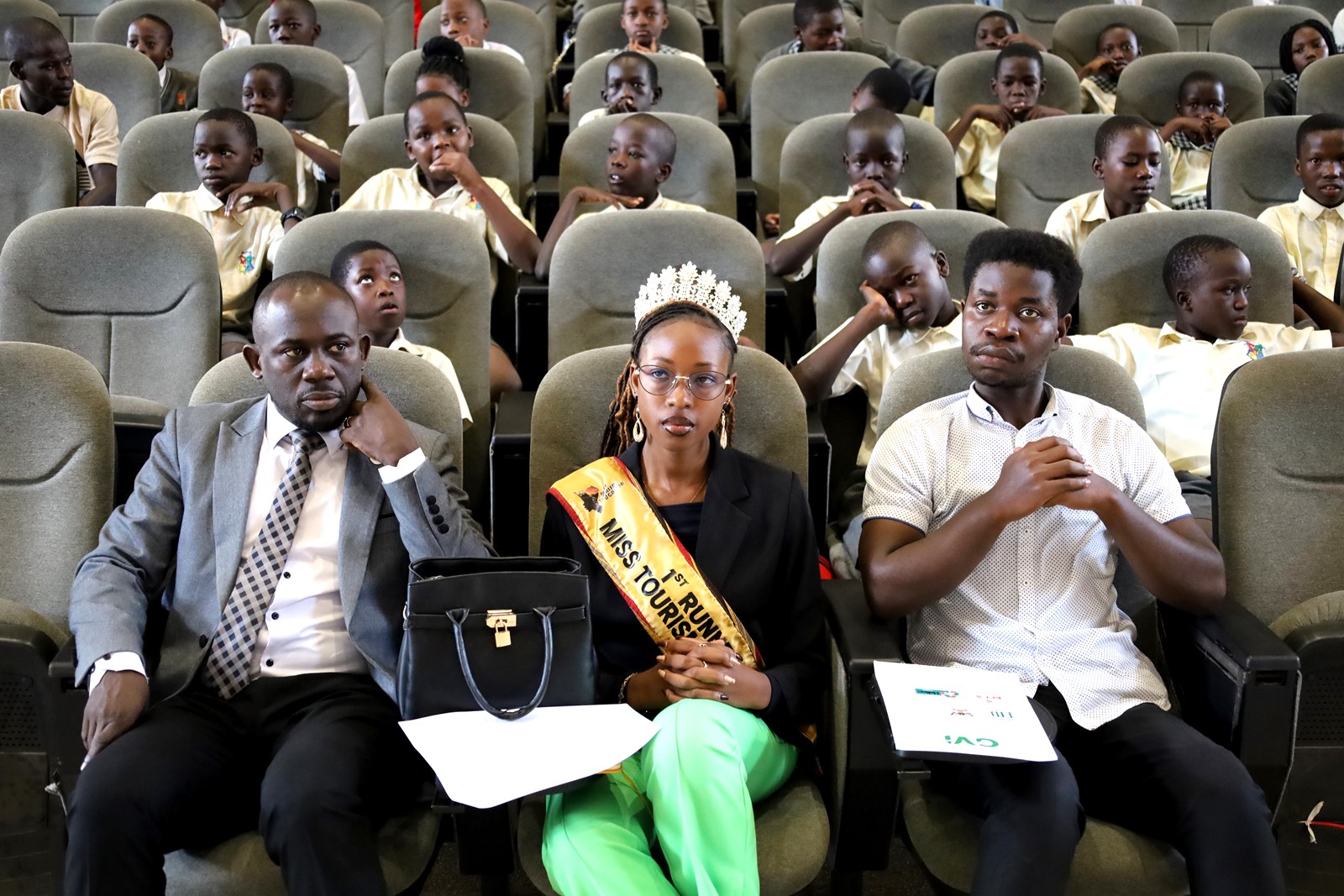
He welcomed participants and encouraged young learners to envision themselves as future students and leaders at Makerere University. “In a few years, you will be here, and this will be your college,” he said.
Dr. Babyenda warned that Uganda remains highly vulnerable to climate change, with more than 40 percent of its land degraded and an estimated 100,000 to 122,000 hectares of forest lost annually. He noted that environmental degradation is already affecting key sectors including health, food security and education.
In Eastern Uganda, over 90 percent of children reportedly experience climate-related disruptions to learning, while urban centres such as Kampala face increasing flooding, disease outbreaks and extreme heat, which affect school attendance and concentration.
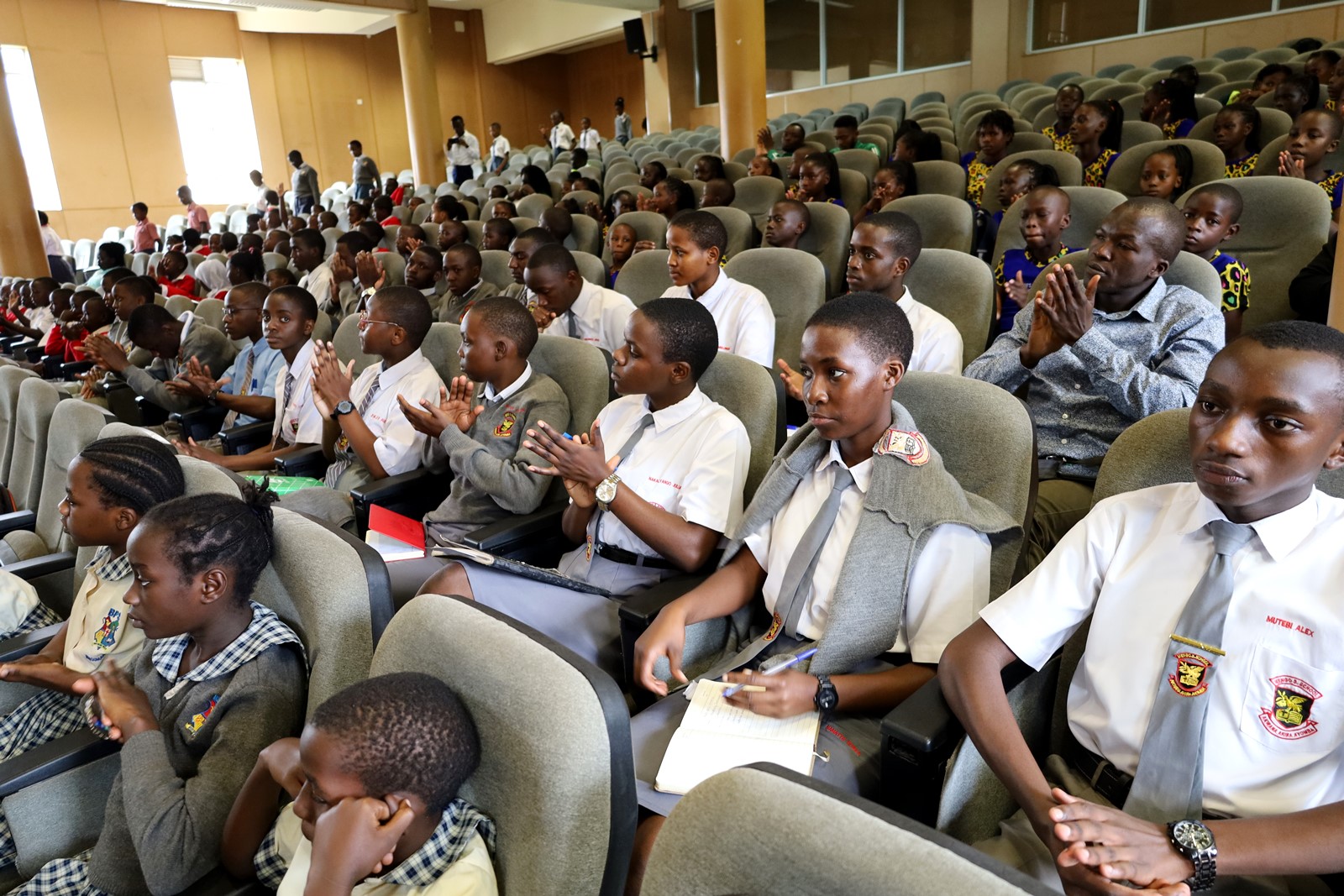
He attributed the crisis largely to human activities such as deforestation, industrialisation, wetland encroachment and poor waste management. Citing recent floods in the capital, he said blocked drainage systems and irresponsible garbage disposal are worsening the situation.
“Most of the floods you are seeing are likely caused by us,” he said. “If we don’t protect our environment, the effects will find us—even in our classrooms.”
Babyenda emphasized that teachers, particularly at primary level, play a critical role in shaping environmentally responsible behaviour early in life. “You can play a great role in safeguarding the environment if you teach these young ones from the start. It is very easy to change behaviour from the beginning,” he said.
He noted that Uganda’s youthful population-about 44 percent below the age of 15, presents a unique opportunity to drive sustainable change. With more than 18,000 primary schools and about 3,000 secondary schools, he said the education system remains the largest structured platform for influencing behaviour nationwide.
Babyenda called for practical interventions within schools, including tree planting, establishment of school gardens, waste recycling and composting, clean-up campaigns, energy conservation and the creation of “talking compounds” that reinforce environmental responsibility.
He also urged schools to strengthen environmental education through clubs and peer learning initiatives, and to revive greening policies such as school woodlots under the Green School Programme.
Highlighting the importance of forests, Babyenda pointed to the degradation of major reserves such as Mabira Forest, Bugoma Forest and Budongo Forest, warning that continued loss of tree cover threatens biodiversity, livelihoods and climate stability.
“We are saying trees, trees, trees because their benefits are immediate,” he said, noting their role in absorbing carbon dioxide, regulating temperatures and maintaining ecological balance.
Encouraging personal and community responsibility, he challenged learners to influence change beyond the classroom. “You can even correct your parents—tell them that throwing rubbish out of a car window is not right,” he said.
He also proposed simple but symbolic actions to embed environmental values in everyday life. “Let us make it a habit—even on your birthday, plant a tree. That is how you celebrate life while protecting the future,” he added.
Babyenda stressed that environmental stewardship is a shared responsibility requiring coordinated efforts from individuals, schools, communities and government institutions.
“Start small but think big. Let each school be a beacon, one tree, one club, one lesson at a time,” he said.
He pledged the centre’s readiness to partner with schools and stakeholders to advance environmental sustainability efforts across the country.
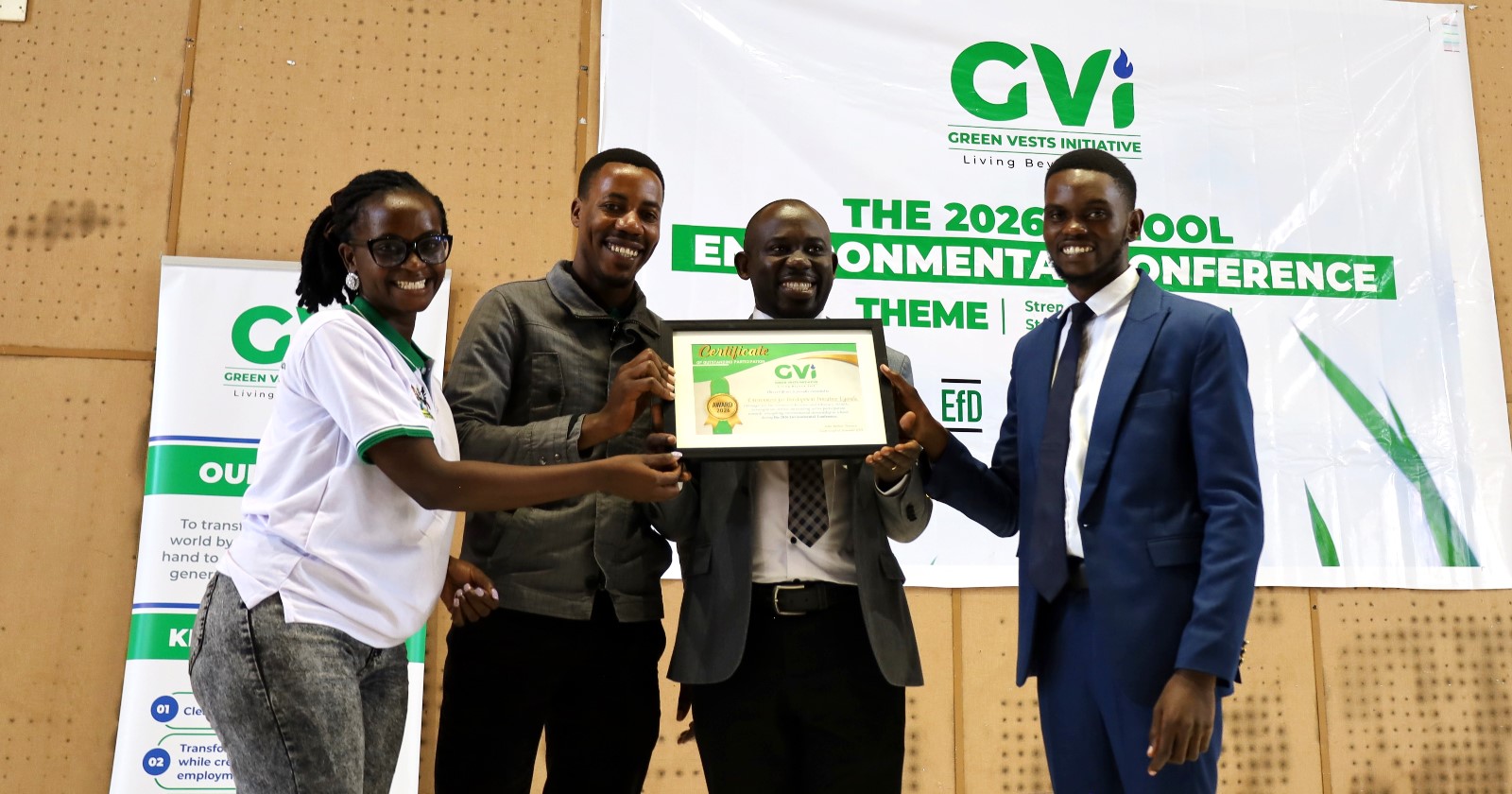
“The future lies in you, the young ones,” he said. “If we guide you well, you will become the leaders who protect our environment.”
Green Vest Initiative Champions Student-Led Environmental Action”
Green Vest Initiative Team Lead John Robert Tenywa said the gathering aimed to inspire a new generation of environmentally conscious citizens who act beyond their personal interests to protect shared resources.
The event, held under the theme “Strengthening Environmental Stewardship in Schools,” emphasized the critical role of young people in driving environmental change. Tenywa noted that schools provide a strategic platform for shaping attitudes and behaviors that can influence communities and the country at large.
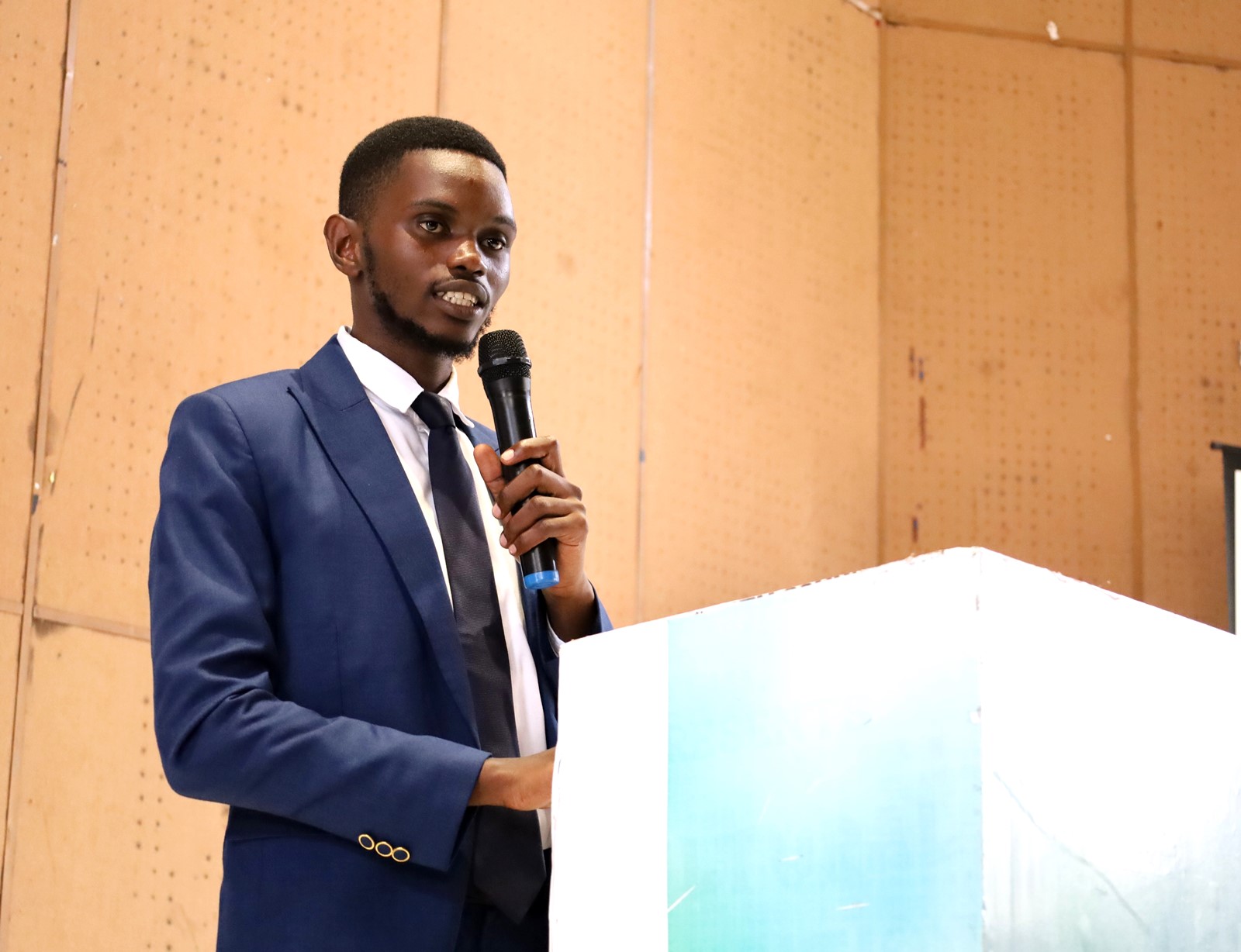
“We are focusing on raising a generation that lives beyond itself—one that is mindful of the environment and committed to making a difference,” he said.
Tenywa outlined the Initiative’s key activities, including cleaning public spaces, educating communities about environmental conservation, and promoting waste management practices that turn waste into valuable resources. He added that the organisation conducts monthly community outreach activities, combining clean-up campaigns with public sensitisation efforts.
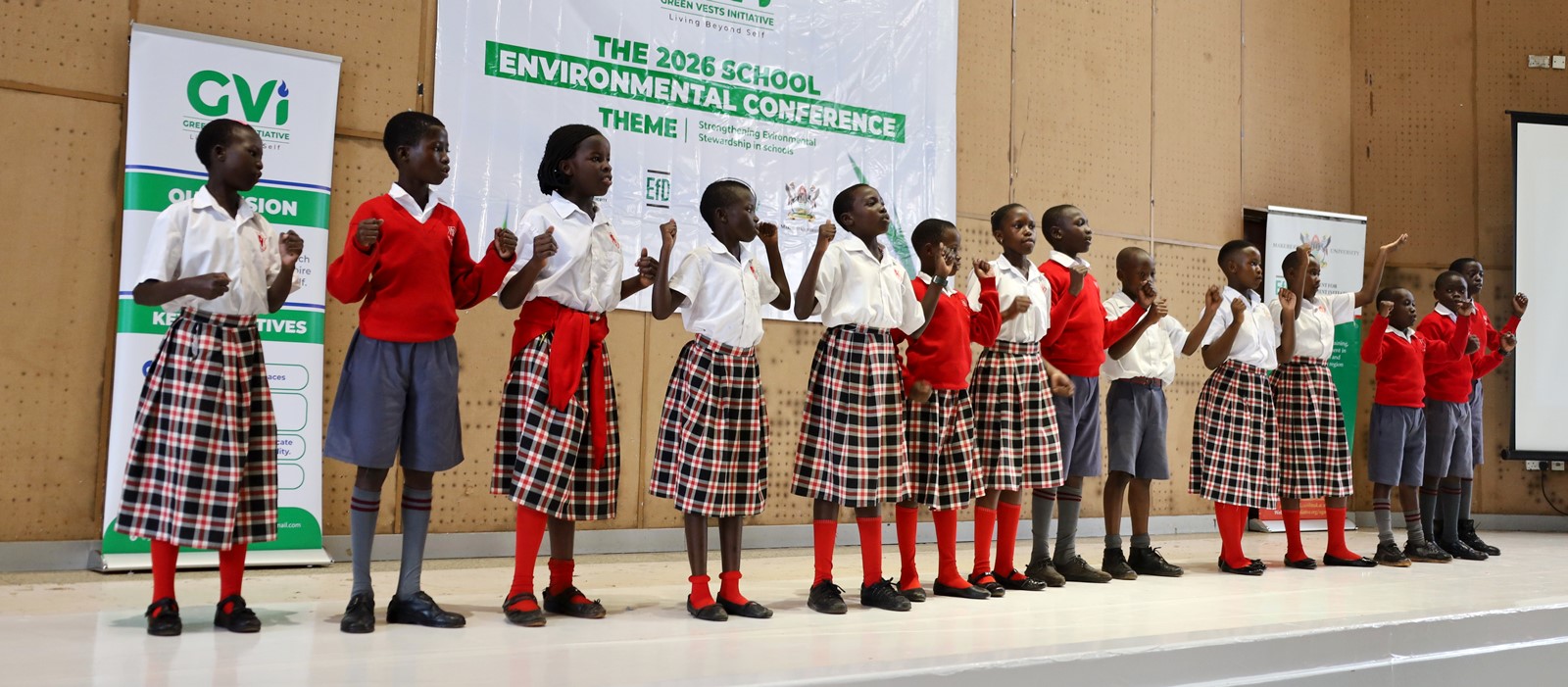
For the current cycle, the Initiative has shifted its focus toward education, targeting students with information and discussions on environmental protection. Tenywa said this approach complements ongoing clean-up efforts by addressing the root causes of environmental degradation through awareness.
He also highlighted the Initiative’s faith-based foundation, noting that it integrates moral and spiritual values into its work while engaging communities.
The engagement marks a growing effort by civil society and public institutions to involve young people in addressing environmental challenges, particularly in urban areas where waste management and pollution remain pressing concerns.
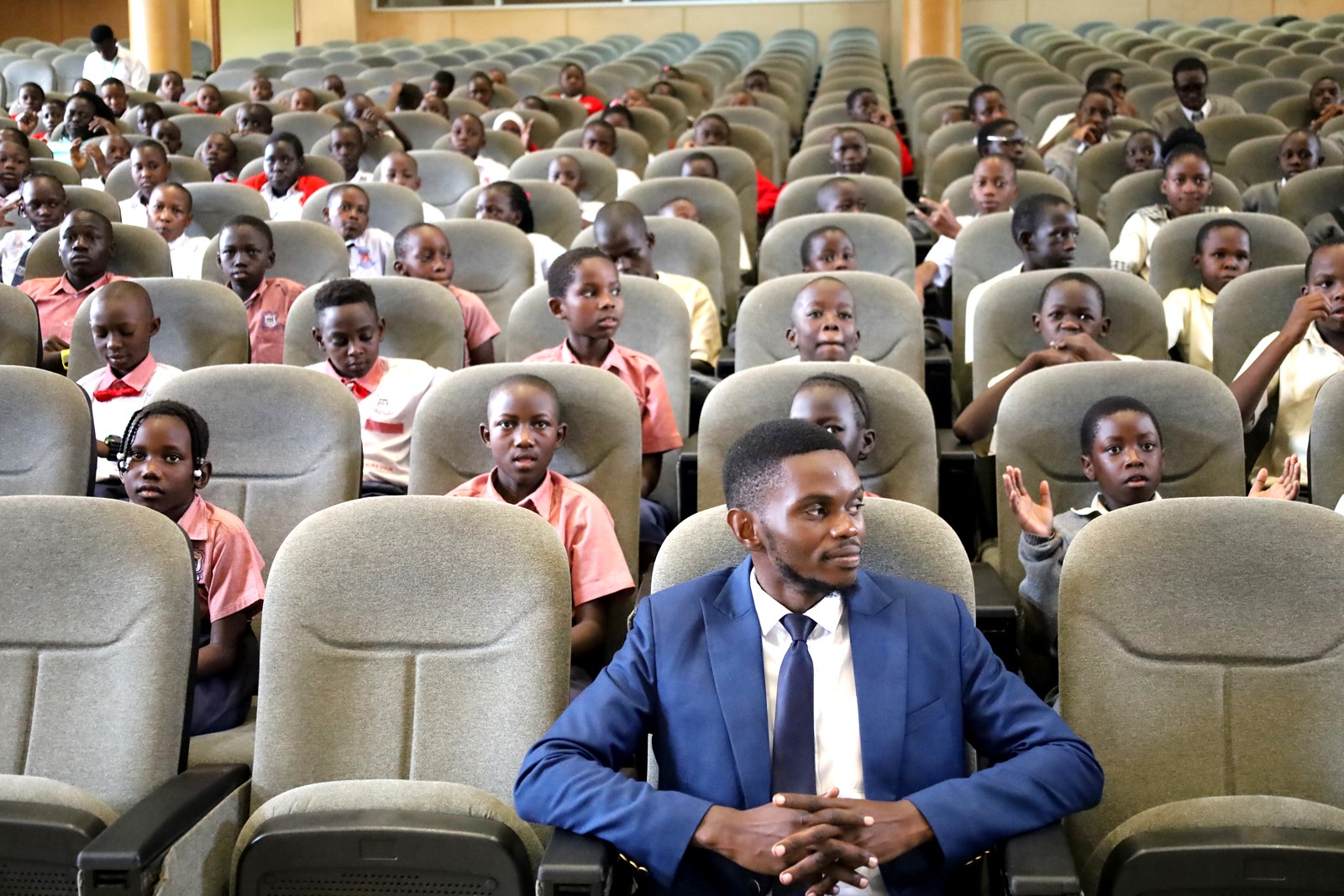
Everyone Has a Legal Role in Safeguarding the Environment
Wilber Ikalai, NEMA Manager of Environment Education and Advocacy, urged students to understand that every individual has a legal and moral duty to maintain a clean and healthy environment. “The greatest threat to our planet is the belief that someone else will save it,” he said, quoting environmentalist Robert Swan. He reinforced that the National Environment Act mandates all Ugandans to prevent pollution and enhance environmental quality.
Ikalai highlighted that environmental stewardship goes beyond trees, water, and wildlife, noting that human behaviors are integral to the ecosystem. He gave examples of harmful practices in schools, including improper disposal of waste, overuse of water, overprinting of documents, and the unsafe handling of food packaging materials that release chemicals into the food chain. “If you don’t take care of yourself, you are part of the pollutants affecting your environment,” he said.

The NEMA official also outlined the agency’s role in coordinating national environmental management, working with lead institutions such as the Uganda Wildlife Authority, National Forestry Authority, local governments, and educational institutions. Through policy guidance, environmental impact assessments, and public education, NEMA seeks to promote sustainability and prevent environmental degradation.
Ikalai called on students to adopt green practices in schools, including proper waste management, water conservation, minimizing overprinting, and avoiding harmful materials in food handling. He encouraged learners to report unsustainable practices they observe and to actively contribute to a culture of environmental responsibility. “Students are the stewards of the environment for the coming generations,” he said, urging them to take personal responsibility for practices that impact both their immediate surroundings and the broader ecosystem.

Jane Anyango is the Communication Officer, EfD-Mak Centre
Agriculture & Environment
Launch of the MUJAES Online Submission System & Call for Manuscripts for Volume 15 (Issue 1)


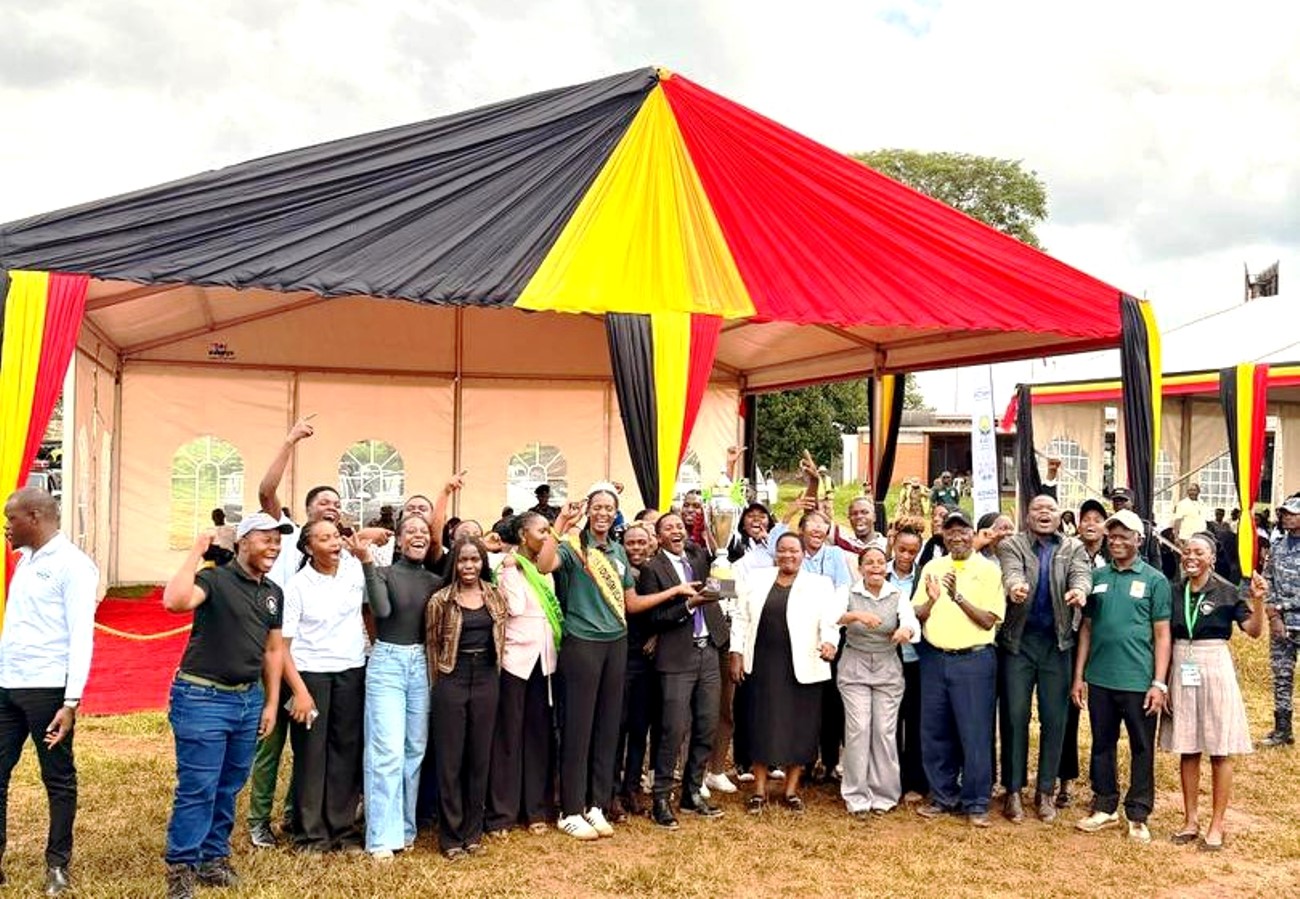
Makerere University students have once again demonstrated academic excellence and commitment to environmental conservation after emerging as the overall winners in the Uganda Wildlife Authority Tertiary Institutions Conservation Competitions held during the national celebrations to mark the World Wildlife Day.
On 25th February, a team of eight students, including members of the Makerere University Tourism Association (MUTA), proudly represented the university at the competitions organized by the Uganda Wildlife Authority. The event took place at the Uganda Wildlife Education Centre in Entebbe and brought together students from various tertiary institutions across the country to showcase knowledge and innovation in wildlife conservation.
The competitions formed part of the activities marking World Wildlife Day and were held under the theme “Medicinal and Aromatic Plants: Conservation, Health, Heritage and Livelihoods.” The theme highlighted the importance of protecting plant biodiversity, particularly species that support traditional medicine, cultural heritage, and sustainable livelihoods.
After a highly competitive contest that tested participants’ knowledge of conservation, biodiversity, and environmental sustainability, Makerere University emerged as the overall winner. The Uganda Wildlife Research and Training College finished as the first runner-up, while Nkumba University secured the second runner-up position.

The team’s achievement was officially recognized during the national World Wildlife Day celebrations held on 3rd March at the Entebbe Works Grounds. During the ceremony, the students were awarded a trophy in recognition of their outstanding performance.
The award was presented by Uganda’s Prime Minister, the Rt. Hon. Robinah Nabbanja, alongside the Minister of Tourism, Wildlife and Antiquities, Hon. Tom Butime, and the State Minister for Tourism, Wildlife and Antiquities, Martin Mugarra. The leaders commended the students for their remarkable achievement and emphasized the critical role young people play in promoting conservation and protecting Uganda’s natural heritage.
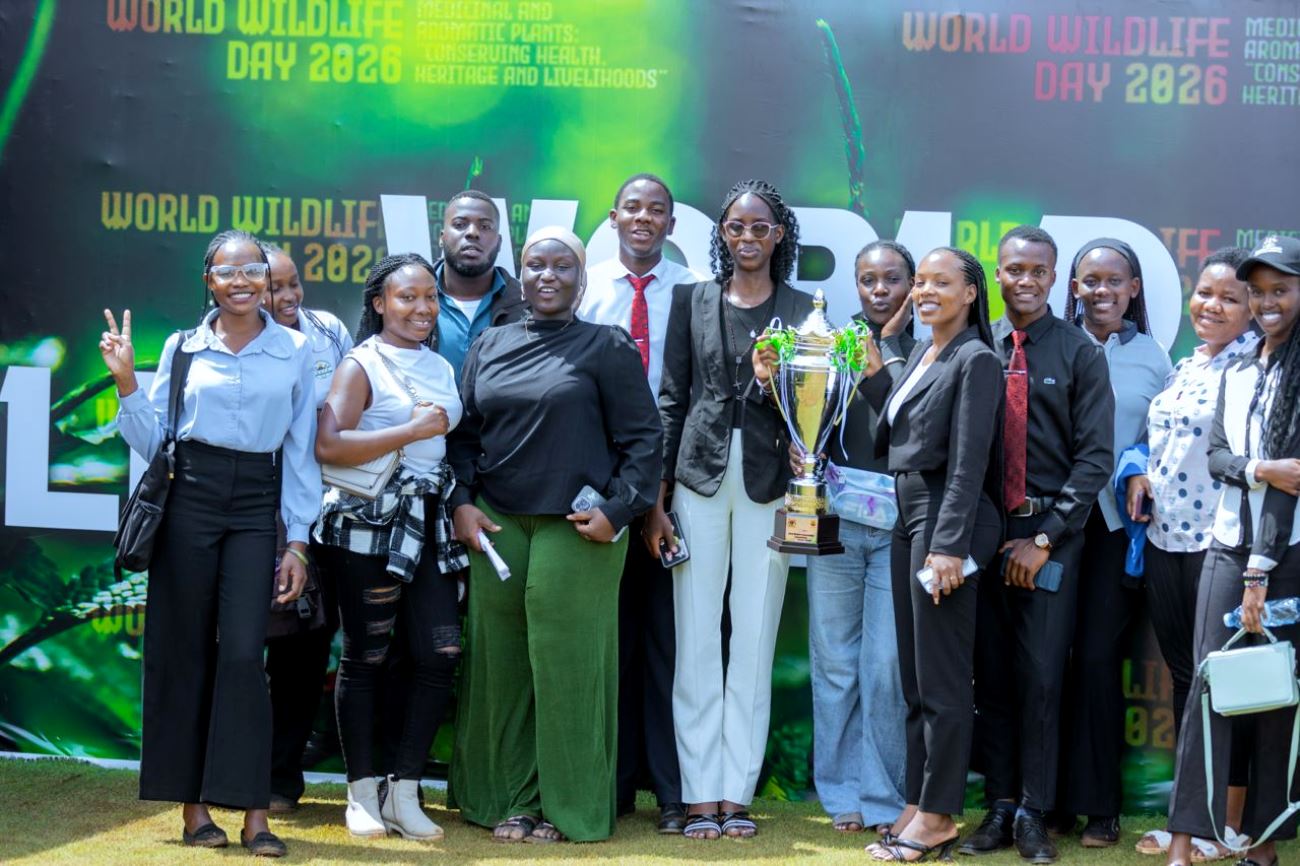
The winning team comprised students from diverse academic disciplines as follows:
- Iradikunda Jemimah – Bachelor of Biomedical Laboratory Technology
- Nankabirwa Edith Mirembe – Bachelor of Science in Tourism and Hospitality Management
- Agenrwoth Brenda – Bachelor of Science in Tourism and Hospitality Management
- Joel Kibirango – Bachelor of Science in Tourism and Hospitality Management
- Elvis Mujuni Kamara – Bachelor of Science in Biological Sciences (Botany/Zoology)
- Kamyuka Ben – Bachelor of Science in Biological Sciences (Botany/Zoology)
- Karisa Geofrey – Bachelor of Science in Forestry
- Nyangoma Caroline – Bachelor of Science in Forestry
According to Prof. Jim Ayorekire, Head, Department of Tourism at Makerere University, the win not only highlights Makerere University’s continued leadership in conservation education but also underscores the importance of empowering young people to take an active role in protecting biodiversity and promoting sustainable use of natural resources.
-

 Law5 days ago
Pre-Entry Examination for Admission to the Bachelor of Laws for 2026/2027 AY
-

 Health2 weeks ago
82% Stressed: Uncovering the Hidden Mental Health Burden Among Kampala’s Taxi Drivers
-
 General2 weeks ago
Makerere University and International Partners Sign MoU for the 9th Kampala Geopolitics Conference
-

 General1 week ago
Call For Applications for Masters Research Support: Drug Safety in Uganda
-

 Research7 days ago
Makerere Strengthens Research Ethics as Leaders Call for Reforms in Governance, Integrity, and Student Support