
General
From Knowledge to Impact: Empowering Youth Leaders and Young Women with Transformative Leadership Skills

By JNLC Team
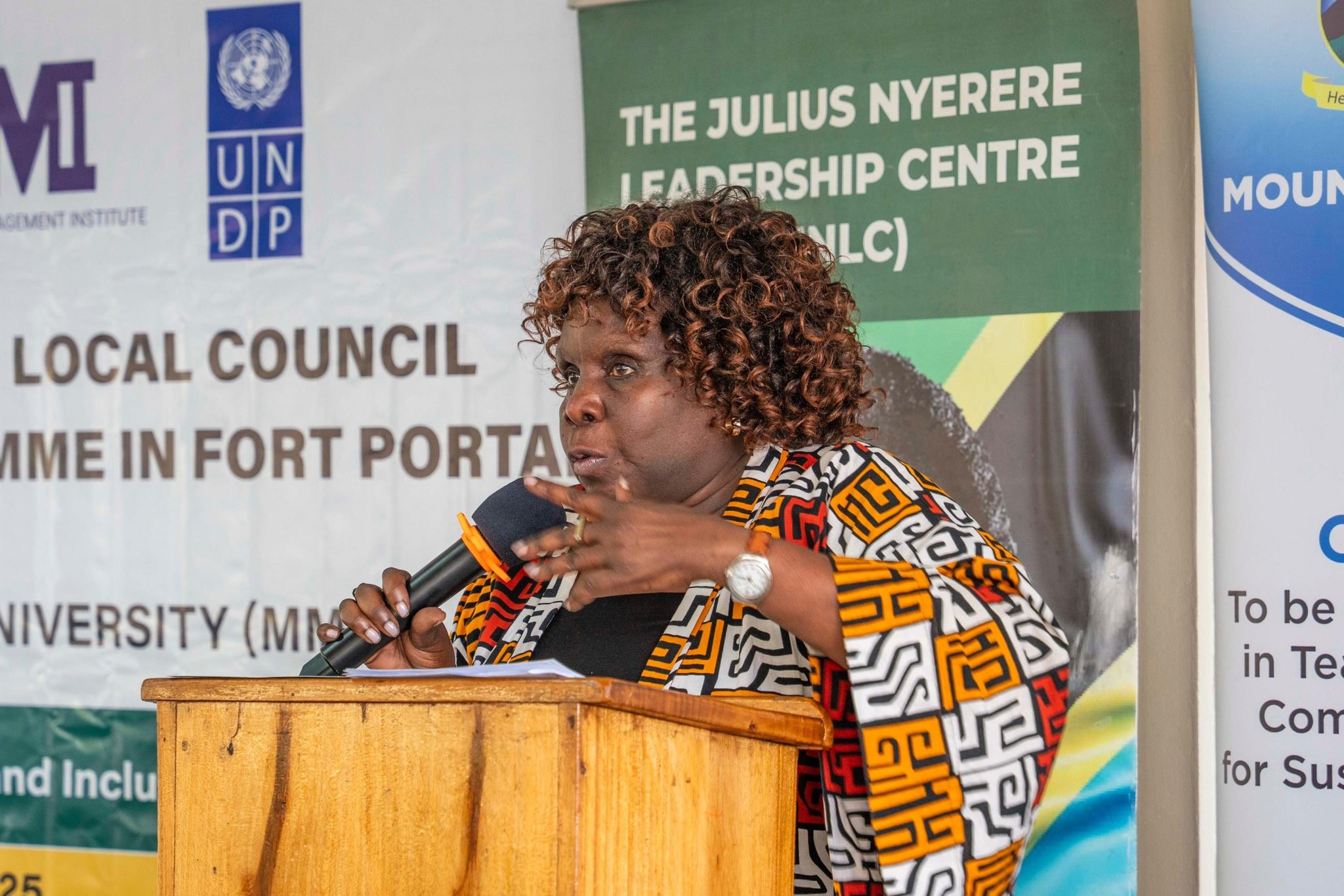
On 4th December 2025, more than 70 participants gathered at Mountains of the Moon University (MMU) in Fort Portal for a three-day comprehensive leadership training targeting youth, young women, and local council leaders.
Organised by the Julius Nyerere Leadership Centre (JNLC) in partnership with the United Nations Development Programme (UNDP), the training aimed to strengthen practical leadership skills and nurture a new generation of community-centered, ethical, and solution-oriented leaders.
The first day introduced participants to foundational themes such as servant leadership, the meaning of power in leadership, self-leadership, emotional intelligence, mental well-being, and effective communication. Through these sessions, participants gained practical tools to engage and influence communities responsibly, mobilize resources, and contribute effectively to sustainable development.
Honouring Nyerere’s Legacy of Transformative Leadership
In her remarks, Dr. Nansozi K. Muwanga, Executive Director of JNLC, urged young leaders from higher education institutions across Uganda to embrace their central role in shaping the country’s future. She stressed that Uganda’s developmental trajectory—and that of the wider East African region—will be determined by empowered, ethical, and visionary youth.
Dr. Muwanga reminded participants that the Julius Nyerere Leadership Centre draws inspiration from the leadership values of Mwalimu Julius Kambarage Nyerere, who championed youth as drivers of Africa’s development. Established in 2018 by H.E. President Yoweri Kaguta Museveni as a Presidential Initiative hosted by Makerere University and the Uganda Management Institute, JNLC continues this legacy by equipping young Africans with the intellectual, moral, and practical leadership skills required in a fast-changing world.
Expanding Impact Through the JNLC–UNDP Youth Leadership Programme
Dr. Muwanga highlighted that since 2021, the JNLC–UNDP Leadership Training Programme has empowered more than 700 youth leaders from Uganda and beyond. The programme cultivates a growing network of community-centered changemakers capable of influencing governance and driving sustainable development.
To address challenges faced by alumni—such as limited visibility, resource constraints, and weak mentorship—JNLC launched the Alumni Impact Activation Strategy. The initiative supports alumni-led projects aligned with UNDP’s G4D priorities through mentorship, empowerment, and visibility. This approach amplifies our investment in Uganda’s youth and ensures that leadership development translates into sustainable solutions in climate resilience, women’s economic empowerment, and digital innovation,” she noted.
Youth at the Heart of Africa’s Development
Reflecting on Africa’s demographic landscape, Dr. Muwanga noted that a youthful population presents both immense opportunity and profound responsibility. Realising this potential requires intentional nurturing of leaders who value justice, unity, ethical conduct, and collaborative governance.
“This is the aspiration that guides our work at JNLC,” she affirmed. “We aim to equip young people with the skills to think critically, lead responsibly, and contribute meaningfully to Uganda’s development and Africa’s broader ambitions.”
“You Are Today’s Leaders” — Message from Mountains of the Moon University
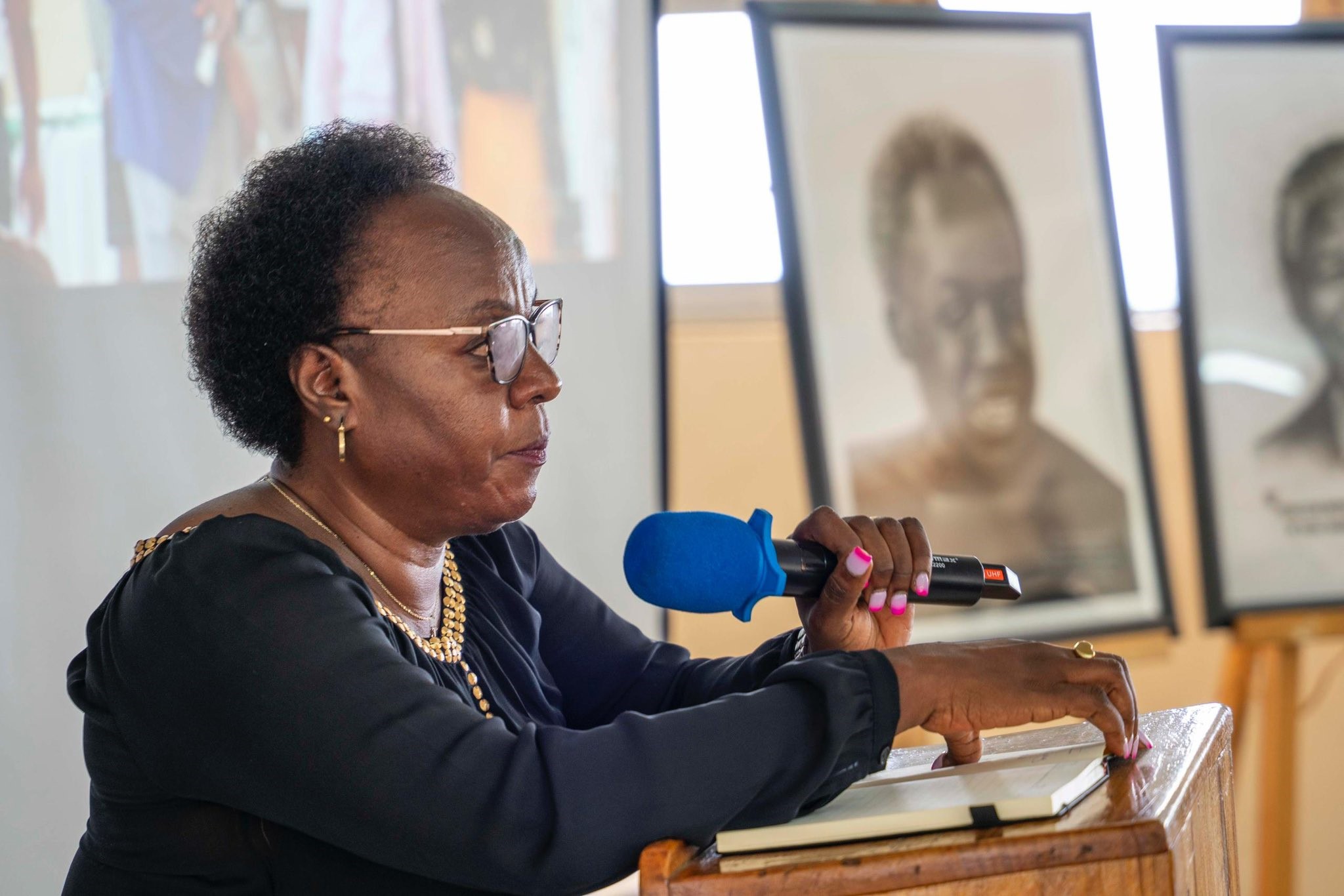
Representing the Vice Chancellor, Prof. Pius Coxwell Achanga, Mrs. Roselyne Ssali—the Dean of Students—affirmed the university’s strong commitment to cultivating ethical, capable, and community-oriented leaders.
She emphasized the value of inter-institutional collaboration, noting that leadership thrives on shared learning and collective growth. She encouraged participants to engage actively, exchange ideas, and learn from one another.
Addressing the youth directly, Mrs. Ssali underscored that leadership is not a distant possibility but a present responsibility.
“You are not here by mistake,” she said. “The saying that you are ‘tomorrow’s leaders’ does not apply. You are today’s leaders, and that is something we cannot take for granted.”
She commended the JNLC–UNDP collaboration for expanding leadership opportunities and equipping young people with practical, real-world skills.

Leadership, Intellect, Capacity, Health, and Safety — Insights from the RCC
Officially opening the training, Ms. Asuman Nasike, Resident City Commissioner of Fort Portal City, shared her inspiring journey from Youth Councillor to RCC. She encouraged participants to treat every leadership role as a “nursery bed” for growth and reminded them that leadership is driven by intellect and capacity—not age or physical size.
“In your roles as local, youth, and women leaders, remember that leadership is defined by capacity, not size. It is about the mind, not the stature. I may be small in size, yet I lead this city. Let my example prove to you that young people can lead and make a difference,” she said.

She highlighted essential leadership qualities: integrity to earn trust, effective communication through feedback, leading by example, decisiveness in difficult moments, and resilience in the face of setbacks. She also emphasized personal well-being, responsible health practices, and surrounding oneself with mentors and peers who inspire growth.

Learning from Nyerere’s Leadership Ideals
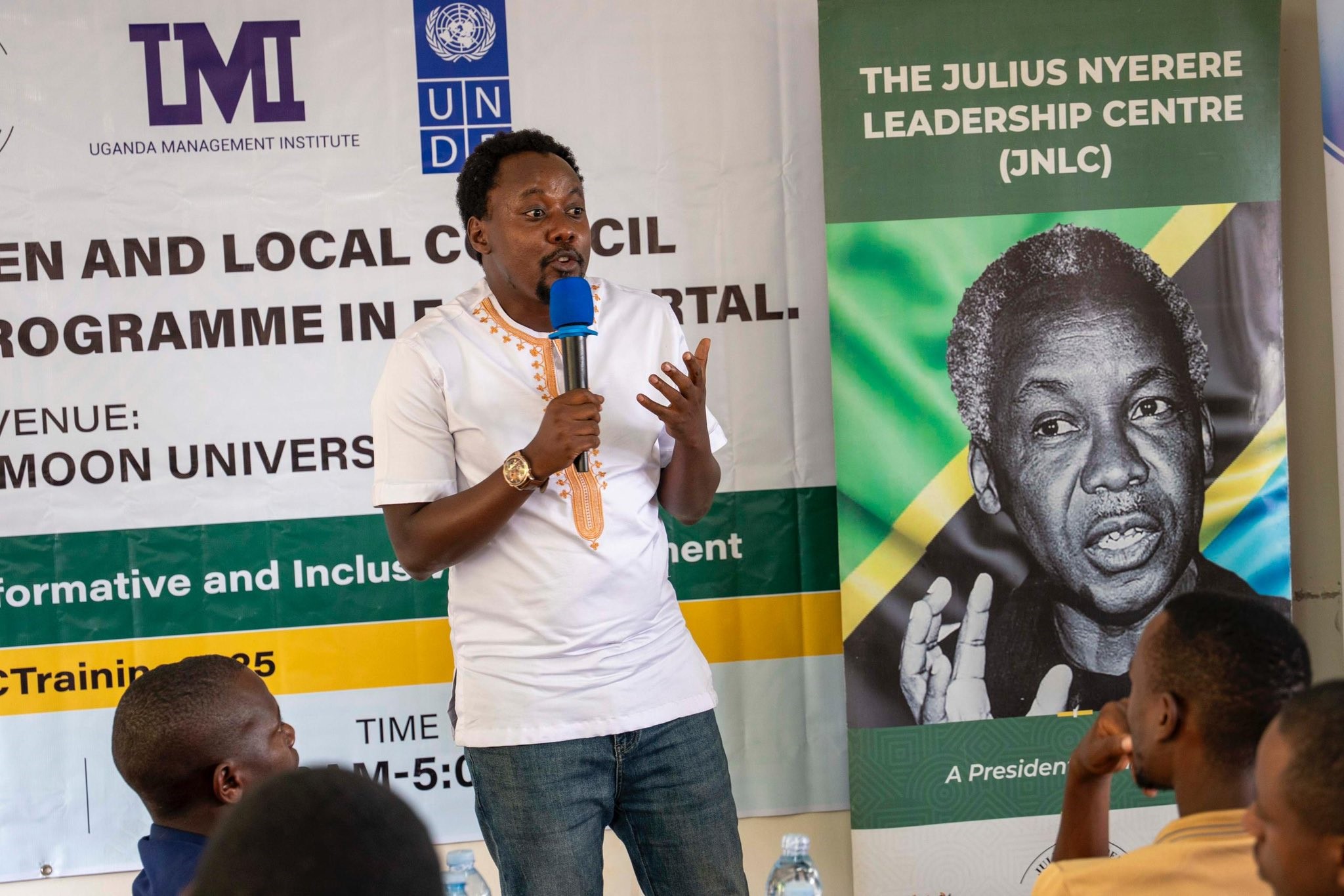
Drawing from the life and leadership of Mwalimu Julius Nyerere, Mr. Ivan Ssegawa Sebastian, former EAC Youth Ambassador to Uganda, outlined enduring values that shaped Nyerere’s leadership: human dignity, collective responsibility, unity and cultural identity, and service above self.
These ideals, he noted, remain essential foundations for ethical and people-centered leadership today.

Principles of Servant Leadership
Leadership trainer and clinical psychologist Mr. Ronald Ssaazi guided participants through the principles of servant leadership, drawing insights from leaders like Nyerere, Nelson Mandela, Martin Luther King Jr., and Gamal Abdel Nasser.
He emphasized that leadership begins with self-leadership—self-reflection, self-regulation, and deliberate goal-setting. Quoting John Maxwell’s famous line, “Leadership is influence—nothing more, nothing less,” he reminded participants that they must influence themselves before they can influence others. “You cannot claim to be a leader if no one wants to follow you. Leadership begins when you influence people through your direction, ideas, and example—and that influence must start with self-leadership,” he stressed.
Mr. Ssaazi highlighted that servant leadership is rooted in service—lifting others, meeting them where they are, and helping them grow. He underscored the importance of character, emotional intelligence, meaningful relationships, and consistent action.
He also shared the “Three R’s” framework—Requirements, Returns, and Rewards—encouraging participants to focus on high-impact actions and remain motivated as they pursue purposeful leadership.
Emotional Intelligence & Mental Wellness for Effective Leadership
Dr. Gardner Herbert Rwakiseta, Programme Coordinator at JNLC, underscored that effective leadership is impossible without mental and emotional balance. He explained that clarity, creativity, and inner peace form the foundation of impactful leadership.
Using a powerful analogy, he noted:
“A smartphone may look perfect on the outside, but without a functioning battery, it cannot operate.” He likened mental health to a leader’s battery—indispensable to performance. Dr. Gardner explained that mental wellness is more than the absence of illness; it determines how leaders think, relate, and make decisions. He outlined common mental health challenges and their symptoms and provided practical tools for maintaining emotional balance, including exercise, sleep hygiene, healthy relationships, journaling, and setting digital boundaries.
On digital discipline he advised:
“The small screens were not designed to control you. Manage distractions by limiting unnecessary notifications and practicing intentional use of technology.”
The Power of Effective Communication
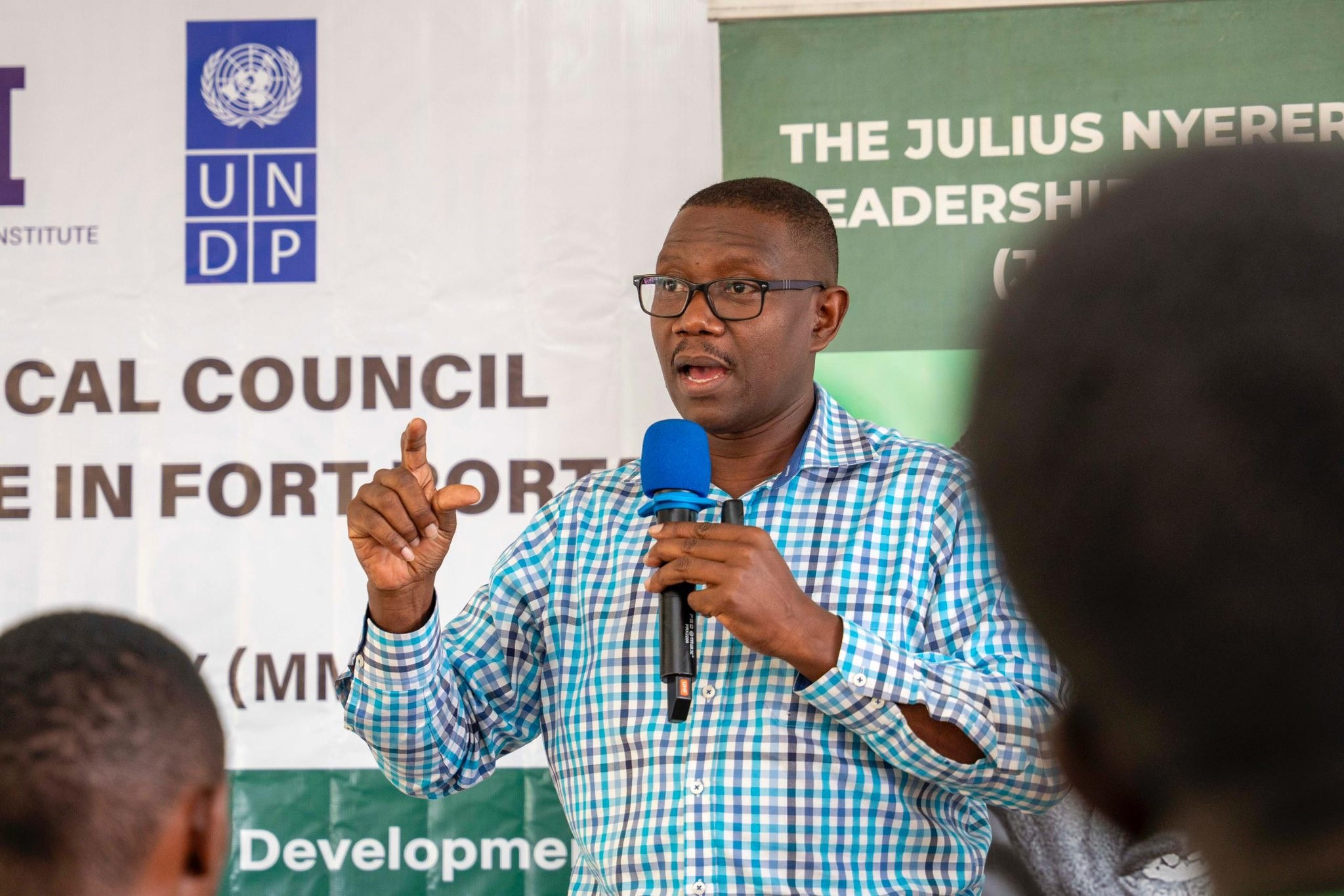
Mr. Henry Kasacca, Director of Dialogue and Democracy, emphasized that communication is at the heart of leadership. His session equipped participants with public-speaking skills, active listening, strategies for giving and receiving feedback, and tips for crafting impactful elevator pitches.
He reminded participants that public speaking is not merely addressing a crowd—it is connecting with people, informing them, and motivating them to act. “Preparation, positive non-verbal communication, and confidence are key. Knowing your audience, understanding the purpose of your speech, and structuring your message ensure that it resonates,” he explained.
He noted that leaders often have only a minute to capture attention, stressing the importance of clarity, relatability, and confidence. He also emphasized constructive feedback as an essential tool for growth.
The Meaning of Power in Leadership
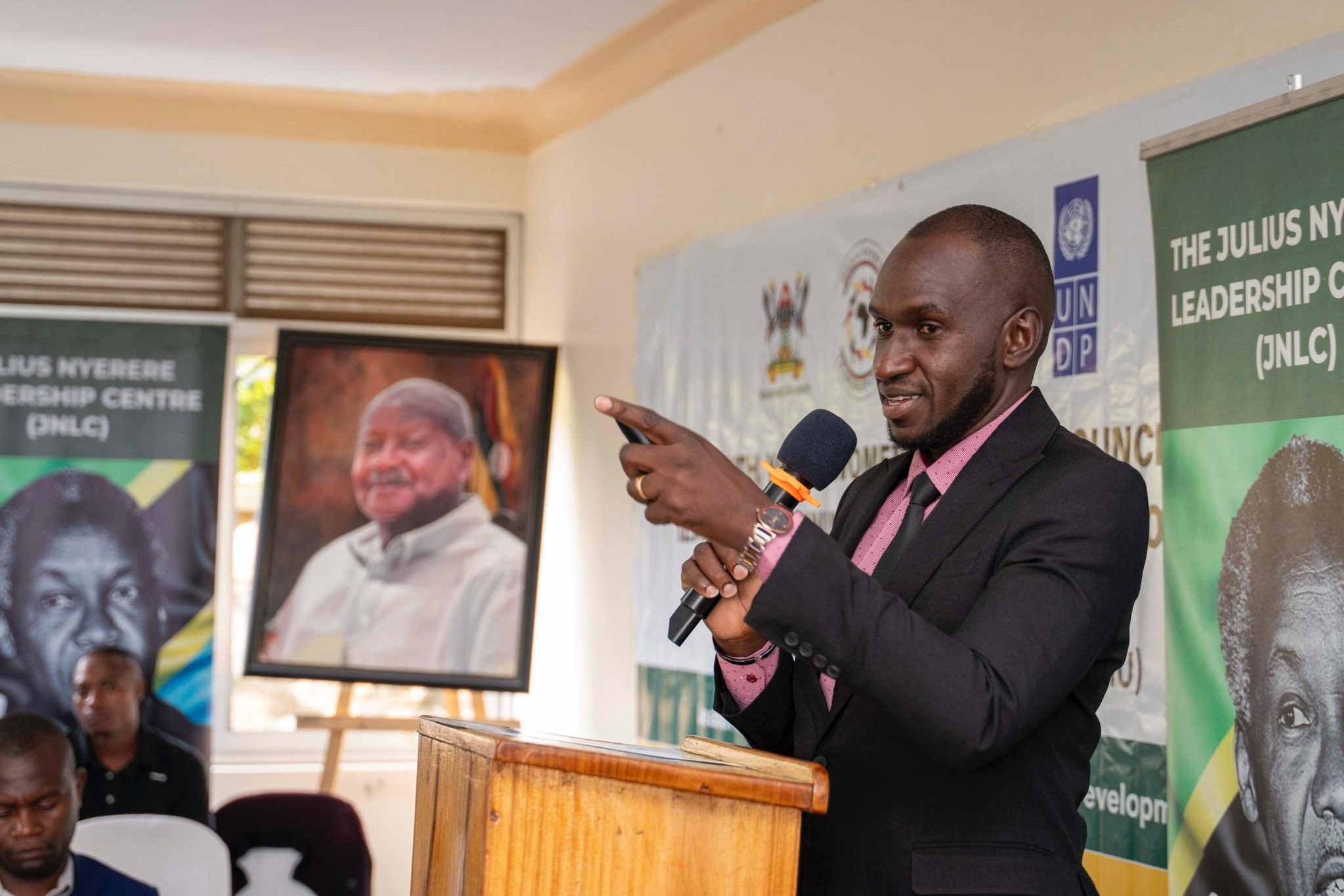
Mr. David Nyaribi, Leadership and Governance Specialist at ActionAid International, emphasized that leadership is not defined by position but by the ability to influence, mobilize, and transform communities.
He distinguished authority from power, noting that while authority is granted, power—knowledge, confidence, action—is accessible to everyone.
He outlined four essential types of power:
- Power Over – traditional authority
- Power To – capacity to act and implement
- Power Within – inner confidence and resilience
- Power With – collective strength through collaboration
Mr. Nyaribi urged participants to use power responsibly and be mindful of who they grant influence over them. He also explained the different spaces, levels, and sources of power, from households to global diplomacy, and highlighted the difference between mobilizing (short-term energy) and organizing (long-term structure). “Mobilizing gets people to the table; organizing makes the table productive,” he noted.
Youth Voices: Picking Up the Droplets of Leadership
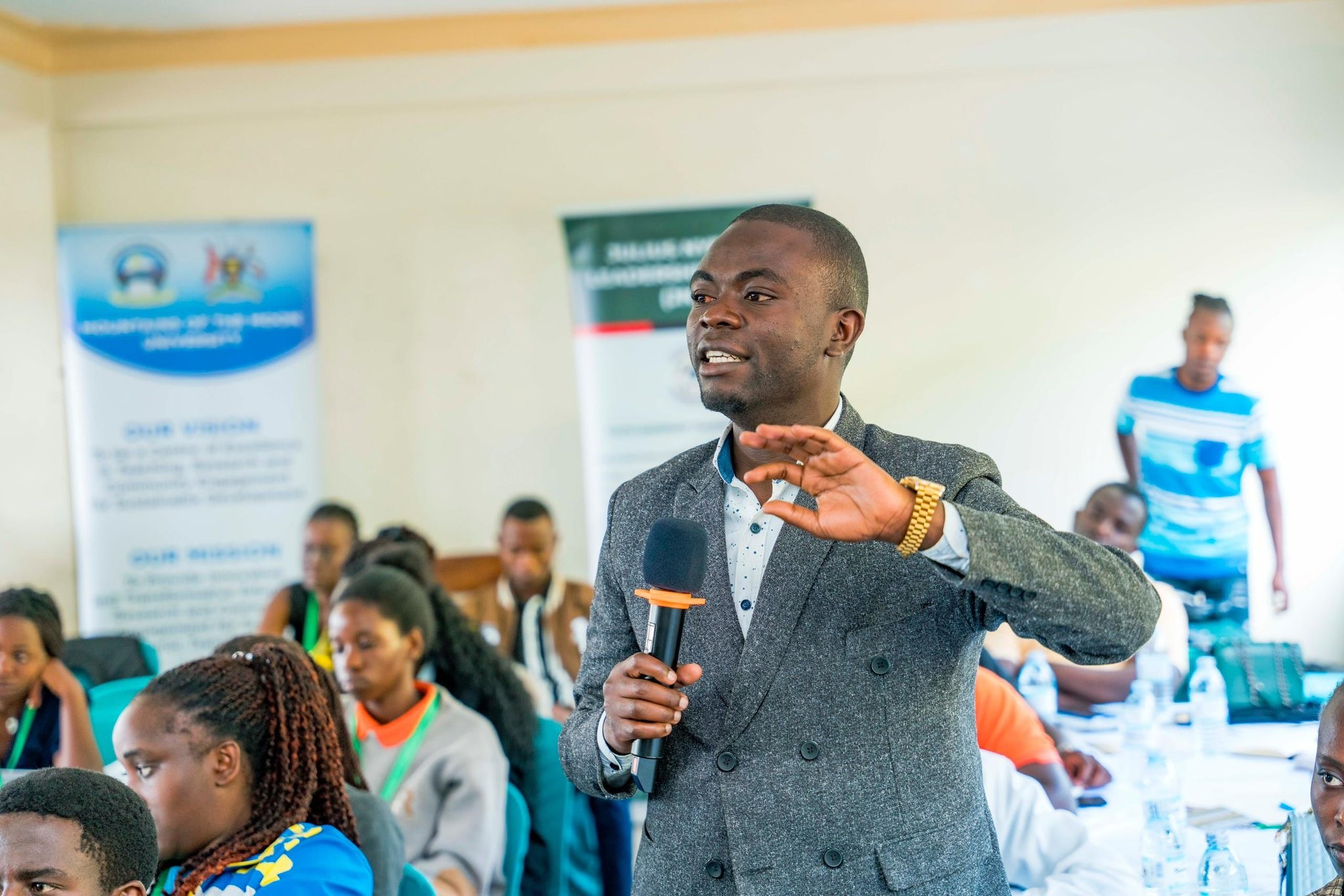
Bringing a youth perspective, Mr. Ivan Hurira, Speaker of the Regional Youth Parliament, shared the story of a brave hummingbird dropping water on a burning forest, insisting, “I am doing the little I can.” He likened this to the role of young Ugandans—small but consistent actions can spark meaningful change.
“When the forest of Uganda is burning, we, the young people, can do the little we can,” he said.
He encouraged participants to treat the knowledge and skills gained during the training as droplets of leadership—resources they should carry back to their communities to contribute to transformation.













General
RIMS Implementation to End Supervision Delays, Enhance Transparency, Close Gaps and Boost Research Excellence at Makerere University
By Moses Lutaaya
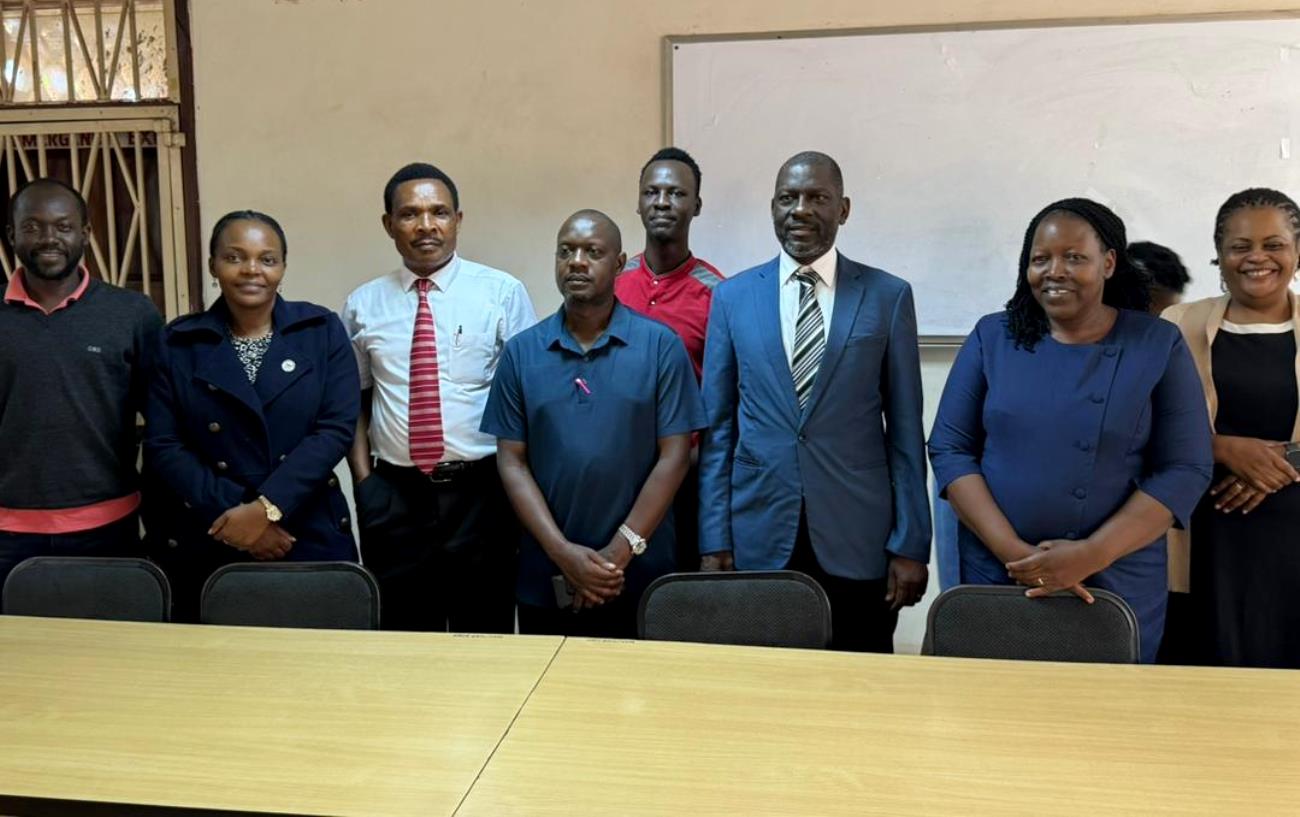
Kampala, Uganda — 27th March 2026: Makerere University has intensified its push toward digital transformation in graduate education with the implementation of the Research Information Management System (RIMS), a platform expected to end supervision delays, enhance transparency, close long-standing gaps, and boost research excellence.
Leading this shift, the Director of Graduate Training at Makerere University, Prof. Julius Kikooma, emphasized that the initiative is part of ongoing collaboration with academic units.
“Our visit to the Institute of Gender and Development Studies is part of continuous engagement to strengthen graduate training,” Prof. Kikooma said. “RIMS is not just about technology—it is about improving how students and supervisors work together, how progress is tracked, and how the university ensures quality and timely completion.”
He noted that the university is already making strides in graduate output, citing a recent milestone of over 200 PhD graduates, with 40 percent female representation—an indicator of progress toward gender equity.
“We want to push that to 50 percent,” he said. “RIMS will help us get there by providing data, improving coordination, and addressing inefficiencies in supervision and monitoring.”
Prof. Kikooma emphasized that the system will also support the university’s broader goals, including internationalization and improved research productivity, by streamlining application, supervision, and reporting processes.
“With digitization now fully underway, we cannot go back,” he said. “RIMS will allow supervisors to track student performance in real time, and management will be able to access accurate reports at the click of a button.”
He added that adoption of the system is mandatory for all academic staff, noting that it will become a key tool for measuring performance and institutional accountability.
Building on this vision, Prof. Ruth Nsibirano, Director of the Institute of Gender and Development Studies, highlighted how RIMS will directly address supervision gaps that have historically affected graduate completion.
“I’m very certain RIMS is going to bridge the gap between supervisors and supervisees,” she said. “It will ensure constant updates, structured engagement, and clear records of progress for every student.”
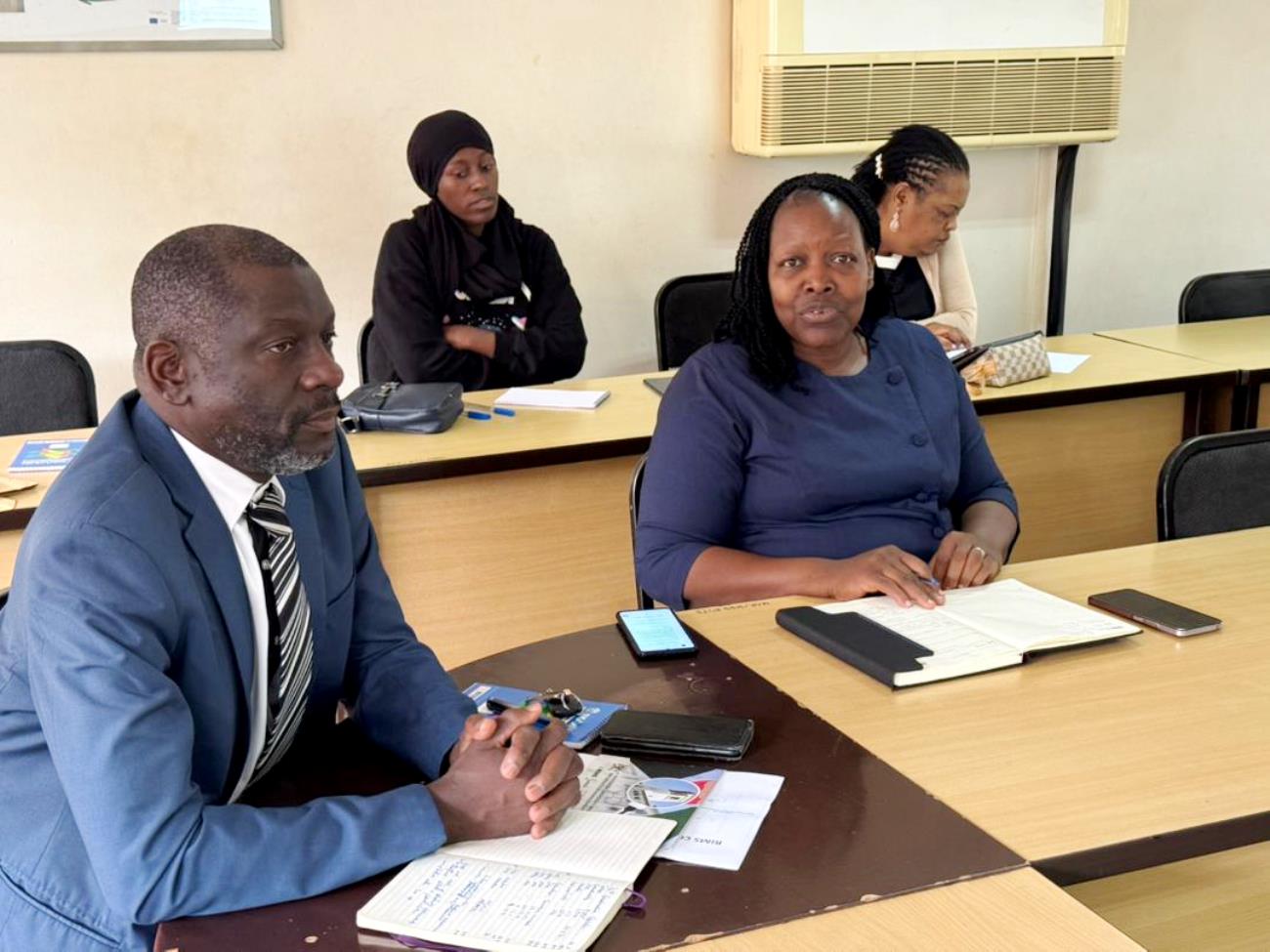
Prof. Nsibirano explained that one of the major challenges in the past has been the lack of visibility in supervision, where both students and supervisors operated without clear documentation of their interactions.
“Knowledge of what was happening was often missing because supervisors and students remained distant,” she said. “Now, there will be records showing when supervision took place, what was discussed, and who has not been responsive.”
She noted that this transparency will significantly improve efficiency and reduce delays on both sides.
“Both students and supervisors will know that their work is being tracked,” she said. “This awareness alone will improve accountability and reduce unnecessary delays.”
However, she cautioned that while RIMS will strengthen supervision systems, financial challenges facing graduate students remain a critical issue.
“We must also address the reality of limited financial support,” she said. “Even with strong systems, students still need resources to complete their studies.”
Prof. Nsibirano expressed confidence that both staff and students are ready to adopt the digital platform, noting that familiarity with technology is no longer a major barrier.
At the operational level, Dr. Julius Mugisa, Coordinator of Graduate Studies at the Institute, underscored the practical impact RIMS will have on day-to-day supervision.
“In fact, it is a very good system. It will facilitate easy supervision,” Dr. Mugisa said. “Previously, you could send comments to a student and wait five weeks without a response. Now, the system will clearly show who is delaying and who is not.”
He emphasized that the transparency of RIMS will eliminate guesswork and misunderstandings by ensuring that all supervision activities are recorded and accessible.
“There will be clear evidence of engagement—comments, timelines, and responses,” he said. “This removes the blame game and helps everyone focus on progress.”
Dr. Mugisa dismissed concerns that increased monitoring might intimidate supervisors, instead framing it as a positive step toward professionalism.
“We are here to do our work for the university,” he said. “The system is not about punishment—it is about improving efficiency and ensuring that responsibilities are fulfilled.”
He added that the accountability introduced by RIMS will encourage timely feedback and active participation from both supervisors and students.
“When you know the system is tracking progress, it helps you stay on course,” he said. “Monitoring is important, and it benefits everyone.”
Dr. Mugisa also noted that improved supervision and faster feedback could enhance Makerere University’s attractiveness to prospective graduate students.
“Students want assurance that their work will be reviewed on time,” he said. “With RIMS, that confidence will increase, and more students will be encouraged to enroll.”
As Makerere University continues to implement RIMS across its academic units, leaders believe the system will mark a turning point in graduate education—driving efficiency, strengthening accountability, closing supervision gaps, and positioning the institution as a leader in research excellence in Africa.

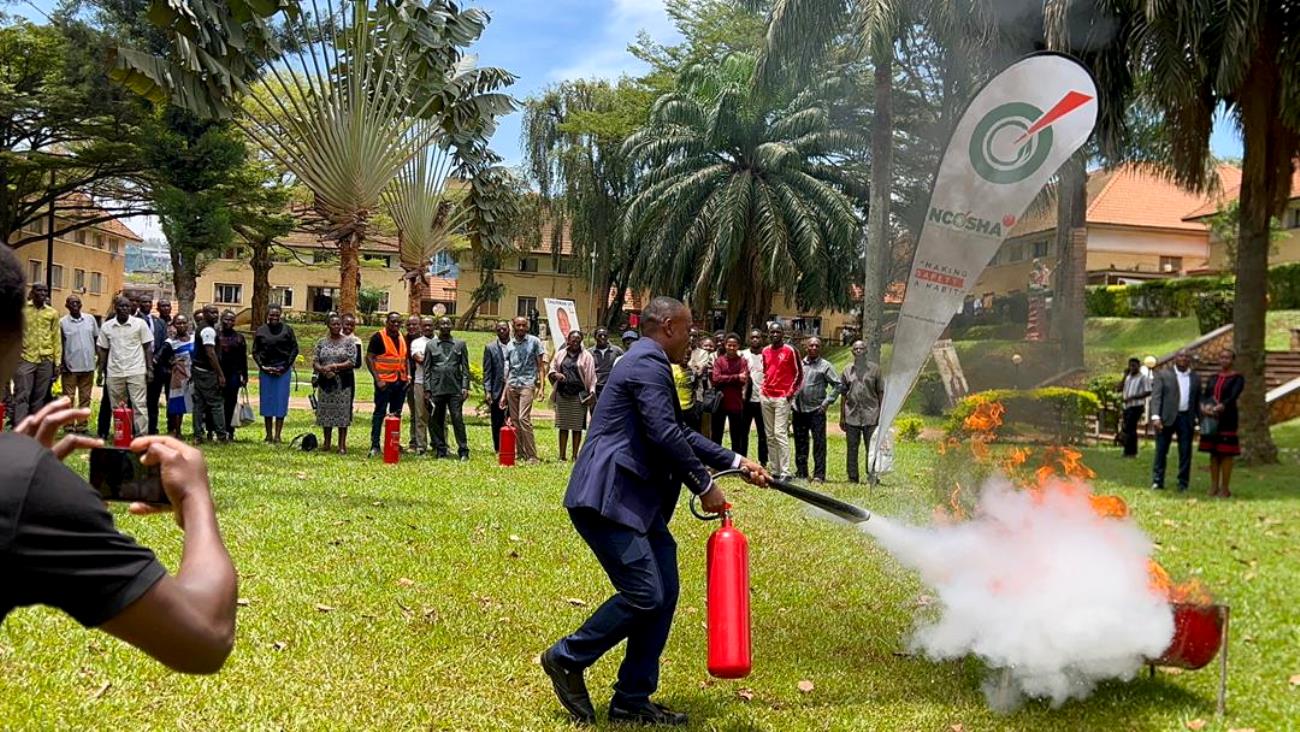
Staff members from the Office of the Dean of Students have undergone a hands-on training on fire safety and prevention in halls of residence.
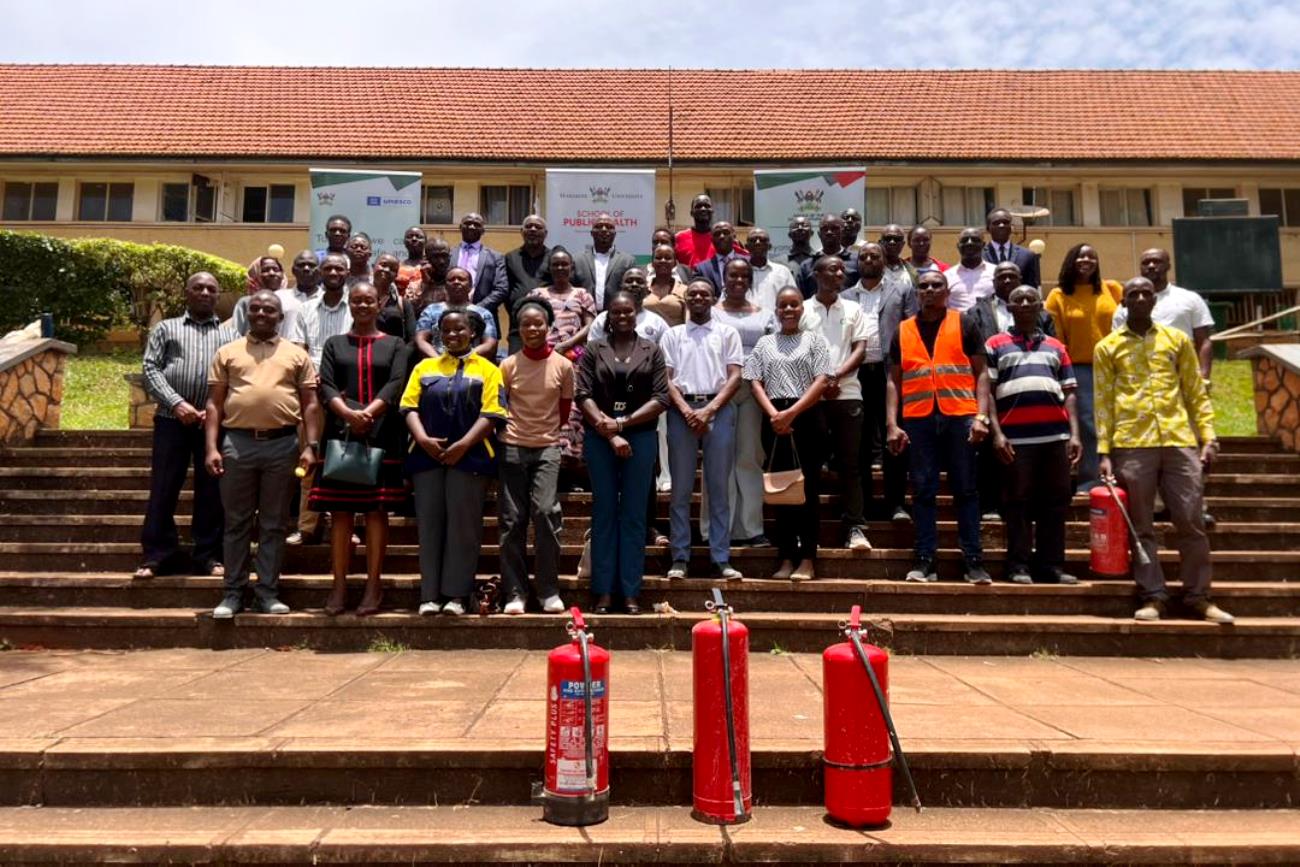
The training, held on Thursday, March 26, 2026, at University Hall, focused on equipping custodians and wardens with essential skills and knowledge on fire prevention, evacuation procedures and response strategies in case of emergencies.
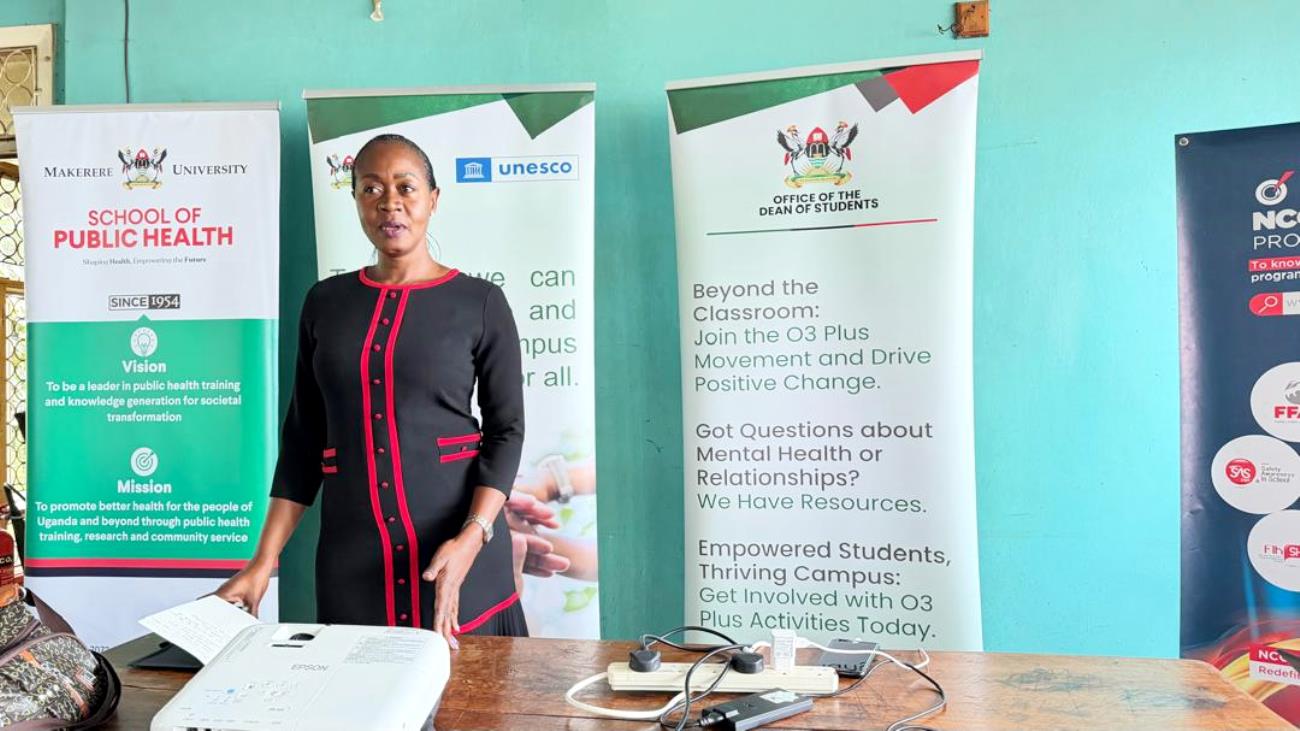
“In our safeguarding initiatives, we want to create an environment that is safe and secure for our students and staff. Given that we have experienced fires at the University, we decided to train custodians and wardens because they are the first responders and decision-makers in case a fire breaks out in any Hall of Residence,” said Dr. Winifred Kabumbuli, the Dean of Students.
In 2020, Makerere University’s Main Building, commonly known as the Ivory Tower, caught fire, destroying valuable property. Earlier in 2018, a fire gutted Mary Stuart Hall, a female residence. The fire, which started in the ground-floor canteen, spread to other floors but was successfully contained by the Uganda Police.
Speaking in February 2025 during the release of the 2024 Annual Crime Report at the Police Headquarters in Naguru, the Director of Fires and Rescue Services, AIGP Stephen Tanui, revealed that Kampala Metropolitan recorded the highest number of fire incidents in the Country with 933 cases in 2024.
He warned that Uganda’s rapid urbanisation would increase fire incidents unless deliberate prevention measures are adopted.
“We have had fire incidents at Africa Hall, Nsibirwa and Livingstone. Some students also prepare their own meals, which increases the risk of fire outbreaks. It is therefore timely for our staff to acquire basic knowledge on fire prevention and how to respond effectively when a fire occurs,” Dr. Kabumbuli noted.
Speaking to the participants, Mr. Levi Mwesigye, a certified fire safety trainer with NCOSAH Consults (Occupational Safety and Health Administration), emphasized the importance of proactive fire prevention. He explained that three elements, heat, fuel and oxygen are necessary for a fire to exist.
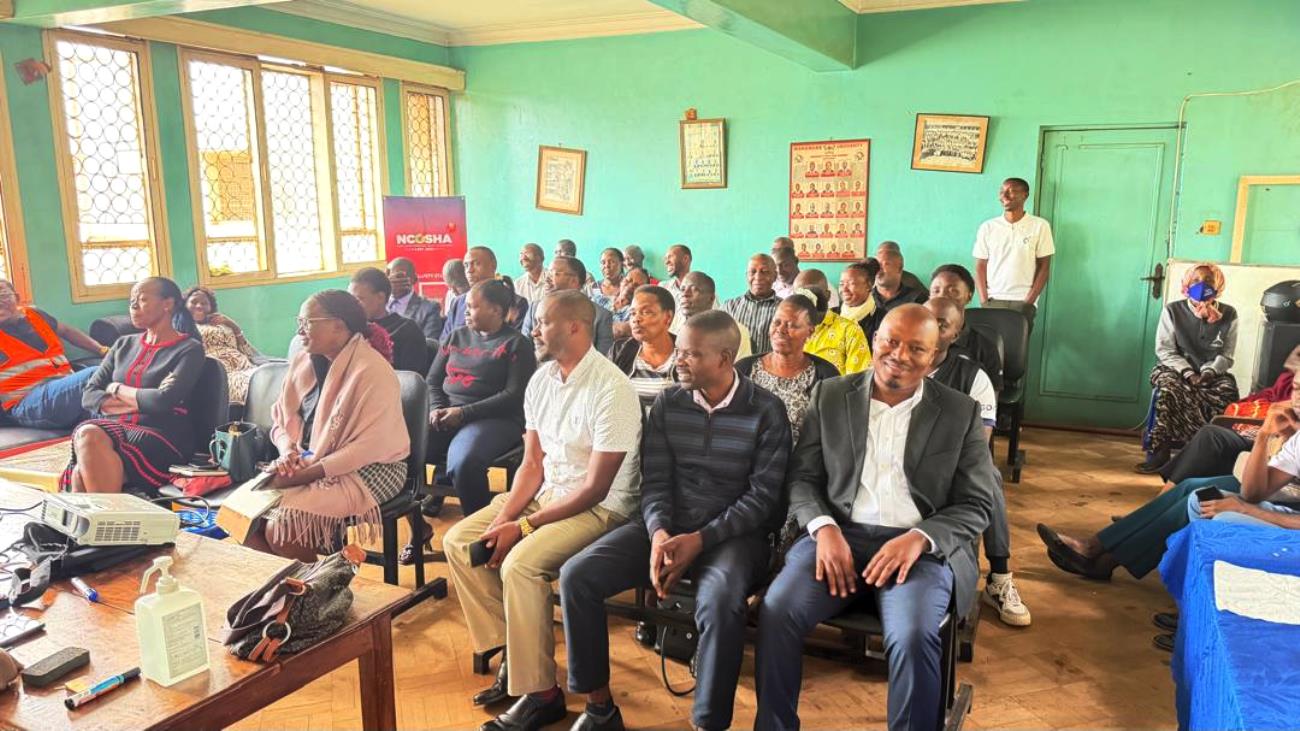
“Always ensure that fire detection systems are in place to identify fires at an early stage. Additionally, ensure fire protection systems such as portable extinguishers are functional and regularly serviced so that fires can be contained promptly,” advised.
In his presentation, Mr. Mwesigye also urged Wardens to install clear directional signage in Halls of Residence to enhance safety and facilitate quick evacuation during emergencies.
“Fires spread much faster than you might think. Always have a backup escape plan in case your main escape route becomes blocked. If you can’t put out the fire in 5 secondsor less, the fire is too large. Get out and always prioritize persons with disabilities, women, the sick, and other vulnerable individuals to ensure they are evacuated safely,” Mr. Mwesigye, said.

Apart from training the staff about fire safety at the University, the staff also received fire prevention tips applicable to their homes such as; never to sleep in a house without water, to always have a centralized place where they keep the house key so that it is easy to find during evacuation.
“For those who have gas cylinders at home, in case of a leakage, open doors and windows to reduce the concentration of gas. If the cylinder catches fire, soak a towel or blanket in water and use it to cover the cylinder. This can help to put out the fire,” Mr. Mwesigye explained.
When using a fire extinguisher
Participants received practical demonstrations on the use of fire extinguishers and learned how to identify and manage small-scale fires before they escalate into life-threatening emergencies. Tips included:
- Stand several feet away from the fire, only moving closer once the fire starts to diminish.
- Use a slow, sweeping motion and aim the fire extinguisher nozzle at the base of the fire.
- If possible, use a “buddy system” to have someone back you up or to call for help if something goes wrong.
- Be sure to watch the area for a while to ensure the fire does not re-ignite.
Deciding to Use a Fire Extinguisher
Before attempting to put out a fire with a portable fire extinguisher, one must quickly answer the following questions:
- Have the building’s occupants been notified?
- Has someone called the Fire Brigade?
- Are the exit routes clear and safely accessible?
- Do I have the right type of extinguisher for the type of fire?
- Is the extinguisher large enough for the fire?
- Is the fire small and containable?
If the Answer to the above is NO, Then;
- Leave the building immediately.
- Shut all doors as you leave to slow the spread of the fire.
- As soon as you get out of the building, call the Police.
Education
Makerere University Charts New Future with the unveiling of the Open, Distance and E‑Learning Building and Strategic Plan


By Harriet Musinguzi, CEDAT
Makerere University has embarked on a transformative journey in higher education with the official launch of its Open, Distance and E‑Learning (ODeL) Strategic Plan and the laying of the foundation stone for a new ODeL facility at the College of Engineering, Design, Art and Technology (CEDAT). The event, attended by dignitaries, university leaders, and international partners, marked a milestone in Uganda’s quest to harness digital technology for accessible, innovative, and inclusive education.
Presiding over the ceremony, Ms. Jihee Ahn, Country Director of the Korea International Cooperation Agency (KOICA), underscored the spirit of collaboration that has defined the project. She praised the collective efforts of Korean partners, Makerere’s project management team, and the construction and consulting teams.
Quoting an African proverb, she reminded the audience that “a single stick cannot make fire”, emphasizing that the success of the initiative lies in shared purpose and unity. Drawing from Korean wisdom, she added, “a journey of a thousand miles begins with a single step,” noting that this launch is the first step toward positioning Makerere as a leader in open and distance education across Africa.
“This new building will not be just a physical structure but a driving force that advances our shared vision,” Ms. Ahn said. “KOICA looks forward to continued cooperation with Makerere University and all partners as we move forward together.” she added.
Representing the University Council Chairperson Dr. Lorna Magara, Dr. Silas Ngabirano highlighted the broader significance of the ODeL project. He described it as a turning point in bridging the gap between traditional teaching methods and modern learning needs. “This project is more than just providing technology,” he said. “It’s about enhancing capacity for our students, faculty, and staff. It’s about making education more accessible and affordable, fostering innovation, creativity, and lifelong learning.” He urged staff and students to embrace the opportunities offered by online distance learning, reaffirming the Council’s commitment to supporting initiatives that expand access to higher education.

The Vice Chancellor, Prof. Barnabas Nawangwe, represented by Deputy Vice Chancellor for Academic Affairs Prof. Sarah Ssali, emphasized that e‑learning is a central pillar in Makerere’s Strategic Plan (2026–2030). She noted that the initiative aligns with Uganda’s National Development Plan IV, which prioritizes digital transformation by 2030.
“ODeL provides opportunities for students inside and outside Uganda to engage in learning, access cutting-edge research, and participate in innovation and entrepreneurship,” he said. “Now that ODeL is getting a home, there is no excuse for not delivering.”

Prof. Nawangwe expressed gratitude to KOICA and the people of Korea for the US$12.2 milliongrant, describing it as a testament to Makerere’s reputation as a center of academic excellence and innovation. He also acknowledged the support of Uganda’s Ministry of Education and Sports and the Ministry of Finance, Planning and Economic Development.

The Principal Investigator, Prof. Henry Alinaitwe, outlined three core components of the project: the development of the ODeL Masterplan, the enhancement of e‑learning infrastructure through a state‑of‑the‑art facility and modern equipment, and capacity building to equip staff with the skills needed to create high‑quality digital content. He explained that the construction, valued at USD 3.7 million, is being undertaken by SMS Construction Ltd, with designs developed by ArchForum Consultants Ltd, and is scheduled for completion by September 29, 2027.
Prof. Henry Alinaitwe explained that the ODeL Masterplan was developed through a highly consultative process, engaging numerous Makerere University staff and working closely with project consultants to ensure inclusivity and relevance. He expressed deep appreciation to the implementing partners, the Korea National Open University (KNOU) and the Korea Institute ofDevelopment Strategy (KDS) for their invaluable support in making the initiative a success.

Prof. Alinaitwe also commended the Makerere University Council for approving the allocation of space and committing to maintain the building and systems once operational. He recognized the dedication of the project implementation team, which includes Dr. Venny Nakazibwe(Co‑PI), Prof. Paul Muyinda, Dr. Godfrey Mayende, Mr. Samuel Mugabi, Mr. Alex Mwebaze, Dr. Kenneth Ssemwogerere, and Dr. Lydia Mazzi Ndandiko, for their tireless efforts in managing the project. He further acknowledged KOICA Country Director Ms. Jihee Ahn for expanding the scope of the project beyond the College of Engineering, Design, Art and Technology (CEDAT) to encompass
Written by Musinguzi Harriet, Principal Communication Officer, College of Engineering, Design, Art and Technology.
-

 Law7 days ago
Pre-Entry Examination for Admission to the Bachelor of Laws for 2026/2027 AY
-

 General2 weeks ago
Call For Applications for Masters Research Support: Drug Safety in Uganda
-

 Research1 week ago
Makerere Strengthens Research Ethics as Leaders Call for Reforms in Governance, Integrity, and Student Support
-

 General1 week ago
Career Expo 2026 Concludes as Students Gain Industry Insights, Career Guidance, and Networking Opportunities
-

 General1 week ago
Makerere Hosts Transformative Careers Fair, Bridging Students to the Future of Work