
General
Prof. Sarah Ssali Installed as First Deputy Vice Chancellor (Academic Affairs)

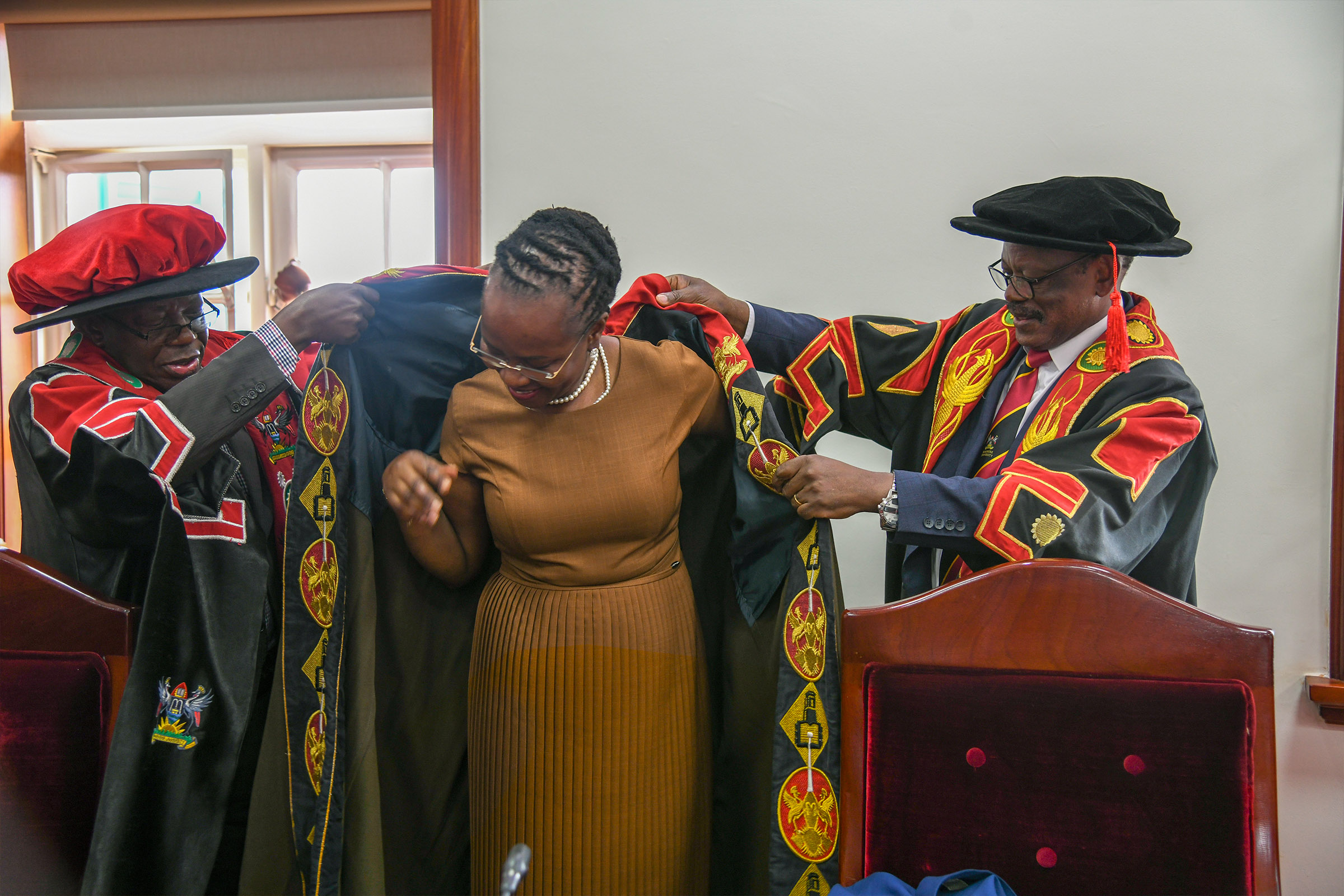
Makerere University on Monday the 29th of September installed Prof. Sarah Ssali as the Deputy Vice Chancellor in charge of Academic Affairs (DVC AA), making her only the second female to hold this prestigious position in the university’s history.
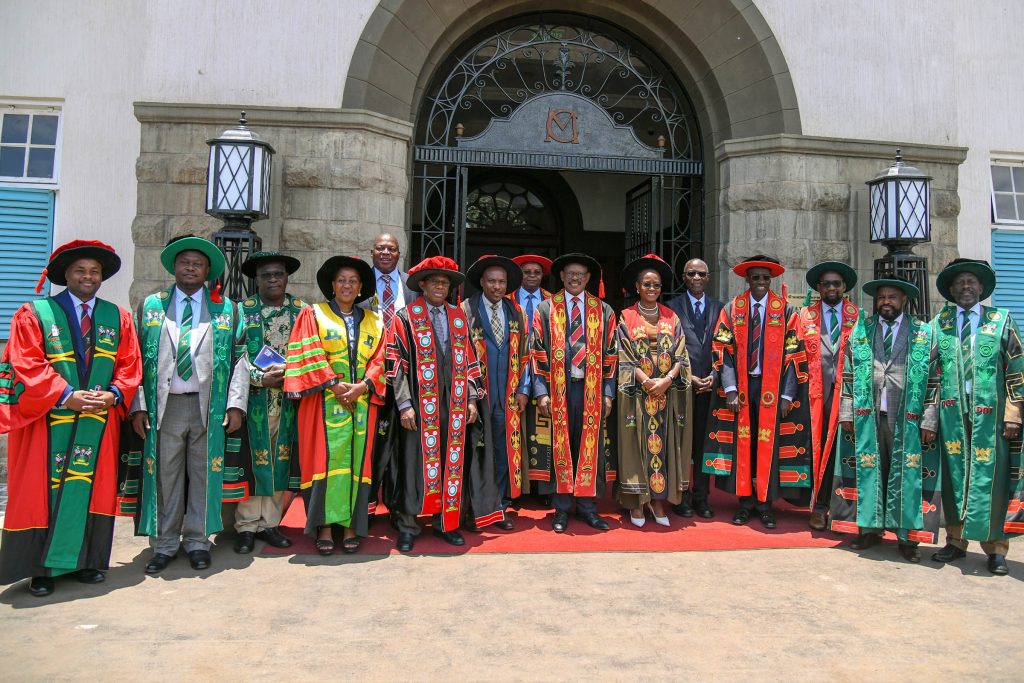
The installation ceremony, held at the Main Building, brought together top management, and close family members of Prof. Ssali to celebrate this milestone. The event marked a moment of continuity and transformation in the university’s academic leadership.
Vice Chancellor Congratulates Prof. Ssali
In his remarks, the Vice Chancellor, Prof. Barnabas Nawangwe, congratulated Prof. Ssali upon her appointment, describing her as a dedicated academic whose commitment to teaching, research, and innovation has left an indelible mark on Makerere.
“Your docket is handling two vital components of what we do—teaching and learning, and more importantly, research and innovation. I have no doubt that you will carry on the great work and move Makerere forward,” Prof. Nawangwe said.
He emphasized the need for universities to demonstrate accountability for the significant investment made by Ugandan taxpayers, urging the new DVC to steer efforts that help “bring our people out of poverty” through impactful research and quality education.
Prof. Ssali’s Vision
In her inaugural speech, Prof. Ssali expressed deep gratitude to God, her family, and colleagues for the support that made her academic journey possible. The installation also served as a moment of personal celebration, with Prof. Ssali introducing her family members, including Lady Justice Catherine Bamugemereire. She paid special tribute to her husband, Dr. Francis Ssali, for his unwavering support since their marriage in 1993, noting that “marriage is a good thing—it adds value to a person.”
She acknowledged the collective effort behind her successful bid for the role and emphasized that her leadership will be one of service and teamwork. “I see this role as a joint mandate rather than a personal one. The office of the DVC AA is an enabler—supporting management, faculty, and students to thrive. Collaboration, networking, and evidence-based decision making will be central to my approach,” she said.
Prof. Ssali pledged to prioritize quality assurance, improved instructional facilities, stronger academic–industry linkages, and the use of data-driven systems to guide decision-making. She also committed to ensuring that Makerere’s research outputs are taken up by government, industry, and communities to drive national transformation.
Prof. Buyinza Hands Over Office
Outgoing Acting DVC (AA), Prof. Buyinza Mukadasi, who has served since July 2024, officially handed over the office to Prof. Ssali. In his farewell remarks, he expressed gratitude for the trust placed in him and highlighted the reforms and achievements during his tenure, including improved accreditation processes, strengthened quality assurance systems, and the advancement of digital academic management platforms.
Prof. Buyinza also paid tribute to his team and appealed for continued support towards Prof. Ssali. “I request that you accord the same support you have given me to my sister, Prof. Ssali. We share a character of bonding easily with people, and I am confident she will thrive in this office,” he noted.
A Historic Appointment
Prof. Ssali’s installation marks a historic milestone for Makerere University, being the second female to serve as the First Deputy Vice Chancellor (Academic Affairs) since the position was established. With her extensive background in gender studies, governance, and mentorship, she is widely expected to bring a unique perspective to academic leadership.
In her closing remarks, she anchored her commitment in faith and service: “I take on this role trusting in the Lord with all my heart, and not leaning on my own understanding, as we build for the future—for God and my country.”











General
Congratulations St. Augustine Chapel, My Spiritual and genuine lover, upon celebrating 85 years!

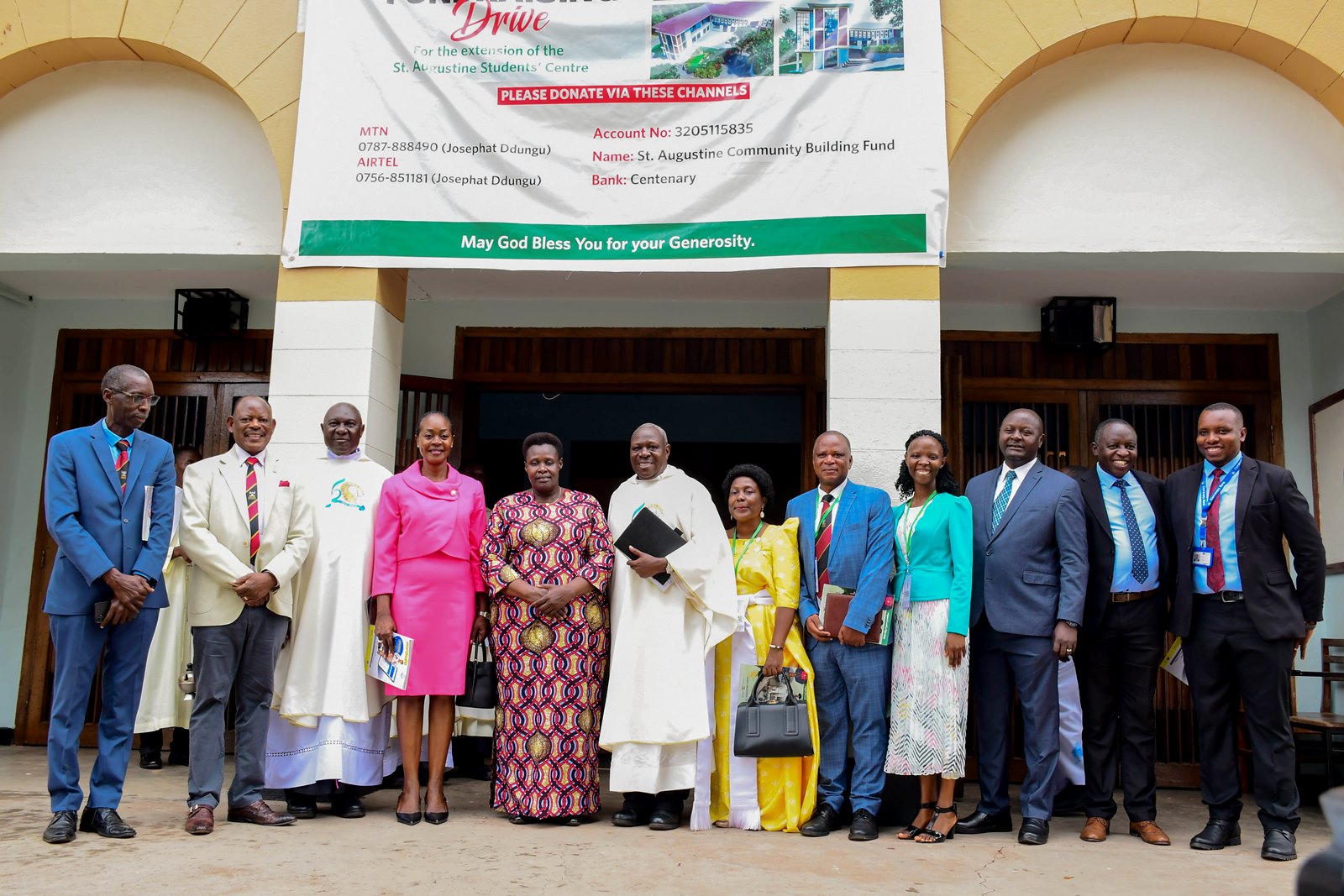
I wish to proclaim that you, St. Augustine Chapel, occupy a special place in my life, and that the bond built over the years, will surpass generations! Whereas some people respect you for grounding them in the Catholic faith, I uphold you for being a parent figure – stretching to a counsellor, mental health expert, confidant, stress manager and reliever, and community development specialist.
I vividly recall the sessions on being a responsible Catholic, remaining safe and healthy, identifying the right friends, and tips on excelling in academics.
St. Augustine Chapel, you are a safe space for communion. You have grounded God’s people in the Catholic faith, and blended in well with activities to ignite a great sense of responsibility, leadership, community empowerment and service to humanity.
As we celebrate your 85 years of existence, I am glad that you have continued to grow. As we visualize your Centennial celebrations in the near future, you are presenting to us a golden opportunity to contribute to the expansion of St. Augustine Students’ Centre.
I am pleased to testify that I am a proud member of the St. Augustine Catholic Community at Makerere University, with a great sense of belonging, and an attachment destined to last forever.
My encounter with St. Augustine Chapel and Students’ Centre commenced in 2001, when I joined Makerere University for a Bachelor’s degree in Mass Communication. I was blessed to do my ‘A’ levels at a vibrant Catholic school – St. Joseph’s S.S. Naggalama – and upon completion, I kept on wondering whether I would find such a place at Makerere University.
Little did I know that St. Augustine Chapel was destined to be my spiritual and genuine lover! The Chaplaincy and the Students Executive Committee coordinated special programmes that would bind us together in love. Both the Chapel and Students’ Centre became safe spaces to inculcate a high sense of responsibility, discipline, leadership, talent development, friendship, socialization and networking.
During the Freshers’ Orientation Week, the Chaplaincy and Students’ Executive Committee did engage us fully to optimal levels. Every evening, the new students would convene at St. Augustine Students’ Centre where the then Chaplain (Rev. Fr. Dr. Lawrence Kanyike) lined up a series of activities on balancing academics with other aspects of life, talent identification, counselling, career guidance, and socialization. We enjoyed the engagements that shaped a great sense of responsibility and calling to serve humanity.
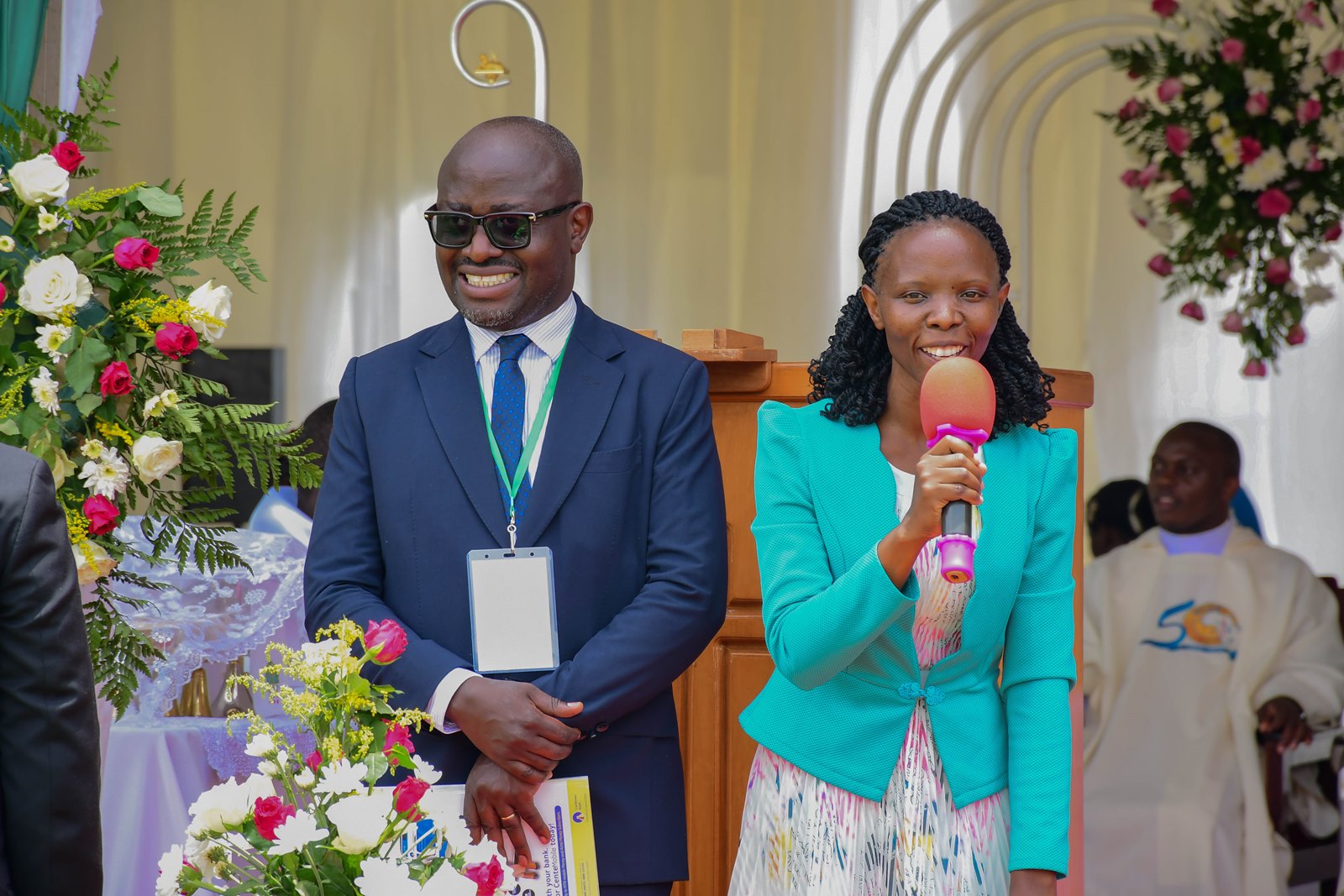
To the Chaplaincy (Rev. Fr. Dr. Lawrence Kanyike and Rev. Fr. Josephat Ddungu), for the sessions where you identified professionals such as counsellors, mental health experts and coaches, to guide the students on balancing academics, spirituality and other demands of life, we will remain eternally grateful.
For talent identification, we were introduced to the different platforms such as the Choir, Music, Dance and Drama, Concerts, Catholic student clubs, and leadership opportunities within the Catholic community.
For friendship and socialization, the Chaplaincy would organize picnics, trips to Catholic sites, and beach bashes. The most popular ones were at Nabinoonya Beach, off Entebbe Road. The interaction would start with prayers, and thereafter, activities that re-kindled our youth such as enjoying breeze, listening to music, walking and playing in the sand, dancing, participating in games, and dining together. I believe that these activities also impacted our mental health, cognitive abilities and relaxation.
The Solidarity Masses in the Halls of Residence were memorable. The most vibrant one was the Lumbox solidarity mass, bringing onboard Catholic students from Lumumba and Mary Stuart Halls. At the end of the Mass, we would interact as we enjoyed snacks and soft drinks courtesy of the Chaplaincy. Though intended for Catholics, the solidarity Masses also attracted students from other denominations. At some point, the Chaplain, fondly referred to as ‘Fr. Larry’ by the students, observed that the snacks and soft drinks were less compared to the turn up. The Chaplain requested students from other denominations who wished to be part of the solidarity Mass to register a week in advance, the numbers soared, but given his generosity, we continued to enjoy the snacks and soft drinks.
A number of socialization and networking events would be announced in the Chapel, and hosted at the Students’ Centre.
It is my prayer that we contribute generously to the expansion of this facility. Within this space, many lives have been touched, shaped and inspired.
Long live St. Augustine Catholic Community! Looking forward to the Centennial Celebrations!
Ritah Namisango, Public Relations and Communication Specialist
General
Still Standing, Still Serving: St. Augustine Chapel Celebrates 85-Year Milestone at Makerere University


As Makerere University marked 85 years of St. Augustine Chapel on April 12, 2026, the historic sanctuary came alive with voices of praise drawing not only students and clergy, but the community and generations of alumni who returned to honor a space that shaped their faith and memories. From nostalgic reunions to heartfelt thanksgiving, the milestone became more than a commemoration; it was a powerful homecoming of a community bound by eight and a half decades of spiritual nourishment.
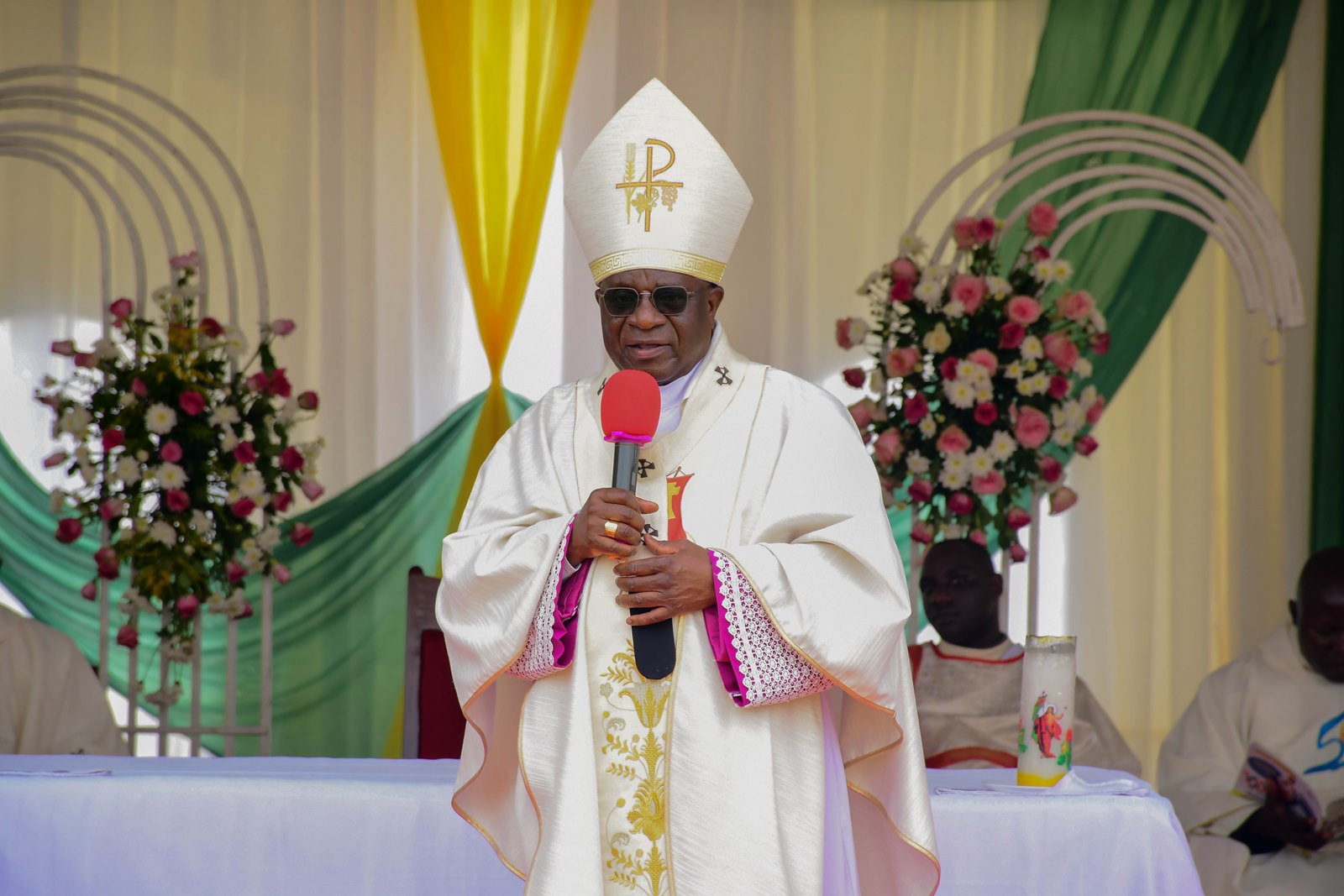
Under the resonant theme, “Our hearts are restless until they rest in you, O Lord,” the thanksgiving Mass was led by His Grace, Paul Ssemogerere, Archbishop of the Roman Catholic Archdiocese of Kampala, who served as chief celebrant. His presence lent solemn weight to the occasion, as worshippers filled Makerere’s Freedom Square in a deeply moving celebration that blended reverence, reflection, and renewed devotion, echoing the enduring spiritual heartbeat of Makerere University.
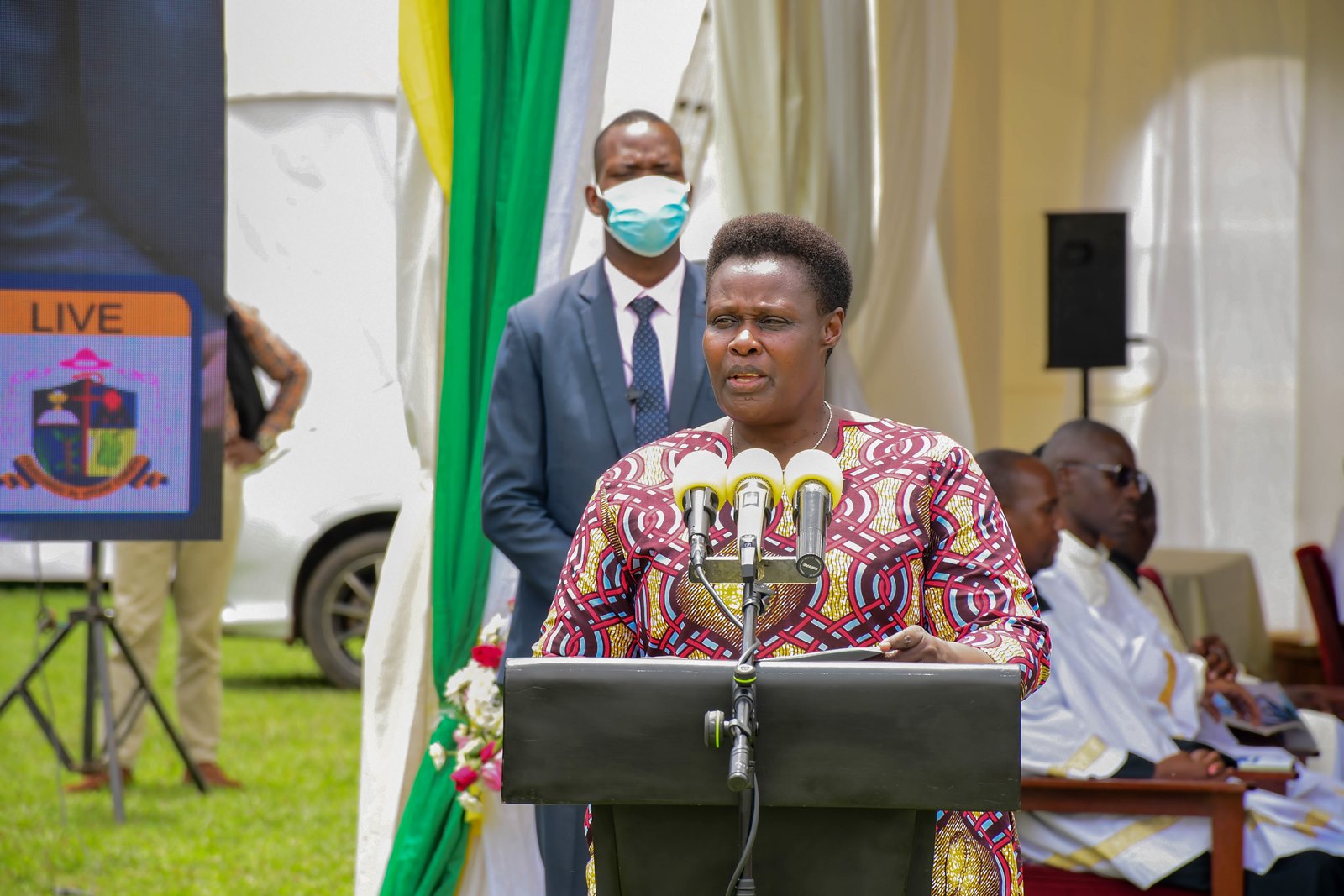
Hailing the legacy of St. Augustine Chapel, Maj. (Rtd) Jessica Alupo praised the students’ centre as a cradle of leadership that has helped steer the nation’s development. Speaking as the Vice President, the chief guest and proud alumna of Makerere University, she reflected on the chapel’s enduring influence since 1941, describing it as a rare space where intellect meets faith, questions meet prayer, and the pursuit of knowledge is illuminated by the gospel. Her remarks, underscored the chapel’s profound role in shaping generations of thinkers and servant leaders grounded in faith and service to their nation.
On his part, the Archbishop, His Grace, Paul Ssemogerere delivered a heartfelt reflection during his homily, reminding the congregation that true education shapes not only the intellect but also the heart. He praised St. Augustine Chapel for faithfully advancing that mission over 85 years, serving as a sacred space where students prayed before exams, sought guidance in uncertainty, and encountered Christ through the sacraments. Quietly yet profoundly, he noted, the chapel has not only formed scholars, but men and women of character and purpose. Highlighting the Church’s presence within Makerere University as a profound gift, he reaffirmed the harmony between faith and reason, and called for the chapel to remain a lasting refuge and guiding light for generations to come.
The event also served as a high-impact fundraising drive for the expansion of the Students’ Centre, aimed at creating much-needed space for growing student activities and services.
Appealing to the congregation, Rev. Fr. Josephat Ddungu, the chaplain, underscored the urgency and importance of investing in both the spiritual and social life of the student community. He emphasized that the expansion is not merely infrastructural, but foundational to nurturing holistic student development.

He recalled the vision of Msgr. Lawrence Kanyike, who during his tenure laid significant groundwork for St. Augustine’s Chaplaincy and long advocated for its expansion in response to growing student needs. With rising enrolment and increasing demand for services, the call for a larger, more functional student centre has become increasingly compelling.
Once completed, the extension is expected to stand as a landmark contribution in the Chaplaincy’s 85-year legacy. It will accommodate a wide range of student-focused programmes, including fellowship meetings, Bible study groups, prayer gatherings, mentorship and counselling services, leadership development, Sunday school, choir rehearsals, care groups, gym facilities, improved sanitation, administrative offices, quiet study areas, student clubs and movements, as well as outreach initiatives connecting students with surrounding communities.
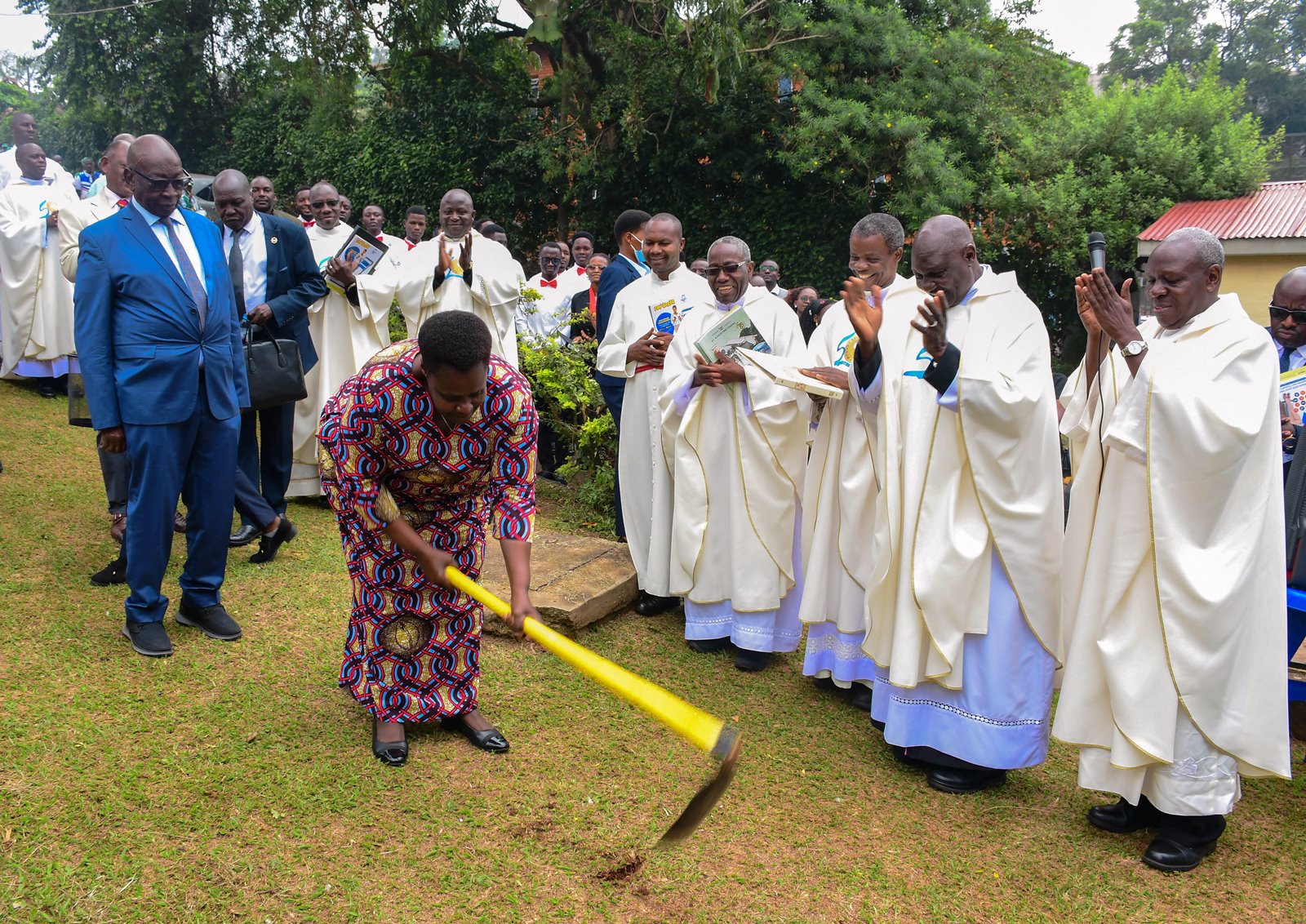
Fr. Ddungu announced that the project target stands at Uganda Shillings Two billion only. He added that so far, UGX 164,673,650 has been raised in cash and banked funds, while pending pledges amount to UGX 85 million, bringing the combined total to Uganda Shillings 250,426,650.
“In Makerere, we build for the future. Those who came before us built for the future, and their future is our present. Now it is our responsibility to build for those who will come after us,” he said.
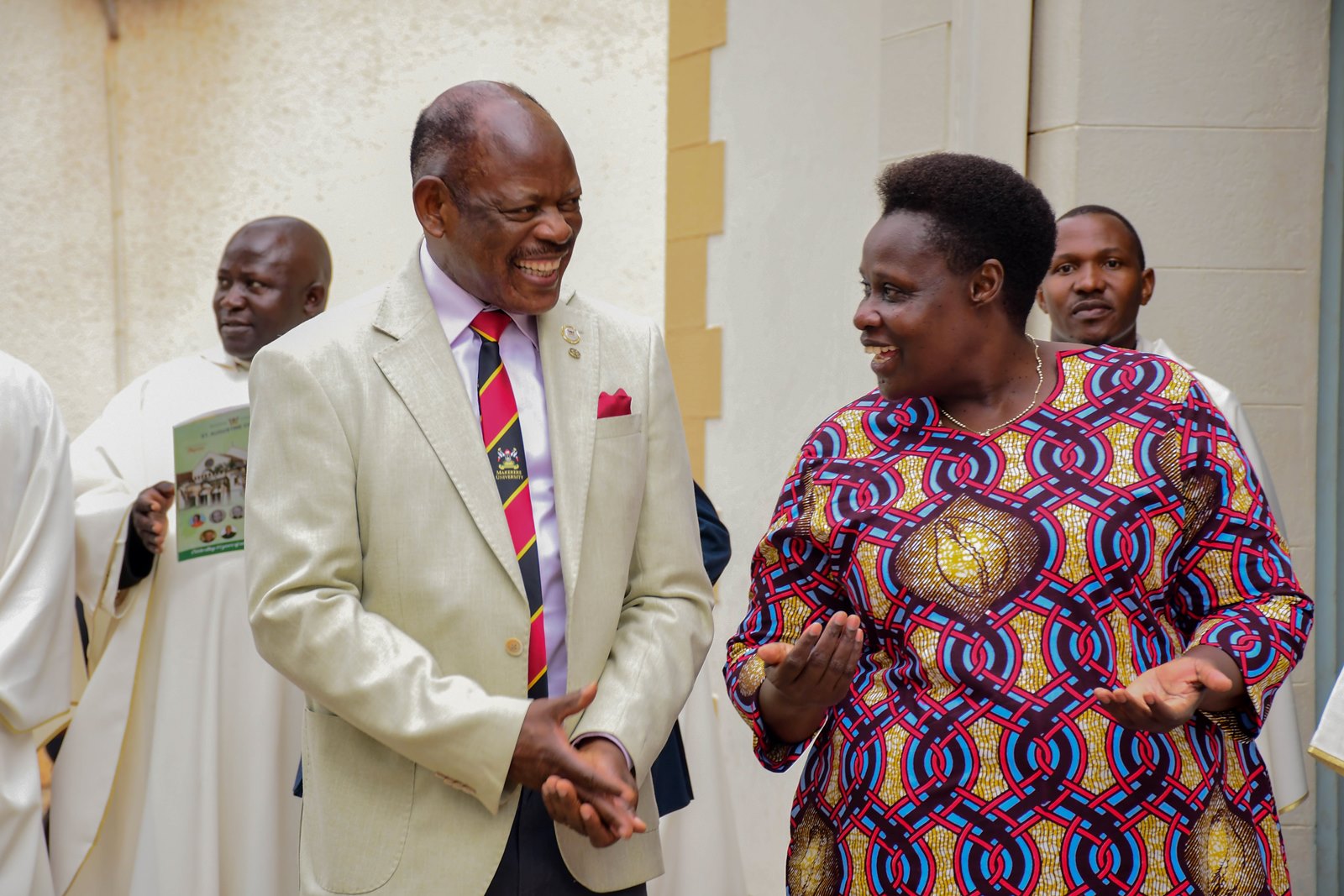
The Vice President, on behalf of the President delivered a contribution of Uganda Shillings 30 million who she said, also requested the Bill of Quantities of the project to facilitate continued government support toward its completion.
The Vice Chancellor of Makerere University, Prof. Barnabas Nawangwe, who contributed to the fundraiser, commended the Catholic community for its steadfast commitment to students’ spiritual welfare and its role in shaping servant leaders. He pledged continued support from the University Management to ensure this expansion of the Student center becomes a reality. From Senior Management, Prof. Sarah Ssali, Deputy Vice Chancellor, Academic Affairs and Dr. Winifred Kabumbuli, the Dean of Students, in their respective capacities, contributed to the fundraising effort too, reinforcing the collective commitment to the project’s success.
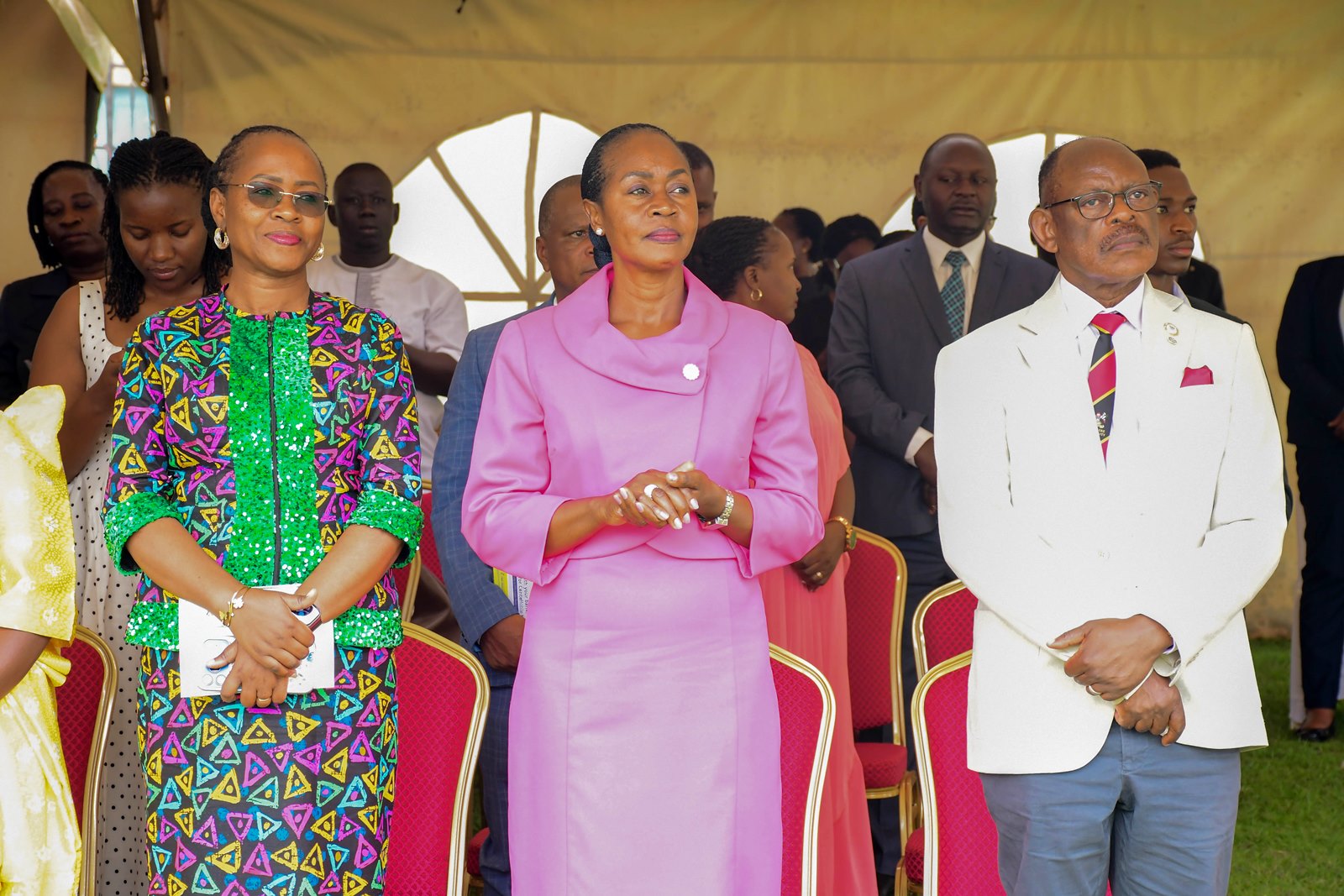
As the fundraising gathers momentum, the appeal remains clear and urgent, that every contribution brings the vision closer to completion. Built on the legacy of those who came before and sustained by the commitment of the present generation, the new Students’ Centre is poised to become a lasting beacon of spiritual grounding, intellectual growth, and communal transformation for decades to come.
If you wish to contribute via mobile money, below are the details of the recipient.
MTN: +256 (0)787888490, Airtel: +256 (0) 756851181 (Josephat Ddungu)
General
Hands-On RIMS Training Equips Makerere University College Registrars to Power Graduate Success and Research Excellence

By Moses Lutaaya
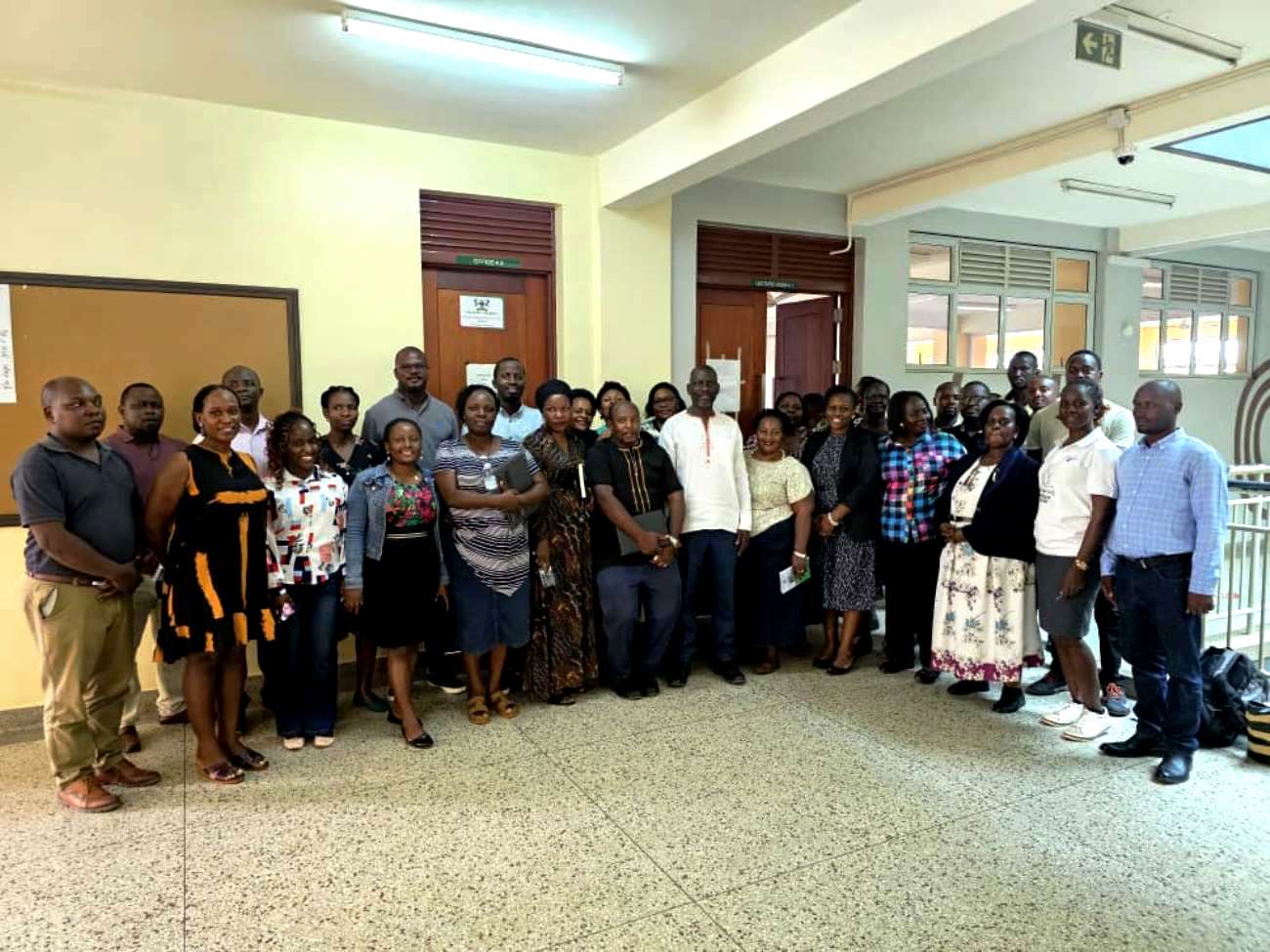
Kampala, April 10, 2026 — College Registrars and Senior IT Technicians at Makerere University have undergone intensive, hands-on training in the Research Information Management System (RIMS), in a move aimed at strengthening graduate training, improving completion rates, and advancing the university’s research agenda.
The training, held on Friday at the CFT 2 Building, Lecture Room 4.1 Computer Lab, brought together key custodians of academic records to gain practical skills in using the system that university leadership says will transform graduate education management.
In his opening remarks, the Director of Graduate Training, Julius Kikooma, underscored the strategic importance of RIMS, linking it directly to the university’s long-standing challenges in tracking graduate students and supporting research progression.
“Graduate training is central to the research mission of this university,” Prof. Kikooma told participants. “Yet for years, we have struggled to answer simple but critical questions, where exactly are our graduate students in their academic journey, and why are many not completing on time?”
He pointed out that the issue has consistently drawn concern from top university leadership, including Council, particularly as Makerere rolls out its new five-year strategic plan. “One of the key priorities identified is improving graduate completion rates,” he said. “But we cannot improve what we cannot measure.”
Prof. Kikooma explained that unlike undergraduate programmes, graduate studies are largely research-driven and therefore more complex to monitor. “The research component of graduate programmes has not been adequately captured in any system,” he noted. “That is why it has been difficult to track progress, supervise effectively, and provide accurate reports.”
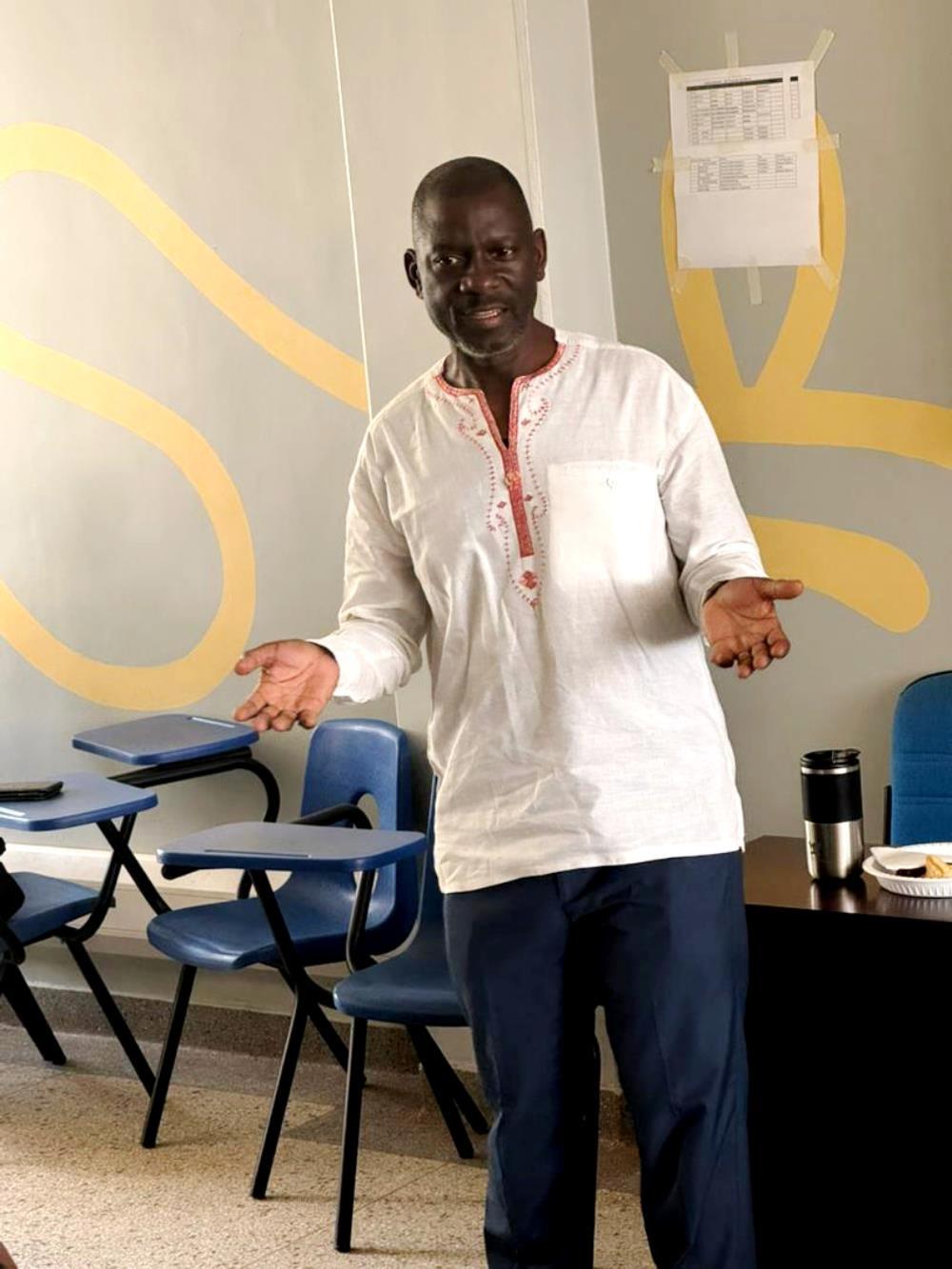
Positioning RIMS as a transformative solution, he emphasized its role in bridging this gap. “RIMS is not just a system, it is the backbone of how we are going to support graduate students and research going forward,” he said. “With it, we can track every stage, from concept development to proposal, to thesis completion in real time.”
He stressed that the system will enhance both efficiency and accountability across the university. “This is the tool that will enable us to confidently assure Council and management that we know the status of every graduate student at any given time,” he said.
However, Prof. Kikooma made it clear that the success of RIMS depends heavily on the commitment of college registrars. “You are the custodians of graduate records. You are central to this process,” he said. “If RIMS succeeds, it will be because of your efforts. If it fails, it will be because you did not play your part.”
He revealed that registrars will now form part of the steering committees overseeing the full implementation of RIMS across university units. “You are not just users of this system, you are its drivers at the college level,” he emphasized.
Calling for seriousness and full participation, Prof. Kikooma set clear expectations for the training. “No one should leave this room without knowing how to use RIMS in their daily work,” he said. “You must understand the kind of data required, the information on students, supervisors, and every stage of the research process.”
He added that incomplete data has already limited the system’s effectiveness in some units. “Graduate students are already on the system, but some of the critical information is missing,” he noted. “That gap must be closed by you.”
In his technical presentation, Juma Katongole, the Manager Information Systems, highlighted the limitations of existing systems and how RIMS is designed to address them.
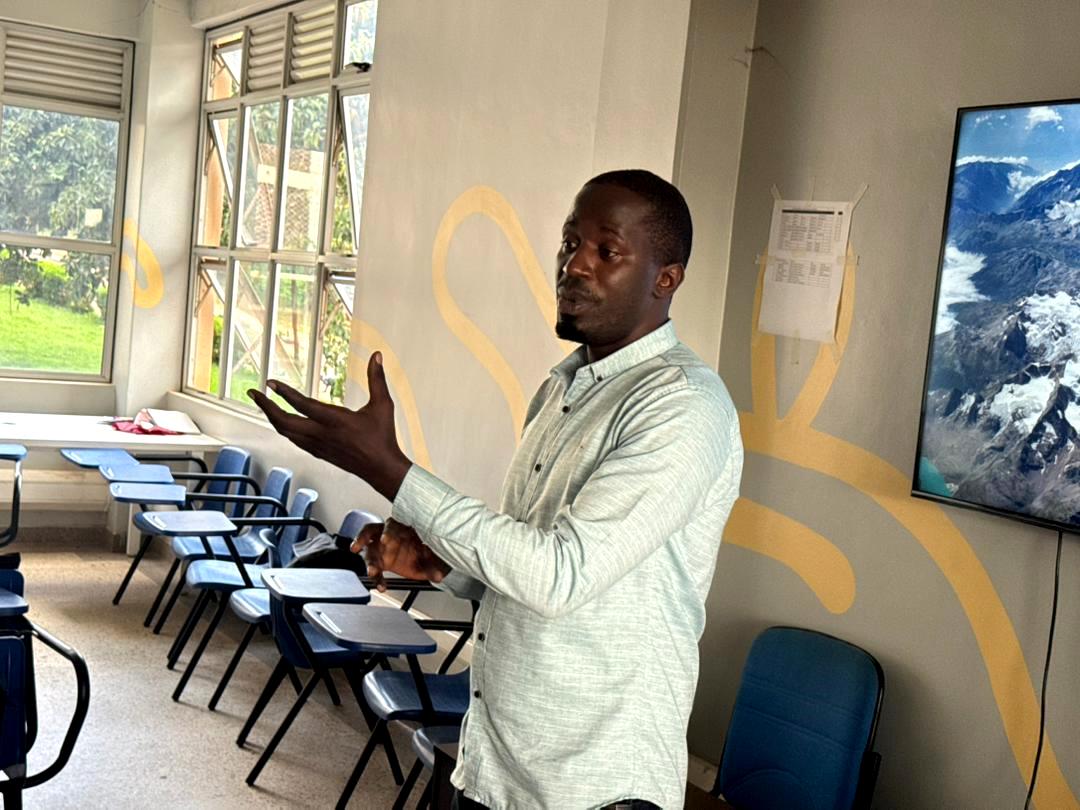
“We can only produce accurate statistics for students on coursework,” he said. “But we cannot tell how many graduate students are at proposal level, concept level, or thesis level. That is a major gap.”
He explained that RIMS will provide comprehensive, real-time tracking of graduate students throughout their academic journey. “This system will enable us to produce accurate reports of which student is where,” Katongole said. “It will help us identify delays and take action.”
On the issue of prolonged completion times, he added, “With reliable data, we can see where students are getting stuck and introduce administrative or strategic measures to address those bottlenecks.”
Describing the system as a turning point, Katongole noted, “We are moving towards having valid statistical information at our fingertips, which is critical for a research-led institution.”
From the administrative perspective, Eleanor Nandutu, Senior Assistant Registrar from MISR, welcomed the initiative, describing it as a practical solution to long-standing inefficiencies.

“RIMS will ease the tracking process and help us know exactly where each student is and how long they take at each stage,” she said. “It will also help us understand where the challenges are and how to better support students.”
She emphasized that the system will improve completion rates by identifying bottlenecks early. “We shall be able to see where we are stuck and take corrective action in time,” she noted.
Addressing concerns about possible conflict of interest between supervisors and students, Nandutu clarified that the system is designed to enhance transparency, not create tension. “This is about ensuring that processes are followed and that students succeed,” she said. “It brings everyone, administrators, supervisors, and coordinators onto one platform.”
She added that the system will even improve interaction between students and supervisors. “It will make follow-ups easier and ensure timely feedback, which is critical for research progress,” she said.
As the university intensifies efforts to strengthen its research output and graduate training, the hands-on RIMS training marks a significant step toward a more efficient, transparent, and data-driven academic environment, one that leaders believe will finally address the long-standing challenge of delayed graduate completion.
-
 Law3 days ago
Pre-Entry Examination for Admission to the Bachelor of Laws for 2026/2027 AY
-
 Health2 days ago
Course Announcement: Certificate in Water, Sanitation and Hygiene (CWASH) – 2026
-
 Agriculture & Environment2 weeks ago
CPUg Project Equips Waste Management Personnel with Essential Skills
-

 General6 days ago
Call for Participants: 2026 Hainan International Youth Cultural Exchange Program
-

 General1 week ago
New Classroom Block brings Relief to Bwera Primary School