
General
HERS-EA Seventh Academy













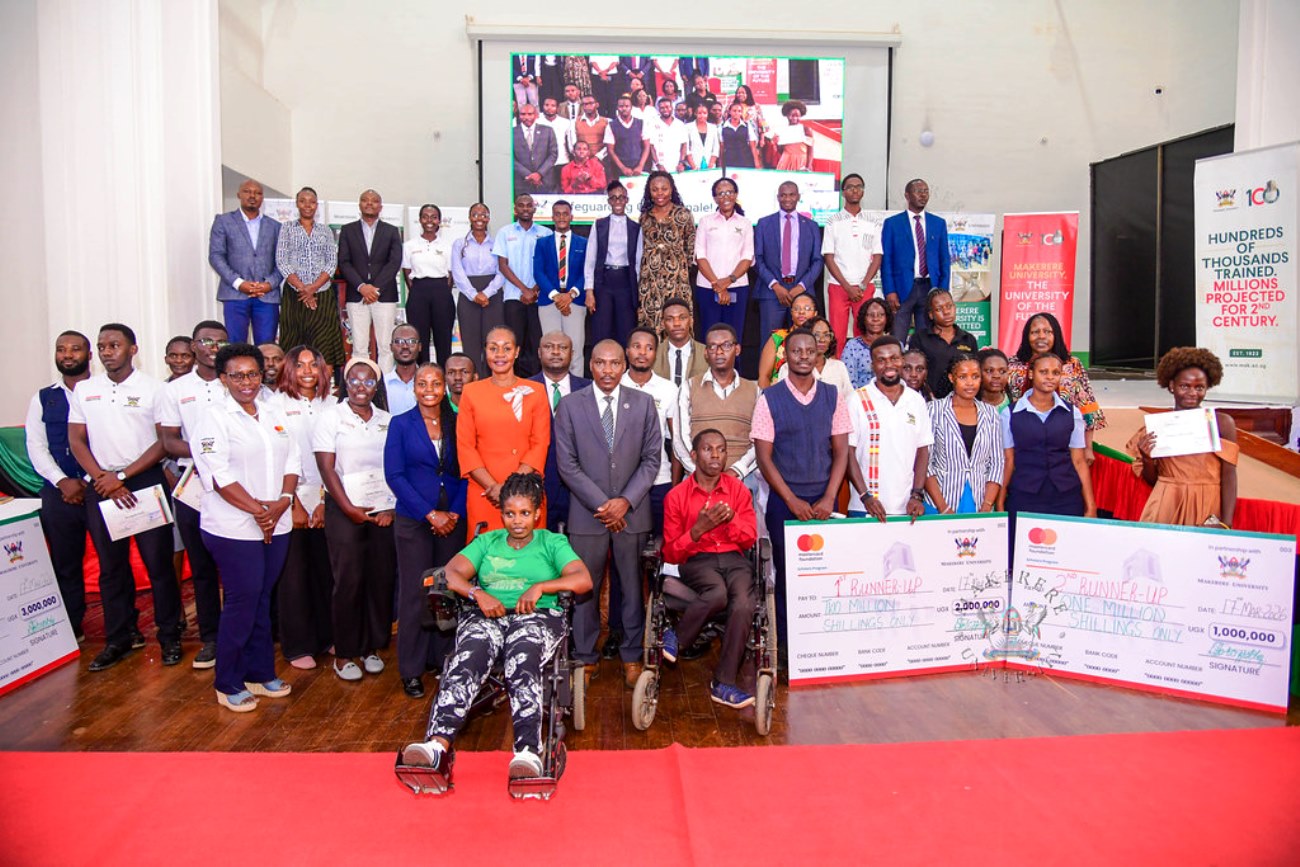
Students from the College of Humanities and Social Sciences on Tuesday 17th March 2026 walked away with Shs 3million after emerging winners of the 2026 Annual Safeguarding Message Contest grand finale.
During the grand finale held in the Main Hall, five finalists from the College of Humanities and Social Sciences (CHUSS), College of Education and External Studies (CEES) and the College of Veterinary Medicine, Animal Resources and Bio-security (CoVAB), captivated the audience with their powerful safety and inclusion messages. The show was filled with joy.
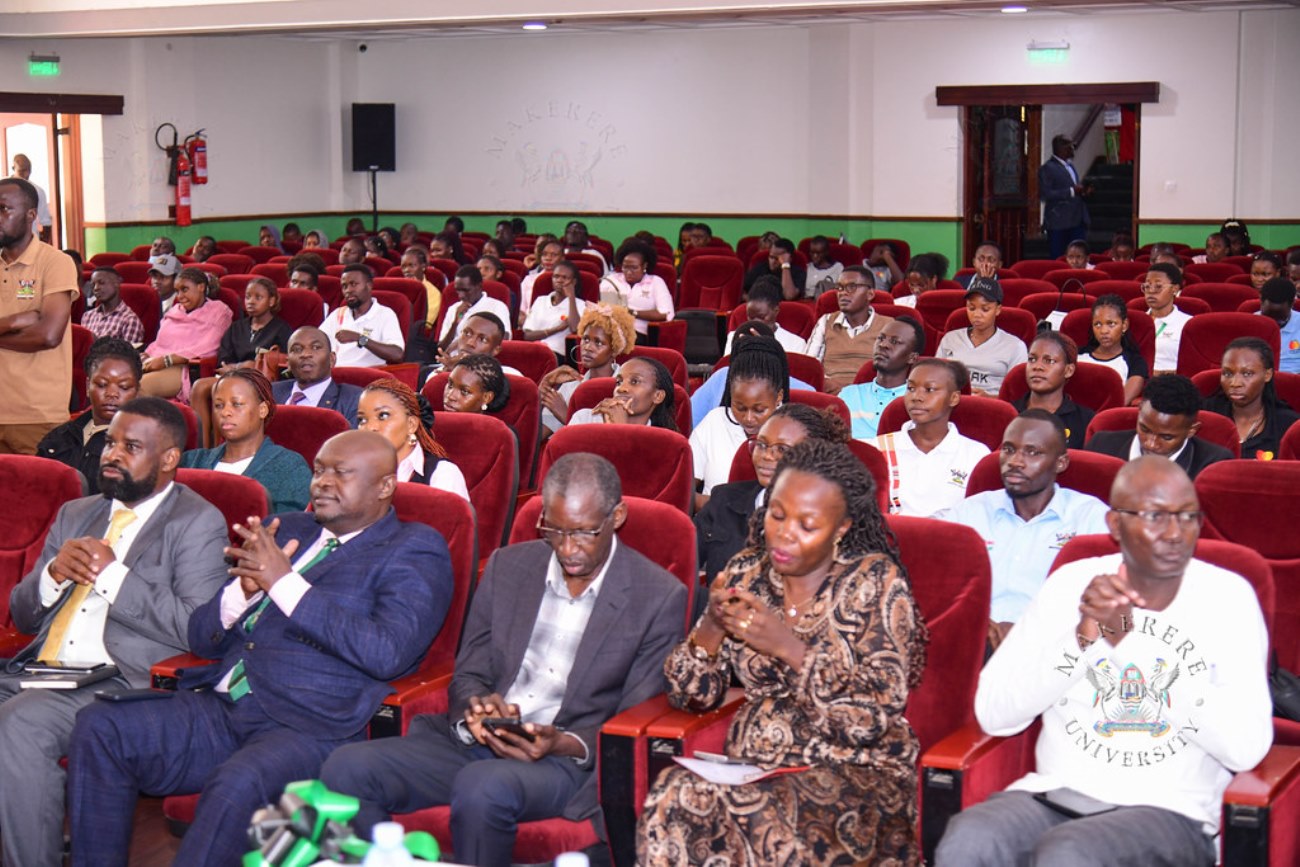
The finalists took part in a series of activities such as a collaborative video, written poems and arts works, among others.
Speaking on behalf of the winning team, Allan Mugisha, a third-year Bachelor of Arts in Social Sciences student, explained that their video aimed to highlight everyday safeguarding issues that are often overlooked.
“Creating this video was both a collaborative effort and a challenge, especially since we used our phones to record. But our goal was to show the public that safeguarding is not just a policy or a University requirement, it is about protecting our dignity, safety, and wellbeing here at Makerere University. We depicted some of the risks and incidents students may face, and importantly, highlighted who to approach when encountering such challenges,” Mugisha, who also serves as a student safeguarding champion, said.

Mugisha thanked the Mastercard Foundation Scholars Program for giving students like him and his colleagues an opportunity to actively engage, noting that it has made them feel empowered rather than dormant.
Khamala Elphas Makokha, a master’s student in Peace and Conflict Resolution, who produced a poster about safeguarding claimed the 1st runner-up position, earning Shs 2million and Mildred Aine Nicks, a first -year student pursuing Early Childhood Care and Education was 2nd runner-up with her spoken poem.

In the popular award, Khamala clinched the top spot with a prize of sh500,000.
Makerere University has an obligation and has committed to continue providing a Safe and Supportive learning and working environment for all Students, Staff and other Stakeholders. Therefore, the Annual Safeguarding message is a celebration that brings together students to come up with a message that will be identified as the Institutional main message.

The potential safeguarding risks in Institutions of higher learning include emotional distress, Sexual Exploitation, Abuse and Harassment (SEAH); material loss, financial exploitation, discrimination and neglect, unfair and illegitimate response to civic engagements, cyber security/threats, psychological and emotional harm, substance abuse, and physical assault.
The guest of honour and the Vice Chancellor of Makerere University, Prof Barnabas Nawangwe, congratulated the winners and noted that the University is very intentional about ensuring that students are safe at all times because people achieve their full potential in any endeavor when they feel safe.

“Over the years, we have put in place various policies to safeguard our students. In addition to the Safeguarding policy, we have the Anti sexual harassment policy and the policy to support Students with Disabilities. Every student should know these policies so as to know the steps to take in case they feel threatened,” Prof Nawangwe, said.
In her welcoming remarks, the Dean of Students thanked the students who took time to participate when they saw the Safeguarding Awareness message call in September 2025, noting that their enthusiasm and commitment reflect a shared responsibility to promote safety, dignity, and wellbeing across the university community.
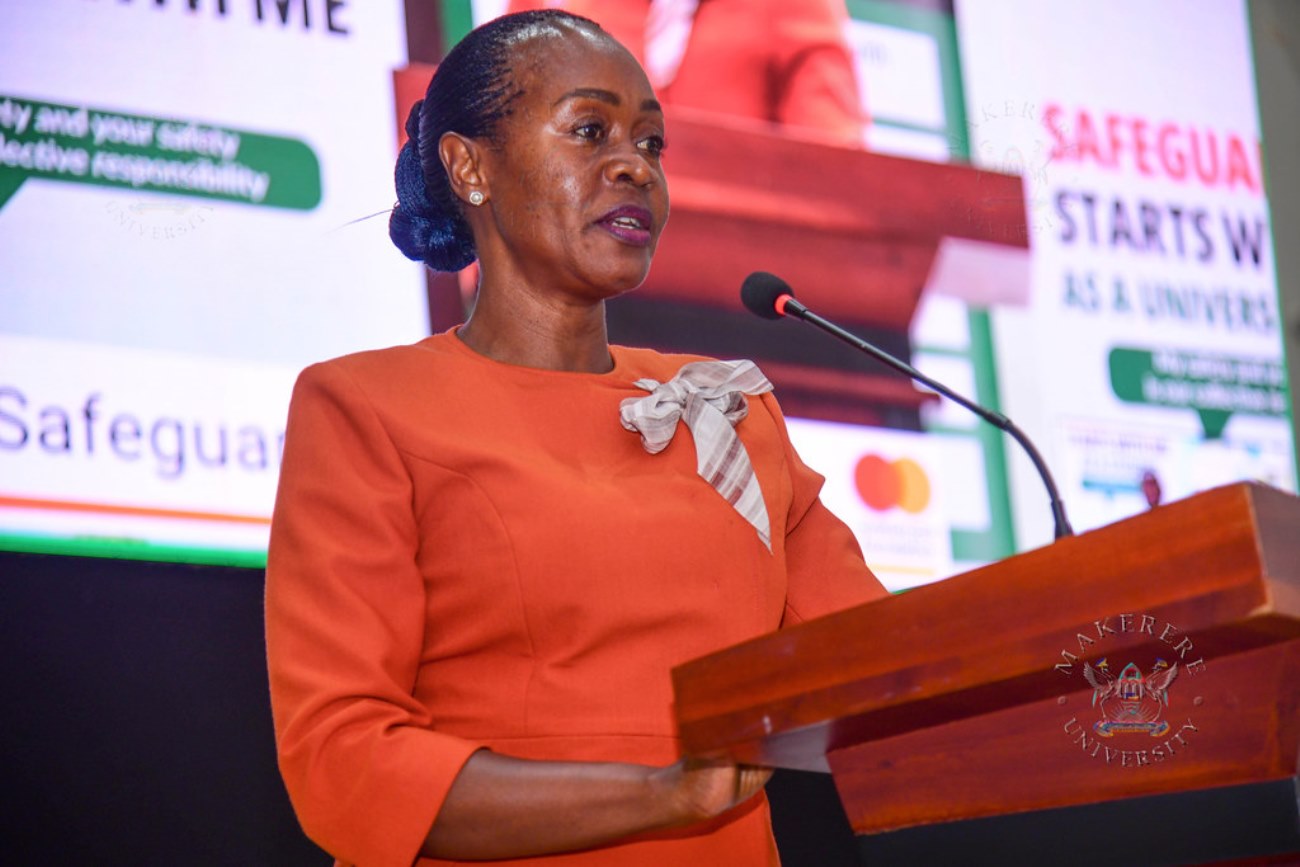
“Your creativity, commitment and passion for promoting safety and wellbeing are truly commendable,” Dr Winnie Kabumbuli, the Dean of students, said.
Addressing guests, Prof Justine Namaalwa, the Co-ordinator of the Mastercard Foundation Initiatives at Makerere University, explained to the audience why the Mastercard Foundation has supported the University to Improve the learning and working environment to make it safe for everyone.
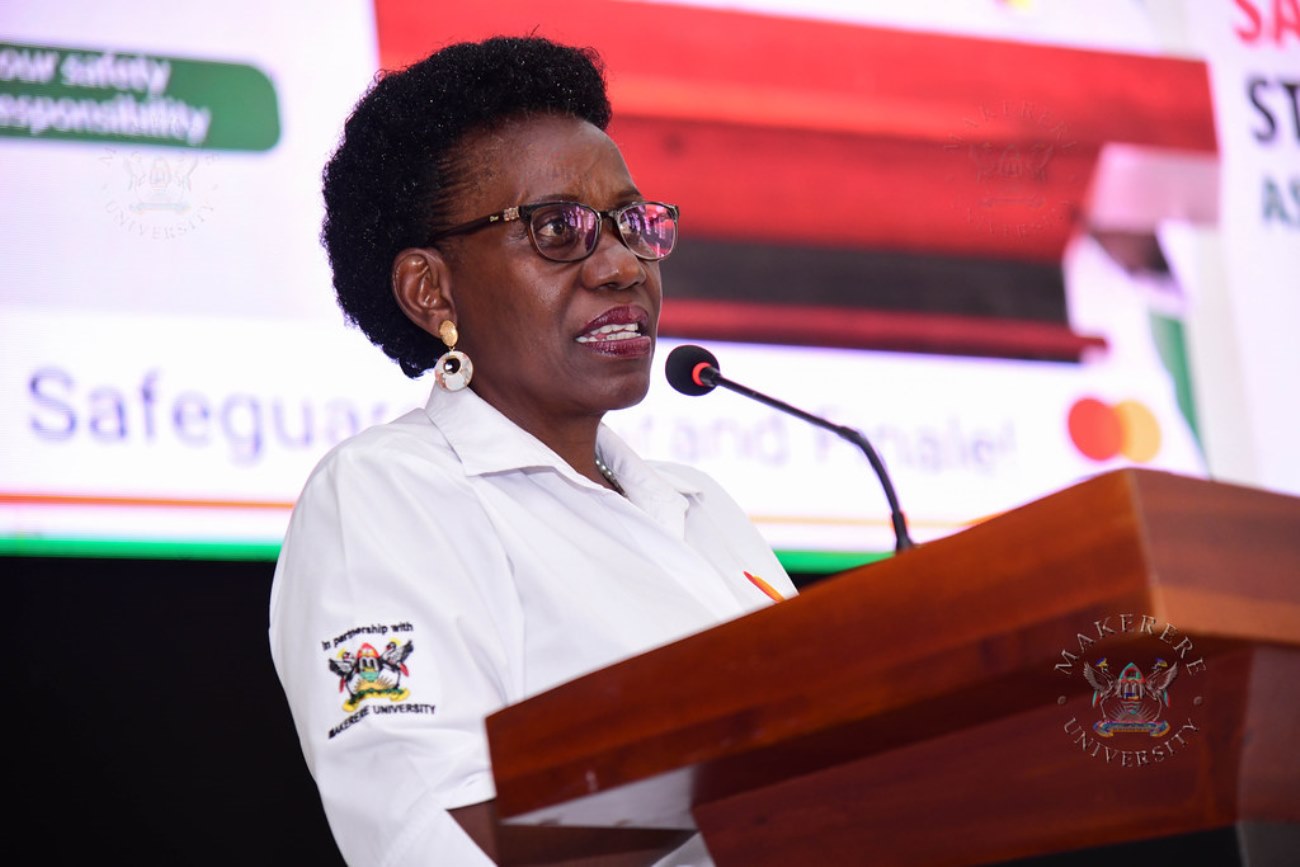
Prof Namaalwa described the Safeguarding Annual contest as an inclusive and interactive platform that brings together students, to amplify voices, showcase creative messages, and strengthen commitment to a safe and supportive environment for all.
“The safeguarding initiative although student-led has not only student but also staff champions. Through the Office of the Vice Chancellor, we commit to continue supporting the Annual Safeguarding contest every year till 2032,” Prof Namaalwa, said.
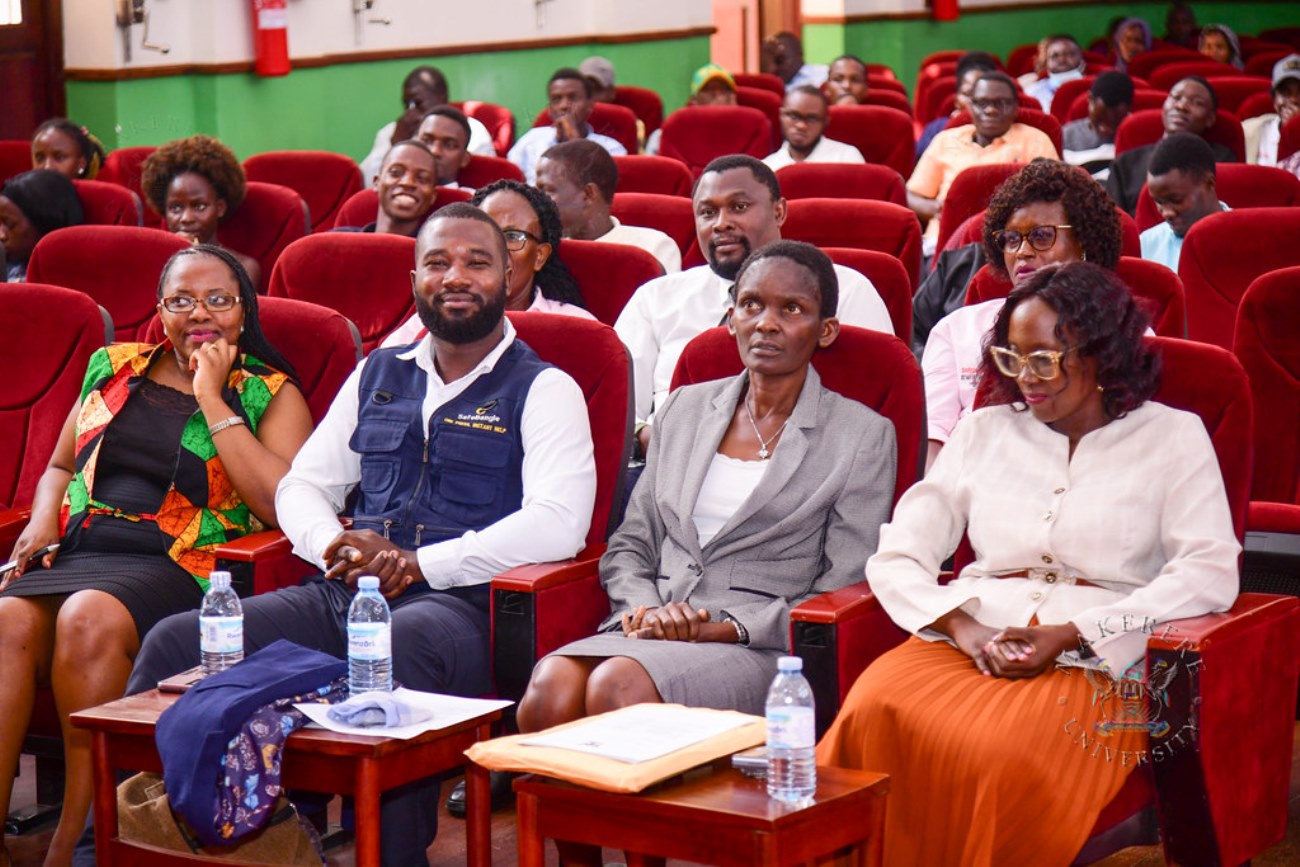
On behalf of the 6 panel of judges, Dr Viola Karungi, a senior lecturer at the department of Performing Arts and Film, explained that they received 22 entries compromising of seven written poems, three posters, two songs, eight short videos, one slogan, and one comic book.
“We assessed submissions based on five key criteria, including originality and creativity. During the review, we found that some entries contained or replicated existing work, which was verified using digital tools by one of our panelists.” Dr Karungi, said.
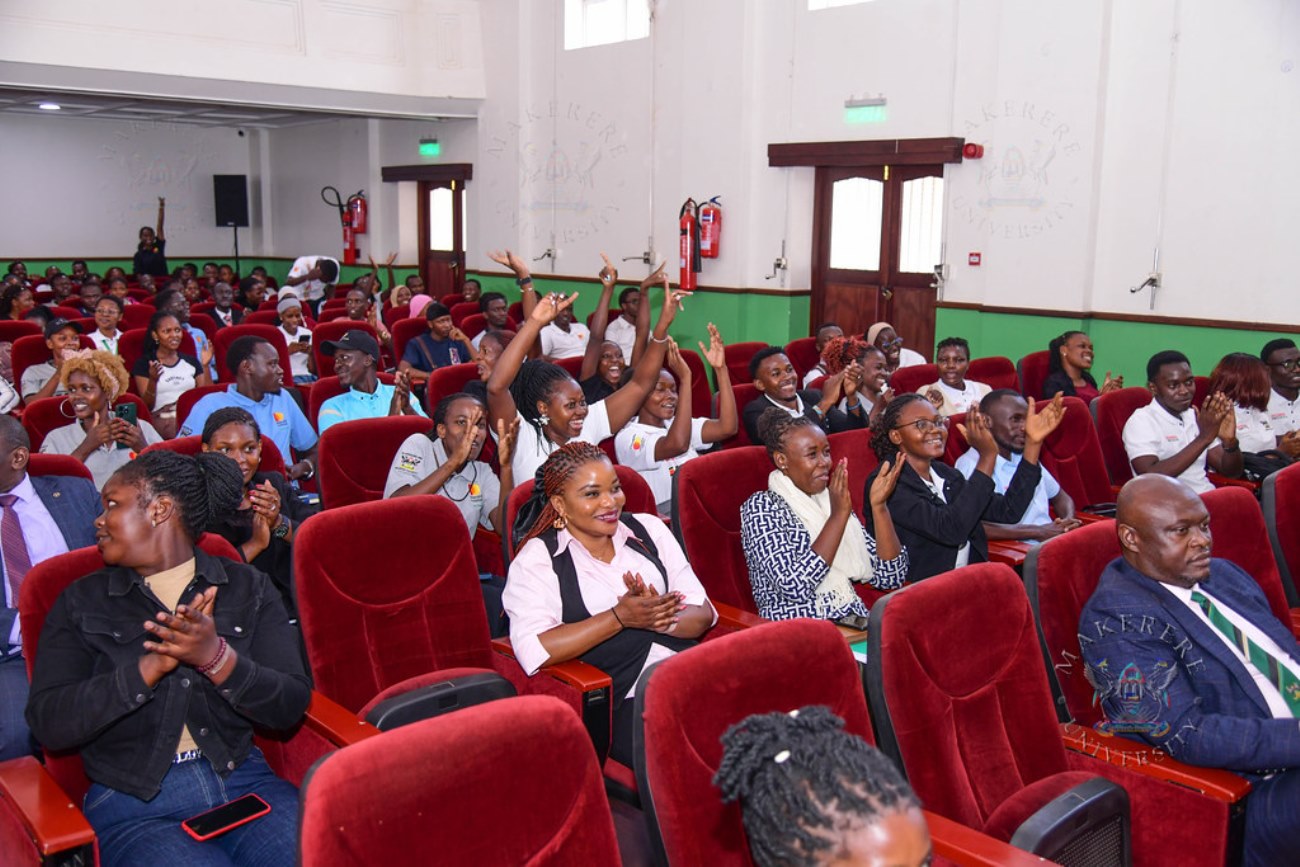
Other winners included Job Diryo, a 5th year student of Veterinary Medicine who performed a poem and Abraham Tumwine who presented a poster.
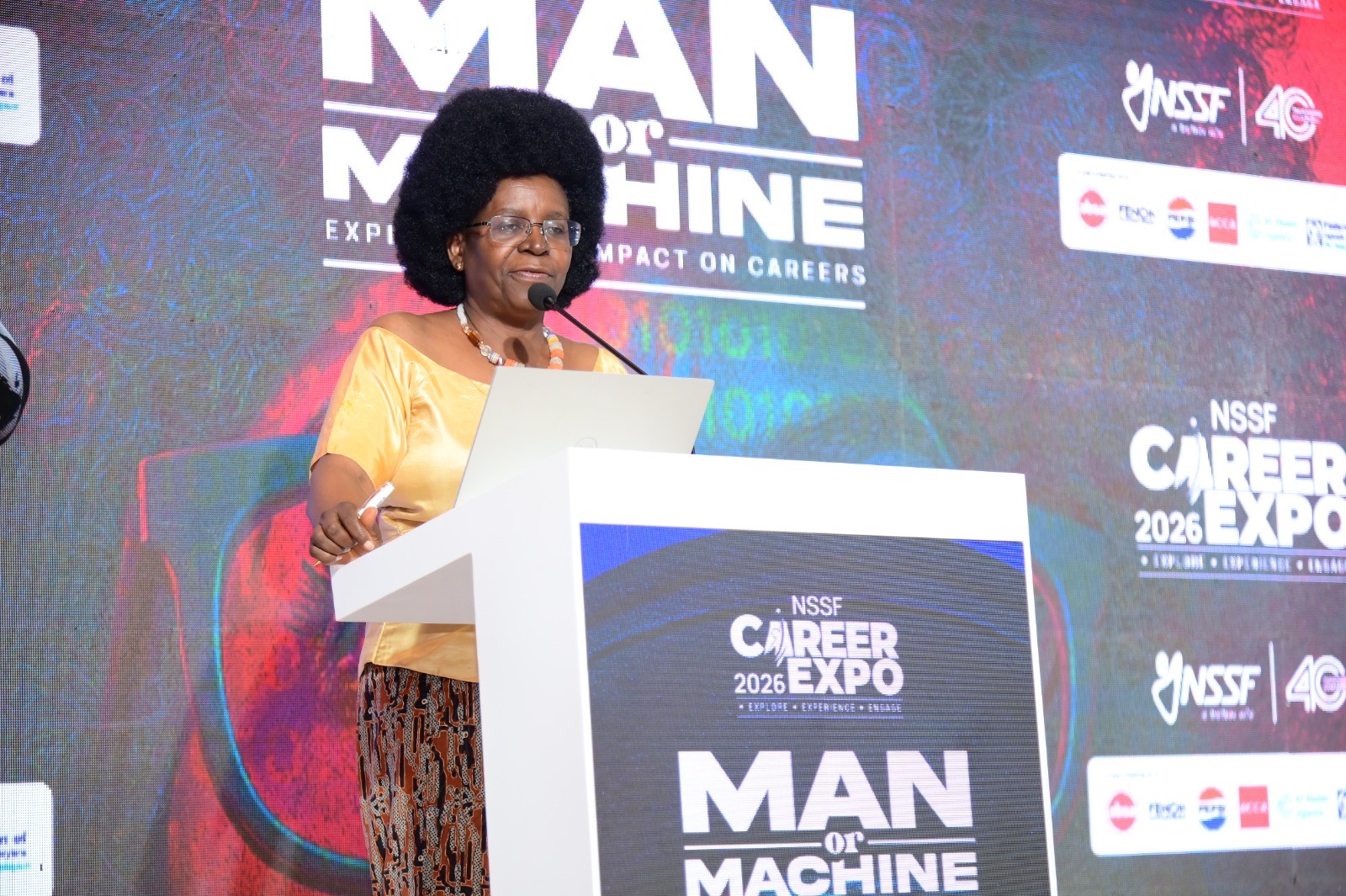
The grounds of Makerere University came alive with energy and ambition as students, graduates, and industry leaders gathered for the 2026 Makerere Careers Fair, an engagement that continues to cement the University’s role as a bridge between academic training and the realities of the modern workplace.
Held in partnership with the National Social Security Fund (NSSF) as part of the wider NSSF Career Expo, and the US-Mission Uganda, the three-day event created a vibrant space where conversations about careers moved beyond theory into lived, practical experience. The Yusuf Lule, Central Teaching Facility, Auditorium, the Freedom Square and exhibition spaces transformed into arenas of exchange, where students interacted directly with employers, asked difficult questions about their futures, and began to map out their professional journeys with greater clarity.
At the heart of this year’s engagement on day one, 11th March, 2026, was a theme that resonated deeply with a generation stepping into uncertainty: “Man or Machine: Exploring AI’s Impact on Careers.” Across panel discussions and keynote sessions, speakers challenged students to confront the realities of a rapidly shifting job market. The message was consistent: technology is not simply displacing jobs; it is reshaping them, demanding a workforce that is adaptable, digitally fluent, and grounded in distinctly human skills such as creativity, critical thinking, and emotional intelligence.
Day Two, 12th March, 2026, led by the United States Mission to Uganda, shifted the focus to global opportunities, equipping students with practical guidance on U.S. university applications, scholarships, and visa processes, as well as fully funded fellowships they can apply for. Through direct engagement with credible experts, students gained clarity on navigating international academic pathways and positioning themselves competitively beyond national borders, expanding the Careers Fair’s scope from local employability to global mobility.
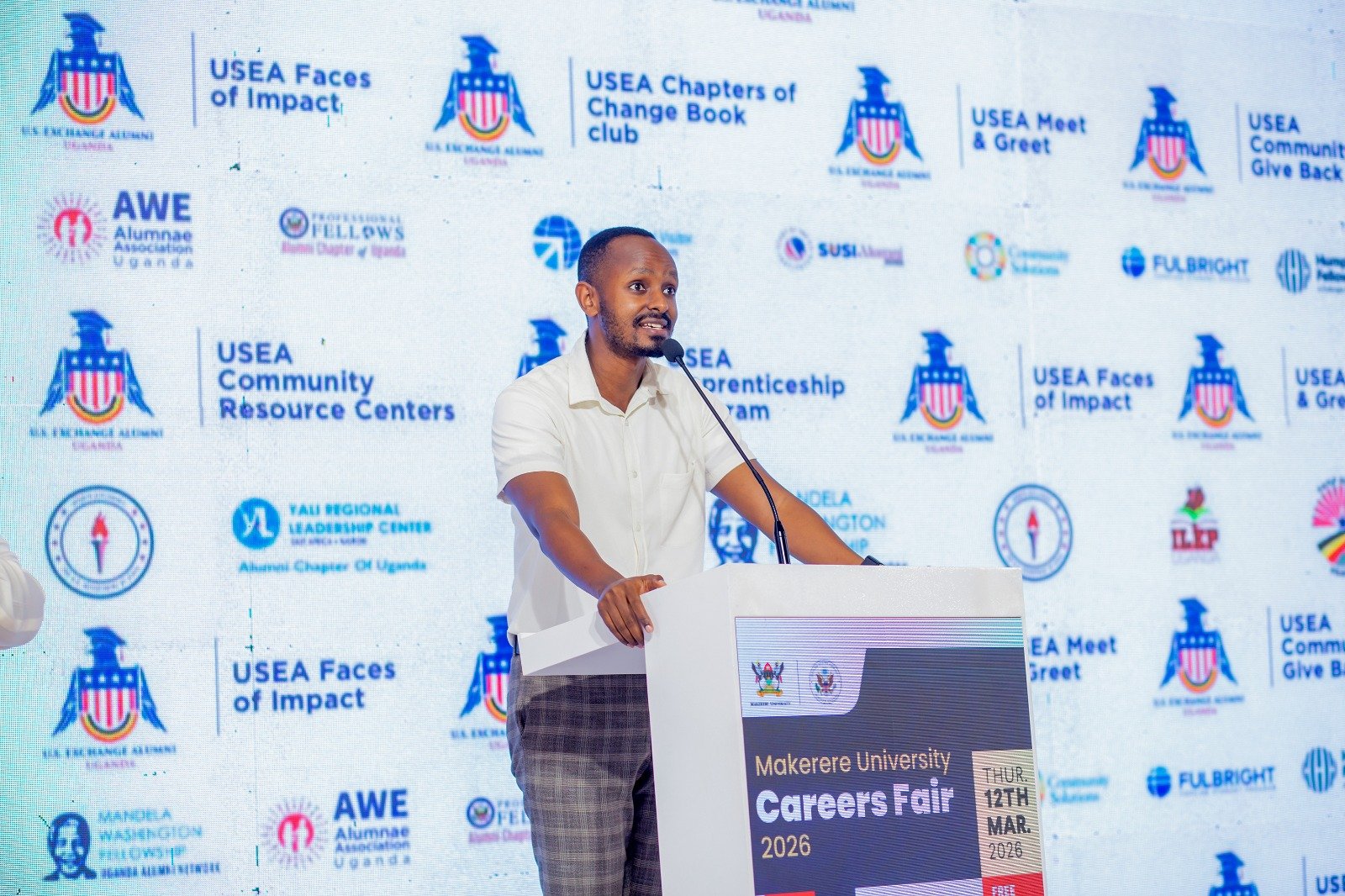
The final day, 13th March 2026, under the theme “Connecting potential to purpose: Partnerships for sustainable impact,” brought together Makerere University and key partners, including Stanbic Bank, Absa Bank Uganda, TotalEnergies Uganda, the Uganda Police, Pslams Food Industries, among others, to emphasise collaboration as the cornerstone of career readiness. The conversations underscored a shared commitment to aligning education with industry needs, demonstrating that sustainable career pathways are built through strong partnerships that connect talent to opportunity in a rapidly evolving world.

What stood out most was not just the content of these conversations, but the way students engaged with them. There was a palpable sense of curiosity and urgency, as young people sought to understand where they fit in a future increasingly defined by automation and innovation. For many, the Careers Fair became more than an event; it was a bridge to internship and graduate trainee opportunities, and to careers whose balls were set rolling. It was a moment of reckoning and possibility.
This transformation was made possible through a strong network of partners whose presence underscored the importance of collaboration in shaping career pathways. NSSF Uganda anchored the engagement with insights into financial planning and long-term security, reframing how young professionals think about work beyond immediate income. Stanbic Bank Uganda brought industry perspective, offering students a clearer understanding of the competencies required to thrive in the financial sector. The United States Mission to Uganda contributed to broadening horizons through knowledge exchange and exposure to global opportunities, while TotalEnergies Uganda highlighted the evolving energy sector landscape and the role of innovation in driving sustainability, among other players.

Together, these partners did more than exhibit; they participated in shaping a narrative about the future of work that is inclusive, dynamic, and grounded in real-world demands.
For Makerere University, the Careers Fair represents more than an annual engagement; it is a reflection of its enduring commitment to preparing students for life beyond the lecture room. By convening diverse actors from academia, industry, and development spaces, the University continues to position itself as a national hub for talent development and thought leadership. It is within these spaces that education becomes truly transformative, where knowledge meets opportunity, and where ambition is matched with access.
Advancing Partnerships for Sustainable Impact
The Careers Fair also speaks directly to Makerere University’s Advancement agenda, which is increasingly focused on building purposeful, long-term partnerships that extend the University’s impact beyond its campus.
Through such engagements, Makerere is intentionally cultivating relationships that create shared value. The presence of industry leaders and development partners is not incidental; it is part of a deliberate strategy to align academic training with market realities while opening up pathways for mentorship, internships, and employment. These collaborations are gradually shaping an ecosystem in which students are not only educated but also actively supported in their transition into the workforce.
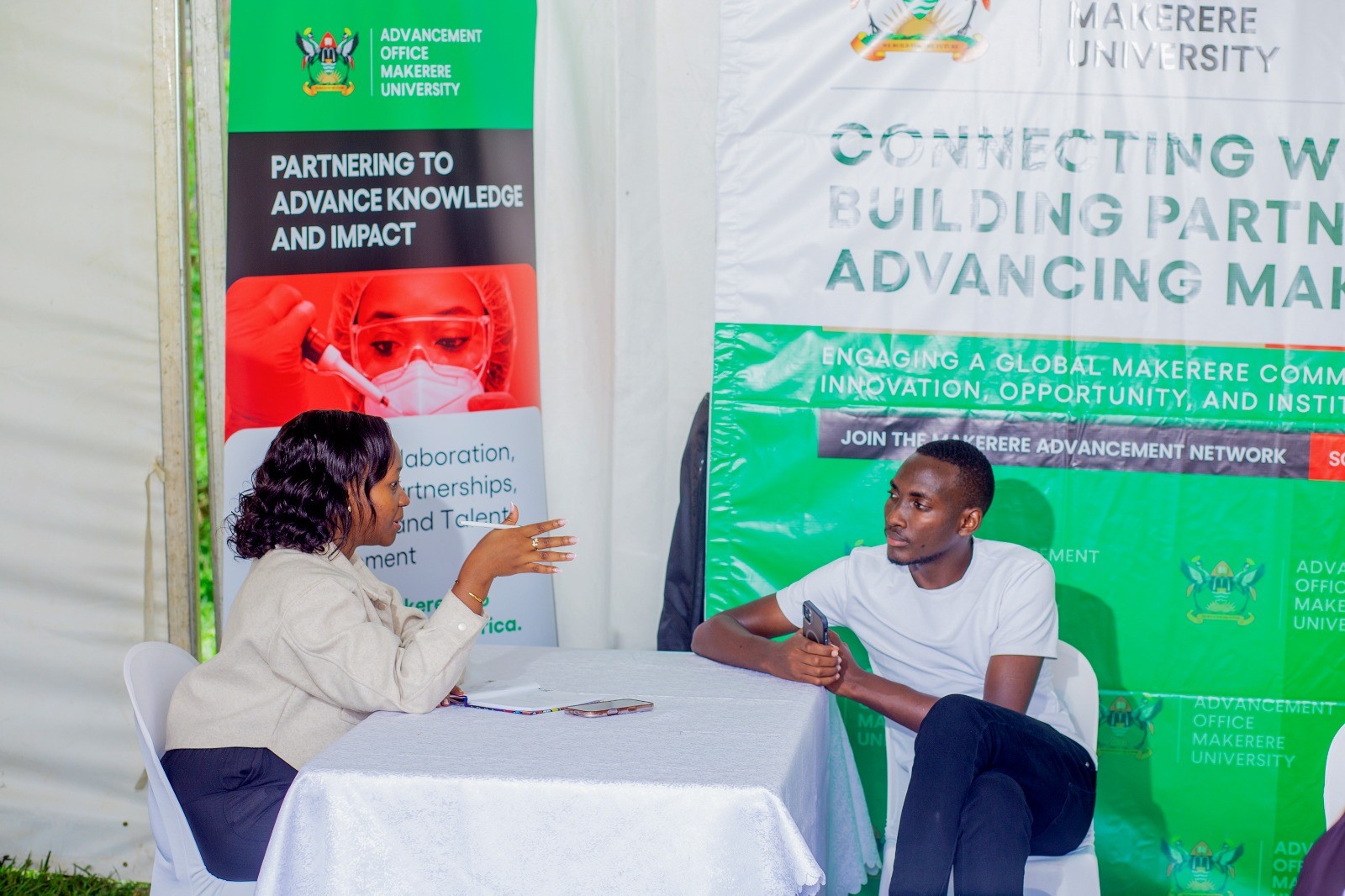
What emerges is a model of engagement that moves beyond transactional interactions to something far more meaningful. Partners are not just sponsors or participants; they are co-creators in preparing the next generation of professionals. In turn, Makerere strengthens its position as a trusted partner, one capable of convening, connecting, and contributing to national and global development priorities.
As conversations from the Careers Fair continue to echo across campus, one thing remains clear: the future of work will belong to those prepared to evolve with it. Makerere University, through platforms such as this, is ensuring that its students are not merely observers of change but active participants in shaping it.
Caroline Kainomugisha is the Communications Officer, Advancement Office, Makerere University.
General
Makerere University and Tumusiime Mutebile Foundation Sign MOU to Advance Centre of Excellence for Private Sector Development

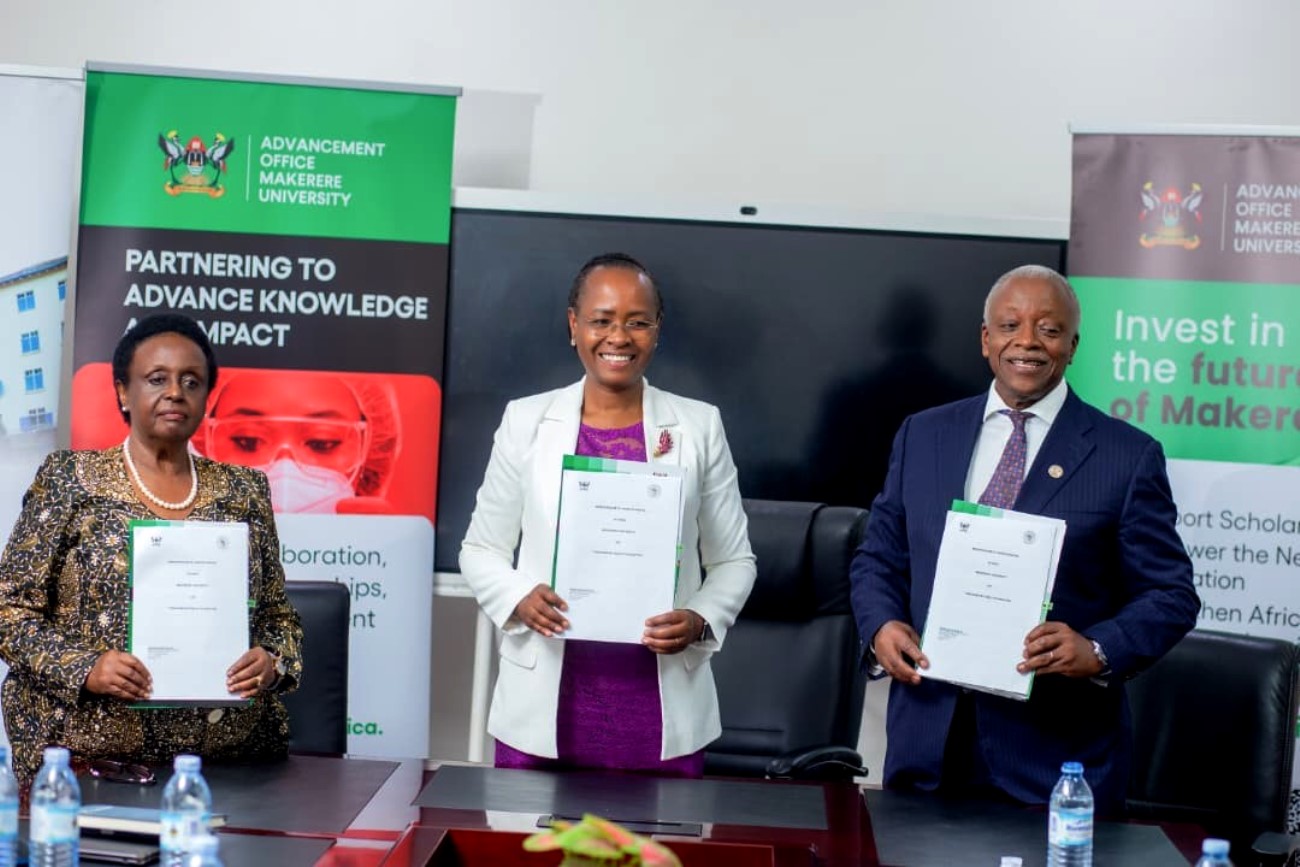
Makerere University and the Tumusiime Mutebile Foundation have signed a Memorandum of Understanding (MoU) to advance the Emmanuel Tumusiime Mutebile Centre of Excellence for Private Sector Development, marking a significant step toward strengthening collaboration between academia, policy actors, and the private sector.
The agreement formalises a strategic partnership aimed at promoting research, policy dialogue, entrepreneurship development, innovation, and knowledge exchange to support Uganda’s economic transformation and the growth of its private sector.
The MoU, which will run for an initial five-year term, brings together Makerere University’s academic and research expertise with the Tumusiime Mutebile Foundation’s commitment to advancing the legacy of the late Governor Emmanuel Tumusiime Mutebile, one of Uganda’s most influential economic reformers and a proud alumnus of the University.
Advancing a Shared Vision for Private Sector Development
Speaking at the signing ceremony, Rt. Hon. Amama Mbabazi, SC, Chairman of the Tumusiime Mutebile Foundation, described the occasion as an important milestone that establishes a purposeful partnership between two institutions committed to knowledge, national development, and the advancement of Uganda’s private sector.
“This is an important occasion because it formalises a partnership between two institutions with a shared commitment to knowledge, to national development, and to the advancement of Uganda’s private sector,” he noted.
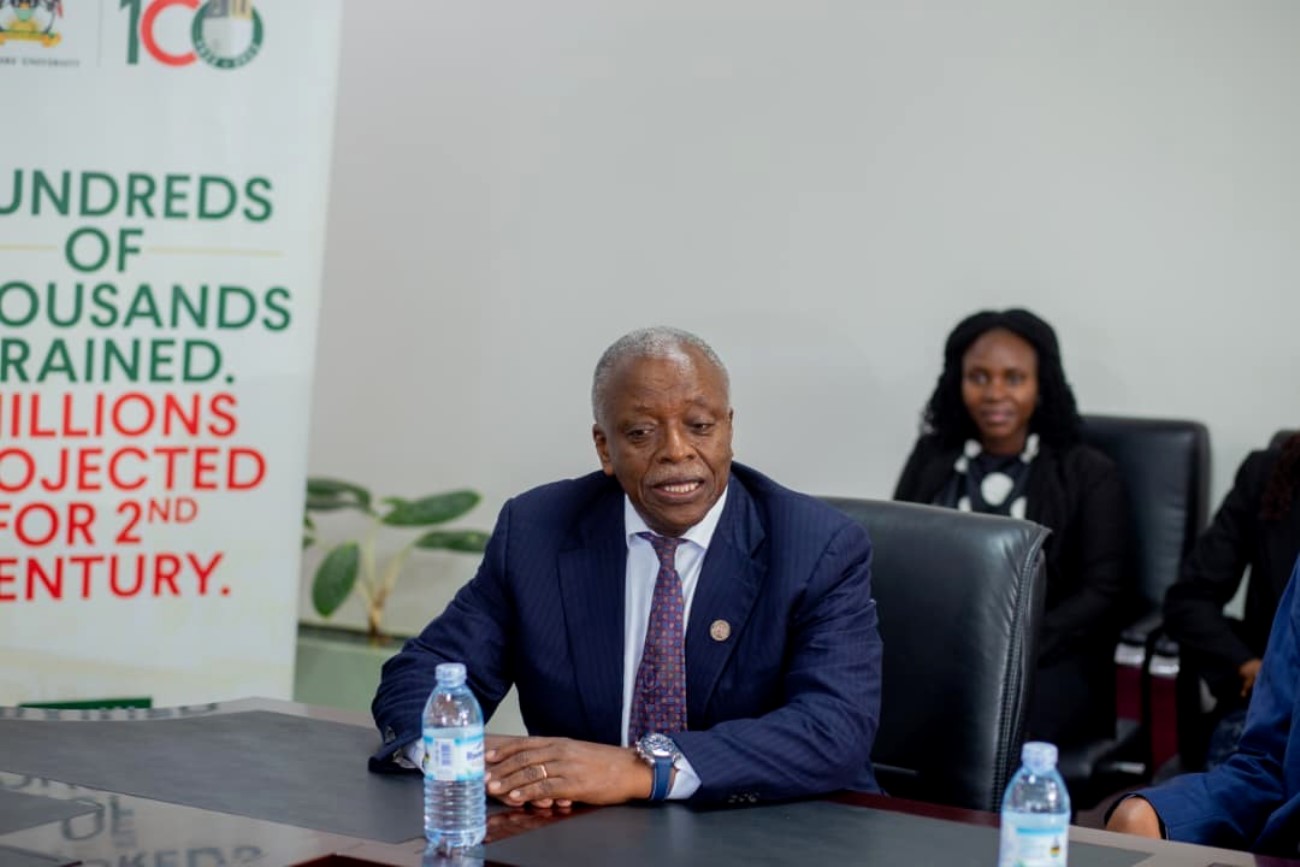
Rt. Hon. Mbabazi emphasised that Uganda’s future prosperity will depend on the strength and competitiveness of its private sector and the country’s ability to nurture innovation, entrepreneurship, and sound policy.
According to him, the Centre will provide a practical platform through which research can inform policy, young people can be trained and inspired, partnerships can be built, and innovation can be supported to help enterprise flourish.
“These are not separate concerns,” he said. “They are all part of the same national task: building an economy that creates jobs, expands opportunity, and improves the lives of our people.”
Makerere’s Role in Hosting the Centre
Makerere University will host the Centre of Excellence and support its work through its research capacity, innovation ecosystem, and network of scholars and experts. The University leadership noted that the partnership aligns closely with Makerere’s mission as one of Africa’s leading research universities and its commitment to knowledge-driven development.
In her remarks, Prof. Sarah Ssali noted, “Makerere University is fully committed to hosting, resourcing, and championing the Emmanuel Tumusiime Mutebile Centre of Excellence, and we look forward to working closely with the Foundation to attract additional partnerships that will strengthen its impact.”
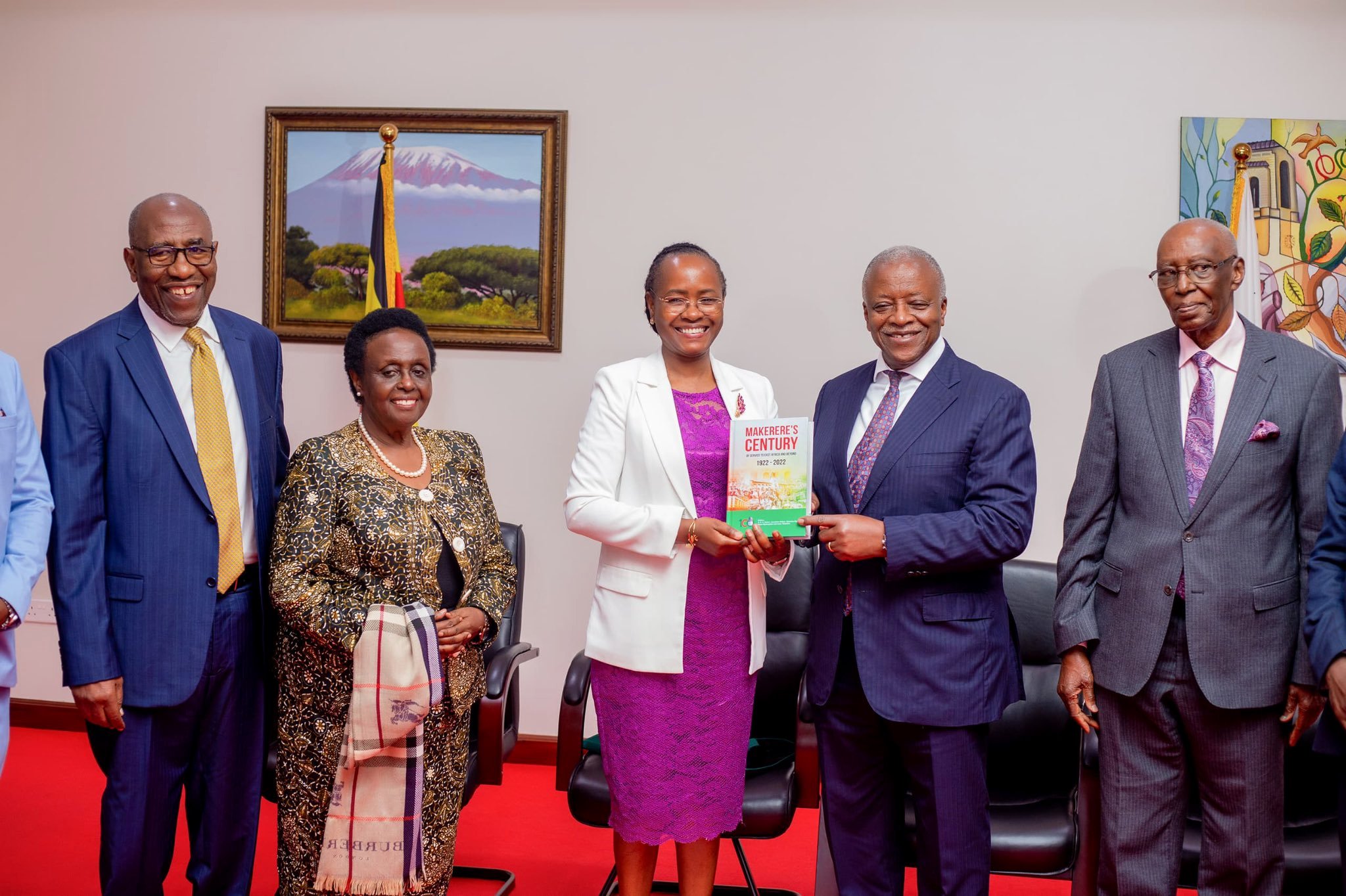
The collaboration will bring together academic excellence and practical engagement with the private sector, positioning the Centre as a national resource for policy research, entrepreneurship development, and dialogue on economic transformation.
She also reaffirmed Makerere’s commitment to working closely with the Tumusiime Mutebile Foundation to attract additional partnerships and funding to strengthen the Centre and expand its impact.
Honouring the Legacy of Emmanuel Tumusiime Mutebile
Beyond its institutional significance, the establishment of the Centre represents a tribute to the enduring legacy of Governor Emmanuel Tumusiime Mutebile, who served for many years as Governor of the Bank of Uganda and played a central role in shaping Uganda’s economic policy and institutional development.
Governor Mutebile was widely recognised for his intellectual rigour, commitment to sound economic policy, and dedication to building strong institutions that could support sustainable growth and stability.
Through the Centre of Excellence bearing his name, Makerere University and the Tumusiime Mutebile Foundation seek not only to commemorate his contributions but also to continue advancing the values he championed, including policy discipline, intellectual seriousness, and a commitment to national development.
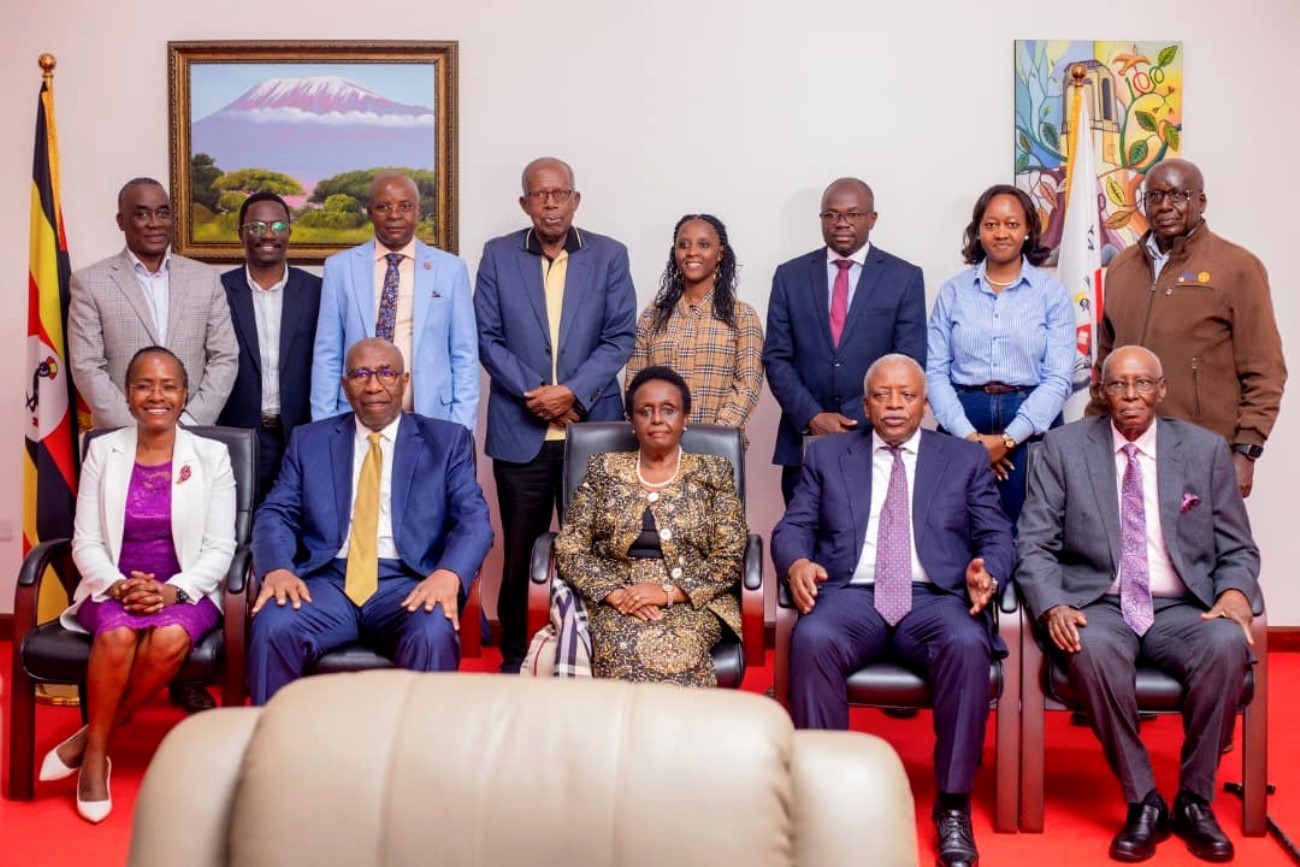
As Rt. Hon. Mbabazi noted that legacy should be understood not merely as remembrance but as meaningful work that benefits future generations. “It is about creating a platform through which research can inform policy, through which young people can be trained and inspired, and through which innovation can be supported,” he said.
A Platform for Ideas, Innovation, and National Development
The Emmanuel Tumusiime Mutebile Centre of Excellence for Private Sector Development is expected to serve as a hub for research, capacity building, entrepreneurship support, and policy engagement aimed at strengthening Uganda’s private sector and expanding economic opportunity.
By bringing together academia, policymakers, business leaders, and innovators, the Centre will help foster practical solutions to the challenges facing enterprise development while nurturing the next generation of Ugandan entrepreneurs and economic leaders.
Through this partnership, Makerere University and the Tumusiime Mutebile Foundation have taken an important step toward ensuring that Governor Mutebile’s legacy continues to inspire ideas, institutions, and opportunities that contribute to Uganda’s long-term prosperity.
Caroline Kainomugisha is the Communications Officer, Advancement Office, Makerere University.
-

 Law4 days ago
Pre-Entry Examination for Admission to the Bachelor of Laws for 2026/2027 AY
-

 Health2 weeks ago
82% Stressed: Uncovering the Hidden Mental Health Burden Among Kampala’s Taxi Drivers
-
 General2 weeks ago
Makerere University Unveils Pre-Award Grants Management System
-

 General2 weeks ago
Makerere University and International Partners Sign MoU for the 9th Kampala Geopolitics Conference
-
 General1 week ago
Call For Applications for Masters Research Support: Drug Safety in Uganda