
Education
Government Asked to Make Fine Art Compulsory in Secondary Schools

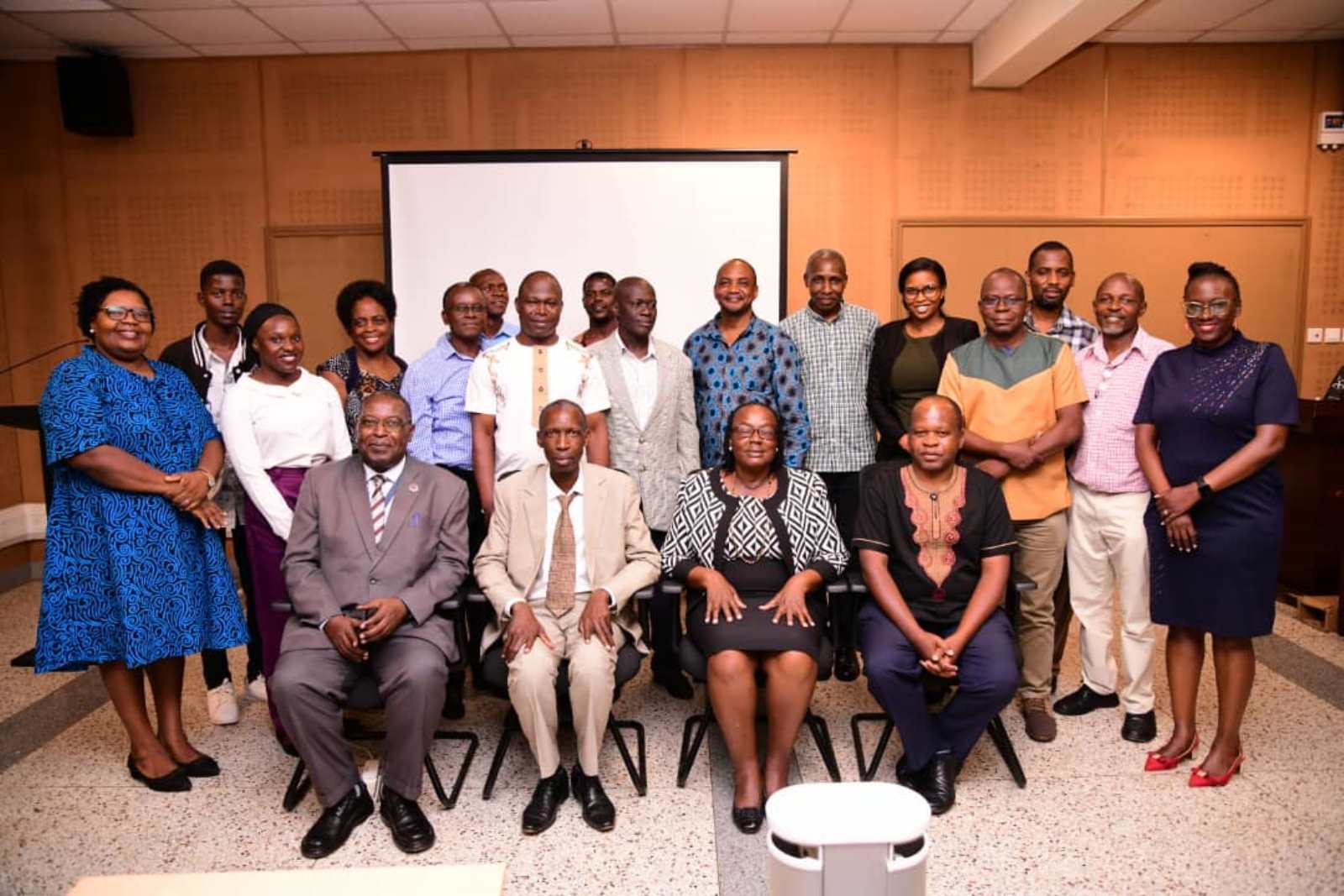
Government through the Ministry of Education and Sports has been called upon to find ways of popularizing the subject of art and crafts in lower and higher secondary education.
Prof. Anthony Muggaga, the Principal of the College of Education and External Studies at Makerere University, said yesterday that the government should explore measures including making the subject compulsory.
“We should have at least a module for one term like we have General Paper or computer,” he said.
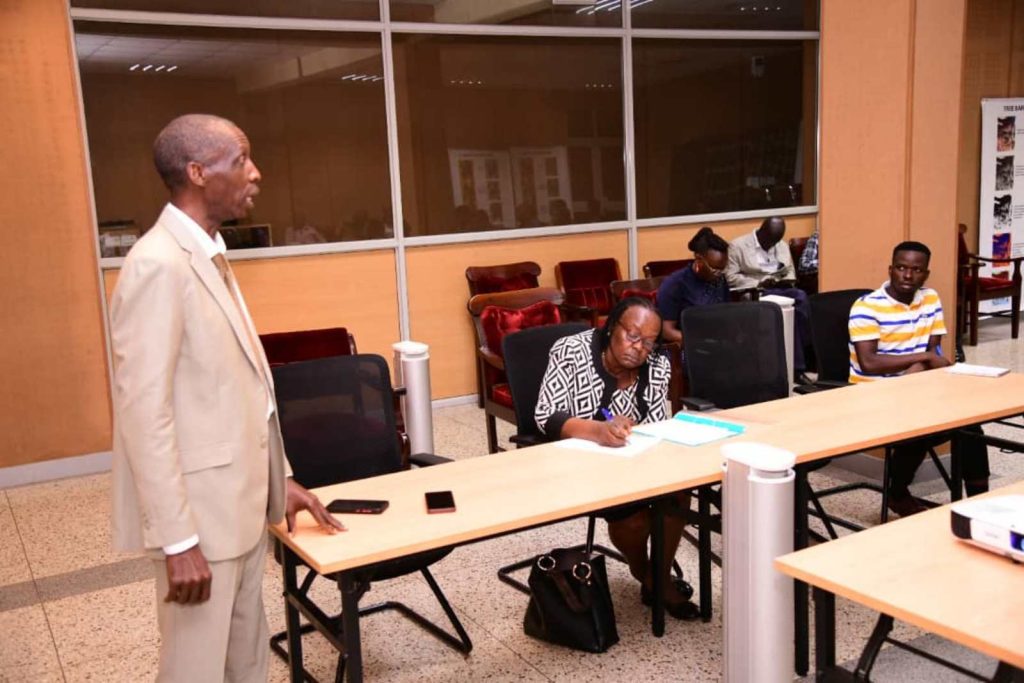
Prof. Mugagga believes that without popularizing Fine Art, the education sector will continue churning out students who lack critical thinking.
“Fine Art is what will cultivate a critical mindset amongst our learners. That is why we encourage children in nursery school to draw; we are trying to bring out what is in their minds,” he said.
“It is the same reason that art is considered therapy for mental health patients. When they draw, they express what is taking place in their minds.”
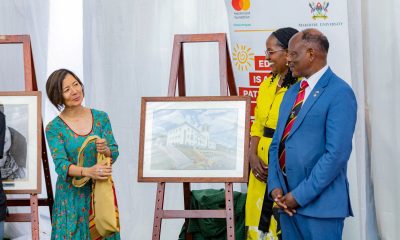
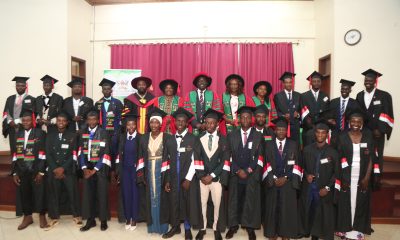
Prof. Mugagga was speaking at the launch of the findings of the pilot report for the Visual Arts Curriculum Review.
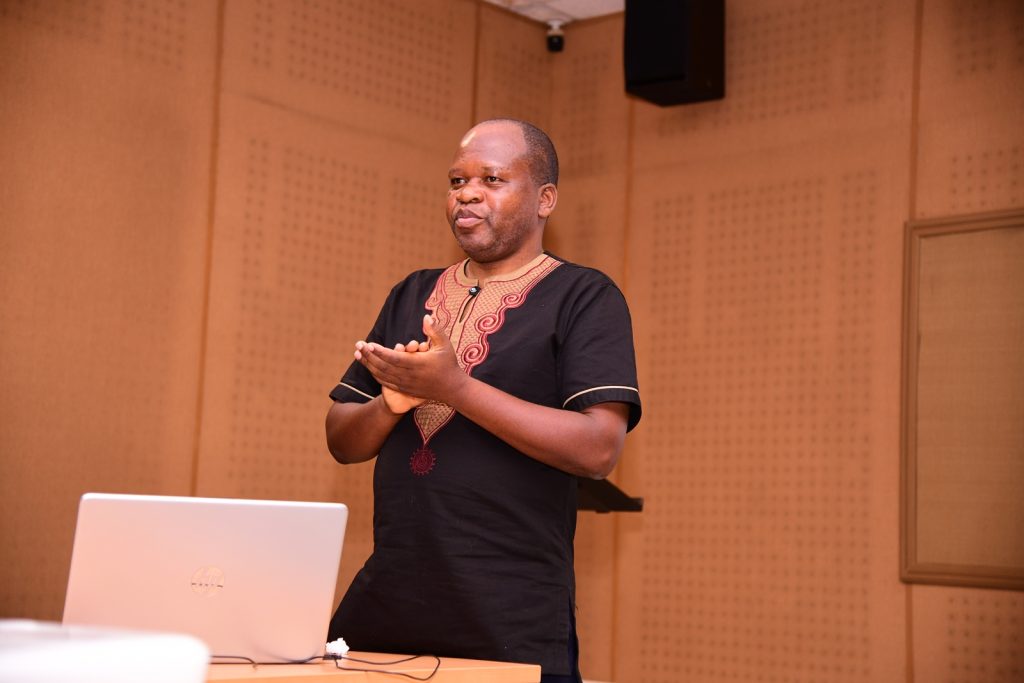
Dr Julius Ssegantebuka from Makerere University College of Education and External Studies and the lead researchers said the curriculum review project is intended to prepare secondary school art and design teachers, by equipping them with practical skills and values that match the modern world.
“During this second phase of the project, we had trial lectures and discussions with the teachers. We also embarked on removing obsolete content and replaced it with new content and also separated some of the art disciplines that were formally combined,” he said.
The updated curriculum he said, puts emphasis on research, group discussions, and field studies among others.
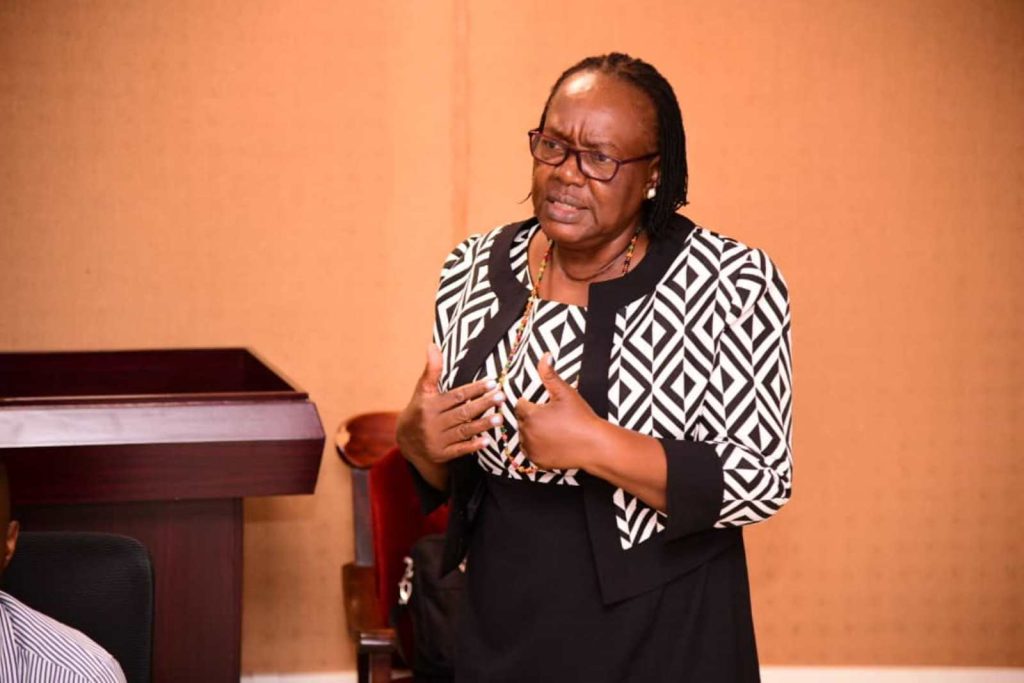
Speaking as chief guest at the launch, Dr Grace K Baguma, the Director National Curriculum Development Center commended the initiative.
“I commend Dr Ssegantebuka and the team for this initiative, which is aimed at contributing to the development of quality curricula that employ modern pedagogies that respond to societal needs,” she said.
On her part, Dr Moreen Muwanga from Kyambogo University called for the integration of ICT in the teaching of visual arts.
“Many of us have a phobia of handling a computer. Yet the students we are teaching are flexible and conversant with ICT,” she said.







Education
DACE Launches Research Seminar Series to Strengthen Co-Authorship and Scholarly Engagement

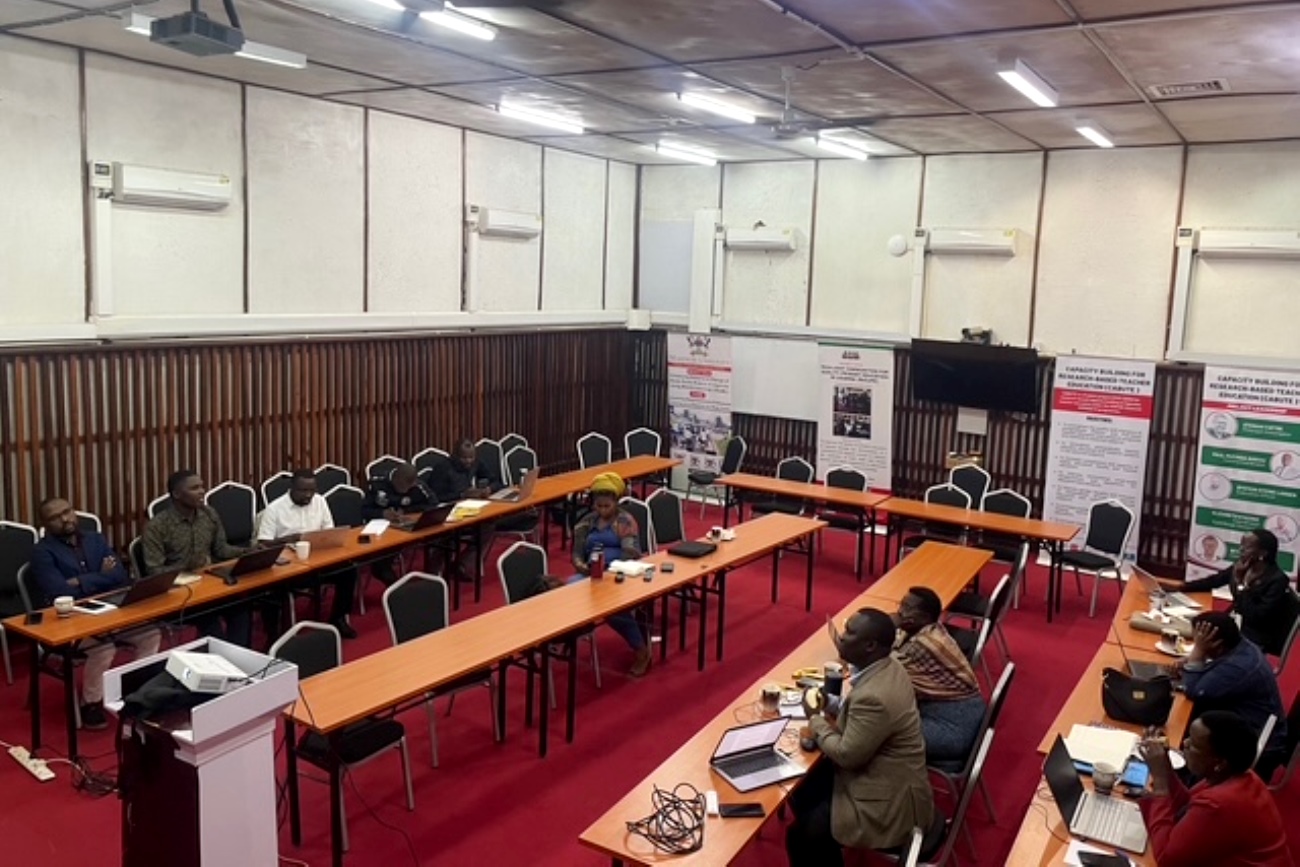
The Department of Adult and Community Education (DACE), under the School of Distance and Lifelong Learning at the College of Education and External Studies (CEES), Makerere University, has launched a bi-weekly research seminar series aimed at strengthening scholarly engagement and promoting co-authorship among staff and students.
The initiative forms part of the Department’s broader strategy to develop and operationalise its research agenda, with the goal of repositioning Adult and Community Education within national and global academic discourse.
According to the Head of Department and staff members, limited public understanding of Adult and Community Education continues to constrain its visibility and impact, particularly in relation to its contribution to lifelong learning, community transformation, and national development. The research seminar series is therefore intended to enhance knowledge production, increase publications, and promote evidence-based engagement in the field.
The seminars, held every Tuesday, are coordinated by Dr. Karembe Ahimbibisibwe and Dr. Kellen Aganyira, following their nomination by the Departmental Academic Board.
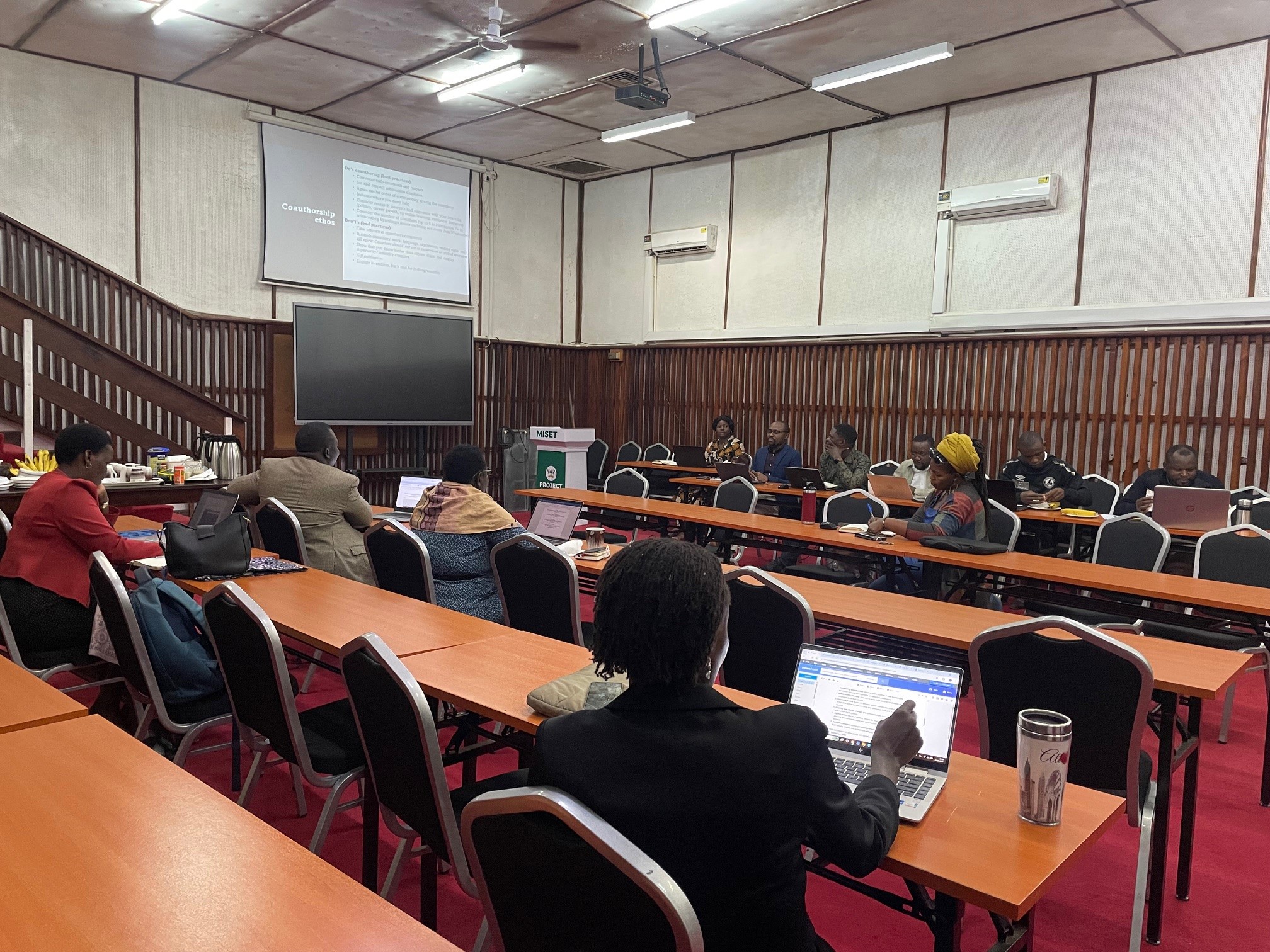
The inaugural session, held on Tuesday, 24th March 2026, focused on the theme: “Understanding Co-Authorship in Academic Practice.”
The seminar brought together academic staff, PhD students, and recent graduates of the Master of Adult and Community Education (MACE) programme to reflect on collaborative research and scholarly writing.
Participants engaged with key aspects of co-authorship, including contribution, collaboration processes, and the role of joint writing in enhancing academic productivity and mentorship.
“Co-authorship is not just about writing together—it is about building shared thinking, mentorship, and a collective scholarly identity,” noted one of the facilitators during the session.
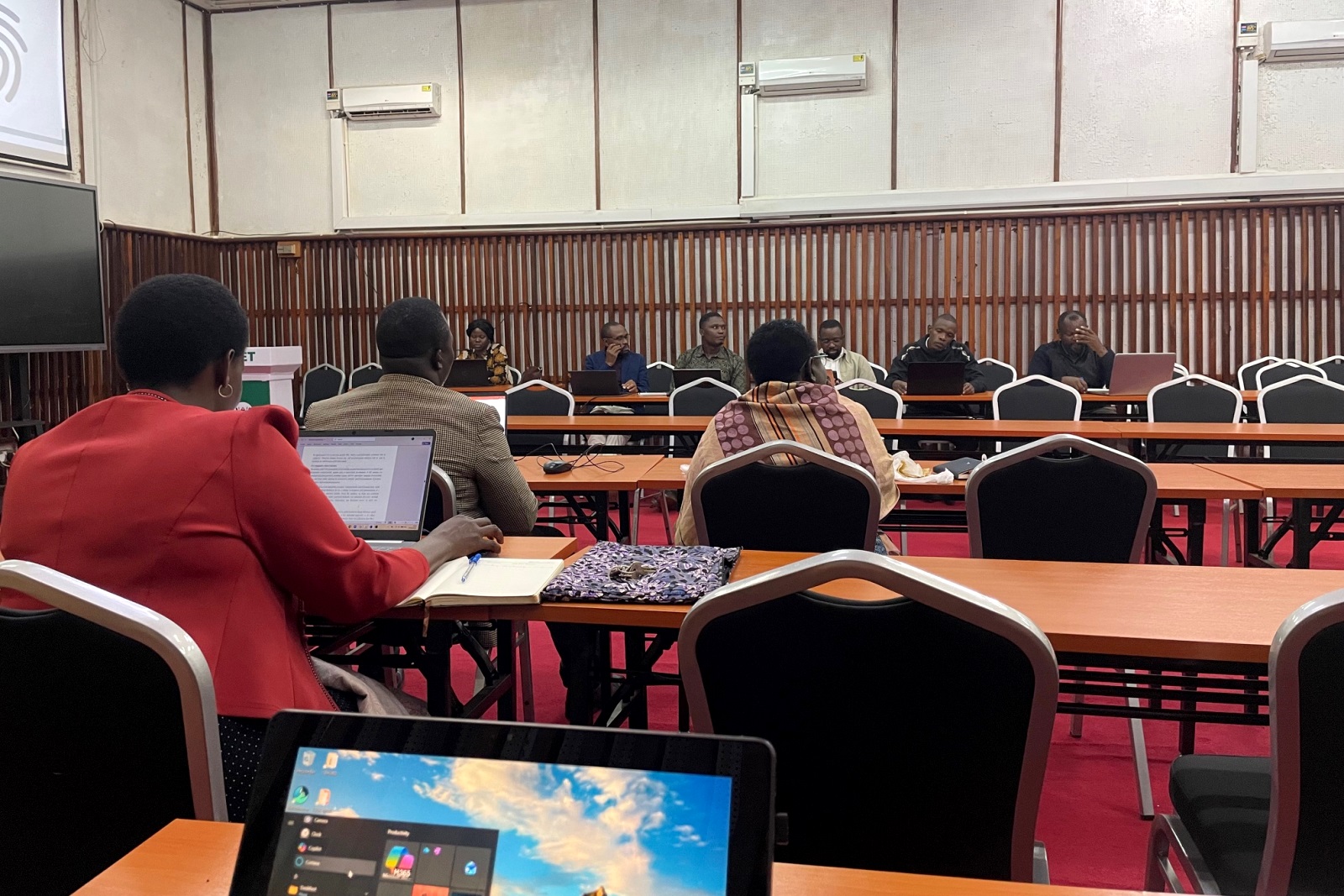
As part of the seminar, participants were required to prepare structured abstracts outlining their research focus, theoretical grounding, methodology, and anticipated contribution to scholarship or policy. The session included presentations of draft ideas, followed by peer feedback.
This practical approach enabled participants to move beyond conceptual discussions and actively engage in the process of developing publishable work.
A participant described the experience as transformative. “The seminar has helped me refine my research idea and think more clearly about collaboration. The feedback from colleagues is both constructive and motivating.”
The Department has prioritised inclusive participation by involving graduate students and recent alumni, with plans to expand the initiative to all postgraduate learners in order to strengthen research capacity across academic levels.
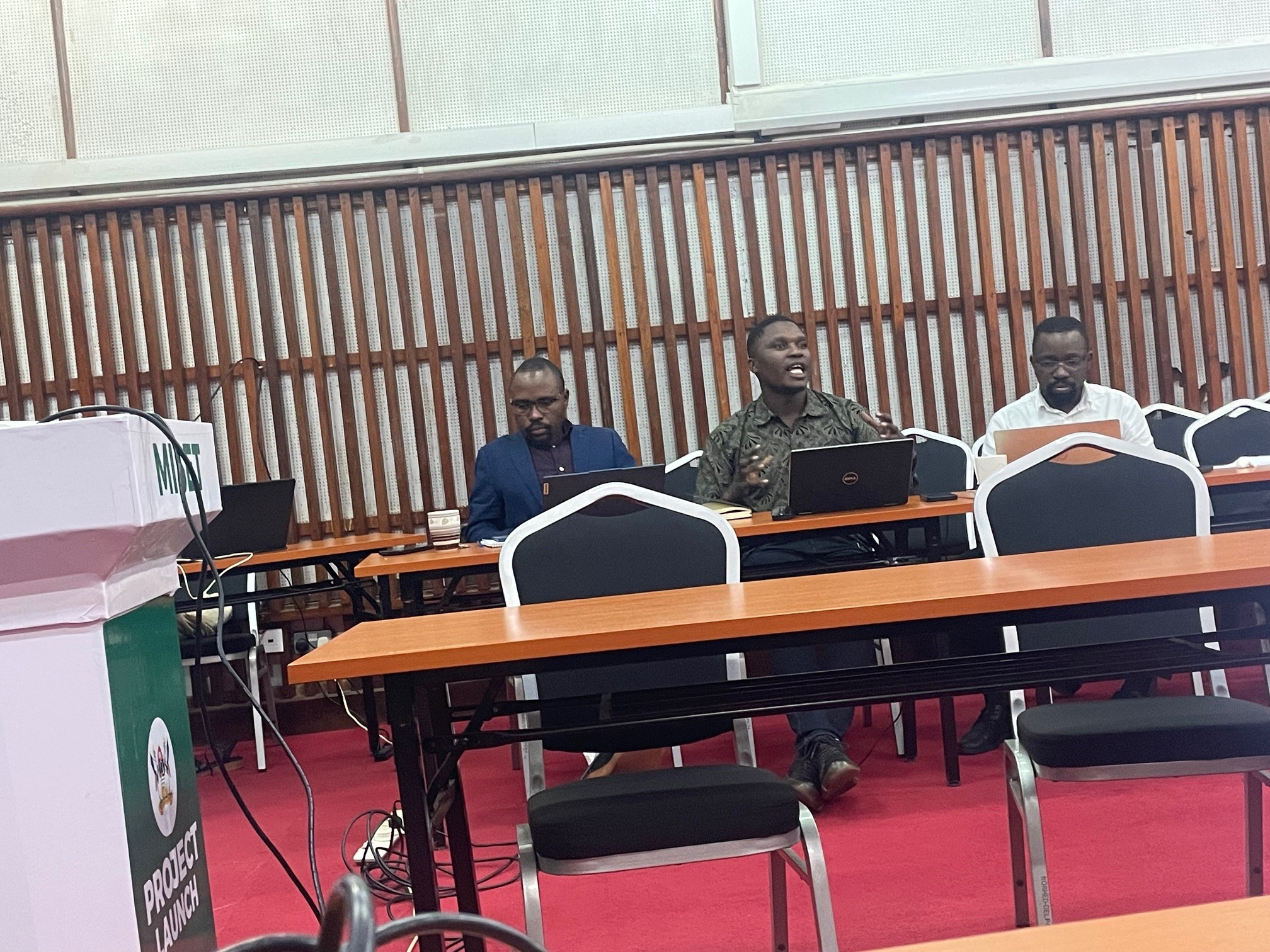
Speaking during the seminar, the Acting Head of Department, Dr. Joseph Watuleke, commended staff and students for embracing the initiative and called for sustained commitment to building a research culture. “This seminar series represents a deliberate step toward strengthening our research culture and increasing our contribution to knowledge and development,” said Dr. Watuleke.
Dr. Watuleke noted that the initiative aligns with the strategic direction of the Principal, CEES, Prof. Anthony Muwagga Mugagga, who has consistently emphasized the importance of research in repositioning academic units within the University.
“The Principal has continually guided us to reclaim our intellectual space and strengthen our contribution to Adult and Community Education. This initiative is part of that broader vision of enhancing research visibility and academic leadership.”
The Department envisions the seminar series as a platform for fostering collaborative research, increasing scholarly publications, and building a vibrant academic community within the College of Education and External Studies (CEES).
Education
Makerere University Charts New Future with the unveiling of the Open, Distance and E‑Learning Building and Strategic Plan

By Harriet Musinguzi, CEDAT
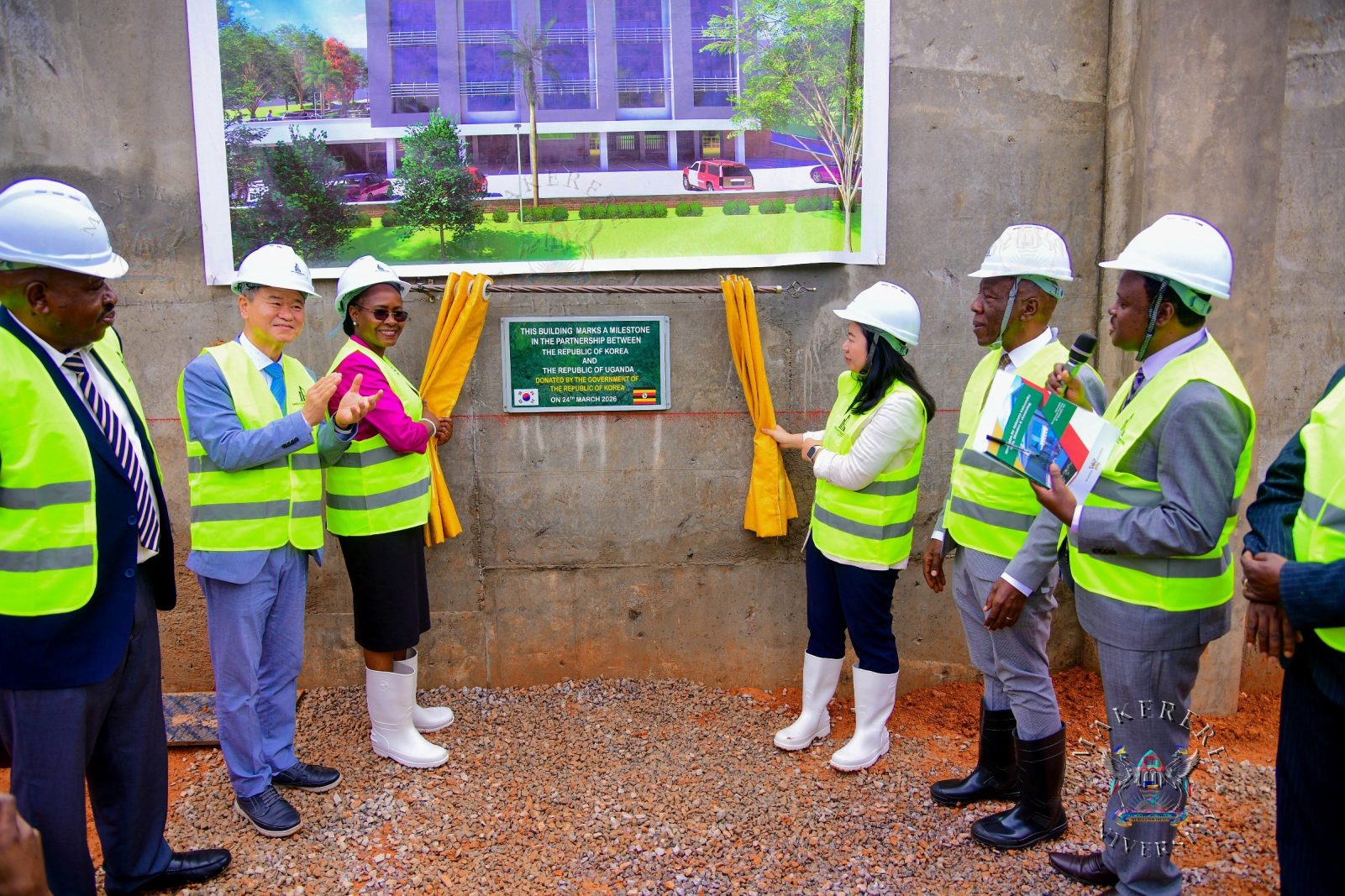
Makerere University has embarked on a transformative journey in higher education with the official launch of its Open, Distance and E‑Learning (ODeL) Strategic Plan and the laying of the foundation stone for a new ODeL facility at the College of Engineering, Design, Art and Technology (CEDAT). The event, attended by dignitaries, university leaders, and international partners, marked a milestone in Uganda’s quest to harness digital technology for accessible, innovative, and inclusive education.
Presiding over the ceremony, Ms. Jihee Ahn, Country Director of the Korea International Cooperation Agency (KOICA), underscored the spirit of collaboration that has defined the project. She praised the collective efforts of Korean partners, Makerere’s project management team, and the construction and consulting teams.
Quoting an African proverb, she reminded the audience that “a single stick cannot make fire”, emphasizing that the success of the initiative lies in shared purpose and unity. Drawing from Korean wisdom, she added, “a journey of a thousand miles begins with a single step,” noting that this launch is the first step toward positioning Makerere as a leader in open and distance education across Africa.
“This new building will not be just a physical structure but a driving force that advances our shared vision,” Ms. Ahn said. “KOICA looks forward to continued cooperation with Makerere University and all partners as we move forward together.” she added.
Representing the University Council Chairperson Dr. Lorna Magara, Dr. Silas Ngabirano highlighted the broader significance of the ODeL project. He described it as a turning point in bridging the gap between traditional teaching methods and modern learning needs. “This project is more than just providing technology,” he said. “It’s about enhancing capacity for our students, faculty, and staff. It’s about making education more accessible and affordable, fostering innovation, creativity, and lifelong learning.” He urged staff and students to embrace the opportunities offered by online distance learning, reaffirming the Council’s commitment to supporting initiatives that expand access to higher education.
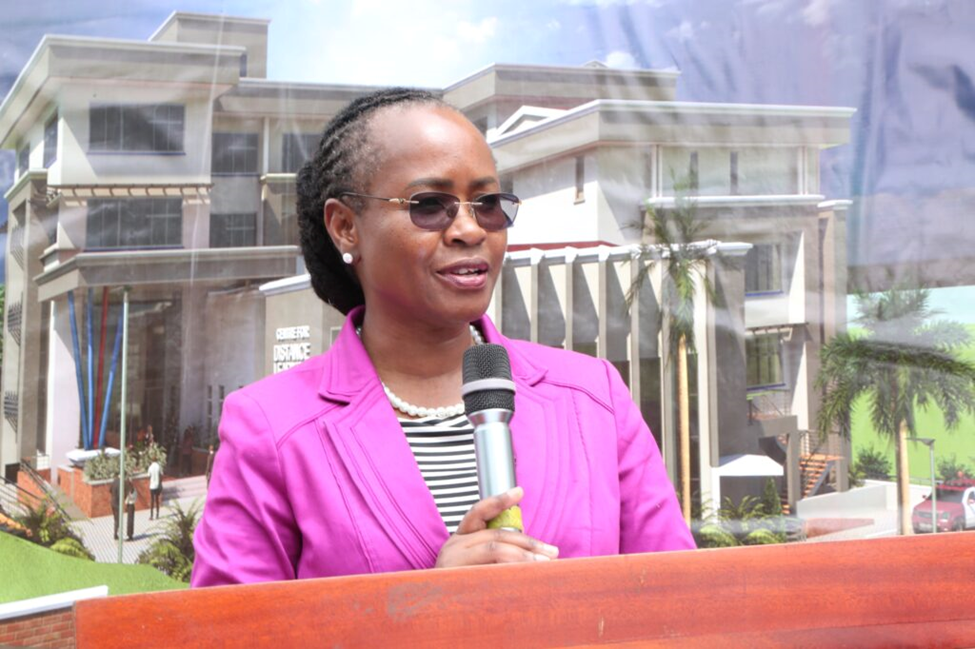
The Vice Chancellor, Prof. Barnabas Nawangwe, represented by Deputy Vice Chancellor for Academic Affairs Prof. Sarah Ssali, emphasized that e‑learning is a central pillar in Makerere’s Strategic Plan (2026–2030). She noted that the initiative aligns with Uganda’s National Development Plan IV, which prioritizes digital transformation by 2030.
“ODeL provides opportunities for students inside and outside Uganda to engage in learning, access cutting-edge research, and participate in innovation and entrepreneurship,” he said. “Now that ODeL is getting a home, there is no excuse for not delivering.”
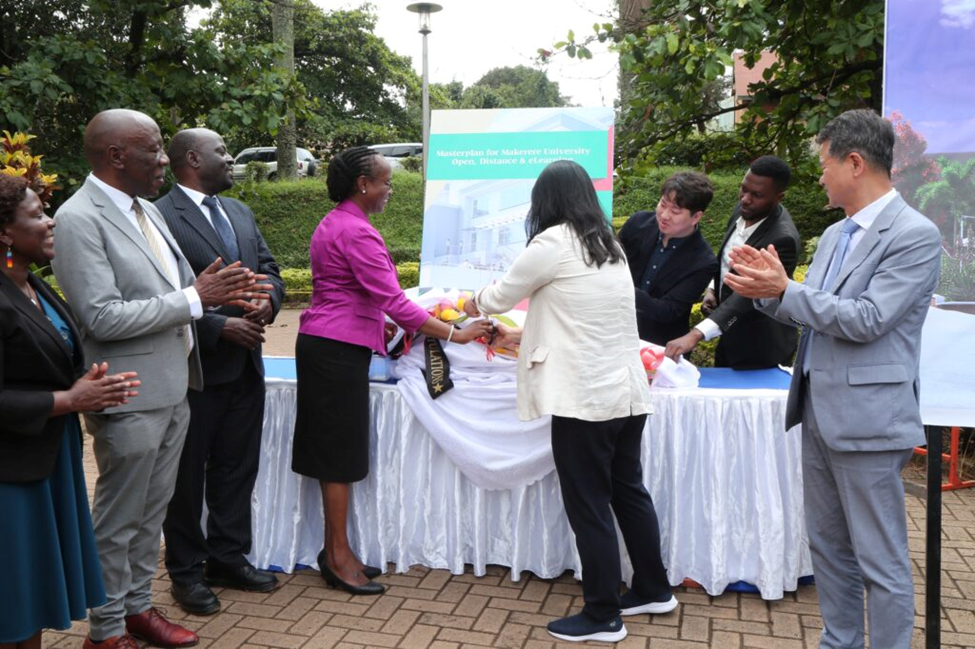
Prof. Nawangwe expressed gratitude to KOICA and the people of Korea for the US$12.2 milliongrant, describing it as a testament to Makerere’s reputation as a center of academic excellence and innovation. He also acknowledged the support of Uganda’s Ministry of Education and Sports and the Ministry of Finance, Planning and Economic Development.
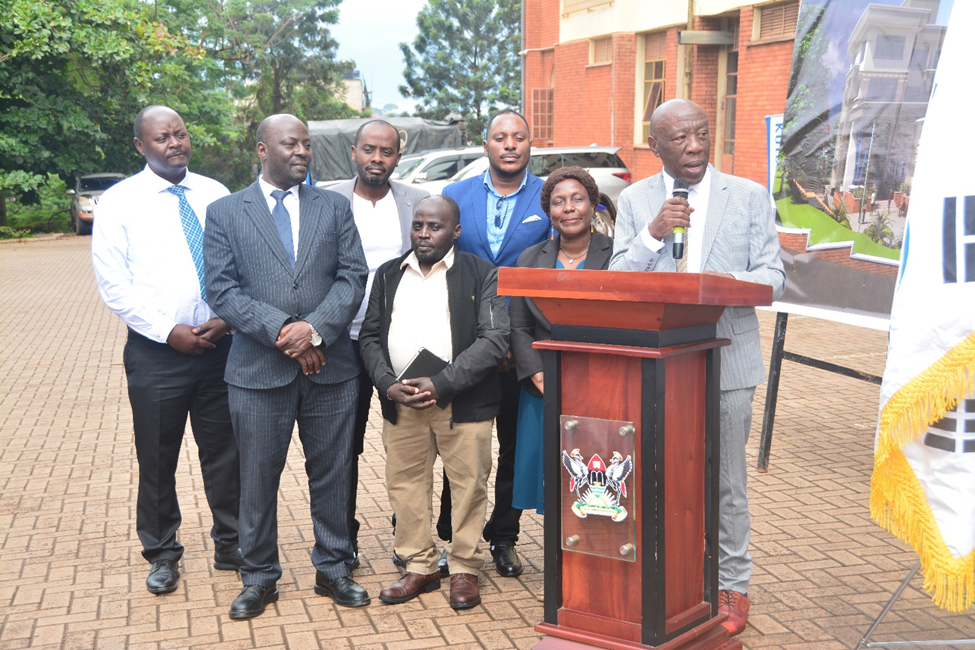
The Principal Investigator, Prof. Henry Alinaitwe, outlined three core components of the project: the development of the ODeL Masterplan, the enhancement of e‑learning infrastructure through a state‑of‑the‑art facility and modern equipment, and capacity building to equip staff with the skills needed to create high‑quality digital content. He explained that the construction, valued at USD 3.7 million, is being undertaken by SMS Construction Ltd, with designs developed by ArchForum Consultants Ltd, and is scheduled for completion by September 29, 2027.
Prof. Henry Alinaitwe explained that the ODeL Masterplan was developed through a highly consultative process, engaging numerous Makerere University staff and working closely with project consultants to ensure inclusivity and relevance. He expressed deep appreciation to the implementing partners, the Korea National Open University (KNOU) and the Korea Institute ofDevelopment Strategy (KDS) for their invaluable support in making the initiative a success.
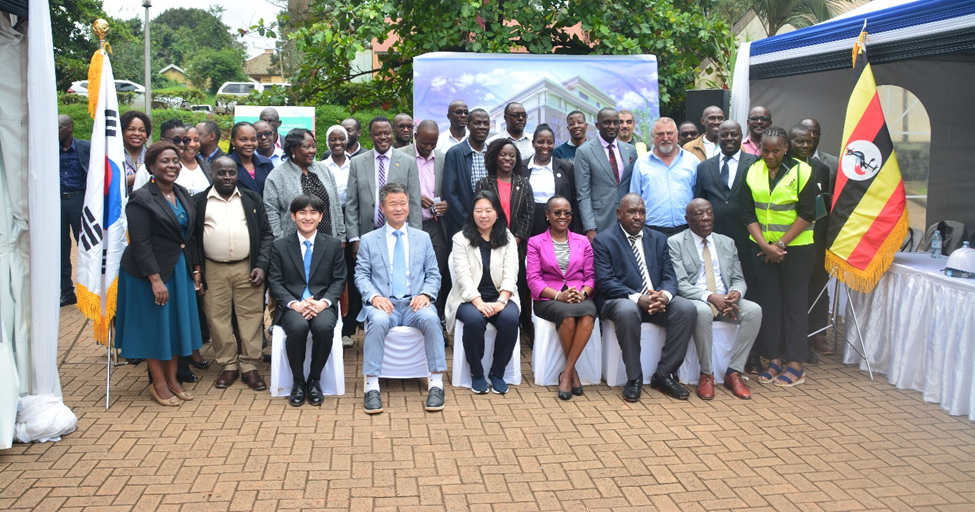
Prof. Alinaitwe also commended the Makerere University Council for approving the allocation of space and committing to maintain the building and systems once operational. He recognized the dedication of the project implementation team, which includes Dr. Venny Nakazibwe(Co‑PI), Prof. Paul Muyinda, Dr. Godfrey Mayende, Mr. Samuel Mugabi, Mr. Alex Mwebaze, Dr. Kenneth Ssemwogerere, and Dr. Lydia Mazzi Ndandiko, for their tireless efforts in managing the project. He further acknowledged KOICA Country Director Ms. Jihee Ahn for expanding the scope of the project beyond the College of Engineering, Design, Art and Technology (CEDAT) to encompass
Written by Musinguzi Harriet, Principal Communication Officer, College of Engineering, Design, Art and Technology.
Education
Mak CEES Hosts Kiswahili Primary School Orientation Workshop to Boost Language Teaching Quality
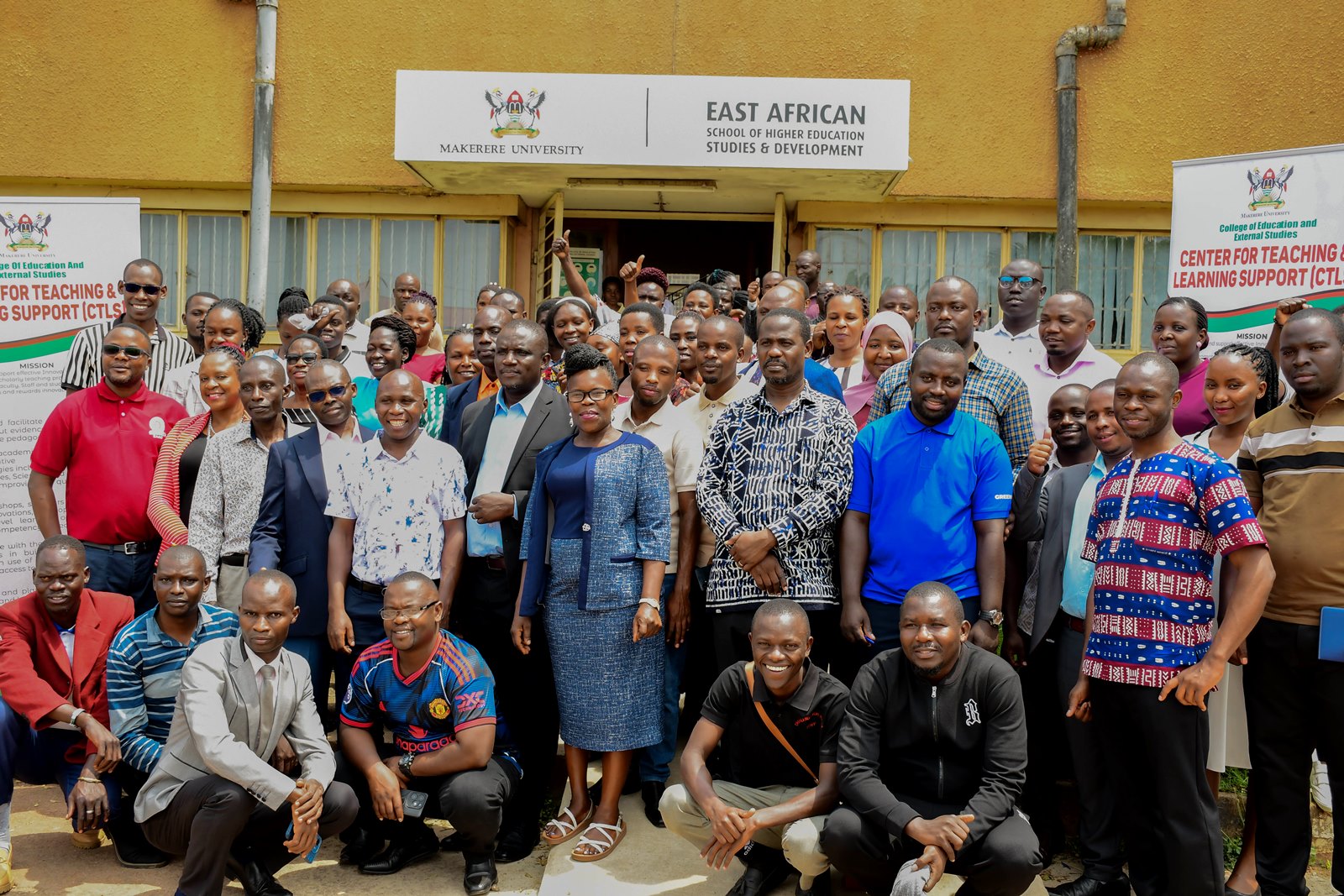
On Saturday 14th March 2026, the Center for Teaching and Learning Support, based at the College of Education and External Studies (CEES), Makerere University, hosted the Kiswahili Primary School Orientation Workshop, aimed at strengthening skills in content and delivery, enhancing assessment competencies, and improving the understanding of the Kiswahili curriculum.
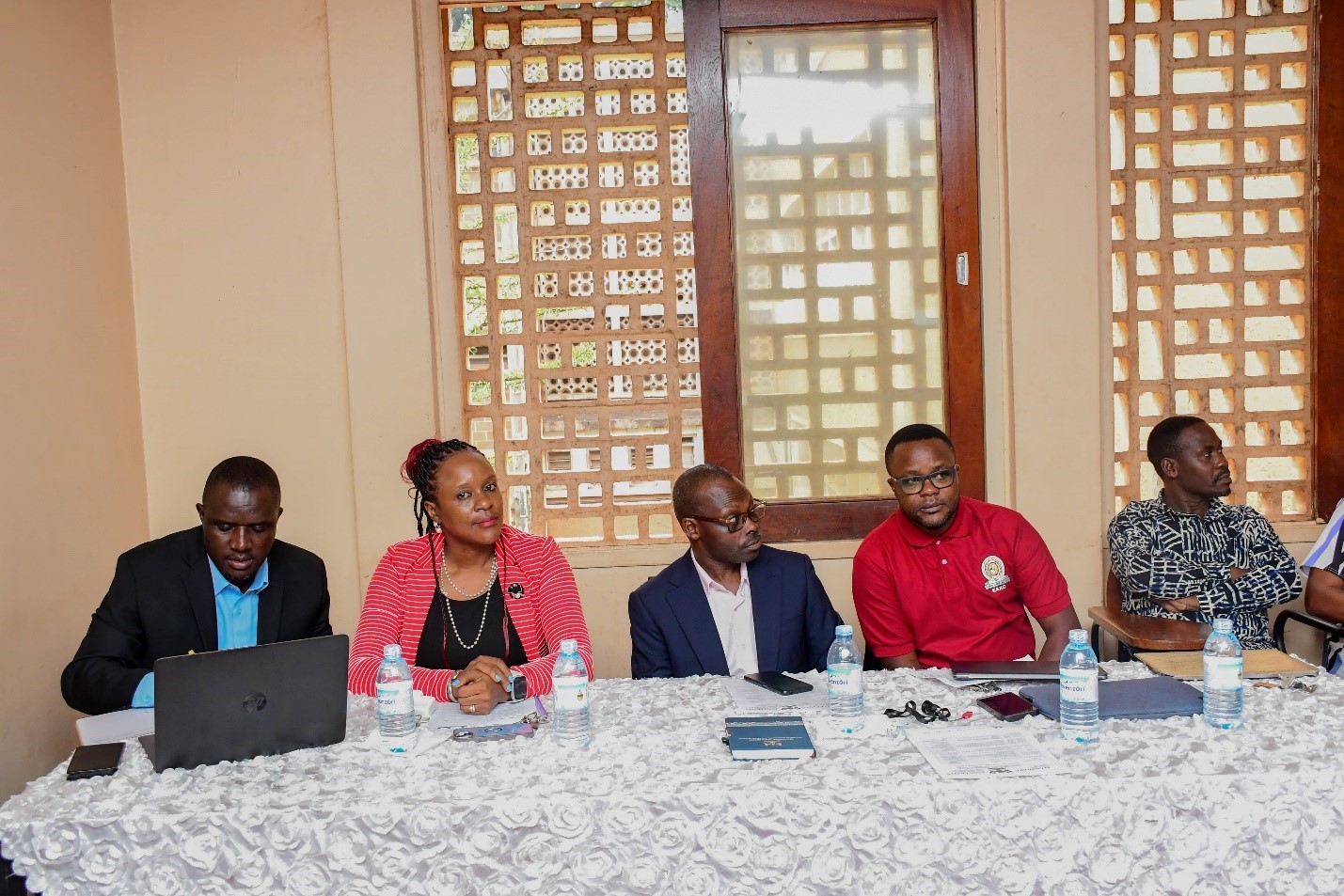
This initiative brought together Kiswahili primary teachers from across the country, affiliated with the umbrella association, CHAWAKISHUMU, with the objective of fostering high-quality Kiswahili teaching in primary schools across Uganda through professional collaboration, resource sharing, and cultural integration.
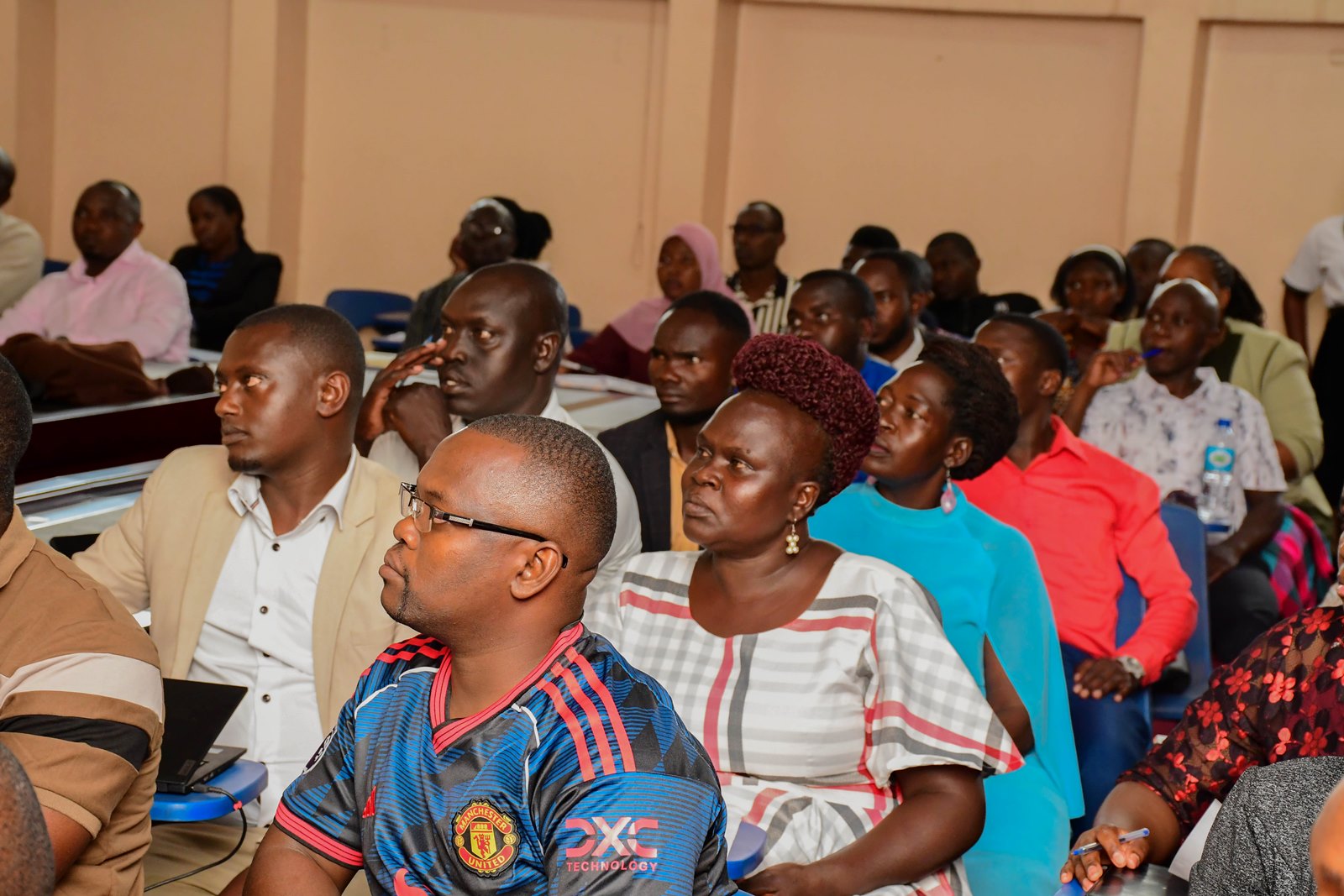
During the capacity-building workshop, participants listened to the following presentations delivered by experts in the discipline: Kiswahili Curriculum Content by Dr. Boaz Mutungi and Kiswahili Curriculum Delivery by Mr. Micah Bamugyeya. At the end of each presentation, participants engaged in plenary discussions managed by Mr. Joseph Tusingwiire and Dr. Caesar Jjingo, respectively.
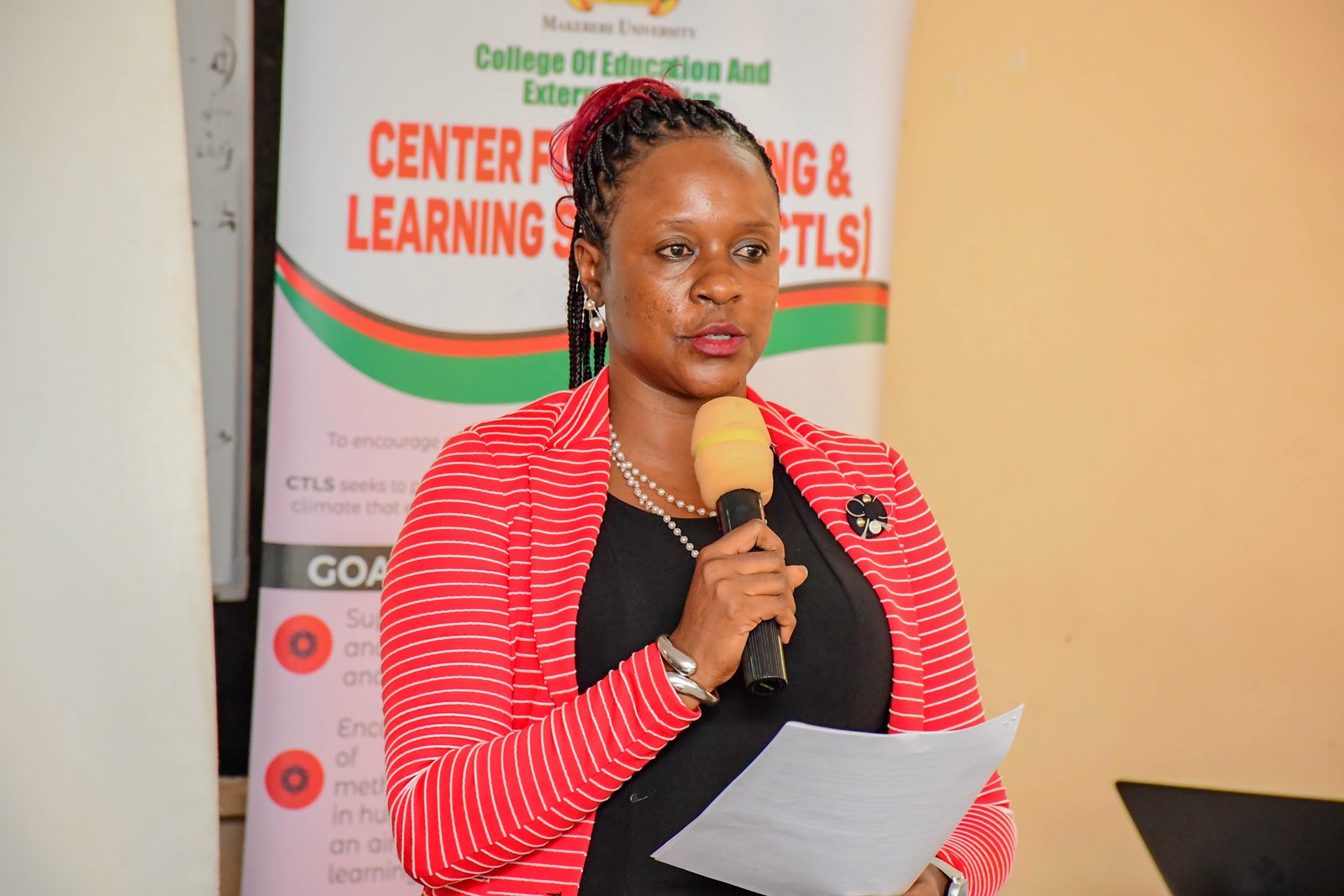
Delivering the opening remarks on behalf of Prof. Anthony Muwagga Mugagga, the Principal of the College of Education and External Studies, Dr. Dorothy Ssebowa Kyagaba welcomed the participants to the capacity-building workshop, aimed at redefining the teaching and speaking of Swahili in primary schools and Uganda at large.
“The purpose of this workshop is to learn, reflect, and share insights on Kiswahili curriculum delivery and assessment at primary, secondary, and university levels,” Dr. Kyagaba said.
Dr. Kyagaba stated that a memorandum of understanding was signed between the College of Education and External Studies and CHAWAKISHUMU to collaborate on building the capacity and professional development of Kiswahili teachers, research, and innovation of Kiswahili pedagogy.
Highlighting the mandate of the Centre for Teaching and Learning Support, Dr. Kyagaba articulated its commitment to undertaking innovative approaches through learner-centered and activity-based pedagogical practices.
Dr. Kyagaba reiterated the importance of Kiswahili teachers’ role in helping learners develop language skills, deliver content clearly, and assess learning effectively. She expressed confidence that the facilitators’ expertise and Kiswahili teachers’ shared experiences will improve understanding of the Kiswahili curriculum and strengthen skills in content delivery and assessment competencies.
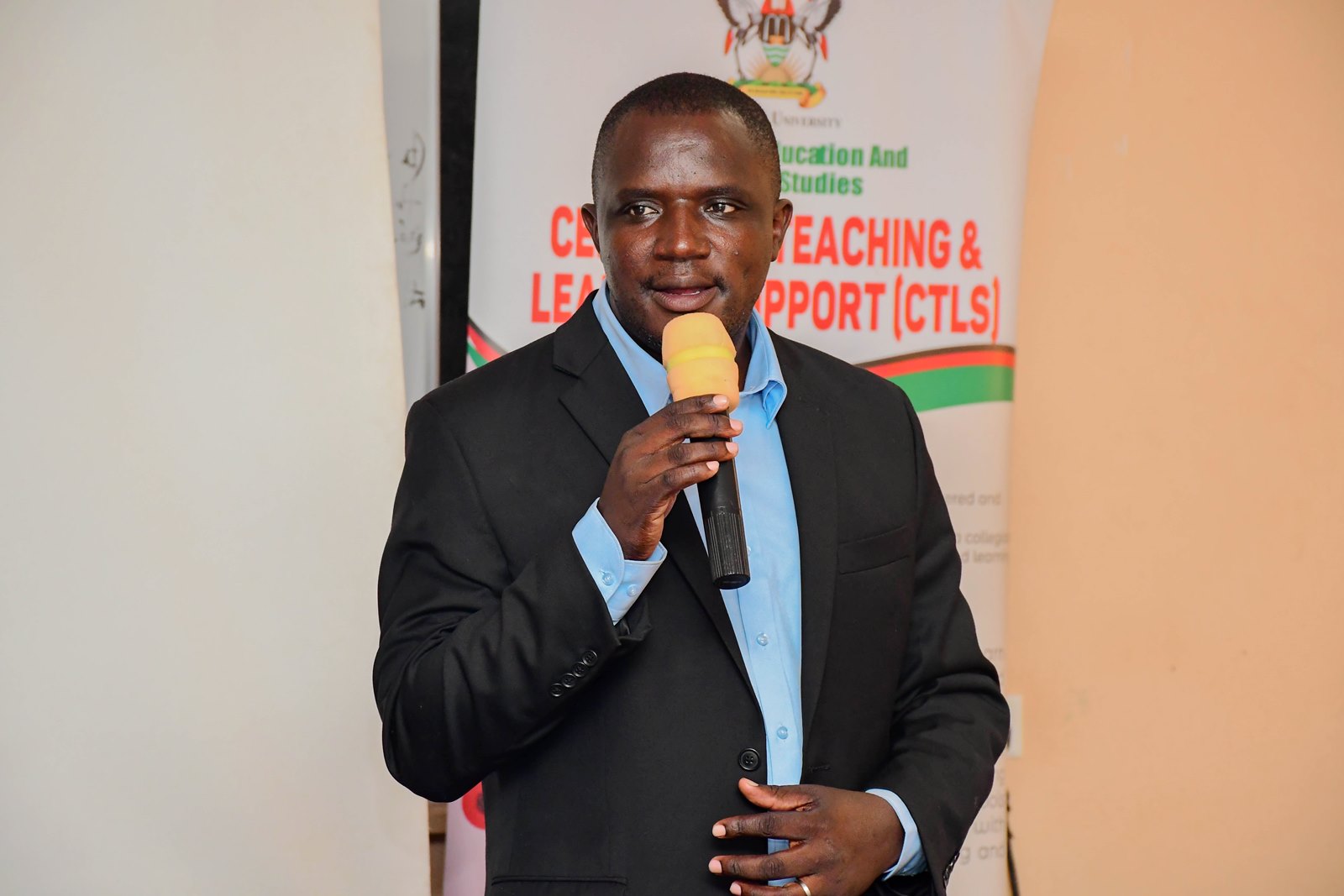
The National President of Chama Cha Walimu Wa Kiswahili Shule Za Msingi Nchini Uganda (CHAWAKISHUMU), Mr. Joseph Tusingwiire, explained that the association is an inclusive organisation, uniting primary, secondary, and university educators.
According to Mr. Tusingwiire, CHAWAKISHUMU exists to promote high-quality Swahili teaching in primary schools in Uganda through professional collaboration, resource sharing, and cultural integration.
In pursuit of this vision, the association, since its inception in 2012, has undertaken several activities, including the successful organisation of national Swahili music, dance, and drama concerts, showcasing students’ skills in the language through debates and poems
Mr. Tusingwiire called upon Swahili teachers to seize opportunities including participating in workshops, training abroad, and the provision of translation services. He stressed that CHAWAKISHUMU aims to create more opportunities for its members. He called upon teachers to work together to promote Swahili and equally tap into its benefits.
Mr. Tusingwiire acknowledged the government’s rollout of Swahili in secondary schools as a positive development. However, he noted that its impact is limited because the subject is not compulsory up to Senior Four. He therefore urged the government to extend the rollout to primary schools, emphasizing that this would provide learners with a strong foundation in Kiswahili before they progress to secondary education.
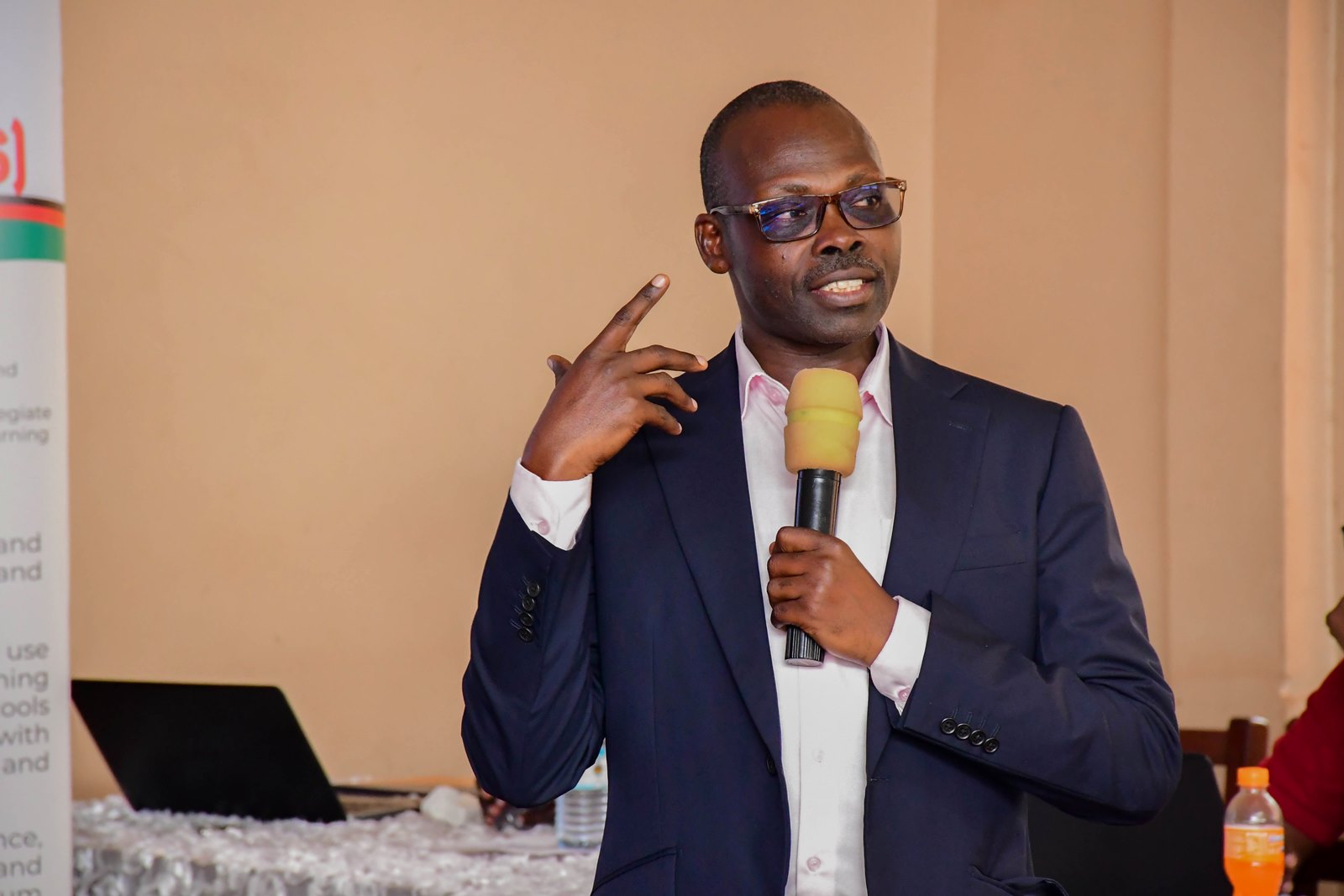
In his presentation on Kiswahili Curriculum Content, Dr. Boaz Mutungi revealed that the focus is on equipping learners with practical language skills rather than just grades. “Ours is not about grades but about a learner exhibiting four critical skills in language learning. These include writing, reading, speaking, and listening,” he said.
The curriculum content revolves around the four key areas namely, reading, writing, listening and speaking, with writing being the highest order. Dr. Mutungi stressed the importance of proper pronunciation, urging students to mind about the pronunciation as they deliver their skills.
The methodologies employed in the curriculum are centred on strengthening these fundamental language fields. He noted that, focusing on these core areas, learners will develop a strong foundation in Swahili, enabling them to communicate effectively. He revealed that the National Curriculum Development Centre (NCDC) is emphasizing this approach to language learning, prioritising practical application over mere academic achievement.
In his presentation, Mr. Micah Bamugyeya highlighted concerns over the delivery of the Kiswahili curriculum, citing that most schools are not prioritising the subject because it is not examinable.
He suggested that this structural issue can be addressed by re-evaluating the subject’s importance in the school curriculum. Mr. Bamugyeya stressed that the lack of emphasis on Kiswahili affects the quality of teaching and learning, urging stakeholders to take action to rectify the situation and ensure the subject receives the necessary support.
Participants called upon school leaders to engage the Uganda National Examinations Board (UNEB) to include Swahili on the list of examinable subjects. “Students have been studying Swahili, and UNEB doesn’t examine them. This is a gap that UNEB should address,” Dr. Nelson Nsereko noted.
The workshop achieved a significant milestone in enhancing Kiswahili teaching in Uganda, with participants aligning on promoting practical language skills and addressing challenges like the low priority given to the subject in some schools. It also enhanced plans for capacity-building workshops, certification programs, and curriculum review.
-
 Law5 days ago
Pre-Entry Examination for Admission to the Bachelor of Laws for 2026/2027 AY
-

 Health2 weeks ago
82% Stressed: Uncovering the Hidden Mental Health Burden Among Kampala’s Taxi Drivers
-
 General1 week ago
Call For Applications for Masters Research Support: Drug Safety in Uganda
-
 Research7 days ago
Makerere Strengthens Research Ethics as Leaders Call for Reforms in Governance, Integrity, and Student Support
-
 General1 week ago
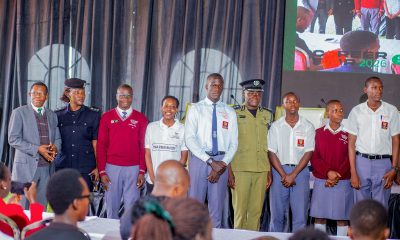
Career Expo 2026 Concludes as Students Gain Industry Insights, Career Guidance, and Networking Opportunities