
Business & Management
CoBAMS, University of Chicago discuss collaboration

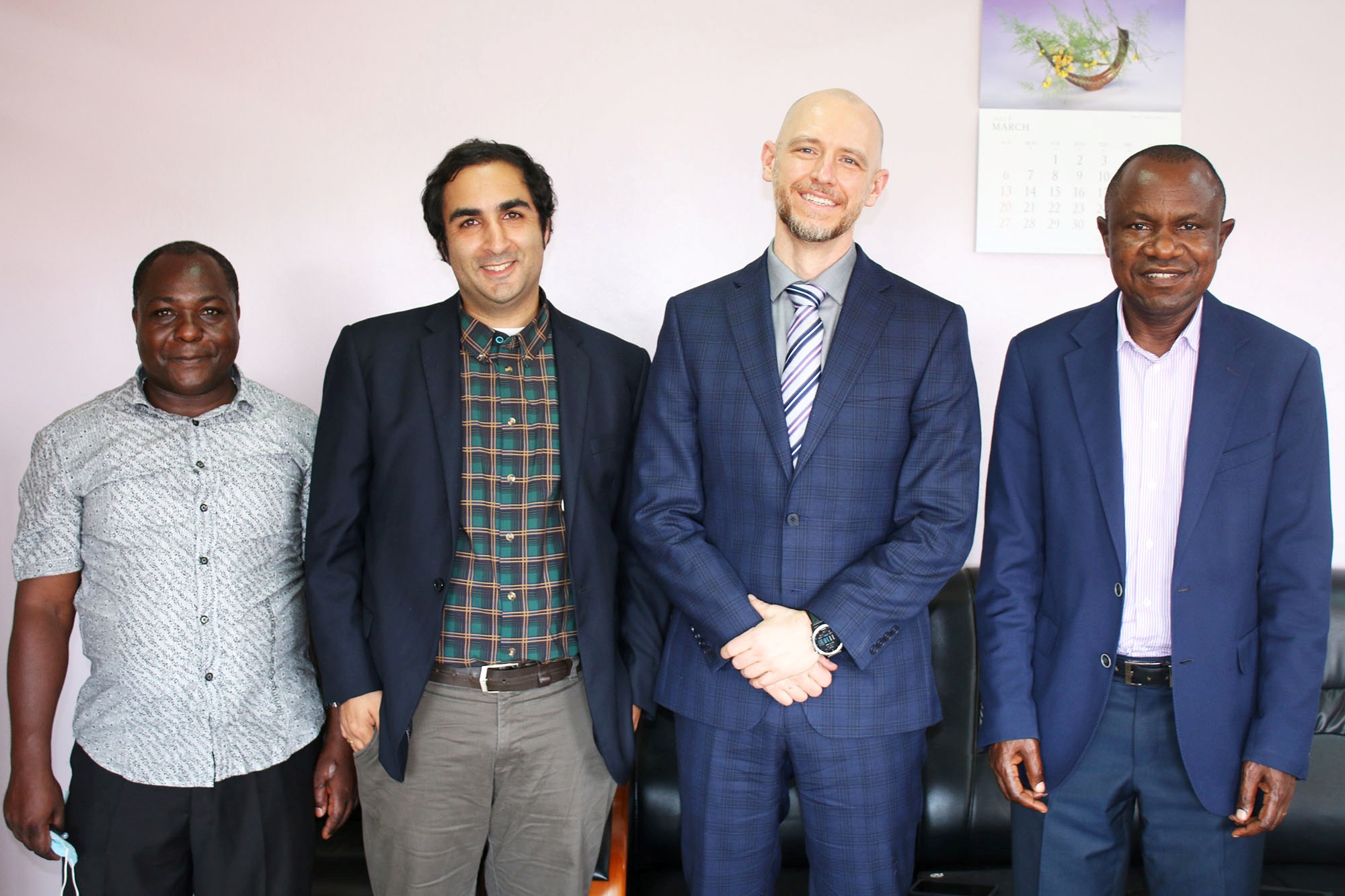
Researchers from the University of Chicago have visited the College of Business and Management Sciences to discuss areas of collaboration.
The team comprising Dr. Benjamin Krause, the Director of the Development Innovation Lab and Dr. Vesall Nourani, a Senior Research Associate and Director met with the Principal of CoBAMS, Prof. Eria Hisali on March 11, 2022.
Prof. Hisali shared with the visitors the College’s interest in capacity building through staff exchanges, join research and seminars. He invited the professors to give key note presentations and guest lecturers, saying the college has the capacity to hold such meetings without the need for the Professors or speakers travelling to Uganda. This is made possible through the recently acquired state-of-the-art video conferencing equipment funded by the World Bank.
He briefed the guests on the plans already in motion in the area of infrastructure expansion, stating that, among other initiatives, a proposal was written to the Government of Uganda, which has already been approved by Makerere University and the Ministry of Education and Sports. The proposal, is only awaiting approval from the Ministry of Finance. This $8million project will facilitate the remodel of the old buildings in the College to the needs of the 21st Century and finance the construction of new modern facilities in line with new developments in University education needs.
Prof. Hisali also informed the professors about the college’s endowment fund, stating that the fund will likely be launched by June 2022. According to Prof. Hisali, the endowment fund will pave the way for contributions from the public and well-wishers to be made to the College. He also stated that the College is putting in place measures to apply for international accreditation of courses, beginning with the process of strengthening quality assurance.
Dr. Krause in his remarks said the University of Chicago is very proud to have an opportunity to collaborate with CoBAMS, Makerere University because of shared objectives and the investment the College has made in capacity building and the desire for continuous improvement. “This is how the innovation labs started at the University of Chicago. The University wanted to do more in the fields of International development and development economics,” Dr. Krause said.
The role of the Development Economics Centre is to coordinate all the economic research in low income countries in the world and to provide a meeting place and community for those that are engaged in that kind of work.
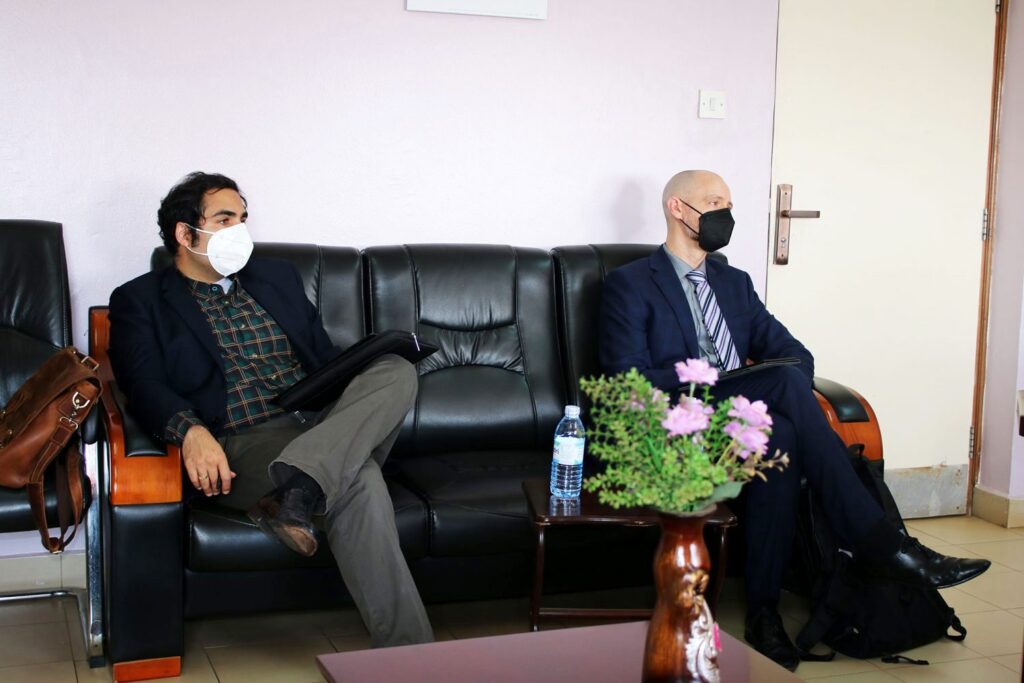
According to Dr. Krause, the mission of the innovation lab is to use the tools of economics to develop innovations with the potential to impact individuals in low- and middle-income countries. Dr. Krause expressed his interest to learn more about the policy labs that are being developed at the College. He said “In a lot of ways, I think we share a vision in that direction. Most of the time, my job is meeting with government officials and trying to encourage them to adopt something like this model. We would love to learn more about how the policy labs started and see how we can be able to accompany that process,” he said.
Dr. Krause said the objective of their visit was to find partnerships with researchers and policy makers to identify priorities for policy in the countries where they work and lend support by identifying what exists in literature that can speak to those priorities and where possible make recommendations to the policy makers. The other objective stated was to identify opportunities for the next round of research, creating a virtual cycle of evidence formed policy as we engage in this process.
Dr. Vesall, who is serving as a visiting lecturer at CoBAMS expressed his interest in the policy labs. He also expressed his willingness to contribute to the labs should an avenue be available.
Prof. Hisali said the office of the Principal would accelerate the process of signing the Memorandum of Understanding between Makerere University and University of Chicago in order to expedite the partnership between the two universities. He also extended a welcome to the founder of the labs, Prof. Michael Kramer, stating that the College would be honored to host him and gain from his expertise and experience.






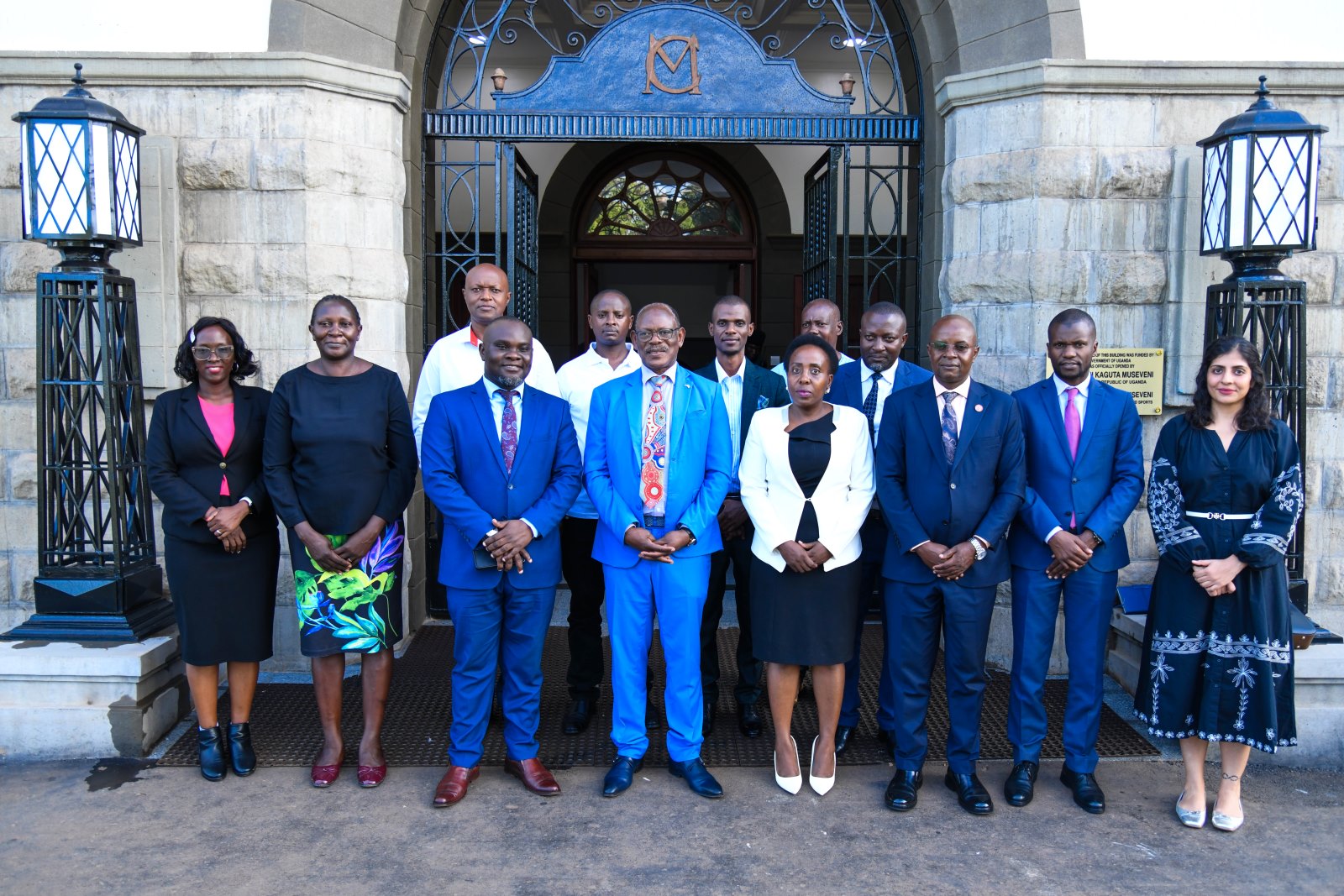
Makerere University has signed a Memorandum of Understanding (MoU) with the Insurance Training College (ITC) aimed at enhancing professional training, research, and industry engagement in the fields of actuarial science and insurance.
The signing ceremony, held on May 6, 2025, at the University Main Building, was presided over by the Vice Chancellor, Prof. Barnabas Nawangwe, and attended by officials from both institutions. The MoU will be implemented through the College of Business and Management Sciences (CoBAMS) and is expected to significantly benefit students, particularly those pursuing Actuarial Science.
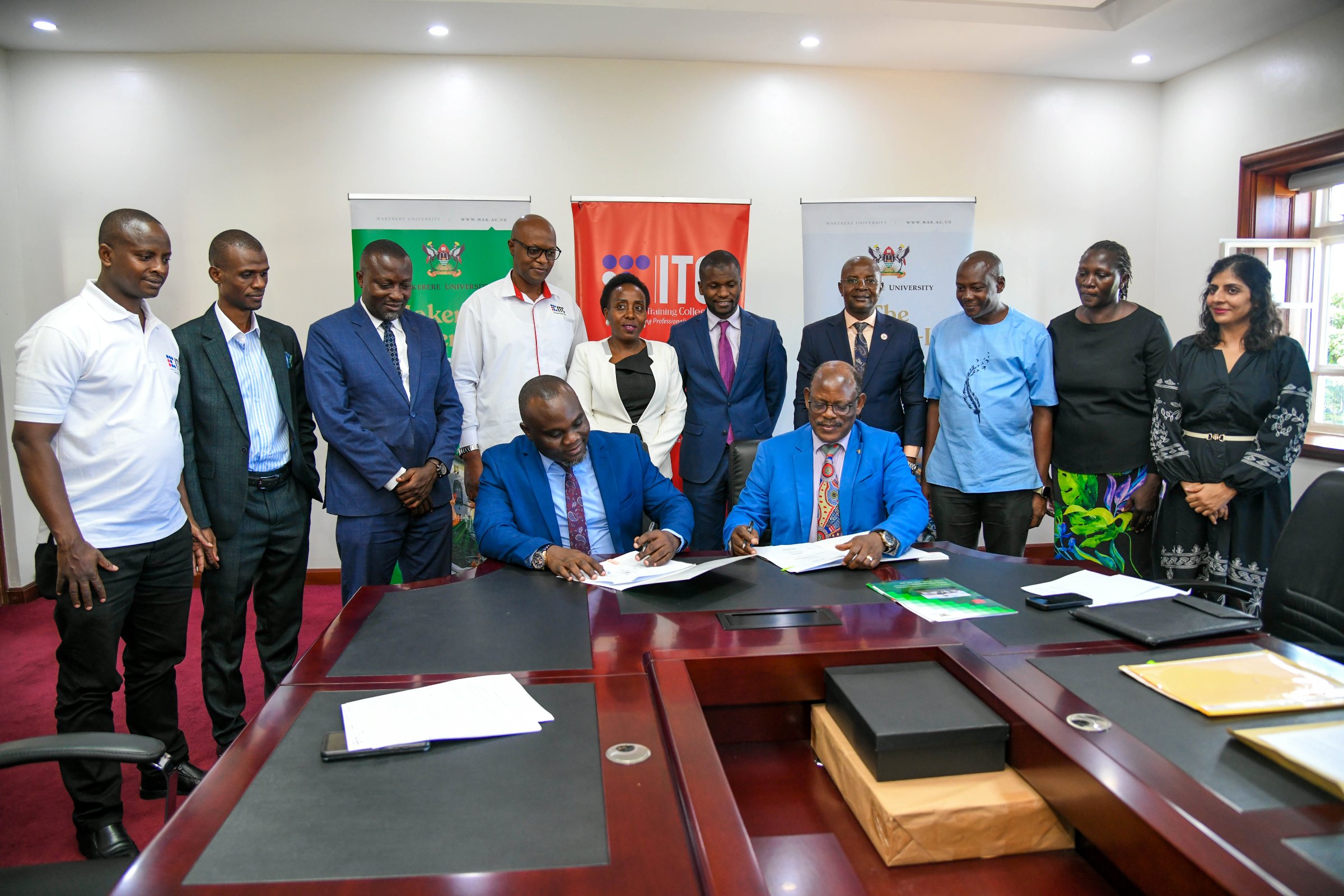
Under the new agreement, Makerere University students will receive exemptions from selected certification courses offered by the Insurance Training College, easing their path toward professional accreditation. The partnership also paves the way for joint training programs, research collaborations, internship placements, external examination services, and other mutually beneficial initiatives.
Speaking at the ceremony, Prof. Nawangwe emphasized the importance of such collaborations in preparing students for a dynamic and competitive job market.
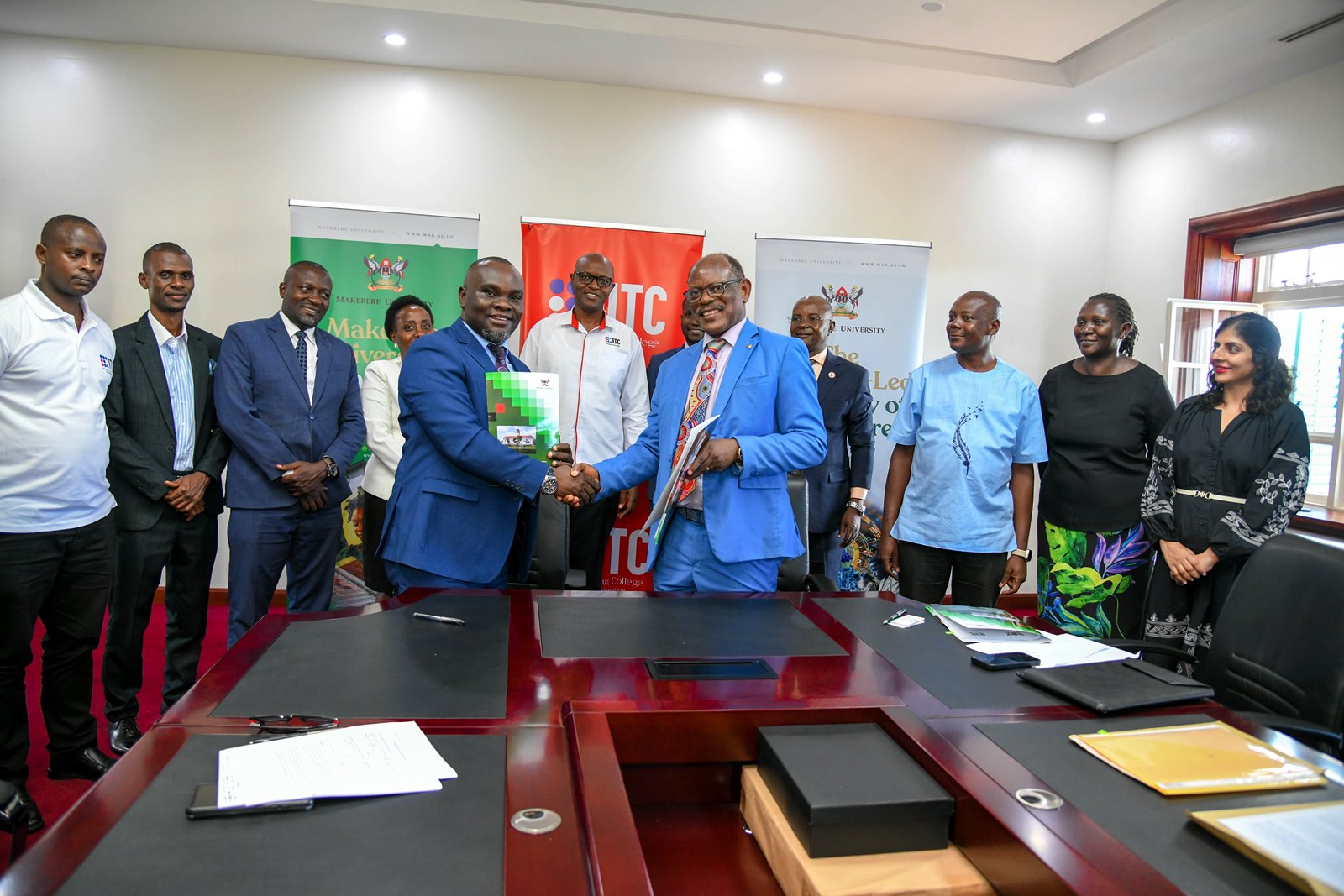
“This MoU is both timely and strategic. Collaborations with professional bodies such as the Insurance Training College ensure that our students are not only academically grounded but also professionally prepared to meet industry demands,” said Prof. Nawangwe.
“The insurance sector is one of the fastest-growing industries in the region. It requires well-trained, ethical, and innovative professionals—and Makerere University is committed to producing exactly that.”
On behalf of the Insurance Training College, Mr. Saul Sseremba, Chief Executive Officer, expressed enthusiasm about the partnership and its long-term impact.
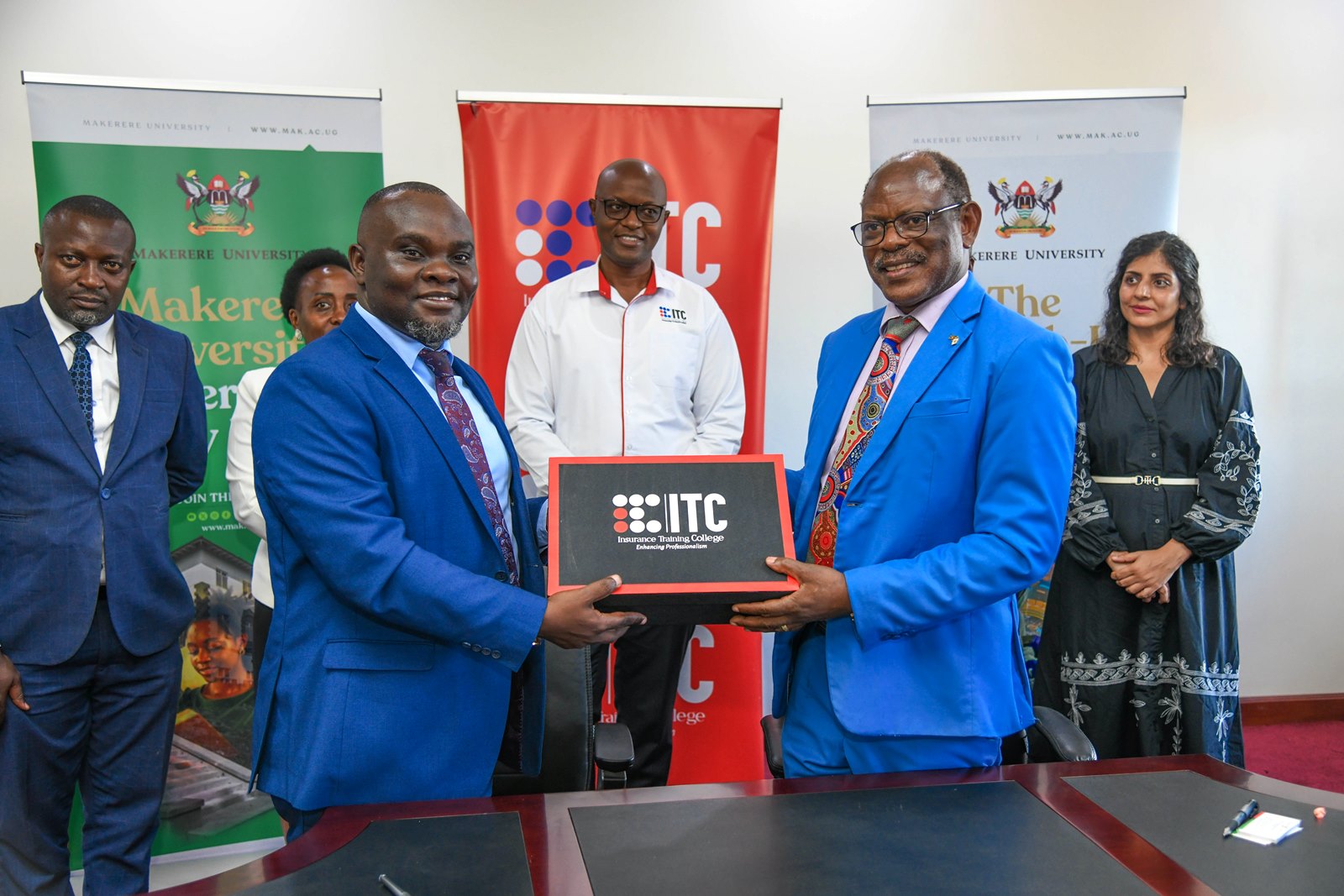
“We are excited to formalize our collaboration with Makerere University. Our goal is to build a critical mass of highly skilled insurance professionals who will drive the transformation of the sector in Uganda and beyond,” said Mr. Sseremba.
“We look forward to a fruitful relationship that blends academic excellence with industry relevance.”
Also speaking at the event, Prof. Bbaale Edward, Principal of CoBAMS, underscored the significance of the partnership in enhancing the college’s mission of bridging academic theory and professional practice.
“This MoU is aligned with our strategic goal of strengthening industry linkages and providing our students with hands-on exposure to the realities of the workplace,” said Prof. Bbaale said.
“Actuarial Science is a rigorous program, and these exemptions will ease our students’ progression into professional certification while motivating them to pursue excellence. We are grateful to ITC for this opportunity and look forward to implementing this partnership effectively.”
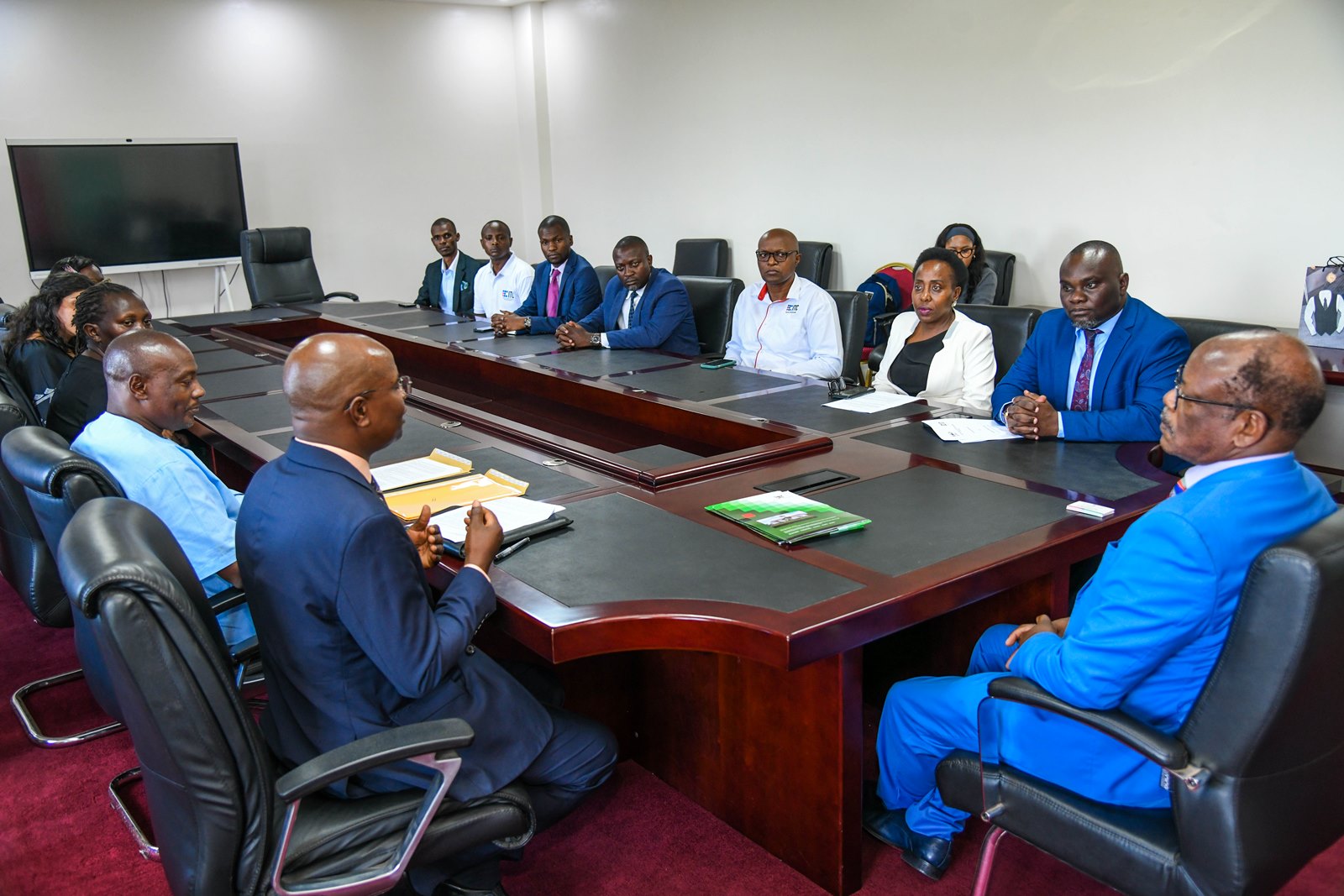
The MoU signifies Makerere University‘s continued commitment to strengthening university-industry linkages, expanding professional pathways for students, and fostering applied research that contributes to national development.
The signing was witnessed by the Head of Department, Statistical Methods and Actuarial Science, Dr. Felix Wamono, the Dean School of Planning and Statistics, Dr. Margaret Banga and Dr. Shaheen Memon – Assistant Lecturer.
The event concluded with a symbolic signing of the agreement and a commitment from both parties to begin implementation immediately.
Business & Management
Bank of Uganda holds career talk with students: Commits to Annual Monetary policy engagements

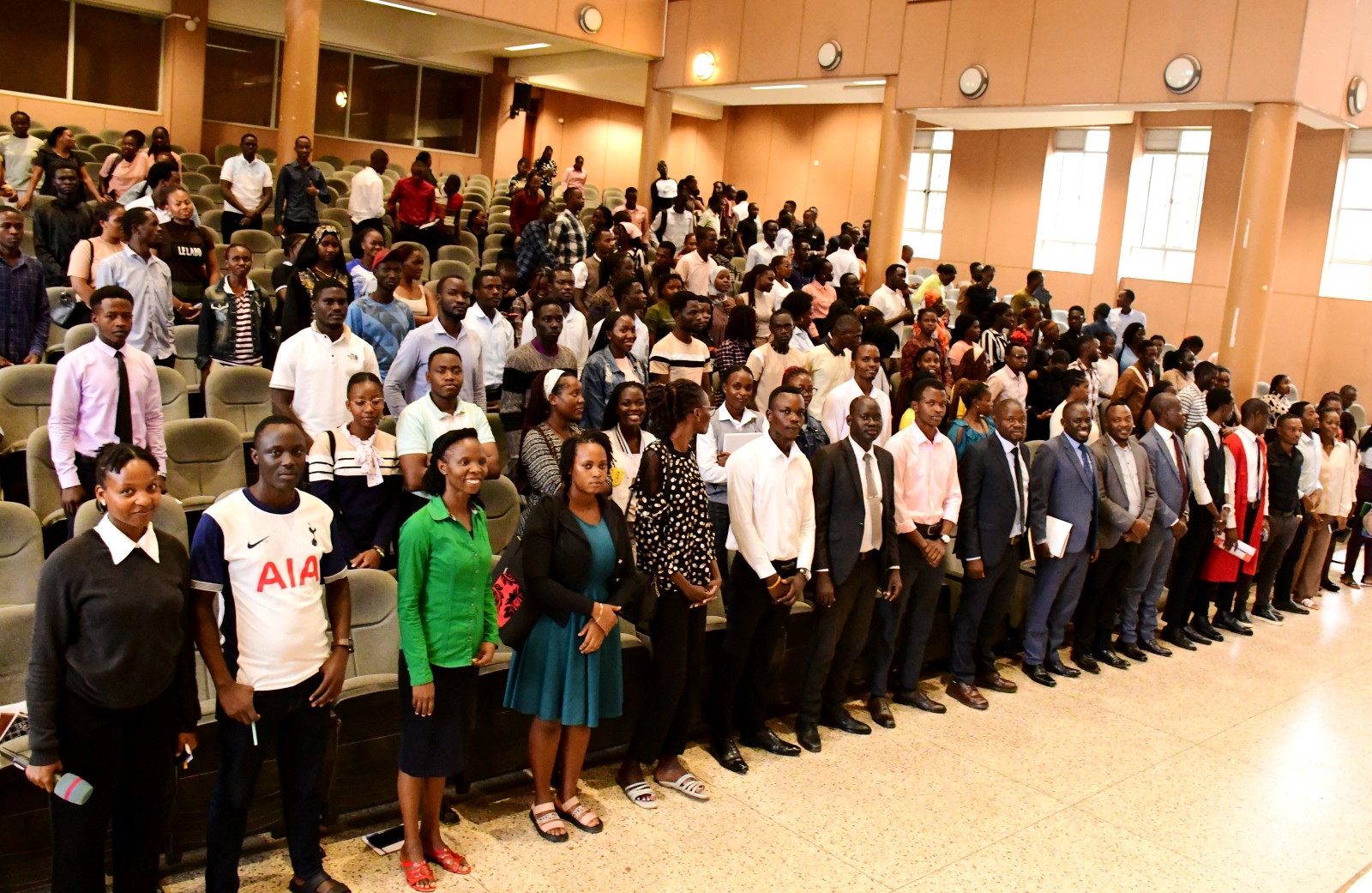
On 14th April 2025, the Bank of Uganda in partnership with the College of Business and Management Sciences (CoBAMS) hosted a career talk targeting students studying economics at Makerere University.
The Bank of Uganda is one of the leading employers of students from Makerere University. It is therefore a key strategic partner of Makerere University.
In line with the theme of the career talk, ‘Beyond the Books-Positioning Economics Students for National and Global Relevance,’ the various Speakers shared their student experiences while at the University up to graduation, and their real-life experiences as they transitioned into the world of work. This approach enabled the Speakers to manage the expectations of the students, who in turn, listened attentively to the Speakers, actively participated in the plenary, responded to questions from the Speakers, asked questions after each presentation, and requested for more engagements, mentorship and networking sessions.
From the presentations and discussion, the world of work focused on fields such as economics, business, finance, accounting, entrepreneurship, farming, the academia, the teaching profession, and any other field that presented the Speakers with an opportunity to serve their respective communities.
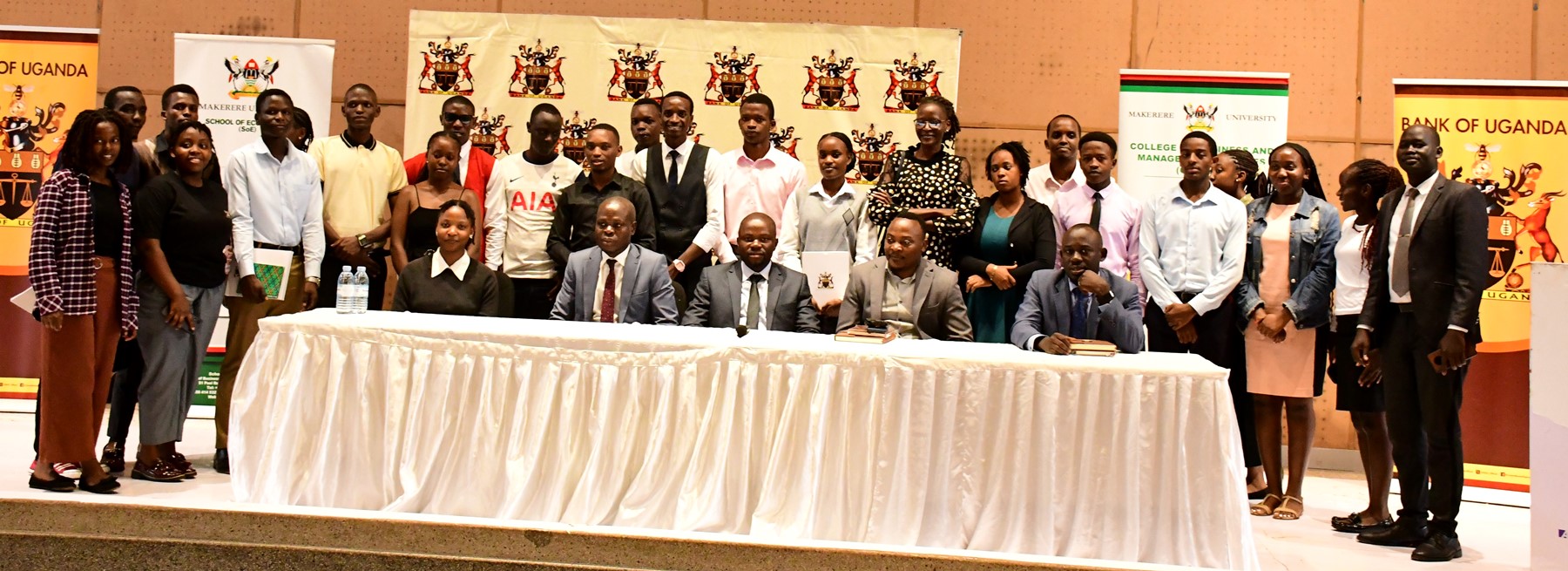
Featuring Mr. Jonah Waiswa, the Head of Stakeholder Engagement at the Bank of Uganda, the career talk, presented a scenario of, “I have walked this journey. I have been successful. When you listen to my story, you could get some tips and valuable knowledge to guide you as a student who is scheduled to transition into the world of work.”
During the career talk, the students also listened to speeches loaded with words of wisdom and inspiration from the Principal of the College of Business and Management Sciences-Prof. Edward Bbaale, the Dean of the School of Economics- Dr. Ibrahim Mike Okumu, and Lecturers from the School of Economics-Dr. Peter Babyenda and Mr. Fred Kasalirwe.
Welcoming the team from Bank of Uganda, Prof. Edward Bbaale pointed out that their presence signified a continued commitment to nurturing the next generation of economists- who are academically sound and industry-ready.
“The theme for the Career Talk was relevant and timely. As the College prepares students to thrive in a highly competitive and dynamic global economy, it is important that they are exposed to practical experiences and real world insights,” he stated.
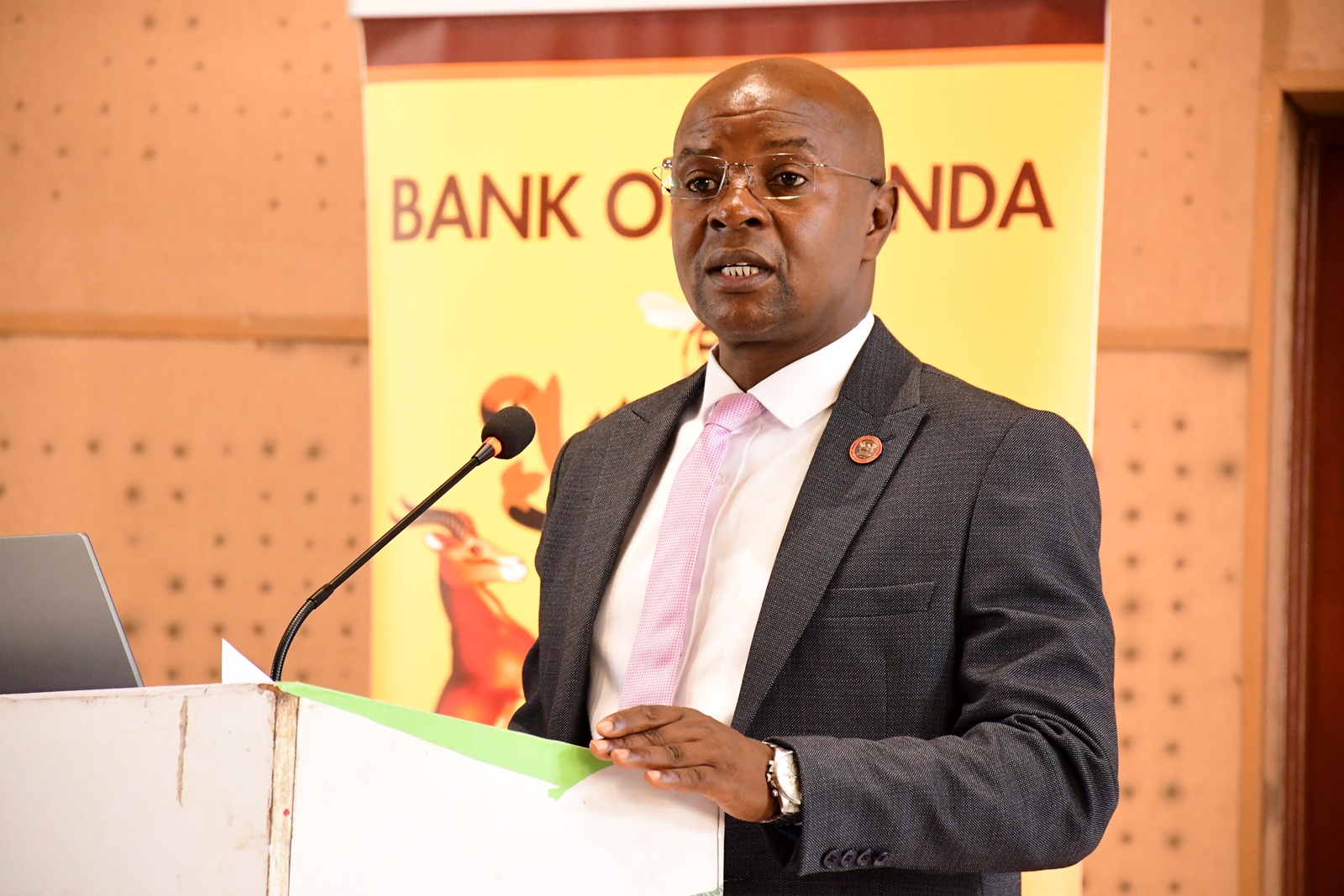
According to the Principal, the collaboration between Makerere University and the Bank of Uganda is long-standing and deeply valued. “In the past years, the School of Economics has benefited greatly from this relationship-through teaching of specialized courses such as Monetary Economics and Banking by experts from the Central Bank. Many of our alumni fondly recall these interactions that bridged theory with practice,” he remarked.
To the students, he said, “I urge you to listen keenly, ask questions and make the most of today’s interaction.”
Challenging the students to always utilize opportunities when they arise, the Dean of the School of Economics, Dr. Mike Ibrahim Okumu reminded students that economics is not just about understanding the world, but about changing it.
Dr. Okumu reported that the School of Economics’ esteemed collaboration with the Central Bank has been instrumental in developing the curriculum. “This year, we are excited to launch a Master of Science in Economic and Investment Modelling, admitting a select group of ten students. This programme signifies our commitment to producing graduates who are deeply engaged in practical applications of economics,” he stated.
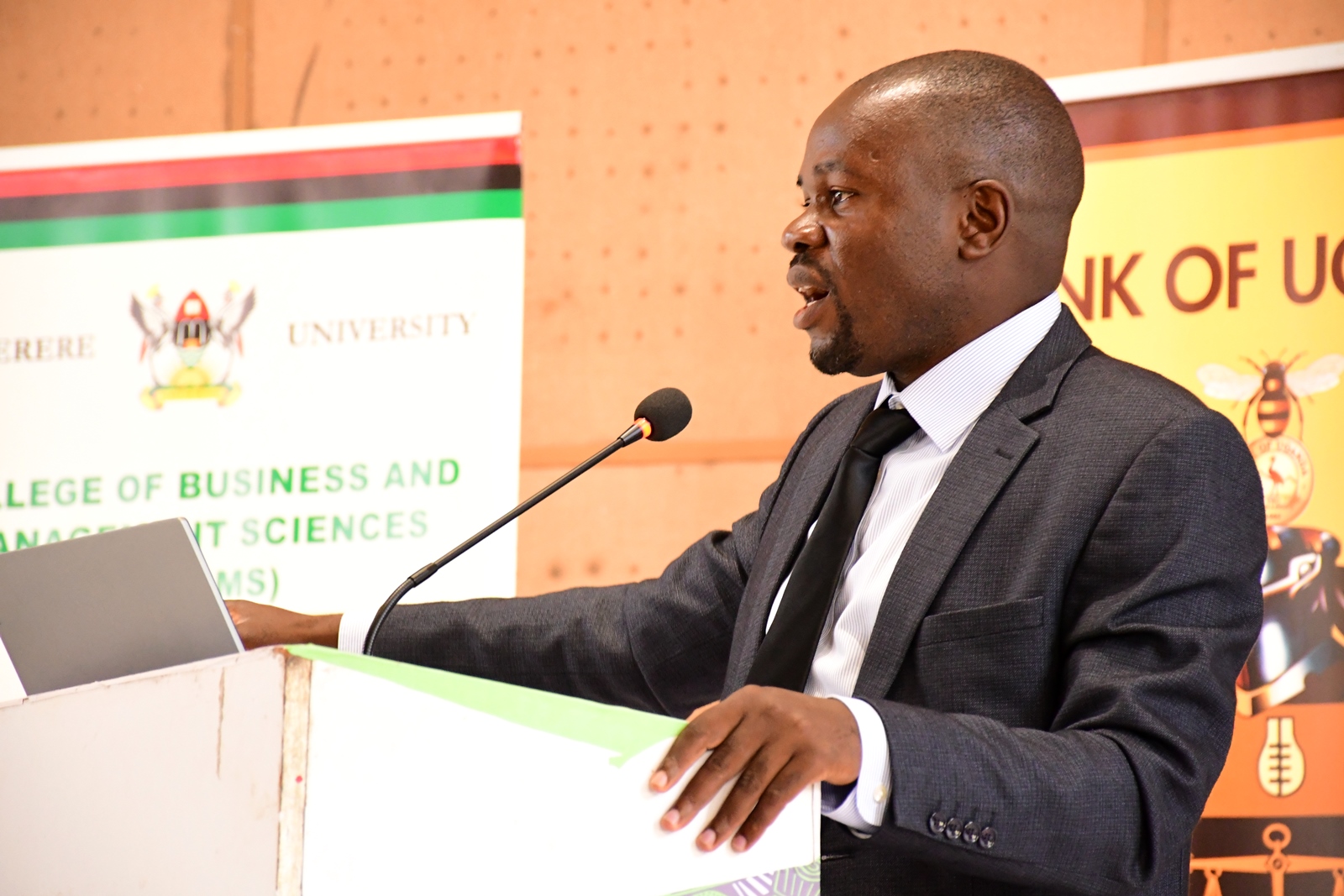
Building on the goodwill between Makerere University and the Bank of Uganda, Mr. Waiswa was pleased to address the students-who are the prospective employees of the Central Bank as well as future economists.
Impressed by the level of attendance, the keynote Speaker-Mr. Jonah Waiswa commended the College Principal, the Dean and Staff in the School of Economics and the Makerere University Economics Students Society for the excellent mobilization.
He was delighted to address students studying economics at the University because he was once like them. “I was once an undergraduate student like you. I focused on my studies and performed well. I took advantage of the opportunities that came my way. I have spent a number of years working with the central bank,” shared Mr. Waiswa, an alumnus of Makerere University who on completion of his studies was privileged to join the world of work.
In his presentation, Mr. Waiswa highlighted the Bank of Uganda’s mission to foster price stability and a sound financial system, and its vision of being a centre of excellence in upholding macroeconomic stability. The Bank of Uganda is mandated under article 162(1) of the constitution to promote and maintain the stability of the value of the of the currency of Uganda; to regulate the currency system in the interest of the economic progress of Uganda; and to encourage and promote economic development and efficient utilization of resources.
He defined concepts such as monetary policy, macro-economic management policies, inflation and stability of the economy, which are taught in the classroom at Makerere University, and applicable at the Central Bank. He stressed that the cardinal principle of the Bank of Uganda is to control inflation. He made specific reference to some of the values of Bank of Uganda namely Integrity, Accountability, Transparency, professionalism, inclusivity and innovation. He informed students that these values are central to the day to day lives of students who wish to excel in life and at the world of work.
He requested the students to always log on to the central bank website to have a broader understanding of its roles, functions, opportunities that are available to students as well as careers at Bank of Uganda.
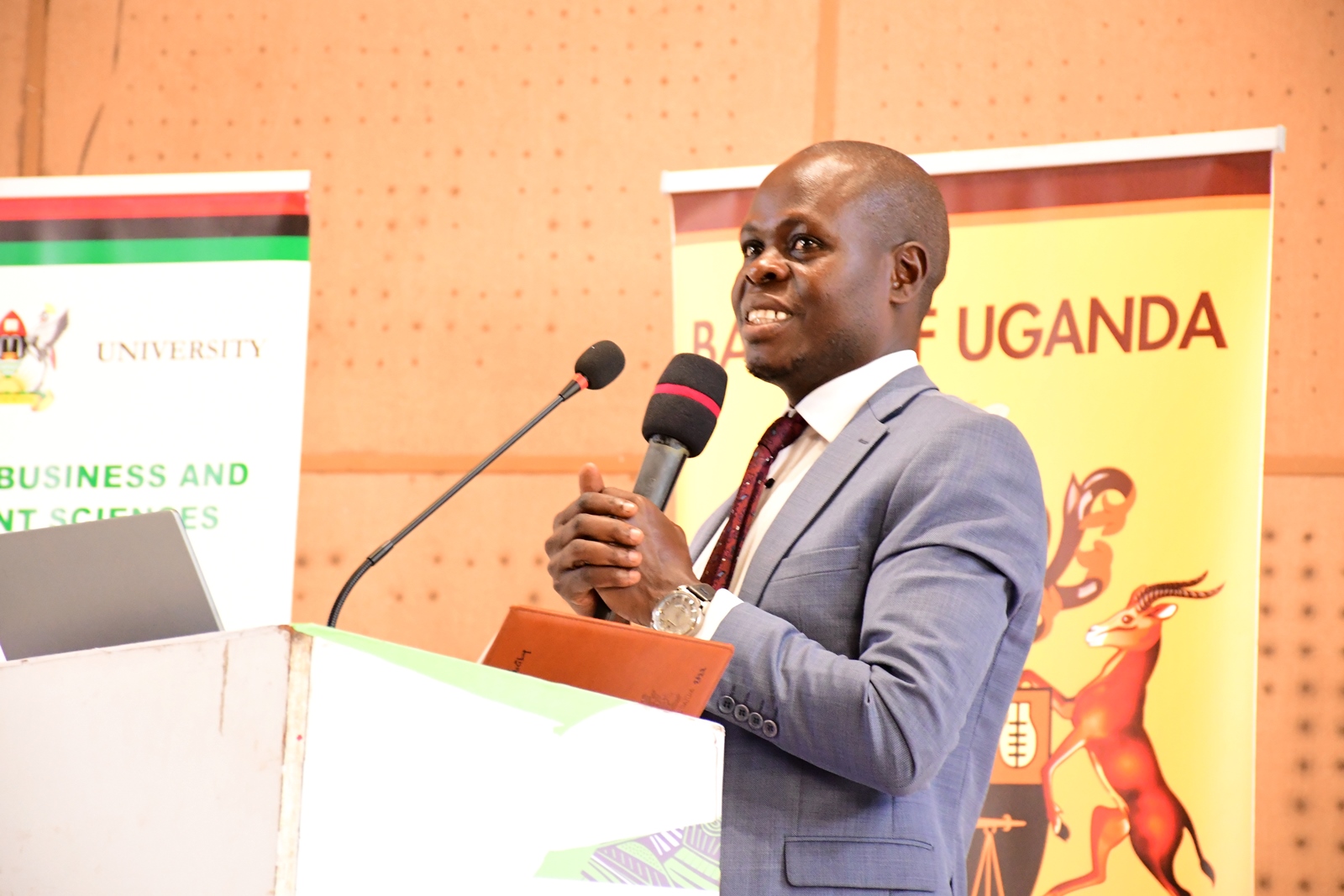
Mr. Waiswa highlighted that education is the ladder to socio-economic transformation. He called upon the economics students who have been presented with the golden opportunity to access education up to the level of the university, to reflect on the question. “How do I leverage my education to make myself better?”
With reference to the theme of the Career talk, Mr. Waiswa noted that the starting point is for each student to understand and appreciate the need to concentrate on his or her studies and excel academically. According to him, academic excellence presents an individual with a chance to tap into other opportunities.
In addition to academic excellence, students should prepare to transition into the world of work, which could be, in the form of being employed, or self-employed or an entrepreneur. Mr. Waiswa guided that whatever field in the world of work, an individual pursues, understanding aspects such as self-discipline, time-management, acquisition of additional skills relevant to your work, integrity, accountability, and among others are paramount.
He rallied students to value internship or industrial training, voluntary service, networking and mentorship. He advised them to always navigate the websites of different institutions/companies to understand their roles, the caliber of employees that they require, and to search for opportunities.
Sharing his journey of humble beginnings, completing his undergraduate degree and enrolling into the world of work based on hard-work and merit, Mr. Waiswa informed the students that it is possible to commit to breaking the chains and succeed in life. Emphasizing the importance of education, Mr. Waiswa reminded the students that the fact that they have been able to study at Makerere University, they should harness the power of education to transform their lives and the communities that they come from.
“My journey has been from humble beginnings to a position where I can influence change-it’s a testament to the power of education. Inspiration is critical, and I hope you take something valuable from today,” said Mr. Waiswa.
“For those of you in the second and third year of study, your studies in monetary economics and macroeconomics are foundational. They lead us to understand the practical implications of what we learn in the classroom. However, it’s imperative that we also focus on life experiences and the journey to transformation,” he added.
Education is the ladder that connects us, regardless of where we may find ourselves in Uganda. It is this a common ground that can propel us forward. Leveraging your education to improve your circumstances is key, but it requires a passion and a drive to succeed.
Mr. Waiswa advised the students that the world of work requires employees who read the signs and take off time to acquire additional skills in a particular field. These include: Enrolling to study professional courses, acquisition of ICT skills, adapting to trends such as AI, as well as attaining a Master’s degree in the relevant discipline.
Without mentioning the names of the affected individuals (as confidentiality is concerned), Mr. Waiswa shared a lived experience where he painful witnessed some employees who had served with dedication at a particular organisation missing out at the time for promotion to the managerial level because they lacked a Masters’ degree. He noted that such individuals did not take advantage of availability of funds provided by the same organization to its employees to enroll for further studies.
Reflecting on the world of work, he asked the students, “Who are you out of class? He challenged them to visualize their technical competence (qualification) which includes the technological expertise, productive competence, communication competence (interpersonal relations) and personal development.
On the fundamental aspect of personal growth and development, he used an illustration of the effort pyramid to explain the concepts of growth and development, Job/work, and academics.
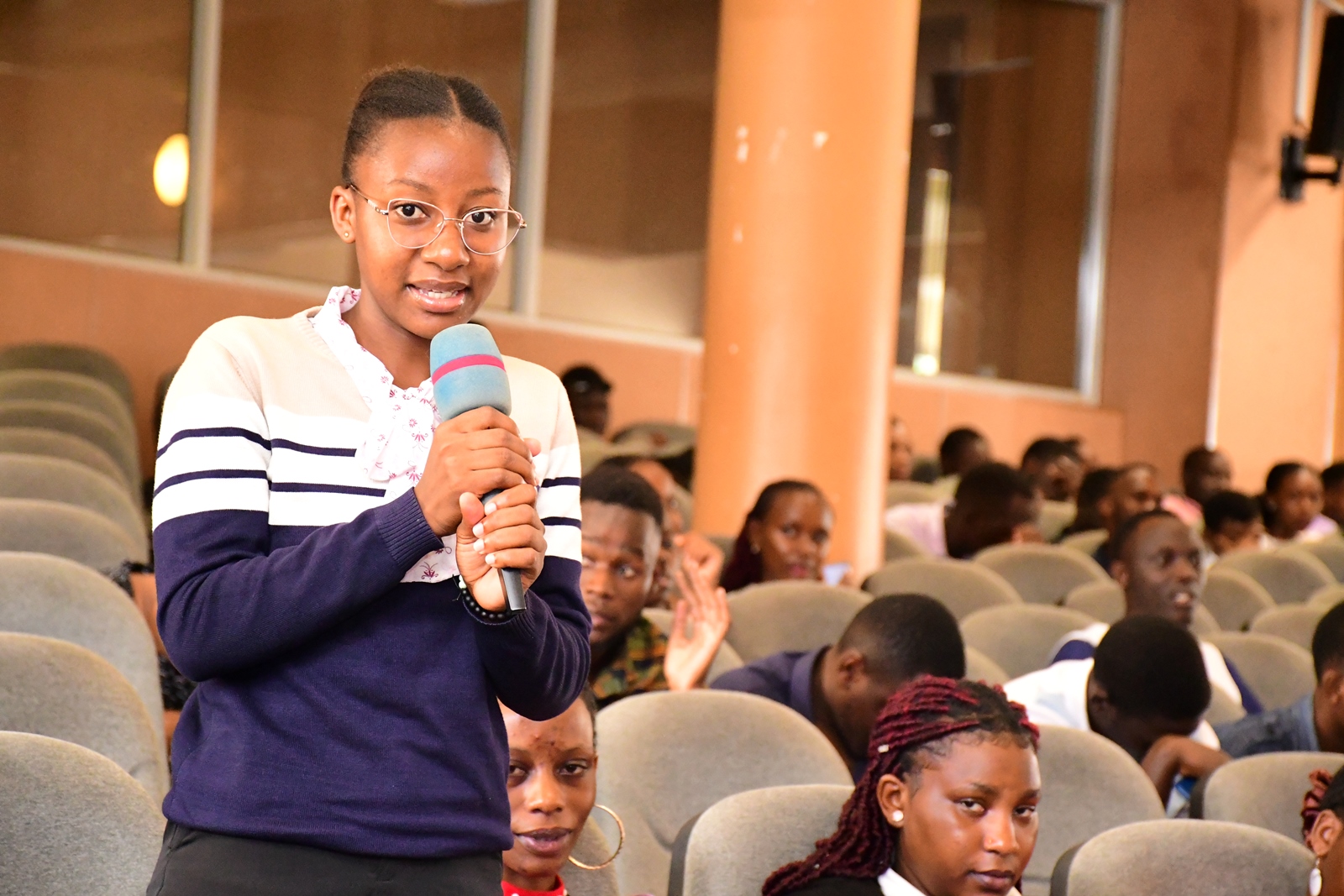
He emphasized the need for diversification by investing in more than one asset class. He mentioned stocks, bonds, real estate and cash as some of the asset allocations that could be considered.
Tackling the area of investing, Mr. Waiswa revealed that fundamental wealth creation is about managing risk. “During investment decisions, we are presented with profits and losses, but the most important factor is managing risk,” he guided.
Underscoring the value of being accountable, Mr. Waiswa explained that when an individual secures a job, it is imperative that he or she works for the number of hours agreed upon, and delivers to the best of his or her ability. “After you have accorded your employer the hours agreed upon, it is important to use the rest of the hours or weekends to take on activities that advance your personal growth, networks and additional sources of income,” he said. In this regard, he informed the students, that after his working hours at the Bank of Uganda, he ventures into real-estate, farming, entrepreneurship and building valuable networks.
On the issue of prioritizing work and valuing networks, he said: “Despite my busy weekends dedicated to farming, I prioritized being here today because I am committed to my personal growth and that of my future generations. Remember that what you expect of life is often what you have to work tirelessly to achieve.”
He believes that after graduation and getting into the world of work, one should be able to marry or get married, produce children and balance work with family when he or she is still energetic. He encouraged the would be husbands to trust their partners, to be specific-by involving their wives in businesses and decision making processes.
Wrapping up, Mr. Waiswa disclosed that officials from the Bank of Uganda will be scheduled to come to Makerere University every year to discuss monetary policy and career prospects at the Bank. “Effective July 2025, we will implement a deliberate plan to come and engage with students at the College of Business and Management Sciences,” he said.
On behalf of the students, Mr. Swaibuh Damulira, the President of the Makerere University Economics Students Society applauded the Bank of Uganda team for creating time to enlighten students about the world of work. He testified that the career talk had enabled him to learn new things and very important ideas about the life style cycle. He called for continuity of career guidance initiatives for the benefit of the students.
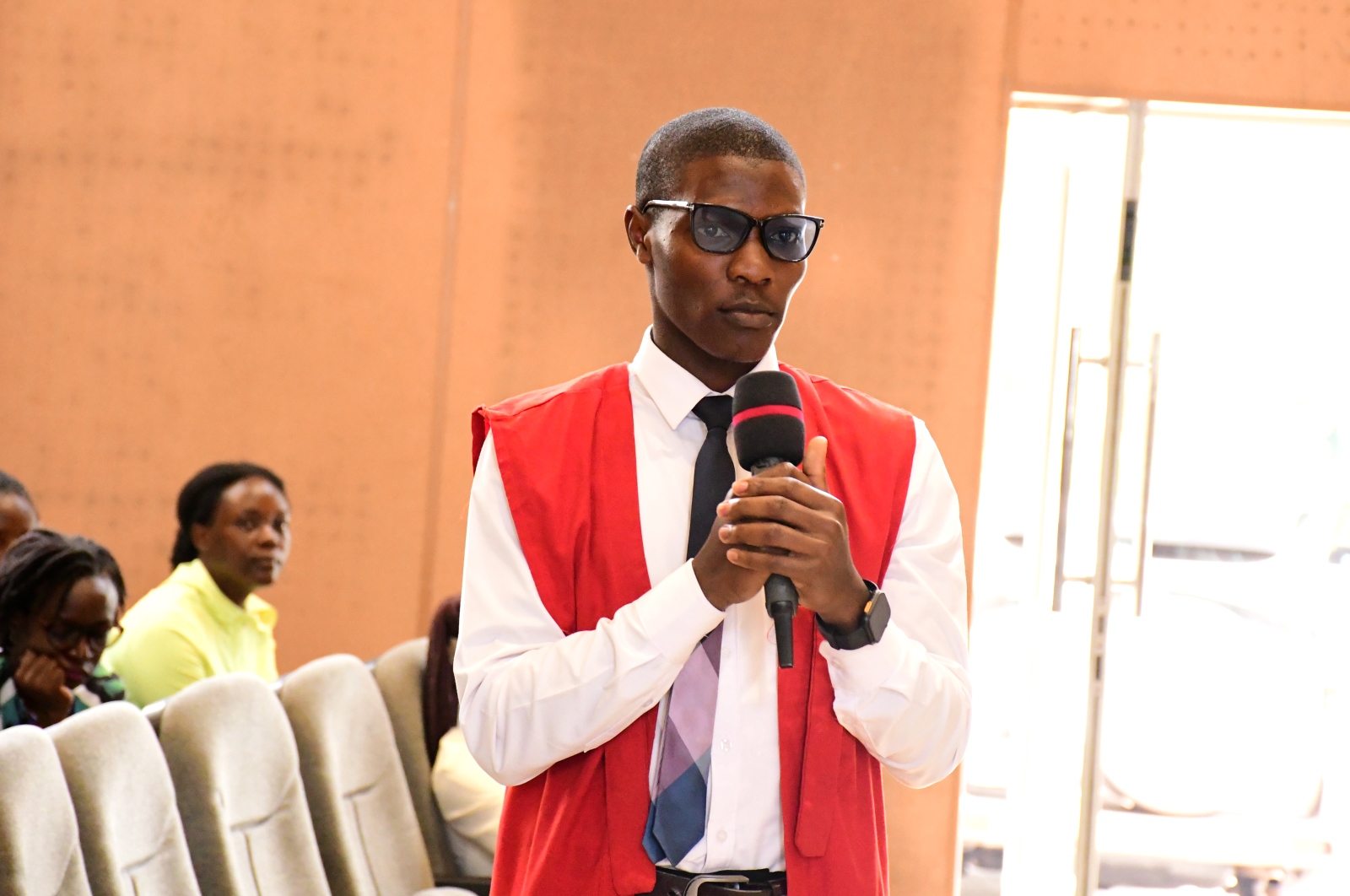
On behalf of the Organising Committee, Dr. Peter Babyenda thanked Mr. Jonah Waiswa for dedicating time to share his rich and wide real life experiences with students. “As economists, it is vital to understand current challenges and devise solutions. Networking is essential for it presents us with the ability to collaborate effectively,” he explained.
“Together, we aim to link the University with policy makers, reducing the distance between the academia and the real world. I thank Fred Kasalirwe and the Class coordinators for their unwavering support in organizing this career talk,” he remarked.
Dr. Babyenda underscored the importance of students’ participation, when he stated, “Remember, the university experience is incomplete without you, our students, who are our greatest resource. Let us continue fostering these important connections.”
The career talk climaxed with a specialized session scheduled for student leaders to visit the Central Bank next month for an in-depth discussion.

-
 General1 week ago
Call for Applications: Admission to Postgraduate Programmes 2025/2026
-
 Humanities & Social Sciences1 week ago
Over 2,000 Attend Makerere’s Dialogue on Traditional Spirituality, Herbal Medicine, Witchcraft and Questions of Truth
-
 General4 days ago
Accommodation during the Recess Term: 2024/2025
-

 General2 weeks ago
Phase 1 of e-Learning initiative at Makerere University registers remarkable achievements
-
 General2 weeks ago
ARIPO, URSB Visit Mak, Discuss IP & Patenting