
Veterinary & Biosecurity
First Symposium on Bacteriophage Research & Applications in Uganda Highlights Remarkable Milestones & Future Prospects

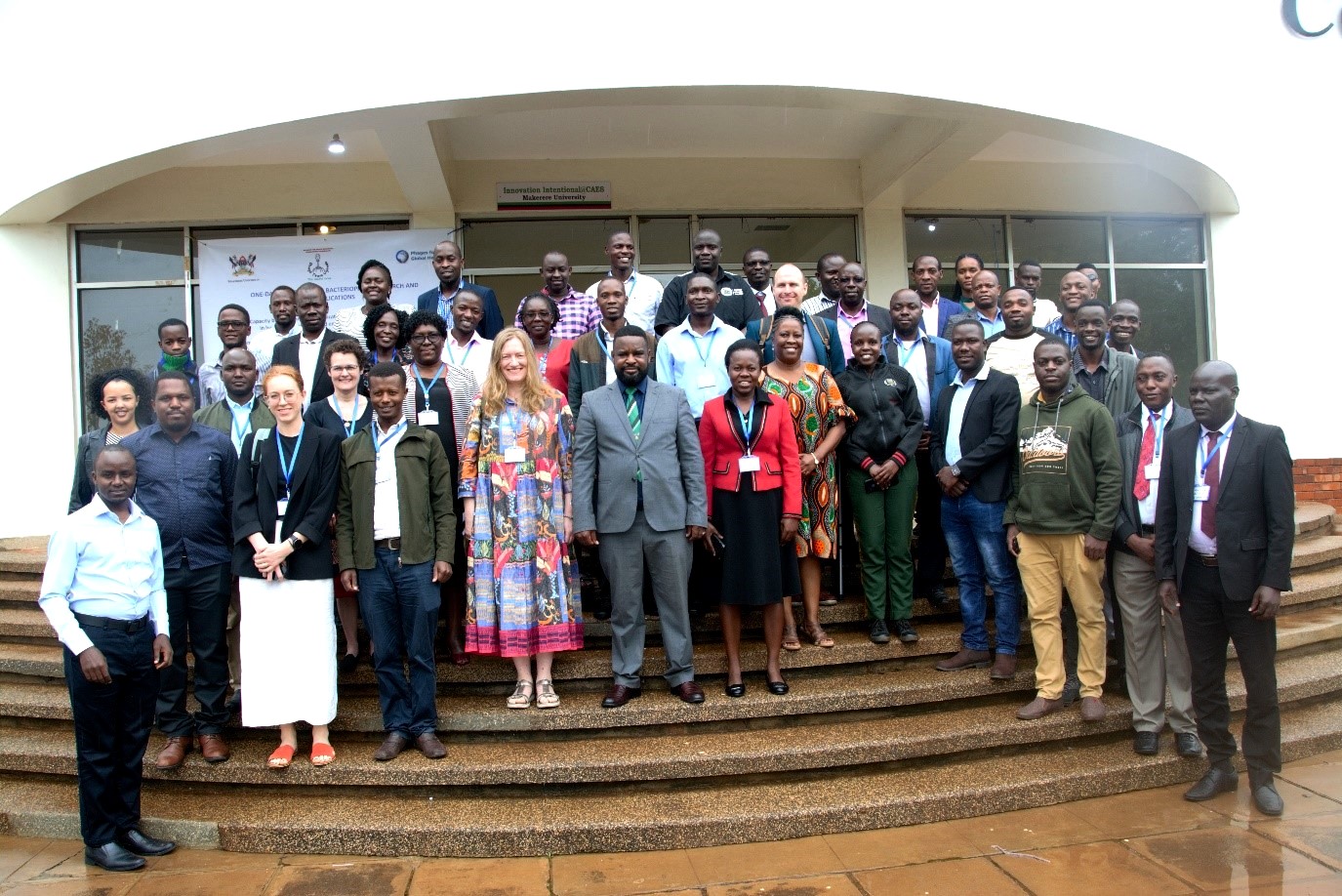
Bacteriophage research and its applications were the focal point of the 1st Symposium on Bacteriophage Research and Applications, convened by Makerere University‘s College of Veterinary Medicine, Animal Resources and Biosecurity (CoVAB) on Thursday, March 27, 2025. This landmark event showcased Uganda’s strides in harnessing bacteriophages as innovative solutions to antimicrobial resistance (AMR) and other pressing health and agricultural challenges.
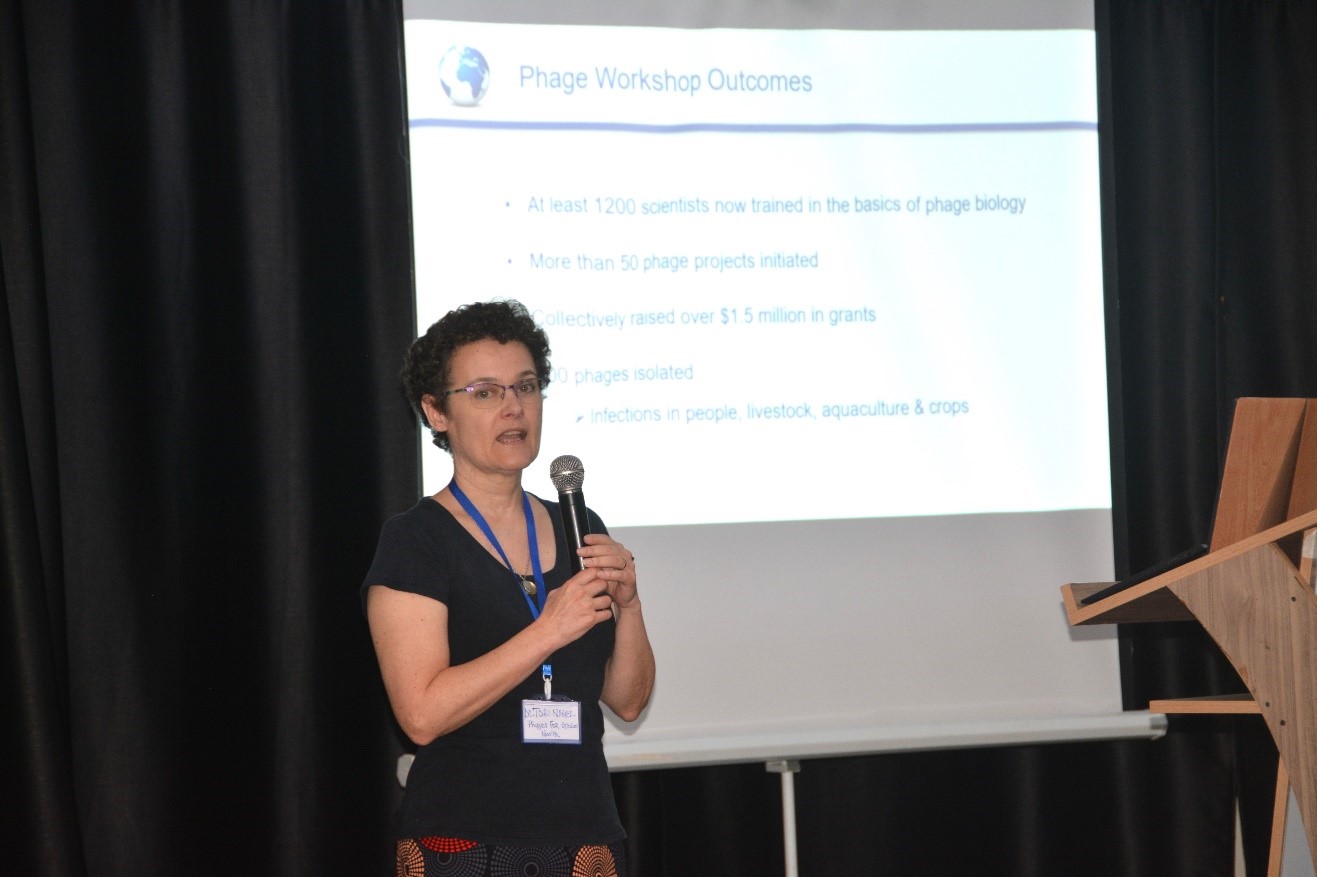
Key speakers included Dr. Jesca Nakavuma, CoVAB (Makerere University), who showcased Uganda’s pioneering phage research initiatives and vision. Tobi Elaine Nagel, the President of Phages for Global Health (USA), discussed the global significance of phage research. Prof. Martha Clokie, from the University of Leicester’s Centre for Phage Research (UK), shared insights into the latest advancements in phage therapy. Dr. Robert Blasdel, representing VASALE (Belgium), presented innovative solutions using bacteriophages. Ms. Abigail Riggs, from the Foreign, Commonwealth and Development Office (UK), emphasized international partnerships and policy development.
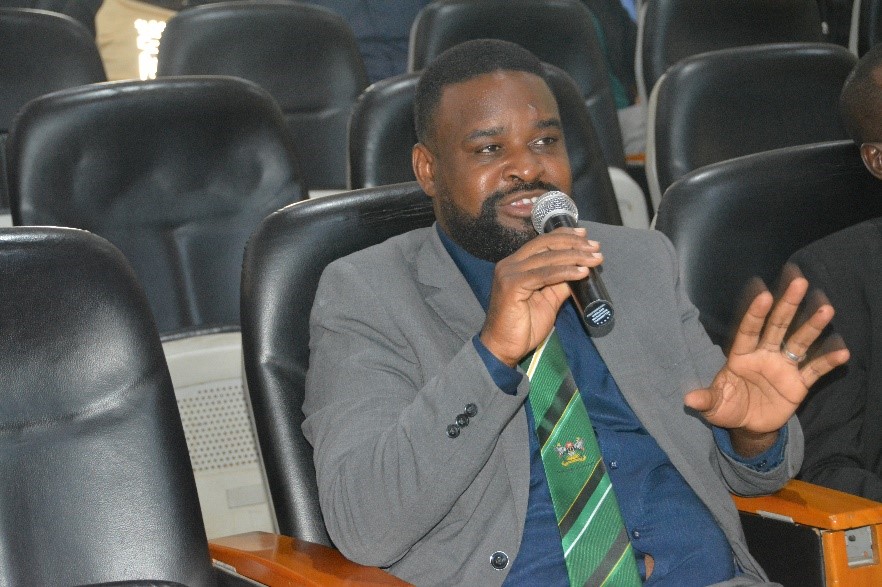
Speaking at the event, Prof. Edward Wamala, Makerere University’s Director of Research, Innovation and Partnerships, who represented the Vice Chancellor Prof. Barnabas Nawangwe at the event, highlighted the critical role of bacteriophage research in addressing the global threat of antimicrobial resistance (AMR). He explained how the misuse and overuse of antibiotics in human health, agriculture, and aquaculture have accelerated the emergence of drug-resistant bacterial strains, rendering standard treatments ineffective. Citing statistics from the World Health Organization, he pointed out that AMR claims over 1.3 million lives annually, a number expected to rise without urgent action. He lamented the stagnation of new antibiotic development due to high research costs and rapid bacterial resistance, making bacteriophage therapy a powerful and promising alternative.
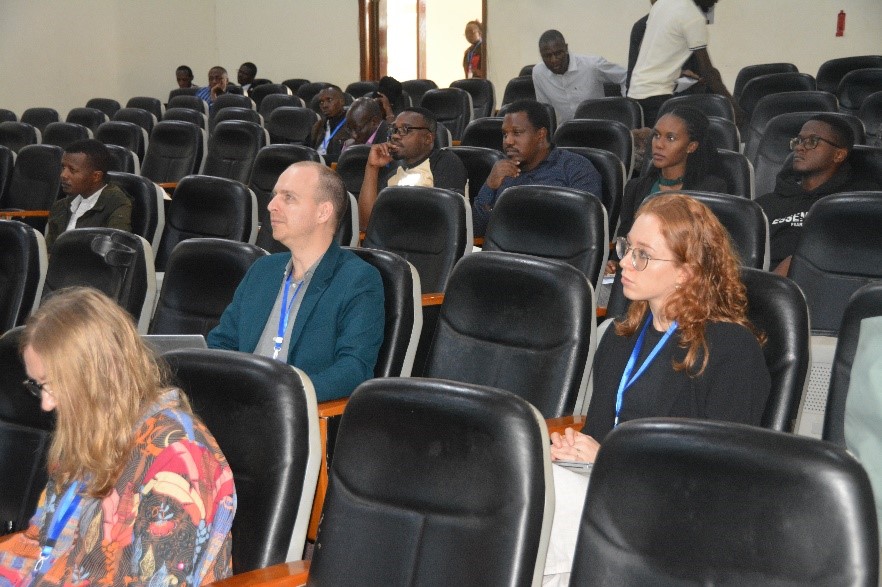
Prof. Wamala expressed Makerere University’s commitment to advancing research that addresses critical societal challenges, aligning with its mission of generating transformative knowledge and fostering sustainable development. He emphasized Uganda’s potential to lead in bacteriophage research, driven by multi-disciplinary partnerships and capacity building. He also highlighted ongoing studies into aquaculture-specific bacteriophages at CoVAB as an example of how phage technology can revolutionize sectors like agriculture while addressing AMR. Through such efforts, the university aims to position Uganda as a global leader in innovative solutions to combat antimicrobial resistance and enhance public health.
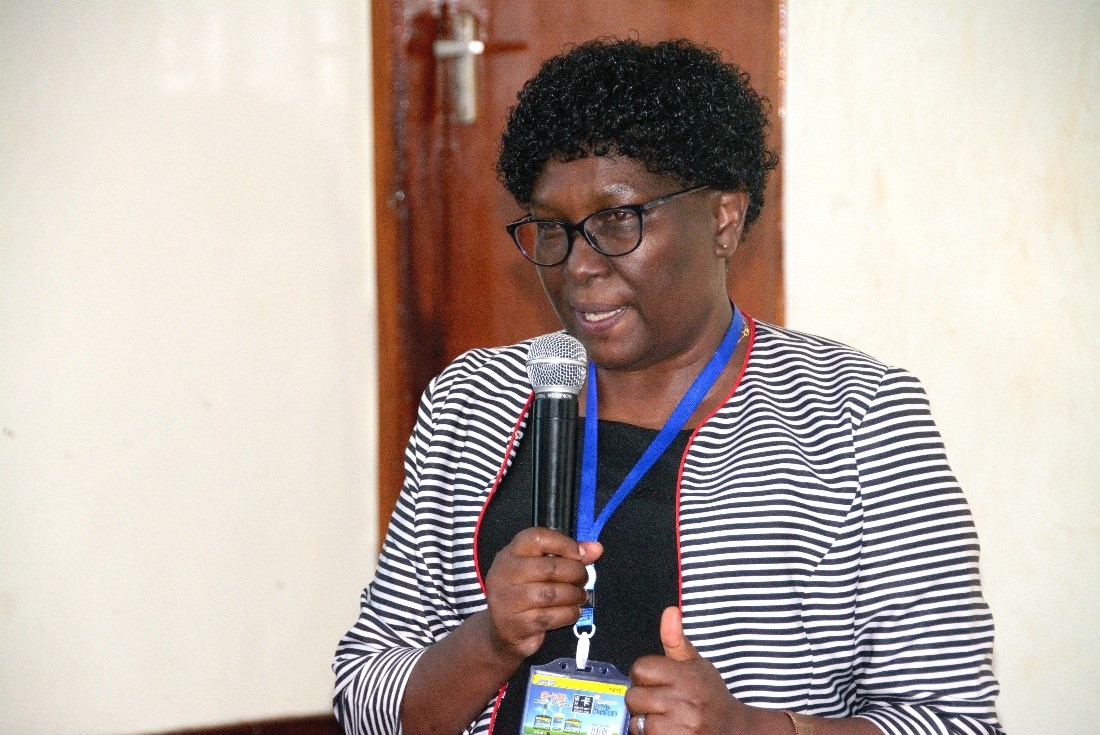
Dr. Jesca Nakavuma, widely regarded as the mother of phages in Uganda, delivered a compelling presentation at the Symposium, where she detailed the impressive progress of phage research in Uganda since its inception in 2017. She highlighted Makerere University’s pioneering efforts, starting with a cohort of five undergraduate students, which have since expanded into groundbreaking research addressing challenges in agriculture, clinical health, food safety, and environmental safety. Key achievements include advancements in E. coli and Salmonella detection, tackling avian colibacillosis, and innovations in decontamination methods, underscoring the transformative potential of phage technology in combating antimicrobial resistance and enhancing public health.
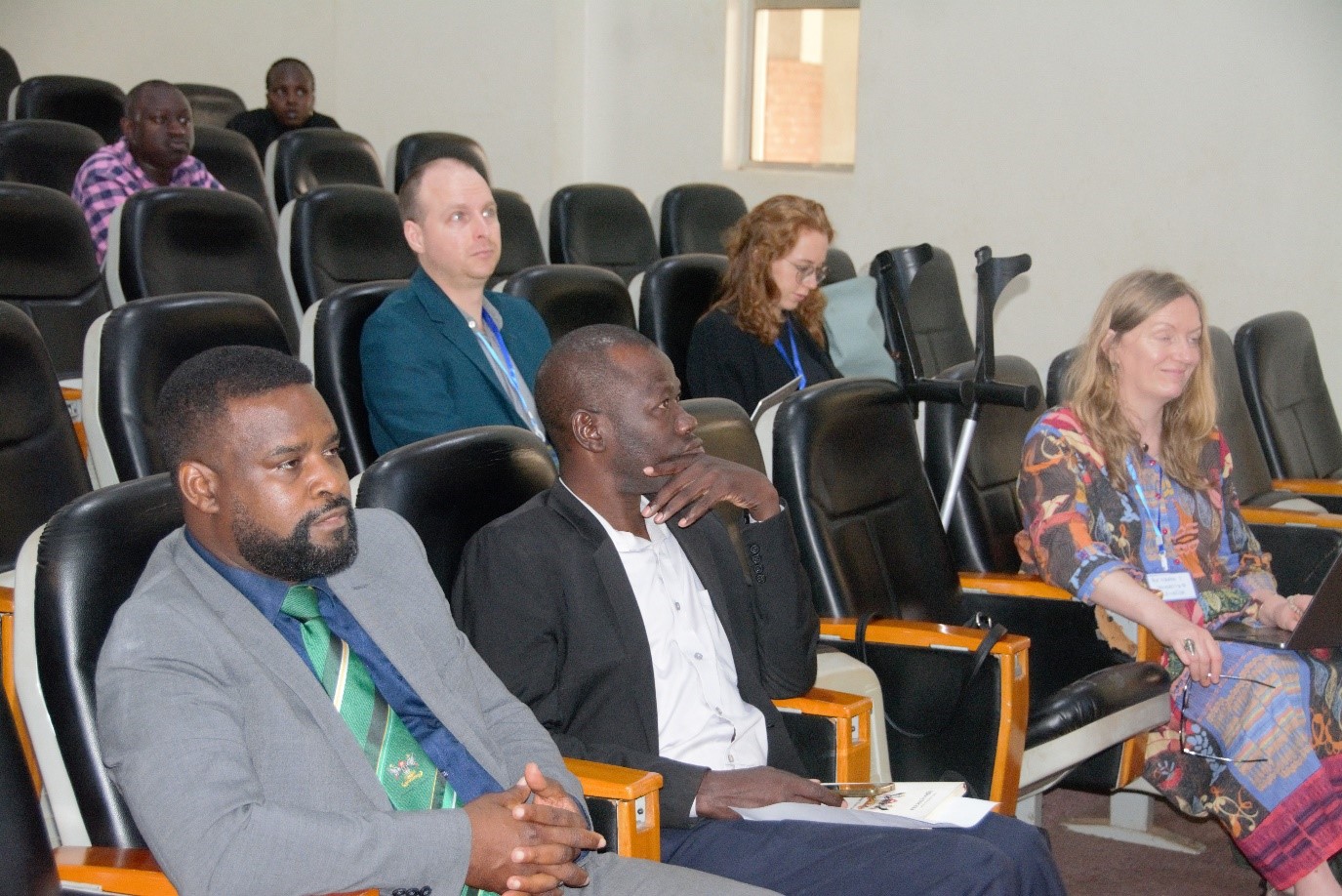
The symposium honored collaborative efforts, including the establishment and accomplishments of Phage Team Uganda, which developed a repository of 125 characterized phage isolates and trained over 20 PhDs, MScs, and BSc students. Partnerships with international organizations such as IDRC InnoVet AMR and AU Safe Fish have significantly contributed to advancements in antimicrobial resistance and aquaculture.
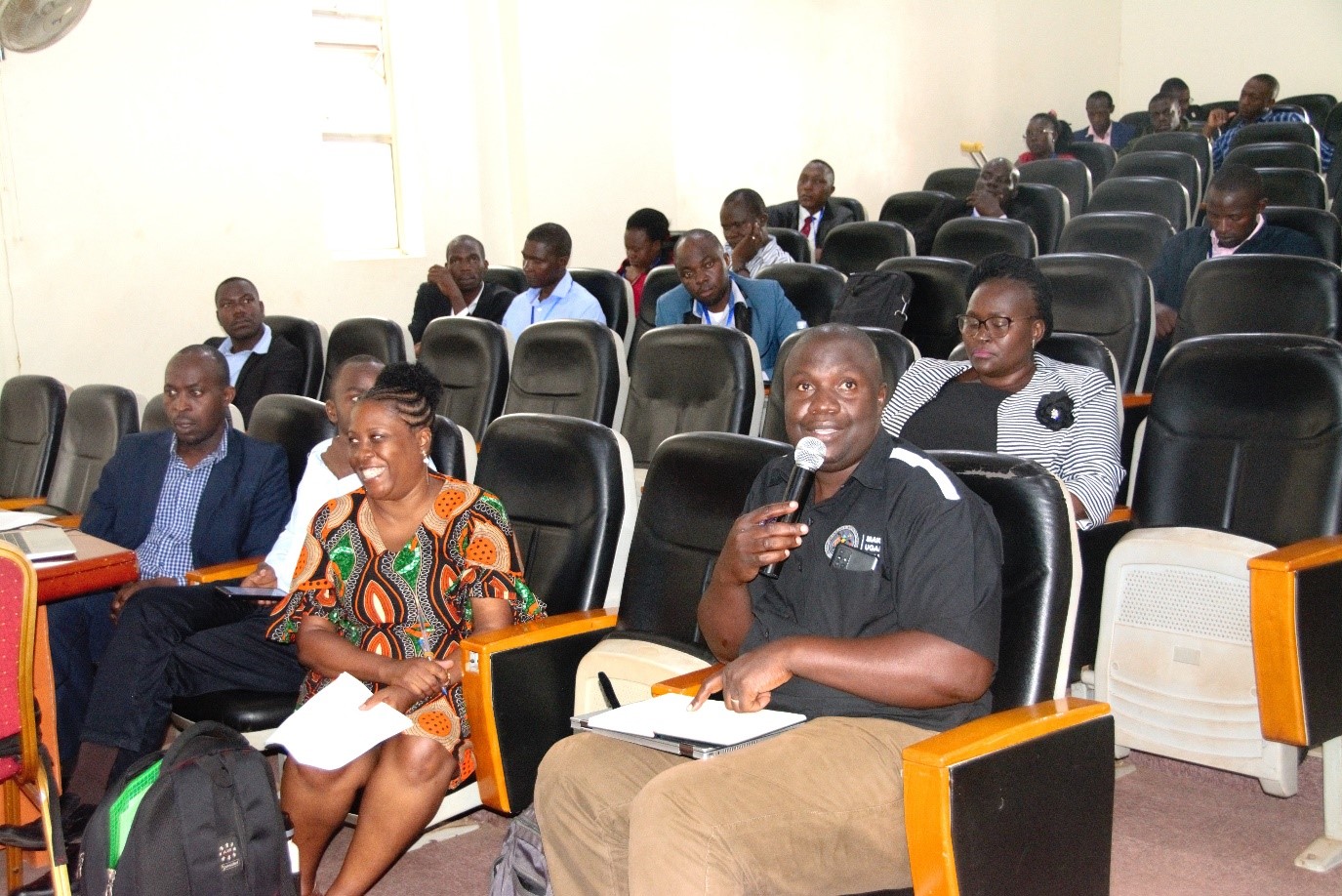
Despite these achievements, Dr. Nakavuma noted challenges such as insufficient facilities for large-scale phage production, regulatory limitations, and financial constraints. She affirmed that despite the challenges, the team remained ambitious, envisioning the creation of a fully equipped Phage Research and Development Center, the commercialization of phage products, and the establishment of policy frameworks to support the use of phages in Uganda.
The Deputy Principal of CoVAB, Prof. James Acai Okwee, warmly welcomed the partners to the conference and acknowledged their invaluable contributions to the college’s research efforts. He emphasized the importance of collaboration in driving innovation and achieving impactful results, highlighting the pivotal role that partnerships play in fostering academic and scientific growth. Prof. Okwee’s remarks set an encouraging tone for the conference, reinforcing the college’s commitment to advancing research initiatives and creating opportunities for shared learning and development.
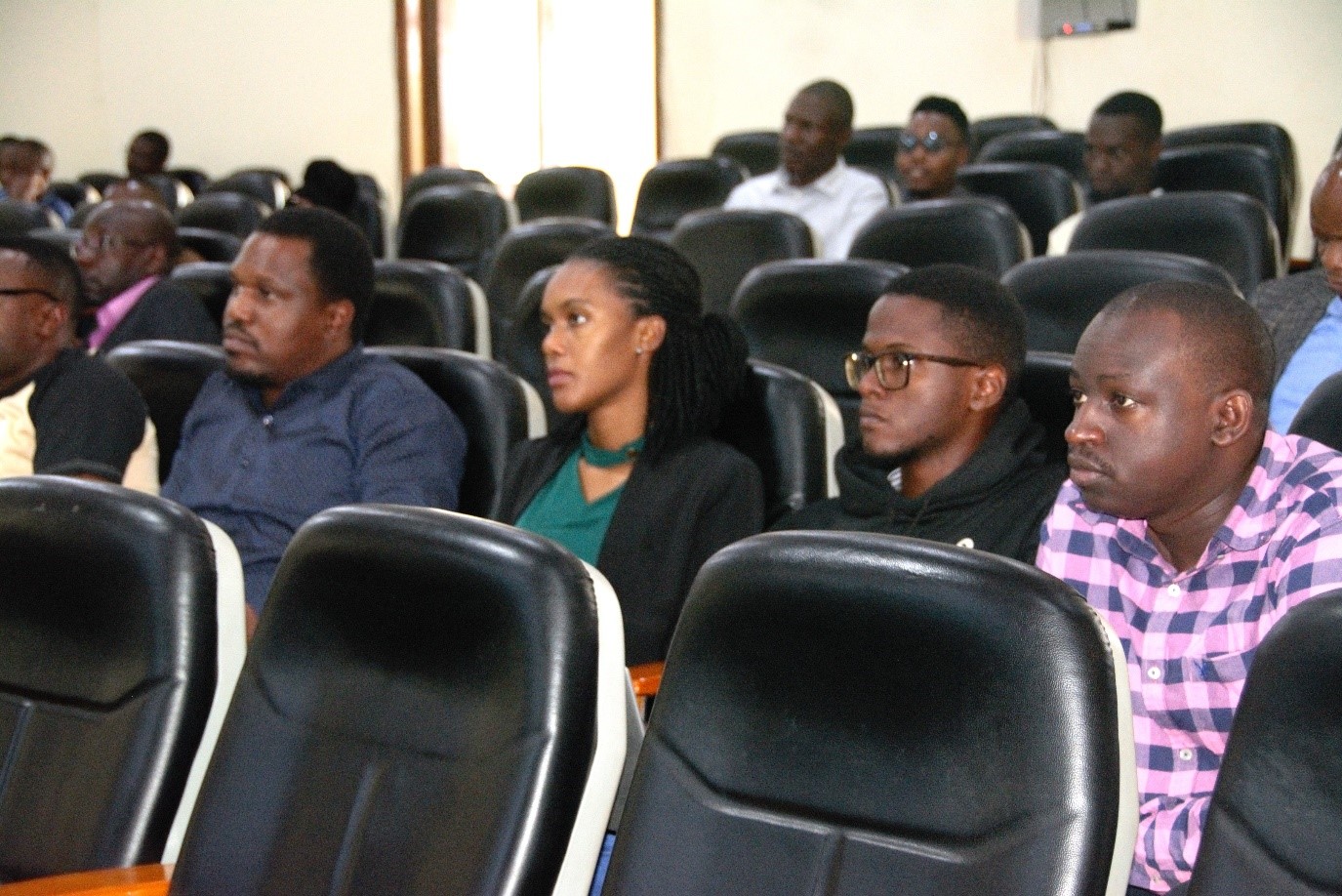
The event that attracted the participation of various stakeholders including academia, civil society, and policy makers, concluded with acknowledgments of the efforts of Phage Team Uganda, collaborators, and funders, setting the stage for an exciting future in Uganda’s journey to combat antimicrobial resistance and ensure food and environmental safety.




Veterinary & Biosecurity
NRM’s Rose Namayanja Seeks Partnership with CoVAB to Boost Farmer Productivity through Research and Innovation
The Deputy Secretary General of the National Resistance Movement (NRM), Ms. Rose Namayanja, has called for stronger collaboration between researchers and farming communities to ensure farmers access the right information, technologies, and products needed to improve agricultural productivity and livelihoods.
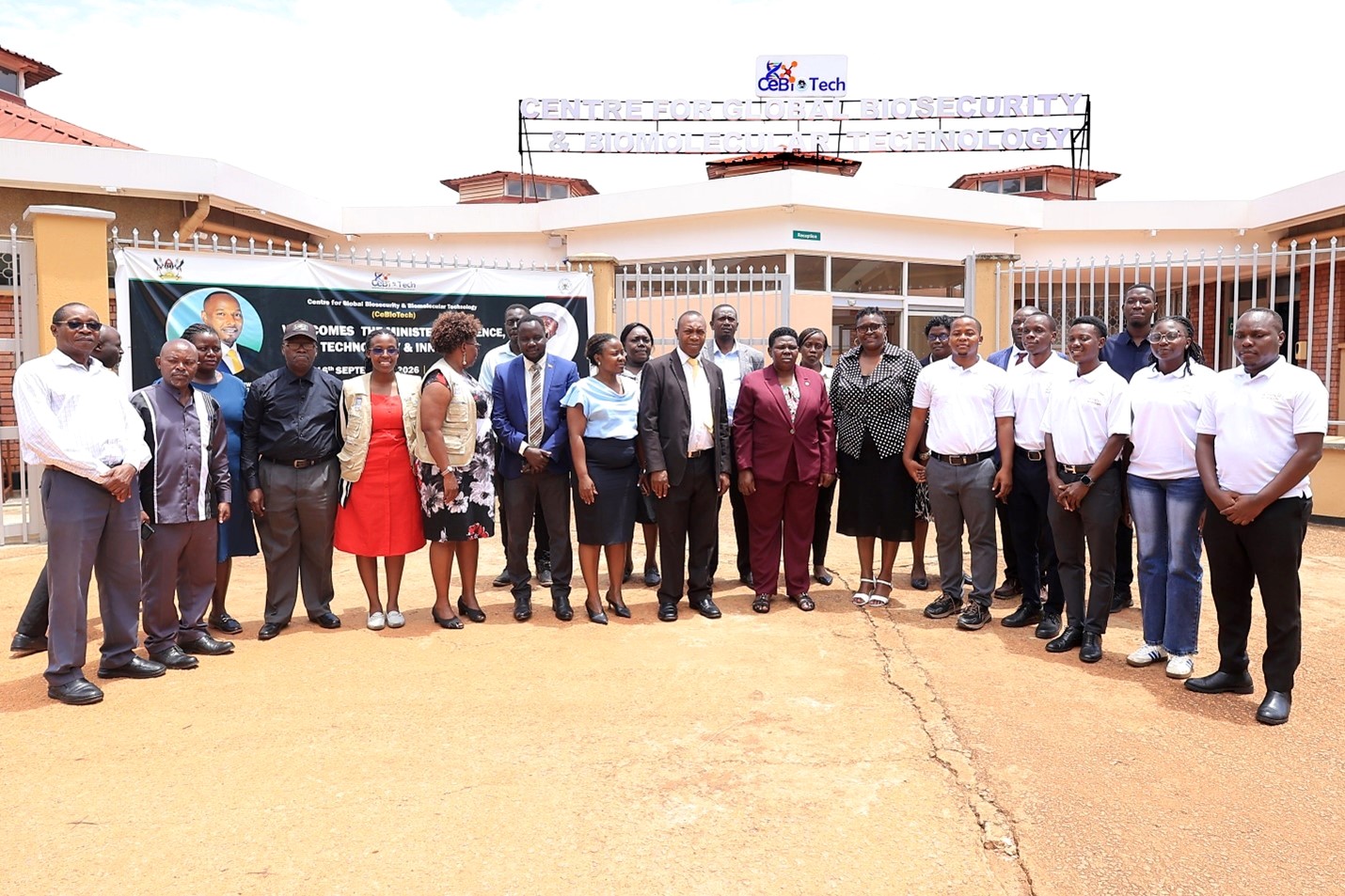
Namayanja made the remarks during a visit to the College of Veterinary Medicine, Animal Resources and Biosecurity (CoVAB) at Makerere University on October 12, 2026, where she interacted with researchers and innovators working on various agricultural solutions. A key focus of the engagement was AZOLLA, an innovative low-cost protein source being developed as an alternative livestock feed ingredient to help reduce feed costs and improve farmer productivity. She explained that her visit to CoVAB was intended to obtain first-hand, research-based information that could be shared with other stakeholders and used to provide informed guidance to farmers.
While reflecting on the performance of beneficiaries of the Parish Development Model (PDM), Namayanja noted that government efforts to train and support farmers were yielding positive results in many areas, citing Mubende Municipality as an example. However, she expressed concern about the escalating cost of animal feeds, which continues to affect farmers across the country. She specifically cited the high price of ‘Akalungo’, a protein premix commonly used in livestock feeds, as one of the challenges undermining profitability in the agricultural sector.
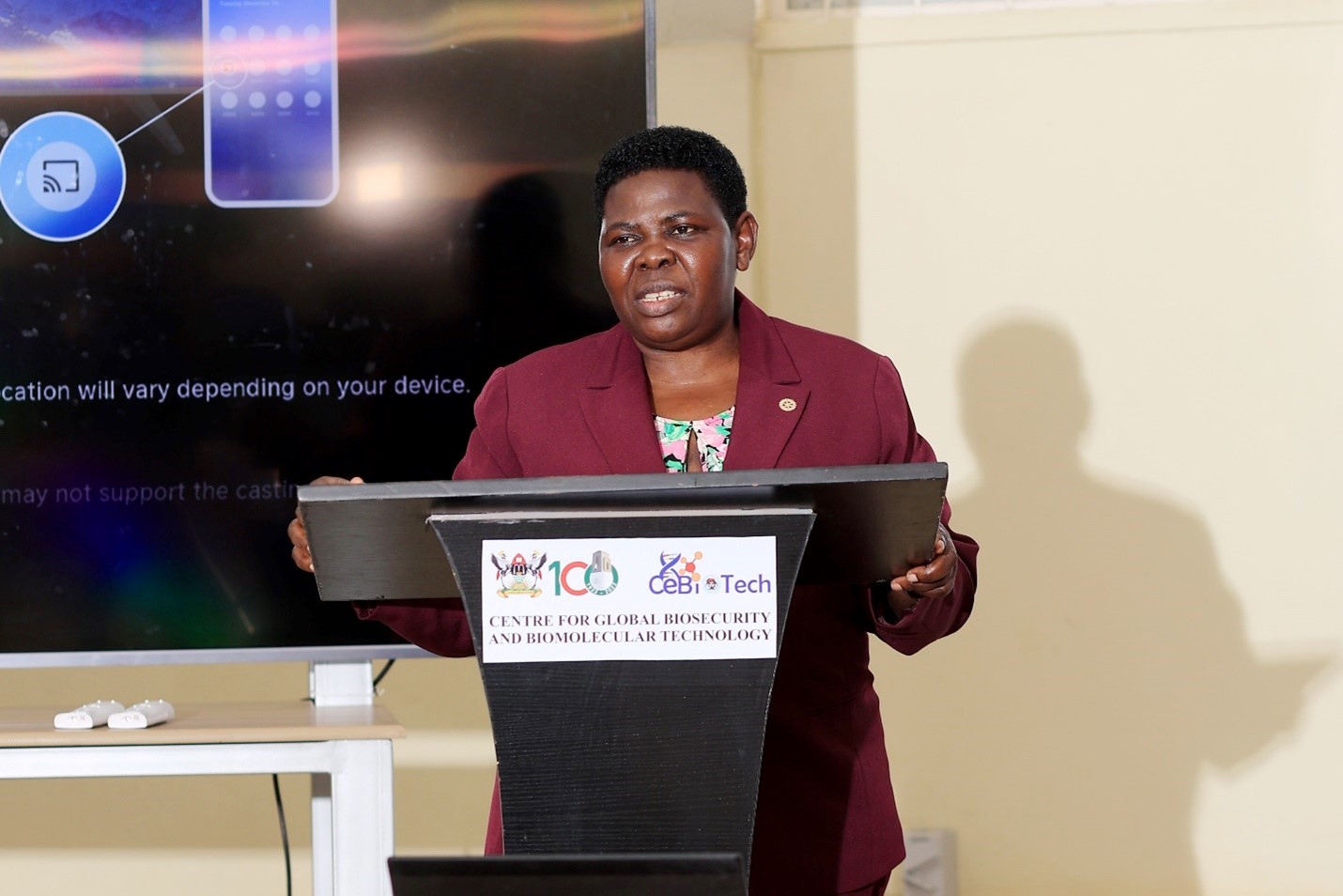
Namayanja, who indicated that she too was involved in poultry farming with over One hundred thousand birds, explained that she had learned about Azolla, an alternative and affordable source of protein for animal feeds, from several sources, including the Uganda Prisons Service’s two-acredemonstration facility at the Jinja Show Ground, where a number of agricultural innovations are showcased. Interested in obtaining first-hand knowledge about the innovation, she visited CoVAB to engage with the researchers behind Azolla and better understand its potential to address the feed cost challenge facing farmers.
She noted that her intention was to obtain well-researched and evidence-based information that would enable her to provide accurate guidance and informed advice to farmers seeking practical solutions to improve productivity while reducing production costs.
Explanation of Improvements
“Many people, including members of the elite class, are increasingly investing in agriculture and are seeking support and information from credible institutions,” she said.
Namayanja commended the young scientists and innovators at the college for putting their academic knowledge into practice through solutions that address animal nutrition challenges and help farmers reduce the cost of livestock feeds.
She pledged to work closely with CoVAB to ensure that farmers’ challenges are addressed through scientifically guided interventions and innovations.
CoVAB Showcases Research and Academic Programs
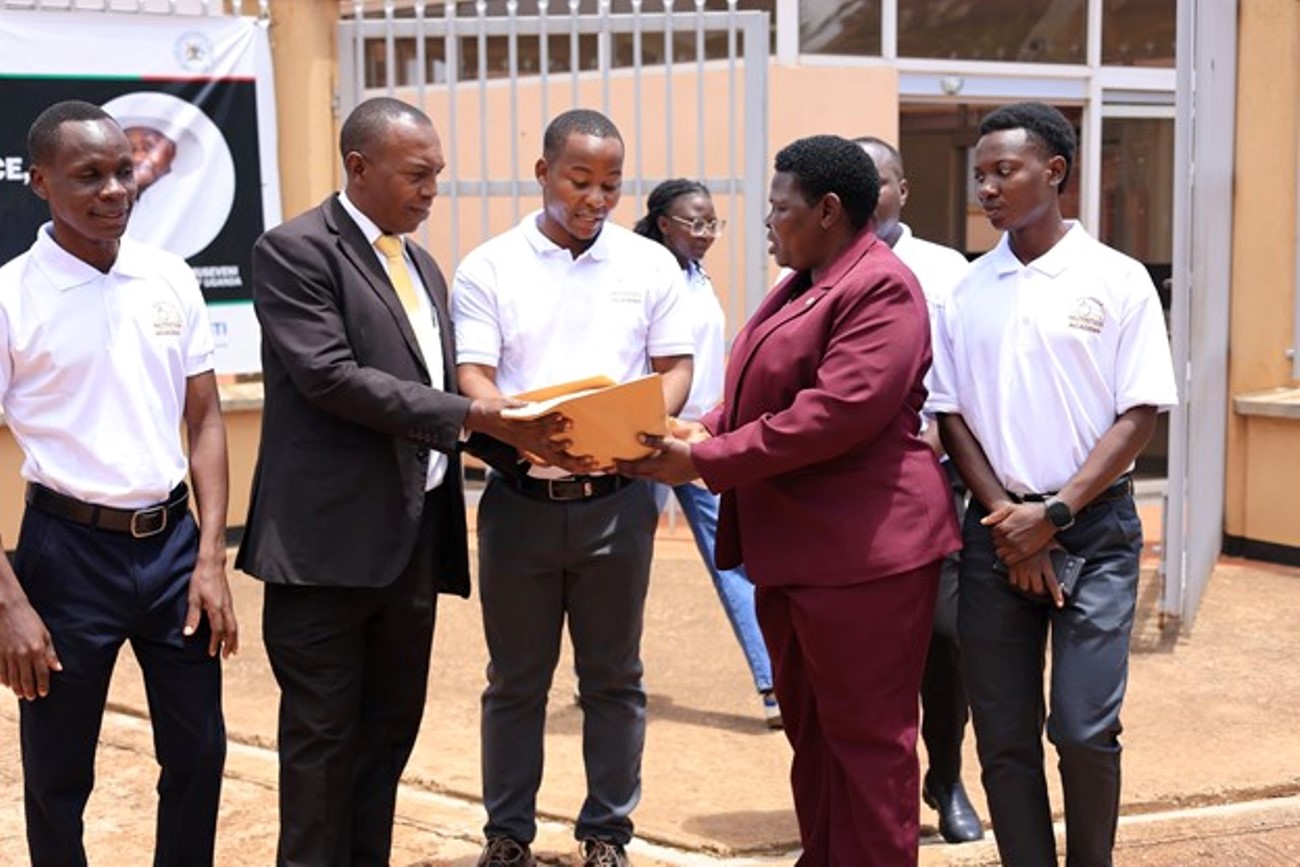
The Principal of CoVAB, Prof. Clovice Kankya, highlighted the wide range of research and academic activities being undertaken at the college. He explained the college’s structure, which comprises the School of Veterinary Medicine and Animal Resources (SVAR) and the School of Biosecurity, Biotechnologyand Laboratory Sciences ((SBLS), outlining the various academic programs and research initiatives offered under the two schools.
Scientists Promote Alternative Feed Sources
Speaking during the engagement, Assoc. Prof. Claire Mack Mugasa, the Dean of SBLS emphasized the college’s efforts to develop alternative animal feed sources using insects such as maggots and black soldier flies. She explained that these innovations help transform waste into useful products while addressing the growing demand for affordable protein sources in animal feeds. As a representative from the unit responsible for quality management, she noted that the college places great emphasis on ensuring that animal feeds meet national standards and regulatory requirements.
“Food is often said to be a drug, and therefore the feeds we produce must be of high quality,” she said, noting the need to comply with standards set by the National Drug Authority and other regulators.
Prof. Mugasa observed that conventional protein sources such as fish meal and soybean remain expensive, creating competition between livestock and humans for food resources. She stressed the need to expand research, establish demonstration gardens, and increase farmer awareness and confidence in innovations such as Azolla. She also highlighted the need for further research into preservation technologies, including grinding and fermentation methods, to improve the storage and utilization of Azolla products.
Linking Innovations to Communities
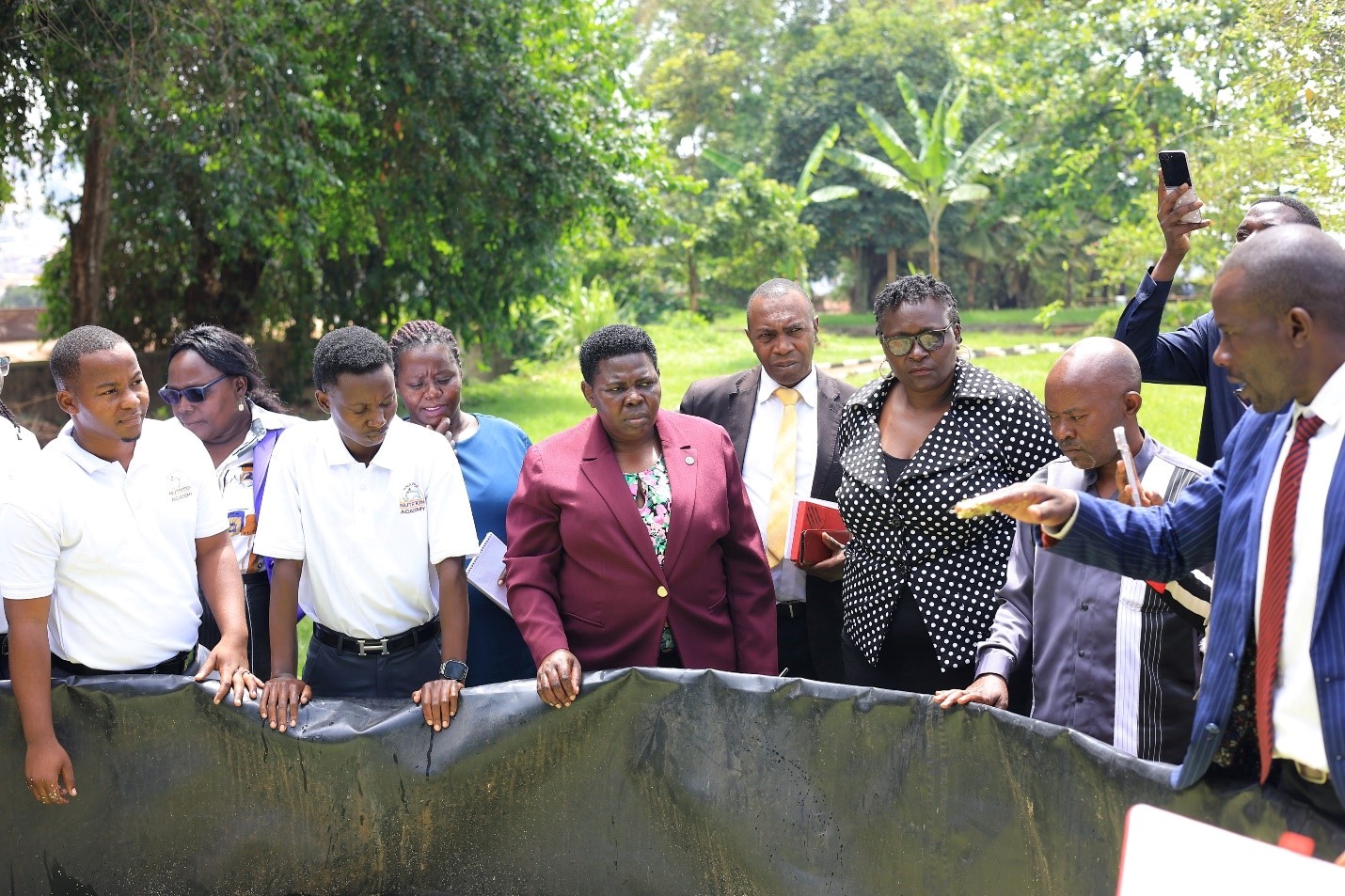
Edward Ssebuufu, founder of Anaweza Innovation Academy, said the academy identifies gaps within communities and develops solutions to address them. He revealed that the organization in conjunction with researchers from CoVAB and CAES is establishing demonstration gardens to promote Azolla as an affordable protein source for animal feed among many other innovations. Ssebuufu proposed stronger collaboration between the academy and the Parish Development Model so that proven technologies can be disseminated more effectively to communities.
“We have the technologies here at CoVAB. The question is how we get them to the communities?” he said.
He noted that high feed costs and concerns about feed quality remain major challenges for farmers. According to him, practical community training centers, proper enterprise selection, and farmer group formation are essential strategies for improving agricultural productivity and adoption of innovations.
Makerere UniPod Promotes Commercialization
The Assistant Manager of Makerere UniPod, Dr. Margaret Nagwovuma, said the innovation hub welcomes staff, students, and members of the public with innovative ideas. She acknowledged that while numerous innovations are being developed at the university, many people are not fully utilizing the services available through the center.
“Our role is to link academia to industry and serve all categories of innovators,” she said.
Dr. Nagwovuma further observed that there is a significant gap in the commercialization of research outputs and innovations, emphasizing the need for coordinated efforts among researchers, innovators, government agencies, and industry players to ensure that technologies developed at the university reach communities and contribute to national development.
Veterinary & Biosecurity
Prof. Clovice Kankya Assumes Leadership at the College of Veterinary Medicine, Animal Resources and Biosecurity (CoVAB)
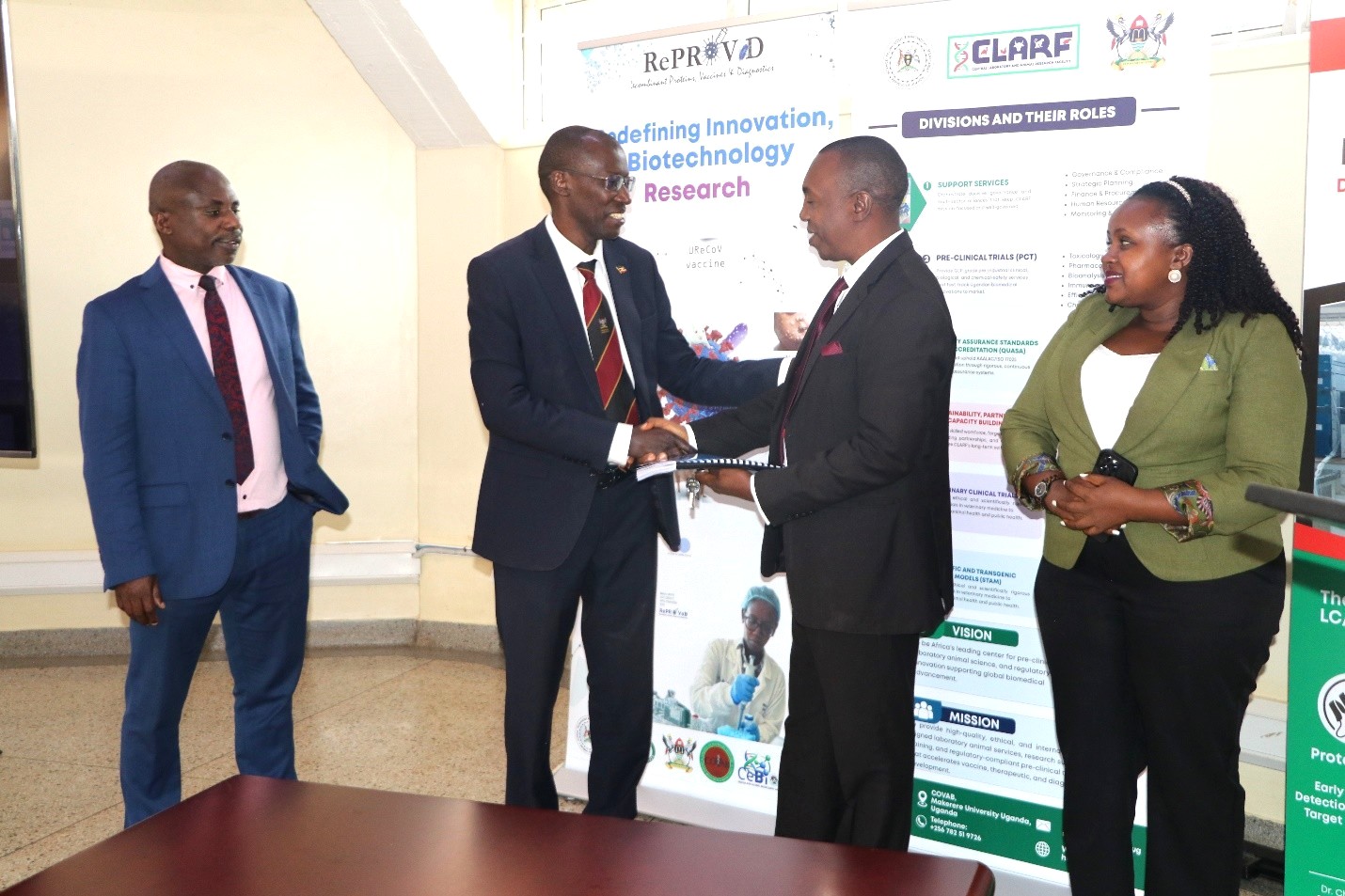
Prof. Clovice Kankya officially assumed leadership of Makerere University’s College of Veterinary Medicine, Animal Resources and Biosecurity (CoVAB) on Thursday, September 17, 2026, taking over from outgoing principal Prof. Frank Norbert Mwiine in a handover ceremony presided over by Chief Human Resources Officer Deus Mujuni.
Upon assuming office, Prof. Clovice Kankya has laid out a six-pillar vision to transform the College of Veterinary Medicine, Animal Resources and Biosecurity (CoVAB). The vision focuses on shifting from lecture-based to competence-driven teaching, advancing impactful research that translates into innovation and national development.
Further, he said his leadership will support building valuable partnerships that strengthen staff capacity and global contribution. He emphasized treating people as the greatest resource by addressing staff attrition and fostering mentorship, while reinforcing governance and accountability to ensure institutional trust. Finally, he pledged to create a listening college with open communication channels between staff and students, positioning CoVAB as a hub of excellence, innovation, and impact.
Prof. Clovice Kankya, in his maiden address as Principal CoVAB, began with heartfelt appreciation: “I stand before you with a profound sense of gratitude, humility, and responsibility.” He pledged to confront challenges honestly, build on existing achievements, and transform ideas into measurable outputs. Emphasizing his leadership philosophy, he declared that it is anchored on “continuity where continuity serves, change where change is necessary, and innovation where innovation can create greater impact.”
A Call to Collective Action
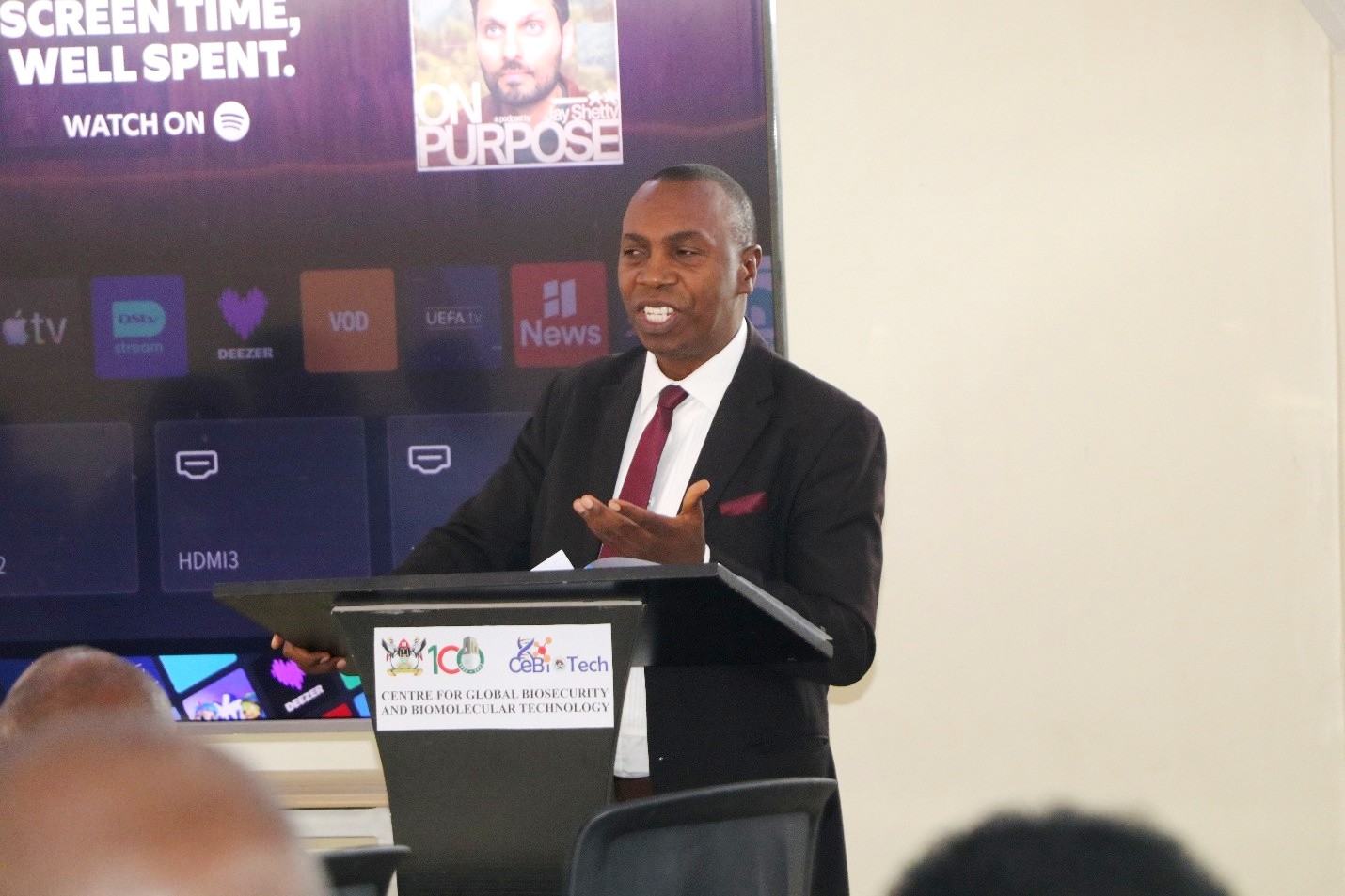
Prof. Kankya urged students to challenge the college intellectually and prepare to become solution creators rather than job seekers. He called on staff for active participation and constructive criticism, and encouraged researchers and partners to form multidisciplinary teams tackling Uganda’s pressing problems.
Further, he pledged to lead with consultation, accountability, and consensus-building. “Today marks the beginning of a new chapter. It’s not a chapter that I write alone; it’s a chapter that we shall write together,” he said. “Together, let us move CoVAB from retention to practice, from knowledge to innovation, and from innovation to impact.”
Prof. Kankya envisions CoVAB as a hub of academic excellence, innovation, and impact — with improved infrastructure, digital transformation, enhanced staff development, and financial sustainability. His leadership is expected to strengthen academic programs, enhance resource mobilization, and steer the college toward greater influence in veterinary medicine and animal resources, both in Uganda and beyond.
Legacy of Prof. Frank Norbert Mwiine at CoVAB
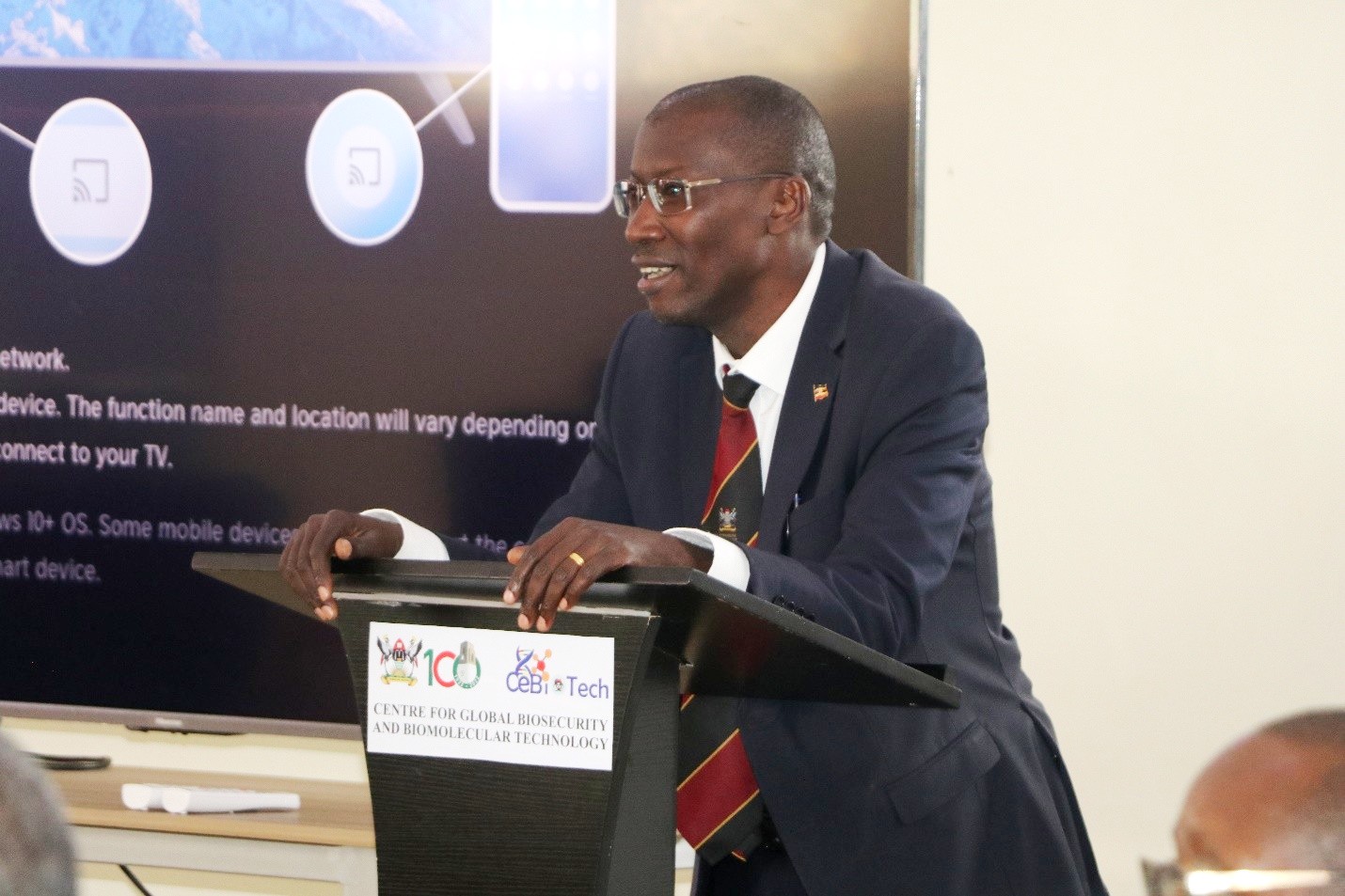
Outgoing Principal Prof. Mwiine highlighted milestones during his tenure, including the construction of a 980-million-shilling hostel at Buyana Stock Farm, roofing of the CoVAB building, acquisition of a bus for student transport, provision of 500 lecture hall seats, and painting of the college building without drawing on university funds. Yet, he also pointed to persistent challenges such as staffing gaps, unimplemented departmental restructuring, and high staff attrition. He urged his successor to remain resilient, stressing that resource mobilization often comes with resistance and criticism.
The Chief Human Resources Officer for Makerere University, Mr. Deus Mujuni commended Prof. Mwiine for leaving an indelible mark on the college and urged Prof. Kankya to build on that legacy. He emphasized continuity, urging the new principal to consult past leaders and rely on institutional memory, while reminding staff to extend the same trust and dedication to the incoming leadership.
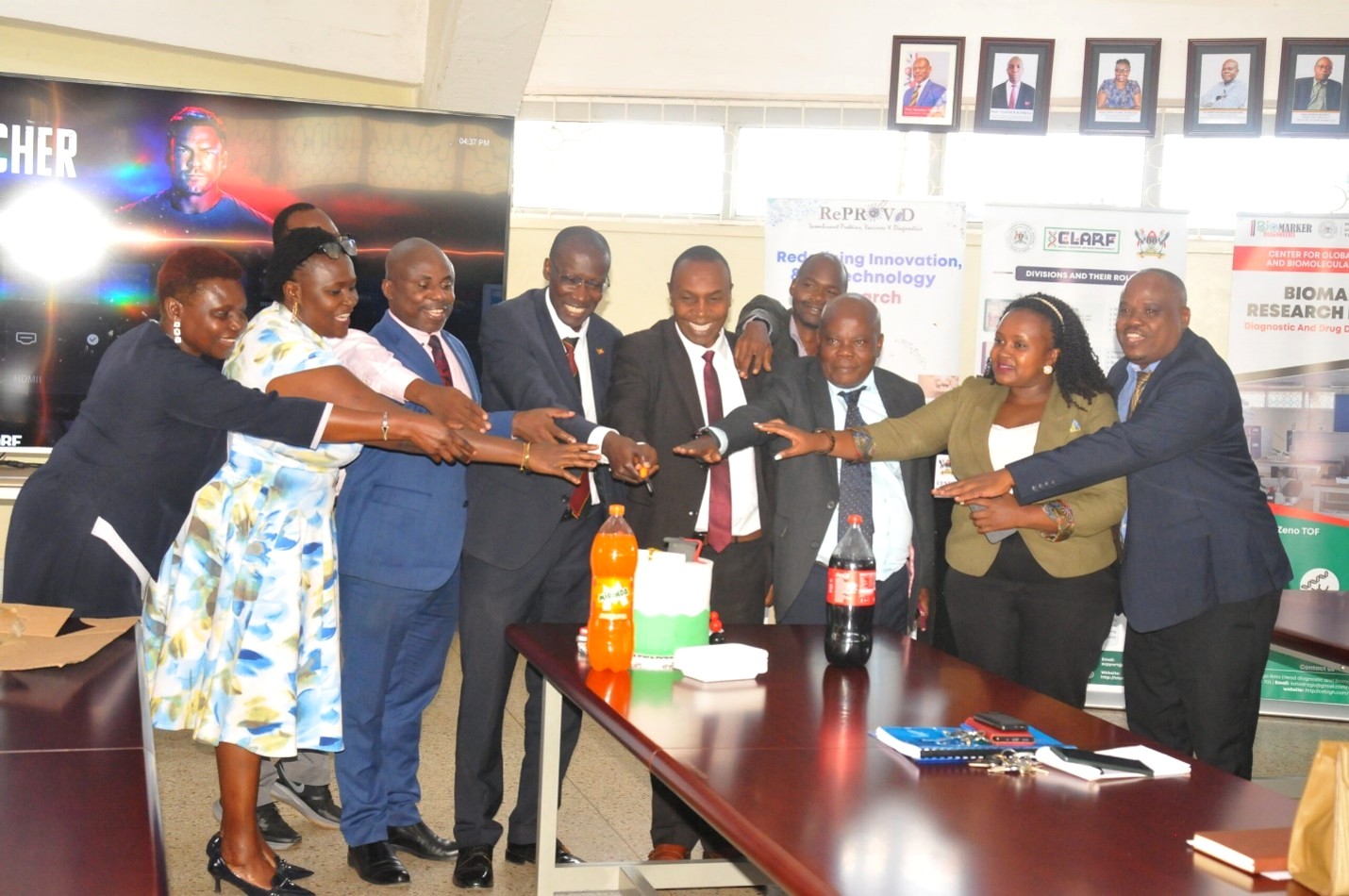
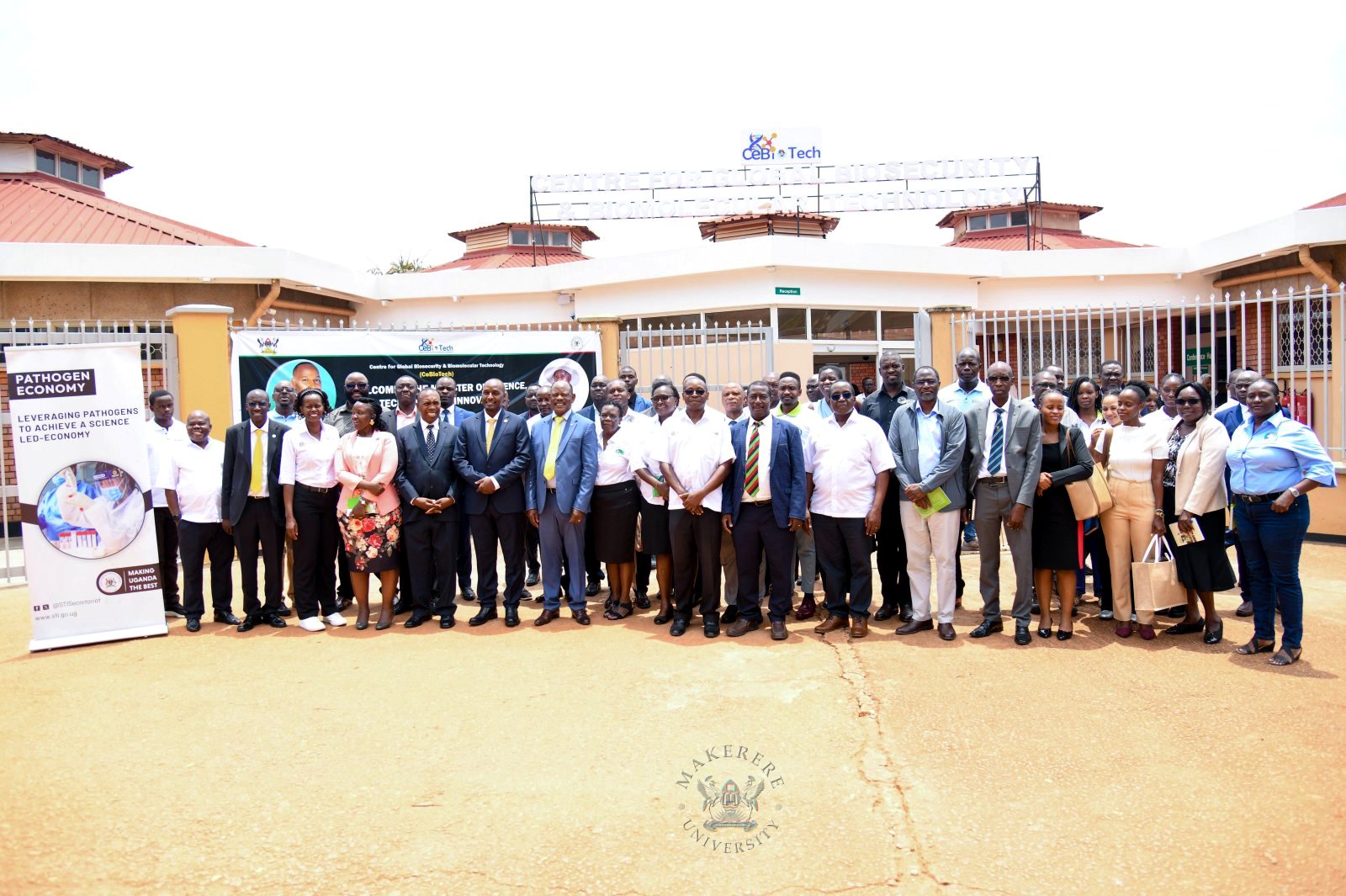
The Minister for Science, Technology and Innovation, Rt. Hon. Eng. Asiimwe Jonard, visited the College of Veterinary Medicine, Animal Resources and Biosecurity (CoVAB) during his maiden official visit to Makerere University, commending the tremendous research work ongoing at CoVAB and across the University.
In his remarks, the Minister noted that his visit to the University highlighted the pivotal role of research, technology, and innovation in shaping Uganda’s economic transformation and showcased Makerere’s capacity to translate groundbreaking scientific discoveries into practical solutions that address both national and global challenges.
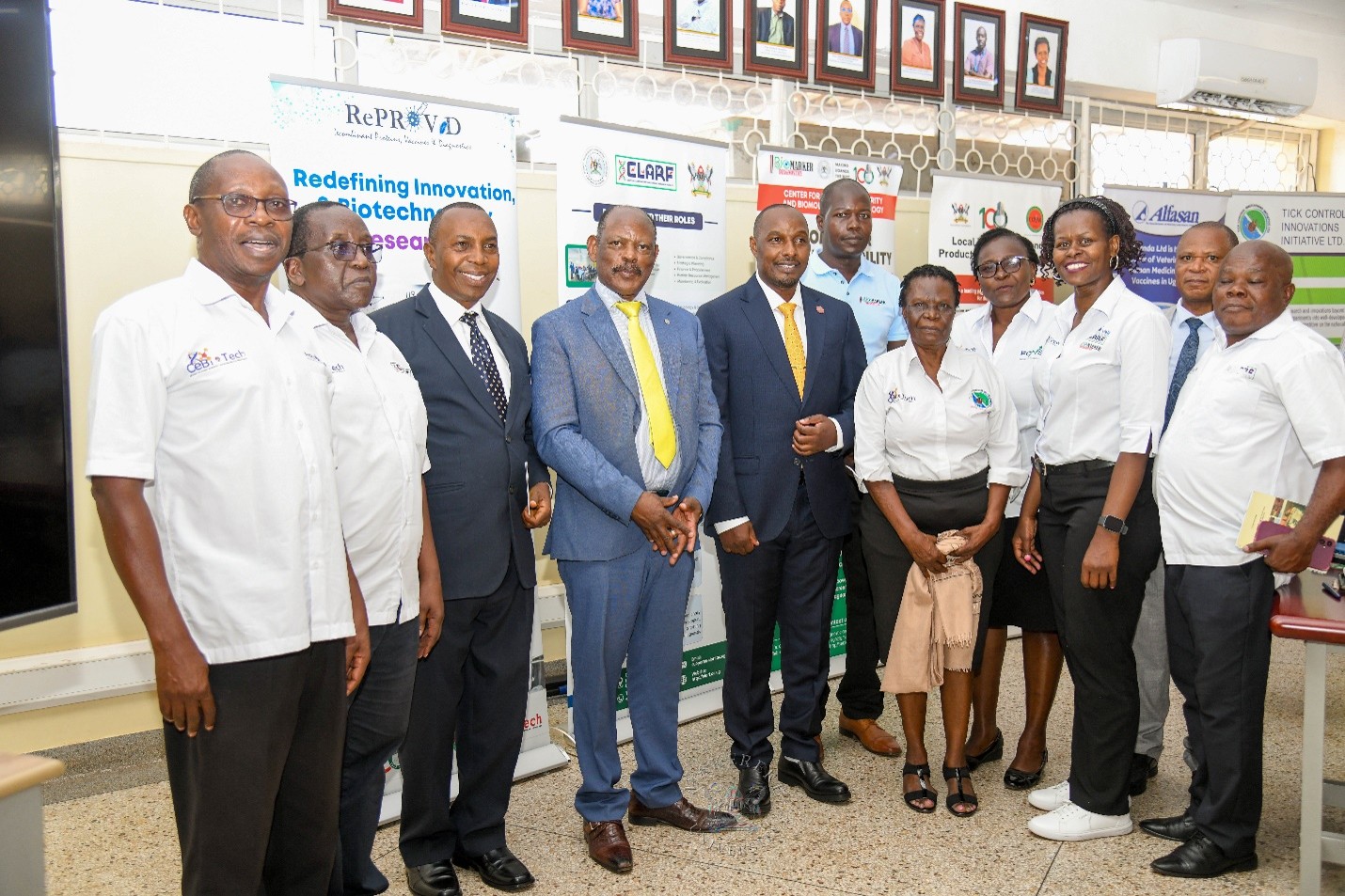
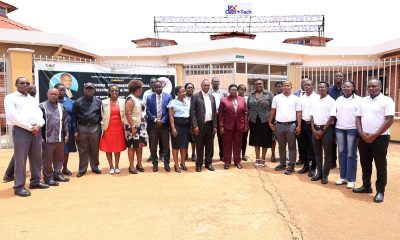
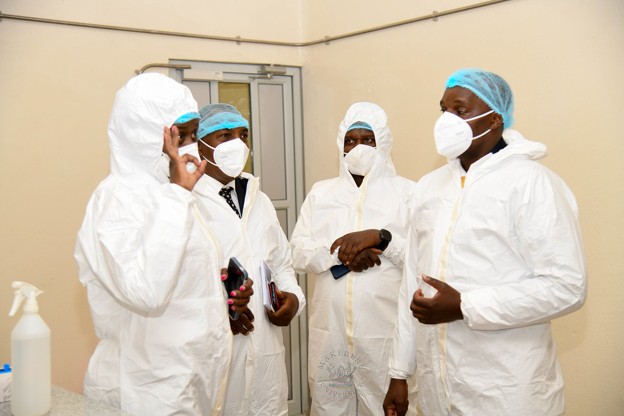
The visit, held on September 16th, 2026, was anchored under the theme “Research Infrastructure, Emerging Technologies and Enterprise Creation.” It offered the Minister an opportunity to tour CoVAB’s state-of-the-art facilities at the Centre for Global Biosecurity and Biomolecular Technology (CeBioTech) and engage directly with faculty, researchers, and students. He commended the college for its tremendous contributions to animal health, food security, and biosecurity, emphasizing that these areas are vital to building a resilient and sustainable economy for Uganda.
While addressing college staff, researchers, and other stakeholders, the Minister emphasized that universities must serve as engines of innovation, moving beyond scholarly work to commercialization. He commended CoVAB’s vaccine development for both humans and animals, describing it as a cornerstone of Uganda’s biosecurity agenda. He further highlighted the importance of integrating social sciences into innovation, noting that project management and product development strategies are essential to fast-track research outputs into viable enterprises.
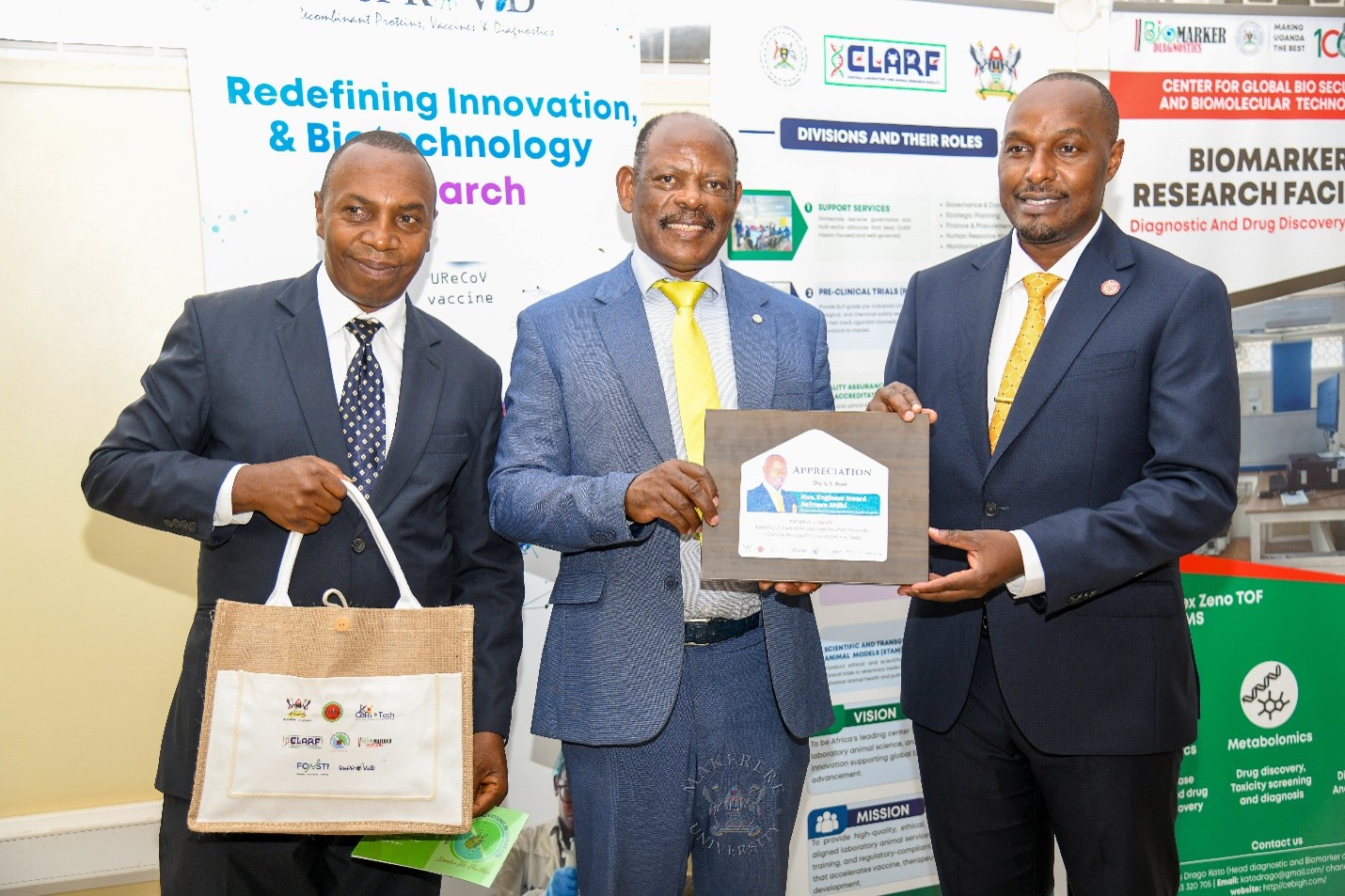
The Minister toured several flagship facilities at CoVAB, including the Central Laboratory Animal Research Facility, which provides laboratory animal services and pre-clinical trial support; RePROVaD, which designs recombinant proteins and subunit vaccines for emerging infectious diseases such as COVID-19 and Mpox; the Anti-Tick Vaccine project, which addresses the persistent challenge of ticks and tick-borne diseases affecting livestock productivity; and BIOMARKER, which develops antibody-based diagnostics to strengthen disease detection. These initiatives, he noted, demonstrate Makerere University’s capacity to contribute meaningfully to both national and global health challenges.
Looking ahead, the Minister outlined priority actions where CoVAB is expected to play a leading role. These include advancing veterinary innovations toward certification and commercialization, leveraging artificial intelligence to strengthen Uganda’s pathogen economy, positioning veterinary science as a driver of agro‑industrialization, developing sustainable models for shared diagnostic and biosecurity laboratories, and providing commercialization support for innovators in areas such as intellectual property, regulation, standards, and market access. By focusing on these areas, he emphasized, CoVAB will not only enhance Uganda’s scientific capacity but also accelerate the country’s journey toward economic resilience and prosperity.
Asiimwe pledged continued support for Makerere University and encouraged the development of structured University–Industry exchange models to ensure veterinary research translates into enterprise creation. He also emphasized the importance of self-sustainability for research centers, noting that revenue generation is key to long-term impact.
The Vice Chancellor, Prof. Barnabas Nawangwe, thanked the Minister for recognizing CoVAB’s strategic role and reaffirmed Makerere’s commitment to advancing veterinary science and innovation for Uganda’s prosperity.
-
 Humanities & Social Sciences1 week ago
French Embassy Presents Four Makerere Scholars with Academic Palms
-
 General2 weeks ago
Makerere Hosts EU Uganda Research and Study Fair
-
 Health2 weeks ago
Makerere Public Health Showcases EU Funded Research
-
 General1 week ago
Job Opportunities: NETOMA Study
-
 General1 week ago
Makerere University and Xiangtan University Advance Strategic Partnership in Chemical Engineering