
Education
Makerere University Hosts 3rd East African Teacher Education Symposium: A Regional Call to Decolonize and Re-imagine Education

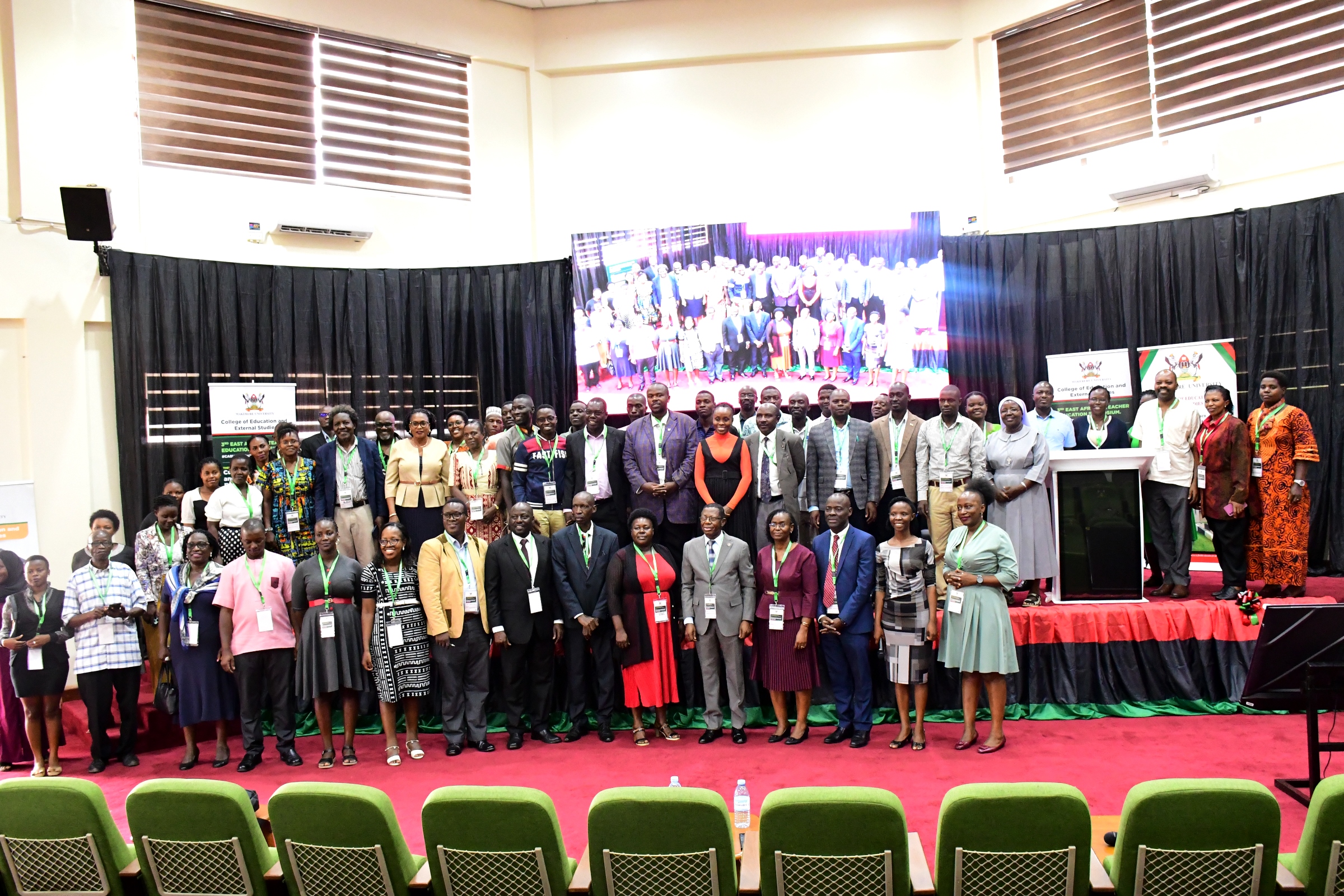
In a continued effort to champion regional dialogue on educational transformation, Makerere University, together with its partners under the Capacity Building for Research-Based Teacher Education (CABUTE) project hosted the 3rd East African Teacher Education Symposium (EATES) from 9th to 10th April 2025, under the theme “Curriculum Development and Decolonization of Education in East Africa.”
The symposium brought onboard participants from local and international academic institutions, researchers, policymakers, and development partners to reflect on teacher education and curriculum reform.
Organized through the Norwegian Agency for Development Cooperation (Norad) supported CABUTE project through a collaborative effort involving Makerere University, Kyambogo University, the Uganda National Institute of Teacher Education (UNITE), the University of Bergen in Norway, and the Western Norway University of Applied Sciences, the symposium fostered dialogue on decolonial perspectives, pedagogical innovation, and cross-border collaboration in reshaping education to reflect African realities.
In her keynote address, Prof. Proscovia Namubiru Ssentamu, Deputy Vice Chancellor for Academic Affairs Designate at the Uganda National Institute for Teacher Education (UNITE) stressed that decolonization must begin at the individual level. She articulated that true transformation requires internal reflection and personal change, stating, “Decolonization starts with us—each one of us. It begins from within.” She warned against championing decolonization in word while remaining mentally and structurally tied to colonial systems, likening such contradictions to “wolves in sheep’s clothing.”
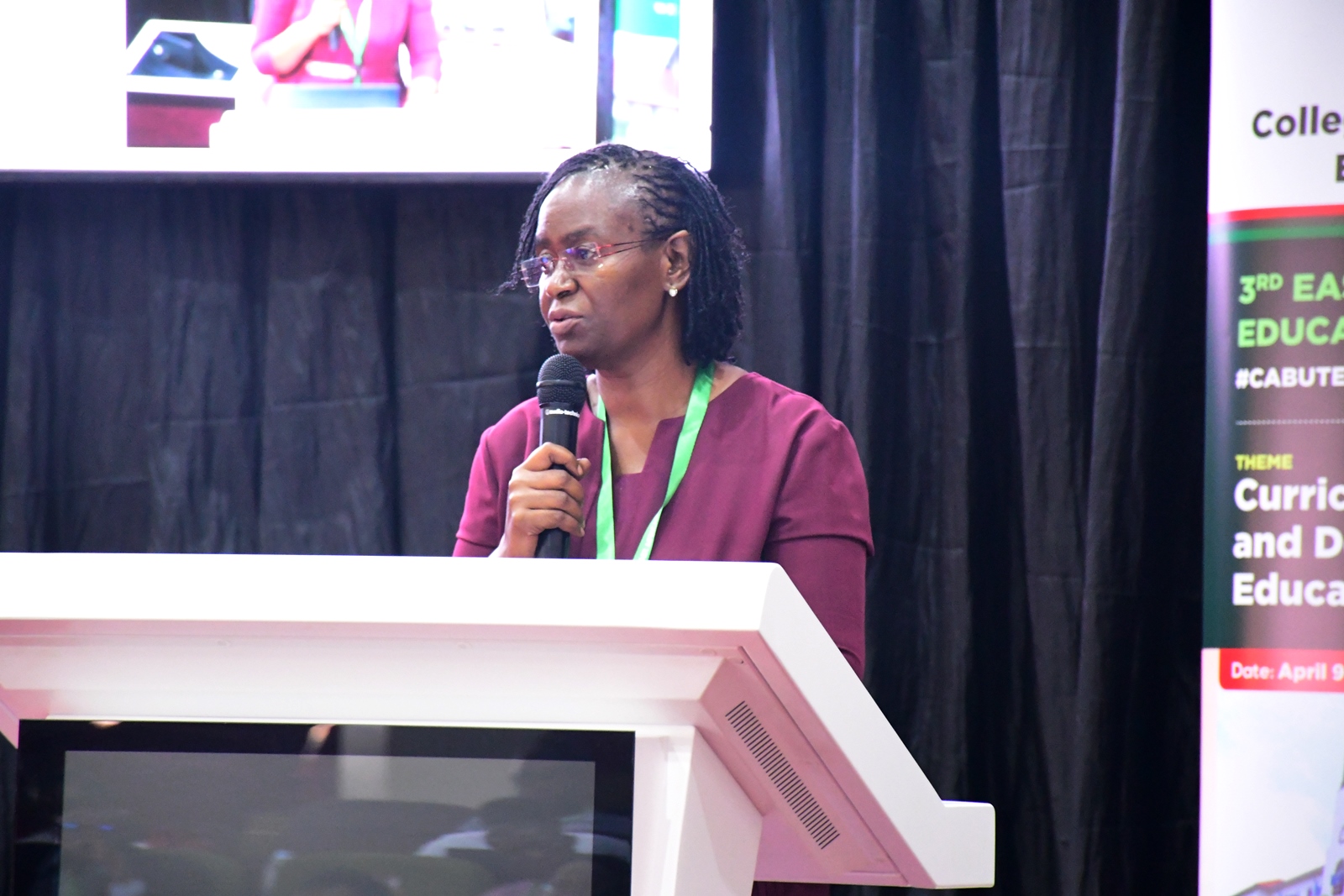
Prof. Namubiru highlighted how education plays a central role in shaping identity, development, and progress, arguing that African education systems must reclaim and integrate indigenous knowledge. She pointed out that despite post-independence reforms, colonial legacies persist, particularly in the continued use of foreign languages in education—an indication that the colonial past still holds.
“Despite significant advancements in educational access and quality, remnants of the colonial curriculum persist, prompting calls for frameworks rooted in indigenous and African perspectives. The continued use of foreign languages reflects this lingering colonial history. Curriculum development is central to this transformation—if you want to touch a nation, go through education,” Prof. Namubiru stated.
Prof. Namubiru questioned the absence of African symbols and tools in curriculum development spaces. “For instance where are the cooking pots?” she asked. Prof. Namubiru called for a radical restructuring of curriculum to reflect African realities. She categorized curriculum into three types: informal, non-formal, and formal. Informal curriculum, she explained, is spontaneous and rooted in community life, taking on the form of pre-colonial African education, driven by oral traditions and lived experiences. Formal curriculum, by contrast, is rigid, institutionalized, and focused on structured learning, often overlooking the value of informal knowledge. Non-formal curriculum exists outside traditional academics—such as cultural galas and extra-curriculum activities—but wondered whether these are meaningfully integrated into higher education. She criticized the rigidity of formal education, stating that even at the kindergarten level, it is disconnected from children’s real-life.
Prof. Namubiru underscored that curriculum design must begin with the needs of learners and society. She guided that curriculum design should not exclude the voices of teachers who implement it. “Teachers must be seen as co-creators, not just implementers,” she noted. She thus defined decolonization as the replacement of colonial knowledge systems with local and culturally grounded content, advocating for culturally relevant pedagogies rooted in African philosophies like Ubuntu, Ujamaa, and Pan-Africanism, describing them as essential pillars in reclaiming African identity and educational empowerment.
The Vice Chancellor of Makerere University, Prof. Barnabas Nawangwe represented by Prof. Buyinza Mukadasi called for urgent reflection and action in the education sector. He emphasized the need to rethink the evolution of education, especially within the current discourse on decolonization. Referring to the theme of this year’s symposium, he described it as “particularly timely,” offering a vital chance to reshape educational frameworks by integrating local histories and addressing global challenges.
“This event is special because it has undoubtedly become a cornerstone in the region,” Prof. Buyinza noted, “providing us with a platform to reflect on our successes and explore ways to transform future education.”
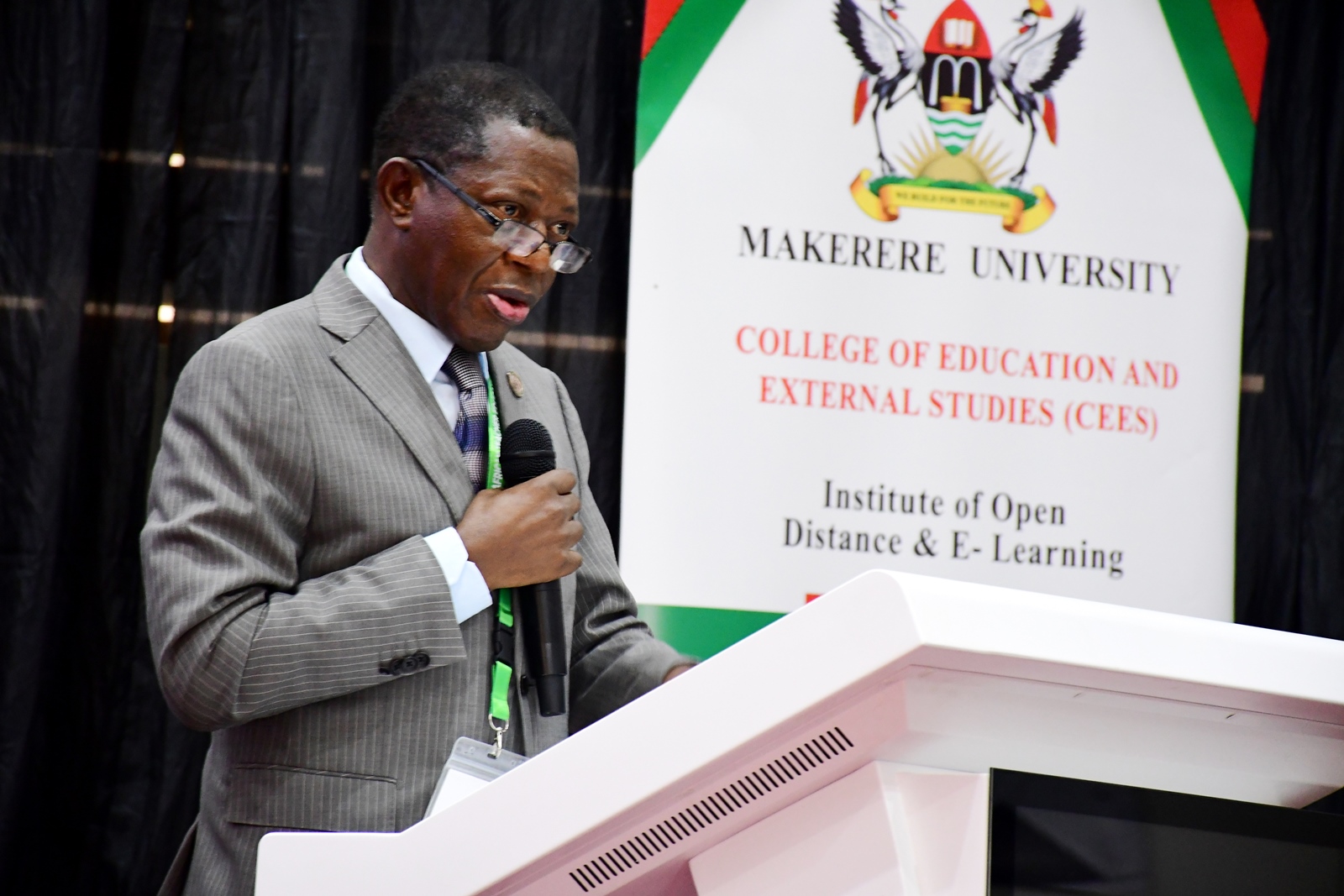
Prof. Buyinza highlighted the fast-paced global changes driven by technology and globalization, urging education systems to adapt to the trends. “The issues at hand are evolving quite fast. We live in a dynamic society, and therefore the aspiration for the future needs really critical thinking and reflection,” he said. He underscored the importance of lifelong learning and strategic positioning of African institutions to lead transformative progress.
Prof. Buyinza warned against lagging behind in the Fourth Industrial Revolution, just as Africa did in previous revolutions. “We live in a digital age, and we must keep pace with rapid advancements. The first, second and third industrial revolutions left us lagging. The fourth should not leave us behind!” He stressed the need to “revolutionize and reshape” the curriculum to prepare students for this era, integrating essential subjects such as English, mathematics, music, and foundational education.
He recognized the long-standing support from the Royal Government of Norway, which has funded infrastructure and academic initiatives at Makerere since the 1960s, including the construction of some buildings at the University. He also acknowledged the contributions of University of Bergen, other Ugandan universities, and international partners like the Western Norway University of Applied Sciences.
He urged participants to actively engage in the symposium’s discussions: “Let us embrace the opportunity to exchange knowledge, challenge prevailing paradigms, and explore new pathways for the future of education,” he said, officially declaring the symposium open.
Prof. Anthony Muwagga Mugagga, Principal of the College of Education and External Studies, specified the urgent need to decolonize African education, particularly in curriculum development. He explained that despite some progress, African education systems lag in fully embracing indigenous knowledge and cultural values.
Citing the Catholic Church’s shift in the 1950s to include African languages, music, and drumming in worship, Prof. Mugagga argued that religious institutions have outpaced education systems in decolonization efforts. “The church decolonized itself by, first, allowing indigenous languages to be used in their services. So, I think we are very late—extremely late. The church, which introduced formal education, has decolonized itself,” he stated.
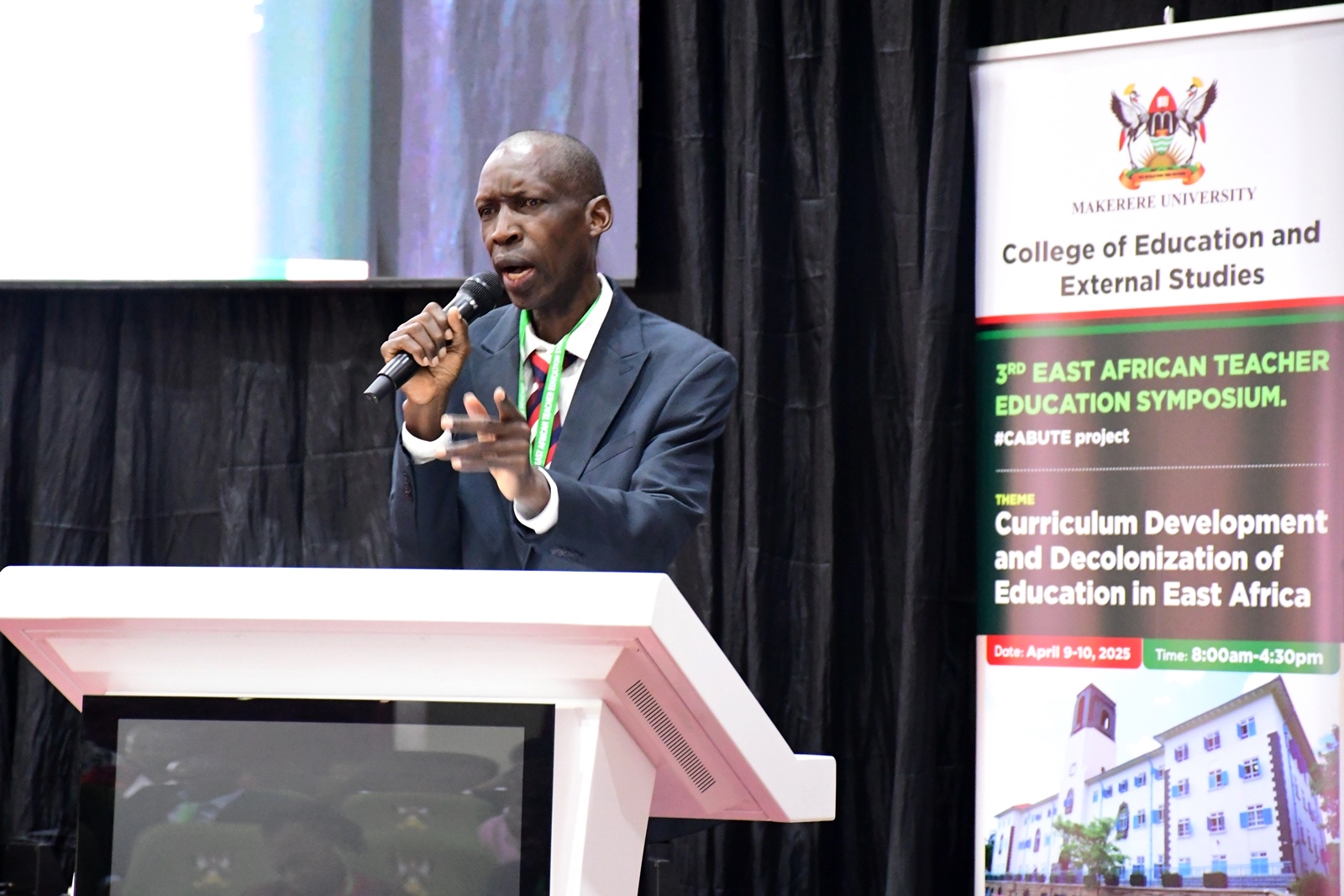
He challenged educators and policymakers to question the philosophical foundations of current curricula, invoking thinkers like Franz Fanon, Walter Rodney, and Paulo Freire. “Are we humanizing ourselves or dehumanizing ourselves? Are we freeing ourselves from oppression? How can I be decolonized if I am still wearing a necktie?” he posed.
Prof. Mugagga observed that the neglect of African folk songs in favor of Western ones in schools is indicative of the broader problem in African education: the lack of meaningful representation of indigenous culture and knowledge. He disclosed that decolonization goes beyond content—it also requires transforming teaching methods. According to him, teachers must be retrained to adopt learner-centered, culturally relevant pedagogies rooted in African traditions, shifting away from colonial-era methods.
In his thought-provoking address, Prof. Steinar Saetre, Principal Investigator of the CABUTE Project, expressed pride in the symposium’s evolution into a regional platform for educators and stakeholders to reflect, challenge norms, and envision a better future. He urged participants to ask critical questions: “Whose knowledge are we teaching? Whose voices are we prioritizing? What kind of society are we shaping through education?” Highlighting that teachers are more than content deliverers—they are culture bearers and community builders—he called for curricula to be continually interrogated and contextually grounded.
Prof. Saetre critiqued the lingering colonial influences in education systems, including language, assessment models, and epistemologies introduced under British rule. “Colonization is not just a thing of the past—it can take new, less visible, yet still powerful forms today,” he warned. He pointed to digital education tools shaped by Western, market-driven values as a modern example, acknowledging their benefits but cautioning against deepening inequalities where access is uneven.
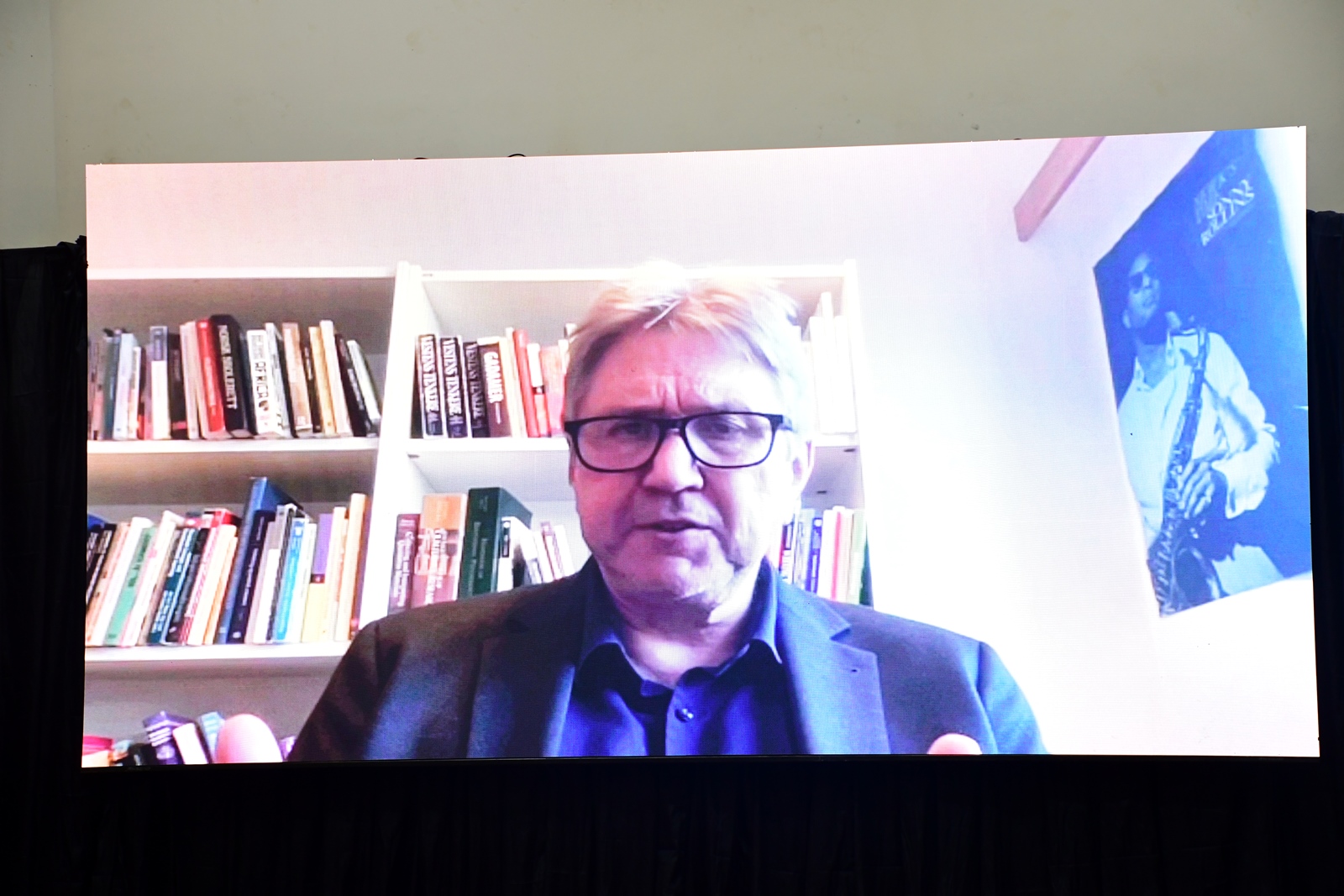
Recognizing the potential of digital platforms for inclusion and collaboration, Prof. Saetre highlighted the need to assess them critically to avoid inadvertently deepening educational inequalities — particularly where access remains uneven. He said that in a decolonized perspective, the digital revolution in education is a double-edged sword which offers opportunities, but only if we engage with it critically, contextually, and equitably.
Drawing from Norway’s experience, he noted a national shift away from excessive screen use, with renewed focus on printed books and foundational skills—signaling that even digital leaders are reassessing what matters most in education.
Though European, Prof. Saetre rejected the notion of being an outsider in decolonization efforts. He stressed that “decolonization is not solely an African responsibility, but a global one,” urging educators to reflect on their own assumptions, cultural biases, and inherited worldviews that often go unexamined.
Emphasizing dialogue and collaboration, he championed sincere cross-cultural conversations as key to creating more inclusive educational models. He encouraged integrative approaches that blend indigenous and Western knowledge, balance digital and printed resources, and stay locally relevant while embracing global collaboration.
In his remarks, Prof. Mathias Mulumba Bwanika, Dean of the School of Education at Makerere University, connected historical curriculum practices with current reforms. Reflecting on the symposium’s theme, he noted its alignment with ongoing regional innovations in curriculum and staffing.
Prof. Mulumba Bwanika, a key contributor to Uganda’s competence-based curriculum (CBC), described it as the best the country has ever developed. Unlike the former content-based approach, which focused on rote learning and fluency in colonial languages without imparting practical skills, he said that the CBC centers on the learners and equips them with relevant, real-world competencies.
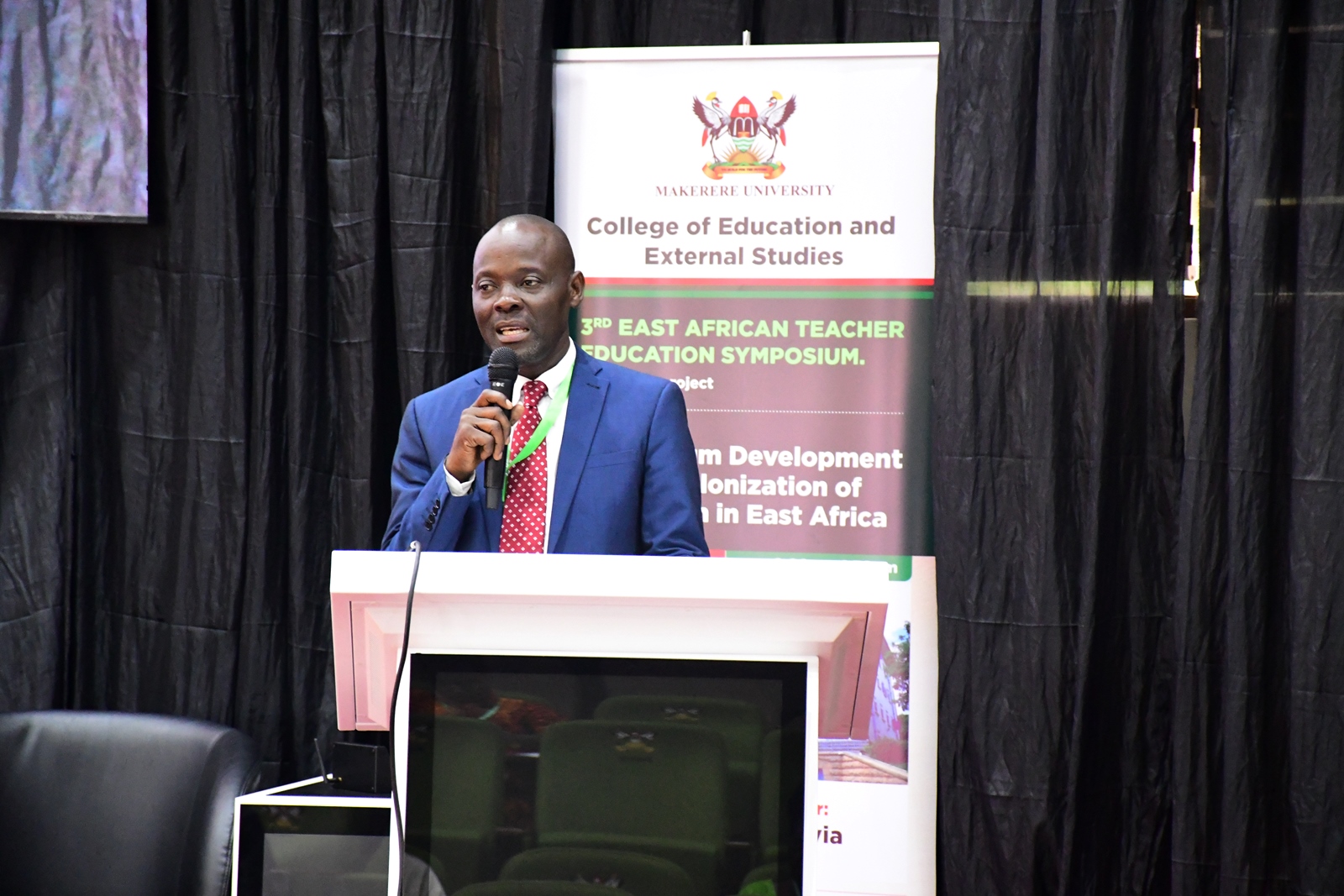
“Before the introduction of the competence-based curriculum, East African countries and Africa in general followed a traditional content-based curriculum which emphasized content over competence. One of the most notable outcomes of the content-based approach was that its recipients could speak the colonial language fluently, yet often lacked the practical skills and competences needed in the world of work,” Prof. Mulumba Bwanika said.
He cited CBC adoption timelines across East and Central Africa—highlighting Uganda’s official adoption in February 2020—and stressed the importance of instruction in familiar languages. He recalled the initial exclusion of local languages in Uganda’s CBC and how it took two years of advocacy to have them integrated.
Underscoring the pivotal role of teachers, Prof. Bwanika praised the National Curriculum Development Centre (NCDC) for the retooling efforts, but called for continued structured training for both in-service and pre-service teachers. He affirmed that curriculum development is an ongoing process that must evolve to meet learners’ changing needs.
Prof. Paul Birevu Muyinda, the Country Coordinator of the CABUTE Project, highlighted the initiative’s core objectives: strengthening postgraduate teacher education, building research capacity among teacher educators, promoting gender inclusion, and fostering stakeholder engagement. He elaborated that the symposium’s theme, “Curriculum Development and Decolonization of Education,” was a vital step toward transforming teacher education in Uganda.
Prof. Muyinda noted that the CABUTE project is designed to align teacher education with the competence-based curriculum introduced in Uganda in 2020, ensuring relevance to current educational demands. “Through this symposium, we are committed to advancing the objectives of the CABUTE project, ensuring that teacher education remains relevant, inclusive, and transformative,” he stated.
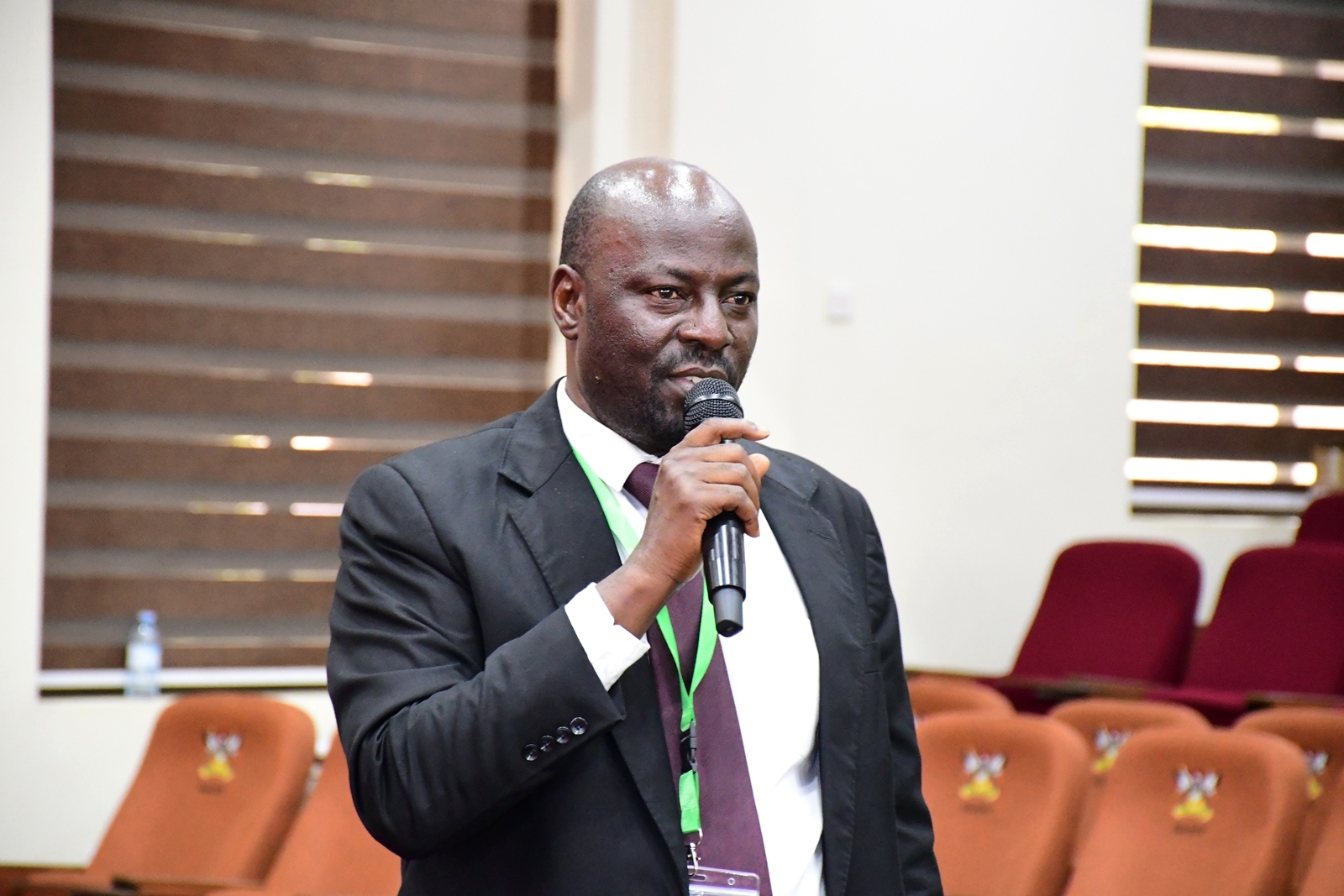
He extended appreciation to the Norwegian government for its support, acknowledged the efforts of the project team, and commended the local organizing committee for successfully coordinating the symposium.
As the opening session of the symposium concluded, participants engaged in a rich and open dialogue that illuminated critical challenges and opportunities within Uganda’s education system. The key insights included:
- Teacher Exclusion in Reforms: Participants expressed concern that the 2020 rollout of the competency-based lower secondary curriculum lacked meaningful input from teachers, leaving many unprepared and disengaged in the implementation process.
- Colonial Legacy in Education: Several participants lamented the lingering colonial influence, highlighting how local languages and cultural practices are often devalued—even by teachers. This has created a divide between urban and rural learners and undermined efforts to preserve indigenous heritage.
- Role of Teachers as Change Agents: It was emphasized that teachers must lead societal transformation rather than being driven by outdated community expectations. A shift in teacher training and mindset is crucial for meaningful decolonization.
- Implementation Gaps in Curriculum Reform: Teachers reported that the competency-based curriculum, though well-intentioned, is poorly implemented due to lack of retraining and resources. Without proper support, reforms risk failure, similar to past initiatives.
- Marginalization of Indigenous Languages: There were strong concerns about the continued punishment of students for speaking native languages and the lack of written material and literature in indigenous tongues. Participants warned that losing these languages equates to losing cultural identity and history.
- Community Skepticism and Parental Influence: Resistance from parents who equate quality education with Western ideals hinders the acceptance of indigenous knowledge in schools, complicating reform efforts.
- Digital Exclusion and Language: Participants observed that the global digital shift—especially in areas like AI and content creation—further sidelines communities that lack content in local languages.
- Mockery and Undervaluing of Local Languages: Students interested in studying local languages often face ridicule, revealing a societal bias that discourages linguistic and cultural pride.
- Barriers to Indigenous Language Research: A shortage of linguistic resources and skepticism about who can research indigenous languages limits academic exploration. Yet participants emphasized that language understanding, not ethnicity, should define research legitimacy.
Recognizing the value of individual efforts, the participants underscored that systemic change was essential for genuine decolonization. Making reference to the entrenched colonialism, the participants agreed that decolonization is a gradual process requiring resilience, unity and continued resistance.
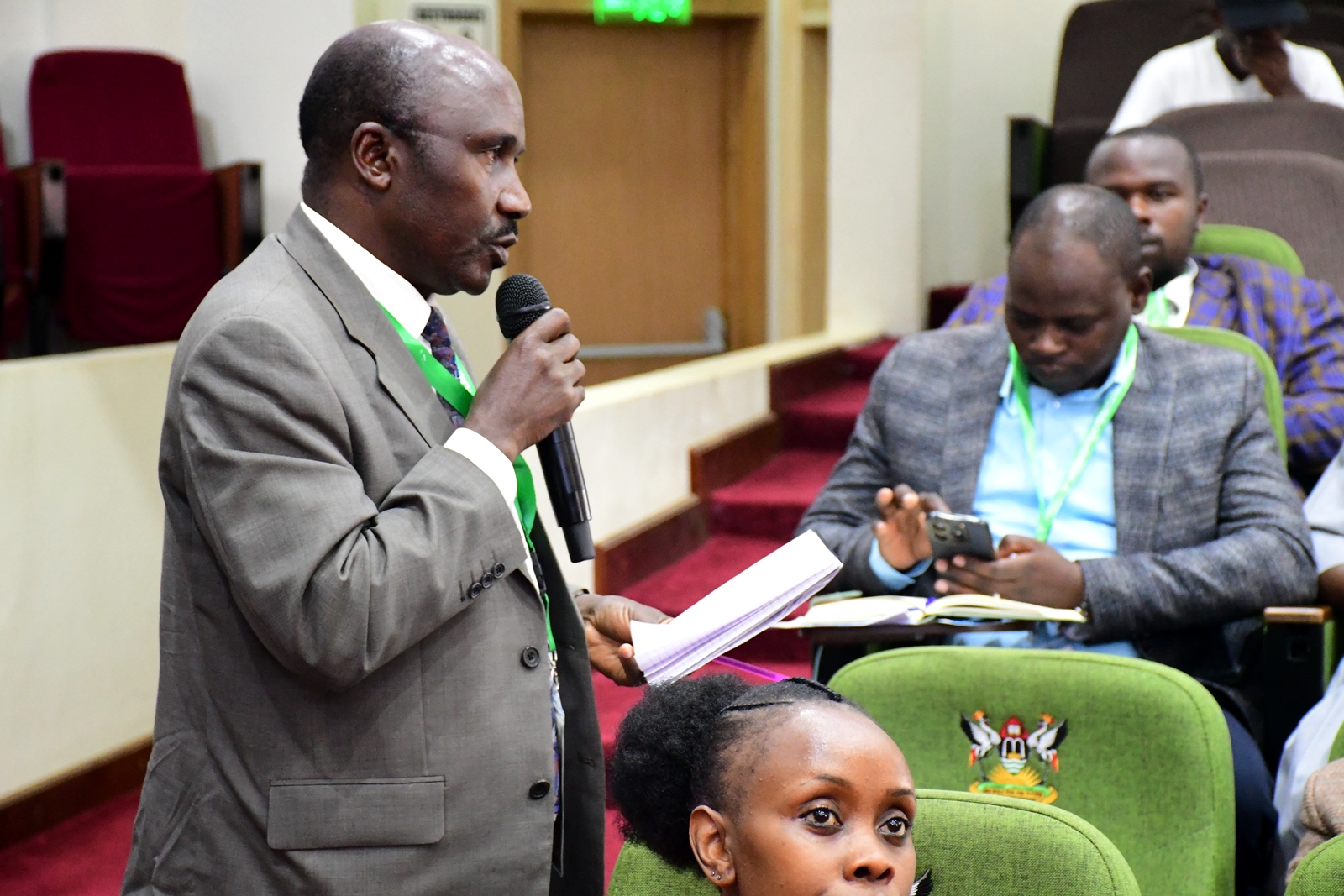
Tackling the challenges facing the adoption of the curriculum (CBC), Mr. George Wilson Ssabavuma, a curriculum specialist and developer at NCDC noted that resistance to change spans across stakeholders including school owners, teachers, learners and parents. He explained that the major issue is that 64% of the schools in Uganda are privately-owned, and many of these schools lack the necessary resources to effectively implement the new curriculum. This has led to hesitation and in some cases, outright resistance to the adoption of the new curriculum.
He pointed out that only 38% of the teachers have been adequately trained to implement CBC. This lack of training among educators, particularly in the practical application of new teaching methods presents a significant obstacle.
Noting that the transition is not solely the responsibility of curriculum developers, Mr. Ssabavuma informed the participants that the Ministry of Education and Sports must play an active role in ensuring that teachers are properly trained, school heads understand their duties, and ensuring that schools receive access to the resources that they require.
“The involvement of all stakeholders including the School administrators is essential for successful implementation of the competence-based curriculum. Without this collective effort, the expected results will remain elusive,” said Mr. Ssabavuma.




Education
CEES 2026 Students Orientation: Newly Admitted Students tipped on Integrity, Academic Excellence, Safety and Responsible AI usage
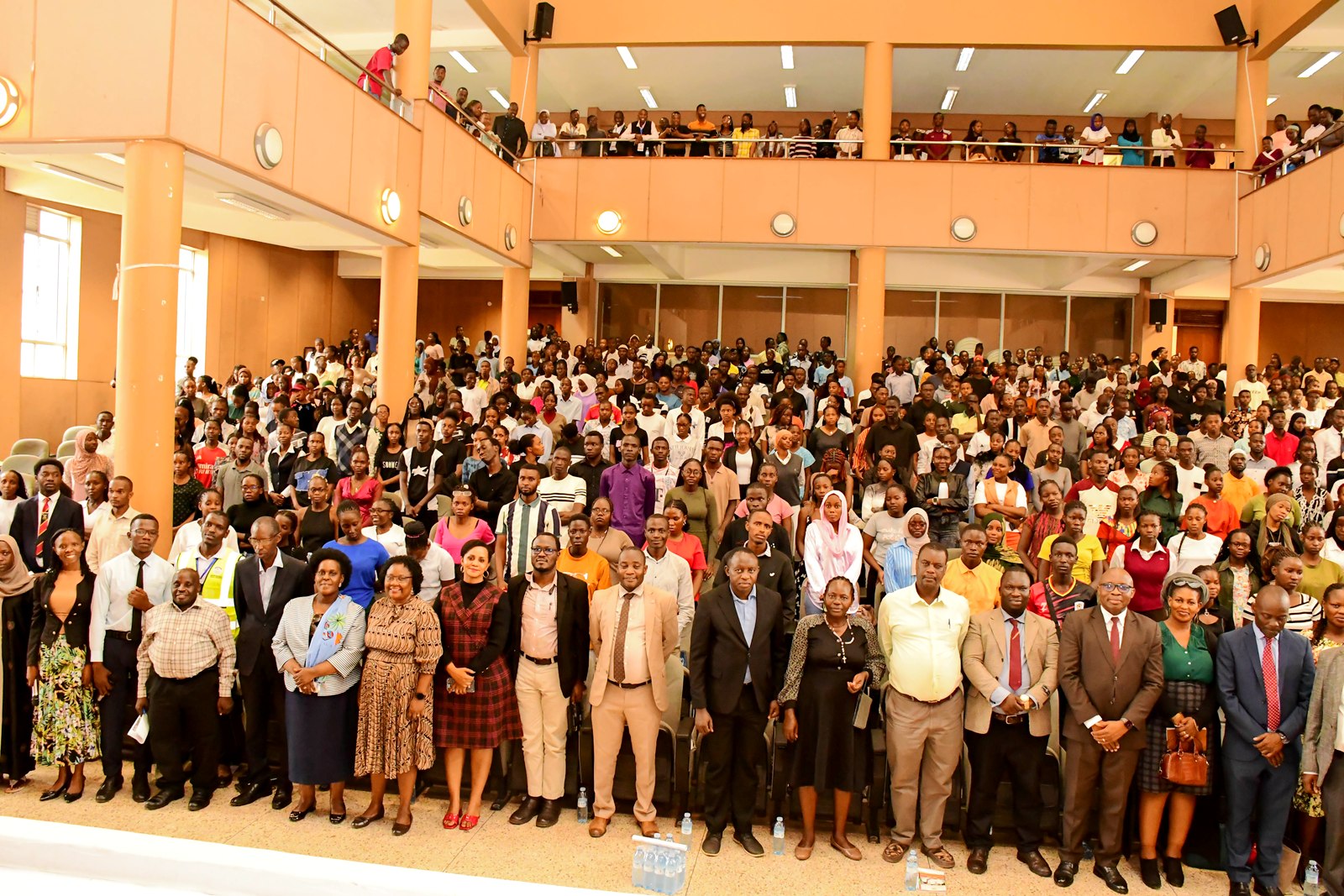
On 6th August 2026, the first year students admitted to the various undergraduate academic programmes at the College of Education and External Studies (CEES) convened at the Makerere University Yusuf Lule Central Teaching Facility Auditorium for a specialized orientation session with the College leadership, selected University Officials, staff and student leaders.
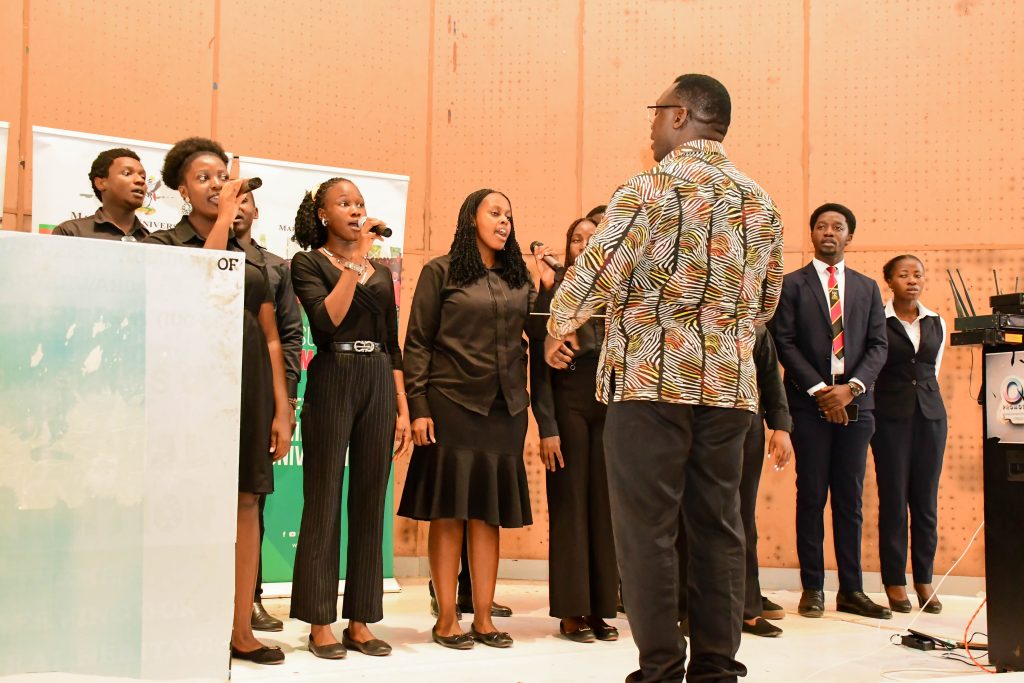
Bringing together over 900 first year students, the colourful orientation session organized by the Office of the Principal, in collaboration with the College Registrar, College Communication Office, and the Student leaders, kicked off with the singing of the Anthems. The first year students were impressed by the vocals courtesy of the College of Education and External Studies Choir.
The interactive orientation session, which involved interludes of respecting the Makerere University Culture (with the entire audience speaking with energy, Eeh, Makerere Oyee!) was aimed at equipping the newly admitted students with the essential knowledge to transition into University life, guidance to successfully navigate their academic journey, and developing a deeper sense of belonging and love for the College of Education and External Studies (CEES).
The orientation focused on promoting academic excellence, responsible conduct, personal well-being, financial management, digital learning, safeguarding, and effective utilization of university resources to support students’ growth and development.
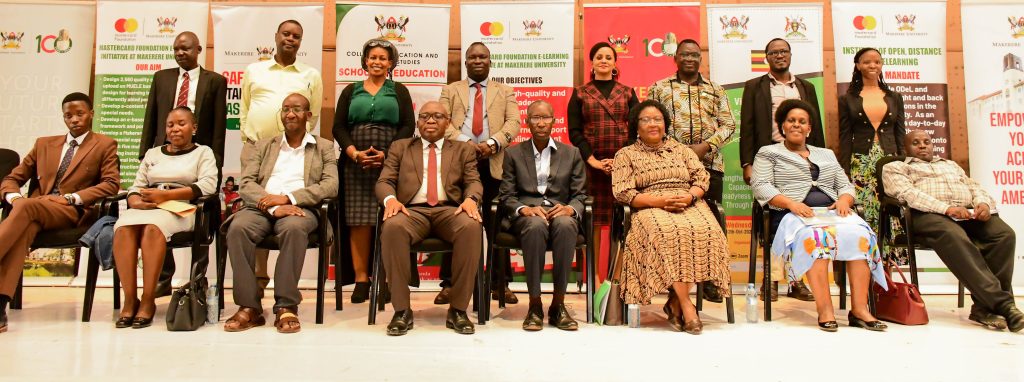
The orientation programme featured presentations from university administrators, academic leaders, student representatives, and support service providers including the College Principal-Prof. Anthony Muwagga Mugagga, Deputy Principal-Prof. Ronald Bisaso, Dean-School of Distance and Lifelong Learning- Dr. Harriet Nabushawo, Dean-School of Education- Assoc. Prof. Mathias Mulumba, the Director of IODeL-Dr. Godfrey Mayende, the Manager-Makerere University Counselling and Guidance Centre Dr. Henry Nsubuga, the College Chairperson-Mr. Anthony Bakashaba, and among other members of staff and student leaders.
Commitment to Academic Excellence and Responsible Conduct
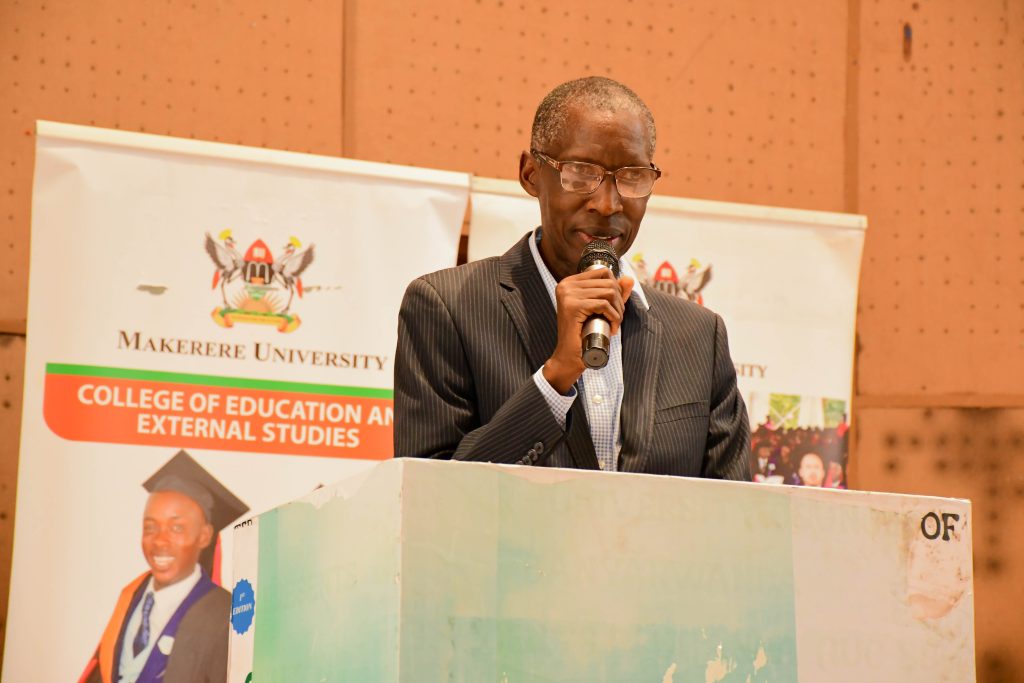
Opening the engagement, the Principal, College Principal, Prof. Anthony Muwagga Mugagga, congratulated the first-year students upon being admitted to Makerere University, and specifically to the College of Education and External Studies. He highlighted that the College consists of three (3) Schools namely: The School of Education, the School of Distance and Lifelong Learning, and the East African School of Higher Education Studies and Development.
Recalling the lived experiences from his youthful days as a student, and his various attempts in different academic disciplines such as religious studies, economics, philosophy, education, he informed the students that they had made the right choice to study education.
“I am a professor of education. I have served as a teacher, education policy specialist, and rose up to the rank of Professor. I am the College Principal. I am here to re-assure you that you have made the right decision to study education,” he said.
The Principal encouraged the first-year students to embrace their academic journey with determination and utilize their stay to effectively tap into the opportunities available at Makerere University.
“Prioritize your studies, maintain healthy relationships, and avoid behaviours that could compromise your safety, well-being, and academic progress,” Prof. Muwagga Mugagga guided.
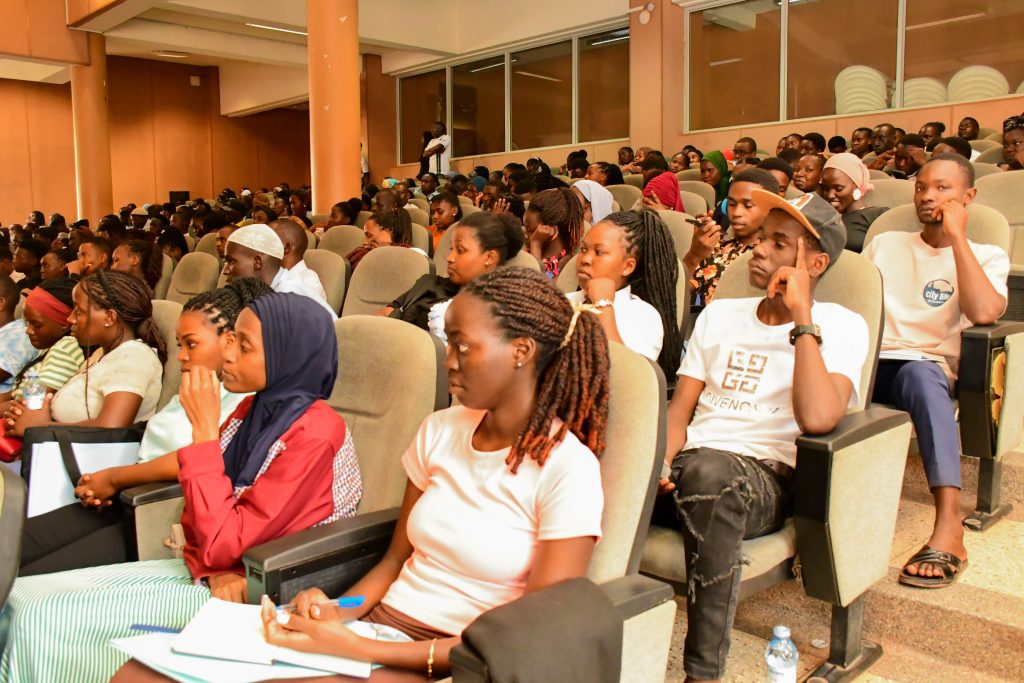
He advised the students to attend lectures consistently, actively participate in class, establish professional relationships with lecturers, and familiarize themselves with university policies and support services.
He called upon the students to manage their finances responsibly by prioritizing essential needs, such as tuition and academic requirements, and exploring available work-study opportunities when faced with financial challenges.
Prof. Muwagga Mugagga reminded students to understand their rights and responsibilities as members of the university community and to uphold the values and standards that guide life at Makerere University.
Striving for Excellence and Time Management
The Deputy Principal, Prof. Ronald Bisaso implored the students to remain focused on their academic goals, adhere to university policies, and to use their freedom wisely throughout their university journey.
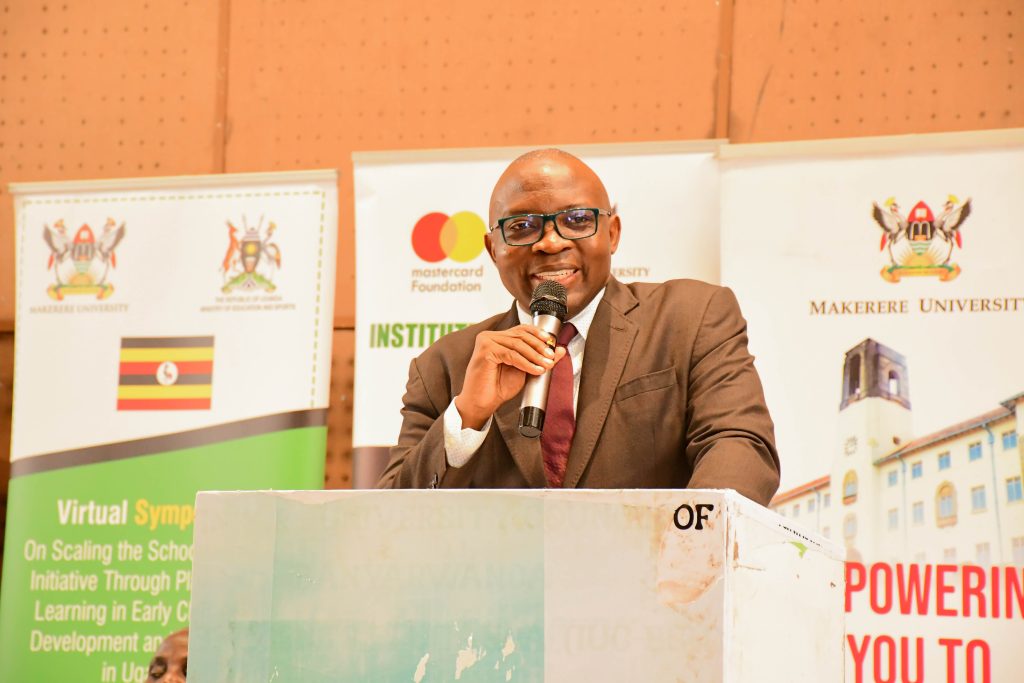
Prof. Bisaso also tipped the students on professionalism, the standards and right set of values that society expects from prospective teachers and educators. He encouraged the students to dress appropriately and make reference to authentic online platforms that describe the dress code for official, business, and casual engagements.
“Students’ conduct and appearance contribute significantly to the professional image they project within the university and the wider community,” he noted.
Academic Success and Professional Conduct
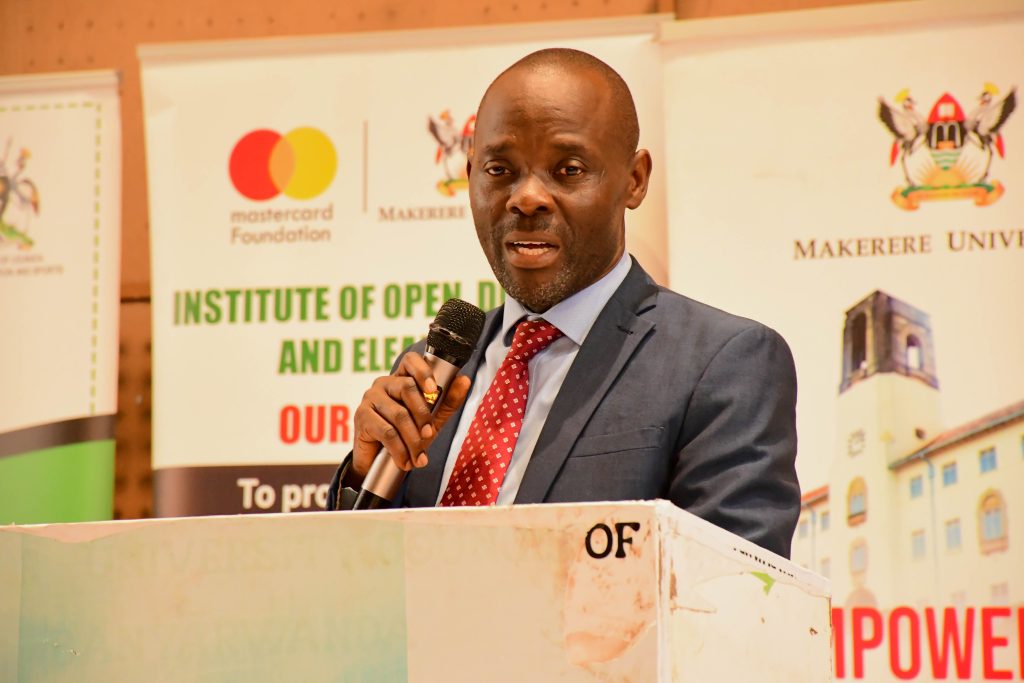
The Dean of the School of Education, Associate Professor Mathias Mulumba Bwanika articulated that the transition to the Competency-Based Education, which implies that the student/learner takes responsibility for his or her studies.
“Schools and institutions in Uganda shifted from a content-based curriculum to the competency-based one. The teacher guides, but the student takes full responsibility for his or her learning,” he remarked.
To excel under the competency-based mode of delivery, Associate Professor Mulumba Bwanika urged the students to value time, plan their schedules, form discussion groups, and tap into the benefits of group learning, including innovation, creativity, and reading ahead of their lecturers.
Associate Professor Mulumba Bwanika reminded the students to uphold high standards of professionalism by following the professional code of conduct for teachers. He tipped the students on personal hygiene, respectful behaviour, character and development.
The Dean of the School of Education, emphasized the importance of cultivating habits that promote academic success. “If you want to succeed in a university setting, you need to consult the student leaders and staff, embrace group learning, and read consistently.”
Embracing Learning Opportunities Beyond the Classroom
The Dean, School of Distance and Lifelong Learning, Dr Harriet Nabushawo reaffirmed Makerere University’s commitment to producing knowledgeable, skilled, and socially responsible graduates.
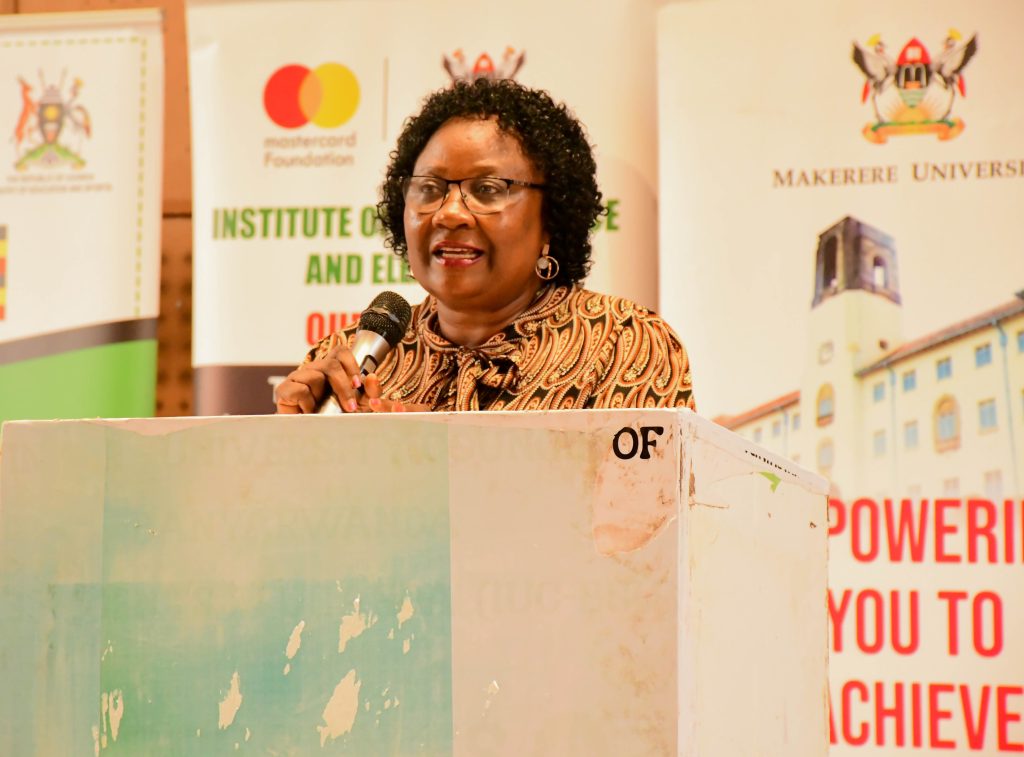
She implored the students to take ownership of their learning, remain organized and disciplined, and develop habits that promote academic excellence and lifelong growth.
Dr Nabushawo highlighted opportunities beyond classroom learning, including research, innovation, leadership, teamwork, and community engagement, noting that these experiences help students develop professional competencies, problem-solving abilities, communication skills, and teamwork.
She rallied students to actively participate in university programmes and collaborative learning experiences to broaden their perspectives and prepare themselves for meaningful contributions to society.
Effective Digital Learning and Responsible Use of Artificial Intelligence (AI)
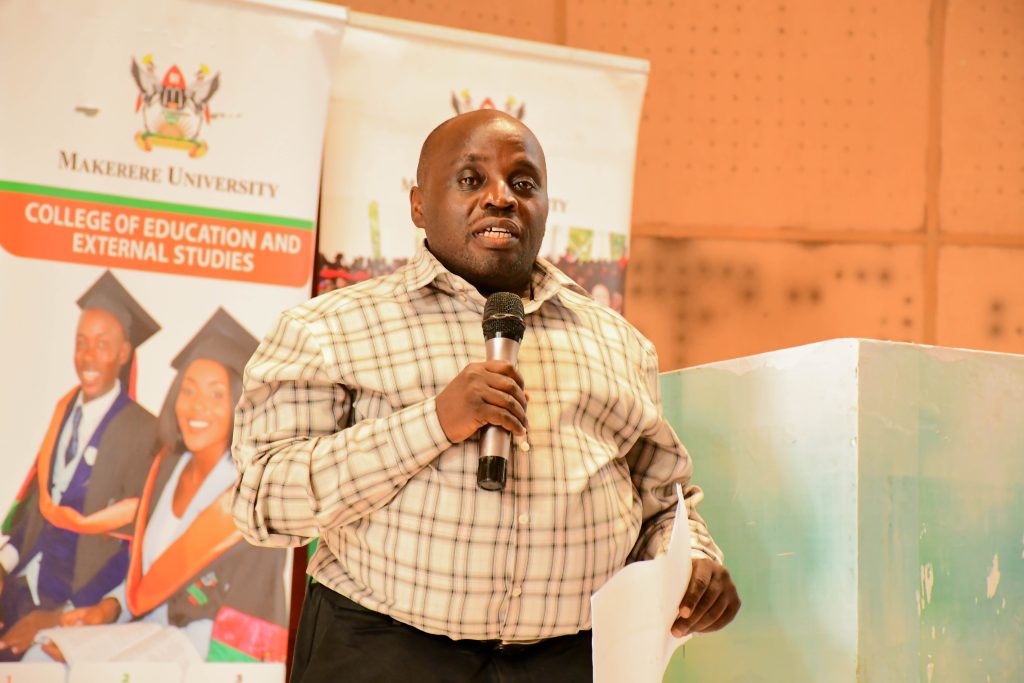
Dr Godfrey Mayende, the Deputy Director of the Institute of Open, Distance and eLearning (IODeL), advised students to embrace digital learning as an important component of their academic journey.
He urged students to regularly access the Makerere University E-Learning Environment (MUELE), participate in online discussions, check university communication platforms, and seek support when they encounter academic challenges.
Highlighting the growing role of Artificial Intelligence (AI) in higher education, Dr Mayende encouraged students to use AI responsibly as a learning companion for understanding concepts, generating ideas, improving writing, summarizing notes, and practising academic tasks.
He emphasized the importance of ethical use of technology, independent thinking, and academic integrity in preparing students for future professional environments.
“Use artificial intelligence wisely. AI should not corrupt your personal knowledge. AI should not replace human thinking,” he guided.
Prioritize Mental Health and Seek Support Early
In his remarks, the Manager-Makerere University Counselling and Guidance Centre, Mr. Henry Nsubuga called upon the students to prioritize their wellbeing, utilize their time as an opportunity for personal growth, resilience building, and professional development.
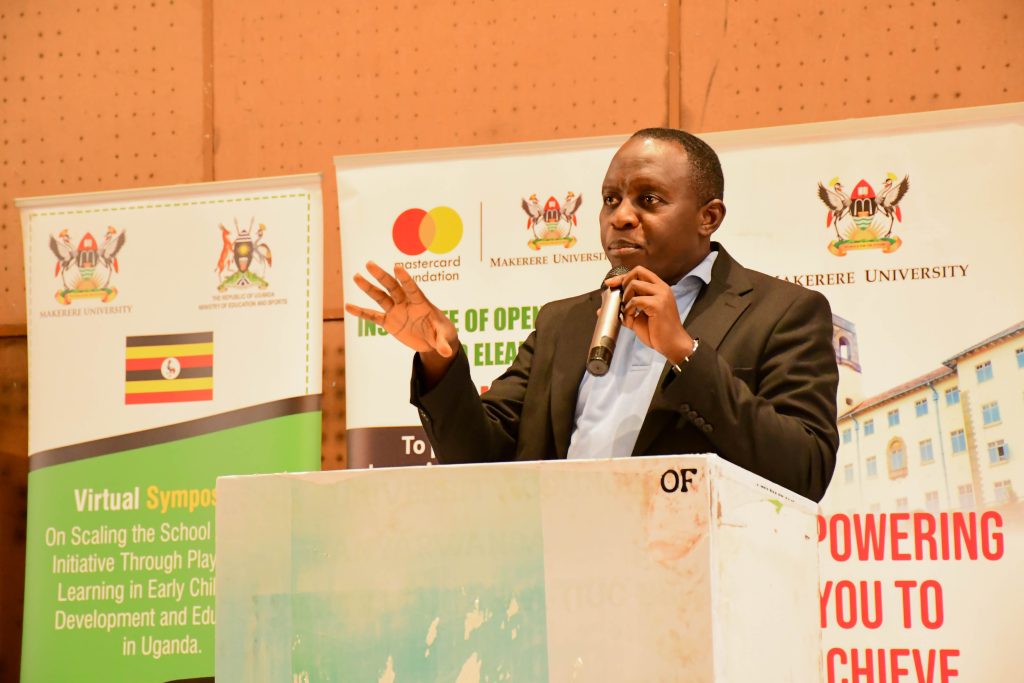
Mr. Nsubuga disclosed that Mental Health is one of the biggest challenges affecting the wellbeing of humans. He therefore advised students experiencing mental health issues to always seek professional counselling and guidance services, stressing that early access to support contributes to a successful, healthy, and a fulfilling university experience.
He appealed to students to support members within the University community who could be dealing with mental health issues due to pressures from home, workload, retakes, hunger, financial difficulties, painful relationships, poor performance in class, anxiety, drug and substance abuse, loss of loved ones, neglect and discrimination, by referring them to the Makerere University Counselling and Guidance Centre.
Ensuring a Safe University Environment
Dr Michael Walimbwa, a Staff Safeguarding Champion at CEES accompanied by Ms. Agnes Nambuya and the Student Safeguarding Champions at CEES presented some of the safeguarding tips and principles.
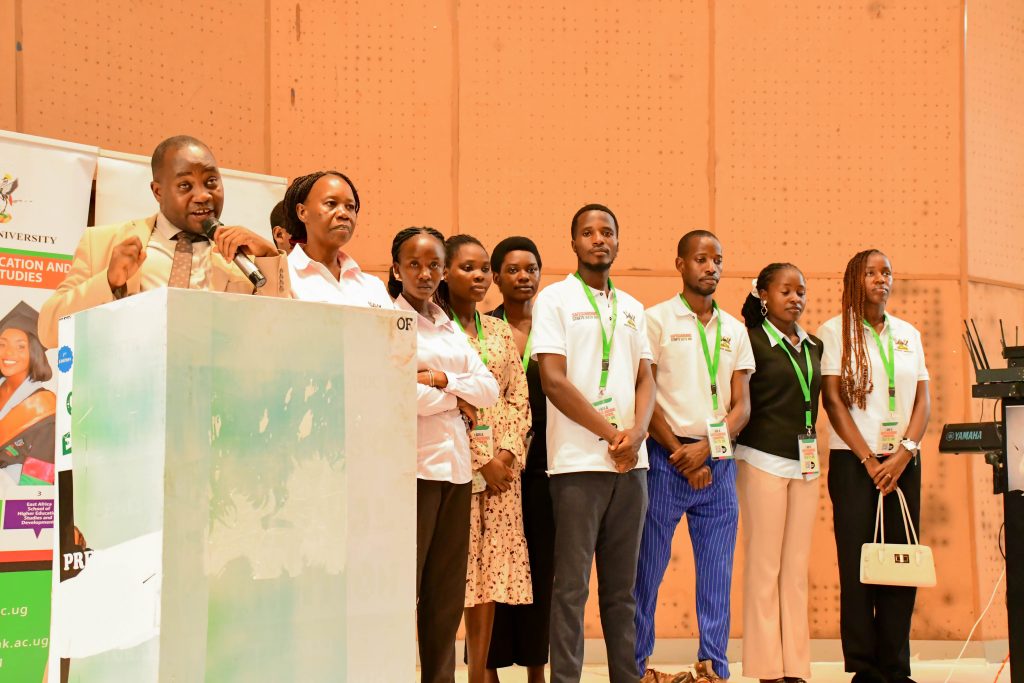
The Staff Safeguarding Champions at CEES namely Dr Michael Walimba and Ms Agnes Nambuya accompanied by the CEES Student Safeguarding Champions sensitized the first year students on the concept of safeguarding.
“Safeguarding is about protecting members of Makerere University from harassment, neglect, and any behavior that threatens safety,” explained Dr Walimbwa.
Dr Walimbwa reminded the students that creating a safe university environment is a collective responsibility. He challenged students to report any cases of harassment, misconduct, or situations affecting their well-being through established university safeguarding channels, including safeguarding champions, academic leaders, and reporting platforms.
Academic Procedures and Policies
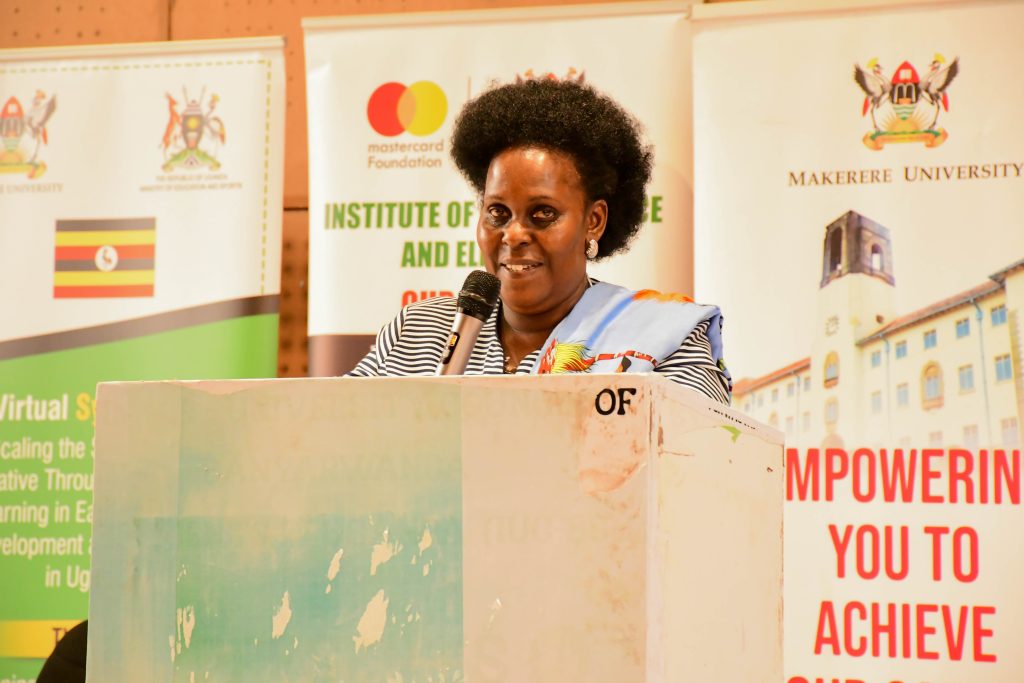
During the CEES Orientation, the Office of the College Registrar was effectively represented by Mrs. Joanna Kayaga Kiwana-College Registrar, Ms. Molly Nantongo-School of Education Registrar, and Mr. Sanderson Acati-Registrar at the East African School of Higher Education Studies and Development.
Mrs Kayaga Kiwana outlined some of the key academic policies and regulations to guide the first year students during the course of study. She advised the students to follow the respective timetables and ensure that they are in the right place at the right time. She equally emphasized the need to follow the registration procedures and guidelines, and stressed the need to provide authentic information during the documentation and registration process.
Mrs Kayaga Kiwana outlined some of the key academic policies and regulations to guide the first year students during the course of study. She advised the students to follow the respective timetables and ensure that they are in the right place at the right time. She equally emphasized the need to follow the registration procedures and guidelines, and stressed the need to provide authentic information during the documentation and registration process.
Financial Discipline and Timely Fees Payment
The College Bursar, Mr. Stephen Kayima and the Accountant-Mr. Godfrey Wasikye underscored the need to follow the University financial procedures and ensure timely payment of tuition and other University fees.
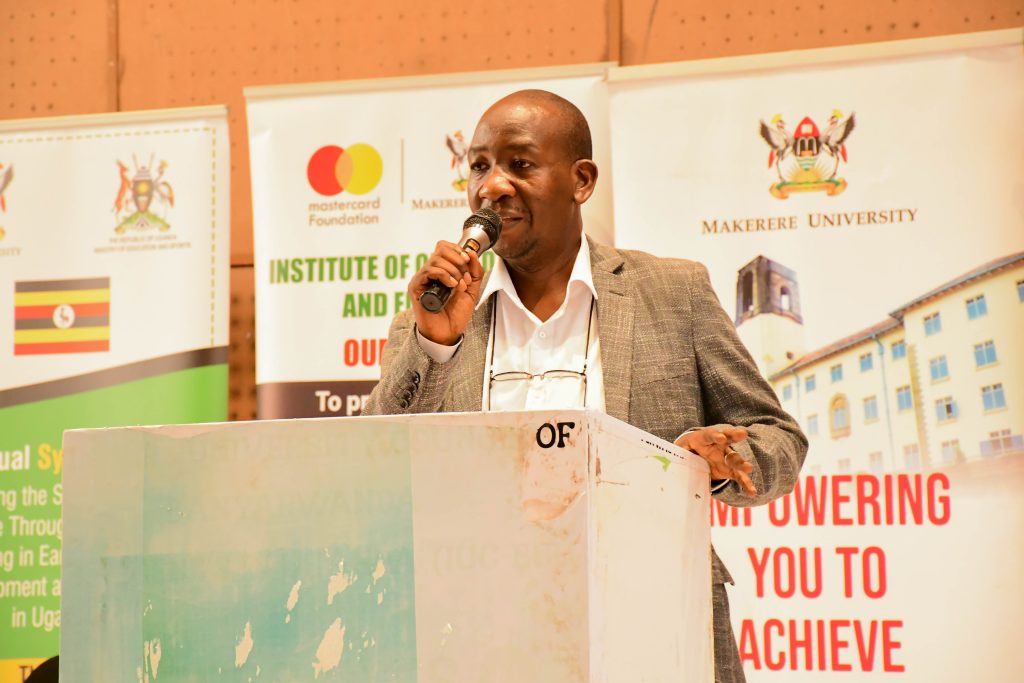
Mr. Kayima emphasized that all tuition and functional fees should be paid through the official university payment system using a Payment Registration Number (PRN), cautioning students against relying on unofficial payment channels.
Mr. Kayima urged students to prioritize tuition payments within the stipulated timelines to maintain uninterrupted access to university services and academic activities.
Library Support Services and Promoting a Reading Culture
Ms Frascesca Musimenta, from the CEES Library, encouraged students to develop a culture of reading, conduct research, and utilize library services throughout their academic journey.
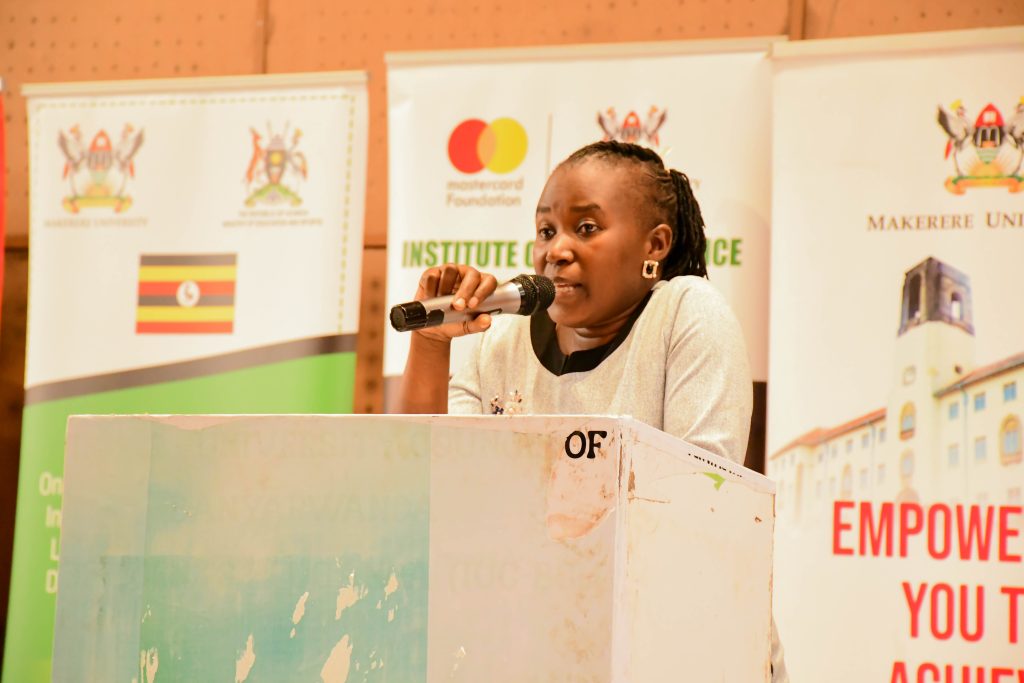
She highlighted the role of the university library in supporting learning through access to books, journals, research materials, and study spaces, encouraging students to take advantage of these resources.
Balancing Academics with Campus Engagement
The 92nd Guild Minister for Academic Affairs, Makerere University, Hon. Neena Elsie Kalazani, congratulated the first-year students upon their admission and advised them to approach their studies with commitment and discipline.
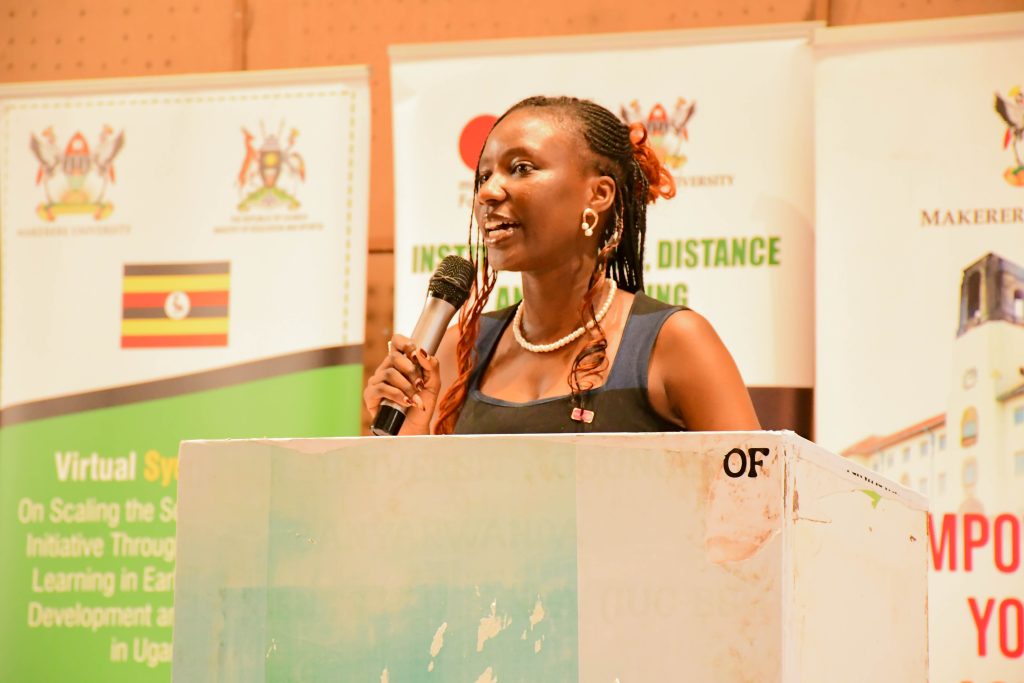
She urged students to attend lectures consistently, complete coursework on time, read beyond classroom requirements, and strive for academic excellence.
Beyond academics, Hon. Neena Kalazani encouraged students to participate in clubs, associations, and leadership opportunities, noting that such engagements help develop leadership skills, build networks, and create a more enriching university experience.
She called upon students to embrace the wider Makerere community and balance academic excellence with active participation in campus life.
The orientation program concluded with student leaders presenting the various clubs and associations within the College, encouraging first-year students to actively participate in co-curricular activities that promote leadership, teamwork, networking, and personal development.
The engagement provided students with essential guidance on navigating university life, emphasizing academic excellence, responsible conduct, personal well-being, and effective utilization of available university resources.
The Orientation session was moderated by Ms. Ritah Namisango, Principal Communication Officer at Makerere University, and Hon. Peter Kisakye, the Speaker, Makerere Education Students Association (MESA). Ms. Namisango acknowledged the College Chairperson, Mr. Anthony Bakashaba and his entire student leadership team for the selfless service exhibited during the orientation activities lined up at the College (Monday 3rd to Friday 7th August 2026). She also recognized the CEES Choir led by Dr Benon Kigozi for participating in the College Orientation.
Education
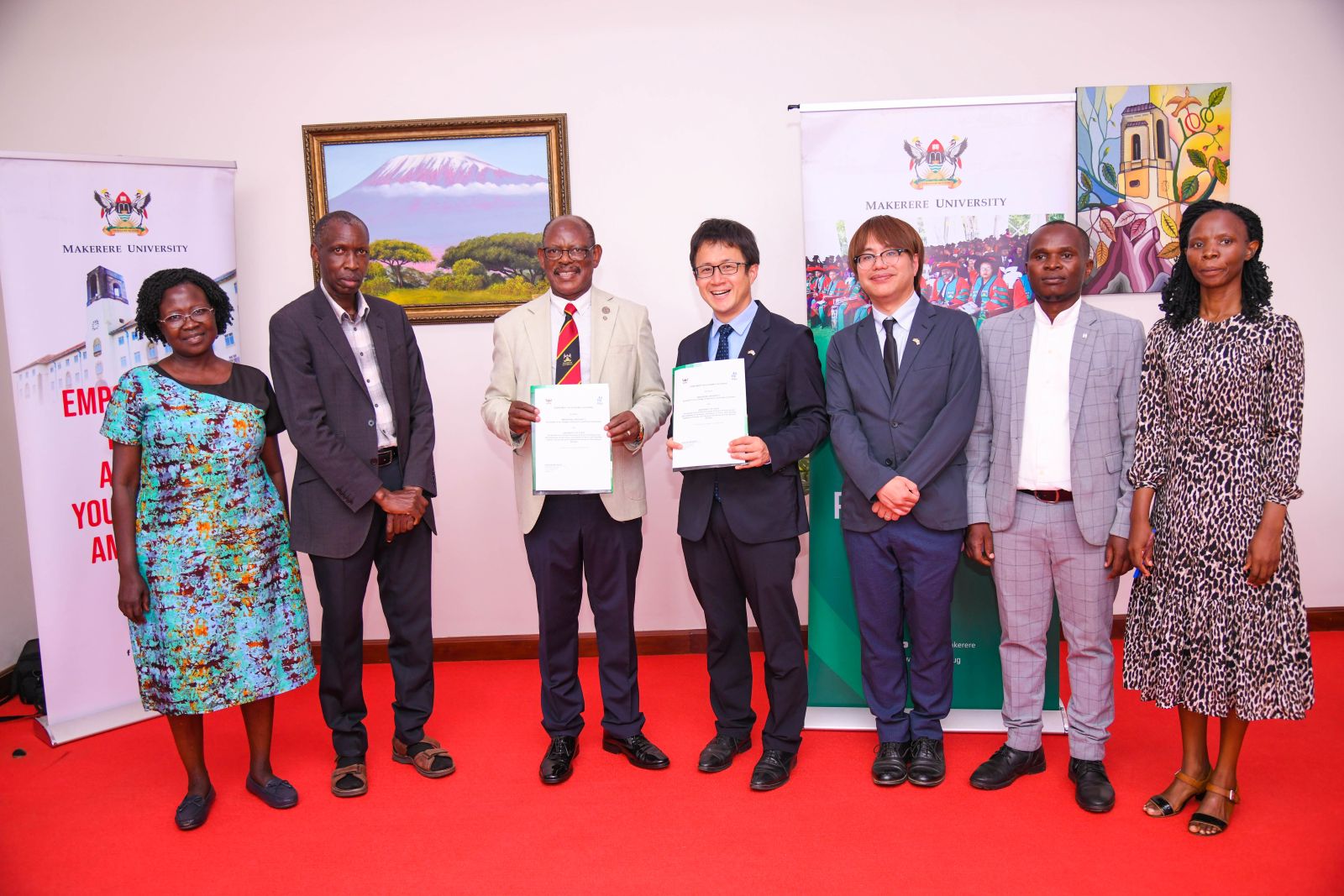
Makerere University Signs MoU with Fukui University to enhance Research, Teacher Development and STEM Education

-
 Humanities & Social Sciences2 weeks ago
French Embassy Presents Four Makerere Scholars with Academic Palms
-
 General2 weeks ago
Job Opportunities: NETOMA Study
-
 Health2 weeks ago
Makerere-Mulago Host Oncology Specialist – Professor Dr. Thiha AUNG
-
 General2 weeks ago
Makerere University and Xiangtan University Advance Strategic Partnership in Chemical Engineering
-
 Health2 weeks ago
PhD Fellowship Opportunity: NETOMA Study