
Education
Inclusive education: Using assistive technologies to manage the learning needs of students with visual impairments at Makerere and Kyambogo Universities

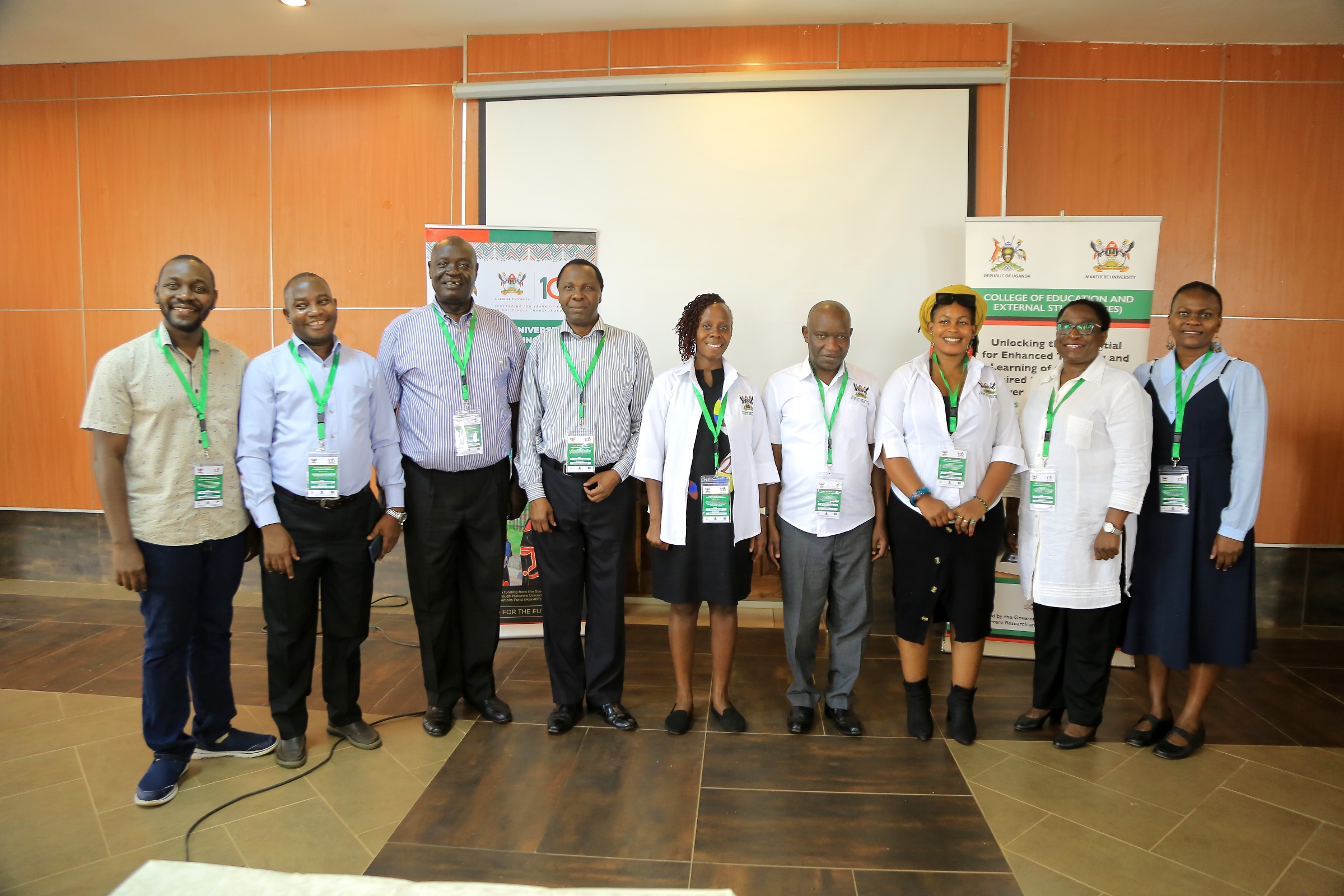
Over 80 academic staff at Makerere University and Kyambogo University have been trained under a five-year project designed to enhance the teaching and learning of visually impaired students in Uganda, through the use of assistive technologies. In addition, 100 university students with visual impairments have also been trained and supported. An online course titled, “Supporting Learning of Students with Visual Impairment” was developed. There is increased awareness and understanding at Universities of the needs of learners with visual impairments.
With this support, the College of Education and External Studies at Makerere University secured some specialized equipment and assistive technologies for research as well as facilitating usage and access to these devices by students with visual impairments.
Inclusive education is based on the premise that all children, regardless of their social, cultural, physical and mental (UNESCO, 2009) conditions should learn together (UNESCO, 2014). As a philosophy, inclusion urges training institutions to welcome, value everyone, and minimize barriers to accessing quality education and ensuring effective participation in learning experiences by all learners (Morina, 2017).
Globally, ICT is increasingly being used to improve the learning and independence of students with visual impairments (Gill, Sharma & Gupta 2017).
The project team consisting of staff from Makerere University College of Education and External Studies, Kyambogo University, National Council for Higher Education and Uganda National Association of the Blind noted that the preparedness of public universities in Uganda to provide education to students with visual impairments was still wanting. The research team noted that available studies indicated evidence of discrimination, an unsupportive teaching and learning environment, negative attitudes, inappropriate infrastructure and unprepared academic staff.
With funding from the Government of Uganda through Makerere University Research and Innovation Fund (MakRIF), a research project titled, Unlocking the Potential for Enhanced Teaching and Learning of the Visually Impaired in Uganda’s Public Universities: The Role of Assistive Technologies-(ATEVIL) was designed to address the challenge of limited awareness and capacity by public universities to support the teaching of students with visual impairments.
Since 2020, the research team has been implementing the ATEVIL project aimed at supporting students with visual impairment by strengthening educators’ capacities and enhancing educational accessibility.
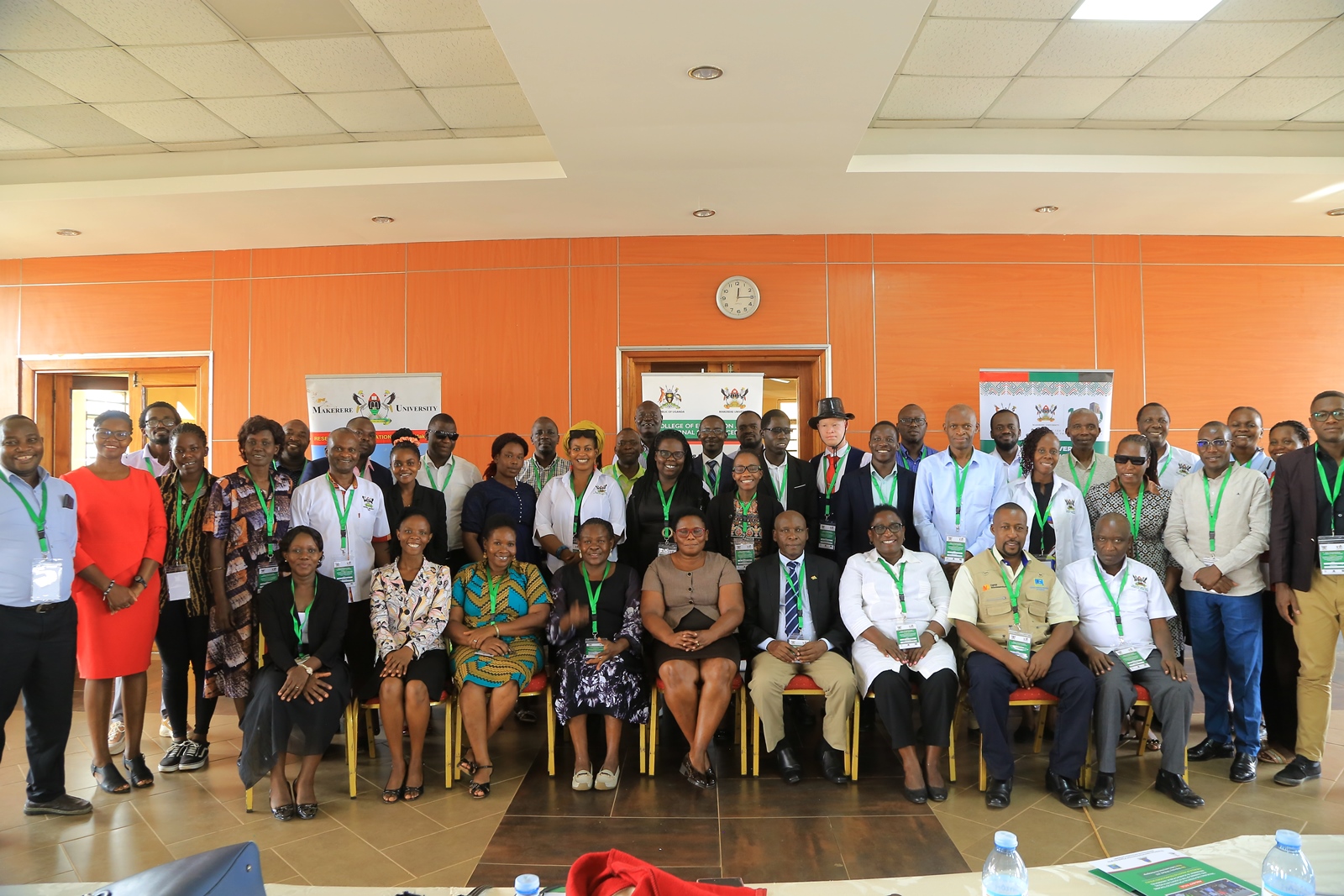
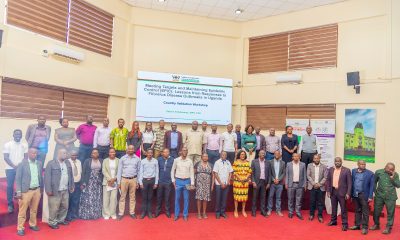
At the stakeholder’s dissemination workshop held on 12th March 2025 to assess the five-year application of the ATEVIL project, the participants unanimously agreed that assistive technologies are key in helping the visually impaired students close the learning gaps.
The research team consists of the following members: Dr. Leah Sikoyo, Associate Professor Betty Ezati, Dr. Dianah Nampijja, Dr. Michael Walimbwa, Associate Professor Joyce Ayikoru, Mr. Daniel Okot, Dr. Godfrey Onyait and Mr. Ronald Luyima.
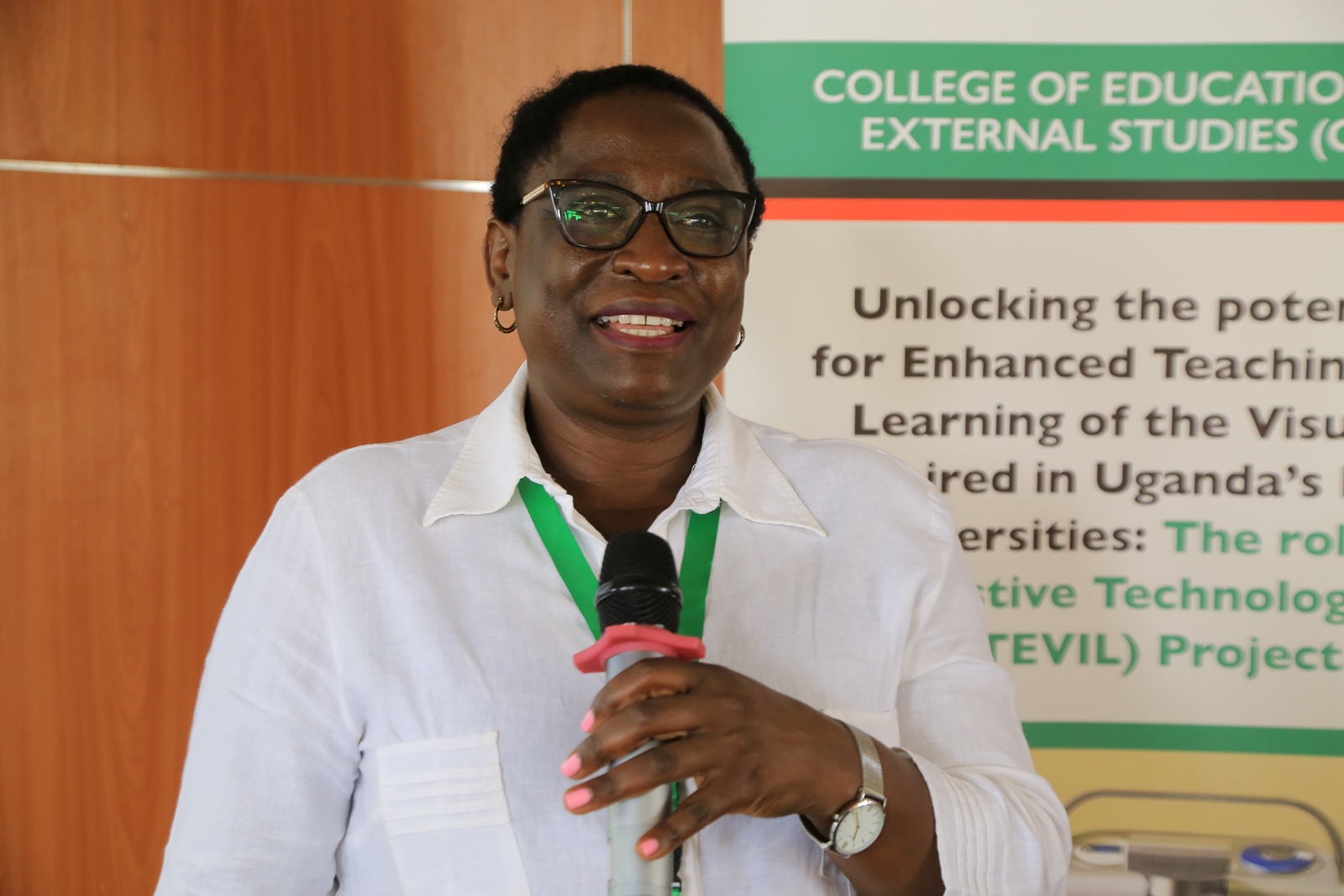
Dr. Leah Sikoyo, the Principal Investigator of ATEVIL Project
Presenting the situation analysis, Dr. Leah Sikoyo, the Principal Investigator-ATEVIL project indicated that the number of learners with visual impairments enrolling for university education has been increasing amidst limited capacity by teacher educators to effectively manage their learning needs.
Dr. Sikoyo attributed the rise in the number of students with visual impairments accessing university education to the awareness and sensitization efforts by the Government of Uganda, Ministry of Education and Sports, parents, the Uganda National Association of the Blind and other stakeholders.
She disclosed that although at Makerere University, most of the students with visual impairments enroll for academic programmes in the humanities, social sciences, education, law and business, at the global level, where assistive technologies are accessible, they empower the learners with visual impairments to study a wide range of courses in the sciences, medicine, engineering and among others.
Using a very common scenario, Dr. Sikoyo who is an academic member of staff at Makerere University-College of Education and External Studies, mentioned a critical issue in the existing educational framework. She pointed out that most of the teaching staff unconsciously use this statement when teaching, and I quote: “Dear students, do you see this?” This inherent bias towards sighted students results in significant barriers for those with visual impairments. The lack of awareness and training among educators has led to inadequate support mechanisms, leaving students with visual impairments feeling isolated and ignored, especially during crucial assessment periods. She added that in some situations, academic staff would establish that some students have visual impairments during tests or towards the examinations period.
In response to these challenges, the ATEVIL project integrates assistive technologies to foster an inclusive learning environment. “Technology enables flexibility. It provides possibilities to adapt to the learning environment. Students can work not just with ease, but also with independence,” stated Dr. Sikoyo. She stressed that this approach not only empowers students to access information independently, but also shifts the educational paradigm towards a more equitable system.
The ATEVIL project’s innovative strategies encompass not just hardware and software, but also methodologies that cater to different learning needs, enabling educators to create a supportive environment for all students.
With the ATEVIL project success, its implications extend beyond the classroom, serving as a contact of hope for a more inclusive Uganda and fostering awareness and training among educators, the initiative hopes to maximize the potential of all students, regardless of their disabilities. It is hoped that, by addressing the systemic challenges faced by visually impaired students, this initiative is not just changing lives; it is redefining the future of education in Uganda.
Remarks by Representative of MakRIF
Representing Prof. Fred Masagazi Masaazi, the Chairperson of the MakRIF Grants Committee, Dr. Zahara Nampewo, the Deputy Principal, School of Law at Makerere University stated that true vision goes beyond physical sight, and this project aims at helping visually impaired students to see with their minds.
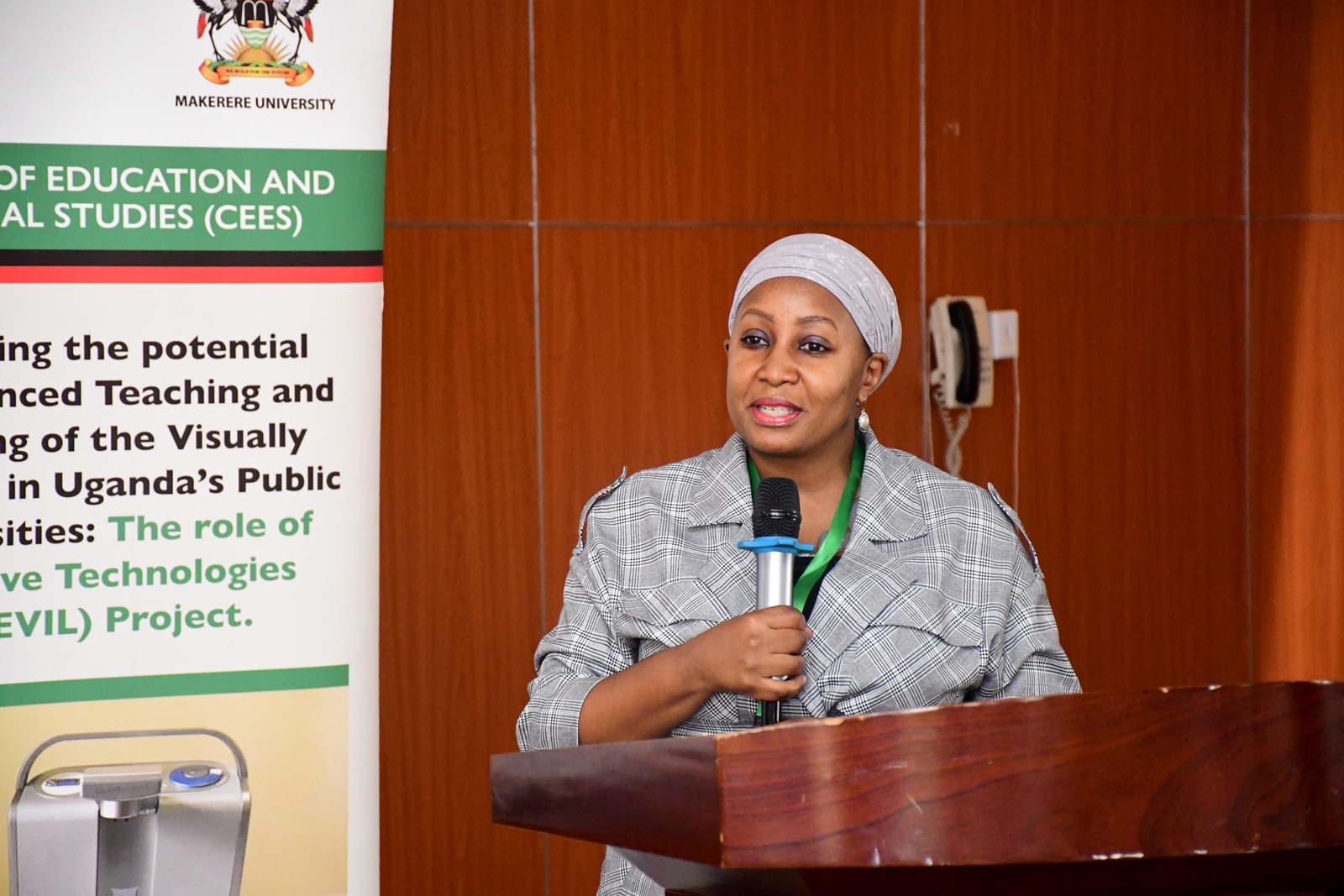
Dr. Nampewo commended the project team for their innovative approach towards inclusive learning for visually impaired students, noting that it has transformed the lives of learners and positively influenced government policy.
“In addition to learners with visual impairments, I implore the ATEVIL project team at Makerere University, Kyambogo University and National Council for Higher Education, to consider students with hearing and mental disabilities. I encourage you to expand the scope of this project to achieve even greater impact and actionable results,” said Dr. Nampewo, a Member of MakRIF Grants Management Committee.
Remarks from National Council for Higher Education
Participating in the stakeholder’s dissemination workshop, Dr. Olive Lunyolo, a Senior Education Officer at NCHE re-affirmed Government’s commitment to promoting inclusive learning across all educational institutions.
Dr. Dianah Nampijja presents impacts and outcomes
Dr. Nampijja said: “When we started this journey, it was a journey of not knowing things to do. As we have walked through, we have increased awareness on inclusive learning. We needed our students to be independent. We didn’t want to pity them. The goal is to equip the learners to thrive in competitive work environment.”
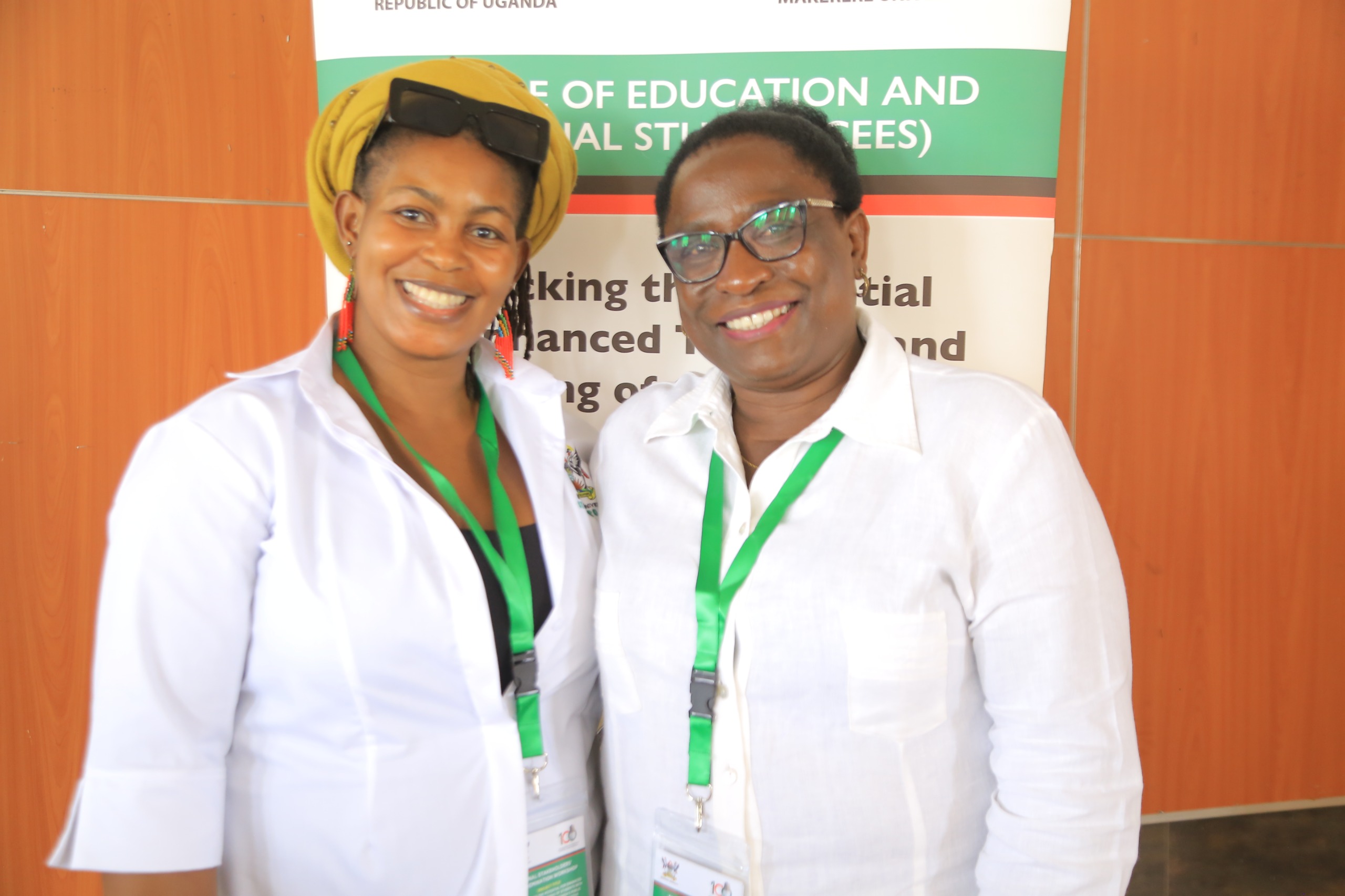
The ATEVIL project gathered insights into the lived experiences of students with visual impairments, ensuring that their needs were met comprehensively. According to Dr. Nampijja, the ATEVIL project presented possibilities. The project research implementation team focused on presenting possibilities to learners with visual impairments. “Assistive technologies are part of those artifacts that allow these possibilities,” she said.
She noted that by focusing on assistive technologies, the ATEVIL project made learning more accessible. “The initiative addressed gaps in the learning management systems, allowing students to navigate these platforms effectively,” she remarked.
Highlighting the importance of continuous professional development, Dr. Nampijja reported that through the ATEVIL project, 80 academic staff across Makerere and Kyambogo Universities were successfully trained in inclusive teaching strategies and assessment methods tailored for students with visual impairments.
Contribution from Makerere University Disability Support Unit
Ms Elizabeth Rwabu who manages the Makerere University Disability Support Unit mentioned that that she has been engaged with disability advocacy since childhood. “You should never allow the disability to define you. Accept your circumstances, but remember, you are not defined by them,” she advised. According to Ms Rwabu, this is a notion that the true challenges are not solely in the impairments themselves, but in the societal barriers that inhibit full participation in daily life. She noted that, ‘Barrier plus impairment equals disability.’ She explained that by dismantling barriers, be it physical, social, or systemic, individuals can reclaim their agency.
Contribution from the Makerere University Dean of Students’ Office
Mr. Peter Mwanja from the Office of the Dean of Students at Makerere University guided as follows: “In addition to providing accommodation to students with disabilities, we need to ensure that they are actively included in all aspects of university life. This includes sports and extracurricular activities, which are vital for social integration.”
Feedback from participants at the Stakeholders Dissemination Workshop
During the plenary session, participants observed that the disability will be broken when you remove the barriers preventing access to what you are meant to do. They commended the ATEVIL project which aims at addressing these barriers head-on for providing practical solutions that are changing perceptions and outcomes within the community.
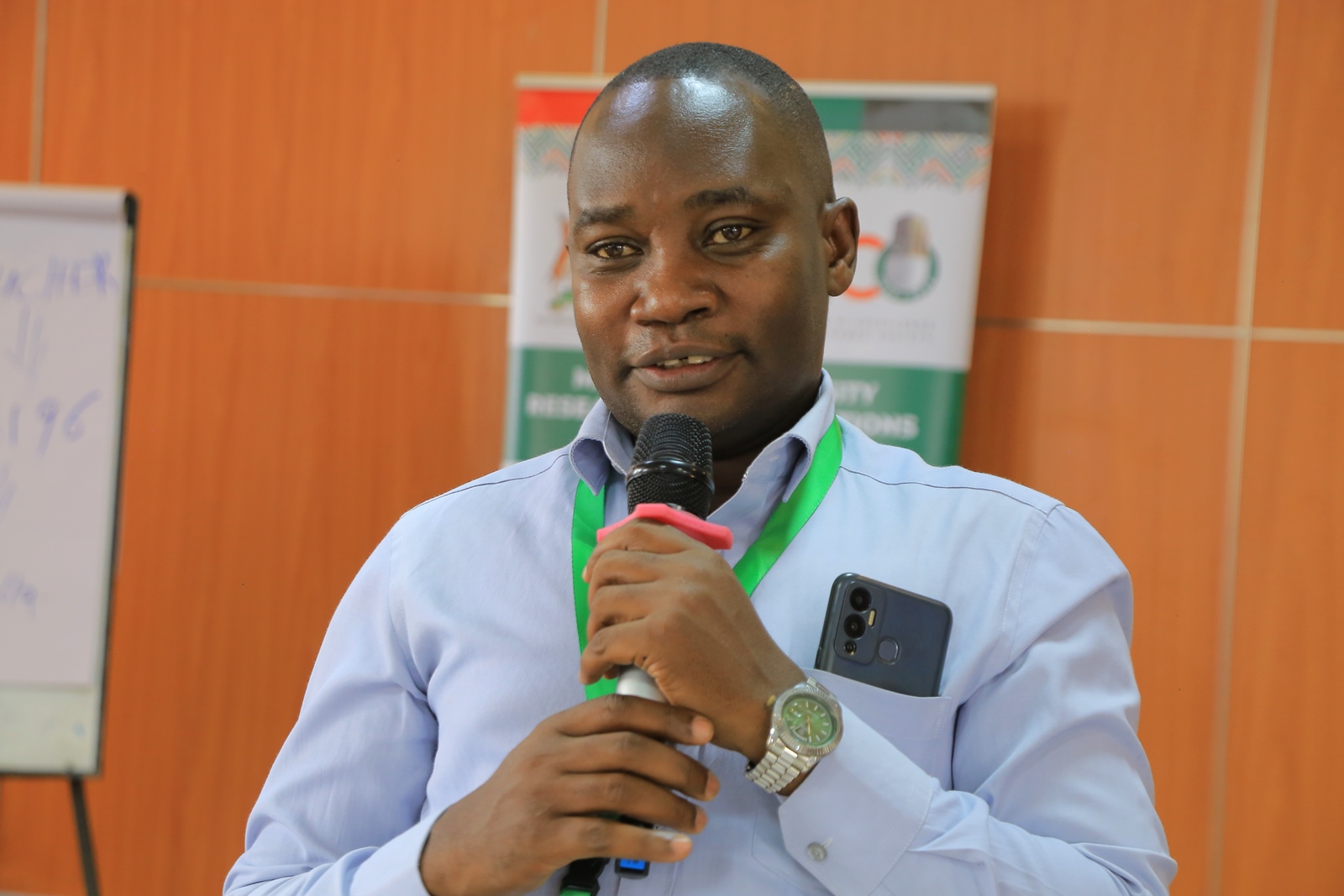
The participants underscored the need for teachers and staff to receive training on disability awareness and inclusivity. They also noted that while some progress has been made, many university facilities are still lacking essential features such as ramps and accessible restrooms.
The stakeholders advocated for policies that support and empower students with visual impairments as well as increased support from the Ministry of Education and Sports in form of funding specific to the needs of students with visual impairments, specialized equipment and assistive technologies.
Testimonies from academic staff trained during the ATEVIL project
Dr. Zaid Sekito, Makerere University
Dr. Zaid Sekito, an academic staff member at Makerere University College of Humanities and Social Sciences and a beneficiary under the ATEVIL Project, reflected on his transformative two-year journey since joining the initiative. “I have learned how to deal with students with visual impairments. I am very sensitive when it comes to inclusion of learners with different abilities as well as on the choice of words and terminologies,” he shared.
Convinced that true empowerment requires equitable educational opportunities, Dr. Sekito advocated for a shift towards “multi-diversity universities” that embrace modern technologies to support diverse learners.
He highlighted the need to create more ambassadors advocating for comprehensive training for staff to address the special needs of our students effectively.
Dr. Jackie Adong, Makerere University
Dr. Jackie Adong, an academic staff member at Makerere University College of Humanities and Social Sciences and a beneficiary of the ATEVIL Project shared her transformative journey in supporting students with visual impairments. She elaborated that being sensitive to the needs of students with visual impairments is a reminder of our responsibility as human beings to fellow human beings. Dr. Adong highlighted the rights of students with visual impairments, emphasizing their entitlement to education, participation, and access to resources.
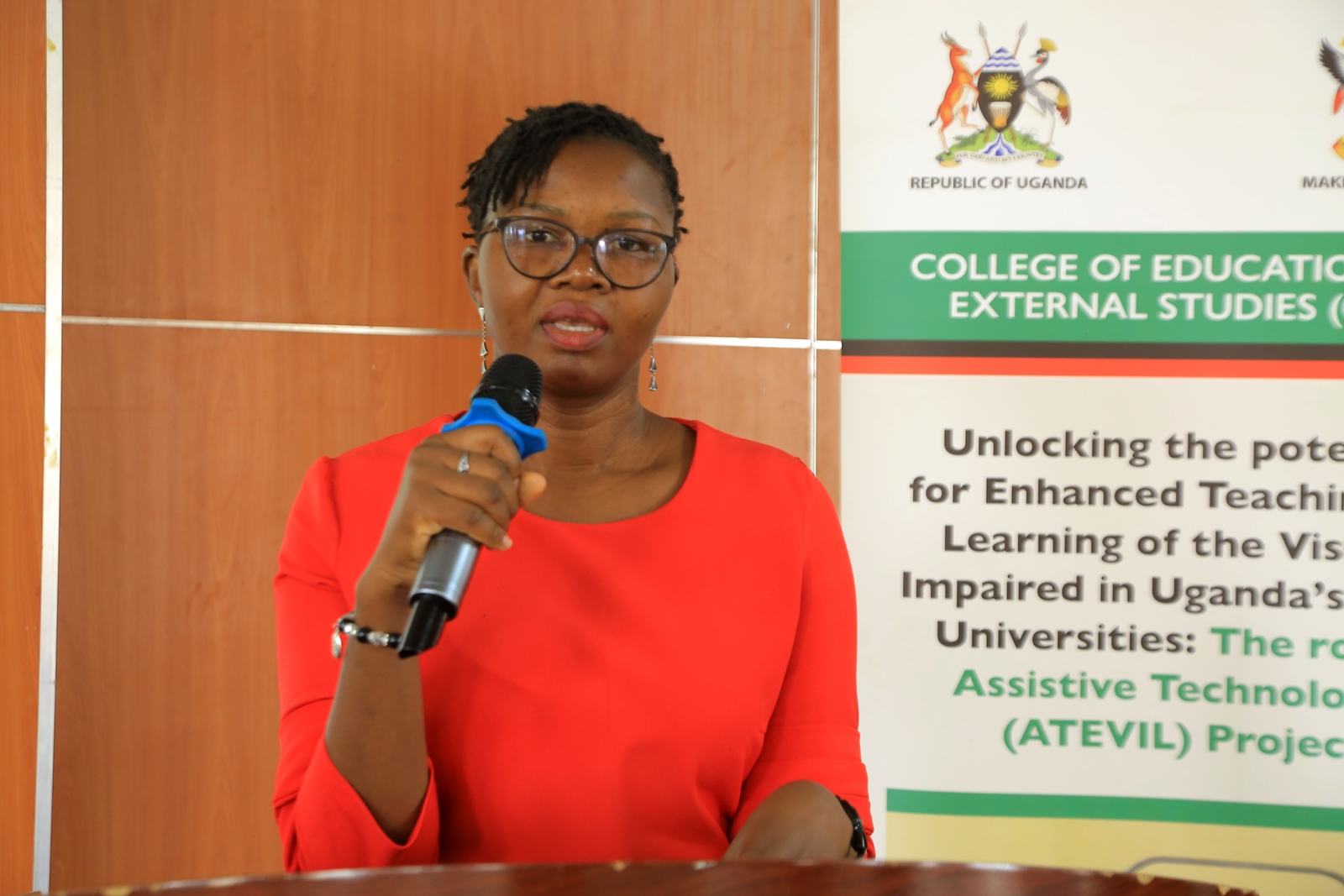
She has adapted to alternative teaching methods by posting class notes on WhatsApp and allowing students to utilize assistive technology for reading. “Now we are aware of them from the beginning of the class, during coursework and during exams,” she said, detailing how the Department of Literature at the College of Humanities and Social Sciences has created a supportive environment. Dr. Adong is committed to continuing these inclusive practices to ensure a brighter future for all students.
Dr. Asio Santamaria, Kyambogo University
Dr. Asio Santamaria, the head of the Department of Biological Sciences at Kyambogo University and a beneficiary of the ATEVIL Project, highlighted the significant impact of the initiative on her teaching approach and awareness of students with visual impairments.
Reflecting on her experience, she pointed out, “Observation has helped us recognize students who may appear physically fine, but require special attention.” Dr. Asio emphasized the need to accord extra time for coursework and exams to students with visual impairments. She credited the ATEVIL project for enhancing her knowledge of modern assistive technologies and inclusive teaching strategies.
Enock Kisekka, Kyambogo University
Enock Kiseka, an academic staff member at Kyambogo University and beneficiary of the ATEVIL Project, shared his transformative journey in supporting visually impaired students. He disclosed that initially, he did not understand fully the challenges faced by students with visual impairments.
His perspective changed after participating in inclusive training. Kiseka emphasized the importance of intentionality, stating, “I became more aware of students with low vision and learned to provide appropriate support, such as extra time during assessments.”
His engagement with the Disability Support Centre led to collaborative efforts to create a more inclusive environment. “We have developed a strong relationship with the special needs faculty,” he added, underscoring the collective responsibility in enhancing accessibility.
Students’ Testimonies
Awilo Mariam, a student at Makerere University and beneficiary under the ATEVIL Project, shared her experience, stating, “Before the training, I struggled with using the Moodle portal, but now I can type my notes and exams confidently.”
She emphasized the power of empathy, urging, “Treat everyone simply; life can change in an instant.” Awilo expressed gratitude for the support from her lecturers, acknowledging their crucial role in her educational journey.
Paul Kakooza, a student at Makerere University and beneficiary under the ATEVIL Project, expressed profound gratitude for the initiative’s impact on students with visual impairments. According to Kakooza, the ATEVIL project has yielded results, empowering visually impaired students to navigate technology and advocate for their needs.
Kakooza also reported on the transformation in his ability to access information. “We are now able to navigate our phones and the Internet, which was once a challenge for many of us,” he mentioned. He pointed out the societal discrimination faced by visually impaired individuals, urging for greater awareness among educators about their needs.
“We need to extend the ATEVIL project’s reach into the employment sector,” he urged, noting that many organizations underestimate the potential of visually impaired graduates.
Namugenyi Rosemary, an alumnus of Makerere University alumnus and beneficiary of the ATEVIL Project shared her experience. Being a visually impaired student, Namugenyi faced challenges coping with traditional learning methods. She was liberated and empowered by the ATEVIL project, which helped her to navigate technology effectively.
Namugenyi recounted how she initially struggled with online course works and assignments, but eventually mastered it. “Through the training, I became a pioneer in using scanning technologies to transform hard copy notes into accessible formats.
Namugenyi explained that her newly acquired skills through the ATEVIL project have enabled her to gain trust among her peers, who often seek her guidance for research. She concluded with heartfelt gratitude for the project, stating, “I pray that it continues to support others who may not yet have access to these vital resources.”
Daniel Elaju, a recent graduate of Makerere University and beneficiary of the ATEVIL Project, who graduated with a First Class degree shared how the initiative aided his academic success and workplace readiness. “I faced numerous challenges at the university, especially finding accessible materials, but the ATEVIL project helped bridge that gap,” he remarked.
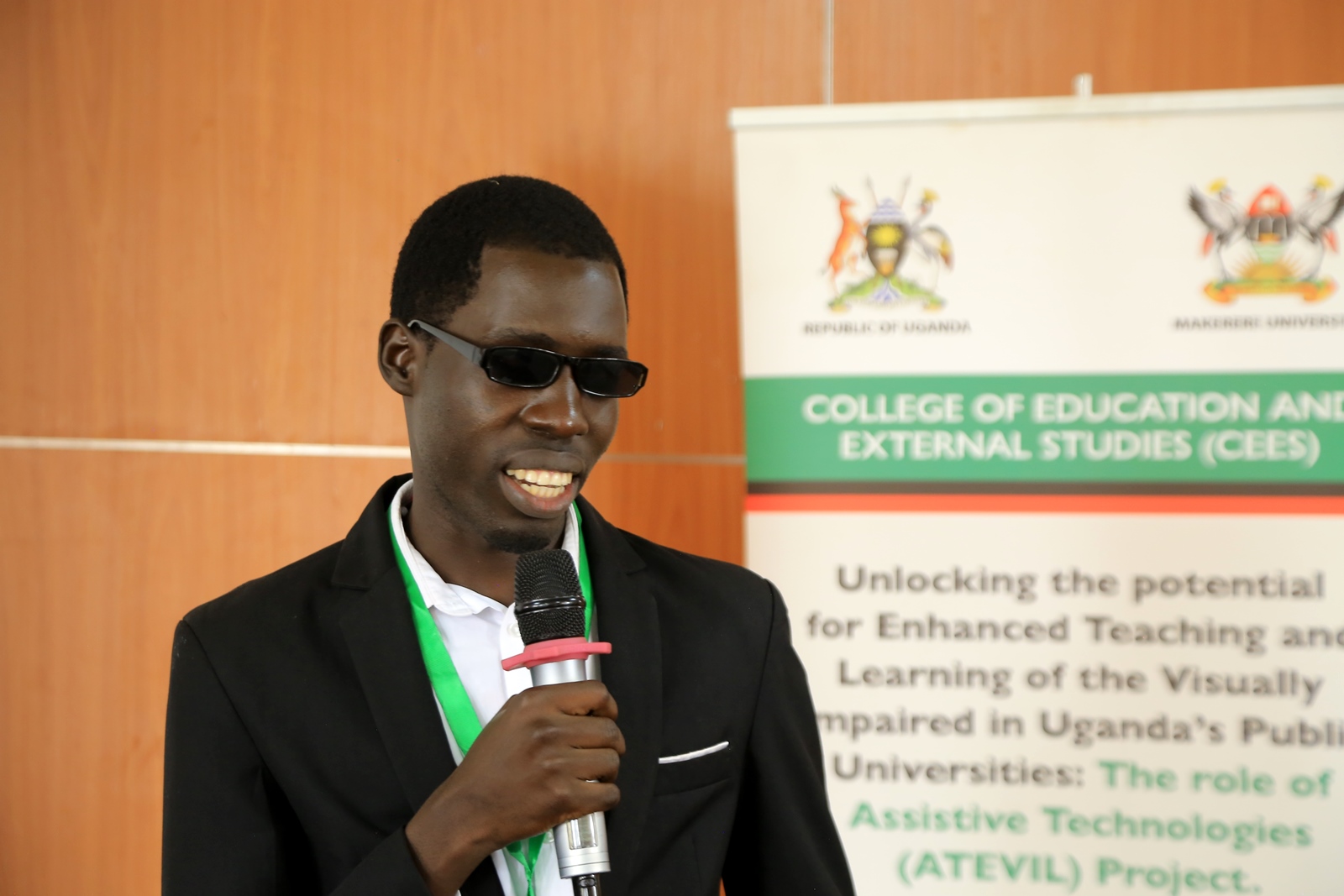
Elaju who works at Equity Bank said: “Using Jobs Access to With Speech (JAWS) Screen reader in computers which could enable the visually impaired students to use computers at ease, made a significant difference in his learning journey and career.”
He expressed gratitude for the training he received, which enabled him to outshine competitors during job interviews, notably at Equity Bank, where he secured a job. Elaju described his commitment to sharing knowledge with peers. “I mobilized my colleagues to ensure resources are accessible as well as helping them submit coursework.”
Noting that many employers were not aware of the capabilities of visually impaired individuals, Elaju urged the ATEVIL project and other stakeholders to continue with the advocacy and awareness at the different levels.
Trevor Twinomugisha Makuru, a second-year student at Kyambogo University and beneficiary of the ATEVIL Project, shared his impactful journey, emphasizing the project’s role in enhancing awareness among students with visual impairments. “Joining Kyambogo was challenging as a private student with low vision,” he noted, reflecting on the initial difficulties he faced.
He commended the ATEVIL project for providing him with the essential training in assistive technologies, which enabled him to become more independent in his studies. “We were inspired to revive the Kyambogo University Visually Impaired Students Association, where I currently serve as the President,” he stated, underlining their commitment to educating fellow students about these technologies.
Twinomugisha Makuru credited ATEVIL project’s influence towards his transformation. “Our trainings fostered a desire to advocate for inclusivity leading to workshops that educated others about visual impairments,” he reported.
He called for the expansion of such initiatives, advocating for inclusivity in spaces such as museums, where visually impaired students could also benefit from accessible learning experiences.
Latif Lugudo, an alumnus of Kyambogo University and beneficiary of the ATEVIL Project, shared his inspiring journey, emphasizing the project’s critical role in his academic and personal development.
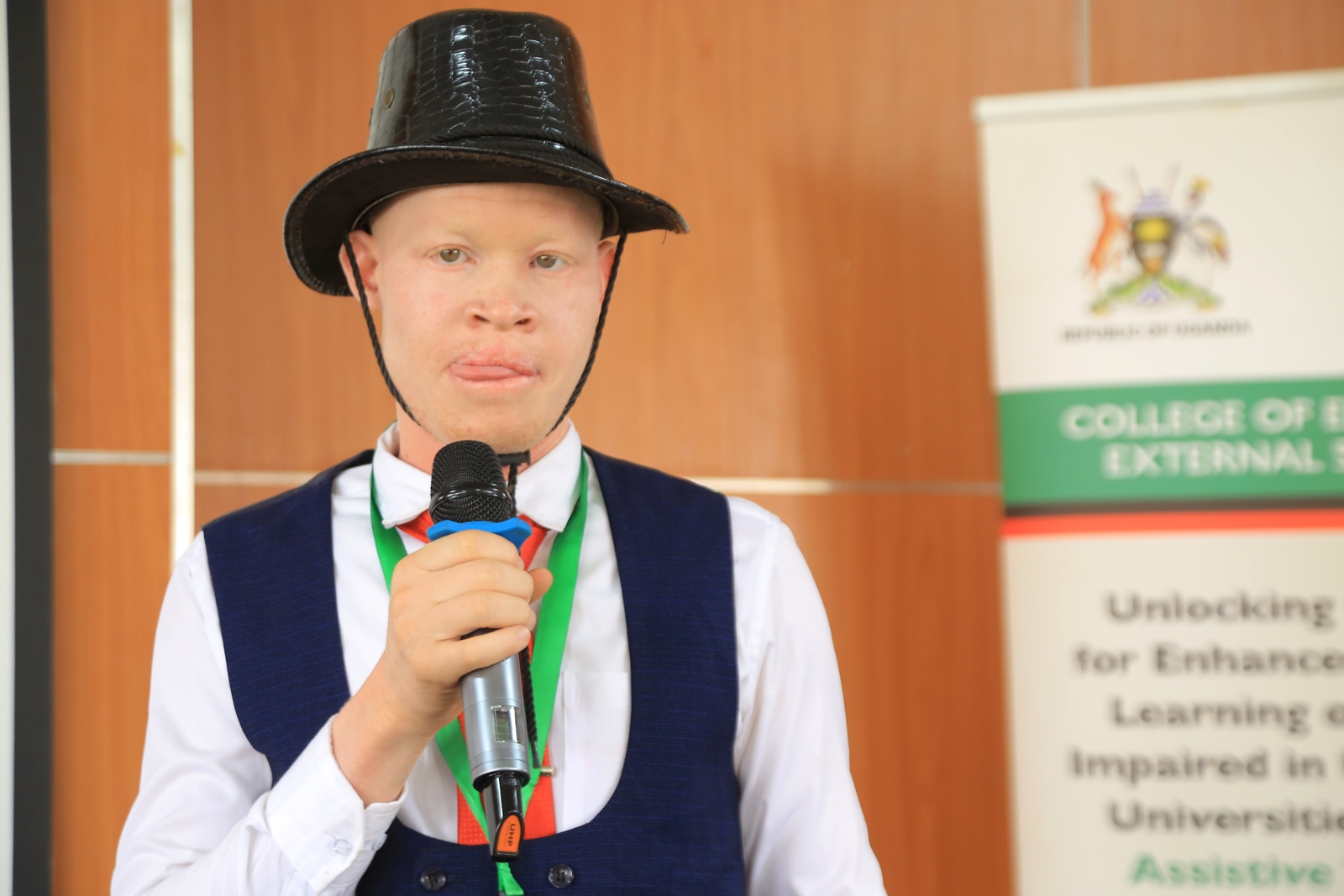
As a person with albinism and vision impairment, Lugudo who works as an Inclusion facilitator at Heifer International underscored the importance of self-acceptance, stating, “You have to accept the impairment you have before moving forward.”
He described the challenges he faced in his academic journey, particularly in a demanding business studies academic program. “At first, I experienced ridicule from classmates, which made adapting difficult,” he highlighted.
However, the trainings from the ATEVIL Project empowered him to engage more actively with faculty, leading to significant changes, including the installation of JAWS software on computers in the lab for visually impaired students.
Closing remarks by Prof. Betty Ezati
Wrapping up, the ATEVIL Project Stakeholders’ Dissemination Workshop, Dr. Betty Ezati, an Associate Professor at the College of Education and External Studies at Makerere University and a member of the research project team called upon stakeholders to strengthen collaboration to uplift learners with special needs in all educational settings.
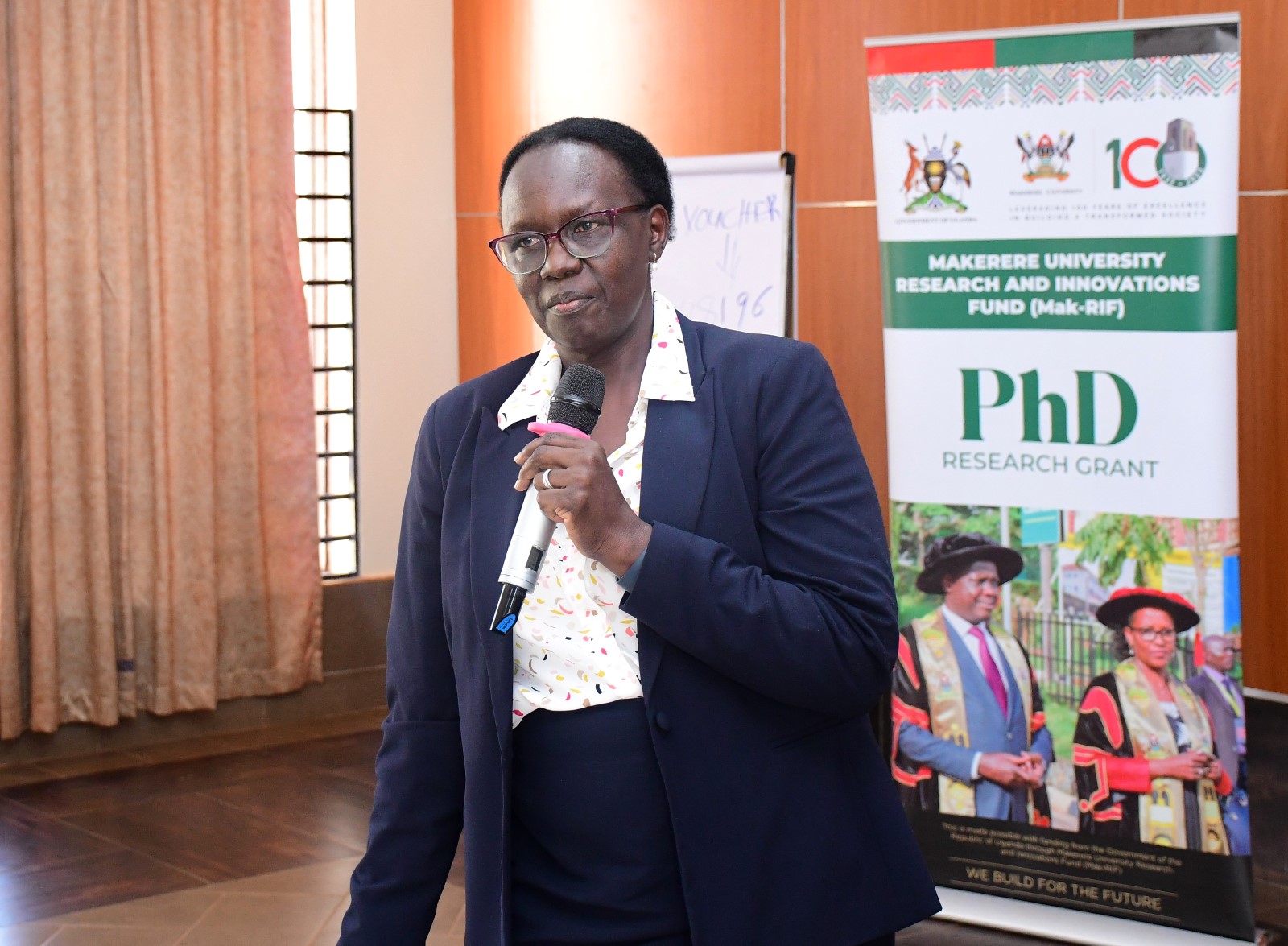
Prof. Ezati emphasized that supporting learners with visual impairments is a collective responsibility. “For a long time, we have left learners with visual impairments to fend for themselves, but now it’s clear that we all have a role to play in making a positive difference in the lives of these students. There is need for targeted support and provision of assistive technologies,” she stressed.
Acknowledging the various stakeholders who participated in the dissemination workshop, Prof. Ezati appealed for continued support and training. “This project is meant to light the fire; we hope it will remain burning,” she stated.







Education
CEES 2026 Students Orientation: Newly Admitted Students tipped on Integrity, Academic Excellence, Safety and Responsible AI usage
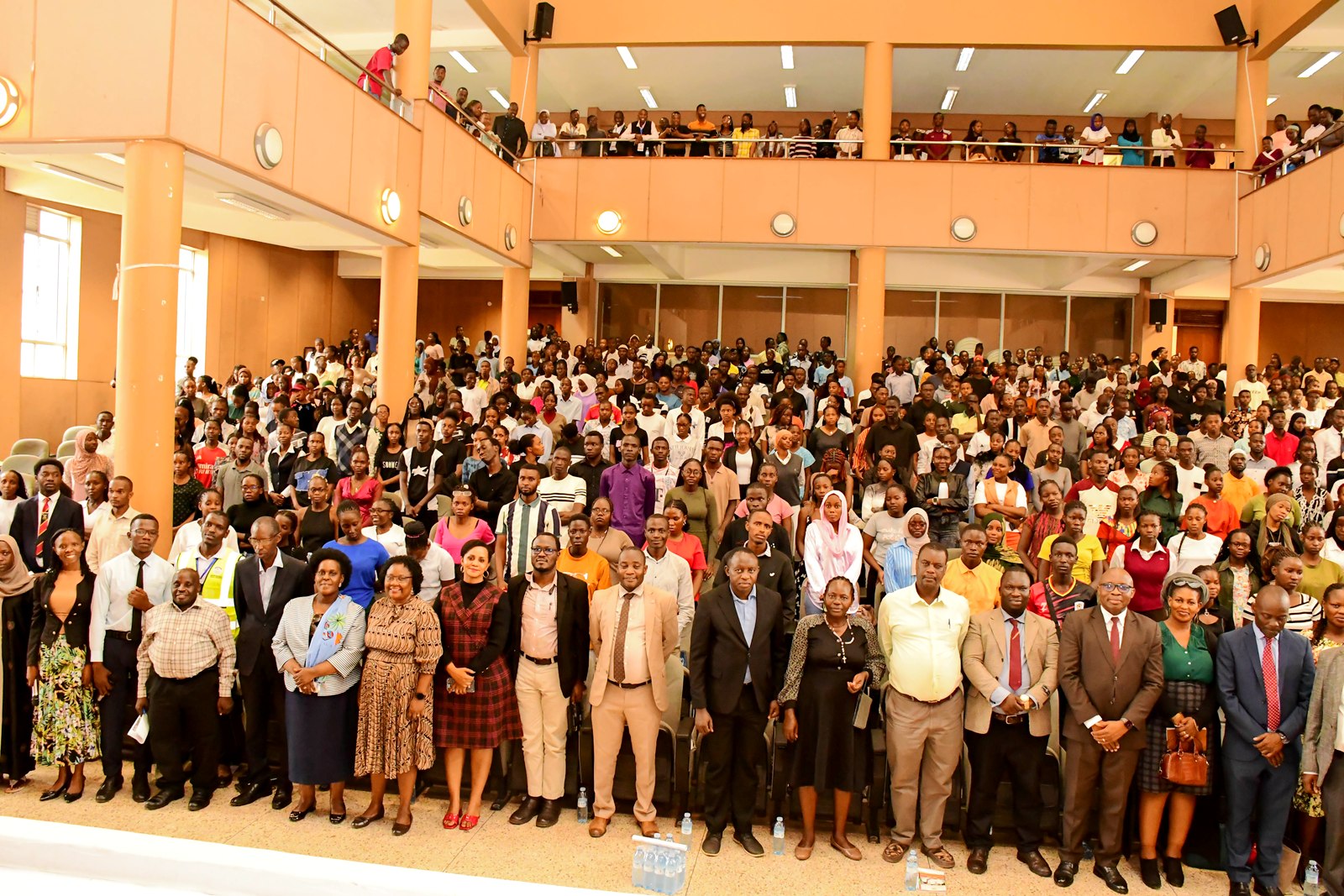
On 6th August 2026, the first year students admitted to the various undergraduate academic programmes at the College of Education and External Studies (CEES) convened at the Makerere University Yusuf Lule Central Teaching Facility Auditorium for a specialized orientation session with the College leadership, selected University Officials, staff and student leaders.
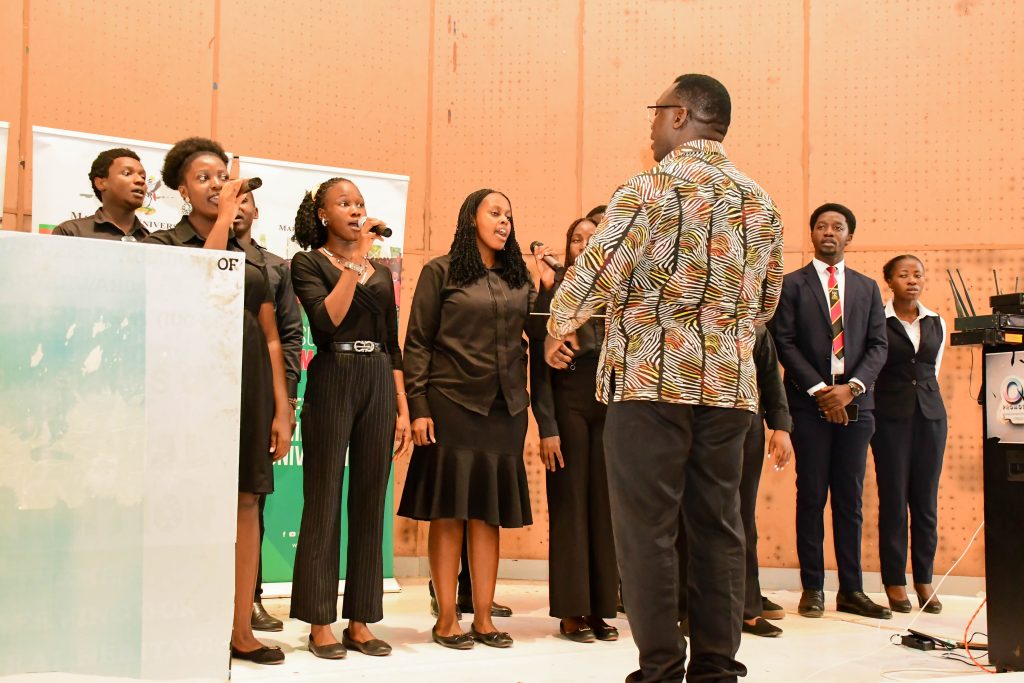
Bringing together over 900 first year students, the colourful orientation session organized by the Office of the Principal, in collaboration with the College Registrar, College Communication Office, and the Student leaders, kicked off with the singing of the Anthems. The first year students were impressed by the vocals courtesy of the College of Education and External Studies Choir.
The interactive orientation session, which involved interludes of respecting the Makerere University Culture (with the entire audience speaking with energy, Eeh, Makerere Oyee!) was aimed at equipping the newly admitted students with the essential knowledge to transition into University life, guidance to successfully navigate their academic journey, and developing a deeper sense of belonging and love for the College of Education and External Studies (CEES).
The orientation focused on promoting academic excellence, responsible conduct, personal well-being, financial management, digital learning, safeguarding, and effective utilization of university resources to support students’ growth and development.
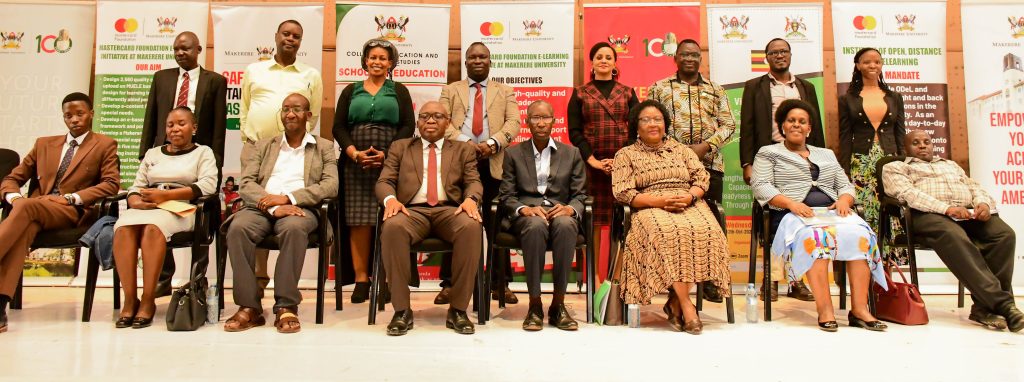
The orientation programme featured presentations from university administrators, academic leaders, student representatives, and support service providers including the College Principal-Prof. Anthony Muwagga Mugagga, Deputy Principal-Prof. Ronald Bisaso, Dean-School of Distance and Lifelong Learning- Dr. Harriet Nabushawo, Dean-School of Education- Assoc. Prof. Mathias Mulumba, the Director of IODeL-Dr. Godfrey Mayende, the Manager-Makerere University Counselling and Guidance Centre Dr. Henry Nsubuga, the College Chairperson-Mr. Anthony Bakashaba, and among other members of staff and student leaders.
Commitment to Academic Excellence and Responsible Conduct
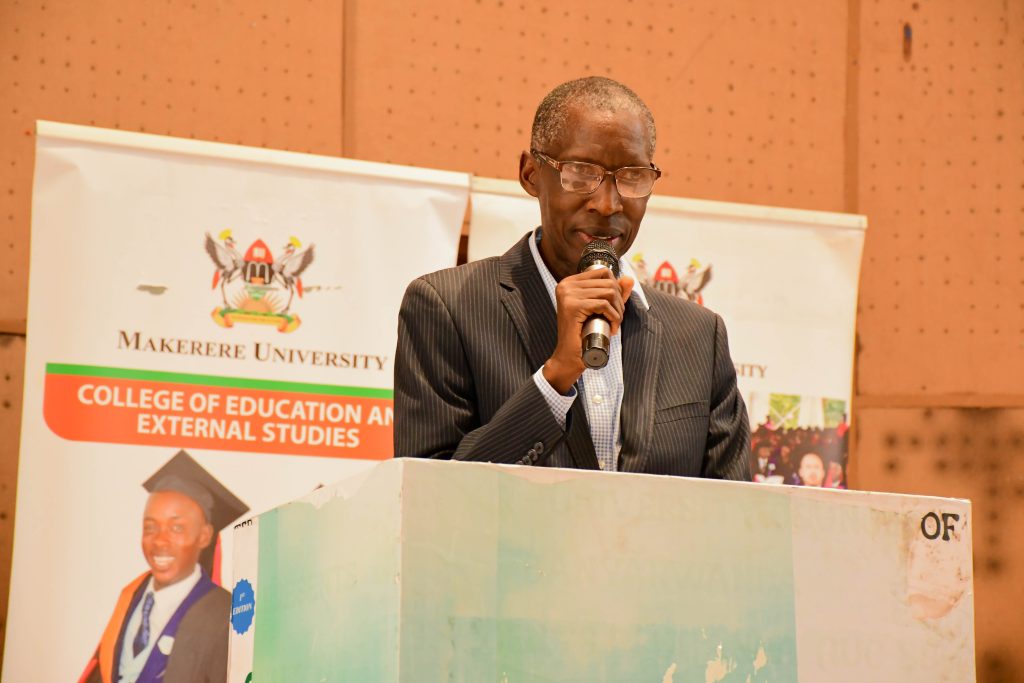
Opening the engagement, the Principal, College Principal, Prof. Anthony Muwagga Mugagga, congratulated the first-year students upon being admitted to Makerere University, and specifically to the College of Education and External Studies. He highlighted that the College consists of three (3) Schools namely: The School of Education, the School of Distance and Lifelong Learning, and the East African School of Higher Education Studies and Development.
Recalling the lived experiences from his youthful days as a student, and his various attempts in different academic disciplines such as religious studies, economics, philosophy, education, he informed the students that they had made the right choice to study education.
“I am a professor of education. I have served as a teacher, education policy specialist, and rose up to the rank of Professor. I am the College Principal. I am here to re-assure you that you have made the right decision to study education,” he said.
The Principal encouraged the first-year students to embrace their academic journey with determination and utilize their stay to effectively tap into the opportunities available at Makerere University.
“Prioritize your studies, maintain healthy relationships, and avoid behaviours that could compromise your safety, well-being, and academic progress,” Prof. Muwagga Mugagga guided.
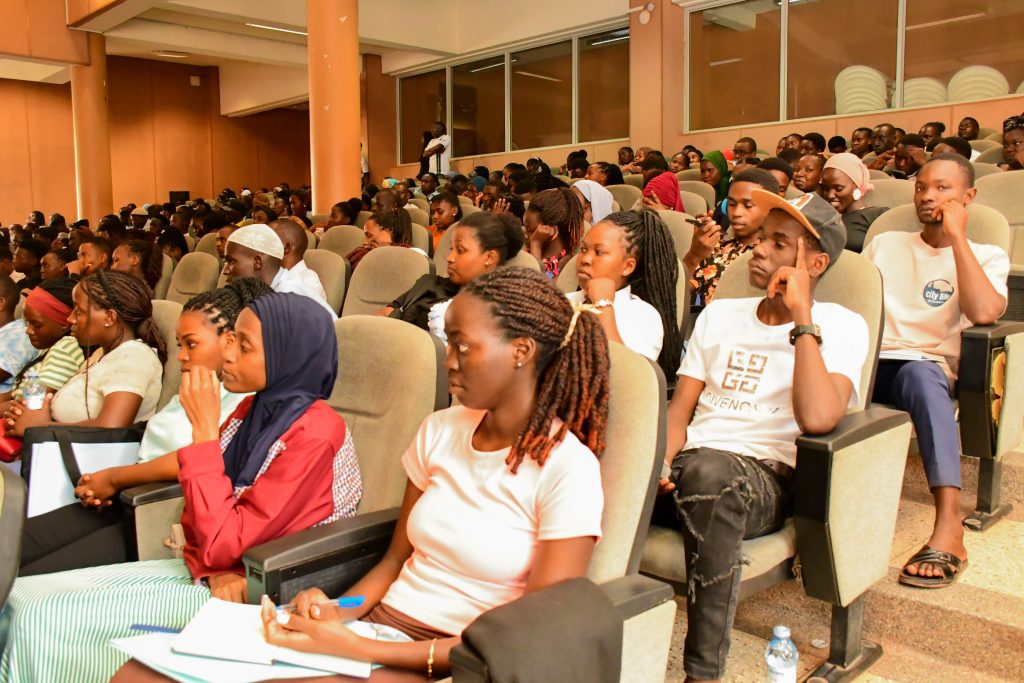
He advised the students to attend lectures consistently, actively participate in class, establish professional relationships with lecturers, and familiarize themselves with university policies and support services.
He called upon the students to manage their finances responsibly by prioritizing essential needs, such as tuition and academic requirements, and exploring available work-study opportunities when faced with financial challenges.
Prof. Muwagga Mugagga reminded students to understand their rights and responsibilities as members of the university community and to uphold the values and standards that guide life at Makerere University.
Striving for Excellence and Time Management
The Deputy Principal, Prof. Ronald Bisaso implored the students to remain focused on their academic goals, adhere to university policies, and to use their freedom wisely throughout their university journey.
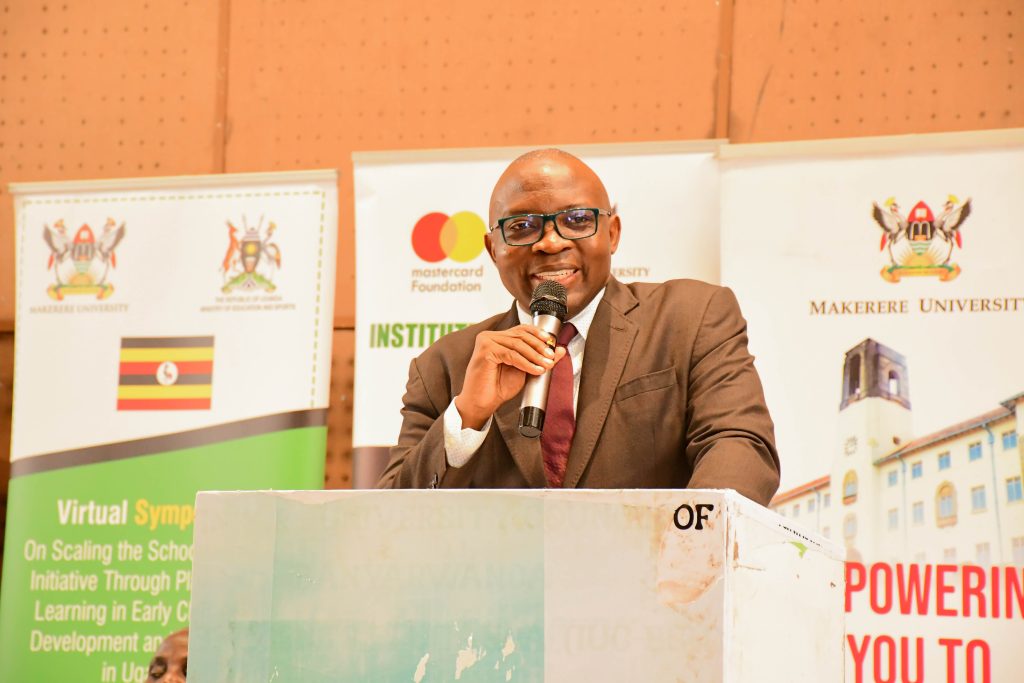
Prof. Bisaso also tipped the students on professionalism, the standards and right set of values that society expects from prospective teachers and educators. He encouraged the students to dress appropriately and make reference to authentic online platforms that describe the dress code for official, business, and casual engagements.
“Students’ conduct and appearance contribute significantly to the professional image they project within the university and the wider community,” he noted.
Academic Success and Professional Conduct
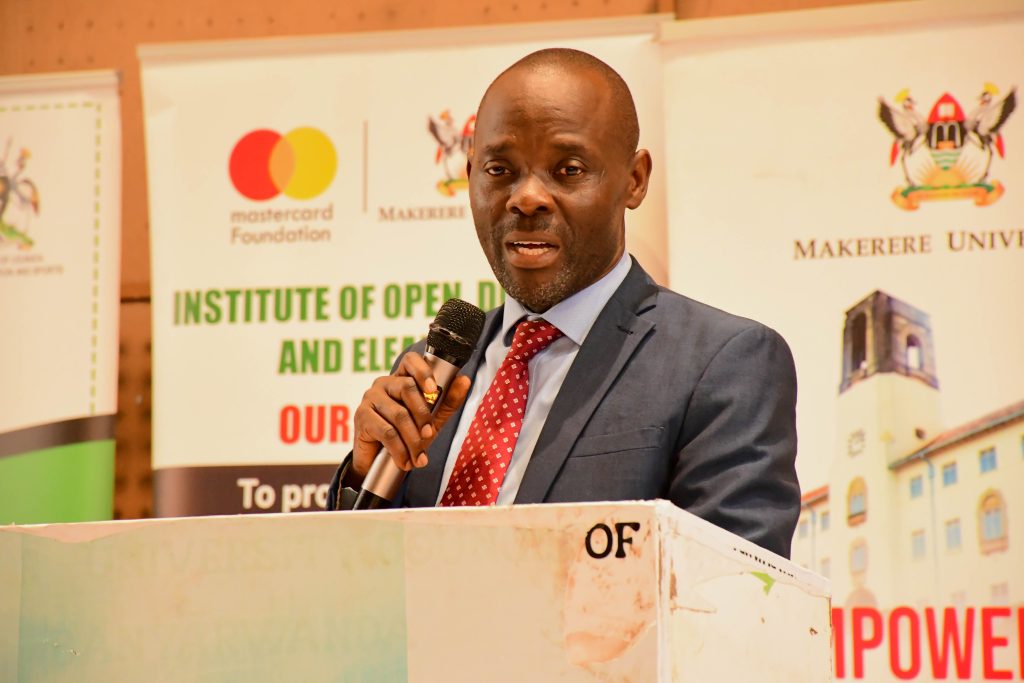
The Dean of the School of Education, Associate Professor Mathias Mulumba Bwanika articulated that the transition to the Competency-Based Education, which implies that the student/learner takes responsibility for his or her studies.
“Schools and institutions in Uganda shifted from a content-based curriculum to the competency-based one. The teacher guides, but the student takes full responsibility for his or her learning,” he remarked.
To excel under the competency-based mode of delivery, Associate Professor Mulumba Bwanika urged the students to value time, plan their schedules, form discussion groups, and tap into the benefits of group learning, including innovation, creativity, and reading ahead of their lecturers.
Associate Professor Mulumba Bwanika reminded the students to uphold high standards of professionalism by following the professional code of conduct for teachers. He tipped the students on personal hygiene, respectful behaviour, character and development.
The Dean of the School of Education, emphasized the importance of cultivating habits that promote academic success. “If you want to succeed in a university setting, you need to consult the student leaders and staff, embrace group learning, and read consistently.”
Embracing Learning Opportunities Beyond the Classroom
The Dean, School of Distance and Lifelong Learning, Dr Harriet Nabushawo reaffirmed Makerere University’s commitment to producing knowledgeable, skilled, and socially responsible graduates.
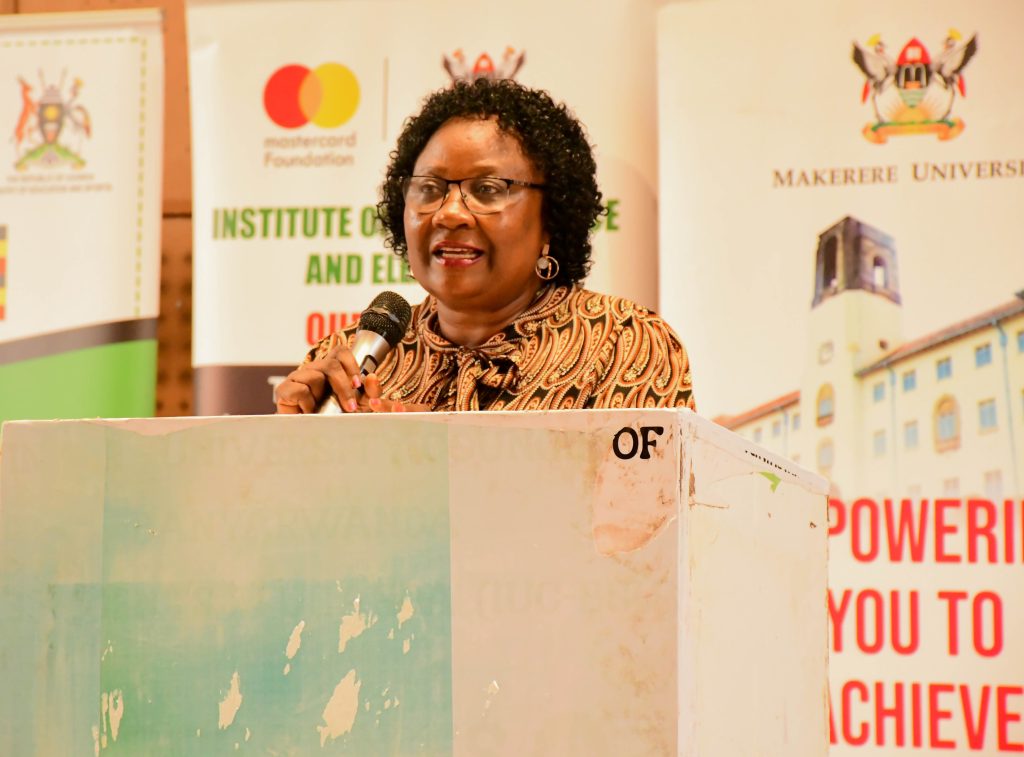
She implored the students to take ownership of their learning, remain organized and disciplined, and develop habits that promote academic excellence and lifelong growth.
Dr Nabushawo highlighted opportunities beyond classroom learning, including research, innovation, leadership, teamwork, and community engagement, noting that these experiences help students develop professional competencies, problem-solving abilities, communication skills, and teamwork.
She rallied students to actively participate in university programmes and collaborative learning experiences to broaden their perspectives and prepare themselves for meaningful contributions to society.
Effective Digital Learning and Responsible Use of Artificial Intelligence (AI)
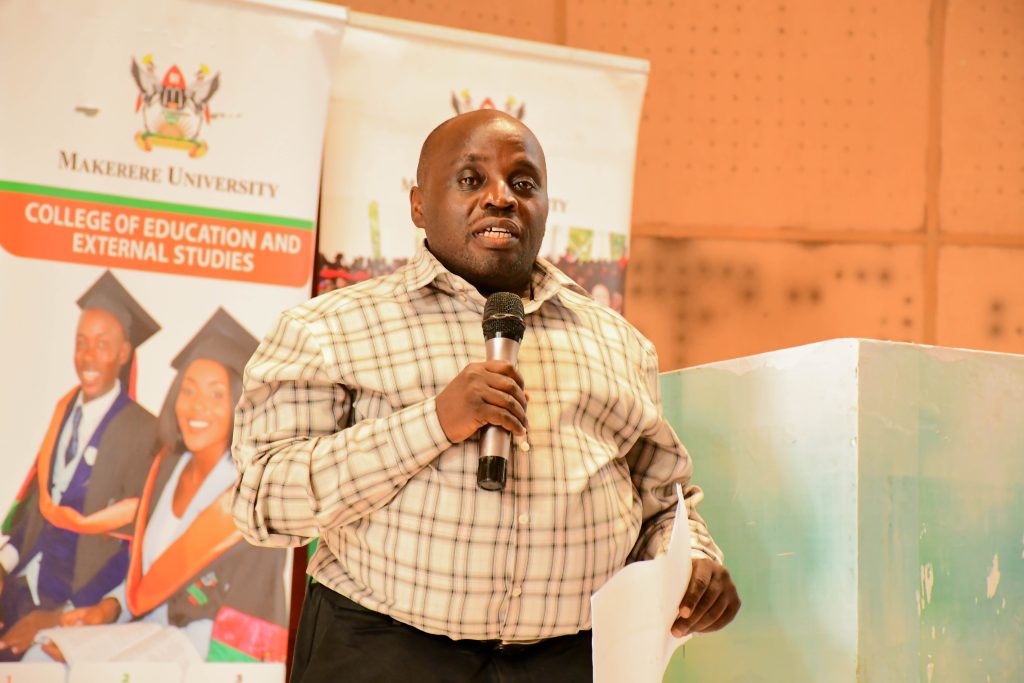
Dr Godfrey Mayende, the Deputy Director of the Institute of Open, Distance and eLearning (IODeL), advised students to embrace digital learning as an important component of their academic journey.
He urged students to regularly access the Makerere University E-Learning Environment (MUELE), participate in online discussions, check university communication platforms, and seek support when they encounter academic challenges.
Highlighting the growing role of Artificial Intelligence (AI) in higher education, Dr Mayende encouraged students to use AI responsibly as a learning companion for understanding concepts, generating ideas, improving writing, summarizing notes, and practising academic tasks.
He emphasized the importance of ethical use of technology, independent thinking, and academic integrity in preparing students for future professional environments.
“Use artificial intelligence wisely. AI should not corrupt your personal knowledge. AI should not replace human thinking,” he guided.
Prioritize Mental Health and Seek Support Early
In his remarks, the Manager-Makerere University Counselling and Guidance Centre, Mr. Henry Nsubuga called upon the students to prioritize their wellbeing, utilize their time as an opportunity for personal growth, resilience building, and professional development.
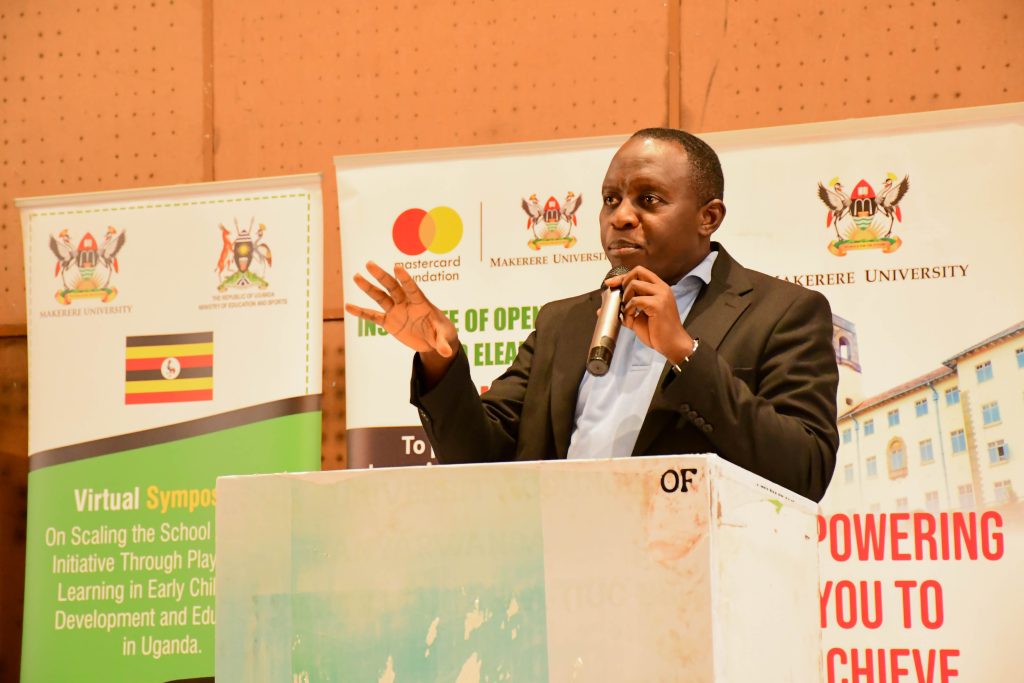
Mr. Nsubuga disclosed that Mental Health is one of the biggest challenges affecting the wellbeing of humans. He therefore advised students experiencing mental health issues to always seek professional counselling and guidance services, stressing that early access to support contributes to a successful, healthy, and a fulfilling university experience.
He appealed to students to support members within the University community who could be dealing with mental health issues due to pressures from home, workload, retakes, hunger, financial difficulties, painful relationships, poor performance in class, anxiety, drug and substance abuse, loss of loved ones, neglect and discrimination, by referring them to the Makerere University Counselling and Guidance Centre.
Ensuring a Safe University Environment
Dr Michael Walimbwa, a Staff Safeguarding Champion at CEES accompanied by Ms. Agnes Nambuya and the Student Safeguarding Champions at CEES presented some of the safeguarding tips and principles.
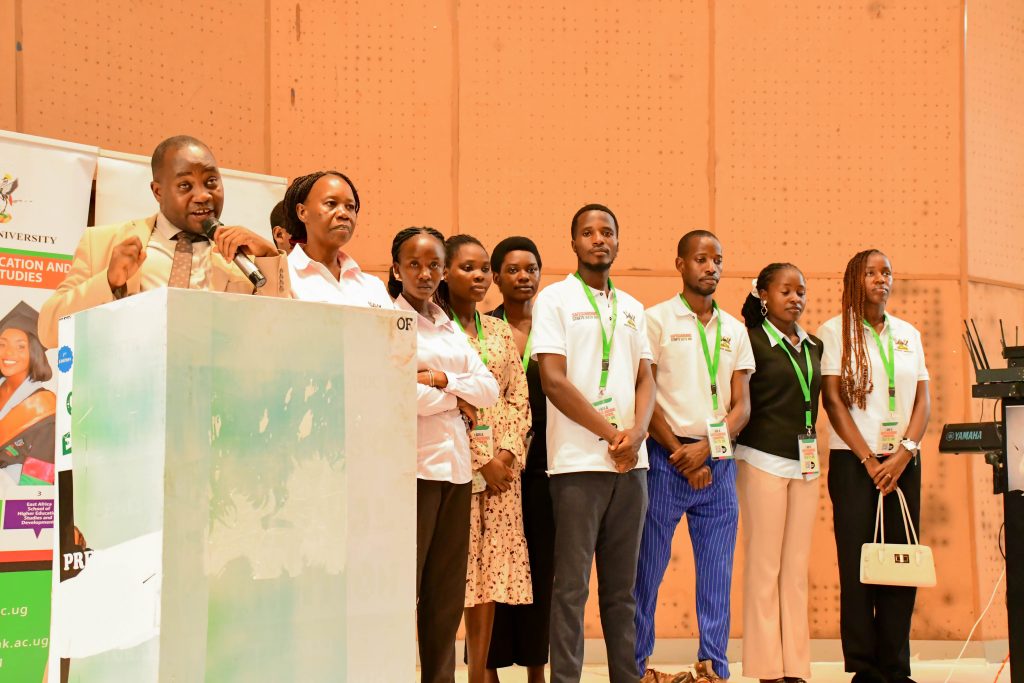
The Staff Safeguarding Champions at CEES namely Dr Michael Walimba and Ms Agnes Nambuya accompanied by the CEES Student Safeguarding Champions sensitized the first year students on the concept of safeguarding.
“Safeguarding is about protecting members of Makerere University from harassment, neglect, and any behavior that threatens safety,” explained Dr Walimbwa.
Dr Walimbwa reminded the students that creating a safe university environment is a collective responsibility. He challenged students to report any cases of harassment, misconduct, or situations affecting their well-being through established university safeguarding channels, including safeguarding champions, academic leaders, and reporting platforms.
Academic Procedures and Policies
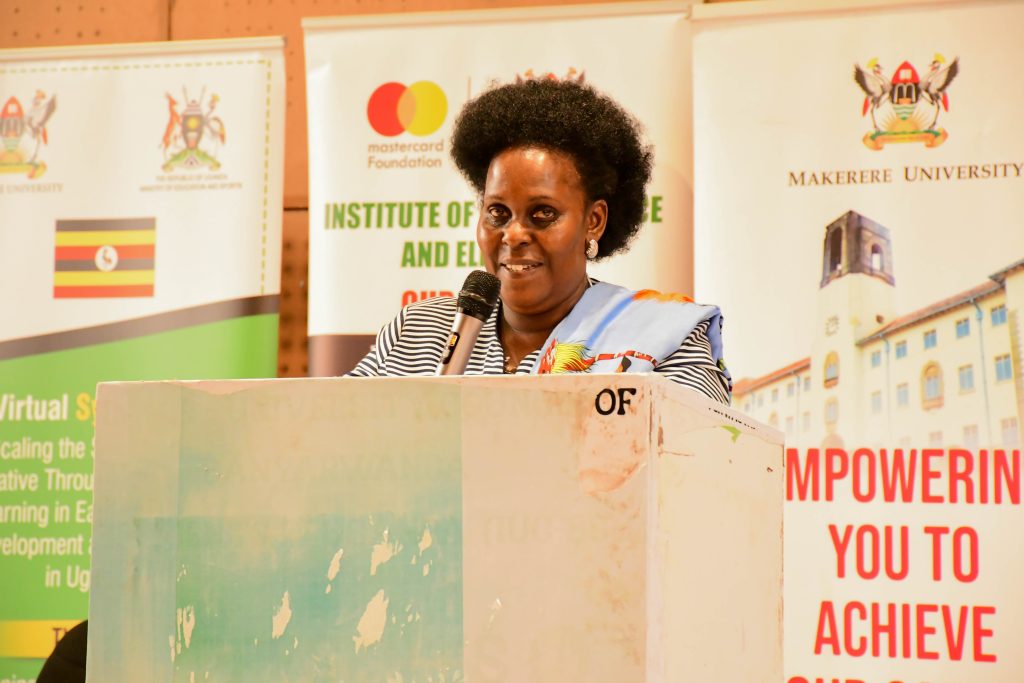
During the CEES Orientation, the Office of the College Registrar was effectively represented by Mrs. Joanna Kayaga Kiwana-College Registrar, Ms. Molly Nantongo-School of Education Registrar, and Mr. Sanderson Acati-Registrar at the East African School of Higher Education Studies and Development.
Mrs Kayaga Kiwana outlined some of the key academic policies and regulations to guide the first year students during the course of study. She advised the students to follow the respective timetables and ensure that they are in the right place at the right time. She equally emphasized the need to follow the registration procedures and guidelines, and stressed the need to provide authentic information during the documentation and registration process.
Mrs Kayaga Kiwana outlined some of the key academic policies and regulations to guide the first year students during the course of study. She advised the students to follow the respective timetables and ensure that they are in the right place at the right time. She equally emphasized the need to follow the registration procedures and guidelines, and stressed the need to provide authentic information during the documentation and registration process.
Financial Discipline and Timely Fees Payment
The College Bursar, Mr. Stephen Kayima and the Accountant-Mr. Godfrey Wasikye underscored the need to follow the University financial procedures and ensure timely payment of tuition and other University fees.
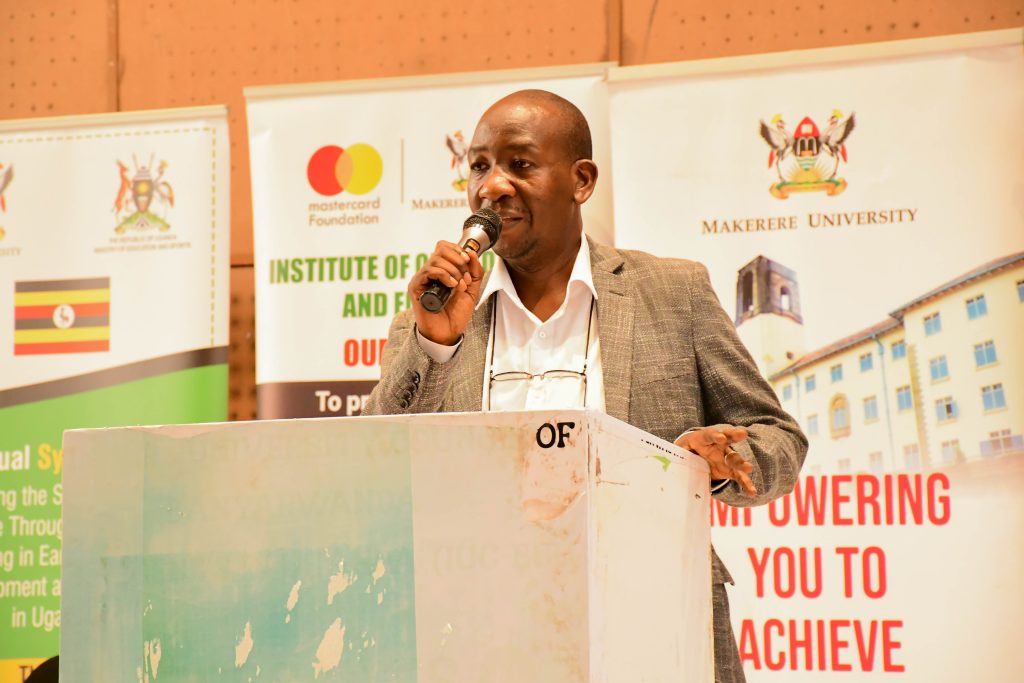
Mr. Kayima emphasized that all tuition and functional fees should be paid through the official university payment system using a Payment Registration Number (PRN), cautioning students against relying on unofficial payment channels.
Mr. Kayima urged students to prioritize tuition payments within the stipulated timelines to maintain uninterrupted access to university services and academic activities.
Library Support Services and Promoting a Reading Culture
Ms Frascesca Musimenta, from the CEES Library, encouraged students to develop a culture of reading, conduct research, and utilize library services throughout their academic journey.
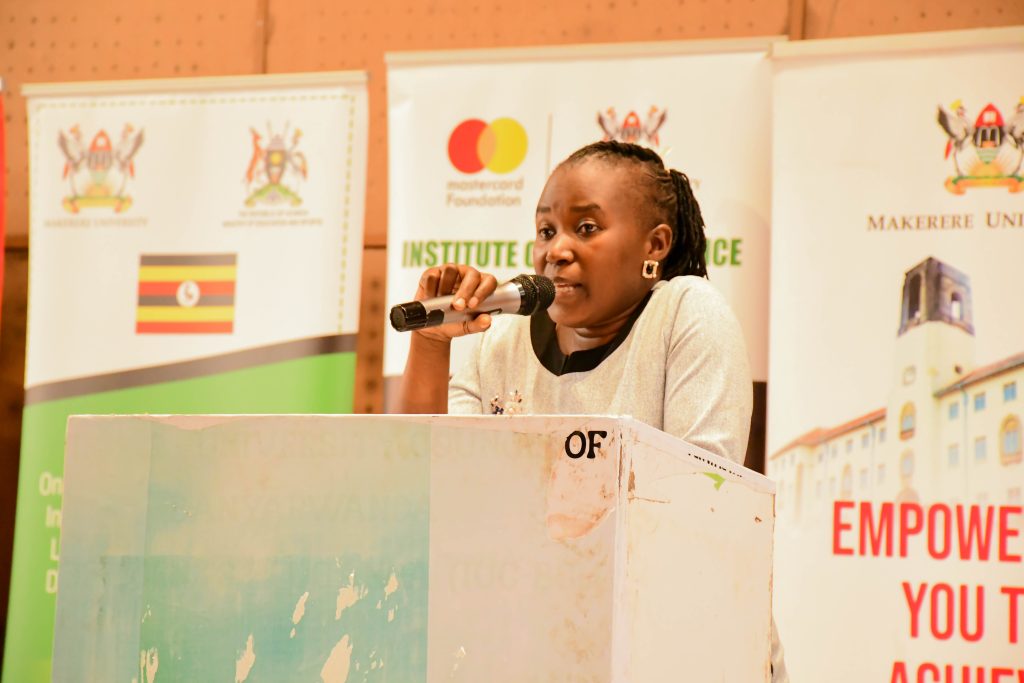
She highlighted the role of the university library in supporting learning through access to books, journals, research materials, and study spaces, encouraging students to take advantage of these resources.
Balancing Academics with Campus Engagement
The 92nd Guild Minister for Academic Affairs, Makerere University, Hon. Neena Elsie Kalazani, congratulated the first-year students upon their admission and advised them to approach their studies with commitment and discipline.
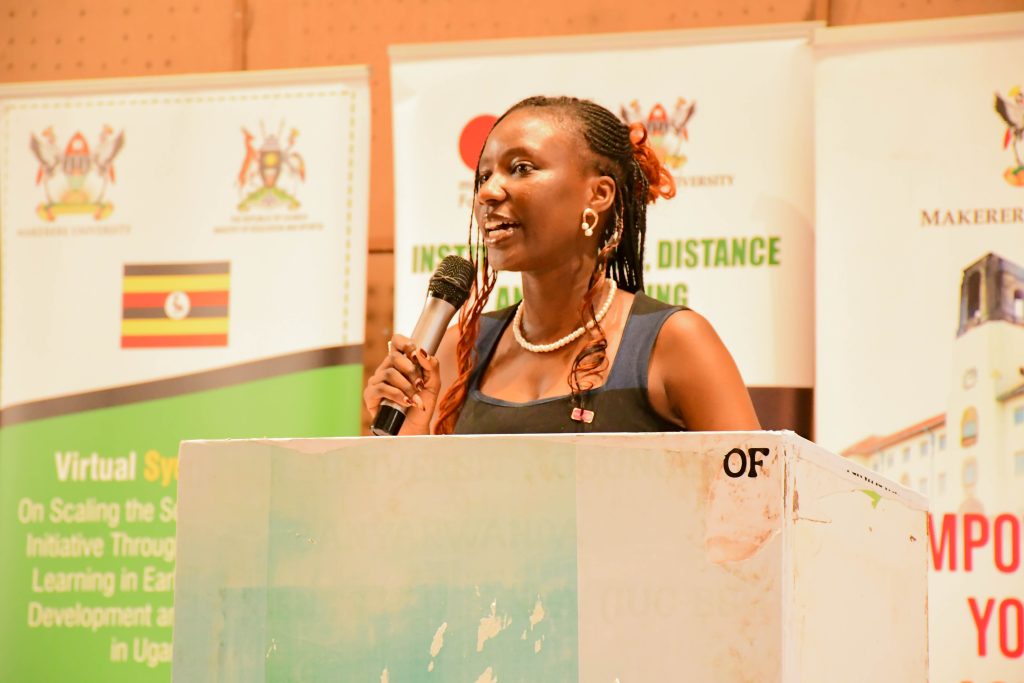
She urged students to attend lectures consistently, complete coursework on time, read beyond classroom requirements, and strive for academic excellence.
Beyond academics, Hon. Neena Kalazani encouraged students to participate in clubs, associations, and leadership opportunities, noting that such engagements help develop leadership skills, build networks, and create a more enriching university experience.
She called upon students to embrace the wider Makerere community and balance academic excellence with active participation in campus life.
The orientation program concluded with student leaders presenting the various clubs and associations within the College, encouraging first-year students to actively participate in co-curricular activities that promote leadership, teamwork, networking, and personal development.
The engagement provided students with essential guidance on navigating university life, emphasizing academic excellence, responsible conduct, personal well-being, and effective utilization of available university resources.
The Orientation session was moderated by Ms. Ritah Namisango, Principal Communication Officer at Makerere University, and Hon. Peter Kisakye, the Speaker, Makerere Education Students Association (MESA). Ms. Namisango acknowledged the College Chairperson, Mr. Anthony Bakashaba and his entire student leadership team for the selfless service exhibited during the orientation activities lined up at the College (Monday 3rd to Friday 7th August 2026). She also recognized the CEES Choir led by Dr Benon Kigozi for participating in the College Orientation.
Education
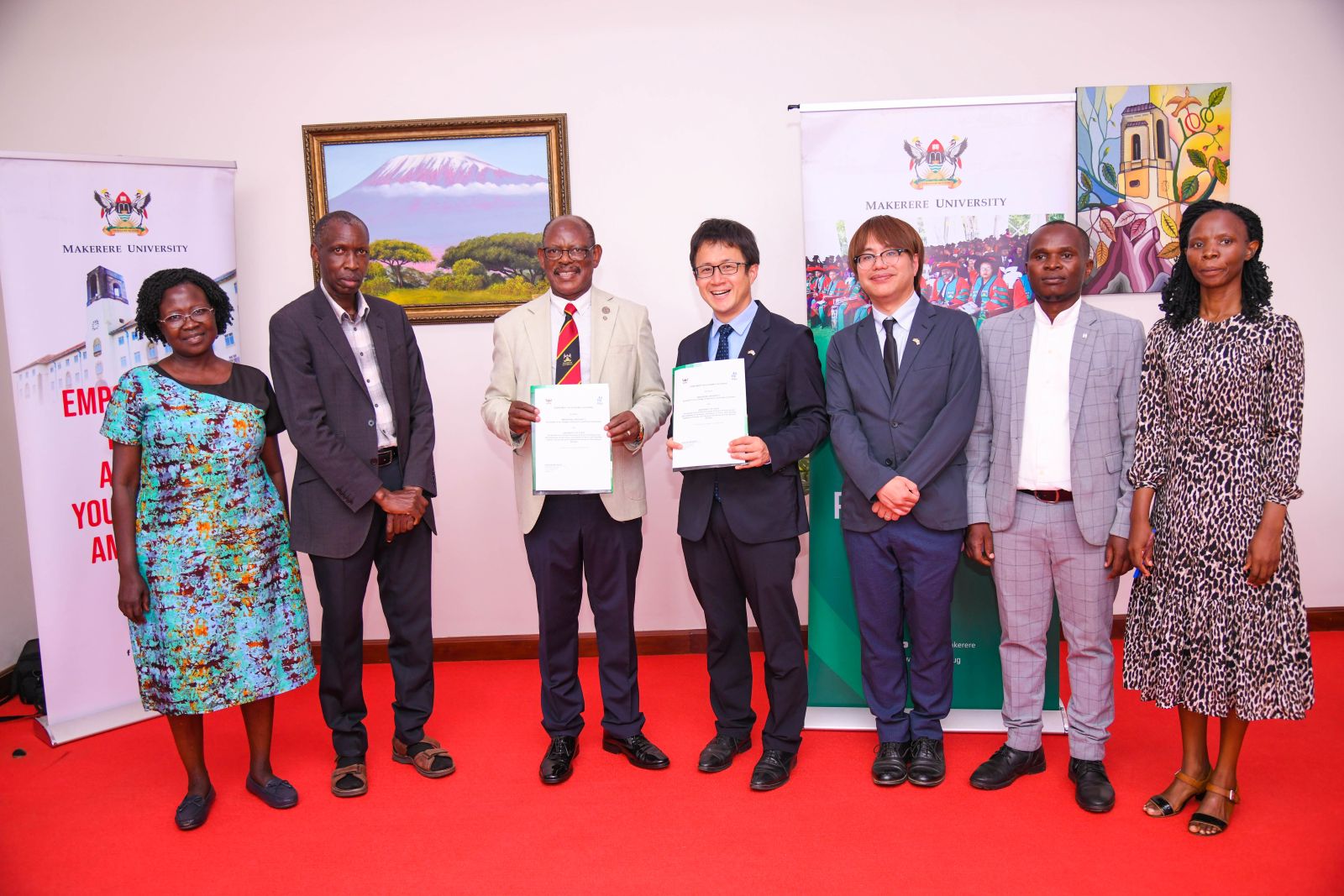
Makerere University Signs MoU with Fukui University to enhance Research, Teacher Development and STEM Education

-
 General1 week ago
Statement on Concerns Circulating Regarding a Member of Academic Staff
-
 General1 week ago
Press Statement: Incident Involving Death of a Student at Makerere University
-
 General2 weeks ago
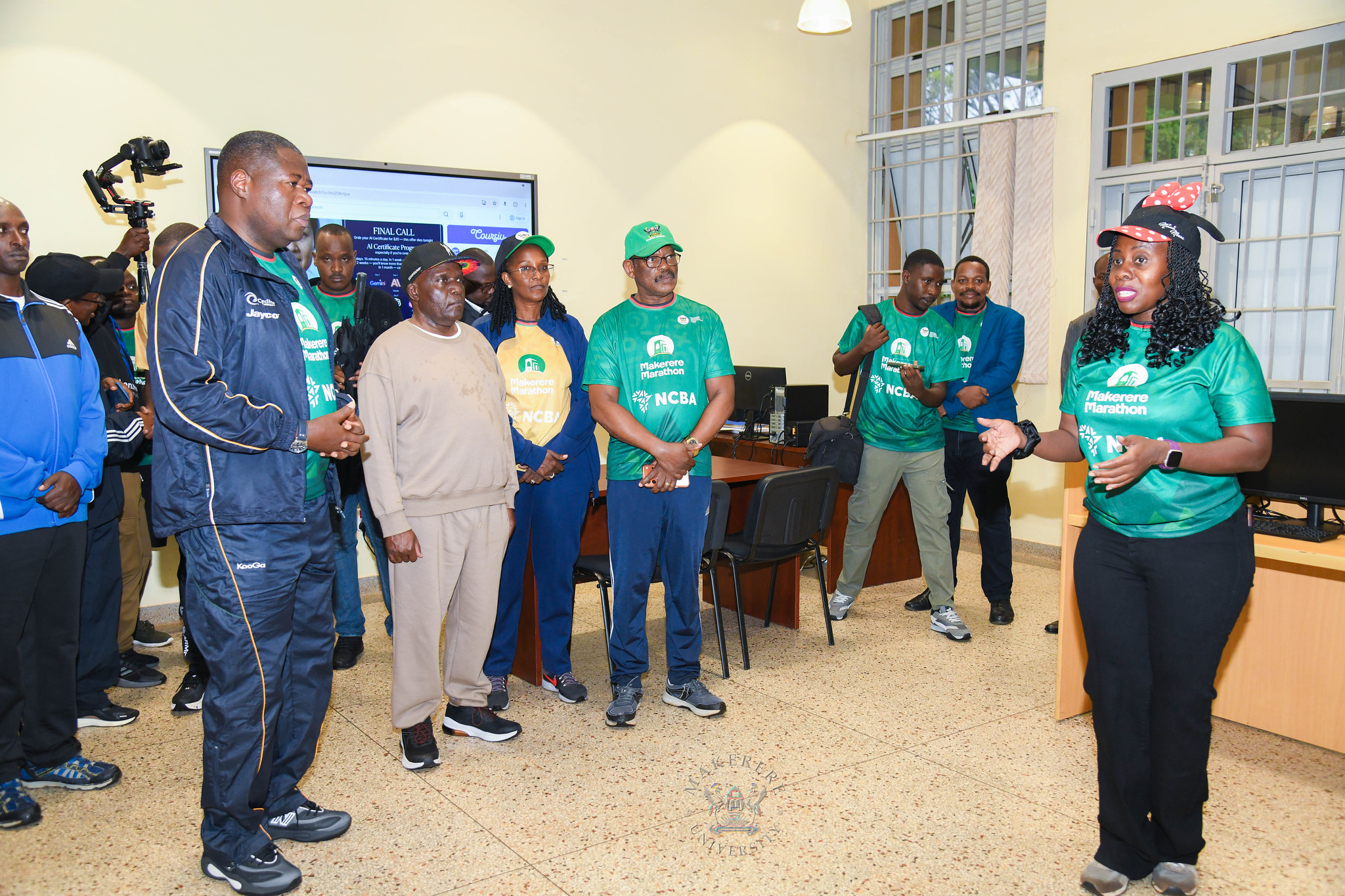
Makerere Marathon 2026 – Running to Equip the Disability Support Center
-
 General1 week ago
Beyond Map Size: Africa’s Agency Should Not Be Funded by Other People
-
 General1 week ago
JNLC Leadership Symposium Equips Young Leaders for Responsible and Transformative Leadership