
General
Mak Immortalises Prof. William Senteza Kajubi

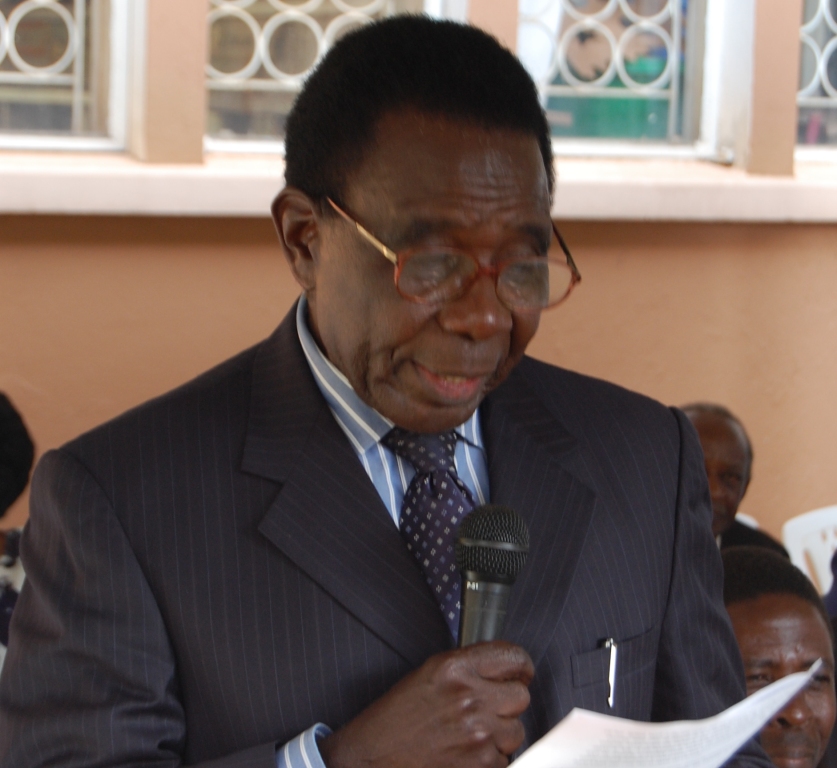
The gathering had a definite aura of composure and respectability about it. Ladies and gentlemen, the majority of whom were well over their fifties gathered on this warm sunny afternoon of 20th December 2010 to witness the unveiling of a Bust of Professor William Senteza Kajubi.
The gathering had a definite aura of composure and respectability about it. Ladies and gentlemen, the majority of whom were well over their fifties gathered on this warm sunny afternoon of 20th December 2010 to witness the unveiling of a Bust of Professor William Senteza Kajubi.
This immortalization in the form of a Bust was done in honour of the good Professor’s contributions towards the development of Education in Uganda.
 As true testimony to his influence on the lives of the many people he has interacted with, the entire lineup of speakers that afternoon consisted of either very great friends or former students of Prof. Senteza Kajubi.
In his keynote address, Prof. Lutalo-Bbosa, yet another seasoned and well known educationist gave a glowing tribute to his former Vice Chancellor and great friend. Having met him while still only a young man, Prof. Lutalo-Bbosa’s and Prof. Senteza Kajubi’s academic paths were to later cross at King’s College Budo, then Makerere University, where he rose from Lecturer to become Prof. Senteza Kajubi’s Deputy Vice Chancellor, and then at the Institute of Teachers Education Kyambogo (ITEK).
 Some of the key milestones in Prof. Senteza Kajubi’s life were; in 1951 after reluctantly accepting his posting to teach at Kako Secondary School in Masaka, he was later to meet his late wife Princess Elsie Nabaloga and the couple tied the knot on 3rd May 1952. In August 1953, he was granted a scholarship as the first Fulbright Student from Africa, thanks to his late friend and mentor – Professor Emeritus Edwin Munger. Only the year before in 1952, frustrated by the inadequate access to higher education courtesy of a rigid Protectorate Government, he had embarked on a crusade to fight for expanded access to education at all levels in Uganda. In 1955, he returned to King’s College Budo as a Senior Geography Teacher, and later set a record in 1958 as the only teacher to have his entire class, save for one student, score distinctions in the Geography Cambridge School Certificate.
 Prof. Senteza Kajubi’s personality and professionalism greatly aided his impact on the Education system in Uganda. As a member of the Castle Commission on Education of 1963 and the Education Review Commission (Kajubi Commission) of 1989, he authored/co-authored reports which have acted as the blueprint for the Education System in Uganda since Independence. The impact of this strong foundation is still felt today. Of all government sectors, Education has expanded the most in the last two decades; Primary School enrollment has expanded to over 8million, and University and Tertiary Institutions have thrived. His advocacy for the Biological Children’s Scheme for Makerere University staff enabled government sponsorship for biological children of staff members, a feat that enabled them to access higher education and motivated staff members. Today, the scheme is used in all public universities in the country.
Prof. Lillian Tibatemwa-Ekirikubinza who represented the Vice Chancellor at the occasion recognized the importance of honoring the contributions of Prof. Senteza Kajubi to Uganda’s Education Sector,
 “Honouring those who’ve gone before us gives us a chance to reflect on where we have come from, where we are, and where we wish to be as an institution in the next ten years.”
She reiterated Makerere University’s commitment to supporting government educational programmes like UPE, USE and most recently Universal Advanced Level Education through continuing to strategically position itself produce enough teachers especially science teachers, so as to support government policies like the compulsory sciences at ordinary level.
Speaking as a former student of Prof. Senteza Kajubi, the Right Honourable Prime Minister Prof. Apolo Nsibambi, while reminiscing about his times as a student praised his former Geography teacher
“He mastered the subject of Geography so well that we were able to understand it very well. His delivery skills were very good. He was, therefore, able to capture and sustain our attention,” he added.
 Prof. Nsibambi who was later to join his former teacher as a colleague at Makerere University praised Prof. Senteza Kajubi for his dedicated and exemplary service to the East African Community and challenged him to write a book about his life.
In yet another glowing tribute to Prof. Senteza Kajubi, Dr. Martin Aliker, a fellow Budonian, thanked the Professor for his mentorship, which began in Budo and continued all the way to his Masters study in the University of Chicago, USA.
“Since then, we have been together as a family, we have shared in Senteza’s triumphs and trials, tragedies and successes, and I am probably the proudest person apart from his family to be here,” remarked Dr. Aliker.
 After unveiling the bust in his honour, Prof. Senteza Kajubi expressed his sincere gratitude at being immortally put on a pedestal and allowed to bask in the limelight of approval by colleagues and friends in the highest seat of learning in Uganda.
Having started out as a humble boy from Kireku village, Singo, 84 years ago, Prof. Senteza Kajubi attributed his love for and pride in whatever he was assigned to do, to the family work ethic. His late Father Yoweri Kajubi was a driver for the Public Works Department and Post Office, and on his retirement on 12th June 1958, after more than 40years of service; he was awarded “The Certificate of Honour” from Her Royal Majesty, Queen Elizabeth II, for his dedicated service to the Uganda Protectorate. His late Mother, Bulanina Namukomya on the other hand was an entrepreneur, who run a shop, tailored dresses and wedding gowns and baked confectionaries. All this was further emphasized by the family motto “OMULIMU LYE LINNYA LY’OMUNTU” (ONE’S WORK IS ONE’S NAME)
 Prof. Kajubi’s first contact with higher education was in 1938 as a P.5 pupil, who after marching 7miles from Mackay Memorial School in Nateete with his schoolmates, was privileged to bear witness to the cutting of the first sod for the Main Administration Building (at the then Makerere College) by His Royal Highness, The Duke of Gloucester. The message from His Majesty King George VI on this occasion was
“The College will afford splendid opportunities for service and advancement especially for African men and women of which I am sure they will eagerly avail themselves”
Although he admitted to not having comprehended the message then, he is proud to have been one of those privileged men and women called for service and advancement in this country, and later on be recognized and immortalized with a bust in the oldest School of Education in Eastern and Central Africa.
In his words of wisdom to the gathering, Prof. Senteza Kajubi counseled, “If every man and woman in Uganda and the rest of Africa did his or her duty, we would be able to defeat the combined fleet of ignorance, poverty and disease in no time.”
We the members of the Makerere University Community congratulate Professor William Senteza Kajubi upon this worthy honour. As a multi-talented person of integrity with demonstrated commitment to duty, his ability to relate, entertain and socialize, combined with his inexhaustible sense of humour, not to mention his endless list of academic and service accolades impress upon our hearts and minds an unforgettable legacy. Professor William Senteza Kajubi – the “Friend-raiser” is the true embodiment of a mentor for us all.

Downloads
Rt. Hon. Prof. Apolo Nsibambi's Speech: PDF Version, Postscript Version
The Vice Chancellor's Speech: MS Word Version, PDF Version, Postscript Version
mwamai@admin.mak.ac.ug, Public Relations Office


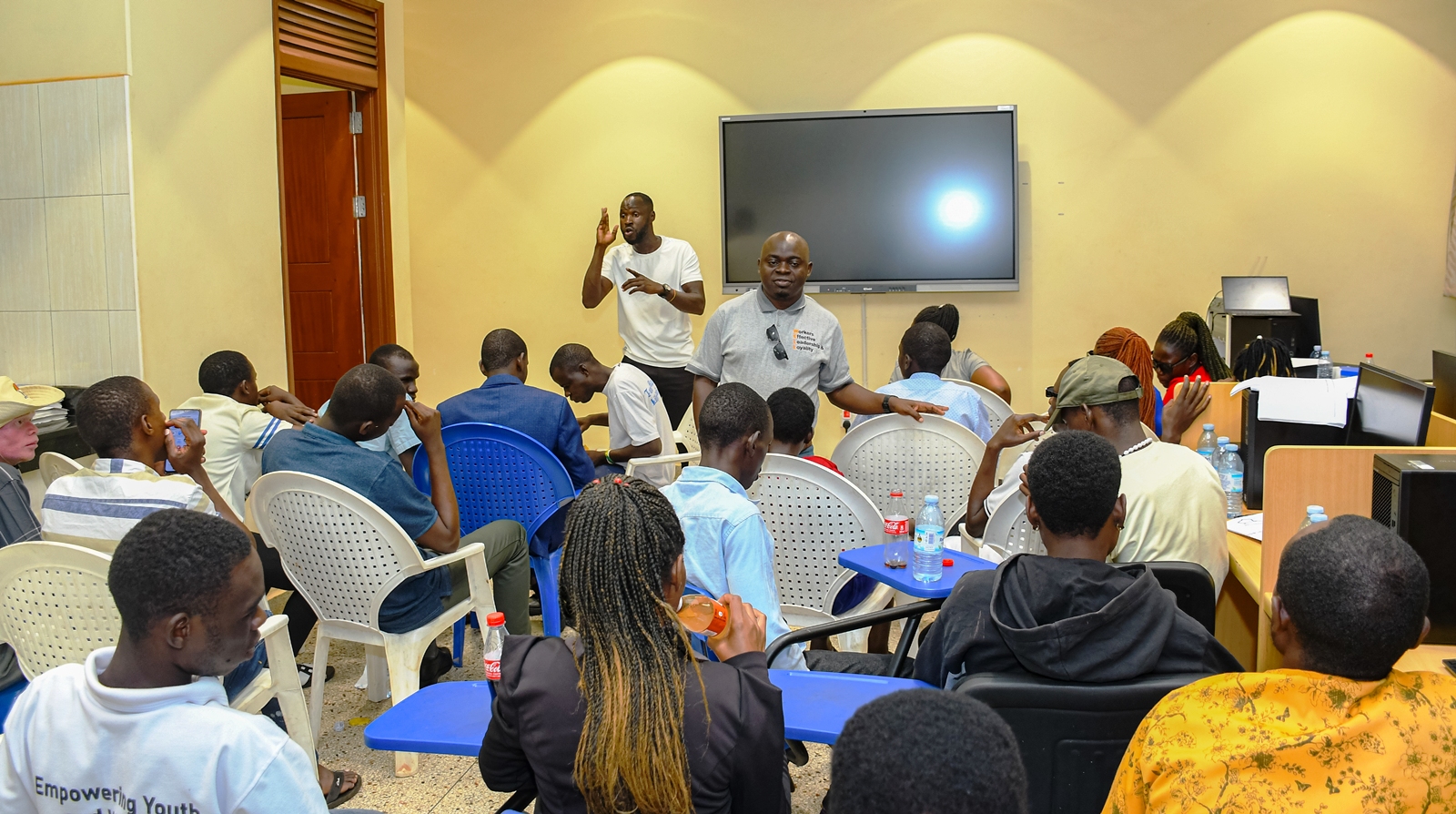
For 60 students with disabilities, a computer, Braille reader or scanner is more than just a piece of equipment. It can be the difference between struggling to access information and learning with greater independence.
The students recently received practical training on the use of assistive technology to help them navigate their studies and university life with fewer barriers.
The one-day training was held on Saturday, August 22, 2026, at the Disability Support Centre in the Frank Kalimuzo Building. It was organised by the Dean of Students’ Office in partnership with the Mastercard Foundation Scholars Program at Makerere University and the Makerere University Disabled Students Association (MUDSA).
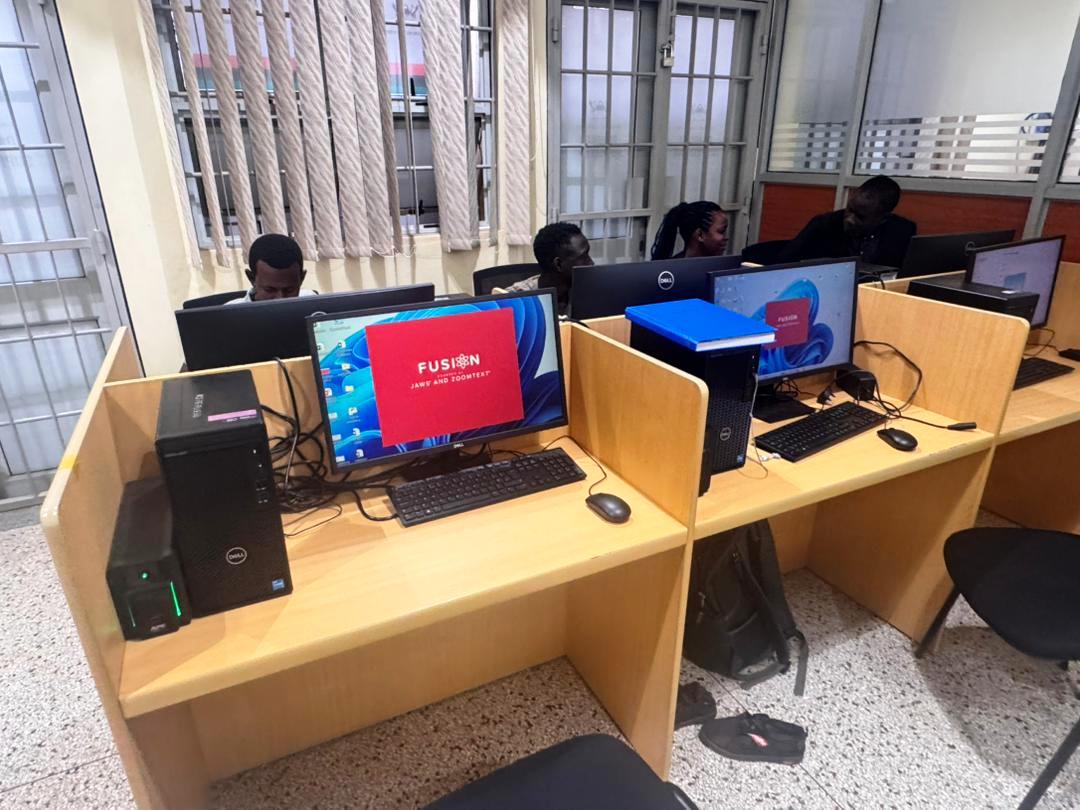
Unlike a classroom lecture, the training was largely hands-on. Students were taken through different technologies available at the University and given an opportunity to learn how they can use them in their day-to-day academic work.
Assistive technology includes devices, software and other tools that help people with disabilities access information, communicate, study and perform everyday tasks more independently.
Learning without barriers
Ms Elizabeth Rwabu, the Inclusion Support Services Officer at the Mastercard Foundation Scholars Program, encouraged students, particularly first-years, to make use of the Disability Support Centre.
“For first-year students, university is a new chapter, and none of you should feel that you have to navigate it alone. Familiarise yourselves with the services at the Centre and seek support whenever they need it,” Ms. Rwabu, said.
Ms. Rwabu also reminded the students to take care of the equipment, saying the facilities are shared by many students.
“These computers and assistive technologies are not simply pieces of equipment; they are tools that open doors to learning, communication and independence,” she said.
Students introduced to Braille technology
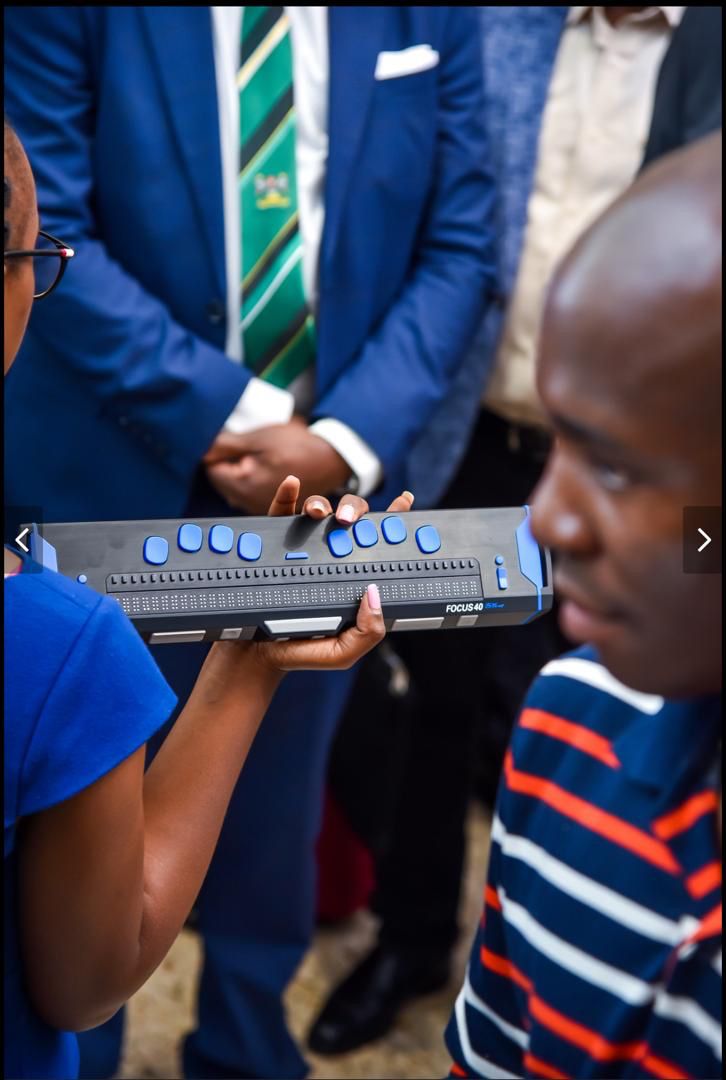
Mr Binasali Kyebagadha, an assistive technology expert from the Kyambogo University Disability Support Centre, led the practical session. He introduced students to the ethical use of assistive technology and demonstrated how different devices can support learning.
Among the devices demonstrated were the Orbit Reader 40 and Focus Blue 40 refreshable Braille displays, as well as the Pearl scanner.
Students were also shown how to use a smart interactive board and how it can support learners with different disabilities.
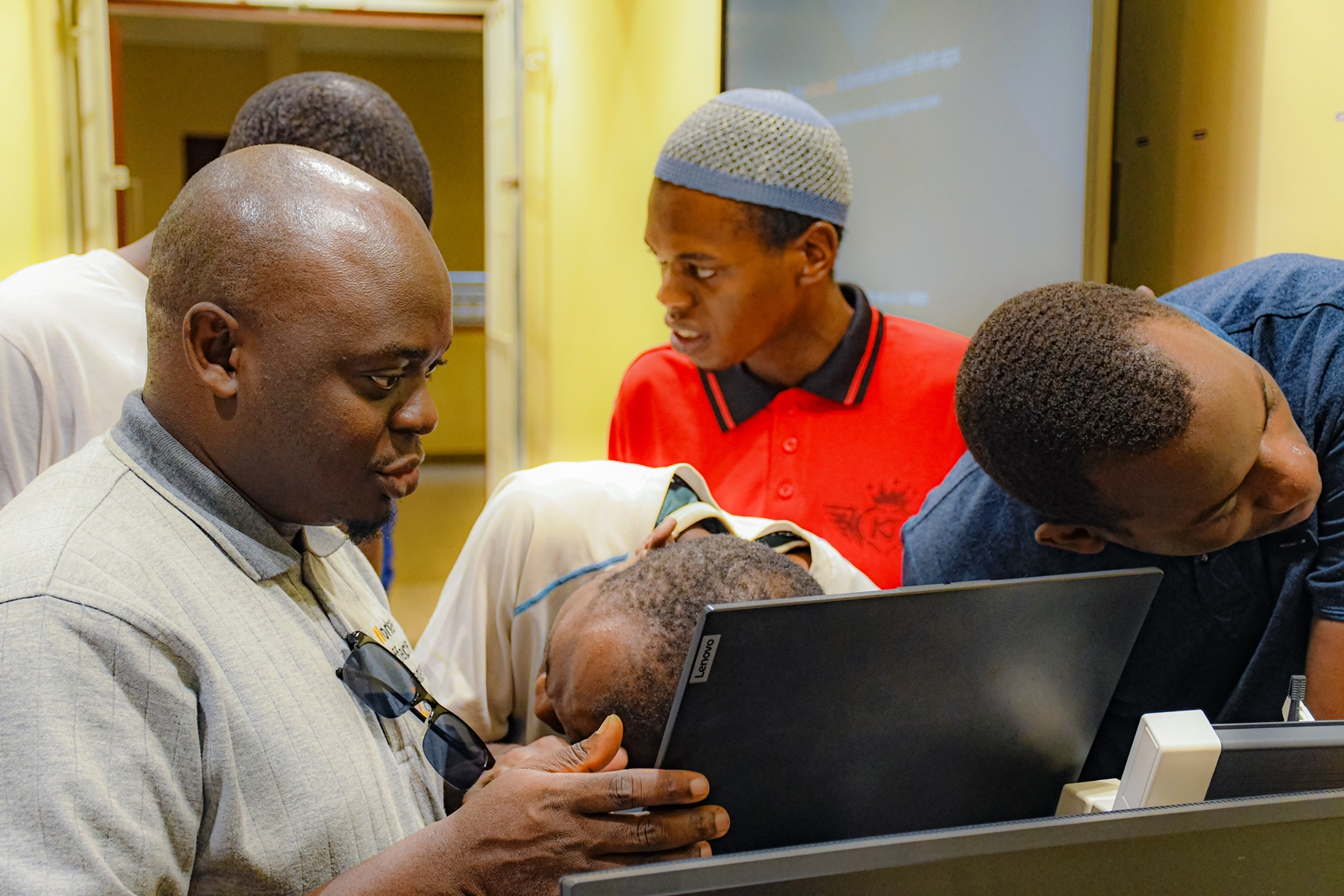
Mr. Kyebagadha told the students that assistive technology should be seen as a tool for independence.
“Assistive technology is meant to remove barriers, not create dependence. When properly used, it gives a student the confidence and independence to learn, communicate and participate on an equal footing with others,” he said.
He also cautioned the students against misusing the equipment, noting that the devices are shared resources.
Disability Support Centre
The training comes as Makerere continues to strengthen its Disability Support Centre, which provides a range of services to students with disabilities.
The Centre has computers fitted with screen readers such as JAWS and Fusion, Braille embossing services, large-print materials, refreshable Braille displays and audiobook reading services.
For students with visual and hearing impairments, such services can make access to learning materials easier and improve their participation in university activities.
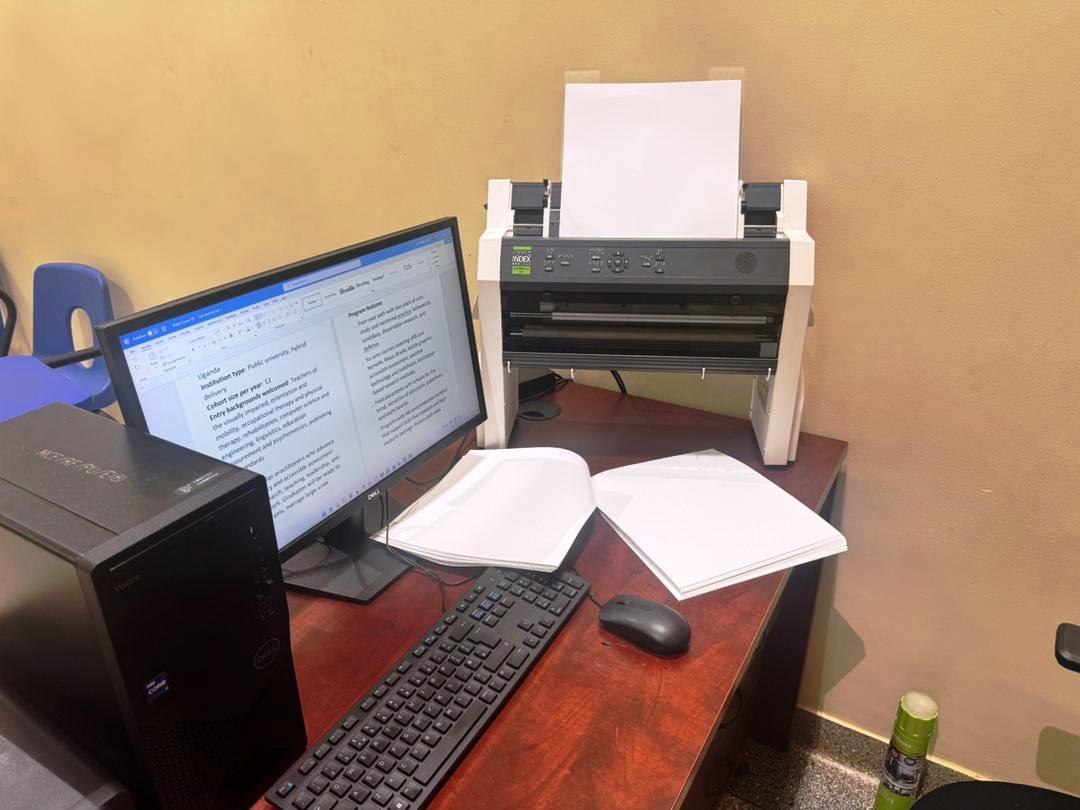
The Centre also provides a link between students and academic staff, helping to address challenges that may affect students’ participation in learning.
Makerere established the Disability Support Centre as part of its efforts to promote an inclusive learning environment. The University also adopted its Policy on Persons Living with Disabilities in 2022.
For the students who attended the training, the most important takeaway was whereas having the right technology is useful, knowing how to use it can make an even bigger difference.
As Makerere expands its support for students with disabilities, the focus is increasingly moving beyond providing equipment to ensuring that students have the skills and confidence to use the technology effectively.


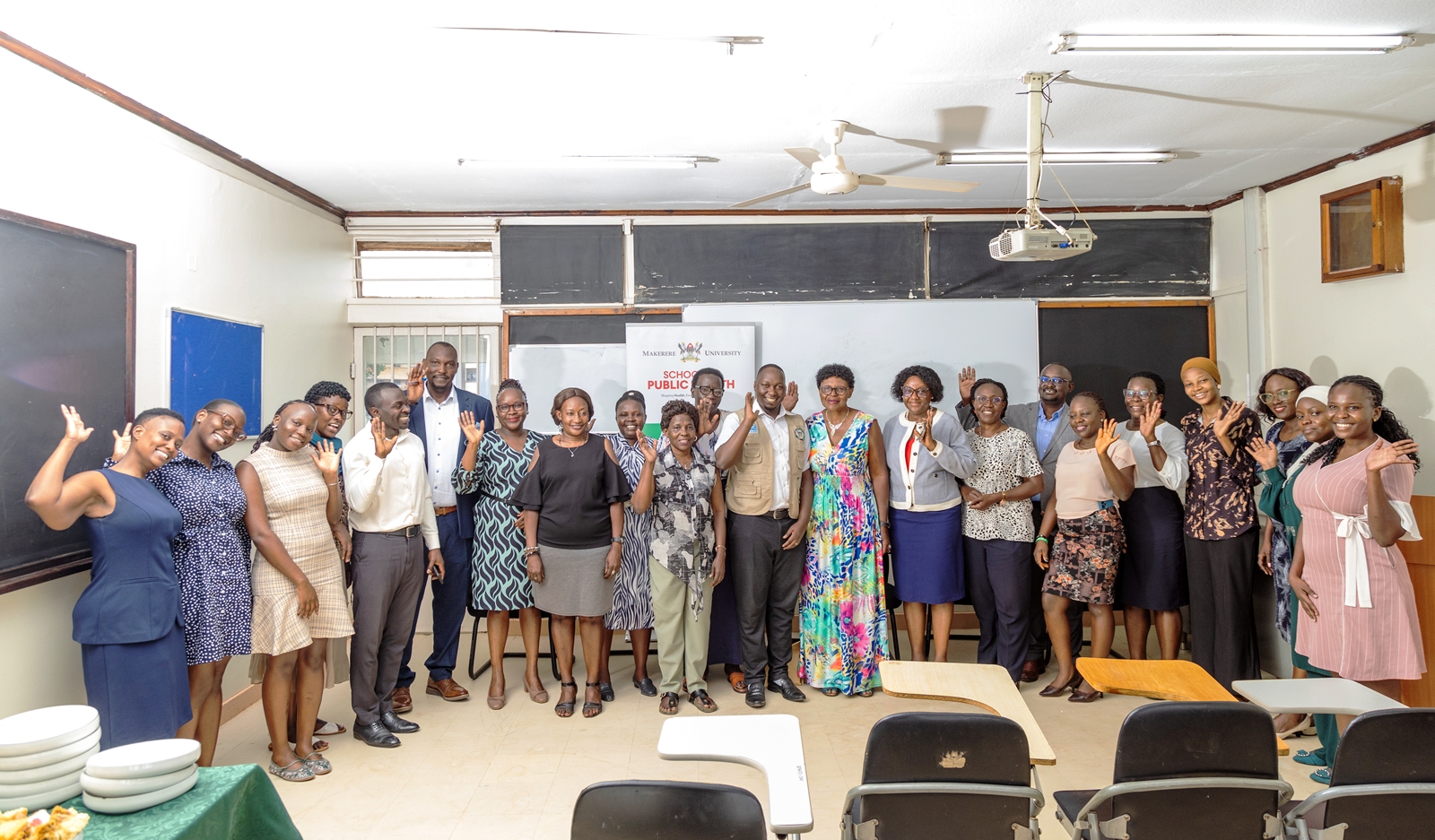
After 14 years of dedicated service, Claire Nakayiza, a familiar face and trusted custodian at the School of Public Health (SPH), has retired, leaving behind a legacy of hard work, commitment, kindness and service to the School community.
For many people at the School of Public Health, the sight of Claire arriving early in the morning, opening up the building and ensuring that everything was in order was simply part of the daily rhythm of life at the School.
For 14 years, Claire has been a constant presence at SPH. She has witnessed generations of staff, students, researchers and visitors walk through the School’s doors. She has seen colleagues join, grow and eventually move on, while she remained a dependable presence, quietly carrying out her responsibilities and ensuring that the School was ready to welcome everyone each day.
Her retirement was therefore more than a routine farewell. It was an opportunity for colleagues to celebrate a woman whose contribution, though often carried out behind the scenes, touched many lives and contributed significantly to the smooth running of the School.
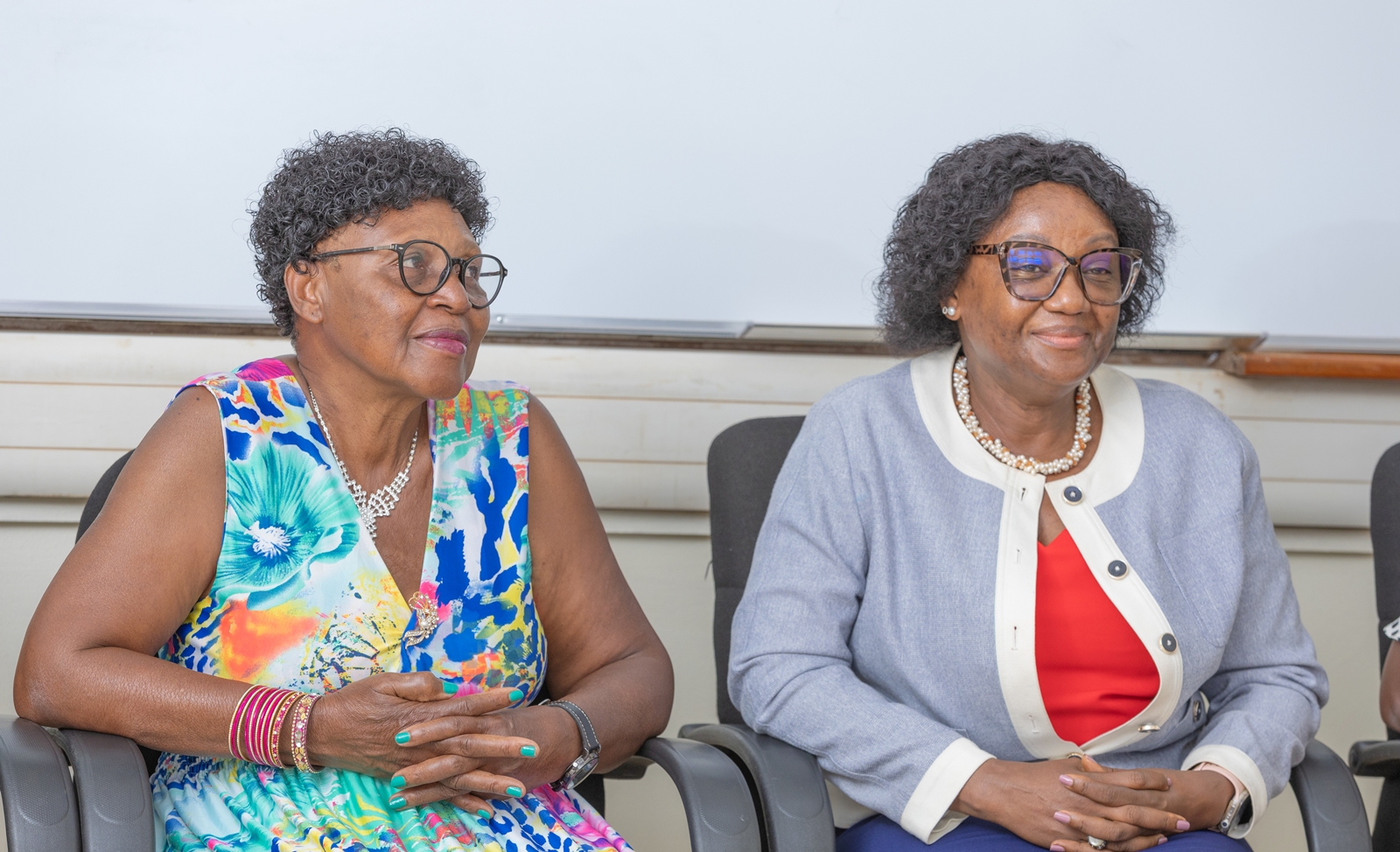
At a farewell brunch organised by the Dean, School of Public Health, Prof. Rhoda Wanyenze, colleagues and friends described Claire in glowing terms. Words such as hardworking, kind, patient, resilient, dependable and caring repeatedly featured in the tributes.
For many, Claire was much more than a custodian. She was described as a mother figure, a counsellor and someone people could approach whenever they needed a listening ear, encouragement or simply a warm smile.
A commitment that went beyond the call of duty
One of the strongest themes to emerge during the farewell was Claire’s extraordinary commitment to her work.
Colleagues recalled how she would routinely open the School building as early as 6:00 a.m., ensuring that staff and students arriving for the day found the premises ready. Her working day could stretch well into the evening, with some days requiring her to remain at the School until 8:00 p.m. or even 10:00 p.m.
Despite the long hours and demanding nature of her responsibilities, colleagues said Claire rarely complained. Instead, she approached her work with patience and resilience, always focused on ensuring that the School was secure and that its operations could continue smoothly.
Her dedication was particularly evident in her contribution to improving the security of the School building. Over the years, Claire became a trusted custodian of the premises, helping to ensure that the building was opened and closed responsibly and that the environment remained secure for those who worked and studied there.
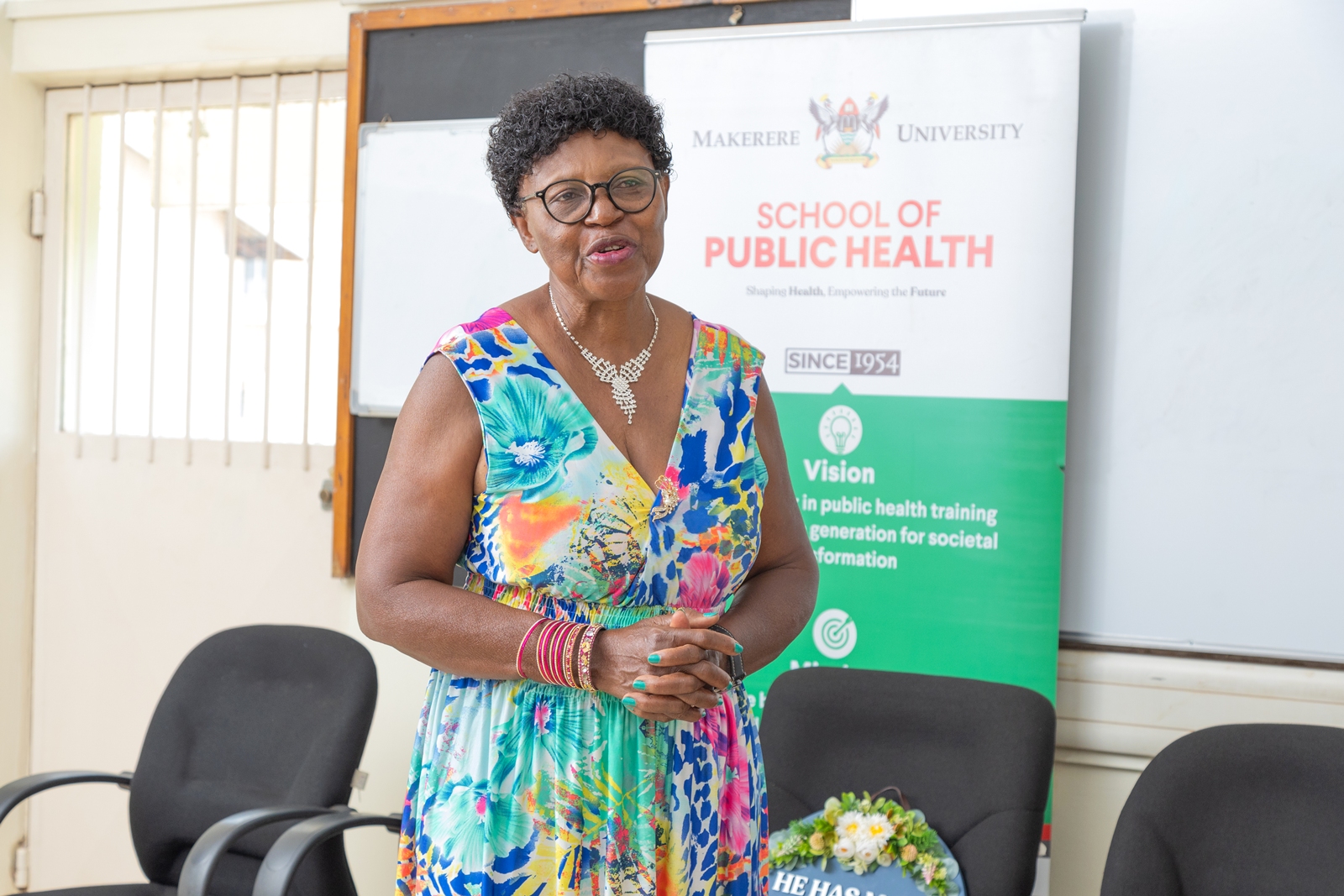
Speaking at the farewell, Prof. Wanyenze described Claire as someone who consistently worked beyond the call of duty.
The Dean acknowledged that saying goodbye to Claire was an emotional moment, given the many years she had spent serving the School and the relationships she had built along the way.
However, Prof. Wanyenze said she had spoken to Claire and was assured that she was ready to embrace the next phase of her life.
She joined colleagues in wishing Claire good health, happiness and prosperity as she begins her retirement journey.
More than a custodian
Claire’s impact at SPH was not limited to the physical responsibilities associated with her job. To those who interacted with her regularly, her greatest contribution was perhaps the warmth and humanity she brought to the workplace.
Amos Ddembe, the Internal Auditor, described Claire as a joy to watch as she went about her work.
He particularly remembered her interactions with people when she was stationed at the reception area. Claire, he noted, was almost always smiling and welcoming to staff and visitors.
Her ability to make people feel comfortable, regardless of their position or role at the School, earned her the affection and respect of many colleagues.
Claire’s colleagues also remembered her as someone who was willing to listen and offer guidance. Her patience and calm demeanour meant that people could approach her with their concerns, knowing they would receive a sympathetic ear.
Over the years, these seemingly small interactions accumulated into meaningful relationships, helping to make Claire one of the most recognisable and trusted members of the SPH community.
A legacy of service
Fourteen years is a significant period in the life of any institution. During that time, Claire witnessed changes in leadership, staff, students, programmes and the physical environment of the School.
She remained a constant through these transitions.
Her service represents the important contribution made by members of the support staff whose work often happens quietly but is essential to the functioning of an institution.
From opening the building before sunrise to securing it late in the evening, welcoming people at reception, supporting the day-to-day operations of the School and contributing to the security of the premises, Claire’s work helped create an environment in which others could perform their own responsibilities.
Her story is a reminder that the success of an institution is built not only through high-profile academic and research achievements, but also through the dedication of people who ensure that the institution functions every day.
A gesture of appreciation
As part of the farewell, the Department of Community Health and Behavioral Sciences also expressed its appreciation for Claire’s years of service.
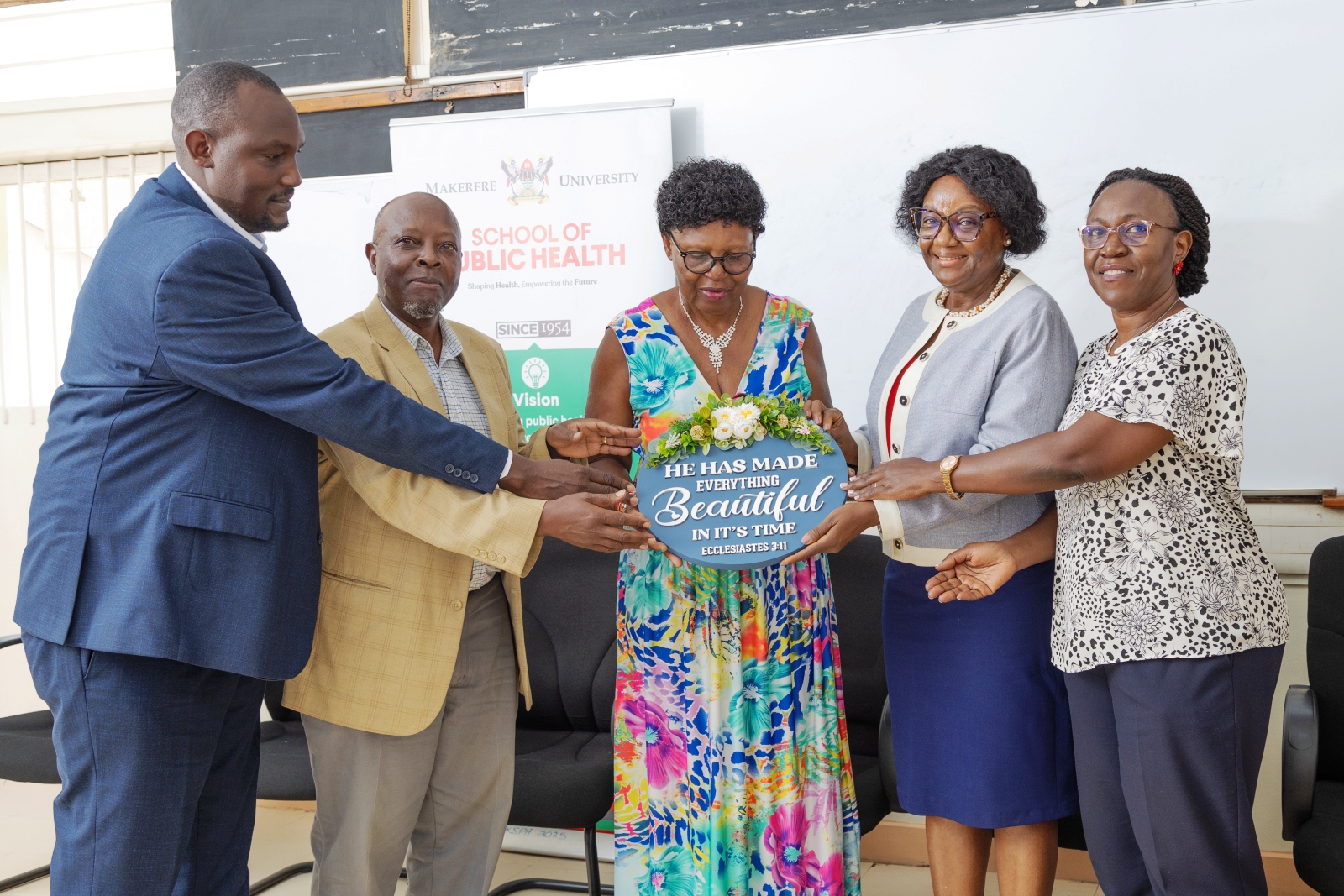
Representing the Department, Dr. Christine Nalwadda presented Claire with a cash envelope on behalf of the staff as a token of appreciation for her commitment and contribution to the School.
A new chapter begins
As Claire leaves the School of Public Health, she takes with her the memories of 14 years of service and the goodwill of the many people she encountered along the way.
For the colleagues who gathered to celebrate her, the farewell was not simply about marking the end of employment. It was about celebrating a colleague who had become part of the fabric of the School.
As she begins this new chapter, the School of Public Health joins together in saying:
“Thank you, Claire, for 14 years of dedicated service. Thank you for the early mornings, the long evenings, the smiles, the patience and the unwavering commitment.
May retirement bring you the good health, peace, happiness and prosperity you so richly deserve.”
-
 General2 weeks ago
Undergraduate Admission Lists 2026/2027
-
 General2 weeks ago
72 Makerere University Students Admitted to 2026 Millennium Fellowship
-
 Computing & IS2 weeks ago
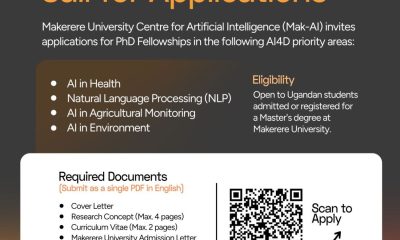
Call For Applications: Mak-AI PhD Fellowship
-
 Business & Management2 weeks ago
Makerere University Inaugural Conference on Noonomy Paves way for Centre of Excellence in Africa
-
 Law2 weeks ago
Makerere University School of Law Finishes Second at 35th Christof Heyns All Africa Human Rights Moot Competition