
Health
The Sugar That Killed My Mother: A Generation Drowning in Cheap Drinks, Cigarettes and Lies

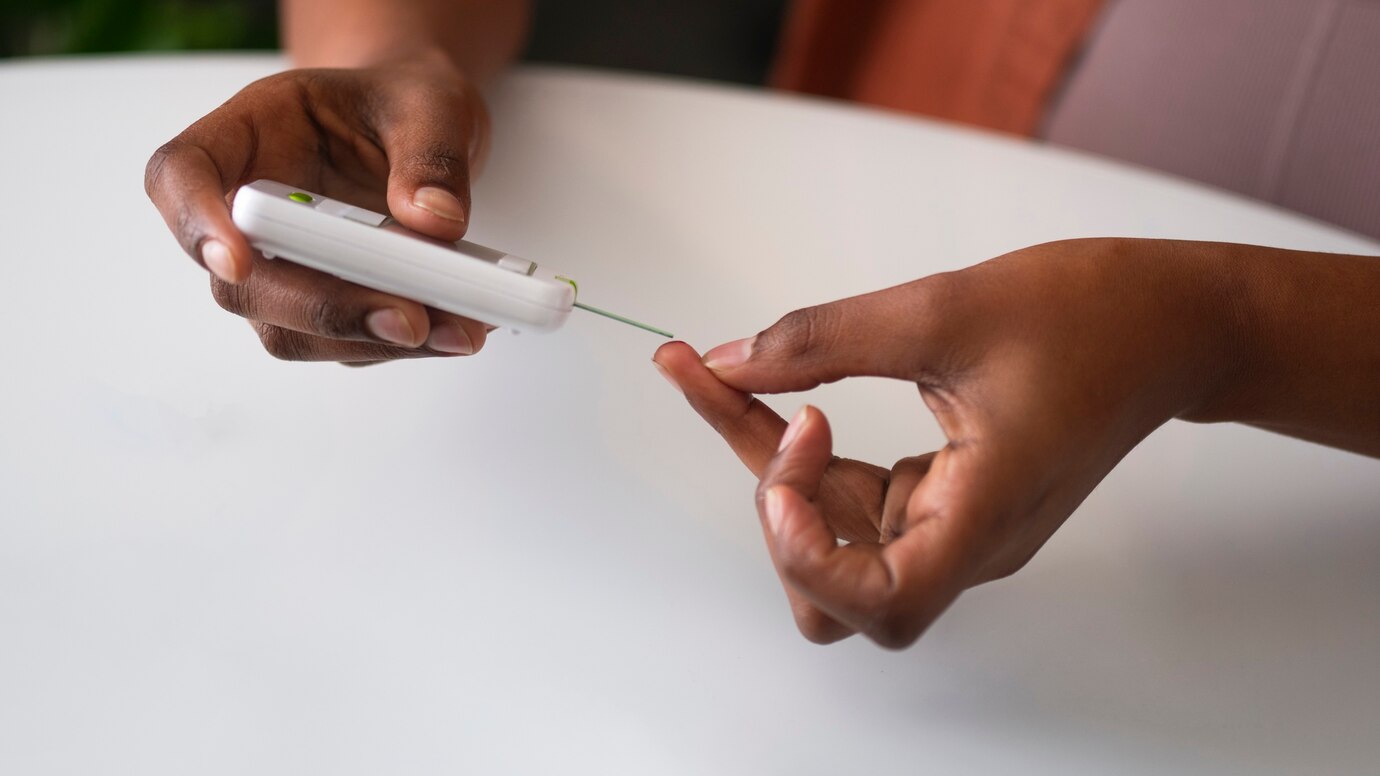
On October 15, 2021, the beep of a glucose monitor flatlined in our living room. My mother, Rebecca Nabiteeko (R.I.P.), took her last labored breath as her veins, swollen, burning, and numb, finally surrendered to a decade-long siege by diabetes. Her final days were a cruel liturgy: mornings began with insulin injections, and nights ended with prayers to a God who never answered. “Nsaba Yezu, mpone obulwadde bwa sukaali,” she prayed for deliverance from the sugar sickness. The same sickness that caused numbness of her feet, then her sleep, and finally her life. I miss her.
In our little cramped Kyebando-Kisalosalo home, medication such as pregabalin, Metformin, and Insulin Mixtard—became part of the day’s meals and everyday companions as relatives. We memorized their shapes: the amber vials crowding the dining table, the syringes tucked like shrapnel in drawer corners. Her body was a battleground. Her faith, a fragile ceasefire.
Her story is not unique. It is now becoming every household’s and a Ugandan story. Our country is under attack! While HIV, cholera, and malaria dominate headlines, a quieter killer stalks Uganda: non-communicable diseases (NCDs) like diabetes, hypertension, and cancer now claim 1 in 3 lives, eclipsing infections as the nation’s grim reaper.
“Our clinics are grappling with constant drug stockouts. For hypertension, diabetes, and asthma medications, funding covers just 2% of the actual needs,” reveals Dr. Freddie Ssengooba, a professor of health economics at Makerere University School of Public Health (MakSPH).
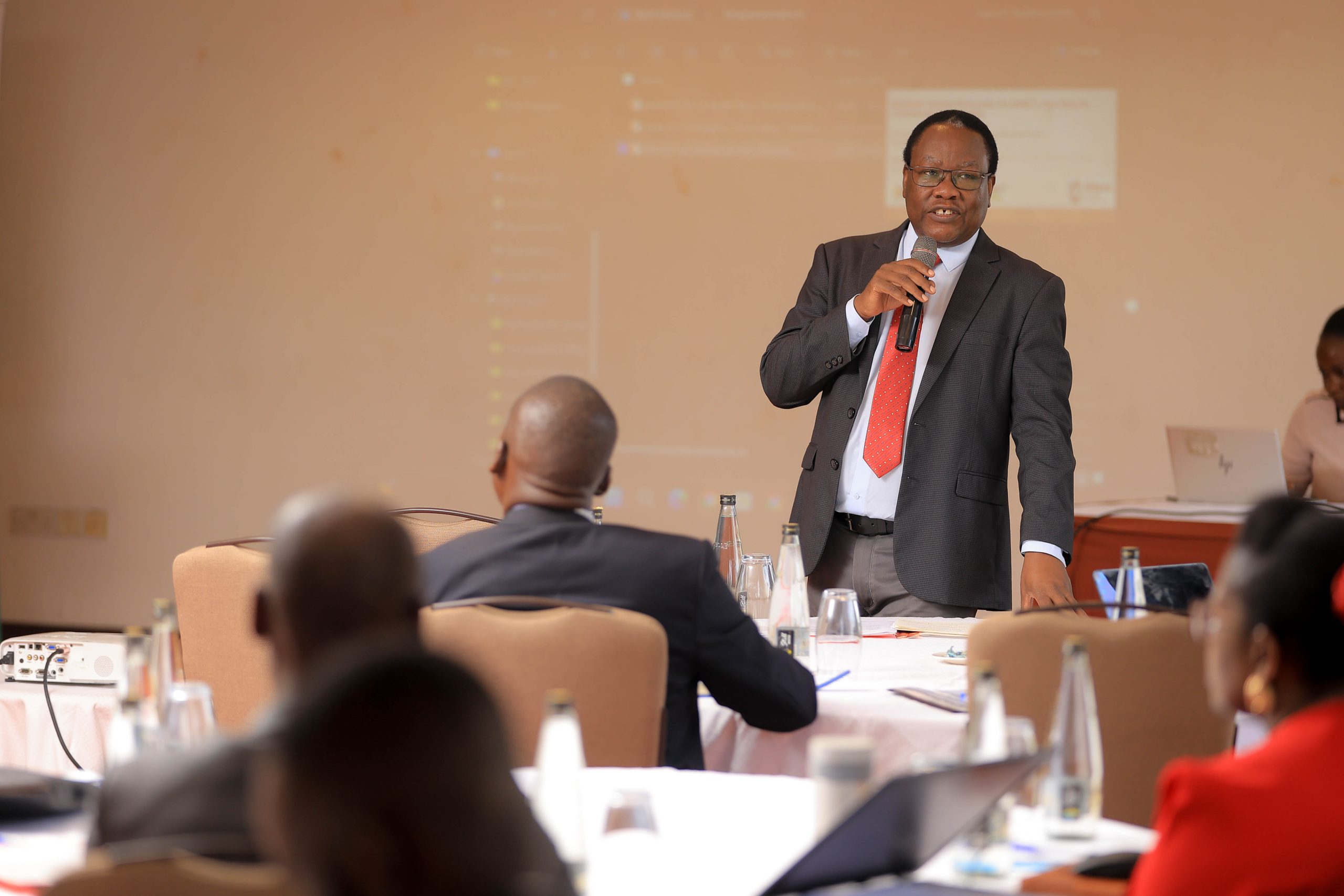
In one of the Health Policy Advisory Committee (HIPAC) meetings of Uganda’s Ministry of Health, where key stakeholders gather, a concerning reality about medicine availability was shared.
In schools, teenagers trade 500-shilling cigarettes like sweets. In markets, soda and unregulated sweetened juices flow cheaper than clean water. Uganda’s health system, already strained by several public health issues, is buckling under the NCD surge. “80% of the early 335 COVID-19 deaths in Uganda had NCD comorbidities as an underlying condition,” stated Dr. Eric Segujja, a public health systems researcher, while coronary heart disease, once rare in Africa, now claims 12% of Uganda’s disease burden.
This is a plague of policy, profit, and paralysis, a war where lobbyists outgun public health advocates and sugar drowns out science. My mother didn’t just die of diabetes. She died in a system that incentivizes manufactured epidemics while pushing back on public health responses.
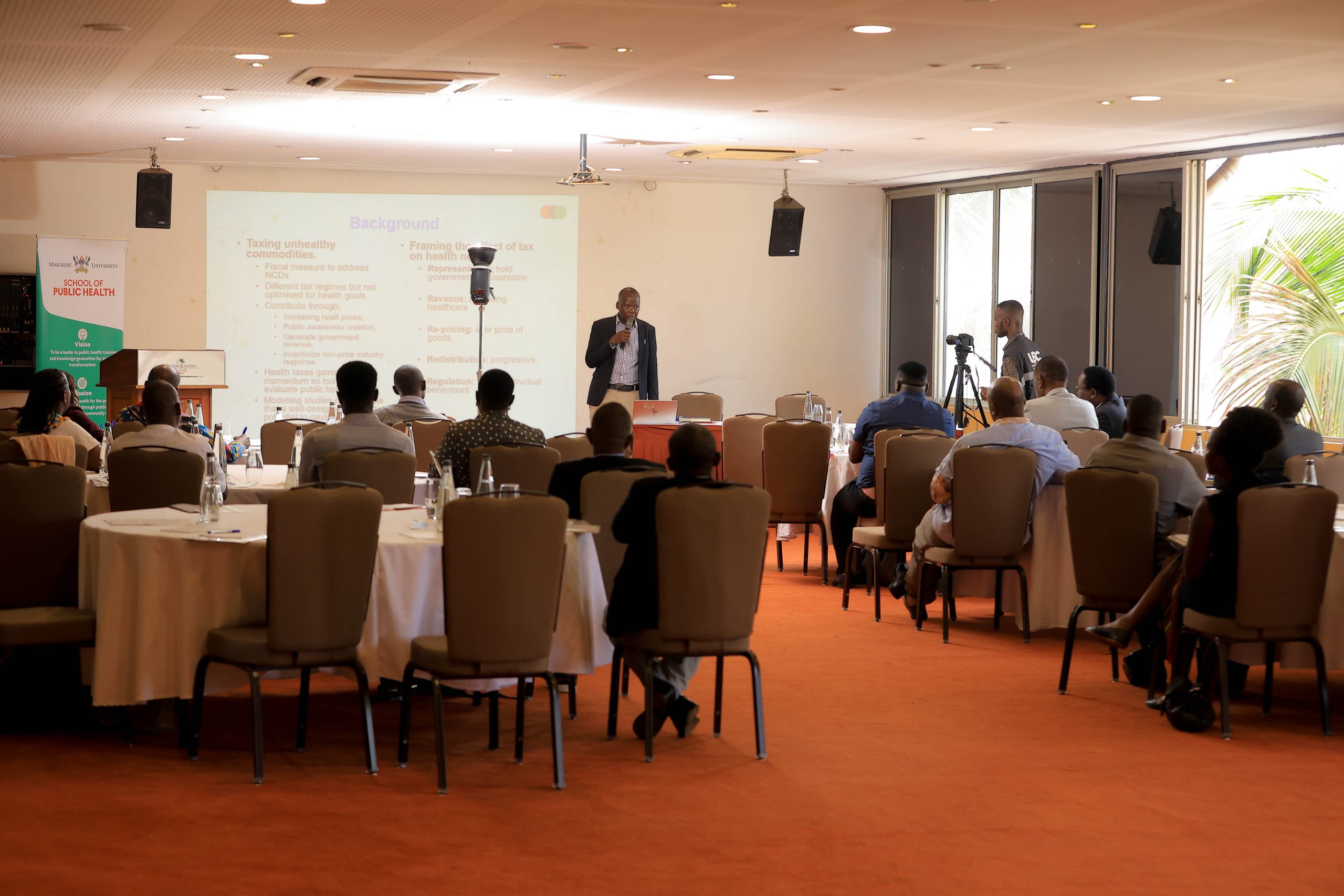
At a dissemination meeting on the political economy analysis of health taxes on unhealthy commodities in Uganda at Kabira Country Club in Kampala in late January this year, Dr. Ssengooba emphasized that, “When discussing NCDs, we need to be very practical.”
Adding that, “Currently, we rely heavily on a few donors and pharmaceutical companies, who provide us with a set of donated drugs each year. If these donors begin to reduce their support, similar to what we’re seeing with the US in the coming days, we will face even greater challenges. This is a critical issue: as we talk about NCDs, there’s no provision within the national budget to address medicine shortages. While there are healthcare professionals trained to manage these diseases, they may end up advising patients to purchase medicines from pharmacies—something that’s not affordable for many, especially those without financial means.”
The culprits? Cheap, sophisticated distribution channels and aggressively marketed unhealthy commodities. For instance, between 2015 and 2023, beer production rose by 42%, soft drinks by 67%, and cigarette sales surged despite taxes.
A presentation titled “Impact of Taxation on the Production, Sales, Revenue, and Consumption of Selected Unhealthy Commodities in Uganda: A Nine-Year Analysis” reveals a significant increase in the production of non-alcoholic beverages, particularly sugar-sweetened drinks, over the years. The highest production levels in the country were recorded during the 2022/2023 financial year. Richard Ssempala a Makerere University lecturer at the School of Economics and a current PhD candidate at Osaka Metropolitan University in Japan, who is also one of the researchers, attributes this growth to the rise in the number of factories and small-scale firms entering the market, coupled with low tax rates on these commodities.
Are Health Taxes, a “Best Buy,” Stalled by Competing Interests?
The World Health Organization (WHO) ranks health taxes on tobacco, alcohol, and sugary drinks among its top “Best Buys” to curb NCDs. Yet in Uganda, implementation faces fierce resistance. Dr. Henry Zakumumpa, a health systems and NCDs researcher at Makerere University, says industry lobbyists have impressed upon government technocrats, people, and commissioners at the Uganda Revenue Authority that when you increase taxes, then there will be distortion of the economy due to low consumption and the government won’t get those taxes, which he says is not true.
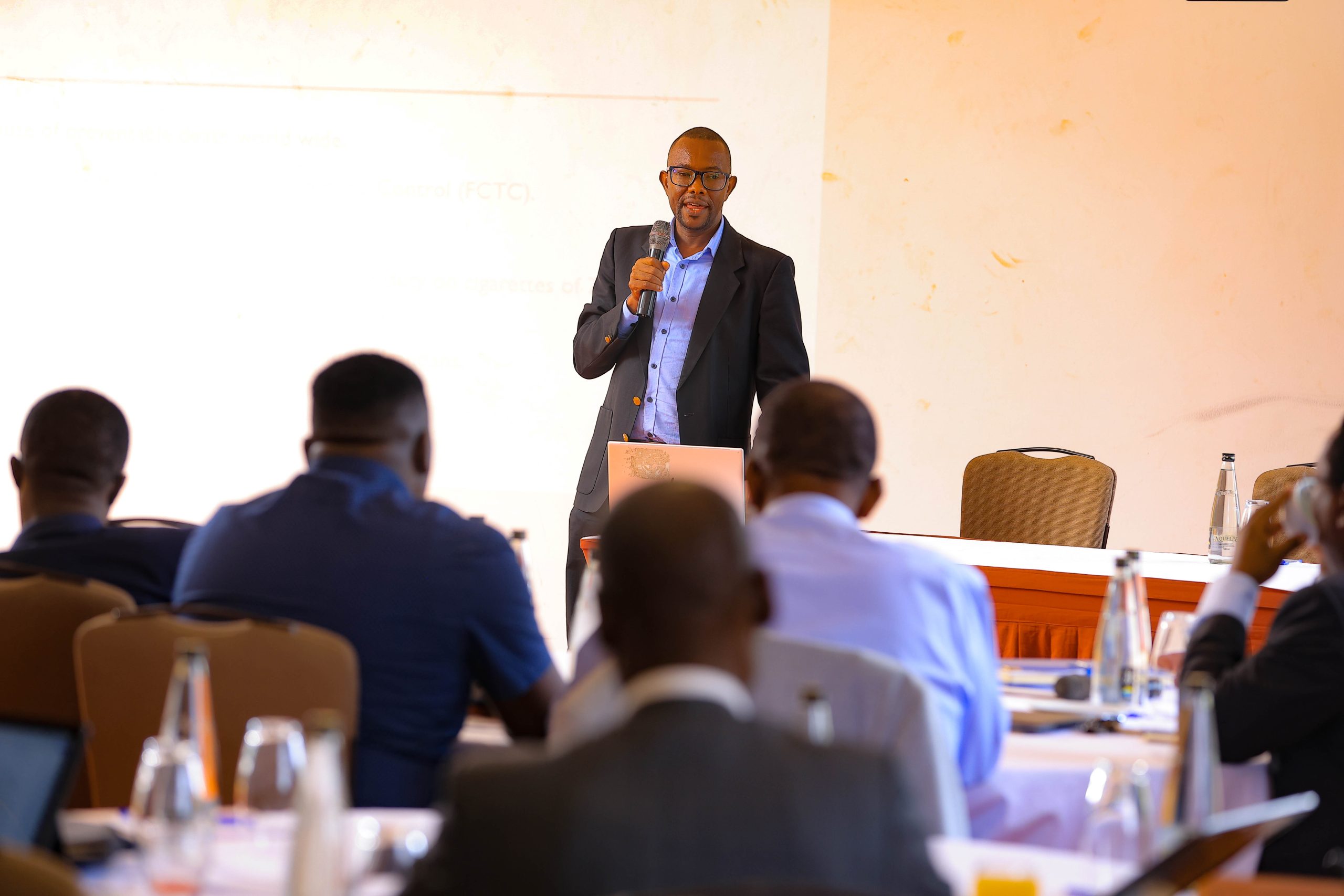
“When the taxes remain low, we as public health advocates realize that we shall not achieve our objective of reducing consumption of cigarettes and tobacco because they become affordable. Young people in secondary schools can afford cigarettes, which, of course, as we know, lead to cancer and heart disease. The tobacco industry is interested in maintaining taxes at a level where they’re ineffective, where they are so low that the prices are so low and young people can afford them,” said Dr. Zakumumpa.
But do health taxes work?
Studies that have been conducted elsewhere have shown that, when you increase taxes, the government increases revenue, and also the population reduces consumption of harmful products.
While the industry argues that taxes generate government revenue, a 2017 report by the Center for Tobacco Control in Africa (CTCA), based on a World Bank study, revealed that for every dollar the Ugandan government receives in tobacco taxes, it spends four dollars treating tobacco-related diseases. The government incurs costs at the Cancer Institute, Lung Institute, and Heart Institute, treating individuals with lung cancer, throat cancer, and heart disease linked to smoking in their youth.
“The industry has been successful in misinforming the public, even government officials, by scaring them that if they increase taxes, the economy will suffer and the government will lose revenue, which we have found is actually misinformation,” argues Dr. Zakumumpa.
Dr. Segujja explains, “Health taxes collide with national priorities like the industrialization growth trajectory that the government is pursuing and getting a bulk of the population from the subsistence to a cash economy. Manufacturers of alcohol, tobacco products, and sodas advance this as the rationale for their businesses and, along the way, were attracted to the country with tax incentives to contribute to this objective. Now, they argue new levies will kill jobs and take them out of business.” Industry lobbying has kept Uganda’s tobacco taxes at 30% of retail prices, far below WHO’s 70% recommendation.
The Chemical Hook

For the smokers, every puff injects their veins with 70 cancer-causing chemicals. Smoking doubles their risk of diabetes or that 90% of lung cancers trace back to this habit. But they know one thing: they can’t stop and this is how big tobacco engineers addiction in Uganda’s backyard
“Tobacco is one of the most addictive products,” explains Dr. Zakumumpa. “But do you know why? Manufacturers lace it with nicotine—a chemical trap designed to hook you for life.”
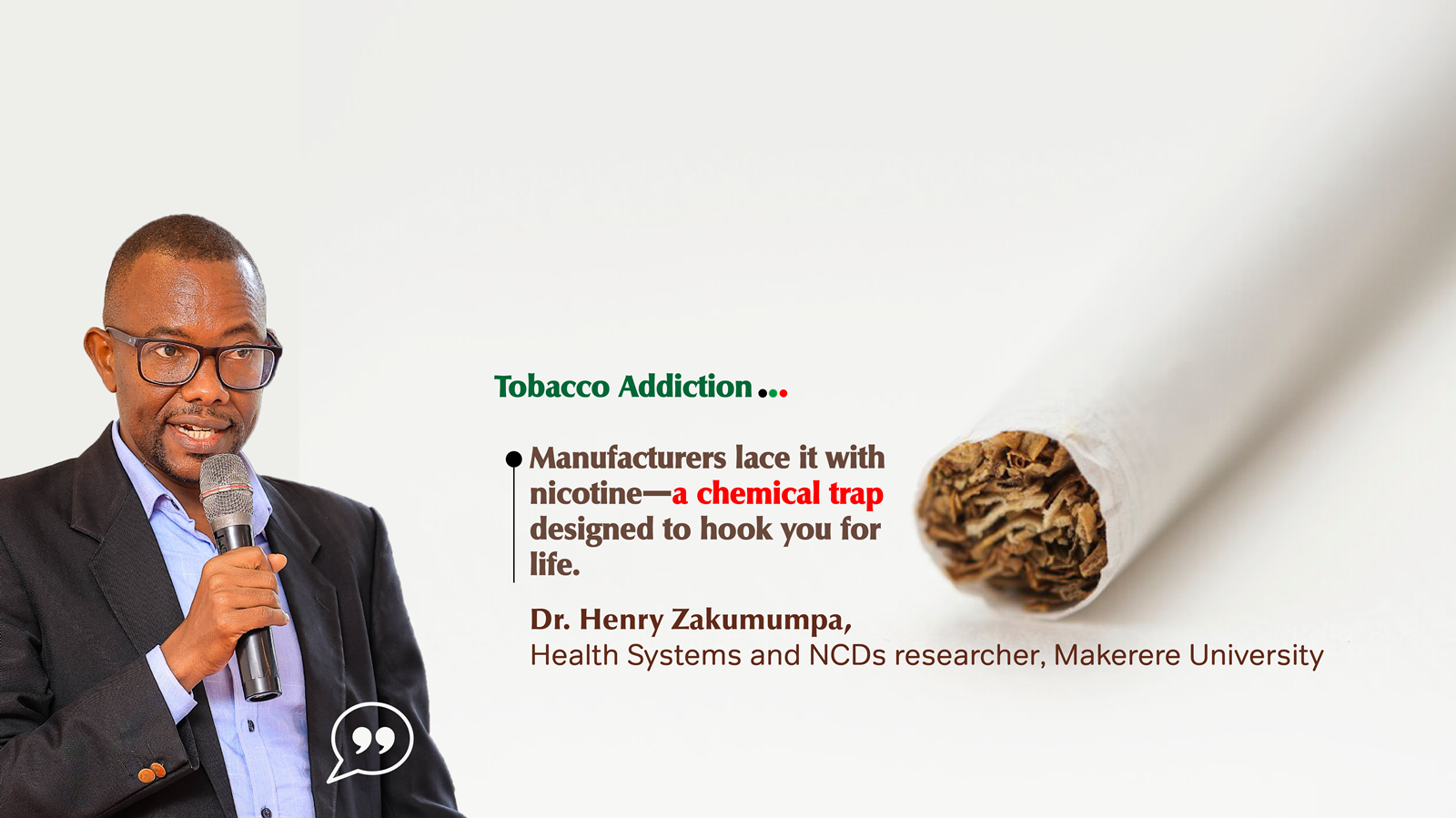
The irony is as bitter as the smoke. In rural Uganda, farmers have chewed raw tobacco leaves for generations without addiction. But in the hands of multinationals like British American Tobacco (BAT) and Marlboro, those same leaves are chemically altered. Nicotine, absent in natural foliage, is added like a sinister seasoning, transforming a plant into a predator.
Profitability of their businesses thrives through repeated consumption by a bulk of consumers.
“They want you as a tenant for life,” Dr. Zakumumpa says. “Even when your lungs scream, your wallet empties, or your blood sugar spikes. When the poor can’t afford cigarettes, they smoke less. The rich? They fund their own demise,” he adds notes.
But isn’t this the science of slavery?
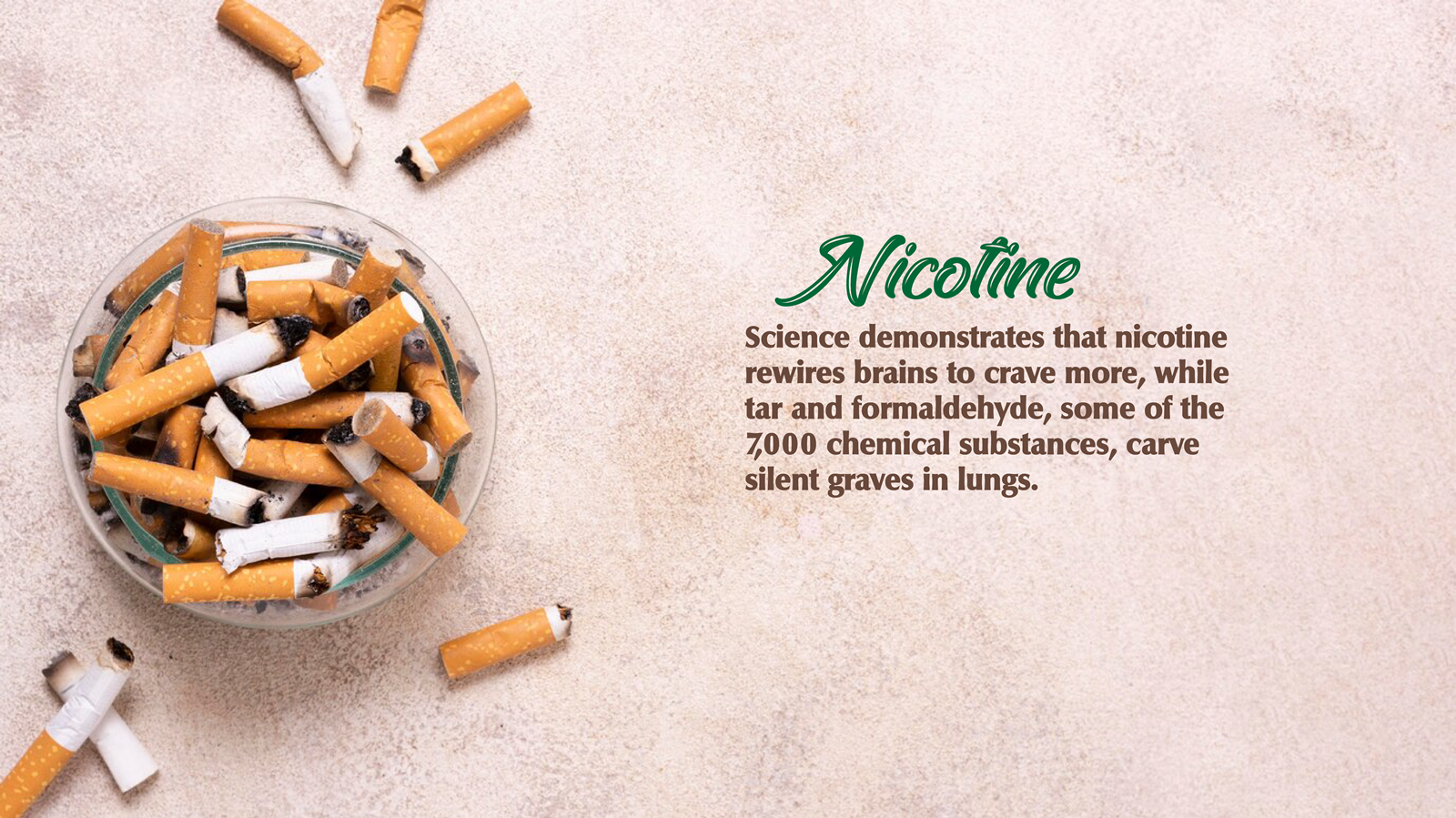
Science demonstrates that nicotine is not only addictive, but also a master manipulator. It rewires brains to crave more, while tar and formaldehyde, some of the 7,000 chemical substances, carve silent graves in lungs. Yet Uganda’s tobacco taxes remain among the lowest globally, keeping packs accessible to teens.
“This isn’t commerce,” Dr. Zakumumpa argues. “Its chemical warfare, and the casualties are in our wards, gasping for air.”
He advises those who are addicted to enroll in nicotine reduction therapies and healthcare treatment at centers designated to help people with tobacco addiction.
“There is something called the National Care Centre (NACARE); we have Serenity Centre Uganda. We have about five centers which treat people who have tobacco addiction and who want to leave tobacco because it’s a chemical addiction, so they should approach the School of Public Health, they can approach us researchers, we can link them to these centers and they will leave and drop this habit,” says Dr. Zakumumpa
Revenue vs. Health, the Fiscal Tightrope
Uganda’s dilemma mirrors a global challenge. While health taxes could reduce NCD risks and fund healthcare, policymakers fear economic fallout usually advanced by opponents of tax increases. “Taxes on unhealthy commodities are sensitive, fought against by companies”—acknowledges Ssempala. Yet data from his nine-year analysis demystified this: Production and sales of taxed goods like beer and sodas keep rising, even as revenues plateau. During COVID-19, sales dipped briefly but rebounded sharply.
The Ministry of Health’s Dr. Oyoo Charles Akiya remains pragmatic:
“We need compromise. If manufacturers won’t accept higher taxes, let’s mandate health warnings or limit marketing to children.”
Dr. Akiya is the Commissioner of Health Services-Non-Communicable Diseases, and he hopes there can be a path forward through coalitions, evidence, and political will. Despite hurdles, advocates see hope. South Africa’s success in taxing sugary drinks and Kenya’s tobacco levies offer blueprints.
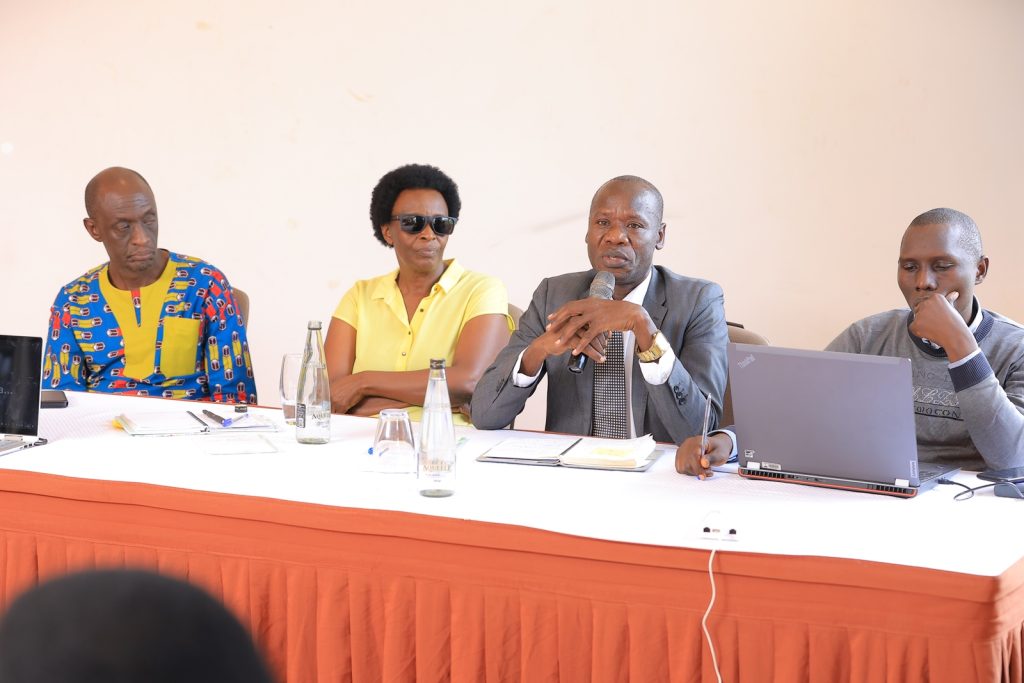
Regionally, a coalition of East African NCD managers is advocating for unified policies. The 4th Global NCD Alliance Forum, held at the Convention Centre in Kigali, Rwanda, on February 13, 2025, was the first of its kind in Sub-Saharan Africa. The event brought together 700 advocates, experts, and ministerial representatives from over 66 countries working in NCD prevention and care. This forum is a key global health forum as we race to the 4th UN High-level Meeting on NCDs, scheduled for September 2025 in New York.
“Change requires top-down pressure,” says Dr. Akiya.
With multinationals at the centre of manufacturing these commodities, exerting enormous pressure sometimes may prove difficult to confront as individual countries.
“We’re engaging the AU and UN to put NCDs on presidential agendas.” Locally, the Ministry of Health is mobilizing patients with lived experience: “They matter the most. The media plays a crucial role in this endeavor and holds significant importance for us. We cannot leave them out in these efforts. The leadership at the Ministry of Health, the minister, and the PS [Permanent Secretary] are all passionate about NCDs,” he added.
Is it a race against time or a behavioral issue?
As Uganda’s youth embrace processed snacks and tobacco, the clock ticks. “Every day without action, we lose more people to preventable diseases,” warns Professor Ssengooba.
The other day, Mubiru (not his real name) was jogging on the street, and a motorcycle taxi called Boda Boda knocked him, and he has just come out of the cast. He’s trying to manage NCDs; he got injured. At a Kampala hotel buffet, 28-year-old Miriam (not her real name) stares at her plate—a mountain of matoke, fried rice, boiled rice, vegetable rice, roasted gonja (plantain), and three golden potato wedges. “Finish it all,” her aunt insists. “Food is a blessing!” But Professor Ssengooba sees a different truth in these heaping portions: “Our plates have become battlegrounds. We pile carbohydrates like trophies—fried, boiled, mashed—while our bodies crumble.”
Uganda’s love affair with carbohydrates has turned toxic. Meals once centered on balanced staples like beans and greens now drown in oil and starch. “We’ve confused ‘tasty’ with ‘excessive,’” he says, adding that “at weddings, funerals, and even home dinners, its six carbohydrates competing on one plate. Why? Tradition says ‘more is generous.’ Science says, ‘more is deadly.’”
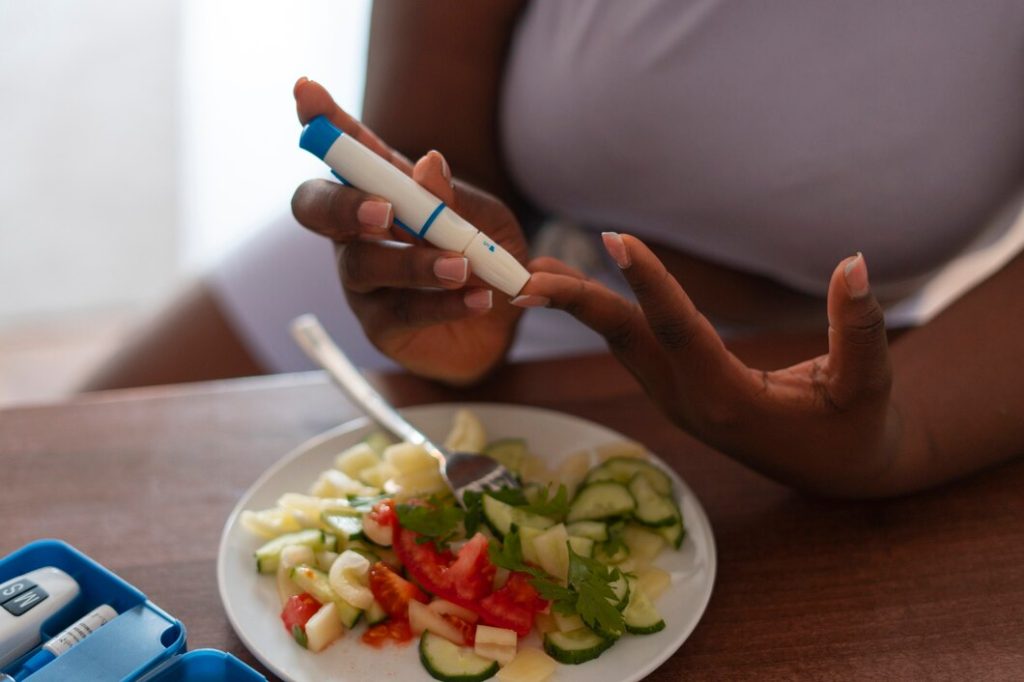
At what cost? Surging diabetes and hypertension rates. “We’re eating our way into clinics,” he warns. Yet change faces cultural roadblocks: How do you convince a nation that less on the plate isn’t disrespect—but survival? In this high-stakes battle between public health and profit, Uganda’s choices will shape a generation’s survival.
Davidson Ndyabahika is the Communications Officer, Makerere University School of Public Health.













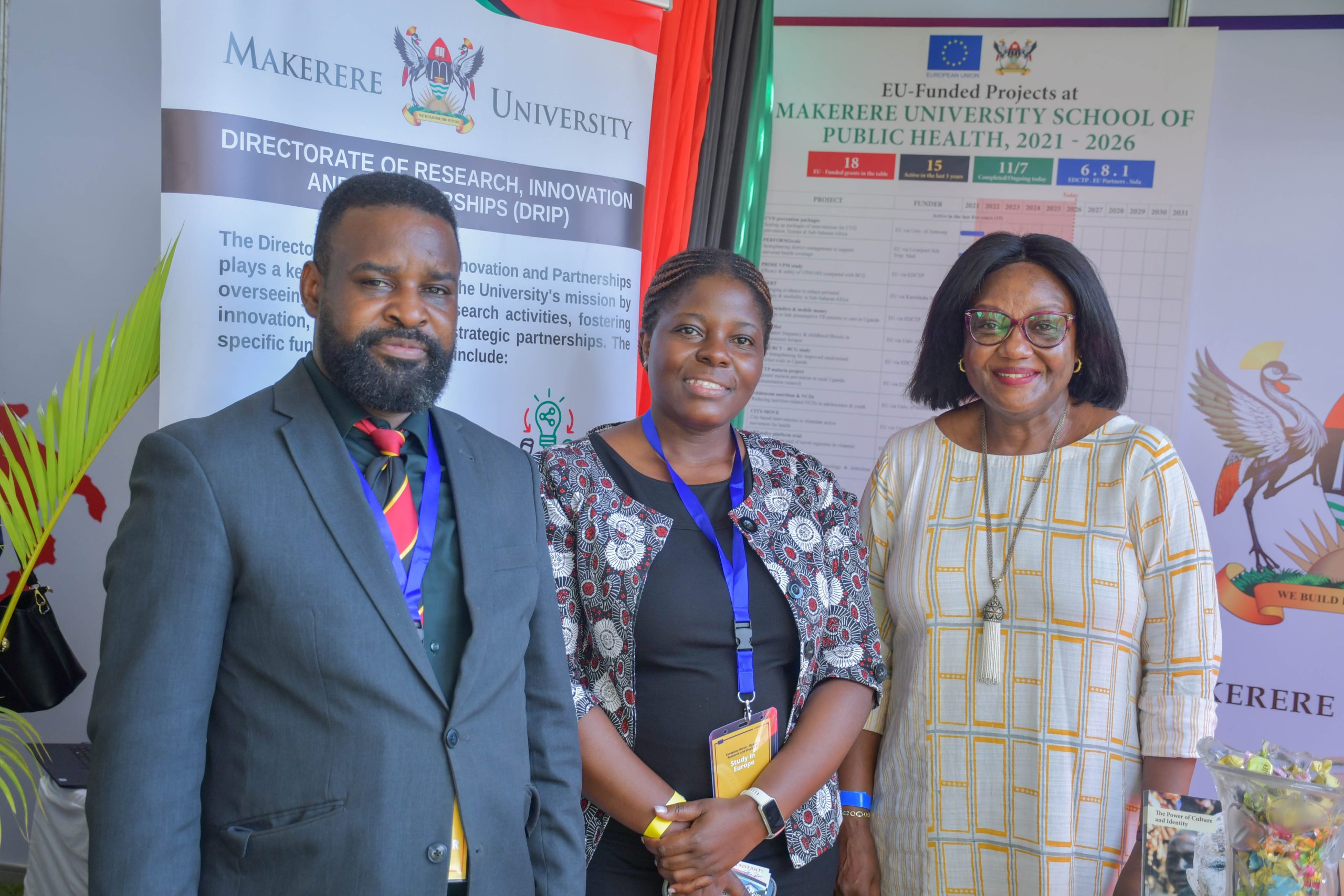
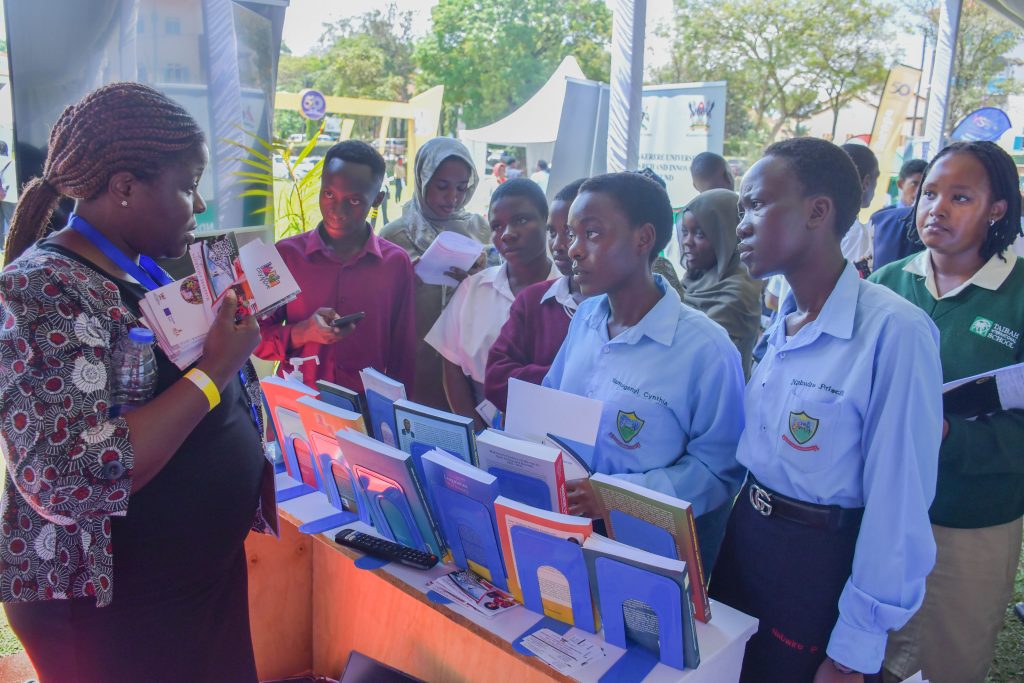
Makerere University’s School of Public Health (MakSPH) showcased research, training and international partnerships supported through European Union funding during the EU Uganda Research and Study Fair 2026 held at Makerere University.
The fair brought together students, researchers, academics, government representatives and development partners to explore opportunities in education, research, innovation and international collaboration, while celebrating 50 years of partnership between Uganda and the European Union.
Through its exhibition, MakSPH highlighted research and capacity building initiatives addressing public health challenges including infectious diseases, non communicable diseases, health systems, climate change and pandemic preparedness.
18 EU funded projects supported at MakSPH
Prof. Rhoda Wanyenze, Dean of Students, School of Public Health, said the School has benefited from 18 EU funded projects over the past five years, supporting research and training across several areas of public health.

She said the projects have contributed to the training of PhD researchers and the development of research addressing infectious diseases and prevention, non communicable diseases, health systems, climate change and health.
Prof. Wanyenze also highlighted a new five year programme which started in 2021 that is aiming at strengthening capacity for research on pandemic preparedness and response, including outbreaks such as Ebola.
Another programme being undertaken with the Ministry of Health and Karolinska Institute focuses on improving maternal health while also addressing adolescent pregnancy and the health of mothers and children.
She described partnerships as critical to advancing science and innovation, noting that collaboration allows researchers in Africa and Europe to share knowledge and strengthen the impact of research on communities.
Research partnerships strengthen innovation
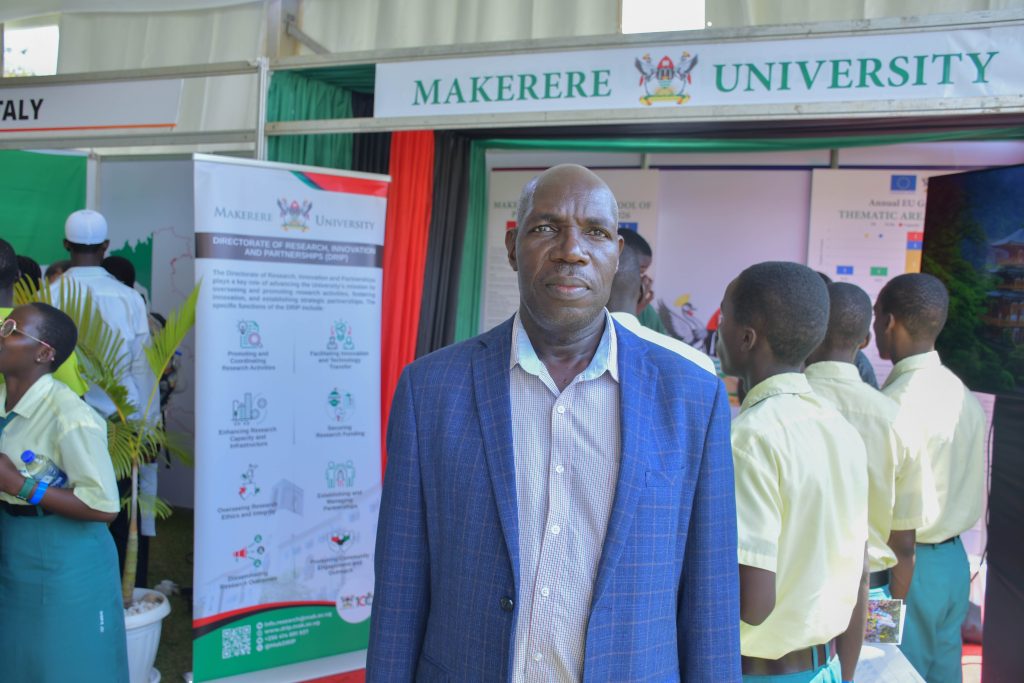
Prof. Robert Wamala, Director of the Directorate of Research, Innovation and Partnerships at Makerere University, said the exhibition provided an opportunity to showcase EU funded projects across the University.
He noted that the School of Public Health alone has more than 18 such projects, while other colleges also have several EU supported initiatives.
One of the projects showcased was PREPARE TID, a partnership aimed at developing rapid diagnostic technologies for emerging and re emerging infectious diseases.
Prof. Julius Okuni, Associate Professor of Veterinary Pathobiology and Molecular Diagnostics at Makerere University, said the project brings together universities, industries and other organisations from Africa and Europe.
The project is working to develop technologies that can quickly identify pathogens responsible for outbreaks such as Ebola, Rift Valley fever and Crimean Congo haemorrhagic fever.
According to Prof. Okuni, Makerere is involved in field and laboratory work to test and refine the technologies before they can be delivered to end users.
Fair provides platform for research visibility
For researchers at MakSPH, the fair also provided an opportunity to increase the visibility of ongoing research and create new connections with researchers, policymakers and potential funders.
Dr. Raymond Tweheyo, Honorary Lecturer and Senior Research Fellow in the Department of Health Policy, Planning and Management, said such exhibitions allow researchers to share their work and identify others working on related challenges.
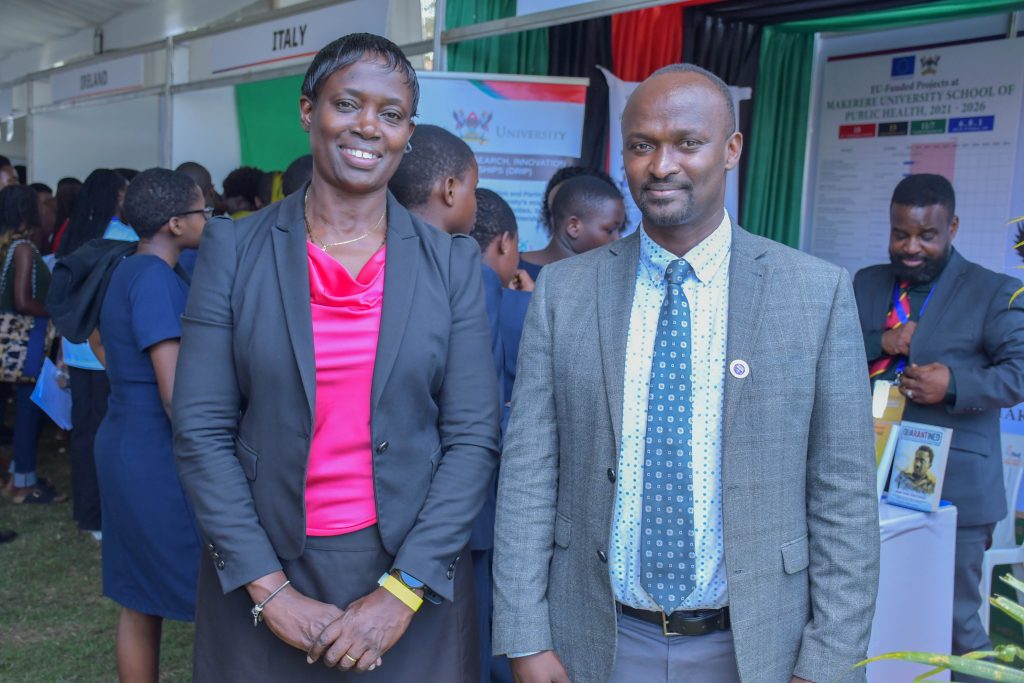
He cited the CONNECT for Health project, which focuses on transforming non-communicable disease care in Uganda through collaboration with partners across several countries.
Dr. Tweheyo said exhibitions can help researchers connect with policymakers, civil society organisations and other partners who can contribute to translating research into practical solutions.
Assoc. Prof. Angelina Kakooza Mwesigye, Associate Professor and Child Neurologist at Makerere University College of Health Sciences, also emphasised the importance of exposing young people to international research opportunities.
She said the long standing Uganda Europe partnership provides opportunities for the next generation of researchers to learn, build networks and prepare for future research collaborations.
The School of Public Health’s participation highlighted the role of international partnerships in strengthening research capacity, supporting innovation and developing evidence based responses to Uganda’s public health challenges.

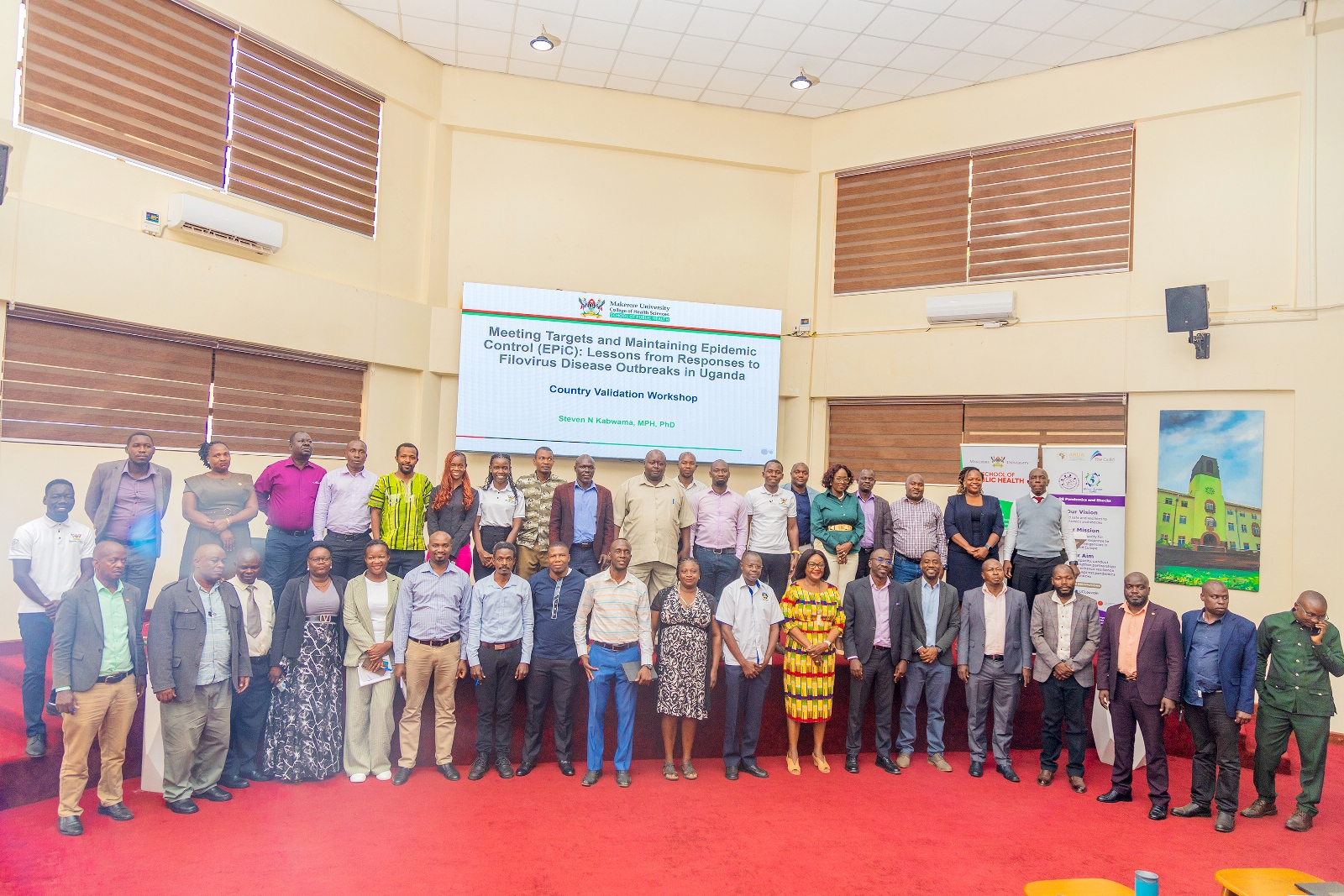
Uganda has strengthened its ability to respond rapidly to Ebola and Marburg outbreaks once cases are confirmed, but delays in frontline detection, health worker exposure, emergency financing bottlenecks and incomplete implementation of lessons from previous outbreaks continue to undermine preparedness, a study has found.
The findings were presented today, October 6, 2026, during a country validation workshop convened by the Meeting Targets and Maintaining Epidemic Control (EPiC) project, to examine lessons from Uganda’s response to filovirus disease outbreaks. The study was undertaken by Makerere University School of Public Health and FHI 360.
Presented by Dr. Steven Kabwama, the synthesis examined Uganda’s experience with recurrent Ebola virus disease (EVD) and Marburg virus disease (MVD) outbreaks between 2000 and 2026, drawing particularly on After-Action Reviews from the 2017 Marburg outbreak and the 2019, 2022 and 2025 Ebola outbreaks. The work seeks to consolidate recurring strengths, weaknesses, innovations and lessons that had previously been documented separately.
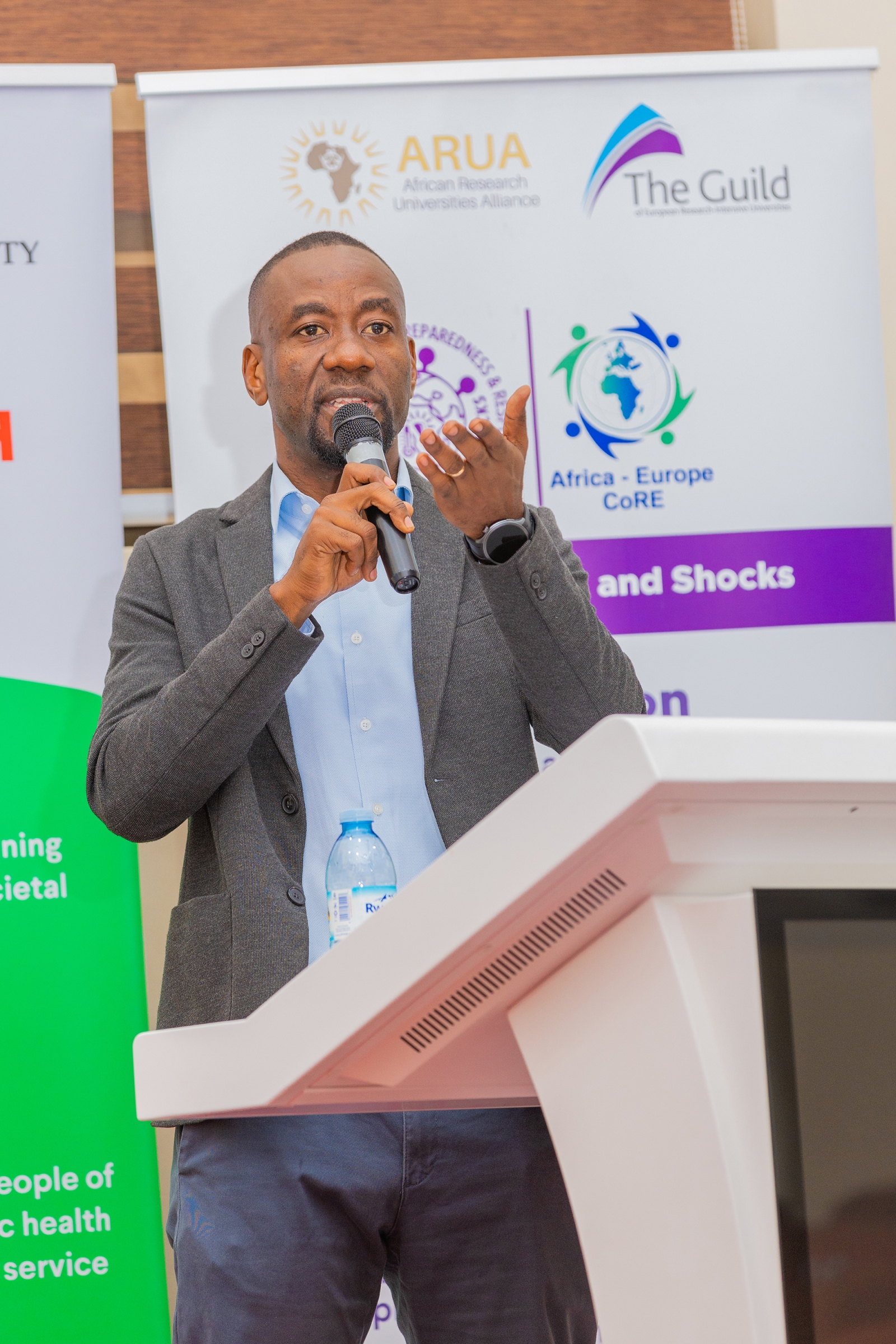
Uganda has recorded 12 filovirus outbreaks over the 26-year period, including nine Ebola and three Marburg outbreaks, according to the research team. Among the four outbreaks examined closely were the 2017 Marburg outbreak in Kween and Kapchorwa, the cross-border Ebola outbreak in Kasese in 2019, the multi-district Sudan Ebola virus outbreak in 2022, and the 2025 outbreak whose index case was a health worker.
Strong systems after confirmation
Across the outbreaks reviewed, the synthesis found that Uganda has developed significant capacity to mobilise after laboratory confirmation. National and district task forces and technical response structures are activated quickly, supported by strong laboratory capacity, established coordination mechanisms and increasingly sophisticated surveillance systems.
The country has also built laboratory capacity around the Uganda Virus Research Institute, mobile laboratories, genomic sequencing, sample referral systems and the Results Dispatch System. Digital surveillance tools, Village Health Teams, survivor champions and established national and district coordination structures have further strengthened response capacity.
Detection remains a weak point
However, the findings point to a critical problem before confirmation: recognising a possible outbreak early enough.
For outbreaks originating within Uganda, the synthesis found that the period between a patient’s first presentation and confirmation ranged from nine to 27 days. This the study found is linked to low clinical suspicion and weaknesses in screening. Other recurring challenges included delayed access to emergency financing, infections among health workers, disruptions to essential health services, community mistrust and stigma, and limited follow-through on recommendations from previous After-Action Reviews.
Opening the workshop, the Dean, Prof. Rhoda Wanyenze, said understanding these delays requires going beyond identifying broad weaknesses to examining where response systems fail in practice.
“We can identify a broad challenge such as delayed detection from the literature, but your experience on the ground can help us understand the specific factors that create that challenge,” Prof. Wanyenze said while addressing district health officials from across the country.
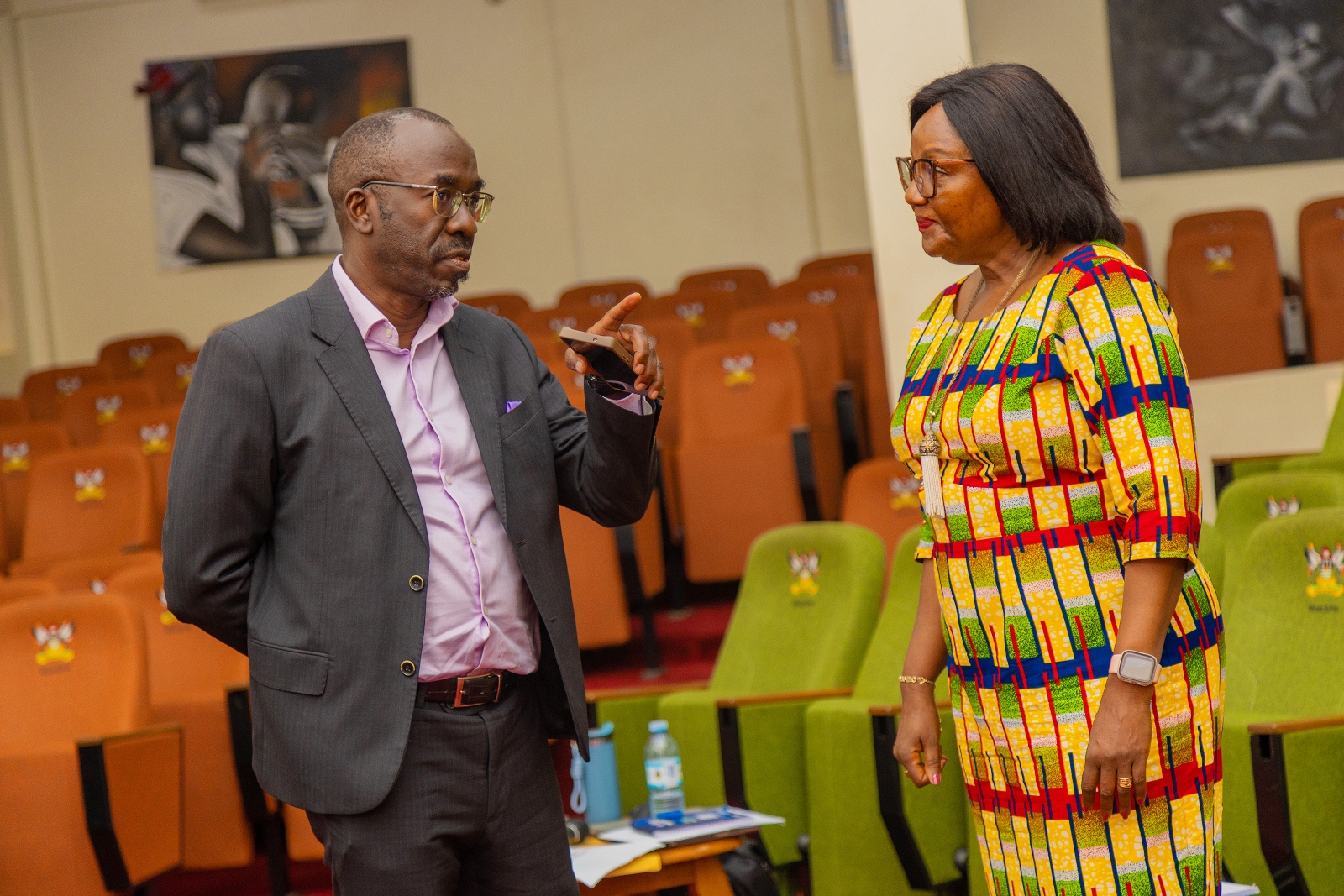
“When we begin looking for solutions, we need to be able to target the actual problems rather than simply identifying broad challenges.”
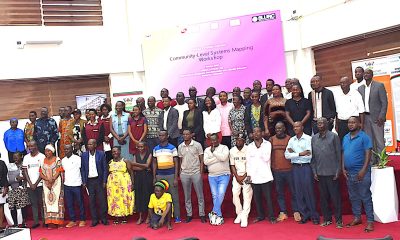
The workshop brought together partners and colleagues from districts, including people directly involved in outbreak response, to validate the synthesis against frontline experience. Prof. Wanyenze noted that published literature, scientific papers and response reports cannot capture every operational reality, making practitioner experience essential to understanding where delays occur and what interventions have worked. Remarks validation workshop
Turning outbreak experience into continuous readiness
Among the priority actions proposed are stronger screening and alert systems for earlier detection; ring-fenced emergency financing and more reliable responder payment systems; routine infection prevention and control training; stronger occupational protection for health workers; continued investment in laboratories and genomic sequencing; and preparedness extending beyond districts traditionally considered outbreak hotspots. The study also recommends stronger community engagement and a formal mechanism to track and finance implementation of recommendations from After-Action Reviews.

Dr. Andrew Acero, Director of the EPiC project at FHI 360’s Uganda Office said the central challenge is ensuring that experience accumulated during successive outbreaks translates into lasting institutional capacity.
“The real value lies in ensuring that what we learn changes what we do. Our findings should inform policy, shape guidelines and training, strengthen systems and ultimately improve practice.”
He noted that preparedness cannot begin only after an emergency has been declared, but must be built through sustained relationships, systems and capacity before outbreaks occur. Remarks validation workshop
The EPiC project is led by FHI 360 with core partners including Right to Care, Palladium and Population Services International.

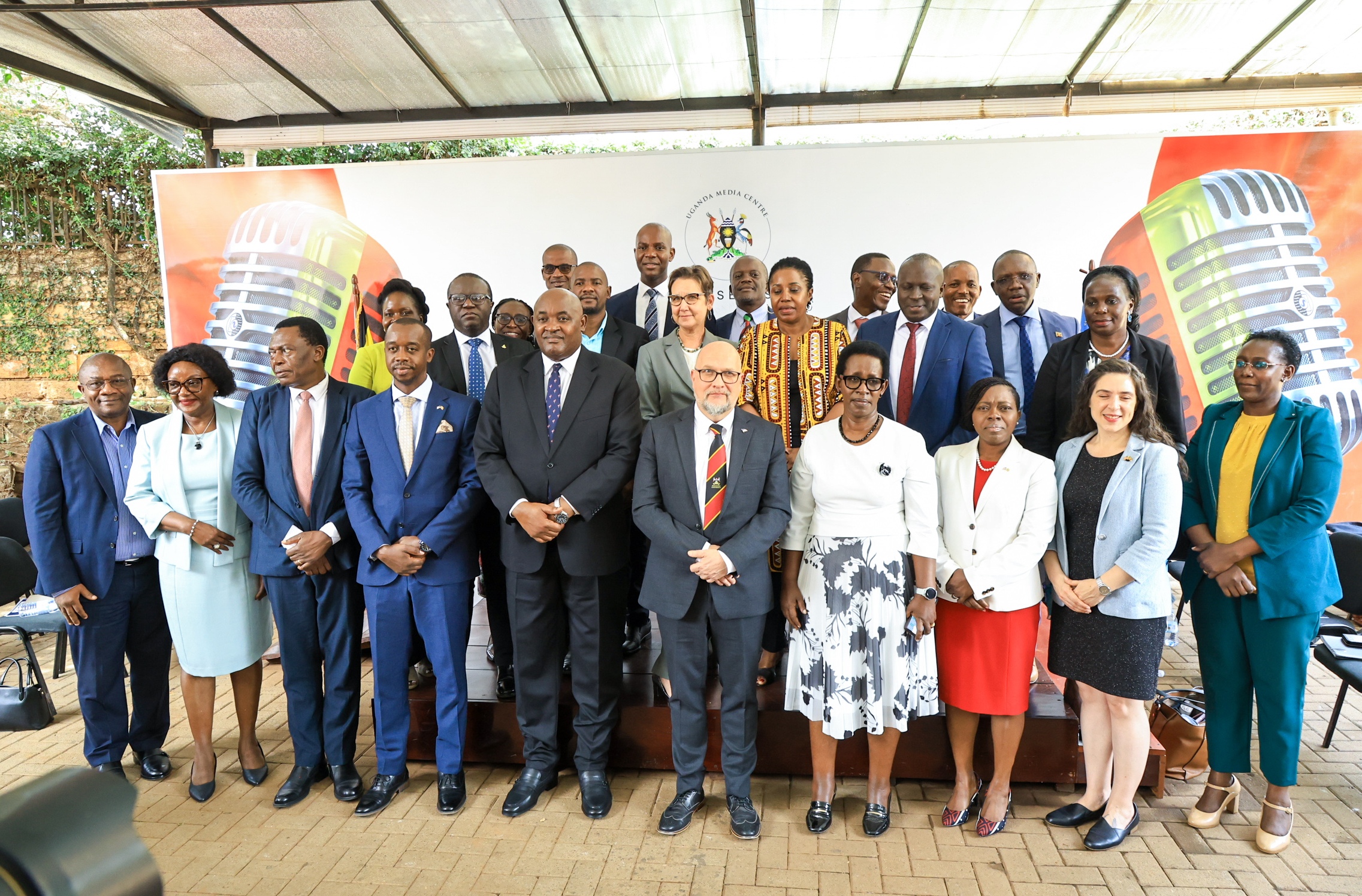
Uganda’s latest national HIV survey reveals lower viral suppression among adolescents and young adults living with HIV than among older adults, even as the country records substantial improvements in controlling the virus. The findings come from Uganda Population-Based HIV Impact Assessment (UPHIA 2025), a national household survey examining HIV prevalence and whether people living with the virus know their status, receive treatment, and achieve viral suppression.
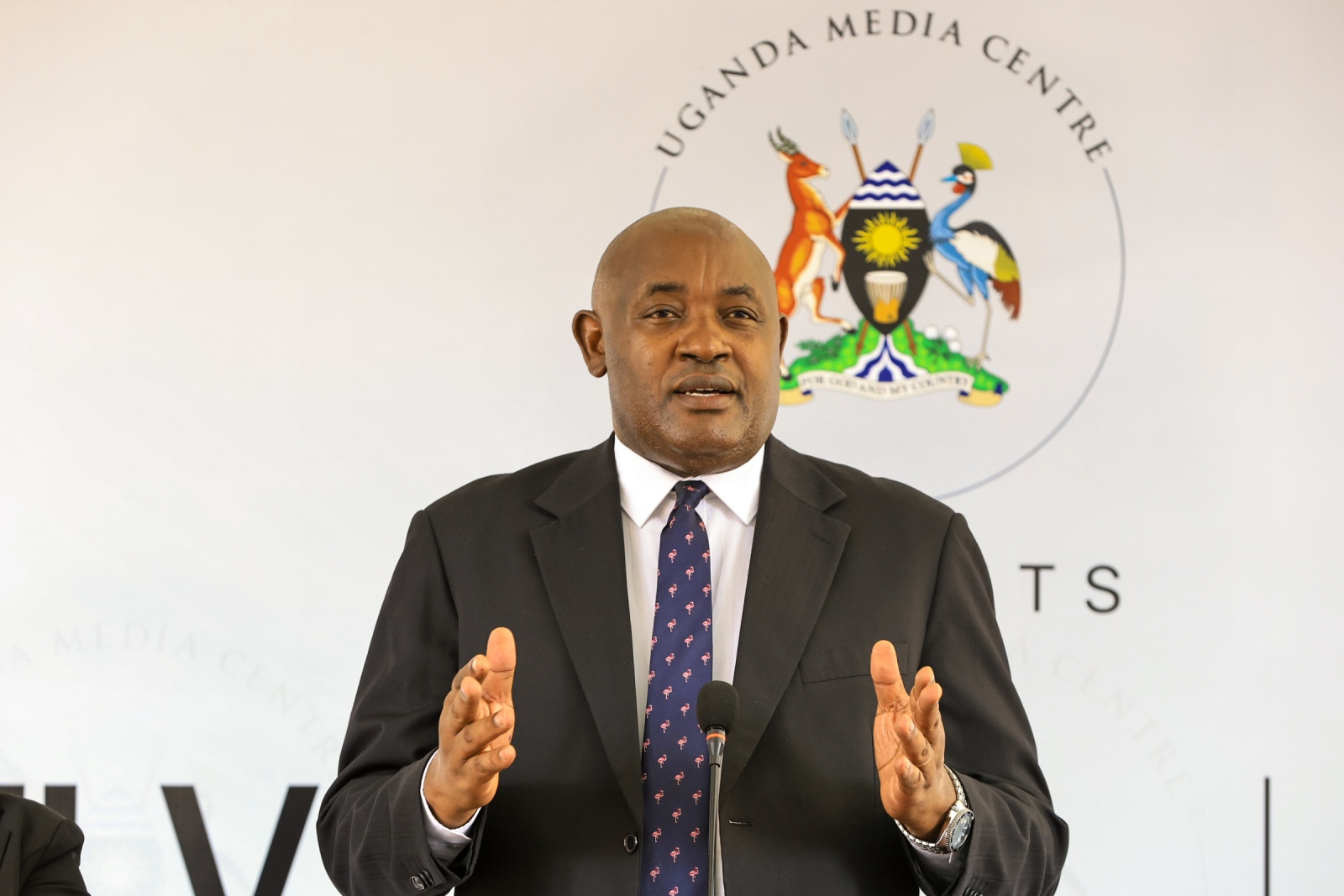
Releasing the preliminary UPHIA 2025 findings at the Uganda Media Centre on 1 October 2026, Minister of Health Hon. Dr. Chris Baryomunsi called for earlier prevention and testing, particularly among adolescent girls and young women, alongside support for treatment adherence. “We must reach out to the young people, ensure that they have information, they test, take treatment, and adhere to the treatment guidance,” he urged.
Hon. Baryomunsi recalled how fear had discouraged testing during his university years: “I remember when we were at university, we went for testing at the university hospital. We sat there for three hours. Some of us left without even testing because it was scary.” Today, he explained, “even if you test HIV positive, you can be initiated on treatment, and you live normally like the rest of those who don’t have HIV.”
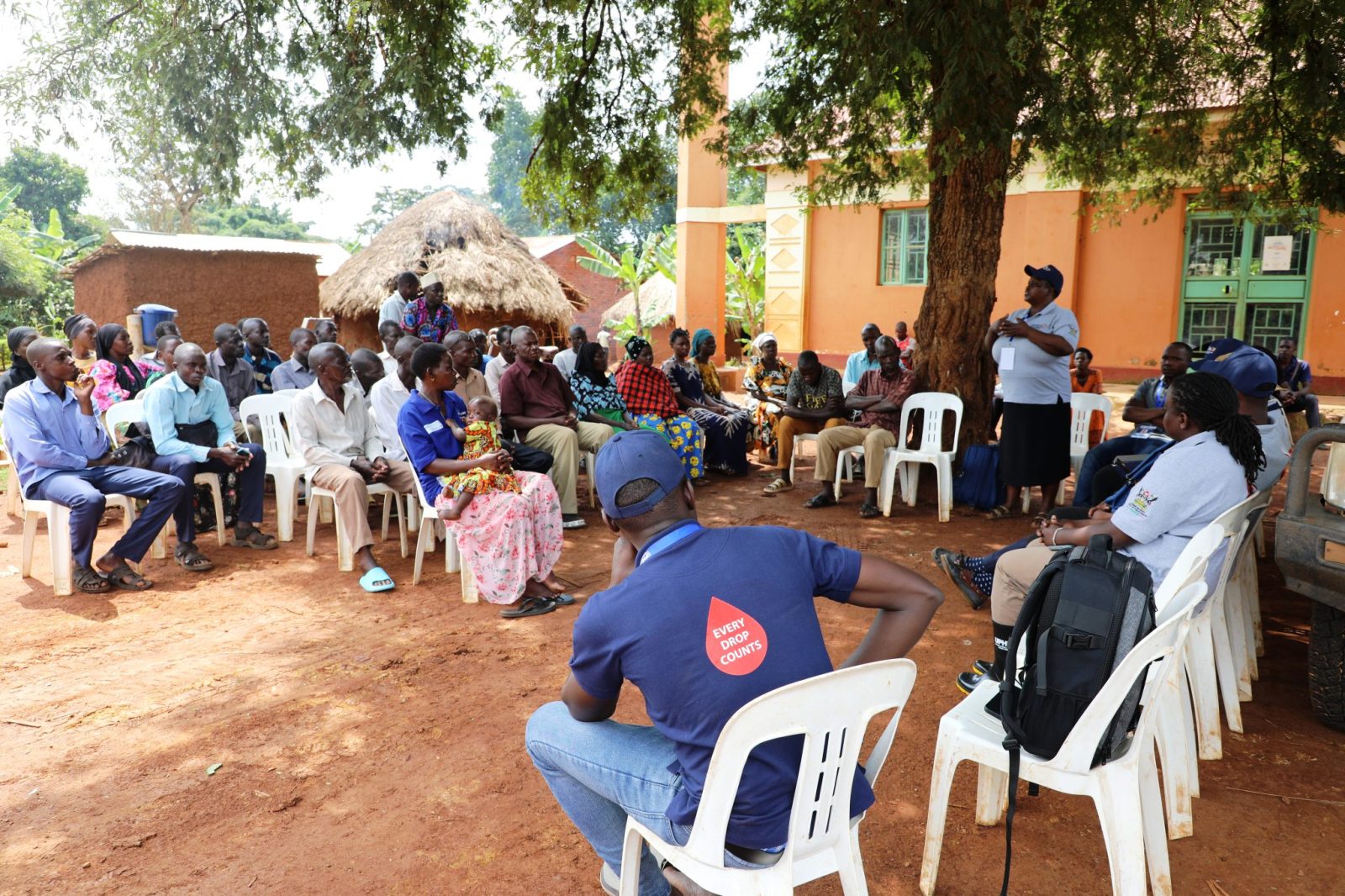
UPHIA 2025 was locally led under the Ministry of Health’s overall leadership, with Makerere University School of Public Health serving as the prime implementer, a role ICAP at Columbia University held in the previous two surveys. The Uganda Bureau of Statistics led sampling, while the Uganda Virus Research Institute and National Health Laboratory and Diagnostic Services led laboratory operations. Regional referral hospitals and local governments supported implementation, and the U.S. government provided US$10 million through PEPFAR, along with technical assistance from the U.S. CDC.
UPHIA collected data from July to September 2025 among people aged 15 and above, including those outside routine treatment services. Of 6,283 eligible households, 94.4% completed interviews. Researchers interviewed 13,801 people and tested 13,477 for HIV.
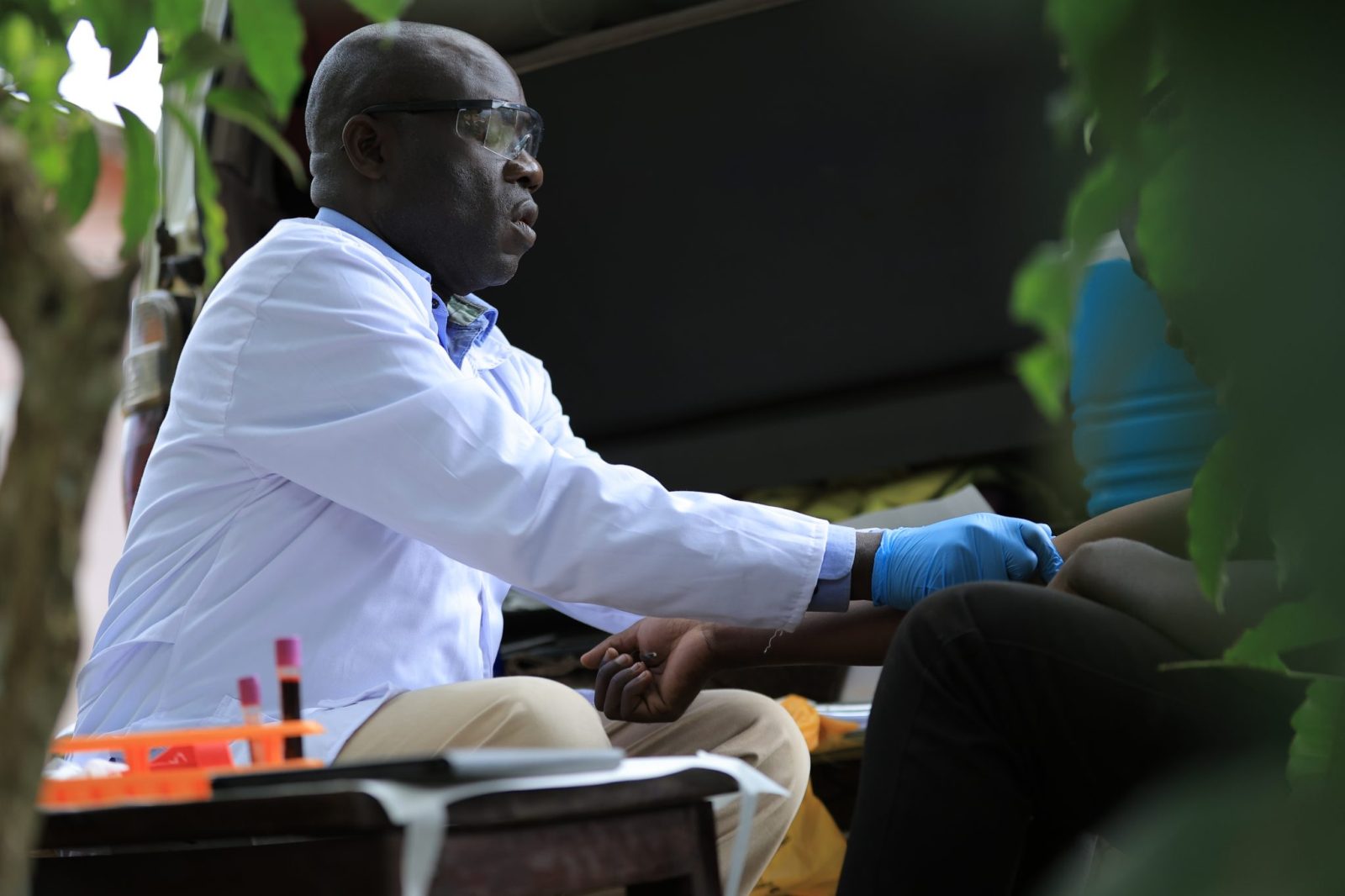
Testing followed Uganda’s national algorithm, with laboratory confirmation of positive samples, viral-load measurement, and checks for antiretroviral medicines to establish treatment use. Researchers weighted the estimates to account for the sampling design. Participants received counselling and results, and those who tested positive were referred for treatment.
Hon. Baryomunsi thanked participants and their families for welcoming survey staff and contributing their time, information and samples, without which the national evidence would not have been available.
National progress and the youth gap
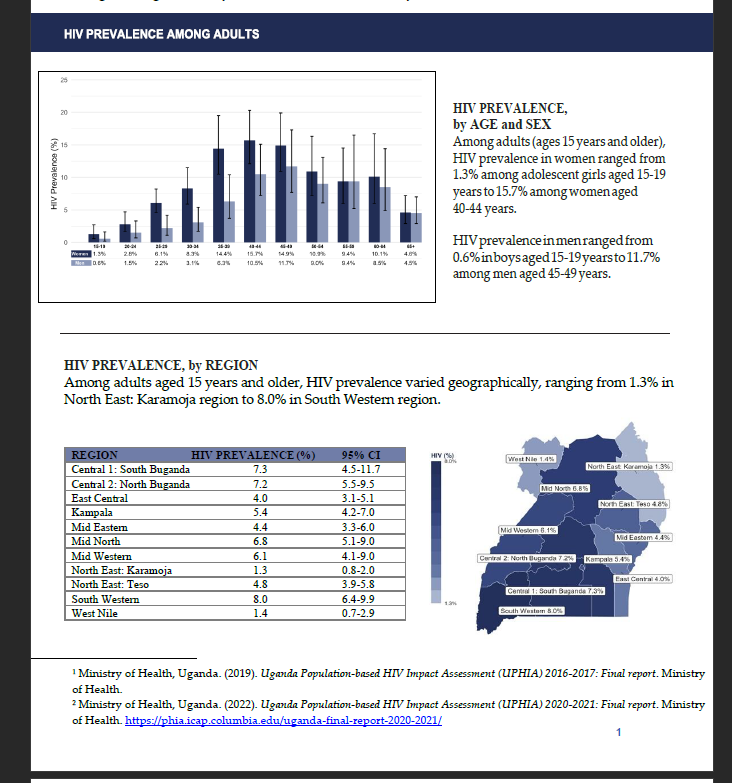
The survey estimated HIV prevalence, which means the proportion of people living with HIV, at 5.9% among those aged 15 and above, corresponding to about 1.496 million people in this age group nationwide. Prevalence was 7.3% among women and 4.1% among men, ranging from 1.3% in Karamoja to 8% in the South Western region.
Among people aged 15 and above living with HIV, 86% had achieved viral suppression, meaning a low amount of HIV in the blood, measured in UPHIA as fewer than 1,000 copies per millilitre. Suppression stood at 69.3% among adolescents and young adults aged 15–24 living with HIV, compared with 89.9% among those aged 50 and above. These estimates cover people living with HIV regardless of whether they know their status or receive treatment.
HIV prevalence among people aged 15–24 was 1.5%, including 2% among young women and 1% among young men. Among young women, prevalence was 1.3% at ages 15–19 and 2.8% at ages 20–24. These differences support attention to earlier prevention and testing, although they do not establish when infections occurred.
The highest prevalence estimates occurred among middle-aged adults: 15.7% among women aged 40–44 and 11.7% among men aged 45–49. Lower suppression among young people therefore requires attention alongside the higher HIV prevalence among middle-aged adults. Comparing the same age group across both surveys, viral suppression among people aged 15–64 increased from 74.9% in 2020–21 to 86.1% in 2025, while HIV prevalence remained at 5.9%.
Diagnosis and the path to 2030
The treatment results identify diagnosis as the main national gap. Among people aged 15 and above living with HIV, 85.3% knew their status. Of those aware, 99.1% were receiving treatment; among those receiving treatment, 96.5% had achieved suppression.
The 95-95-95 targets aimed for 95% of people living with HIV to know their status, 95% of those diagnosed to receive treatment, and 95% of those receiving treatment to achieve viral suppression by 2025. Among people aged 15 and above, Uganda exceeded the treatment and suppression targets, while diagnosis remained below target. UNAIDS’s Global AIDS Strategy 2026–2031 retains these targets towards ending AIDS as a public health threat by 2030.
According to WHO, viral suppression protects health and helps prevent HIV transmission. Uncontrolled HIV weakens the immune system, increasing the risk of serious illness. With continued treatment as prescribed, sexual transmission risk is negligible when HIV remains suppressed but detectable, and zero when undetectable. The Uganda AIDS Commission estimated over 34,000 new HIV infections in 2025, underscoring the importance of early diagnosis, timely treatment, and sustained suppression alongside other prevention measures.

The demographic stakes are substantial. People aged 15–24 constituted 21.2% of Uganda’s population in the 2024 census. The country’s Fourth National Development Plan, covering 2025–2030, prioritises a healthy, knowledgeable, skilled and productive population and reducing HIV through primary health care. Protecting young people’s health, therefore, supports their participation in education, work, and national development; UPHIA helps identify where services need greater attention.
Turning evidence into action
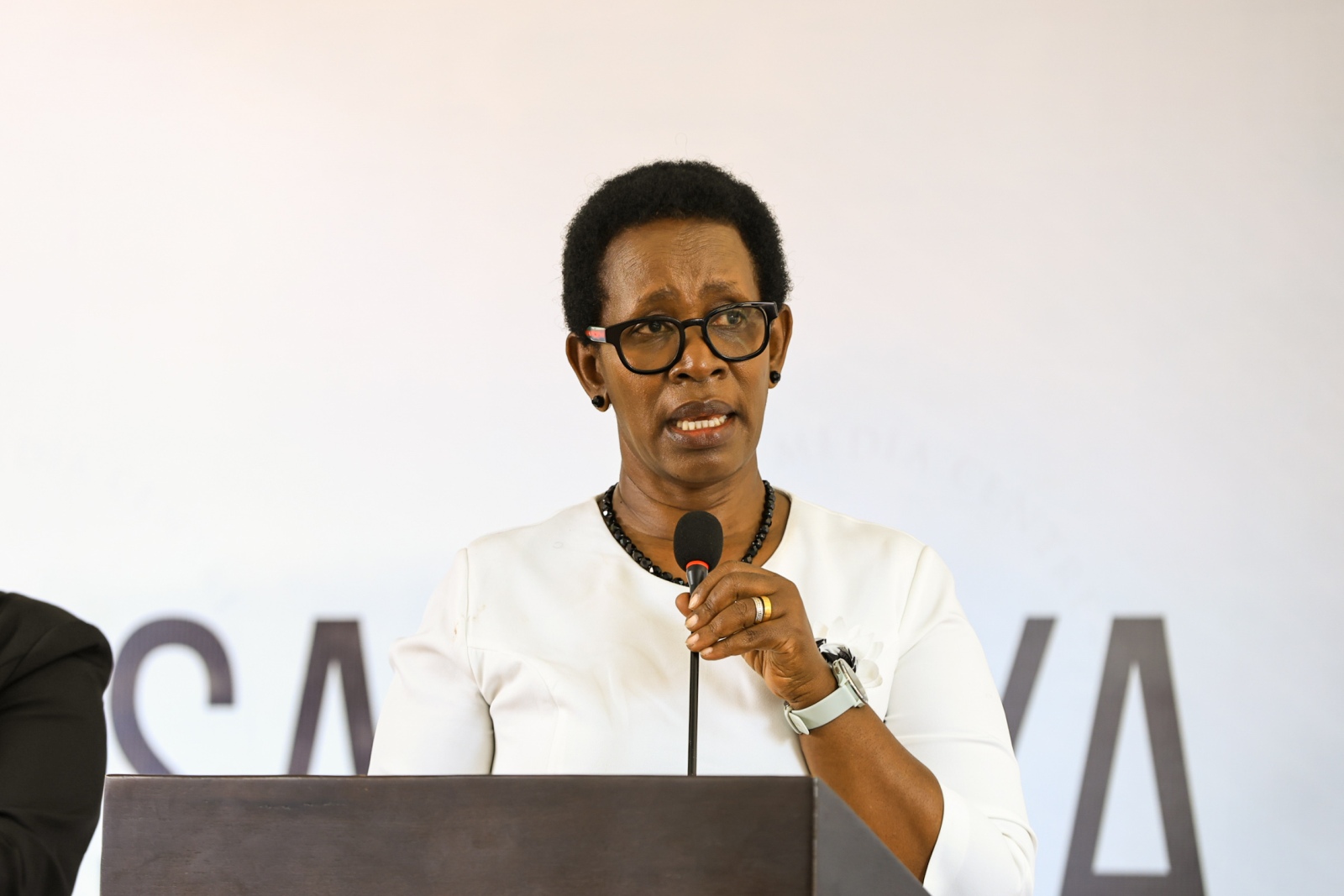
The study’s conclusions identify three priorities: sustain treatment outcomes, find people unaware of their status, and improve suppression among younger people. Permanent Secretary Dr. Diana Atwine connected the findings to the Ministry’s planning.
“We do believe that these results are a true reflection of what is happening in our country as far as the HIV status is concerned, and we do believe that it will give us a very clear direction and the roadmap that we are going to take in the next five years to target and to get our targets achieved.”
Acting on these priorities requires funding for services and research. Hon. Baryomunsi outlined plans to target resources where needs are greatest, strengthen district services and align partner support with government priorities. Responding to journalists’ questions, he noted the government’s intention to increase domestic funding for the HIV response, including research.
“The HIV/AIDS response, including research and surveys such as this one, has largely been funded by partners in the past. The government of Uganda is committed to allocating more resources from our domestic budget to support the response and research,” he noted.
For the first time in the UPHIA series, the survey assessed selected noncommunicable disease indicators among people aged 15 and above: 15.5% had elevated blood pressure, 24.8% were overweight or obese, and 0.9% had raised random blood glucose. These screening findings align with the Ministry’s integration agenda and Hon. Baryomunsi’s call to bring HIV and chronic care services together to address people’s wider health needs.
Speaking at the release of the preliminary results, U.S. Embassy Chargé d’Affaires Mikael (Mika) Cleverley described UPHIA 2025 as the first Population-Based HIV Impact Assessment worldwide fully led and implemented by the country itself.
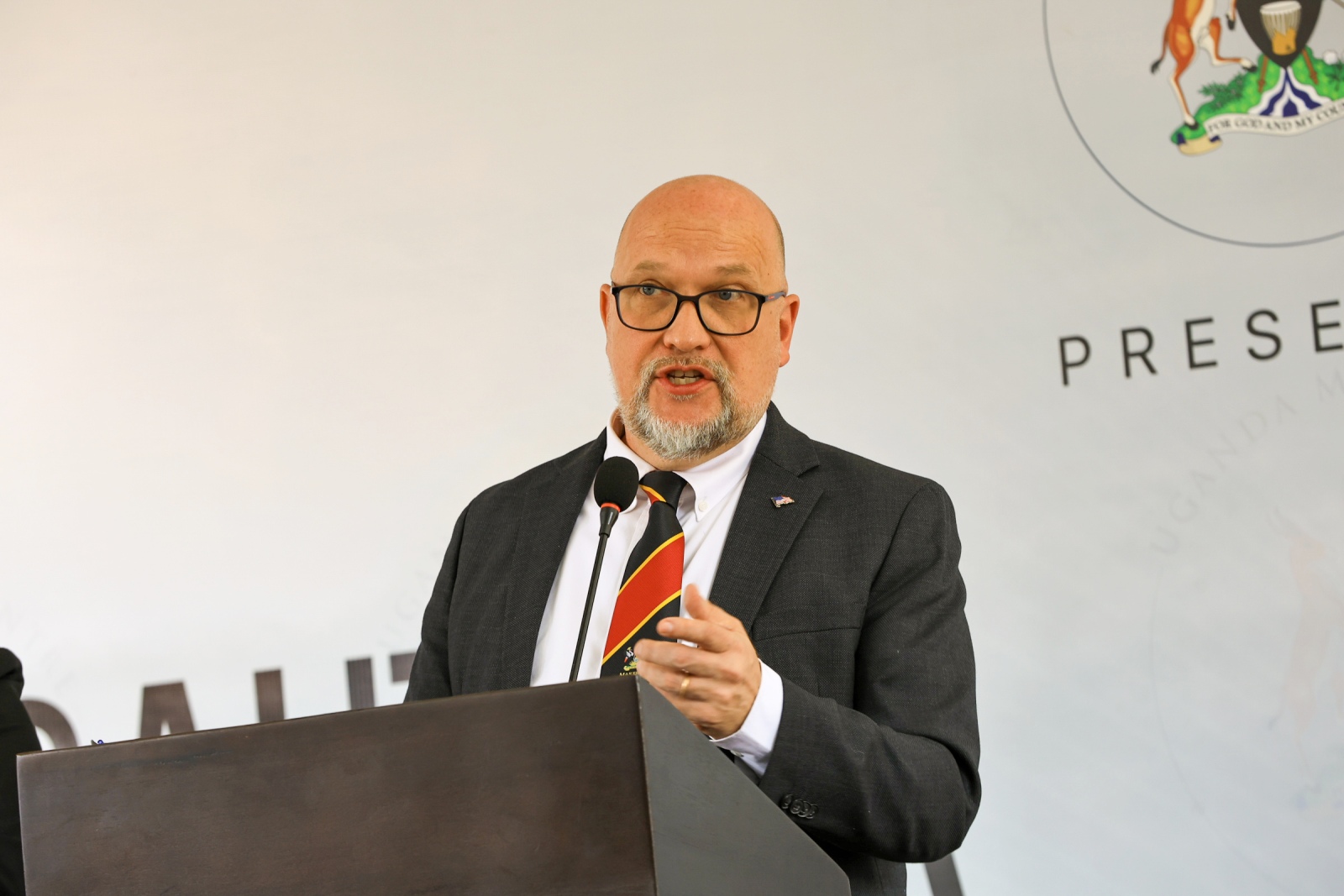
“The study was led by Ugandan scientists, Ugandan managers, Ugandan public servants, Ugandan field teams, from design to data collection to analysis. And this is what two decades of focused strategic U.S. foreign investments in the public health sector was meant to produce, is to reinforce Ugandan leadership and Ugandan-led efforts.”
At the survey launch on 29 May 2025, MakSPH Dean Prof. Rhoda Wanyenze highlighted the partnership’s contribution: “The partnership between Makerere University and CDC has not only helped build national capacity in surveillance and epidemiology, but has also strengthened our ability to lead high-quality, large-scale national surveys.”
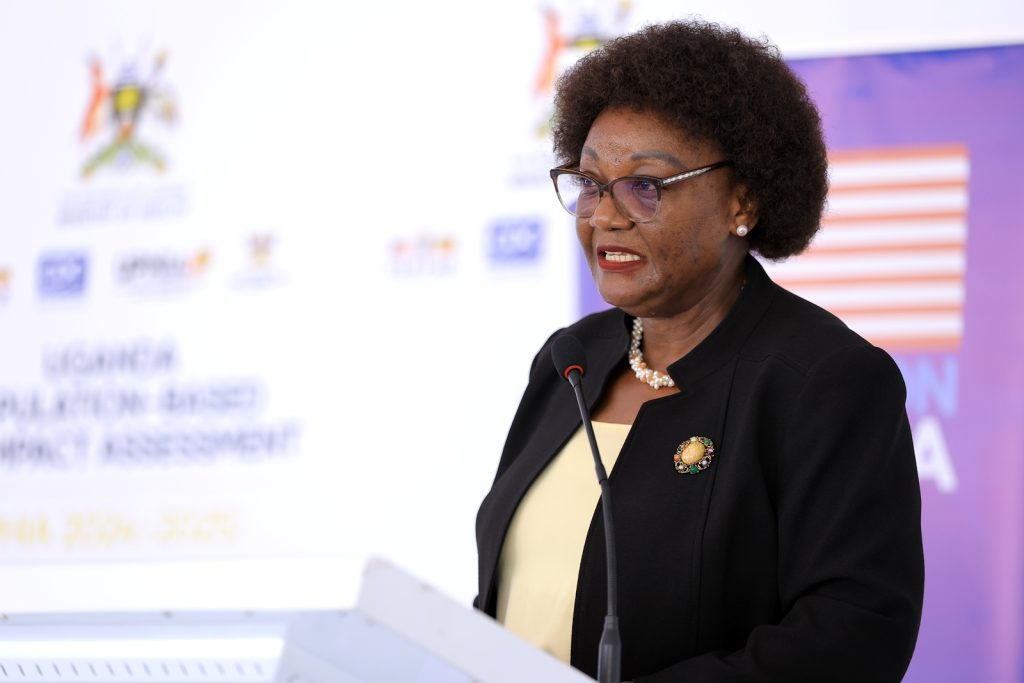
The Dean added: “After two decades of joint work, we are proud that UPHIA is now a fully Ugandan-led effort. This is critical to the sustainability of the skills and knowledge generation to inform our local response.”
UPHIA 2025 shows how far Uganda’s HIV response has advanced and where gaps remain. As the country works towards ending AIDS as a public health threat by 2030, reaching young people with testing, treatment, and continued care will be essential to extending those gains.
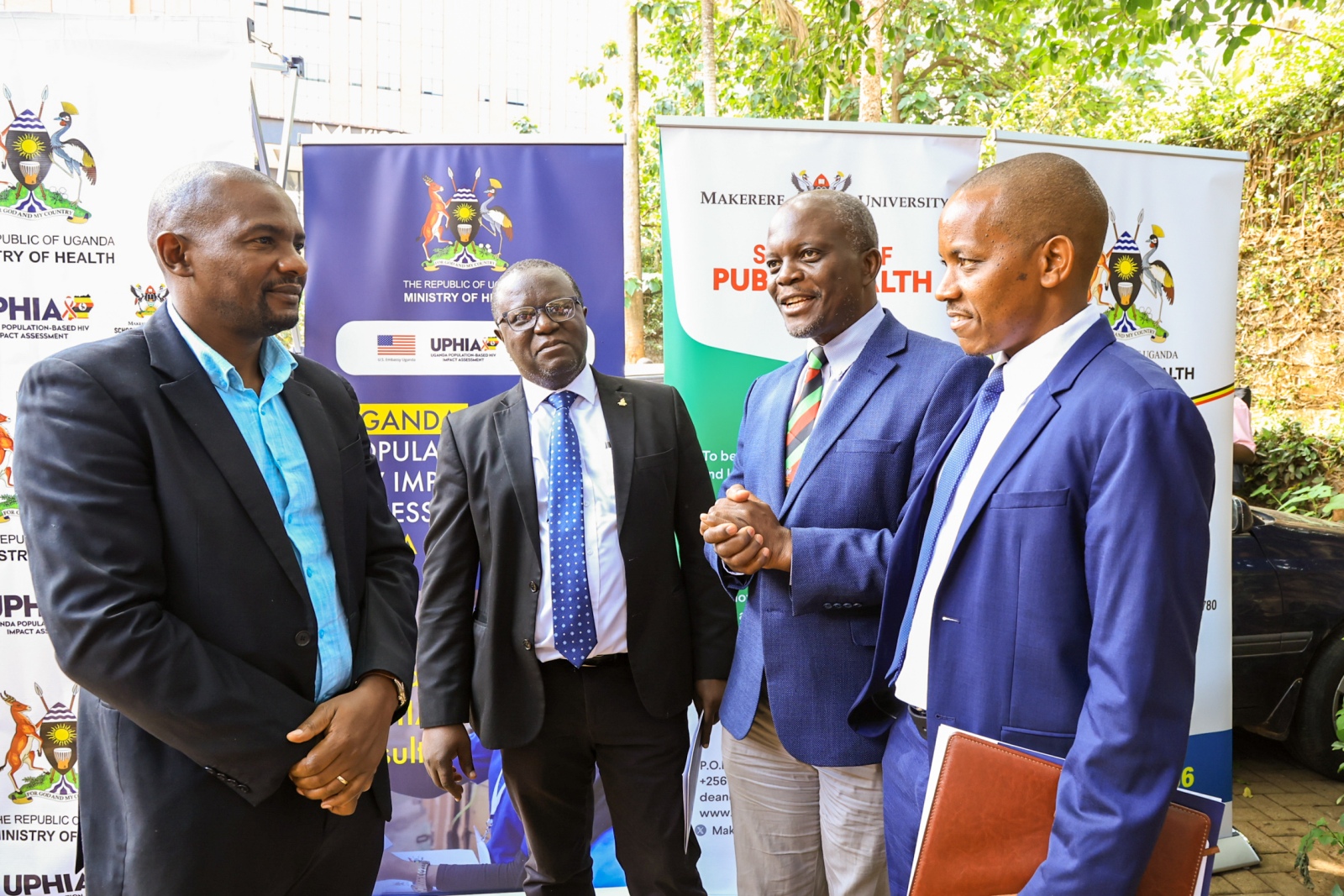
Read the full UPHIA 2025 summary results here:
-

 General1 week ago
Statement on Concerns Circulating Regarding a Member of Academic Staff
-

 General1 week ago
Press Statement: Incident Involving Death of a Student at Makerere University
-
 General2 weeks ago
Makerere Marathon 2026 – Running to Equip the Disability Support Center
-

 General1 week ago
Beyond Map Size: Africa’s Agency Should Not Be Funded by Other People
-

 General1 week ago
JNLC Leadership Symposium Equips Young Leaders for Responsible and Transformative Leadership