
General
Mak-RIF Counts Gains, Discusses Commercialisation

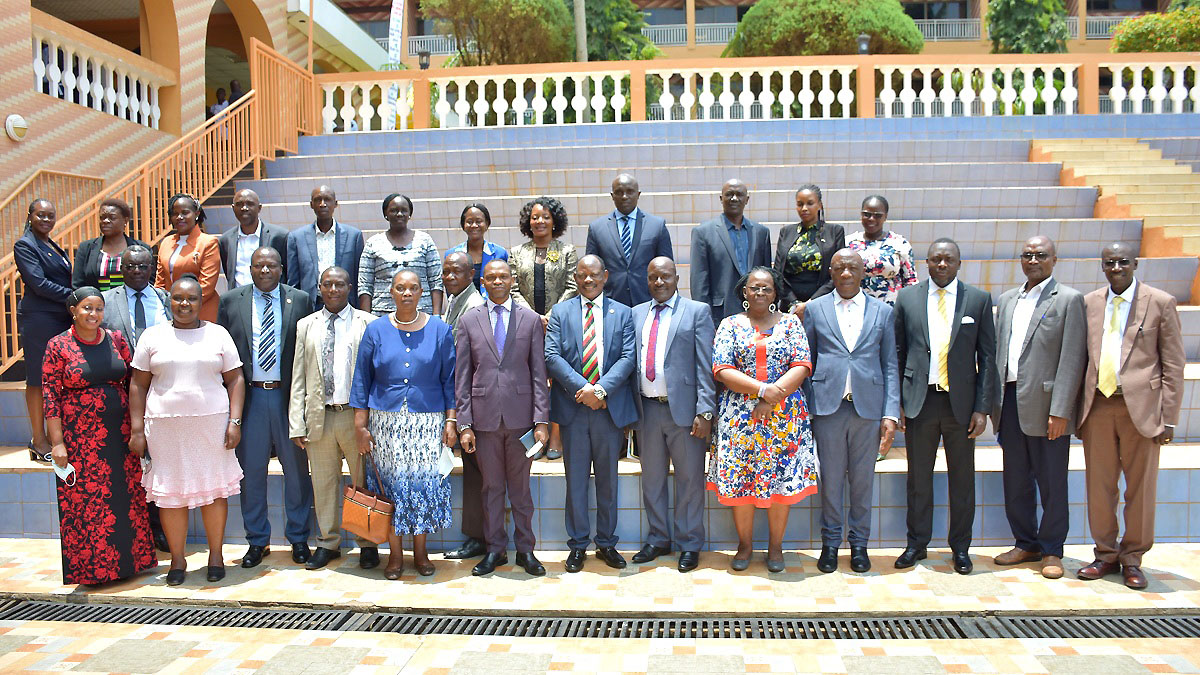
The Makerere University Research and Innovations Fund (Mak-RIF) on Monday 4th April 2022 held a special consultative meeting with University Management during which milestones, impact and future aspirations were shared. The meeting was presided over by the Vice Chancellor, Prof. Barnabas Nawangwe.
To state that Mak-RIF has made some gains since it’s inception in the 2019/2020 financial year would be putting it rather lightly. Now in its third financial year 2021/2022, the UGX 30 Billion per year fund has to date awarded 774 grants out of 1,978 applications; a rate of 39.1%. Along the way, Mak-RIF has developed a number of tools and resources. These include;
- A standard Request For Proposals (RFP) format,
- A standard application template,
- A standard Research & Innovations (R&I) judging template for reviewers,
- A standard Monitoring and Evaluation (M&E) report template,
- A standard close-out and impact reporting template,
- A pool of 350 vetted scientific reviewers, and
- A searchable research database that can provide a lot of information.
“Recently the Office of the Vice Chancellor through the Quality Assurance Directorate (QAD) required an instant report on funding for the SDGs and our IT people ran a quick query and came up with all research projects that are in the seventeen SDG areas” remarked Dr. Roy Mayega who presented Mak-RIF’s progress on behalf of the Grants Management Committee (GMC).
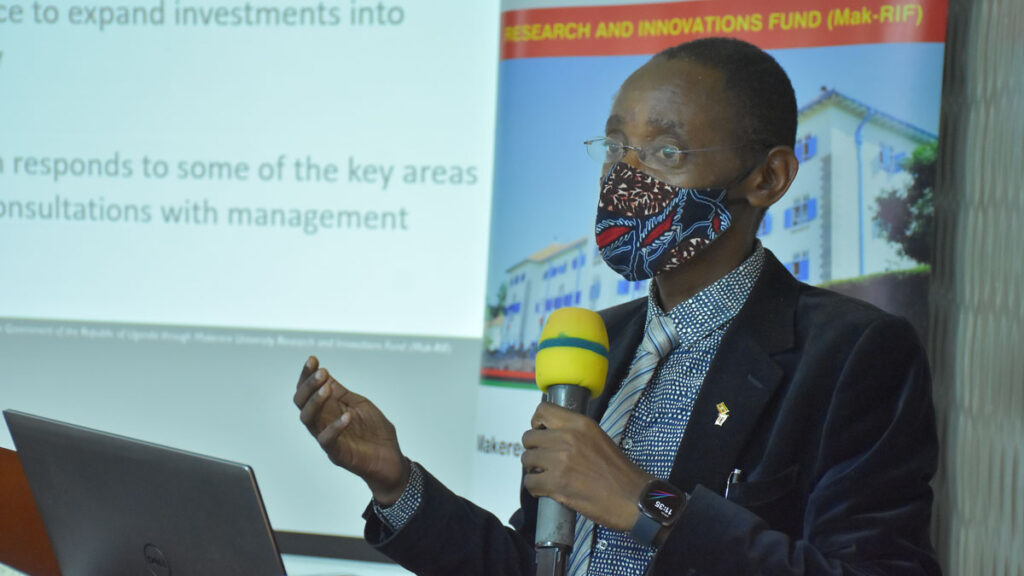
“This database can answer a lot of questions for those who want information on research in the University and we wish the same can be rolled out to all other research (projects) so that it can easily be searchable for whatever someone wants” he added.
Dr. Mayega further shared that Mak-RIF has developed an online grants management system, that enables each Principal Investigator (PI) to access key project documents such as the contract, approved proposal and approved budget among others. The PIs also have the ability to enter project milestones into the system and provide quarterly reports on the same. The system then automatically updates the milestone tracker for each of the 774 projects.
Mak-RIF Thematic Areas
In order to ensure that grants are awarded based on national development as well as other priorities, the GMC held consultations with stakeholders from all sectors of Uganda’s economy. The result was a Mak-RIF Research Agenda with fourteen (14) thematic areas namely;
- Transforming the Agricultural sector,
- Sustainable Health,
- Re-Imagining Education,
- Water, Sanitation and Environmental sustainability,
- Harnessing the Social Sector to drive development,
- Harnessing Tourism, Wildlife and Heritage to drive development,
- Sustainable Planning, Finance and Monitoring,
- Leveraging Public Service and Local Administration for efficient service delivery,
- Defence and Security;
- Strengthening Law, Governance, Human Rights and International cooperation,
- Harnessing Information and Communication Technology to drive development,
- Manufacturing , Science and Technology as tools to accelerate development,
- Catalysing Business Enterprise, and
- Energy and Minerals as drivers of rapid economic development.
So far, the lion’s share of the awards (223) has been claimed by the Sustainable Health thematic area, followed by Transforming the Agricultural sector (100) and Re-Imagining Education (58). Conversely, the three thematic areas of Sustainable Planning, Finance and Monitoring, Defence and Security as well as Strengthening Law, Governance, Human Rights and International cooperation each received seven awards.
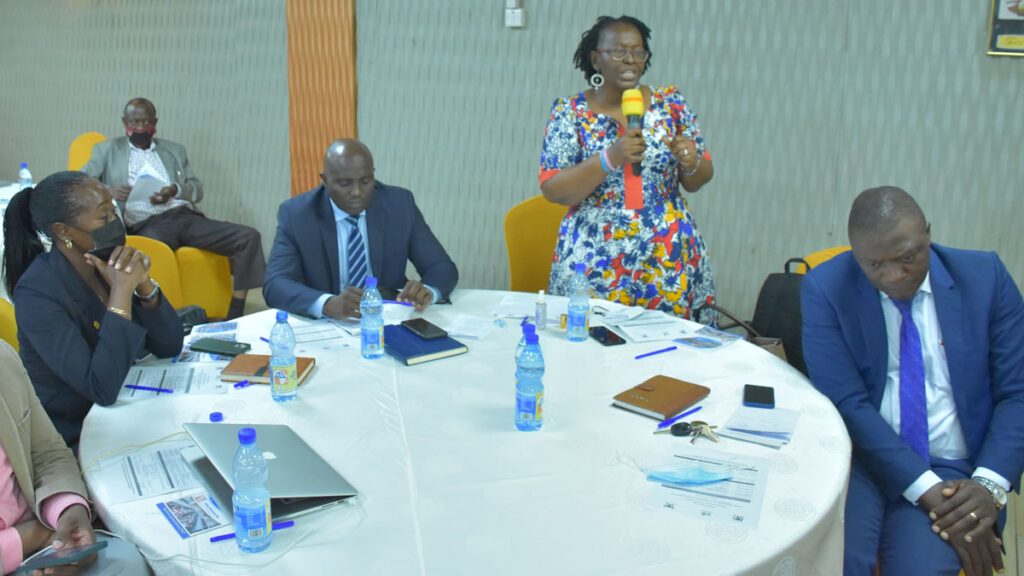
Additionally, Dr. Mayega pointed out that females received only 26% of the awards, which could partly be attributed to current staffing ratios. According to the 2020 Makerere University Self Assessment Report by QAD, females on average constitute 40% of Human Resources (Academic-29%, Administrative-51% and Support-50%).
To help improve staff potential to compete for Mak-RIF’s as well as other agencies’ grants, the GMC in collaboration with units such as the Directorate of Finance and Office of the University Secretary regularly carries out capacity building activities at college level. Areas previously covered include; grants writing, grants management, research communication and financial reporting. However, further needs assessment revealed project management as one of the areas that ought to be covered by future capacity building activities.
Mak-RIF Projects with notable impact
Statistics shared by Dr. Mayega revealed that 241 (31.1%) of 774 Mak-RIF projects awarded to date have been completed. 172 of these projects have submitted their closeout reports. The projects that have completed their closeout reports may be classified according to three categories. These include; Physical Products (102), Policy Advisories (52) and Capacity Building (24), which brings the total number to 178. The discrepancy in total is attributed to a few projects whose outcomes belonged to more than one category, hence creating overlaps.
Furthermore, the completed projects may be classified according to three levels namely; Start-up, Point of transition to scale and While already undergoing scale. 52 (29%) of the projects ended at start-up level, while the majority (111 or 62%) ended at the point of transition to scale. The least (15 or 9%) ended while already undergoing scale. This calls for the adoption of strategies that can facilitate more projects to end while already undergoing scale.
Dr. Mayega’s presentation nevertheless outlined some projects as having notable impact at the time of completion. These included;
- Strengthening Integrated Screening for TB and COVID-19 in Kampala, Uganda by Dr. Fred Collins Semitala – Results stimulated policy change at the Ministry of Health.
- Drug and Substance Abuse (DASA) in Primary and Secondary Schools in Uganda: Baseline Survey Implications for National Sensitizations by Dr. Leon Matagi – Findings were used by National Drug Authority (NDA) in their national sensitization programme.
- Deployment of the new Maksoy soybean varieties for on-farm income enhancement, Food and Nutrition security, Enterprise Development and Job creation in Eastern Uganda by Prof. Phinehas Tukamuhabwa – Led to development of an improved process of soy flour transformation into soy powder. Powder can be fortified so as to yield an instant soy milk powder.
- Transforming Presumptive Age Estimation In Uganda: Methods, Certainty And The Law by Dr. Annet Kutesa – Provided policy recommendations on age estimation among juveniles undergoing criminal proceedings. May also be used for screening of refugees by UNHCR and Players by Sports Federations.
- Product formulation and evaluation of a herbal acaricide containing bioactive extracts of Albizia coriaria on acaricide resistant Rhipicephalus ticks by Aguma Bush Herbert – In touch with pharmaceutical manufacturers, Government to undertake large scale production.
- Optimization of the dosage, adjuvant and route for the candidate anti-tick vaccine by Dr. Kokas Ikwap – Determined appropriate dosage of tick vaccine that elicits highest antibodies. Engaged Alfasan U Ltd. to manufacture vaccine candidate under Good Manufacturing Practices (GMP)
- Determinants of Death Registration Uptake by Dr. Leonard Atuhaire – Study recommends development of a civil registration and vital statistics policy to guide implementation of death registration in Uganda.
- Developing an automatically controlled commercial solar-dryer and efficient resource recovery innovations for sustained market responsive fruit production in Uganda by Ahamada Zziwa – Makerere, Renewable Energy Department of MEMD and Lutheran World Relief (LWR) collaborating to scale out dryer among arabica coffee farmers.
- Enhancing Value addition on Potato-Sorghum enterprises for Improved Livelihoods in Uganda (EVaPoSIL) by Prof. Johnny Mugisha – Developed a range of high quality potato-sorghum based products e.g. cookies, biscuits, waffles. Farmers are encouraged to grow more potatoes, more entrepreneurs in value addition and commercialisation were created.
“In terms of academic research output, we have 103 published papers” said Dr. Mayega, adding that this could be a conservative estimate owing to the fact that researchers are still responding to the circular calling for publications arising from Mak-RIF funding.
Constraints
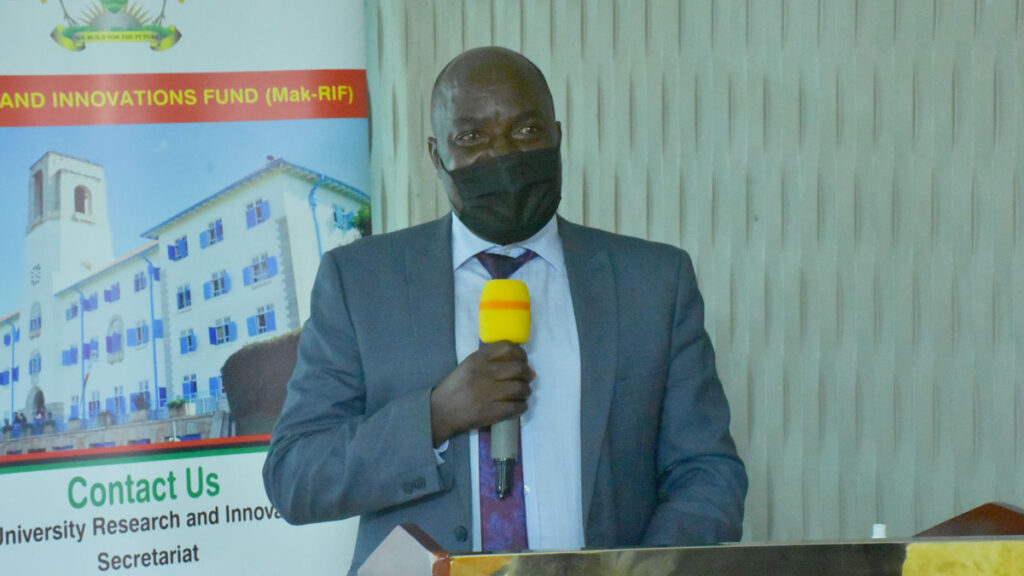
The notable gains notwithstanding, Dr. Mayega concluded by pointing out low researcher capacity for project management as one of the biggest challenges. This plays out in the form of gaps in timeliness and completeness of periodic reports, as well as lack of timely and quality accountability for funds received. To remedy this, the Mak-RIF GMC will work with the Grants Administration and Management Support Unit (GAMSU) to establish college grants support units.
The financial year versus realistic time-frames for project execution was another challenge outlined by the GMC. This, they suggested may be overcome by classifying the release as a fund that spans at least three years, other than an annual grant. Dr. Mayega also noted financial regulations that restrict the release of money, especially the cap on advances, which leads to several small requisitions that have to each be accounted, as a challenge to smooth project implementation.
Contributing to National Development Priorities
Associate Prof. Charles Masembe who presented on the role of universities in influencing national development noted that the COVID-19 pandemic provided useful lessons on the potential for research and innovations that exists within higher education institutions. “When every country was having challenges, we did not get many people from abroad coming here to help us, we looked inward.”
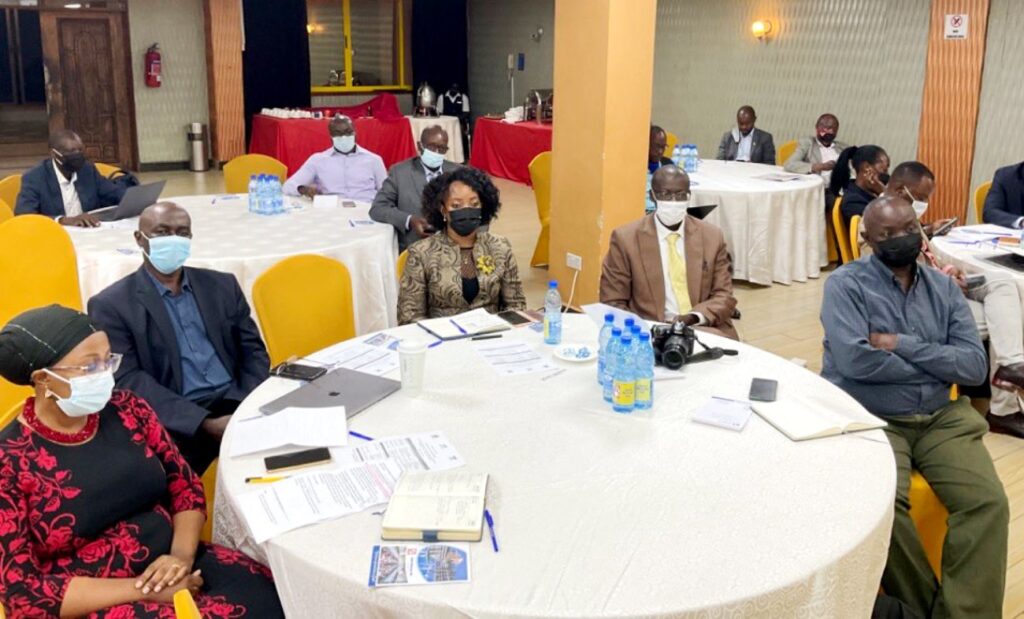
He noted that socioeconomic transformation takes universities, the government and the business sector working together like a system of gears, with innovations as the vital input into the chain. Citing emerging programmes such as the Parish Development Model (PDM), Assoc. Prof. Masembe said the GMC is ready to include this model as well as other Government programmes into Mak-RIF’s Needs-Responsive Track programme so as to increase Makerere University‘s relevance to national development strategy.
Commercialisation of Research
According to statistics shared by Dr. Roy Mayega in his presentation, only 15 (9%) of 178 projects were completed while already undergoing scale. Dr. Zahara Nampewo who presented on commercialisation of research defined the term as “transfer of knowledge and discoveries to industry by making them into beneficial marketable products/services and therapies that benefit the public.”
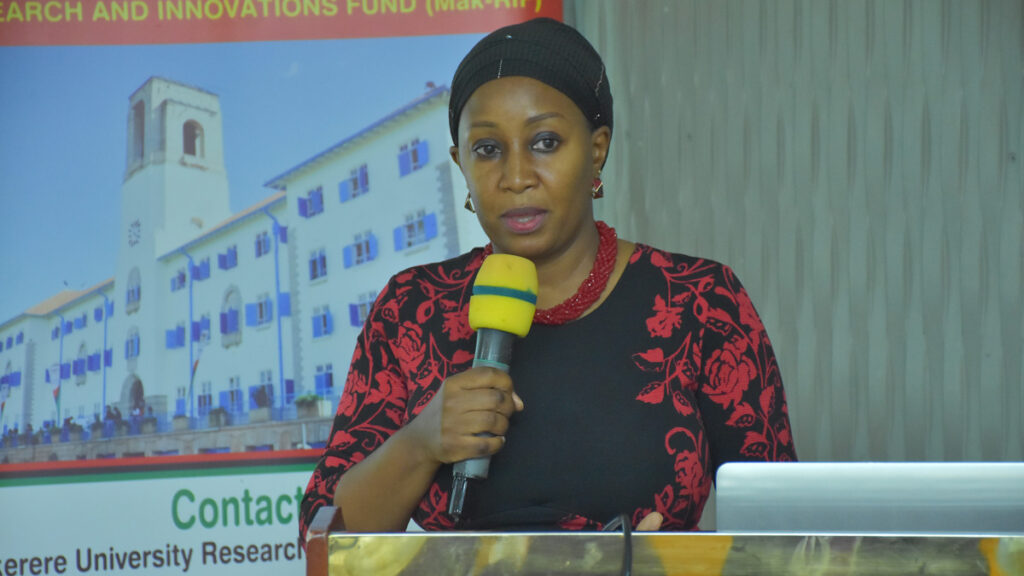
Commercialisation of research at Makerere is guided by the Research and Innovations Policy 2008 and the Intellectual Property Management Policy 2008. At the National level, it is guided by the Industrial Property Act 2014 and the Copyright and Neighbouring Rights Act 2006.
From the preceding definition, it is clear that commercialisation is a process that ought to be guided by the appropriate legal framework in order to benefit the public and inevitably, the researcher. In this regard, Dr. Nampewo outlined five steps of research commercialisation. These are;
- Protection of Intellectual Property (IP) – currently handled by the Makerere University IP Management Office
- Commercialisation Assessment – through conducting market research
- Partnerships – assess opportunities with industry, entrepreneurs and investors
- License the technology to a third party in order to move it to the market through a formal license agreement
- Own ventures – with support from the University as guided by the IP policy or seeking the funding opportunities from Government or other partners to further develop the innovation.
Reactions to presentations
The Head GAMSU, Prof. Grace Bantebya Kyomuhendo in her submission noted that whereas statistics of attempts by researchers to commercialise their findings from Mak-RIF projects stood at 9%, further university-wide analysis was likely to reveal even more projects yet/unable to undertake commercialisation of their innovations.
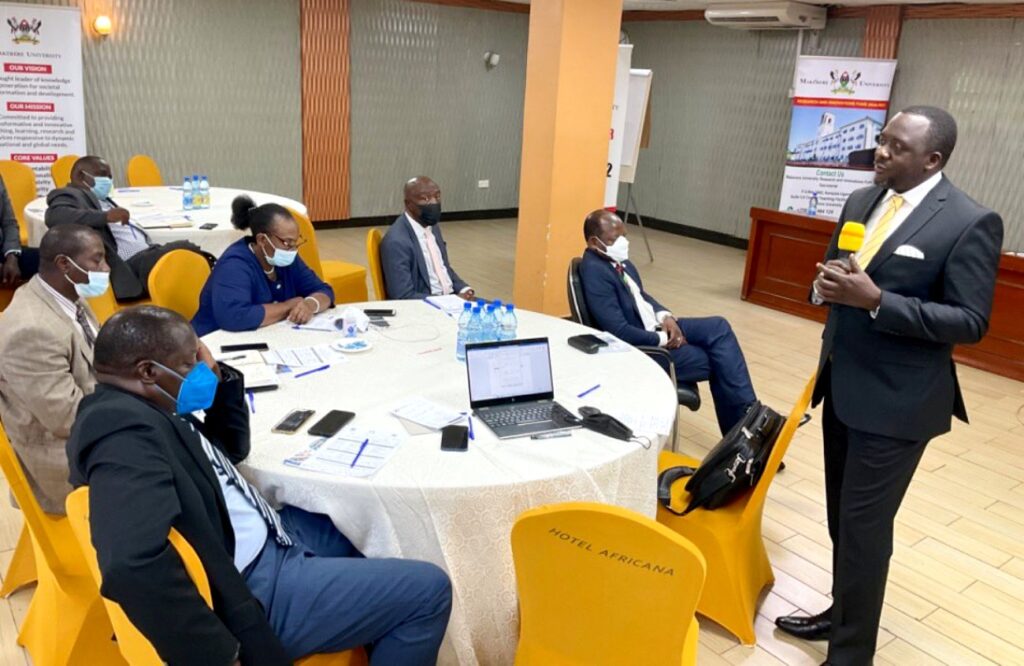
She added that together with Mak-RIF, GAMSU will build a comprehensive and robust research management system to capture the variables required by the university. The system, she added, would provide useful data for identifying gaps that can then be used to inform capacity building activities.
The Head Mak-RIF and Facilitator of the day’s discussions, Prof. Fred Masagazi Masaazi in his remarks thanked the Vice Chancellor, Members of Management and all participants for the impressive attendance of the consultative meeting. He said that Mak-RIF had generated a lot of data over the years, which will provide useful pointers for conducting research and managing teams going forward, with emphasis on mutidisciplinarity.
“As a matter of priority, we are going to make a follow-up on some of these projects for commercialisation. This has been a fruitful interaction and we hope to have many more subsequently” added Prof. Masagazi Masaazi.
Addressing himself to the items in the presentations related to funding, the University Secretary Mr. Yusuf Kiranda outlined 1) The Budget 2) Release of funds to the University 3) Release of funds to researchers 4) Accountability for funds released to researchers and 5) Reporting to the Government as five closely interlinked elements that ought to each be taken seriously for successful project implementation.
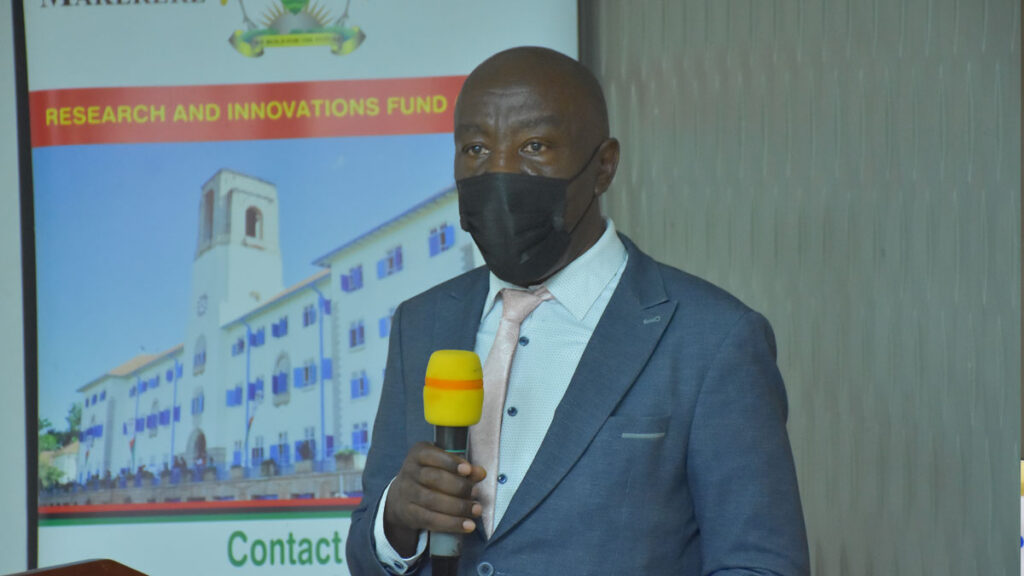
Under element 1) The Budget, Mr. Kiranda included a sub-element of Planning, which he said researchers ought to harness by splitting budgets for multi-year projects over two or more financial years in order to avoid stifling project activities. “With proper planning, we can make this problem cease to exist.”
Delays in procurement are some of the other factors affecting accountability for funds released to researchers. In this regard, Mr. Kiranda offered to, at the next Management meeting, move that an independent contracts committee be created for Mak-RIF, owing to its fund value.
Concluding remarks
The Acting Deputy Vice Chancellor (Finance and Administration)-Ag. DVCFA, Prof. Henry Alinaitwe who also serves as the Chairperson GAMSU Steering Committee reiterated the need for GAMSU and Mak-RIF to work closely together to put in place systems that will lead to effective management of research and boost outputs. He also called for the need to further strengthen the IP Management Office so as to boost commercialisation of research.
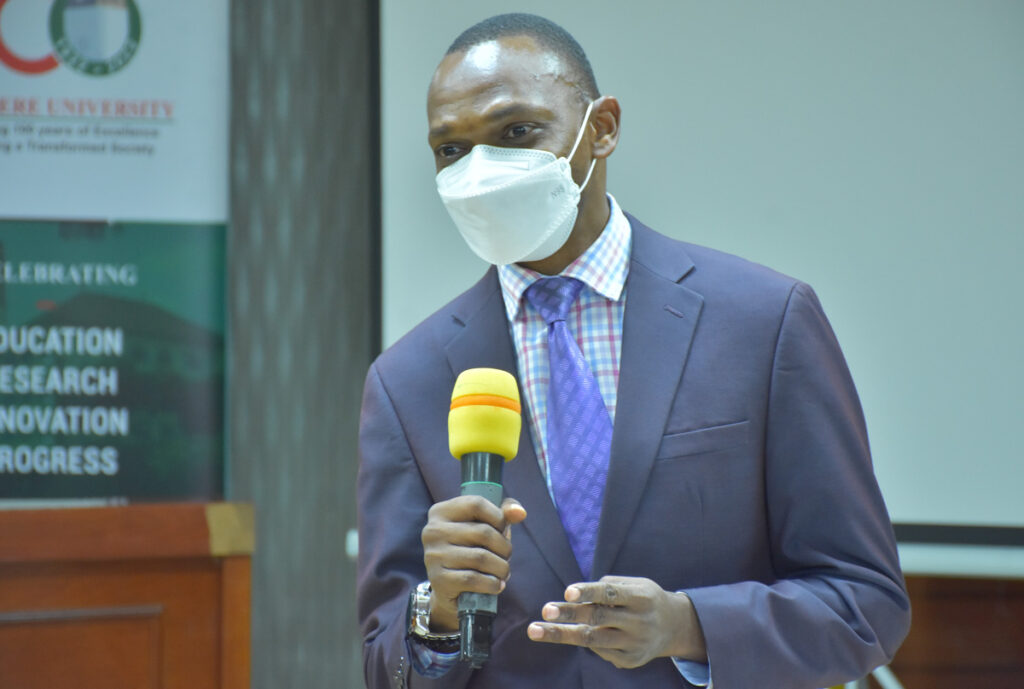
“As we think about commercialisation, we need to think about big funding as well as reliable partners who will not take advantage of initiatives by our researchers. I challenge our Directorate of Legal Affairs to scrutinise all contracts and MoUs so that they are watertight” emphasised Prof. Alinaitwe.
The Deputy Vice Chancellor (Academic Affairs)-DVCAA, Associate Prof. Umar Kakumba admitted that the advent of Mak-RIF had brought to light the immense potential of Makerere staff to conduct research that informs national development priorities.
“One of the requirements of Mak-RIF is that teams must work with different organs outside the university and we are seeing the University being taken out of the Ivory Tower. Under Mak-RIF we were able to see the connection between Makerere and the rest of the stakeholder communities and agencies, both Government and Non-Governmental” added the DVCAA.
Associate Prof. Kakumba nevertheless urged the Mak-RIF GMC to go beyond the statistics and focus on impact evaluation. “We need to touch base with what has been the real value of transformation that our research has done to the community.”
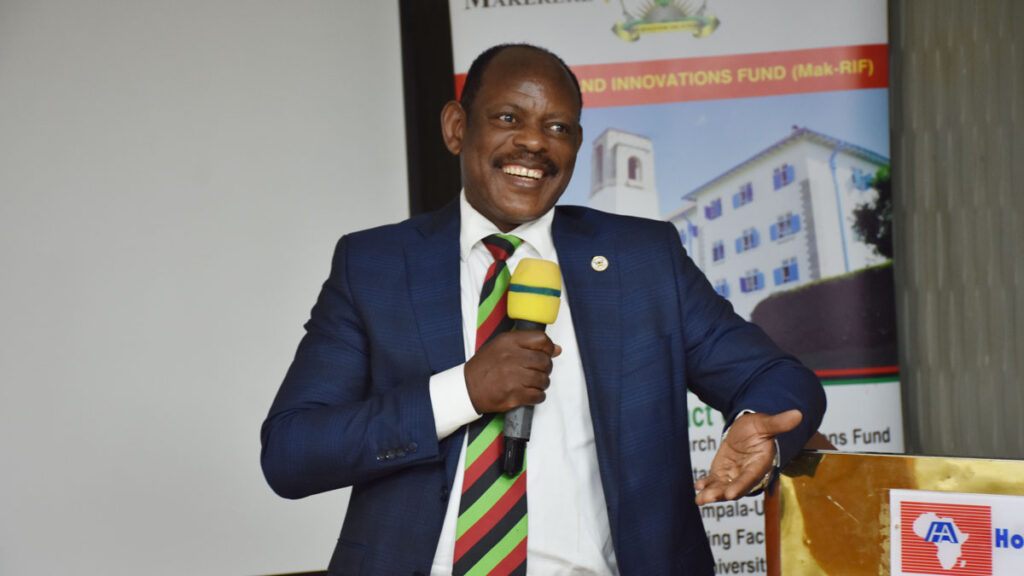
Delivering the meeting’s final remarks, the Vice Chancellor, Prof. Barnabas Nawangwe thanked the Mak-RIF GMC for the a job well done in as far as effectively managing the funding from Government, hence bringing great pride to the university. “But as you have heard from the comments, we can do much more with the money the Government is giving us to help the transformation of our country. That is why we are here.”
One of the proposals put forward by the GMC in response to a request from Management was the inclusion of a PhD support component in Mak-RIF starting financial year 2022/2023. Lauding this decision, the Vice Chancellor noted that, “as Africa we need to produce more PhDs. If we don’t, we are doomed… the older generation are retiring and we must replenish.”
Reiterating the need for commercialisation of research, the Prof. Nawangwe called for the setting up of more business incubation centres (beyond the Food Technology and Business Incubation Centre), provided that the University Intellectual Property Management Policy is strictly adhered to.








General
NCBA Commits UGX 1.45 Billion to Makerere Marathon, Pledges Five-Year Support for Inclusive Education

By Eve Nakyanzi and Atwenda Nancy
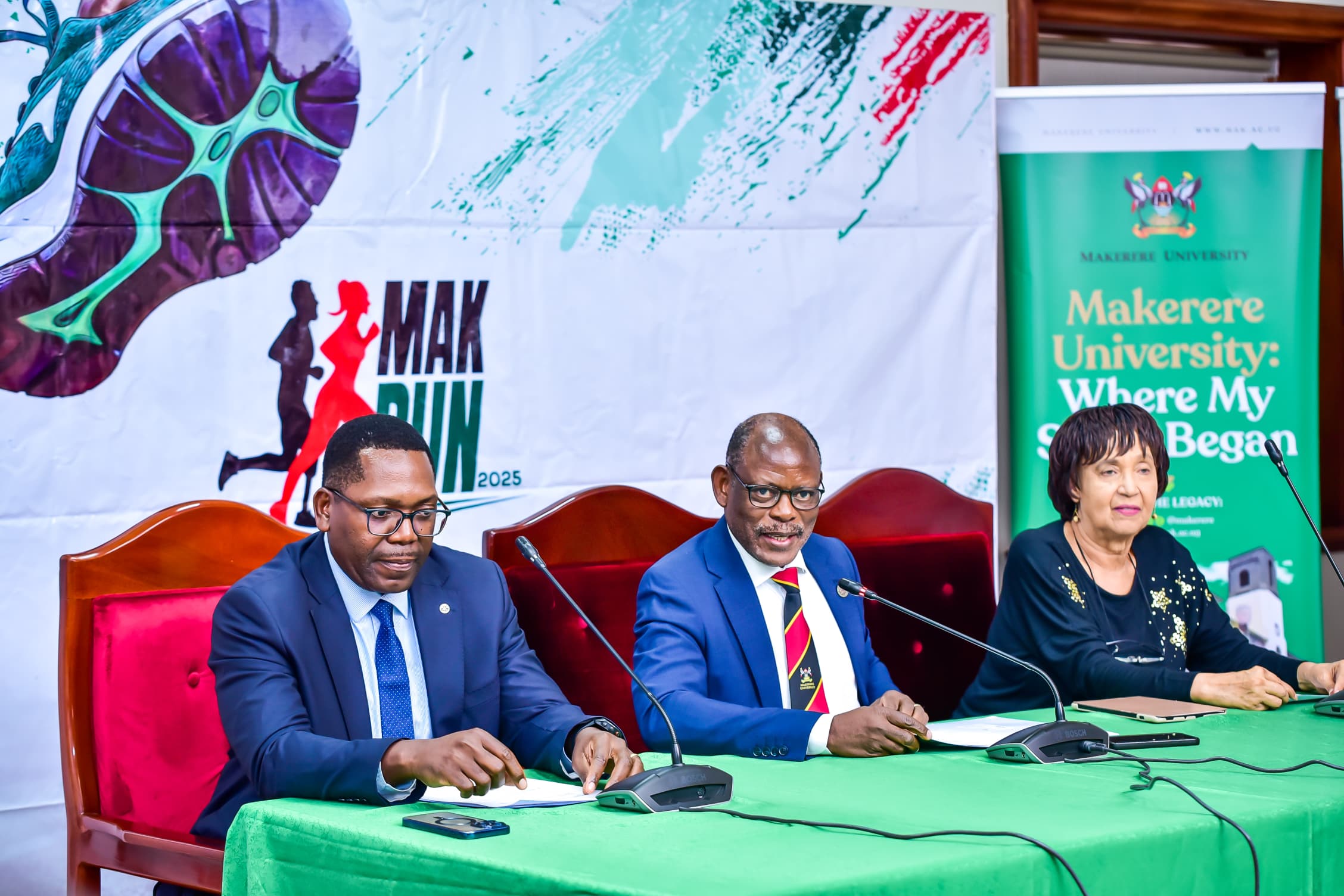
Makerere University has officially unveiled NCBA Bank Uganda as the platinum sponsor for the 2025 Makerere University Marathon (#MakRun2025), marking a significant milestone in the institution’s journey toward inclusive and sustainable student support. The partnership was formally announced during a colourful event held at the university, attended by the Vice Chancellor, Prof. Barnabas Nawangwe, Dr. Maggie Kigozi, Chairperson of the Makerere University Endowment Fund, and NCBA Bank Uganda CEO, Mr. Mark Muyobo.
NCBA Bank Uganda’s UGX 1.45 billion sponsorship over the next five years is the largest corporate contribution to the Makerere Marathon to date. It underscores the bank’s commitment to supporting quality education, community development, and equity. Mr. Muyobo said that, “We are driven by the desire to leave every community better than we found it”. He added that the goal is to empower disadvantaged students to live without limitations, describing this initiative as a bold stride toward establishing a world-class international marathon.
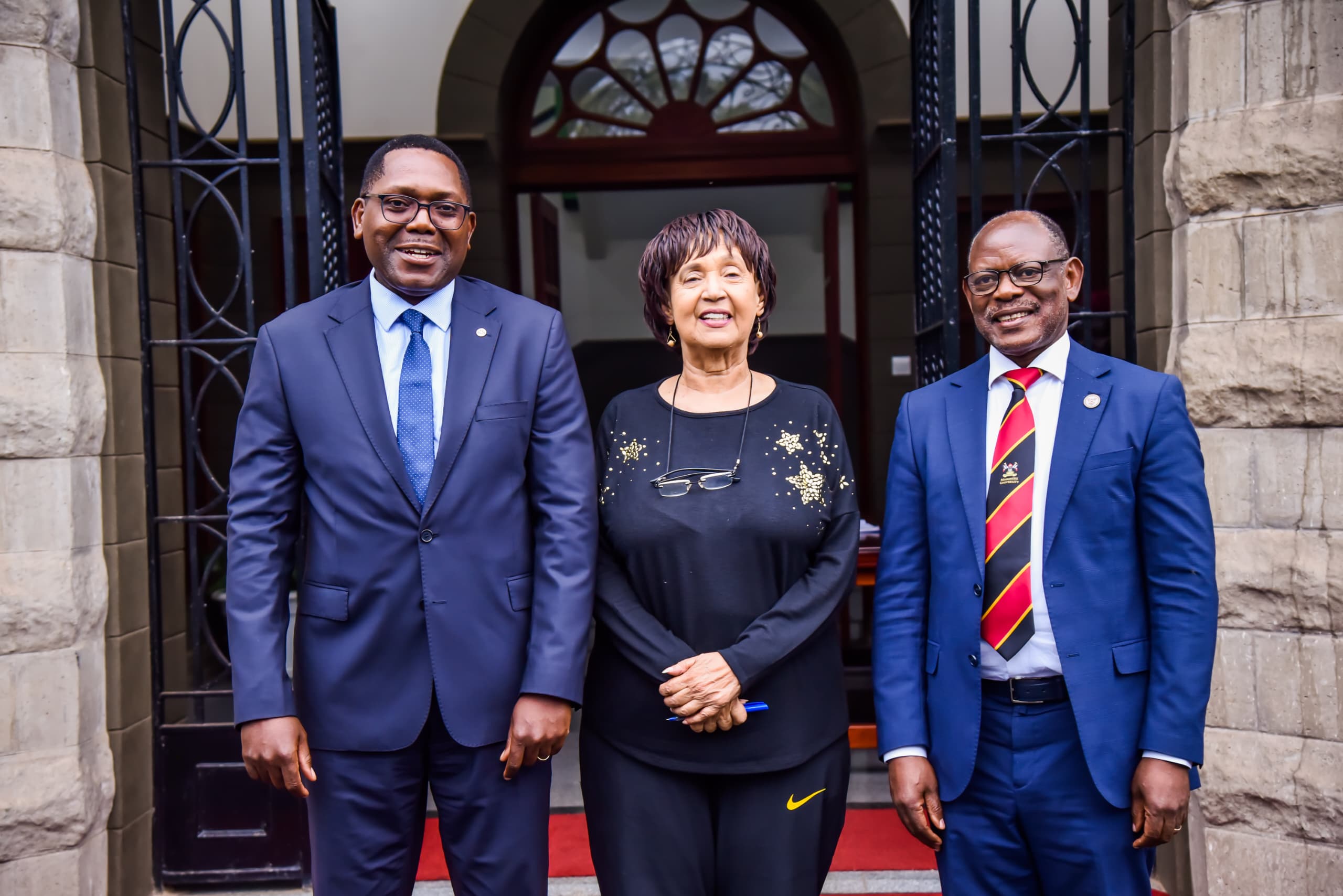
“This is more than just a sponsorship, it is a strategic partnership built on shared values,” Dr. Kigozi remarked. “With this support, we are positioned to establish a fully equipped Disability Support Unit and a sustainable pool of funds to assist economically disadvantaged students.”
The marathon, slated under the theme “Run the Hills for the Future,” seeks to unify students, alumni, corporate entities, and professional athletes in pursuit of a common cause. At its core, the MakRun2025 promotes active lifestyles, social inclusion, and a sense of communal responsibility.
“It’s not just a race,” Prof. Nawangwe emphasized. “It is a movement to break barriers, change lives, and build a resilient, inclusive university.”
The marathon’s broader impact includes fundraising for students living with disabilities and those facing financial hardship, contributing directly to the university’s Endowment Fund.
A major highlight of the event is the introduction of a full 42.2-kilometer marathon—bringing international standards to the annual run. Organizers have promised a professional, accredited experience with traffic-free routes and ample support for runners.
“This edition will elevate the MakRun into a world-class event,” said Mr. Muyobo. “We are proud to support Makerere University in realizing its dream of a globally recognized marathon that reflects Uganda’s commitment to education and inclusivity.”
Beyond the race itself, the event will feature a vibrant line-up of activities, including music, drama, and games for all age groups. It is designed to foster a festival-like atmosphere that welcomes every member of the community.
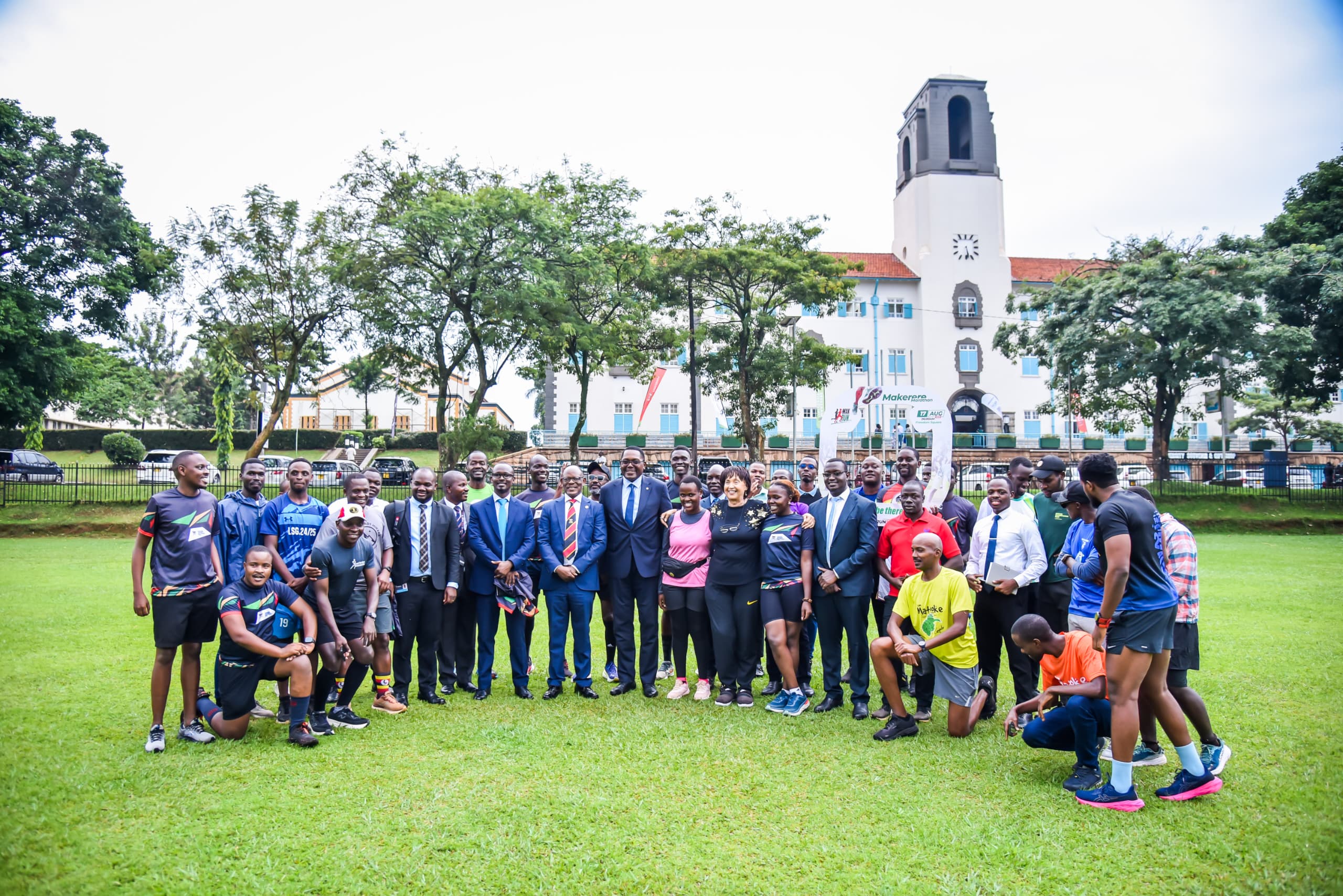
Organizers and university leaders have extended an open invitation to students, staff, alumni, corporate partners, and Kampala residents to participate, cheer, or donate to the cause.
“Every step taken is a step towards hope for a student,” Dr. Kigozi stated. “Together, we are building a Makerere that cares, includes, and uplifts.”
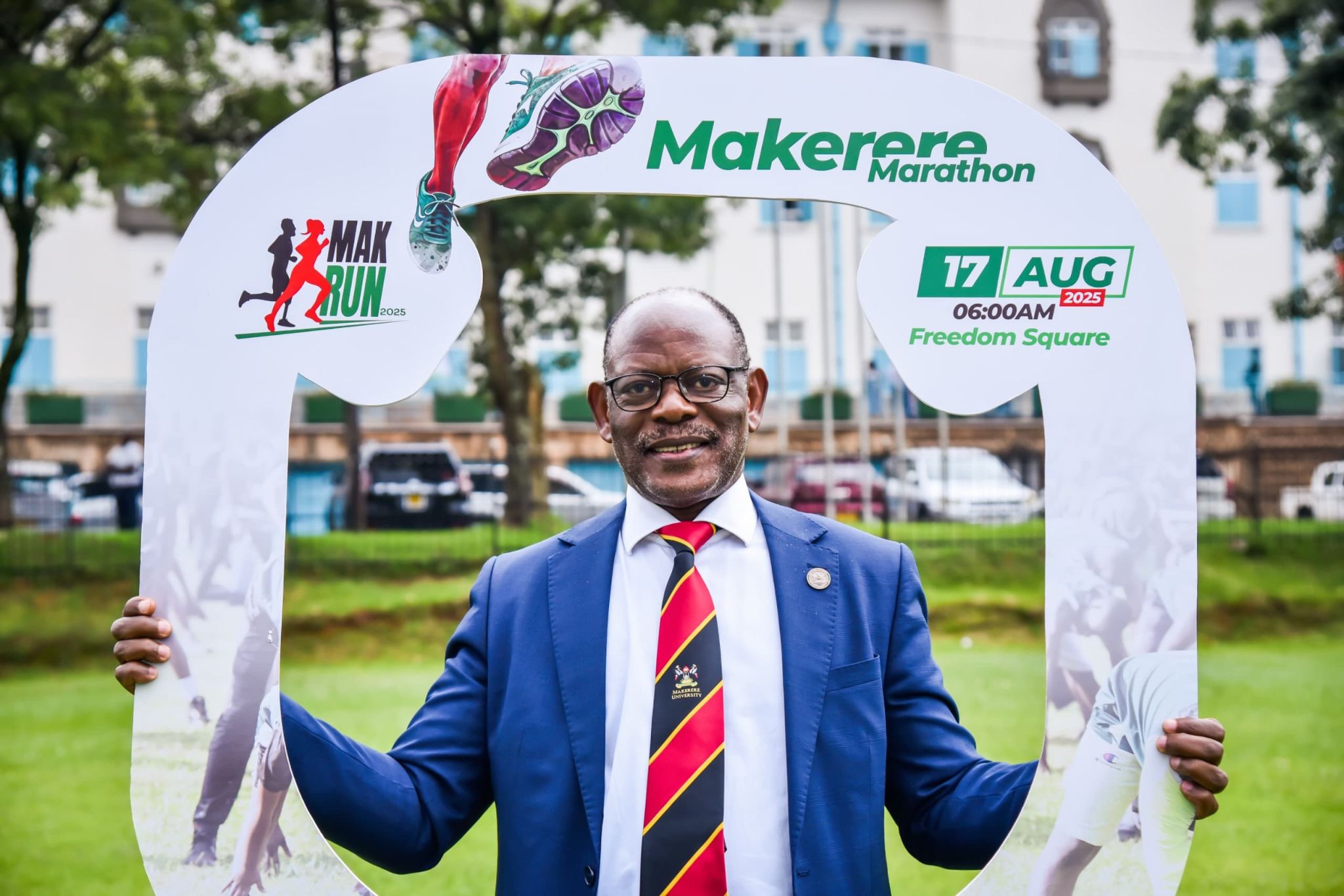
The partnership is expected to significantly enhance the university’s ability to support underprivileged students and improve campus infrastructure for students with disabilities. It also sets the tone for future collaborations that align with the values of compassion, excellence, and innovation. The fifth edition of the MakRun is scheduled to take place on August 17th, 2025.
The Writers are Interns in the Public Relations Office, Makerere University
-

 Education2 weeks ago
Admission List to Bachelor of Education External (BED) 2025/26 -Private Sponsorship
-
 General1 week ago
Re-advert: Admission to Undergraduate Programmes 2025/2026
-

 General2 weeks ago
Admission Lists -Disability and District Quota Schemes 2025/26
-
 General2 weeks ago
Diploma/Degree Holders Scheme – Self Sponsorship Admission Lists 2025/26
-
 General6 days ago
Re-Advert for Applications for Diploma and Certificate Training