
Health
Makerere Hailed for Its Leadership in Health Policy and Knowledge Systems

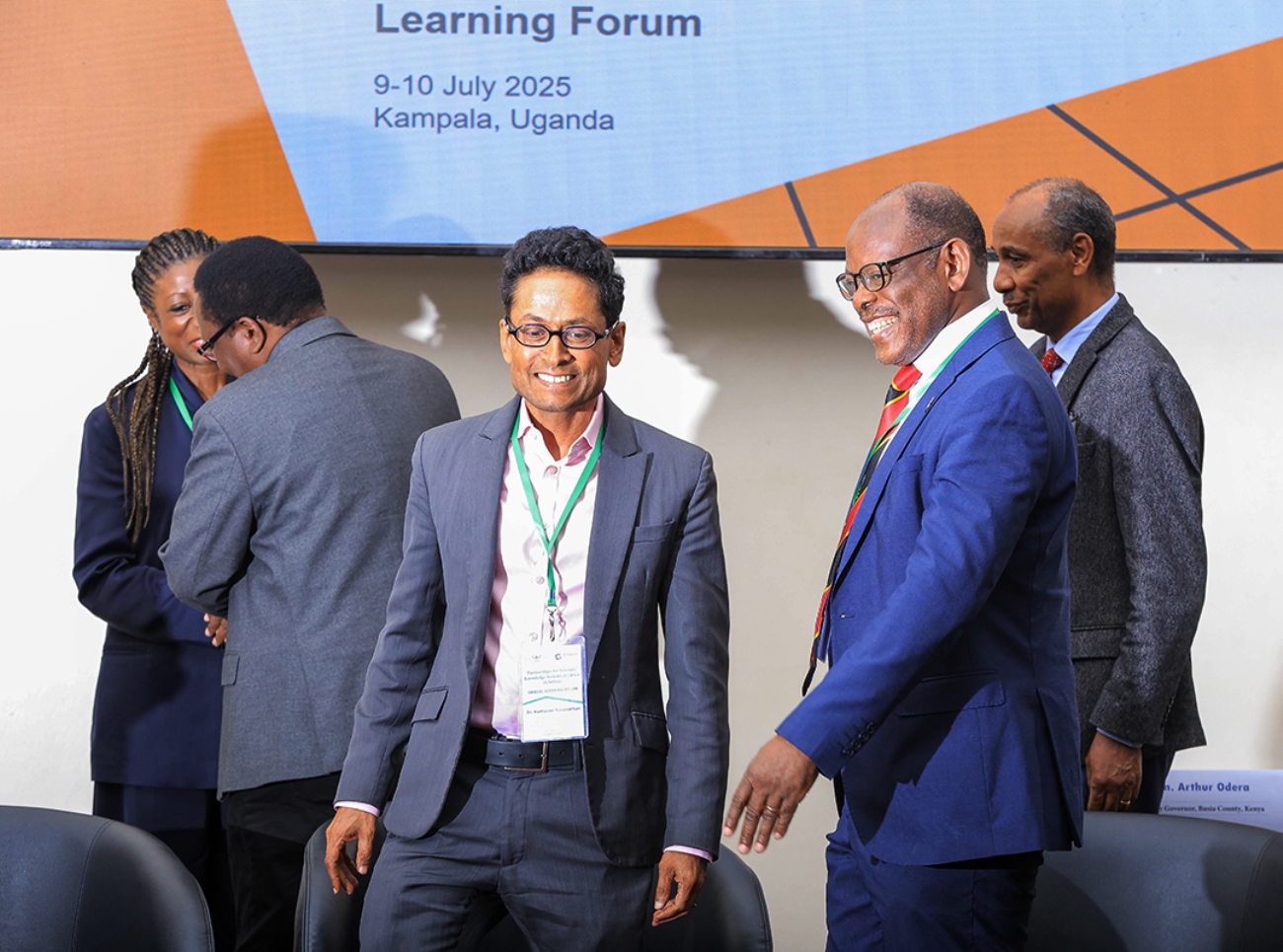
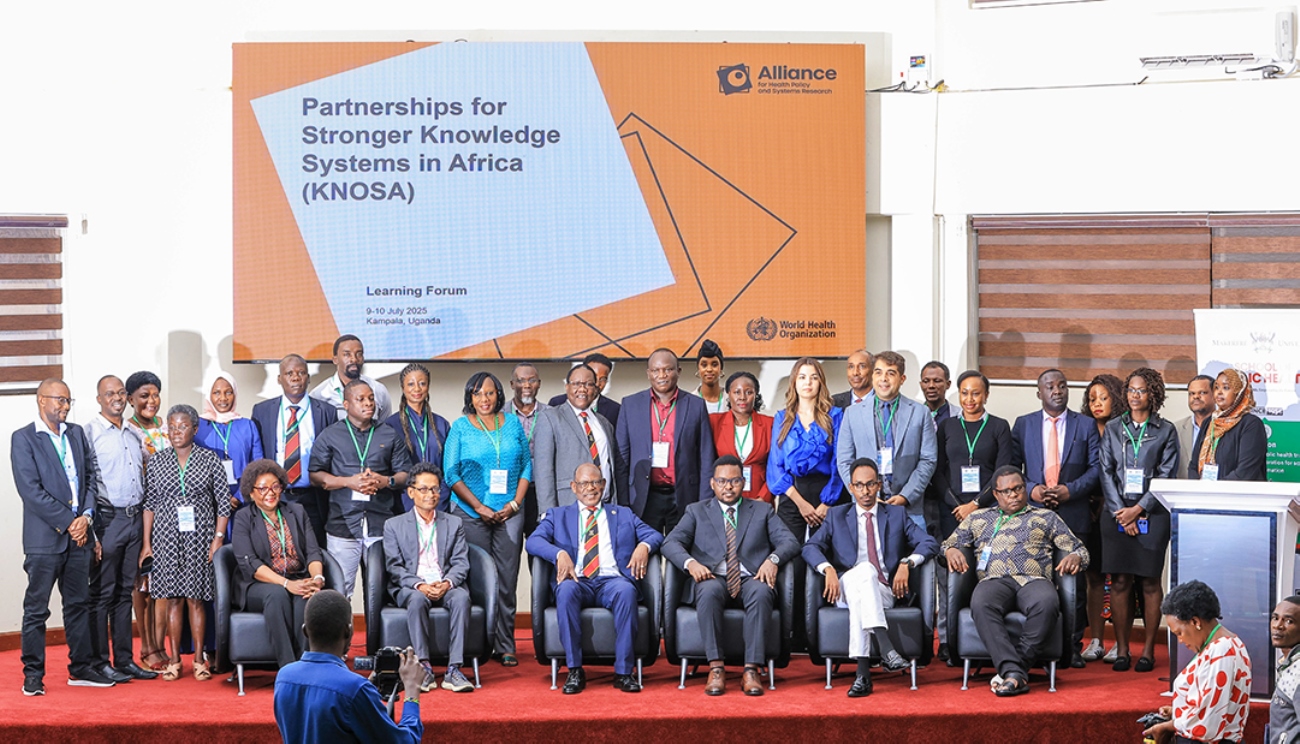
KAMPALA, July 9, 2025 — Makerere University has been hailed as a continental and global leader in health policy and systems research. This recognition came during the Partnerships for Stronger Knowledge Systems in Africa (KNOSA) Learning Forum, held July 8–10, 2025, hosted by Makerere University School of Public Health (MakSPH) with support from the WHO Alliance for Health Policy and Systems Research.
Delegates from Uganda, Kenya, Ethiopia, and Somalia applauded Makerere’s role in advancing evidence-informed policymaking and strengthening national knowledge systems. The forum highlighted the institution’s trusted leadership, practical research, and commitment to driving real change.
Dr. Kumanan Rasanathan, Executive Director of the WHO Alliance, praised Makerere’s long-standing role in bridging research and policy:
“You are a shining beacon on the continent and for the world,” he said. “In this moment of crisis, where every health investment must be efficient and equitable, Makerere’s leadership matters more than ever.”
He emphasized the Alliance’s 25-year partnership with Makerere: “We know Makerere University very well. My predecessors have worked with the Alliance since its inception in the 1990s. Makerere has been especially instrumental in advancing the field of health policy and systems.”
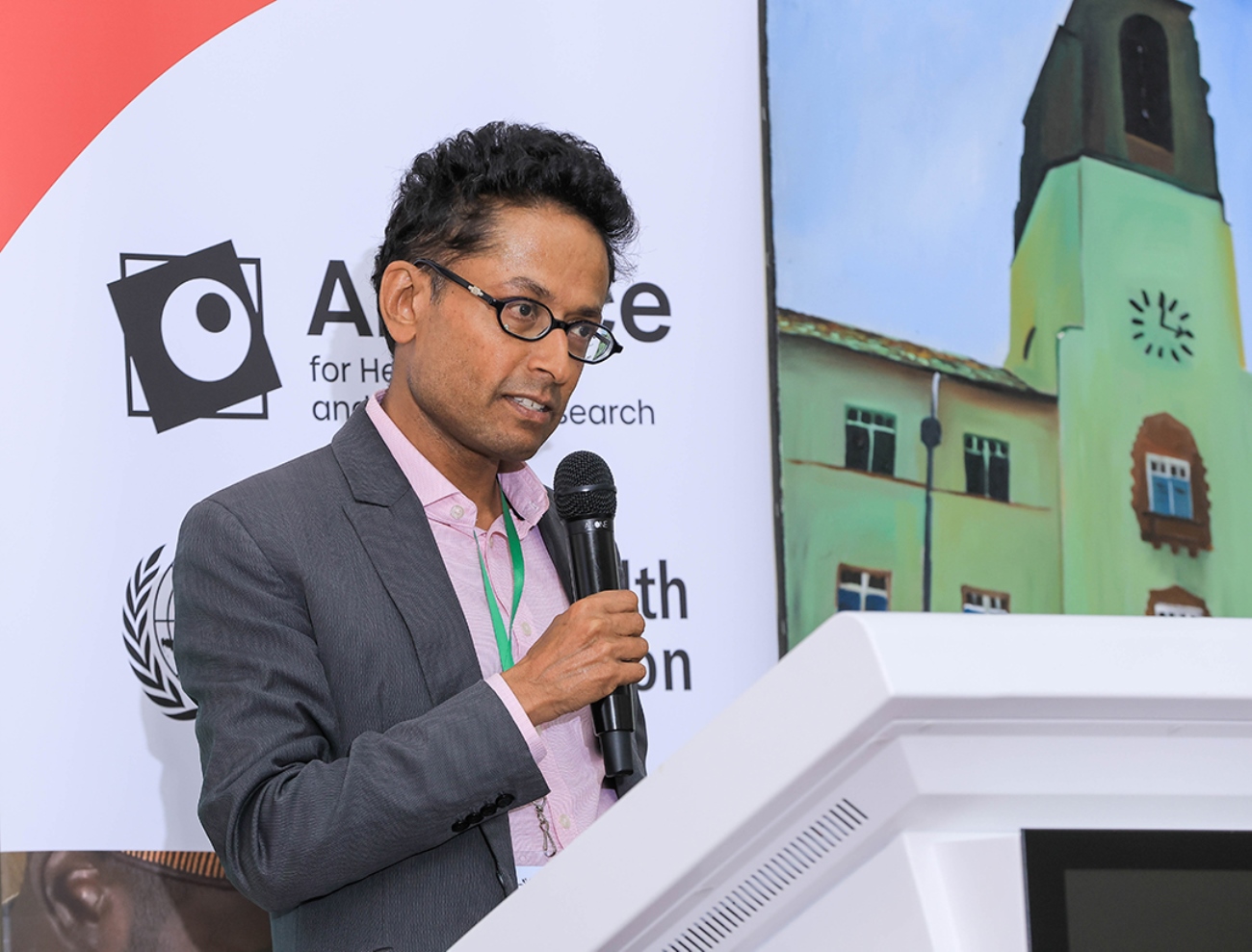
Dr. Rasanathan called for a move away from siloed approaches toward more adaptive, coherent systems. He reaffirmed WHO’s commitment to supporting regional initiatives like KNOSA that are driving this shift across Africa.
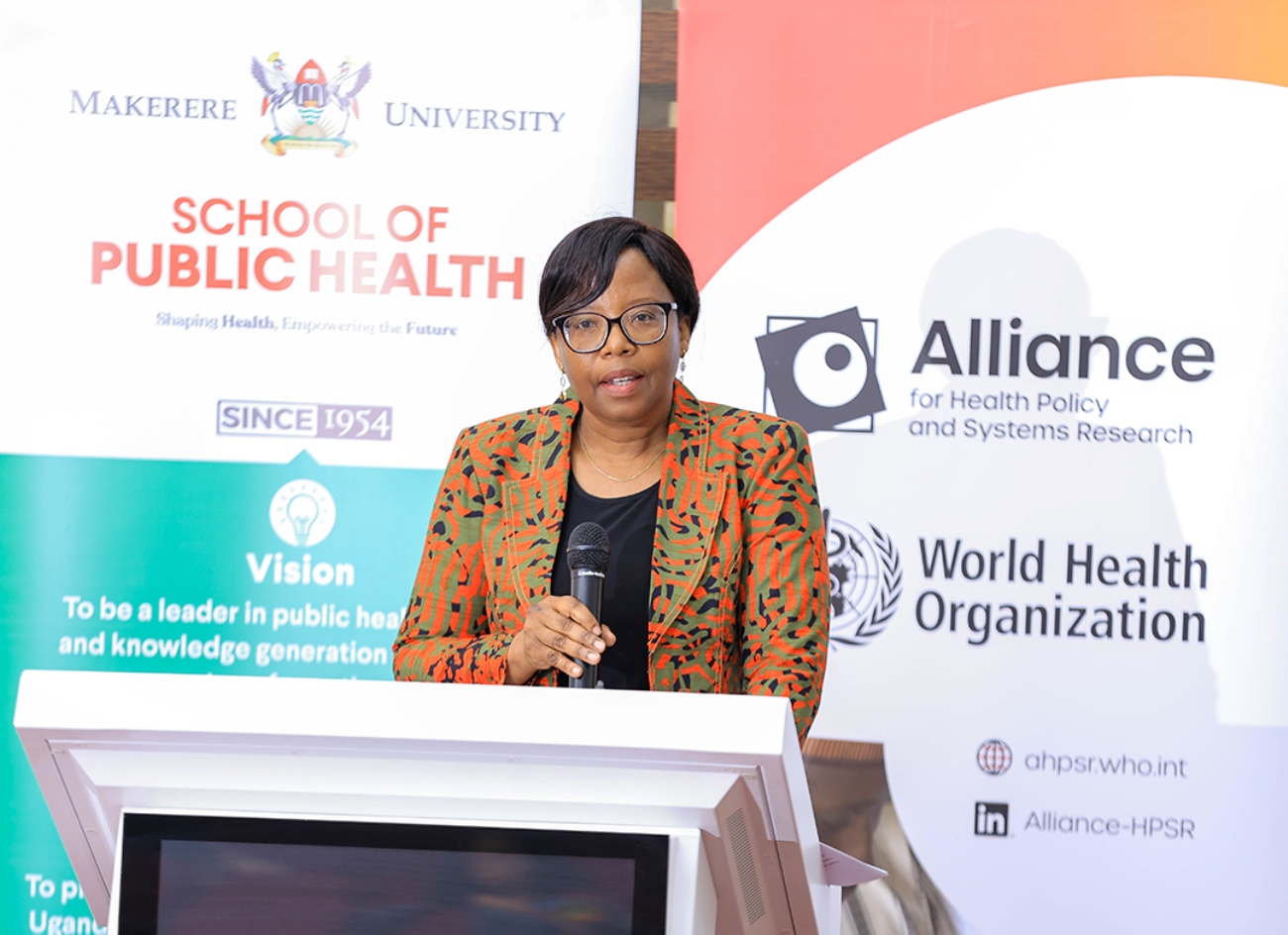
In the face of current funding cuts, Dr. Christine Musanhu of the WHO Uganda Country Office echoed these sentiments with a stern call to action: “In times of uncertainty, we need national systems that not only generate evidence but also understand and communicate it in ways that drive real change.”
She warned of tightening budgets, citing an 11% cut (roughly $67 million) in global funding for Uganda’s public health programs. “We are being asked to do more with less,” she said, urging countries to reprogram resources towards high-impact, evidence-based interventions.
Adding that, “Evidence must go beyond routine data—it is a measure of transformation.”
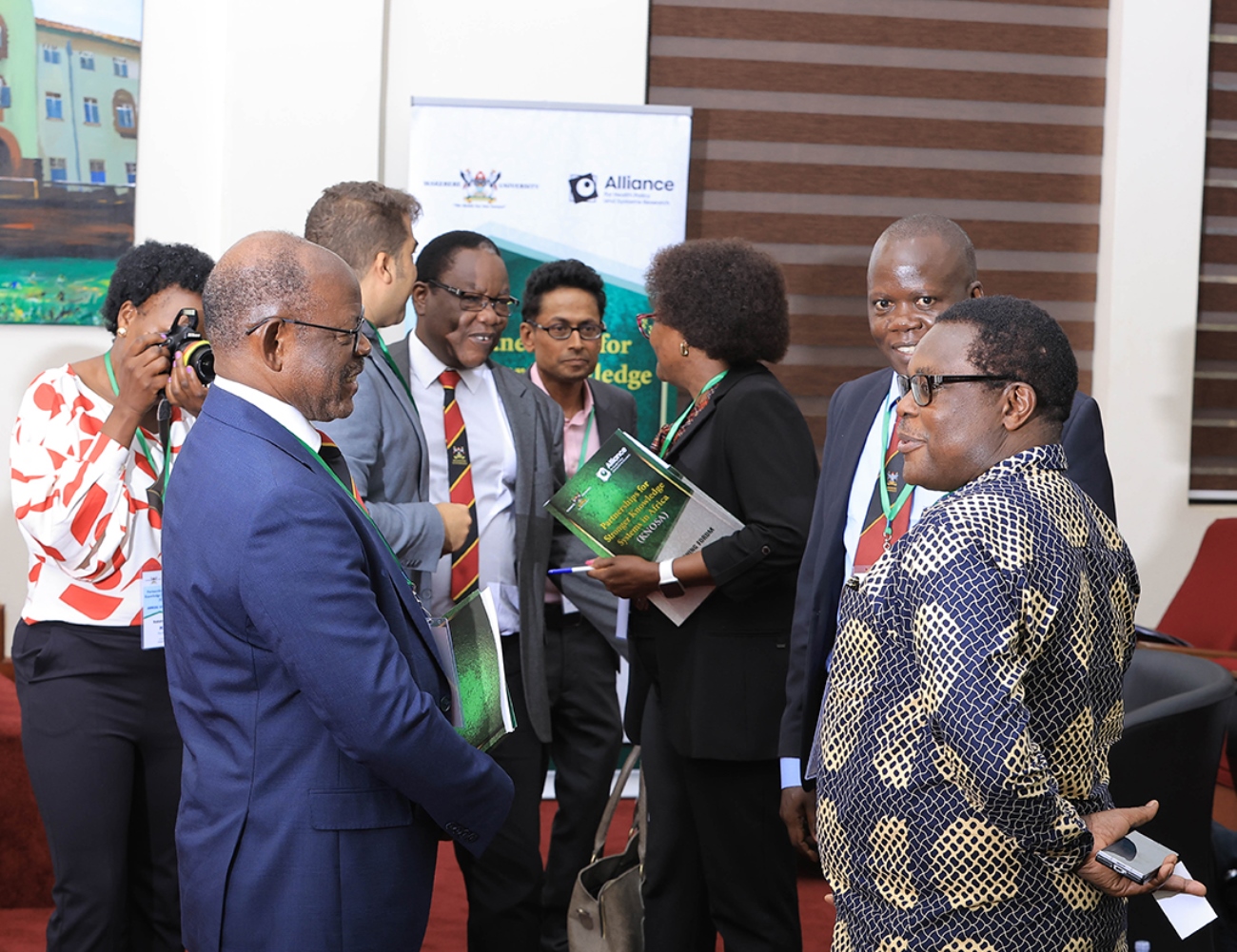
This year’s KNOSA forum focused on sharing country-level progress, refining evaluation approaches, enhancing communication products, including scientific publications, and engaging more deliberately with Uganda’s wider policy and research ecosystem.
Makerere University Vice Chancellor Prof. Barnabas Nawangwe, while sharing the institutional vision, called for African universities to lead from the front in addressing health and development challenges: “We can do all the research in the world, but unless it moves beyond our laptops and lecture rooms into real decision-making spaces, it won’t change lives.”
He noted that Makerere contributes over 80% of Uganda’s academic output and praised MakSPH and the College of Health Sciences (MakCHS) for innovations that have shaped responses to HIV, Ebola, and COVID-19. “Our work, backed by partnerships with government and global collaborators, is proof that African universities must lead from the front.”
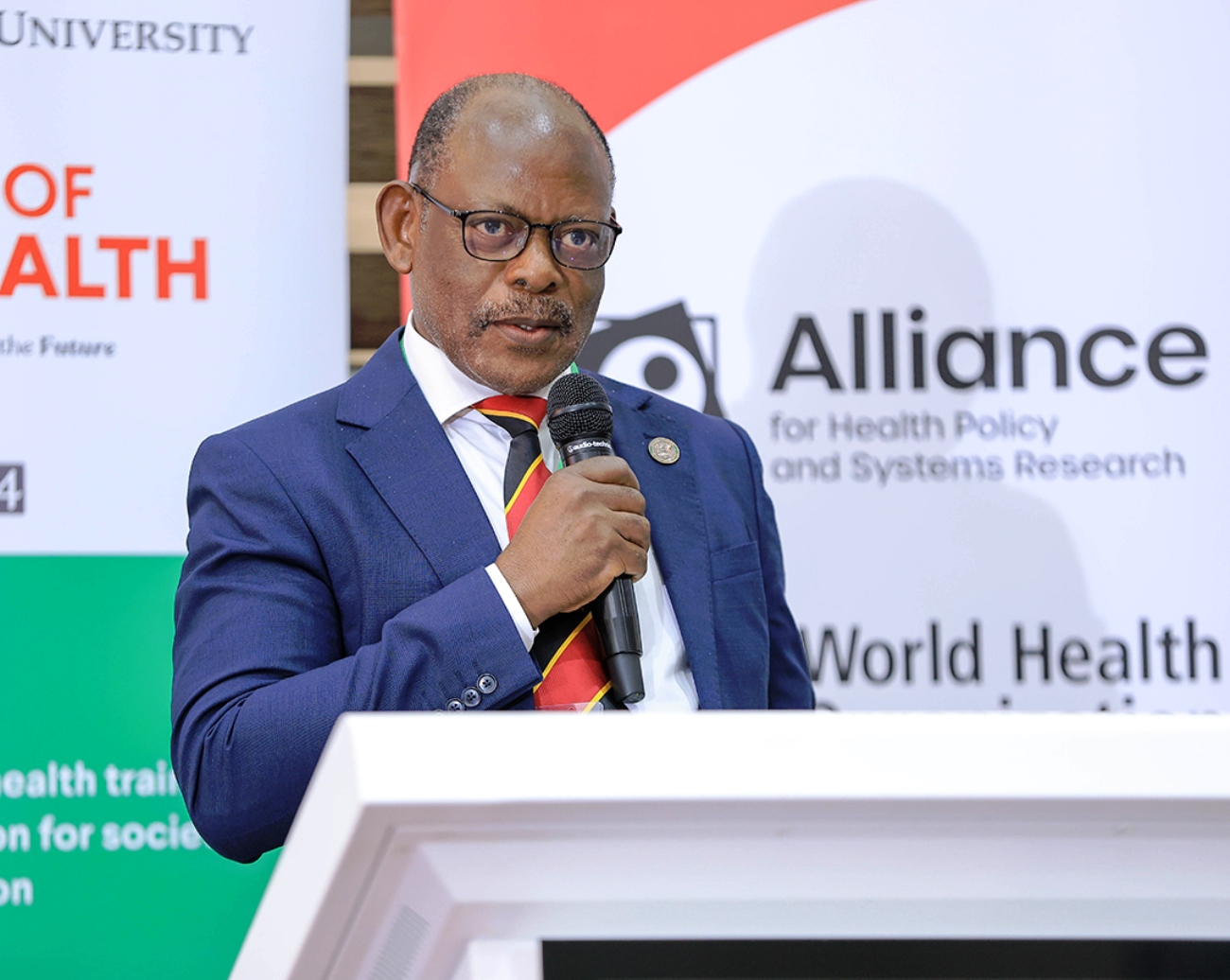
Professor Nawangwe urged deeper collaboration within KNOSA: “Our continent is interconnected. We cannot afford to work in silos. We are stronger together.”
Dr. Aku Kwamie, the unit head at the WHO-Alliance, noted that there is a need for partners to shift their thinking regarding policy. She particularly shared three critical transitions to institutionalize evidence use: embedding knowledge within institutions, not just individuals; linking research directly to decision-making; and advancing from isolated academic work to system-level thinking. These shifts, she noted, are essential for embedding evidence into routine governance.
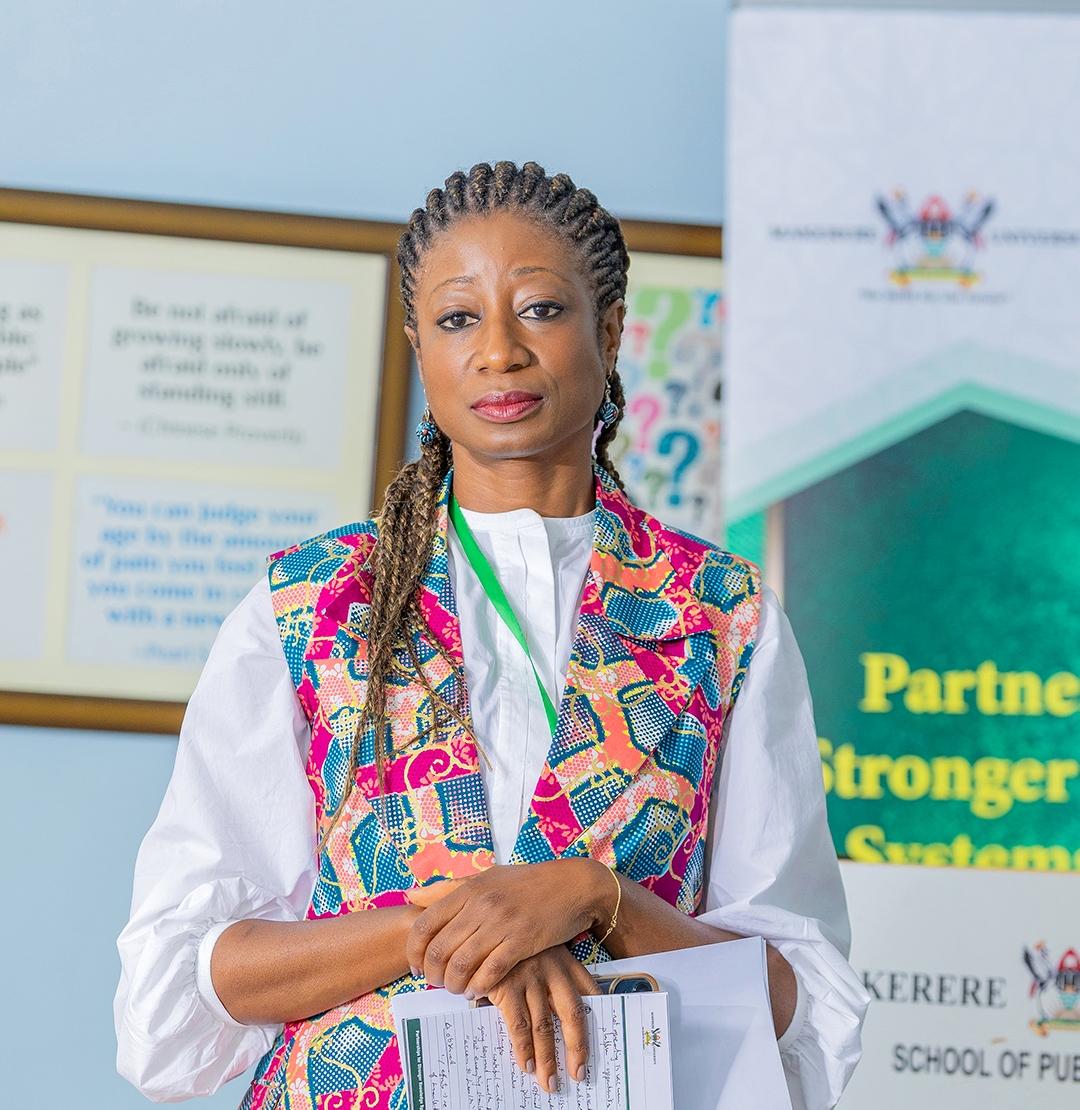
Professor Freddie Ssengooba, a Health Policy and Knowledge Systems expert at MakSPH, reaffirmed Makerere University’s regional leadership in the field and stressed the urgency for African countries to take full ownership of their health systems considering the shifting funding landscape:
“Health policy and knowledge systems research may not be as prominent as epidemiology or disease control,” he said, “but it’s central to how we harvest and connect knowledge with policy and resources. When the vaccine is here and the evidence is clear, that’s when they come to us, asking, “How do we achieve over 80% coverage?”
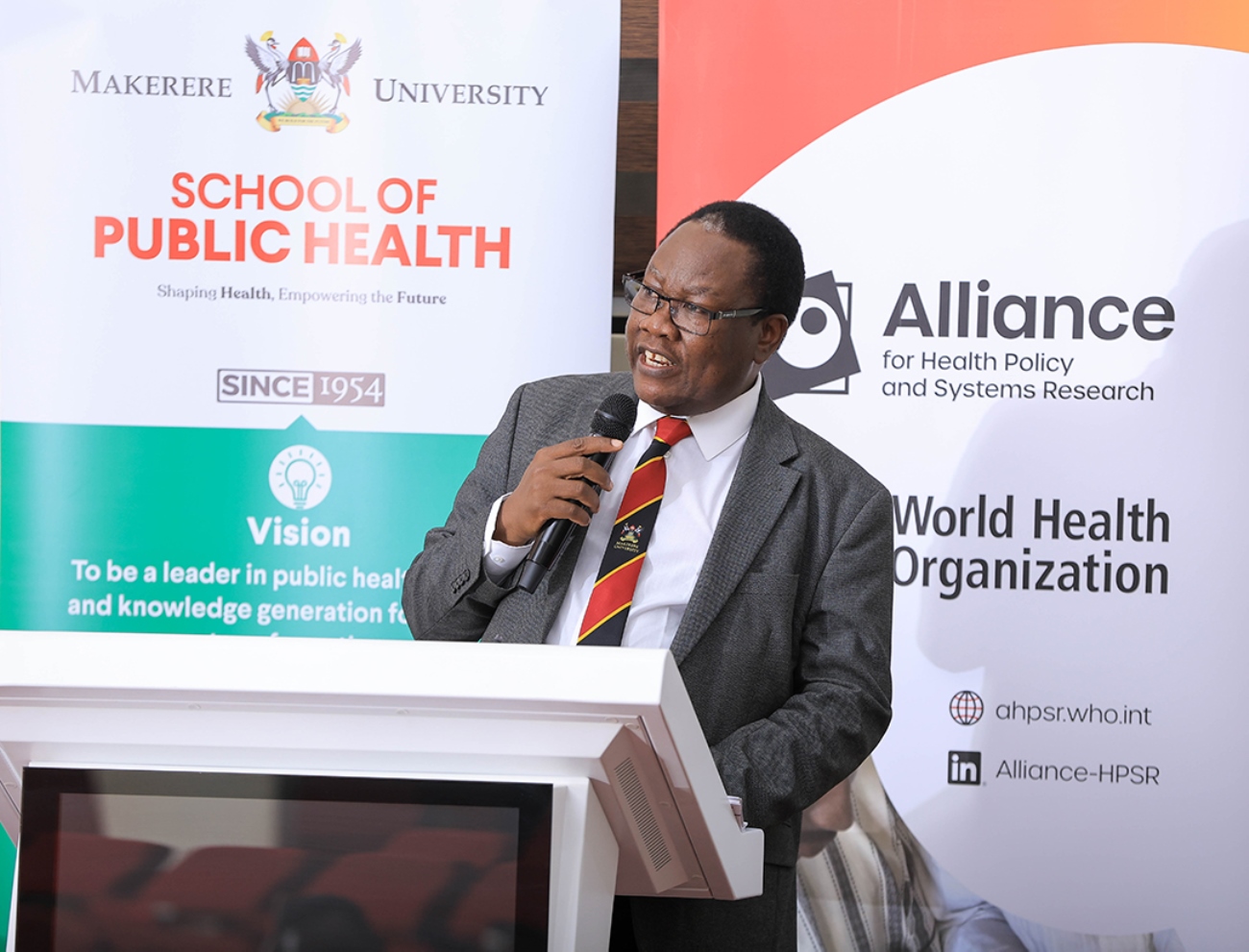
He praised KNOSA for helping elevate the field’s relevance: “There’s real appreciation for the work we do—not just with Uganda’s Ministry of Health, but across the region.”
Recalling the early collaboration with WHO, he said, “Back in 1997–98, a few of us, myself included, responded to an initial call and began what has now become a long-standing relationship with the WHO Alliance.”
“The Alliance is building capacity across Africa to ensure that research doesn’t stop at findings but goes on to shape decision-making and society,” he disclosed.
Professor Rhoda Wanyenze, the Dean of MakSPH, is currently ambitiously driving her colleagues, staff, and partners to embrace the culture of evidence use. She reiterated the School’s commitment to leading in evidence translation: “I’ve often told the Vice Chancellor—we at the School of Public Health are not in an ivory tower. We are deeply connected to real-world problems.”
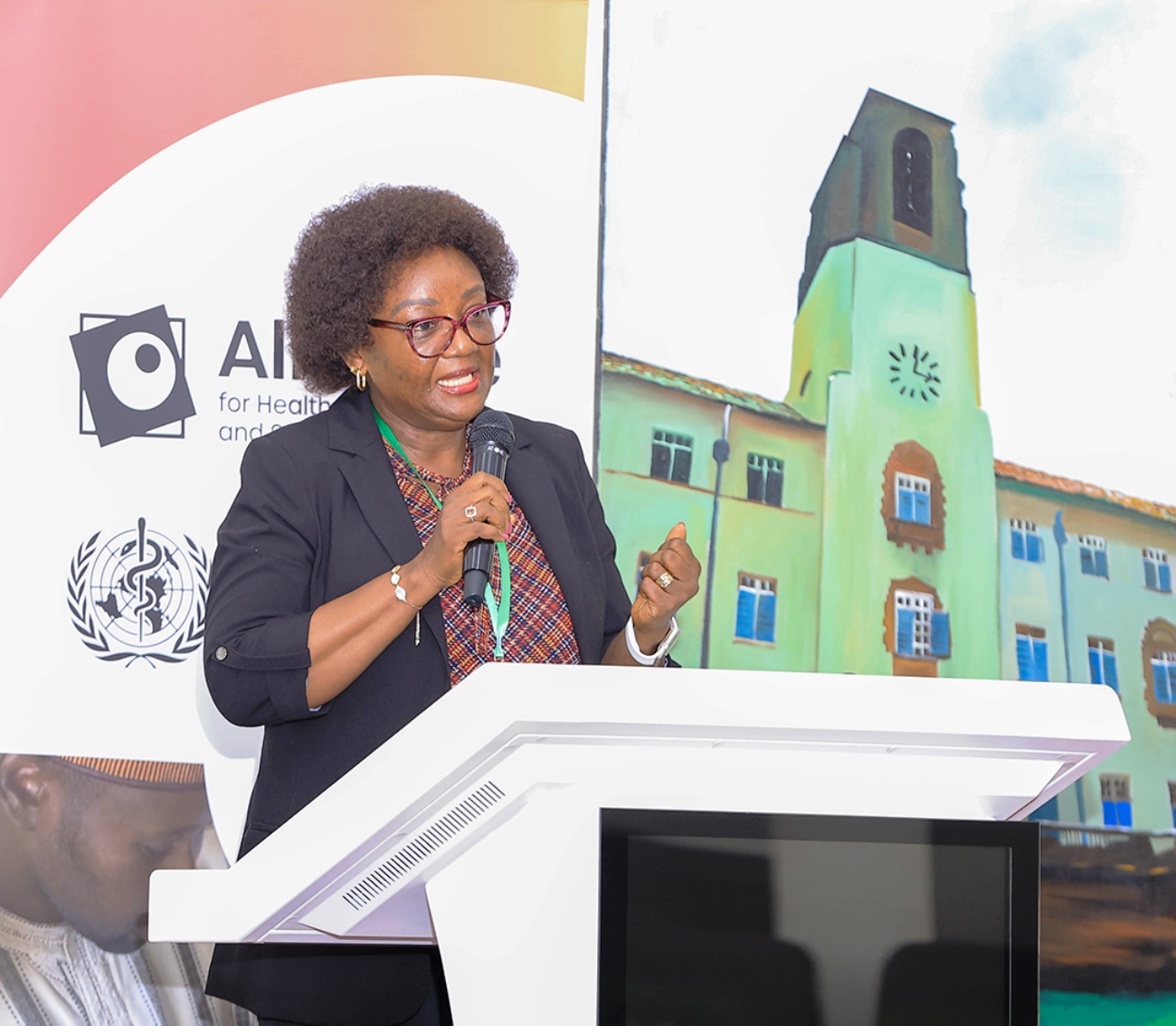
To her, the need for a clear framework to improve engagement with decision-makers and address uneven success in research translation has never been greater than now: “Yes, we publish in high-impact journals. But the question is, what change happened because of your evidence?”
“I would love to see the School lead in developing a framework that showcases what we’ve done well and identifies where we can grow.”
She also acknowledged Prof. Ssengooba’s influence in broadening the lens on knowledge management: “You’ve challenged us to think beyond institutions, to consider networks and systems. That’s a gap we must fill.”





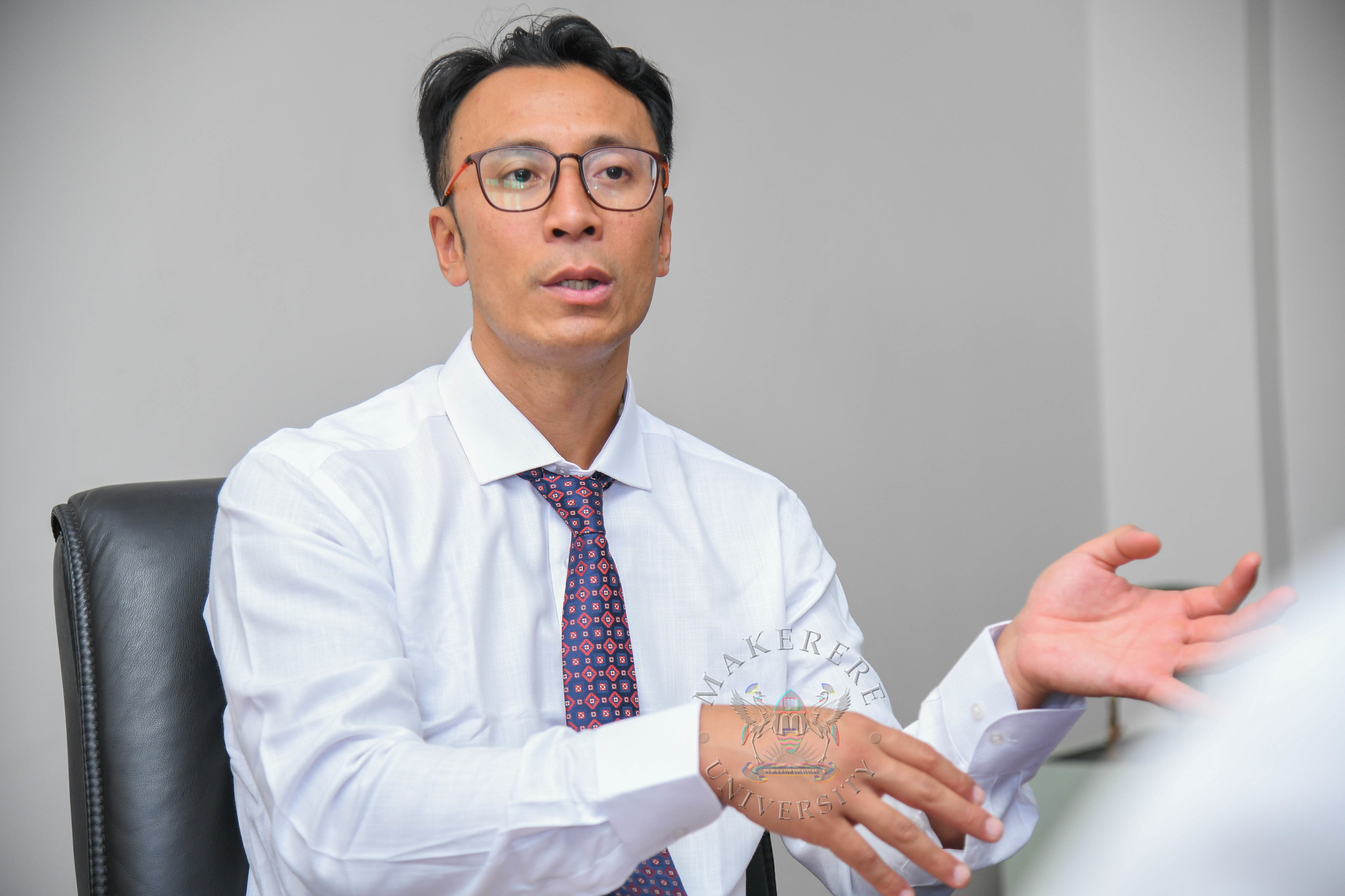
Through a European Union (EU) funded initiative, Makerere University and Mulago Hospital are hosting a German oncology reconstruction specialist Professor Dr. Thiha AUNG. AUNG is a surgeon, trainer at the Deggendorf Institute of Technology (THD), and researcher on cancer from the Deggendorf Institute of Technology (DIT), Germany.
With his international expertise in oncology and medical management roles at his home institution, his visit is a valuable addition to Uganda’s capacity building efforts in medical advancement.
Prof. Aung who arrived in Uganda in late September 2026 and has since then conducted free identified patient specialised surgeries and training for locals. These are expected to span two weeks. For the period, his service intersects medical expertise and humanitarian efforts.
This is not Prof. Aung’s first time in the country; his first major visit was in 2023, when he performed life-changing free surgeries on early patients. He then made medical history in June 2024 when he arrived to perform Africa’s first-ever lymph node transplant at Mulago Hospital.
It was against this background that the Makerere Public Relations Office engaged him in an exclusive interview to share his philosophy on medical service, his experiences in oncology reconstruction, and his unwavering belief that passion and dedication rather than just resources are the true drivers of sustainable medical progress.
Transforming Lives Through Oncology Reconstruction
At the heart of his mission through the ERASMUS – Oncology/Lymphedema project, is the treatment of lymphedema, a condition often referred to as elephantiasis.
In Europe, such surgeries can cost between 80,000 and 100,000 euros, making them inaccessible to many.
Thankfully, Professor and his team, including some of his post graduate students like Anna Friedrich (B.Sc) and Sophia Waser (B.Sc., PA) from the Institute of Medical Science and Engineering, have once again brought this specialised care to Uganda pro bono.
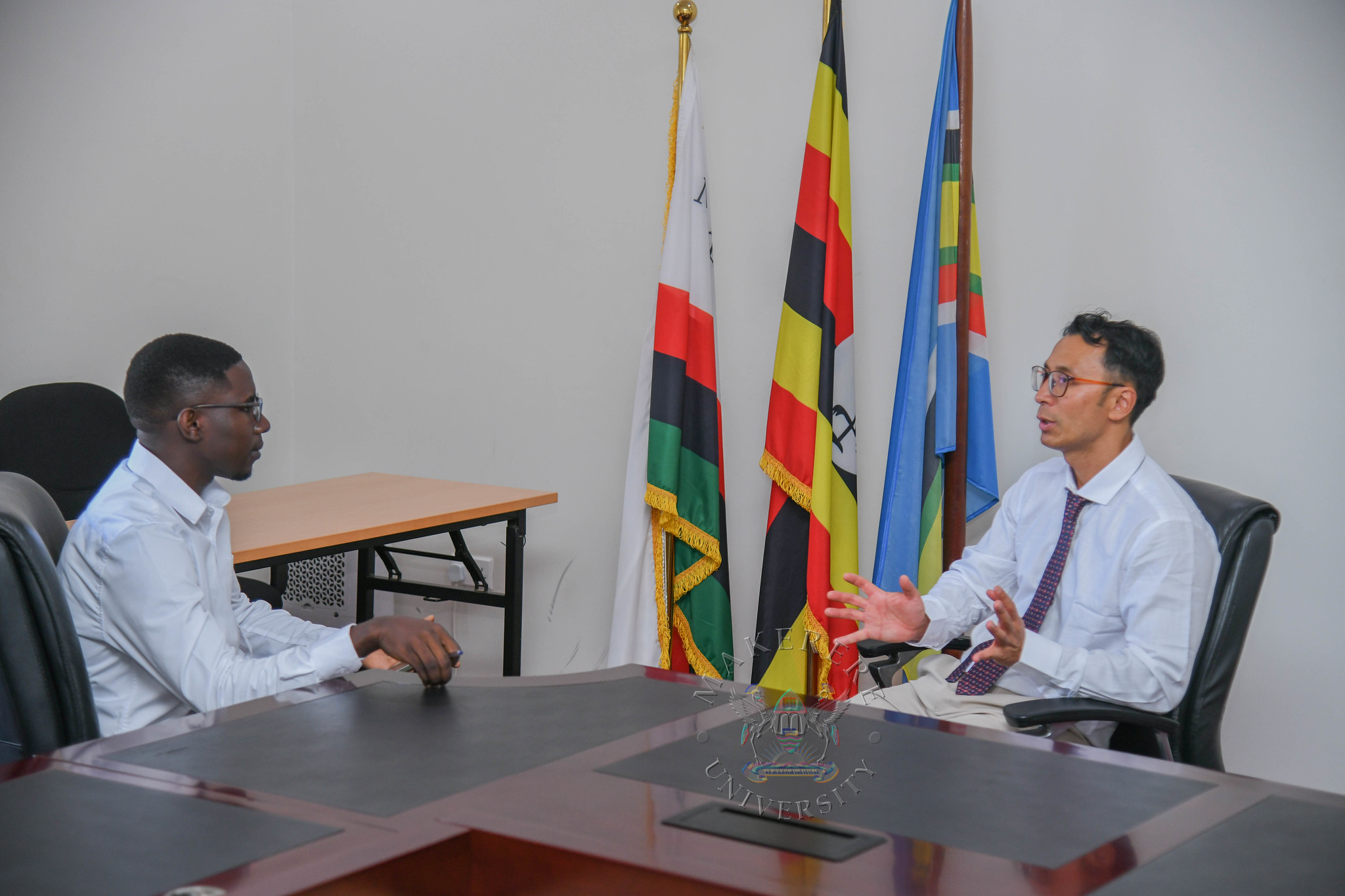
He highlights the story of a teacher who, after receiving surgery, regained her quality of life and returned to the classroom. For him, the impact is exponential. “You change one life, but this person changes a lot in the community.”
This shift from individual surgery to the long-term wellbeing of the community, reinforces the local impact of these services.
Professor AUNG’s Personal Conviction
The professor confessed that inherently, he commands himself that beyond knowledge, true progress is driven by passion and will rather than resources.
He does not agree with those that think money and resources are the sole prerequisite for change in the medical world, stating, “you cannot change with money only.” Rather, he upholds the importance of personal decision and commitment.
When discussing the challenges of working in resource-limited settings, he maintains a simple, direct explanation “it’s always beyond the money.”
Ultimately, the Professor believes that if he can provide the spark, his students and patients can carry through with the same flame for significant change.
Motivation to Serve in Uganda
When asked about his inspiration for entering the field and now volunteering to work in Uganda, he explained that his primary goal was always to serve others. “That’s why I finished my medical school to help as many people as possible with my skills.”
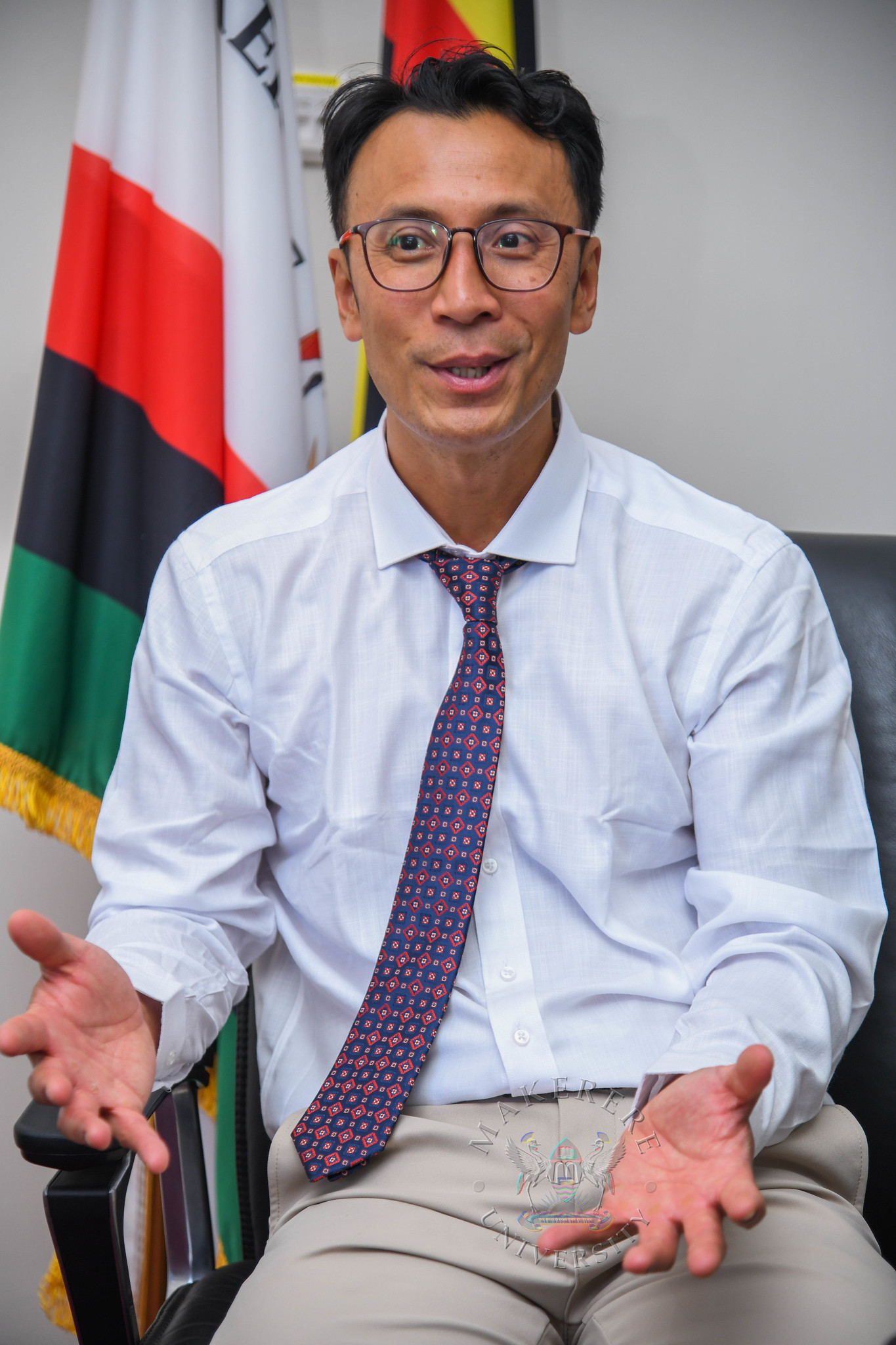
He views his medical expertise not as a tool for the privileged, but as a universal resource., “People are all the same, their anatomy is the same. So, I can help all these people pretty well,” Prof AUNG remarked.
His approach is motivated by a pay it forward dogma where treating a single patient creates a broader societal benefit. He illustrates this through his work with patients who, after surgery, are able to return to their professions like the teacher earlier mentioned.
Tips for Medical Professionals working in Uganda
As a foundation for professional growth, the Professor advised medical professionals working in Uganda to prioritise genuine interest in their work because he believes it is “the most important…” for “if you are interested, you will go far in the profession.”
He further reinforced the human capacity point, noting, “no matter what kind of equipment you have… it all depends on the people operating them and the patient.”
Professor AUNG concluded by encouraging doctors to overcome resource fears through action, stating, “If you want to create impact or change, you do.”
Dr. AUNG is part of the Lymphoedema Warriors Association (LWAU) in Uganda. He describes it as a grassroots organisation and commends them for “leveling the grond”. He reiterated his commitment to work with the organisation in reviewing patient reports to determine the best course of treatment.

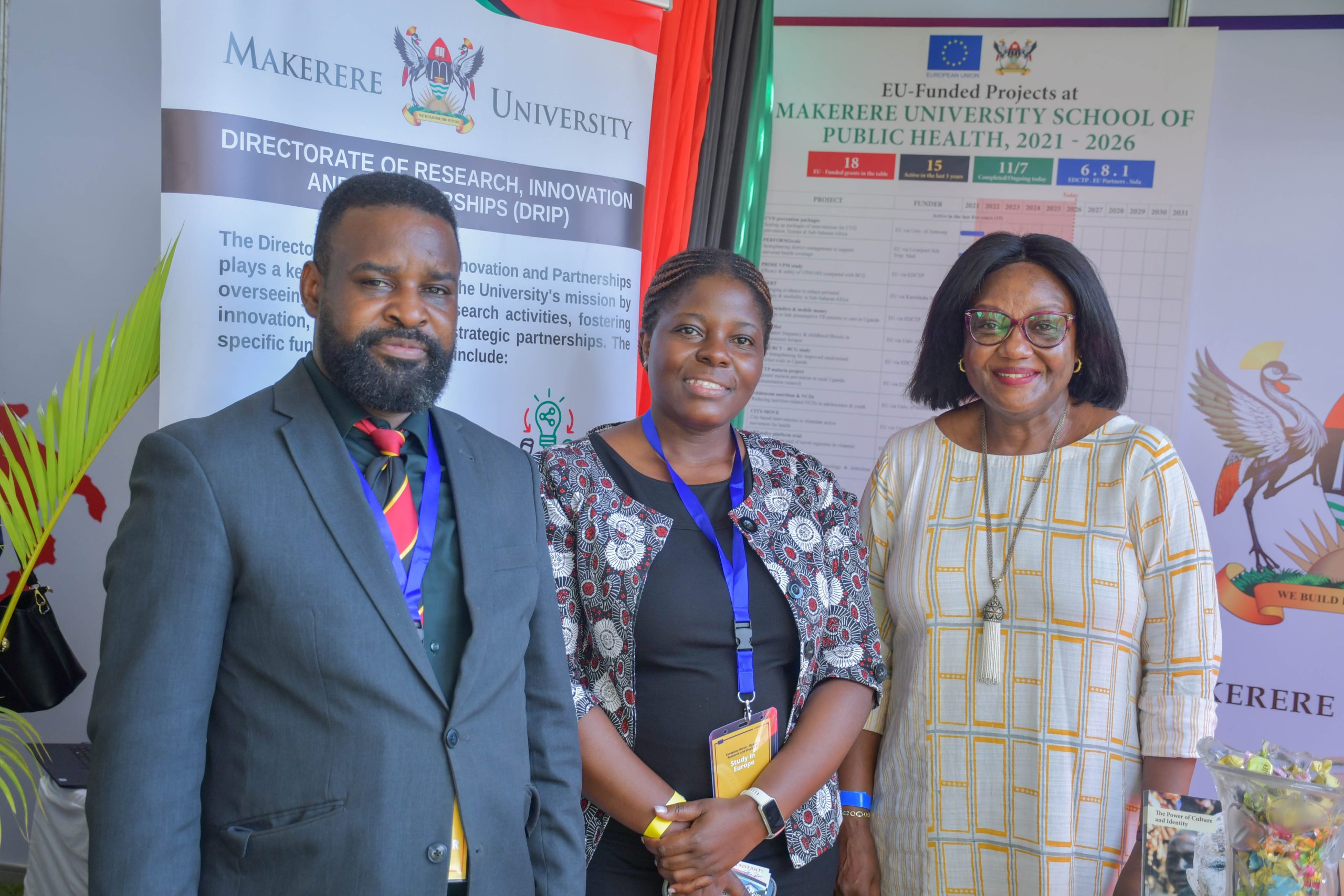
Makerere University’s School of Public Health (MakSPH) showcased research, training and international partnerships supported through European Union funding during the EU Uganda Research and Study Fair 2026 held at Makerere University.
The fair brought together students, researchers, academics, government representatives and development partners to explore opportunities in education, research, innovation and international collaboration, while celebrating 50 years of partnership between Uganda and the European Union.
Through its exhibition, MakSPH highlighted research and capacity building initiatives addressing public health challenges including infectious diseases, non communicable diseases, health systems, climate change and pandemic preparedness.
18 EU funded projects supported at MakSPH
Prof. Rhoda Wanyenze, Dean of Students, School of Public Health, said the School has benefited from 18 EU funded projects over the past five years, supporting research and training across several areas of public health.
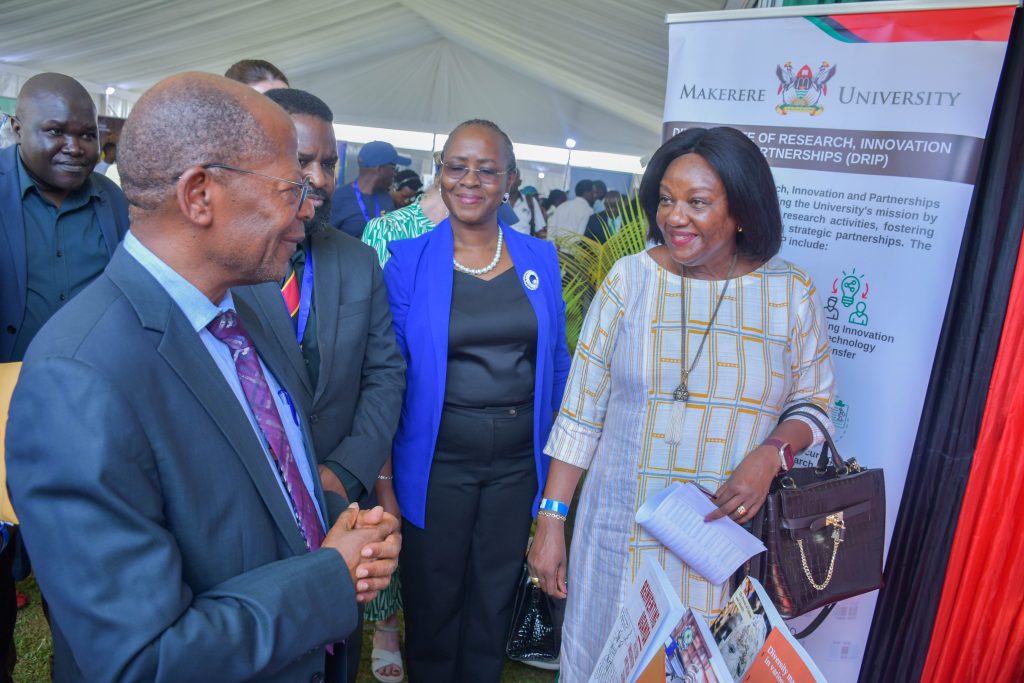
She said the projects have contributed to the training of PhD researchers and the development of research addressing infectious diseases and prevention, non communicable diseases, health systems, climate change and health.
Prof. Wanyenze also highlighted a new five year programme which started in 2021 that is aiming at strengthening capacity for research on pandemic preparedness and response, including outbreaks such as Ebola.
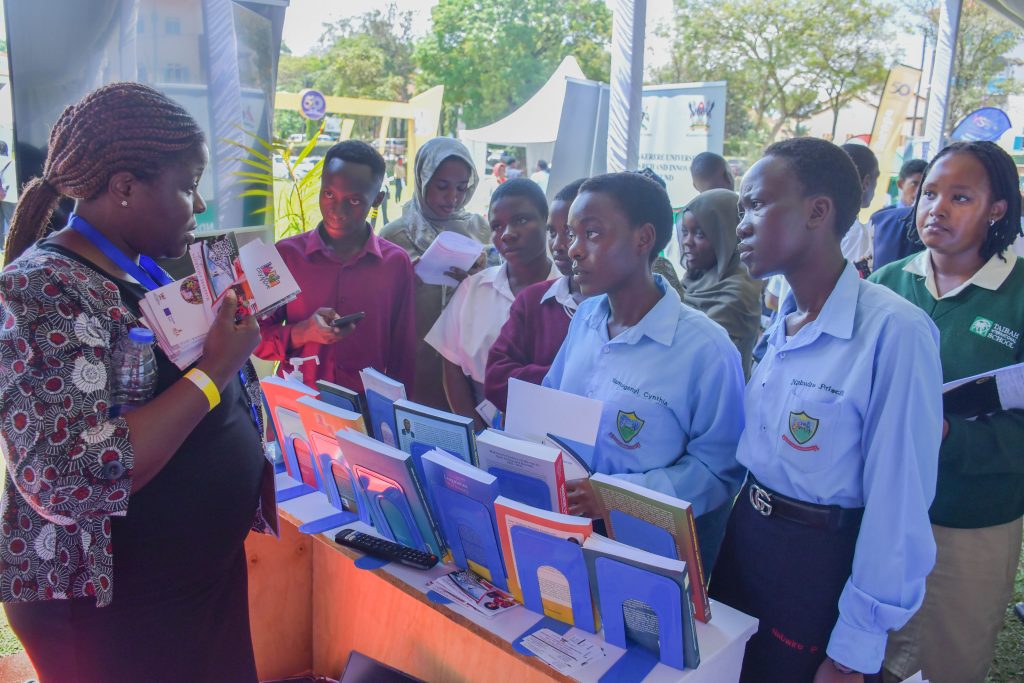
Another programme being undertaken with the Ministry of Health and Karolinska Institute focuses on improving maternal health while also addressing adolescent pregnancy and the health of mothers and children.
She described partnerships as critical to advancing science and innovation, noting that collaboration allows researchers in Africa and Europe to share knowledge and strengthen the impact of research on communities.
Research partnerships strengthen innovation
Prof. Robert Wamala, Director of the Directorate of Research, Innovation and Partnerships at Makerere University, said the exhibition provided an opportunity to showcase EU funded projects across the University.
He noted that the School of Public Health alone has more than 18 such projects, while other colleges also have several EU supported initiatives.
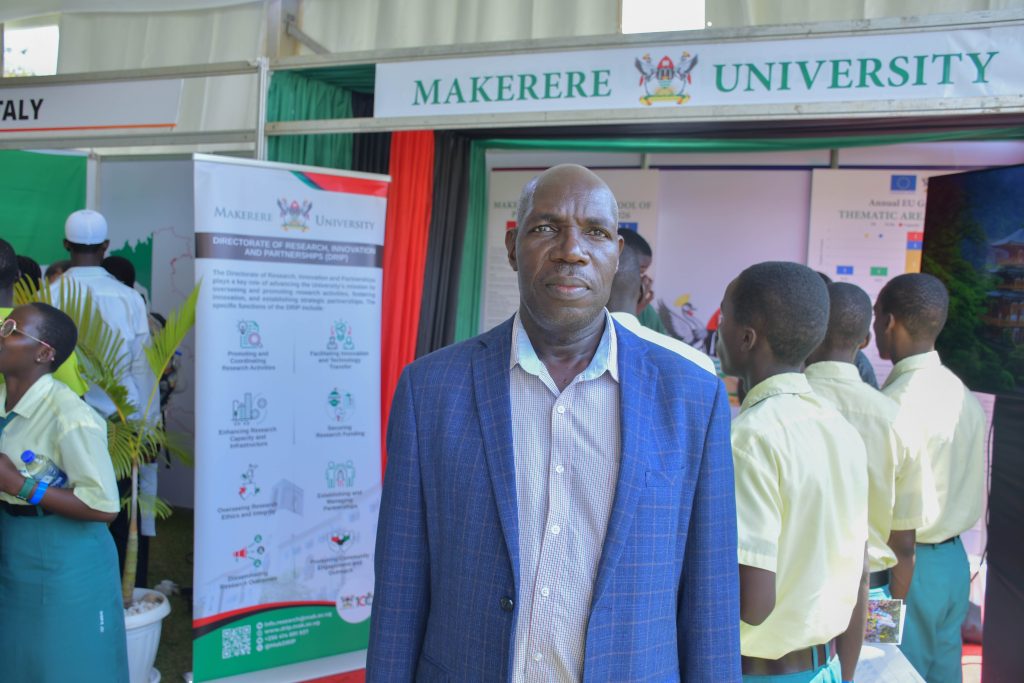
One of the projects showcased was PREPARE TID, a partnership aimed at developing rapid diagnostic technologies for emerging and re emerging infectious diseases.
Prof. Julius Okuni, Associate Professor of Veterinary Pathobiology and Molecular Diagnostics at Makerere University, said the project brings together universities, industries and other organisations from Africa and Europe.
The project is working to develop technologies that can quickly identify pathogens responsible for outbreaks such as Ebola, Rift Valley fever and Crimean Congo haemorrhagic fever.
According to Prof. Okuni, Makerere is involved in field and laboratory work to test and refine the technologies before they can be delivered to end users.
Fair provides platform for research visibility
For researchers at MakSPH, the fair also provided an opportunity to increase the visibility of ongoing research and create new connections with researchers, policymakers and potential funders.
Dr. Raymond Tweheyo, Honorary Lecturer and Senior Research Fellow in the Department of Health Policy, Planning and Management, said such exhibitions allow researchers to share their work and identify others working on related challenges.
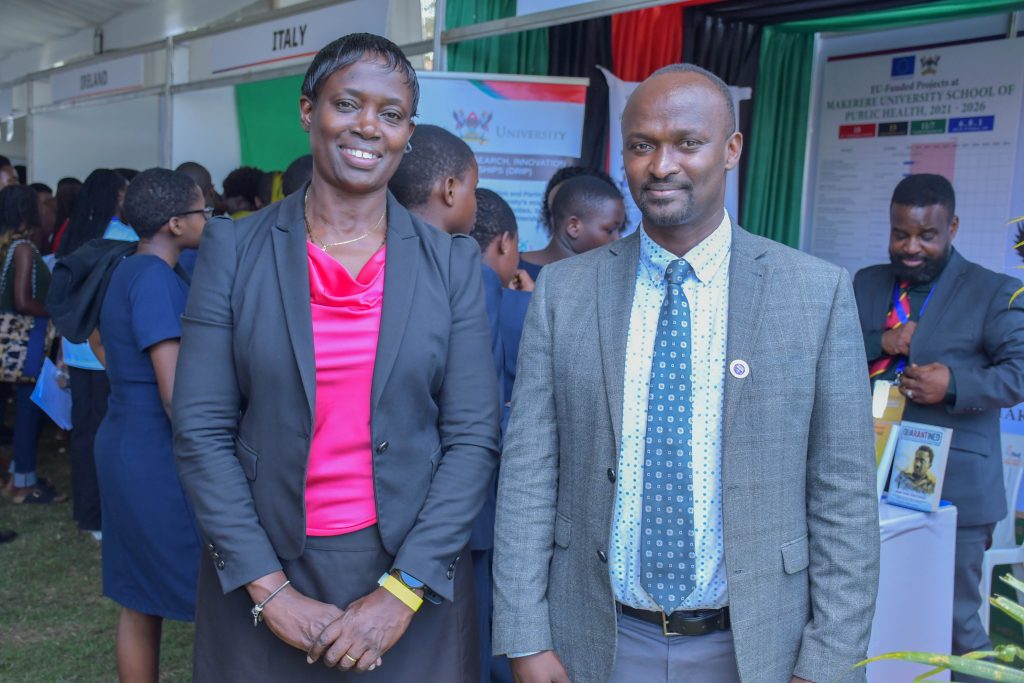
He cited the CONNECT for Health project, which focuses on transforming non-communicable disease care in Uganda through collaboration with partners across several countries.
Dr. Tweheyo said exhibitions can help researchers connect with policymakers, civil society organisations and other partners who can contribute to translating research into practical solutions.
Assoc. Prof. Angelina Kakooza Mwesigye, Associate Professor and Child Neurologist at Makerere University College of Health Sciences, also emphasised the importance of exposing young people to international research opportunities.
She said the long standing Uganda Europe partnership provides opportunities for the next generation of researchers to learn, build networks and prepare for future research collaborations.
The School of Public Health’s participation highlighted the role of international partnerships in strengthening research capacity, supporting innovation and developing evidence based responses to Uganda’s public health challenges.
-
 Humanities & Social Sciences2 weeks ago
French Embassy Presents Four Makerere Scholars with Academic Palms
-
 General2 weeks ago
Job Opportunities: NETOMA Study
-
 General2 weeks ago
Makerere University and Xiangtan University Advance Strategic Partnership in Chemical Engineering
-
 Health2 weeks ago
PhD Fellowship Opportunity: NETOMA Study
-
 General2 weeks ago
Applications Open: Short Course in Decision Modelling for Economic Evaluation