
Business & Management
Strengthening Europe-Africa Higher Education Collaboration through the NEAR-ER Project

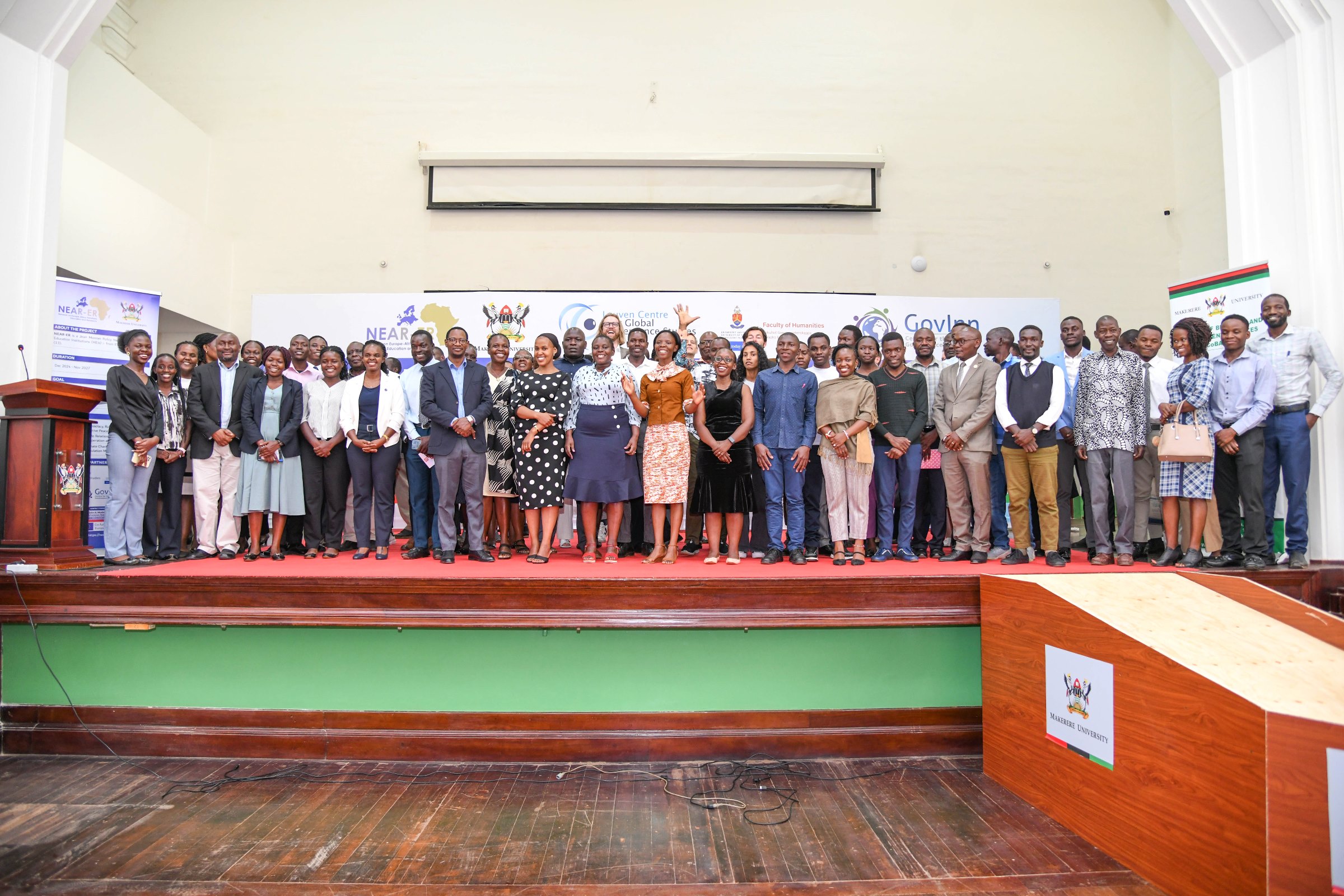
Makerere University in Uganda, is implementing the Network on Europe and Africa Relations-Education and Research (NEAR-ER) project, which seeks to strengthen collaboration in higher education through dialogue, events, scholarly debates, exchange of best practices, and dissemination of research and techniques.
The NEAR-ER is a Jean Monnet policy network of 20 higher education institutions; 7 in Europe and 13 in Africa. The thematic areas include: Shared Peace, Shared Prosperity and Shared Spaces as expounded below:
Shared Peace-Democracy, Rule of Law, Justice and Positive Peace Initiatives; Shared Prosperity-Trade Relations, Development Cooperation and Sustainability; and Shared Spaces-Climate Change, Energy Cooperation and Population Movement
The implementation of the three year (December 2024 to November 2027), NEAR-ER project co-funded by the European Union, follows a successful response, to a call for proposals by researchers based at the School of Statistics and Planning under the College of Business and Management Sciences (CoBAMS). The NEAR-ER research team consists of the following: Dr. John M. Mushomi – Principal Investigator, Dr. Patricia Ndugga, Dr. Elizabeth Nansubuga, Dr. Olivia Nankinga, Dr. Nicholas Tunanukye and Dr. Fred Maniragaba.
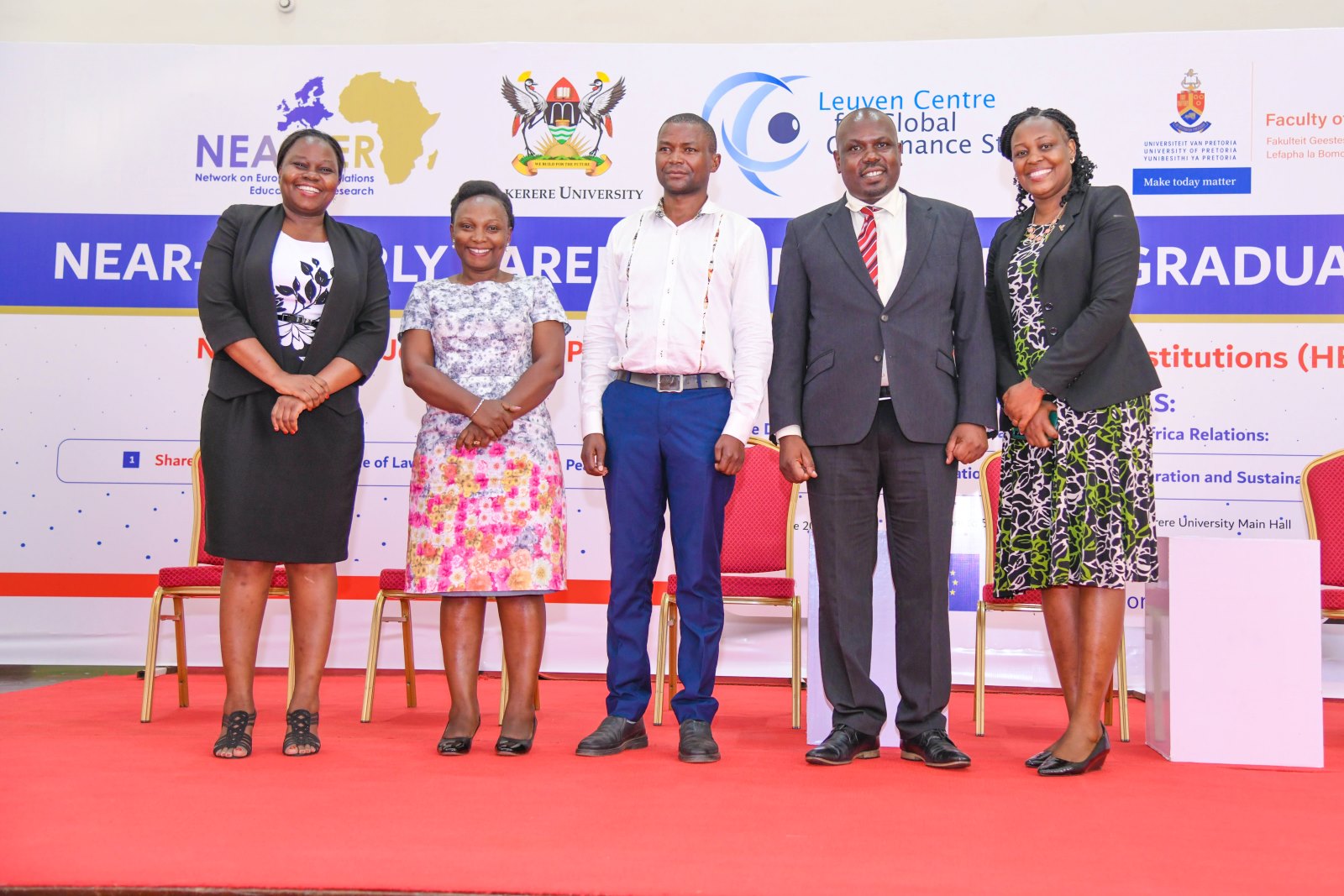
Early Career Researchers and Graduate Students’ Dialogue
On 16th June 2025, Makerere University hosted the NEAR-ER dialogue targeting early career researchers and graduate students from higher education institutions in Uganda.
Featuring remarks from Makerere University officials, an overview of the NEAR-ER project, a panel discussion on the career prospects in the EU, and an interactive question and answer session, the dialogue presented an opportunity to participants to engage with leading scholars in Europe-Africa relations, network with academics across continents, explore research and career prospects in EU-Africa partnerships, contribute to meaningful discussions on contemporary challenges affecting both continents, and gain insights into current trends and future directions in Europe-Africa cooperation.
The following members of the NEAR-ER project tipped early career researchers and graduate students on Africa and Europe relations including research, partnerships, academics, access to scholarships, mobility, networking, and among other important aspects: Prof. Muller Gustavo-the Overall Principal Investigator from KU Lueveni, Prof. Chris Nshimbi-Africa Principal Investigator from University of Pretoria, and Dr. John A. Mushomi-Principal Investigator at Makerere University.
Tour of Makerere University Innovation Pod
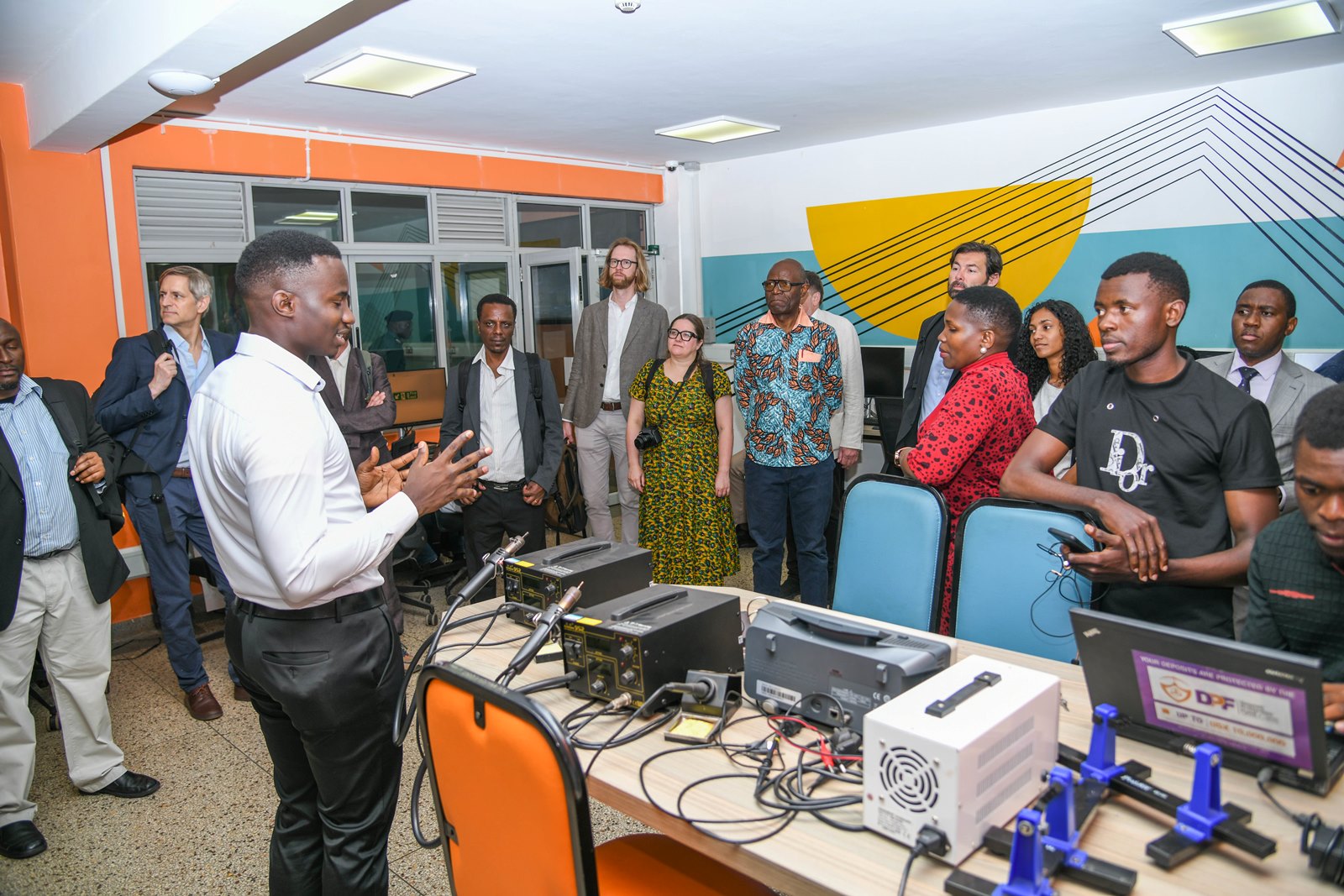
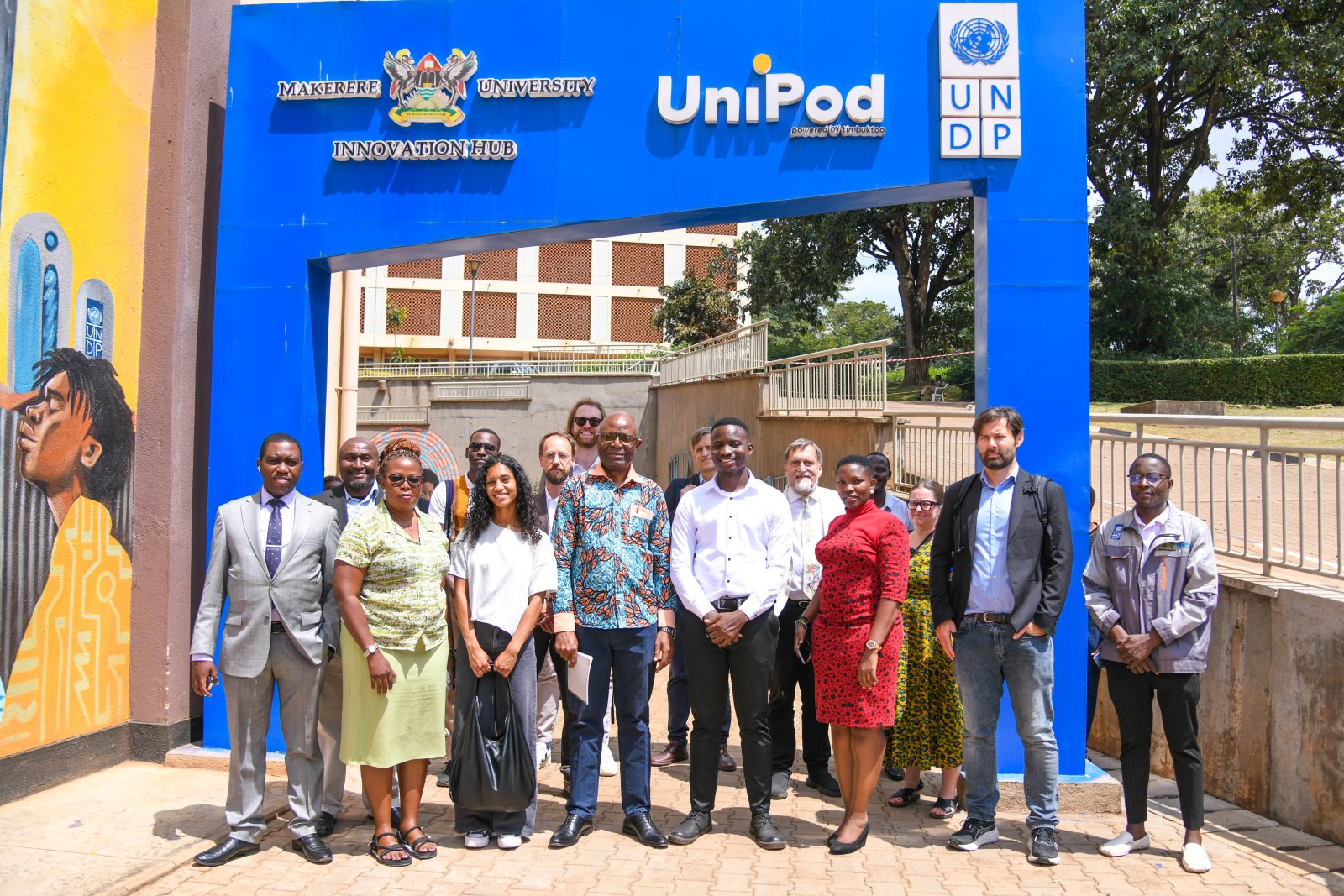
Prior to the dialogue, the NEAR-ER delegation toured the Makerere University Innovation Pod (Mak Unipod). Reflecting on the tour, Prof. Muller Gustavo lauded the level of innovation, describing it as a promising space for African-centered academic advancement.
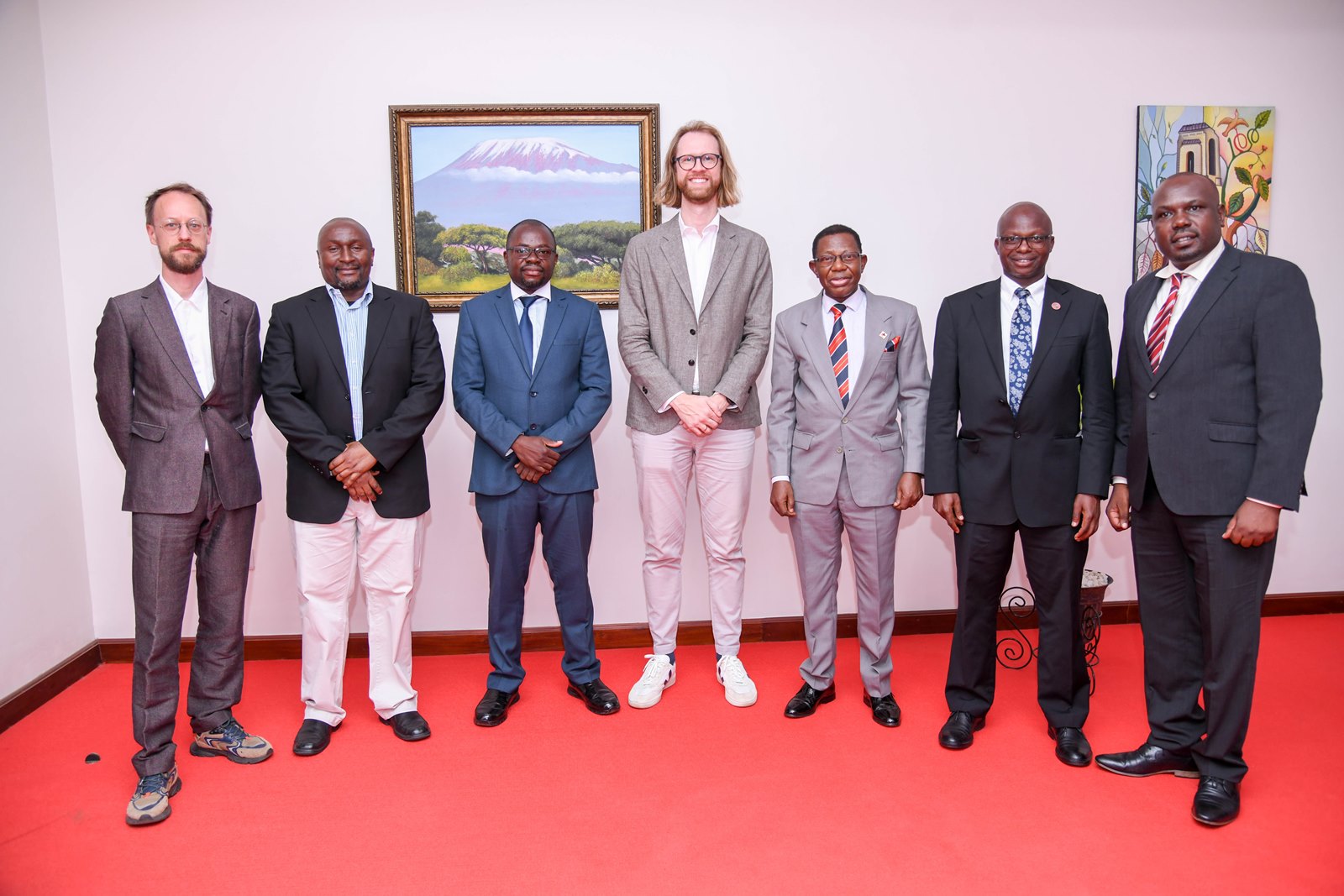
NEAR-ER delegation Courtesy meeting with the Vice Chancellor
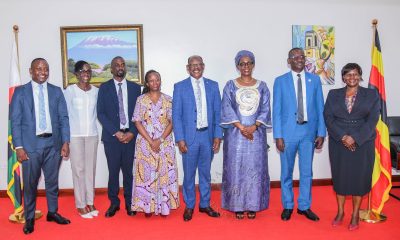
The delegation participated in a courtesy meeting with the Vice Chancellor, Prof. Barnabas Nawangwe, who was represented by the Acting Deputy Vice Chancellor (Academic Affairs), Prof. Buyinza Mukadasi. The following University officials participated in the courtesy meeting held in the Vice Chancellor’s Board Room: Associate Prof. James Wokadala-Deputy Principal-College of Business and Management Sciences, Associate Prof. Ibrahim Mike Okumu-Dean, School of Economics, Dr. Margaret Banga-Dean, School of Statistics and Planning, and Dr. John A. Mushomi-Principal Investigator of the NEAR-Project at Makerere University.
Official Opening of the NEAR-ER dialogue
Opening the NEAR-ER Dialogue on behalf of the Vice Chancellor, Prof. Barnabas Nawangwe, the Acting Deputy Vice Chancellor for Academic Affairs-Prof. Buyinza Mukadasi, underscored the significance of the event, as a defining moment in research collaboration in Africa and Europe. He emphasized that the academic convening provided a strategic platform for deep reflection, meaningful reconnection, and a renewed commitment to joint scholarship that promotes peace, shared prosperity, and inclusive development.
Prof. Buyinza Mukadasi noted that the activities of the NEAR-ER project were aligned with Makerere University’s strategic vision as well as Uganda’s national development agenda. He expressed optimism that the deliberations would spark innovative thinking, strengthen solidarity between Africa and Europe, and help shape a future rooted in shared values, mutual respect, and purposeful collaboration.
He encouraged the participants in the NEAR-ER dialogue to ensure that Africa embraces the Fourth Industrial Revolution through optimizing digitalization systems and processes. He challenged the participants to view the dialogue, as a call to action, and a catalyst for cultivating transformational African leaders equipped with relevant digital skills and employable knowledge. He stressed that the continent’s future hinged on preparing the next generation to confidently navigate and address the demands of the digital age.
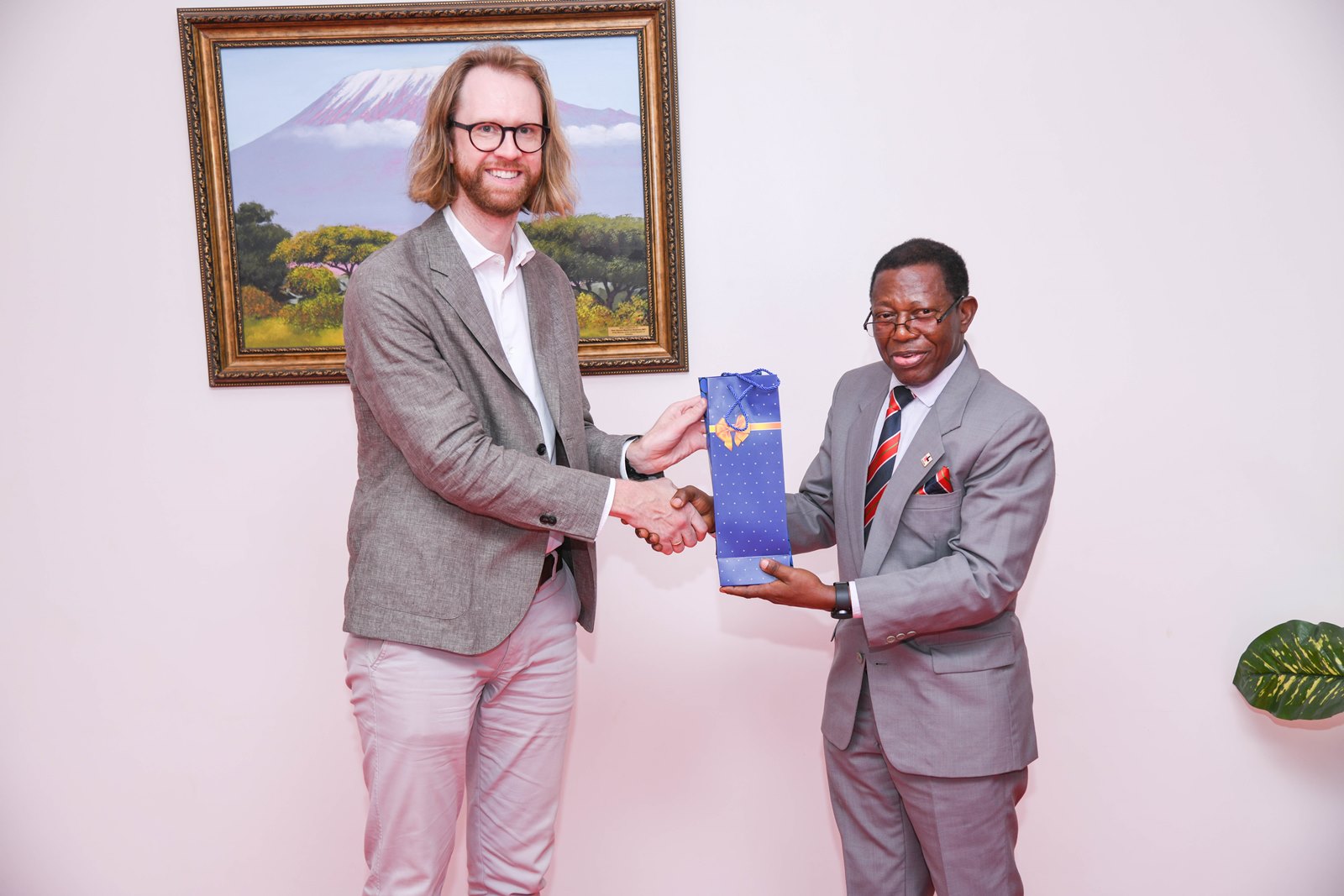
Putting across a strong case for African institutions to take on leadership in the co-production of knowledge, Prof. Buyinza Mukadasi said: “Africa’s development trajectory depends on homegrown ideas, African-led innovation, and the strategic harnessing of global partnerships to address local and global challenges.”
Highlights by the College Principal
The Principal, Prof. Edward Bbaale represented by the Deputy Principal, Associate Prof. James Wokadala, described the NEAR-ER project as a foundational moment in the redefinition of global academic cooperation from the heart of Africa. The Principal called upon the participants to utilize the dialogue to form enduring partnerships.
He underscored the College’s central role in advancing global academic collaboration, within the framework of EU-Africa partnerships in education and research. He noted that the dialogue marked a significant milestone through positioning CoBAMS as a vital conduit for strengthening cross-continental partnerships. He highlighted that the NEAR-ER network’s emphasis on education and research strongly aligned with the College’s mission to foster robust academic linkages between the Global North and South.
The Deputy Principal acknowledged CoBAMS’ unwavering dedication to advancing Makerere University’s agenda of becoming a global academic e-hub, particularly within the evolving landscape of EU-Africa relations. He reported that the College was actively undertaking strategic initiatives to deepen international engagement—initiatives designed to foster mutual learning, catalyze collaborative research, and create meaningful career development pathways.
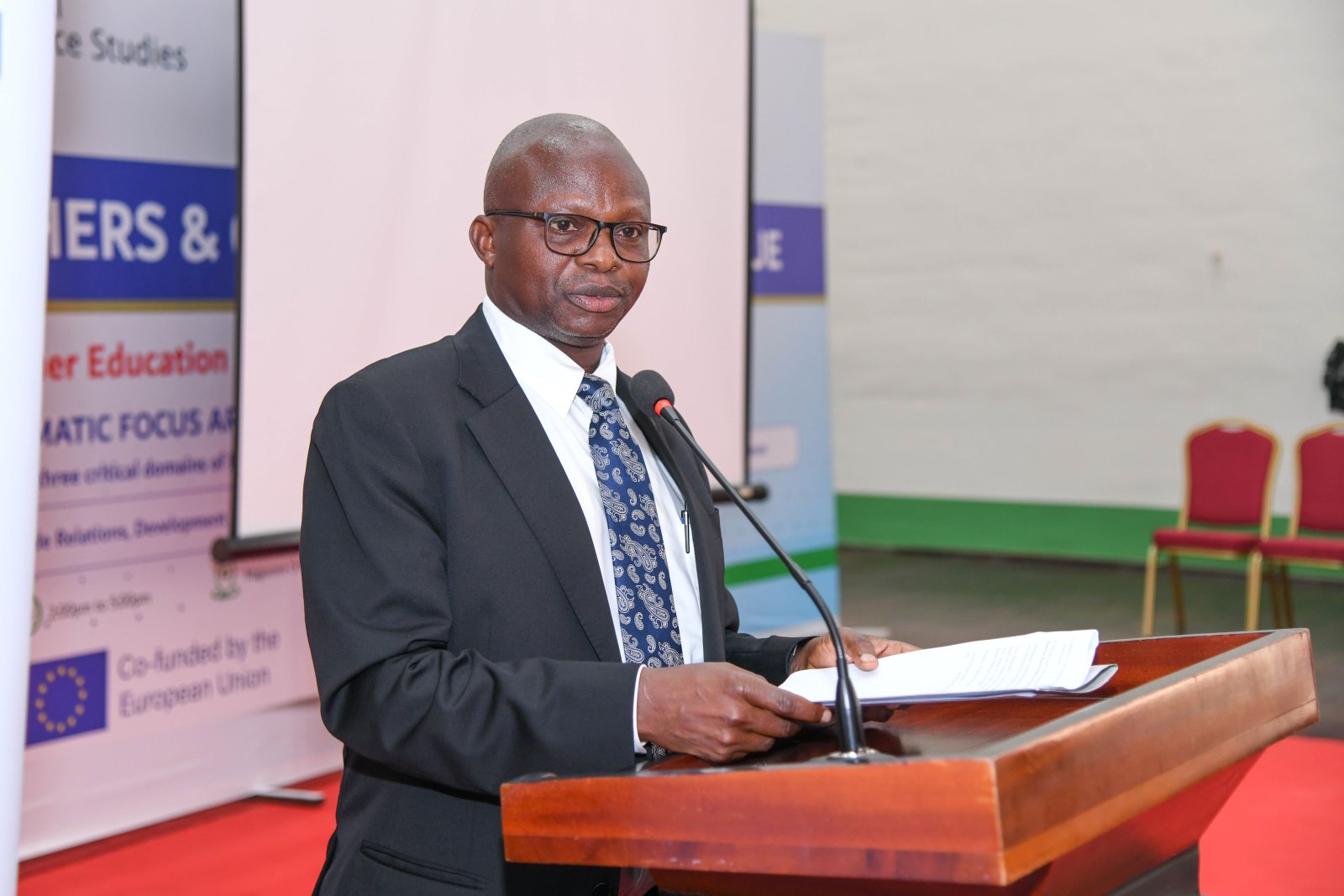
“The College leadership has prioritized supporting young researchers and postgraduate students, thus empowering the next generation of scholars to thrive in an increasingly interconnected academic ecosystem,” he said.
Highlights from the Principal Investigator
Focusing on the critical role of students in academic institutions, Dr. John A. Mushomi, the Principal Investigator of the NEAR-ER project at Makerere University, said: “Our students are our main customers. We should therefore nurture and empower our learners through global research and engagements.”
Dr. Mushomi highlighted the importance of providing a “safe engagement space” for students and researchers. Reflecting on his academic journey, and postdoctoral fellowship, he acknowledged the relevance of seeking mentorship, citing it as an instrumental step in his path to the NEAR-ER network.
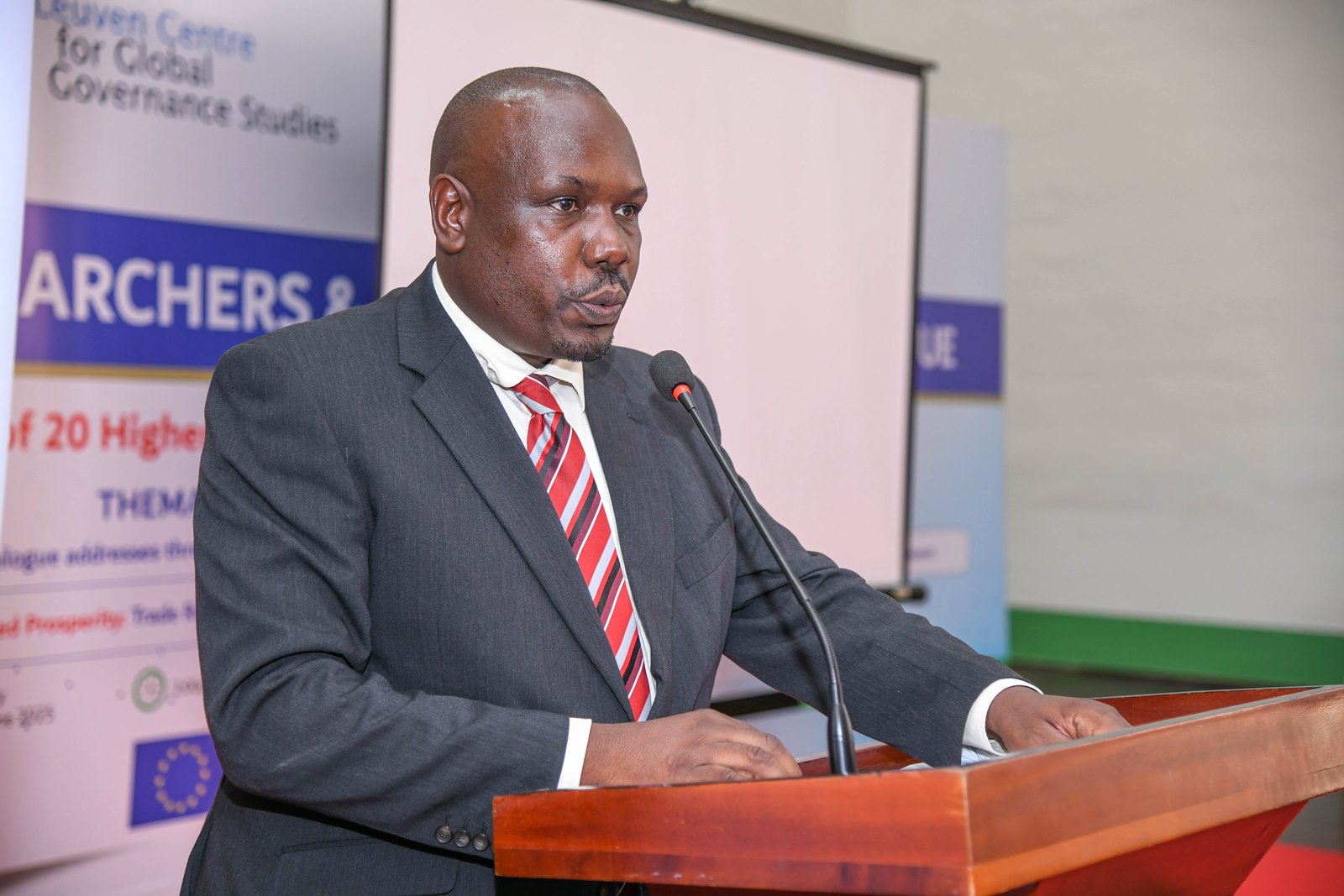
He also acknowledged the long-term collaborative efforts that led to the successful NEAR-ER grant proposal, notably involving both Makerere University and Kyambogo University.
Overview of the NEAR-ER project
Presenting the Overview of the NEAR-ER project, Prof. Muller Gustavo, a Senior Researcher at the London Centre for Global Government Studies underscored the critical importance of collaborative research and education between Europe and Africa. He noted that holding the first African convening/dialogue at Makerere University was both strategic and symbolic of the growing academic ties between the two continents.
Delving into the origins of the project, Prof. Gustavo revealed that the idea for the network was conceived approximately three years prior, where they envisioned a platform that would encourage dialogue, research, and exchange on topics central to Europe–Africa relations. They rallied scholars from diverse institutions, forming a vibrant and interdisciplinary consortium.
“Over the last three years, we put together a group of universities to foster and facilitate research and communication on relationships between Africa and Europe. The goal of the consortium is to disseminate the research and education practices, the best practices of education in Africa, in Europe, but also worldwide,” he said.
Prof. Gustavo highlighted that the NEAR-ER project will serve as a vehicle to foster best practices in education, research dissemination, and policy-relevant collaboration. He noted that the network intentionally included universities and institutions representing diverse linguistic and cultural contexts, affirming their commitment to inclusivity and comprehensive regional representation. According to Prof. Gustavo, this diversity strengthens the network’s mission to bridge educational and research gaps between the global north and south.
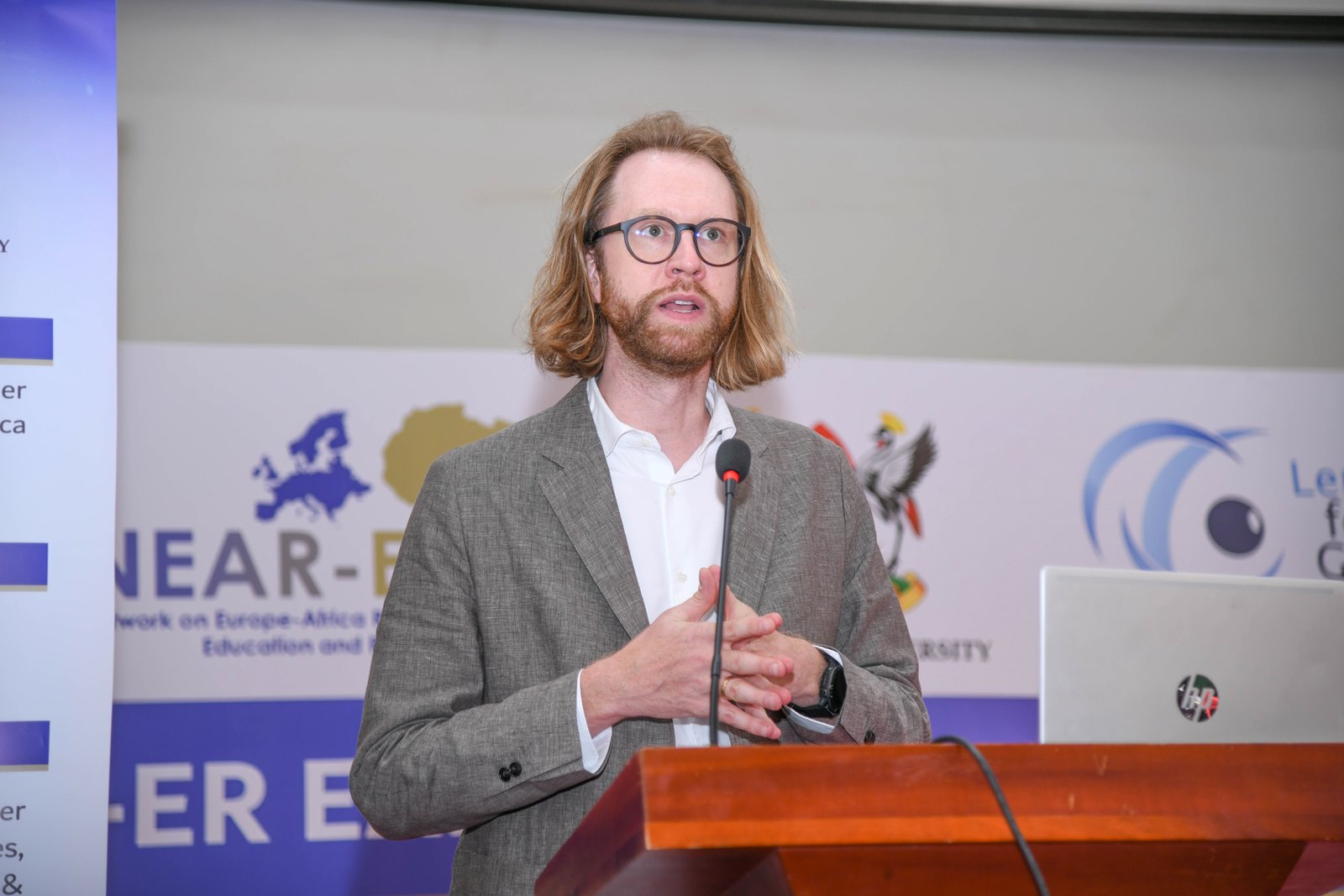
Beyond institutional collaboration, Prof. Gustavo emphasized the network’s commitment to public engagement and knowledge dissemination. He detailed a range of outputs already in motion, including research blogs, podcasts, newsletters, webinars, policy surveys, and country-specific forecasts.
Prof. Gustavo urged the students and young scholars to become active contributors to the NEAR-ER platform. He explained that the network is open to ideas from emerging voices—whether through blogs, podcasts, or other digital formats—and provides a unique opportunity for students to share perspectives and shape global discourse.
“There might be opportunities here for some of you that are interested in further increasing your knowledge on European integration, African integration, and the relationship between those two processes. You may be a student who has an idea on how to improve the relationship and looking at a particular aspect to get that idea out to the world, we can offer that destination platform for you as well,” Prof. Gustavo mentioned.
Remarks by the Dean, School of Statistics and Planning
Dr. Margaret Banga, the Dean of the School of Statistics and Planning, informed the participants, that the dialogue was a space to unite the varied disciplines and backgrounds present, all in pursuit of a shared vision for the future.
“The NEAR-ER initiative is more than a research collaboration. It is a bridge of solidarity between Europe and Africa—a platform where shared learning leads to shared solutions. It is not about the North teaching the south, but it is about learning from one another,” Dr. Banga said.
Standing as a firm believer in the transformative power of research, innovation, and youthful curiosity, Dr. Banga, underscored the importance of structure and strategy in translating ideas into impact. She encouraged the audience to treat planning as the bridge between possibility and progress. She stressed that without a clear methodology, timeline, partners, and budget, even the most brilliant ideas can fade into obscurity, but with a solid plan, those same ideas can evolve into funded projects, published policy briefs, and life-changing solutions.
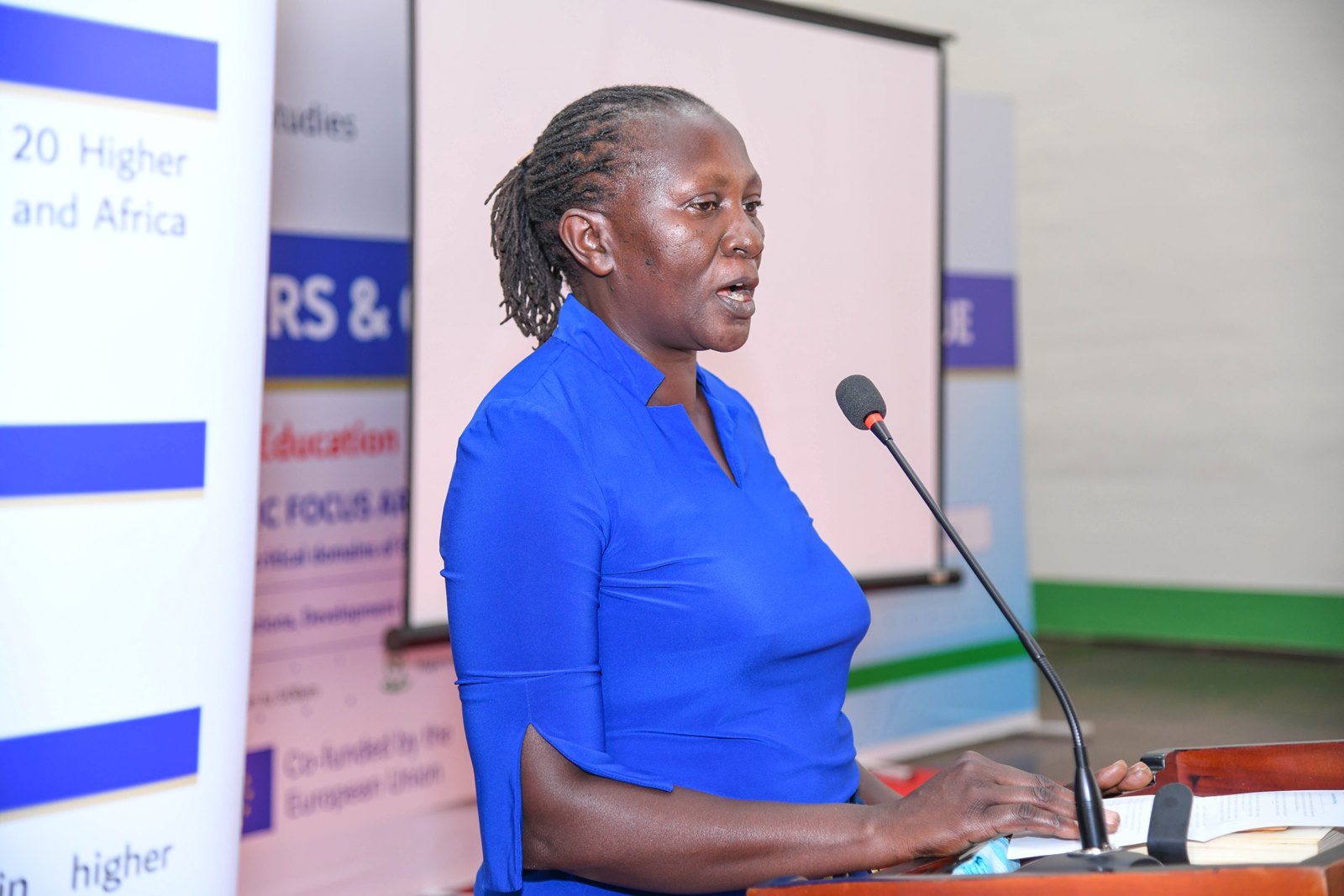
To the young scholars, Dr. Banga issued a powerful call to action. “You are the thinkers who will unlock Africa’s economy,” she said. “You are the innovators who will shape climate resilience. You are the analysts and planners who will rethink development—not as something done for us, but as something shaped by us.”
With conviction and hope, Dr. Banga reminded the young scholars that they were not mere students, but emerging leaders, and agents of change. She urged them not to wait for some future moment of “expertise” before stepping up. She offered a critical reminder that every question they pose, every network they build, and every inquiry they pursue is already shaping the world, “Your research is not small because you are just starting out, your work has the power even now to improve lives and influence generations. Don’t just study the world. Change it.”
A voice from the PhD Students
Ms. Claire Cheremoi, President of the PhD Fellows at Makerere University, expressed her appreciation for the spirit of unity and collaboration fostered by the NEAR-ER dialogue. “Our voices matter. Coming together as students is powerful,” she said.
Ms. Cheremoi emphasized the value of collective engagement, stressing that such platforms were essential in facilitating the sharing of knowledge, fostering meaningful networks, and sparking critical discussions on the issues that matter most to young scholars. She stated their commitment to engaging in conversations on research funding, interdisciplinary collaboration, and broader academic partnerships.
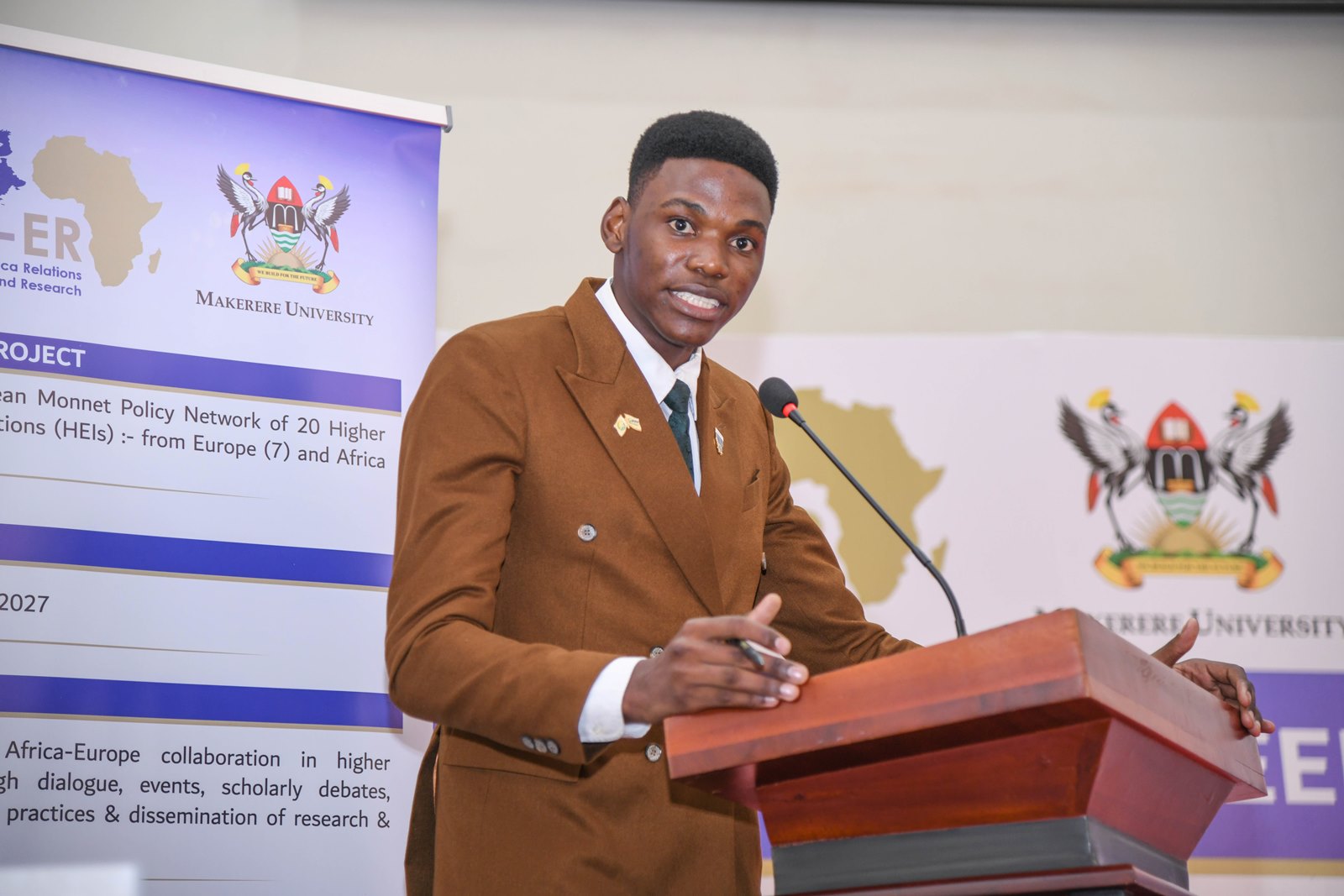
A statement from the representative of undergraduate students
Mr. Ssozi Fahad Batte, Chairperson, Students Guild Council, College of Business and Management Sciences acknowledged the students had the zeal to learn, grow, and contribute meaningfully. In his view, the most significant outcome of such dialogues was the ability to extract value—something “to take home.”
He stated the critical role of documentation, urging fellow participants to write down their ideas, strategies, and action points in order to share them beyond the event. He also highlighted the importance of networking, stressing that connections and collaborations were central to growth in academia and beyond.
Panel discussion on Career Prospects in the EU
In a panel discussion moderated by Dr. Robert Ojambo from Kyambogo University, several international scholars shared invaluable insights on navigating academic and professional opportunities abroad—particularly for students and researchers from the Global South.
The panel discussion offered a wealth of practical insights for young scholars seeking academic and professional opportunities across borders. The panelists emphasized the importance of building trust-based networks, as well as, going beyond emails to form genuine relationships with professors, peers, and institutions.
Strategic planning emerged as a recurring theme during the panel discussion—highlighting the need to research language requirements, living costs, and cultural differences when selecting destinations. Participants encouraged scholars from the Global South to view their unique backgrounds as assets that contribute to valuable perspectives to global discourse.
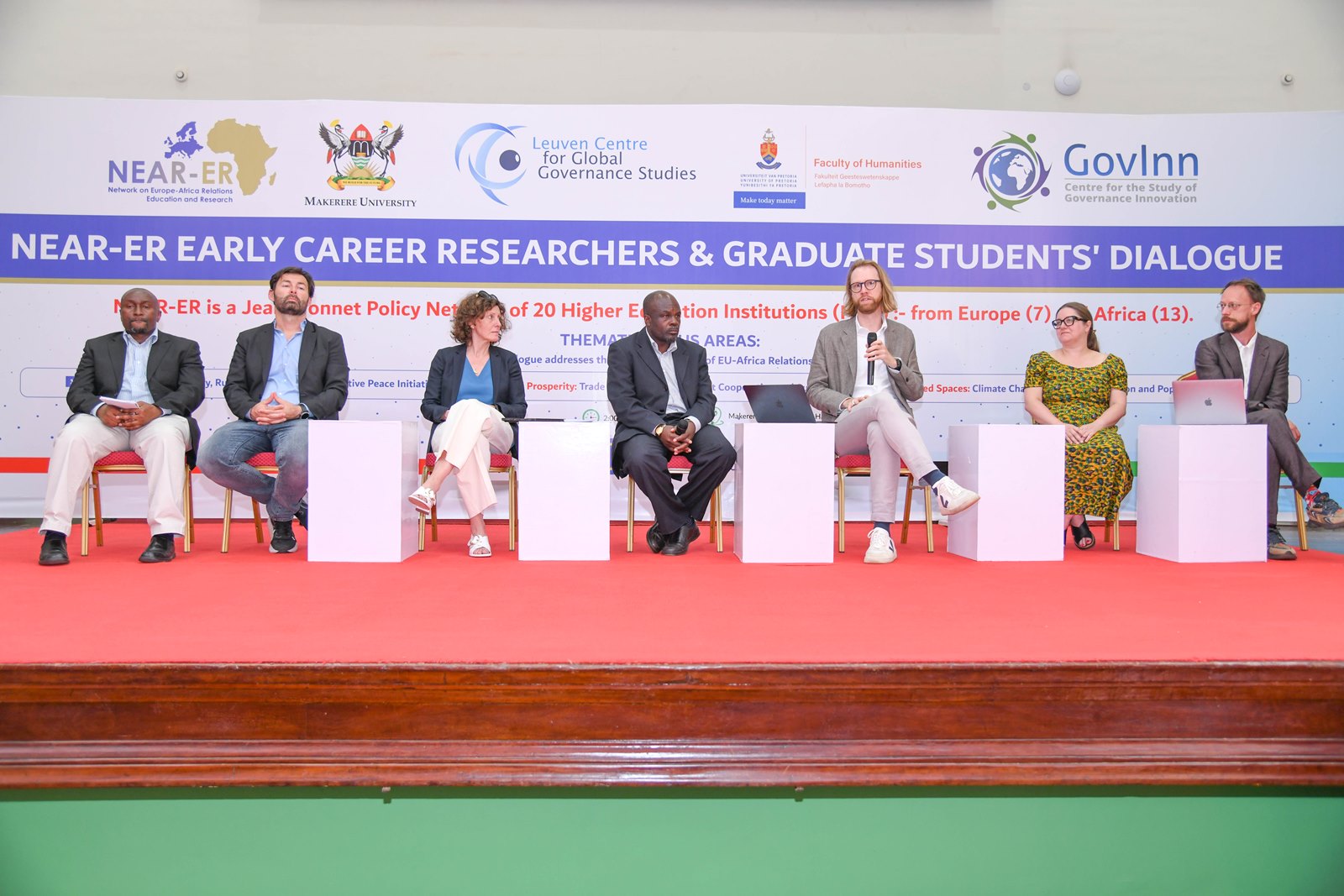
Opportunities such as Intra-Africa Academic Mobility programs, and summer schools were also presented as transformative pathways that combine education, exposure, and networking. The discussion also stressed the power of initiative—actively reaching out, applying, volunteering, and making oneself visible in digital academic spaces. Importantly, career success was linked not just to passion, but to aligning one’s skills with institutional needs and being open to unpaid roles such as voluntary service that build experience and credibility. The overall message was clear: international academic success requires preparation, adaptability, and the courage to take the first step.
As participants engaged across these thematic areas, the NEAR-ER dialogue underscored the central role of universities in bridging regions, amplifying diverse voices, and generating research-driven responses to global emergencies. The NEAR-ER dialogue held at Makerere University was not just a reflection of academic solidarity—it was a declaration of shared purpose and a call to action in re-imagining a more just, peaceful, and sustainable future across continents.






Business & Management
Makerere University Signs MoU with World Association of Noonomy: Sets pace for the African Centre of Excellence
By Ritah Namisango and Monica Meeme
Makerere University has signed a Memorandum of Understanding (MoU) with the World Association of Noonomy, setting the pace for academic collaboration, research and the establishment of a Centre of Excellence for Noonomy in Africa.
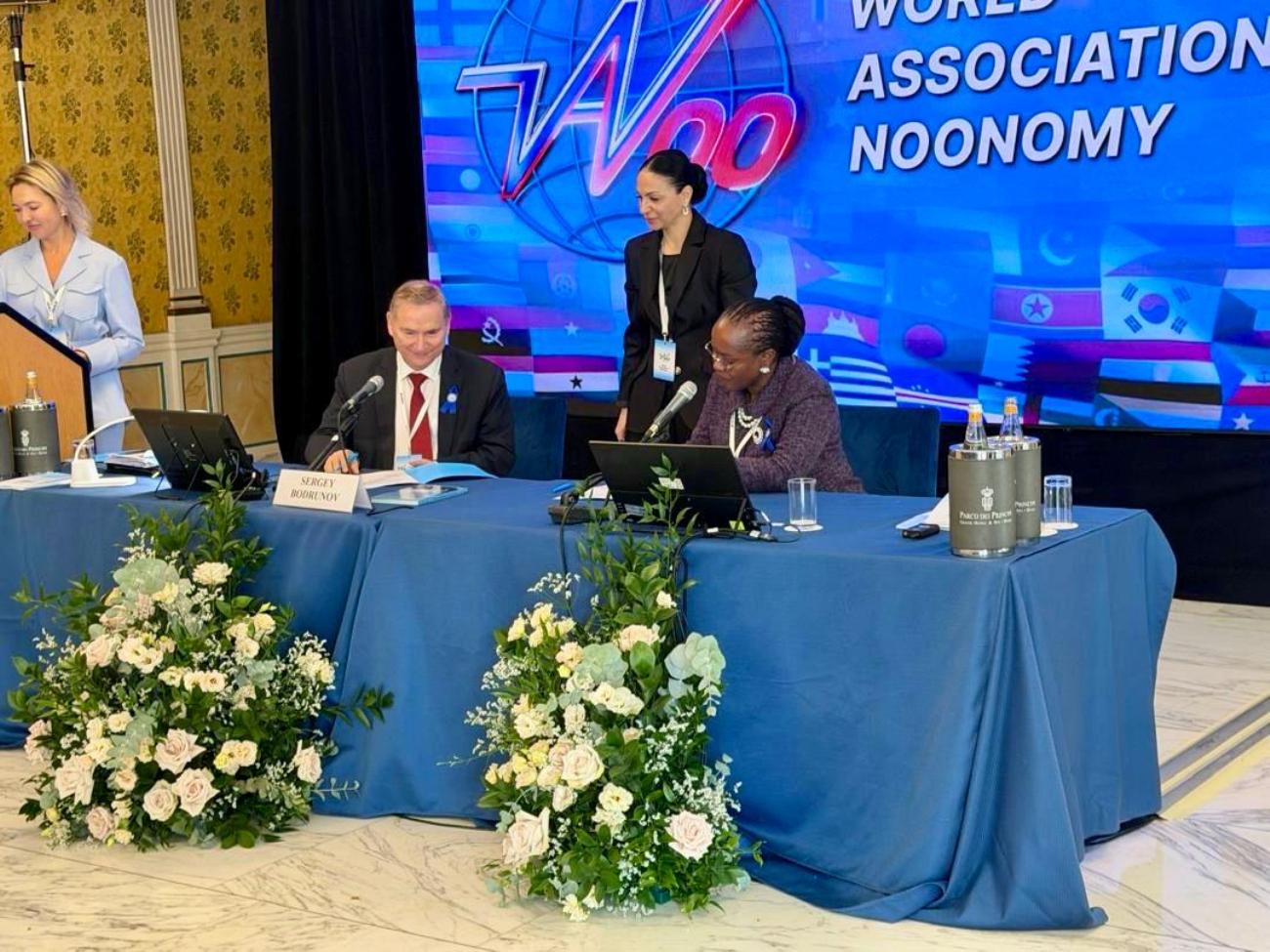
On behalf of Makerere University, the MoU was signed by Professor Sarah Ssali, Deputy Vice Chancellor (Academic Affairs), during the World Congress on Noonomy held in Rome, Italy, from 16th-19th September 2026, paving the way for the establishment of a dedicated institute of Excellence for Noonomy at College of Business and Management Sciences (CoBAMS).
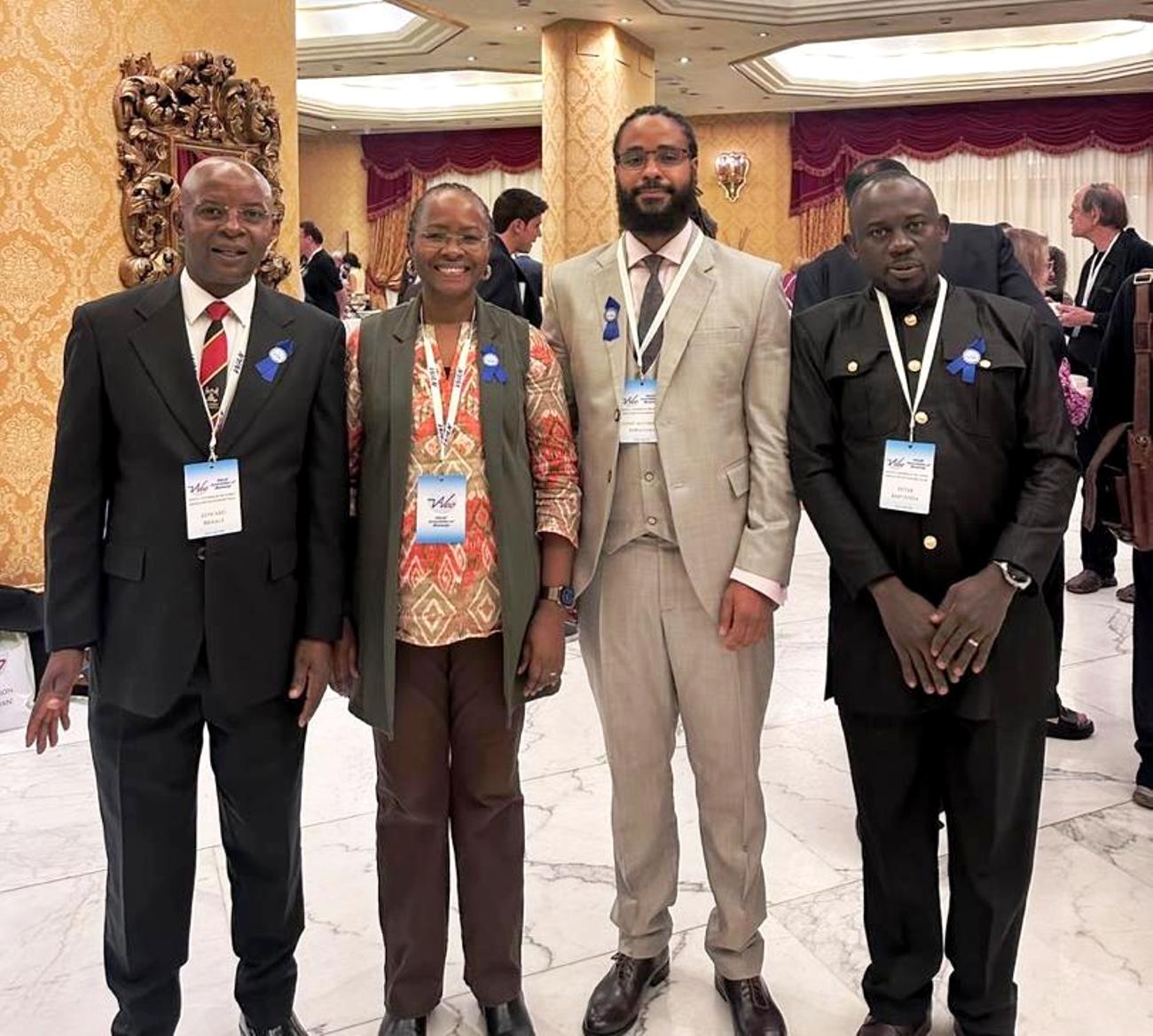
Uganda was the only African country represented at the World Congress on Noonomy, with a Makerere University delegation including Prof. Sarah Ssali-Deputy Vice Chancellor (Academic Affairs), Prof. Edward Bbaale-Principal College of Business and Management Sciences (CoBAMS), Dr Peter Babyenda-Lecturer at the School of Economics and Policy Engagement Coordinator, College of Business and Management Sciences (CoBAMS), and Mr. Tonny Mayambala Sebbaggala, a Ugandan Economist based in Russia.
Commenting on the development, the Vice Chancellor, Professor Barnabas Nawangwe said, “By signing this MoU, the African Centre for Noonomy has been established at Makerere University. This adds to the growing number of African continental research centres that are coordinated by Makerere University. Makerere is clearly a leader on the Continent.”
The MoU signed on 19th September 2026 in Rome-Italy, builds on the inaugural conference on Noonomy, held in Uganda on 20th August 2026 at Makerere University under the theme, “The Theory of Noonomy and its Role in Resolving Modernity Issues: Pathways to Sustainable Social and Economic Transformation.”
At the Global Congress of the World Association of Noonomy, the scholars from Makerere University delivered three (3) presentations focusing on Noonomy and development challenges in East Africa, the transition from informal to formal employment, and the role of universities in advancing Noonomy.
About the Theory
The Theory of Noonomy is an emerging theoretical approach developed by Professor Sergey Bodrunov, Director of the S.Y. Witte Institute, which examines the changing relationship between knowledge, technology, production and human development. The theory places emphasis on knowledge and human potential as important drivers of development, while highlighting humanistic values and solidarity in shaping economic and social progress.
Advancing Alternative Economic Thought in Africa
Speaking at the Annual gathering in Rome, Prof. Sarah Ssali described Makerere University’s partnership as a great honour, highlighting the importance of creating space for broader theoretical perspectives on political economy and the global economy.
Reflecting on the evolution of political science and political economy studies, Prof. Ssali noted that following the era of Glasnost and Perestroika, free-market ideology and neoliberalism became increasingly dominant in global economic thinking.
“This dominance created a need for scholars to critically examine both the opportunities and limitations of market-based approaches,” she said.
She welcomed the opportunity to explore alternative ways of understanding the world, including not only the material relations of production, but also the material relations of consumption.
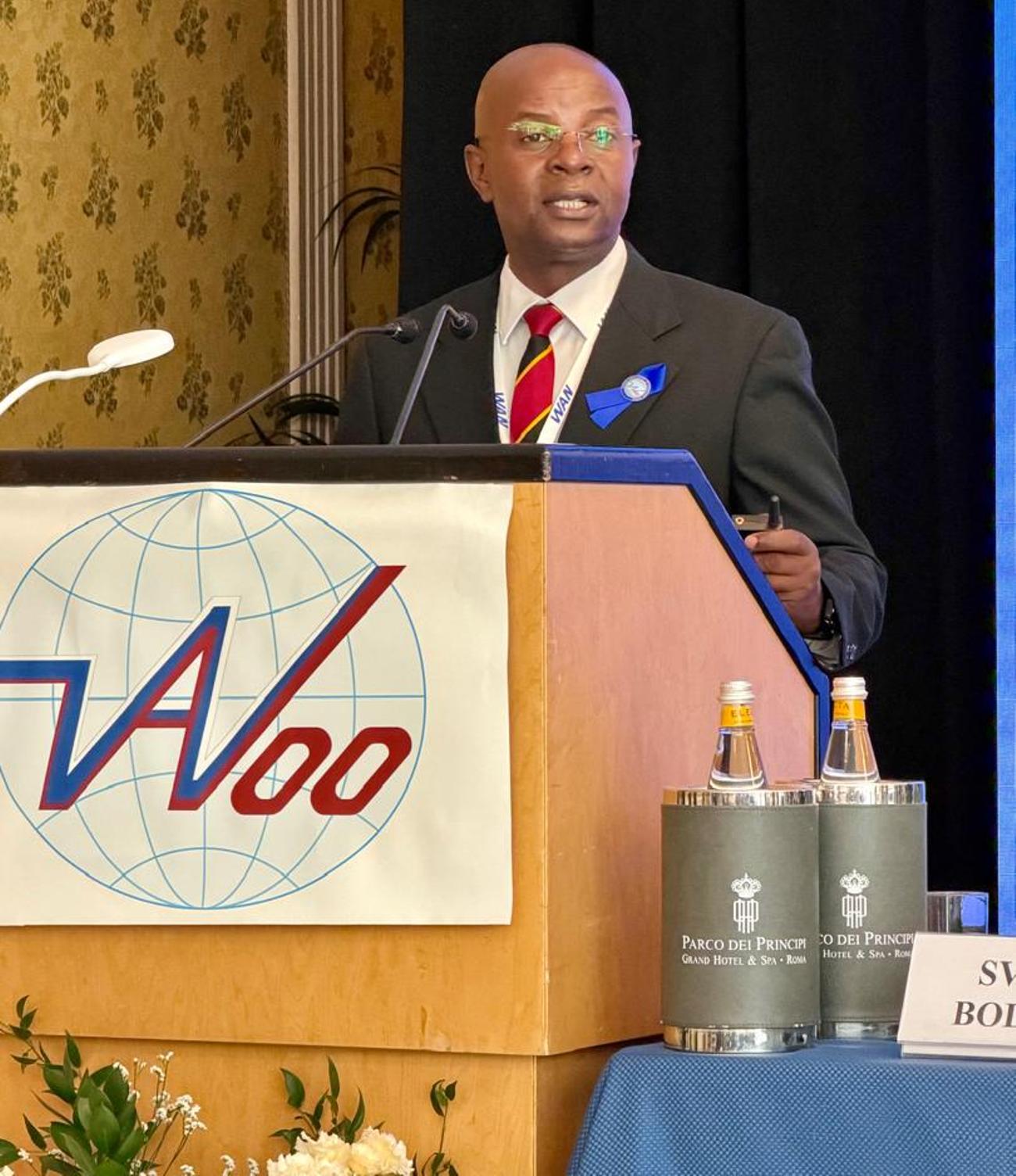
Prof. Ssali also acknowledged the Witte Institute for initiating the initiative and for choosing Makerere University as a key partner on the African continent.
She said Makerere University plans to establish a dedicated centre focused on the emerging area of study, with the institution aiming to launch the centre in February 2027.
“We hope the centre will become a leading African platform for research, teaching and dialogue on these issues,” she asserted.
Prof. Ssali noted that the ideas emerging from the Kampala meeting (held on 20th August 2026) are already being incorporated into Makerere University’s theoretical classes, with plans to substantially expand the initiative following the establishment of the centre of excellence.
She reaffirmed Makerere University’s commitment to the partnership and to expanding scholarly engagement on alternative approaches to political economy.
Call for Growth that Advances Social Welfare
Delivering the presentation titled: “The Role of Noonomy in Addressing Development Challenges in East Africa,” Prof. Edward Bbaale, Principal of the Makerere University College of Business and Management Sciences (CoBAMS), explored the potential of Noonomy as an alternative framework for understanding and addressing persistent development challenges in East Africa.
Prof. Bbaale noted that the approach contributes to emerging academic discussions on how economic systems can better connect economic growth with social wellbeing and inclusive development outcomes in the region.
“The study contributes to emerging academic discussions on how economic systems can better link economic growth with social wellbeing and inclusive development outcomes in the region,” he said.
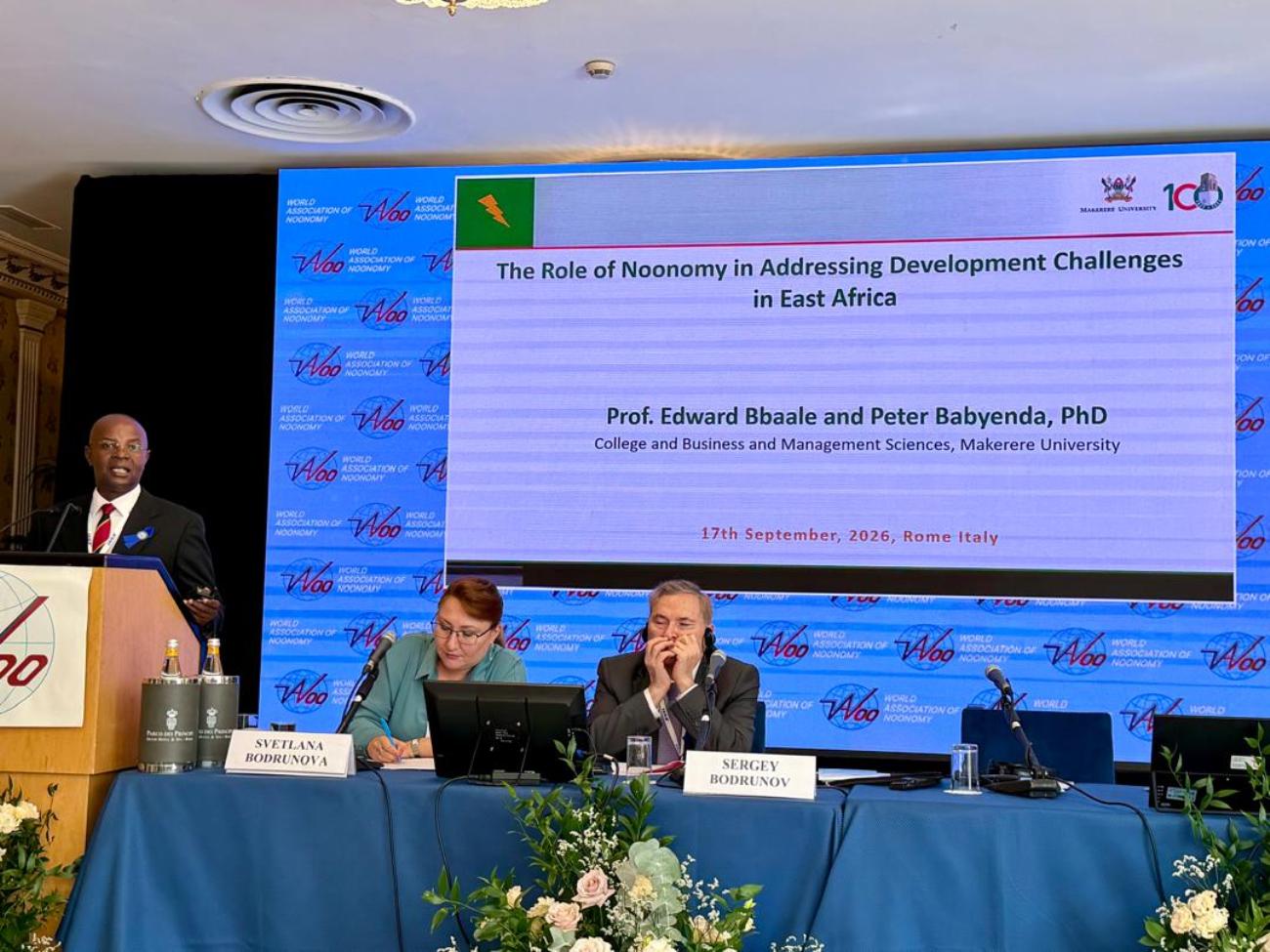
The paper was co-authored with Dr Peter Babyenda and formed part of the scholarly contributions presented at the World Congress on Noonomy in Rome, Italy.
Prioritizing Human-Centred Development
Dr Peter Babyenda said Makerere University’s participation in the World Congress on Noonomy in Rome marked an important step in the University’s international engagement with the Theory of Noonomy.
“The engagement paves the way for establishing a Centre of Excellence for Noonomy at the School of Economics, under the College of Business and Management Sciences (CoBAMS),” he stated.
Dr Babyenda explained that the Theory of Noonomy places human welfare at the centre of development, arguing that development should be assessed not only through productivity and infrastructure, but also by how it improves people’s wellbeing.
He said consumption, knowledge transfer and solidarity are important considerations, including in the application of emerging technologies such as Artificial Intelligence.
Dr Babyenda revealed that Uganda has been offered an opportunity to host an upcoming World Congress on Noonomy, which he said could bring together participants from more than 55 countries and create opportunities for academic exchange, industry engagement and international visibility for Uganda.
He called upon the academia and industry to collaborate with Makerere University in advancing its engagement with the emerging field.
The Signing of the MoU at the Global Congress of the World Association of Noonomy marks a milestone in Makerere University’s efforts to contribute to international scholarly discussions on alternative approaches to understanding economic systems and development.

Business & Management
CoBAMS, European Partners Launch Programme to Equip Students with Polycrisis Management Skills

By Hasifa Kabejja and Ritah Namisango
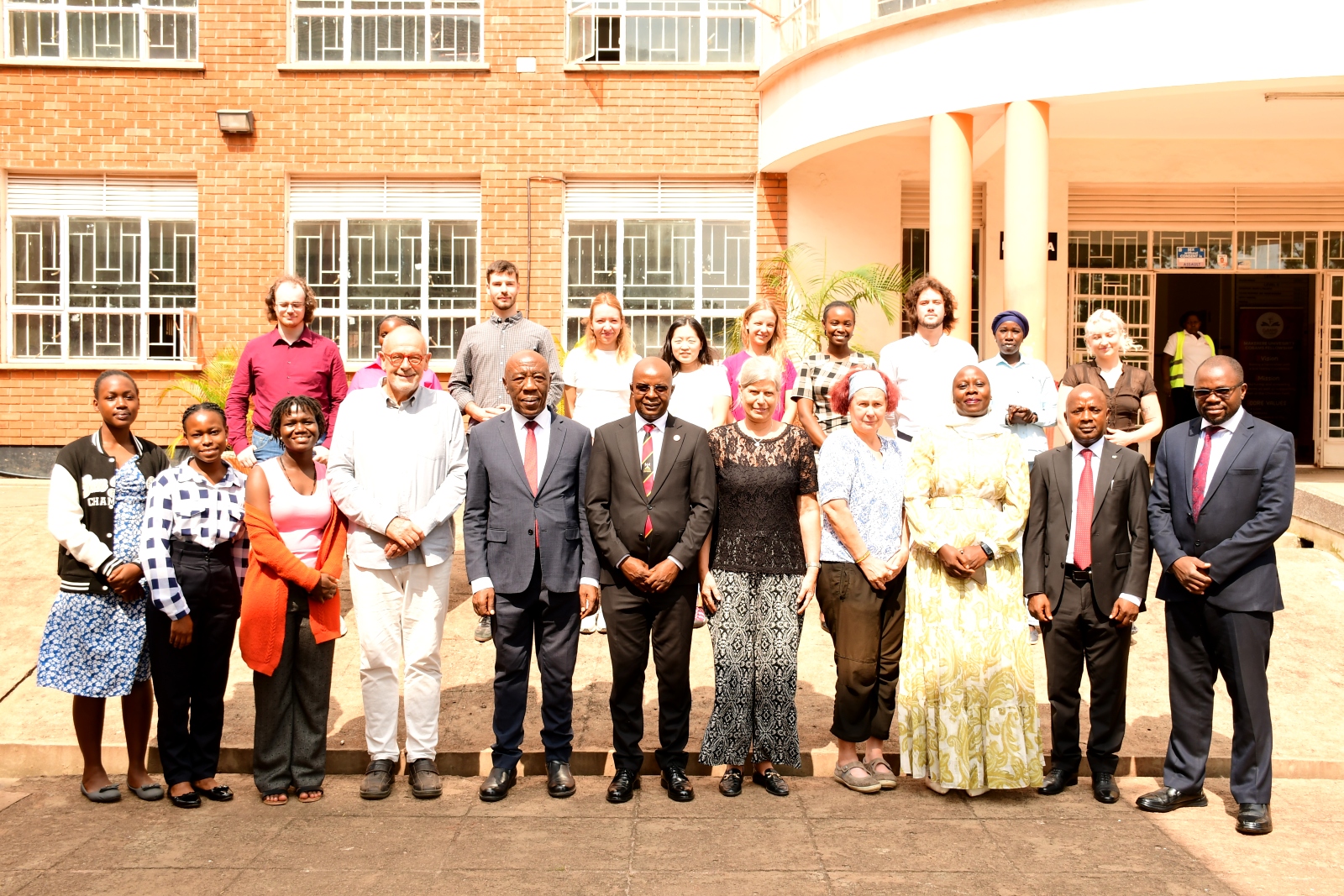
Makerere University, through the College of Business and Management Sciences (CoBAMS), in collaboration with international partners, is implementing a Blended Intensive Programme (BIP) aimed at equipping a new generation of professionals in Africa and Europe with the knowledge and practical skills needed to understand and respond to complex, interconnected global crises.
Held under the PolyCIVIS network, the programme, titled Enhancing Skills in Polycrisis Management: African and European Approaches, brings together participants from Makerere University, the University of Salzburg, the National and Kapodistrian University of Athens, and Universidad Autónoma de Madrid.
It was competitively secured under the 6th Call for CIVIS Blended Intensive Programmes by the Makerere PolyCIVIS team, comprising Prof. Edward Bbaale from the School of Economics, CoBAMS; Dr. Anthony Tibaingana from the School of Business, CoBAMS; and Dr. Kamatara Kanifa from the College of Agricultural and Environmental Sciences (CAES).
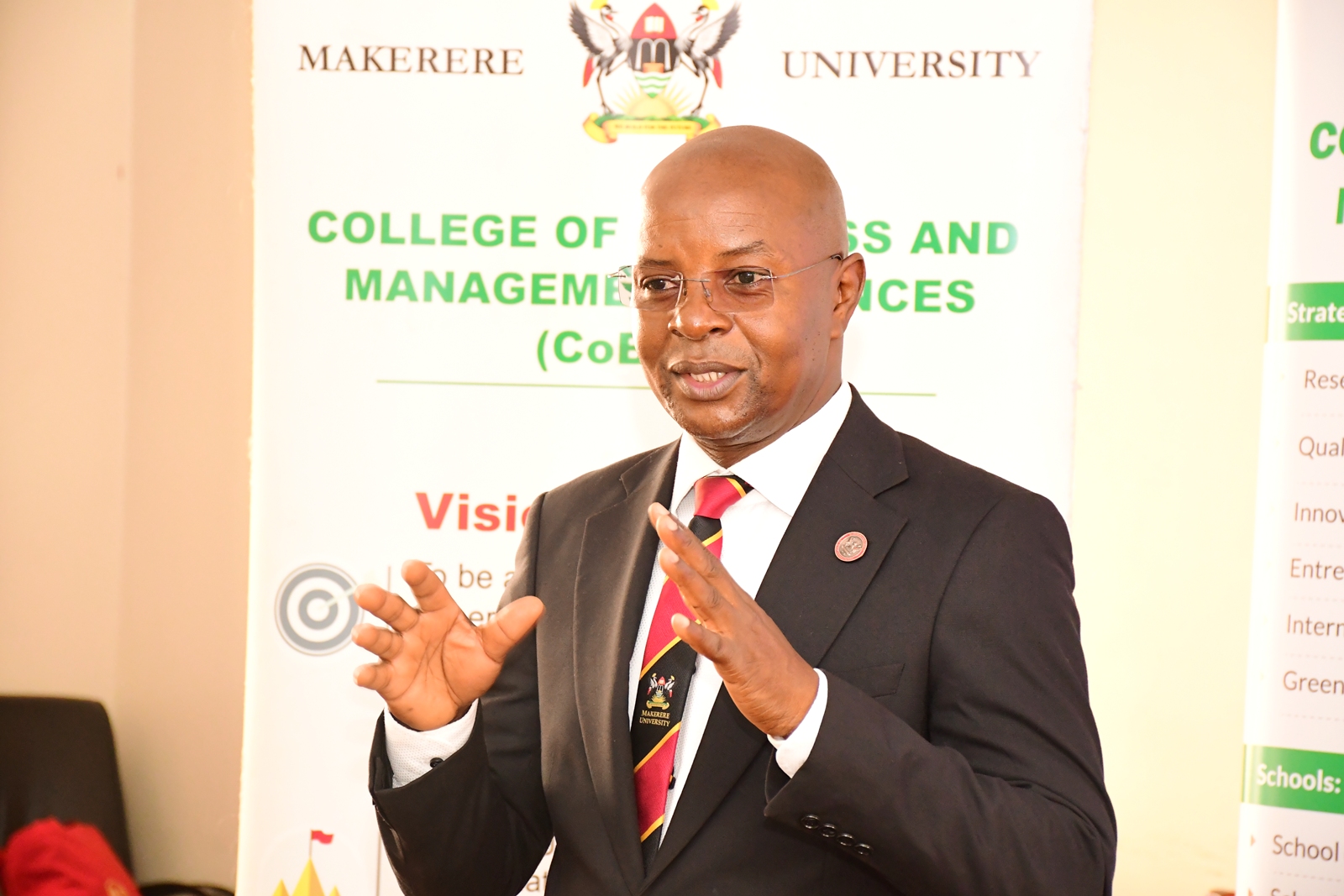
The European facilitators include Prof. Gudrun Zagel, Dr. Sabine Hennig, and Dr. Roman Puff, all from Paris-Lodron University of Salzburg, Austria.
Tackling the Growing Reality of Polycrises
Funded by the European Union through the Erasmus+ Programme under the Jean Monnet Networks, the initiative responds to the growing reality of polycrises – situations in which multiple crises, including climate change, pandemics, displacement, poverty, environmental degradation and economic instability, interact and compound one another, often resulting in consequences more severe than those of individual crises.
The BIP Workshop at Makerere University
The BIP combines virtual and physical learning to give participants both theoretical grounding and hands-on experience in polycrisis management.
During the virtual component conducted in May 2026, participants including students and academics from the participating institutions worked in interdisciplinary teams to analyze real-world scenarios, including climate disasters, refugee crises, pandemics and urban waste management. The students were required to develop and present polysolutions from the perspectives of different stakeholders, including governments, civil society and academic institutions.
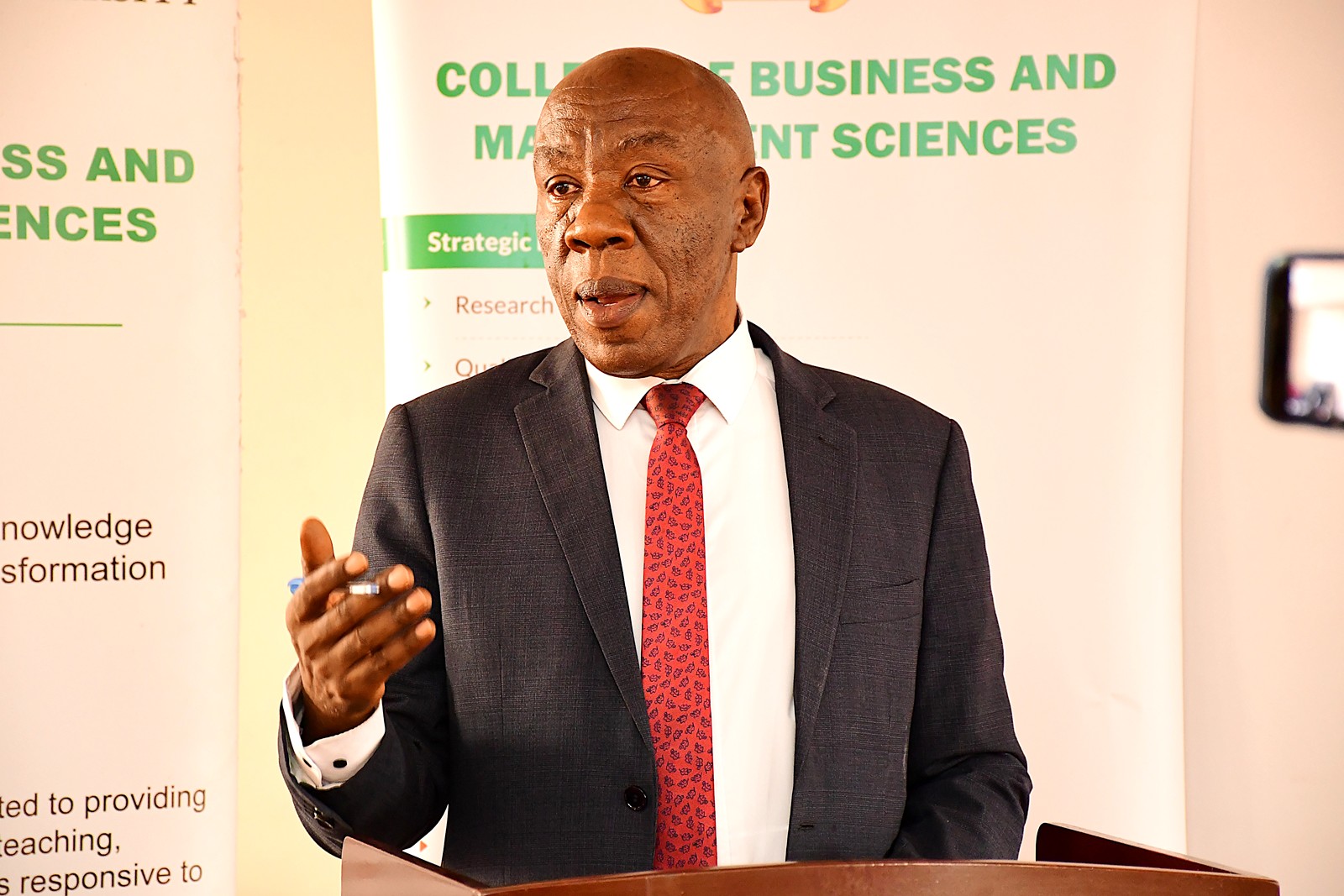
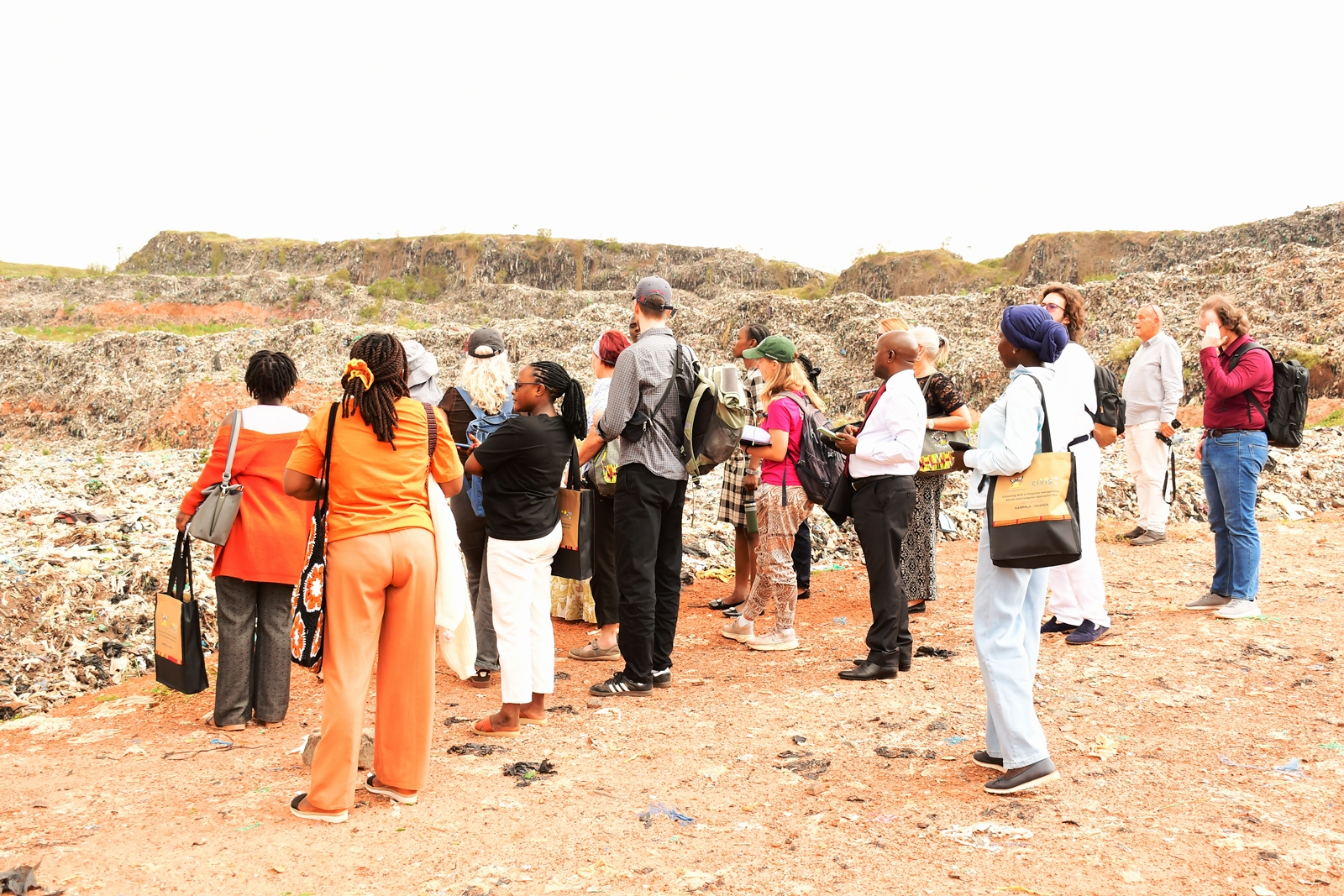
The physical component, taking place in Kampala from 7th-11th September 2026, brings together students from across CIVIS consortium universities to complete the remaining course content, participate in practical activities, and develop solutions to real-world polycrisis challenges. It also provides participants with an opportunity to examine real-life Ugandan cases, including the Kitezi landfill disaster and the Bulambuli landslides. Through these case studies, students will explore how crises intersect with public health, environmental protection, poverty, security, and sustainable development, while gaining practical insights into integrated approaches to crisis management.
On the first day of the training, participants undertook an excursion to the Kiteezi Landfill. During the week, they will also engage with experts from the Kampala Capital City Authority (KCCA), civil society and academia, and work in thematic groups to explore the legal, economic, sociological, historical, communication and educational dimensions of Kampala’s waste management challenges.
The teams will subsequently develop a Kampala waste policy paper and accompanying presentations, proposing integrated approaches to addressing the city’s waste crisis.
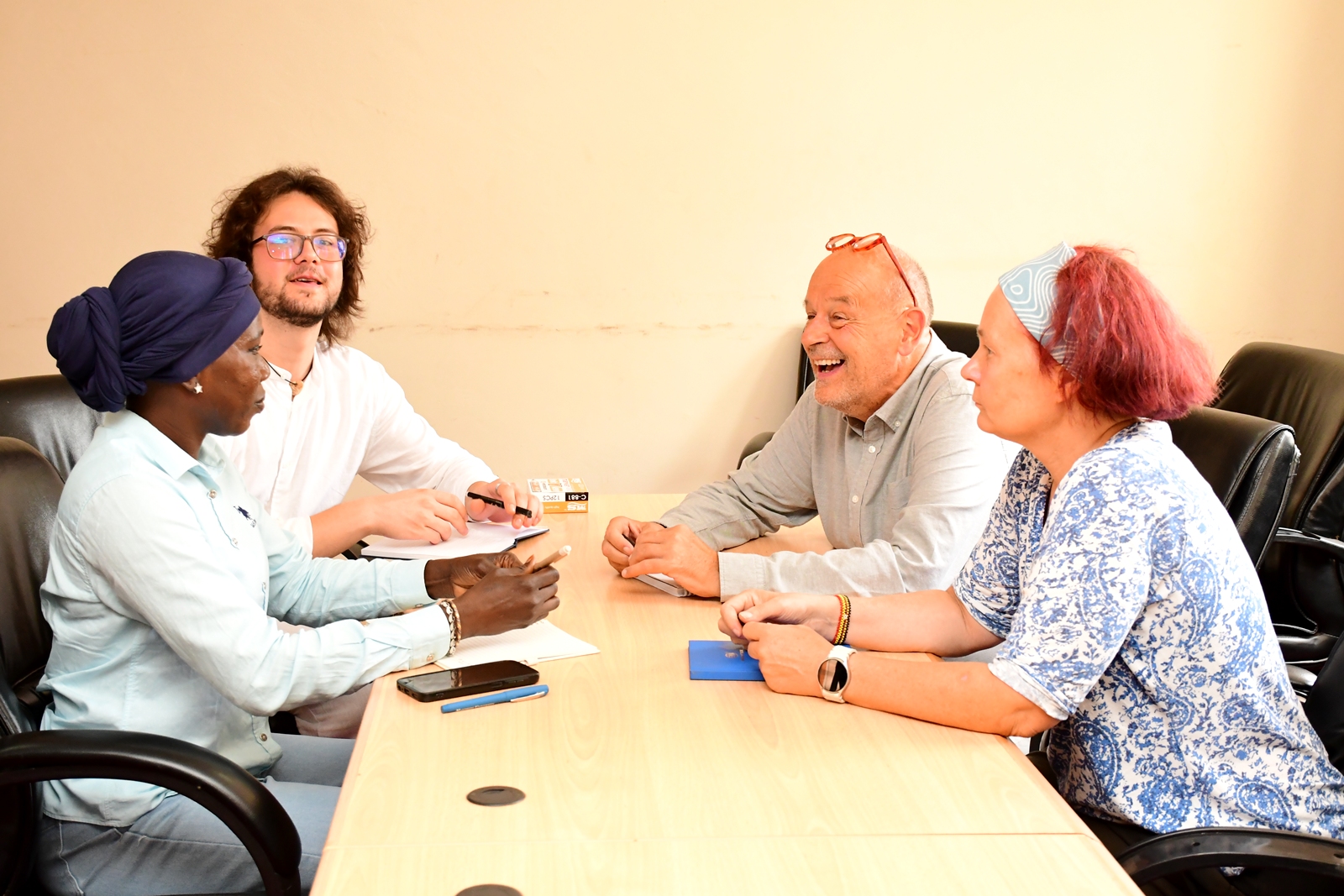
The learning approach incorporates case studies, simulations, role-play, guest lectures, peer learning, interdisciplinary teamwork, and problem-based learning. Participants are encouraged to move beyond identifying problems to developing practical and sustainable solutions.
Call for Integrated Approaches to Complex Global Challenges
Officially opening the programme, Makerere University Vice Chancellor, Prof. Barnabas Nawangwe, represented by the Deputy Vice Chancellor (Finance and Administration), Prof. Henry Mwanaki Alinaitwe commended the team for securing the programme.
Addressing participants, he emphasized the need for universities to move beyond fragmented approaches to problem-solving and develop integrated responses to increasingly complex global challenges.
“Interconnected problems cannot be adequately addressed through fragmented solutions,” Prof. Nawangwe observed, stressing the importance of collaboration across disciplines, institutions, sectors and countries.
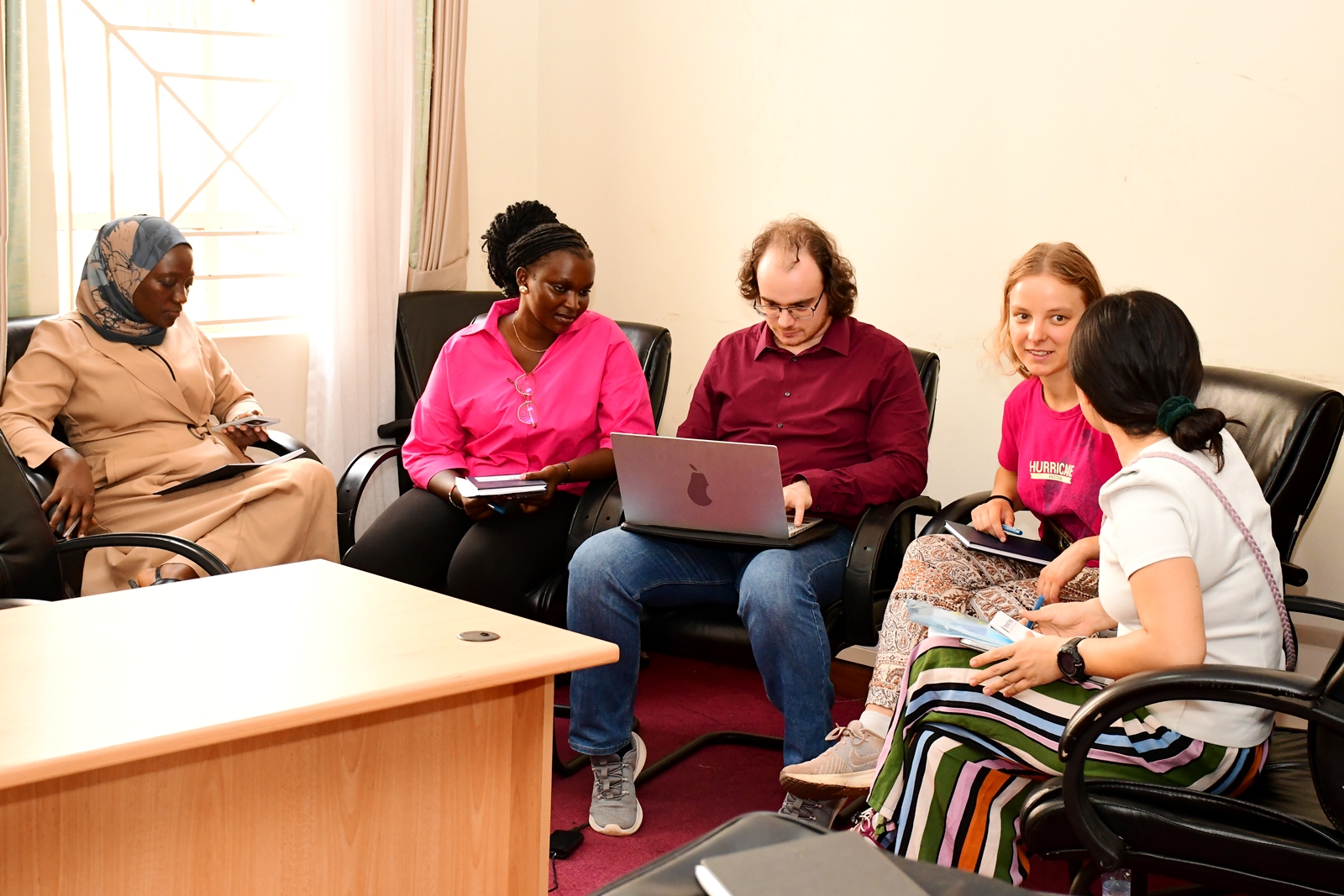
He noted that no single discipline or institution possesses all the knowledge required to address the challenges confronting societies today, calling for stronger integration of fields such as economics, public health, environmental science, engineering, governance, technology and the social sciences.
Embracing Innovative and Sustainable “Polysolutions”
Prof. Nawangwe further emphasized the importance of developing innovative and sustainable “polysolutions”- integrated responses that address multiple, interconnected crises while minimizing unintended consequences across other sectors.
He underscored the value of combining African and European perspectives, noting that while crises may manifest differently across regions because of differences in history, institutions and resources, challenges such as climate change, migration, pandemics, conflict and economic instability increasingly transcend national boundaries.
He described the partnership as an opportunity for mutual learning and co-creation of knowledge, rather than a one-way transfer of expertise.
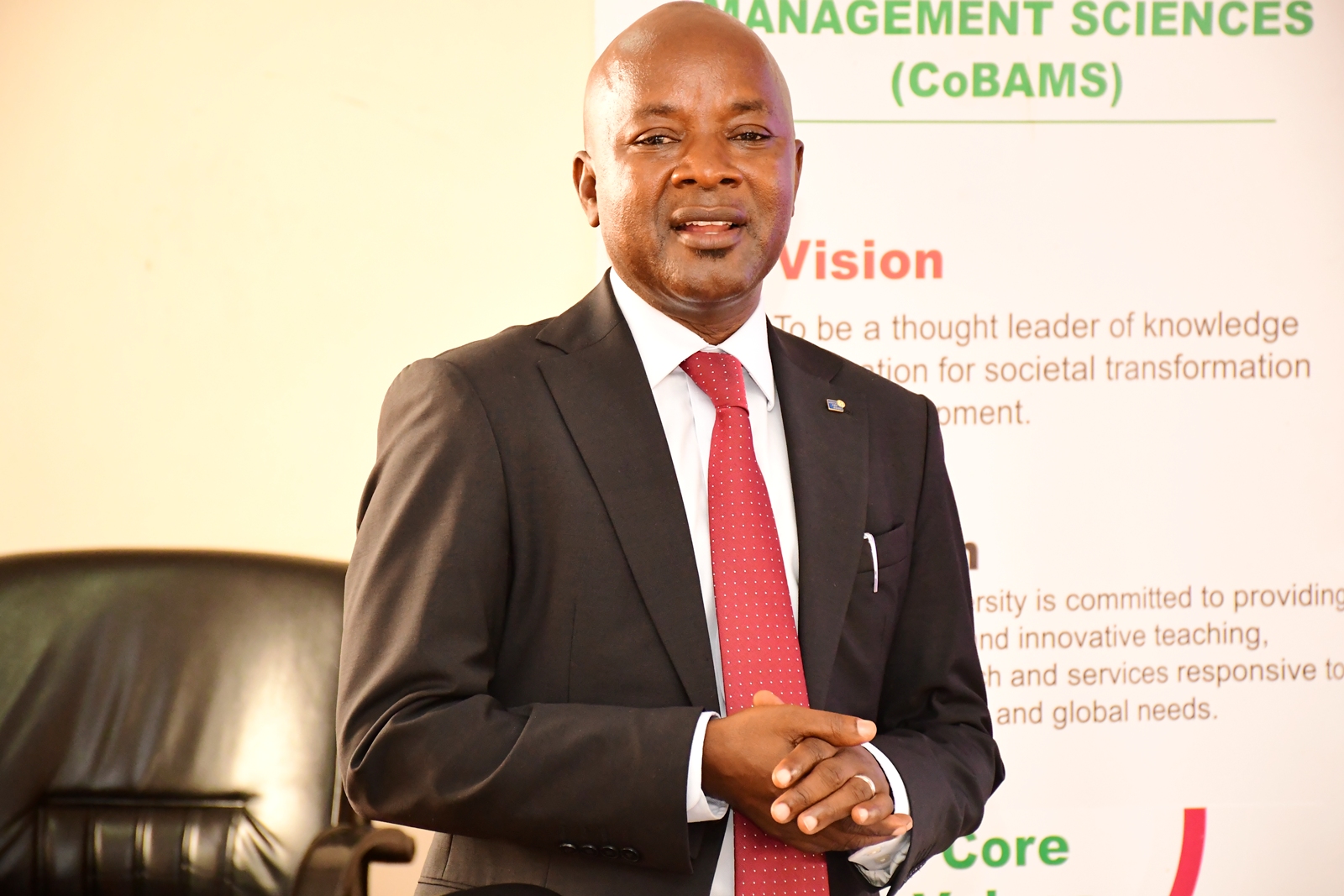
“We must bring these experiences into conversation and determine what works, under what circumstances, and how solutions can be adapted to different social, economic and institutional contexts,” Prof. Nawangwe said.
Collaboration Beyond the Blended Intensive Programme
The Vice Chancellor expressed hope that the collaboration would extend beyond the BIP into joint research, publications, teaching, student supervision and other sustained academic initiatives.
He challenged the participants to make the most of the opportunity by learning across disciplinary boundaries, questioning established assumptions and focusing on solutions.
“The world you are preparing to lead will require people who can understand complexity, work across institutional and disciplinary boundaries, and convert knowledge into practical responses,” he said.
Ebola Outbreak Demonstrates the Interconnected Nature of Modern Crises
The Vice Chancellor further observed that the postponement of the physical component of the training following the outbreak of Ebola underscored the interconnected nature of modern crises. He noted that a health emergency can quickly disrupt education, international mobility, economic activity and institutional planning.
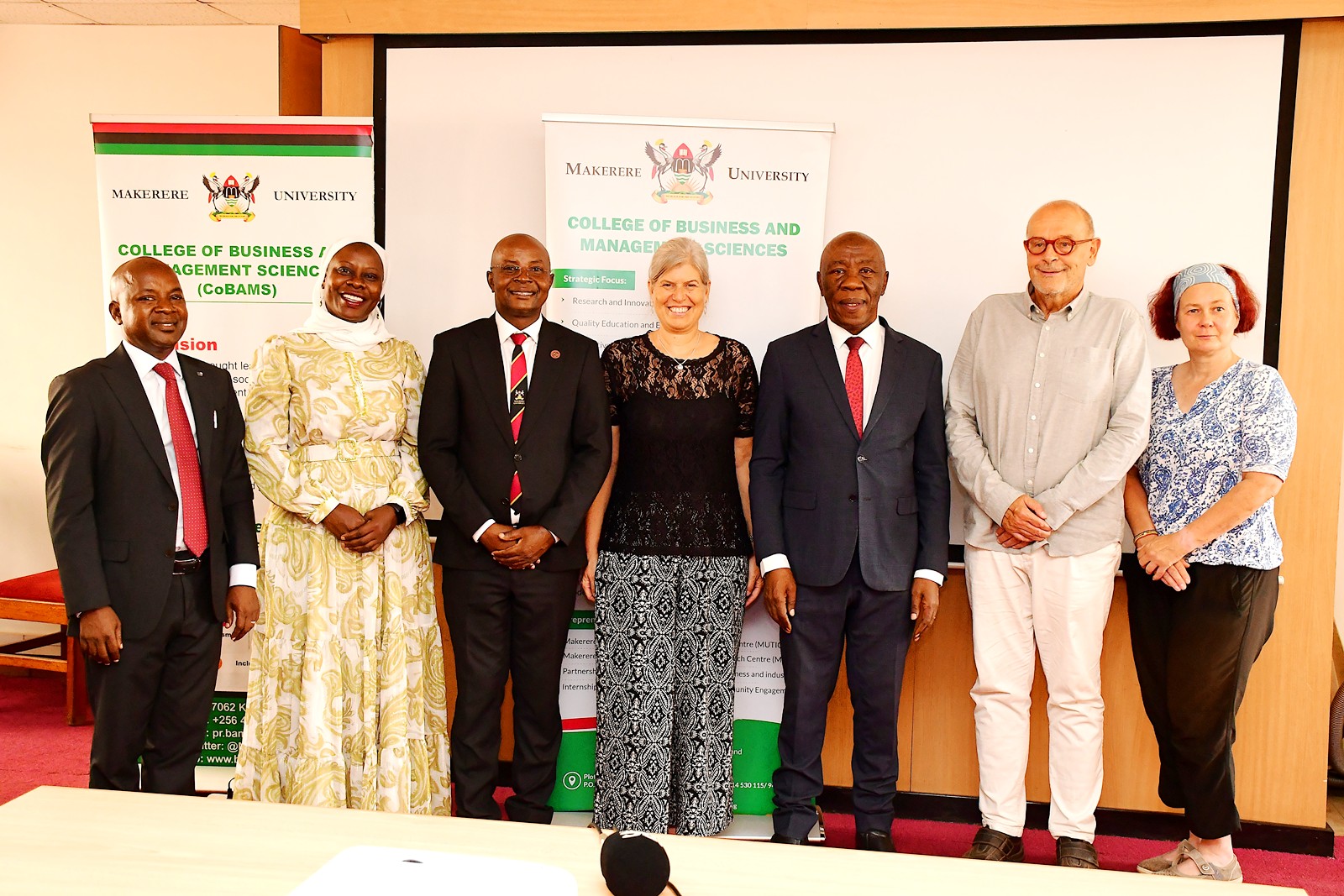
Appreciation by the Vice Chancellor
He commended the PolyCIVIS team and partner universities for bringing the initiative to fruition, expressing confidence that the programme would generate practical and innovative polysolutions to some of the challenges facing societies.
Strengthening international academic collaboration
In his capacity as Principal of CoBAMS, Prof. Edward Bbaale described the programme as a significant reflection of the College’s commitment to fostering an integrated approach to teaching, research, policy engagement and international collaboration.
He noted that the increasingly complex challenges facing society require institutions and professionals to transcend geographical and disciplinary boundaries and collaborate across diverse fields of expertise.
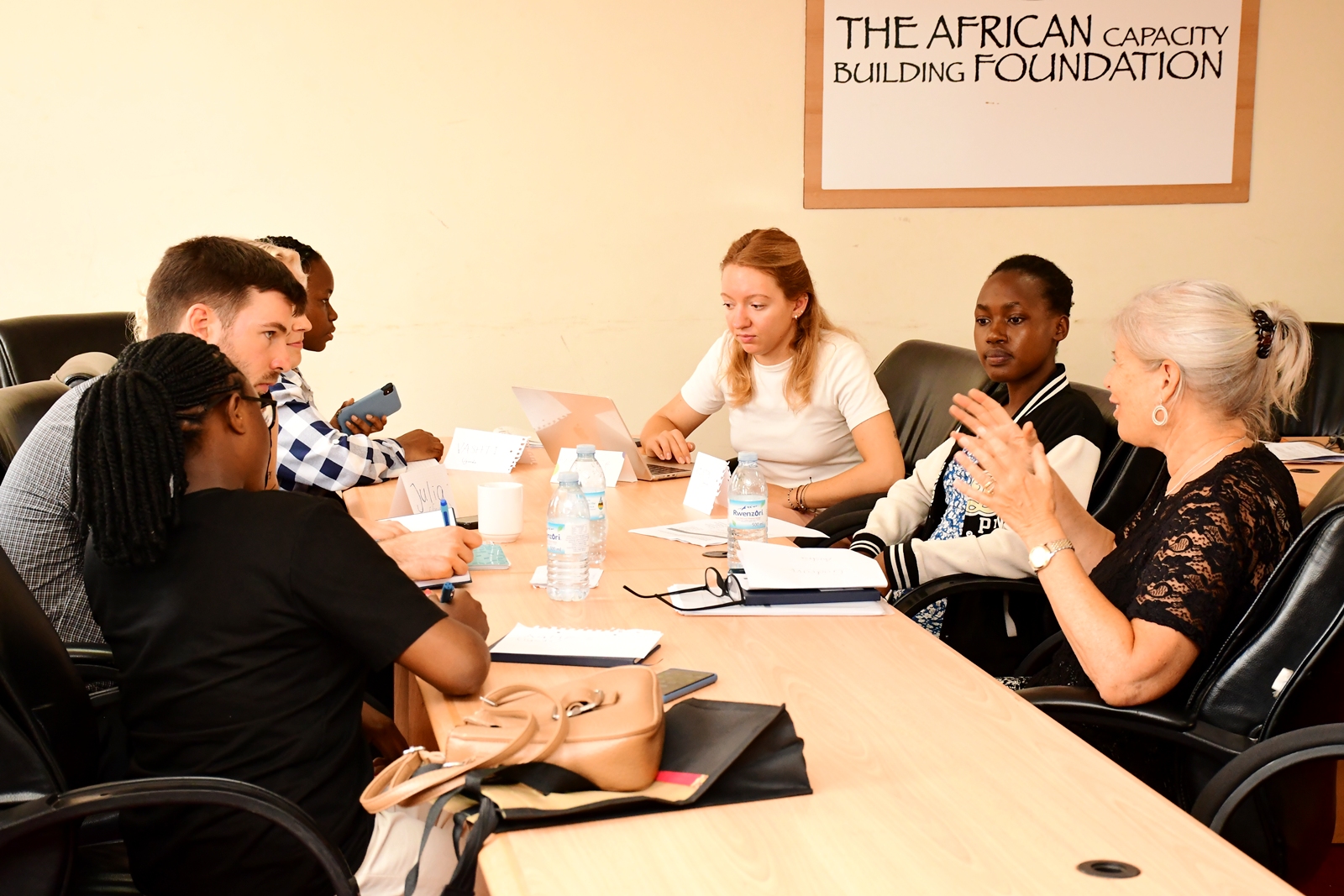
Prof. Bbaale further highlighted the value of bringing Makerere students and faculty into direct engagement with colleagues and practitioners from partner universities.
“Such engagements enrich the learning experience while creating opportunities for sustained collaboration in research, teaching and student supervision. For Makerere University, the programme represents a practical expression of its internationalization agenda, creating opportunities for students and academics from different countries to exchange knowledge, share expertise and work together to address complex societal challenges.”
Preparing future leaders for complex challenges
The programme seeks to enable learners to identify, assess and manage polycrisis situations in line with the UN Sustainable Development Goals (SDGs), while building competencies in addressing the social, environmental and economic dimensions of crises.
It also aims to develop practical skills in designing and evaluating integrated policies and polysolutions, including effective communication and public awareness strategies.
Ultimately, the initiative seeks to strengthen participants’ critical thinking, digital, spatial and 21st-century skills while promoting interdisciplinary and transdisciplinary collaboration.
The BIP also serves as a pilot initiative for the planned Joint Master’s Programme on Managing Polycrises under the PolyCIVIS framework.
-

 General1 week ago
Statement on Concerns Circulating Regarding a Member of Academic Staff
-
 General1 week ago
Press Statement: Incident Involving Death of a Student at Makerere University
-
 General2 weeks ago
Makerere Marathon 2026 – Running to Equip the Disability Support Center
-
 General1 week ago
JNLC Leadership Symposium Equips Young Leaders for Responsible and Transformative Leadership
-
 General1 week ago
Beyond Map Size: Africa’s Agency Should Not Be Funded by Other People