
Research
Mak and MSU Host Landmark Symposium on Insects for Food, Feed, and Food Security in Africa

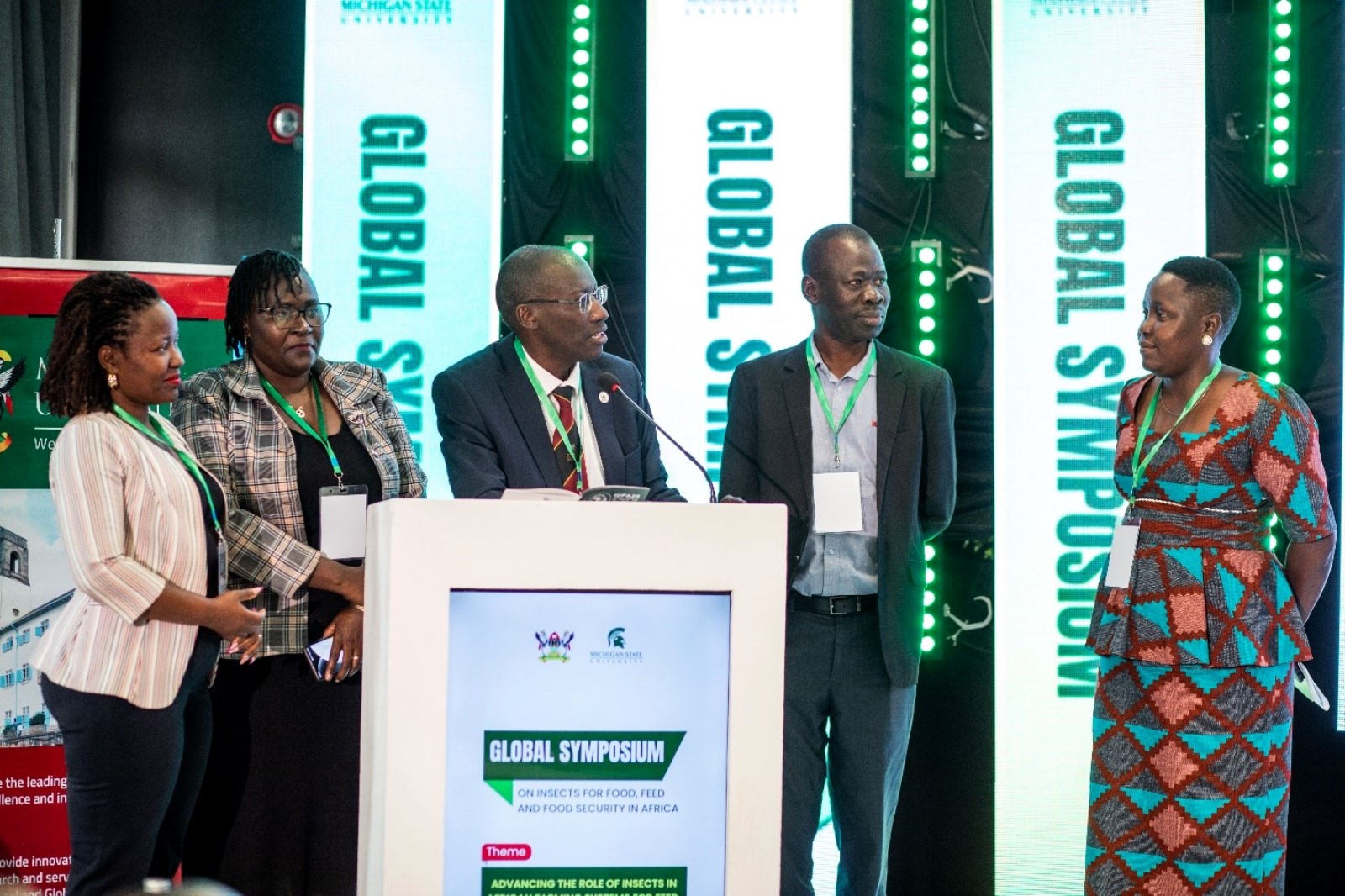
A groundbreaking symposium exploring the role of insects in African farming systems concluded on June 6th, 2025, at Onomo Hotel in Kampala. Convened by Makerere University’s College of Veterinary Medicine, Animal Resources and Biosecurity (CoVAB) in collaboration with Michigan State University (MSU), the event drew participants from over ten countries, including researchers, development experts, regulators, and practitioners.
Under the theme “Advancing the Role of Insects in African Farming Systems for Feed, Food, and Food Security,” the two-day gathering aimed to share knowledge and experiences on integrating insects into food and feed systems to address food security challenges across the continent. The discussions revolved around four key sub-themes namely; Insects as animal feed to promote sustainable livestock production and livelihoods; Insects for human food and food security, including indigenous insect-based diets; Insects for improved soil health and crop production and Commercialization of insect farming, with a focus on regulation and standardization.
The symposium commenced with opening remarks delivered on behalf of Makerere University’s Vice Chancellor, Prof. Barnabas Nawangwe, by his representative, Prof. Frank Norbert Mwiine, Principal of CoVAB. He welcomed participants and commended Dr. Deborah Amulen, Lecturer at CoVAB and chief convener, for organizing a well thought out event. He emphasized that the symposium would not only raise awareness of the role of insects in Uganda’s and Africa’s socio-economic development but also help place insects on the agenda for broader discussions and integration into food security strategies. He said the event served as a platform for knowledge exchange, highlighting the untapped potential of insect farming in transforming food security, sustainable agriculture, and economic growth.

Key facilitators at the symposium were esteemed experts from leading institutions worldwide, who shared their insights on insect-based food systems and sustainable agriculture. Among the distinguished speakers were Prof. Jeffrey K. Tomberlin from Texas A&M University, Prof. Eric M. Benbow from Michigan State University, Prof. Florence Dunkel from Montana State University, Dr. Denise Beesigamukama, a Postdoctoral Fellow, ICIPE Kenya and Dr. Deborah Amulen the host from Makerere University. These are exemplified in their contribution towards academic research and leadership, policy and industry impact and more importantly their expertise in insect science.
During the deliberations, the experts emphasized that insects offer a viable, sustainable, and nutrient-rich solution to Africa’s growing food demands. The event underscored ongoing research and commercialization efforts aimed at mainstreaming insect farming into the agricultural sector. As global interest in alternative protein sources continues to rise, the symposium marked a significant step toward harnessing the potential of insects to enhance food security in Africa.
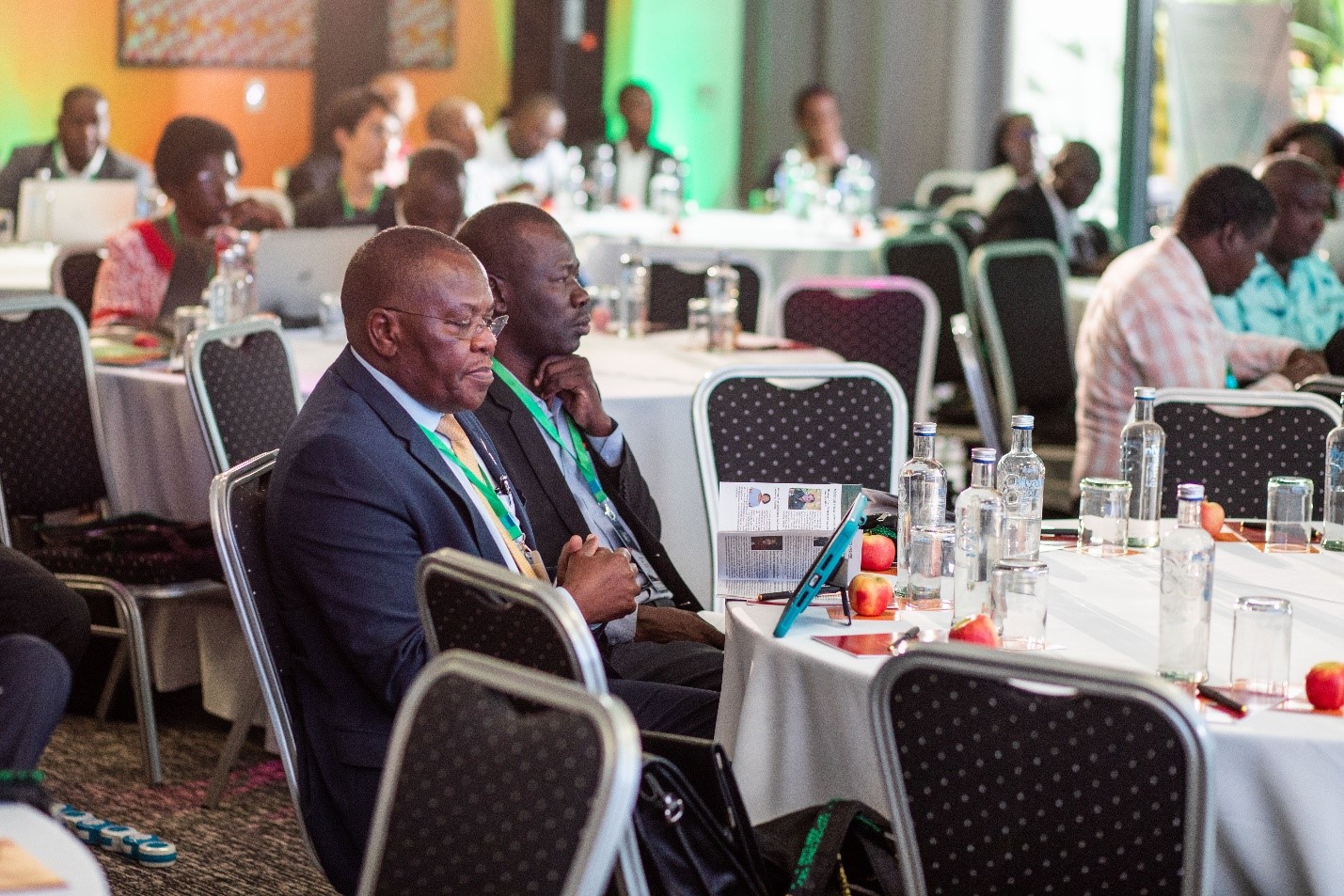
Experts underscored that Africa is home to over 470 recognized edible insect species, providing a rich source of proteins, fats, and essential micronutrients. Insects have historically been a staple in diets across Uganda, Southern Africa, and other regions, serving as a vital food source in times of drought, conflict, and food scarcity. One of the most discussed innovations at the event was the large-scale farming of Black Soldier Fly, which is being utilized to produce not only the larvae but also frass, a high-protein animal feed and organic fertilizer to enhance soil health and boost agricultural yields.
Several scholars presented their research in the area of Insects, where together with the farmers, industry representatives, policy makers and practitioners contributed valuable perspectives on advancing the role of insects in food security, animal feed, and ecological sustainability in Africa. Their discussions underscored the importance of research, policy, and commercialization in expanding insect farming across the continent.

One of the keynote discussions highlighted Uganda’s rich tradition of consuming insects as part of its food culture, reinforcing their significance in nutrition and sustainability. Participants shared insights on local insect consumption practices and their role in livelihoods, drawing from countries like Cameroon, Malawi and many others represented at the event. The forum also featured representatives from key institutions, including the National Council for Science and Technology and The National Agricultural Research Organization (NARO) which contributed perspectives on research, policy development, and commercialization of insects as sustainable food sources, the Ministry for Agriculture, Animal Industry, and Fisheries (MAAIF), emphasizing the Ugandan government’s support for insect farming initiatives.
The Kenya based scientific research institute, the International Centre of Insect Physiology and Ecology (ICIPE) played a key role in the discourse and exhibited several innovations arising from research and their work in insects. Experts explored how insects can revolutionize animal feed production, providing an affordable, high-protein alternative to conventional sources.
With global attention shifting toward alternative and sustainable food sources, experts stressed the need for policy standardization and enhanced investment in insect-based food systems across Africa. During the event, MAAIF announced a $325 million investment through a six-year Smart Agriculture Transformation Project, aimed at expanding sustainable farming practices, reducing environmental impact, and increasing food security through alternative protein sources.

The symposium reaffirmed Africa’s position at the forefront of insect farming research, with discussions centered on scaling production, improving regulation, and leveraging indigenous knowledge for food security solutions. Moving forward, participants emphasized the importance of quality control, standardization, and policy frameworks to ensure safety, scale production, and boost market competitiveness. With Uganda leading discussions on alternative protein sources, the symposium laid the foundation for future innovations in agriculture.














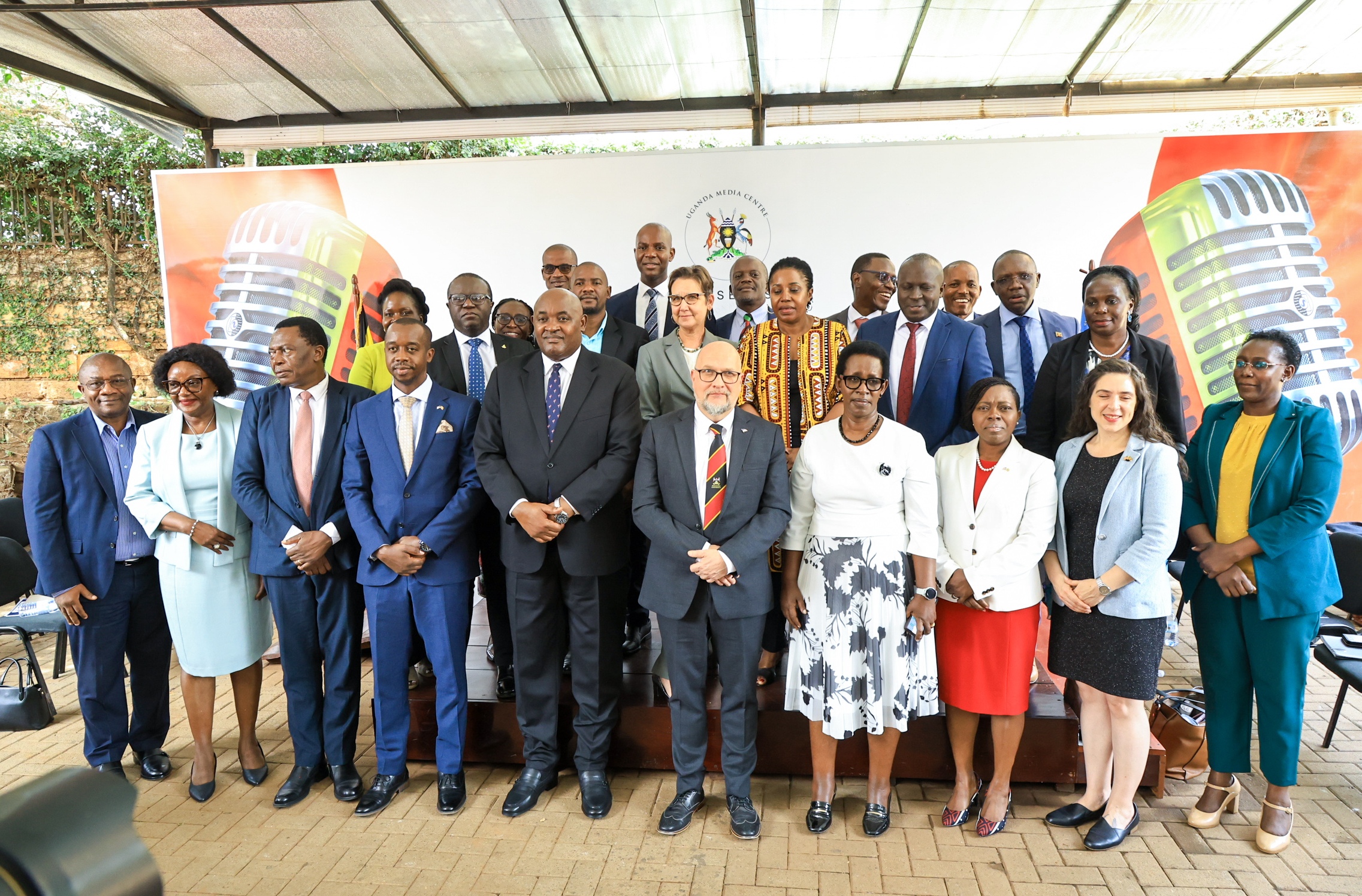
Uganda’s latest national HIV survey reveals lower viral suppression among adolescents and young adults living with HIV than among older adults, even as the country records substantial improvements in controlling the virus. The findings come from Uganda Population-Based HIV Impact Assessment (UPHIA 2025), a national household survey examining HIV prevalence and whether people living with the virus know their status, receive treatment, and achieve viral suppression.
Releasing the preliminary UPHIA 2025 findings at the Uganda Media Centre on 1 October 2026, Minister of Health Hon. Dr. Chris Baryomunsi called for earlier prevention and testing, particularly among adolescent girls and young women, alongside support for treatment adherence. “We must reach out to the young people, ensure that they have information, they test, take treatment, and adhere to the treatment guidance,” he urged.
Hon. Baryomunsi recalled how fear had discouraged testing during his university years: “I remember when we were at university, we went for testing at the university hospital. We sat there for three hours. Some of us left without even testing because it was scary.” Today, he explained, “even if you test HIV positive, you can be initiated on treatment, and you live normally like the rest of those who don’t have HIV.”
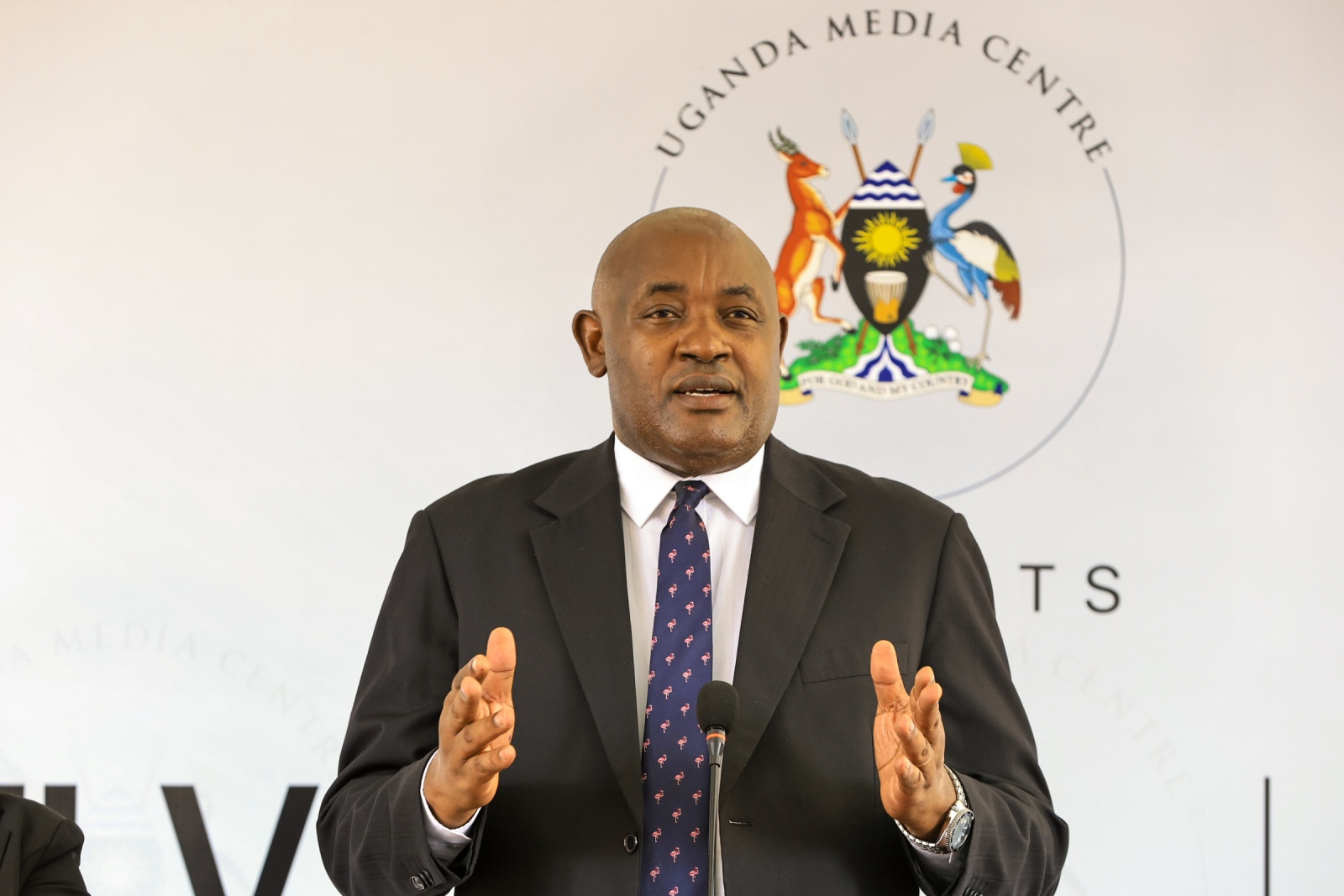
UPHIA 2025 was locally led under the Ministry of Health’s overall leadership, with Makerere University School of Public Health serving as the prime implementer, a role ICAP at Columbia University held in the previous two surveys. The Uganda Bureau of Statistics led sampling, while the Uganda Virus Research Institute and National Health Laboratory and Diagnostic Services led laboratory operations. Regional referral hospitals and local governments supported implementation, and the U.S. government provided US$10 million through PEPFAR, along with technical assistance from the U.S. CDC.
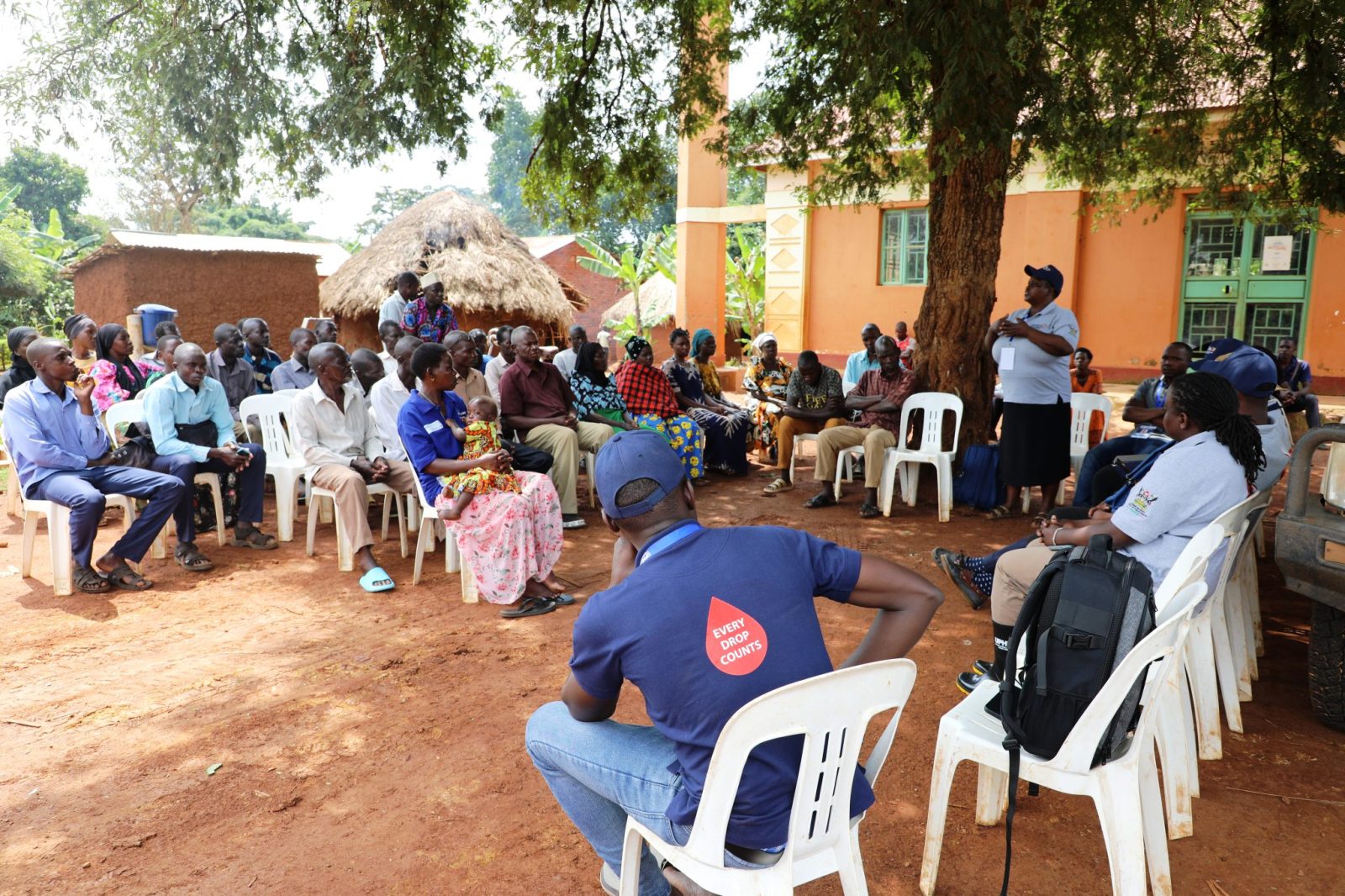
UPHIA collected data from July to September 2025 among people aged 15 and above, including those outside routine treatment services. Of 6,283 eligible households, 94.4% completed interviews. Researchers interviewed 13,801 people and tested 13,477 for HIV.
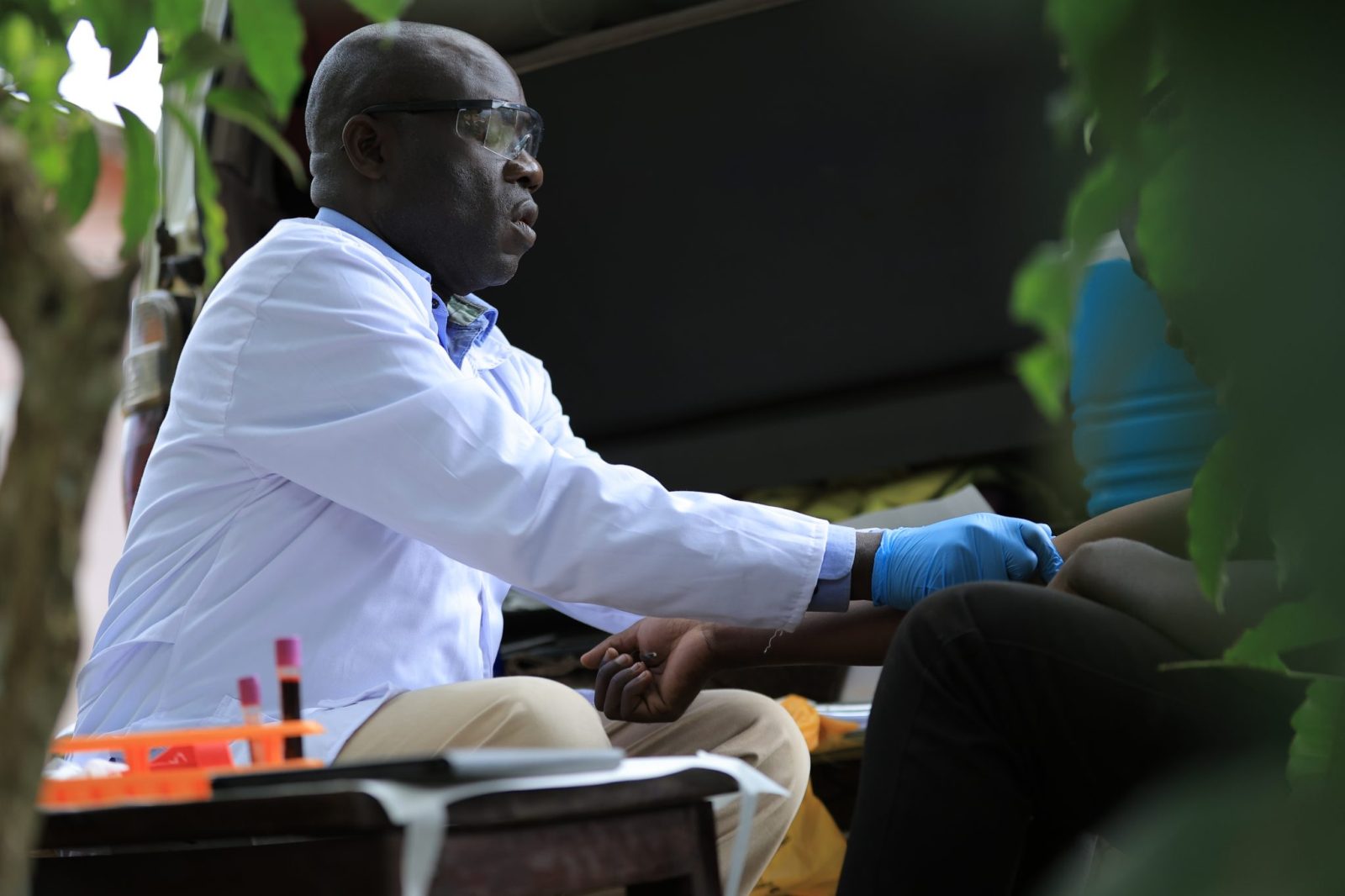
Testing followed Uganda’s national algorithm, with laboratory confirmation of positive samples, viral-load measurement, and checks for antiretroviral medicines to establish treatment use. Researchers weighted the estimates to account for the sampling design. Participants received counselling and results, and those who tested positive were referred for treatment.
Hon. Baryomunsi thanked participants and their families for welcoming survey staff and contributing their time, information and samples, without which the national evidence would not have been available.
National progress and the youth gap
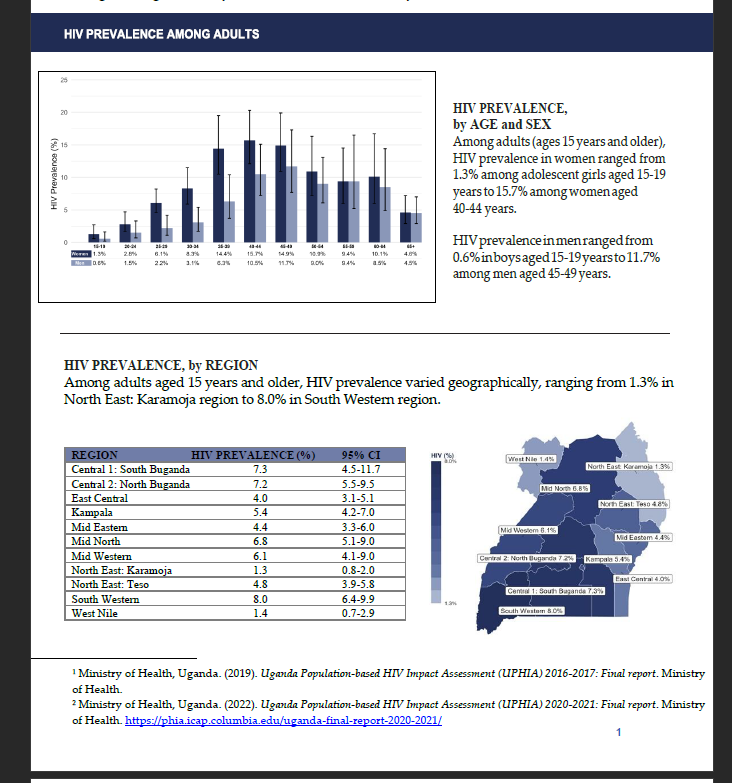
The survey estimated HIV prevalence, which means the proportion of people living with HIV, at 5.9% among those aged 15 and above, corresponding to about 1.496 million people in this age group nationwide. Prevalence was 7.3% among women and 4.1% among men, ranging from 1.3% in Karamoja to 8% in the South Western region.
Among people aged 15 and above living with HIV, 86% had achieved viral suppression, meaning a low amount of HIV in the blood, measured in UPHIA as fewer than 1,000 copies per millilitre. Suppression stood at 69.3% among adolescents and young adults aged 15–24 living with HIV, compared with 89.9% among those aged 50 and above. These estimates cover people living with HIV regardless of whether they know their status or receive treatment.
HIV prevalence among people aged 15–24 was 1.5%, including 2% among young women and 1% among young men. Among young women, prevalence was 1.3% at ages 15–19 and 2.8% at ages 20–24. These differences support attention to earlier prevention and testing, although they do not establish when infections occurred.
The highest prevalence estimates occurred among middle-aged adults: 15.7% among women aged 40–44 and 11.7% among men aged 45–49. Lower suppression among young people therefore requires attention alongside the higher HIV prevalence among middle-aged adults. Comparing the same age group across both surveys, viral suppression among people aged 15–64 increased from 74.9% in 2020–21 to 86.1% in 2025, while HIV prevalence remained at 5.9%.
Diagnosis and the path to 2030
The treatment results identify diagnosis as the main national gap. Among people aged 15 and above living with HIV, 85.3% knew their status. Of those aware, 99.1% were receiving treatment; among those receiving treatment, 96.5% had achieved suppression.
The 95-95-95 targets aimed for 95% of people living with HIV to know their status, 95% of those diagnosed to receive treatment, and 95% of those receiving treatment to achieve viral suppression by 2025. Among people aged 15 and above, Uganda exceeded the treatment and suppression targets, while diagnosis remained below target. UNAIDS’s Global AIDS Strategy 2026–2031 retains these targets towards ending AIDS as a public health threat by 2030.
According to WHO, viral suppression protects health and helps prevent HIV transmission. Uncontrolled HIV weakens the immune system, increasing the risk of serious illness. With continued treatment as prescribed, sexual transmission risk is negligible when HIV remains suppressed but detectable, and zero when undetectable. The Uganda AIDS Commission estimated over 34,000 new HIV infections in 2025, underscoring the importance of early diagnosis, timely treatment, and sustained suppression alongside other prevention measures.

The demographic stakes are substantial. People aged 15–24 constituted 21.2% of Uganda’s population in the 2024 census. The country’s Fourth National Development Plan, covering 2025–2030, prioritises a healthy, knowledgeable, skilled and productive population and reducing HIV through primary health care. Protecting young people’s health, therefore, supports their participation in education, work, and national development; UPHIA helps identify where services need greater attention.
Turning evidence into action
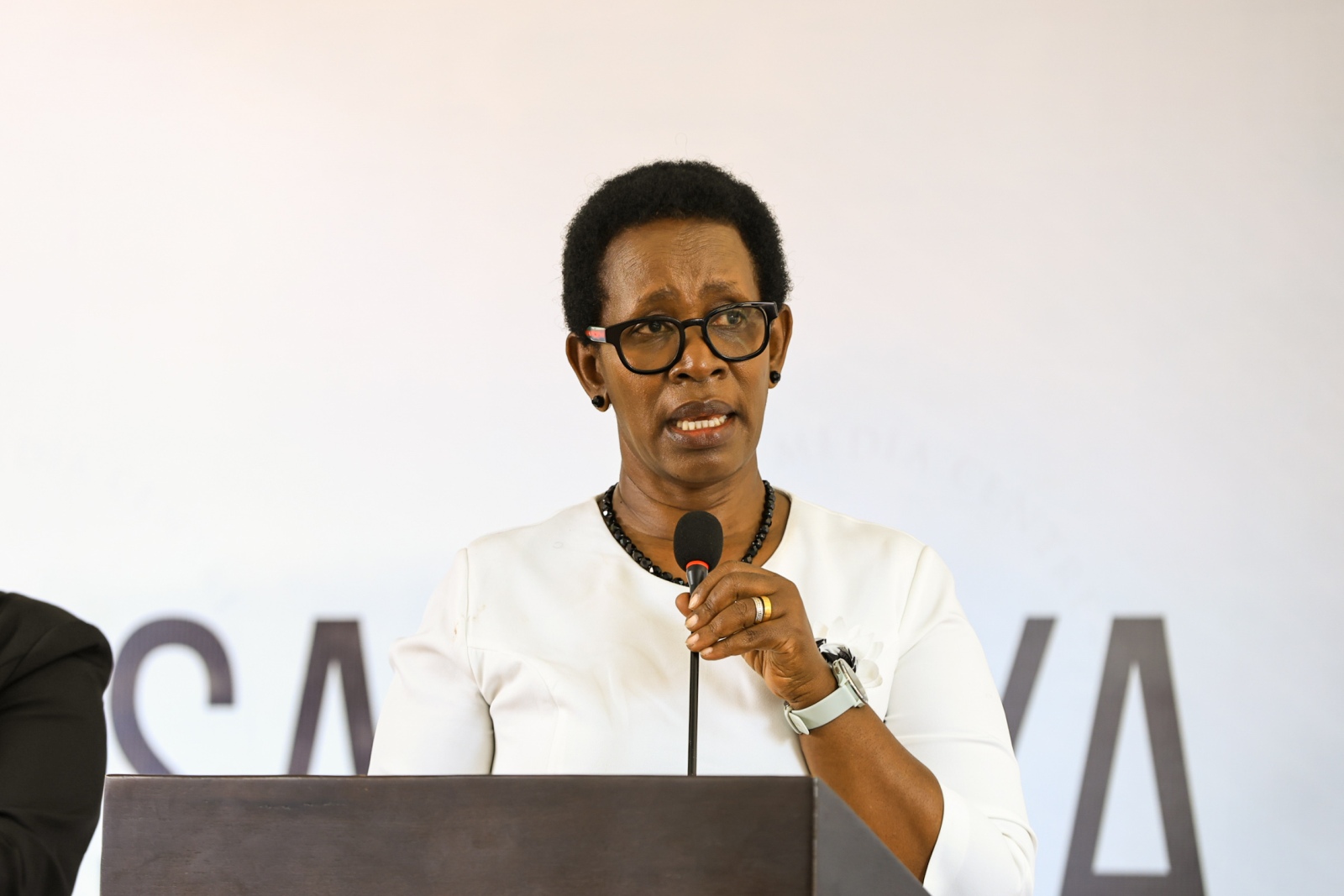
The study’s conclusions identify three priorities: sustain treatment outcomes, find people unaware of their status, and improve suppression among younger people. Permanent Secretary Dr. Diana Atwine connected the findings to the Ministry’s planning.
“We do believe that these results are a true reflection of what is happening in our country as far as the HIV status is concerned, and we do believe that it will give us a very clear direction and the roadmap that we are going to take in the next five years to target and to get our targets achieved.”
Acting on these priorities requires funding for services and research. Hon. Baryomunsi outlined plans to target resources where needs are greatest, strengthen district services and align partner support with government priorities. Responding to journalists’ questions, he noted the government’s intention to increase domestic funding for the HIV response, including research.
“The HIV/AIDS response, including research and surveys such as this one, has largely been funded by partners in the past. The government of Uganda is committed to allocating more resources from our domestic budget to support the response and research,” he noted.
For the first time in the UPHIA series, the survey assessed selected noncommunicable disease indicators among people aged 15 and above: 15.5% had elevated blood pressure, 24.8% were overweight or obese, and 0.9% had raised random blood glucose. These screening findings align with the Ministry’s integration agenda and Hon. Baryomunsi’s call to bring HIV and chronic care services together to address people’s wider health needs.
Speaking at the release of the preliminary results, U.S. Embassy Chargé d’Affaires Mikael (Mika) Cleverley described UPHIA 2025 as the first Population-Based HIV Impact Assessment worldwide fully led and implemented by the country itself.
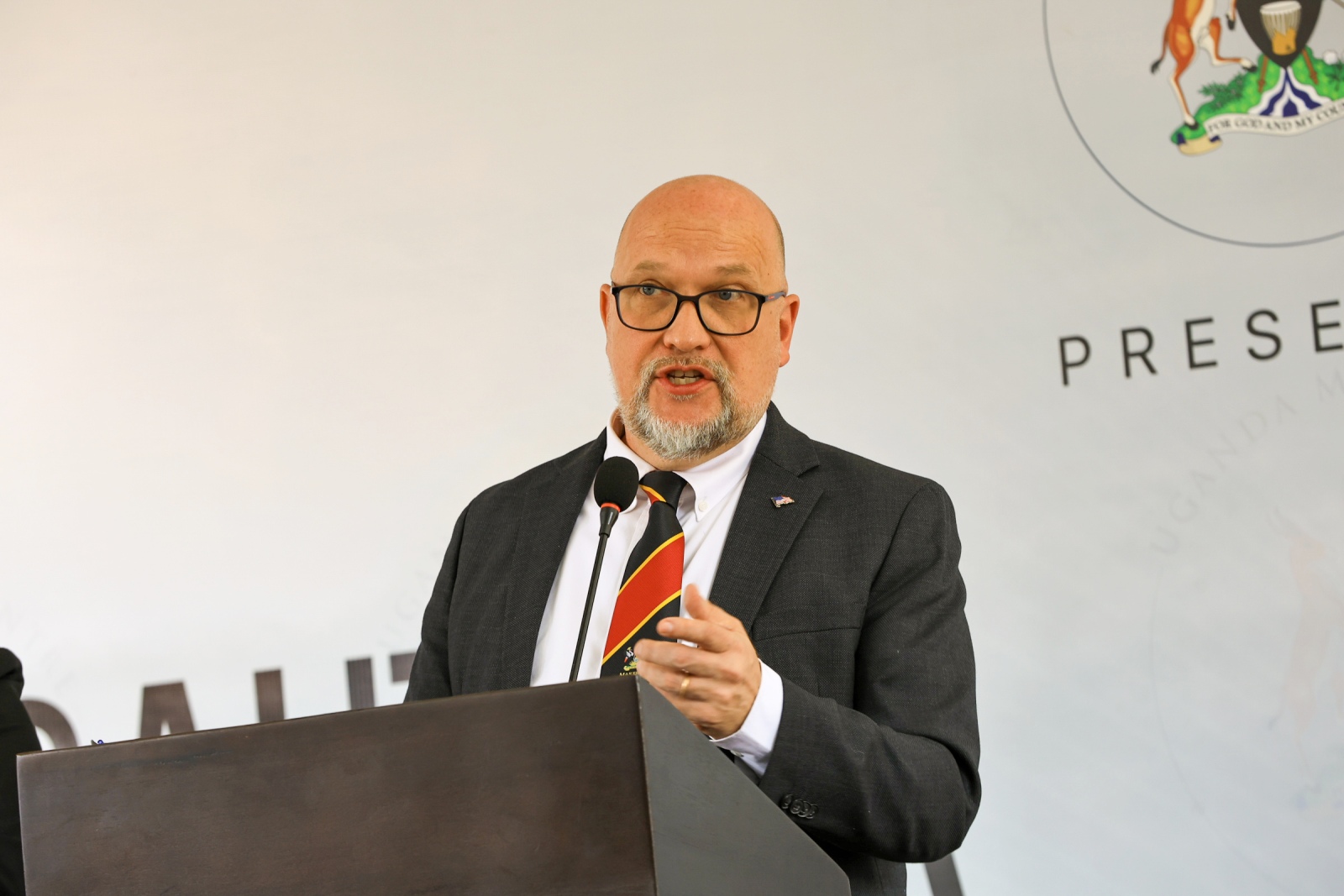
“The study was led by Ugandan scientists, Ugandan managers, Ugandan public servants, Ugandan field teams, from design to data collection to analysis. And this is what two decades of focused strategic U.S. foreign investments in the public health sector was meant to produce, is to reinforce Ugandan leadership and Ugandan-led efforts.”
At the survey launch on 29 May 2025, MakSPH Dean Prof. Rhoda Wanyenze highlighted the partnership’s contribution: “The partnership between Makerere University and CDC has not only helped build national capacity in surveillance and epidemiology, but has also strengthened our ability to lead high-quality, large-scale national surveys.”
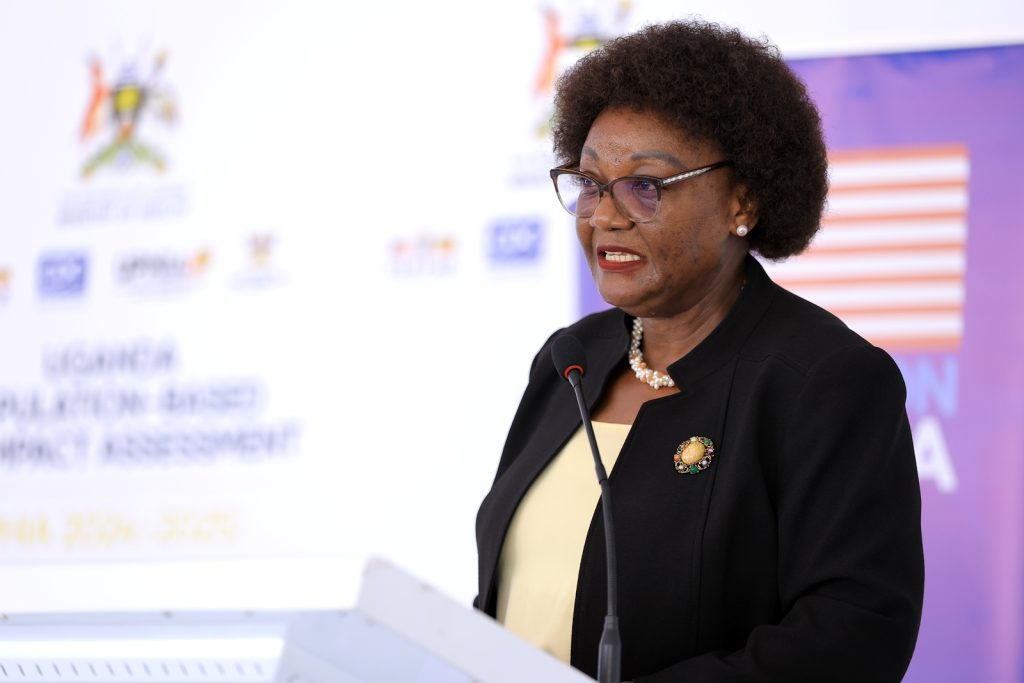
The Dean added: “After two decades of joint work, we are proud that UPHIA is now a fully Ugandan-led effort. This is critical to the sustainability of the skills and knowledge generation to inform our local response.”
UPHIA 2025 shows how far Uganda’s HIV response has advanced and where gaps remain. As the country works towards ending AIDS as a public health threat by 2030, reaching young people with testing, treatment, and continued care will be essential to extending those gains.
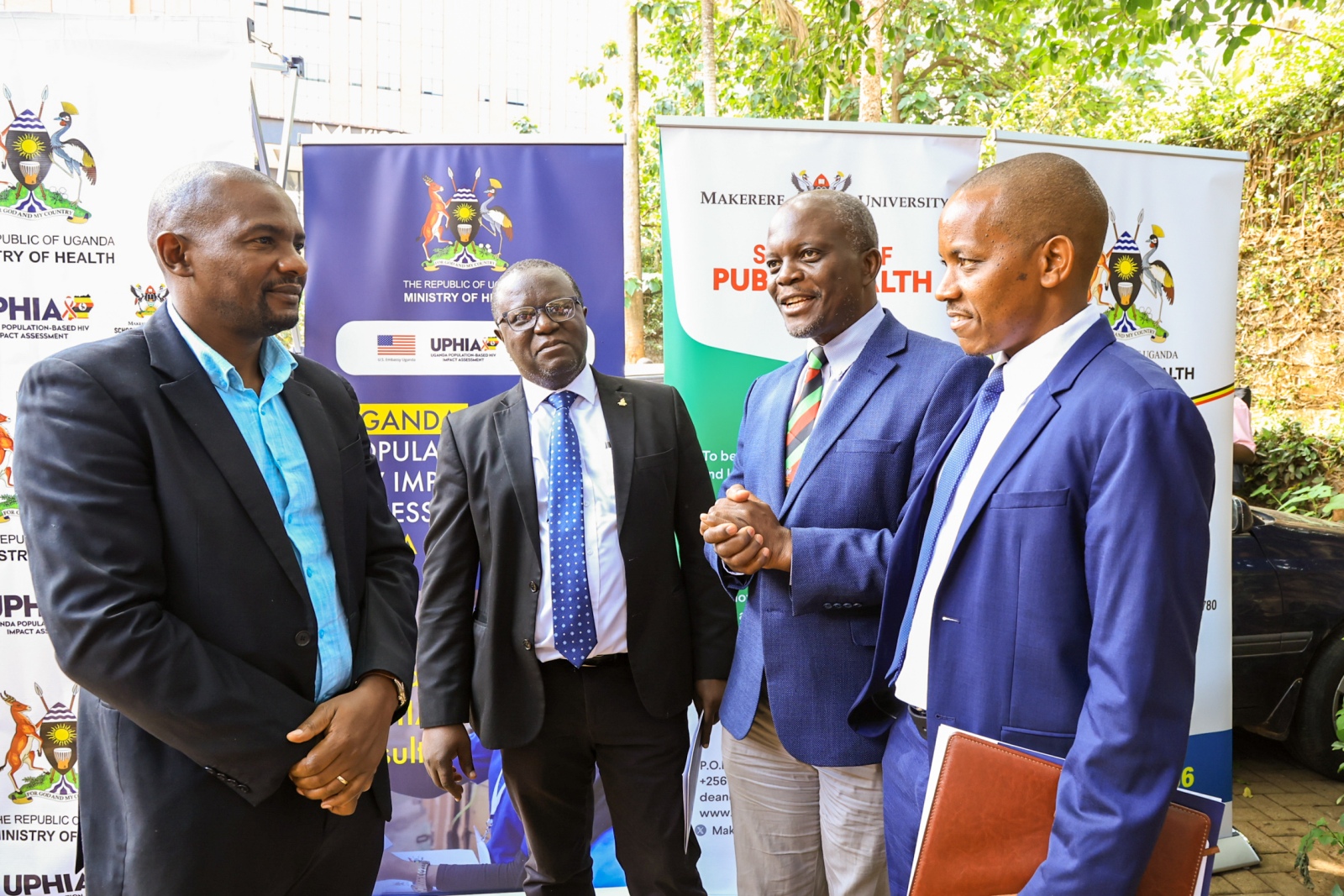
Read the full UPHIA 2025 summary results here:

-

 General2 weeks ago
Statement on Concerns Circulating Regarding a Member of Academic Staff
-

 General2 weeks ago
Beyond Map Size: Africa’s Agency Should Not Be Funded by Other People
-

 General6 days ago
Timothy Khabusi: From Barefoot Walks to shaping Uganda’s Eye health Future
-

 General2 weeks ago
Press Statement: Incident Involving Death of a Student at Makerere University
-

 Health1 week ago
Uganda’s HIV Treatment Gains Bring the Youth Gap into Focus