
Health
Ugandan Study Flags Girls and Senior Students as a Mental Health High-Risk Group

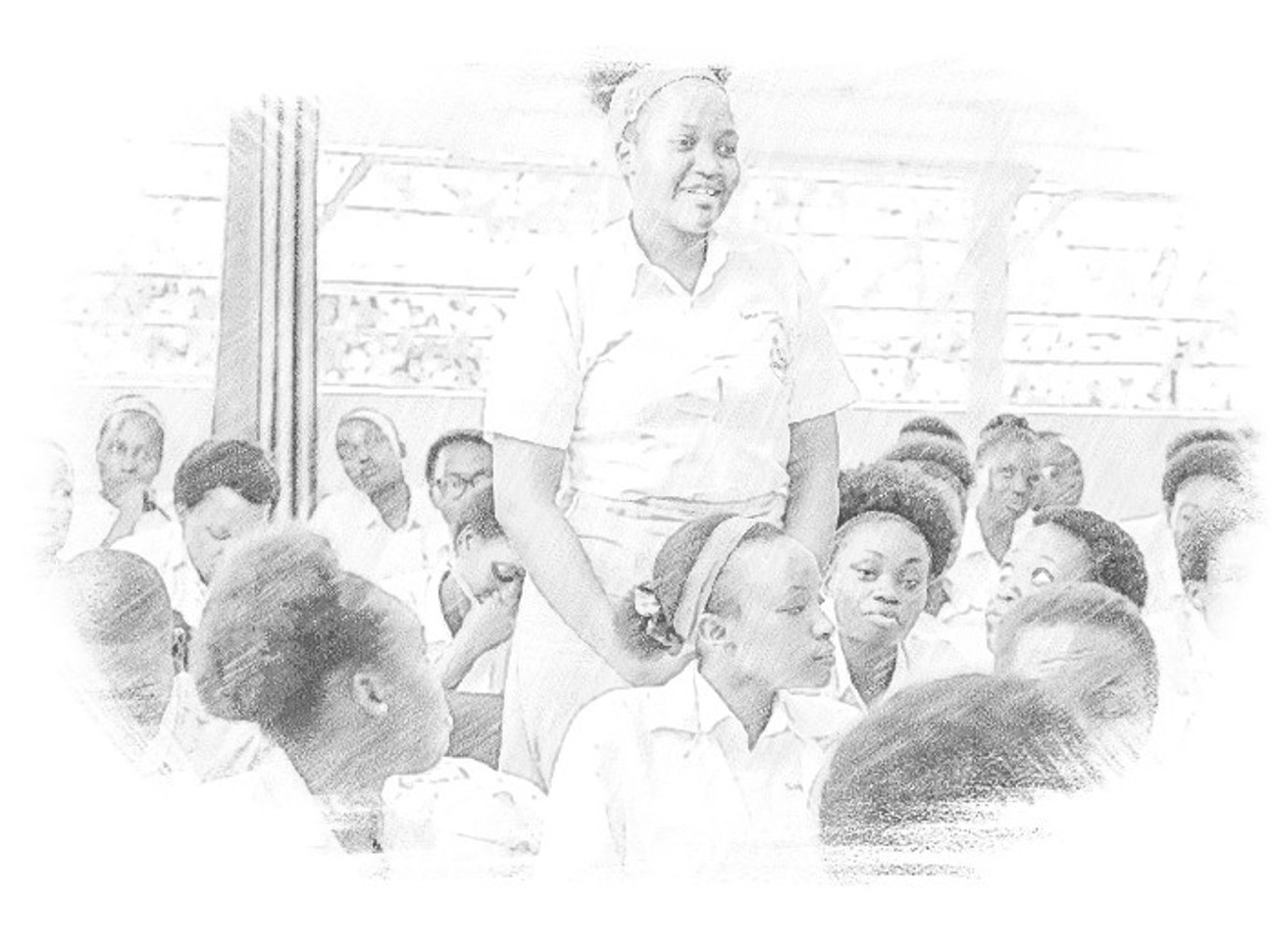
Based on research led by Max Bobholz and colleagues from Makerere University in Uganda, Essentia Institute of Rural Health, and the Medical College of Wisconsin in the United States.
Adolescence is meant to be a time of holistic growth and self-discovery, but for many Ugandan teenagers, this period is becoming a season of silent mental health struggles. A new study published in PLOS Global Public Health has uncovered a silent but growing crisis: nearly one in five Ugandan secondary school students in the study areas have signs of an emotional disorder. These conditions included anxiety, depression, post-traumatic stress disorder (PTSD), and adjustment disorders often involving excessive worry, sadness, fear, or mood instability. Also, one in 20 adolescents exhibited behavioral issues ranging from attention-deficit/hyperactivity disorder (ADHD) and oppositional defiant disorder to substance use and other risky behaviors like alcohol use.
The study, led by Max Bobholz, a PhD candidate in Public and Community Health at the Medical College of Wisconsin, surveyed a sample of 1,953 students aged 10 to 18 years enrolled in eight secondary schools in Iganga district in Eastern Uganda and Mukono district in Central Uganda. This was one of the most comprehensive efforts yet to understand the prevalence and drivers of mental health challenges among school-going Ugandan adolescents.
“We are looking at a generation facing a complex blend of stressors, namely, academic, social, and emotional,” says Bobholz. “Our findings show that certain groups are especially vulnerable, and schools need to be equipped to respond.”
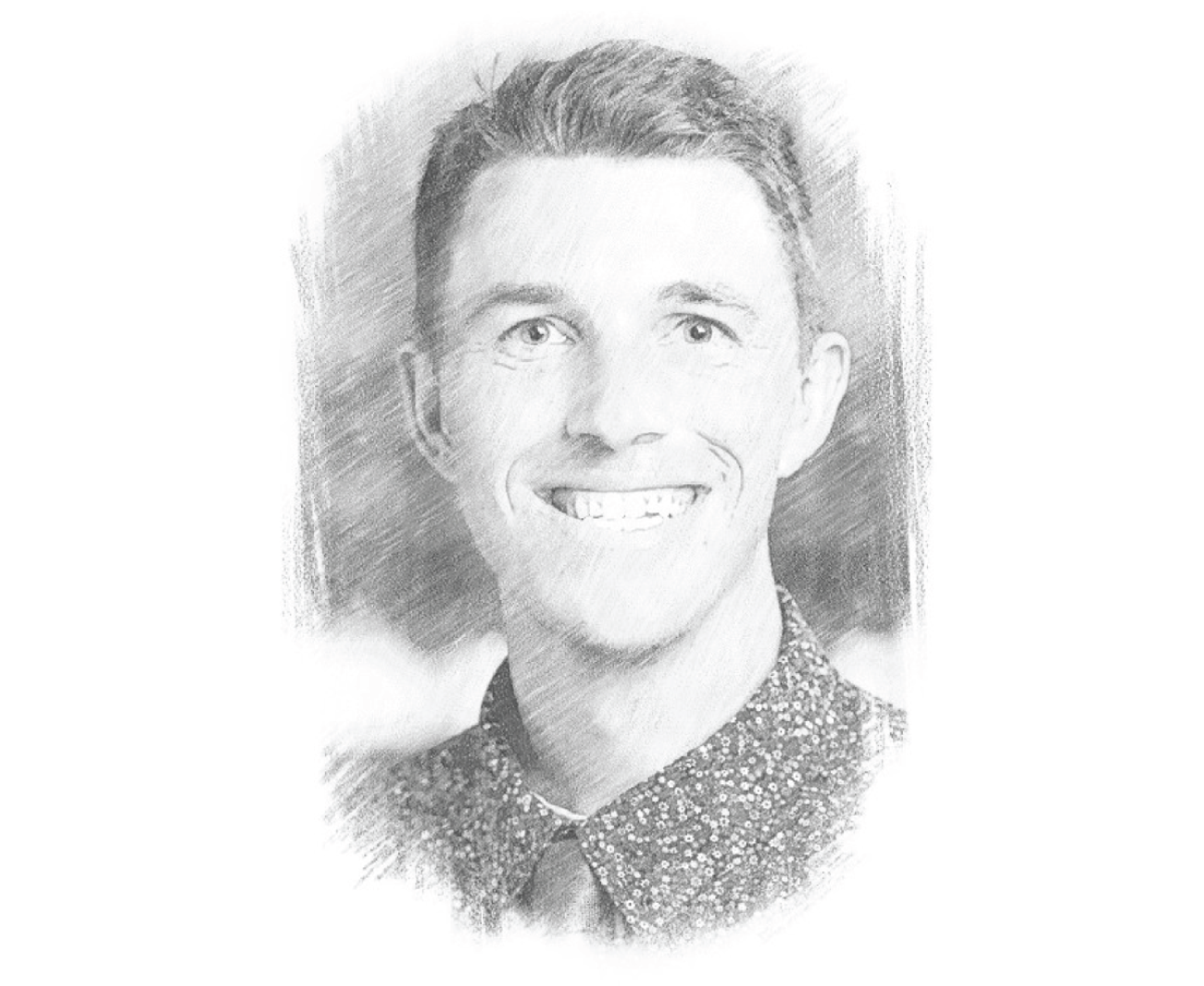
This study results, published on June 12, 2025 was funded by the Swedish International Development Cooperation Agency (SIDA), a government agency of the Swedish Ministry for Foreign Affairs, through the Makerere University Postdoctoral Fellowship to one of the investigators, Dr. Catherine Abbo. Other researchers included Julia Dickson-Gomez, Arthur Kiconco, Abdul R. Shour, Simon Kasasa, Laura D. Cassidy, and Ronald Anguzu.
According to the study, girls bear a higher emotional burden. Researchers found that female students had nearly two times higher odds of suffering from emotional disorders such as anxiety or depression than their male peers.
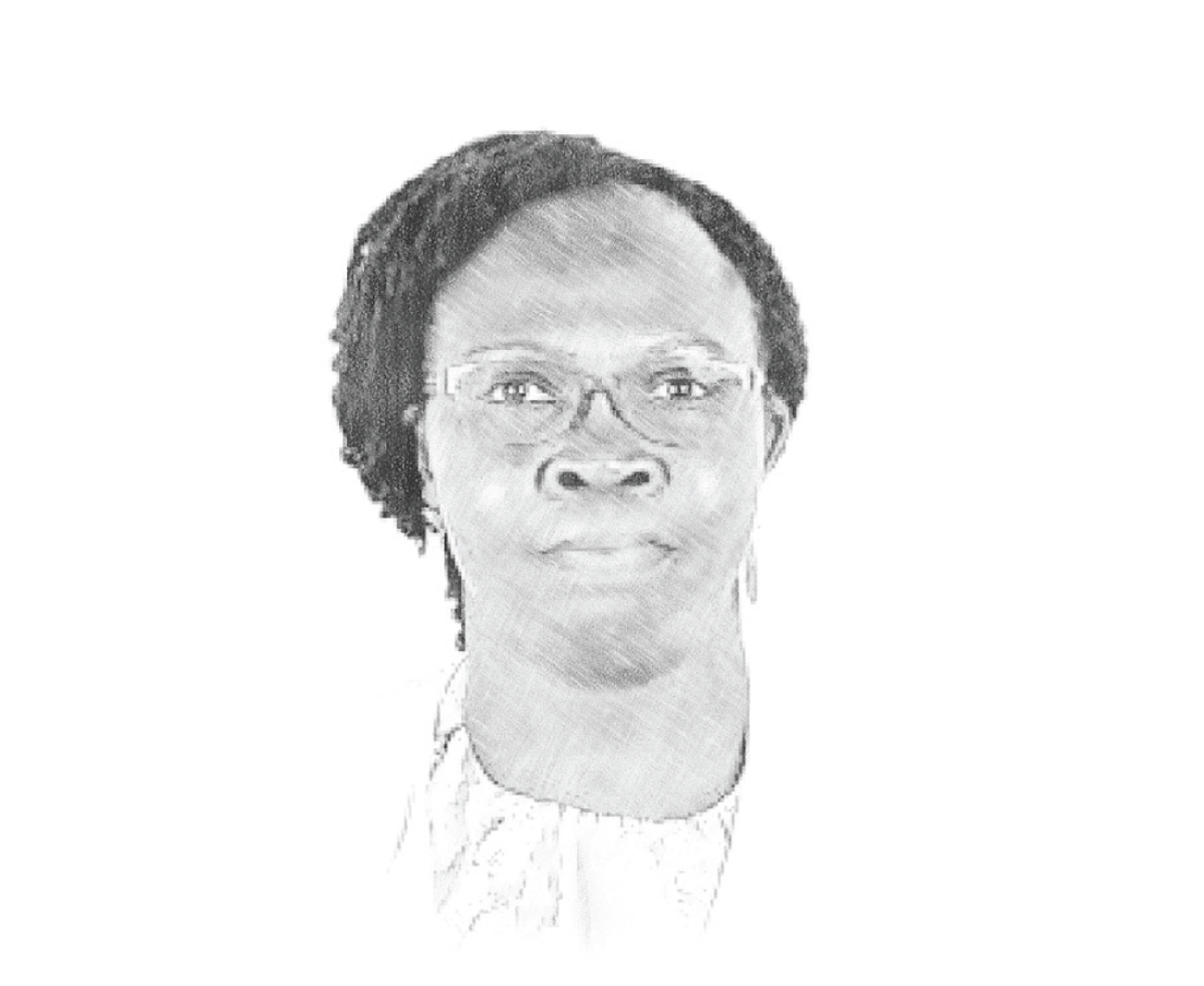
Dr. Catherine Abbo, an Adolescent Psychiatrist and Associate Professor at Makerere University, attributes this to both biological and socio-cultural factors. “Puberty brings hormonal shifts that can heighten emotional sensitivity,” she explains. “But just as importantly, Ugandan girls often face intense pressure to conform to gender roles while also navigating issues like body image, harassment, and future uncertainty.” The researchers are calling for gender-sensitive mental health interventions, particularly in schools, where early support could help mitigate long-term mental health issues.
Higher associations in older teens?
Age also emerged as a key associated factor, with each additional year increasing the odds of behavioral disorders by 20%. “As adolescents grow older, they are more prone to risk-taking, impulsivity, and resistance to authority,” explains Dr. Simon Kasasa, a senior lecturer and biostatistician at Makerere University School of Public Health.
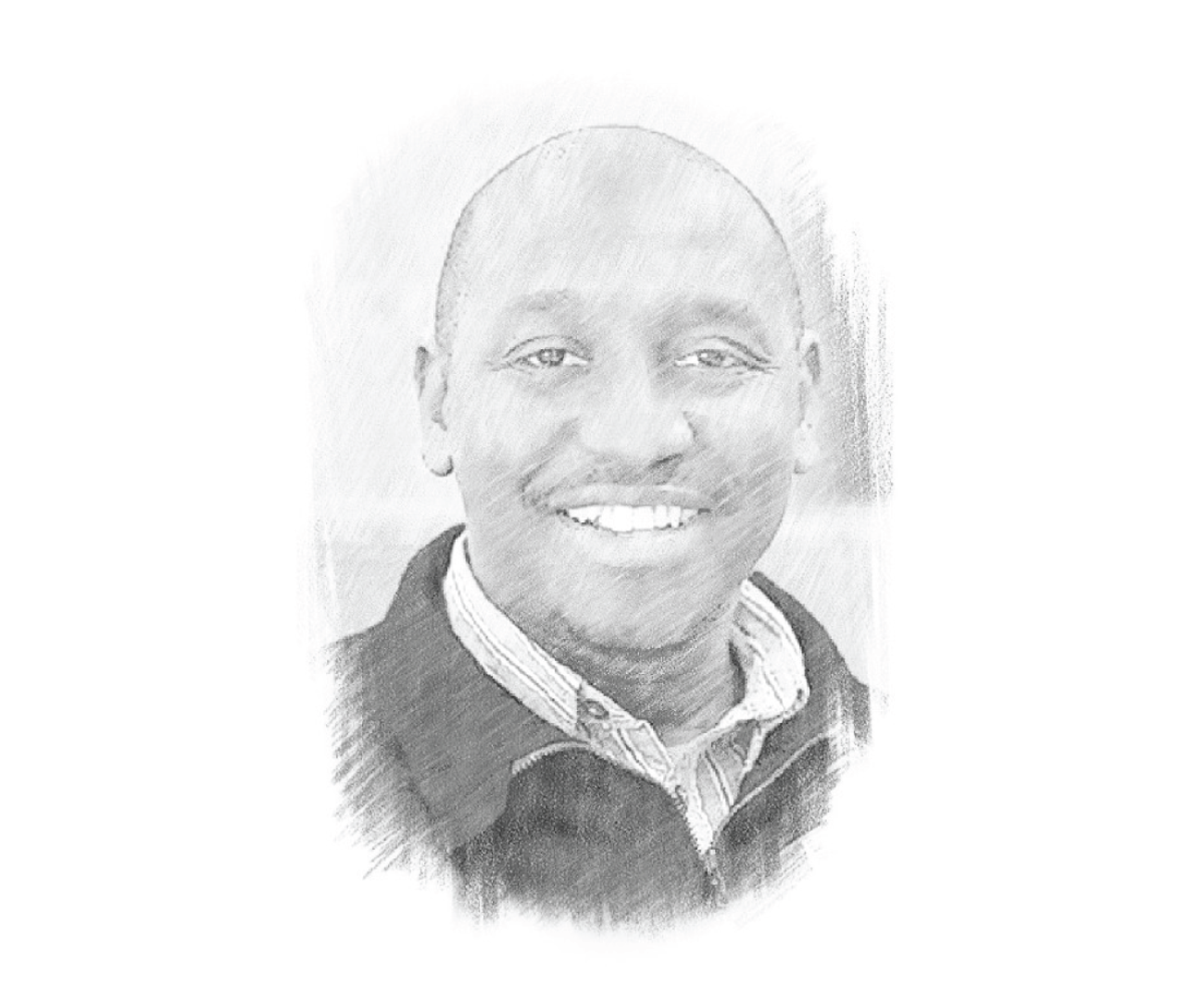
“Combine that with academic pressure and identity-related stress, and it’s no surprise we’re seeing more conduct issues in late adolescence,” Dr. Ronald Anguzu, an Assistant Professor in the Institute for Health and Humanity at the Medical College of Wisconsin, added. This study raises critical questions about whether and how Ugandan secondary schools support older students as they transition toward adulthood.
The unseen influence of family mental health
The study also found that adolescents with a family history of mental illness had twice the odds of exhibiting behavioral problems compared to those without such a history.
“This speaks to the intersection of genetics and environment,” says Bobholz. “Living in a household with people affected by mental illness can mean instability, stigma, and lack of emotional support, all of which weigh heavily on a developing mind.”
The authors recommend that school mental health screening include family mental health history and advocate for greater collaboration between education and health sectors to support at-risk households.
Private schools: High marks, higher stress?
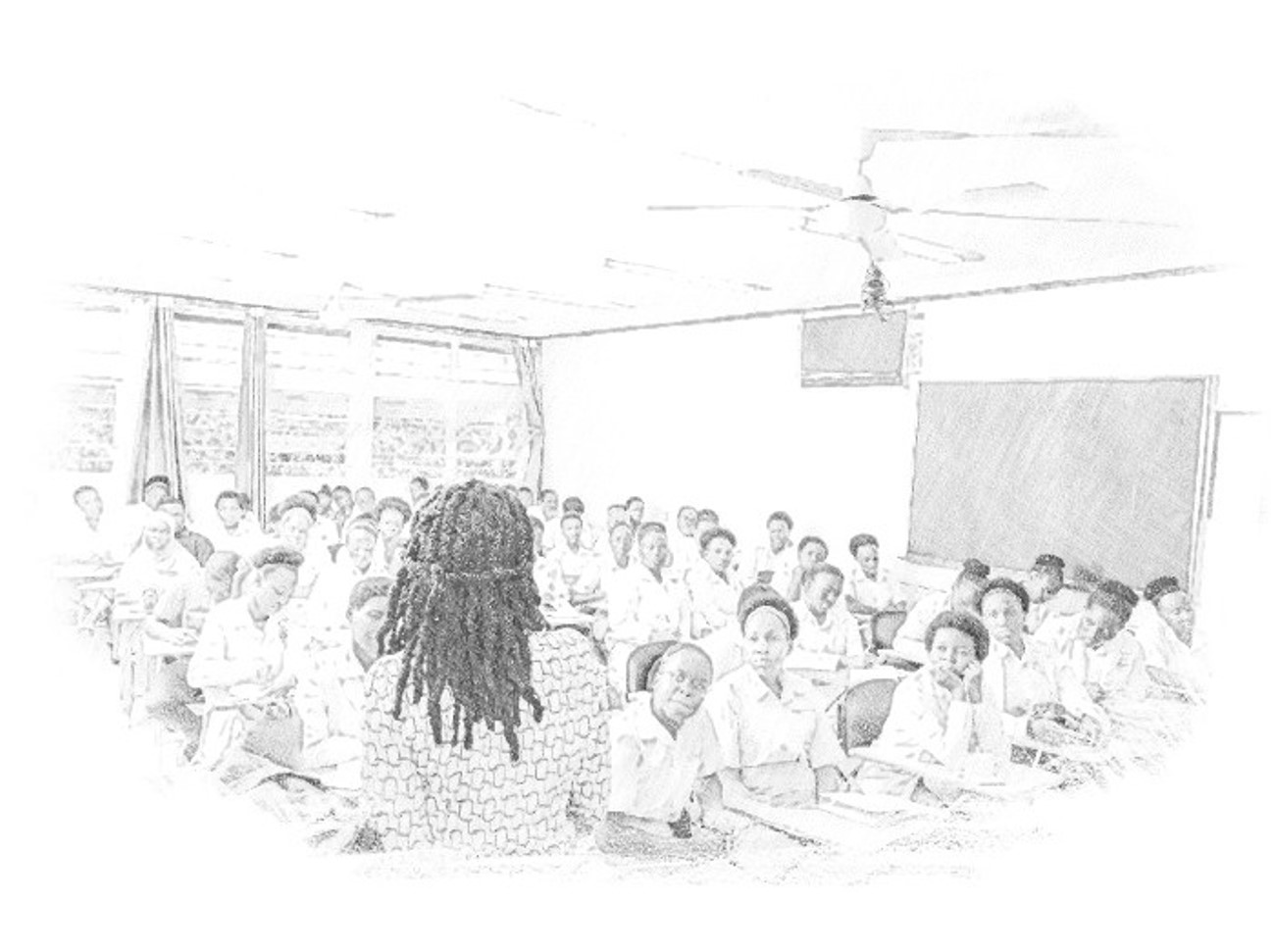
Interestingly, students in private schools had 1.4 times the odds of experiencing emotional disorders compared to those in public schools. Private schools, often seen as academic havens, may inadvertently be cultivating high-pressure environments. “There’s an assumption that better facilities mean better well-being,” says Dr. Abbo. “But intense academic competition, social isolation, and a lack of trained counselors can create emotional pressure cookers.”
Previous research in 47 secondary schools across five districts (Rakai, Kyotera, Masaka, Lwengo, and Kalungu) in southwestern Uganda found that economic and family support helped reduce absenteeism among adolescent girls in secondary schools. However, this support did not significantly improve behavior or reduce grade repetition. The region, which includes districts like Rakai and Masaka, also faces a higher burden of HIV, adding to the challenges young people experience.
Meanwhile, a review of data from 42 primary schools in Luwero District identified school-based mental health interventions such as cognitive behavioral therapy and mindset-building approaches as being particularly effective. Researchers now suggest that integrating these strategies, along with efforts to reduce school violence, could go a long way in improving the mental health of Ugandan adolescents.
A-Level pressure: Academic ambition meets mental health strain
The study also found a correlation between advanced (A’level) education and increased risk of emotional disorders. “We selected one school district from each region based on population and past academic performance. As these students prepare for university or the job market, the pressure to succeed becomes enormous,” says Kasasa. “They’re facing a future full of uncertainty, with very little structured mental health support to help them cope.”
A wake-up call for Uganda’s education and health systems
The authors of this study assert the urgent need for school-based mental health programs, especially in private and A-level institutions. These programs should offer routine screening, emotional support, and training for teachers to recognize warning signs of mental health disorders.
Importantly, this study adds weight to calls for a national adolescent mental health policy, tailored to Uganda’s context, with interventions that bridge health, education, and social services.
“Our data shows that mental health challenges are not a fringe issue,” says Bobholz. “They are widespread, significant, and deeply tied to school, home, and society.”
The COVID-19 school closures between 2020 and 2022 deepened feelings of isolation and financial strain, with out-of-school adolescents reporting depression rates as high as 21.5% to 50% higher than their peers who remained in class, according to research published in February 2025. Yet Uganda invests less than 1% of its health budget in mental health, with just one psychiatrist per million people, leaving many teens to cope through cheap alcohol used by 28% of urban youth or untrained healers, as reported by the government paper The New Vision in April 2025. With only 26% of students completing lower secondary school and 35% of the population under age 24, these mental health challenges now pose a serious threat to the country’s future.
Mercy Akankunda of Proven Foundation, a Ugandan NGO supporting vulnerable groups, warns that mental health struggles are quietly eroding the well-being of the country’s youth, over 12 million strong and making up 35% of the population. “These teens are not just statistics. They are the future of Uganda, she asserts. If Uganda hopes to reap the dividends of its young population, addressing adolescent mental health must become and remain a national priority, not just for treatment, but for prevention, resilience, and hope.
Reference:
Bobholz, M., Dickson-Gomez, J., Abbo, C., Kiconco, A., Shour, A.R., Kasasa, S., Cassidy, L.D., & Anguzu, R. (2025). Correlates of behavioral and emotional disorders among school-going adolescents in Uganda. PLOS Global Public Health. Read the study here
















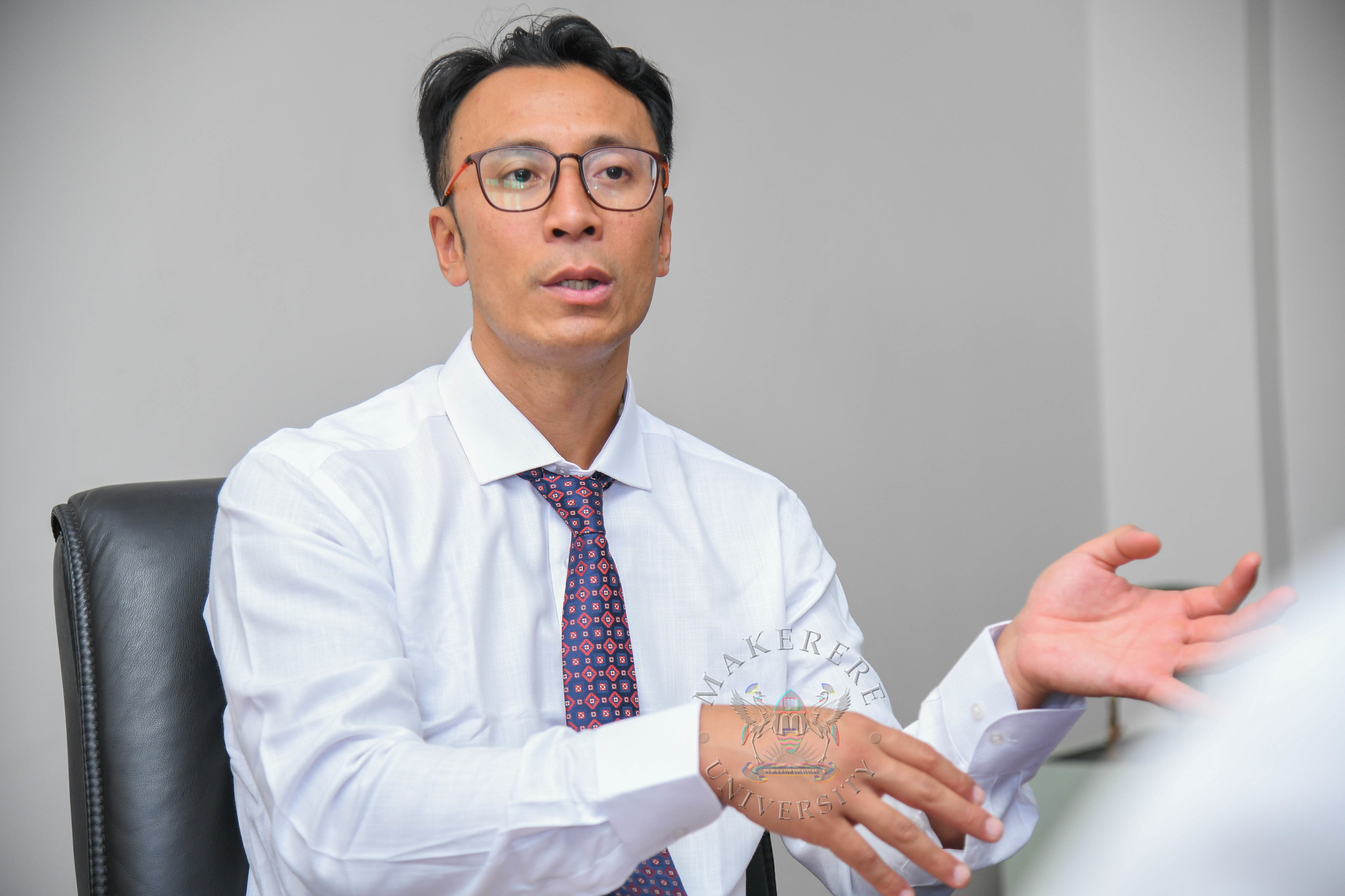
Through a European Union (EU) funded initiative, Makerere University and Mulago Hospital are hosting a German oncology reconstruction specialist Professor Dr. Thiha AUNG. AUNG is a surgeon, trainer at the Deggendorf Institute of Technology (THD), and researcher on cancer from the Deggendorf Institute of Technology (DIT), Germany.
With his international expertise in oncology and medical management roles at his home institution, his visit is a valuable addition to Uganda’s capacity building efforts in medical advancement.
Prof. Aung who arrived in Uganda in late September 2026 and has since then conducted free identified patient specialised surgeries and training for locals. These are expected to span two weeks. For the period, his service intersects medical expertise and humanitarian efforts.
This is not Prof. Aung’s first time in the country; his first major visit was in 2023, when he performed life-changing free surgeries on early patients. He then made medical history in June 2024 when he arrived to perform Africa’s first-ever lymph node transplant at Mulago Hospital.
It was against this background that the Makerere Public Relations Office engaged him in an exclusive interview to share his philosophy on medical service, his experiences in oncology reconstruction, and his unwavering belief that passion and dedication rather than just resources are the true drivers of sustainable medical progress.
Transforming Lives Through Oncology Reconstruction
At the heart of his mission through the ERASMUS – Oncology/Lymphedema project, is the treatment of lymphedema, a condition often referred to as elephantiasis.
In Europe, such surgeries can cost between 80,000 and 100,000 euros, making them inaccessible to many.
Thankfully, Professor and his team, including some of his post graduate students like Anna Friedrich (B.Sc) and Sophia Waser (B.Sc., PA) from the Institute of Medical Science and Engineering, have once again brought this specialised care to Uganda pro bono.

He highlights the story of a teacher who, after receiving surgery, regained her quality of life and returned to the classroom. For him, the impact is exponential. “You change one life, but this person changes a lot in the community.”
This shift from individual surgery to the long-term wellbeing of the community, reinforces the local impact of these services.
Professor AUNG’s Personal Conviction
The professor confessed that inherently, he commands himself that beyond knowledge, true progress is driven by passion and will rather than resources.
He does not agree with those that think money and resources are the sole prerequisite for change in the medical world, stating, “you cannot change with money only.” Rather, he upholds the importance of personal decision and commitment.
When discussing the challenges of working in resource-limited settings, he maintains a simple, direct explanation “it’s always beyond the money.”
Ultimately, the Professor believes that if he can provide the spark, his students and patients can carry through with the same flame for significant change.
Motivation to Serve in Uganda
When asked about his inspiration for entering the field and now volunteering to work in Uganda, he explained that his primary goal was always to serve others. “That’s why I finished my medical school to help as many people as possible with my skills.”
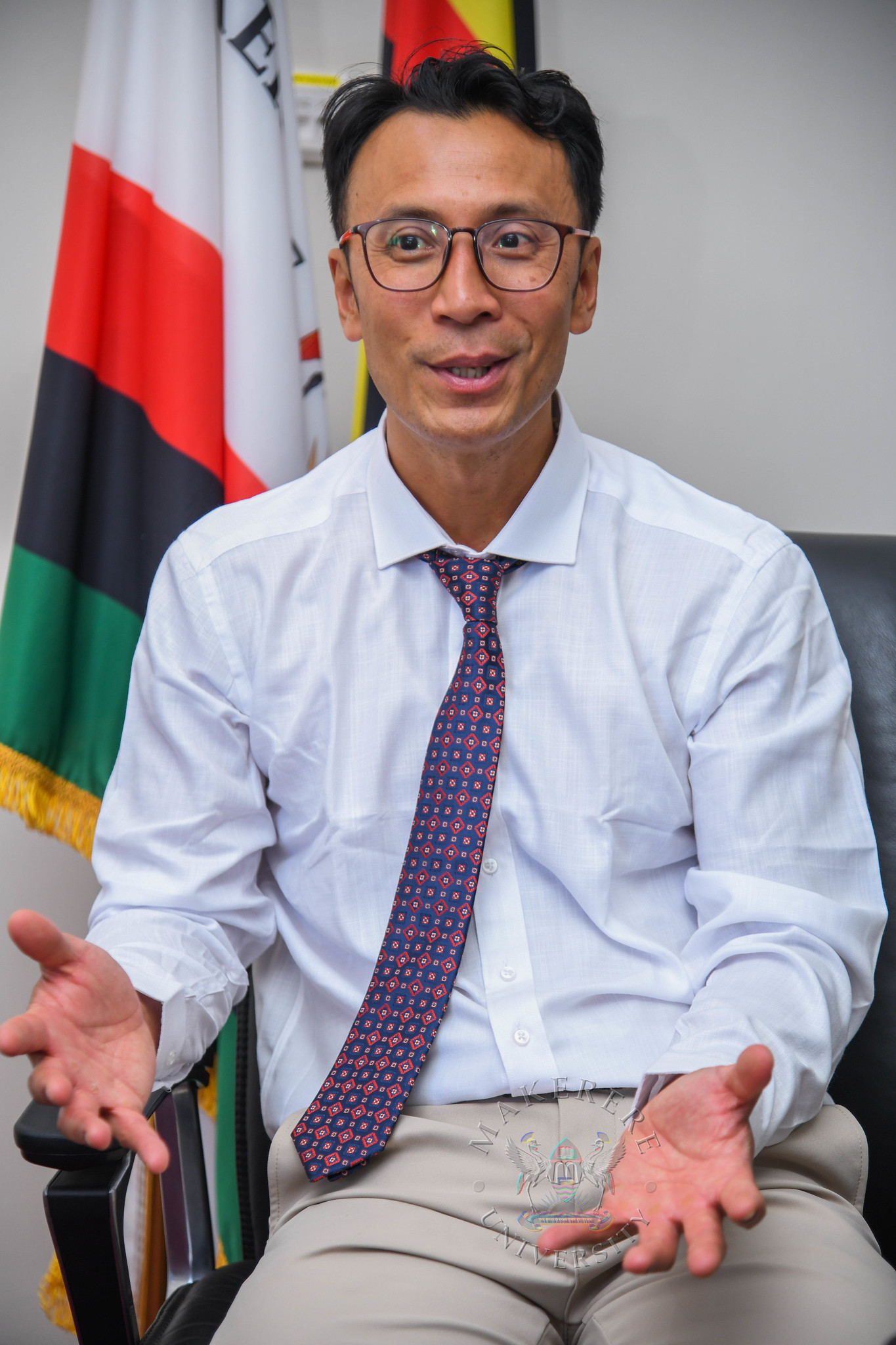
He views his medical expertise not as a tool for the privileged, but as a universal resource., “People are all the same, their anatomy is the same. So, I can help all these people pretty well,” Prof AUNG remarked.
His approach is motivated by a pay it forward dogma where treating a single patient creates a broader societal benefit. He illustrates this through his work with patients who, after surgery, are able to return to their professions like the teacher earlier mentioned.
Tips for Medical Professionals working in Uganda
As a foundation for professional growth, the Professor advised medical professionals working in Uganda to prioritise genuine interest in their work because he believes it is “the most important…” for “if you are interested, you will go far in the profession.”
He further reinforced the human capacity point, noting, “no matter what kind of equipment you have… it all depends on the people operating them and the patient.”
Professor AUNG concluded by encouraging doctors to overcome resource fears through action, stating, “If you want to create impact or change, you do.”
Dr. AUNG is part of the Lymphoedema Warriors Association (LWAU) in Uganda. He describes it as a grassroots organisation and commends them for “leveling the grond”. He reiterated his commitment to work with the organisation in reviewing patient reports to determine the best course of treatment.

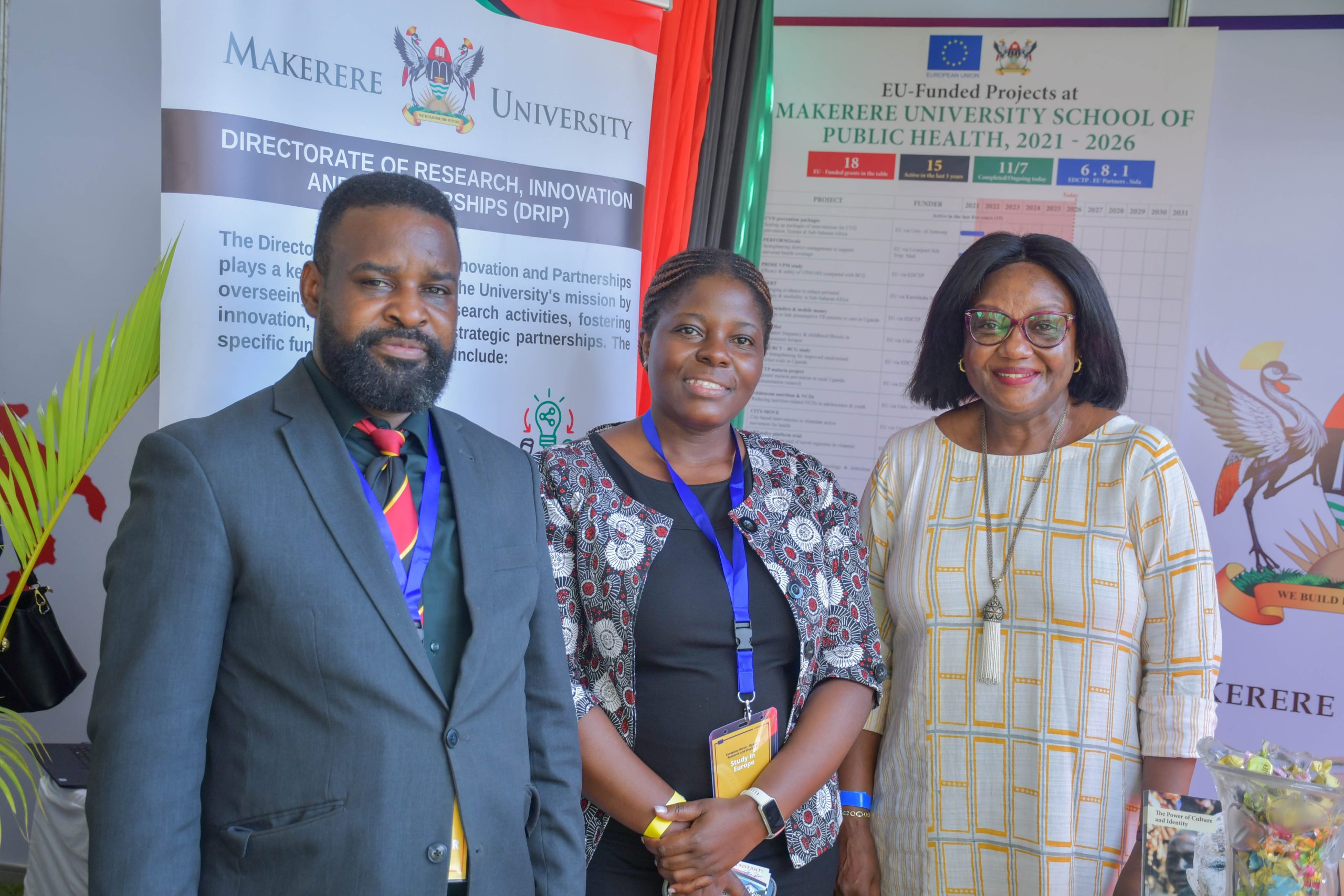
Makerere University’s School of Public Health (MakSPH) showcased research, training and international partnerships supported through European Union funding during the EU Uganda Research and Study Fair 2026 held at Makerere University.
The fair brought together students, researchers, academics, government representatives and development partners to explore opportunities in education, research, innovation and international collaboration, while celebrating 50 years of partnership between Uganda and the European Union.
Through its exhibition, MakSPH highlighted research and capacity building initiatives addressing public health challenges including infectious diseases, non communicable diseases, health systems, climate change and pandemic preparedness.
18 EU funded projects supported at MakSPH
Prof. Rhoda Wanyenze, Dean of Students, School of Public Health, said the School has benefited from 18 EU funded projects over the past five years, supporting research and training across several areas of public health.

She said the projects have contributed to the training of PhD researchers and the development of research addressing infectious diseases and prevention, non communicable diseases, health systems, climate change and health.
Prof. Wanyenze also highlighted a new five year programme which started in 2021 that is aiming at strengthening capacity for research on pandemic preparedness and response, including outbreaks such as Ebola.
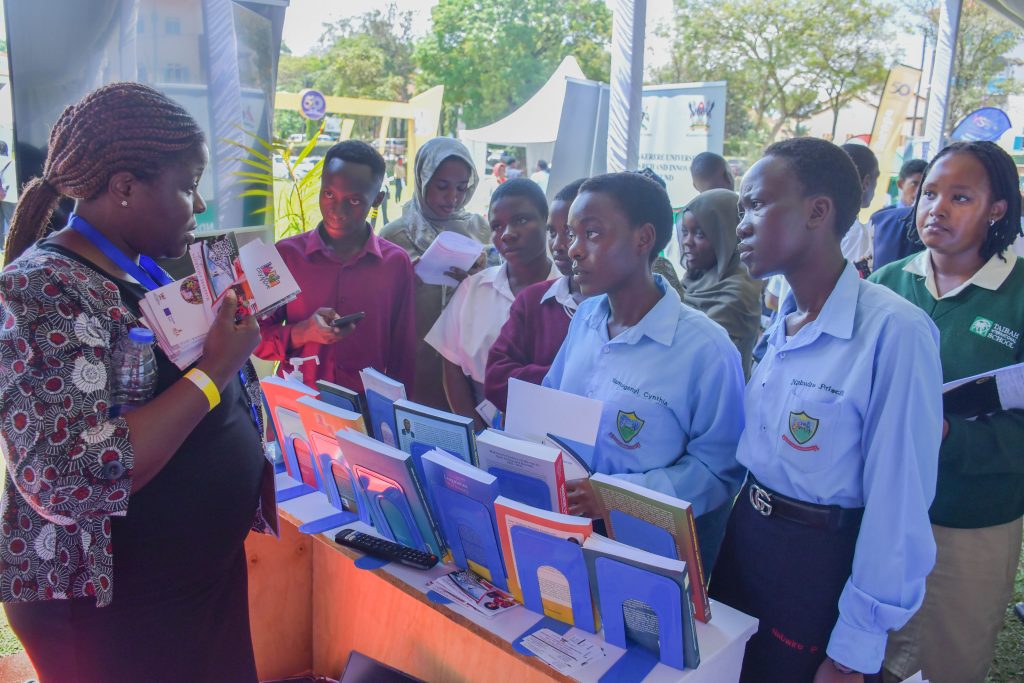
Another programme being undertaken with the Ministry of Health and Karolinska Institute focuses on improving maternal health while also addressing adolescent pregnancy and the health of mothers and children.
She described partnerships as critical to advancing science and innovation, noting that collaboration allows researchers in Africa and Europe to share knowledge and strengthen the impact of research on communities.
Research partnerships strengthen innovation
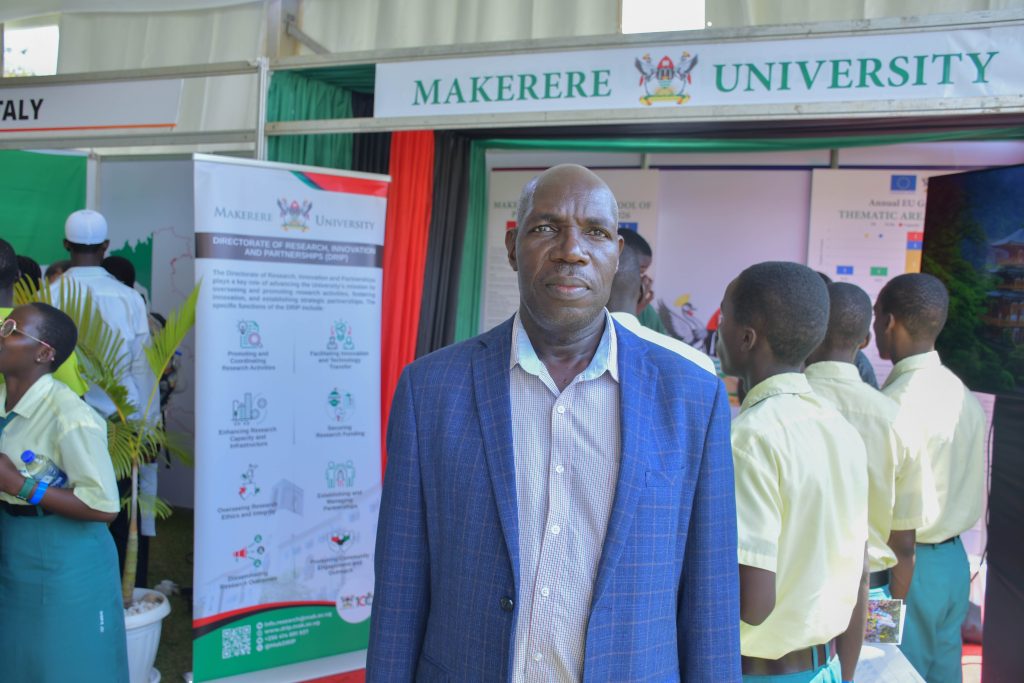
Prof. Robert Wamala, Director of the Directorate of Research, Innovation and Partnerships at Makerere University, said the exhibition provided an opportunity to showcase EU funded projects across the University.
He noted that the School of Public Health alone has more than 18 such projects, while other colleges also have several EU supported initiatives.
One of the projects showcased was PREPARE TID, a partnership aimed at developing rapid diagnostic technologies for emerging and re emerging infectious diseases.
Prof. Julius Okuni, Associate Professor of Veterinary Pathobiology and Molecular Diagnostics at Makerere University, said the project brings together universities, industries and other organisations from Africa and Europe.
The project is working to develop technologies that can quickly identify pathogens responsible for outbreaks such as Ebola, Rift Valley fever and Crimean Congo haemorrhagic fever.
According to Prof. Okuni, Makerere is involved in field and laboratory work to test and refine the technologies before they can be delivered to end users.
Fair provides platform for research visibility
For researchers at MakSPH, the fair also provided an opportunity to increase the visibility of ongoing research and create new connections with researchers, policymakers and potential funders.
Dr. Raymond Tweheyo, Honorary Lecturer and Senior Research Fellow in the Department of Health Policy, Planning and Management, said such exhibitions allow researchers to share their work and identify others working on related challenges.
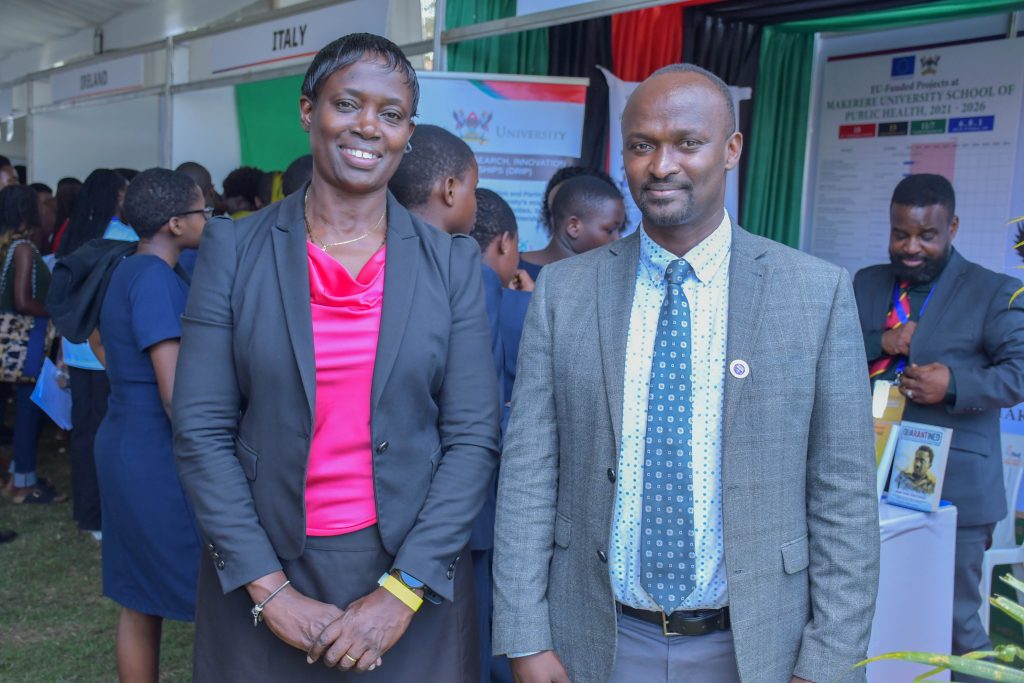
He cited the CONNECT for Health project, which focuses on transforming non-communicable disease care in Uganda through collaboration with partners across several countries.
Dr. Tweheyo said exhibitions can help researchers connect with policymakers, civil society organisations and other partners who can contribute to translating research into practical solutions.
Assoc. Prof. Angelina Kakooza Mwesigye, Associate Professor and Child Neurologist at Makerere University College of Health Sciences, also emphasised the importance of exposing young people to international research opportunities.
She said the long standing Uganda Europe partnership provides opportunities for the next generation of researchers to learn, build networks and prepare for future research collaborations.
The School of Public Health’s participation highlighted the role of international partnerships in strengthening research capacity, supporting innovation and developing evidence based responses to Uganda’s public health challenges.
-

 Agriculture & Environment2 weeks ago
Makerere University Welcomes 50 Youth Skilling Program trainees under the Africa Climate Collaborative, Supported by Mastercard Foundation
-

 General2 weeks ago
Timothy Khabusi: From Barefoot Walks to shaping Uganda’s Eye health Future
-

 Humanities & Social Sciences1 week ago
French Embassy Presents Four Makerere Scholars with Academic Palms
-
 General2 weeks ago
Makerere Hosts EU Uganda Research and Study Fair
-

 Agriculture & Environment2 weeks ago
After 10 Years Out of Education, Africa Climate Collaborative at Makerere University Opens a New Chapter for Okello