Connect with us

Education

Makerere Charts Bold Path for Digital Learning with New ODeL Master Plan

Published

on

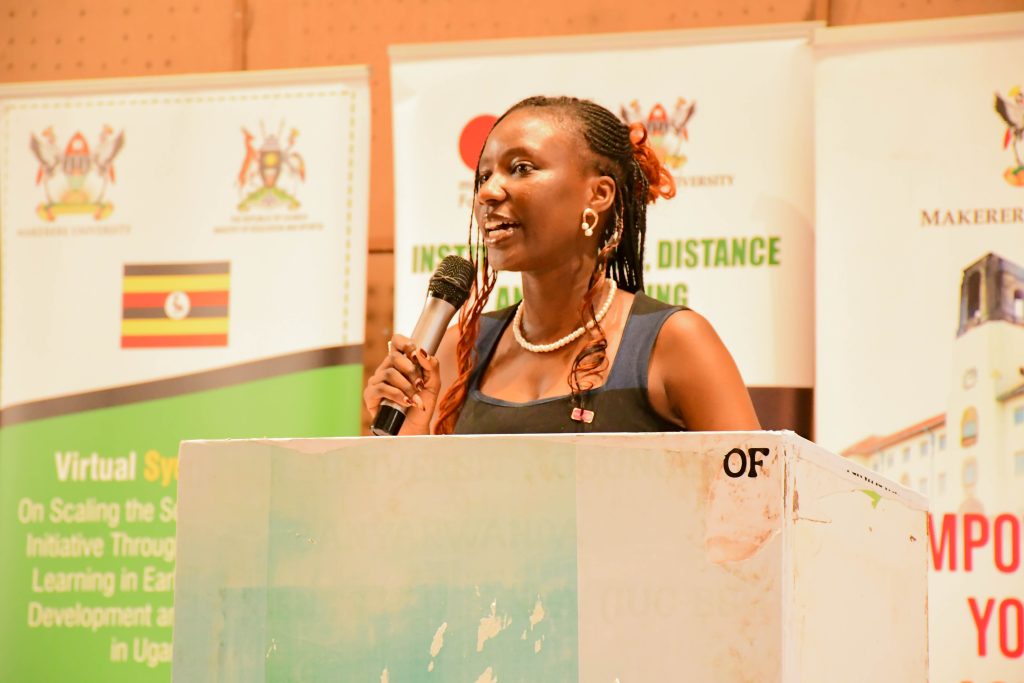
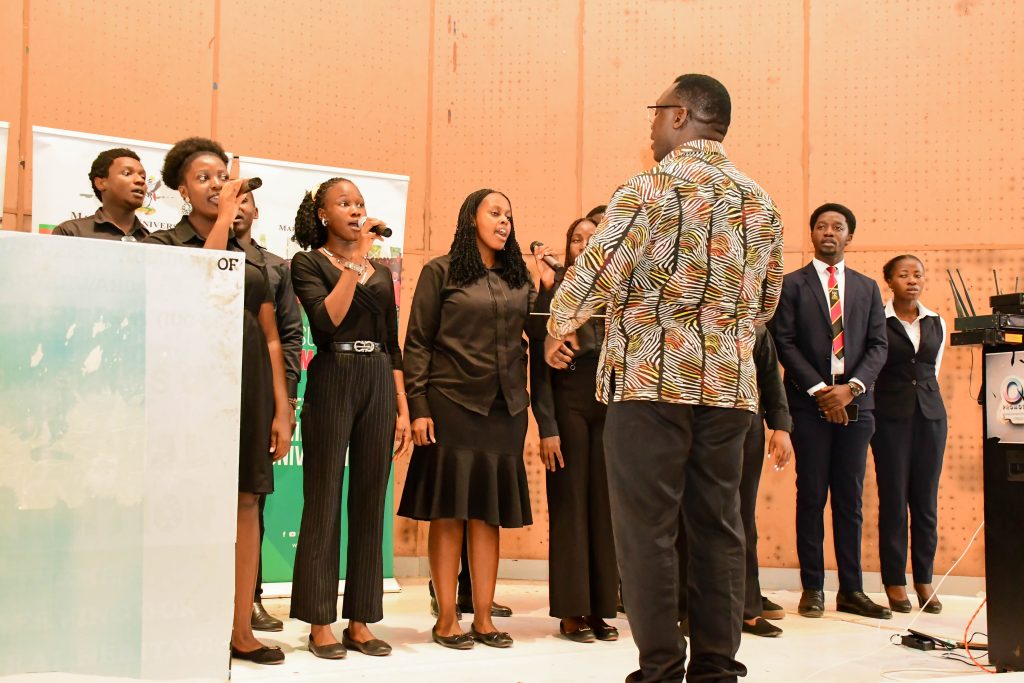
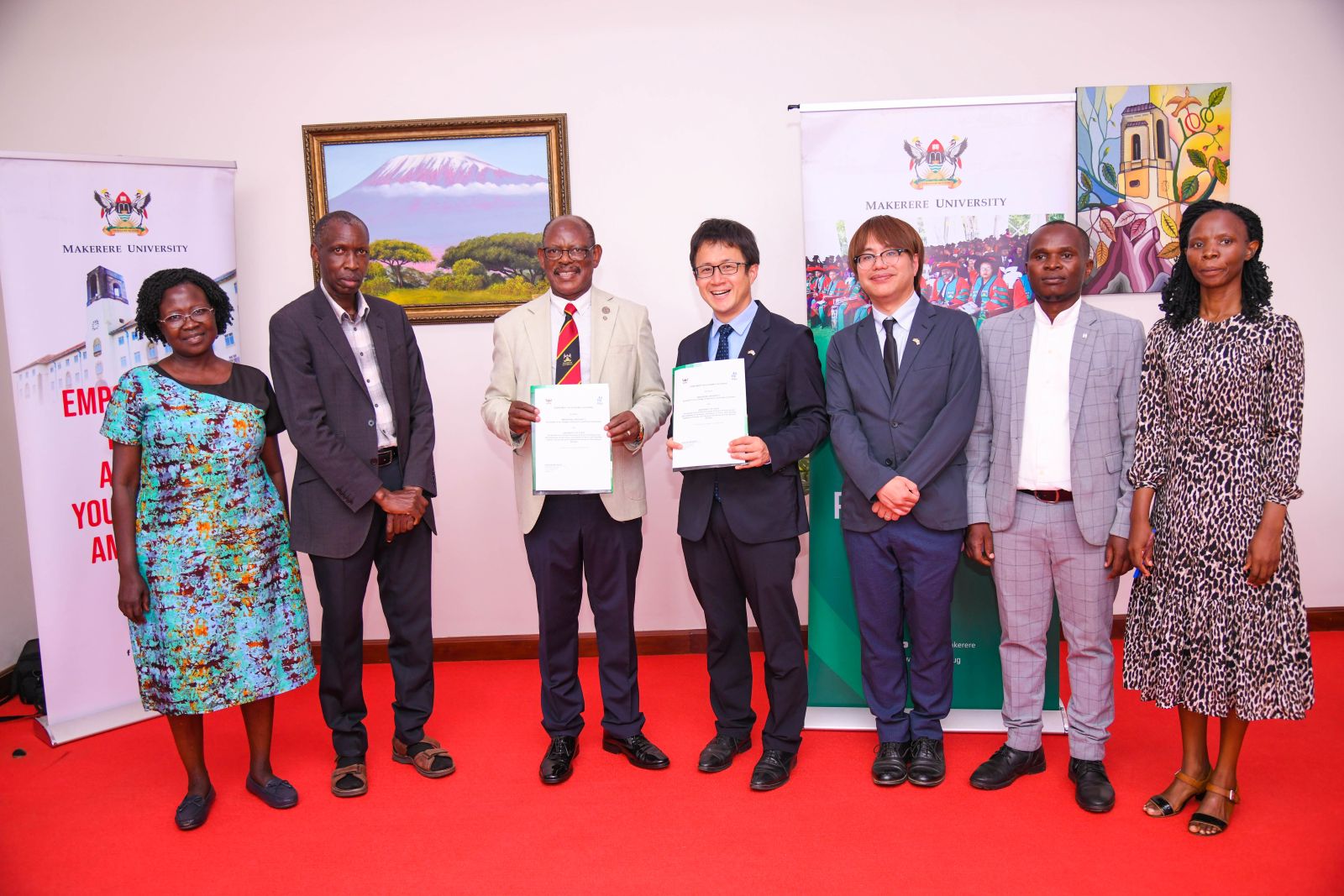
Makerere University has taken a significant step toward transforming its digital education landscape with the unveiling and stakeholder review of its Draft Master Plan for Open, Distance, and e-Learning (ODeL). The consultative workshop, held on Thursday, June 5, 2025, at Hotel Africana, brought together university leadership, academic staff, student representatives, and development partners to review the 10-year roadmap aimed at scaling access to quality, affordable, and inclusive education.

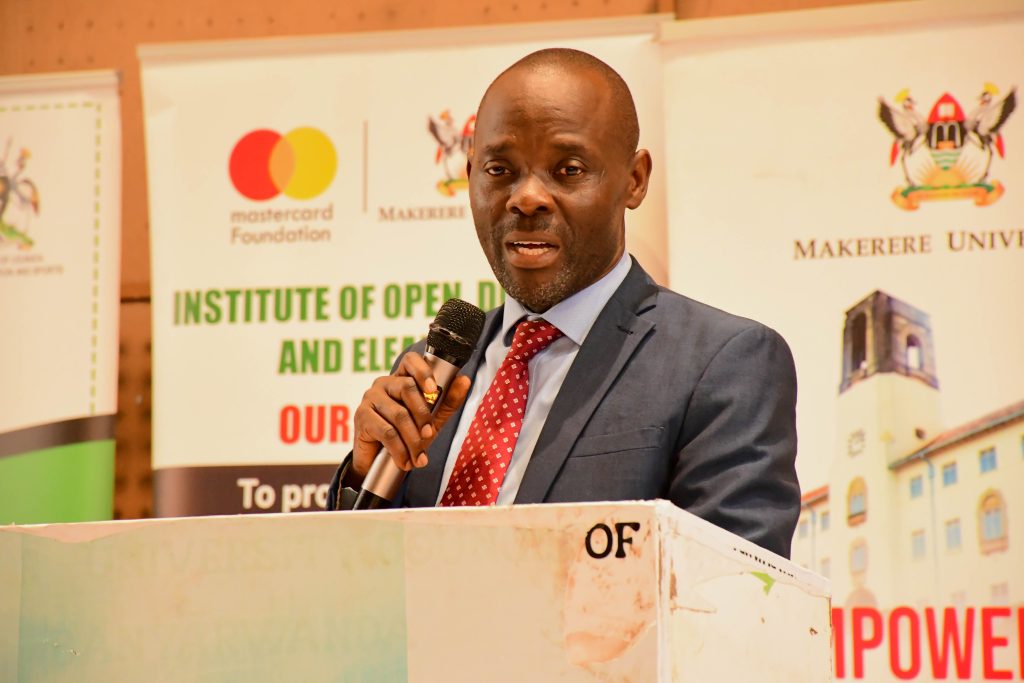
The workshop was officially opened by the Deputy Vice Chancellor (Academic Affairs), Professor Buyinza Mukadasi, who represented the Vice Chancellor. In his remarks, Prof. Buyinza underscored the transformative potential of the KOICA-supported initiative.
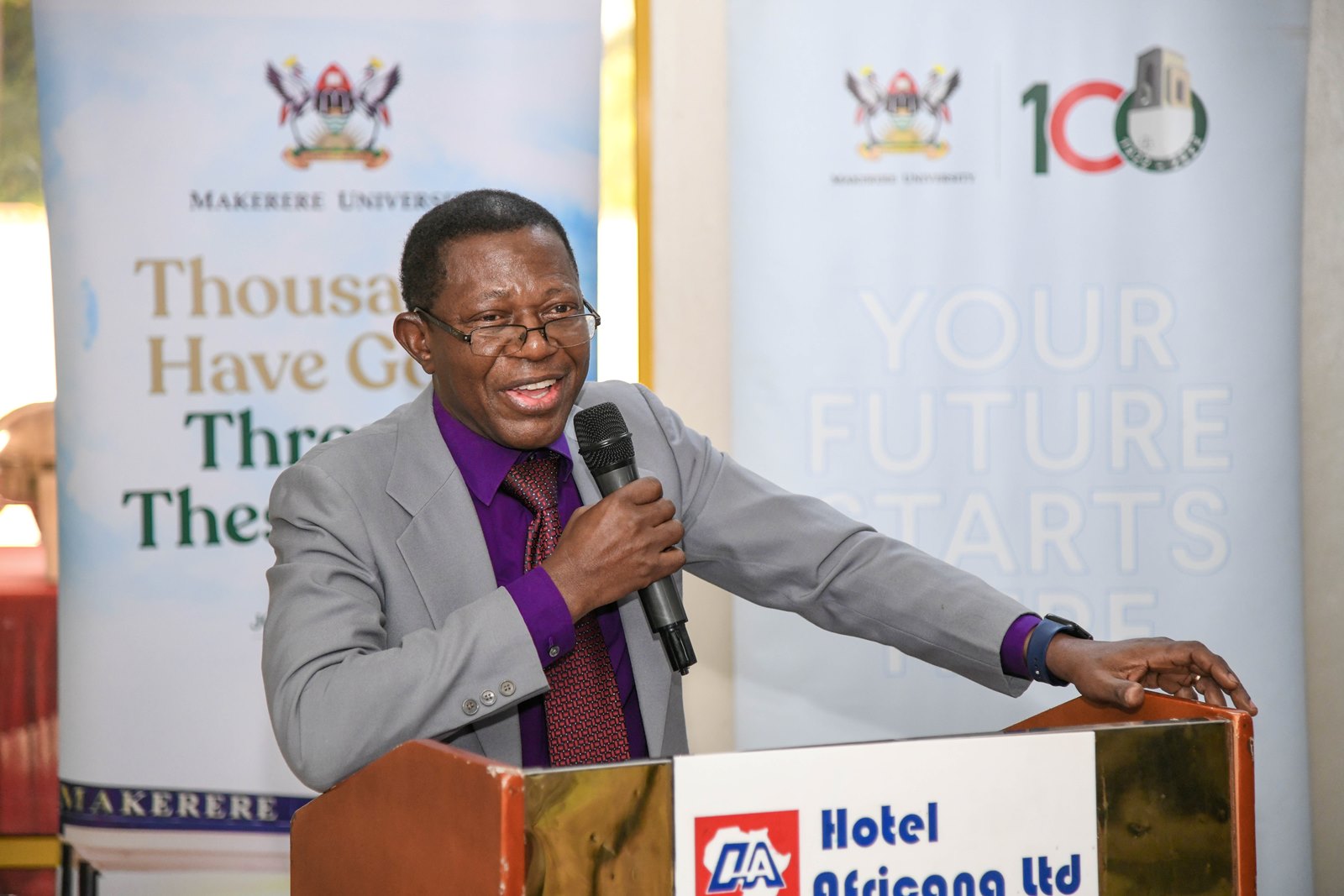
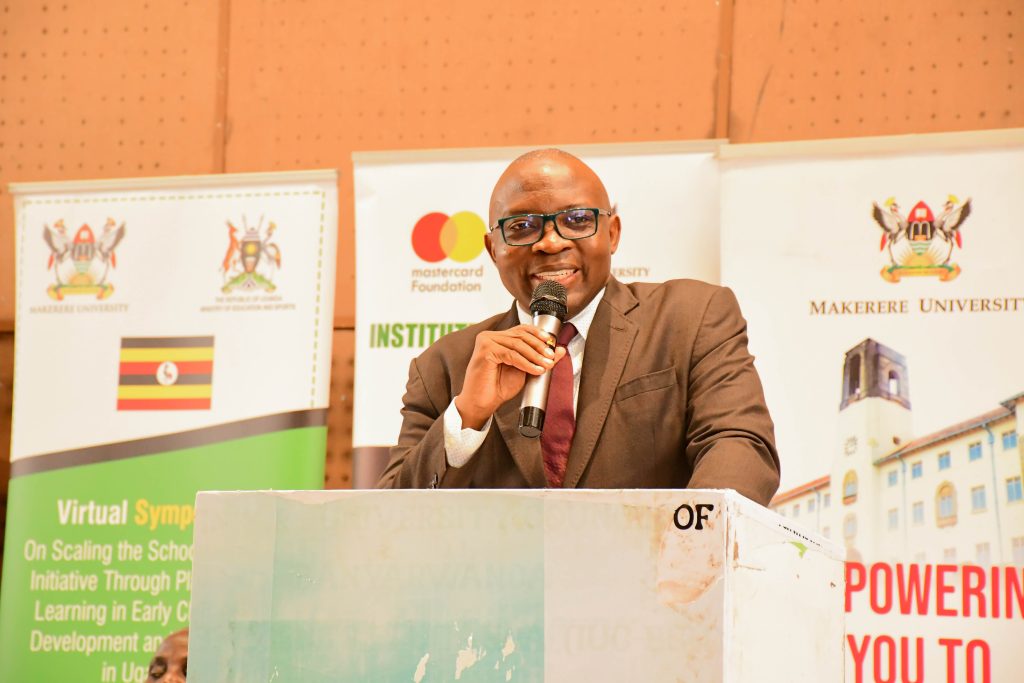
Professor Buyinza Mukadasi enjoys a light moment. Unveiling and stakeholder review of Draft Master Plan for Open, Distance, and e-Learning (ODeL), funded by KOICA and implemented with technical support from the Korea National Open University (KNOU) and the Korea Institute for Development Strategy (KDS), 5th June 2025, Hotel Africana, Kampala Uganda, East Africa.
Professor Buyinza Mukadasi enjoys a light moment.

“This project is a significant milestone in our journey to enhance the university’s capacity in ODeL,” he noted. “With support from the people of the Republic of Korea, KOICA’s grant will enable us to strengthen our ODeL infrastructure, develop high-quality digital content, and build staff capacity. This investment will undoubtedly have a lasting impact on our institution and the wider education sector in Uganda.”

Prof. Buyinza also paid tribute to the late Prof. Sung Seyeoung, the head of the Project Management Consultant team in Seoul, who passed away earlier this year, describing him as “a dedicated partner in this transformative journey.”
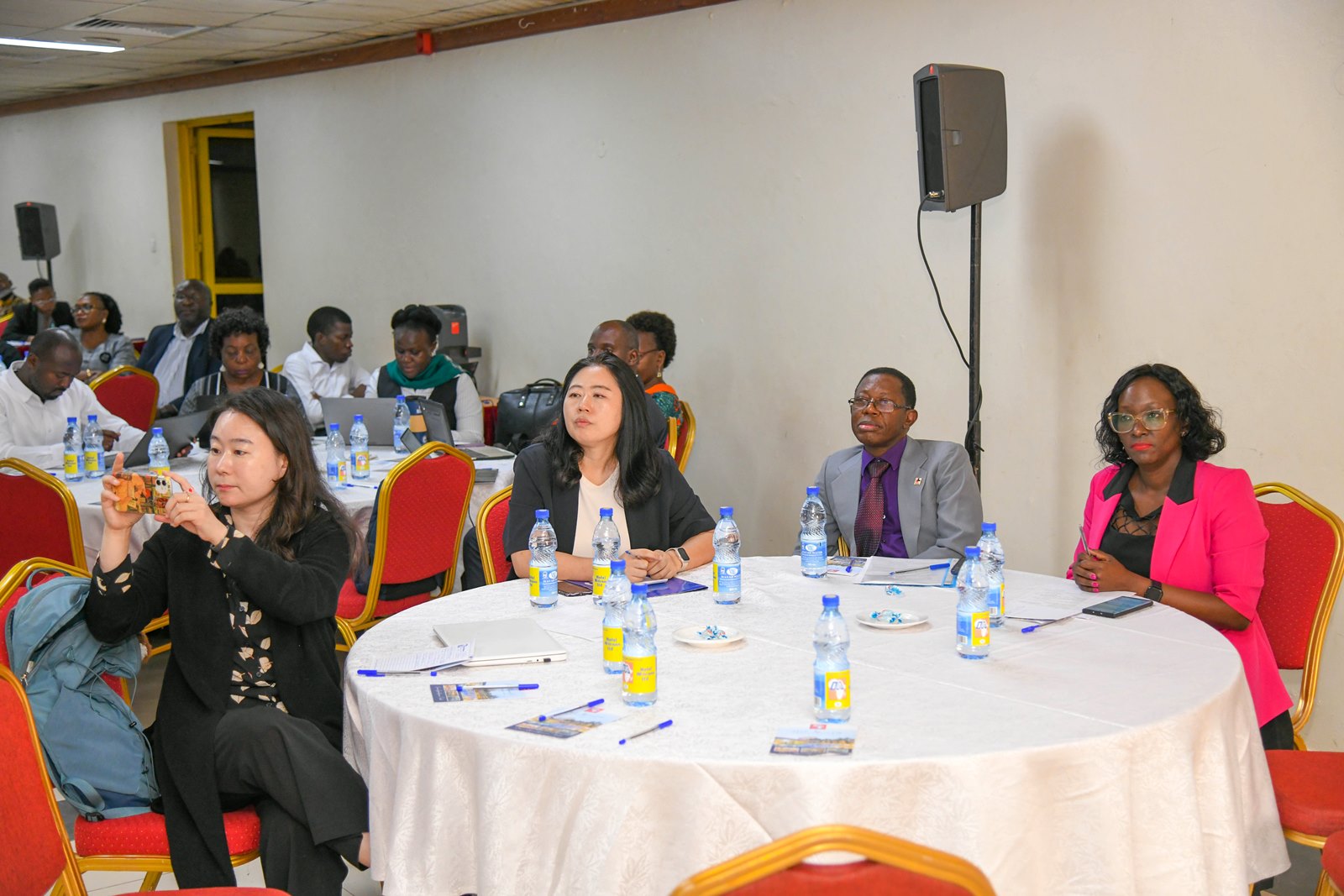
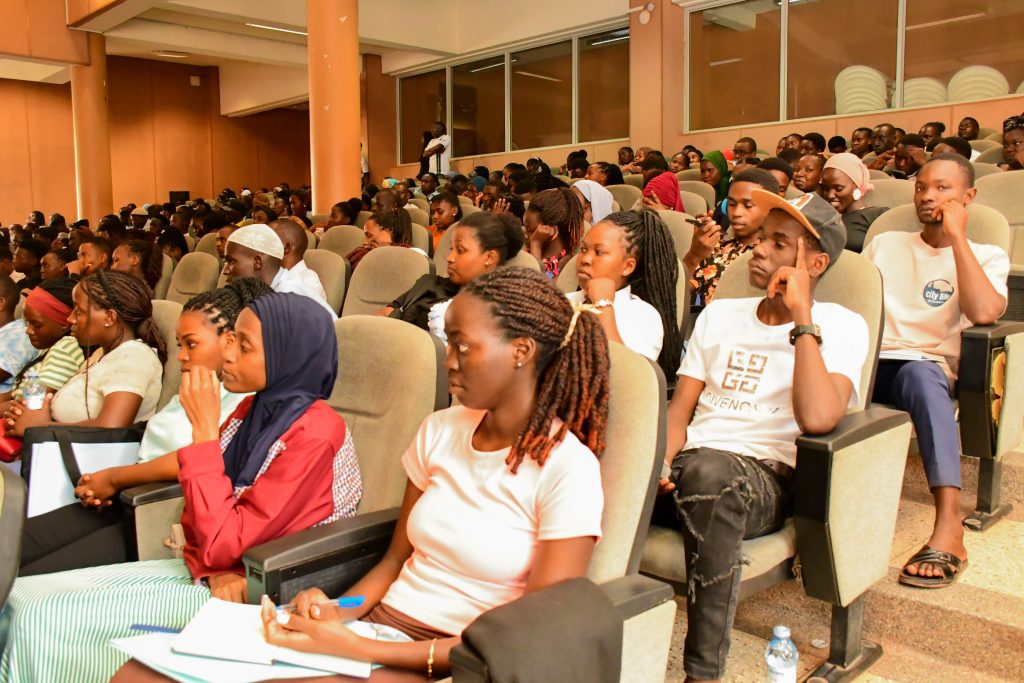
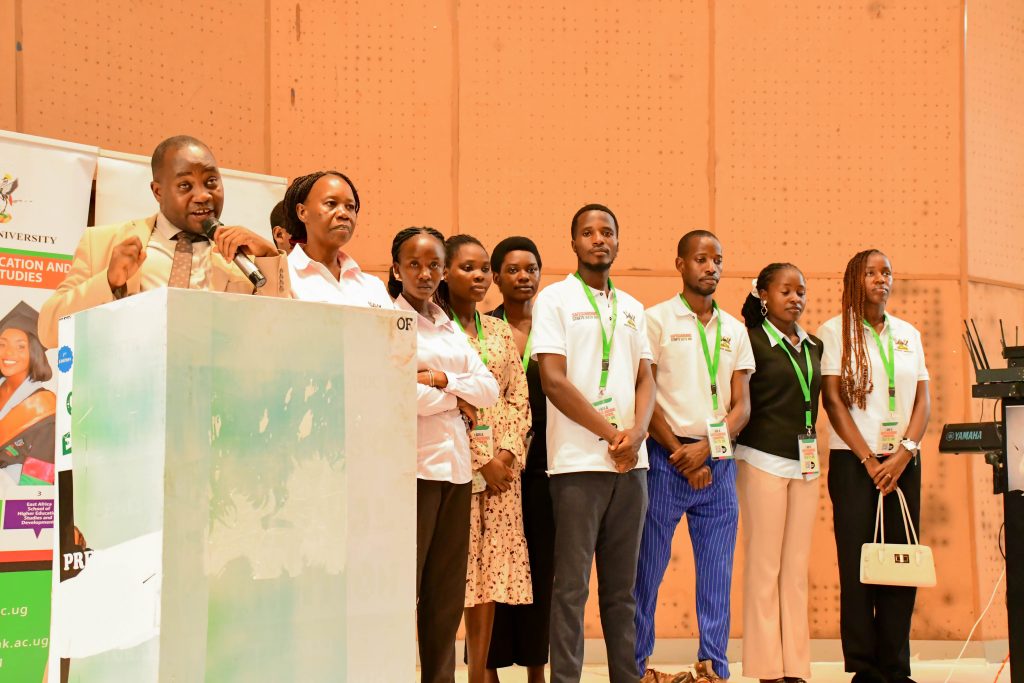
Prof. Buyinza Mukadasi, Ms. Ahn Jihee and part of the audience at the event. Unveiling and stakeholder review of Draft Master Plan for Open, Distance, and e-Learning (ODeL), funded by KOICA and implemented with technical support from the Korea National Open University (KNOU) and the Korea Institute for Development Strategy (KDS), 5th June 2025, Hotel Africana, Kampala Uganda, East Africa.
Prof. Buyinza Mukadasi, Ms. Ahn Jihee and part of the audience at the event.

The project, which began in 2024, is being implemented with technical support from the Korea National Open University (KNOU) and the Korea Institute for Development Strategy (KDS). It focuses on three core components: development of a strategic and contextualized ODeL masterplan; capacity building for academic, administrative, and technical staff; and enhancement of ODeL infrastructure, including a new Learning Management System (LMS), Content Management System (CMS), ICT equipment, and the construction of a dedicated ODeL building.

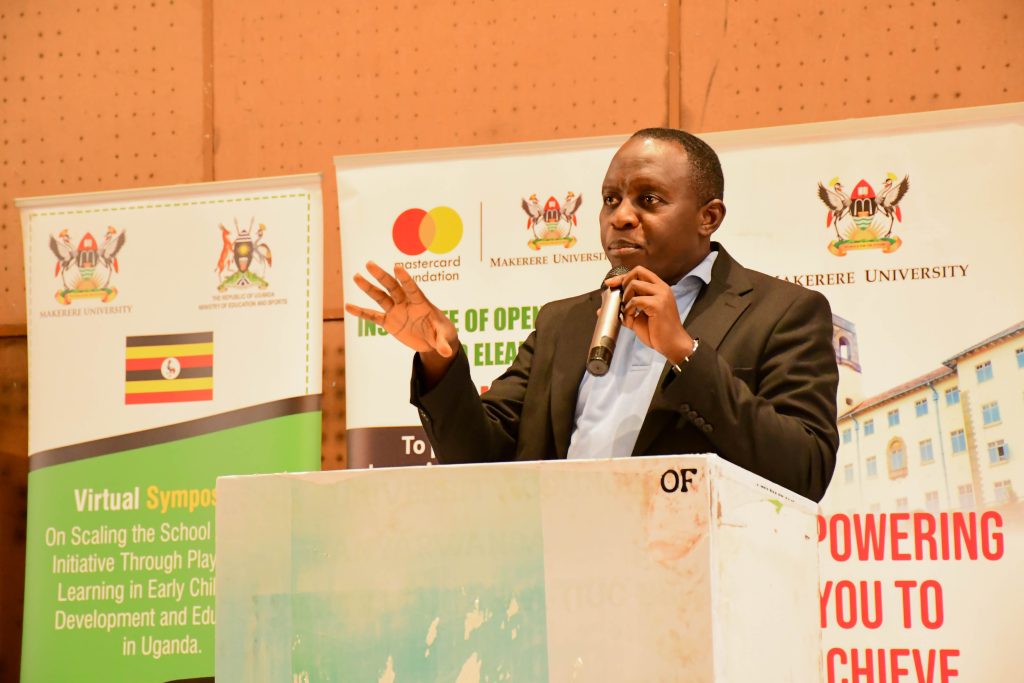
Professor Henry Alinaitwe, the Project Investigator, emphasized the forward-looking nature of the initiative. “Through this masterplan, we are not only expanding access to higher education across Uganda and beyond, but also redefining how knowledge is delivered in the 21st century,” he said.
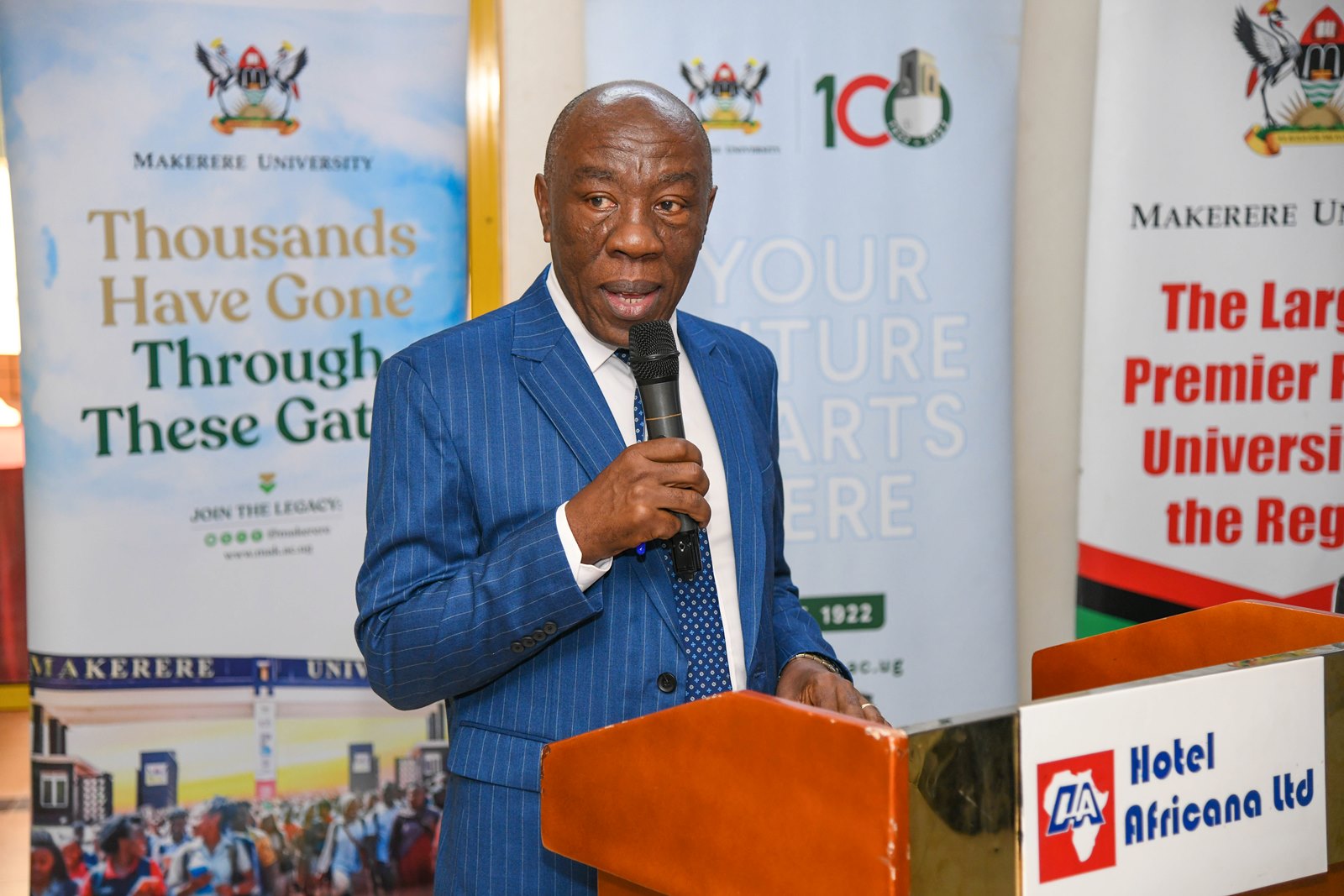
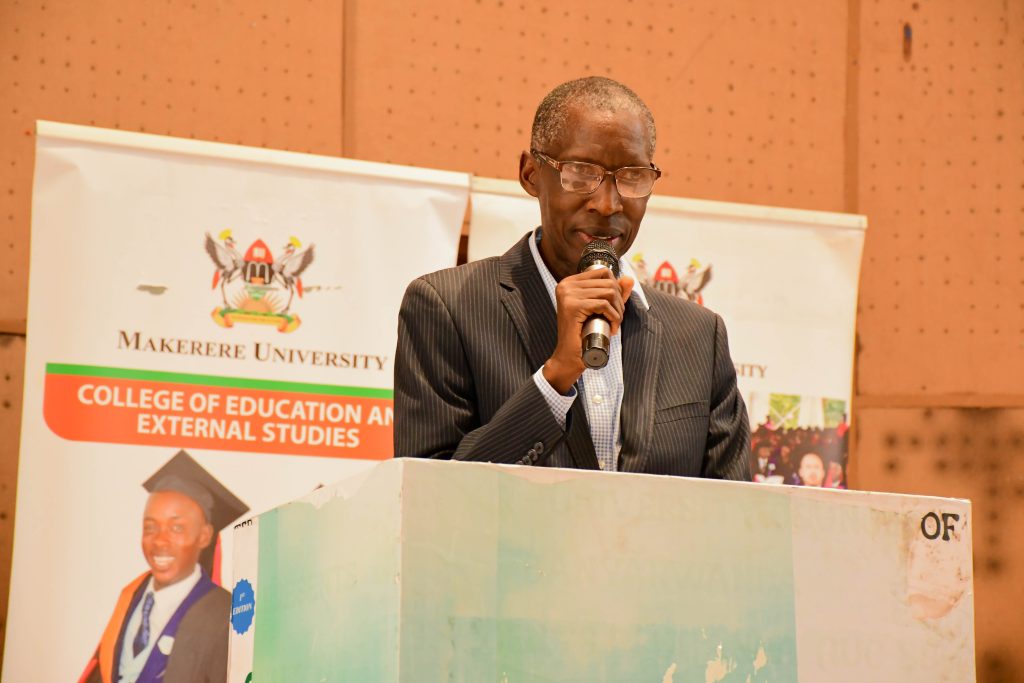
Professor Henry Alinaitwe. Unveiling and stakeholder review of Draft Master Plan for Open, Distance, and e-Learning (ODeL), funded by KOICA and implemented with technical support from the Korea National Open University (KNOU) and the Korea Institute for Development Strategy (KDS), 5th June 2025, Hotel Africana, Kampala Uganda, East Africa.
Professor Henry Alinaitwe.

The workshop aimed to disseminate information about the masterplan, gather stakeholder feedback, and prepare the document for preliminary approvals by the University Senate and Council. The draft was developed by a joint task force composed of Ugandan and Korean experts, including representatives from KNOU, KDS, Makerere’s Institute of Open, Distance and e-Learning (IODel), and the Directorate for ICT Support (DICTS).

Prof. Alinaitwe noted that all three project components are progressing steadily. Training sessions are underway both in Uganda and Korea, and the design for the Mak-ODeL building is currently 60% complete, with construction expected to commence later in the year.

The ODeL Master Plan (2025–2035) envisions Makerere as a regional hub for digital education. It outlines strategies to increase the number of accredited ODeL programmes, enhance ICT infrastructure, improve content development, and ensure that distance learners can access high-quality and flexible education through the university’s Moodle-based MUELE platform.
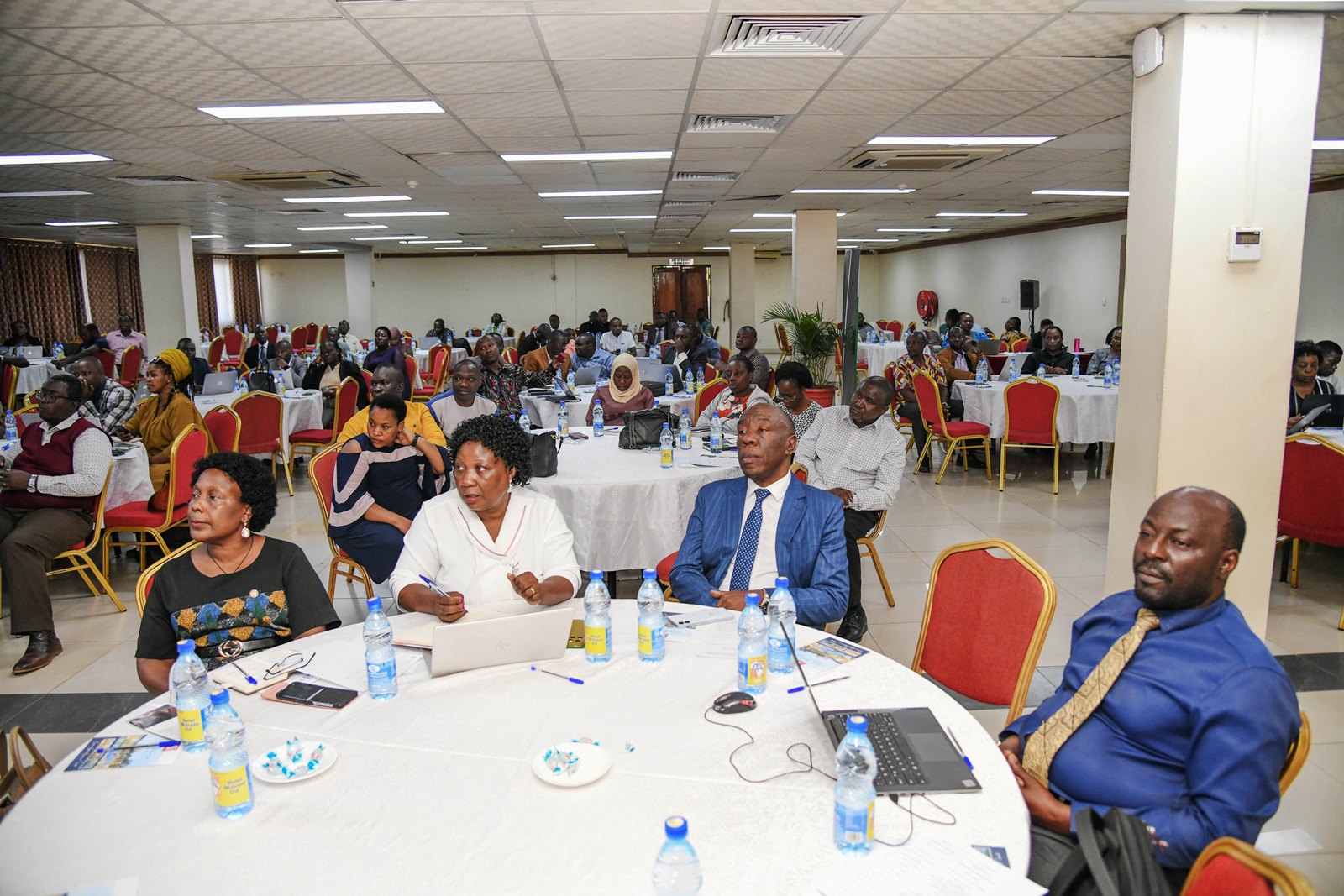
Left to Right: Part of the Makerere team—Co-PI Dr. Venny Nakazibwe, Dr. Harriet Nabushawo, PI Prof. Henry Alinaitwe, and Prof. Paul Birevu Muyinda, Unveiling and stakeholder review of Draft Master Plan for Open, Distance, and e-Learning (ODeL), funded by KOICA and implemented with technical support from the Korea National Open University (KNOU) and the Korea Institute for Development Strategy (KDS), 5th June 2025, Hotel Africana, Kampala Uganda, East Africa.
Left to Right: Part of the Makerere team—Co-PI Dr. Venny Nakazibwe, Dr. Harriet Nabushawo, PI Prof. Henry Alinaitwe, and Prof. Paul Birevu Muyinda.

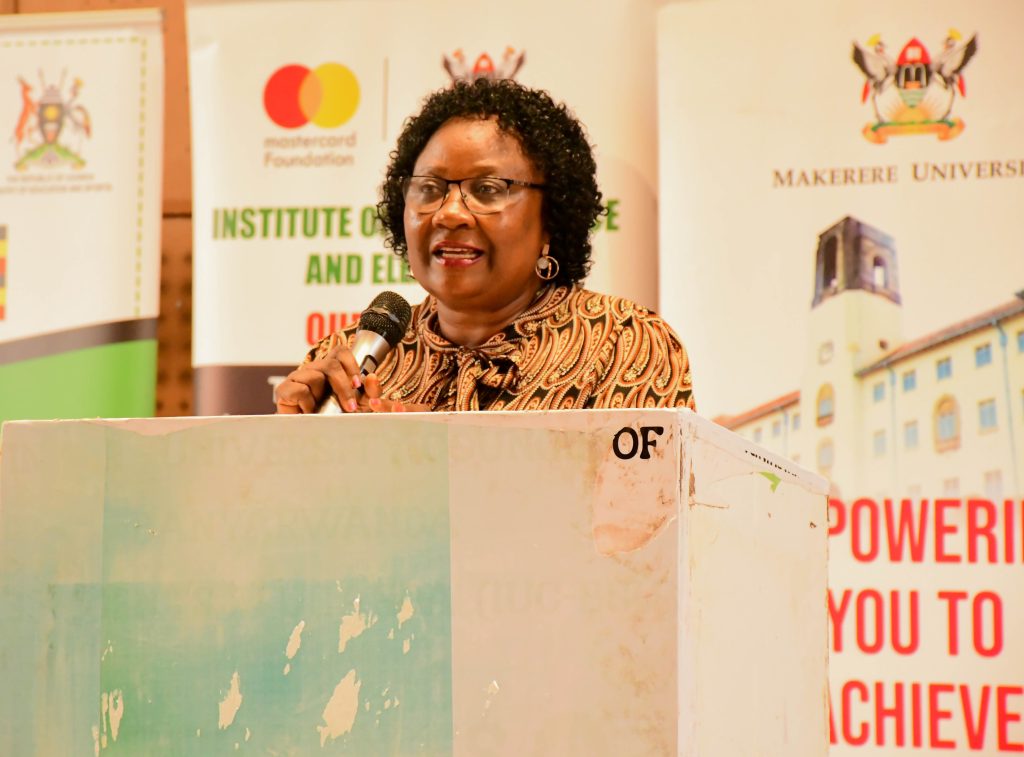
Speaking at the workshop, KOICA Country Director Ms. Ahn Jihee commended Makerere for its commitment to digital transformation. “We believe education is a powerful driver of national development, and we are proud to partner with Makerere University on this ambitious journey,” she said. “Our partnership is not just about technology, but about building resilient systems and empowered people who can shape the future.”

She also recognized the efforts of both Ugandan and Korean teams and encouraged continued dialogue and knowledge sharing.

Currently, only 8 of Makerere’s academic programmes are offered through ODeL. However, the university’s Strategic Plan (2020–2030) envisions a substantial increase in that number. The new masterplan draws from international best practices including models from KNOU, Hanoi Open University, and the Africa Virtual University.
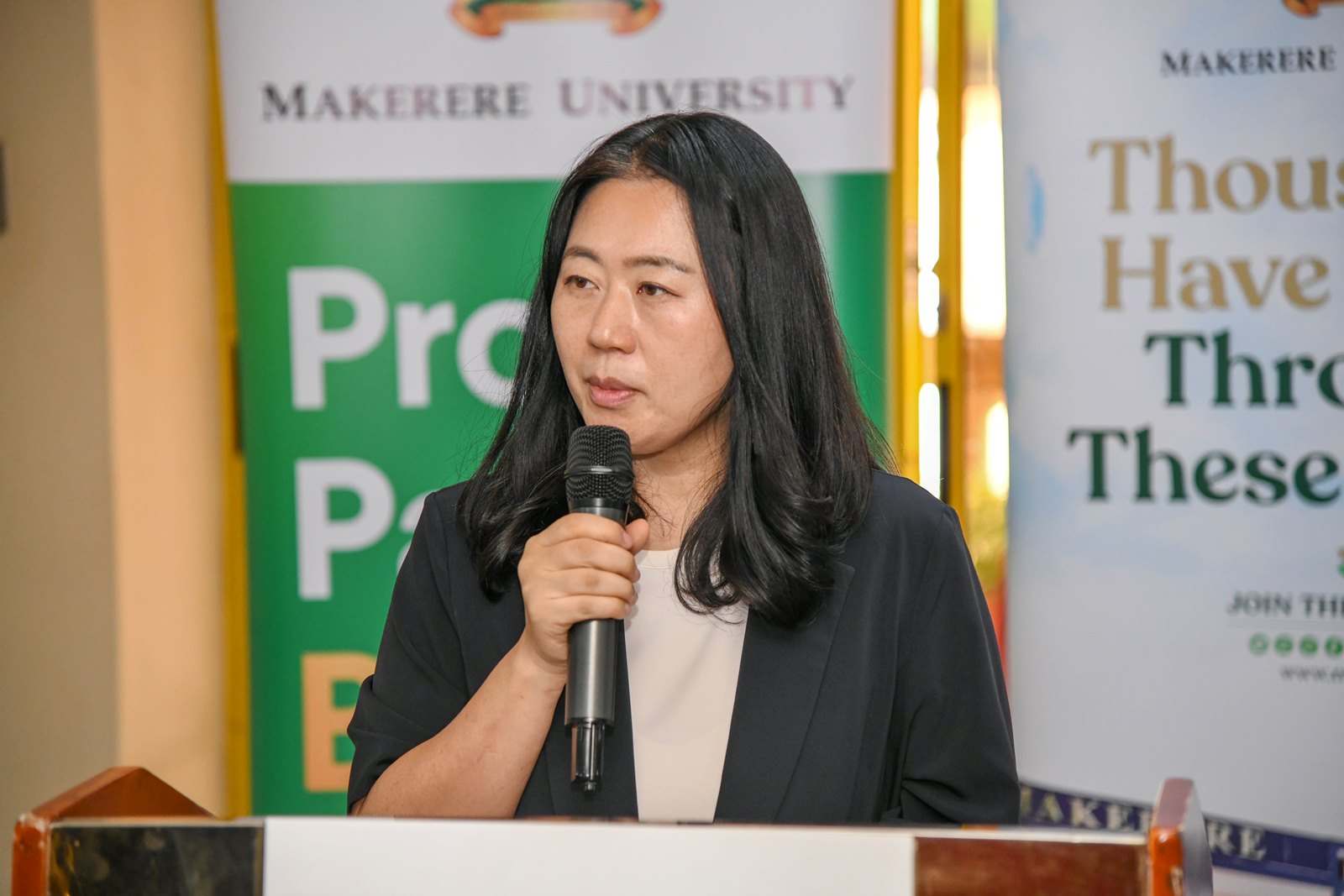
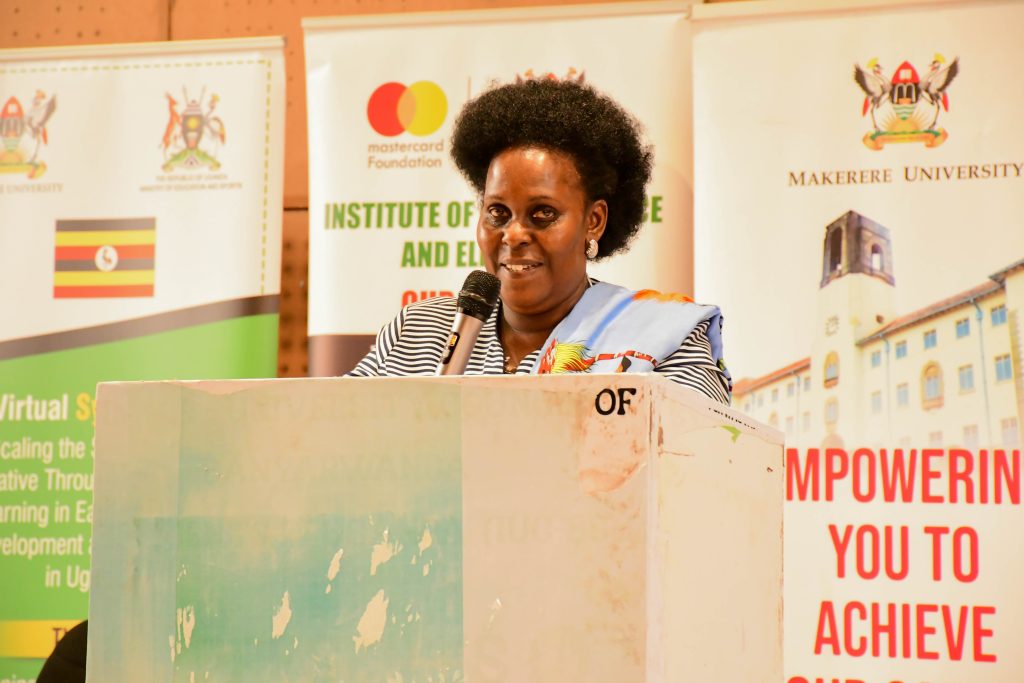
Ms. Ahn Jihee. Unveiling and stakeholder review of Draft Master Plan for Open, Distance, and e-Learning (ODeL), funded by KOICA and implemented with technical support from the Korea National Open University (KNOU) and the Korea Institute for Development Strategy (KDS), 5th June 2025, Hotel Africana, Kampala Uganda, East Africa.
Ms. Ahn Jihee.

Prof. Alinaitwe extended special thanks to KOICA and its Kampala-based experts Prof. Kim Hyunjoo and Mr. Kim Kihun for their ongoing support, and acknowledged the contributions of the Makerere team—Prof. Paul Muyinda, Dr. Godfrey Mayende, Dr. Harriet Nabushawo, Dr. Richard Kajumbula, Mr. Samuel Mugabi, and Co-PI Dr. Venny Nakazibwe.

“We are laying the foundation for a future where Makerere University can provide education that is not just accessible, but also adaptable to the needs of learners wherever they may be,” he concluded.

The masterplan, once finalized and approved, is expected to usher in a new era of blended, learner-centered education that meets both local and global demands.
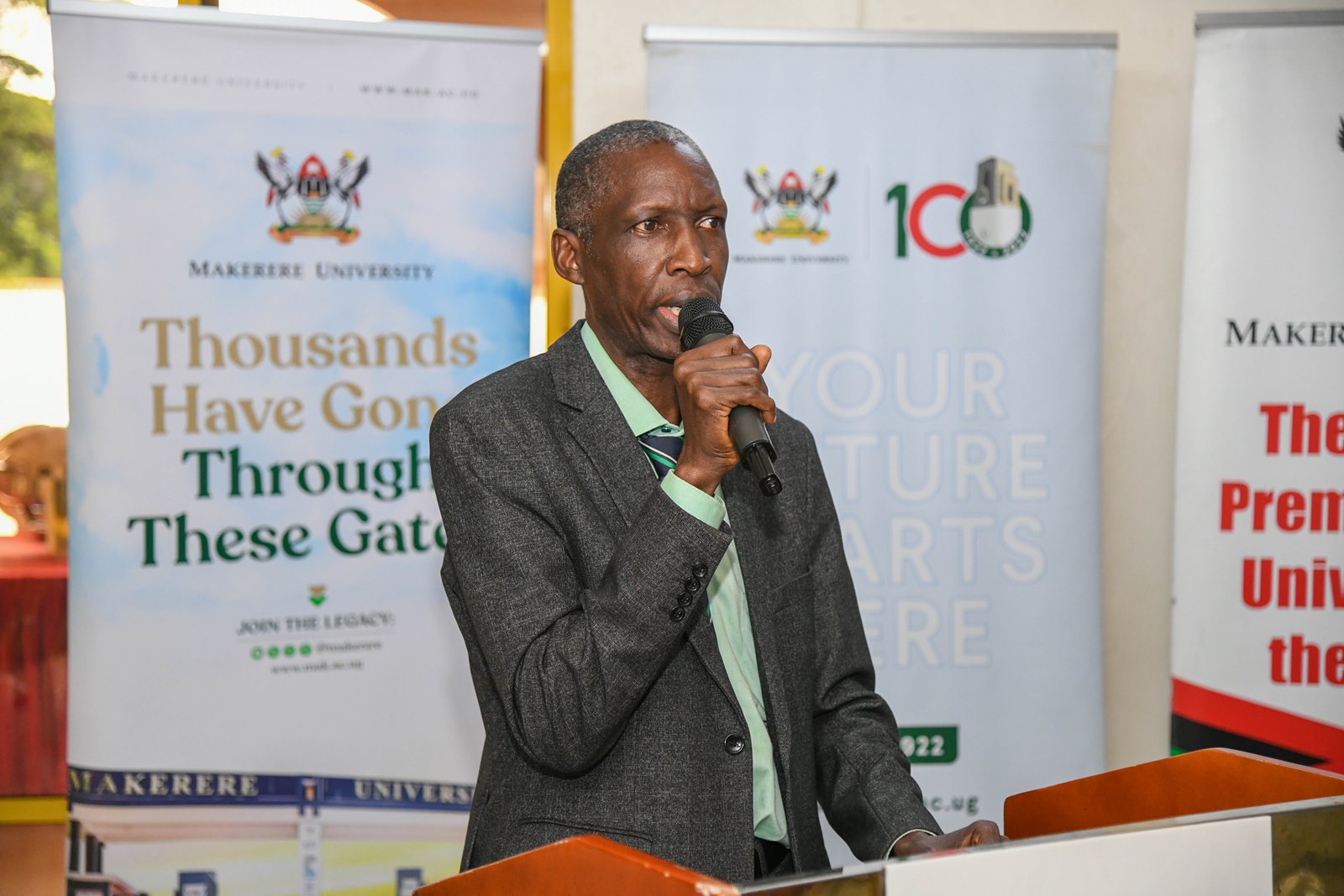
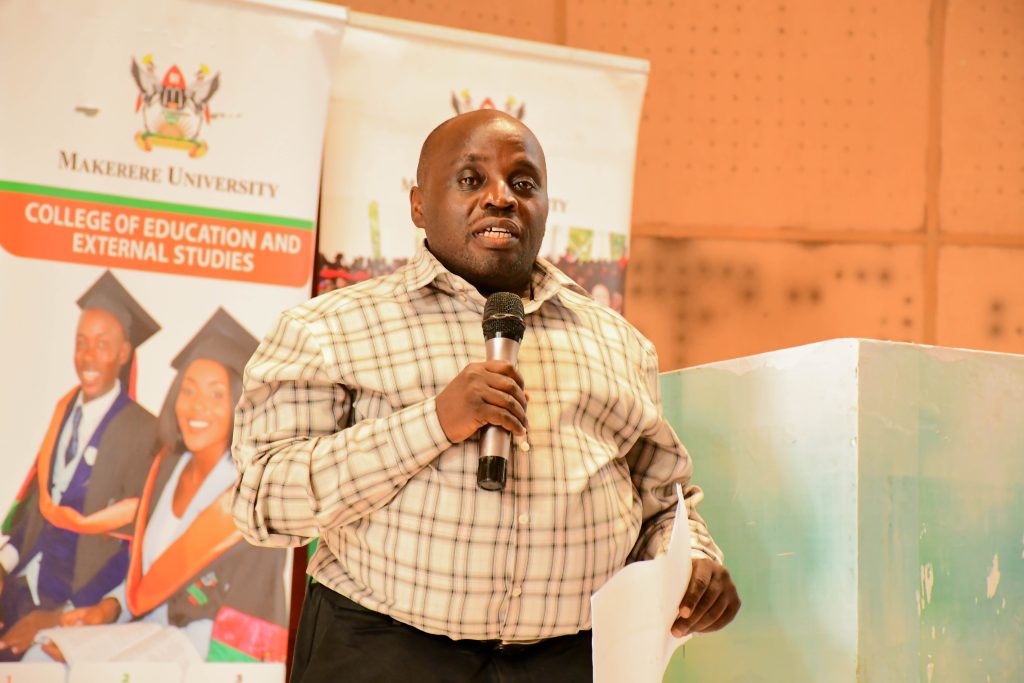
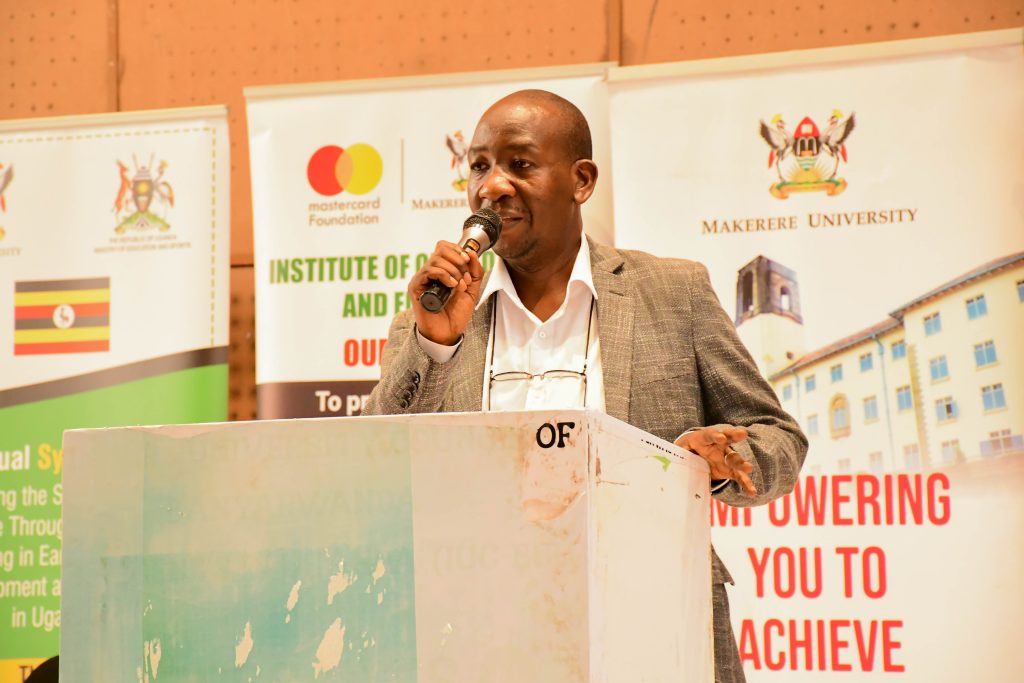
Professor Anthony Muwagga Mugagga. Unveiling and stakeholder review of Draft Master Plan for Open, Distance, and e-Learning (ODeL), funded by KOICA and implemented with technical support from the Korea National Open University (KNOU) and the Korea Institute for Development Strategy (KDS), 5th June 2025, Hotel Africana, Kampala Uganda, East Africa.
Professor Anthony Muwagga Mugagga.

In his closing remarks, Professor Anthony Mugagga, who represented the Deputy Vice Chancellor (Finance and Administration), applauded participants for their insightful engagement. He emphasized the need for academic units to take ownership of ODeL implementation.

“The future of education is blended and borderless,” Prof. Mugagga said. “We must collectively embrace this shift—not just through policy, but through action: by developing new programmes, supporting learners, and investing in infrastructure that will carry us into the next generation of higher education.”

He also expressed appreciation to KOICA for its continued support and funding, which he said is helping to shape a more resilient and inclusive education system for Uganda and the region.

Betty Kyakuwa
Betty Kyakuwa

Education

Makerere Takes Lead in Transitioning Universities to Competence-Based Education in East and West Africa

Published

on

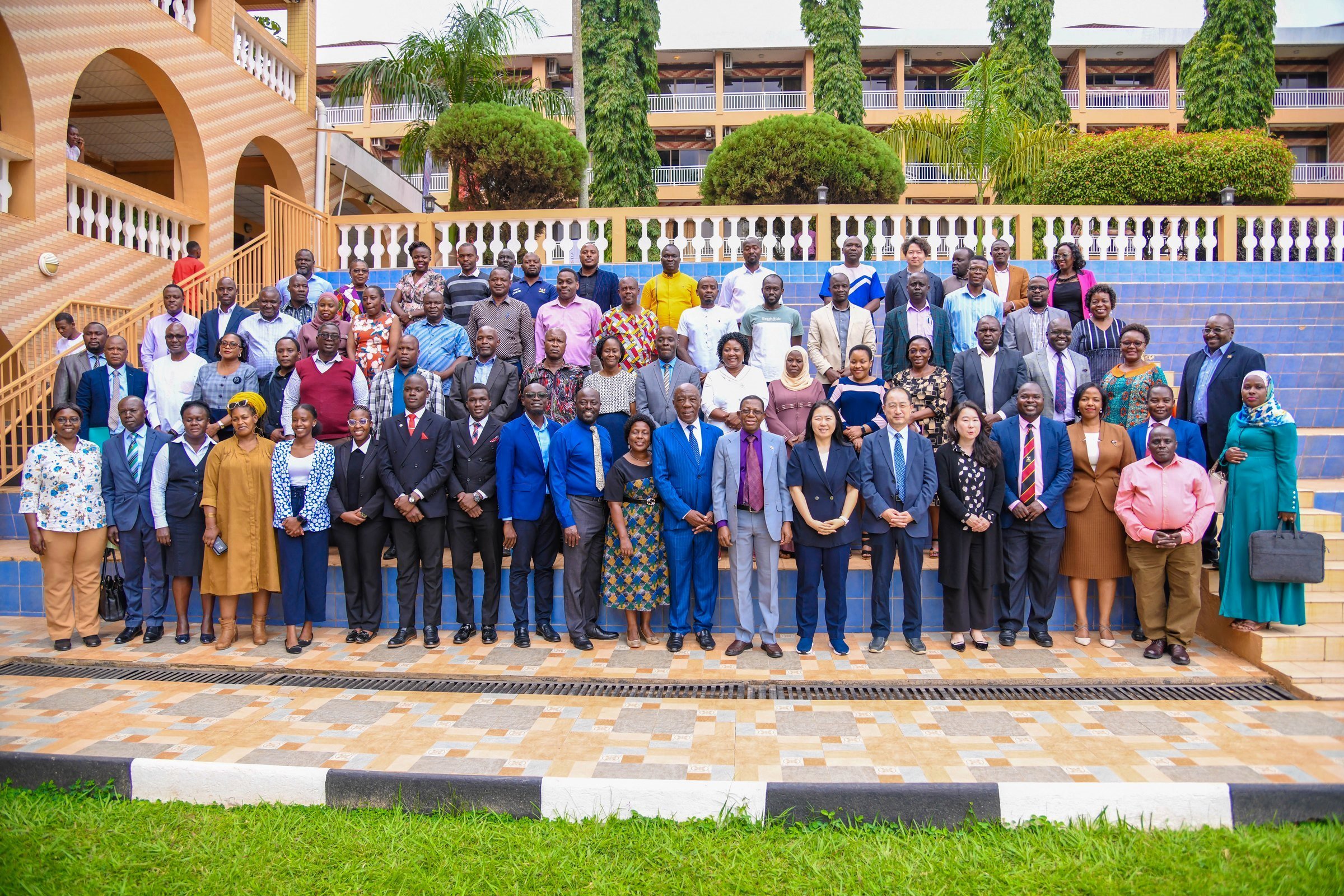
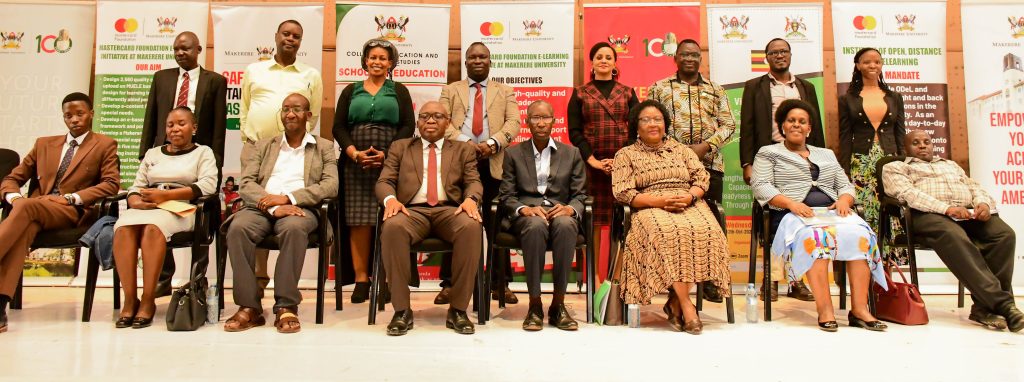
Participants at the TRUCE Project inception meeting held in Jinja 8th April 2026. European Union-funded four year Transitioning Higher Education Regulators and Universities to Competence-Based Education in East and West Africa (TRUCE) project to strengthen the capacities of universities and higher education regulators in Uganda and Ghana to transition to Competence-Based Education (CBE) implemented by College of Education and External Studies (CEES), Makerere University Kampala. Inception Meeting 8th and 9th of April 2026, Jinja Uganda, East Africa.

According to Nelson Mandela “Education is the most powerful weapon that you can use to change the world.” This powerful statement resonates with the strides being undertaken by the Government of Uganda to transform the education sector through the Competence-Based Education model.

According to the experts in the field, competence-based education is about the change of methodology from the teacher-centred to the learner-centred approach that positions the learner at the heart of the learning, teaching and innovative processes.

In Uganda, the Ministry of Education of Education and Sports, in partnership with regulators has rolled out a road-map for education institutions at the different levels namely pre-primary, primary, secondary, technical, and universities to transition to the competence-based education (CBE) model.

At the University level, the Ministry of Education and Sports in partnership with the respective Universities, the National Council for Higher Education in Uganda (NCHE), and the Uganda Vice Chancellor’s Forum (UVCF), have lined up several strategies aimed at aligning academic programmes, curricula, research and innovations with the competence-based education (CBE) model.

Ministry tasks Makerere University to provide leadership on CBE

Specific to universities, the directive from the Ministry of Education and Sports was amplified on Tuesday 25th February 2026, during the 76th Graduation Ceremony of Makerere University

“Earlier on, I directed that all institutions of higher learning prepare for full implementation of competence-based education and training by July 2027. This is a fundamental shift in how we prepare our graduates. We are moving towards a model that emphasizes practical skills, innovation, and problem-solving, directly aligned with the needs of industry and the economy,” stated Hon. Janet Kataaha Museveni in a speech read by Hon. Joyce Moriku Kaducu.

“In this regard, I want to specifically and strongly encourage Makerere University, as our premier institution, of higher learning to champion this directive. I request the Vice Chancellor and your team to lead the way in developing curricula, training staff, and establishing the necessary infrastructure to make competence-based education a reality,” added the Minister.

TRUCE project aligns with Makerere’s Competence-based education agenda

The policy directive from the Ministry of Education and Sports, coincides with Makerere University’s partnership with nine (9) consortium partners to implement an Erasmus+ Capacity Building Higher Education project. Titled Transitioning Higher Education Regulators and Universities to Competence-Based Education in East and West Africa (TRUCE), the project seeks to strengthen the capacities of universities and higher education regulators in Uganda and Ghana to transition to Competence-Based Education (CBE).  

Funded by the European Union, the four year TRUCE project (December 2025 to 30th December 2029) draws from African and European expertise in curriculum reform, assessment, quality assurance, digital pedagogy, and stakeholder engagements. TRUCE brings together Makerere University as the lead partner, working with, the Mountains of the Moon University, University of Ghana, Legon University of Education, Winneba, Universitat de Barcelona, Instituto Politecnico do Porto, the National Council for Higher Education of Uganda, the Ghana Tertiary Education Commission, and RUFORUM.

Prof. Nuno Escudeiro from Instituto Politecnico Do Porto (IPP) delivering his presentation at the inception meeting. European Union-funded four year Transitioning Higher Education Regulators and Universities to Competence-Based Education in East and West Africa (TRUCE) project to strengthen the capacities of universities and higher education regulators in Uganda and Ghana to transition to Competence-Based Education (CBE) implemented by College of Education and External Studies (CEES), Makerere University Kampala. Inception Meeting 8th and 9th of April 2026, Jinja Uganda, East Africa.
Prof. Nuno Escudeiro from Instituto Politecnico Do Porto (IPP) delivering his presentation at the inception meeting.

At Makerere University, the TRUCE Project is implemented through the College of Education and External Studies (CEES), with Associate Professor Josephine Esaete as the Principal Investigator, and Professor Anthony Muwagga Mugagga, the Principal of CEES providing oversight.  At the strategic level, the TRUCE Project brings onboard Vice Chancellors of the participating universities, Deputy Vice Chancellors, Academic Registrars, the Directors of Quality Assurance, and Chief Executive Officers.

TRUCE Objectives

The project pursues four (4) interlinked objectives:

  • Retooling university faculty and higher education regulators in Uganda and Ghana on competence based education
  • Developing guidelines for the design, implementation, and assessment of competence based education
  • Strengthening collaboration between universities , and the assessment of competence based education
  • Improving the capacity of regulatory bodies and higher education institutions to assure the quality of CBE programmes

TRUCE project holds Inception meeting

Bringing onboard over 30 participants, with a minimum of three (3) representatives from each of the nine (9) participating institutions, a TRUCE inception meeting was held on the  8th and 9th of April 2026. It featured remarks from selected partners and regulators, a session aimed at reaching a common understanding of the project scope and start-up priorities, alignment of partner expectations, presentations on financial management, quality assurance principles and indicators, discussion of the five (5) work packages, work plan and budget alignment per work package, consideration of the risk register, decision log, key dates for project activities and stakeholder engagements, as well as, adoption of meeting resolutions.

Some of the participants in a focused group discussion. European Union-funded four year Transitioning Higher Education Regulators and Universities to Competence-Based Education in East and West Africa (TRUCE) project to strengthen the capacities of universities and higher education regulators in Uganda and Ghana to transition to Competence-Based Education (CBE) implemented by College of Education and External Studies (CEES), Makerere University Kampala. Inception Meeting 8th and 9th of April 2026, Jinja Uganda, East Africa.
Some of the participants in a focused group discussion.

The work packages, which form the core of the TRUCE project are outlined below:

  1. Project Management, Coordination and Oversight
  2. Development and piloting of guidelines for CBE design, implementation, and assessment
  3. Development of Collaborative Learning ecosystem for CBEs in Higher Education Institutions
  4. Capacity building for regulators, faculty, managers in CBE design, implementation, and assessment
  5. Dissemination, Communication and Impact

Purpose of the TRUCE Inception meeting

Dr. Josephine Esaete, an Associate Professor at Makerere University, and Principal Investigator of the project, welcomed the national and international participants to the TRUCE inception meeting.

“Your presence and participation, is testimony to your commitment to the TRUCE project focused on significantly contributing to the transformation of the education sector. TRUCE is grounded in learner-centered pedagogies, which position the learner as the key driver of his or her education or learning process,” said Associate Professor Josephine Esaete.

The Project PI, Dr. Josephine Esaete addressing participants during the inception meeting. European Union-funded four year Transitioning Higher Education Regulators and Universities to Competence-Based Education in East and West Africa (TRUCE) project to strengthen the capacities of universities and higher education regulators in Uganda and Ghana to transition to Competence-Based Education (CBE) implemented by College of Education and External Studies (CEES), Makerere University Kampala. Inception Meeting 8th and 9th of April 2026, Jinja Uganda, East Africa.
The Project PI, Dr. Josephine Esaete addressing participants during the inception meeting.

Emphasizing the importance of the two-day engagement, Associate Professor Esaete said: “This kick-off meeting is aimed at aligning all partners on the project logic, working methods, responsibilities, and implementation expectations for TRUCE.”  She articulated that the meeting would provide a formal platform for adopting the consortium’s start-up decisions so that the project moves from inception into coordinated implementation.

“To ensure implementable decisions, the inception meeting programme, combines short plenary inputs, structured technical sessions, regulator-university dialogue, work package planning sessions, and a final decision session,” she explained.

Role of the Colleges or Schools of Education in CBE implementation

Responding to key issues from a brief, but interactive plenary session, Associate Professor Josephine Esaete flanked by Dr. Alfred Buluma, Dr. Michael Walimbwa, Dr. Julius Shopi Mbulankende, from the College of Education and External Studies, at Makerere University, highlighted that the ultimate goal of the TRUCE project envisions impacting the entire university, as well as, the education system in general.

Participants following the proceedings. European Union-funded four year Transitioning Higher Education Regulators and Universities to Competence-Based Education in East and West Africa (TRUCE) project to strengthen the capacities of universities and higher education regulators in Uganda and Ghana to transition to Competence-Based Education (CBE) implemented by College of Education and External Studies (CEES), Makerere University Kampala. Inception Meeting 8th and 9th of April 2026, Jinja Uganda, East Africa.
Participants following the proceedings.

In pursuit of this goal, the team explained that in addition to the Project Management Team (PMT), at the strategic level, TRUCE is structured with a Project Advisory Board (PAB), which consists of Vice Chancellors, Principals, or Chief Executive Officers of the participating consortium partners.

At the implementation level, the Colleges or Schools of Education, play a fundamental role in determining the formulation of teaching, learning and digital pedagogies, curriculum development, and early childhood education.

“The starting point in changing education in a given country should be the teacher. We are intentional on rolling out programmes to strengthen the capacities and competences within the Schools of Education in Universities because those Units have the mandate to influence the entire education system,” explained Dr. Alfred Buluma, Co-Principal Investigator, TRUCE project.

TRUCE positions Makerere for more collaboration opportunities

The Vice Chancellor, Professor Barnabas Nawangwe represented by Professor Anthony Muwagga Mugagga congratulated the TRUCE universities and partners for winning the research grant, which seeks to re-model the education system, transform Africa and the world at large.

 The Vice Chancellor observed that competence based education provides the best approach of producing critical thinkers and innovative learners with problem solving abilities.

Prof. Anthony Mugagga, Principal of CEES, represented the Vice Chancellor at the project inception workshop. European Union-funded four year Transitioning Higher Education Regulators and Universities to Competence-Based Education in East and West Africa (TRUCE) project to strengthen the capacities of universities and higher education regulators in Uganda and Ghana to transition to Competence-Based Education (CBE) implemented by College of Education and External Studies (CEES), Makerere University Kampala. Inception Meeting 8th and 9th of April 2026, Jinja Uganda, East Africa.
Prof. Anthony Mugagga, Principal of CEES, represented the Vice Chancellor at the project inception workshop.

Building on the spin offs of the TRUCE project including the number of participating universities and reputable partners, the Vice Chancellor extended an olive branch for more collaborations. “Makerere University welcomes collaborations through the signing of Memoranda of Understanding (MoUs) in areas of mutual interest, joint research and publications, student and staff exchanges, visiting professors, and external examinations,” he said. 

Emphasizing transparency and accountability for funds, the Vice Chancellor appealed to the participating institutions and partners to strictly adhere to the guidelines and templates provided by the funding partner-the European Union.

TRUCE enhances CEES’ competence-based education profile

The Principal of the College of Education and External Studies, Prof. Mugagga stated that the TRUCE project was a timely intervention. “In Uganda, the shift to competence-based education is challenging. Makerere University and the College of Education and External Studies are implementing several strategies including re-tooling teachers to adapt to CBE. Therefore, the TRUCE project with its objectives, is a welcome intervention, as we advance to CBE,” he stated.

In the same vein, Professor Mugagga commended the TRUCE project for bringing onboard the Regional Universities Forum for Capacity Building in Agriculture (RUFORUM), a reputable partner with expertise in managing international projects.

RUFORUM commits to aligning programmes with Competence-based education

Building on related initiatives such as AgriCBE, the TRUCE project aims to contribute to more relevant, market-responsive graduates and stronger university-regulator-industry linkages. Prof. Anthony Egeru, Programme Manager, Training and Community Development at the RUFORUM Secretariat, informed the participants that the TRUCE project commences on a solid foundation.

 “RUFORUM has been actively involved in initiatives at the national and international levels of aligning agriculture programmes to competence-based education. RUFORUM has implemented several research and international projects in partnership with Makerere University, which provides a firm ground for the successful execution of the TRUCE project. RUFORUM works closely with the different colleges at Makerere University to execute research, innovations and community development programmes,” said Professor Egeru.

Prof. Anthony Egeru from RUFORUM delivering his remarks during the workshop. European Union-funded four year Transitioning Higher Education Regulators and Universities to Competence-Based Education in East and West Africa (TRUCE) project to strengthen the capacities of universities and higher education regulators in Uganda and Ghana to transition to Competence-Based Education (CBE) implemented by College of Education and External Studies (CEES), Makerere University Kampala. Inception Meeting 8th and 9th of April 2026, Jinja Uganda, East Africa.
Prof. Anthony Egeru from RUFORUM delivering his remarks during the workshop.

With respect to aligning academic programmes with the competence-based education model, Professor Egeru mentioned that over the years, RUFORUM has implemented several research and project activities with the Makerere University College of Agricultural and Environmental Sciences (CAES).

Professor Egeru said the TRUCE project presents yet another opportunity to RUFORUM and Makerere University through the College of Education and External Studies (CEES) to enhance the quality of education through building a critical mass of teachers, trainer of trainers, learners and experts in competence-based education.

On the issue of successful coordination and execution of the project activities, the RUFORUM Secretariat called upon the participating institutions and each member involved in the project, to read and understand the agreements, proposal, guidelines, travel arrangements, and to initiative procurement early so that the activities are implemented within the stipulated timelines.

TRUCE supporting other universities

During the inception meeting, participants and stakeholders appreciated the approach consisting of  training and capacity building programmes lined up to create a pool of competence-based education (CBE) facilitators. “The TRUCE project will support other universities in the region by creating a critical mass of experts who understand competence-based education,” said Dr. Michael Walimbwa, a member of the TRUCE implementation team.

NCHE urges universities to train staff in Competence-based education

Mr. David Musiimaani represented the Executive Director, National Council for Higher Education. European Union-funded four year Transitioning Higher Education Regulators and Universities to Competence-Based Education in East and West Africa (TRUCE) project to strengthen the capacities of universities and higher education regulators in Uganda and Ghana to transition to Competence-Based Education (CBE) implemented by College of Education and External Studies (CEES), Makerere University Kampala. Inception Meeting 8th and 9th of April 2026, Jinja Uganda, East Africa.
Mr. David Musiimaani represented the Executive Director, National Council for Higher Education.

The National Council for Higher Education in Uganda (NCHE) is a key partner in the TRUCE project. The Executive Director of NCHE, Professor Mary J. N.  Okwakol represented by Mr. David Musiimaani, Head of Standards, Recognition and Equating of Qualifications, congratulated the participating institutions on the TRUCE project and its intended objectives.

At the TRUCE inception meeting, Mr. Musiimaani highlighted that NCHE has taken the necessary steps to ensure that the alignment with CBE is done. He reported that NCHE had developed the minimum standard guidelines of competence based education. He implored the University Management in the respective institutions to train staff in order to execute the Competence Based Education (CBE) model.

GTEC-Ghana commends the TRUCE project

Sharing his experience, Prof. Ahmed Jinapor Abdulai, the Director-General, Ghana Tertiary Education Commission (GTEC), said: “In Ghana, we are working towards technical education, but it is difficult.”

Prof. Ahmed Jinapor Abdulai, Director General, Ghana Tertiary Education Commission with other participants at the workshop. European Union-funded four year Transitioning Higher Education Regulators and Universities to Competence-Based Education in East and West Africa (TRUCE) project to strengthen the capacities of universities and higher education regulators in Uganda and Ghana to transition to Competence-Based Education (CBE) implemented by College of Education and External Studies (CEES), Makerere University Kampala. Inception Meeting 8th and 9th of April 2026, Jinja Uganda, East Africa.
Prof. Ahmed Jinapor Abdulai, Director General, Ghana Tertiary Education Commission with other participants at the workshop.

Drawing from his experience and lessons learned, Professor Jinapor Abdulai, informed participants that Competence-based education (CBE) requires commitment in terms of strategy, time, and investment in staff.

The Director General welcomed the TRUCE project as a timely intervention, which seeks to empower universities and regulators with Competence-based education (CBE) knowledge through re-tooling of staff, and on-boarding of partners through consultations, involvement and capacity building.

Consensus

The inception meeting concluded on a high note, with participants, regulators and stakeholders re-affirming their commitment to adapt to the competence-based education model through innovative teaching and learning pedagogies, undertaking research projects, participating in community development, training and re-tooling, bench-marking best practices, as well as, scaling up partnerships at the national and international levels.

Makerere University Truce Project Implementation Team

At the end of the inception meeting, the following participants were introduced as members of the TRUCE Implementation team at Makerere University: Associate Professor Josephine Esaete, Dr. Alfred Buluma, Dr. Michael Walimbwa, Dr. Julius Shopi Mbulankende. Prof. Anthony Muwagga Mugagga and Ms. Teddie Nassali (Project Management and Oversight) as well as Ms. Ritah Namisango (on the Communication, Dissemination and Impact Work Package).

Ritah Namisango
Ritah Namisango

Continue Reading

Education

Makerere University Students and Staff participate in Prof. Peter Jarvis Memorial Lecture at Gulu University

Published

on

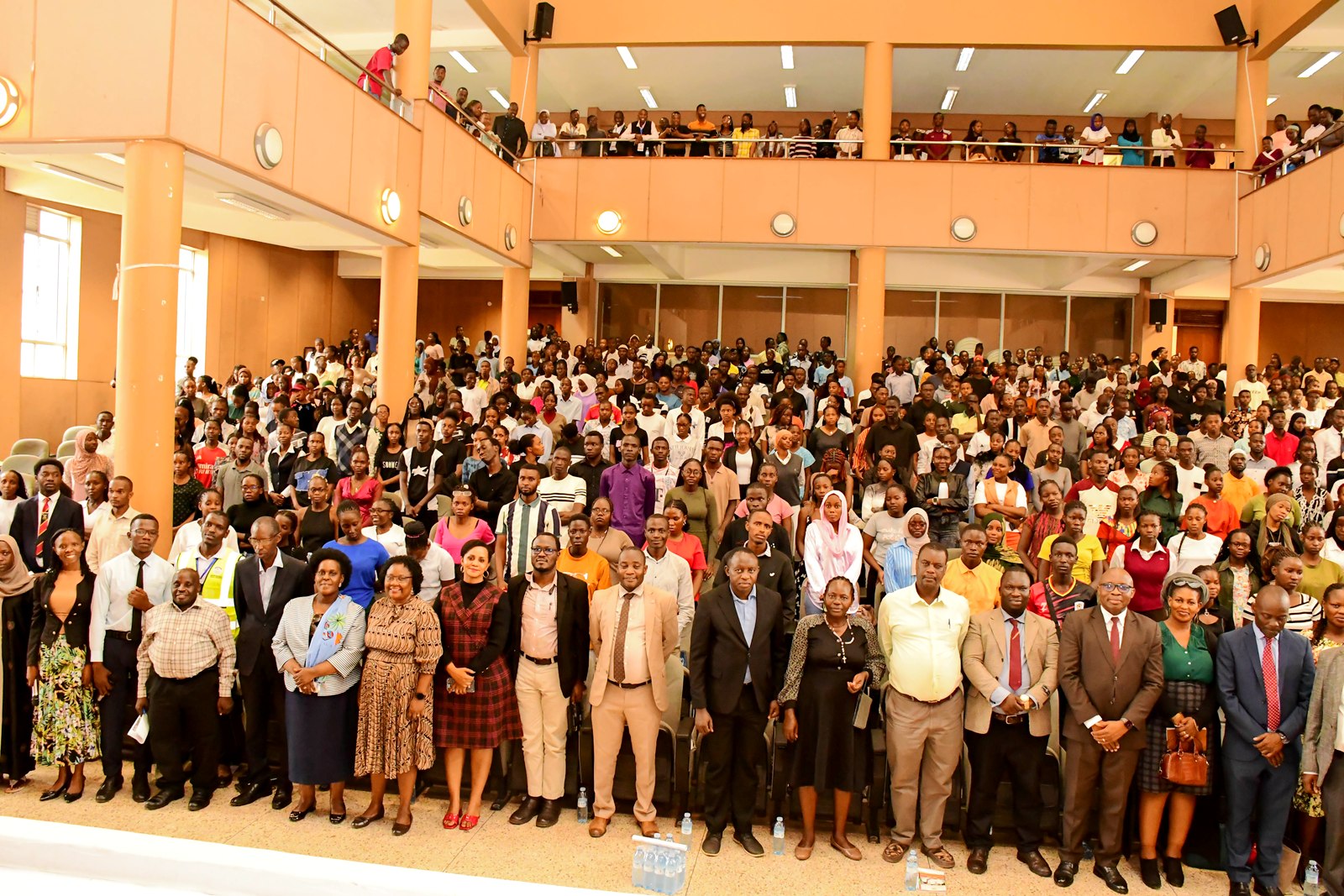
Dr. Joseph Watuleke (4th R) and Dr. Hannington Bananuka Twine (L) with participants from the Department of Adult and Community Education at the Lecture on 15th April 2026. Department of Adult and Community Education, College of Education and External Studies at Makerere University, Kampala Uganda, East Africa participation in the Second Professor Peter Jarvis Memorial Lecture, 15th April 2026, Gulu University, Uganda, East Africa.

Students and Staff from the Department of Adult and Community Education under the College of Education and External Studies at Makerere University, on 15th April 2026, participated in the Second Professor Peter Jarvis Memorial Lecture, held at Gulu University in a hybrid format, bringing together scholars, practitioners, and students from across the region.

Held under the theme “The Individual, The Collective and The Learning Society,” the lecture created a dynamic platform for reflecting on Prof. Jarvis’s enduring contribution to adult and lifelong learning, particularly within the African context.

A highlight of the event was the powerful tribute by Makerere University students, who presented selected quotations from Prof. Jarvis’s work, demonstrating both intellectual depth and practical understanding of adult learning principles. Among the reflections shared was Jarvis’s assertion that:

Education is a social provision of learning opportunities, not just the idealistic kind but one driven by the desire to make the world better.

Democracy, lifelong learning and learning society: I remain convinced that learning is intrinsic to human living and that we will never completely understand the process until we understand life itself, our approach to learning has, therefore, to be inclusive”

Towards a comprehensive theory of human learning: “Society needs free people if it is to change or develop in any manner—people who will keep on learning and acting independently but doing so for the good of the whole group.”

The Department of Adult and Community Education team with other participants. Department of Adult and Community Education, College of Education and External Studies at Makerere University, Kampala Uganda, East Africa participation in the Second Professor Peter Jarvis Memorial Lecture, 15th April 2026, Gulu University, Uganda, East Africa.
The Department of Adult and Community Education team with other participants.

Students also engaged the audience with his insight that:

“All learning begins with experience, but not all experience results in learning,”
emphasizing the importance of critical reflection in transforming experience into meaningful learning.

The Department was actively represented in the academic programme through scholarly contributions. Dr. Dianah Nampijja, Graduate Coordinator, facilitated a dialogical session on:
Continuous Professional Development, Community Learning and Lifelong Learning in Practice: The Individual and Development Partners.”

In another session, Dr. Hannington Bananuka Twine (Emeritus, Department of Adult and Community Education) contributed to a dialogical engagement on:

“African Socialism and Adult Education as Transformation in Tanzania: Navigating Neoliberalism and Sustaining Communal Ownership,” in collaboration with Ms. Leonia Kassamia from the Institute of Adult Education, Tanzania.

These sessions enriched the discourse by linking Jarvis’s theoretical contributions to contemporary issues in adult education, including community development, professional learning, and the sustainability of collective approaches in changing socio-economic contexts.

The Acting Head of Department, Dr. Joseph Watuleke, provided overall leadership to the Makerere delegation physically present at Gulu University, coordinating participation and engagement throughout the event.

The Memorial Lecture, organized under the PAR & Lifelong Learning Series, seeks to stimulate intellectual activism by exploring Jarvis’s concepts of agency and the learning market within the context of Eastern Africa’s adult education and policy environment.

Participation in this lecture underscores Makerere University’s continued commitment to advancing adult and lifelong learning, while nurturing students and staff as reflective practitioners and contributors to knowledge and practice in the field.

Ritah Namisango
Ritah Namisango

Continue Reading

Education

Makerere University holds Open Day for Critical Virtual Exchange in Artificial Intelligence

Published

on

Seated: Prof. Robert Wamala (2nd R), Prof. Fred Masagazi Masaazi (R), Prof. Ronald Bisaso (L) with the project team Dr. Harriet Nabushawo Mutambo (2nd L) and Standing: Prof. Paul Muyinda Birevu (2nd R), Dr. Harriet Najjemba (2nd L), Dr. Richard Kajumbula (R) and Ms. Hope Musiime (L) at the launch. Institute of Open, Distance and e-Learning (IODel), College of Education and External Studies (CEES) in collaboration with a consortium of 21 partner institutions from 13 countries across Europe and Sub-Saharan Africa launch of Critical Virtual Exchange in Artificial Intelligence (CVEinAI) project funded by the European Union and Makerere University Research and Innovations Fund (MakRIF), 25th March 2026, AVU Conference Room, Kampala Uganda, East Africa.

By Ritah Namisango and Chris Kaahwa

The Institute of Open, Distance and e-Learning (IODel) on behalf of Makerere University, in collaboration with a consortium of 21 partner institutions from 13 countries across Europe and Sub-Saharan Africa, is implementing a project titled: Critical Virtual Exchange in Artificial Intelligence (CVEinAI).

The participating countries include Italy, Denmark, Belgium, Ireland, Portugal, France, Romania, Ethiopia, Uganda, Kenya, Namibia, Ghana and Botswana with the University of Padua in Italy coordinating the consortium.

The CVEinAI is a three-year project which started in February 2025, and Makerere University is the only participating institution from Uganda.  The CVEinAI project team at Makerere University includes: Dr. Harriet Nabushawo-Project Investigator (P.I.), Professor Paul Muyinda Birevu (Co-PI), Dr. Harriet Najjemba, Dr. Richard Kajumbula and Ms. Hope Musiime.

Funded by the European Union and Makerere University Research and Innovations Fund (MakRIF), the CVEinAI project objectives include: Strengthening AI literacy, building the capacity of Higher Education Institution staff to embed Virtual Exchange within curricula, equipping student facilitators and teachers with critical approaches to AI, training educators to systematically identify and mitigate embedded biases and assumptions, and to explore challenges and risks of AI use across diverse contexts.

In pursuit of the objectives, the project team at Makerere University based the School of Distance and Lifelong Learning, and the Institute of Open Distance and e-Learning (IODEL) under the College of Education and External Studies (CEES) hosted an Open Day on 25th March 2026, to onboard stakeholders by highlighting the activities accomplished, the work in progress, and above all, the expected impact of the CVEinAI in the higher education sector across Africa and Europe.

The Open Day featured speeches with authorities in the field articulating informed messages on the role of AI in the transformation of the education sector, as well as, presentations demonstrating the training and capacity building activities accomplished, and those in the pipeline. For instance, during the Open Day, the participants, witnessed the award of badges and certificates, to students and staff who had successfully completed the CVEinAI Course for Facilitators, as well as, the CVEinAI Upskilling Masterclass.

Listening to the speeches and presentations, the various stakeholders appreciated that the Critical Virtual Exchange in AI (CVEinAI) project, is aimed at reshaping how students and staff engage with Artificial Intelligence (AI) while strengthening their critical thinking skills.

Building critical thinking skills in AI and studying the risks of over-reliance on AI

Welcoming the staff, students, facilitators and stakeholders to the Open Day, the CVEinAI Principal Investigator and Dean, School of Distance and Lifelong Learning, Dr. Harriet Nabushawo, described the project as an approach for studying critical thinking skills in AI that connects students from Europe and Africa through digital tools to participate in structured technology-mediated collaborations.

“By integrating intercultural dialogue and collaborative learning, CVE moves beyond technical AI instruction to foster critical thinking and responsible innovation,” said Dr. Nabushawo, the Principal Investigator.

She stated that the project is a collaborative initiative involving 21 institutions from 13 countries across Europe and Sub-Saharan Africa, targeting over 2400 students through multiple training cycles between 2026 and 2027.

Dr. Nabushawo highlighted that the project will help the university respond to the growing concerns about the increasing reliance on AI in education. “AI is now widely used by students, lecturers and administrators. However, over-reliance on it risks weakening critical thinking and independent judgment,” she stated.

In the presentation, Dr. Nabushawo articulated that Critical Virtual Exchange (CVE) in AI offers a practical and transformative approach to implementation in higher education. She expounded that when effectively embedded, CVE not only enhances AI literacy, but also prepares learners to critically examine and shape the societal impacts of AI in diverse, real-world contexts.

AI is rapidly transforming the landscape of higher education

The Deputy Vice Chancellor (Academic Affairs) of Makerere University, Professor Sarah Ssali, in a speech read by Professor Robert Wamala, the Director, Directorate of Research, Innovations and Partnerships, emphasized that the CVEinAI was timely and relevant, noting that the project was being implemented when AI is rapidly transforming the landscape of higher education.

“AI is redefining the landscape of academia. AI is transforming how knowledge is generated, how learning is delivered, and how institutions collaborate across geographical and disciplinary boundaries,” stated Professor Ssali. Therefore, the CVEinAI Open Day marks a significant step in advancing the integration of AI into teaching, learning, and research at Makerere University.

The Deputy Vice Chancellor (Academic Affairs) stressed that for a research-led institution such as Makerere University, the CVEinAI project presents both an opportunity and a responsibility to harness technology in addressing societal challenges and driving sustainable development.

Professor Ssali guided that while AI offers great potential, its adoption must be guided by three key considerations: inclusivity and accessibility, ethical and critical engagement, collaboration and knowledge sharing. She advised that digital platforms should expand access to learning for all including distance learners and persons with disabilities while maintaining fairness and transparency. She added that technology should remain a tool that supports, not replacing human thinking.

Transformation of Makerere through digital pedagogy and innovative learning approaches

The Principal of the College of Education and External Studies (CEES), Prof. Anthony Muwagga Mugagga represented by the Deputy Principal, Professor Ronald Bisaso, commended the CVEinAI project team on its tremendous contribution to Makerere’s transformation through modelling digital pedagogy.

The Principal described the approach as an inclusive model bringing staff and students together into the innovation process. He urged the project team to be deliberate and extend the program to staff and students from other Colleges, to ensure that no one is left behind. He elaborated that the deliberate integration of CVEinAI will position the project to influence the entire academic ecosystem and solve problems.

The Principal commended the European Union and Makerere University Research and Innovations Fund (MakRIF) for funding the CVEinAI project will significantly enhance the teaching and learning processes as well as research and innovation.

CVEinAI enhances the mandate of IODEL

The Co-Principal Investigator and Director of IODEL, Professor Paul Muyinda Birevu, lauded Makerere University for its visionary and bold step of setting up the Institute. Professor Muyinda Birevu highlighted that IODEL plays a central role in advancing innovative teaching methods across Makerere University to promote digital pedagogy.

“Our work at IODEL relates to researching innovative curriculum design, innovative teaching and learning methods. The CVEinAI project is one of the innovative approaches to teaching and learning,” Prof. Muyinda Birevu stated.

He explained that the CVEinAI project is one of the approaches designed to introduce new ways of learning which consider diverse cultures, perspectives and real-world contexts. “This approach allows students and lecturers to engage beyond traditional lecture rooms and interact across different environments,” he said, adding that without such innovations, learning institutions risk falling behind in a rapidly changing academic landscape.

Responding to the concerns from staff, students and stakeholders on the ethical use of AI, Professor Muyinda Birevu revealed that IODel will hold focused meetings to sensitise staff and students. He assured the participants that AI had come to stay, and it was incumbent upon each stakeholder to adapt to AI. He noted that although AI will not replace human thinking and understanding, AI will enhance the delivery methods of individuals who choose to professionally integrate AI into their work and operations.

Importance of stakeholder involvement and collaborations beyond the University

Addressing the participants, Professor Fred Masagazi Masaazi, Chairperson of MakRIF Grants Management Committee underscored the role of leadership in winning grants and successfully implementing research projects.

Professor Masagazi Masaazi emphasized the importance of stakeholder involvement, noting that impactful projects must clearly identify who benefits from their outcomes. He praised the team for positioning the initiative as a university-wide effort that involves management, staff and students.

He encouraged researchers to embrace collaborations beyond the university, highlighting that partnerships (both local and international) are key to accessing funding and expanding the reach and impact of research projects.

Ritah Namisango
Ritah Namisango

Continue Reading

Trending