
Engineering, Art & Tech
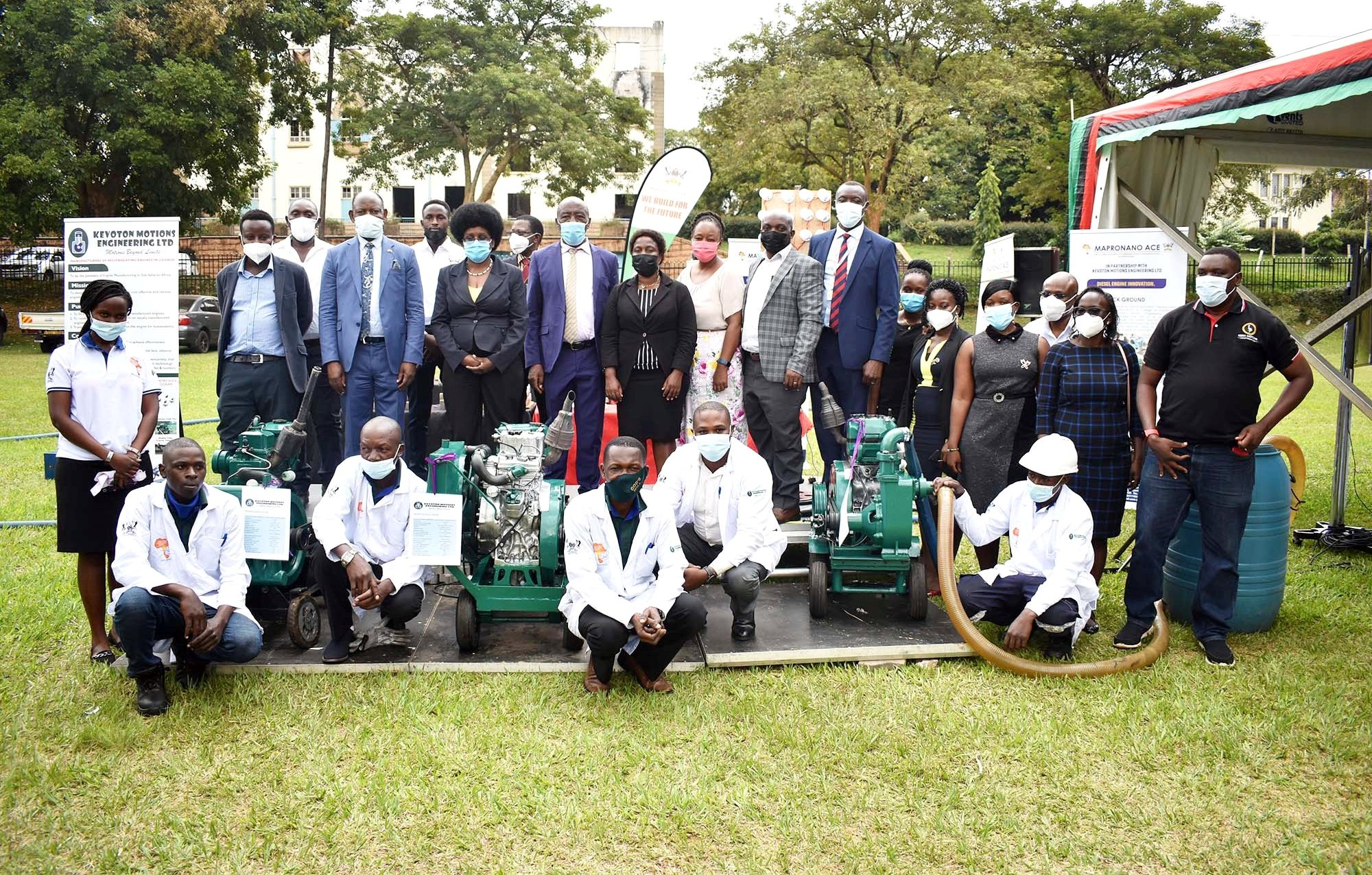
Minister Monica Musenero Unveils Locally-made Diesel Engine









Engineering, Art & Tech
Makerere Calls for Stronger University-Industry Partnerships to Drive Market – Ready Innovation at NCC 2026

Engineering, Art & Tech
Makerere & Partners Kick Off FLOWERS Project to Turn Restaurant Waste into a Regenerative Resource


Makerere University on 10th September 2026 hosted partners and government stakeholders at Kampala Fairway Hotel for the official high-level kick-off meeting of the Facilitating Local Organic Waste Exchange for Regenerative Systems (FLOWERS) Project. The two-year research initiative (2026–2028) is funded by the Climate and Clean Air Coalition (CCAC) and implemented by the Swiss Federal Institute of Technology (ETH Zürich), the Swiss Federal Institute of Aquatic Science and Technology (Eawag), Makerere University, End Plastic Pollution and Kampala Capital City Authority (KCCA).
The morning opening ceremony was presided over by the Deputy Vice Chancellor (Academic Affairs), Prof. Sarah N. Ssali, who was represented by the Director of Research, Innovations and Partnerships (DRIP), Prof. Robert Wamala. Prof. Ssali later attended the afternoon proceedings and officially closed the kick-off meeting.
Research That Treats Waste as a Resource
In the opening remarks delivered on her behalf by Prof. Wamala, Prof. Ssali noted that the rapid growth of the food-service sector in many sub-Saharan African cities has concentrated large volumes of food waste in urban areas. When this waste is poorly managed, she said, it drives pollution and nutrient loss while leaving unused an opportunity to rebuild soil fertility and support more circular food systems.
“Rather than viewing restaurant organic waste simply as a disposal problem, the project seeks to examine how it can become a resource within a regenerative system, returning nutrients to agricultural production through appropriate mechanisms for recycling and reuse,” the Deputy Vice Chancellor stated.
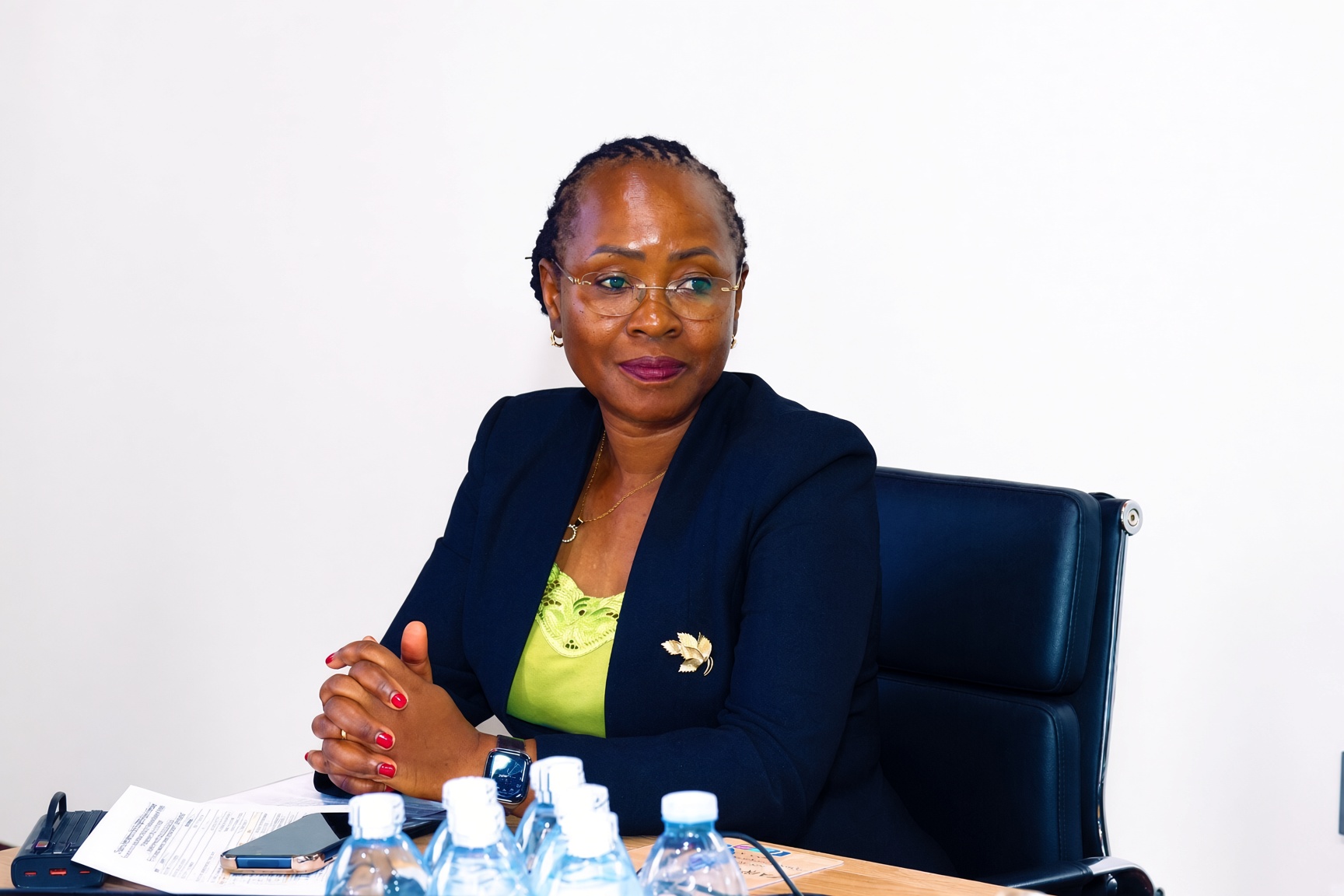
She described FLOWERS as timely for Kampala, where population growth, changing consumption and expansion of restaurants and food vendors are placing new pressure on municipal waste systems. She urged the team to produce evidence that can inform policy, practice and investment, and to keep a clear line of sight from research excellence to societal impact, including relevance to Sustainable Development Goal 12 on Responsible Consumption and Production.
Prof. Ssali further encouraged partners to clarify roles, engage actors along the food-waste value chain, and ask from the outset what institutional arrangements, incentives and business models would be required if a tested intervention is to move beyond the pilot.
A Partnership Anchored at CEDAT
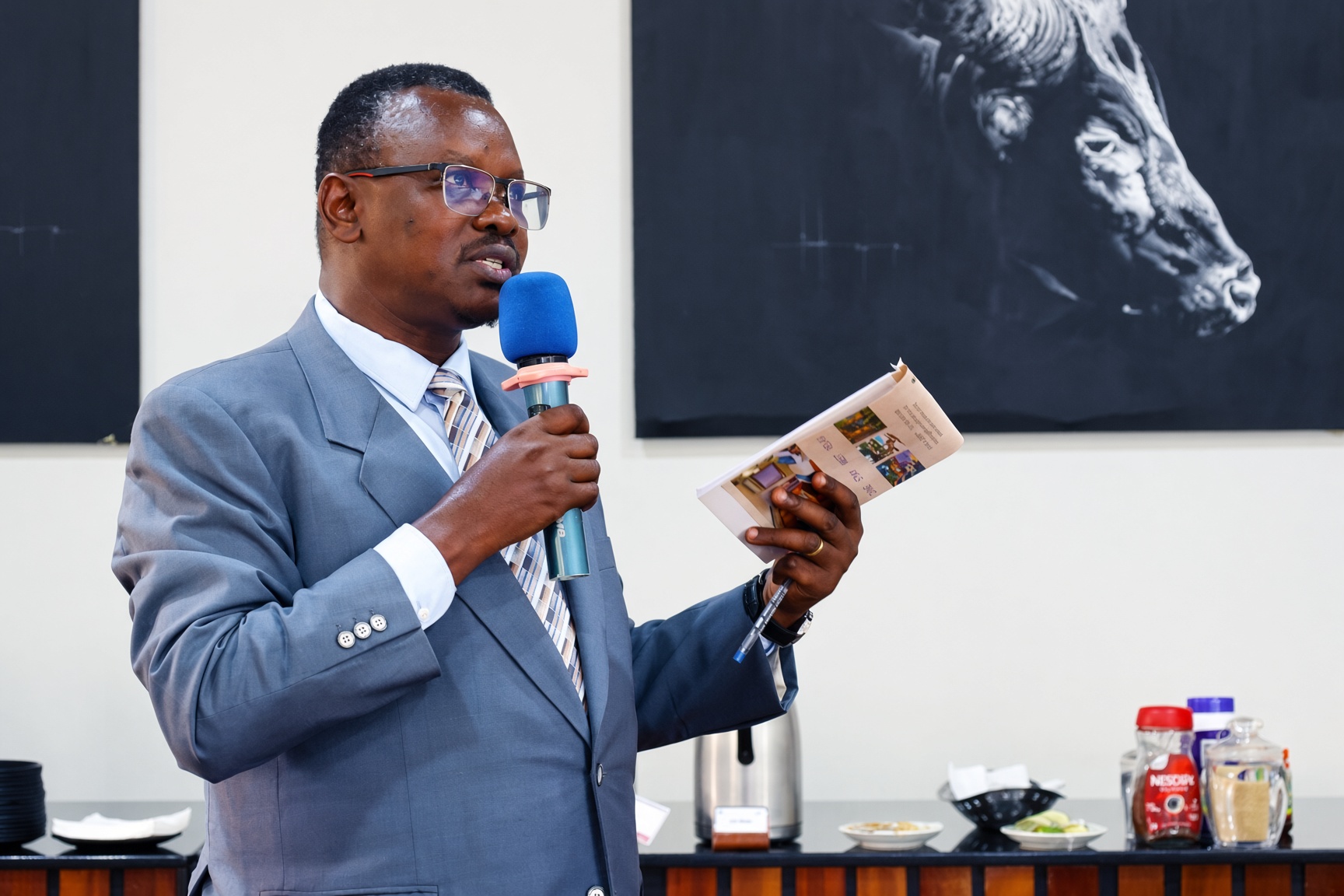
Makerere’s Local Principal Investigator is Assoc. Prof. Charles B. Niwagaba from the Department of Civil and Environmental Engineering, College of Engineering, Design, Art and Technology (CEDAT). In a session on evidence-to-policy lessons from earlier work, he argued that municipal solid waste management is too large a challenge for any single institution and that the city itself should be treated as a living laboratory—generating knowledge through research, students and laboratories; piloting innovations; and supporting KCCA to institutionalise what works.
The project overview was presented by Dr. Daniela Peguero, with next steps outlined by Gioia Francesca of the international team. Camille Tahon delivered welcome remarks on behalf of CCAC. The programme also featured presentations from the National Environment Management Authority (NEMA) on the Strategy of Organic Waste developed under the SOWU project; Mr. Julius Mughuma Masereka of the Ministry of Local Government on national waste-management policy; and Dr. Sarah K. Zalwango of KCCA on the current status and future plans for solid waste management in Kampala.
What FLOWERS Will Do in Kampala
FLOWERS addresses a documented gap: despite informal systems that already move some restaurant leftovers and peelings to farms, there is limited empirical evidence on how food waste actually flows in African cities, and whether a targeted supply-chain intervention can increase recycling and reuse.
The Uganda phase of work will: map and analyse urban food-waste flows in the Greater Kampala Metropolitan Area; and experimentally assess an intervention designed to redirect a greater share of source-separated restaurant waste to farmers, tracking both mass and financial flows along the chain.
Methods to be deployed include panel surveys of restaurant managers, farmers and waste traders; two intensive waste-measurement campaigns supported by trained restaurant staff; six months of GPS tracking on waste traders’ bicycles; and a staggered, randomised matching of restaurants with traders. Makerere will contribute to three of the project’s four work packages, including waste, financial and carbon-balance mapping; market assessment of products from anaerobic digestion, composting and black soldier fly (BSF) treatment; and national dissemination.
Assoc. Prof. Niwagaba told partners that Makerere’s immediate tasks include ethical approval, support to map licensed restaurants, recruitment and training of enumerators, and close coordination with ETH doctoral researchers. Field data collection is planned to run from September to December 2026.
Informal Traders, Technology and Policy Uptake
An afternoon session by Piotr Barczak examined waste transformation through black soldier fly farming as a circular-economy option. A panel on integration of informal waste traders in restaurant waste exchange brought together the National Environment Management Authority (NEMA), Ministry of Local Government, KCCA as well as private operators MTSL Energies and End Plastic Pollution.
The panel reflected a central design choice of FLOWERS: not to replace an existing informal chain, but to understand it, strengthen it where it works, and generate evidence that national and city authorities can use. Project documents note that KCCA, municipalities in the Greater Kampala Metropolitan Area, NEMA, the Ministry of Local Government and the Ministry of Water and Environment already recognise booking of restaurant food waste as a low-emission reuse strategy.

The research is intended to give that recognition an empirical base—waste-flow and financial-flow maps, a methane balance, and results from a field experiment rather than anecdote.
Prof. Wamala, whose Directorate coordinates research partnerships across the University, framed the kick-off as consistent with Makerere’s mission to generate knowledge for societal transformation. Makerere, he indicated, would contribute research capacity, students, innovation platforms and knowledge translation and transfer power so that findings do not remain in publications alone.
From Kick-off to Implementation
Assoc. Prof. Niwagaba at the conclusion of deliberations summarised the next steps: finalise institutional support letters required for ethics review, update restaurant and farmer sampling frames with KCCA, train field teams, and keep policy actors engaged throughout data collection rather than only at dissemination.
In closing, Prof. Ssali commended CCAC for funding the project and thanked ETH Zürich, Eawag, End Plastic Pollution, KCCA, NEMA, the Ministry of Local Government and participating private and civil-society actors for a collaboration that treats Kampala’s restaurant waste not merely as a municipal burden, but as a nutrient stream that can support farms, livelihoods and cleaner air.
-
 General2 weeks ago
Call for Applications: RLRH Graduate Traineeship Programme
-
 General5 days ago
Statement on Concerns Circulating Regarding a Member of Academic Staff
-
 Research2 weeks ago
Call for Makerere Staff PhD Completion Grant Applications, 2026-27
-
 Engineering, Art & Tech2 weeks ago
Public Art Talk Sparks Dialogue on Contemporary Art Practices at MTSIFA
-
 General1 week ago
Makerere Marathon 2026 – Running to Equip the Disability Support Center