
Business & Management
COVID-19 Deepened Food Insecurity Among Uganda’s Urban Poor, With Women Hit Hardest, EfD Study Finds

Kampala – July 31, 2025
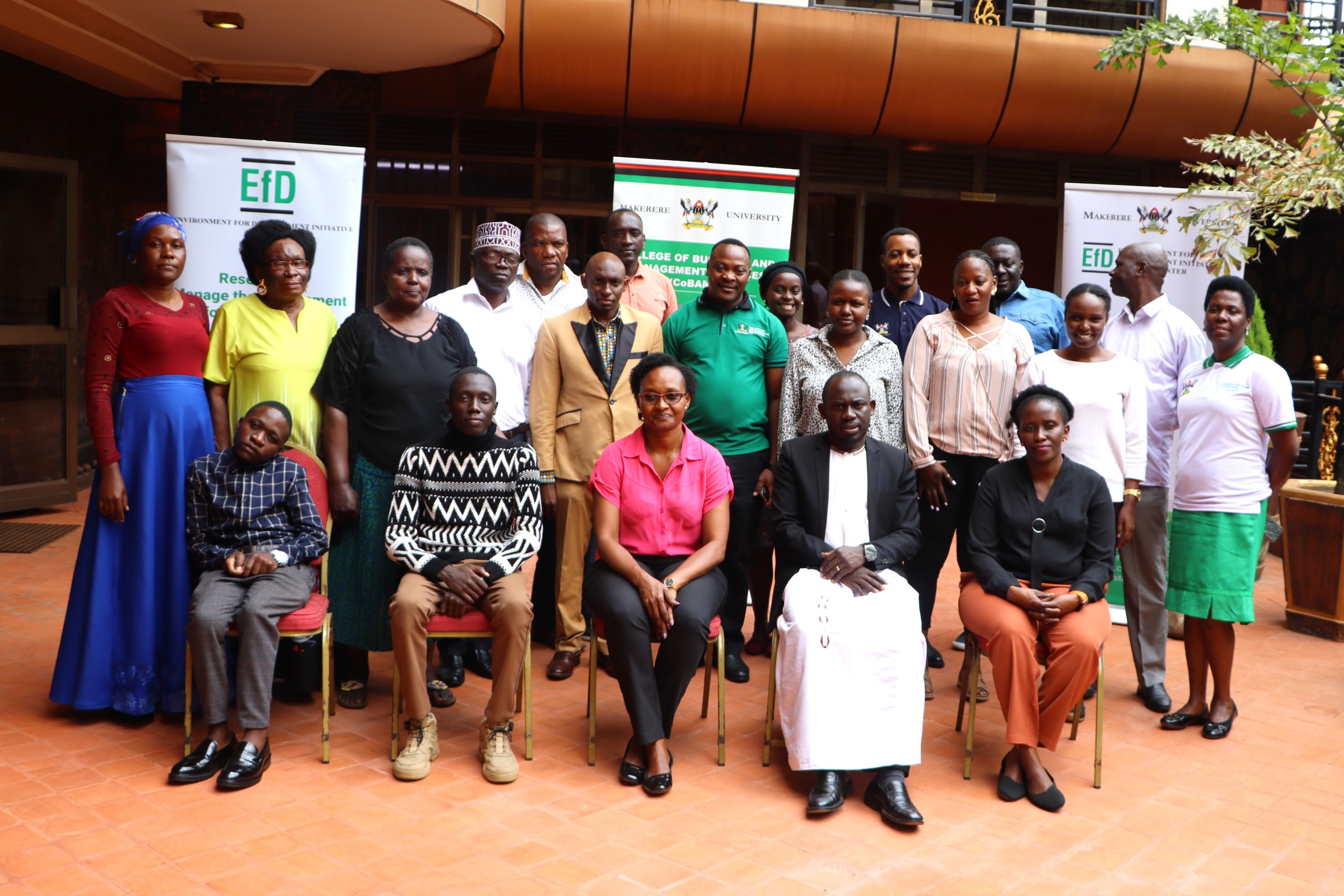
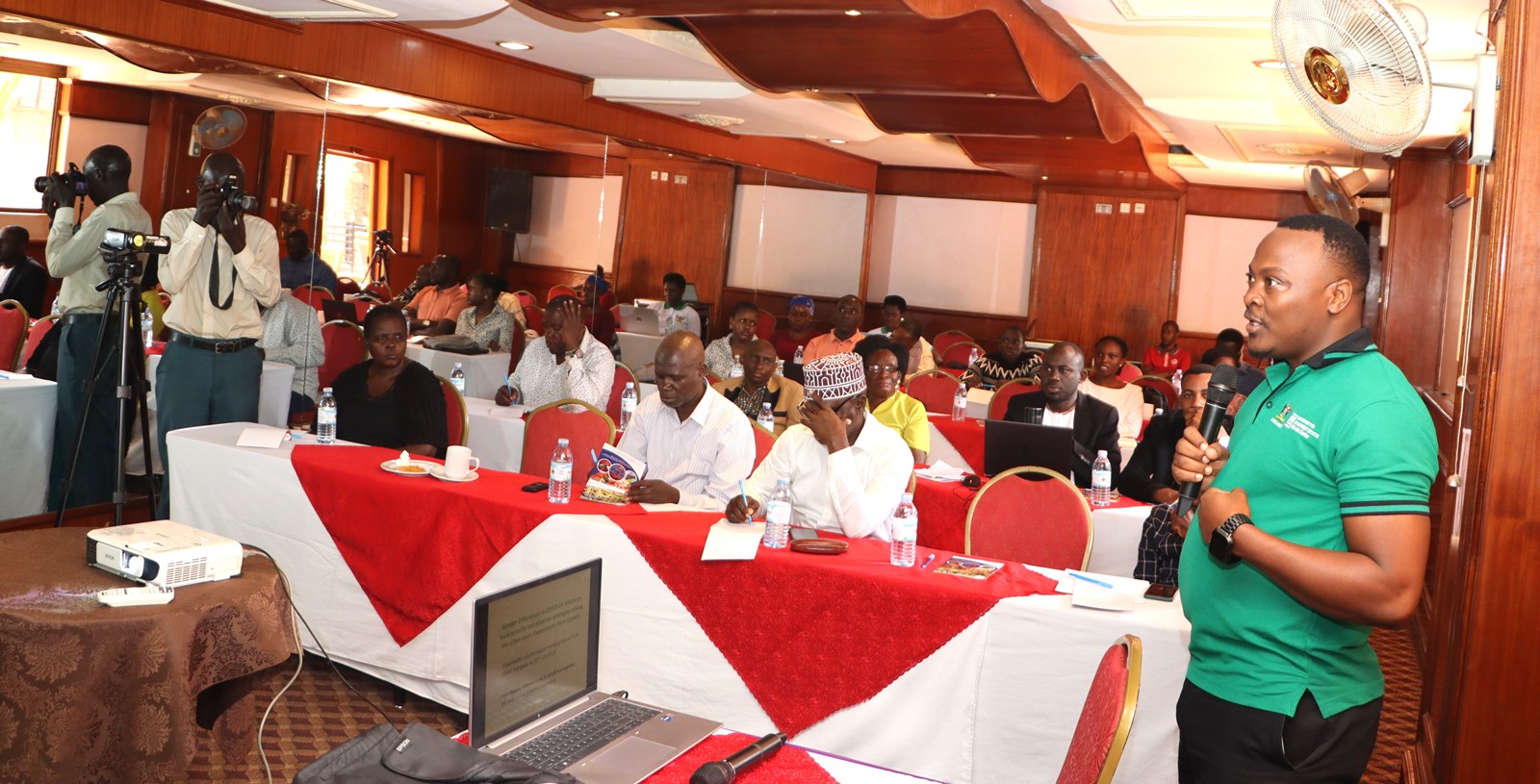
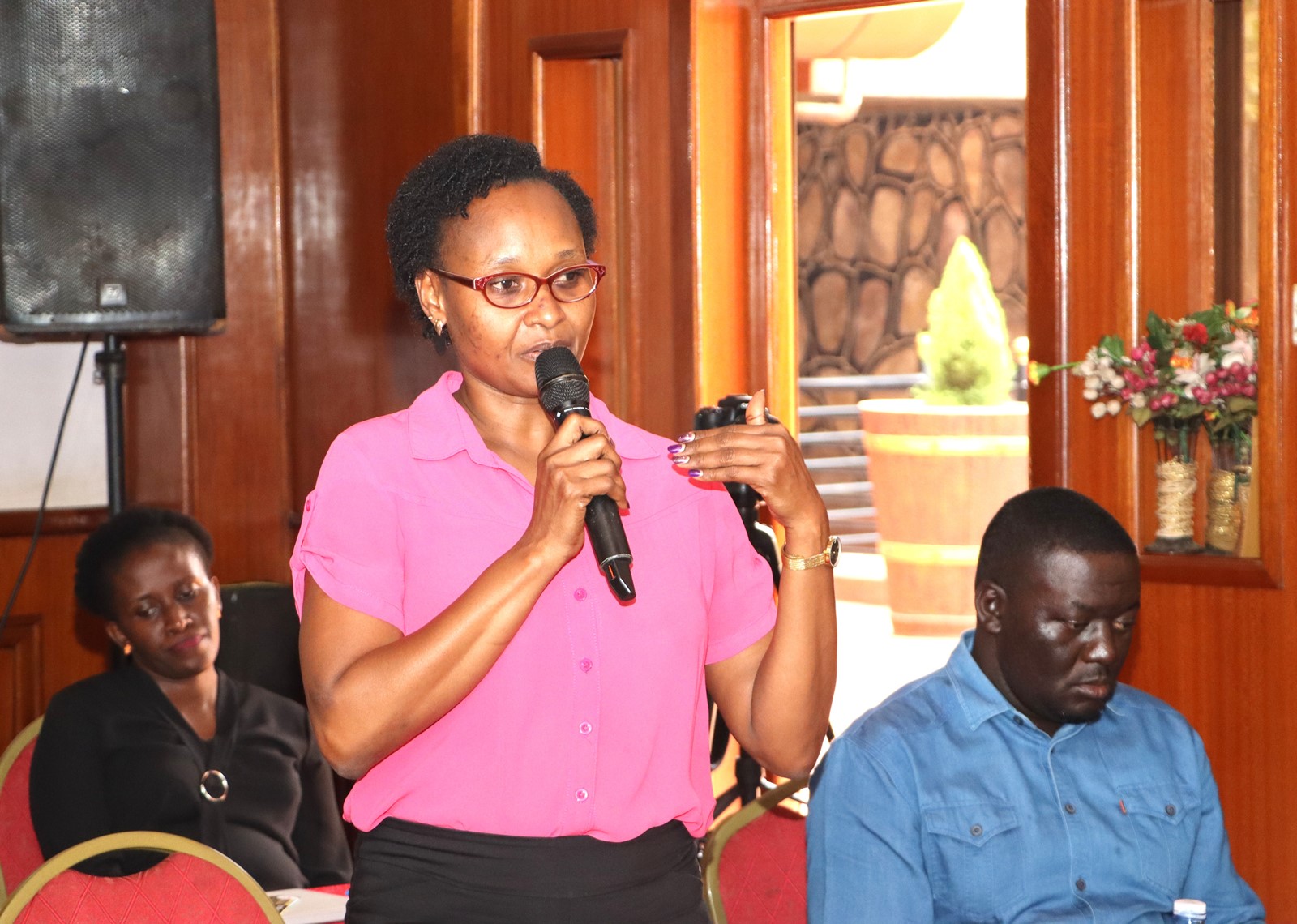
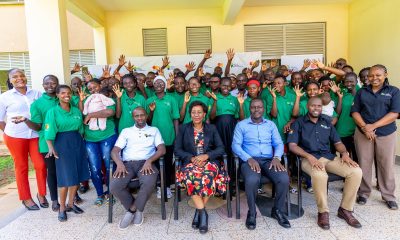
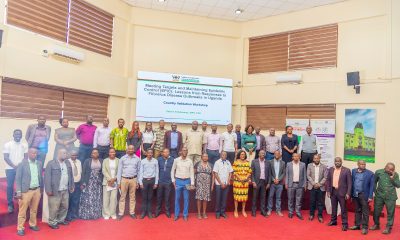
A study by researchers from the EfD-Mak Centre at Makerere University has revealed stark gender differences in the impact of COVID-19 on food security among Uganda’s urban poor, with female-headed households bearing the brunt of the crisis. The findings were presented at a stakeholder dissemination meeting held at Tick Hotel in Kawempe Division, Kampala.
The research, led by Dr. Fred Matovu, Fred Kasalirwe, and Anitah Kyamugabwa, focused on Kawempe Division, one of Kampala’s most densely populated and low-income areas. Using data from a 2022 household survey of 415 respondents, along with focus group discussions and interviews with key government stakeholders, the study examined how the COVID-19 pandemic and related economic disruptions worsened food security in informal urban settings.
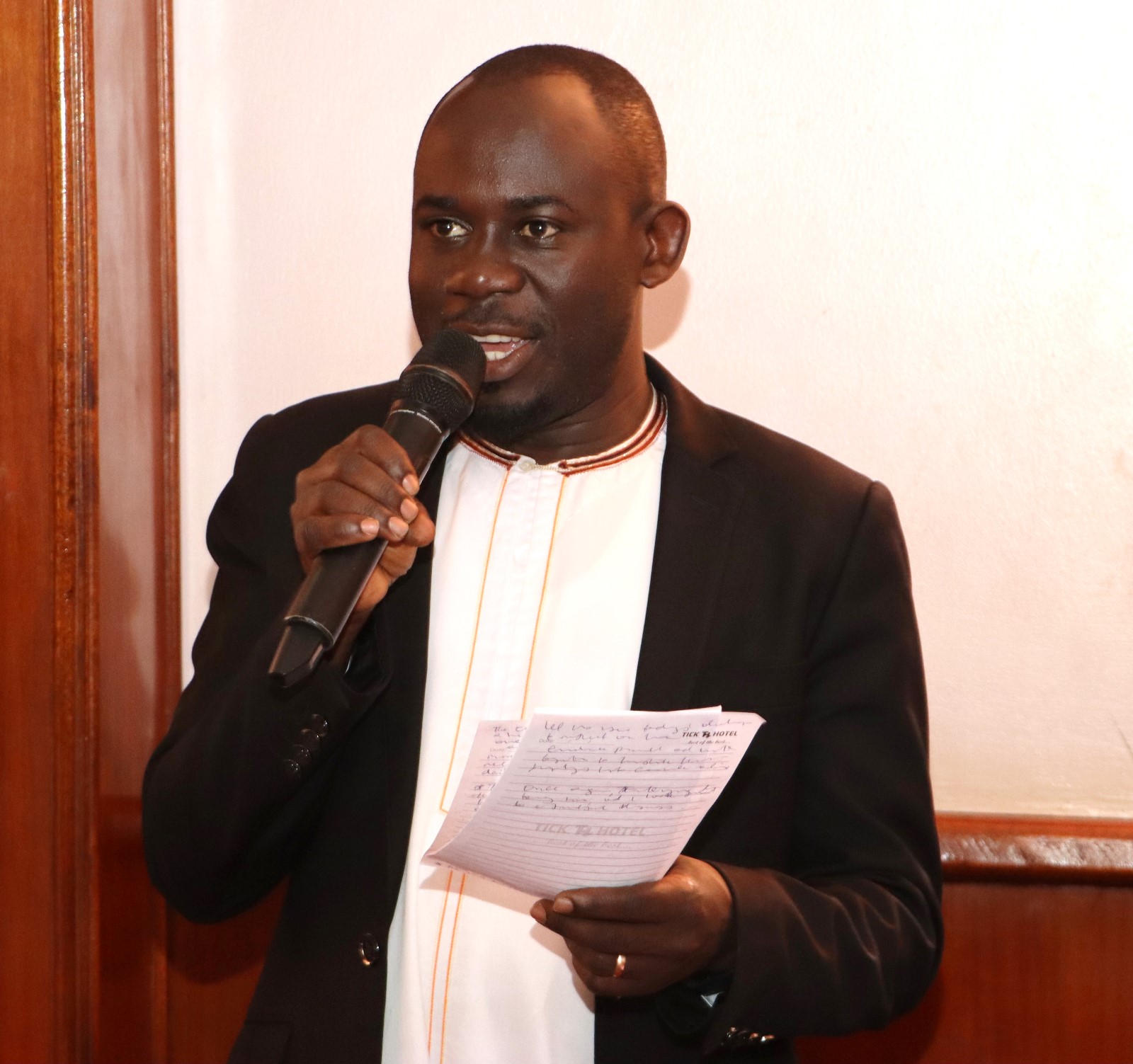
Speaking on behalf of the EfD Uganda Director, Dr. Peter Babyenda stressed that Uganda’s current social protection structures are inadequate, especially for the most vulnerable. He called for policy frameworks that are informed by grassroots realities. “We need policies that involve those affected from the ground up, especially the urban poor who live on daily incomes. During COVID-19, these groups suffered immensely when lockdowns were imposed without consultations,” he said.
The study, titled “Differences in COVID-19 Effects on Food Security and Adaptive Strategies among the Urban Poor: Experiences from Uganda and Tanzania”, was conducted between 2022 and 2023 in collaboration with EfD Tanzania. In Uganda, the research focused on how urban poverty intersected with gender and food insecurity.
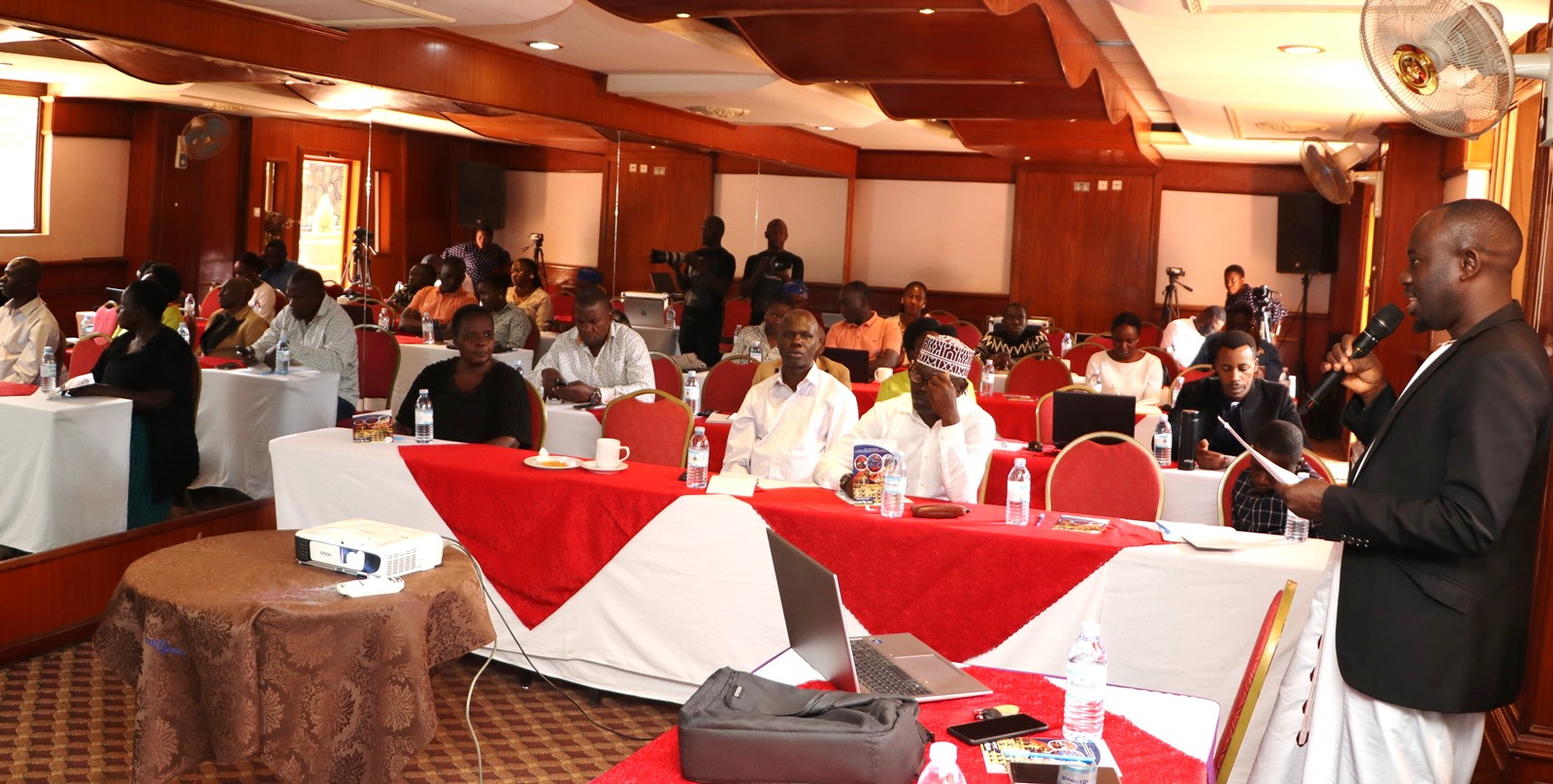
Presenting the findings, Fred Kasalirwe reported that poor urban households, especially those relying on informal employment, were disproportionately affected due to low and unstable incomes. The containment measures introduced in March 2020 including stay-at-home orders, closure of schools, suspension of public transport, and night curfews had a devastating effect on daily earners. As economic activity halted, access to food, healthcare, and essential services declined sharply.
The research found that food security and dietary quality worsened for both male- and female-headed households. However, the impact was more severe for female-headed households due to greater caregiving responsibilities and fewer income-generating opportunities. With limited access to social safety nets, families resorted to extreme coping strategies such as selling household assets, depleting savings, and changing their diets involuntarily. Kasalirwe noted that government food assistance during the crisis was inconsistent and insufficient.
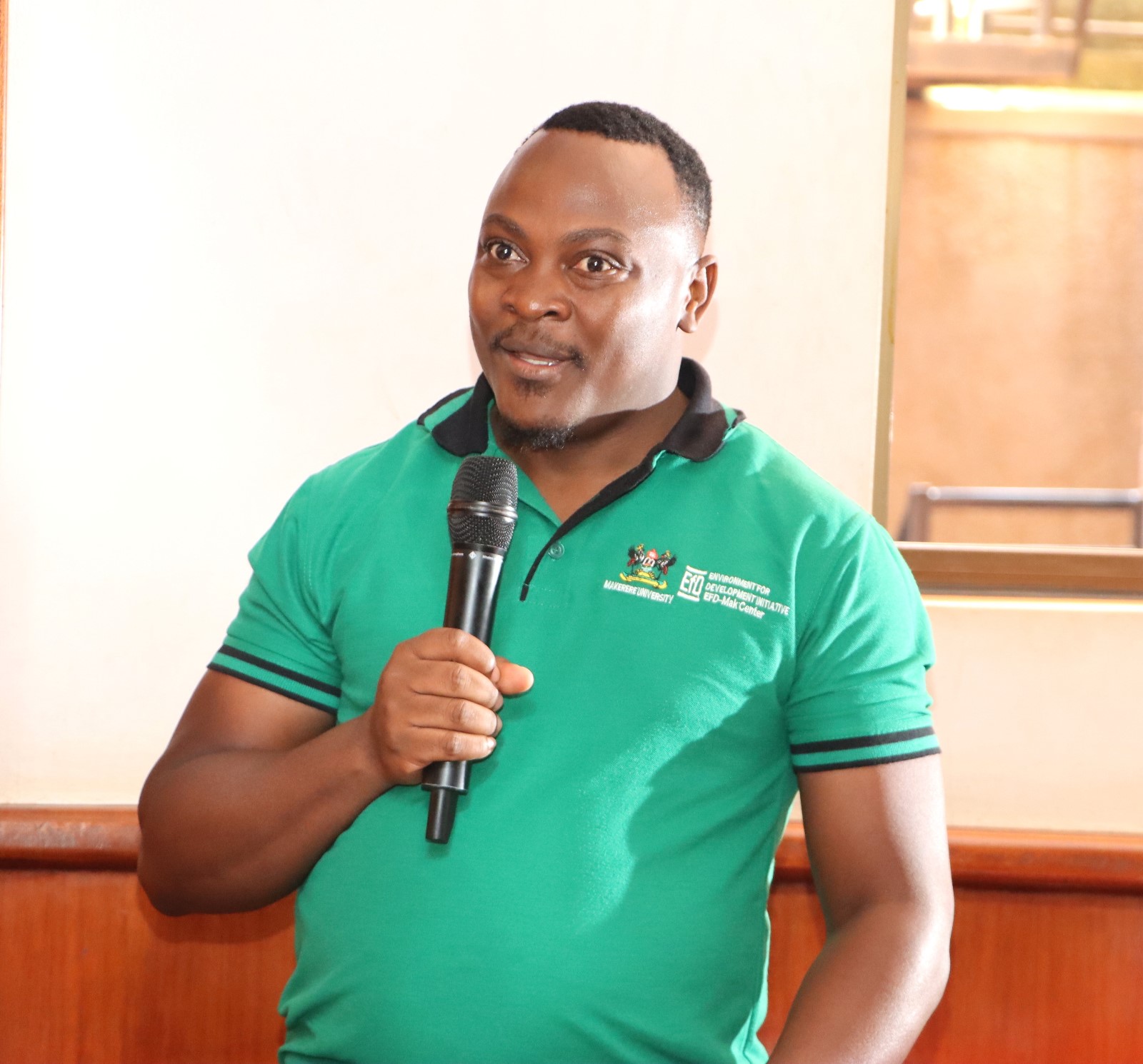
He explained that female-headed households faced unique challenges, often balancing caregiving with limited means to earn income during lockdowns. “These households suffered more from income shocks, leading to worsened nutrition among children and the elderly,” he said. Most had to rely on informal networks or personal savings to survive.
The study also noted an unexpected finding: persons with disabilities experienced relatively improved food security during the crisis, likely due to targeted social support. However, this level of support was not extended to most households, exposing critical gaps in Uganda’s social protection systems.
While the COVID-19 pandemic was a primary focus, researchers emphasized that food insecurity among the urban poor in Uganda has been driven by a wider series of shocks. These include prolonged droughts, floods, mudslides, economic recessions and the suspension of major aid programs such as USAID. Each of these events has further strained already fragile food systems and household resilience.
Kasalirwe warned that unless Uganda adopts robust and inclusive social protection policies, the country will remain vulnerable to future crises. He urged the government to consider gender-responsive strategies that recognize the disproportionate burden carried by women and informal workers. “Government programs often collapse because communities are not involved in designing or owning them,” he said. “What we need is a bottom-up approach where self-help mechanisms and community buy-ins are developed alongside government interventions.”
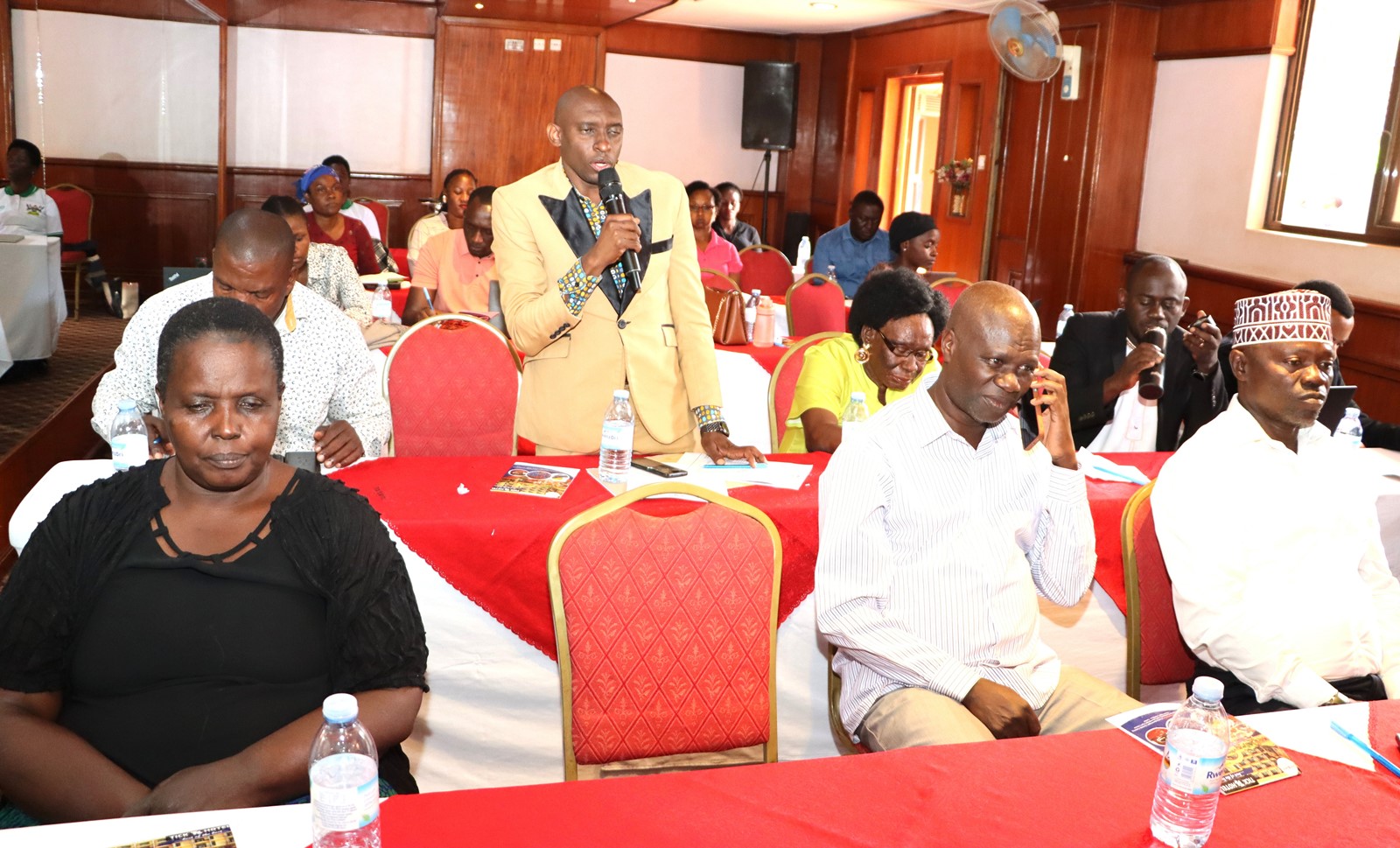
He further noted that while COVID-19 provided the context for the study, the findings are applicable to a wide range of future shocks, including public health emergencies, climate change, and global economic downturns. “We’ve seen floods in Mbale, Ebola outbreaks, and the ripple effects of the Ukraine war. We need systems that don’t crumble when funding dries up,” he said.
The researchers urged both the government and development partners to shift focus from emergency responses to long-term resilience building. They emphasized that coping strategies such as selling productive assets or reducing food intake are impoverishing and unsustainable. The study called for a strong policy framework that prioritizes food security, supports vulnerable populations, and enhances urban livelihoods.
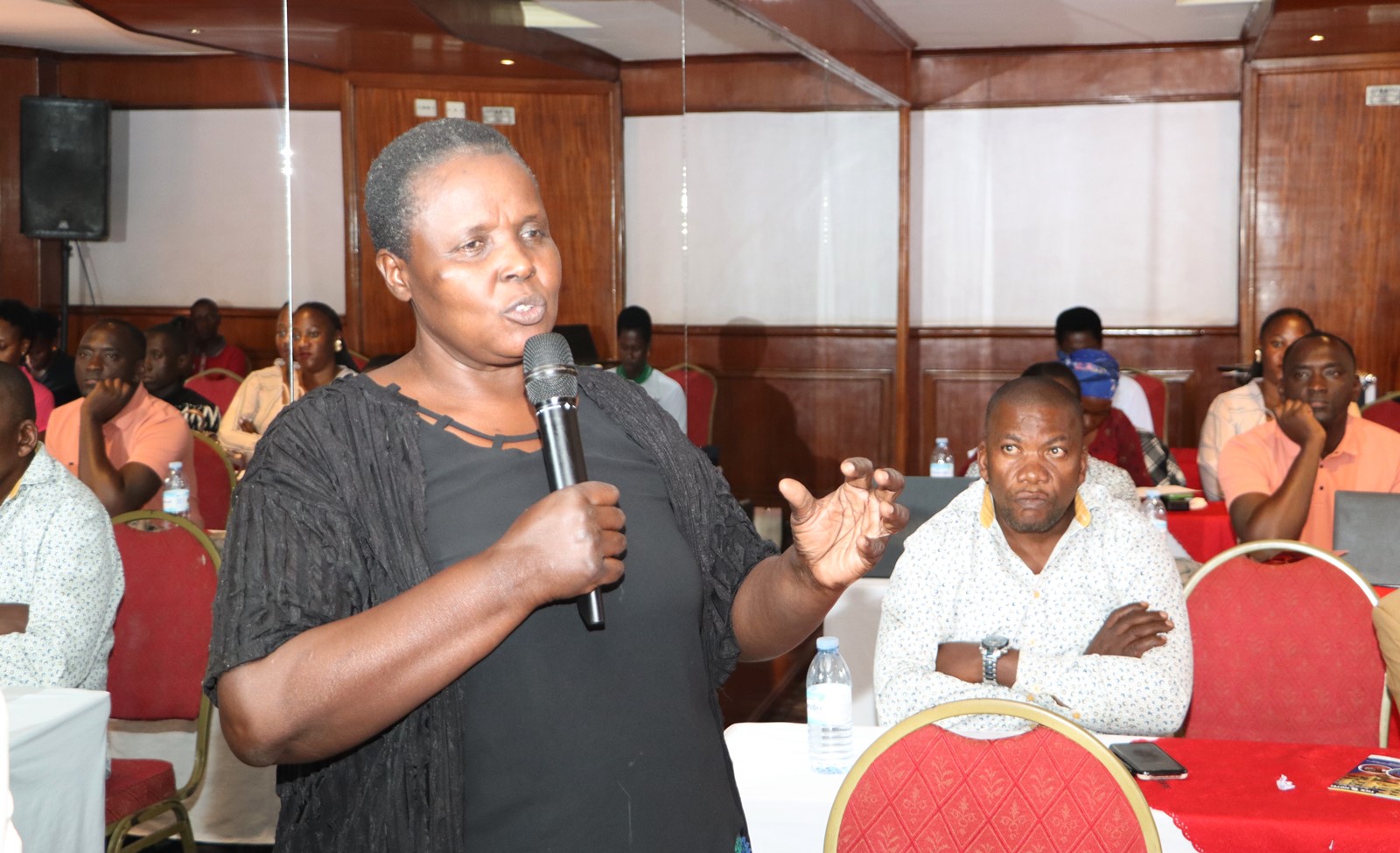
The study recommends a participatory approach that actively involves vulnerable communities in the design and implementation of social protection programs. It also calls for the establishment of community-based safety nets that are sustainable even in the absence of regular government funding. The researchers stressed the importance of gender-sensitive planning, especially in informal settlements where women face heightened challenges during economic shocks. Additionally, the government is urged to streamline its social protection initiatives through the Ministry of Gender, Labour and Social Development, ensuring effective outreach and awareness to reach those most at risk.
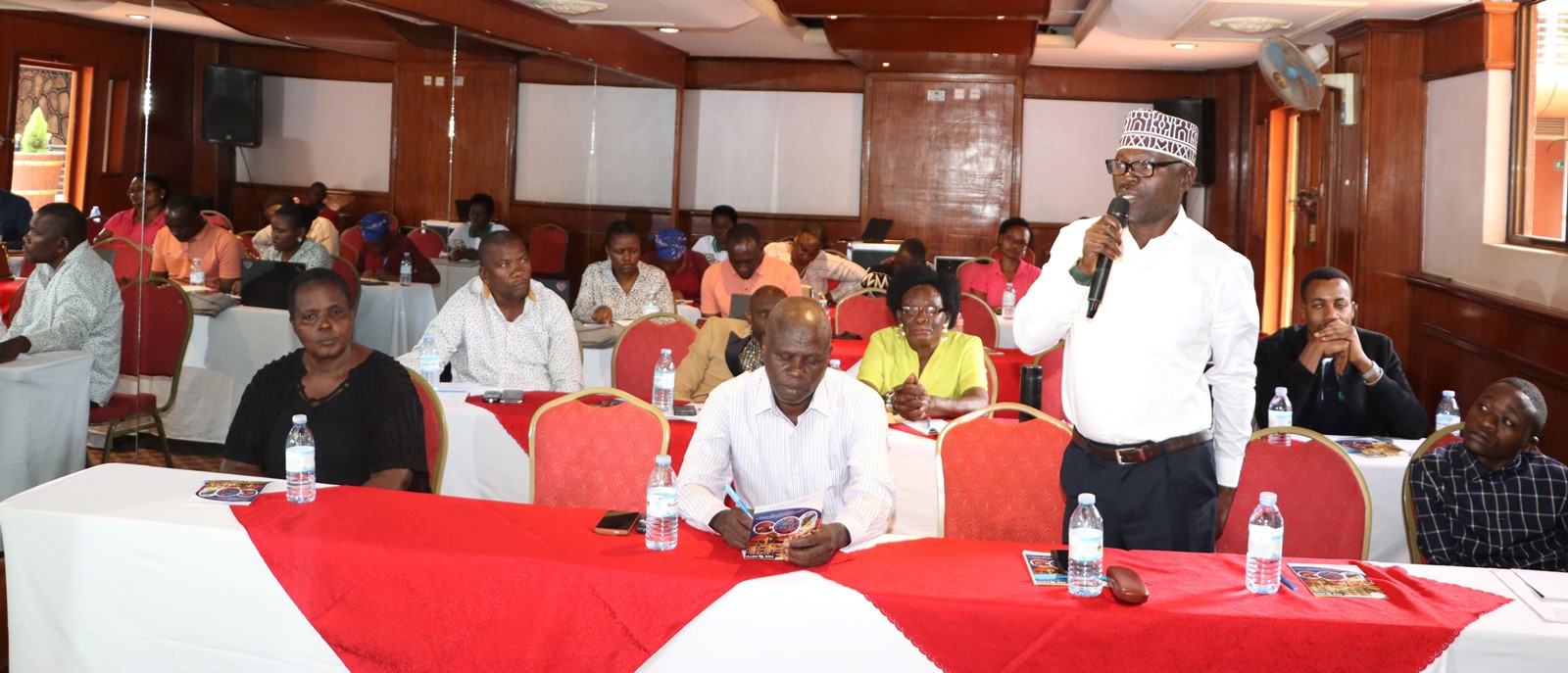
The research was funded by the EfD Global Hub and coordinated by the EfD-Mak Centre. Participants at the dissemination meeting echoed the urgency of addressing urban food insecurity and preparing more effectively for future crises.
More photos from the workshop
Jane Anyango is the Communication Officer EfD Uganda.





Business & Management
Makerere University Signs MoU with World Association of Noonomy: Sets pace for the African Centre of Excellence

By Ritah Namisango and Monica Meeme
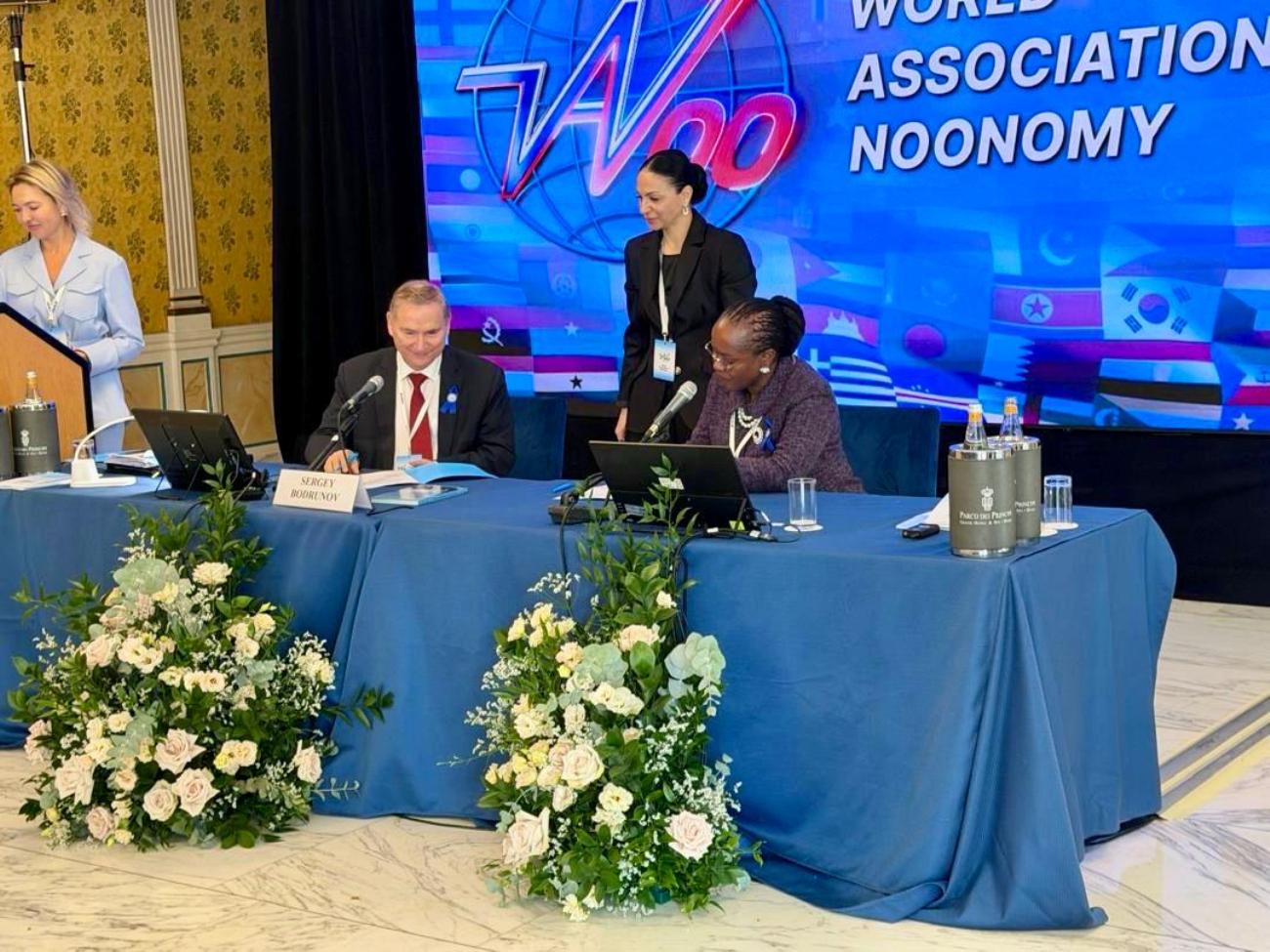
Makerere University has signed a Memorandum of Understanding (MoU) with the World Association of Noonomy, setting the pace for academic collaboration, research and the establishment of a Centre of Excellence for Noonomy in Africa.
On behalf of Makerere University, the MoU was signed by Professor Sarah Ssali, Deputy Vice Chancellor (Academic Affairs), during the World Congress on Noonomy held in Rome, Italy, from 16th-19th September 2026, paving the way for the establishment of a dedicated institute of Excellence for Noonomy at College of Business and Management Sciences (CoBAMS).
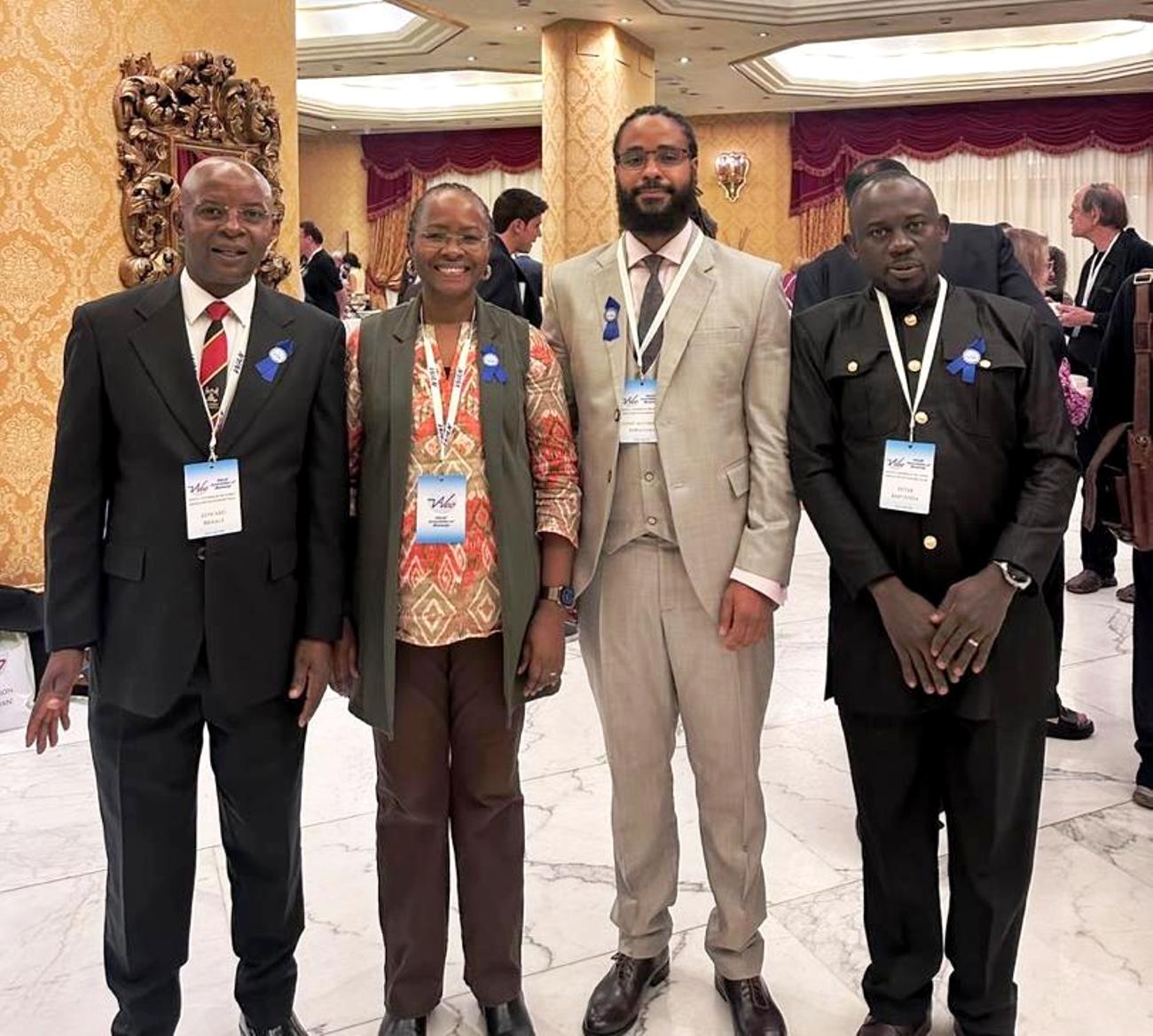
Uganda was the only African country represented at the World Congress on Noonomy, with a Makerere University delegation including Prof. Sarah Ssali-Deputy Vice Chancellor (Academic Affairs), Prof. Edward Bbaale-Principal College of Business and Management Sciences (CoBAMS), Dr Peter Babyenda-Lecturer at the School of Economics and Policy Engagement Coordinator, College of Business and Management Sciences (CoBAMS), and Mr. Tonny Mayambala Sebbaggala, a Ugandan Economist based in Russia.
Commenting on the development, the Vice Chancellor, Professor Barnabas Nawangwe said, “By signing this MoU, the African Centre for Noonomy has been established at Makerere University. This adds to the growing number of African continental research centres that are coordinated by Makerere University. Makerere is clearly a leader on the Continent.”
The MoU signed on 19th September 2026 in Rome-Italy, builds on the inaugural conference on Noonomy, held in Uganda on 20th August 2026 at Makerere University under the theme, “The Theory of Noonomy and its Role in Resolving Modernity Issues: Pathways to Sustainable Social and Economic Transformation.”
At the Global Congress of the World Association of Noonomy, the scholars from Makerere University delivered three (3) presentations focusing on Noonomy and development challenges in East Africa, the transition from informal to formal employment, and the role of universities in advancing Noonomy.
About the Theory
The Theory of Noonomy is an emerging theoretical approach developed by Professor Sergey Bodrunov, Director of the S.Y. Witte Institute, which examines the changing relationship between knowledge, technology, production and human development. The theory places emphasis on knowledge and human potential as important drivers of development, while highlighting humanistic values and solidarity in shaping economic and social progress.
Advancing Alternative Economic Thought in Africa
Speaking at the Annual gathering in Rome, Prof. Sarah Ssali described Makerere University’s partnership as a great honour, highlighting the importance of creating space for broader theoretical perspectives on political economy and the global economy.
Reflecting on the evolution of political science and political economy studies, Prof. Ssali noted that following the era of Glasnost and Perestroika, free-market ideology and neoliberalism became increasingly dominant in global economic thinking.
“This dominance created a need for scholars to critically examine both the opportunities and limitations of market-based approaches,” she said.
She welcomed the opportunity to explore alternative ways of understanding the world, including not only the material relations of production, but also the material relations of consumption.
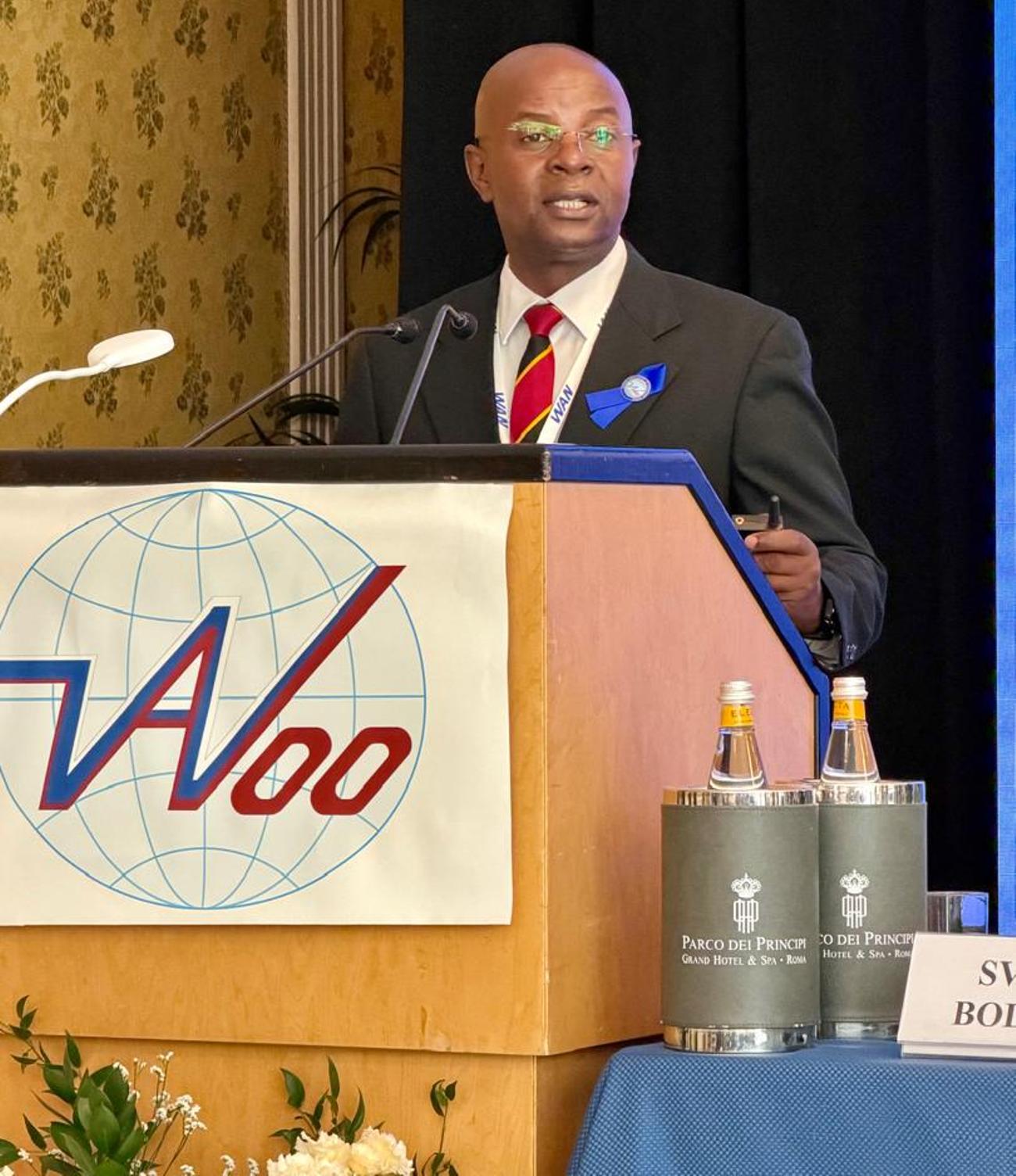
Prof. Ssali also acknowledged the Witte Institute for initiating the initiative and for choosing Makerere University as a key partner on the African continent.
She said Makerere University plans to establish a dedicated centre focused on the emerging area of study, with the institution aiming to launch the centre in February 2027.
“We hope the centre will become a leading African platform for research, teaching and dialogue on these issues,” she asserted.
Prof. Ssali noted that the ideas emerging from the Kampala meeting (held on 20th August 2026) are already being incorporated into Makerere University’s theoretical classes, with plans to substantially expand the initiative following the establishment of the centre of excellence.
She reaffirmed Makerere University’s commitment to the partnership and to expanding scholarly engagement on alternative approaches to political economy.
Call for Growth that Advances Social Welfare
Delivering the presentation titled: “The Role of Noonomy in Addressing Development Challenges in East Africa,” Prof. Edward Bbaale, Principal of the Makerere University College of Business and Management Sciences (CoBAMS), explored the potential of Noonomy as an alternative framework for understanding and addressing persistent development challenges in East Africa.
Prof. Bbaale noted that the approach contributes to emerging academic discussions on how economic systems can better connect economic growth with social wellbeing and inclusive development outcomes in the region.
“The study contributes to emerging academic discussions on how economic systems can better link economic growth with social wellbeing and inclusive development outcomes in the region,” he said.
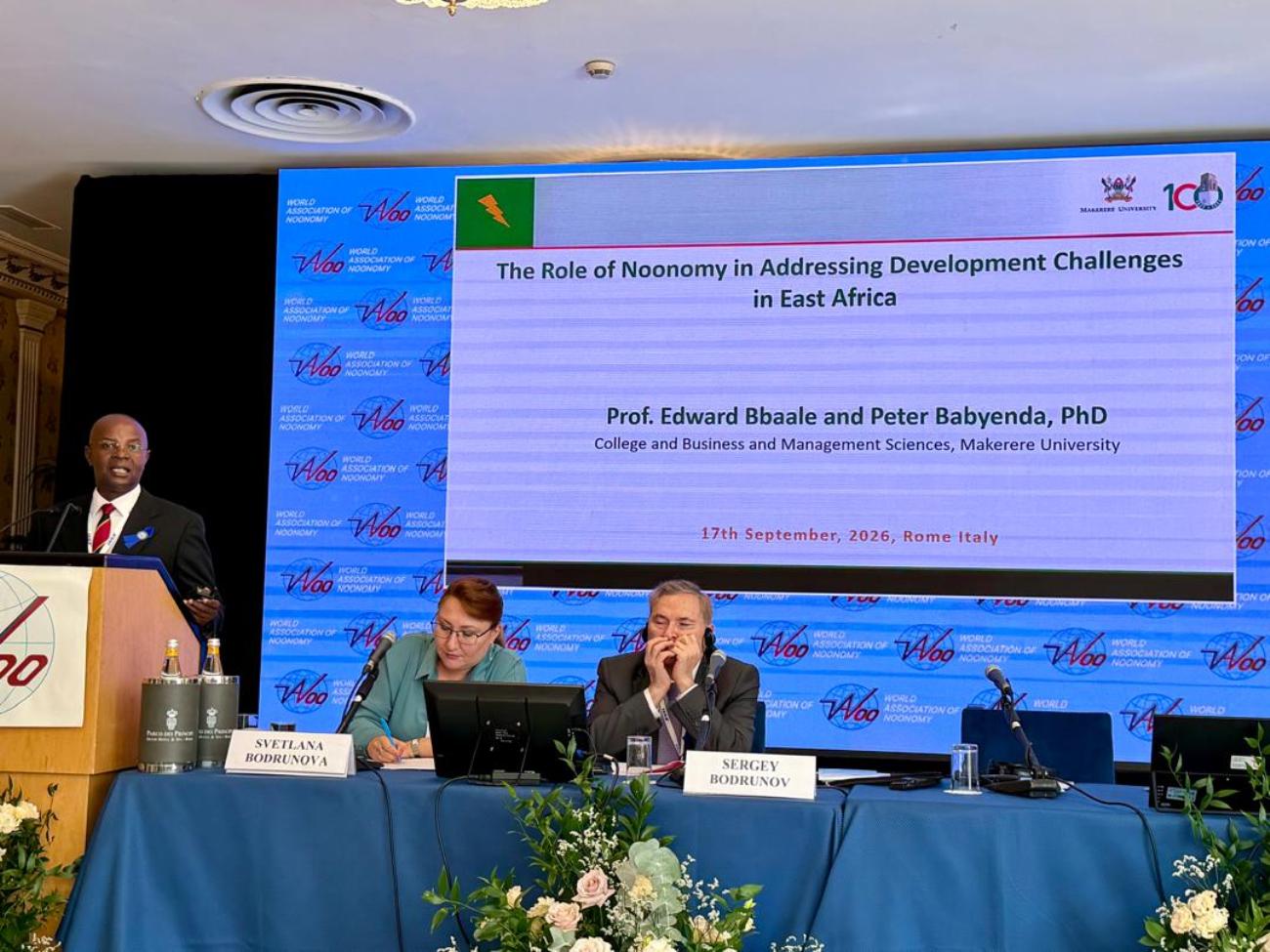
The paper was co-authored with Dr Peter Babyenda and formed part of the scholarly contributions presented at the World Congress on Noonomy in Rome, Italy.
Prioritizing Human-Centred Development
Dr Peter Babyenda said Makerere University’s participation in the World Congress on Noonomy in Rome marked an important step in the University’s international engagement with the Theory of Noonomy.
“The engagement paves the way for establishing a Centre of Excellence for Noonomy at the School of Economics, under the College of Business and Management Sciences (CoBAMS),” he stated.
Dr Babyenda explained that the Theory of Noonomy places human welfare at the centre of development, arguing that development should be assessed not only through productivity and infrastructure, but also by how it improves people’s wellbeing.
He said consumption, knowledge transfer and solidarity are important considerations, including in the application of emerging technologies such as Artificial Intelligence.
Dr Babyenda revealed that Uganda has been offered an opportunity to host an upcoming World Congress on Noonomy, which he said could bring together participants from more than 55 countries and create opportunities for academic exchange, industry engagement and international visibility for Uganda.
He called upon the academia and industry to collaborate with Makerere University in advancing its engagement with the emerging field.
The Signing of the MoU at the Global Congress of the World Association of Noonomy marks a milestone in Makerere University’s efforts to contribute to international scholarly discussions on alternative approaches to understanding economic systems and development.

Business & Management
CoBAMS, European Partners Launch Programme to Equip Students with Polycrisis Management Skills

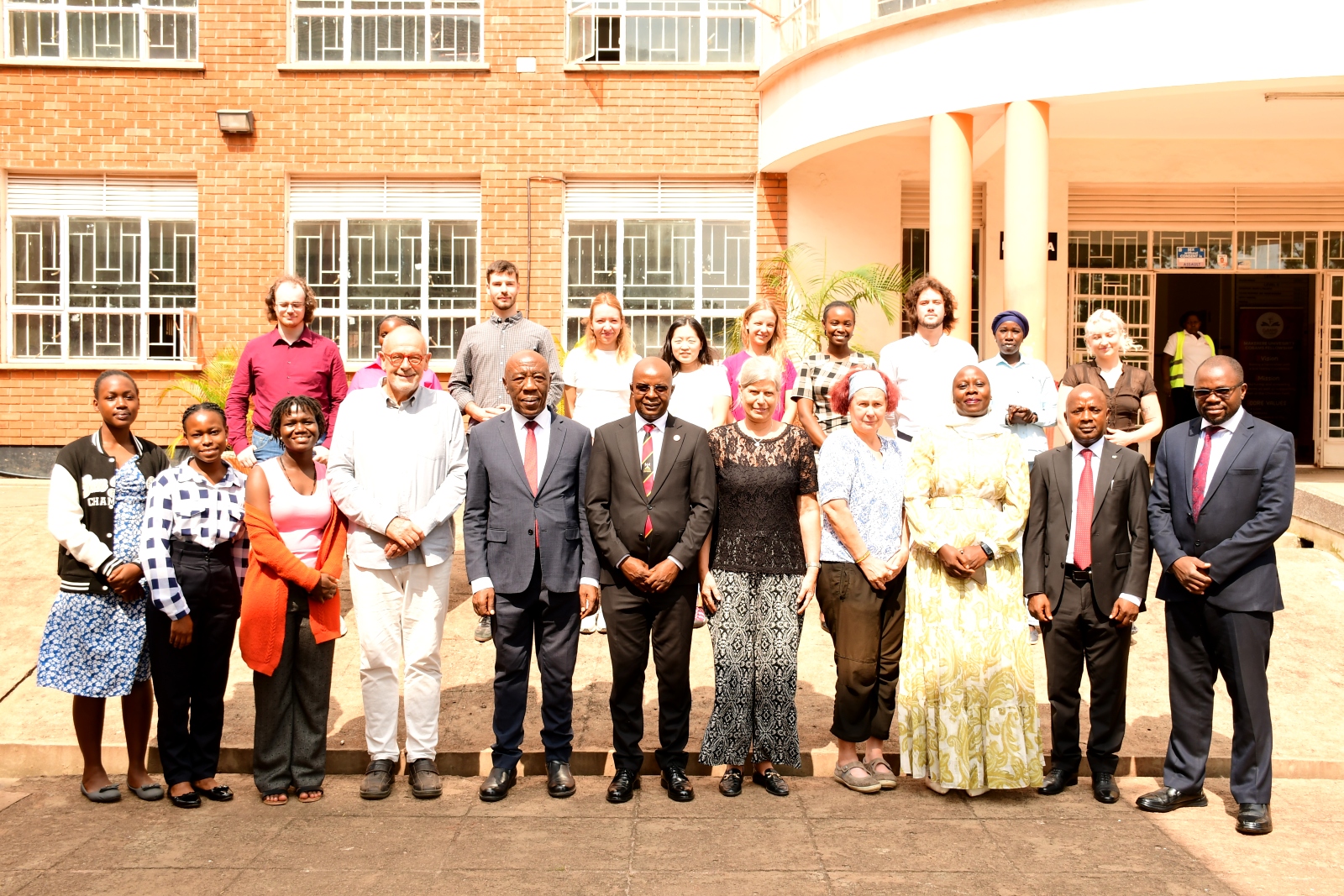
By Hasifa Kabejja and Ritah Namisango
Makerere University, through the College of Business and Management Sciences (CoBAMS), in collaboration with international partners, is implementing a Blended Intensive Programme (BIP) aimed at equipping a new generation of professionals in Africa and Europe with the knowledge and practical skills needed to understand and respond to complex, interconnected global crises.
Held under the PolyCIVIS network, the programme, titled Enhancing Skills in Polycrisis Management: African and European Approaches, brings together participants from Makerere University, the University of Salzburg, the National and Kapodistrian University of Athens, and Universidad Autónoma de Madrid.
It was competitively secured under the 6th Call for CIVIS Blended Intensive Programmes by the Makerere PolyCIVIS team, comprising Prof. Edward Bbaale from the School of Economics, CoBAMS; Dr. Anthony Tibaingana from the School of Business, CoBAMS; and Dr. Kamatara Kanifa from the College of Agricultural and Environmental Sciences (CAES).
The European facilitators include Prof. Gudrun Zagel, Dr. Sabine Hennig, and Dr. Roman Puff, all from Paris-Lodron University of Salzburg, Austria.
Tackling the Growing Reality of Polycrises
Funded by the European Union through the Erasmus+ Programme under the Jean Monnet Networks, the initiative responds to the growing reality of polycrises – situations in which multiple crises, including climate change, pandemics, displacement, poverty, environmental degradation and economic instability, interact and compound one another, often resulting in consequences more severe than those of individual crises.
The BIP Workshop at Makerere University
The BIP combines virtual and physical learning to give participants both theoretical grounding and hands-on experience in polycrisis management.
During the virtual component conducted in May 2026, participants including students and academics from the participating institutions worked in interdisciplinary teams to analyze real-world scenarios, including climate disasters, refugee crises, pandemics and urban waste management. The students were required to develop and present polysolutions from the perspectives of different stakeholders, including governments, civil society and academic institutions.
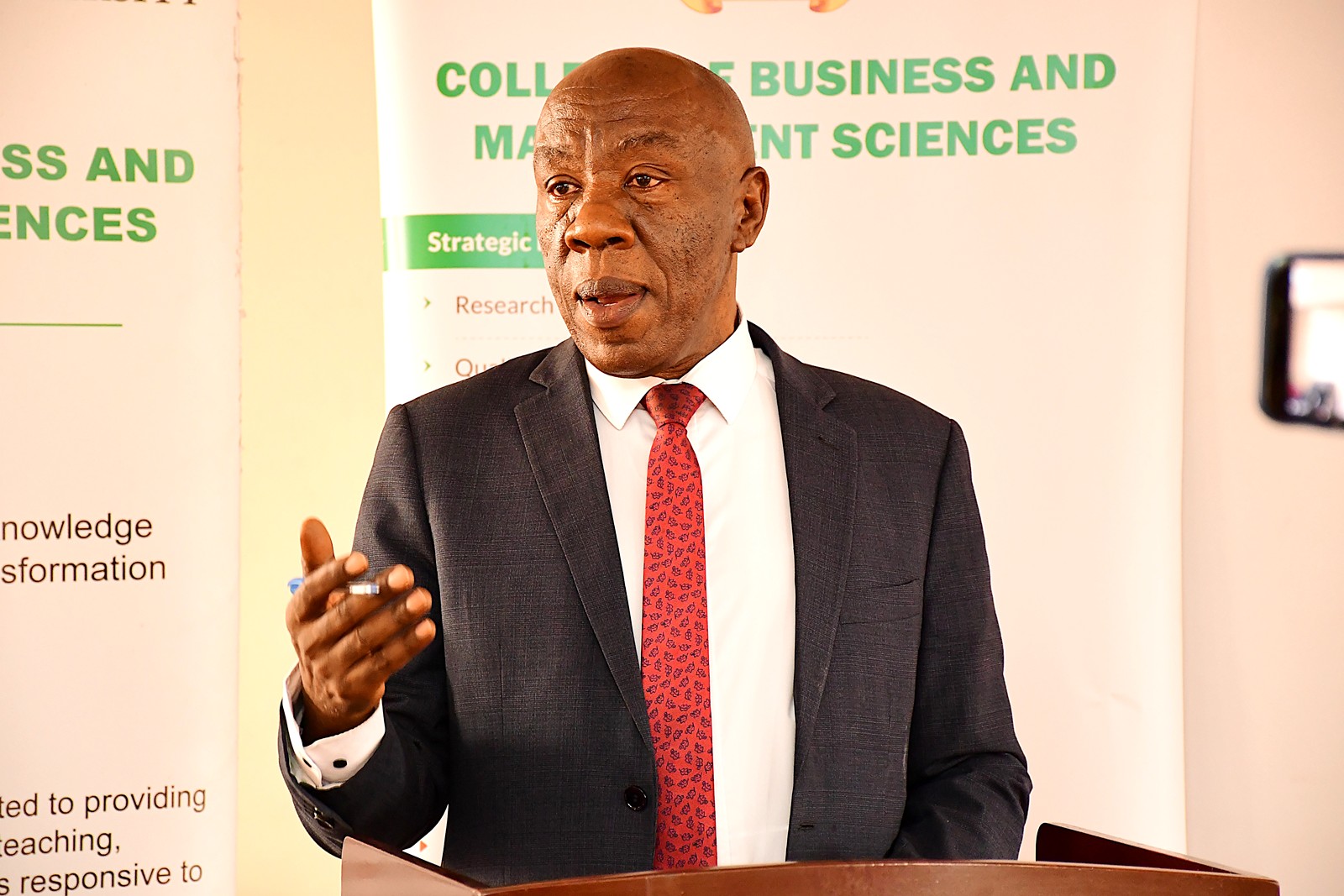
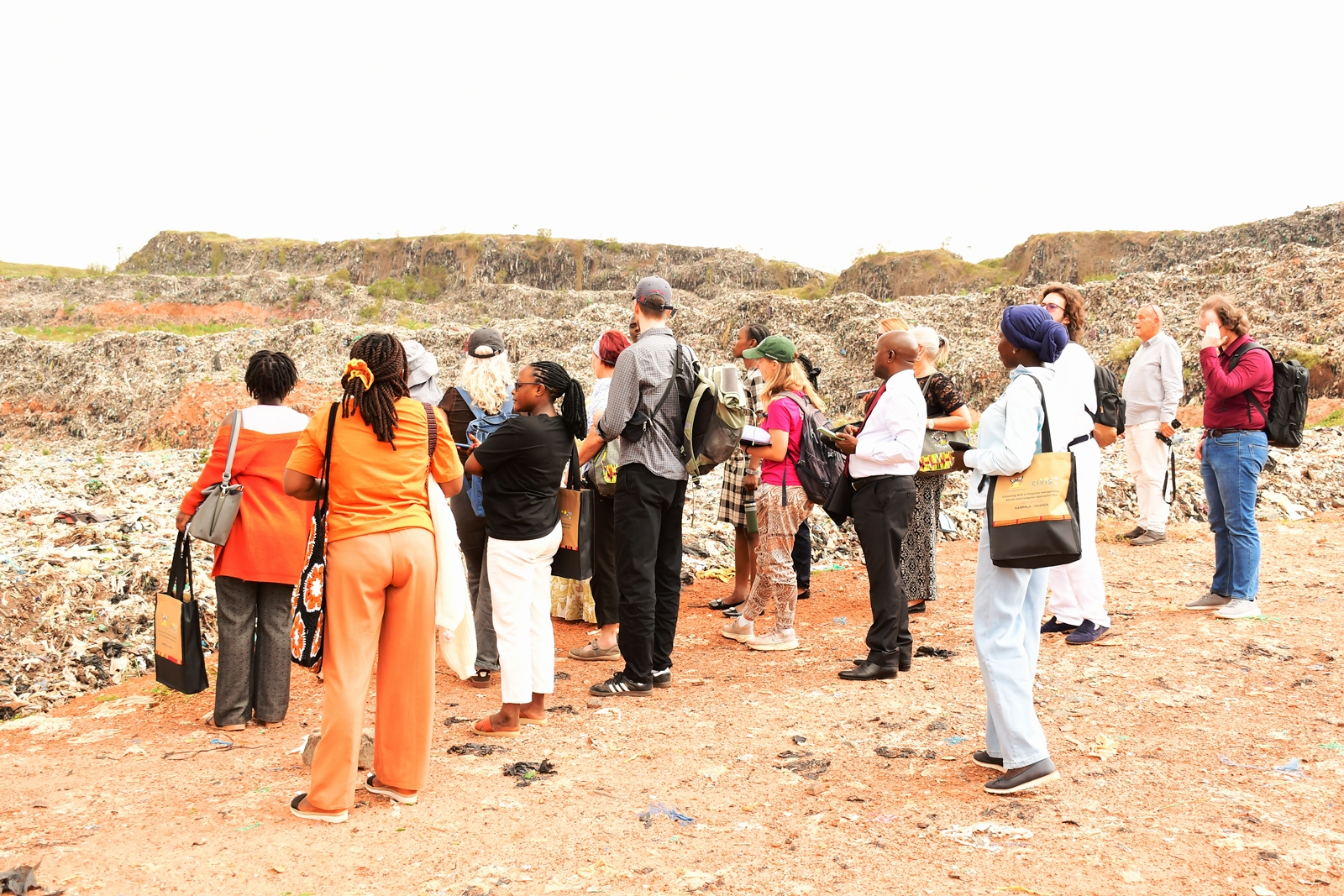
The physical component, taking place in Kampala from 7th-11th September 2026, brings together students from across CIVIS consortium universities to complete the remaining course content, participate in practical activities, and develop solutions to real-world polycrisis challenges. It also provides participants with an opportunity to examine real-life Ugandan cases, including the Kitezi landfill disaster and the Bulambuli landslides. Through these case studies, students will explore how crises intersect with public health, environmental protection, poverty, security, and sustainable development, while gaining practical insights into integrated approaches to crisis management.
On the first day of the training, participants undertook an excursion to the Kiteezi Landfill. During the week, they will also engage with experts from the Kampala Capital City Authority (KCCA), civil society and academia, and work in thematic groups to explore the legal, economic, sociological, historical, communication and educational dimensions of Kampala’s waste management challenges.
The teams will subsequently develop a Kampala waste policy paper and accompanying presentations, proposing integrated approaches to addressing the city’s waste crisis.
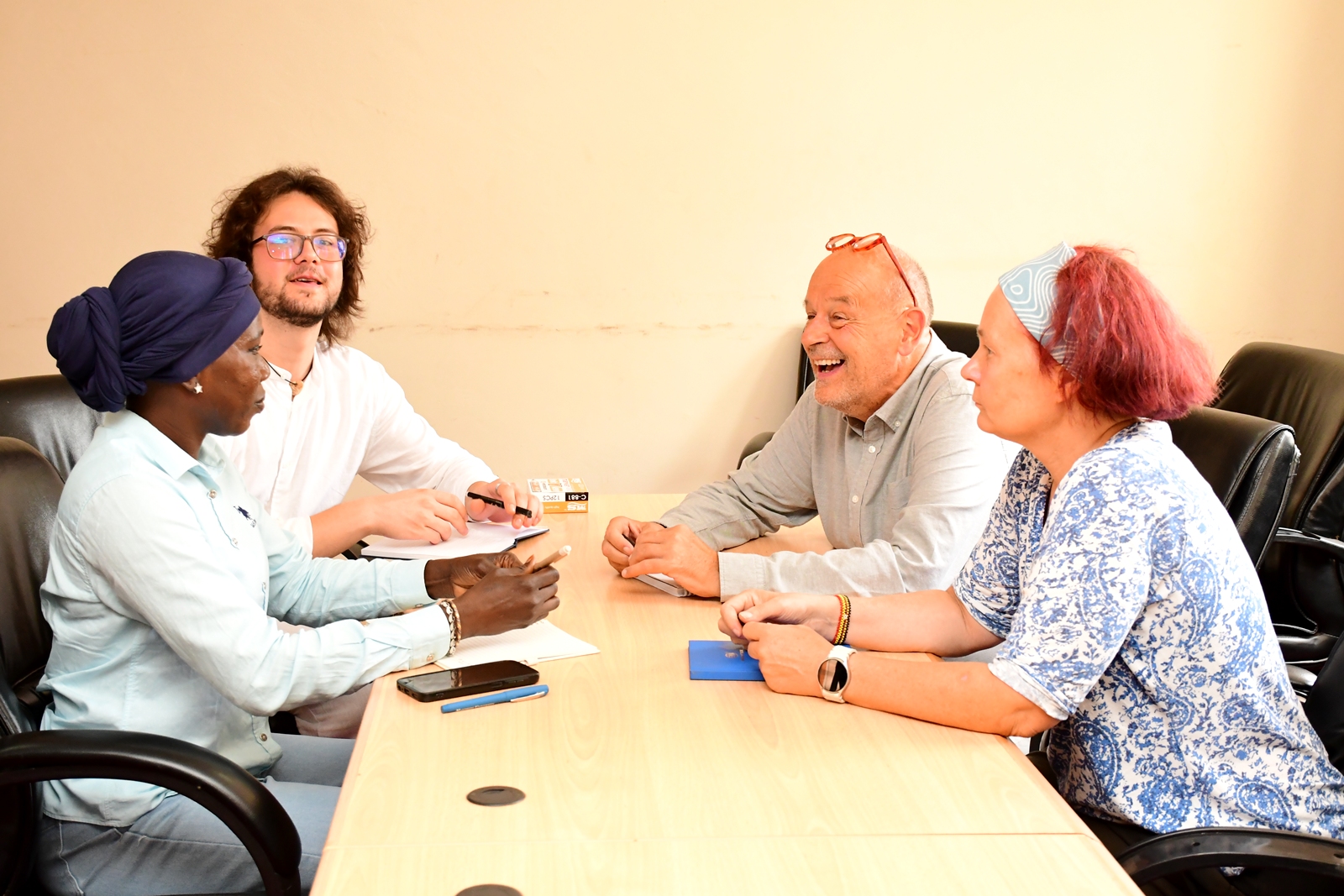
The learning approach incorporates case studies, simulations, role-play, guest lectures, peer learning, interdisciplinary teamwork, and problem-based learning. Participants are encouraged to move beyond identifying problems to developing practical and sustainable solutions.
Call for Integrated Approaches to Complex Global Challenges
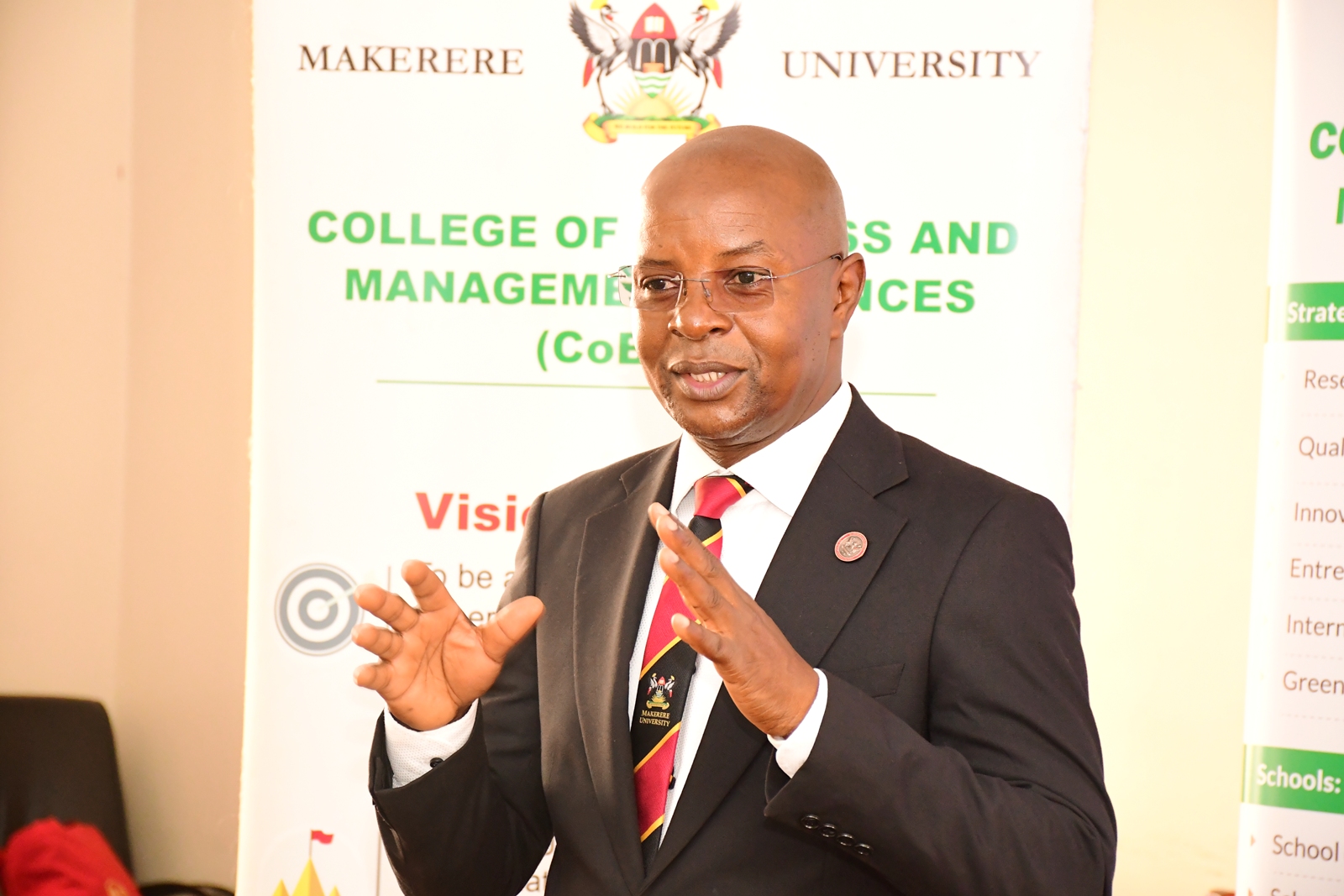
Officially opening the programme, Makerere University Vice Chancellor, Prof. Barnabas Nawangwe, represented by the Deputy Vice Chancellor (Finance and Administration), Prof. Henry Mwanaki Alinaitwe commended the team for securing the programme.
Addressing participants, he emphasized the need for universities to move beyond fragmented approaches to problem-solving and develop integrated responses to increasingly complex global challenges.
“Interconnected problems cannot be adequately addressed through fragmented solutions,” Prof. Nawangwe observed, stressing the importance of collaboration across disciplines, institutions, sectors and countries.
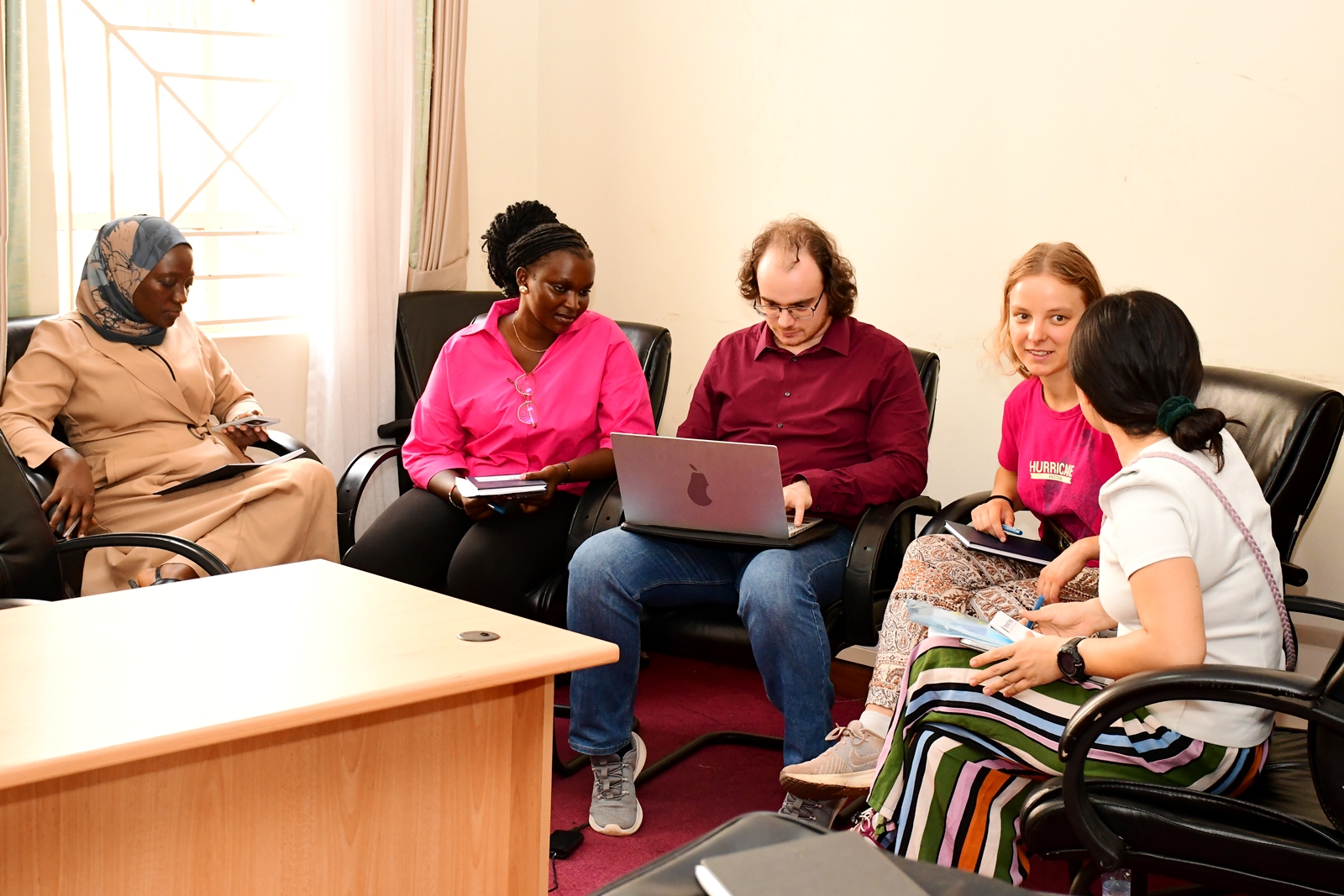
He noted that no single discipline or institution possesses all the knowledge required to address the challenges confronting societies today, calling for stronger integration of fields such as economics, public health, environmental science, engineering, governance, technology and the social sciences.
Embracing Innovative and Sustainable “Polysolutions”
Prof. Nawangwe further emphasized the importance of developing innovative and sustainable “polysolutions”- integrated responses that address multiple, interconnected crises while minimizing unintended consequences across other sectors.
He underscored the value of combining African and European perspectives, noting that while crises may manifest differently across regions because of differences in history, institutions and resources, challenges such as climate change, migration, pandemics, conflict and economic instability increasingly transcend national boundaries.
He described the partnership as an opportunity for mutual learning and co-creation of knowledge, rather than a one-way transfer of expertise.
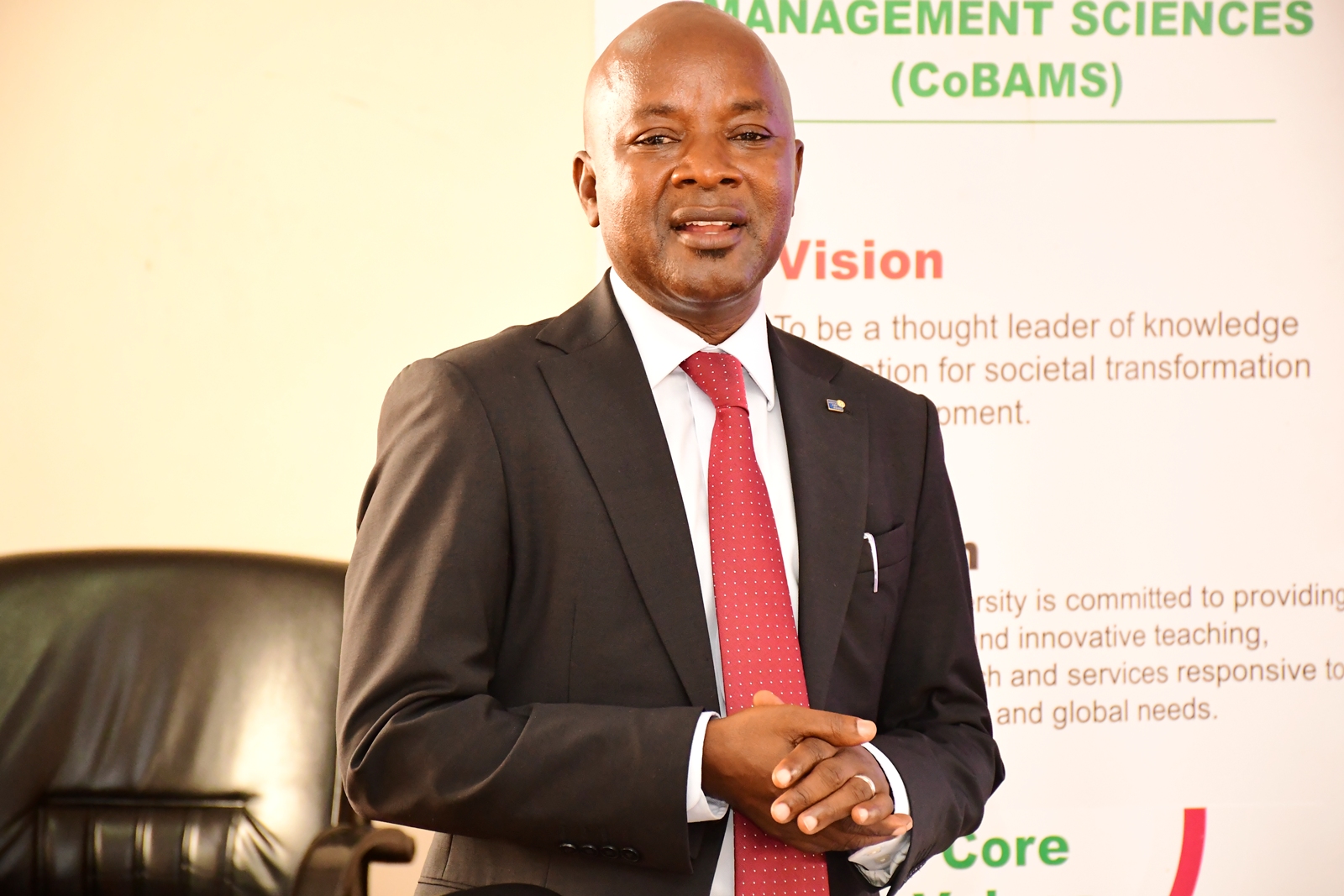
“We must bring these experiences into conversation and determine what works, under what circumstances, and how solutions can be adapted to different social, economic and institutional contexts,” Prof. Nawangwe said.
Collaboration Beyond the Blended Intensive Programme
The Vice Chancellor expressed hope that the collaboration would extend beyond the BIP into joint research, publications, teaching, student supervision and other sustained academic initiatives.
He challenged the participants to make the most of the opportunity by learning across disciplinary boundaries, questioning established assumptions and focusing on solutions.
“The world you are preparing to lead will require people who can understand complexity, work across institutional and disciplinary boundaries, and convert knowledge into practical responses,” he said.
Ebola Outbreak Demonstrates the Interconnected Nature of Modern Crises
The Vice Chancellor further observed that the postponement of the physical component of the training following the outbreak of Ebola underscored the interconnected nature of modern crises. He noted that a health emergency can quickly disrupt education, international mobility, economic activity and institutional planning.
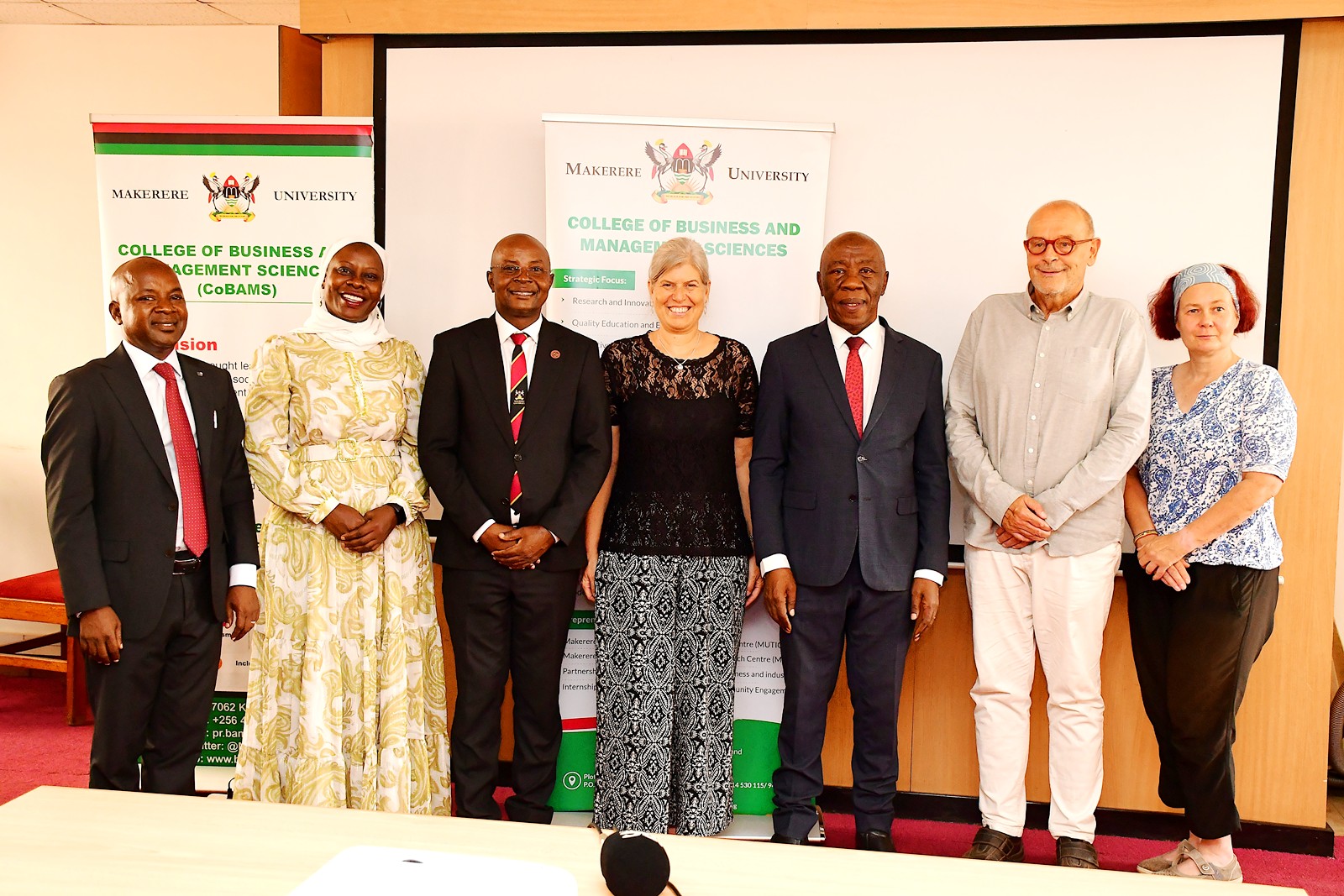
Appreciation by the Vice Chancellor
He commended the PolyCIVIS team and partner universities for bringing the initiative to fruition, expressing confidence that the programme would generate practical and innovative polysolutions to some of the challenges facing societies.
Strengthening international academic collaboration
In his capacity as Principal of CoBAMS, Prof. Edward Bbaale described the programme as a significant reflection of the College’s commitment to fostering an integrated approach to teaching, research, policy engagement and international collaboration.
He noted that the increasingly complex challenges facing society require institutions and professionals to transcend geographical and disciplinary boundaries and collaborate across diverse fields of expertise.
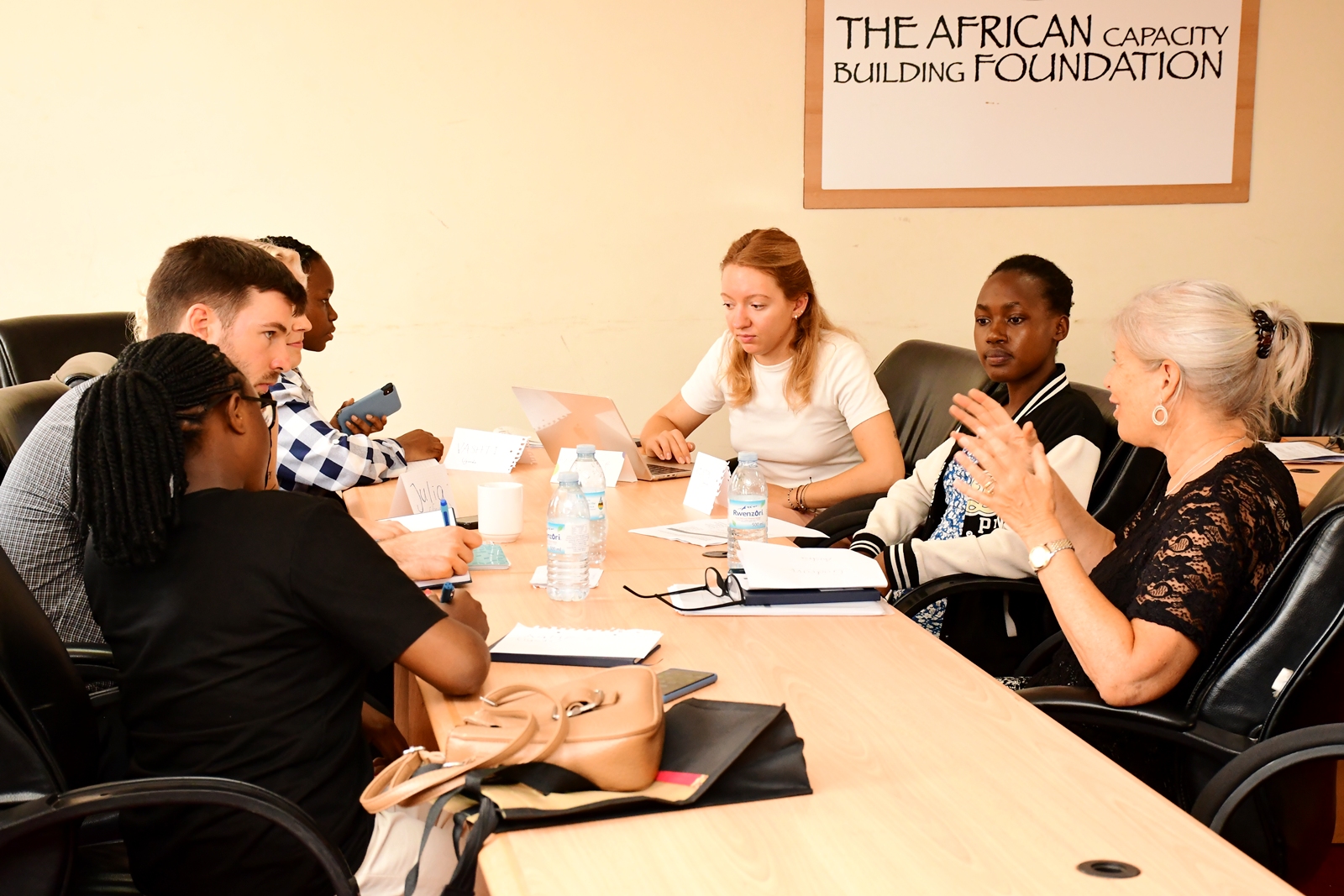
Prof. Bbaale further highlighted the value of bringing Makerere students and faculty into direct engagement with colleagues and practitioners from partner universities.
“Such engagements enrich the learning experience while creating opportunities for sustained collaboration in research, teaching and student supervision. For Makerere University, the programme represents a practical expression of its internationalization agenda, creating opportunities for students and academics from different countries to exchange knowledge, share expertise and work together to address complex societal challenges.”
Preparing future leaders for complex challenges
The programme seeks to enable learners to identify, assess and manage polycrisis situations in line with the UN Sustainable Development Goals (SDGs), while building competencies in addressing the social, environmental and economic dimensions of crises.
It also aims to develop practical skills in designing and evaluating integrated policies and polysolutions, including effective communication and public awareness strategies.
Ultimately, the initiative seeks to strengthen participants’ critical thinking, digital, spatial and 21st-century skills while promoting interdisciplinary and transdisciplinary collaboration.
The BIP also serves as a pilot initiative for the planned Joint Master’s Programme on Managing Polycrises under the PolyCIVIS framework.
-

 General1 week ago
Statement on Concerns Circulating Regarding a Member of Academic Staff
-
 General2 weeks ago
Press Statement: Incident Involving Death of a Student at Makerere University
-
 General1 week ago
Beyond Map Size: Africa’s Agency Should Not Be Funded by Other People
-
 General4 days ago
Timothy Khabusi: From Barefoot Walks to shaping Uganda’s Eye health Future
-
 General2 weeks ago
JNLC Leadership Symposium Equips Young Leaders for Responsible and Transformative Leadership