
Education
UNESCO CFIT III, Transforming Higher Education through Innovation and Competence-Based Skills

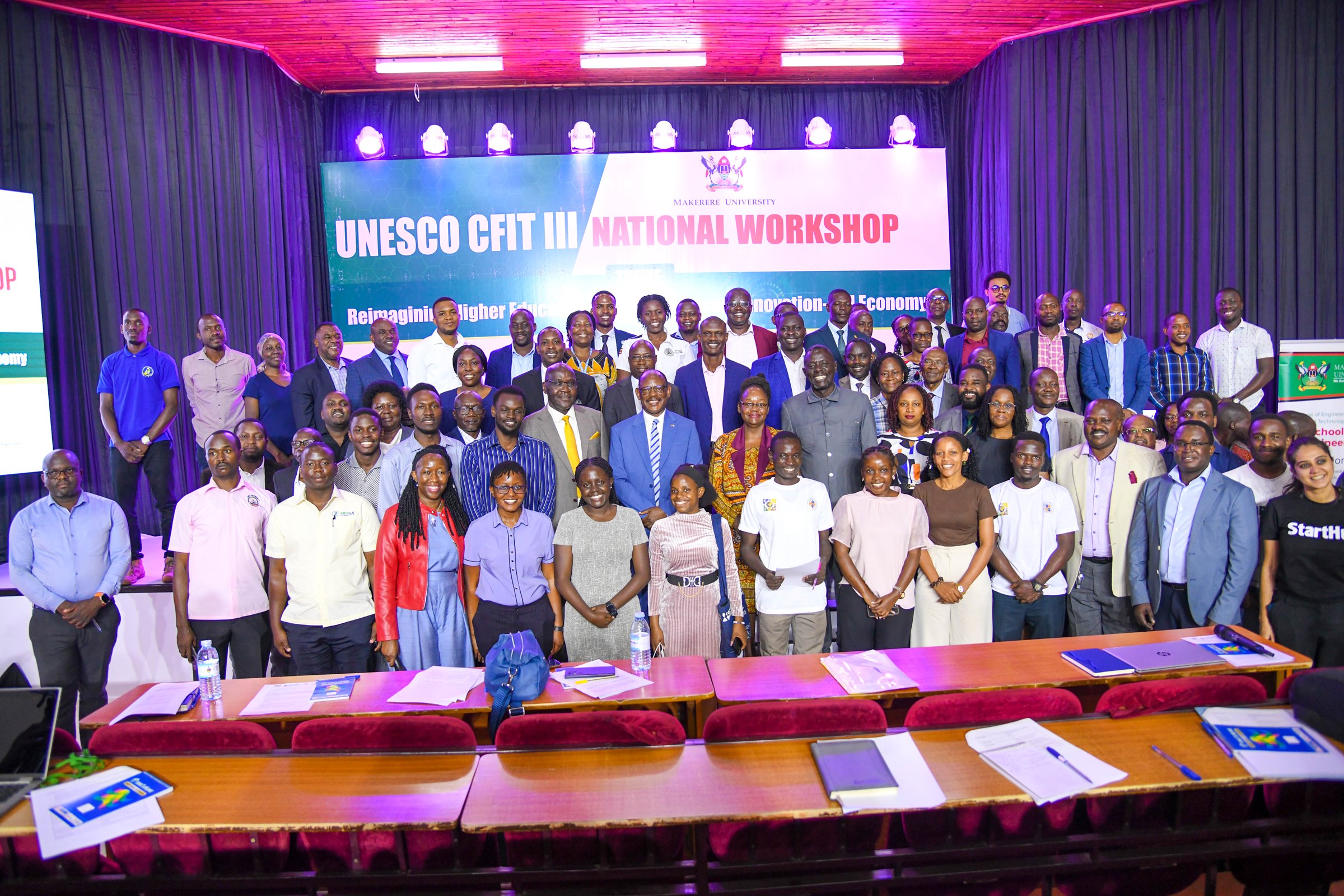
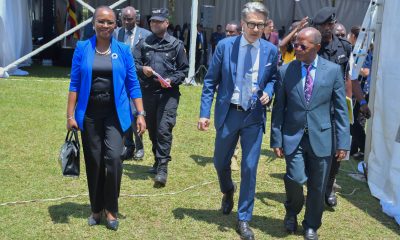
Makerere University hosted an insightful and educational national workshop at the College of Engineering, Design, Art and Technology (CEDAT) conference hall on July 29, 2025 aimed at citing ways how Higher Education can be improved into innovation and research-led learning as well as how education can be changed from the traditional learning to competence-based learning. The workshop was based on the theme, “Reimagining Higher Education for a Skills-Based, Innovation-Led Economy”.
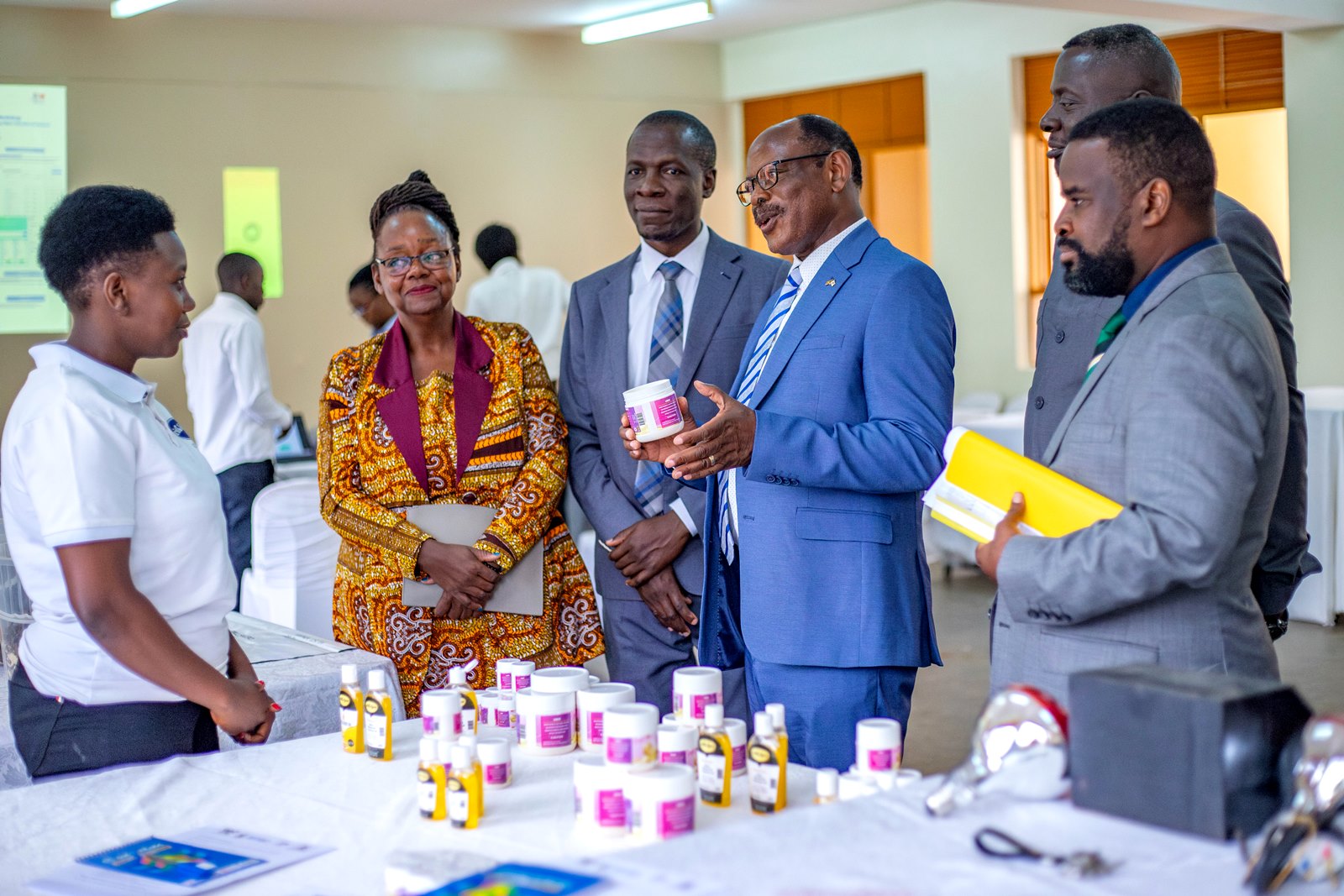
The event commenced with a tour of exhibitions which featured innovations like, skin care products (With love) body jelly created by Raphaelina Okoth a student from Mbarara University of Science and Technology, designed to provide effective hydration for different skin types, and an AI powered medical diagnosis system (Integrated healthcare system) designed to reduce waiting times in health care settings, featuring emergency management capabilities and patient doctor communication tools developed by Hargreave Aturinzire a student from the College of Computing and Information Sciences (CoCIS). Other innovations included Mobile App similar to Uber that helps users find trustworthy mechanics in case a car breaks down in an emergency, reducing delays and inconveniences through features like voice support and photo uploads, developed by students based at the Makerere University Innovation Pod (Mak UniPod). Developed by Bill Canton Ojoke and Nanzala Joyce. M both students from CEDAT, a water quality testing prototype for fish farmers that automatically monitors parameters like temperature, PH, and ammonia levels sending SMS alerts when issues are detected was also showcased. Also exhibited was an automated precision irrigation system designed to solve issues of over and under irrigation problems, developed by students from College of Health Sciences (CHS) and College of Veterinary Medicine, Animal Resources and Biosecurity (CoVAB) among others.
Speaking at the event, the Vice Chancellor, Prof. Barnabas Nawangwe, expressed his appreciation to the citizens and Government of the People’s Republic of China who made the funds available to the United Nations Educational, Scientific and Cultural Organization (UNESCO) to undertake the important assignment, the China Funds In Trust (CFIT) project. He further thanked the government of Uganda for supporting innovations and technology taking place at different universities.
“I am really encouraged that they are still some Ugandans who receive other people’s money and put it to good use; they are people with integrity which helps our country to move forward,” said Prof. Nawangwe.
He made mention of the success of other countries like South Korea and China in innovation and the need for Uganda to follow suit as this will boost the economy of the country, and demonstrate the importance of promoting innovation and research.
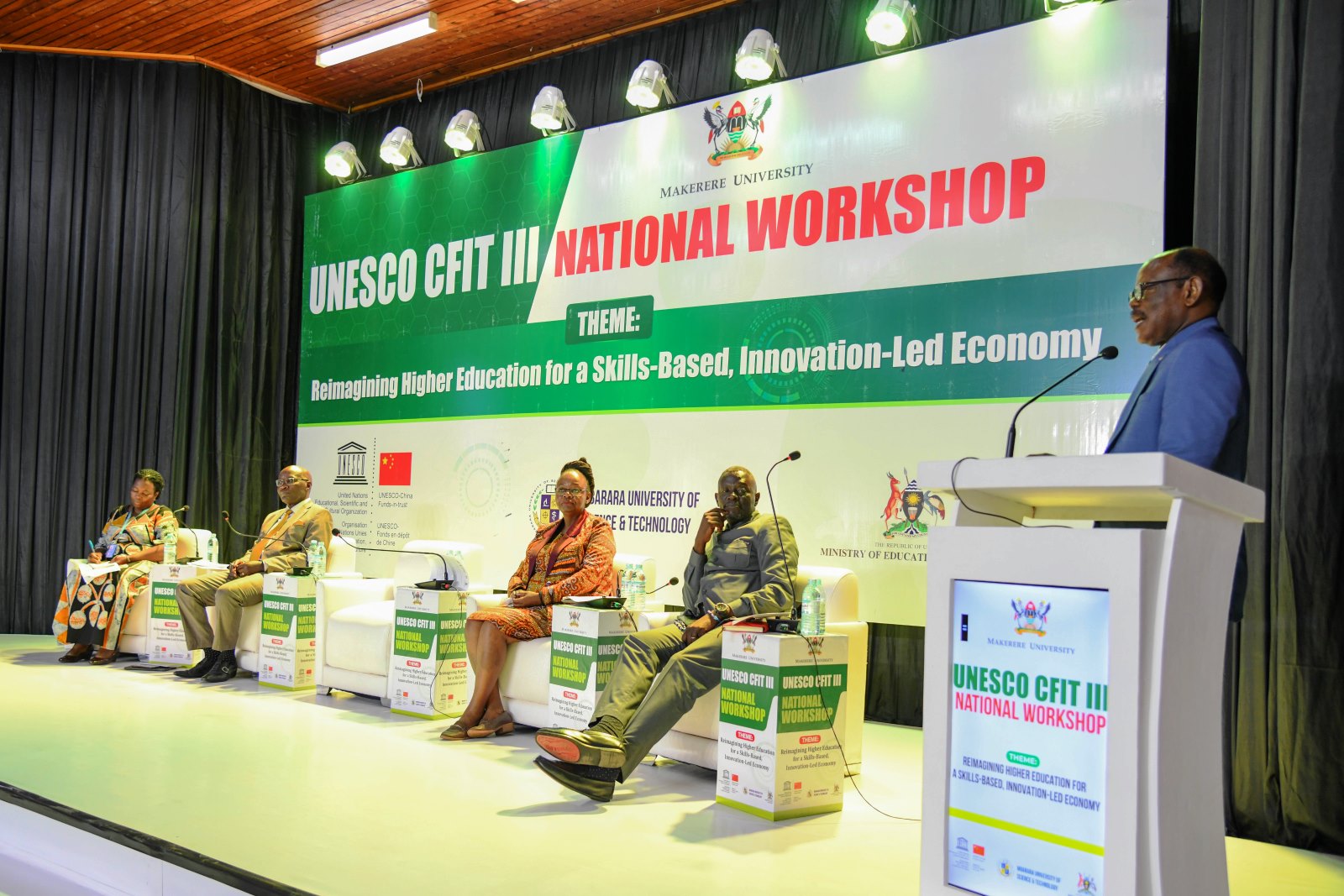
He emphasized the importance of creating jobs for the growing youth population to stabilize the state of Uganda, a task that is upon Ugandans themselves and not anybody else from any country, “The bulk of industrialization in Uganda must be by Ugandans and particularly the young people who have had the opportunity to get higher education, especially in innovation and research related fields,” he said. “History will judge us harshly if we don’t do anything to create jobs for our people,” he argued.
The Vice Chancellor discussed the challenge of low enrollment in higher education in Uganda and the need to produce more engineers and technologists. “We need to put our efforts together in order to have a reasonable impact,” he said.
Prof. Nawangwe called for collaboration among universities to have a significant impact on industrialization and job creation. He highlighted the role of Mak UniPod in producing companies and creating jobs. “I believe that through the training our students and staff undergo at the UniPod, we are going to begin churning out companies”, said Prof. Nawangwe.
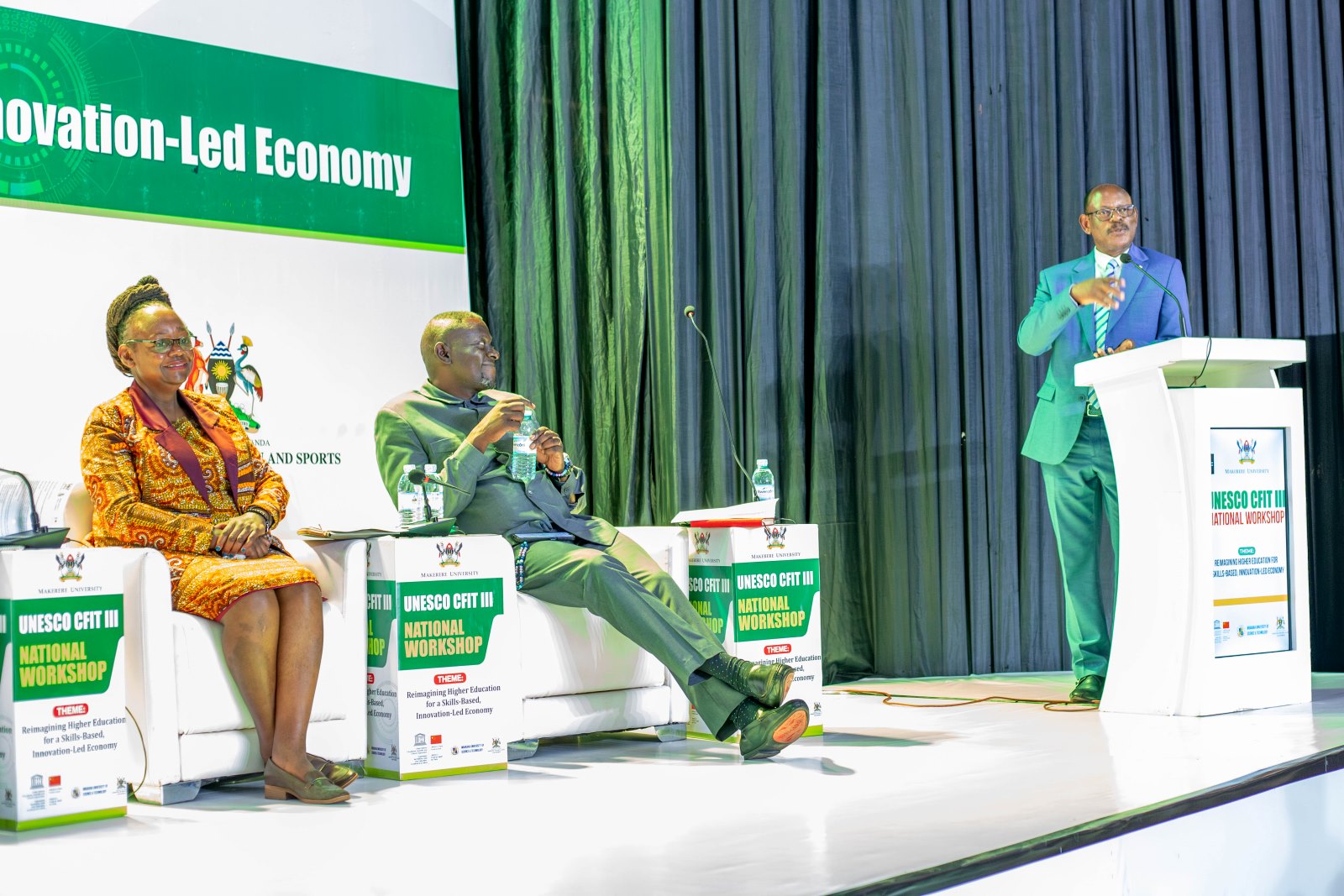
He sounded a wakeup call on the importance of using current resources to make an impact and the potential risks of relying on external aid. “This is not going to be there all the time as the funders can wake up in the morning and freeze all the funds”, said the Vice Chancellor. He said this in relation to the United States of America’s act of withdrawing their funding from UNESCO. “This should be a very good lesson,” he commented.
Deputy Chancellor in charge of Academic Affairs at Mbarara University of Science and Technology (MUST), Prof. Nixon Kamukama highlighted the success of the project, mentioning that six African countries participated, with Mbarara University and Makerere University being chosen from Uganda.
“Traditional lecture methods are being replaced with hands-on, student-centered training, the emphasis is on practical skills, with more time spent in the field rather than lecture halls”, he stated.
He further explained the training of lecturers under the CFIT project, with two cohorts completing the training and receiving certificates. This is in line with skilling and preparing for the students doing the new curriculum who are coming on board. “And it is our policy that as a lecturer, if you don’t have a certificate when it comes to 2027, it will be hard for you to appear on the timetable, because you will have no skills”, said Prof. Nixon.
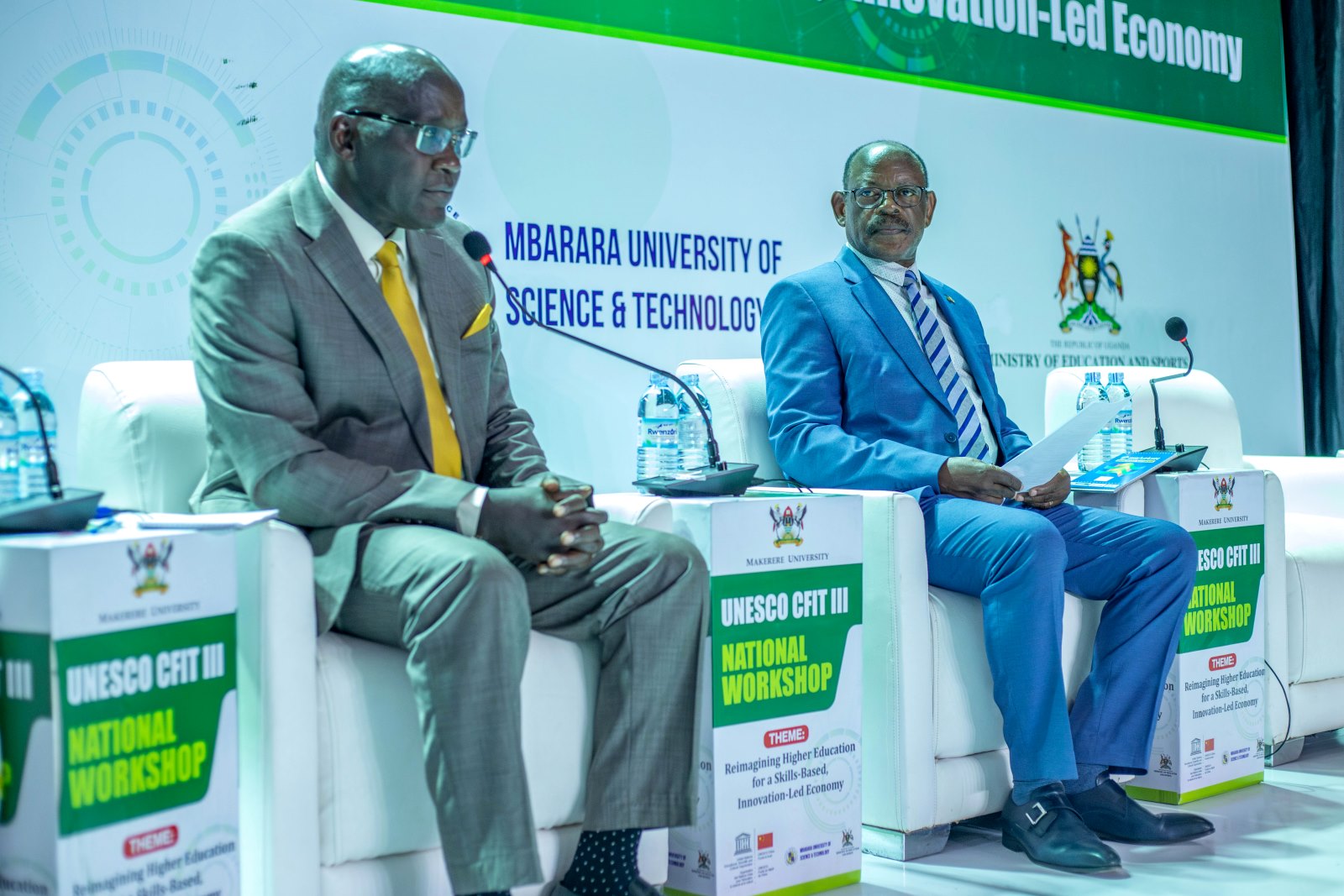
However, he discussed the challenges of matching traditional lecturers with students trained in competence-based education. “It would be very difficult to match the traditional lecturer and the student who has trained differently”, he said.
He went on and said that there is a mismatch in training approaches, particularly affecting education students who struggle to find employment. Schools are finding it very difficult to employ Students who are doing education because they have not been taken through the competence-based curriculum”, he expressed.
He however encouraged the government to address employment issues by supporting competency-based education whereby a student can manage to start up a project and move on instead of looking for jobs.
Prof. Kamukama also emphasized the need for practical training. “You need farms that will engage all these students, 80% of the time should be spent in the field. We have to take lecture rooms to the industries or bring industries to the lecture rooms”, he stated.
He explained that traditional lecture methods are becoming obsolete, with a shift towards hands-on training. “Soon lecturers and professors are going to put aside their yellow notes and we move on”, he said.
He acknowledged the role of artificial intelligence in education with a focus on practical skills.
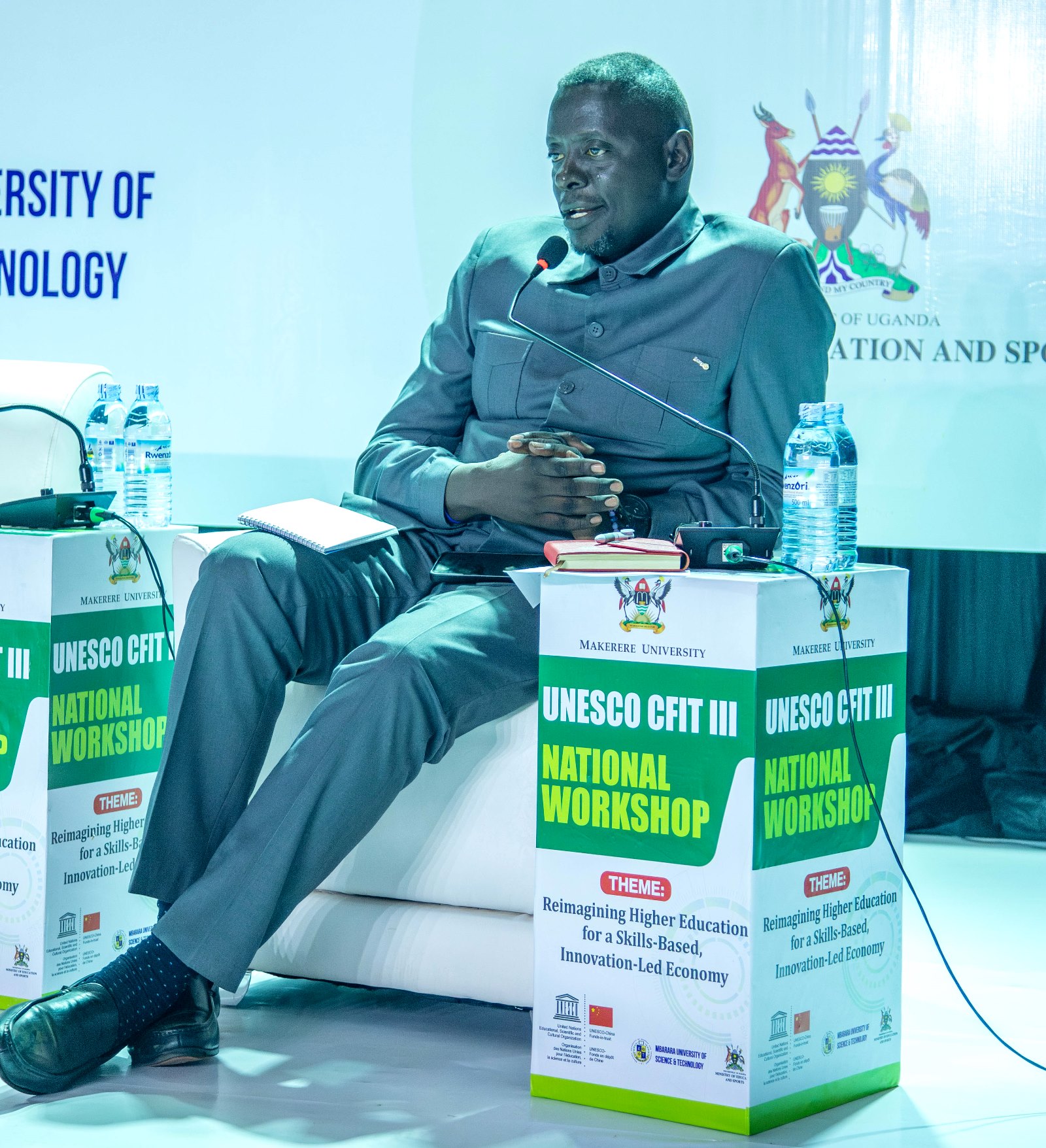
Mr. Timothy Ssejjoba, the Commissioner University Education and Training in the Ministry of Education and Sports, expressed gratitude to UNESCO for their coordination efforts and securing funds from the People’s Republic of China.
In his remarks, he highlighted the focus on competence-based assessment systems to prepare students for employment. “I think this project is really leading higher technical education into employment”, he stated.
Mr. Ssejjoba introduced the concept of green skills and their importance in creating a sustainable world. “We need to ensure that whatever we do, we do it in a way that would enable the world to be here long after us”, he commented.
He further mentioned the upcoming training on green skills to ensure that the education system empowers learners to sustainably develop the world. In this he emphasized the need for the education system to support and embrace green skills development.
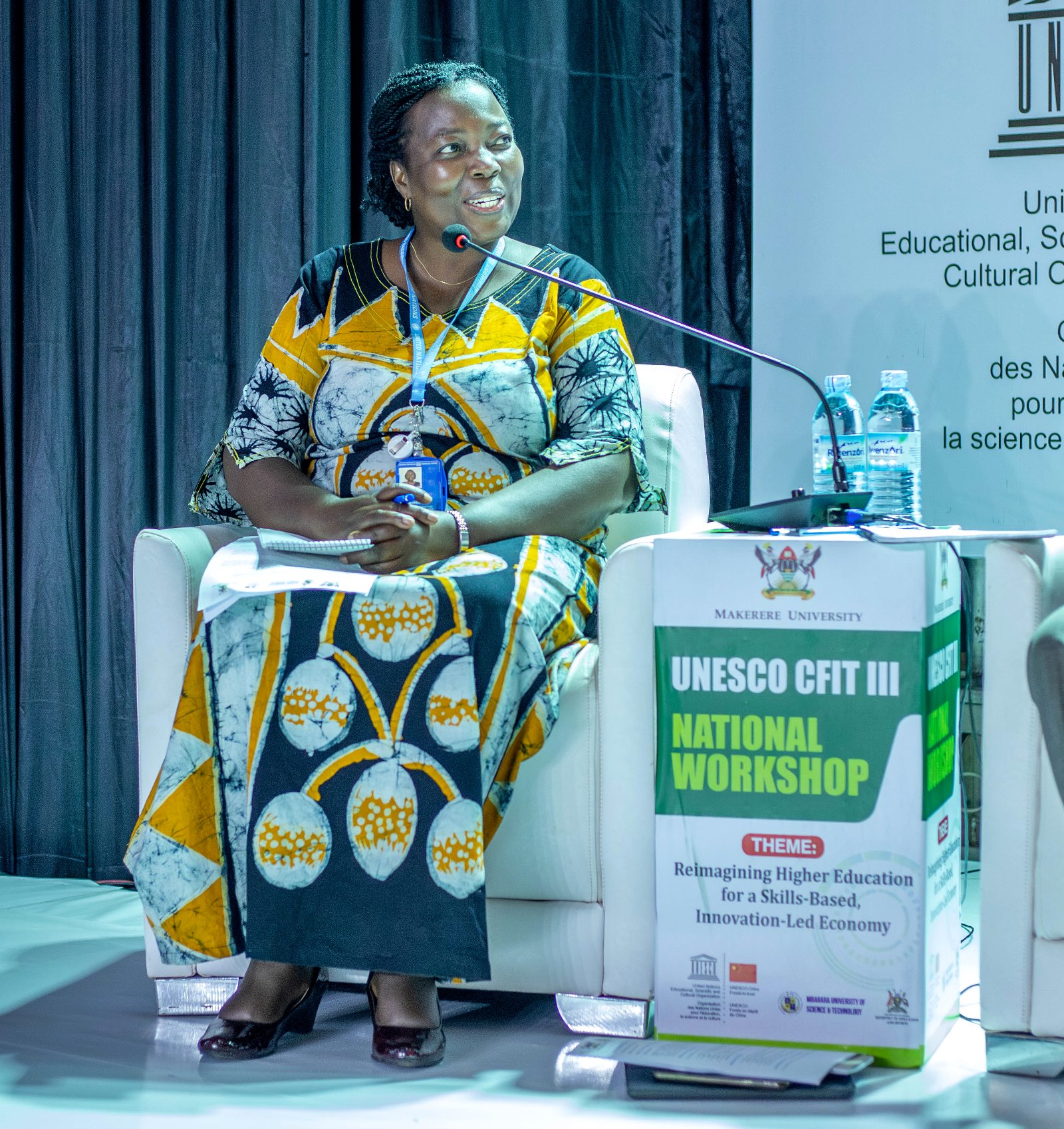
Mrs. Nasaba Rosemary a representative from UNESCO, congratulated Makerere University and MUST upon their competence based education initiatives. And on this note, she emphasized the importance of celebrating success and innovation in education.
She further mentioned the pride felt by UNESCO due to the universities’ achievements and hoped that the successful model will be replicated across all universities and schools in Uganda.
The UNESCO representative discussed the importance of hands on learning and practical experience in education. “We need people who have learned from experience, that’s why we are very proud that you are looking at competence and hands on approaches”, she stated.








Education
CEES 2026 Students Orientation: Newly Admitted Students tipped on Integrity, Academic Excellence, Safety and Responsible AI usage

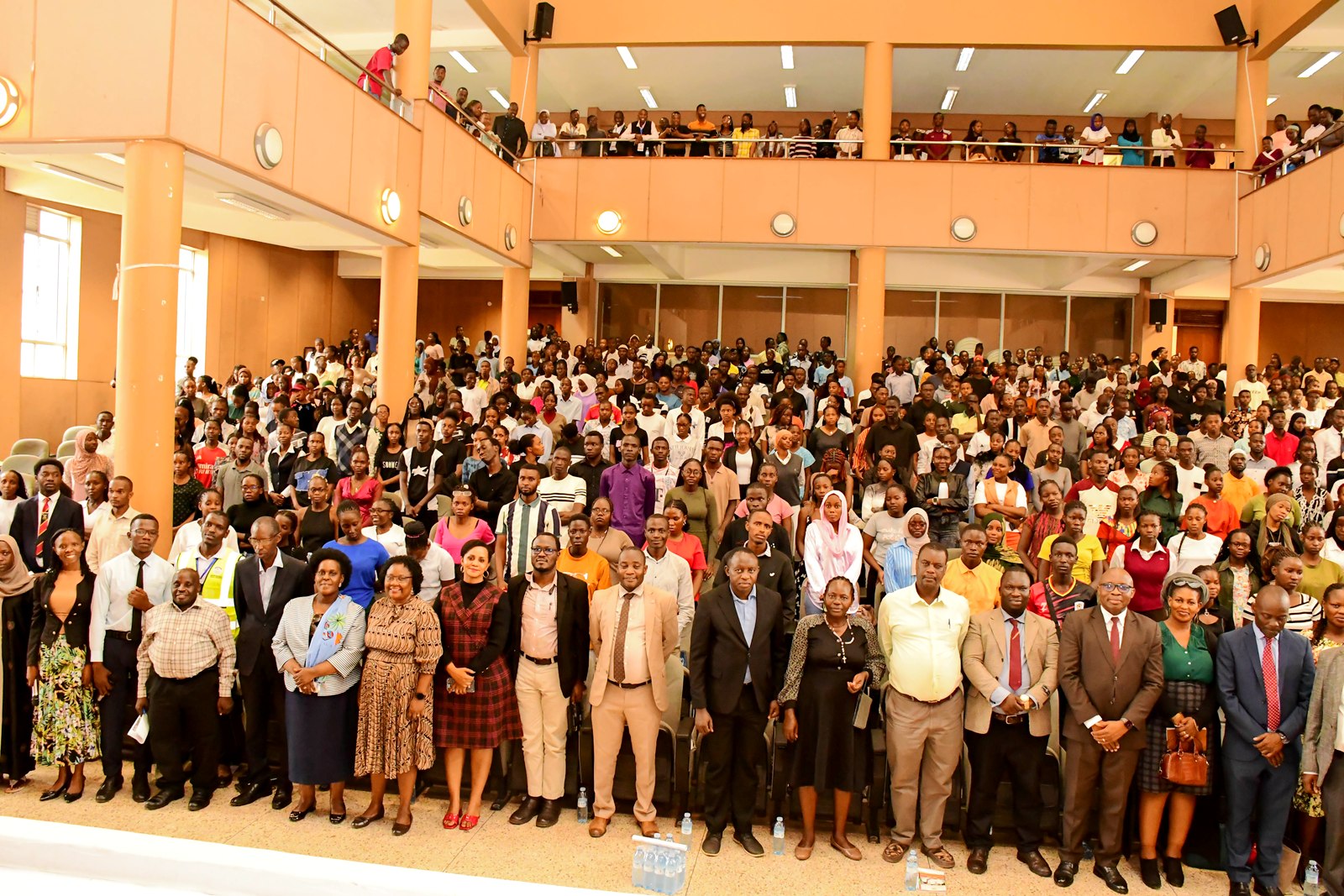
On 6th August 2026, the first year students admitted to the various undergraduate academic programmes at the College of Education and External Studies (CEES) convened at the Makerere University Yusuf Lule Central Teaching Facility Auditorium for a specialized orientation session with the College leadership, selected University Officials, staff and student leaders.
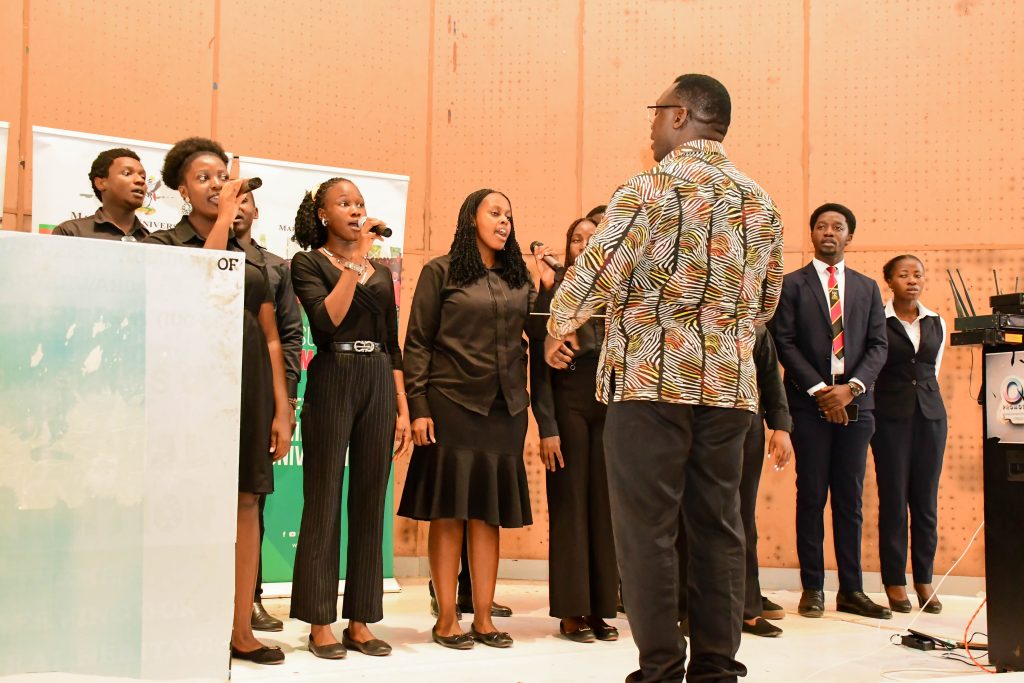
Bringing together over 900 first year students, the colourful orientation session organized by the Office of the Principal, in collaboration with the College Registrar, College Communication Office, and the Student leaders, kicked off with the singing of the Anthems. The first year students were impressed by the vocals courtesy of the College of Education and External Studies Choir.
The interactive orientation session, which involved interludes of respecting the Makerere University Culture (with the entire audience speaking with energy, Eeh, Makerere Oyee!) was aimed at equipping the newly admitted students with the essential knowledge to transition into University life, guidance to successfully navigate their academic journey, and developing a deeper sense of belonging and love for the College of Education and External Studies (CEES).
The orientation focused on promoting academic excellence, responsible conduct, personal well-being, financial management, digital learning, safeguarding, and effective utilization of university resources to support students’ growth and development.

The orientation programme featured presentations from university administrators, academic leaders, student representatives, and support service providers including the College Principal-Prof. Anthony Muwagga Mugagga, Deputy Principal-Prof. Ronald Bisaso, Dean-School of Distance and Lifelong Learning- Dr. Harriet Nabushawo, Dean-School of Education- Assoc. Prof. Mathias Mulumba, the Director of IODeL-Dr. Godfrey Mayende, the Manager-Makerere University Counselling and Guidance Centre Dr. Henry Nsubuga, the College Chairperson-Mr. Anthony Bakashaba, and among other members of staff and student leaders.
Commitment to Academic Excellence and Responsible Conduct
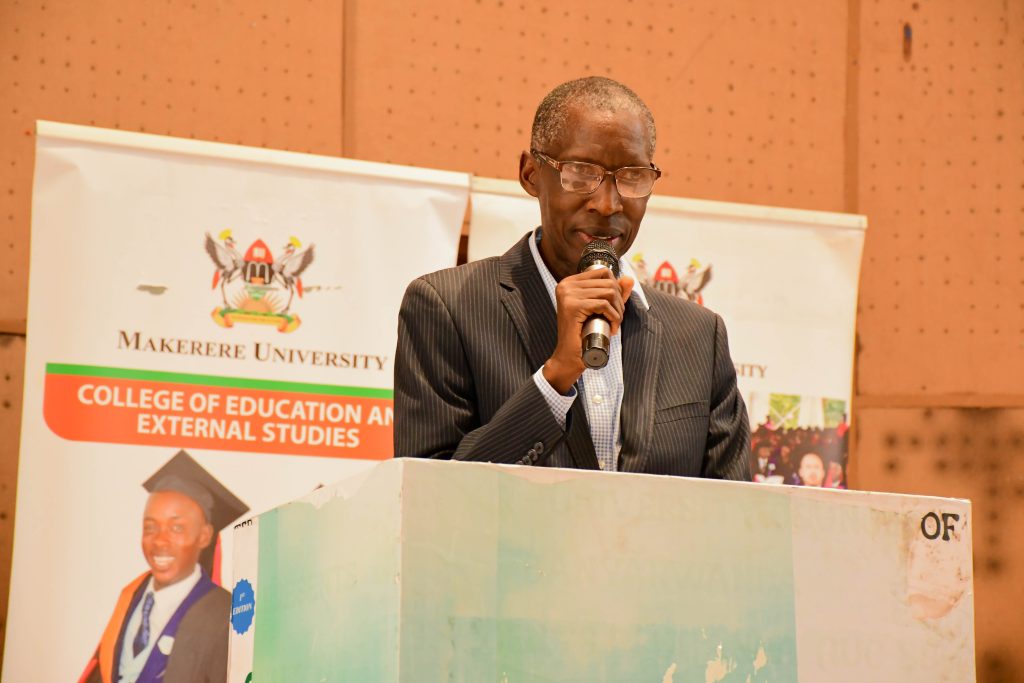
Opening the engagement, the Principal, College Principal, Prof. Anthony Muwagga Mugagga, congratulated the first-year students upon being admitted to Makerere University, and specifically to the College of Education and External Studies. He highlighted that the College consists of three (3) Schools namely: The School of Education, the School of Distance and Lifelong Learning, and the East African School of Higher Education Studies and Development.
Recalling the lived experiences from his youthful days as a student, and his various attempts in different academic disciplines such as religious studies, economics, philosophy, education, he informed the students that they had made the right choice to study education.
“I am a professor of education. I have served as a teacher, education policy specialist, and rose up to the rank of Professor. I am the College Principal. I am here to re-assure you that you have made the right decision to study education,” he said.
The Principal encouraged the first-year students to embrace their academic journey with determination and utilize their stay to effectively tap into the opportunities available at Makerere University.
“Prioritize your studies, maintain healthy relationships, and avoid behaviours that could compromise your safety, well-being, and academic progress,” Prof. Muwagga Mugagga guided.
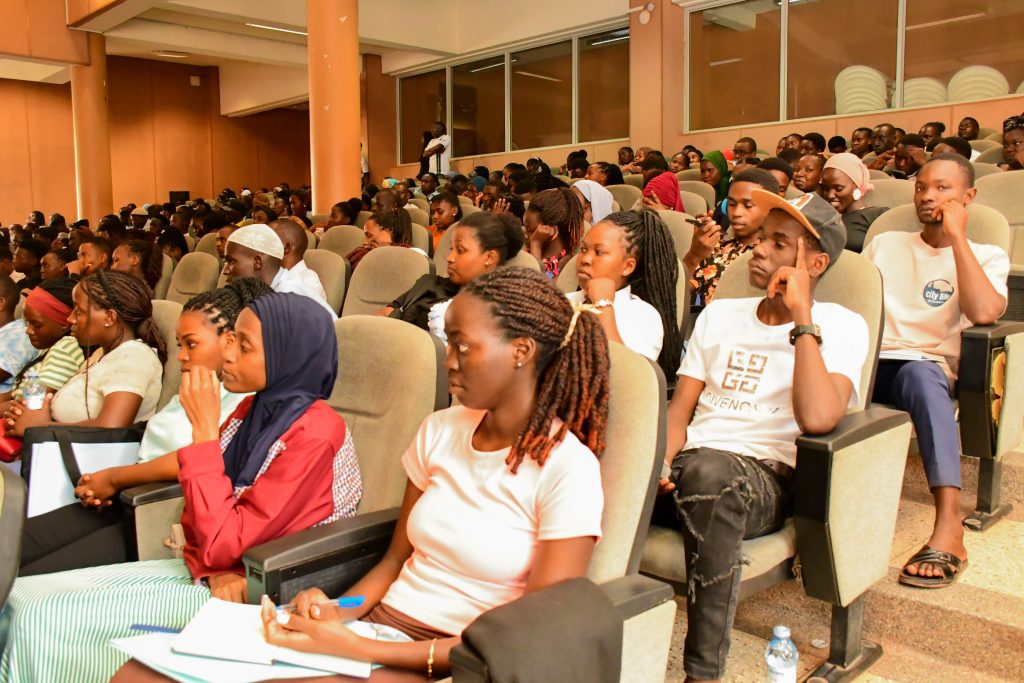
He advised the students to attend lectures consistently, actively participate in class, establish professional relationships with lecturers, and familiarize themselves with university policies and support services.
He called upon the students to manage their finances responsibly by prioritizing essential needs, such as tuition and academic requirements, and exploring available work-study opportunities when faced with financial challenges.
Prof. Muwagga Mugagga reminded students to understand their rights and responsibilities as members of the university community and to uphold the values and standards that guide life at Makerere University.
Striving for Excellence and Time Management
The Deputy Principal, Prof. Ronald Bisaso implored the students to remain focused on their academic goals, adhere to university policies, and to use their freedom wisely throughout their university journey.
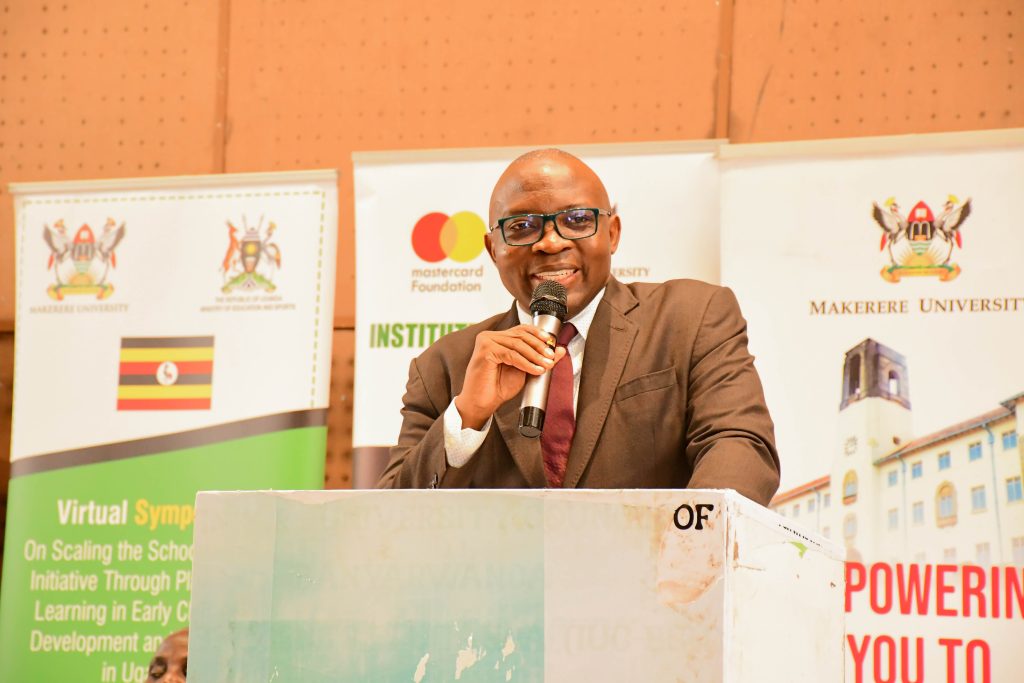
Prof. Bisaso also tipped the students on professionalism, the standards and right set of values that society expects from prospective teachers and educators. He encouraged the students to dress appropriately and make reference to authentic online platforms that describe the dress code for official, business, and casual engagements.
“Students’ conduct and appearance contribute significantly to the professional image they project within the university and the wider community,” he noted.
Academic Success and Professional Conduct
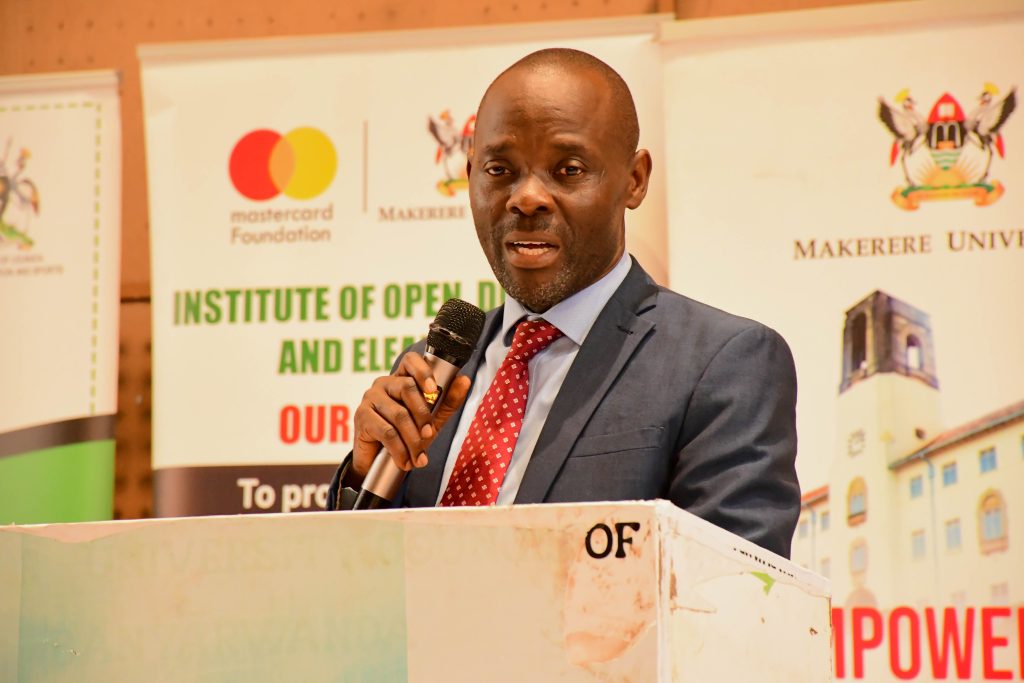
The Dean of the School of Education, Associate Professor Mathias Mulumba Bwanika articulated that the transition to the Competency-Based Education, which implies that the student/learner takes responsibility for his or her studies.
“Schools and institutions in Uganda shifted from a content-based curriculum to the competency-based one. The teacher guides, but the student takes full responsibility for his or her learning,” he remarked.
To excel under the competency-based mode of delivery, Associate Professor Mulumba Bwanika urged the students to value time, plan their schedules, form discussion groups, and tap into the benefits of group learning, including innovation, creativity, and reading ahead of their lecturers.
Associate Professor Mulumba Bwanika reminded the students to uphold high standards of professionalism by following the professional code of conduct for teachers. He tipped the students on personal hygiene, respectful behaviour, character and development.
The Dean of the School of Education, emphasized the importance of cultivating habits that promote academic success. “If you want to succeed in a university setting, you need to consult the student leaders and staff, embrace group learning, and read consistently.”
Embracing Learning Opportunities Beyond the Classroom
The Dean, School of Distance and Lifelong Learning, Dr Harriet Nabushawo reaffirmed Makerere University’s commitment to producing knowledgeable, skilled, and socially responsible graduates.
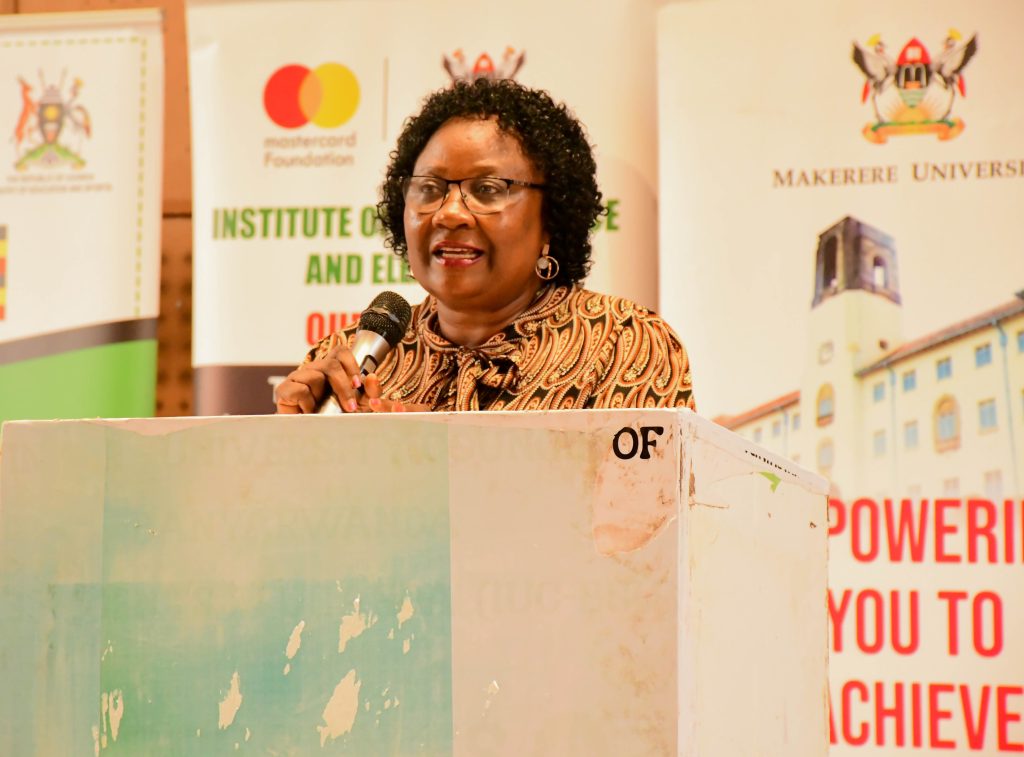
She implored the students to take ownership of their learning, remain organized and disciplined, and develop habits that promote academic excellence and lifelong growth.
Dr Nabushawo highlighted opportunities beyond classroom learning, including research, innovation, leadership, teamwork, and community engagement, noting that these experiences help students develop professional competencies, problem-solving abilities, communication skills, and teamwork.
She rallied students to actively participate in university programmes and collaborative learning experiences to broaden their perspectives and prepare themselves for meaningful contributions to society.
Effective Digital Learning and Responsible Use of Artificial Intelligence (AI)
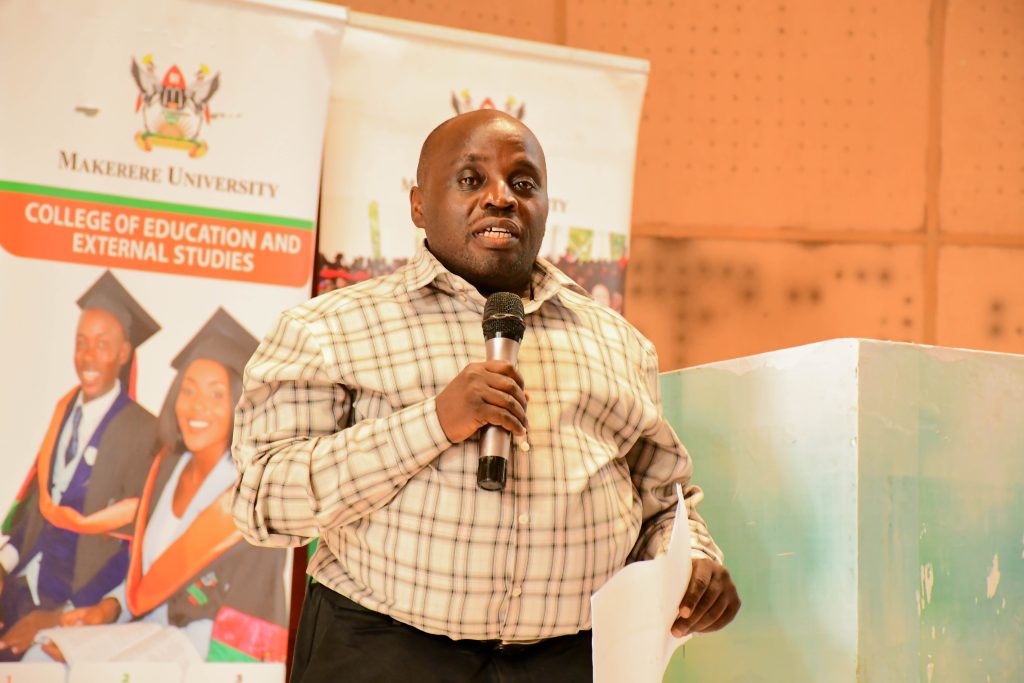
Dr Godfrey Mayende, the Deputy Director of the Institute of Open, Distance and eLearning (IODeL), advised students to embrace digital learning as an important component of their academic journey.
He urged students to regularly access the Makerere University E-Learning Environment (MUELE), participate in online discussions, check university communication platforms, and seek support when they encounter academic challenges.
Highlighting the growing role of Artificial Intelligence (AI) in higher education, Dr Mayende encouraged students to use AI responsibly as a learning companion for understanding concepts, generating ideas, improving writing, summarizing notes, and practising academic tasks.
He emphasized the importance of ethical use of technology, independent thinking, and academic integrity in preparing students for future professional environments.
“Use artificial intelligence wisely. AI should not corrupt your personal knowledge. AI should not replace human thinking,” he guided.
Prioritize Mental Health and Seek Support Early
In his remarks, the Manager-Makerere University Counselling and Guidance Centre, Mr. Henry Nsubuga called upon the students to prioritize their wellbeing, utilize their time as an opportunity for personal growth, resilience building, and professional development.
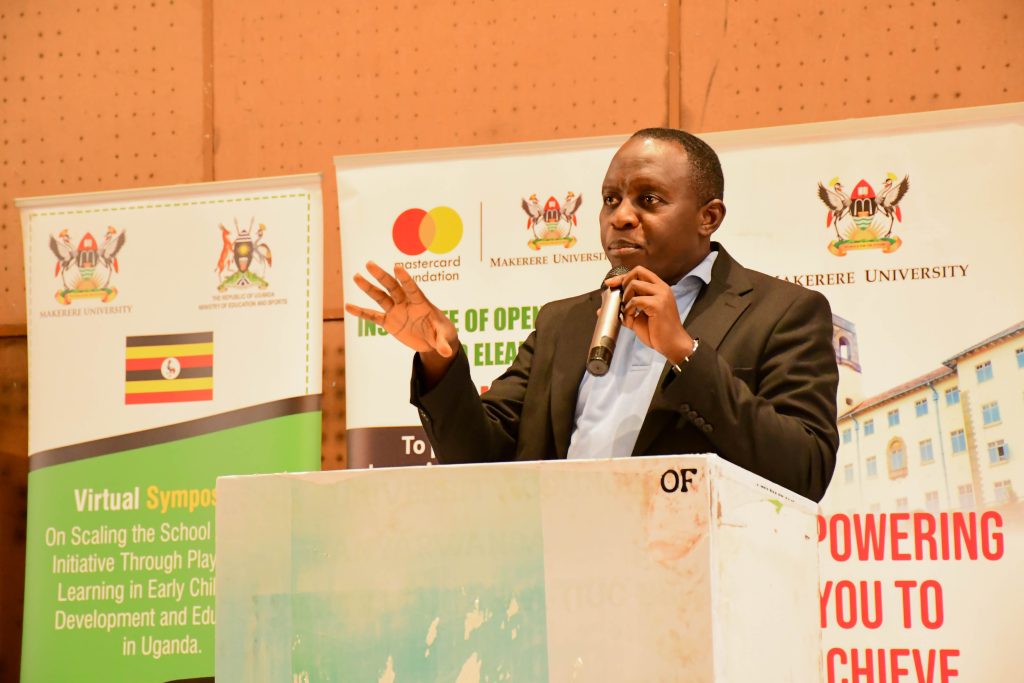
Mr. Nsubuga disclosed that Mental Health is one of the biggest challenges affecting the wellbeing of humans. He therefore advised students experiencing mental health issues to always seek professional counselling and guidance services, stressing that early access to support contributes to a successful, healthy, and a fulfilling university experience.
He appealed to students to support members within the University community who could be dealing with mental health issues due to pressures from home, workload, retakes, hunger, financial difficulties, painful relationships, poor performance in class, anxiety, drug and substance abuse, loss of loved ones, neglect and discrimination, by referring them to the Makerere University Counselling and Guidance Centre.
Ensuring a Safe University Environment
Dr Michael Walimbwa, a Staff Safeguarding Champion at CEES accompanied by Ms. Agnes Nambuya and the Student Safeguarding Champions at CEES presented some of the safeguarding tips and principles.
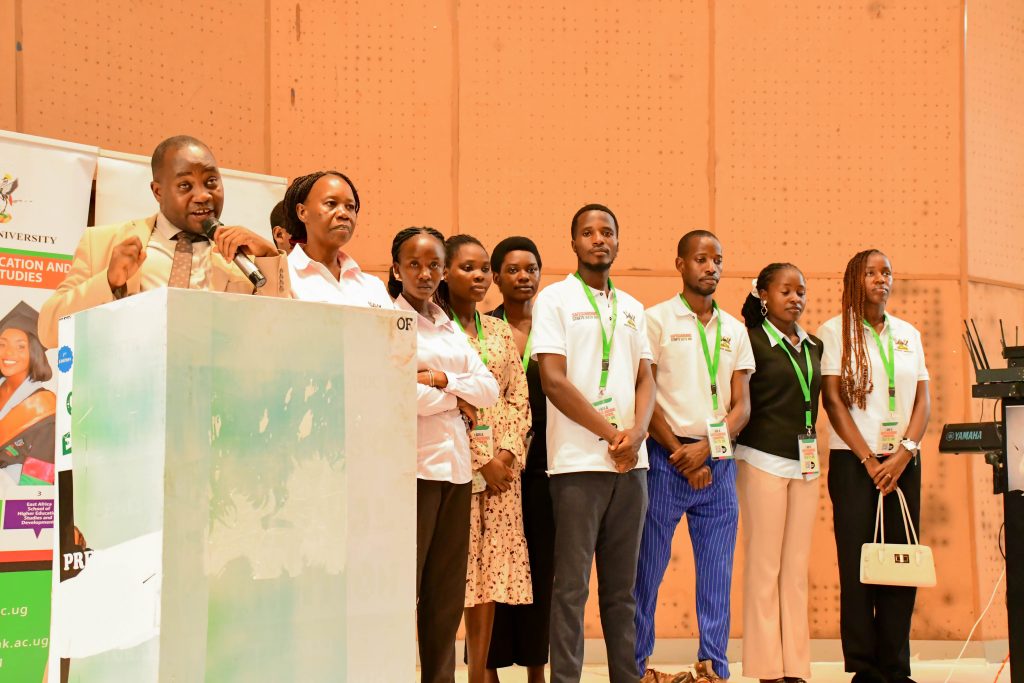
The Staff Safeguarding Champions at CEES namely Dr Michael Walimba and Ms Agnes Nambuya accompanied by the CEES Student Safeguarding Champions sensitized the first year students on the concept of safeguarding.
“Safeguarding is about protecting members of Makerere University from harassment, neglect, and any behavior that threatens safety,” explained Dr Walimbwa.
Dr Walimbwa reminded the students that creating a safe university environment is a collective responsibility. He challenged students to report any cases of harassment, misconduct, or situations affecting their well-being through established university safeguarding channels, including safeguarding champions, academic leaders, and reporting platforms.
Academic Procedures and Policies
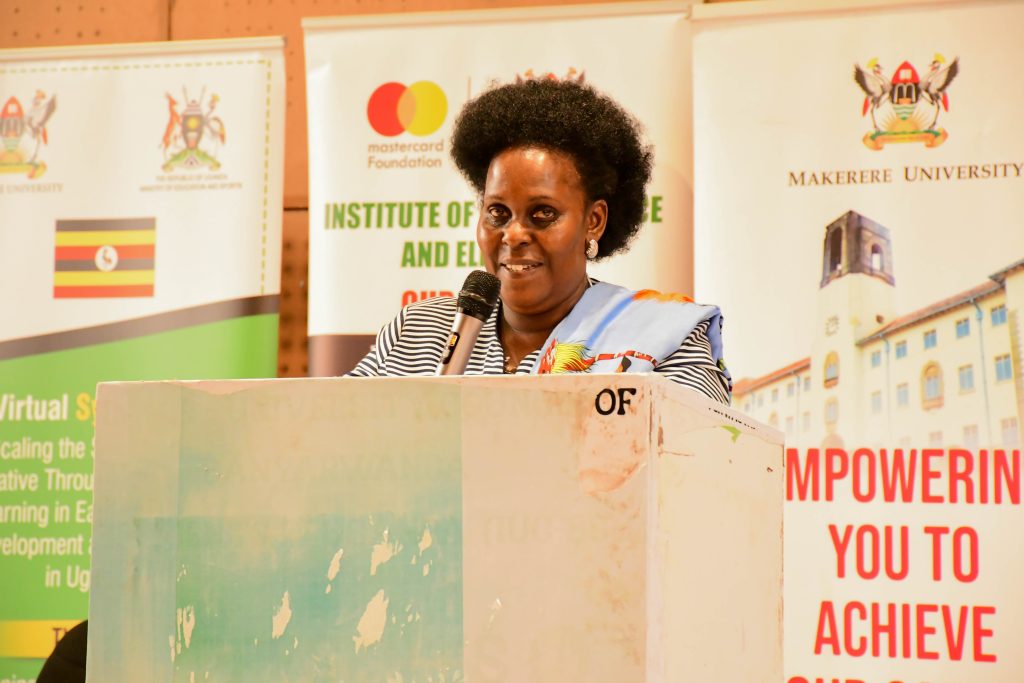
During the CEES Orientation, the Office of the College Registrar was effectively represented by Mrs. Joanna Kayaga Kiwana-College Registrar, Ms. Molly Nantongo-School of Education Registrar, and Mr. Sanderson Acati-Registrar at the East African School of Higher Education Studies and Development.
Mrs Kayaga Kiwana outlined some of the key academic policies and regulations to guide the first year students during the course of study. She advised the students to follow the respective timetables and ensure that they are in the right place at the right time. She equally emphasized the need to follow the registration procedures and guidelines, and stressed the need to provide authentic information during the documentation and registration process.
Mrs Kayaga Kiwana outlined some of the key academic policies and regulations to guide the first year students during the course of study. She advised the students to follow the respective timetables and ensure that they are in the right place at the right time. She equally emphasized the need to follow the registration procedures and guidelines, and stressed the need to provide authentic information during the documentation and registration process.
Financial Discipline and Timely Fees Payment
The College Bursar, Mr. Stephen Kayima and the Accountant-Mr. Godfrey Wasikye underscored the need to follow the University financial procedures and ensure timely payment of tuition and other University fees.
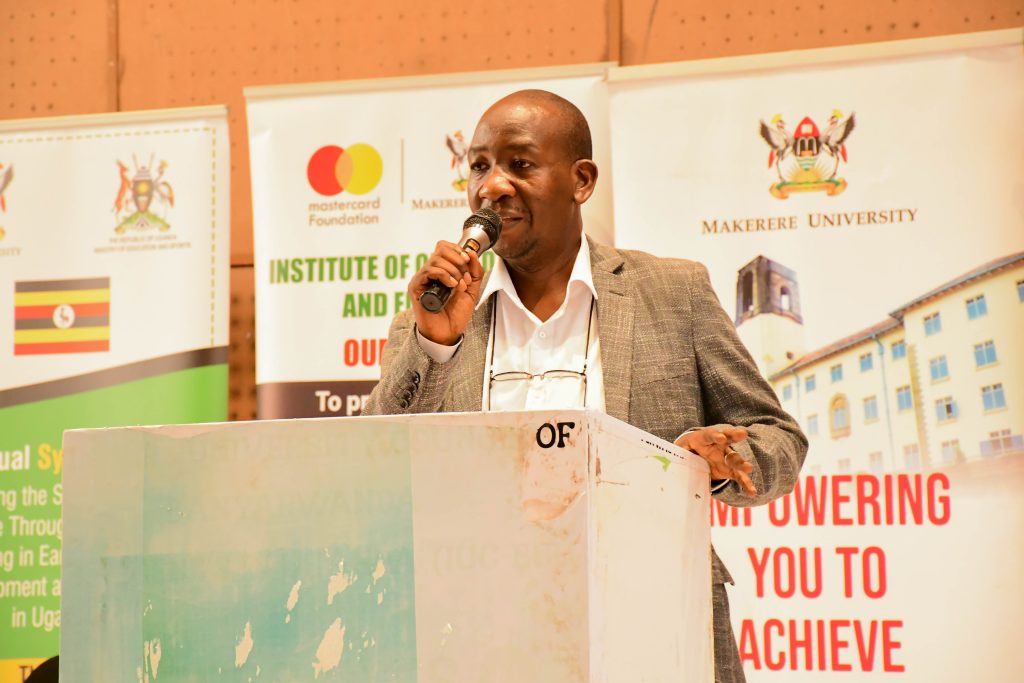
Mr. Kayima emphasized that all tuition and functional fees should be paid through the official university payment system using a Payment Registration Number (PRN), cautioning students against relying on unofficial payment channels.
Mr. Kayima urged students to prioritize tuition payments within the stipulated timelines to maintain uninterrupted access to university services and academic activities.
Library Support Services and Promoting a Reading Culture
Ms Frascesca Musimenta, from the CEES Library, encouraged students to develop a culture of reading, conduct research, and utilize library services throughout their academic journey.
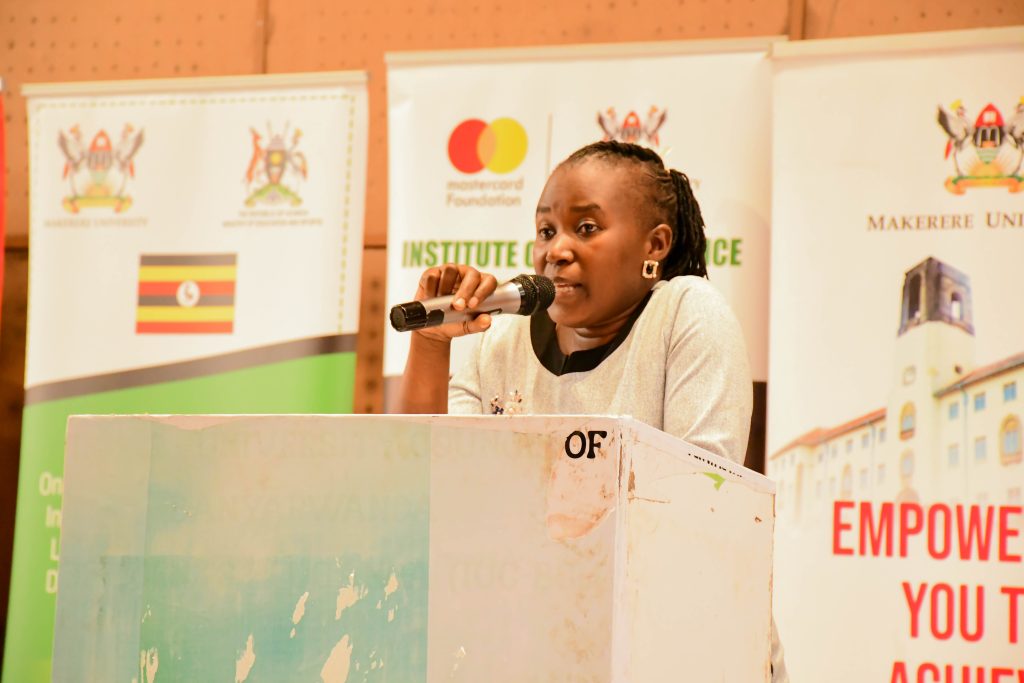
She highlighted the role of the university library in supporting learning through access to books, journals, research materials, and study spaces, encouraging students to take advantage of these resources.
Balancing Academics with Campus Engagement
The 92nd Guild Minister for Academic Affairs, Makerere University, Hon. Neena Elsie Kalazani, congratulated the first-year students upon their admission and advised them to approach their studies with commitment and discipline.
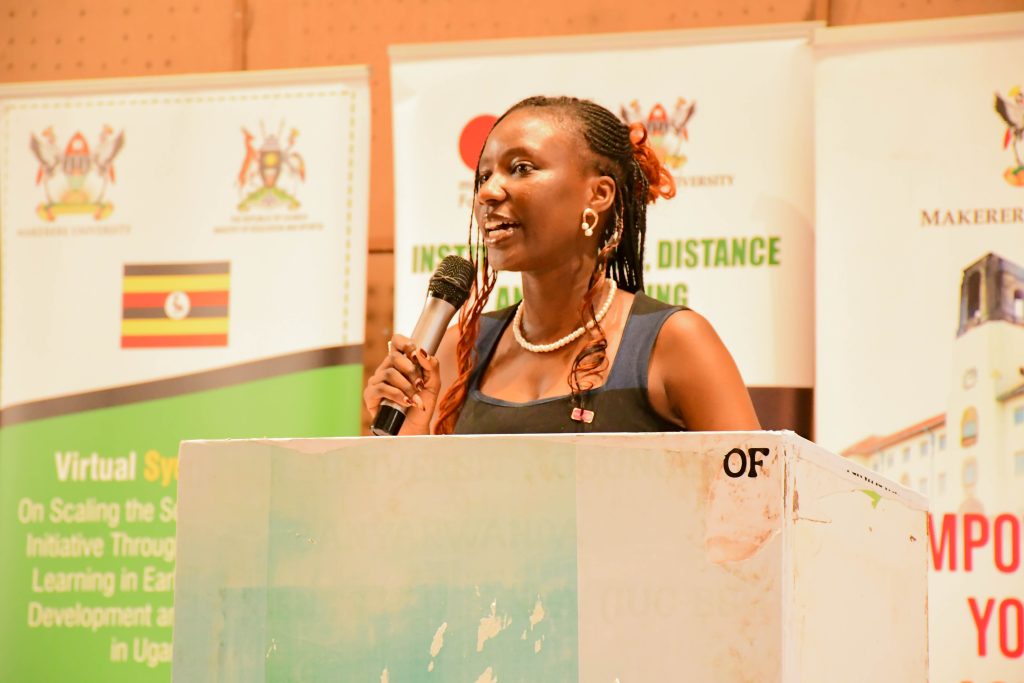
She urged students to attend lectures consistently, complete coursework on time, read beyond classroom requirements, and strive for academic excellence.
Beyond academics, Hon. Neena Kalazani encouraged students to participate in clubs, associations, and leadership opportunities, noting that such engagements help develop leadership skills, build networks, and create a more enriching university experience.
She called upon students to embrace the wider Makerere community and balance academic excellence with active participation in campus life.
The orientation program concluded with student leaders presenting the various clubs and associations within the College, encouraging first-year students to actively participate in co-curricular activities that promote leadership, teamwork, networking, and personal development.
The engagement provided students with essential guidance on navigating university life, emphasizing academic excellence, responsible conduct, personal well-being, and effective utilization of available university resources.
The Orientation session was moderated by Ms. Ritah Namisango, Principal Communication Officer at Makerere University, and Hon. Peter Kisakye, the Speaker, Makerere Education Students Association (MESA). Ms. Namisango acknowledged the College Chairperson, Mr. Anthony Bakashaba and his entire student leadership team for the selfless service exhibited during the orientation activities lined up at the College (Monday 3rd to Friday 7th August 2026). She also recognized the CEES Choir led by Dr Benon Kigozi for participating in the College Orientation.
Education
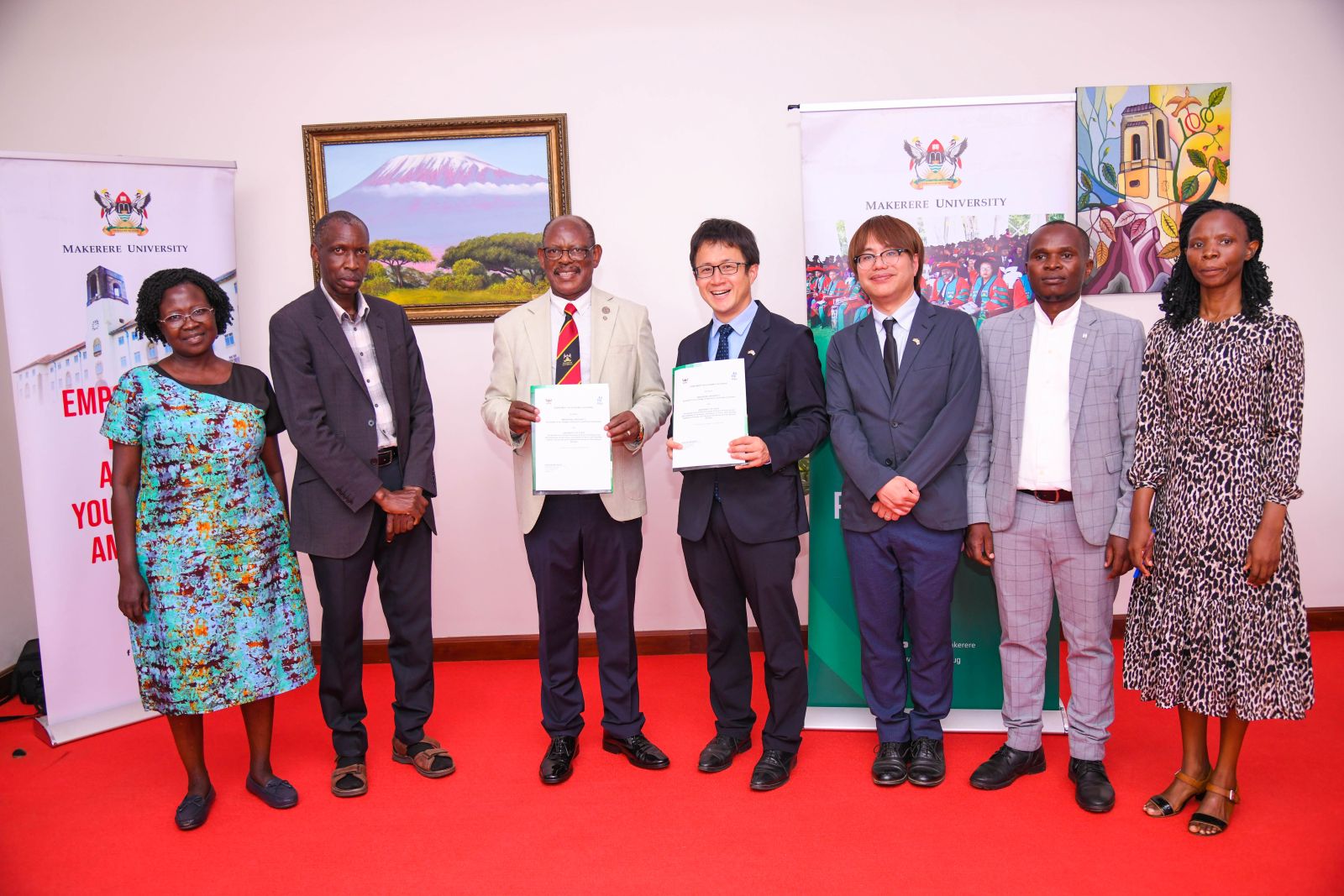
Makerere University Signs MoU with Fukui University to enhance Research, Teacher Development and STEM Education

-

 General1 week ago
Statement on Concerns Circulating Regarding a Member of Academic Staff
-
 General1 week ago
Press Statement: Incident Involving Death of a Student at Makerere University
-
 General2 weeks ago
Makerere Marathon 2026 – Running to Equip the Disability Support Center
-
 General1 week ago
Beyond Map Size: Africa’s Agency Should Not Be Funded by Other People
-

 General2 weeks ago
JNLC Leadership Symposium Equips Young Leaders for Responsible and Transformative Leadership