Connect with us

General

Diploma Holders Admission under Govt Sponsorship 2018-19

Published

on

The Academic Registrar, Makerere University invites applications from Diploma Holders only for admission under the Government Sponsorship Scheme (not exceeding 5% of the intake capacity) to the Undergraduate Degree Programmes for the 2018/2019 Academic year listed below.

Each applicant should possess at least a Credit or Second Class or equivalent Diploma in a relevant field from a recognised Institution plus a Uganda Certificate of Education (UCE) with at least 5 Passes (or its equivalent) and a Uganda Advanced Certificate of Education (UACE) with at least One Principal Pass and Two Subsidiary Passes obtained at the same sitting (or its equivalent) .

A non refundable application fee of Shs.50,000/= (Fifty thousand shillings only) plus the Bank Charge should be paid to any Stanbic Bank, dfcu Bank (Makerere Branch), Post Bank, Centenary Bank and Crane Bank before collecting the application form from the Admissions Office, Room 314, Level 3, in the Senate Building, Makerere University.

Certified Copies of Diploma Transcripts (not photocopies of certified copies) from the awarding Institutions must be attached to the application forms. Incomplete application forms shall not be processed. Details of the Diplomas required for each programme can be found here or viewed on Undergraduate Admissions Notice Board on Level 3, Senate Building, Makerere University

NB: Candidates will be responsible for verification of their academic documents from the awarding Institutions after admission.

Each applicant should also attach a copy of the Birth Certificate to the application form.

The closing date for returning the completed application forms to the University is Wednesday 31st January, 2018.

Candidates are warned against submitting forged academic documents as this will lead to automatic cancellation of admission, revocation of award where applicable and prosecution in the Courts of Law.

Please note that:

  1. Candidates whose Ordinary and Advanced level results are of Grades “Y”, “ Z” “7” and “9” need not apply because they are not eligible for admission, and;
  2. Candidates who possess 3rd Class or Pass Diplomas need not apply.

Courses eligible for Government Sponsorship under diploma entry scheme 2018/2019 are listed by College below:

COLLEGE OF HEALTH SCIENCES (CHS)

MAM Bachelor of Medicine and Bachelor of Surgery

BDS Bachelor of Dental Surgery

PHA Bachelor of Pharmacy

BMR Bachelor of Science in Medical Radiography

BEH Bachelor of Environmental Health Science

BSB Bachelor of Biomedical Sciences

BBI Bachelor of Science in Biomedical Engineering

BYT Bachelor of Cytotechnology

NUR Bachelor of Science in Nursing

BSL Bachelor of Science in Speech and Language Therapy

BPT Bachelor of Optometry

COLLEGE OF AGRICULTURAL AND ENVIRONMENTAL SCIENCES (CAES)

AGR Bachelor of Science in Agriculture

FST Bachelor of Science in Food Science and Technology

AGE Bachelor of Science in Agricultural Engineering

AGM Bachelor of Agribusiness Management

BAM Bachelor of Science in Land Use and Management

HOT Bachelor of Science in Horticulture

BVS Bachelor of Environmental Science

BAR Bachelor of Agricultural and Rural Innovation

BMT Bachelor of Science in Meteorology

HUN Bachelor of Science in Human Nutrition

BOF Bachelor of Science in Forestry

COLLEGE OF ENGINEERING, DESIGN, ART AND TECHNOLOGY (CEDAT)

ARC Bachelor of Architecture

LSG Bachelor of Science in Land Surveying and Geomatics

ELE Bachelor of Science in Electrical Engineering

CIV Bachelor of Science in Civil Engineering

MEC Bachelor of Science Mechanical Engineering

STE Bachelor of Science in Telecommunications Engineering

SQS Bachelor of Science in Quantity Surveying

SLE Bachelor of Science in Land Economics

SCM Bachelor of Science in Construction Management

CMP Bachelor of Science in Computer Engineering

FIN Bachelor of Industrial and Fine Arts

COLLEGE OF BUSINESS AND MANAGEMENT SCIENCES (COBAMS)

STA Bachelor of Statistics

BQE Bachelor of Science in Quantitative Economics

BPS Bachelor of Science in Population Studies

BBS Bachelor of Science in Business Statistics

ECO Bachelor of Arts in Economics

DEC Bachelor of Arts in Development Economics

COE Bachelor of Commerce

ADM Bachelor of Business Administration

COLLEGE OF HUMANITIES AND SOCIAL SCIENCES (CHUSS)

MUS Bachelor of Arts in Music

BDF Bachelor of Arts in Drama and Film

BCO Bachelor of Community Psychology

BIP Bachelor of Industrial and Organisational Psychology

SOC Bachelor of Social Work and Social Administration

COLLEGE OF NATURAL SCIENCES (CONAS)

SCP Bachelor of Science (Physical)

SCB Bachelor of Science (Biological)

SEC Bachelor of Science (Economics)

BIC Bachelor of Science in Industrial Chemistry

BFS Bachelor of Science in Fisheries and Aquaculture

BSP Bachelor of Sports Science

BCB Bachelor of Science in Conservation Biology

BPG Bachelor of Science in Petroleum Geo-science and Production

BBT Bachelor of Science in Biotechnology

COLLEGE OF COMPUTING AND INFORMATION SCIENCES (COCIS)

CSC Bachelor of Science in Computer Science

BSW Bachelor of Science in Software Engineering

IST Bachelor of Information Systems and Technology

LIS Bachelor of Library and Information Science

BRA Bachelor of Records and Archives Management

COLLEGE OF VETERINARY MEDICINE, ANIMAL RESOURCES & BIOSECURITY (COVAB)

VET Bachelor of Veterinary Medicine

WHM Bachelor of Science in Wildlife Health and Management

MLT Bachelor of Biomedical Laboratory Technology

BAP Bachelor of Animal Production Technology and Management

SCHOOL OF LAW (SOL)

LAW Bachelor of Laws

NB: All applicants for Bachelor of Laws will be required to sit and pass the Pre-entry examinations set by Makerere University. The advert for Pre-Entry exams will come out in March, 2018.

MAKERERE UNIVERSITY BUSINESS SCHOOL (MUBS)

COM Bachelor of Commerce

BBD Bachelor of Business Administration

BIB Bachelor of International Business

BLH Bachelor of Leisure and Hospitality Management

BES Bachelor of Entrepreneurship & Small Business Management

BBC Bachelor of Business Computing

BIM Bachelor of Office and Information Management

PSM Bachelor of Procurement and Supply Chain Management


Alfred Masikye Namoah,
ACADEMIC REGISTRAR
2nd January, 2018

Elias Tuhereze

Continue Reading

General

Makerere Launches Upgraded Financial Management System and Roadmap

Published

on

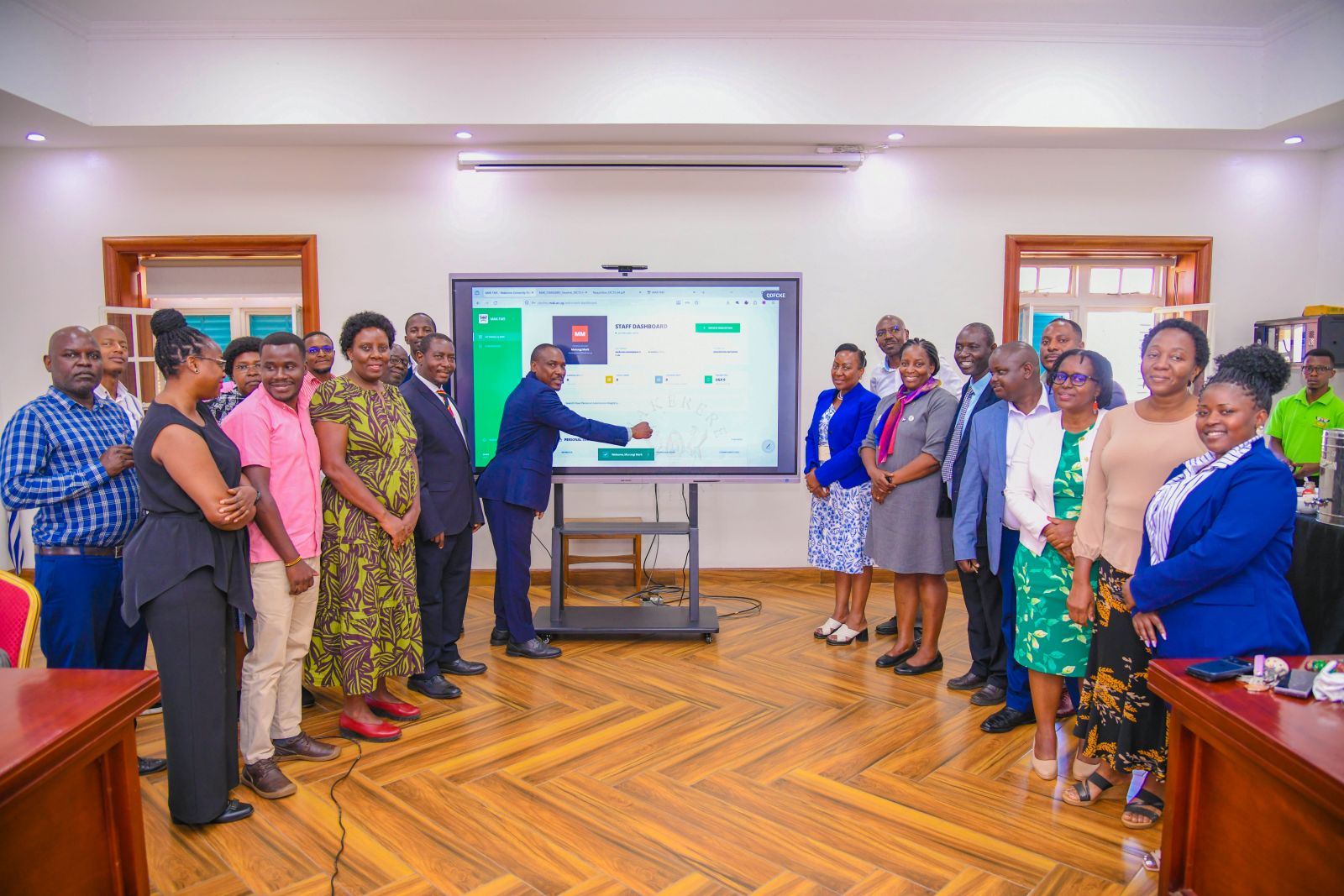
Prof. Tumps Ireeta - Ag. Deputy Vice Chancellor (Finance & Administration) launch the roadmap for upgrading the Mak FMS in Council Room on 17th June2026.

Makerere University on 17th June 2026 launched the upgraded Financial Management System (Mak-FMS) and Implementation Roadmap aimed at ensuring paperless end-to-end transactions right from requisition to sign-off. Mak-FMS was initially launched on 10th July 2024 to automate requisition initiation and approval. The upgraded system will ensure that the hitherto paper-based payment voucher generation, examination, digital clearance, and sign off are completed digitally.

Presiding over the launch on behalf of the Deputy Vice Chancellor (Finance and Administration) Prof. Henry Alinaitwe, the Principal, College of Natural Sciences (CoNAS) Prof. Winston Tumps Ireeta commended the Directorate of Finance and the Directorate for ICT Support (DICTS) on the strides made in digitalisation of financial processes at Makerere. He nevertheless called for the need to make approvals time bound at each stage of the process to ensure that requisitions are sanctioned or deferred for additional input promptly.

The University Bursar, Mr. Evarist Bainomugisha informed attendees at the launch that the objective of the Mak-FMS upgrade was to ensure paperless transactions by 1st July 2026. He added that Champions had been appointed from colleges and administrative units, and will together with ICT Support Staff be trained by DICTS to support users during the transition.

Mr. Bainomugisha nevertheless noted that incorporation of Mak-FMS into Uganda’s Integrated Financial Management System (IFMS) remains undone. He therefore called upon Finance Officers and Accountants to prudently ensure that the money committed on the Makerere system is charged to the appropriate Government code.

DICTS Chief, Mr. Samuel Mugabi reiterated that the upgraded system is not entirely new but is only aimed at further enhancing accountability and transparency of financial management for efficiency of Makerere’s business operations. He added that the upgraded Mak-FMS will be integrated with the recently rolled out Procurement System in a phased approach, especially as users increasingly get acquainted with the paperless working environment. He equally reiterated DICTS readiness to support the Directorate of Finance to ensure a holistic training of users.

Highlighting the ten-day Implementation Roadmap, DICTS Deputy Chief, Mr. Juma Katongole noted that launch of the upgraded Mak-FMS marked Day 1, while Day 2 will be dedicated to training Finance Officers, Accountants and ICT Support Staff and Day 3 to training Champions and more ICT Support Staff. Days 4 and 5 will be dedicated to Hands-on Training Sessions for College Bursars, Accountants and Champions, while Day 6 will feature University-wide pilot implementation of the upgraded Mak-FMS.

Day 7 of the roadmap will handle user support clinics and help desk sessions, while Day 8 will feature refresher training and a workshop on frequently encountered issues. A University-wide simulation exercise covering the end-to-end payment lifecycle will be held on Day 9 and Day 10 will host the readiness assessment meeting and go-live sign-off.

In order to ensure a smooth transition to a digital Mak-FMS, a help desk will remain operational throughout the period and user manuals as well as quick-reference videos will be developed and distributed on the University Knowledge Base and DICTS Social Media platforms.

Mark Wamai

Continue Reading

General

CHS Quality Assurance Guide Book

Published

on

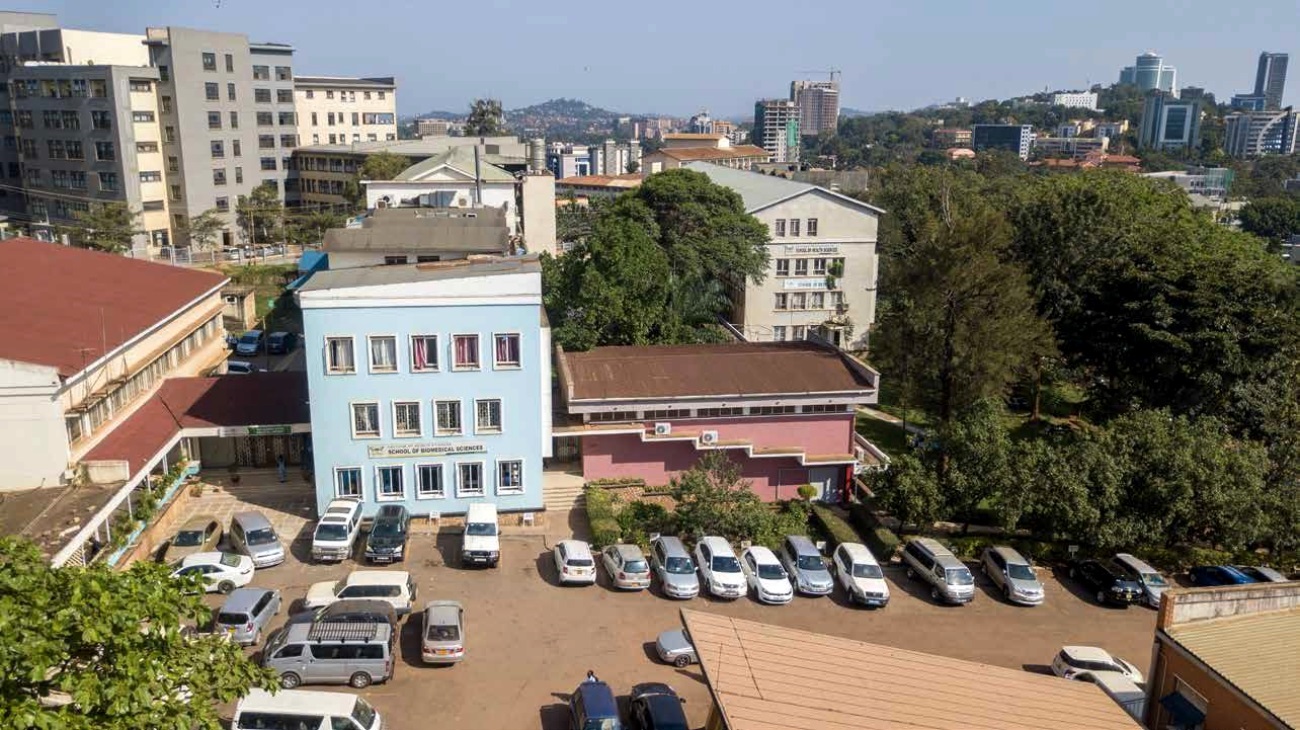
An aerial photo of the College of Health Sciences (CHS), Makerere University showing Left to Right: The Sir Albert Cook Memorial Library, School of Biomedical Sciences, Davies Lecture Theatre, School of Public Health, Mulago Specialised Women and Neonatal Hospital (MSWNH)-Background Left and Nakasero Hill-Background Right, Kampala Uganda, East Africa.

The College of Health Sciences (CHS) QA Guidebook streamlines academic excellence, outlining essential quality processes, committee structures, and regulations aligned with Makerere University Policy and the 2004 Graduate Guidebook. It details roles for staff and students, including examination management, committee terms of reference, and highlights staff/student achievements.

Key Components of the QA Guidebook

  • Committees & Structure: Defines roles for the Quality Assurance, Gender Mainstreaming, and ICT Committee, ensuring alignment with SDGs and university policies and NCHE
  • Examination QA Processes: Outlines procedures for setting, moderating, and marking exams, ensuring standards and ethical compliance.
  • Regulations & Guidelines: Based on the Makerere University Quality Assurance Policy Framework (2007) and Graduate Guidebook 2004 ensuring consistency across all programmes.
  • Roles & Responsibilities: Clearly defines the responsibilities of Deans, Heads of Departments, and Students in Internal Quality Assurance.
  • Key student information in academic processes.
  • Commitment to support graduate training.
  • Recognition & Faculty Development: Recognizes outstanding female professors and acknowledges staff who completed PhDs in 2024–2026

View on CHS

Mak Editor

Continue Reading

General

Are We Giving Enough Attention to the People Around Us Who Quietly Influence Lives Every Day?

Published

on

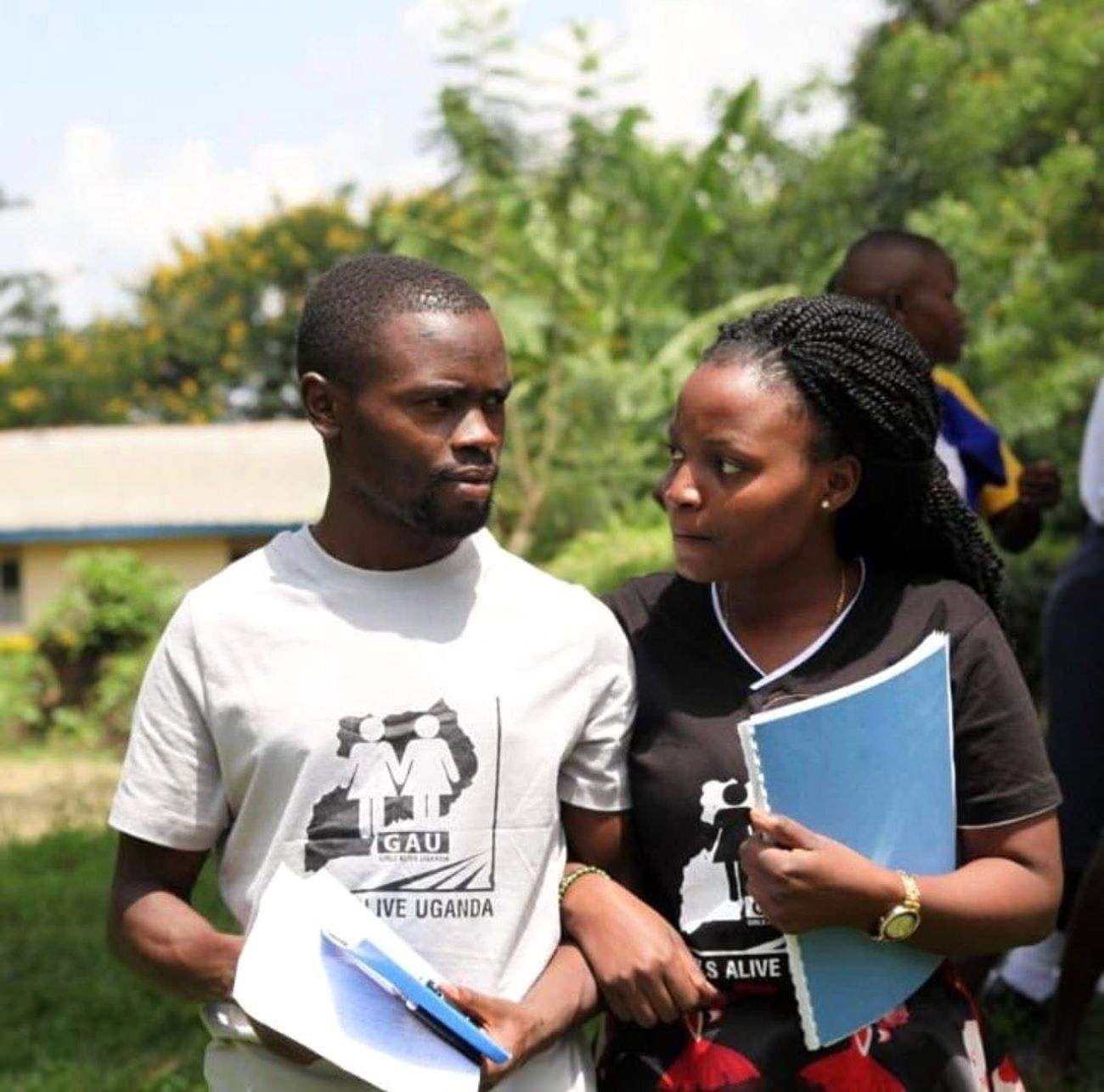
Sylas Ruhweza and Marion Apio at one of the Girls Alive Uganda (GAU) outreaches.

By Marion Apio

On March 21, 2026, I felt a strong urge to reconnect with a close colleague and passionate leader, Owekitinisa Sylas Ruhweza Atwooki. We had not spoken since I moved to the United States to pursue my dream of becoming a journalist. The following day, I learned that he had been quietly undergoing treatment in and out of the hospital. True to his character, he had chosen to keep his condition private. I was shocked and saddened, wishing I had known earlier so I could offer support.

At first, reports from family and friends were encouraging. He had been diagnosed with malaria and low blood platelet counts and was receiving treatment. Respecting his wish for confidentiality, members of the Mastercard Foundation Scholars and Alumni community at Makerere University rallied discreetly around him.
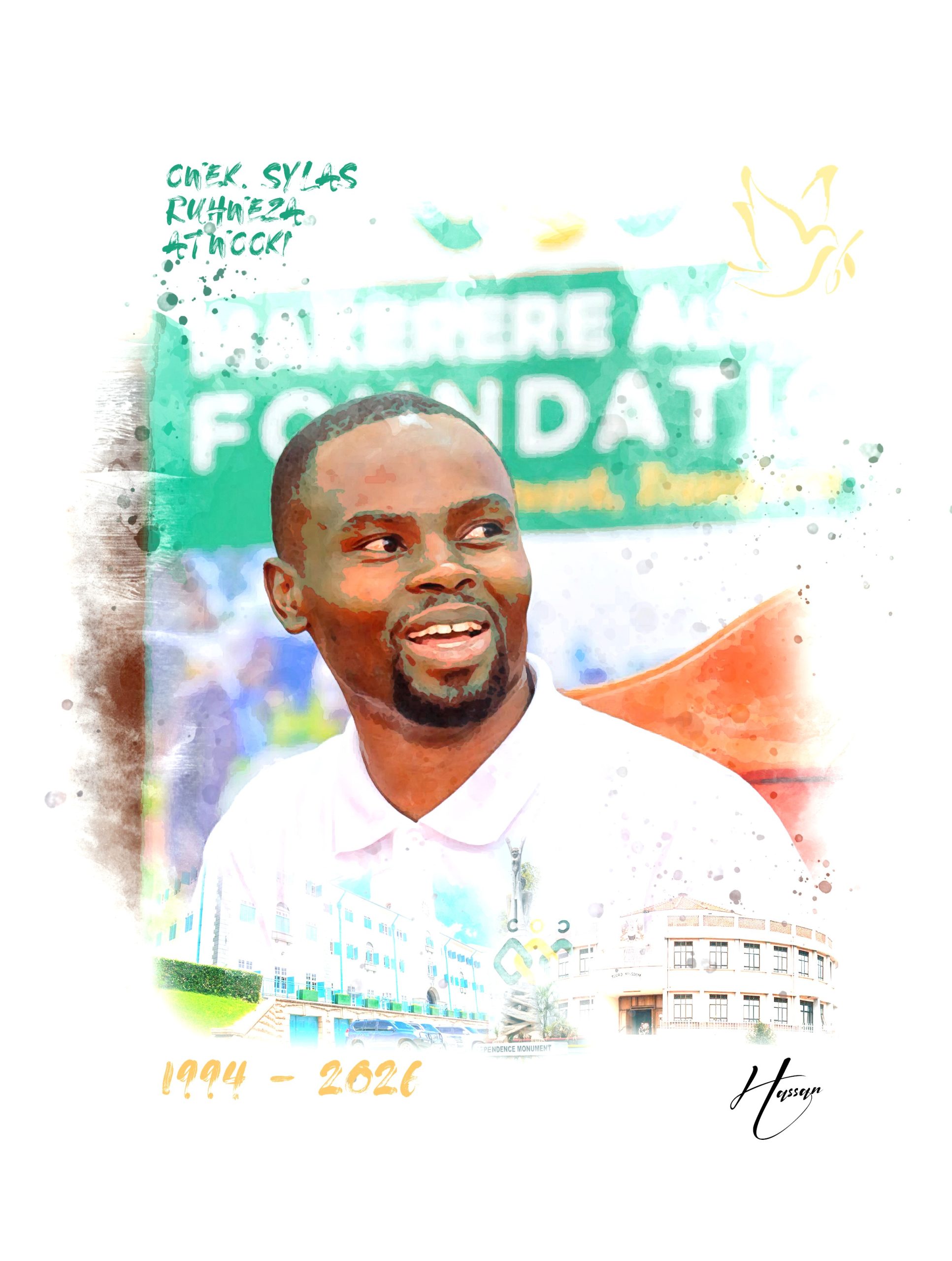
An artistic impression of Sylas Ruhweza.

However, on April 29, his condition worsened. He was transferred between medical facilities and underwent extensive tests, including a biopsy, as doctors searched for answers. Sadly, on May 29, Sylas passed away.

His death sparked an extraordinary outpouring of love and solidarity. Friends, colleagues, and former scholars mobilised to support his family, settle medical expenses, organise virtual vigils, and plan a dignified farewell. Hundreds gathered at St. Augustine Chapel to pay their respects. Within three days, the Mastercard Foundation Scholars and Alumni community raised approximately UGX 11 million, a testament to Sylas’ impact on countless lives.

Sylas Ruhweza addressing his fellow alumni on 5th April 2025.

In the days that followed, I found myself wrestling with difficult questions. In a world where we spend so much time following people online, are we paying enough attention to those quietly transforming lives around us? Why do we invest so much emotional energy in distant personalities while overlooking the people God has placed right in front of us?

Sylas lived with humility and served with grace. His death left more than 1,500 Mastercard Foundation scholars and alumni grieving, alongside many others around the world who knew him. Yet his passing also exposed a contradiction in modern life.

We live in an age of unprecedented connectivity. Uganda has millions of internet users and WhatsApp subscribers, while globally, people spend hours each day on social media. We have more tools than ever to stay connected, yet many of us are becoming increasingly disconnected from the people who matter most.

Selfie time: Marion Apio and Sylas Ruhweza.

Sylas resisted this trend. Through mentorship, service, and community-building, he remained deeply present in others’ lives. While many people retreat into individual pursuits, he consistently chose connection.

This challenge is especially relevant for Mastercard Foundation scholars and alumni. Every year, young Africans leave home to pursue education and professional opportunities abroad. Distance, time zones, visa restrictions, and rising travel costs make it difficult to maintain relationships and remain actively involved in the communities that helped shape us.

For Sylas, the answer was simple: show up. Celebrate others. Offer support. Stay connected.

Sylas with some of the Girls Alive Uganda (GAU) beneficiaries.

He never allowed geographical or personal barriers to become excuses for disengagement. Even while facing his own struggles, he invested in others. He embodied the values the Mastercard Foundation seeks to cultivate—ethical leadership, service, and community empowerment.

Sylas did not wait for a perfect platform to create change. He simply served where he was. He helped build bridges between education, culture, and professional development while remaining grounded in his values. He dreamed of creating a stronger alumni ecosystem and brought both passion and compassion to every initiative he touched.

Since his passing, social media has been filled with memories of his infectious smile and unwavering commitment to others. Those tributes reveal an important truth: people gave generously because Sylas had first given himself generously to them. People from different backgrounds, generations, and communities showed up because he had spent his life showing up for them. His legacy now challenges all of us.
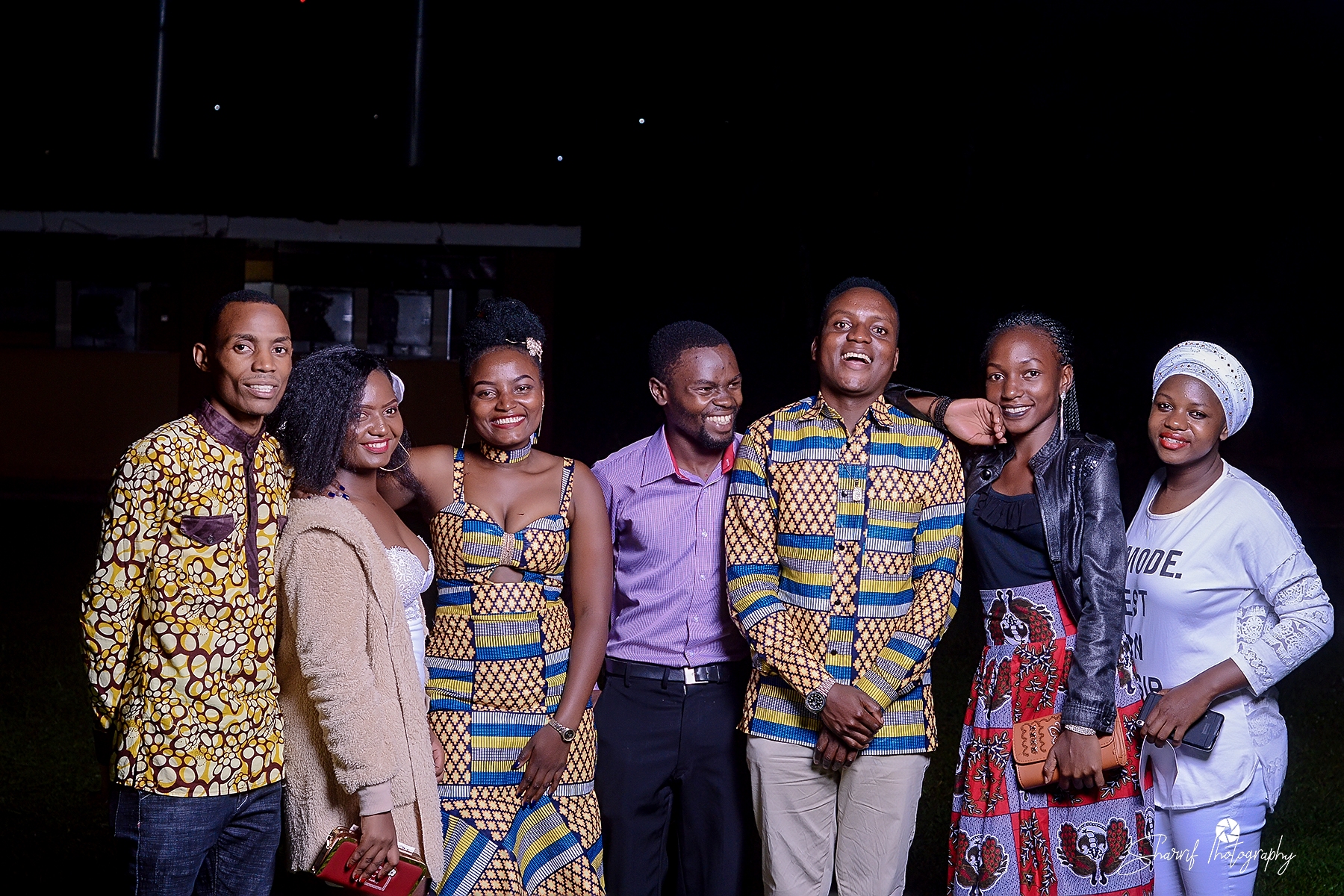
Sylas with friends at a Birthday Celebration.

The greatest tribute we can offer is not simply to mourn his loss but to continue his work. That means supporting the causes he cared about, helping the children whose education he championed, strengthening alumni networks, and pursuing the dreams we discussed with him.

The tragedy of modern life is not that we follow people online. It is that too often our attention to distant lives comes at the expense of meaningful relationships nearby. Yet strong relationships are as essential to our well-being as physical health.

As Ugandans, we take pride in our faith, culture, and sense of community. We contribute to fundraisers, attend ceremonies, and support family members in times of need. But increasingly, genuine connection is being replaced by passive digital interaction. Families and communities cannot thrive on likes, retweets, and emojis alone.

They require presence—phone calls, visits, conversations, and the willingness to notice when someone is struggling.
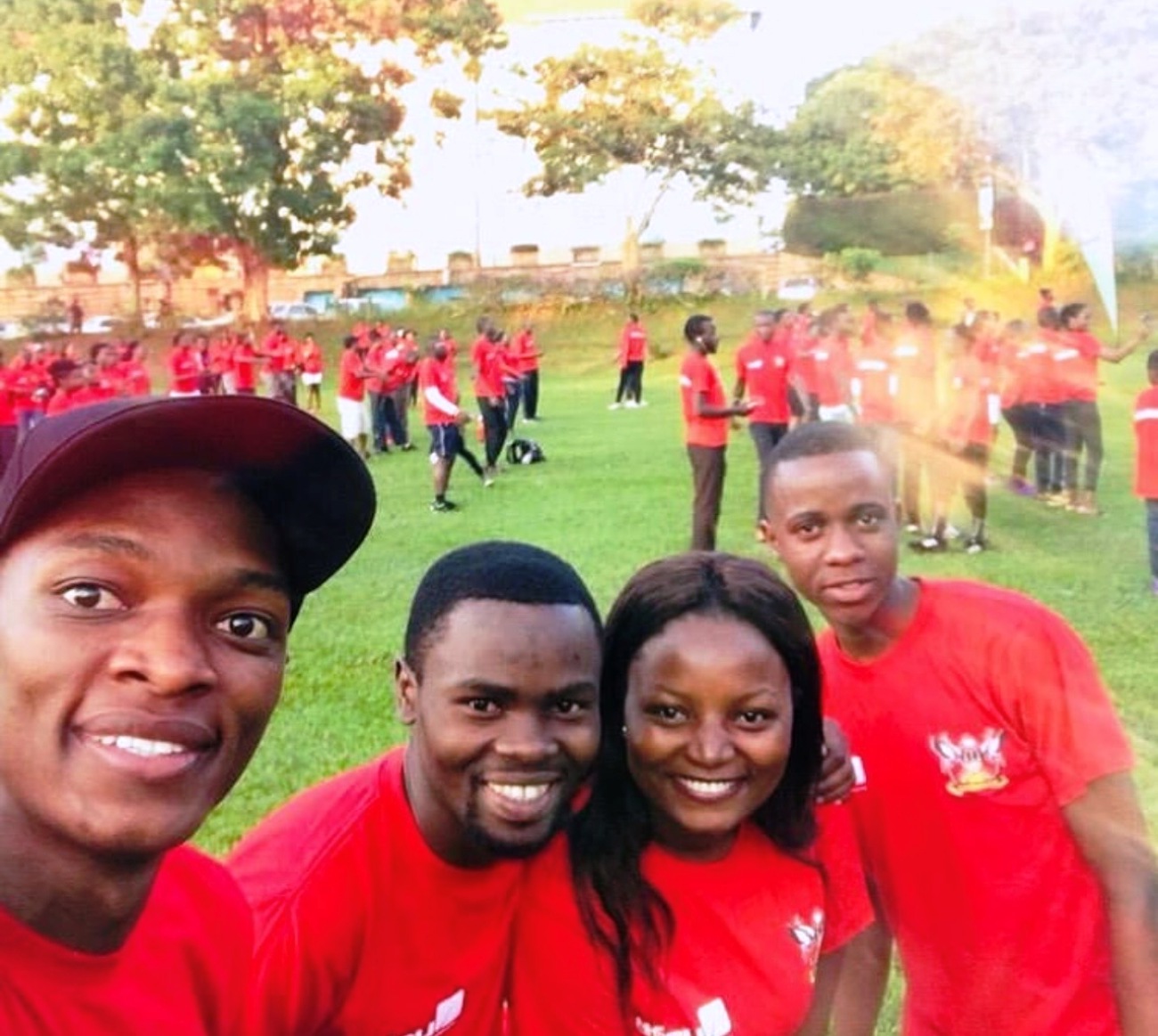
Sylas Ruhweza with friends at the Third Edition of the MakRun in 2019.
Sylas with friends at the Third Edition of the MakRun in 2019.

Before spending another hour immersed in the lives of strangers online, look around. Call the friend you have not spoken to in years. Check on a family member. Reach out to a colleague who seems withdrawn. Communities are not built by algorithms or celebrities. They are built by ordinary people who choose, day after day, to care for those within their reach.

Uganda needs more people like Sylas. At just 32 years old, he achieved what many spend a lifetime striving for. He served as Minister of Information in the Toro Kingdom and as President of the Mastercard Foundation Scholars Alumni Association in Uganda. More importantly, he dedicated himself to serving others.

While his death is deeply painful, his life remains a powerful example of how we should live. My prayers and condolences go to his family, friends, and the entire Mastercard Foundation Scholars and Alumni community.

Rest in perfect peace, Owek. Sylas Ruhweza Atwooki.

The author is a Mastercard Foundation Alumna from Makerere University and the University of California, Berkeley. She is a journalist based in Southern California and the CEO of the Debunk Media Initiative.

Mak Editor

Continue Reading

Trending