
General
Mak to Host Property Investor Conference


General
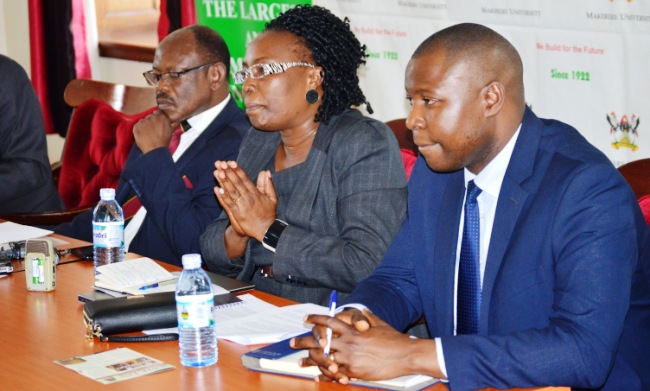
RIMS Implementation to End Supervision Delays, Enhance Transparency, Close Gaps and Boost Research Excellence at Makerere University

By Moses Lutaaya
Kampala, Uganda — 27th March 2026: Makerere University has intensified its push toward digital transformation in graduate education with the implementation of the Research Information Management System (RIMS), a platform expected to end supervision delays, enhance transparency, close long-standing gaps, and boost research excellence.
Leading this shift, the Director of Graduate Training at Makerere University, Prof. Julius Kikooma, emphasized that the initiative is part of ongoing collaboration with academic units.
“Our visit to the Institute of Gender and Development Studies is part of continuous engagement to strengthen graduate training,” Prof. Kikooma said. “RIMS is not just about technology—it is about improving how students and supervisors work together, how progress is tracked, and how the university ensures quality and timely completion.”
He noted that the university is already making strides in graduate output, citing a recent milestone of over 200 PhD graduates, with 40 percent female representation—an indicator of progress toward gender equity.
“We want to push that to 50 percent,” he said. “RIMS will help us get there by providing data, improving coordination, and addressing inefficiencies in supervision and monitoring.”
Prof. Kikooma emphasized that the system will also support the university’s broader goals, including internationalization and improved research productivity, by streamlining application, supervision, and reporting processes.
“With digitization now fully underway, we cannot go back,” he said. “RIMS will allow supervisors to track student performance in real time, and management will be able to access accurate reports at the click of a button.”
He added that adoption of the system is mandatory for all academic staff, noting that it will become a key tool for measuring performance and institutional accountability.
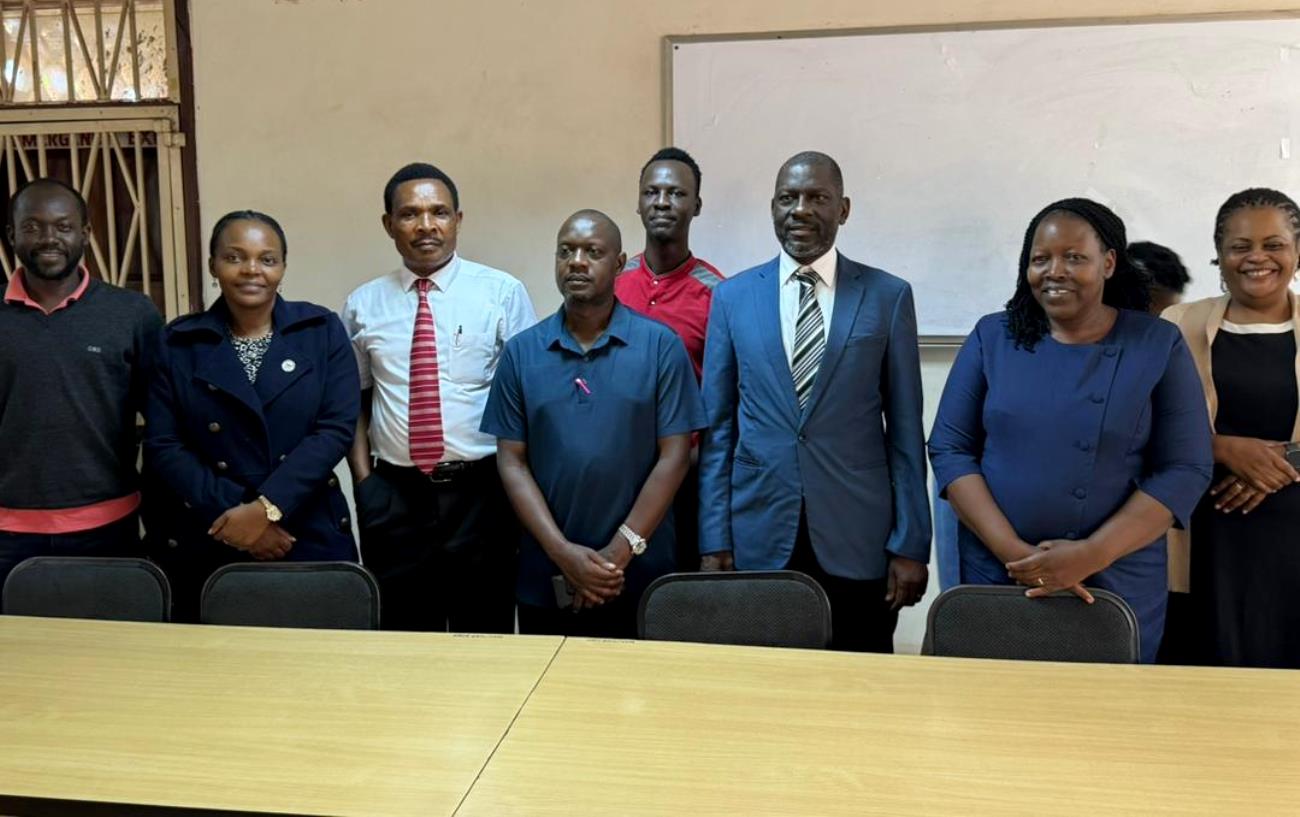
Building on this vision, Prof. Ruth Nsibirano, Director of the Institute of Gender and Development Studies, highlighted how RIMS will directly address supervision gaps that have historically affected graduate completion.
“I’m very certain RIMS is going to bridge the gap between supervisors and supervisees,” she said. “It will ensure constant updates, structured engagement, and clear records of progress for every student.”
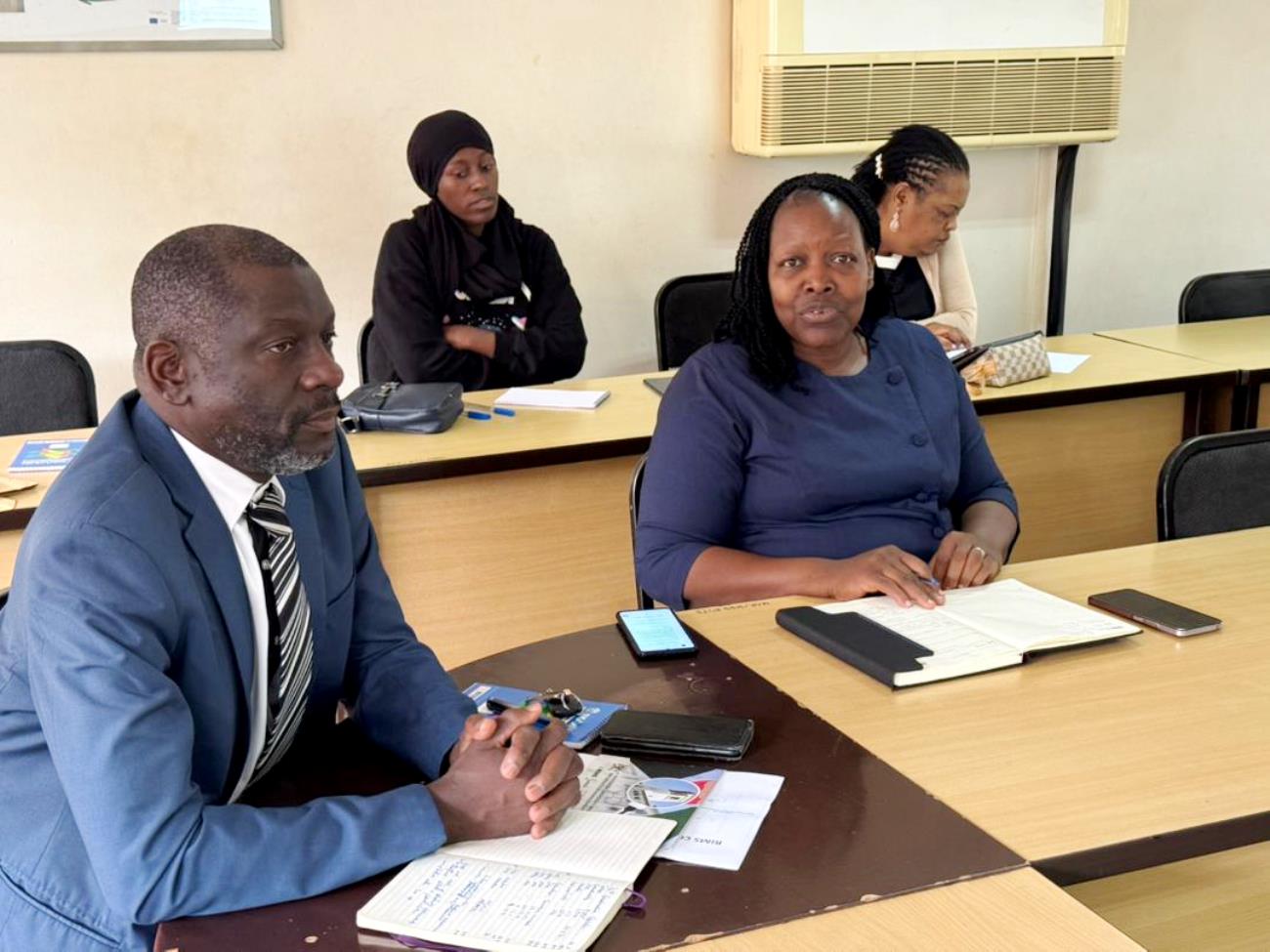
Prof. Nsibirano explained that one of the major challenges in the past has been the lack of visibility in supervision, where both students and supervisors operated without clear documentation of their interactions.
“Knowledge of what was happening was often missing because supervisors and students remained distant,” she said. “Now, there will be records showing when supervision took place, what was discussed, and who has not been responsive.”
She noted that this transparency will significantly improve efficiency and reduce delays on both sides.
“Both students and supervisors will know that their work is being tracked,” she said. “This awareness alone will improve accountability and reduce unnecessary delays.”
However, she cautioned that while RIMS will strengthen supervision systems, financial challenges facing graduate students remain a critical issue.
“We must also address the reality of limited financial support,” she said. “Even with strong systems, students still need resources to complete their studies.”
Prof. Nsibirano expressed confidence that both staff and students are ready to adopt the digital platform, noting that familiarity with technology is no longer a major barrier.
At the operational level, Dr. Julius Mugisa, Coordinator of Graduate Studies at the Institute, underscored the practical impact RIMS will have on day-to-day supervision.
“In fact, it is a very good system. It will facilitate easy supervision,” Dr. Mugisa said. “Previously, you could send comments to a student and wait five weeks without a response. Now, the system will clearly show who is delaying and who is not.”
He emphasized that the transparency of RIMS will eliminate guesswork and misunderstandings by ensuring that all supervision activities are recorded and accessible.
“There will be clear evidence of engagement—comments, timelines, and responses,” he said. “This removes the blame game and helps everyone focus on progress.”
Dr. Mugisa dismissed concerns that increased monitoring might intimidate supervisors, instead framing it as a positive step toward professionalism.
“We are here to do our work for the university,” he said. “The system is not about punishment—it is about improving efficiency and ensuring that responsibilities are fulfilled.”
He added that the accountability introduced by RIMS will encourage timely feedback and active participation from both supervisors and students.
“When you know the system is tracking progress, it helps you stay on course,” he said. “Monitoring is important, and it benefits everyone.”
Dr. Mugisa also noted that improved supervision and faster feedback could enhance Makerere University’s attractiveness to prospective graduate students.
“Students want assurance that their work will be reviewed on time,” he said. “With RIMS, that confidence will increase, and more students will be encouraged to enroll.”
As Makerere University continues to implement RIMS across its academic units, leaders believe the system will mark a turning point in graduate education—driving efficiency, strengthening accountability, closing supervision gaps, and positioning the institution as a leader in research excellence in Africa.

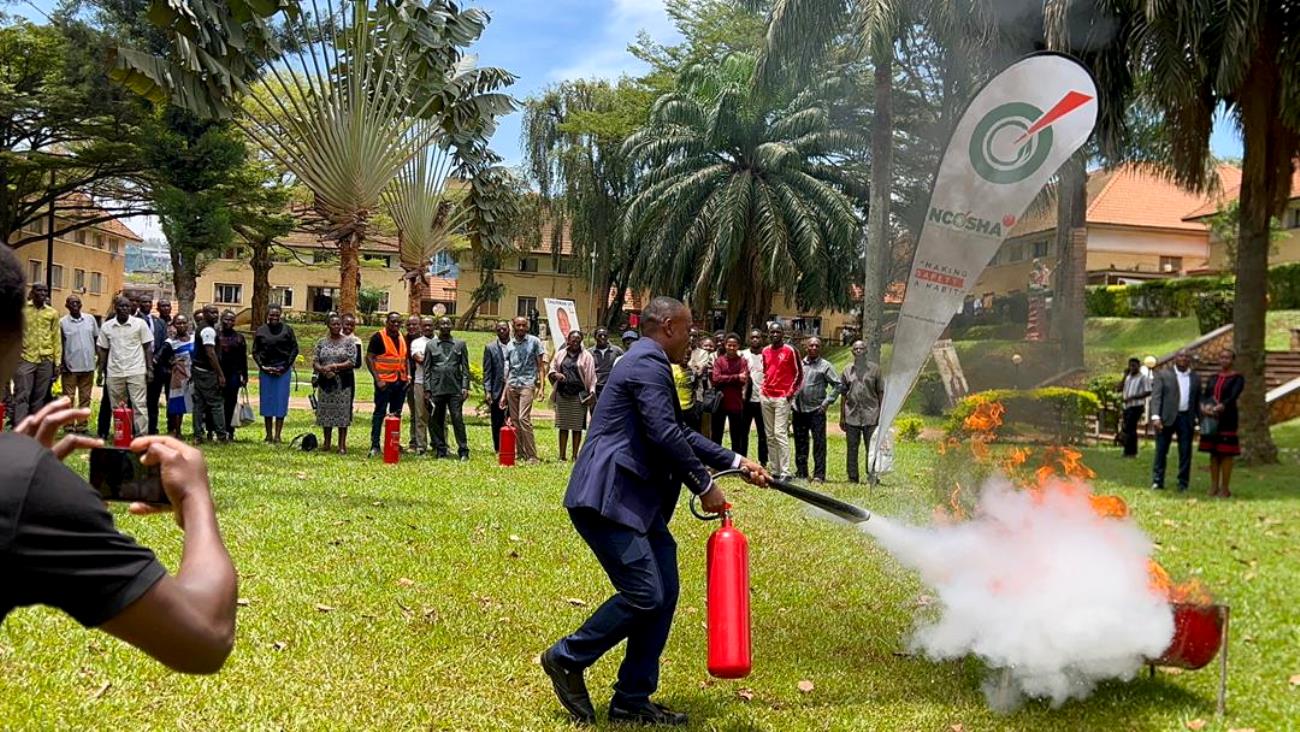
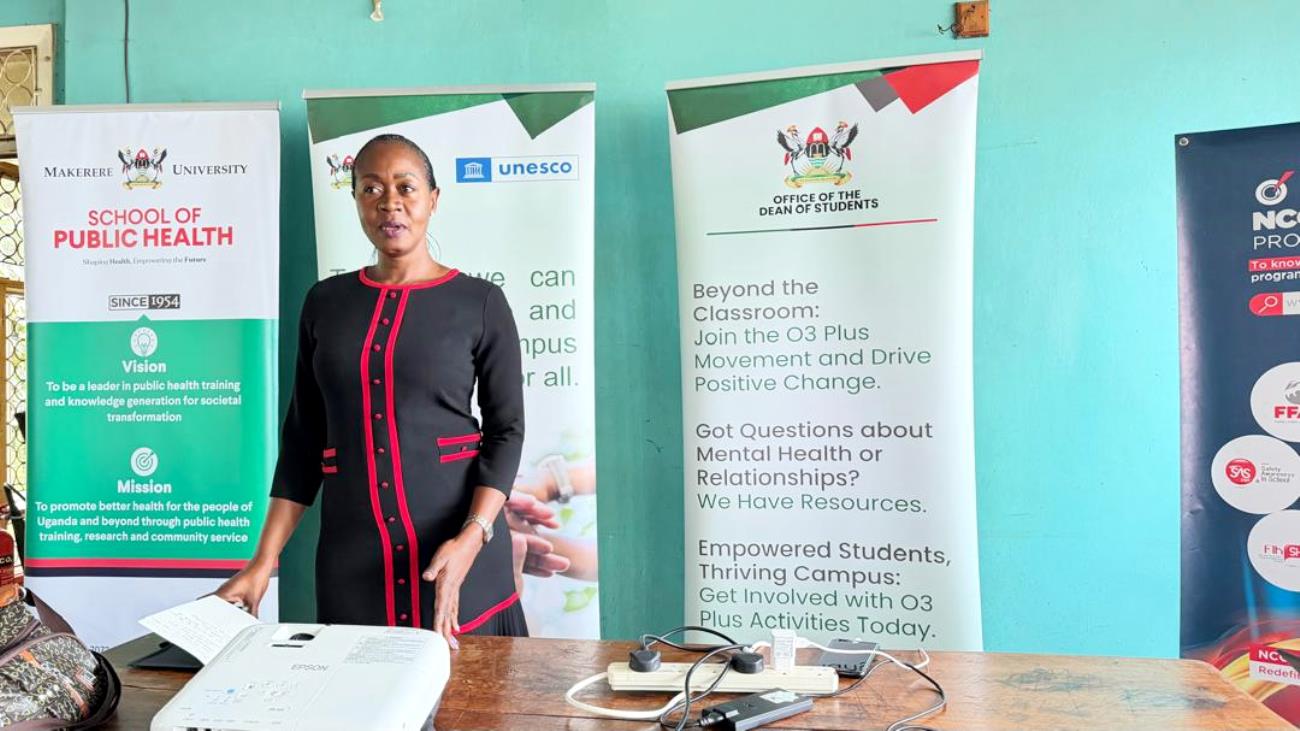
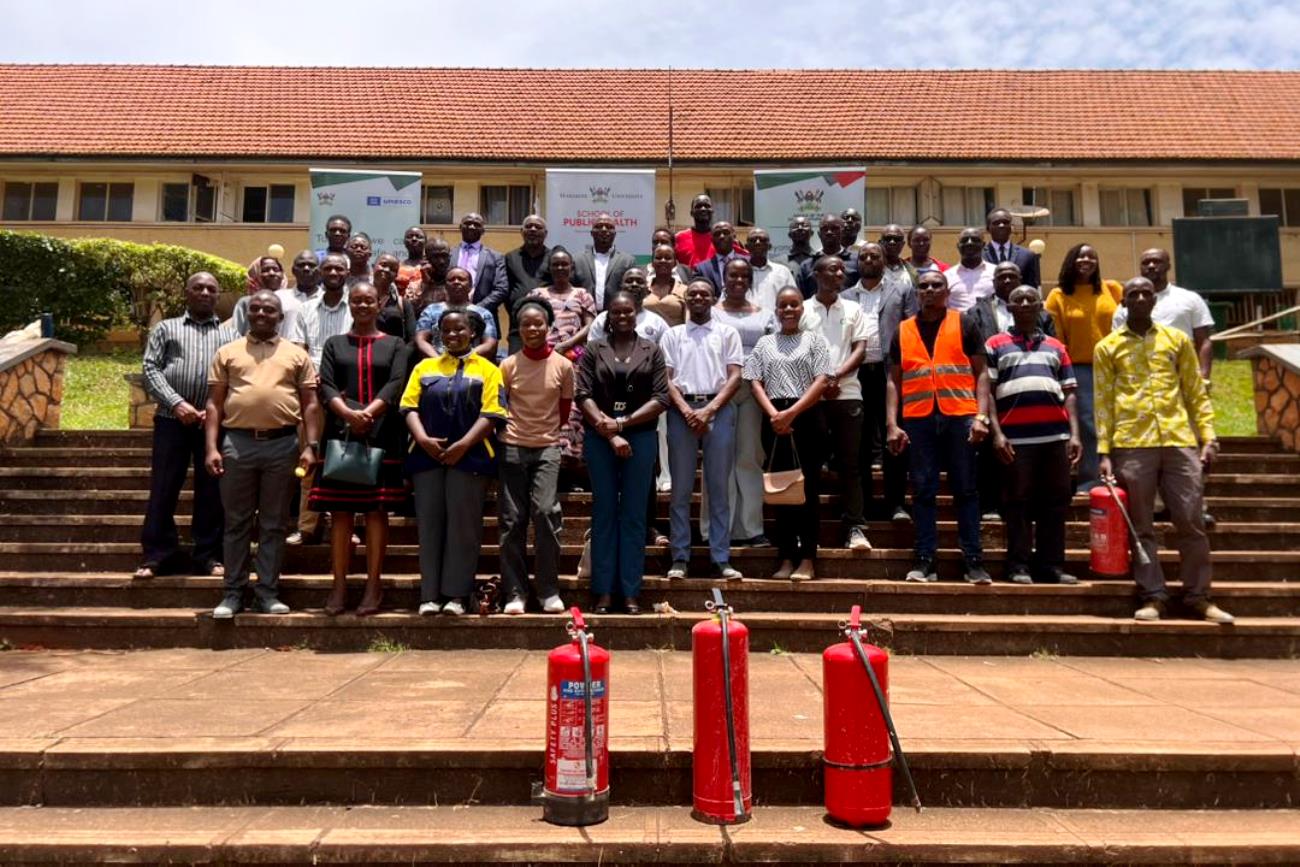
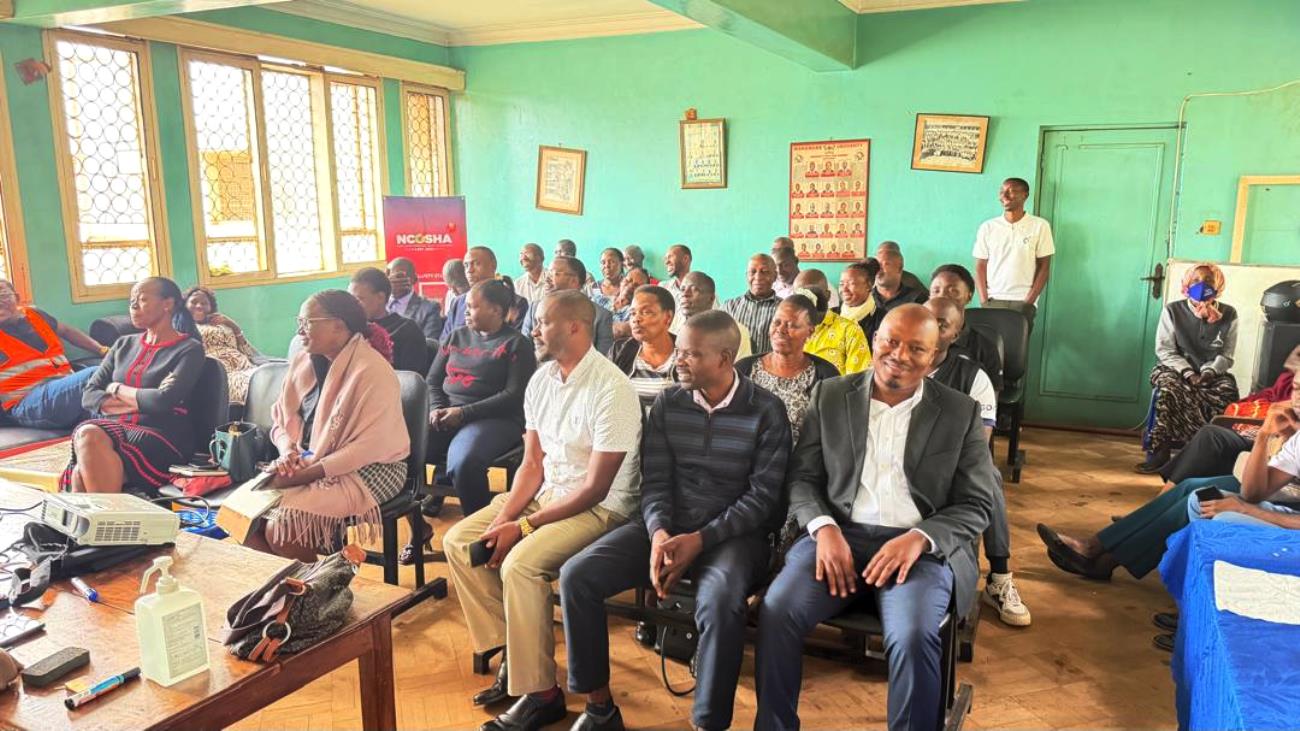
Staff members from the Office of the Dean of Students have undergone a hands-on training on fire safety and prevention in halls of residence.
The training, held on Thursday, March 26, 2026, at University Hall, focused on equipping custodians and wardens with essential skills and knowledge on fire prevention, evacuation procedures and response strategies in case of emergencies.
“In our safeguarding initiatives, we want to create an environment that is safe and secure for our students and staff. Given that we have experienced fires at the University, we decided to train custodians and wardens because they are the first responders and decision-makers in case a fire breaks out in any Hall of Residence,” said Dr. Winifred Kabumbuli, the Dean of Students.
In 2020, Makerere University’s Main Building, commonly known as the Ivory Tower, caught fire, destroying valuable property. Earlier in 2018, a fire gutted Mary Stuart Hall, a female residence. The fire, which started in the ground-floor canteen, spread to other floors but was successfully contained by the Uganda Police.
Speaking in February 2025 during the release of the 2024 Annual Crime Report at the Police Headquarters in Naguru, the Director of Fires and Rescue Services, AIGP Stephen Tanui, revealed that Kampala Metropolitan recorded the highest number of fire incidents in the Country with 933 cases in 2024.
He warned that Uganda’s rapid urbanisation would increase fire incidents unless deliberate prevention measures are adopted.
“We have had fire incidents at Africa Hall, Nsibirwa and Livingstone. Some students also prepare their own meals, which increases the risk of fire outbreaks. It is therefore timely for our staff to acquire basic knowledge on fire prevention and how to respond effectively when a fire occurs,” Dr. Kabumbuli noted.
Speaking to the participants, Mr. Levi Mwesigye, a certified fire safety trainer with NCOSAH Consults (Occupational Safety and Health Administration), emphasized the importance of proactive fire prevention. He explained that three elements, heat, fuel and oxygen are necessary for a fire to exist.
“Always ensure that fire detection systems are in place to identify fires at an early stage. Additionally, ensure fire protection systems such as portable extinguishers are functional and regularly serviced so that fires can be contained promptly,” advised.
In his presentation, Mr. Mwesigye also urged Wardens to install clear directional signage in Halls of Residence to enhance safety and facilitate quick evacuation during emergencies.
“Fires spread much faster than you might think. Always have a backup escape plan in case your main escape route becomes blocked. If you can’t put out the fire in 5 secondsor less, the fire is too large. Get out and always prioritize persons with disabilities, women, the sick, and other vulnerable individuals to ensure they are evacuated safely,” Mr. Mwesigye, said.
Apart from training the staff about fire safety at the University, the staff also received fire prevention tips applicable to their homes such as; never to sleep in a house without water, to always have a centralized place where they keep the house key so that it is easy to find during evacuation.
“For those who have gas cylinders at home, in case of a leakage, open doors and windows to reduce the concentration of gas. If the cylinder catches fire, soak a towel or blanket in water and use it to cover the cylinder. This can help to put out the fire,” Mr. Mwesigye explained.
When using a fire extinguisher
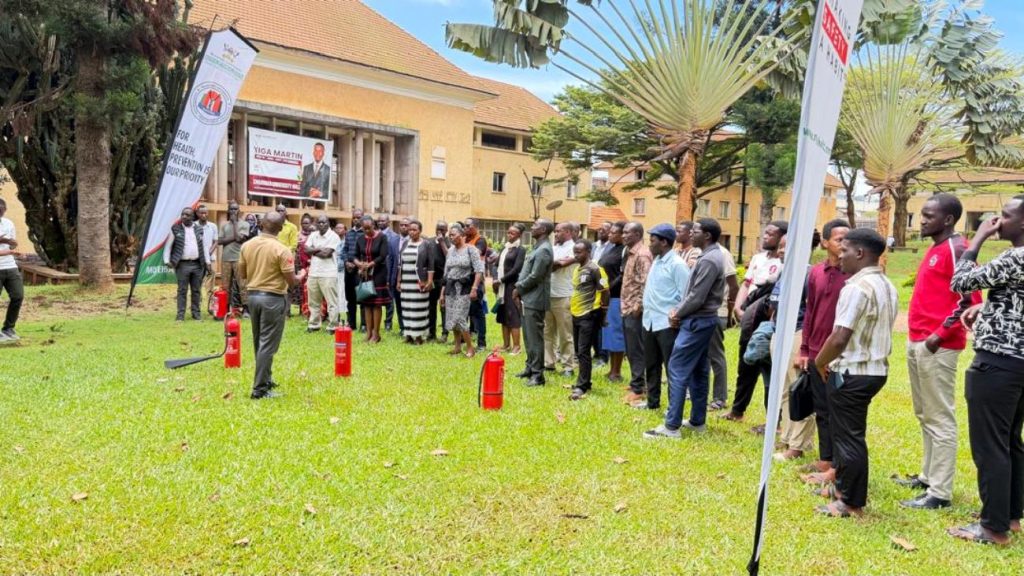
Participants received practical demonstrations on the use of fire extinguishers and learned how to identify and manage small-scale fires before they escalate into life-threatening emergencies. Tips included:
- Stand several feet away from the fire, only moving closer once the fire starts to diminish.
- Use a slow, sweeping motion and aim the fire extinguisher nozzle at the base of the fire.
- If possible, use a “buddy system” to have someone back you up or to call for help if something goes wrong.
- Be sure to watch the area for a while to ensure the fire does not re-ignite.
Deciding to Use a Fire Extinguisher
Before attempting to put out a fire with a portable fire extinguisher, one must quickly answer the following questions:
- Have the building’s occupants been notified?
- Has someone called the Fire Brigade?
- Are the exit routes clear and safely accessible?
- Do I have the right type of extinguisher for the type of fire?
- Is the extinguisher large enough for the fire?
- Is the fire small and containable?
If the Answer to the above is NO, Then;
- Leave the building immediately.
- Shut all doors as you leave to slow the spread of the fire.
- As soon as you get out of the building, call the Police.
Education
Makerere University Charts New Future with the unveiling of the Open, Distance and E‑Learning Building and Strategic Plan

By Harriet Musinguzi, CEDAT
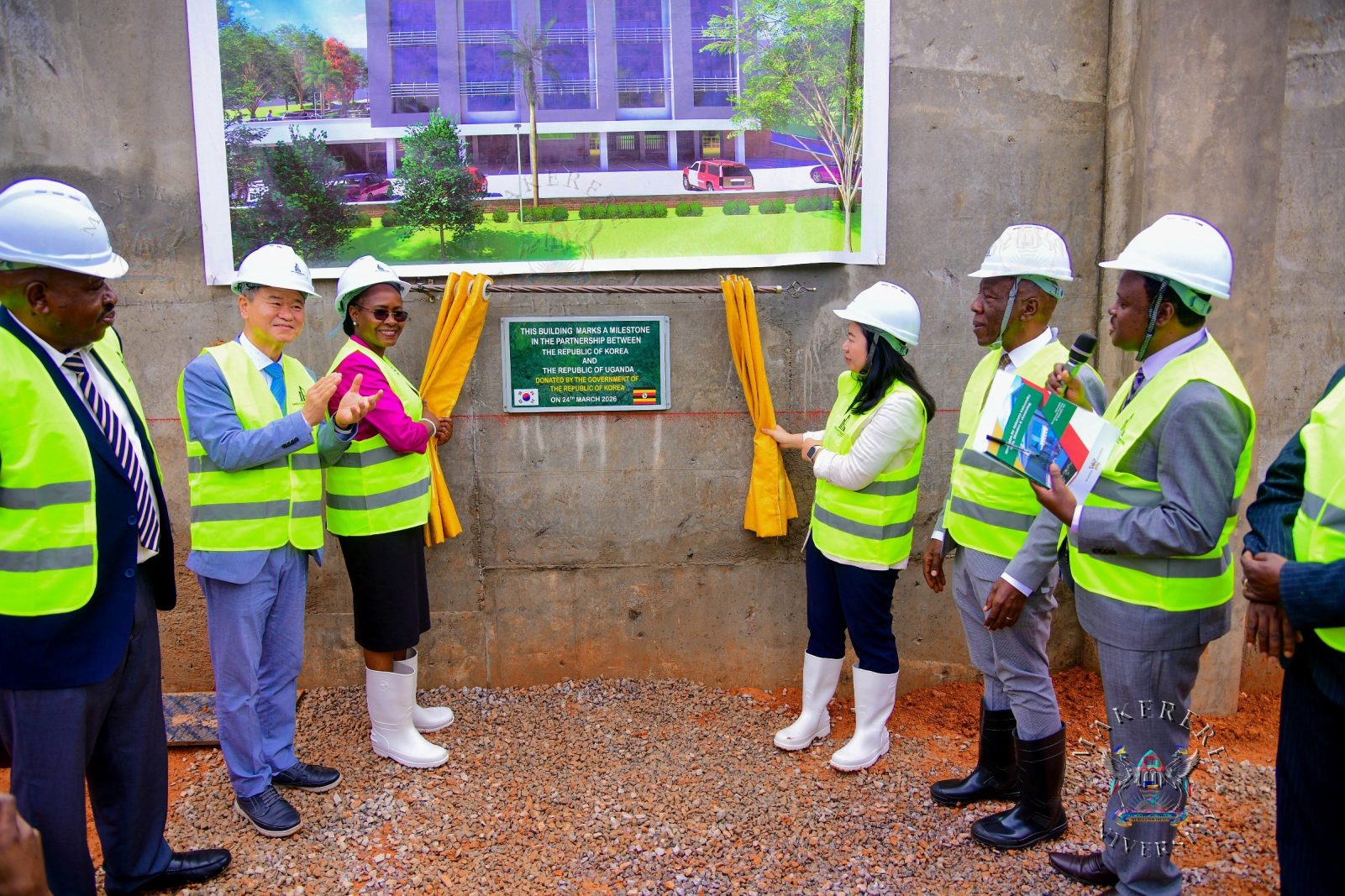
Makerere University has embarked on a transformative journey in higher education with the official launch of its Open, Distance and E‑Learning (ODeL) Strategic Plan and the laying of the foundation stone for a new ODeL facility at the College of Engineering, Design, Art and Technology (CEDAT). The event, attended by dignitaries, university leaders, and international partners, marked a milestone in Uganda’s quest to harness digital technology for accessible, innovative, and inclusive education.
Presiding over the ceremony, Ms. Jihee Ahn, Country Director of the Korea International Cooperation Agency (KOICA), underscored the spirit of collaboration that has defined the project. She praised the collective efforts of Korean partners, Makerere’s project management team, and the construction and consulting teams.
Quoting an African proverb, she reminded the audience that “a single stick cannot make fire”, emphasizing that the success of the initiative lies in shared purpose and unity. Drawing from Korean wisdom, she added, “a journey of a thousand miles begins with a single step,” noting that this launch is the first step toward positioning Makerere as a leader in open and distance education across Africa.
“This new building will not be just a physical structure but a driving force that advances our shared vision,” Ms. Ahn said. “KOICA looks forward to continued cooperation with Makerere University and all partners as we move forward together.” she added.
Representing the University Council Chairperson Dr. Lorna Magara, Dr. Silas Ngabirano highlighted the broader significance of the ODeL project. He described it as a turning point in bridging the gap between traditional teaching methods and modern learning needs. “This project is more than just providing technology,” he said. “It’s about enhancing capacity for our students, faculty, and staff. It’s about making education more accessible and affordable, fostering innovation, creativity, and lifelong learning.” He urged staff and students to embrace the opportunities offered by online distance learning, reaffirming the Council’s commitment to supporting initiatives that expand access to higher education.
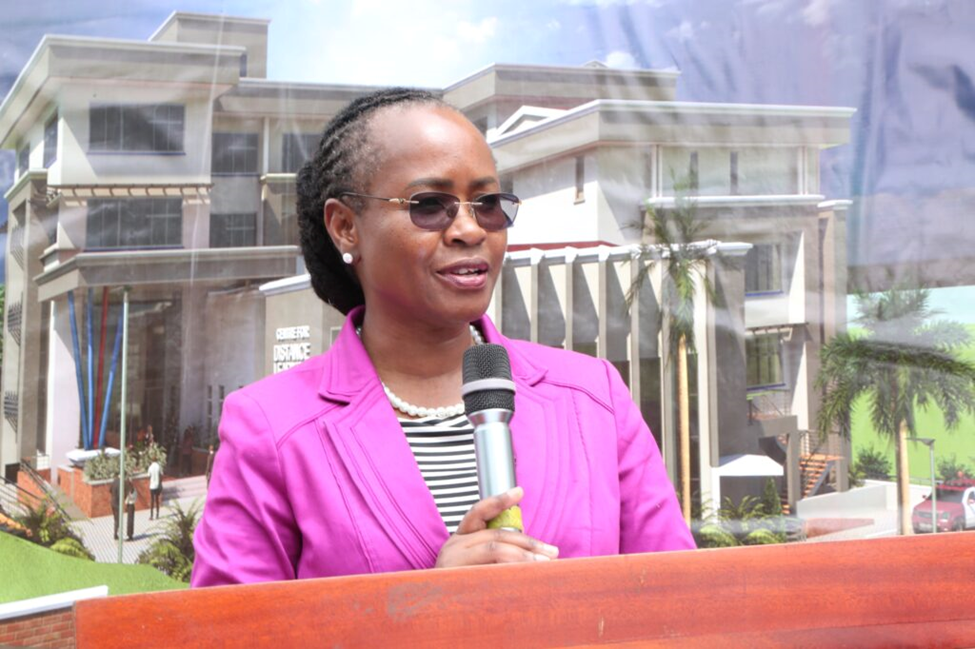
The Vice Chancellor, Prof. Barnabas Nawangwe, represented by Deputy Vice Chancellor for Academic Affairs Prof. Sarah Ssali, emphasized that e‑learning is a central pillar in Makerere’s Strategic Plan (2026–2030). She noted that the initiative aligns with Uganda’s National Development Plan IV, which prioritizes digital transformation by 2030.
“ODeL provides opportunities for students inside and outside Uganda to engage in learning, access cutting-edge research, and participate in innovation and entrepreneurship,” he said. “Now that ODeL is getting a home, there is no excuse for not delivering.”
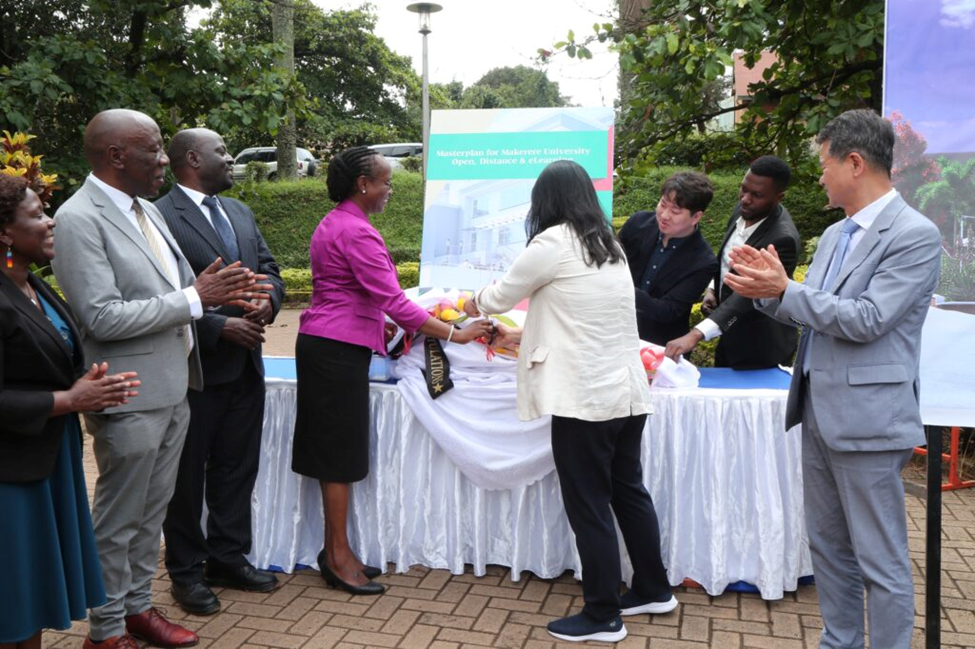
Prof. Nawangwe expressed gratitude to KOICA and the people of Korea for the US$12.2 milliongrant, describing it as a testament to Makerere’s reputation as a center of academic excellence and innovation. He also acknowledged the support of Uganda’s Ministry of Education and Sports and the Ministry of Finance, Planning and Economic Development.
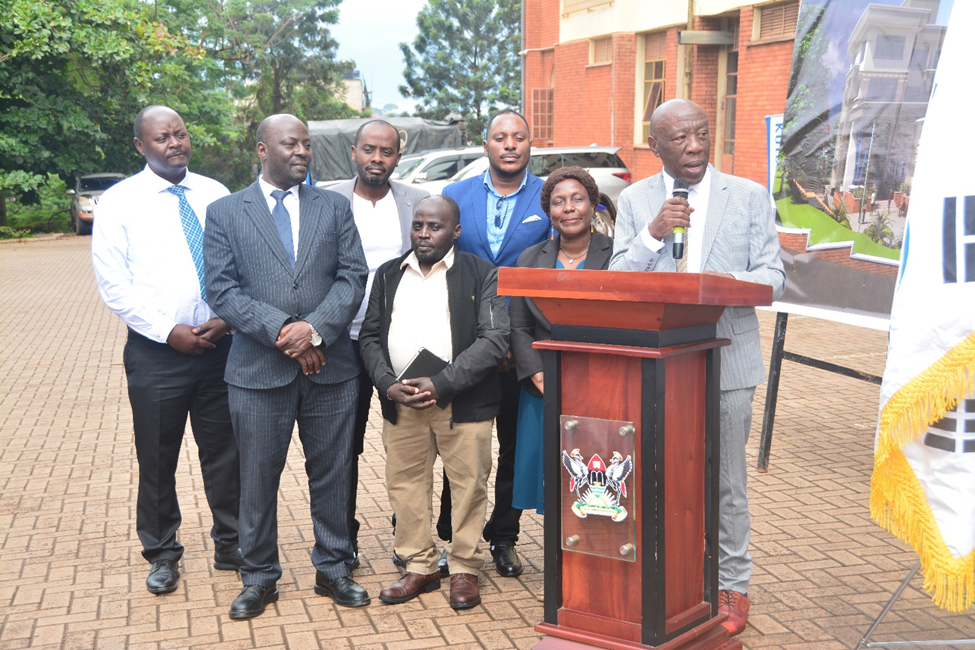
The Principal Investigator, Prof. Henry Alinaitwe, outlined three core components of the project: the development of the ODeL Masterplan, the enhancement of e‑learning infrastructure through a state‑of‑the‑art facility and modern equipment, and capacity building to equip staff with the skills needed to create high‑quality digital content. He explained that the construction, valued at USD 3.7 million, is being undertaken by SMS Construction Ltd, with designs developed by ArchForum Consultants Ltd, and is scheduled for completion by September 29, 2027.
Prof. Henry Alinaitwe explained that the ODeL Masterplan was developed through a highly consultative process, engaging numerous Makerere University staff and working closely with project consultants to ensure inclusivity and relevance. He expressed deep appreciation to the implementing partners, the Korea National Open University (KNOU) and the Korea Institute ofDevelopment Strategy (KDS) for their invaluable support in making the initiative a success.
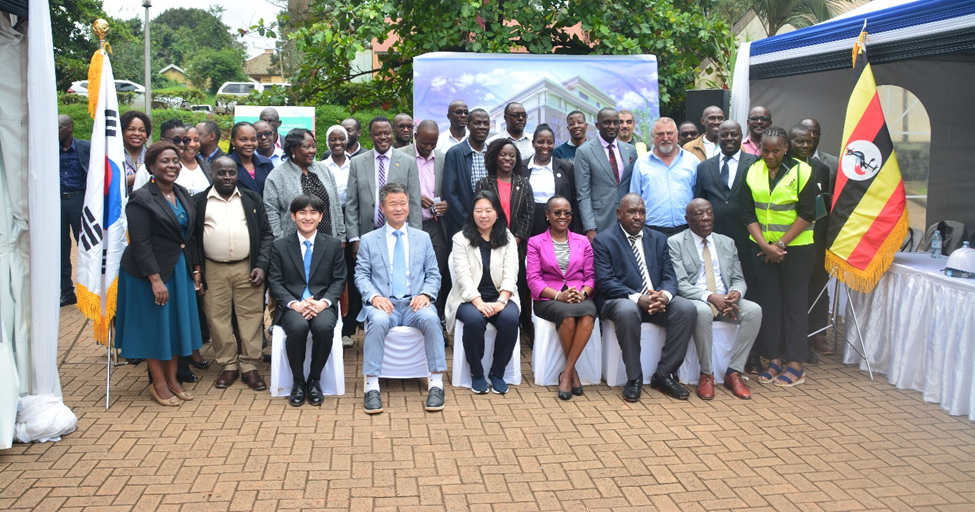
Prof. Alinaitwe also commended the Makerere University Council for approving the allocation of space and committing to maintain the building and systems once operational. He recognized the dedication of the project implementation team, which includes Dr. Venny Nakazibwe(Co‑PI), Prof. Paul Muyinda, Dr. Godfrey Mayende, Mr. Samuel Mugabi, Mr. Alex Mwebaze, Dr. Kenneth Ssemwogerere, and Dr. Lydia Mazzi Ndandiko, for their tireless efforts in managing the project. He further acknowledged KOICA Country Director Ms. Jihee Ahn for expanding the scope of the project beyond the College of Engineering, Design, Art and Technology (CEDAT) to encompass
Written by Musinguzi Harriet, Principal Communication Officer, College of Engineering, Design, Art and Technology.
-
 Law1 week ago
Pre-Entry Examination for Admission to the Bachelor of Laws for 2026/2027 AY
-
 Research1 week ago
Makerere Strengthens Research Ethics as Leaders Call for Reforms in Governance, Integrity, and Student Support
-
 General2 weeks ago
Call For Applications for Masters Research Support: Drug Safety in Uganda
-
 General2 weeks ago
Makerere Hosts Transformative Careers Fair, Bridging Students to the Future of Work
-

 General2 weeks ago
Career Expo 2026 Concludes as Students Gain Industry Insights, Career Guidance, and Networking Opportunities