
General
MAK Launches World University Netball Championship 2018

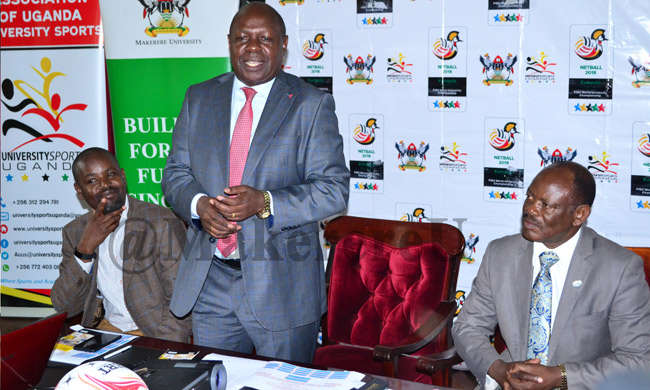
Launching the 3rd Edition of the World University Netball Championship on Tuesday 1st August 2017, the Minister of State for Sports, Hon. Charles Bakkabulindi said: “I salute the people who won the bid. This is a national issue. Hosting the Netball Championships presents a lot of opportunities to Uganda and Makerere University. It reminds me of the benefits when Uganda hosted CHOGM.”
Hon. Bakkabulindi unveiled the Championship Logo, website and social media platforms, reiterating the readiness of the Government of Uganda, the Ministry of Education and Sports to support and market the 3rd Edition of the World University Netball Championship scheduled to take place from 15th to 21st September 2018. The event is expected to attract over 10,000 participants across the globe.
Hon. Bakkabulindi said he will work with the Minister of Education and Sports, Hon. Janet Kataha Museveni, who by virtue of her position is the Patron of the Netball Championships, the Association of Uganda University Sports, and Uganda Netball Federation to ensure that the Uganda University Netball Team emerges the Winner.
The International University Sports Federation (FISU) organizes World University Championships and coordinates activities of over 150 national University sports federations, and holds world university championships in the most popular university sports every even year. The Association of Uganda University Sports (AUUS) in conjunction with Makerere University won the bid to host the 3rd Edition of the World University Netball Championship 2018.
Ms Penninah Kabenge, Head-Secretariat, Local Organising Committee revealed that Netball is a rapidly emerging sport in Uganda. Uganda successfully participated at the Netball World Cup finishing in the top 8 and the African Championships currently ranked Number 9 in the world. Thus hosting the World University Netball Championships will enhance the Government of Uganda’s efforts towards promotion of education and sports.
“Sports is one of the tools that steer development. University sports in particular focuses at a group of youth who are tomorrow's leaders. It should therefore be able to create visible impact on the host and participants. We are motivated by our past performance and record in organizing World University Championships,” Ms. Kabenge remarked.
The Acting Vice Chancellor of Makerere University, Prof. Barnabas Nawangwe who is also the President of the Local Organising Committee highlighted that event presents to Makerere University an opportunity to work with Government and stakeholders to refurbish her sports facilities. Prof. Nawangwe disclosed that Makerere University lacked an indoor stadium, and as we prepare to host the Championships, called upon the Government of Uganda, Makerere University community, alumni, the sports fraternity, and other stakeholders to join the fundraising drive aimed at constructing a 3,000 seater multi-purpose indoor stadium at Makerere University.
Re-affirming the readiness of Makerere University to host the Netball Championships, the Chairperson of the Advisory Panel and Resource Mobilization Committee, Hon. Thomas Tayebwa pointed out that their target is to raise UGX.10billion towards the construction of the multi-purpose indoor stadium and organizing the Championship.
“The University is willing to contribute. I call upon individuals, institutions and the Government to give us support. As a team, we shall contribute generously and also reach out to the private sector,” Hon.Tayebwa who is also member of the University Governing Council remarked.
On behalf of the Uganda Netball Federation, Ms Jocelyne Ucanda re-echoed that it is a great achievement for Uganda to host the World University Netball Championship 2018. “The netball story in Uganda is of progression. Let us remember that sports bring young people together. It is our responsibility to provide a secure learning environment for students to value their lives. I promise you due support from the Uganda Netball Federation,” she said.
Article: MAK Public Relations Office



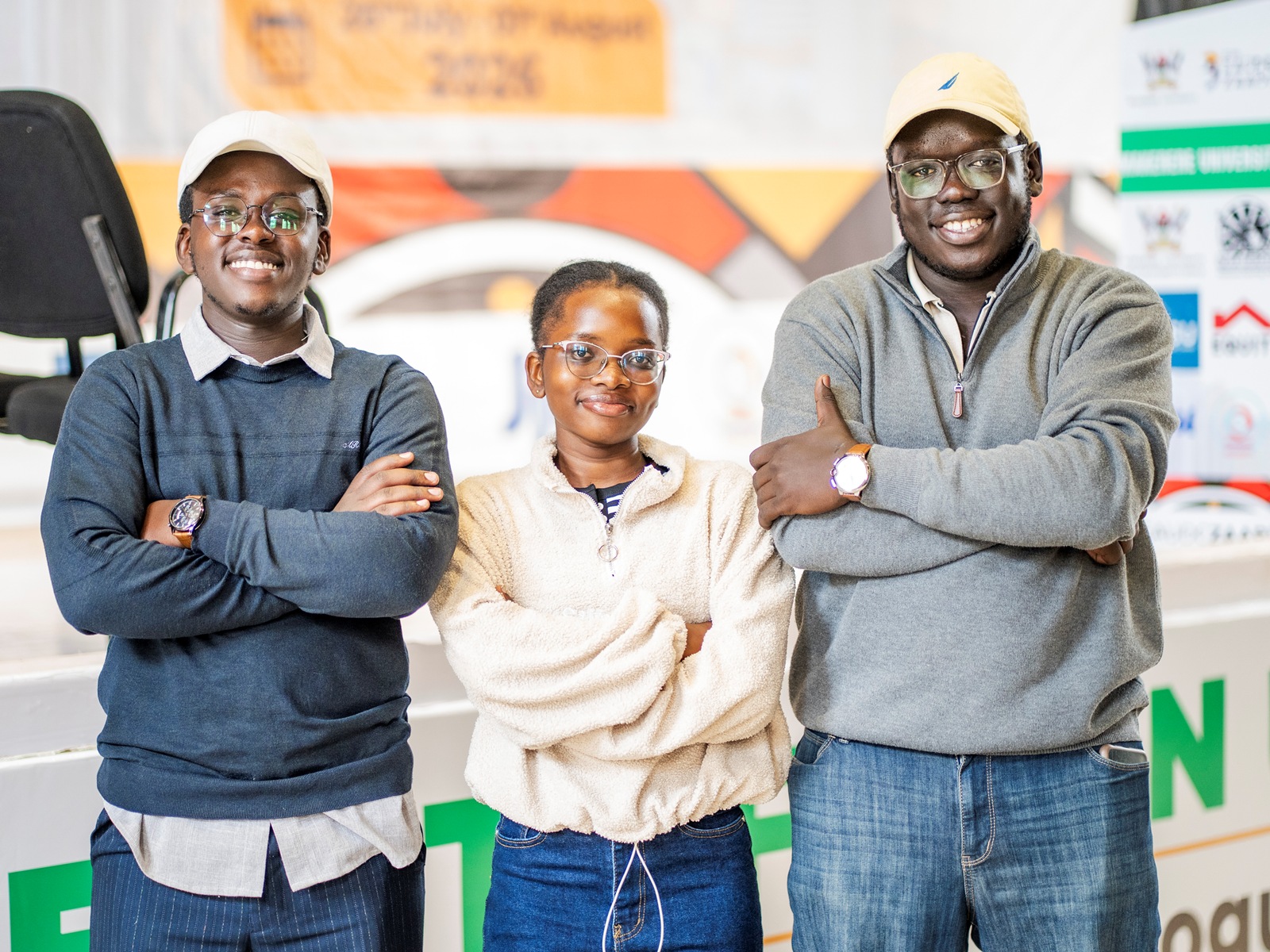
Makerere University has once again cemented its place as a regional leader in academic excellence after successfully hosting the East African Universities Debate Championships (EAUDC) 2026, welcoming the continent’s brightest young minds for a week of intellectual competition, cultural exchange, and leadership development.
Held from 26th July to 1st August 2026, the championship brought together more than 200 student debaters, adjudicators and delegates from 25 universities across Uganda, Kenya, Tanzania, Rwanda, South Sudan and other invited institutions, transforming the Ivory Tower into East Africa’s premier arena for ideas, innovation and public discourse.
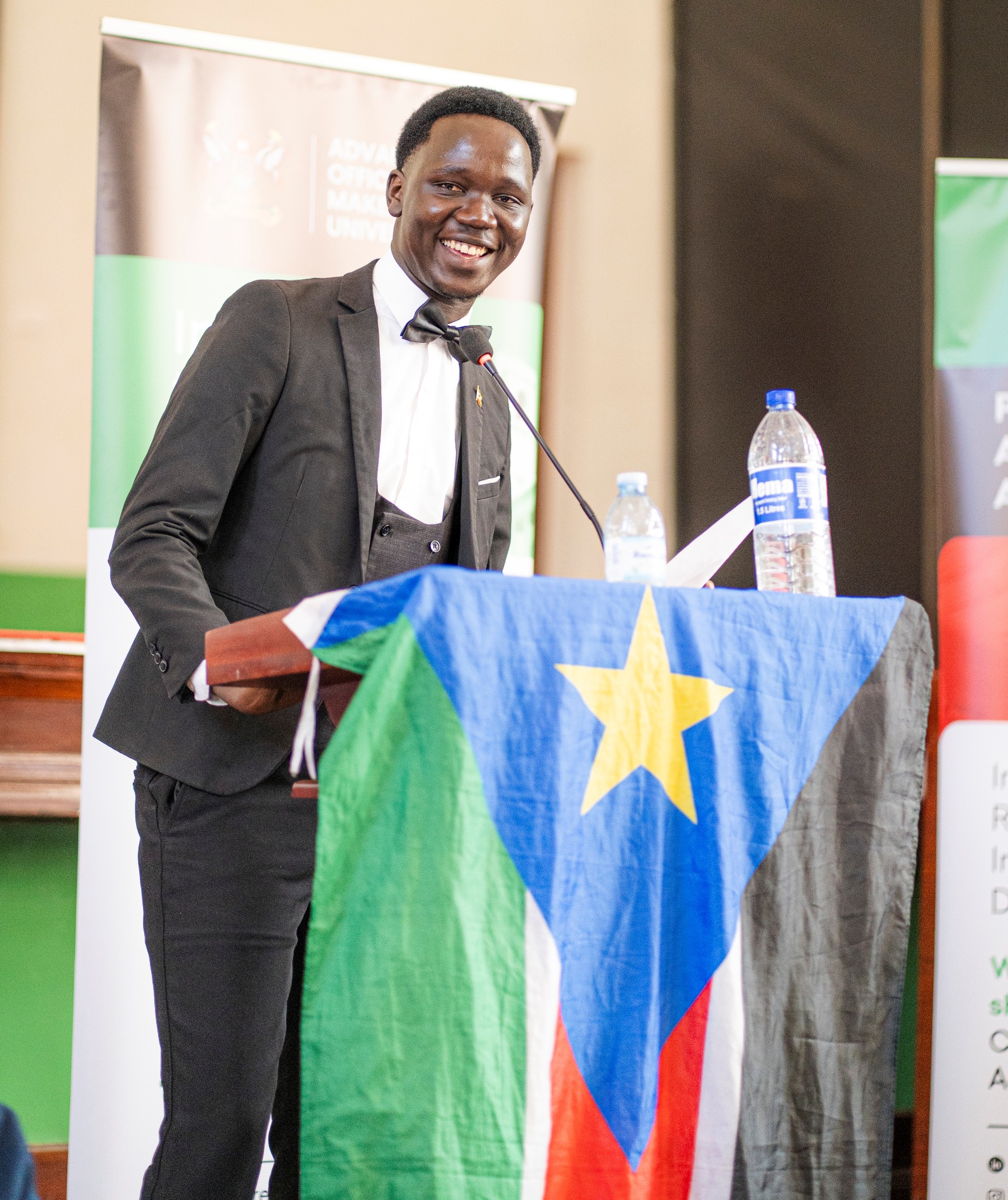
The week-long tournament featured rigorous British Parliamentary debate rounds, public speaking competitions, adjudication workshops and networking sessions designed to sharpen critical thinking, leadership and persuasive communication. Participants debated contemporary issues ranging from governance and economic transformation to technology, public health, climate change and Africa’s future.
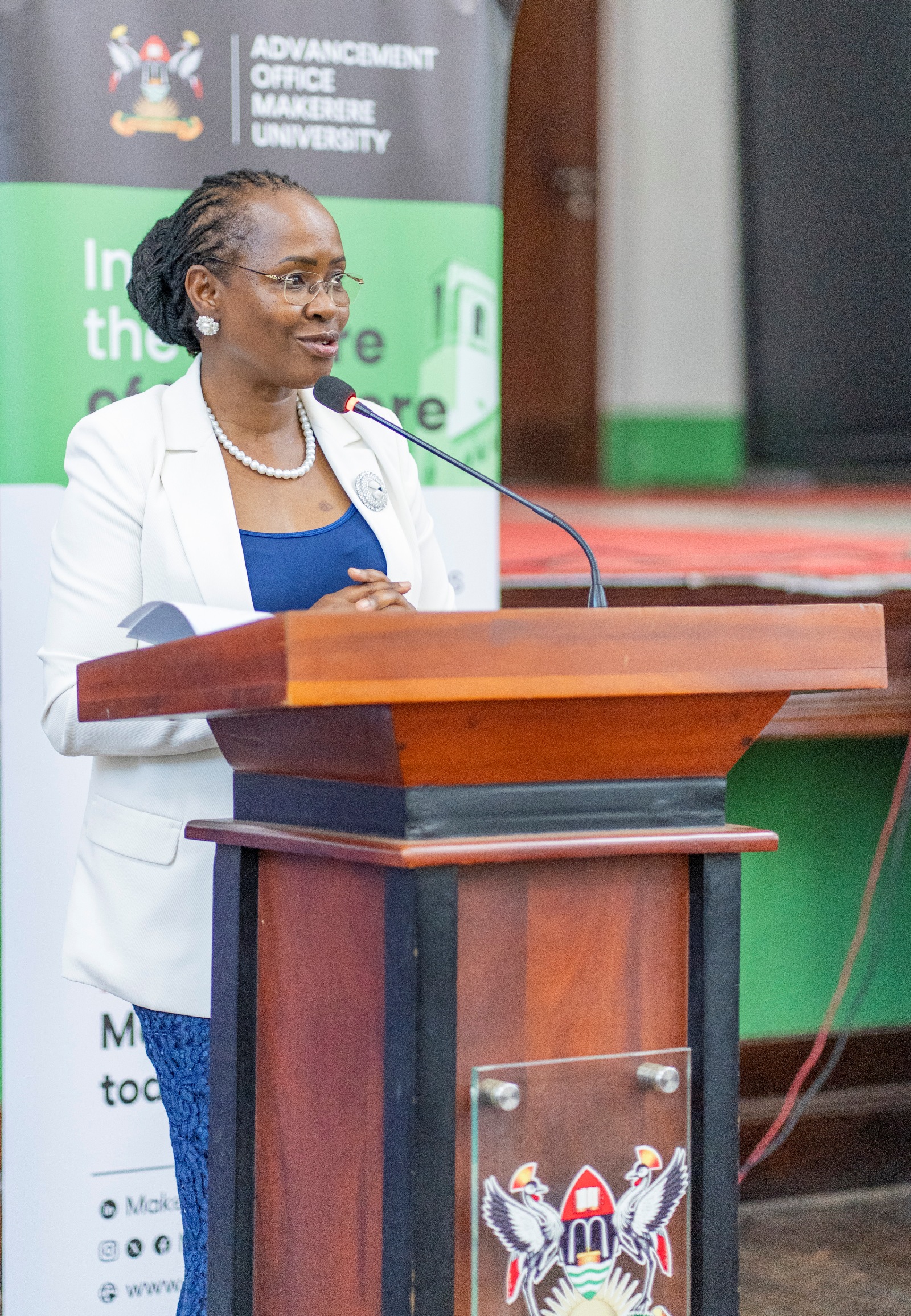
Speaking at the opening ceremony, the Deputy Vice Chancellor welcomed delegates to Makerere University, emphasizing the institution’s enduring commitment to nurturing graduates who are not only academically accomplished but also capable of leading meaningful conversations that shape society. The championship reflected Makerere’s vision of producing graduates who are innovative, analytical and prepared to address regional and global challenges.
Beyond competition, EAUDC 2026 became a celebration of East African unity. Delegates experienced Uganda’s rich cultural heritage through social events, campus tours and cultural showcases that fostered friendships beyond national borders. The interactions reinforced the championship’s belief that dialogue remains one of the strongest foundations for regional integration and peaceful cooperation.
The tournament concluded with an electrifying Grand Finale witnessed by students, alumni, university leaders, invited guests and debate enthusiasts. The Chairperson of the Parliamentary Committee on Education and Sports Hon. Eng. Cuthbert Abigaba represented the Speaker of Parliament as the Guest of Honour. In his remarks he congratulated Makerere University on the successful event and encouraged debate among students.

Prof Sarah Ssali the Deputy Vice Chancellor in charge of Academic Affairs at Makerere University pledged continuous support from the administration towards Makerere Debate Union. Teams demonstrated exceptional research, analytical reasoning and eloquence before a distinguished panel of international adjudicators, bringing to a close one of the most competitive editions of the championship.
The successful hosting of EAUDC 2026 marks another milestone in Makerere University‘s growing reputation as a centre of excellence for debating and public speaking. The event builds on the university’s long-standing tradition of producing outstanding debaters while providing students with opportunities to engage with peers from across the region in meaningful intellectual exchange.
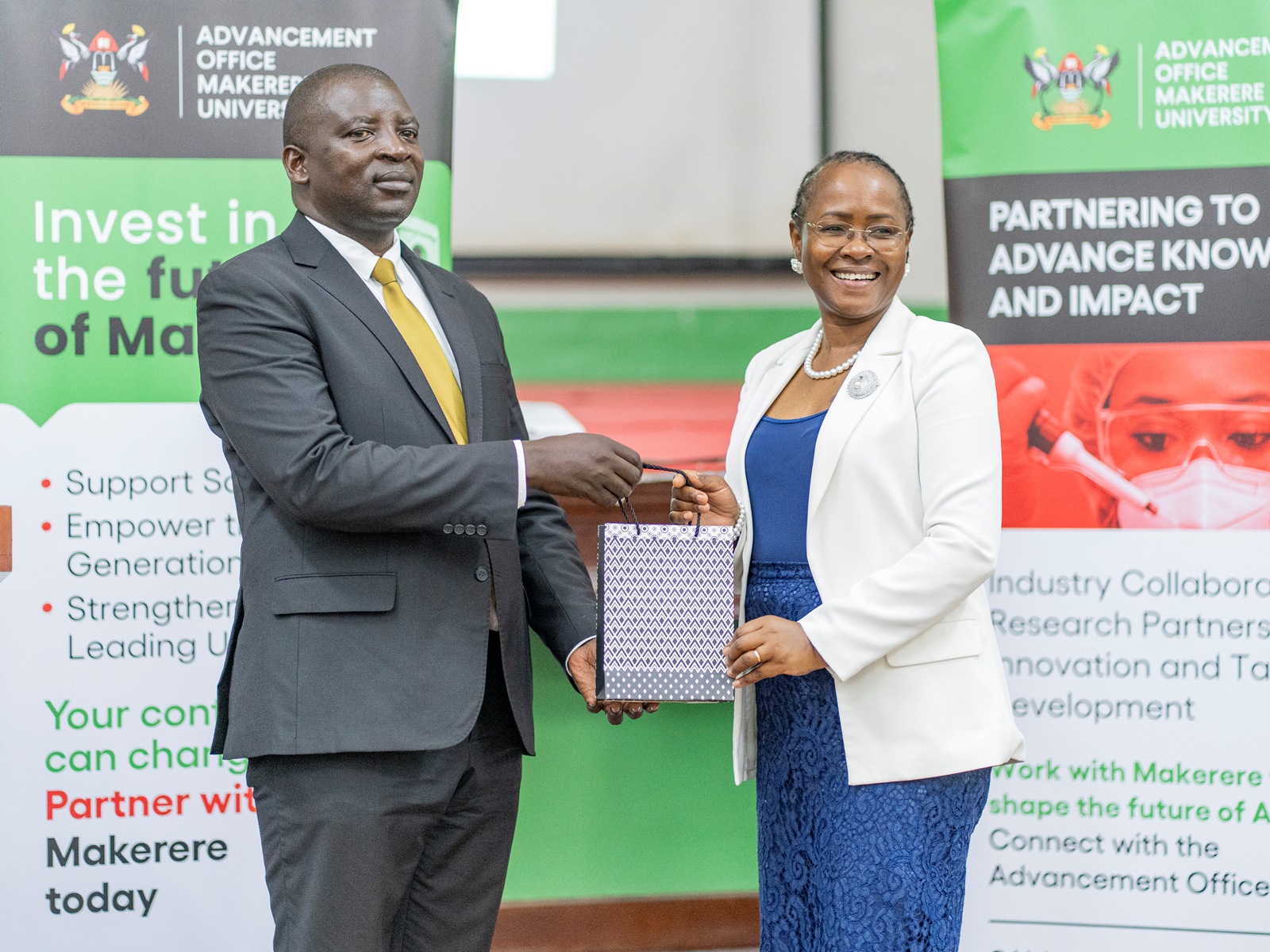
As the championship drew to a close, participants departed Kampala with new friendships, stronger networks and renewed inspiration to continue using debate as a tool for leadership, democratic participation and social transformation.

With the East African chapter successfully concluded, attention now turns to the Pan-African Universities Debating Championship (PAUDC) 2026, where Makerere University will once again represent East Africa on the continental stage.
-
 General4 days ago
Undergraduate Admission Lists 2026/2027
-
 General2 days ago
Freshers’ Joining Instructions 2026/2027
-
 General3 days ago
Admission Lists for Postgraduate Programmes 2026/27
-
 General3 days ago
Makerere University Welcomes 2026/2027 Freshers
-
 General1 week ago
Call for Erasmus+ Mobility Exchanges between Makerere University and University of Perugia