
General
President Museveni Launches National Mindset Education Programme

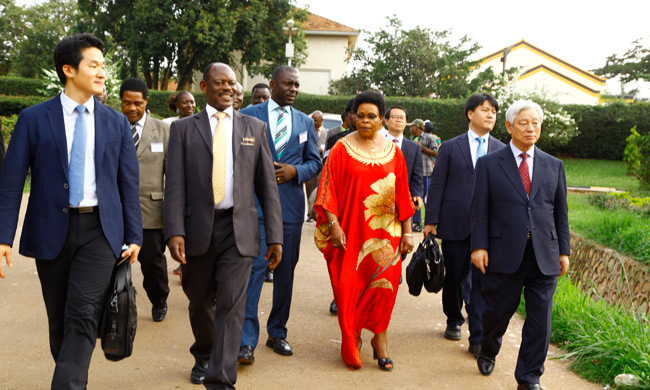
Over time, it has been realized that the citizens’ negative mindsets are some of the key national constraints to development and social transformation. Consequently, the Ministry of Education and Sports signed a Memorandum of Understanding with the International Youth Fellowship (IYF) to focus on creating a system which delivers a radiant mindset and competencies amongst the labor force, responsive to the demands of the country.
The duo, in conjunction with Makerere University, School of Psychology and the Ministry of ICT and National Guidance organized a four-day National Mindset Education Camp whose objective was to sensitize the youth, educators and other stake holders on the importance and necessity of Mindset Education in the Country. The camp taking place from 29th July to 1st August 2017 at Makerere University is in line with the Memorandum of Understanding (MoU) that was signed between IYF and the Ministry of Education and Sports in August 2016 to implement a Mind Education Programme in Uganda.
Officiating at the camp on Sunday 30th July 2017, H.E Gen. Yoweri Kaguta Museveni, the President of the Republic of Uganda launched the Mindset Education Programme aimed at developing citizens with positive attitudes and correct mindsets for national development.
In a speech read by Hon. Beti Kamya, the Minister for Kampala Capital City and Metropolitan Affairs, President Museveni noted that there is need to change the pessimistic attitude that some Ugandan youth have towards life and encourage them to work hard for prosperity. Through Mindset Education, he believes this can be achieved.
“The mind dictates our actions, so when we have an education of the mind as well as a changed attitude, we control our actions. It is our hope that this Mind Education programme will create a strong mind in us to overcome the difficulties we encounter in our lives. This is because knowing that there are always solutions is motivating enough,” the President wrote.
The President mentioned that through the use of mind education, they will be able to promote leadership skills, reduce unemployment and moral deterioration levels and create a unified mindset. Through this, people will start appreciating resources and the current situations to effect change in the country. He said that that Uganda is a rich country whose development is greatly deterred by the negative attitudes of her citizens.
“Uganda is a rich country, but we are still behind because of the poor attitude and mindset to the critical elements that bring about development. Our country is endowed with a lot of resources, both human and physical; all we need is a change in attitude. We need a holistic character education that will bring a substantial advancement by a precise change in the mindset of our people,” H.E Museveni said.
He said that the Mindset Education Programme should awaken the youth and other Ugandans to realize their potential because their ability to be lazy or to work depends on what and how they think. He added that it should also enable them to have cautious mindsets, be properly informed and prepared to embrace the positive attitude about the vast resources in the country.
He thanked the International Youth Fellowship who have partnered with the Ministry of Education and Sports and Makerere University to initiate the action to address the attitude problem in the country, starting with the youth. He affirmed Government’s commitment to addressing the problem of poor attitude of the citizens in order to fix bad situations caused by poverty, ignorance and disease.
The Acting Vice Chancellor of Makerere University, Prof. Barnabas Nawangwe informed the participants that all the aspects the National Mind Education camp aspired to promote were in line with addressing youth mindsets and challenges responsive to national and global needs.
“The dynamic nature today calls for greater support to the young people. With the persisting challenge of youth unemployment, poverty and the rising culture of individualism, it is right that the mindset of the youth are recaptured and re-guided on the path of progress that values the concept of holistic existence,” Prof. Nawangwe noted.
Prof. Nawangwe advised that the young people, being the future of the nation, should be equipped with relevant knowledge and skills to enable them contribute to societal transformation and economic development. He said knowledge and skills alone without mental and spiritual preparation are not sufficient enough for meaningful progress.
Prof. Nawangwe who is also the Deputy Vice Chancellor (Finance and Administration) welcomed the partnership with IYF that puts emphasis on mind education, particularly influencing attitudes and perspectives. He commended the Ministry of Education and Sports for endorsing the Programme and IYF for choosing Makerere University to host the Camp.
Rev. Ock Soo Park, the founder of International Youth Fellowship said that the organization has changed a number of lives of young people globally through mindset education. It teaches the youth and their leaders about the world of hearts, self-control and having a bright and radiant mind.
He pledged to work hand in hand with the government of Uganda and the Ministry of Education and Sports to promote Mindset Education in the country.
Representing the Ministry of Education and Sports, Mr. Nsumba Lyazi, the Director for Basic and Secondary Education at the Ministry and Chairperson of the organizing committee for the camp disclosed that the available literature shows that for one to succeed in life there is need to have a positive mindset. This means having good habits and practices that give one a positive living. According to him, majority of the Ugandan youth are in schools today. If they are given the right education, they will be able to have a positive living and develop good behavior and practices that will enable them to live a better life.
”If the youth who constitute the biggest part of our population are well propelled with good behavior and practices, there is no doubt that our nation will prosper. That is the main reason why we are here in this camp. When you go back to your areas, be ambassadors of mindset education to ensure change and development in your societies and our nation,” he said to the participants.
The Mindset Education Camp runs for 3 nights and 4 days during the months of July and August. It consists of programmes and trainings directed towards enabling the youth overcome their challenges and get a positive mindset through various mind lectures. The participants of the 2017 National Mindset Education Camp participated in various programmes including self-control training, diverse cultural presentations and music performances.
Article by: Mak Public Relations Office

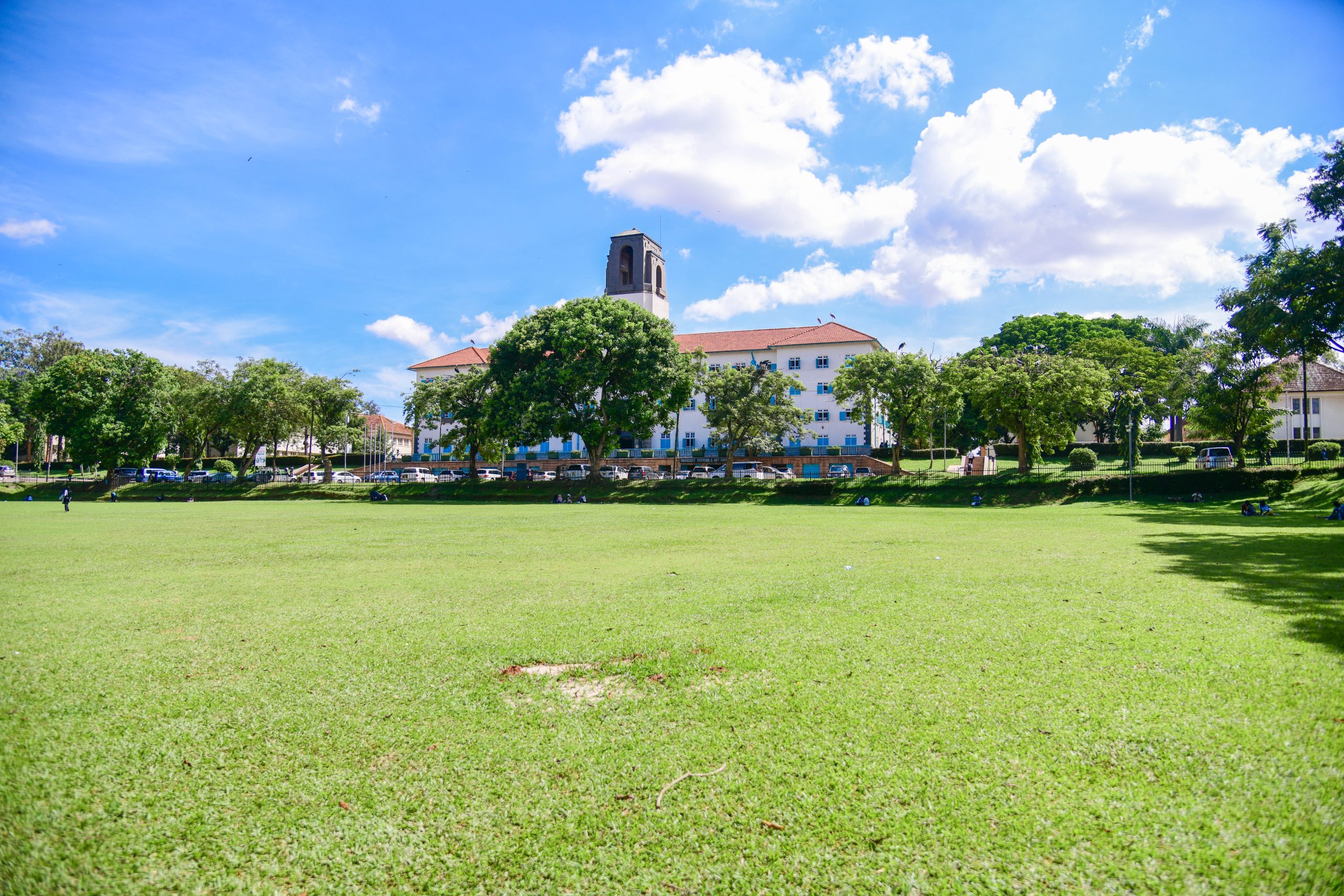

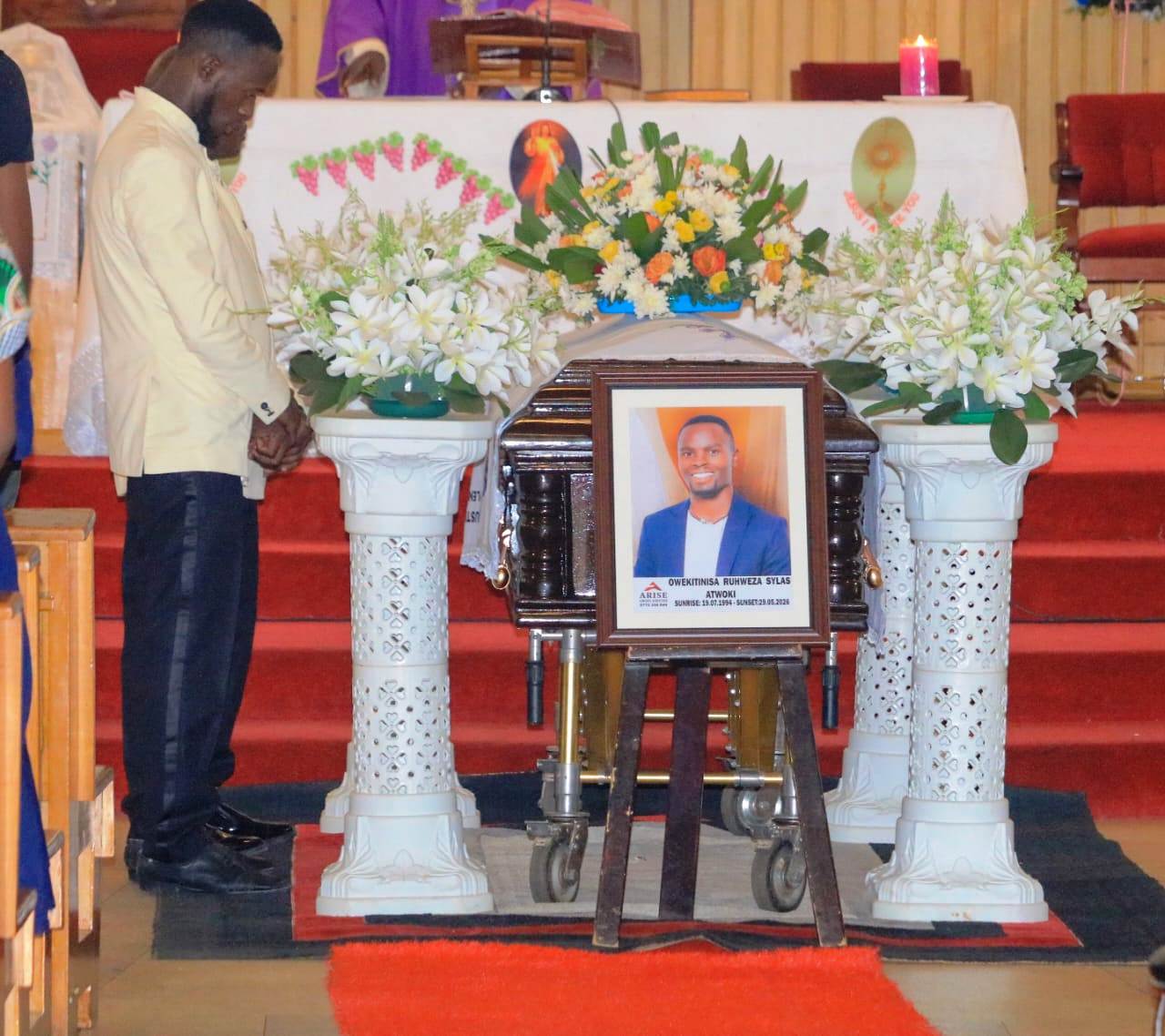
Hundreds of mourners gathered at St. Augustine Chapel, Makerere University on May 30, 2026 to pray for the soul of Mr. Sylas Ruhweza, the first President of the Mastercard Foundation Scholars Alumni Community at Makerere University.
The requiem mass was filled with emotional tributes celebrating Ruhweza’s life of service, leadership and dedication to community causes. Ruhweza passed away on Friday, May 29, 2026, at Mildmay Uganda Hospital.
Speaker after speaker described him as a humble and visionary leader who was passionate about uplifting others and deeply committed to excellence.
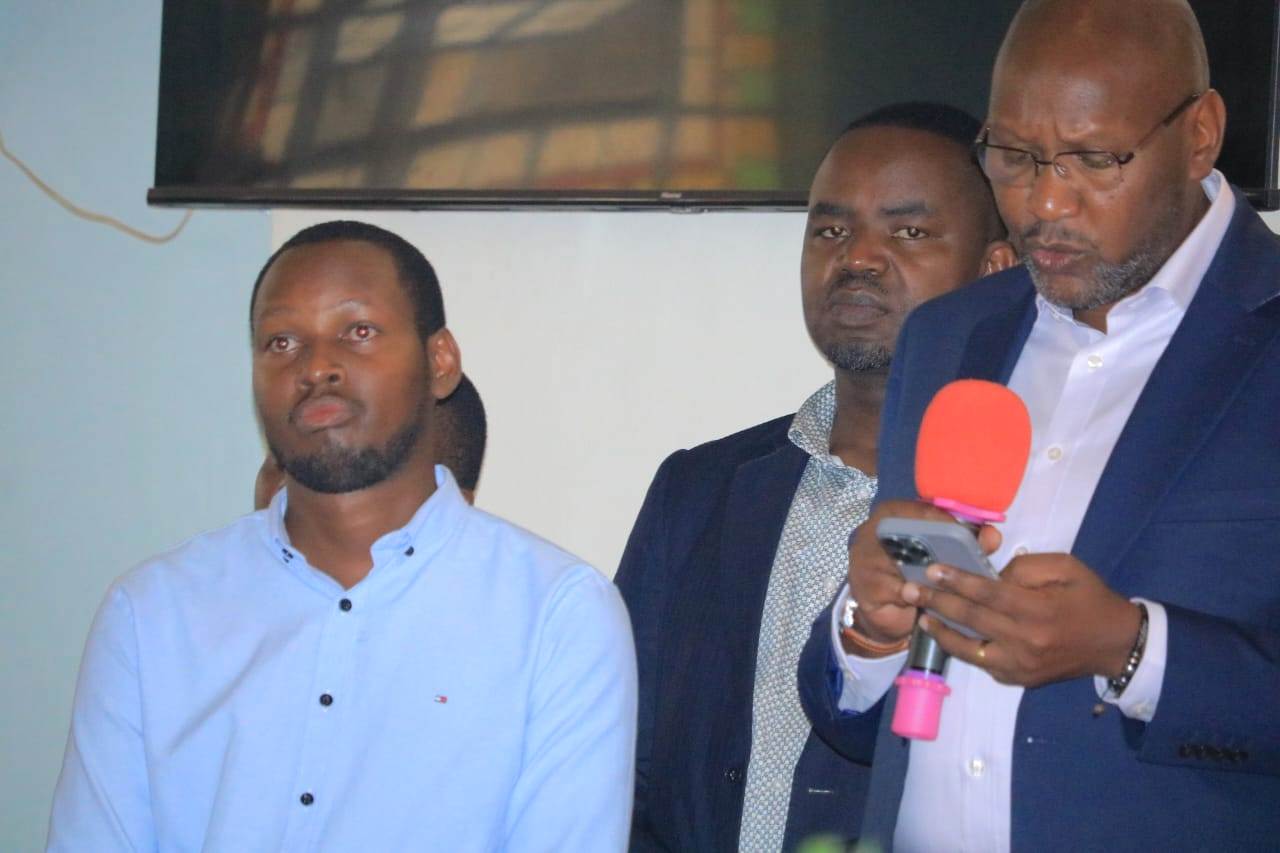
“We thank God for the life of Sylas, for the years he granted him among us, and for the impact he made on countless lives. He carried himself with humility and grace, and wherever he went, he built friendships, inspired confidence, and left people better than he found them,” Tooro Kingdom Prime Minister, Calvin Armstrong Rwomiire Akiiki, said during the Mass.
Mr. Rwomiire urged mourners to honour Ruhweza’s legacy by embracing the values he stood for, including integrity, compassion, hard work, service to community, and his unwavering love for Tooro Kingdom.
The main celebrant, Rev. Fr. Charles Lwanga Makoboza, echoed the message in his homily, reminding Christians to remain rooted in Jesus Christ throughout their lives.
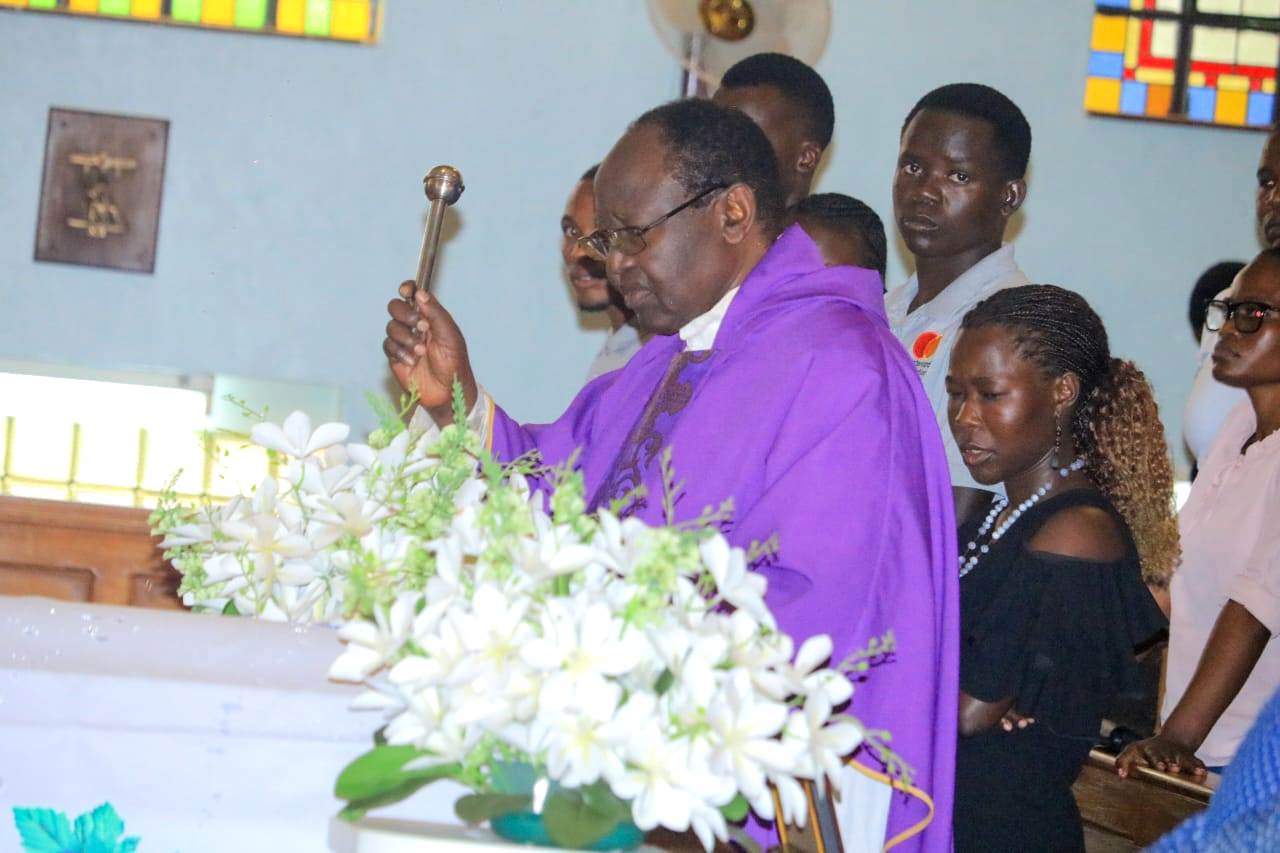
“Sylas has gone to be with God, in a place where there is no pain, missed calls, struggle, corruption, betrayal, jealousy and tears. He is in a place with absolute peace. So, in life, never be the cause of someone’s tears, and if you do, seek reconciliation,” Fr. Lwanga, said.
Fr. Lwanga also reminded mourners that what Ruhweza needs most are prayers, not wreaths.
Speaking on behalf of the family, Ms. Grace Kabasita, Ruhweza’s maternal aunt, described him as a loving and dedicated young man whose life touched many people.
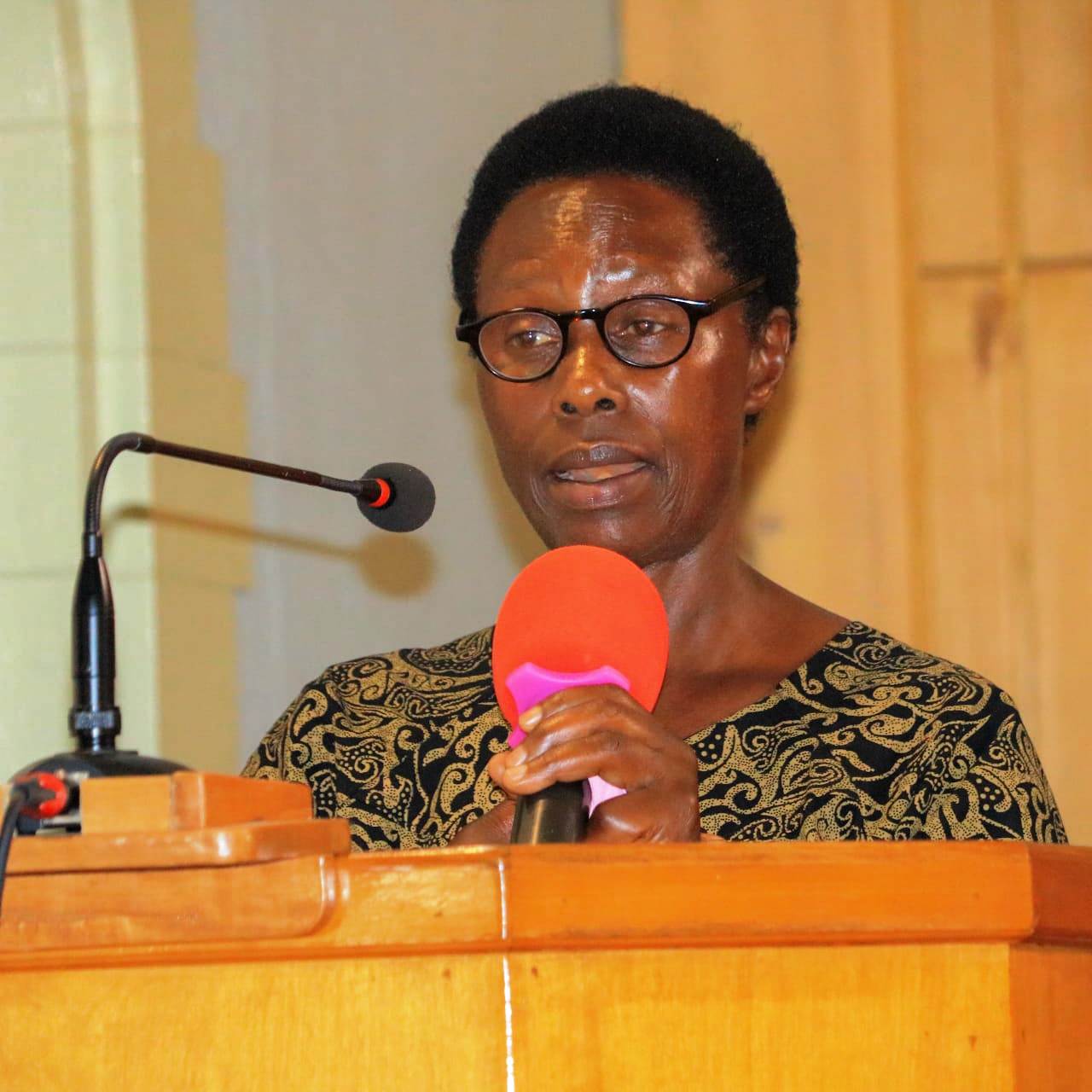
“Sylas was a counsellor, teacher, and a brilliant, loveable young man who fitted into every society. His life was marked by service, friendship, dedication, and commitment to the wellbeing of others and his culture,” she said.
Addressing mourners, Prof Justine Namaalwa, the Coordinator of the Mastercard Foundation Initiatives at Makerere University, noted that though Sylas’s life was cut short, he leaves behind a lasting legacy of service, leadership and impact on the communities he served.
“Sylas, you have gone too soon. But it is well with our souls. May your legacy of Transformative Leadership live on,” Prof. Namaalwa, said.
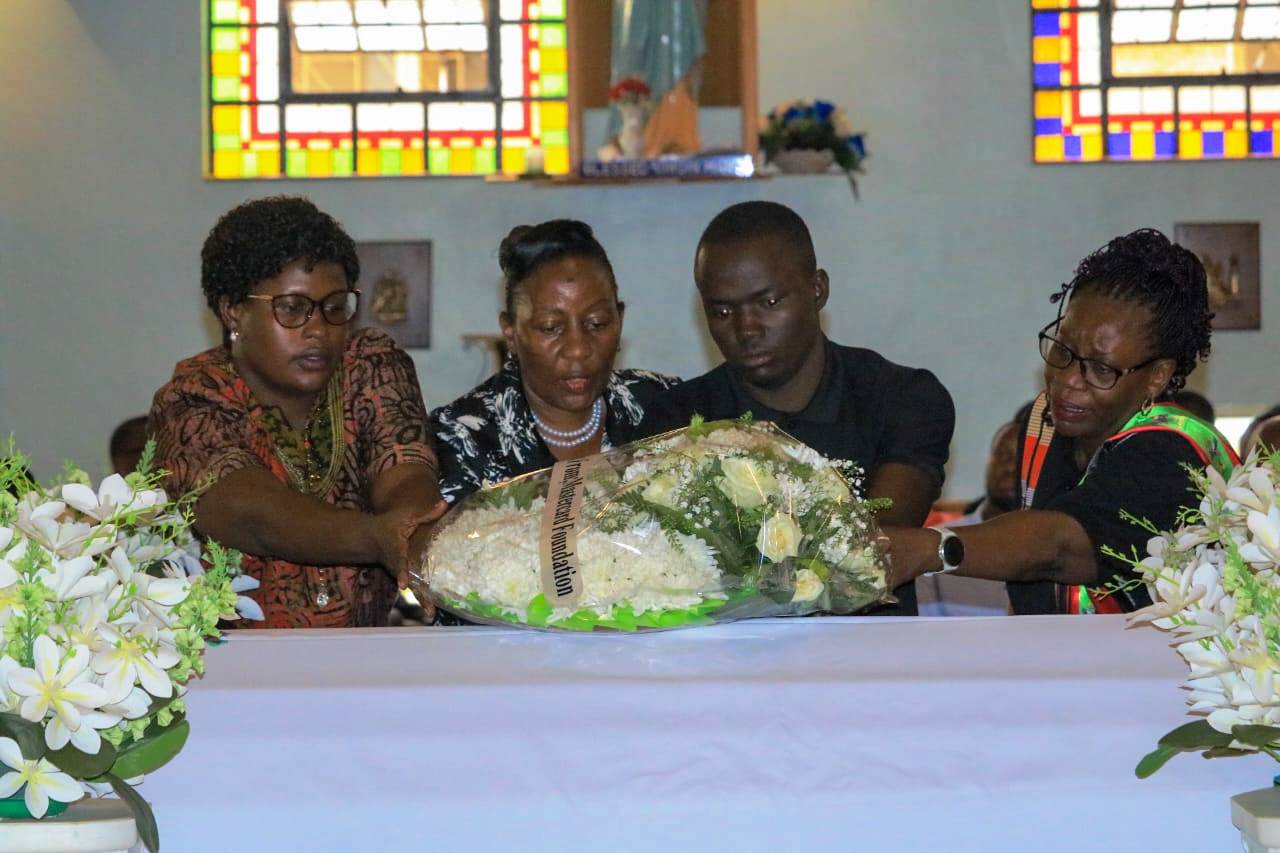
She thanked the Mastercard Foundation for supporting his education through BRAC Uganda, supporting his university education through the Mastercard Foundation Scholars Program at Makerere University, and nurturing his leadership journey through the Youth Advisory Board.
Ruhweeza at glance
Born on 19th July 1994 to the late Mr. Paul Tinkasimire Paul Adyeeri and Ms. Ategeka Margret Abwooli of Bunyangabu District.
The ninth born of eleven children attended Kaboyo Primary School for his Primary Education, and later joined Fort Portal Secondary School where he sat for his O-Level. He then proceeded to A-Level at Hannah International School.
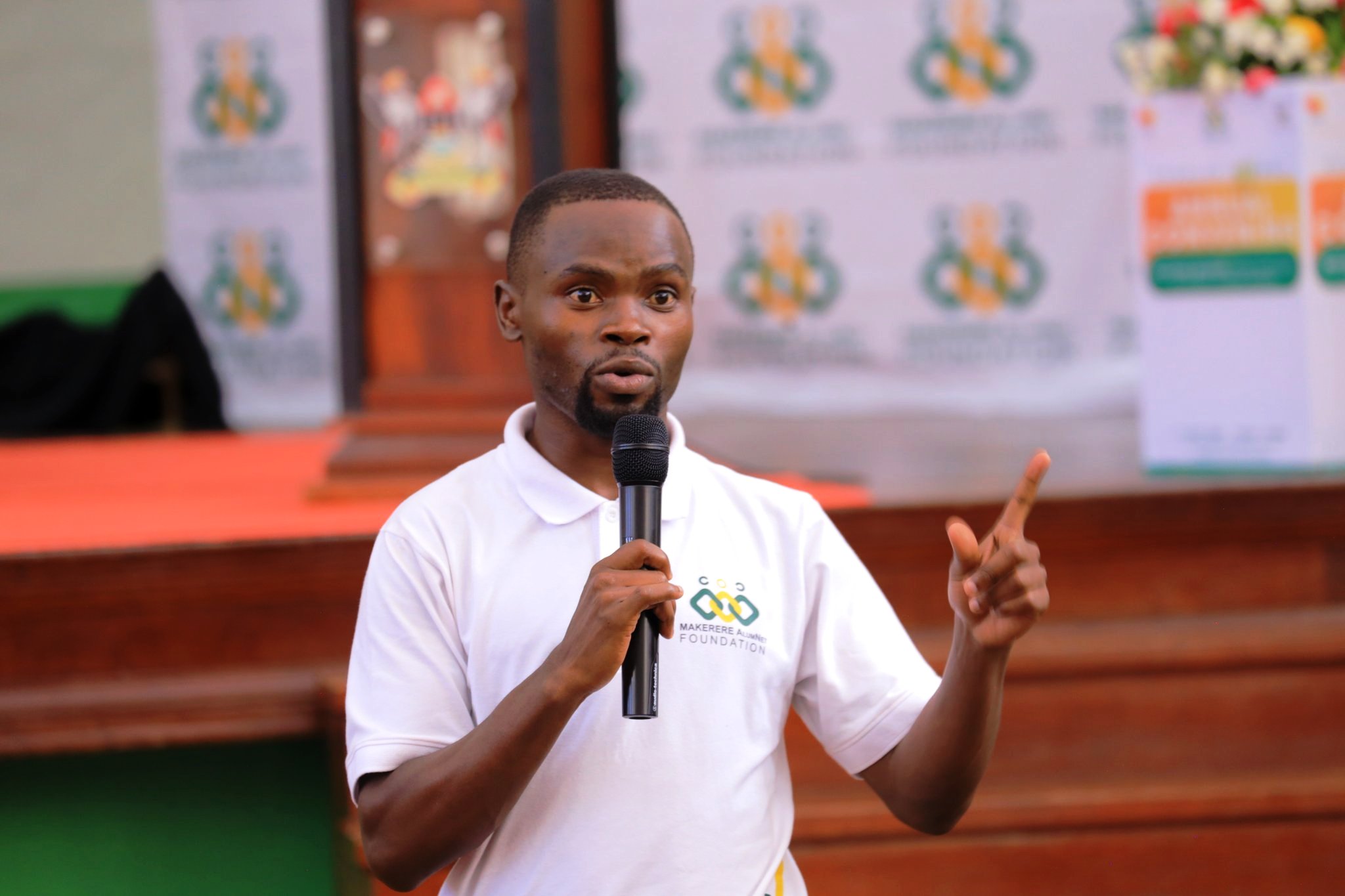
He joined Makerere University and graduated with a Bachelor of Science in Petroleum Geoscience and Production in 2022, supported by the Mastercard Foundation Scholars Programme at Makerere University.
At the time of his passing, he was pursuing a Master’s degree at Victoria University.
Leadership, Service and Professional Contributions
Mr. Ruhweza served as Chairperson of the Mastercard Foundation Alumni Network at BRAC from 2020 to 2022, demonstrating transformative leadership and commitment to social change.
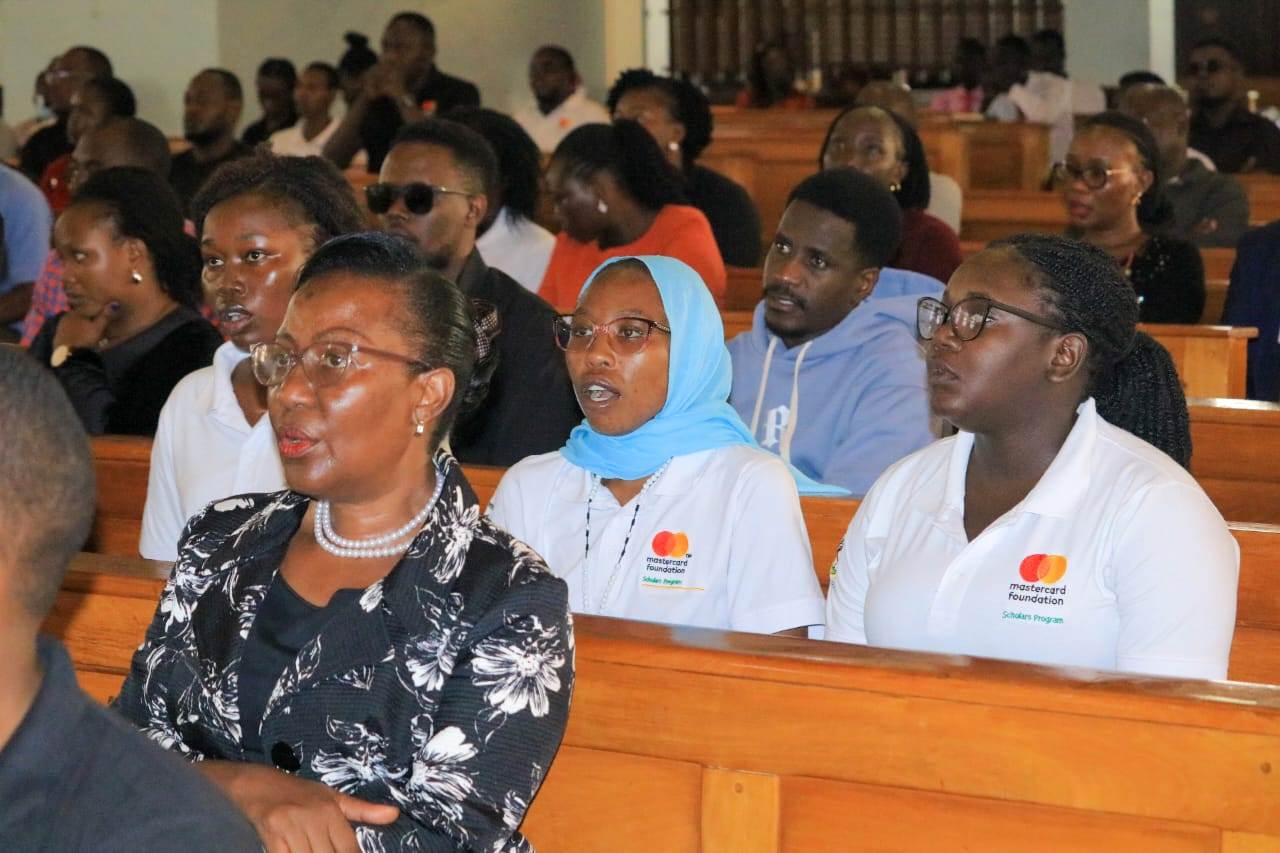
He later became the President of the Makerere AlumNet Foundation, an umbrella organization that brings together the Scholars Makerere Alumni chapter.
He worked as an eLearning Support Officer at the College of Natural Sciences (CoNAS) under the e-learning initiative at Makerere University.
He was a member of the Steering Committee of the Mastercard Foundation Scholars Program at Makerere University, representing the Scholars Makerere Alumni chapter.
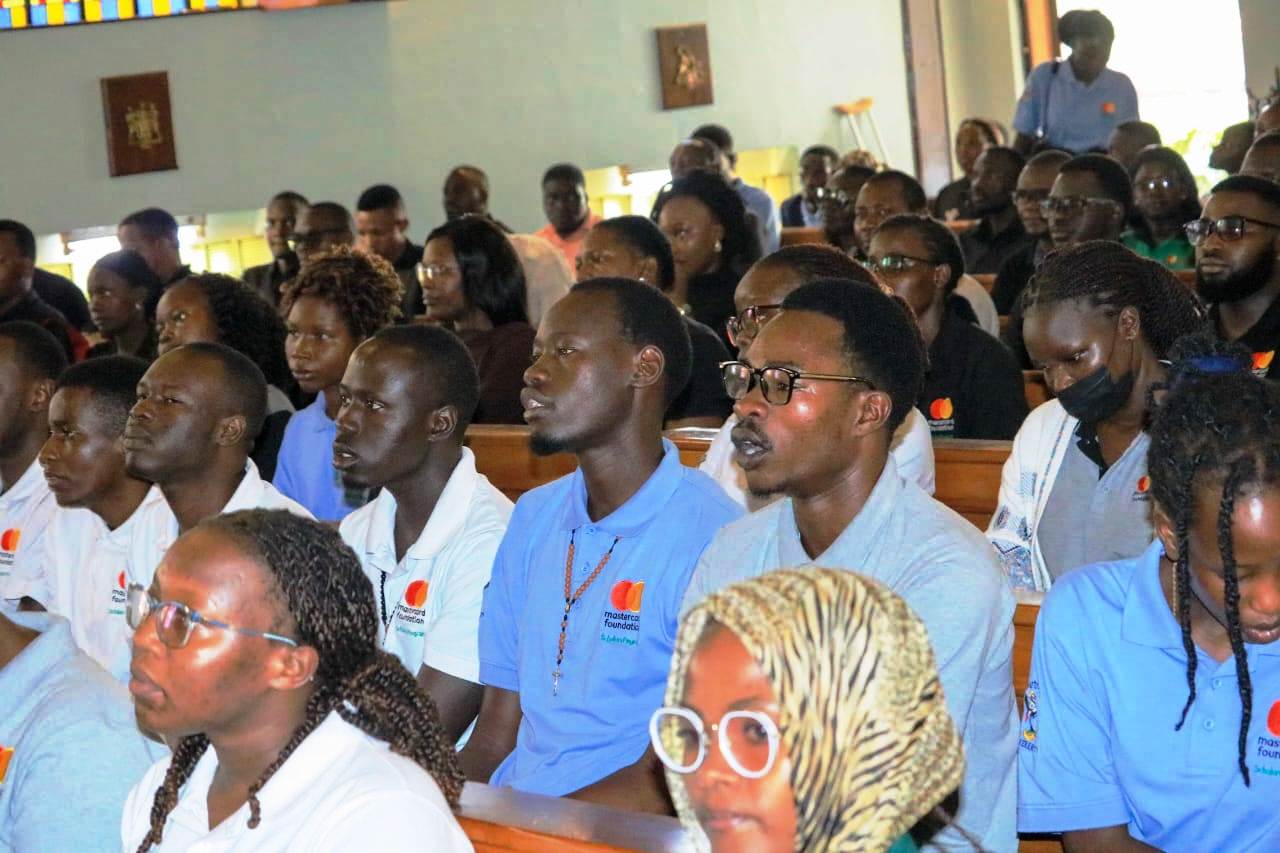
At the time of his passing, he was serving as the Minister of Information in the Tooro Kingdom, Strategy and Engagement Lead for the Mastercard Foundation Alumni Network-Uganda Chapter, and Programme Associate at the Africa Climate Collaborative, one of the Mastercard Foundation initiatives at Makerere University.
Legacy
Ruhweza is remembered for his dedication to education, leadership, mentorship, and community service. He passionately championed youth empowerment, collaboration, and social responsibility.
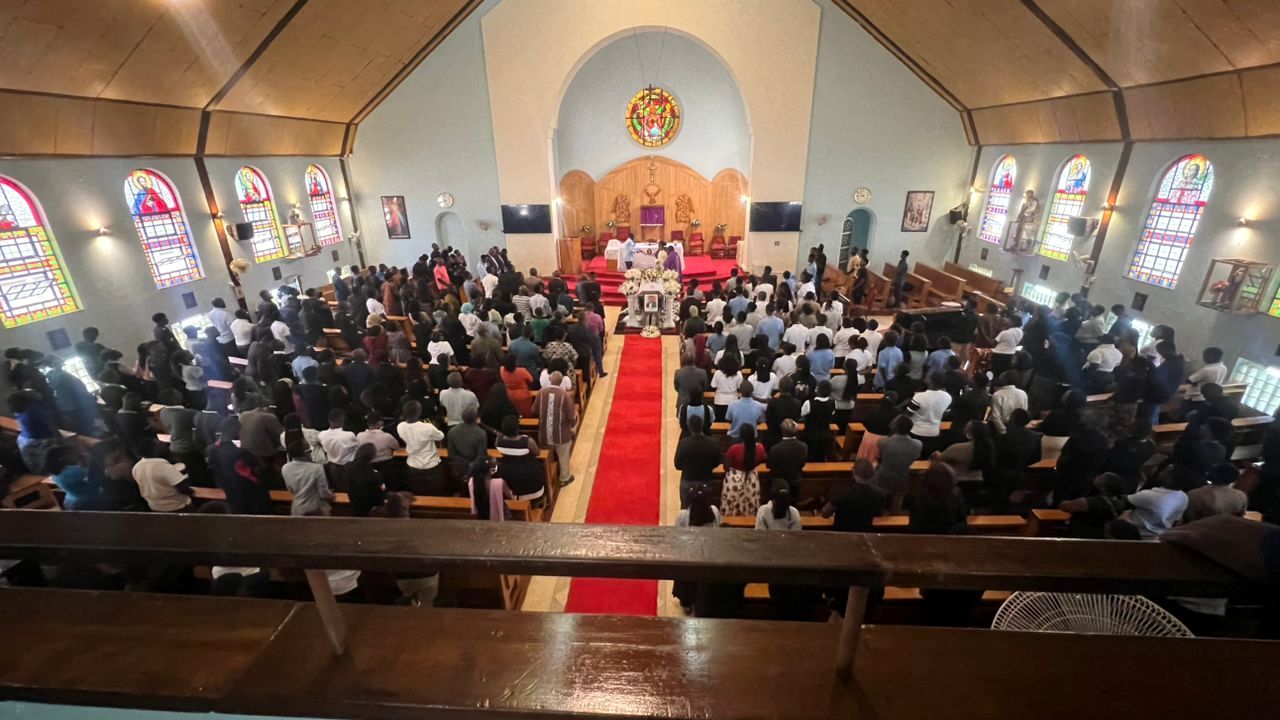
His life reflected the transformative power of education, servant leadership, and a commitment to uplifting others.
May Sylas’s soul rest in eternal peace.

General
Makerere University Pushes for Stronger Support for Research Ethics Committees amid Growing Research Demands

By Moses Lutaaya
Makerere University has intensified efforts to strengthen research governance and ethical oversight, with university leaders calling for greater institutional support for Research Ethics Committees (RECs), whose role has become increasingly central to the institution’s research-led agenda.
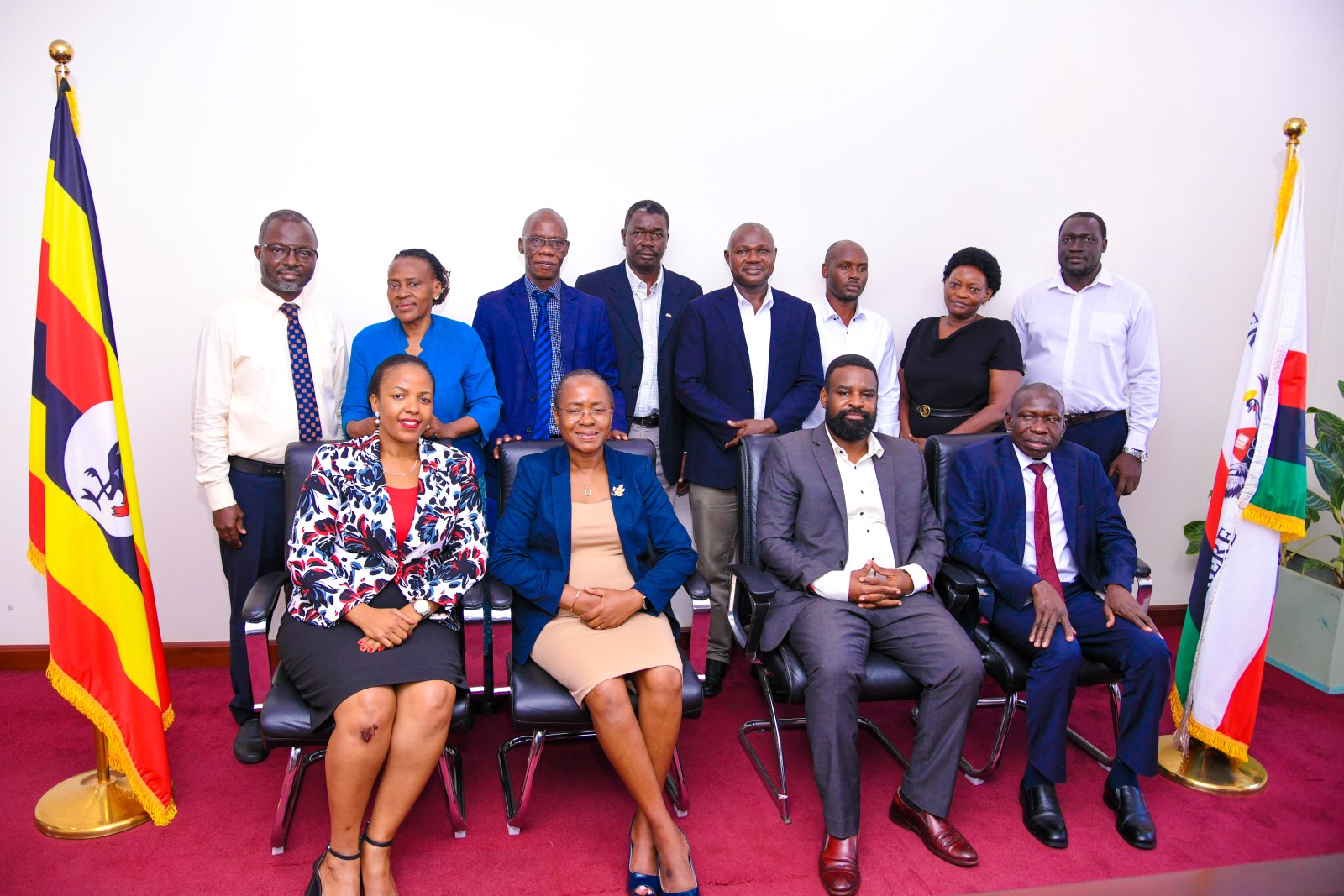
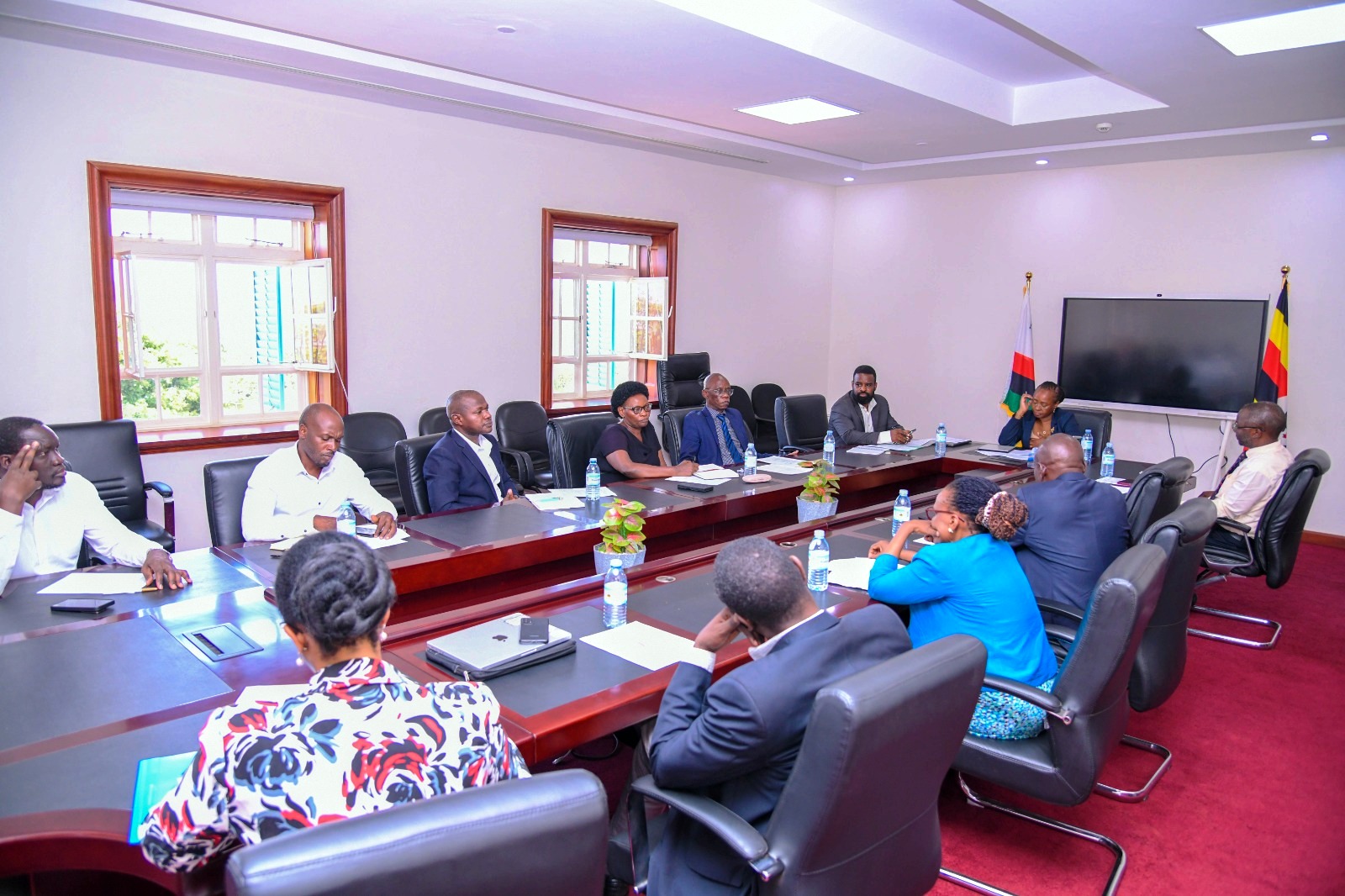
The call was made during a high-level meeting between University Management and Chairpersons of Research Ethics Committees held at the Vice Chancellor’s Boardroom at the Makerere University Main Building on May 25, 2026.
Opening the meeting, the Director of Research Innovations and Partnerships (DRIP), Prof. Robert Wamala, highlighted a number of operational and administrative challenges affecting the effectiveness of RECs at Makerere University.
Prof. Wamala observed that RECs continue to operate with gaps in institutional framework outlining their position within the university governance structure, a gap he said has affected institutional support and long-term sustainability.
According to Prof. Wamala, inadequate facilitation continues to affect the operations of several committees, especially in areas of staffing, administrative coordination, and remuneration for REC administrators.
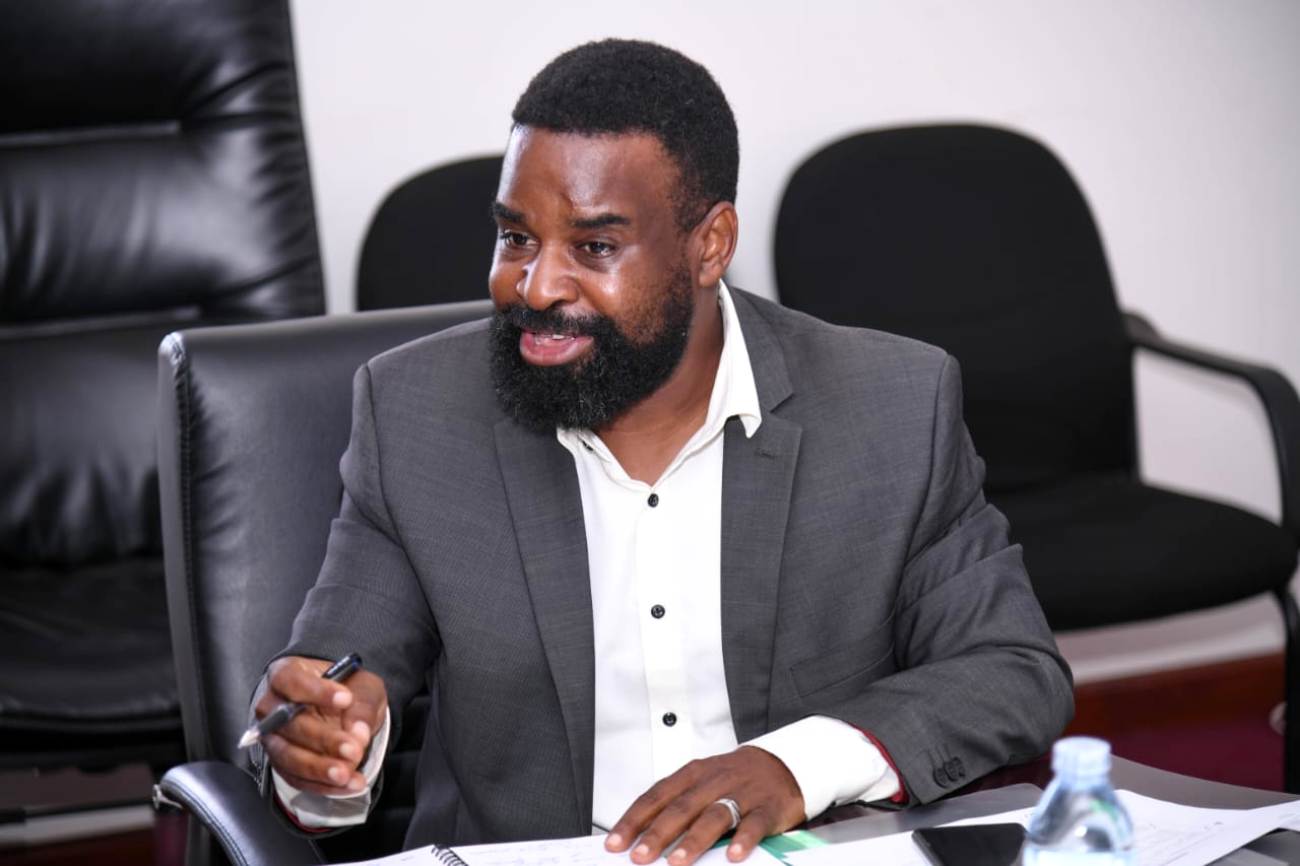
He also pointed to challenges arising from new regulatory requirements governing the appointment of REC members, particularly the need for appointment letters to be authorized or signed by the Vice Chancellor.
Prof. Wamala further raised concern over the high cost of mandatory accreditation and training processes required by the Uganda National Council for Science and Technology (UNCST), especially the Good Research Regulatory Practice (GRRP) training undertaken every three years. “Payment for training is too high for individual RECs to cover,” he noted, adding that many committees are struggling to independently raise the money to undertake the training for all their members.
He also emphasized the need for stronger institutional monitoring systems to support timely submission of accreditation renewal applications, oversight of approved research activities, and coordination of REC operations across the university.
In her remarks, the Deputy Vice Chancellor in charge of Academic Affairs, Prof. Sarah Ssali, commended the growing contribution of RECs in advancing Makerere University’s research agenda and acknowledged the concerns raised by Prof. Wamala and committee members.
“There were not very many RECs,” Prof. Ssali said. “So now that we are 10, it is really impressive because it speaks to our cause for a research-led university.” She admitted that despite their importance, many RECs still operate outside the formal university establishment, making staffing and operational support difficult.
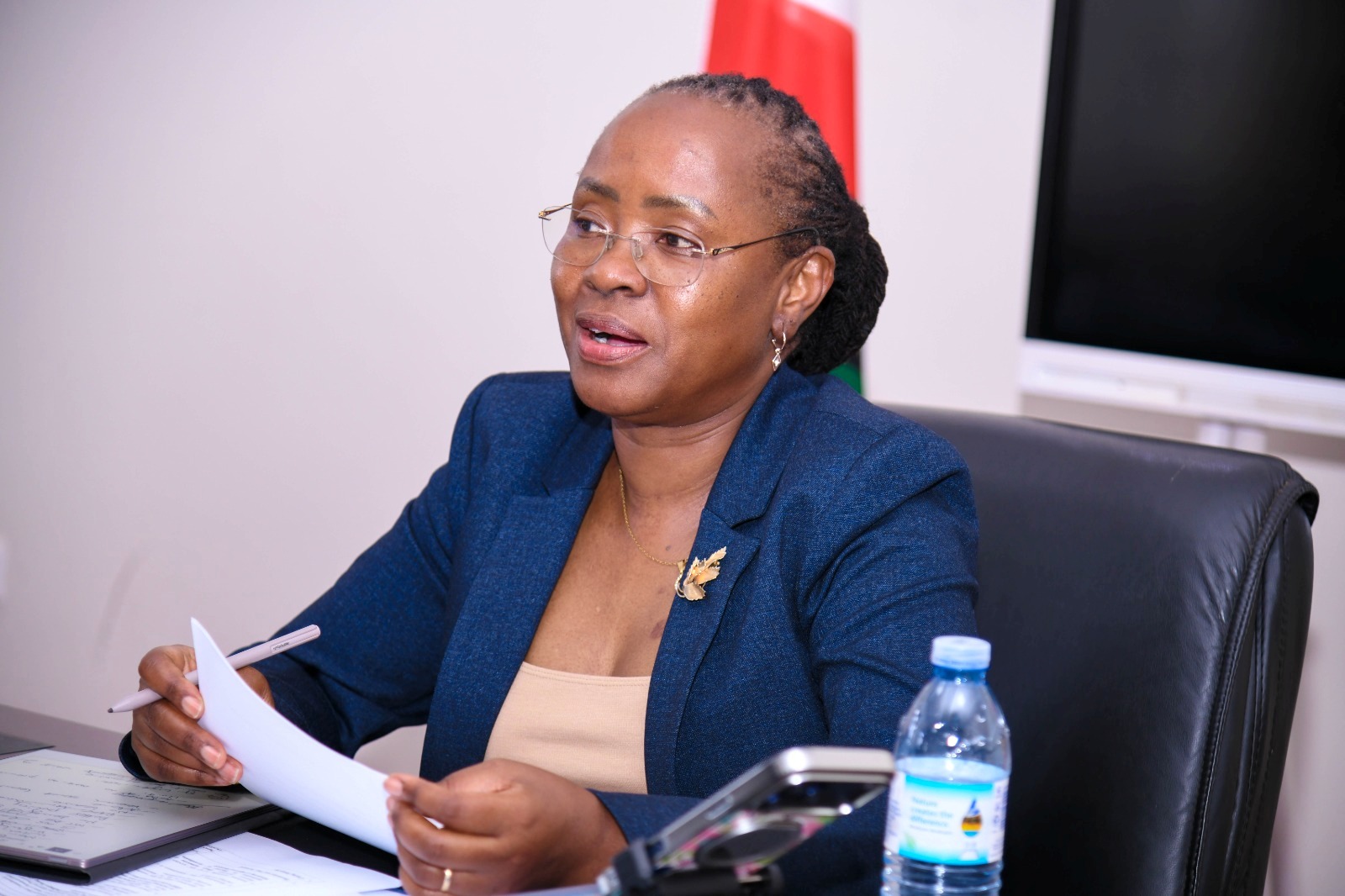
“The only challenge that I see is that they are not fully institutionalized. So it is upon units to start them or not to start them,” she explained. Prof. Ssali added that because RECs are not fully integrated into the public service structure of the university, recruiting and remunerating staff through conventional university systems remains complicated. “Hiring for them staff will be a little bit cumbersome because the university will say they are not part of our structure,” she said.
She nevertheless emphasized that university management recognizes the strategic importance of RECs in strengthening ethical research oversight and supporting Makerere’s position as a research-led institution. “RECs are doing a great job of furthering our strategic agenda of being a research-led university,” she noted.
Prof. Ssali explained that the growing reliance on institutional RECs by the Uganda National Council for Science and Technology demonstrates the trust placed in Makerere University’s ethical review systems.
Addressing concerns about the cost and frequency of mandatory training, Prof. Ssali acknowledged the financial burden on RECs but explained that many of the requirements are set by national regulators. “Many of the things you have raised are with National Council, they are not with us,” she said. “We can only pledge to lobby.”
To address logistical challenges associated with training senior academics, she proposed more flexible scheduling arrangements. “For a professor to give you a whole day is going to be a challenge,” she said. “Maybe you can do half days throughout the week.”
Prof. Ssali also encouraged colleges and schools to allocate part of their enhanced research budgets toward supporting REC activities, including staffing, training, and operational facilitation.
She suggested that colleges and schools hosting RECs should directly take responsibility for sustaining them. “For me, that’s the way out — to ensure that the colleges and schools that have RECs take them as their responsibility,” she noted.
The DVC-AA also addressed concerns related to intellectual property rights, Material Transfer Agreements (MTA), and the need for researchers to formally communicate scientific discoveries and innovations to the university to ensure institutional protection and benefit-sharing. “All you are saying is true, but it depends on you as researchers informing the institution that we have made this discovery,” she said.
Prof. Ssali reiterated Makerere University’s commitment to strengthening research governance systems and pledged continued engagement with both university management and national regulatory bodies to address the concerns raised by REC members. “Where they are, they enable research, publication and growth,” she said of the RECs. “Most importantly, they enable us to be ethical with the way we do our things.”
The meeting was attended by chairpersons of the various Research Ethics Committees across Makerere University and affiliated institutions. These included Dr. Ponsiano Ochama from the School of Medicine Research Ethics Committee (SOM-REC), Dr. Moses Ocan from the School of Biomedical Sciences Research Ethics Committee (SBS-REC), Dr. Paul Kutyabami from the School of Health Sciences Research Ethics Committee, Dr. David Kyaddondo from the Uganda Cancer Institute Research Ethics Committee, Dr. Stella Neema from the School of Social Sciences Research Ethics Committee (MAKSS-REC), Dr. Joseph Kagayi from the School of Public Health Research Ethics Committee, Dr. Joseph Kateete from the Infectious Diseases Institute Research Ethics Committee, Dr. Fred Okuku from the Uganda Heart Institute Research Ethics Committee, Dr. Kassim Sadik from the College of Agricultural and Environmental Sciences Research Ethics Committee, and Dr. Eddy Walakira from the College of Business and Management Sciences Research Ethics Committee.
The discussions reflected Makerere University’s broader ambition to consolidate its position as a leading research-intensive institution while ensuring that ethical standards, accountability, and innovation protection remain central to its academic mission.
-
 General1 week ago
Applications for Admission to Undergraduate Programmes 2026/27
-
 Agriculture & Environment3 days ago
Tribute To Professor Abwoli Yabezi Banana (1951–2026)
-

 General4 days ago
Sylas Ruhweza: A Brief Life Marked by Meaningful Accomplishments
-

 Law2 weeks ago
13th Edition of the CLE Moot Competition
-

 Health1 week ago
Call for Applications: Masters Support in Self-Management Intervention for Reducing Epilepsy Burden