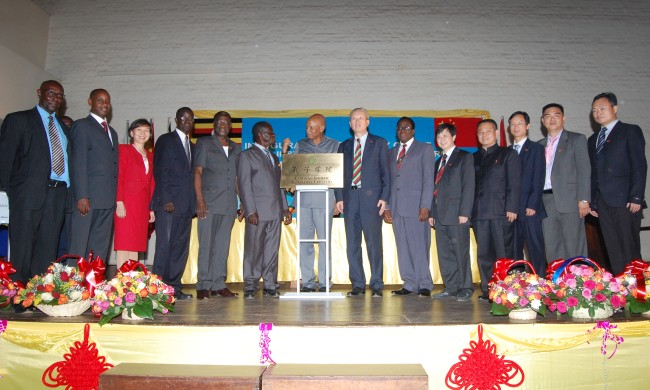
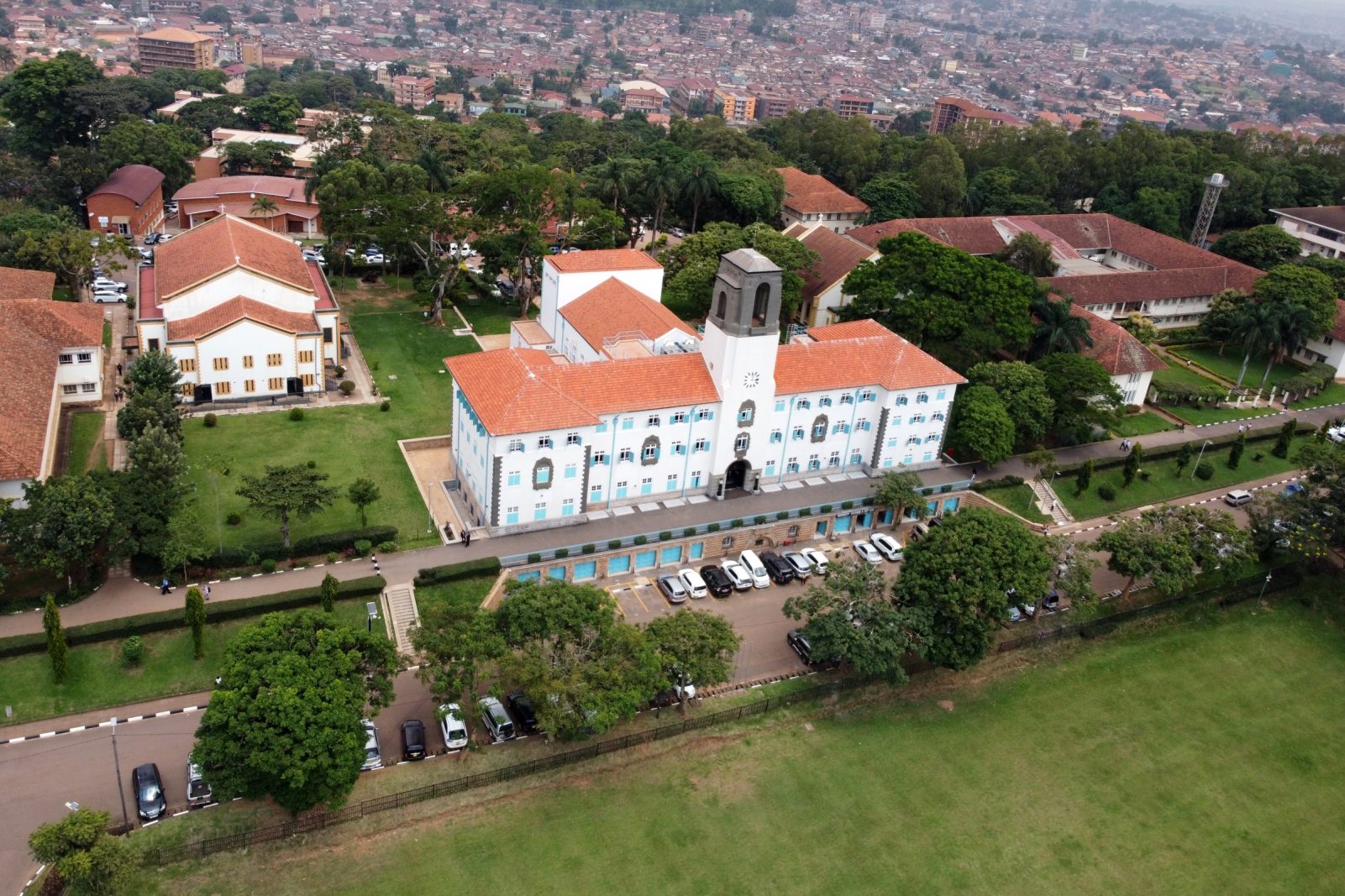
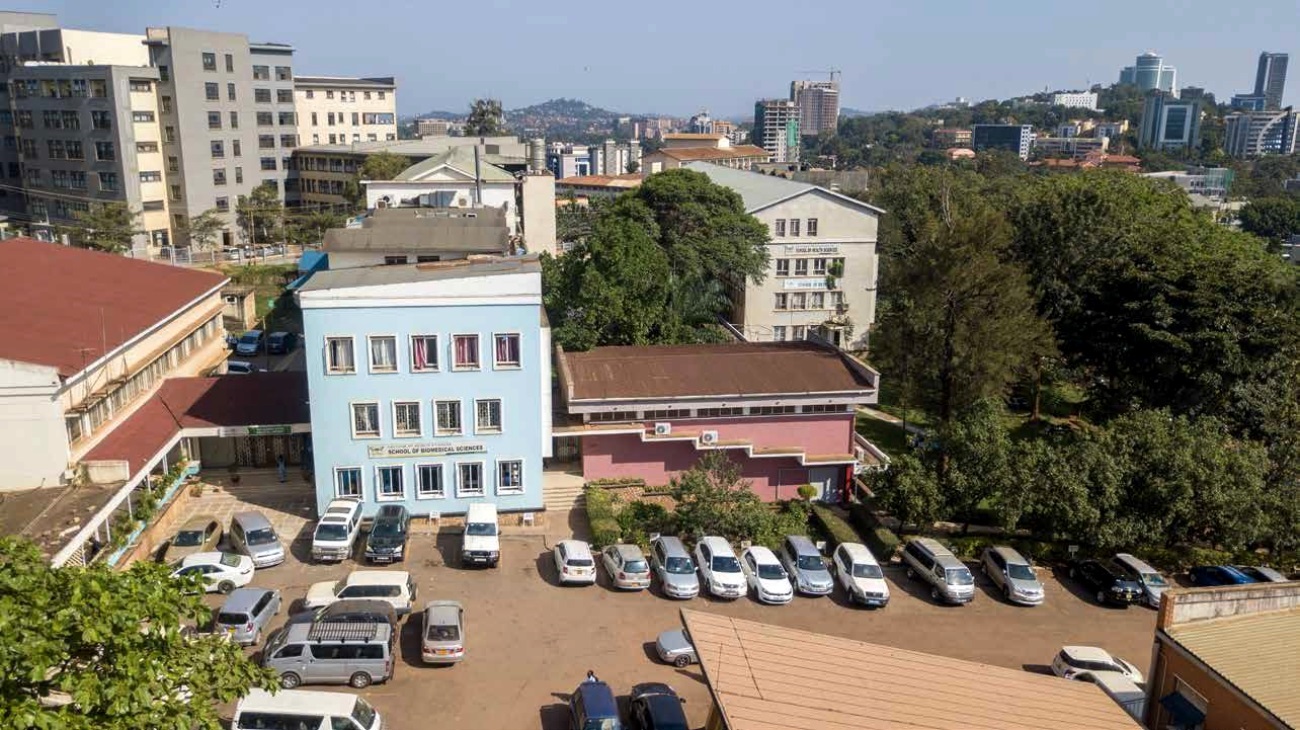
Makerere University together with the Government of China and Xiangtan University launched the Confucius Institute at a colorful ceremony, held on 19th December 2014 in the University's Main Hall. The launch was as result of long term partnership between Makerere University and Xiangtan University to train and teach Chinese language and culture in Uganda.
The first of its kind to be established in the country, the Confucius Institute is a non–profit public institution, born out of the genuine cooperation between Makerere University and Xiangtan University since 2010. The institute hosted by Makerere University with support from the Government of the Peoples Republic of China will offer courses in Chinese to Makerere university students, staff and members of the general public interested in learning Chinese for all purposes. The Confucius Institute will also be a centre for promoting cultural and business ties between the people of Uganda and China.
The Vice Chancellor Prof. John Ddumba-Ssentamu, appreciated the Government of China for choosing Makerere University to host the first Confucius institute in Uganda.
“The establishment of Confucius Institute at Makerere University is indeed an important milestone in the history of cooperation between Uganda and China. I therefore thank the Confucius Institute Headquarters (Hanban), the Embassy of the Peoples Republic of China in Uganda and Xiangtan University for the financial and material support rendered towards the establishment of the institute”
Prof. Ddumba-Ssentamu also advised Ugandans to utilize this chance to learn Chinese so as to broaden their cooperation with Chinese nationals as it is one of the fastest ways to bring development and modernization to Uganda‘s economy.
“As you may be aware, China is currently one of the fastest growing economies in the world and its influence in global affairs cannot be underestimated. Therefore, as the interaction between Chinese and Ugandan businesses continues to grow, communication becomes more important. I believe that, with our collective efforts, the Confucius Institute will surely act as a window for Ugandans, especially the youth, to understand and study Chinese culture,” he said.
In his speech read by the State Minister in the Office of the Vice President, Hon. Vincent Nyanzi, The Vice President of Uganda His Excellency Edward Kiwanuka Ssekandi noted that language is a key component to culture which is a core determinant of a people’s identity. The Vice President said that understanding Chinese language will acquaint Ugandans with Chinese norms and values that have influenced China’s fast growing economy.
“Ugandans need to study Chinese to be able to associate with such a vibrant economy in politics, commerce, culture and general trade. Uganda established diplomatic relations with the People’s Republic of China in 1962 and has since enjoyed excellent relations in bilateral trade, cultural exchange, technology and scientific transfers, modernization of our security forces agricultural and industrial modernization” read the Vice President’s speech.
In his remarks, the Chancellor of Makerere University, Prof. George Mondo Kagonyera, hailed the strengthened cooperation between the China and Uganda in various sectors including education and business. He said through technology, the world has become more connected and Ugandans can no longer afford to live in isolation, especially from countries like China that have influenced events on the global stage.
“The rest of the world cannot afford to do without China. The Confucius Institute therefore offers an opportunity to Ugandans to learn more about China. I hope that it will not only focus on teaching the language but also the work quality and ethical values of the Chinese people,” he said.
Speaking at the ceremony, the Ambassador of the Peoples Republic of China in Uganda, H.E. Zhao Yali, said the Institute would further enhance cooperation between Uganda and China, “With the growing relations between our two countries, more and more Ugandans are visiting and studying in China, and many Chinese choose Uganda as their travel and investment destination.”
“The demand for learning Chinese and understanding Chinese culture among Ugandans has increased in the recent years. The Confucius Institute at Makerere University will provide a great platform for Ugandans to better understand Chinese language and culture” the Ambassador added
During the ceremony, Mr. Chu Maoming, Counsellor, Embassy of the People’s Republic of China in Uganda, read a letter from Madame Xu Lin, Chief Executive of the Confucius Institute Headquarters in Beijing congratulating Ugandans upon their “landmark achievement”.
After a sumptuous dinner, guests were treated to different activities including; martial arts displays, Traditional Chinese dressing, and entertainment from the Confucius students.
On the evening of Friday, 13th February 2026, the Scholars of Mastercard Foundation embraced the new semester with enthusiasm and celebration, showcasing their rich cultural diversity at the annual cultural dinner. This event not only fostered a sense of community but also highlighted the importance of cultural exchange and understanding among the scholars. The purpose of the cultural dinner is to foster unity in diversity within the Scholars community and to enable young people to appreciate and respect each other’s cultural differences.
Ladies showcasing the gomesi, Baganda women traditional wear.
The Mastercard Foundation Scholars community at Makerere University is a vibrant tapestry of countries, cultures, and backgrounds. In recognition of this richness, the Program team has proposed organising an annual cultural dinner to kick off each new semester. This event aims to achieve several important objectives:
Promote mutual understanding and cross-cultural appreciation among Scholars.
Celebrate and highlight the unique cultural identities within our community.
Encourage confidence and creativity through a dynamic talent showcase.
Foster a sense of unity and excitement as we embark on the new academic semester together.
Ms. Grace Namata Sennoga, the Principal Welfare Officer and convener of the event addressing Scholars.
During the event, the Scholars proudly showcased their diverse cultures through a vibrant display of traditional attire, engaging dances, delectable dishes, and meaningful expressions in their native languages. The event showcased a rich tapestry of cultures, including the Baganda from Central Uganda; the Banyankore, Bakiga, Batooro, and Banyoro from Western Uganda; the Acholi from the North; the Karamojong from the Northeast; and the Basoga and Bagisu from the Eastern region, among many other indigenous tribes in Uganda. Additionally, attendees enjoyed cultural performances from South Sudan, Rwanda, and the Democratic Republic of Congo, celebrating the unique heritage of each community.
Some of the Program Staff who joined Scholars in showcasing their cultural attire.
The event also featured a vibrant showcase of cultural attire, accompanied by traditional songs and dances. Attendees enjoyed cultural dress modelling, engaging performances, art displays, and interactive quizzes, culminating in exciting prizes awarded to outstanding performers. This diverse array of activities contributed to a rich celebration of creativity and cultural exchange.
Ladies showcasing the Mwenda, Western Uganda women cultural wear.
The Mastercard Foundation Scholars Program at Makerere University is committed to fostering holistic development, community building, and leadership among Scholars. At the start of each semester, the Program Team hosts a cultural dinner to reconnect the Scholars community, share key Program updates, and create an inclusive space to strengthen belonging and engagement. The cultural dinner is a critical platform for raising awareness of the need to appreciate and respect cultural diversity.
Bernard Buteera is the Principal Communications Officer for the Mastercard Foundation Scholars Program at Makerere University.
More Photos from the Dinner
Some of the guests clad in their cultural wear.Miss Culture 2025-2026.The event Emcee clad in her traditional African wear.The Bagisu boys showcasing their Imbalu cultural wear.Scholars showcasing the Acholi cultural dance.Prizes won by outstanding participants.
The degree of attentiveness was at its peak in the Yusuf Lule Central Teaching Facility (CTF) Auditorium as Ms. Janet Nabukeera addressed support staff during a Safeguarding and Inclusion training. Her words were firm, direct and reflective. Ms. Nabukeera, the Deputy Human Resource Officer in charge of Performance and Payroll, emphasized that a negative attitude in the workplace creates a toxic environment where colleagues feel hesitant to collaborate or share ideas.
“Avoid unnecessary confrontations with colleagues because jealousy and anger destroy more than they build. When you hold grudges at work, you slowly burden your own heart and mind. Stress can take a toll on your health and productivity. Safeguard yourself by choosing peace, love yourself first and extend that same grace and respect to others.” Ms Nabukeera, cautioned.
Ms. Janet Nabukera (on stage) listens during an interactive session with support staff.
The training attracted over 300 Support Staff Members, including Security Personnel, Cleaners, Hall Attendants, Administrative Assistants, Librarians, and Laboratory Support Teams from across the University.
In his remarks, Dr. Rodney Rugyema, the Acting Principal Warden, urged staff to have a positive attitude towards their jobs and encouraged them to ensure that students, fellow staff and visitor’s feel safe, respected and protected.
“You are the eyes and ears of the University, while you may not deliver lectures, you are often the first to notice when something is wrong. So you have to promote an environment free from bullying, discrimination, neglect and intimidation. You have to ensure secure hostels, well-lit walkways, functioning locks and safe laboratory environments,” Dr Rugyema, said.
Makerere University has a duty of care to do no harm and promote the wellbeing of all students, staff, and other University community stakeholders. It seeks to enhance the learning environment to make it more secure, inclusive, and ethically sound for all stakeholders.
The Makerere UniversitySafeguarding Policy lays out the University’s framework for embedding viable safeguarding measures into its ethos and all institutional activities and processes to: Identify, detect, and swiftly act on safeguarding risks; prevent the occurrence of harm; provide mechanisms for reporting all allegations or incidents that have occurred; respond appropriately to all reported incidences; and, continuously monitor, evaluate and learn from practices and experiences of managing safeguarding concerns.
“Safeguarding is not only for lecturers or University Management, it is everyone’s responsibility, If you have someone mistreating you, or you come across any risk, do not suffer in silence report through the MakSafeSpace,” Dr Rugyema, said.
Dr. Rodney Rugyema.
The MakSafeSpace is the e-reporting platform complimenting the other University traditional reporting channels. It is an inclusive platform that provides for confidential modes of reporting safeguarding risks and incidences.
As the session concluded, there was a renewed understanding among participants that safeguarding is a collective duty. From the security guard at the gate to the cleaner in the Hall of Residence, it was clear that every staff member contributes to creating a safe and respectful learning environment.
To involve and create opportunities for students and staff members with disabilities, Light for the World Uganda trained the support staff to become inclusion champions.
Mr. Musa Mwambu, the Disability Inclusion Advisor at Light for the World Uganda, called upon staff to remove barriers limiting the full participation of students and colleagues with disabilities, in line with the UN Convention on the Rights of Persons with Disabilities.
“Just like any other person, people with disabilities have the right to education, health, and protection. Society has the duty to remove barriers that block participation. When barriers are removed, disability no longer limits opportunity,” Mr. Mwambu noted.
Drawing from his own lived experience as a person with a disability, he shared how access to the right support systems enables him to communicate effectively and perform daily tasks.
“It is about putting the right conditions in place to participate fully in society. We need multi-stakeholder collaboration to remove barriers and achieve an inclusive society,” he said.
Justine Namuddu addresses colleagues.
Justine Namuddu, the Support Staff representative on the Makerere University Council, thanked the organizers for the insightful workshop. She reminded fellow staff that Makerere University is a home for everyone and urged them to take care of it.
“Fellow members, as you carry out your duties, ensure that you observe both emotional and intellectual safety. Before sharing information, first verify whether it is true. Safety is being at peace with yourself and with others,” Namuddu emphasized.
She also encouraged younger staff members to take advantage of educational opportunities provided by the University, noting that those who wish to continue with their studies may apply for tuition waivers.
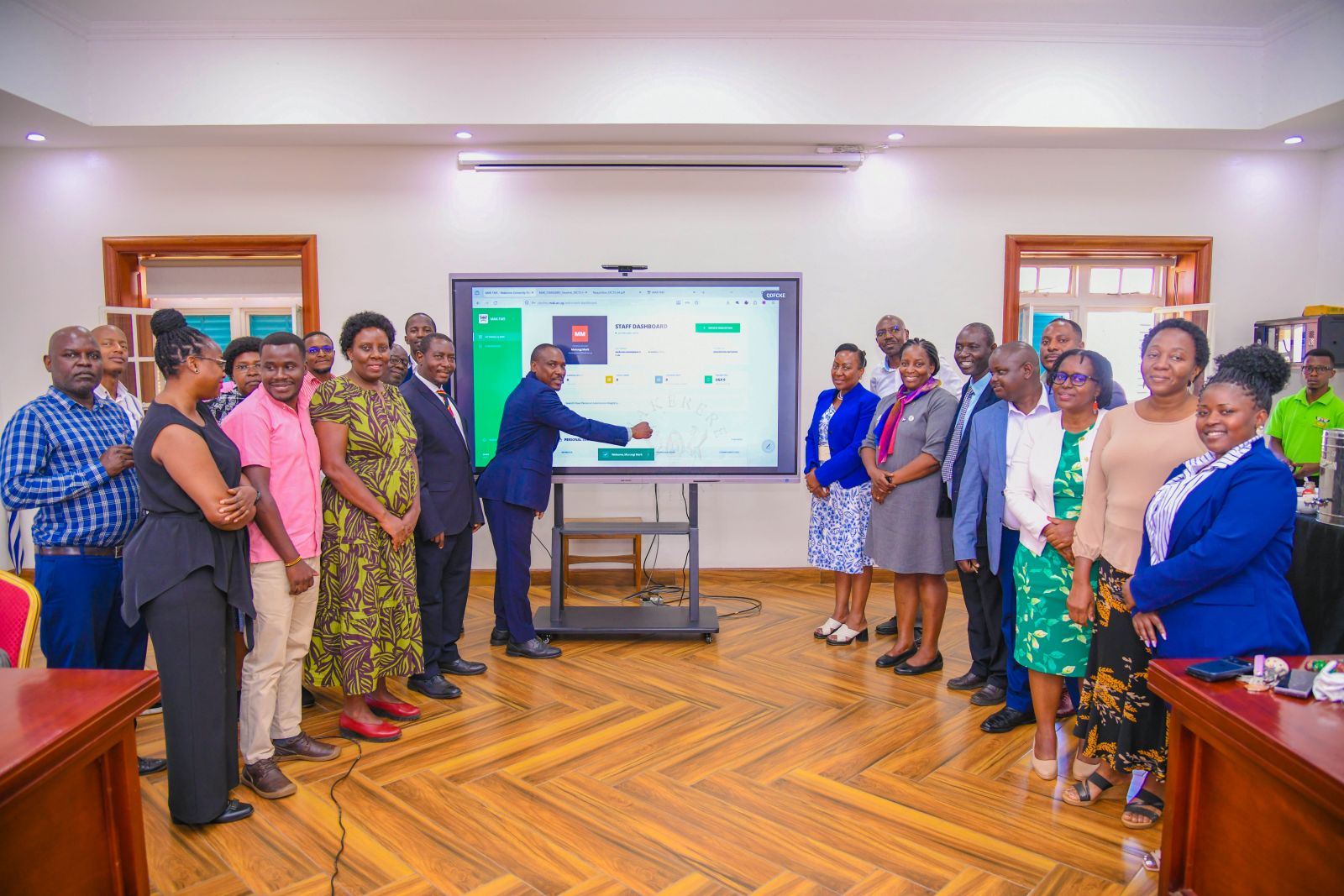
The training concluded with reminders on professionalism and accountability. Staff were encouraged to consistently use the Biometric Attendance Management System to capture attendance accurately. With biometric clock-in devices installed at reception areas across the Main and Satellite campuses, the Directorate of Human Resources can monitor attendance in real time, while staff can keep track of hours worked.
For Youth, By Youth is a global, youth-led movement committed to fostering conscious leadership and global solidarity as pathways to meaningful and lasting impact. Developed by 36 university students across 18 countries, this movement builds a network of engaged young leaders shaping a more just and equitable world.
BENEFITS
What You’ll Receive:
$2,500 scholarship for community action research
Mentorship & wellness coaching
Training in Storytelling, Responsible AI & Youth-led Participatory Action Research
International conferences & global network
3-Year Journey: Individual → Community → Institutional Transformation