
Humanities & Social Sciences
Makerere University Press launches a Groundbreaking Book “Gender, Social Norms and Agency: Perspectives from East Africa,” Sparking a New Era of Collaborative Action for Gender Equality in the Region

By Wilber Tumutegyereize
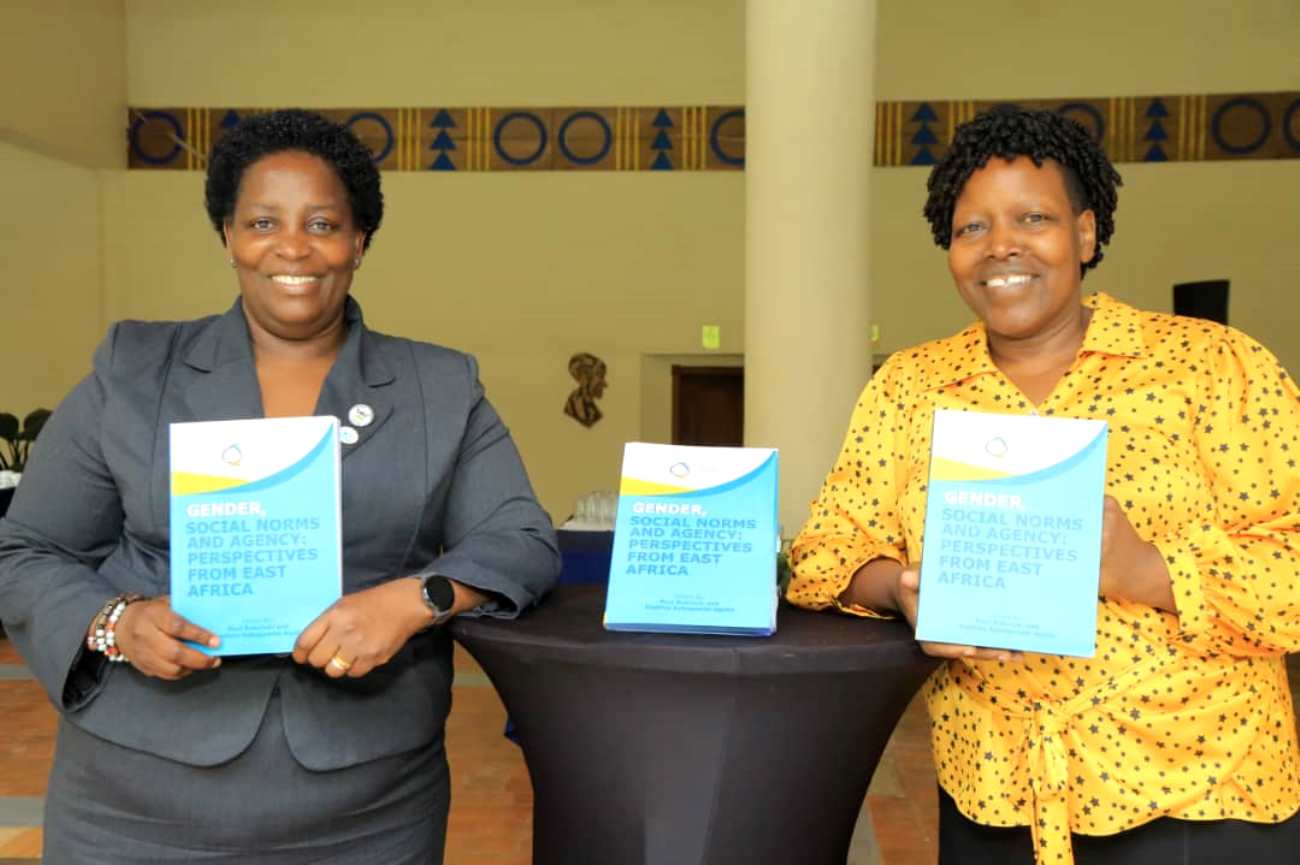
Kampala, Uganda — In a significant event that fused academia with practical activism, Makerere University Press launched the highly anticipated book “Gender, Social Norms and Agency: Perspectives from East Africa” at the Golf Course Hotel in Kampala. Edited by Professor Paul Bukuluki and Dr. Daphine Agaba Kabagambe. this book represents a crucial contribution to the field of gender studies, focusing on the complex interplay between gender, social norms, and agency across East Africa.
The book’s launch brought together scholars, development practitioners, and activists who are committed to advancing gender equality, social justice, and transformative change in the region. It marks a pivotal moment in the ongoing dialogue around gender, social norms, and how these deeply rooted cultural forces shape the experiences of women, men, and marginalized groups in East Africa.
Mr. Aloysius Nyombi, the Technical Advisor, Social Norms. As a key partner in the creation of the book set the tone for the evening by celebrating the collaborative efforts that brought together a diverse group of researchers and practitioners.
“The launch of this book is a celebration of collaboration,” Nyombi stated. “We are here not just to celebrate an academic achievement, but also to honor the work that’s being done in communities across East Africa. What we are doing on the ground must be documented, and it must be accessible to all.”
Nyombi’s comments highlighted the importance of bridging the gap between research and real-world application, underscoring the value of such academic works for informing policy and driving social change. His emphasis on collaboration between researchers, NGOs, and practitioners reinforced the book’s focus on addressing gender-related issues in a tangible and actionable way.
The Power of Local Expertise:
Dr. Ruth Nsibirano, The Director of the Institute of Gender and Development Studies at Makerere University spoke passionately about the significance of the book in deepening the understanding of gender norms within the East African context. She stressed the need for locally relevant research that reflects the lived experiences of communities.
“This book is not just an academic publication; it is a tool for social change,” Dr. Nsibirano said. “It provides us with a critical lens through which we can examine the norms and practices that continue to shape gender roles in our societies. Understanding these dynamics is crucial for making lasting change.”
Dr. Nsibirano emphasized the importance of the book’s multidisciplinary approach, which brings together academic scholars, field practitioners, and activists to create a well-rounded narrative. Her reflections resonated deeply with the audience, who were united in their shared commitment to gender equality.
A Vision for Collaborative Academia
Professor Helen Nambalirwa Nkabala, the Principal of Makerere University’s College of Humanities and Social Sciences underscored the importance of institutional support and collaboration in academic publishing. Representing the Chief Guest, Professor Sarah Ssali, the First Deputy Vice Chancellor (Academic Affairs) at Makerere University, Professor Nkabala conveyed her pride in the academic community’s collective effort to produce the book.
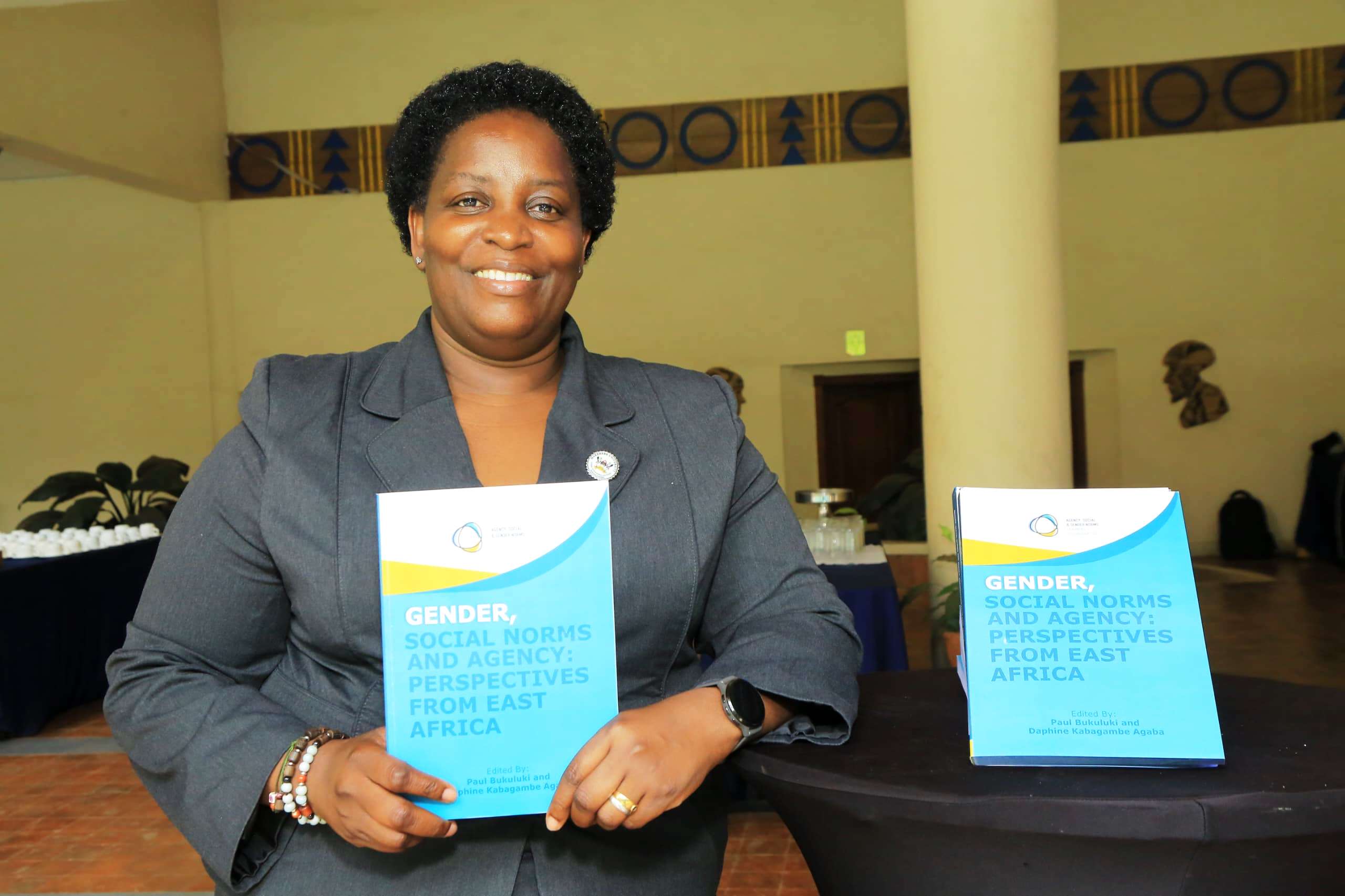
“It is an honor to be part of this project, which is a true reflection of the collaborative spirit at Makerere University,” Professor Nkabala said. “This book is a testament to the commitment of our researchers, students, and faculty members who are dedicated to addressing the most pressing social issues of our time.”
Professor Nkabala spoke about the increasing urgency to address issues such as unpaid care work, child marriage, and violence against women, topics that the book explores in depth. She praised the book for its holistic approach, combining theory and practice to offer insights that can be directly applied to social and policy interventions.
“The power of this book lies in its ability to challenge harmful gender norms and provide solutions that can transform societies,” she said.
The book’s co-editors, Dr. Daphine Agaba Kabagambe and Professor Paul Bukuluki, who shared the journey of bringing the book to fruition, expressed their deep commitment to shedding light on the social norms that influence gender behavior in East Africa and how such norms can be transformed for greater gender equality.
Dr. Agaba Kabagambe, a senior lecturer at Makerere University, reflected on the importance of examining how social norms in East Africa influence the lives of women, men, and children. She noted that while much of the discourse around gender focuses on laws and policies, there is still a significant gap in understanding how entrenched norms and cultural practices impact the real-life experiences of individuals.
“We wanted this book to serve as both a scholarly resource and a practical guide for those working to change societal behaviors,” Dr. Agaba Kabagambe explained. “The research inside this book offers a deeper understanding of how gender and social norms shape our world, and it provides us with tools to challenge and change those norms.”
Professor Bukuluki, expanded on the book’s focus on action-oriented research. He noted that while the book provides theoretical insights into gender norms and agency, it also includes valuable contributions from field practitioners working in communities across East Africa. These chapters are crucial for bridging the gap between academia and the grassroots work being done to promote gender equality.
“This book reflects the intersection between theory and practice,” Professor Bukuluki explained. “We wanted to include not only the academic perspective but also the voices of those who are working in the field, dealing with the realities of gender inequality on a daily basis.”
The book is structured around 13 chapters that explore themes such as unpaid care work, the impact of technology on gender roles, and communication about sexuality. These chapters bring together academic theory with practical insights from development practitioners and community leaders across Uganda, Tanzania, Kenya, and beyond.
The Role of Makerere University Press
Mr. Elvis Lubanga, representing Dr. William Tayebwa, the Chief Managing Editor of Makerere University Press, highlighted the press’s pivotal role in bringing the book to life. Lubanga’s remarks underscored the importance of publishing local research that meets international academic standards while remaining grounded in the realities of East African communities.
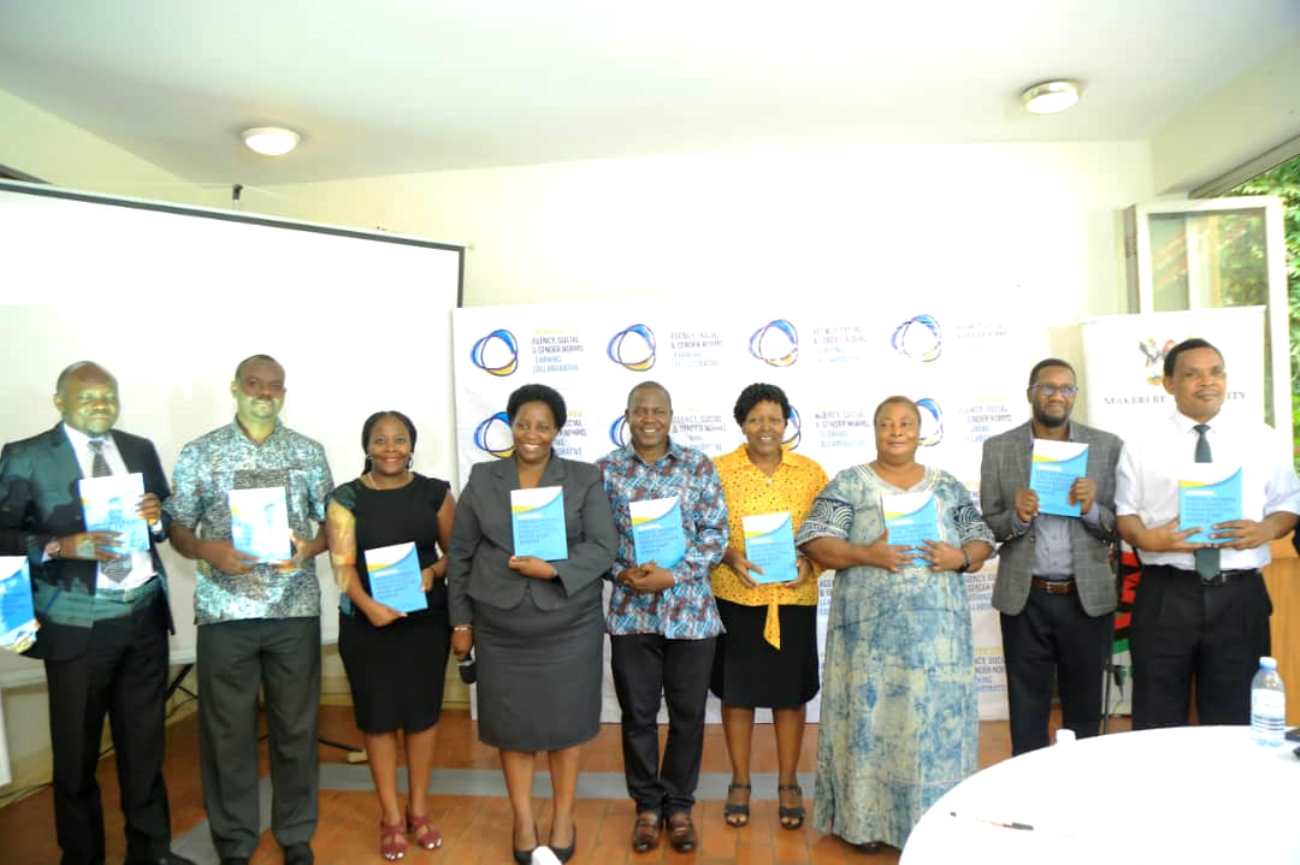
“At Makerere University Press, we take pride in producing works that reflect the unique challenges and opportunities of the Global South,” Lubanga said. “This book is not just an academic text; it is an important contribution to the ongoing conversation about gender equality and social transformation.”
Lubanga emphasized the press’s commitment to ensuring that local knowledge and research are accessible to global audiences, while also supporting the work of local scholars. He noted that the book is available both in print and online, making it accessible to readers across East Africa and the wider world.
Dr. Aramanzan Madanda representing Mr. Apolo Gabazira the Country Director of CARE International Uganda, shared the organization’s appreciation for the book, noting how it aligns with CARE’s mission to empower women and girls and address gender-based inequalities in East Africa.
“CARE Uganda has long been committed to addressing the root causes of gender inequality,” Dr. Madanda said. “This book is a crucial tool for organizations like ours, helping us better understand the social norms that perpetuate gender-based violence and other forms of inequality.”
Mr. Yiga Deo, Executive Director of the Impact and Innovation Development Center (IIDC), highlighted the importance of bridging the gap between academic research and community action, emphasizing that sustainable gender equality requires locally informed, innovative approaches. Mr. Deo urged collaboration between universities, civil society, and policymakers to ensure that research informs real-world interventions. He called for a reimagining of development practices that center on culture as a foundation for progress, ensuring that knowledge translates into lasting, transformative change.
Through the launch of “Gender, Social Norms and Agency: Perspectives from East Africa”, Makerere University Press has provided a much-needed resource that will inspire further research, action, and policy reform. The book’s insights will not only enrich the academic community but also inform the work of development practitioners, policymakers, and activists who are striving to create a more just and equal East Africa.
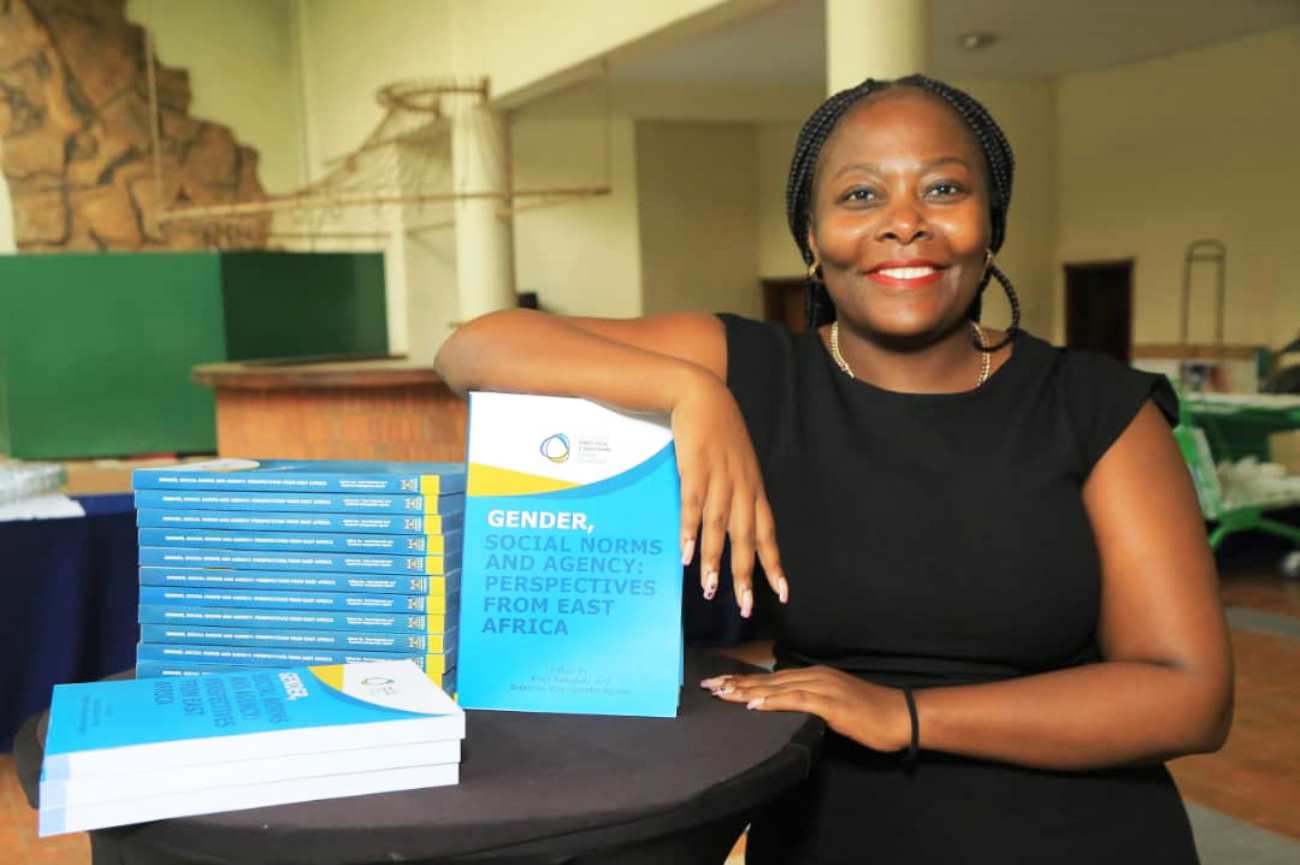
As Dr. Daphine Agaba Kabagambe aptly stated, the book is a “bridge between theory and practice,” and it will undoubtedly be an essential resource for anyone committed to understanding and challenging the social norms that shape gendered behavior across East Africa.
The launch of “Gender, Social Norms and Agency: Perspectives from East Africa” is a landmark moment in the ongoing quest for gender equality and social justice in the region. With contributions from leading scholars, development practitioners, and gender experts, this book provides an invaluable resource for those seeking to understand and transform the gendered social norms that impact millions of lives in East Africa. The collaboration betweenMakerere University Press, scholars, and community-based organizations highlights the importance of a unified effort to address the region’s most pressing gender-related issues.
Through its innovative approach, combining theory and practice, this book promises to be a catalyst for change in the fight for gender equality and social transformation across East Africa.








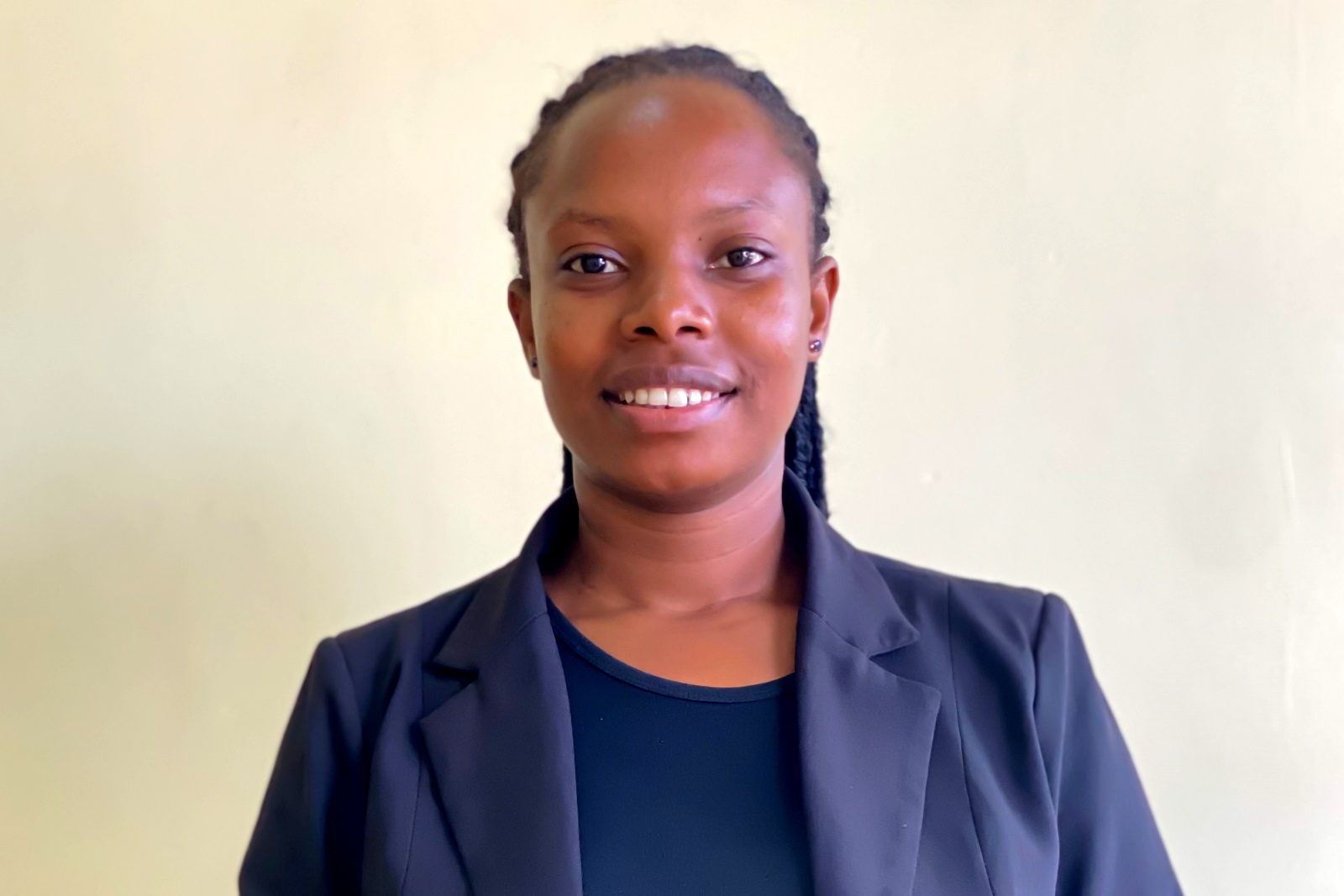
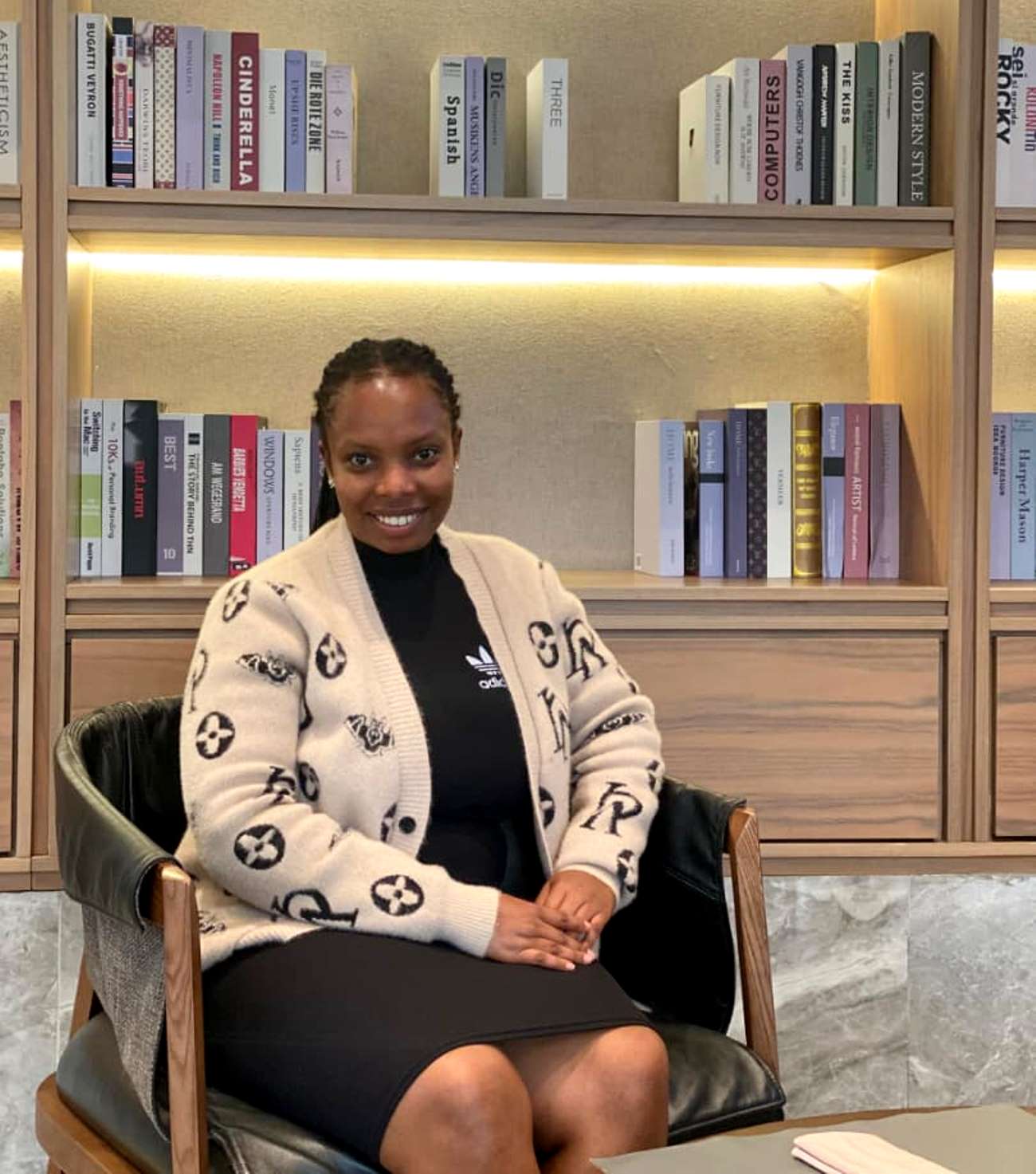
On the morning of Friday, February 27, when the academic procession winds its way across Makerere University’s Freedom Square for the last day of the 76th Graduation Ceremony, Whitney Najjuka will walk into history with a number beside her name: 4.46.
At Makerere, that number means First Class Honours. It means the Vice Chancellor’s List. It means she graduates as the only First-Class student in Journalism and Communication this year. But numbers, as Whitney has learned, rarely tell the full story.
Born on March 27, 2002, in Nabbingo, Kyengera Town Council, to Margaret Kusemererwa and Fred Kasirye, dreamt she would do Law, one of the disciplines, prestigious, almost inevitable next steps for a student who had excelled in secondary school. She had done everything correctly. Studied hard. Scored well. Followed the script.
But Makerere University had other plans. She missed the pre-entry mark, but found her name under Journalism and Communication, another prestigious course offered by the Journalism and Communication Department at Makerere University.
Najjuka began her academic journey at Muto Primary School in Buwama, earning 8 aggregates in the Primary Leaving Examination, a performance that positioned her strongly for secondary school.
She would later join St. Lucia Hill School, Namagoma, where she earned 20 aggregates at O-Level and 17 points in History, Luganda, and Divinity at A-Level.
Missing her dream course, Law, felt at first, like a detour. But Whitney was encouraged by Sanyu Christopher, her uncle, and she settled for a government-sponsored slot in the Bachelor of Journalism and Communication at Makerere, which she had applied for before.
She entered uncertain. But she graduates transformed.
The Pivot That Became a Purpose
Whitney speaks of her early university days with candor. She did not arrive at the Department of Journalism and Communication with a burning childhood ambition to be a journalist, but because another door had closed.
Then, Social and Behavior Change Communication happened. Applied Strategic Communication happened. She began to see media not as headlines and microphones, but as architecture, shaping how societies think, argue, and act.
The turning point came in her third year. The Female Journalist Foundation published her story on Sexual Gender-Based Violence (SGBV) and its emotional toll on survivors. What startled her was not its publication but the reaction. Comments flooded in. Debates ignited, especially about the role of men in combating GBV.
“I realized media doesn’t just report,” she says. “It frames how society views a crisis.”
Her voice, once tentative, had entered a national conversation.
The Discipline Behind 4.46
At Makerere University, a First Class CGPA is not built on brilliance alone but on ritual.
Whitney’s ritual began with showing up, on time, every time. She treated lectures as appointments with her future self. She refused to confine her learning to the syllabus. While attending workshops at the Aga Khan Graduate School of Media and Communication and obtaining external certifications, she sought and was open to mentorship through the Public Relations Association of Uganda (PRAU).

She wanted theory anchored in practice. And then there was the commute.
From Nabbingo, a hill in Wakiso District, some 18.6 km to Kampala, where the Makerere Main campus is situated, and back, nearly 20 hours a week dissolved into Kampala traffic. Two-hour journeys before 8:00 a.m. lectures. Dust. Noise. Headaches. She learned to manage energy the way others manage time. Fatigue became a tutor in resilience.
“I had to be intentional with every remaining hour,” she says. “Excuses were not an option.”
Learning to Practice Communication
If classrooms taught her analysis, presentations taught her courage. Pitching projects, defending research, and standing before peers quick to critique forced her to think on her feet. She was no longer simply studying communication; she was practicing it.
In 2024, the AGMES Fellowship at the Aga Khan Graduate School of Media and Communication pushed her further. She received funding to produce a capstone project on the mental impact of gender-based violence on survivors. She identified sources, conducted interviews, handled trauma with care, and worked with professional editors.
The Communication, she learned, is logistics and ethics as much as eloquence.
The Future She Sees
Whitney is optimistic about Uganda’s media landscape. The digital shift, she believes, has democratized influence. Young communicators are no longer confined to legacy newsrooms or offices.
Yet she sees a gap in the absence of structured research on sustainable, ethical, profitable independent media ventures in Uganda. Her ambition is not only to practice communication, but to study it. To produce data-backed frameworks that help young Ugandans transition from graduates to media entrepreneurs.
She wants to make the impact scalable.
What Remains
As the only First-Class graduate in her cohort, she is careful not to mythologize herself. “Success isn’t brilliance alone,” she says. “It’s a daily commitment when nobody is watching.”
Even before graduation, Whitney had stepped into the industry through a mentorship internship at Capital One Group (COG EA Ltd), a strategic marketing communications agency operating across East Africa.
At Capital One Group, we spoke to Paul Mwirigi Muriungi, the Managing Director and Head of Strategy, who spoke of Najjuka as a progressive and intentional young professional who approaches her work with curiosity, maturity, and responsibility.
“Her attitude is exemplary. She is teachable, receptive to feedback, and eager to grow. While technical skills can be taught, character, work ethic, and mindset determine long-term success, qualities that Whitney consistently demonstrates. Given her academic excellence and professional application, we believe she has a bright future both at Capital One Group and within the wider communications industry. She represents the kind of talent the profession needs: thoughtful, adaptable, and committed to excellence.
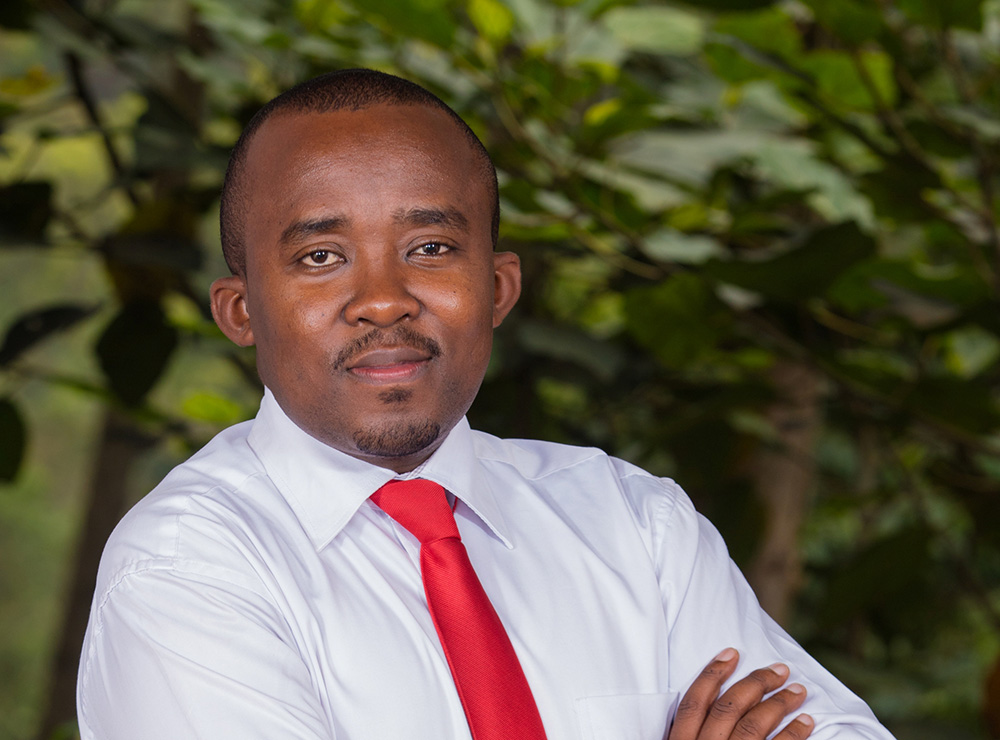
“We look forward to seeing her next chapter unfold,” says Mwirigi.
Najjuka’s gaze extends beyond her own trajectory. She speaks of what the Department could become. Furnished and equipped with industry-standard equipment, newsroom simulations, and deeper investment in data journalism as prayers. Her excellence is not self-congratulatory, but it is forward-looking.
“The University should support the Department to procure industry-standard equipment. Access to high-quality cameras, sound booths, and updated editing software like Adobe Creative Suite is critical to our learning environment,” she says.
Adding that, “We need a newsroom simulation, a physical or digital space where students work under real-time deadlines to produce content for the public. That would prepare us for industry and even strengthen the University’s own media platforms.”
In an era defined by metrics, algorithms, and digital traceability, data journalism is no longer a niche skill but a sine qua non of credible reporting. “There should also be more focus on data journalism and search engine optimization. These are no longer optional skills. Students would benefit immensely from stronger training in these areas.”
Dr. Aisha Nakiwala, the Head, Department of Journalism and Communication, says the faculty are very proud that she is graduating with a First Class—the only one in this year’s cohort.
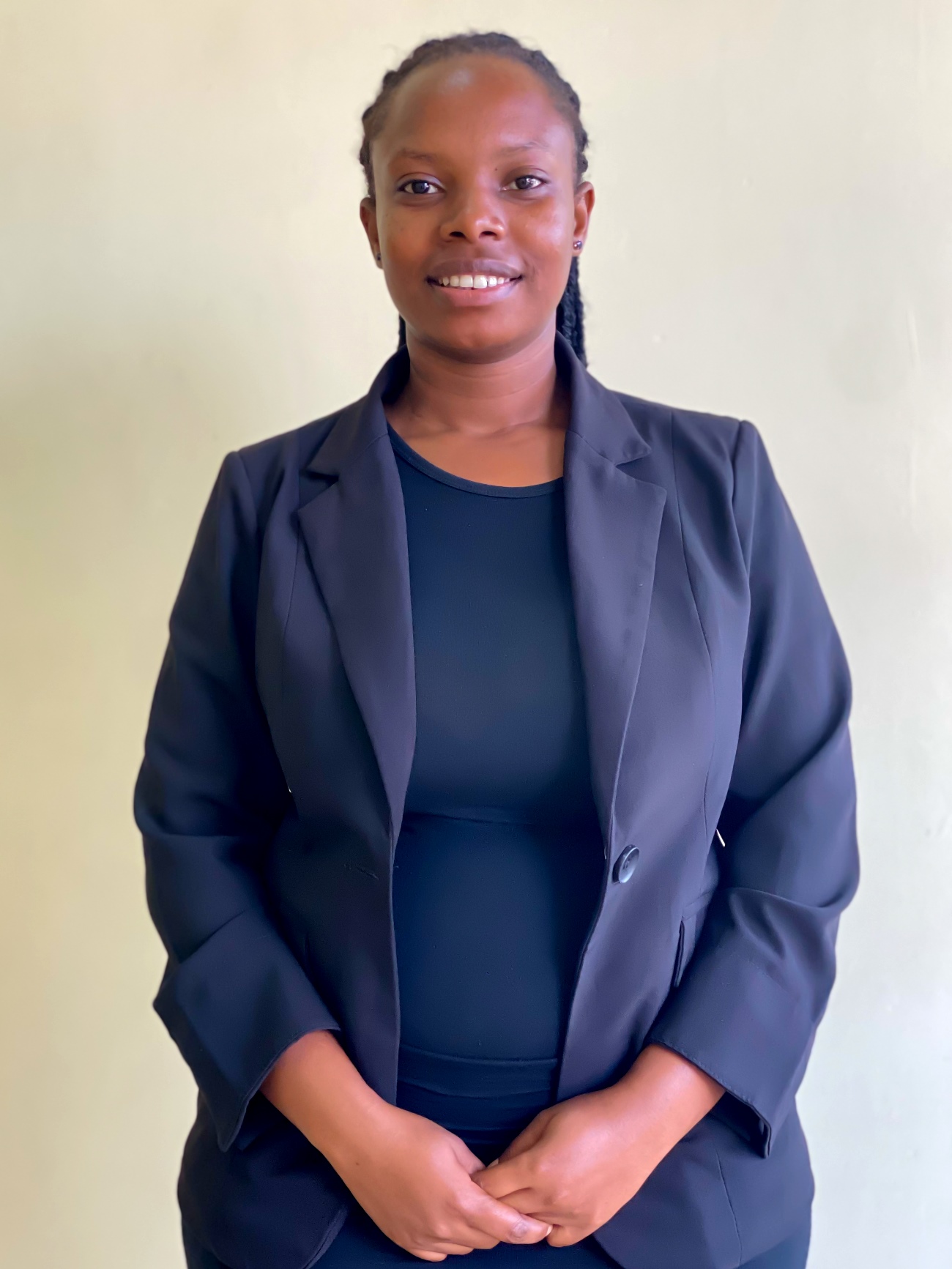
“This achievement reflects not only exceptional intellectual ability but also discipline, resilience, and sustained dedication to the highest standards over four years. Graduating with first-class honors is no small feat; it requires consistent outstanding performance.
“Her accomplishment sets a powerful example for continuing students and reaffirms our department’s commitment to nurturing excellence. We are confident she will make meaningful contributions to the communication profession and society at large,” says Dr. Nakiwala.
On graduation day, applause will crest and recede. The gowns will fold back into wardrobes. The transcripts will be filed away in cabinets. But something quieter will endure; a young woman from Nabbingo who once missed her Law mark, who spent 20 hours a week on the road, who discovered that storytelling is power, and who now walks into Freedom Square not by accident, but by intention.
Life, as she has come to understand it, lives on.
Humanities & Social Sciences
Dr. Pamela Khanakwa Honored for Steering Record 18 PhD Candidates for the Mak 2026 Graduation

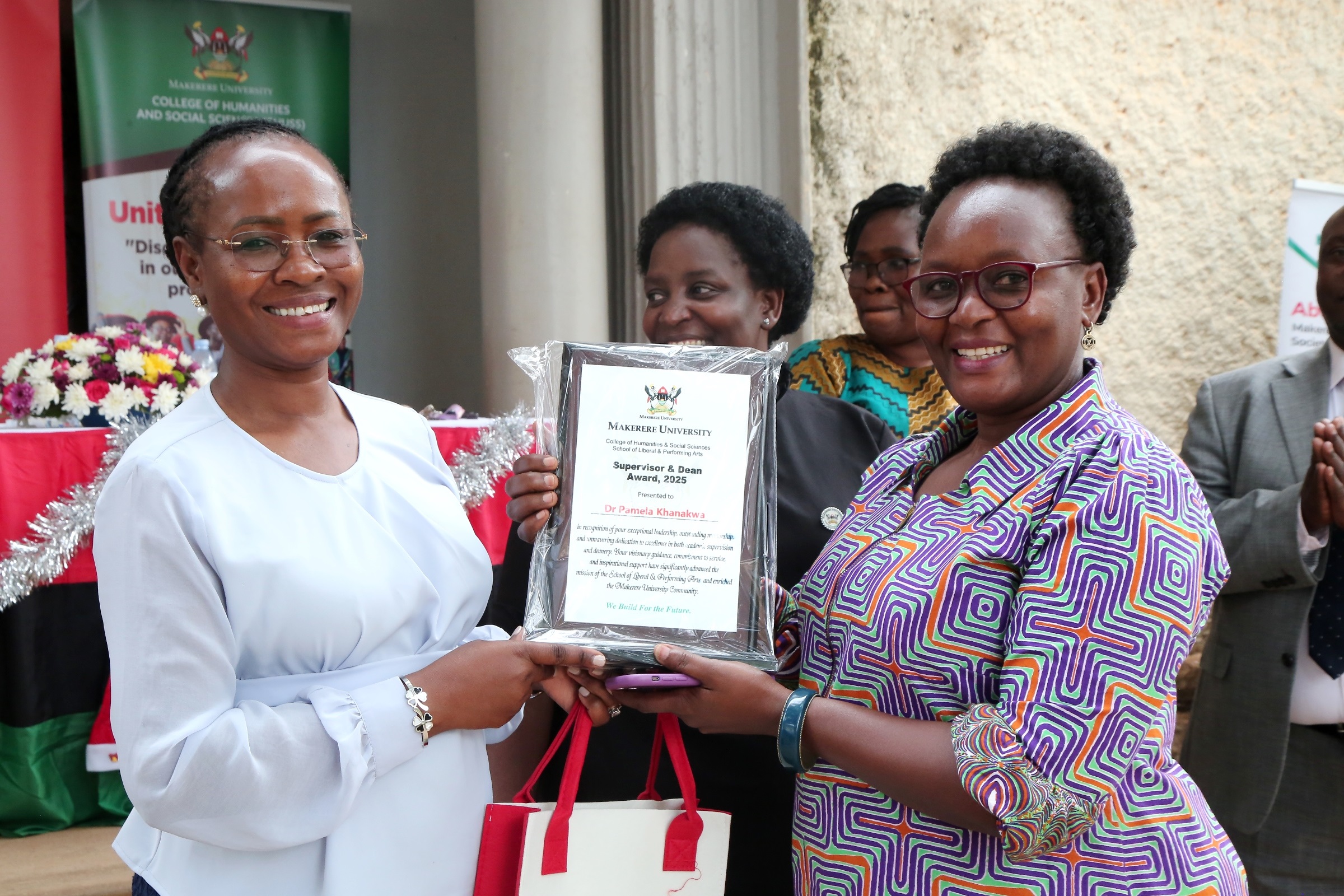
Six personally supervised, three completed in record time, as School of Liberal and Performing Arts sets a historic milestone. Dr. Pamela Khanakwa got the Award as Best PhD Supervisor and Dean
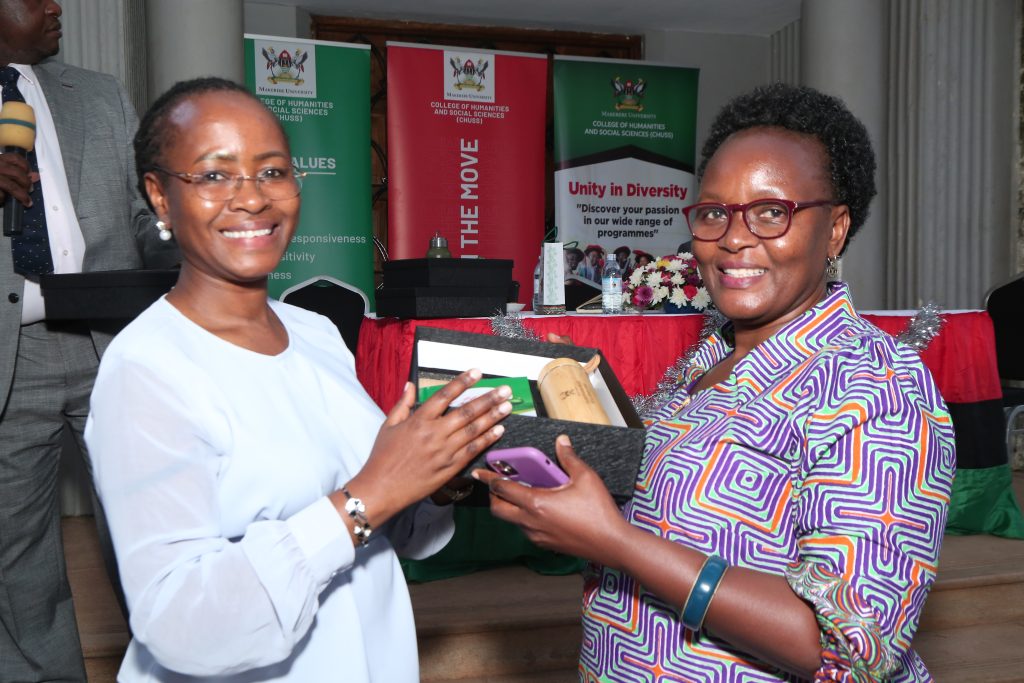
A Historic Academic Milestone for SLPA
The College of Humanities and Social Sciences (CHUSS) recognised the Dean of the School of Liberal and Performing Arts (SLPA), Dr. Pamela Khanakwa, for outstanding academic leadership that has seen the School field 18 PhD candidates for the next 2026 Makerere University Graduation Ceremony scheduled for 24th-27th February. Remarkably, six of these doctoral graduates were directly supervised by Dr. Khanakwa, with three completing within the official three-year timeframe, an exceptional achievement in graduate training. The recognition was announced during the CHUSS End-of-Year Get-Together, where staff applauded Dr. Khanakwa’s dedication, humility, and relentless commitment to postgraduate supervision and timely completion.
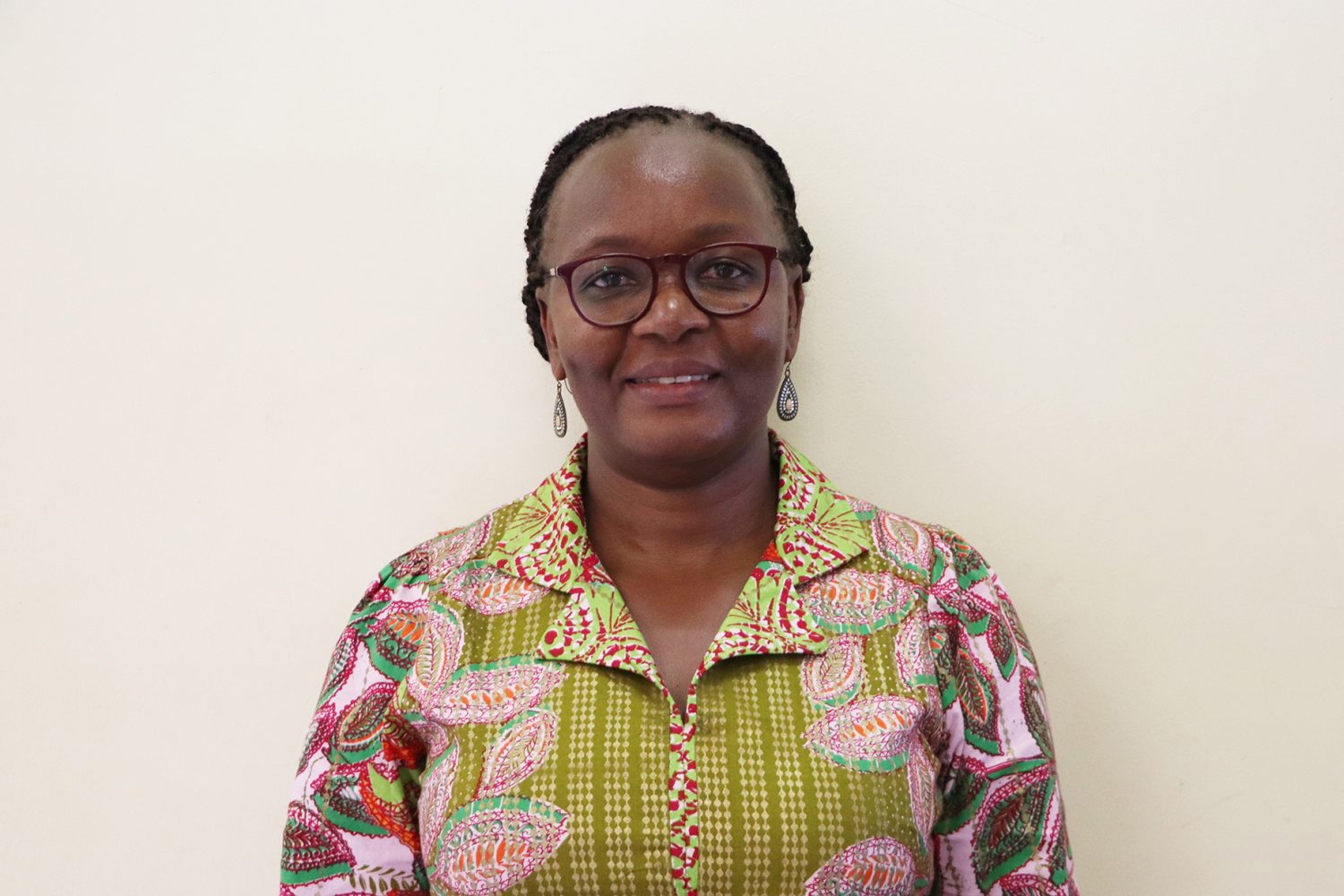
Message to Academic Staff
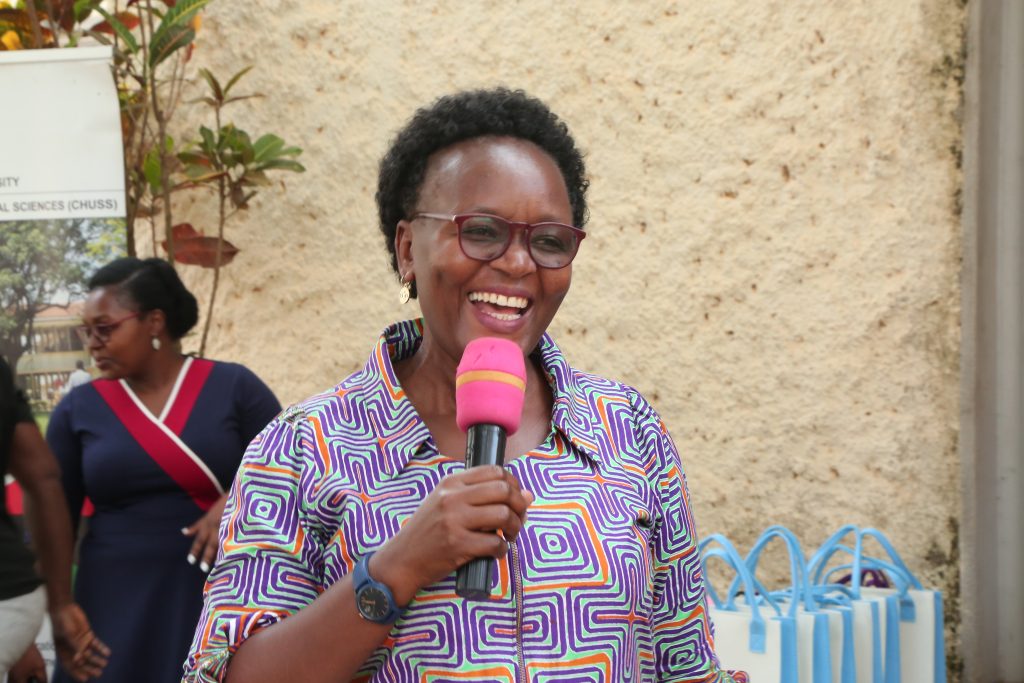
Q: What message do you have for your staff following this achievement?
Dr. Khanakwa:
First, I celebrate my staff and thank them for their dedication to supervision and student support. Academic work is demanding, and material rewards are often limited, but the true satisfaction comes from seeing students succeed.
I encourage my colleagues to remain committed. Yes, the workload is heavy, but many things are possible with dedication and teamwork. Let us continue working for the good of our students, our School, and Makerere University.
Leadership Rooted in Humility
Q: Many colleagues describe you as humble, down to earth, and hardworking. What shapes this character?
Dr. Khanakwa:
I think it is largely my upbringing. My mother was a primary school teacher from the 1950s until the mid-1980s. She worked extremely hard to raise us, combining teaching with farming to ensure we had school fees and basic needs. From her, I learned humility, discipline, and the value of hard work.
I also learned that leadership positions are temporary. You occupy them today, and tomorrow you move on. So humility is essential.
My graduate training also shaped me significantly. My PhD supervisor emphasized that graduate study is a full-time job and that results matter more than noise. Let people see your work through outcomes, not announcements.
Supervision as a Two-Way Commitment
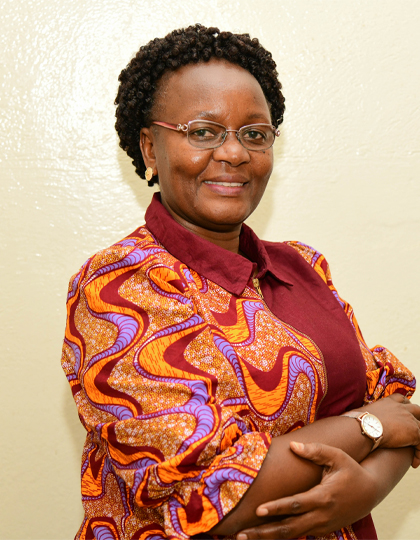
Q: How would you describe your supervision style?
Dr. Khanakwa:
I read my students’ work thoroughly, word by word. Sometimes my comments are tough, but they are honest. Supervision is a two-way commitment. I give feedback, but students must also respond and remain engaged. When that relationship works, progress happens.
Balancing Leadership, Scholarship, and Family
Q: How do you balance being a Dean, scholar, wife, mother, and daughter?
Dr. Khanakwa:
Honestly, I am not sure I balance perfectly. My mother lives far away in Bukwo, so visiting requires careful planning. My children grew up understanding the demands of academic life. I pursued my PhD in the United States and spent long periods away, but we adapted as a family.
Work has become part of my lifestyle. I use weekends to read dissertations, review manuscripts, and write. Sometimes my children ask if I ever sit without working, but this is the commitment I made. As we often say jokingly, “We humbly applied for the job, so let us do the job.”
Scholarship Beyond Supervision
Dr. Khanakwa is also an active scholar and editor. In the past year alone, she has:
- Edited scholarly volumes on archives, memory, method, and pedagogy
- Published a book with Routledge Companion
- Co-authored journal articles and book chapters with graduating students, including Priscah Asiimwe and Anatoli Lwasa Mpijja
“I feel an obligation to write with students,” she notes. “It takes time, energy, and commitment, but it is part of academic mentorship.”
Who Is Dr. Pamela Khanakwa?
Dr. Pamela Khanakwa is the Dean, School of Liberal and Performing Arts, College of Humanities and Social Sciences, Makerere University. She is a seasoned scholar, supervisor, administrator, and mentor whose leadership continues to redefine graduate training excellence. Details about Dr. Pamela Khanakwa can be accessed at: https://chuss.mak.ac.ug/en/personnel/pamela-khanakwa/
More details are available in her attached curriculum vitae.
The CHUSS End- Of-Year-Get-Together
On 12th December, 2025 the college leadership organised a get-together end of year gathering to take stock of the achievements, challenges and brainstorm together on how to move forward. The event was marked by entertainment, team building games, appreciation speeches, sharing a meal and a Christmas package for every staff
Retirees and staff recognised
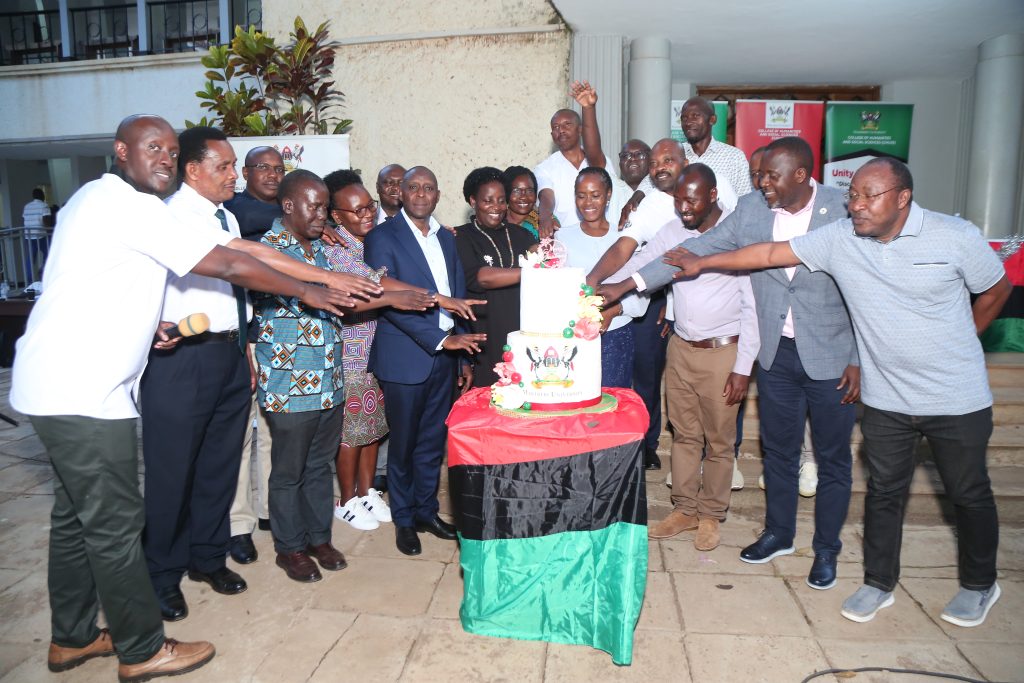
Five retired staff Dr. Micheal Wangotta Masakala, Dr. Anatole Kirigwajjo and Dr. Jackson Kizza Mukas (all from the School of Languages, Literature and Communication), Assoc. Prof. Florence Nansubuga (School of Psychology), Dr. Tusabe Gervase (School of Liberal and Perforing Arts) and Ms. Scovia Nganda Sekweyama (secretary from the School of Social Sciences) were recognised for their dedicated services to the university.
In addition to Dr. Pamela Khanakwa’s Award as Best PhD Supervisor and Dean, Ms. Birabwa Florence scooped the award of Best Registrar of the year. Birabwa is the registrar for the School of Liberal and Performing Arts.
Administrative and support staff including Ms. Mary Gyezaho and Annet Kashumbusha(both administrative secretaries in the Principals office), Farouq Lule (IT Officer), Godfrey Kakooza (cleaner), Charles Sebuguzi (driver) and Jane Anyango (Communications officer) were recognise with awards for outstanding service. Dr. Mohamed Mayanja Kajumba was from the School of Pyschology was recognised as the person with an outstanding talent in Handwriting.
The celebrations held in the Arts quadrangle were graced by the Vice Chancellor Academic Affairs Prof. Sarah Ssali and the Deputy Vice Chancellor in charge of Finance and Adminstration Prof. Ireeta Tumps.
Humanities & Social Sciences
Ugandan Journalists Trained on Peace and Gender-Sensitive Reporting Ahead of 2026 Elections
Kampala, Uganda – January 9, 2026
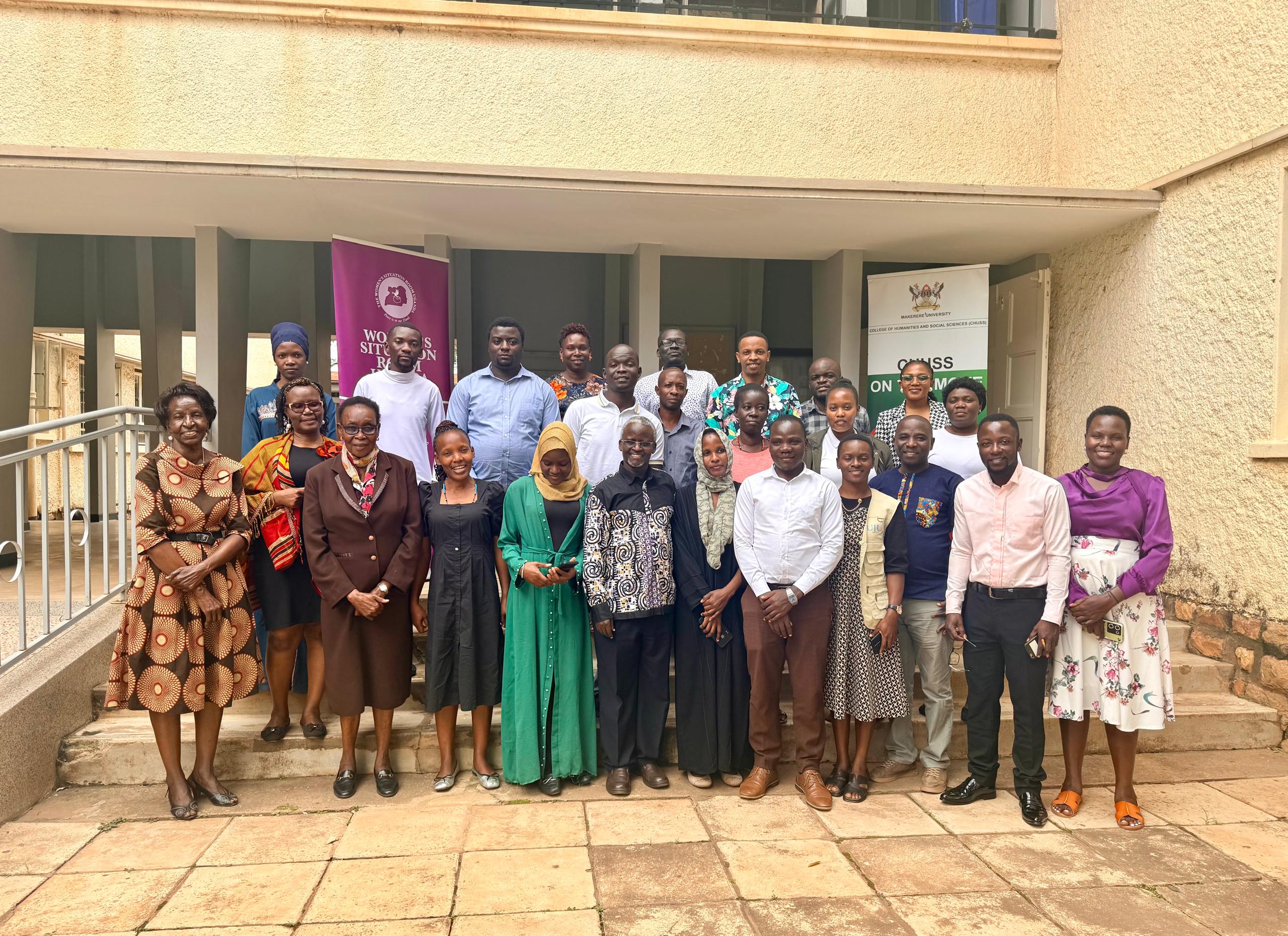
Ahead of the January 15 general elections, Ugandan journalists have undergone specialized training on peace and gender-sensitive reporting to ensure responsible media coverage during the election period. The two-day training, held from 8th to 9th January 2026 at Makerere University’s College of Humanities and Social Sciences Smart Room, was organized by the Women’s Situation Room (WSR) in partnership with various stakeholders and brought together journalists from across print, broadcast, and online platforms.
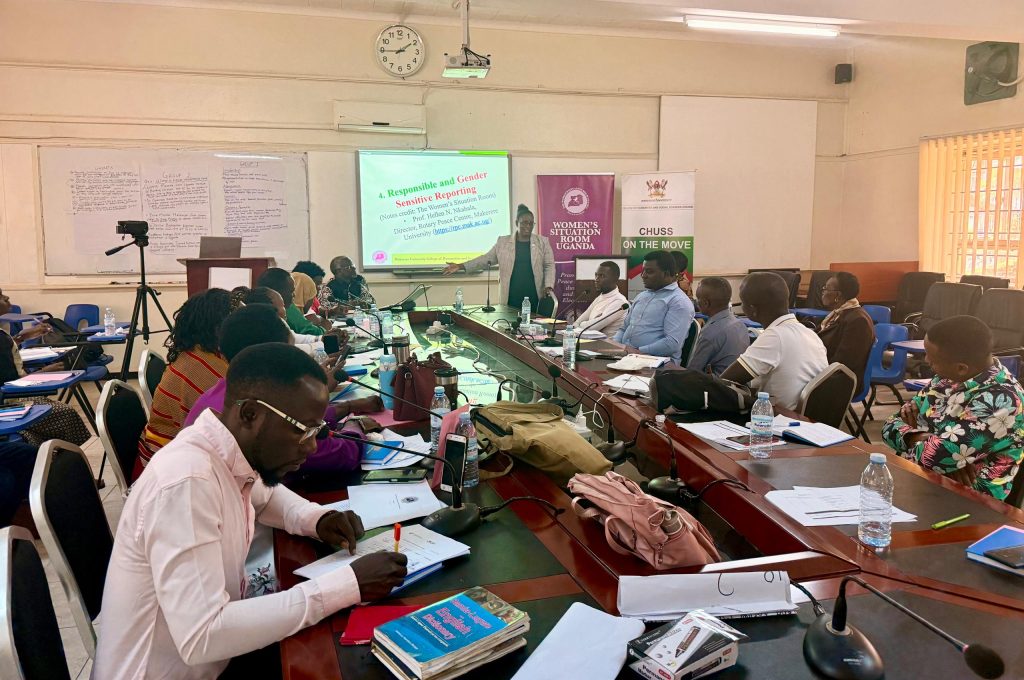
The main objective of the training was to strengthen the capacities of media in reporting and documenting electoral processes in a responsible and gender-sensitive manner. The specific objectives included: strengthening journalists’ skills to cover the 2026 elections in a fair, balanced, gender-sensitive, and non-violent partisan way; enhancing the role of media to enable citizens to be well-informed and actively participate in the election process; ensuring focused and balanced reporting on peace during and after elections; and strengthening partnerships between the WSR and media houses during the election period.
The training covered multiple critical modules. Day one focused on responsible conflict-sensitive reporting, emphasizing principles such as balance, impartiality, and accuracy. Participants explored the role of media as a relayer of the population’s voice, election monitor, catalyst for social cohesion and reconciliation, contributor to the accountability of political actors, and a platform for detecting and debunking digital media misinformation and hate speech.
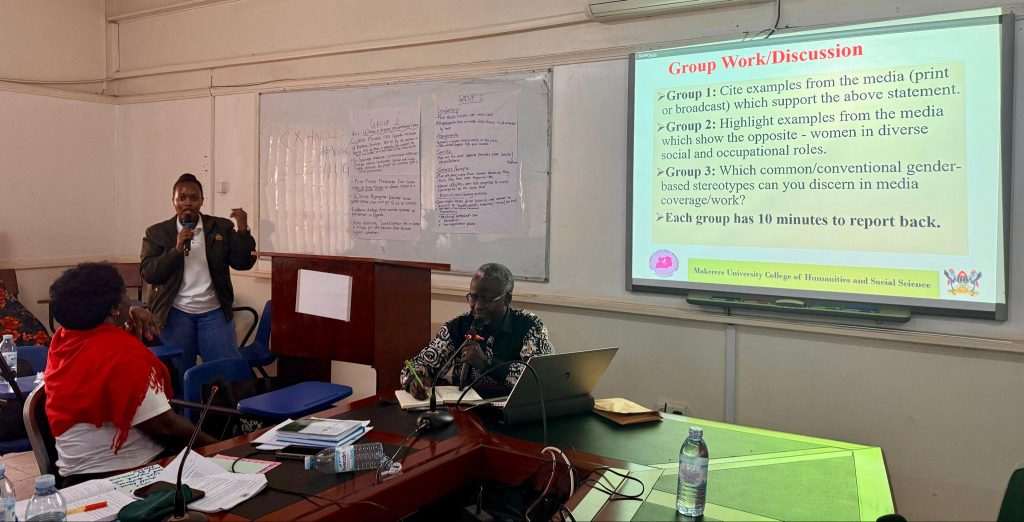
Day two addressed responsible and gender-sensitive reporting. Key aspects included the definition of gender-sensitive reporting, how to become a gender-sensitive reporter, critical elements in reporting with gender awareness, packaging gender-sensitive stories, and a checklist for detecting and avoiding gender-insensitive reporting.
Her Lordship, retired Judge Justice Mary Mayitum, emphasized the importance of peace as the foundation of development and democratic engagement. “Because we value peace more than anything. Without peace, really, you can do nothing. But where there is peace, you can have time to reflect, discuss with others, and join in meaningful dialogue,” she said. She warned that the country’s past conflicts, such as those in Gulu, underscored the necessity of maintaining national harmony.
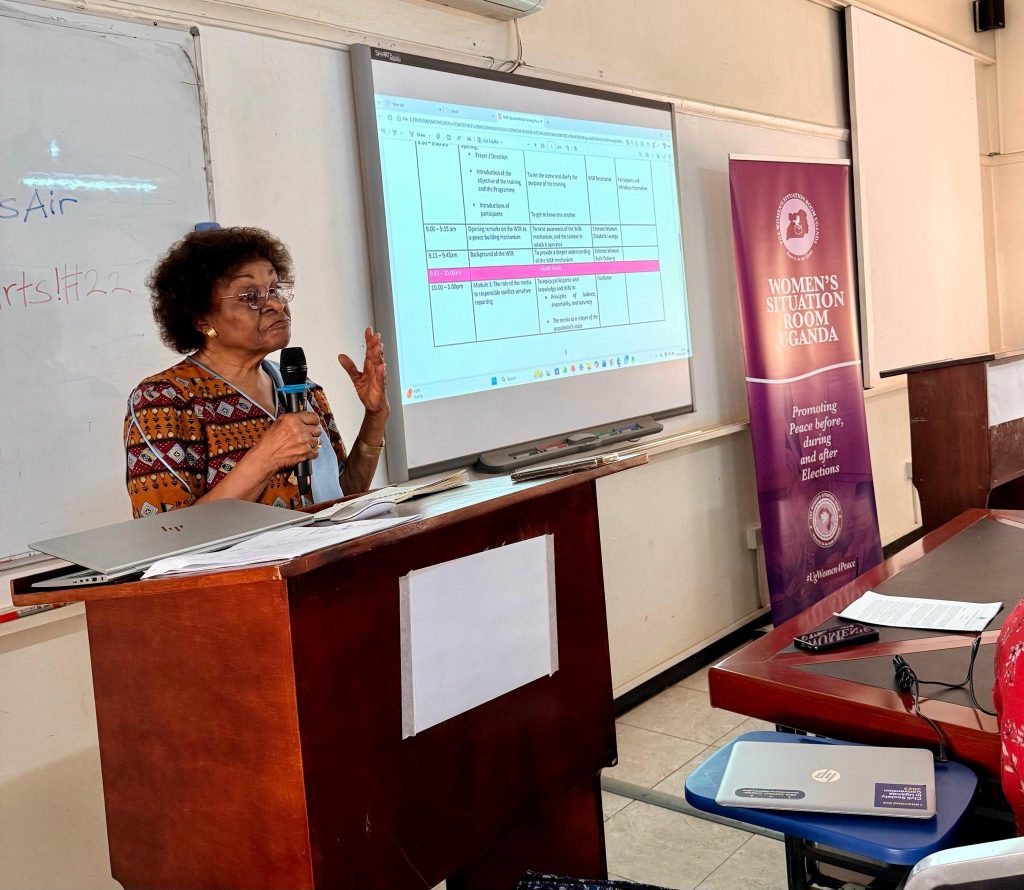
Justice Mayitum also urged other key election stakeholders to uphold peaceful conduct. “Being peaceful is the very heart of life. We have spoken to police, security personnel, political parties, and the Electoral Commission. We want politicians to have a code of conduct and to understand that it’s okay to think differently without fighting or hating one another,” she added.
Dr. William Tayebwa, lead facilitator and senior lecturer in the Department of Journalism and Communication at Makerere University, said, “This training is about conflict-sensitive reporting, peace journalism, and gender-sensitive reporting in the context of the elections. The emphasis was on giving female political candidates a voice while ensuring journalists report responsibly on election-related matters.”
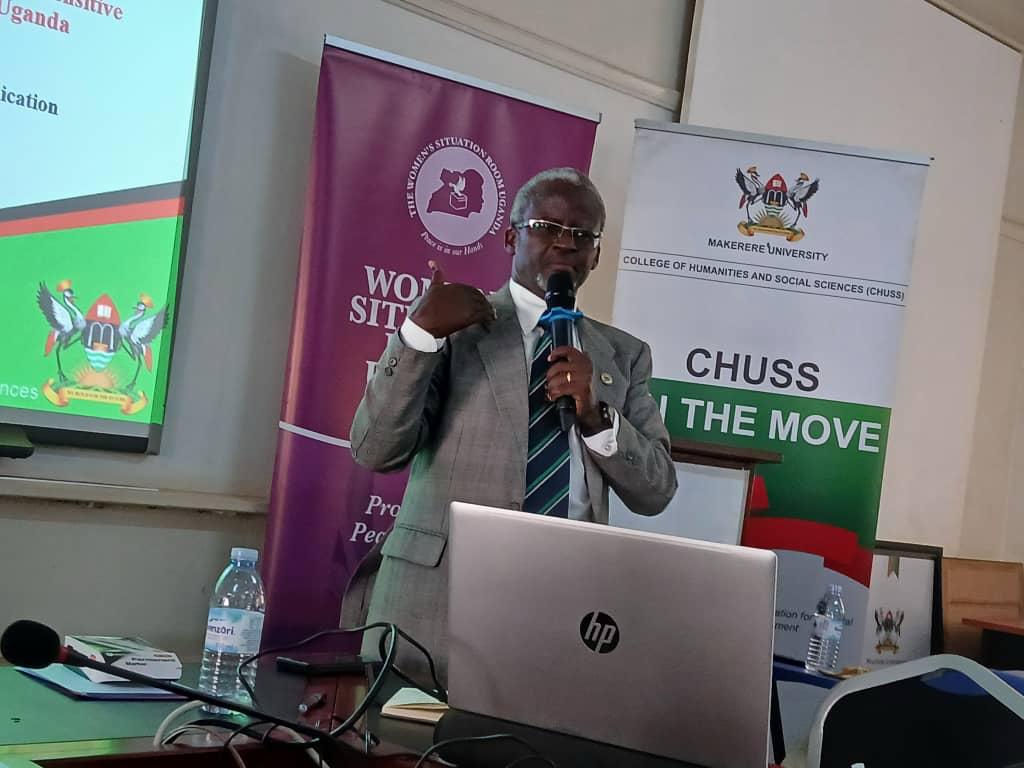
Participants described the training as timely and impactful. Tony Banizengabo of CBS Wakiso District said, “We’ve benefited a lot. We’ve been trained to write stories which bring peace, not conflict. Ahead of the elections, we are very ready to be part of peacemakers.”
Dorcas Kimono of UBC TV Kampala added, “It was so timely and rich. We learned how to report without promoting or fueling violence, giving voice to victims without angering them or encouraging violators. This is very vital, especially as we approach the 2026 elections.”
The training aims to equip media personnel with the knowledge and skills to uphold professional ethics while contributing to a peaceful, inclusive, and gender-sensitive electoral process.
-

 General6 days ago
Application for Admission to Graduate Programmes 2026/27
-
 General1 week ago
Custodians and Wardens trained on Fire prevention in Halls of Residence
-
 Education2 weeks ago
Makerere University Charts New Future with the unveiling of the Open, Distance and E‑Learning Building and Strategic Plan
-
 General4 days ago
Mastercard Foundation Scholars Program at Makerere University Celebrates the Last Cohort of Phase One Graduates
-
 Education2 weeks ago
Mak CEES Hosts Kiswahili Primary School Orientation Workshop to Boost Language Teaching Quality