
Business & Management
Mak and ACCA Career Workshop: Students tipped on success, professionalism and the future of accountancy


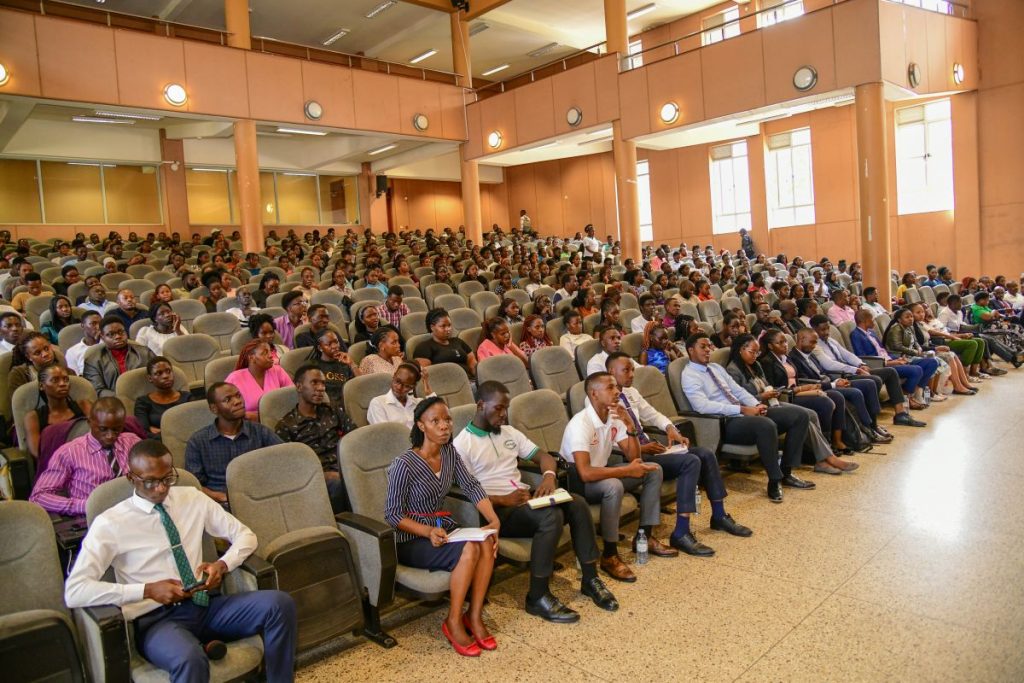
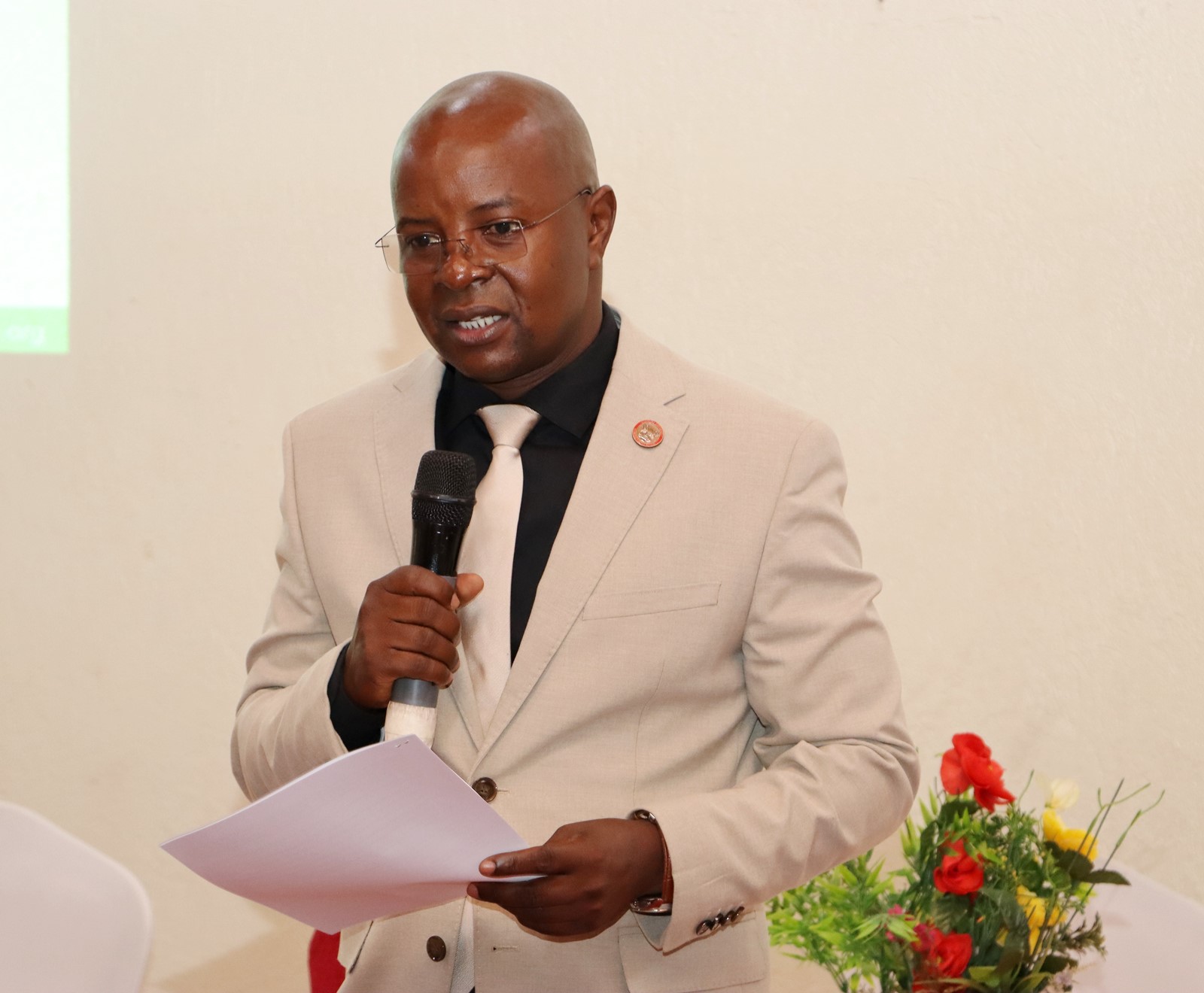
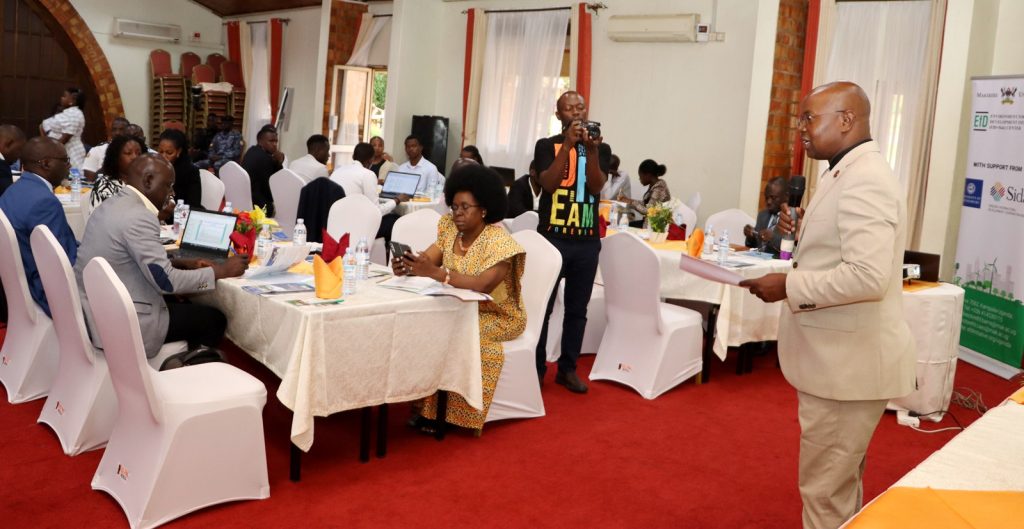
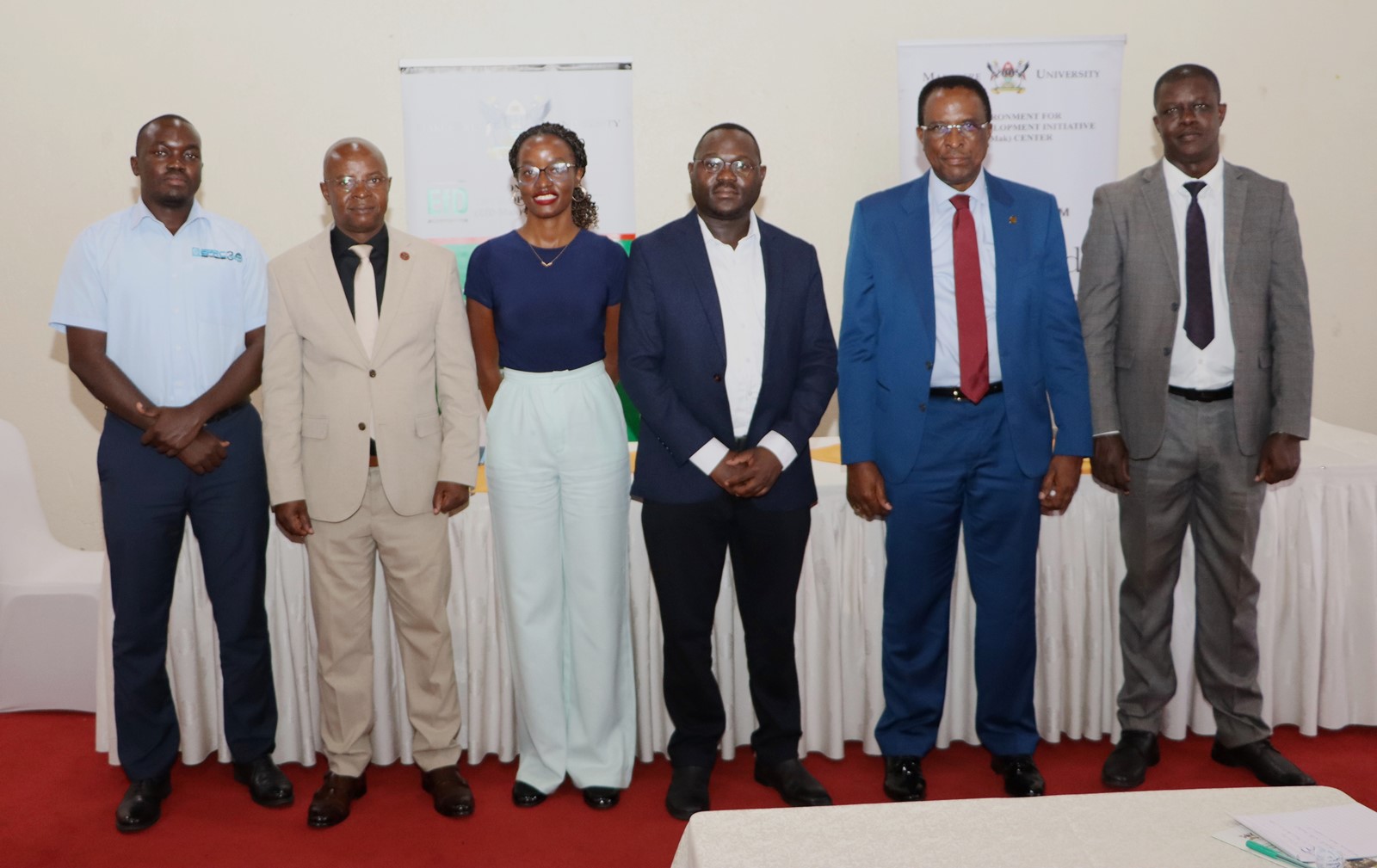
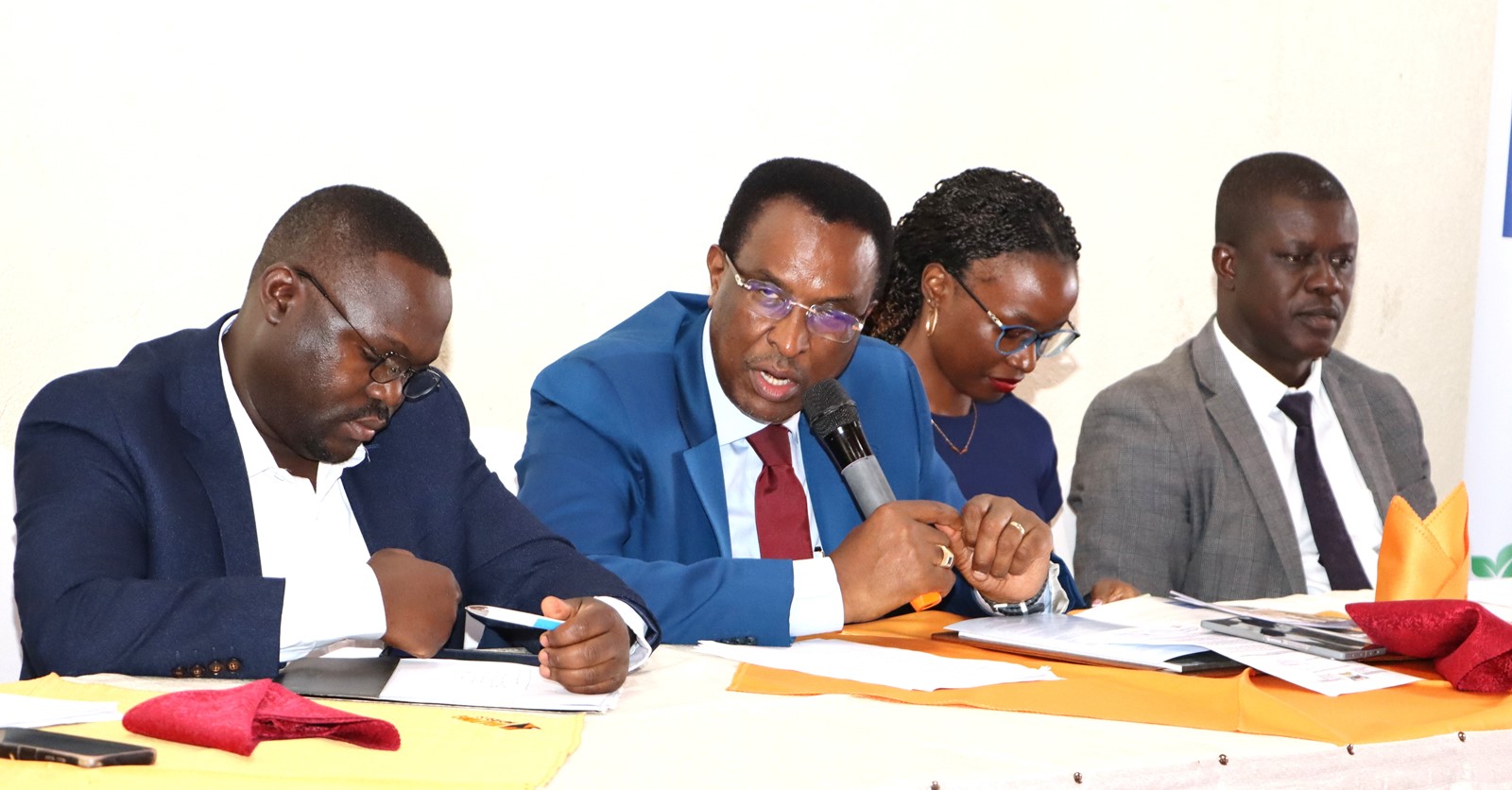
On Tuesday 1st April 2025, over600 students from the College of Business and Management Sciences convened at Makerere University Yusuf Lule Central Teaching Facility Auditorium to participate in the Career workshop that provided an invaluable platform for students to engage with industry leaders, gain insights into career prospects and professional development within the accounting and finance sectors.
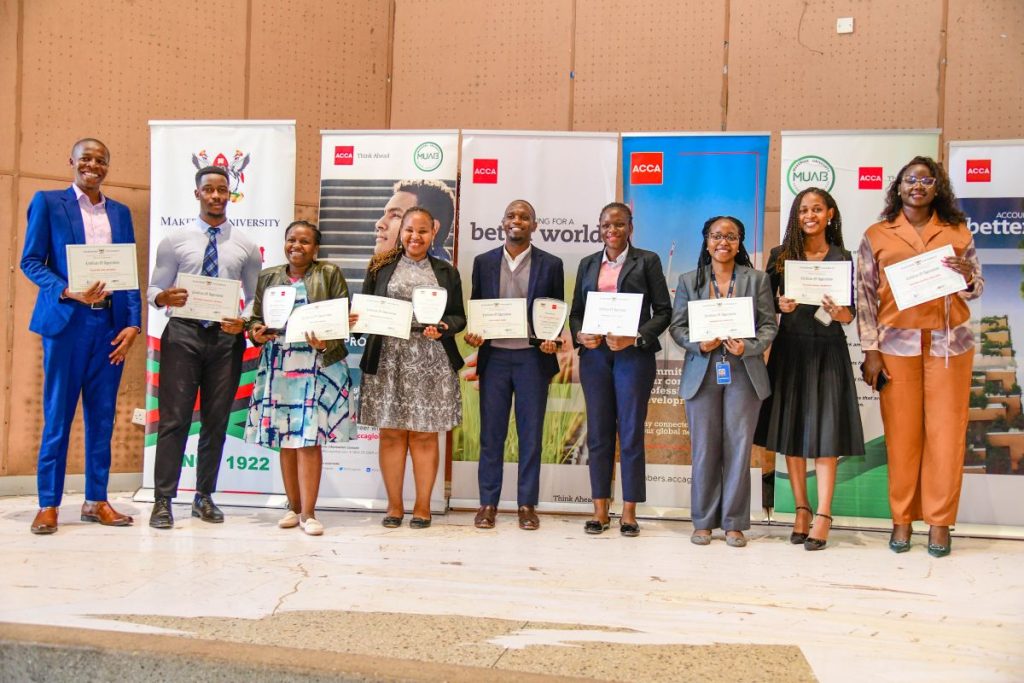
Organized by the Association of Chartered Certified Accountants (ACCA) in Uganda in partnership with Makerere University Department of Accounting and Finance, School of Business under the College of Business and Management Sciences, the Career workshop also presented a platform to celebrate the academic achievements of the ten (10) Bachelor of Commerce students who graduated with First Class degrees-Honours Division during the Makerere University 75th Graduation ceremony held in January 2025.
Prior to the workshop, the Dean, School of Business, Dr. Godfrey Akileng in an interview with the College’s Communication Office, disclosed that celebrating the academic achievements of the students who obtained First Class degrees would inspire the current students to excel. In addition, Dr. Akileng noted that the presence of graduates who excelled at the Career workshop would lead to networking and peer mentorship possibilities with the current students.
During the Career workshop, speakers from Makerere University and ACCA Uganda re-affirmed their commitment to equipping graduates with the knowledge, skills and tools needed to excel in a rapidly evolving job market.
To understand the future of accountancy, students listened to presentations featuring the relevance of the accounting and finance in today’s job market by Dr. Eric Nzibonera; Insights on the collaboration with ACCA by Ms Charlotte Kukunda; Discussion of the global career opportunities in accounting and how ACCA supports professional development by Ms Jackie Mbabazi; and a keynote speech titled, An exploration of the skills and trends shaping the future of the accounting and finance industries in the 21st Century by Mr. Robert Busuulwa.

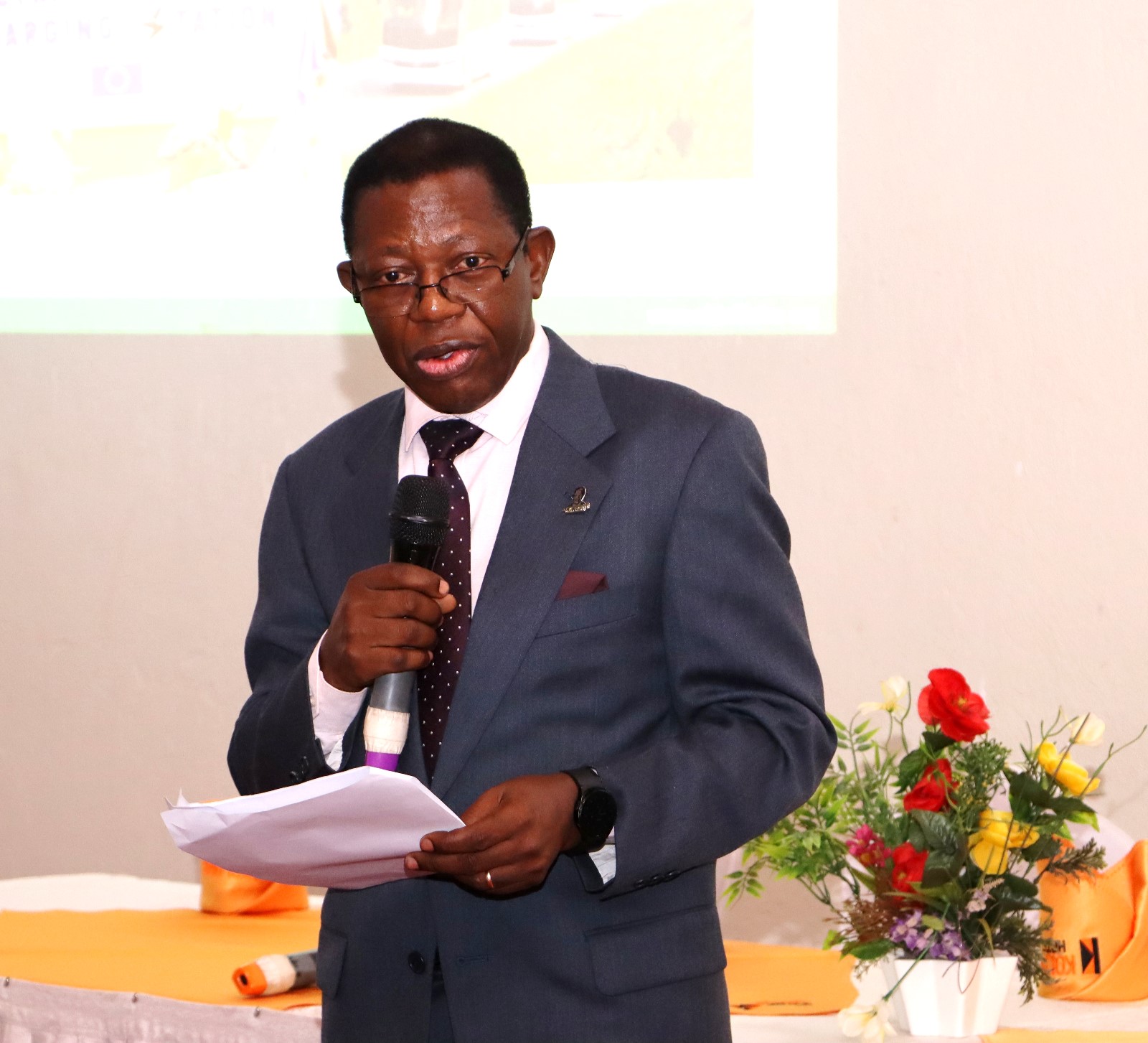
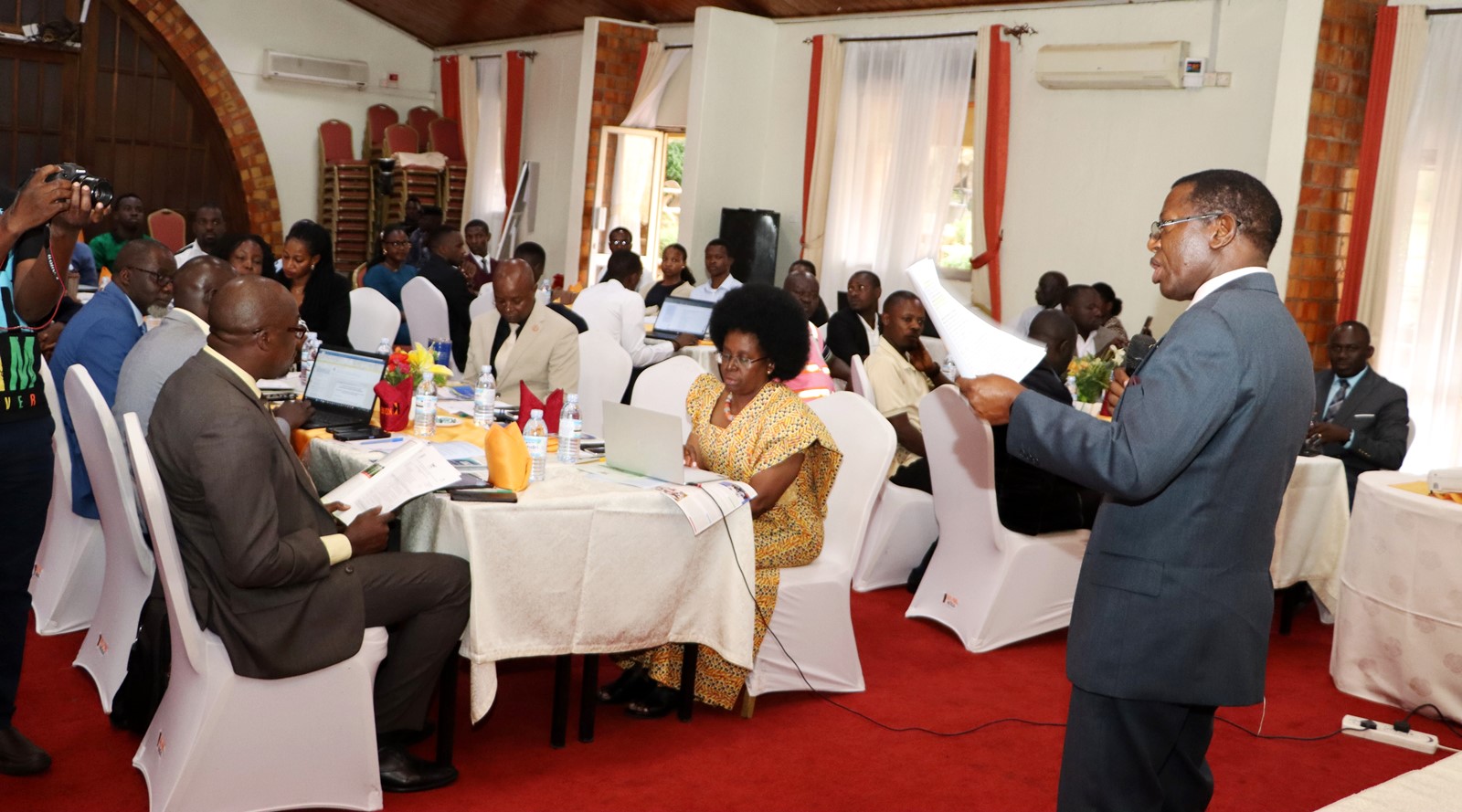
In his address, the Principal of the College of Business and Management Sciences, Prof. Edward Bbaale acknowledged the School of Business for proritising career talks and mentorship sessions for students.
“To the students, the Career workshop presents you with a chance to envision your career, and what you want to be, or what you want to study,” he said.
The Principal underscored the critical importance of bridging the gap between the academia and industry. He highlighted the instrumental role of partnerships, particularly the collaboration between Makerere University and ACCA in equipping students with globally competitive skills and certifications.
Prof. Bbaale emphasized that in the 21st century, this interface isn’t merely an option but “a necessity,” echoing the sentiments of both the keynote speaker, Mr. Robert Busuulwa, and ACCA partners.
He advised students to visualise themselves as “global candidates” and pursue their careers with diligence and passion, taking the lessons from the workshop seriously and seeking continuous professional development. Prof. Bbaale stressed the significance of “building oneself, moulding oneself” through education, training, and experience, advocating for a focus on human capital development over immediate financial gain.
He emphasized the importance of “volunteering to work” in orderto gain experience and build a professional network. He reaffirmed the College’s commitment to strengthening collaborations to ensure graduates are academically competent and well-prepared to navigate the evolving job market.
Dr. Eric Nzibonera, the Head, Department of Accounting and Finance at the College of Business and Management Sciences highlighted the significance of career guidance events for University students. He explained that career workshops provide a valuable opportunity for students to “make a choice about a particular career,” a privilege he noted was not always available to students in the past. Dr. Nzibonera believed the workshop was a chance for students to learn from experienced professionals, guiding them towards informed decisions about their future careers.
Convinced that the workshop presented a golden opportunity to students to learn from experienced professionals, Dr. Nzibonera called upon students to leverage such moments to listen to the respective presenters, prepare to ask questions on professionalism, accreditation and career paths.
Focusing on the relevance of accounting and finance in today’s job market, Dr. Nzibonera reiterated that the accounting profession is very central in the day to day lives of individuals. “Inall realms of business, in whatever you do, you need some scheme or some kind of accounting that works,” he remarked. He noted that this underlines the universal applicability of financial literacy, whether pursuing careers directly related to the field.
The Country Manager, ACCA Uganda, Ms Charlotte Kukunda informed the students who turned up in big numbers, that the Career workshop was anchored in the programmes and activities that Makerere University and ACCA Uganda agreed to undertake when both entities signed a Memorandum of Understanding (MoU) in July 2022.
Ms Kukunda affirmed that ACCA Uganda values its strategic partnership with Makerere University, which has been mutually beneficial and fruitful. To expound this argument, Ms Kukunda highlighted the achievements which included: 660 students enrolled for ACCA programme, curriculum reviews of Makerere University accounting programmes, re-accreditation of the Bachelor of Commerce Accounting in June 2022, annual recognition of best accounting students since 2022, tutor capacity building workshops conducted at the College, lecturers granted access to the Education Hub, and hosting of three student career workshops annually.
She outlined the areas of collaboration with Makerere University as follows: accreditation of accounting programmes, co-development of teaching programmes that align and support the University edge resources and professional insights, employability through supporting students’ career and skills development, access to ACCA member networks to support Makerere University guest lectures/panels/conference speakers, and faculty skills development support in their teaching, learning and assessment.
The Country Manager said the Career workshop is planned, deliberate and intentional because ACCA classifies Makerere University students as strategic business leaders who are being nurtured, trained and prepared to drive the economy. She clarified that the ACCA programme is not limited to only students studying accounting. According to Ms Kukunda, the ACCA programme embraces a broader range of disciplines and positions students for global competitiveness.
Ms. Kukunda encouraged students to explore the information resources on the ACCA website to tap into the opportunities that will enhance their financial acumen. She urged students to perceive themselves as global citizens. “When you perceive yourself as that, you are the right candidate for pursuing these globally accredited qualifications,” she said. She reinforced the value of connections and valuable networks with industry professionals, assuring students that their future is filled with potential and opportunities.
Feeding into Ms Kukunda’s presentation, Ms Jackie Mbabazi, the Business Relationship Manager at ACCA Uganda highlighted the significance of the ACCA qualification in shaping future leaders. She affirmed that ACCA is “a forward-thinking qualification” connected to vital sectors and stakeholders globally.
Ms. Mbabazi emphasized the global reach of the ACCA. “We are present in 180 countries. As you plan your professional journey, consider the ACCA qualification that is going to make you professional. Technology has enabled us to work beyond borders. Having globally recognized qualifications such as ACCA positions you to work globally,” she elaborated.
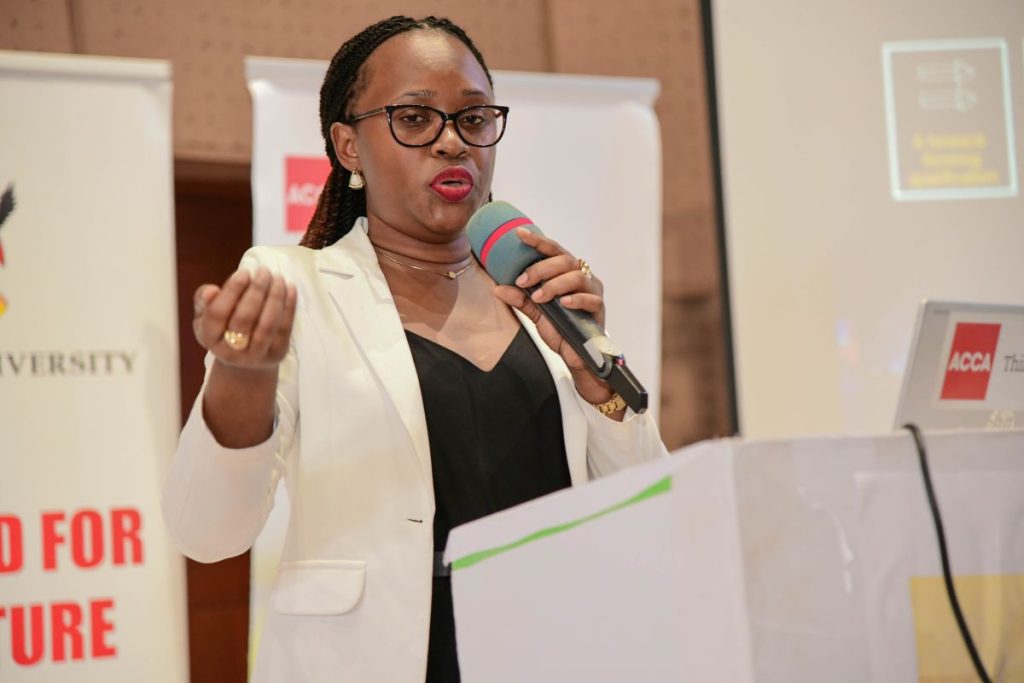
Ms. Mbabazi further pointed out the “forward-thinking qualification” attributes of ACCA. These include: Empowering individuals to be digitally relevant, creating ethical and trusted professionals, global recognition, professionals who add value, access to the most up to date syllabus on the market, and continuous learning for trainees as well as access to the global employability platform.
She also discussed the importance of adapting to technological advancements, stating, “You need to adapt and make sure technology is at the heart of what you are doing.”
Ms. Mbabazi articulated that ethics is at the centre of the ACCA programme. “ACCA programmes uphold ethics in building professionals. I urge you to avoid any form of fraud,” she emphasized.
The captivating presentations from the College of Business and Management Sciences and ACCA Uganda set the pace for the students to listen to a powerful keynote speech. Dr. Martin Bakundana introduced the keynote speaker, Mr. Robert Busuulwa, the founder and Managing Partner of Forvis Mazars in Uganda with over 30 years of tested and proven experience.
Mr. Robert Busuulwa’s keynote speech embodied words of wisdom and lived experiences that require an individual to be responsible for his or her destiny.
He guided the students that being successful is a personal choice and commitment. “If you want to be successful, dedicate time and study success,” he advised.
“When you plan to do something, focus and concentrate. Pursue your ambitions and career aspirations with determination and confidence,” he added.
He castigated the popular phrase where individuals believe that it is the government responsible for their success and development. That statements calling upon the government to “assist” individuals should be discarded. “True liberation is about understanding who you are, your strengths and weakness, and what you can do as an individual to leverage your strength,” he stated.
He emphasized the importance of acquiring relevant skills, urging students to consider what they needed to demonstrate to future employers, particularly in light of evolving trends such as AI, robotics, and big data. “What are the skills that you are expected to demonstrate?” he asked, reflecting on the broadening scope of skills in the field.
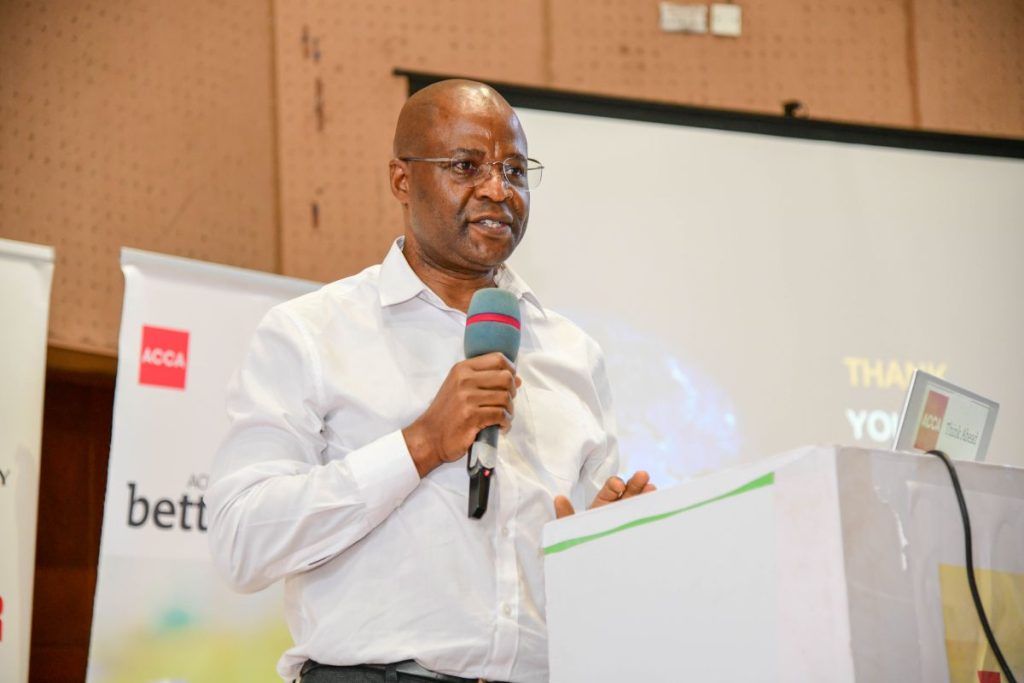
Using lively examples, the keynote speaker informed the audience that he had to create time to be at Makerere University on 1st April 2025 to speak to the students. He reported that he manages a very tight schedule, but if you want and value something, you work towards it, and ensure it is a possibility.
“I am here because I created time and convinced myself that I should join you today. I love mentorship and interacting with people. I love being here. I have to return to society, what it has given me through qualifications, life and experiences. Through this career workshop, I am exactly doing that,” he said.
Mr. Busuulwa shared anecdotes from his academic journey and connecting with young minds poised for the future. He reinforced the notion that the landscape of accounting has changed dramatically, moving from traditional number-crunching to roles involving Environmental, Social, and Governance (ESG) factors, financial crime, and IT consulting.
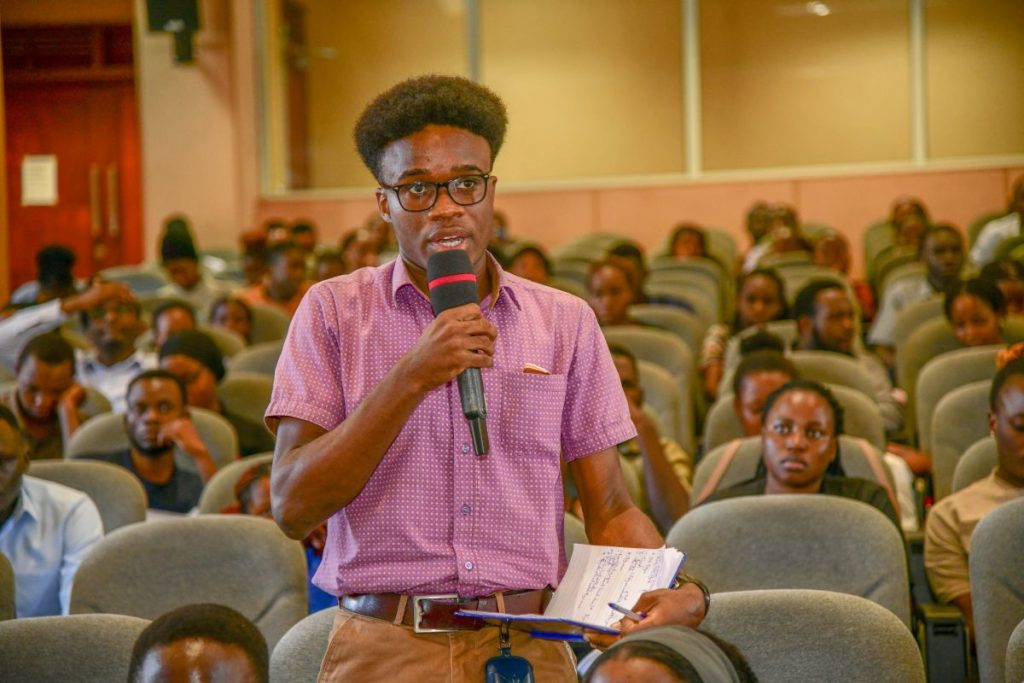
Mr. Busuulwa mentioned that with the trends in the accounting profession, students and practitioners are presented with diverse career paths.
Mr. Busuulwa encouraged students to understand and appreciate their potential. “Every one of you here has the potential. I urge you to believe in your capabilities,” he said. He cautioned students and young people in general against limiting beliefs. Citing the power of thinking and its effects on the choices that individuals make, he stated, “If you think you can’t do it, you will not.”
He inspired students to actively shape their careers, stressing the need for adaptability and continuous learning. He appealed to the students to always empower their minds and souls with positive statements such as “Whatever it is, I am going to be successful,” he remarked.
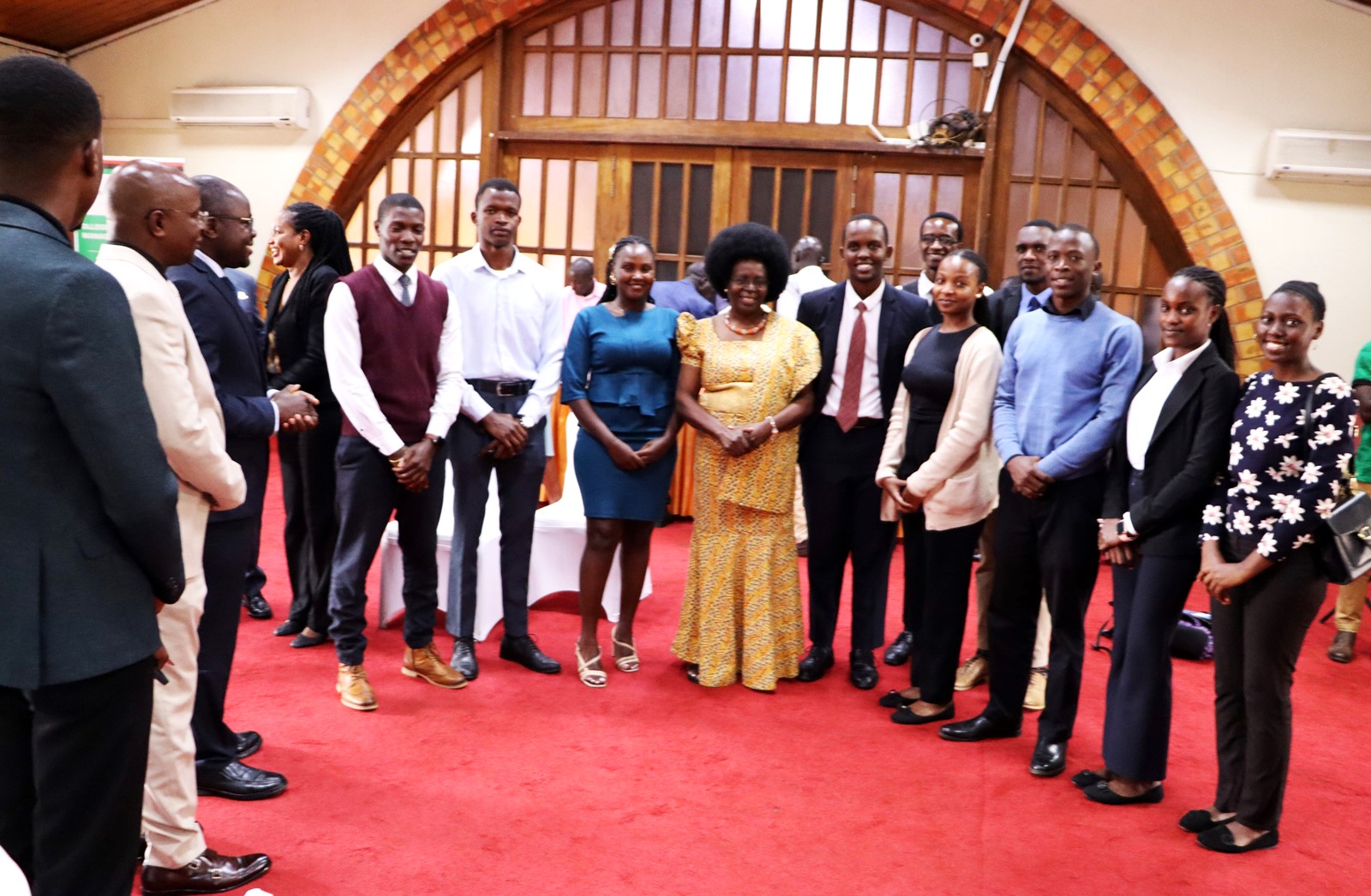
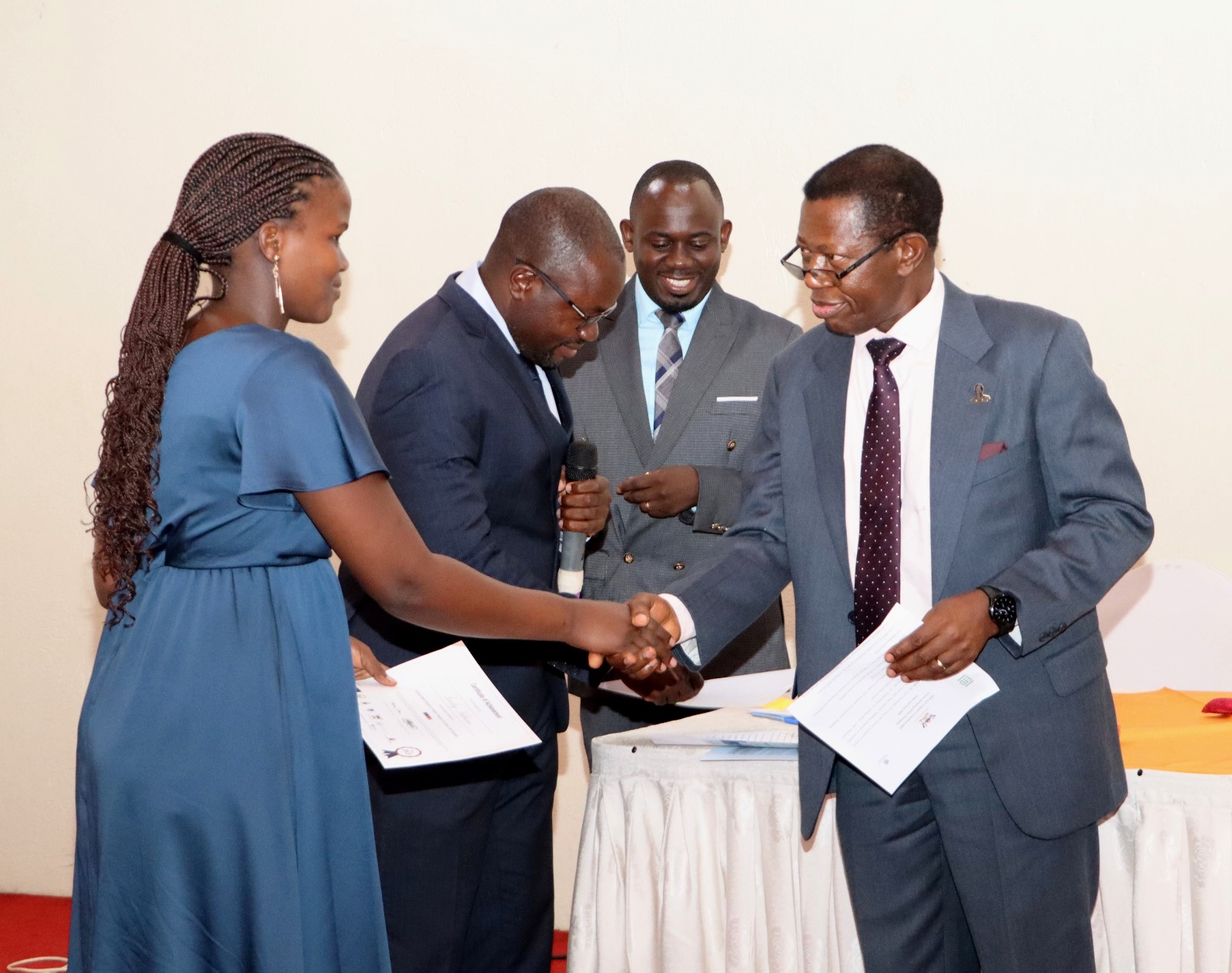
The Career workshop moderated by Ms Sylvia Namujjuzi, Assistant Lecturer at the College of Business and Management Sciences assisted by Mr. Jonathan Basalirwa, a third year student, ended on a high note with presentation of awards of excellence to the best ten (10) First Class Honours Division graduates, and a networking session involving the respective speakers and students.
The Principal thanked the Dean, School of Business- Dr. Godfrey Akileng, Dr. Eric Nzibonera, Ms Sylvia Namujjuzi, Mr. John Ogema, the Makerere University Accountancy Bureau, and the team from ACCA Uganda for organizing the Career workshop 2025.
The discussions involving Makerere University staff namely Prof. Edward Bbaale, Dr. Eric Nzibonera, ACCA Uganda-Ms Charlotte Kukunda and Ms Jackie Mbabazi, and the Keynote Speaker Mr. Robert Busuulwa emphasized the necessity of bridging the gap between academic training and real-world skills.

Business & Management
School of Business Conducts Strategic Leadership Training for Makerere University Managers
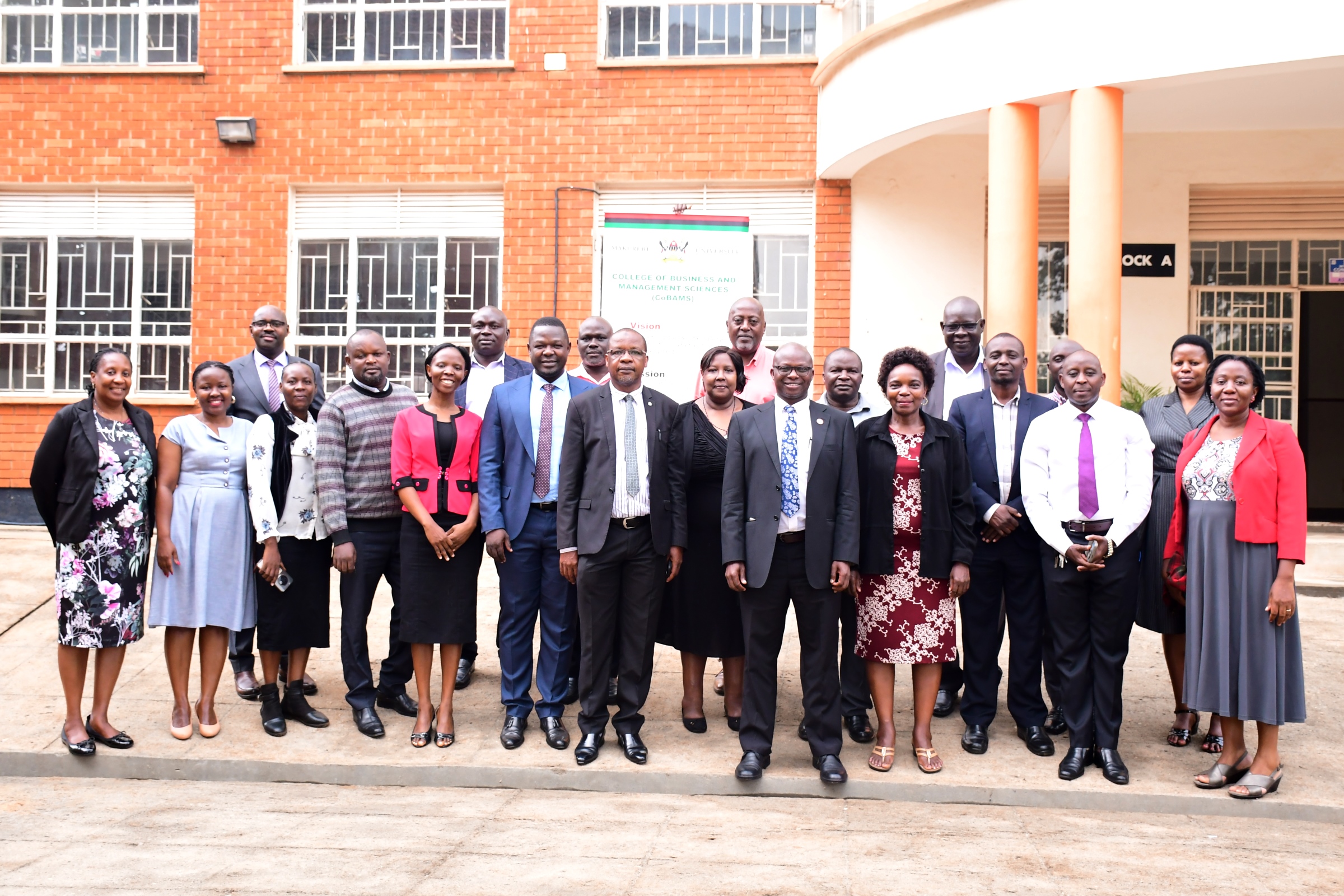
Makerere University School of Business under the College of Business and Management Sciences (CoBAMS) is conducting a five-day strategic leadership training for the first cohort of University managers.
The Executive training (7th to 11th July 2025) for middle and top level managers seeks to foster leadership capacity in line with the University’s strategic goals. The participants nominated from the different units within the University include: Deputy Principals, Deans, Heads of Departments, and Heads of sections in Administrative Units.
The Strategic Leadership course covers critical areas such as Strategic leadership overview and contemporary issues, Driving strategic leadership to promote organizational performance and success, Leading people in Organizations, Organizational culture and productivity, Strategic Communication, and Organizational change and development.
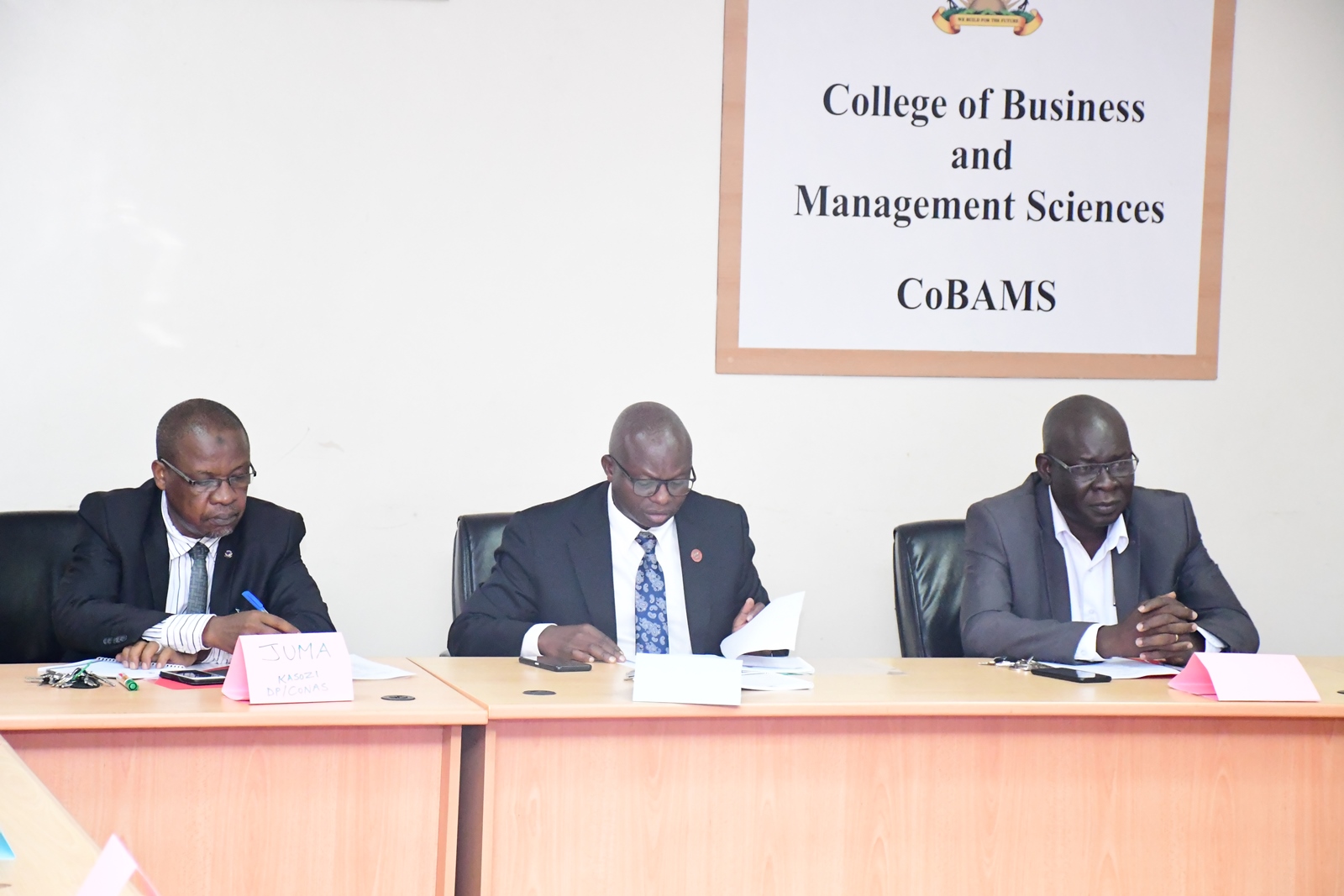
The course is delivered by seasoned facilitators from the School of Business, the private sector, industry and business community namely Associate Prof. James Wokadala, Associate Prof. Godfrey Akileng, Dr. Martin Bakundana, Dr. Sam Eyamu, Dr. S.B. Wanyama, Ms. Irene Nayera, Mr. Henry Rugamba, and Mr. Ronald Bbosa.
Addressing the participants, the Dean-School of Business, Associate Prof. Godfrey Akileng pointed out that learning was a continuous process, stating that the training was aimed at fostering professional leadership development and lifelong learning.
He elaborated that the training brings on board university leaders who are entrusted with managing people. Emphasizing that people are the most important resource in an organization/institution, the Dean highlighted the need to train and equip those managing offices, with strategic leadership knowledge, skills and values.
Unpacking the concepts of leadership and management, Associate Prof. Akileng revealed that most organizations need leaders, and not managers. In light of this, he stated that most business schools in the world were emphasizing leadership more than management. He explained the paradigm shift from traditional management practices to leadership-focused training, with a special call to leaders to always adapt and navigate complex organizational environments.
The Principal of the College of Business and Management Sciences, Prof. Edward Bbaale, represented by the Deputy Principal-Associate Prof. James Wokadala underscored the College’s pivotal role as a hub of excellence in Business, Economics, and Management. The Principal highlighted the growing significance of strategic leadership in today’s academic and professional landscapes, noting that even seasoned leaders must continue evolving in their leadership practices.
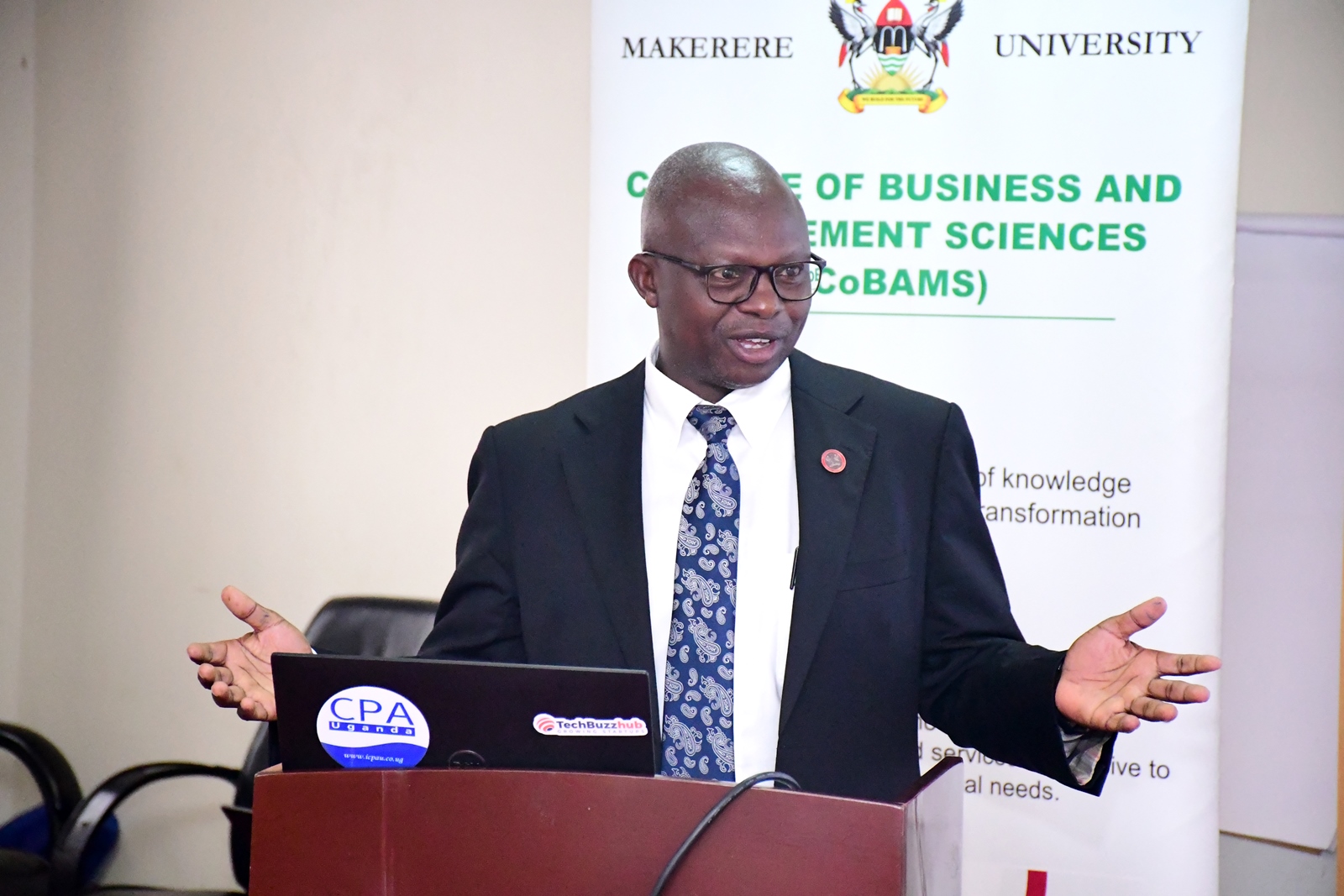
Sharing his lived experience, Associate Prof. James Wokadala, disclosed that a significant number of people entrusted with offices or managerial positions fear to make decisions. “One of key challenges faced by several organisations and universities is the fear by leaders and managers to take bold decisions. To address this challenge, this strategic leadership training conducted by the School of Business has been designed to empower you, with knowledge and skills in strategic decision making,” he stated.
The Coordinator of Partnerships and Collaboration, Dr. Martin Bakundana highlighted the importance of the program in developing leadership skills in a dynamic business environment. He acknowledged the growing relevance of leadership concepts such as transformational and thought leadership.
“We are at a turning point in the world of leadership, and it is essential for Makerere University to prepare its leaders for the challenges ahead,” Dr. Bakundana said. He encouraged participants to engage with the support team throughout the training, reinforcing the collaborative nature of leadership development. Dr. Bakundana is a Lecturer in the Department of Accounting and Finance, School of Business, at the College of Business and Management Sciences.
The remarks from the aforementioned University officials, set the pace for the training sessions. The first day featured two topics: Strategic Leadership Overview and contemporary issues by Associate Prof. Godfrey Akileng, and Driving Strategic Leadership to promote Organizational performance and success by Dr. Sam Eyamu.
Presenting the Strategic Leadership overview and contemporary issues, Associate Prof. Akileng tackled the following: The concept of change and the need to adapt, disruption being the new normal, strategic leadership styles, strategic leadership skills, as well as the principles of strategic leadership.
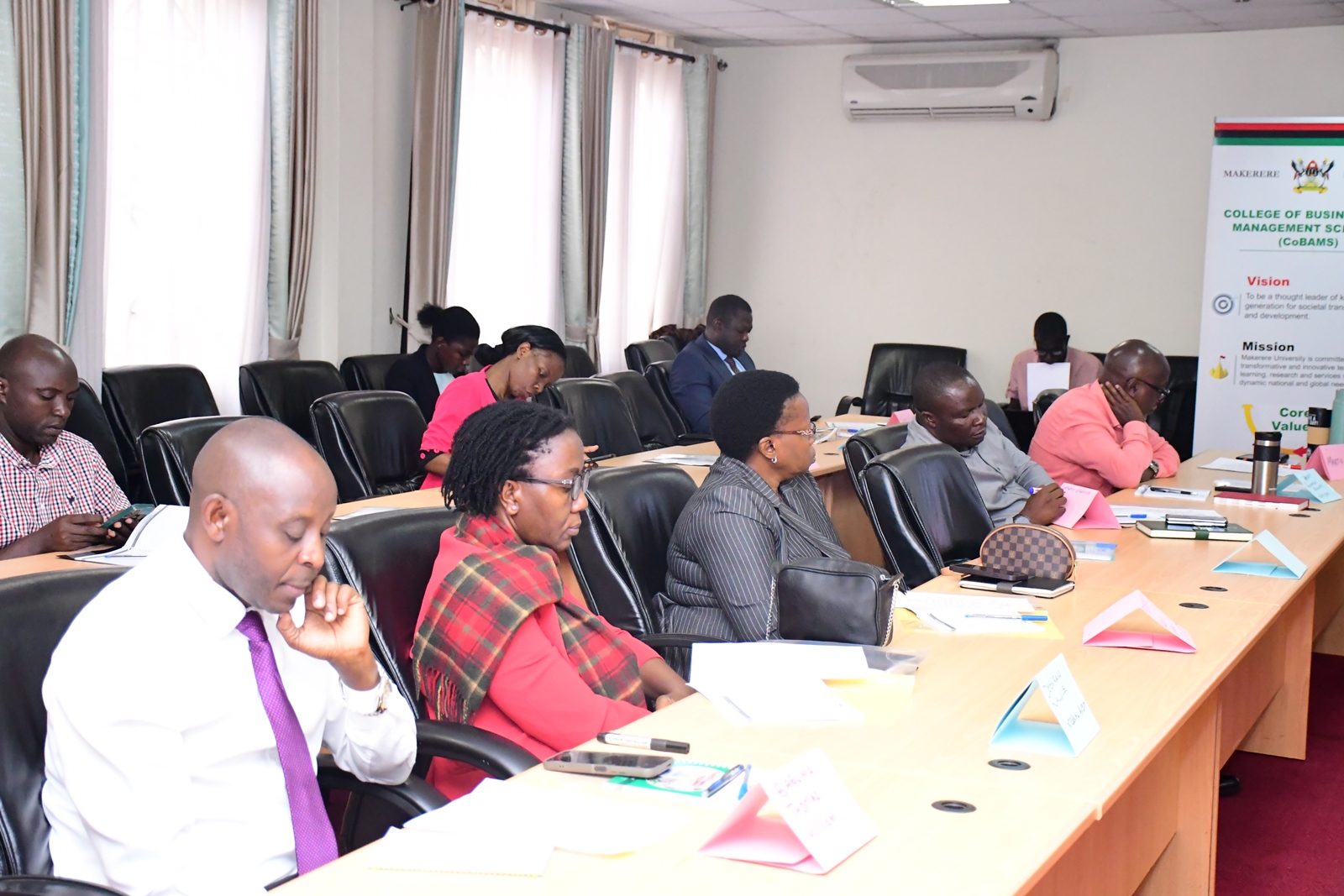
He kicked off his presentation by a powerful quote that enabled the audience to understand and appreciate the current business terrain. “We stand on the brink of technological revolution that will fundamentally alter the way we live, work, relate to one another. In its scale, scope and complexity, the transformation will be unlike anything humankind has experienced before,” Klaus Schwab Founder and Executive Chairman World Economic Forum.
Associate Prof. Akileng stated that change is a fact that is inevitable in our lives, with the landscape in which we work, constantly changing. He mentioned that organizations/institutions as well as Organizational settings do change, which necessitates leaders and staff to adapt to the trends by doing things differently. “I implore the leadership and staff to change the way they do things, if we are to survive,” he said.
Acknowledging that disruption is the new normal, he encouraged the participants to confront VUCA situations through strategic decision making. Coined in the early 2000’s, the military-derived an acronym-VUCA, which stands for Volatility, Uncertainty, Complexity and, Ambiquity.
Cognizant that change is inevitable, and that VUCA situations are prevailing in most organizations and business settings, Associate Prof. Akileng introduced the different strategic leadership styles namely transformative, visionary, transactional, and collaborative. He challenged the participants to apply the best leadership style or a blend of them.
For instance, Associate Prof. Akileng advised the middle and top level managers to utilize the collaborative leadership style when marketing a brilliant idea or an innovation. “You must work with others or behind the scenes to ensure that those in authority understand and support your idea.”
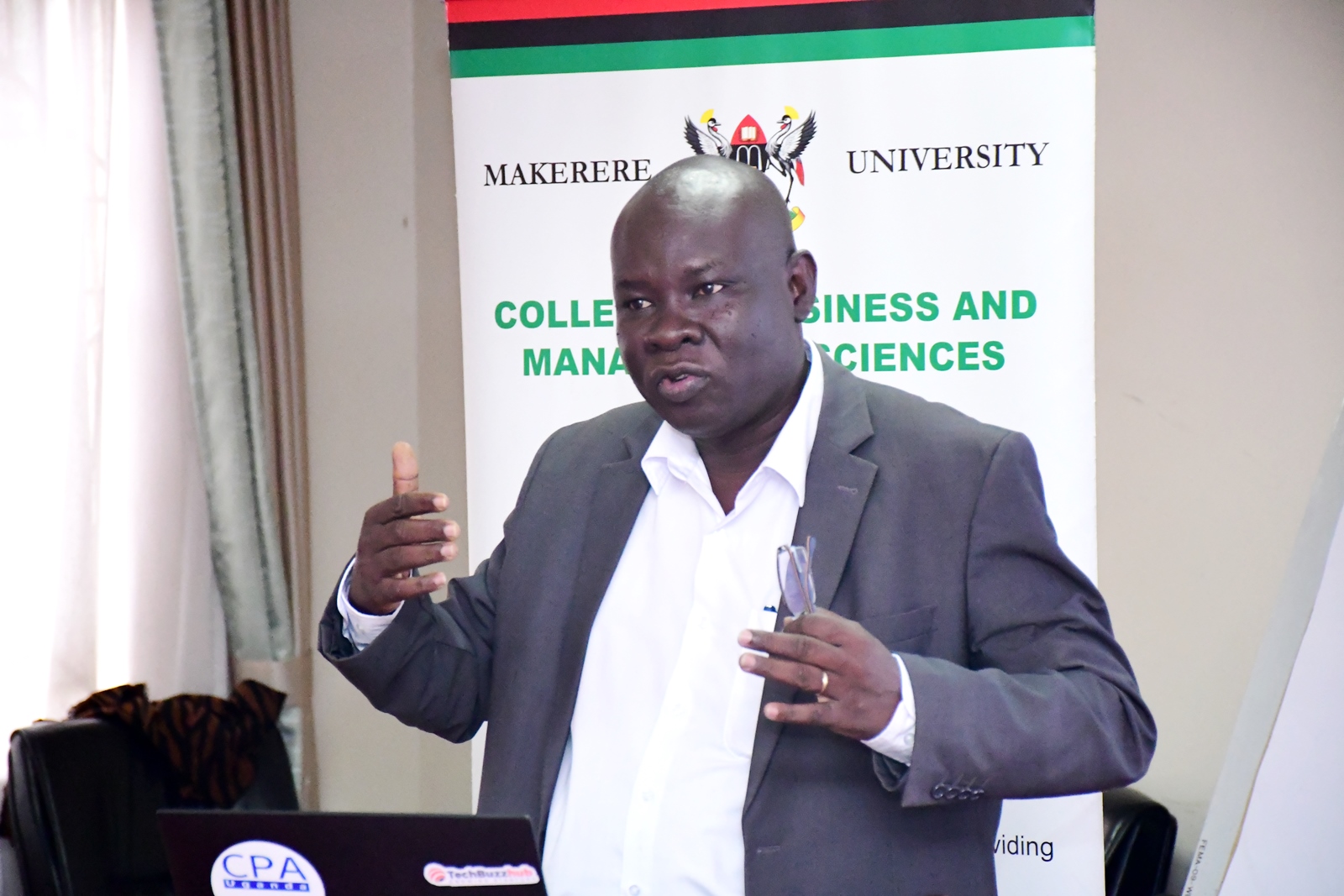
Drawing on lessons from past industrial revolutions, Associate Prof. Akileng emphasized that embracing technological advancements is critical for staying relevant. “History shows us that industries that failed to adapt to new technologies inevitably failed to compete,” he remarked.
Specific to education, he explained that COVID-19 disrupted teaching and learning. He added that most of the Universities in Africa that were pre-dominantly delivering lectures through physical interaction had to change and adapt to the terms and conditions dictated by the new normal. Universities embraced blended learning in order to overcome the disruption that threatened their comfort zones and preferred way of doing things.
He cited Makerere University, which deployed a blend of transformative, participant, and collaborative strategic leadership styles to rejuvenate its online learning systems/platforms. The Office of the Deputy Vice Chancellor (Academic Affairs), the College of Education and External Studies through its Institute of Open, Distance and e-Learning (IODel) worked with Colleges and the Directorate of ICT Support services (DICTS) to bring on board academic staff.
The Dean, School of Business indicated that the new normal in university education involves integration of online teaching, digital pedagogies, artificial intelligence (AI), Virtual Reality (VR), and Augmented Reality (AR) in teaching and learning, research and community engagements.
He called upon the participants to take into account the following strategic leadership skills: Foresight, curiosity, decisiveness, active listening, communication and diplomacy. He stressed that active listening is a key skill for a strategic leader.
Tackling the principles of Strategic leadership, the Dean-School of Business pointed out that strategic leaders are always on the top. He added that strategic leaders are innovative individuals, who are always pushing through brilliant ideas.
He notified the participants that strategic leaders take on the format of an eagle. “You must have a great vision with ability to navigate stormy turbulence, exhibit fearlessness, take the initiative, and have a high sense of self determination.”
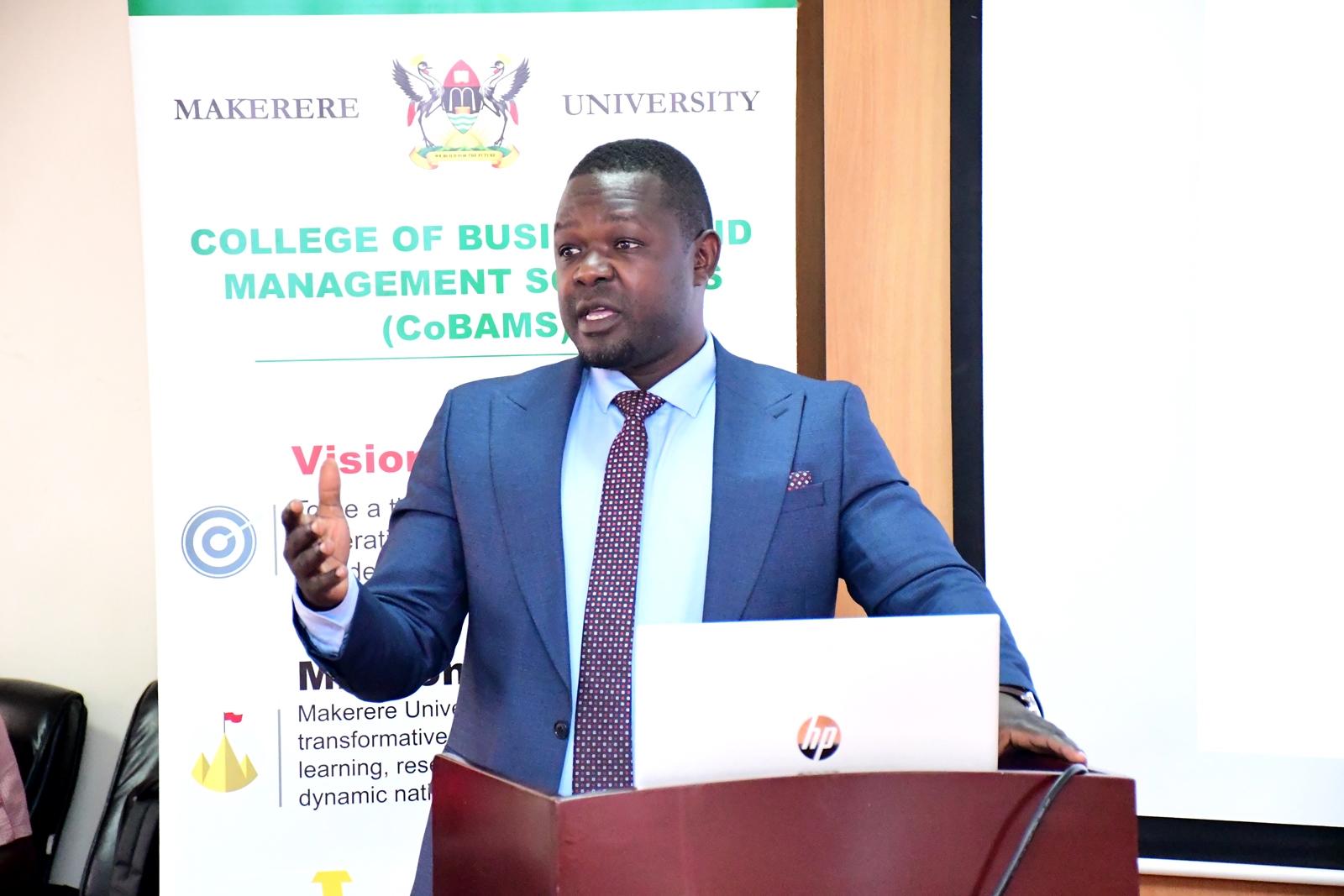
Presenting to the participants, Dr. Sam Eyamu, from School of Entrepreneurship and Management at Kyambogo University, provided insights into strategic leadership with an emphasis on organizational performance. He defined leadership as the ability to create a lasting legacy through collaboration. “Effective leadership inspires and unites teams, ensuring that their collective efforts have a long-term impact,” he said.
Dr. Eyamu guided that strategic leaders must work with others, be able to influence, and must create change. He articulated that strategic leaders should embrace Artificial Intelligence (AI). He advised university leaders and staff to accept that AI is the new normal, and work together to come up with policies and approaches on the integration of AI in the university systems and processes.
He added that strategic leaders should be resilient with ability to survive and lead the team to the desired goal. He called upon the participants to set goals, use key performance indicators, come up with work plans, score cards, and among other methods that measure performance. He introduced several tools designed to align strategy with performance, including the Balanced Scorecard, Objectives and Key Results (OKRs). Dr. Eyamu disclosed that celebrating small successes can accumulate into significant organizational momentum.
Dr. Eyamu highlighted two distinct leadership approaches: Rapid Fire Leadership, which encourages trying multiple strategies quickly and the Sniper Leadership that focuses on a more deliberate and calculated approach.
He argued that both approaches are valid depending on the available resources, with resilience and persistence being key to success in either model. He also emphasized the importance of clear strategic direction, ensuring that all team members understand their roles in achieving organizational goals.
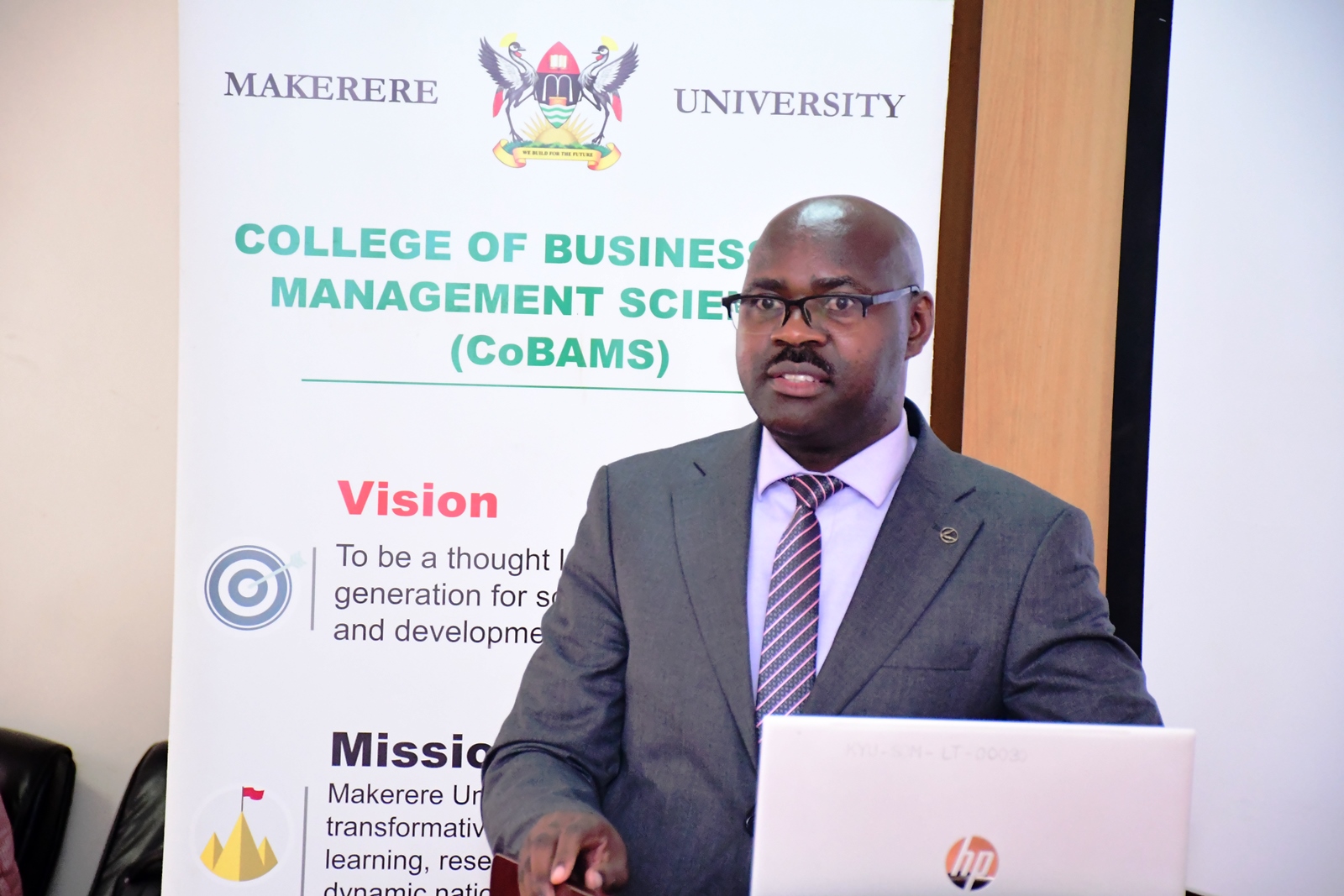
Additionally, Dr. Eyamu stressed the critical importance of performance measurement tools, such as Key Performance Indicators (KPIs), work plans, and the Balanced Scorecard, to track progress toward strategic goals. He introduced performance dashboards, which provide real-time data, and benchmarking, which allows organizations to compare their performance with industry best practices.
Dr. Eyamu introduced the Triple Bottom Line (TBL) framework, which balances social impact, environmental sustainability, and financial performance. He said that organizations must take a holistic approach to success, considering more than just the financial outcomes.
Presenting the practical tips for success, he encouraged the participants to; adopt a performance measurement framework and tool, foster and reward a culture of accountability and results, lead by example, be transparent by ensuring a consensual decision-making process, and empower team members through delegation of duties and trusting them to deliver.
The first day of the Strategic Leadership Training ignited the strategic leadership potential of the participants, which involves getting out of the comfort and safe zone, to champion the transformation at the institutional or Unit levels. The University leaders and participants in general, were encouraged to take charge by being alert, studying the times and trends, as well as coming up with innovations and strategies to create a positive difference.
The Strategic Leadership Training was moderated by Dr. Martin Bakundana-Coordinator of Partnerships and Collaboration assisted by Ms. Ritah Namisango-Principal Communication Officer.

By Monica Meeme and Jane Anyango
Kampala, July 2, 2025
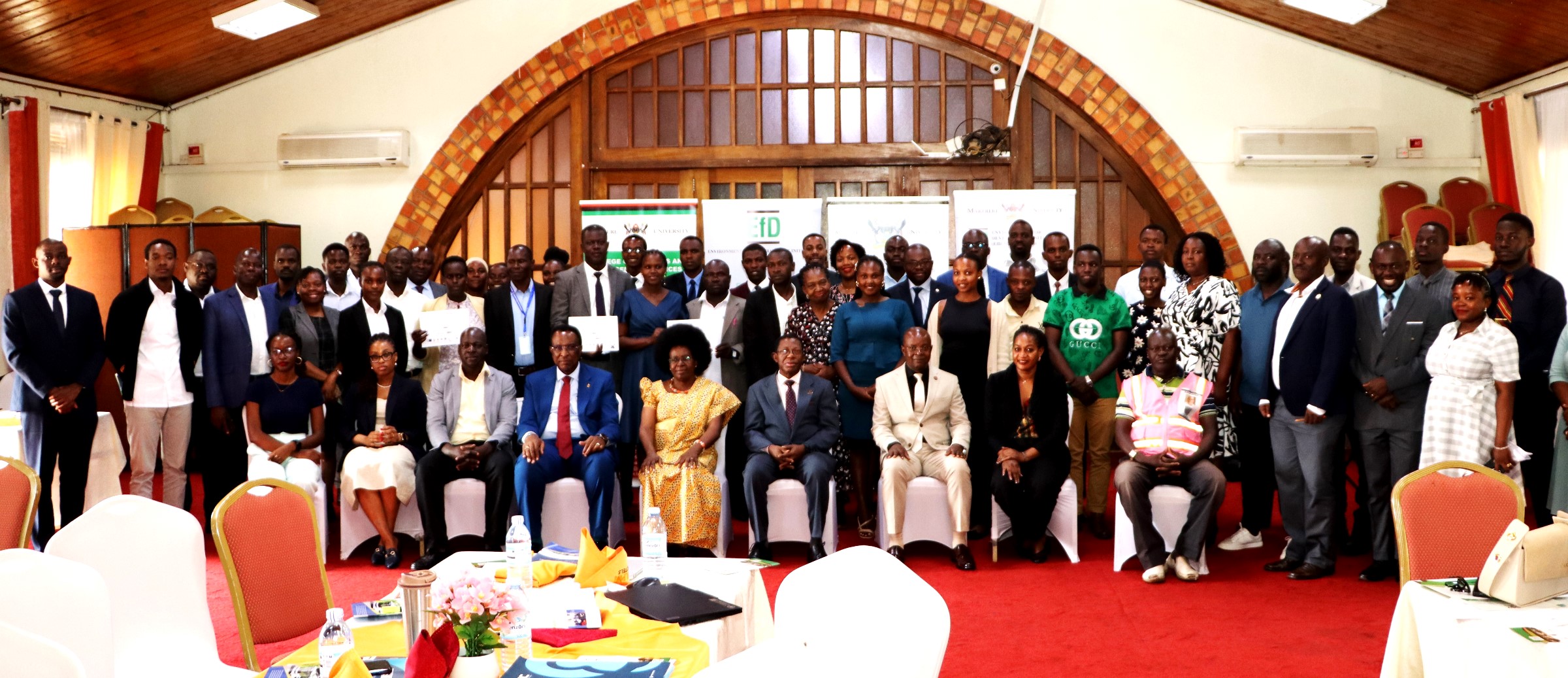
The 4th Cohort of the Inclusive Green Economy (IGE) Fellows 2024–2025 has graduated with certificates at a colorful ceremony held at the Kampala Kolping Hotel. The new IGE cohort 2025–2026 was also introduced during the event. The fellows—senior public servants from five key government institutions—completed a year-long training on green economic transformation, focusing on reducing emissions in Uganda’s transport sector. The participating institutions included the Ministry of Finance, Planning and Economic Development (specifically the new Climate Finance Unit), Ministry of Energy and Mineral Development, Ministry of Water and Environment, the National Planning Authority, and the Kampala Capital City Authority (KCCA).
The IGE Fellowship, funded by the Swedish International Development Cooperation Agency (Sida), is a capacity-building initiative coordinated by the University of Gothenburg in collaboration with Uganda’s Makerere University. This year’s program brought together senior officials from Uganda’s public sector to address policy and practical challenges in promoting e-mobility and reducing transport emissions.
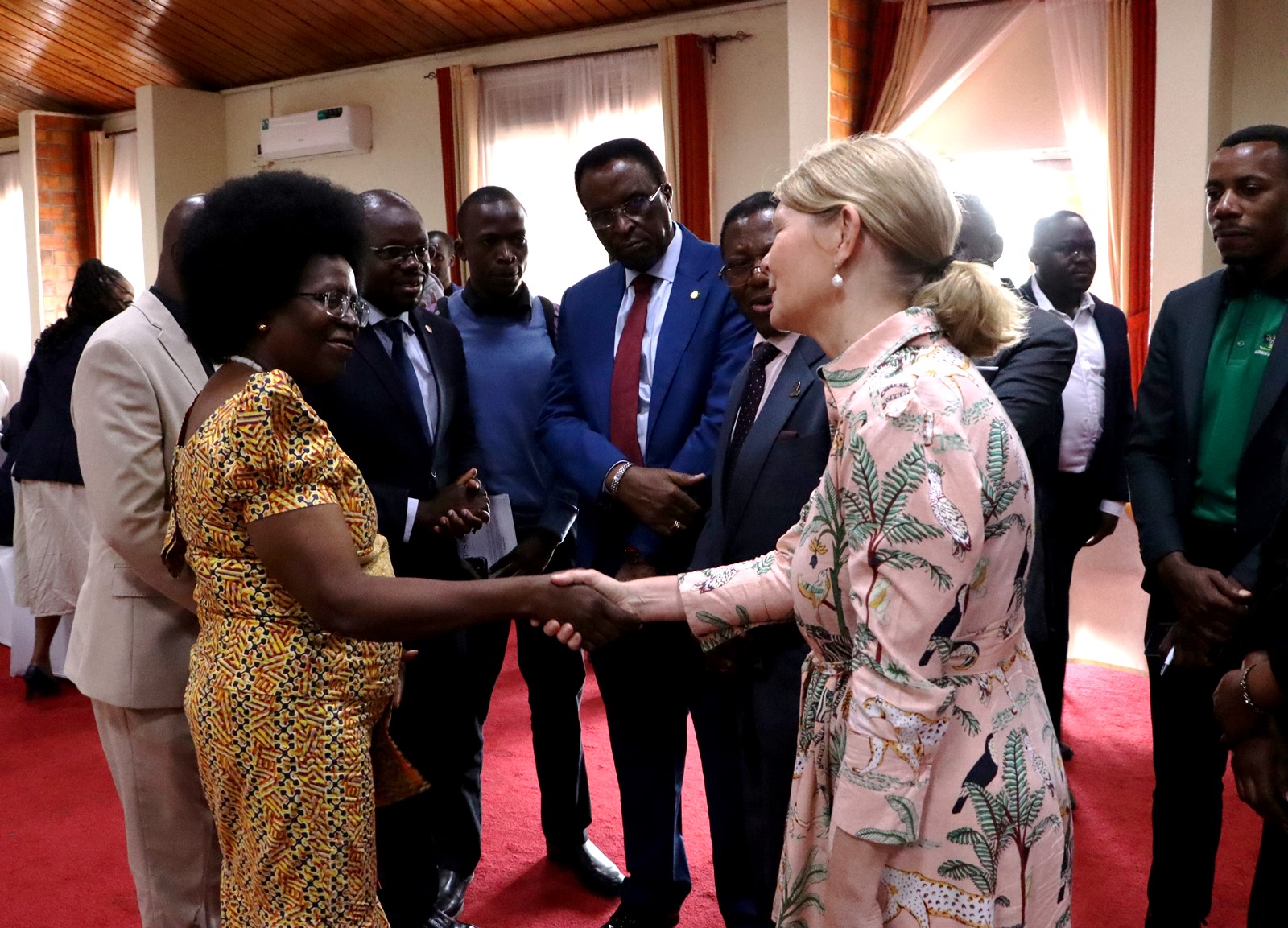
The graduation ceremony attracted over 120 participants from Uganda’s ministries and agencies in water, minerals, and energy, as well as private sector players, academia, and civil society organizations. Dignitaries from Makerere University, including Vice-Chancellor Prof. Mukadasi Buyinza, several deans, and commissioners were present. Also in attendance were representatives from Kira Motors, UETCL, and other stakeholders in Uganda’s emerging e-mobility sector. The event was presided over by the Swedish Ambassador to Uganda, H.E. Maria Håkansson, as Chief Guest. Other dignitaries included the Minister for Science, Technology and Innovation, Hon. Dr. Monica Musenero; the Vice-Chancellor’s representative, Prof. Buyinza Mukadasi (also Academic Registrar and Acting Deputy Vice Chancellor in charge of Academic Affairs); and the Principal of the College of Business and Management Sciences, who also leads the Uganda IGE program.
Sweden’s Call to Action
H.E. Maria Håkansson commended Uganda’s efforts to transition to a green economy and urged the country to lead Africa’s e-mobility revolution. Speaking at the ceremony, Ambassador Håkansson emphasized the importance of clean transport solutions for achieving climate goals and driving national development.
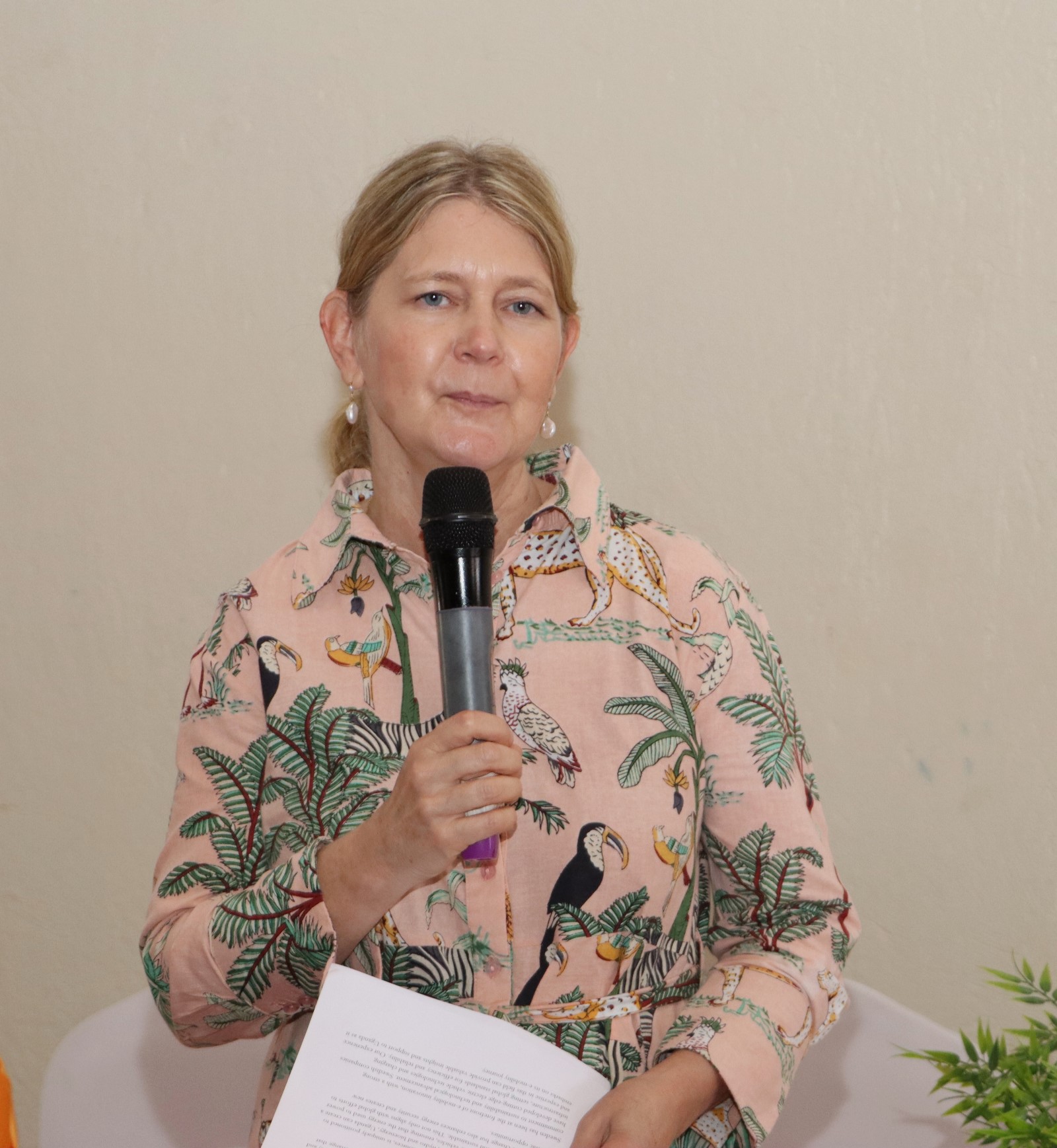
“It is a pleasure and honor to celebrate a cohort of professionals now better equipped to shape Uganda’s green economy,” she said. “This year’s focus on e-mobility is not just timely—it’s essential.”
She stressed that transitioning to electric mobility is more than a technological shift—it’s a paradigm change with broad social, economic, and environmental implications.
“Uganda, with its abundant renewable energy resources—solar, hydro, and bioenergy—is uniquely positioned to lead this transition,” she noted. “Clean energy must power clean transport.”
Drawing on Sweden’s experience, Håkansson said Swedish companies have set global benchmarks in electric vehicle technologies and infrastructure. She reaffirmed Sweden’s readiness to support Uganda in building a sustainable e-mobility ecosystem.
“Investment in charging infrastructure, incentives for EV production and use, and public awareness campaigns are essential to making this work,” she said.
She also called for a whole-of-society approach, urging collaboration between government, academia, the private sector, and civil society.
“It’s inspiring to see multi-sectoral representation here. This is exactly what’s needed to move from policy to impact,” she added.
A Message to the Graduates: Be the Pioneers
Addressing the 2024 IGE Fellows directly, Ambassador Håkansson described them as pioneers of Uganda’s green transformation.
“You have the knowledge, the skills, and the platform to influence policy, drive innovation, and lead by example,” she said. “Embrace that responsibility with passion and determination. Uganda’s future is in your hands.”
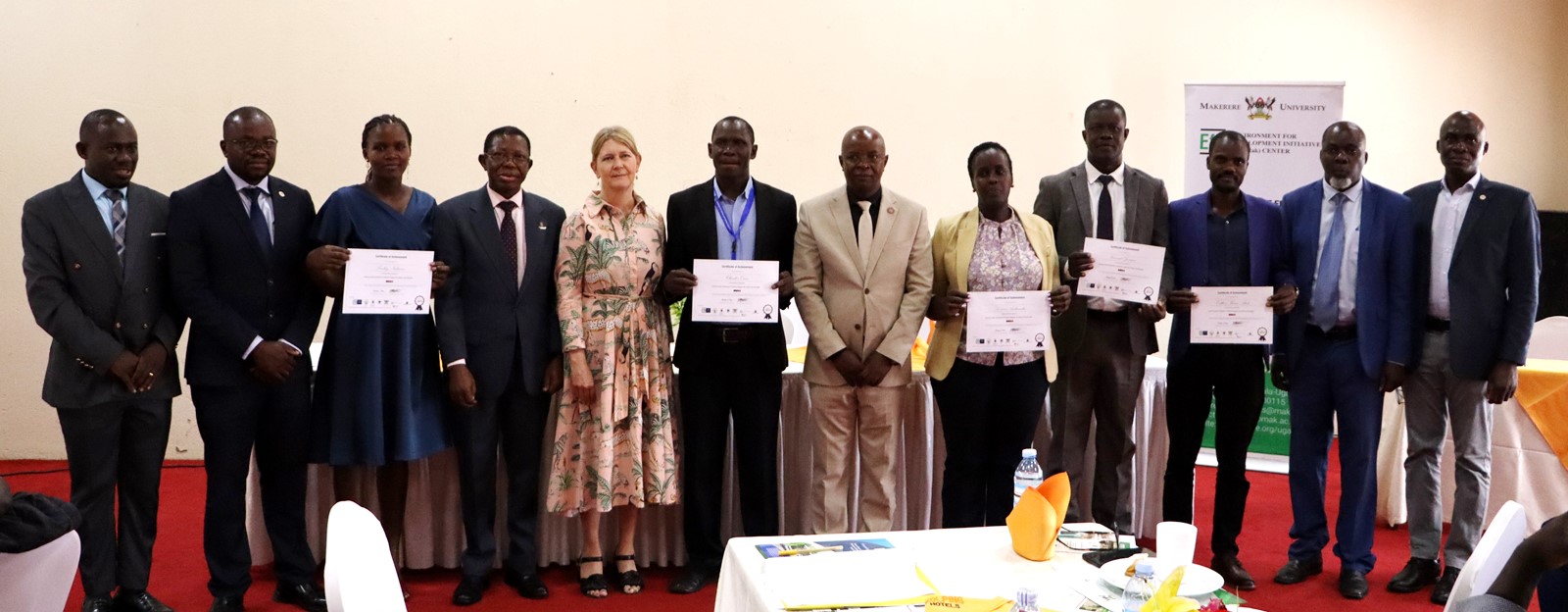
She concluded by congratulating the fellows and reaffirming Sweden’s commitment to supporting Uganda’s green economy agenda.
“Your achievements are not just personal milestones; they are part of a broader mission to ensure a better, cleaner, and more sustainable future for all.”
Minister Musenero Urges Integration of STI and Economic Policy
Minister for Science, Technology and Innovation, Dr. Monica Musenero, called for urgent alignment of science, technology, and innovation (STI) with economic policy to transition Uganda into a sustainable green economy.
She emphasized the role of public sector leadership in combating climate change through e-mobility, energy efficiency, and adaptive economic strategies.
“This cohort has shown what’s possible when we equip our civil service with tools and knowledge beyond traditional silos,” she said. “STI alone cannot transform our economy. Without the right incentives and economic policies, even the best innovations may not scale.”
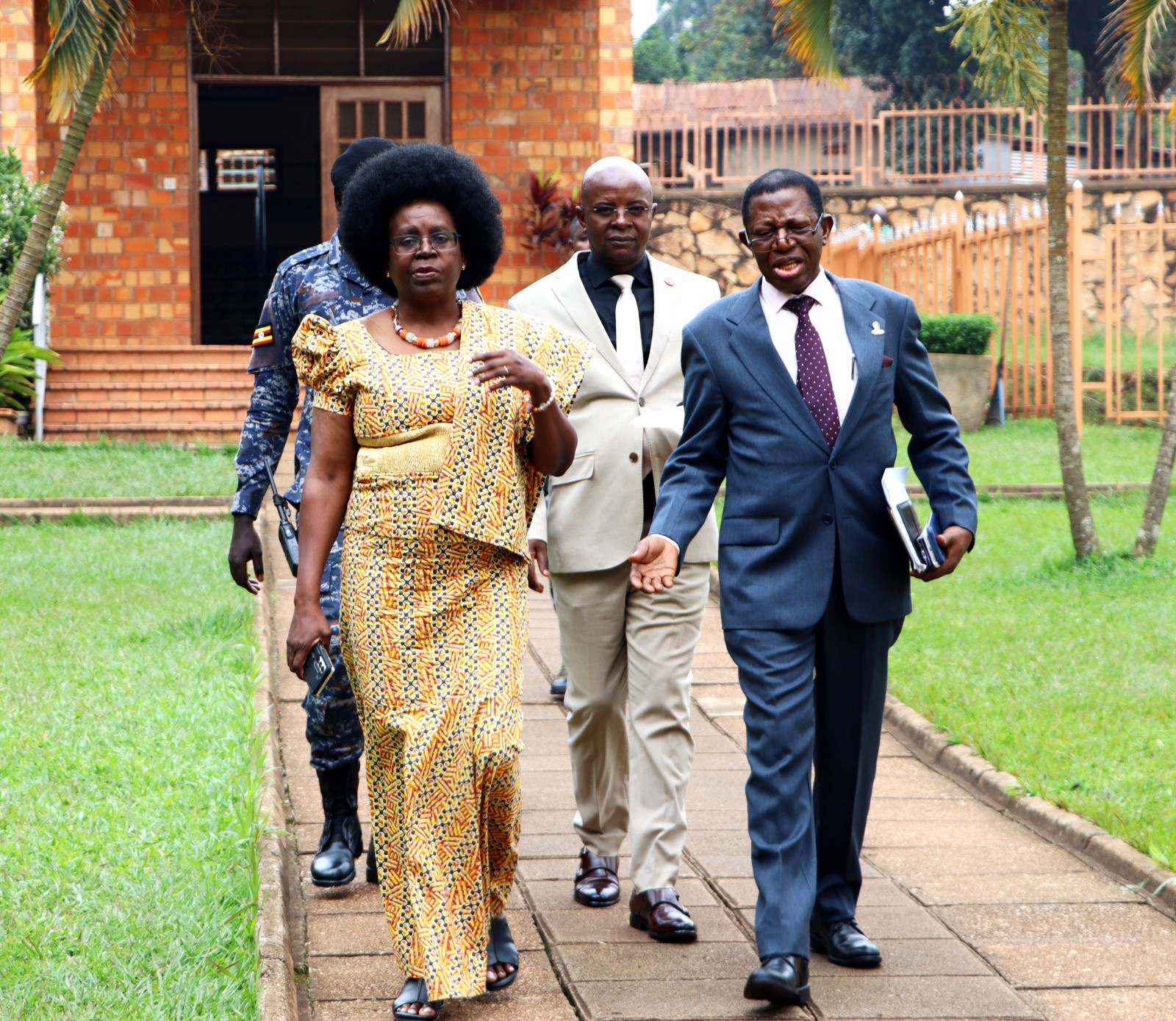
E-mobility was central to the fellows’ training. From motorcycles to buses, Uganda’s electric vehicle transition was presented as both an environmental necessity and an economic opportunity. Kira Motors Corporation was highlighted as a standout example that has inspired regional interest.
“Our transport sector is a major emitter,” said one program coordinator. “But through e-mobility and better planning, we can make real progress. That’s why we brought together not only policymakers but also private sector players, utility providers, and boda-boda operators.”
The IGE Program operates in Uganda, Kenya, Tanzania, Rwanda, and Ethiopia. It combines technical training, peer learning, and national policy engagement.
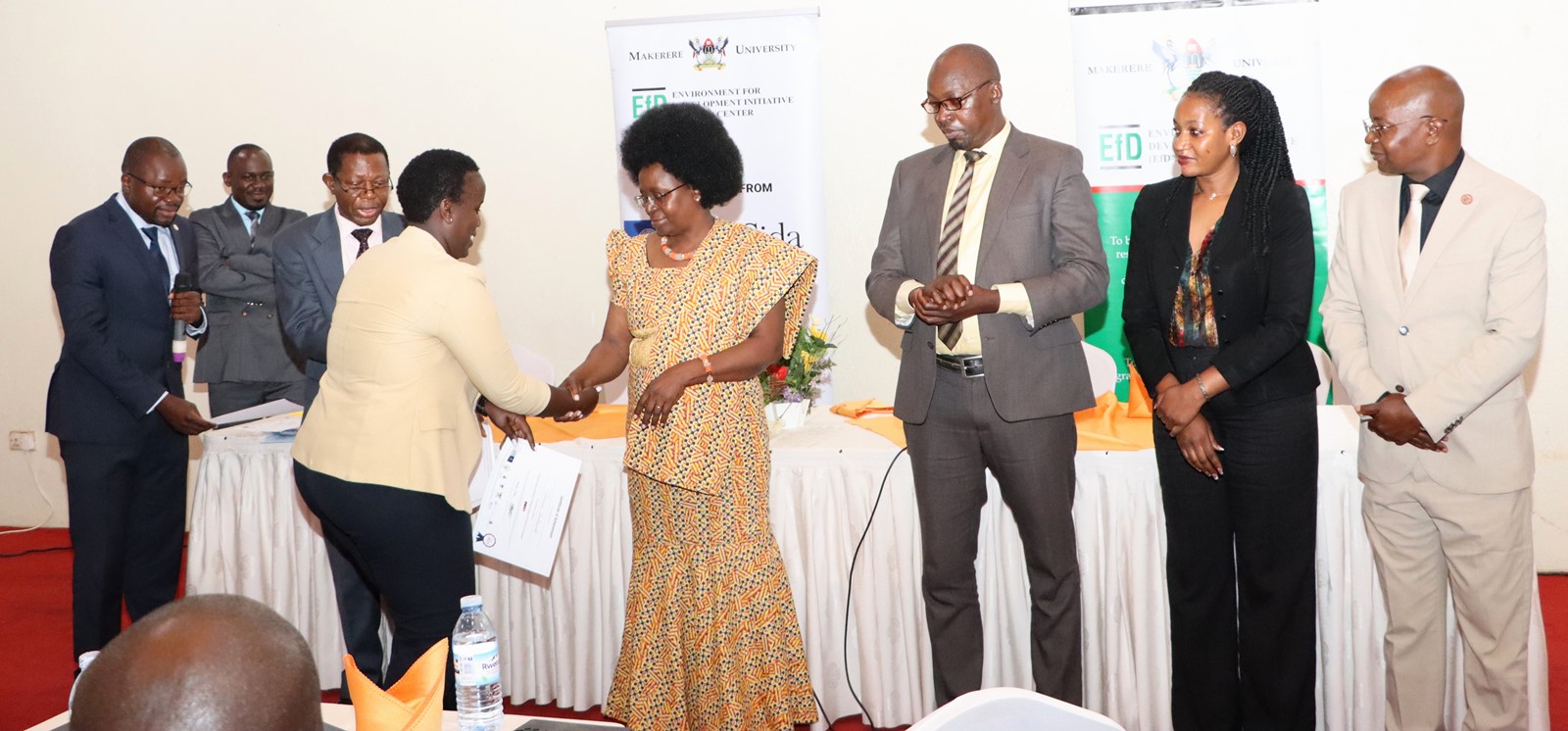
Fellows visited institutions in Rwanda, Kenya, and Ethiopia to exchange experiences and showcase Uganda’s successes—particularly the Kira EV initiative, which has become a regional benchmark.
Dr. Musenero emphasized Uganda’s commitment to using STI to meet its climate goals but cautioned against fragmented efforts.
“Africa may contribute less than 4% of global emissions, but we suffer disproportionately,” she said. “This is our moment to lead—not just through innovation, but by creating the right environment for innovation to flourish.”
Musenero Warns Against Passive Technology Adoption
Dr. Musenero urged African nations to stop passively receiving technology and instead harness it for economic sovereignty and relevance.
She argued that unless African countries take control of their role in the Fourth Industrial Revolution, they risk falling into cycles of dependency.
“We now have enough PhDs, institutions, and qualified leaders,” she said. “So it’s unacceptable that Africa receives this revolution as it did the last—awed by foreign inventions but unable to replicate them.”
While e-mobility is often framed as a climate solution, she urged fellows to focus on wealth creation, job generation, and manufacturing.
“Thriving means growing despite challenges. Harnessing is using innovation as a launchpad for prosperity. That’s the mindset we need.”
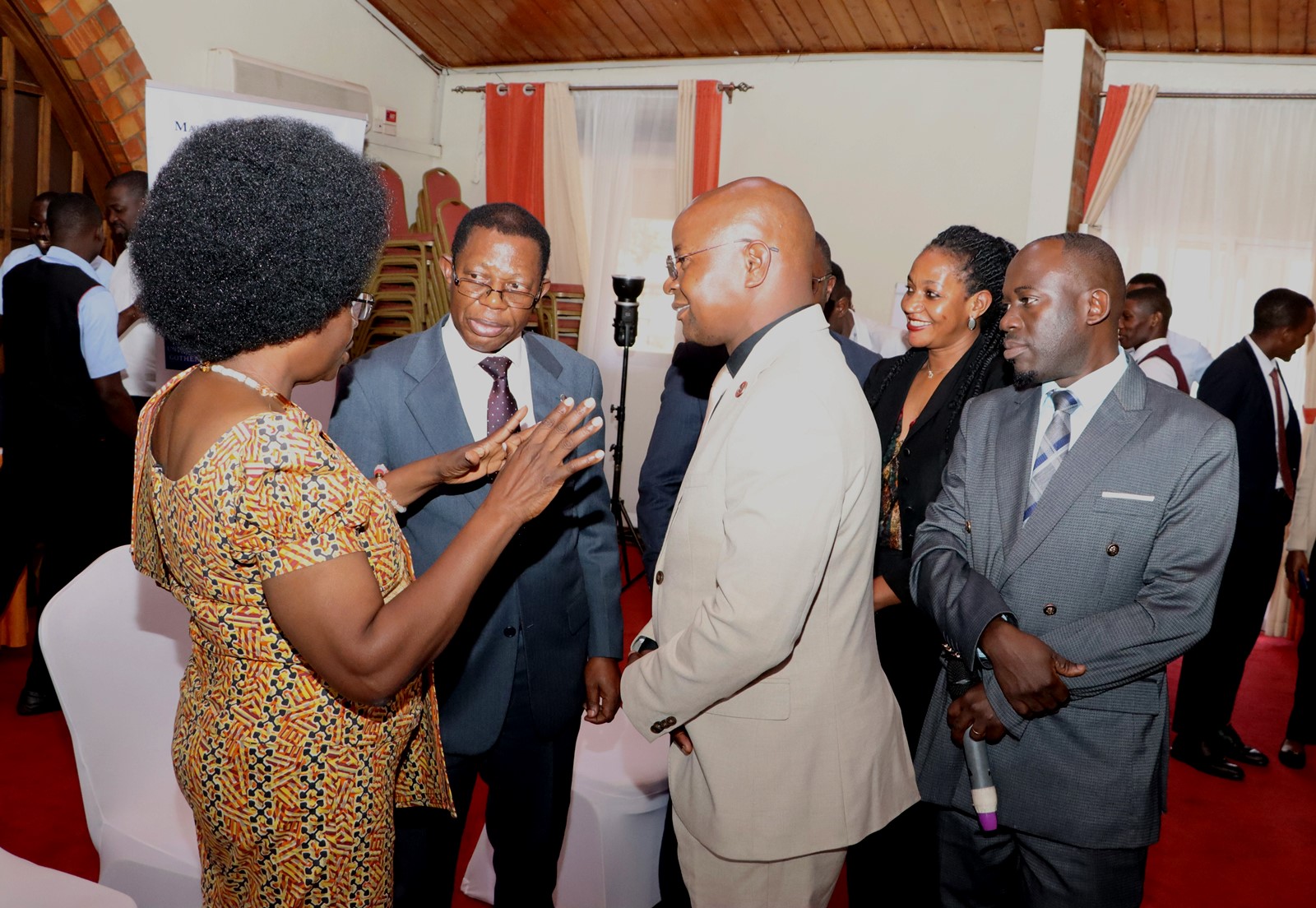
She warned that Uganda’s green transition must go beyond emissions reduction to address economic transformation.
Dr. Musenero offered a historical account of how past industrial revolutions left Africa behind—not due to lack of technology, but due to lack of understanding.
“The first industrial revolution didn’t start with a master plan—it started small and grew. But countries that embraced it changed forever. Africa, meanwhile, was herding cattle,” she said.
Now, with digital technology, AI, biotechnology, and green energy, Africa must act decisively.
“We were unprepared then. But now we have the tools, the minds, and the responsibility.”
She concluded with a call for internships and deeper policy engagement, suggesting that all IGE Fellows be seconded to her ministry.
“We need you to think—not just about policies, but about the why. Why e-mobility? Why now? What does it mean beyond emissions?”
Makerere University Urges Fellows to Champion Uganda’s Green Future
Prof. Mukadasi Buyinza, representing the Vice-Chancellor, urged the graduates to become ambassadors of the green economy, leading transformative change.
He praised the year-long training as timely and vital for addressing regional environmental and economic challenges.
“Technology never solves problems without creating others,” he said. “As we develop, we must manage the disruptions that come with it.”
The program, supported by Sida and hosted by Makerere University, equips senior government officials with tools for green policy-making. This year’s fellows came from finance, energy, environment, and planning sectors—central to Uganda’s development.
Prof. Buyinza highlighted the inclusion of climate finance officers, planners, and engineers, noting that cross-sector collaboration is key.
“This is how we build a green industrial economy,” he said. “Green skills, green jobs—that’s the call of the time.”
He celebrated the program’s regional scope, involving fellows from Uganda, Rwanda, Tanzania, and Ethiopia, and stressed knowledge-sharing across borders.
“This transition from diesel to electric vehicles offers real opportunities to improve air quality, reduce emissions, and modernize transport.”
He concluded by reminding graduates of their duty:
“You are our ambassadors. We count on you to deliver transformative, scalable programs that shape Uganda’s future.”
Prof. Edward Bbaale: “Seeds of Transformation”
Prof. Edward Bbaale, Director of the IGE Programme, described the initiative as a model of interdisciplinary excellence.
“You are seeds of transformation,” he said. “You’ve not just completed a course—you’re now champions of Uganda’s green transition.”
Fellows were drawn from five key institutions and focused on reducing transport emissions through energy efficiency and e-mobility.
Prof. Bbaale emphasized the need for cross-sector dialogue and noted that e-mobility is not just about technology—it’s also about infrastructure, incentives, and economics.
“Scientific breakthroughs must be matched by sound economic policy,” he said. “Without the right tools—taxes, subsidies, regulation—green initiatives may stall.”
He pointed out that Africa, though contributing less than 4% of global emissions, suffers disproportionately, demanding urgent and pragmatic responses.
He lauded the regional scope of the program and Uganda’s leadership, particularly the Kira EV model, which has drawn admiration across East Africa.
Prof. Bbaale credited Sida, the University of Gothenburg, Makerere leadership, and Dr. Musenero for bridging the gap between science and economics.
“Be the voice of change. Let your work reduce emissions, create jobs, and improve lives,” he urged the graduates.
The Journey of the 2024 IGE Fellows
When the 2024 IGE Cohort began in April, few anticipated the scale of transformation—both professionally and personally.
One fellow, Charles Ochen from the Ministry of Water and Environment, described it as “a lived experience in real policy transformation.”
Fellows engaged in immersive workshops, field visits, and practical sessions grounded in Uganda’s development context. A solar-powered facility visit early in the program emphasized the feasibility of renewables.
The cohort’s focus—“Energy Efficiency and Reduced Emissions in Uganda’s Transport Sector”—was timely. They studied everything from electric motorcycles to EV infrastructure.
Doreen Ankunda identified key barriers:
- Unpredictable tax exemptions
- Lack of standards for charging infrastructure
- Limited fiscal incentives
- Low public awareness
Their policy proposal included:
- National charging infrastructure guidelines
- Stable EV-related tax policies
- Incentives for local assembly
- Public education campaigns
Fellows also participated in peer learning across the region. Uganda’s Kira Motors was praised, while insights from Kenya and Rwanda enriched their understanding.
Charles Ochen emphasized: “You can’t bring policy without bringing stakeholders.”
Panel Discussion and Closing Remarks
Panelists highlighted both opportunities and challenges in Uganda’s e-mobility sector.
Kira Motors, Uganda’s flagship EV manufacturer, reported progress: nine electric buses in operation, over 300 operators trained, and expansion plans underway.
However, challenges persist:
- Low rural awareness and misinformation
- Shortage of trained EV technicians
- Limited charging infrastructure
- High EV costs for ordinary users
Policy gaps also remain. Drafts on EV standards and battery recycling await approval.
Commissioner Dr. Brian Isabirye stressed institutional alignment: “If Parliament can fund fuel cars, why not electric buses?”
Sweden’s ambassadorial team praised the IGE platform for uniting voices across sectors.
“Too often, we work in silos. This forum proves that dialogue leads to action.”
Monica Meeme is an Internee and Jane Anyango is the Communication Officer EfD Uganda
Business & Management
Uganda Deepens Economic Governance with Training on Regulatory Cost-Benefit Analysis

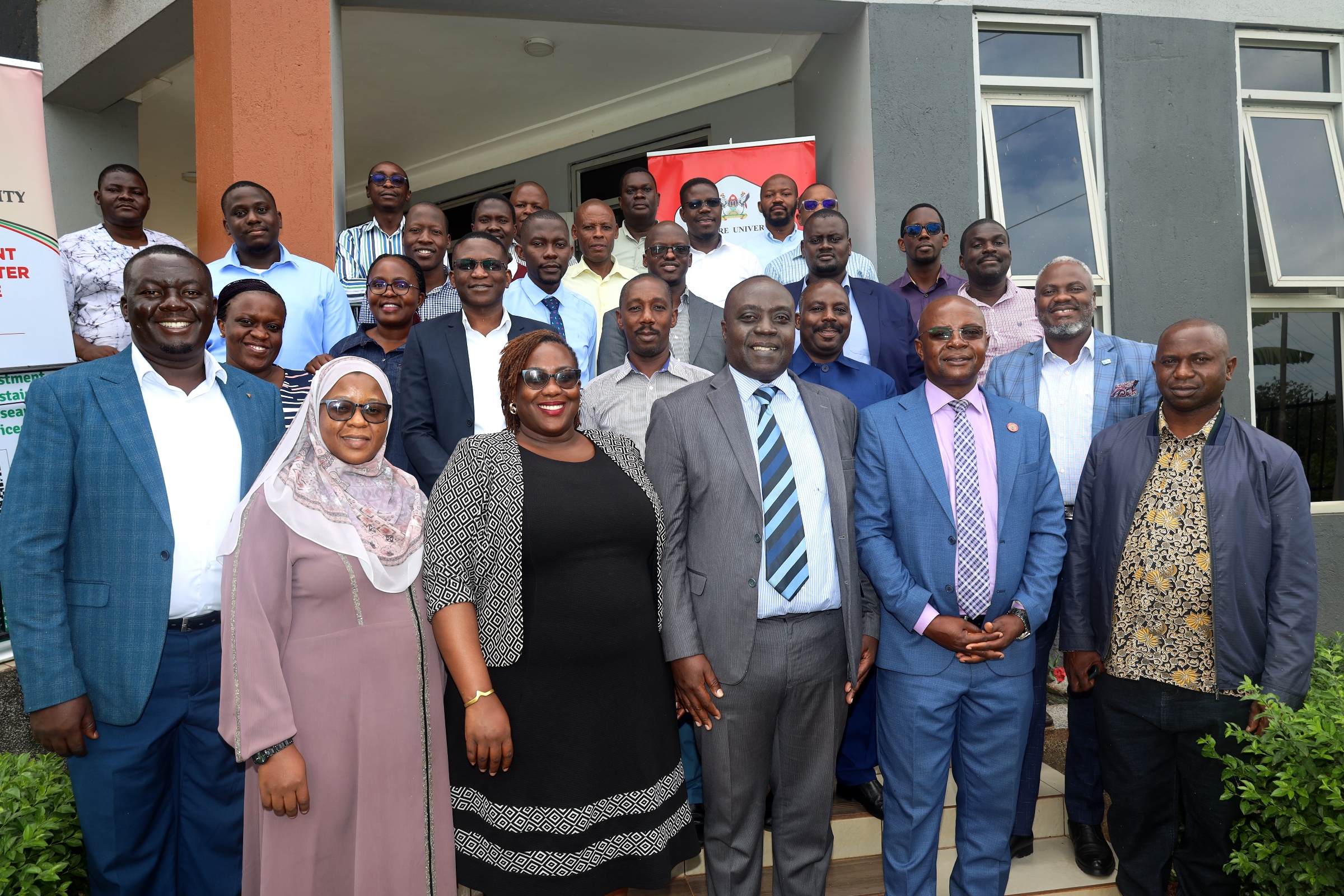
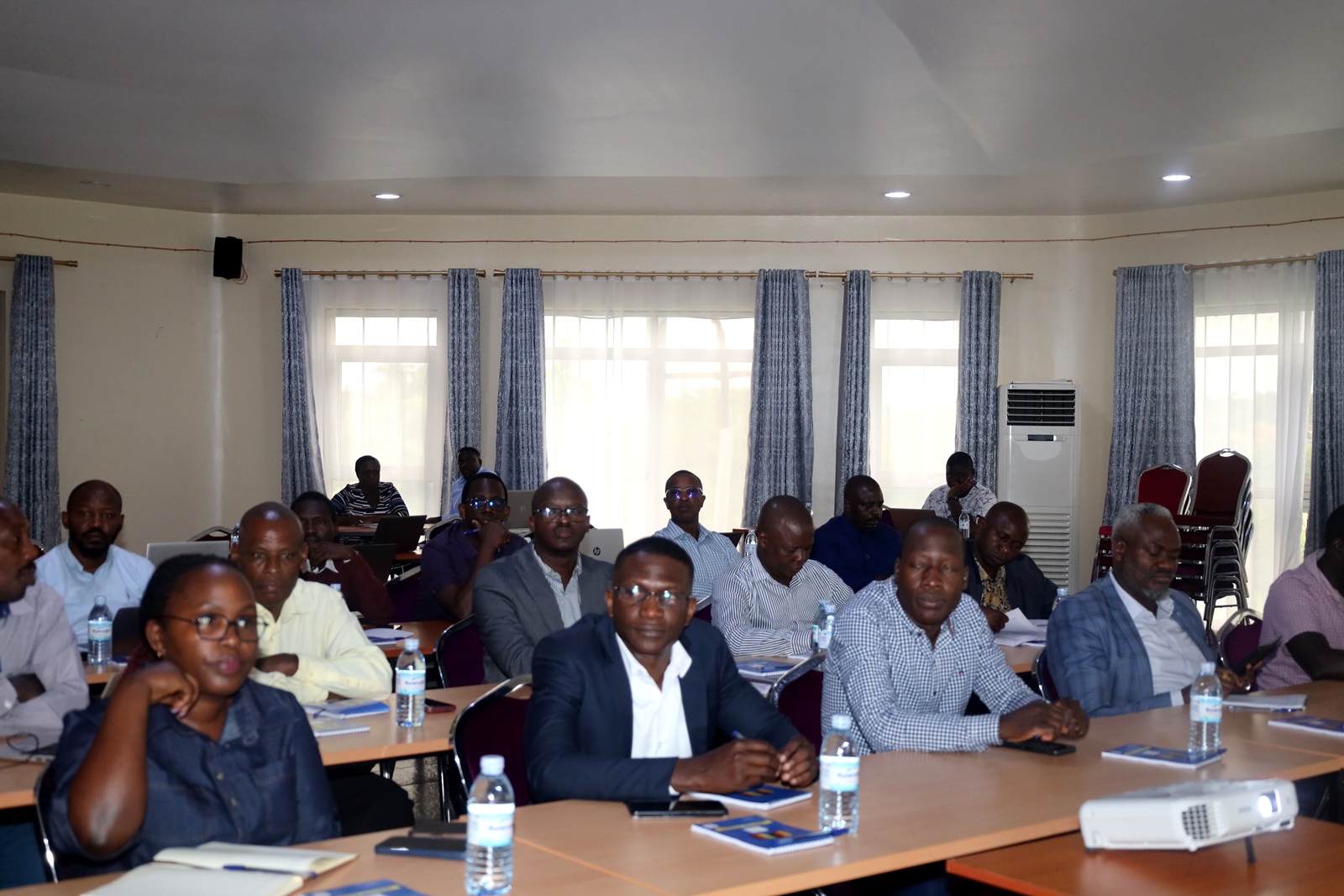
The Ministry of Finance, Planning and Economic Development (MoFPED), in collaboration with the Public Investment Management Centre of Excellence at Makerere University, has commenced a two-week Integrated Regulatory Cost-Benefit Analysis (IRCBA) training in Jinja. The training, which runs from June 30 to July 11, brings together economists and policy analysts from Ministries, Departments, and Agencies (MDAs) across government.
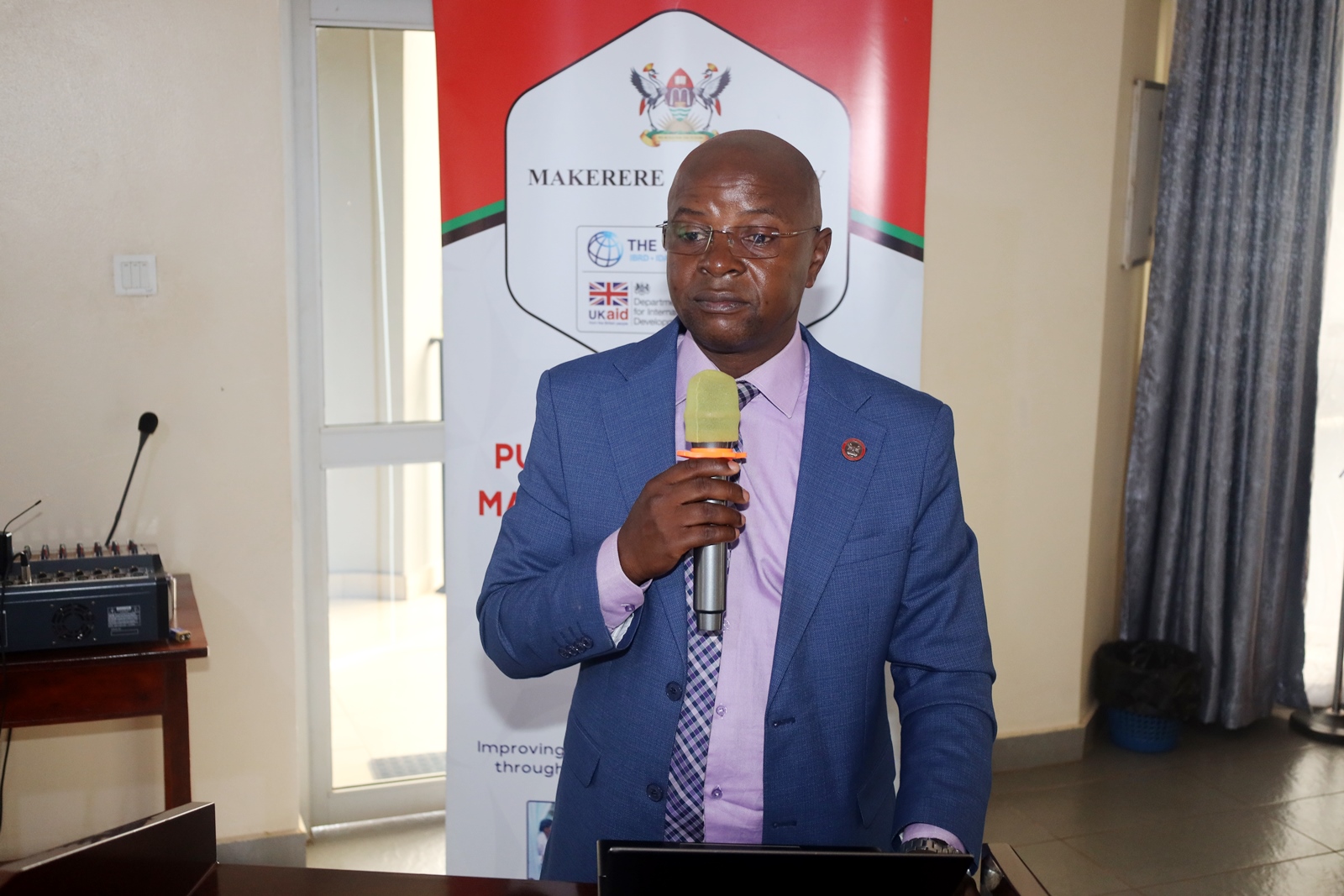
The training was officially opened by Mr. Paul Mwanja, Commissioner for Infrastructure and Social Services at MoFPED, who represented the Permanent Secretary/Secretary to the Treasury. He was joined by Prof. Edward Bbaale, Principal of the College of Business and Management Sciences at Makerere University and head of the PIM Centre of Excellence.
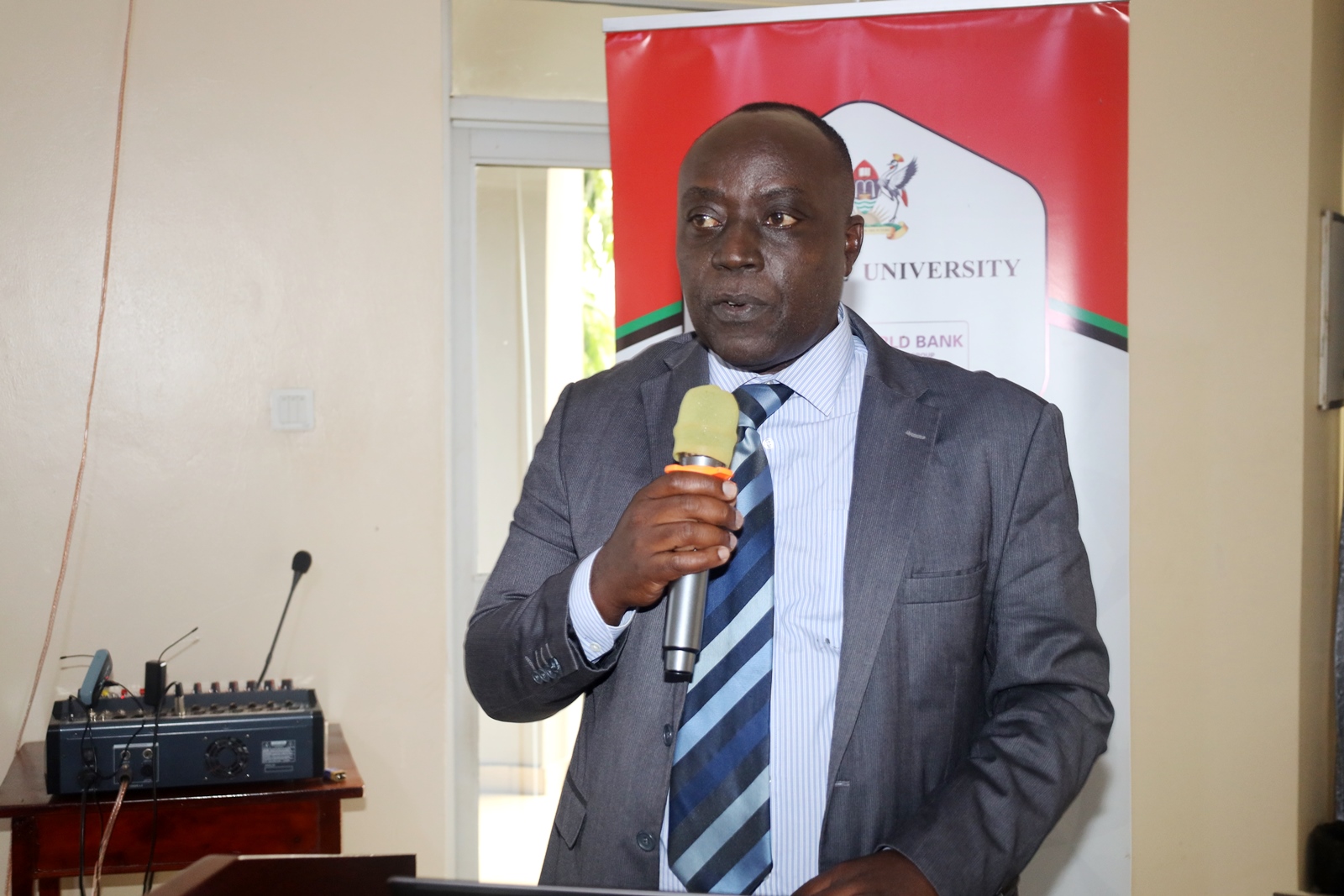
In his remarks, Mr. Mwanja emphasized that the training marks a pivotal step in the operationalization of the Revised Guidelines for Financial Clearance (CFI), launched on June 20, 2025. “These guidelines are more than procedural. They are a critical instrument for ensuring that government policies and legislation are fiscally sound, inclusive, and developmentally aligned,” he said.
Prof. Bbaale echoed these sentiments, highlighting the strategic timing of the training. “This is the first opportunity for many participants to engage practically with the new guidelines. It is part of a long-term agenda to institutionalize a culture of evidence-based decision-making within government,” he noted.
The IRCBA training is structured to build technical capacity in appraising the fiscal, economic, distributional, and risk implications of public policy and legislation. Participants will be introduced to tools such as Net Present Value (NPV), Benefit-Cost Ratios, and Sensitivity Analysis to ensure that all policy proposals are well-justified and deliver value for money.
According to the Revised CFI Guidelines, all requests for financial clearance submitted to MoFPED from July 1, 2025, must now include comprehensive assessments aligned with Uganda’s national development agenda and medium-term expenditure frameworks. The guidelines aim to promote transparency, strengthen fiscal governance, and improve the quality of public expenditure.
“Through this partnership with the PIM Centre of Excellence, we are not only training individuals—we are building a critical mass of professionals capable of shaping sound public policies,” Mr. Mwanja stated.
The Centre of Excellence will continue to roll out similar trainings throughout the financial year, reinforcing MoFPED’s broader reform efforts under the Fourth National Development Plan (NDP IV) and the 10-Fold Growth Strategy.
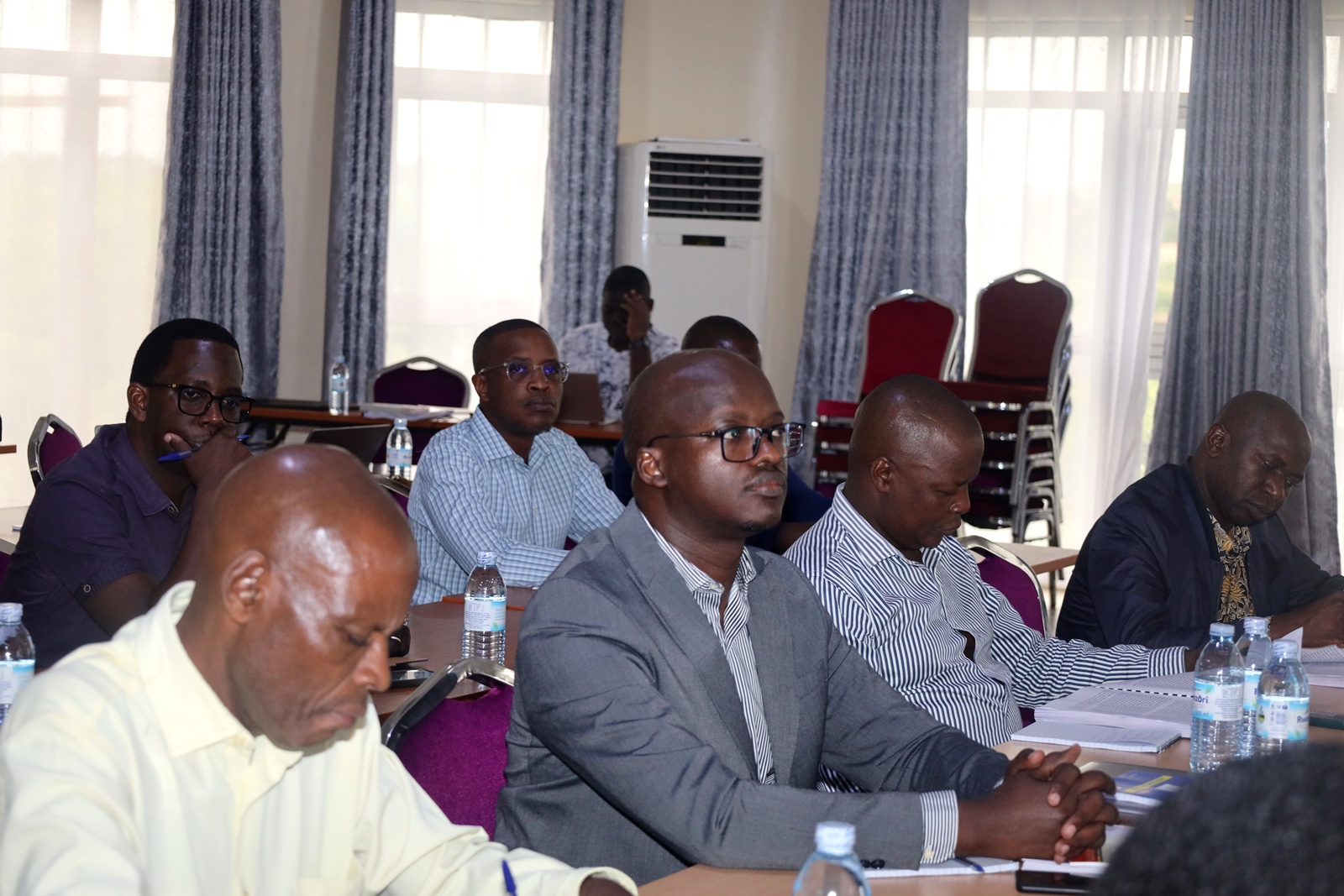
Participants were urged to fully immerse themselves in the training and emerge as champions of high-quality, evidence-based policymaking. “This is how we ensure that every shilling spent by government reflects our national priorities and brings meaningful impact to citizens,” Prof. Bbaale said.
The training reflects the Government of Uganda’s commitment to professionalizing public policy formulation and ensuring that regulatory and legislative proposals are not only visionary but also fiscally responsible and socially inclusive.
-

 Education1 week ago
Admission List to Bachelor of Education External (BED) 2025/26 -Private Sponsorship
-

 General2 weeks ago
Undergraduate Admission List Self Sponsorship Scheme 2025/2026
-

 General5 days ago
Re-advert: Admission to Undergraduate Programmes 2025/2026
-

 General1 week ago
Admission Lists for – Bachelor of Laws 2025-26
-

 General1 week ago
Diploma/Degree Holders Scheme – Self Sponsorship Admission Lists 2025/26