
Agriculture & Environment
Mak Welcomes CaReFoAfrica Project Sponsored Students

*****Building Capacity for Climate-Resilient Food Systems in Africa (CaReFoAfrica) Project, a three-year intra-Africa Academic Mobility Scheme co-funded by the EU will sponsor various programmes at Makerere University including student and staff mobility, and traineeship.
Overview
Climate change has massive impacts on the agricultural sector in Africa. The problems of climate change affecting the sustainability of the agricultural sector and food security in Africa are urgent and complex. The science and tools to deal with climate change are developing rapidly and go well beyond classical agricultural sciences and thus requires a transdisciplinary focus.
The CaReFoAfrica project, an intra-Africa Academic Mobility Scheme co-funded by the EU aims to build human capacity in the field of climate change mitigation and adaptation in the agricultural sector of Africa. The project provides mobility scholarships for African M.Sc. and Ph.D. students, for trainees, and university staff members to travel and study abroad. The project offers a wide range of exciting academic courses at 6 African universities namely: Université d’Abomey-Calavi, University of Eldoret, Université Evangelique en Afrique, The University of the Free State (UFS), Makerere University, and Maseno University.
Under the project, two students namely: Mack Lemagite Lepulelei from Maseno University in Kenya and Emmanuella Merveille Lanyan from Abomey Calavi University in Benin have been sponsored to pursue an MSc in Animal Science for three years at the College of Agricultural and Environmental Sciences (CAES), Makerere University. Another student has been sponsored to study an MSc in Computer Science. The project has also sponsored Mr. Henry Magara, an academic staff at CAES to pursue his PhD studies at Abomey Calavi University in Benin.
Welcoming the newly recruited students
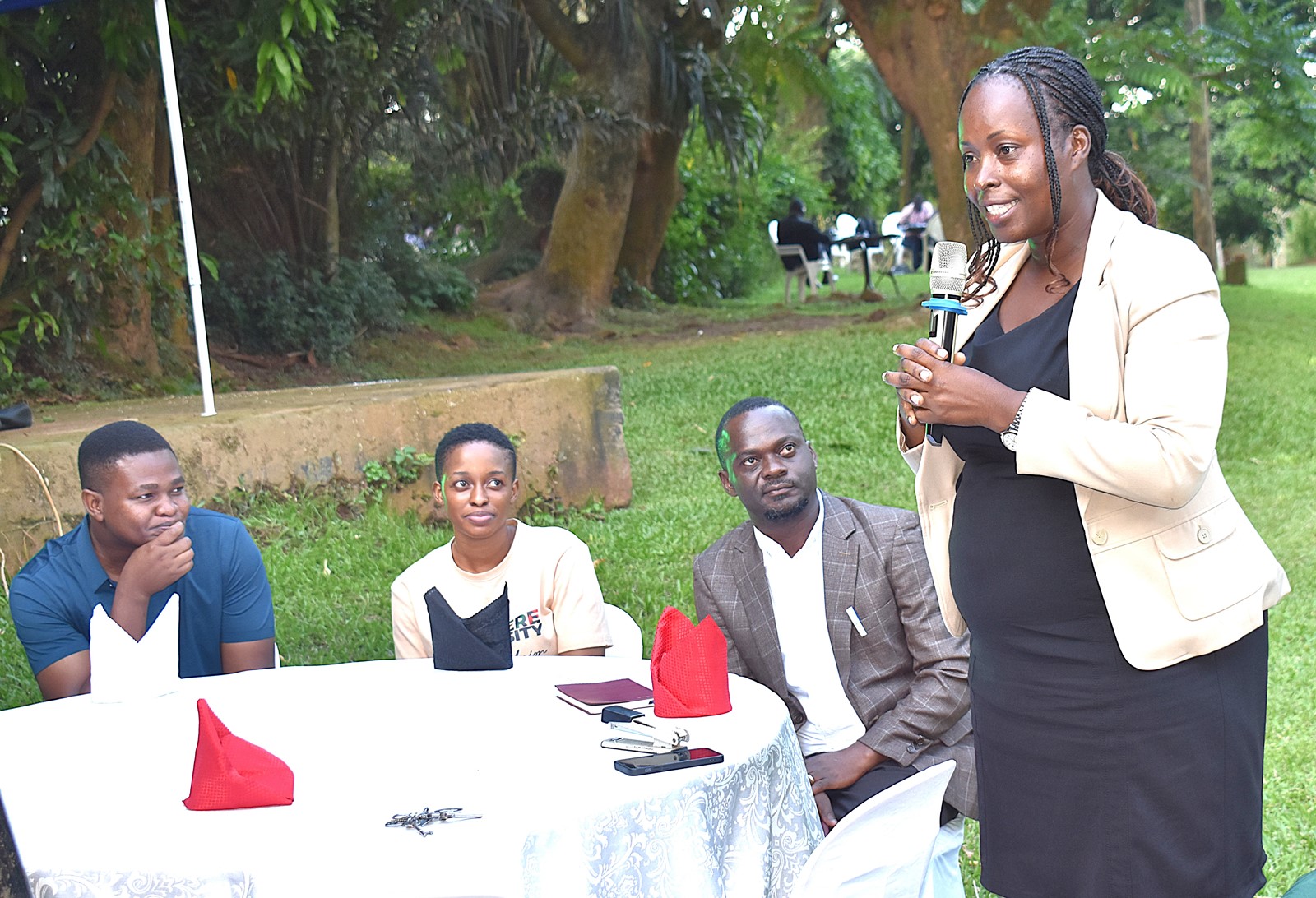
As per culture, new students admitted to Makerere University are oriented on various programmes to help them fit in and pursue their studies comfortably. On 29th November 2024, the College of Agricultural and Environmental Sciences (CAES), Makerere University held an induction ceremony for the newly admitted students. Organized by the CaReFoAfrica Coordinators at Makerere University, Dr Constantine Bakyusa Katongole and Prof. Isa Kabenge, the ceremony was attended by the Principal of CAES, Prof. Gorettie Nabanoga, the Deputy Principal, CAES, Prof. Yazidhi Bamutaze, the Dean School of Agricultural Sciences, Dr. John Baptist Tumuhairwe, the Ag. Head, Department of Agricultural Production, Dr Peter Wasswa, and representatives from various administrative units of the University. The purpose of the meeting was to promote the project, welcome and recognize the students recruited under the project, establish a relationship between the students and staff, provide information about the different services at the University, and to help allay fears that would make the students uncomfortable.
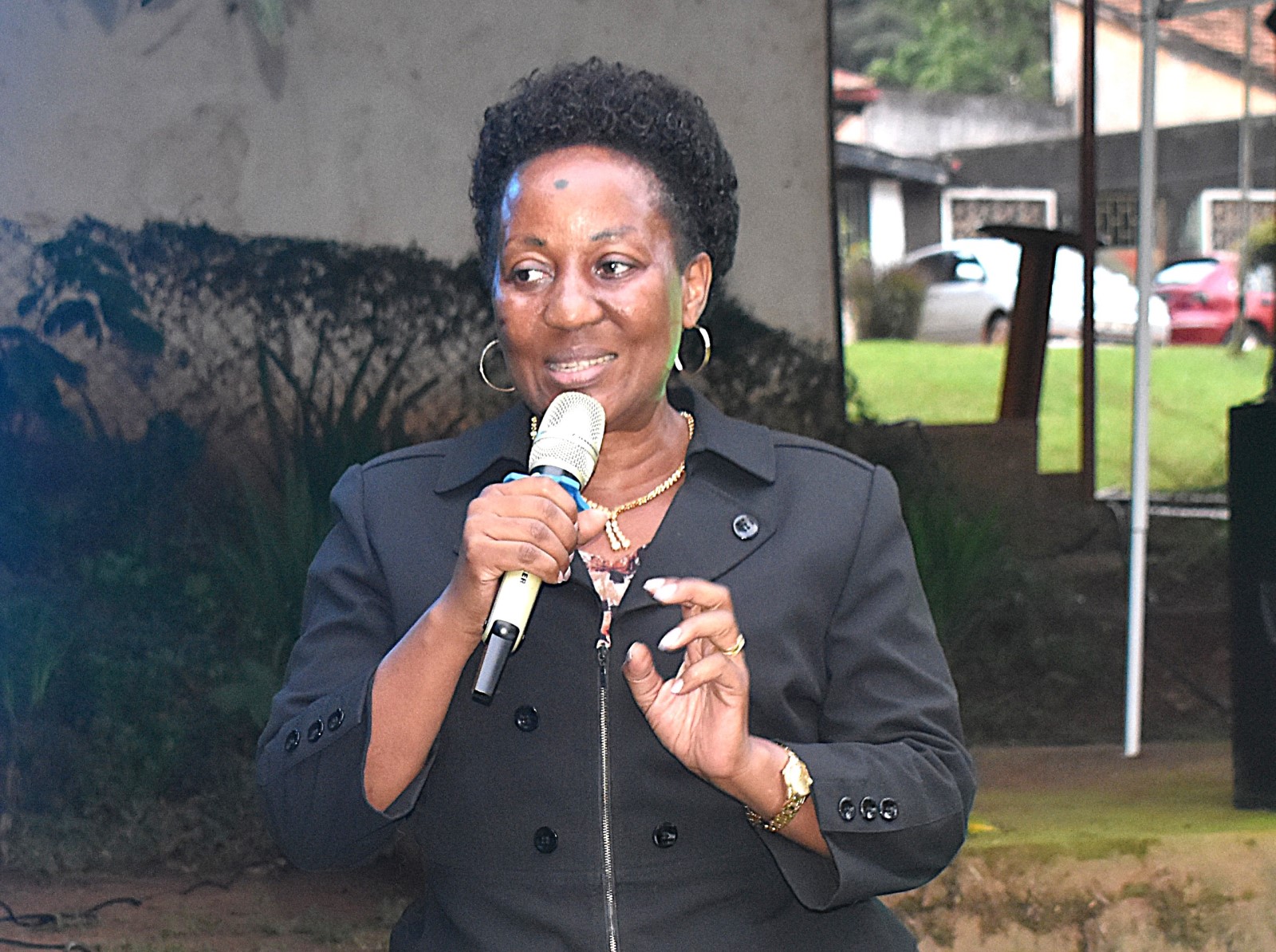
In her remarks, the Principal of CAES, Prof. Gorettie Nabaonoga appreciated the PI and his team for successfully delivering the project. Welcoming the students, she noted that they bring a wealth of experiences that will contribute to the College and University internationalization agenda. She urged the students to seek support in case of any challenge, and cautioned them to work hard to complete on time. She expressed gratitude to the EU for its unwavering support to development projects at the University.
The Deputy Principal of CAES, Prof. Yazidhi Bamutaze equally appreciated the project team for winning the grant. He also thanked the EU for funding the project. He briefed the students on the programmes at the College, and encouraged them to remain focused to achieve the objectives of the project.
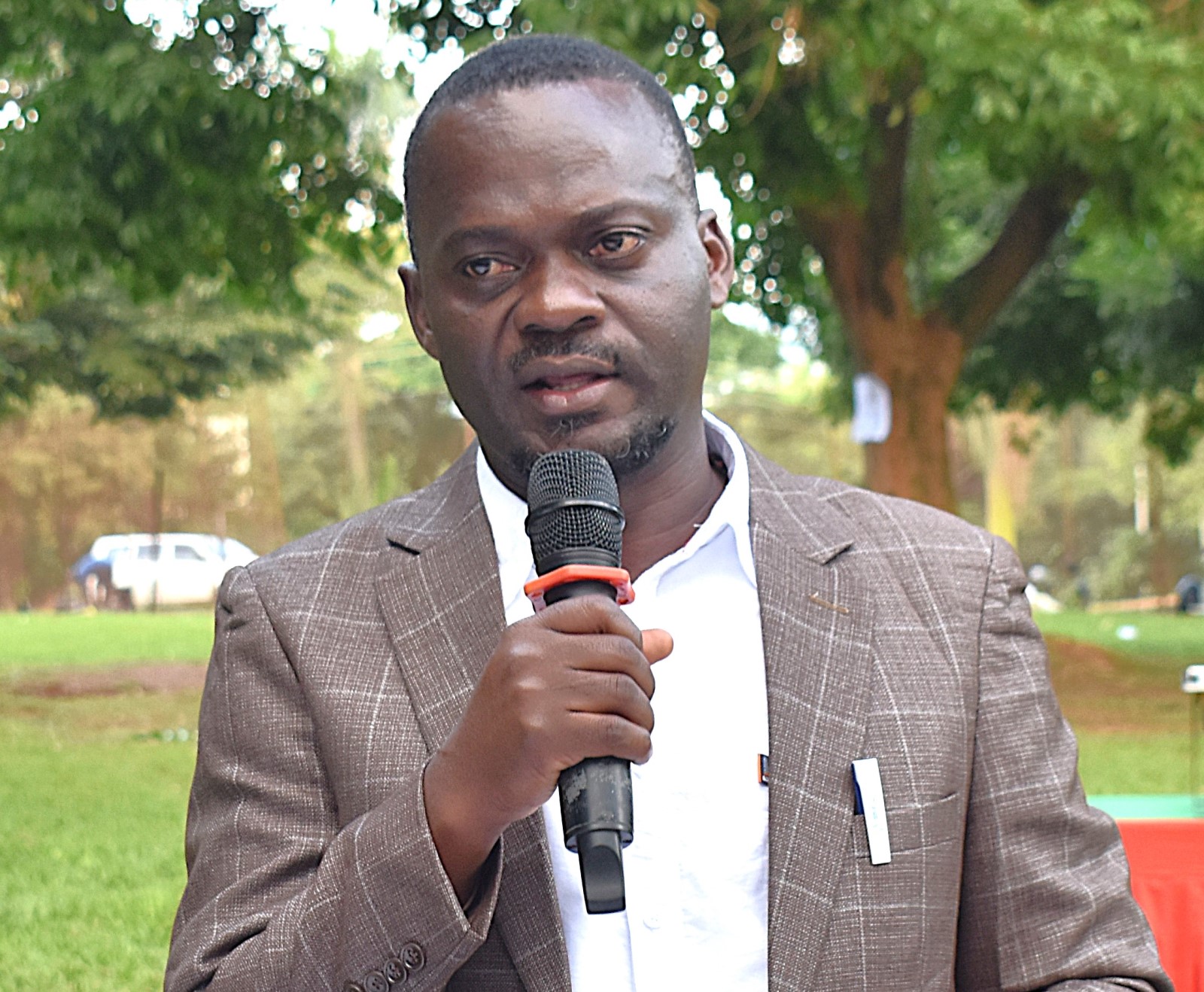
Similarly, Dean School of Agricultural Sciences, Dr John Baptist Tumuhairwe welcomed the students, briefed them on the academic programmes at his school, and cautioned them to work hard. “The time you spend on the programme is your own making. Put in effort to complete on time.”
Representatives from the Academic Registry, Counseling and Guidance Centre, and the International Office briefed the students on the services offered in their respective units, urging them to always seek support.
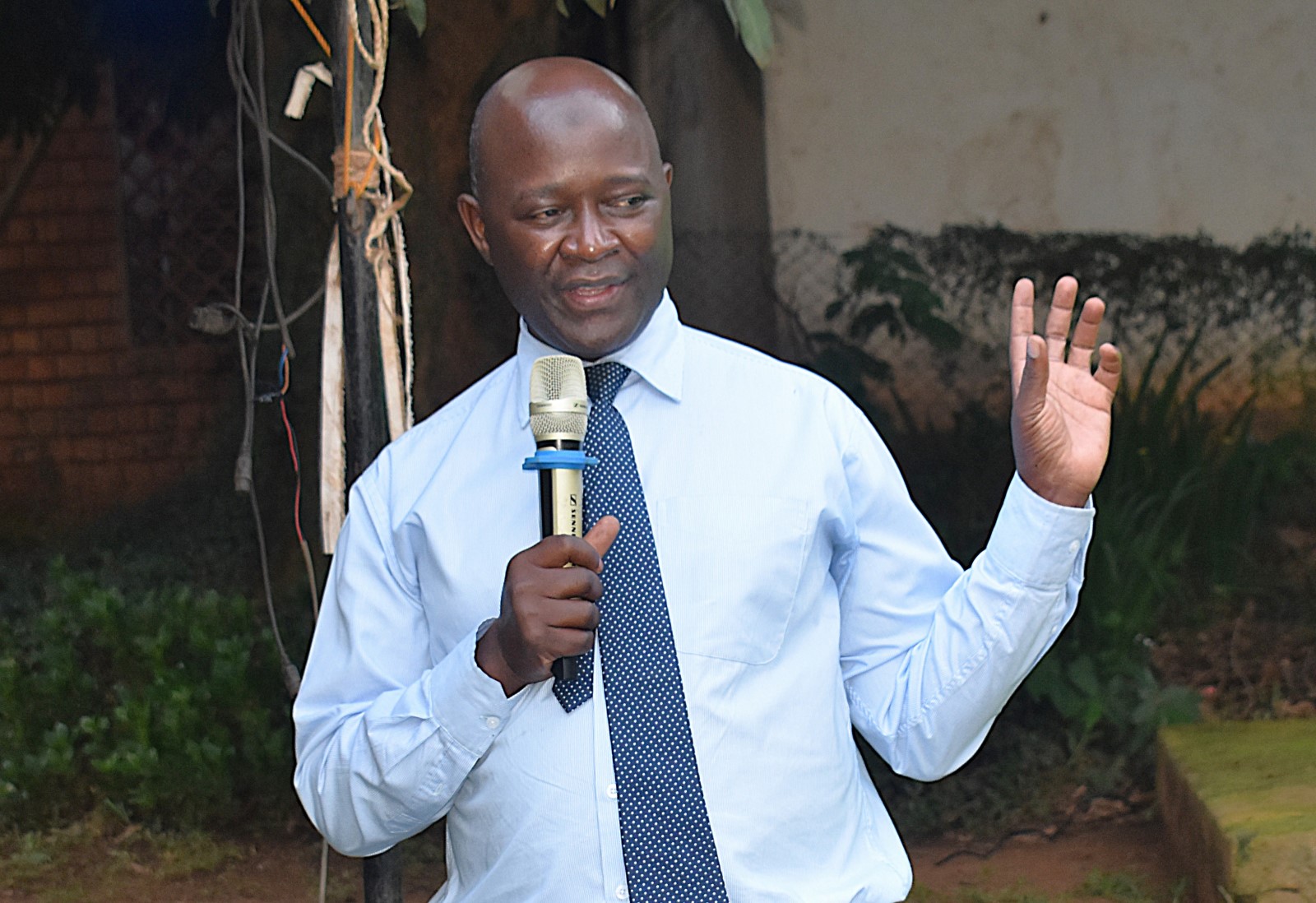
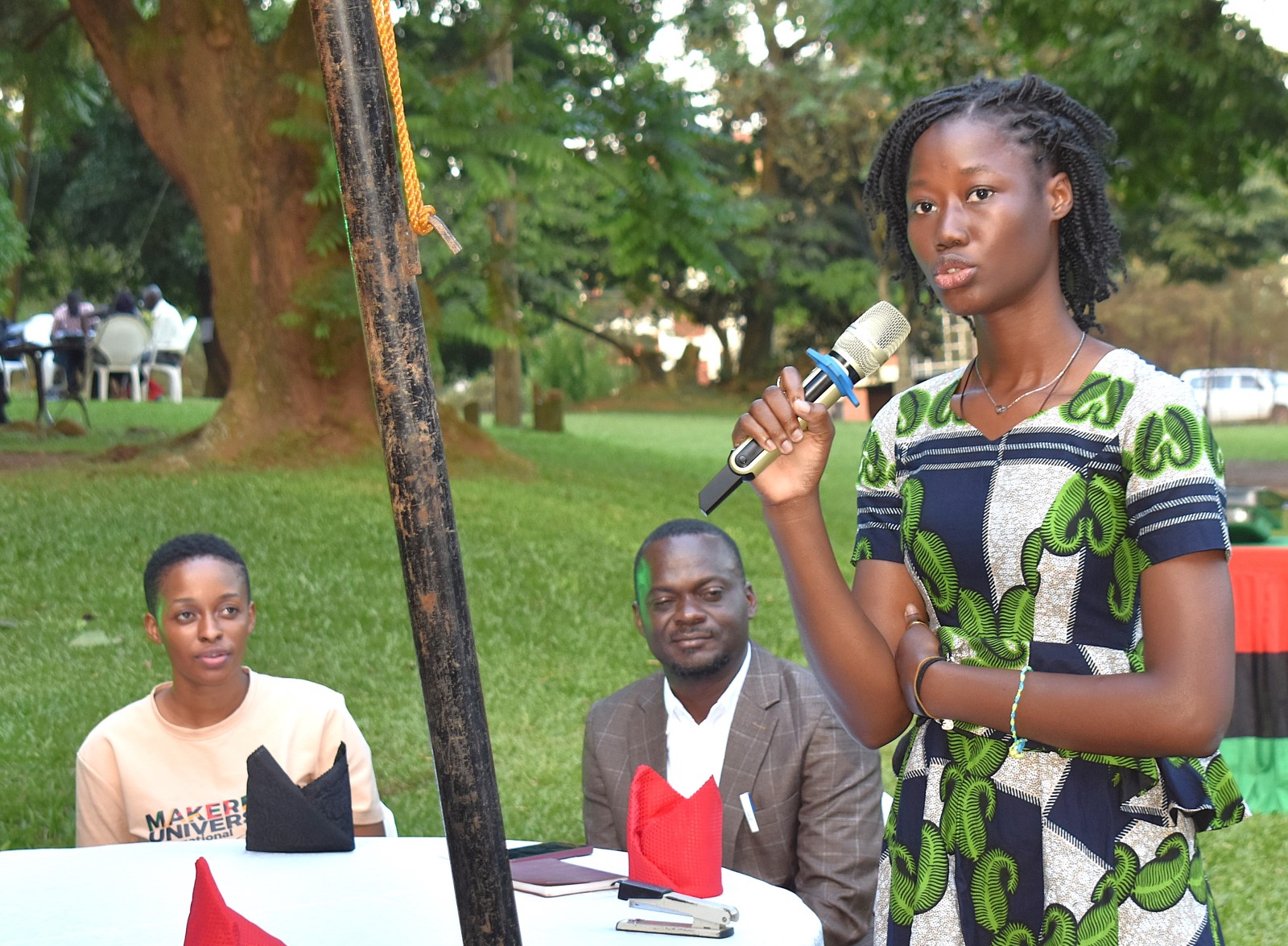
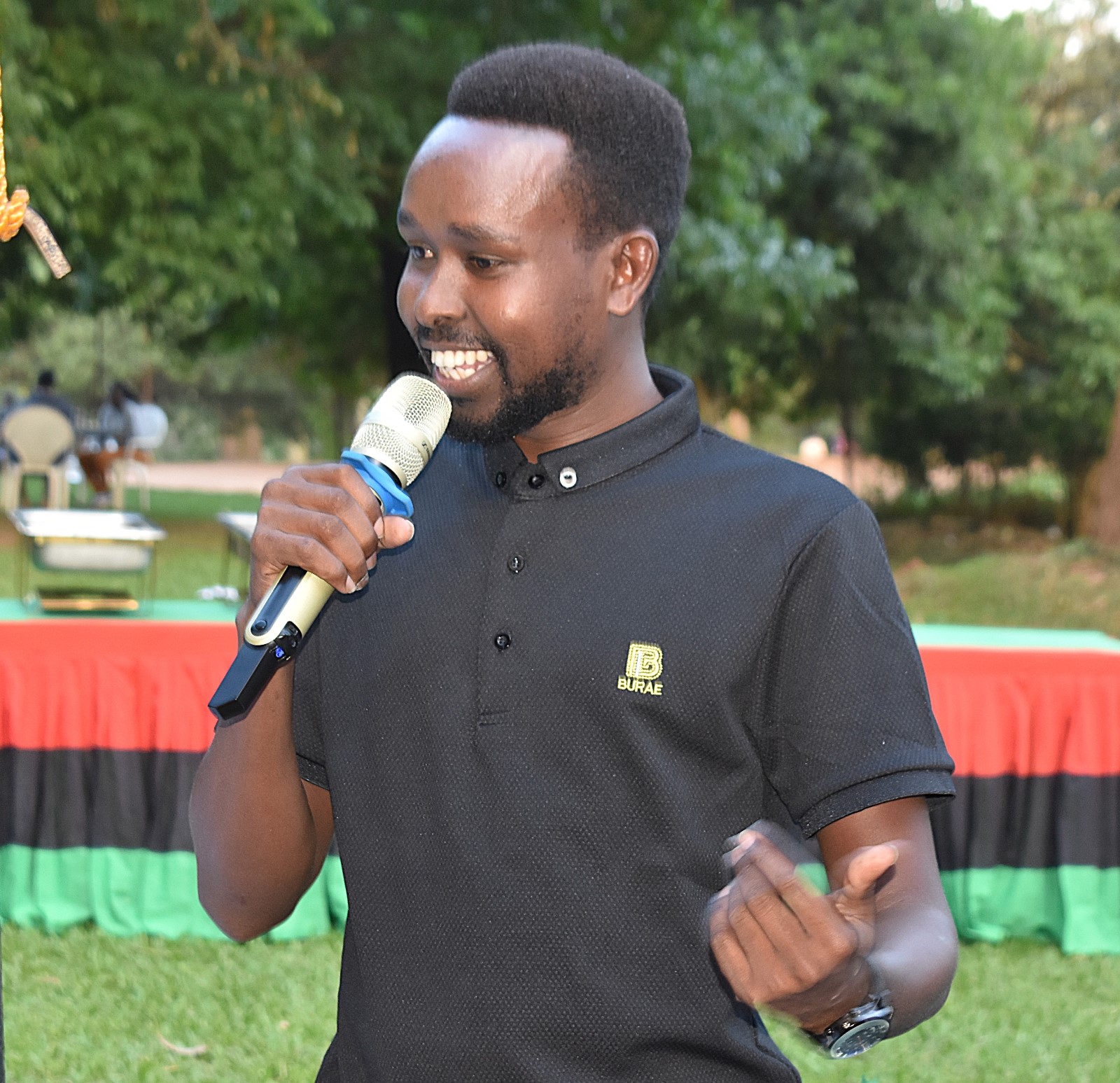
In their remarks, the students commended the PI and the leadership of CAES for the parental gesture. Outlining their expectations, the students emphasized the need for support to enable them complete their studies on time. They expressed confidence that the knowledge they will acquire from Makerere University will greatly transform their communities.
Details on programmes supported by the CaReFoAfrica Project
- Student mobility
Student mobility opportunities are provided to students at Masters or Doctorate level. Student mobility can be of short term, i.e. credit-seeking mobility. This mobility leads to the academic recognition by the home institute of the study/research period spent at the host. Mechanisms to guarantee recognition of the time spent abroad and the studies or research conducted in that period by the home institute are put in place before the mobility takes place. Student mobility can take place for a complete course of an academic programme, i.e. degree-seeking mobility, leading to the award of a degree by the host university after the successful completion of the studies. Only the African universities involved in the project can host mobility of students and staff.
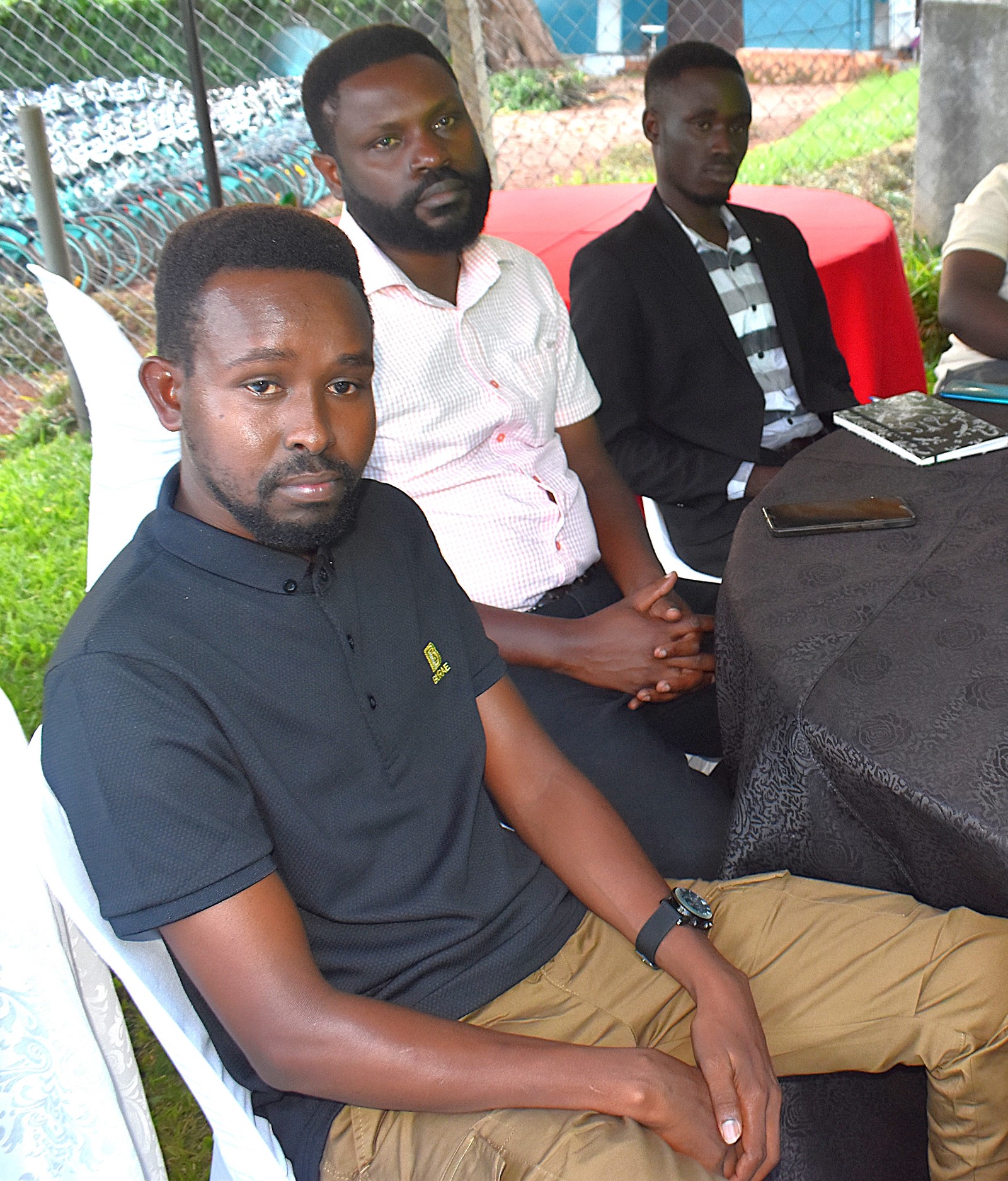
- Trainee mobility
The mobility of trainees entailS placement periods (traineeship) in private or public
organisations / business actors as part of the trainees’ academic programme. Trainees gain substantial and meaningful workplace experience in the project priority area(s) to increase their employability. Candidates are enrolled in a Bachelor/Master/Doctorate programme in one of the African universities involved in the consortium. At the time candidates apply for a scholarship, they must be national of and resident in an African country.
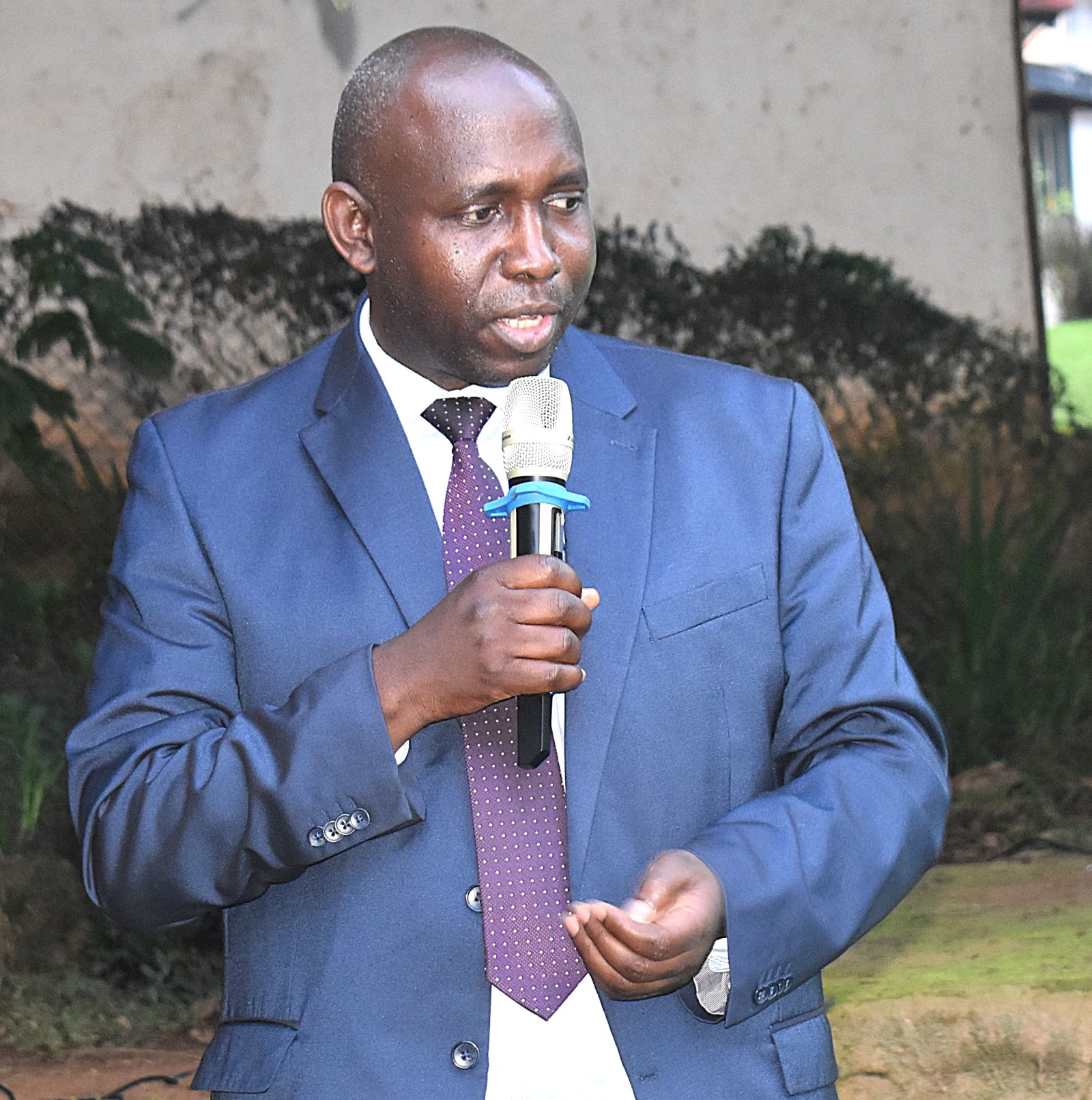
- Staff mobility
Staff mobility can involve academic, administrative, and technical staff. The related activities may vary from teaching assignments, research activities, to administrative tasks, attendance in/delivery of training courses, curriculum development activities, technical support etc. Candidates must be staff members working for one of the universities involved in the project consortium including the EU Technical Partner.
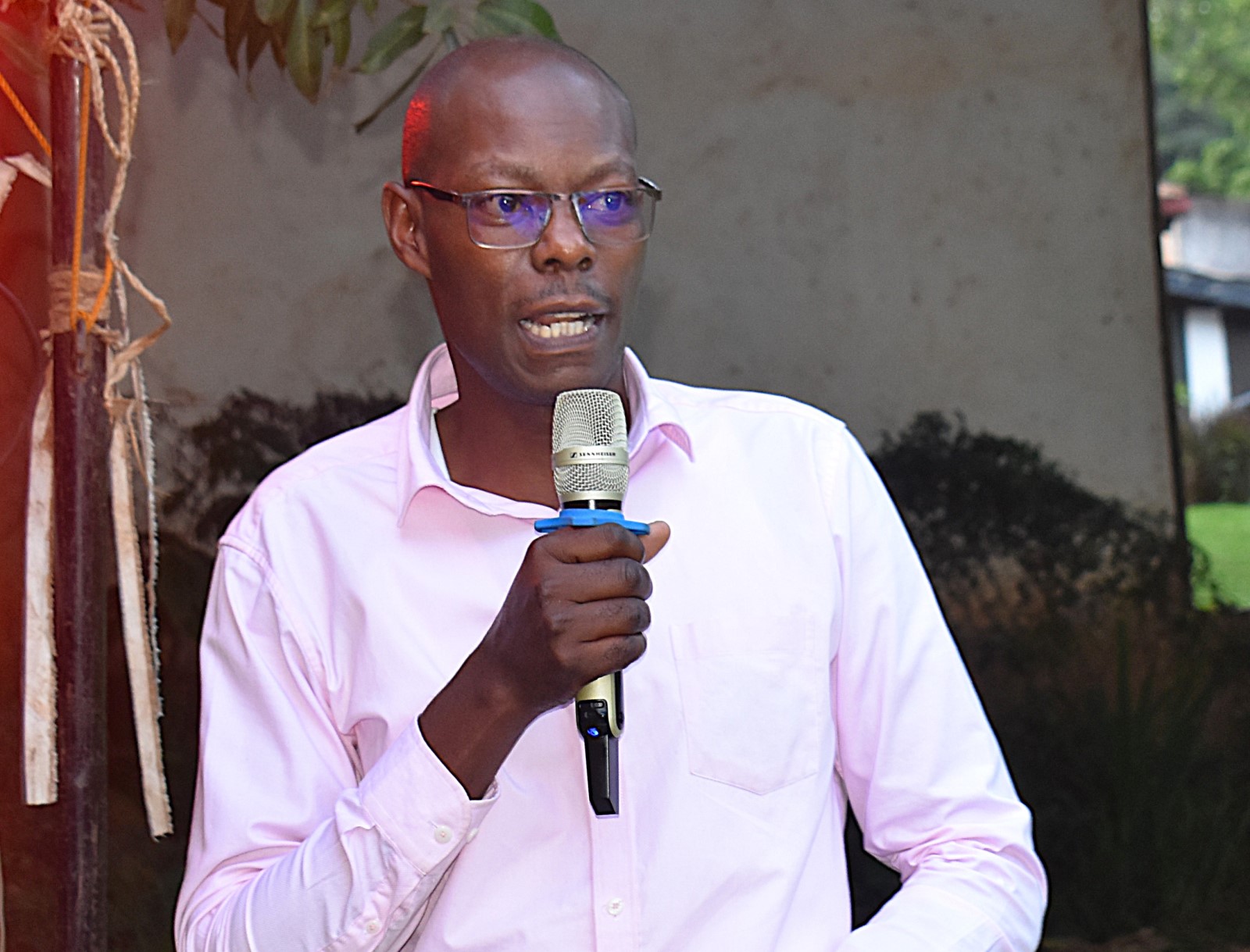
- Special needs
A budget to support students with special needs is available to scholarship holders with disabilities whose long-term physical, mental, intellectual or sensory impairments are certified by a competent national authority and of such nature that their participation in the action would not be possible without the special needs items or services.







Agriculture & Environment
Mak Moves to Revitalize Food Technology & Business Incubation Centre to Drive Innovation & Entrepreneurship

By Ssembogga Derrick
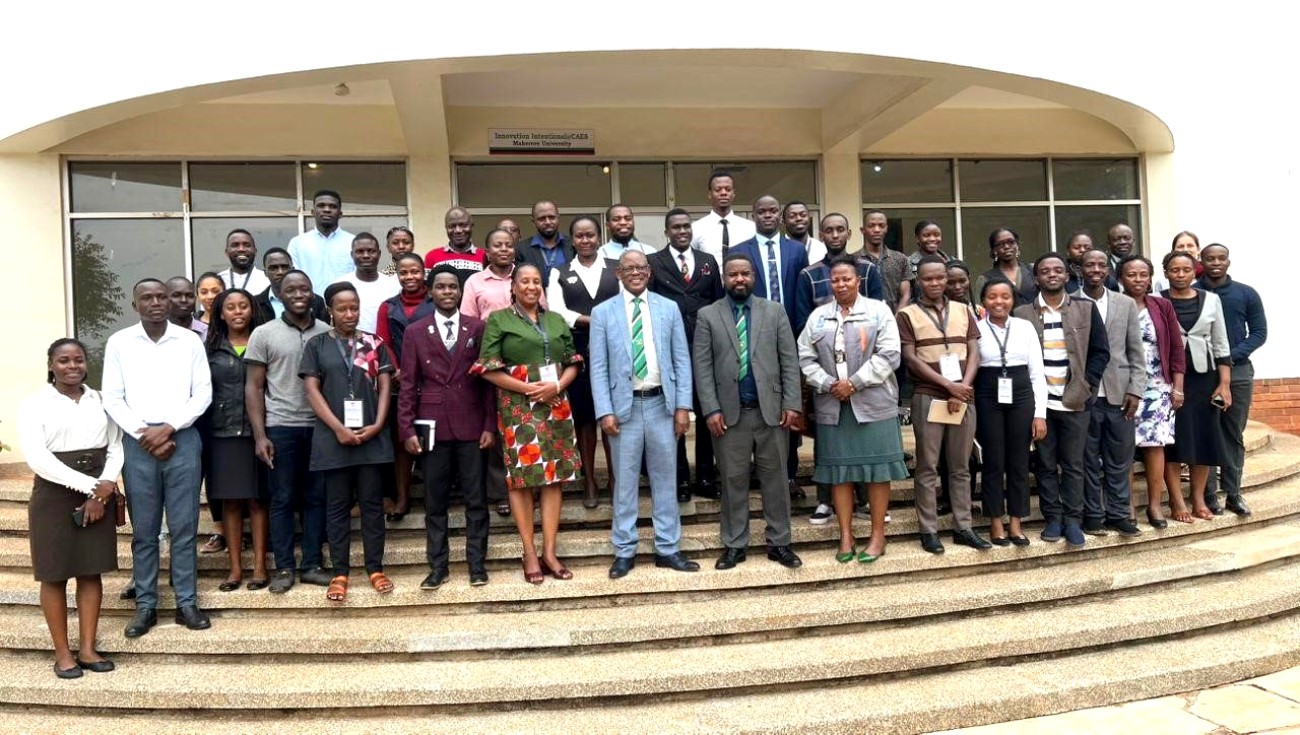
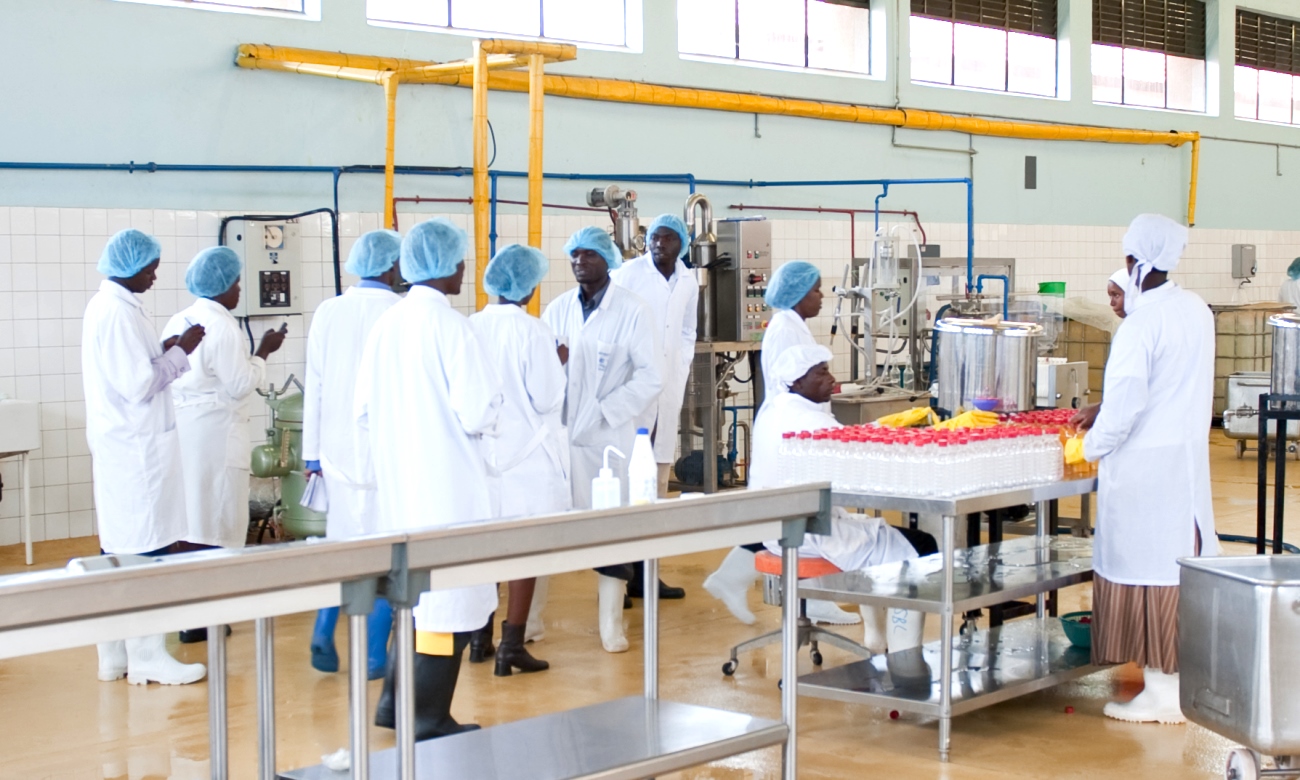
Makerere University marked a significant milestone on Thursday, 10th July 2025, with the launch of the revitalization programme for the Food Technology and Business Incubation Centre (FTBIC). This initiative is poised to position the FTBIC as a national hub for food innovation, student enterprise development, and agro-industrial transformation.
Hosted under the School of Food Technology, Nutrition and Bioengineering (SFTNB) at the College of the Agricultural and Environmental Sciences (CAES), the revitalization of the FTBIC is intended to bridge the gap between academia and industry. “We aim to achieve this by supporting food-based start-ups, enhancing graduate entrepreneurship, and promoting the commercialization of research,” Dr Julia Kigozi, Dean, SFTNB explained. The project receives critical funding from the Makerere University Research and Innovations Fund (MakRIF), which consistently supports innovation and research-based development at the university.
Unveiling a New Strategic Vision
The event, held under the theme “Revitalizing FTBIC to Unlock Innovation and Entrepreneurship Potential among Makerere University Graduates”, marked the official launch of the Centre’s revitalization programme to key stakeholders. It featured the presentation of FTBIC’s new strategic vision and direction, highlighting the commitment of the institution and its partners to fostering graduate entrepreneurship and innovation in food systems. The event also aimed to raise awareness of the Centre’s crucial role in supporting industry, research, and national development.
Participation of stakeholders
The launch attracted a vibrant and diverse audience of over 50 participants. Among the attendees were student representatives; partners from other incubation centers both within and outside Makerere University, including MIIC, UNIPOD, and DGI; as well as representatives from national innovation stakeholders such as Uganda Industrial Research Institute (UIRI) and StartHub Africa.
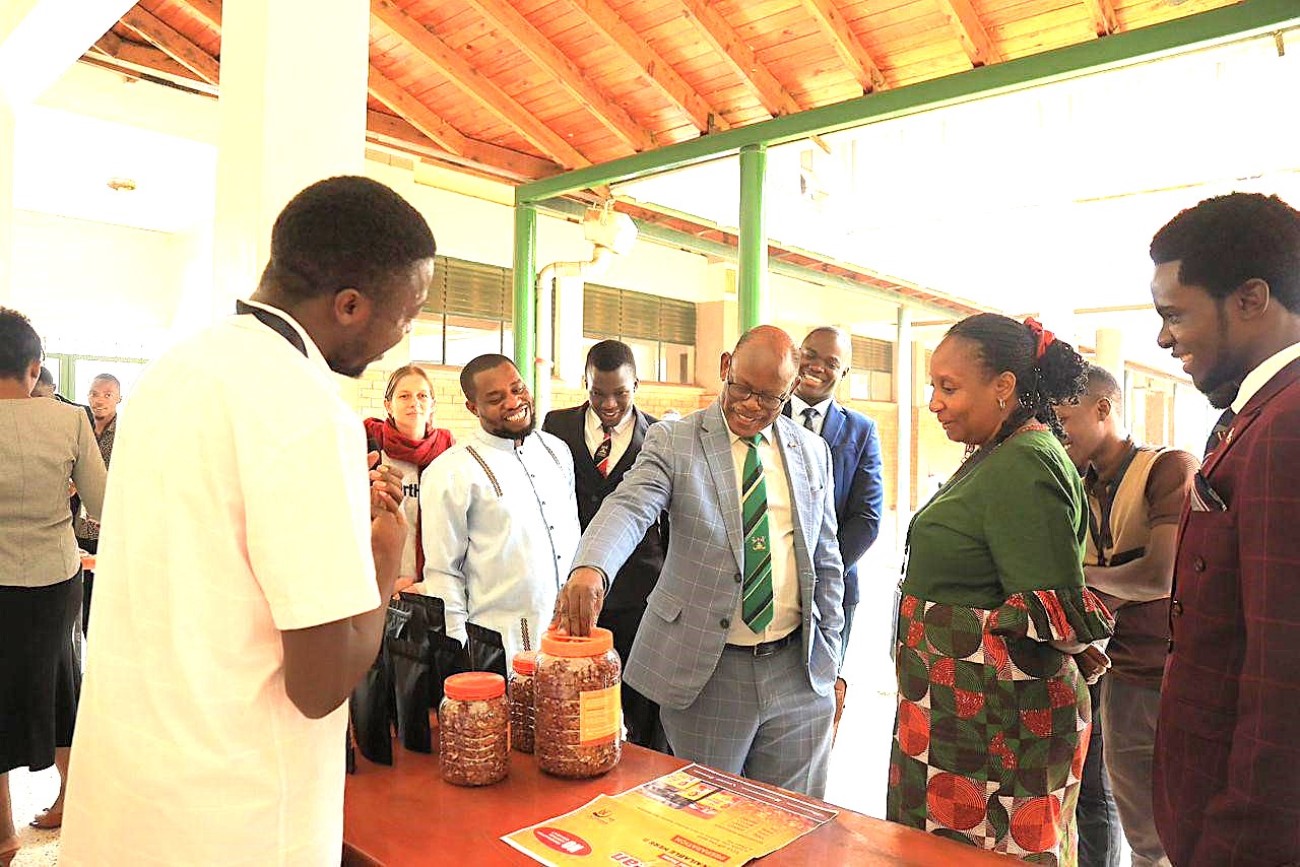
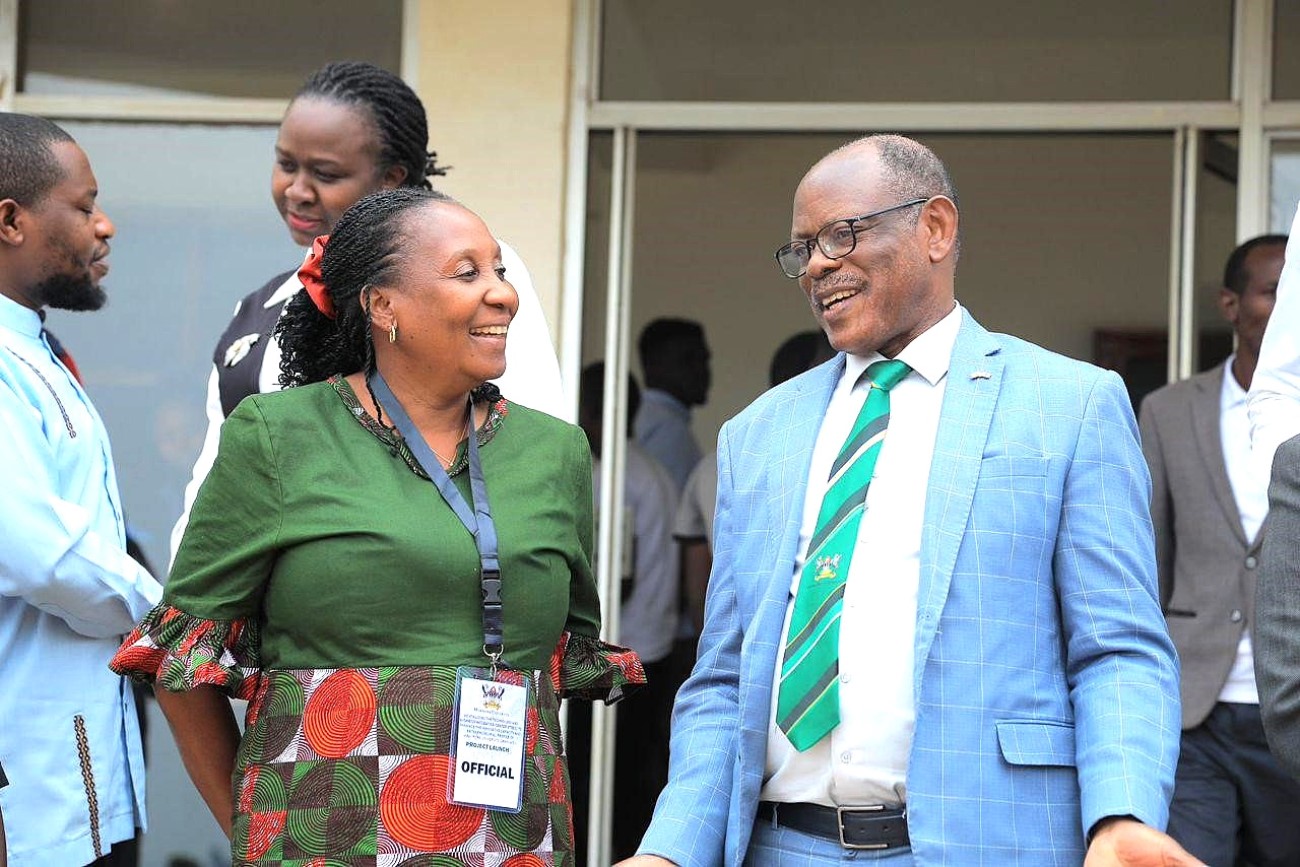
Most notably, the event was honored by the presence of the Vice Chancellor of Makerere University Prof. Barnabas Nawangwe. The Vice Chancellor commended the revitalization efforts, acknowledging the Centre’s immense potential to incubate hundreds of food-based start-ups and create employment opportunities for thousands of graduates. “The Centre is now well-positioned to become a flagship platform for innovation, employment creation, and agro-industrial development in Uganda and beyond. Makerere University remains committed to supporting such initiatives that align with national priorities and global development goals.”
The event featured the unveiling of the operational framework for the revitalized Centre, highlighting its commitment to innovation, entrepreneurship, and practical graduate training. Stakeholders in attendance expressed enthusiasm and pledged support for future collaboration, research, and product development initiatives aligned with national development priorities. The event also provided a platform to deepen partnerships with private sector actors and development organizations, reinforcing confidence in the Centre’s potential to serve as a national model for university-led incubation.
Agriculture & Environment
SophiA Project Upgrades Medical Infrastructure at Buvuma Health Centre IV, Trains Technicians for Maintenance Works
Overview of the Sustainable Off-Grid Solutions for Pharmacies and Hospitals in Africa (SophiA) Project
Despite ongoing urbanization across Africa, the majority of the population still resides in rural and remote areas, where infrastructure development remains limited. These regions face significant challenges such as lack of access to healthcare, education, clean water, and reliable electricity, contributing to higher rates of illness and poverty compared to urban centres. According to reports, Sub-Saharan Africa has approximately 120,000 public health facilities (22,000 hospitals and 98,000 health posts), of which around 26% lack any electricity access, and only 28% have reliable power supply.
Access to good healthcare is critical for sustainable development. However, many rural medical centres operate under harsh conditions – using polluted water, lacking cooling for medicines, and facing poor sanitation – largely due to unreliable electricity and water supply. Although half of the population in Sub-Saharan Africa lacks electricity, the region has abundant renewable energy potential that can be effectively harnessed through off-grid solar photovoltaic (PV) systems.
To address the above-mentioned challenges facing the African Continent, Makerere University in partnership with 13 organizations across Europe and Africa developed a project titled, “Sustainable Off-grid solutions for Pharmacies and Hospitals in Africa (SophiA)”. The five-year project that began on 1st October 2021 is funded by the European Union (Project: 101036836 – SophiA – H2020-LC-GD-2-3-2020). At Makerere University, the project is coordinated by Dr. Nicholas Kiggundu, Associate Professor in the Department of Agricultural and Biosystems Engineering, College of Agricultural and Environmental Sciences (CAES).
Piloted in Burkina Faso, Cameroon, Malawi, and Uganda, SophiA aims to provide sustainable off-grid energy solutions to rural and remote health facilities, fostering economic growth and ensuring equitable access to energy and healthcare. Using various technologies, such as photovoltaics, solar thermal, electrical and thermal storage, water treatment and natural refrigerants with low global warming potential, SophiA has developed and manufactured locally innovative, modular, affordable and efficient solar powered systems for providing:
- Safe and clean drinking water, free of bacteria and viruses, and deionised water for medical purposes;
- Hot water and steam production for thermal requirements of the hospitals;
- Cooling of medicines and food at +5°C;
- Low temperature storage of blood plasma and vaccines at -30°C;
- Ultra-low temperature storage of sensitive medication (e.g. some Covid-19 or Ebola vaccines) at -70°C.
In addition, PV MedPort, a simple and 100% solar-powered solution has been developed and tested as a mobile health care station in small remote areas in 4 different geographical conditions in Africa. The SophiA system has been manufactured in Africa and will provide, for the first-time, innovative solutions based on climate-friendly natural refrigerants to cover cooling demand for three different temperature ranges (-70°C, -30°C and +5°C). The system has been tested and demonstrated at four rural hospitals in remote regions throughout the African continent covering the major geographical regions and different climatic conditions in Burkina Faso, Cameroon, Malawi and Uganda.
SophiA Project initiatives in Uganda
In Uganda, all Health Centre IV hospitals with surgical theatres have been connected to the national grid except Buvuma Health Centre IV, which serves over 120,000 people scattered across 52 islands. Recognizing this gap, the Ministry of Health selected Buvuma Health Centre IV for the SophiA project to demonstrate sustainable off-grid solutions.
The SophiA System at Buvuma Health Centre IV provides the following services:
- Off-grid electricity supply
- Safe, clean drinking water for patients, staff, and the community
- Hot water and steam systems crucial for maternal care
- Solar-powered cooking and meal preparation
- Cooling systems for surgery and intensive care units
- Refrigeration for medicines at +5°C, blood plasma storage at -30°C, and ultra-low temperature storage (-70°C) for sensitive vaccines such as those for COVID-19 and Ebola
Training of Trainers Workshop
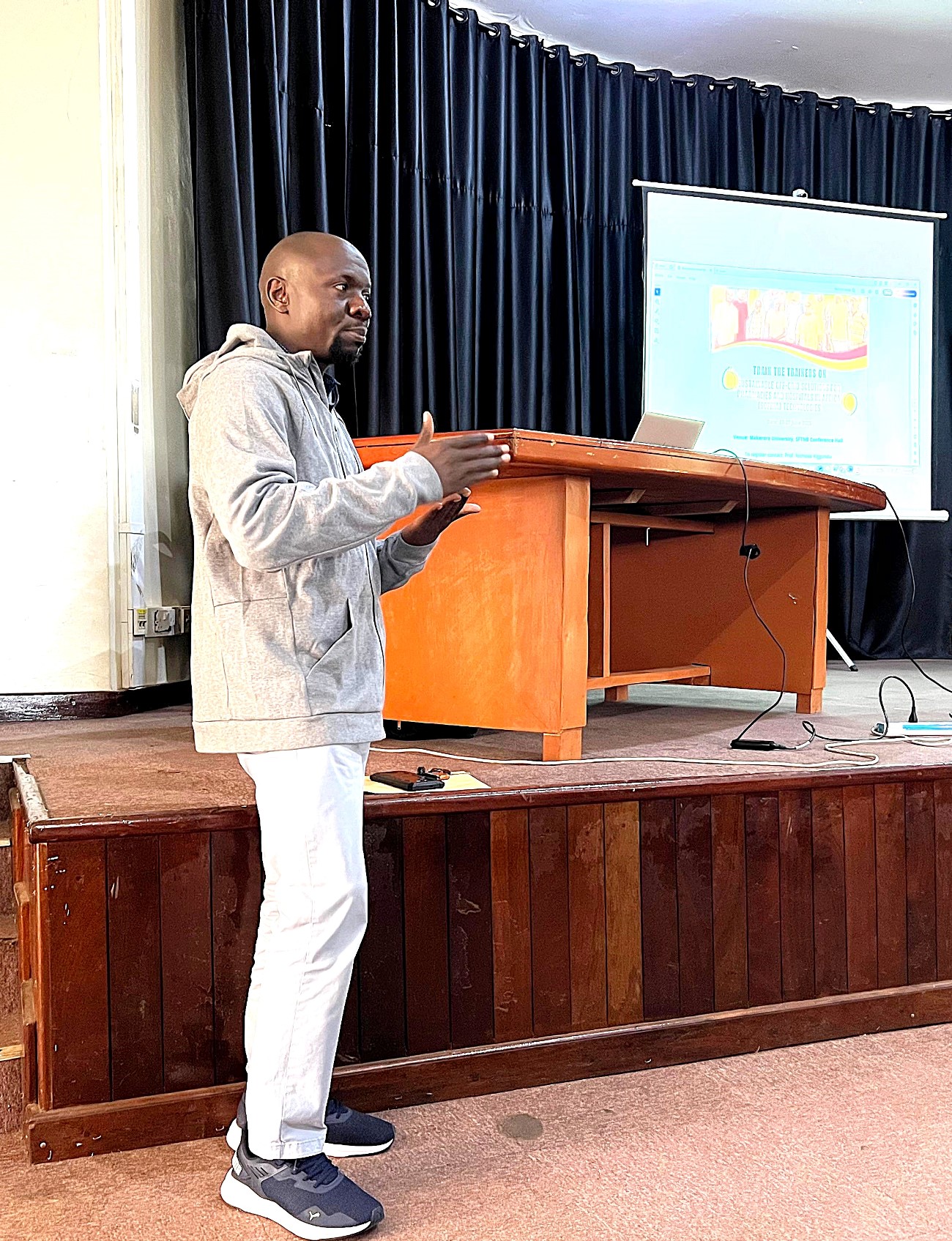
As the SophiA project approaches completion in September 2025, it is vital to establish a skilled pool of technicians capable of handling maintenance and minor repairs of the system components, including solar panels, water treatment units, generators, batteries, and cooking kits.
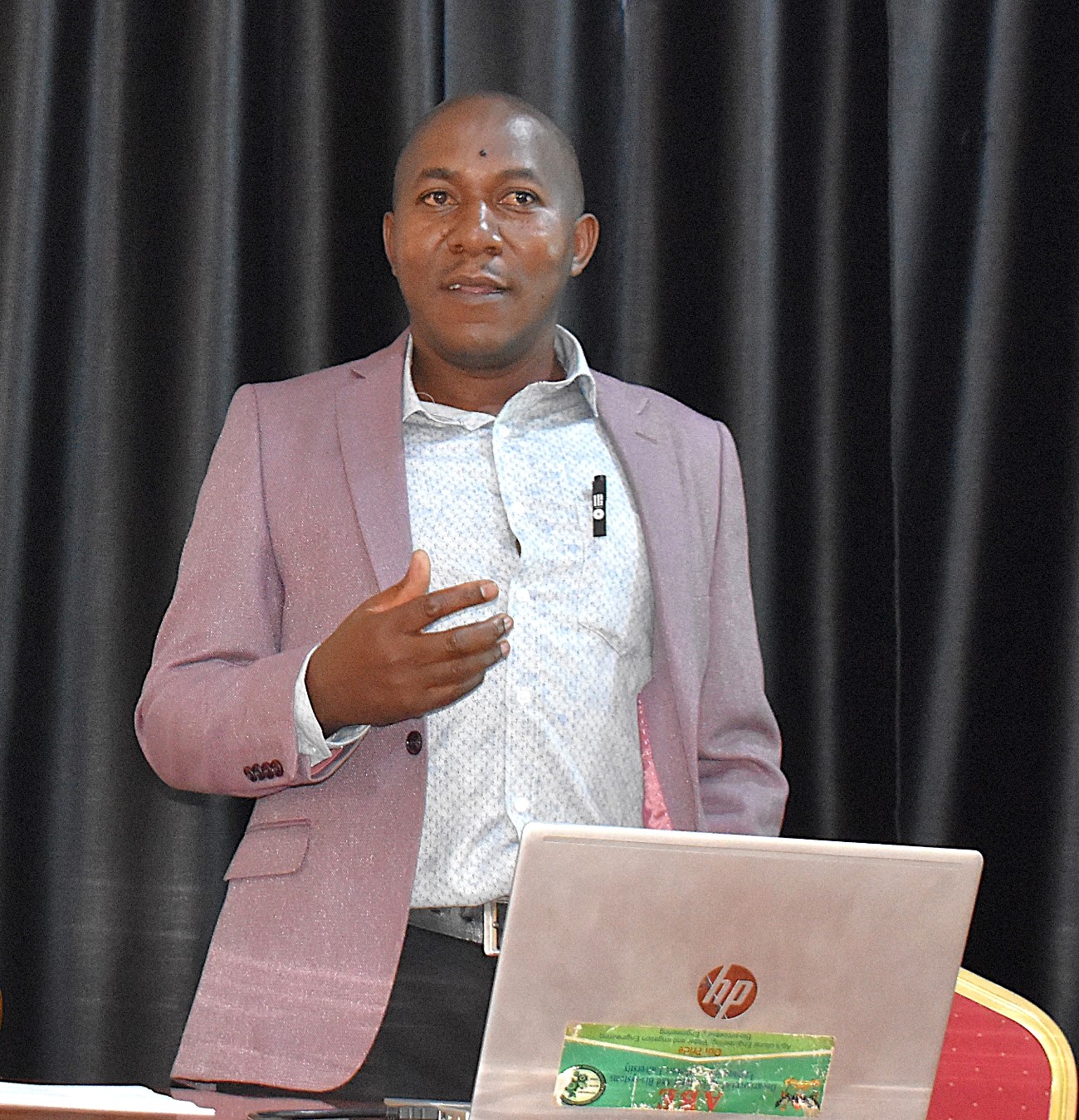
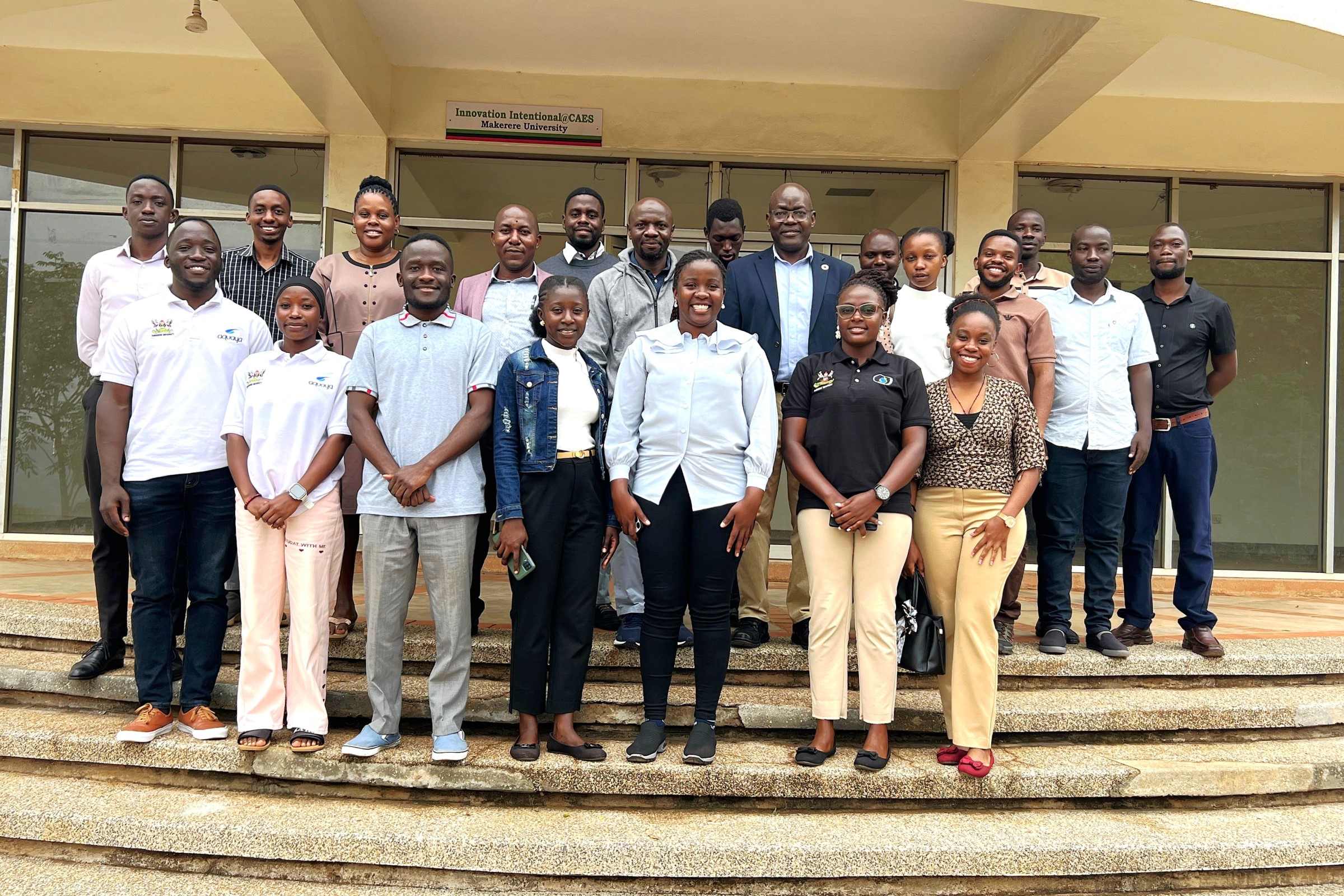
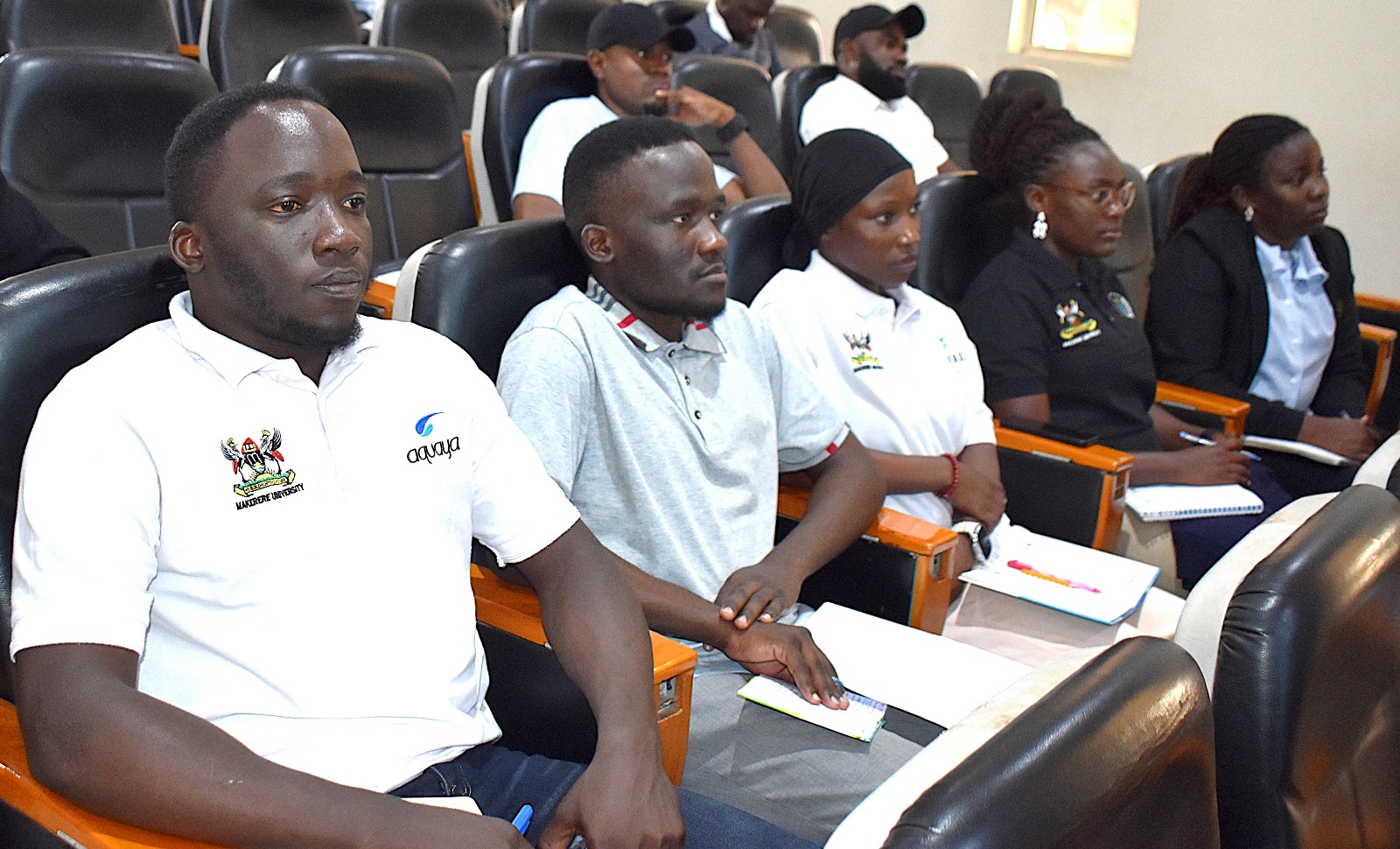
From June 23 to 27, 2025, Makerere University hosted a comprehensive Training of Trainers workshop. The training programme encompassed a diverse range of topics delivered by subject matter experts from institutions, including Makerere University (Department of Agricultural and Biosystems Engineering – CAES, and the College of Engineering, Design, Art and Technology – CEDAT), Hochschule University of Applied Sciences, and Busitema University. Participants were carefully selected from diverse professional backgrounds, including recent engineering graduates from CAES and CEDAT, Makerere University, University technical staff, personnel from Kyambogo University, officials from Buvuma District Works and Health Departments, and electricians from Kampala City. The training sessions were conducted at Makerere University and Buvuma Health Centre IV Hospital.
Training Modules Included:
- Sustainable energy systems and their practical applications
- Energy generation and storage technologies
- Solar water heating: design, operation, maintenance, and performance optimization of solar water heaters, crop dryers, and concentrating solar heaters
- Solar PV technologies in Uganda: cell technology, system design, operations, maintenance, and hands-on practicals for standalone and grid-connected systems
- Public health implications of water quality
- Water treatment and quality management, including protocols, parameters, and case study on the MCDI treatment system
- Water quality testing methodologies
- Introduction to sustainable refrigeration and cooling technologies
- Environmental impact and safety considerations for refrigerants
- Refrigeration cycles and component overview
- Life cycle assessment of SophiA technologies
- Thermal energy storage within the SophiA system
- Steam as a productive energy source
The Training Sessions
Day One: Introduction to foundational concepts in solar energy technologies
The first day of the SophiA Train the Trainers Workshop focused on building foundational knowledge in sustainable and solar energy systems. Led by Dr. Peter Tumutegyereize and Dr. Francis Mujjuni, participants explored a range of technologies and applications critical to clean energy deployment.
Key topics included:
Sustainable Energy Systems: Introduction to renewable energy systems including bioenergy, hydro, wind, geothermal, hydrogen fuel cells, and battery storage.
Solar Radiation & Geometry: Understanding solar constants, irradiance, and the impact of atmospheric conditions on solar performance.
Solar Thermal Technologies: Detailed look at solar water heating systems (FPCs and ETCs), maintenance, sizing, and solar dryers for agricultural and industrial use.
Photovoltaic (PV) Systems: Working principles, types of PV cells, performance factors, and diagnostics. Practical testing techniques and metrics like Voc, Isc, MPP, and PR were discussed.
Simulation & Application: Olivia Nakiwanuka demonstrated a PVsyst-based simulation of a 2.55 kWp standalone system for a conference hall, showing a high solar fraction (97.88%) and low LCOE (USD 0.03/kWh).
The sessions emphasized practical skills, performance analysis, and real-world application, equipping participants to train others and support solar adoption, especially in rural and off-grid settings.
Day Two: Water Treatment Technologies
The second day focused on water treatment technologies relevant to low-resource healthcare settings. Facilitated by Sneha De and Mr. Duc Dinh Ngoc from Hochschule Karlsruhe University, sessions covered technical, environmental, and operational challenges, with contributions from Dr. Joshua Wanyama on water quality management and Dr. Prossie Nakawuka on practical water testing.
Key challenges addressed included unreliable water supply and contamination in healthcare facilities, emphasizing the need for decentralized water treatment, especially in rural areas.
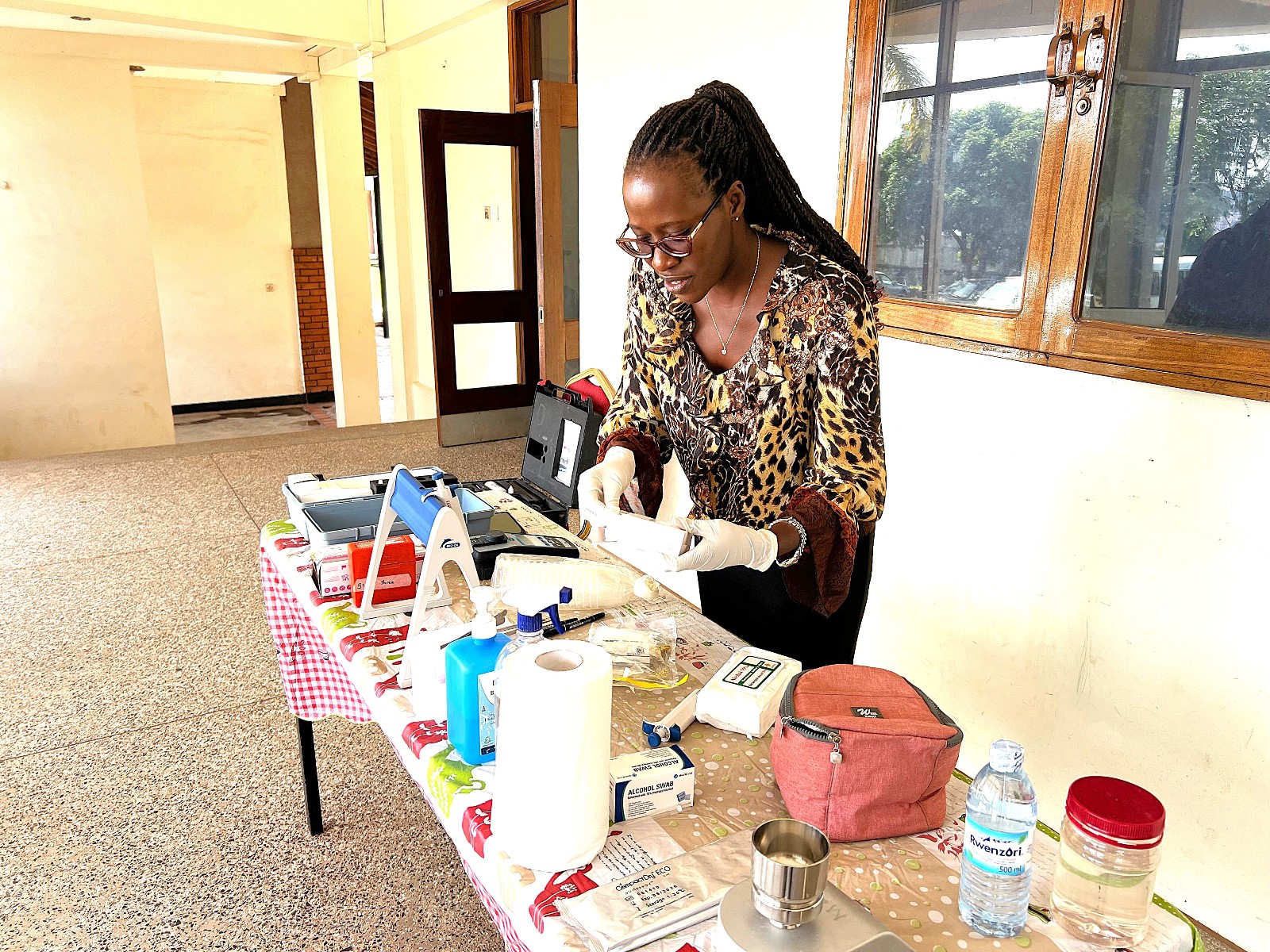
Sneha De reviewed biological and physical/chemical water treatment methods, highlighting technologies such as activated sludge, filtration, membrane bioreactors, and advanced disinfection techniques. The SophiA modular water treatment system, integrating ultrafiltration and membrane capacitive deionisation (MCDI), was introduced as a scalable solution for producing safe drinking and deionised water for medical use.
Mr. Duc Dinh Ngoc trained participants on the MCDI technology, an energy-efficient method for salt and fluoride removal suitable for low-salinity water.
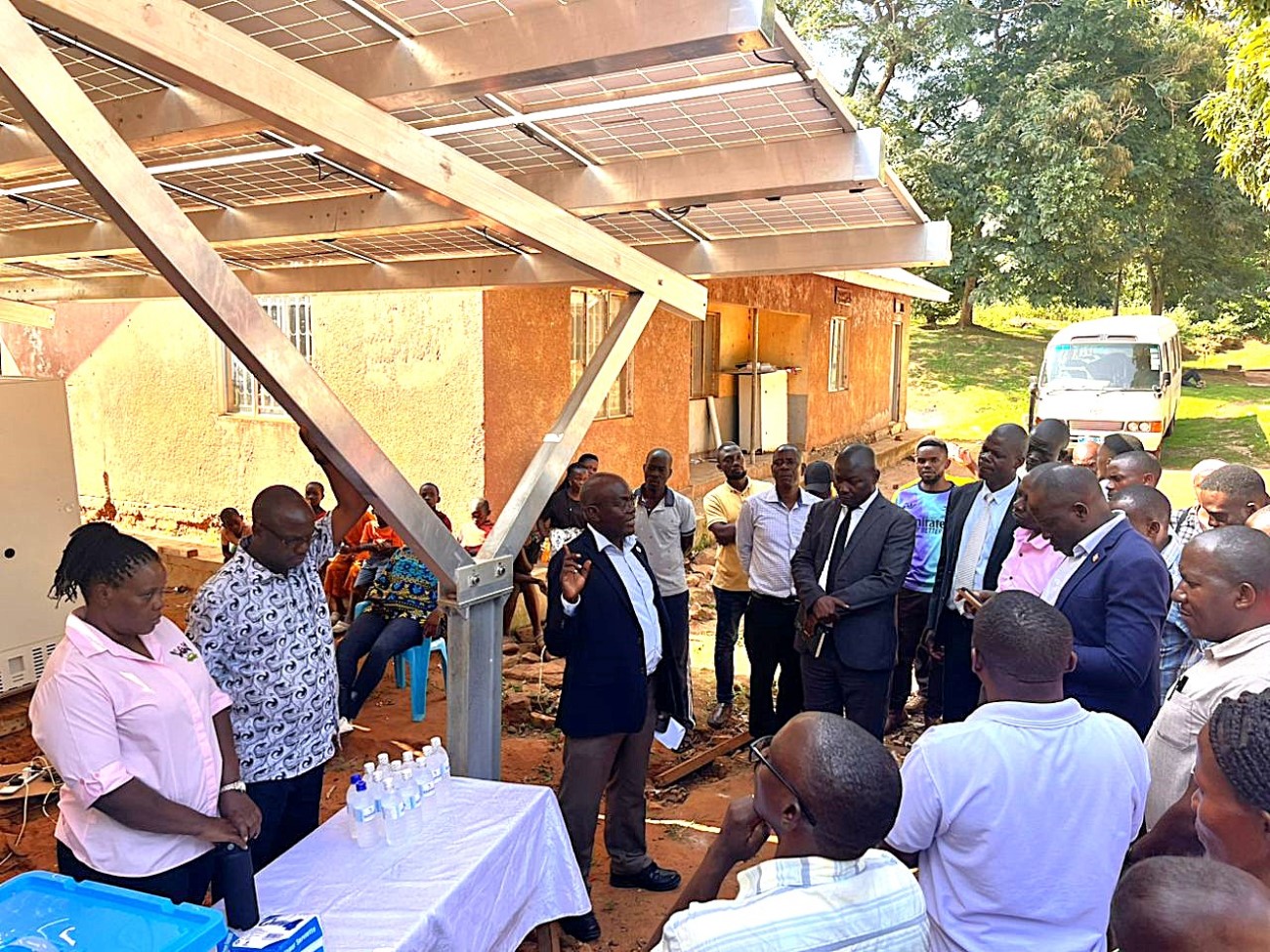
Dr. Joshua Wanyama discussed the water quality management protocols, outlining key physical, chemical, and biological water parameters and monitoring strategies, including modern IoT-based tools, to ensure water safety and public health.
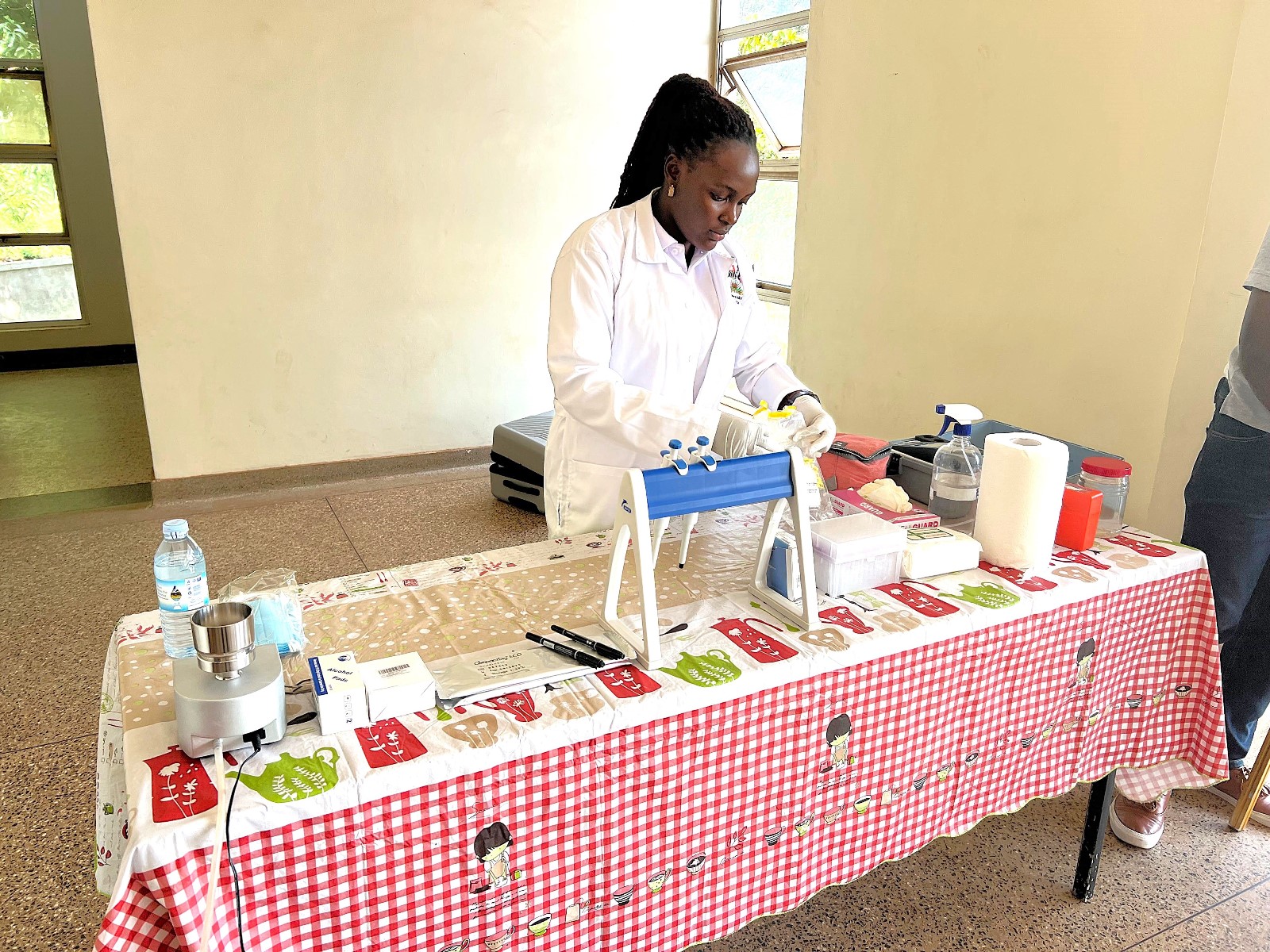
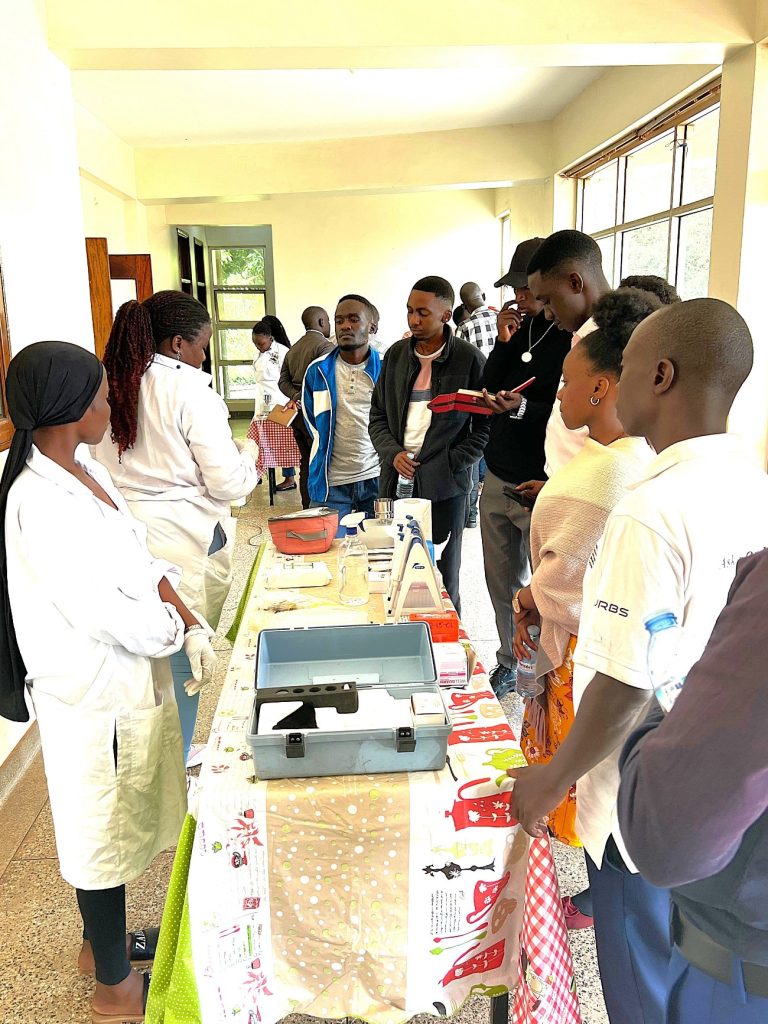
The day concluded with a hands-on lab session by Dr. Prossie Nakawuka, where participants practiced water quality testing using turbidimeters, incubators, and filtration techniques.
Overall, Day Two combined theoretical insights, technology demonstrations, and practical skills, preparing participants to implement sustainable water treatment and quality management systems in healthcare environments.
Day Three: Refrigeration and Cold Storage
The third day of the SophiA workshop focused on sustainable refrigeration and cold storage technologies tailored for healthcare in Sub-Saharan Africa. Experts discussed energy-efficient, climate-friendly cooling solutions vital for vaccine storage, medicines, and diagnostics, especially in off-grid and rural settings.
Key highlights included the introduction of solar-powered and biomass-based refrigeration systems, thermal energy storage methods, and the use of natural refrigerants like propane, ammonia, and CO₂ as environmentally safer alternatives. Presentations emphasized the critical role of refrigeration in healthcare and the urgent need to replace harmful chemicals with sustainable technologies.
Sessions covered real-world applications such as the SophiA cooling containers in Burkina Faso, safety protocols for flammable refrigerants, and the environmental and economic benefits of solar refrigeration systems assessed through life cycle analysis.
The day ended with an interactive quiz and discussion, reinforcing learning and encouraging participants to apply sustainable cooling practices in their communities.
Day Four: World Refrigeration Day & Field Visit to Buvuma Island
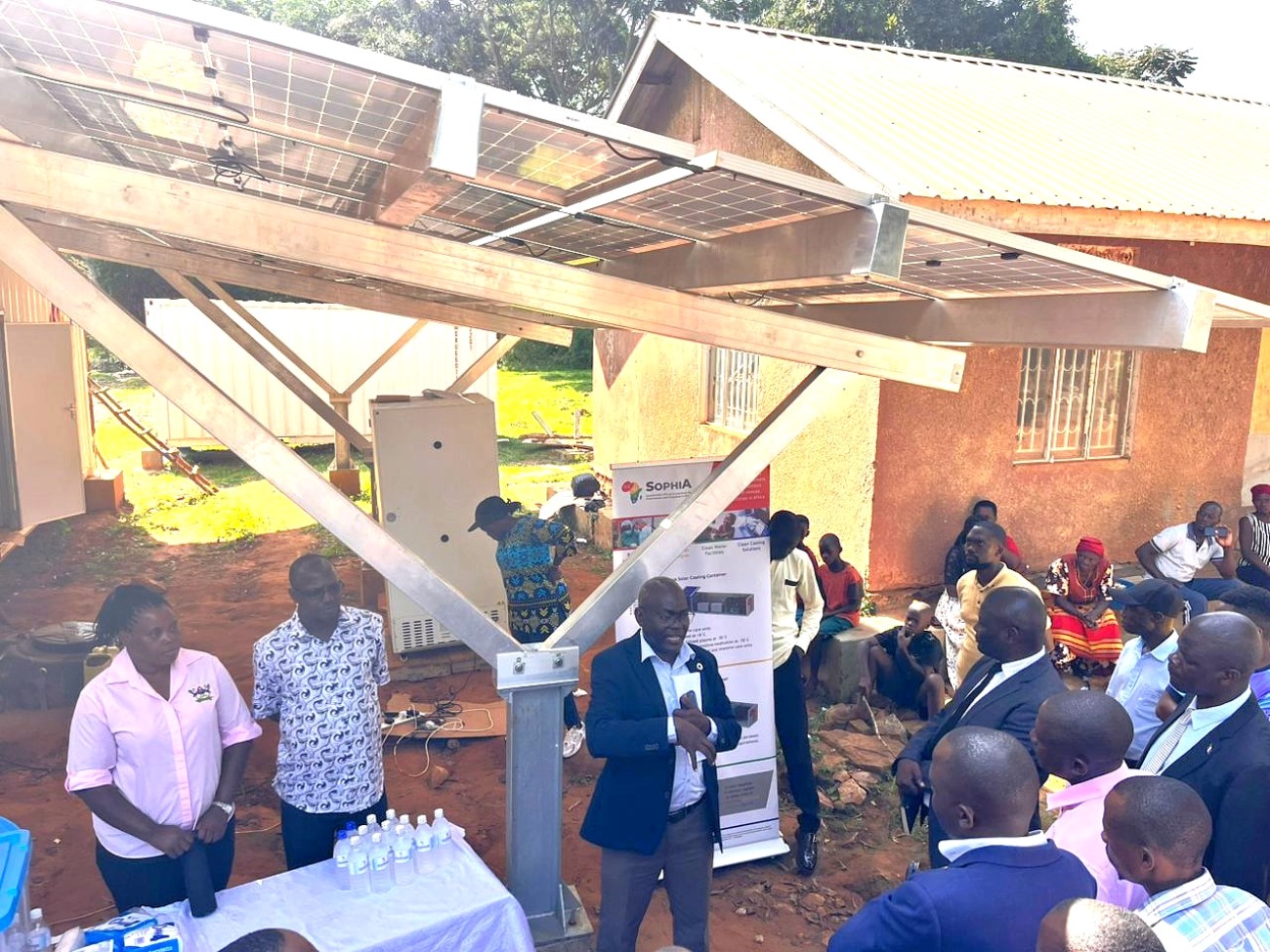
The fourth day of the SophiA Train the Trainers workshop was dedicated to the celebration of the World Refrigeration Day and a field excursion to Buvuma Island, providing participants with a unique opportunity to witness the SophiA system in action. The day was coordinated by Dr. Sarah Bimbona and Dr. Nicholas Kiggundu, who led the delegation to Buvuma Health Centre IV, the pilot site for the SophiA installation in Uganda.
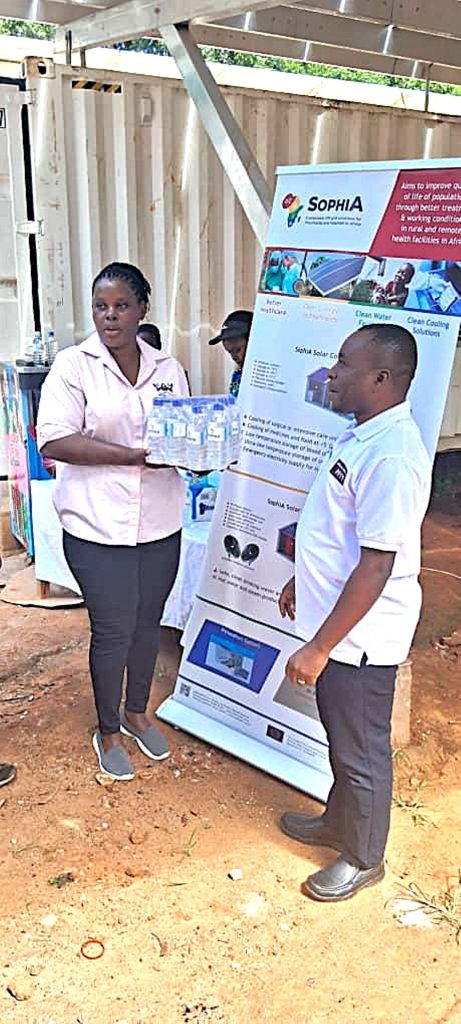
The visit served as both a practical extension of the previous day’s technical sessions and a community engagement event. Participants were able to observe the installed SophiA system, which integrates solar-powered refrigeration, water treatment and steam generation technologies designed for off-grid healthcare settings. During the visit, Dr. Kiggundu provided a detailed briefing to local stakeholders, including representatives from the Buvuma District Local Government, delegates from the Buganda Kingdom, and members of the local community. He explained how the SophiA system will enhance healthcare delivery on the island through reliable cold storage for vaccines and medicines, access to clean drinking water, and steam generated for cooking and use in the maternity wards.
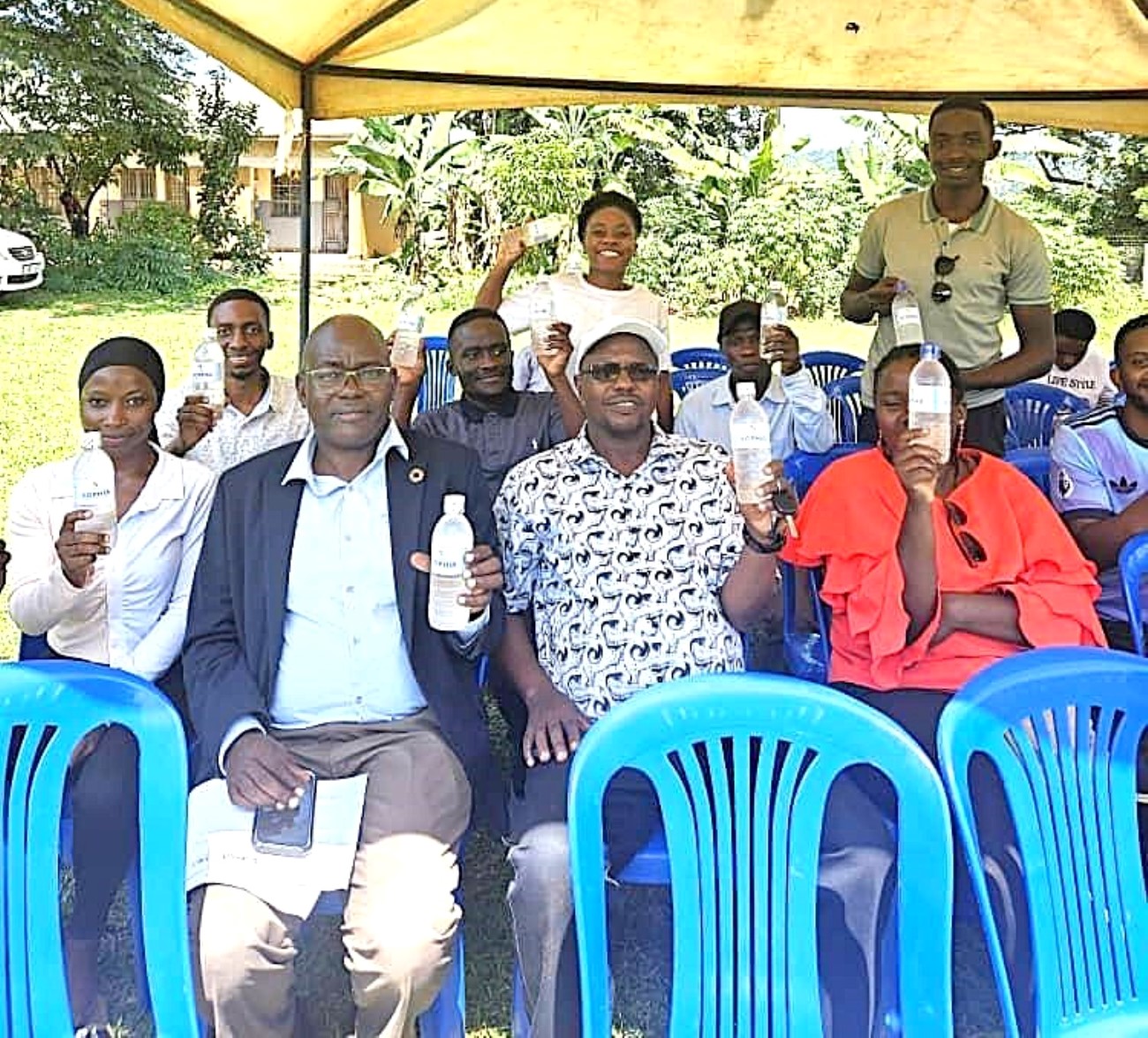
As part of the long-term sustainability plan for the SophiA system, the launch of SophiA Water was announced, an entrepreneurial initiative designed to generate revenue locally for the operation and maintenance of the system.
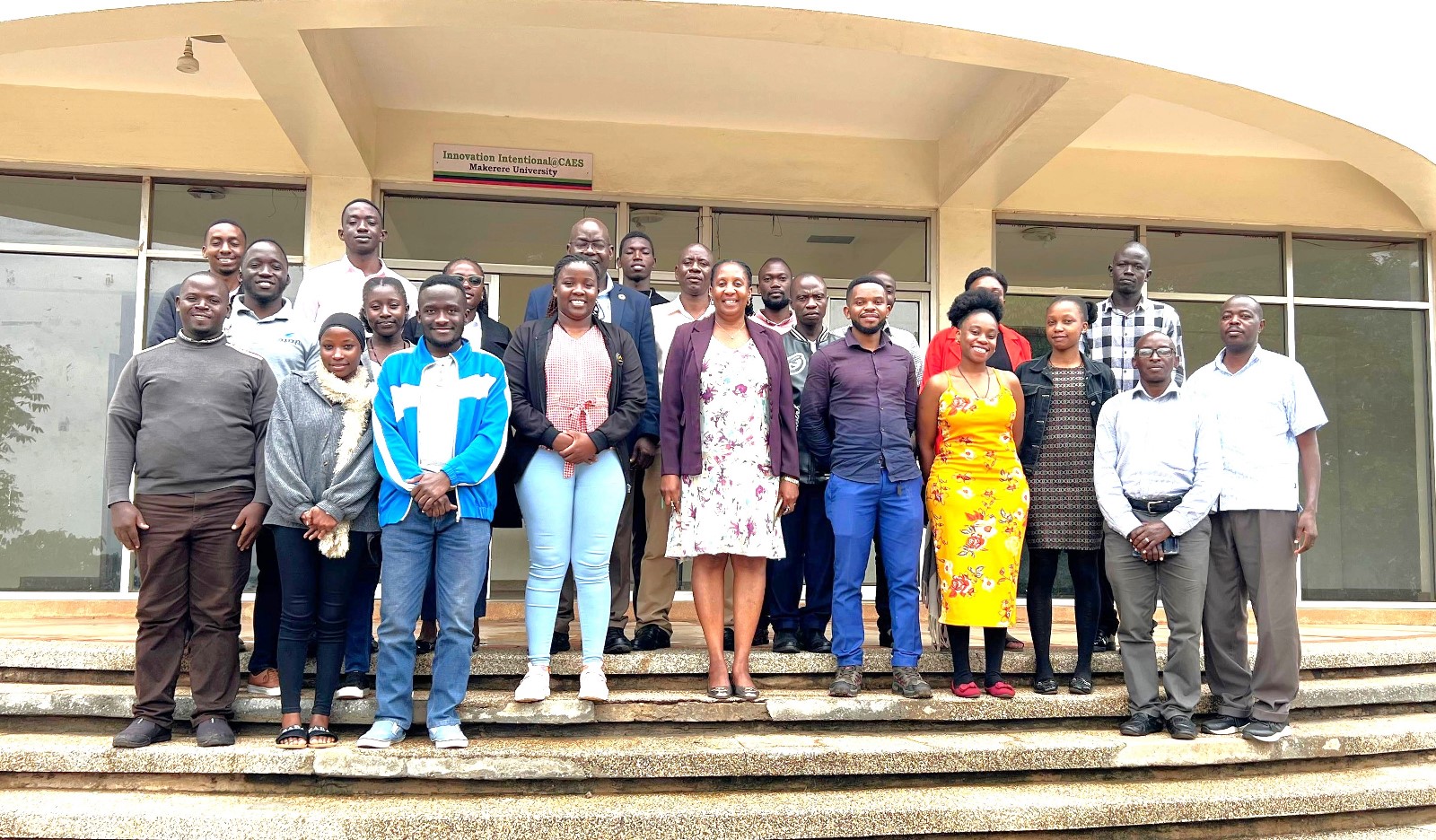
The field trip ended with a certificate awarding ceremony in appreciation of the participants’ dedication and active engagement throughout the training programme.
Agriculture & Environment
APRC Trains Graduate Students & Stakeholders in the Use of the African Agriculture Adaptation Atlas
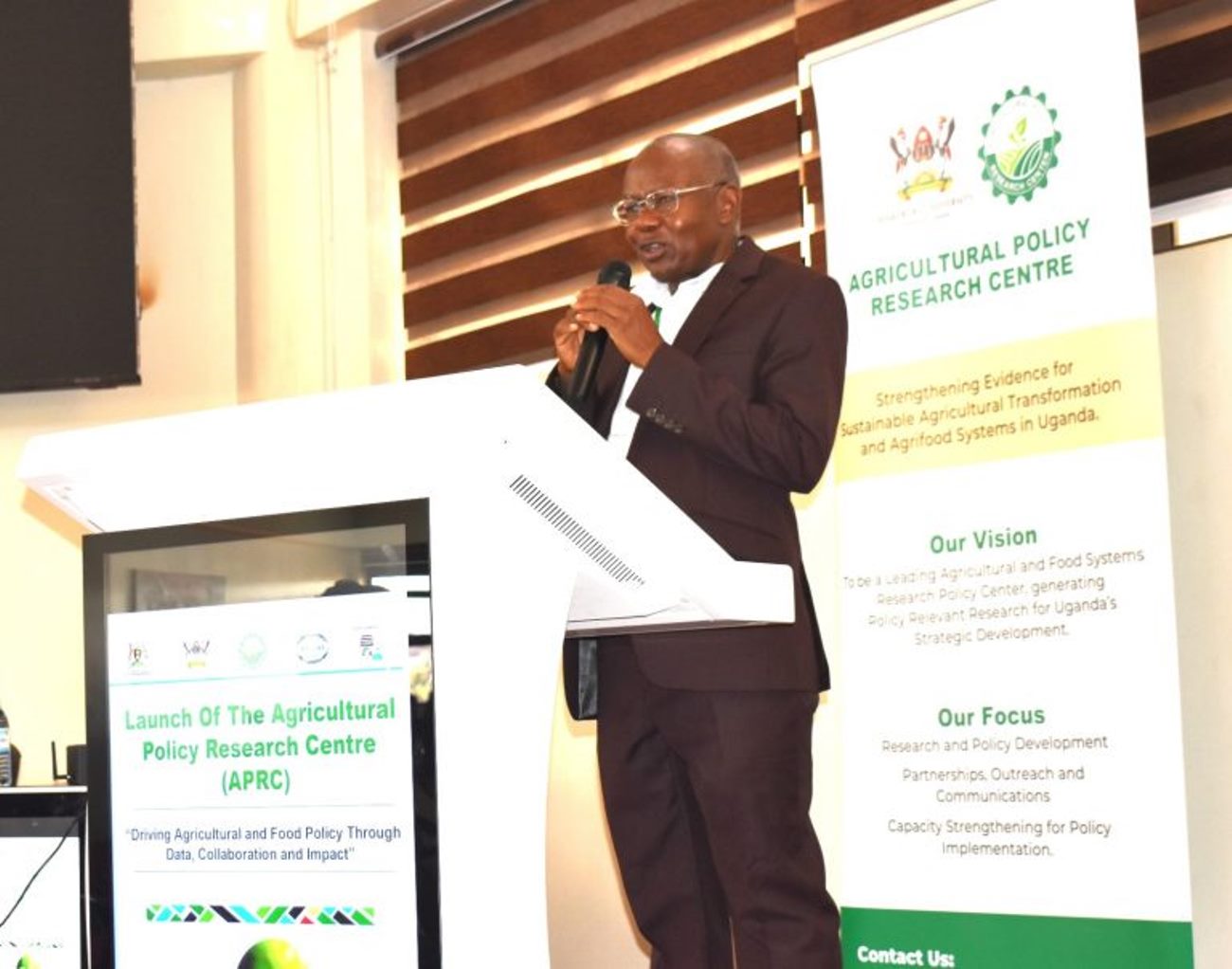
The Agricultural Policy Research Centre (APRC), housed within the College of Agricultural and Environmental Sciences (CAES) at Makerere University, continues to play a pivotal role in shaping Uganda’s agricultural future through evidence-based policymaking. With a mission to ensure that agricultural policies are grounded in empirical research and data, APRC is actively investing in capacity-building initiatives that empower researchers, policymakers, and development actors.
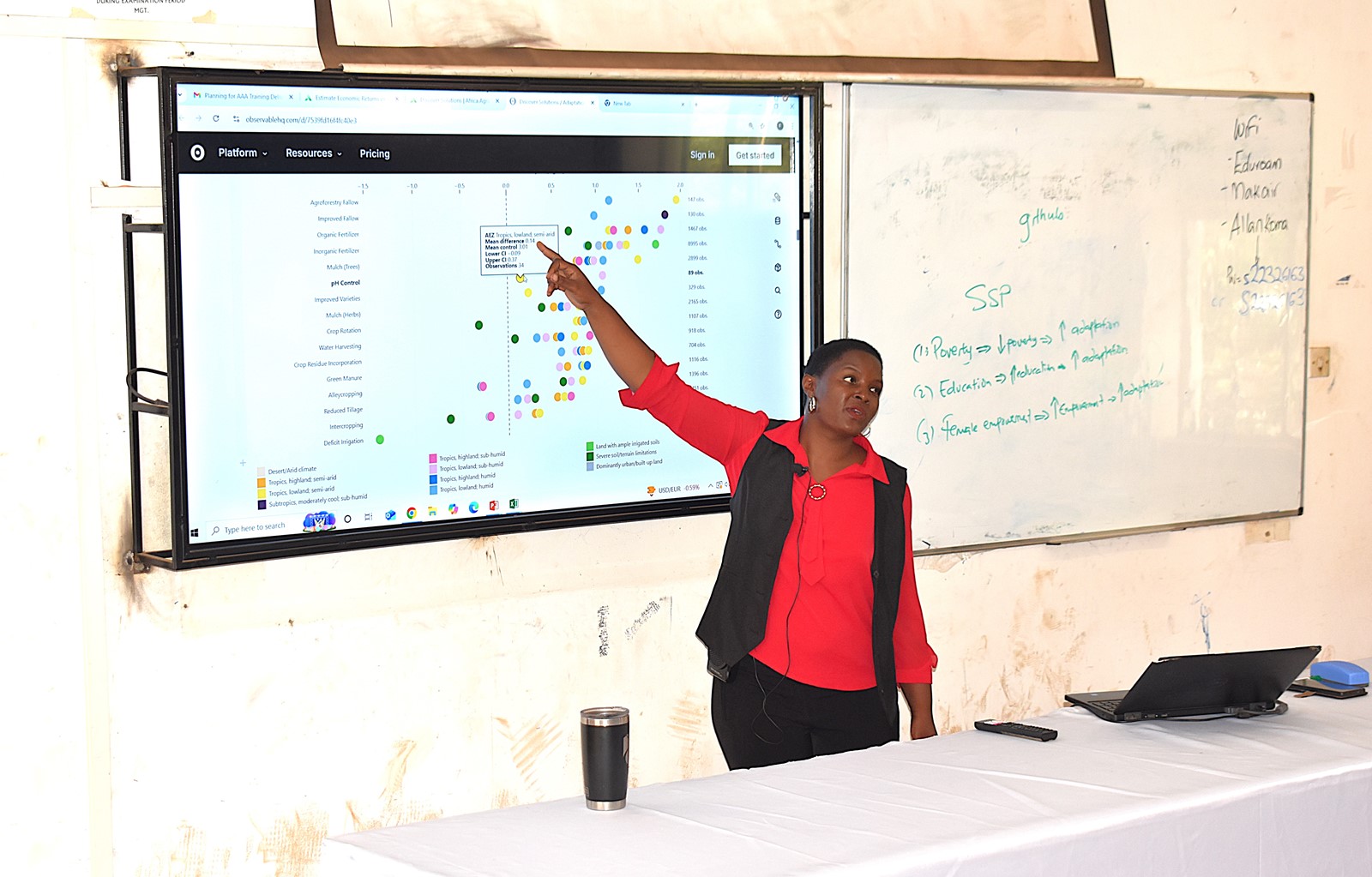
In a significant stride toward building climate resilience in African agriculture, APRC recently organized a two-day intensive training workshop focused on the African Agriculture Adaptation Atlas (AAAA) – a state-of-the-art, web-based decision-support platform that facilitates the integration of climate data into agricultural planning and policy.
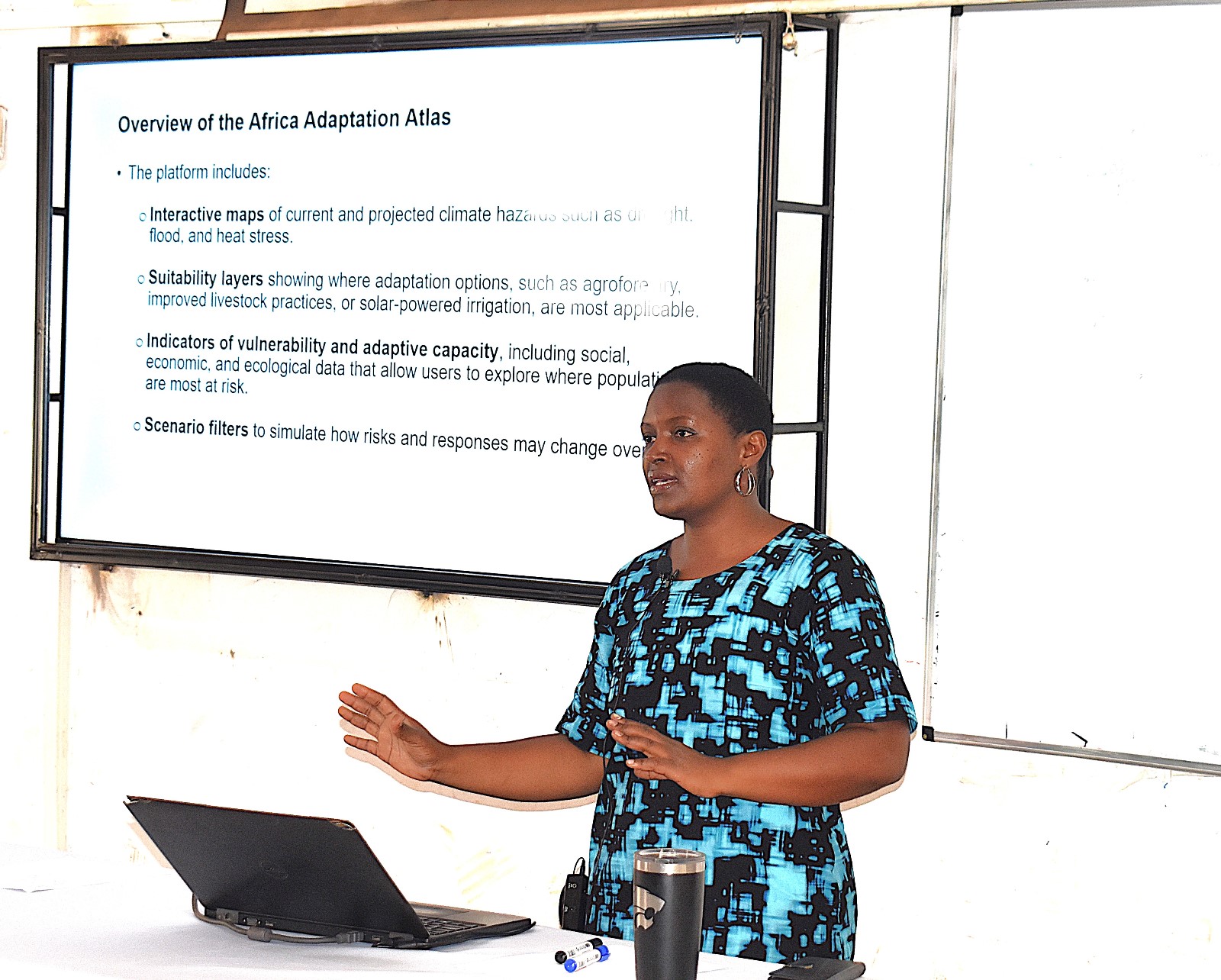
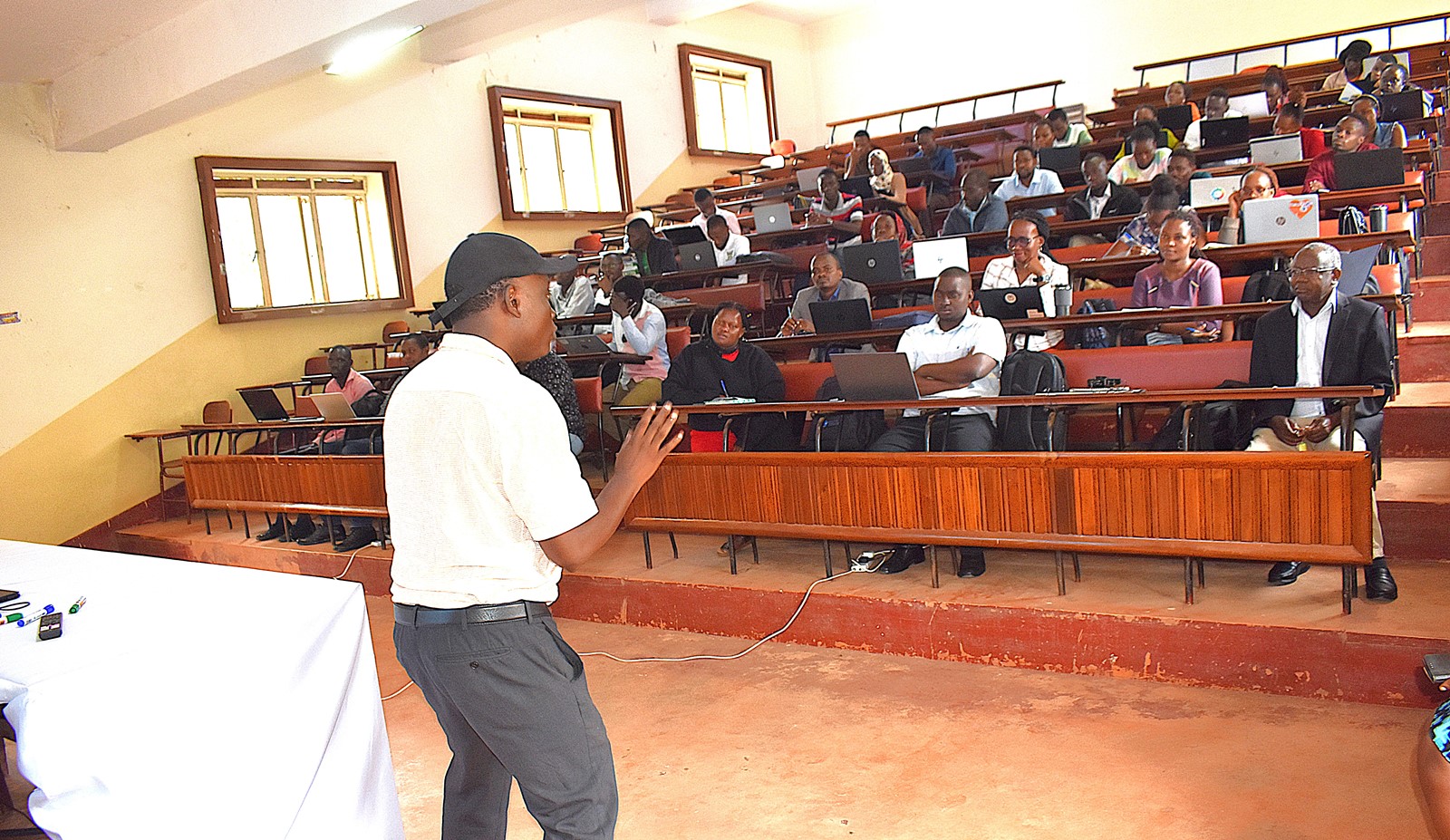
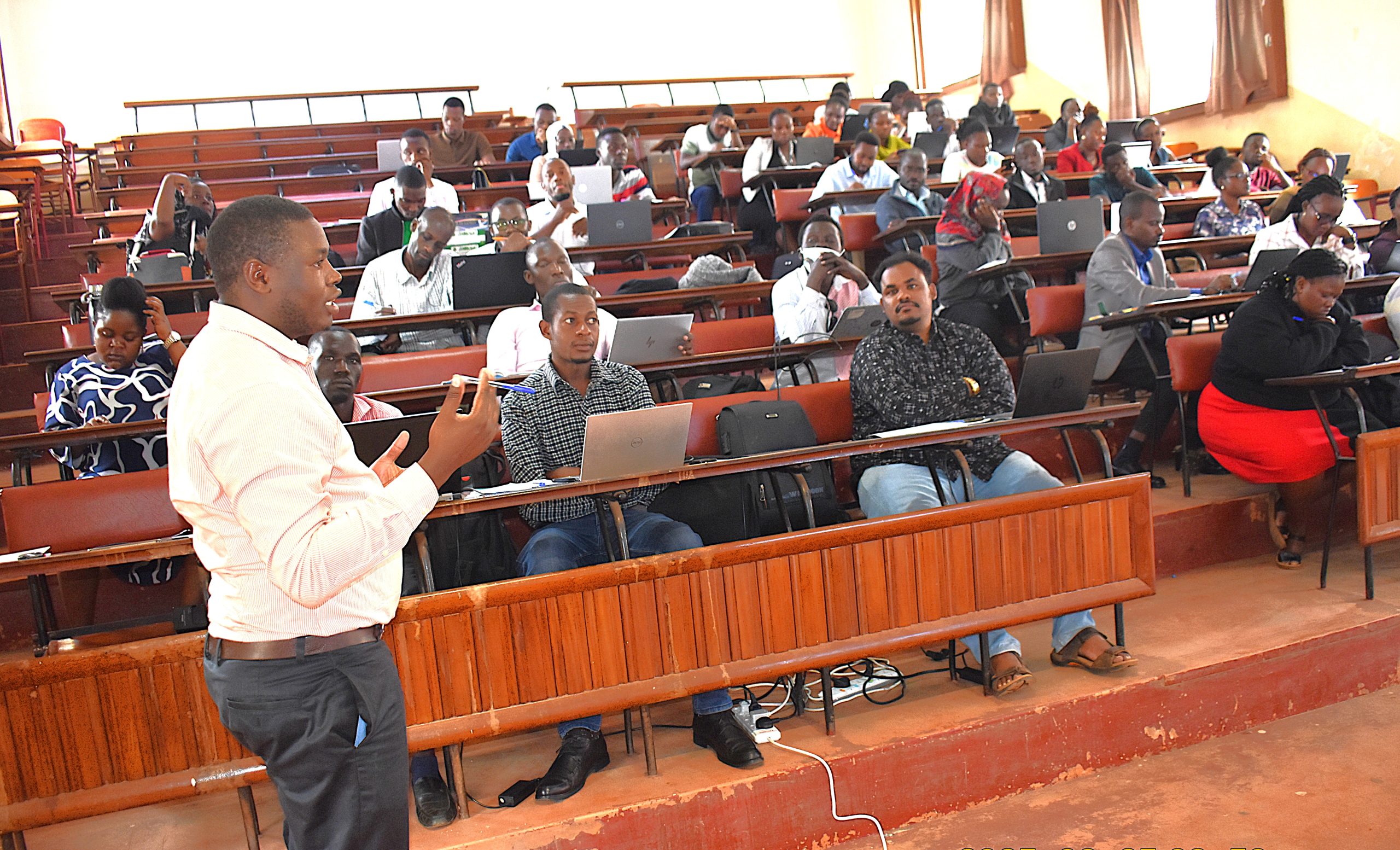
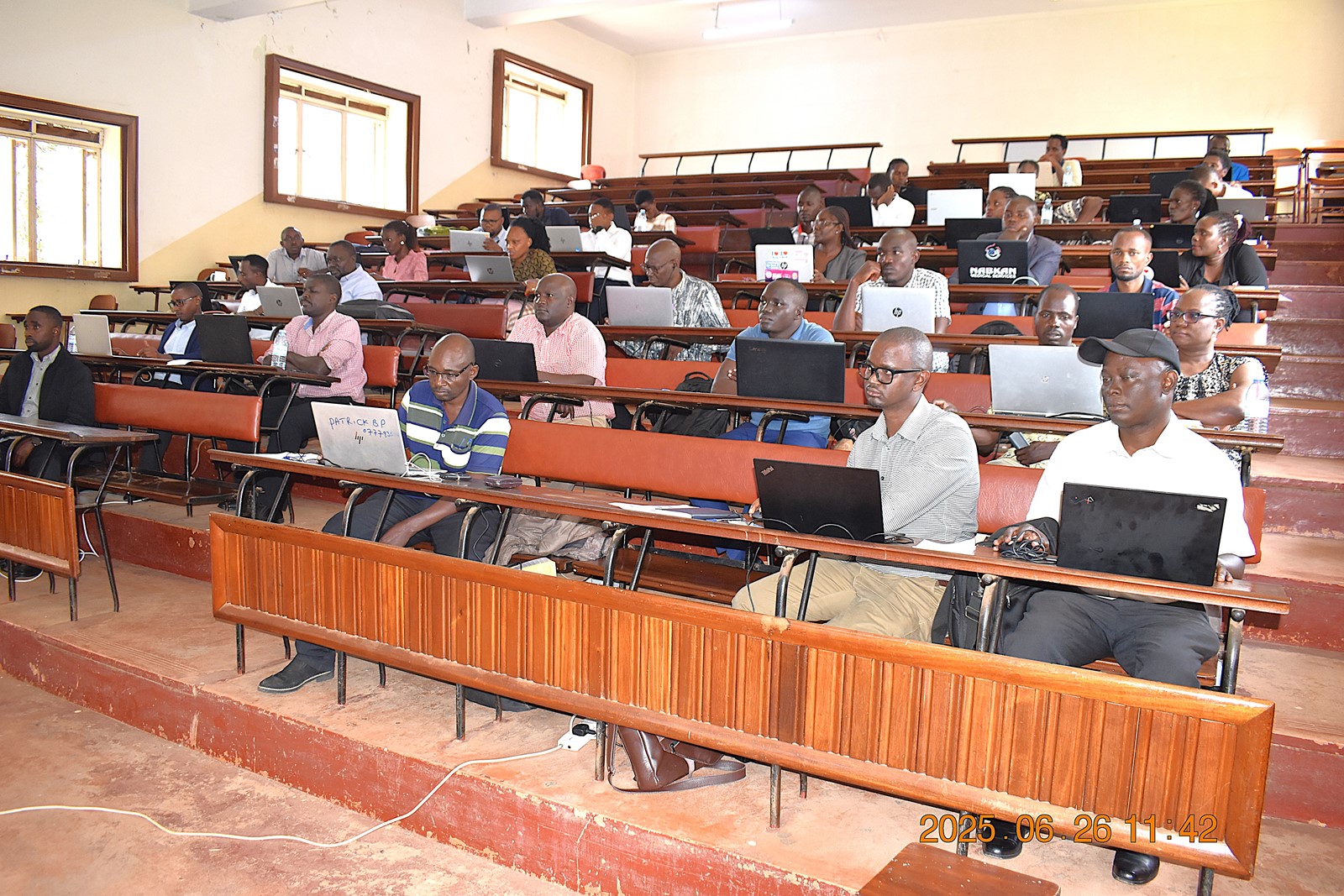
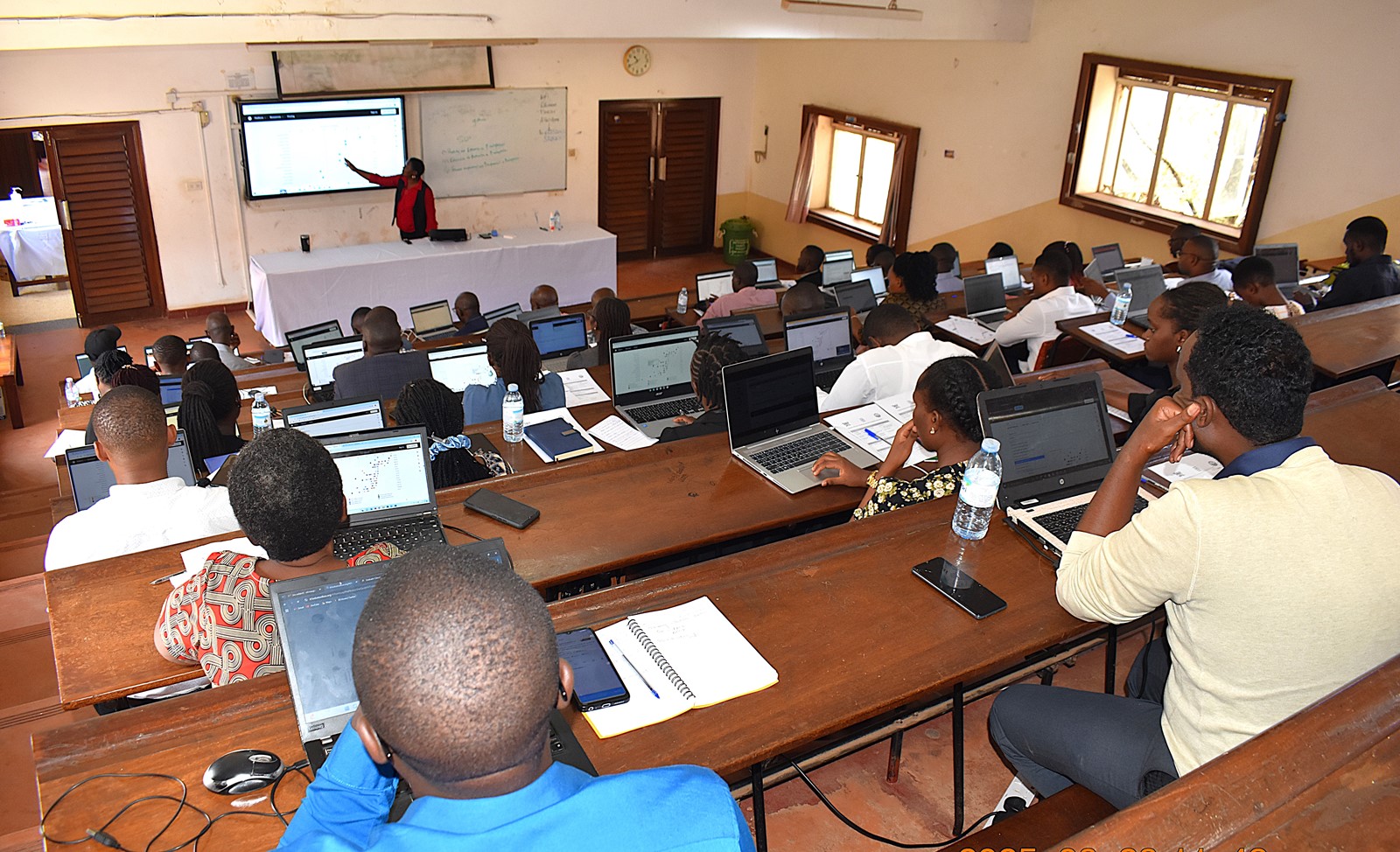
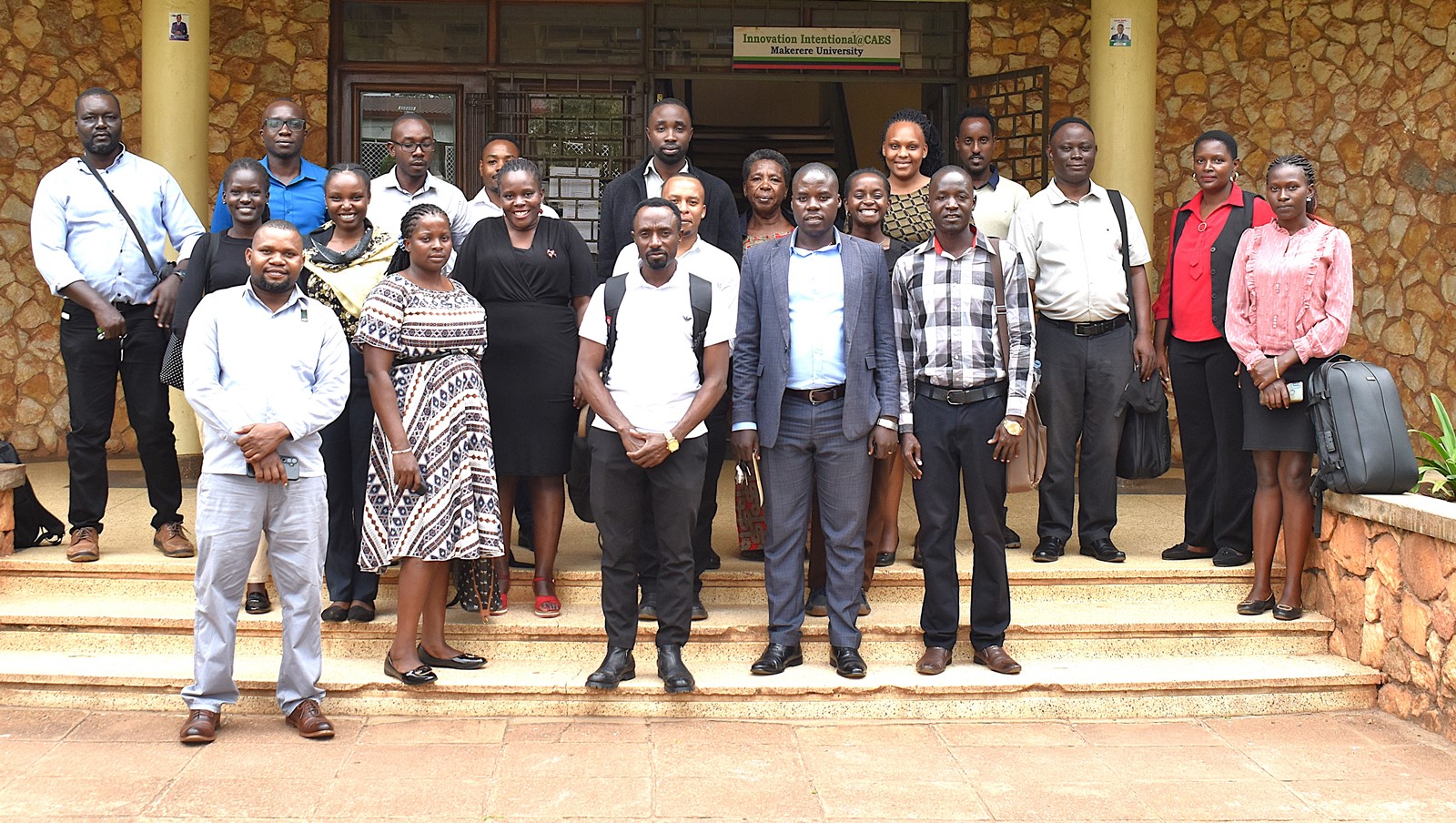
The workshop, held on Wednesday 25th and Thursday 26th June 2025 at the School of Agricultural Sciences, Makerere University, targeted two key groups: graduate students on the first day, and university faculty, government officials, and development practitioners on the second. This structure ensured tailored learning experiences for both emerging and seasoned professionals, helping to bridge the gap between academic research and real-world policy implementation.
The African Agriculture Adaptation Atlas (AAAA) is designed to provide dynamic, data-rich visualizations that support informed decision-making in agriculture and food systems across the continent. Through interactive maps and analytical tools, users can explore projected climate impacts, evaluate risks, and identify localized, climate-smart adaptation strategies.
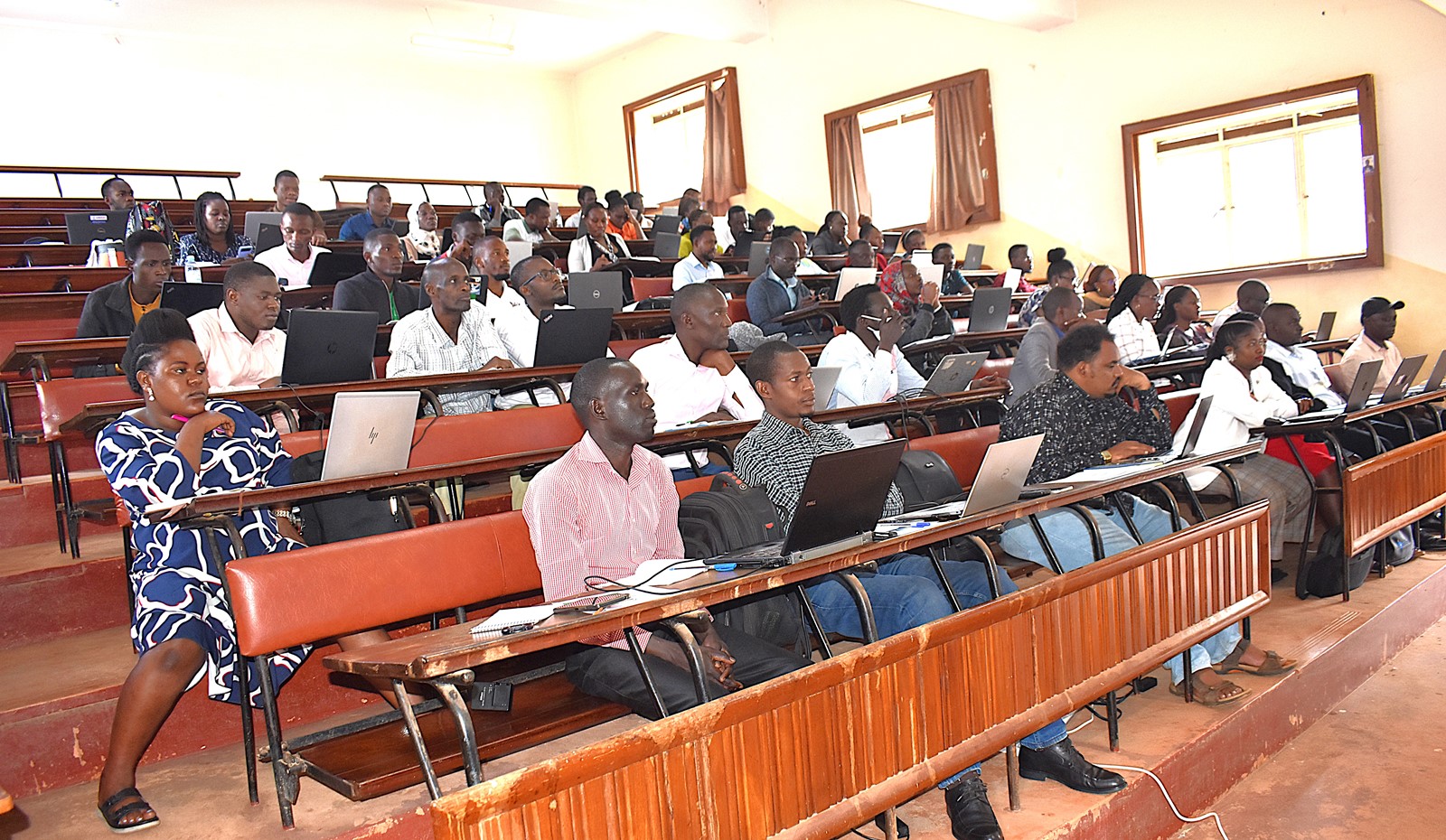
Throughout the sessions, participants received hands-on training in a broad range of AAAA functionalities, including:
- Leveraging the Atlas for research and policy communication: Enhancing the ability of scientists and policy actors to translate complex climate data into actionable insights;
- Assessing projected climate impacts and associated agricultural risks: Essential for forward-looking planning and risk mitigation;
- Identifying climate-smart investment options, with a particular focus on the livestock sector, which is especially vulnerable to climate shocks;
- Analysing gendered vulnerabilities: Examining how climate change disproportionately affects women in agricultural communities;
- Understanding the implications of heat stress on agricultural productivity: Supporting targeted interventions to protect producers and their livelihoods;
- Estimating the economic returns of adaptation strategies: Aiding in prioritizing investments and allocating limited resources effectively.
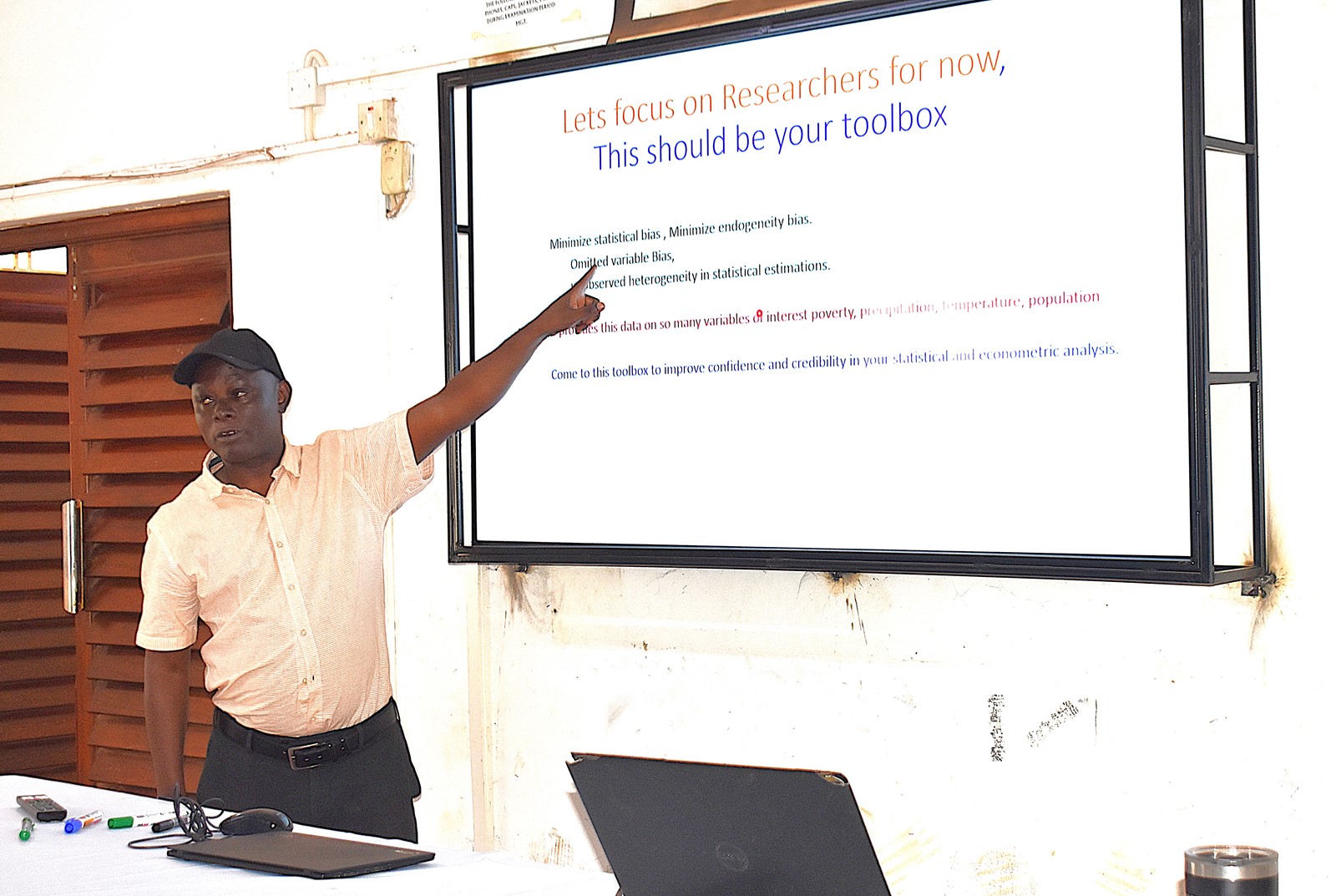
Prof. Bernard Bashaasha, the APRC Coordinator, emphasized the importance of the training in advancing Africa’s adaptation agenda. “As climate change continues to threaten food security and disrupt livelihoods across the continent, tools like the AAAA, and the skills to use them effectively are essential. They empower decision-makers to craft policies that are adaptive, inclusive, and rooted in science,” he noted.
The workshop was coordinated by Dr. Florence Rwiza, Lecturer in the Department of Agribusiness and Natural Resource Economics at CAES.
More photos from the Training
-
 General2 weeks ago
Re-advert: Admission to Undergraduate Programmes 2025/2026
-
 General1 week ago
Re-Advert for Applications for Diploma and Certificate Training
-
 General5 days ago
Makerere University Fees Waiver for 40 First Year Female Students 2025/2026
-
 General2 weeks ago
Press Statement on Ranking
-
 Health1 week ago
Call for Applications: Responsible Conduct of Research (RCR) Training Course