
Agriculture & Environment
AfPEC Project Targets to Safeguard Ecosystems in the Mt. Elgon Region through Agroforestry

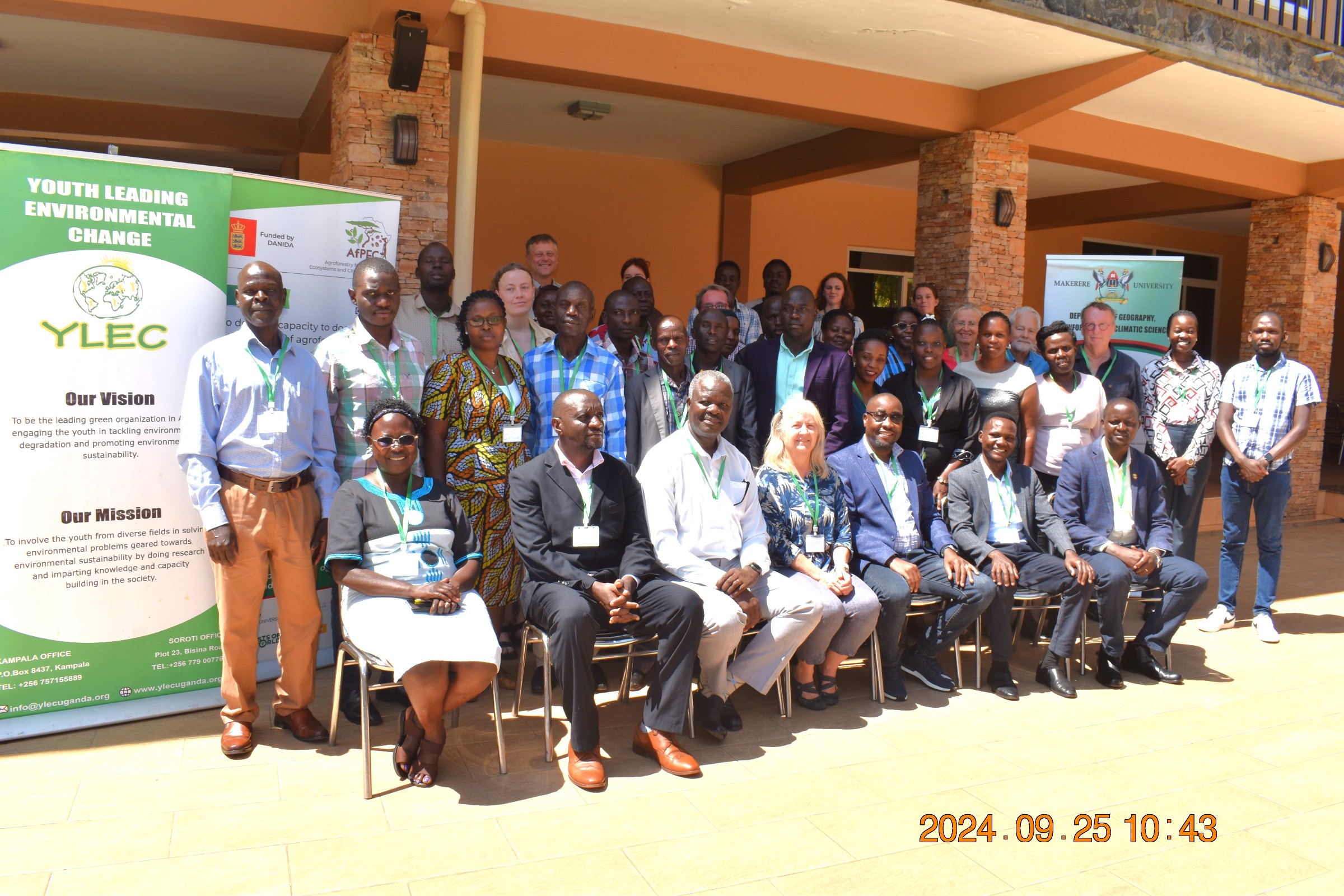
*****Funded by DANIDA, Agroforestry for People, Ecosystems and Climate Change (AfPEC), a five-year project (March 2024-April 2029) focusing on Mt. Elgon Highlands in Eastern Uganda aims to foster to use agroforestry to prevent climate change and loss of biodiversity in the region. The project will focus on four districts namely: Mbale, Bududa, Bulambuli, and Kapchorwa. Project Partners: Makerere University, Aarhus University & University of Copenhagen (Denmark), Youth Leading Environmental Change (YLEC), Seniors without Borders, Forests of the World, Stjernekommunikation, and FrellsenKaffe. Through the project, coffee farmers in the region will be supported to export their coffee to Denmark. The project team held the inception meeting on 25th-26th September 2024 in Mbale City.
Overview
Climate change and biodiversity loss are emerging as two of the greatest environmental challenges facing humanity. In Uganda, natural ecosystems such as forests and wetlands contribute considerably to people’s livelihoods and the national economy. However, rapid population growth has led to the degradation of these ecosystems due to increased demand for firewood and the conversion of land for agricultural purposes. Furthermore, the effects of climate change, including variable rainfall patterns and higher temperatures, are leading to a rise in the frequency and intensity of floods, droughts, landslides, windstorms and hailstorms (UNEP- Ecosystem-Based Adaptation in Uganda). Failure to tackle the effects of climate change threatens the achievement of the Sustainable Development Goals (SDGs), with catastrophic consequences that will hit the poorest and most vulnerable communities first and hardest (UCL Global Governance Institute, 2021). The United Nations Decade on Ecosystem Restoration 2021-2030 is a rallying call for the protection and revival of ecosystems around the world, for the benefit of people and nature. It aims to halt the degradation of ecosystems, and restore them to achieve global goals.
Agroforestry as a climate change adaptation strategy
Agroforestry, the purposeful integration of trees or shrubs with crops and/or livestock at the plot, farm, and/or landscape scale, is one potential climate change adaptation strategy to increase the resilience of farmers and agricultural systems against climate risk, providing a range of biophysical and socioeconomic benefits. As highlighted by the Intergovernmental Panel on Climate Change (IPCC) reports of 2022, agroforestry is a promising agro-ecological approach to climate change adaptation because of the multitude of co-benefits that many agroforestry systems provide including, enhanced food security and income opportunities, the provisioning of ecosystem services, and biodiversity conservation (Amy Quandt, et.al 2023). Agroforestry significantly impacts the environment in diverse ways that contribute to both global environmental goals and local sustainability. Despite of the benefits, promotion, implementation and sustainability of agroforestry practices is still not well addressed.
Purpose of the AfPEC project
Coffee farmers in the Mt. Elgon Region in Eastern Uganda have traditionally with success used agroforestry that protects important water catchments and biodiversity hotspots, but these areas now experience degrading soils caused by external factors such as forest loss, soil erosion and population growth. Changes in climate have also affected farming conditions favouring more drought-resistant crops and agroforestry systems with well-developed shade. Agroforestry for People, Ecosystems and Climate Change (AfPEC), a new project funded by DANIDA aims to understand the factors that motivate coffee farmers to engage in agroforestry, and to foster the use of agroforestry to minimize the effects climate change and loss of biodiversity in the region. Specifically, the project aims to document the effects of agroforestry in terms of ecosystem services and livelihood benefits, to understand motivating factors for long-term sustainable development, and to support science-based agroforestry in practice. The project will focus on four districts namely: Mbale, Bududa, Bulambuli and Kapchorwa.
Specific objectives
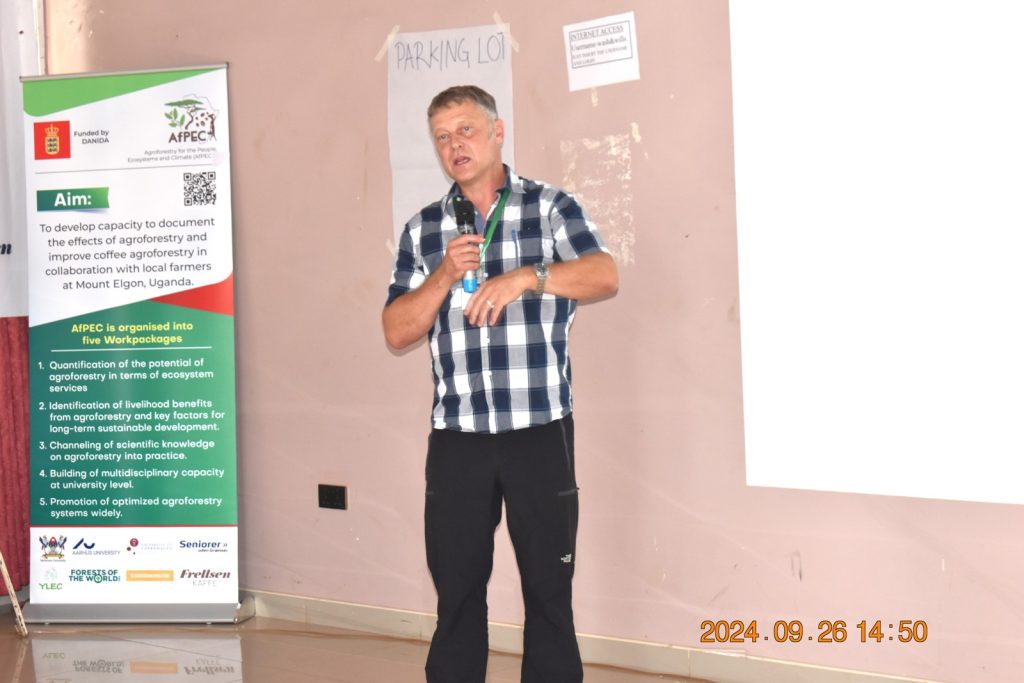
The project will be implemented though five work packages in line with the objectives below;
1.Quantifying the potential of agroforestry in terms of ecosystem services – Under this objective the focus is to assess the benefits of various agroforestry systems, including carbon sequestration, biodiversity conservation, and other ecosystem services. This research will help stakeholders understand the potential and limitations of different agroforestry approaches and contribute to mitigating climate change and biodiversity loss. Additionally, the findings will be used to select suitable native tree species for planting in highland coffee agroforestry systems.
2.Identifying livelihood benefits from agroforestry and key factors for long-term sustainable development.
3.Channelling scientific knowledge on agroforestry into practice –Given the urgent threats posed by biodiversity loss and climate change in Africa, it is imperative to translate scientific research into practical solutions. In collaboration with NGOs and local farming communities, the project team will disseminate user-friendly information and ensure that research findings directly benefit livelihoods and ecosystems. The goal is to increase local income through sustainable coffee production, carbon credits, and potentially, emerging markets for ecosystem services.
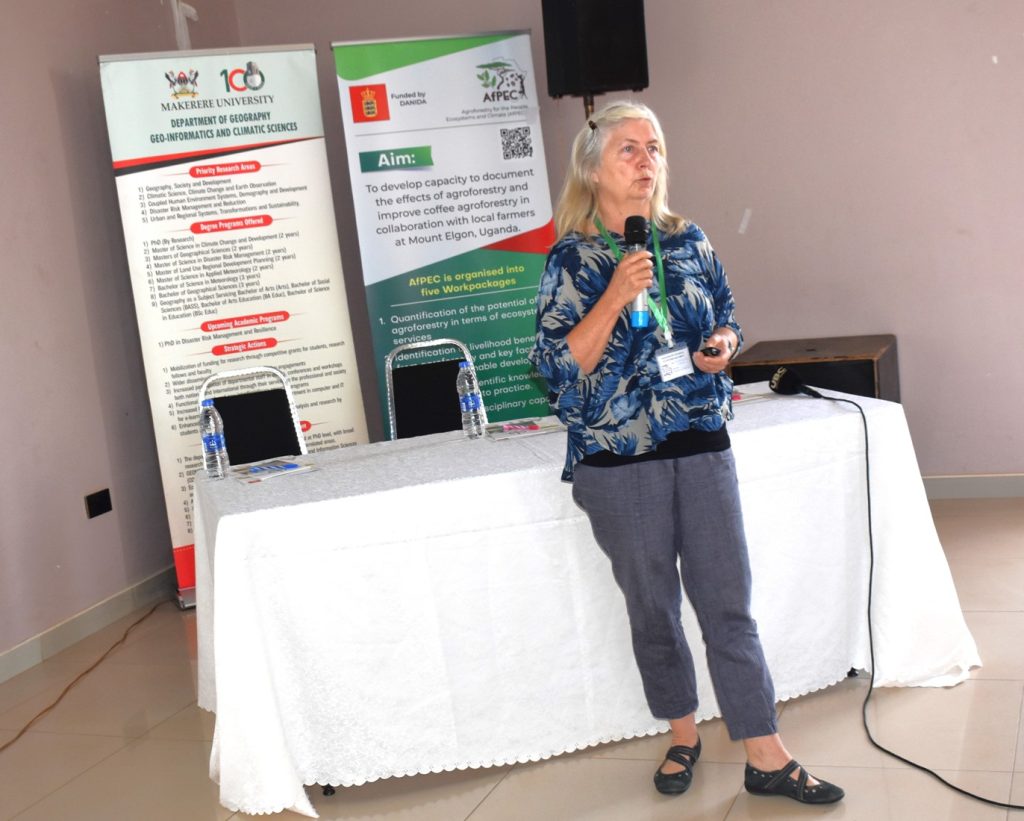
4. Building multidisciplinary capacity at university level –The project will train four PhD students from Uganda, and at least 12 master students from Denmark.
5. Promoting optimized agroforestry systems widely.
Partner Institutions
AfPEC is composed of seven partners: three university partners with multidisciplinary backgrounds, three Danish and Ugandan NGOs and a private communication company. All partners work in close collaboration with four coffee farmer communities. These include; Makerere University, Aarhus University (Department of Ecoscience), University of Copenhagen, Youth Leading Environmental Change (YLEC), Seniors without Borders, Forests of the World, Stjernekommunikation, and FrellsenKaffe.
Project team
The overall PI is Dr Anne Mette Lykke from Aarhus University. At Makerere, the project is coordinated by Prof. John Tabuti from the Department of Environmental Management and Prof. Frank Mugagga from the Department of Geography, Geo-Informatics and Climatic Sciences. Other participants: Aarhus University, Department of Ecoscience (Jørgen Axelsen), Makerere University (Dr Josephine Esaete and Dr Kellen Aganyira), University of Copenhagen (Ida Theilade, Nerea Turreira Garcia, Stine Kroijer), Seniors without Borders (Poul Kroijer, Lone Jacobsen, Kjeld Lanng, Frans Theilby, Lars Brodersen, Jan Thorn Clausen, Hazra Okem, Ann Grace Apiita, Emmanuel Alituha, Christopher Ejiku), Youth Leading Environmental Change (Daniel Esayu, Annet Nakkazi, Richard Tusabe), Forests of the World (Jens Holm Kanstrup, Kristian Lybæk, Abiyu Lencho), and Stjernekommunikation (Jan Stjerne).
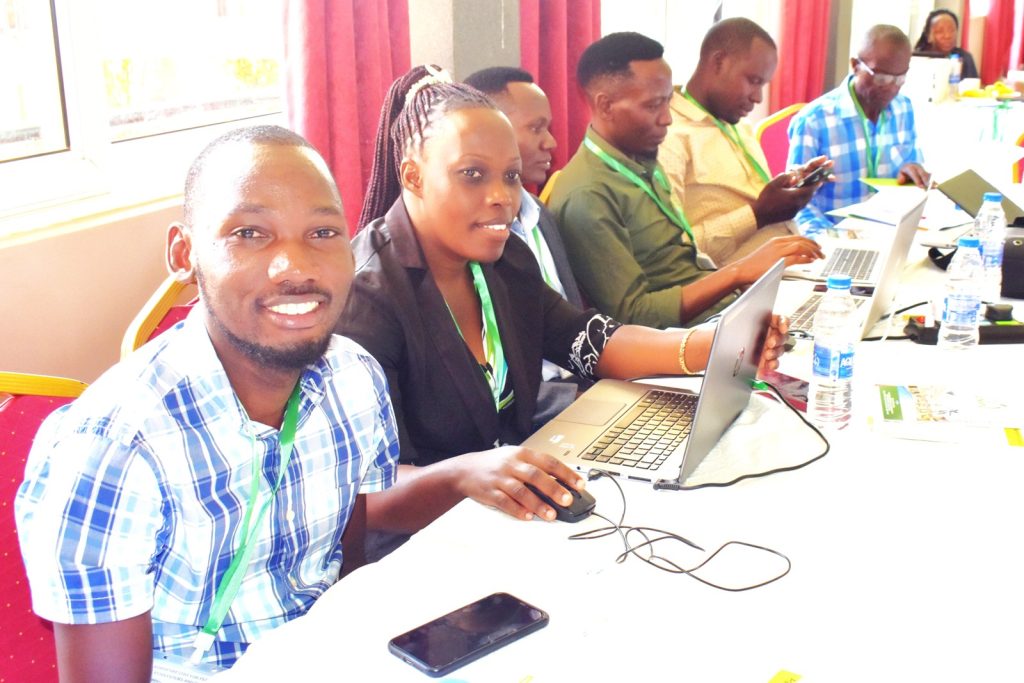
AfPEC Inception meeting in Mbale City
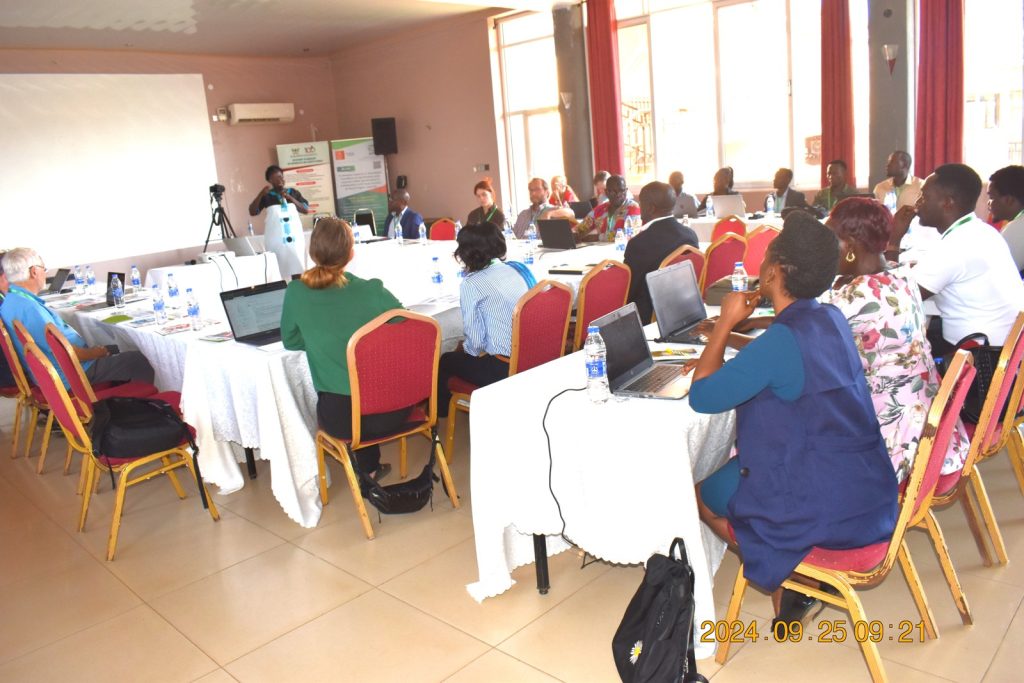
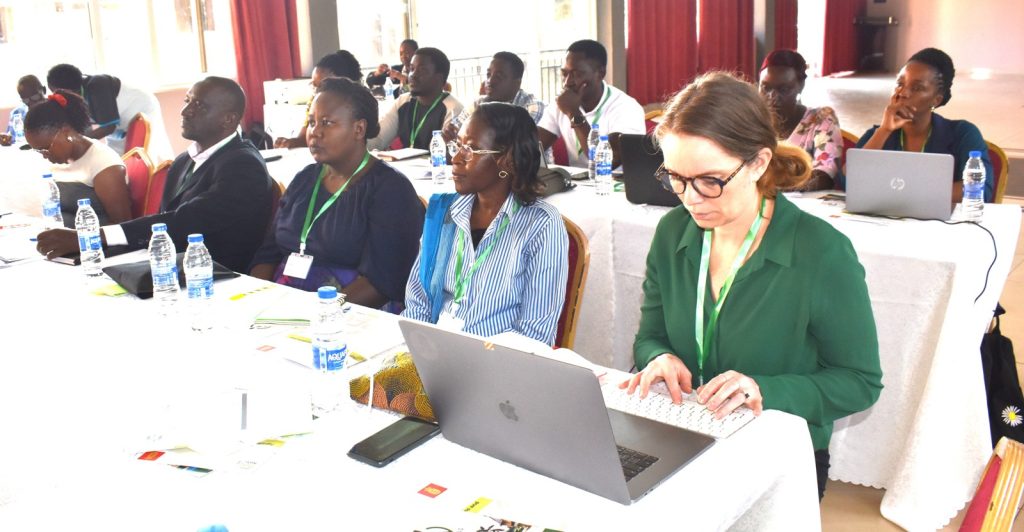
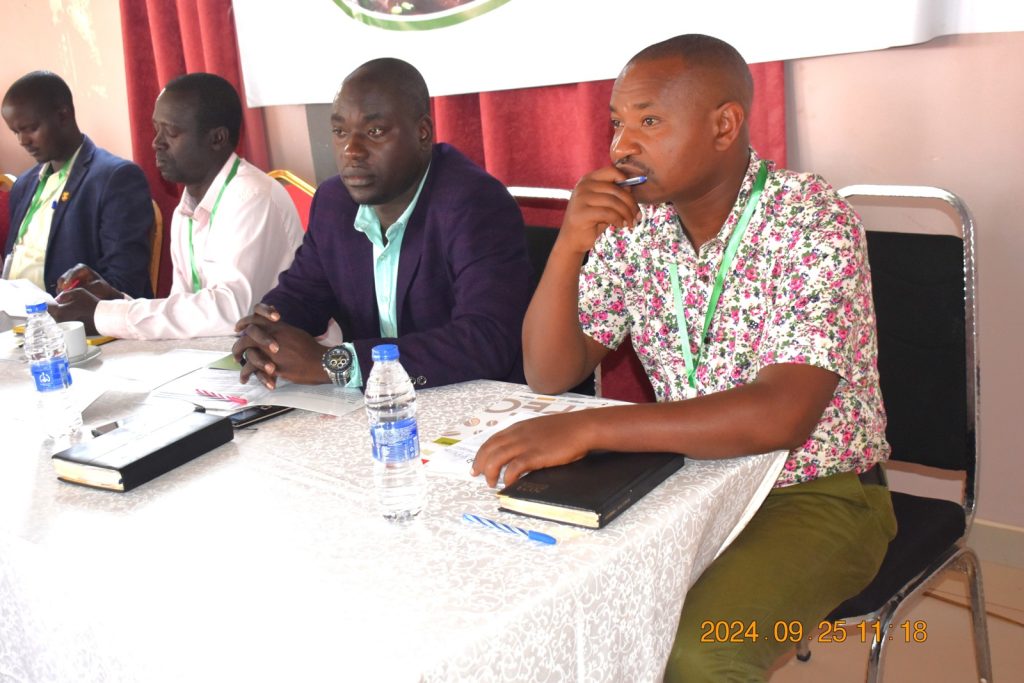
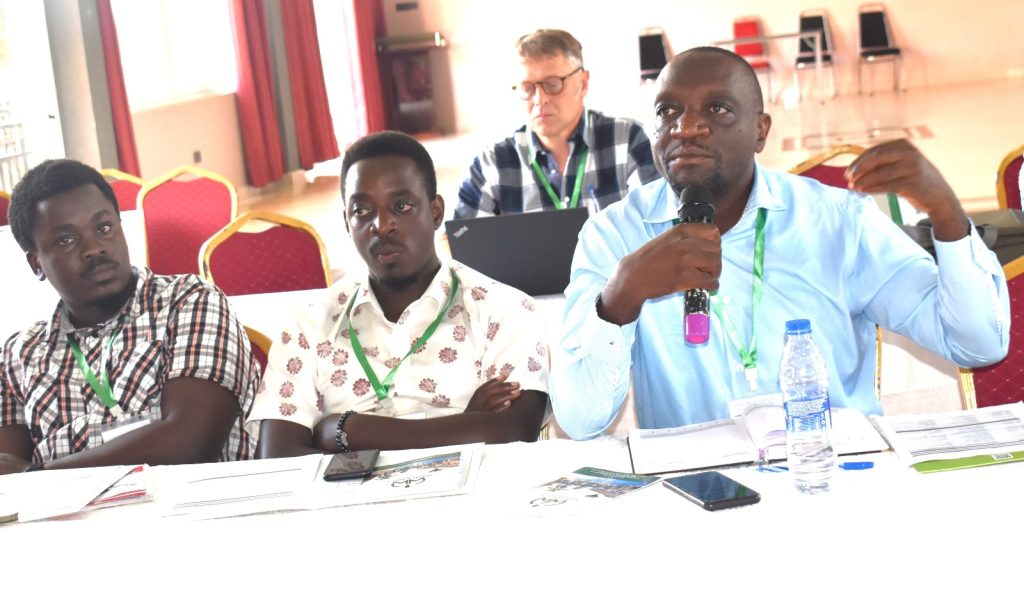
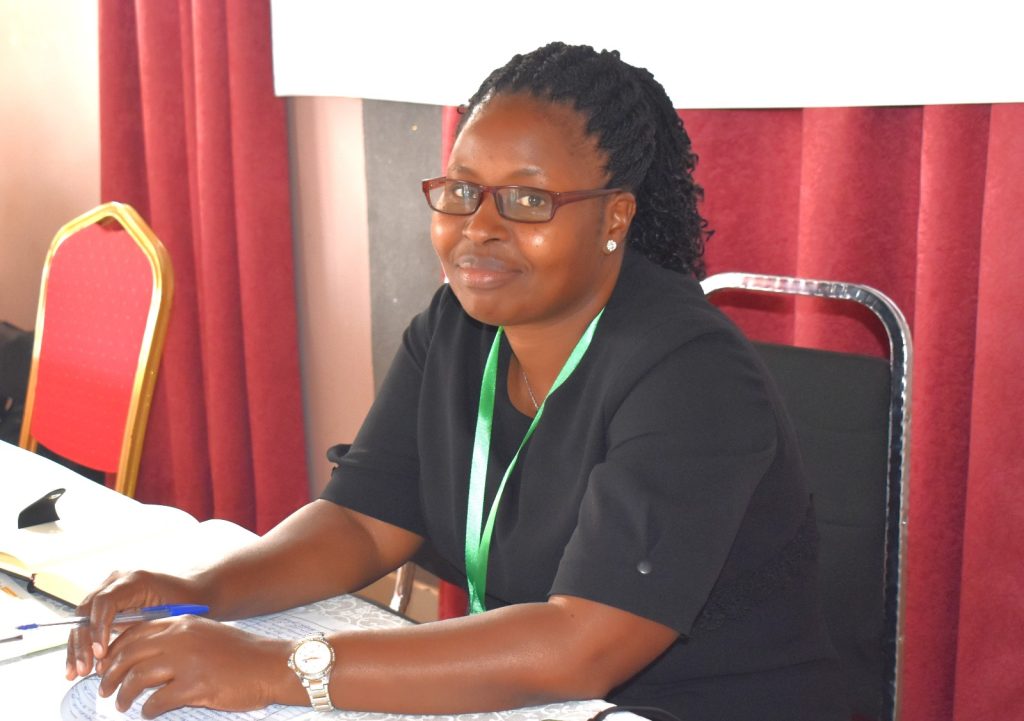
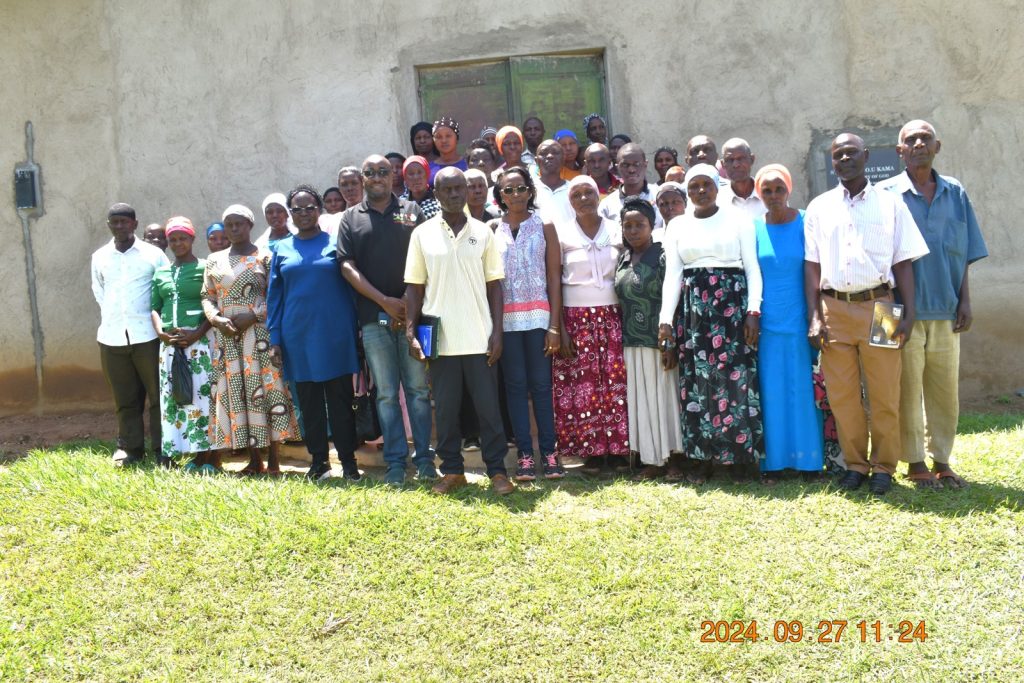
On 25th-26th September 2024, the project team held an inception meeting in Mbale City to get stakeholder buy-in and concretize roles of team members. The meeting was attended by 52 participants including the project team, farmers from participating districts, RDCs from participating districts, representatives from the participating NGOs – Seniors without Borders, Youth Environmentalists leading Environmental Change (YLEC) and Forests of the World, and Graduate students attached to the project.
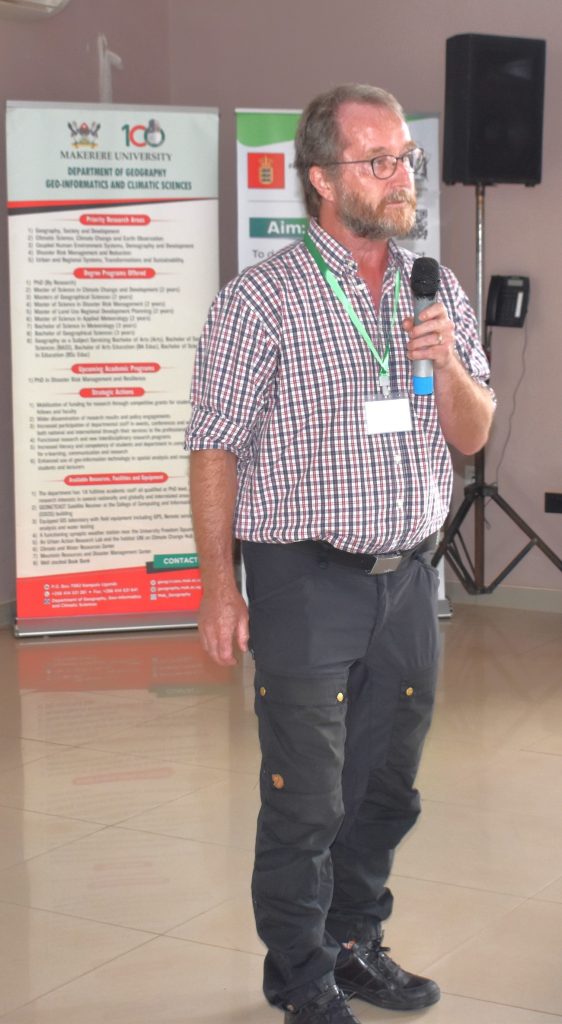
Presentations/remarks by the project team
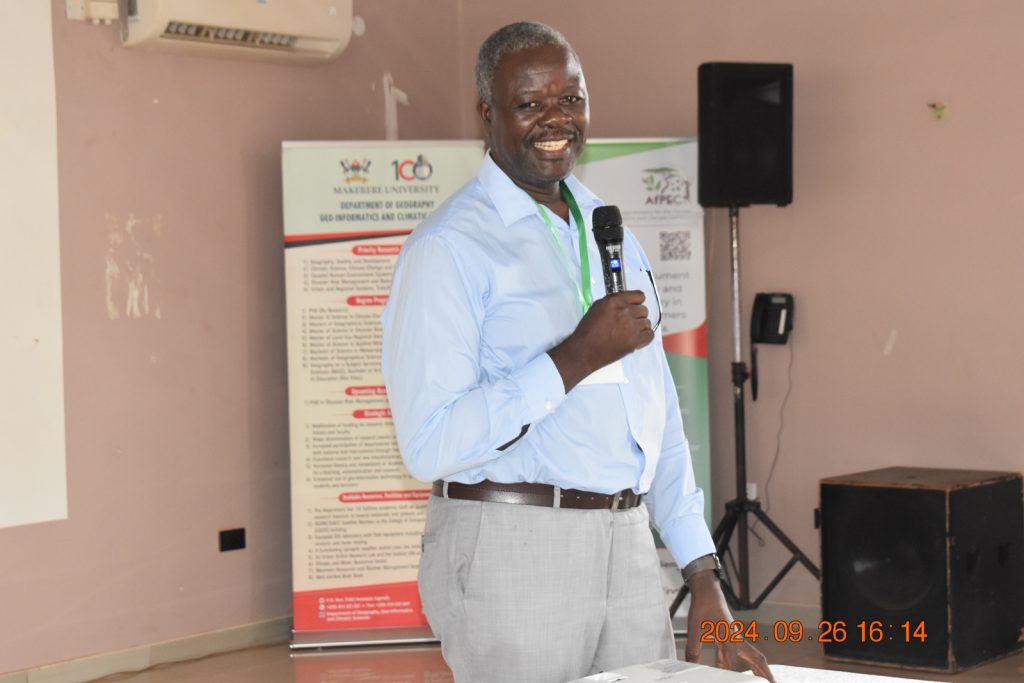
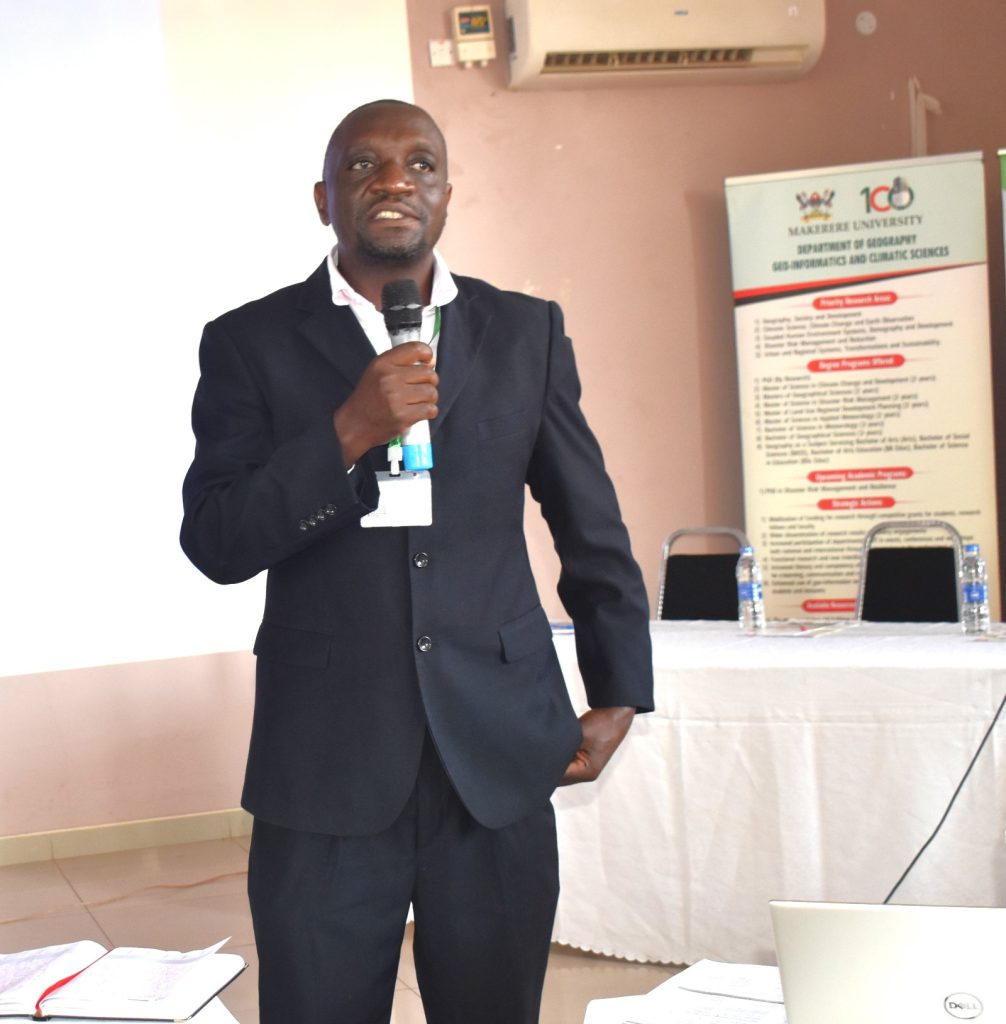
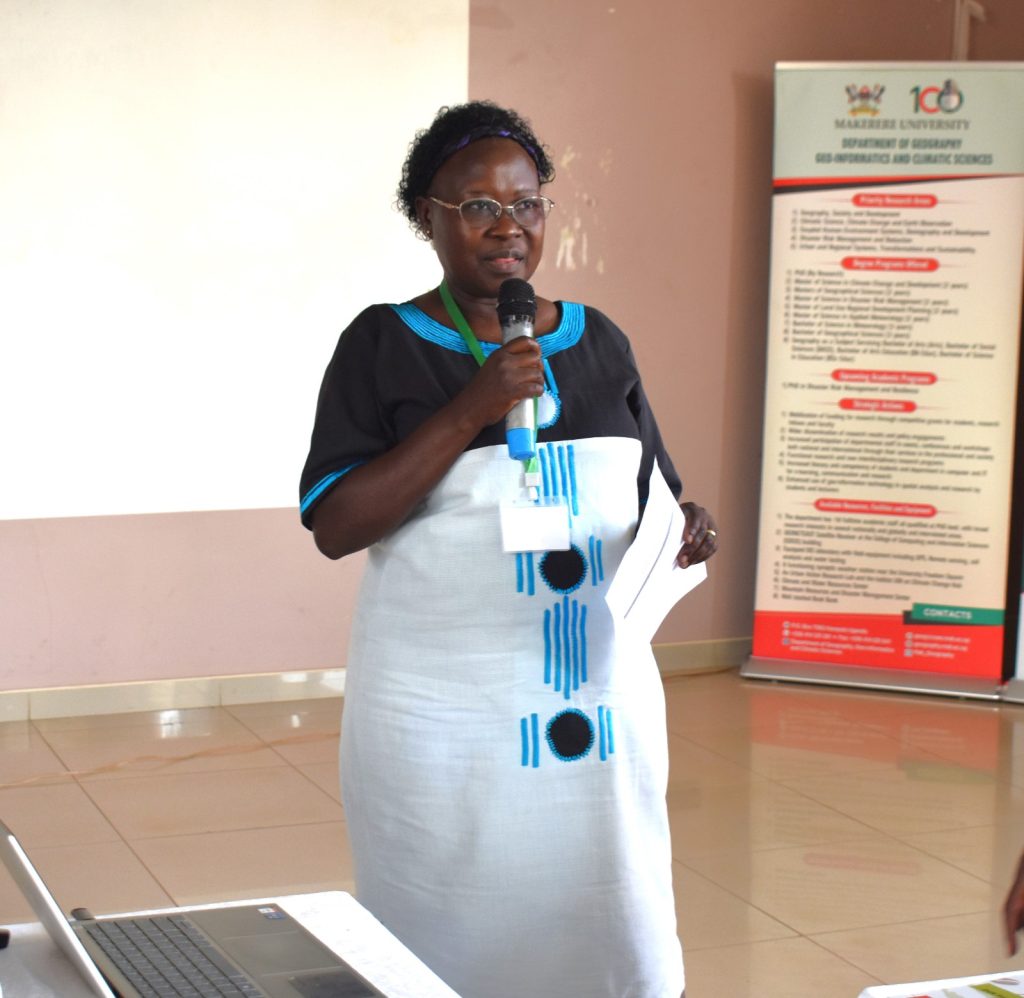
In his welcome address, Prof. Frank Mugagga, one of the project coordinators at Makerere University appreciated participants for honouring and turning up for the workshop, noting that it was important for the team to establish a working relationship for smooth implementation of the project. Outlining the importance of research and partnerships towards the vision and mission of Makerere University, he expressed gratitude to the funders, and the Project PI, Dr Anne Mette Lykke for her unwavering efforts towards securing the grant.
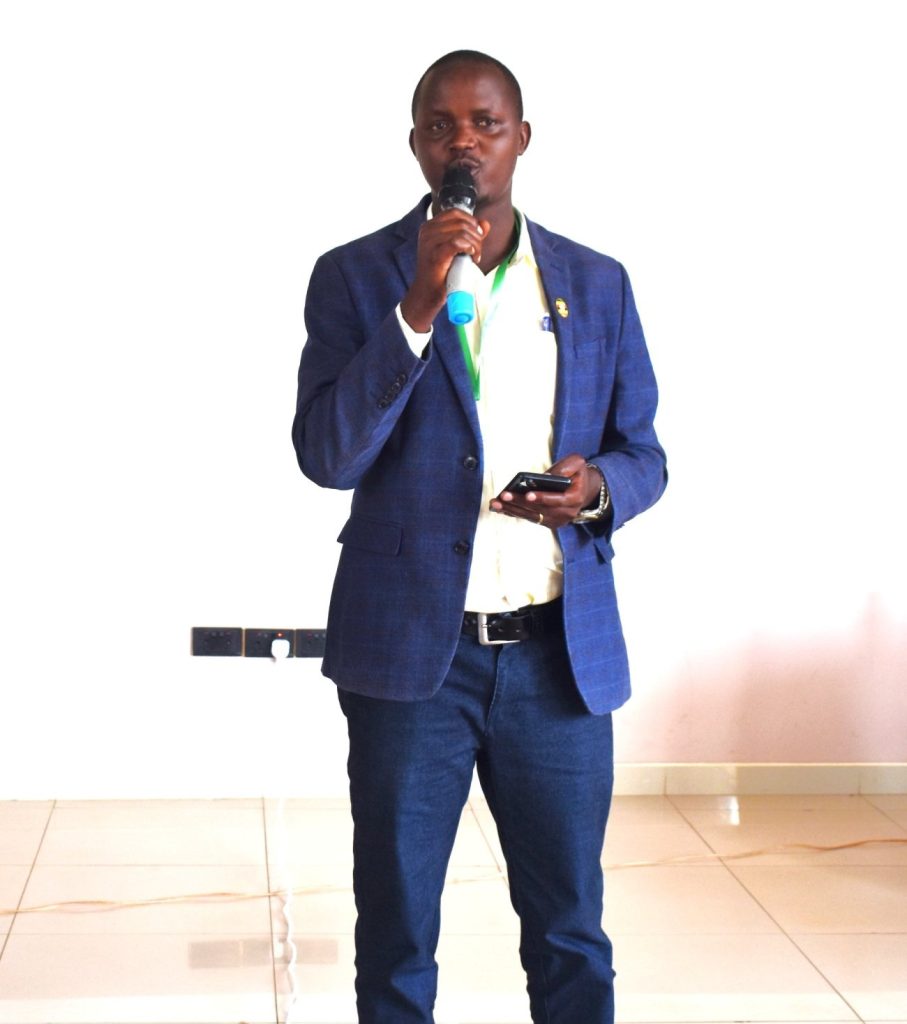
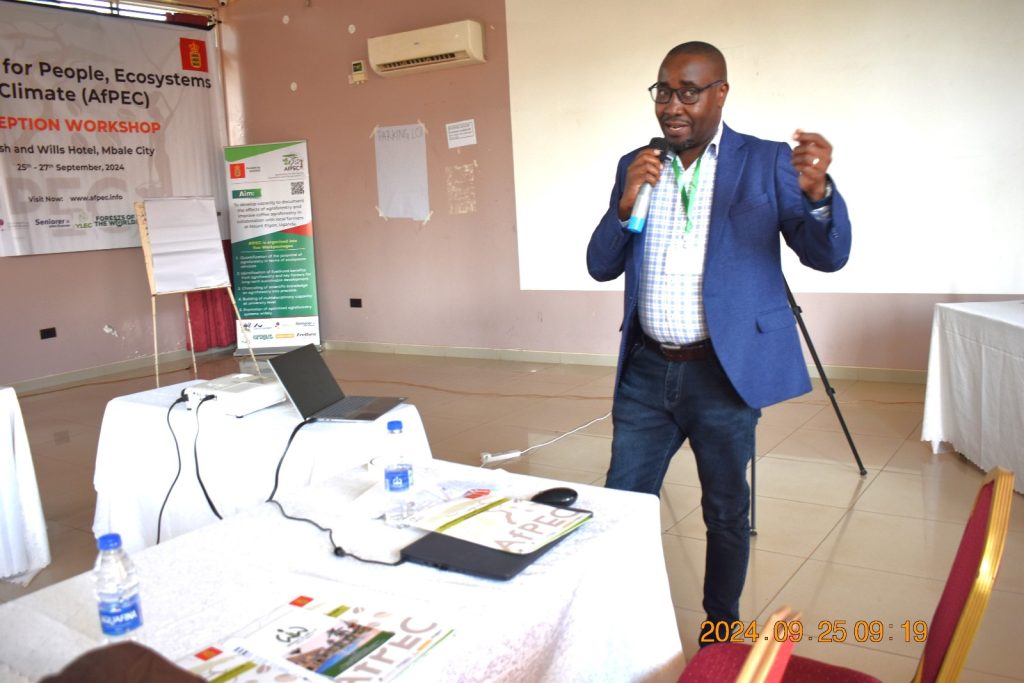
Presenting an overview of the project, the lead Coordinator in Uganda, Prof. John Tabuti explained that although agroforestry systems have been around for long, their contribution has not been well understood and adopted. Discussing the different work packages, Prof. Tabuti said the project would document both negative and positive impacts of highland agro-ecosystems to improve their contribution to ecosystems and livelihoods.
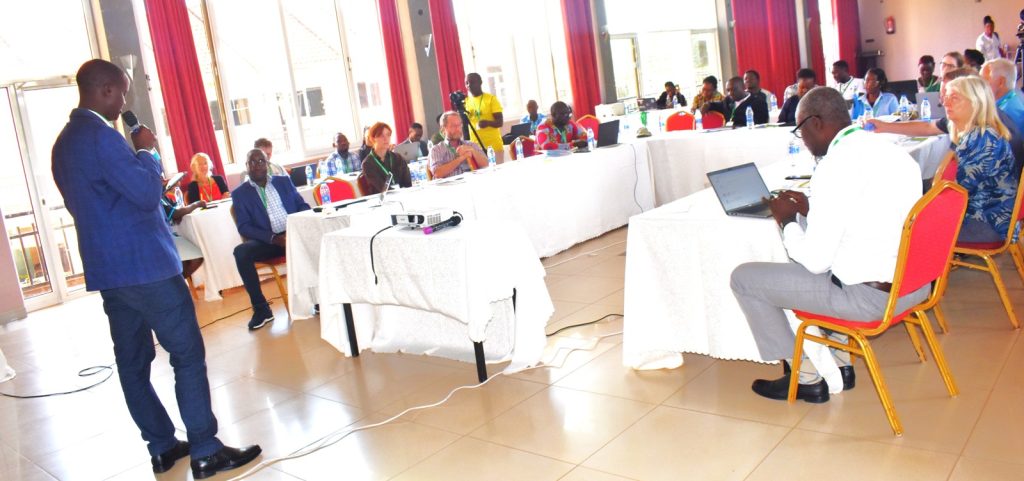
At the meeting, the Project PI, Dr Anne Mette Lykke briefed participants on ethics and the rules governing the DANIDA AfPEC Grant. She presented the partnership grant agreement, highlighting the research ethics considerations, rules on publications, communication and dissemination requirements, and data sharing and management as guided by DFC. She urged the project team to familiarise themselves with the regulations to ensure timely delivery of the intended outputs.
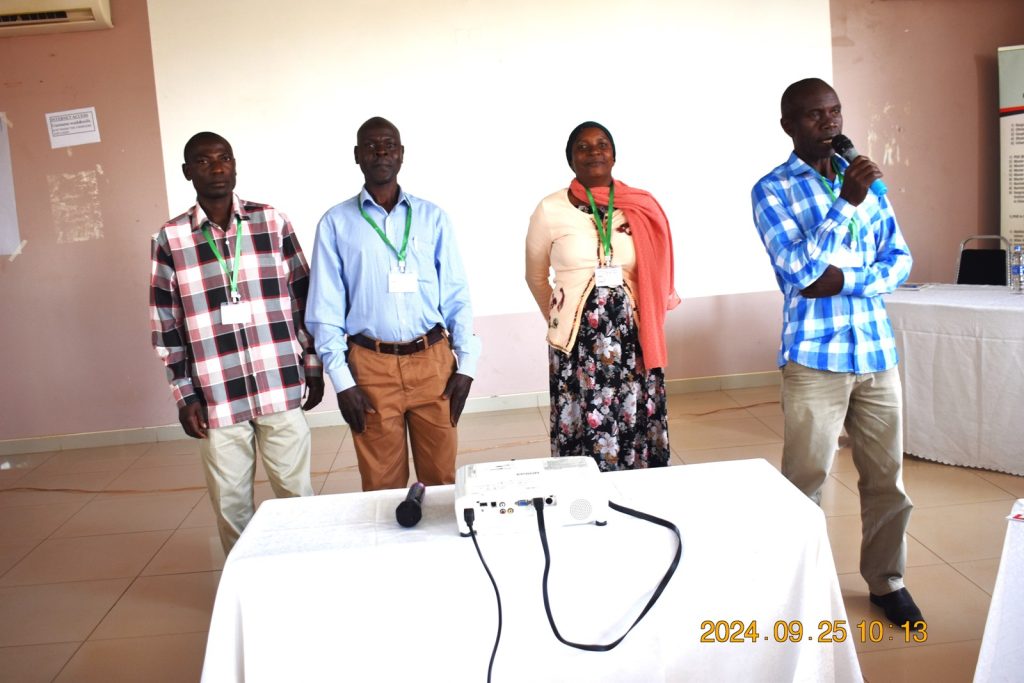
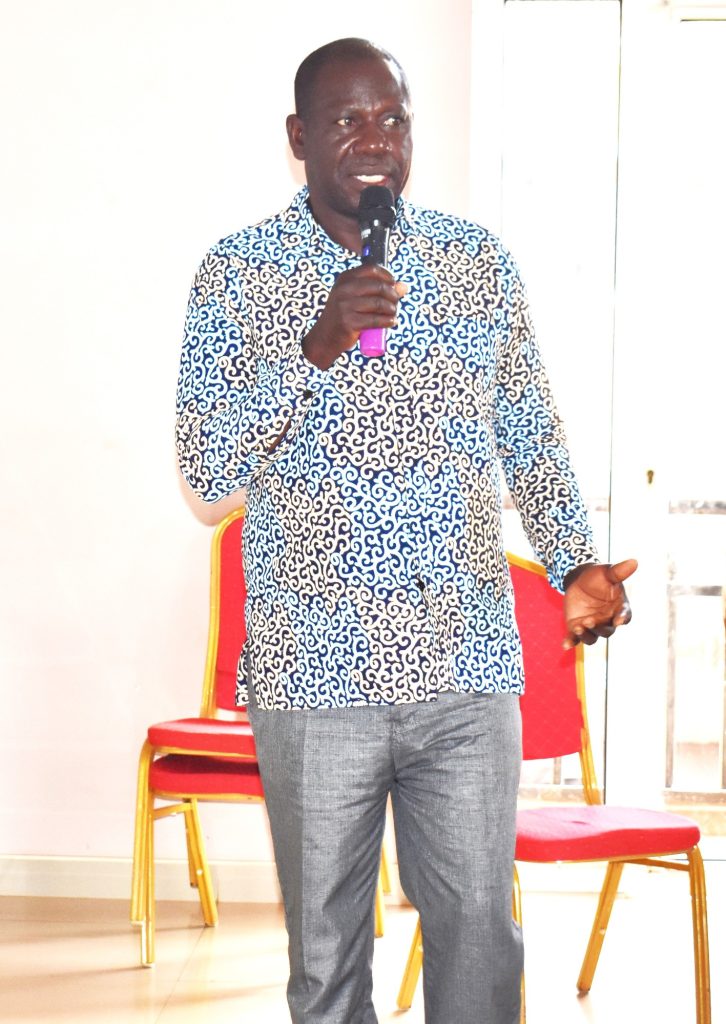
In his remarks, the representative of farmer groups in Mbale District, also Chairperson of Bufumbo Agroforestry Group, Mr. Hussein Mafabi appreciated the project team and funders, noting that the initiative would greatly improve their skills in agroforestry. Highlighting the factors fuelling environmental degradation in the region, Mr. Mafabi decried the lack of a clear policy on plastic waste management, calling for support to avert the crisis. He emphasized the need to translate the project results into actual policy changes to further collaboration beyond AfPEC. “AfPEC has the support of local communities who are eager and willing to participate in the project activities,” he noted.
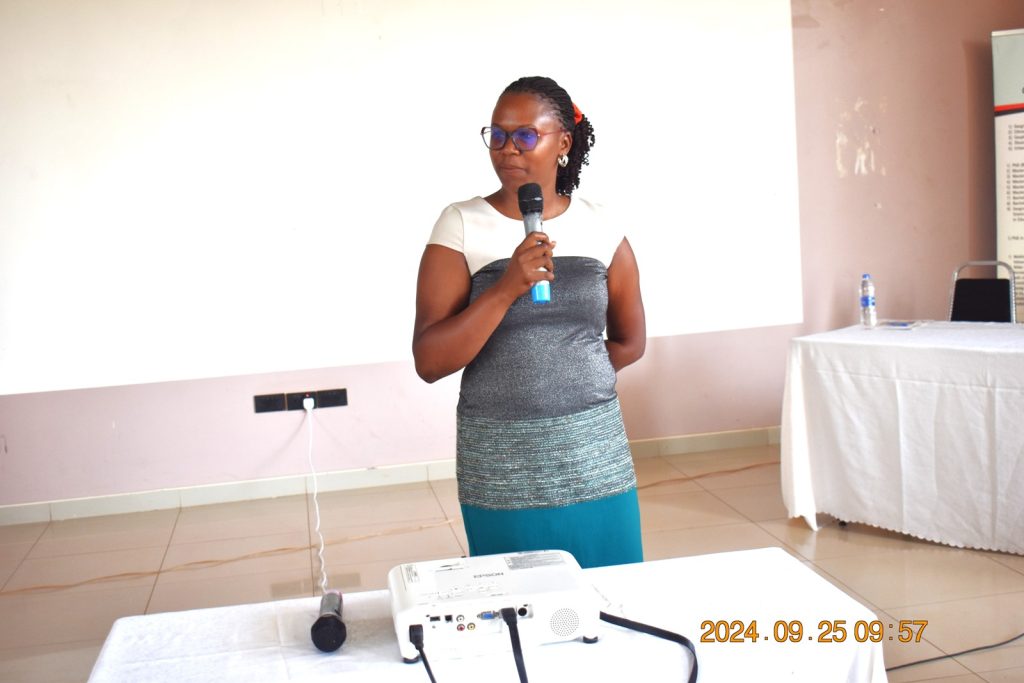
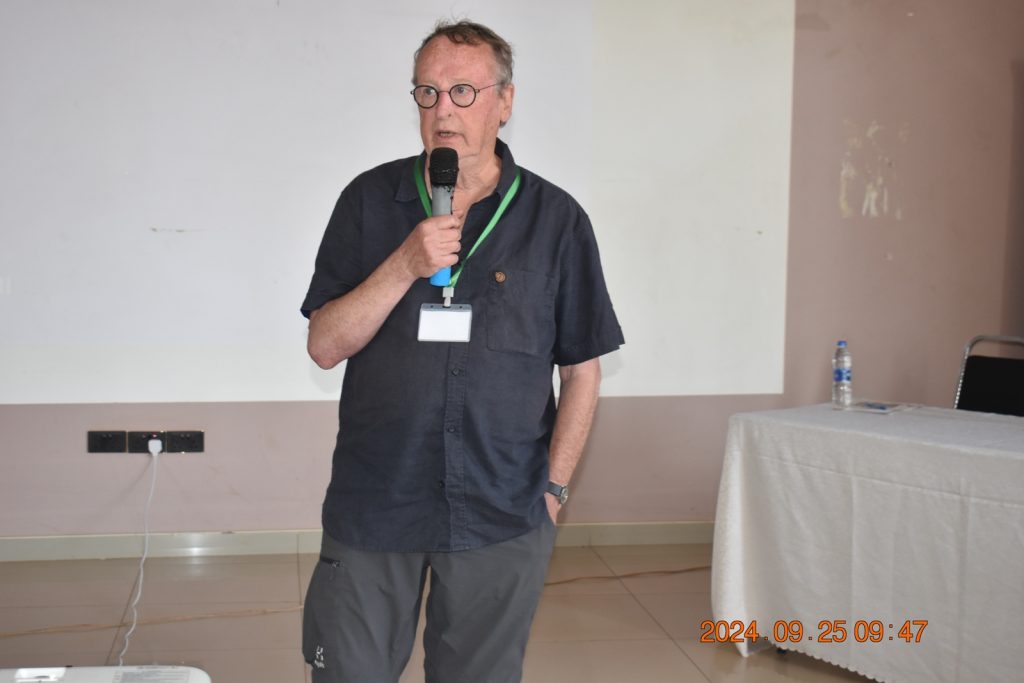
During the workshop, representatives from the partnering NGOs including Seniors without Borders, Forests of the World, and YLEC shared their experiences working in the region, outlining success stories in coffee agroforestry that the AfPEC project can leverage to achieve its targets. Prof. Jørgen Axelsen briefed participants on the biological pest control processes, whereas Dr James Johns from Forests of the World delivered a presentation on biomass and carbon sequestration in Uganda’s smallholder agroforestry systems. Speaking to participants, Dr Poul Kroijer (Seniors without Borders) noted that through the AfPEC project, farmers in the region will be able to export their coffee to Denmark. The team expressed willingness to support the project activities.
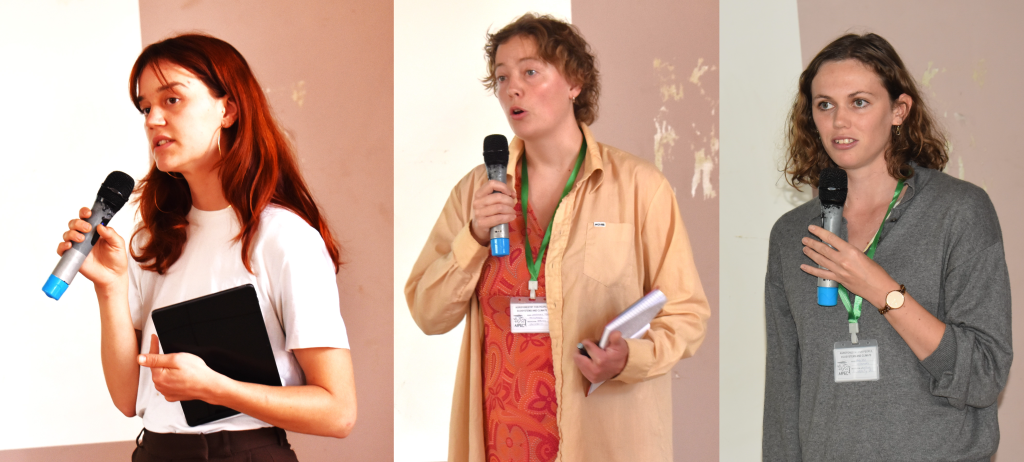
Presentations by MSc and PhD students supported by the Project
AfPEC project will train four PhD students from Uganda, and at least 12 master students from Denmark.
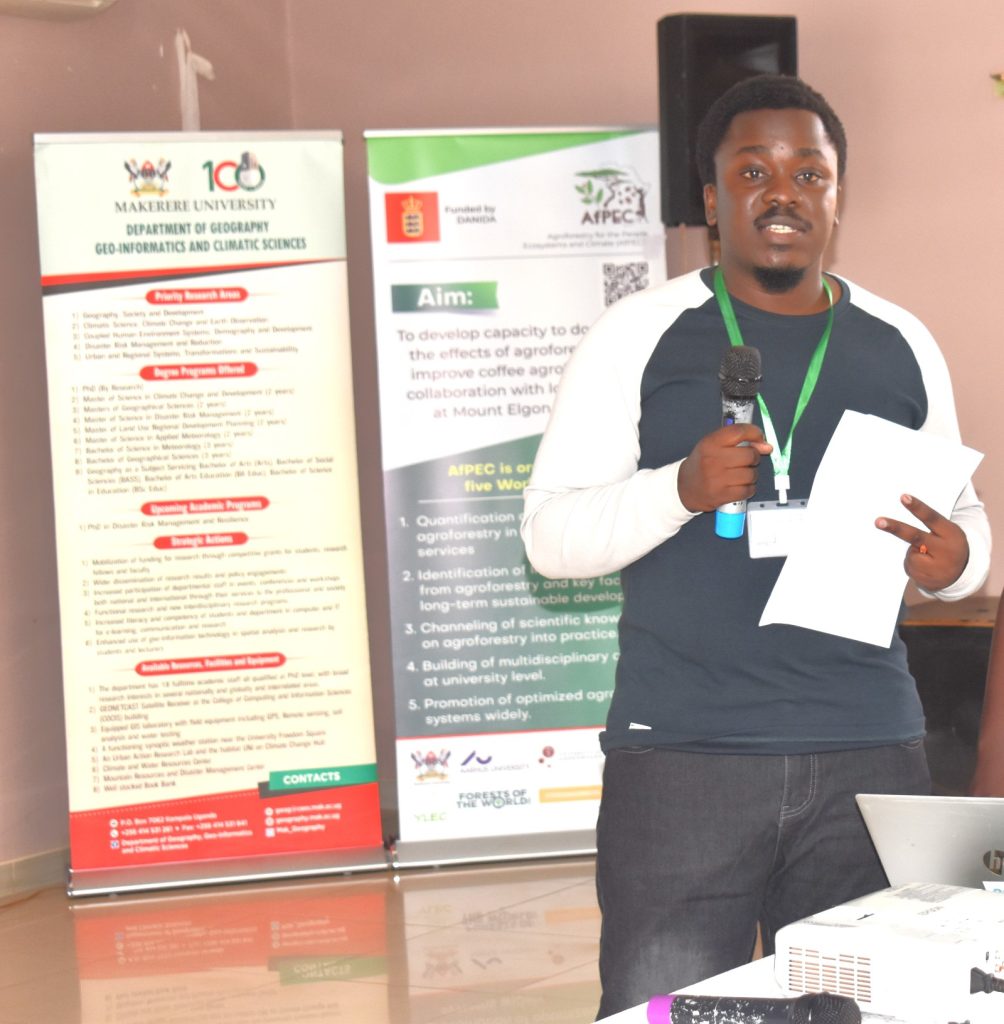
During the workshop, three Masters Students from Aarhus University, Denmark and four PhD students from Makerere University who will be conducting research on different aspects of agroforestry in the Mt. Elgon Region, Eastern Uganda presented their research ideas to participants who provided enriching feedback. These are; Smilie Nielsen (MSc Human Security) who will be examining the factors that motivate young coffee farmers in Mt. Elgon Region to engage in agroforestry, Ms. Josephine Fogt Anderson (MSc Human Security) who will be studying women-nature relations in agroforestry and planting initiatives (How gender equality can be addressed in tree planting and agroforestry projects), and Ms. Matilda Willemoes who will be exploring the potential for carbon sequestration and storage in coffee Forestry systems.
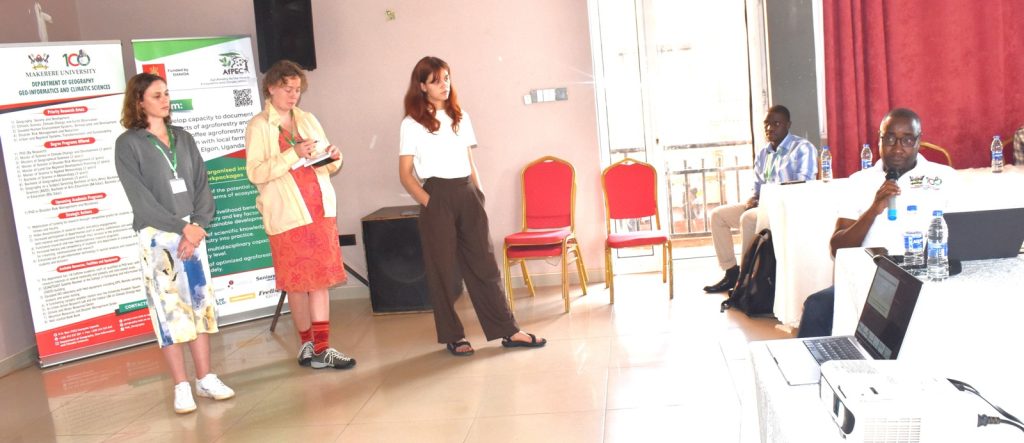
The PhD students include Mr. Patrick Kayima who will study value chain and livelihood benefits of coffee agroforestry, and Ms. Patricia Adoch who will evaluate the influence of different management practices of coffee agroforestry systems on pollinators and pests in the Mt. Elgon Region. Ms. Joyce Lunyolo will conduct research on incentives for stewardship efforts in coffee agroforestry among farmers in the region, whereas Mr. Derick Kisegu will study and document the contribution of Arabica coffee agroforestry systems in mitigation and adaptation to climate change in fragile highland ecosystems of Uganda.
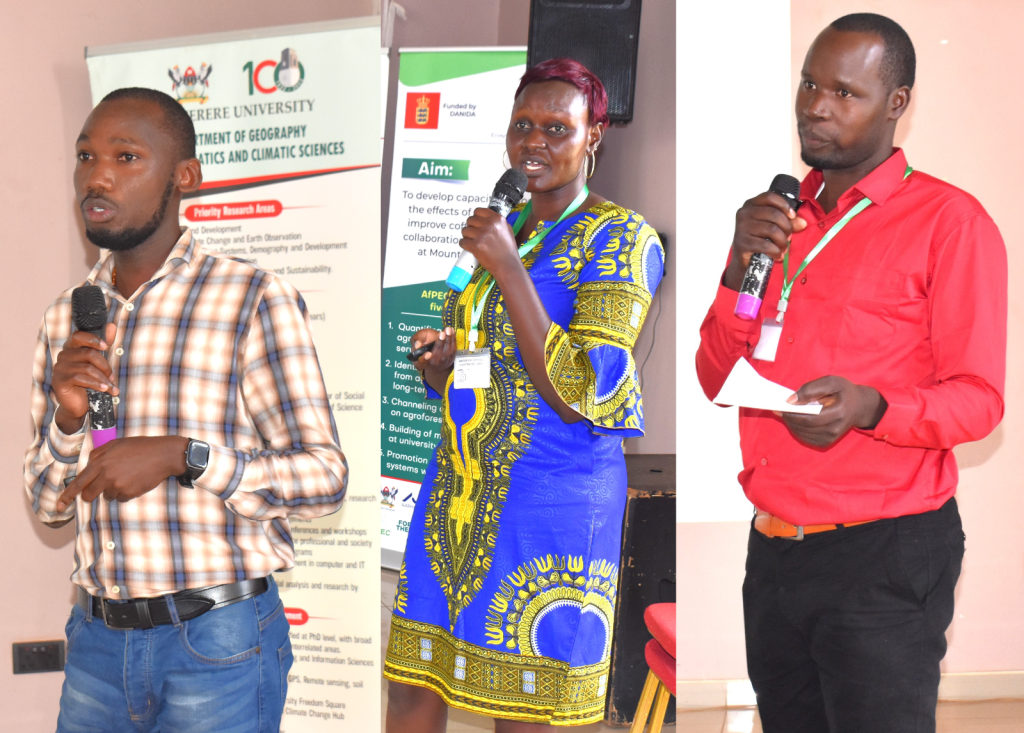
The students will be supervised by academics from the partner institutions namely: Prof Anne Mette Lykke, Prof. John Tabuti, Prof. Frank Mugagga, Dr. Josephine Esaete, Prof. Ida Theilade, Dr. Kellen Aganyira, Prof. Stine Kroijer, and Prof. Katrine GroFriborg.
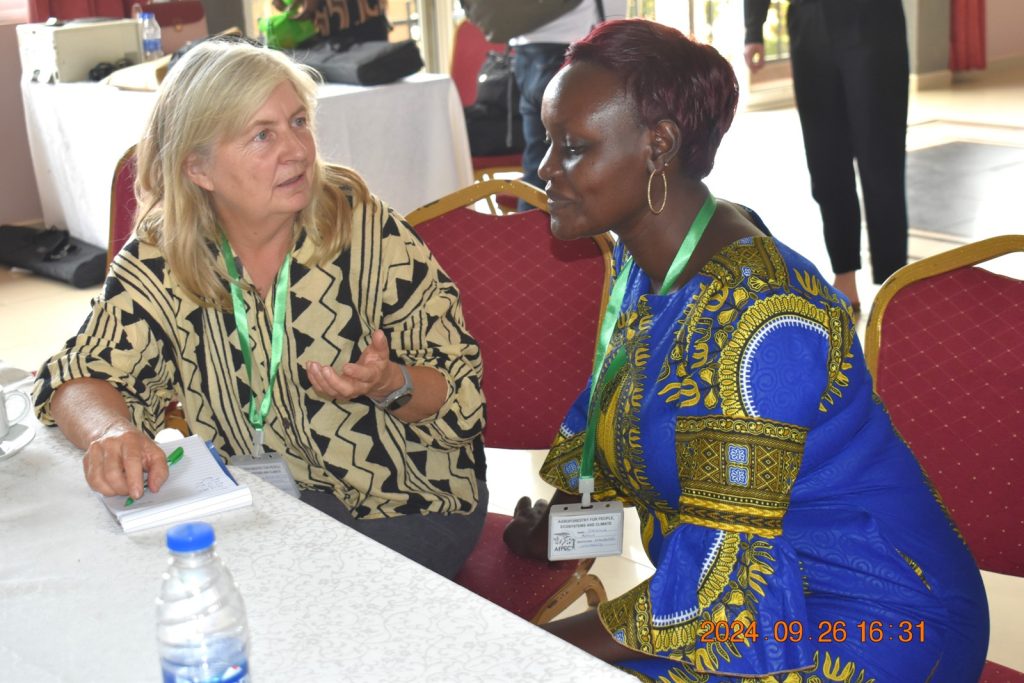
Remarks by the Chief Guest
Addressing participants, the Deputy RDC Kapchorwa District, Mr. Martin Sakajja, on behalf of the Resident District Commissioners (RDCs) in the project area, expressed gratitude for the initiative noting that it holds immense significance for the country and world at large. “Agroforestry represents the fusion of agricultural productivity with ecological conservation—a synergy that is critical for sustainable development in our times. For generations, rural populations have depended on agriculture as their primary source of livelihood. Yet, we know the challenges farmers face: declining soil fertility, erratic rainfall, and dwindling forest resources. Agroforestry addresses these issues by promoting sustainable agricultural practices that not only enhance food security but also generate additional sources of income from forest products such as fruits, timber, and medicinal plants. Through this project, we envision empowering farmers to increase their yields while preserving the natural resources they rely on. By embracing agroforestry, we are not only reducing our vulnerability to climate change but also contributing to global climate goals. I commend Makerere University and all the partners involved in this project for their vision and dedication,” he noted.
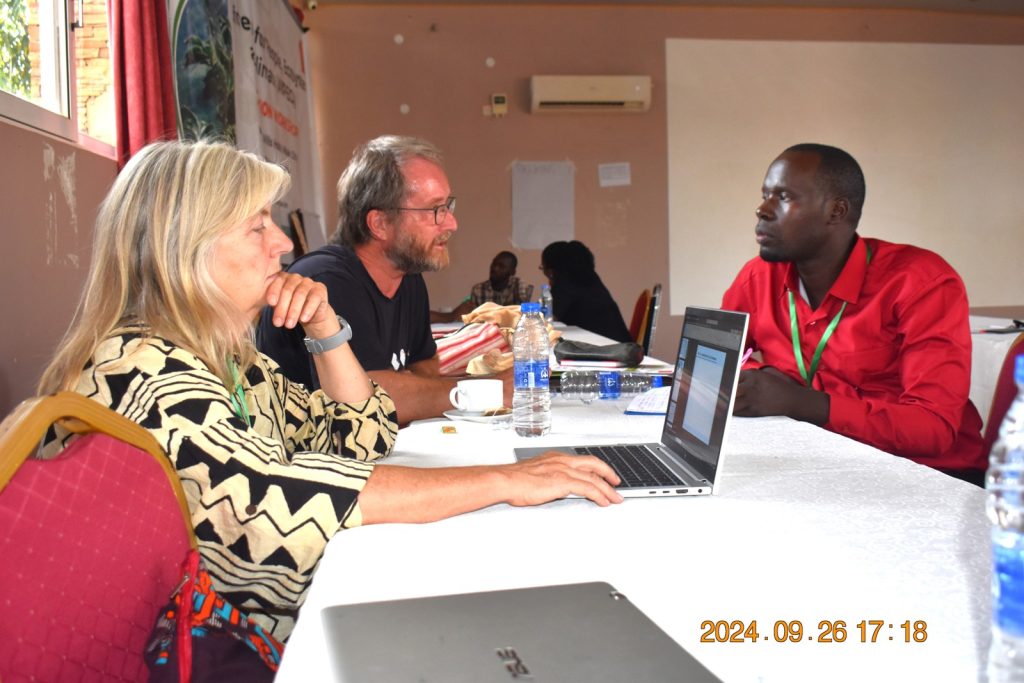
Remarks by the representative of Makerere University
On behalf of Makerere University, Dr Henry Ssemakula appreciated the project team for the initiative noting that it aligns with the sustainable development goals (SDGs), the National Development Plan, and the Parish Development Model. “The project is also in tandem with our strategy of transforming Makerere into a research-led University responding to national, regional, and global development challenges, and contributing to global knowledge generation. Its commitment to capacity building through Masters and PhD trainings, community engagement, and internationalization is equally commendable.” He appreciated the funders for supporting AfPEC and several other projects in Uganda.
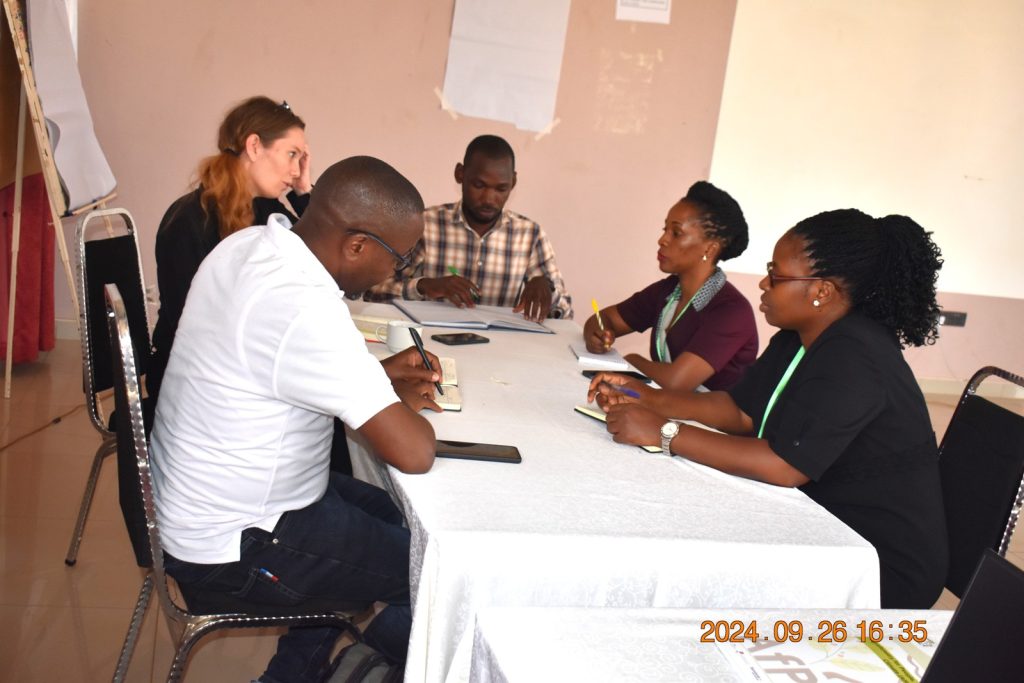
The workshop was moderated by Dr Josephine Esaete, Dr Vincent Muwanika, and Dr Kellen Aganyira from Makerere University.
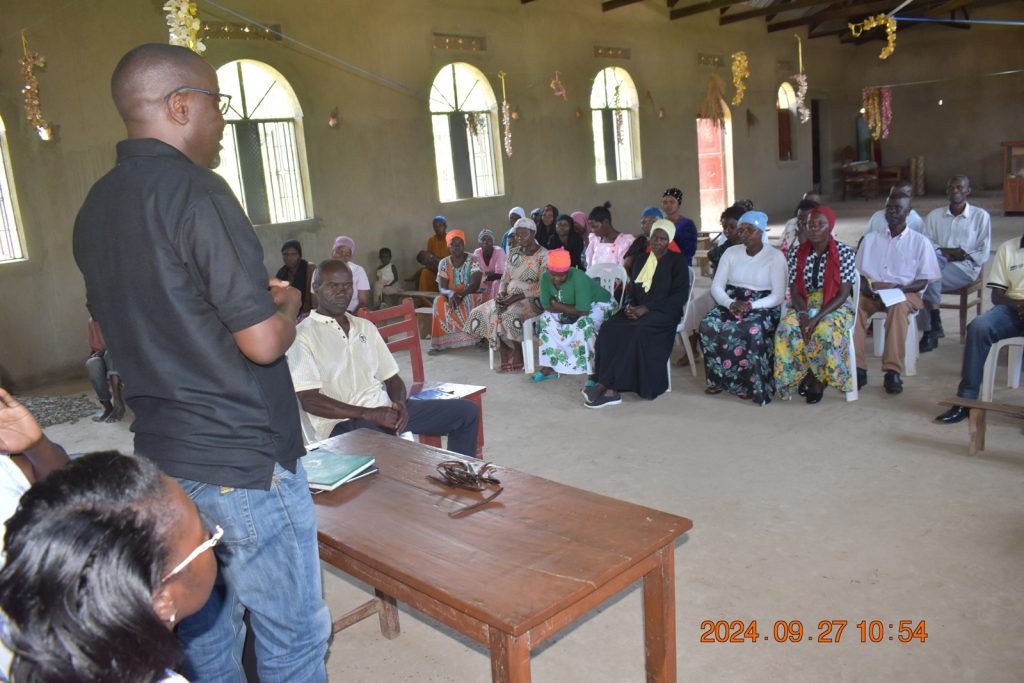
On the final day of the workshop, the project team conducted a reconnaissance tour of three research sites namely; Bufumbo in Mbale, Buginyanya in Bulambuli District, and Sipi in Kapchorwa District.
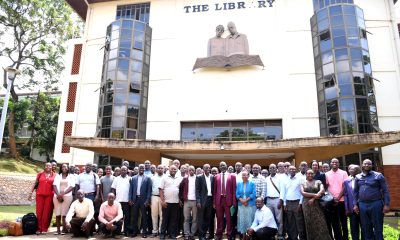
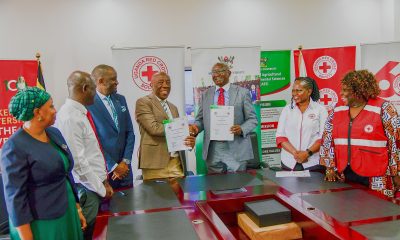
More photos from the workshop








Agriculture & Environment
Makerere University, Uganda Red Cross Society Sign MoU to Advance Research, Training & Humanitarian Action
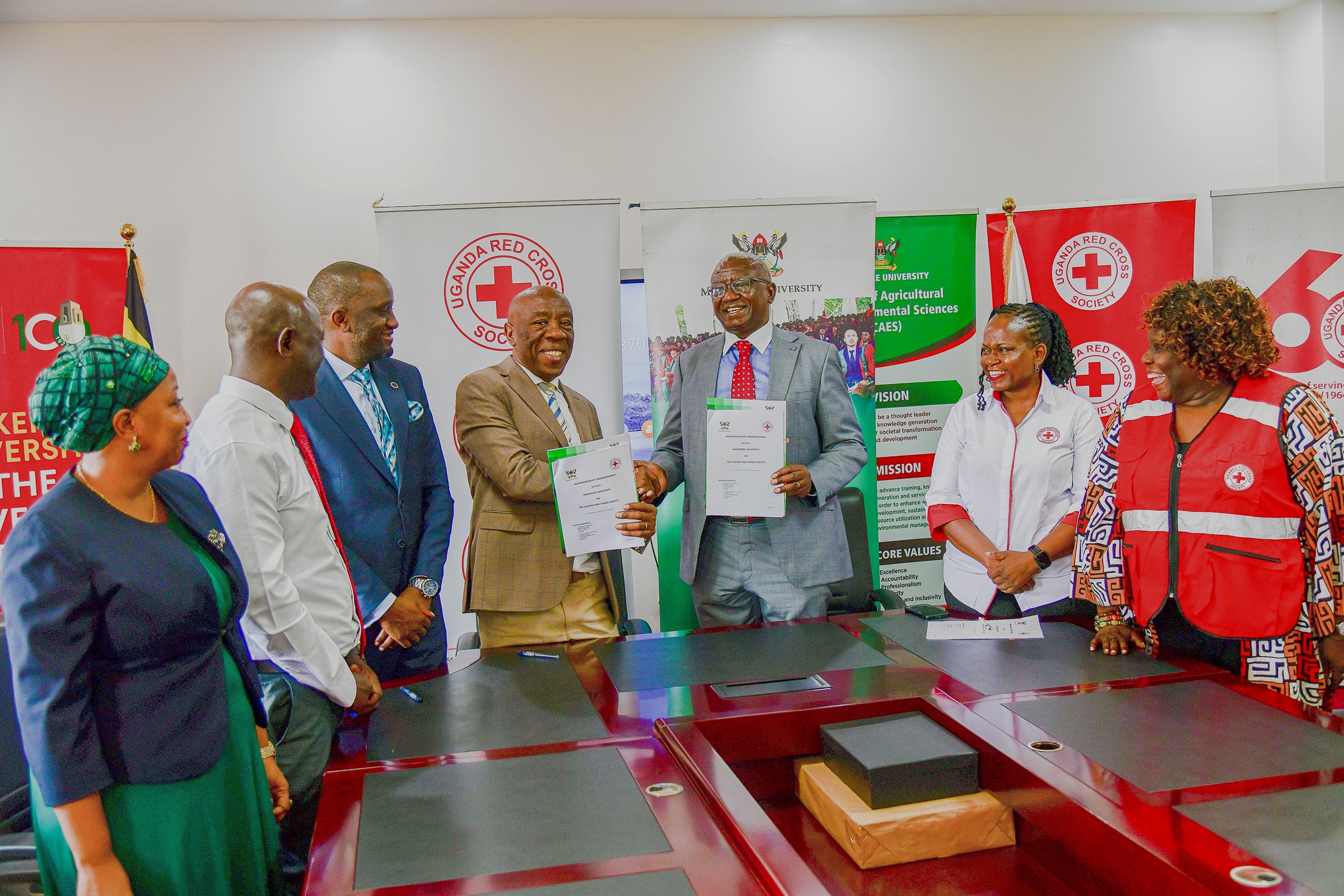
Makerere University and Uganda Red Cross Society (URCS) have signed a Memorandum of Understanding (MoU) aimed at strengthening collaboration in research, training, innovation, and humanitarian service delivery.
The agreement, signed on 19th May 2026, establishes a strategic framework through which the two institutions will jointly address pressing national and global challenges by combining academic research with practical humanitarian action.
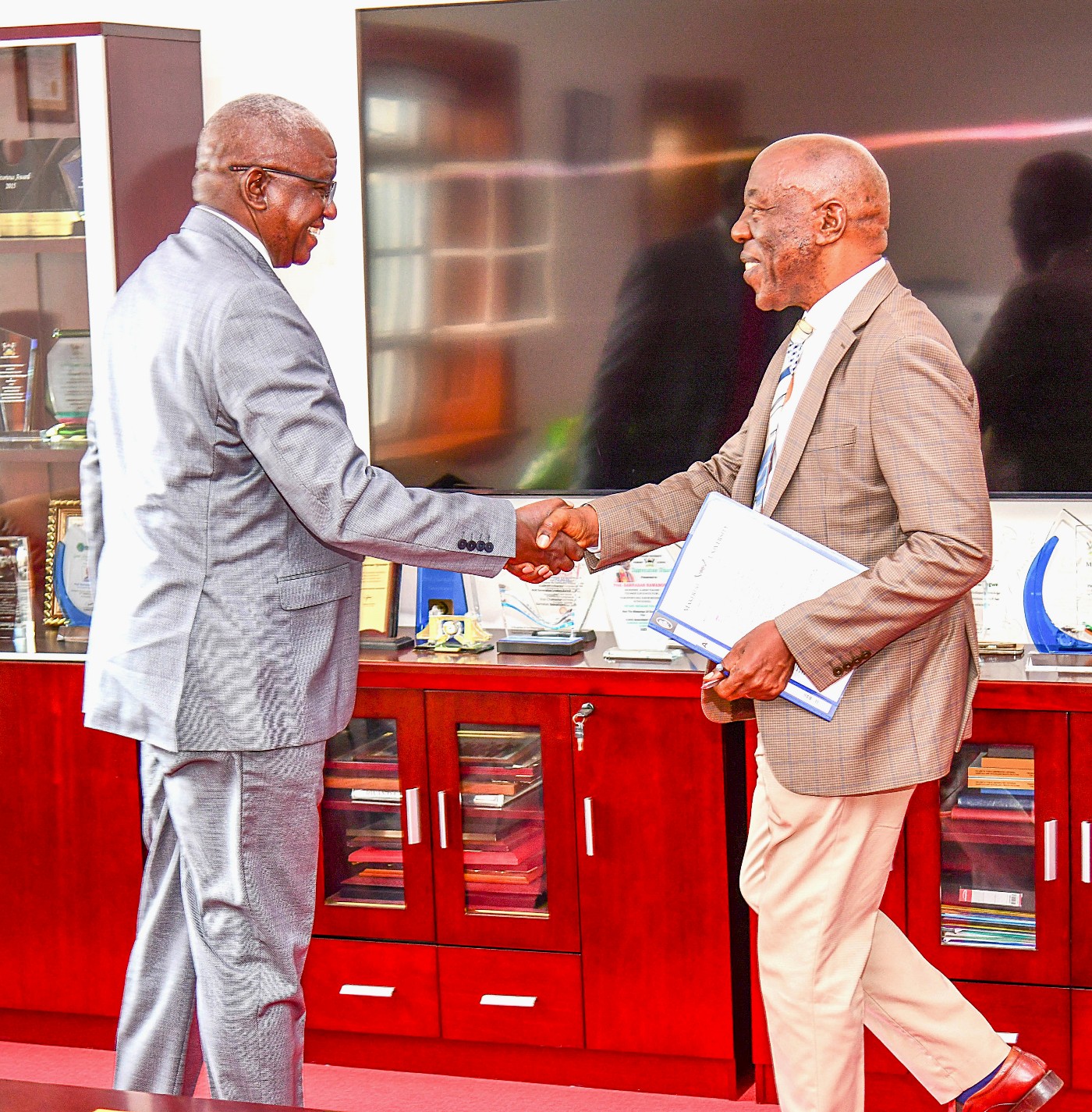
The MoU was endorsed by Prof. Henry Alinaitwe Mwanaki, Deputy Vice Chancellor (Finance and Administration), on behalf of Makerere University, and Mr. Robert Kwesiga, Secretary General of the Uganda Red Cross Society.
Purpose of the Partnership
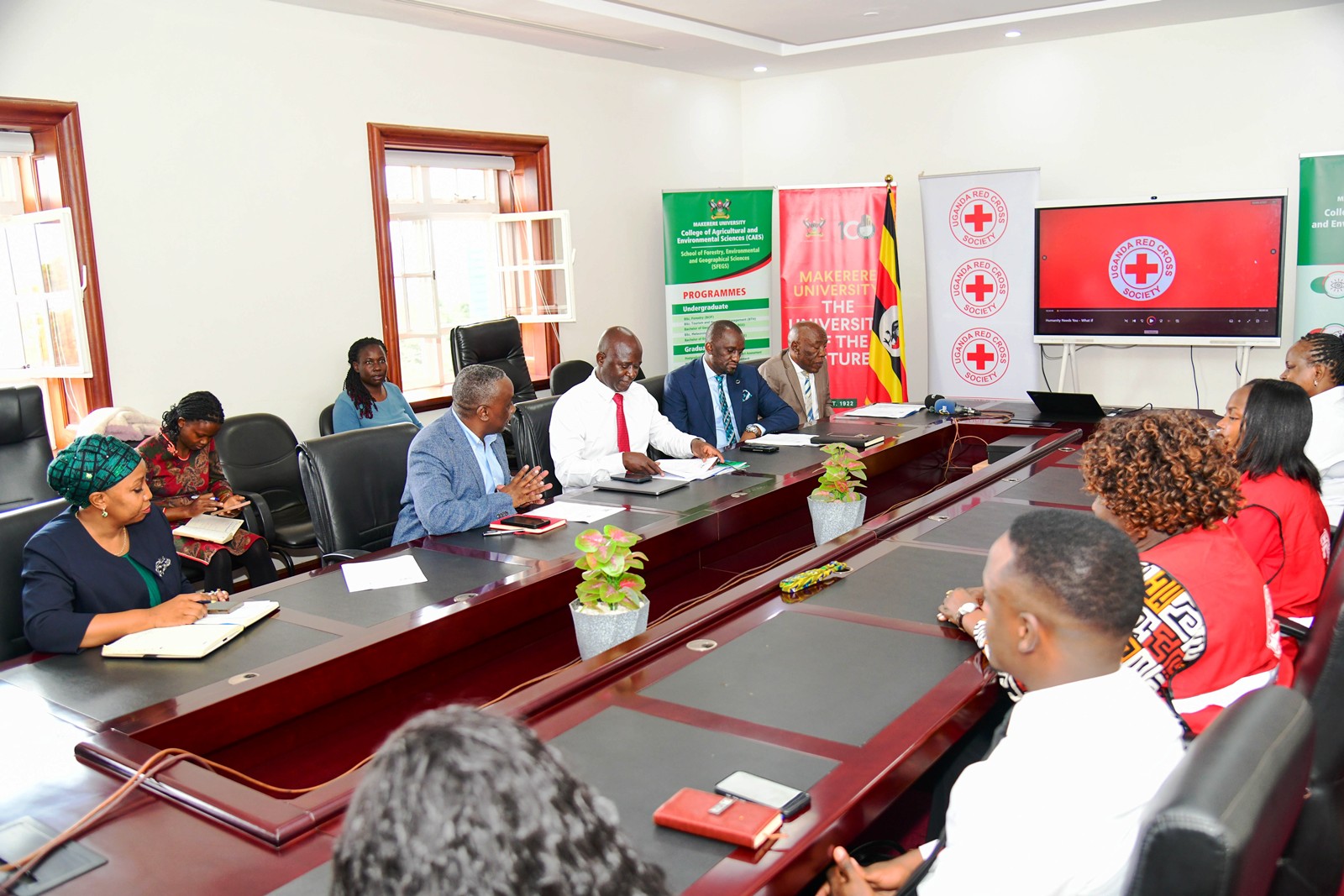
The partnership brings together Makerere University’s expertise in research and higher education with the Uganda Red Cross Society’s experience in disaster response, emergency health services, and community outreach, to strengthen efforts in addressing humanitarian and public health challenges. Under the agreement, the institutions will collaborate on joint research projects, academic programmes, staff and student exchanges, and grant applications.
Capacity Building and Knowledge Sharing
Building on this foundation, the two institutions will also work together to strengthen humanitarian assistance, volunteerism, health, and disaster risk management in Uganda through joint capacity-building initiatives. These will include short courses, training programmes, workshops, seminars, conferences, and other professional learning events, as well as the exchange and dissemination of case studies, best practices, and research findings.
Institutional Collaboration and Resource Mobilization
In addition, the partnership will deepen institutional collaboration through the development of strategic alliances, support for advocacy on capacity development action plans, and the promotion of stakeholder participation in each other’s programmes. It will further provide for joint resource mobilization- including co-development of funding proposals, and mutual access to institutional platforms that enhance skills development, methodological expertise, and knowledge transfer.

Student Engagement and Experiential Learning
The collaboration will also provide opportunities for Makerere University students to participate in humanitarian initiatives such as blood donation campaigns, volunteer services, and disaster response activities. In addition, students and staff will benefit from field-based training, internships, and experiential learning opportunities through the Uganda Red Cross Society.
Remarks from Makerere University
Speaking during the signing ceremony, Prof. Alinaitwe commended the Uganda Red Cross Society for its long-standing humanitarian service and strong international reputation. He explained that Makerere University, as a leading research institution, has a responsibility to strengthen humanitarian efforts through evidence-based research, innovation, and professional expertise. “This partnership demonstrates the university’s commitment to applying academic knowledge to real-world humanitarian challenges affecting communities across Uganda and beyond.”
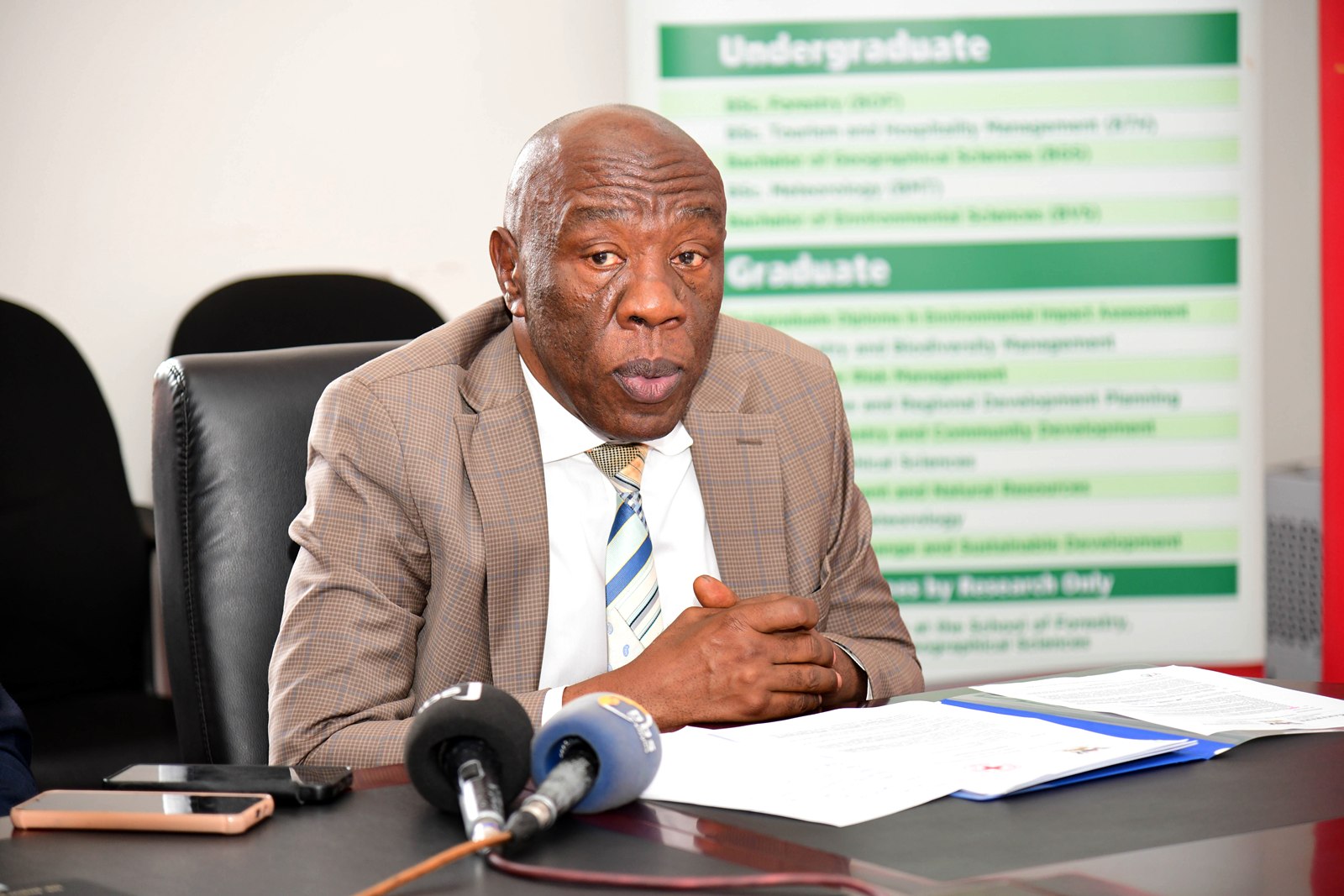
Prof. Alinaitwe highlighted the role of young people in advancing humanitarian action, saying Makerere University’s large student population presents an opportunity to strengthen volunteerism, disaster preparedness, and community engagement initiatives. “Empowering students and young professionals through such partnerships not only contributes to national development but also nurtures a culture of compassion, civic responsibility, and leadership among the next generation,” he noted.
Highlighting potential areas of collaboration between the two institutions, including health services, emergency response, disaster risk management, research, training, and capacity building, Prof. Alinaitwe reaffirmed Makerere University’s strong commitment to humanitarian work. He expressed confidence that the partnership would foster meaningful opportunities for knowledge exchange, innovation, and joint initiatives aimed at improving the wellbeing and resilience of vulnerable communities across the country.
Remarks from Uganda Red Cross Society
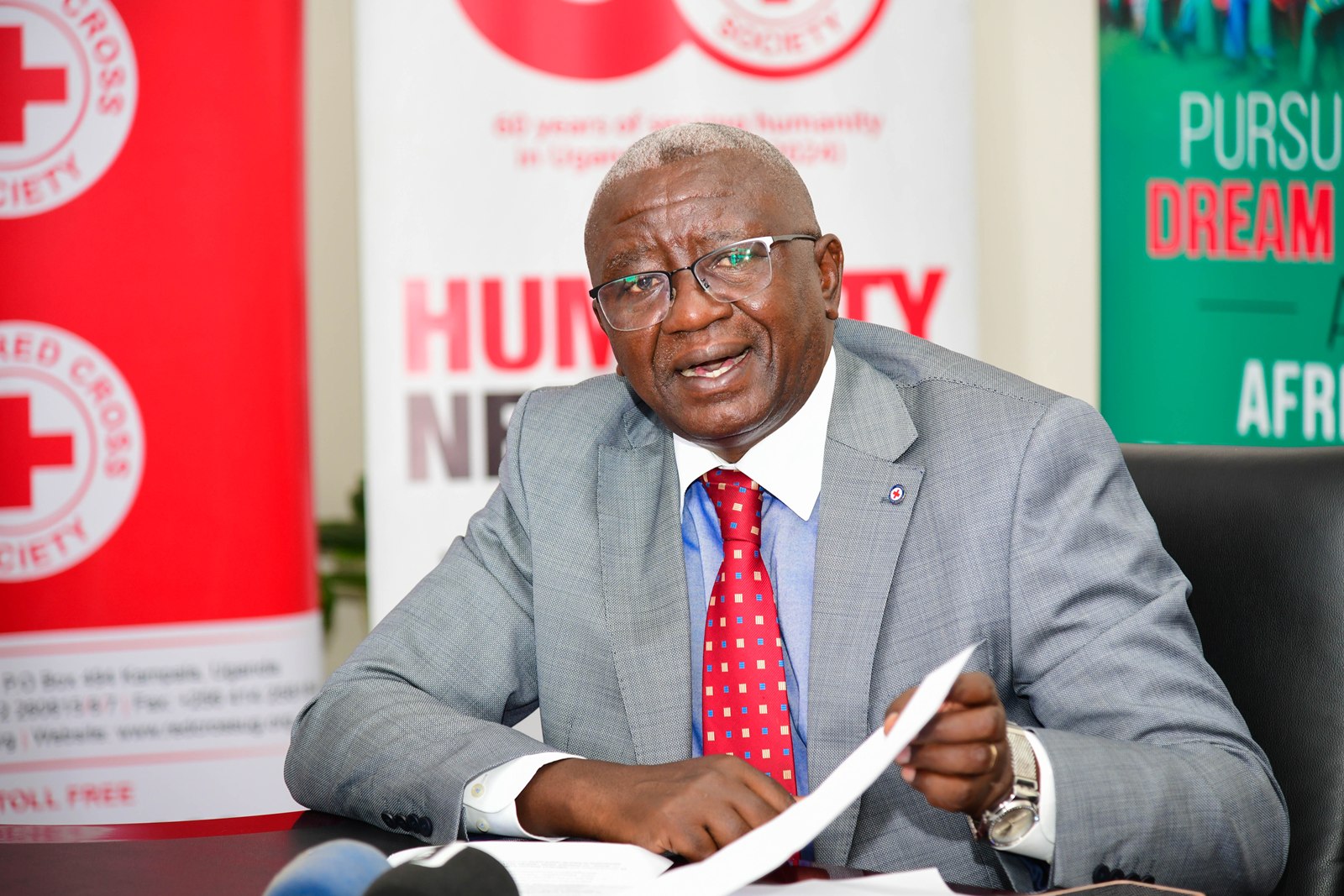
Reflecting on the long-standing collaboration between the two institutions, URCS Secretary General, Mr. Robert Kwesiga, expressed gratitude to Makerere University for its continued support toward the organization’s humanitarian work. “The signing of the MoU marks a significant milestone in our partnership and serves as a renewed commitment to deepen collaboration in areas that directly advance public health, disaster preparedness, and community resilience, while enhancing the overall impact of humanitarian service delivery across the country.”
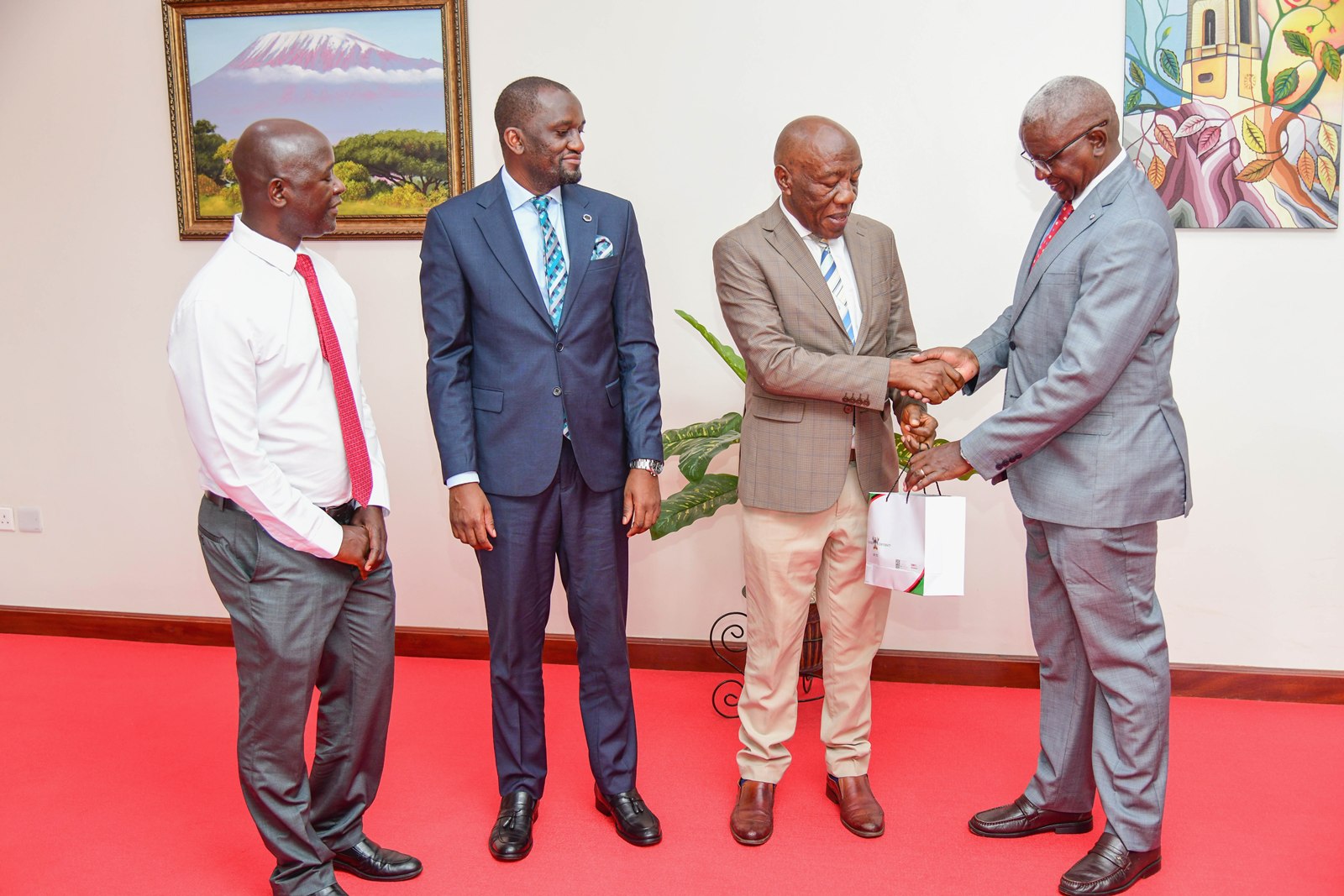
Mr. Kwesiga explained that the formal agreement will provide a structured framework for joint initiatives such as research, student engagement in humanitarian fieldwork, capacity building for staff and volunteers, and knowledge sharing in emergency response systems. According to him, this alignment between academic expertise and humanitarian practice is essential in addressing Uganda’s evolving social and health challenges.
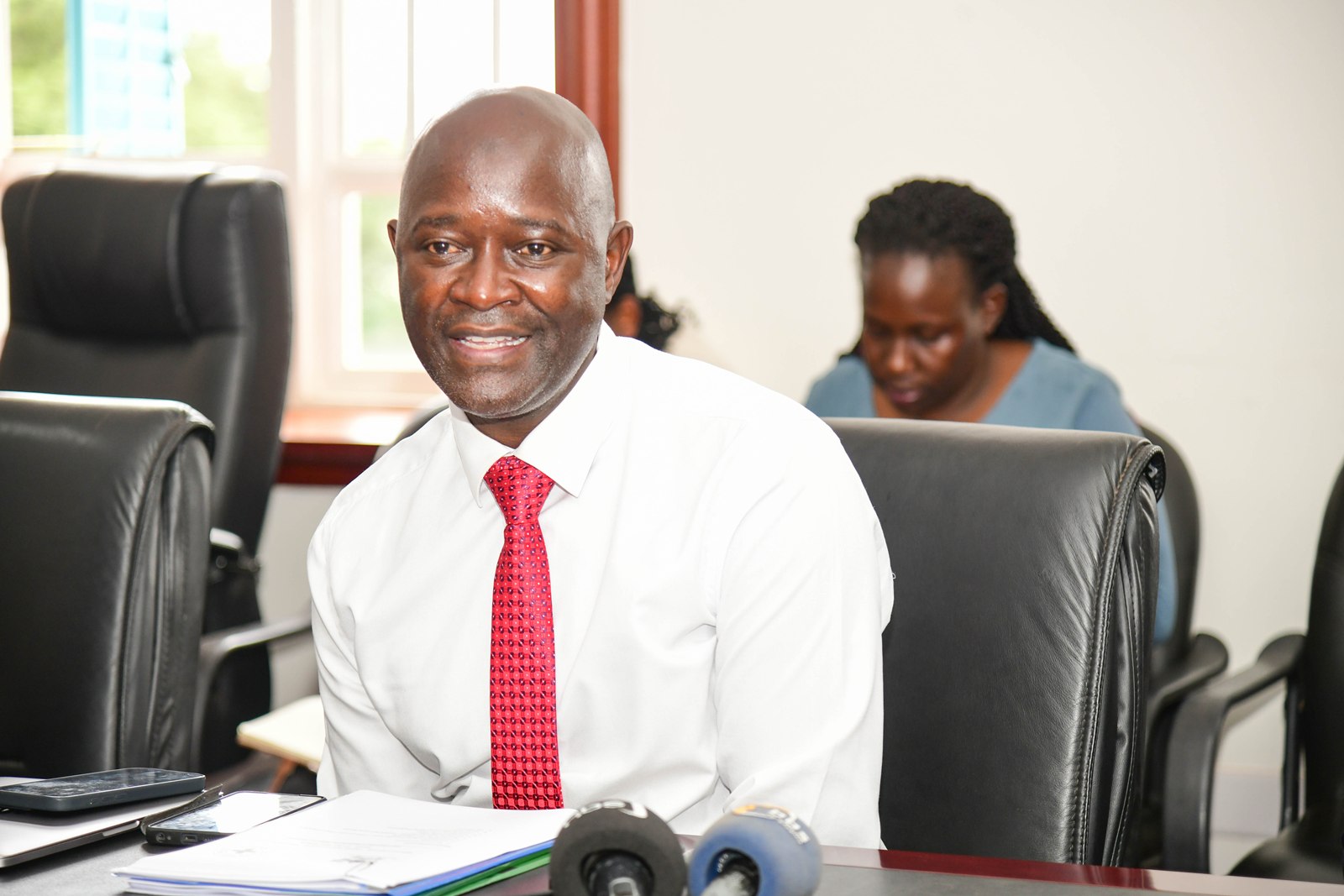
“Makerere University’s role as a leading academic institution brings valuable technical and scientific capacity to the partnership, while the Uganda Red Cross Society contributes practical, field-based experience in disaster response and community support. Together, the two institutions are better positioned to design evidence-based interventions that save lives and strengthen vulnerable communities. The MoU will not remain a symbolic document, but will translate into tangible outcomes that benefit students, researchers, and the wider public through impactful programmes and sustained collaboration,” he noted.
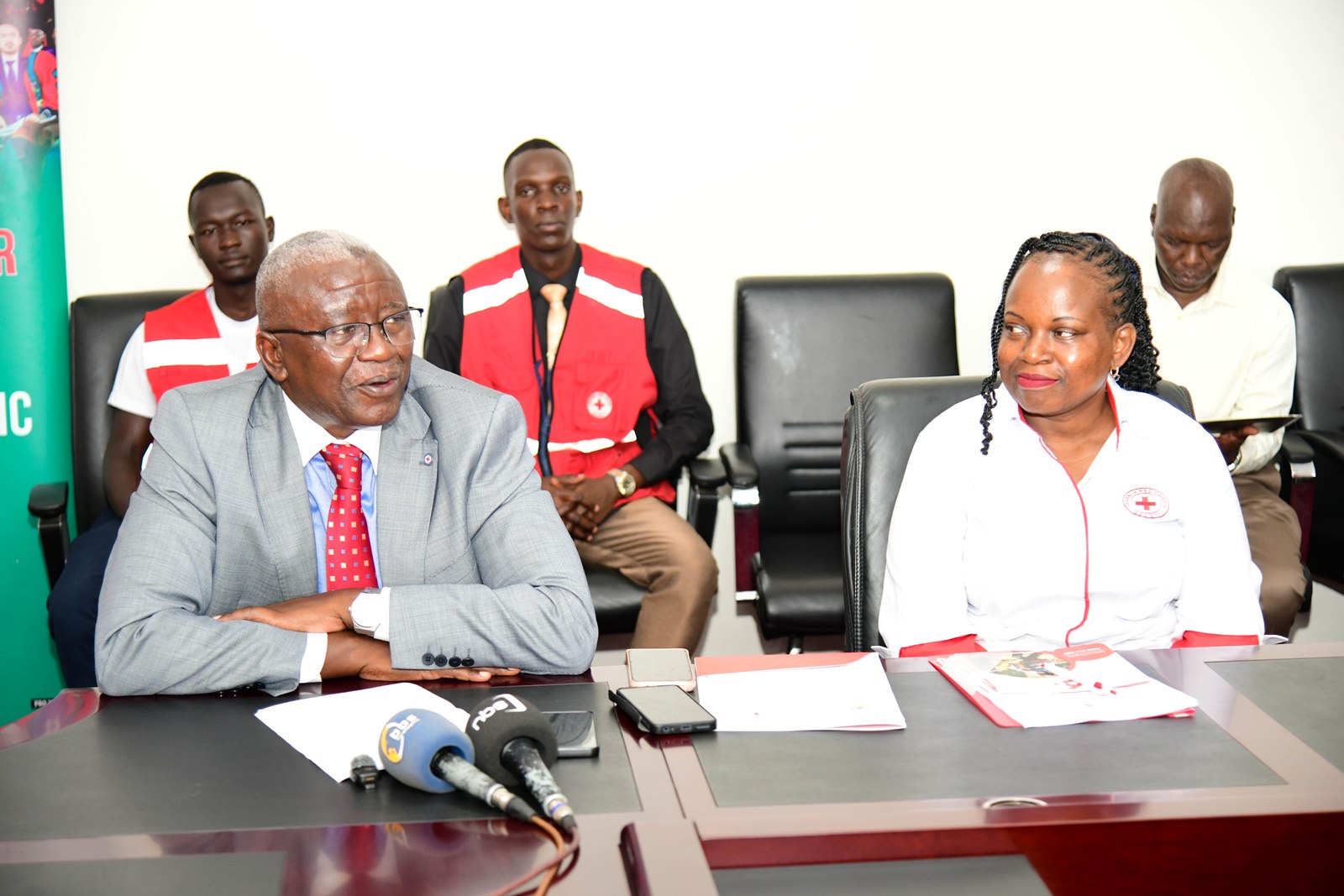
Implementation and Duration
The agreement will run for an initial period of five years and is expected to strengthen Uganda’s capacity in research-driven humanitarian response and sustainable community development. At Makerere University, implementation of the MoU will be coordinated by Prof. Yazidhi Bamutaze, Deputy Principal of the College of Agricultural and Environmental Sciences and member of staff in the Department of Geography, Geo-Informatics and Climatic Sciences, while Dr. Harriet Rachel Kagoya Kibuule will coordinate on behalf of the URCS.
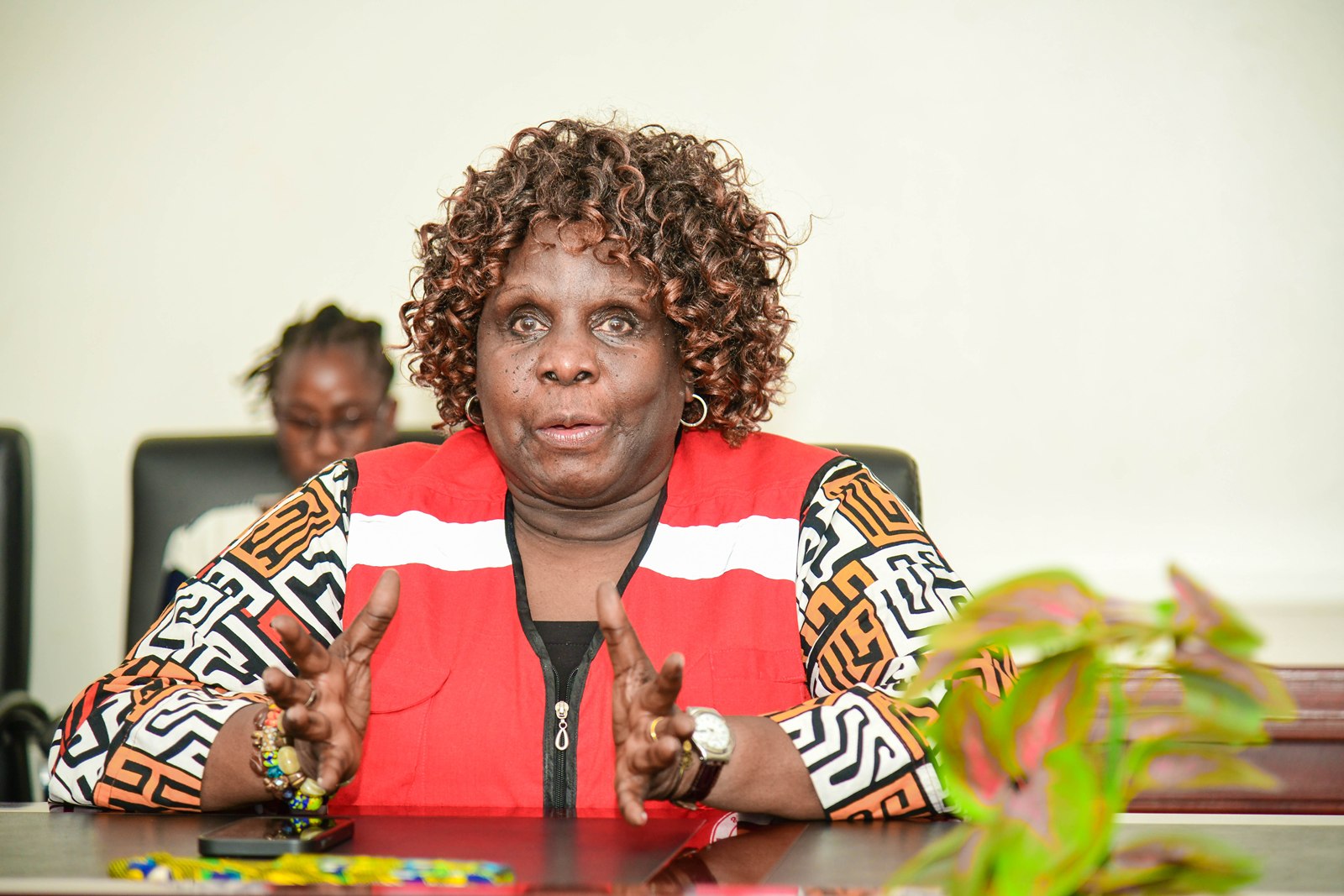

Pictorial of the MoU signing ceremony: https://flic.kr/s/aHBqjCUigt
Agriculture & Environment
CAES Engagement with Mak Senior Management: VC Calls for Expansion of PhD Training to Accelerate Development in Africa
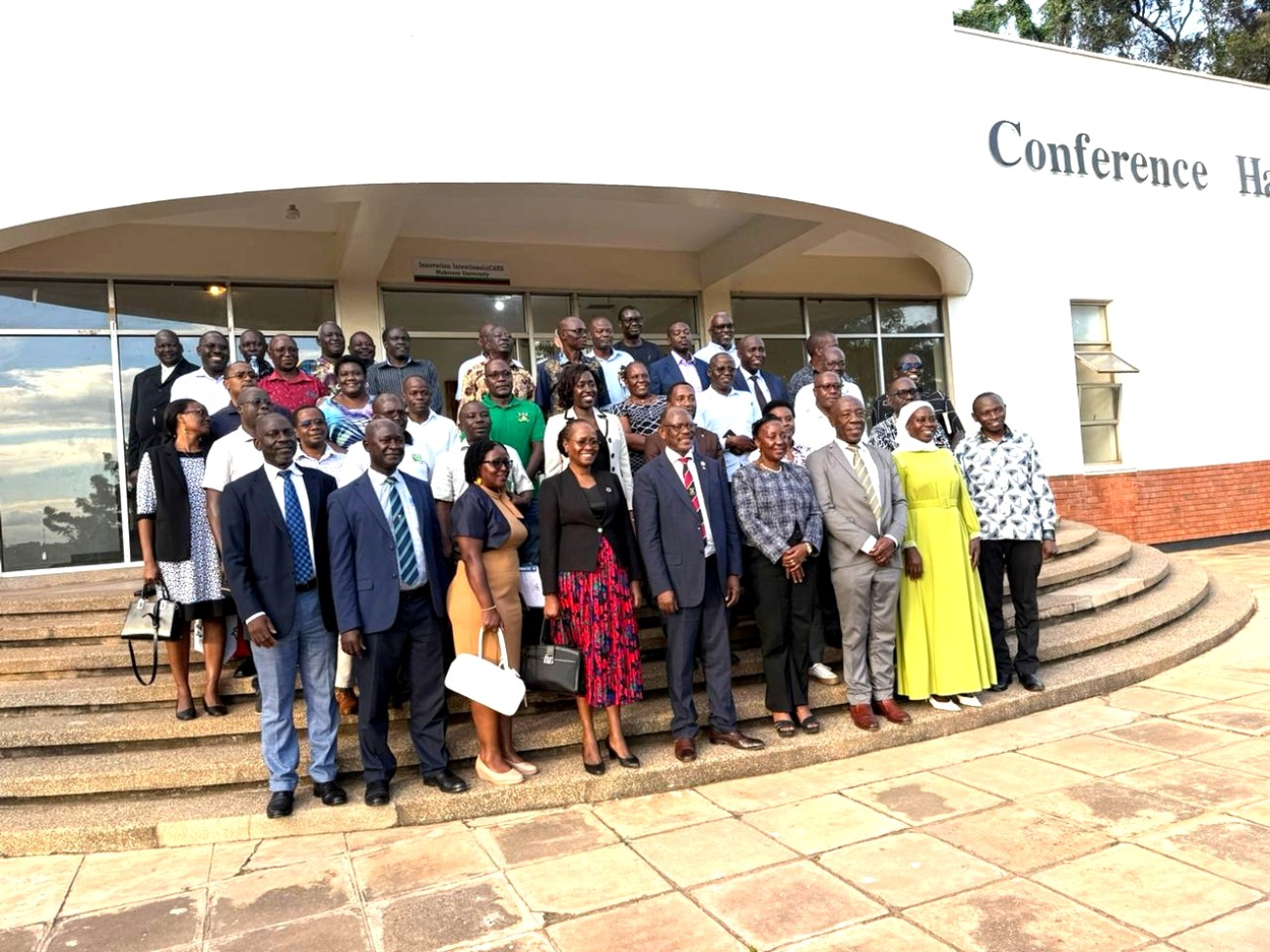
Makerere University Vice Chancellor, Prof. Barnabas Nawangwe, has called for a renewed focus on graduate training, research excellence, and innovation-driven scholarship as key pillars for Africa’s socio-economic transformation.
During a strategic engagement with staff at the College of Agricultural and Environmental Sciences (CAES) on 11 May 2026, Prof. Nawangwe, accompanied by members of the University’s senior management, commended the College for its significant contributions to research, innovation, and postgraduate training. “CAES is one of the most productive colleges at the University and continues to play a pivotal role in generating scientific knowledge and innovations that directly respond to societal and development challenges facing Uganda and the wider African continent,” he noted.
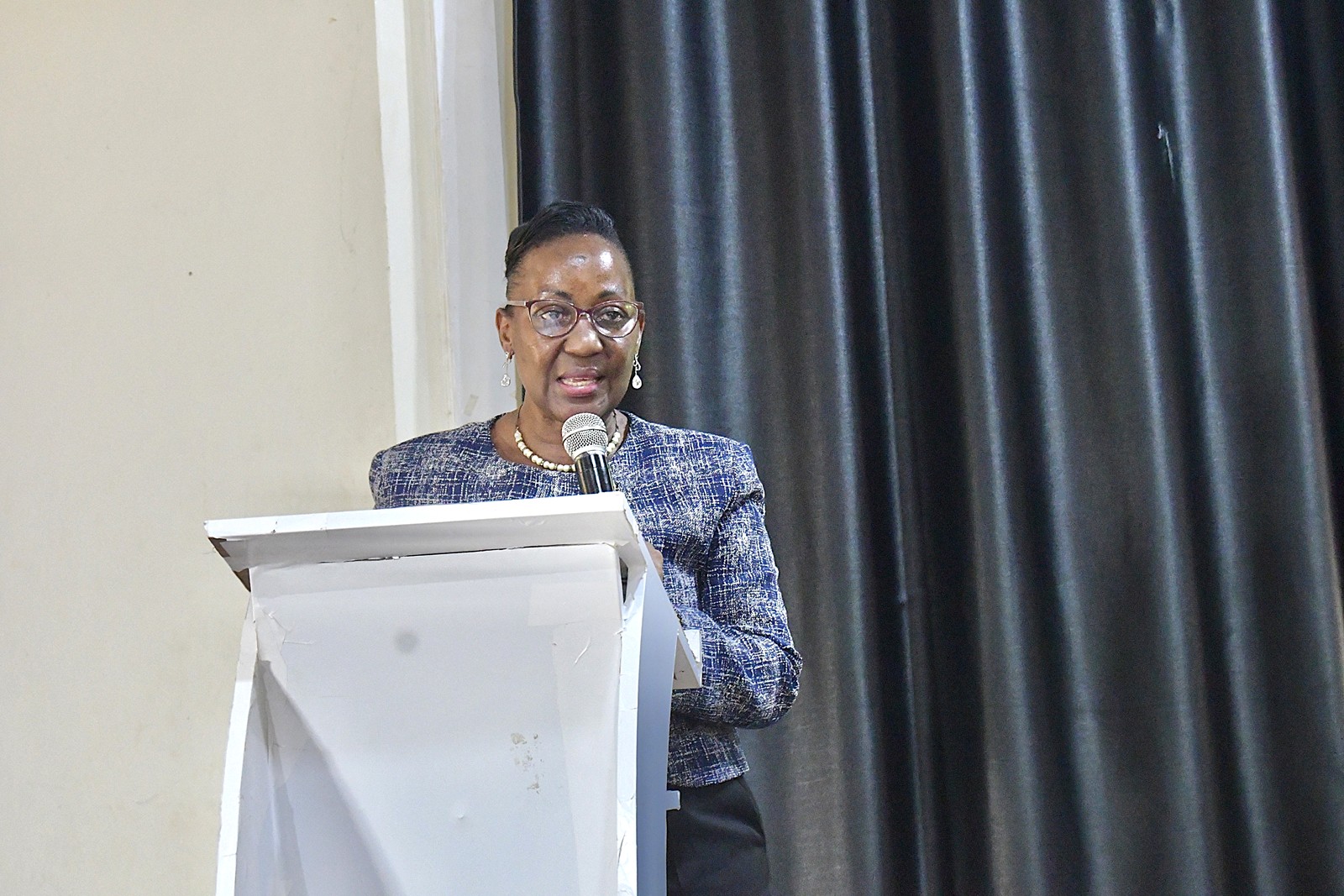
The meeting formed part of the University Leadership’s ongoing college-based consultation series aimed at strengthening collaboration across academic units and accelerating the institution’s research-led transformation agenda.
Call for Expansion of PhD Training in Africa
Prof. Nawangwe emphasized the central role of universities in addressing Africa’s development challenges through advanced research and human capital development, urging a significant expansion of doctoral training across the continent.
“In Africa, we have a duty to produce at least 1,000 PhDs annually if we are to meaningfully contribute to lifting our people out of poverty,” he said, calling on universities to become “engines of transformation through research, innovation, and the production of highly trained human capital.”
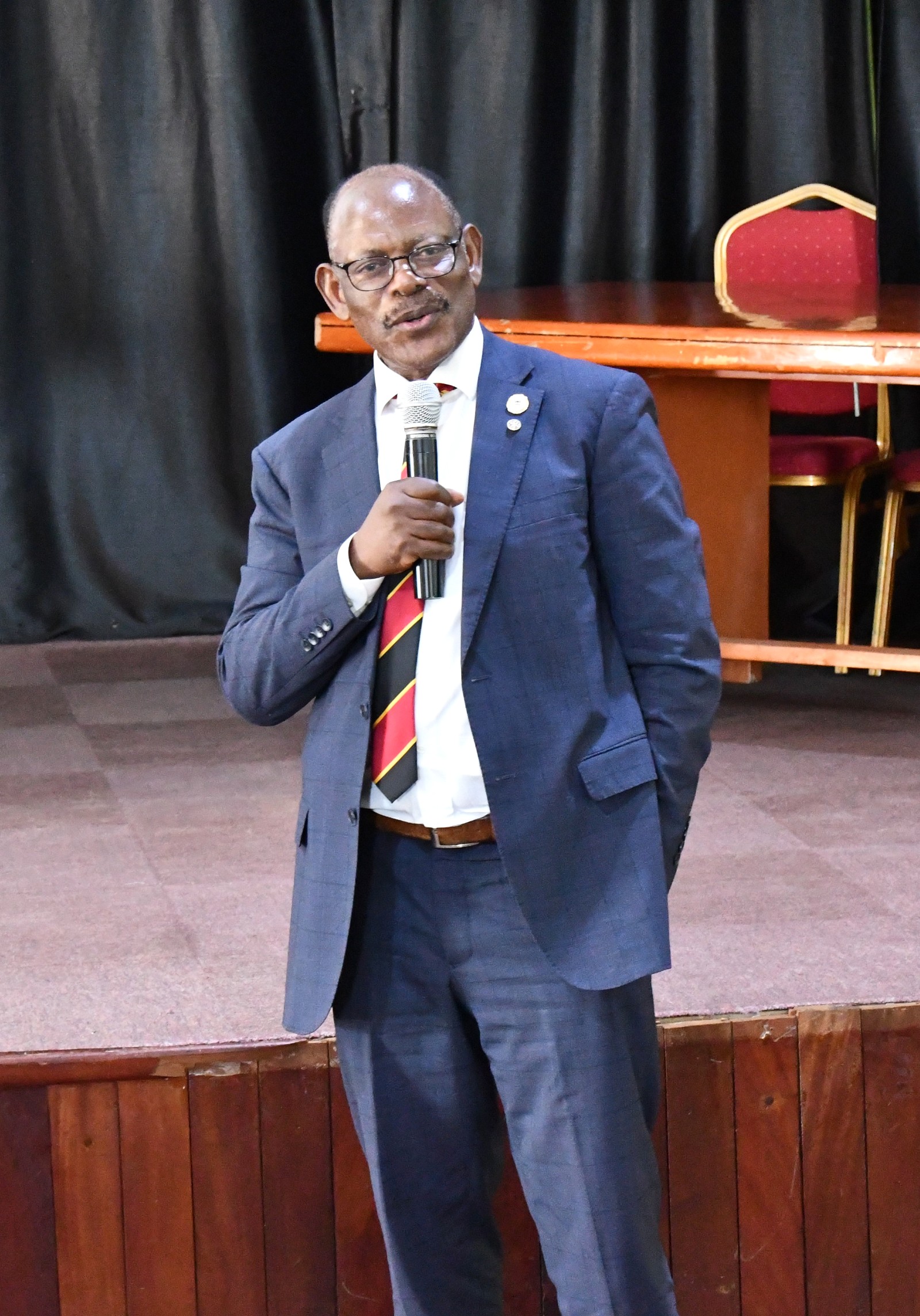
He challenged academic staff to prioritize multidisciplinary, high-impact research targeting critical issues such as food security, climate change, environmental sustainability, agricultural productivity, public health, and youth unemployment.
Research Funding and Institutional Capacity
Reaffirming Makerere University’s research standing, the Vice Chancellor noted that the institution has substantial capacity and funding to support large-scale research initiatives.
“As a one of the best universities in Africa, we must take the lead in research and graduate training. Makerere is not short of research funding. Our research portfolio exceeds 250 million US dollars,” he said.
He, however, stressed the need for stronger coordination and strategic planning to ensure research outputs translate into tangible societal impact.
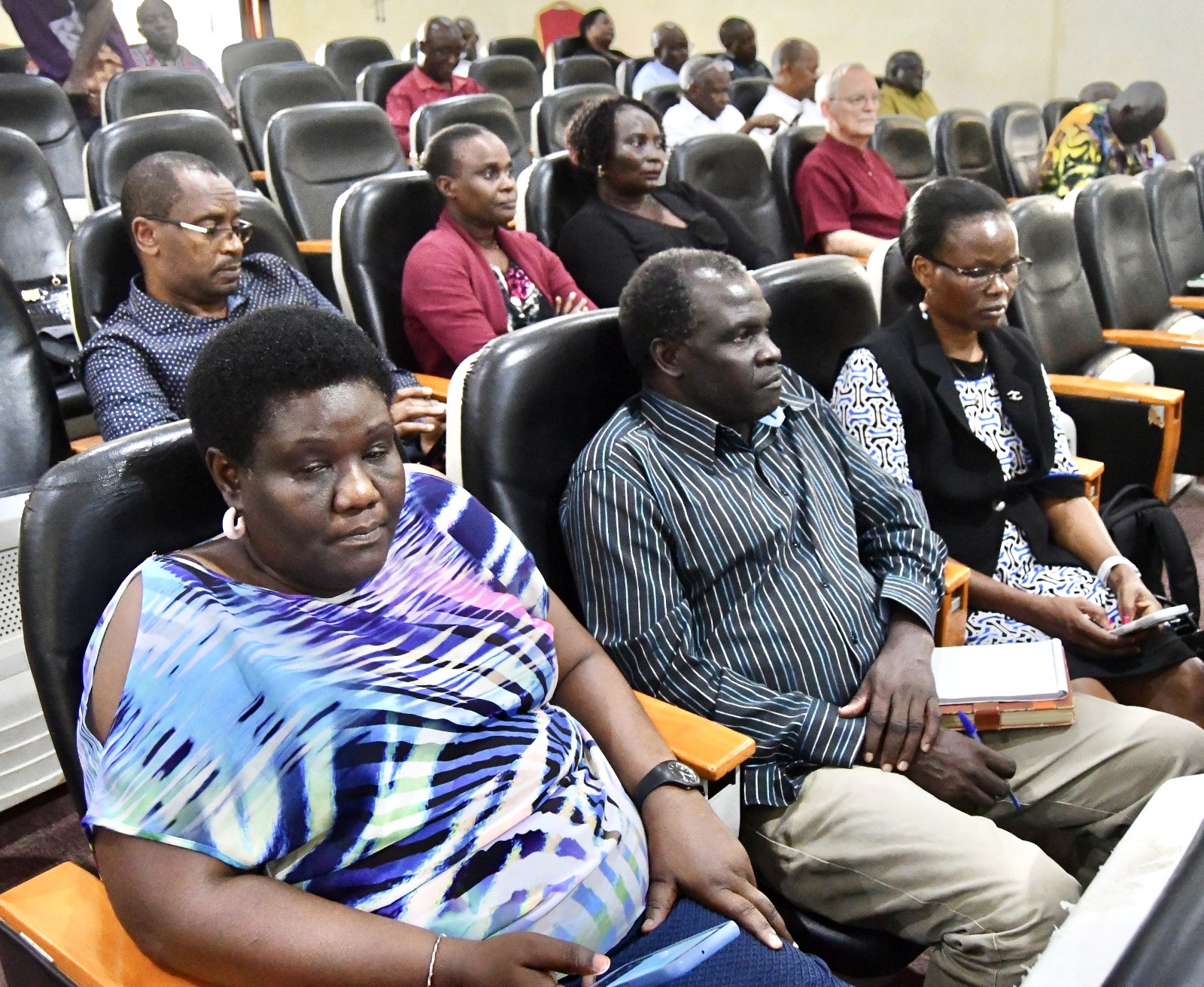
Innovation, Patents, and Commercialization
On matters of innovation, patents, and commercialization of research outputs, Prof. Nawangwe informed staff that the University had established a dedicated office to support researchers in managing intellectual property rights and patent processes. He encouraged academic staff and researchers to fully utilize the facility in order to safeguard innovations emerging from the University and enhance their potential for commercialization and societal application.
The Vice Chancellor reaffirmed the University’s commitment to supporting colleges in improving graduate completion rates, strengthening research systems, and enhancing the quality and impact of higher education at Makerere University.
Industry Collaboration
In her remarks, the First Deputy Vice Chancellor (Academic Affairs), Prof. Sarah Ssali, emphasized the importance of strengthening collaboration between the University and industry to enhance practical training opportunities and ensure the relevance of graduate education. She encouraged academic staff to develop strategic niche areas of expertise, noting that deliberate specialization would sharpen research identities while significantly enhancing the College’s visibility, competitiveness, and influence at regional and international levels.
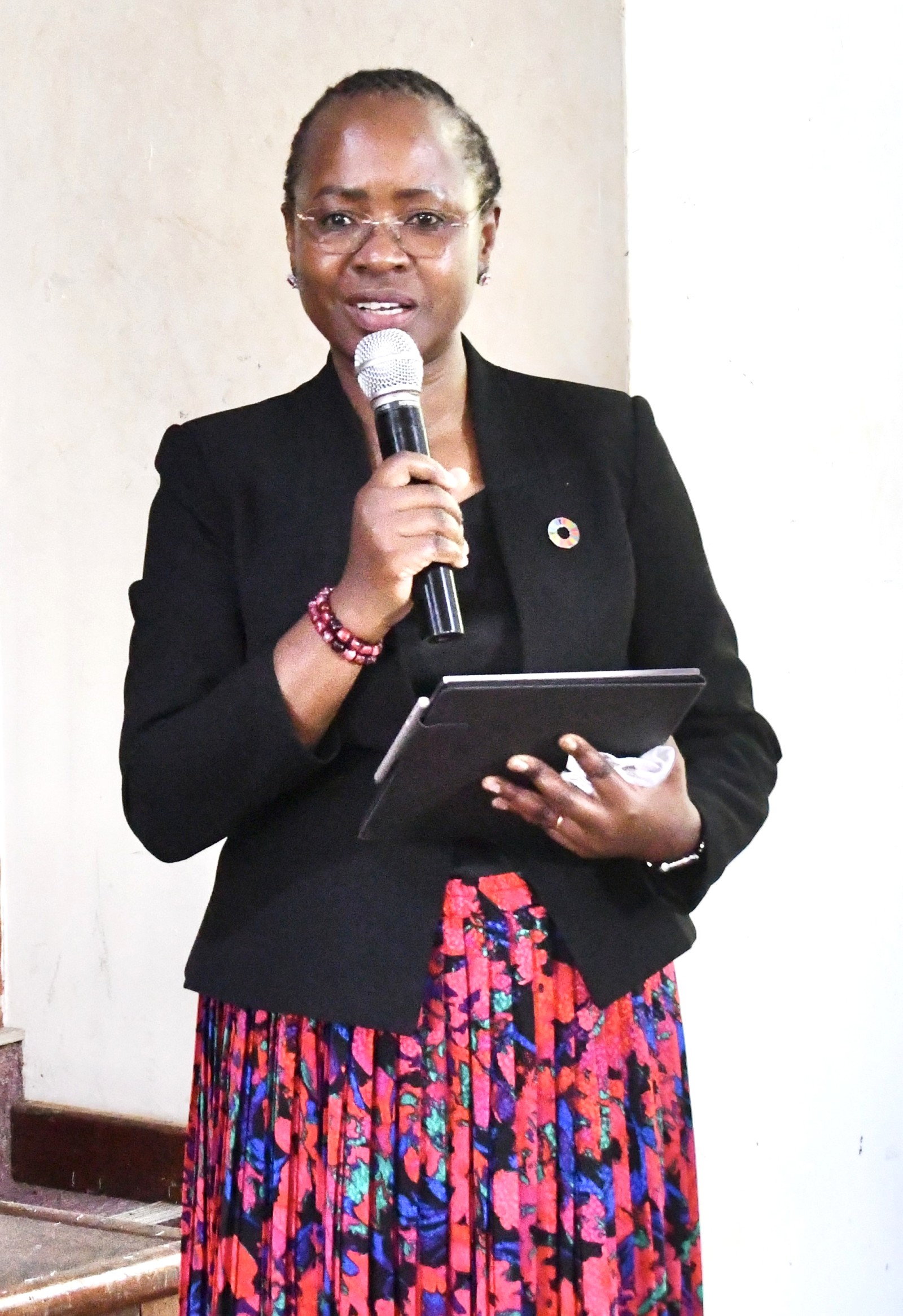
Prof. Ssali further stressed the importance of deliberate planning, accountability, and prudent management of research resources. She noted that effective management of research funds is central to sustaining innovation ecosystems, attracting future funding, and ensuring that research outputs translate into tangible benefits for communities, and the broader economy.
The engagement also provided an opportunity for staff to raise concerns affecting graduate training and research productivity, while proposing practical recommendations aimed at strengthening supervision, improving research infrastructure, enhancing funding accessibility, and promoting interdisciplinary collaboration.
Graduate Training and Innovation
Briefing the team on graduate training and research activities at the College, the Principal Prof. Gorettie Nabanoga emphasized the central role of graduate training in shaping innovators and problem solvers capable of responding to Uganda’s development challenges, including climate change, food insecurity, environmental degradation, low agricultural productivity, and unemployment.
She commended the Vice Chancellor for initiating college-based engagements, describing them as timely, strategic, and essential for strengthening institutional performance.
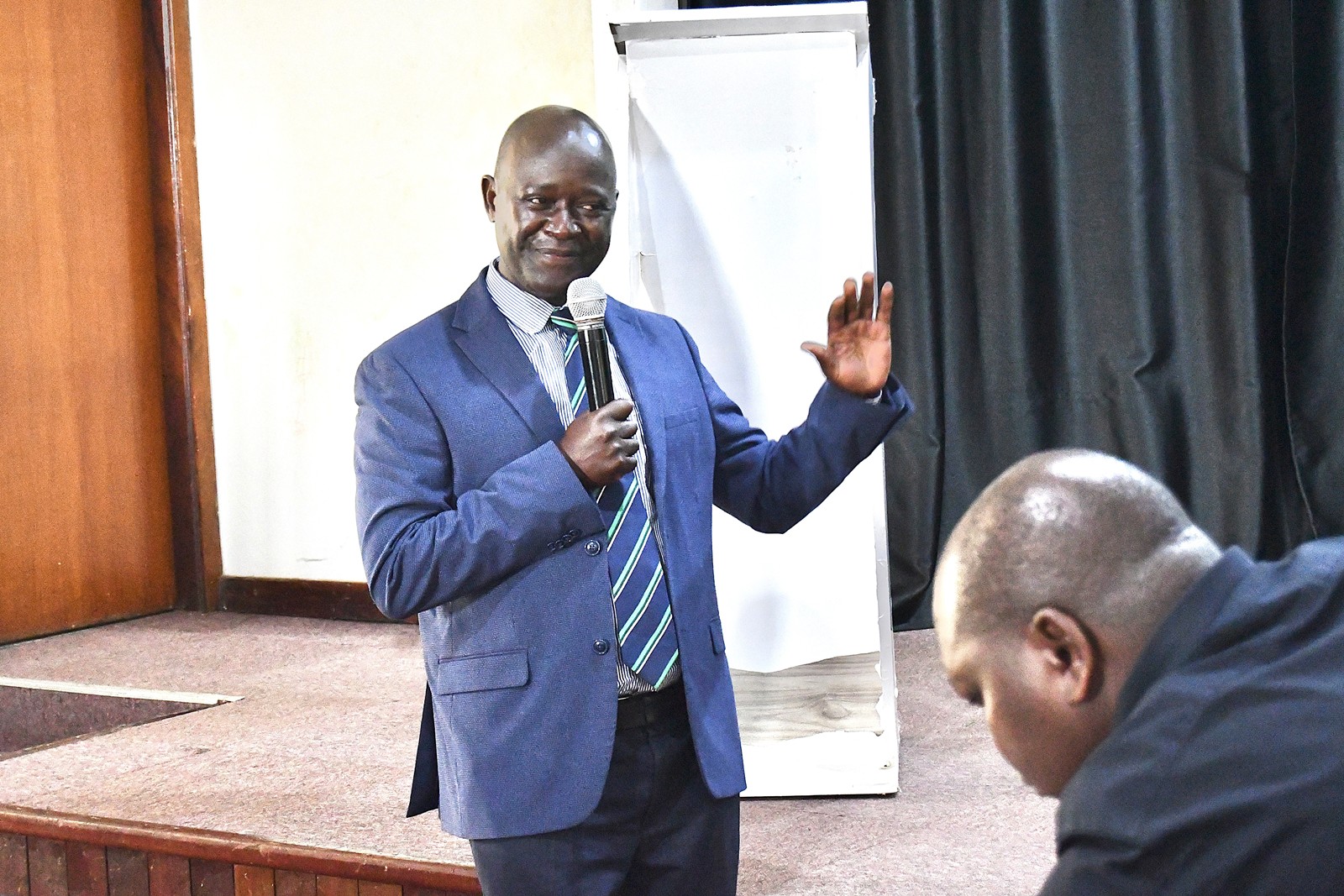
“These engagements demonstrate leadership that is not confined to management offices, but leadership that walks into the engine room of the University to understand what is working, what is struggling, and what must urgently improve,” she said.
In her presentation, Prof. Nabanoga emphasized the College’s strategic role in Uganda’s transformation agenda. She highlighted major strides made by the College in expanding graduate programmes in climate-smart agriculture, food systems, environmental management, renewable energy, agribusiness, and biodiversity conservation, with students increasingly contributing to scientific innovations, policy development, and community transformation.
CAES Transformation Initiatives
She also updated the team on the progress made in the implementation of the “CAES Transformation Pact,” unveiled in 2022, which prioritizes excellence in teaching, learning, research, innovation, and practical-based education. The initiative seeks to reposition the College to better respond to evolving national and global demands in higher education and sustainable development.
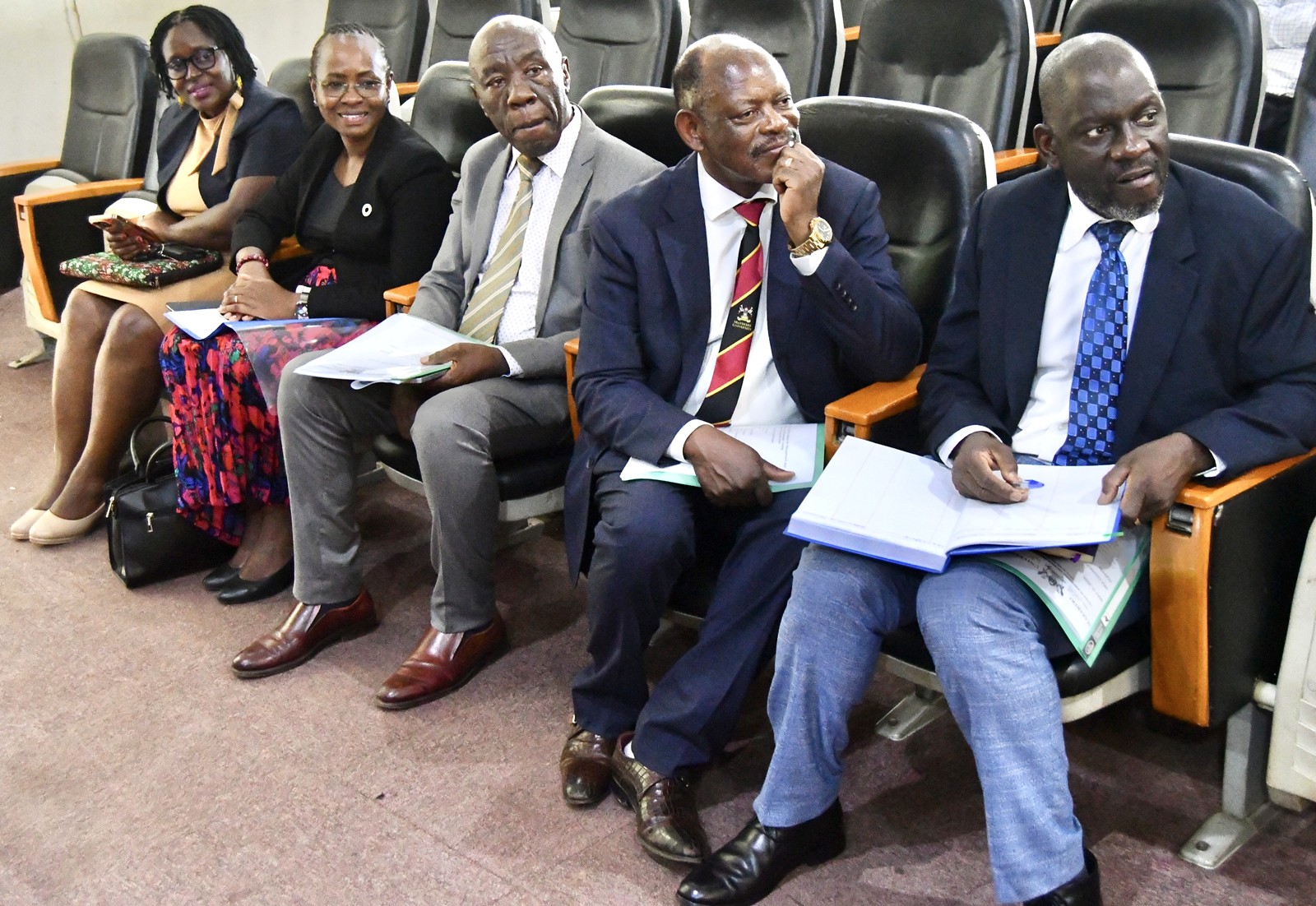
As part of these reforms, the College has revitalized practical training through enhanced field-based learning, internships, laboratory work, and research activities. With support from the Mastercard Foundation, CAES has also established a state-of-the-art digital studio laboratory to strengthen blended and digital learning.
The College is also promoting practical and field-based research through stronger utilization of the Makerere University Agricultural Research Institute Kabanyolo (MUARIK), which is envisaged to become a world-class hub for applied research, climate-smart agriculture, and innovation incubation.
Partnerships and Graduate Training Systems
Prof. Nabanoga noted that strategic partnerships with organizations such as RUFORUM, Consortium for Advanced Research Training in Africa, Mastercard Foundation, and MakRIF have expanded opportunities for scholarships, research funding, international exposure, and innovation support.
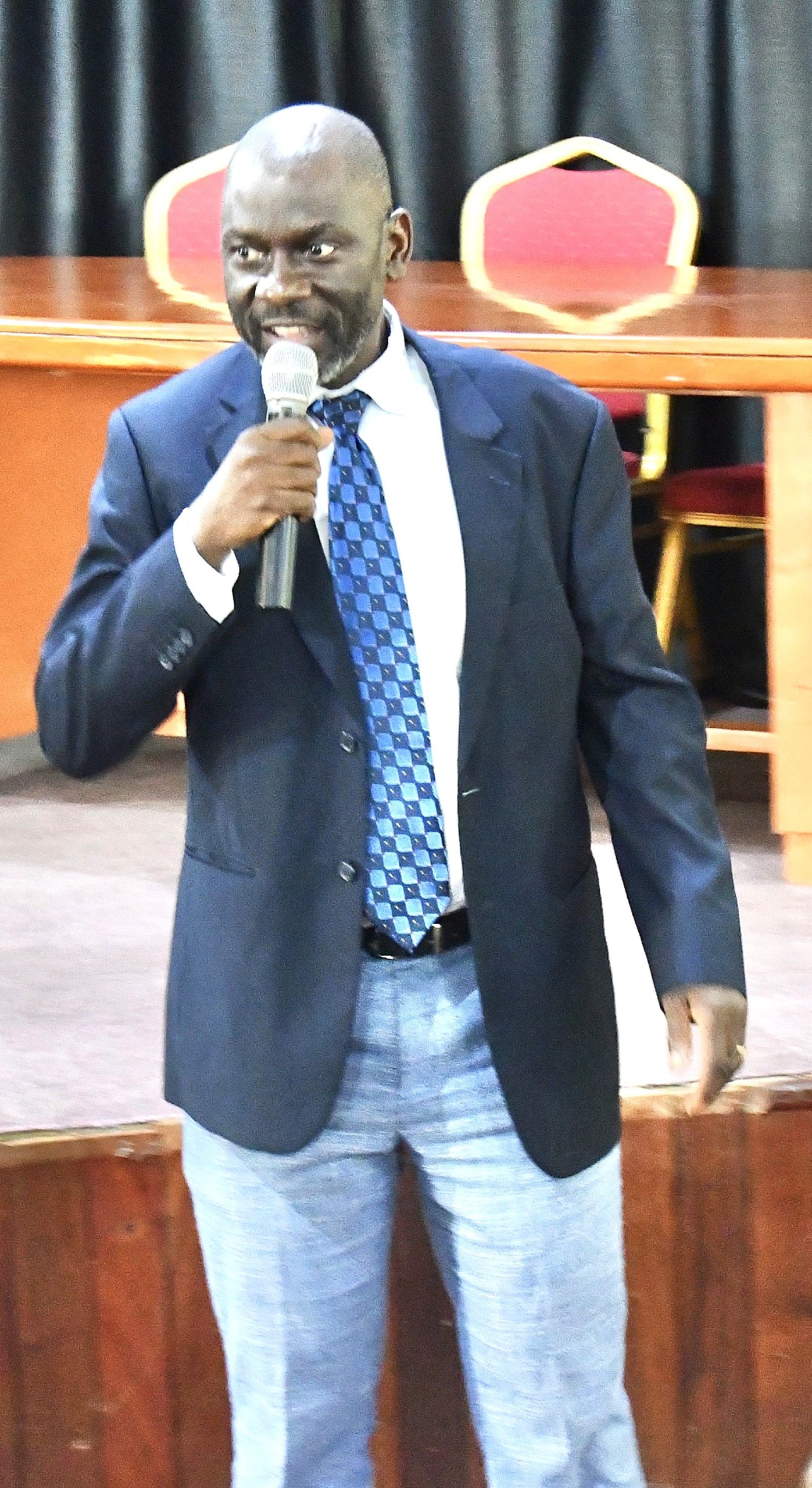
She said CAES had adopted deliberate strategies to improve graduate training, including the rollout of the CAES GradCARE digital management system to streamline supervision, student tracking, and examination processes, alongside reforms aimed at strengthening graduate mentorship, interdisciplinary research, and innovation-driven learning.
Despite the progress, she cited growing pressure on supervision capacity, laboratory infrastructure, ICT systems, and graduate examination processes due to rising enrolment and limited staffing.
She called for stronger institutional investment, faster administrative systems, and enhanced infrastructure to support high-quality graduate education and research.
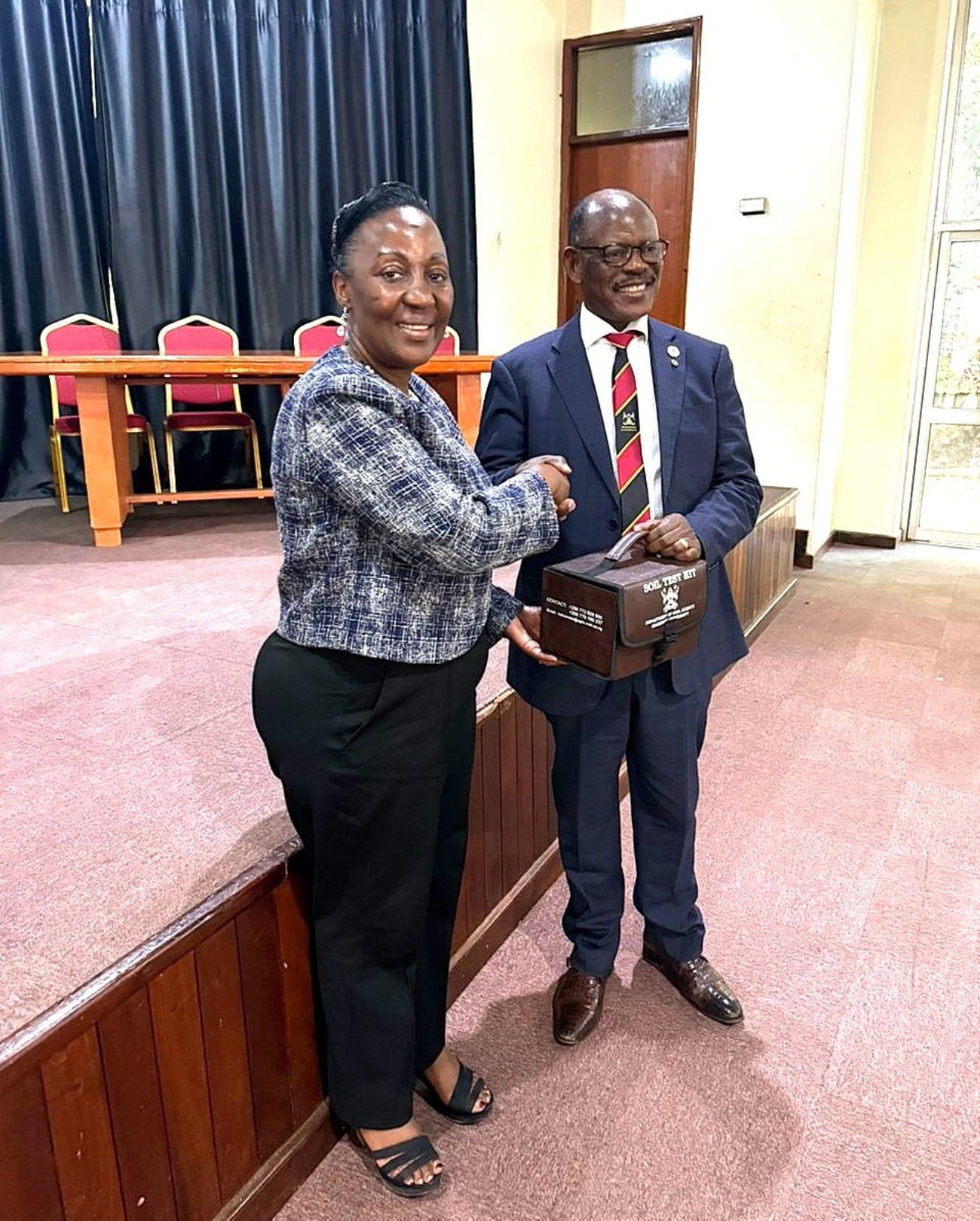
“The future of this University will be determined by the researchers, innovators, and leaders we nurture,” Prof. Nabanoga said, reaffirming the College’s commitment to advancing Makerere University’s vision as a globally respected research-led institution.
Alignment of Research to National Development Priorities
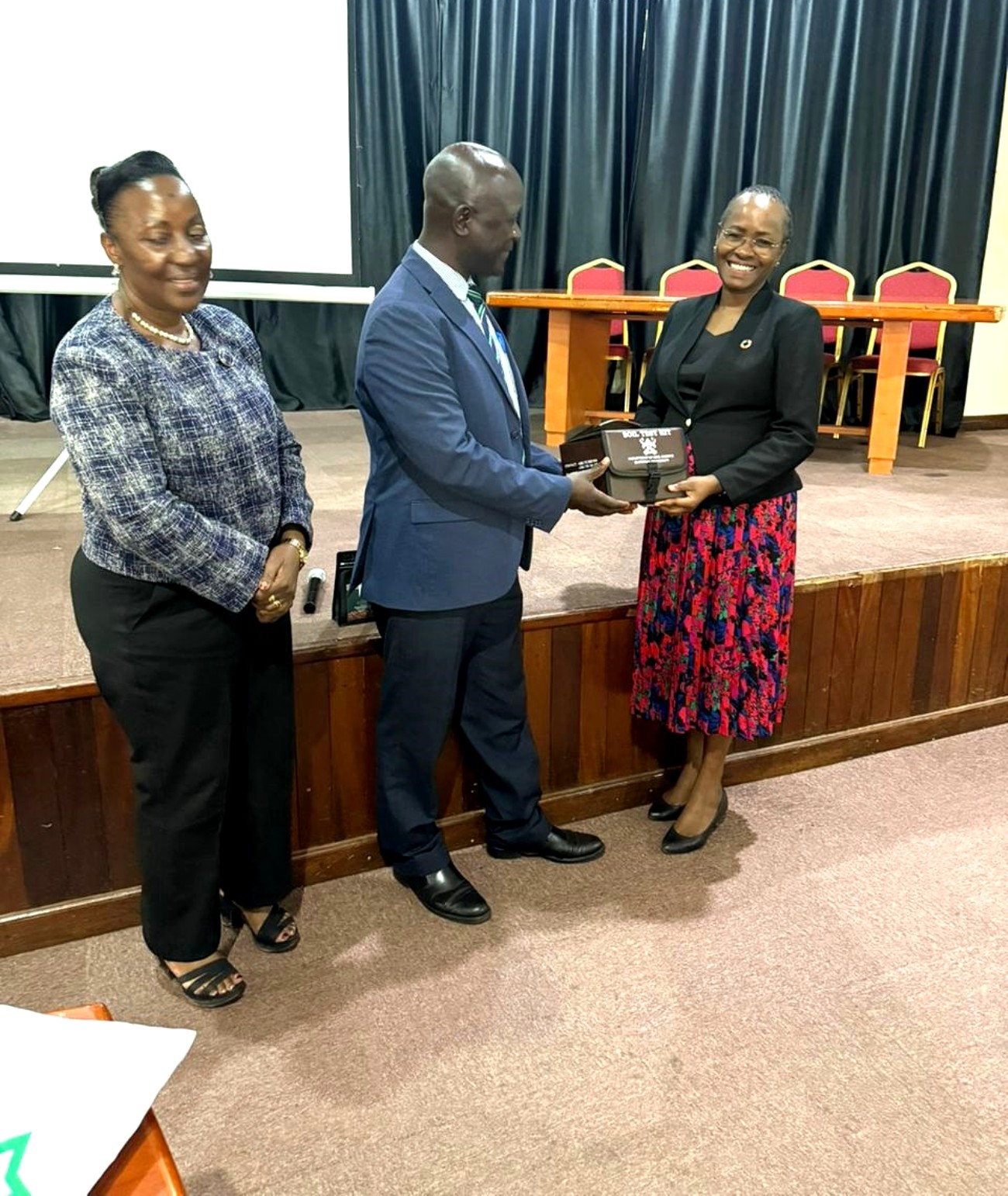
Highlighting the key challenges in graduate training and research, the Deputy Principal, Prof. Yazidhi Bamutaze, emphasized the need to better align research activities with community priorities as well as national and global development agendas. He further underscored the importance of strengthening graduate research output by increasing enrolment by 30% and improving completion rates to 70%. In addition, he called for improved staff efficiency to ensure more effective supervision, training, and mentorship, ultimately boosting overall research productivity and academic output.
Increasing Graduate Training
The Director of Graduate Training at Makerere University, Prof. Julius Kikooma reiterated the importance of expanding postgraduate education, in line with the University’s Strategic Plan, which targets raising graduate students to 40 percent of total enrolment.
Agriculture & Environment
MakCAES Develops Agroecology Curriculum to Drive Food Systems Transformation in East Africa

By Damali Mukhaye
Makerere University College of Agricultural and Environmental Sciences (CAES) is developing an agroecology curriculum to address mounting pressures on agri-food systems in sub-Saharan Africa, including poverty, food insecurity, biodiversity loss, and climate change.
Curriclum development is part of the requirements under the Regional Multi-Actor Research Network for Agroecology in East Africa (RMRN-EA) Project led by the International Centre of Insect Physiology and Ecology, in collaboration with three African universities, including the University of Nairobi (UoN, Kenya), Sokoine University of Agriculture (SUA, Tanzania), and Makerere University (MAK, Uganda).
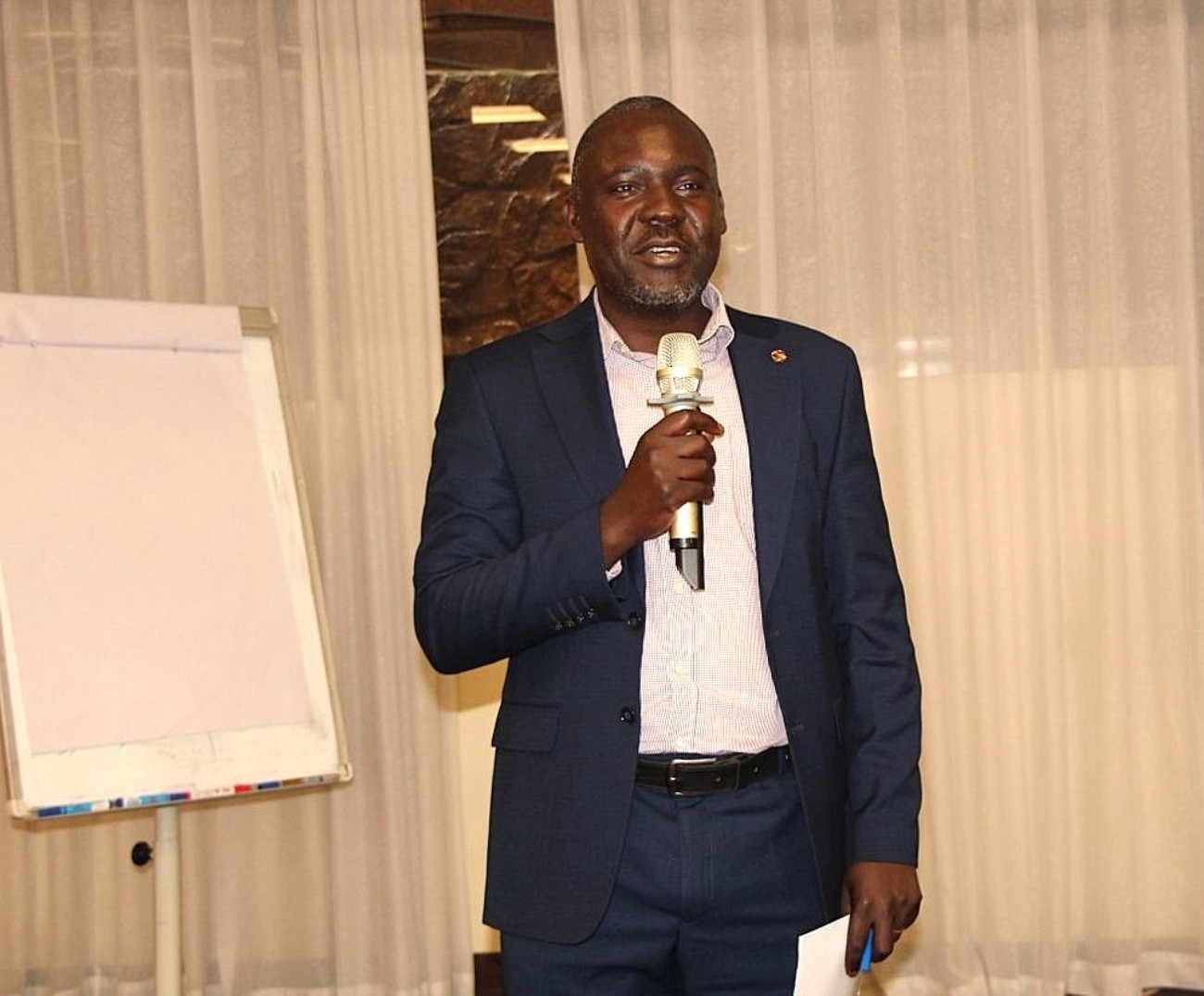
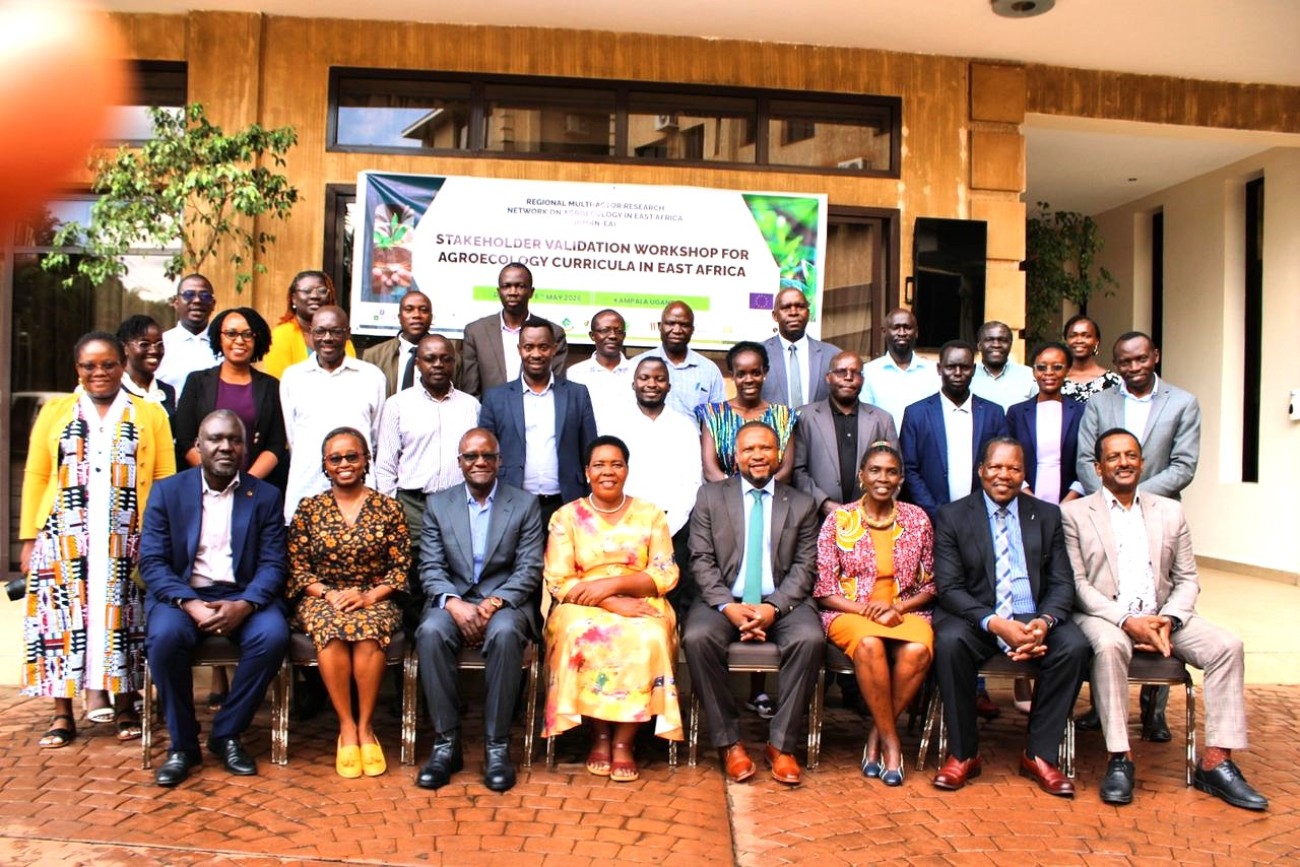
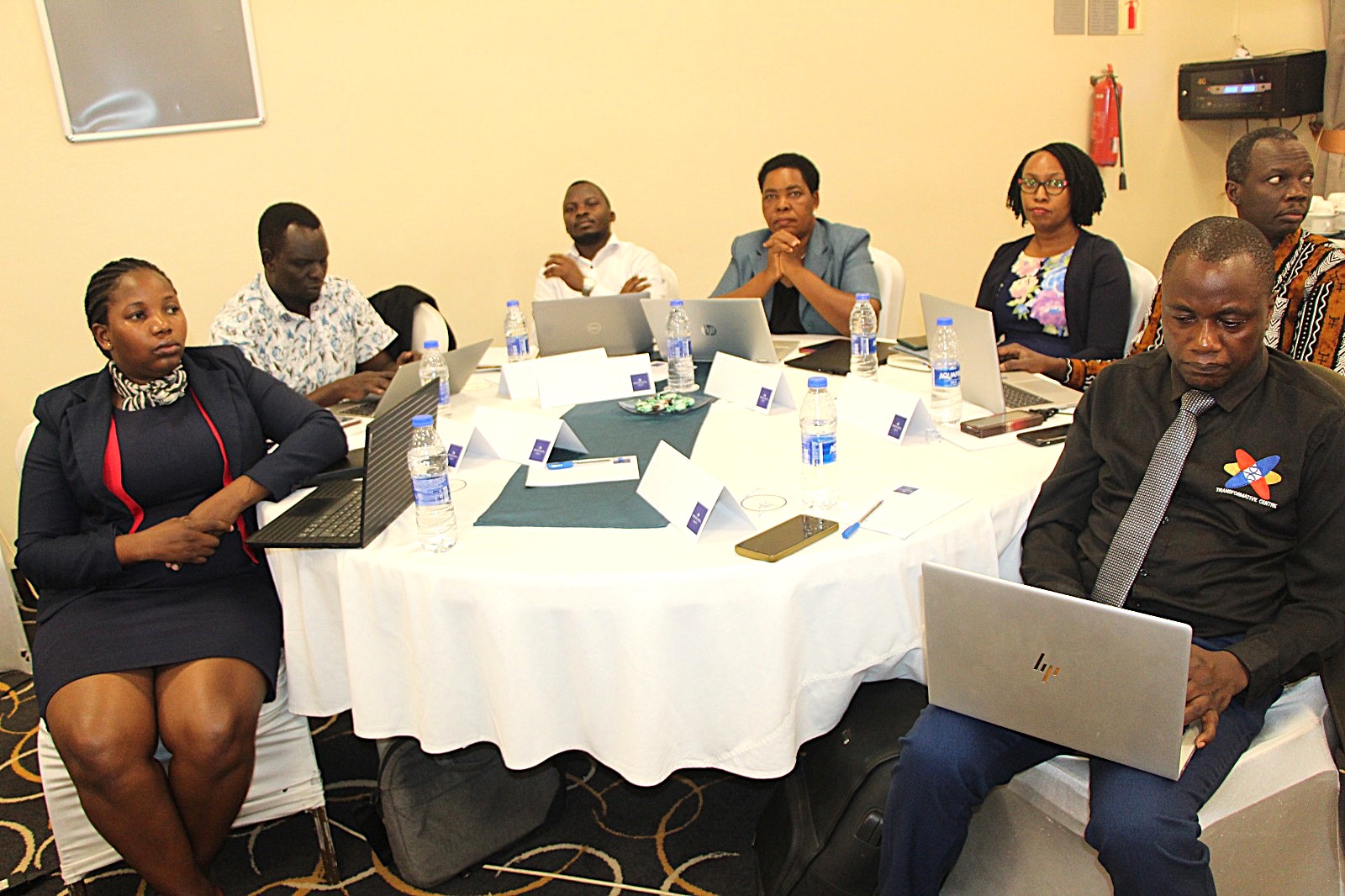
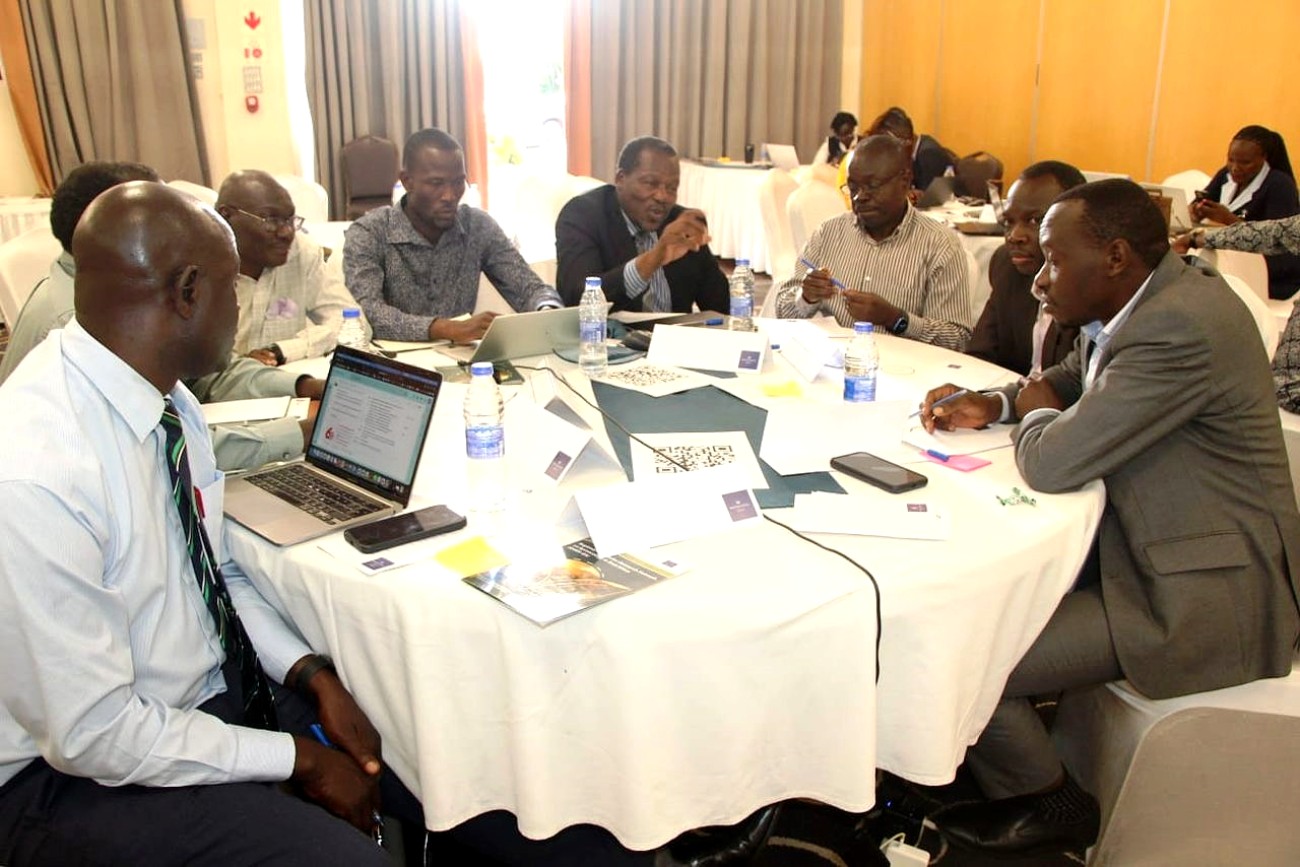
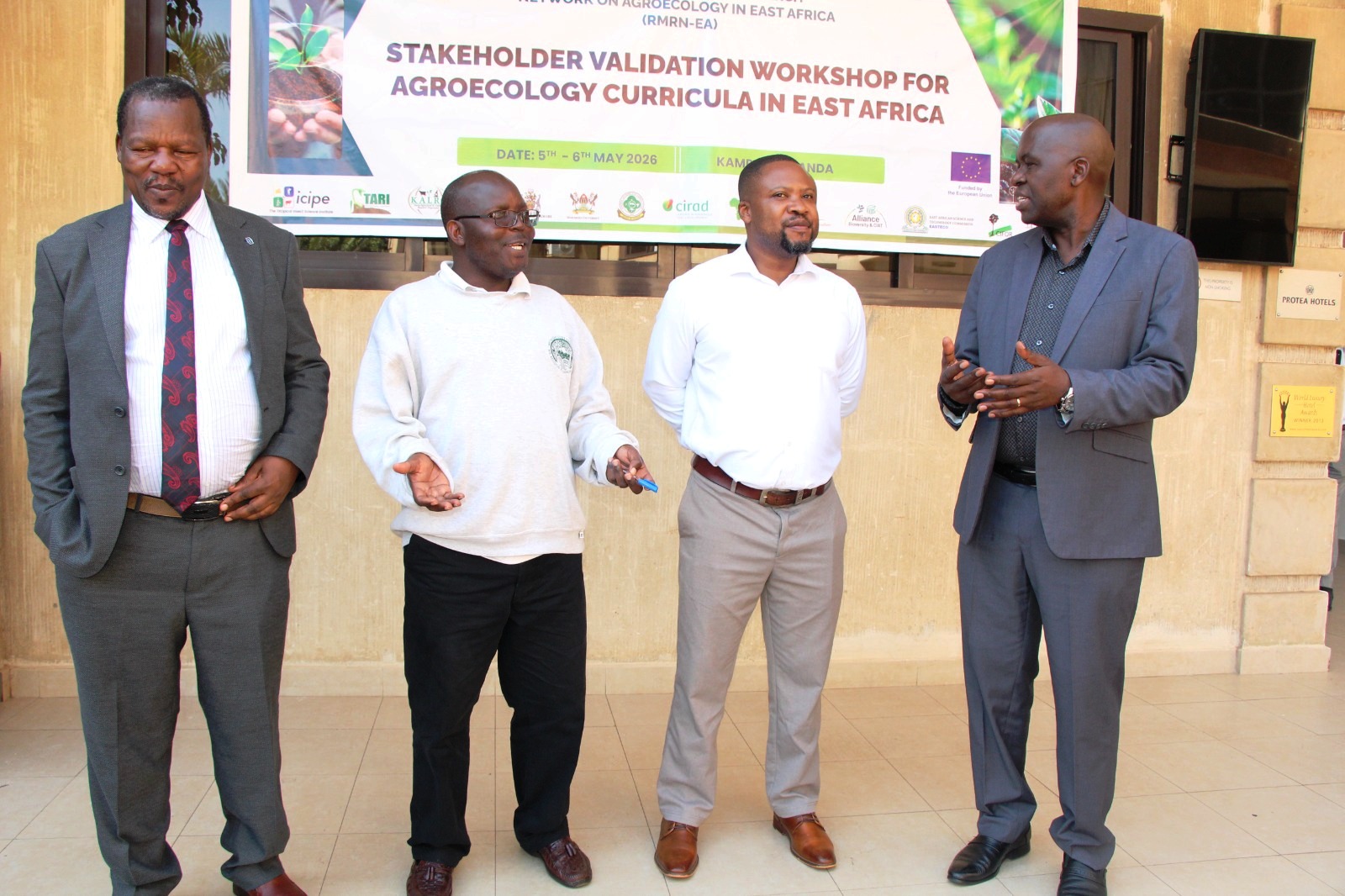
CAES hosted a two-day Stakeholder Validation Workshop for the Agroecology Curriculum in East Africa at Protea Hotel between 5th and 6th May 2026. The workshop brought together researchers, scientists, policymakers, and educators from Uganda, Kenya, and Tanzania to critically review and validate a landmark baseline study on agroecology in Uganda.
At the heart of the workshop was a presentation by Dr. Kenneth Balikoowa, Programme Assistant on a comprehensive assessment of agroecological integration across 28 CAES curricula 14 undergraduate, 13 postgraduate, and one PhD programme, alongside other presentations delivered by regional experts and academics.
Dr. Balikoowa noted that agroecology, as defined by FAO through 10 elements and 13 principles, provides a proven pathway for smallholder farming transformation by applying ecological and social principles to food systems design.
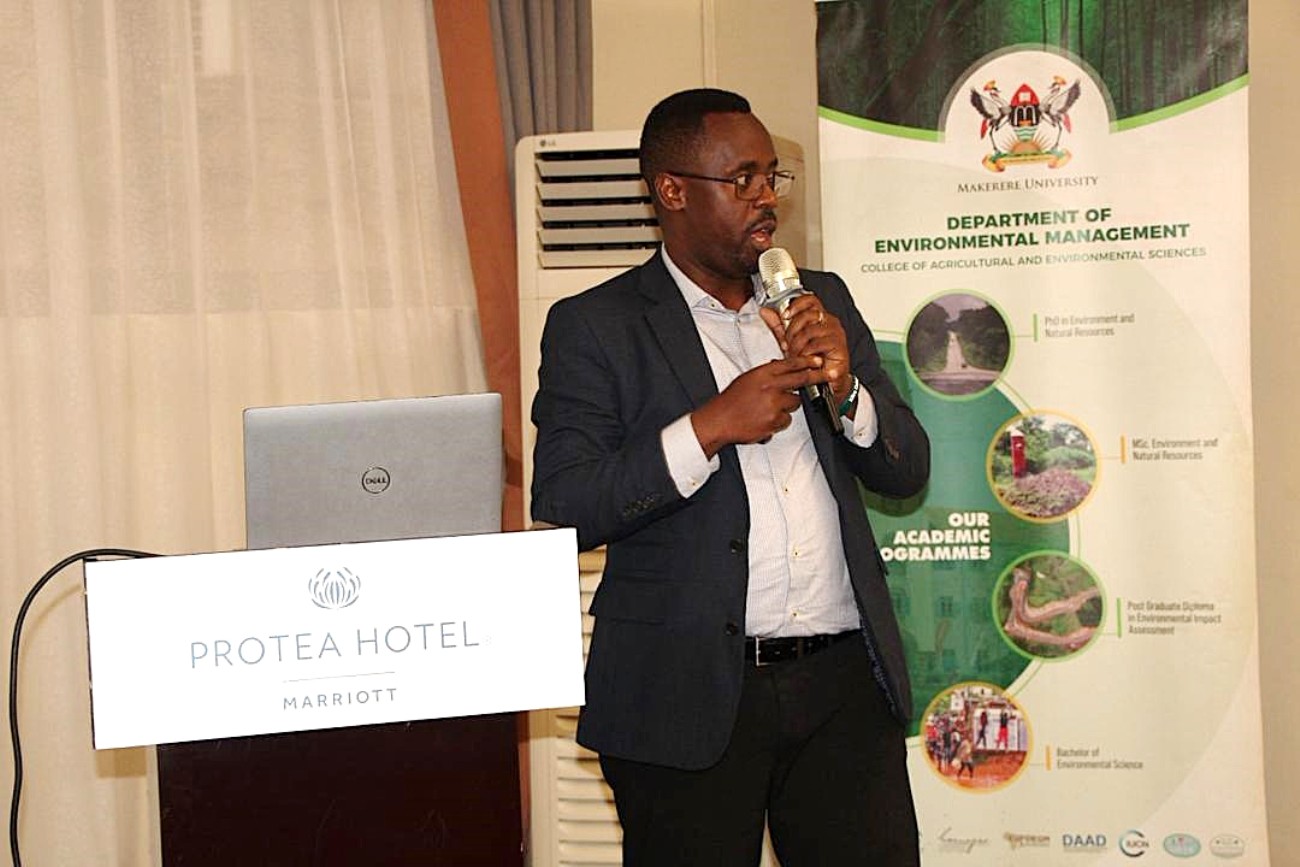
He emphasised that higher education is central to scaling agroecology, as embedding it in curricula builds a critical mass of change agents equipped to drive Uganda’s agri-food transformation, with establishing a curricular baseline at CAES as the first step under RMRN-EA interventions.
Using a rigorous six-stage mixed-methods approach, the assessment carried out by CAES, scored each programme against FAO’s 13 agroecological principles and 8 agroecological elements, conducted contextual analysis of 11 key agroecology-related terms, and benchmarked findings against international standards, including FAO and High Level Panel of Experts (HLPE) frameworks.
The findings revealed that while CAES has solid technical, practical, and scientific foundations, agroecological integration remains partial, fragmented, and mostly implicit across 26 of the 28 programmes reviewed.
Two standout programmes including the Bachelor of Science in Agricultural Extension and Rural Innovation (BARI) at undergraduate level, and the Master of Science in Agricultural and Community Development (MACD) at postgraduate level demonstrated that comprehensive agroecological integration is entirely achievable within CAES and should serve as design templates for broader curriculum redesign.
Among undergraduate programmes, BARI emerged as the top performer with an average score of 3.8, recognised for comprehensive participation and co-creation approaches, while BAGR, BEVS, and BHOR performed strongly, with solid soil health and biodiversity coverage. At postgraduate level, MACD led with an average score of 4.1, with agroecology woven centrally across its curriculum.
Across both levels, the assessment found that programmes consistently score higher on agroecological elements than on principles, indicating that operational concepts such as efficiency, diversity, and resilience are more readily absorbed than value-laden principles such as fairness, social values, and farmer participation.
Soil health emerged as the most integrated principle, present as a core component in nine programmes, while animal health, input reduction, and land and resource governance were the least integrated.
Critically, the assessment identified people-centred dimensions as the most consistently underrepresented areas across all programmes. Farmer agency, social equity, indigenous and traditional knowledge (ITK), and participatory methodologies,all central to FAO’s agroecological framework were largely absent.
Uganda’s rich indigenous agricultural knowledge was found to be almost entirely invisible in the curricula reviewed, representing both a significant gap and a major opportunity for culturally relevant curriculum development.
Going forward, the assessment recommends a foundational agroecology course common to all programmes as the single highest-impact, lowest-complexity action, deliverable within the next academic year. Full curriculum transformation is envisioned as a five-year commitment requiring sustained investment in faculty development, infrastructure, and community partnerships, but a phased roadmap makes it achievable.
Designing Curricula That Create Value
Assoc. Prof. Anthony Egeru, Principal Investigator, Makerere University (Uganda), underscored that the PhD programme in Agroecology goes beyond traditional notions of soil health and yield, placing sustainability at its very centre.
“The centrepiece is really sustainability. The conversation has now shifted from isolated discussions about soil or animal health to an integrated agroecological approach that ensures nature remains healthy while sustaining agricultural production and productivity,” Prof. Egeru said.
Prof. Egeru emphasised that productivity must be understood broadly encompassing income, animal health, circular economy, and value creation and directly linked to Uganda’s ambition of building a $500 billion economy (ten-fold).
He noted that Makerere is currently at stage three of the curriculum development process, with stakeholder validation now underway to refine and strengthen the programme. He anticipated that once the internal process of submitting the programme to the School, College, and the University Senate is complete, it will be submitted to the National Council for Higher Education (NCHE), with the first set of students expected between the 2027 and 2028 academic years.
Tanzania’s Experience
Prof. Japhet Kashaigili, Principal Investigator for Tanzania and Director of Postgraduate Studies at Sokoine University of Agriculture (SUA), shared that Tanzania is ahead in the curriculum development journey.
According to him, Sokoine already runs a PhD programme in agroecology that has been active for seven years. He added that a newly developed Master’s programme has been submitted to the Tanzania Commission for Universities for accreditation, with enrolment expected in the next academic year. Programmes targeting extensionists and tertiary-level winter schools are also in the pipeline.
However, Prof. Kashaigili sounded a strong warning on job market absorption.
“We don’t see government hiring agroecology experts, or other institutions like big NGOs hiring agroecology experts,” he cautioned, calling it a critical gap that must be urgently addressed.
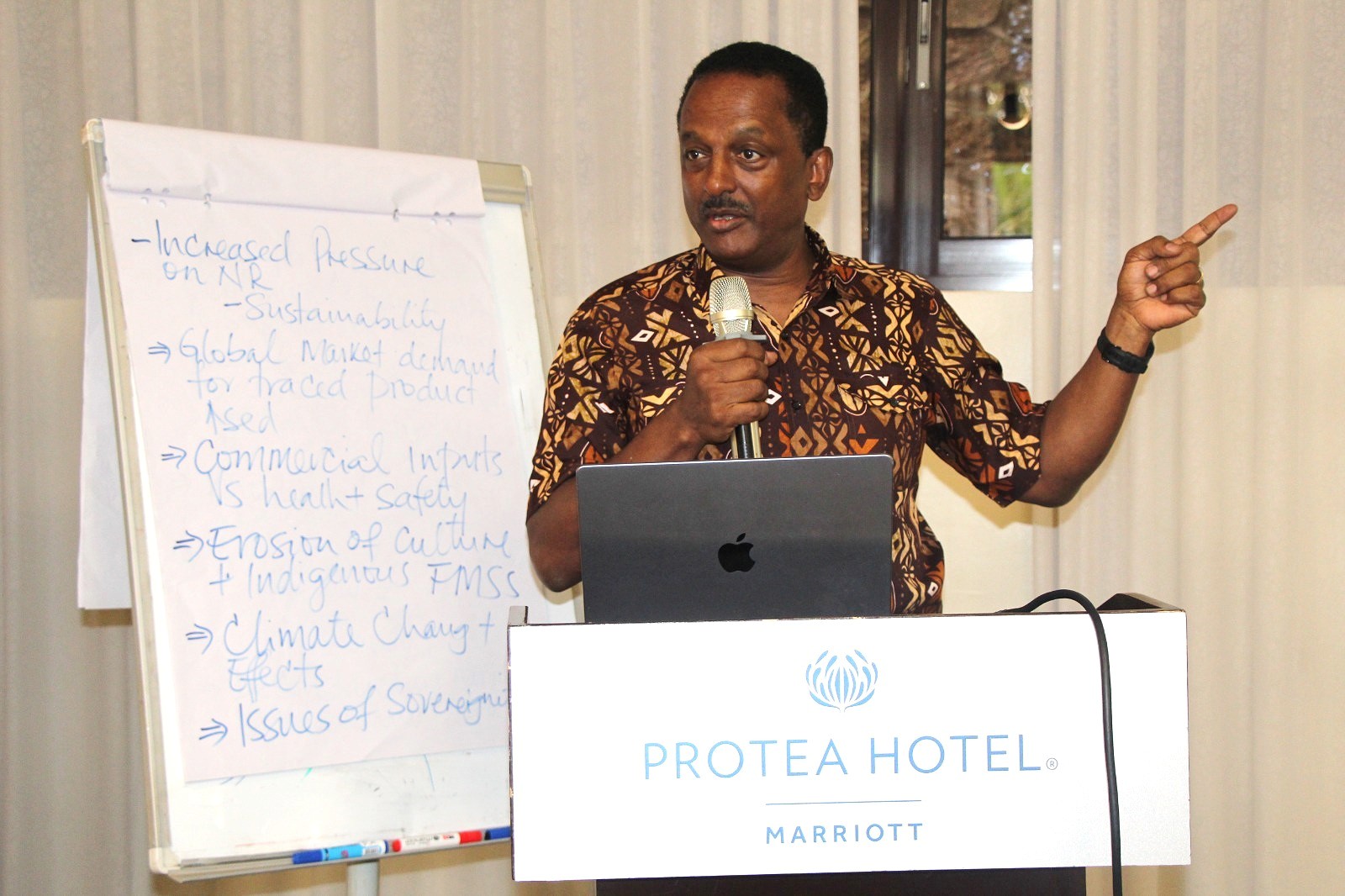
He called on governments across East Africa to actively buy into agroecology programmes and create deliberate employment pathways for trained graduates, warning that training without absorption is an investment without a return.
Kenya’s Journey
Prof. Richard Onwonga, Principal Investigator from the University of Nairobi and Professor in the Department of Land Resource Management and Agricultural Technology, noted that Kenya is making steady progress, with several universities, including Murang’a, Chuka, and the University of Nairobi, at advanced stages of developing agroecology programmes.
He noted that the University of Nairobi had completed desktop reviews, needs analysis, surveys, and stakeholder validation, and is now developing content for identified course units.
Prof. Onwonga argued that agroecology is fundamentally a return to farming systems that existed before the Green Revolution introduced chemicals that degraded soils, the environment, and human health.
He emphasised that training agroecology-equipped extension agents will be transformative for smallholder farmers across East Africa.
He also highlighted agroecology’s potential for youth employment through circular economy enterprises from composting crop residues to engaging at every node of agricultural value chains.
“These are money-minting enterprises that the youth can get involved in,” he said.
Resolutions from the Workshop
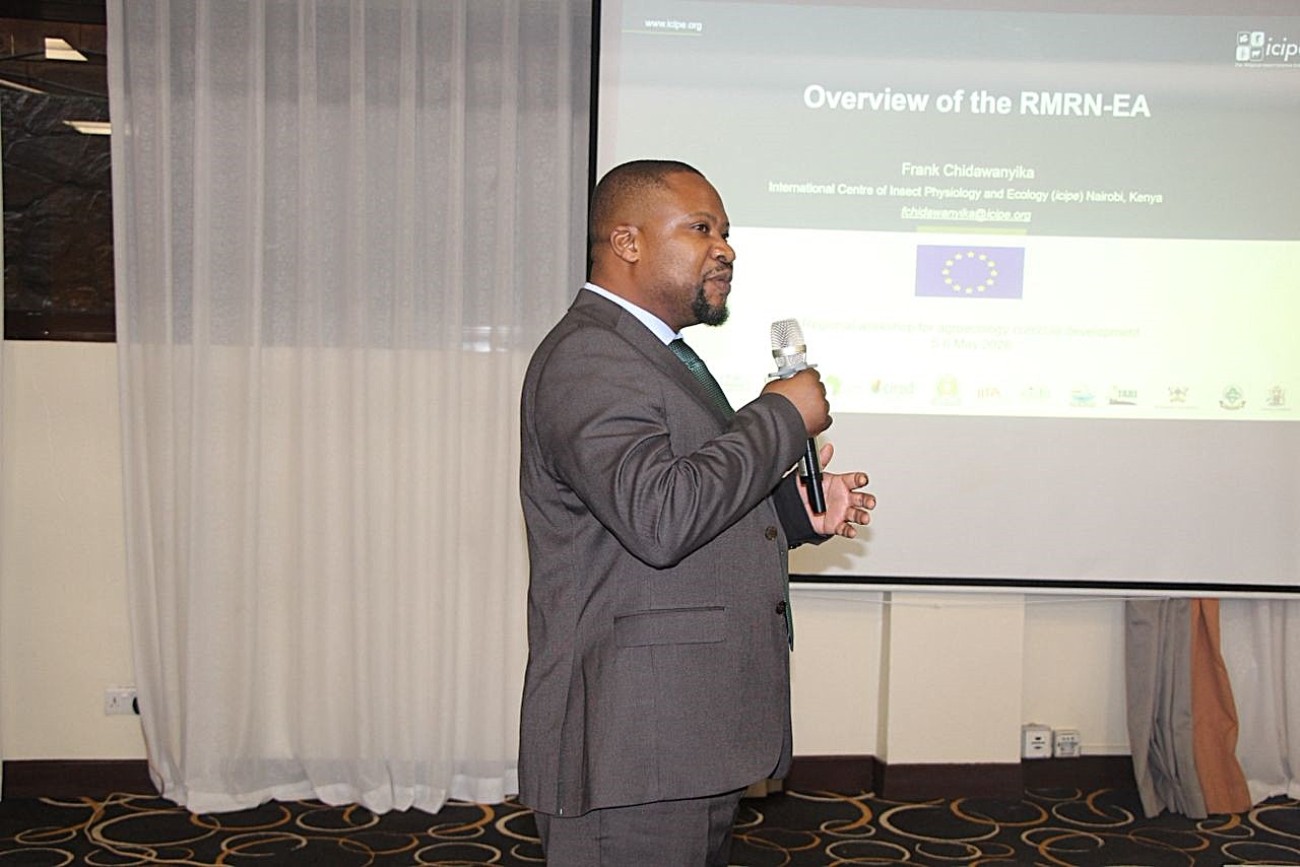
While giving the project overview on day one, Dr. Frank Chidawanyika, Principal Investigator of the RMRN-EA Project, noted that the key outcomes from the Agroecology Validation Workshop include the development of an agroecology curriculum, a regional curriculum framework, defined competencies, and an action plan for implementation.
He also indicated that the workshop was slated to evaluate the status of the curriculum and competencies for teaching agroecology in Kenya, Uganda, and Tanzania, noting that the outputs would guide training, research, and policy engagement across East Africa.
At the end of the workshop, stakeholders agreed that the PhD in Agroecology and Agri-food Systems will be anchored in four thematic areas, including Science of Agroecology, Practice of Agroecology, Knowledge Co-creation and Management, and Social Movement.
Project Summary
Agri-food systems in Africa have long been plagued by a multitude of challenges, including poverty, social exclusion, food insecurity, environmental degradation, biodiversity loss, and climate change. Agroecology offers sustainable pathways for transforming these agri-food systems using locally and context-specific solutions, following participatory approaches that foster co-creation of solutions.
Through funding from the EU DG-INTPA, the establishment and operationalisation of the Regional Multi-Actor Research Network for Agroecology in East Africa (RMRN-EA) Project strengthens the practice, education, knowledge generation, and data management of agroecology through a multi-pronged approach involving curricula development (universities), data management (NARES), bottom-up participatory living labs (multi-stakeholders), and an Agroecology Policy Working Group (APWG).
-
 General3 days ago
Applications for Admission to Undergraduate Programmes 2026/27
-

 General1 week ago
Admission List to Bachelor of Education External (BED) 2026/27 -Government Sponsorship
-
 General1 week ago
Makerere University Kicks Off Semester Two Examinations Amid High Student Expectations
-
 Agriculture & Environment2 weeks ago
CAES Engagement with Mak Senior Management: VC Calls for Expansion of PhD Training to Accelerate Development in Africa
-
 General1 week ago
How to deal with Examination Fever