
Engineering, Art & Tech
Call for Applications: PhD Scholarships in Engineering for the 2023/2024 Academic Year (New deadline)







Education
Makerere University Charts New Future with the unveiling of the Open, Distance and E‑Learning Building and Strategic Plan

By Harriet Musinguzi, CEDAT
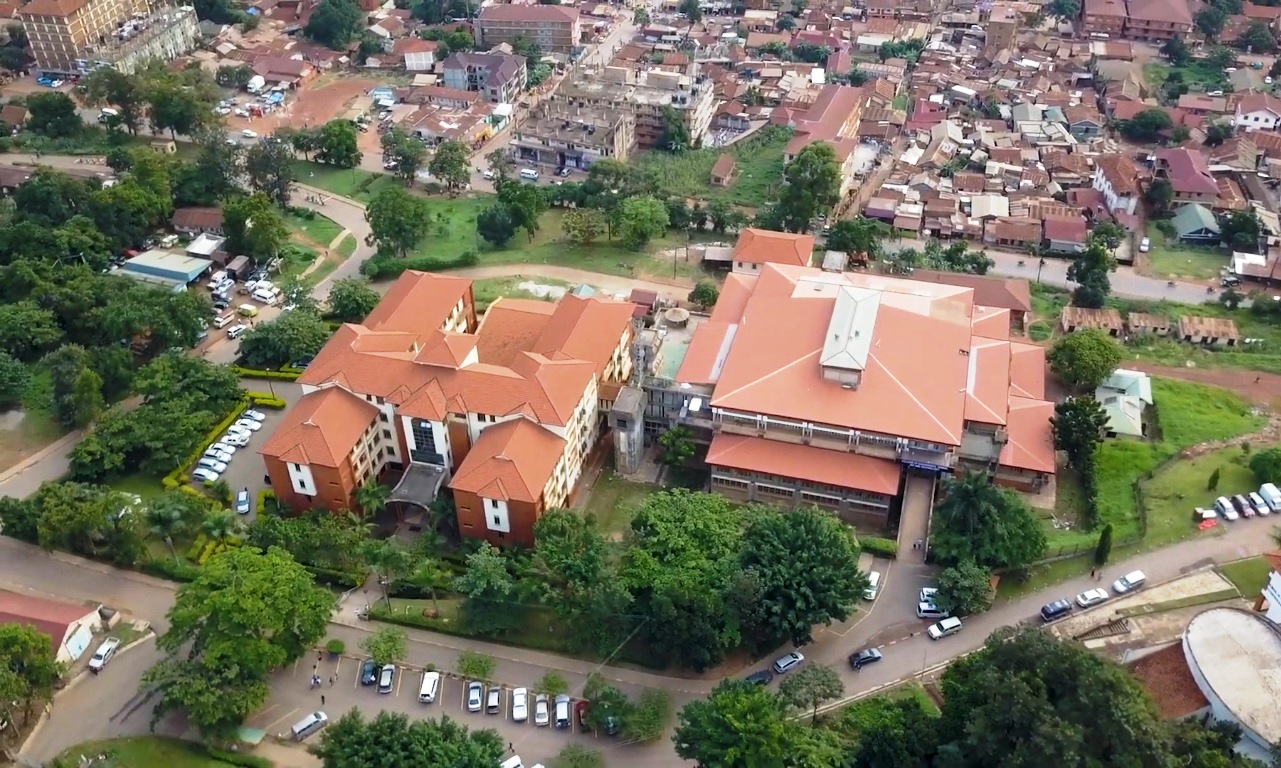
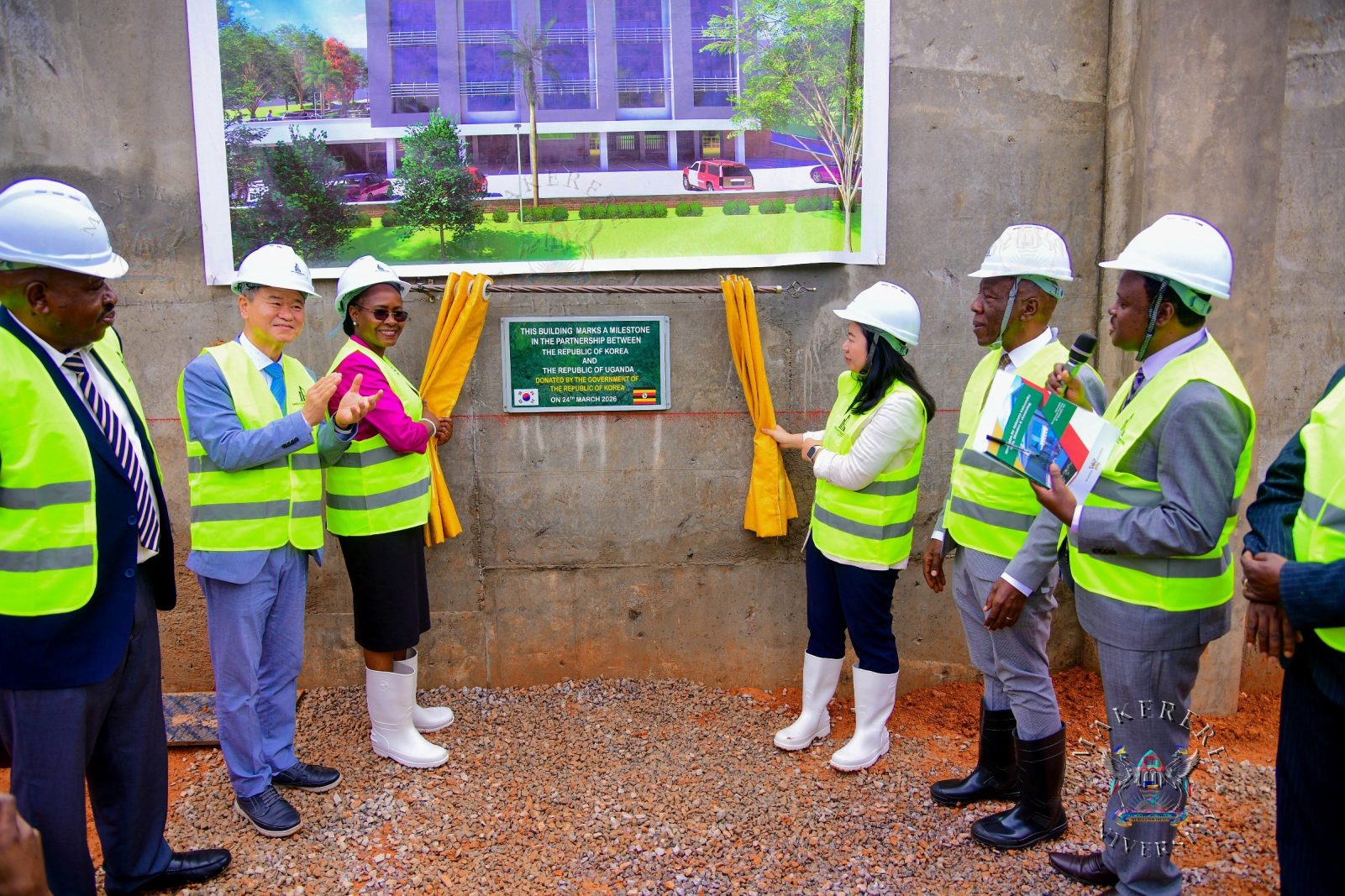
Makerere University has embarked on a transformative journey in higher education with the official launch of its Open, Distance and E‑Learning (ODeL) Strategic Plan and the laying of the foundation stone for a new ODeL facility at the College of Engineering, Design, Art and Technology (CEDAT). The event, attended by dignitaries, university leaders, and international partners, marked a milestone in Uganda’s quest to harness digital technology for accessible, innovative, and inclusive education.
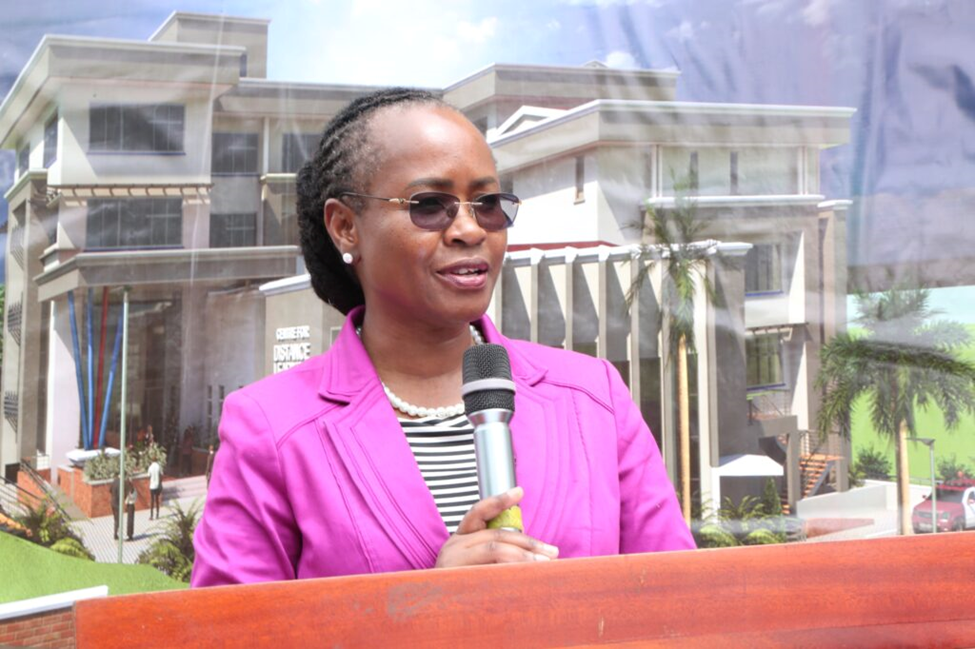
Presiding over the ceremony, Ms. Jihee Ahn, Country Director of the Korea International Cooperation Agency (KOICA), underscored the spirit of collaboration that has defined the project. She praised the collective efforts of Korean partners, Makerere’s project management team, and the construction and consulting teams.
Quoting an African proverb, she reminded the audience that “a single stick cannot make fire”, emphasizing that the success of the initiative lies in shared purpose and unity. Drawing from Korean wisdom, she added, “a journey of a thousand miles begins with a single step,” noting that this launch is the first step toward positioning Makerere as a leader in open and distance education across Africa.
“This new building will not be just a physical structure but a driving force that advances our shared vision,” Ms. Ahn said. “KOICA looks forward to continued cooperation with Makerere University and all partners as we move forward together.” she added.
Representing the University Council Chairperson Dr. Lorna Magara, Dr. Silas Ngabirano highlighted the broader significance of the ODeL project. He described it as a turning point in bridging the gap between traditional teaching methods and modern learning needs. “This project is more than just providing technology,” he said. “It’s about enhancing capacity for our students, faculty, and staff. It’s about making education more accessible and affordable, fostering innovation, creativity, and lifelong learning.” He urged staff and students to embrace the opportunities offered by online distance learning, reaffirming the Council’s commitment to supporting initiatives that expand access to higher education.
The Vice Chancellor, Prof. Barnabas Nawangwe, represented by Deputy Vice Chancellor for Academic Affairs Prof. Sarah Ssali, emphasized that e‑learning is a central pillar in Makerere’s Strategic Plan (2026–2030). She noted that the initiative aligns with Uganda’s National Development Plan IV, which prioritizes digital transformation by 2030.
“ODeL provides opportunities for students inside and outside Uganda to engage in learning, access cutting-edge research, and participate in innovation and entrepreneurship,” he said. “Now that ODeL is getting a home, there is no excuse for not delivering.”
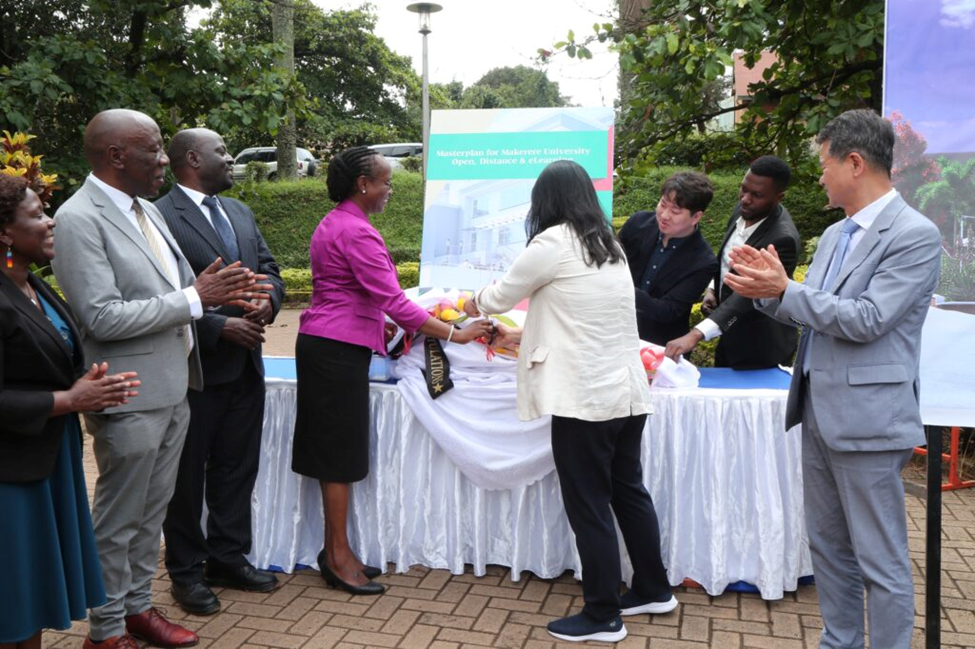
Prof. Nawangwe expressed gratitude to KOICA and the people of Korea for the US$12.2 milliongrant, describing it as a testament to Makerere’s reputation as a center of academic excellence and innovation. He also acknowledged the support of Uganda’s Ministry of Education and Sports and the Ministry of Finance, Planning and Economic Development.
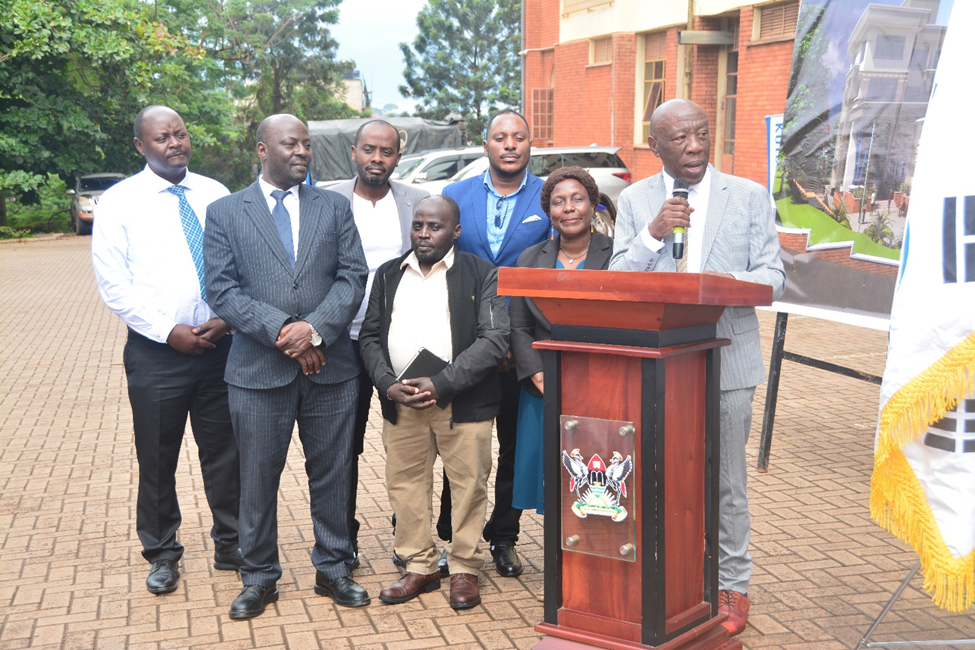
The Principal Investigator, Prof. Henry Alinaitwe, outlined three core components of the project: the development of the ODeL Masterplan, the enhancement of e‑learning infrastructure through a state‑of‑the‑art facility and modern equipment, and capacity building to equip staff with the skills needed to create high‑quality digital content. He explained that the construction, valued at USD 3.7 million, is being undertaken by SMS Construction Ltd, with designs developed by ArchForum Consultants Ltd, and is scheduled for completion by September 29, 2027.
Prof. Henry Alinaitwe explained that the ODeL Masterplan was developed through a highly consultative process, engaging numerous Makerere University staff and working closely with project consultants to ensure inclusivity and relevance. He expressed deep appreciation to the implementing partners, the Korea National Open University (KNOU) and the Korea Institute ofDevelopment Strategy (KDS) for their invaluable support in making the initiative a success.
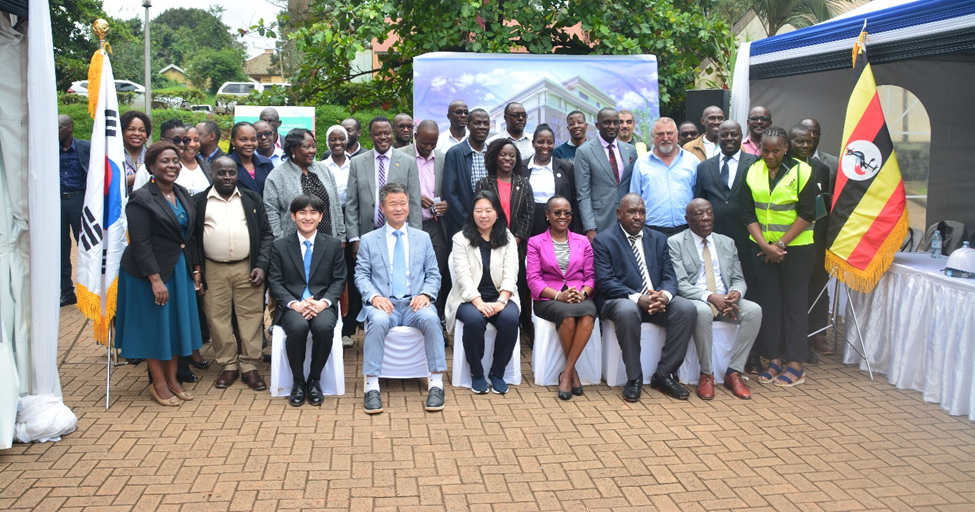
Prof. Alinaitwe also commended the Makerere University Council for approving the allocation of space and committing to maintain the building and systems once operational. He recognized the dedication of the project implementation team, which includes Dr. Venny Nakazibwe(Co‑PI), Prof. Paul Muyinda, Dr. Godfrey Mayende, Mr. Samuel Mugabi, Mr. Alex Mwebaze, Dr. Kenneth Ssemwogerere, and Dr. Lydia Mazzi Ndandiko, for their tireless efforts in managing the project. He further acknowledged KOICA Country Director Ms. Jihee Ahn for expanding the scope of the project beyond the College of Engineering, Design, Art and Technology (CEDAT) to encompass
Written by Musinguzi Harriet, Principal Communication Officer, College of Engineering, Design, Art and Technology.
Engineering, Art & Tech
Civil Engineering Students Witness Borehole Drilling at Kasozi Health Centre III
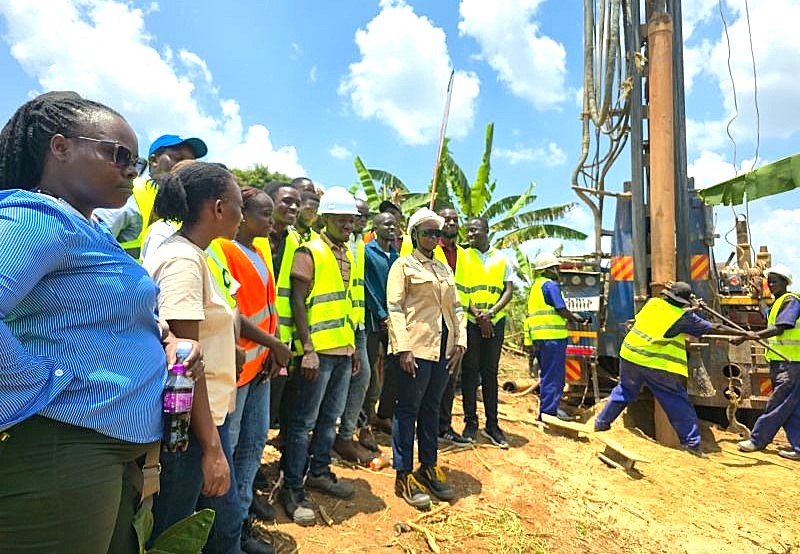
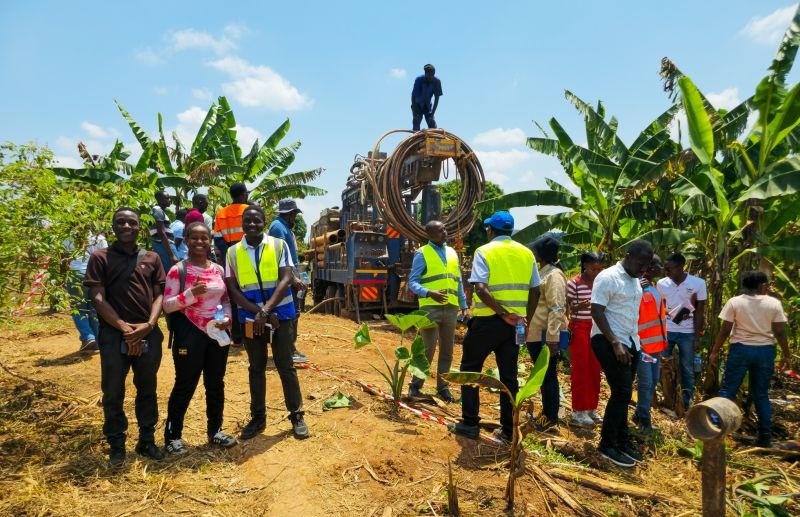
Year 4 Civil Engineering students at the College of Engineering, Design, Art and Technology recently stepped beyond the classroom and into the field, visiting Kasozi Health Centre III inWakiso District to witness the drilling of a new borehole. This is a transformative project set to address the center’s persistent water supply challenges. For both staff and patients, this infrastructure promises a more reliable and sustainable resource.
For the students, the experience was more than just observation. It was a vivid demonstration of how theoretical knowledge in hydraulics and soil mechanics translates into practical solutions for real-world problems.
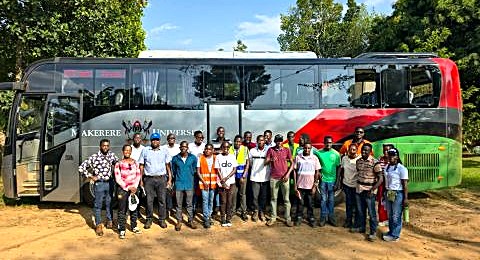
From Data Collection to Community Impact
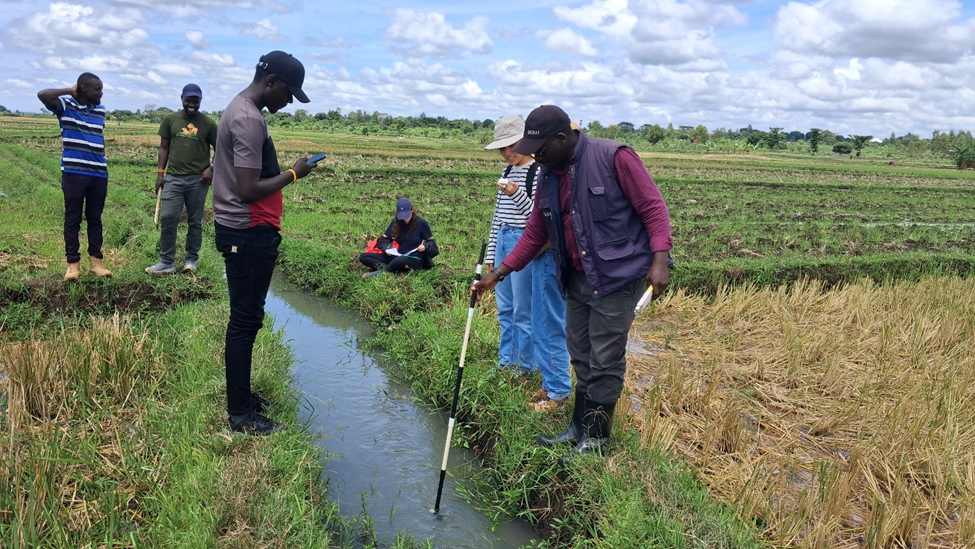
This milestone was the culmination of months of collaboration. The Rotary Club of Kiwenda first identified the need for a borehole and mapped out the most strategic location for drilling. Earlier, as part of the WALLACE project facilitated by Engineers Without Borders – EastAfrica, a multidisciplinary team of our students collected site data at the health center. Their insights directly informed the borehole’s placement, allowing them to see their academic work evolve into a tangible community asset.
CEDAT extend our sincere gratitude to the Rotary Club of Kiwenda for funding and organizing this vital project, and for inviting our students to witness the drilling. Special thanks also go to Engineers Without Borders – East Africa for providing such an impactful learning opportunity through the WALLACE project. This initiative highlights the power of partnerships in bridging the gap between education and meaningful action, empowering students to contribute to solutions that improve lives.
-
 General1 week ago
Applications for Admission to Undergraduate Programmes 2026/27
-
 Agriculture & Environment2 weeks ago
Re-Advertised Call for Applications: QCF Postdoctoral Research Fellowships
-
 General2 weeks ago
Diploma Holders Admission Lists under Government Sponsorship for 2026/2027 AY
-
 Education2 weeks ago
Prof. Senteza Kajubi Fulbright Lecture Re-ignites debate on learner-centred reforms
-
 Education2 weeks ago
Special University Entry Examinations for the Diploma in Performing Arts 2026/27