
General
Mak Celebrates a Legacy of Leadership

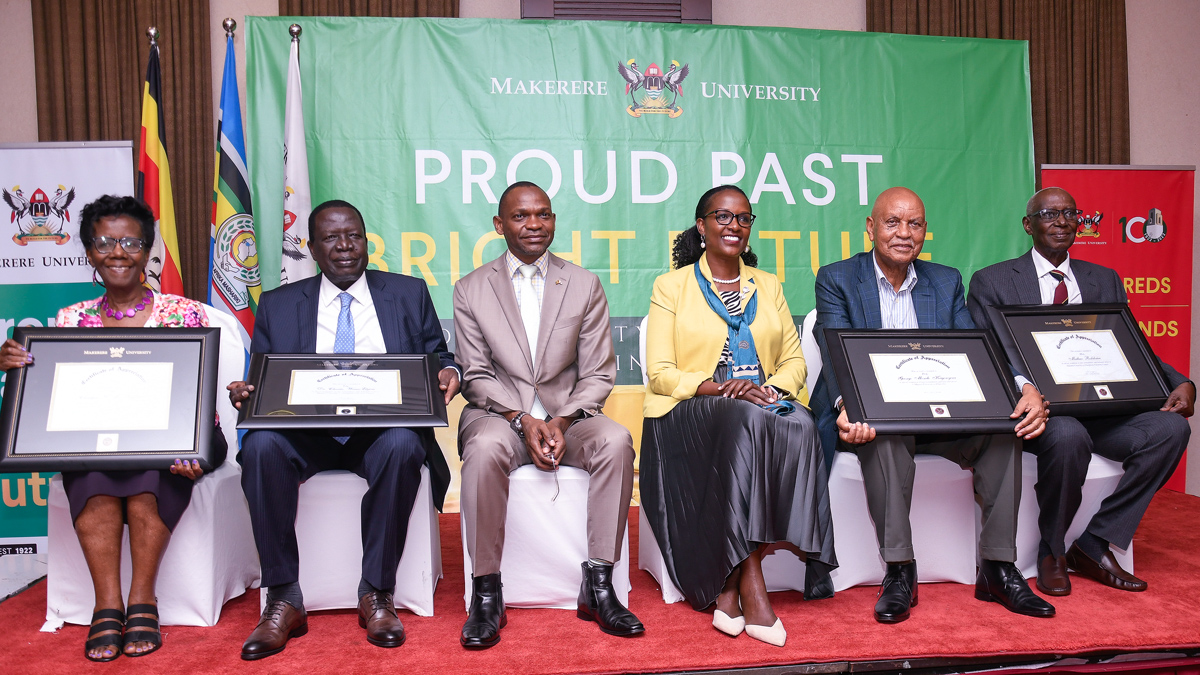
Dawn broke to a cold and overcast morning on Friday 17th March 2023. As if sensing the impending downpour, motorists and pedestrians alike made haste to get to their respective destinations; not a soul willing to add wetness to an already cold morning. But, not to be outdone, mother nature had other plans. The skies opened up, and down came the rain, nothing thunderous or menacing but steady nevertheless. And then it let up, but after a few minutes, resumed in earnest, continuing the pattern intermittently as the traffic slowed to a crawl, occasionally grinding to a halt.
So continued the trend until the gates of the Kampala Serena Conference Centre came into view. Security checks cleared, the teardrop banners were hard to miss; drenched to the core but still standing tall, their various messages welcoming guests to a celebration of Makerere University. Parking slots secured, the sighs of relief were unmistakable as guests finally made it into the quiet cavernous foyer of the Conference centre.
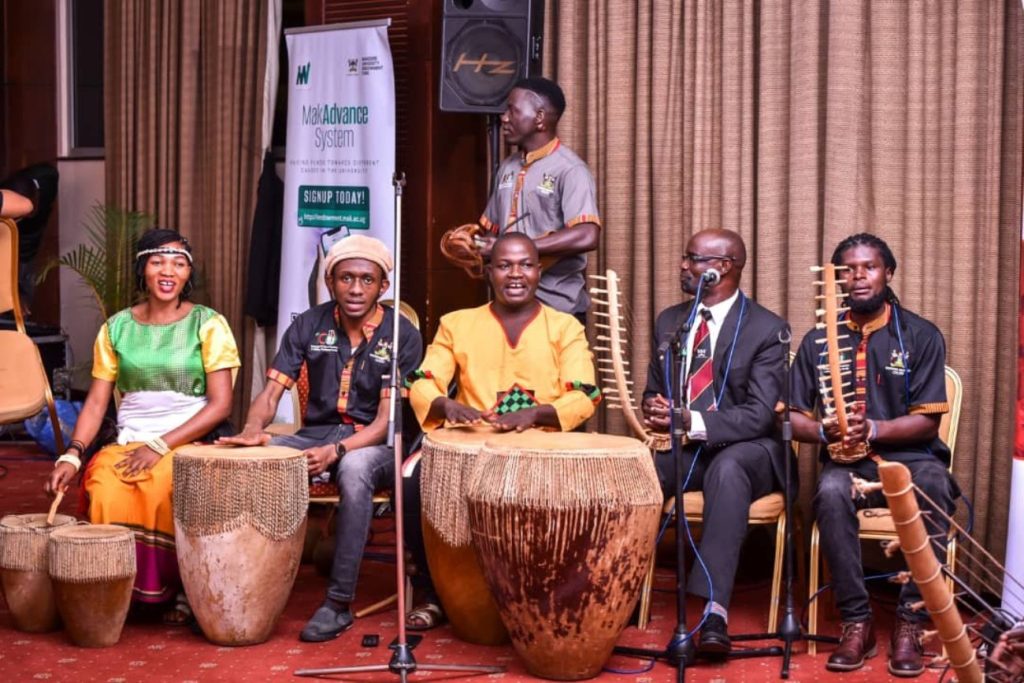
As one started to wonder if they were in the right place, a look to the right revealed a clue, a pull-up banner, beckoning guests upstairs. Steps cushioned by the deep red carpet, another clue beckoned on the ascent, a soft interplay of adungu and tube fiddle interwoven with song melodiously pouring out of a room at the end of the corridor. As one drew closer, the singing voices became more distinct, particularly that of Dr. Milton Wabyona as he effortlessly led the vocals of one of many traditional songs.
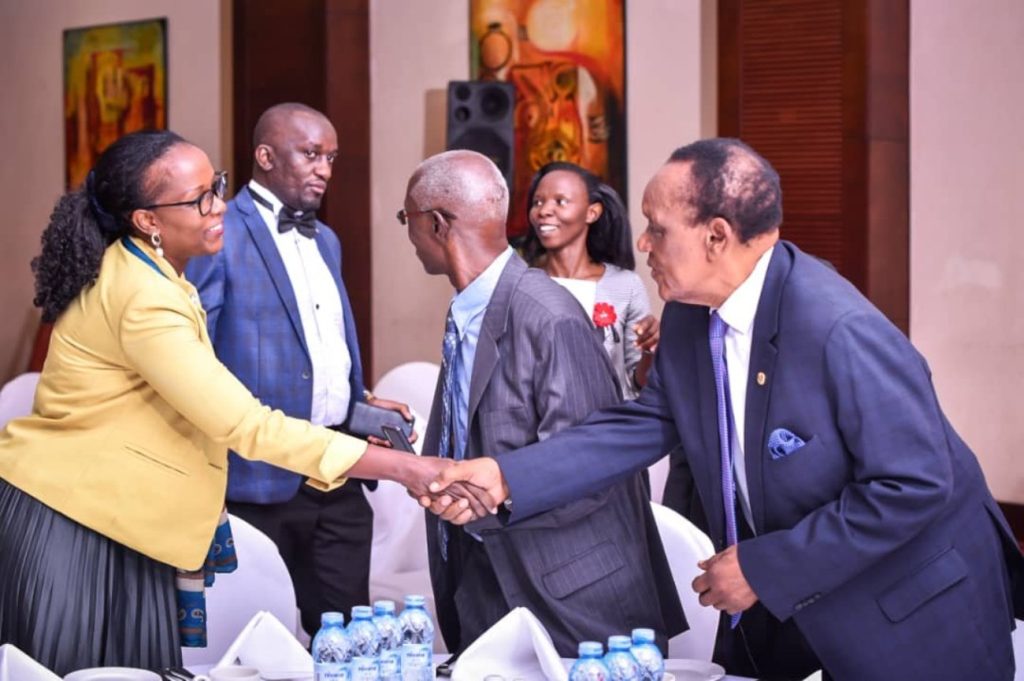
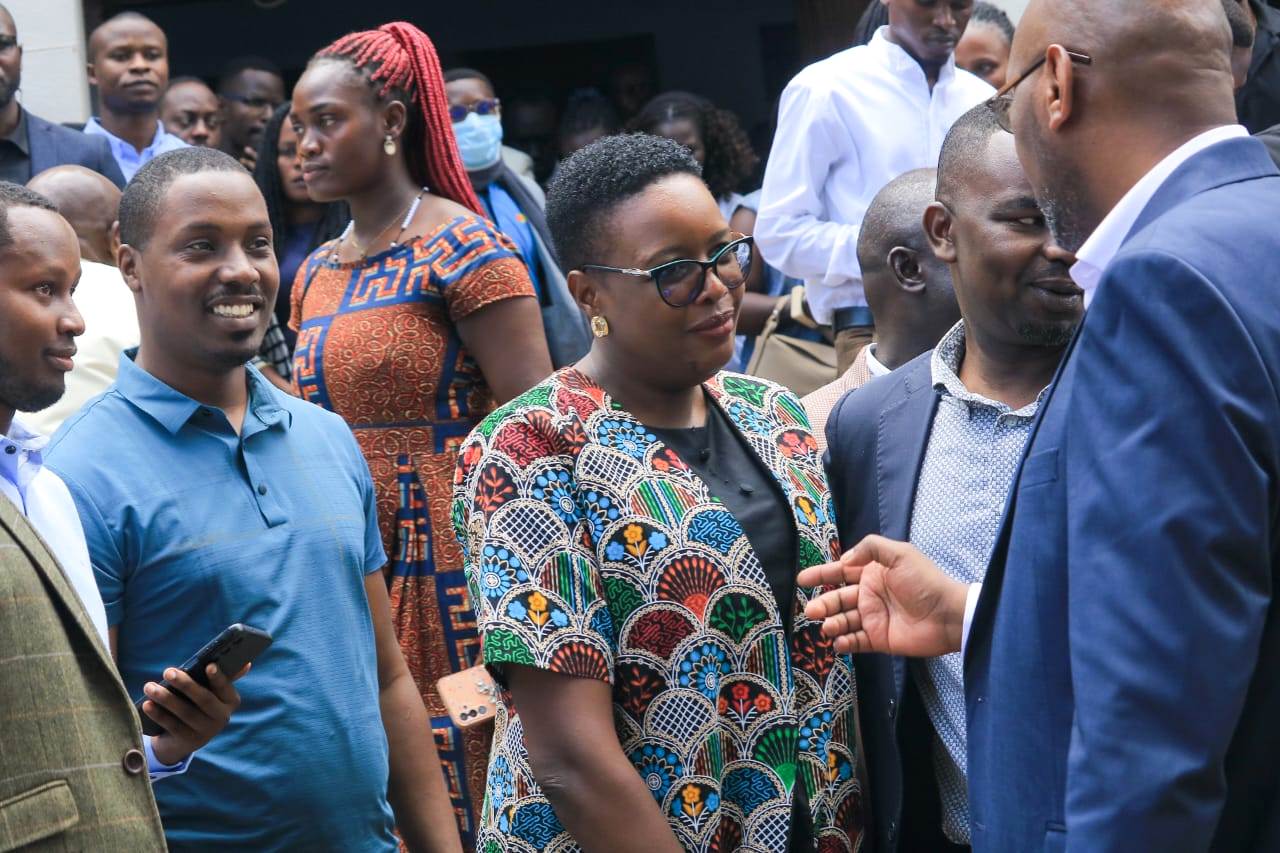
Katonga Hall was bathed in soft light, abuzz with warm greetings and laughter, as long lost friends and colleagues caught up, the total opposite of mother nature’s cold display on the outside. The host and Chairperson of Council, Mrs. Lorna Magara, assisted by the Vice Chancellor, Prof. Barnabas Nawangwe and members of Management was on hand to welcome her guests, freely mingling, beaming with appreciation as Makerere University celebrated a Legacy of Leadership. The University Secretary, Mr. Yusuf Kiranda and day’s emcee too worked his way across the room, ensuring that there was not letting up on celebratory mood, and that all went according to schedule.
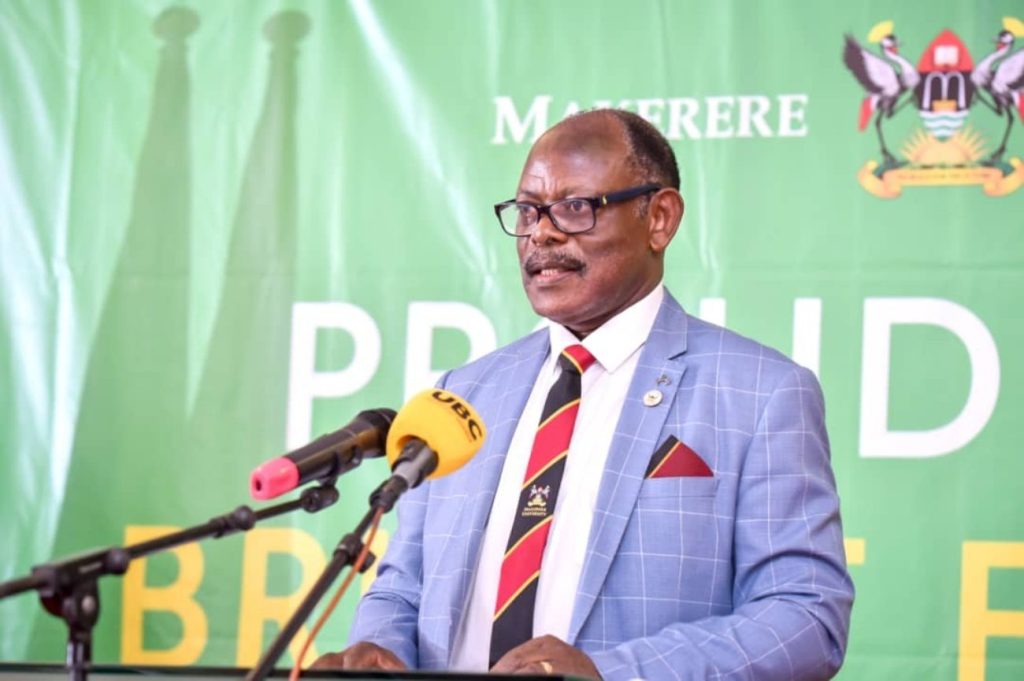
Commencing the formalities, Prof. Nawangwe thanked the Chairperson of Council, Mrs. Lorna Magara for bringing the idea of celebrating Makerere‘s past leadership to life. He noted that it was important to pay homage to the gallant men and women, both living and deceased, that had sacrificed their lives to serve and protect Makerere, especially during turbulent political times.
On this note, he made special mention of Owek. Martin Luther Nsibirwa, Makerere‘s first Vice Chancellor, Mr. Frank Kalimuzo and Ms. Theresa Nanziri Bukenya the warden of Africa Hall as some those that lost their lives because of the values they stood for. “These are celebrated great sons and daughters of Uganda who made Makerere not only thrive but also progress.”
Prof. Nawangwe equally thanked the celebrants for sparing time to attend the event as well as the families of those who had since passed on for honouring the University’s invitation..
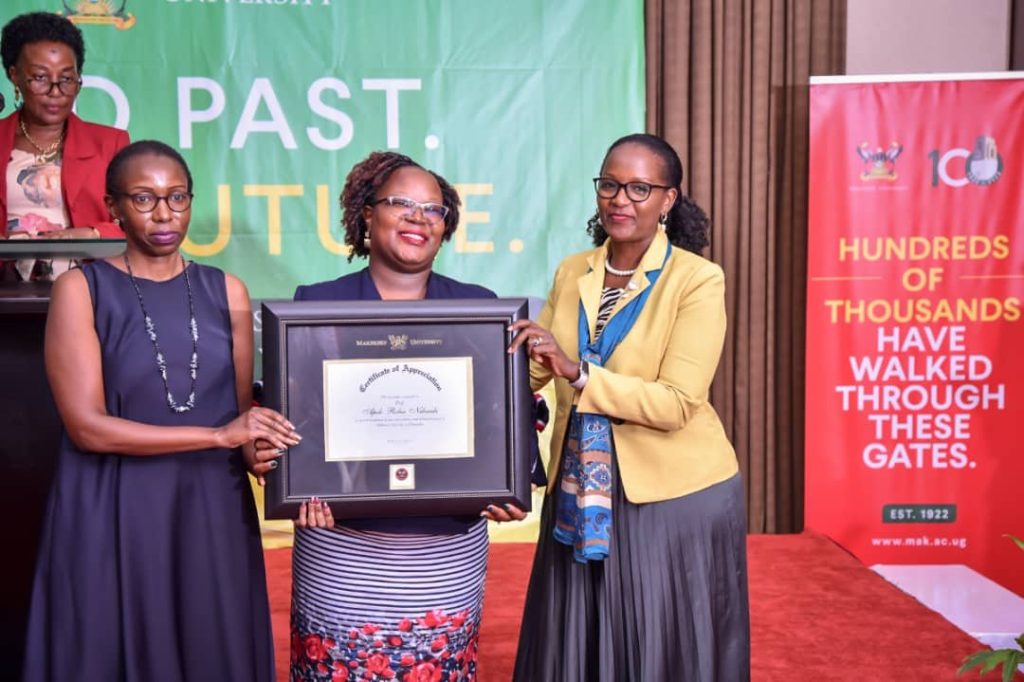
Former Makerere University leaders present or represented that received their awards on the day included;
| CATEGORY | NAME | TERM OF OFFICE | REPRESENTED BY | |
| A | FORMER CHANCELLORS | |||
| 1. Prof. Apolo Robin Nsibambi | 2003–2007 | Daughters: Juliet Nsibambi Kasujja Violet Nsibambi | ||
| 2. Prof. George Mondo Kagonyera | 2007–2011, 2012–2015 | Self | ||
| B | FORMER CHAIRPERSONS OF COUNCIL | |||
| 1. Eng. Dr. Charles Wana-Etyem | 2018–2022 | Self | ||
| 2. Hon. Mathew Rukikaire | 2010–2018 | Self | ||
| 3. Canon John Bikangaga | 1990–1996 | Son & Daughter Eng. Andrew Bikangaga Mrs. Margaret Kakitahi Bikangaga | ||
| C | FORMER VICE CHAIRPERSONS OF COUNCIL | |||
| 1. Mrs. Christine R.M. Kiganda | 2002–2010 | Self | ||
| D | FORMER VICE CHANCELLORS | |||
| 1. Prof Livingstone Serwadda Luboobi | 2004–2009 | Self | ||
| 2. Prof. Pancas John Mukasa Lubowa Ssebuwufu | 1993–2004 | Son: Mr. Martin Mwanje | ||
| 3. Prof. Barnabas George Kirya | 1986–1990 | Self | ||
| 4. Prof. William Senteza Kajubi | 1977–1979, 1990–1993 | Daughters: Mrs. Betty Mugoya Kajubi Ms. Samalie Kajubi | ||
| 9. Mr. Frank Kalimuzo | 1970–1972 | Son & Daughter: Daniel Kalimuzo Phyllis Kalimuzo | ||
| E | FORMER DEPUTY VICE CHANCELLORS (ACADEMIC AFFAIRS) | |||
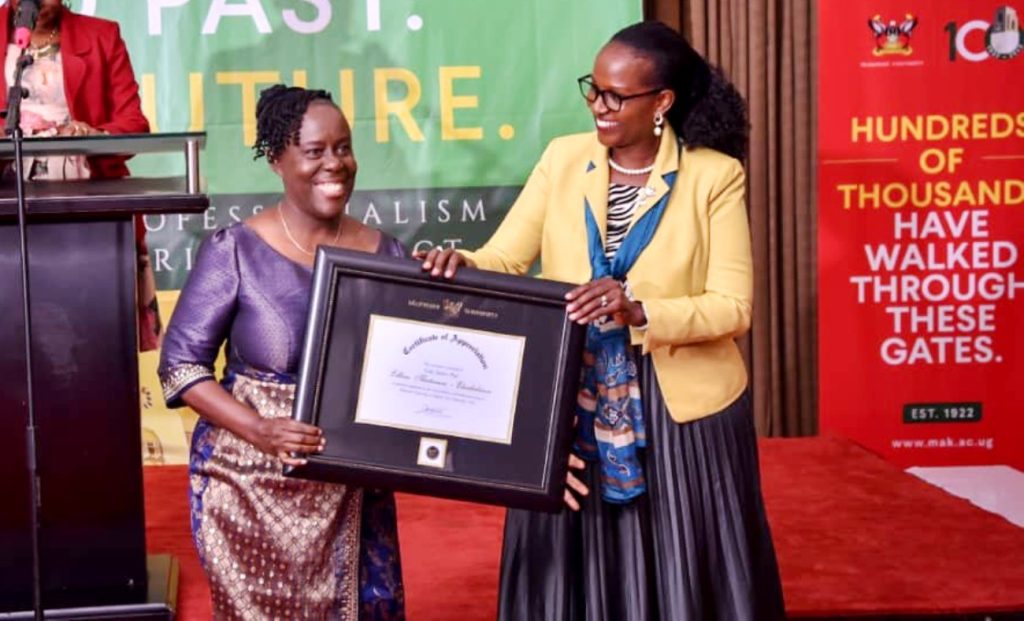
| 1. Lady Justice Prof. Lillian Tibatemwa-Ekirikubinza | 2004–2009 2007–2012 | Self | ||
| F | FORMER DEPUTY VICE CHANCELLORS (FINANCE & ADMINISTRATION) | |||
| 1. Prof William Bazeyo | 2017–2020 | Self | ||
| 2. Prof. Barnabas Nawanagwe | 2013–2017 | Self | ||
| 3. Prof. Sandy Stephens Tickodri – Togboa | 2009–2013 | Self | ||
| 4. Prof. David Justin Bakibinga | 2004–2009 | Self |
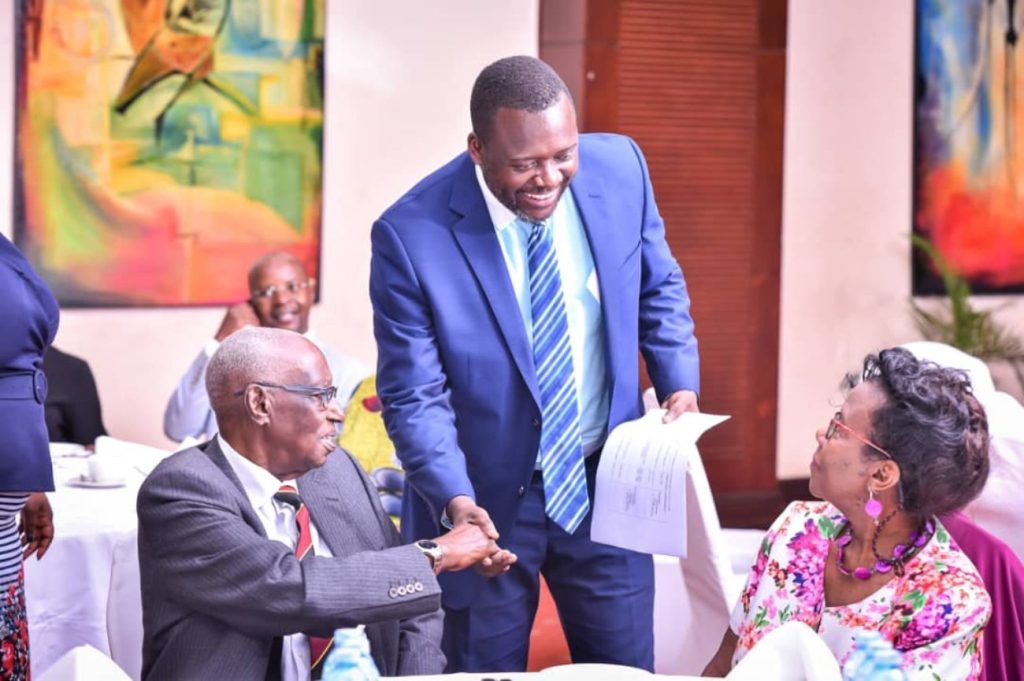
An event of this distinction would be incomplete without a moving address. And none was better placed than one who previously served Makerere as Guild President in 1962 and as Chairperson of Council for two successive terms, an author in his own right, 70 Years A Witness of Uganda’s pre and post-independence struggles, the Honourable Mathew Rukikaire.
A few opening statements into his keynote address, Hon. Rukikaire had the audience feeding right out of the palm of his hand, with every sentence well articulated with poise as he expertly knitted the histories of Uganda and Makerere together. One could easily tell how passionately he felt about his alma mater.
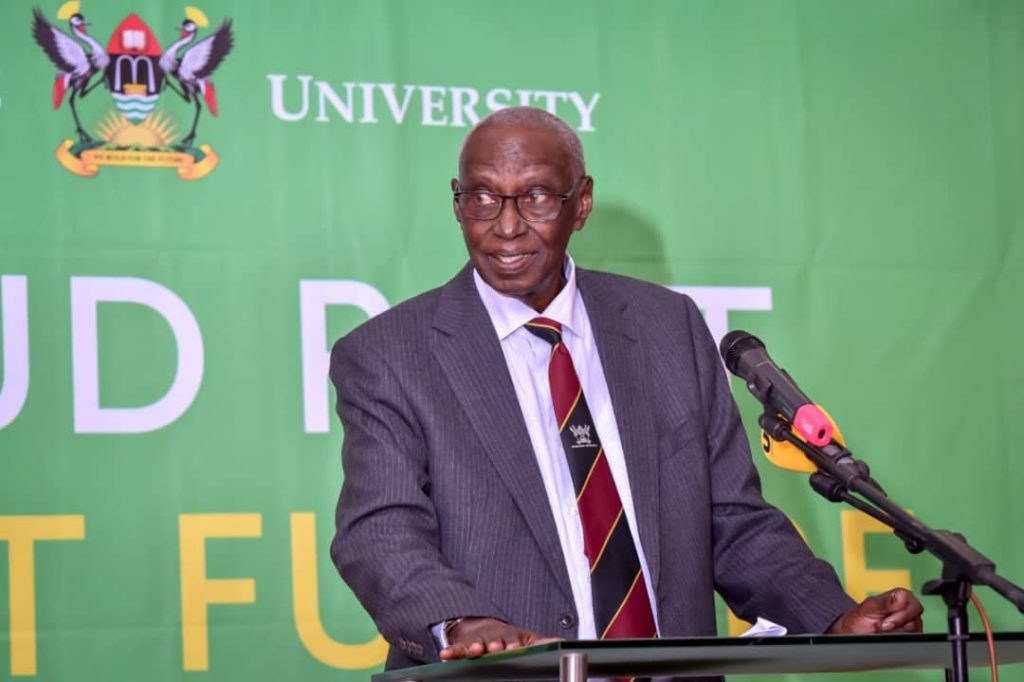
“…so were Makerere’s fortunes adversely affected; yet, mercifully, its star was one of those that remained shining in that dark night” cited one example, in reference to the dark period following Mr. Frank Kalimuzo’s abrupt disappearance in 1972. “As they say, stars shine brightest when the night is darkest. Makerere continued to shine in Uganda’s darkest hour” he added reverently of his Alma mater.
Hon. Rukikaire nevertheless had a few pointers on what he thought ought to be Makerere‘s role, in the next two to three decades. Earlier, he had made reference to Africa’s exploding population and the apparent lack of jobs for its youth combined with the slow pace of development of its mineral resources as “the greatest demographic upheaval in history”.
He however expressed hope that in prioritizing three things; Education, Regional Integration and Macroeconomic Stability, Africa still had opportunity to tap into the potential of its youth and reap the demographic dividend.
“I propose that Makerere as the oldest university in East Africa spearheads the search for and propose solutions to these problems by establishing a faculty or a specialized department to deal with these in Sub-Saharan Africa, covering economic integration, population and demography, environment and related technical training to support these efforts”, he submitted.
Hon. Rukikaire opined that by hosting such a centre, Makerere “would be able to attract global support and financing, because its impact and ramifications would be global.”
Delivering the day’s concluding remarks, Mrs. Lorna Magara thanked Hon.Rukikaire for an address she termed as “insightful and passionate”, noting that it was a great indicator that Makerere‘s former leaders “are still passionate and concerned for its growth, progress, and impact on our society.”
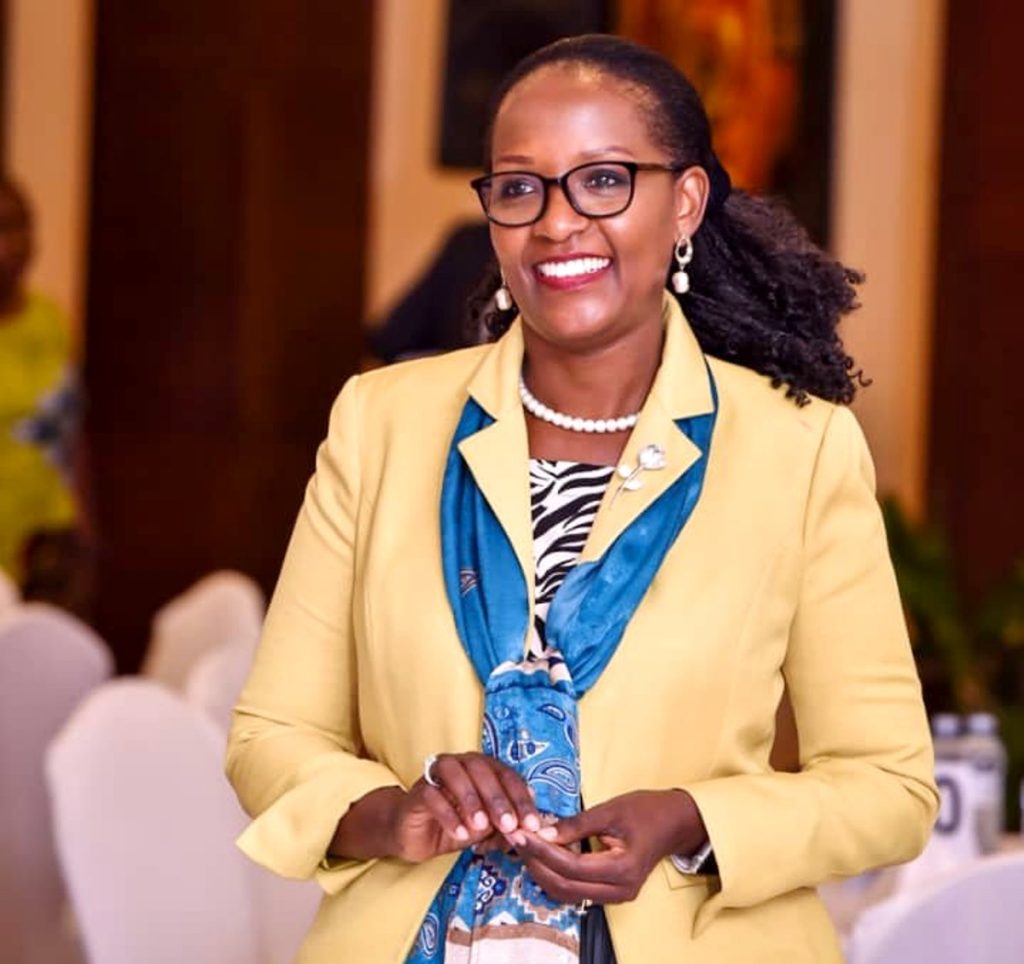
The Chairperson added that the day’s celebration was not only aimed at honouring past and continuing diligent service of Makerere‘s leaders but also cherishing the contributions of those who selflessly served the institution but have since passed on. “It is our humble gesture as the current leadership of this great institution to demonstrate that we remember and sincerely appreciate their respective contributions and influence long after their departure.”
Mrs. Magara affirmed the University leadership’s commitment to ensuring that it consolidates the gains made in Makerere‘s first century, by putting in place the appropriate policy environment responsive to emerging technology breakthroughs and their anticipated disruption of various sectors.
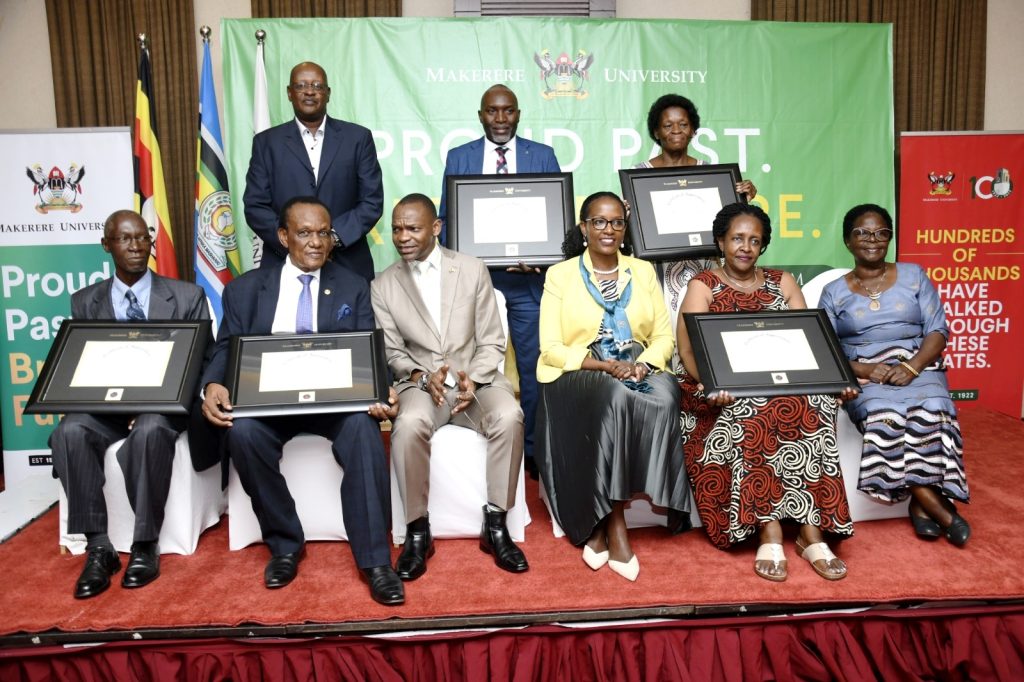
“Makerere has had 100 years of being fed, empowered, nurtured and supported. The next 100 must be years of coming out of the University and impacting society; Makerere must be relevant to the nation, the nations around us, and to Africa” she emphasized.
The Chairperson concluded the day’s remarks by extending an open invitation to Makerere‘s elders to a fireplace conversation, where the younger generation can ask questions, hear their stories, and receive wisdom. “There is so much more that we lose if we don’t connect with our elders,” she politely added.
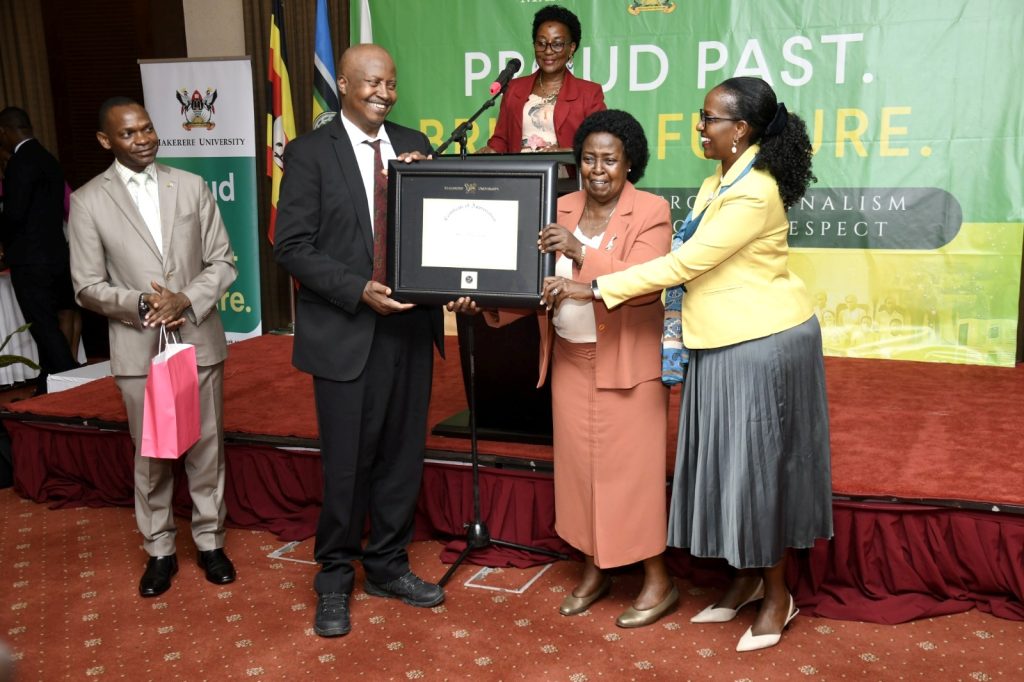
Formalities done, it was time for the elders to once again mingle with the audience and share fond memories. The delight on their faces as they read the wording on their certificates of recognition and souvenirs said it all, it had been a morning well spent.







General
Are We Giving Enough Attention to the People Around Us Who Quietly Influence Lives Every Day?

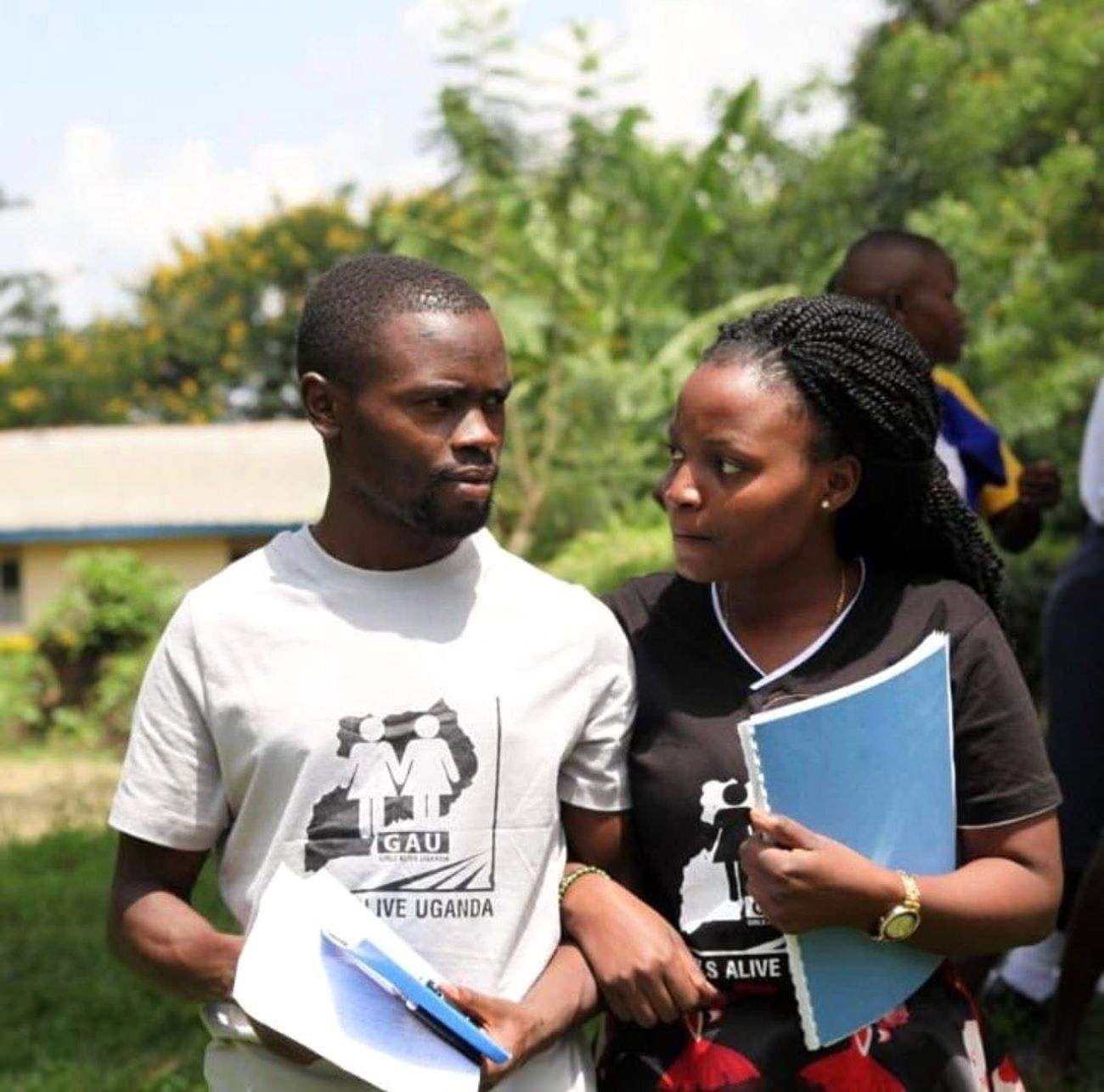
By Marion Apio
On March 21, 2026, I felt a strong urge to reconnect with a close colleague and passionate leader, Owekitinisa Sylas Ruhweza Atwooki. We had not spoken since I moved to the United States to pursue my dream of becoming a journalist. The following day, I learned that he had been quietly undergoing treatment in and out of the hospital. True to his character, he had chosen to keep his condition private. I was shocked and saddened, wishing I had known earlier so I could offer support.
At first, reports from family and friends were encouraging. He had been diagnosed with malaria and low blood platelet counts and was receiving treatment. Respecting his wish for confidentiality, members of the Mastercard Foundation Scholars and Alumni community at Makerere University rallied discreetly around him.
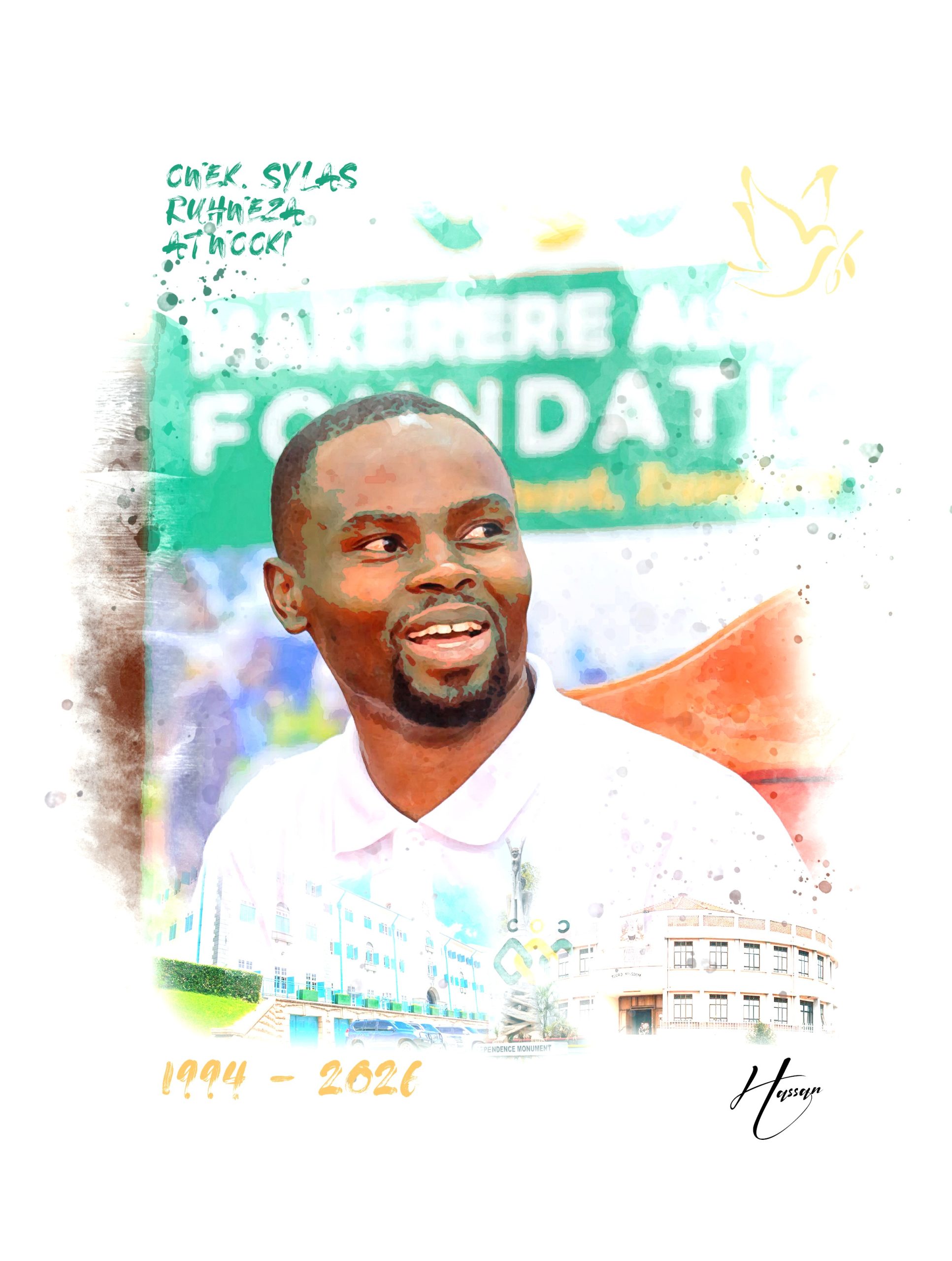
However, on April 29, his condition worsened. He was transferred between medical facilities and underwent extensive tests, including a biopsy, as doctors searched for answers. Sadly, on May 29, Sylas passed away.
His death sparked an extraordinary outpouring of love and solidarity. Friends, colleagues, and former scholars mobilised to support his family, settle medical expenses, organise virtual vigils, and plan a dignified farewell. Hundreds gathered at St. Augustine Chapel to pay their respects. Within three days, the Mastercard Foundation Scholars and Alumni community raised approximately UGX 11 million, a testament to Sylas’ impact on countless lives.
In the days that followed, I found myself wrestling with difficult questions. In a world where we spend so much time following people online, are we paying enough attention to those quietly transforming lives around us? Why do we invest so much emotional energy in distant personalities while overlooking the people God has placed right in front of us?
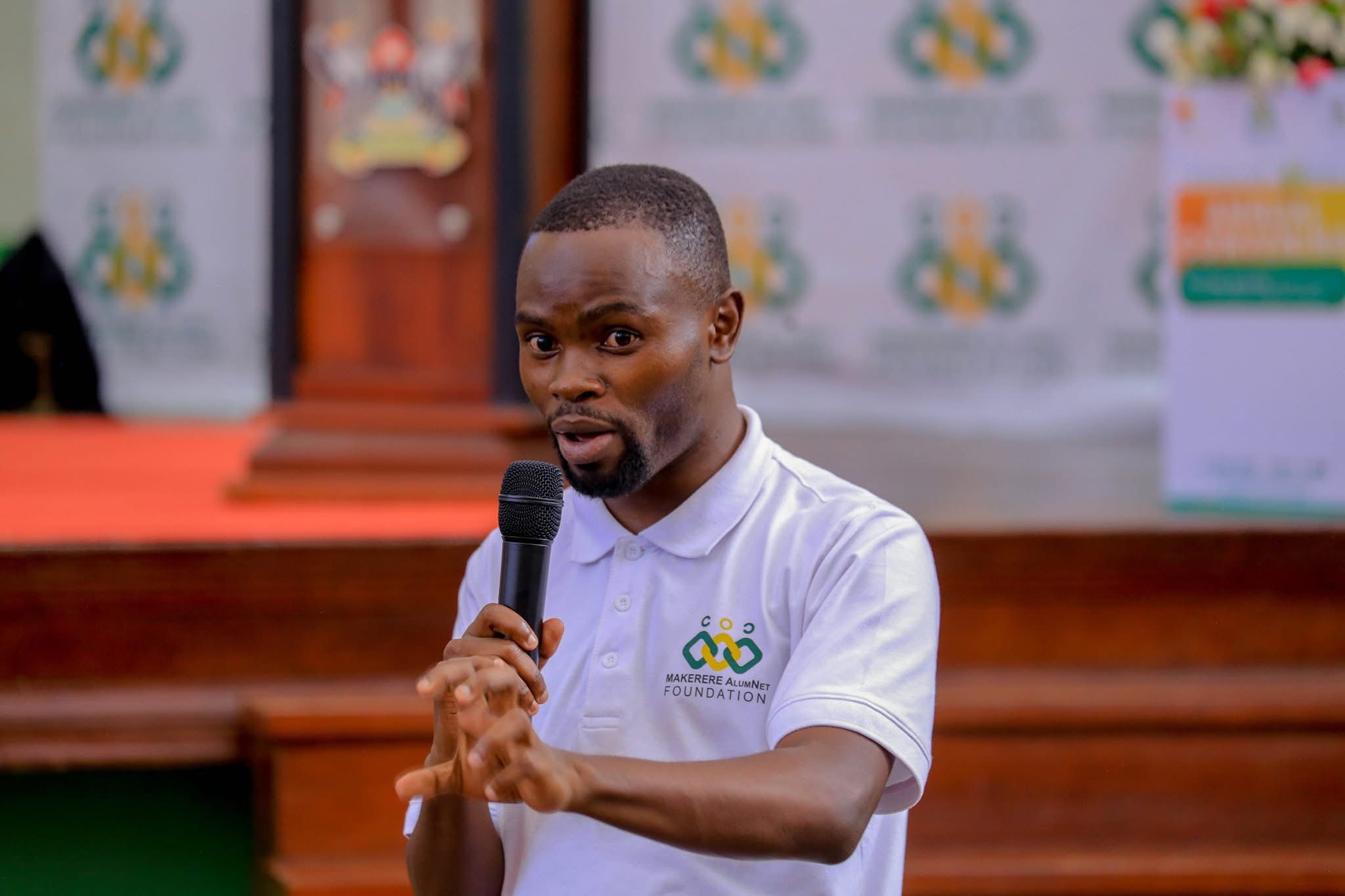
Sylas lived with humility and served with grace. His death left more than 1,500 Mastercard Foundation scholars and alumni grieving, alongside many others around the world who knew him. Yet his passing also exposed a contradiction in modern life.
We live in an age of unprecedented connectivity. Uganda has millions of internet users and WhatsApp subscribers, while globally, people spend hours each day on social media. We have more tools than ever to stay connected, yet many of us are becoming increasingly disconnected from the people who matter most.

Sylas resisted this trend. Through mentorship, service, and community-building, he remained deeply present in others’ lives. While many people retreat into individual pursuits, he consistently chose connection.
This challenge is especially relevant for Mastercard Foundation scholars and alumni. Every year, young Africans leave home to pursue education and professional opportunities abroad. Distance, time zones, visa restrictions, and rising travel costs make it difficult to maintain relationships and remain actively involved in the communities that helped shape us.
For Sylas, the answer was simple: show up. Celebrate others. Offer support. Stay connected.
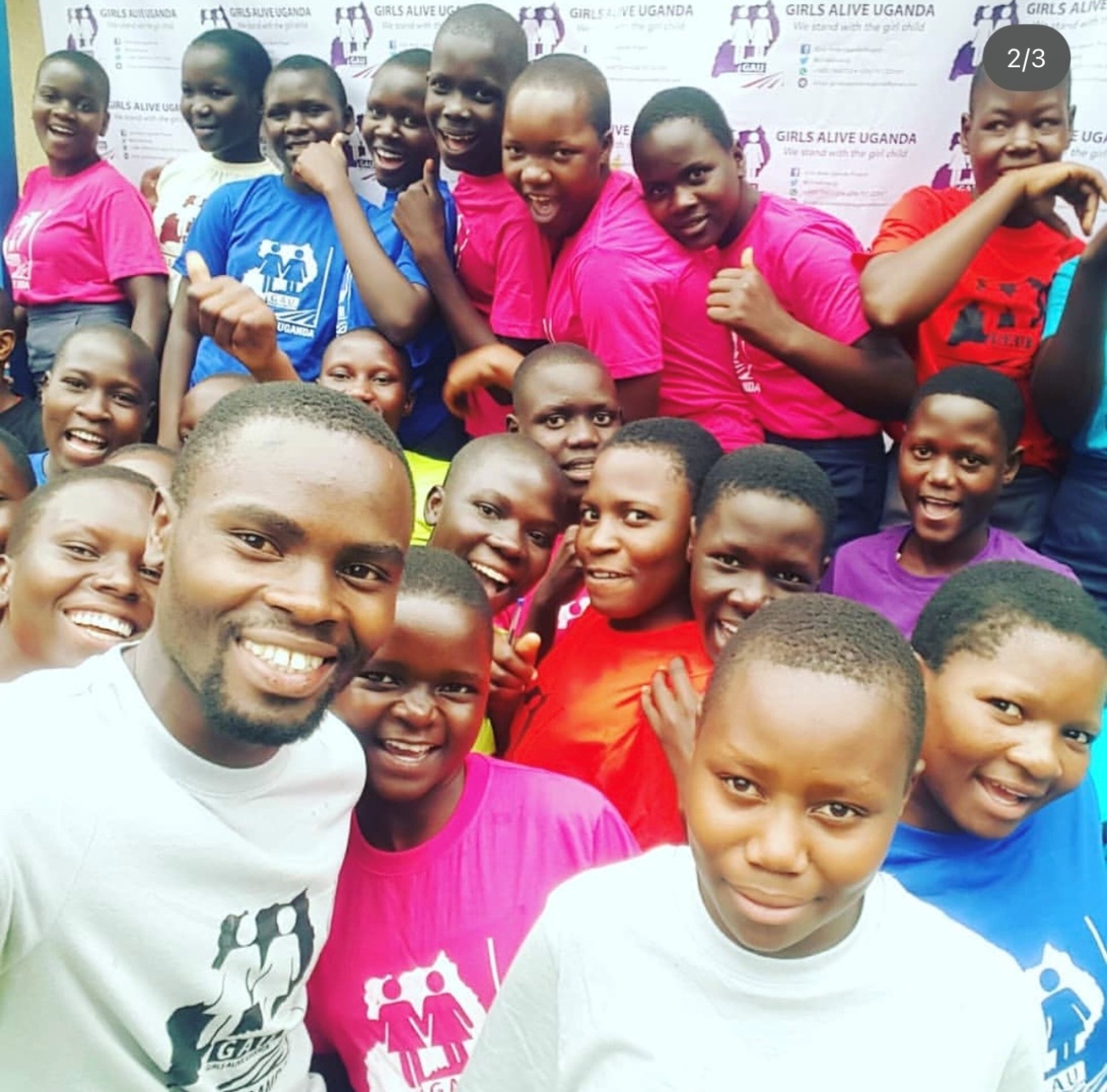
He never allowed geographical or personal barriers to become excuses for disengagement. Even while facing his own struggles, he invested in others. He embodied the values the Mastercard Foundation seeks to cultivate—ethical leadership, service, and community empowerment.
Sylas did not wait for a perfect platform to create change. He simply served where he was. He helped build bridges between education, culture, and professional development while remaining grounded in his values. He dreamed of creating a stronger alumni ecosystem and brought both passion and compassion to every initiative he touched.
Since his passing, social media has been filled with memories of his infectious smile and unwavering commitment to others. Those tributes reveal an important truth: people gave generously because Sylas had first given himself generously to them. People from different backgrounds, generations, and communities showed up because he had spent his life showing up for them. His legacy now challenges all of us.
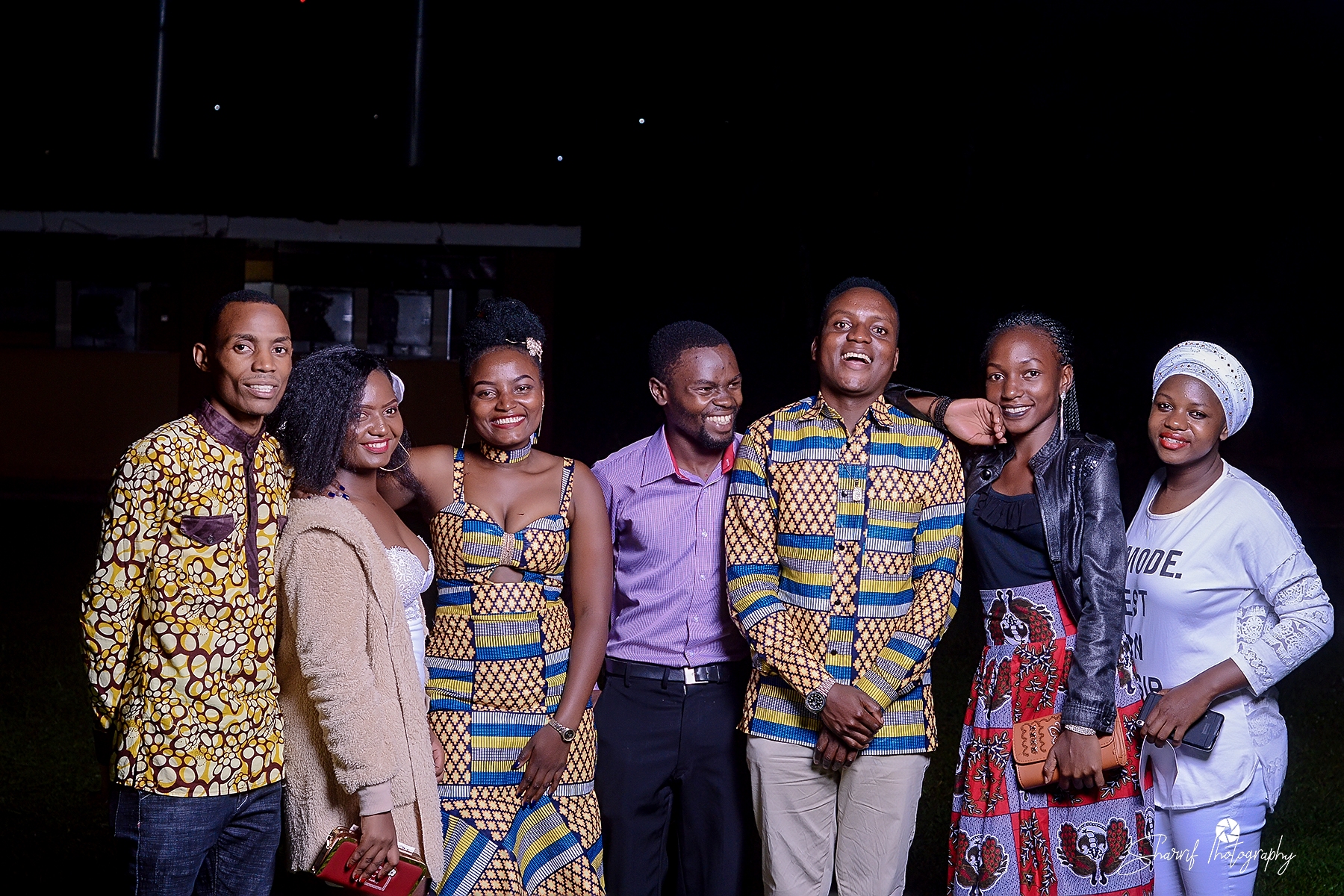
The greatest tribute we can offer is not simply to mourn his loss but to continue his work. That means supporting the causes he cared about, helping the children whose education he championed, strengthening alumni networks, and pursuing the dreams we discussed with him.
The tragedy of modern life is not that we follow people online. It is that too often our attention to distant lives comes at the expense of meaningful relationships nearby. Yet strong relationships are as essential to our well-being as physical health.
As Ugandans, we take pride in our faith, culture, and sense of community. We contribute to fundraisers, attend ceremonies, and support family members in times of need. But increasingly, genuine connection is being replaced by passive digital interaction. Families and communities cannot thrive on likes, retweets, and emojis alone.
They require presence—phone calls, visits, conversations, and the willingness to notice when someone is struggling.
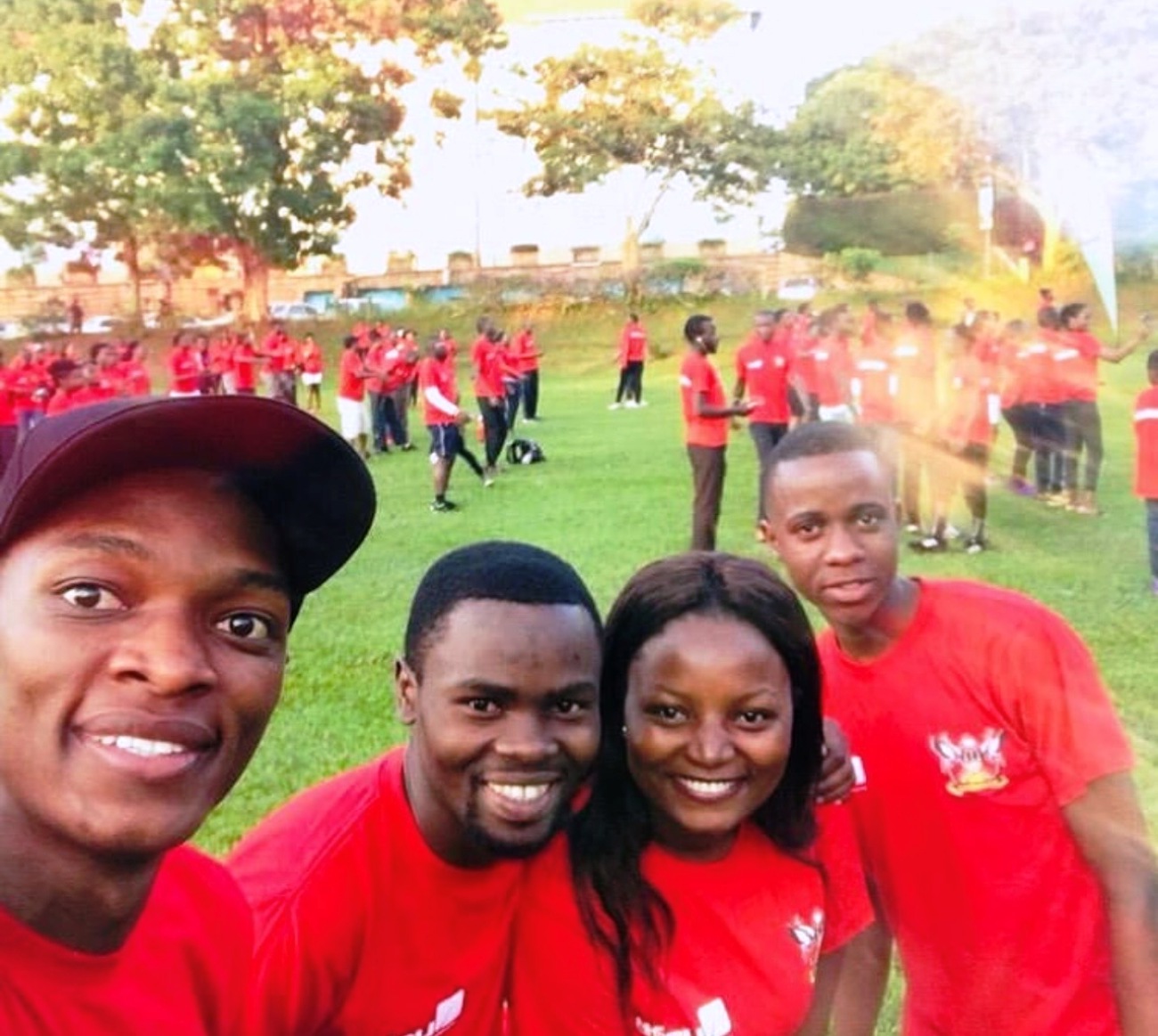
Before spending another hour immersed in the lives of strangers online, look around. Call the friend you have not spoken to in years. Check on a family member. Reach out to a colleague who seems withdrawn. Communities are not built by algorithms or celebrities. They are built by ordinary people who choose, day after day, to care for those within their reach.
Uganda needs more people like Sylas. At just 32 years old, he achieved what many spend a lifetime striving for. He served as Minister of Information in the Toro Kingdom and as President of the Mastercard Foundation Scholars Alumni Association in Uganda. More importantly, he dedicated himself to serving others.
While his death is deeply painful, his life remains a powerful example of how we should live. My prayers and condolences go to his family, friends, and the entire Mastercard Foundation Scholars and Alumni community.
Rest in perfect peace, Owek. Sylas Ruhweza Atwooki.
The author is a Mastercard Foundation Alumna from Makerere University and the University of California, Berkeley. She is a journalist based in Southern California and the CEO of the Debunk Media Initiative.
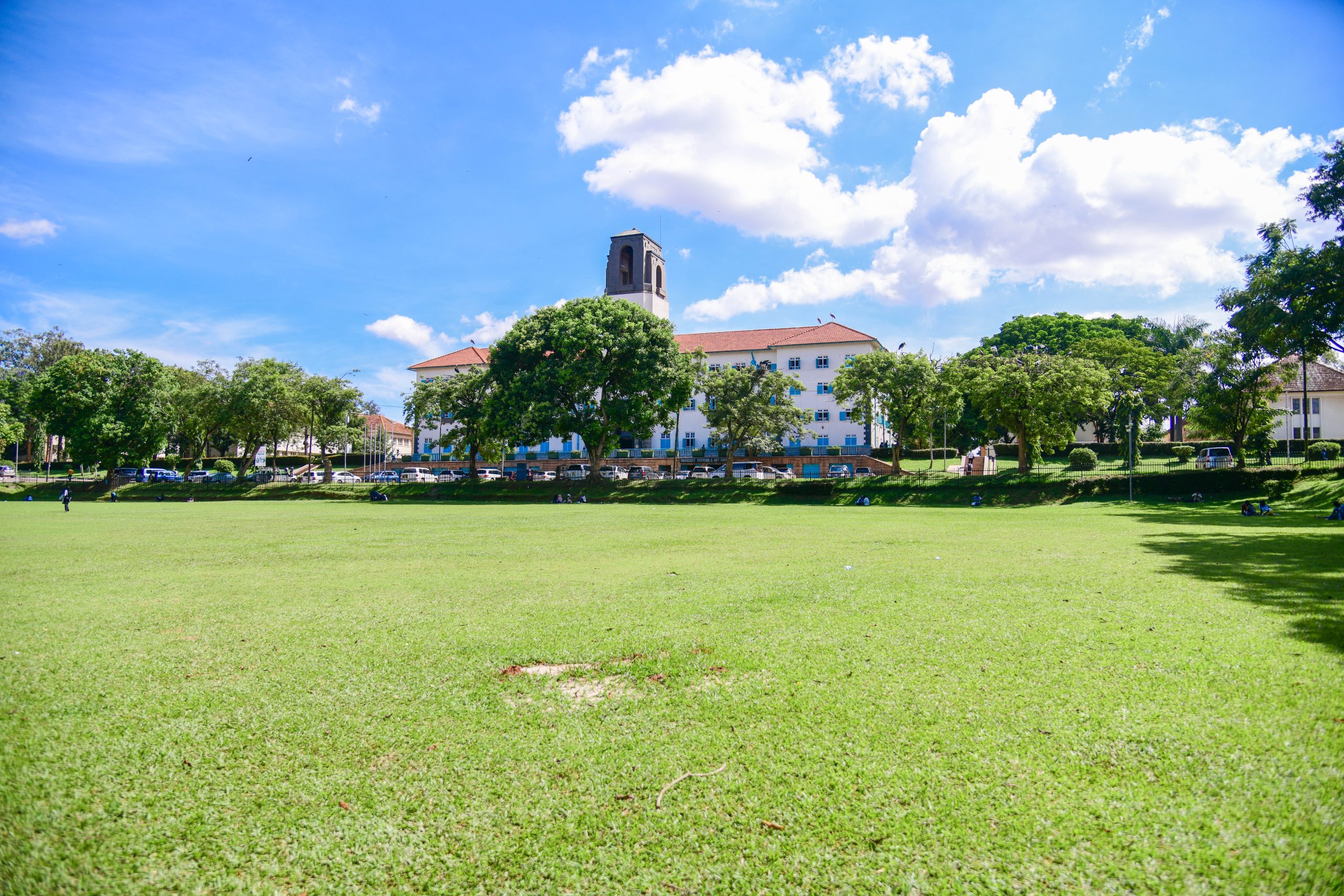

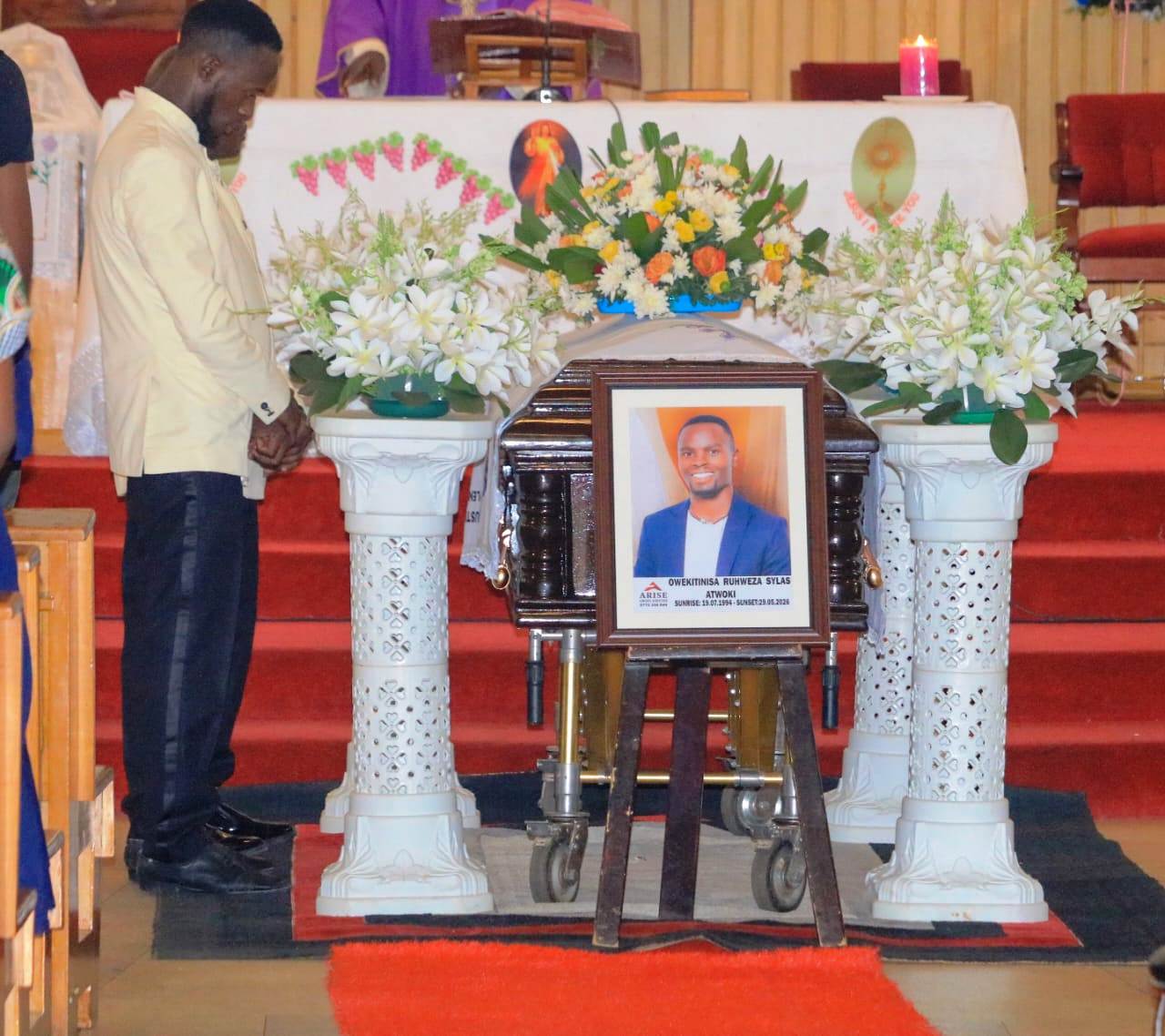
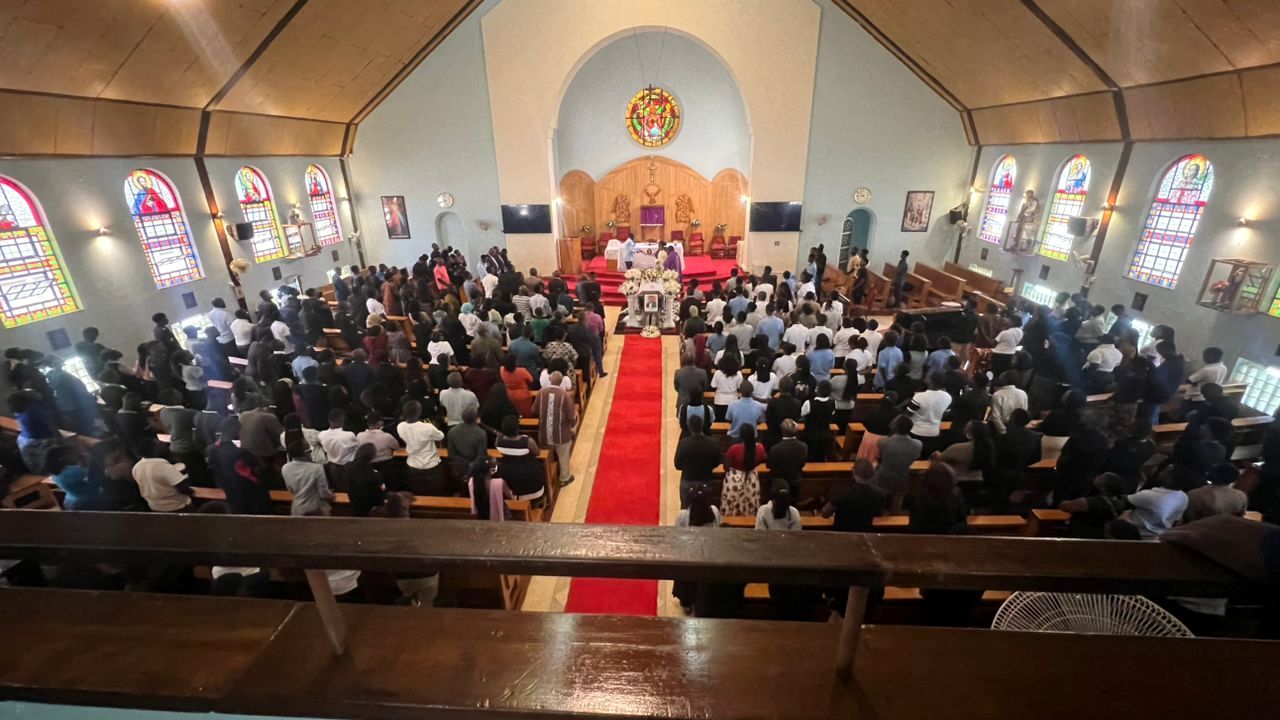
Hundreds of mourners gathered at St. Augustine Chapel, Makerere University on May 30, 2026 to pray for the soul of Mr. Sylas Ruhweza, the first President of the Mastercard Foundation Scholars Alumni Community at Makerere University.
The requiem mass was filled with emotional tributes celebrating Ruhweza’s life of service, leadership and dedication to community causes. Ruhweza passed away on Friday, May 29, 2026, at Mildmay Uganda Hospital.
Speaker after speaker described him as a humble and visionary leader who was passionate about uplifting others and deeply committed to excellence.
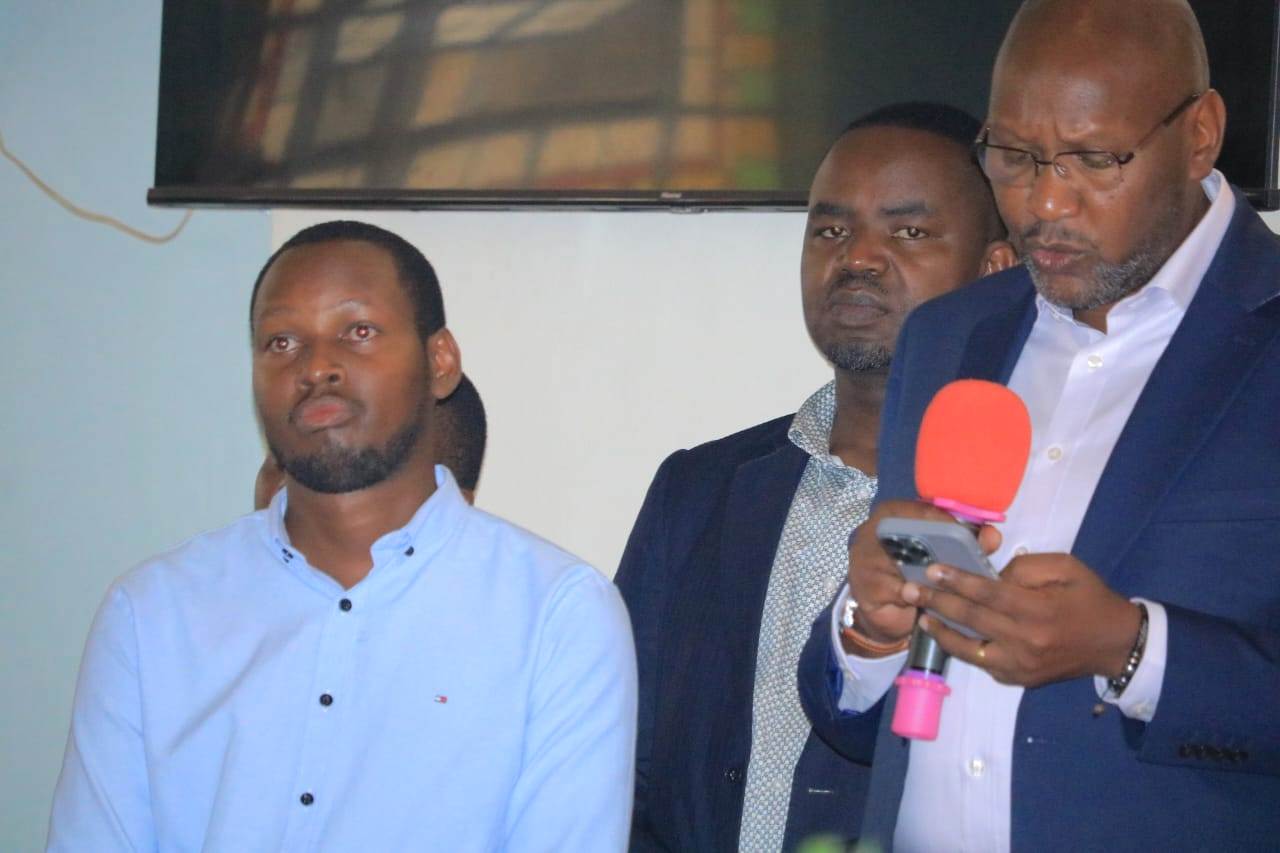
“We thank God for the life of Sylas, for the years he granted him among us, and for the impact he made on countless lives. He carried himself with humility and grace, and wherever he went, he built friendships, inspired confidence, and left people better than he found them,” Tooro Kingdom Prime Minister, Calvin Armstrong Rwomiire Akiiki, said during the Mass.
Mr. Rwomiire urged mourners to honour Ruhweza’s legacy by embracing the values he stood for, including integrity, compassion, hard work, service to community, and his unwavering love for Tooro Kingdom.
The main celebrant, Rev. Fr. Charles Lwanga Makoboza, echoed the message in his homily, reminding Christians to remain rooted in Jesus Christ throughout their lives.
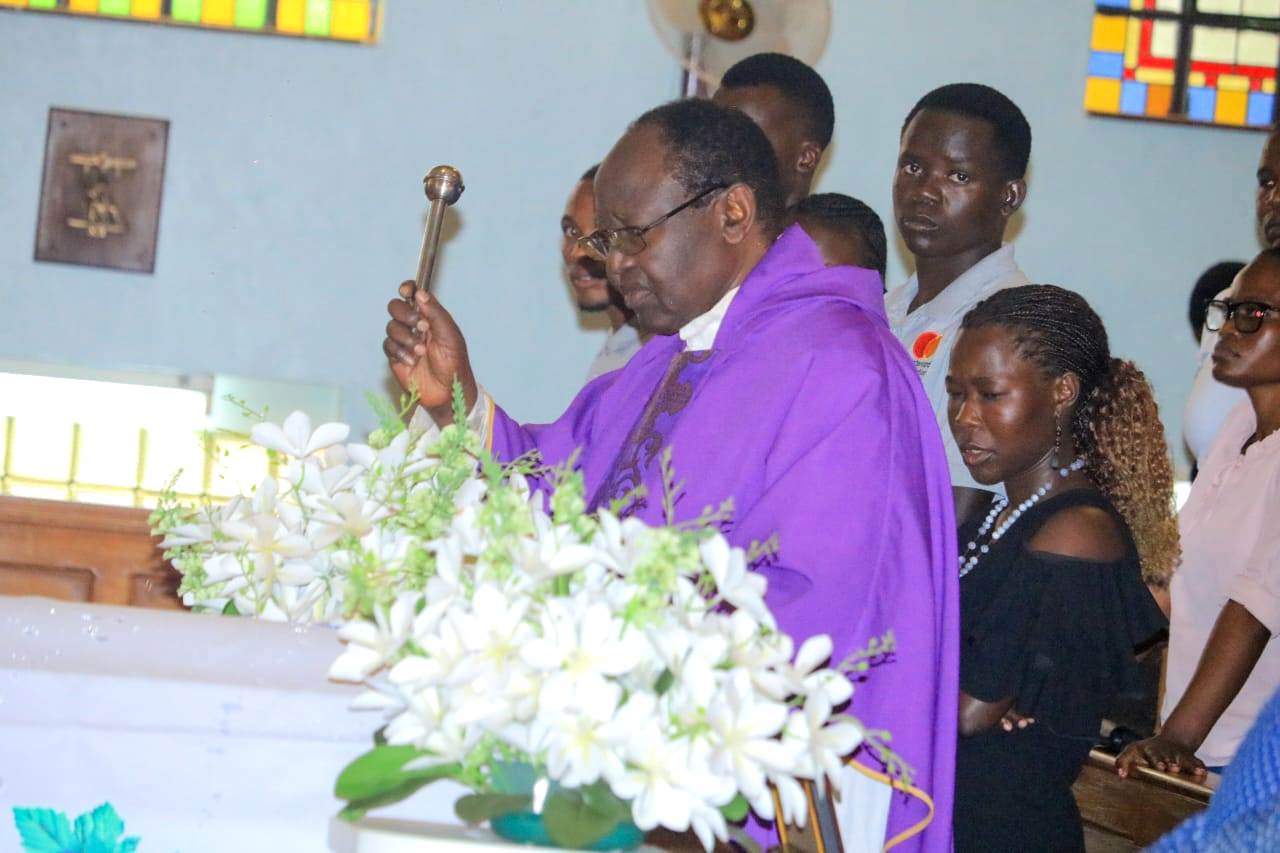
“Sylas has gone to be with God, in a place where there is no pain, missed calls, struggle, corruption, betrayal, jealousy and tears. He is in a place with absolute peace. So, in life, never be the cause of someone’s tears, and if you do, seek reconciliation,” Fr. Lwanga, said.
Fr. Lwanga also reminded mourners that what Ruhweza needs most are prayers, not wreaths.
Speaking on behalf of the family, Ms. Grace Kabasita, Ruhweza’s maternal aunt, described him as a loving and dedicated young man whose life touched many people.
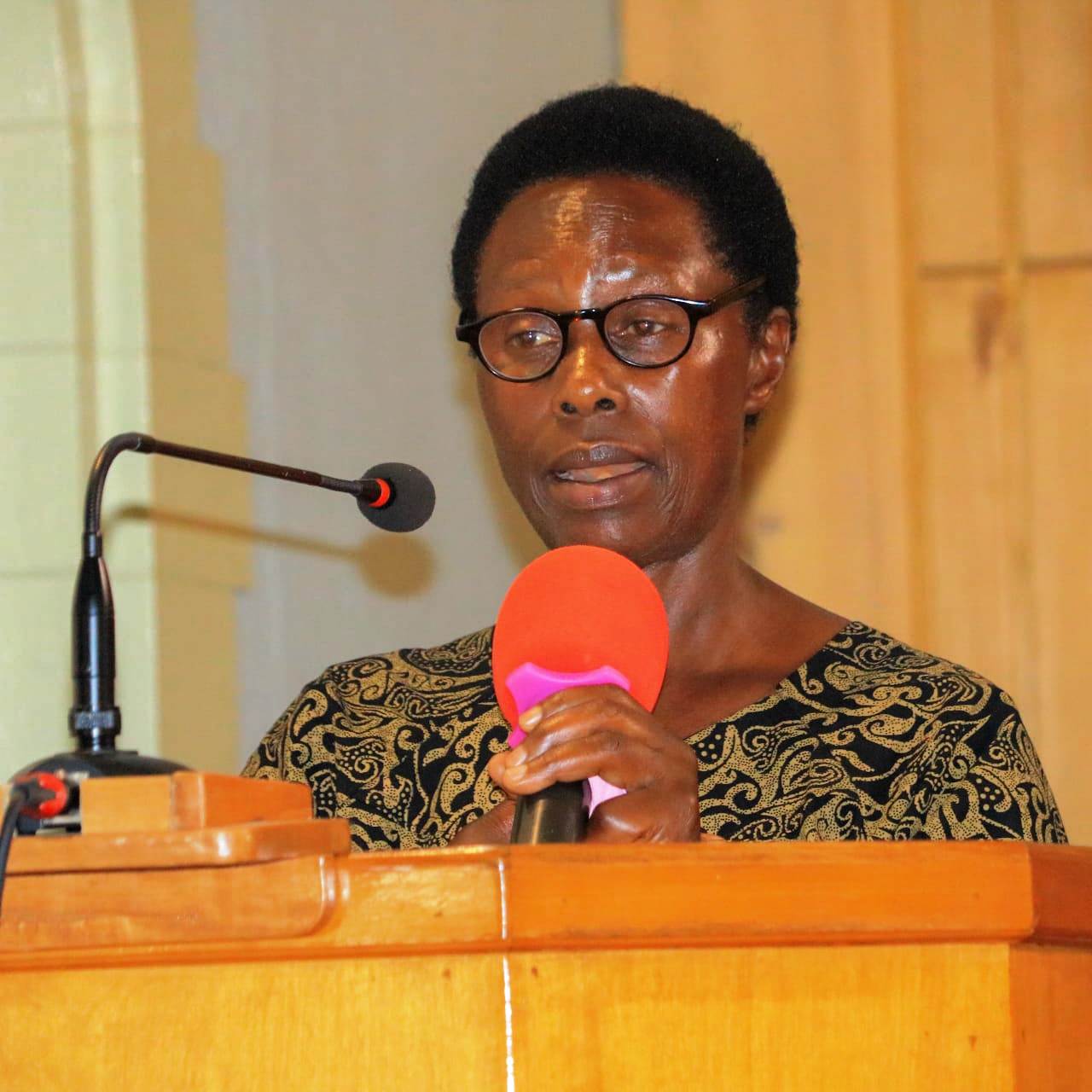
“Sylas was a counsellor, teacher, and a brilliant, loveable young man who fitted into every society. His life was marked by service, friendship, dedication, and commitment to the wellbeing of others and his culture,” she said.
Addressing mourners, Prof Justine Namaalwa, the Coordinator of the Mastercard Foundation Initiatives at Makerere University, noted that though Sylas’s life was cut short, he leaves behind a lasting legacy of service, leadership and impact on the communities he served.
“Sylas, you have gone too soon. But it is well with our souls. May your legacy of Transformative Leadership live on,” Prof. Namaalwa, said.
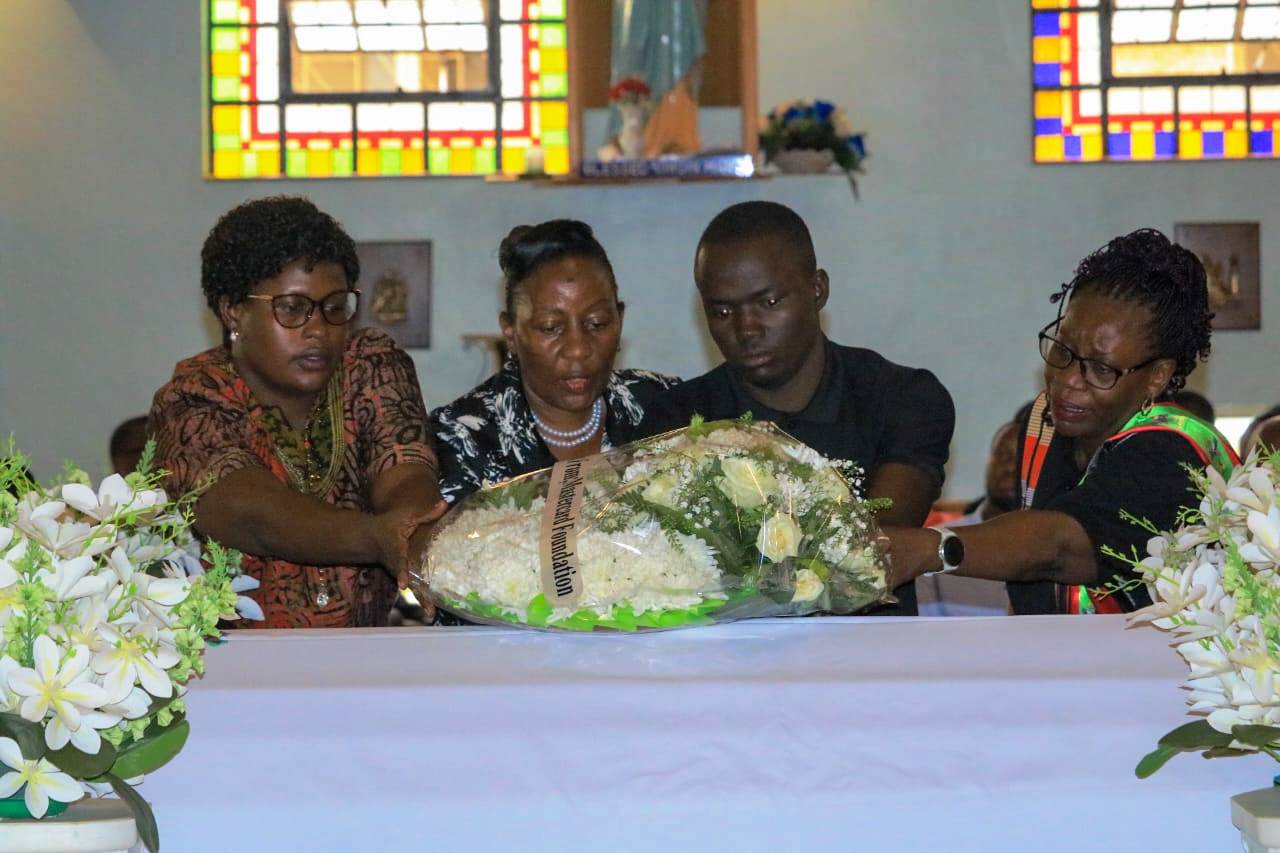
She thanked the Mastercard Foundation for supporting his education through BRAC Uganda, supporting his university education through the Mastercard Foundation Scholars Program at Makerere University, and nurturing his leadership journey through the Youth Advisory Board.
Ruhweeza at glance
Born on 19th July 1994 to the late Mr. Paul Tinkasimire Paul Adyeeri and Ms. Ategeka Margret Abwooli of Bunyangabu District.
The ninth born of eleven children attended Kaboyo Primary School for his Primary Education, and later joined Fort Portal Secondary School where he sat for his O-Level. He then proceeded to A-Level at Hannah International School.
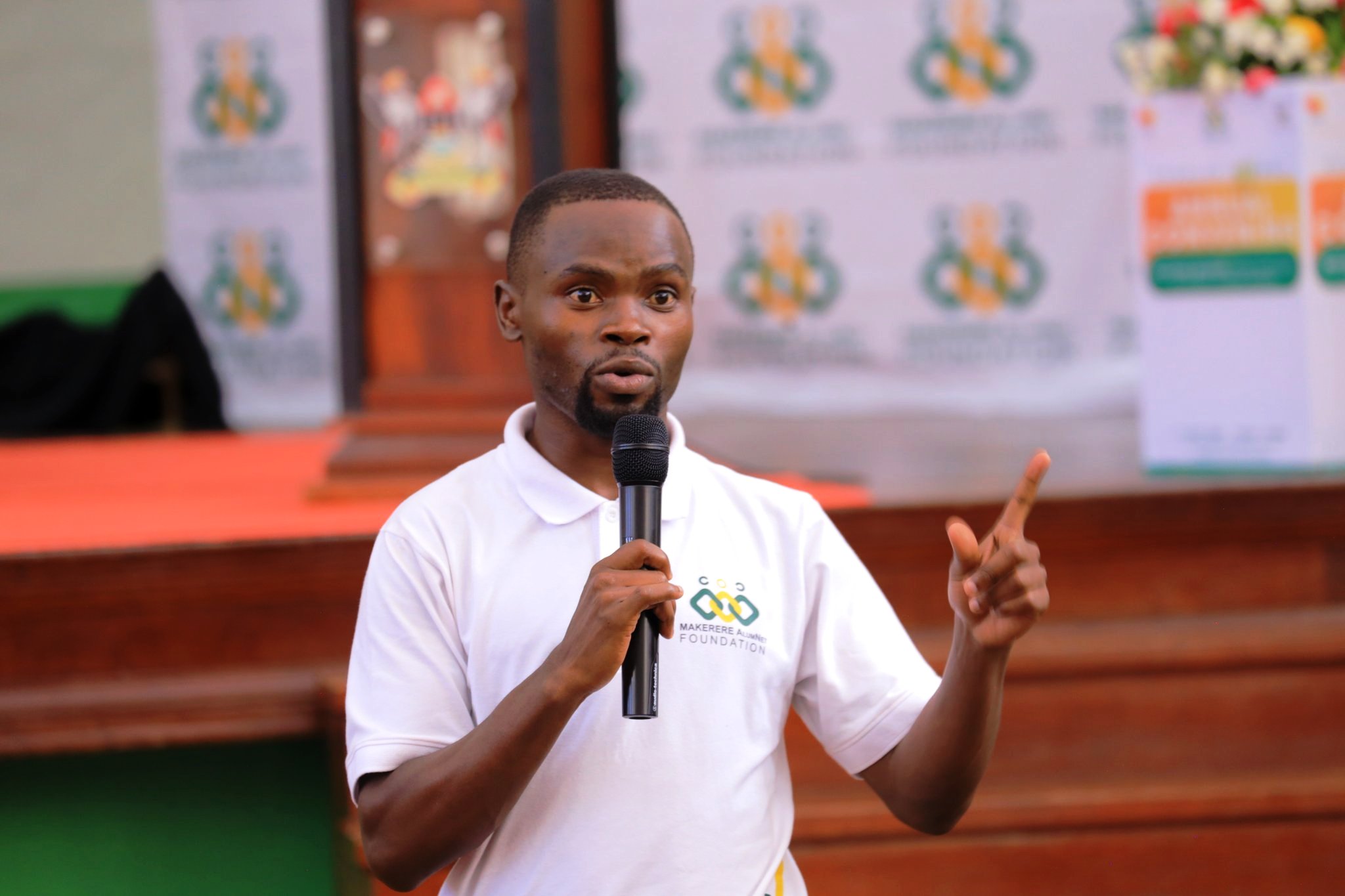
He joined Makerere University and graduated with a Bachelor of Science in Petroleum Geoscience and Production in 2022, supported by the Mastercard Foundation Scholars Programme at Makerere University.
At the time of his passing, he was pursuing a Master’s degree at Victoria University.
Leadership, Service and Professional Contributions
Mr. Ruhweza served as Chairperson of the Mastercard Foundation Alumni Network at BRAC from 2020 to 2022, demonstrating transformative leadership and commitment to social change.
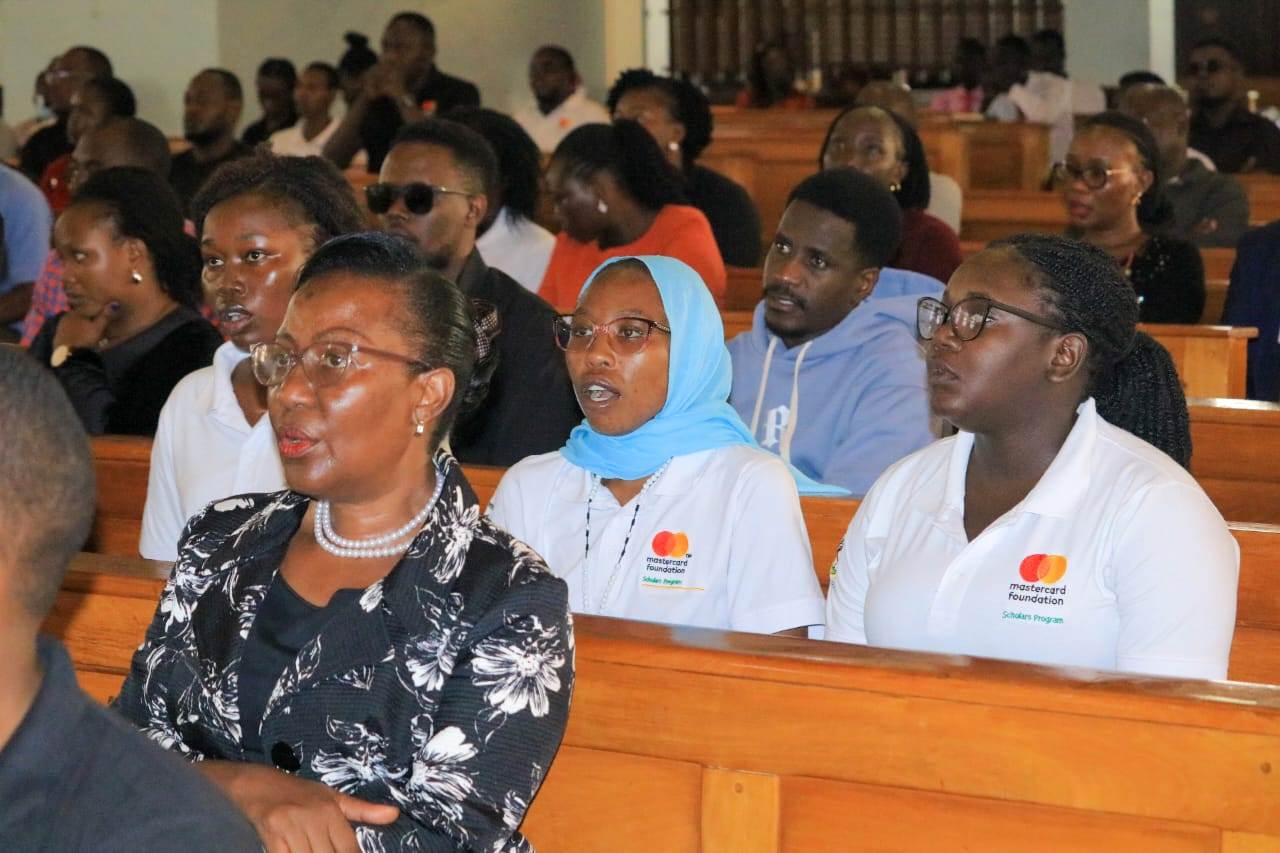
He later became the President of the Makerere AlumNet Foundation, an umbrella organization that brings together the Scholars Makerere Alumni chapter.
He worked as an eLearning Support Officer at the College of Natural Sciences (CoNAS) under the e-learning initiative at Makerere University.
He was a member of the Steering Committee of the Mastercard Foundation Scholars Program at Makerere University, representing the Scholars Makerere Alumni chapter.
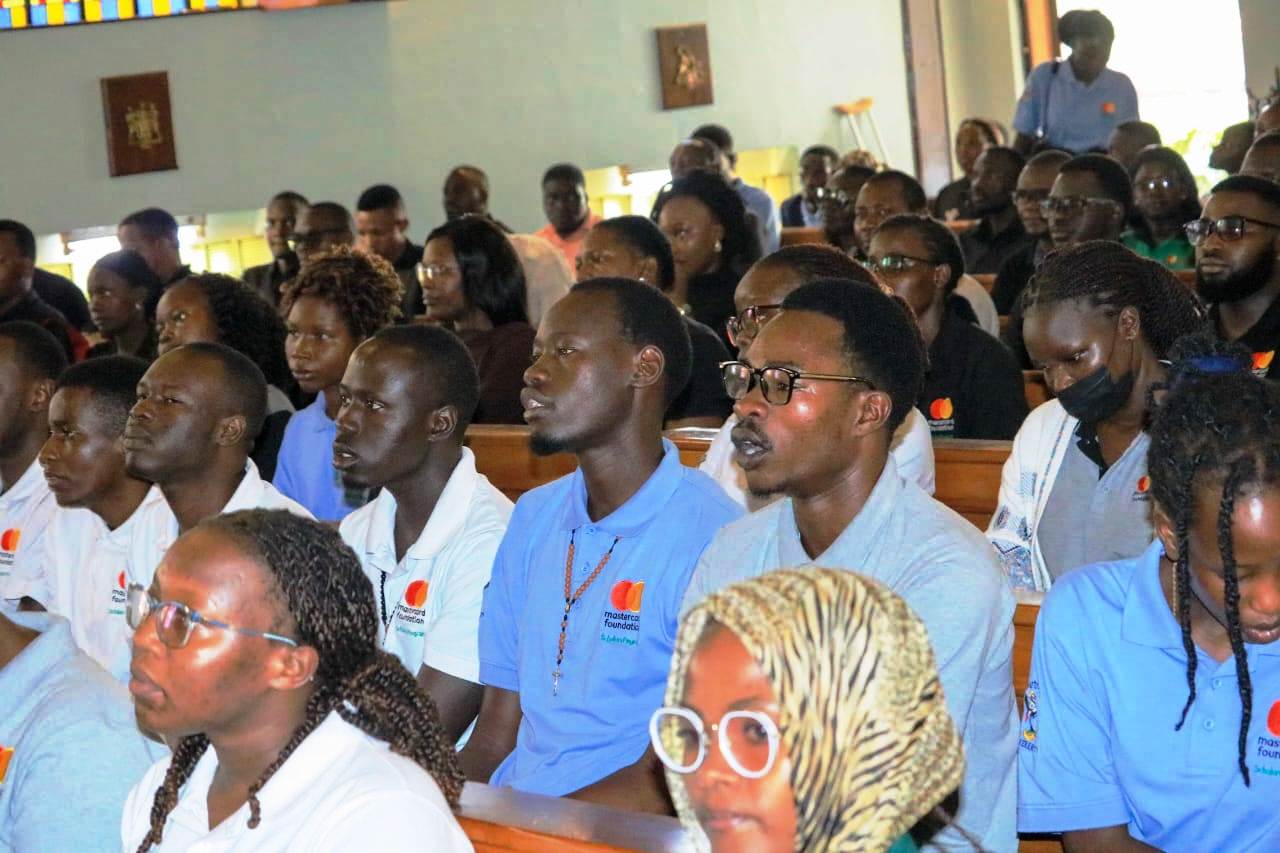
At the time of his passing, he was serving as the Minister of Information in the Tooro Kingdom, Strategy and Engagement Lead for the Mastercard Foundation Alumni Network-Uganda Chapter, and Programme Associate at the Africa Climate Collaborative, one of the Mastercard Foundation initiatives at Makerere University.
Legacy
Ruhweza is remembered for his dedication to education, leadership, mentorship, and community service. He passionately championed youth empowerment, collaboration, and social responsibility.
His life reflected the transformative power of education, servant leadership, and a commitment to uplifting others.
May Sylas’s soul rest in eternal peace.
-
 General2 weeks ago
Applications for Admission to Undergraduate Programmes 2026/27
-
 Agriculture & Environment4 days ago
Tribute To Professor Abwoli Yabezi Banana (1951–2026)
-

 General5 days ago
Sylas Ruhweza: A Brief Life Marked by Meaningful Accomplishments
-

 Health2 weeks ago
Call for Applications: Masters Support in Self-Management Intervention for Reducing Epilepsy Burden
-
 General1 day ago
Freshers’ Joining Instructions 2026/2027