
General
IsDB-TWAS COVID-19 Joint Research & Technology Transfer Grant 2020


General
Makerere University Launches First Writing Summer School to Strengthen Professional Writing Skills.

KAMPALA, UGANDA, EAST AFRICA| July 6, 2026.
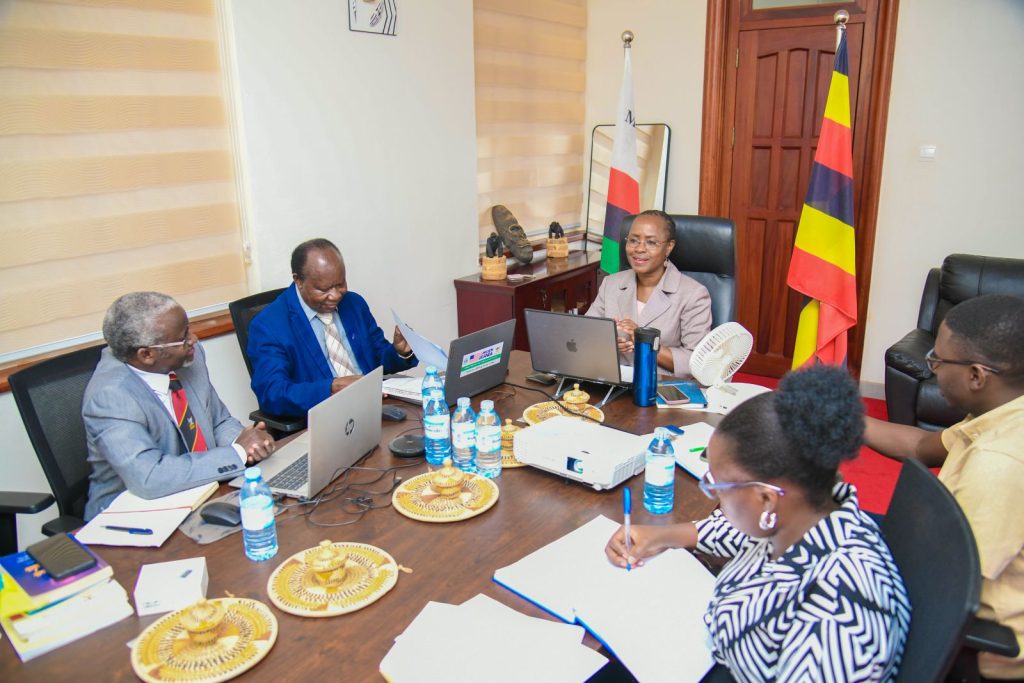
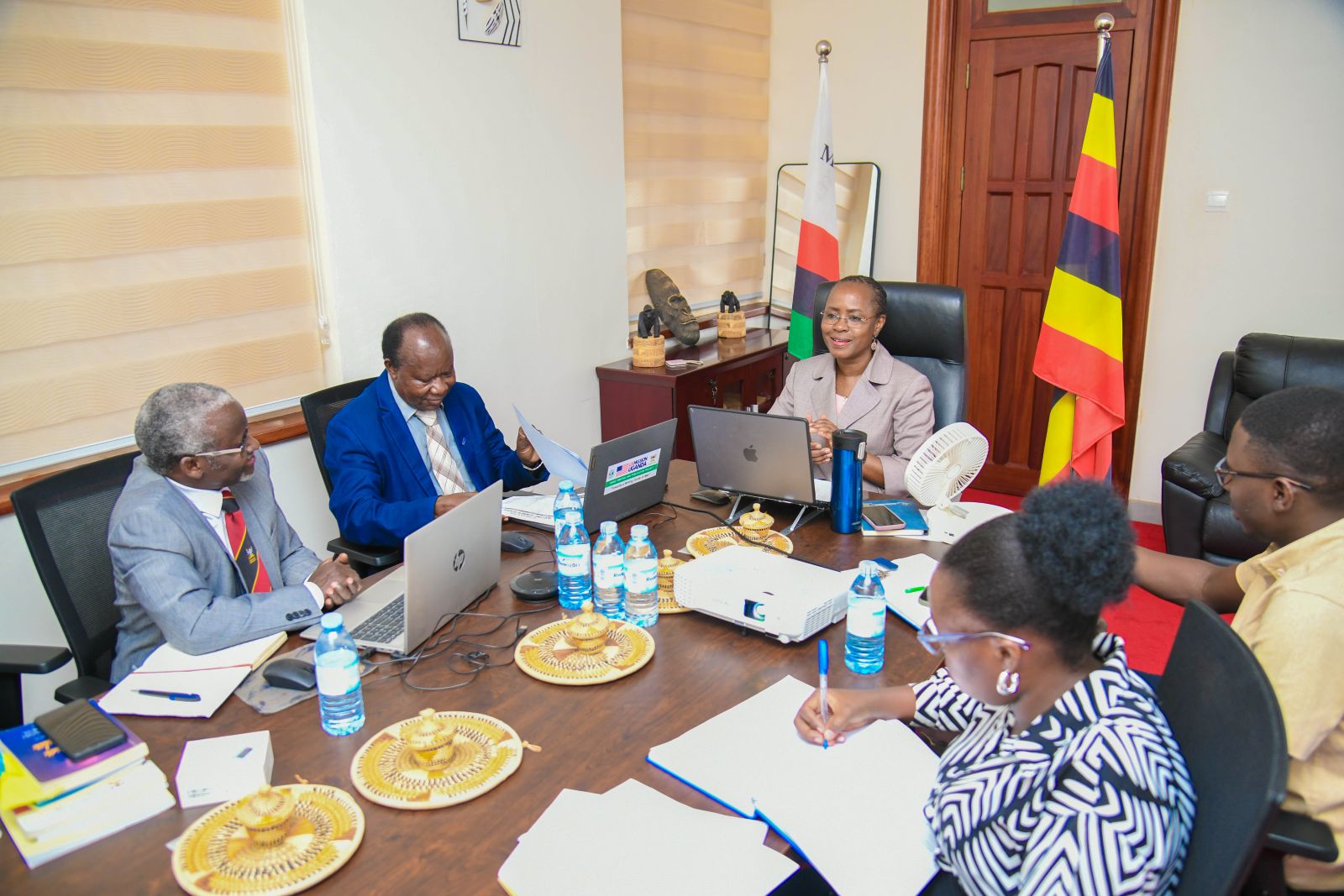
Makerere University has officially launched its inaugural writing summer school, a week long professional development program aimed at equipping students, graduates, researchers and staff with practical writing skills required for academic excellence and success in today’s competitive job market. The program jointly organized by the Makerere University Writing Centre and Makerere University Press (MakPress), reflects the University’s commitment to nurturing graduates with not only academic knowledge but also the communication skills needed to thrive professionally.
Held virtually, the launch attracted more than 280 participants from Makerere University and other higher education institutions, demonstrating the growing demand for structured writing support beyond the classroom.
Building the Next Generation of Writers.
Speaking at the launch, the Director of Makerere Writing Press, Prof. William Tayeebwa, said the summer school represents an important investment in developing writers before their work reaches publication.
“The press has traditionally focused on publishing books, journals and scholarly work. Today, we are expanding that mission by helping and develop the writers who will produce tomorrow’s publication.
He noted that MakPress continues to support the publication of books and scholarly works produced by members of the Makerere Community. Using recently published books authored by a member of staff and a student as examples, he encouraged participants to submit manuscripts for publishing support rather than relying solely on self publication.
Writing as a Foundation for Academic and Professional Success.
Chairperson of the Makerere University Writing Centre, Prof. Frederick Muyodi, said the center was established to strengthen the writing competences among students, researchers and university staff.
” The Writers Center is here to support every stage of the writing process from CVs and application letters to research manuscripts, grant proposals, reports and responsible use of Artificial Intelligence in writing.”
He explained that the Centre supports writing across multiple disciplines and professional contexts, adding that its long term vision is to extend writing support beyond Makerere University to institutions across Uganda and the East African region.
Equipping Graduates for the Labour Market.
Officially launching the summer school, the First Deputy Vice Chancellor for Academic Affairs, Prof. Sarah Ssali, described the initiative as a strategic investment in preparing graduates for an increasingly competitive labour market.
She observed that while universities successfully impart disciplinary knowledge, many graduates leave campus without the practical writing skills required to secure employment and other professional opportunities.
“We teach content very, but many students are never taught how to write an effective CV, application letter, motivation statement or scholarly essay. Yet these are the documents that often determine whether someone secures an opportunity.”
Prof. Ssali said the writing summer school would bridge the gap between classroom learning and professional practice by equipping participants with market ready communication skills.
Reaffirming her office’s commitment to the initiative, she added:
“My office is pleased to support this initiative as we institutionalize the Writing Summer School to ensure that Makerere graduates leave not only with degrees but also with practical competencies needed to thrive professionally,”
She officially declared the inaugural Writing Summer School open and expressed optimism that future editions would attract even more participants and resources.
Participants Gain Practical CV Writing Skills.
The first technical session was facilitated by Mr. Abdul Noor Luttamaguzi, a PhD student in the Department of Zoology, Entomology and Fisheries Sciences within the School of Bio sciences at Makerere University, a Senior Fisheries Officer with Luweero District Local Government, and the founder and director of the ANL Foundation, an organization that supports youth employment and capacity building.
During the session, he guided participants on developing competitive CVs tailored to specific professionals and employer expectations. He emphasized that applicants should customize their CVs to suit each opportunity instead of submitting the same document for every application. Participants also learned how effectively present their education, work experience, leadership roles technical competencies and professional achievements, while avoiding unnecessary personal information. Practical demonstrations using professional specific CVs provided participants with hands on examples of preparing competitive job application documents.
Looking Ahead.
The Writing Summer School continues throughout the week sessions on application letter writing, responsible use of artificial intelligence, professional communication and other essential writing skills aimed at improving academic productivity and employablity.
Through initiatives such as the Writing Summer School, Makerere University continues to strengthen its commitment to producing graduates who are not academically accomplished but also equipped with practical communication skills that enable them to compete and lead in today’s global workplace.
General
Makerere Launches Strategic Plan 2025-2030 to Drive Research, Innovation and National Development.

Kampala, Uganda East Africa.
Makerere University has officially launched its Strategic Plan 2025-2030, reaffirming its commitment to advancing research, innovation, academic excellence and human capital development in support of Uganda’s national transformation agenda.
The Strategic Plan, unveiled by the Minister of Finance, Planning and Economic Development, Hon. Henry Musasizi, provides a road map for strengthening the University’s contribution to Uganda’s Tenfold Growth Strategy through research, innovation, entrepreneurship and the production of highly skilled graduates.
The launch, held at the University’s Main Hall, brought together government officials, members of the University Council, management, development partners, staff and students to witness what leaders described as the beginning of Makerere University’s next phase of institutional transformation.
Positioning Makerere for National Transformation.
Delivering his remarks, Vice Chancellor Prof. Barnabas Nawangwe said the Strategic Plan reflects Makerere University’s ambition to become an even stronger research led institution that responds directly to Uganda’s development priorities.
He noted that the University intends to restore student enrollment to pre COVID levels while significantly increasing postgraduate training to produce more researchers, innovators and professionals capable of addressing national challenges.
Prof. Nawangwe also highlighted the University’s growing research portfolio, commending researchers and research centers that continue to attract substantial international funding.
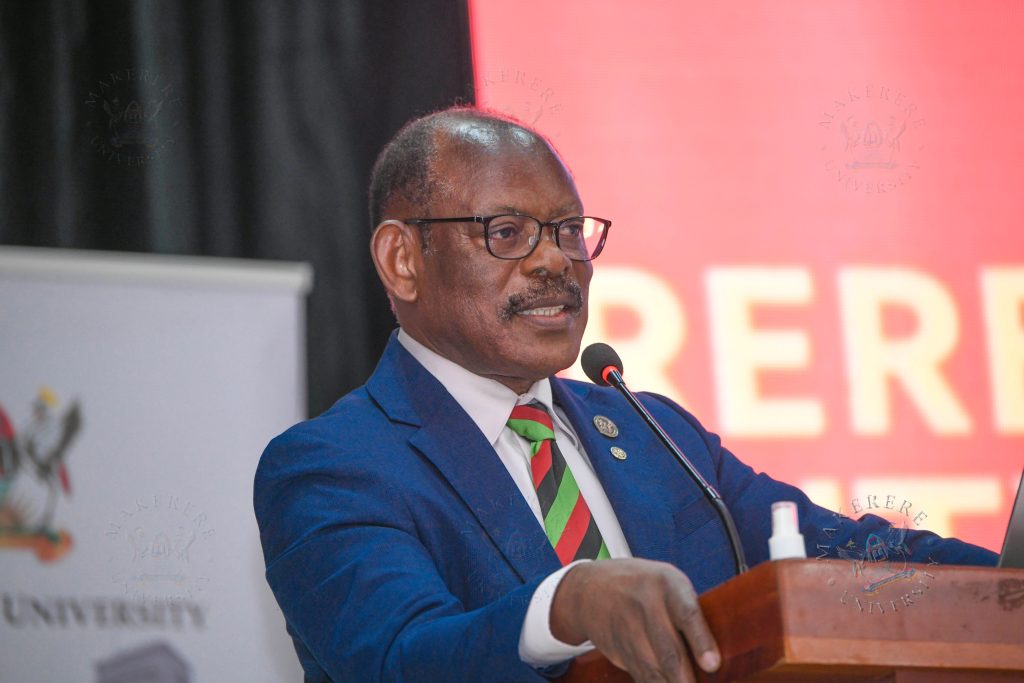
“when you combine the grants won by all our researchers through competitive international funding, the total exceeds US$200 million,” He said.
The Vice Chancellor also pointed to the need to strengthen the University’s academic workforce, noting that although progress has been made, more investment is required to fill approved academic positions, particularly at professor and associate professor levels.
Strategic Plan Sets Ambitious Institutional Targets.
Chairperson of the University Council, Dr. Lorna Magara, described the Strategic Plan as more than an institutional document, calling it “a public covenant with the people of Uganda.”
She said the Plan outlines measurable commitments that will guide the University’s performance over the next five years, including expanding postgraduate enrolment, increasing STEM participation, improving doctoral completion rates and strengthening research productivity.

“Ambition is precisely what this moment demands. A strategic plan is not measured by the elegance of its language, but by the lives it transforms,” she said.
Dr. Magara emphasized that every investment in Makerere University should translate into tangible benefits for society through research, innovation, leadership and skilled graduates.
She also called for reforms to Uganda’s Universities and Other Tertiary Institutions Act to strengthen university governance and create an enabling environment for innovation and knowledge production.
Government Reaffirms Support.
Launching the Strategic Plan, Hon. Henry Musasizi commended Makerere University for aligning its institutional priorities with Uganda’s Vision 2040, the Fourth National Development Plan (NDP IV) and the country’s Tenfold Growth Strategy.
He observed that universities remain central actors in national development because they produce the knowledge, innovation and skilled workforce required to transform Uganda’s economy.
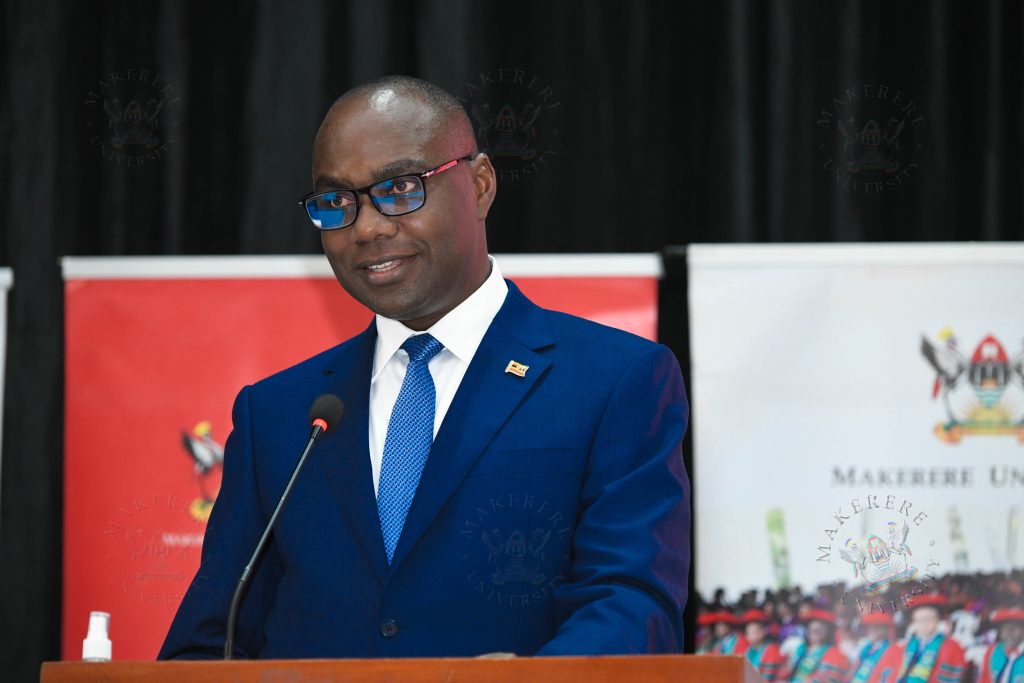
“Universities are central actors in national transformation. they are engines of knowledge creation, innovation and human capital development,” he said.
The Minister emphasized government’s commitment to supporting research, innovation and stronger collaboration between universities and industry to ensure that knowledge generated within higher education institutions contributes directly to economic growth.
Universities Critical to Uganda’s Tenfold Growth Strategy.
Presenting the national development perspective, Samuel Kasule, Senior Planner at the National Planning Authority, explained that the Strategic Plan aligns closely with the Uganda’s long term development framework.
He noted that achieving the country’s ambitious economic growth targets will depend heavily on universities producing competent graduates, expanding research and strengthening innovation ecosystems that support priority sectors including agriculture, tourism, ICT, minerals, manufacturing, and oil and gas.
Kasule further underscored the importance of competency based education and post graduate training in building the human capital required for sustainable national development.
A Shared Vision for the Future.
Throughout the launch, speakers emphasized that Makerere University’s future lies in becoming an increasingly research intensive, innovation driven institution that responds to national and global development challenges.
The Strategic Plan 2025-2030 outlines priorities that include strengthening research excellence, promoting innovation and commercialization, expanding digital transformation, enhancing partnerships with industry, and producing graduates equipped to drive socioeconomic transformation.
Its launch marks a renewed commitment by Makerere University to remain at the forefront of knowledge generation and to contribute meaningfully to Uganda’s long term development aspirations.
General
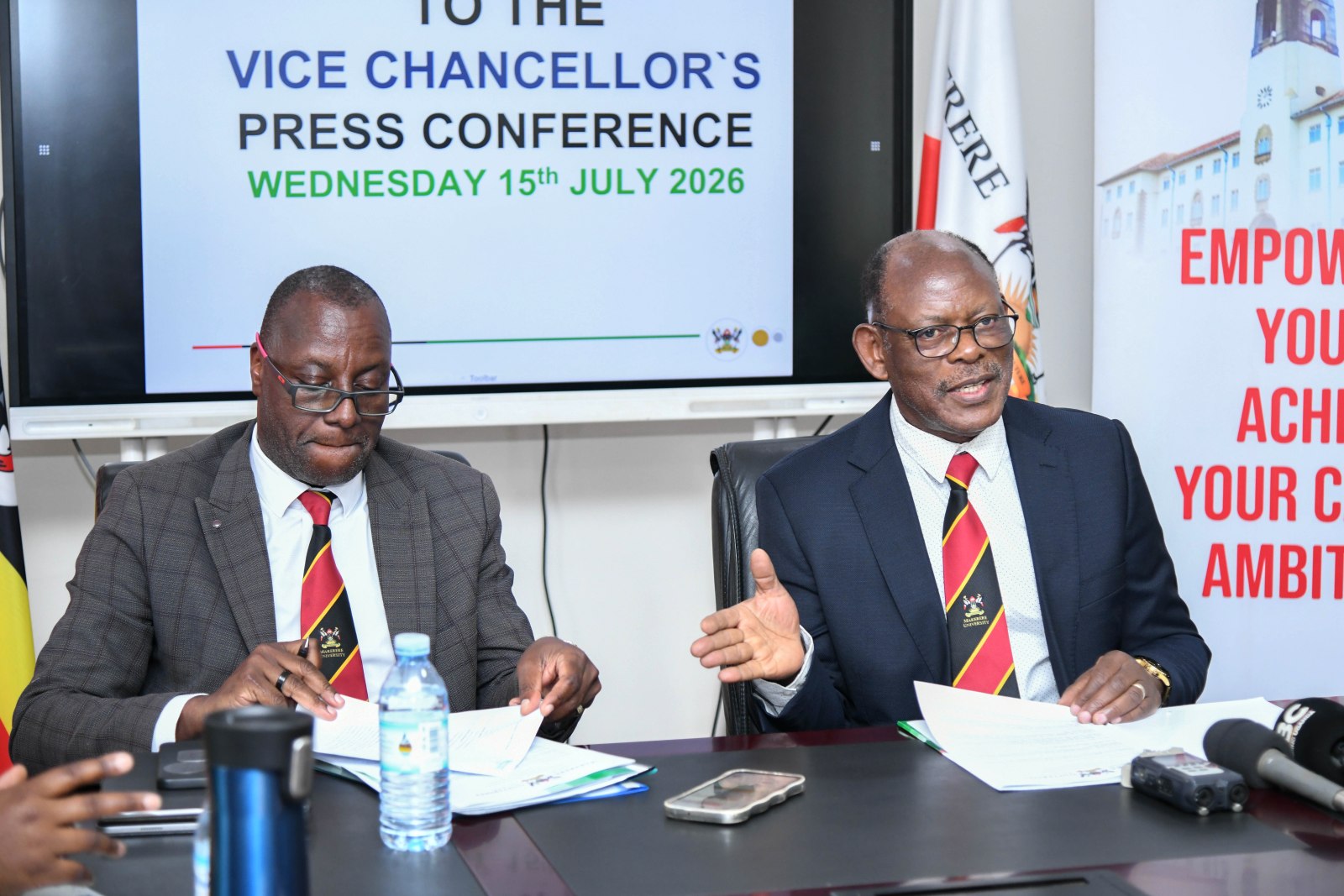
Press Release: Updates on Makerere University’s Staffing, 2026/7 Academic Calendar, Ebola Response Leadership

-
 General2 weeks ago
Undergraduate Admission Lists 2026/2027
-
 General2 weeks ago
Makerere University Launches First Writing Summer School
-

 Health2 weeks ago
Makerere University becomes Africa’s new nerve centre in the fight against Ebola
-
 General1 week ago
RE-ADVERT: Admission to Undergraduate Programmes 2026/27
-

 General7 days ago
Stakeholders of Mastercard Foundation Initiatives at Makerere University Convene to Review Progress and Strengthen Collaboration